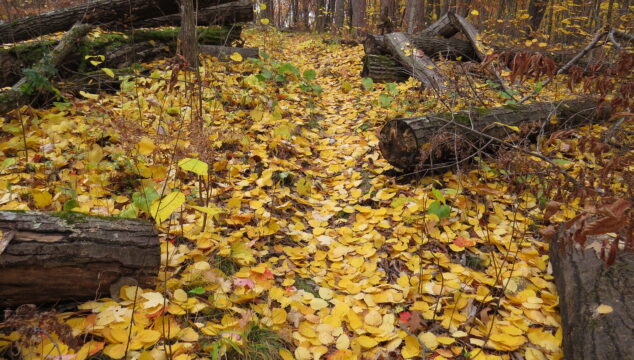
Come walk with me in the peak Autumn beauty of the Northwoods. To say that I love this time of year is an understatement. Most everyone can appreciate the colorful falling leaves---it reveals the 'true self' of a tree when its leaves are no longer producing chlorophyll. Their true colors are revealed, and there is something simple … [Read More...]
Gleanings from April 2015
When I was in grade school there were two boys who rode my school bus who sat at the back of the bus and talked loudly and used foul words that made me cringe. I thought they were knuckleheads. It didn’t stop me from taking my place at the back of the bus where I would verbally spar with them using words they didn’t know. In fourth or fifth grade, I got a phone call from one saying the two of them wanted to come see me on Saturday. I had absolutely no clue why they would want to come to my place, but after saying okay, I started planning our expedition. A beautiful creek wound around our place in the foothills of the Blue Mountains. It was my wilderness passage–from our long gravel driveway to the huge culvert that went under the Pennsylvania Turnpike and was large enough for us to ride our horses through. The boys arrived that Saturday morning. I stood in my rubber boots, saying we would explore the creek. The beginning of the journey was easy and benign–the babbling creek with rocks and crayfish was picturesque and navigating it went smoothly. As we ventured on, the way got more difficult–briars folded thickly over the sides of the creek. One cannot barrel through such brambles without harm–it takes patience and skill to lift the thorny branches and scramble under them. The boys started complaining and wondered why anyone would do this. And I was in my element–each passage through the creek was an exploration of Nature’s wonders. I told them all about the plants and creatures I knew about. After more than an hour of leading the expedition, we arrived at the waterfalls–my favorite place. Boulders built the four-foot high falls, and the water from the mountains cascaded over them into a deep, cold pool. This was the reward for toiling up and down muddy banks, through the briars, and over the slippery rocks! What a great morning! The boys were tired and complaining and called their mom as soon as we got back home. It was the only time they came to my place.
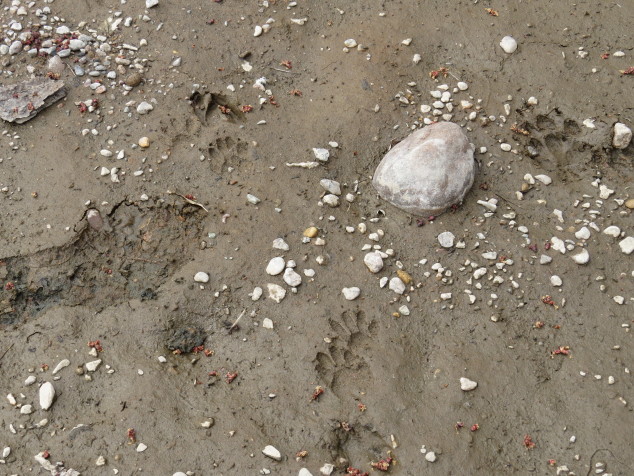
In the middle of April, my friend Ruth invited me to explore the islands in the Mississippi River below her house. With our minimal snowfall and spring rain, the River was low enough to walk across rocks to get to the islands. Our canine companion Coors was eager to investigate and happily ran ahead of us.

We discovered tracks and made tracks of our own in the mud.
Even the main channel of the River was low, and the water swirled around the sandbars poking through.
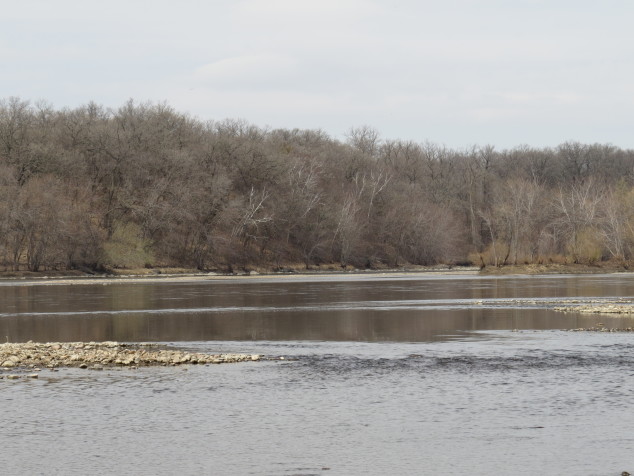
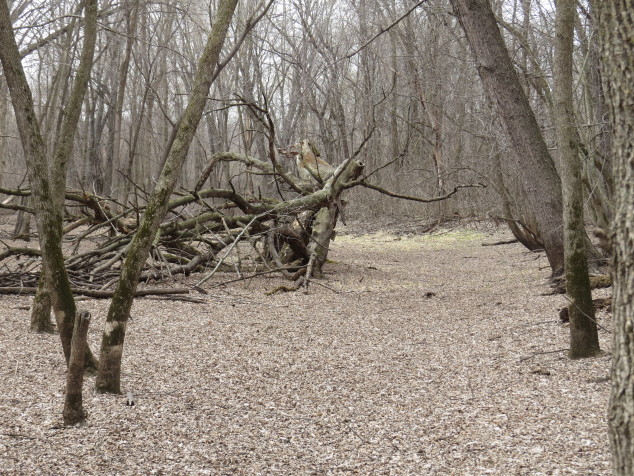
Walking the islands was like we were navigating a different world. Tall trees, both standing and marooned, inhabited the island wilderness with no regard for the homes that lined the banks of the River on either side of it.
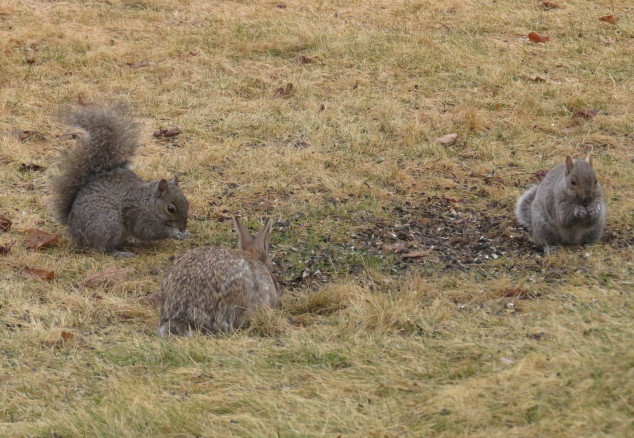
April is an exploration of Spring. New discoveries unfold with each passing day. Creatures of all kinds can be found at any given time. I was surprised to find two squirrels and a rabbit eating together beneath the bird feeder.
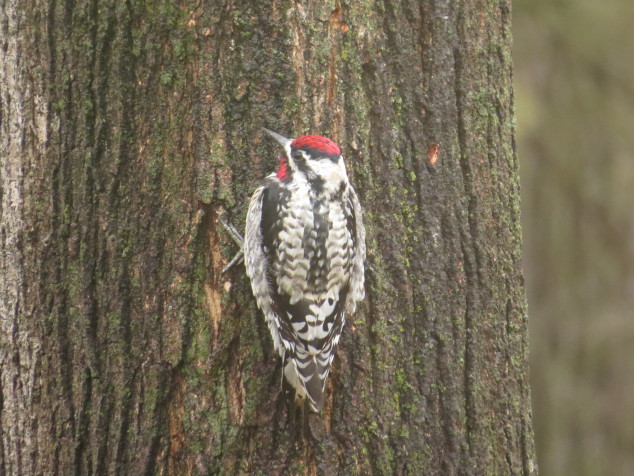
When the sap was flowing from the drilled maple tree, I noticed the yellow-bellied sapsucker spending most of his day clinging to the tree, lapping up the sweet liquid.
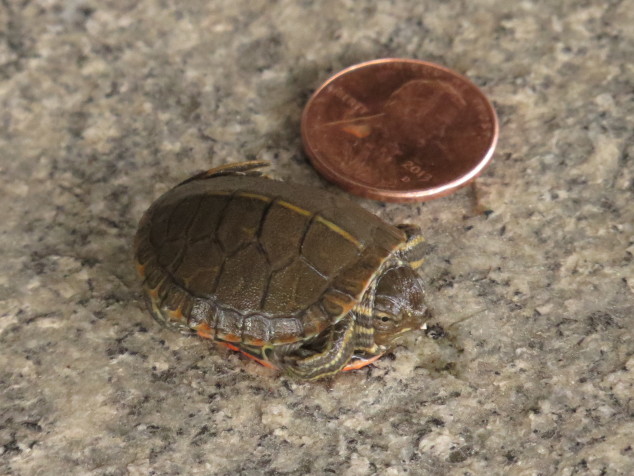
On a walk one day, we found a tiny, penny-sized turtle alongside the road.
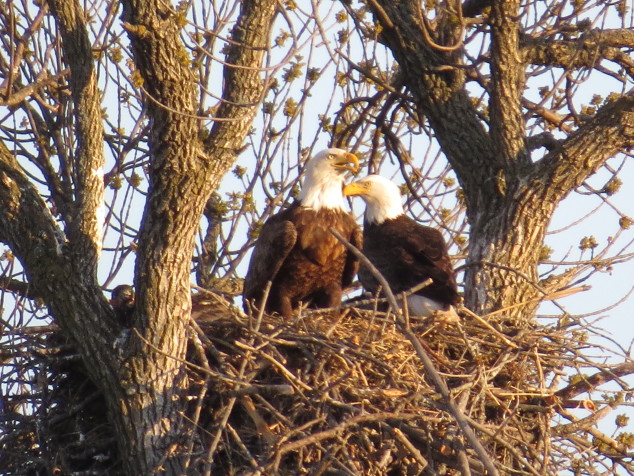
When we returned to the eagles’ nests, we discovered the first nest was empty. Perhaps the eggs never hatched or the tiny eaglets didn’t make it for one reason or another. At the second nest, we were surprised at how fast the two eaglets had grown in a month’s time! They were nearly as large as the parents! And still we spotted the papa eagle bringing food to the young ones.
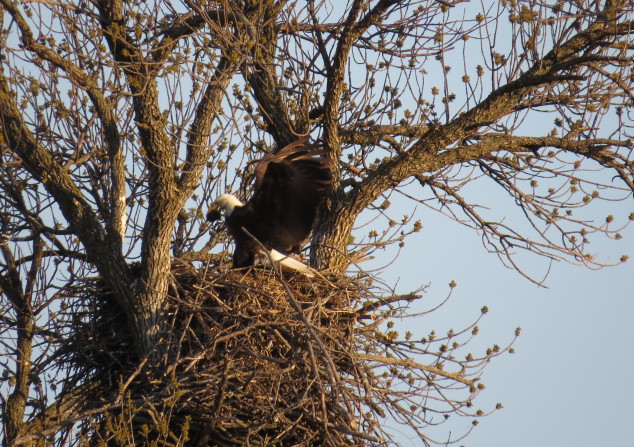
The young eaglets were standing in the nest when I first got out of the car, but the mama must have told them to lie low when she saw me. The one dark-feathered eaglet is to the left of the male with its head at the fork of the tree trunk, while the other one is behind the mama.
Early spring flowers trailblazed through April with color and magnificence–first bright forsythia, then elegant star magnolia and furry pasque flowers.
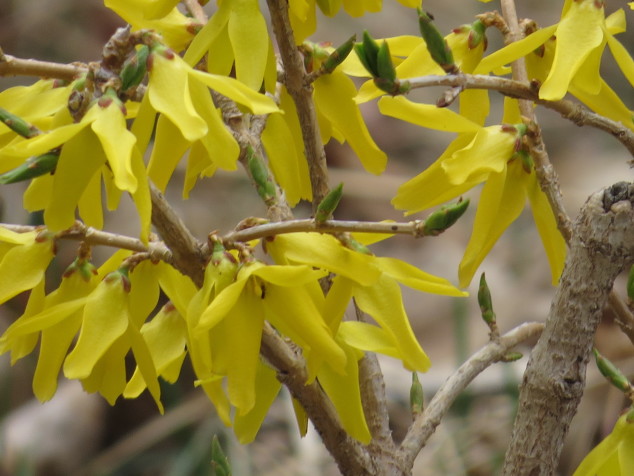
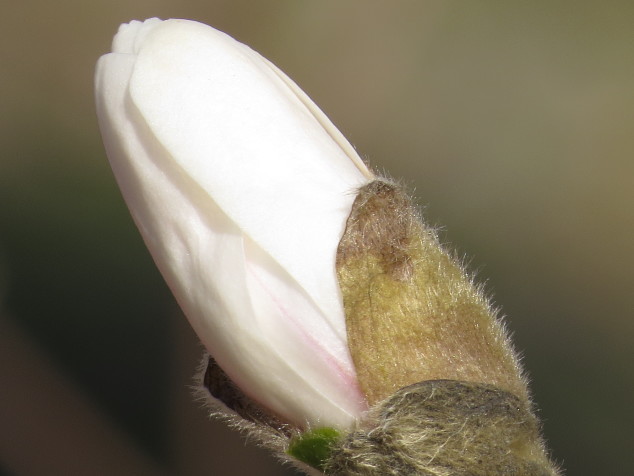
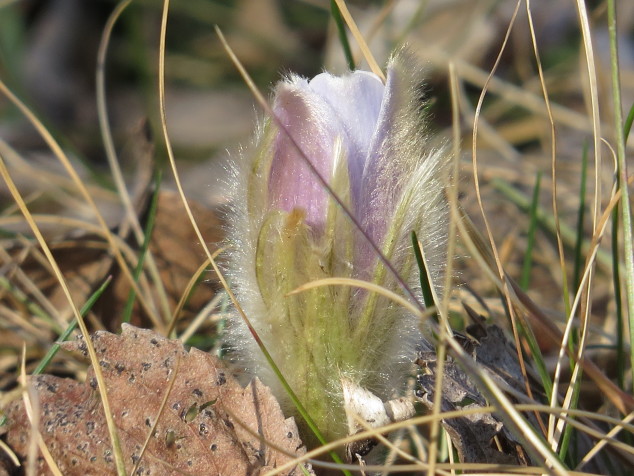
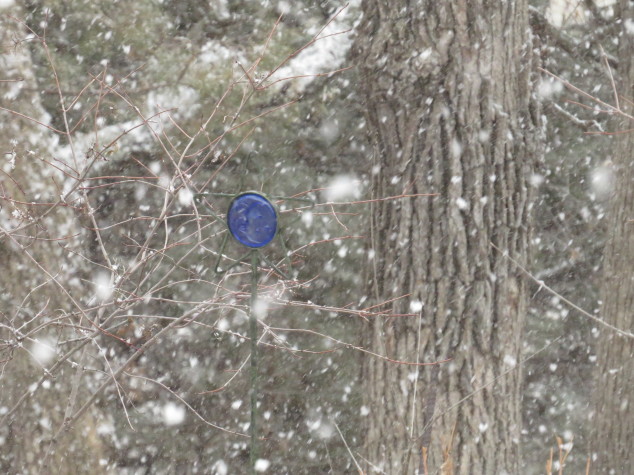
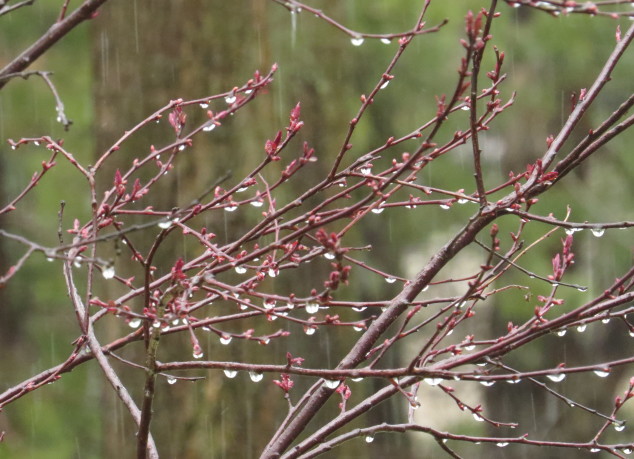
April snow and April rain unearthed Spring among days of sunshine and warmth.
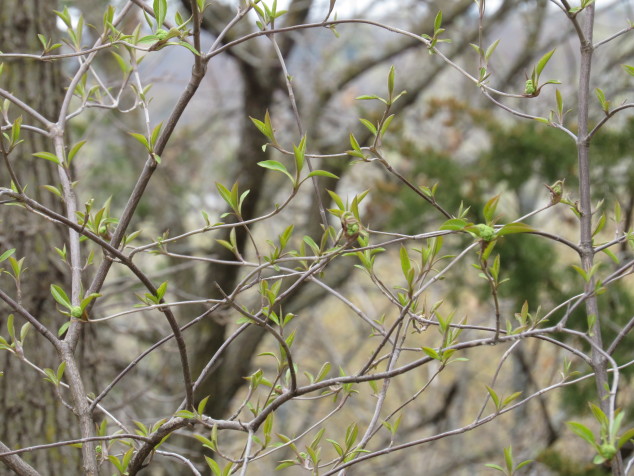
Life is like my first photograph of the Viburnum tree–the present is unfolding right in front of us, grabbing our attention and our energy. But there is so much more beyond the opening of the leaves or the expedition following the creek. I never knew why those boys came to my house–perhaps one of them liked me. We never talked about it again, but they seemed to have a new respect for me or maybe for all girls. What lies beyond or behind the present? The oak and cedar trees are an important backdrop to the viburnum–the woods are deep and wide with discoveries to be made. My expedition up the creek had little to do with those boys and much to do with my past and my future. We decide which tracks to follow and which tracks to make. We navigate life like the River and the creek, watching out for sandbars, sometimes getting stuck, sometimes finding treasures. And each year brings Renewal–often side by side with loss and pain. From our nest of protection and sustenance, we are free to explore, grow, make new friends, and drink the sweetness of life.
Sap to Syrup
Early in March, I wrote about how we learned to tap maple trees at Saint John’s Arboretum. The season of sap and syrup came to an end around the second weekend in April. Two weeks prior to that, we attended an open house at Wildwood Ranch, the only commercial producer of maple syrup in our county. Wildwood Ranch is a family business that has been producing syrup since 1979. Box Elder trees were tapped near the sugar shack on the shore of the ice-covered Kraemer Lake.
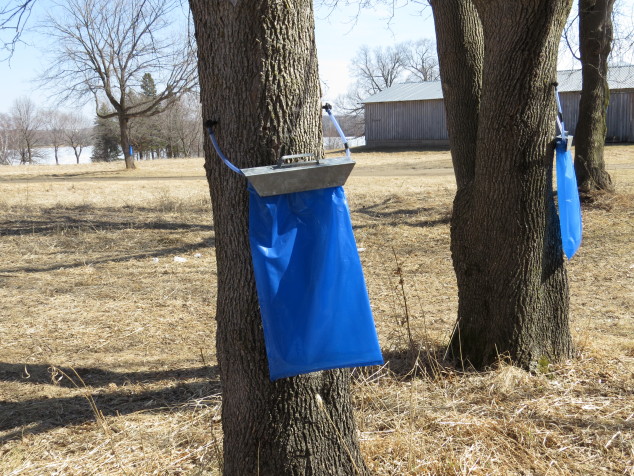
But most of the trees in the sugar bush at Wildwood Ranch were tapped and connected to sap lines that criss-crossed the woods.
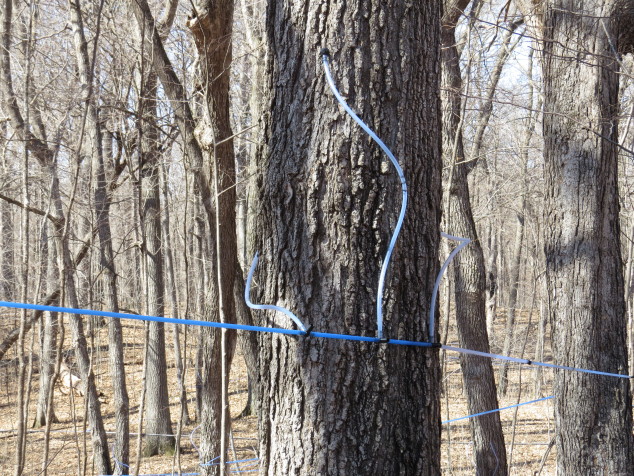
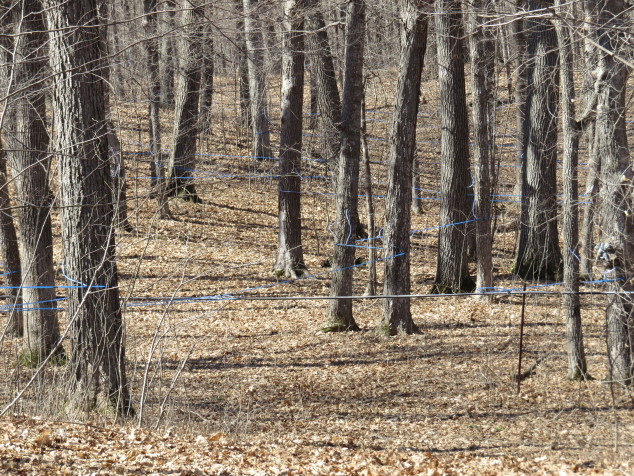
The sap flowed by gravity-driven vacuum lines to a pump house that moved the sap to holding tanks beside the sugar shack. Sap lines stay up all year and need to be checked in early spring for holes and damage made by nibbling squirrels and deer.
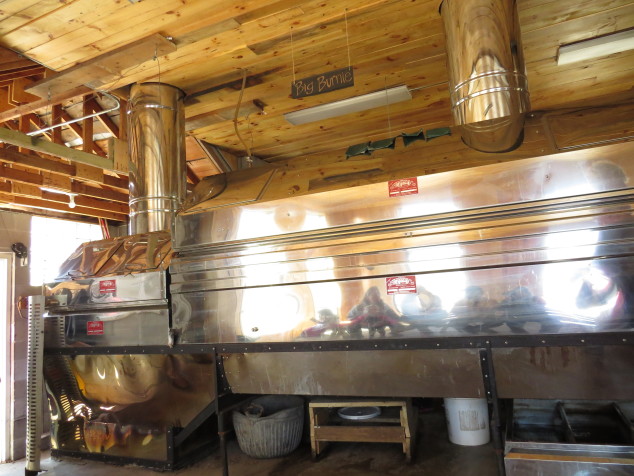
The evaporator fills the middle part of the sugar shack, shiny with its mirror-like stainless steel and hot with its wood-fired box that boils the sap down to syrup.
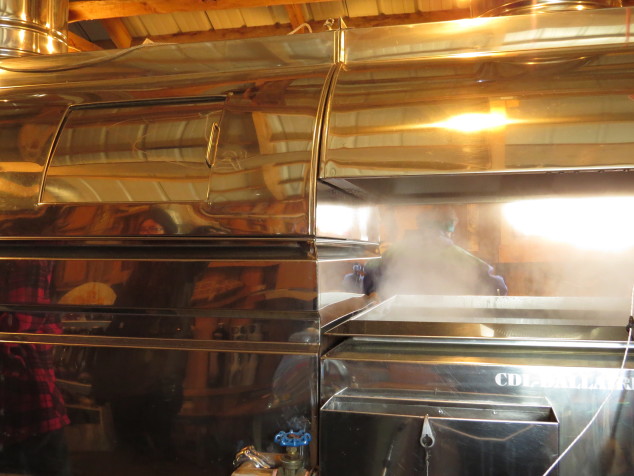
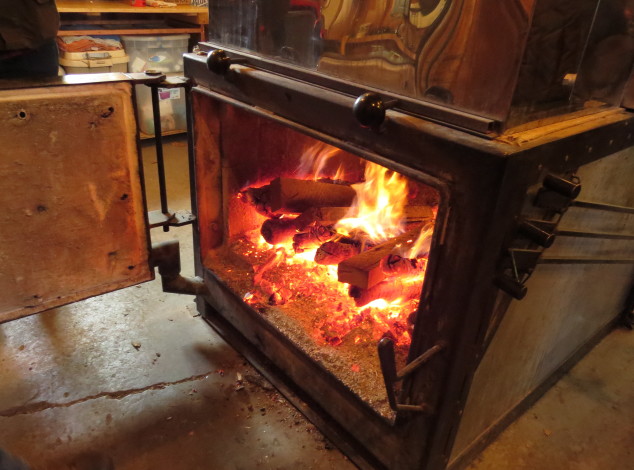
Sap begins its journey through warming tubes in the top and back of the unit, goes into a large back pan for evaporating water, then finally to the front pan right over the hot fire. It boils until it reaches a certain temperature or sugar level, then it is ‘drawn off’ into a kettle. The syrup is then ‘finished’ in another pan using propane heat for more control, so it doesn’t burn. A filtering process removes the ‘sugar sands,’ which are minerals that are carried into the tree with the sap.
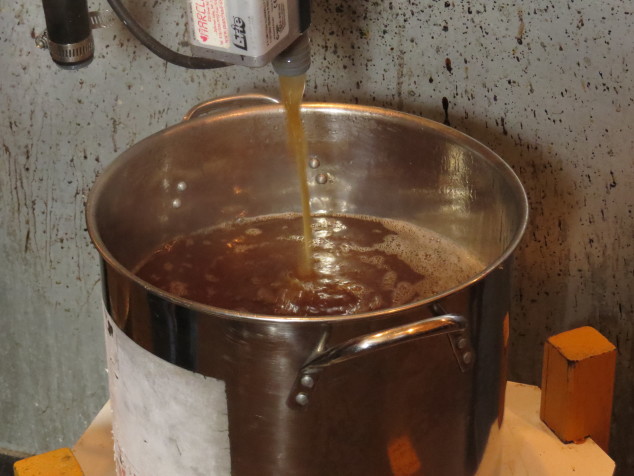
Wildwood Ranch averages 225 gallons of syrup from 11,000 gallons of sap collected in a season from 40 acres of land. They sell their syrup at the local St. Joseph Farmers’ Market and at area businesses.
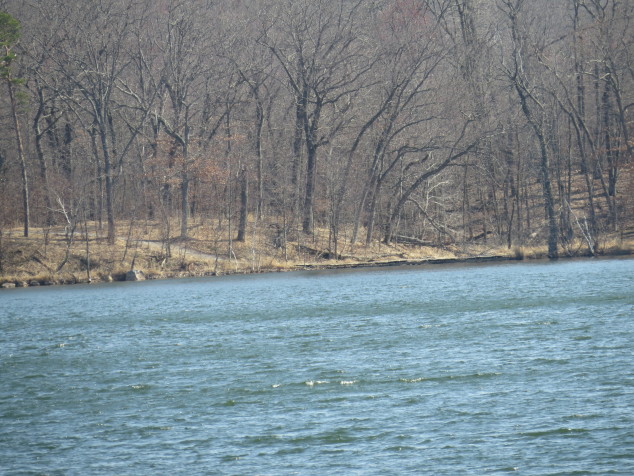
The ice was gone from the lakes two weeks later when we went to the Maple Syrup Festival at Saint John’s Arboretum. After months of white ice and snow, the lakes looked startlingly blue!
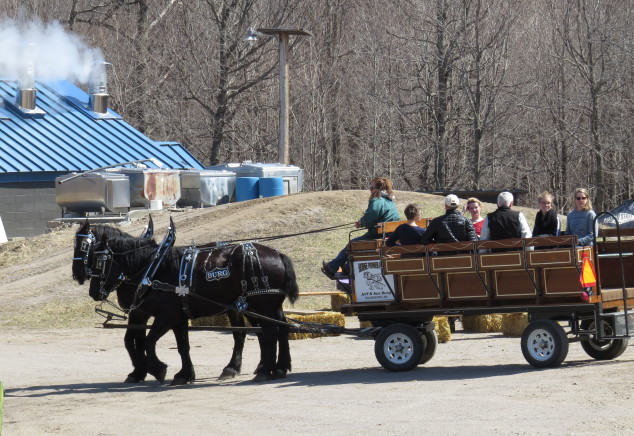
Three teams of muscular Percherons pulled wagon loads of people from the parking lot to the Sugar Shack. Activities included tapping and collection demonstrations, Native American syrup-making demonstrations, informational booths, tours of the Sugar Shack, live music, and hot maple syrup ice cream sundaes!
Sap collection at the Arboretum is an even more labor intensive endeavor.
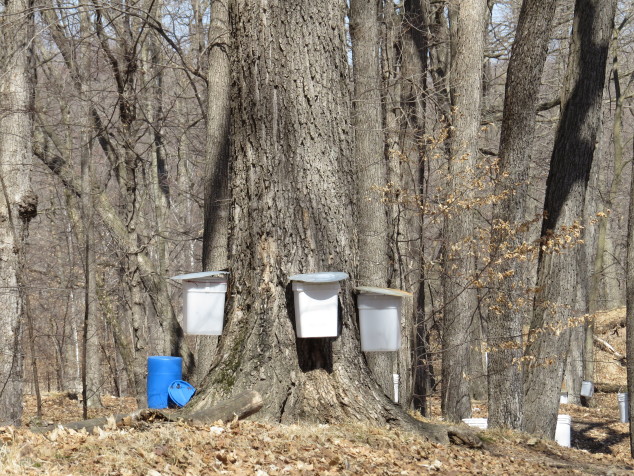
The sap buckets on the trees were emptied into carrying buckets, then the sap was dumped into large blue barrels spaced along the dirt trails in the sugar bush.
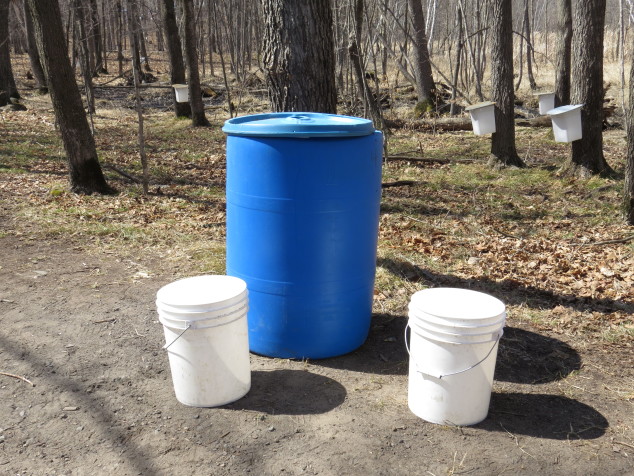
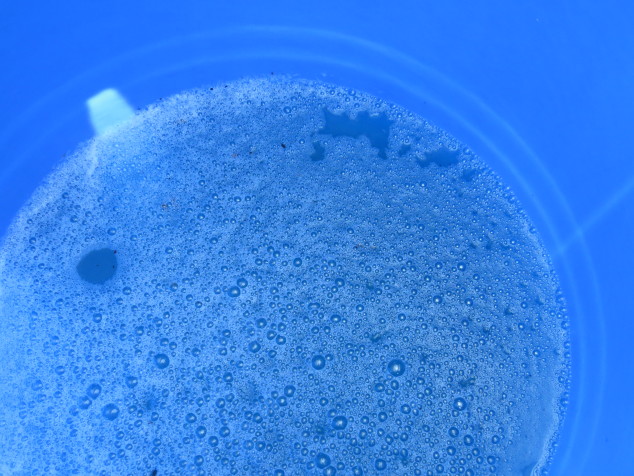
The barrels of sap were collected and filtered with a tractor and tanker and brought to the storage tanks by the Sugar Shack. The evaporator, named ‘Big Burnie’ boiled the water off the sap, concentrating the sugar into the wonderful maple syrup. Filtering and finishing were done before bottling the amber liquid.
Saint John’s Maple Syrup is not sold to the public. The monastery uses it and gives it away as gifts to volunteers and others. Brother Walter Kieffer, OSB, who runs the maple syrup operation and has been doing the sweet work for 53 years, says, “It’s a gift to us, and it’s something we can give away.”
Hard work is intrinsic to the production of maple syrup. It is a rite of spring for the many people who have been doing it for years and decades. There’s more than one way of doing it, though the basics remain the same. And the rewards for a season of hard work are something that cannot be defined by money. There are many things in life that are like that–parenting comes immediately to mind. Think about all the gifts we are given in our lives–the gift of love, family, friends, nature, health, and time–and how we, in turn, can offer those gifts to others.
A Man Who Plants Trees
He that plants trees loves others besides himself. –Thomas Fuller
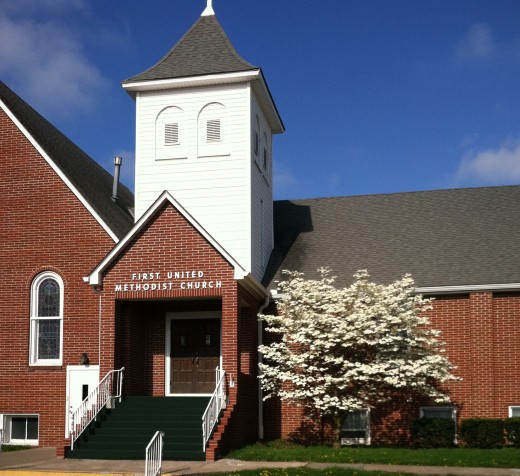
Photo by Rosemarie Varner
My dear husband Chris has been planting trees for over forty years–this flowering dogwood in front of the Odessa First United Methodist Church is just one of thousands that are the legacy of his hands and spade.
Watching him plant a large tree is a study in precision and ease and of sweat and dirt. He places the tree, then cuts a circle around it with his sharp spade. He moves the tree aside and expertly skims the sod from the circle. His foot steps the spade into the soil with a satisfying sound, and he lays that spadeful neatly beside the hole. He continues to step, lift, step, lift, step, lift–making it look easy, even as the sweat starts rolling off his face and arms. A sharp clunking sound and a jarring vibration in his hands indicate a rock, and with additional finesse and muscle, he removes it from the neat, straight-sided hole. With the handle of his spade, he measures the correct depth so the tree is not planted too deeply or too high. The width is one and a half times the diameter of the root ball. He gently rolls the tree into the hole, cuts the twine and unpins the burlap from the root ball, kneeling in the dirt he just overturned. By now his shirt is wet with sweat, and his cap and belt are dark-stained with the salty moisture. The tree is in its place, and with a vertical, cutting motion with the spade, he tamps the soil into the hole to anchor the roots in their new home. His ‘helper’ (me) turns on the water hose and trickles water as he tamps, and soon the hole is filled with dirt and water. The sod is chunked into strips and lined around the hole, and the bermed crater is soaked with a slow stream of water.
Chris has planted trees of every kind and size in four states, has grown them from seed, has pruned them, watered them, moved them, cared for them, and reluctantly cut them down. He has planted trees to memorialize people who have died and to celebrate people who are alive. He’s a tree man through and through.
Arbor Day was established in Nebraska in April of 1872 by J. Sterling Morton, a journalist who wrote and spoke of environmental stewardship and the interrelatedness of life. He wanted to set aside one day for people to plant trees and learn to care for them. Trees are the symbol of life and reflect a hope for the future and concern for the generations yet to come. Arbor Day is now celebrated in every state and in other countries. Many school children receive a free tree sapling to bring home to plant. In the words of J. Sterling Morton:
“ … all the people strive on Arbor Day to plant many, many trees, both forest and fruit. May the day and the observance thereof be cherished in every household, and its name and fruits become as a shower of blessing to the long lines of generations who shall succeed us.”
Today on Arbor Day, step outside and receive the shower of blessing from all the trees that surround you, and leave a legacy for the future generations by planting a tree.
Earth Day 2015
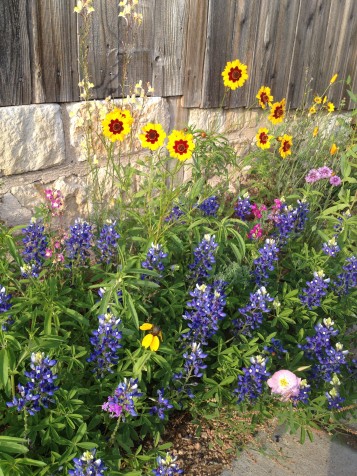
Deep in the heart of Texas, Spring looks like a full-blown Minnesota summer! One good thing about our daughter living so far south on I-35 is that she can share her Texas Spring with us while the temperatures here remind us that winter is not long gone (not to mention the snowy sleet that squalled this morning while I walked the dog and on and off throughout the day.) Texas Bluebonnets and sunny blanket flowers make the day bright.
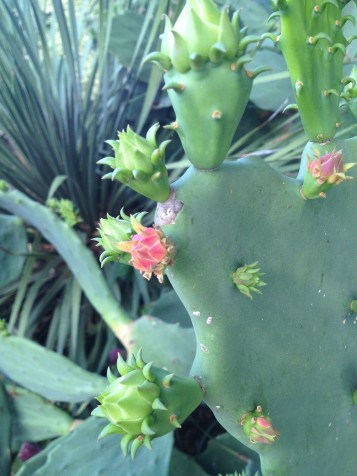
The prickly pear cactus, a reminder of the natural semi-arid landscape in that region, is getting ready to bloom.
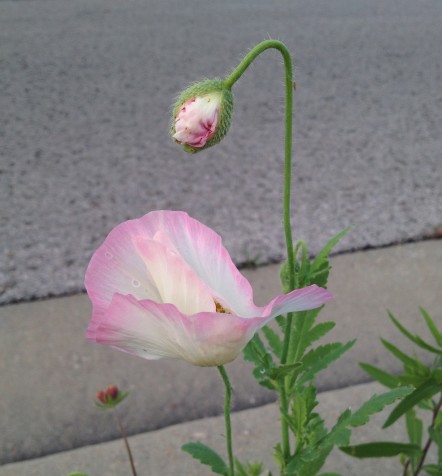
And this delicate, paper petaled pink poppy is Austin art at its best.
While Minnesota weather is cultivating patience in us as we celebrate our incremental movements toward Spring, Earth Day is upon us! That means I will be out walking the ditches with a metal pik stik and a big bag, cleaning up trash that has accumulated over the winter. It is my spring ritual, my contribution to a cleaner Earth.
In my last post, I wrote about a Place called Home. Most of us can relate to living in a special place that means something to us, a place we love. Imagine if somebody walked or drove by this special place and dumped their trash every day. What kind of emotions would that invoke? Anger, exasperation, frustration? We generally have a sense of pride and responsibility in caring for the place we call Home. My challenge to us all is to extend our vision of a place called Home to encompass the whole Earth. Just because the trash is hauled away from our homes, is it going to a place on Earth that will eventually cause damage? Is it being dumped in the ocean? Will it kill ocean creatures? We need to think about the whole chain of events and see if there’s a way we can make a difference.
Most of the trash I pick up in the ditch is plastic–plastic food wrappers, plastic bottles, and plastic grocery bags. Two college campuses in our area have chosen to not sell plastic-bottled water in an effort to reduce waste. And way down I-35 in Austin, Texas, the city has banned the use of plastic bags. Small efforts that can add up to make a big difference. So on this 45th Anniversary of Earth Day, buy a reuseable mesh bag for your fruits and vegetables, carry reuseable grocery bags, choose paper over plastic, recycle everything that can be recycled, and participate in community clean-up projects.
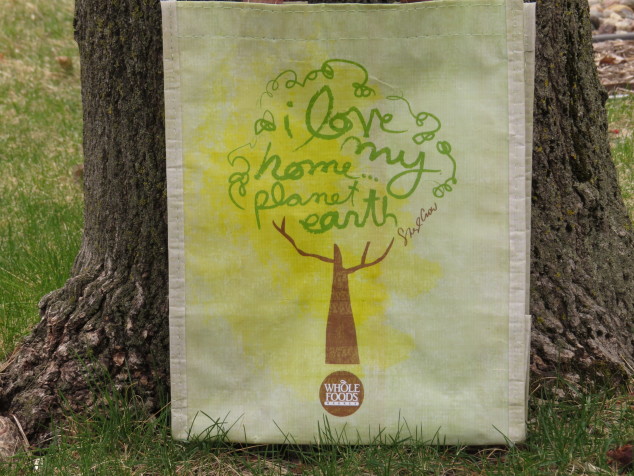
Our place called Home, in the Big Picture, is Planet Earth. Let us all be good stewards, great caretakers, and grand lovers of this place called Earth.
A Place Called Home
There is a place called Home. It’s not a house or a certain building, and you may not even reside there. But something happens to your soul, your spirit, and your body when you return to this Place. When the Place envelops you–you see it, smell it, hear it, and experience it–your blood pressure drops, as my friend Ruth says. You breathe it in with a deep, contented sigh and wonder why you’ve been away for so long. The place called Home for both Ruth and me is the Prairie. We are both Dakotans living in Central Minnesota among the trees and lakes. Don’t get me wrong–I love the trees and lakes and find great pleasure in their beauty and abundance. But when I returned to South Dakota a couple of weeks ago, I felt that place called Home once again.
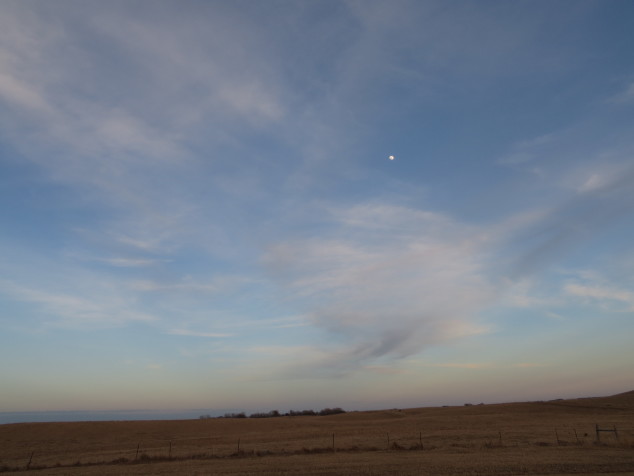
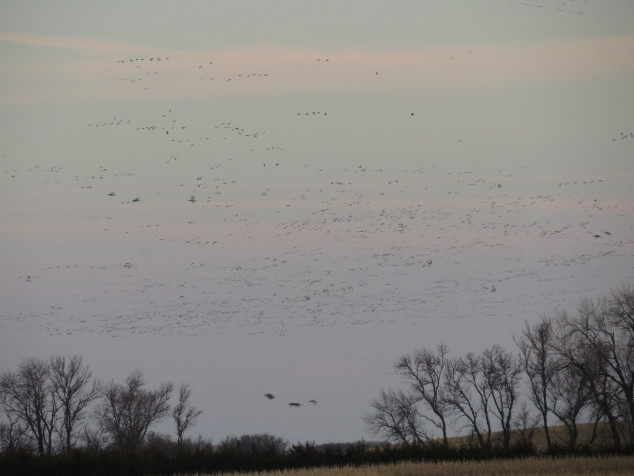
I arrived Home at dusk to the familiar din of tens of thousands of geese circling, then settling down into the slough for the night. The Snow geese were on their way north, happy for a rest stop along the way.
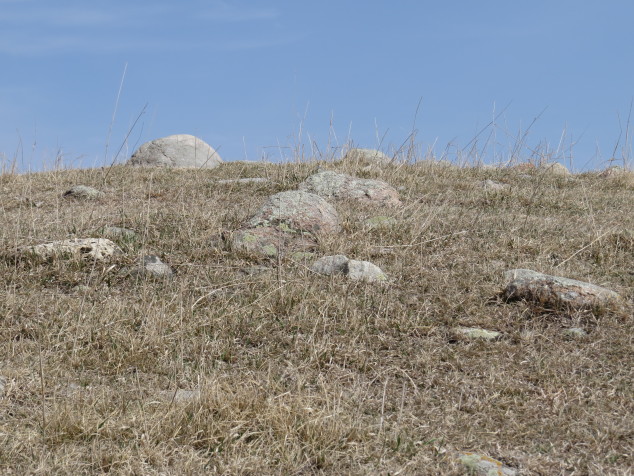
Later that week, I was able to walk the pasture. It was grazed short from the previous fall with hints of green for the new season. The wildflower hill, with its rock landmarks, is misnamed for this time of year–not even the early blooming pasque flower had peeked its head from the sod.
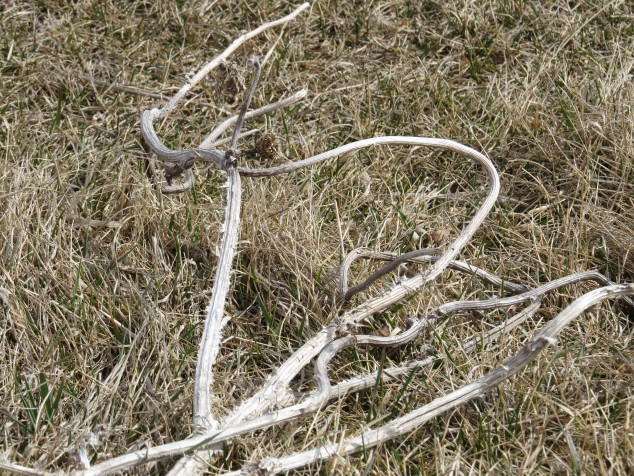
A dried thistle ‘shepherd’s crook’ accented the horizon, waiting for the animals to return to their summer pasture.
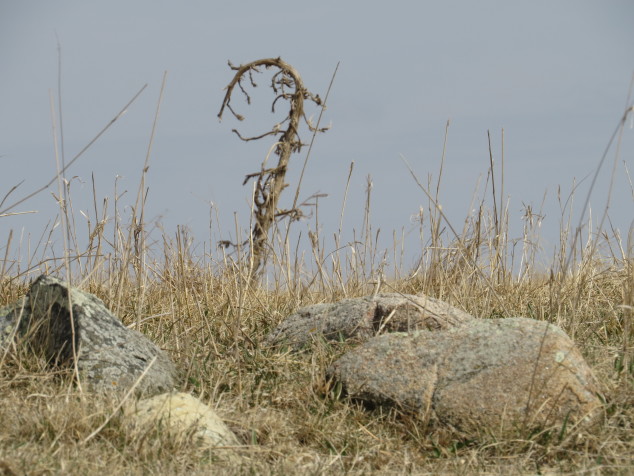
Other thistles lay like bleached bones on the prairie, remnants of time past.
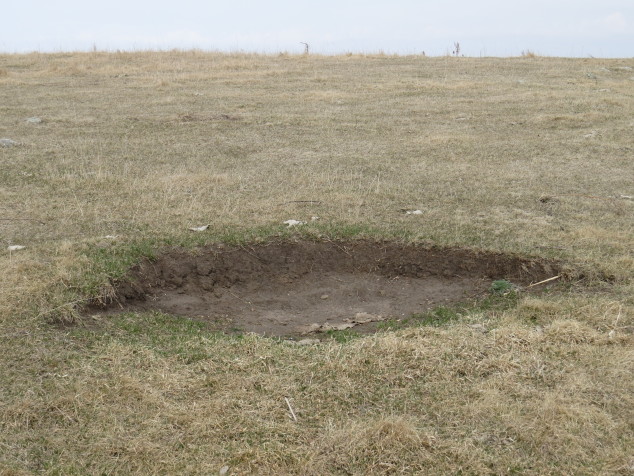
A buffalo wallow, encircled with green grass and dried cow pies, is used by the cattle to rub their heads or to roll in the dust or mud.
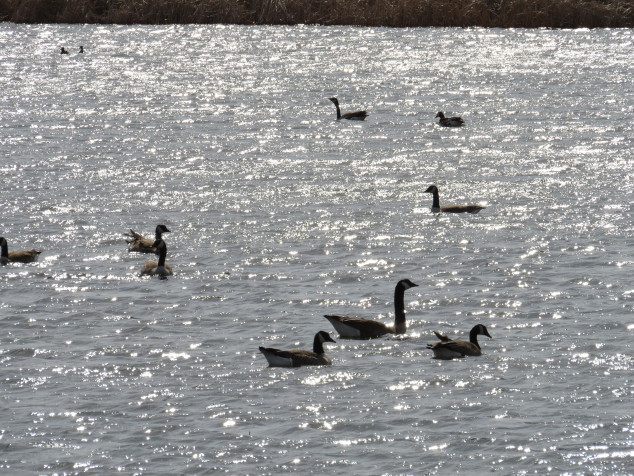
The home geese were in the near slough. These Canadian geese stay all summer, making their nests and raising their young.
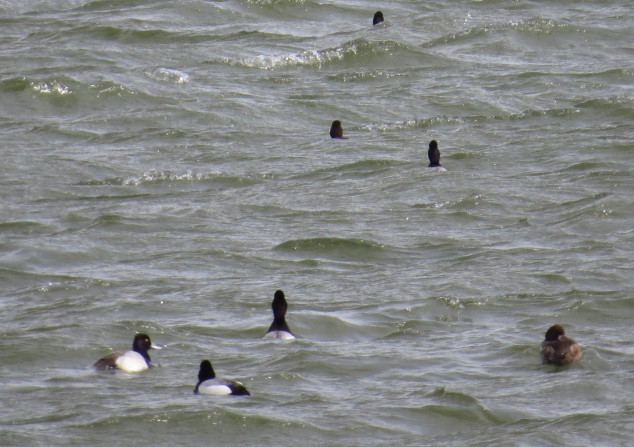
As I walked along the edge of the bigger slough, I saw Greater and Lesser Scaup ducks body surfing the white caps. Like the Snow geese, they were also making a migratory stop on their way to breeding grounds in the far north.
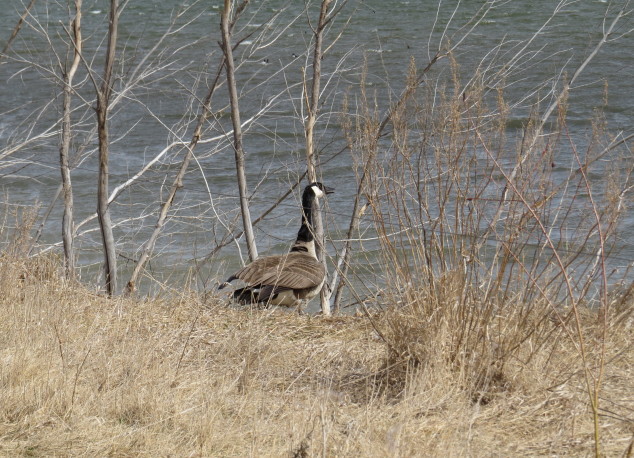
I scared a mama goose from her nest, and with great honking distress, she retreated into the water.
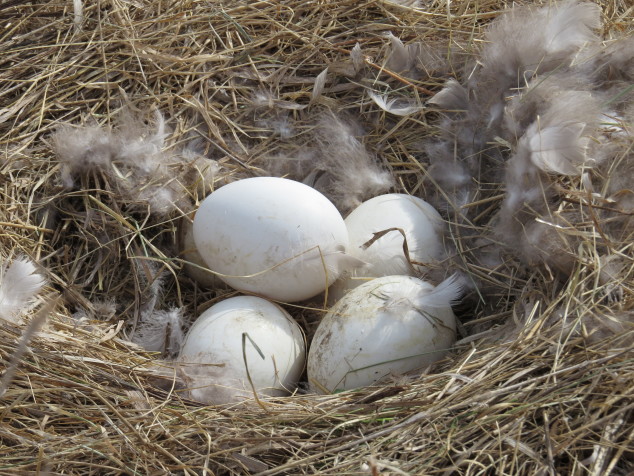
Her nest was perched on the bank above the slough and made of dry grass and down feathers. It contained five large cream-colored eggs.
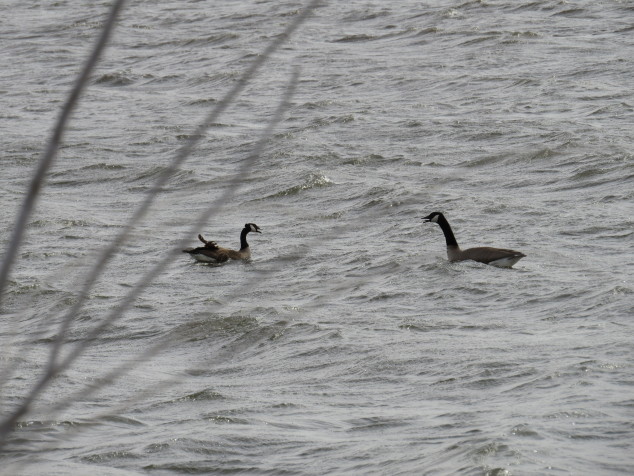
The mama goose continued her distress calls and very soon her mate flew to her side, where he heard the whole story of the intruder on the bank. Their indignant honking continued as I walked away from the nest.
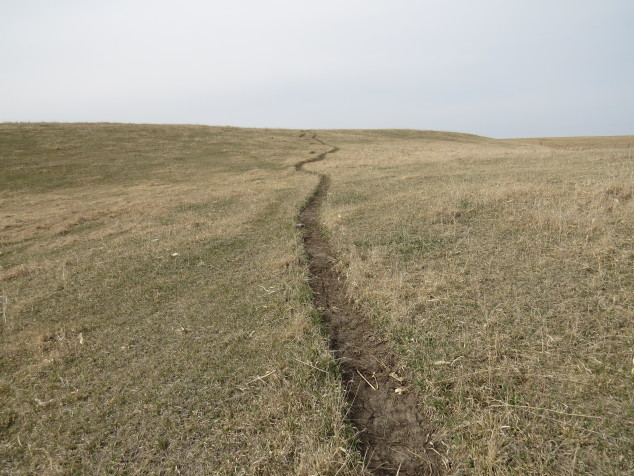
I followed the cow path to the top of the hill.
M-m-m, it was good to be Home.
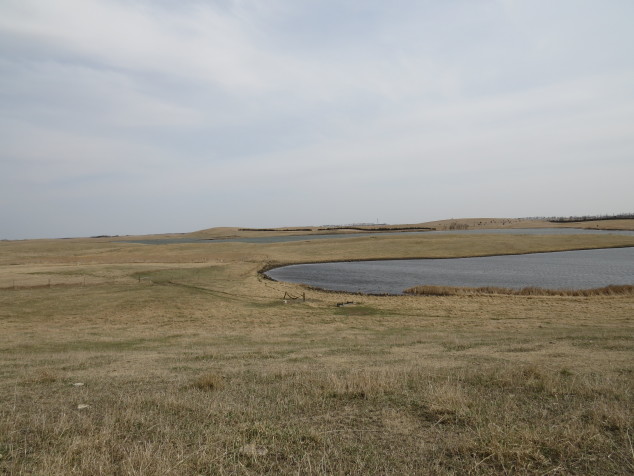
The place called Home, where our spirits soar and our bodies relax, may be our birthplace or a special place that changed the way we feel about Life. It could be the Prairie, the Mountains, the Lake country, the Bayou, or the Great Mississippi River. We leave and find these special places by our own migrations due to schools, jobs, and mates. We make our nests and raise our families in the best way we can, giving our time, energy, and love to the herculean endeavor. At some point, the remnants of the past whisper in our ears, and we ask ourselves if we are on the right path. When the whispers become loud, incessant honks, we finally walk away from the things that no longer work in our lives. And we walk towards ourselves and find that the special place called Home is also inside us. It’s good to be Home!
Happy New Year from Nature!
There is a subtle yet palpable excitement that I feel at this time of year. The colorful, organized seed racks are on prominent display at grocery, hardware, and do-it-yourself stores. Established nurseries and greenhouses have been busy for months sowing seeds into flats for vegetables and flowers. The pop-up garden centers are setting up their hooped greenhouses on pavement, surrounded by pallets of fertilizer, potting soil, and mulch. And the Spring plant material is arriving!
I also love the coming alive of the trees, shrubs, and perennials in our yard and woods. The quickly evolving changes demand a daily walk-about to see what has emerged from the dormant branches or the warming earth. After a fairly dry winter and early spring, the heavy gray skies on Sunday showered us with a half-inch of much-needed rain.
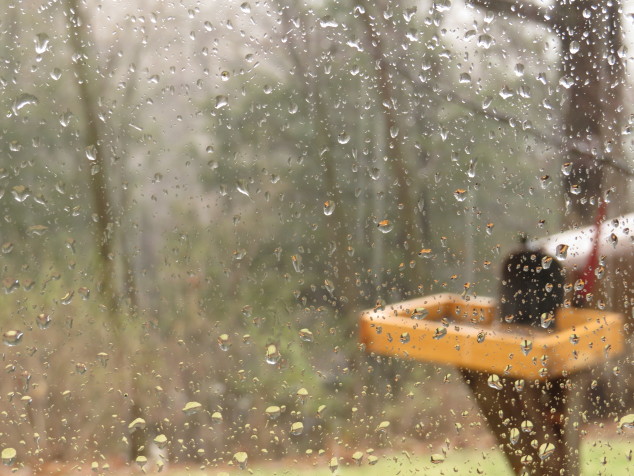
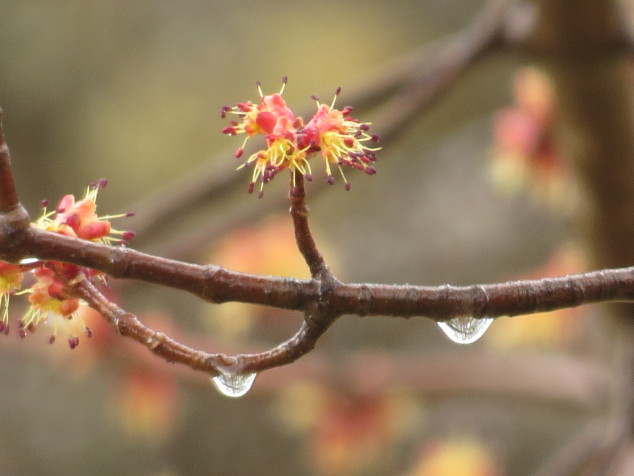
The grass turned green before our eyes, and the maple tree flowers opened their red buds to pompoms of scarlet and yellow.
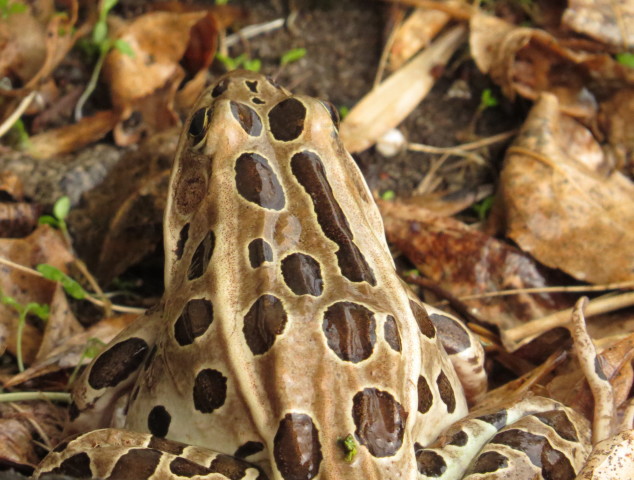
A leopard frog leaped through the yard towards the house, her belly swollen with eggs.
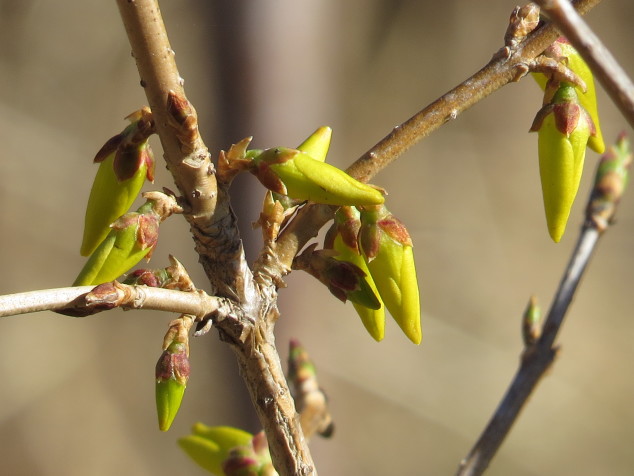
Gray pussy willow catkins and yellow-flowering forsythia are the harbingers of Spring.
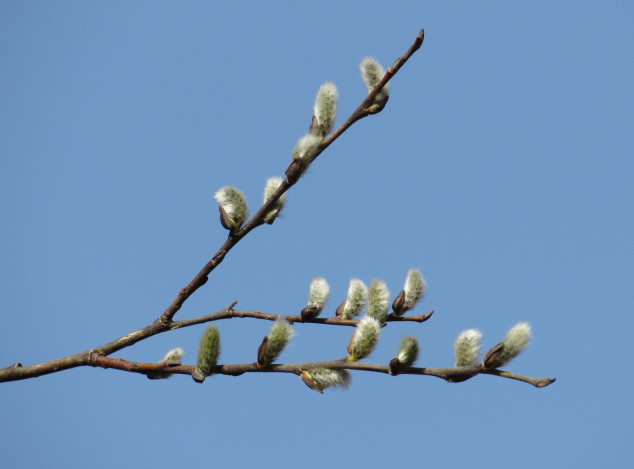
While the demure pussy willow is often overlooked, it is hard to ignore the sunshine bright forsythia when the flowers burst forth from their origami buds.
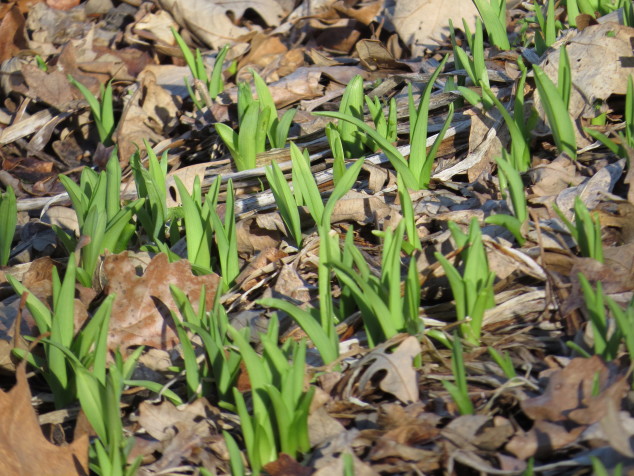
The rain prompted the growth of day lilies and irises, rising like the phoenix from the ash of dried leaves and last year’s rubble.

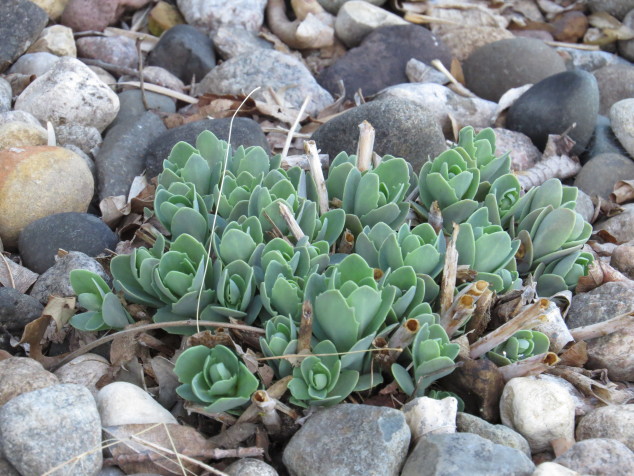
Rosettes of sedum popped through the river rocks on the warm, southwest side of the house.
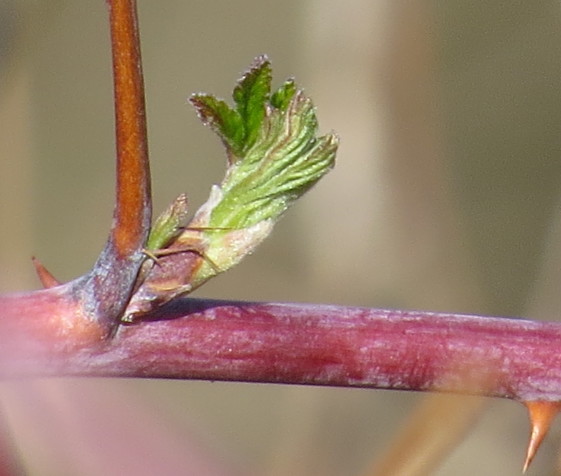
A crinkly raspberry leaf unfurled from the ivory bud, shimmering and full of potential.
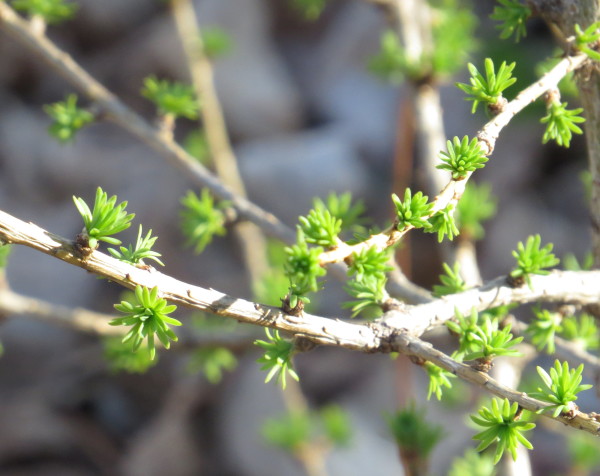
Clusters of lime green needles emerged from the woody stems of one of our petite larch trees. Larch are deciduous conifers that can grow 80-120 feet tall. Our trees are less than a yard tall–babies with a long life before them.
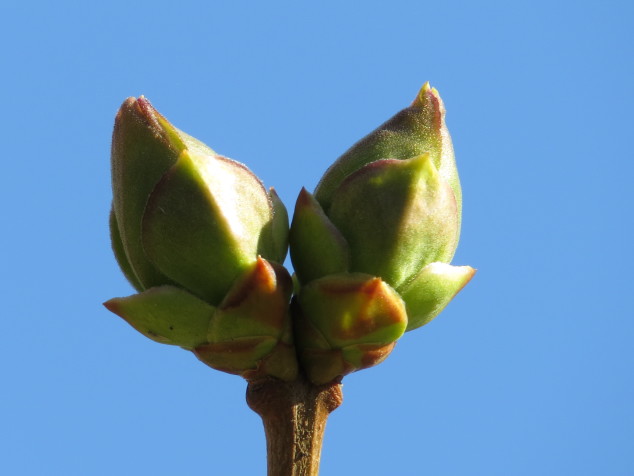
Sprays of buds adorned the lilac shrubs, each plump green leaf bud tinged with violet, foreshadowing the fragrant flowers yet to come.
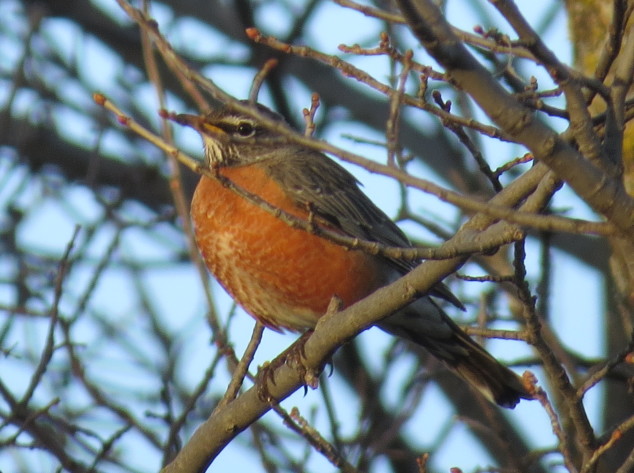
I saw my first Robin last evening, the feathered harbinger of Spring. The vest of red-orange covering his rotund belly was bright against the gray tree branches. Welcome home to the North Country!
Spring is the Happy New Year in the seasonal life of Nature. It is a time of anticipation and excitement for a new growing season for the diverse Kingdom of Plants and for the next generation to take its place in the Kingdom of Animals. Plants embody the literal translation of ‘turning over a new leaf,’ while we embrace new beginnings and fresh starts.
The beginning of a New Year on January 1st has little data to prove itself beyond the calendar hanging on the wall. But Nature’s New Year has abundant and hearty proof that we can all begin anew and make a fresh start! When things seem impossible, we must remember to witness a tree transforming from a gray skeleton to a richly robed specimen. When the music is gone from our lives, we need only to experience the symphony of spring peepers or the melody of robins to know at our deepest level that Hope lives and sings in our soul.
The first sparrow of spring! The year beginning with younger hope than ever!
–Henry David Thoreau
The Eaglets have Hatched
I returned to Minnesota after more than a week in South Dakota to find the lakes unfrozen and the buds on the honeysuckles and lilacs swelling and showing green. Spring is inching forward in spite of the large-flaked snow squall we had this morning. The day before I left for South Dakota, I checked in on the eagle nests to see if the eaglets had hatched.
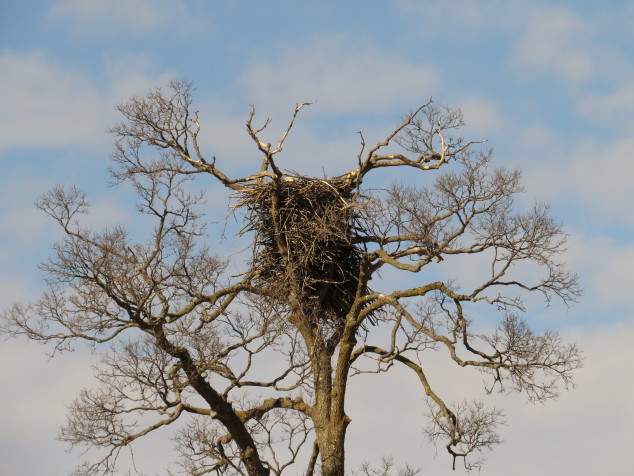
One of the parents was on the first nest, lying low with no activity. Still brooding eggs?
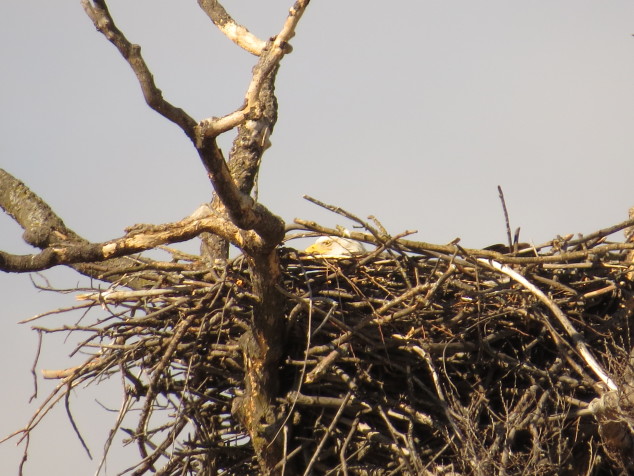
Both parents were on the second nest.
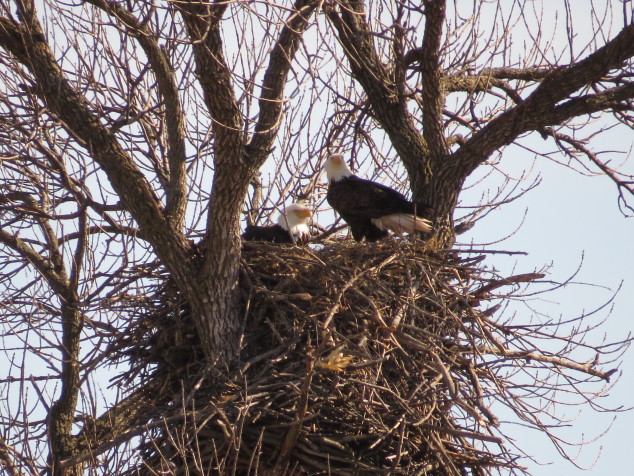
One was laying on the nest, and the other was watching me and taking bites from the carcass of some kind of animal.

The parent eagle who was laying on the nest stood up and flew away, circling the sky over the trees and river. It was only then that I saw a little gray head pop up in the nest!
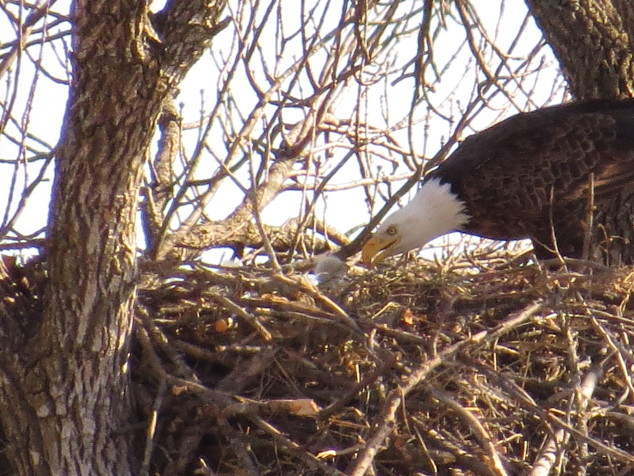
The other parent began to tear off pieces of the carcass and feed the downy eaglet.
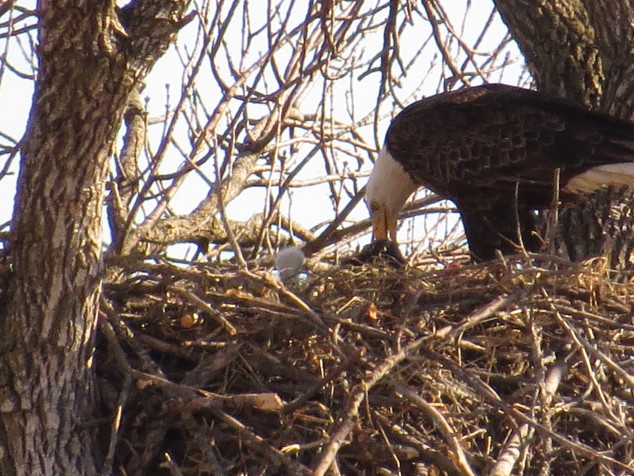
Another little gray head appeared in the nest, hungry for the food being offered.
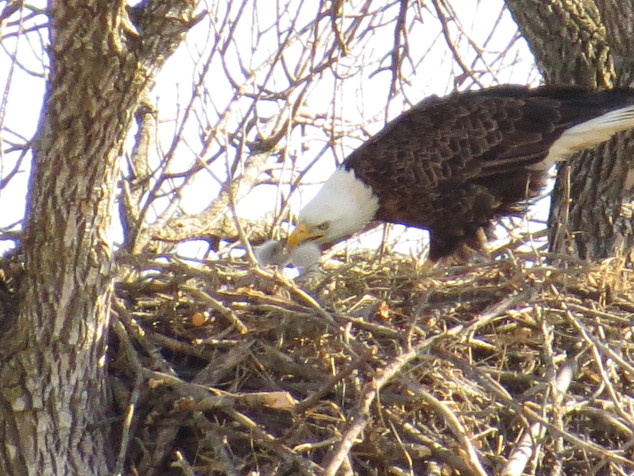
I remember those days, three times over, when our babies started eating food while still getting most of their sustenance from breast milk. We would strap them into the wooden high chair so they wouldn’t slip off the seat, propped up in the soft cover on the chair. With the long-handled, plastic coated spoon, we dipped into the creamy oat cereal. And once the initial learning curve of eating from a spoon was overcome, their tiny mouth would open as the spoon made its way from the bowl. Parent hand-baby mouth coordination. And they would eat until the satiety hormones announced their fullness, when more cereal would ooze out of their mouth than be ingested. With a full belly and a cleaned up face, they would go on to the next big thing in a baby’s life.
Watch as the parent eagle feeds the babies, bite by bite. When one piece comes off the carcass too big for the little ones, the parent steps on the piece to try to tear it into smaller bits. When the babies seem full, the parent eats the last piece, then settles down in the nest with the two eaglets. (The camera was zoomed out with no tripod in the wind, so please excuse the movement.)
One cannot overestimate the loving care a parent of any species has for their young. I have watched horses, cows, sheep, dogs, cats, ducks, and even mice protect and care for their babies. The eagle parents work as partners in the full-time job of providing food, loving attention, and care for their eaglets. What can we learn from these beautiful, powerful birds of prey? We are blessed and privileged to provide for our own children as they grow, but many times we are also called to care for aging parents, sick or disabled family members or friends, or to be the caretakers of animals. Caretaking demands that we look outside of ourselves, and we realize that service to others fills the collective coffers of the world. In our giving and our selflessness, we receive more than just the tangible benefits of a healthy child, a happy parent, a healing sister, or a hearty flock of animals. We become an integral part of the Goodness in this world, and our soul soars to a place beyond the tree tops.
Gleanings from March 2015
When warmer weather arrives, we tend to forget that the month started with snow!
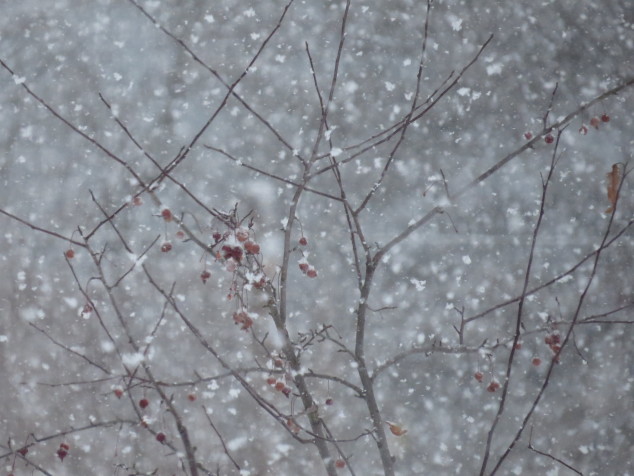
Snow and melting, melting and snow was the mantra for March. The freezing and thawing cycle was also what made March the month for tapping maple trees and drawing sap.
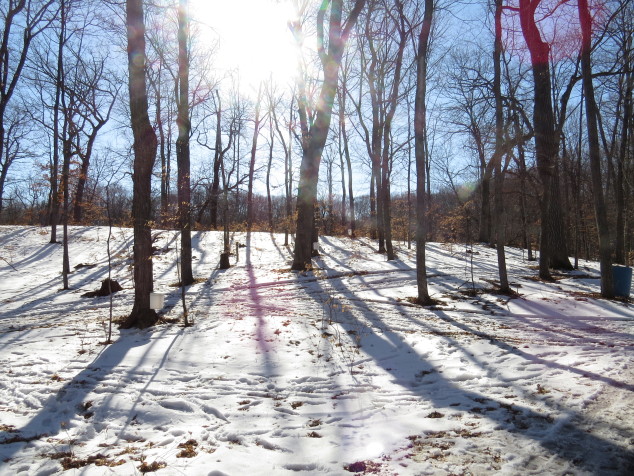
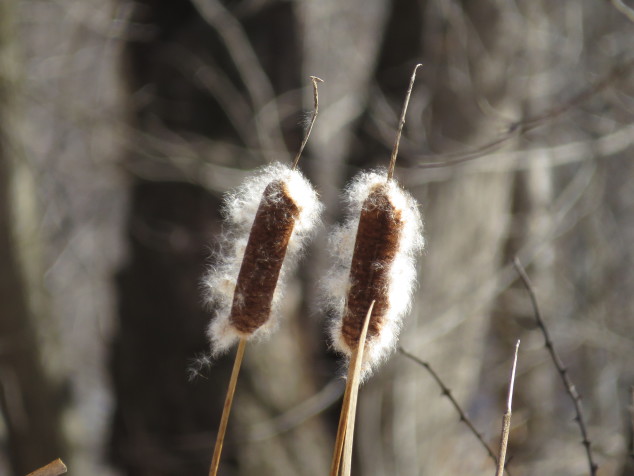
A late-bursting pair of cattails shone in the sunshine in the sugar bush at St. John’s Arboretum.
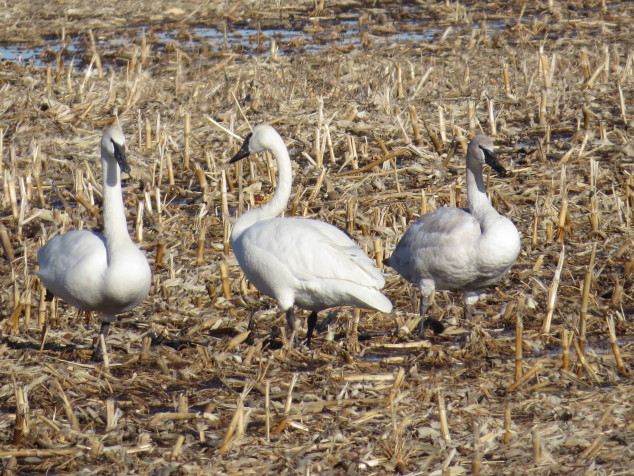
A family of trumpeter swans grazed in a stubble field. One adult swan stood on one leg as the rest of the family moved around her. I’m thinking she must have been injured.
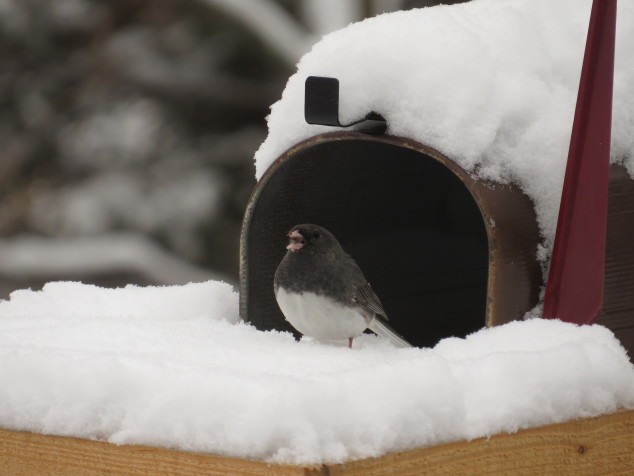
Another snow on the 22nd brought the dark-eyed juncos to the feeders.
Melting snow dripped from the house, coating the ornamental grass under the roof line with ice.
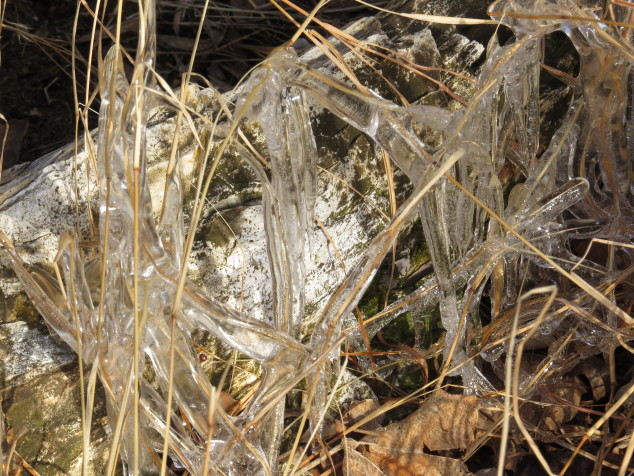
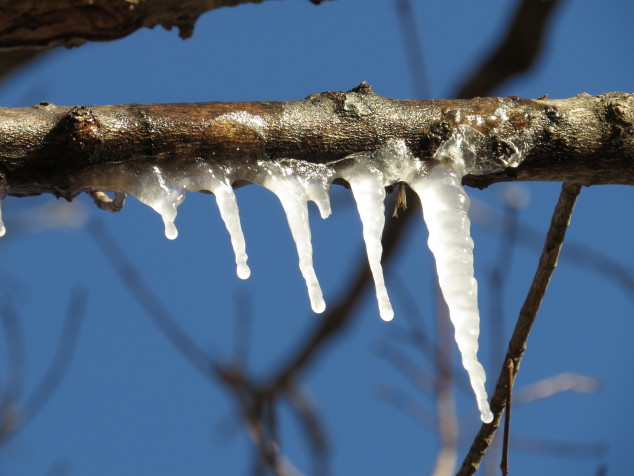
Two freezing days after a warming trend formed sapsicles in the maple tree.
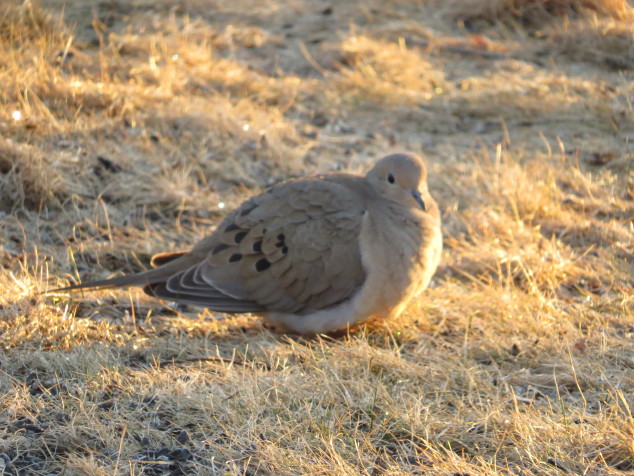
A mourning dove and her mate waddled on the ground under the bird feeder, warming themselves in the morning sun. Their melancholy coos sounded calming and comforting.
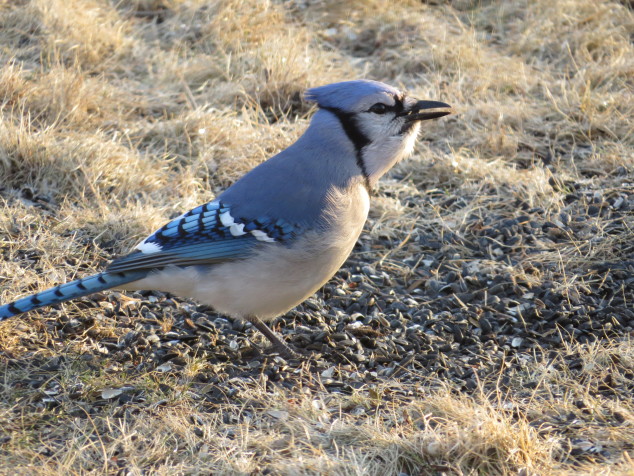
A blue jay was performing the spring mating ritual of feeding his mate. He gathered a seed or two, flew up in the tree where she sat on a branch, and fed her. The cardinals also carry out this chivalrous act in the spring.
This little black squirrel showed up last week. His stubby tail made me wonder what Squirrel Nutkin adventure he had been up to!
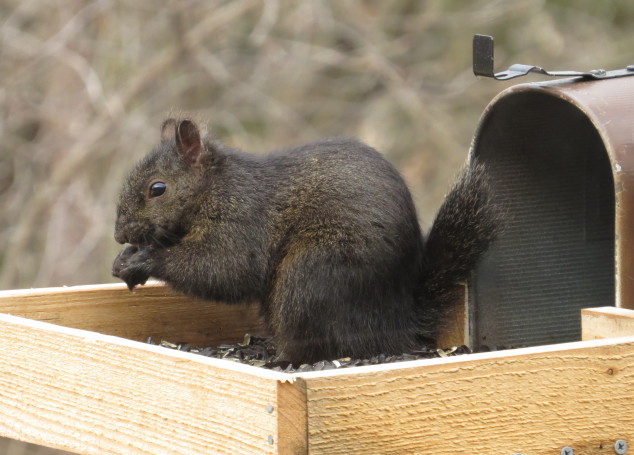
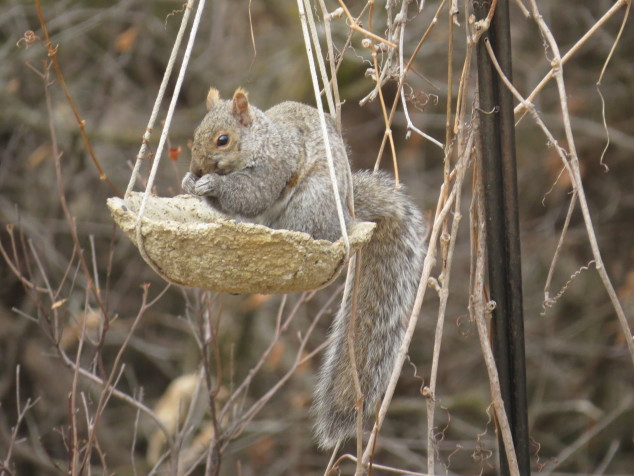
While Stubby was eating at one bird feeder, a gray squirrel was flaunting his long, beautiful tail at the other feeder.
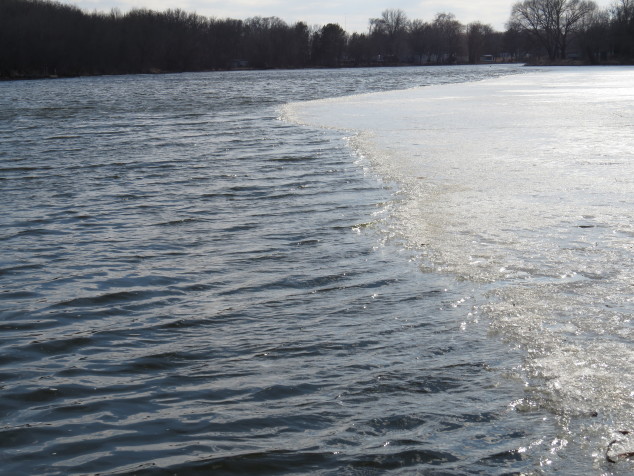
The end of the month was ice-out on the Sauk River down the hill from our house. Spring is here!
Days of warm weather and wind have probably melted the rest of the ice on the River and made conspicuous holes in the lakes’ ice. I have migrated back to South Dakota for a while to join my mom in helping my sister recover from hip surgery. I miss my mate and our evening meals together, though it’s wonderful to be back on the prairie again. As Spring bursts forth in small, incremental ways, I plan to cherish the time with my family and enjoy the creatures and features of new life.
Nature’s Year in Time
Today marks a milestone for North Star Nature–a year has passed since my first blog post! How do we measure the passing of a year? I think it depends on our stage in life and the structure of our days. We all have calendars that systematically number off the days and months of sunrises and sunsets, full moons and new moons, holidays and birthdays. I feel the passage of time when I turn my calendar to the next month, to the next beautiful picture from Brooklyn Botanic Garden, and to the next 30 days of opportunities. A year in the life of a young child can stretch out ‘forever’–perhaps because they live in the moment better than the rest of us or because they always have something to look forward to. Soon time is organized around a school year–for students and their parents–the next grade, school supplies, holidays, tests, homework, and back to Summer vacation! Then it starts all over again until, next thing you know, you are taking those school kids to college. Many people mark a year by living for the fifty-two weekends. Others by the busy blur of daily activities and places to be. Some pass time by staring out a window, listening to the clock tick, eating meals, and wondering when the family is going to visit.
This is also my 100th post! What is it about 100? Young school kids celebrate the 100th day of school with learning opportunities and fun. 100 pennies make a dollar. I’m still thrilled when I hold a $100 bill in my hand! ‘100 years ago today’ teaches us history lessons. And celebrating 100 years of age practically makes a person famous!
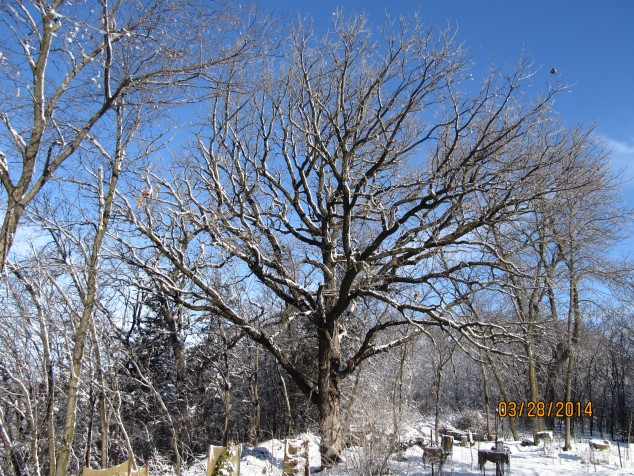
What both of these milestones do is give us a reason to look back on what was and to look forward to what will be. The blue-sky, snowy picture of our old oak tree started North Star Nature’s year–before I knew how to remove the date from the picture, before I learned how to put more than one picture in my post, and before I realized how much I would enjoy this nature blogging process! The Old Beauty is another year older!
My year was measured by blogging time, from last April’s frozen sap, drilled by the yellow-bellied sapsucker….
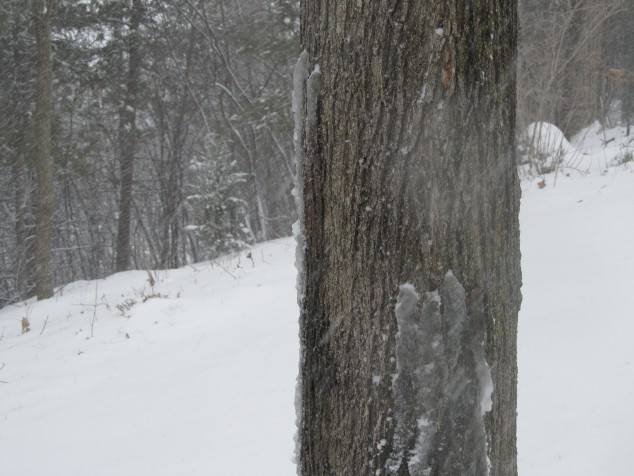
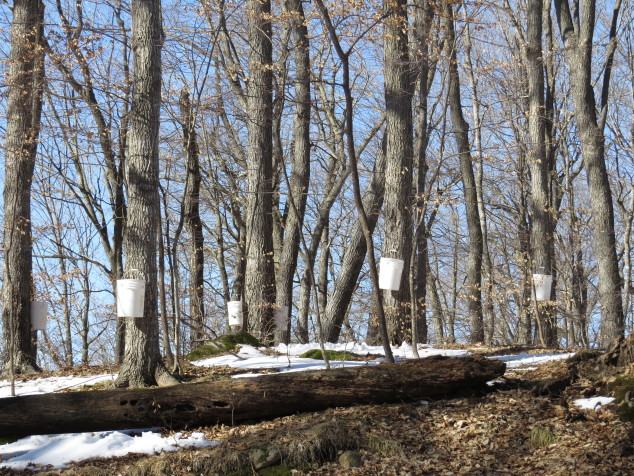
to drilling and tapping sugar maples earlier this month at St. John’s Arboretum in order to make sweet maple syrup.
Flowers show the progress of time from early May pasque flowers…
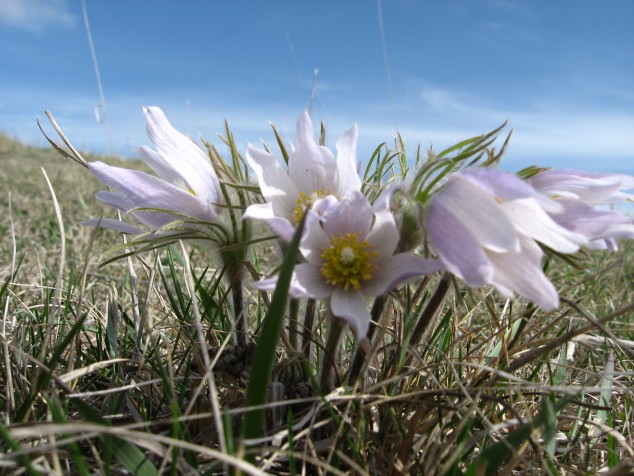
Pasque flowers on SD prairie hill by LAn
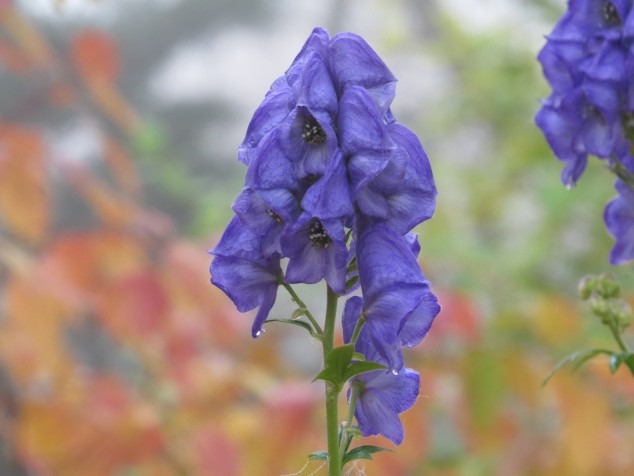
to late September monkshood and all the incredible blooms in between.
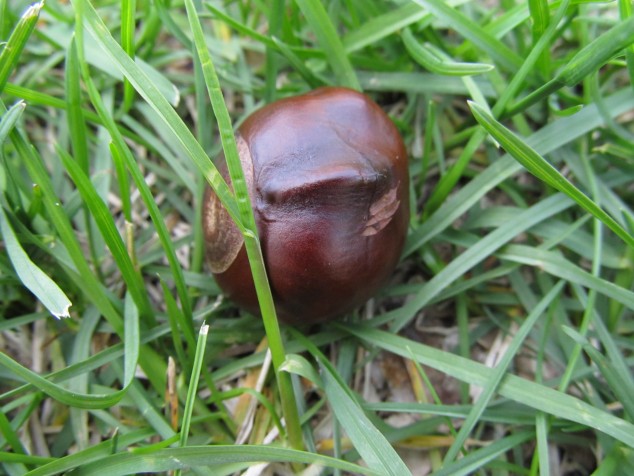
Time marked by seeds…
growing into buds…
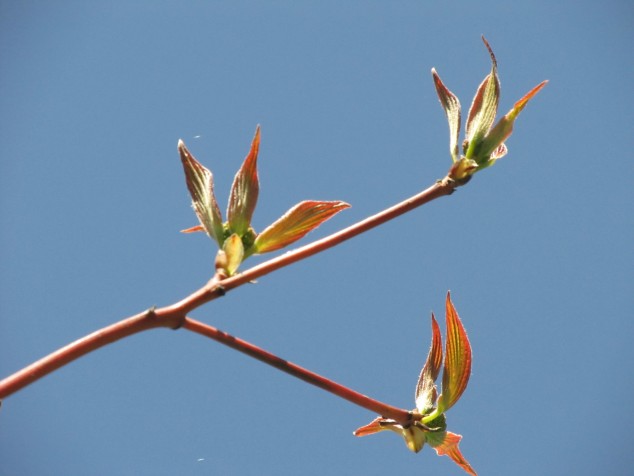
producing flowers…
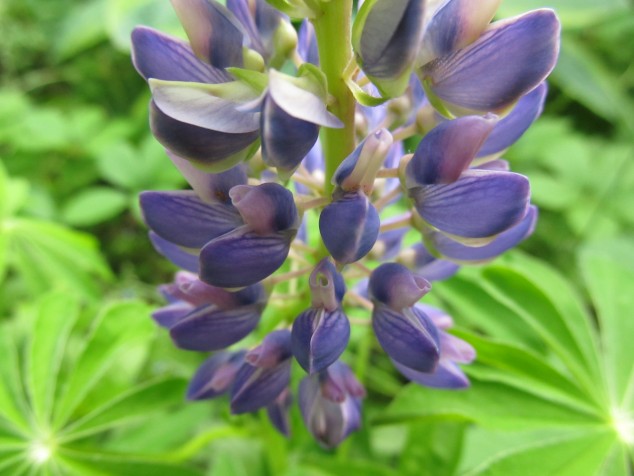
Lupine flower
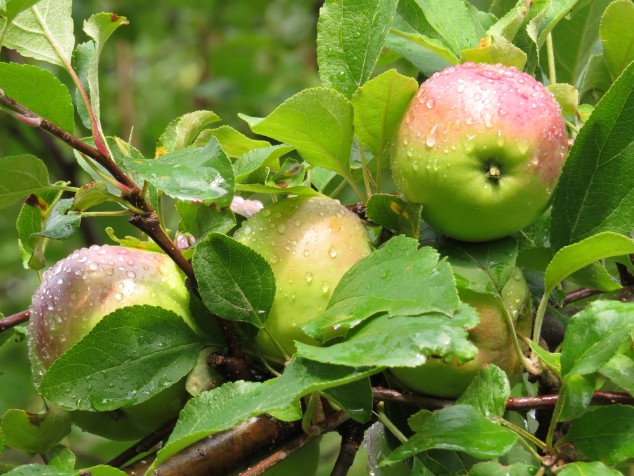
and developing fruit…that contains the seed….
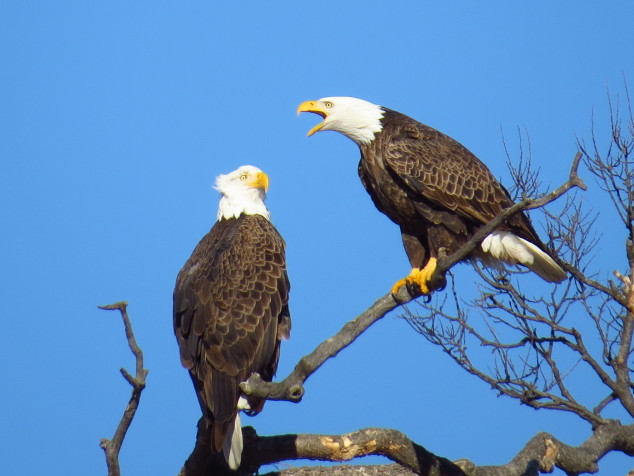
A year of blogging gave me the opportunity to photograph the remarkable eagle pair and their eaglets,
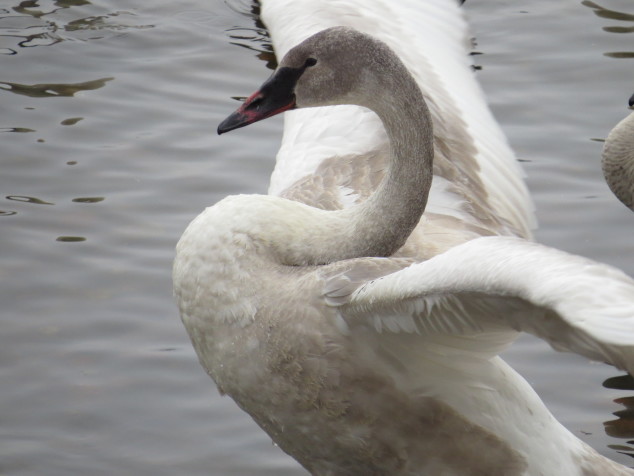
a huge flock of overwintering trumpeter swans,
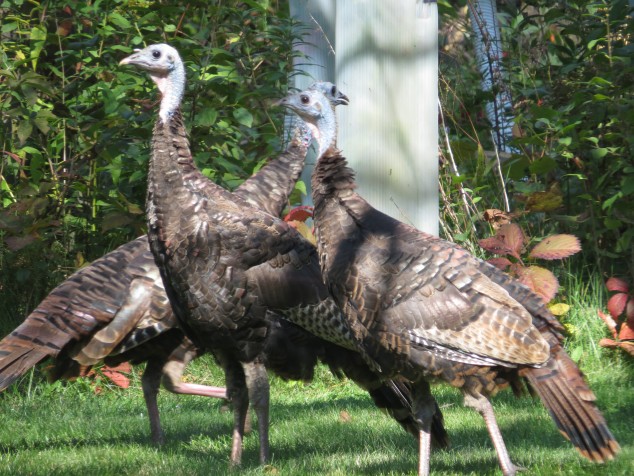
and the grandly feathered wild turkeys that trooped through our yard.
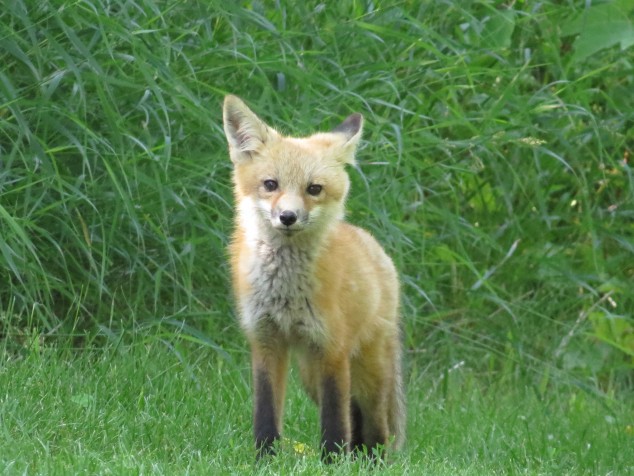
I felt privileged to photograph this curious young fox,
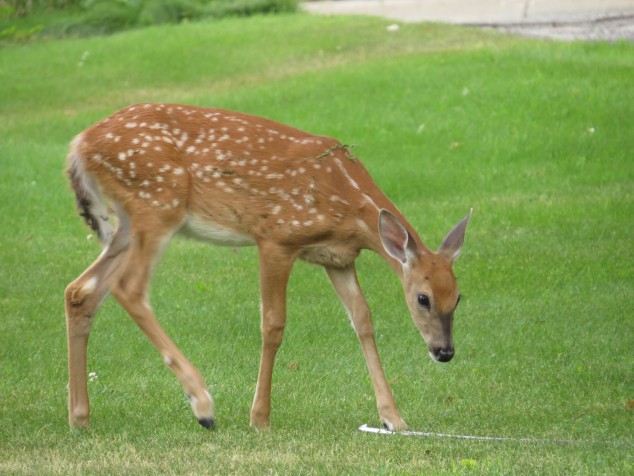
a pair of spotted fawns,
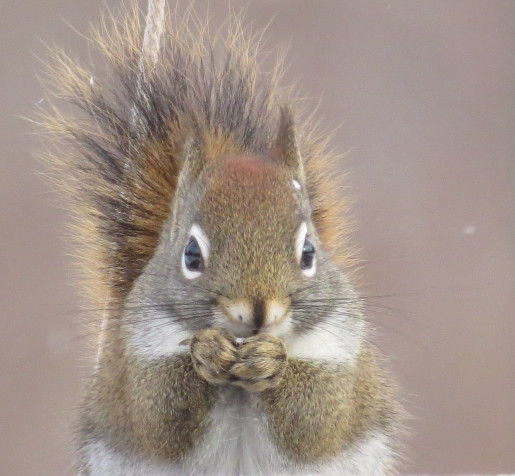
and this hungry, flighty red squirrel.
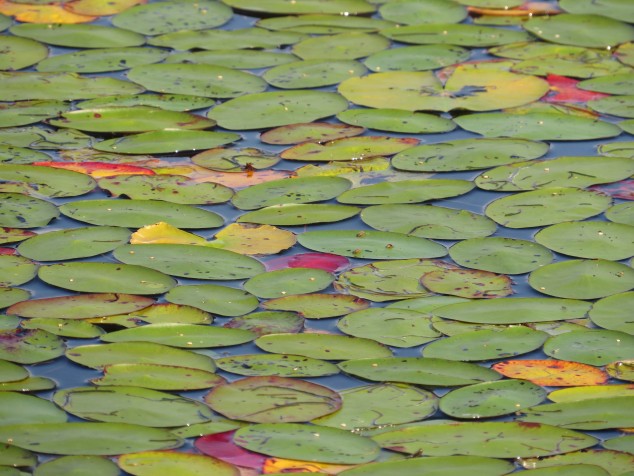
How long does it take Mother Nature to fill a lake with lilypads?
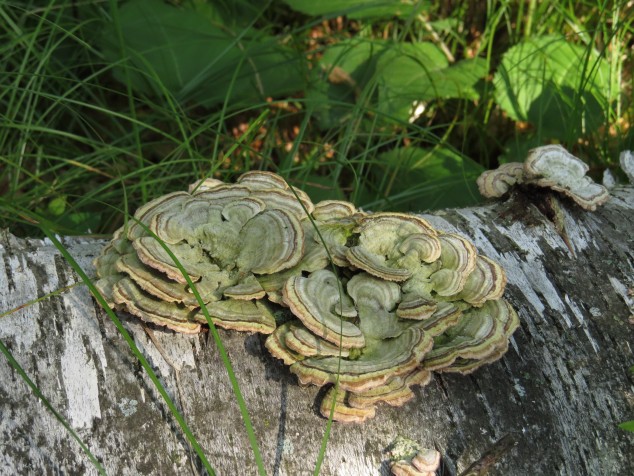
Or to decay a fallen tree back to soil?
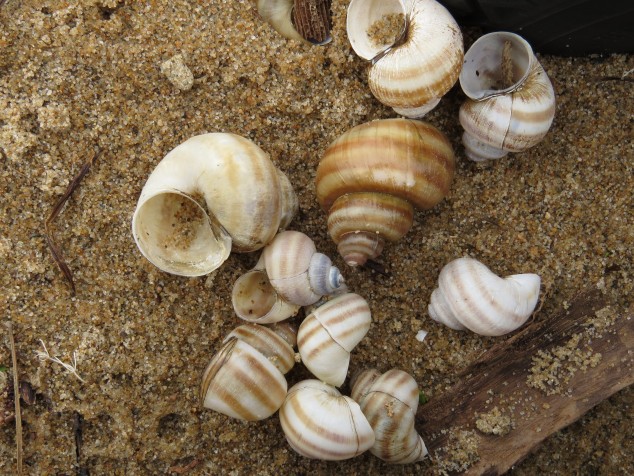
How long does it take for these shells to be formed by the soft-bodied creatures who inhabit them?
What’s the lifespan of a wasp?
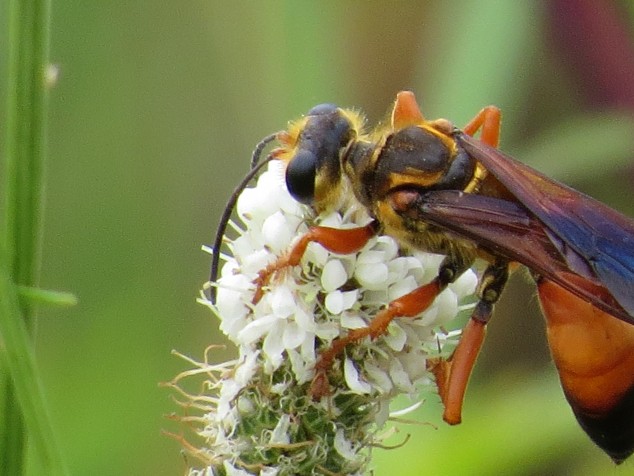
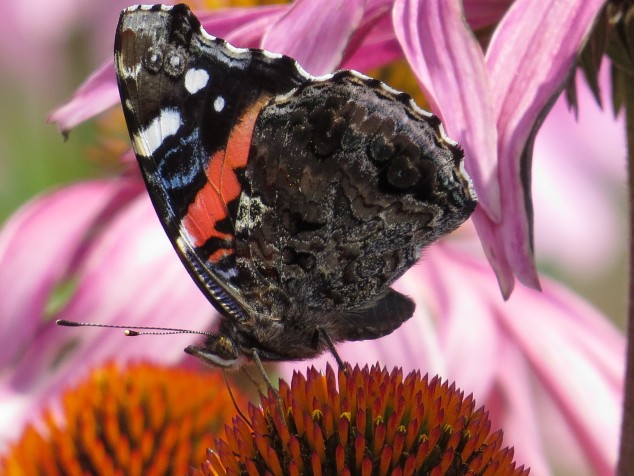
What if your entire adult life, like a butterfly, lasted only two weeks?
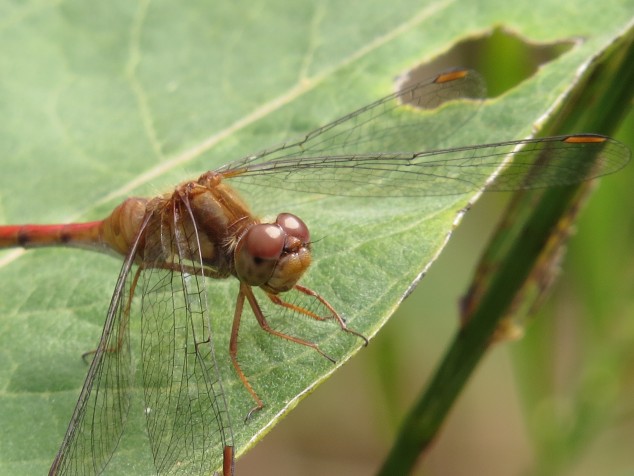
Or a month or two of summer weather, as for the dragonfly?
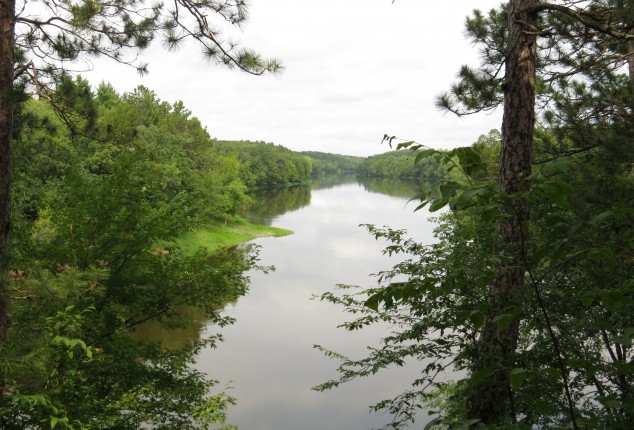
How long has the Mississippi River flowed through the land known as Minnesota?
How long do Maple trees live?
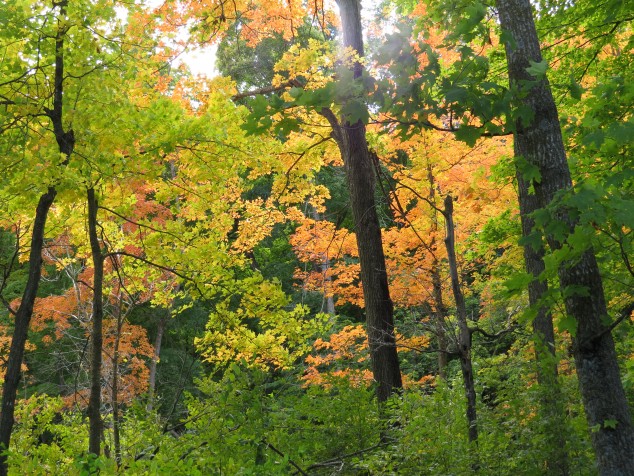
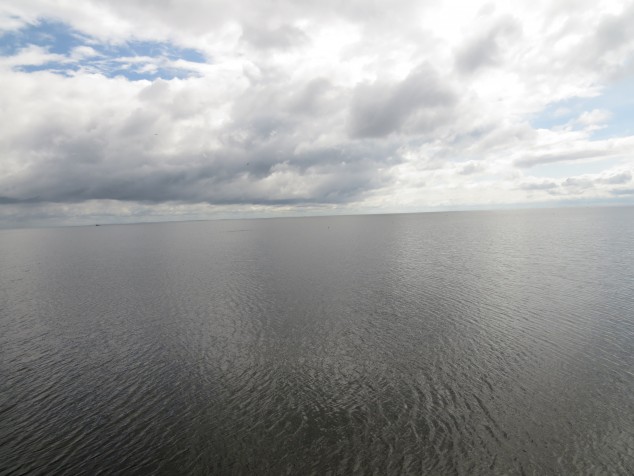
How much time would it take to walk around Mille Lacs lake?
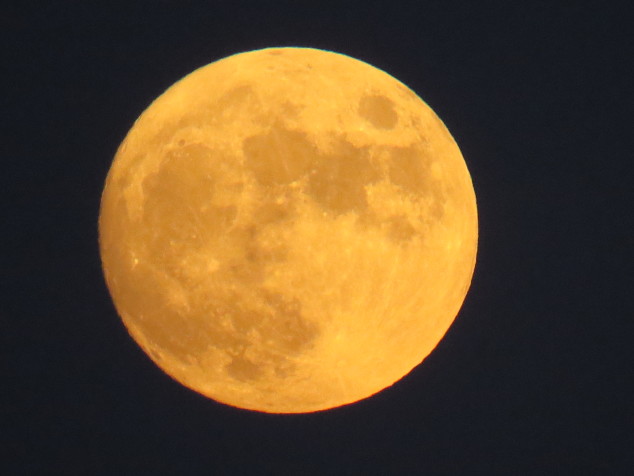
We rarely think about the rhythm and constancy of the moon rises and sunsets.
Every day for our whole life long, we are witnesses to miracles. Do you see them?
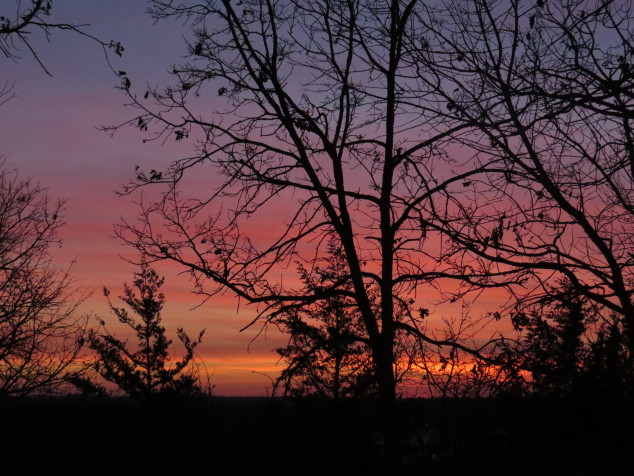
Nature also structures time by the seasons. We experience renewal and freshness in Spring.
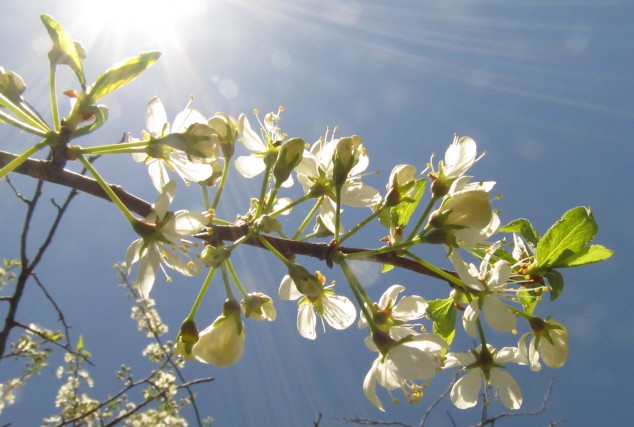
Summer gives us long days of light, lush vegetation, a palette of flowers, and growth.
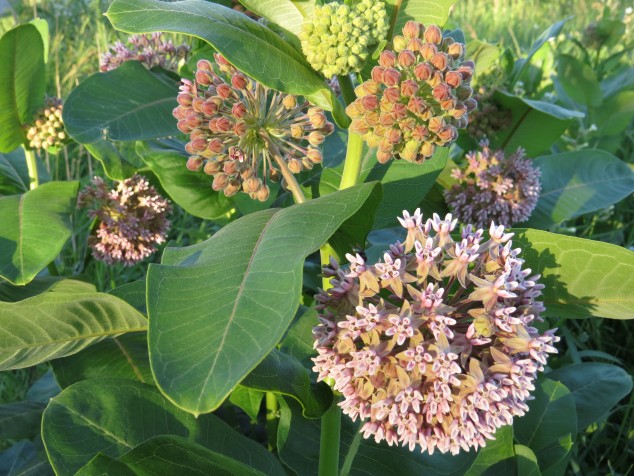
Fall shows us decline, brightness then brownness, harvest, and bounty.
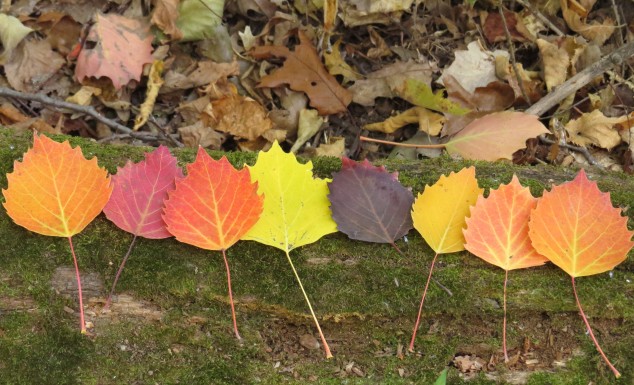
And Winter teaches us to lift up our arms to the good things in life, to hunker down and persevere, and to explore our inner life as the outer life lays dormant and white.
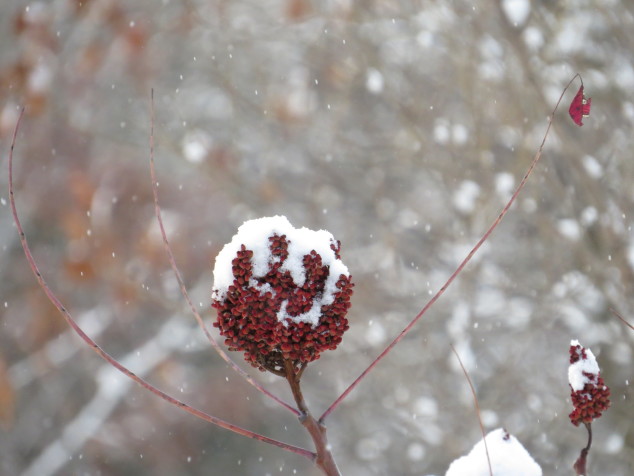
It has been my intent to share Nature’s Beauty and Wisdom with you. My love and awe for Nature has grown in this past year, as I hope it has for you. I invite you to send me feedback in the comments section below or by email to northstarnature@gmail.com I would love to hear what you like about my blog, if you have any constructive suggestions, or if my pictures or words made a difference in your life somehow. It has been a wonderful year for me as I have shared over 900 photos and 100 posts with you, and I’m looking forward to experiencing and sharing Nature’s Beauty in the year to come! Don’t forget to like North Star Nature on Facebook and follow NSN on Twitter! Thanks for reading about and sharing our beautiful natural world!
Spring Anticipation
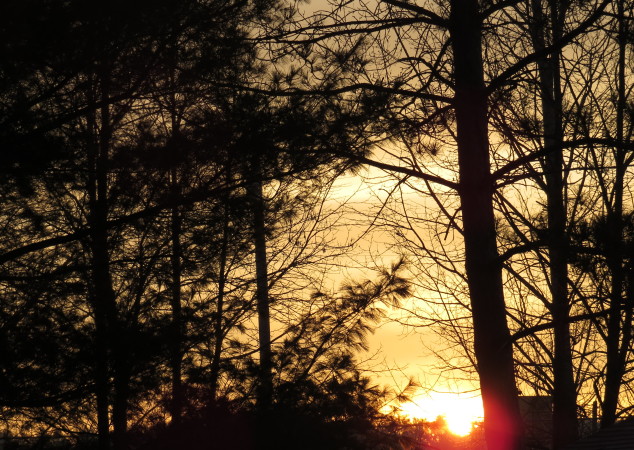
The sun rose to reveal an unusual sight for a Central Minnesota Spring Equinox–no snow! Two years previous, I was standing knee-deep in the white stuff on the first day of Spring, so we’re already way ahead in the waiting-for-the-real-spring-to-get-here game. That being said, I was hard-pressed to find many other signs of the vernal season.
I did locate a few patches of green grass by the spruce stumps, due mostly to the very early November snow we had that covered the yard with a thick blanket before the grass went dormant.
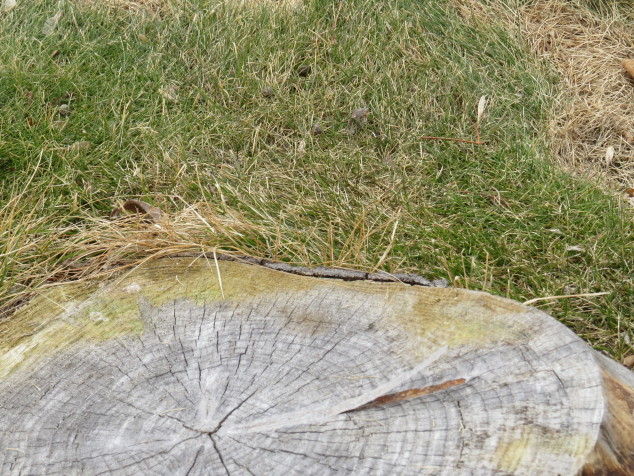
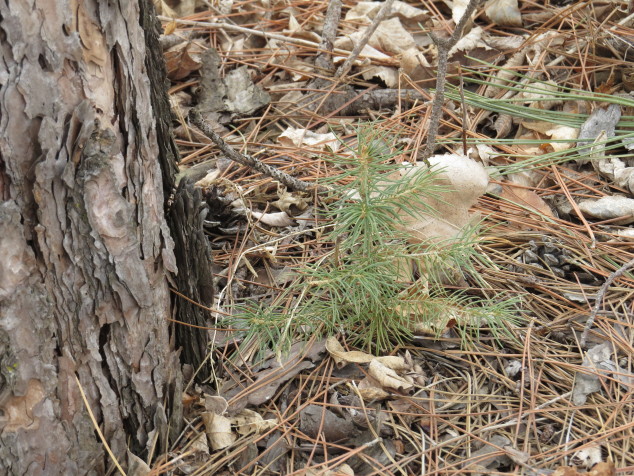
Those stumps remind me of the loss of five huge, old pines and spruces that succumbed to the harshness of the drought year, but I rejoiced when I saw a tiny replacement growing beside another towering pine. It must have been there last year, but in its tininess and surrounded by other green things, I never noticed it. So I’m counting the hardy little green tree as a first sign of Spring.
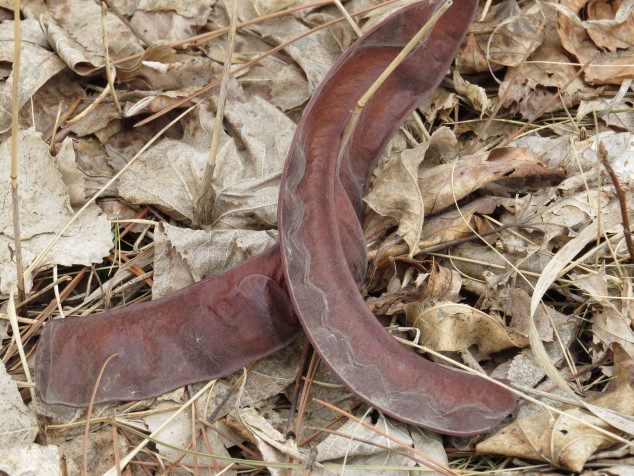
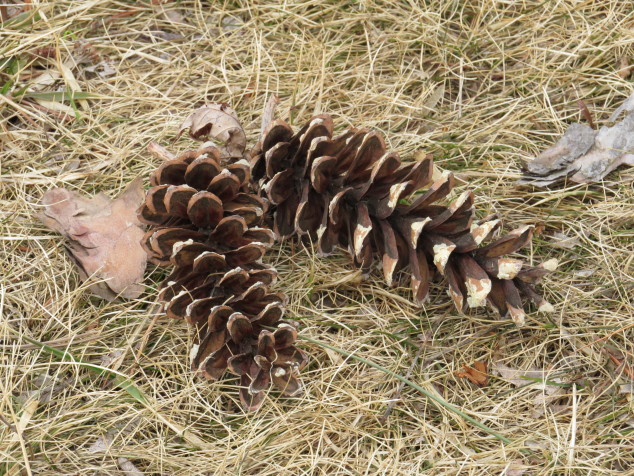
Locust seedpods and white pine cones littered the yard, looking like fall but indicating Spring with their shedding–getting rid of the old to make way for the new.
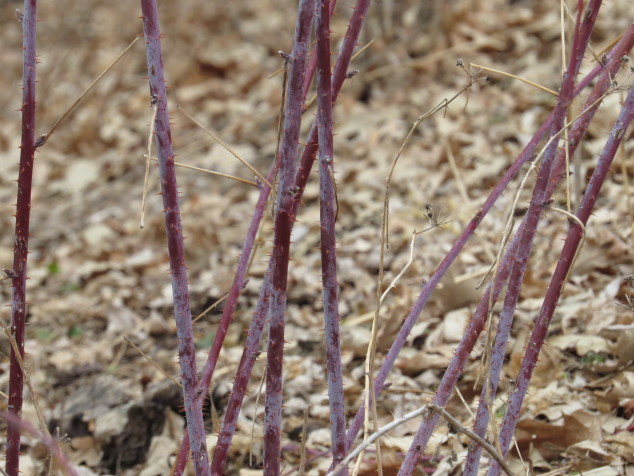
One shock of color in the brown woods was a clump of raspberry stems–vibrant and alive-looking in reddish purple, defended from the greedy rabbits by the battalions of thorns.
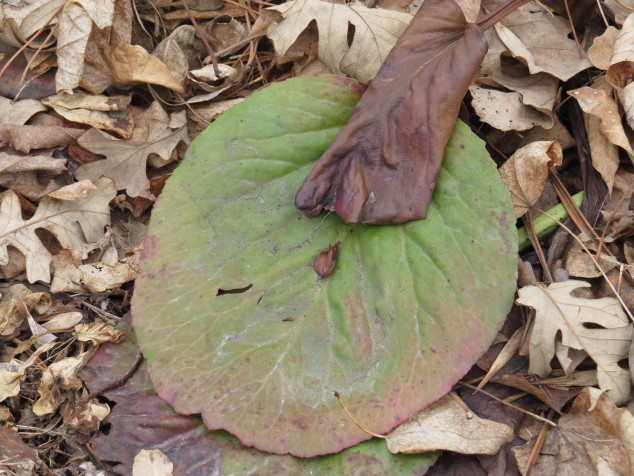
One green Bergenia leaf lay in the brown rubble of oak leaves and spent perennial stems. It whets my appetite for the spring ritual of uncovering the perennial beds to find the buds starting to grow from seemingly nothing. It makes one respect the power of the unseen.
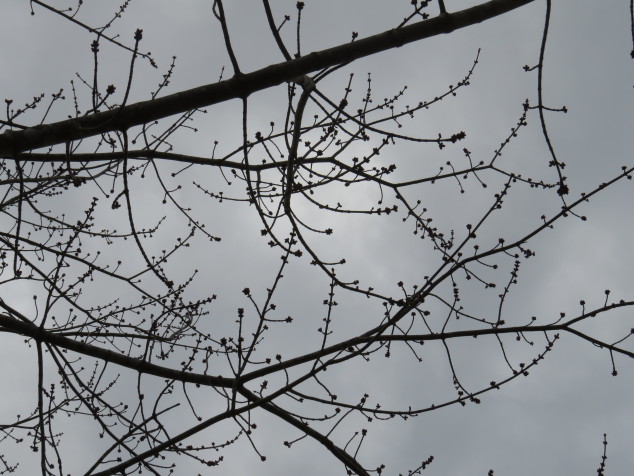
And finally, I found a maple and a birch tree with swollen flower and leaf buds holding forth the promise of Spring.
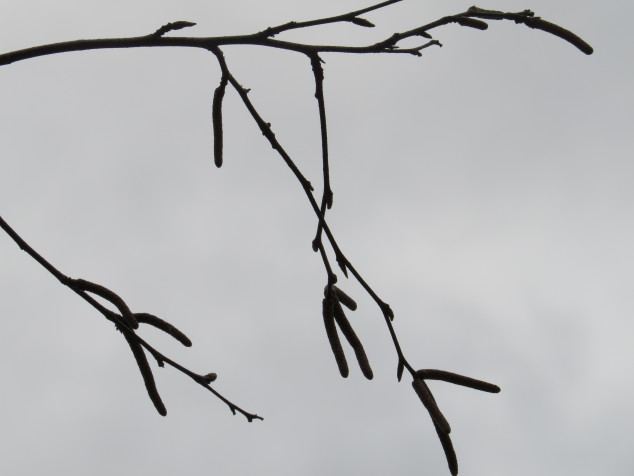
Spring usually arrives for us in a cloak of white. Even without the snow, we cannot boast of the usual harbingers of Spring like the Texas Bluebonnets or the Missouri Daffodils–as much as we would like to! What we do have are tiny indications that we are bidding Winter good-bye as we anticipate the warm, colorful Spring to come.
Anticipation is one of those words that we hold a fair amount of power over how it is perceived. It can be hopeful expectation or dreadful apprehension. And while the future event certainly influences our feelings, I like to think that we can control our impression of it. Is it an optimist/pessimist thing? How do we anticipate the dawning of a new day? How do we navigate the sorrow and reluctance of letting go of the old in order to embrace the new? How do we color our world when the landscape around us is gray and brown? How do we appreciate the tiny things and respect the power of the unseen? Even with snow in the forecast, I’m looking forward to a beautiful Spring!
- « Previous Page
- 1
- …
- 9
- 10
- 11
- 12
- 13
- Next Page »