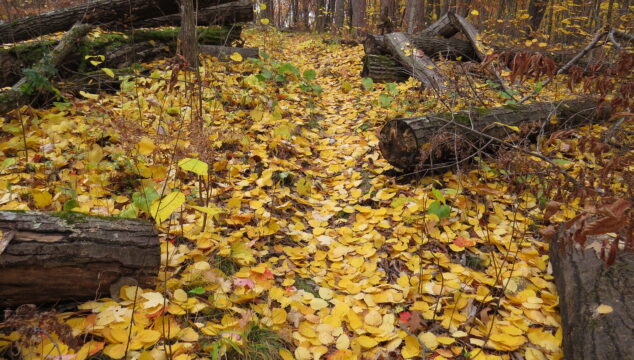
Come walk with me in the peak Autumn beauty of the Northwoods. To say that I love this time of year is an understatement. Most everyone can appreciate the colorful falling leaves---it reveals the 'true self' of a tree when its leaves are no longer producing chlorophyll. Their true colors are revealed, and there is something simple … [Read More...]
The Unseen River
In the early seventies—yes, back in the nineteen hundreds—I was one of millions of kids who watched the one television set in the house with my siblings. We watched an array of programs—The Brady Bunch, Saturday morning cartoons, American Bandstand, Dark Shadows, the Merv Griffin Show, To Tell the Truth, Hee Haw, Laugh-In, and so many more. One of the shows we watched—The Flip Wilson Show—popularized an idiom “what you see is what you get” when Flip impersonated his drag persona ‘Geraldine.’ And no one, not my Republican parents, not the ‘media,’ not half the members of Congress, or concerned citizens thought this show was ruining, grooming, exploiting, or influencing children. It was a comedy show with a humorous man dressing up like a sassy character, and it was funny! Looking back at any of those programs could indeed bring on some cringe moments in this day and age, but we survived our tv-watching childhood and became who we were meant to be.
“What you see is what you get” is a statement often used by a person who is unapologetic of who they are or how they are behaving, especially if another asks them to do or be something different. It implies there is no hidden or unknown features, traits, or characteristics beyond what is seen or immediately apparent, and it also implies that the person has no interest in changing. This statement can run the gamut from a person who is humbly grounded in who they are in the world to a rude reply of ‘hey, I do what I do, and I don’t care what you or anybody else thinks.’ I’m not so interested in who says it or for what reason, but in the premise that what we see is the whole story.
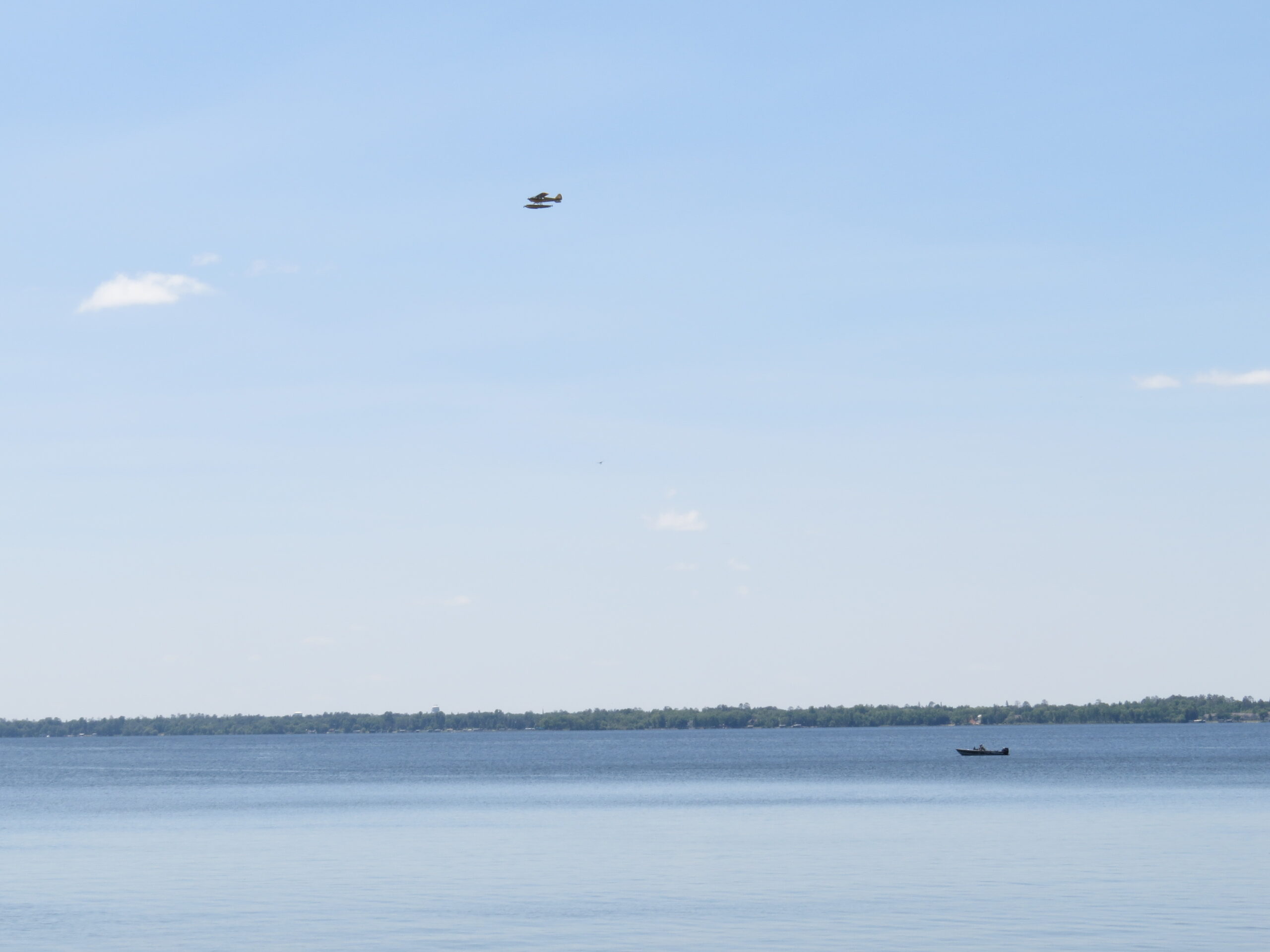
When we went north to Bemidji, we were on a bee-line to see the bog, and I was thrilled to see the blooming bog plants. After our bog walk, we picnicked beside Lake Bemidji, a medium sized (7,000 acres) lake with clear water, sandy beaches, and abundant fish species. We hiked along the beach and along the northern shore for a ways, noticing boats and float planes traversing the waters.
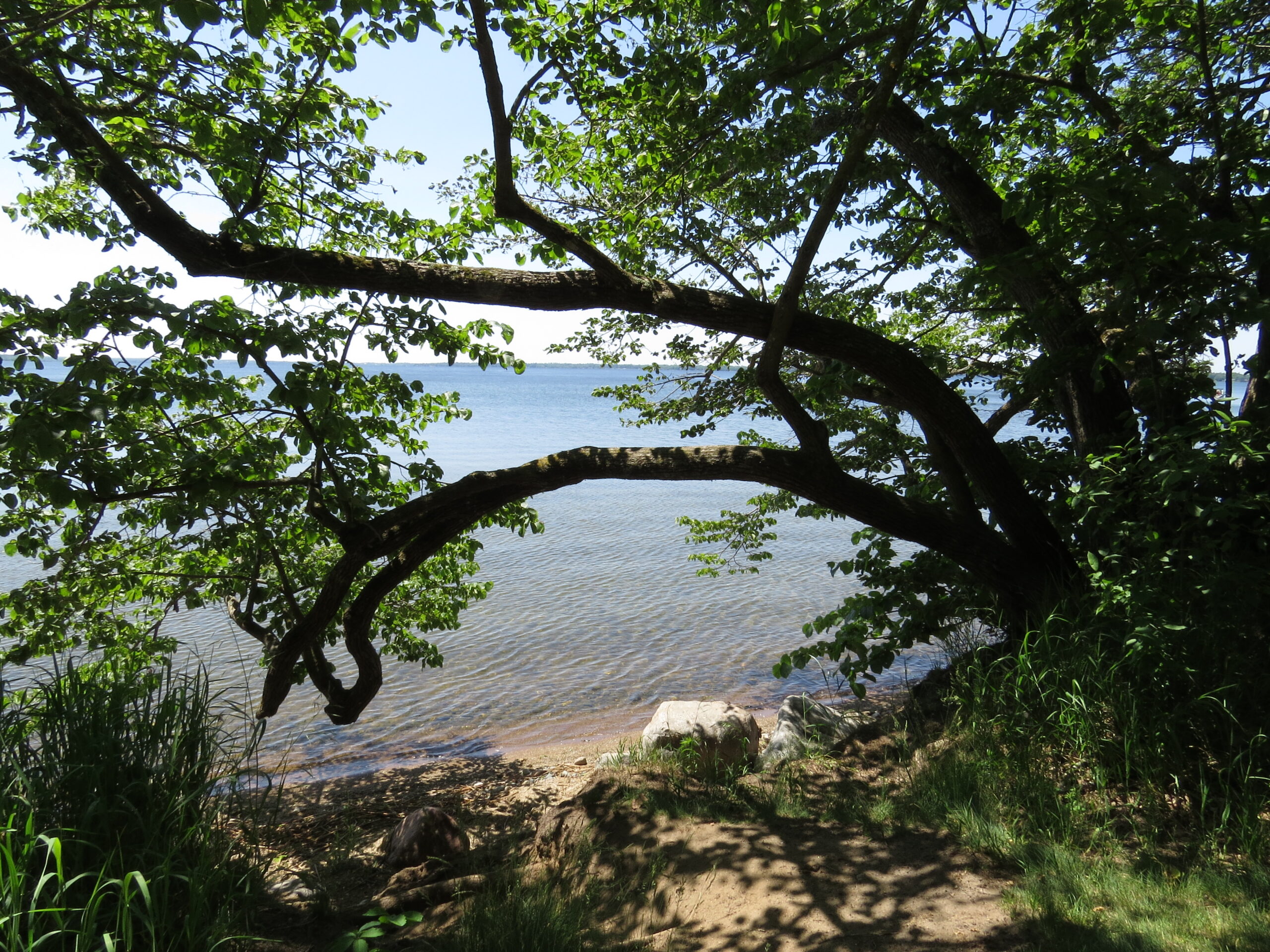
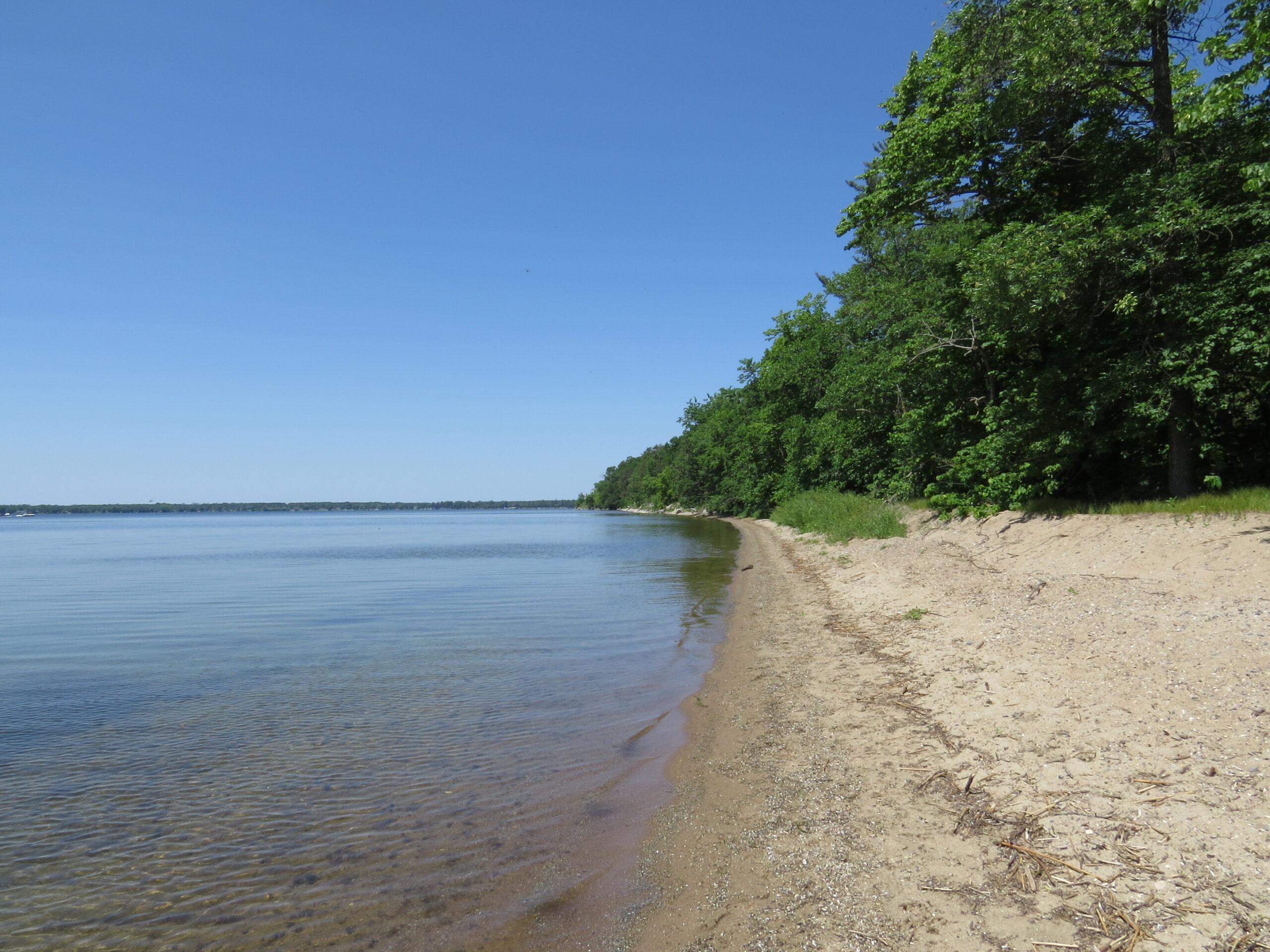
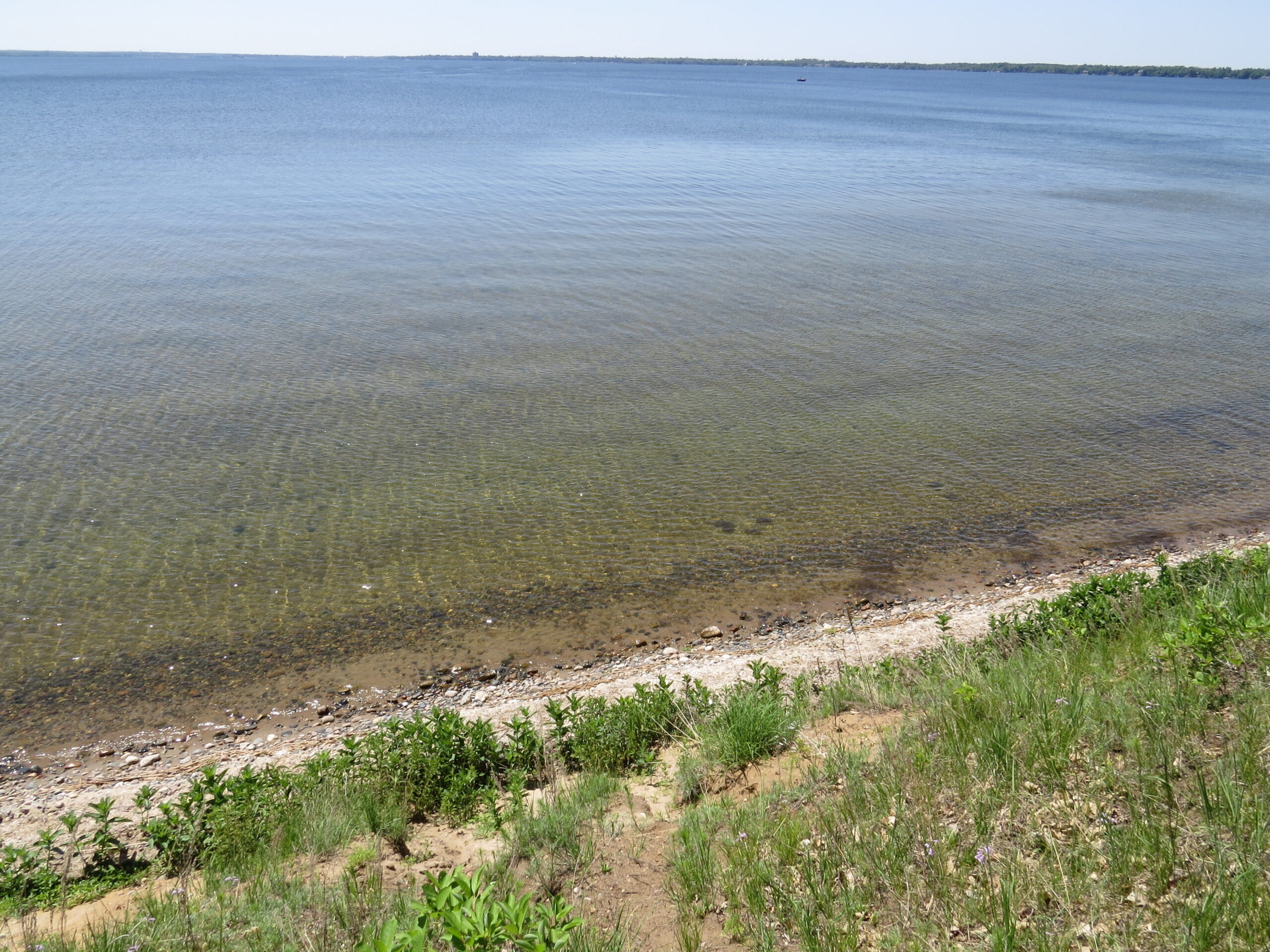
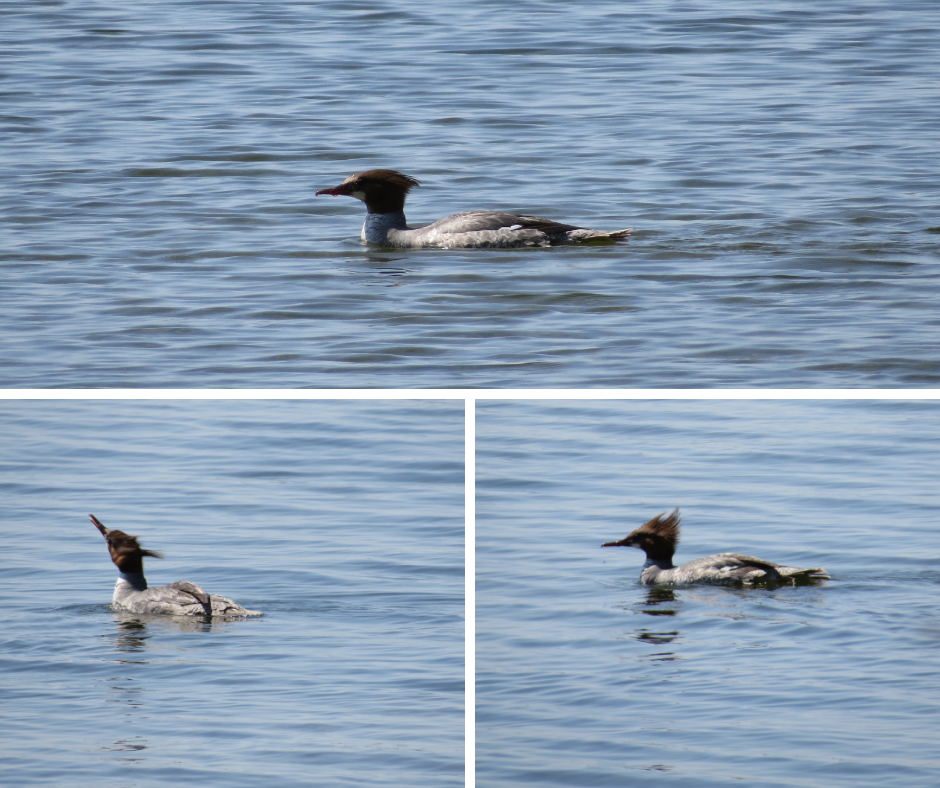
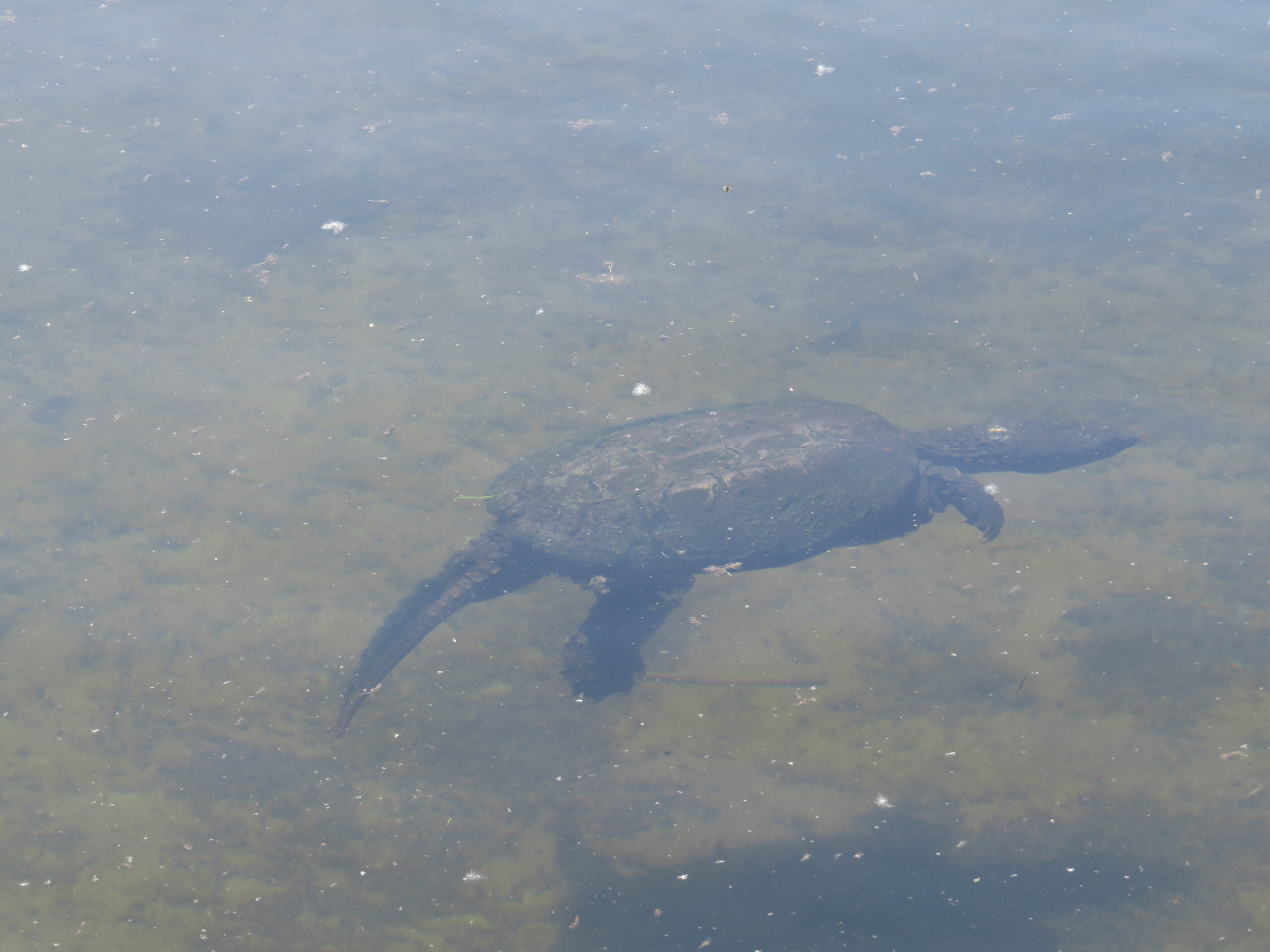
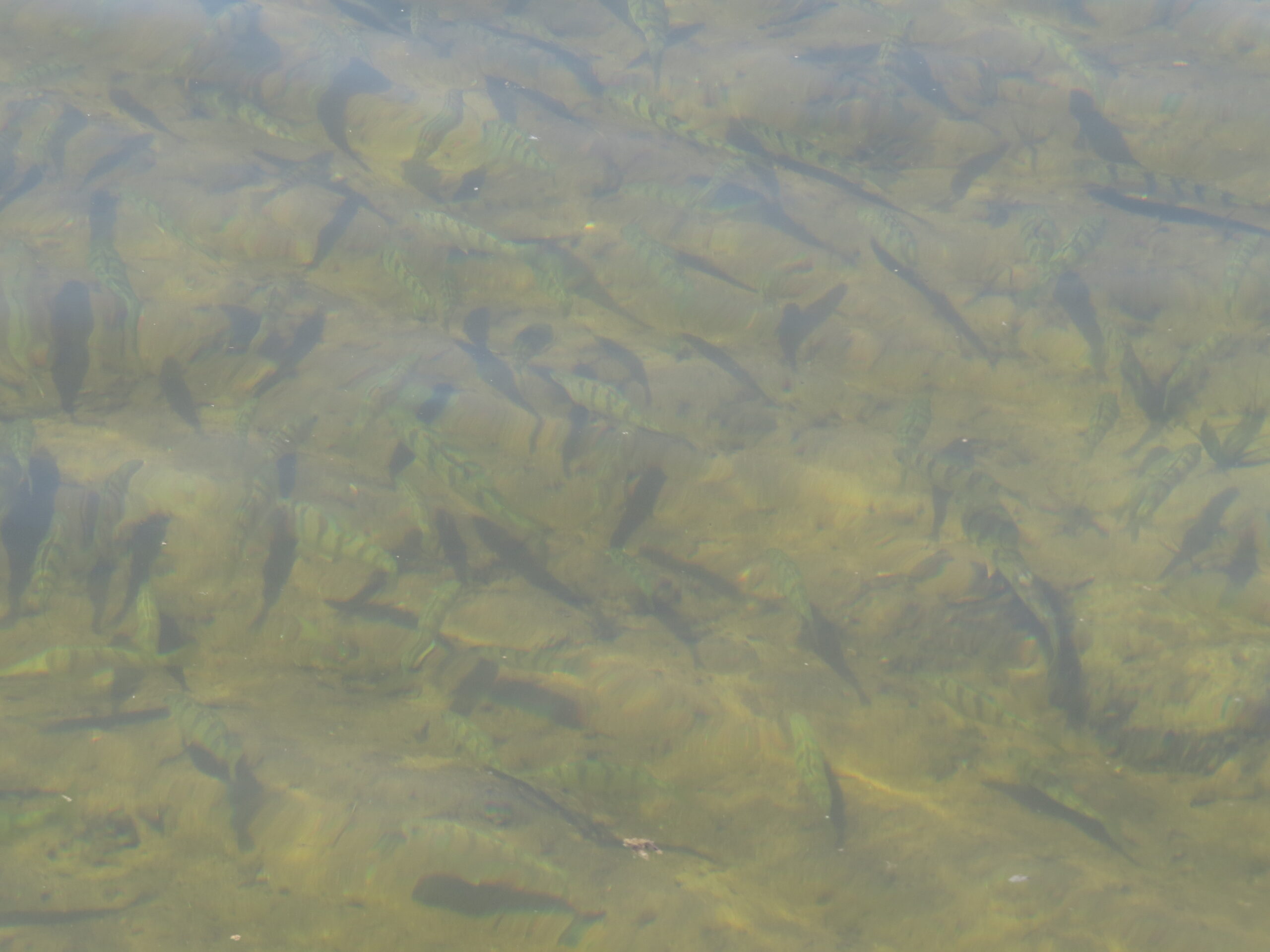
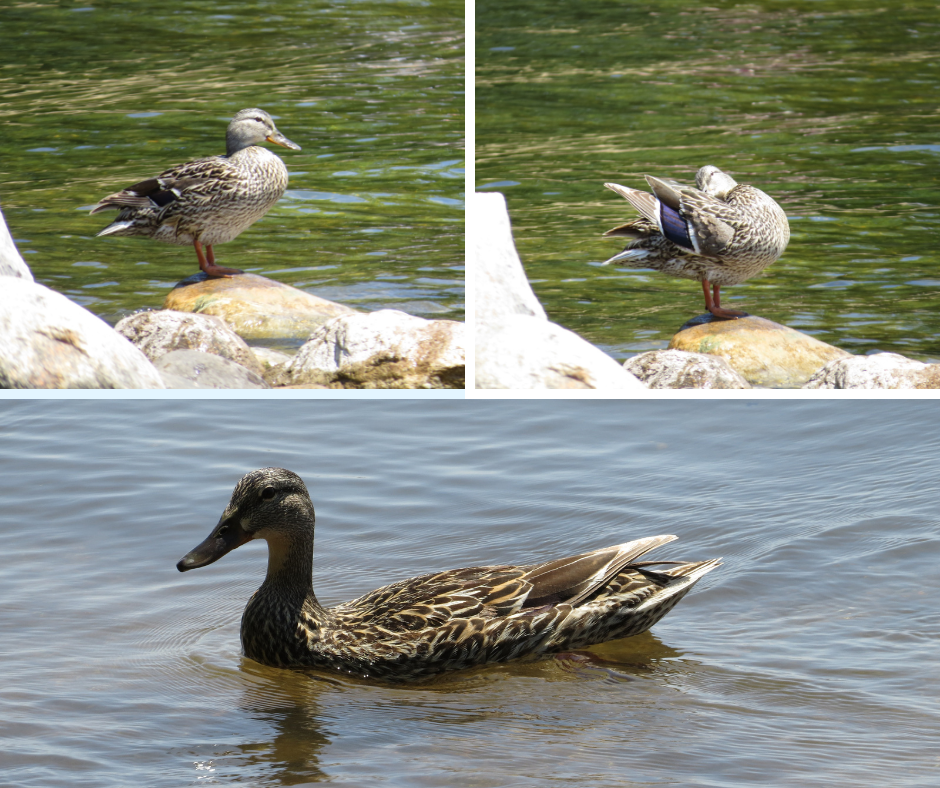
Other floaters seemed to ignore the few people fishing and swimming. A red-headed Common Merganser swam close to the beach. A large Snapping Turtle floated to the surface near the dock, then lazily swam under the dock as fishermen threw their lines close by. A school of Yellow Perch doubled their numbers with dark shadows of themselves. A Blue-Winged Teal preened on a rock by the fishing dock, then swam close to the hiking path.
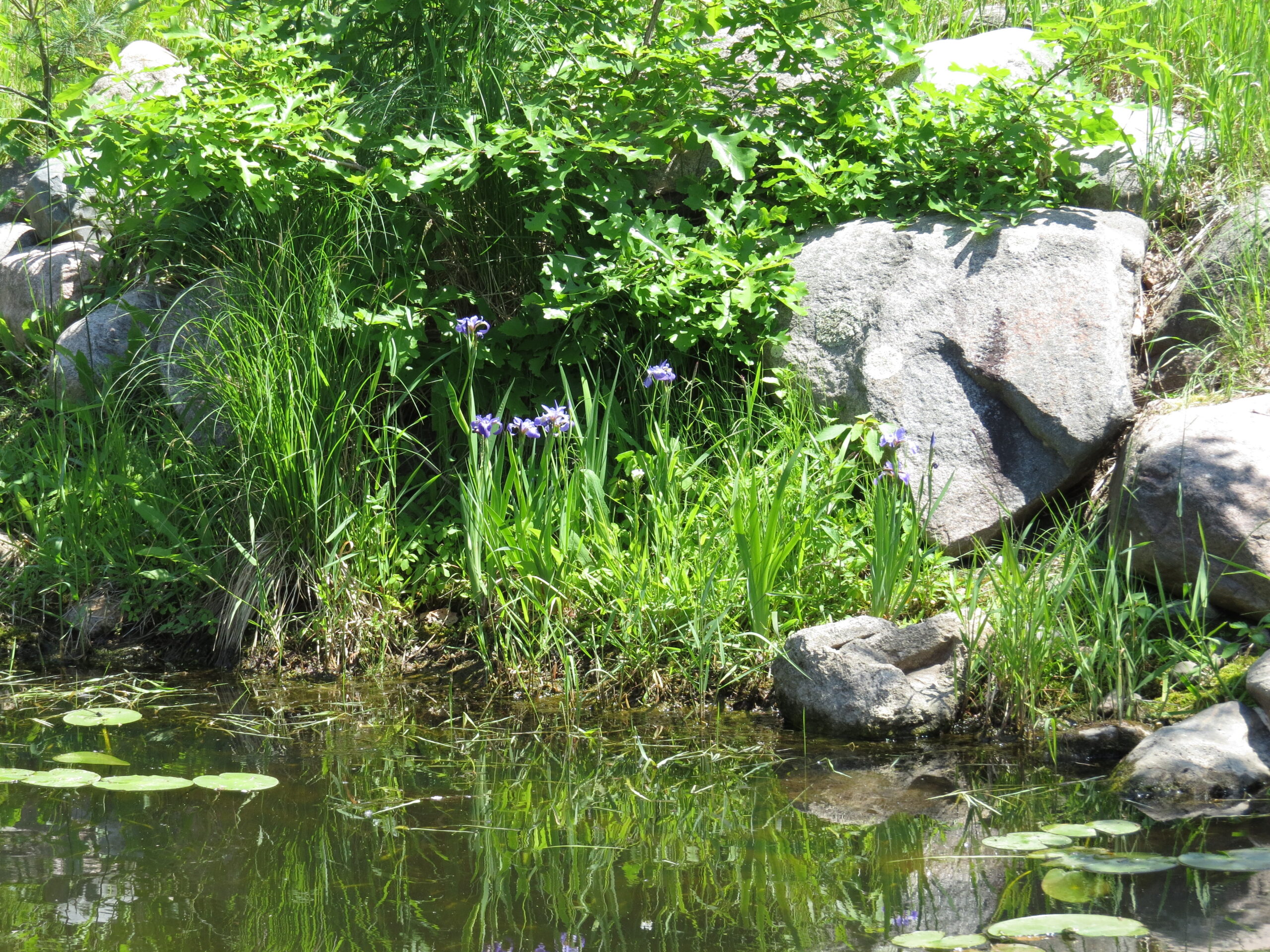
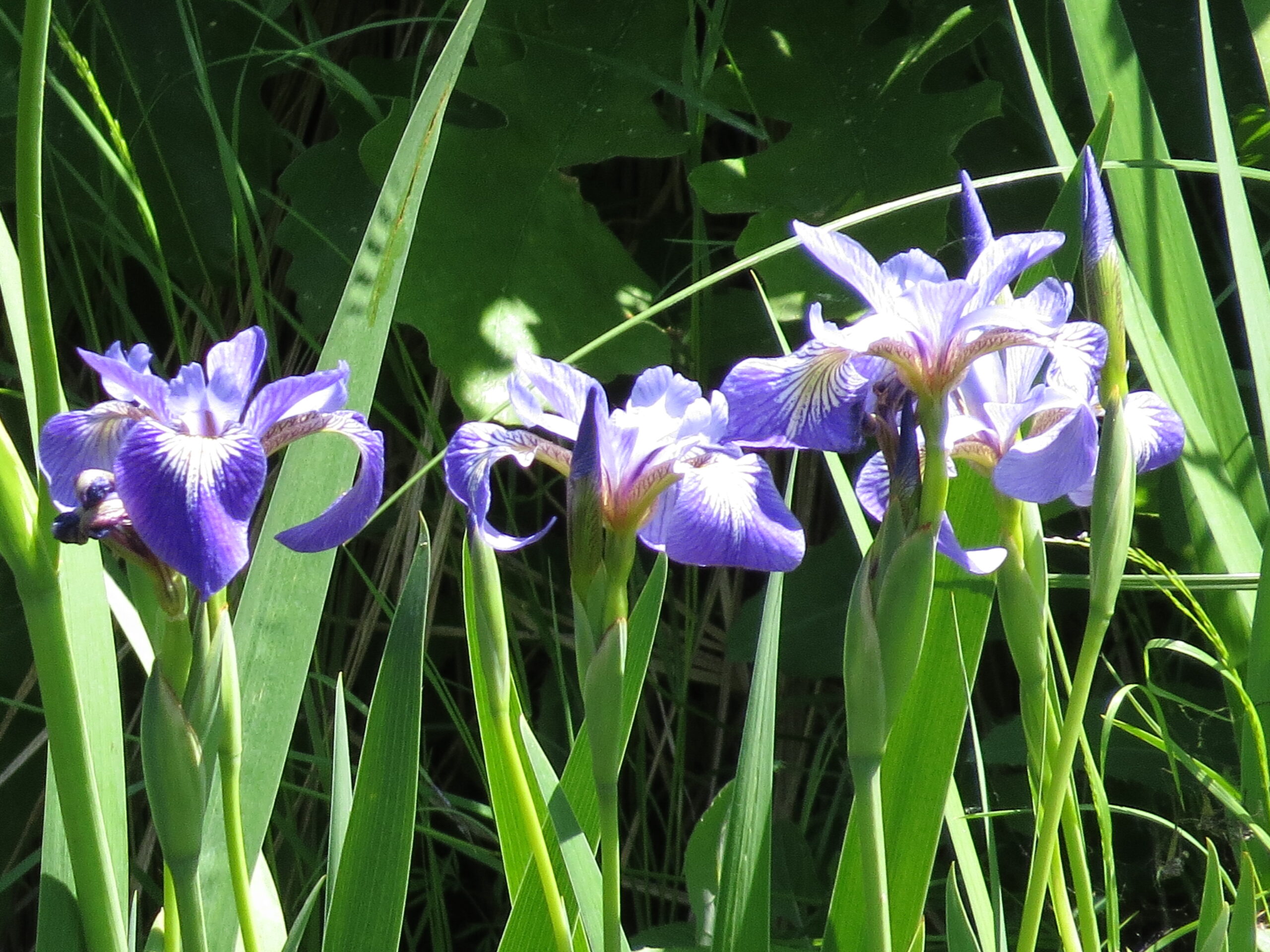
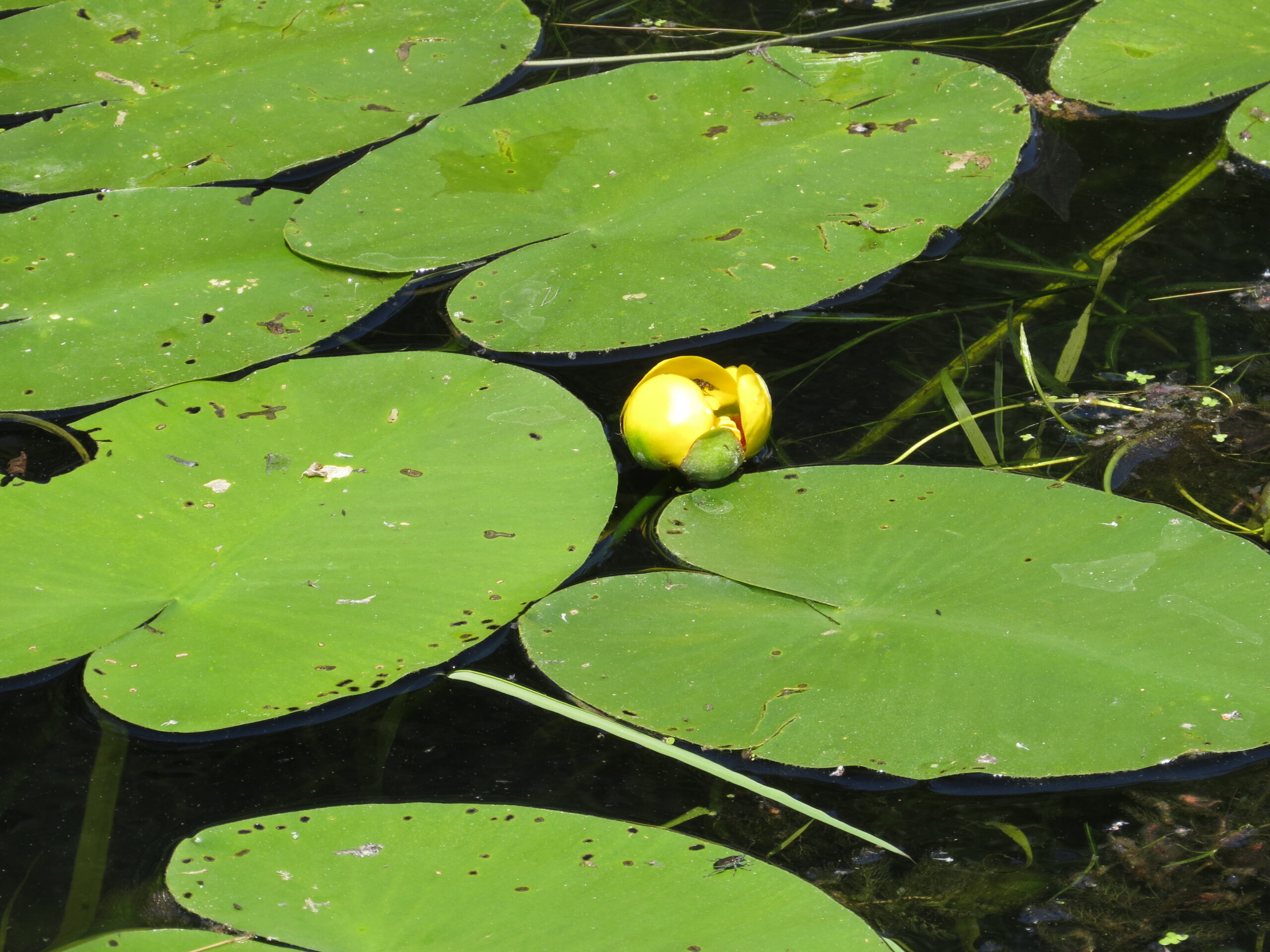
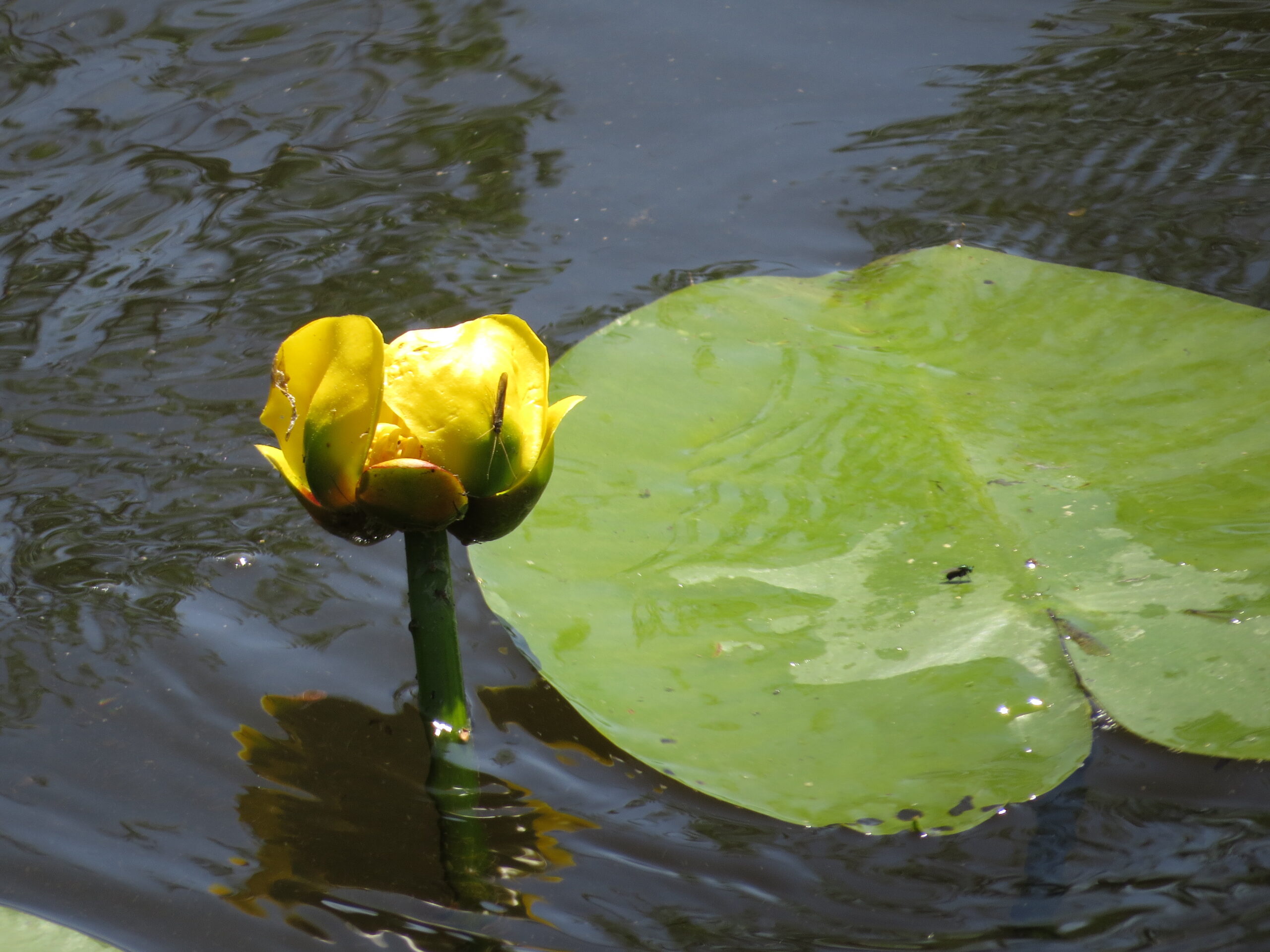
Along the rocky shore where Bass Creek flows into Lake Bemidji, Harlequin Blueflag Irises displayed their showy purple flowers, and the ball-shaped buds of Yellow Pond Lilies floated above their lily pad leaves.
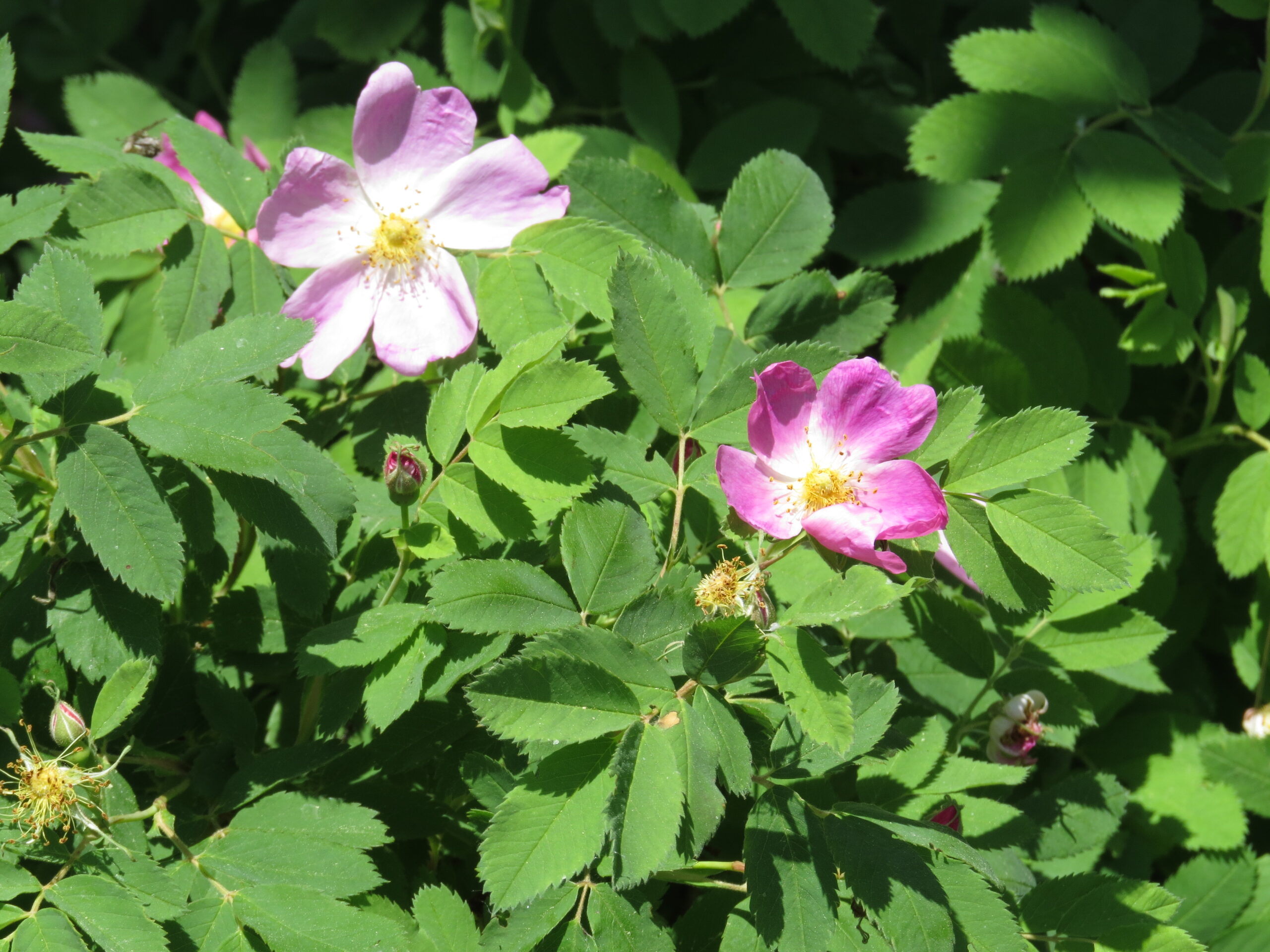
June Wild Roses proliferated along the wetlands, their sweet smell and pink faces bringing joy to those who noticed them.
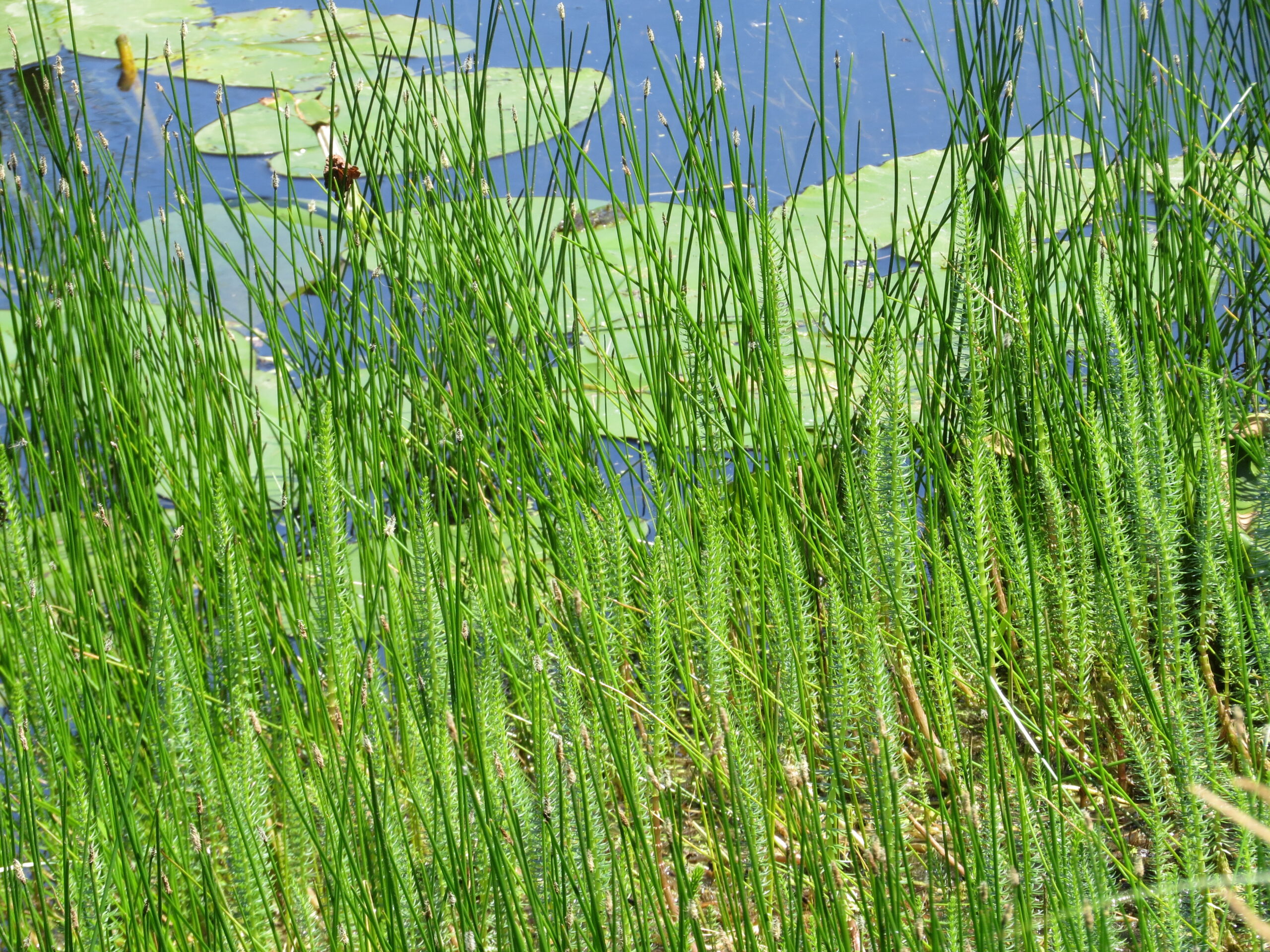
Bass Creek cuts a path from Big Bass Lake to Lake Bemidji, part of the 396,000 acres of land that drains into Lake Bemidji. The rushes, reeds, and cattails create a scenic wetland and provide food and shelter to the animals who live there.
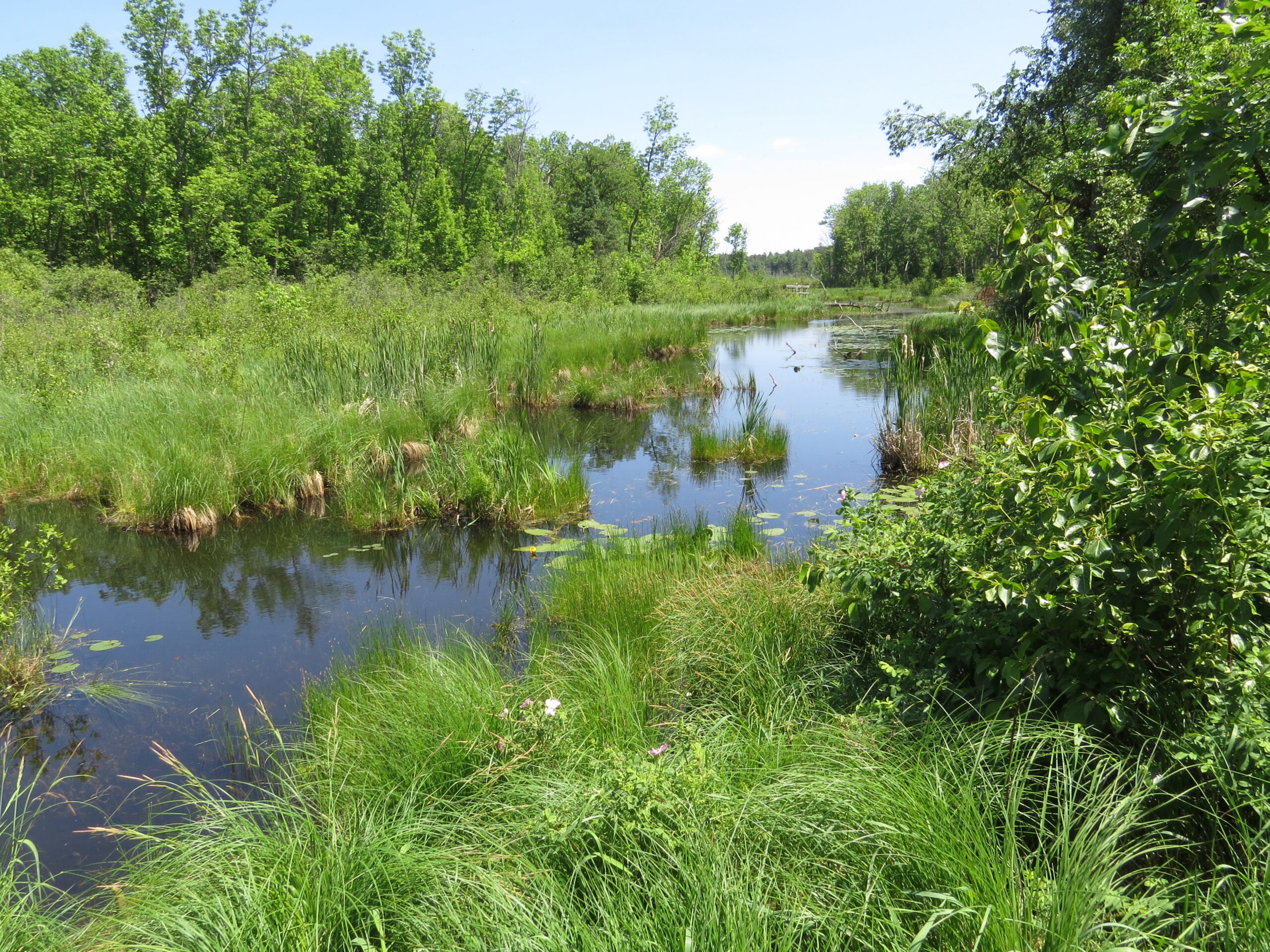
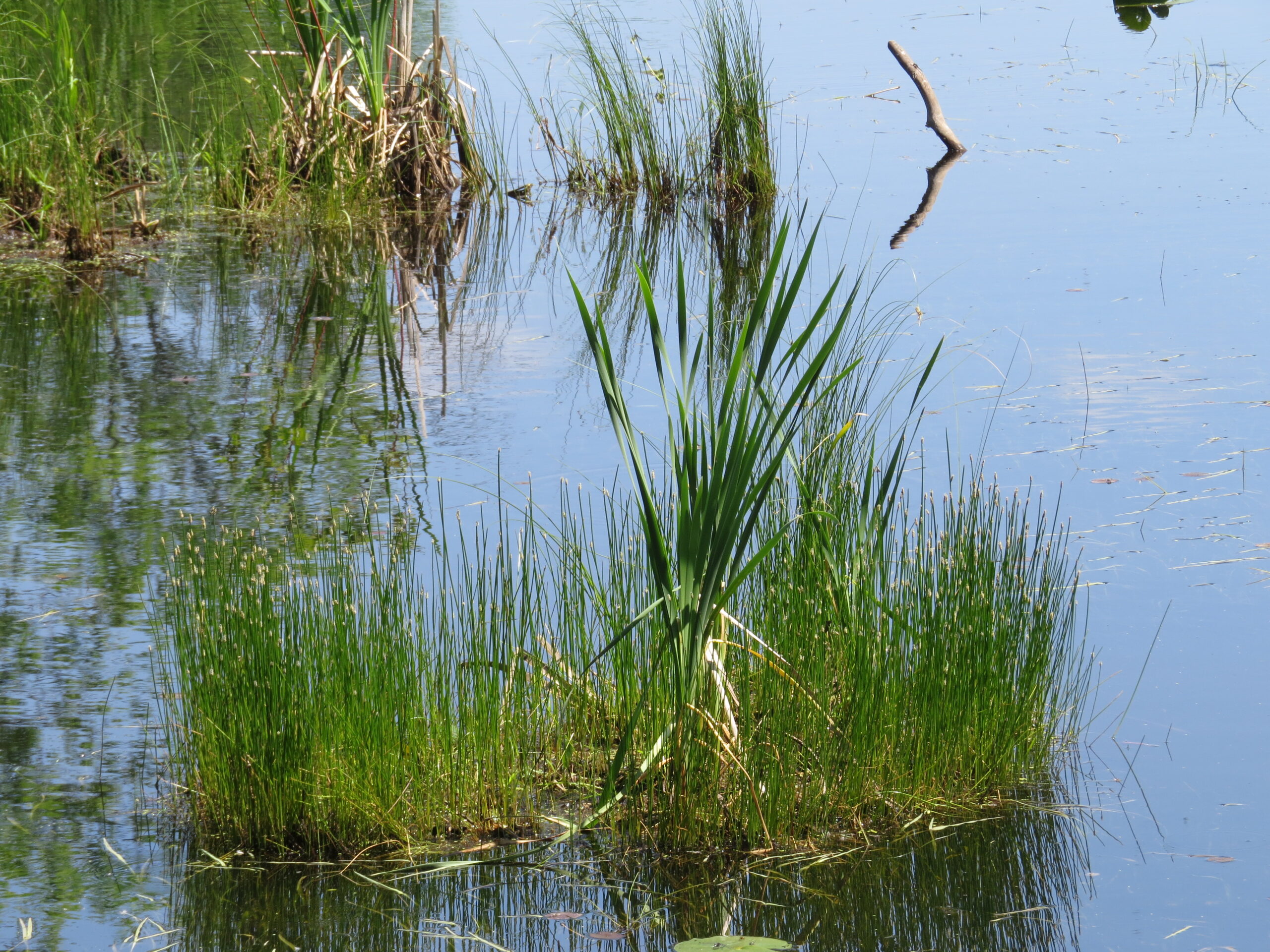
There is much to see at Lake Bemidji State Park, as with so much of northern Minnesota. It hones your observation skills and makes one appreciate the incredible diversity that is contained in a rather homogeneous area. What you see encompasses a large part of the story, but it is not the whole story. We tend to think of water flowing into a lake as becoming the lake—Bass Creek becomes Lake Bemidji. But there is something we don’t see. ‘Bemidji’ means ‘lake with crossing waters’ from the Ojibwa word ‘Bemidjigamaag.’ The Mississippi River, whose source is less than fifty miles away at Lake Itasca, flows into Lake Bemidji from the south and west, crosses the Lake and exits on the east side. A river runs through the lake. This large and impressive River flows through a number of northern lakes before it begins its southward descent to Louisiana.
The things we don’t see are powerful parts of the story of a River and a Lake, just as they are with the stories of our Lives. My premise is the idiom of ‘what you see is what you get’ is how a person wants to be seen, not all that is there. It’s more likely a way to hide a vulnerability or a painful part of oneself. We have amazing, creative, resilient ways to armor ourselves against pain and loss, but the spirit of who we are runs through us whether seen or unseen. I like that we and all of Nature are an amazing combination of both. I think the challenge is to integrate all those parts of ourselves—the swagger, the shadows, the funny parts, the vulnerable parts, the knowledge, the fears, and the weaknesses—into an authentic, happy, beautiful Self while shedding those behaviors that separate us from ourselves and others. What is the unseen river that runs through you?
The Day it Snowed in July
The clearest way into the Universe is through a forest wilderness. –John Muir
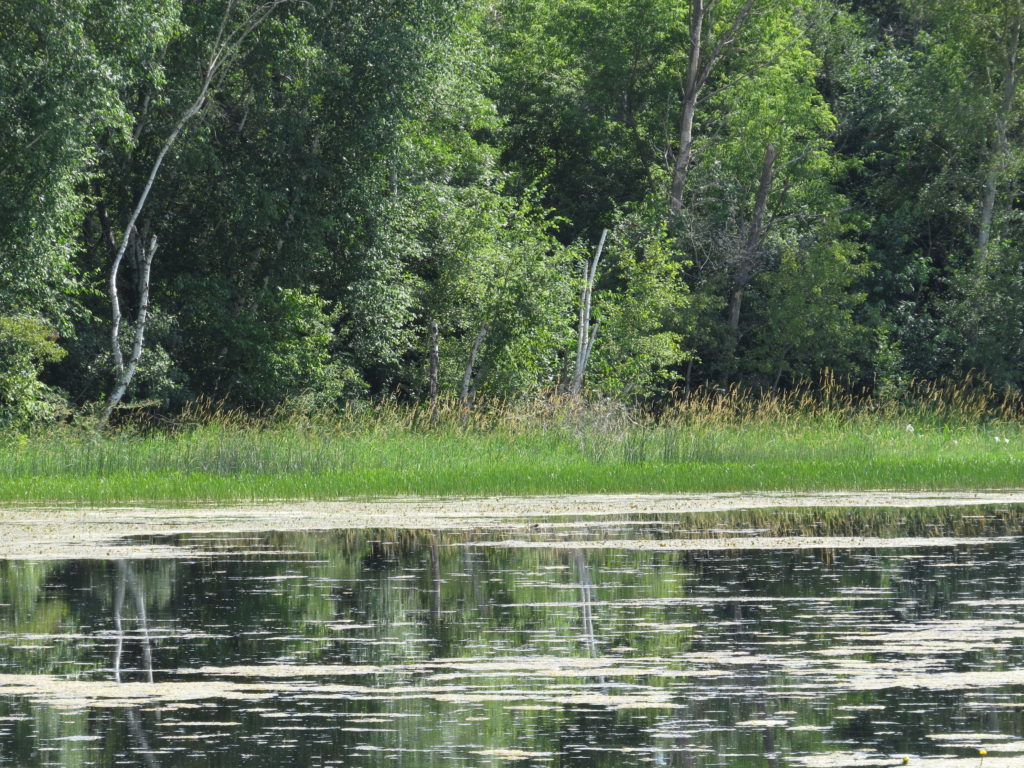
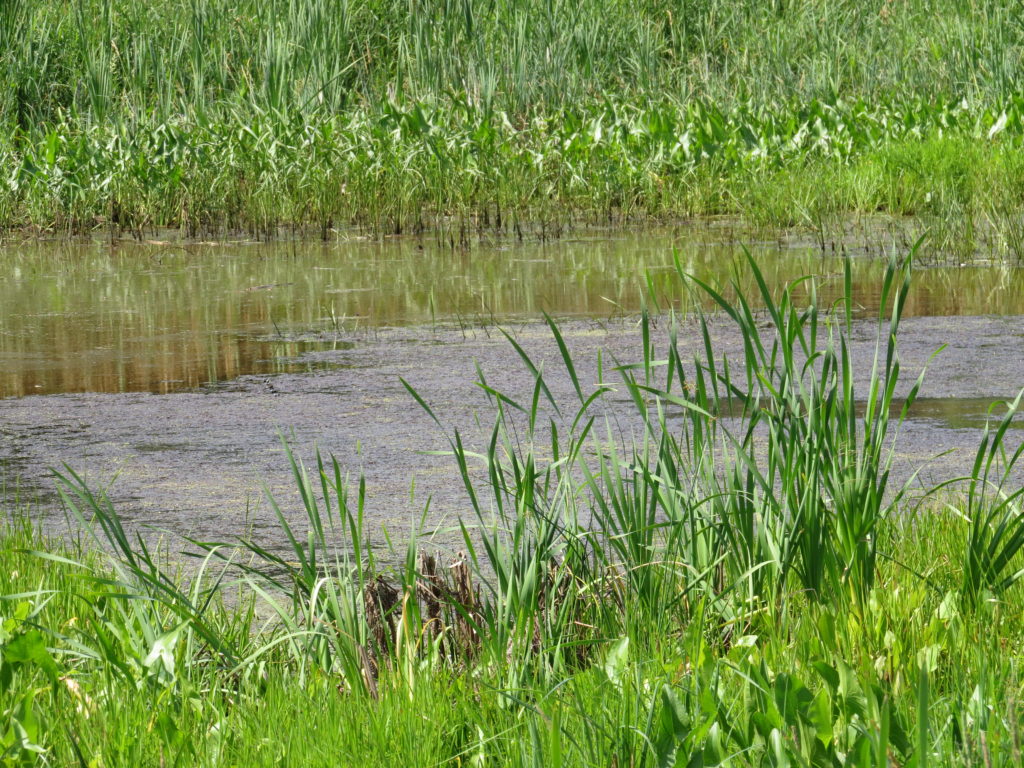
This post is not about clarity or the forest, and I am backing us up in time to the middle of July. The hot, humid middle of July. We had just gotten back from our trip to Missouri, Chris was back to work, and I was desperate to get away from some overarching, insistent, persistent bad feelings. Hot, humid weather never makes anything better, in my opinion; in fact, it magnifies madness, swells cells, and creates chaos. I walked down the road to the little lake on Hummingbird Lane. I don’t even remember how bad the mosquitoes and deer flies were as I sweated up the hill. And then as I saw the usually-pretty lake, I was even more disgusted when I saw how the vegetative scum had overtaken the open water.
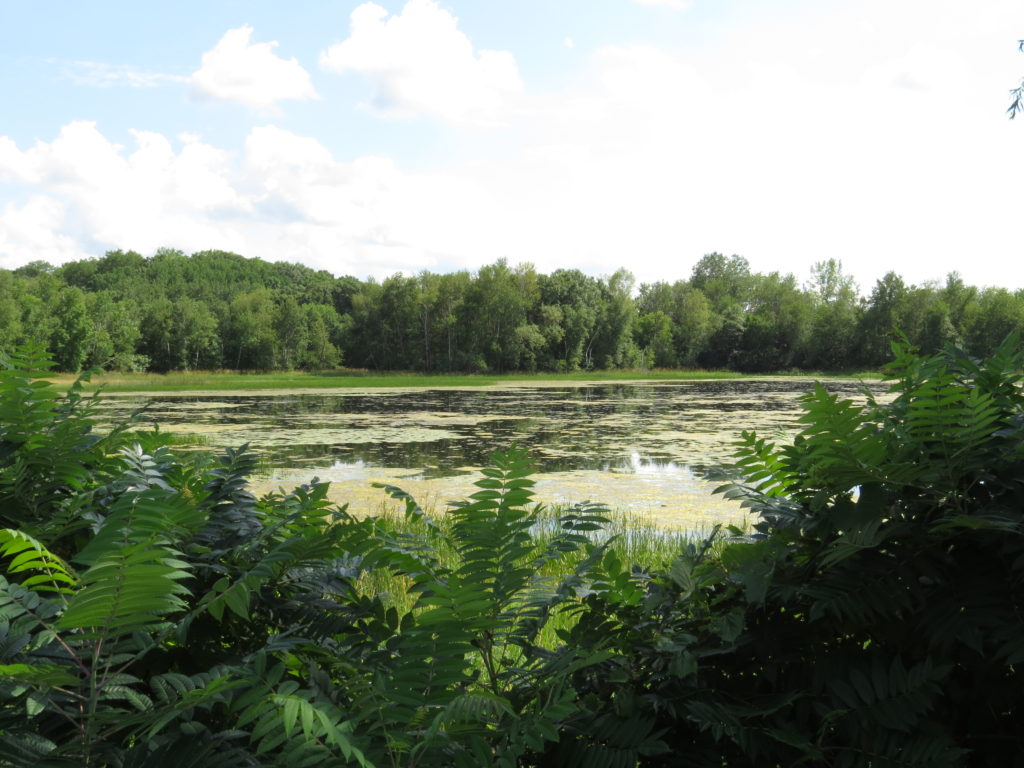
It is at times like these when we need and crave some clear reflection of reality. Why is all this crap in the way? The reason for our trip to Missouri was to spend time with Chris’ brother Paul who was dying of pancreatic cancer. This brother who was just two years older, the one who played in dirt piles with him, went to Boy Scouts camp, and drove him to high school. We watched some Big Valley on TV, walked to get the long-neglected mail for him, got an Icee that cooled his throat, and cleaned up the kitchen a little bit. Paul joked about it all with his dry one-liners, and we laughed. It was as good and normal as ever, even as we talked about end-of-life things. The brothers reminisced about boyhood memories, and Paul held his arm over his stomach and rocked ever-so-slightly.
As we sat together, there were layers of feelings—fresh in-the-moment ones, surface take-care-of-business ones, deep, dark feelings about what was to come, and a forest of sweet memories.
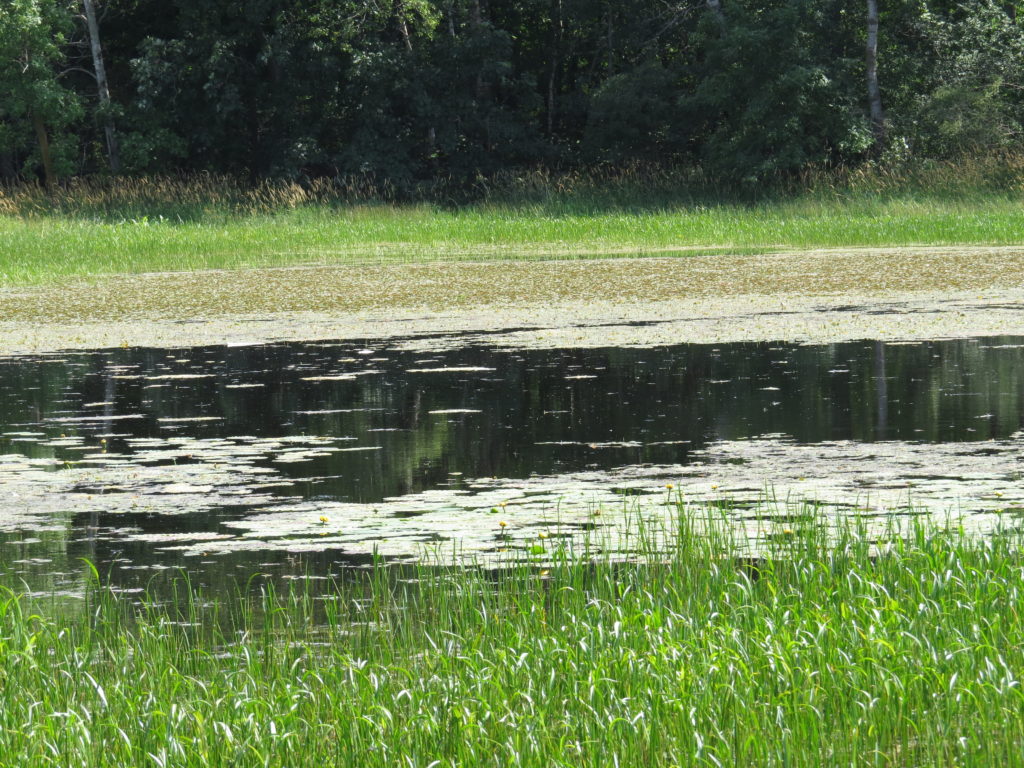
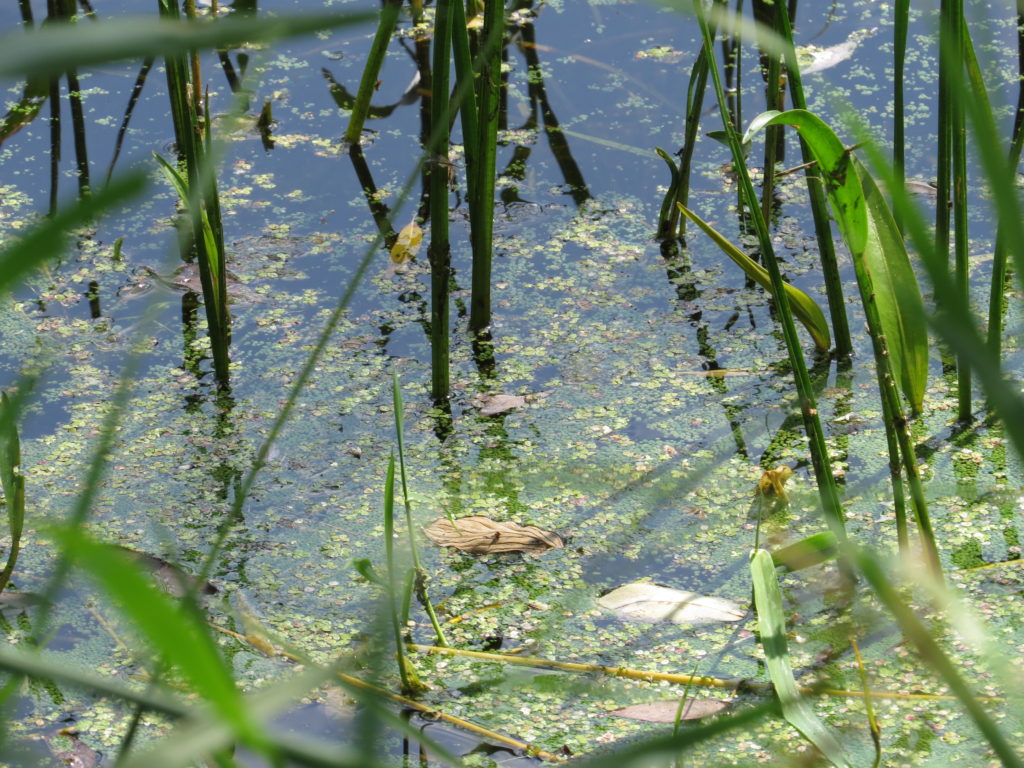
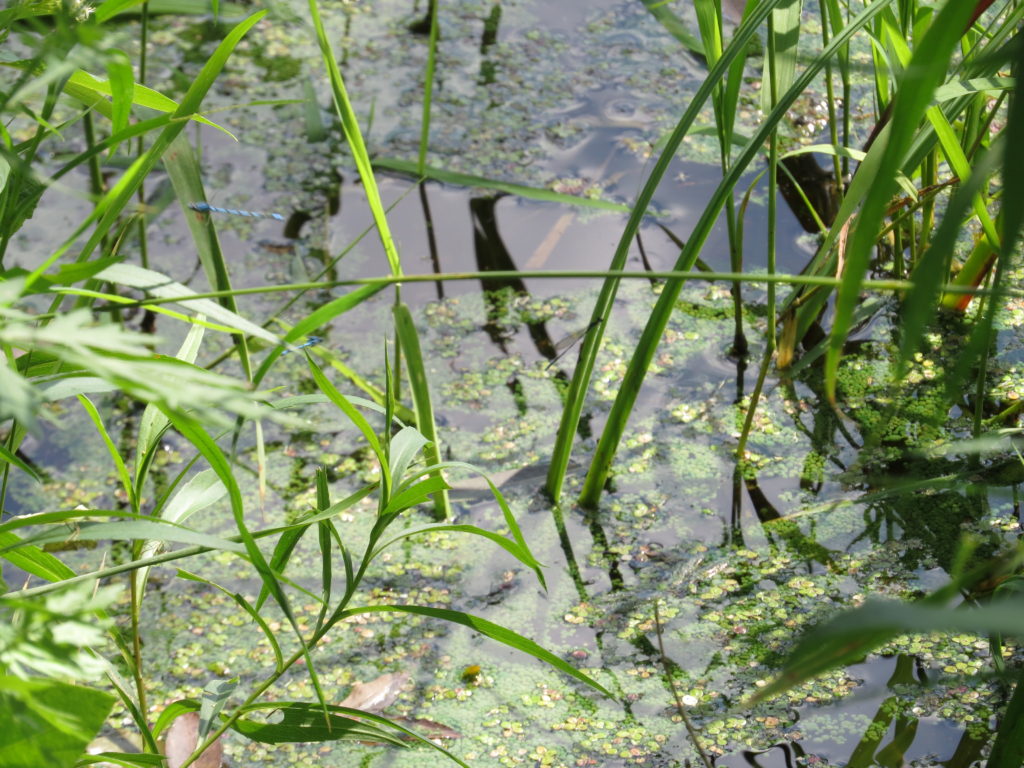
I had listened to a Rob Bell podcast where he talked about the struggles and irritations in our lives, and I had written a line he said on a post-it note where I could see it every day. “This is all part of it.” This is all part of it. This pond scum is part of a hot July summer. The mosquitoes and deer flies are a part of a still, humid day. Dying is part of living. We can look a little closer at what clouds our vision, what’s getting in the way of our clear reflection. The Duckweed is actually kind of pretty close up, and do you see the three damselflies who live and fly above the Duckweed?
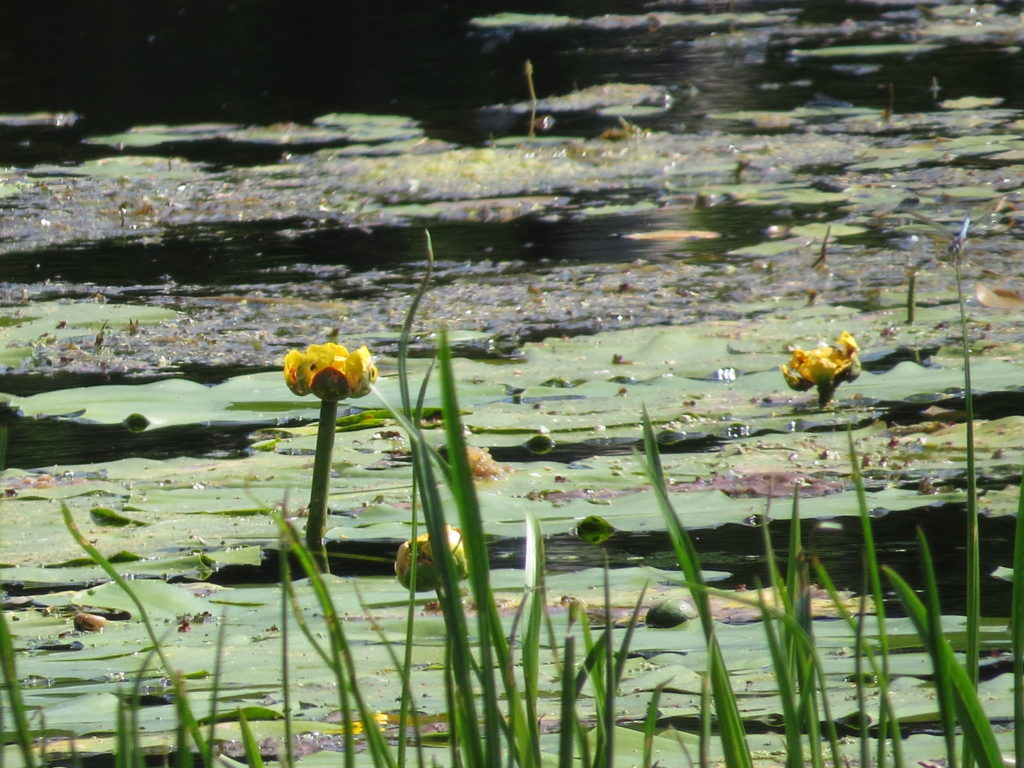
The flat, floating Yellow Pond Lily leaves send up surprising stalks of flowers. How did I miss them before? This is all part of it.
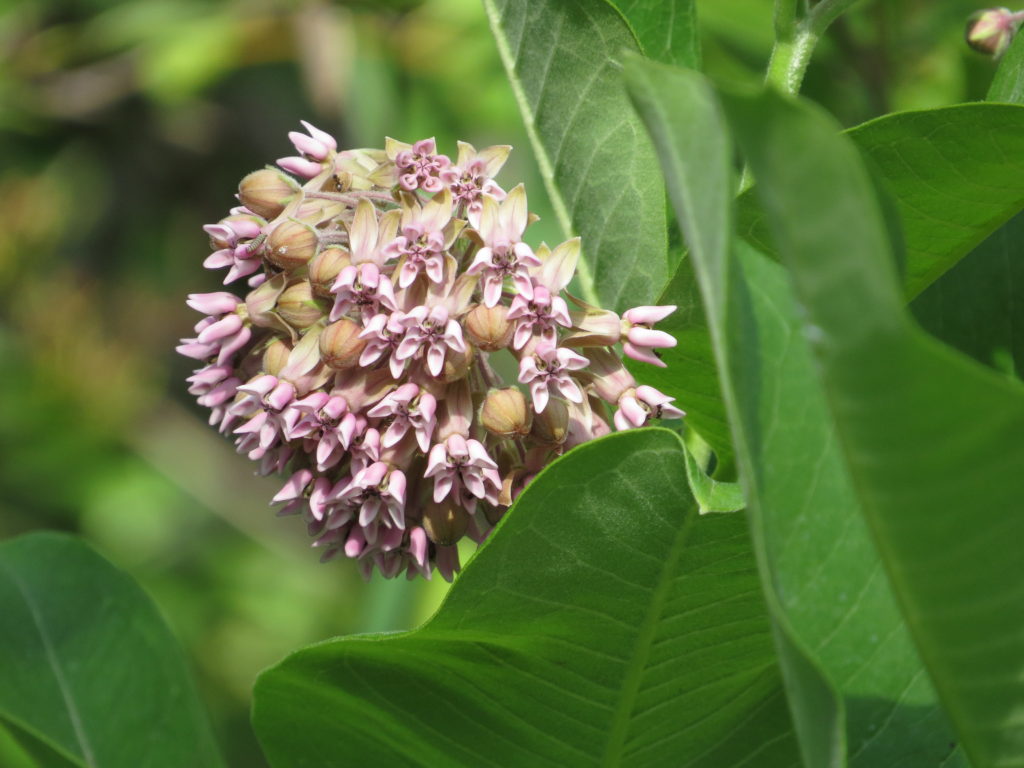
The intricate cluster of pink balls to open stars of the Milkweed flower housed ants and a tiny caterpillar. This is all part of it. It was a comforting mantra for my nervous body and unsettled soul.
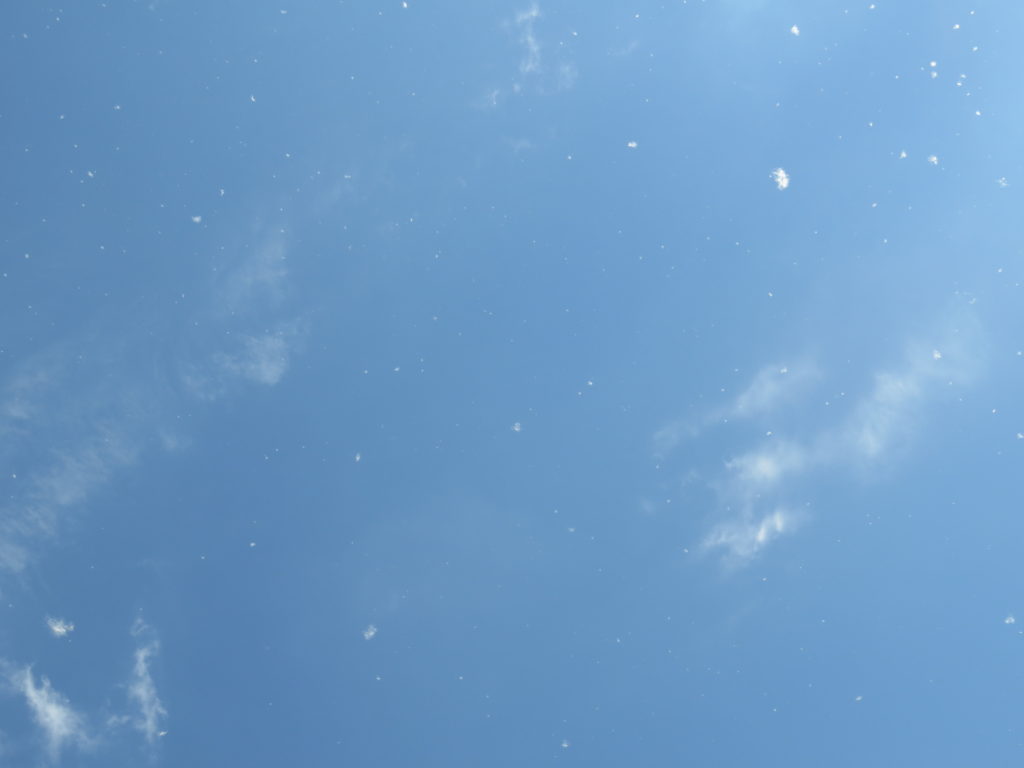
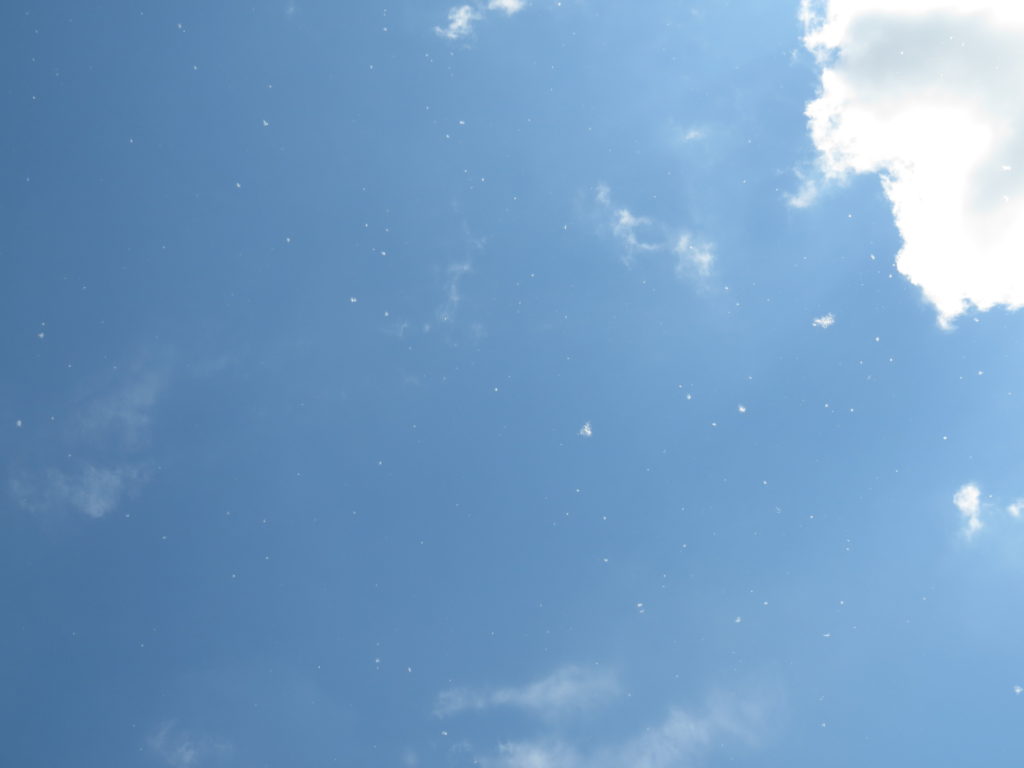
And then, as I walked home in the July heat and humidity, it started to snow! Out of the blue sky drifted snowflakes—snowflakes of Cottonwood seeds. It was somewhat of a miracle to me—‘snow’ in July!

A month and a day after the snow in July, Paul passed from this world. He and his dear family caregivers had a week of the very serious business of dying. I can’t even imagine, though we waited for texted updates and prayed for…. oh my gosh, the things we prayed for changed as the week went on. On Sunday, it would have been ‘easy.’ Each night after that, we wondered how he was holding on, why he was holding on, who he was holding on for. I have so much respect and honor for our family members who were by his side every hour of that long week. But from my distance, it struck me like a lightning bolt that Paul’s dying wasn’t only about his letting go, seeing people one more time, saying and hearing the words that would never be said or heard again, and holding on for whatever reason—it was about us all. We are all part of it. Everybody who loved him and who he loved was a part of his dying. We all longed to see certain faces, say certain words, take away pain, if only we could, pass on peace, and change the way we do certain things in our lives. What did each of us need to let go of, say or hear said, promise to ourselves and God? How did I not notice that before? What is getting in the way? What is really important in this life? The last time I saw Paul, I kissed the top of his bald head, he said, “See you later,” and we smiled. Exquisite grace, precious moment. Snow in July is a miracle. Life is a miracle. Death is a miracle. We went through the wilderness of dying with Paul to get to the Universe of Love. All the while God is holding us all in the palm of his hand and smiling. This is all part of it.