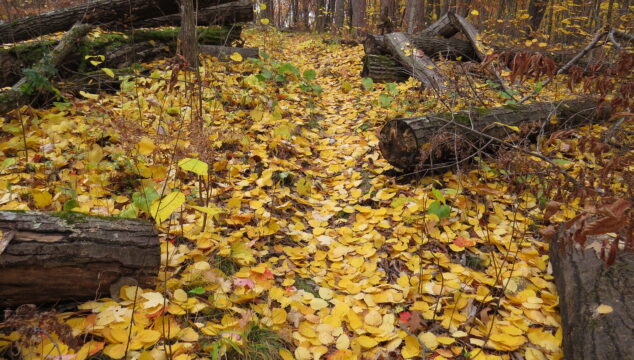
Come walk with me in the peak Autumn beauty of the Northwoods. To say that I love this time of year is an understatement. Most everyone can appreciate the colorful falling leaves---it reveals the 'true self' of a tree when its leaves are no longer producing chlorophyll. Their true colors are revealed, and there is something simple … [Read More...]
From the Inside Out
I have a scar on my thumb and one on my hand where glass chards from a kitchen door window slashed through my skin. As a kid running home after getting off the bus to see who’s first in the house, it wasn’t the blood that was most unsettling—it was who was going to be in trouble when Mom and Dad found out about it. I have a few other ‘story’ scars—when a rock hit my shin when I was mowing and ended that chore for the day and one wide, repeated scar from three c-sections, all with their own ‘war story’ but with three beautiful children as the result.
I have been thinking about wounds and scars and healing since that is what we’ve been dealing with in our household the last couple of weeks after Chris had surgery. A simple wound, one without extensive tissue damage or infection, takes four to six weeks to heal, with scar tissue formation taking much longer. Our bodies are amazing healing organisms! First step, stop the bleeding and keep the germs out! (Of course with this surgery, the medical professionals inflict the wound and begin the healing process by stitching, stapling, or gluing the wound shut with all safety protocols in place.) Second step, immune cells begin to clean up the damage, waste, and any harmful bacteria from the wound. Third step, create new tissue—skin, blood vessels, new collagen frameworks, etc. to repair and mend the damage. And more long term, the fourth step, remodel the temporary tissue formed at the outset with stronger skin tissue and scar formation. Whew! Our bodies do a lot of work to heal—work that takes extra energy and building blocks (amino acids, minerals, cholesterol, etc.) beyond the process of normal, daily metabolism and renewal of cells. And one of the most important aspects of healing is rest. Our autonomic nervous system with its two branches—the sympathetic fight, flight, or freeze and the parasympathetic rest and digest—determine what is happening in our bodies on a cellular basis. The parasympathetic system is also called the rest and repair system—in order to digest our food properly and repair our bodies, we need to be in rest mode. It allows our bodies to do the ‘work’ of repair.
All of that makes me think of Autumn—the prelude to Winter. Autumn is a time when the trees and plants slip into rest mode. No more energy-intensive photosynthesis, no busy, nutrient-grabbing flower and fruit production, and no new growth that requires abundant energy and nutrients just for that. The leaves stop their work and fall to the ground. The already-formed seeds disperse on wind or water or via an animal, who nourishes its body with the fruit or seed and discards potential new seedlings. It is a time to purge in the best of ways, to gather what nourishes for future needs, and move into rest and repair.
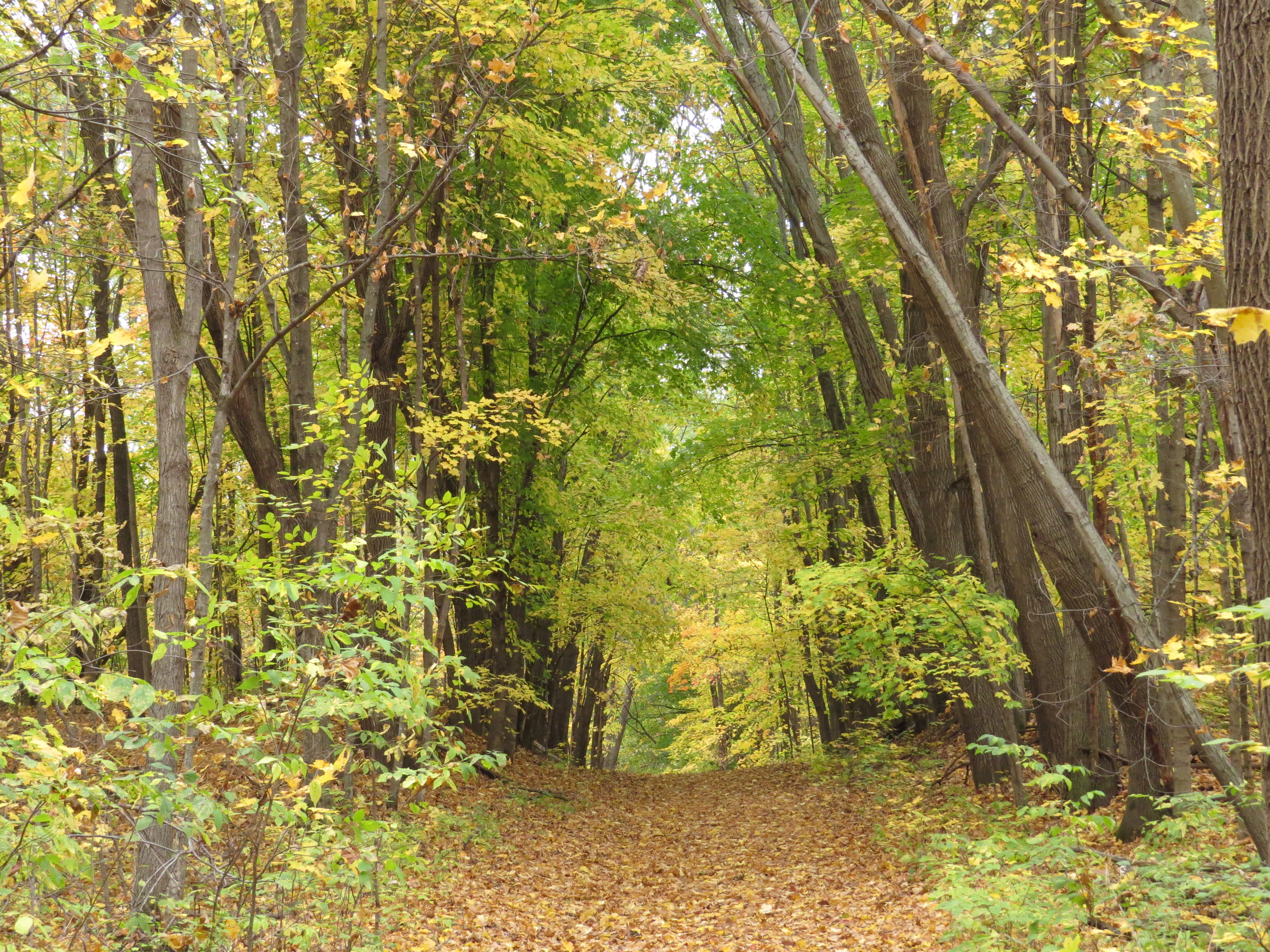
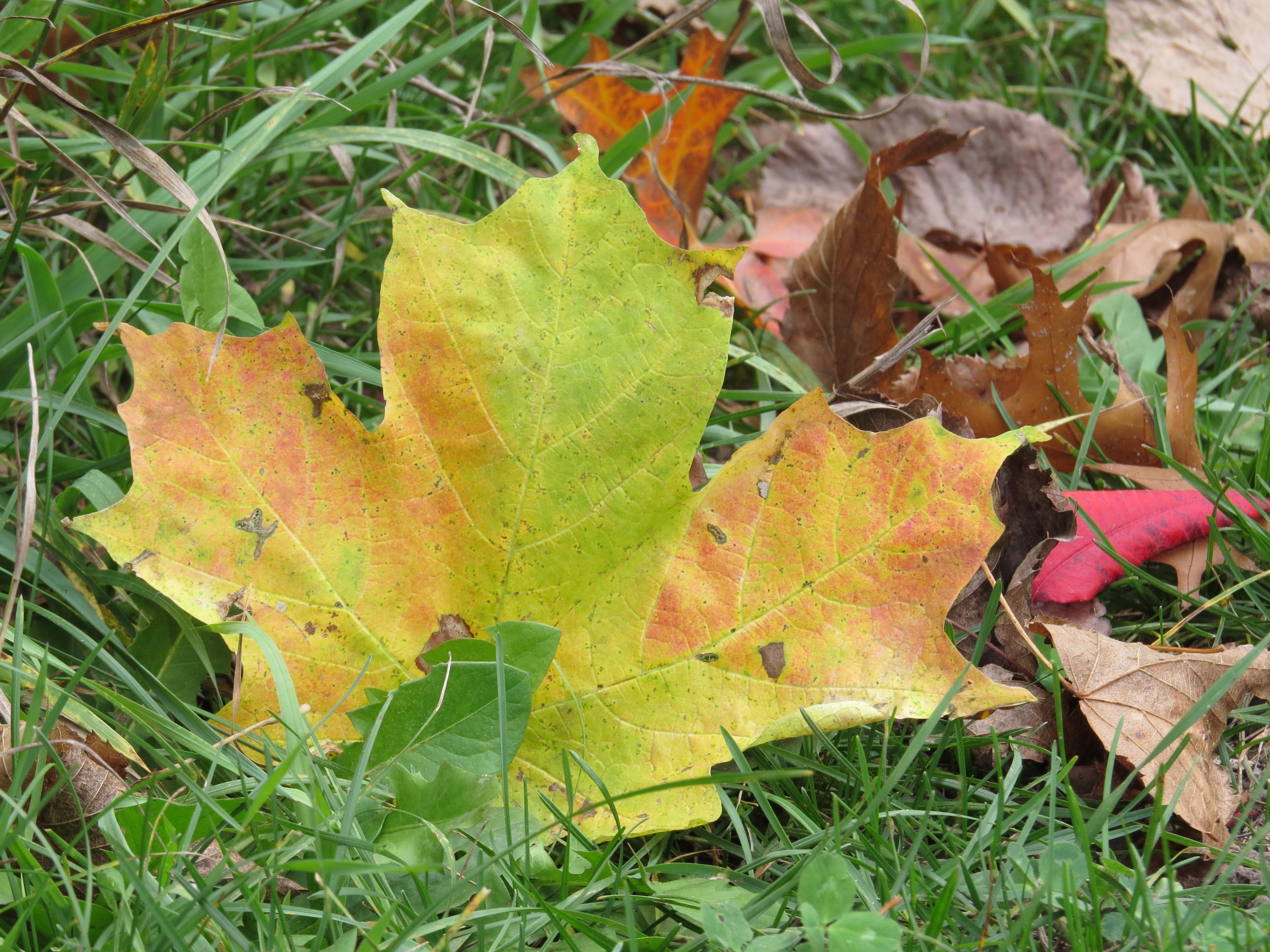

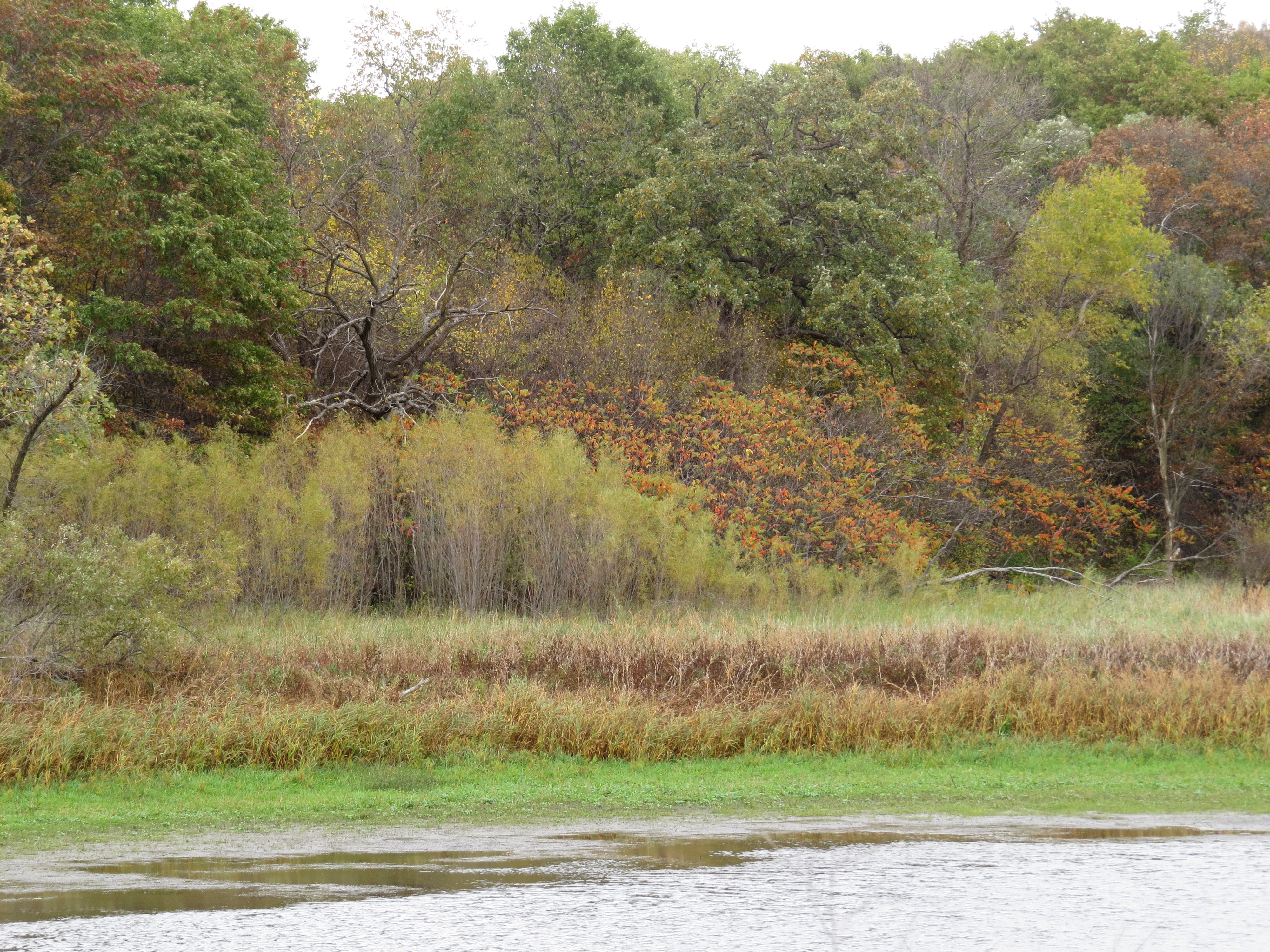
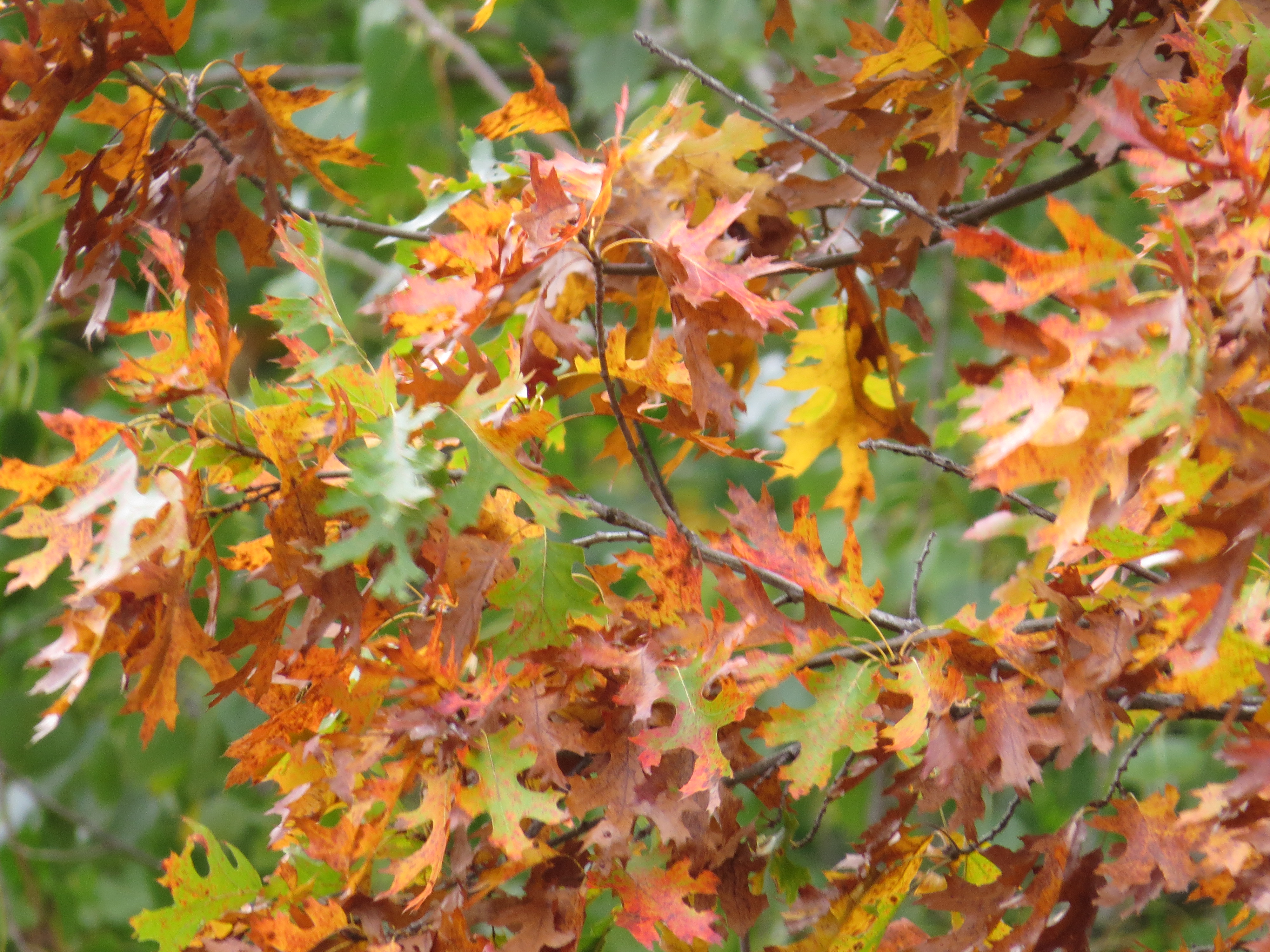
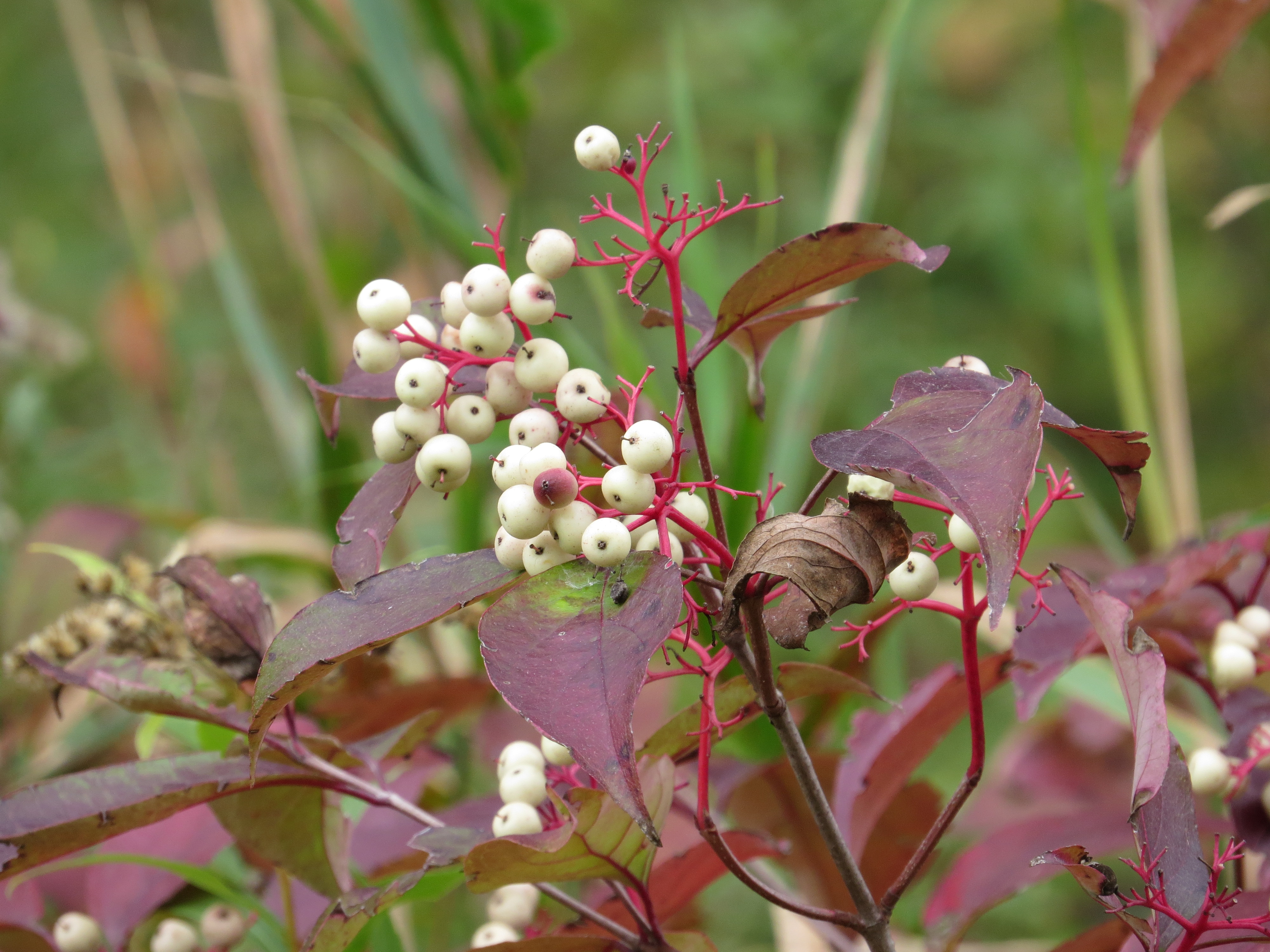
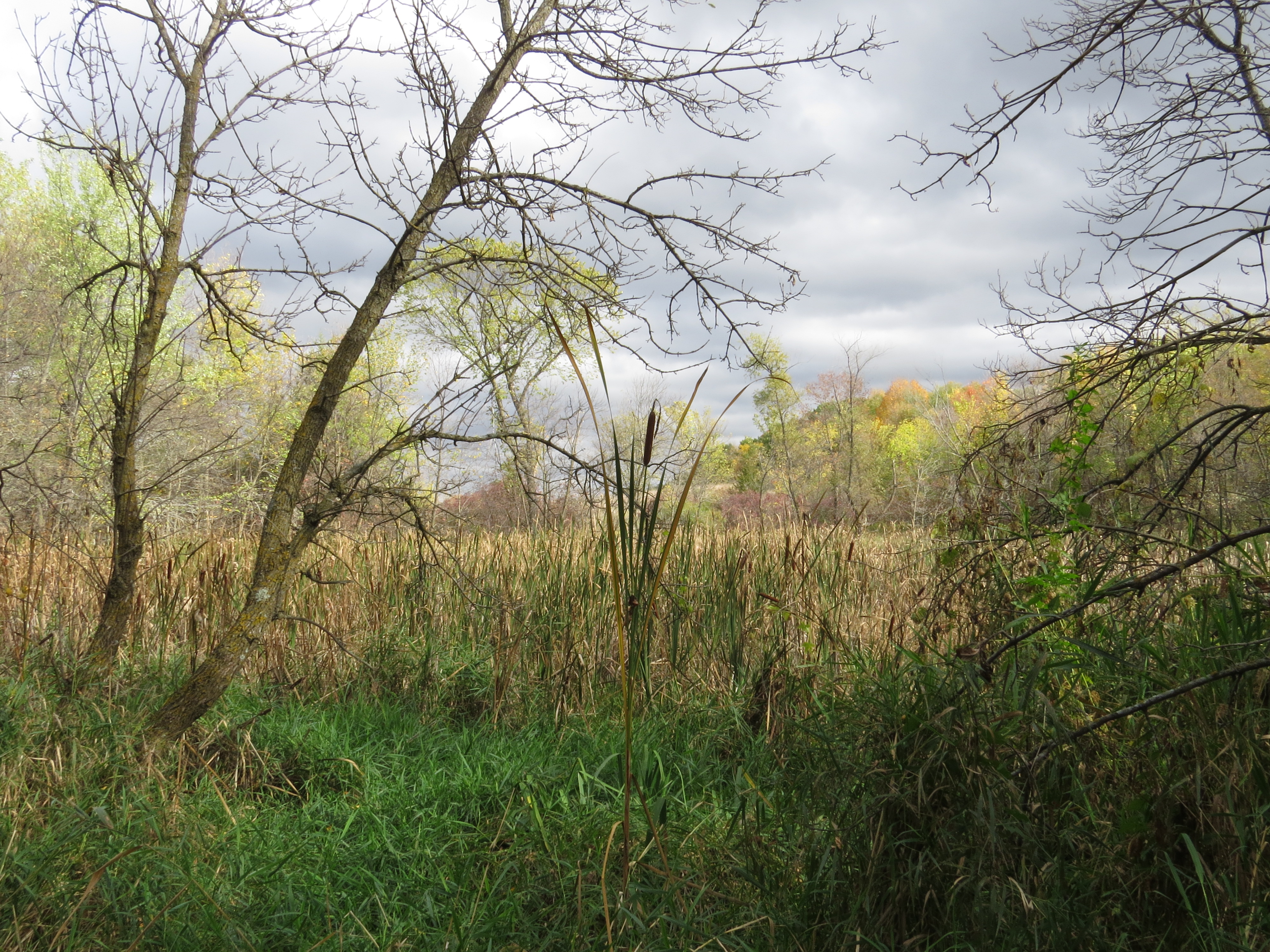
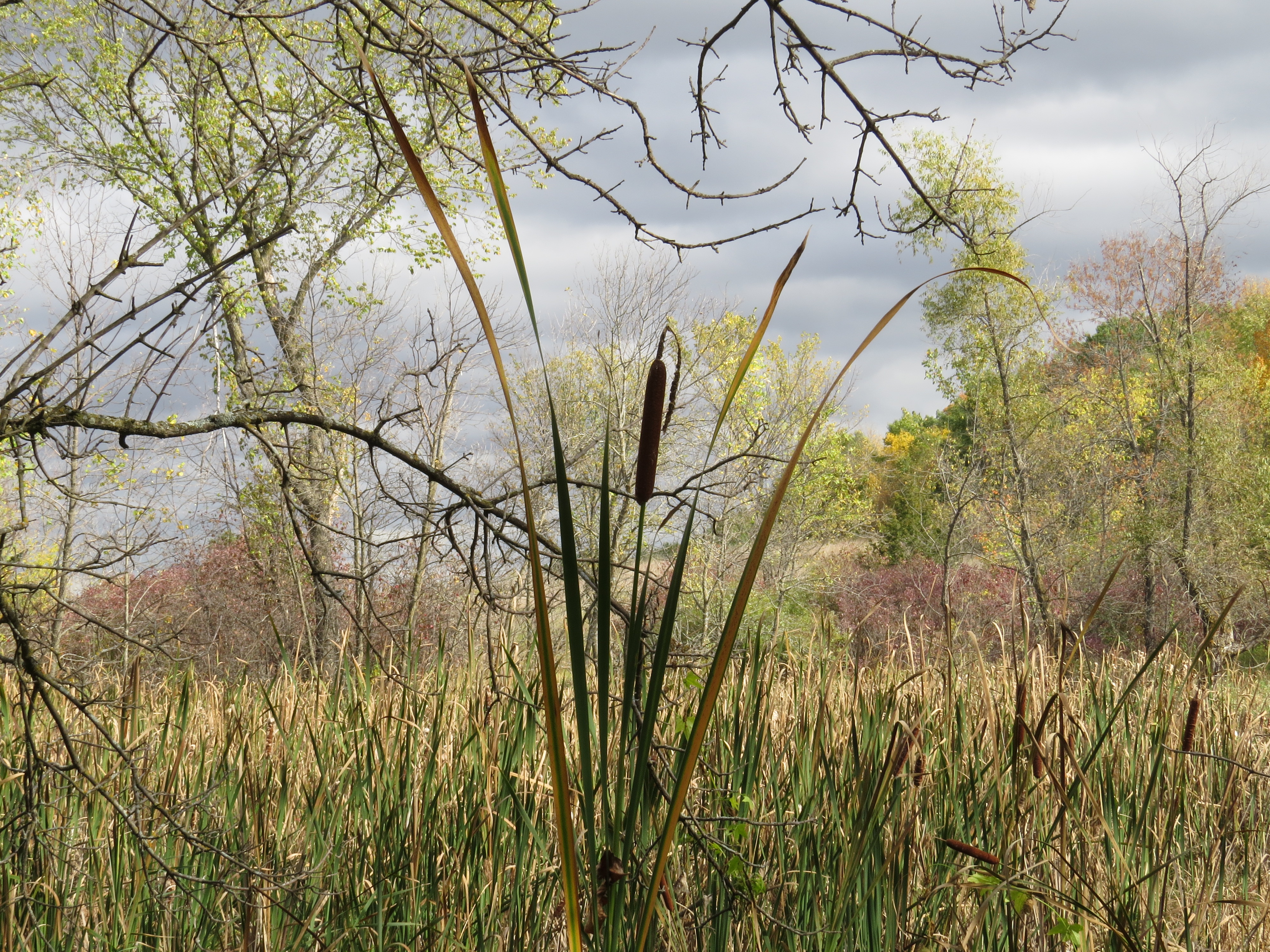
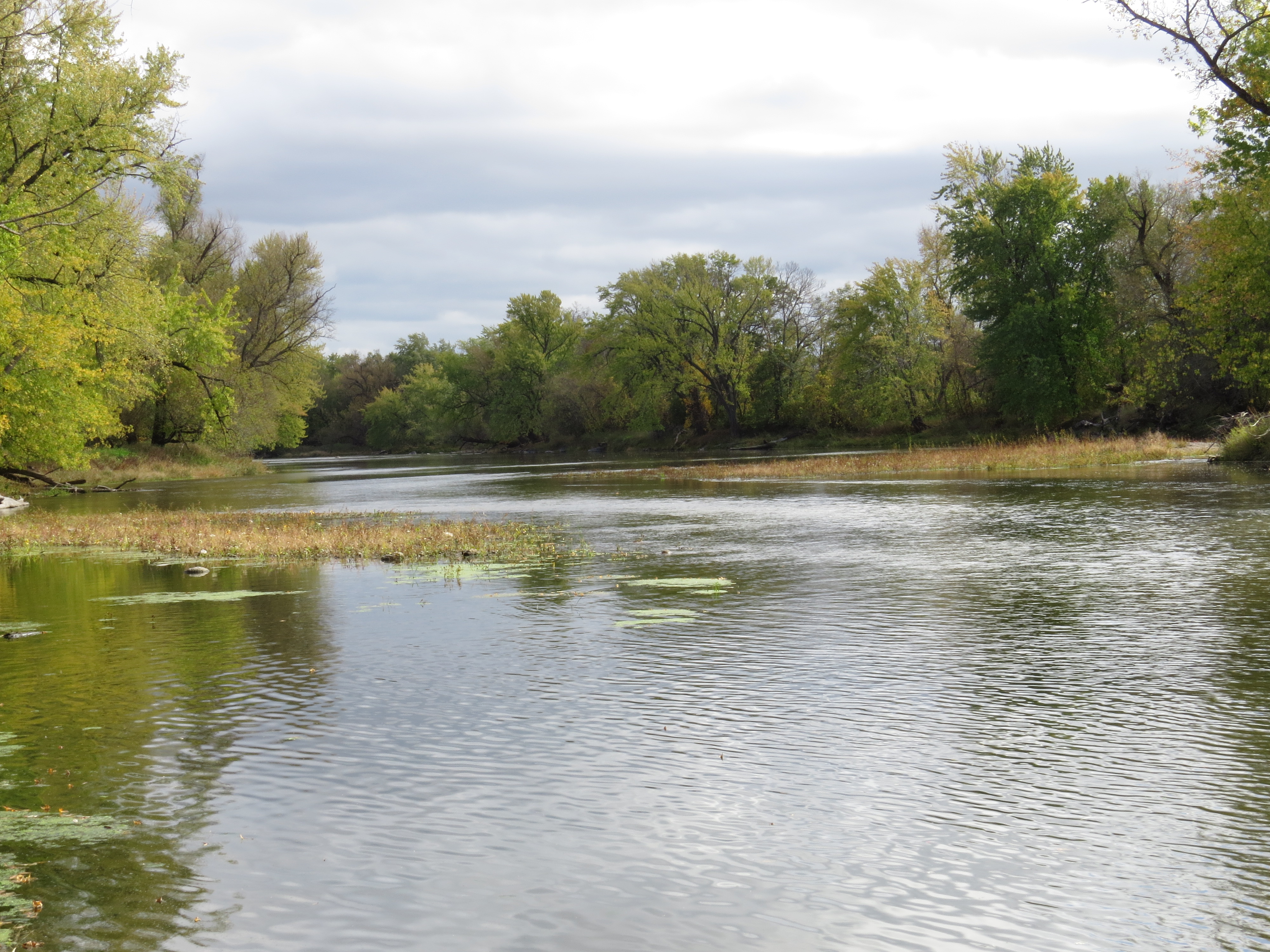
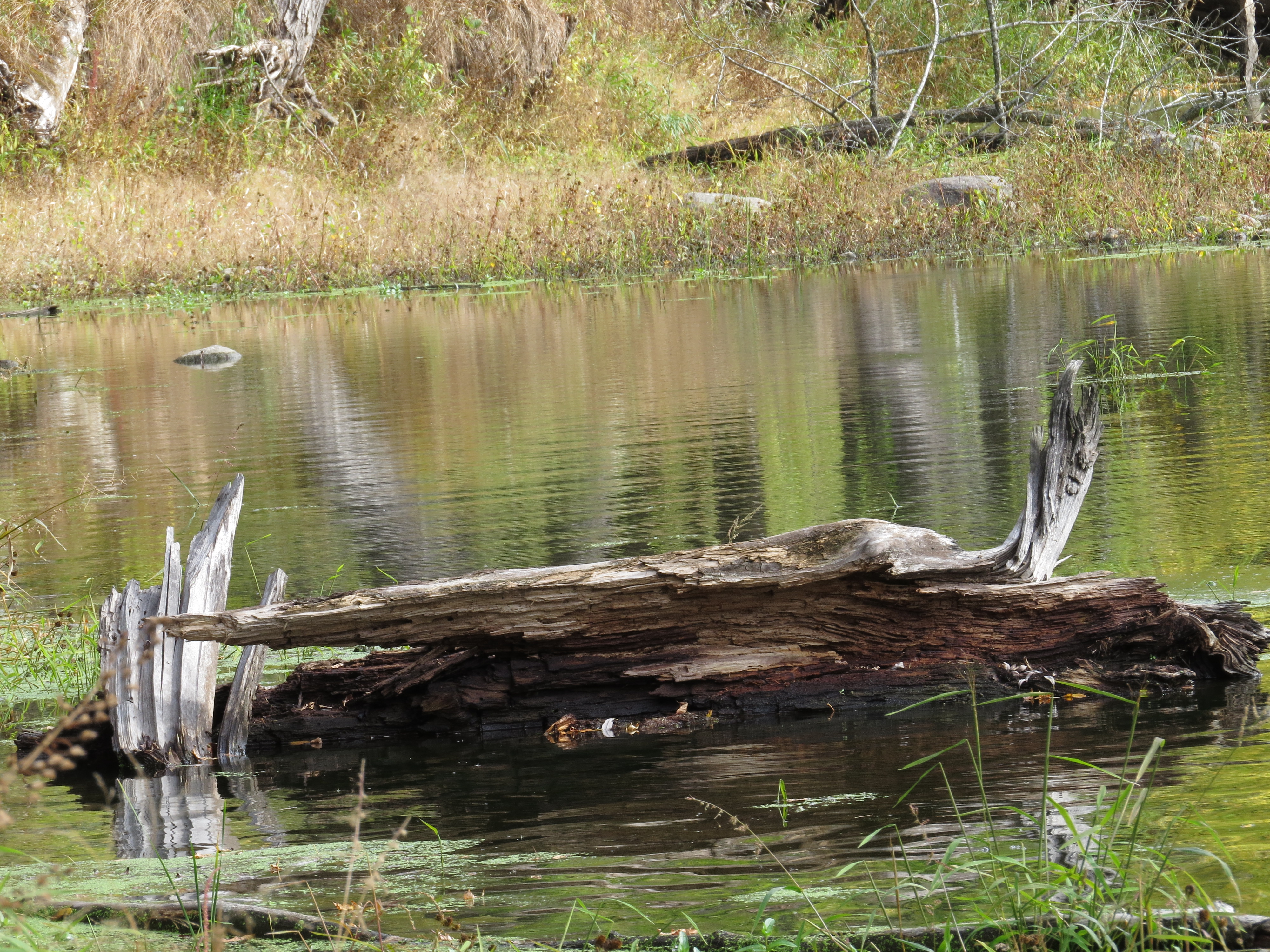
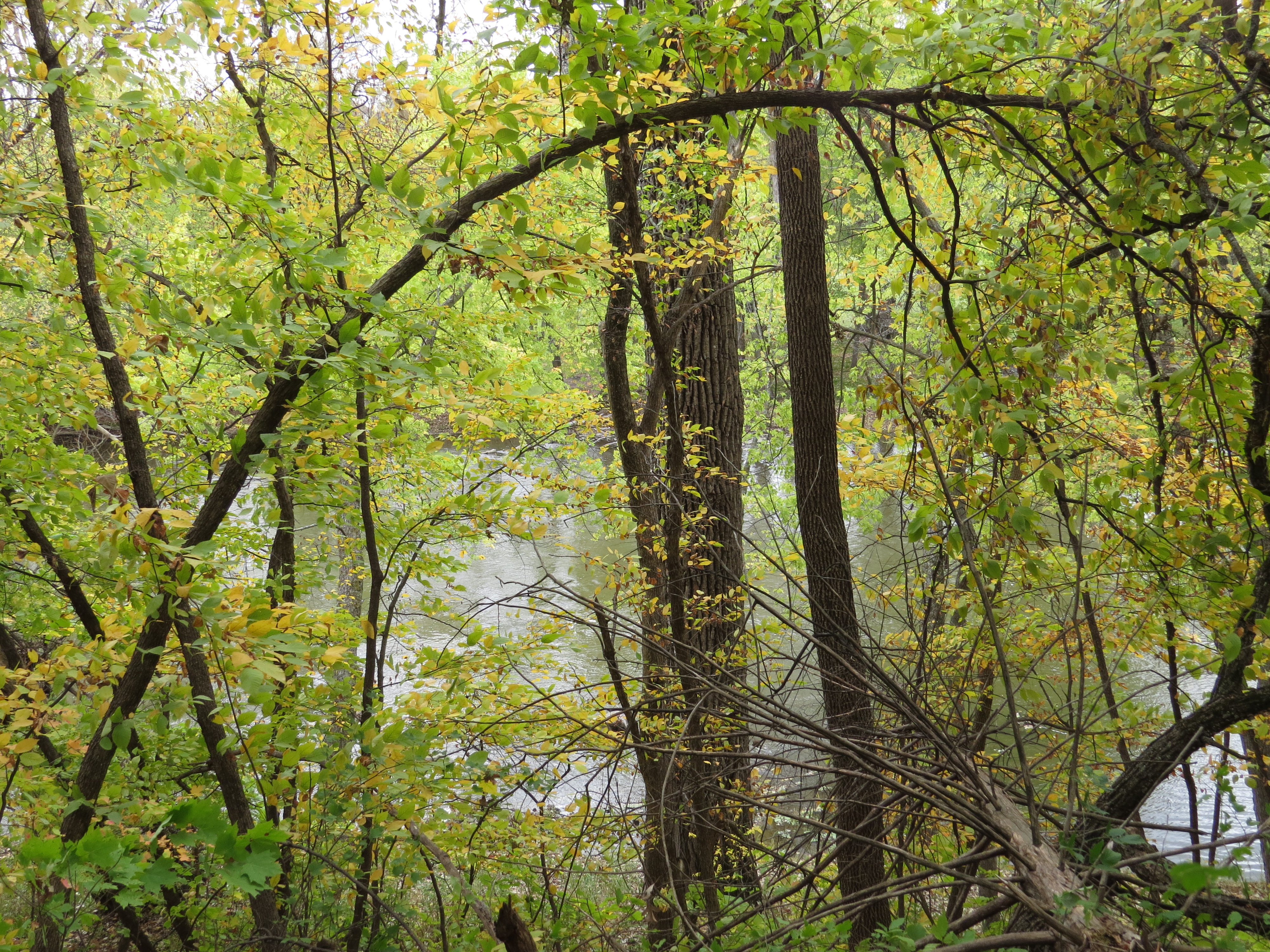
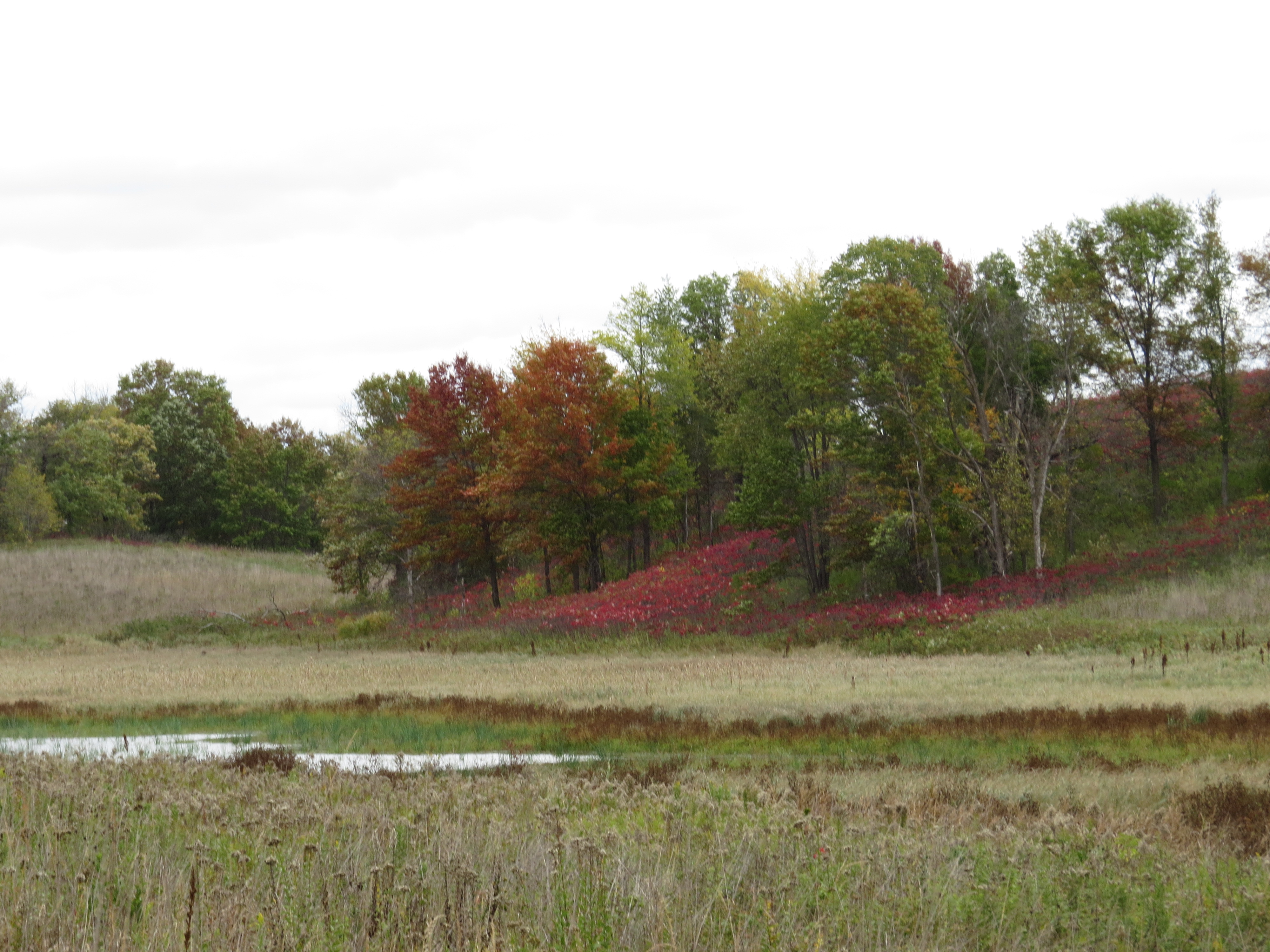
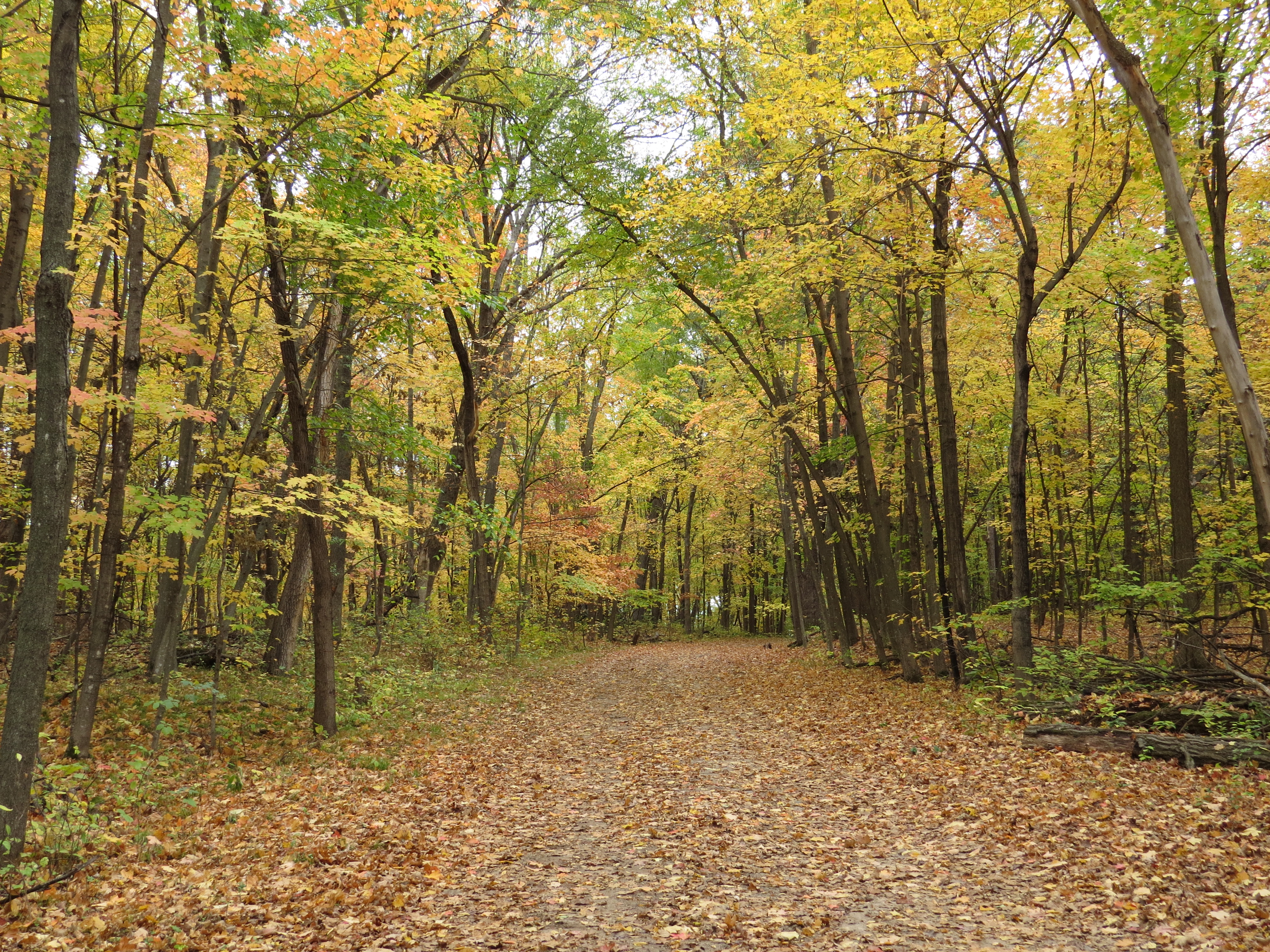
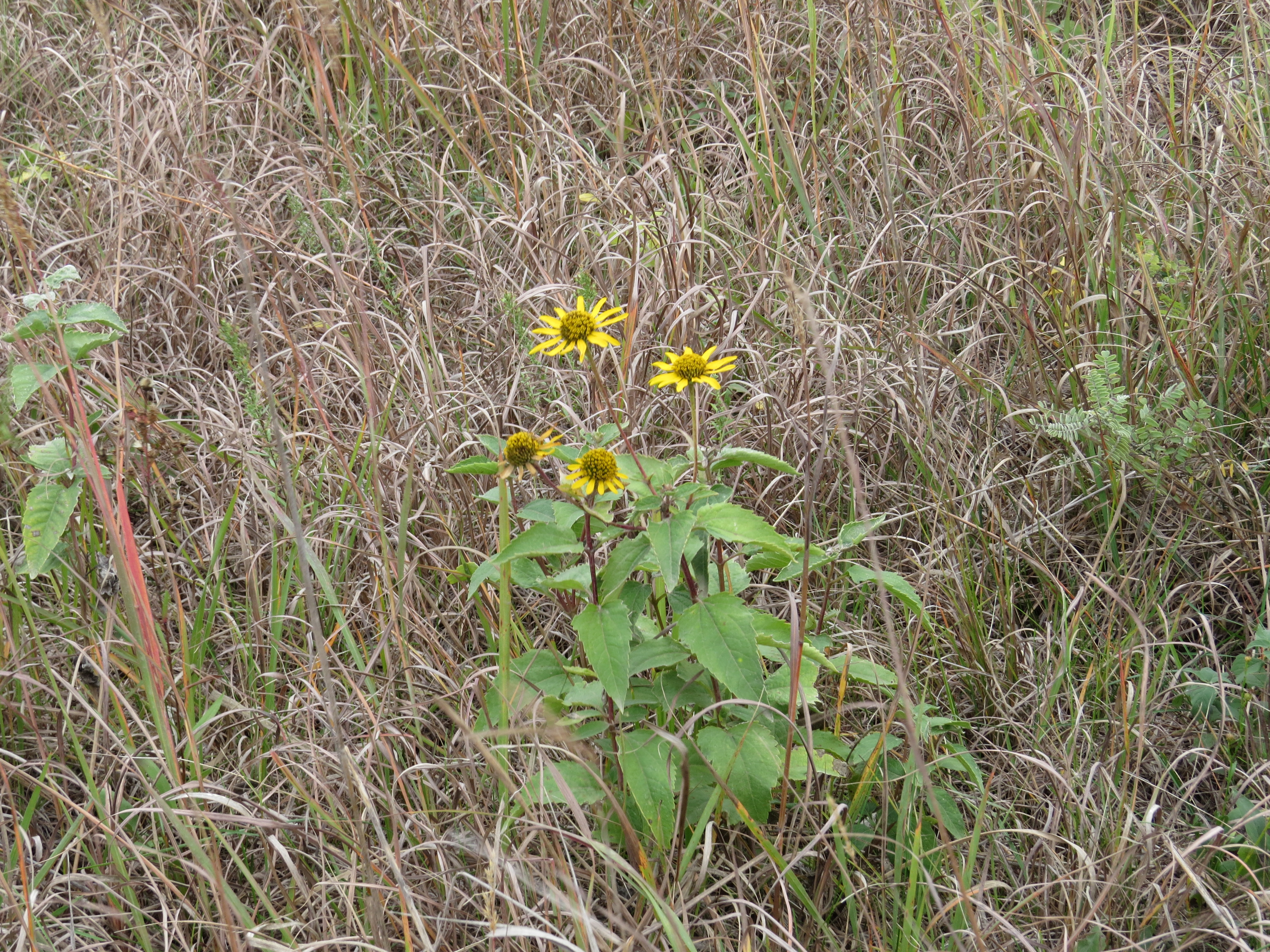
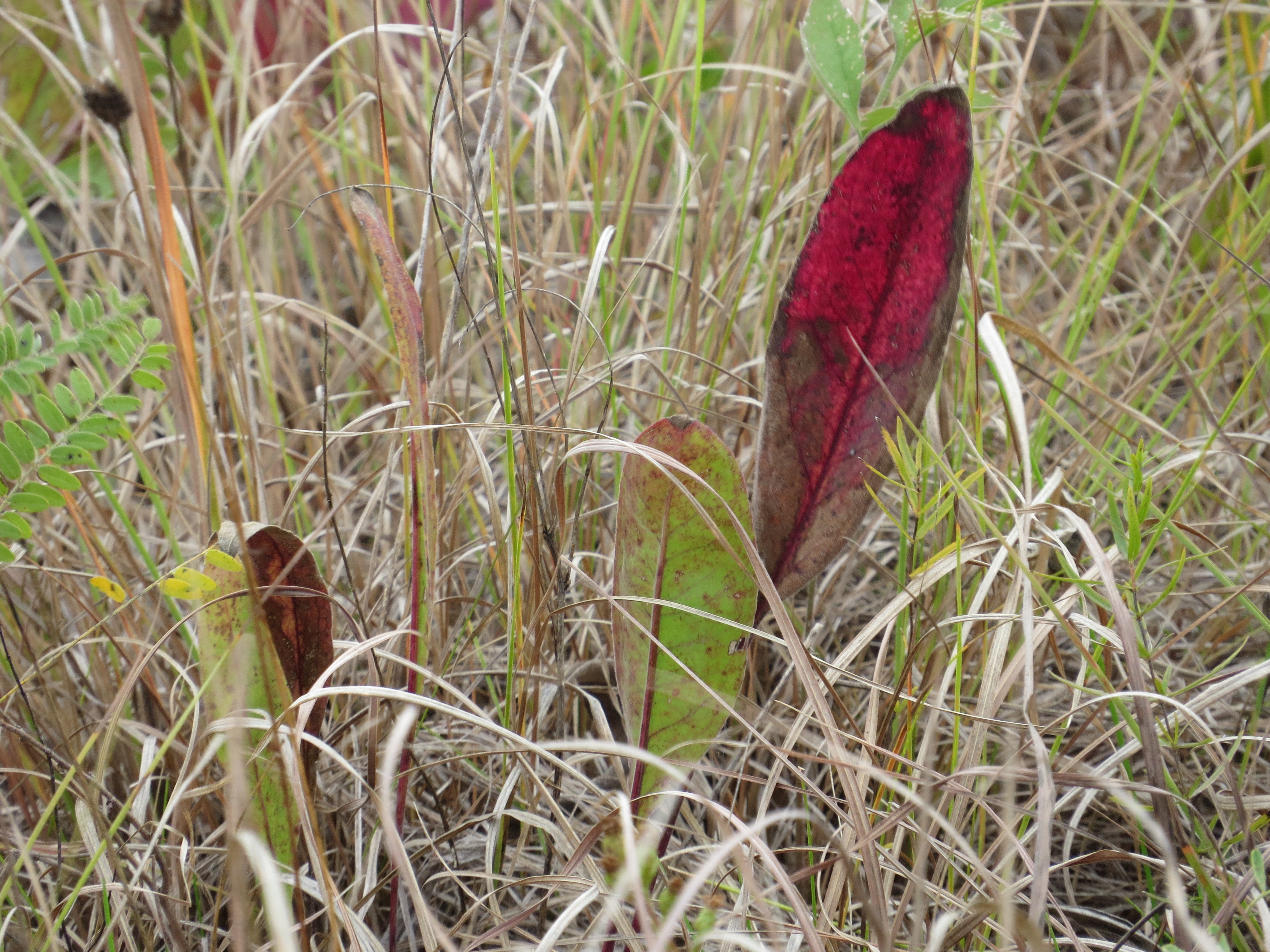
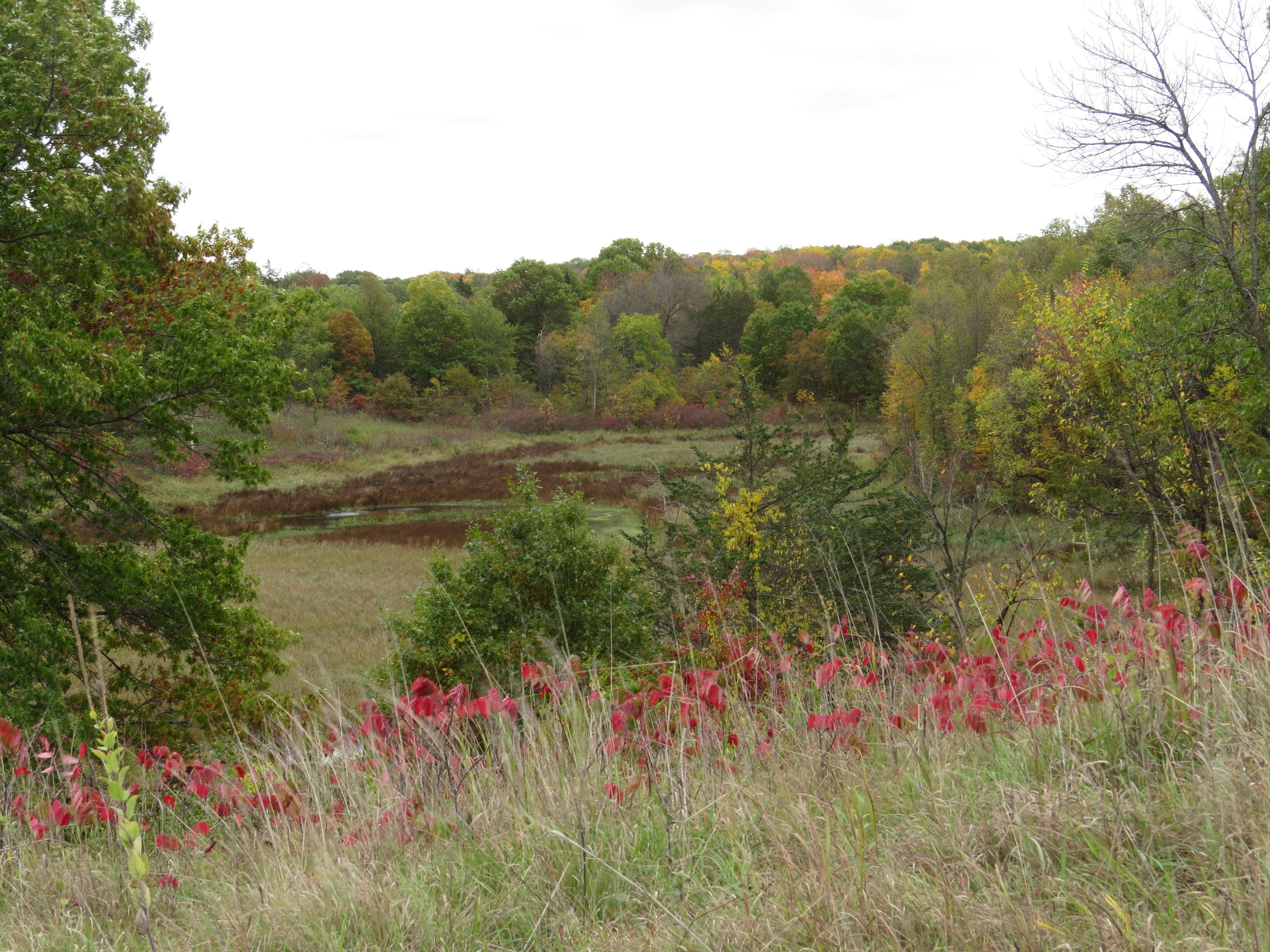
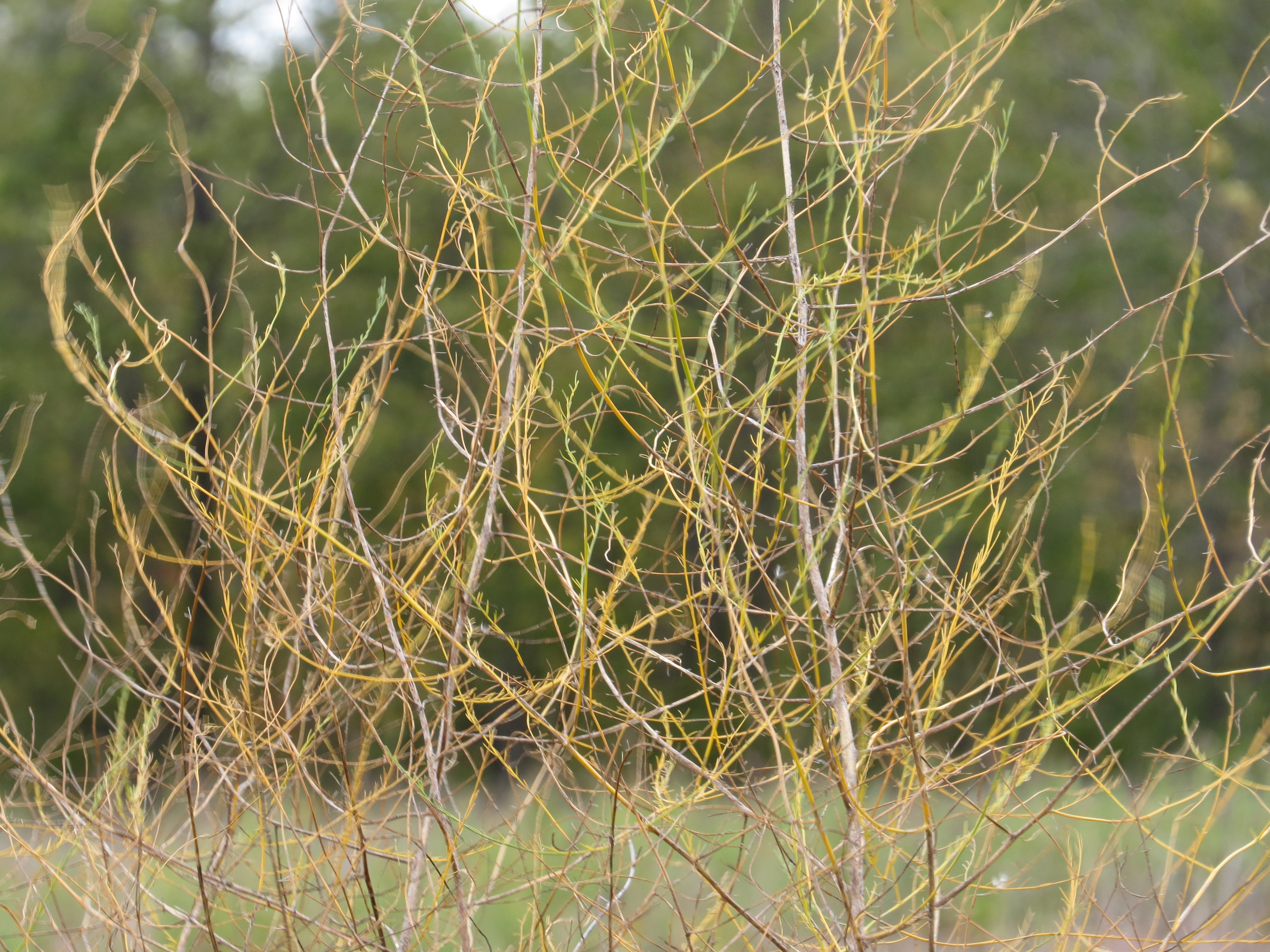
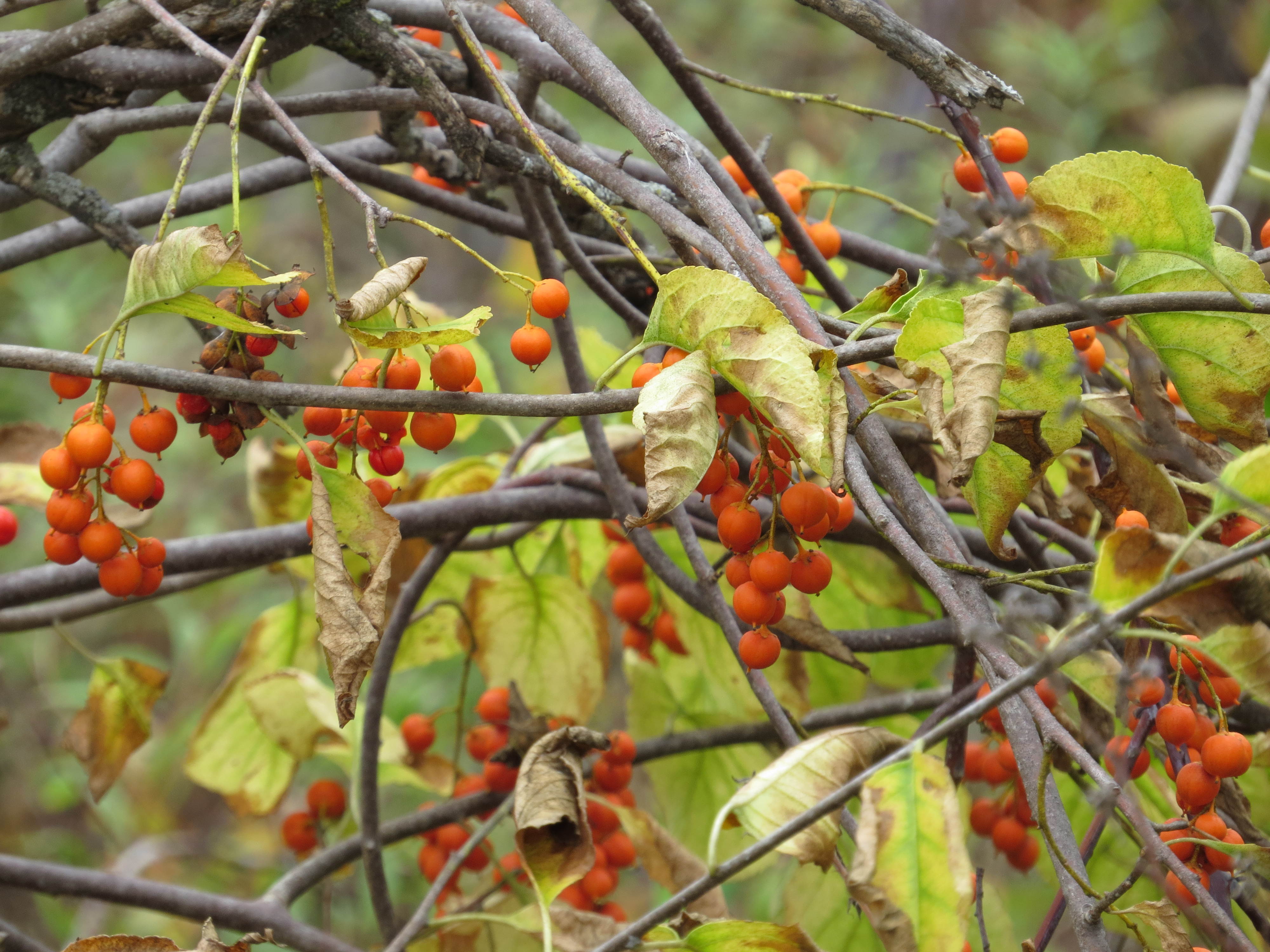
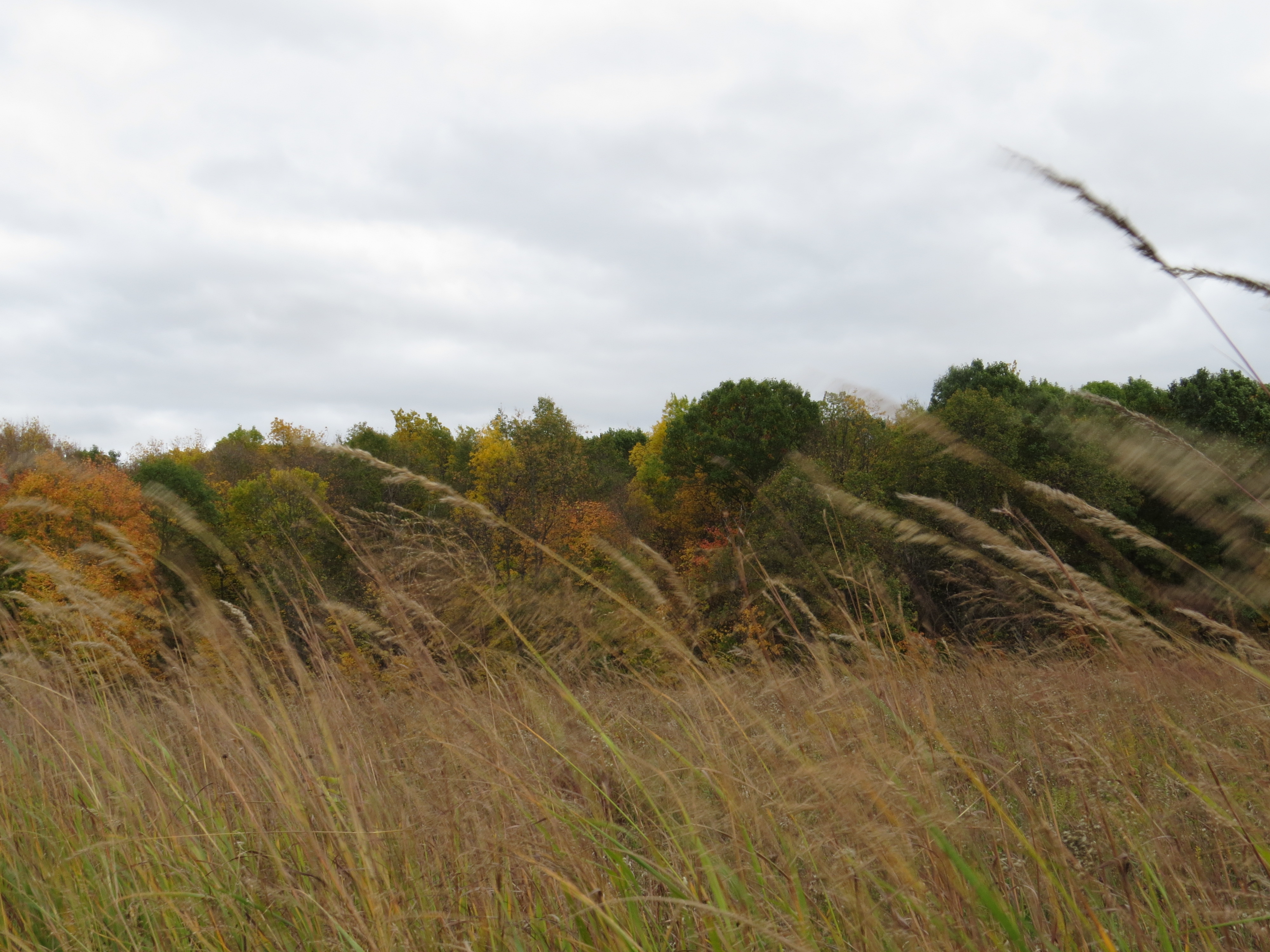
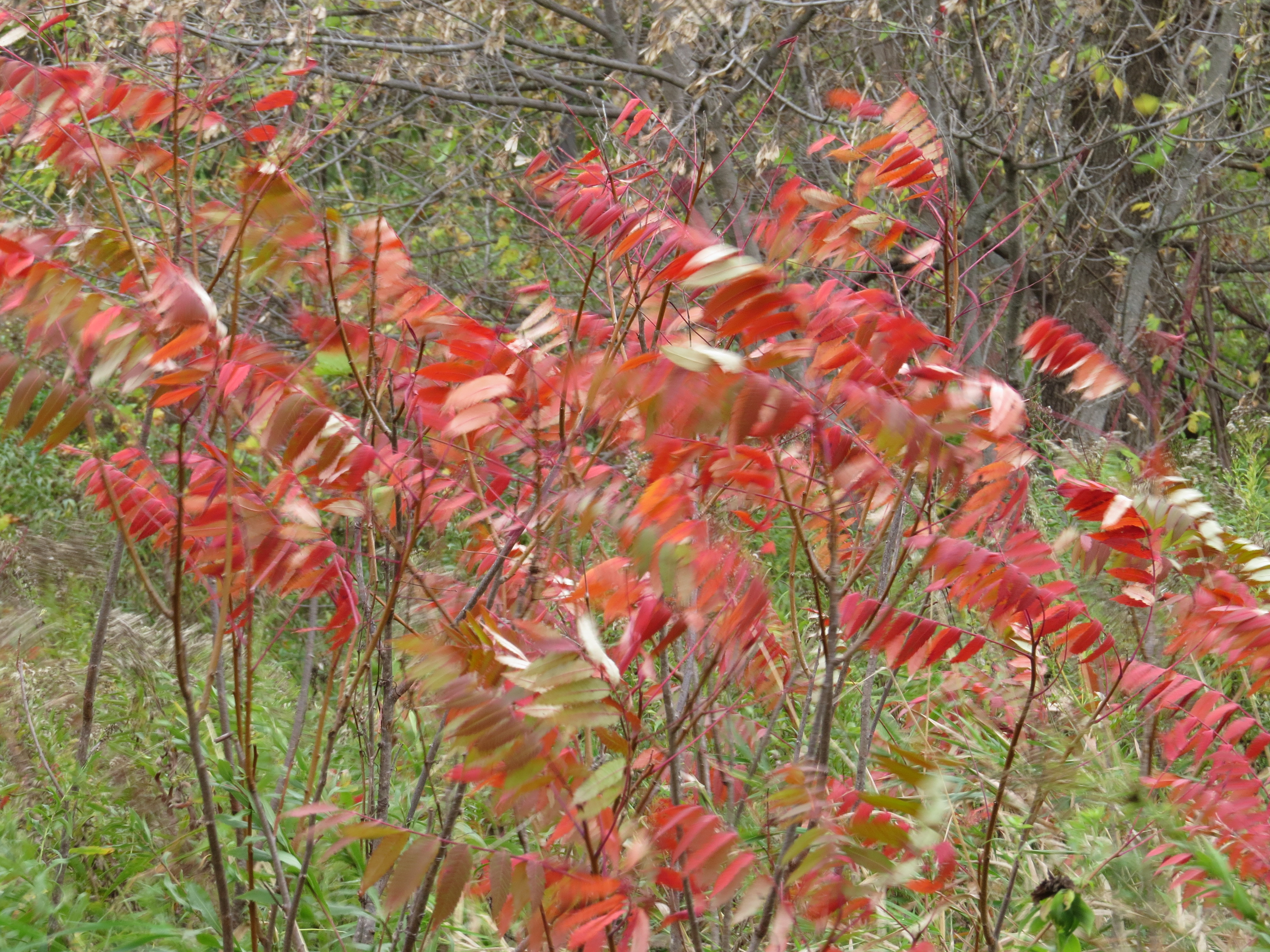
All healing happens from the inside out with the help of outside influences—an excellent surgeon and medical team, antibiotic drugs to prevent infection, pain management to allow for comfort and rest, wholesome, nutritious food for needed building blocks for repair, walking for blood circulation and strength, and sleep and rest when our cells can kick into high gear to repair and restore. Healing—the process of making or becoming sound, whole, or healthy again. I want to reiterate the profound amazingness of our bodies’ ability to heal—how responsive the healing mechanism is, how many systems work together to initiate and carry out ‘the work’ of healing, and how the goal of the systems and spirit of our bodies is to return to homeostasis, to balance. As amazing as the physiological repair process is in our bodies, a similar process takes place in our minds, hearts, and spirits to repair wounds of trauma and grief. The language is the same for both—wound, repair, pain, trauma, health, wholeness, wellness, and healing. Healing our hearts, minds, and spirits happens from the inside out also, with the help of outside influences—animals, Nature, therapists, friends, partners, community support, sometimes medication, and once again rest. So welcome Autumn. Welcome the quiet dormancy that Winter brings. Welcome rest…and restoration.
Healing Wounds
Inside every cell in our bodies is an amazing, complex system of DNA repair that maintains the integrity of our genes. Our cellular DNA is subject to attack by reactive oxygen radicals produced by normal cellular processes (why we want to have antioxidants in our diets) and by environmental agents including chemical toxins and radiation. There are 130 known human DNA repair genes whose proteins identify the damage, excise or cut out the damaged area, replicate a new strand using the information in the ‘good’ strand, then bind it all together again. This process is happening in every cell in our bodies every day of our lives! On a somewhat larger scale, we also have an intricate system of wound healing that includes vasoconstriction and blood clotting if bleeding occurs and an influx of inflammatory cells to cleanse the wound, clean up debris of damaged tissue, and promote the growth of new blood vessels, endothelial cells, muscle tissue, and collagen. Immune cells, growth factors, cytokines, and many others are all activated when an injury or wound occurs.
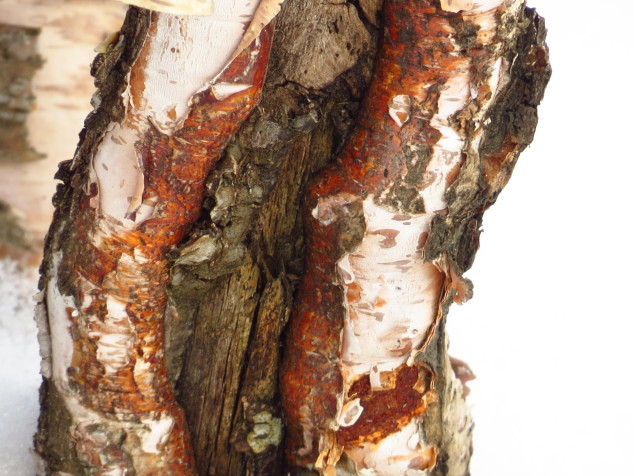
Plants also have DNA and wound repair systems. As infrequently as we think about our own wound repair, we think even less of the trees and other plants around us. A number of trees in our yard and woods have been damaged by various things. Trauma on the trunk of this young birch was probably from sun scald. It occurs on the south or southwest side of the tree in the winter when the bark freezes following warming of the trunk by the sun. But this is not a recent injury–notice how the new tissue is rolling in and over the dead wood of the wound.
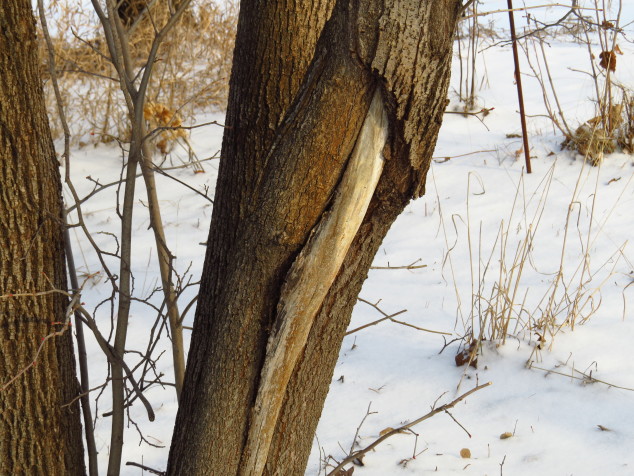
Another late winter wound is frost crack when the water in the phloem and xylem expand and contract at different rates. This creates a sudden, long vertical injury accompanied by a loud shot sound.
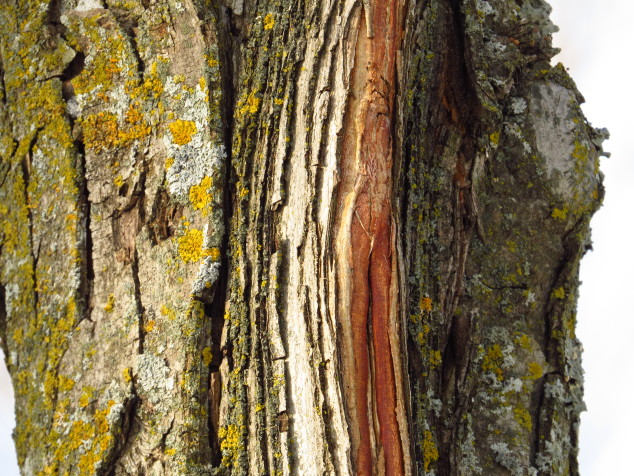
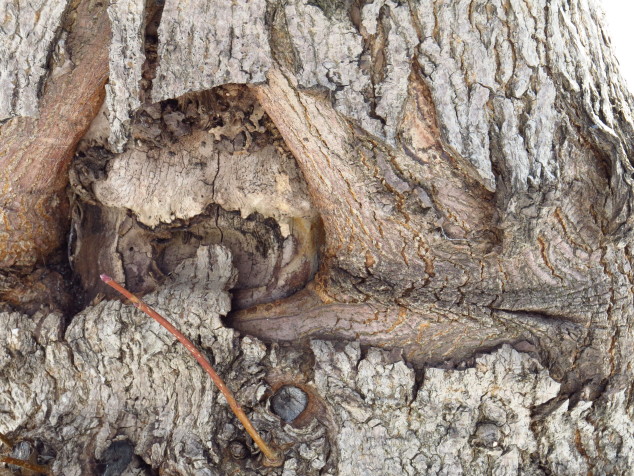
A common wound in young trees is when a person mows or weed eats too closely to the tree, damaging the bark. Considerable trauma occurs when tree stakes are not removed after a reasonable time. This maple tree was staked with a chain to prevent it from leaning. By the time we bought our place, the tree was growing around the chain. The healing process continues since we removed the restriction.
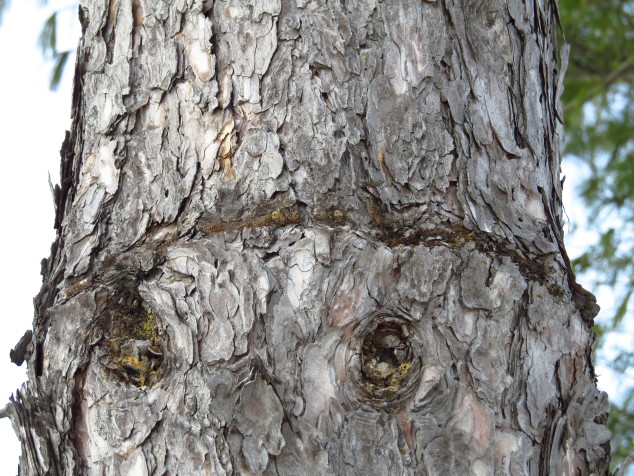
Another injury of neglect is when something is tied around a tree and not removed. This pine tree had a clothesline tied around it, causing a wound around the whole tree.
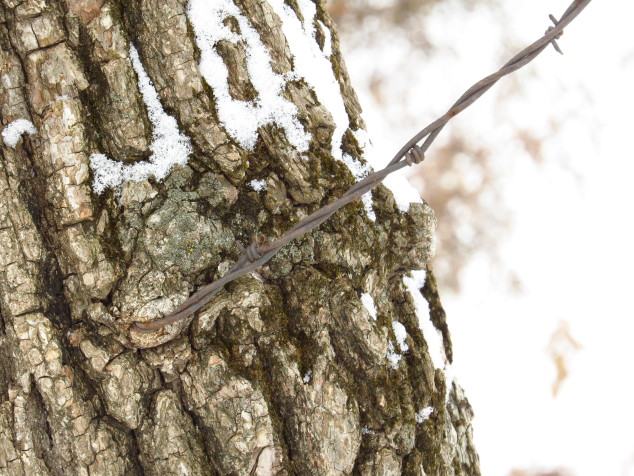
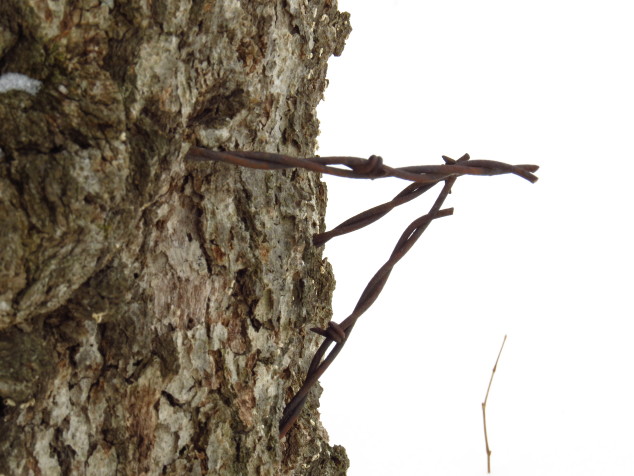
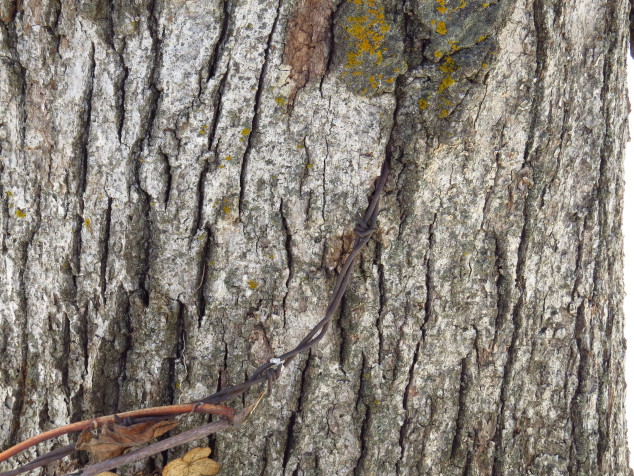
One of the previous owners of our place–many years ago–used the oak trees on the wooded hillside as fence posts for his barbed wire fence and didn’t remove the wire from the trees. More than half a dozen oaks have barbed wire sticking out through the bark. Many have scars where the barbed wire is, but it is amazing how much healing has occurred, how the tree has integrated the wire into itself and has kept on growing.
Routine care and maintenance of trees also causes injury. Whenever we prune a branch from a tree, we create a wound.
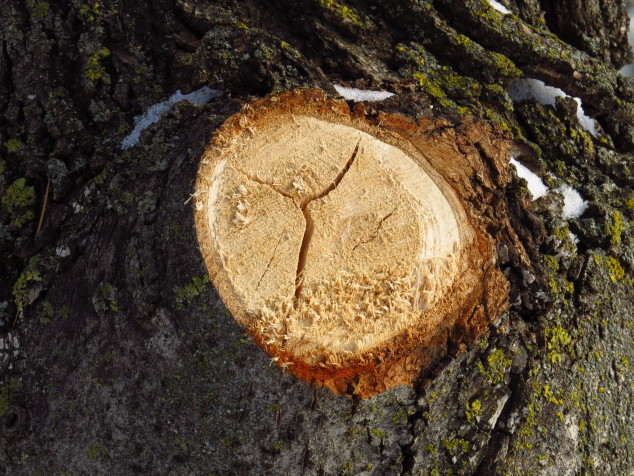
Immediately, the cellular repair mechanisms get to work to begin the process of sealing the wound with callus layers.
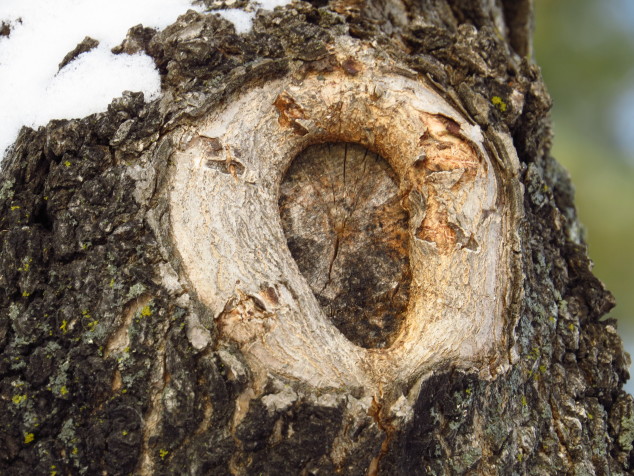
Mother Nature and her harsh winters and changing conditions can cause damage to trees. Neglect and abuse by clueless caretakers can create and perpetuate wounds. Even the intentional, respectful care by a tree lover can create an injury. It takes years for a tree to heal a wound, leaving it vulnerable to disease and insect damage, but from the DNA level up, the tree is always working to repair itself. The birch tree exemplifies the healing and growth process: how wounds are healed, how the old is sloughed away, and how the pristine cells create the new and improved tree.
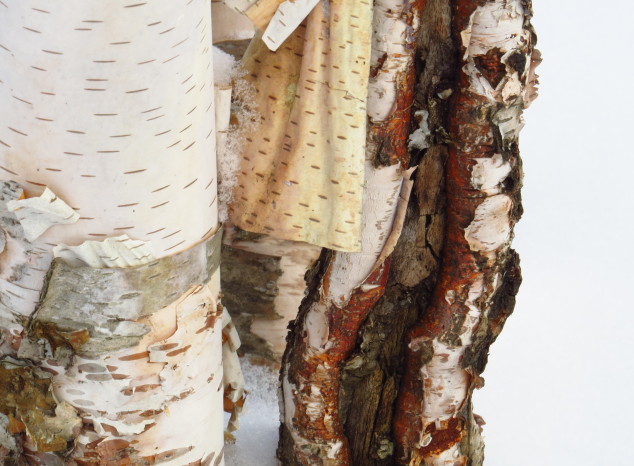
We are all wounded. Life can be traumatic–Mother Nature can assault us with floods, tornadoes, hurricanes, and earthquakes that take away our homes and our feelings of safety. Ignorant people can wound us with words, actions, inactions, and physical harm. Being in the wrong place at the wrong time can impart lasting impairment. Institutions, cultural hierarchies, biases, and dogmatic thinking can leave a trail of trauma in their wake with no accountability. Loss of a loved one by death or abandonment wrenches the heart and leaves a permanent scar. Even unintentional damage happens in the most intentionally loving families–a move to a new place, a career change, or a divorce.
The good news is we are built to heal! Our physiology–beginning with our DNA–has complex systems in place to get rid of the bad and restore homeostasis or balance. Our smart body is programmed to maintain its integrity. Grief is the bitter balm that begins the healing process of our minds and spirits. It assesses the damage, stops the bleeding, cleans up the debris of the trauma, and rallies the troops to begin the rebuilding. Healing our wounds takes time, often years, and includes constant alterations or remodeling of our cells or our thoughts. Eventually we integrate the pain and the loss into our daily self. We carry it around with us. We are not ashamed of our scar. We are restored, but to a new level–one that is burnished by fire and polished with Love–and we keep on growing.