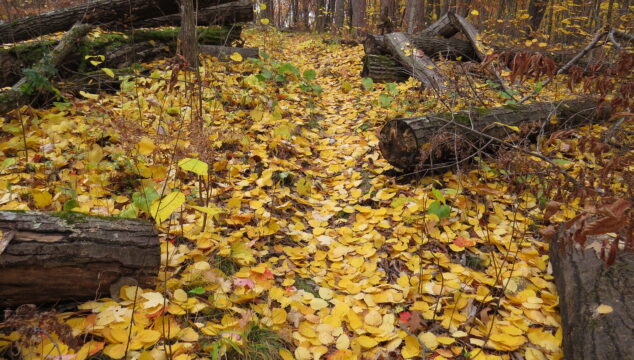
Come walk with me in the peak Autumn beauty of the Northwoods. To say that I love this time of year is an understatement. Most everyone can appreciate the colorful falling leaves---it reveals the 'true self' of a tree when its leaves are no longer producing chlorophyll. Their true colors are revealed, and there is something simple … [Read More...]
The Season of Fruit
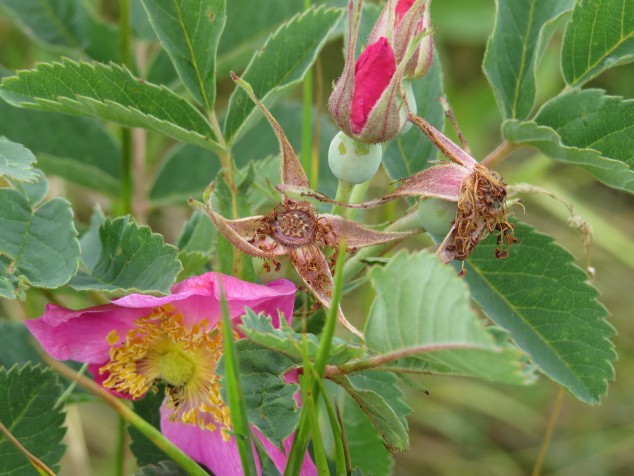
We are entering the season of fruit. A fruit is the ‘house’ for seeds of some plants. It is nourishment for those who harvest it. This part of the reproductive cycle takes time and energy for growth and ripening, so while the fruit protects the seed during development, it is the means of seed dispersal after maturation.
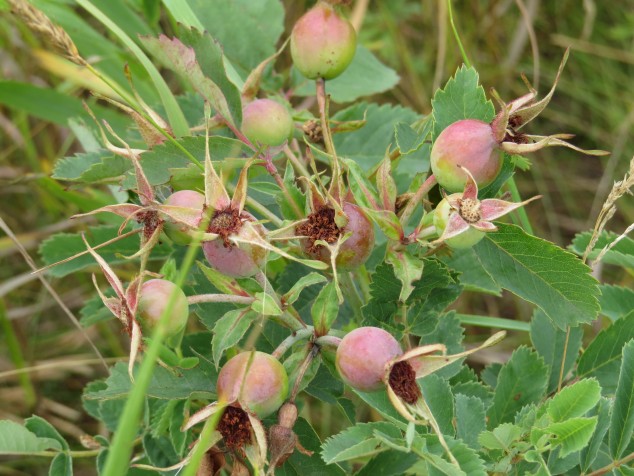
The Wild Rose is in the same family as apples and crabapples. After the flowers are successfully pollinated, the fruit begins to form at the base of the blossoms. These fruits are called rose hips and are a great source of Vitamin C. Rose hips can be made into tea, jelly, syrup, or soup, which is popular in Sweden. These hips will continue to ripen until they are bright red.
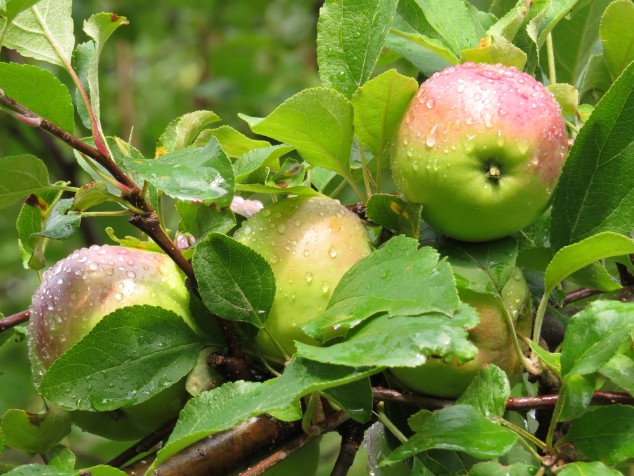
The crabapples and apples are also growing and ripening. When ripe, they are food sources for birds, deer, squirrels, and humans.
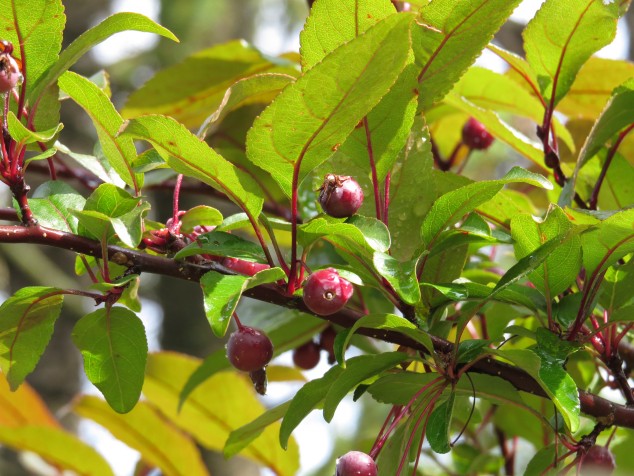
‘Prairie Fire’ crabapples
Wild plums are another fruit that provides food for wildlife and people. Turkeys, foxes, wolves, and black bears eat the fruit. Native Americans and early explorers and travelers utilized the plums for eating fresh, making sauce, or drying.
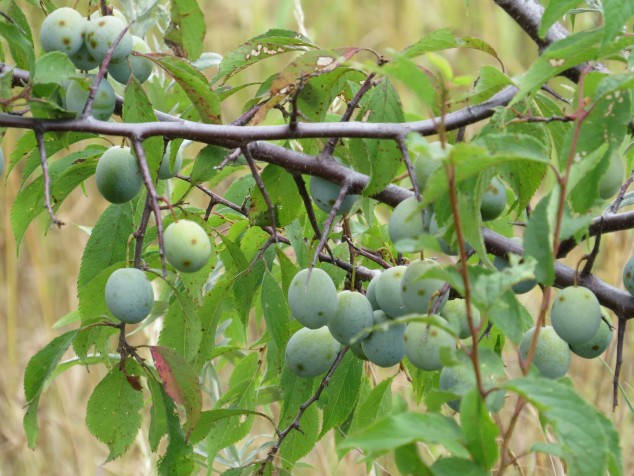
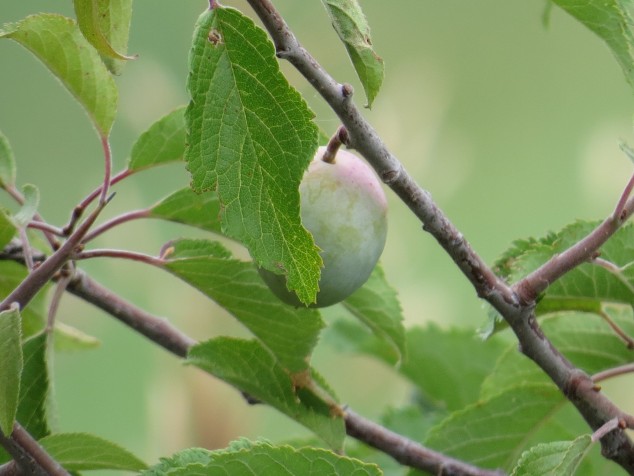
Fruits are associated with sweetness and nourishment. They contain the seeds–the essence of the plant. They take time and energy to mature and are often brilliantly colored. In this season of fruit, what fruits are you producing in your life?
Up Close and Personal
I’m not one to jump into things without thought…and contemplation…and risk assessment…and a list of pros and cons…and asking how does this fit into the Big Picture? Once I get the big picture though, I like to look at the details. When you examine things up close and personal, you can see what is not apparent from a distance. The details are intriguing–they are the puzzle pieces that fit together to make the whole what it is.
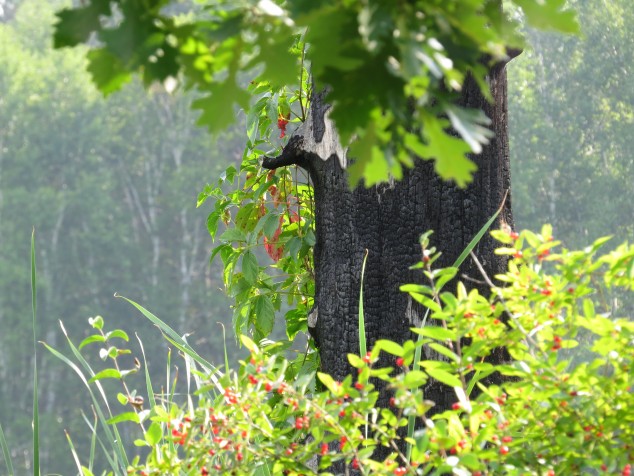
We hiked at Saint John’s Arboretum on Sunday. From a distance we could see a charred skeleton of a tree, stark and black against the summer colors. We traversed a marsh of cattails and green-black water on a winding boardwalk straight out of a Dr. Seuss book. The burnt tree stood beside two other long-dead trees where the shore of the marsh met the hill. Did high water kill them many years ago? Was the oak struck by lightning when the dead wood easily burned? Did a controlled burn get a little out of control? Virginia creeper snaked up one side of the trunk and was beginning to turn scarlet. Honeysuckle berries glowed red in the foreground while an oak branch hung down in vibrant green–all with a background of hazy gray-barked aspens. Let’s look a little closer.
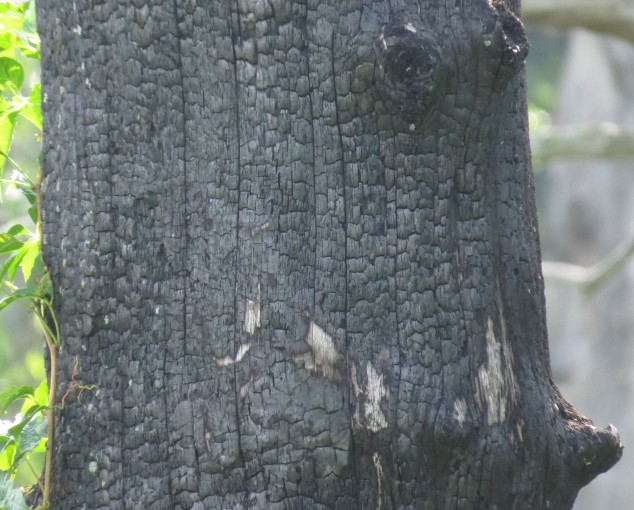
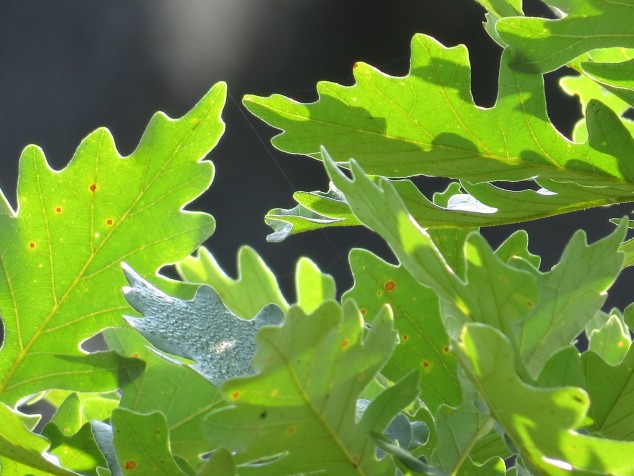
Gray places on the trunk where the fire skipped over. The tendrils of the Virginia creeper clutching to the scorched crevices. Rusty spots beside the veins on the oak. Dewdrops on the shaded leaf. A tiny black spider and a filament of web. Light and shadows.
Examine and enjoy the amazing details of plants from the arboretum and from our gardens…
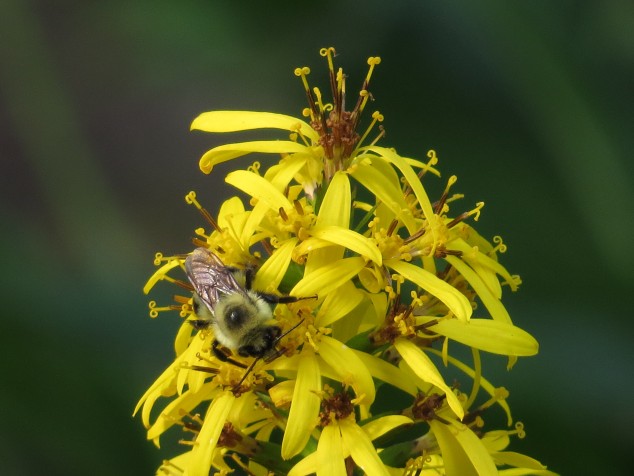
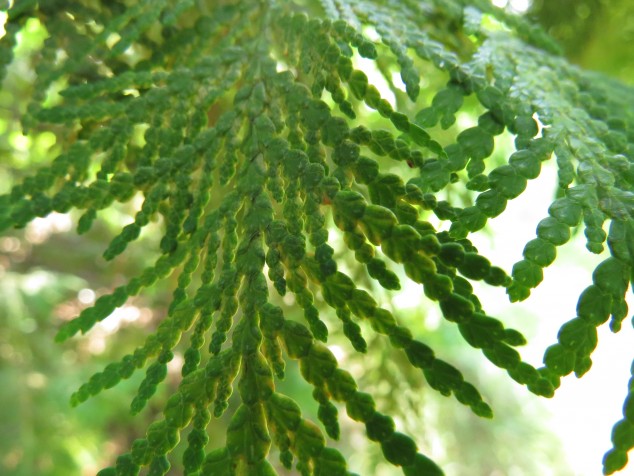
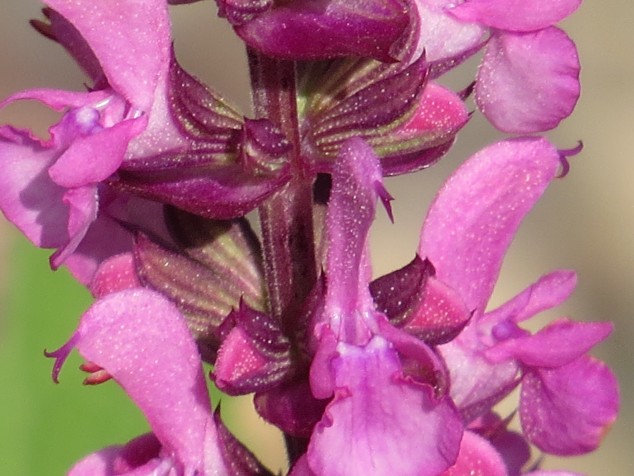
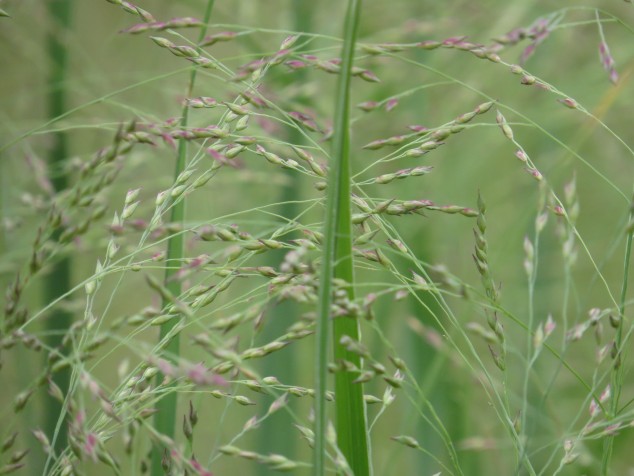
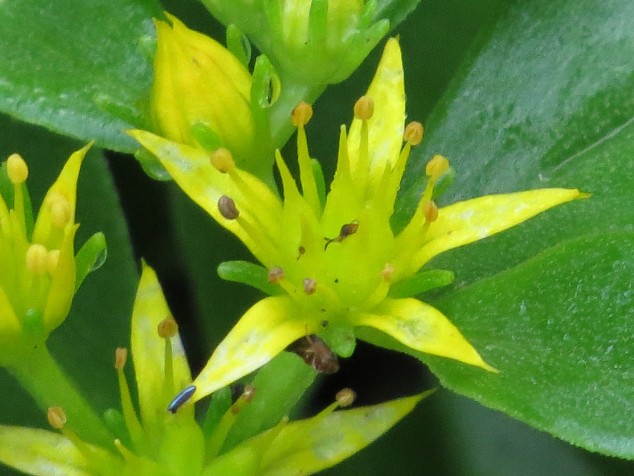
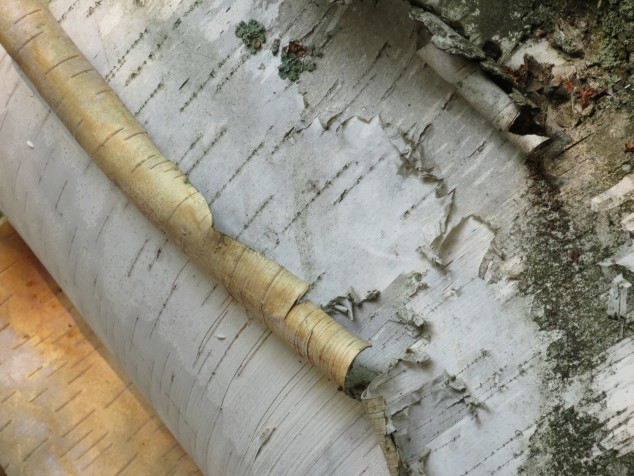
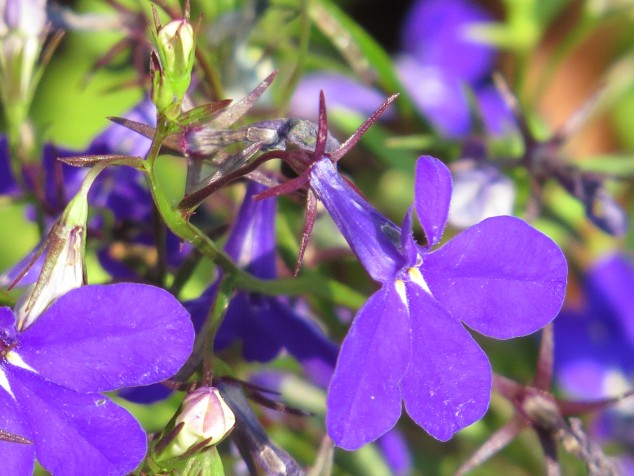
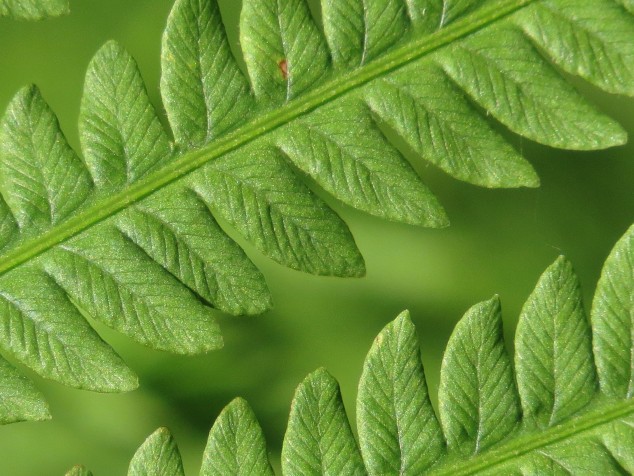
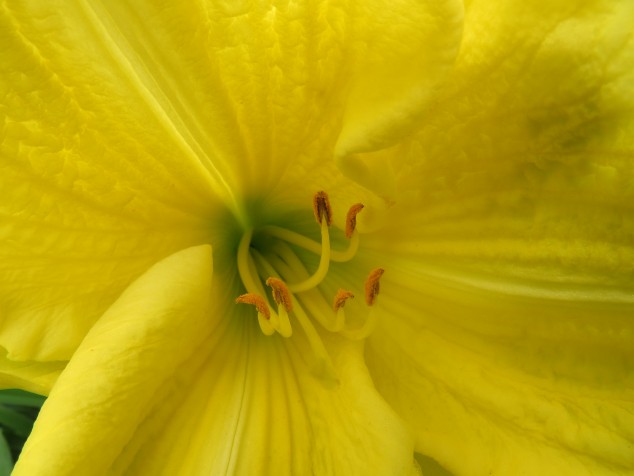
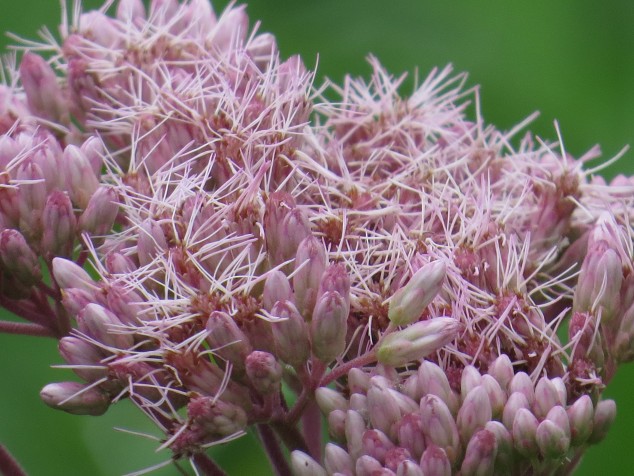
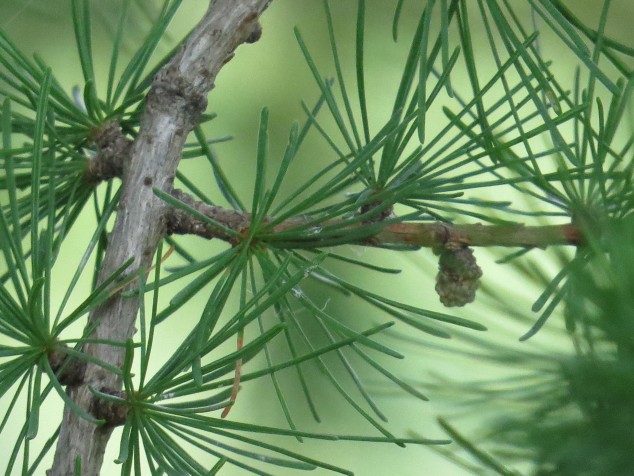
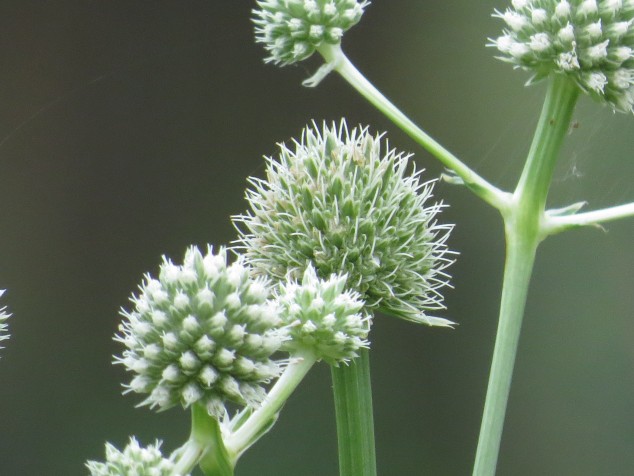
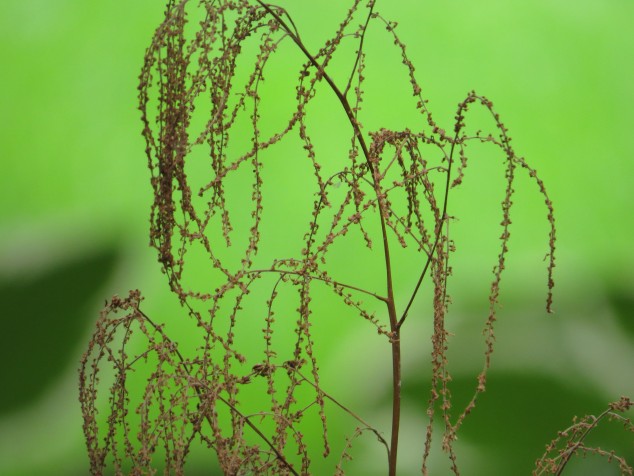
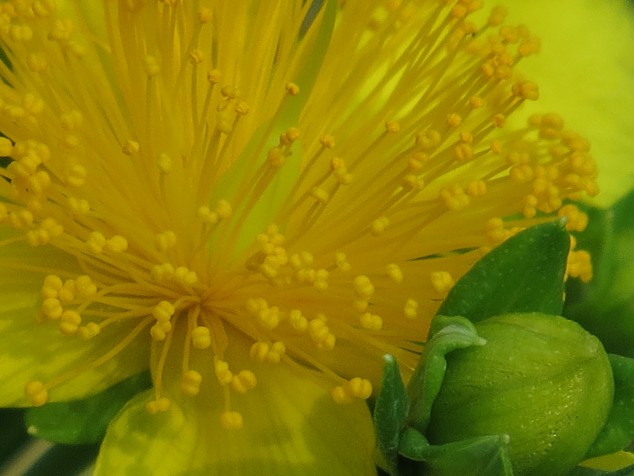
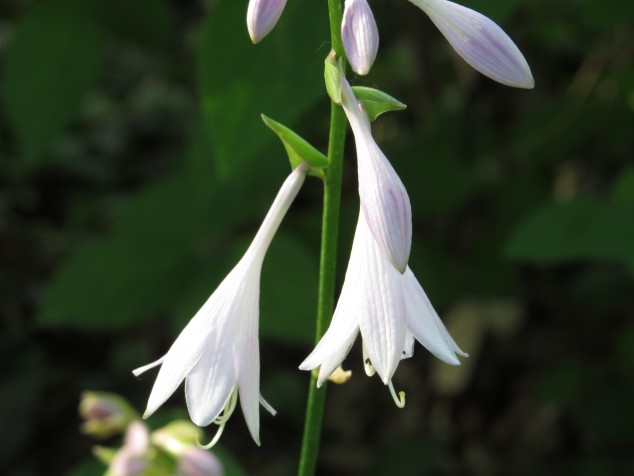
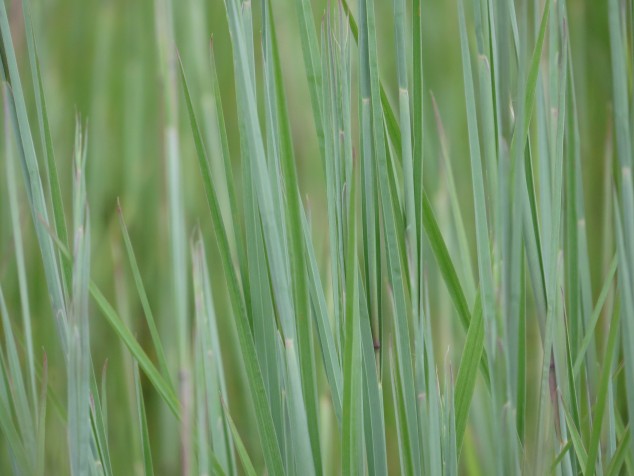
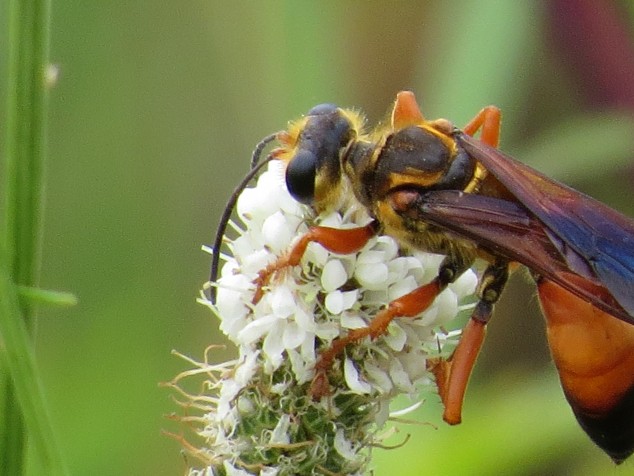
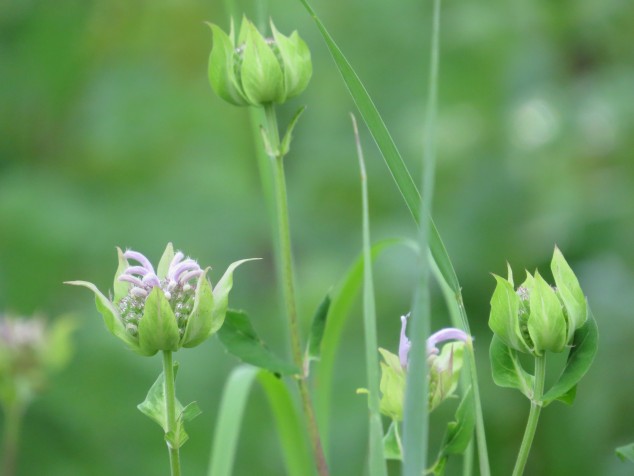
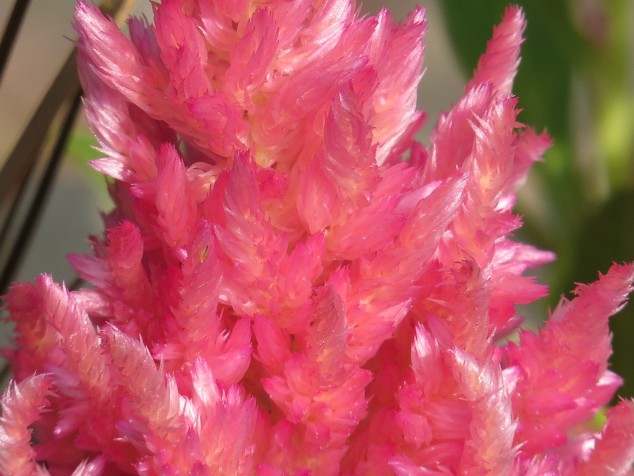
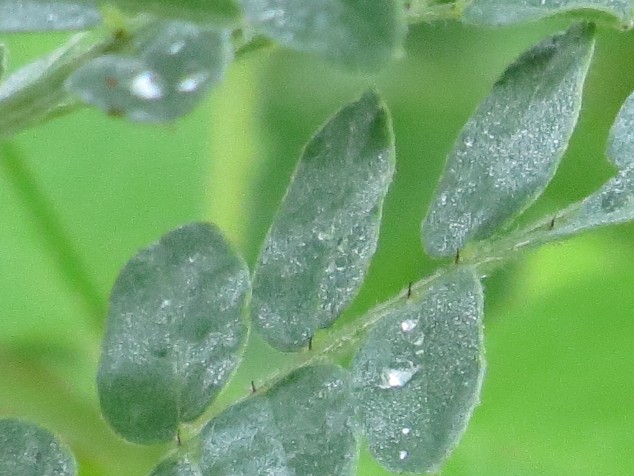
“There is a holiness to nature, in the intricacy of the system. Its secrets are open to all to learn, but it takes patience to develop the eyes and history necessary to see.”
Fr. Paul Schwietz, O.S.B., Founding Arboretum Director
A Boy Named Tree
When our son was three or four years old he started telling us and anybody who asked him that his middle name was Tree. Now in our family, trees are rather beloved things, so we didn’t object to his chosen name. His father is a modern-day Johnny Appleseed who can wield an A.M. Leonard spade like a surgeon’s knife and dig a hole and plant a tree with the same precision, so maybe he has trees in his blood. Our Tree Brake was a spirited nature person at a young age–he loved snakes, frogs, bugs, squirrels, mice, and just about any kind of critter. He caught snakes and brought them into the house. He took a live mouse from one of the outside cats and brought it inside where it hid behind the toy box until we let the cat in to finish her job. He and his sister would crawl under the corral fence and catch frogs in the muddy hollows of hoof prints. He agilely climbed trees, swung from trees, and played in the Lilac leafhouse and the tall treehouse in the spreading elm tree. He was a cute, fearless creature of nature.
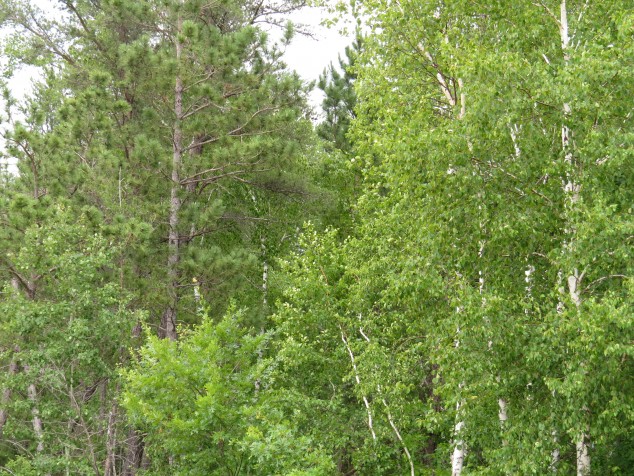
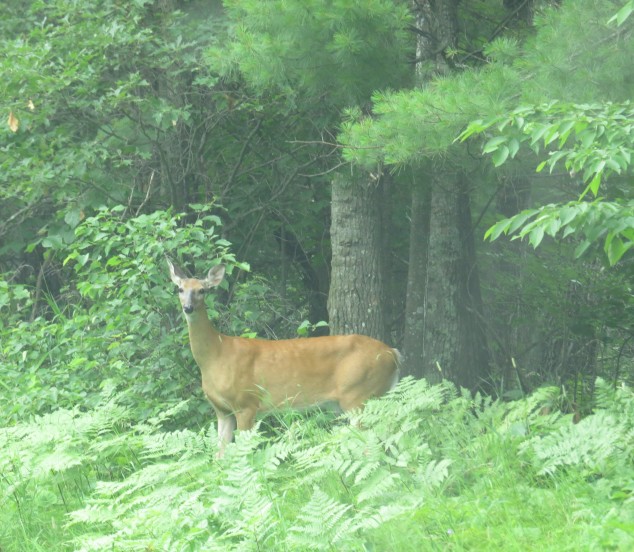
Trees and lakes dominate the landscape in northern Minnesota. Pines, birch, and aspen create the backdrop of beauty in the area around the Pelican Lake camp we visited. When we drove through the woods close to the camp, we saw a deer munching on foliage under a huge white pine.
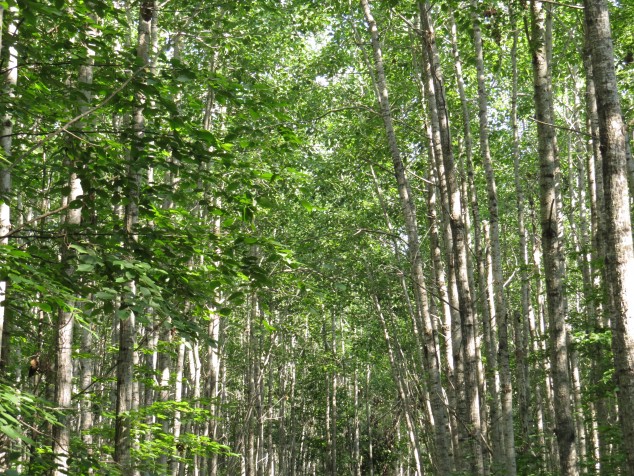
As we biked and wandered through the woods with our beautiful guide (who happens to be Tree’s girlfriend), we passed through an aspen cathedral. The light filtered through the dancing leaves and reflected off the gray-white bark of the trees. A feeling of reverence descended on me.
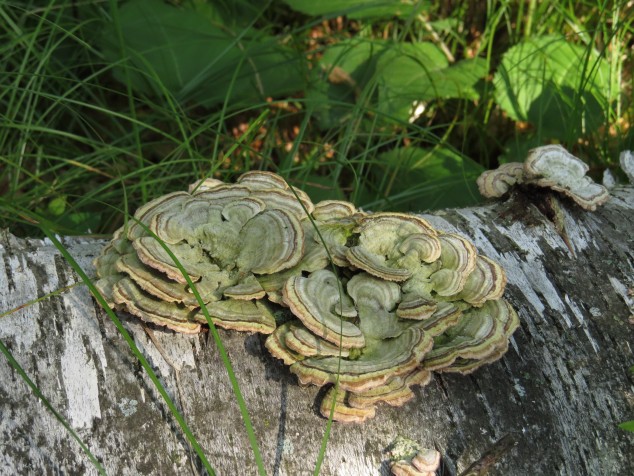
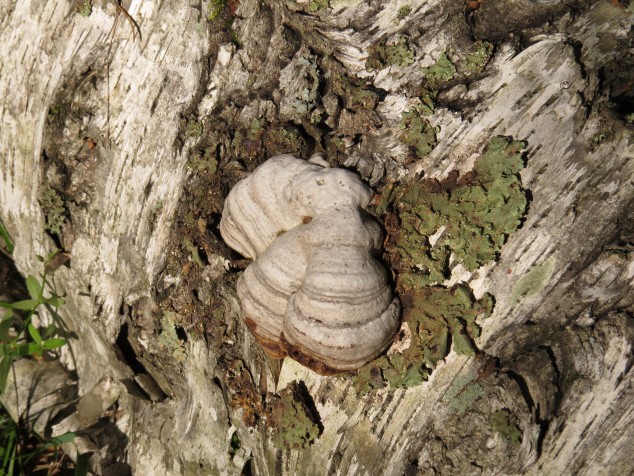
Further along the trail, we saw interesting fungi growing on fallen birch logs–another stage in nature’s cycle of tree life.
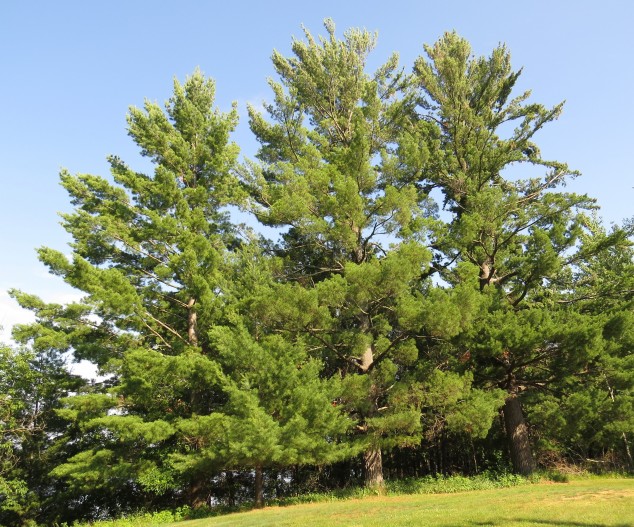
There are too many things to say about trees–they are so much more than their size, form, leaf description, bark texture, flower, seed, or fall color. I have been frustrated that I cannot capture in a photo the majesty of a pine or a cottonwood that has weathered decades of winters, storms, and droughts. Three pines at camp immediately caught my attention when we entered a clearing by the lake. They towered above the other trees, quietly demanding attention and respect. My photo does not do them justice.
As I returned to the clearing after getting some pictures of the lake, Chris and Michaela pointed down the mown path. A young fox was sitting there. It was clear that we were in his domain. He wasn’t old enough to be on his own yet, but he had obviously gotten permission to leave the den. Maybe he had wandered down to the lake to try to find a crayfish or perhaps he was tasting the sweet, ripe raspberries that lined the path.
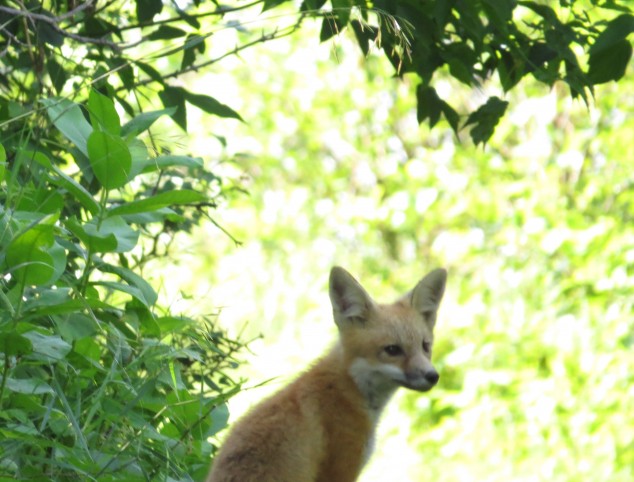
He was curious about us–‘Maybe those are the creatures my mom told me to stay away from–they don’t look so bad!’
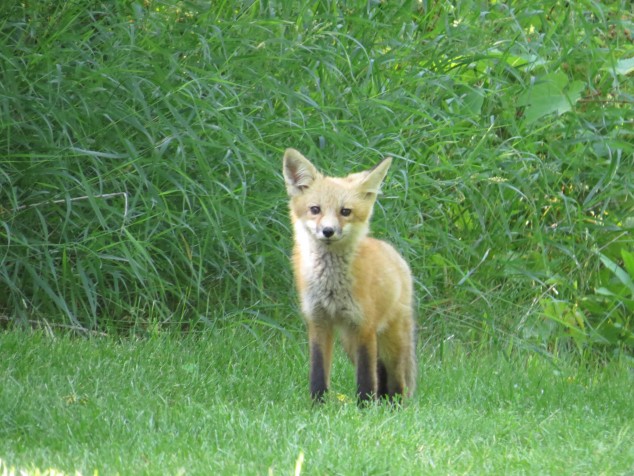
‘Is that my mom calling me?’
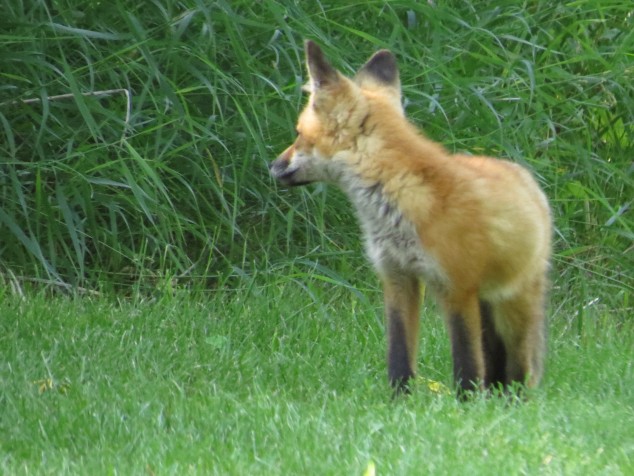
‘Still, they don’t seem too scary….’
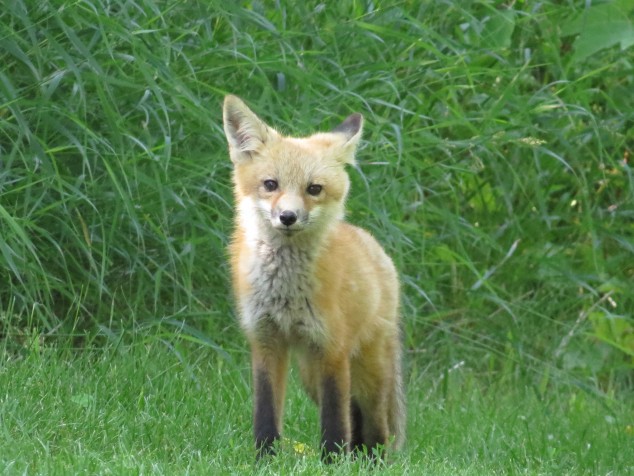
‘But I’d better get home anyway!’
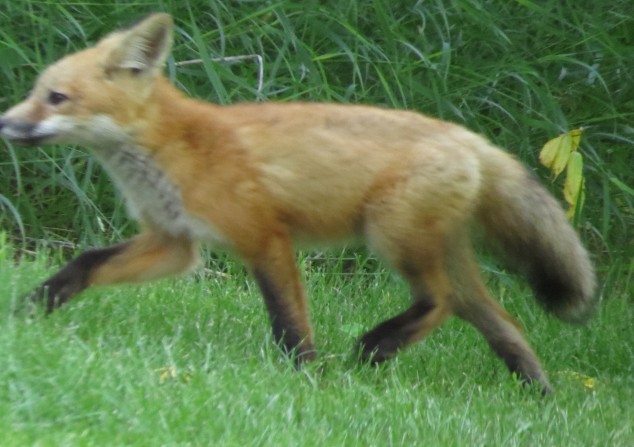
And he disappeared into the tall grass and trees. Trees and these woods–home to so many creatures. Often we claim the land and resources for our own without realizing how many living things call it home. The trio of white pines that watch over the fox family that eat the crayfish and raspberries–the web of life.
Aaron Tree Brake is now a senior in college at the beautiful and unique St. John’s University where he is surrounded by lakes, trees, and wildlife. Like Aaron, I believe we should all aspire to call ourselves something from Nature that stirs our soul, encourages our fearlessness, and inspires our life. As for the young fox, I think I will call him Tree.
- « Previous Page
- 1
- …
- 5
- 6
- 7