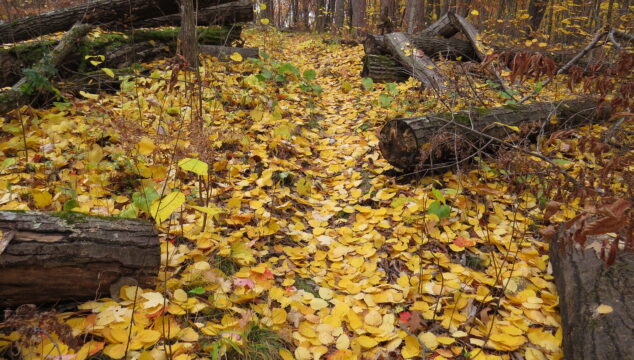
Come walk with me in the peak Autumn beauty of the Northwoods. To say that I love this time of year is an understatement. Most everyone can appreciate the colorful falling leaves---it reveals the 'true self' of a tree when its leaves are no longer producing chlorophyll. Their true colors are revealed, and there is something simple … [Read More...]
Badlands
It’s a fine line we walk. At least that’s what I thought growing up. On one side was the bad-lands; on the other, the good-lands. I always tried to stay in the goodlands—the consequences of the badlands, which were mostly made up in my head at a very young age, were catastrophic. I mean like banishment and death. That’s enough to make anyone fly right. That fine line is variable—set by our parents, our cultures, our experiences, and our own personalities and story-making minds. I was so invested in staying away from the consequences of the badlands that I tried to make sure that all my siblings and friends were never close to the badland banishment and you know, that other thing that could possibly happen. I didn’t want that to happen to me, and I didn’t want it to happen to anybody I loved.
It’s hard enough to keep oneself out of trouble, let alone all these other people…was that the beginning of my neurosis? Of course it was anxiety-producing—other people do their own thing, whether they are conscious of it or not. Which leads me to the badlands…and trauma. Traumatic events are always in the realm of the badlands. They threaten and often damage our feelings of safety and connection. Then we spend a lifetime trying to get those two things back. Ironically, the pursuit often lands us back in the badlands, because the anxiety and fear that trauma perpetuates can temporarily be calmed or concealed by addictive substances and activities—food, alcohol, tobacco, drugs, sex, gambling, and gaming. But the ‘high’ calm ends, and we want to, feel compelled to, do it again and again in order to soothe our activated nervous systems. None of those things are long-term solutions to what we need and want—in fact, they ‘give’ us all sorts of other problems.
The goodlands are not immune to problems when we are there in response to trauma. My trying to live in the goodlands was so fear-based that I rarely really enjoyed being there—it was more of a relief. Unprocessed trauma builds walls within our psyches and hearts as a protection mechanism—a necessary strategy for survival, except that walls also keep out love, joy, and goodness. Being in the goodlands with trauma also brings about a feeling of self-righteousness that is often cloaked with religion. I can blame/ discard/ disregard ‘those other’ people because I’m standing over here and ‘they’ are over there, in the badlands. I think I was in high school when I became aware of my dual feelings of self-righteousness and utter, shame-based self-consciousness. But I had no idea why I felt that way or what to do about it.
When we were west-river in South Dakota at our friends’ ranch, we hiked at a place they call their badlands—a mini version of Badlands National Park. It is as if the badlands fall from the grace of the prairie into a giant, barren hole of gumbo and tumbling boulders. It is other-worldly—intriguing, harsh, and compelling with its unique beauty. Come walk with me in the badlands…
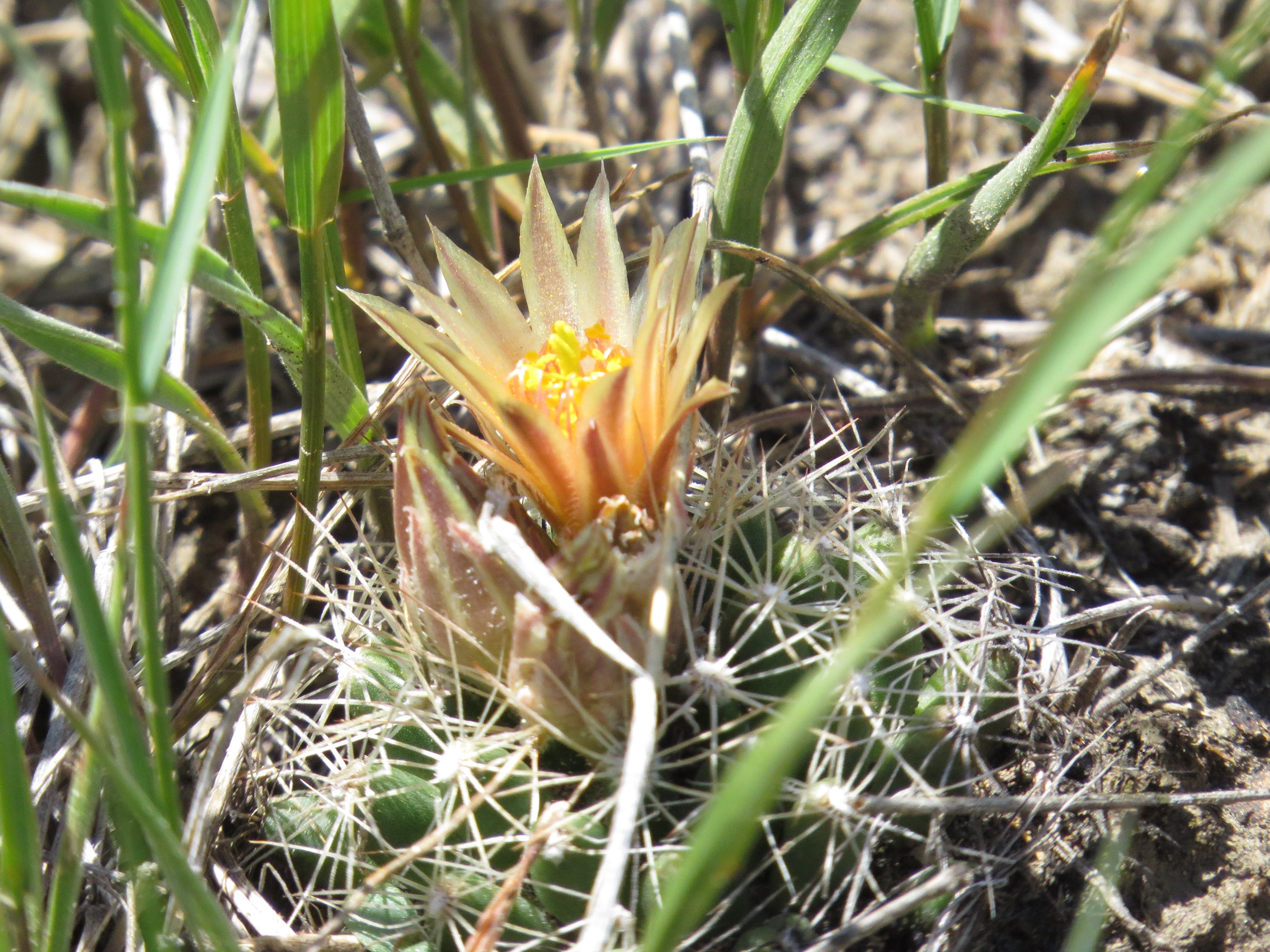
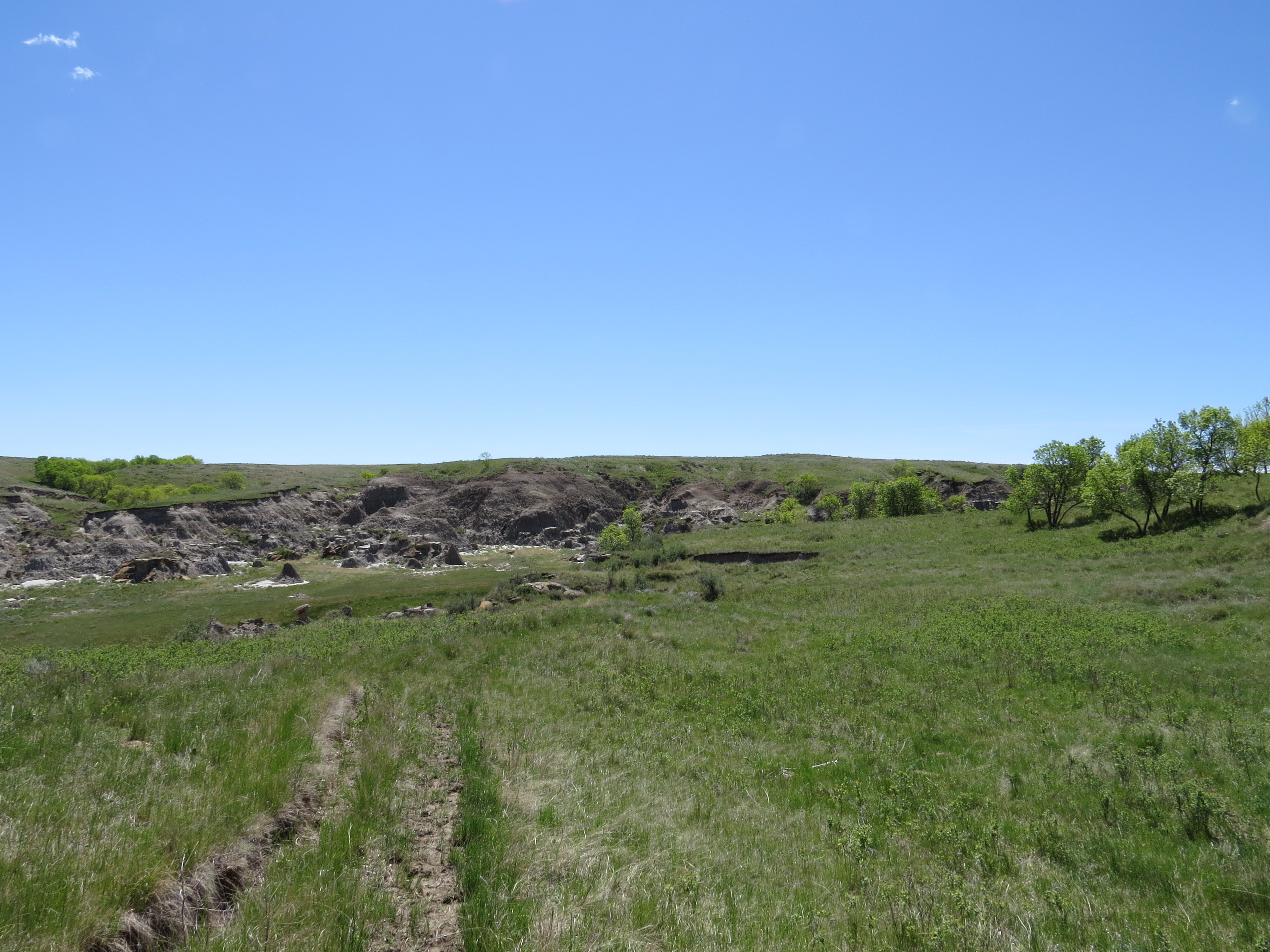
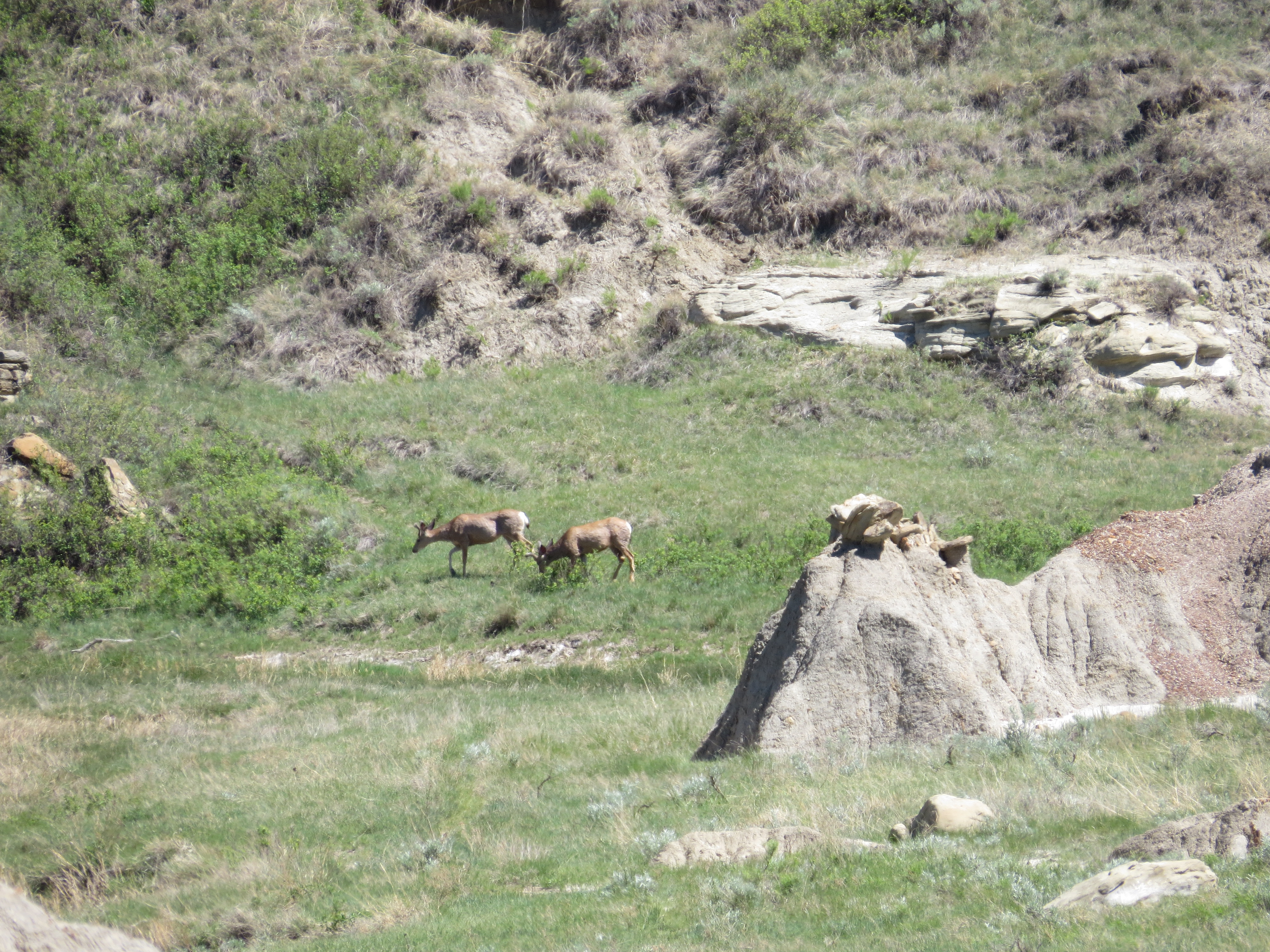
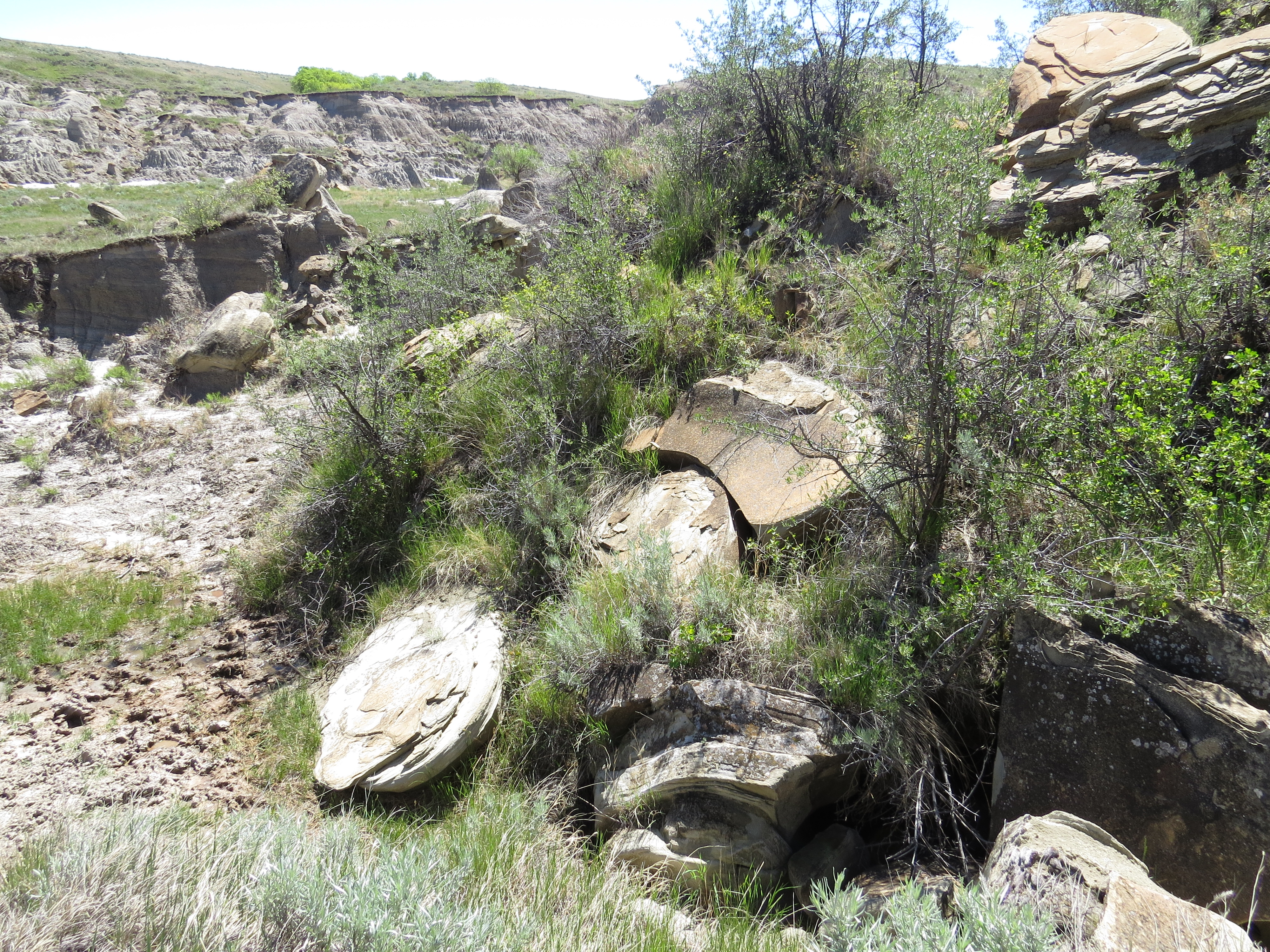
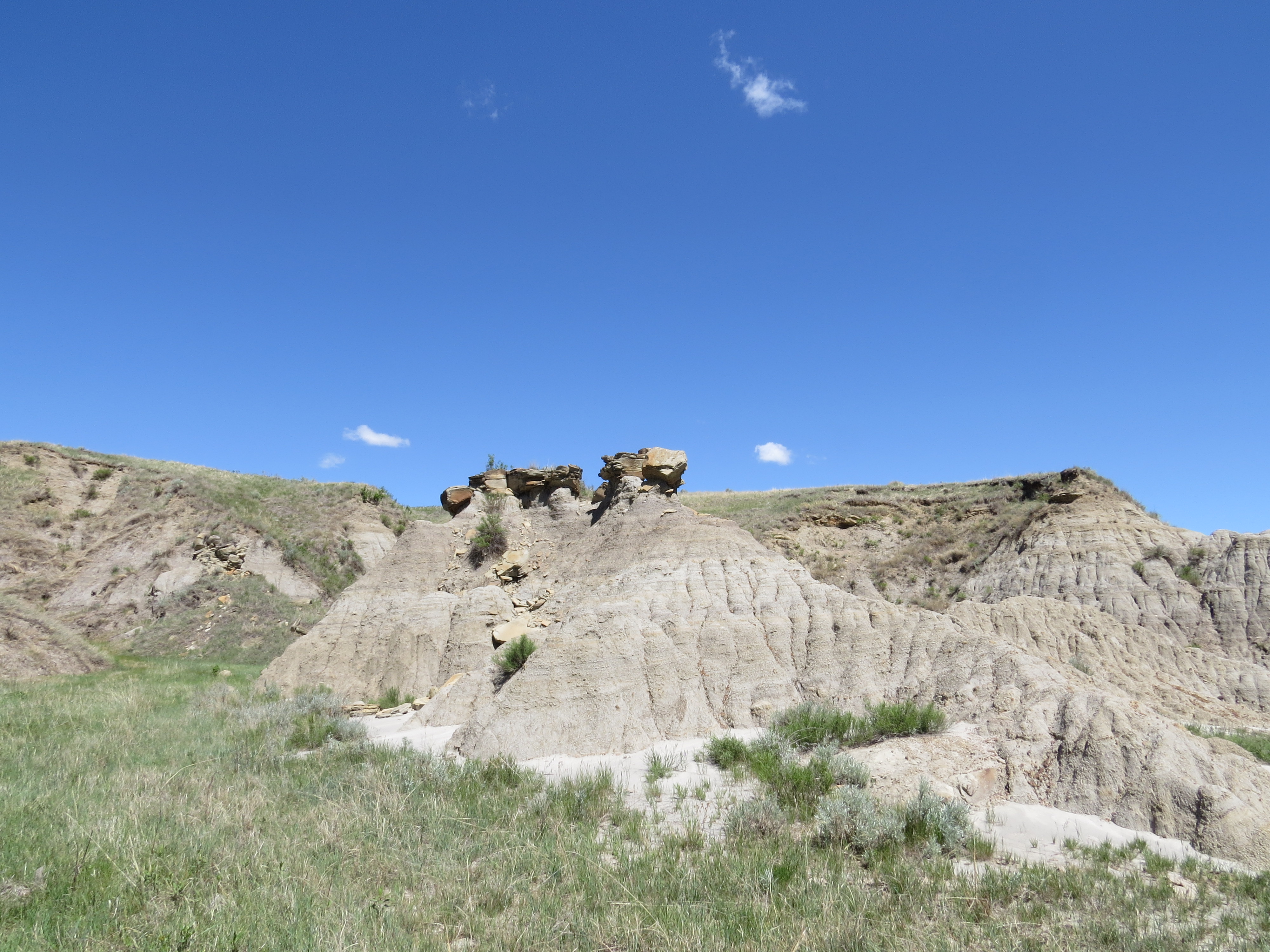
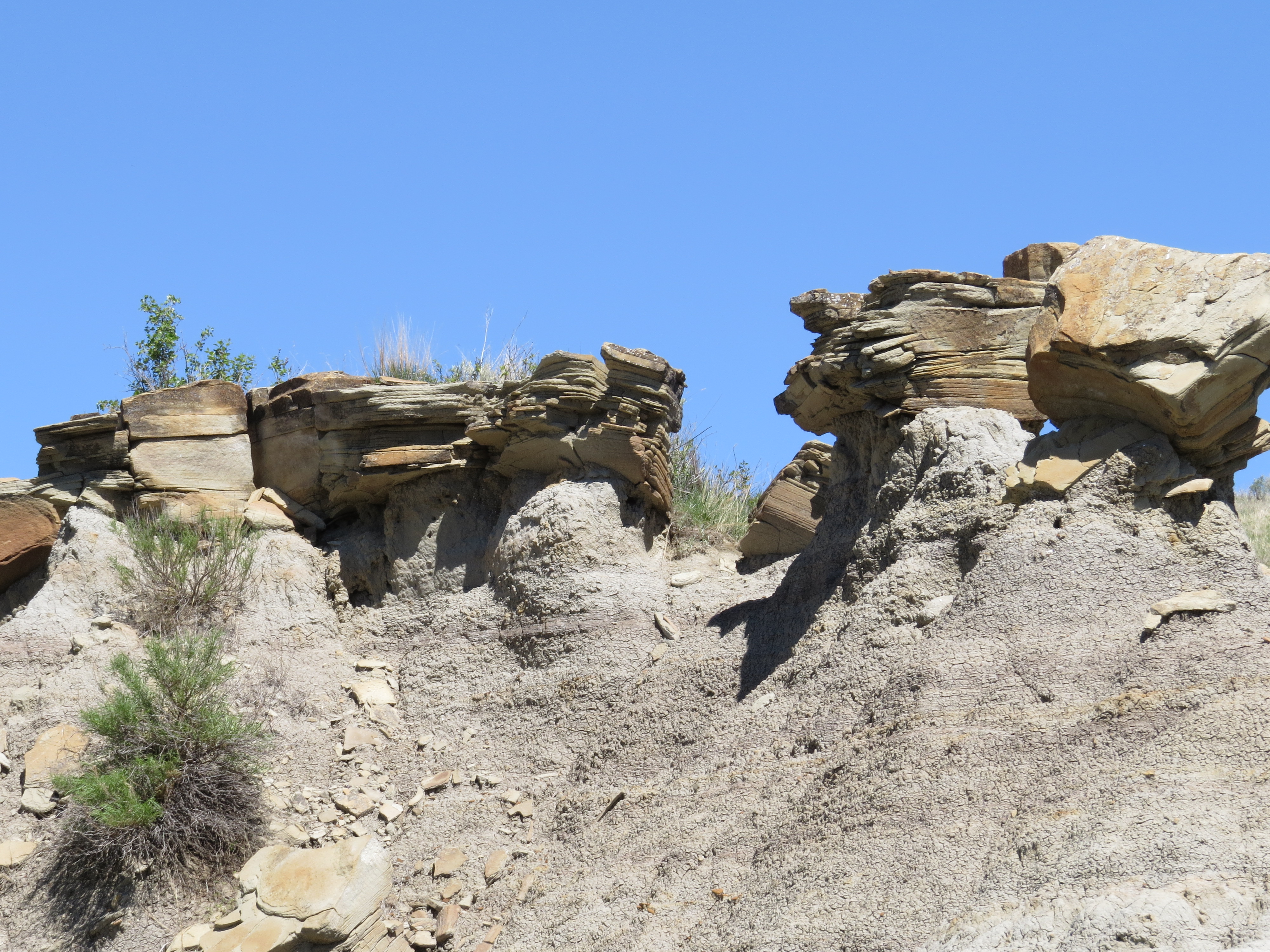
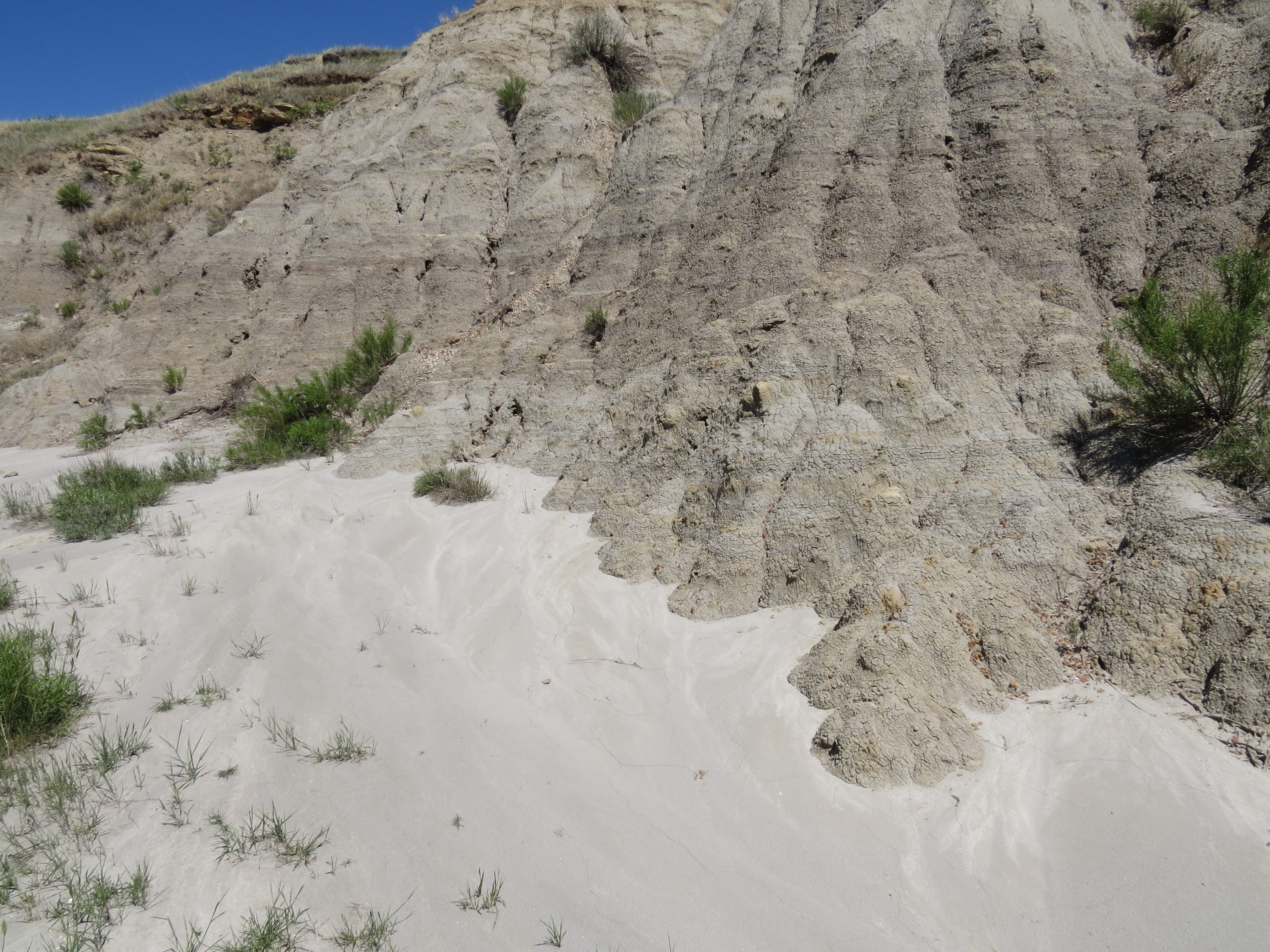
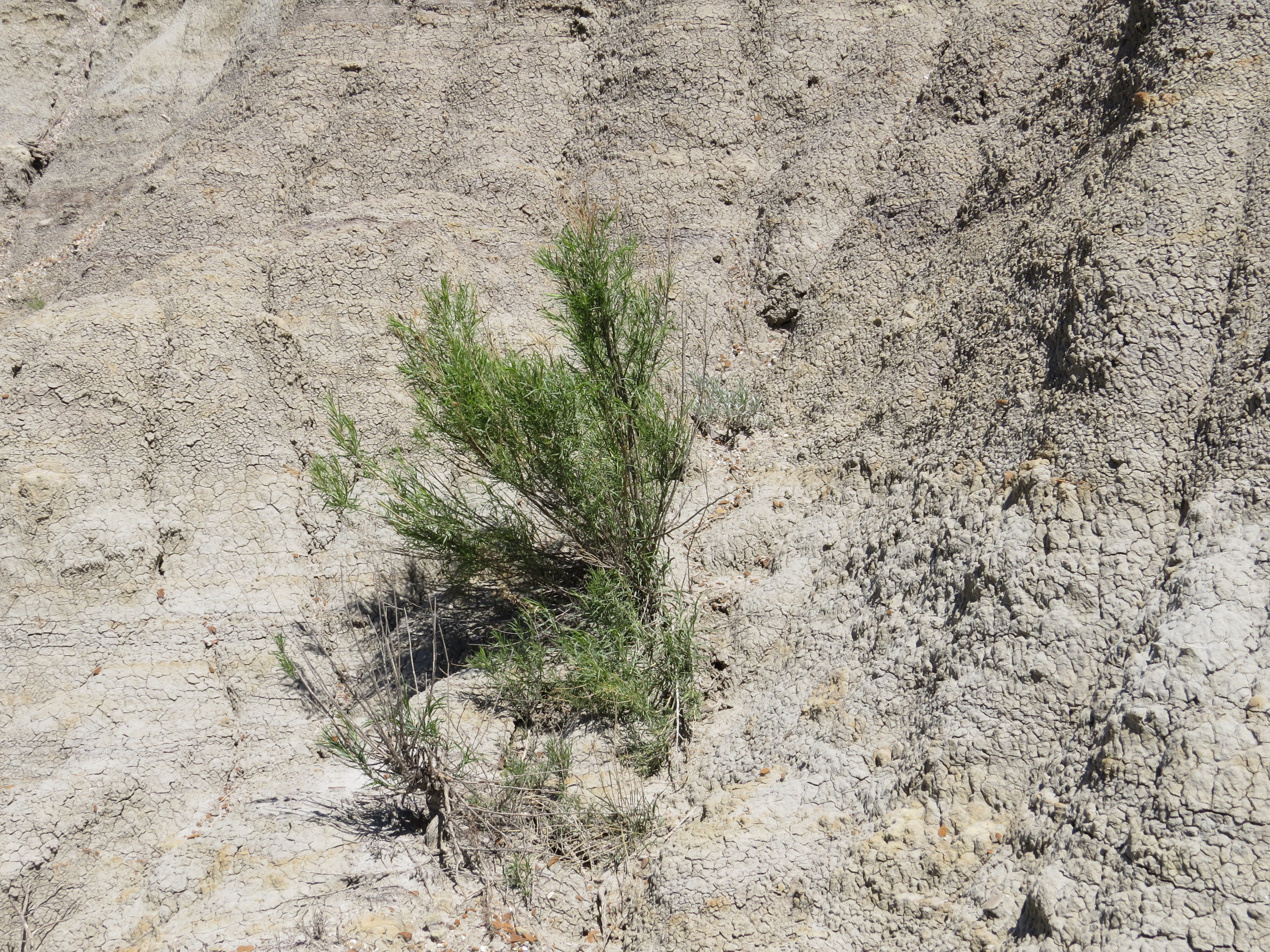

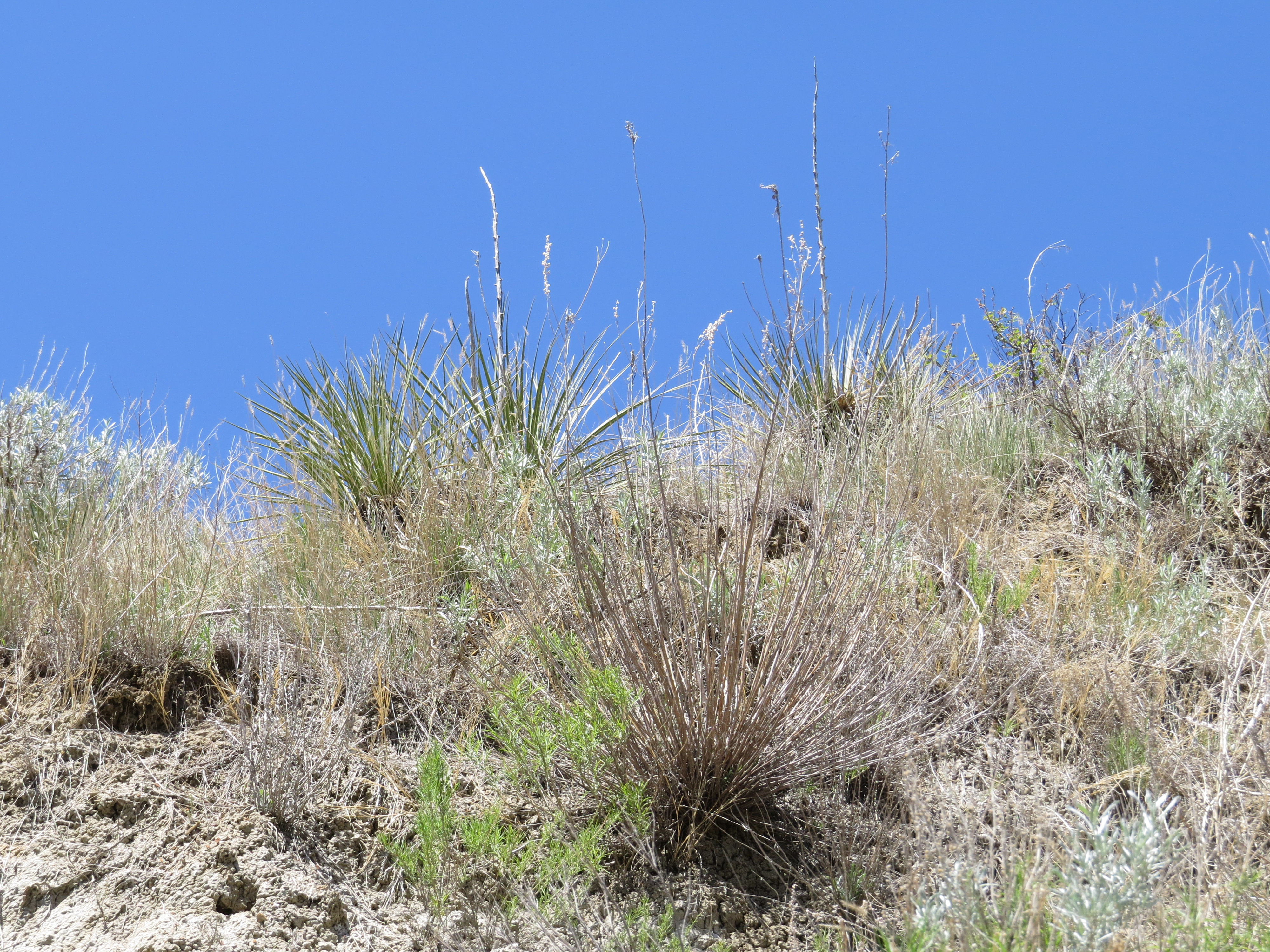
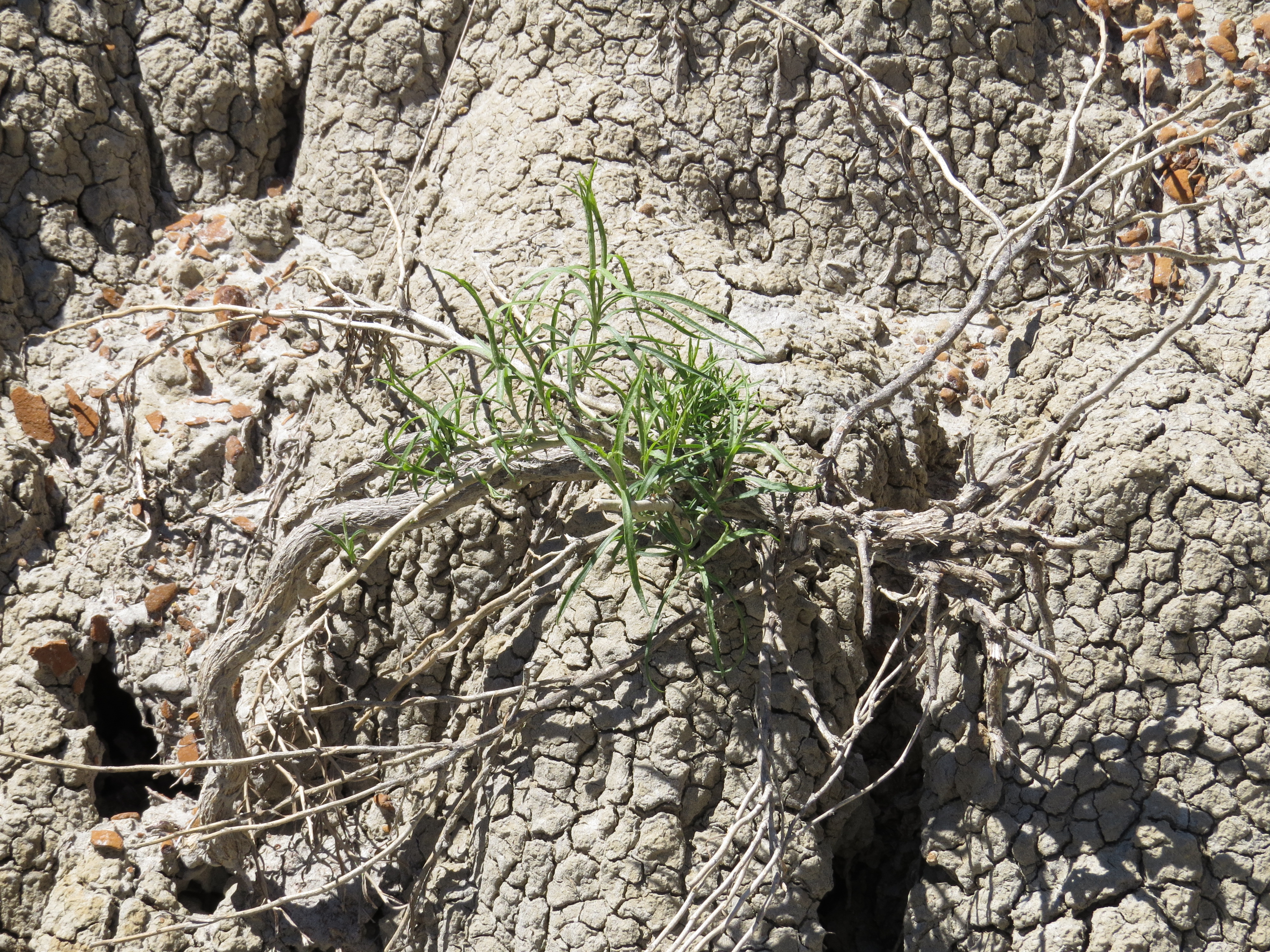
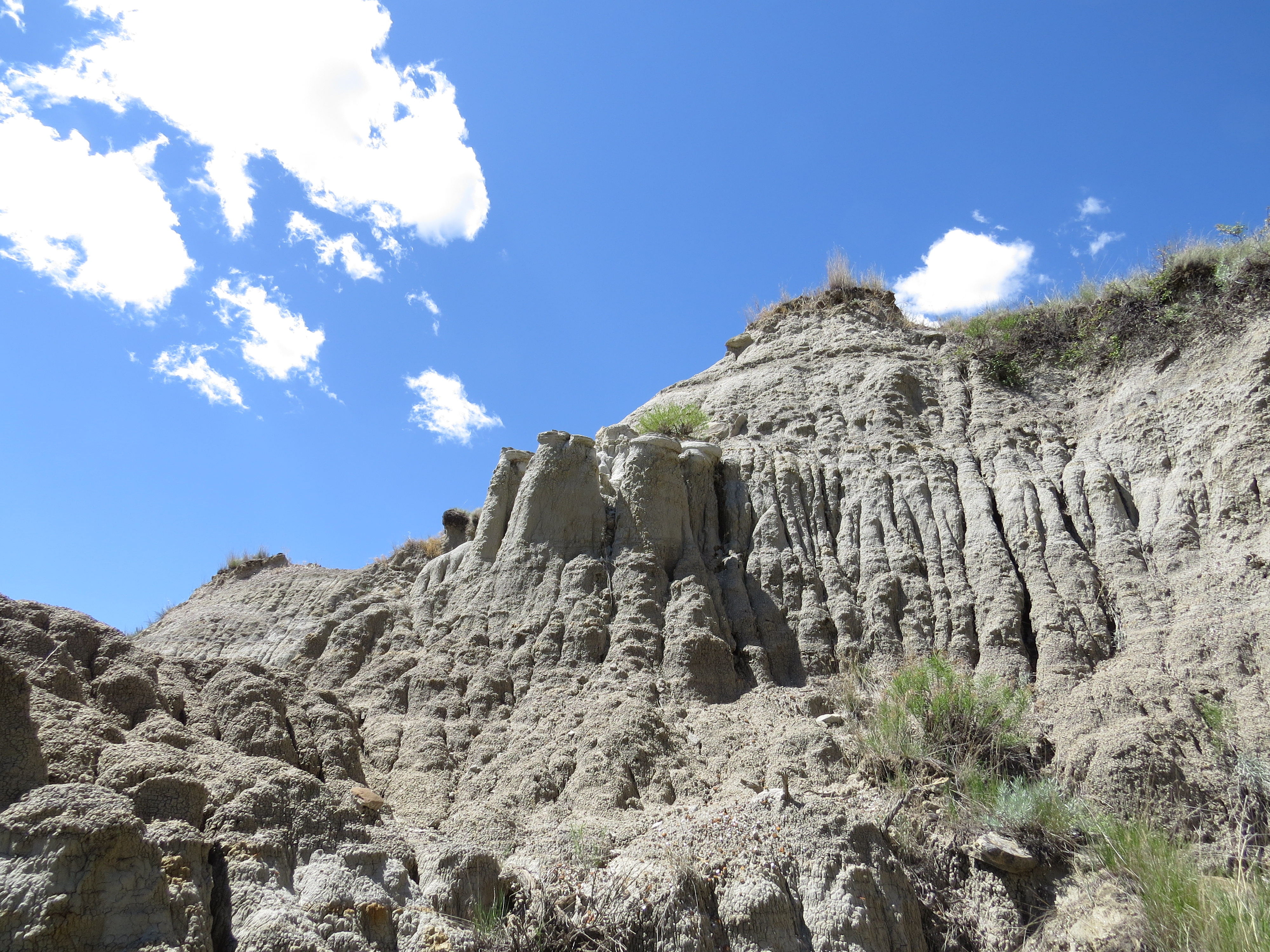
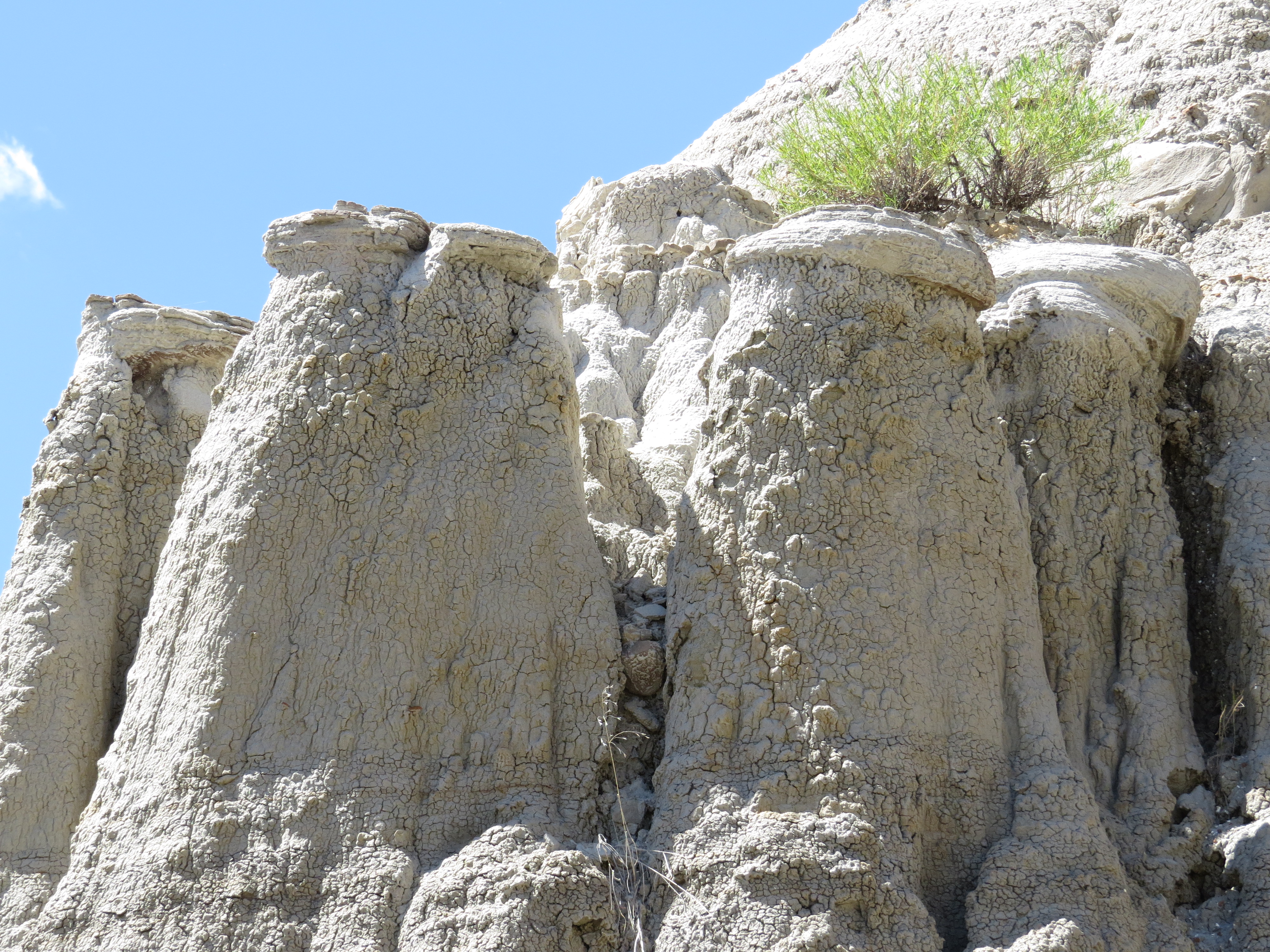
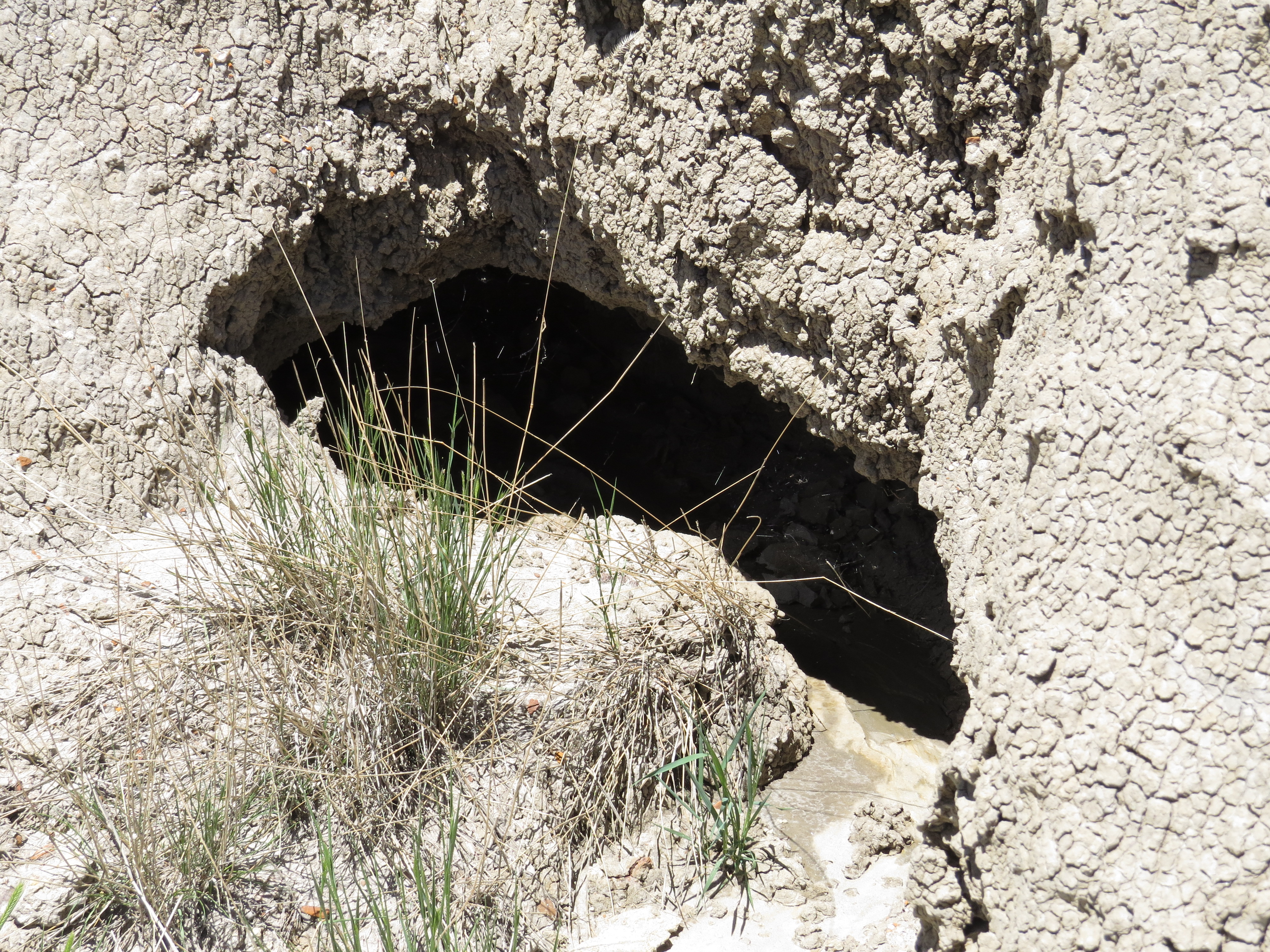
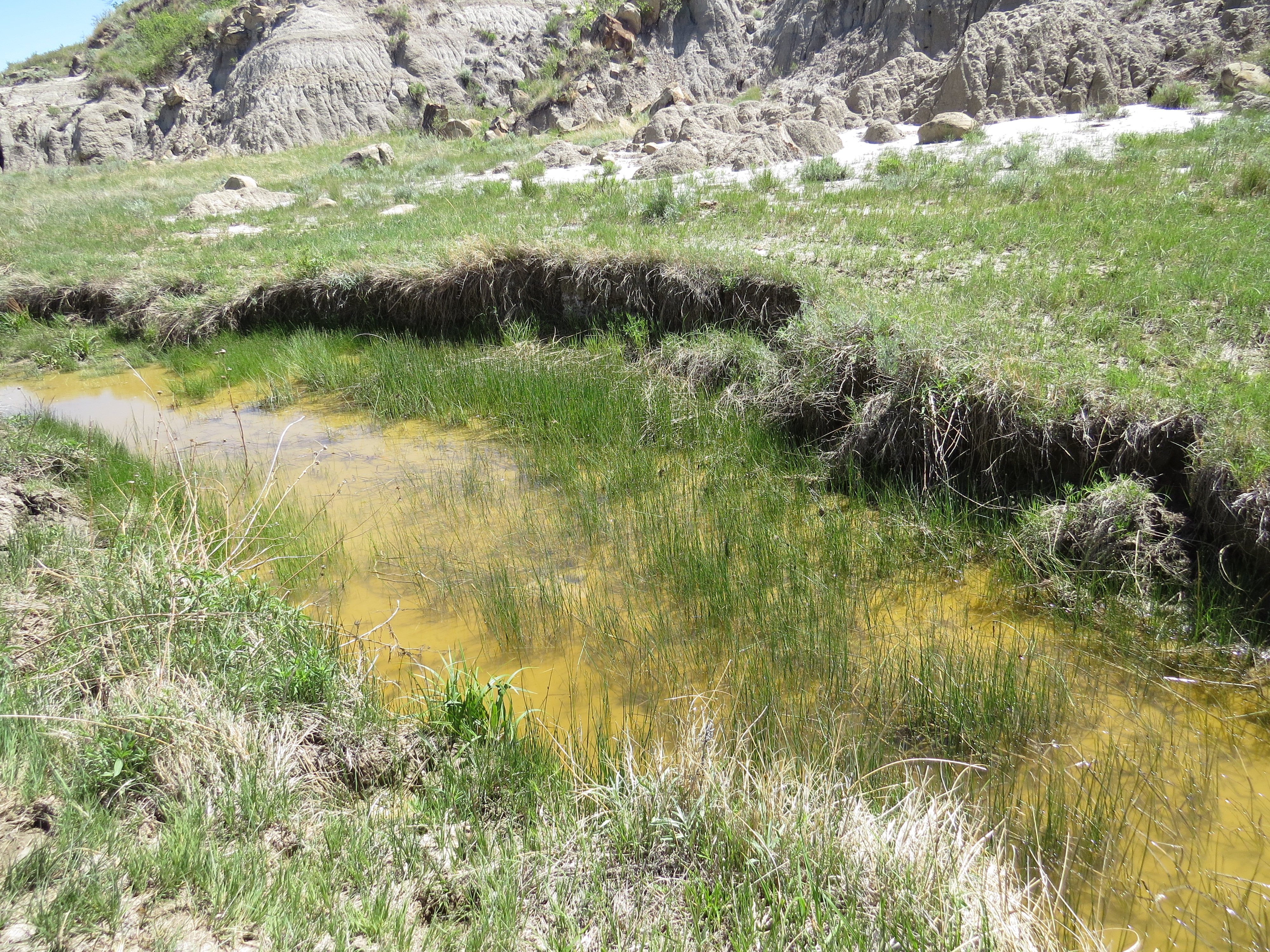
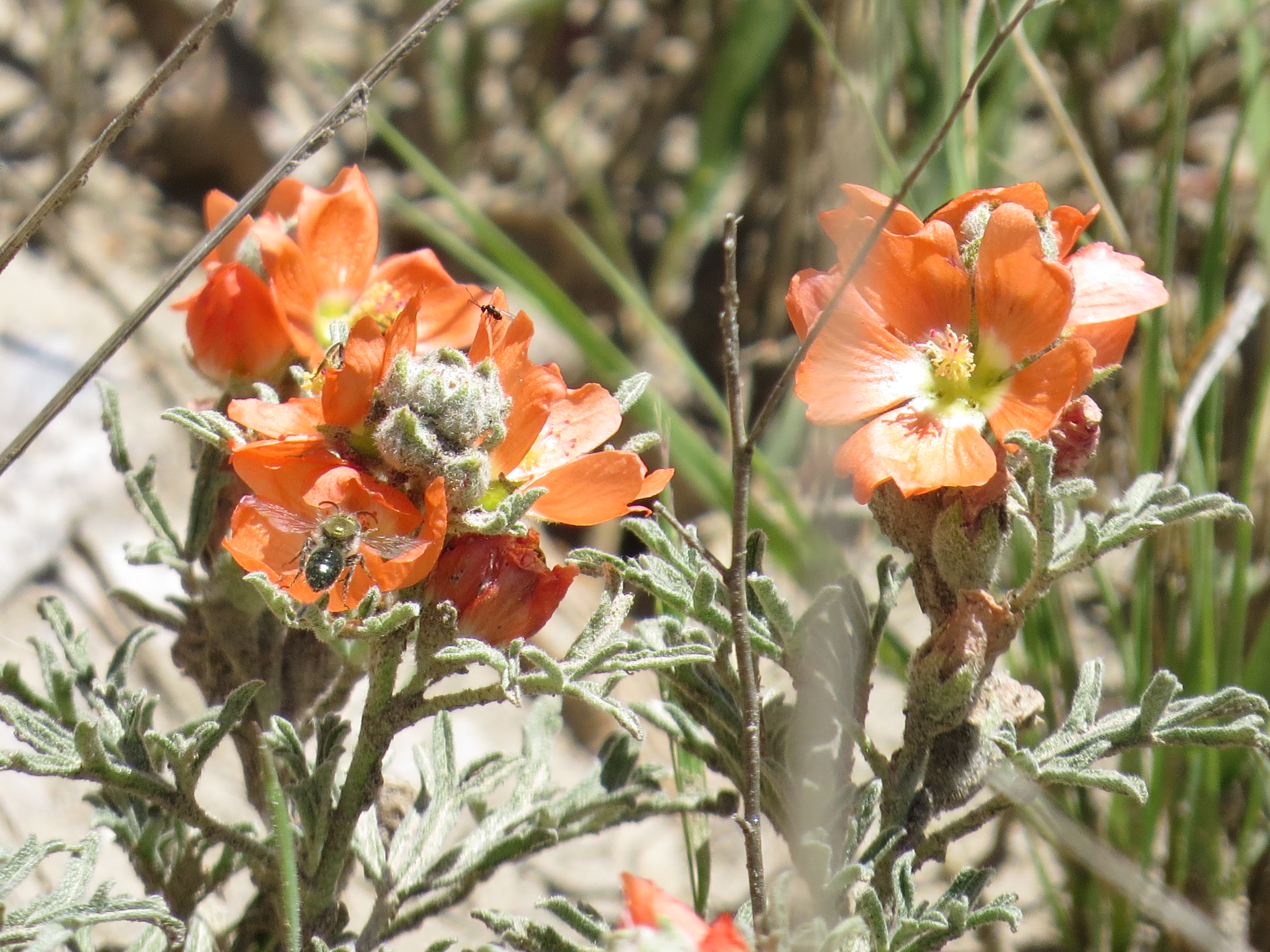
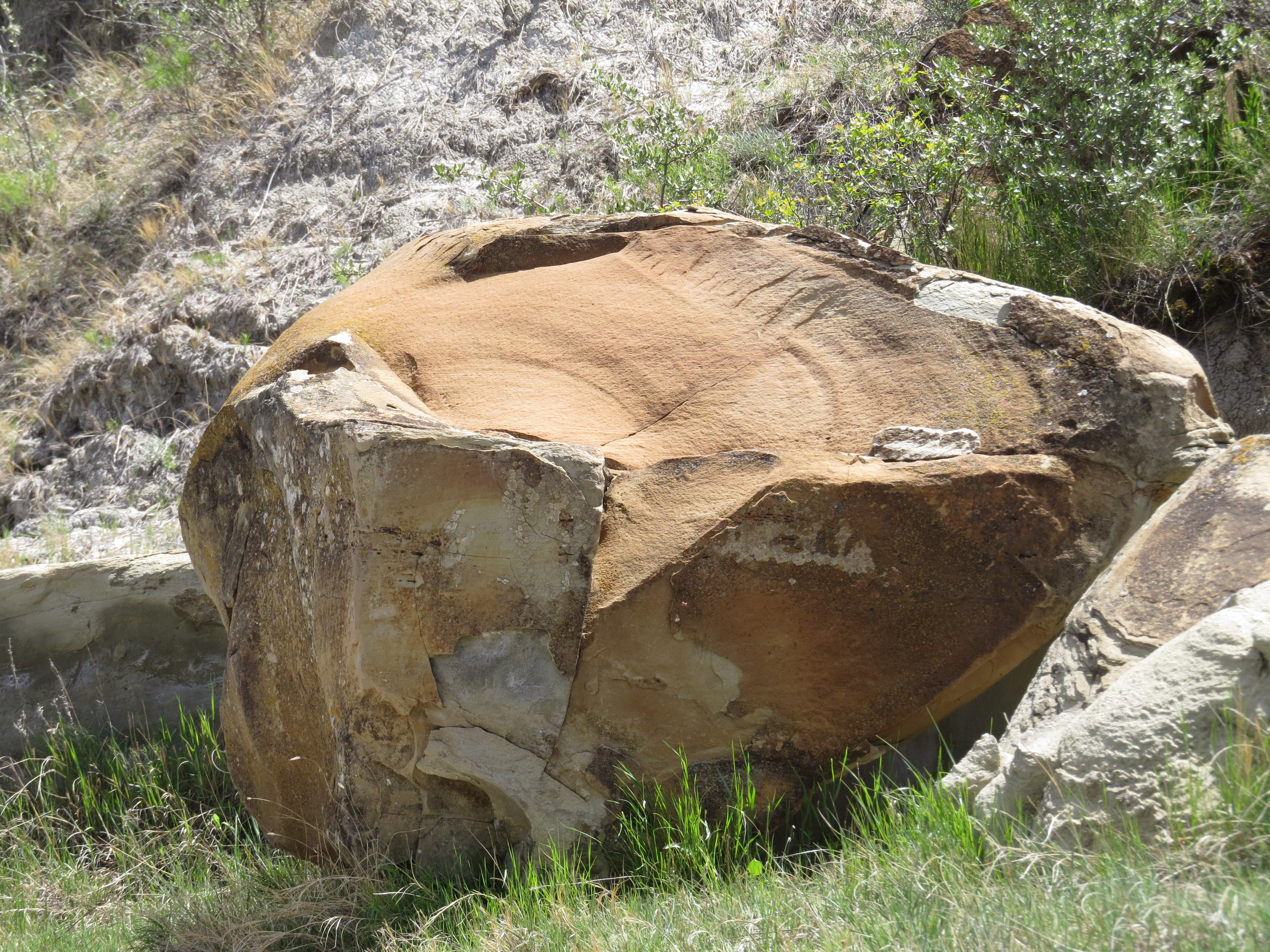

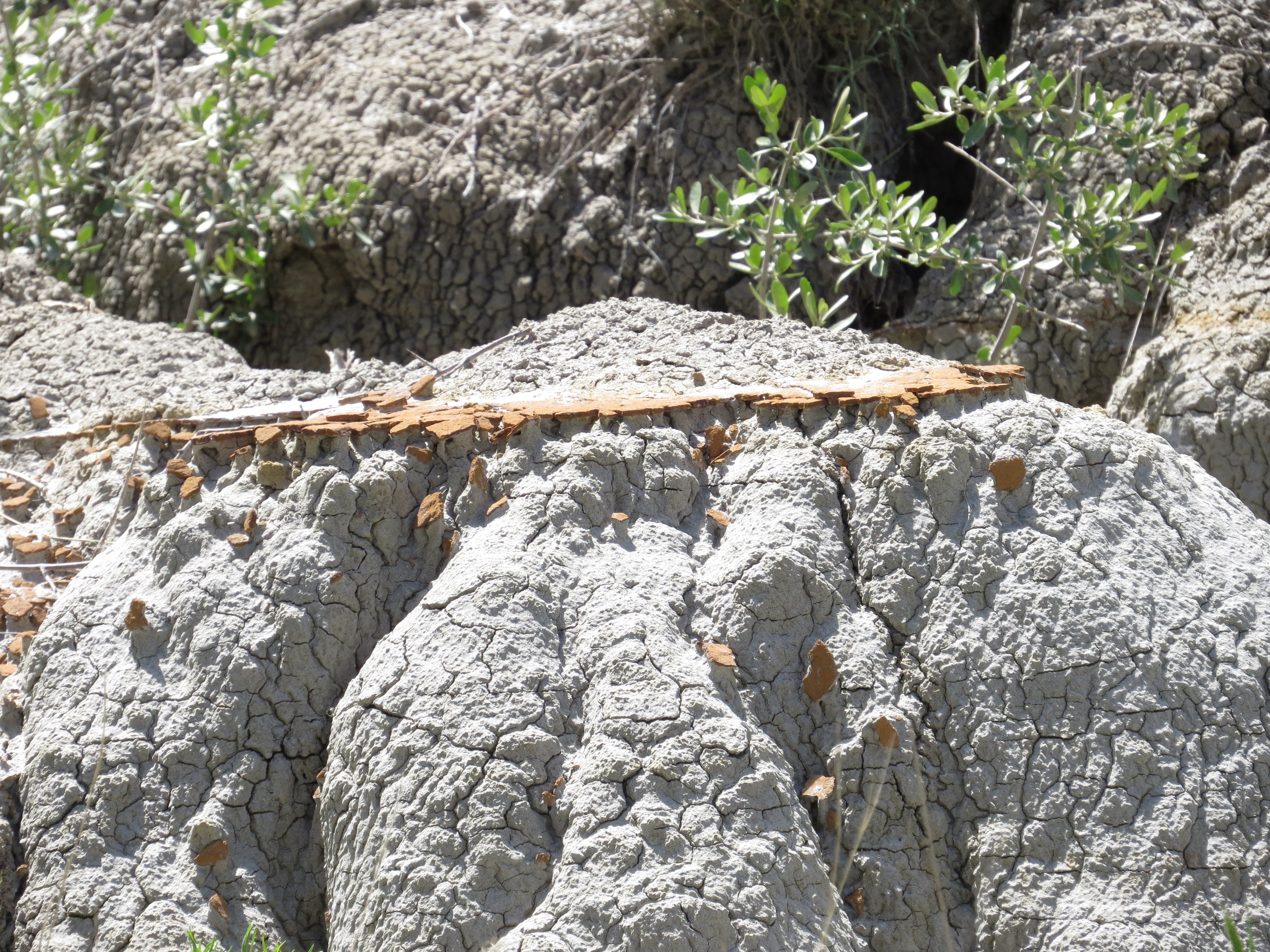
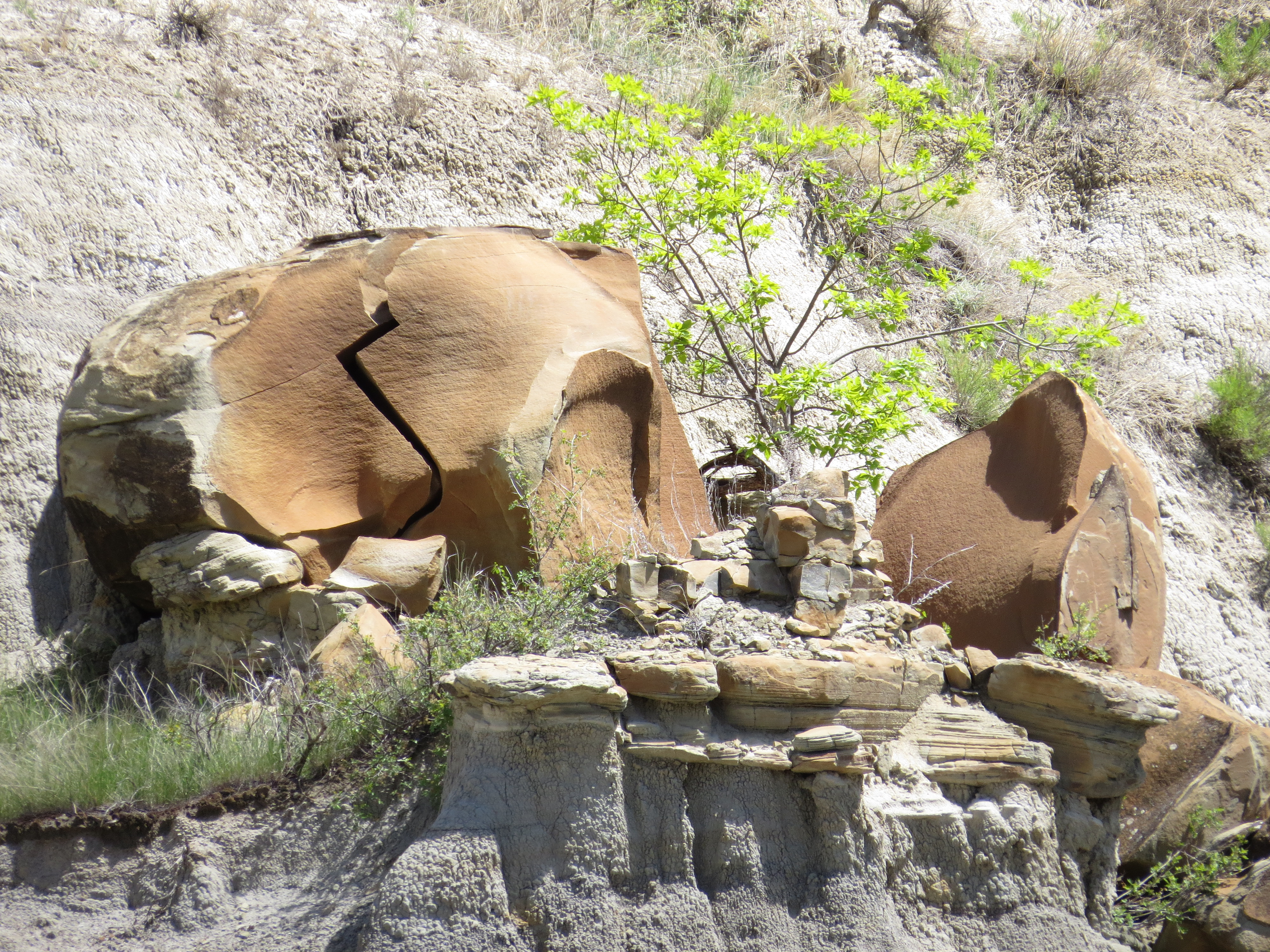
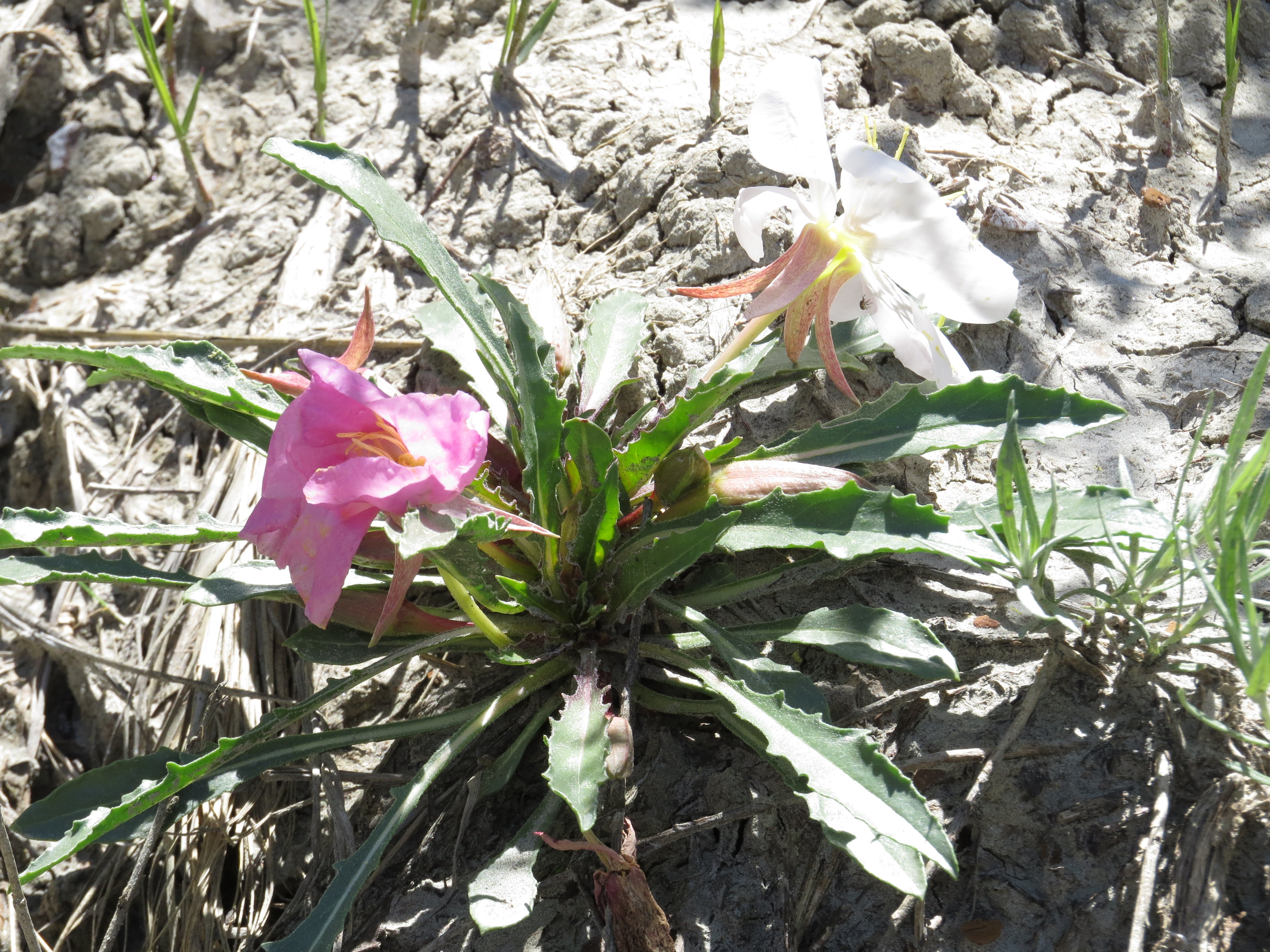
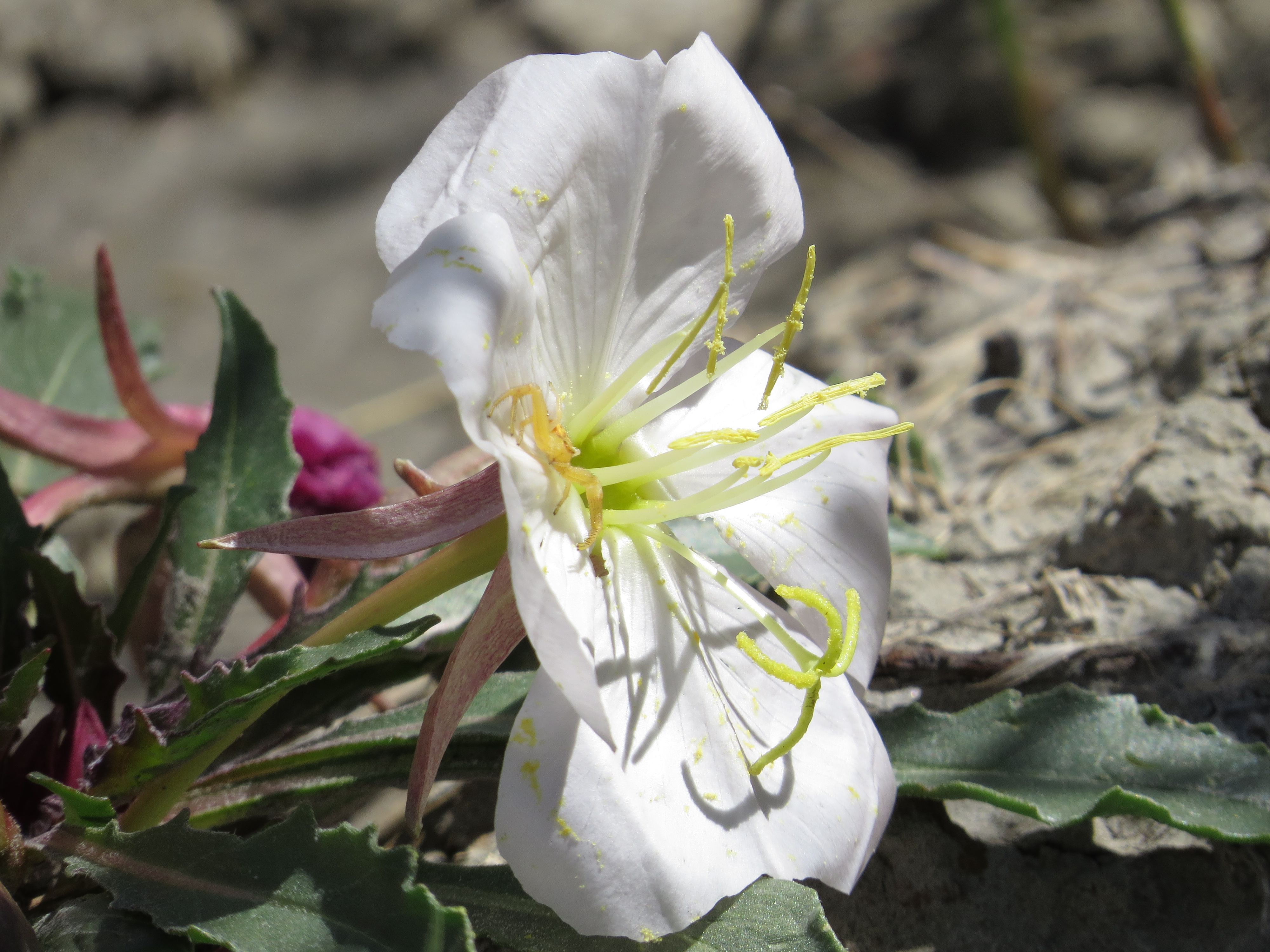
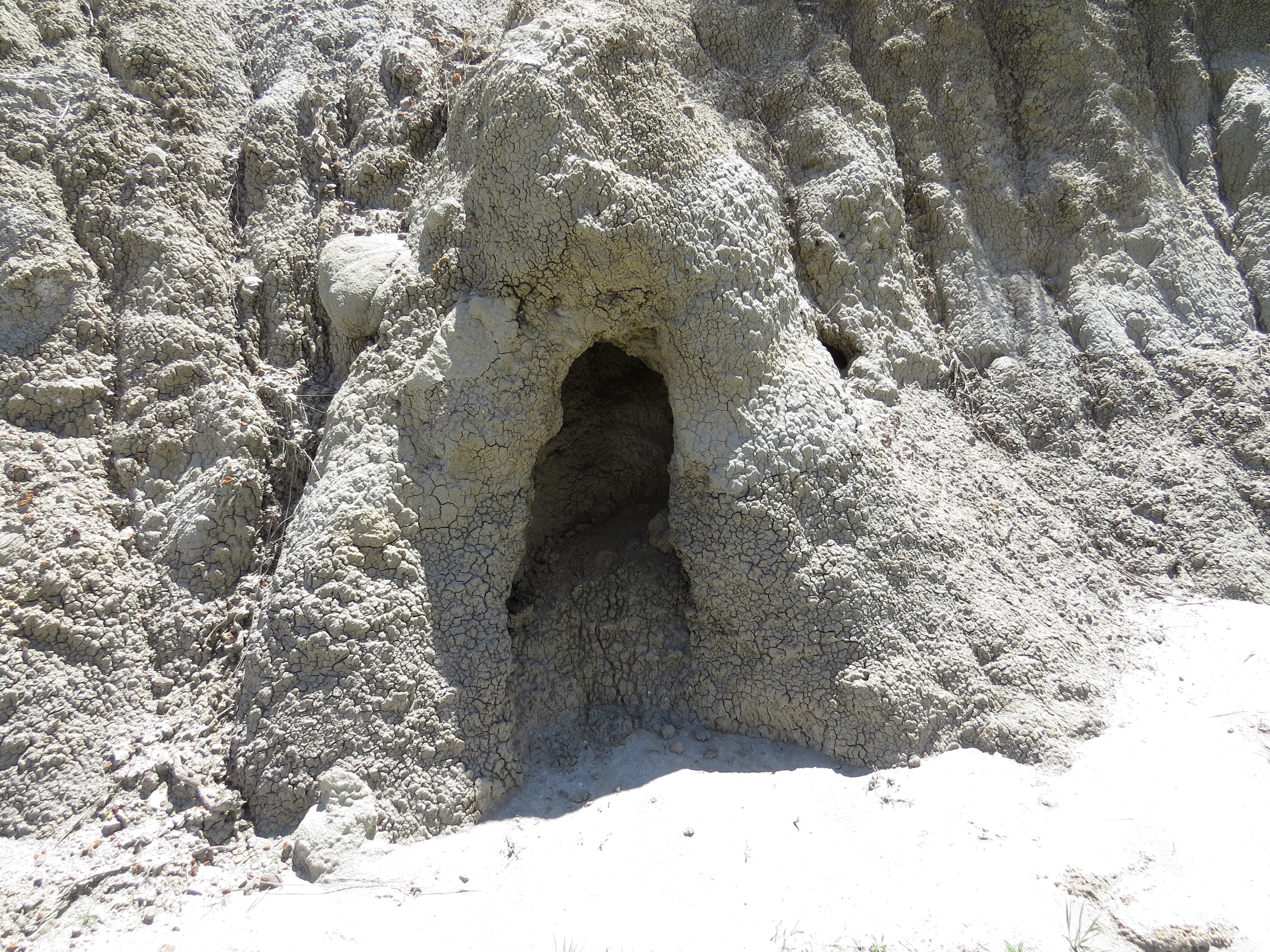
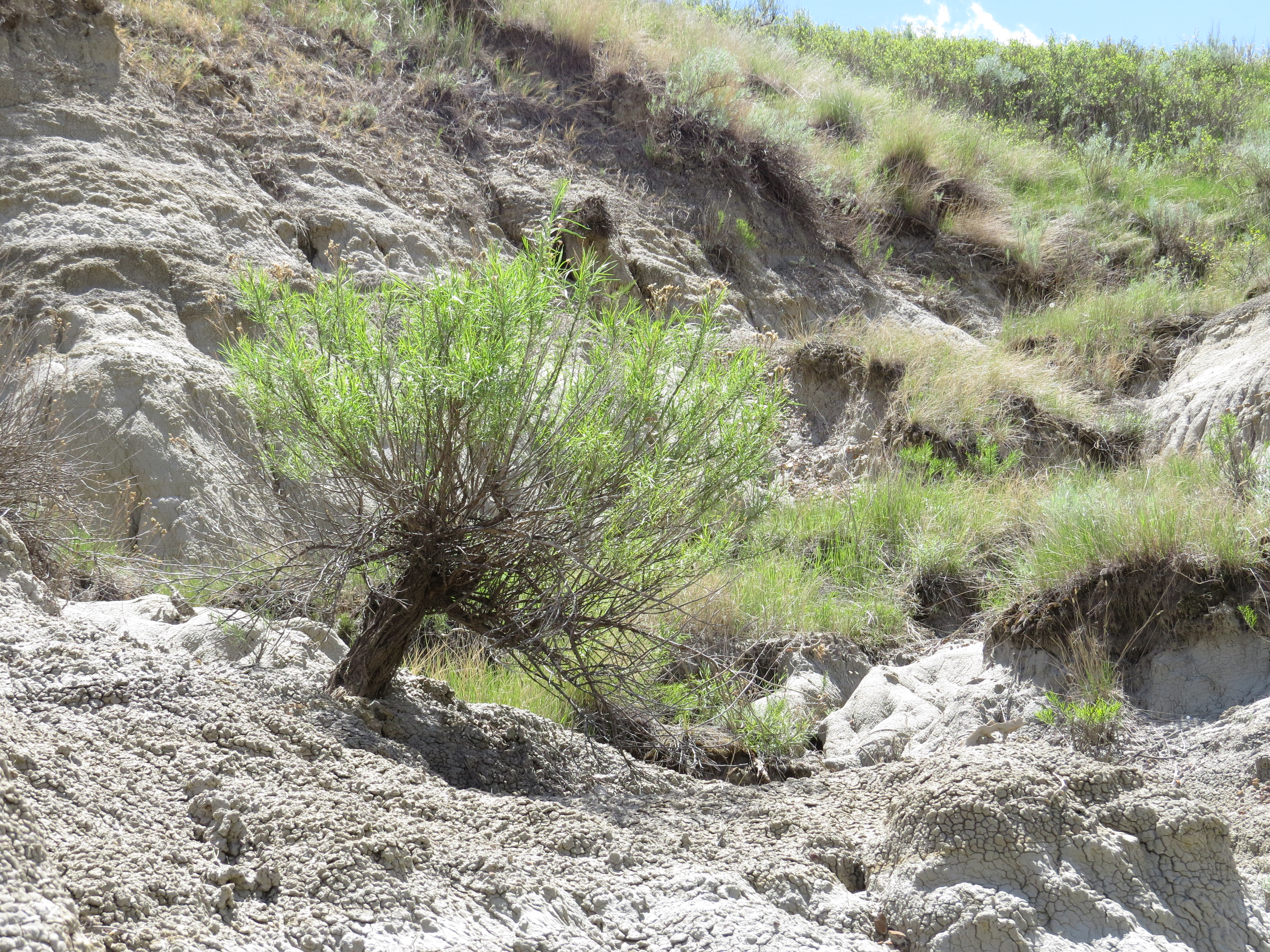
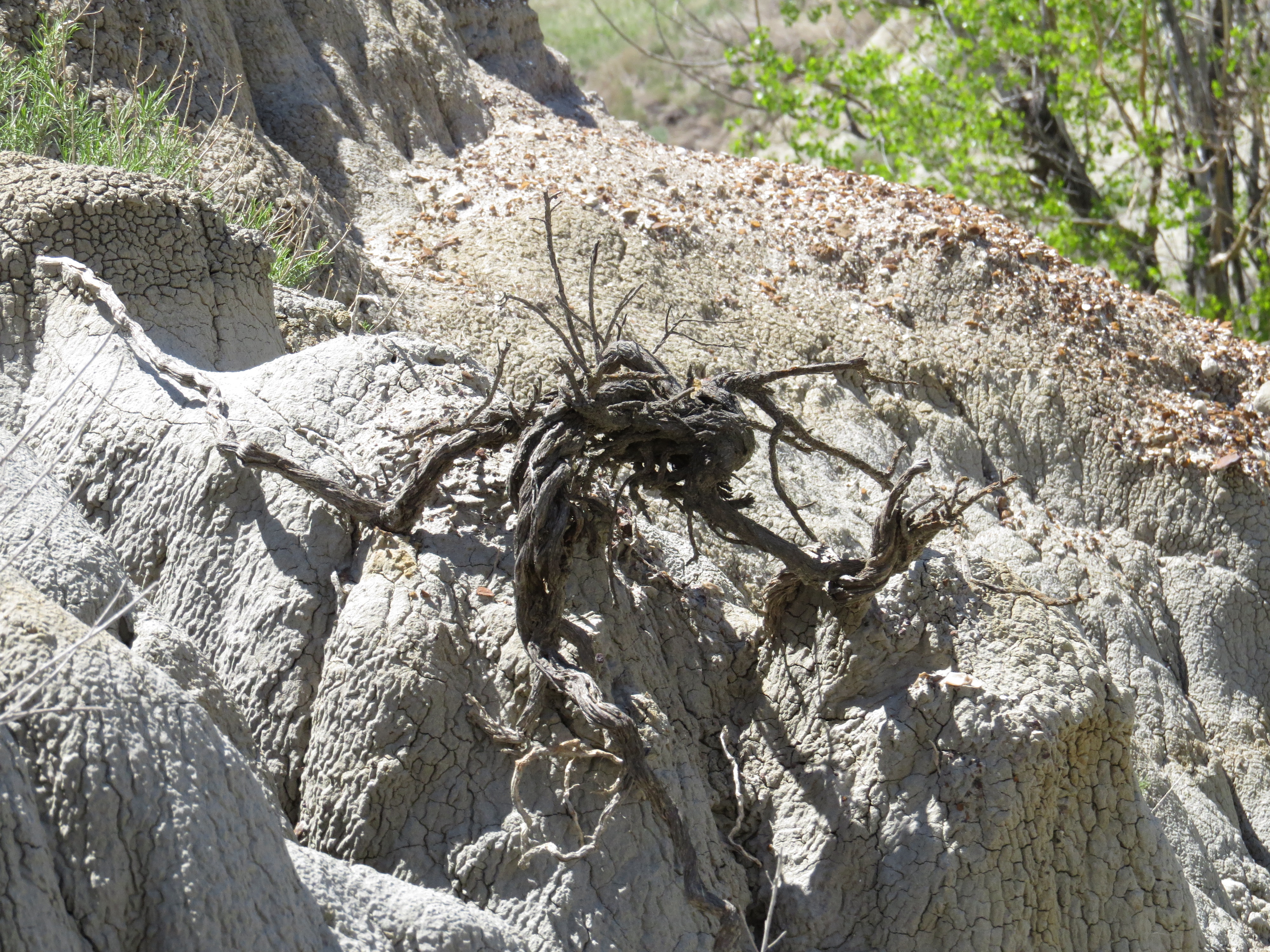
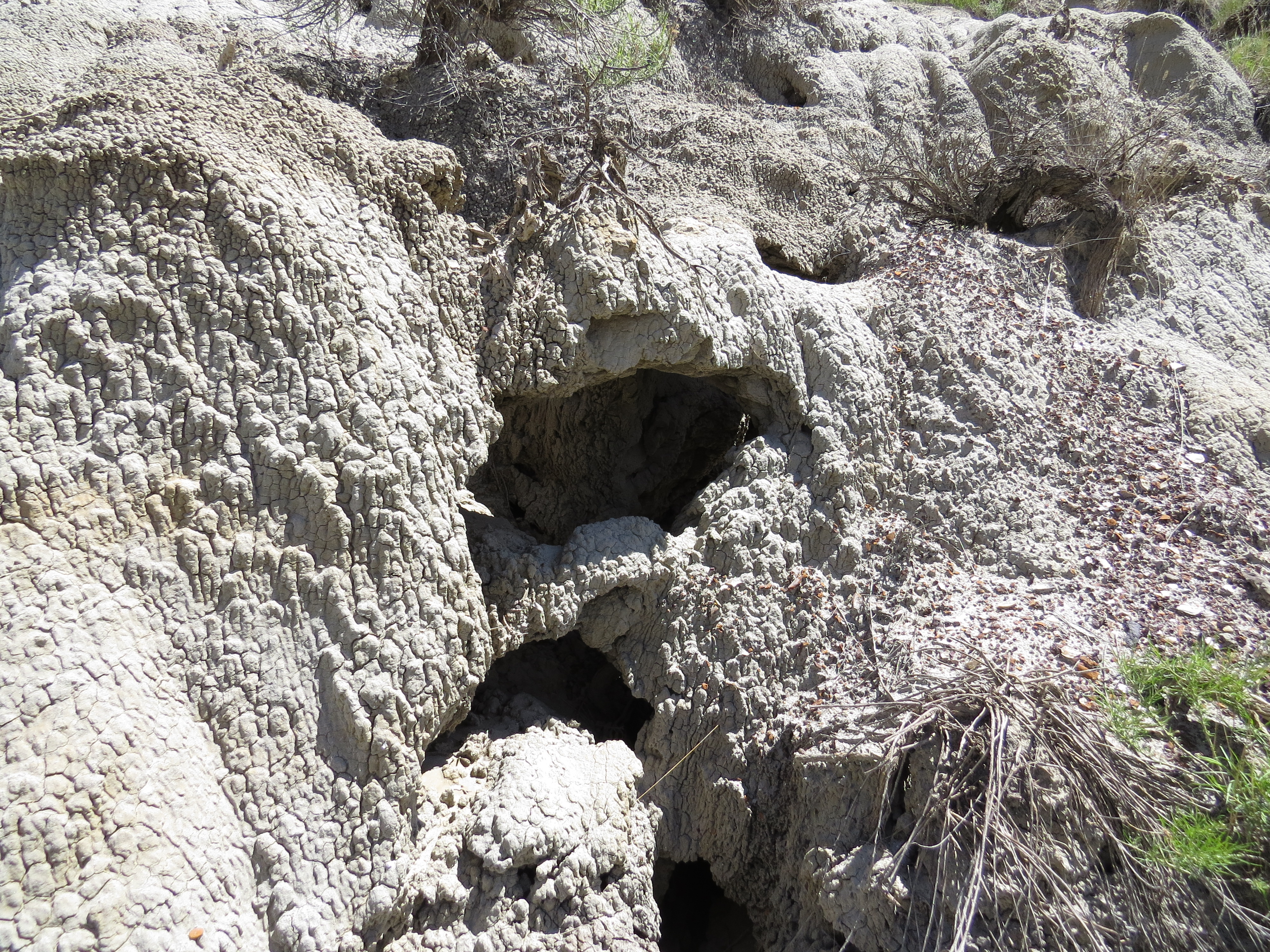
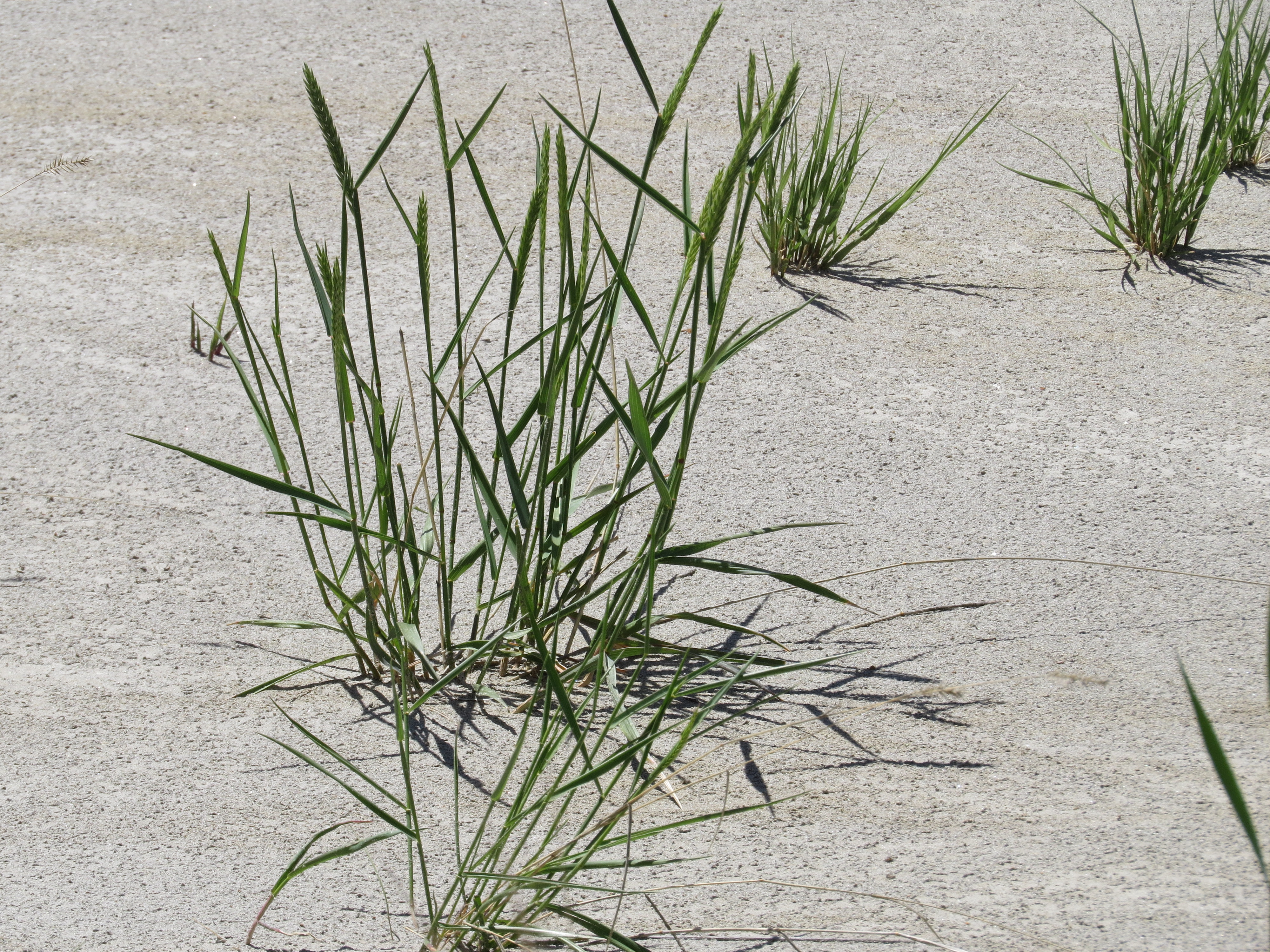
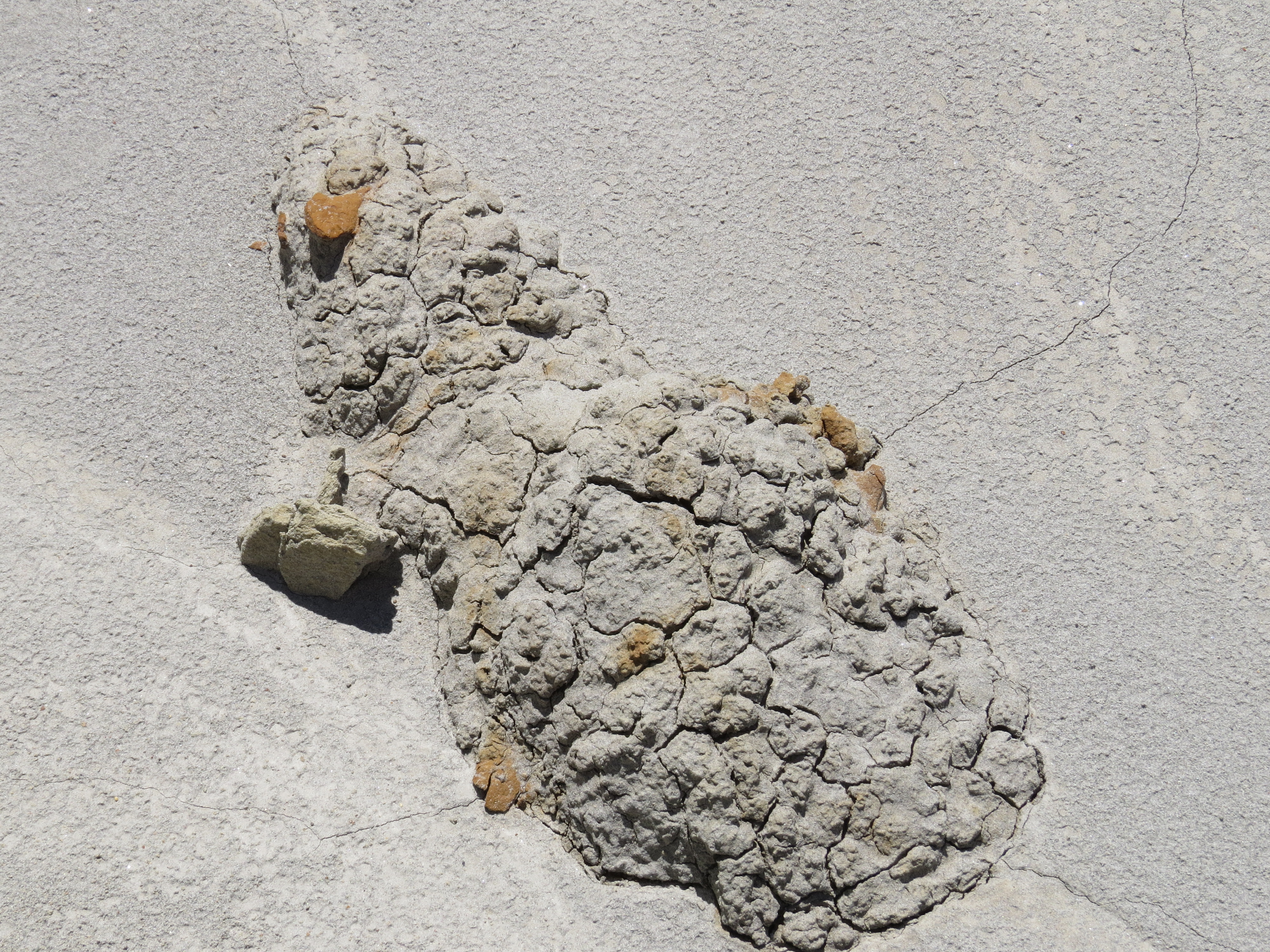
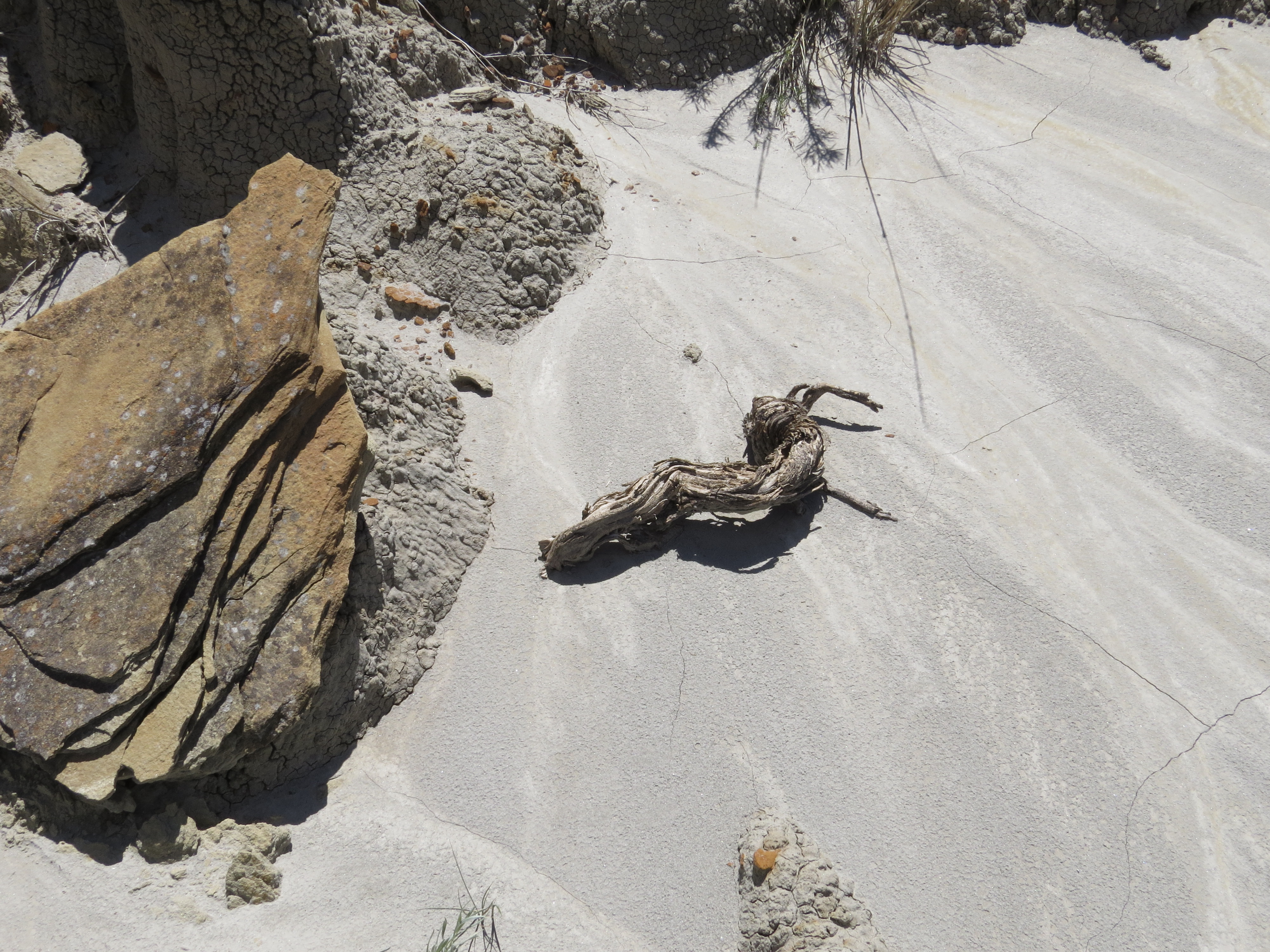
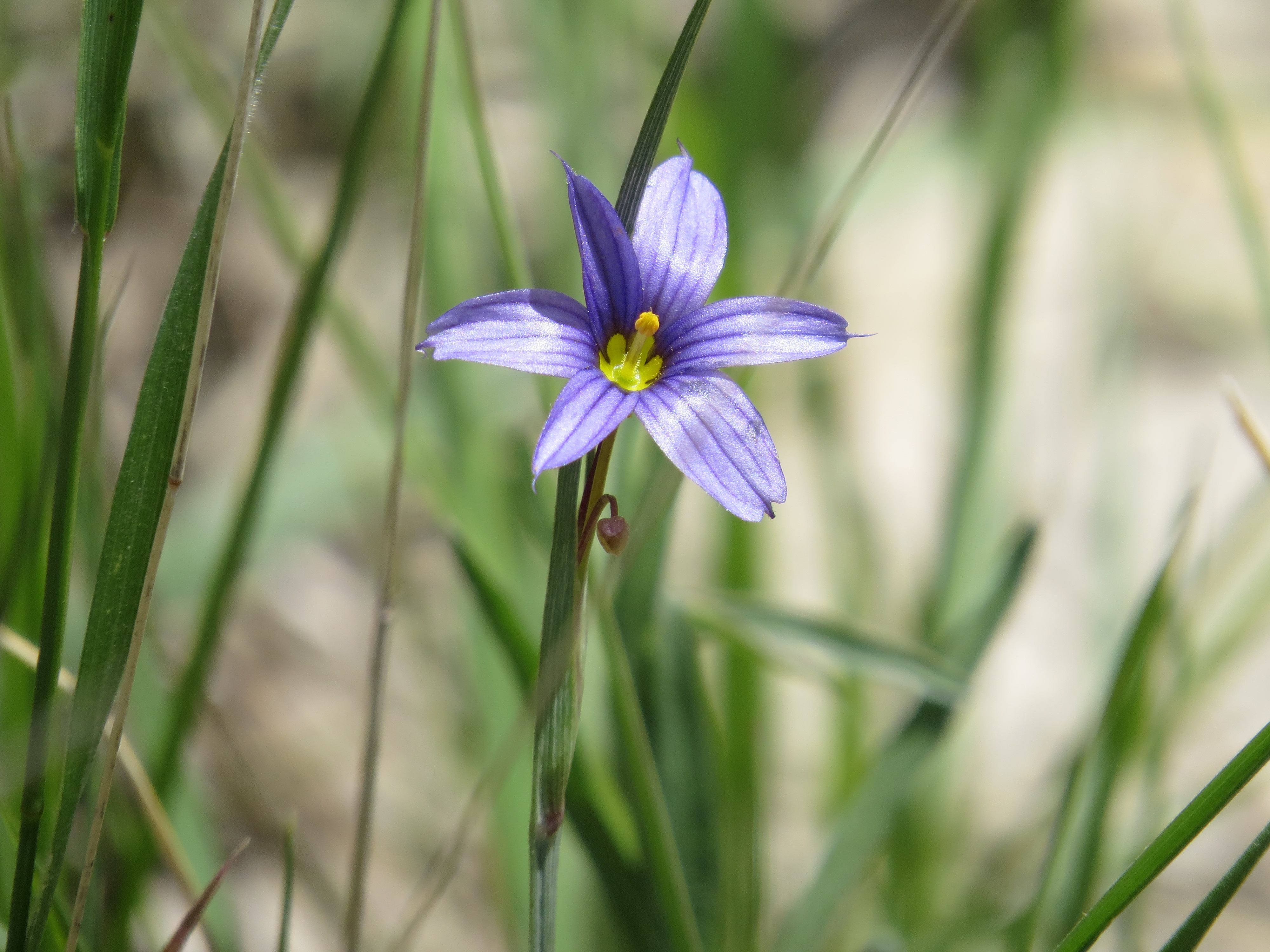
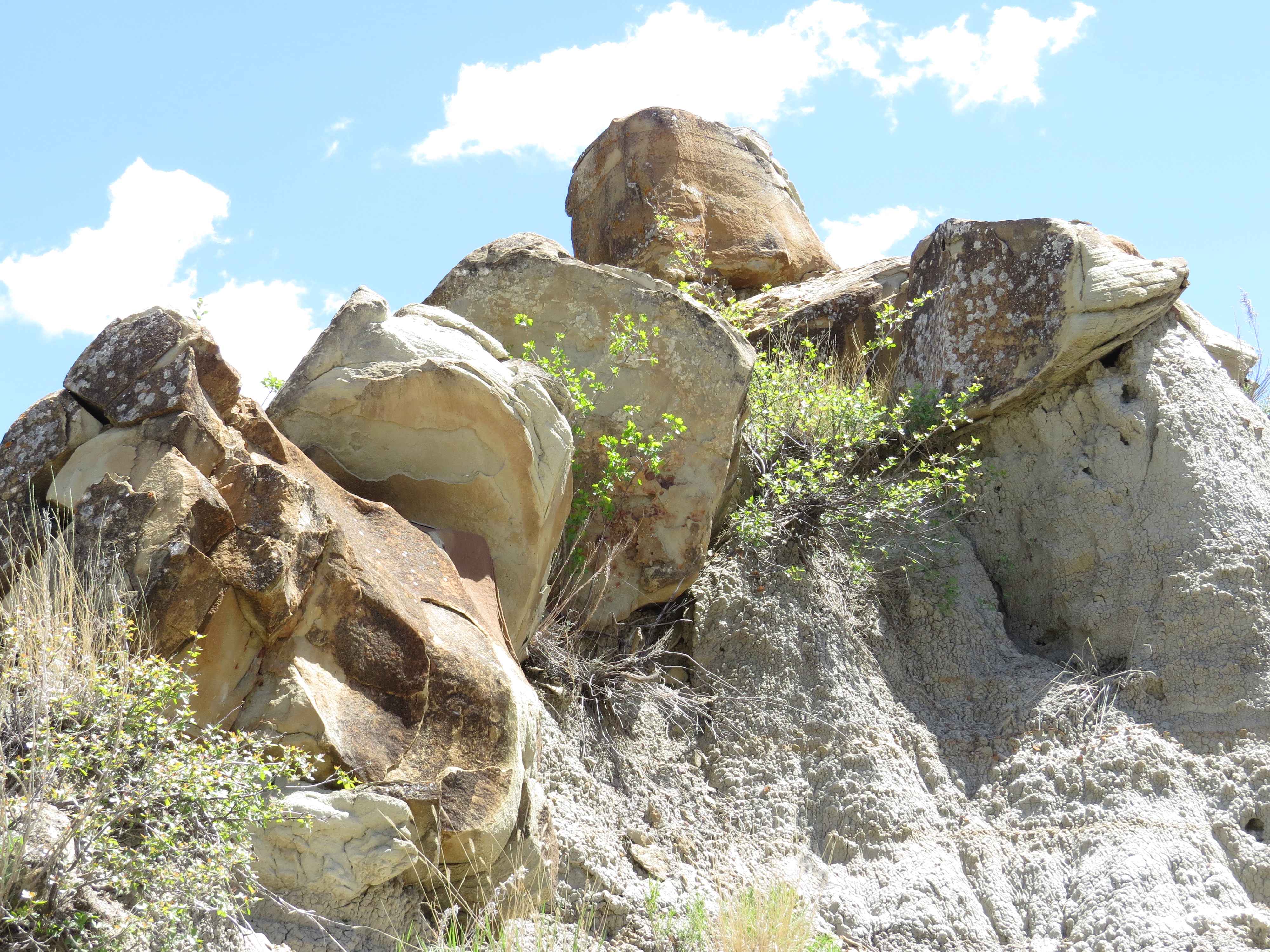
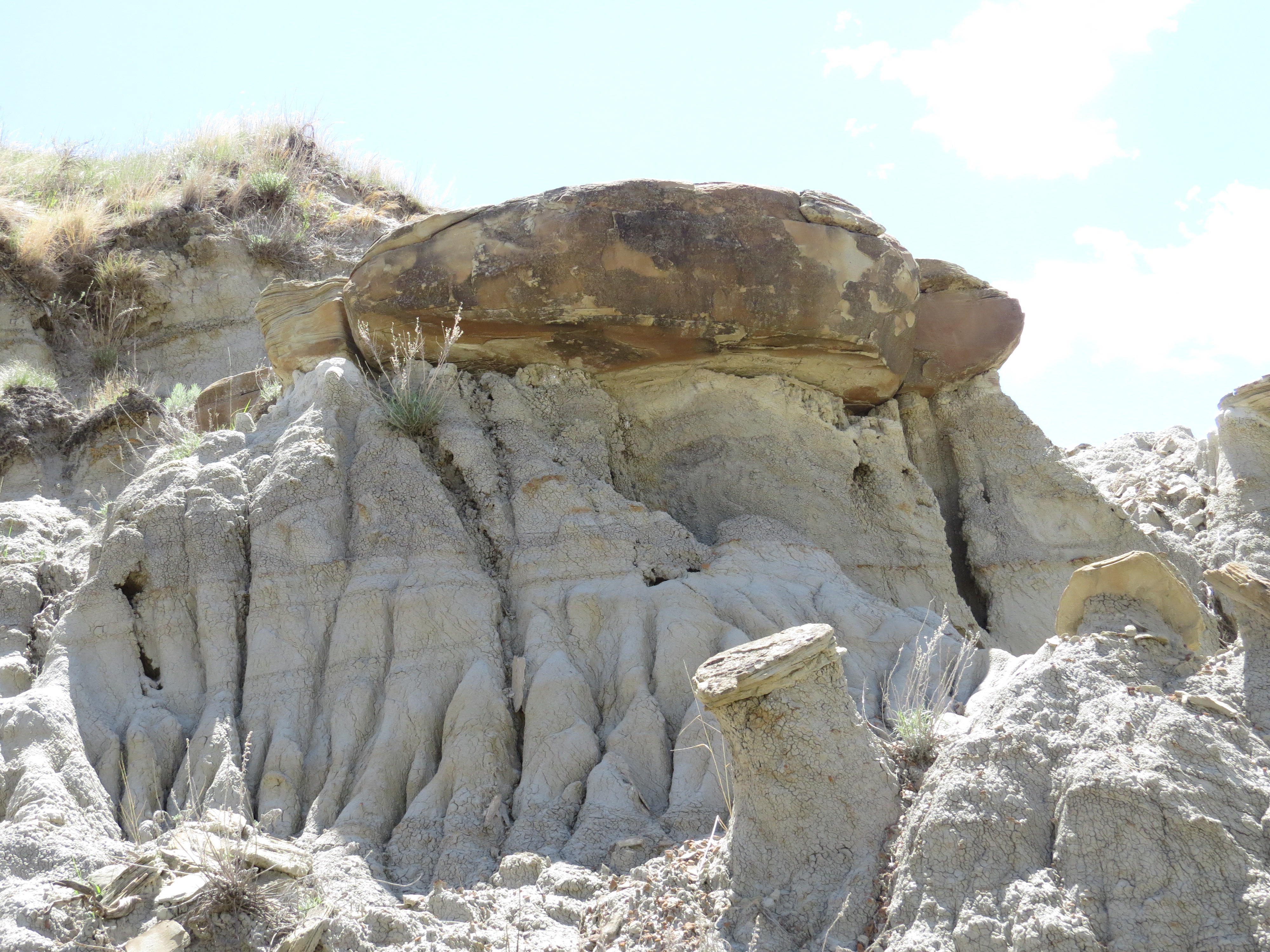
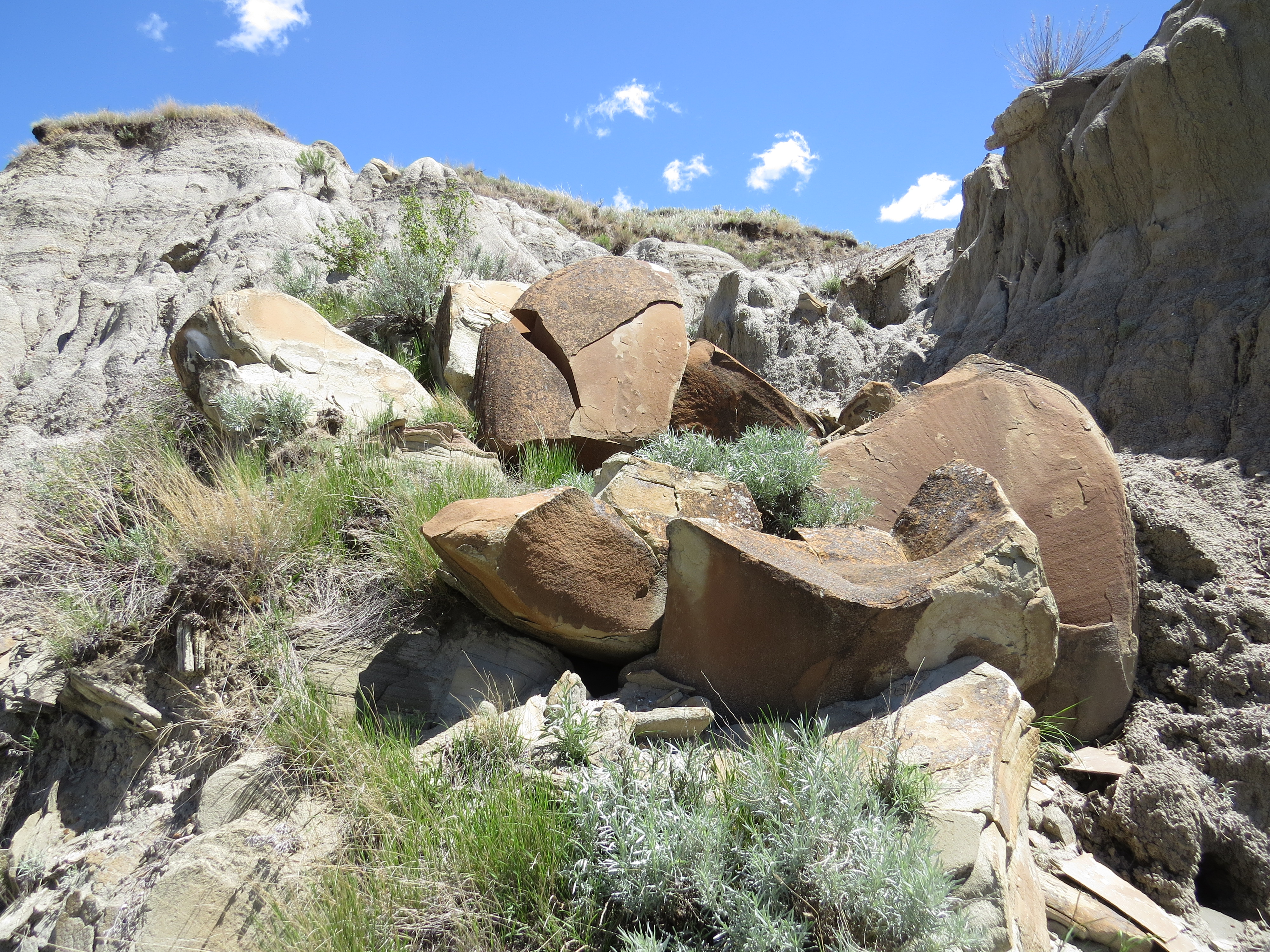
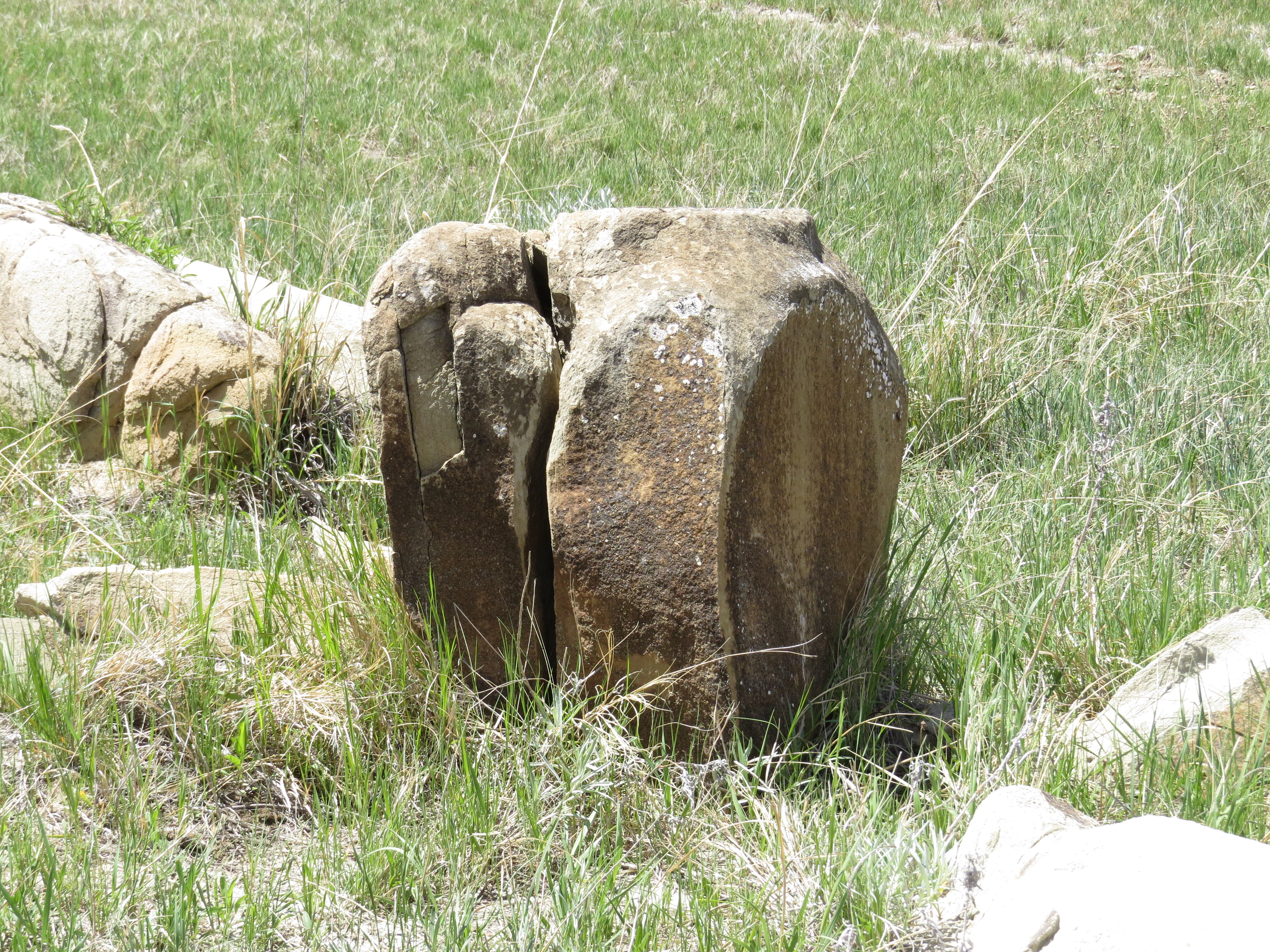
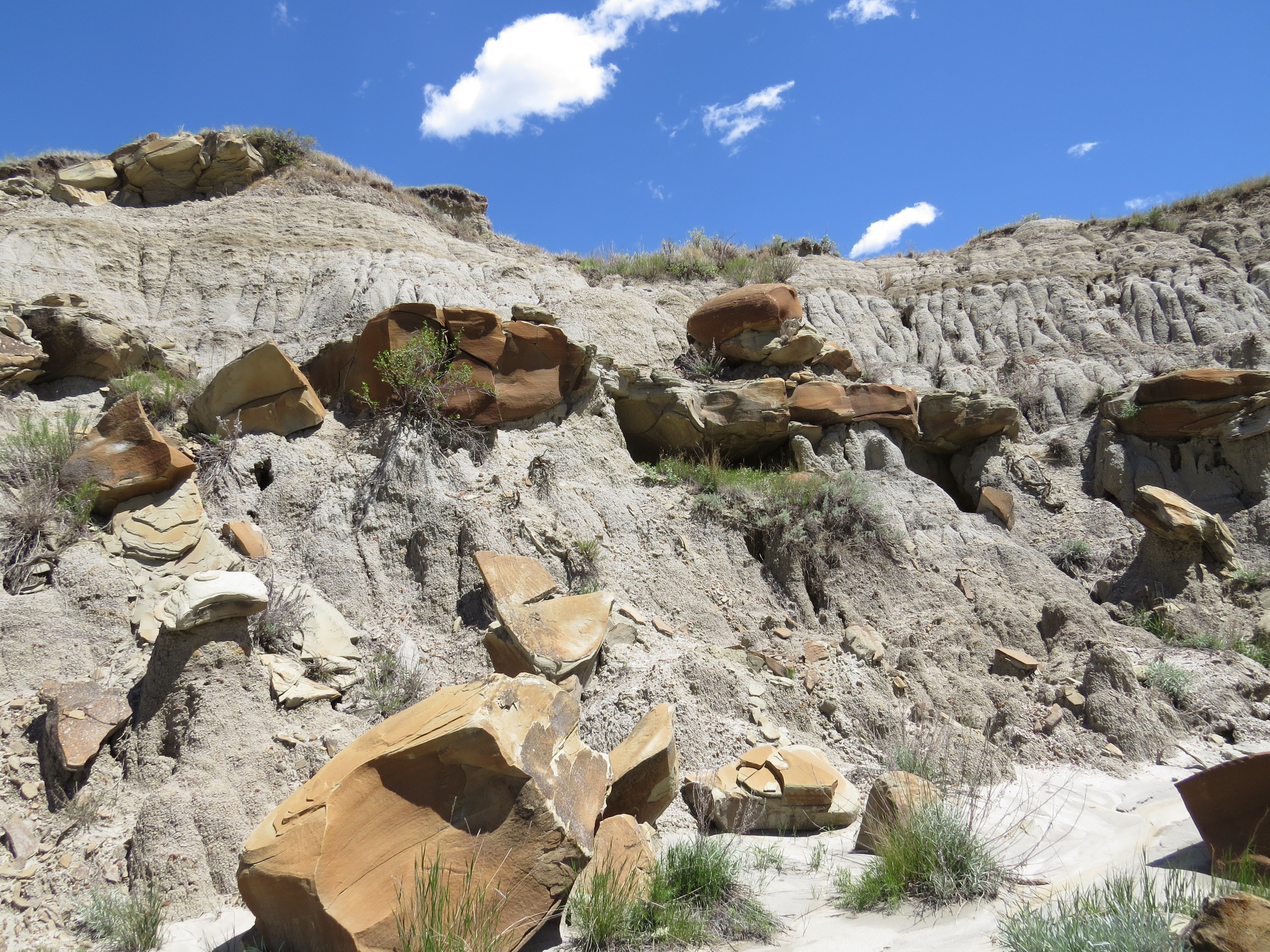
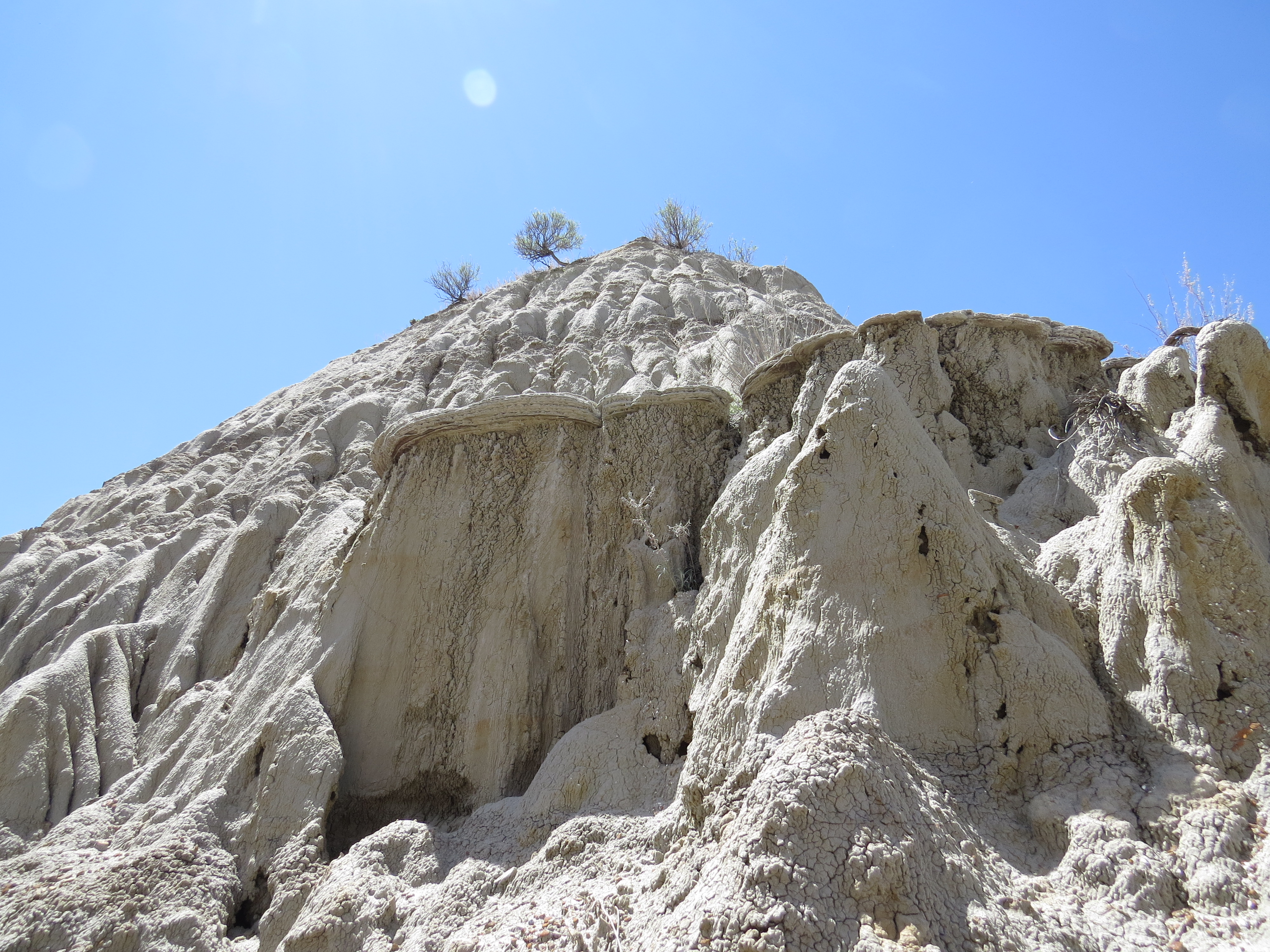
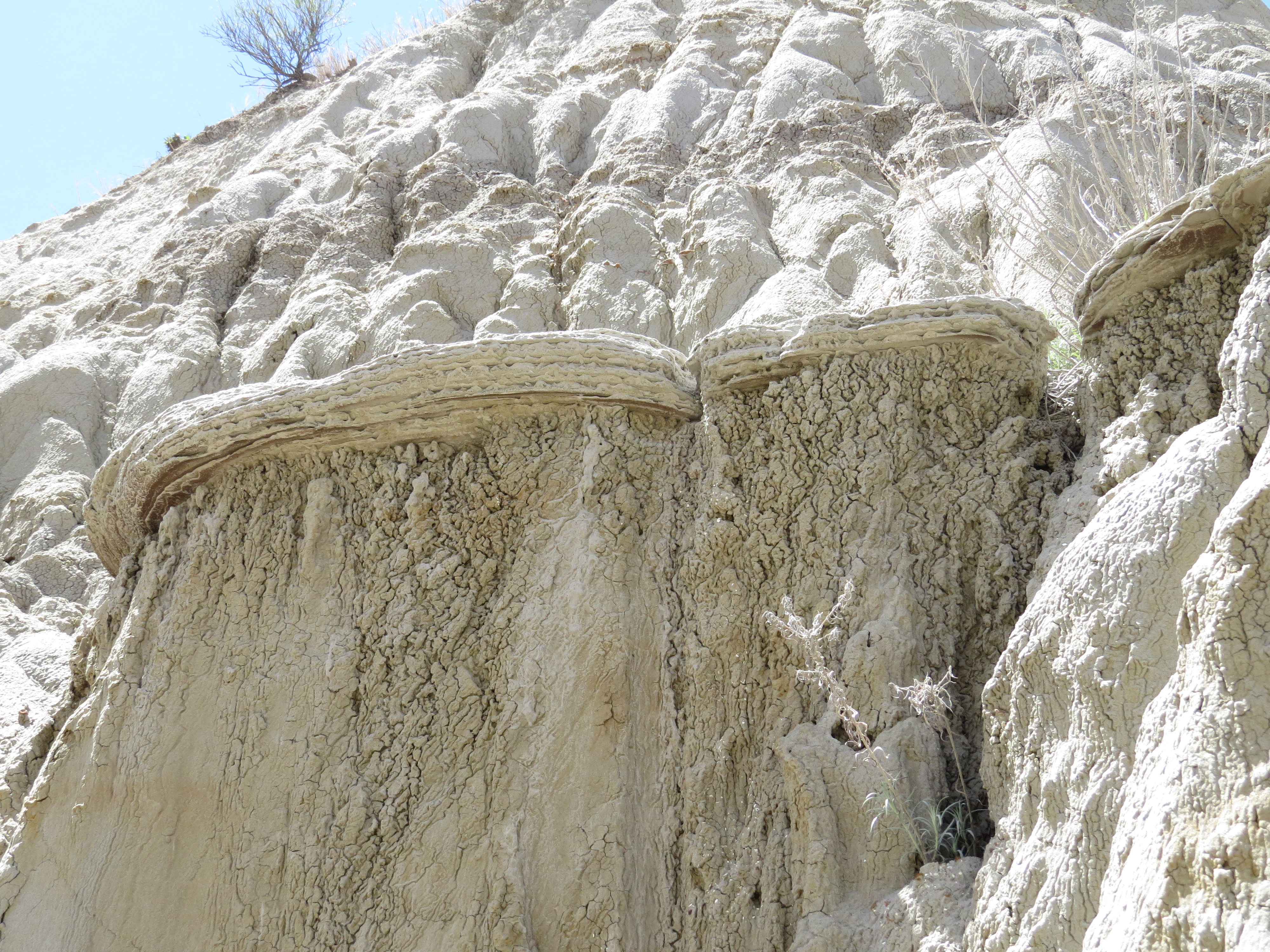
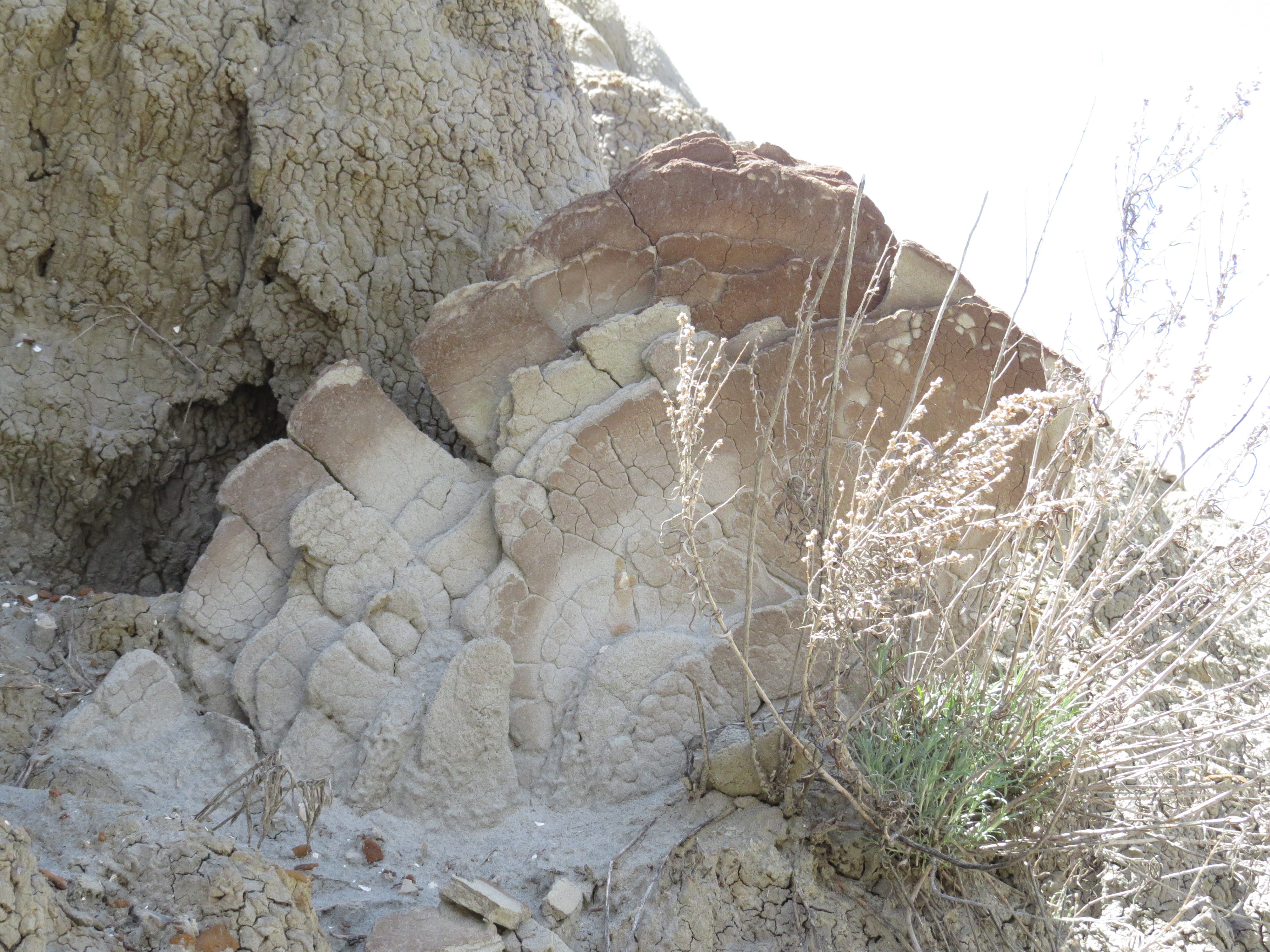
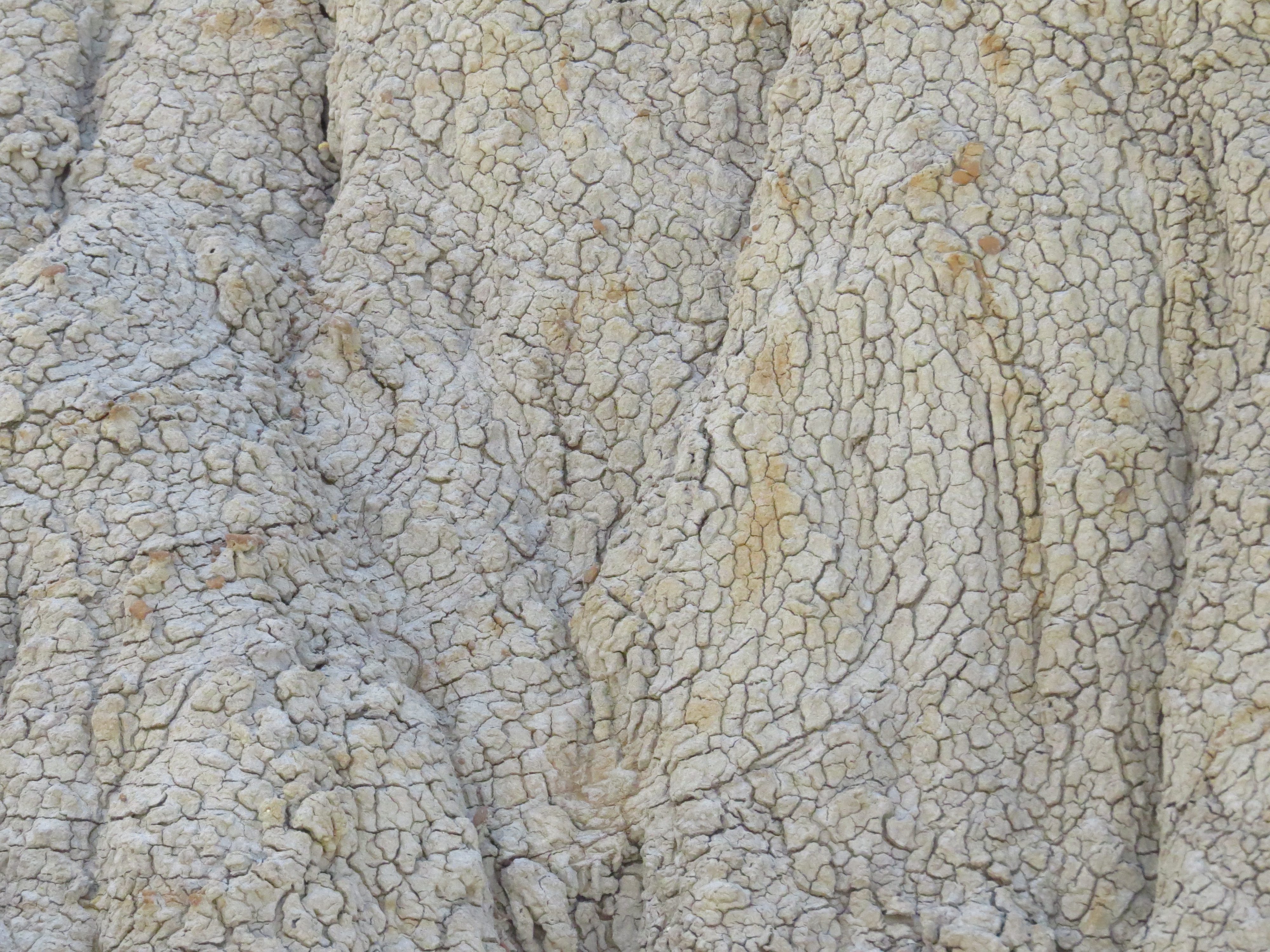
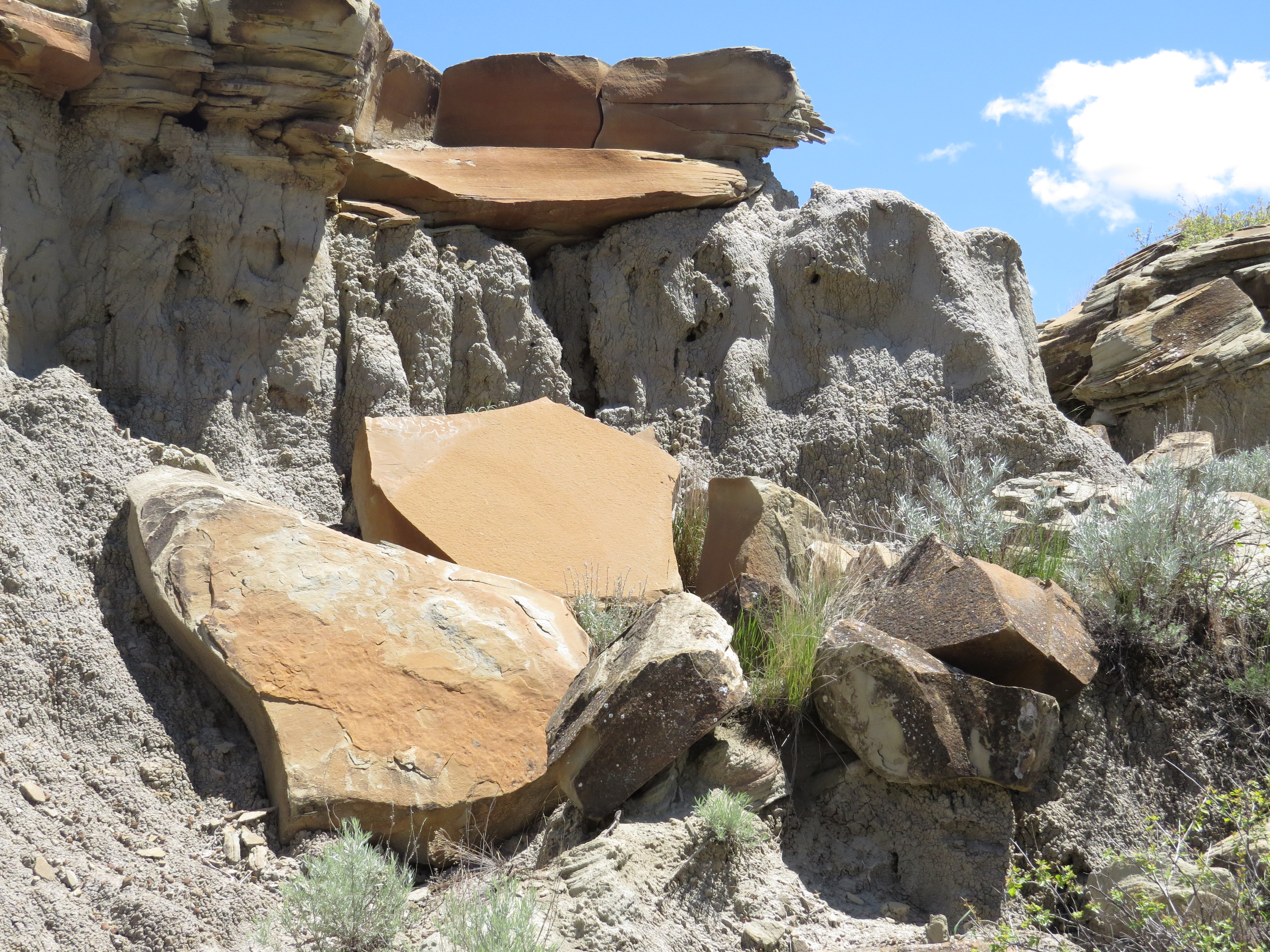
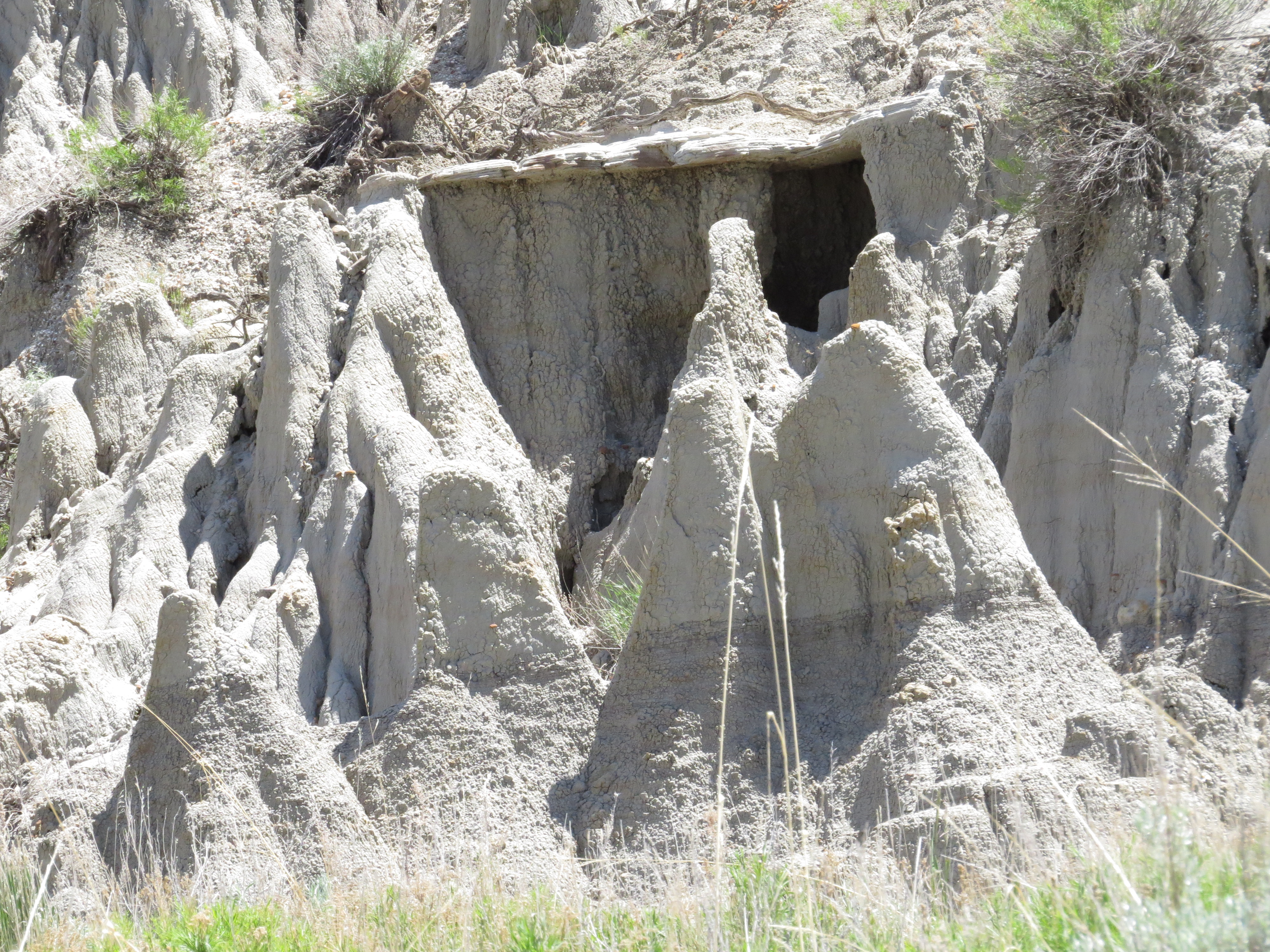
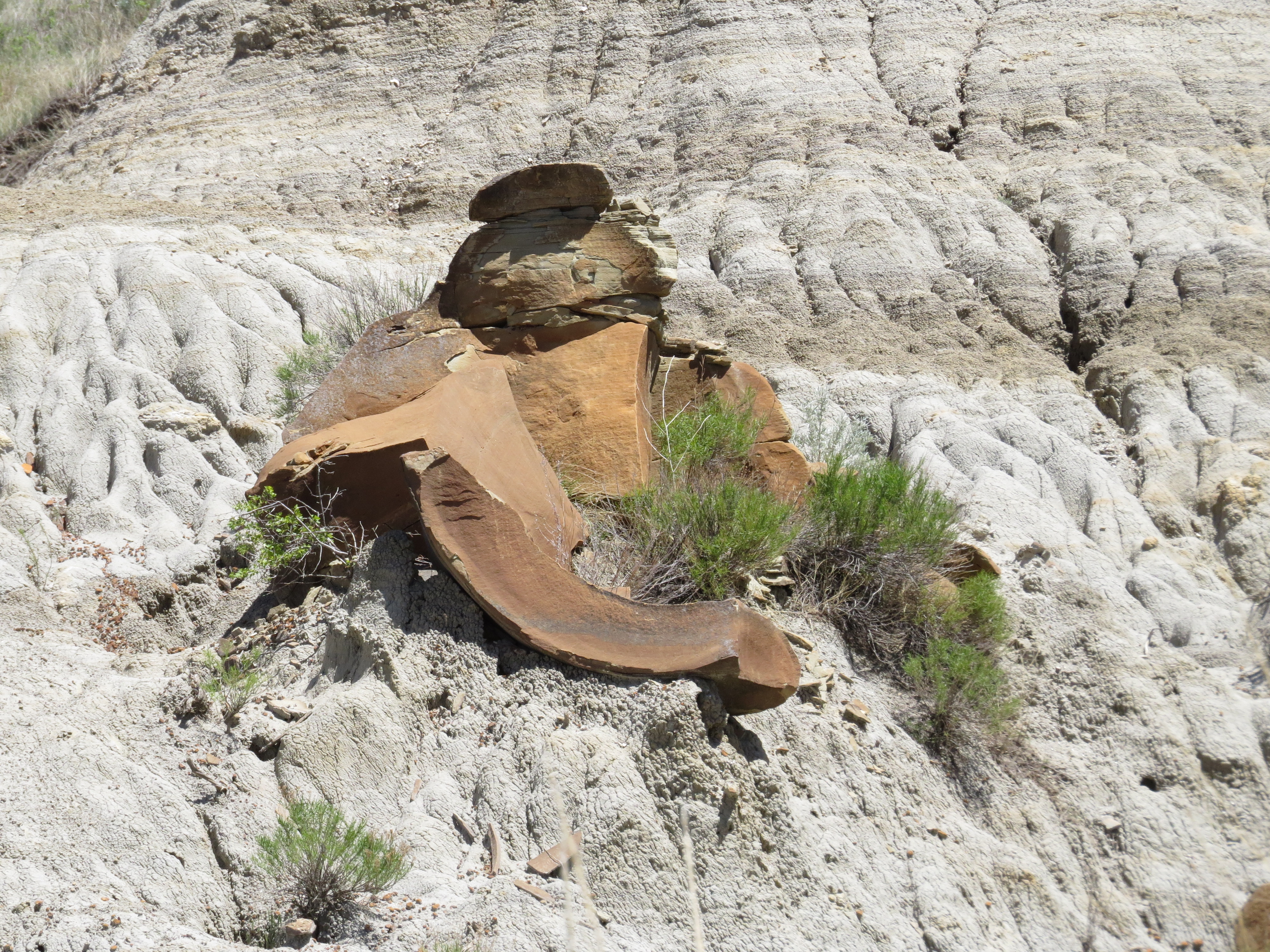
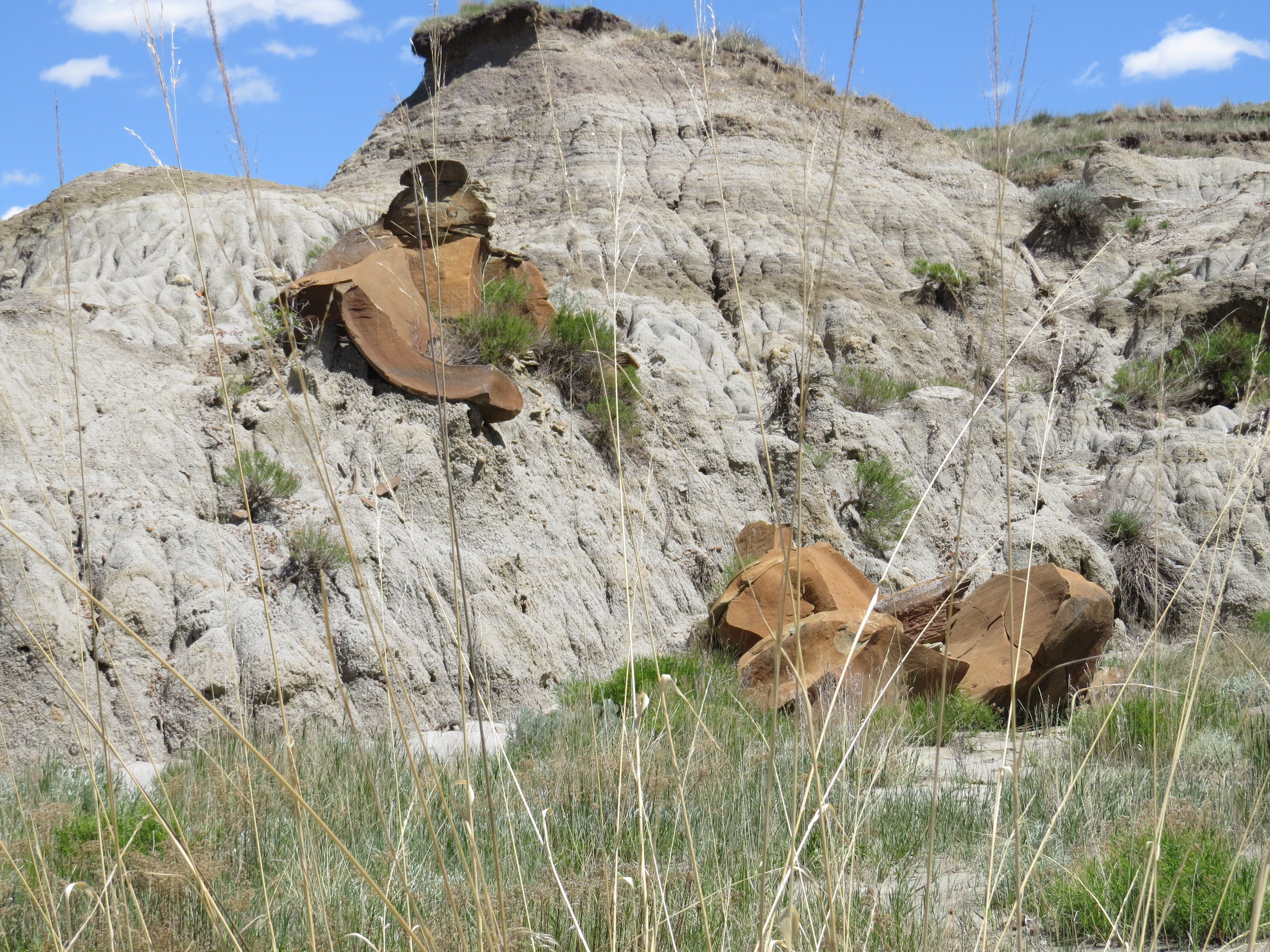
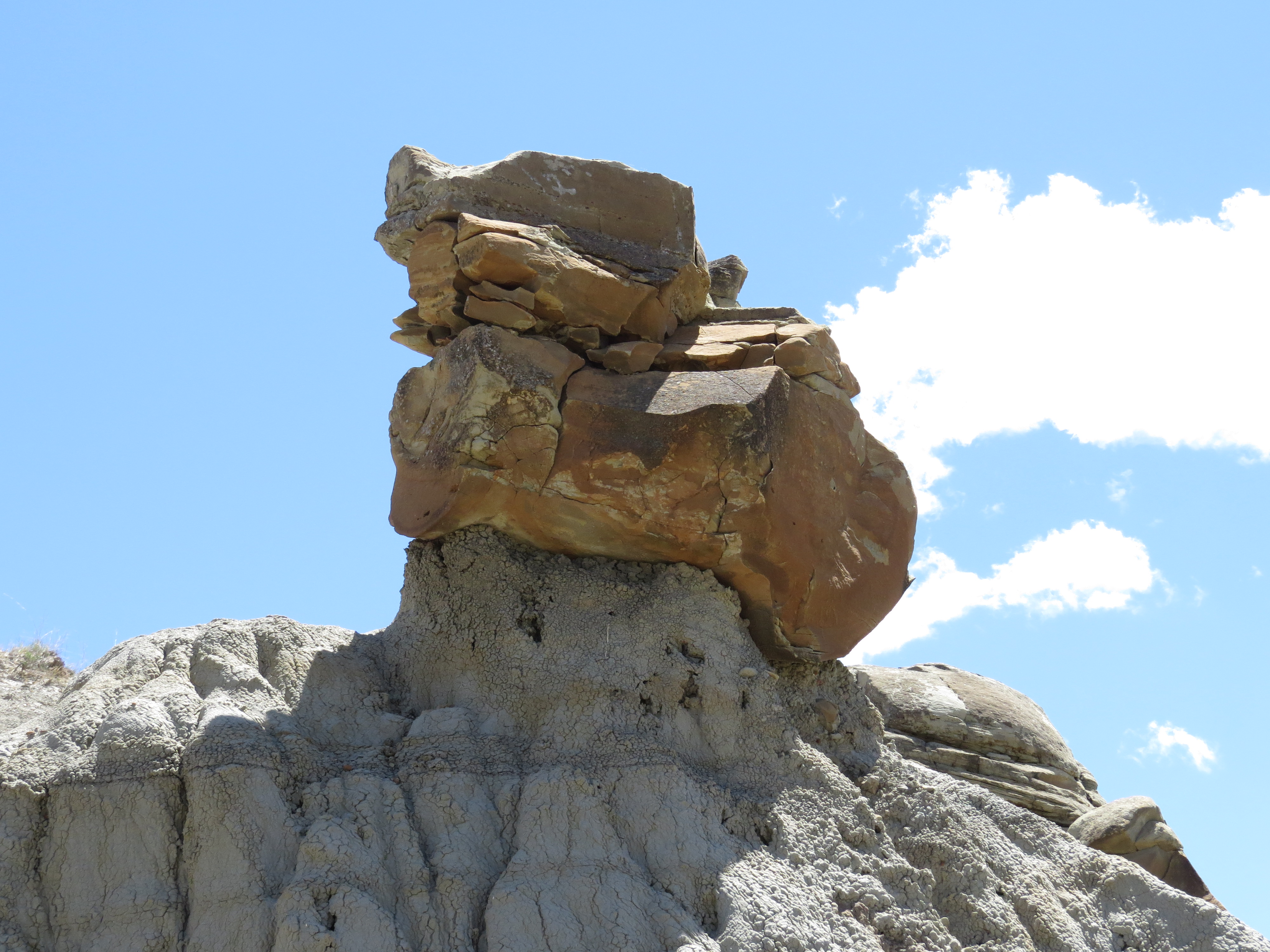
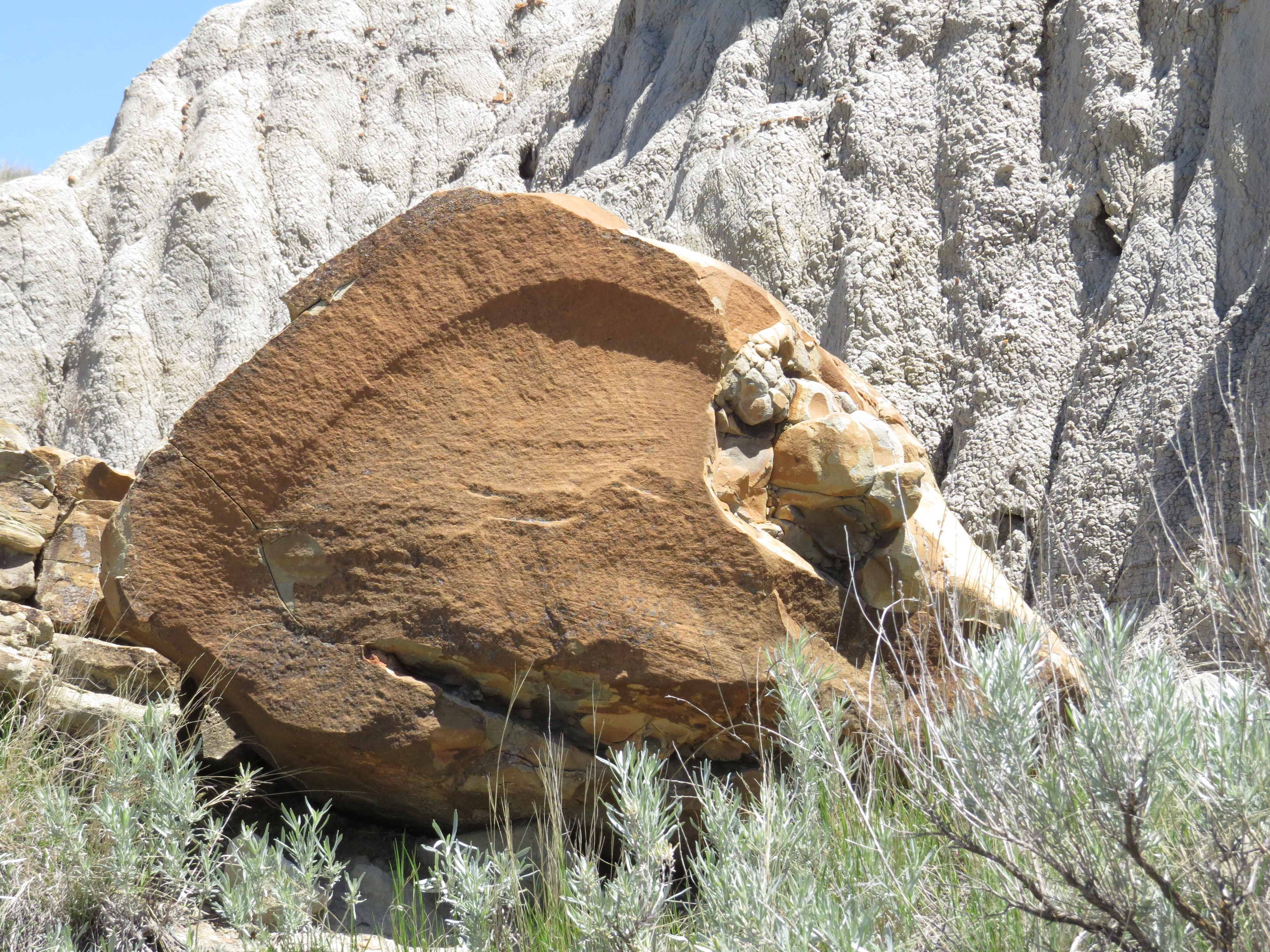
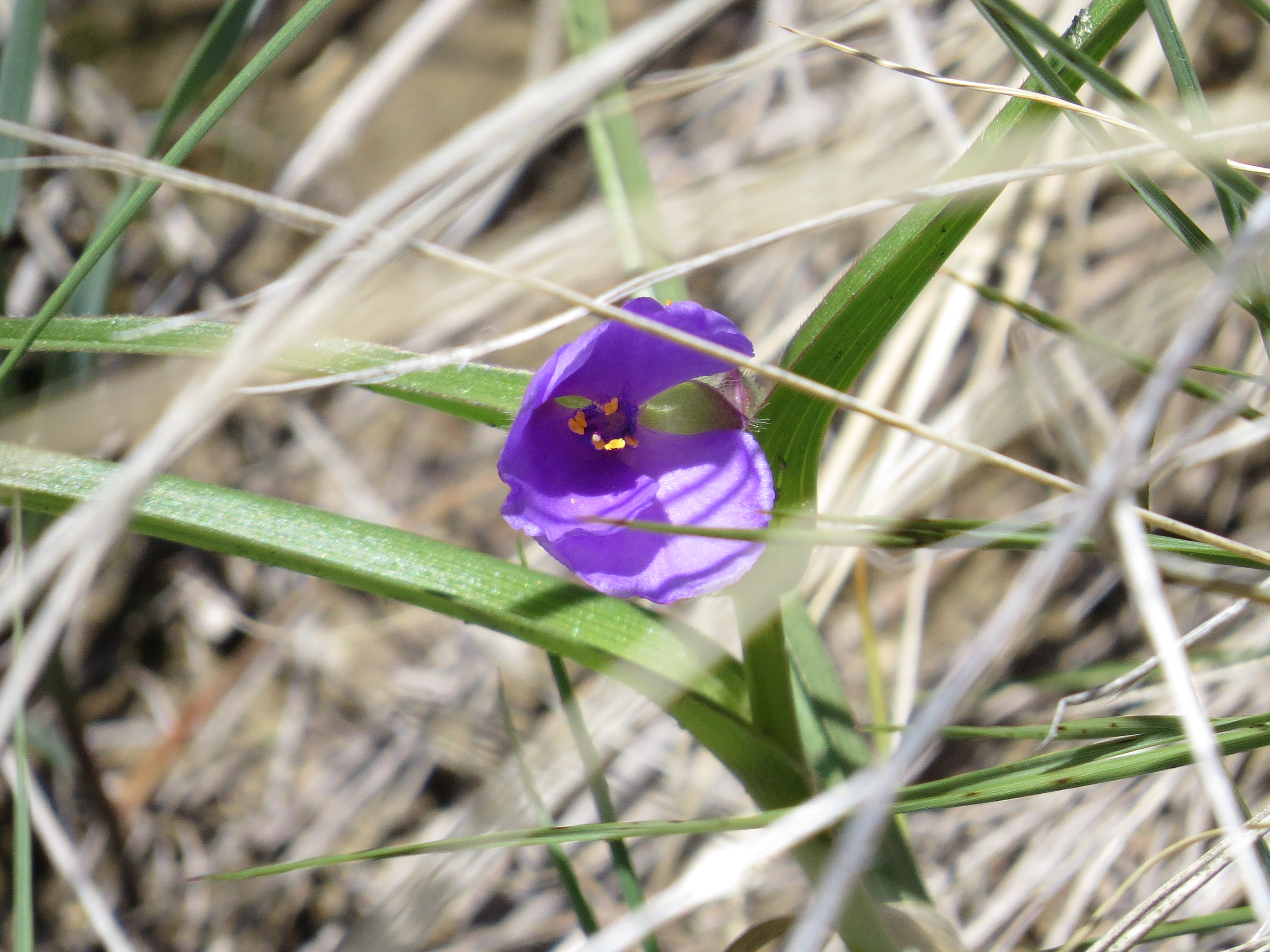
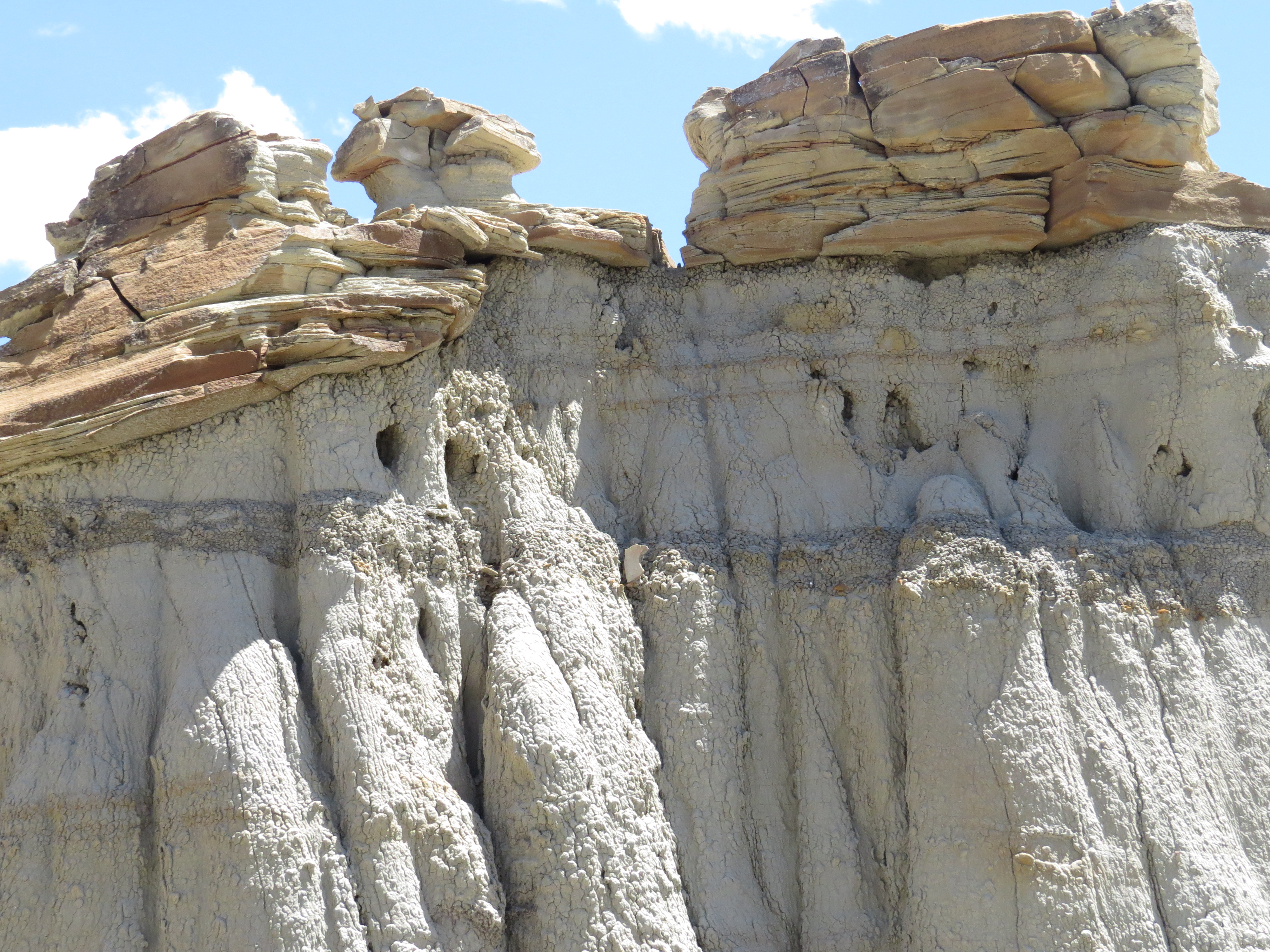
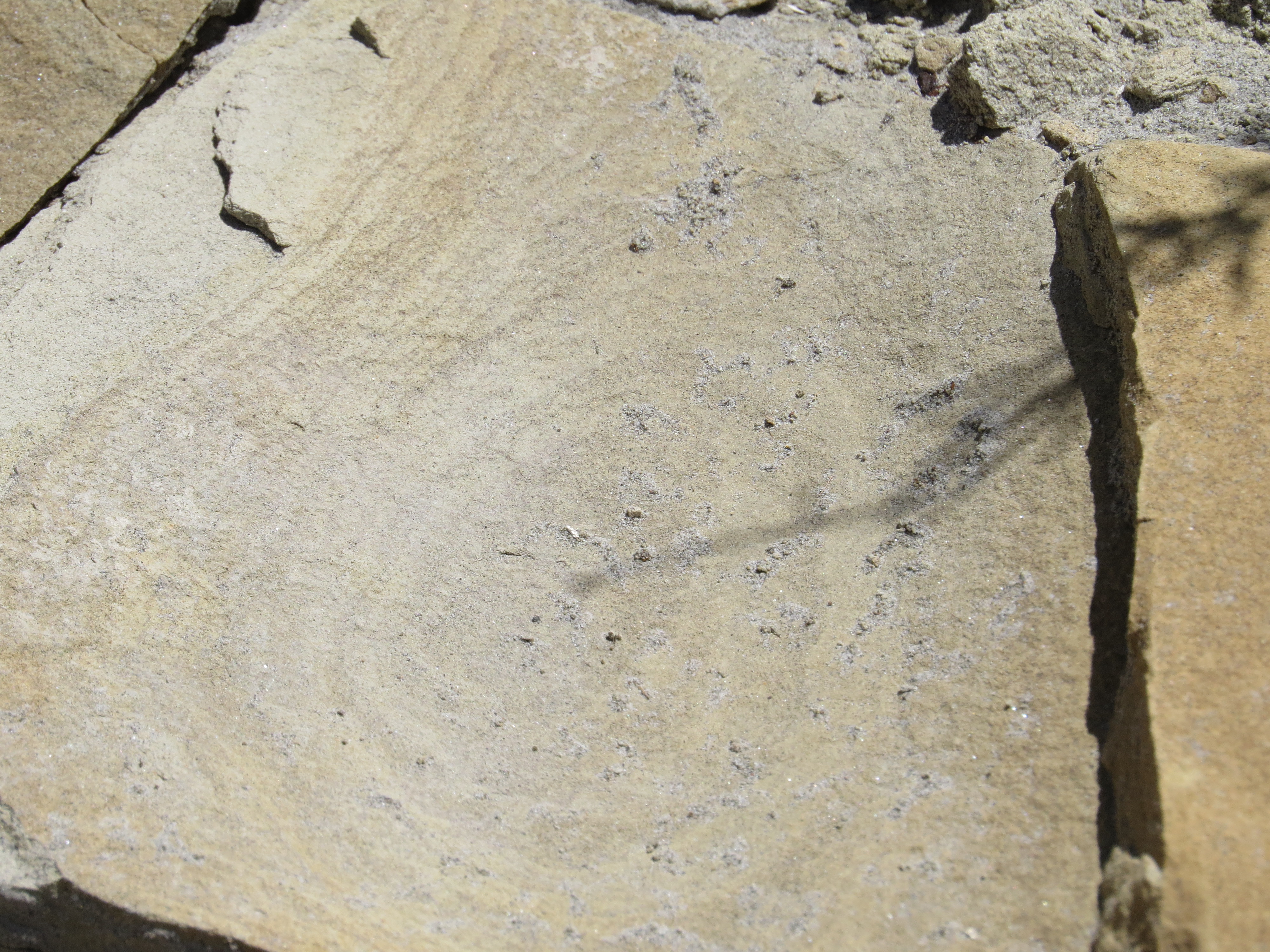
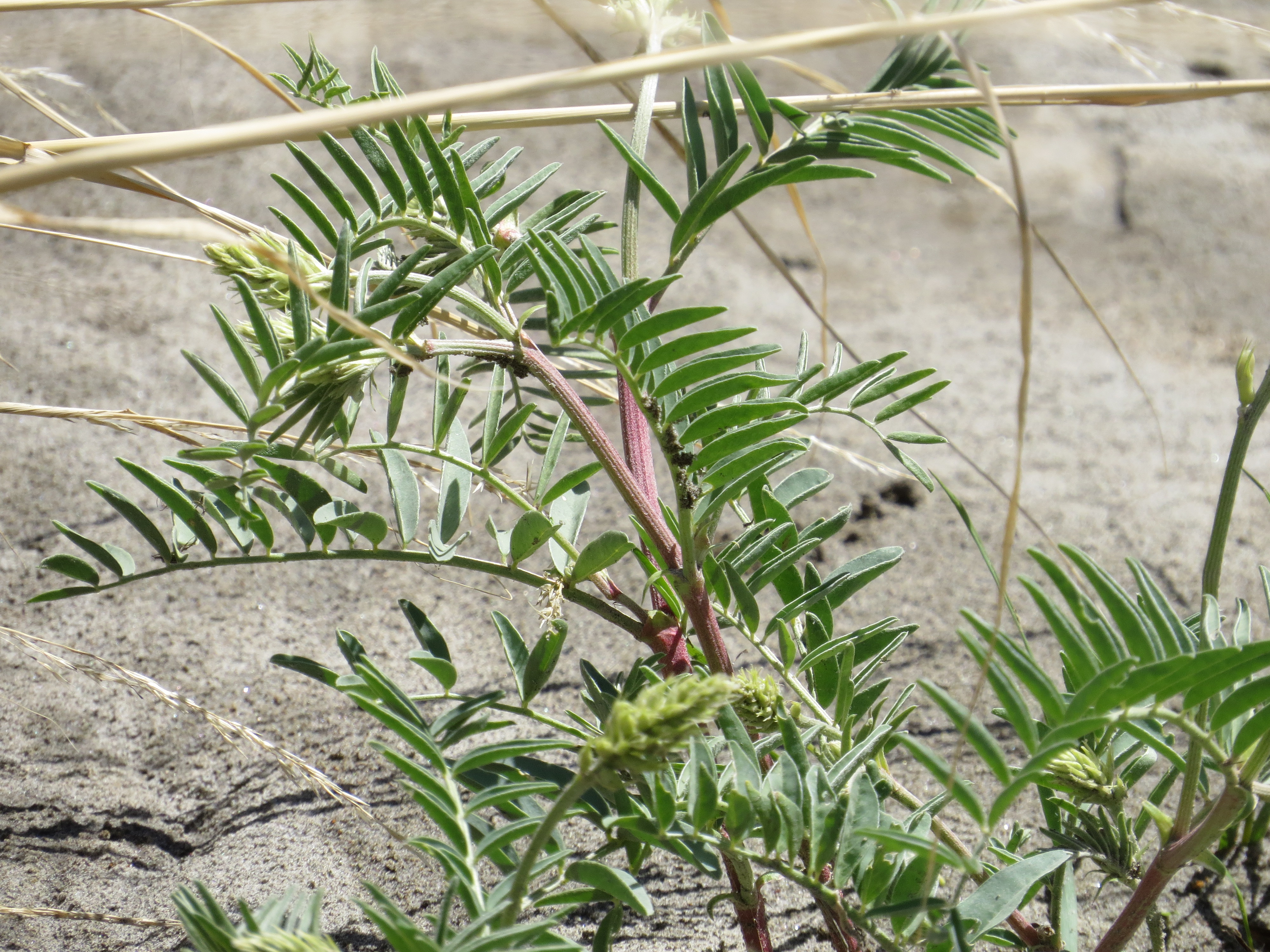
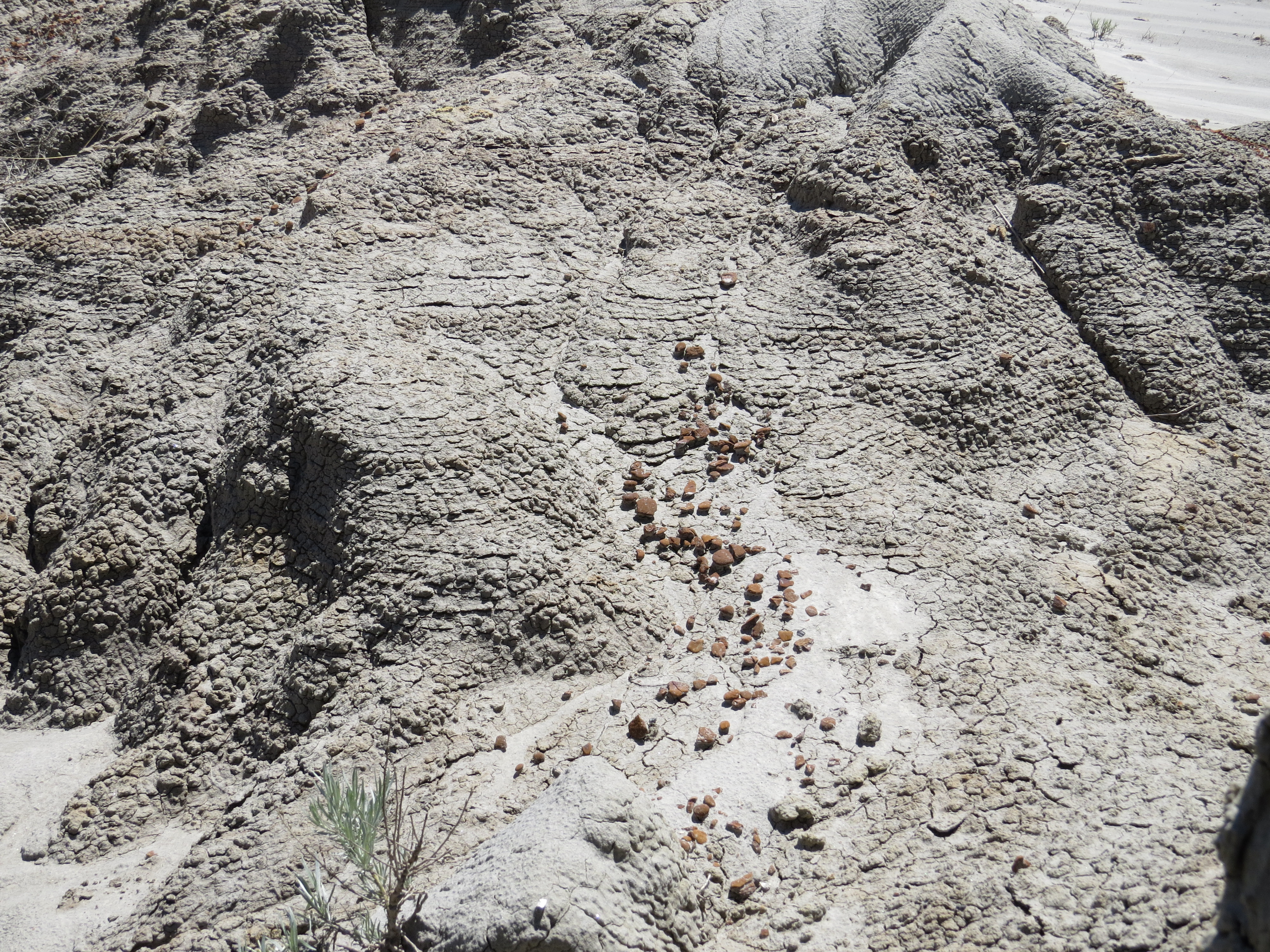
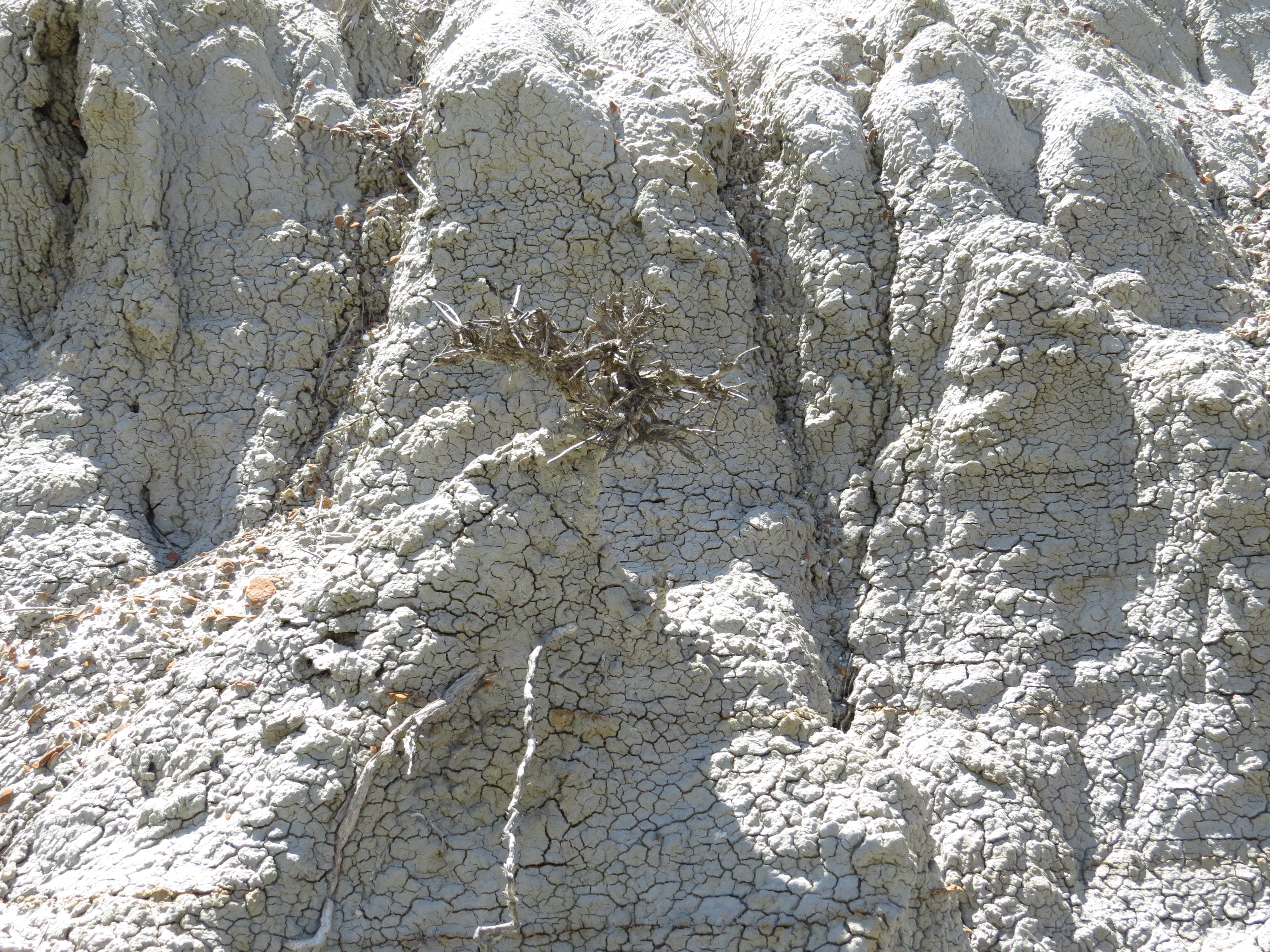

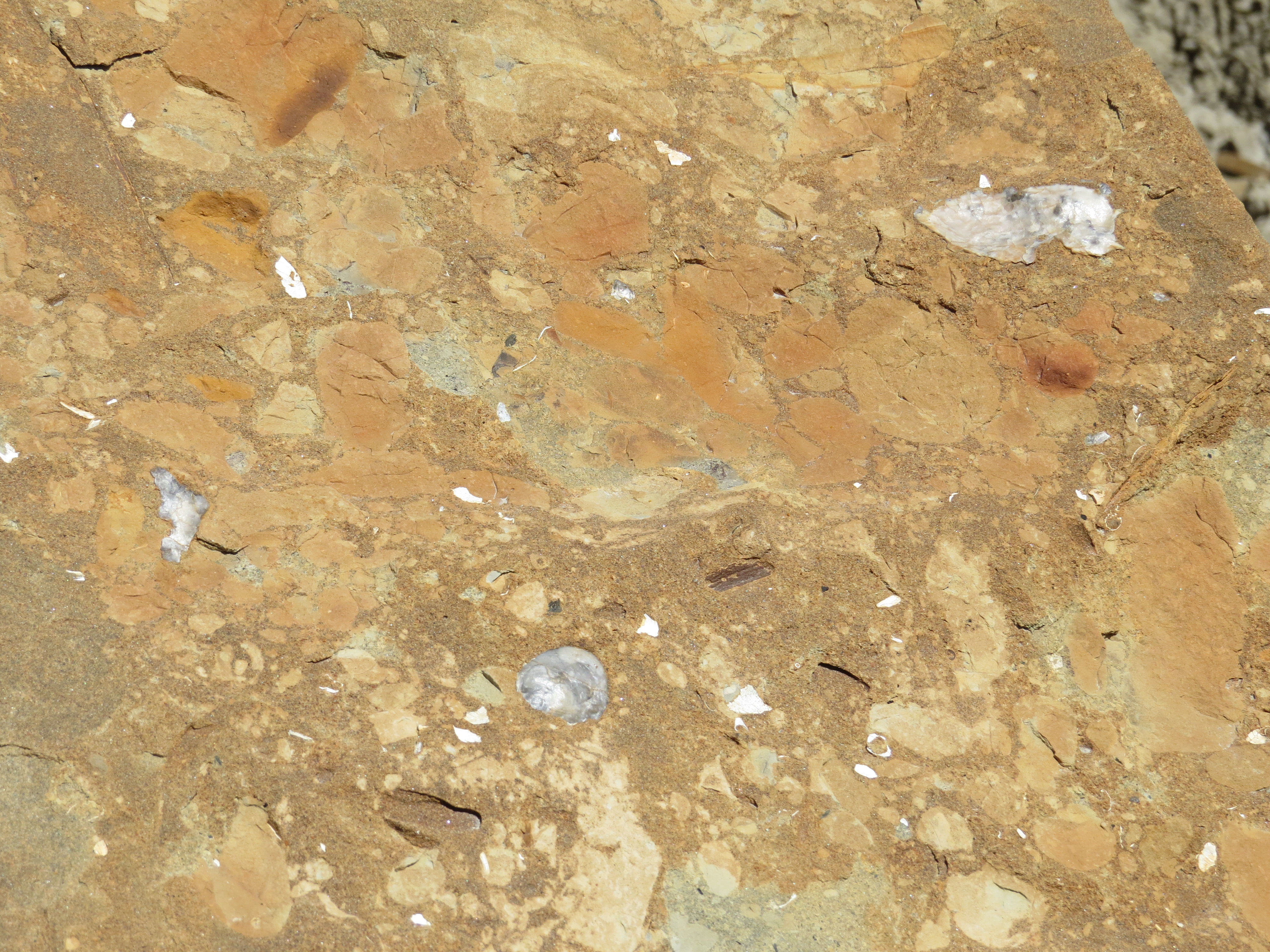
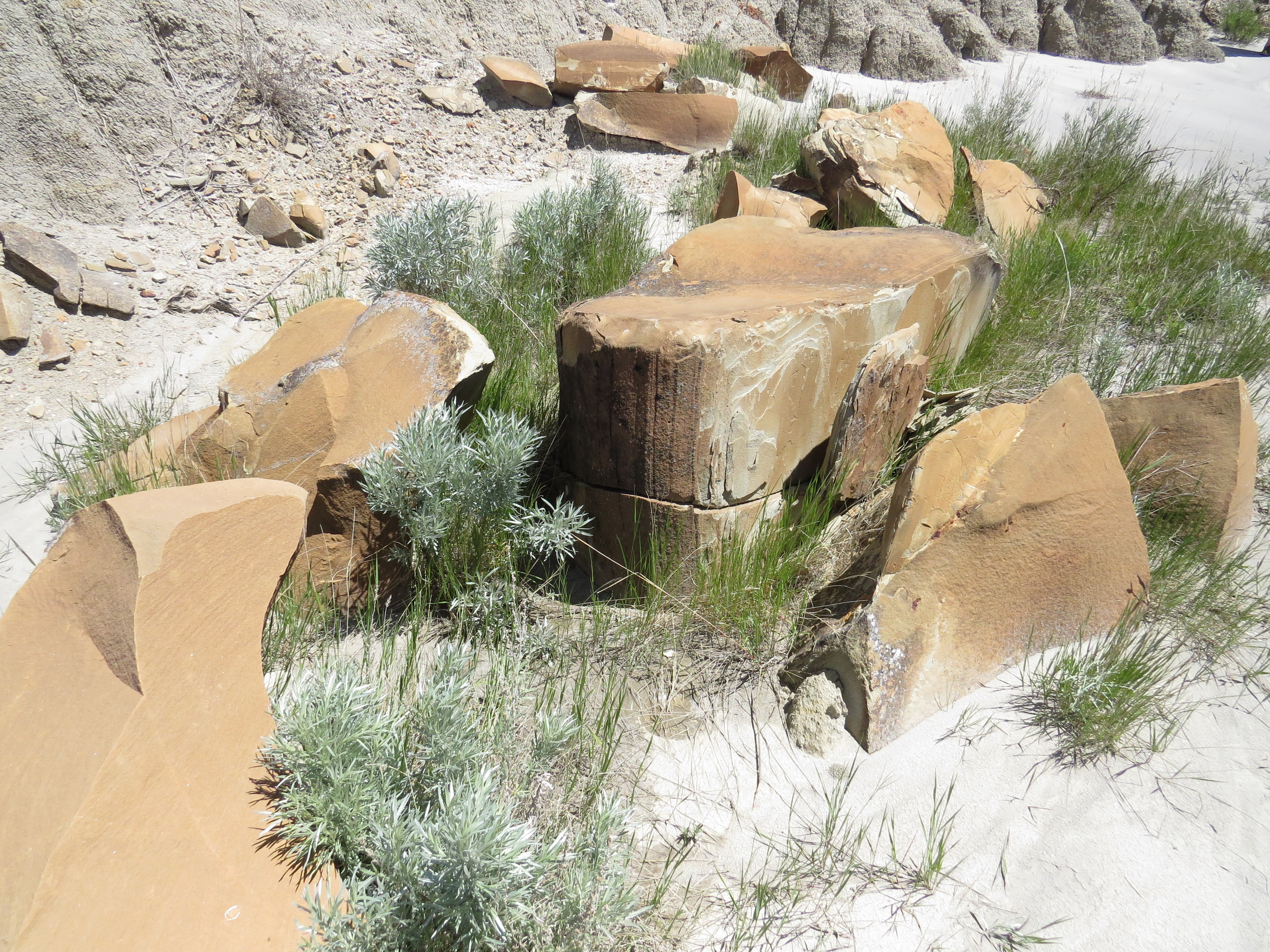
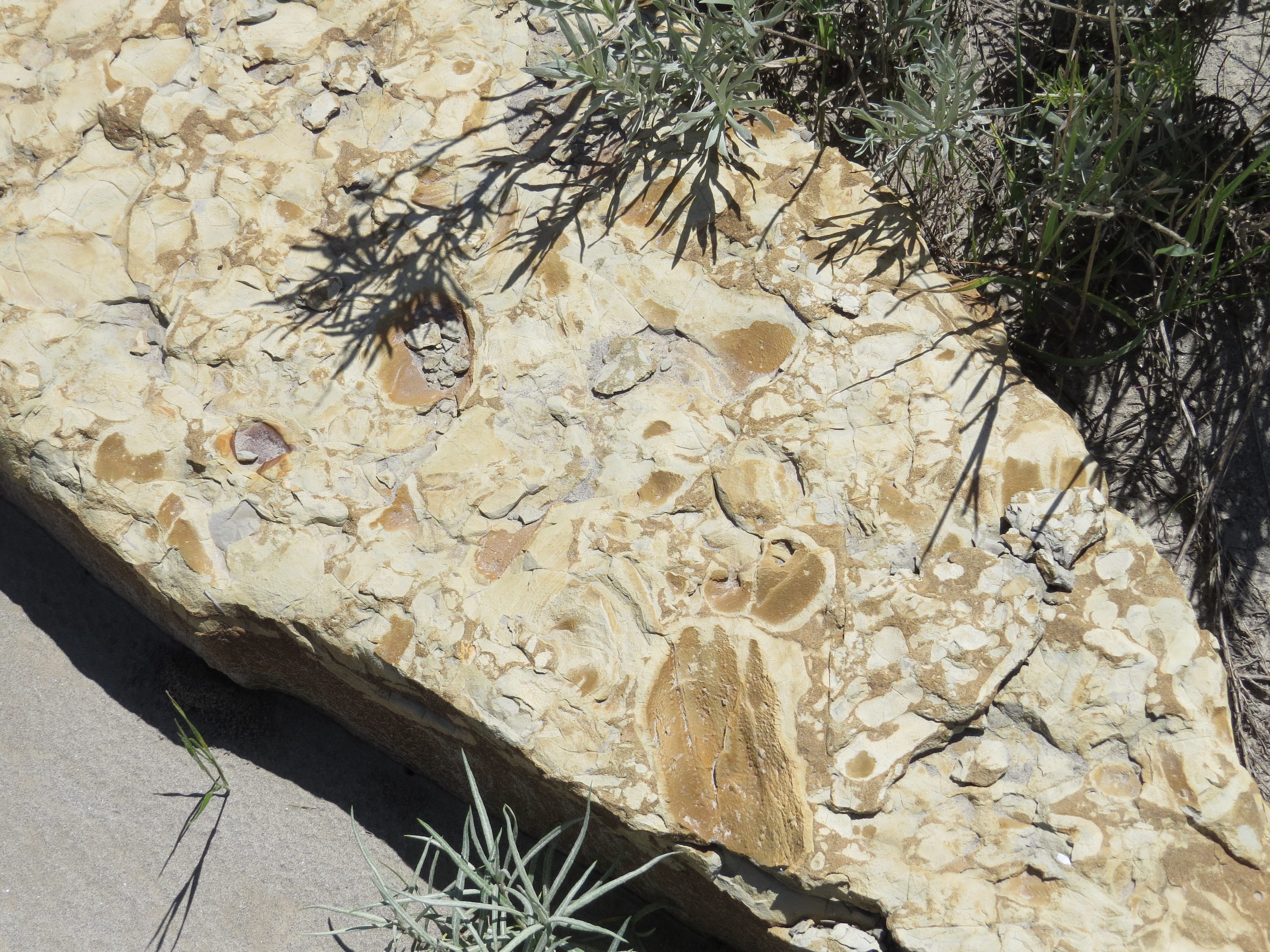

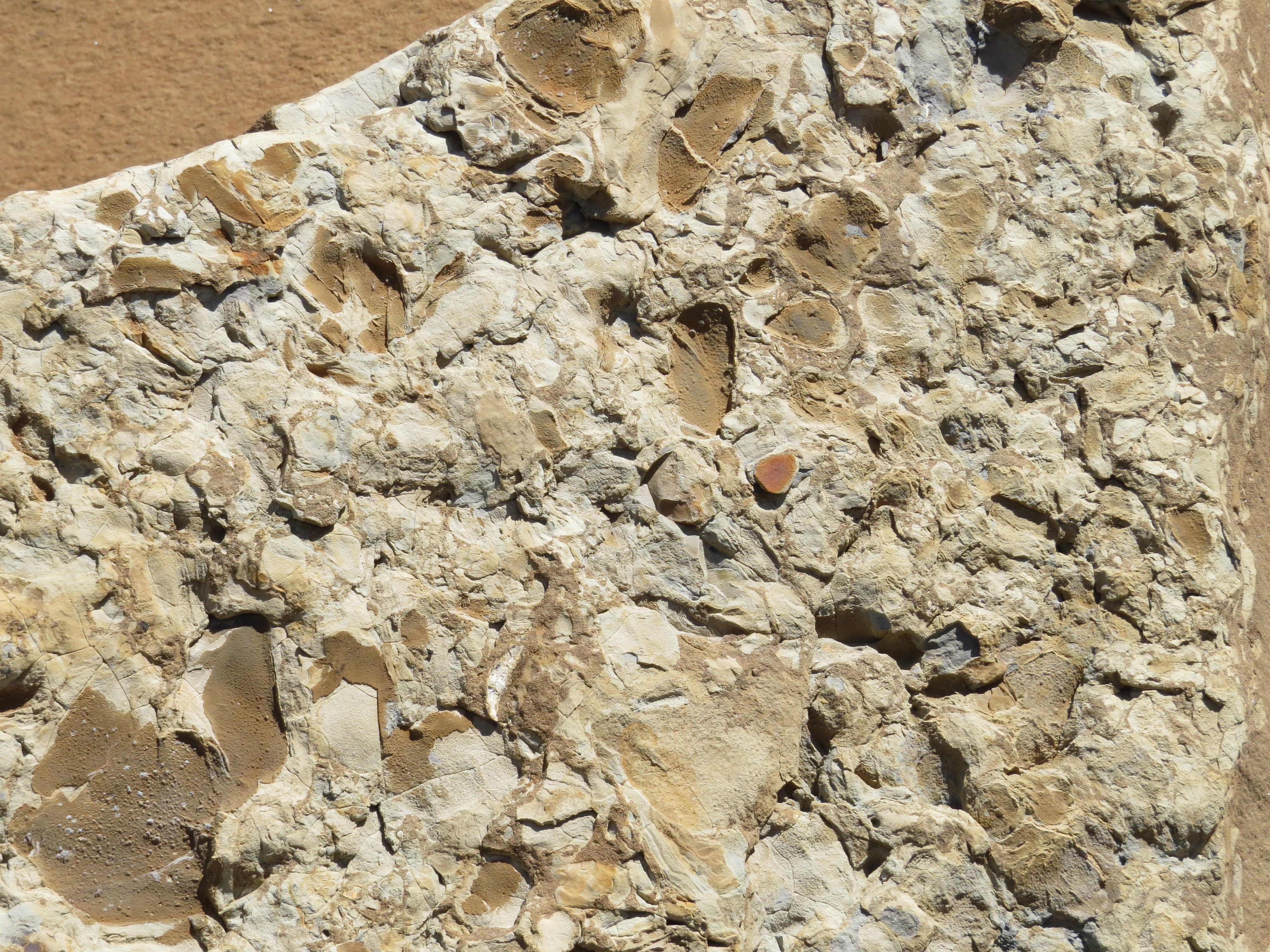
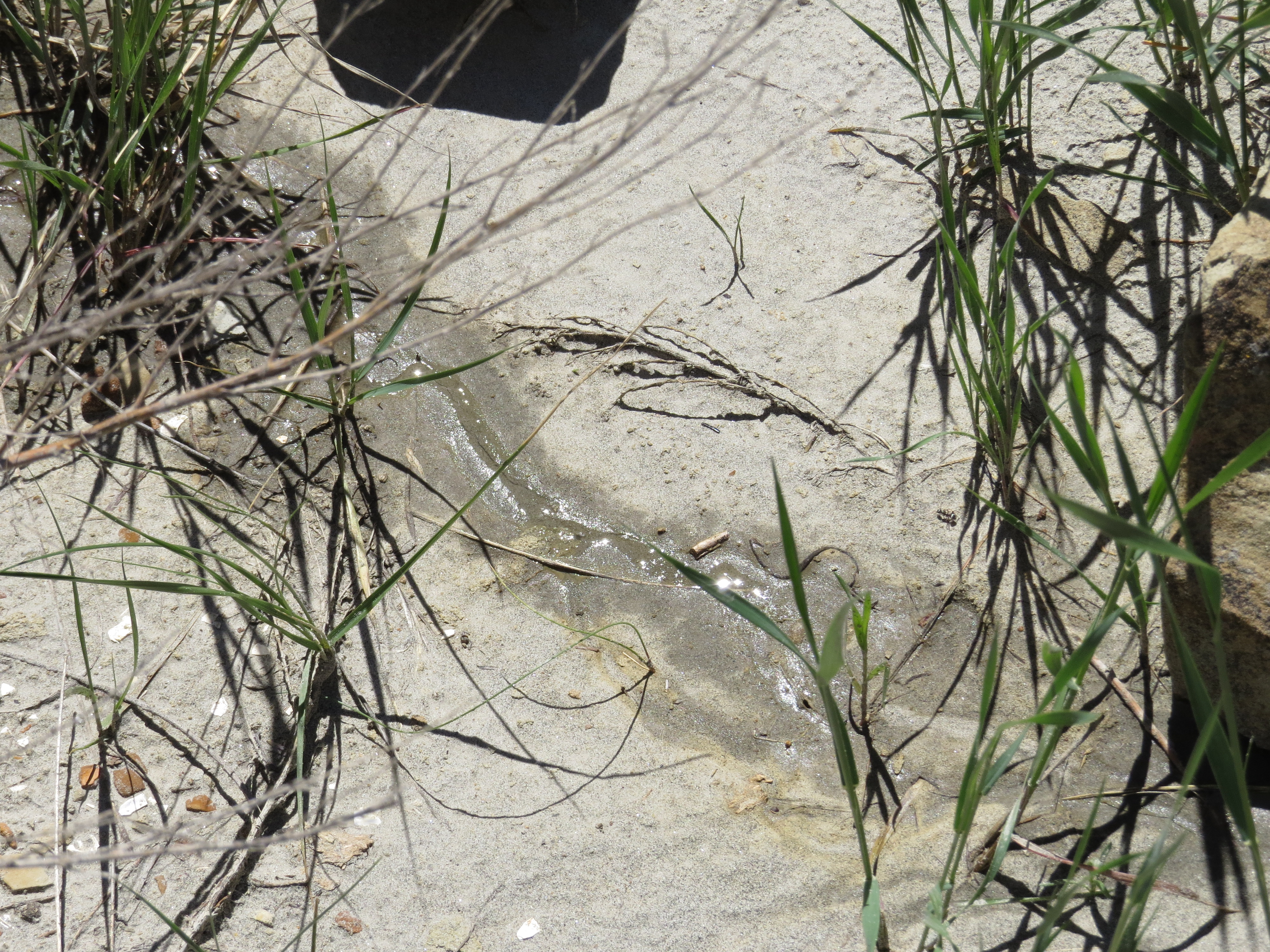

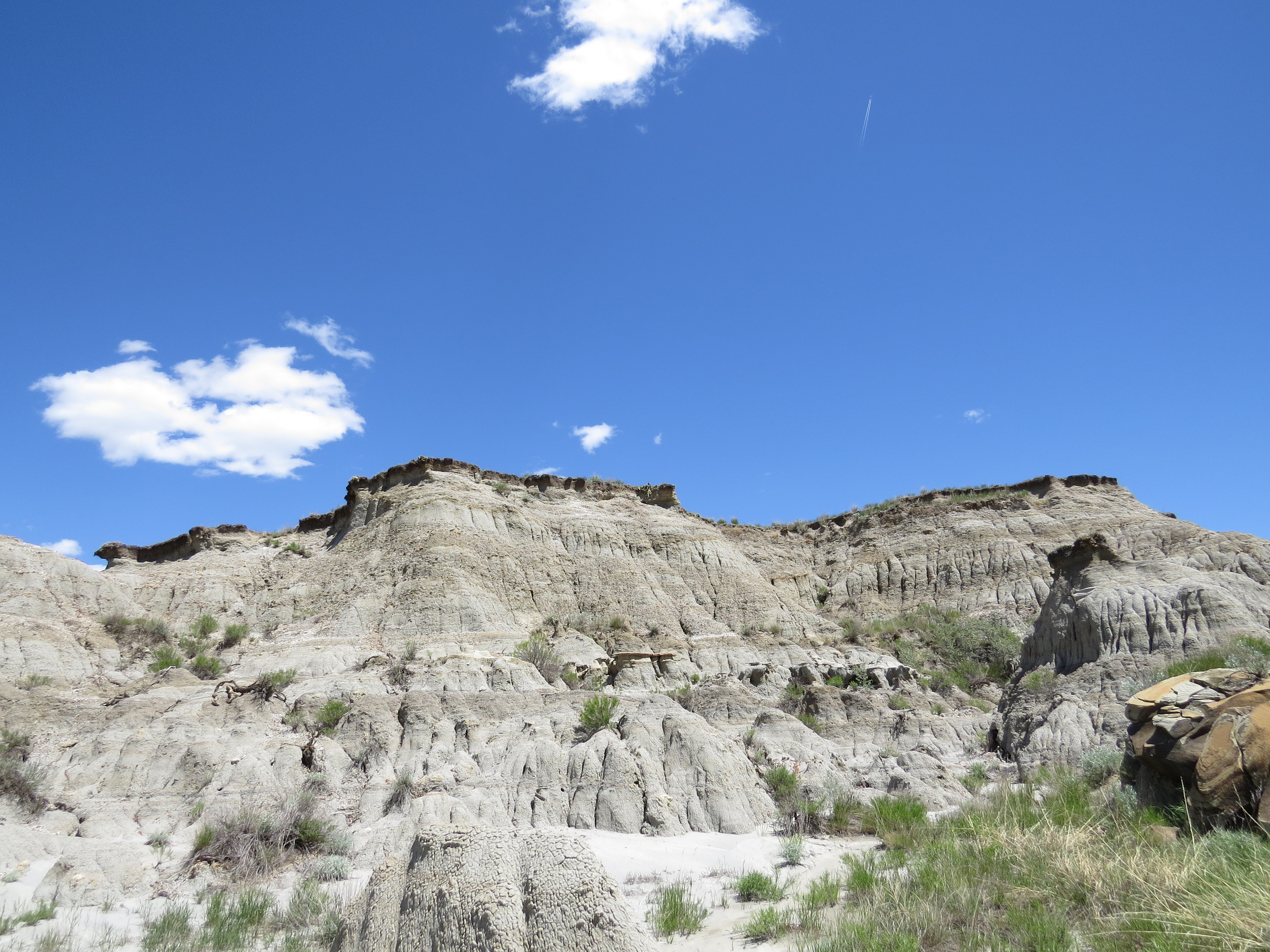
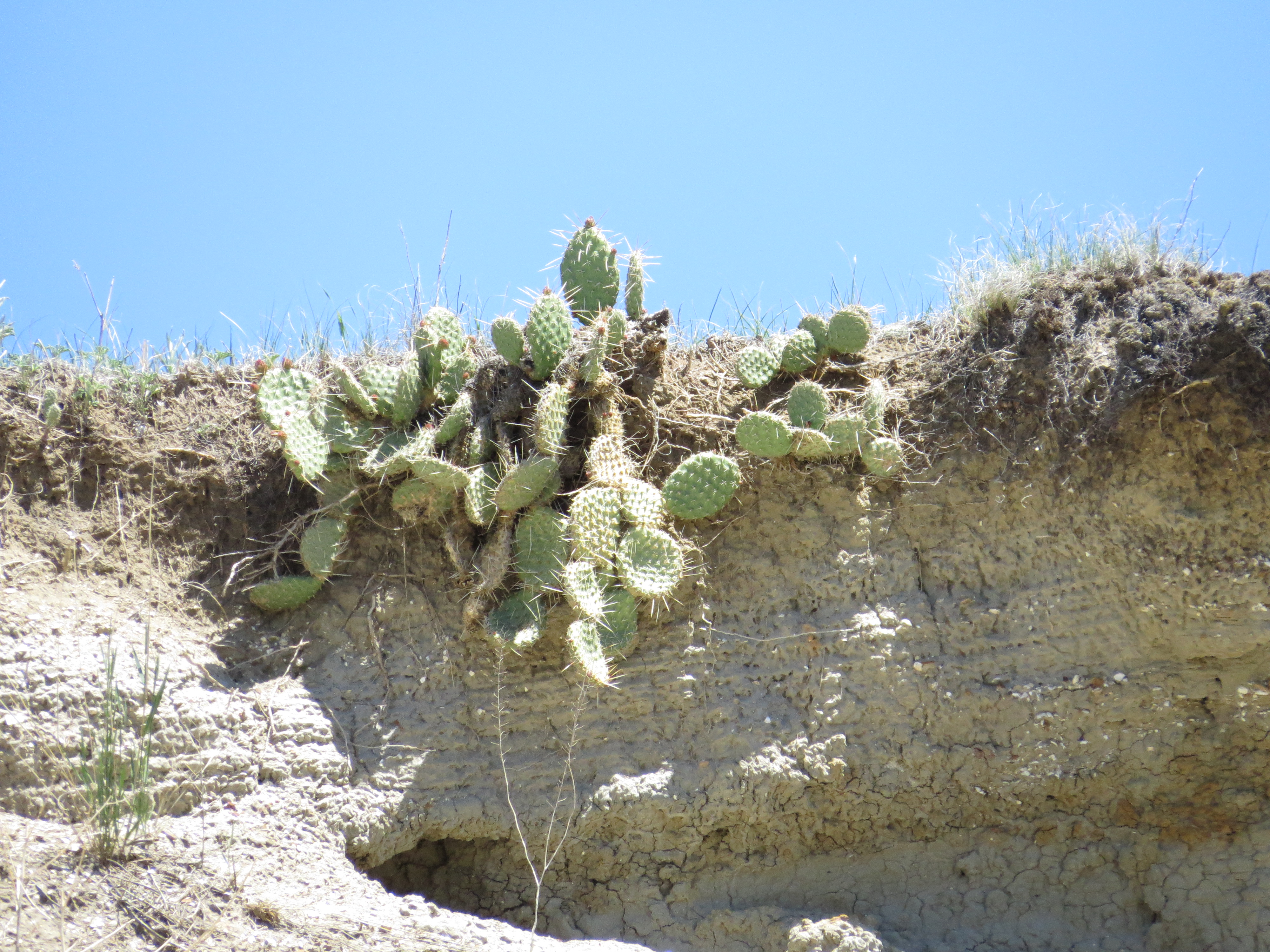
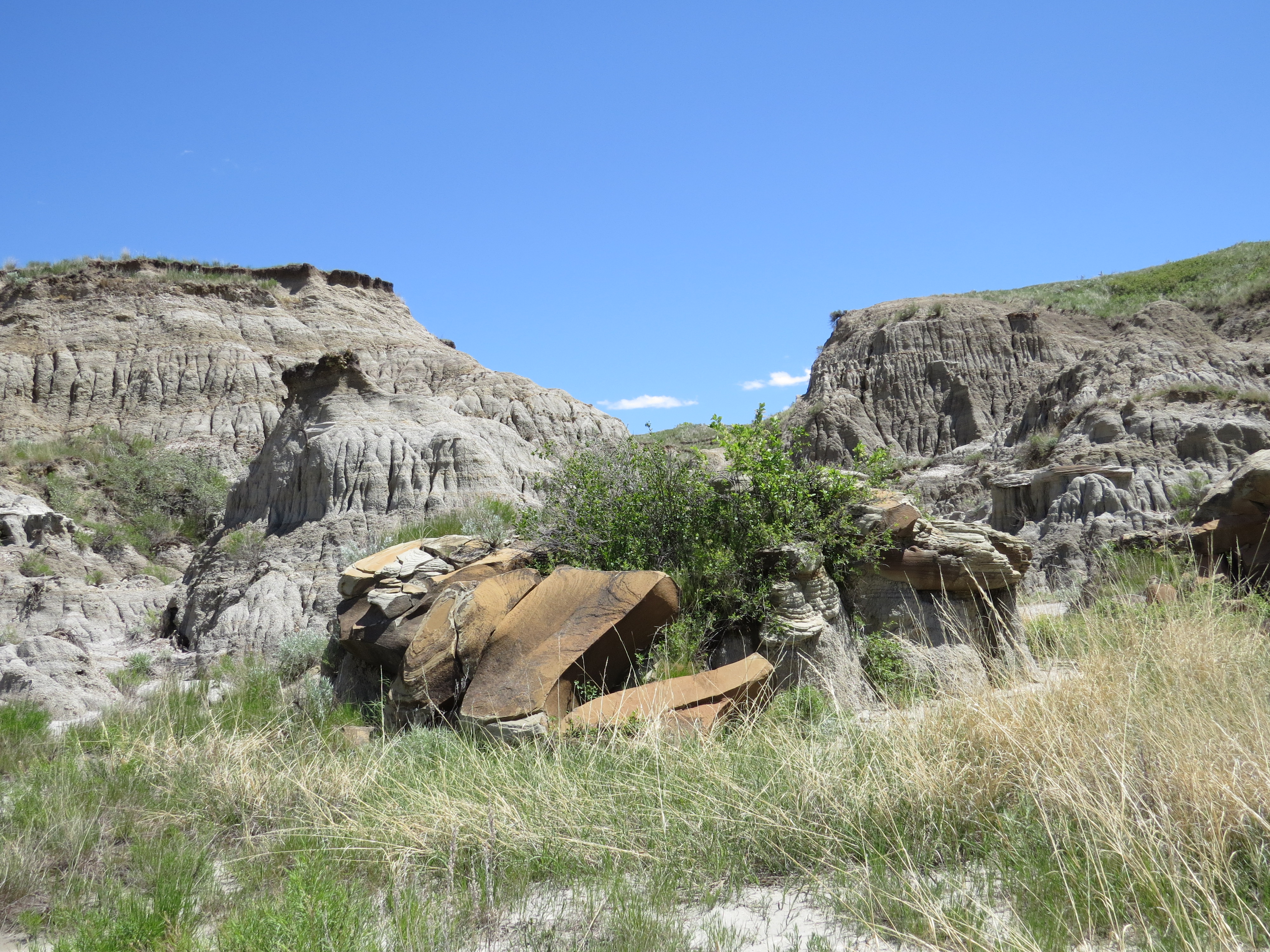
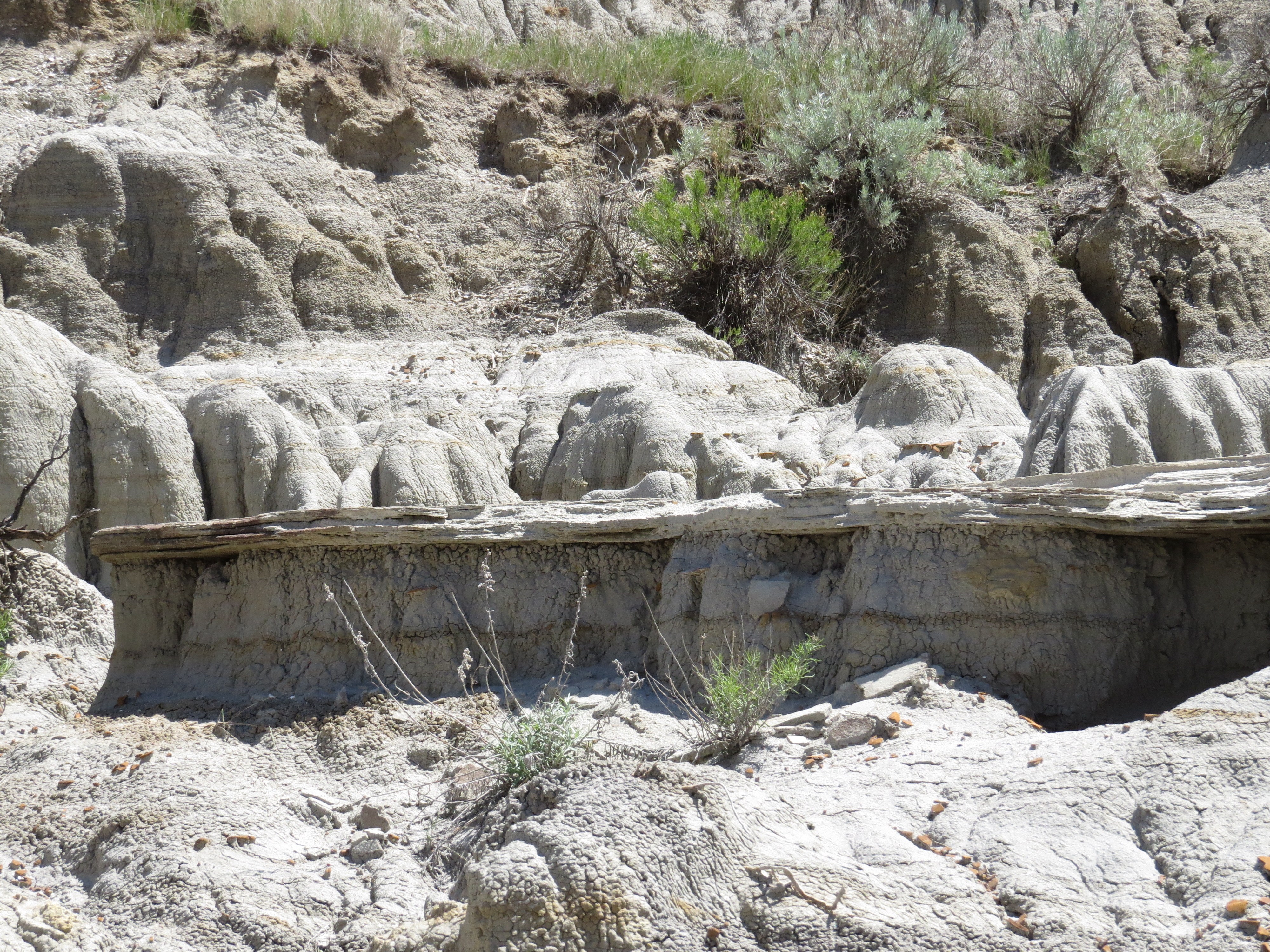
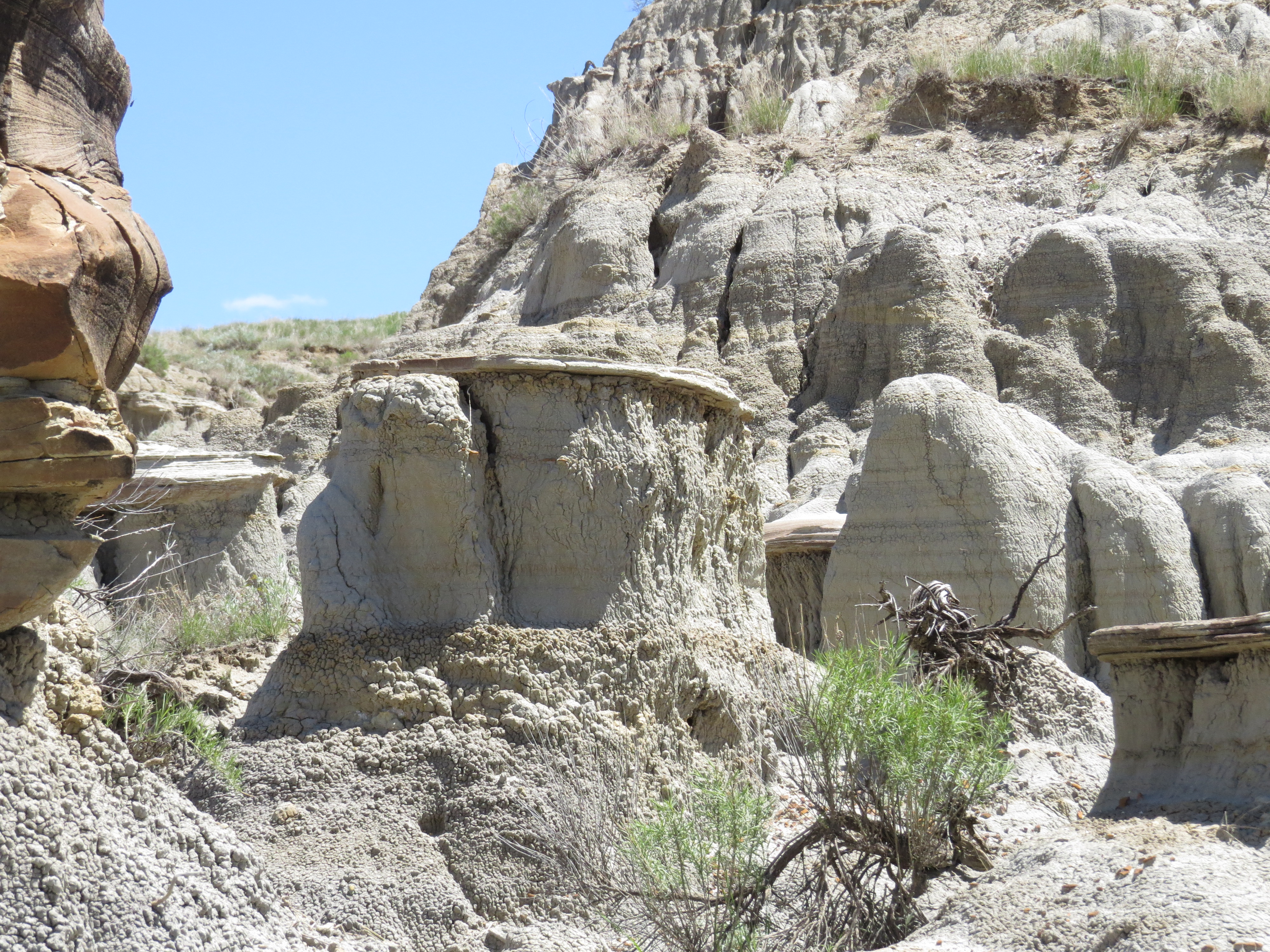
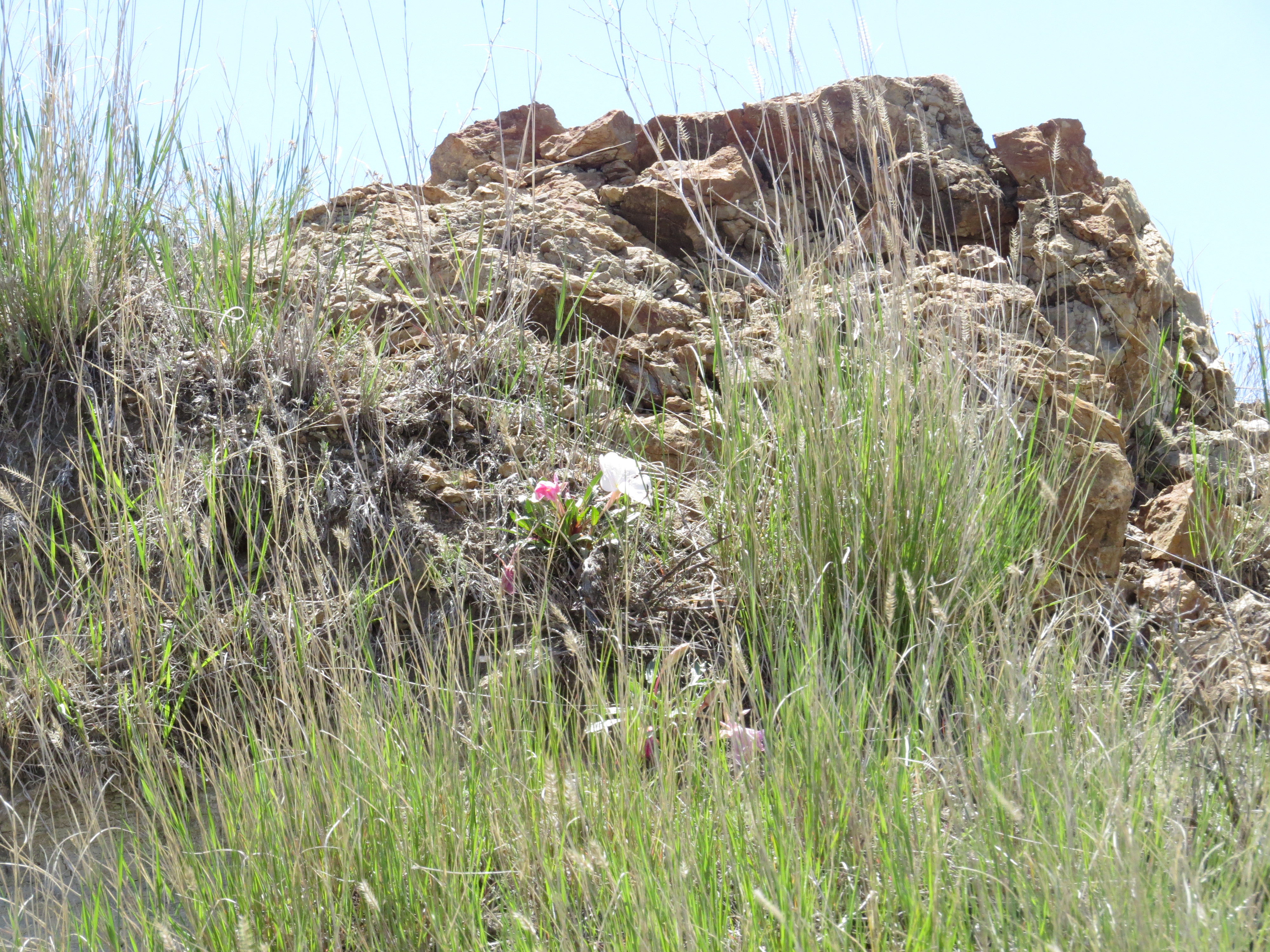
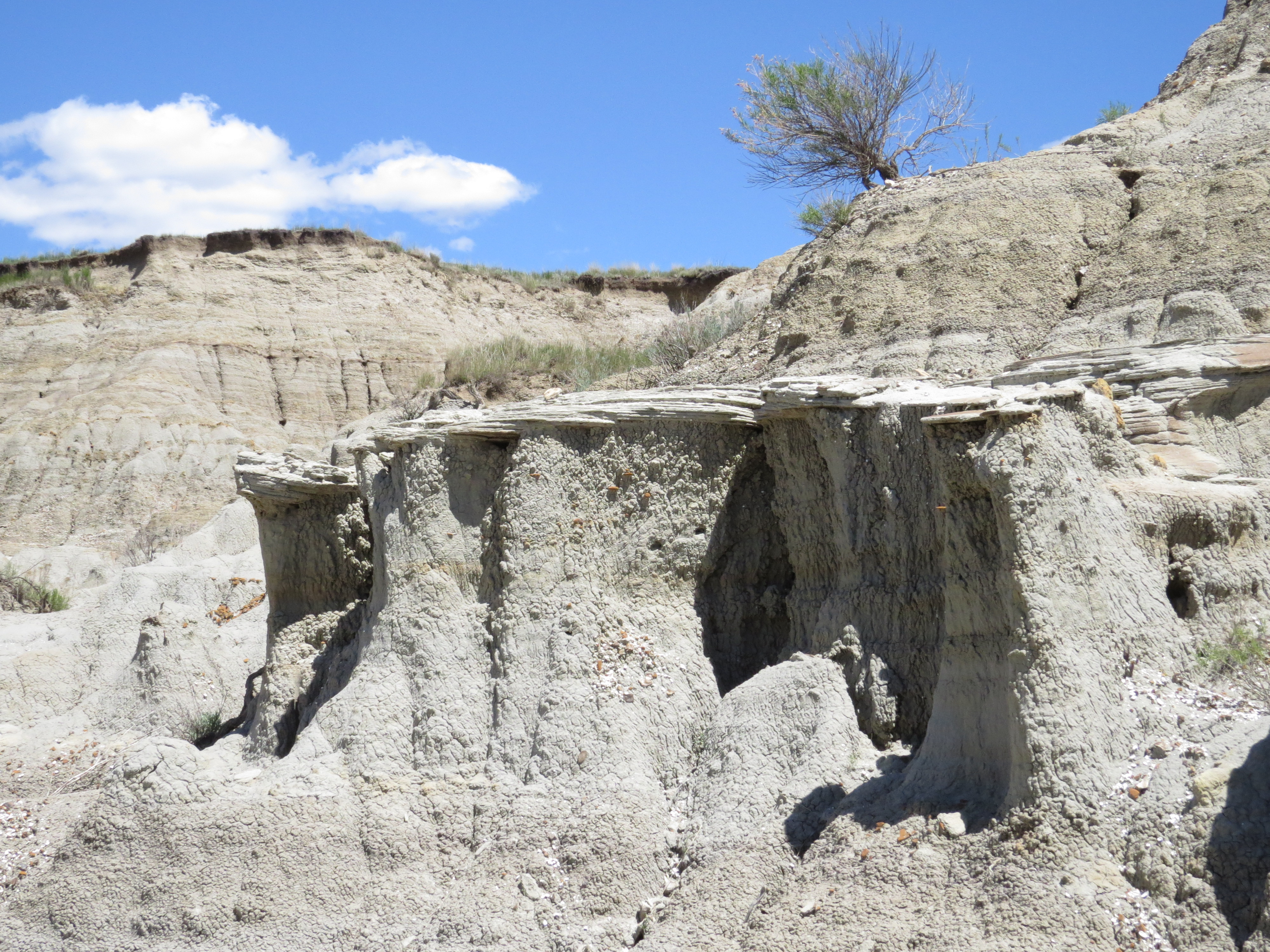
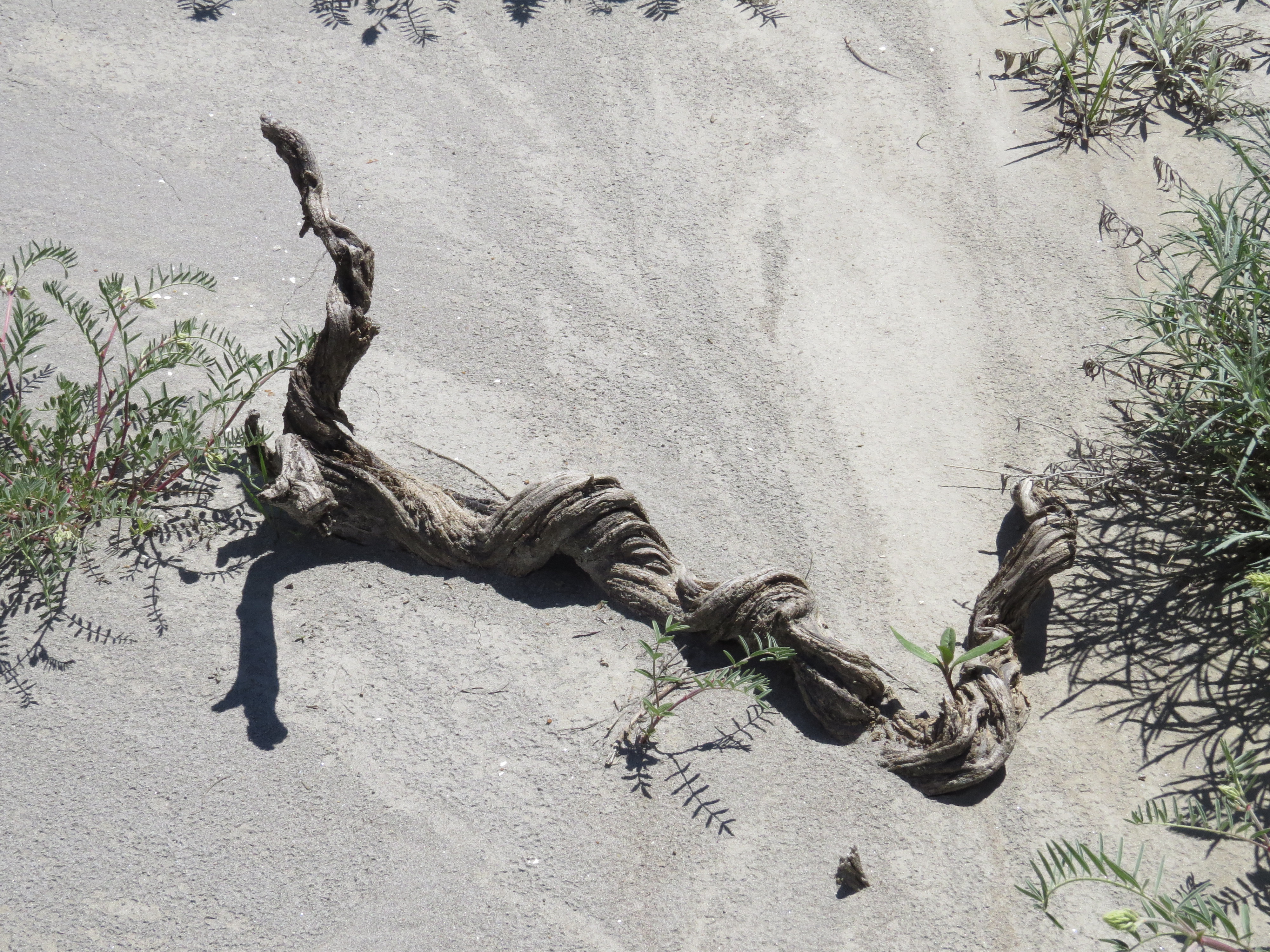
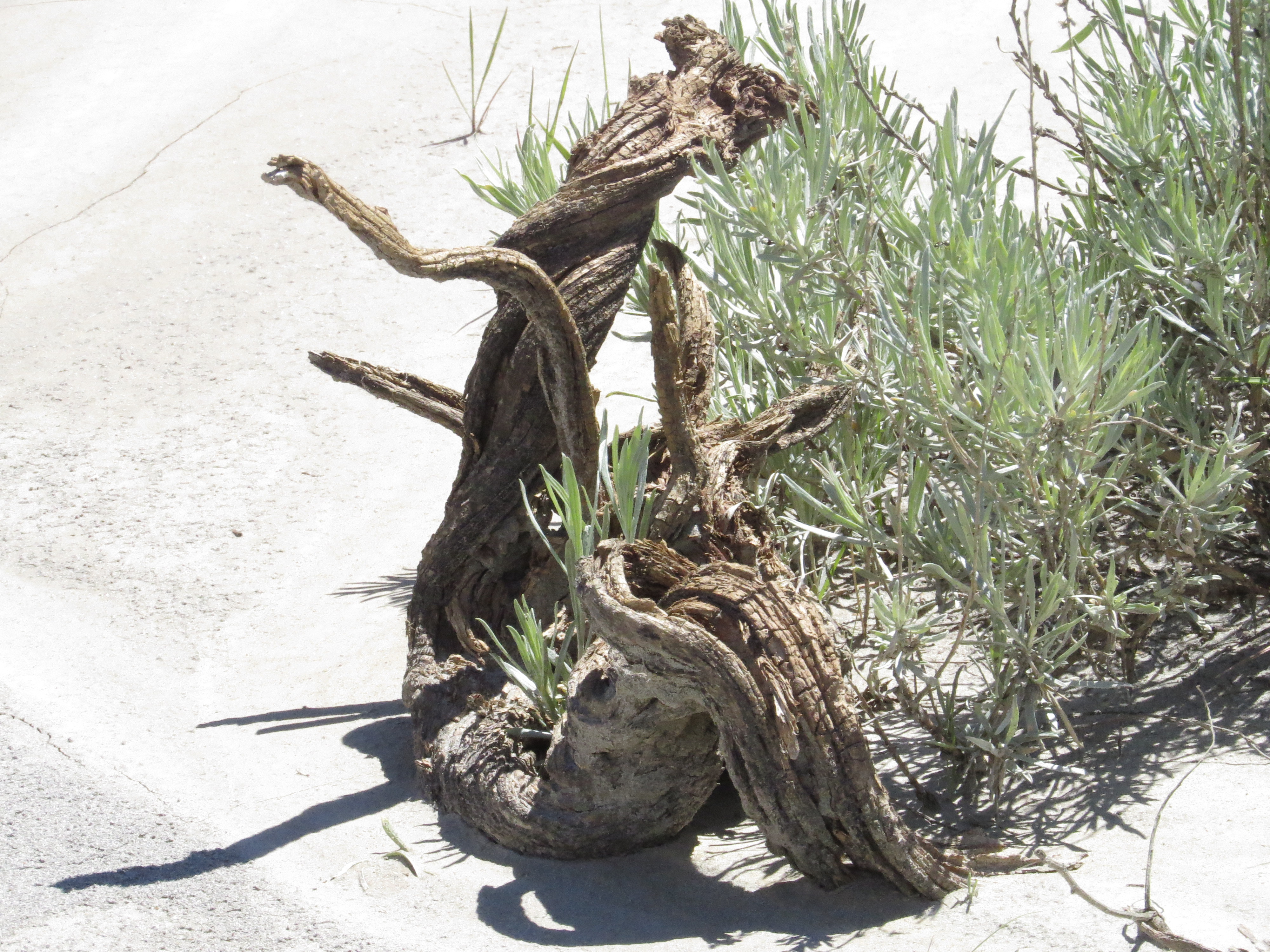
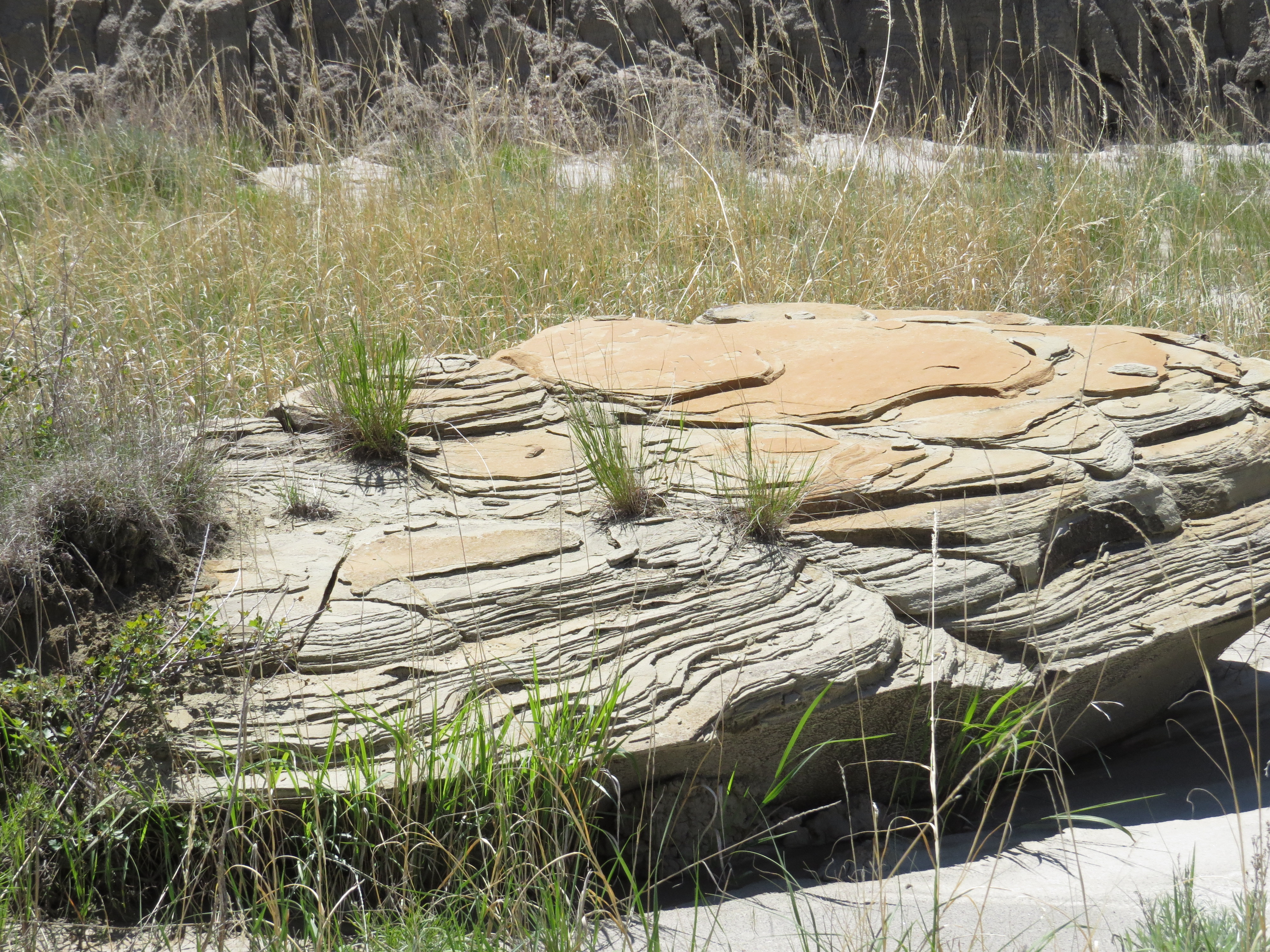
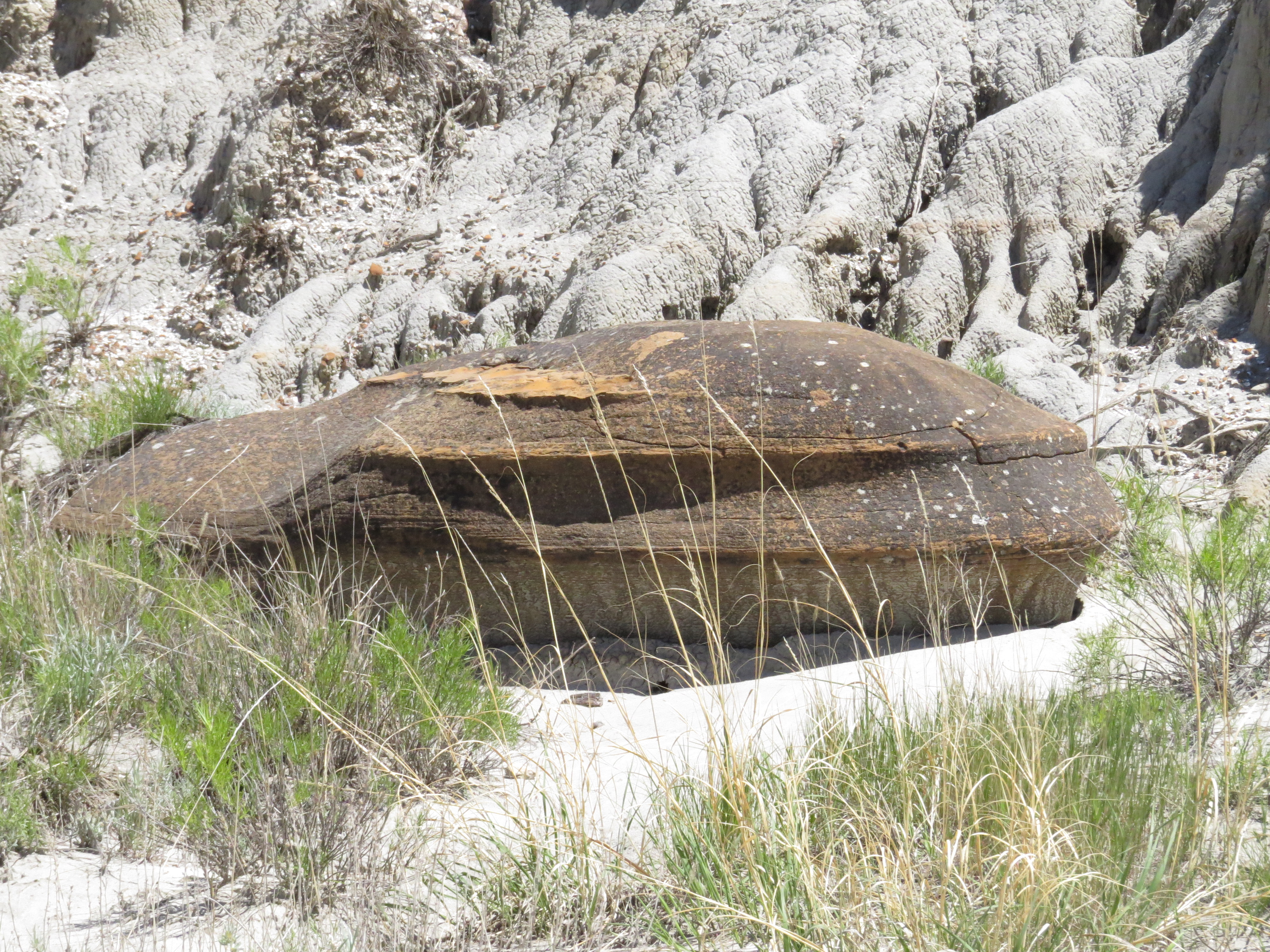
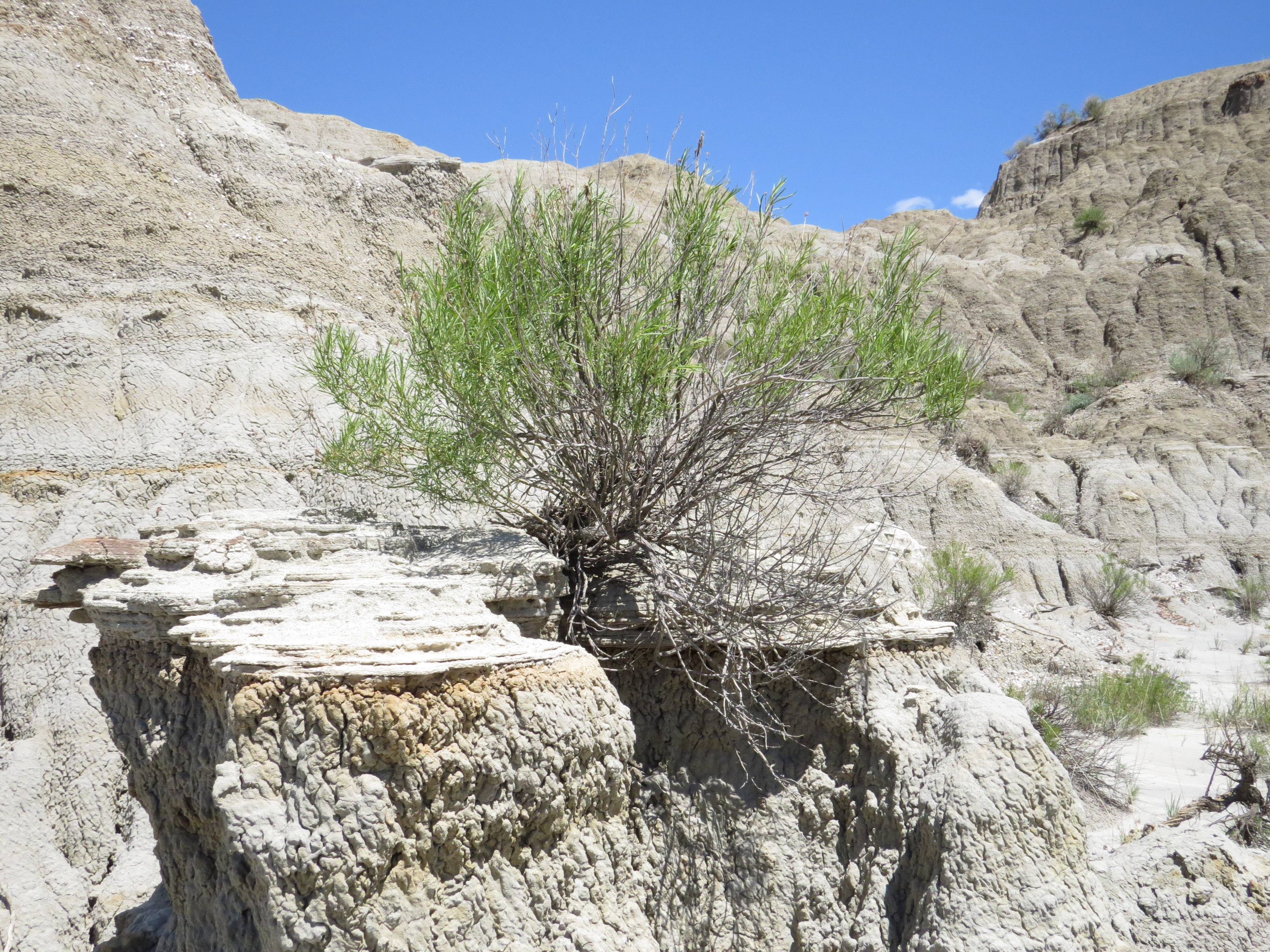
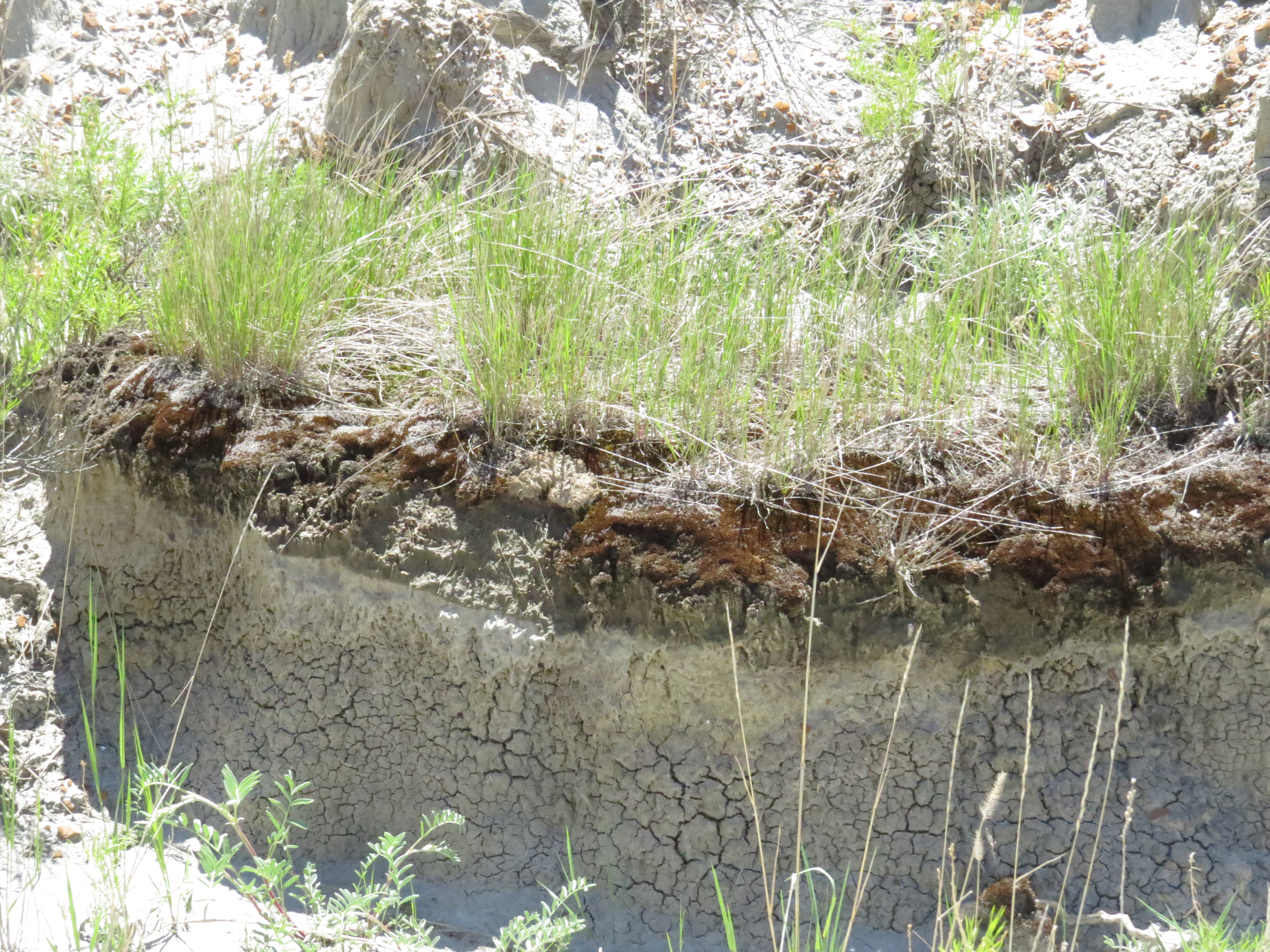
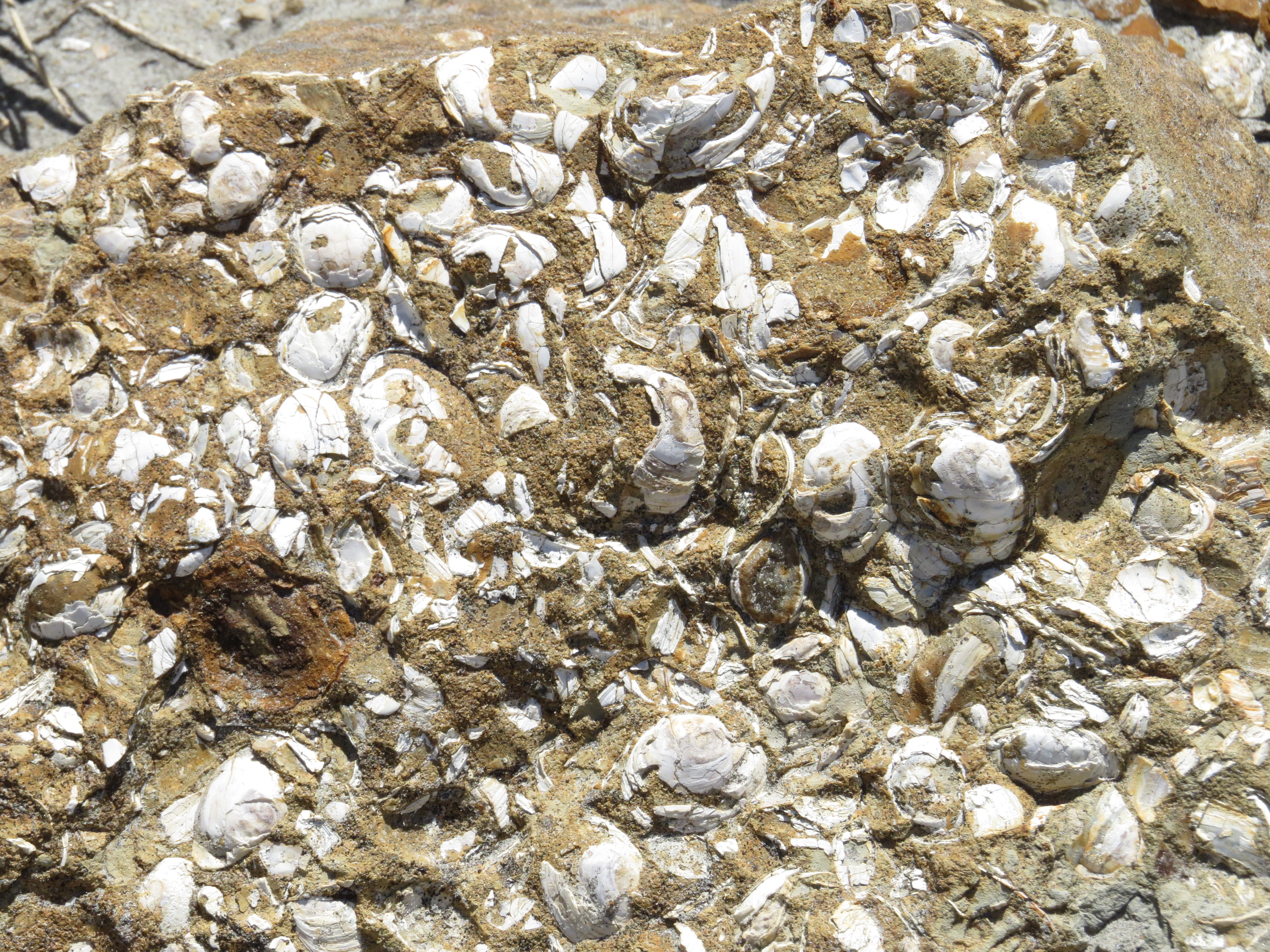
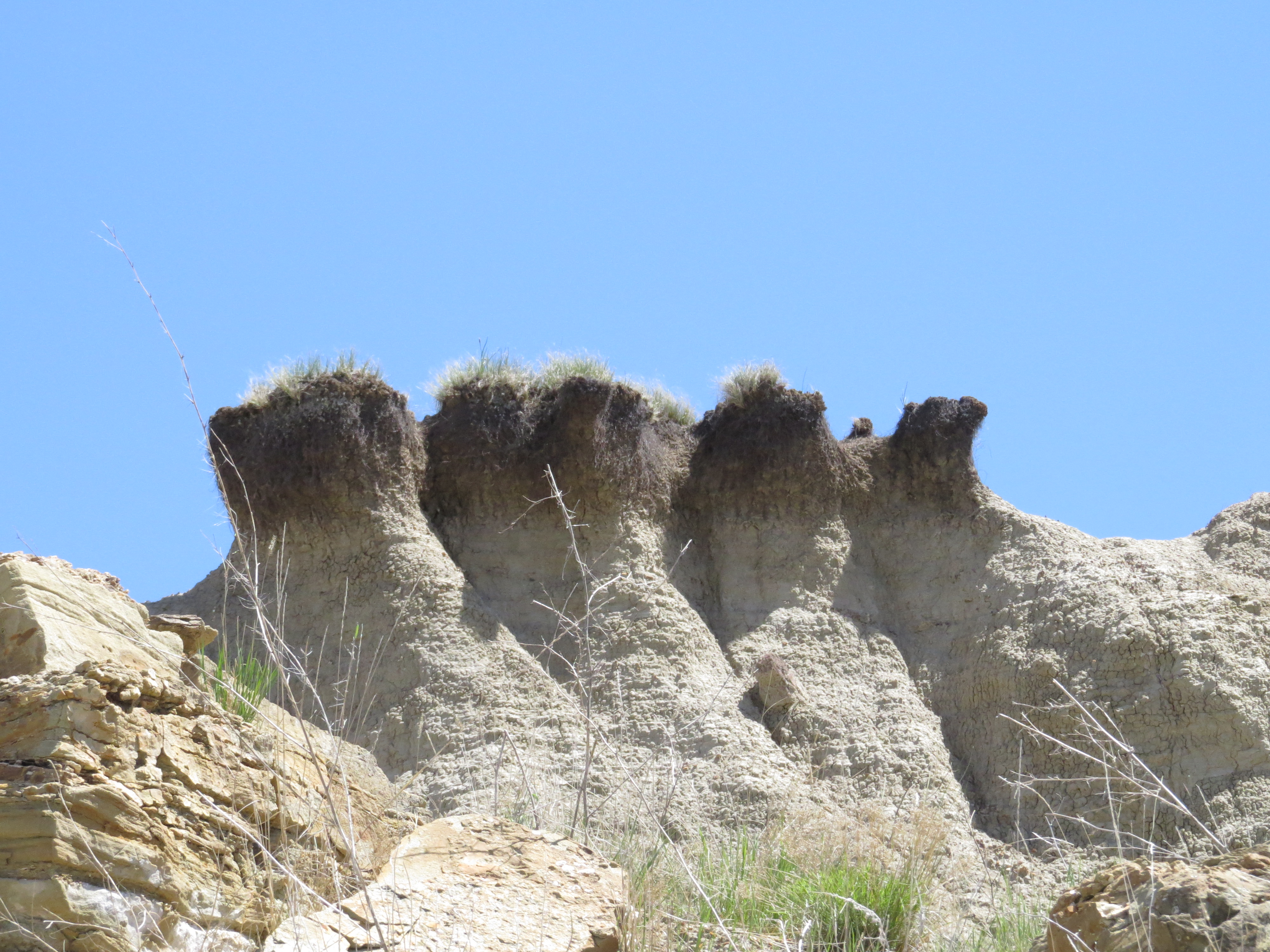
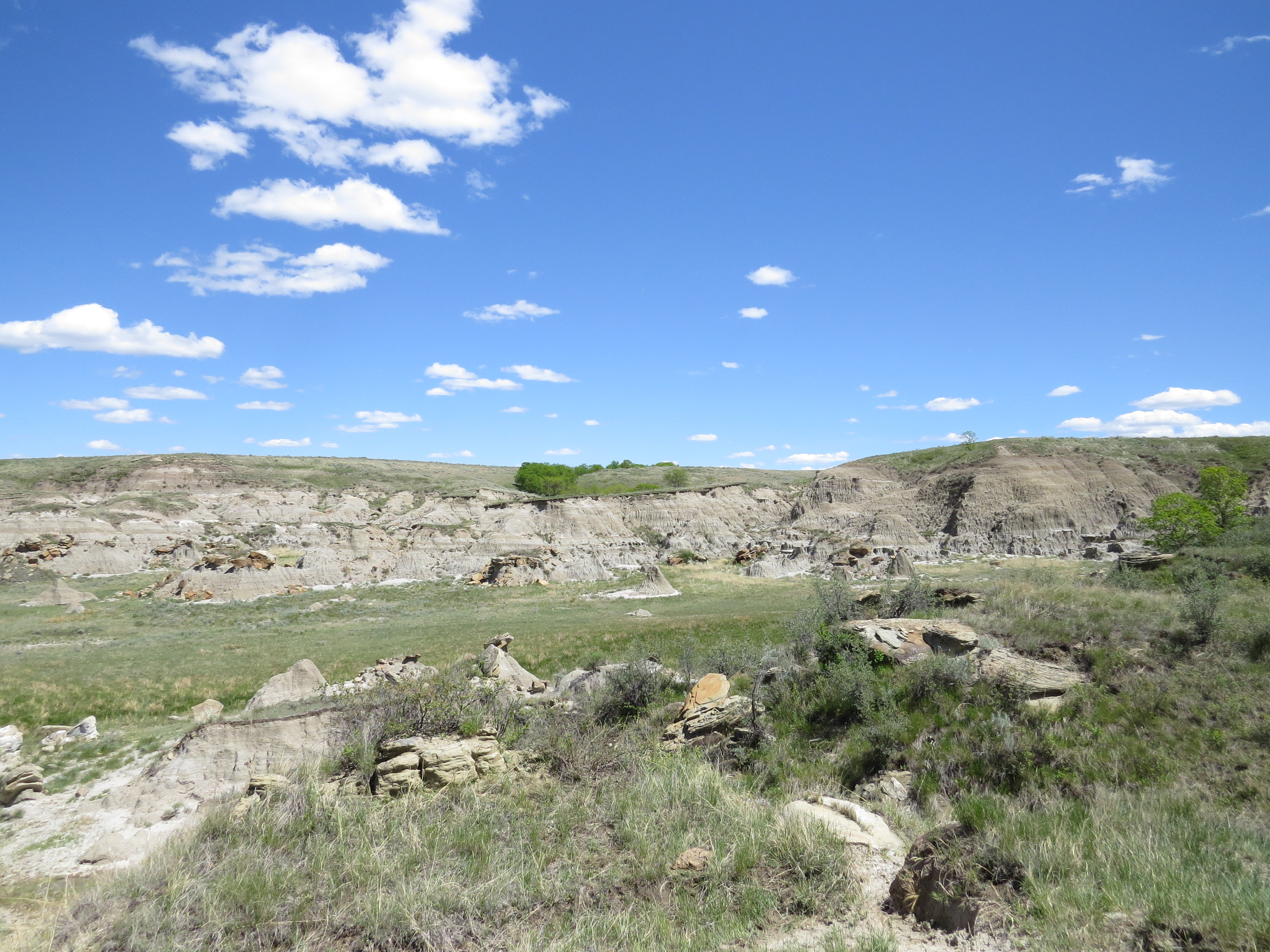
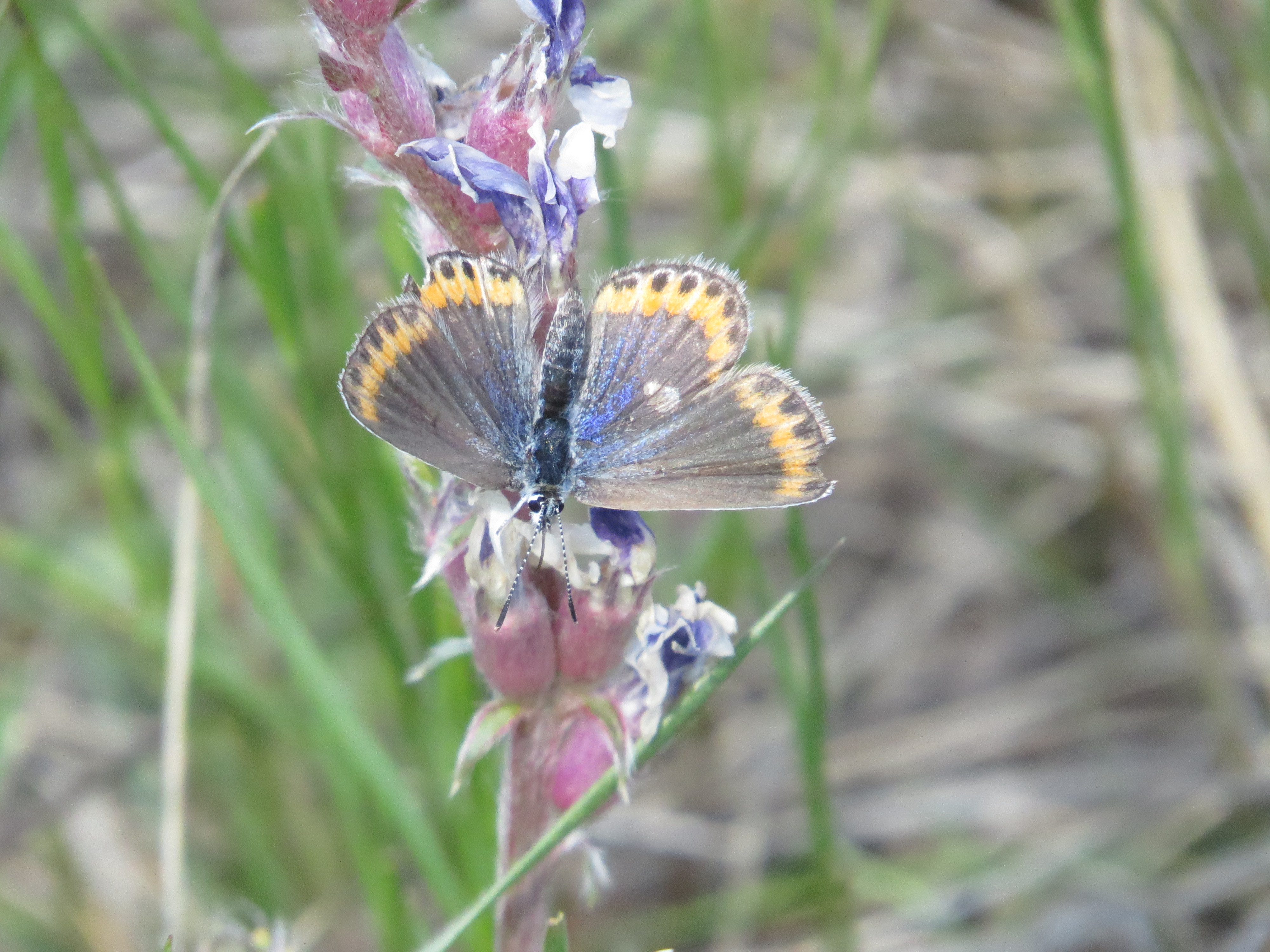
I walked the fine line for many decades of my life, embracing the goodlands and eschewing the badlands. I finally feel like I have ‘grown up.’ It’s not that I don’t think there is evil and bad things in the world, but the path we walk in life is wide. Most of us travel in and out of both lands at various times in our lives. If we look through a trauma lens, we understand that something happened to us or to another person that changed who we/they were as a person and affected our/their thinking and behaviors. We are them. We are all broken in some way. Our hearts have been split open at one time or another. Our feelings are many layered—some barren and raw, others tender and beautiful. We all wonder if the rocks are going to fall on our heads (again.) Our lives are a gumbo mosaic and a singing prairie. I have released my white-knuckled grip on the goodlands. I see the pearlescent shells and the delicate lilies of the badlands. We cannot outrun our traumas; we need to process and integrate them, all in due time. It takes a walk through the badlands to find our way back to safety and connection within ourselves.
Beside Myself
I was beside myself this week. And I had moments of satisfaction and happiness. But mostly I was beside myself—overcome with worry and anger and extreme sadness. We have made progress—good, satisfying progress on our church becoming a trauma responsive church. It is a nascent initiative that holds great promise, and it is extremely difficult to navigate into a practical, workable existence. Especially in a week like this one. The George Floyd trial wrapping up in Minneapolis. Another shooting death of a young black man just north of there. And so many other mass shootings in just one week’s time that I can’t even keep track of them. Then a friend with a devastating diagnosis, and the untimely death of yet another who deeply felt the pain of the world. Trauma upon trauma is piling up on us all, and the more vulnerable are paying an unsustainable, body- and soul-pounding price. And with each and every one trauma, the ripples of distress and devastation roll out into the lives of families and to society as a whole. I am not exaggerating.
This week’s weather has depicted the ups and downs of the week at large. A beautiful, life-sustaining rain gave rise to opening leaf and flower buds. After the long Winter months, there is a hold-your-breath moment when dormant trees and plants begin to show that life is once again flowing and growing. With a sigh of relief and wonder, I whisper, “There it is.”
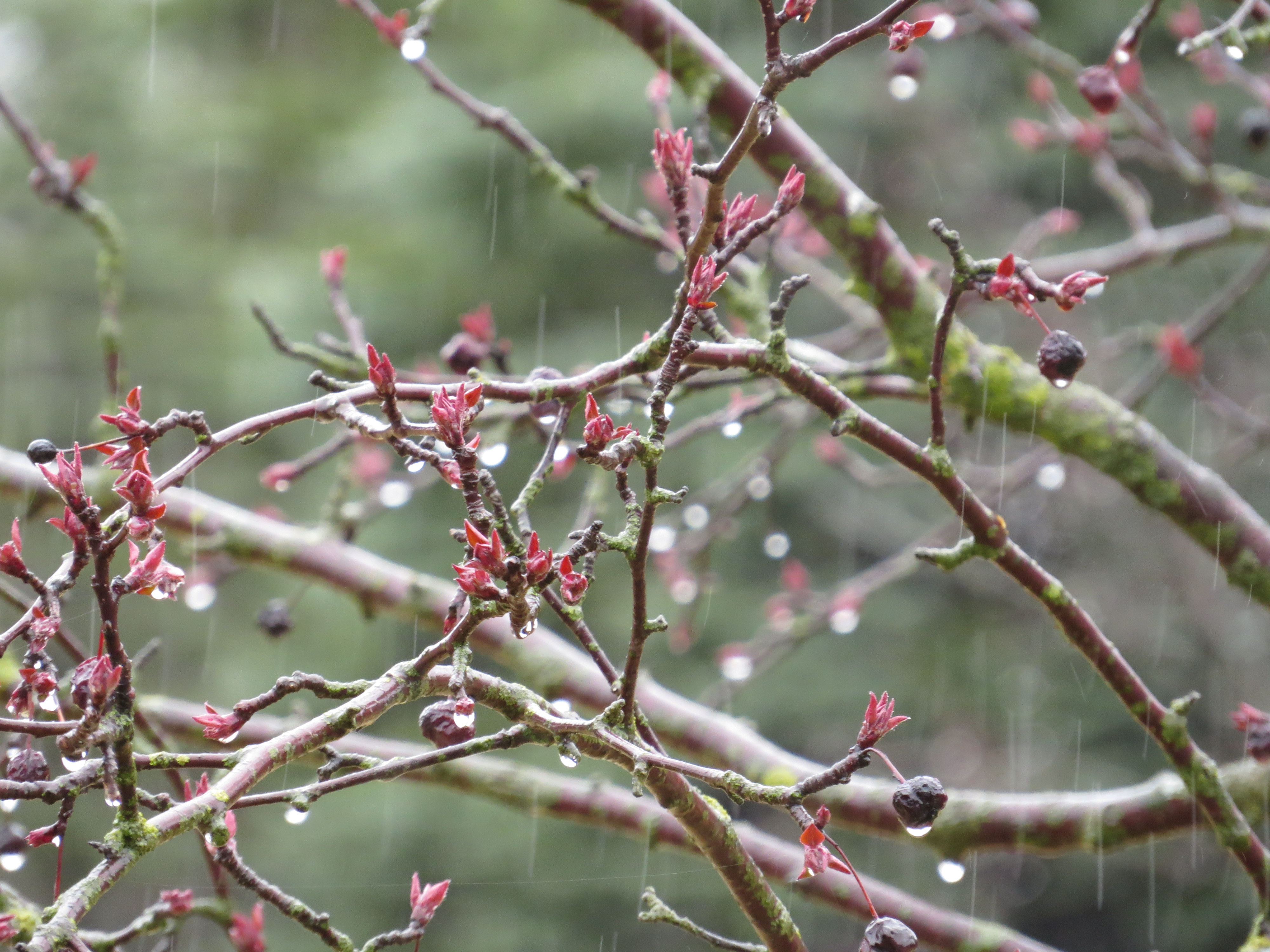
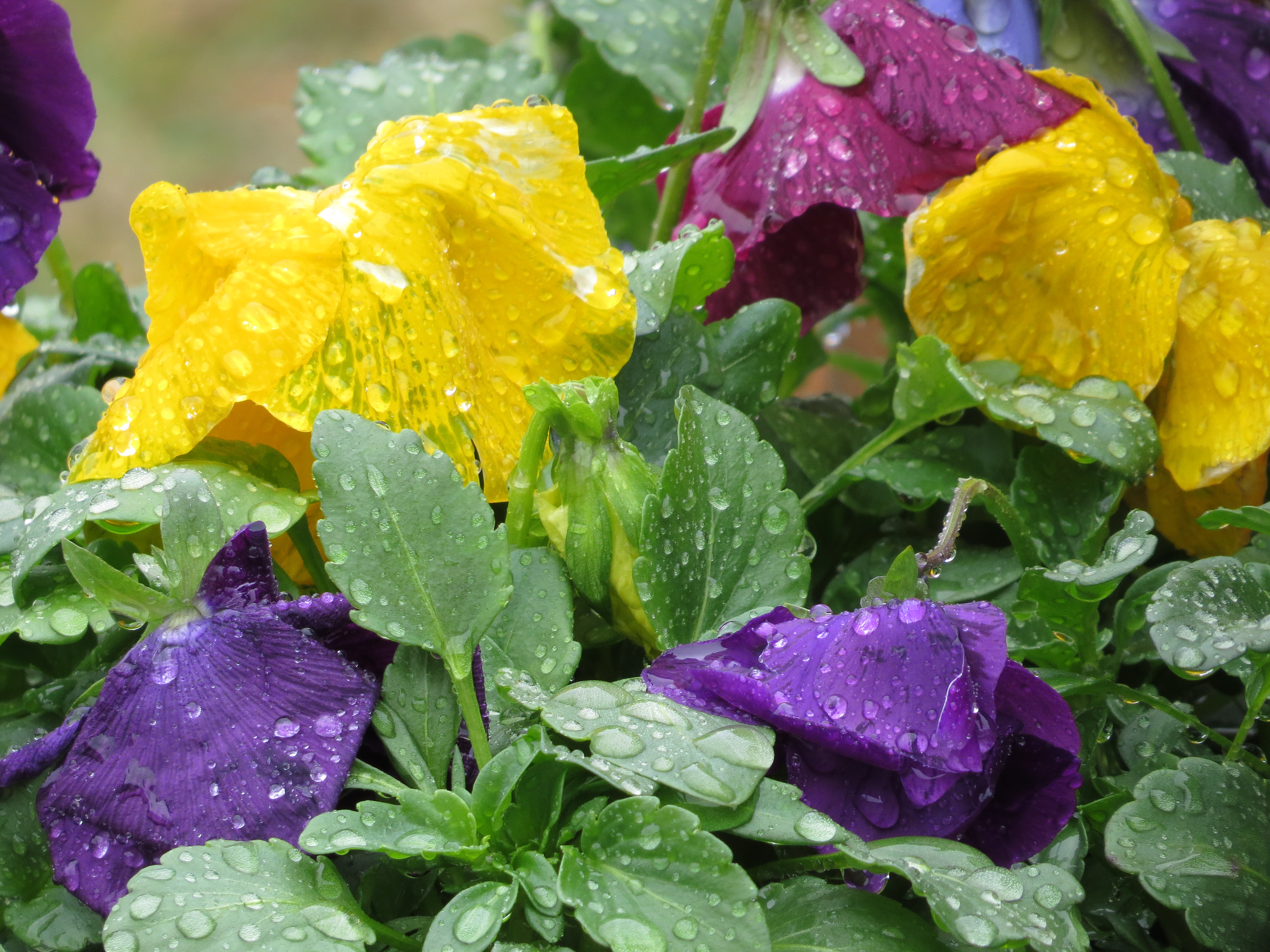
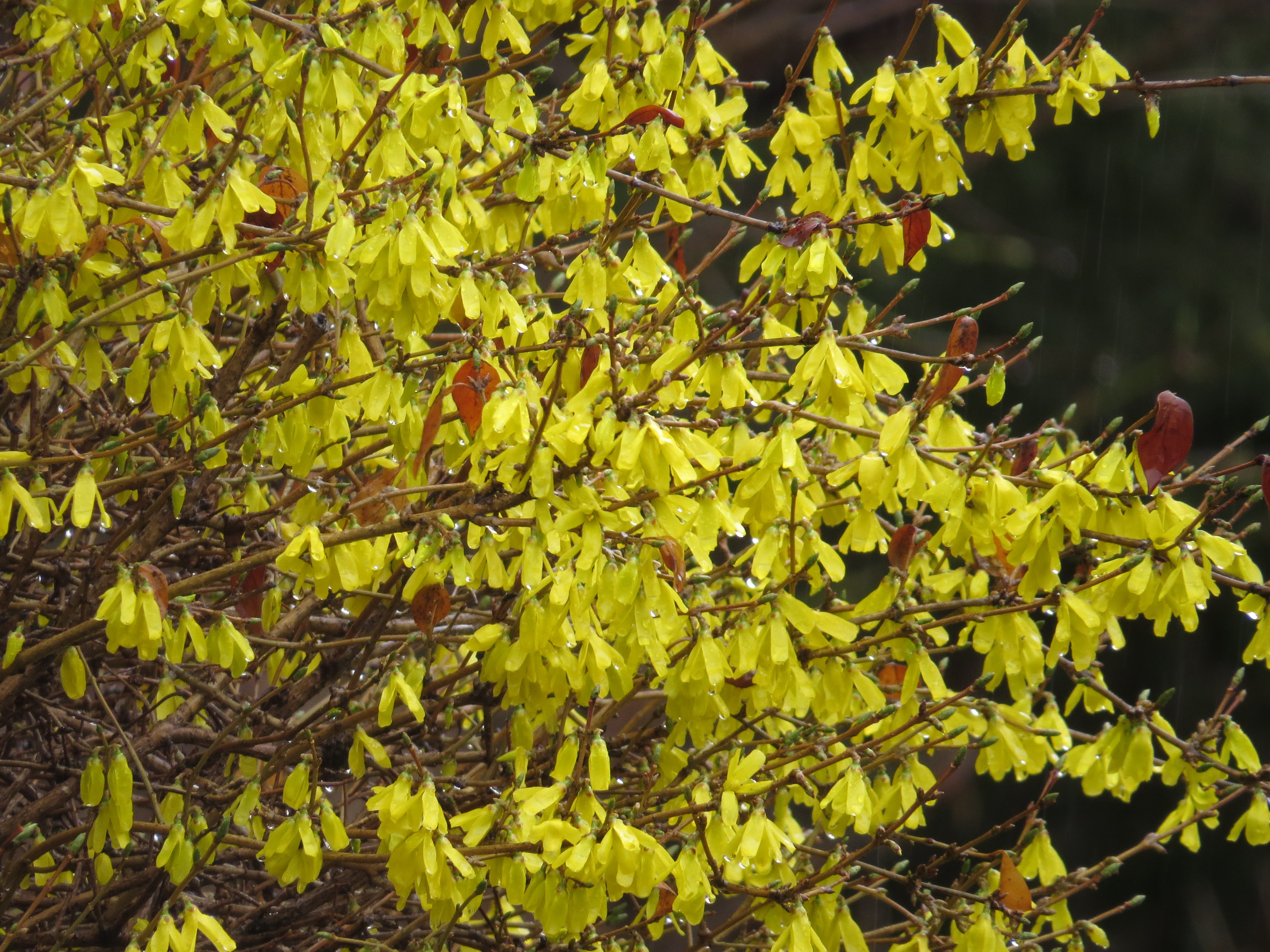
‘Life-sustaining’ is a phrase that should be on our lips and our minds in all we do. Is this a life-, person-, earth-sustaining practice? Animals, plants, and people alike respond to practices and gestures that sustain life.

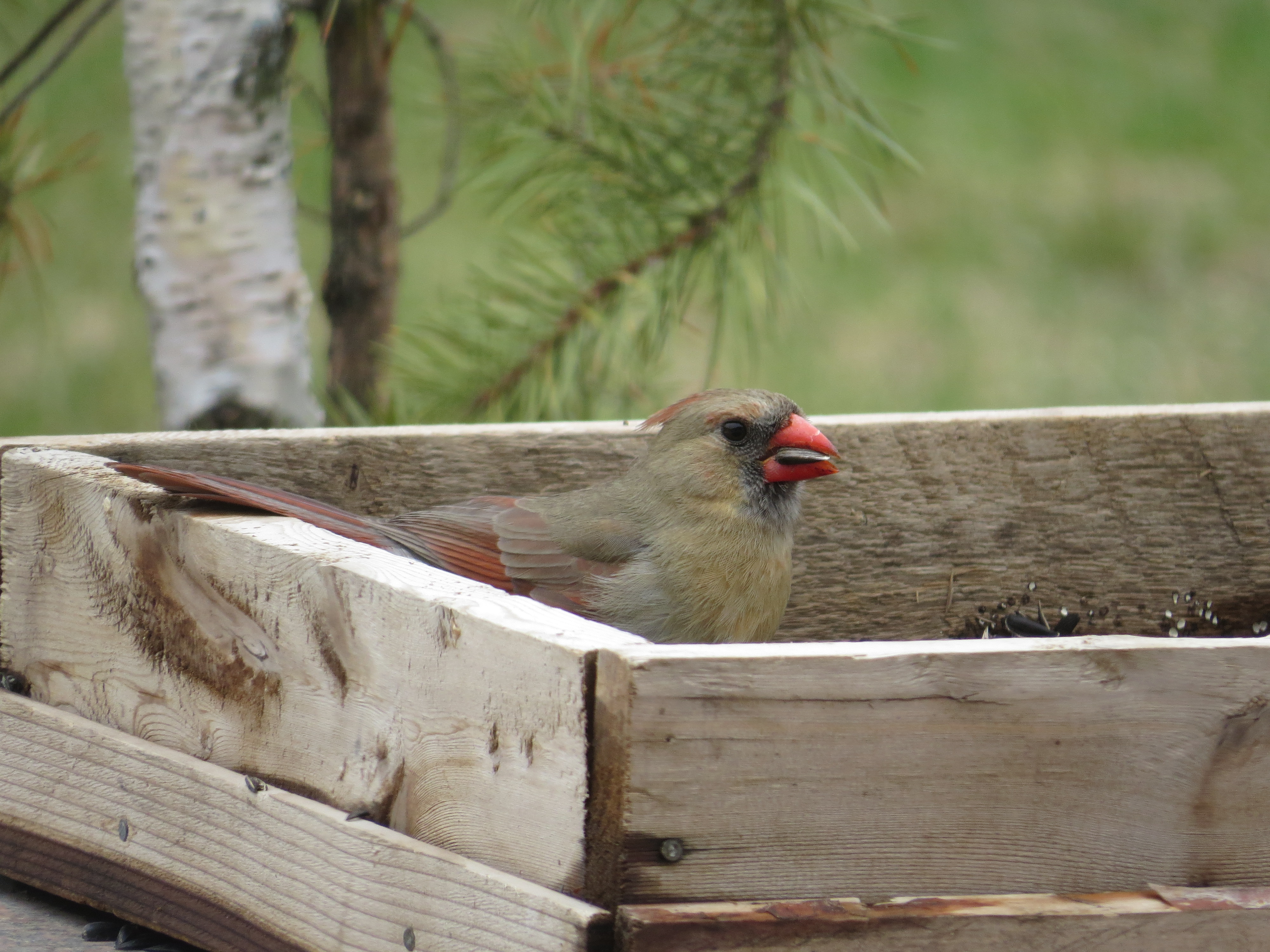
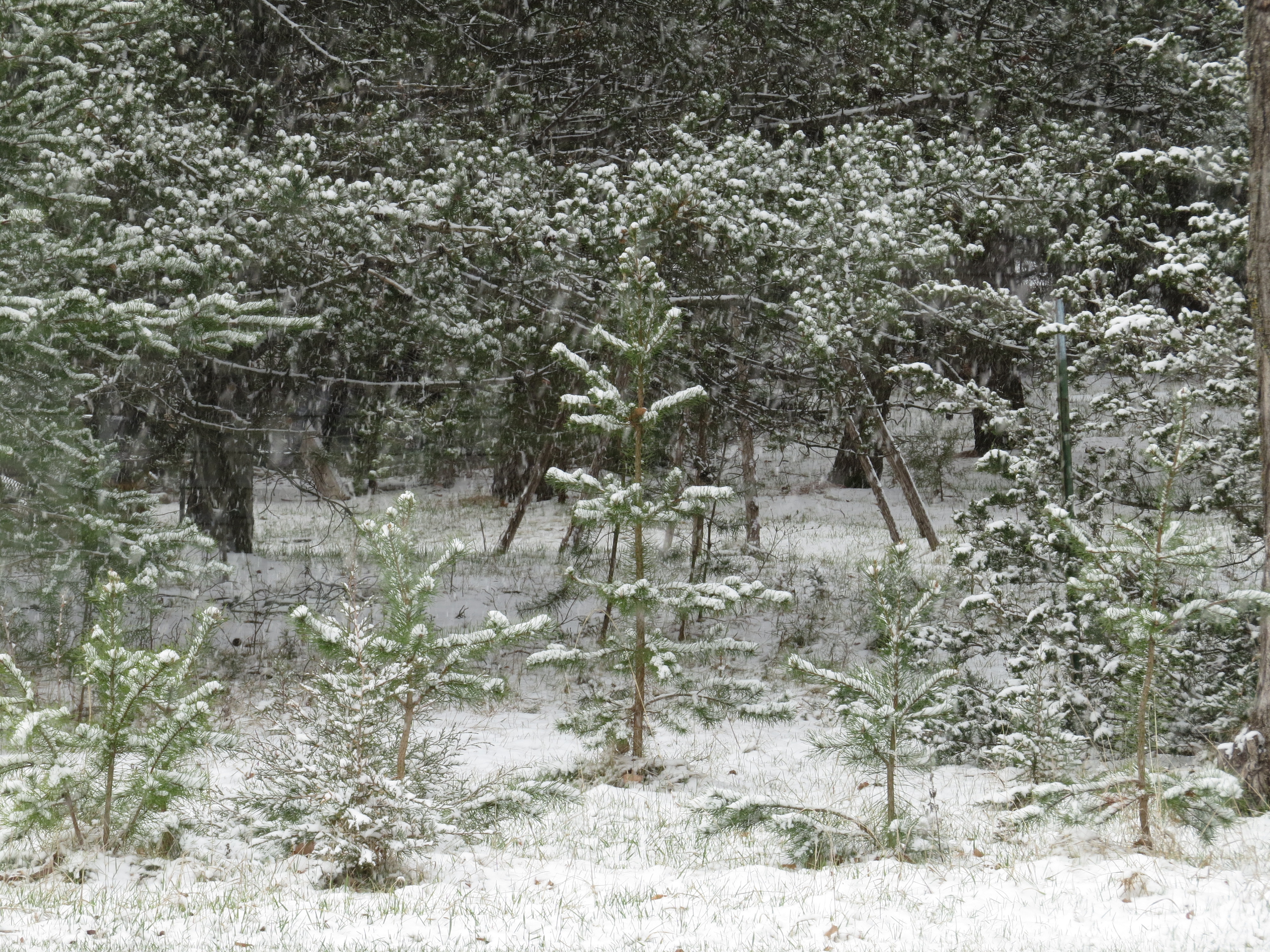
By mid-week, clouds rolled in again. As snow fell, I sent a card to a dear old friend, happily baked a cake for a young one, and laughed on a phone call I received.
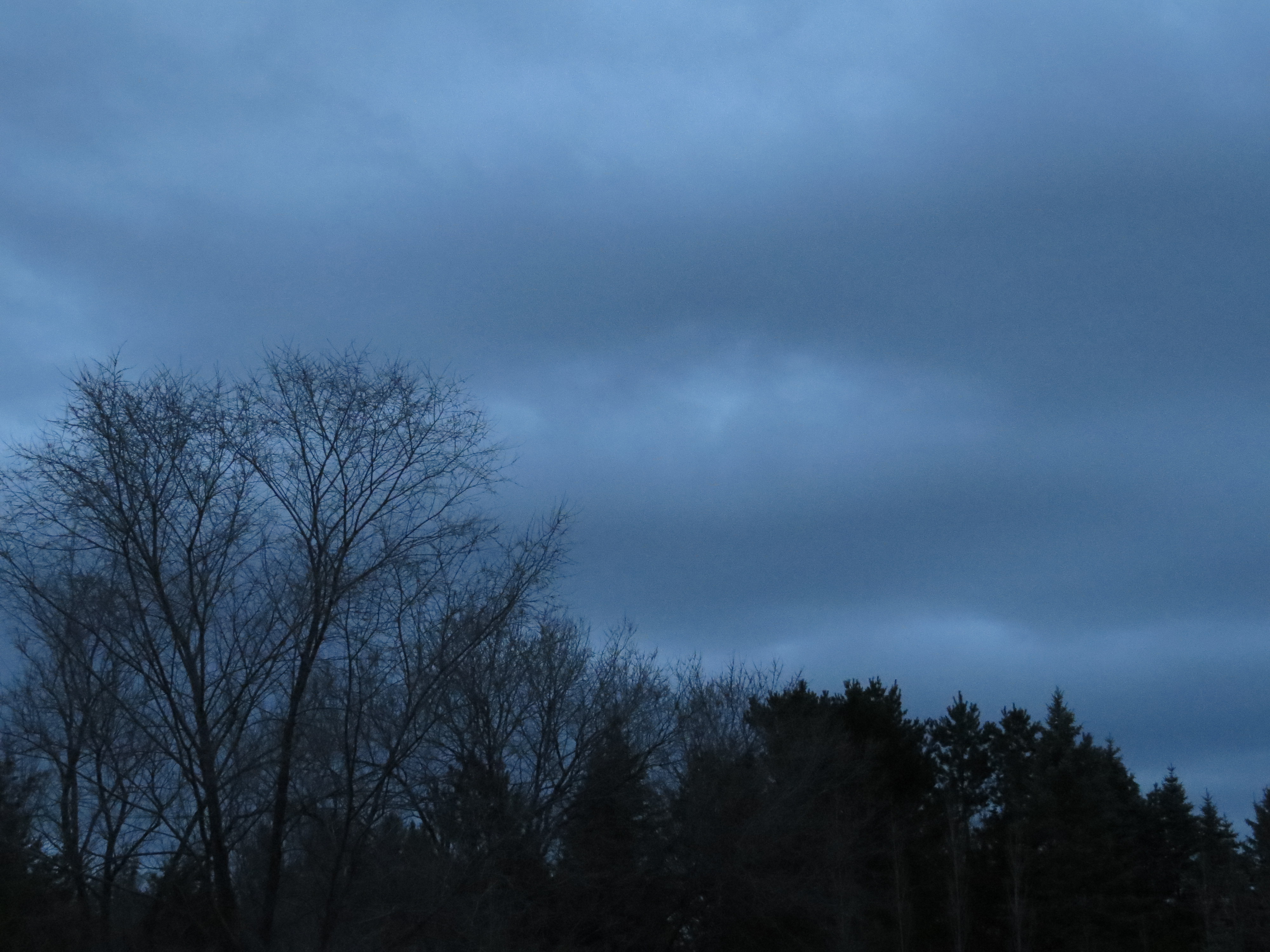
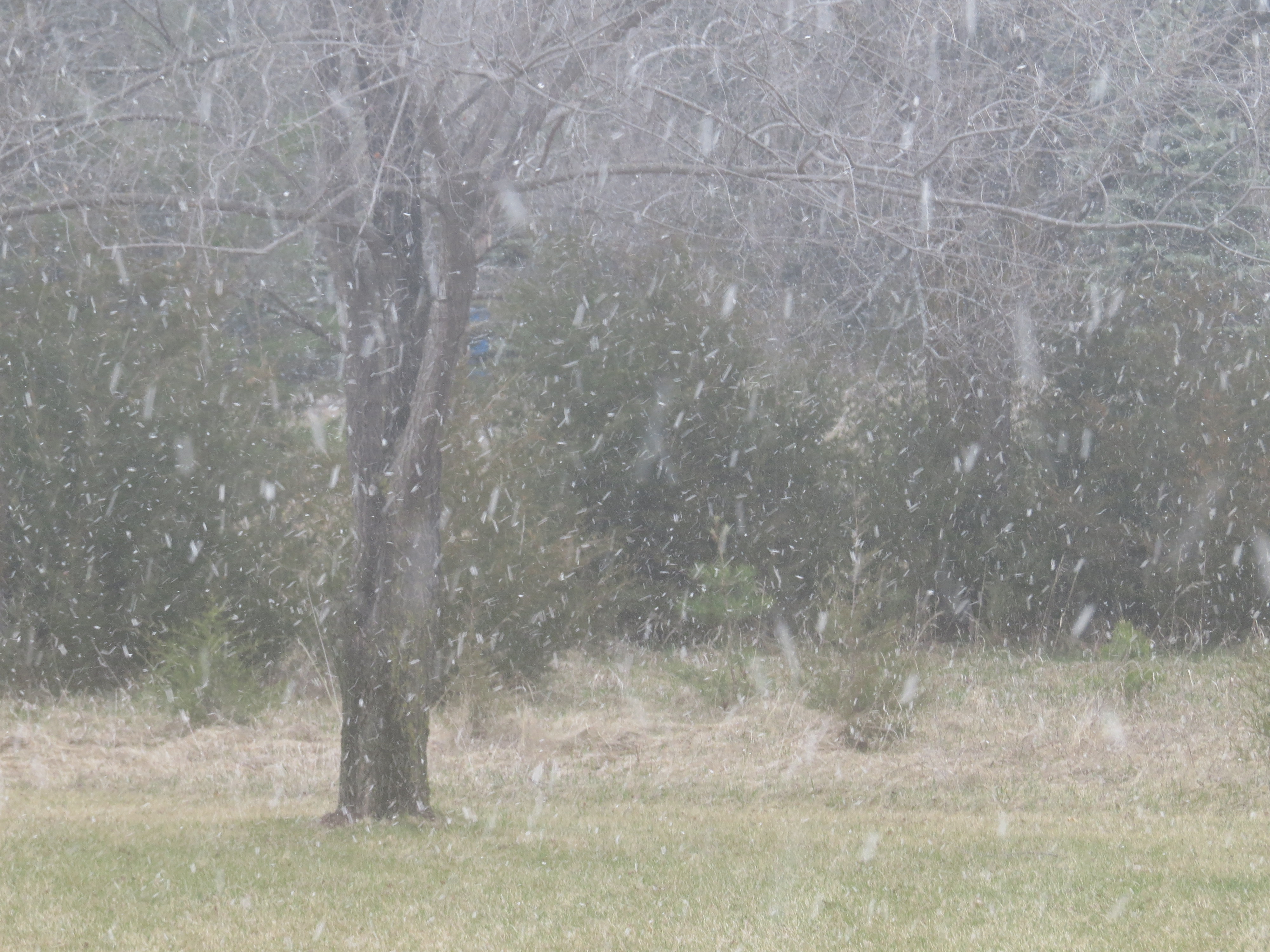
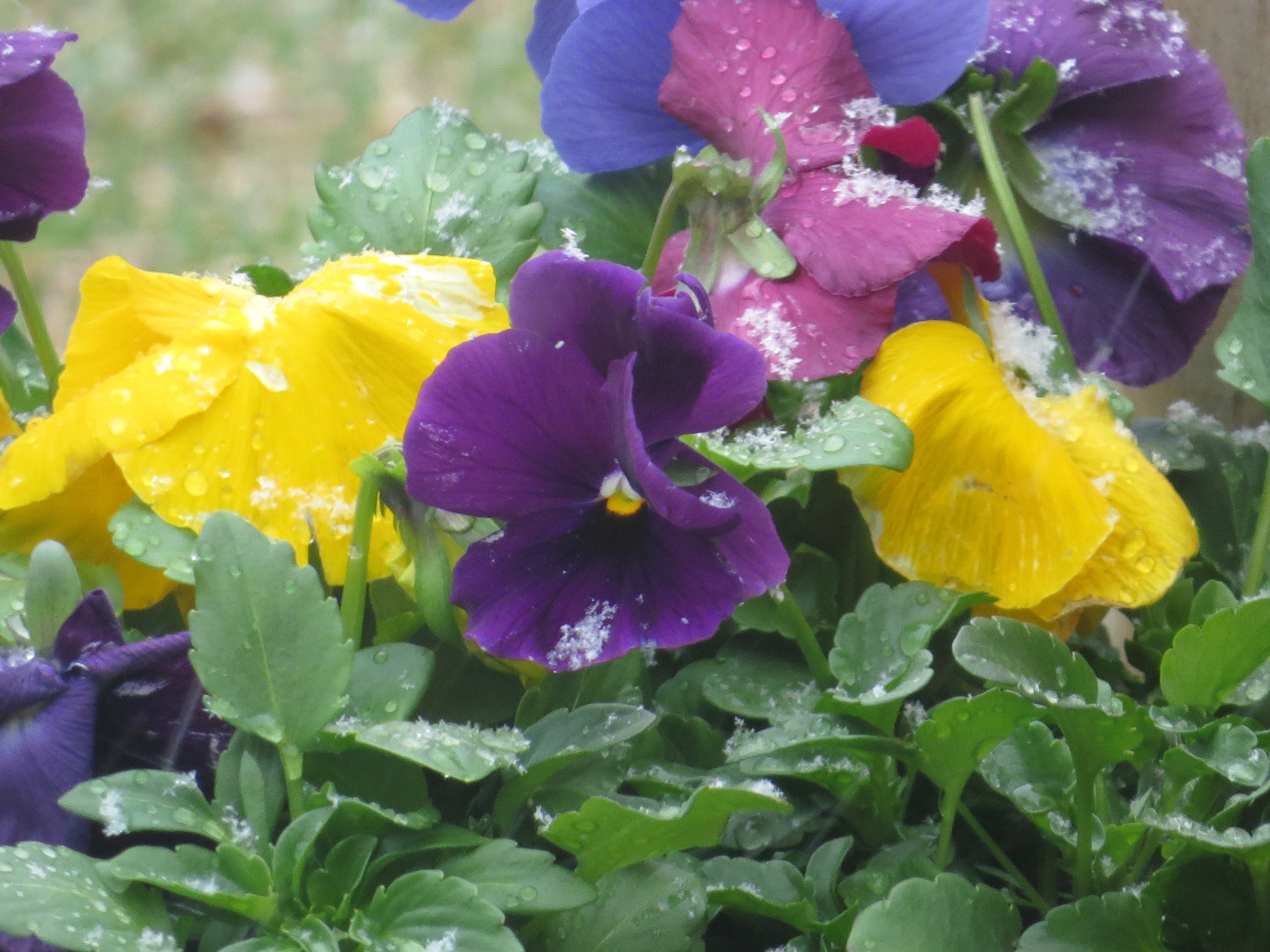
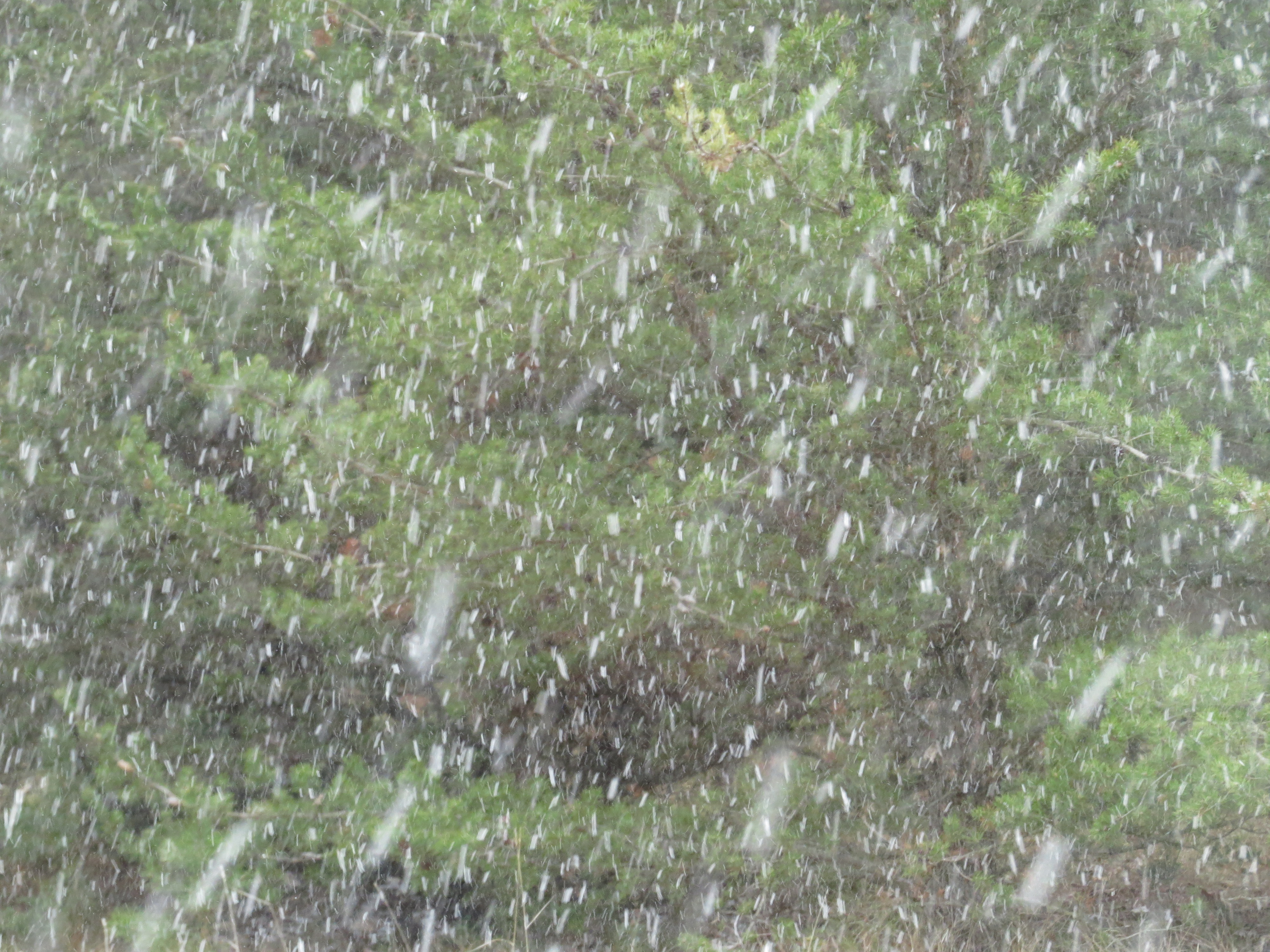
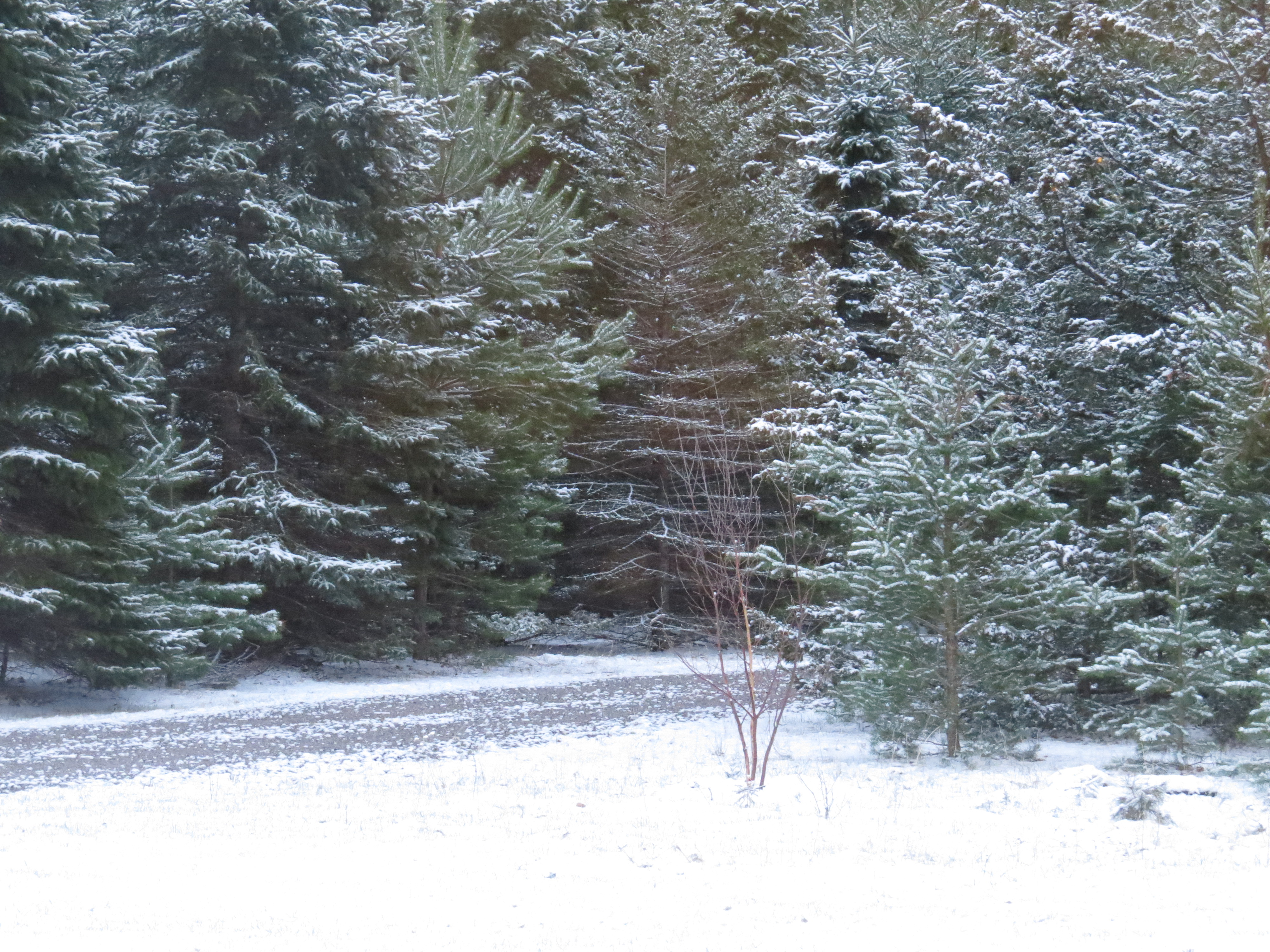
The news can be devastating and yet we put one foot in front of the other. We gather our food and nourish our bodies. We help one another the best we can, even when our attempts seem to fall far short of what is actually needed.
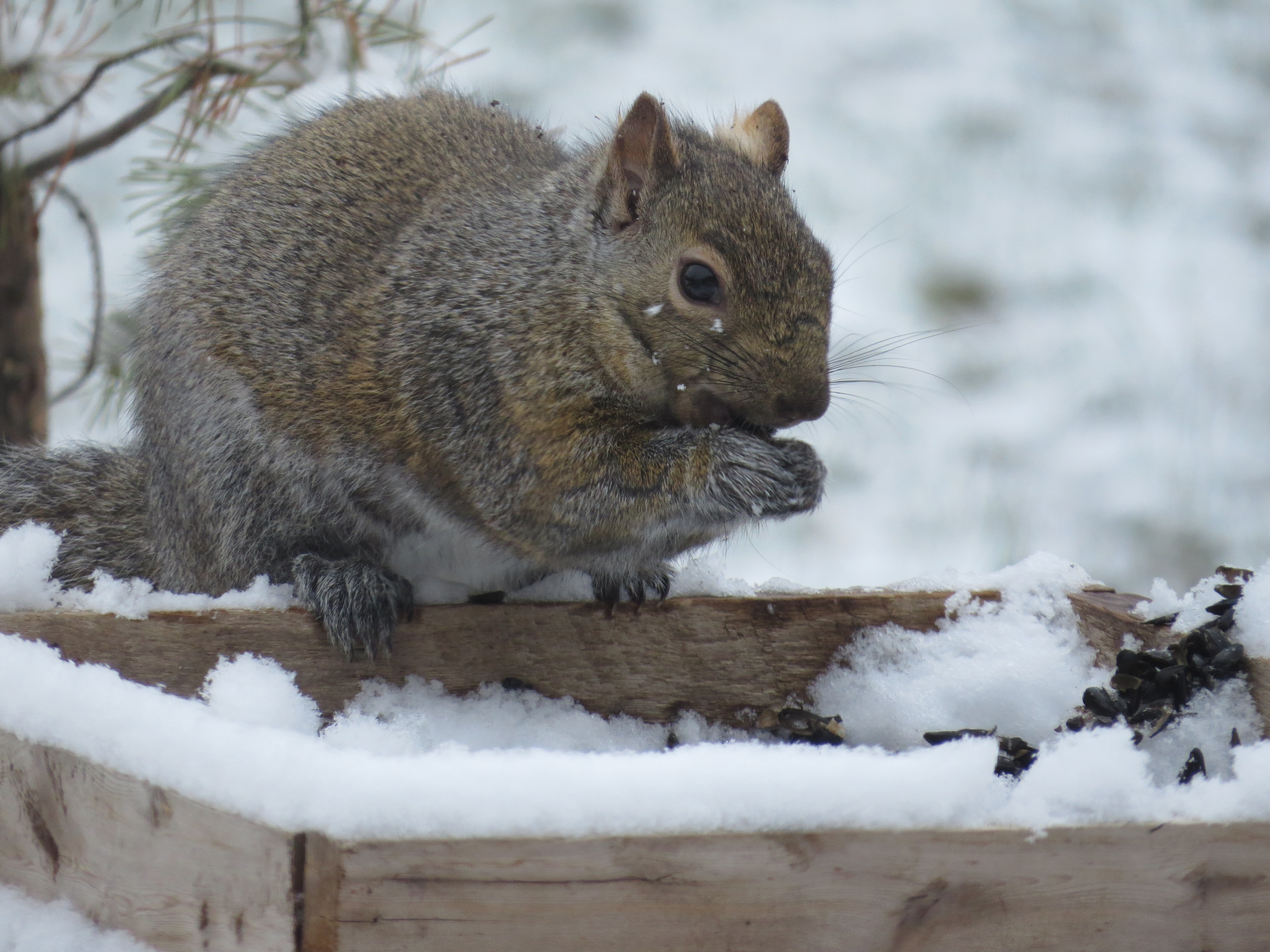

We are all in this together—in this society, on this Earth, in this time in history.
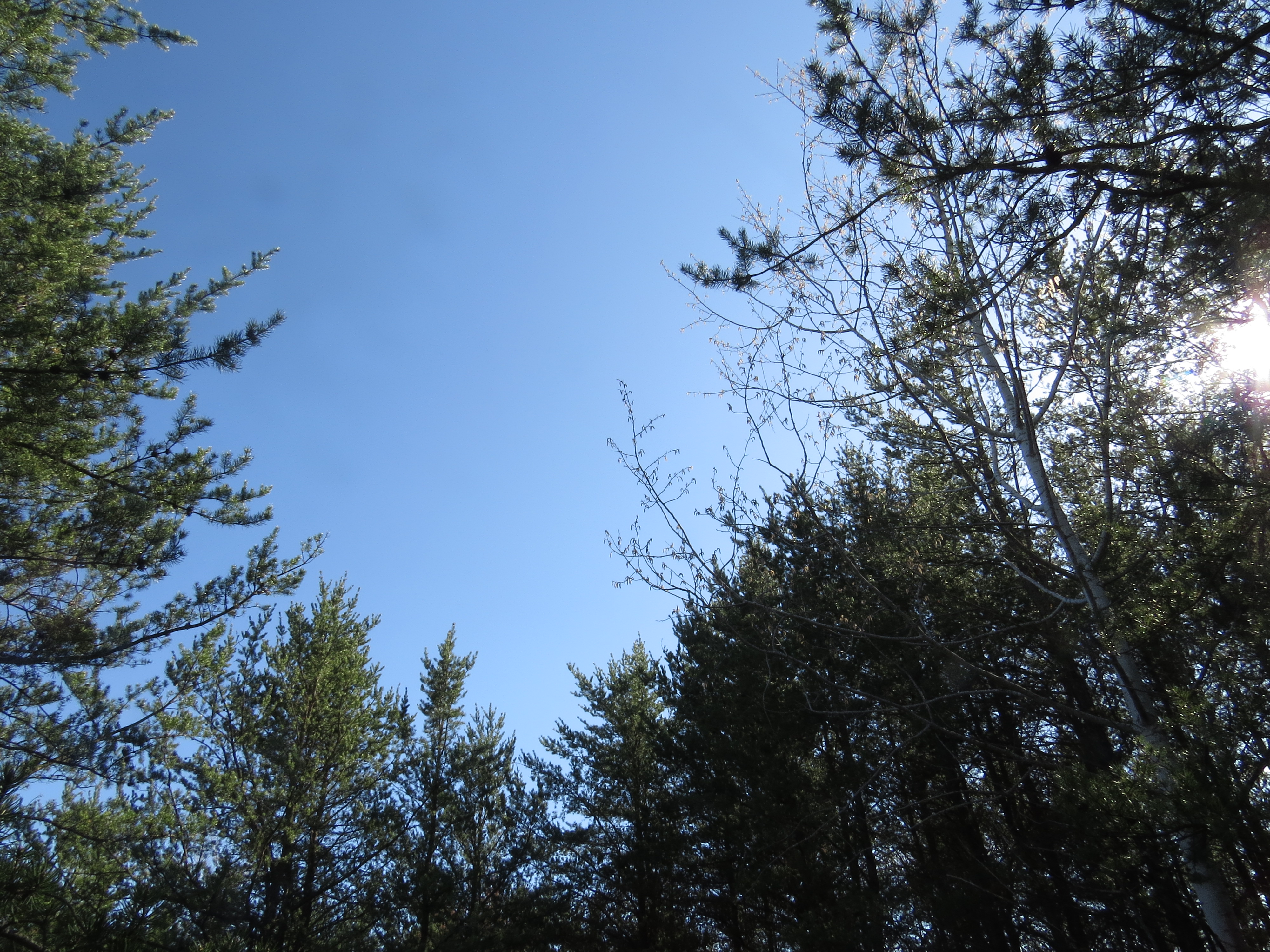
By the end of the week, we had sunshine, warmth, and blue skies.
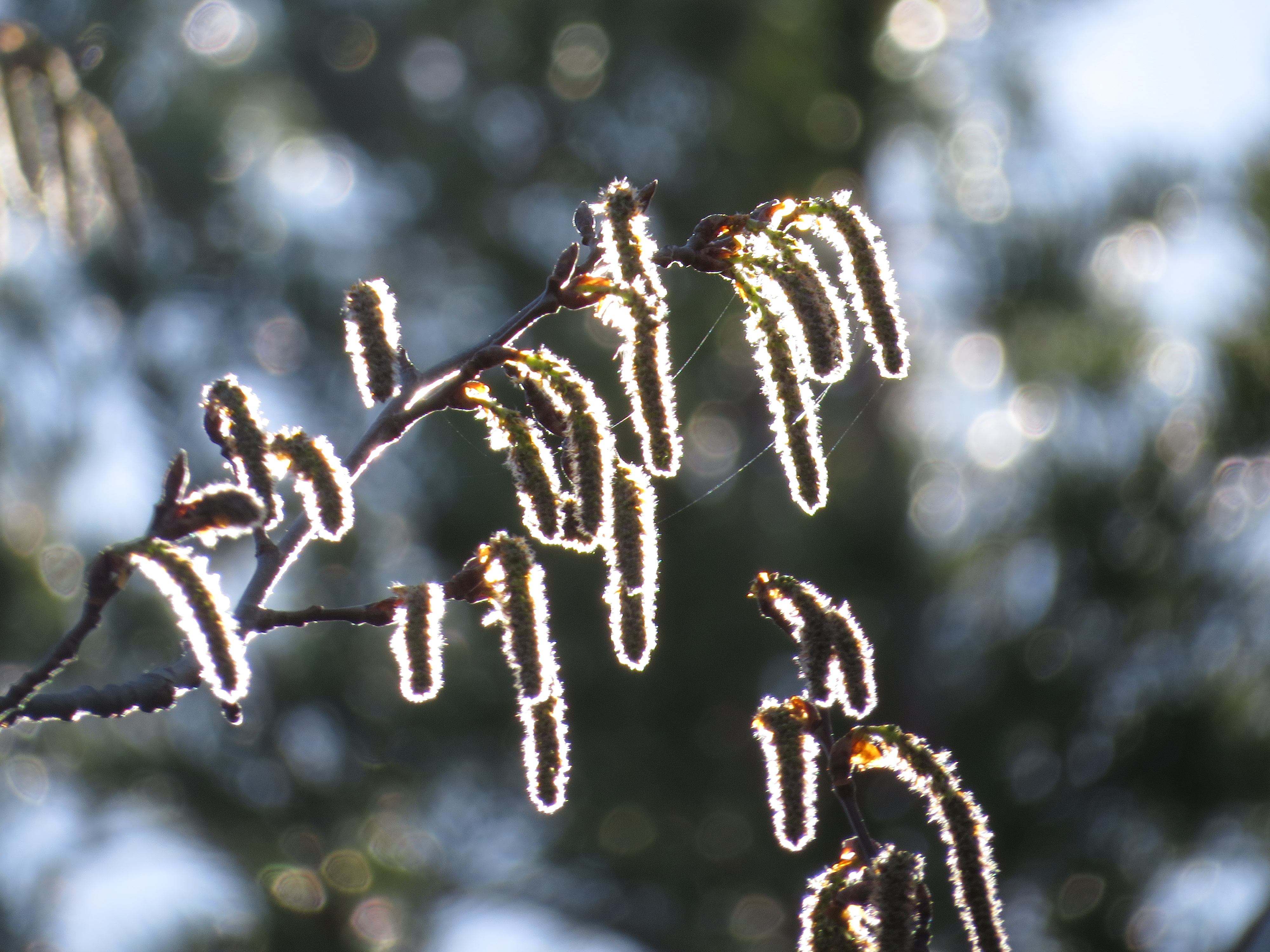
Sun-drenched catkins will produce pollen or seeds before leafing out in the life cycle of a Poplar tree.
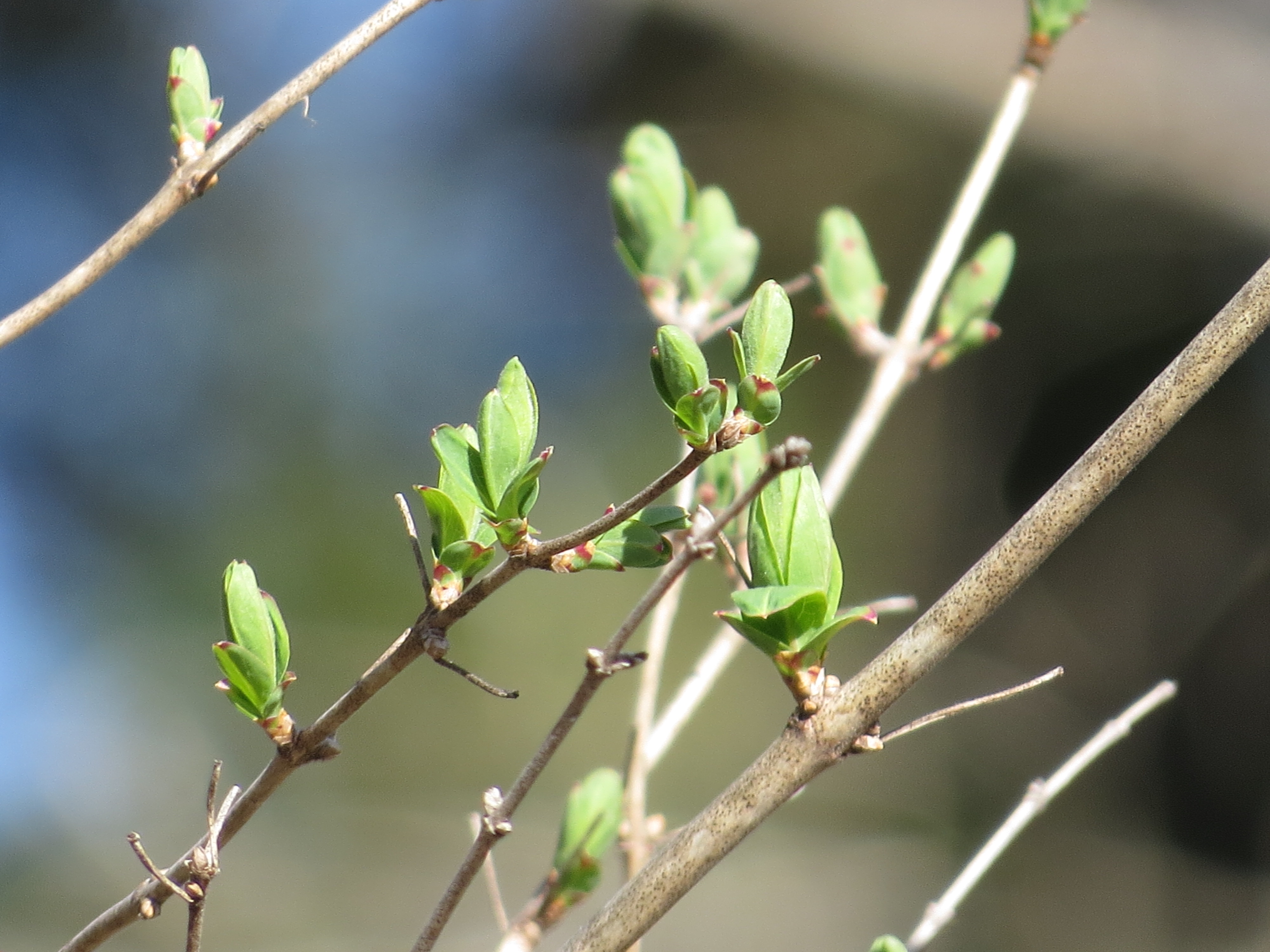
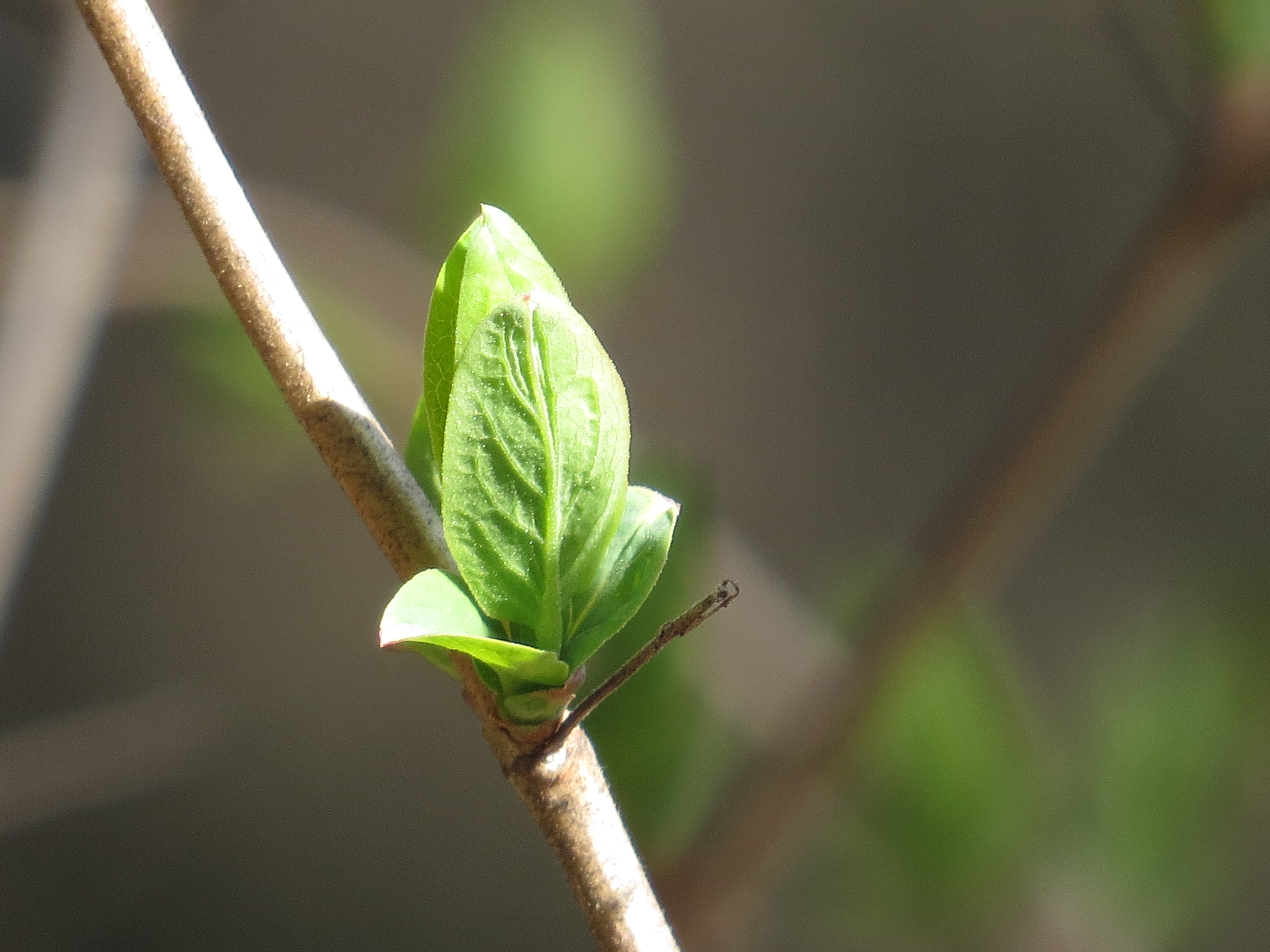
Honeysuckle shrubs produce leaves before flowering. Every Spring plant and animal is intent on creating and sustaining life. Therein we have Hope and Beauty.
The phrases ‘beside myself’ and ‘out of my mind’ are used to describe the dissociative ways we deal with overwhelm and trauma. We are not ourselves—literally—in body or mind when events or occurrences produce such overpowering sensations and feelings. We make space, turn away from, become ‘not like me,’ do things and say things we may regret later. We step out of our bodies and ‘lose our minds’ when the trauma is ‘too much,’ when the discord between our life view and reality is so great that we literally can’t stand it. Many people are experiencing ‘too much.’ A common way for people to turn away and make space from overwhelm is to try to ‘calm’ our bodies with something that makes us feel better—I tend to use food, others use alcohol, drugs, shopping, or gambling. They are coping mechanisms that can lead to addiction and to other collateral damage. So while it seems like a good idea in the moment and can actually give us some relief temporarily, in the long run, it can be much more problematic. So what do we do? We start small. We find small things that give us a feeling of relief or happiness or satisfaction. I do qigong every morning to stretch and move my body. Yoga works. Running works. I walk in Nature to calm my body and mind. Hobbies work. Reading works. Connecting with others in some form of affirming communication is probably one of the greatest life-sustaining practices we can do. Love and acceptance activates the parasympathetic branch of our autonomic nervous system that calms our body and minds. And once again, life is flowing and growing.
Trekking Through Trauma
If you have ever been through therapy, you know there is not a line drawn down the middle of your life with good things on one side and bad things on the other. And I say ‘through therapy,’ not ‘in therapy,’ as ‘in therapy’ implies that you can be ‘out of therapy.’ When I was going ‘through therapy’ after a spiritual crisis, it felt like I was going through one of those old-fashioned wringers on an old tub washer—my old life was being crushed, wrung out, flattened. I felt like the energy and purpose of what I thought life was all about was being snuffed out of me. There was no ‘in therapy’ then returning to ‘normal life’ when I left a session—it affected every aspect of my life and left me exhausted, crumpled, and changed.
Having a very strong line of demarcation between right and wrong when I was young was a coping mechanism for me to feel like the world was orderly. It helped me feel more safe, more in control. Things were easier to sort—either you’re with me or against me, it’s good or it’s bad, it’s black or it’s white. And I was the arbitrator of those judgements. My world view was narrow. That worked for a while. But as I got older, there were things that clashed with my categories. If I love this person, how can I vanquish this part of their life to the ‘bad category?’ Wait, the person I voted for did what?! That’s not acceptable. If this action helps one person and harms many others, what does that mean? Things weren’t an easy call anymore. Things were confusing. The huge gray area between black and white opened up my narrow world and threw me for a loop.
In order to process the gray area of our larger lives we must process the black, white, and gray areas of our own personal lives. The line of demarcation was strong down the middle of my own life, in my own head and heart. I rejected parts of myself. I made up stories in my head to try to make sense of my categories. I embraced the actions and people that made me feel like my point of view was the ‘right’ one. I ignored my individual desires, then projected those grievances onto others. How could they?! Not how could I not? So going through therapy exposed all of those thoughts, feelings, and actions that I grew up with. It showed me that I very smartly did those things to feel safe and to feel some control. It opened up different ways of thinking and different possibilities. My life through therapy became a giant puzzle, not a bin of good or bad. Each reaching back into my past retrieved a piece of the puzzle that clicked into place. Oh, yes, that makes sense. Holy cow—yes! Oh, no, really? Such sadness. Parts of my present life fit perfectly with the pieces that I had assembled from my past. The picture of my life was coming together—it was finally beginning to make sense. And it was my life, with all the good, bad, indifferent, compelling, benign, happy, grief-filled, hard, and satisfying parts of my life—all in the big picture of who I am.
That was almost fifteen years ago. Therapy never ends. Once you go through it, it tends to stay with you. You ask the questions to yourself. You try to figure out if any of the puzzle pieces were in the wrong place, even if they looked like they fit back then. The past year, no, make that two or more years, has kind of messed up my puzzle again. I have a ton of questions about our world, about the divide in our country—that black and white divide, about the actions of elected leaders, about people making up stories to fit the wished-for narrative in their head and heart. Believe me, I get it. But it has shaken my sense of safety and rightness. So I do what I have always done when I feel shaken or lost or scared or upset—I get outside. Mother Nature soothes me. My world becomes bigger than the mess that scares me as I immerse myself in the small details of the Life that intrinsically holds the seeds of creation. I find things that make me happy.












Why would anyone choose therapy that seems so hard and harrowing? Not everyone who chooses is in the midst of a crisis like I was, but at the time, I just needed some relief from the pain of the crisis. I didn’t know how hard the journey of relief was going to be. But even in the midst of the difficulty, there was relief as well as exhaustion in the artesian well of tears that flowed from my eyes. There was relief when another puzzle piece clicked together where before there was a numb emptiness. There was relief in developing an awareness of myself where before there was an outsized fear of what could happen. There was also an immense sense of holiness I felt during the process and certainly looking back at it. It was hard, holy work. God was with me then just as God was with me during my young years when fear controlled my narrative. The harrowing trek was worth it. The crisis was there for a reason. It pushed me to action, it pushed me to truth, it pushed me to awareness. I didn’t have to reject any pieces of myself or of my life anymore. The black and white sorting bins were gone. And with that reconciliation came more order, more control of my life, and more safety—all of the things I yearned for when I was young. My adversity led me towards fruition. It’s not like I have arrived—I’m still on the journey. Things can still shake me and make me want to go back to hiding in fear. But Nature helps me breathe deep relaxing breaths again. She shows me how shadows can become butterflies. How curiosity partners with knowledge and truth. How treasures can show up on our doorstep in routine life and when we least expect but need them the most. Nature shows us how Goodness is restored.
Like a Lightning Bolt
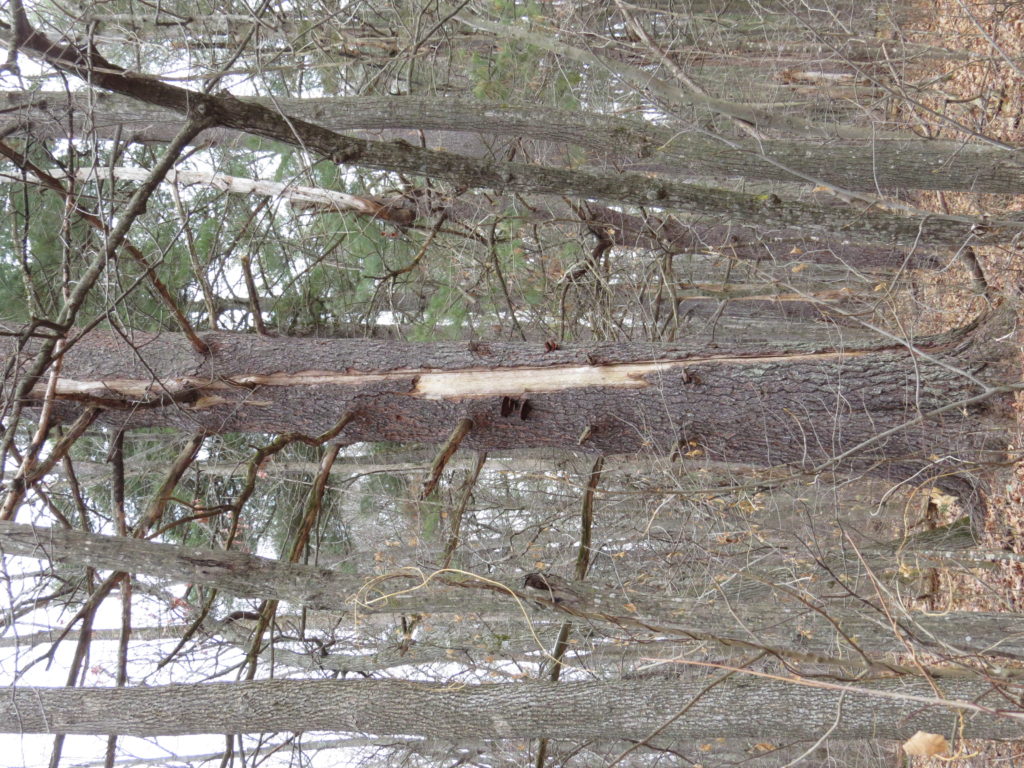
Like a lightning bolt piercing a tree, there are times in our lives when something happens that cuts right through us. It’s a shock. It’s unbelievable, even when we see it with our own eyes or hear it with our own ears. Our brains cannot catch up to what our senses are telling us and will not comprehend the unfathomable. Wednesday was one of those times.
The Space Shuttle Challenger explosion was one of those times. The Oklahoma City bombing was one of those times. 9-11 was one of those times. Those moments in history that shock our very systems. Disbelief. Horror. Sadness. Anger. Questions of how could this happen? What went wrong? How could a person do this? Who is accountable for such atrocities?
When lightning strikes, the tremendous electrical energy seeks the path of least resistance. Since trees are tall and contain sap and moisture, they are better conductors than the surrounding air. Water in the cells boil and produce steam. The steam causes the cells to explode, which can crack the bark, strip the bark off the tree, or even blow the tree apart. As the energy goes into the roots and dissipates into the ground, it may injure the roots, even if the trunk of the tree looks undamaged. Some trees survive; others die. It depends on how extensive the damage is to the whole tree.
Energy. Unfathomably hot, boiling energy. Damage. Injuries. Death. We had a lightning strike on our Capitol, on our Congress men and women, and on the very workings of our democracy. How could this happen? What went wrong? Who is accountable?
Unresolved trauma has the boiling energy of lightning. It wants to strike something; it wants to dissipate the horrible energy and feelings that build up in a person who has had to live with the aftermath of trauma or the ongoing realities of it. Unresolved trauma is destructive—it runs the show, particularly when a person is in a high-stress situation. It torches the reasoning part of our brains. I have compassion for those who have been traumatized. I mourn the fact that our system does not prioritize medical and psychological care for those who need it. Our citizens are hurting, and their very real grievances are being exploited by one who has a huge hole in his heart and whose personal trauma is being played out on a nation.
The lightning energy dissipates into the ground. Earth is the healing endpoint, the ‘container’ for the colossal amount of energy discharged from a strike of lightning. There are ways to discharge lightning energy and traumatic energy without the collateral damage done to the tree or to a person, their family, or to society as a whole. Valuable or vulnerable trees can be fitted with lightning protection systems that dilute and slowly release the electrical charge into the ground. The same premise is used for traumatic energy. The excessive and destructive energy of trauma can be dissipated slowly and safely with the help of a trained professional and/or with personal practices that include deep breathing, body practices like yoga or qigong, and meditation—a slowing of the racing, reactive mind. And of course, we can practice ‘grounding’—touching or lying on the Earth, allowing our excess energy and our overwhelming feelings to dissipate into the healing container of Mother Earth.
Looking at Wednesday through a trauma-informed lens, I see many, many hurting people. Hurt people react, blame, and hurt other people. Trauma causes us to ‘lose our minds.’ It is incumbent on each person to take responsibility for their own feelings, even those buried in trauma, and for their own actions.
For more information on trauma: ACEs or Adverse Childhood Experiences are traumatizing events that can be carried into adulthood if not processed at the time they occurred. https://developingchild.harvard.edu/resources/aces-and-toxic-stress-frequently-asked-questions/
For more information on how the body releases trauma: Dr. Peter Levine is a pioneer in the study of how our bodies hold on to trauma and how it can be released. https://www.goodreads.com/book/show/8582180-in-an-unspoken-voice