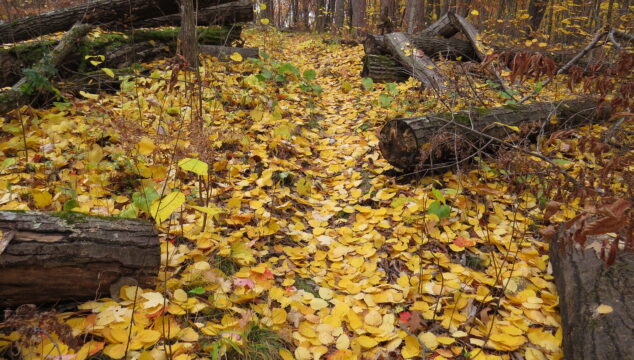
Come walk with me in the peak Autumn beauty of the Northwoods. To say that I love this time of year is an understatement. Most everyone can appreciate the colorful falling leaves---it reveals the 'true self' of a tree when its leaves are no longer producing chlorophyll. Their true colors are revealed, and there is something simple … [Read More...]
Awe All Over Again
I love details. Details are up-close things to be noticed and examined. All the tiny nuances and changes, colors and shapes, normality or pathology. When I was in graduate school, I could spend hours with my eyes to a microscope looking at chromosomes of triticale, histological specimens of mouse testes, and morphological characteristics of sheep sperm. So fascinating! When I lifted my eyes from the microscopic world, I tended to look closely at details of the people around me. What was different? Why was it different? What’s going on with you? There are certainly situations where noticing details and questioning changes are super-powers—it works well for scientific research, but it can have its limitations when it comes to certain aspects of interpersonal relationships. Just ask Chris. This literal ‘short-sighted’ attention to details can bog me down in the minutiae of life—I am not thinking about the future or the ramifications of my inquiries; I’m just gathering facts and information. And I can get stuck there. Perhaps that’s why I’m extremely near-sighted. But I would hate life without my ‘corrective lenses’—I also want to clearly see what lies beyond my armlength! There is a world of wonder in the whole spectrum of near to far! Just like most things in life, it comes down to balancing the details with the big picture. While Chris has had many annoying moments with my detailed fact-gathering, I am fortunate that he has balanced me out with his foresight or far-sightedness. I am literally speechless when he asks me a question about how I envision something in the future. “I have never thought about that,” is usually my answer after realizing the void in my brain. So while I try to sing the praises of details, he challenges me to move my eyes to the horizon.
Last weekend we encountered Autumn in its full glory at Mille Lacs Kathio State Park. The first thing on my list was to climb the 100-foot fire tower to see the big picture! But I had to wait my turn! Cars were parked along the narrow road, and a line of people waited for their opportunity to climb to the top. Each section of stairs brought me closer to the tree-tops, then far above them until I could see, on the horizon, the shining blue water of Mille Lacs Lake, Indian Point peninsula, and Rainbow Island. It was glorious to get a 360 degree view of the beautiful Fall forest. The Oaks and Aspens were brilliant in all colors of rust and red and golden yellow. The clouds were thick and moving, so at times the sun would burst through and brighten and lighten the colors. I felt like I could touch the sky!
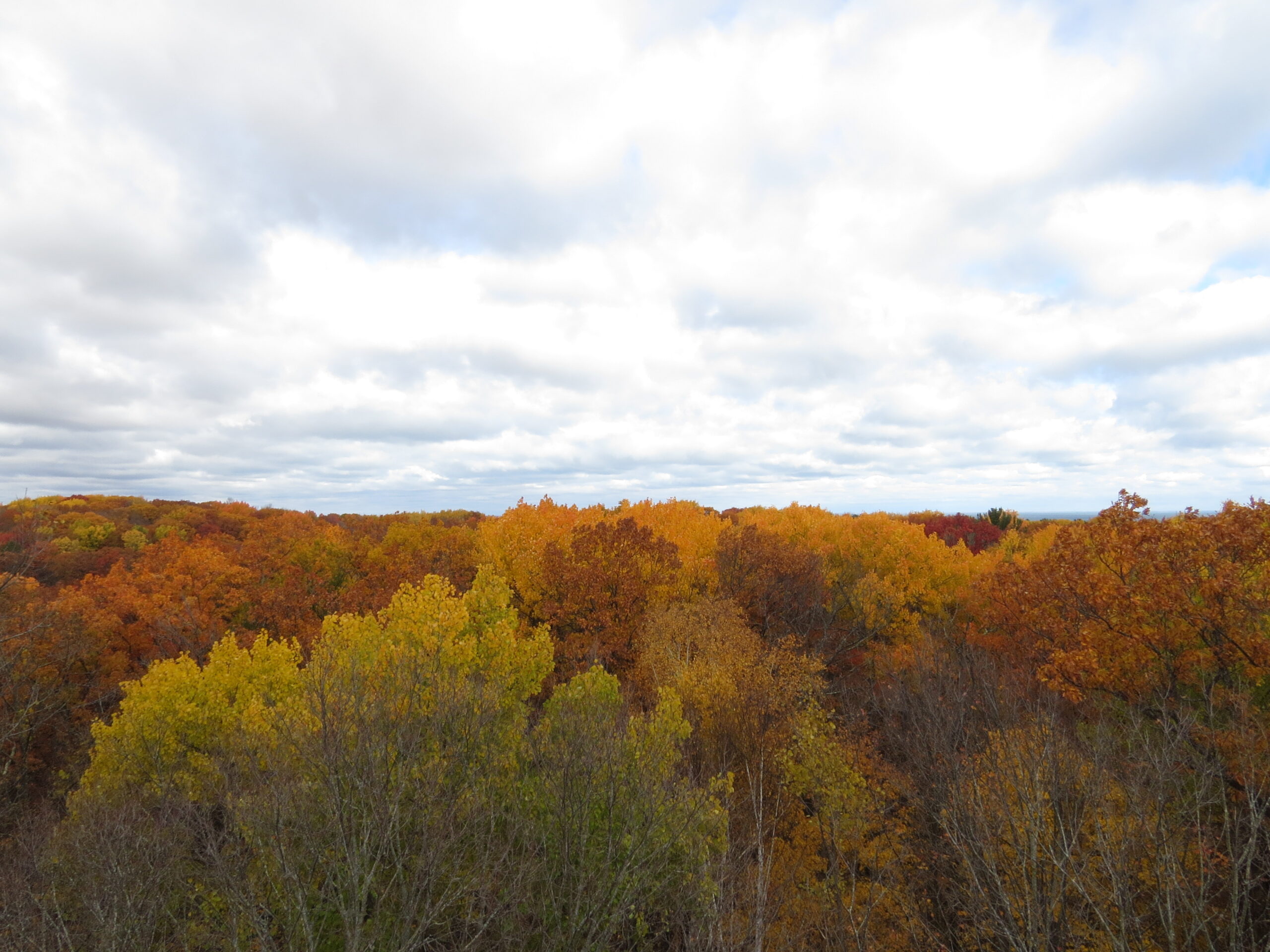
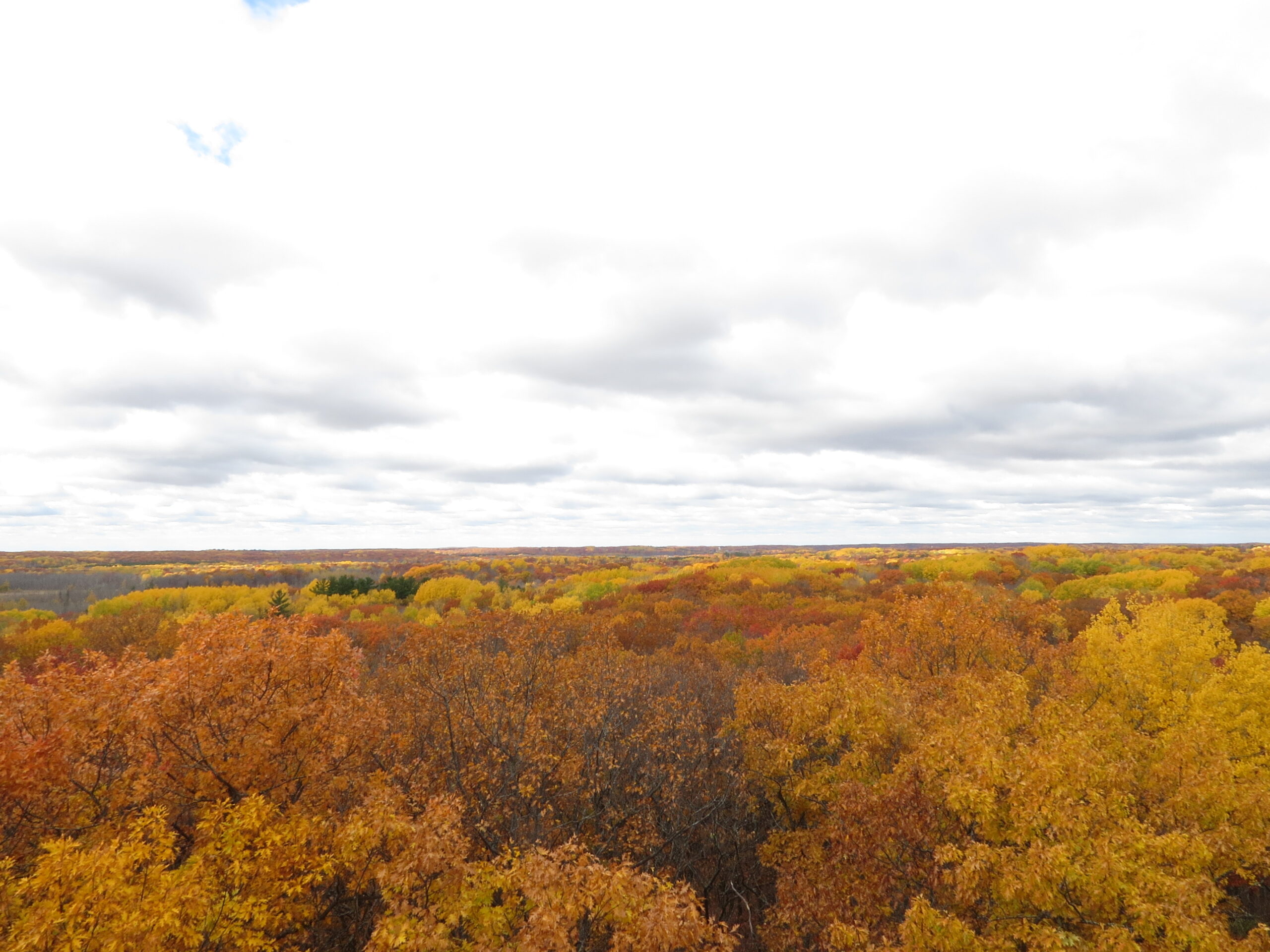
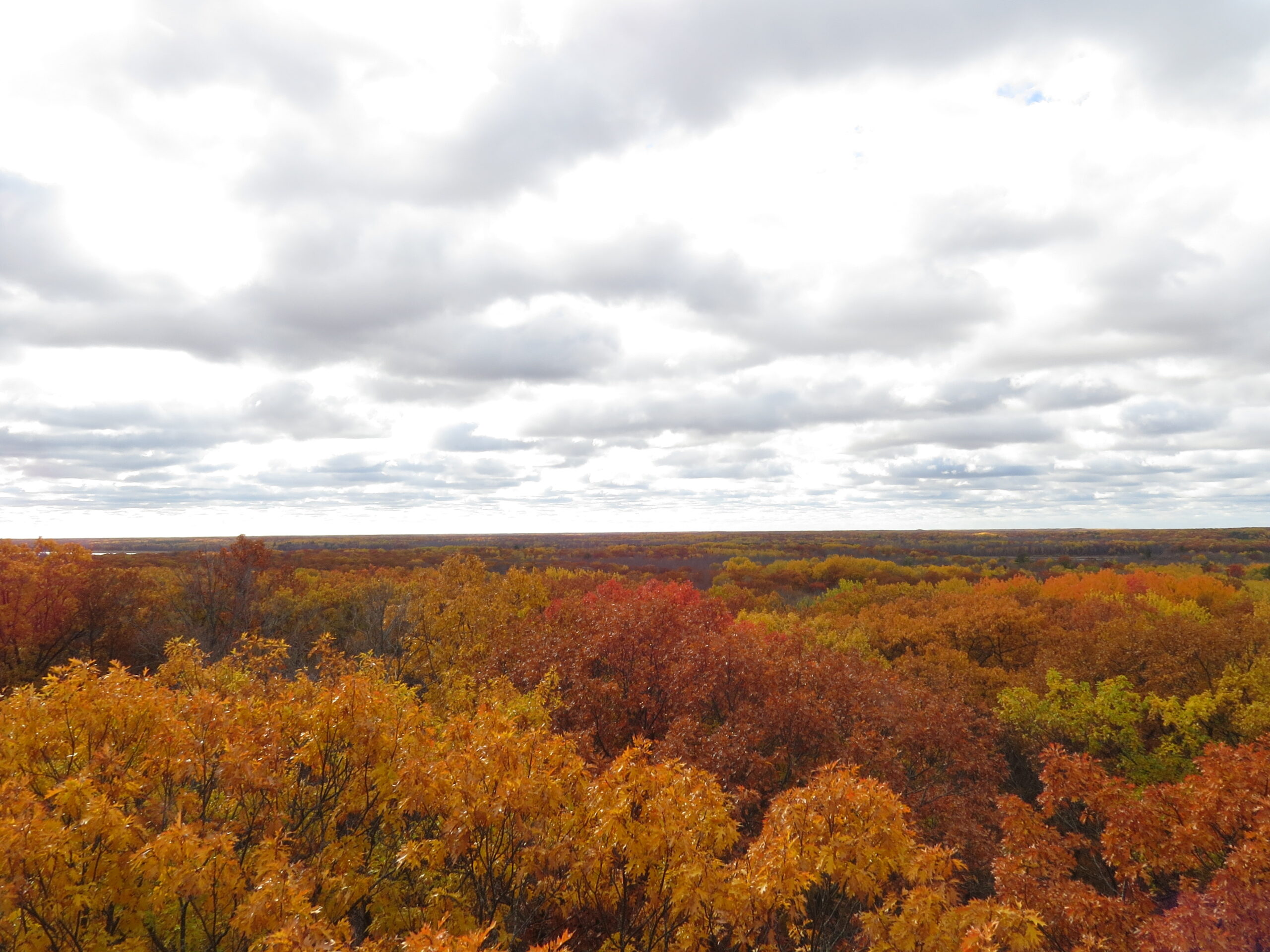
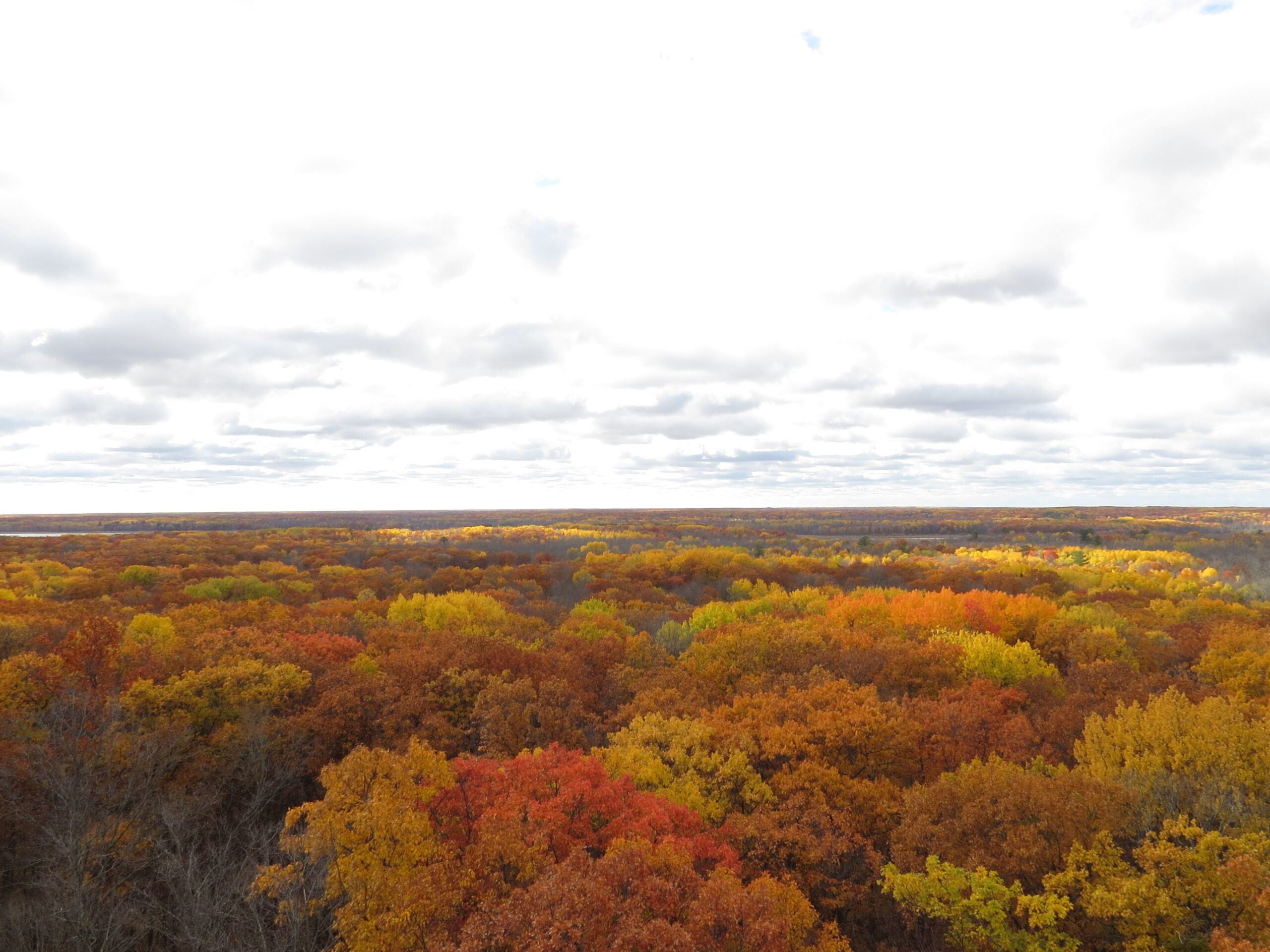
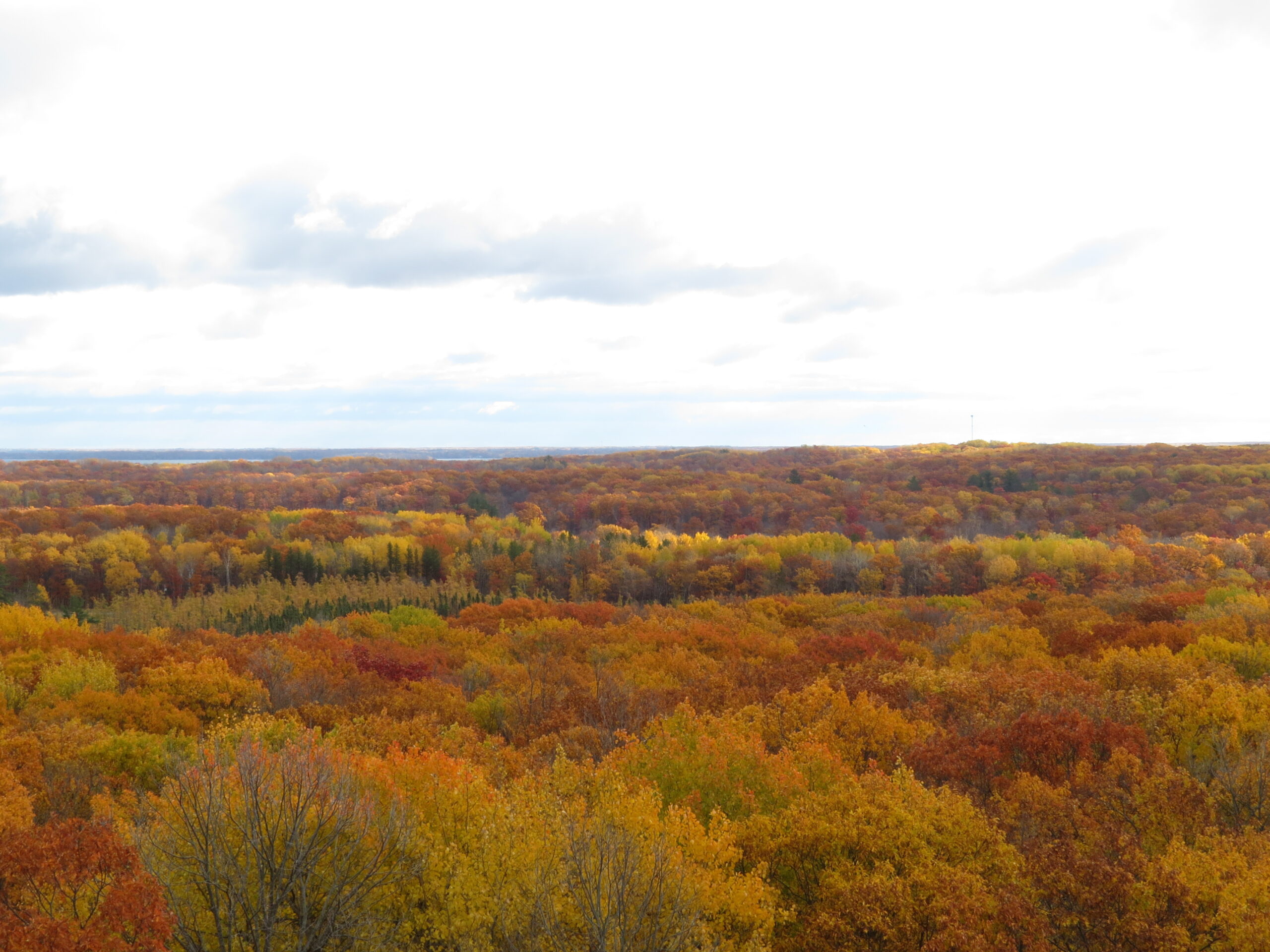
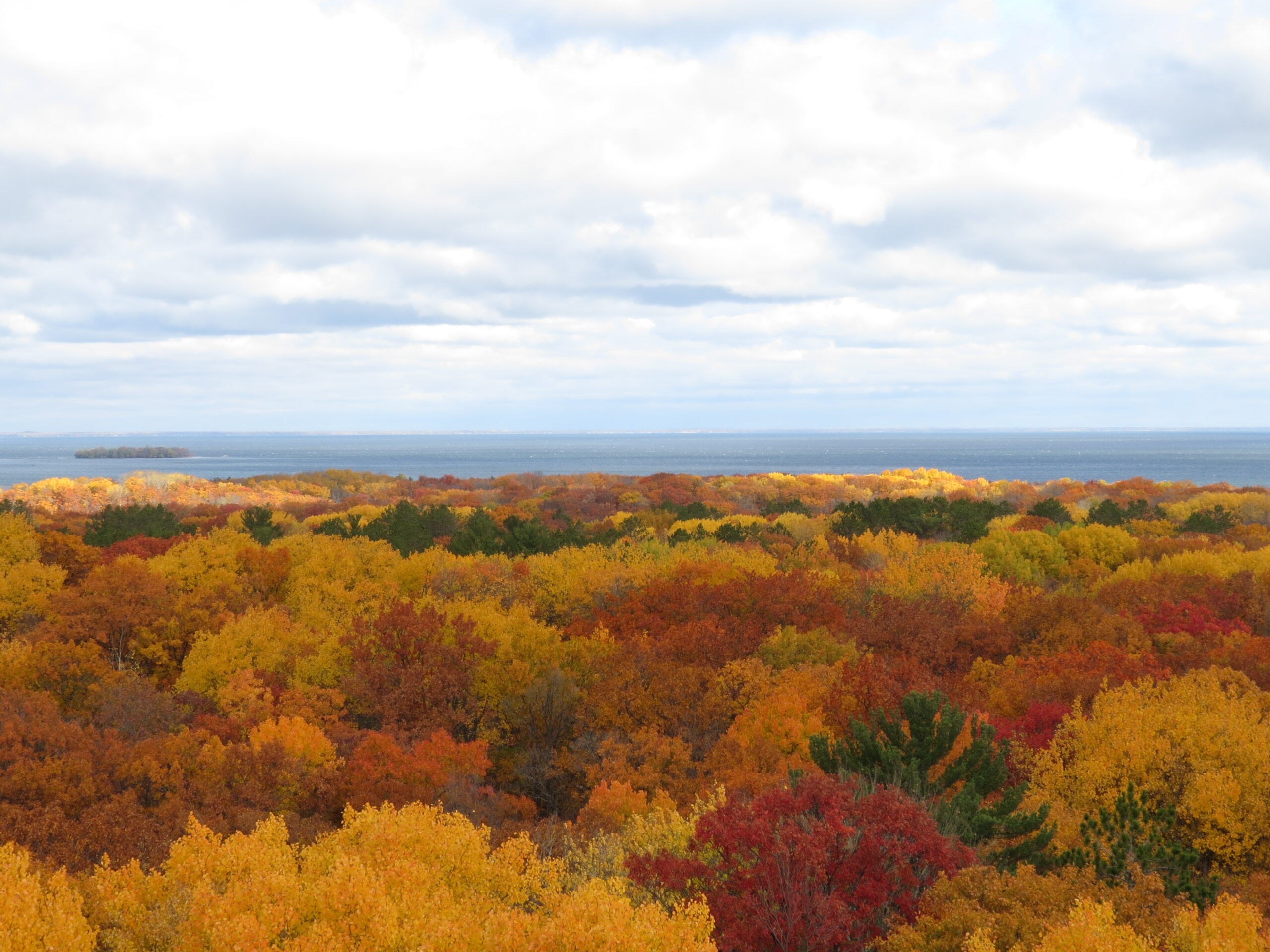
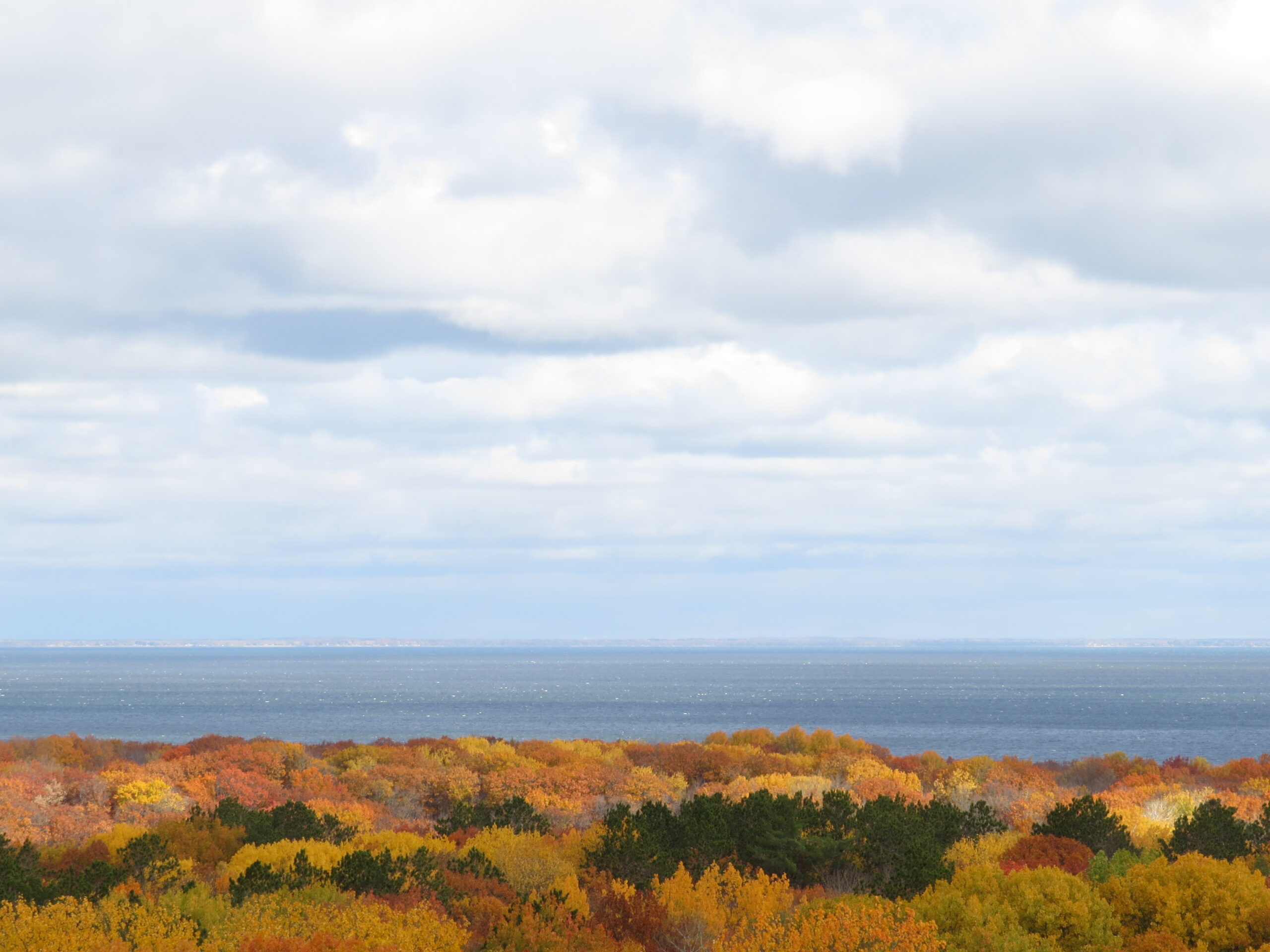
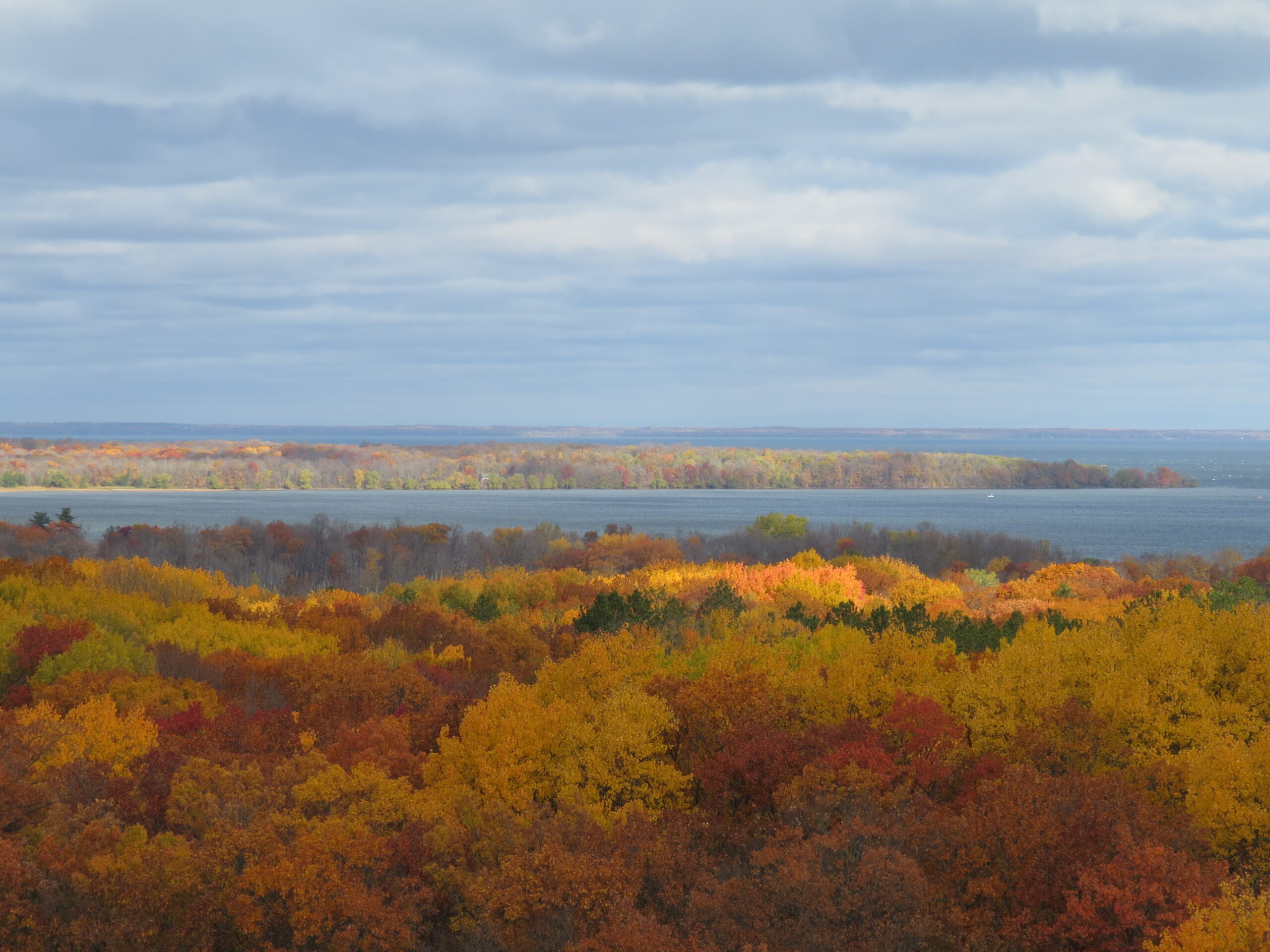
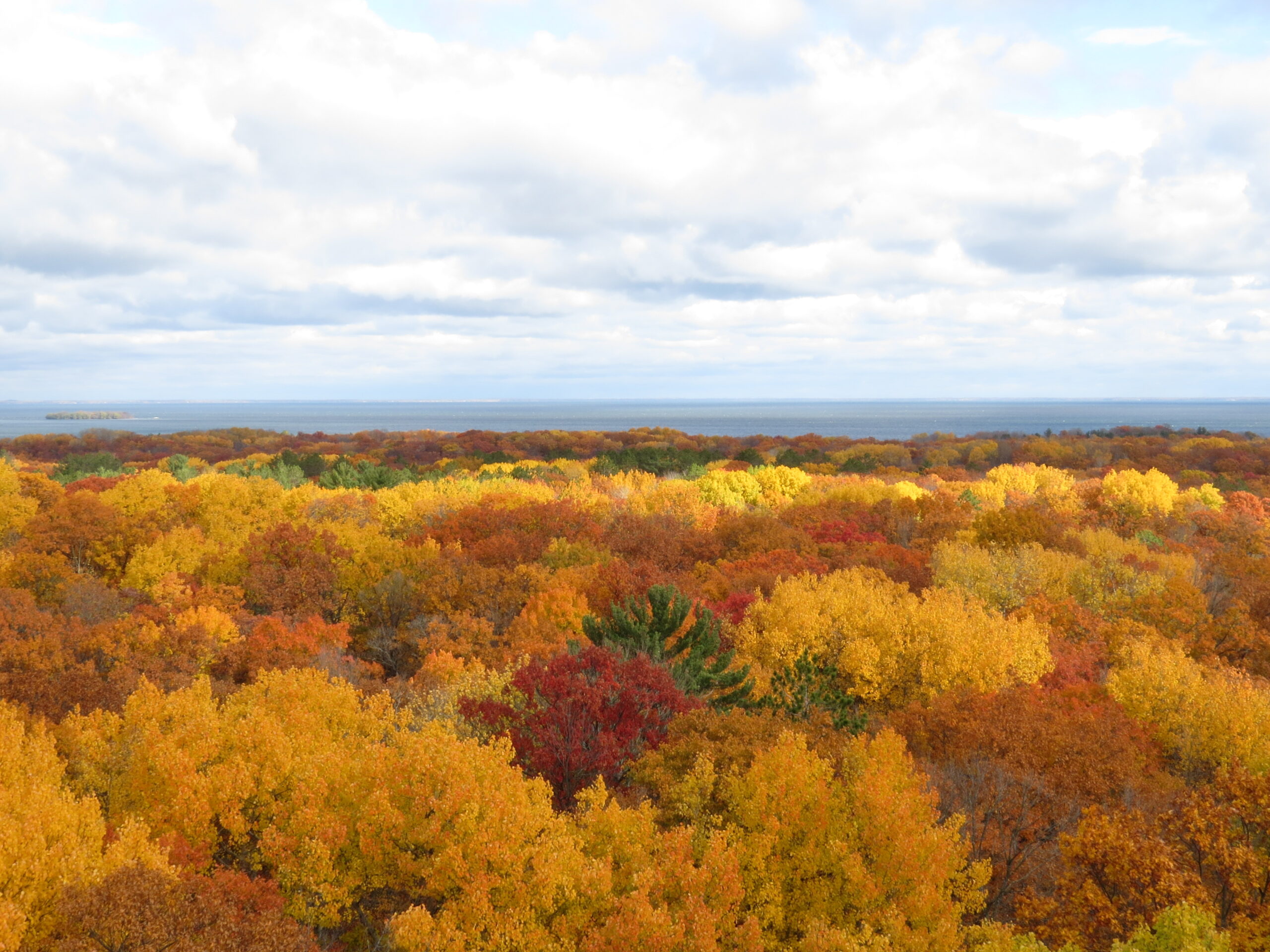
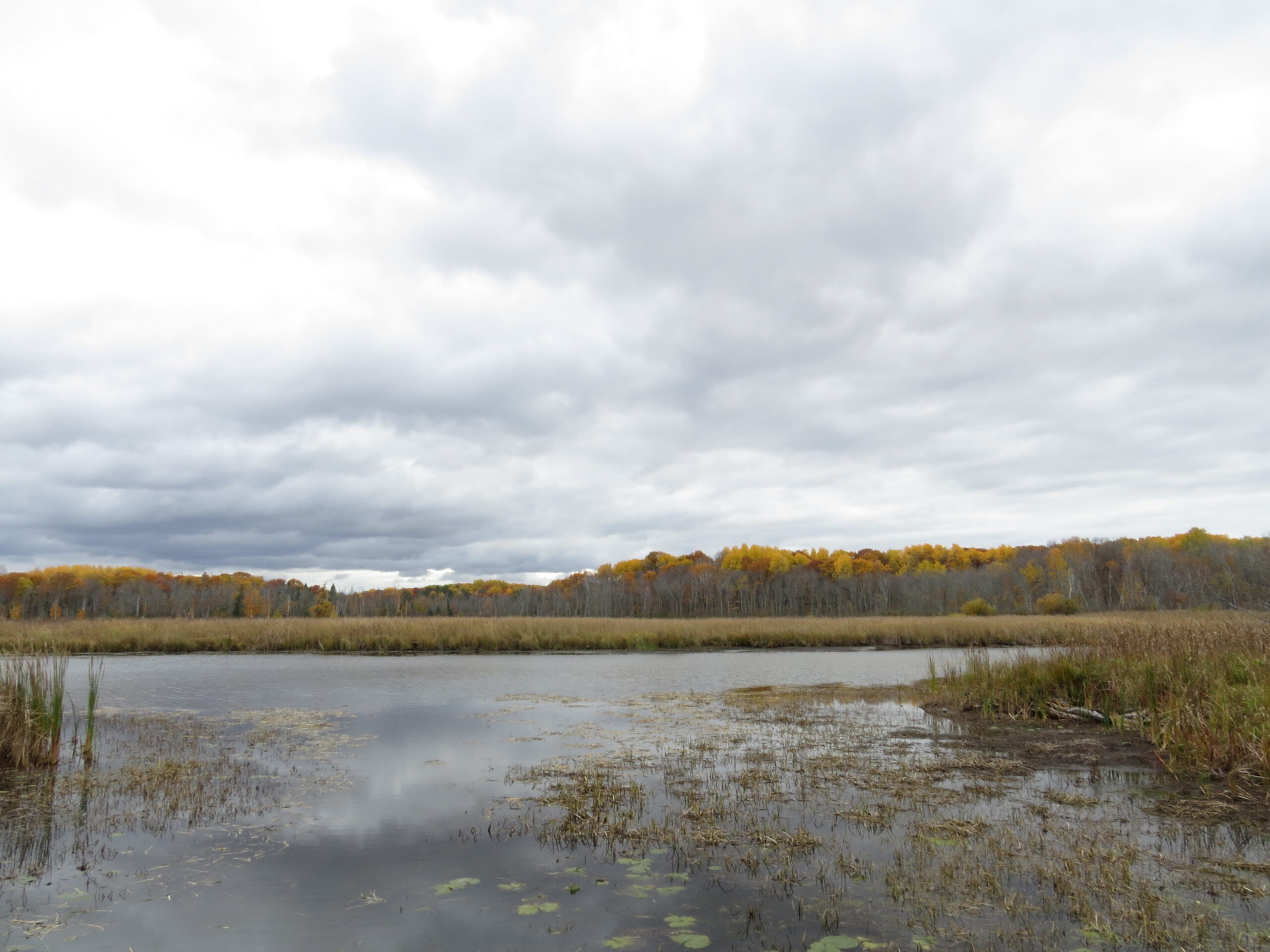
When my feet were back on the ground, we drove to the interpretive center overlooking Ogechie Lake, a historical producer of wild rice. The conical-shaped Tamarack trees that lined the wetland of the lake were not quite to their peak golden-yellow. Then we hiked the Touch the Earth trail that led to the bog boardwalk.
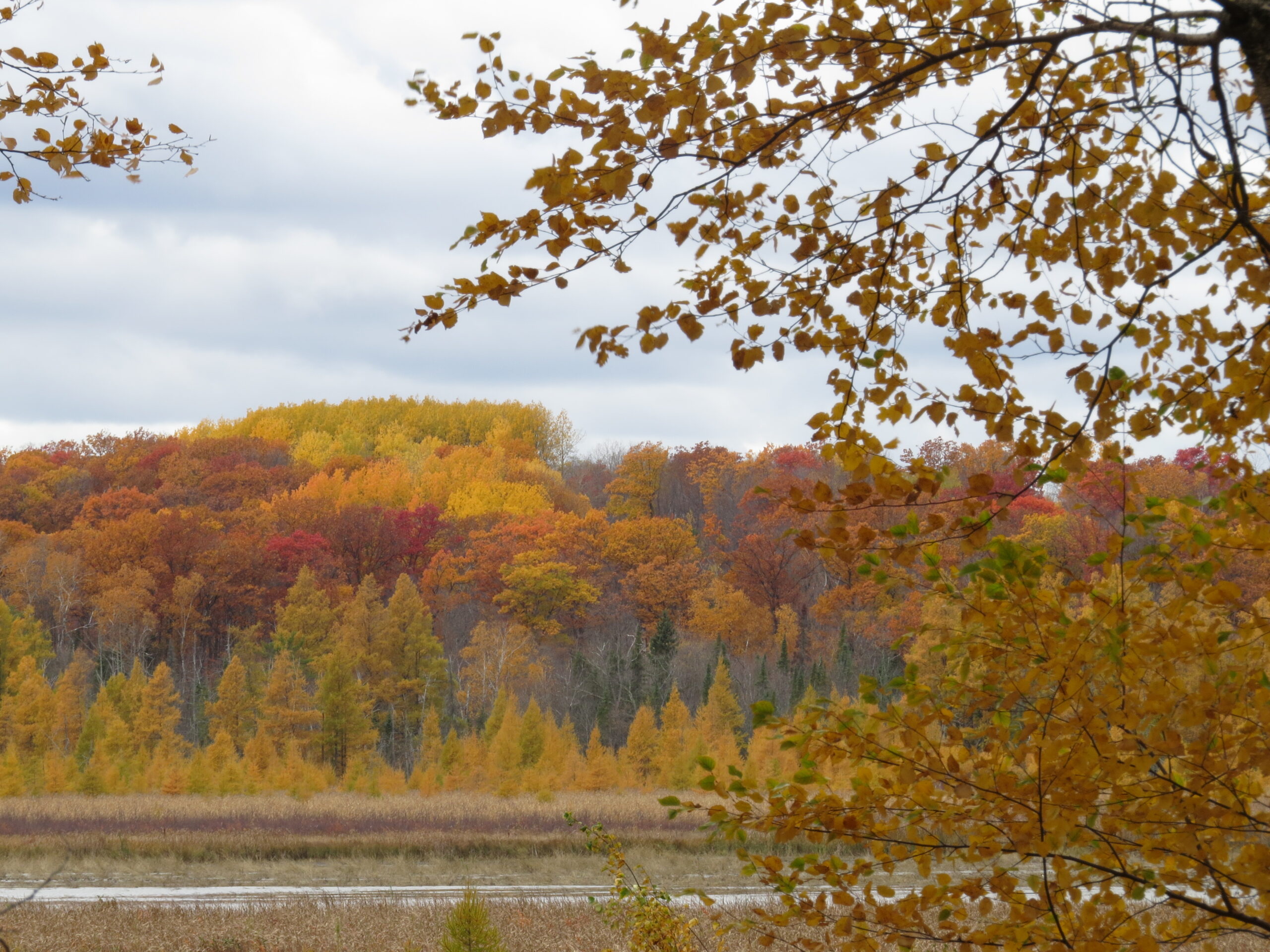
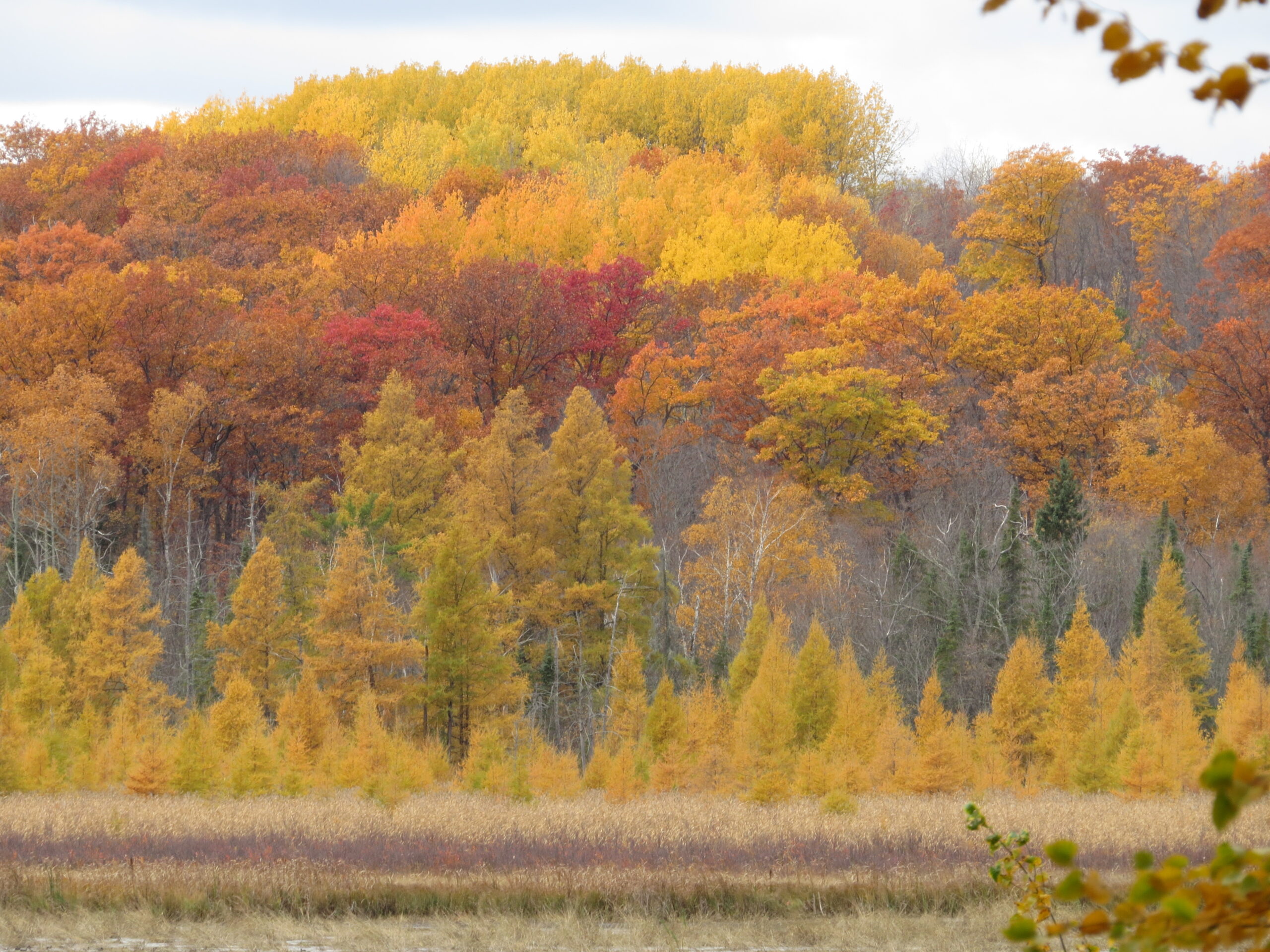
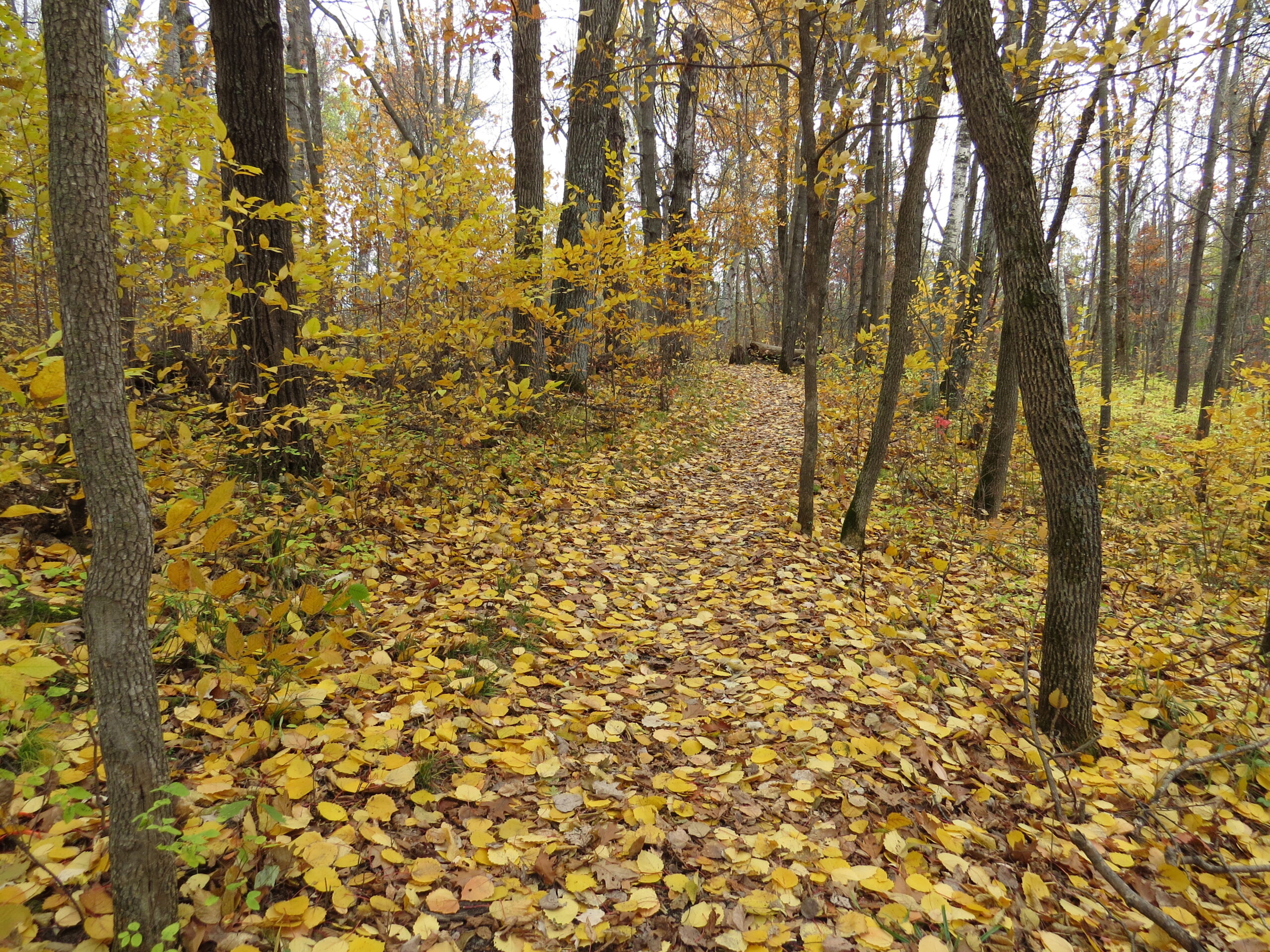
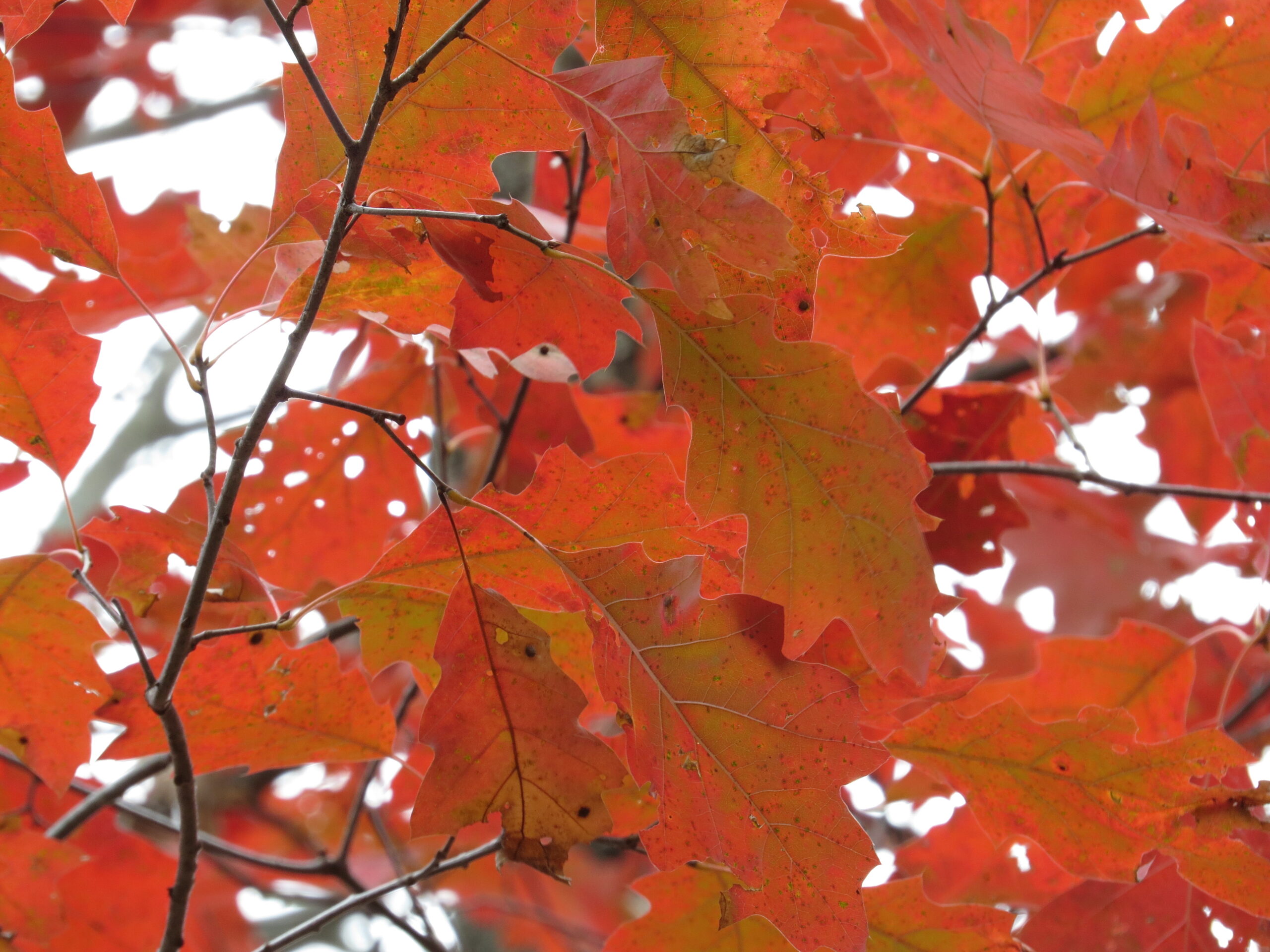
Big-toothed Aspen leaves were falling to the ground and the red and rust of Oaks shocked us from the yellow-of-it-all.
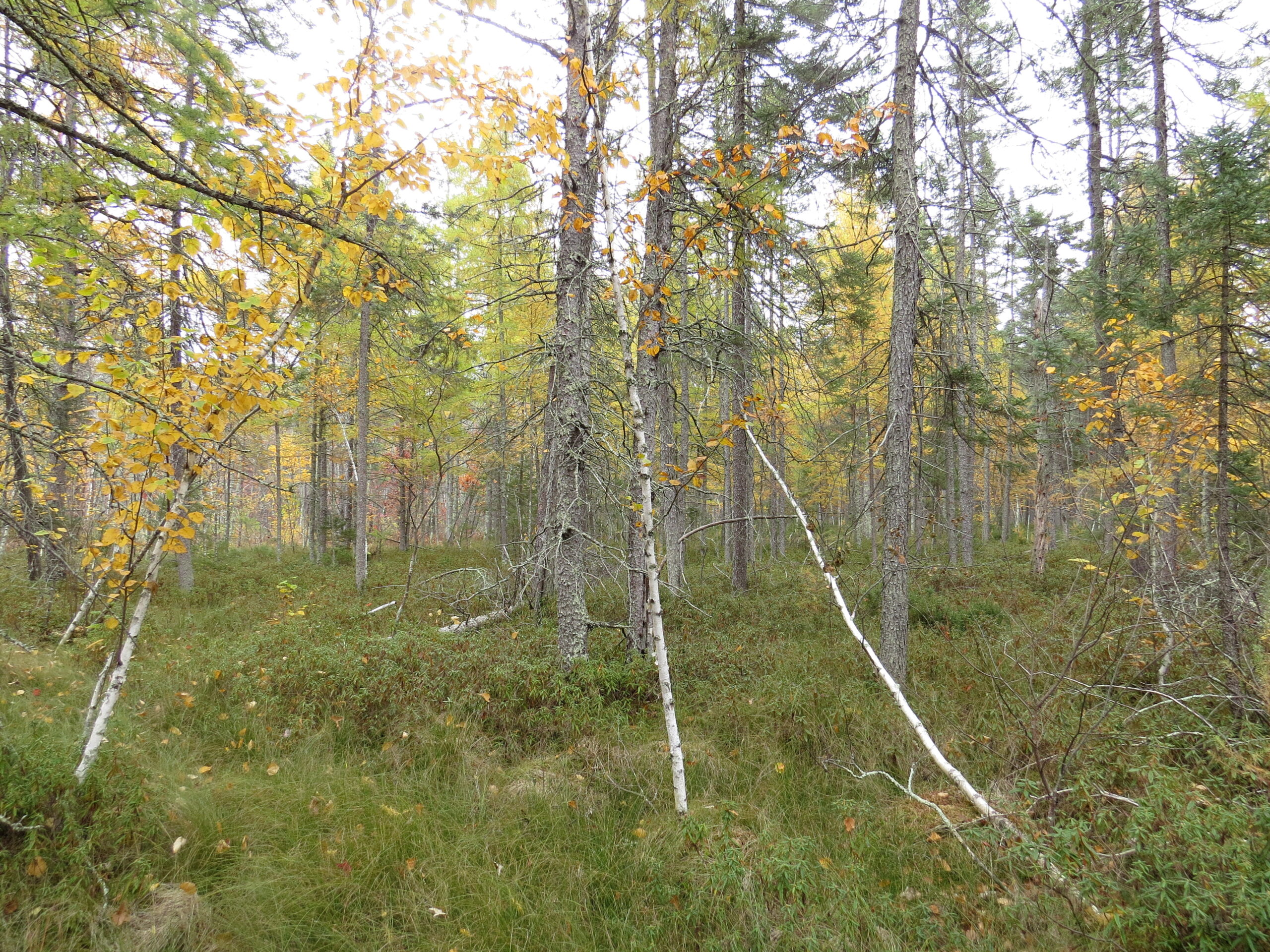
The bog was beautiful despite the toll of the summer drought. The leaning Birch trees were golden along with the Tamaracks while the Black Spruce trees and Labrador Tea maintained their constant green.
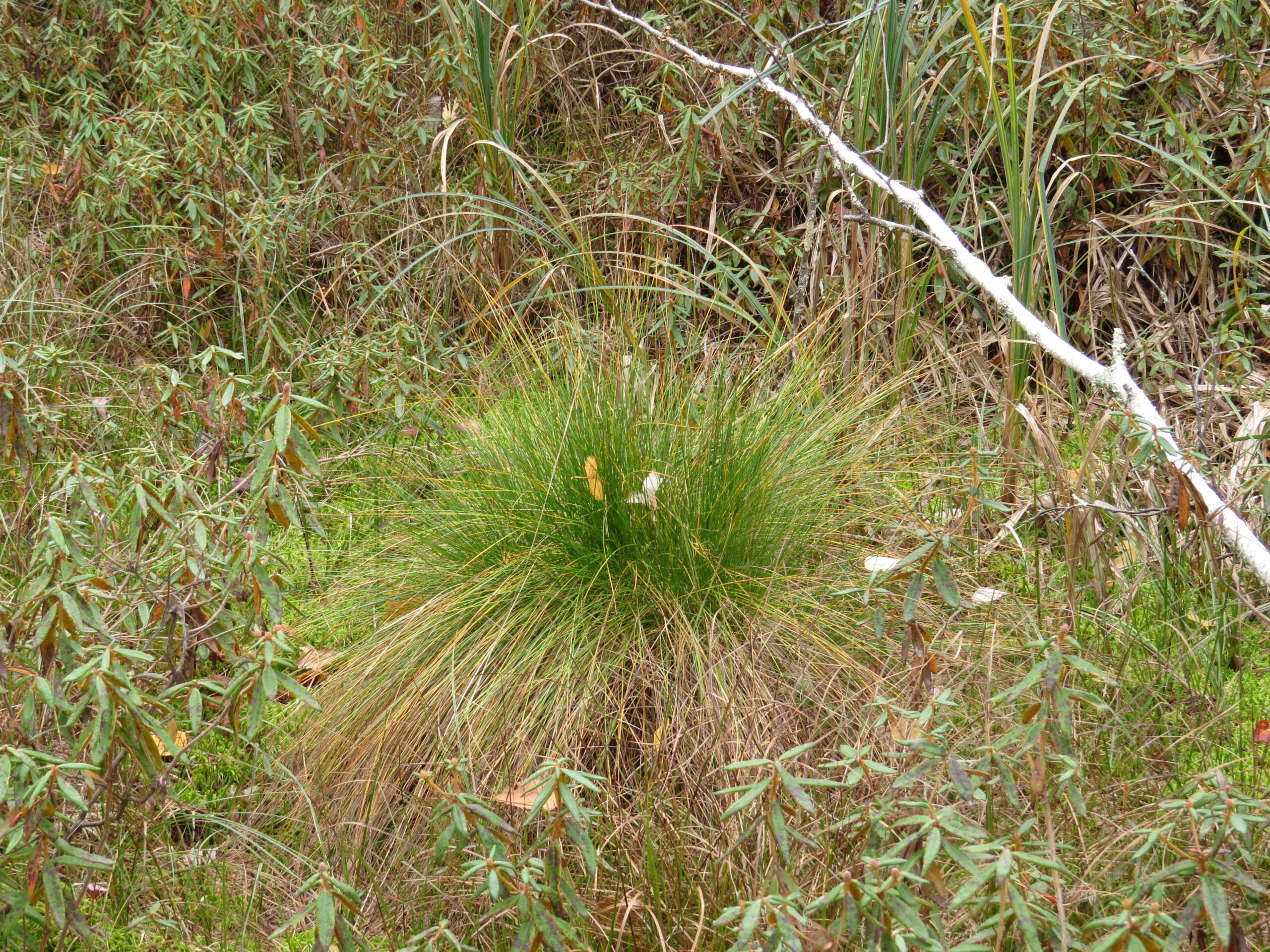
Most colorful in the bog were the Wild Blueberries in shades of red and pink.
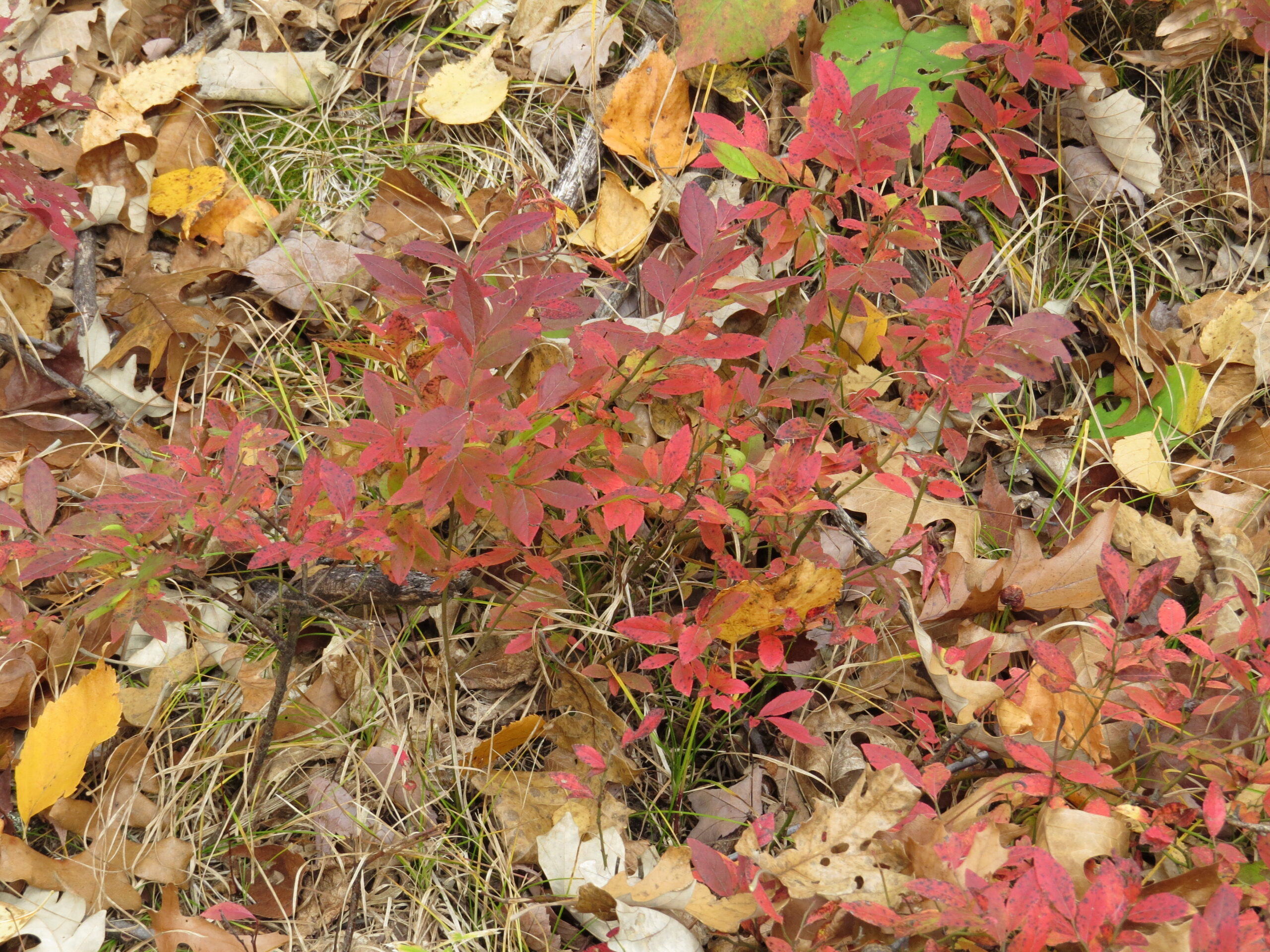
It takes time and intention to notice the details. One has to put aside the compulsion to hurry, make every second count, and get in the recommended number of steps in a personal best time. Letting go of that compulsion, as hard as it may be, releases something inside yourself and allows a different dimension of time and success to flow through you.
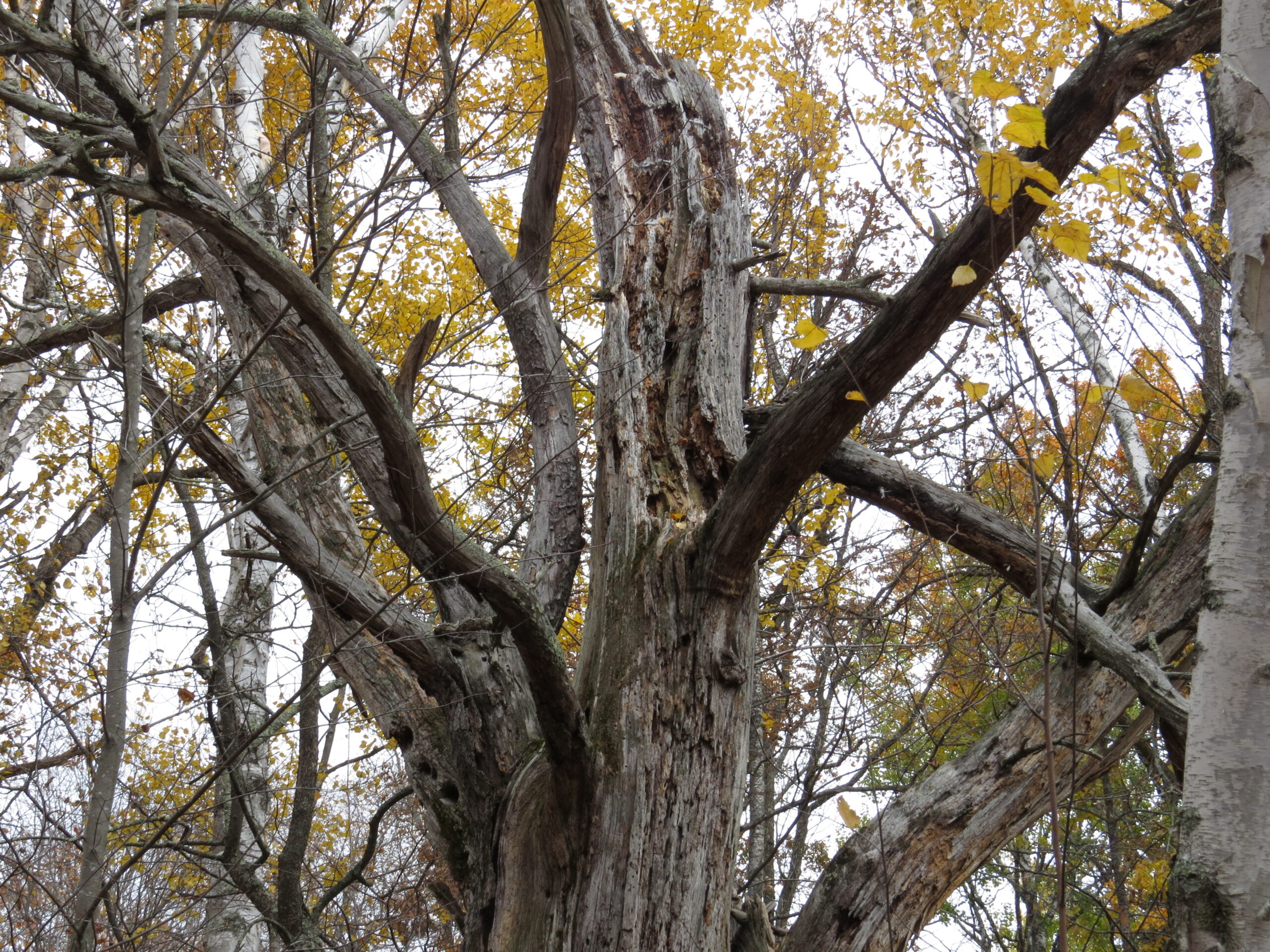
The new-brick color, the number and shape of the leaflets, the environment of sticks and leaves, how it touches moss, the wear and tear on the leaves, and most extraordinarily, the veining of the leaflets and how a heart shape is formed—those are the details of an Autumn Wild Geranium leaf.
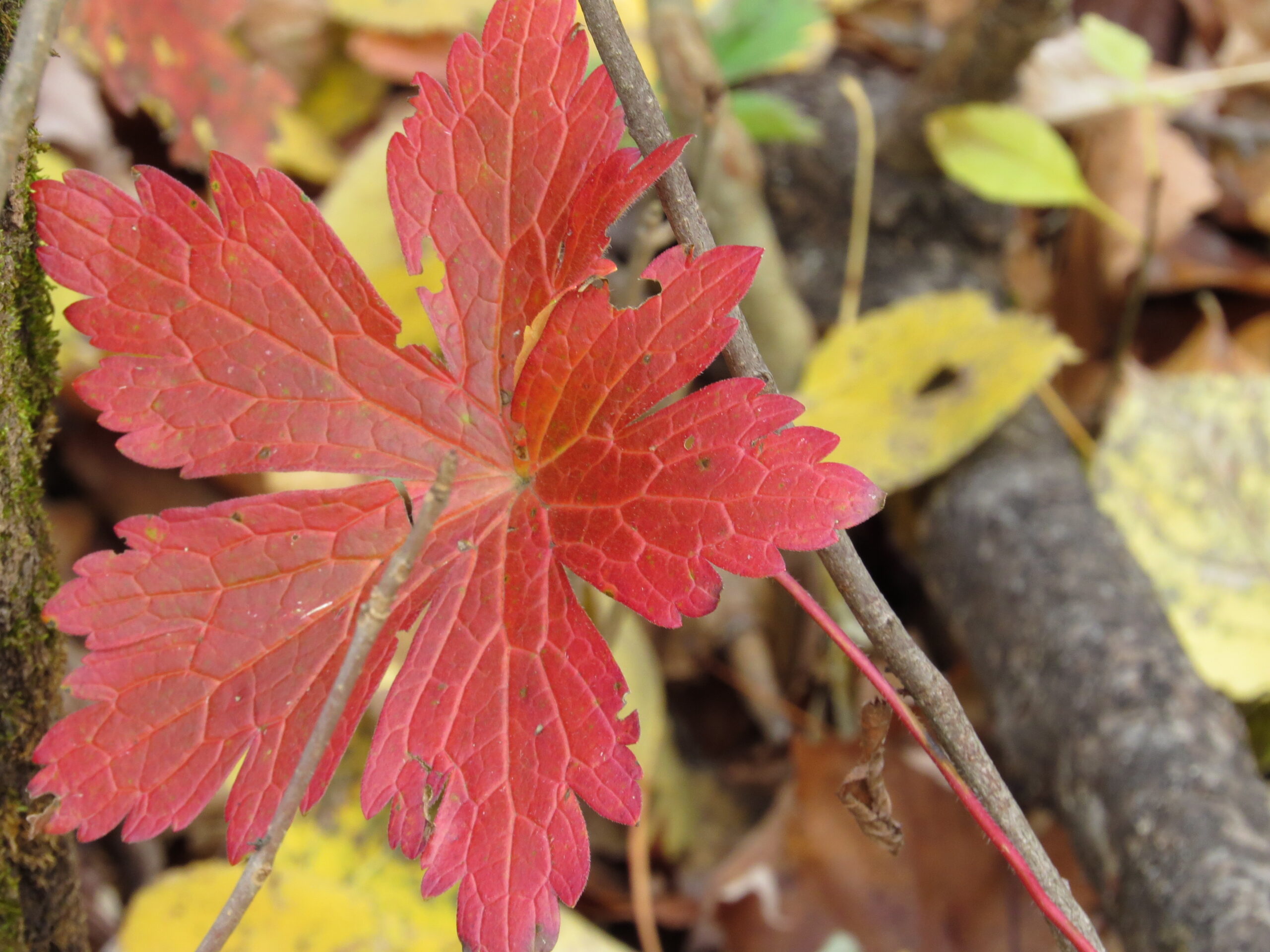
A Wild Cherry tree wears a unique Fall color that draws our attention to it—not quite yellow, not quite orange, not quite rose, but a combination of them all.
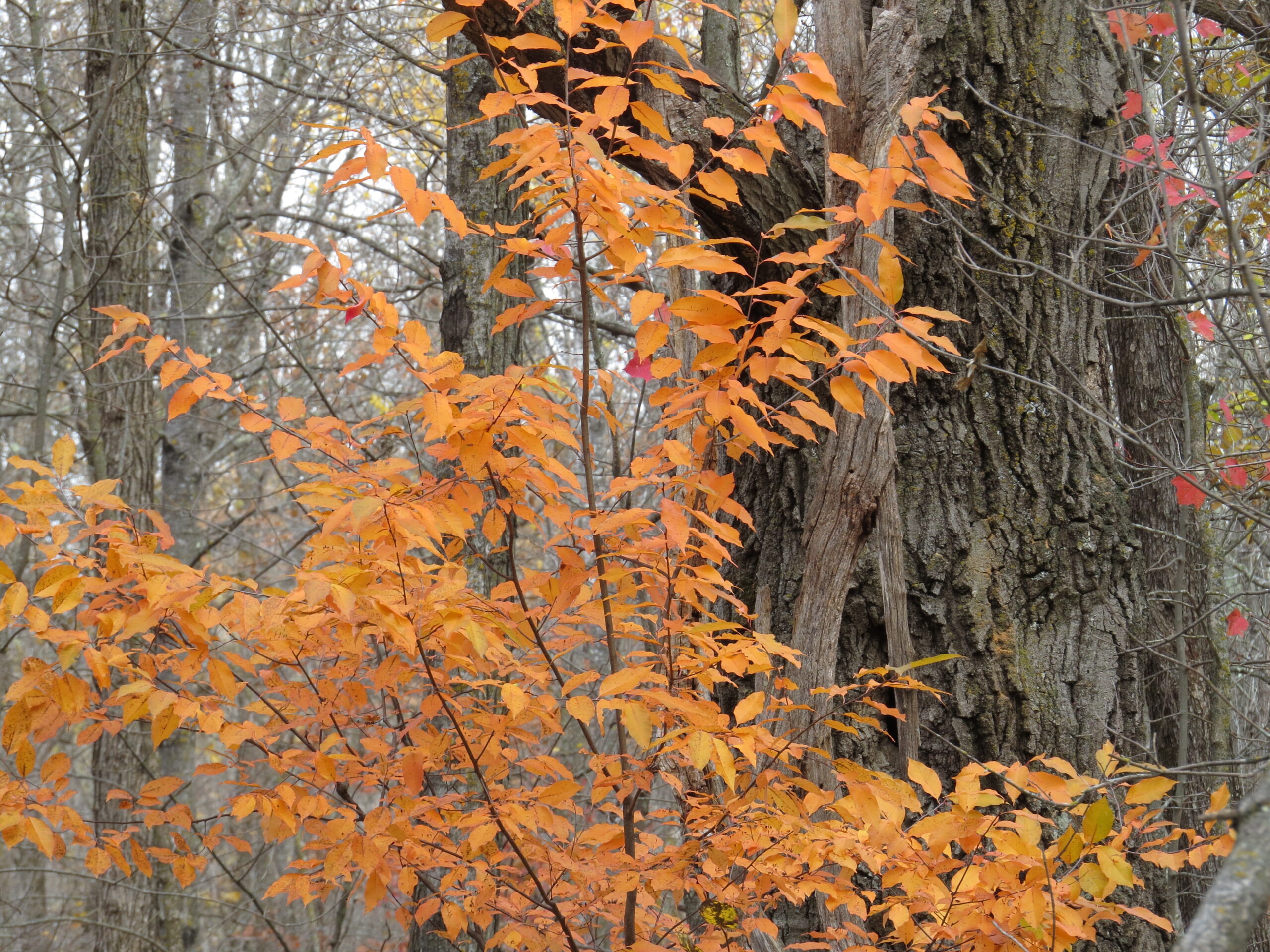
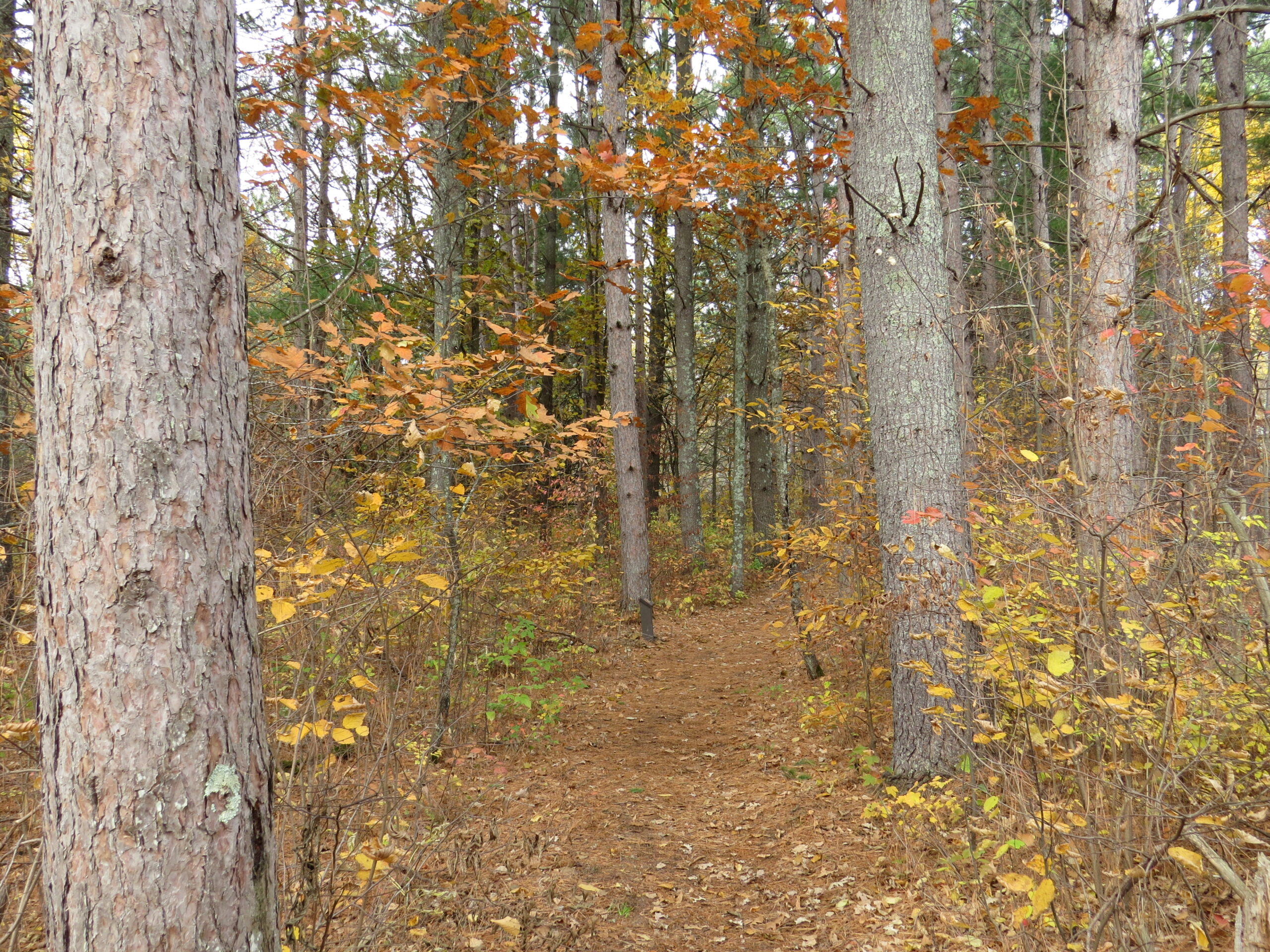
The beautifully barked Pine trees are a constant through all the seasons, though they, like the other trees in Autumn, drop some of their needles to create the fragrant carpet of rich brown.
The source of the Rum River is Mille Lacs Lake. It runs through Ogechie Lake, meanders to and through Shakopee and Onamia Lakes, and joins the Mississippi River at Anoka in its 154 mile run. It is a State Water Trail, a designated Wild and Scenic River, and was originally called Mde Wakan or Spirit Lake River by the Dakota people. It is a venue that encourages paddlers to see life from the River’s point of view, up close and personal.
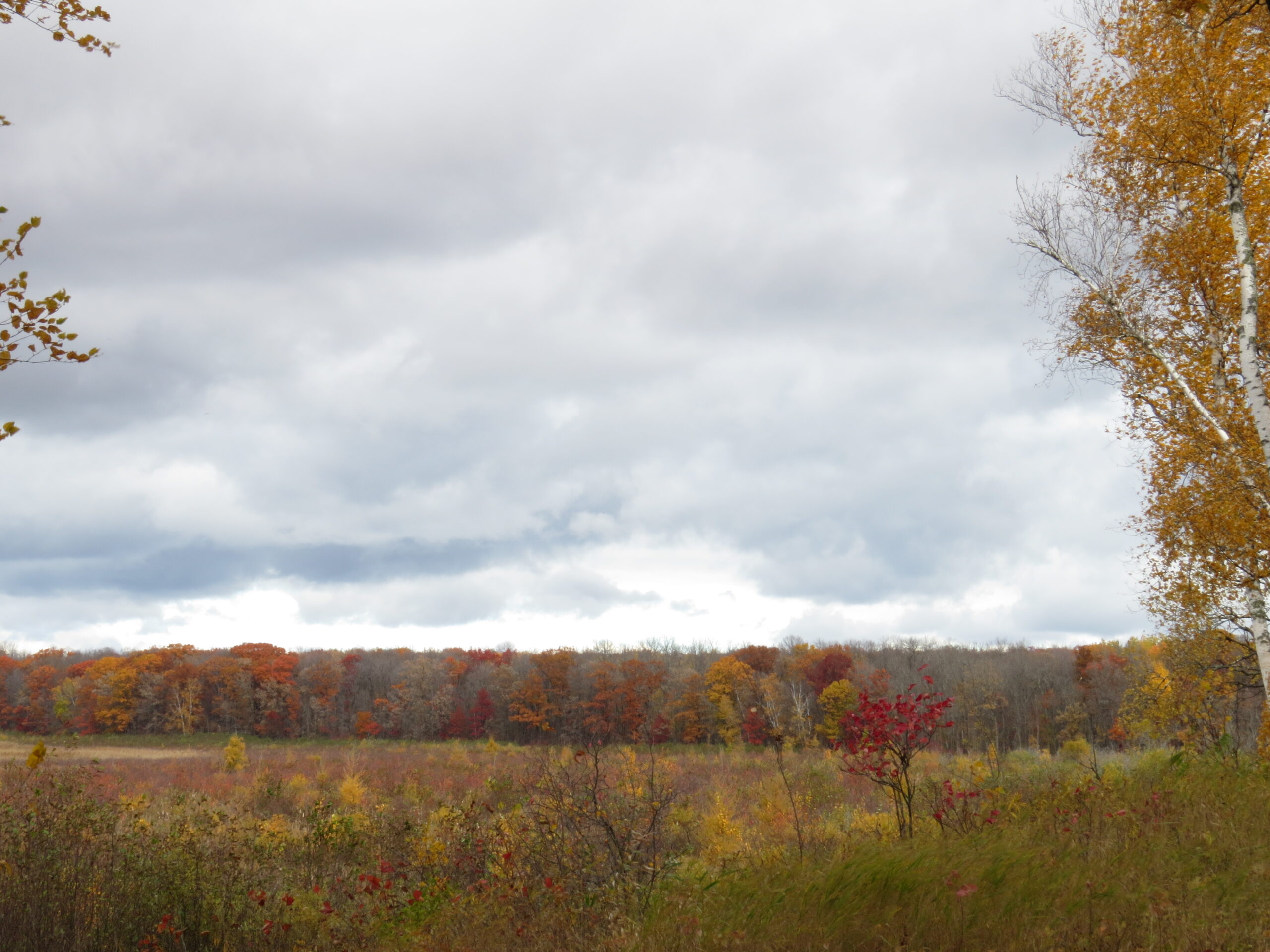
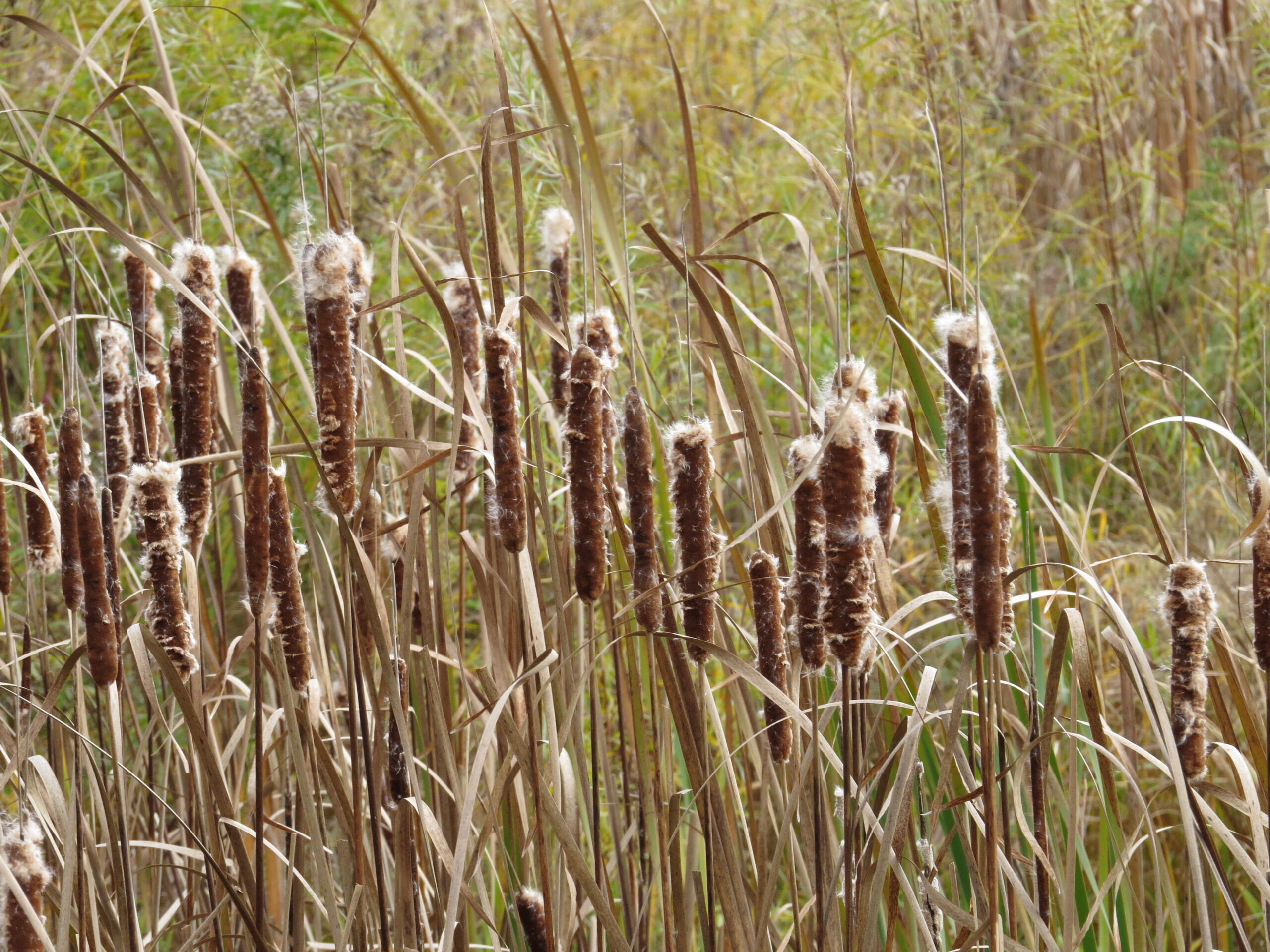
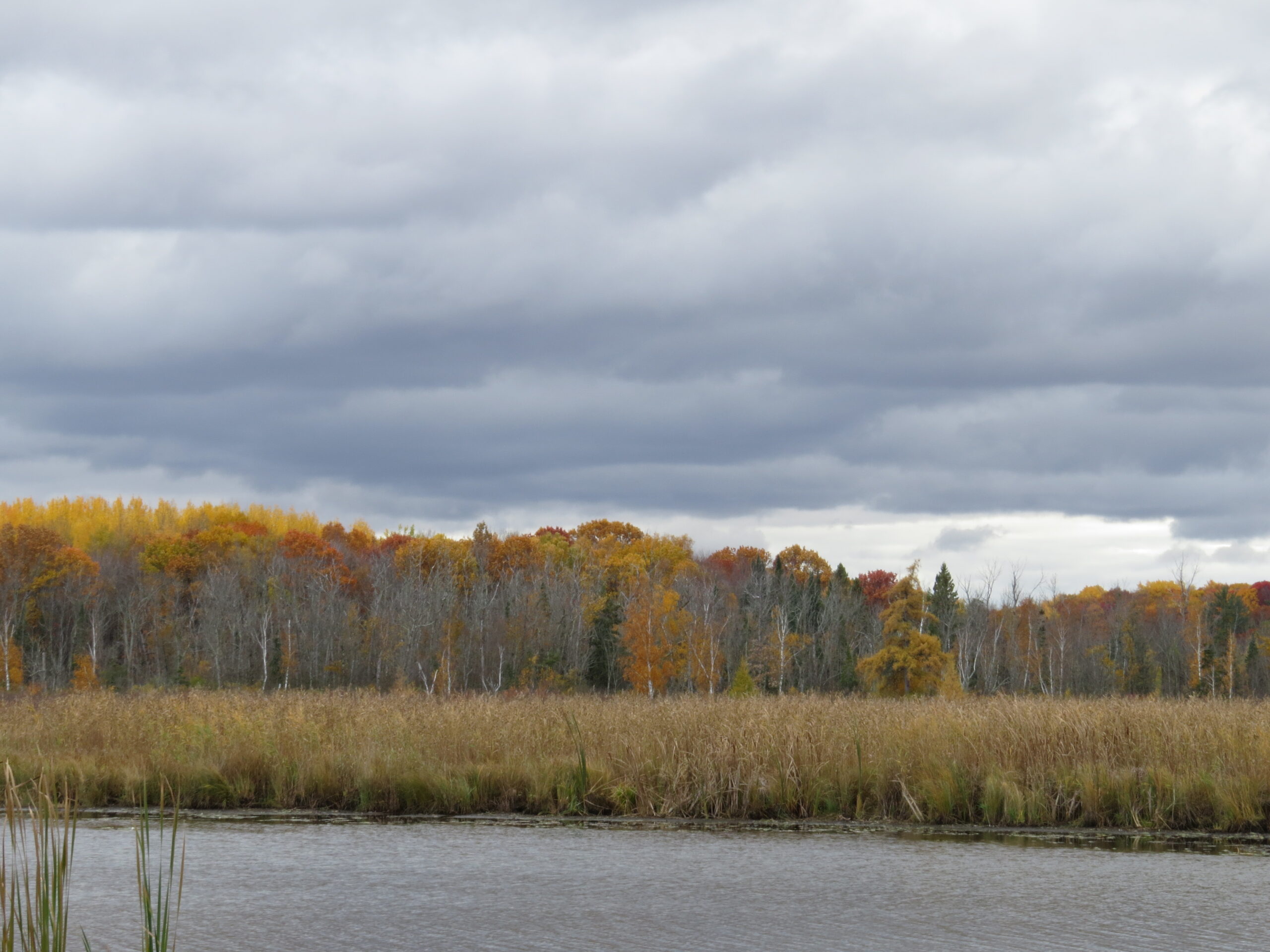
I have traveled through decades of Autumns, and with each passing year I experience awe all over again. Isn’t that wonderful?! Nature has so much power and beauty, uniqueness and wonder that each season of each year is like new again! It allows us to touch the sky in order to see the big picture and to touch the earth and see the amazing details. I think we each have a tendency towards one or the other of ‘the pictures,’ so it helps to surround ourselves with people who can see things differently than we can. It is also a personal challenge to do that within ourselves when we know we can get stuck in always striving towards that future big picture or we are bogged down in the details of the moment. Nature helps us see the whole spectrum, from near to far—in the world and in ourselves.
Looking From the Inside Out
At the beginning of the week I was planning to do a post about all the things I love about Nature in honor of Love and Valentine’s Day. There are so, so many things I love about Nature, about all the life-giving forces that surround us in our daily lives. Wednesday was a busy day starting with a circle of wonderful women sharing love for one another and discussing Desmond Tutu’s ‘The Book of Forgiving’ and ending with an Ash Wednesday potluck supper and worship service. And then the news of another deadly school shooting…. It takes a while for the story to unfold. It takes a while for the horror of it to sink into our minds. It takes a while before our bodies register the threat and menace of a normal day turned deadly. Oh, God, help us all.
And then I returned to the post I wrote just last week, to the place where thirteen men, women, and children were murdered on a day in 1862 when the traveling pastor came to visit, when the adults fled the gathering to try to save the children. It was chilling to visit that memorial state park last week, and it was chilling to hear the present-day news of yet another school mass murder this week.
The social media fallout and subsequent bipolarization of the issue of innocent lives lost made me want to cry out in anguish. One meme had a Sesame Street character as the picture with words linking gun deaths to abortions. Incendiary and incriminating words are useless in every situation.
I realized that we all see things from the inside out. We do not see the big picture. We look through the window of our own lives and experiences.
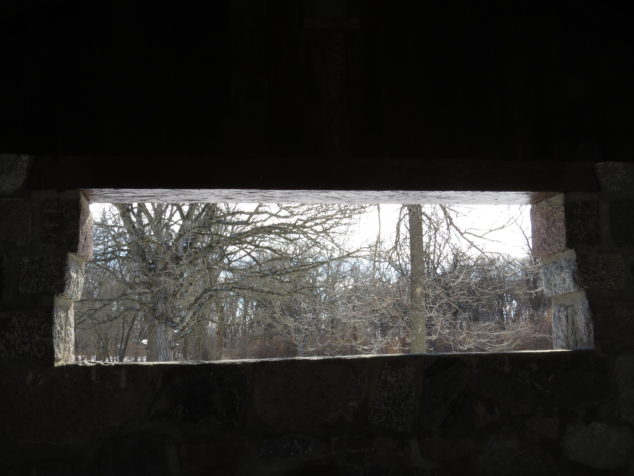
The window we look through is shaped by our upbringing, our culture, our parents, and our education. Were we loved and cared for or neglected and starved? Did people nourish and encourage us or hurt us and abandon us? Were we free to learn and be curious about the world or were we in survival mode day after day? It makes a huge difference in what we see when we’re looking from the inside out. But even the most loved, nourished, and educated person doesn’t see the whole picture—and that’s where community comes in. That’s when questions are asked, when experts are consulted, when data needs to be examined, and when we walk outside of our limited box of experience in order to experience the situation through the window of one who actually lives it. We each contribute a puzzle piece in order to see the whole picture.
On the left side of the picture above is a tree. Looking from the inside out, we can only see a part of it. Our minds extrapolate to build the image of the rest of the tree—because we know what a tree looks like. We, in essence, make up the rest of the image. By stepping out of our limited view of the tree, we see it in a completely different way. We behold the bigger picture and get a better sense of the reality of the tree.
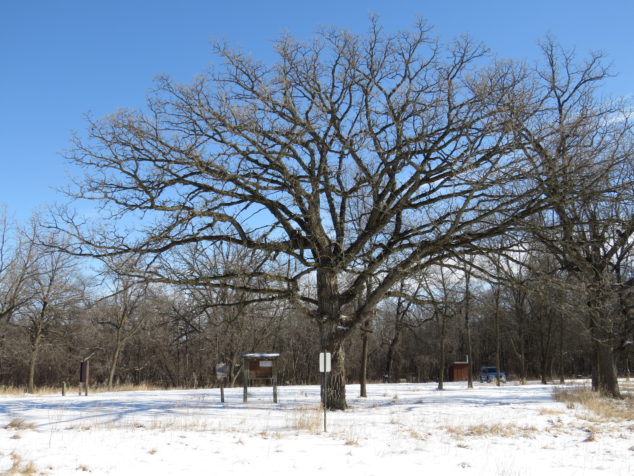
And yet, we still don’t see the whole tree. We notice the ground now, but we don’t see the extensive system of roots below the ground that are intrinsic to the life and existence of the tree. We discern the bark and trunk of the tree, but we don’t see the inside layers of phloem and xylem that coordinate the nourishment of the tree. We distinguish the branches and impressive crown of the Oak, but we don’t see the leaves that power the life of the tree. We are humbled in the face of this Oak and in the face of Nature. As we look from the inside out, let’s gather together as a community of people to add our pieces, ever so humbly, in order to see the bigger picture and take steps to not only try to stop the senseless killings, but to also help those vulnerable people whose windows are small and desolate.