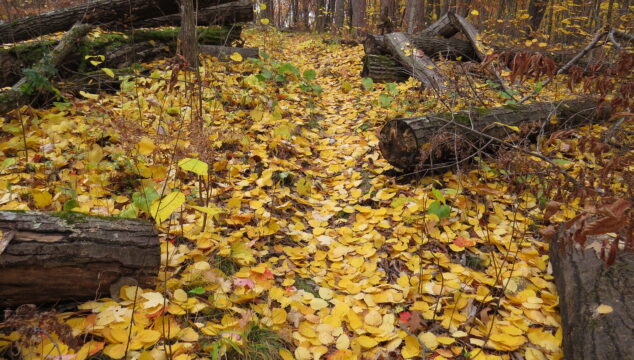
Come walk with me in the peak Autumn beauty of the Northwoods. To say that I love this time of year is an understatement. Most everyone can appreciate the colorful falling leaves---it reveals the 'true self' of a tree when its leaves are no longer producing chlorophyll. Their true colors are revealed, and there is something simple … [Read More...]
The Golden Threads of Spider Town
July is taking a long time. It’s only been three weeks since the 4th holiday, but it seems like so long ago—and we still have another week until we turn the calendar to August. I’ve always been curious about why time seems to move at different speeds. I do know that pain—physical or emotional—s-l-o-w-s d-o-w-n t-i-m-e. There is usually no endpoint in sight—if we knew the pain would end at such and such a time, our minds would be able to skim over the suffering with determination—‘Yep, I can do this.’ With no endpoint to hitch our hope to, our confidence takes a hit, our determination wanes, and time drags on. I’m pretty sure this is where addiction steps in to ‘manage’ the pain…and time. But time can also move slowly when we are waiting—waiting for baby to come, waiting to hear back from the doctor, or waiting for a long anticipated celebration or event. Good or bad, waiting slows time. How about when time goes fast? When one has too much to do within a certain amount of time—deadline crunches crunch time. Time goes fast when ‘spending time’ doing something we love to do or being in the presence of someone we love to be with—especially when that time is short. We want that feeling to continue, but time is fleeting. I do recall days, though they are few and far between, when time was perfect—neither too fast or too slow. Usually those days are busy, but not hurried, fun, but not manic, productive, but not intense, and usually those days are shared with someone I love.
So back to slow July. For me, heat and humidity are days to suffer through, and thankfully air conditioning (such a funny name, really) minimizes my suffering even as it contains me inside when I’d rather be outside. (As I stare longingly out the window…) Add to that a drought, and I just about can’t take it. The suffering of trees, crops, flowers, and garden plants is painful to see. Then, why is there so much drought…and fire…and water shortages…and on the other side, extreme rains…flooding…and excessive storms? We know the reason why. What are we waiting for in a-l-l t-h-i-s s-u-f-f-e-r-i-n-g?
We have a little oasis back in the trees where we have chairs, a fire ring, small table, and this summer, a tent for camping out in cool nights or reading in during breezy afternoons. In July, our oasis has been a desert of sorts. No fires. Match-like mats of bone-dry pine needles. Suffering trees, dying trees. But I go back there still. I found a random Lily growing under a Jack Pine. It provided food for hungry ants. Daisy Fleabane—little yellow-bottomed cups of frilly white petals—and Spotted Knapweed—lavender and purple spikes that curl into a knot when spent—still grew and flowered and provided food and beauty. (Though Knapweed is listed as an invasive, noxious weed.)

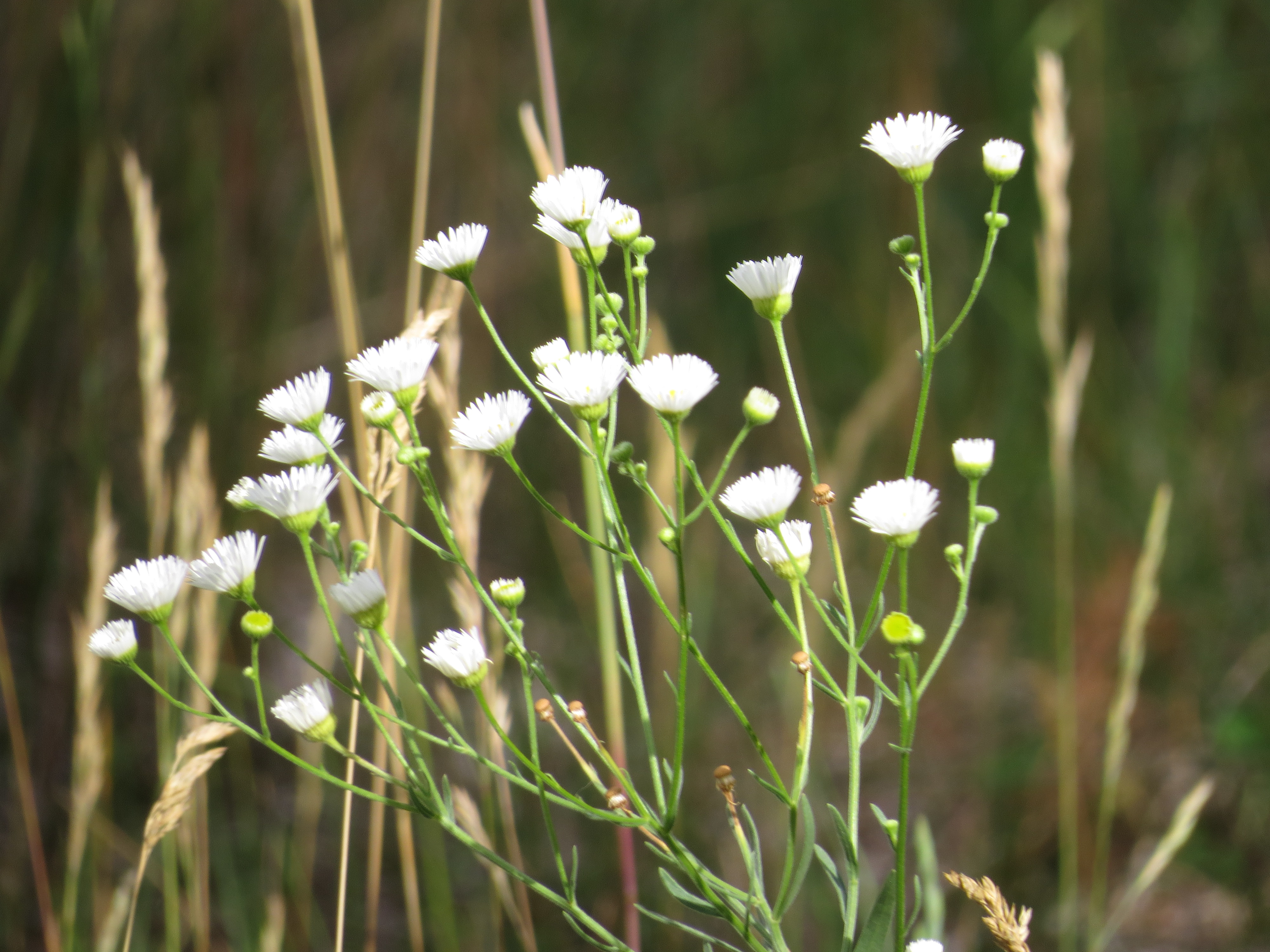
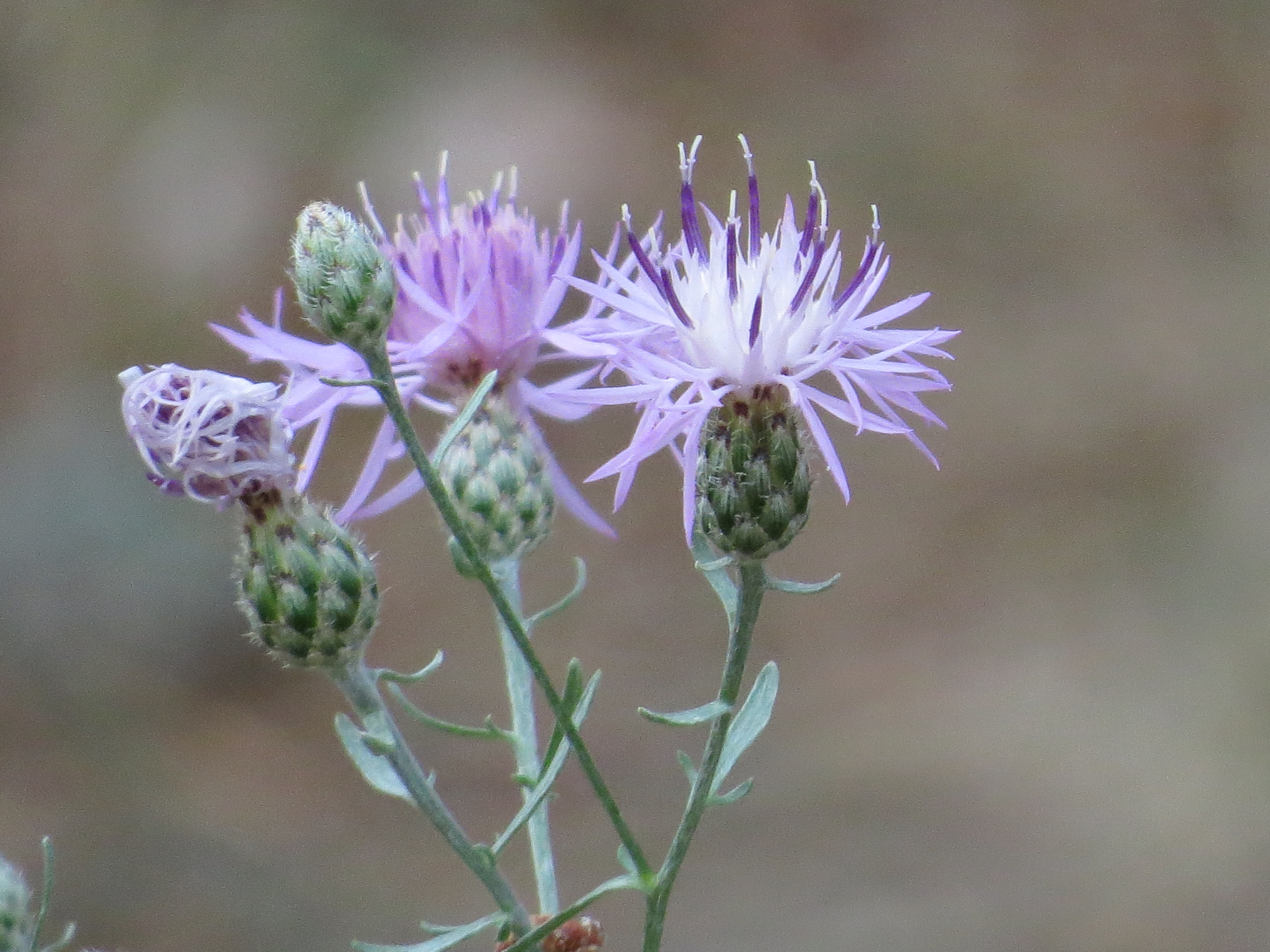
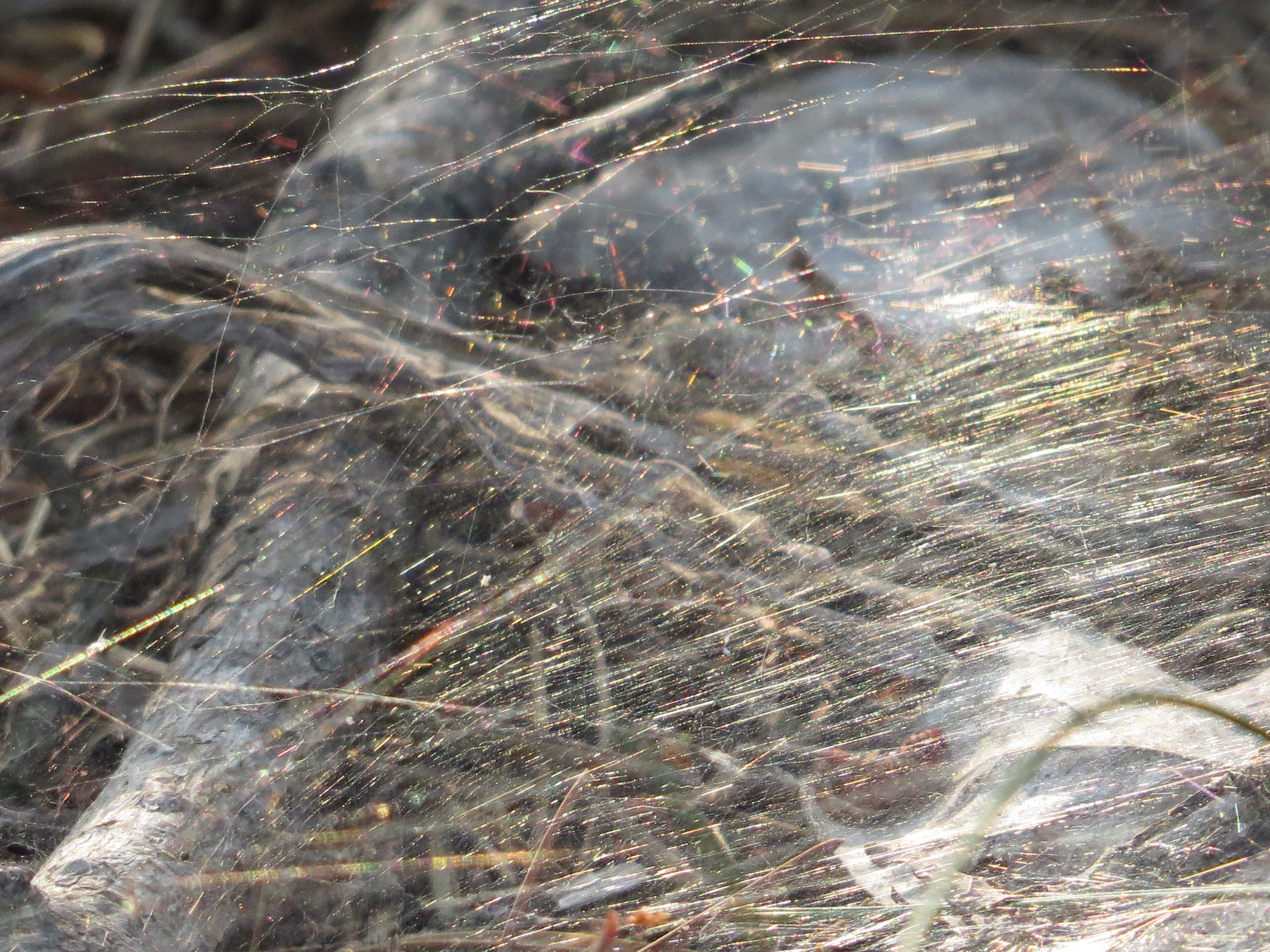
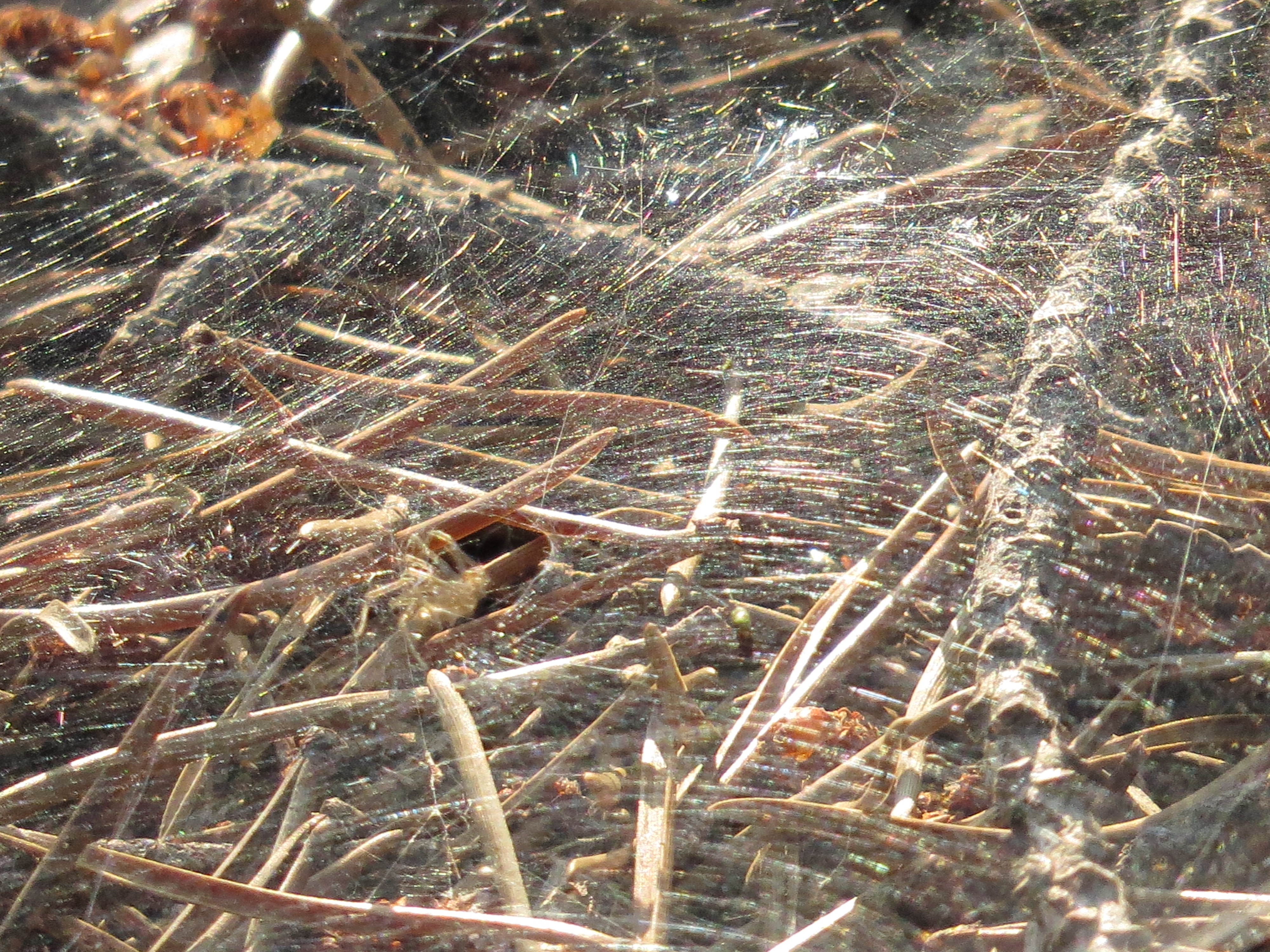
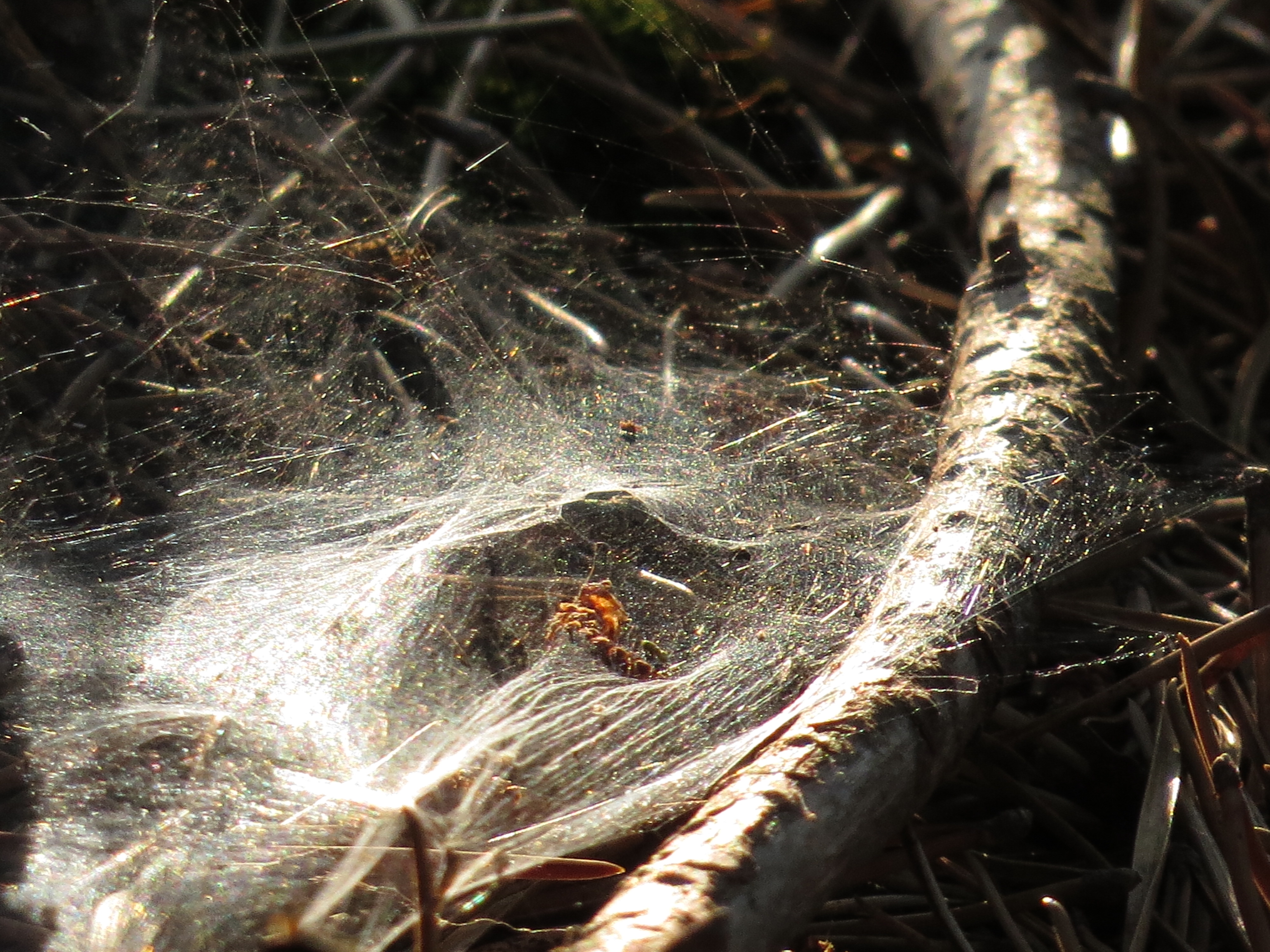
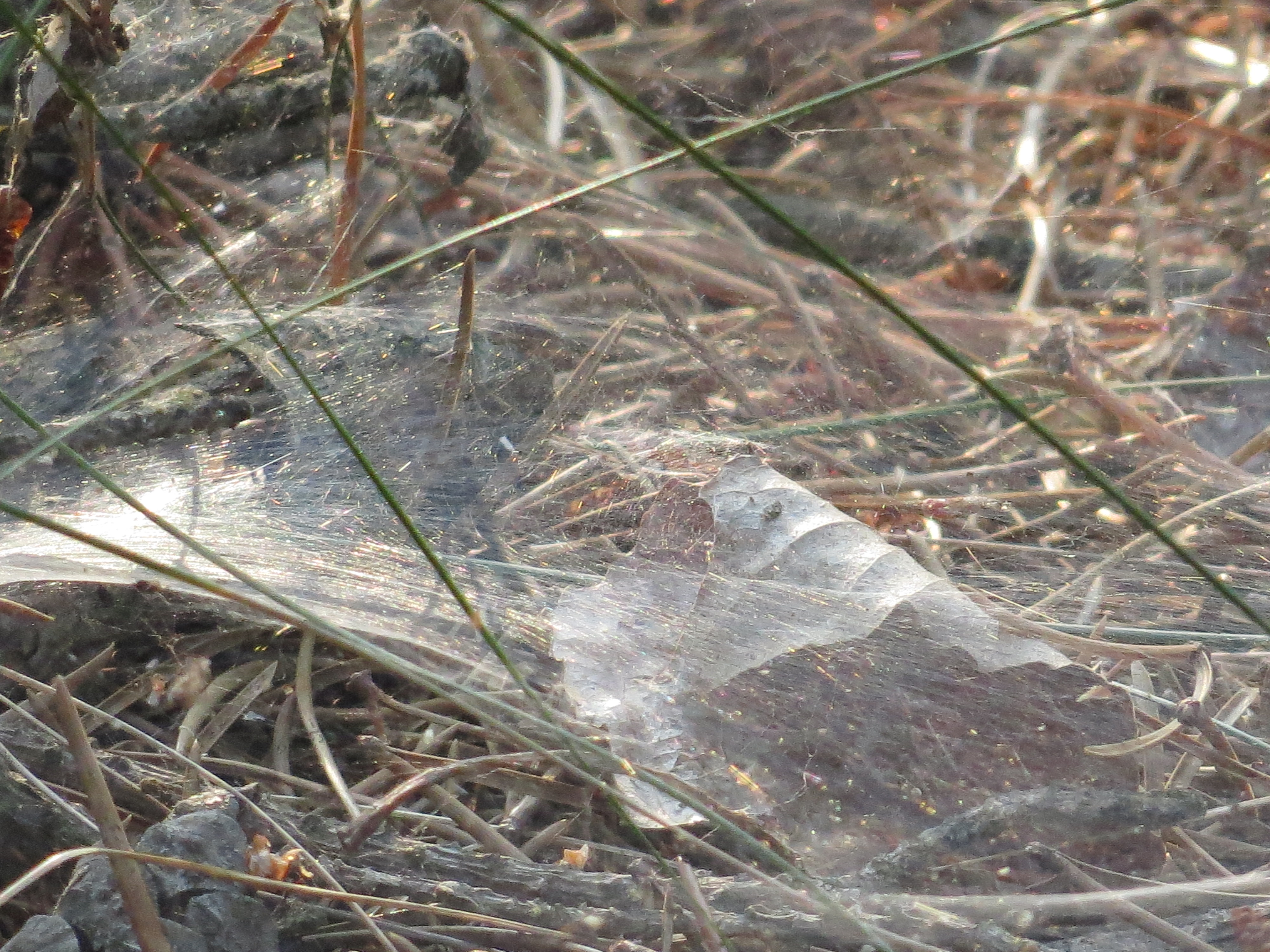
One evening when the sun was shining sideways into the trees, I noticed a whole spider-web town on the pine needle floor. Without the sun, I probably wouldn’t have noticed them. Each web-house was unique in size and construct of using sticks, pinecones, and needles to weave their webs around. There were dozens of them shining in the sunlight.
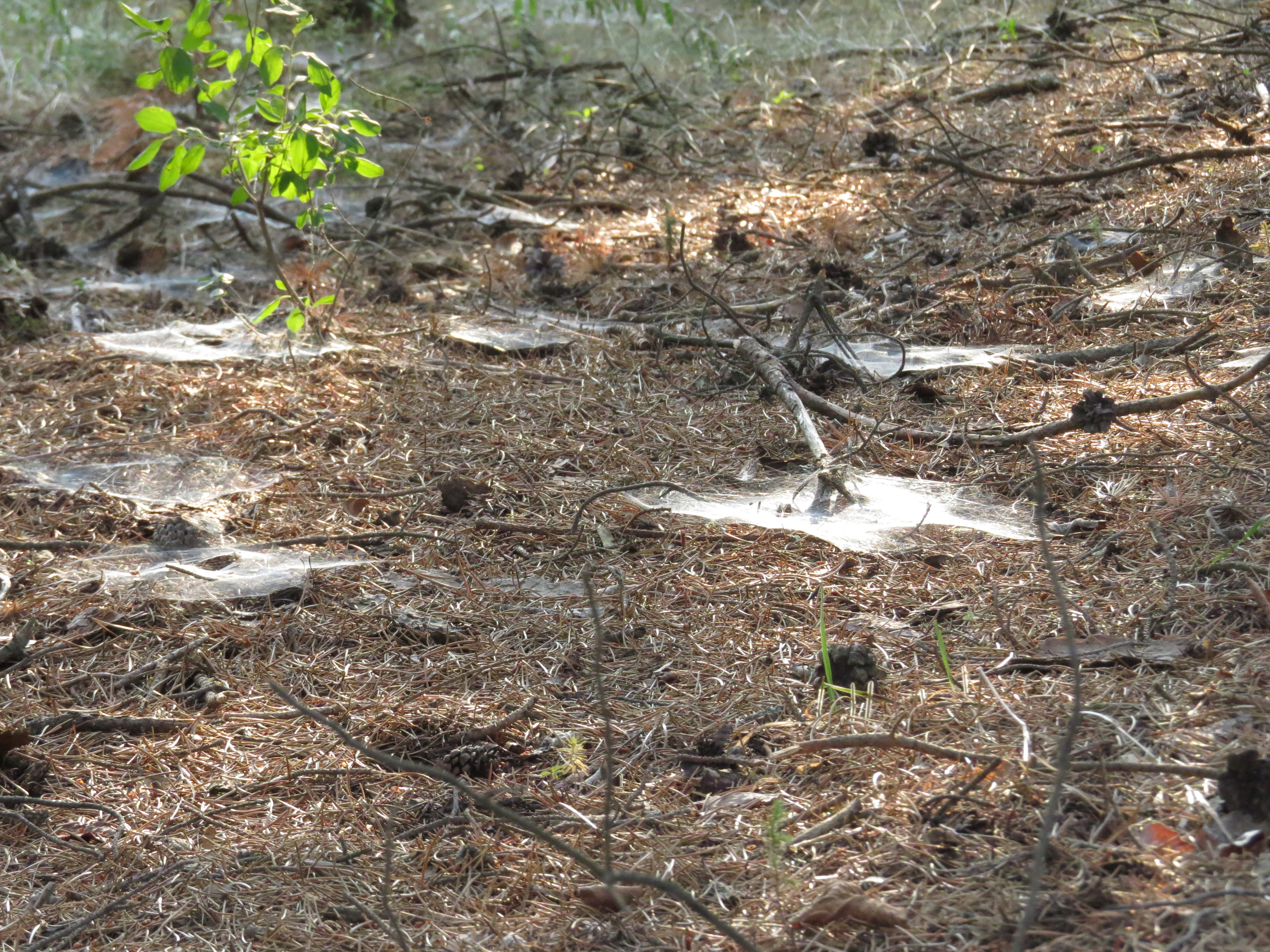
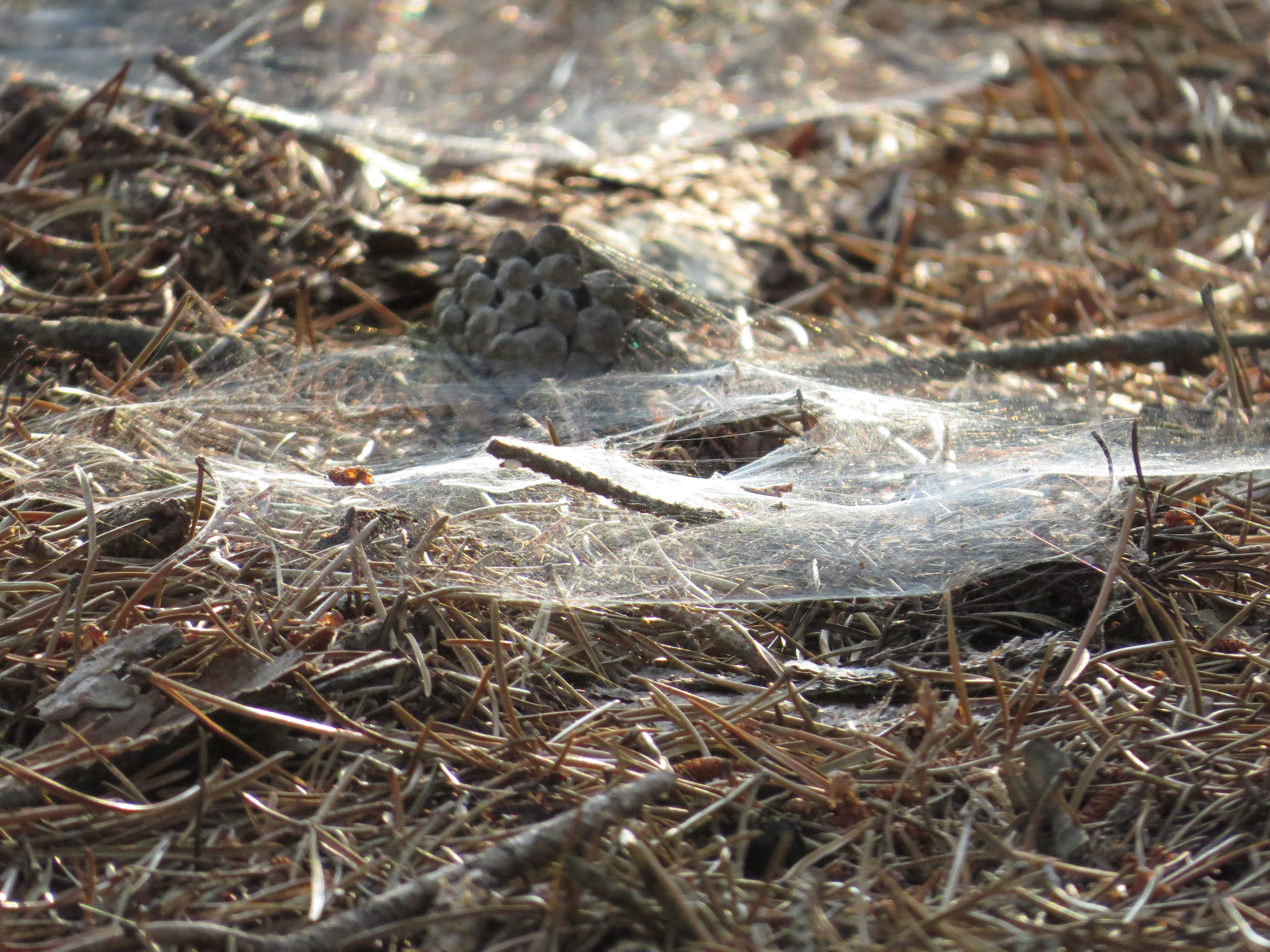
Each web contained a funnel where the Grass Spider could wait for any prey that happened to get too close. I had seen these webs before in the dewy grass of the lawn, but what struck me about these were the glistening colors of the gossamer webs. They were like mini-rainbows but random in their color sequencing. Strands of gold, copper, green, and orange. Hints of red, pink, and blue—like threads of gemstones. Beautiful houses of color!

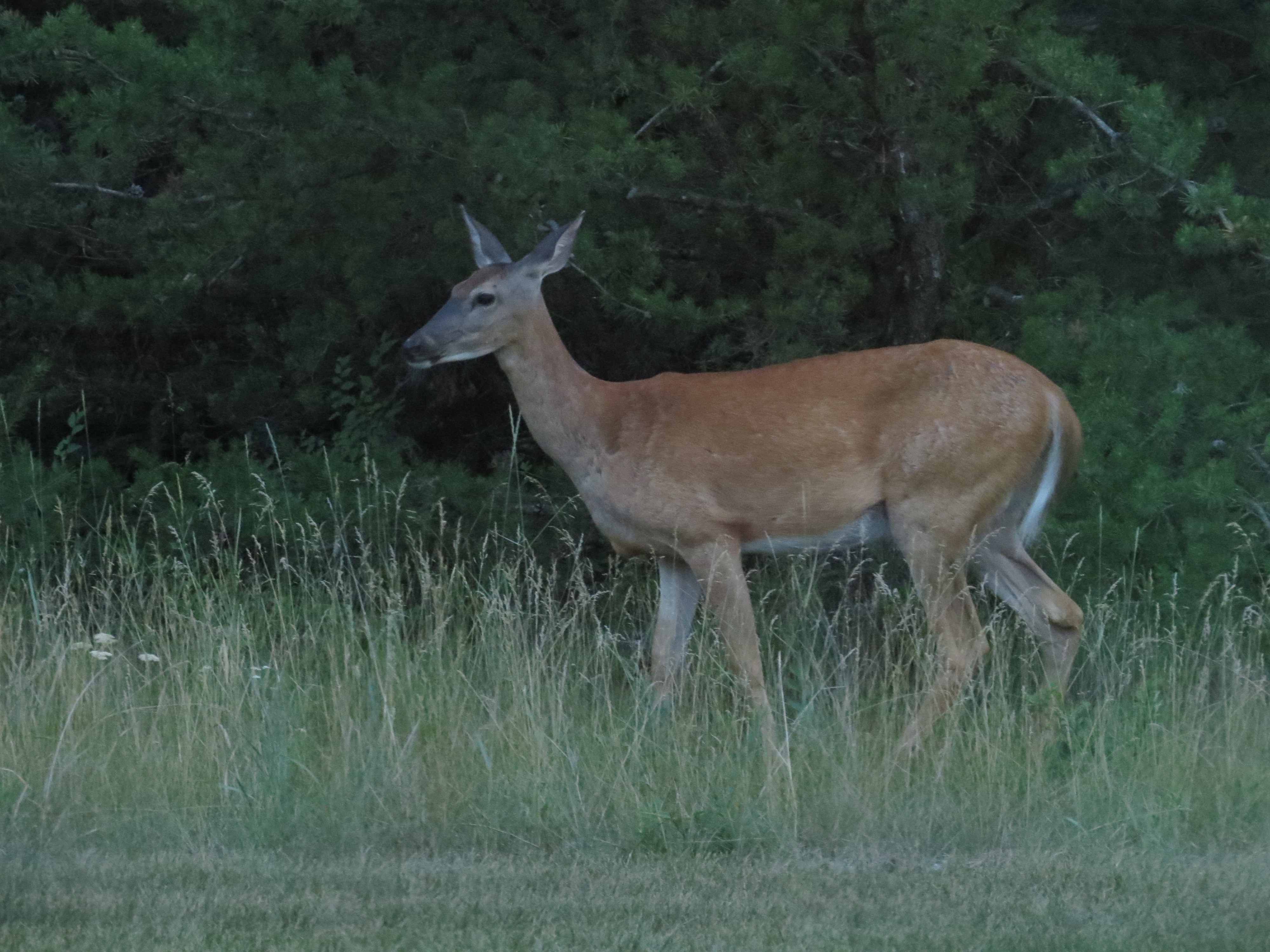
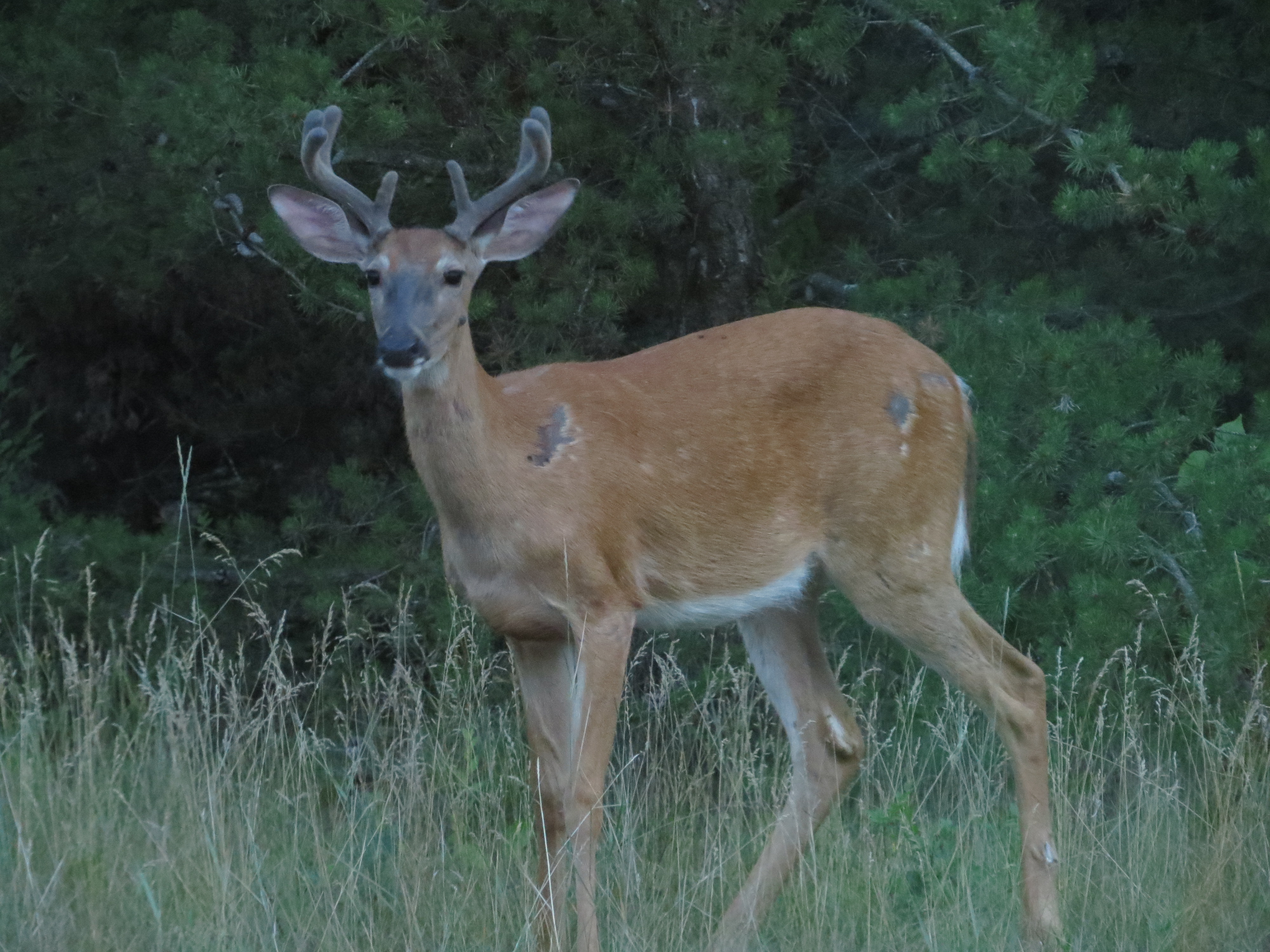
One hot, dry, July evening, as darkness was falling over the trees, a doe and her mate grazed at the edge of the yard. His velvet-covered antlers were still growing—the ends were tender bulbs, not pointed tips. He had old scars on his shoulder and hip, wounds more likely from an encounter with a car than one with a fence. Survivor.
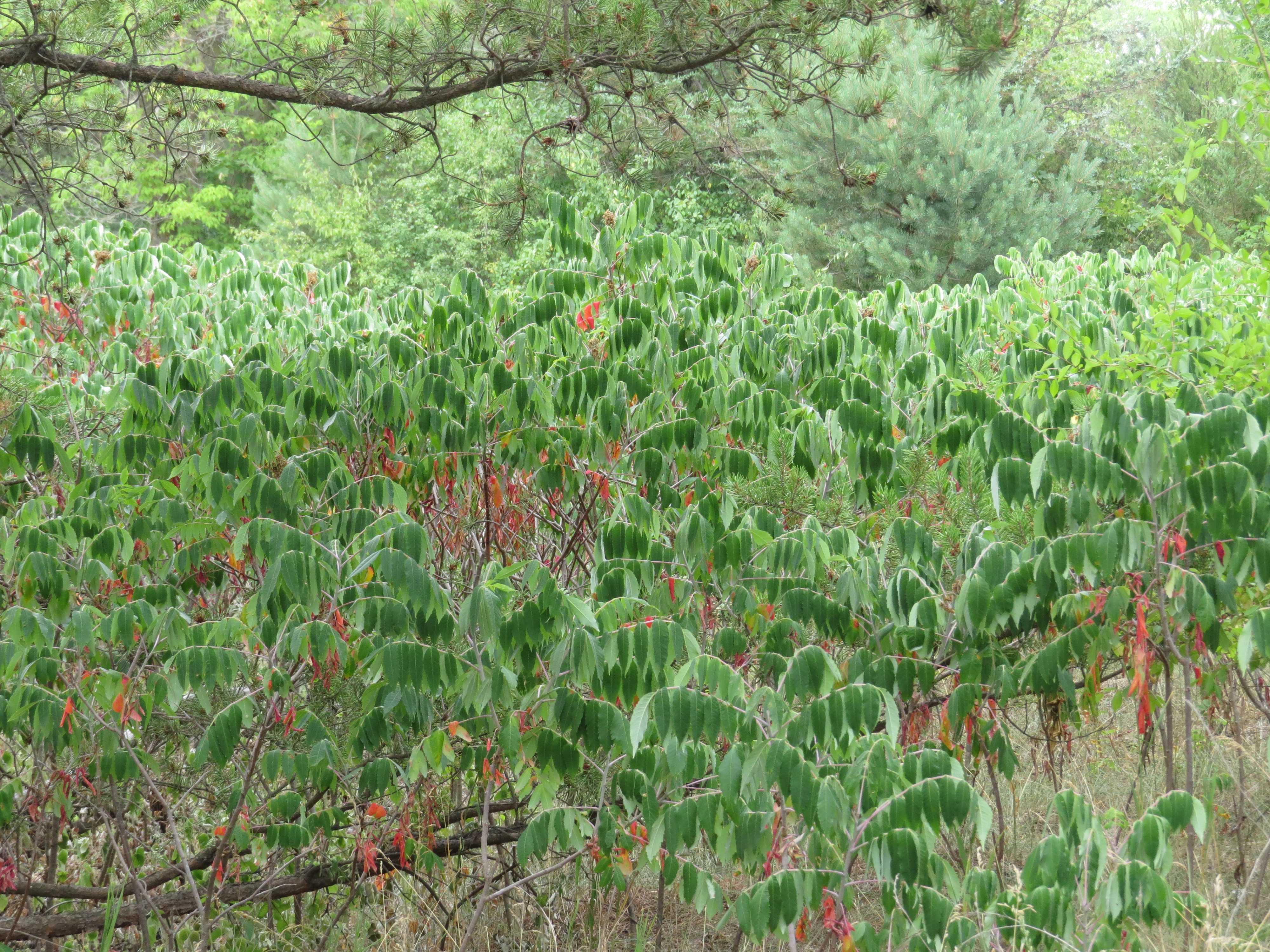
Just the other day, a walk through the trees showed the drooping, dismal dehydration of even the hardy Sumacs. Their vibrant red flowers had crumbled and dried into brown clumps—the viability of the seeds were desiccated away. The lower leaves had turned red and were withering into dry stalks. Aspen trees were in protection mode also, with leaves turning bright yellow and falling to the ground. Autumn in July.
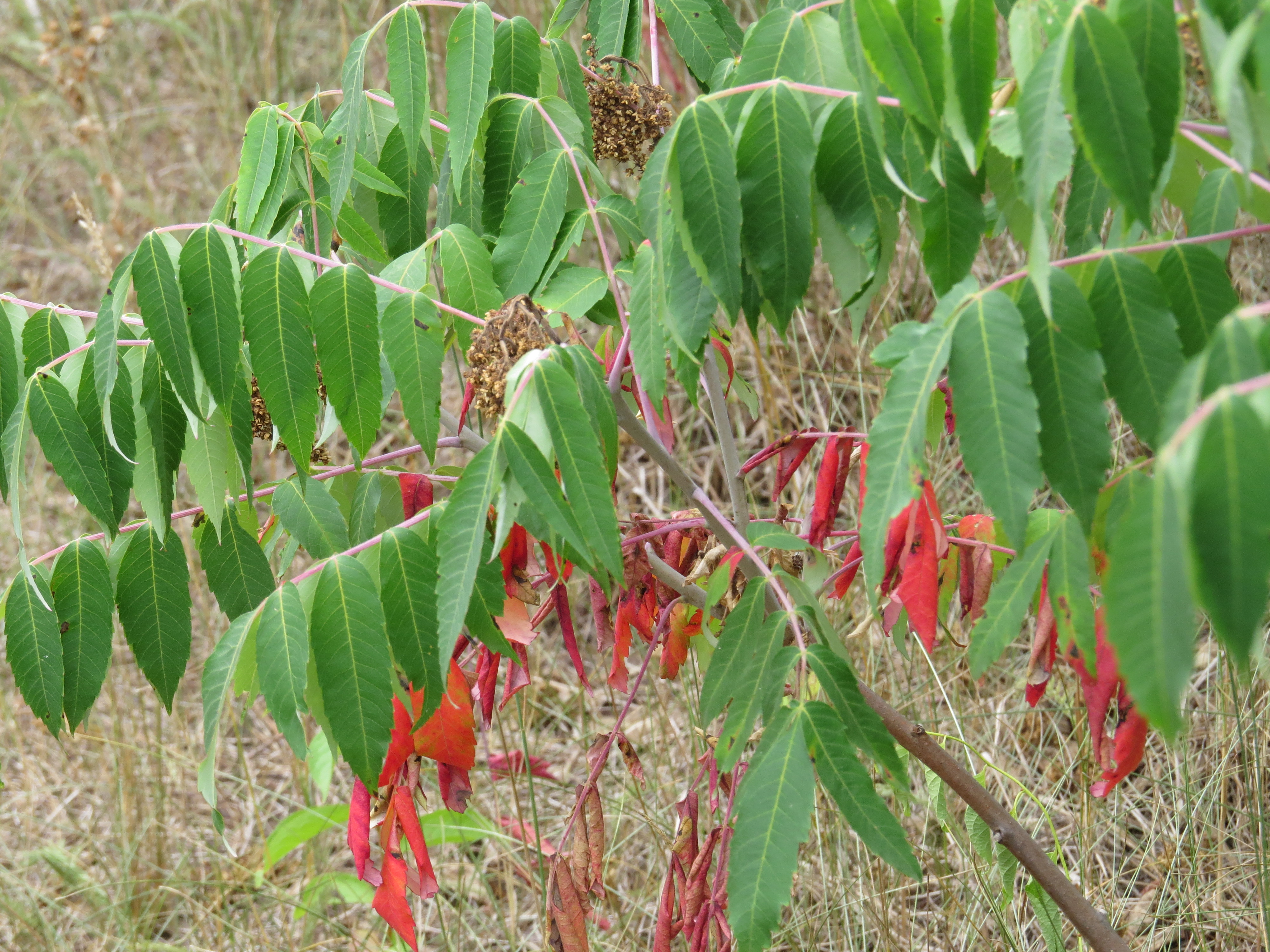
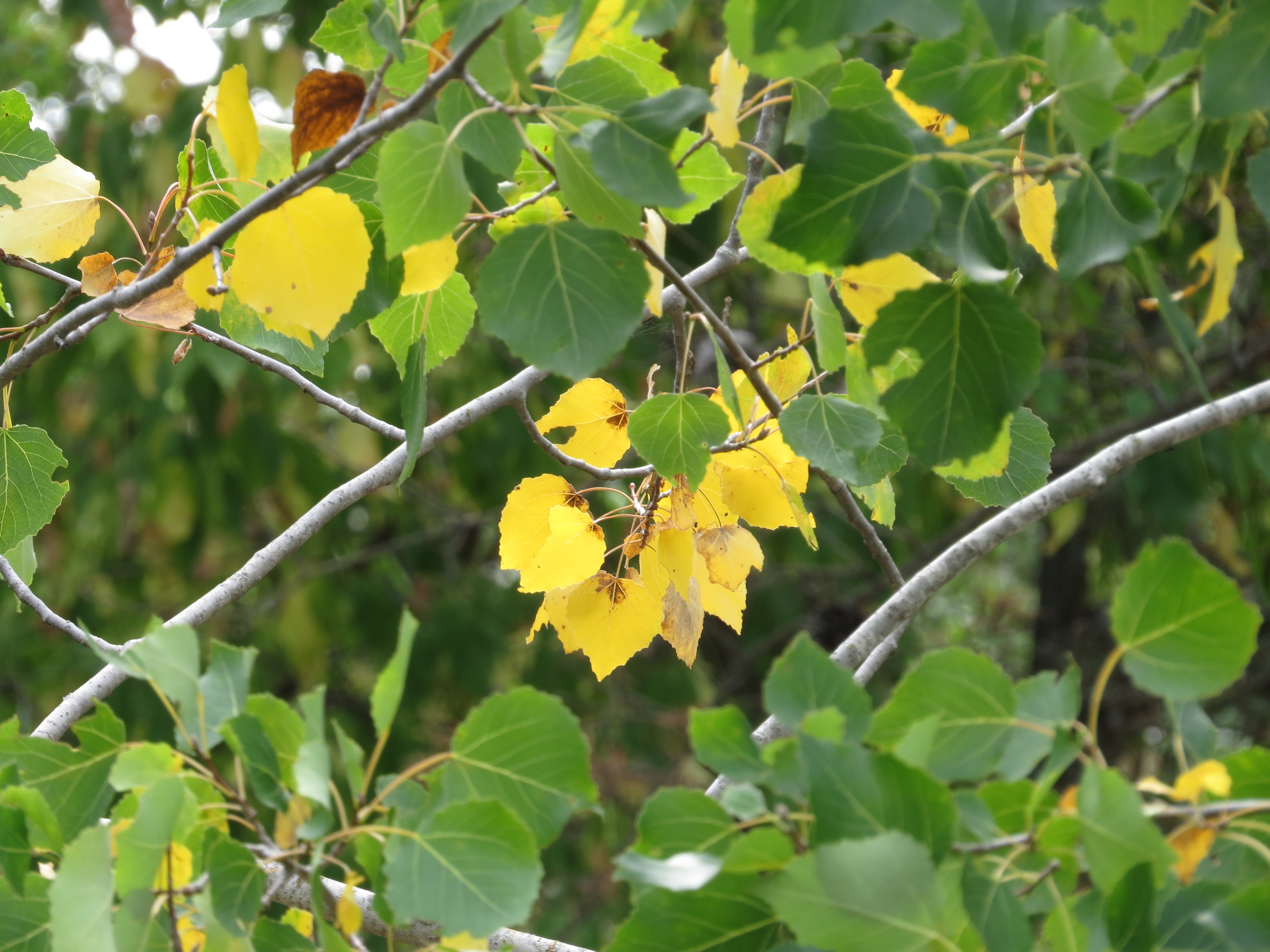
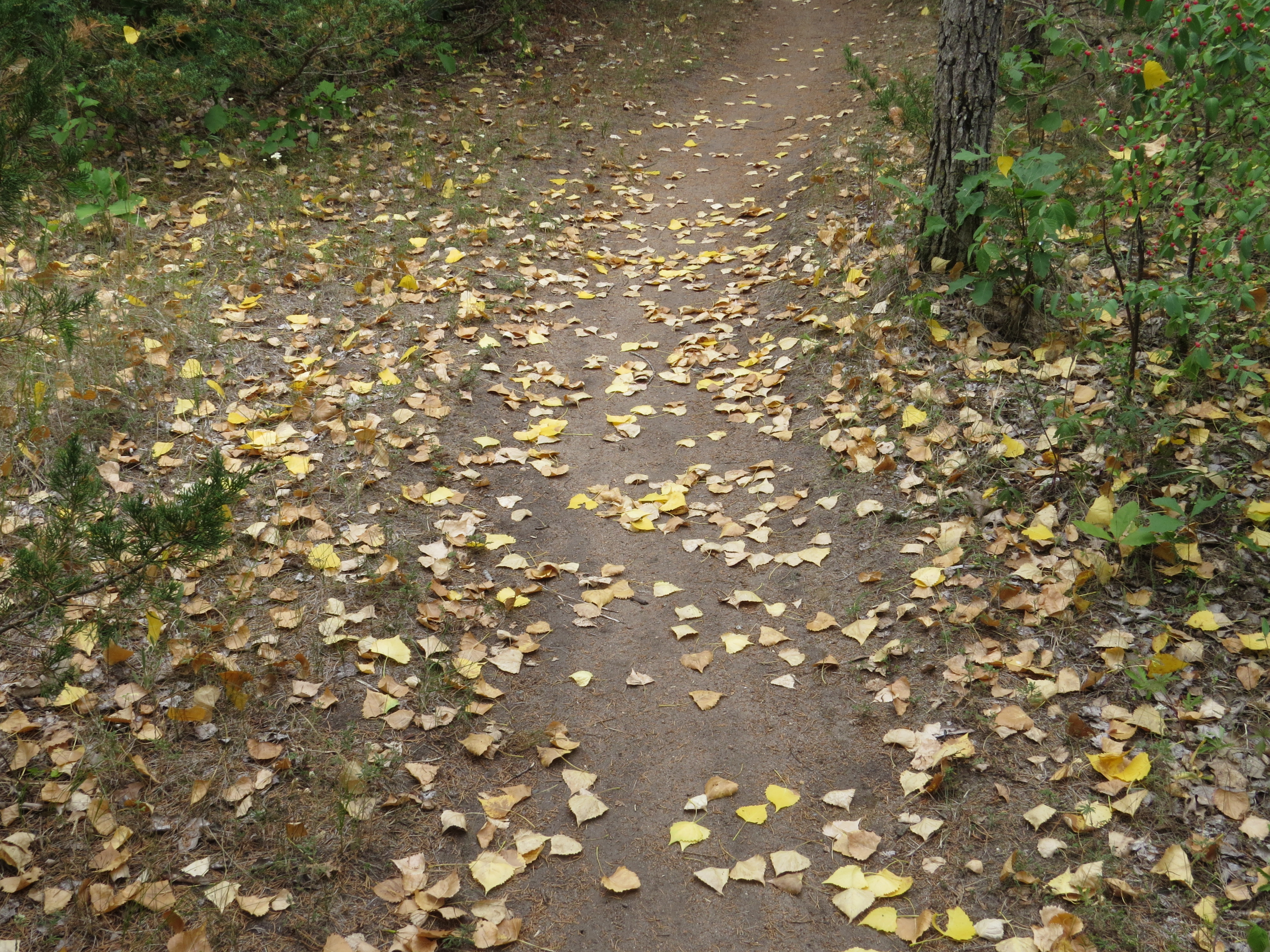
When pain and suffering strike, we all go into protection mode, whether tree, shrub, spider, deer, or human. We conserve our resources. We hunker down in our self-made funnels. We lose our reserves. We react in erratic-seeming ways. Time slows to a c-r-a-w-l. But hope is an exquisite flower in a drought. It is the sun-dazzled home of a ‘lowly’ spider. Hope is the instinct and desire for a mate. And hope is a nighttime thunder storm that drops an inch of rain. Hope is also awareness. We have a lot to do in a certain amount of time to save our Earth from our own destructive ways. I will not be blind to the damage already done and what will be done before we turn this ship around. We are losing people who should not have died. We are losing bees, butterflies, birds, and trees to harmful practices. There is too much suffering among all species. We cannot survive if Nature doesn’t survive. So every day I find some hope in a flower, a tree, or a spider. Perfect time flows from love.
In the Web of Our Lives
My Mom was here for a visit this weekend. While looking at old pictures and reminiscing, she asked me whether I remembered the surprise birthday party we had thrown for her 35th birthday. I needed a few more prompts for those memories to come to the forefront of my brain, and as we talked about it, different strands of the story started weaving together into a clearer picture. She told it from her point of view, and I remembered it from my then fourteen-year-old self. She recalled all the chores us kids had been doing—painting the barn, mowing the lawn, cleaning the house—and how proud she was of us for being so industrious. We were trying to get things cleaned up and ready for the party! My aunt had asked her to come to Harrisburg to go shopping. We needed to get her out of the house! They planned on all coming back to our place for cake and ice cream. Everybody would be there by that time! I recalled the excitement I felt keeping the party a secret from my Mom. I remembered how satisfying it felt to get all those chores finished and to have the place looking good. I thought about the help we had from our Dad, our aunt and uncle, and our family friends to make the surprise and party a success. Then she told me that my older sister didn’t remember it at all! Somehow the strand of memory for that event was invisible or broken for her.
One morning last week I noticed the dewy webs of grass spiders. Normally one wouldn’t even notice the webs, but the dew clung to the strands like tiny white crystals.
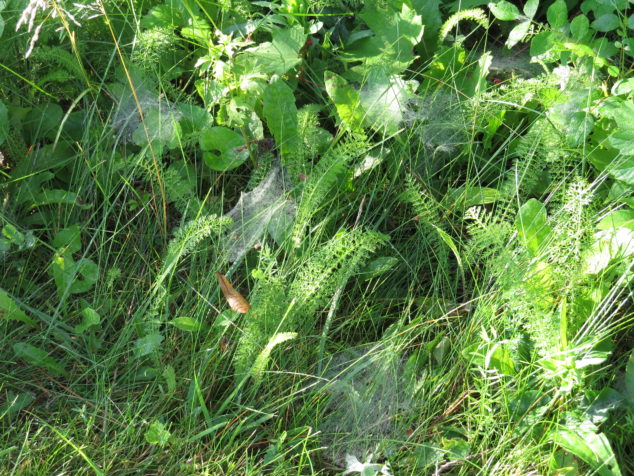
One web was shaped like a bowl, and at the bottom of the bowl was a funnel. In the funnel, ready to ‘catch’ whatever fell into her lair, was a grass spider.
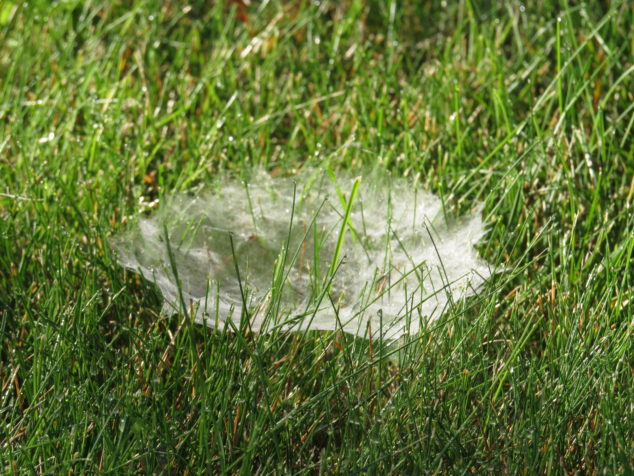
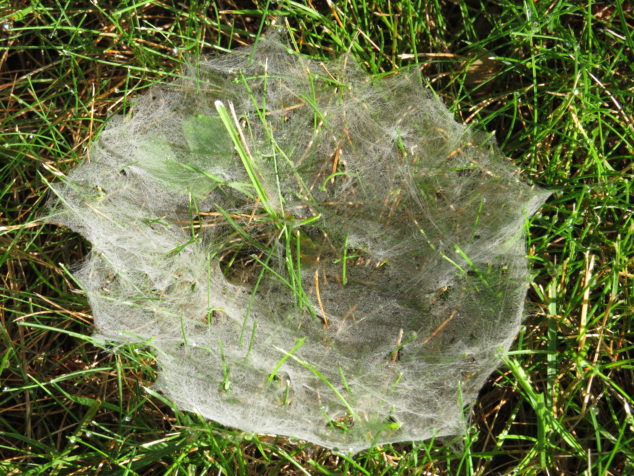
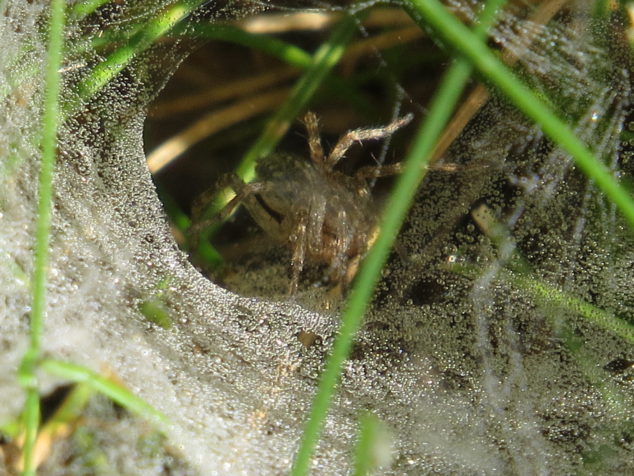
More webs dazzled in the sunshine as each drop of dew glistened like a diamond.
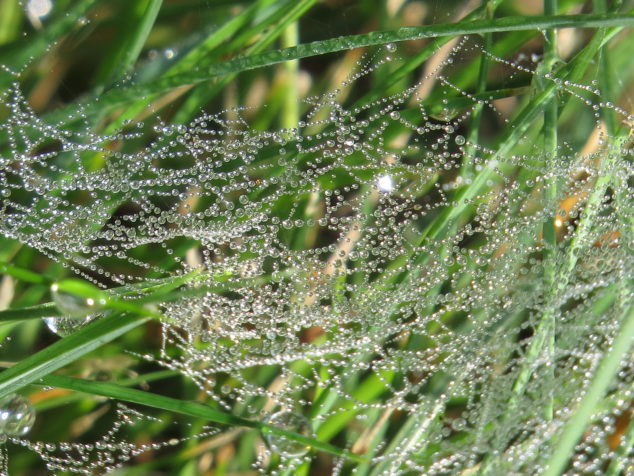
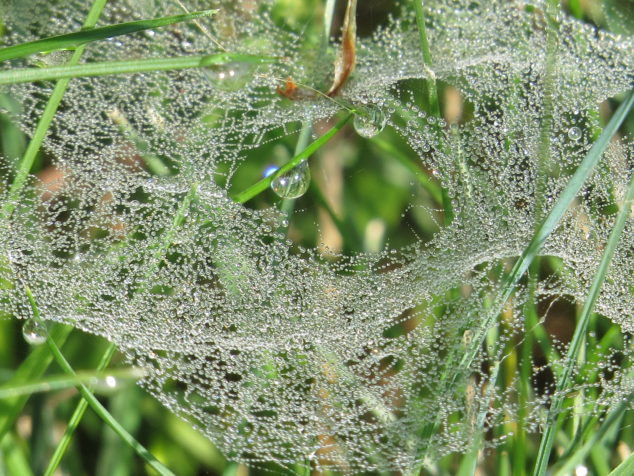
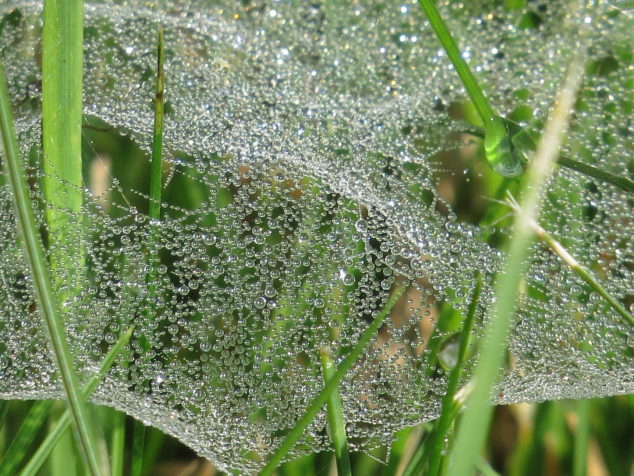
Today I found another web of webs in the Lily of the Valley. It was not as neat and even as the grass spider webs—it was much more complicated, convoluted, and chaotic. Or so it seemed. No crystal dewdrops hung from the web, but the sun still reflected off the gossamer strands.
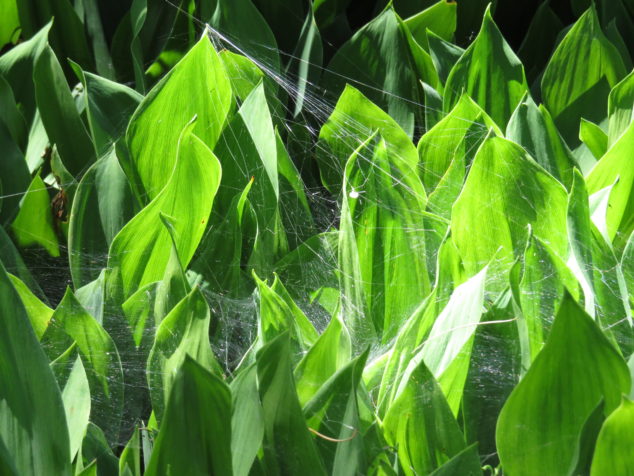
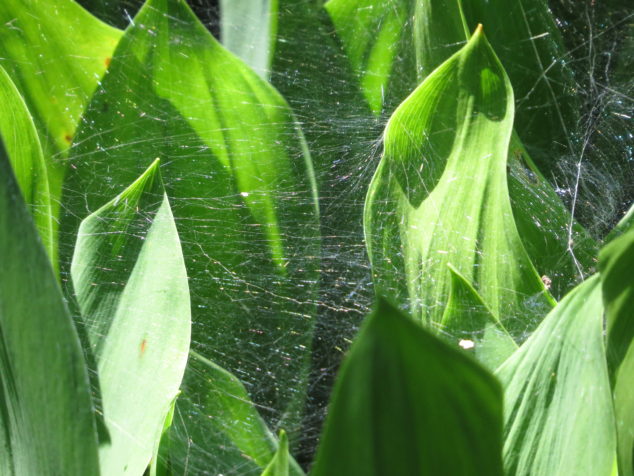
A web is a home for a spider, a place to catch food, and sometimes a nursery for the young. It is made from the strong, flexible, proteinaceous silk the spider ‘spins.’ It is often invisible but will catch the light rays to attract insects. The strands of our memories form the web of our lives. Our brains store these memories in a complex yet structured way that is most often connected to a heightened emotion, like the excitement I felt from planning the party for my Mom without her knowing about it. We all remember events differently, if we remember them at all. At times, we don’t remember things because there are too many mundane, not-important things that happen to us—we don’t need to remember them. Often we have memories that fade away with time and can be recalled with help. But sometimes things happen that interfere with the structured formation of memories—overwhelm and trauma can cause our memories to be stored in a convoluted and chaotic way. We cannot recall them—they are there but invisible to us. So how do we shine the light on the strands of our memories? When we allow ourselves to be in quiet and intentionally ask ourselves questions, often our minds will let us know the answer. We can talk with one another to piece together the individual strands of memories that formed the web of that life event. Looking at old pictures or visiting past places illuminates the dusty cobwebs of memory, often shaking things loose, so we get a clearer picture. We can illuminate the strong, flexible strands of our memories, so they shine like diamonds in the web of our lives.