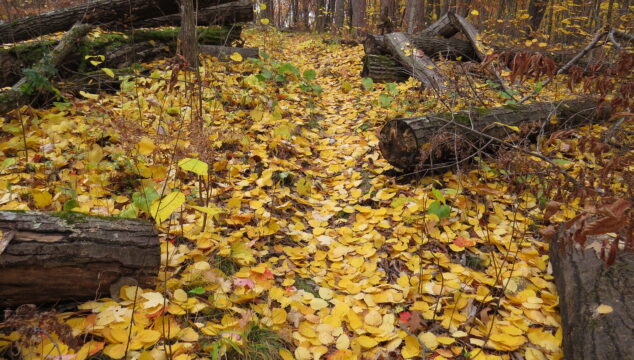
Come walk with me in the peak Autumn beauty of the Northwoods. To say that I love this time of year is an understatement. Most everyone can appreciate the colorful falling leaves---it reveals the 'true self' of a tree when its leaves are no longer producing chlorophyll. Their true colors are revealed, and there is something simple … [Read More...]
Darkness Brings Promise
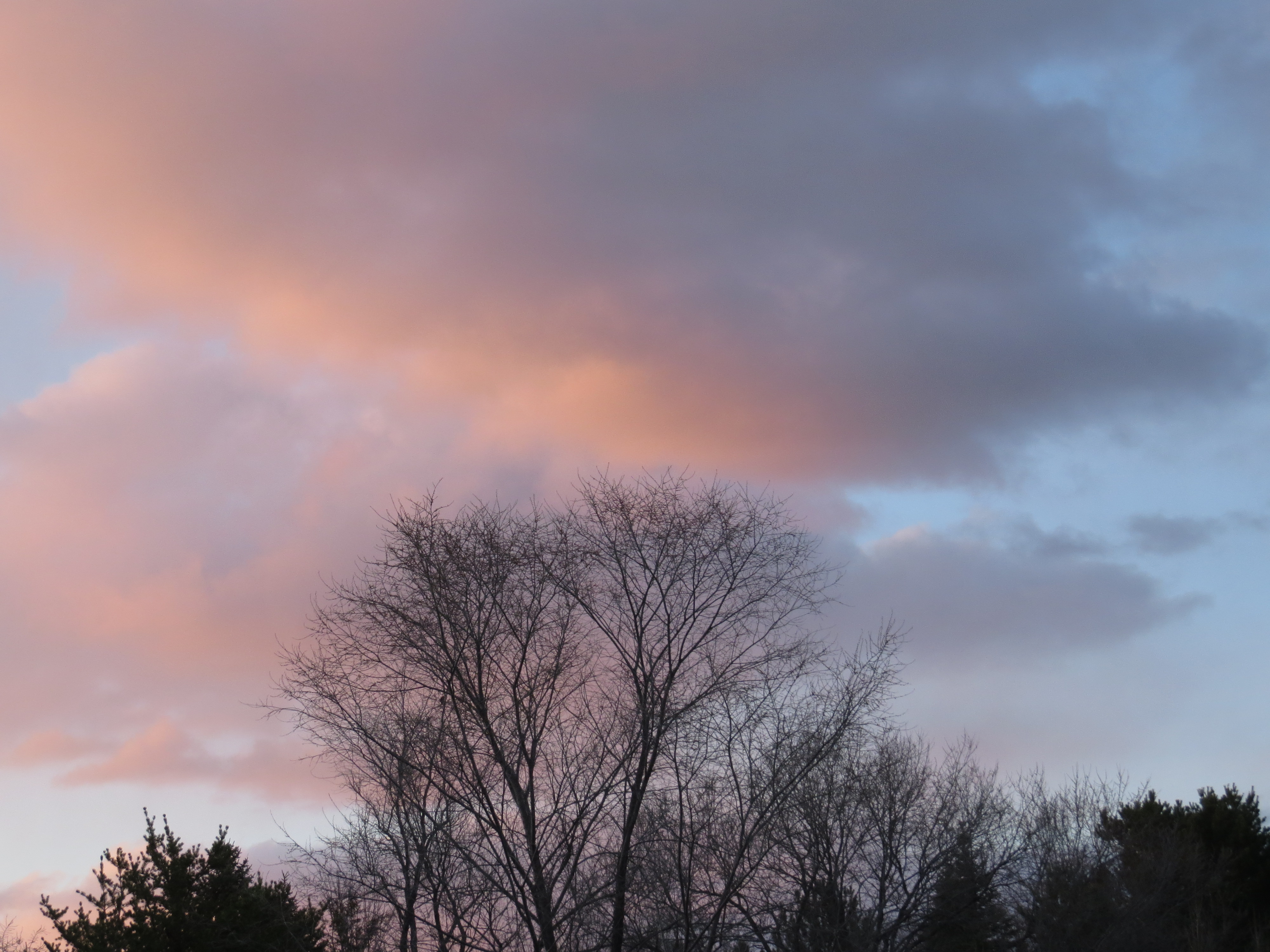
Spring sunsets look like promise to me, which seems backward—one would think sunrises bring promise with the beginning of a new day. So I’m not sure what it is exactly that makes me think that, but I do know promise arises from some very dark situations.
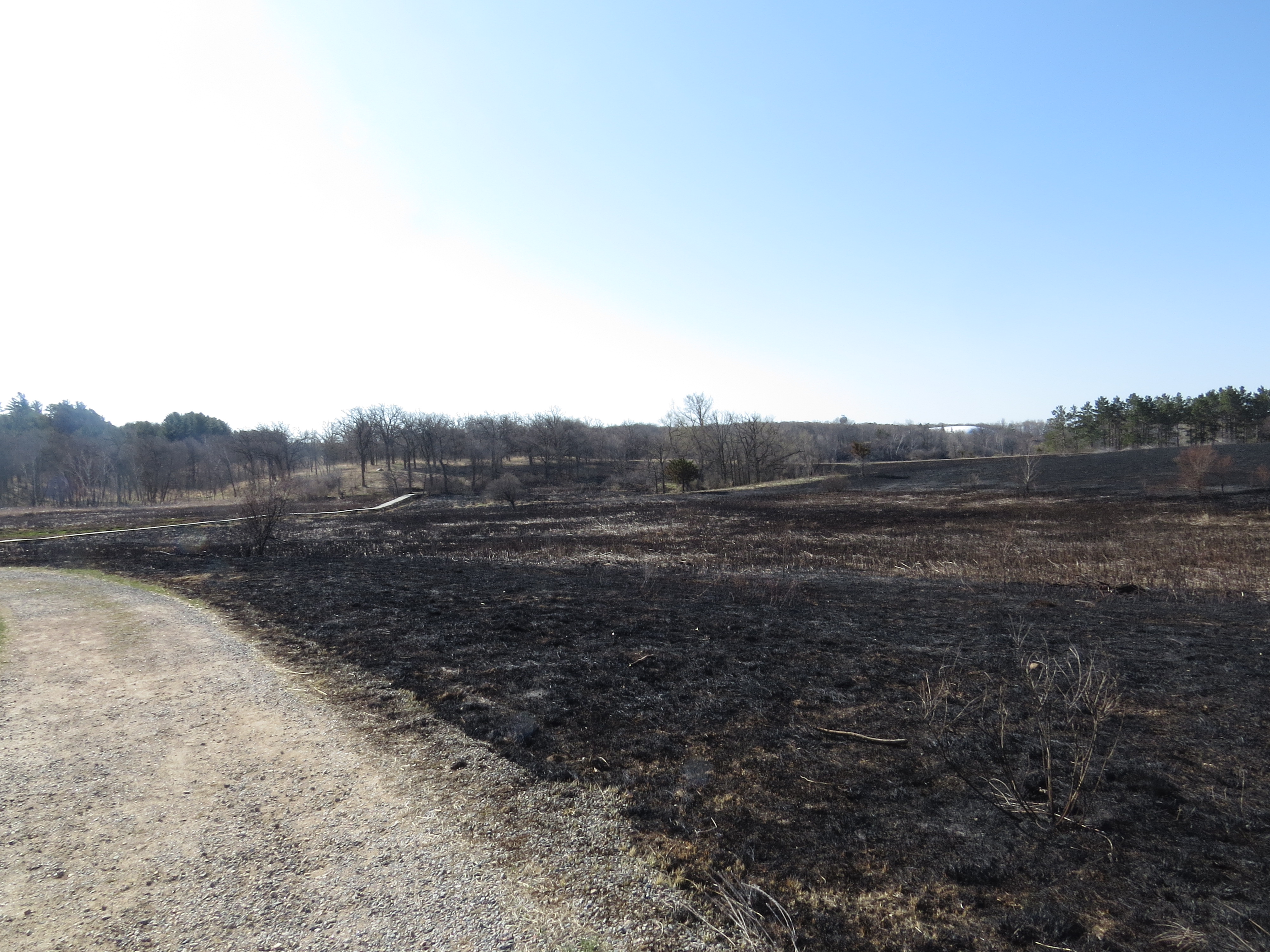
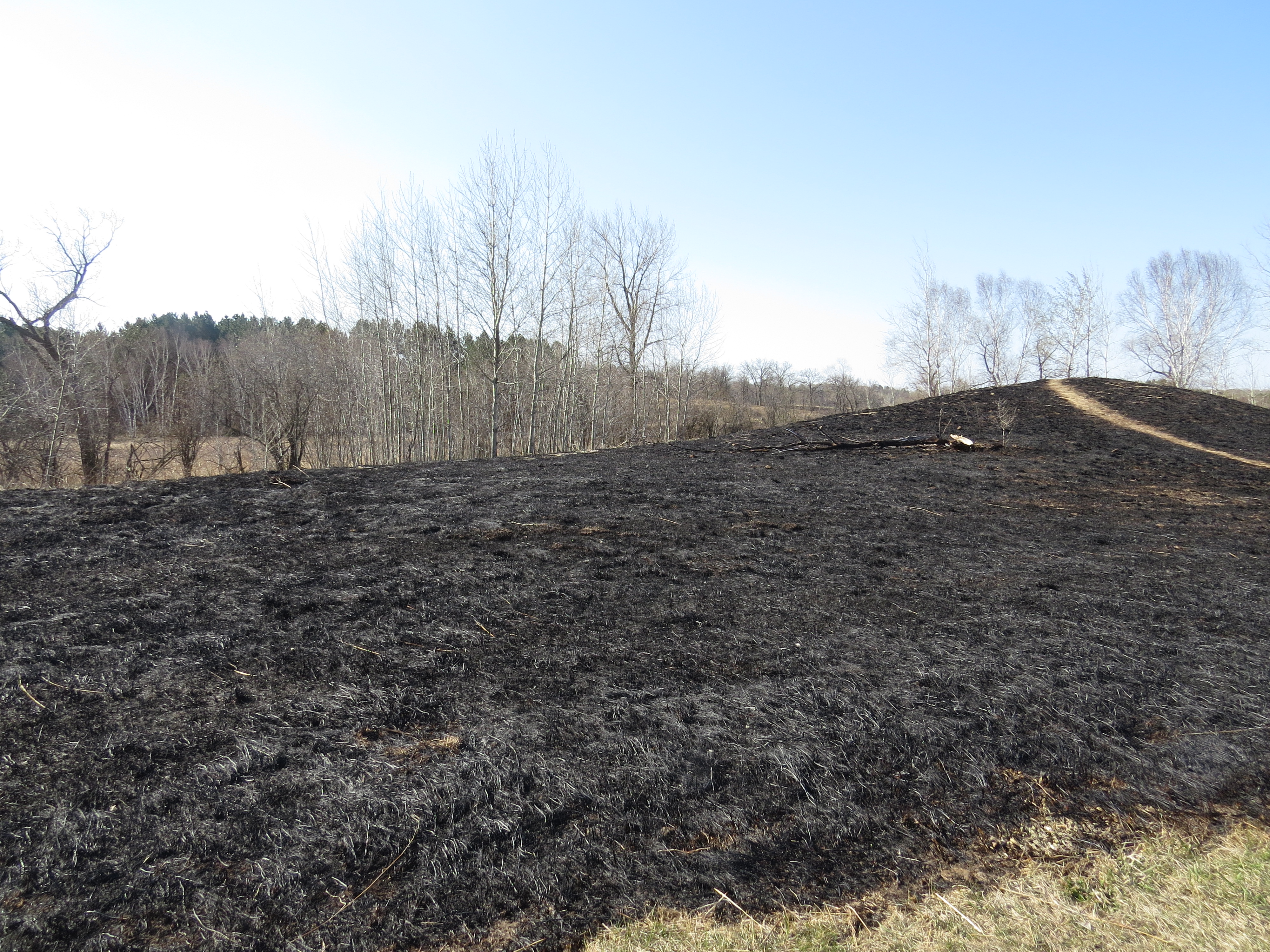
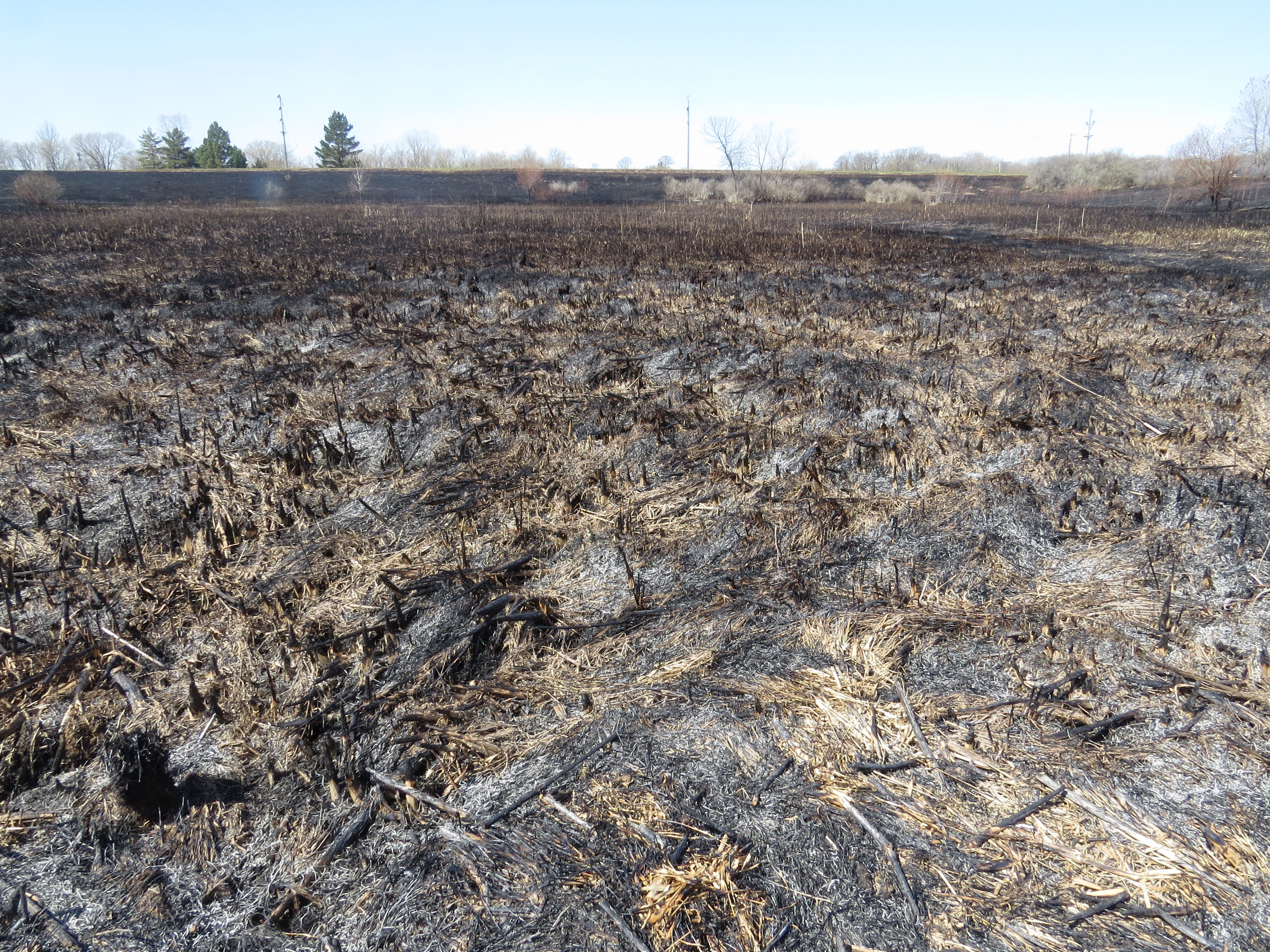
Fire-scorched earth greeted a friend and I when we arrived for a morning walk at St. John’s Arboretum. It’s rather shocking to see acres and acres of blackened prairie and wetland. There were no more smoldering embers, but the acrid smell of smoke and ash swirled into the air and into our nostrils with the stiff breeze. The trail was the line of demarcation as we walked—on one side was the black earth, on the other side the brown and greening prairie.
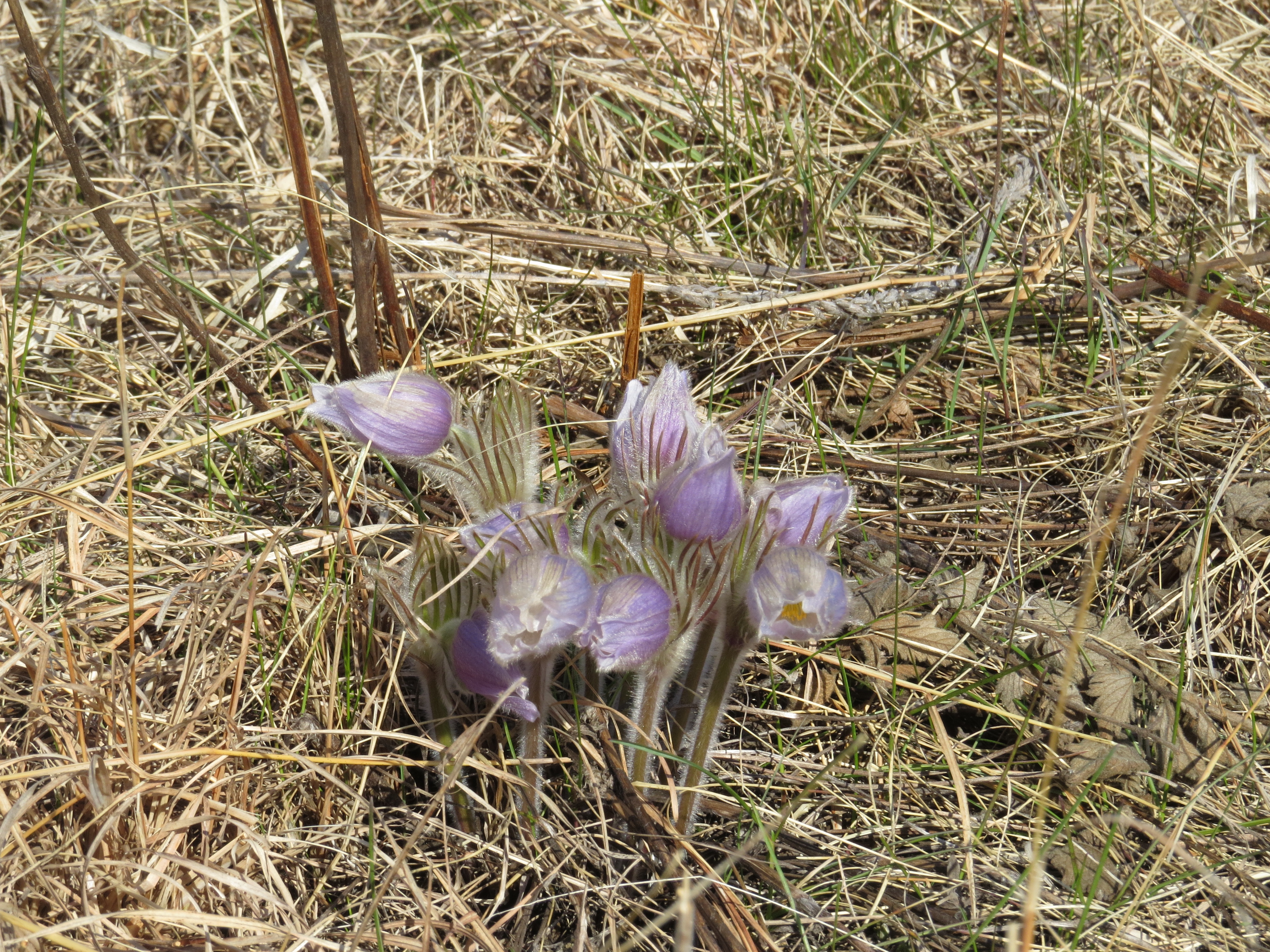
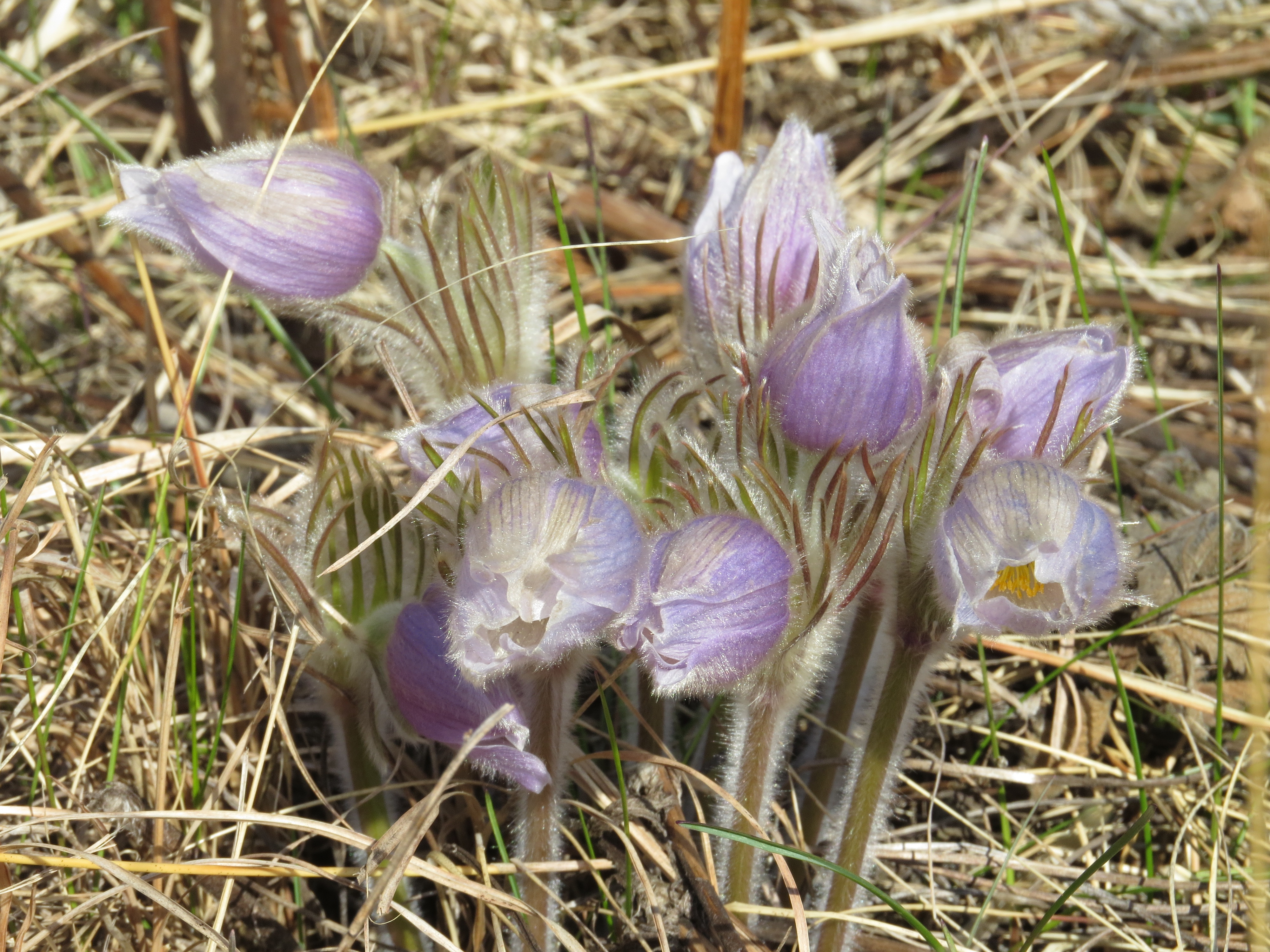
Among the old, brown grass and new, green shoots, we found a clump of Pasque flowers—early bloomers of the prairie. The pale purple flowers were closed; the long, silky white hairs that covered the whole plant shone in the sunlight. The state flower of South Dakota, Pasque flowers are dear to my heart. They are known by some as May Day Flower.
Prescribed or controlled burns of prairies are a common tool to manage the land. Fire destroys invasive and woody plants, thus improving the native plant community. It quickly returns nutrients to the soil by way of the ash as opposed to years of decomposition of accumulated dried grasses.
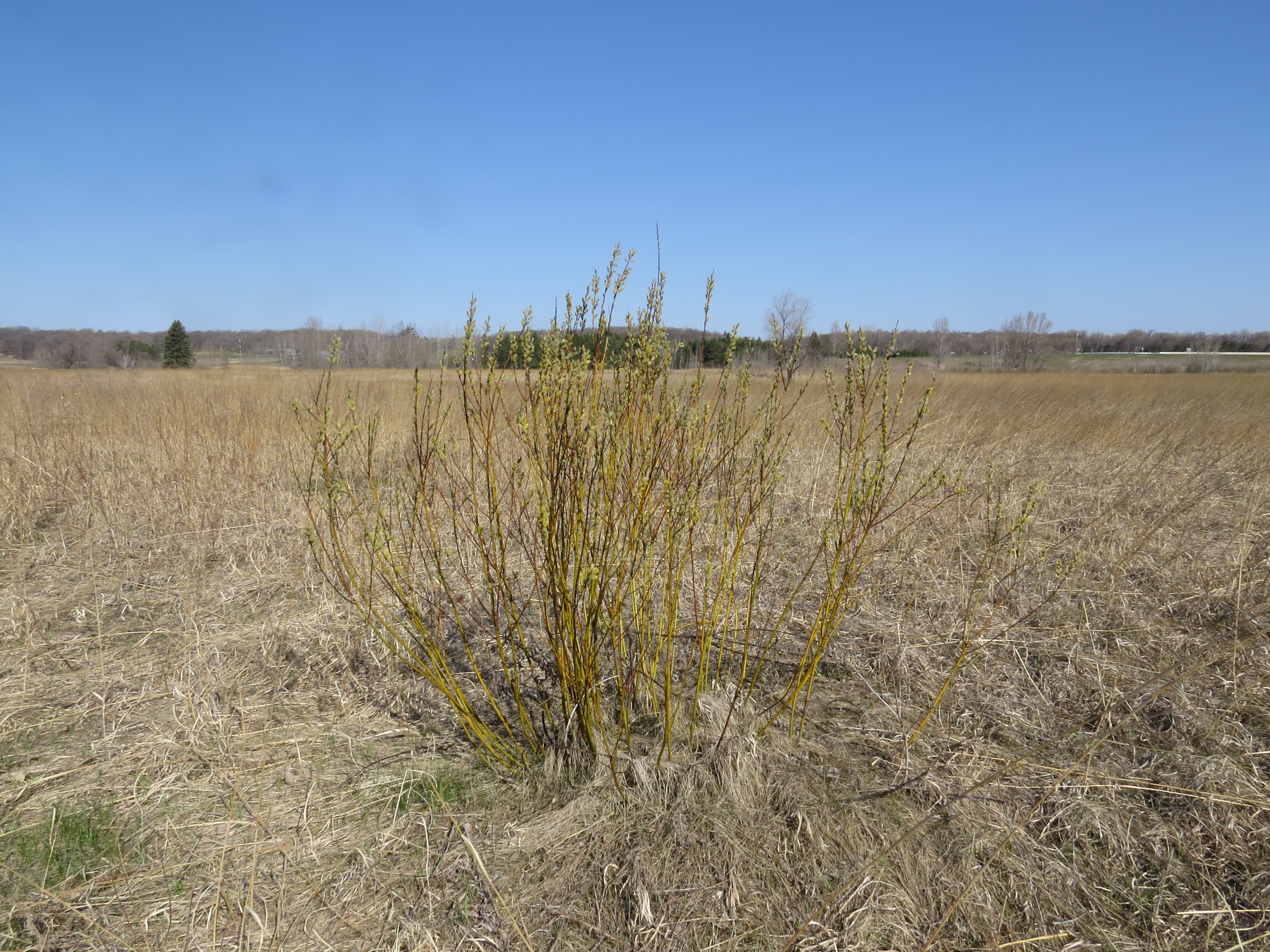
A yellow-stemmed willow, a woody plant, is out of place on the prairie. While the matted, dried grasses provide protection for perennials over the cold Winter, it takes much more time for the prairie to ‘turn green.’ The black, burned side soaks up the sunlight, which warms the earth, the root systems, and the growth crowns of the grasses and wildflowers that remain. As stark as the burned side looks now, it will be lush and green before the other side. There is promise in fire.
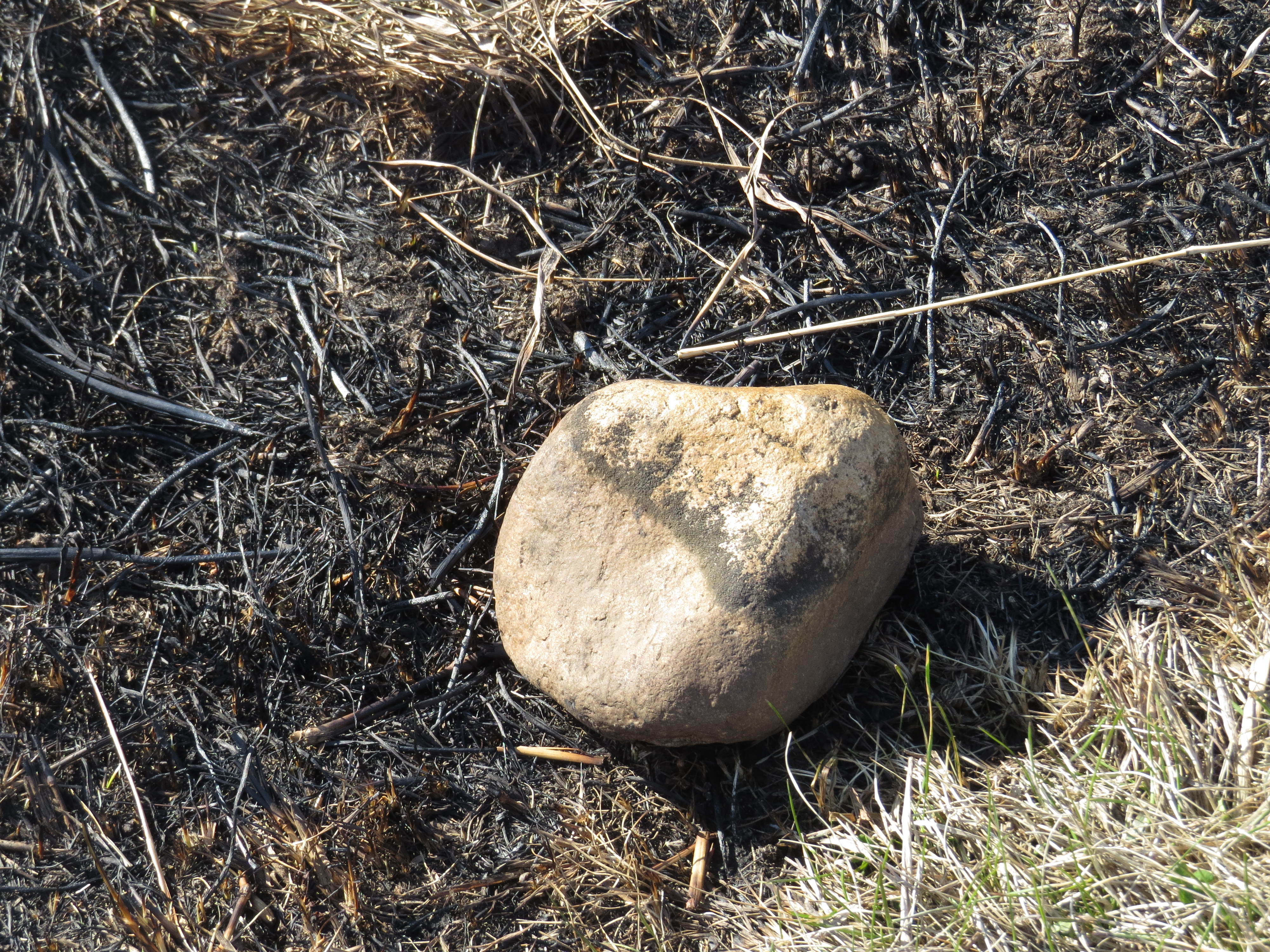
So although it doesn’t look like it, much remains after the fast-burning prairie fire.
Since it was a relatively dry Winter without much snow, and early Spring was also fairly dry, the ‘wetland’ of cattails and rushes could also be burned this year.
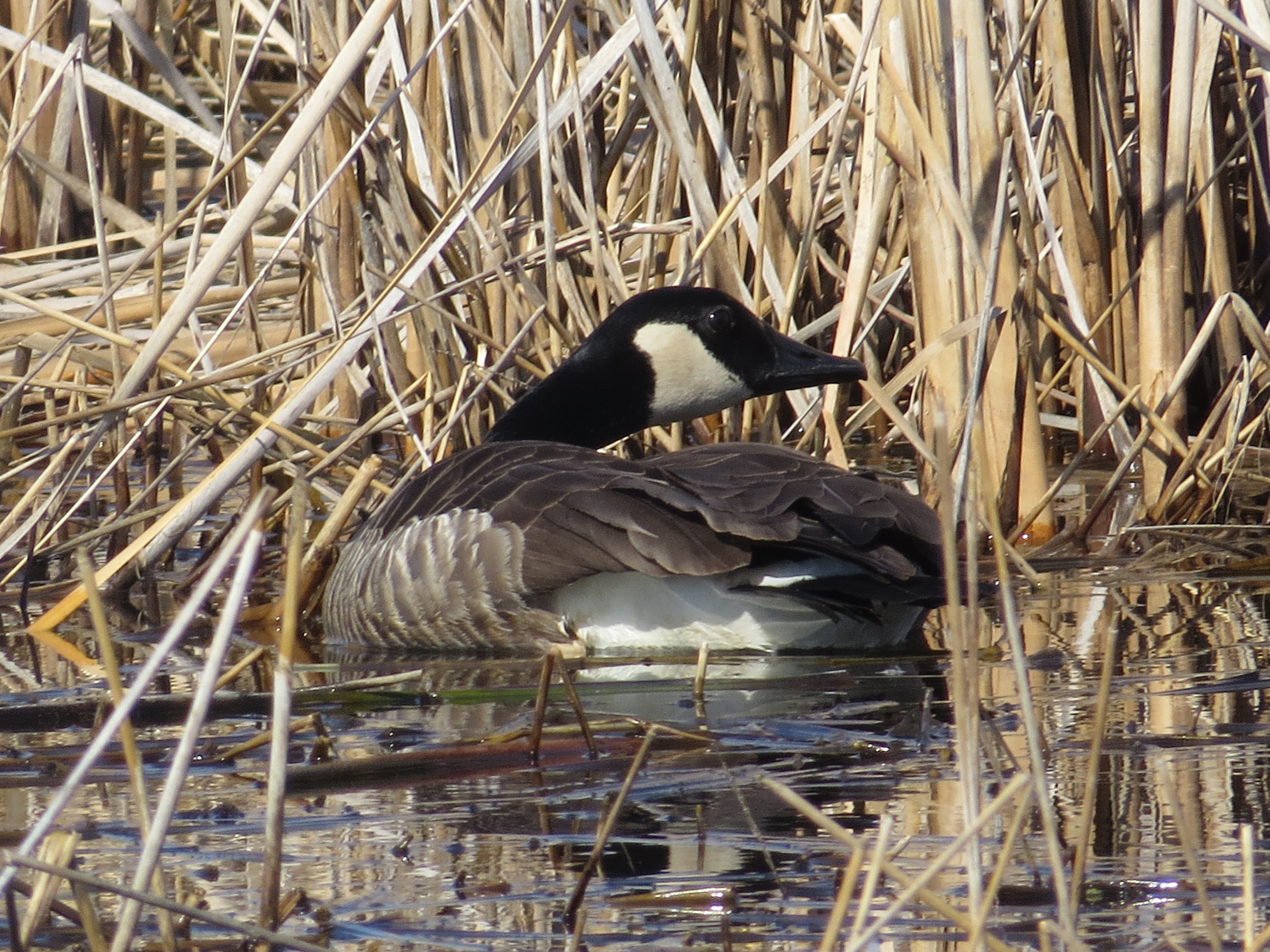
But on the other side, the old, brown stalks of cattails and rushes gave cover to the nesting waterfowl. This young-looking Canadian Goose was frozen in her long-necked posture when we walked by on the boardwalk. At first I wondered if she was injured, but later I realized that she was probably just alarmed for her nest of eggs.
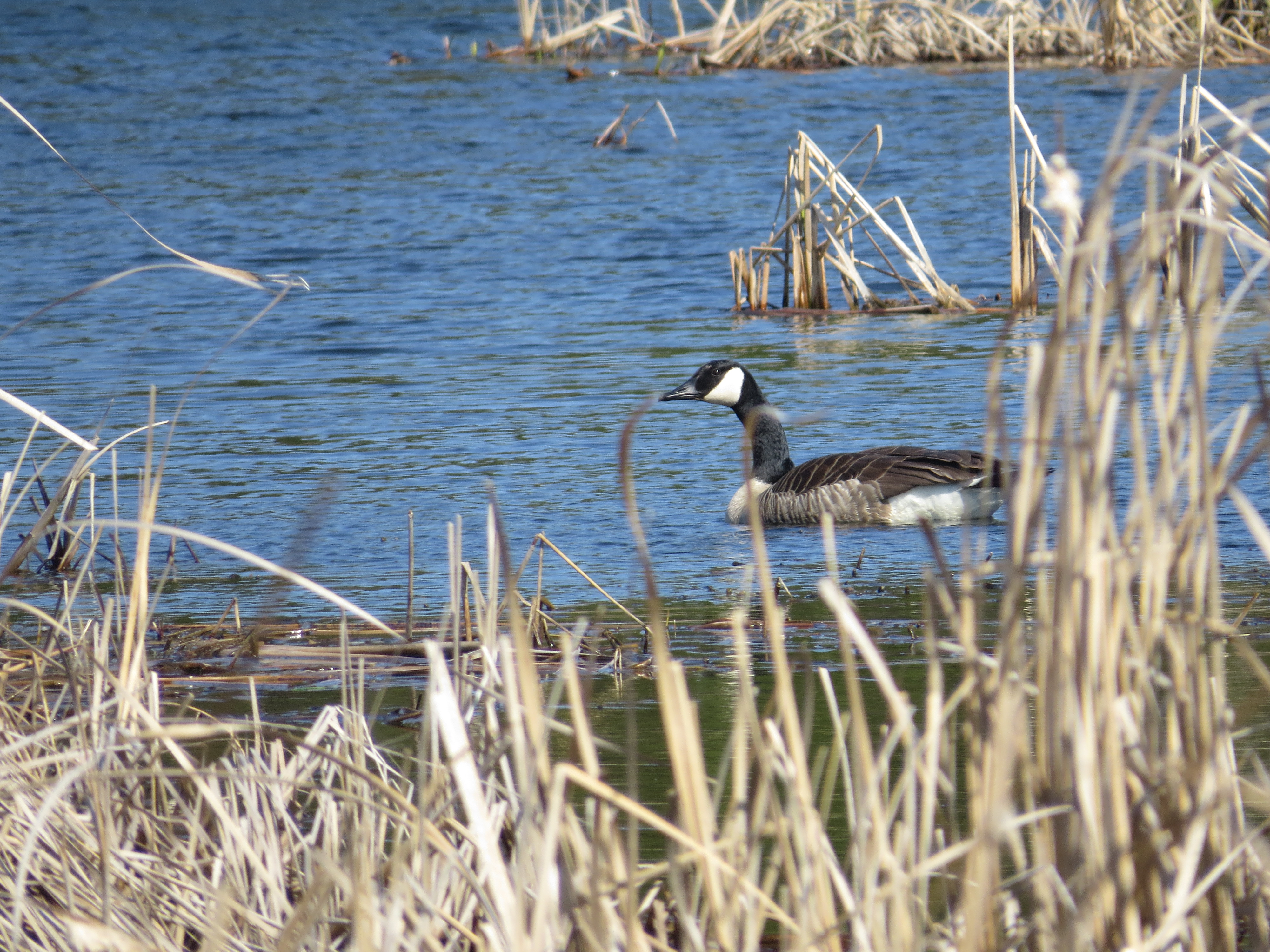
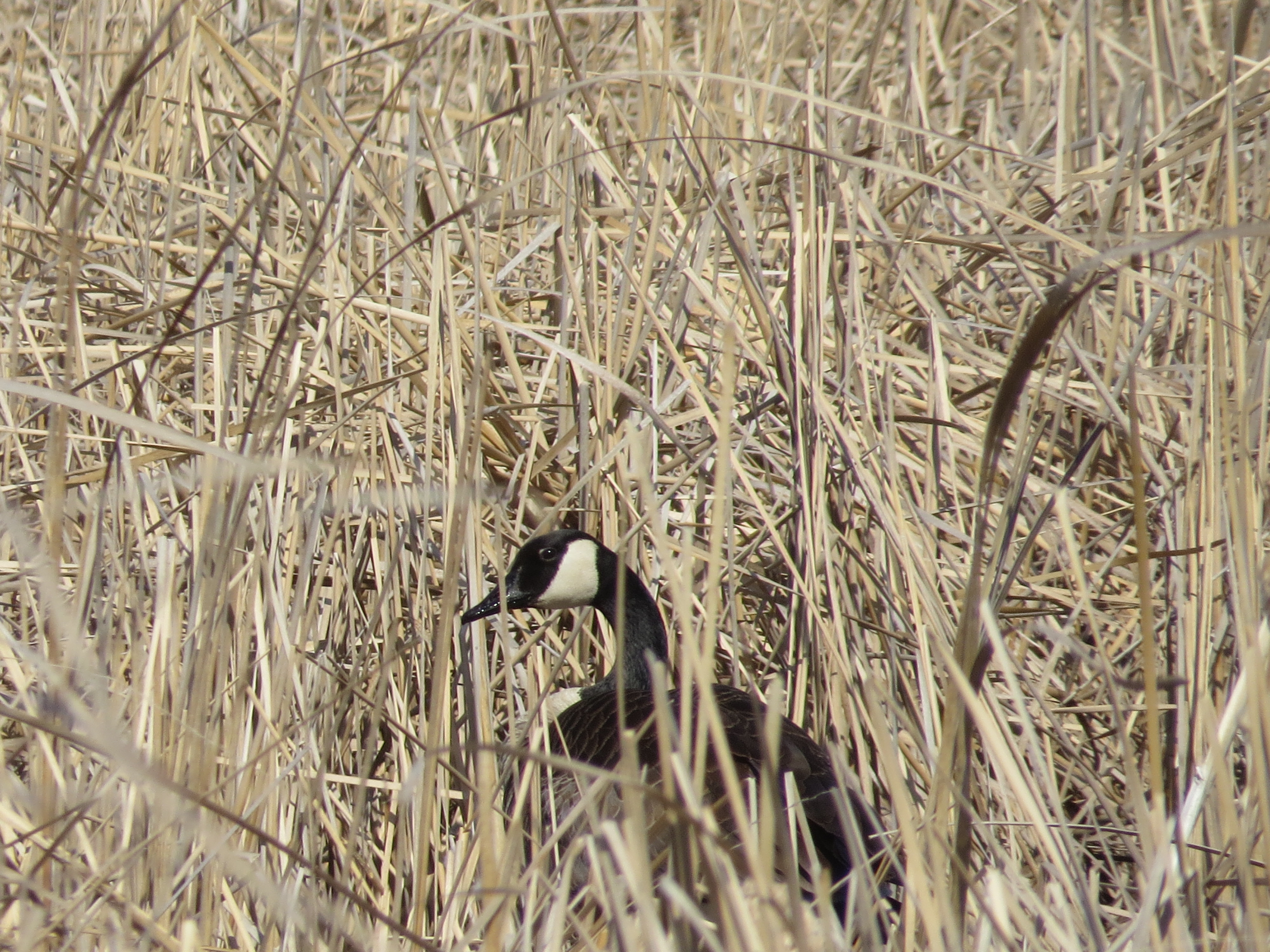
Her mate flew in as we walked on, so we backtracked to see that the female was in the cattails, probably at her nest. A nest full of potential.
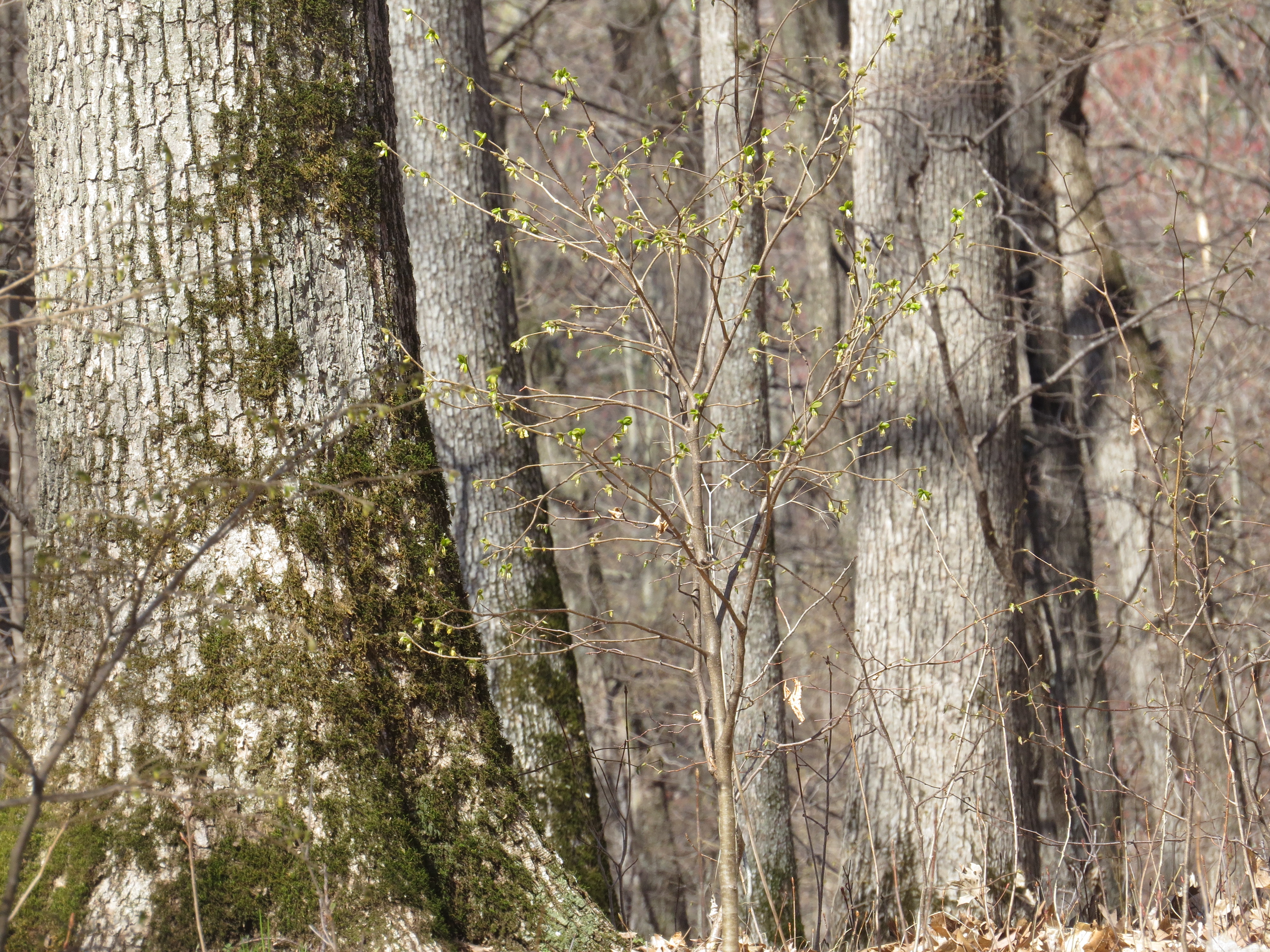
As we left the prairie and wetlands, we entered the forest and saw what I was hoping to see—blooming Leatherwoods! The tubular yellow flowers hung from the tough, flexible branches of the understory shrubs.
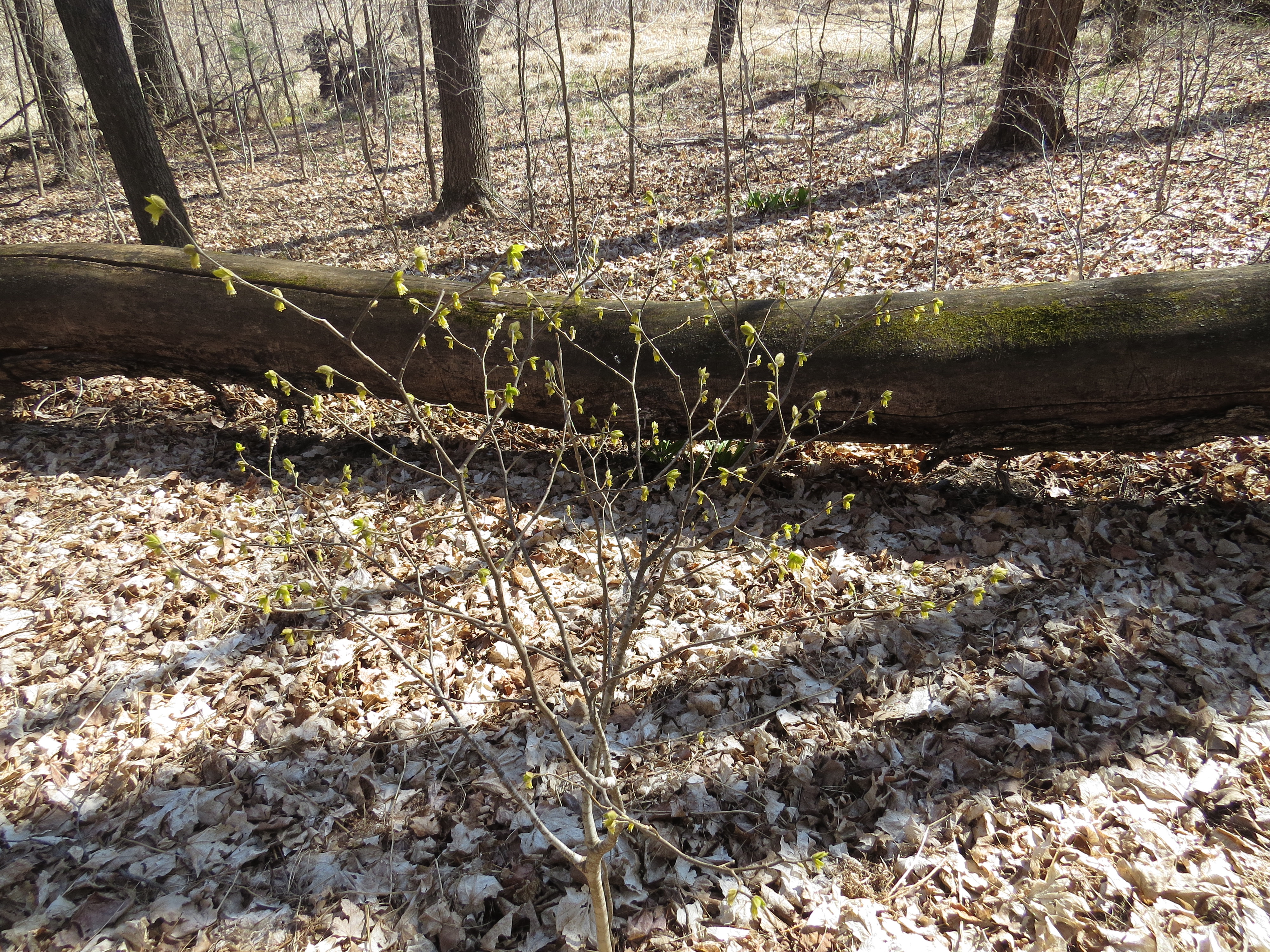
This little Leatherwood tree looked like a child to me—fresh and bright, strong and pliable beside the tall, mature forest trees. The embodiment of prospects and hopes.
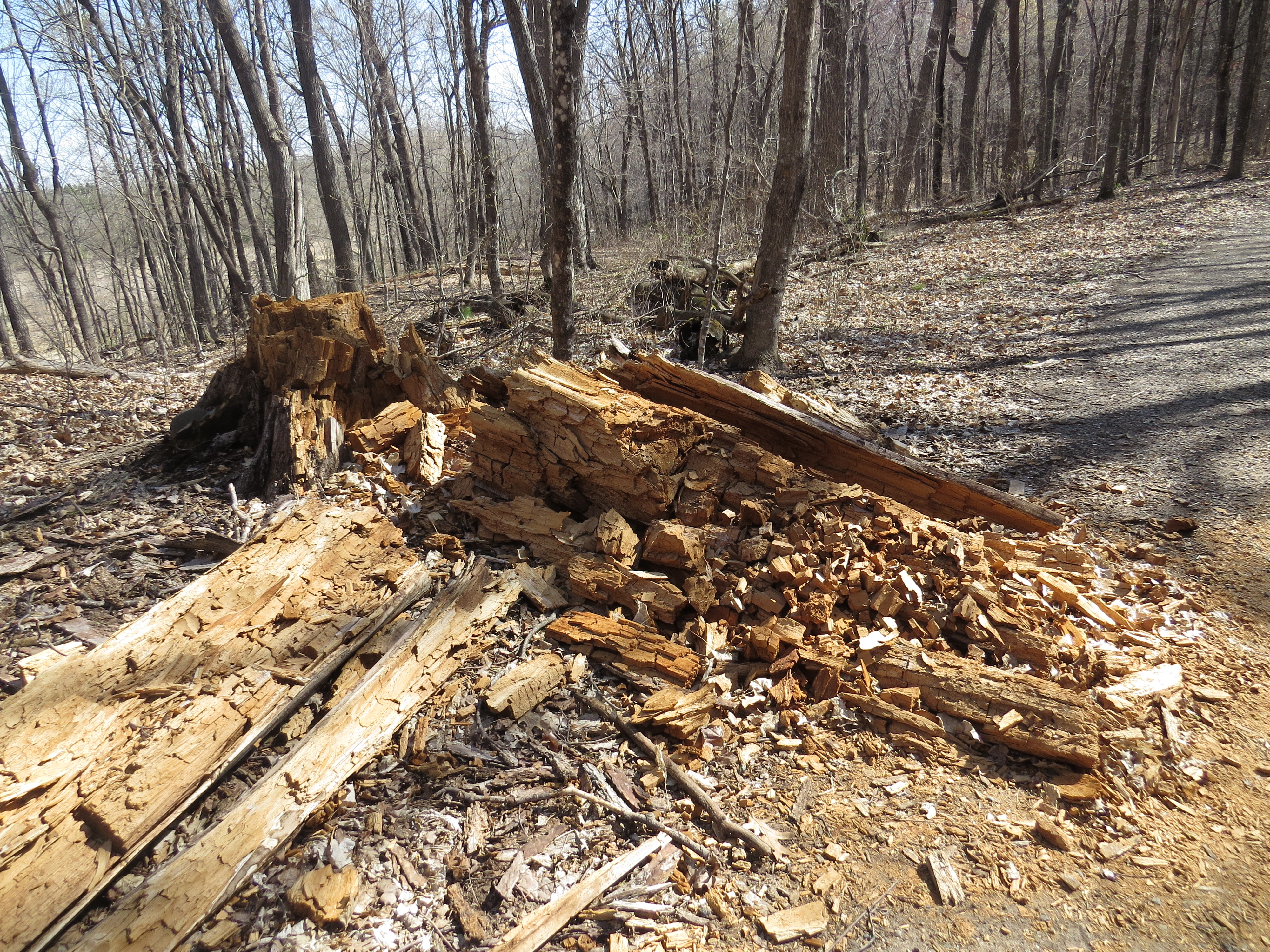
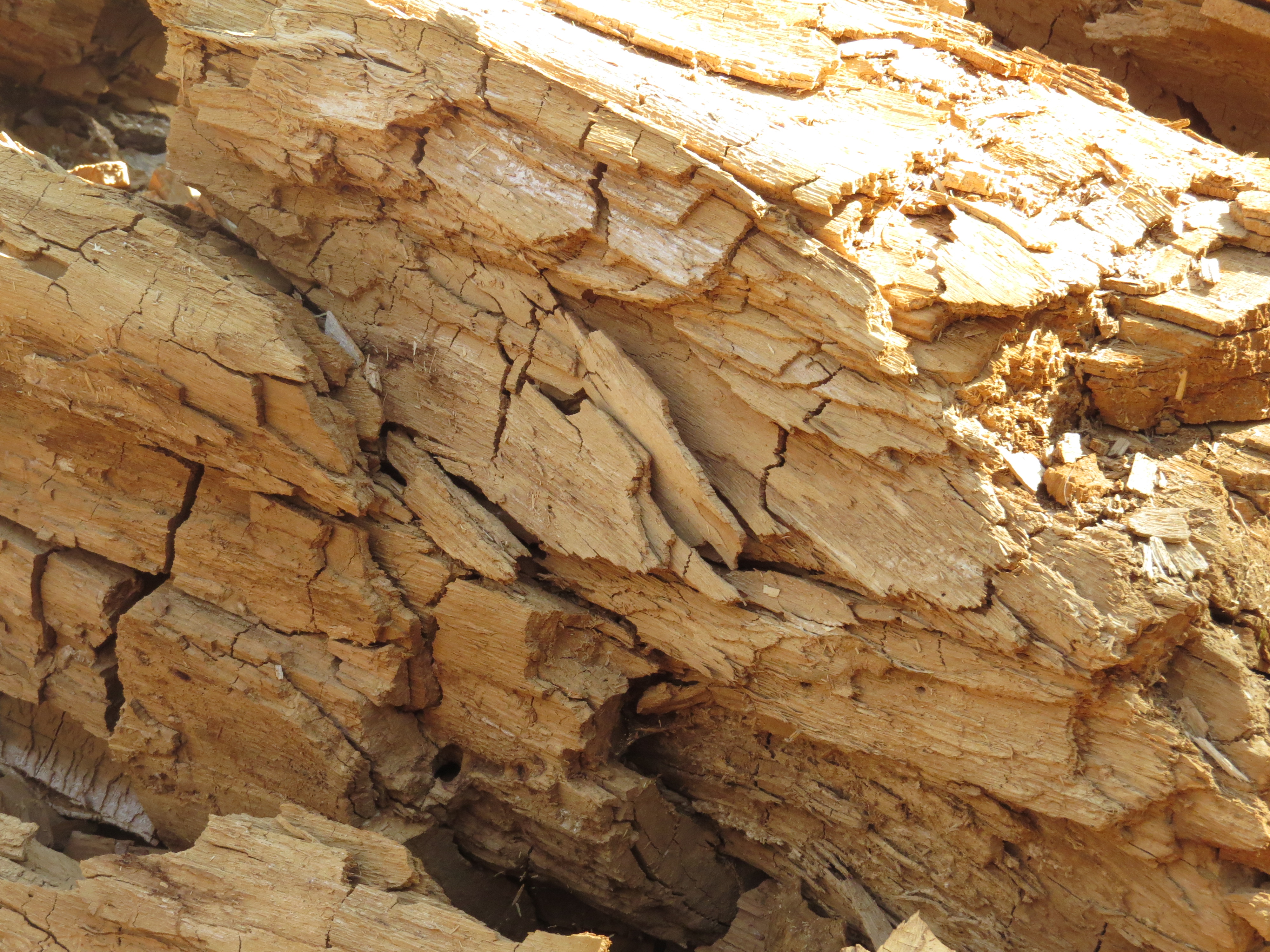
A fallen tree had scattered across the trail. It was unusual in that it had been so far-decayed while standing. Usually a dead tree falls and most of the decay process happens on the ground. The light amber wood of this tree was dry and crumbly, like a Jenga tower tumbling to the ground.
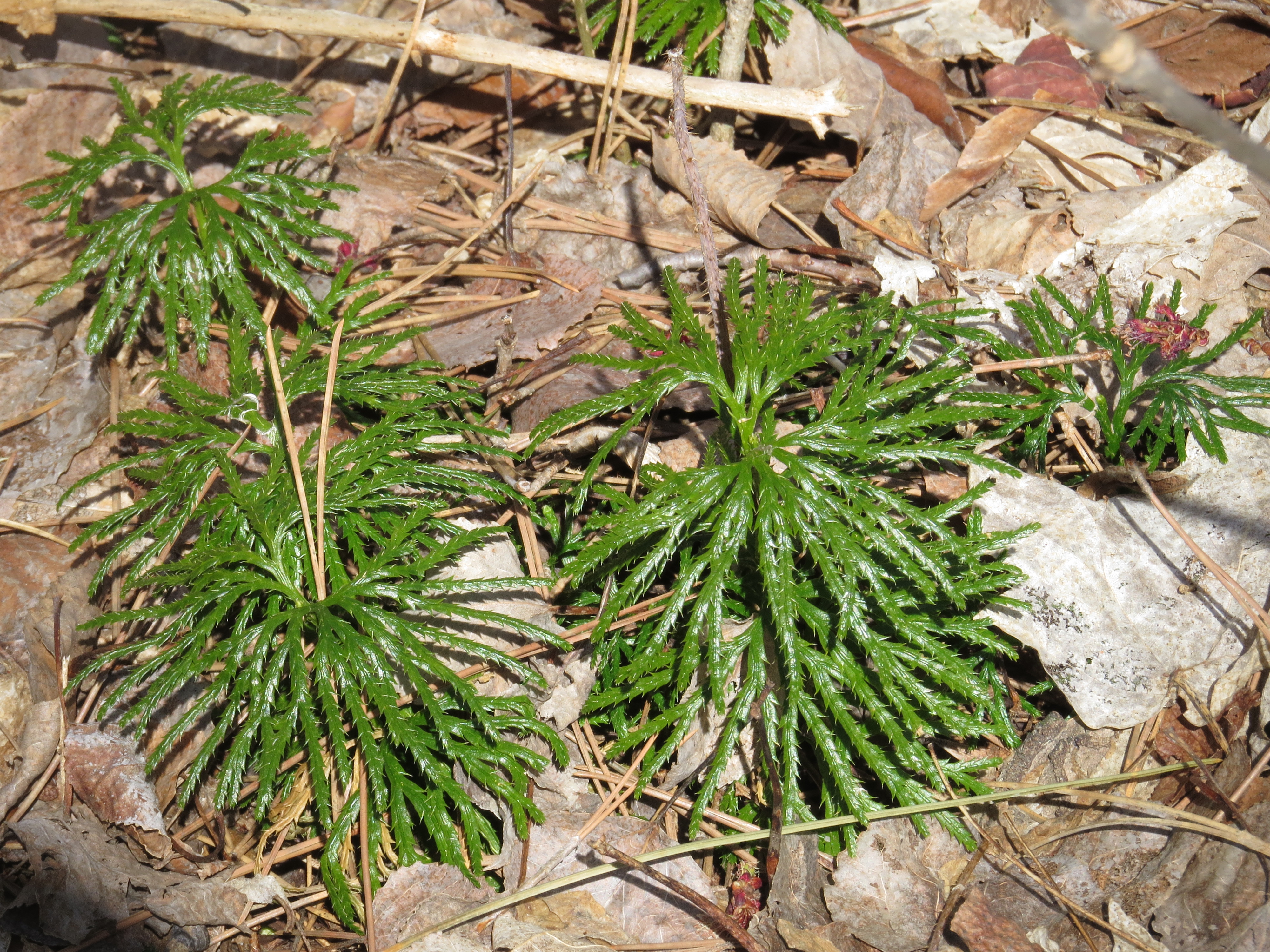
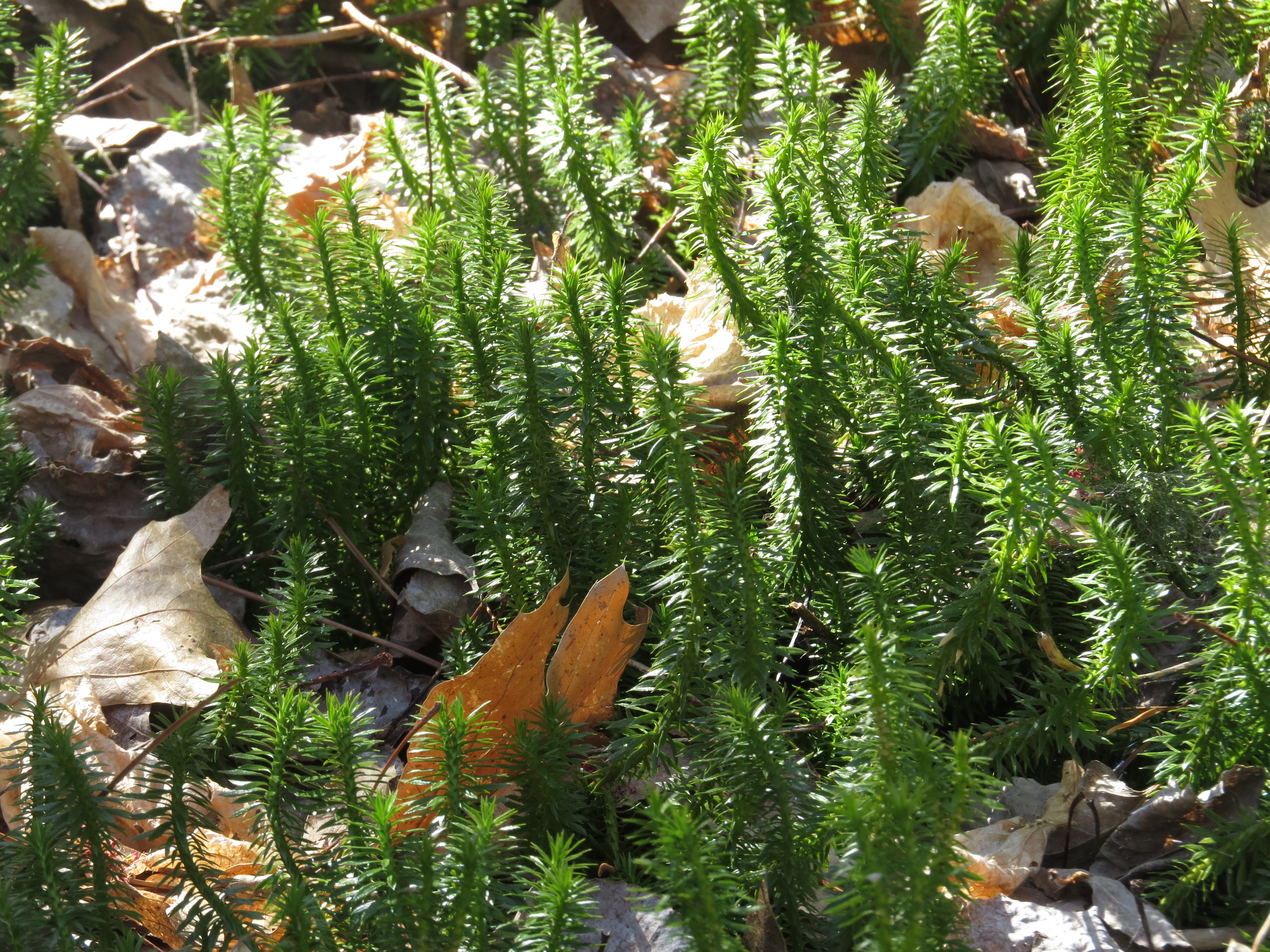
Bright, vibrant Fan Clubmoss and Shining Clubmoss grew from the old leaf litter, like miniature Cedars and Pines. Evergreens keep hope alive even through the longest Winters.
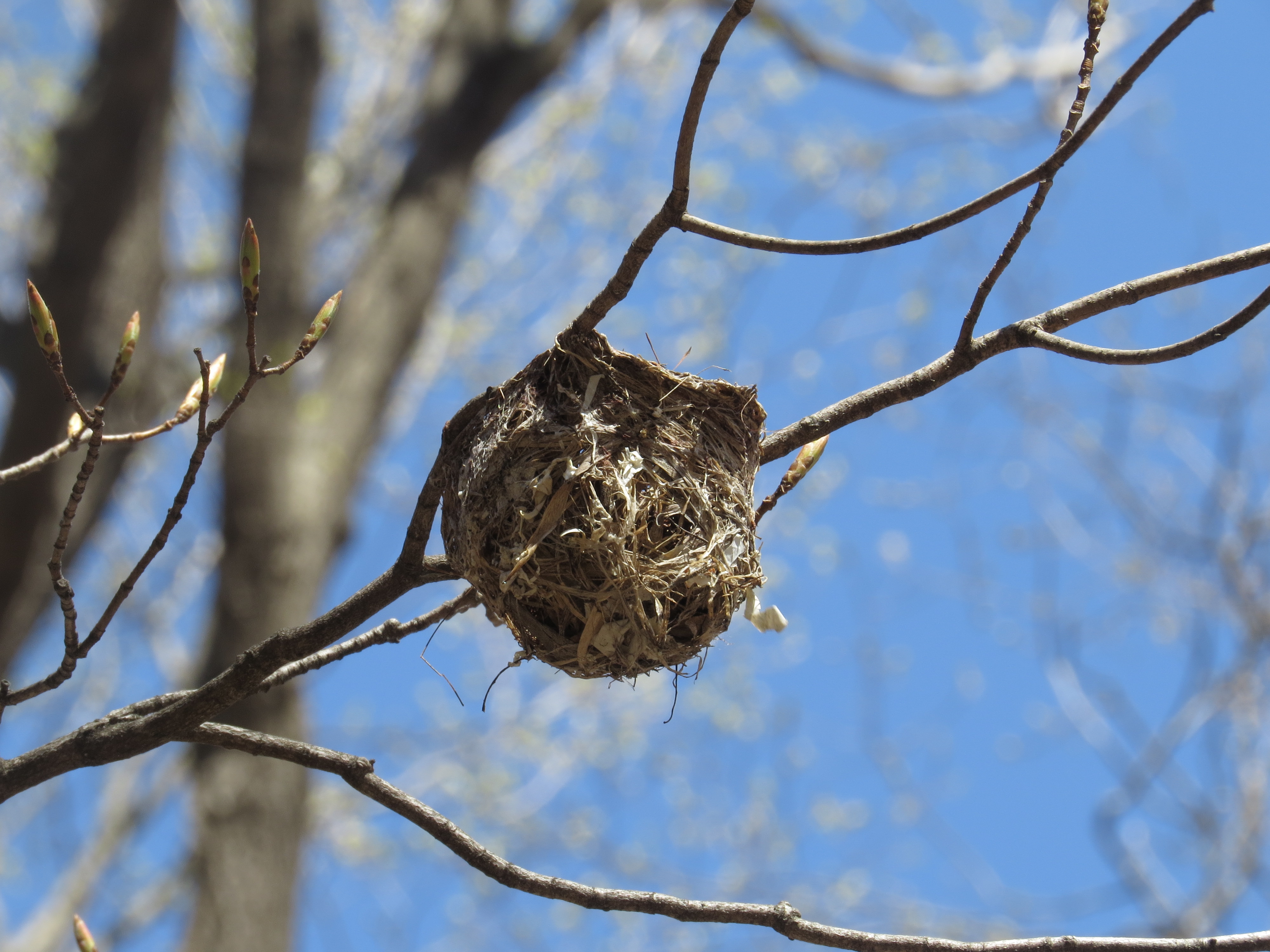
A small hanging nest, last year’s nest, was visible on the bare, budded branches. There will be new nest building and some re-use of old as the Spring promise of new eggs and new baby birds unfolds.
Nature embraces and expresses duality in most every aspect—the dark of night and the light of day, fire and ash and new, green growth, exposure and protection, decay and flexible growth. Should we think our lives would be any different? We are a part of Nature, her sons and daughters who start from eggs and grow and develop with protection and vulnerability. No matter what scorches us, our roots remain, and we can rise like the Phoenix from the ashes. That’s how sunsets show us promise, how first flowers display hardiness, how the young goose reveals potential, how Leatherwood demonstrates flexibility, and how the Jenga tree explains the cycle of Life.
Gonna Get Burned
Have you ever been burned? I don’t mean literally, though we have probably all experienced that pain in some way in our lives—a sunburn that reddens and heats our shoulders or a blistering burn on our hand from cooking. I mean figuratively.
“Love is the burning point of life… Love itself is pain, you might say—the pain of being truly alive.” –Joseph Campbell
We all probably know this pain, too.
In April, soon after the snow melted, we attempted to burn our little prairie area. We had the water hose, shovels, wet burlap in buckets of water, and matches. The first dried grasses in the flame of a match poofed up and were instantly gone. It seemed dry enough, but as we progressed, there was still too much moisture in the ground and in the grass to get a consistent burn.
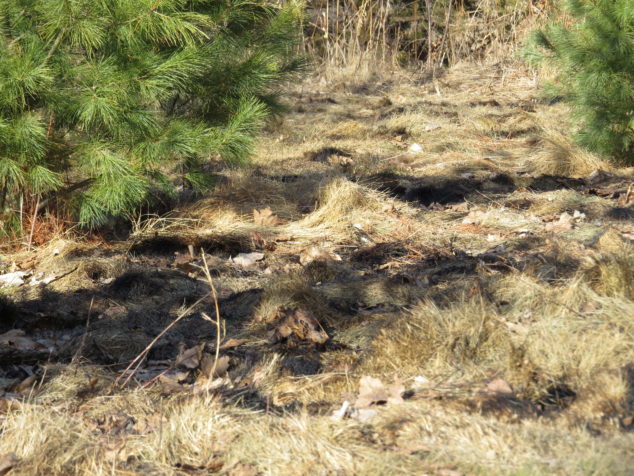
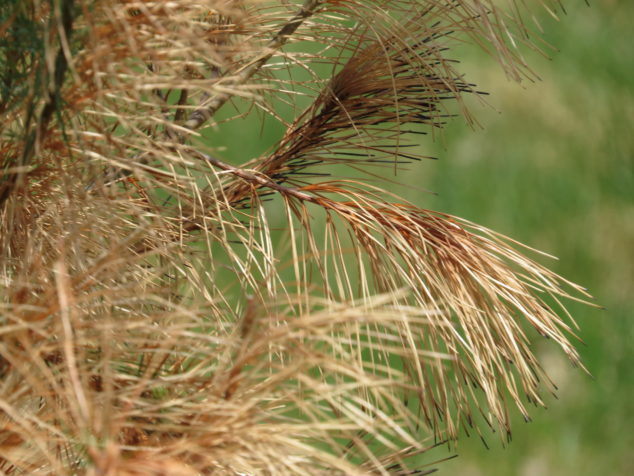
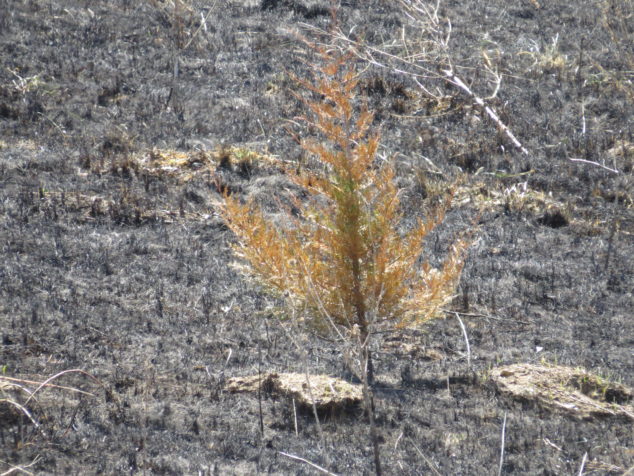
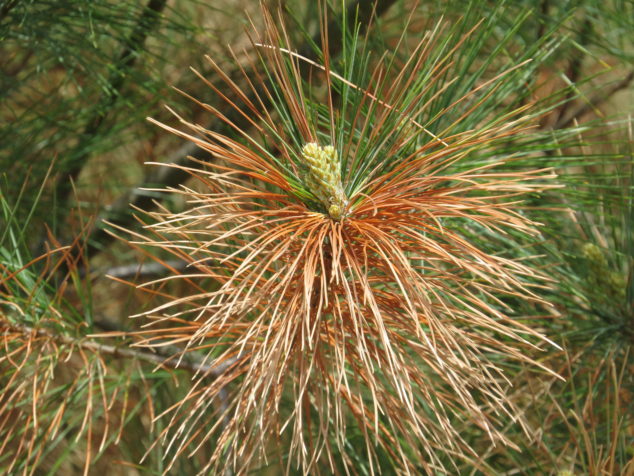
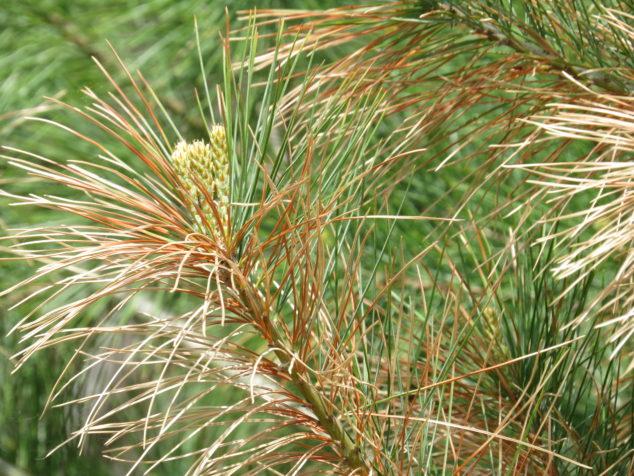
I used a pitchfork to ‘move’ the flame from one place to another, with Chris standing by with his shovel, but it just wasn’t going well. When we were about to call it a day, a smoldering flame lit the tall, dried grass around one of the White Pine trees and whooshed up into the branches. Chris beat it with a shovel as I got the water hose and doused it. But there was damage done. Some of the lower branches were scorched and burned at the tips. Glad it wasn’t worse. But as the days passed, more brown needles appeared. The heat of the burn had rose up and damaged the needles farther up the tree.
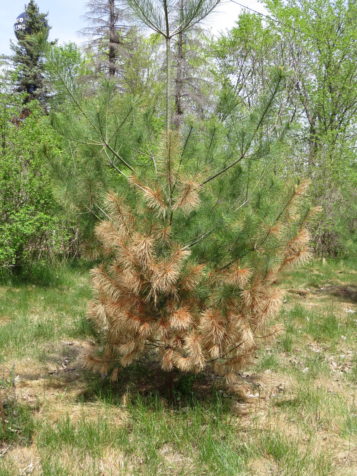
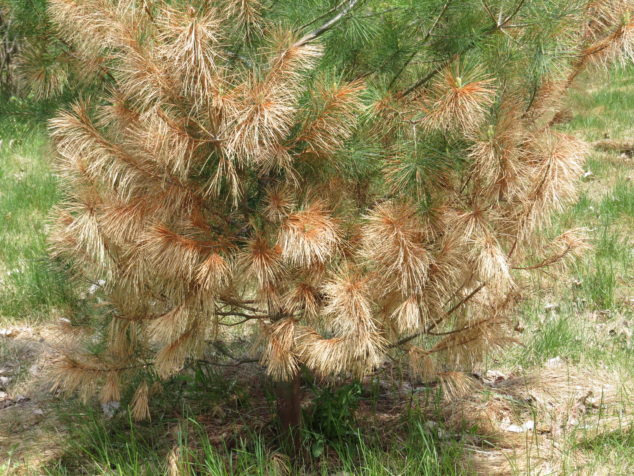
I tried to reassure the man who loves trees and who had lovingly planted these pines as two-footers, that it would be okay. But this poor tree looked worse by the day.
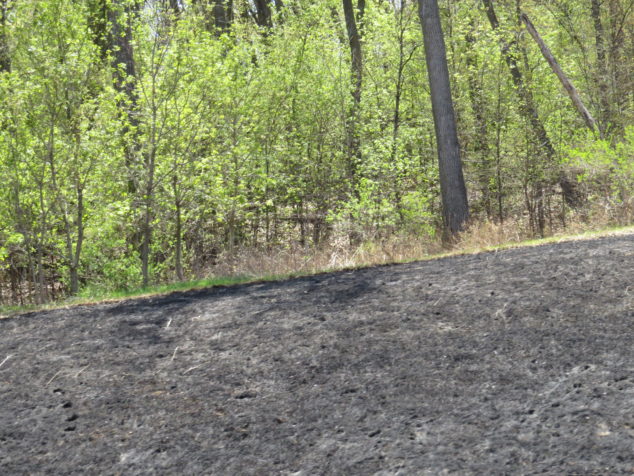
Meanwhile, as I was driving on the highway not far from our house, the stark blackness of a burn rose from the road up a hill to the edge of a woods.
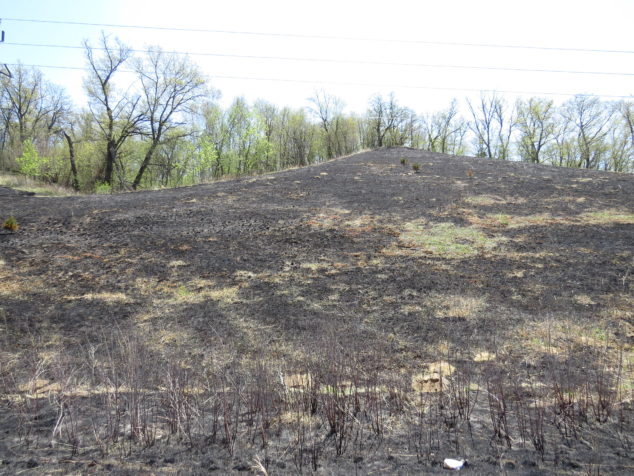
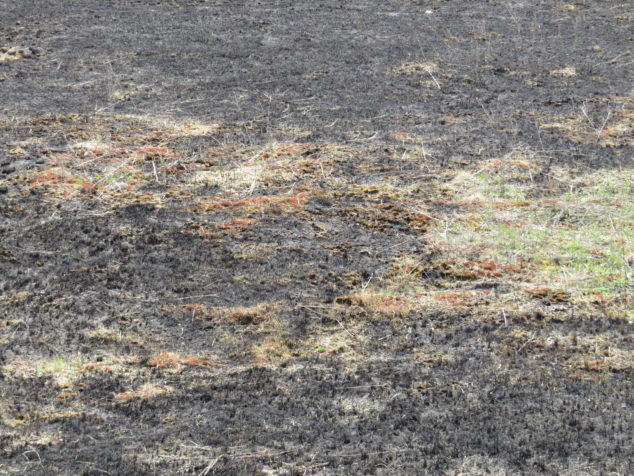
Prescribed or controlled burns help manage weeds and invasive species, including woody plants like cedar and buckthorn. Burns also restore nutrients to prairie plants and stimulate growth of deep-rooted grasses and native plants.
The charred ground was in stark contrast to the vivid green of new Spring leaves in the woods.
As the weeks passed, I noticed buds emerging from the tips of our White Pine, including most of the branches with browned needles. New growth was springing forth from the damage! I am optimistic, even as Chris is much more cautious about the long-term welfare of the tree.
One week after I photographed the blackened burn on the hillside, it has already begun to transform to Spring greenness.
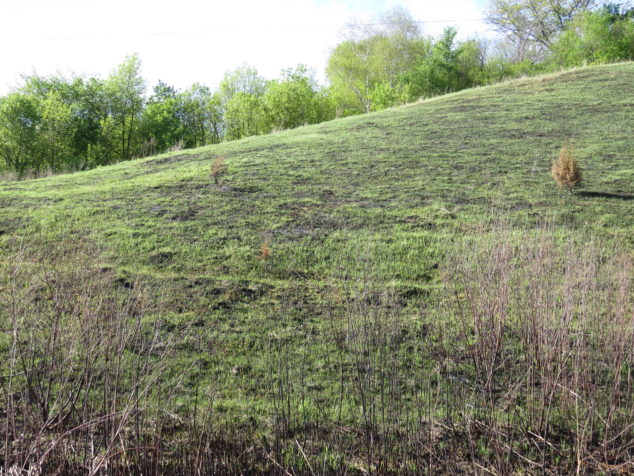
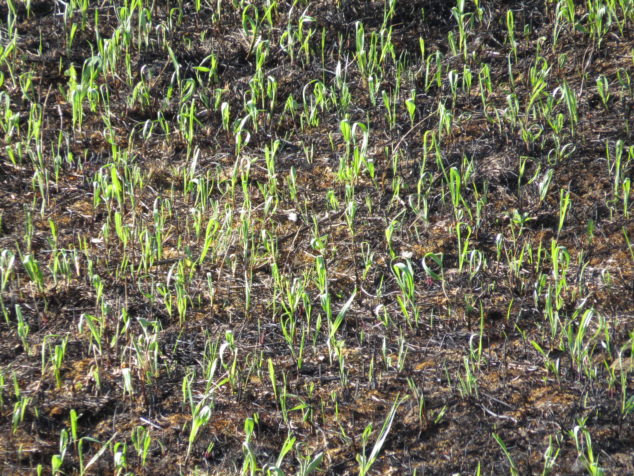
“If you play with fire, you’re gonna get burned.” Even with preparation, consideration, and care, we still damaged one of our young trees with fire. The tree will have scars from the fleeting fire, but it will continue to grow. Hopefully, someday, the scars won’t even be seen. The rapid transformation of a prescribed burn on the hillside from black to green is like a ‘do-over’—getting rid of the old, undesirable, and invasive to make room for the new, beneficial, and native.
Joseph Campbell, mythologist and writer of the human experience, wrote about love as ‘the burning point of life.’ It encompasses so many aspects of love—the burning desire of young lovers, the fierceness of a mother protecting her child, the passion one has for a vocation or avocation, and the absolute heartbreak of a lost love. Love ups the ante of us getting burned. We love, we get burned, we have scars, and we keep on growing through the growing pains. Maybe we are all ‘prescribed’ these burns in our lives to manage our egos, to keep offensive things from taking over our lives, and to restore goodness to our innate selves. Campbell also wrote, “Find a place inside where there’s joy, and the joy will burn out the pain.” Love, pain, growth, and joy—when we know we’re truly alive.