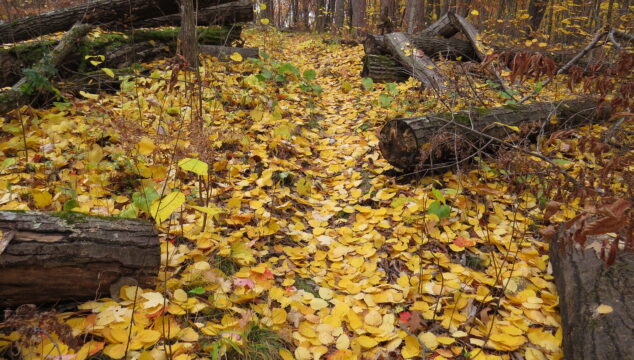
Come walk with me in the peak Autumn beauty of the Northwoods. To say that I love this time of year is an understatement. Most everyone can appreciate the colorful falling leaves---it reveals the 'true self' of a tree when its leaves are no longer producing chlorophyll. Their true colors are revealed, and there is something simple … [Read More...]
Sky and Prairie Partners
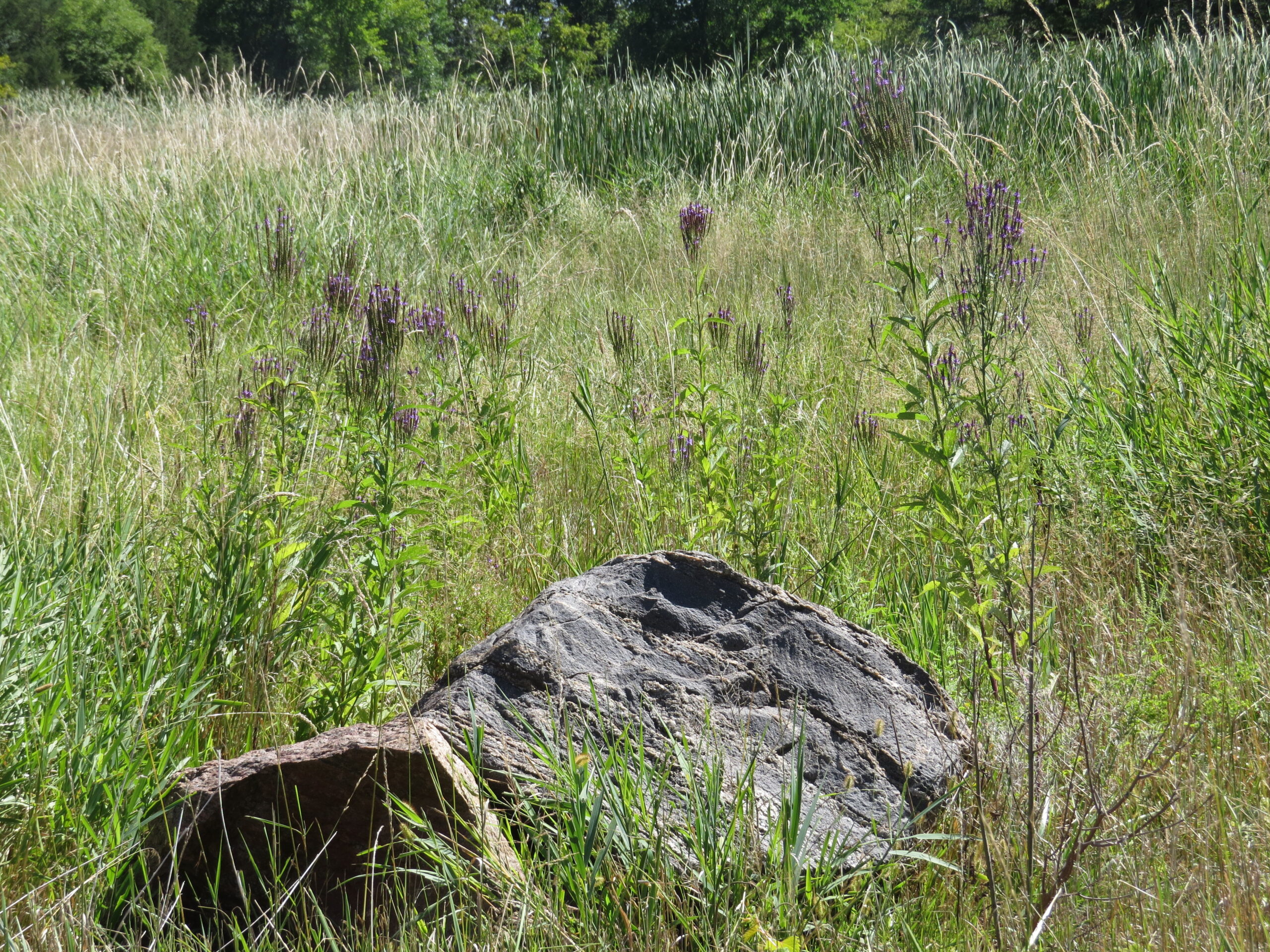
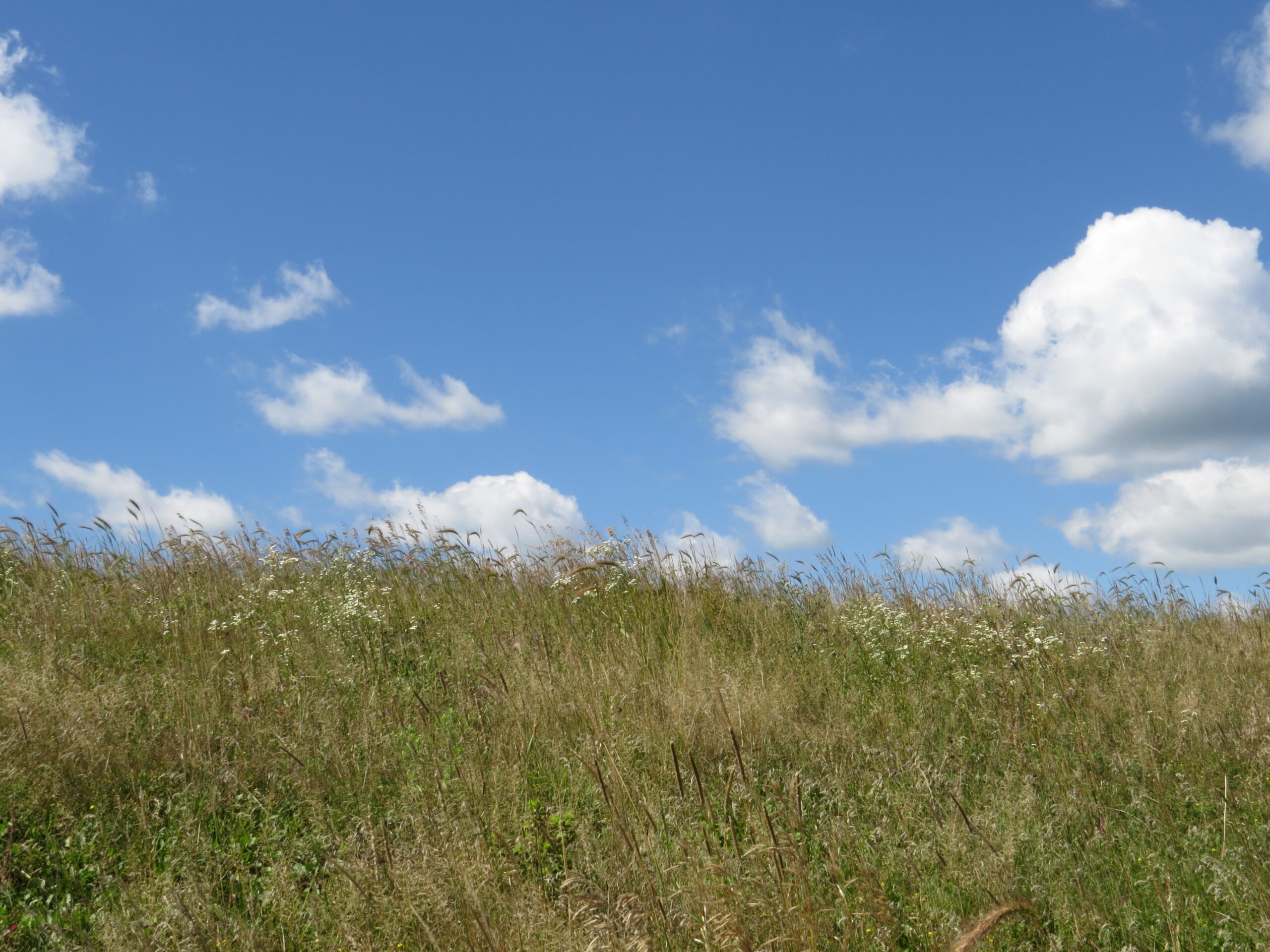
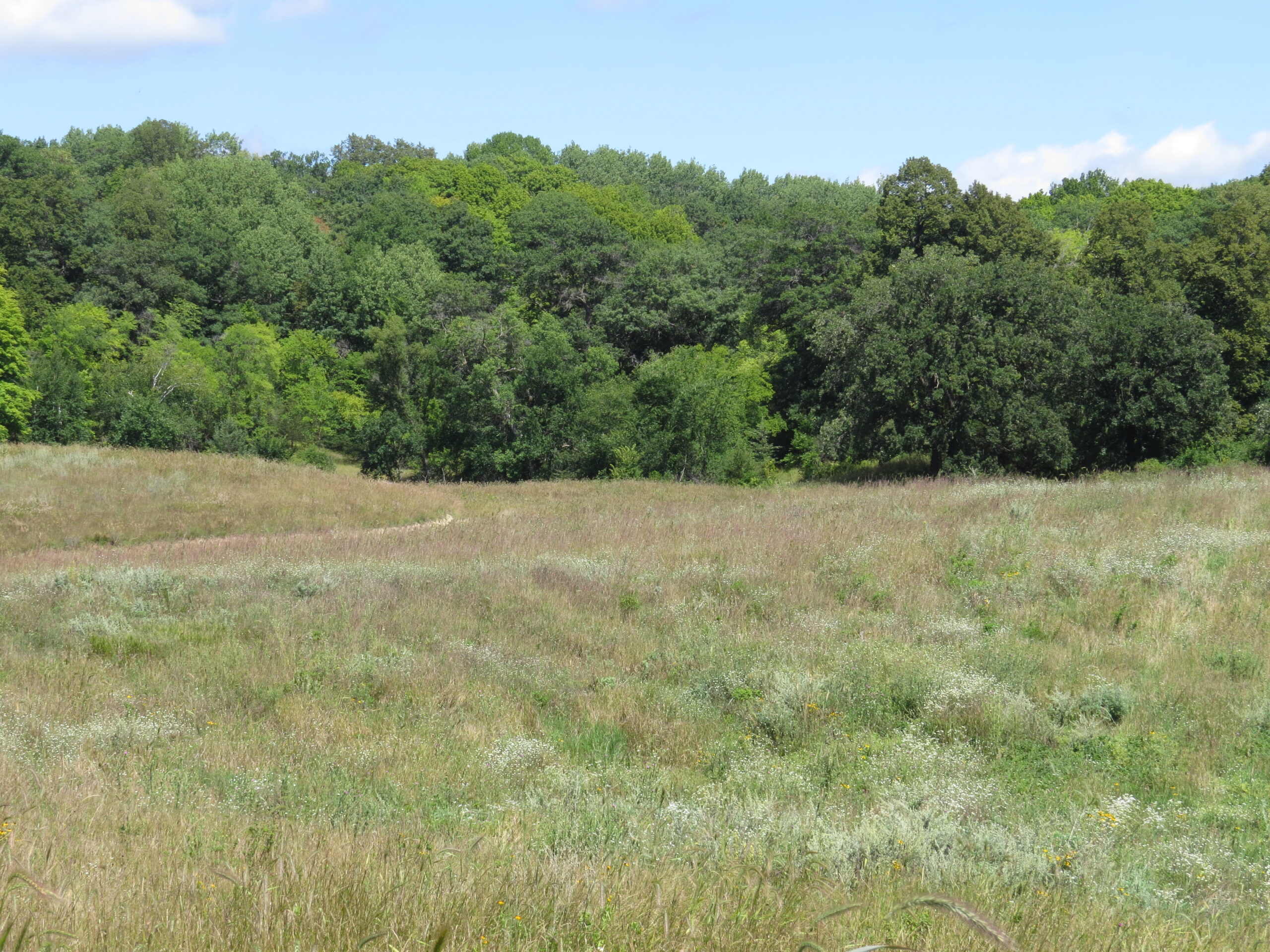
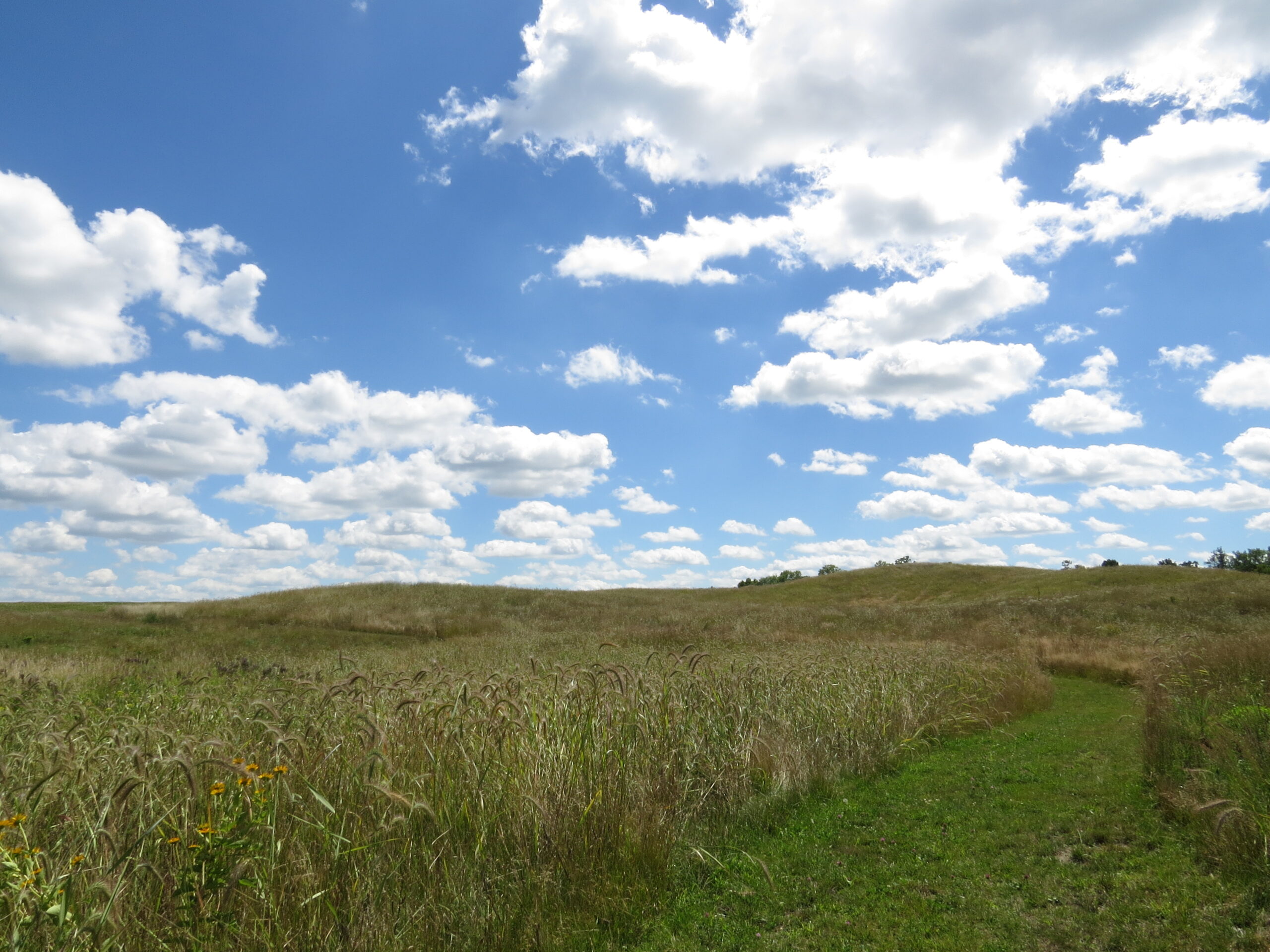
There is something about a prairie in the high months of Summer. The sun is warm, the wind is cooling, and the sky is a partner to the rolling hills of waving grasses. It’s a great place to roam where the mosquitoes prefer not to tread. There is another insect, however, that will garner your attention—the leaping, jumping, bumping-into-shins antics of August grasshoppers. I find them much easier to ‘take’ than biting, swarming mosquitoes. We found this new prairie after hiking miles of trails through a forest. There were patches of wetlands with cattails and Blue Vervain, and along the trail, we found random boulders of granite that established themselves as a grounding focal point in the swaying vegetation.
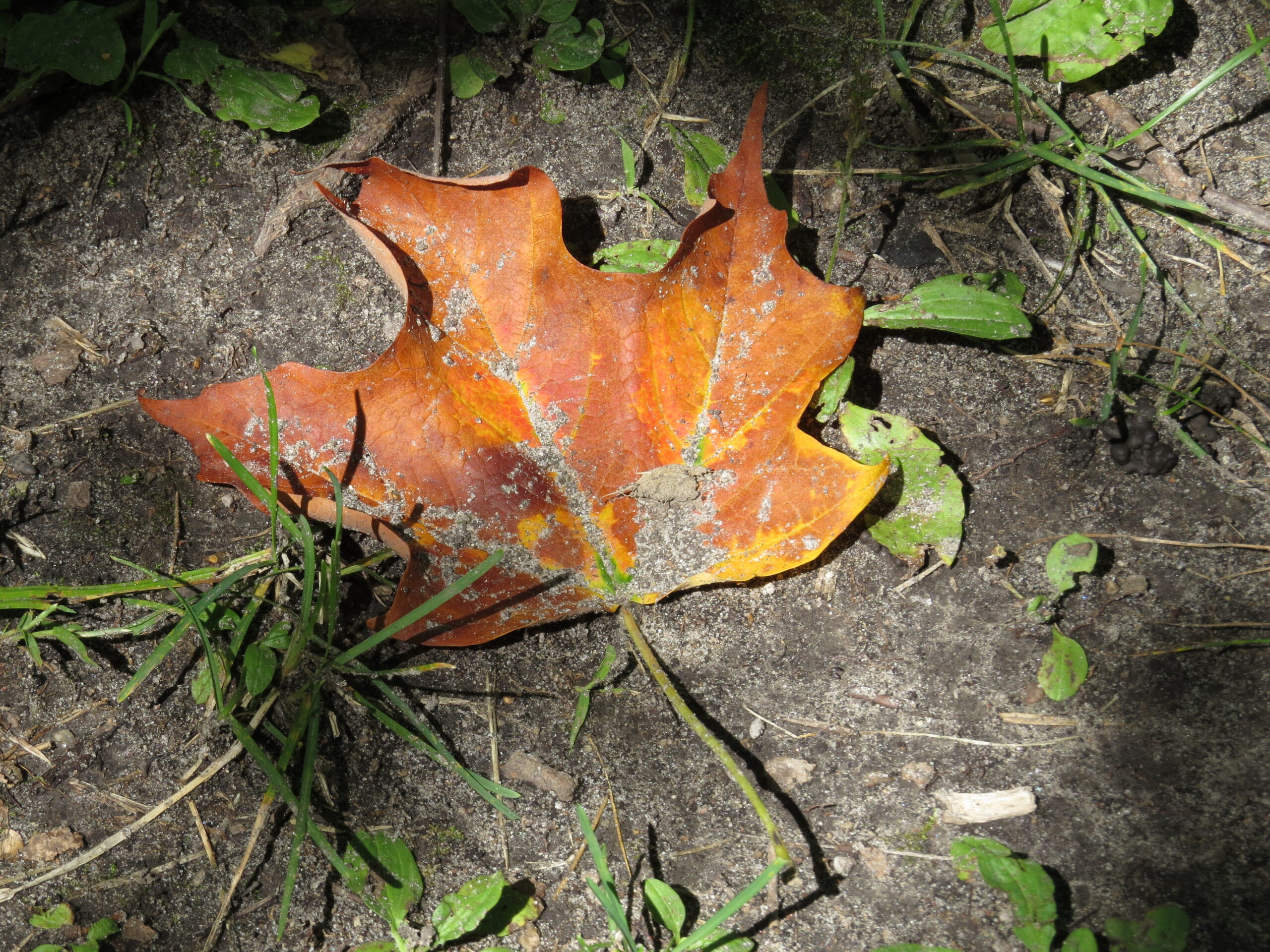
The Maple tree forest delivered the news of drought and of the coming change of seasons. Already in mid-August, the signs are there—Summer is waning.
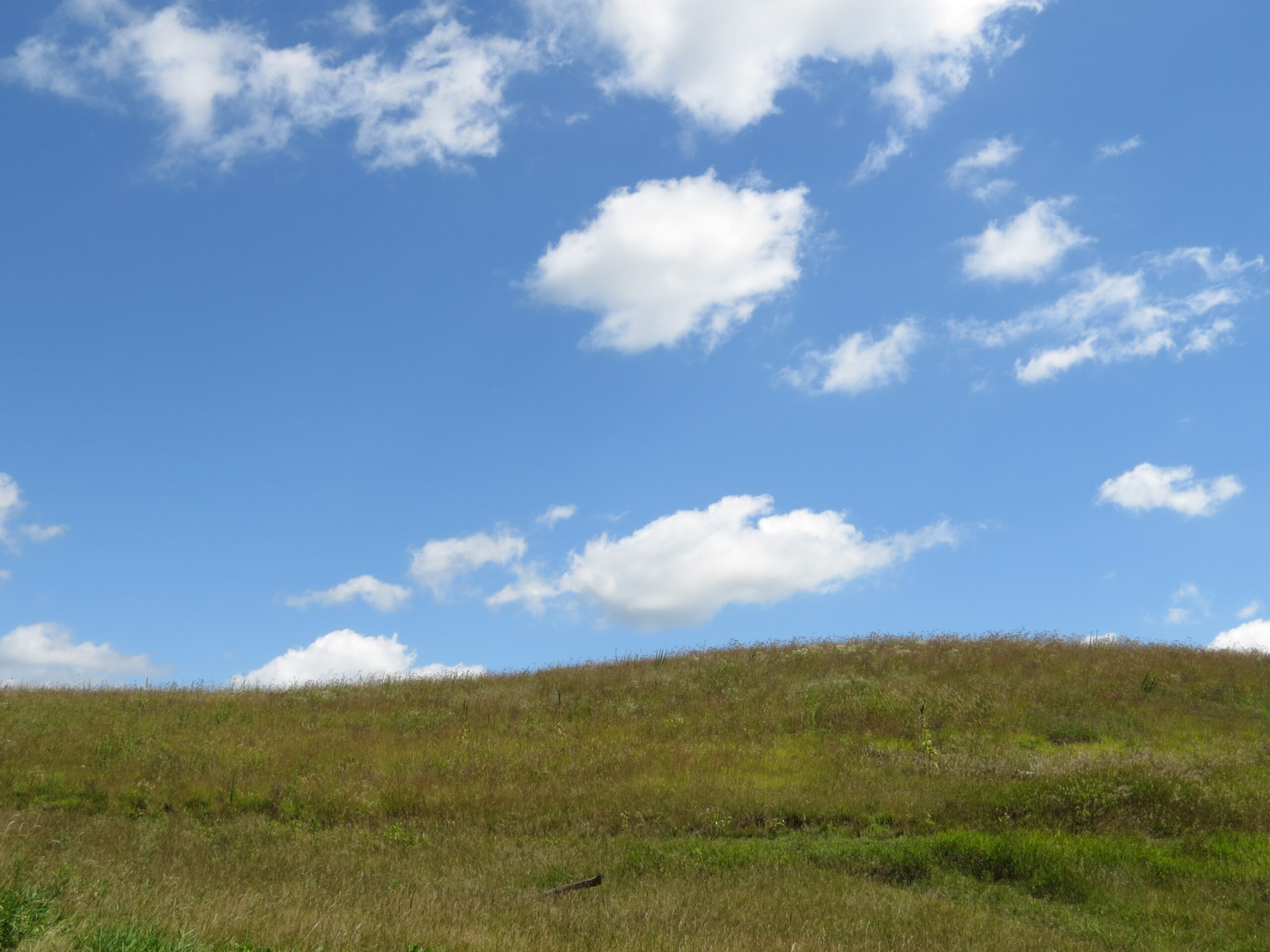
The meeting of sky and prairie is an open invitation to experience freedom.
The restored prairie was relatively new, as the Canada Wild Rye was tall and abundant, its curving seedheads nodding in the breeze. Canada Wild Rye is a native, fast-growing perennial bunchgrass that is used as a ‘nurse’ crop for restored prairies. Nurse crops offer protection for the slower germinating grasses and wildflowers while they develop and get established. Nurse crops can provide erosion control, furnish wind, frost, and sun protection for young seedlings, and suppress weeds. Eventually, as the other grasses and wildflowers become more established, the Rye grass will gradually disappear.
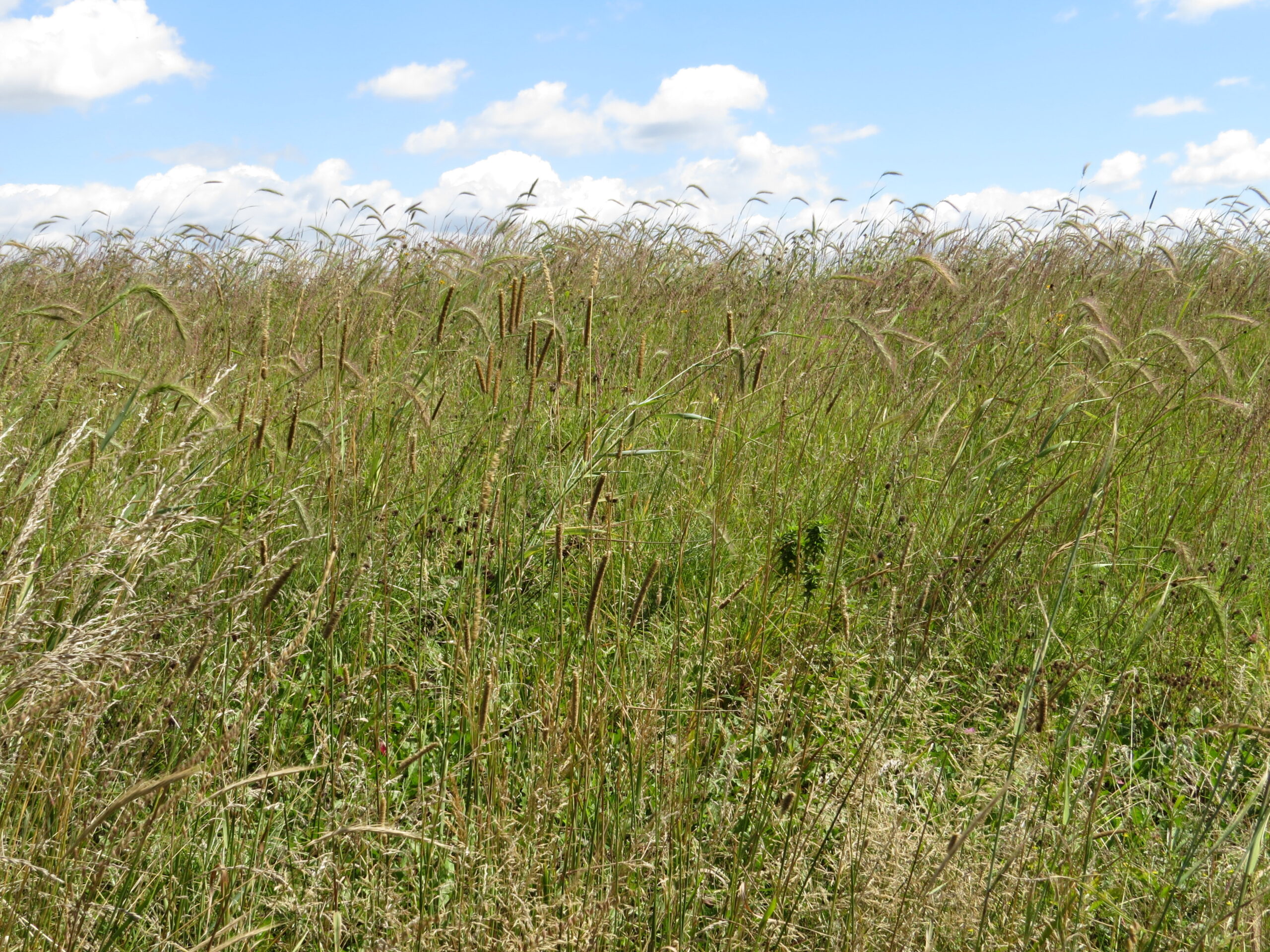
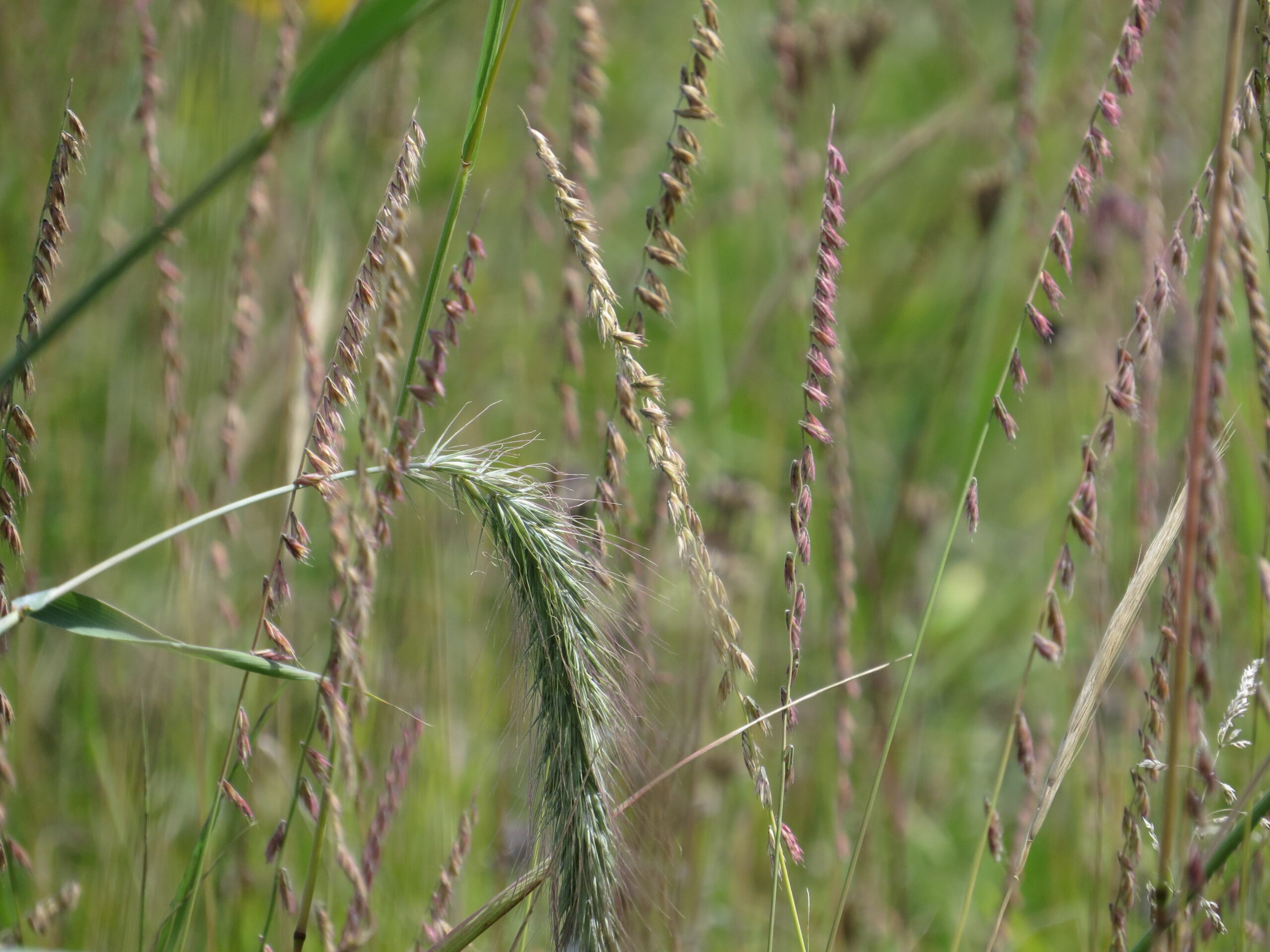
There were other grasses maturing into seedheads—Timothy grass (above) and Sideoats Grama (below).
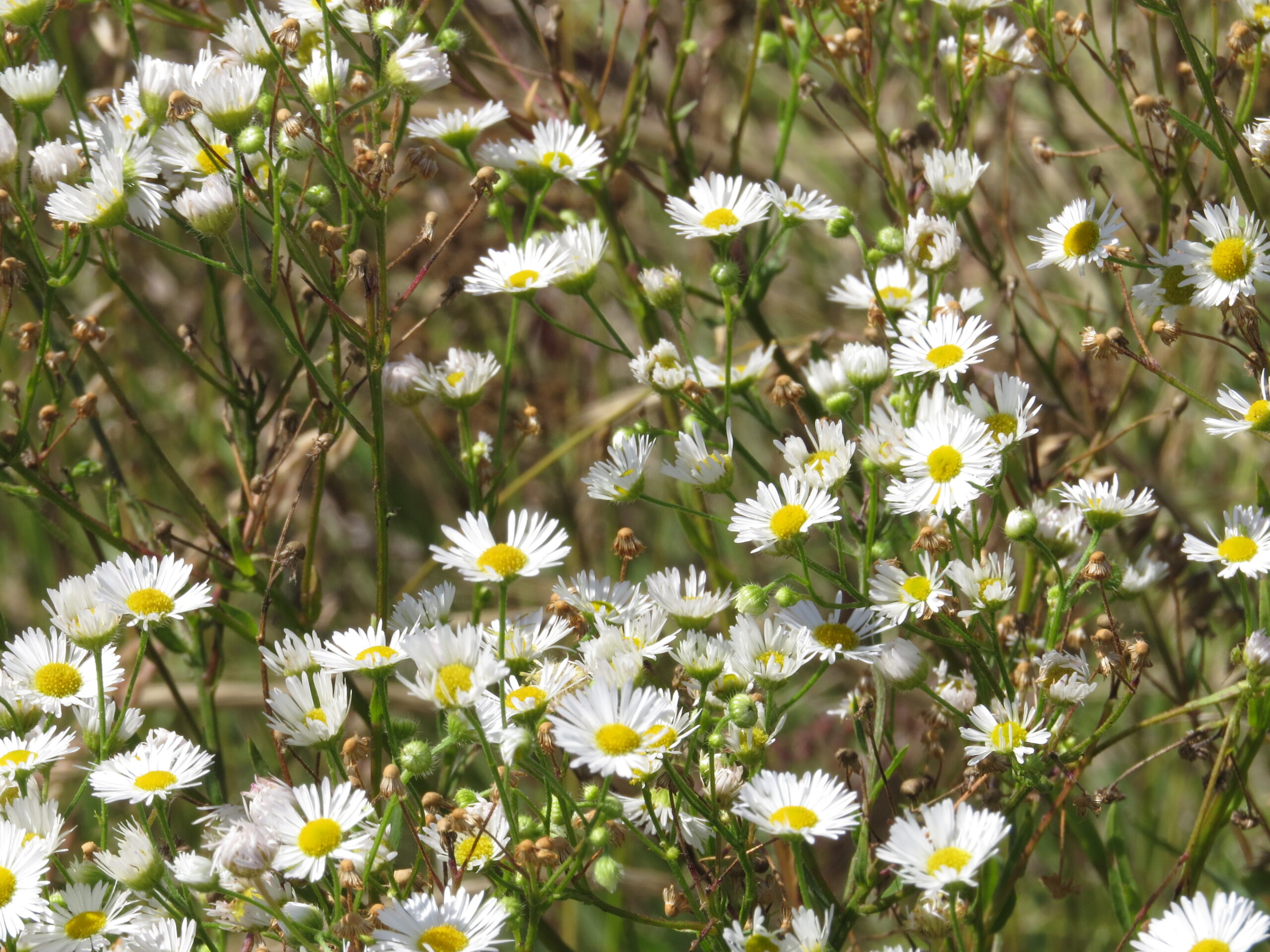
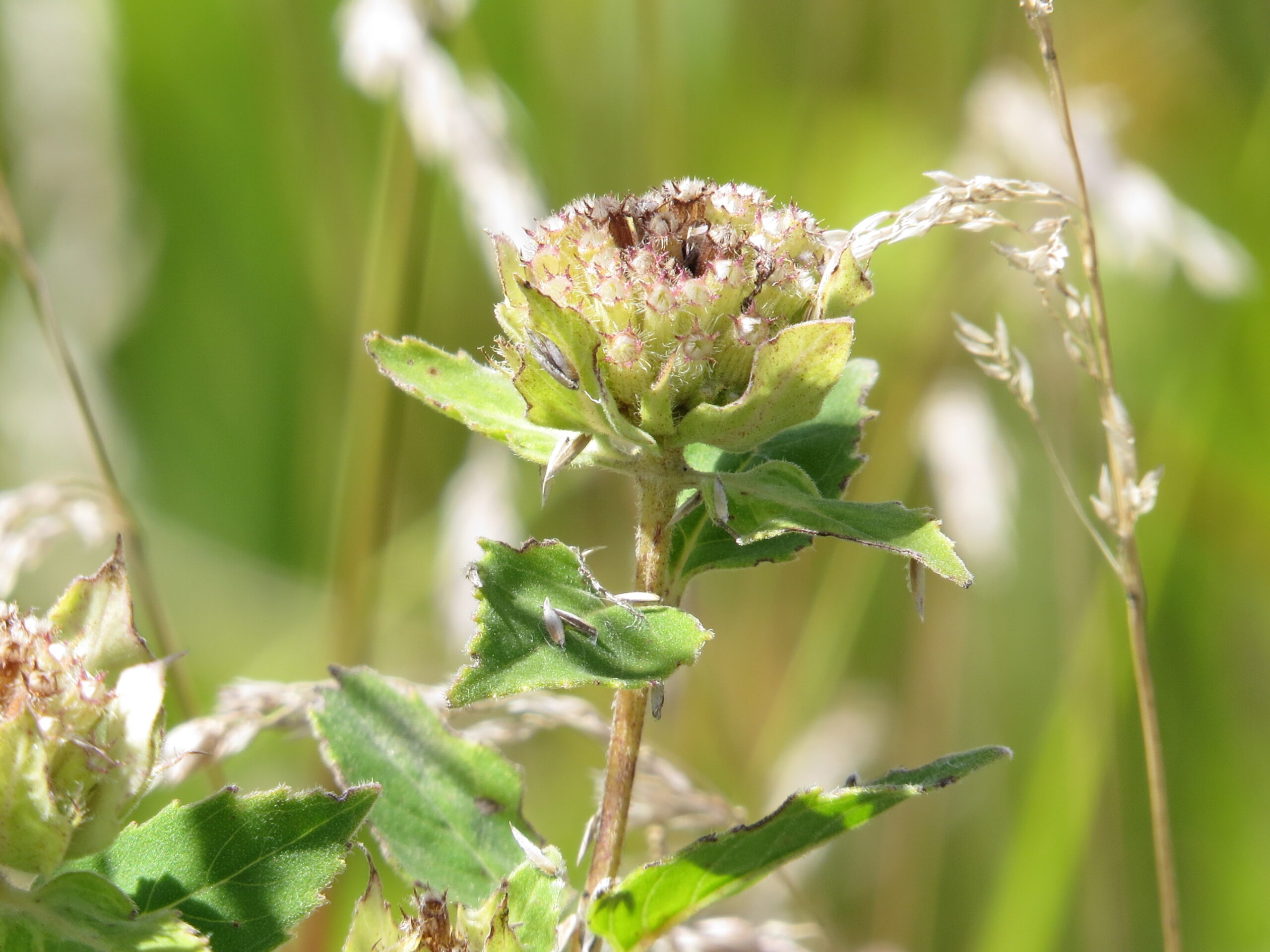
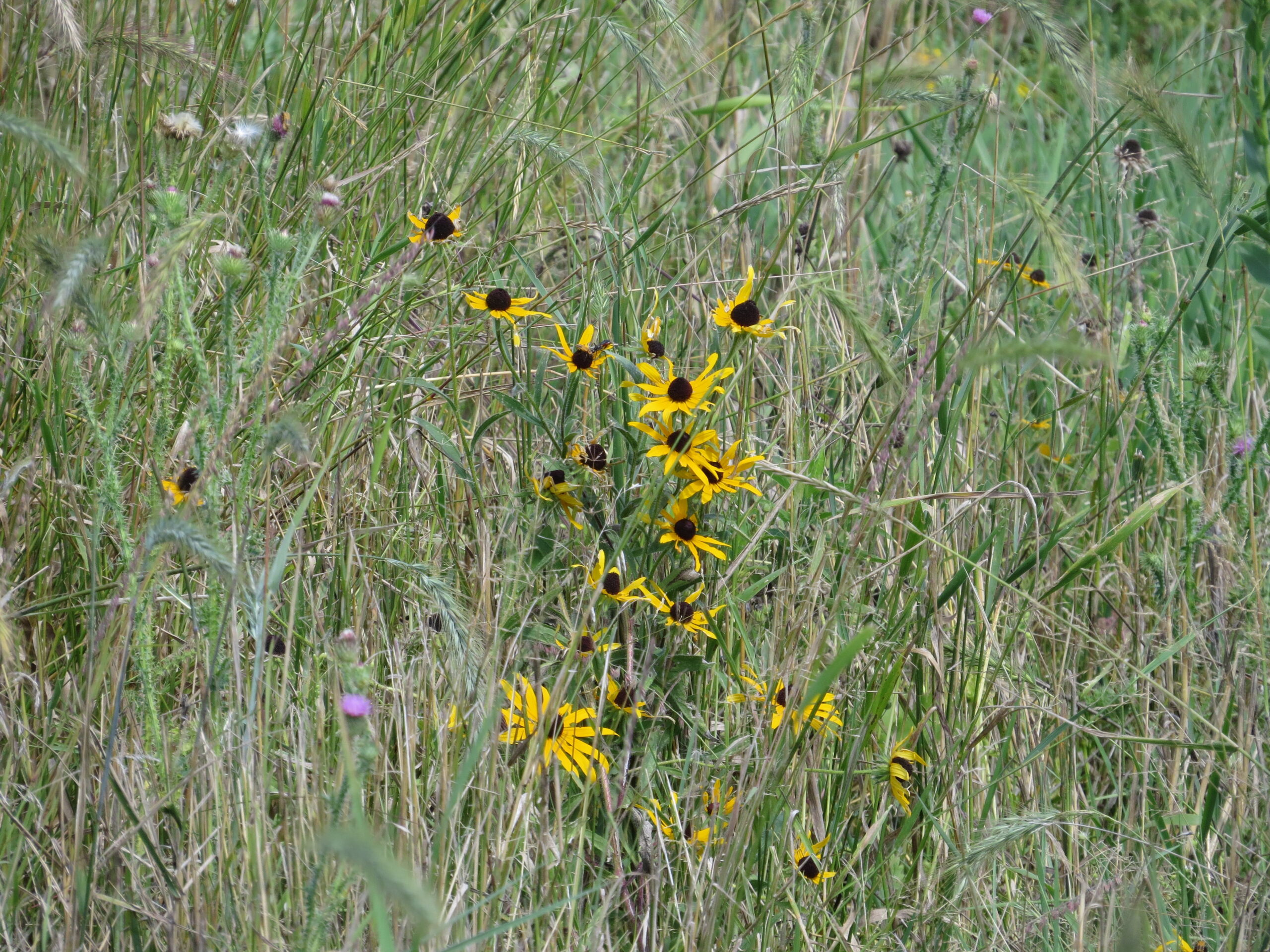
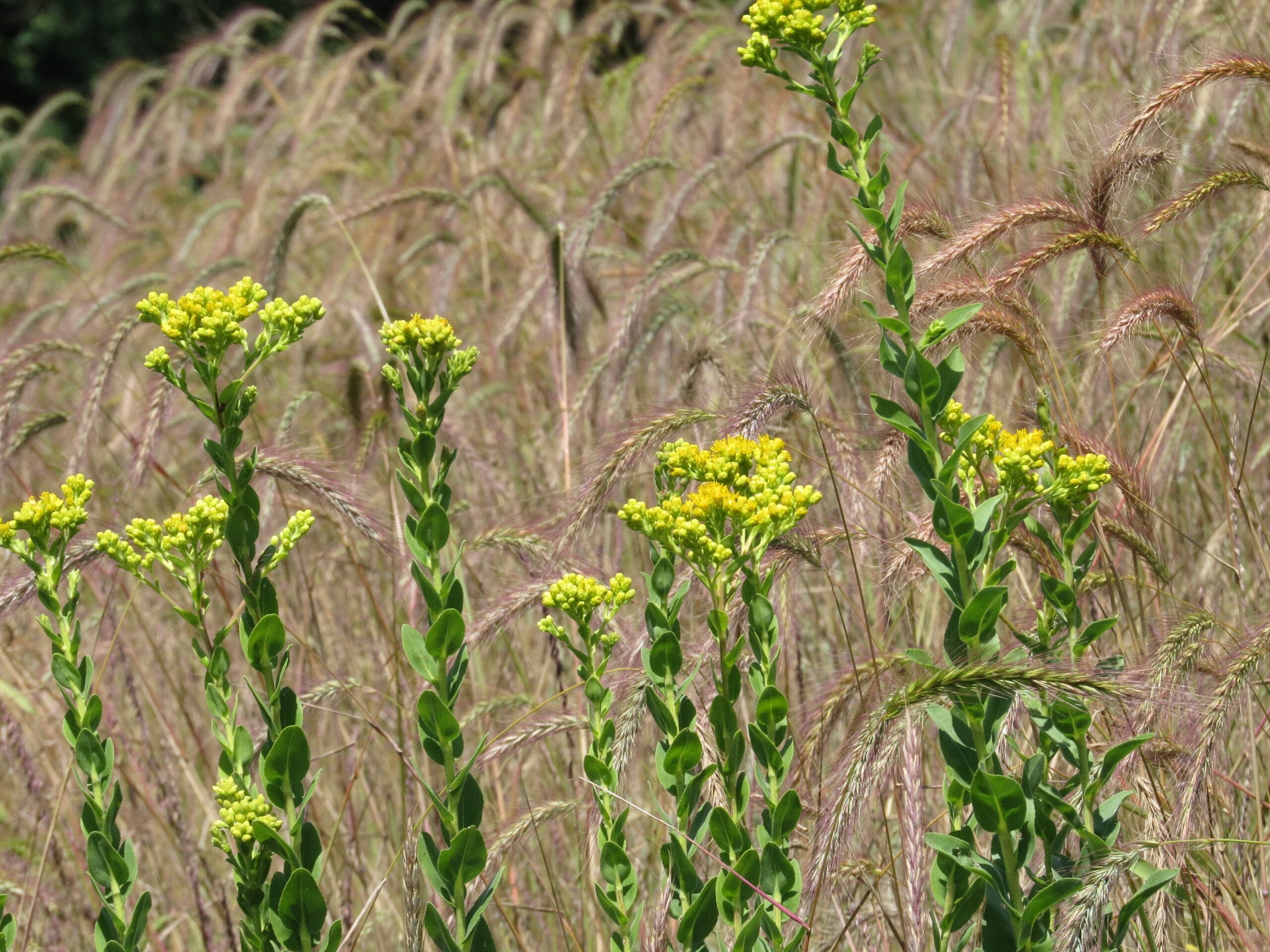
Daisy Fleabane, a bouquet of tiny daisies all in one plant, were scattered throughout the prairie, along with some spent Wild Monarda, Black-eyed Susans, and newly blooming Stiff Goldenrods.
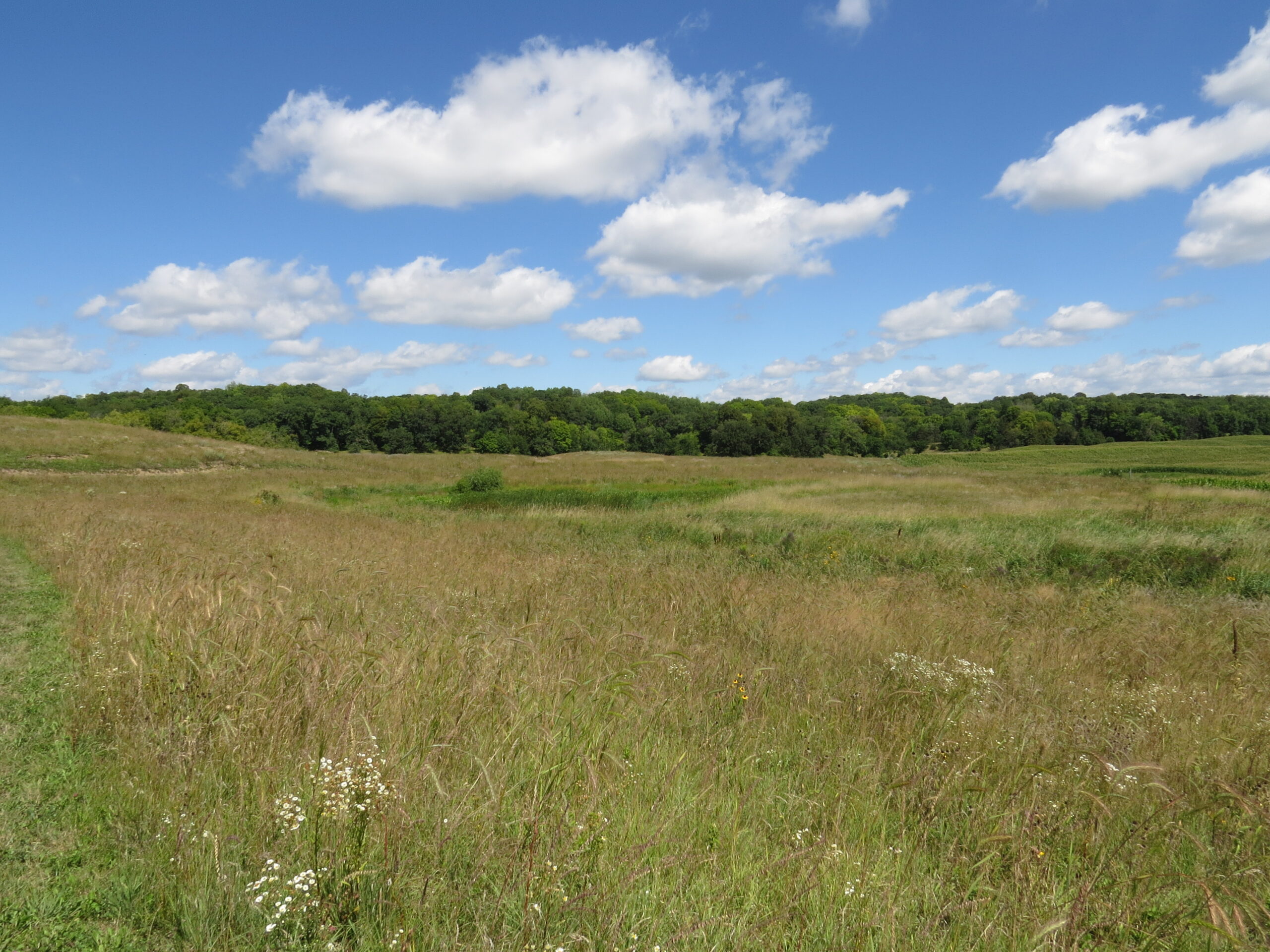
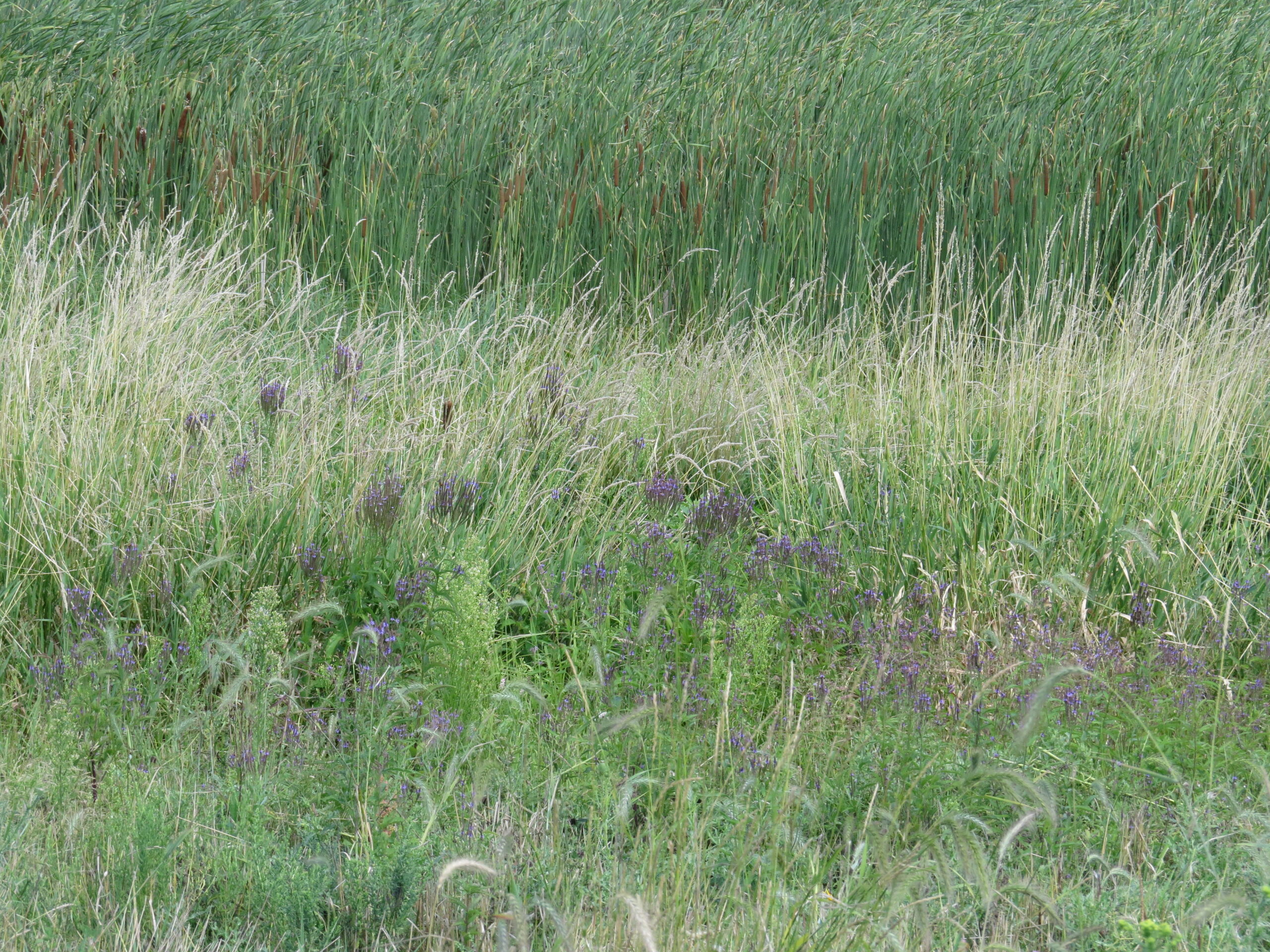
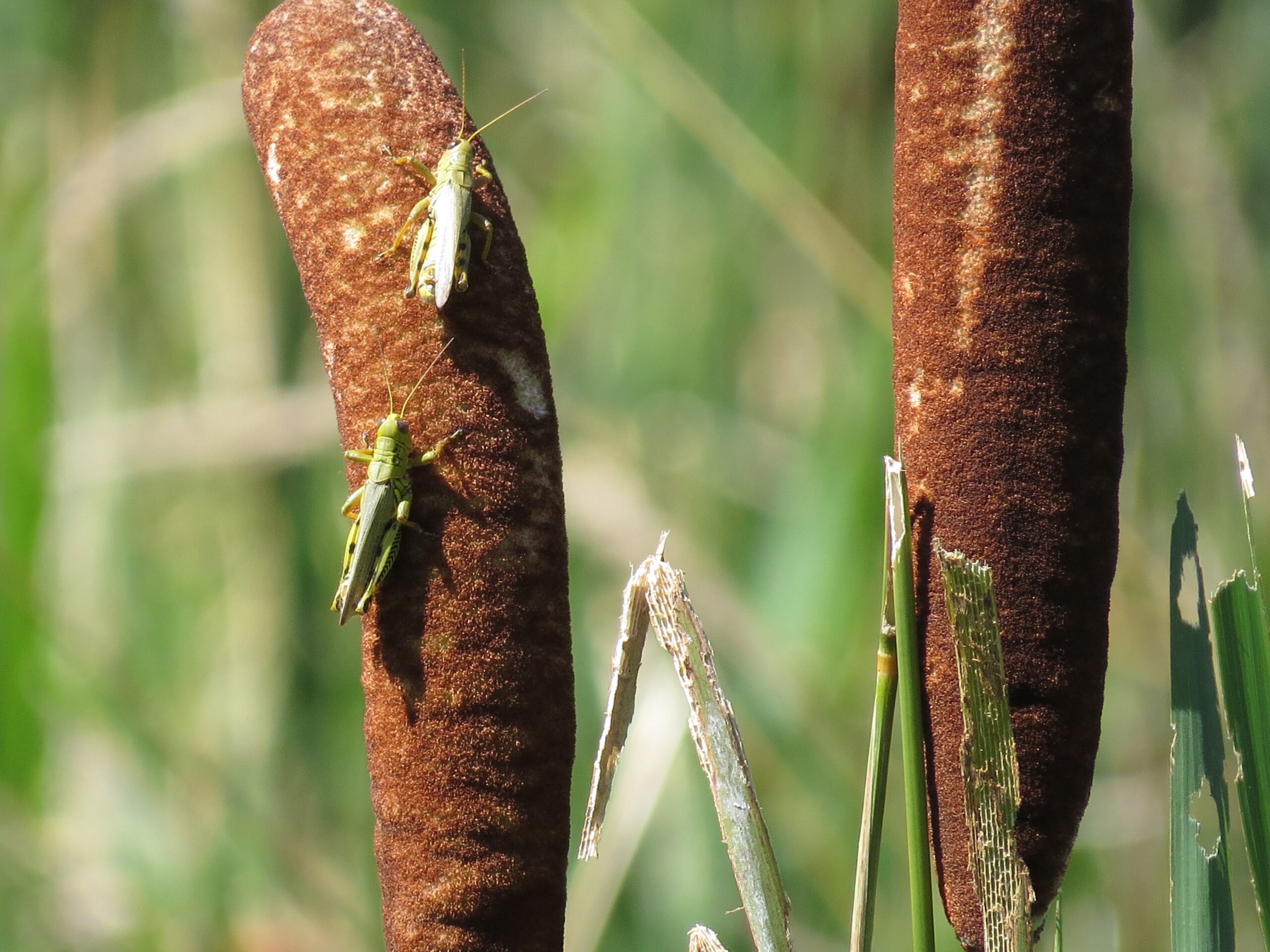
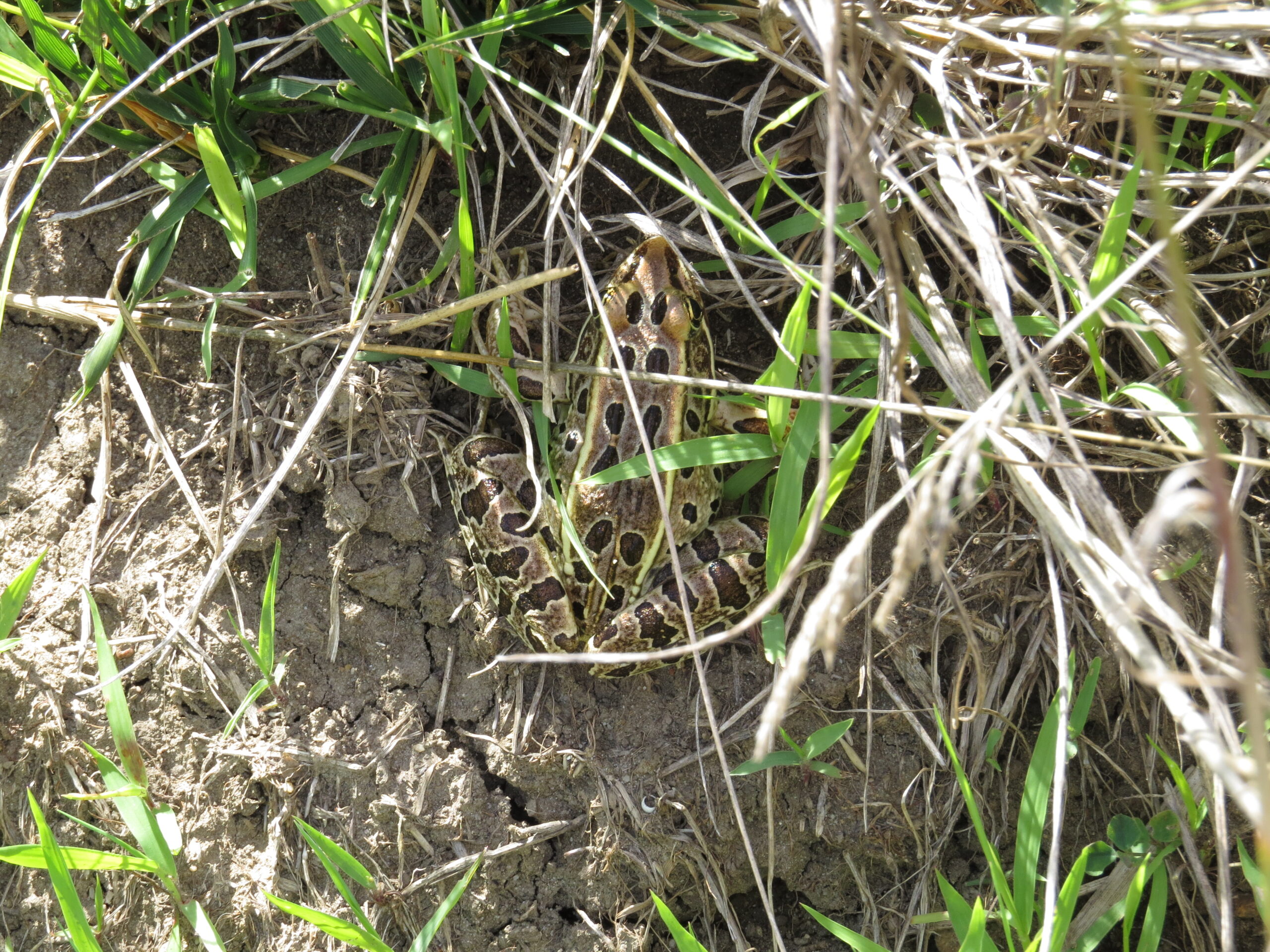
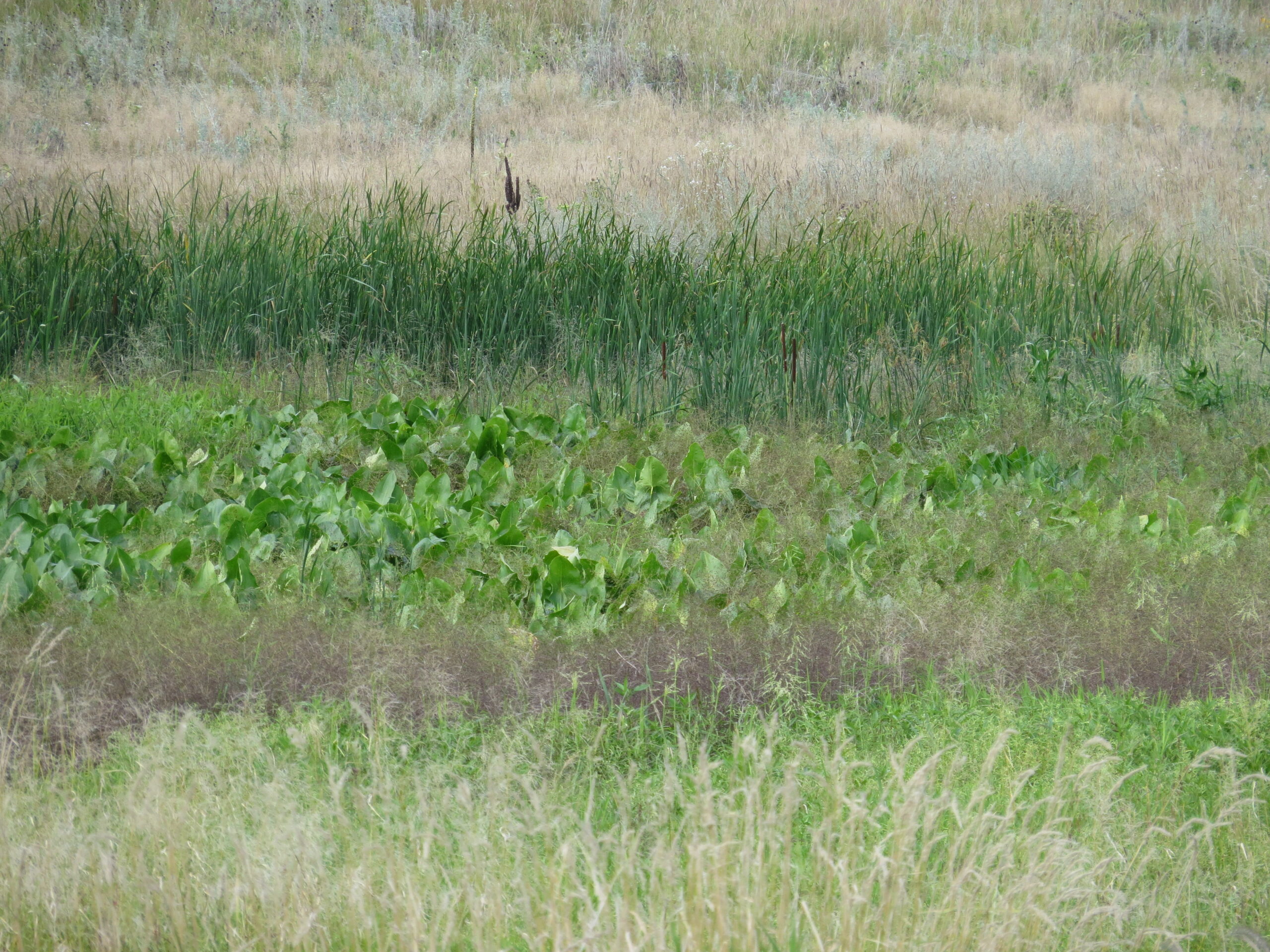
Blue Vervain likes to grow near the wetlands, and the brown, cylindrical flowers of cattails are food for the grasshoppers. Long-legged Leopard frogs leapt across the trail when we neared the lowlands.
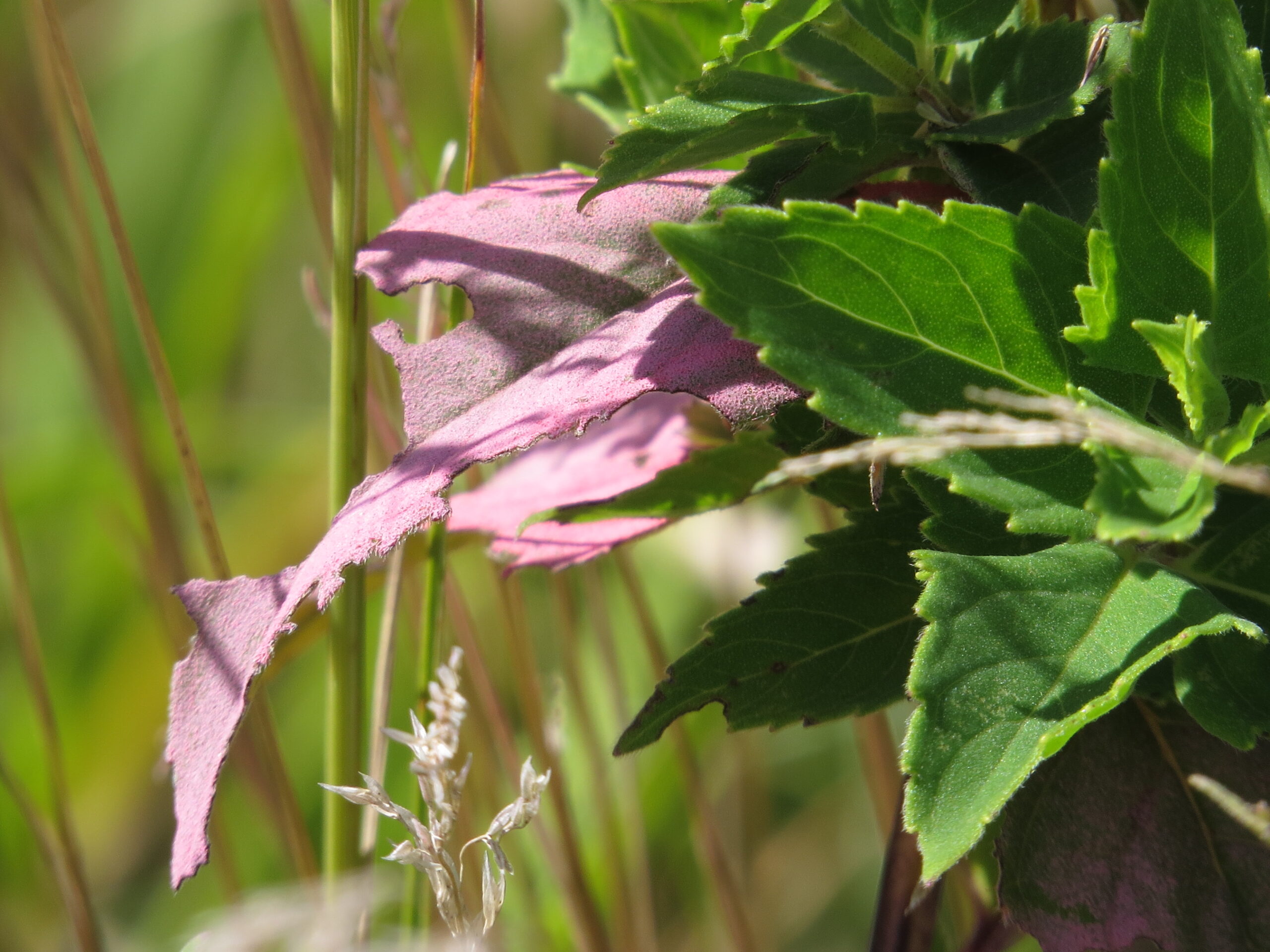
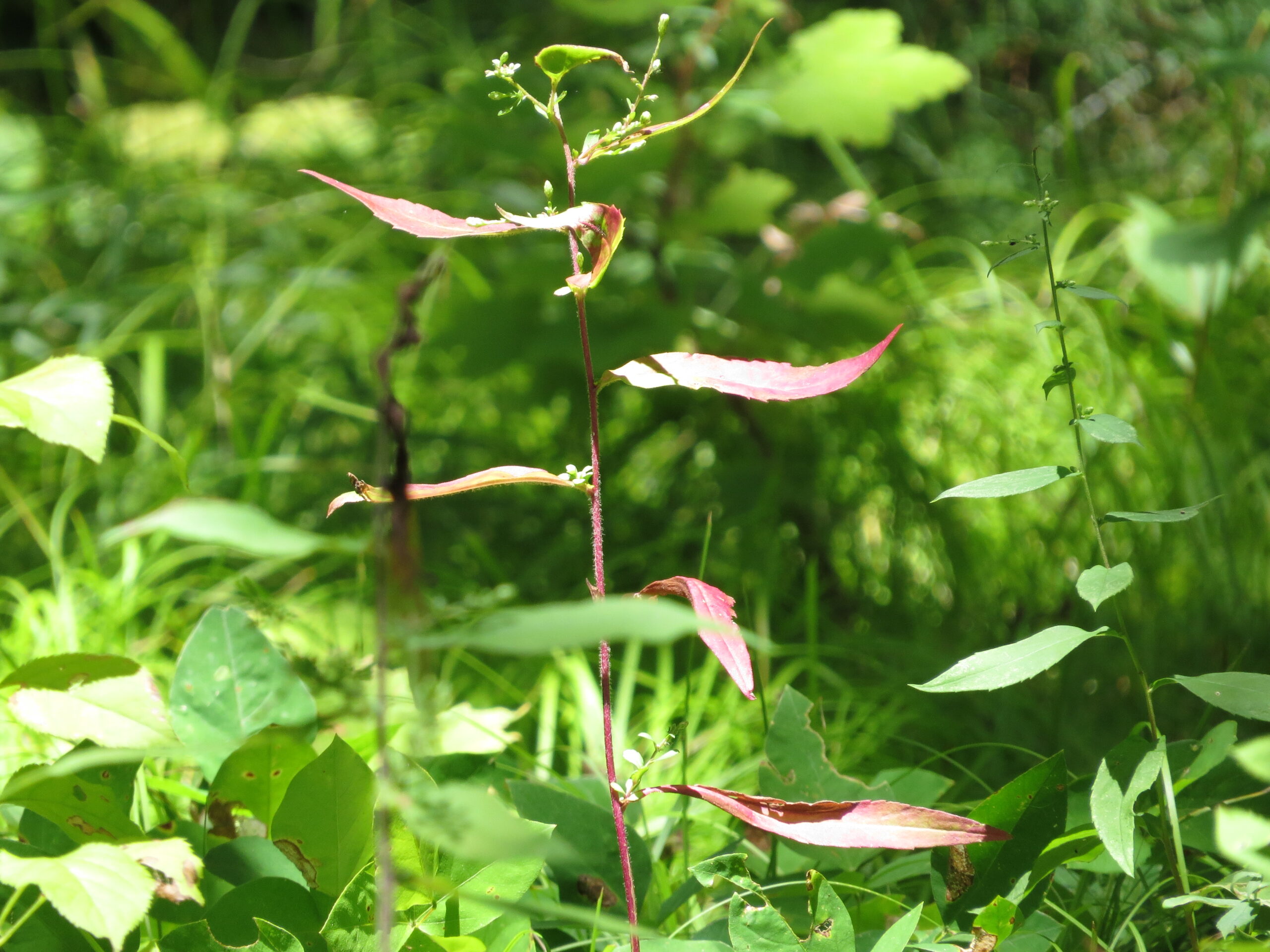
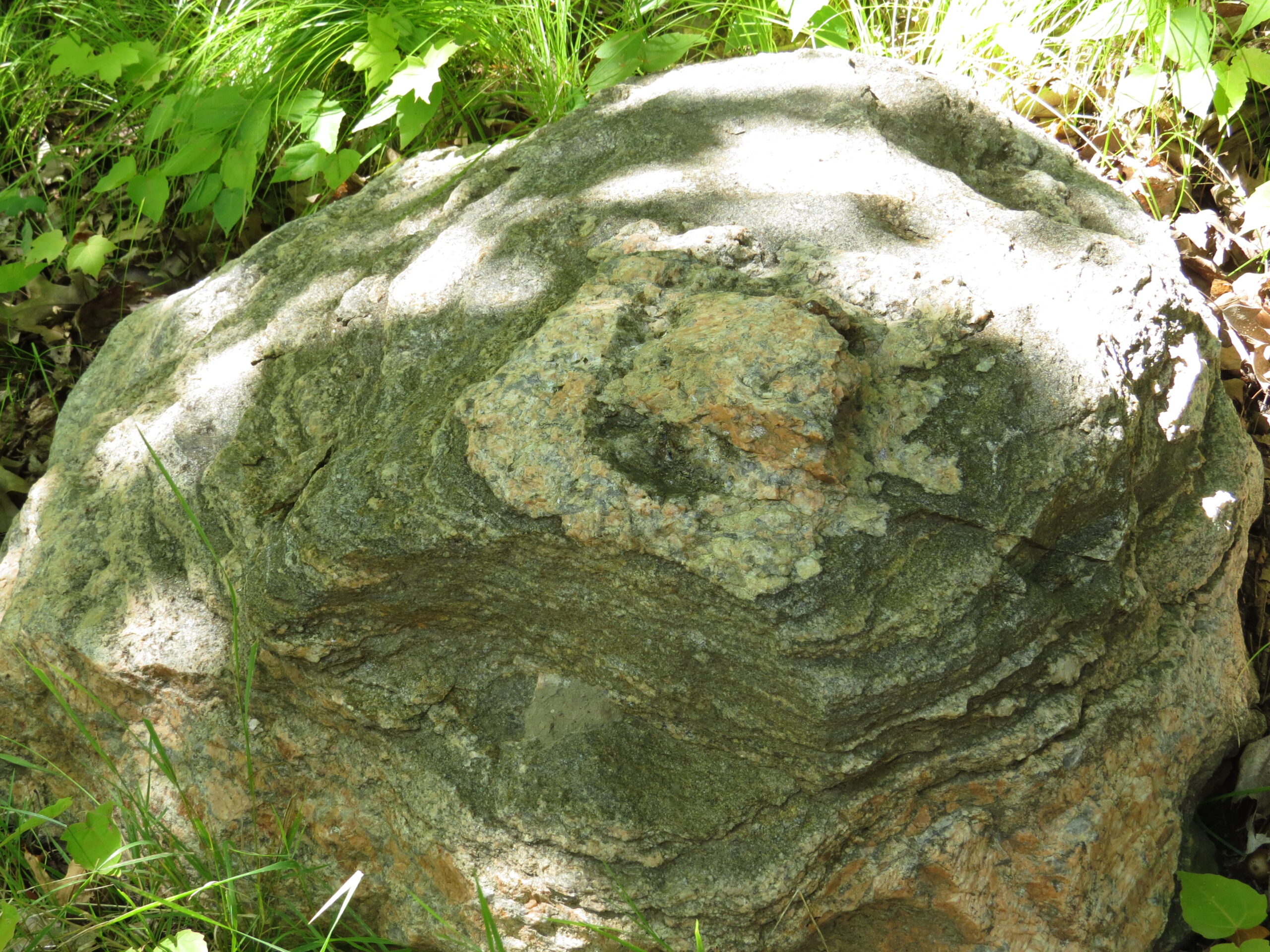
The trail led us back into the woods where Maple seedlings covered the forest floor, pink-leaved asters tried to bloom, and boulders appeared in all their granite glory.
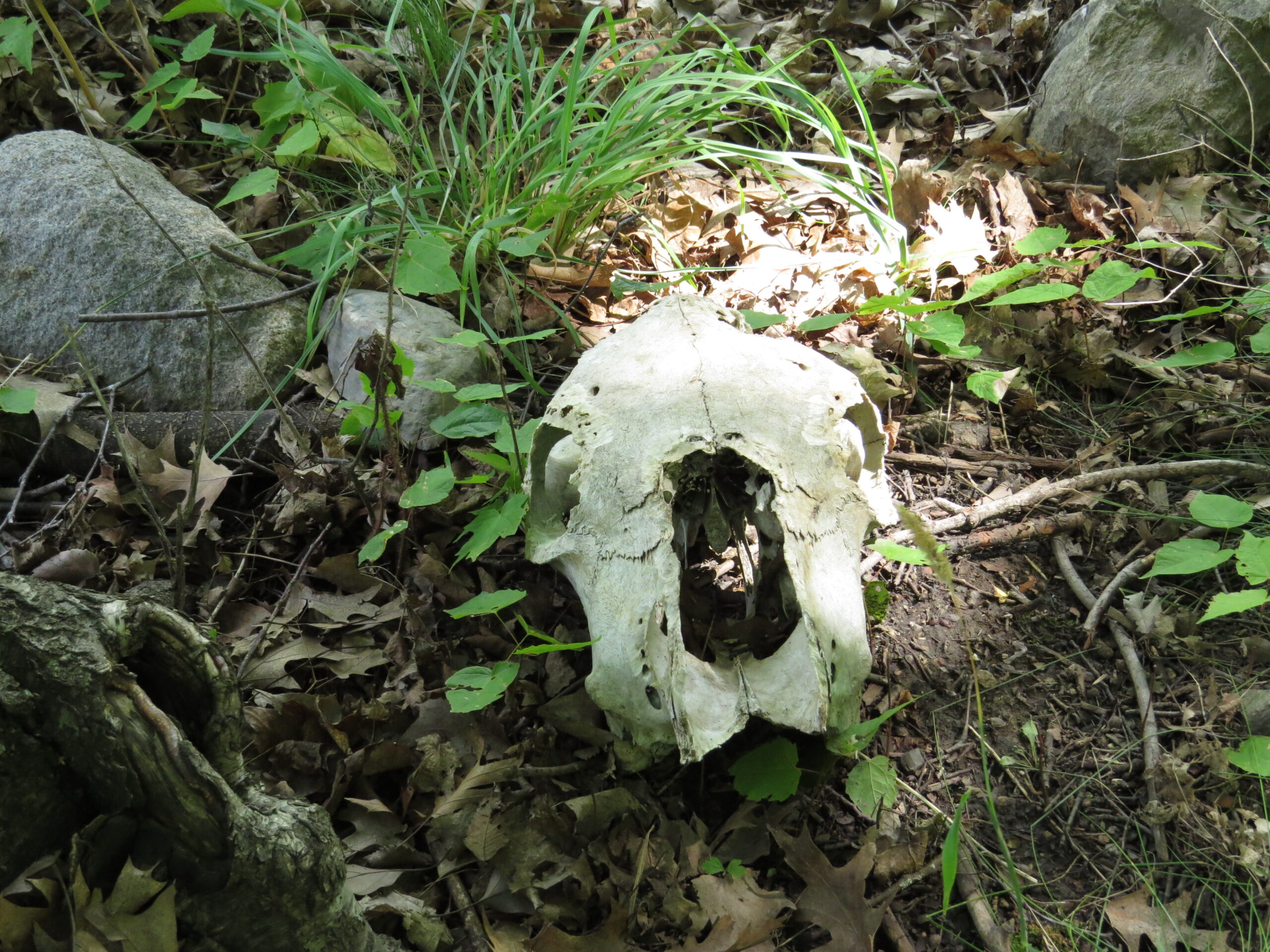
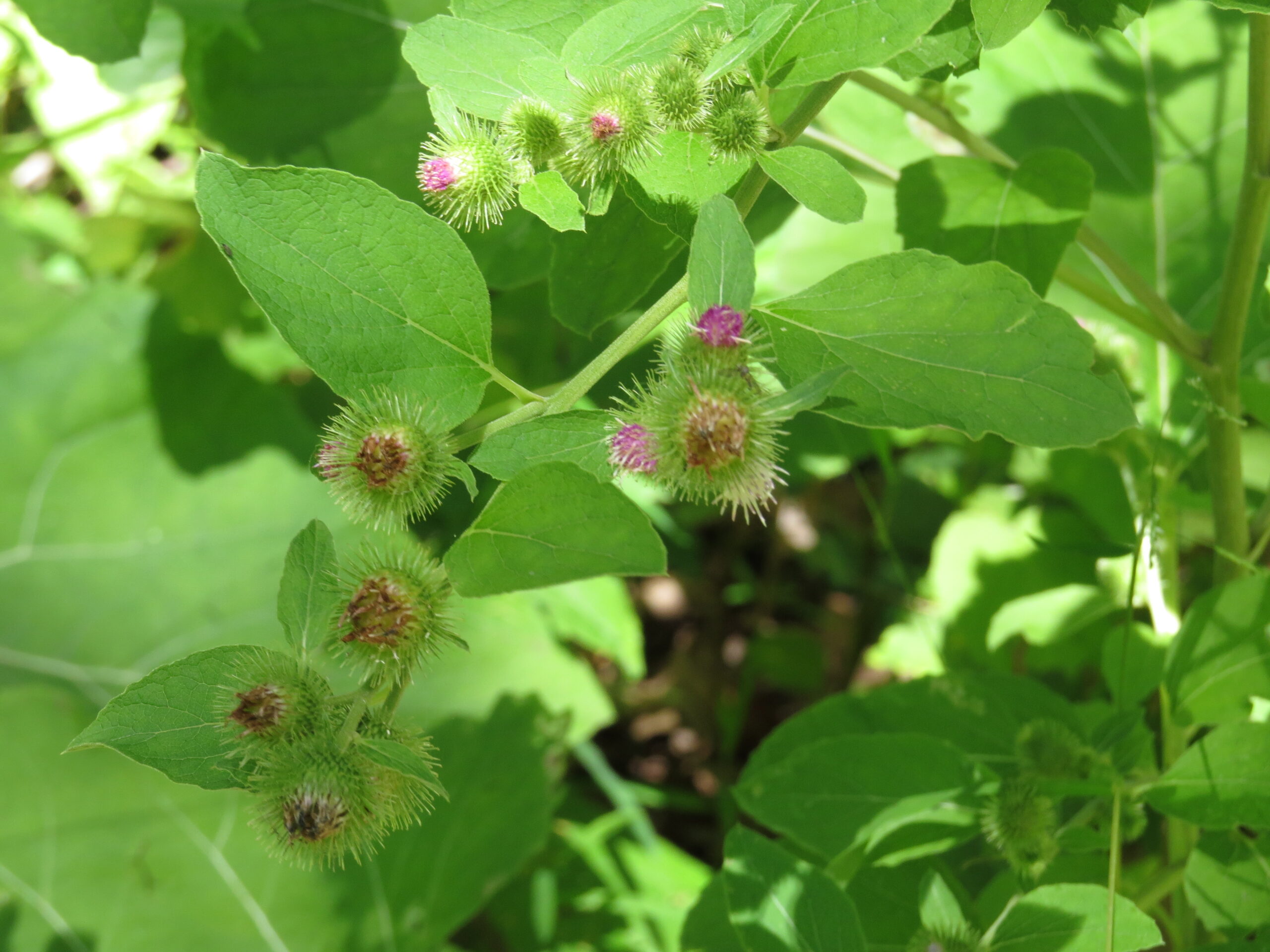
A well-worn and gnawed-upon cow skull lay beside the trail, and burs of every kind were getting ready to hitch a ride on any passers-by.
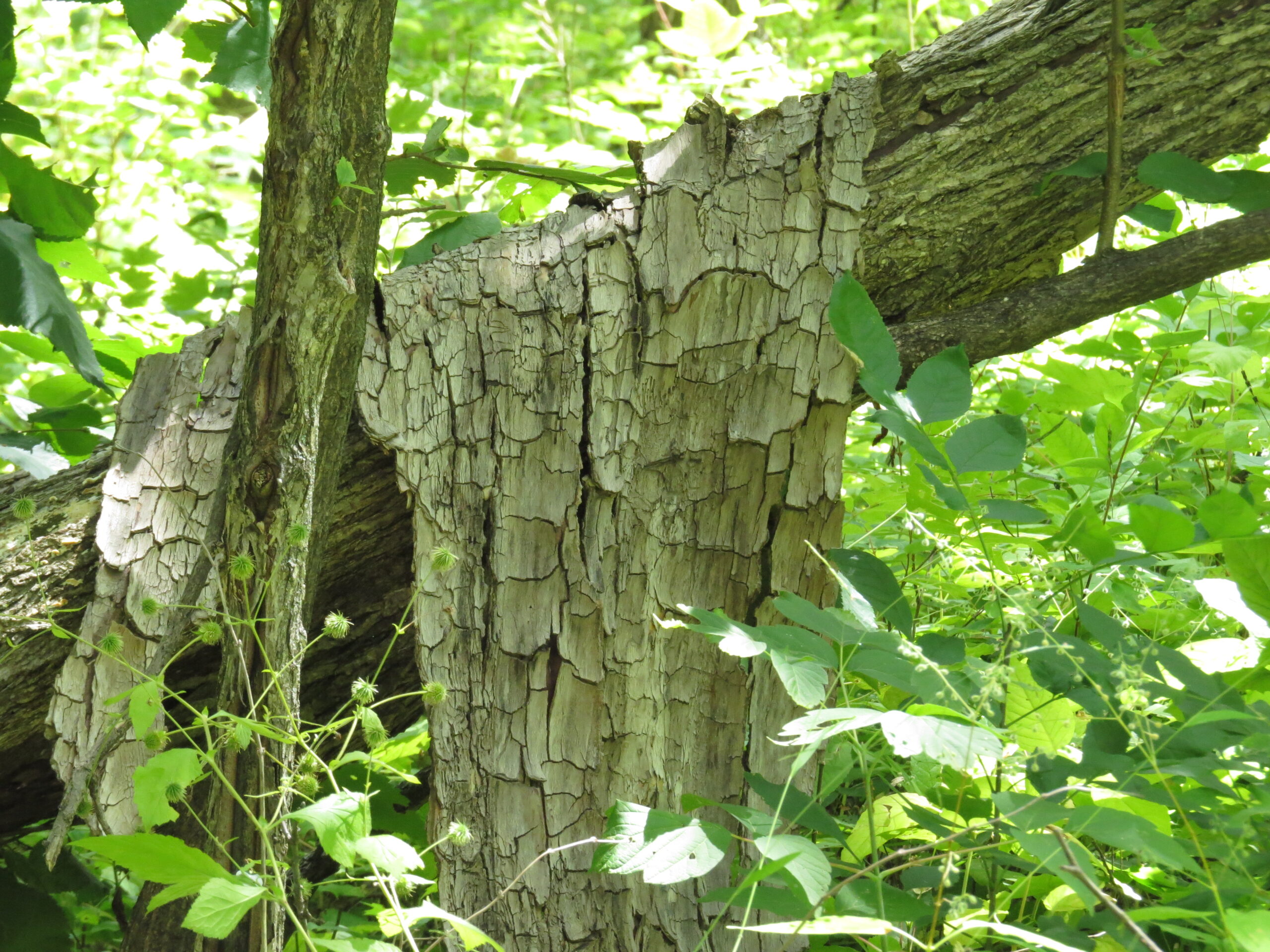
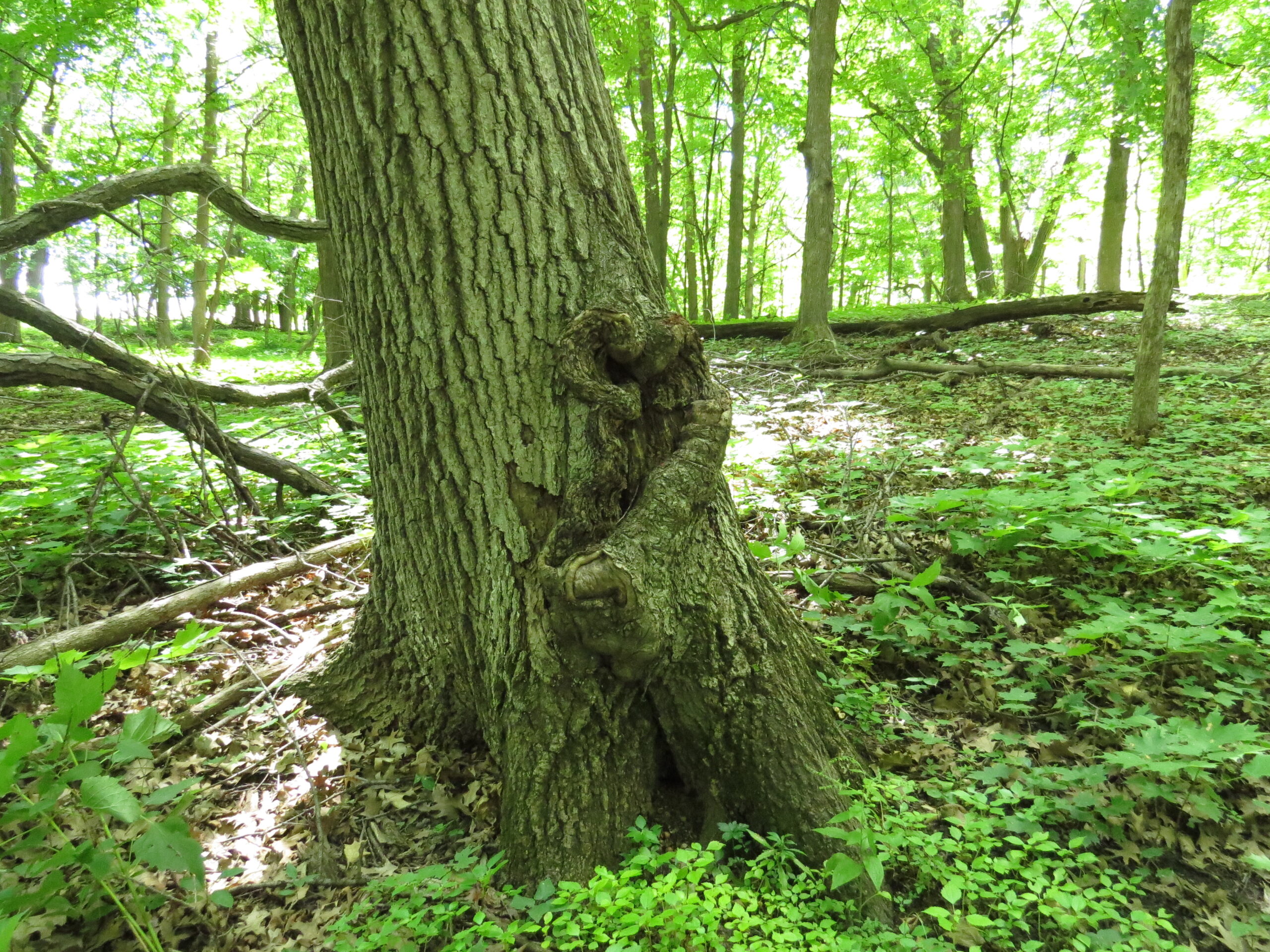
We passed a bark robe draped over a leaning tree and an unusual wound in a large Maple. The forest glowed green in the dappled sunlight.
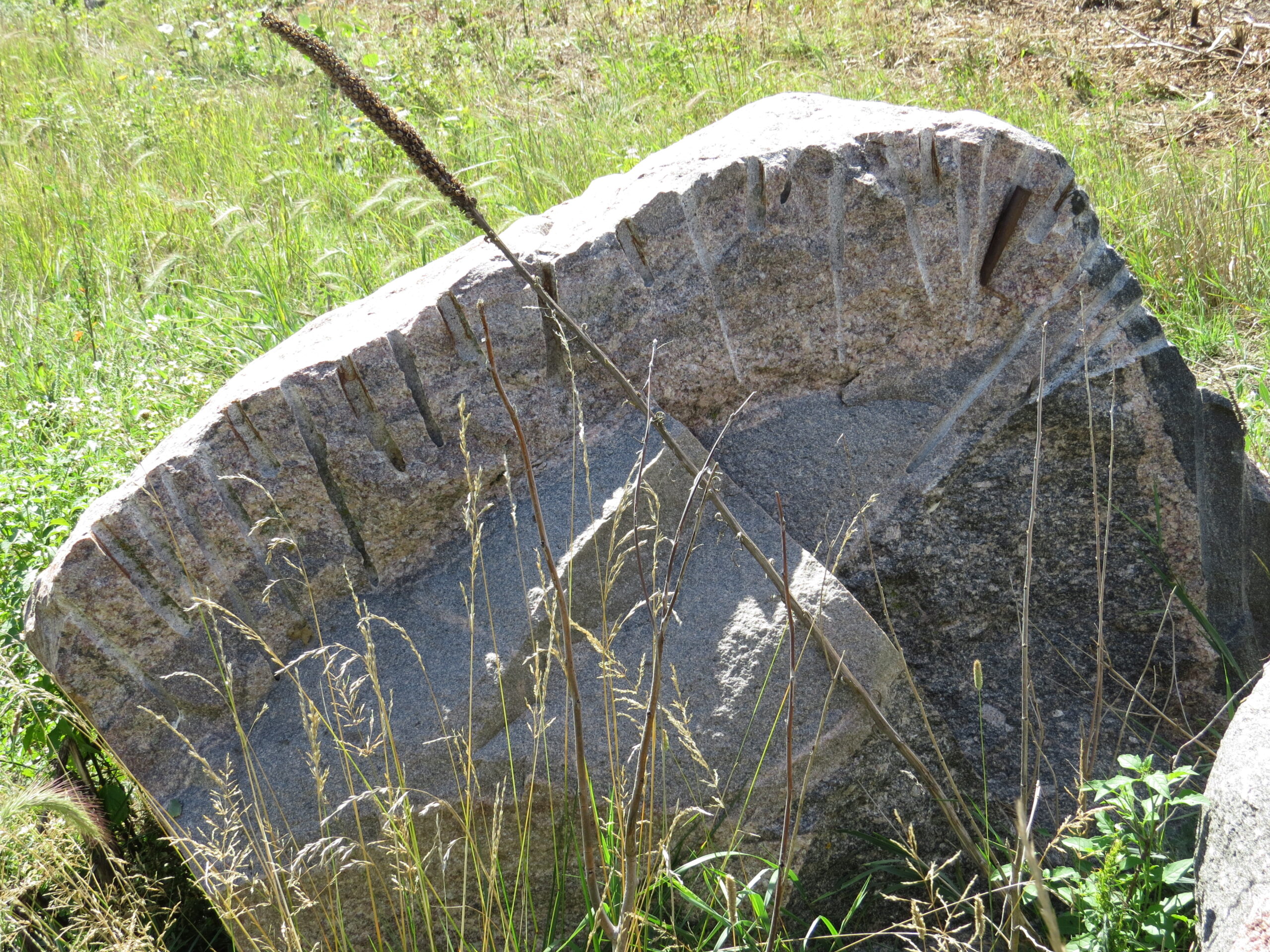
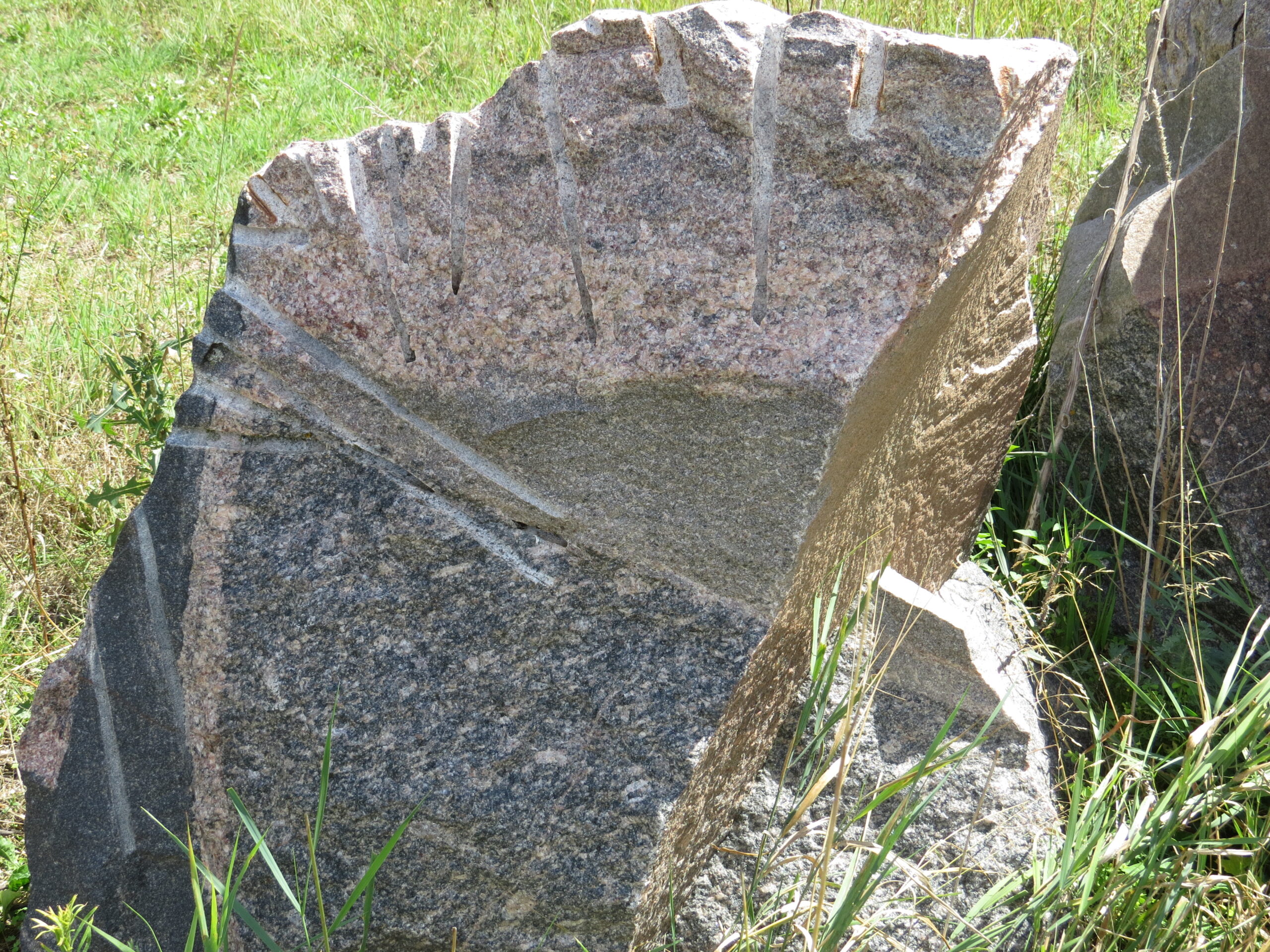
Soon we emerged into another prairie area where the blue sky and puffy white clouds once again met the waving grasses. We came to a large granite boulder that had been split with feather and wedges and revealed a hodge-podge of different kinds and colors of granite. We guessed that the area had been explored for granite quarrying but rejected when the stone wasn’t true and uniform.
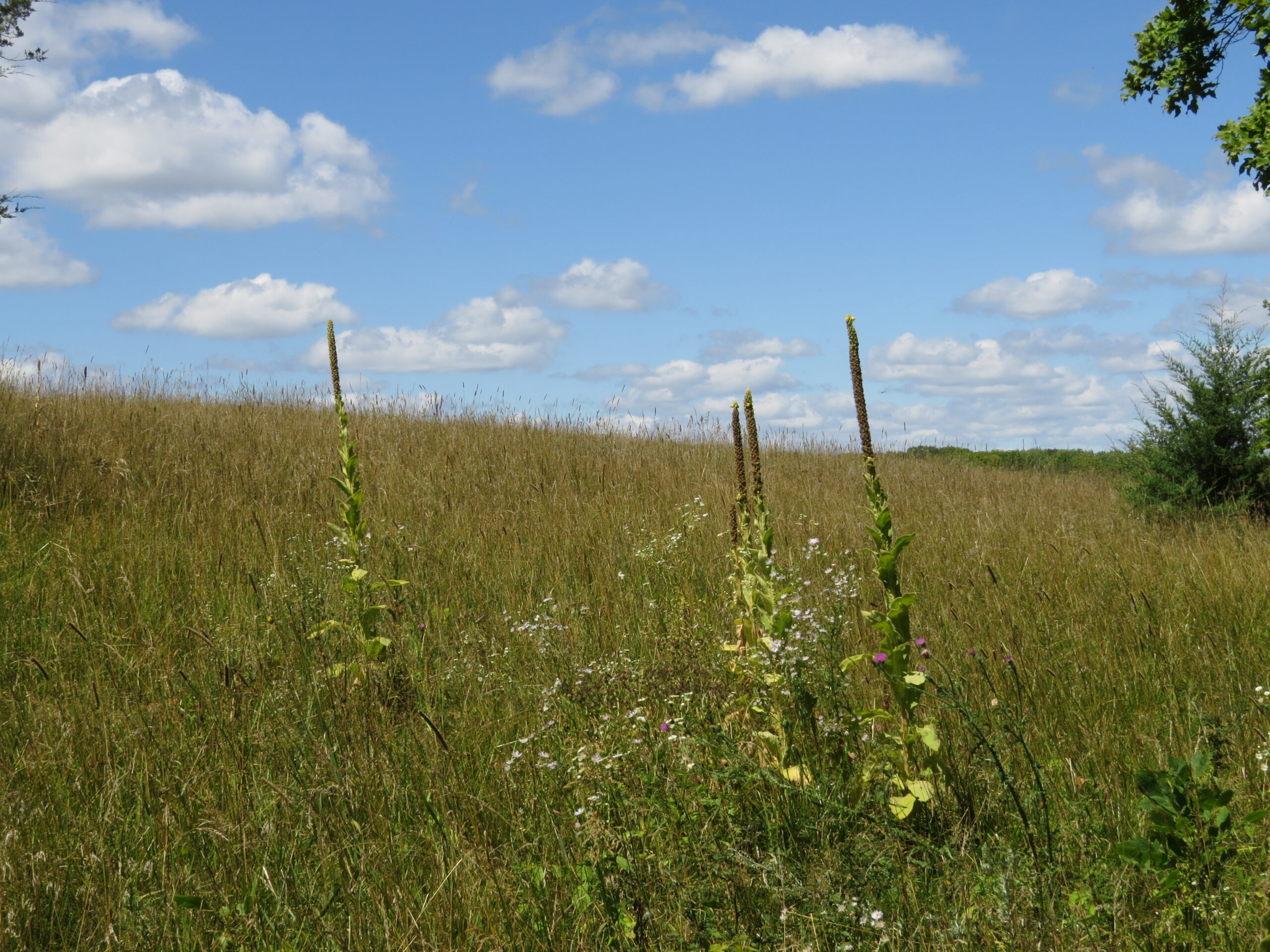
The prairie grasses, the wetlands that met the grasslands, and the plants and critters that lived there were a part of the all-encompassing title of ‘prairie.’ Each works together, in all their unique ways and means, to bring about the visual beauty of late Summer and the working structure of the prairie ecosystem. It would be mind-boggling to list the benefits the prairie system provides for our world, which include carbon sequestration. It’s not just a pretty place.
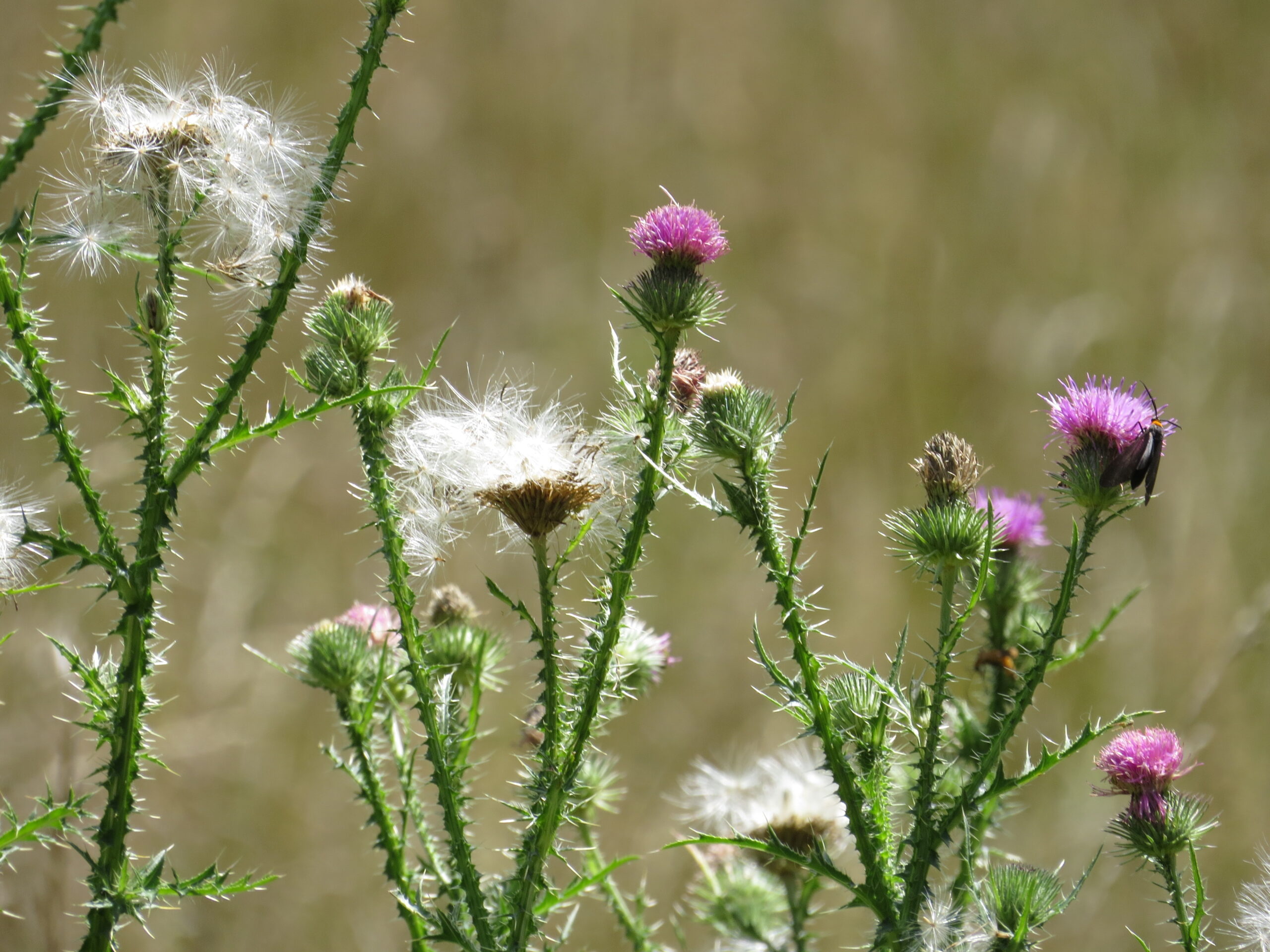
Prairies are often overlooked with an impatient ‘there’s nothing there,’ but it requires us to look more closely. It also provides a master class in the evolution of blooming plants throughout the three seasons of growth and decline. I especially appreciate the role of the Canada Wild Rye in the establishment of a new prairie. While nurse crops are used intentionally during prairie restoration, Mother Nature uses nurse plants and trees to protect and promote young seedlings in natural ecosystems. How do we as humans offer protection for our young ones? How do we offer that to the vulnerable people in our society? Close spatial association of the ‘nurse’ has a positive effect on the developing organism, or I would add, to the weak, sick, vulnerable, or wounded. A parent’s role is to be that nurse for our children as they grow and develop—to protect and shelter. But what happens when as adults we are in a vulnerable position—after sickness or surgery, new or old trauma, or loss from these increasingly horrific environmental disasters? We need people and organizations who are ‘nurse’ plants for us while we heal, grow in strength and agency, rebuild, and regain a sense of freedom. There is something about a prairie that pertains to us all.
Reckoning Our Storytelling
We are all fantastical storytellers. You may remember your own yarns as a child, or more likely, those of children, as fanciful, creative chronicles spilled from their imaginations and mouths. And often, they were a key character in the saga. At some point in development, there is a reckoning between fantasy and reality, often involving those joyous childhood participants in legend—Santa Claus, the Tooth Fairy, and the Easter Bunny. Disillusionment and disappointment. Even anger at the deliverer of such bad news. It is all a part of growing up, a step towards maturity.
Our creative, imaginative brains, in an attempt to make sense of any given situation, continue to make up stories throughout our childhood, adolescence, and adulthood. The stories tend to live and twirl inside our own minds. They gather strength and even ‘evidence’ as the story is imagined again and again and again. “I can’t do math.” “Nobody likes me.” “I’m a freak.” “I’m a bad student.” “She’s a bad teacher.” “People are taking advantage of me.” “Someone is out to get me.” What starts out as an inner insecurity often morphs into an outward blaming of others.
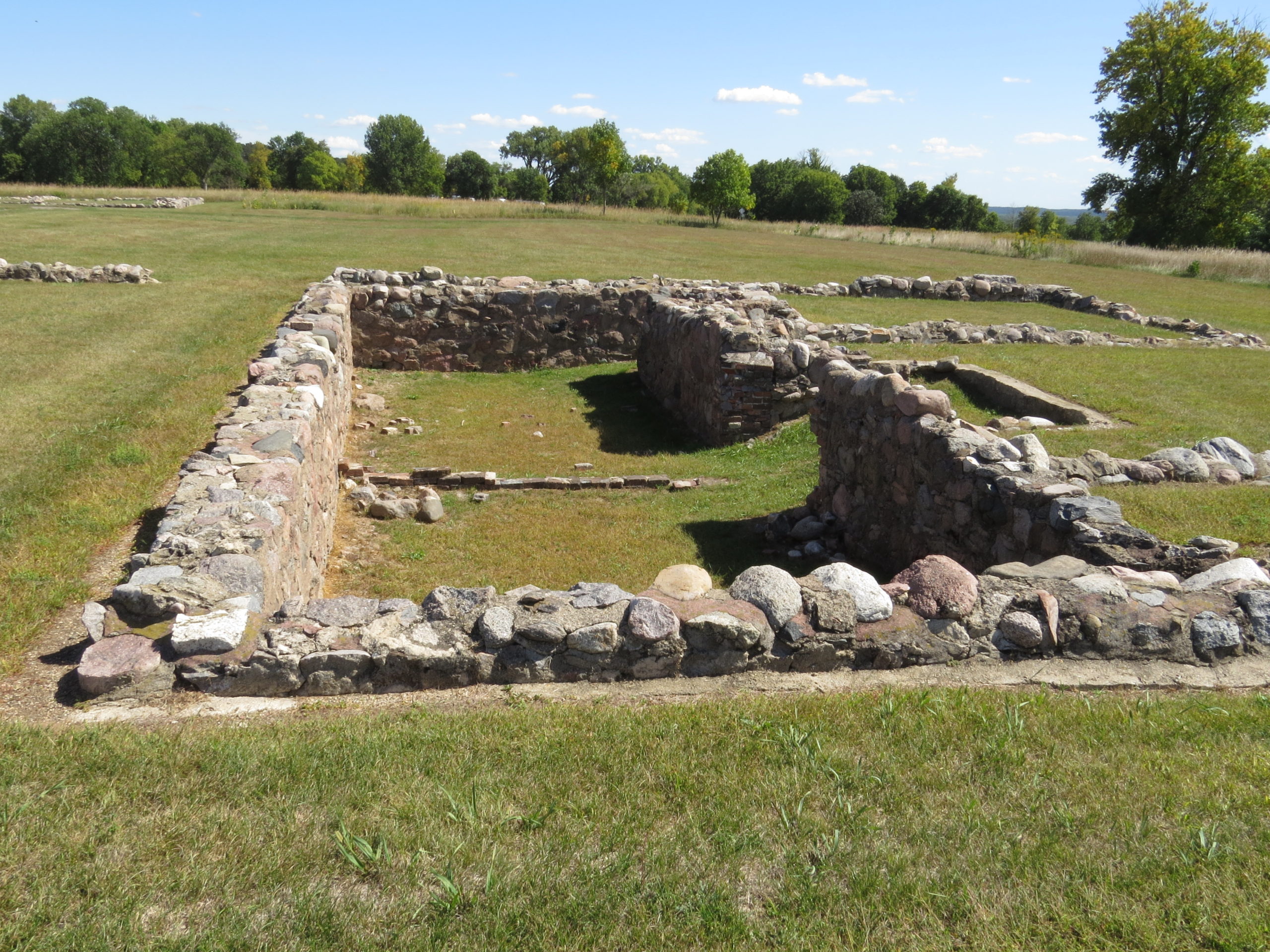
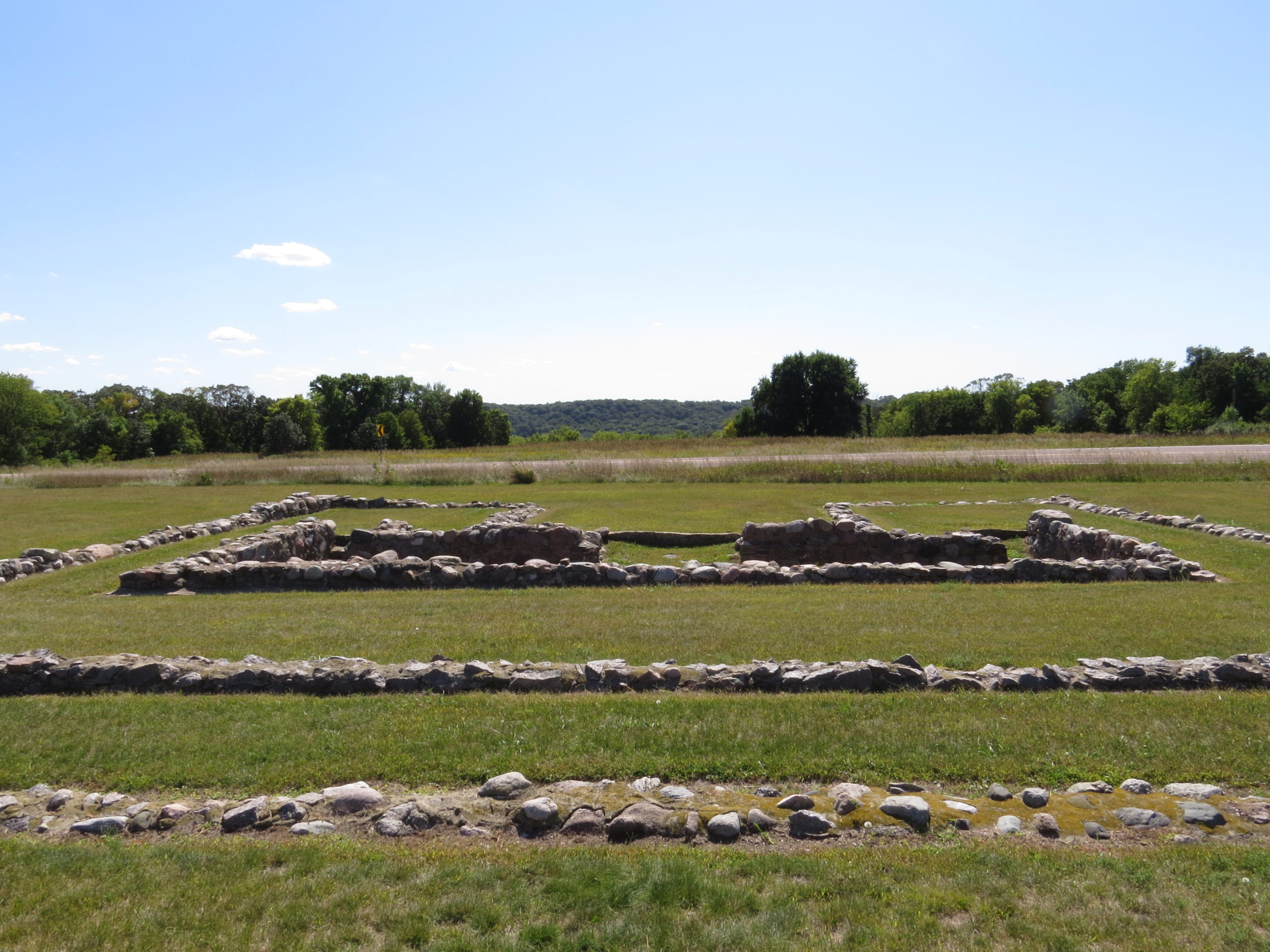
Last Sunday, Chris and I traveled to the Minnesota River Valley at Fort Ridgely State Park. The fort was built in 1853 near the Dakota reservations of Upper and Lower Sioux Agencies on what had been Dakota land for thousands and thousands of years. It was used as an outpost, Civil War training facility, and buffer between the Dakotas and the surge of settler–colonists coming into the area. In the middle of the fort stands a granite monument to honor the soldiers and others who fought and were killed in the bloody Dakota War of 1862. On large brass plates on four sides of the monument, a story of the battle is articulated by some person thirty years after the war. Reading the narrative in this day and age shows a stark bias against the Indians with how the storyteller articulated false motives of young Indians who ‘started’ the war and who were ‘out to kill’ the white settlers and soldiers. The modern signage around the excavated ruins of the fort told a different story. The Indians on the reservations were being starved when food promised them from government treaties was not being delivered. The man in charge told them “to eat grass if they are hungry.” Forced from their homeland onto reservations, then starved by the government is a different reality than the story told on the monument.
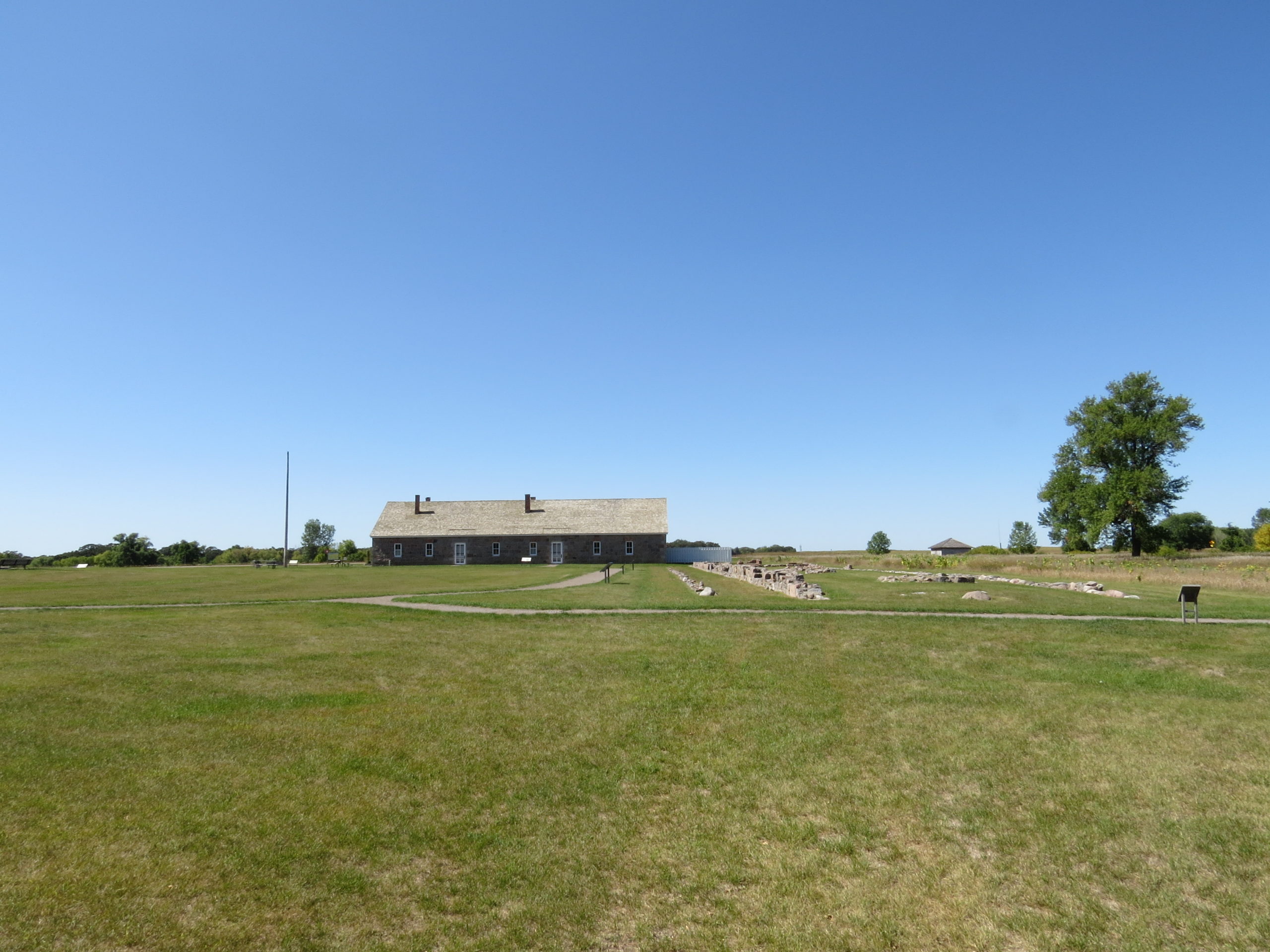
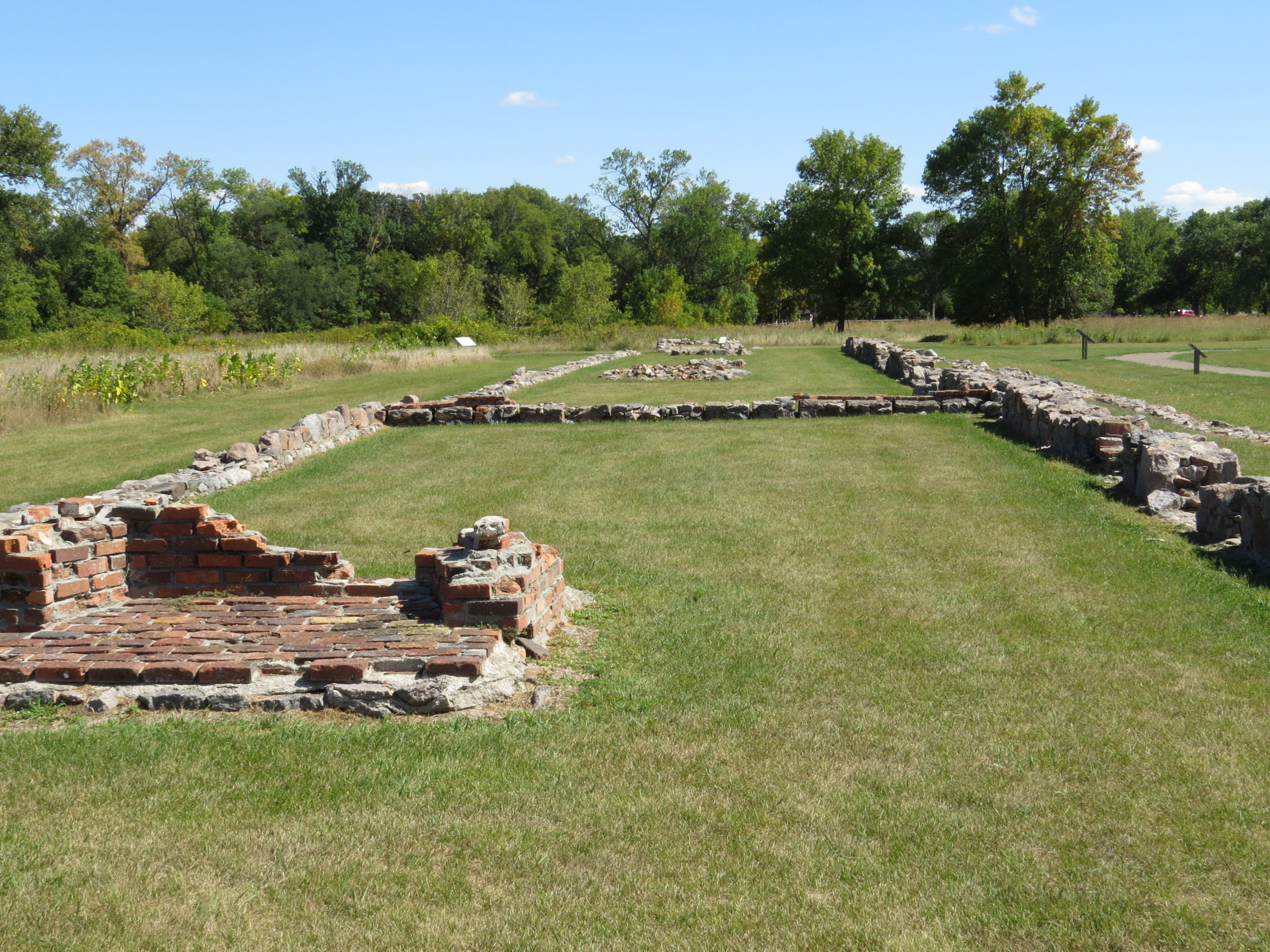
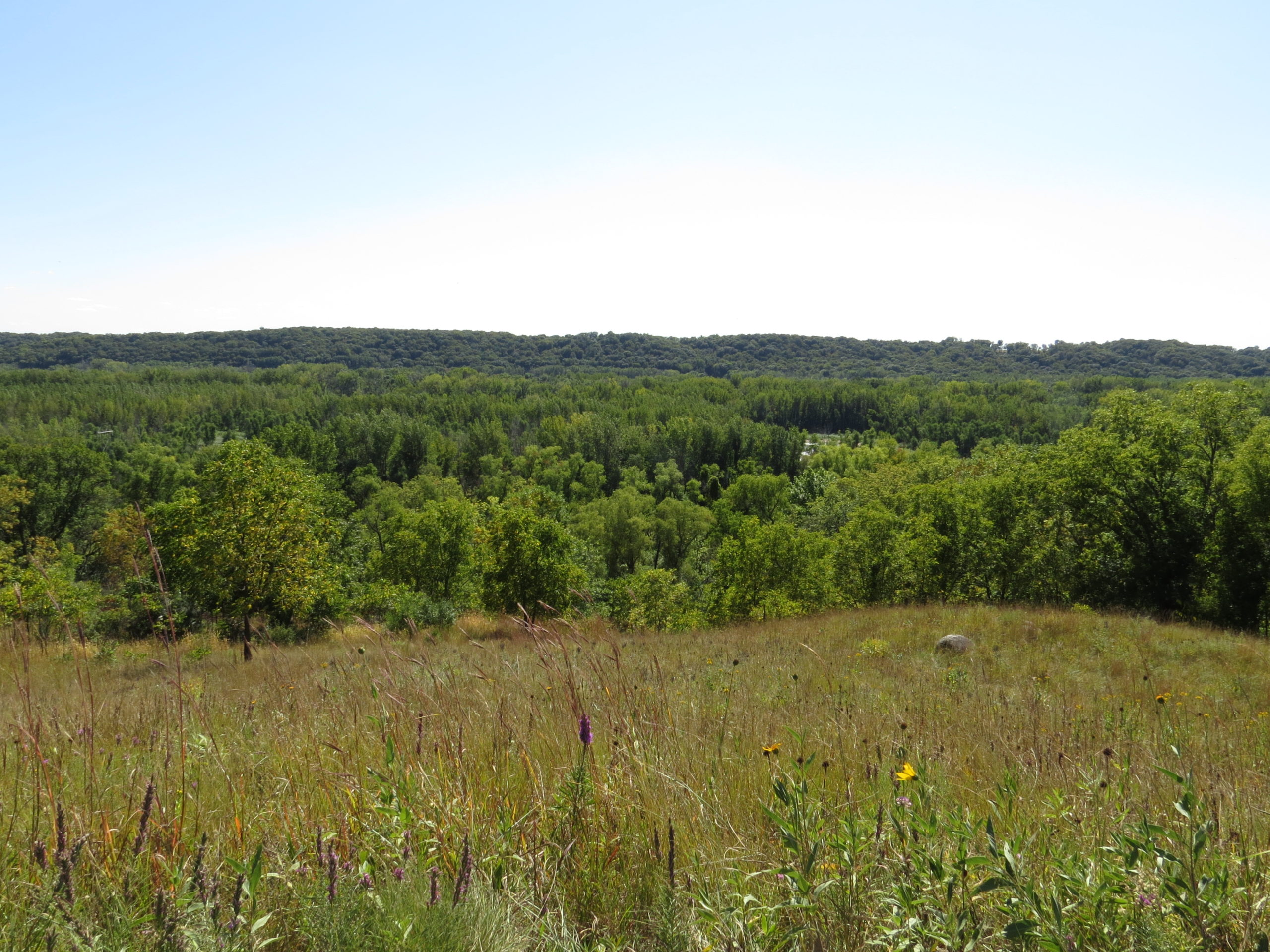
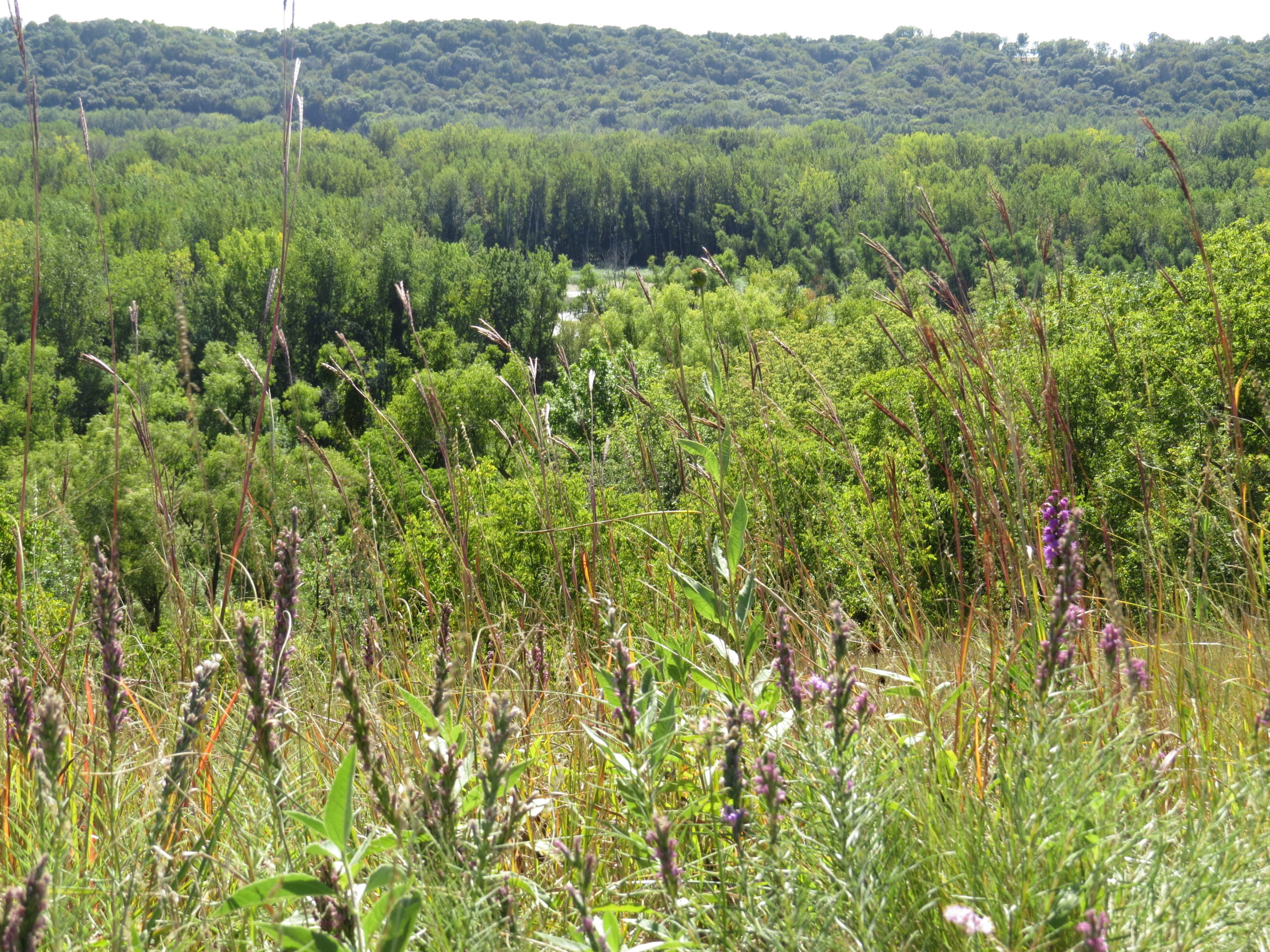
The Minnesota River valley was cut out from glacial till by erosion over thousands of years. The ridge above the River has been returned to prairie.
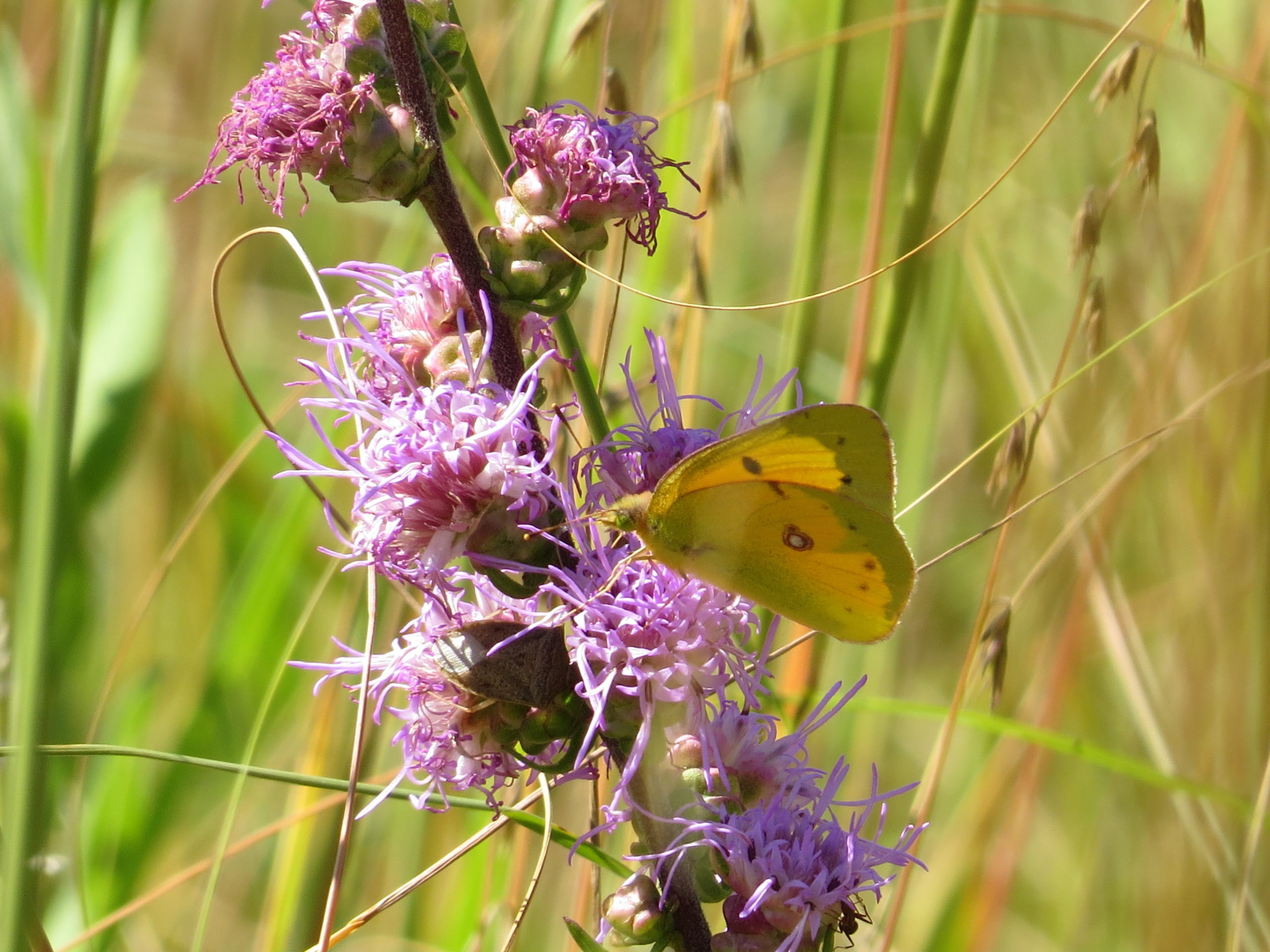
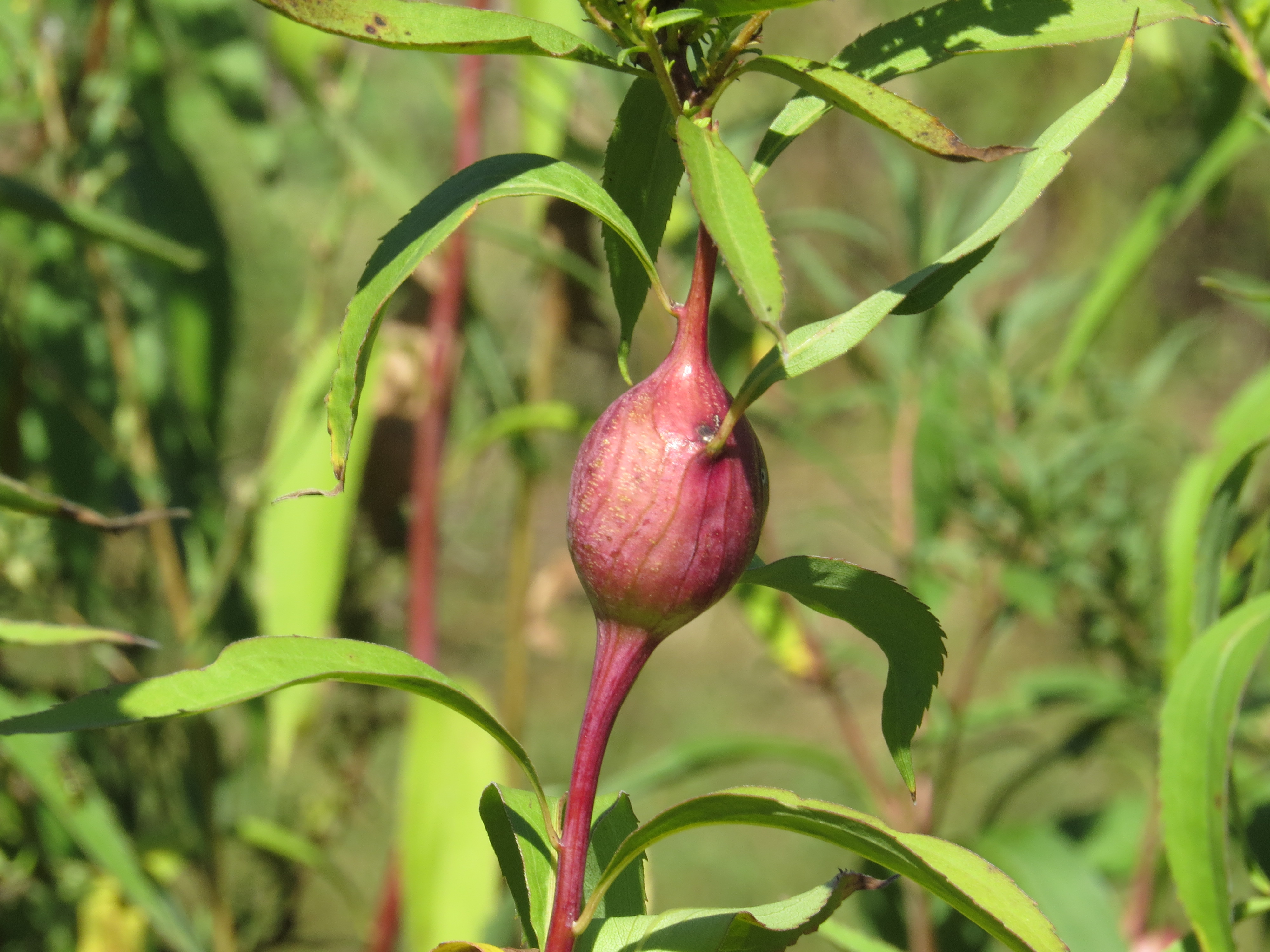
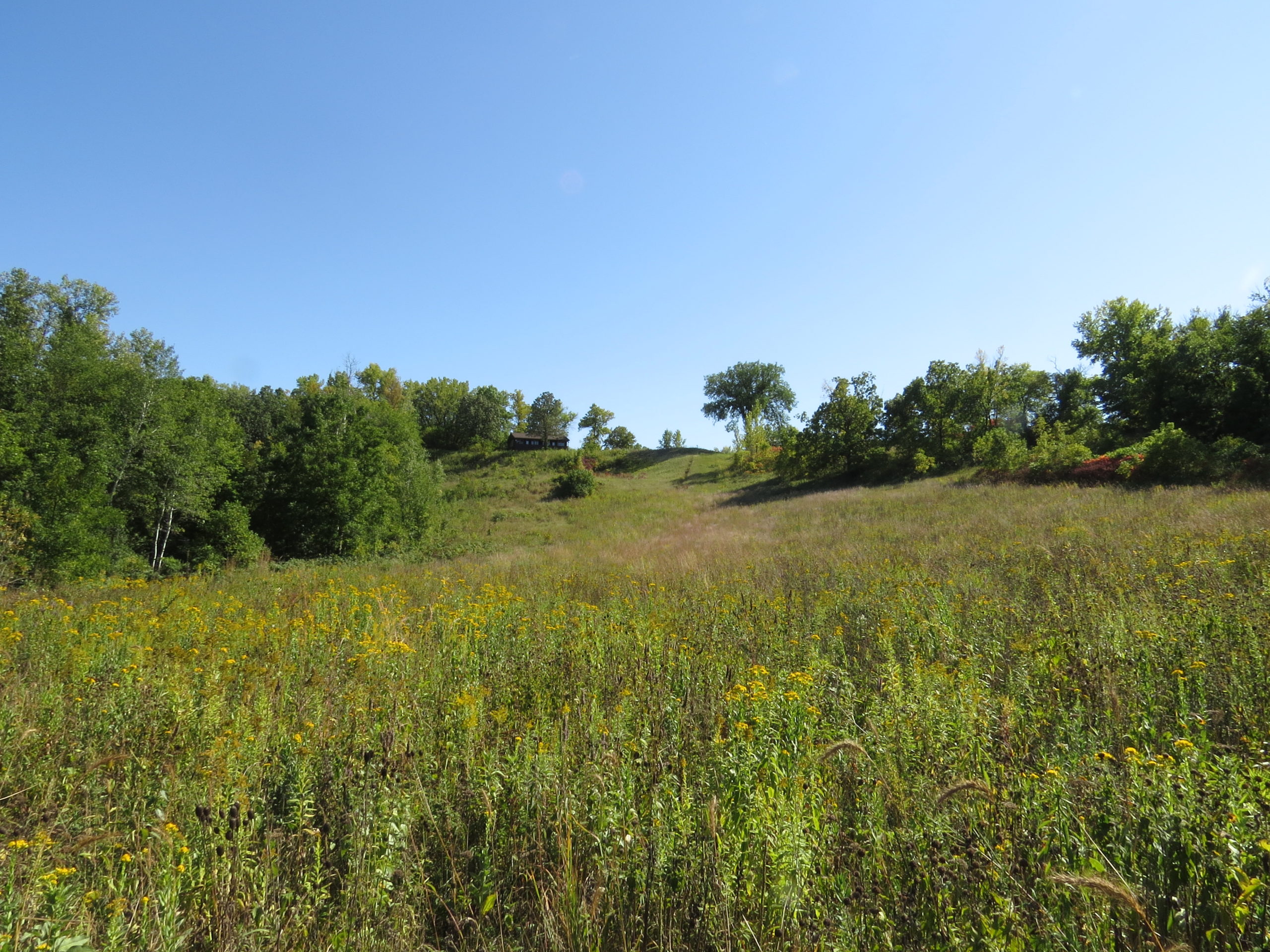
After our fort tour (the museum run by the Minnesota Historical Society was closed), we began our hike behind the CCC-built picnic area. We curved down a hill to the Fairway Trail in a wide strip of prairie that started on top of the ridge and went all the way down to Fort Ridgely Creek. (In 1927, a golf course was built on the park grounds and has since been returned to prairie.) The Ash trees were tipped yellow, Goldenrod and Sunflowers were in their full glory, and crickets chirped an Autumn song.
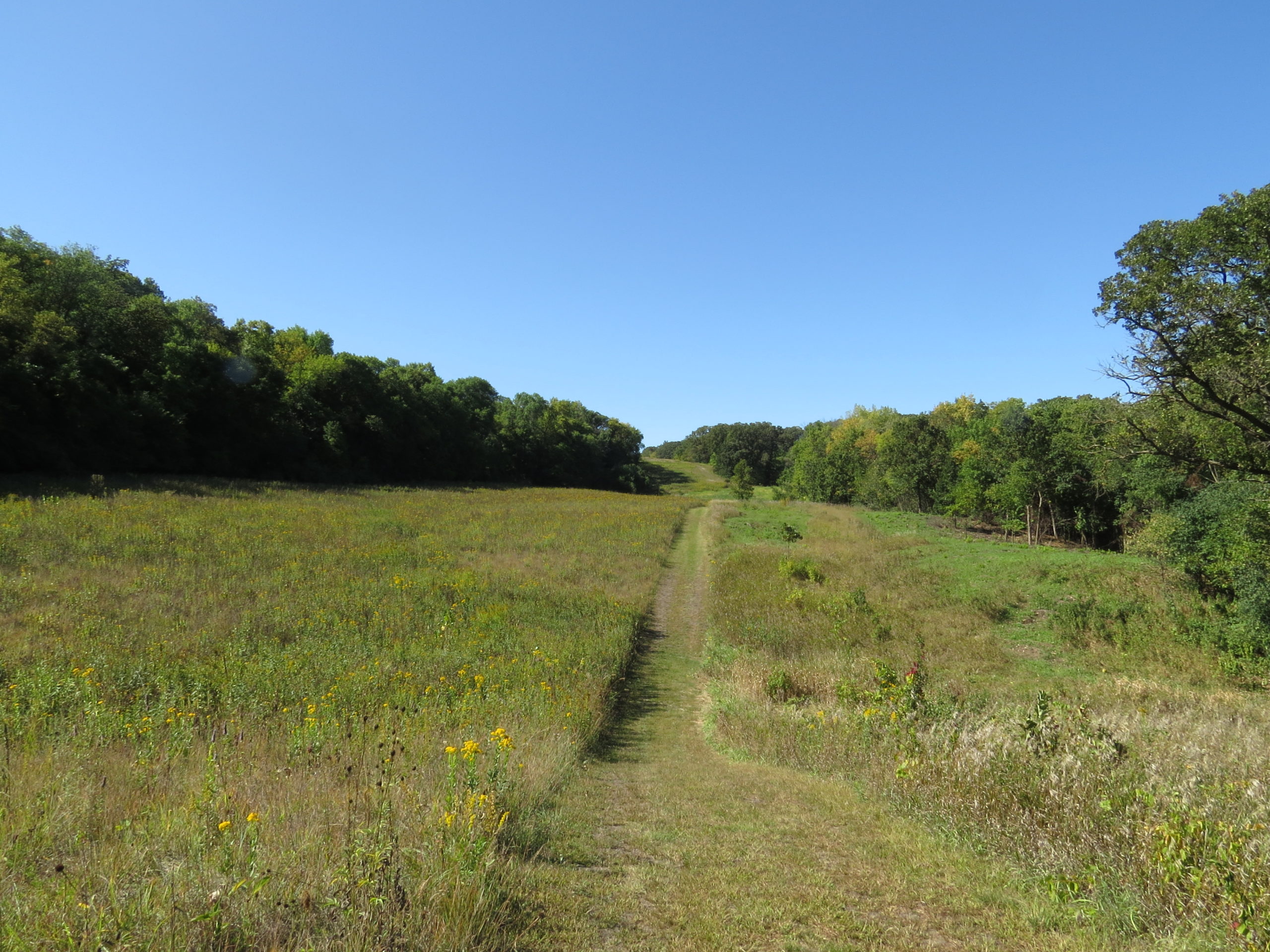
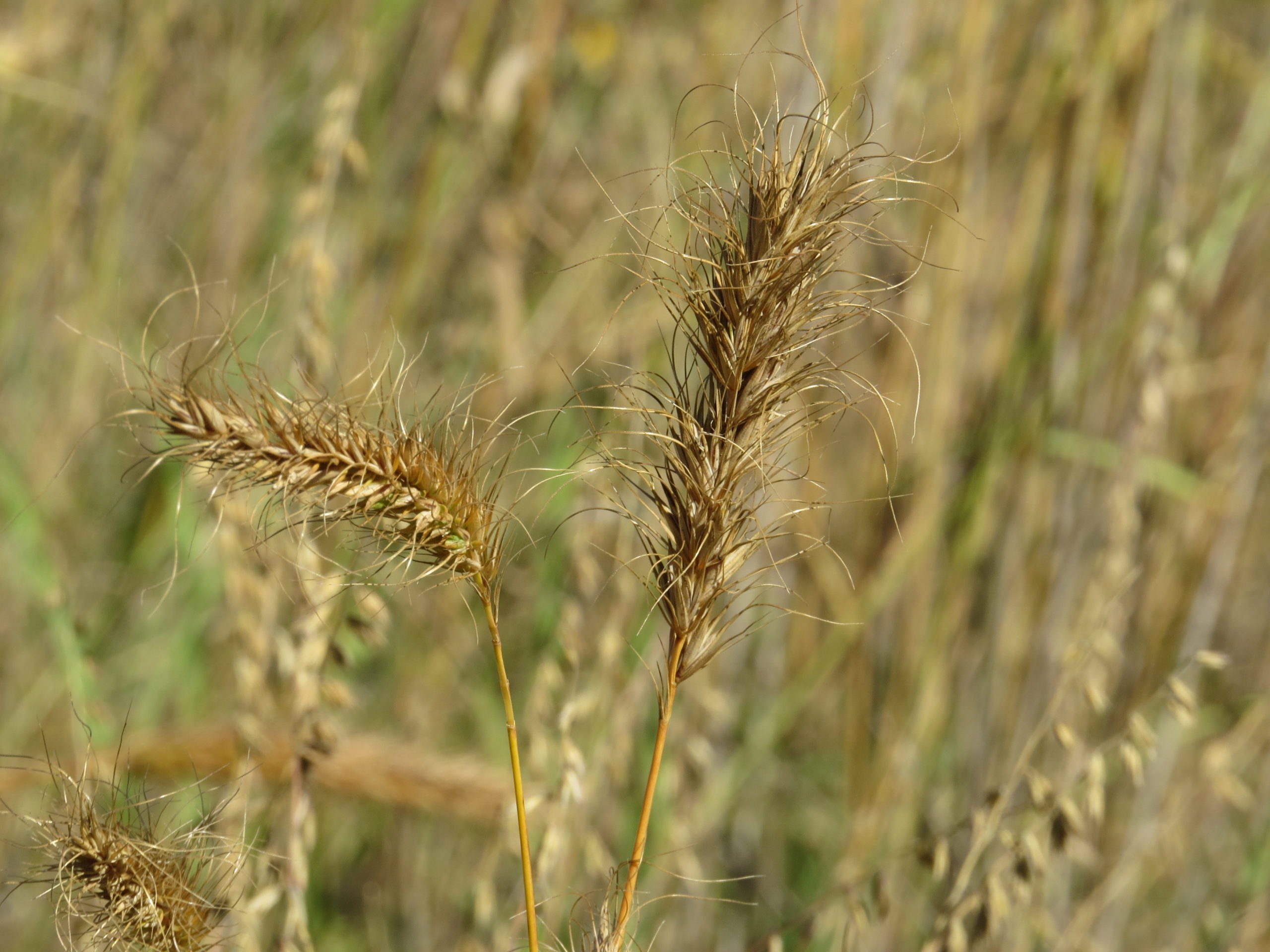
At the top of this hill is a chalet used as a warming house for Winter sledding and snow sports.
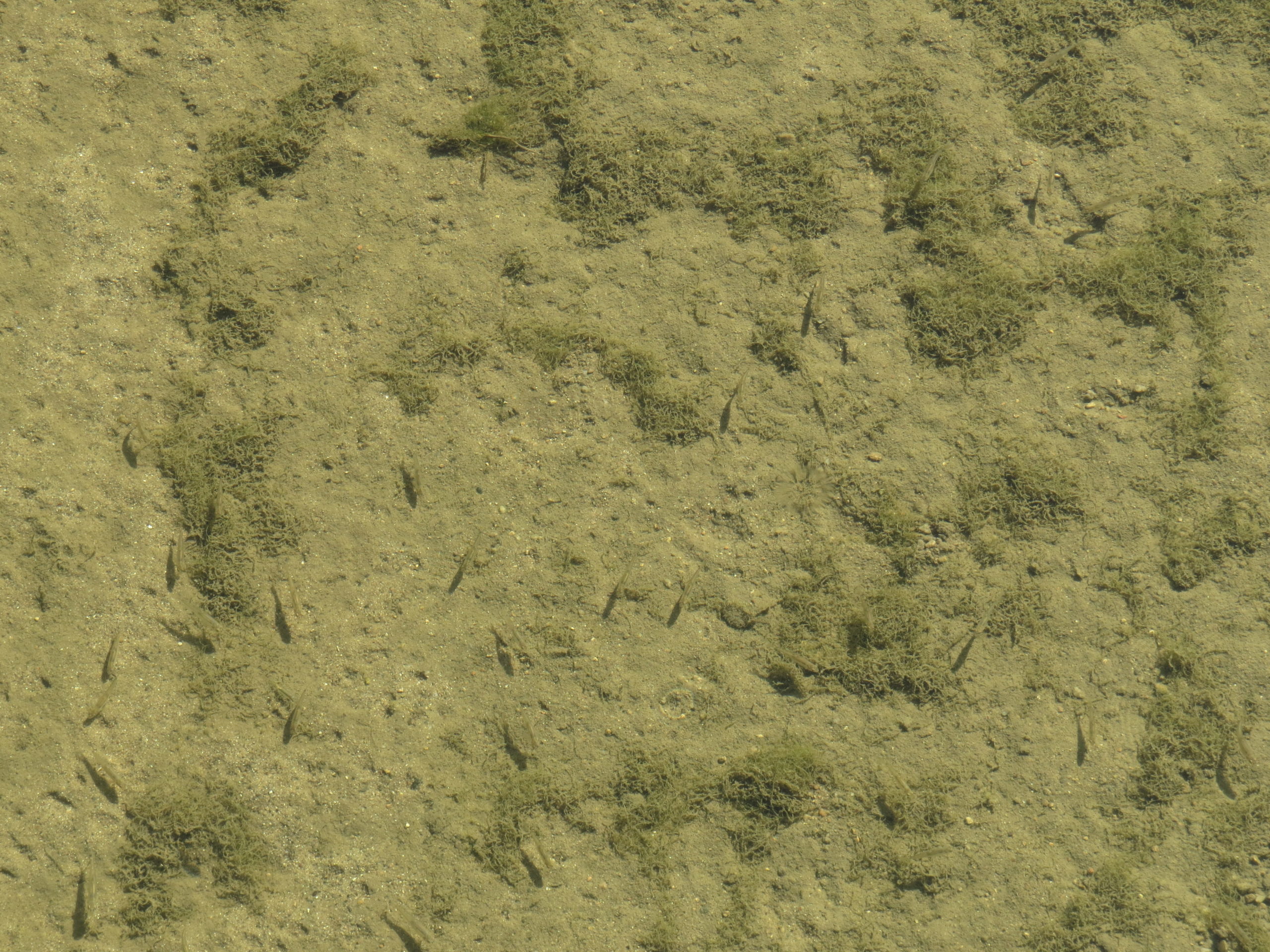
This area of Minnesota has been in drought conditions, and Fort Ridgely Creek and the Minnesota River were very low. We did see minnows swimming in the shallow water of the creek.
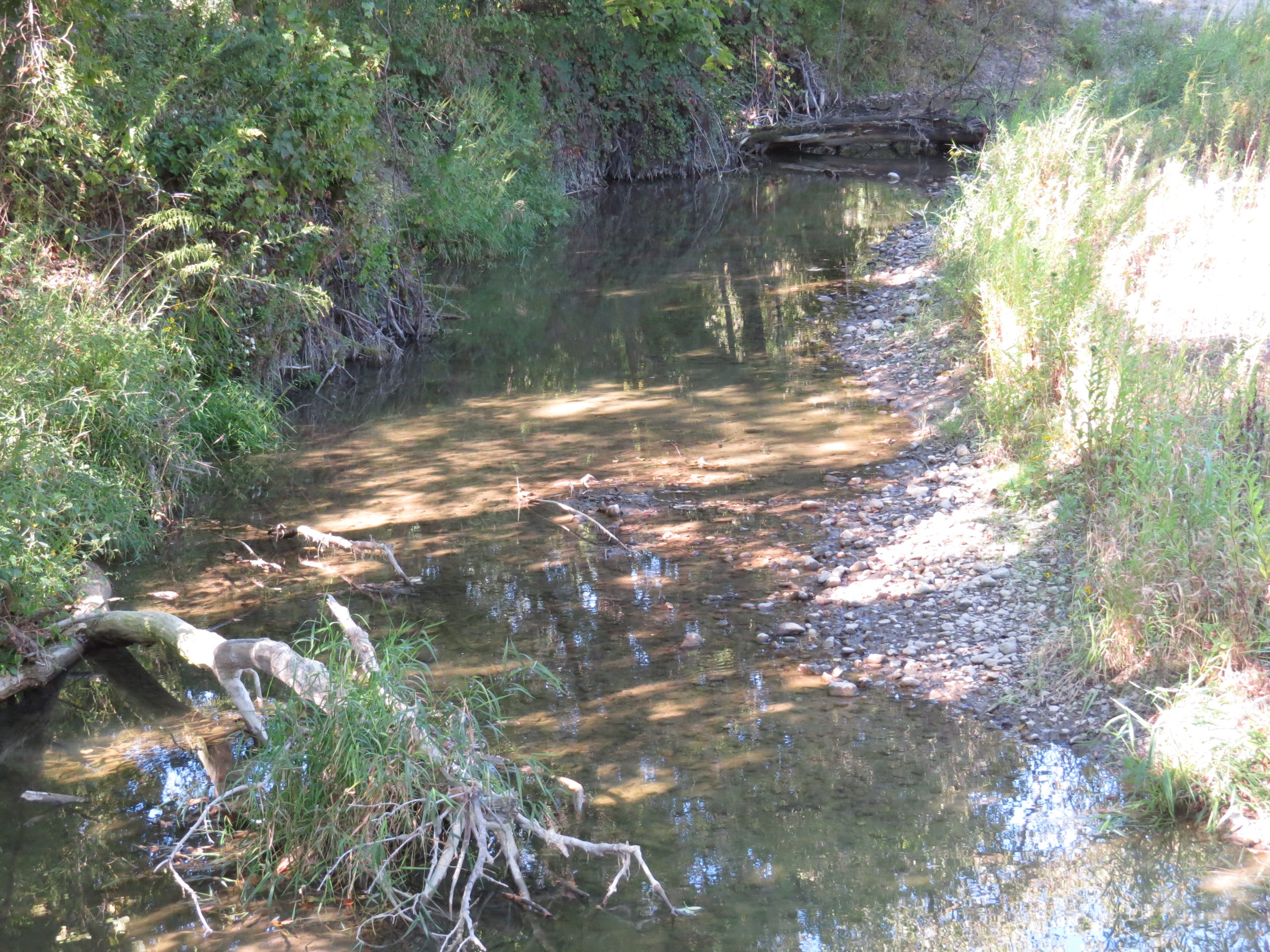
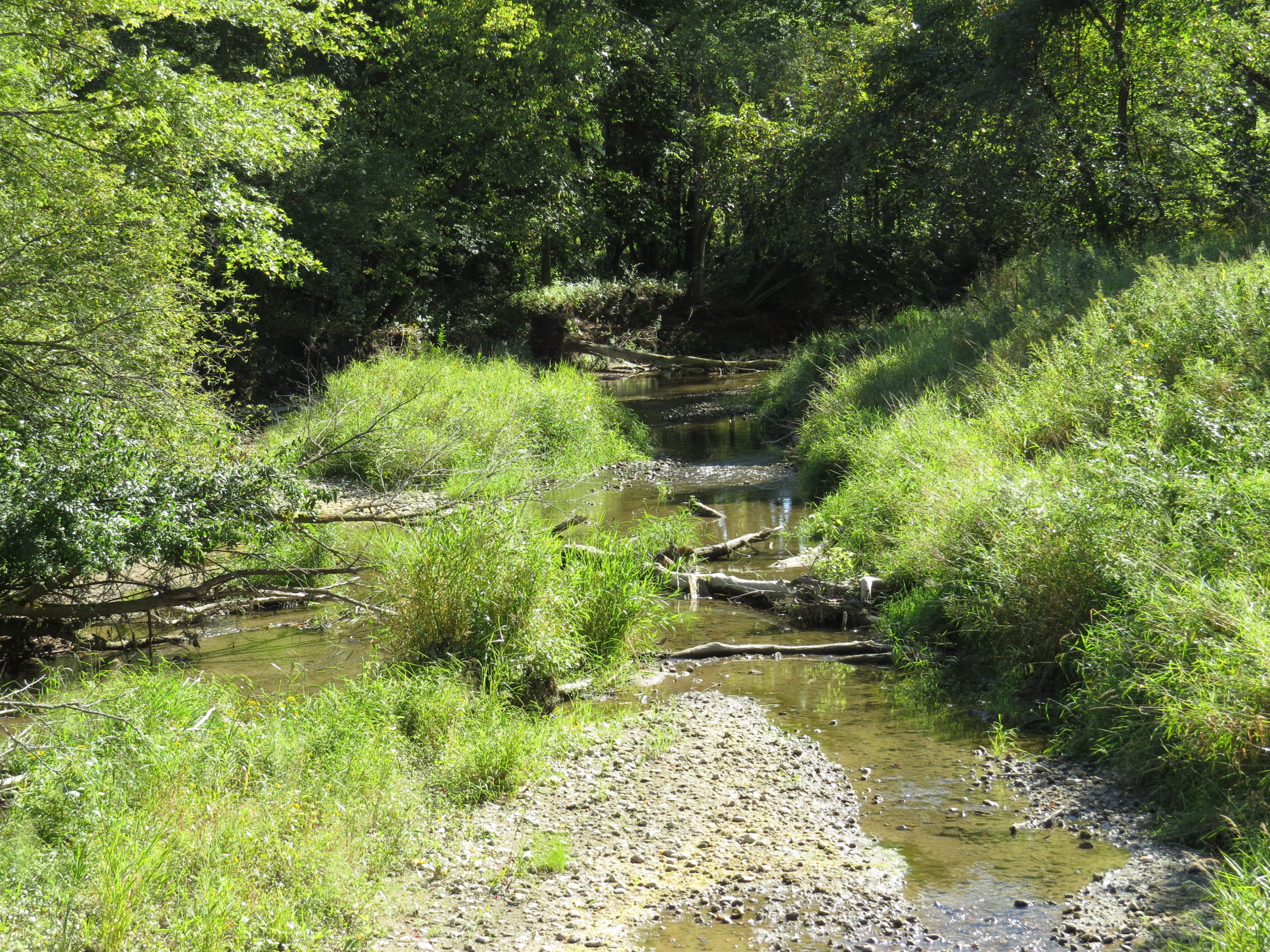
A couple miles north of the main park was a horse camp area in the valley of Fort Ridgely Creek. Huge walls of rock and clay on the east side of the creek created a quiet, protected area.
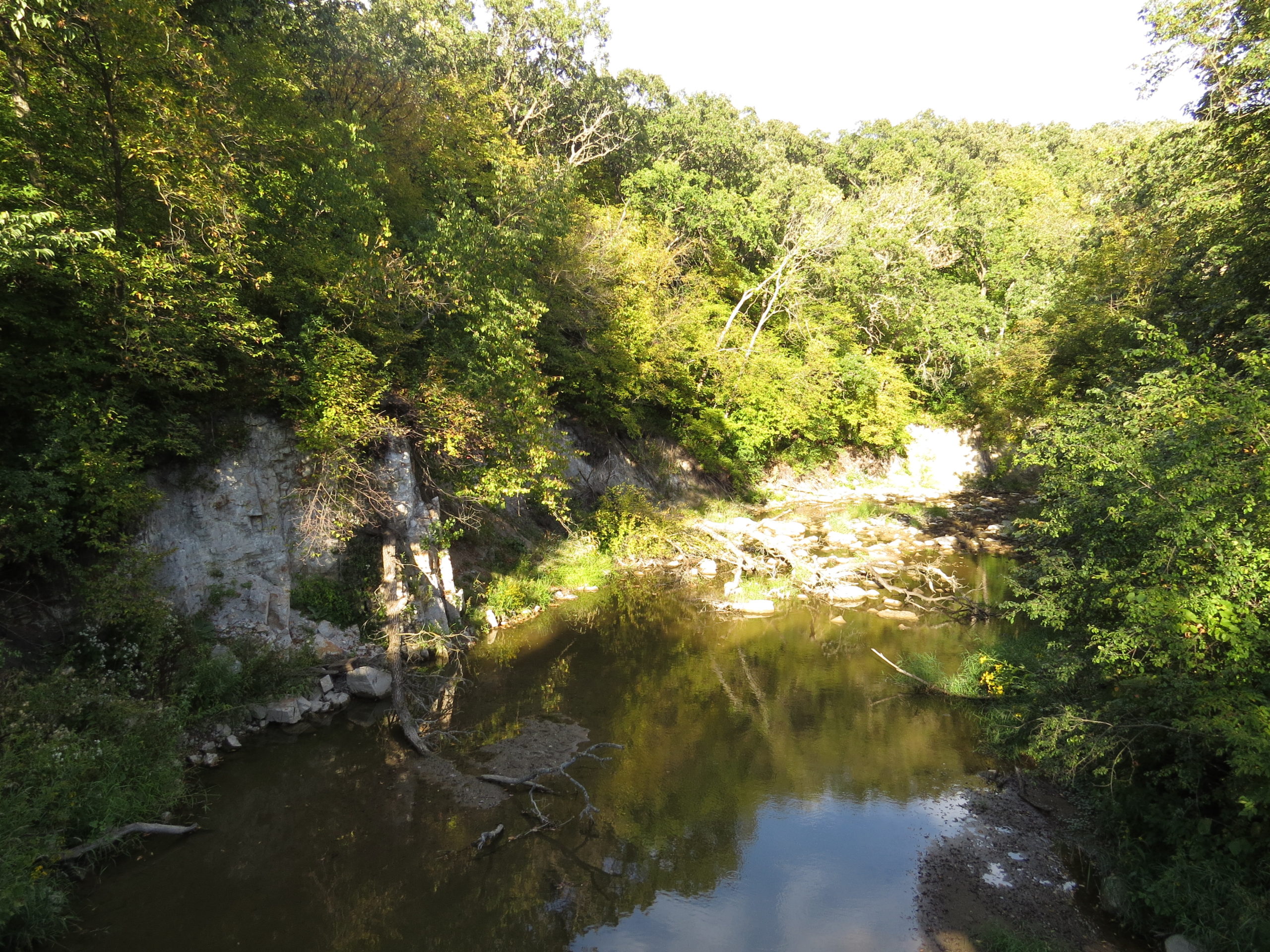
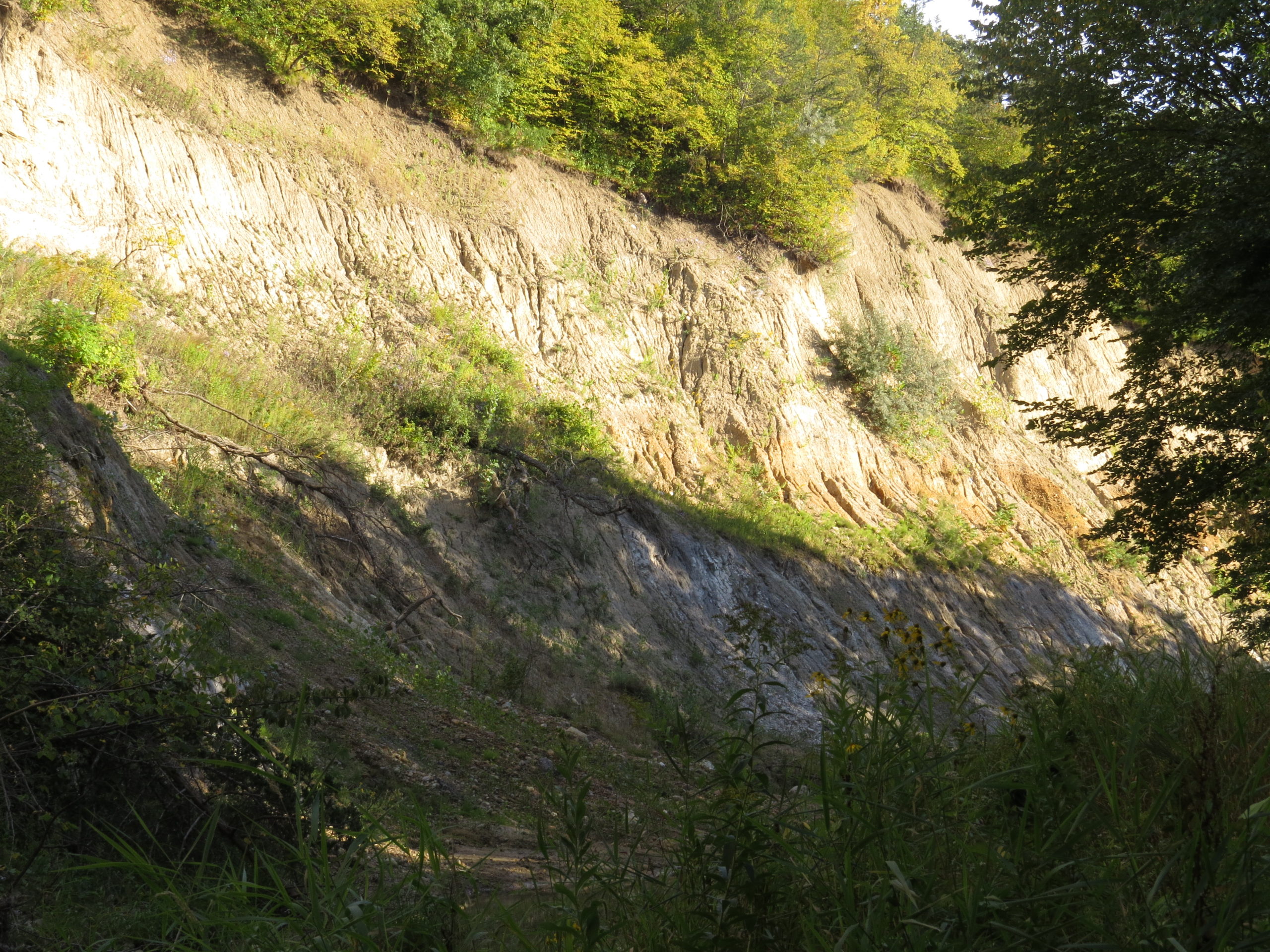
We passed many horseback riders as we hiked, and one proclaimed that it was much easier the way they were doing it than the way we were—but I didn’t know how right he was until we climbed the trail out of the creek bottom to the ridge.
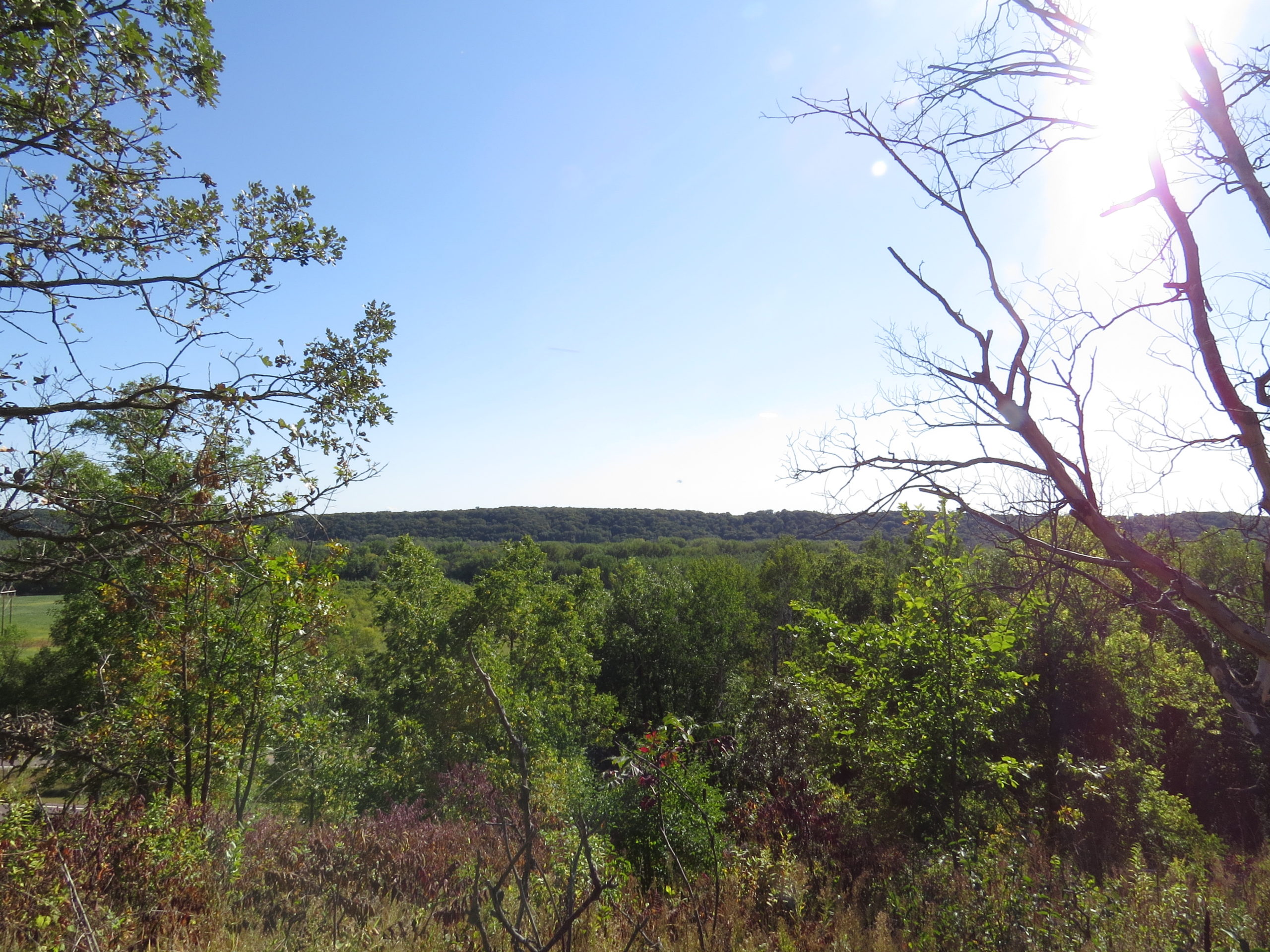
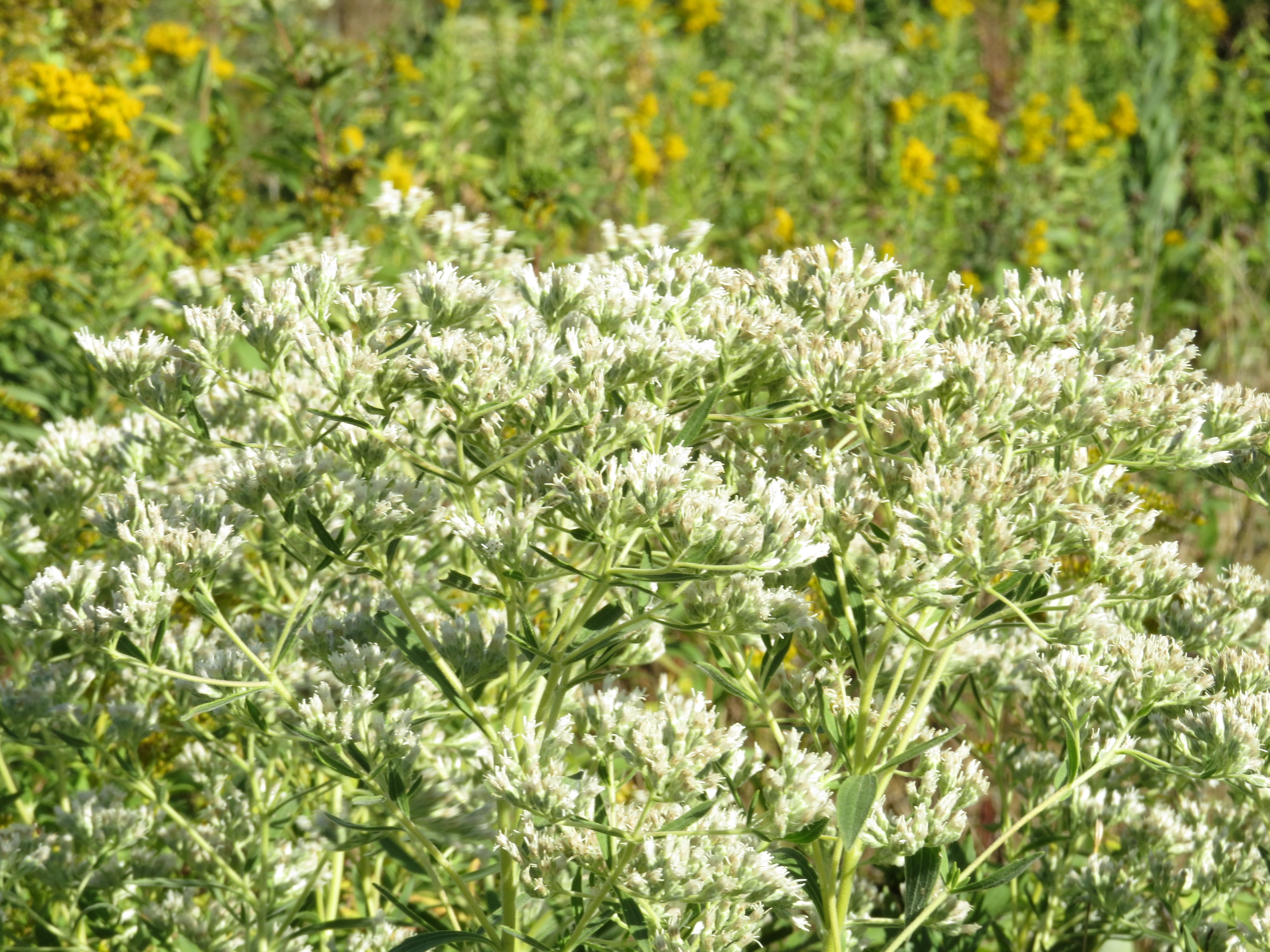
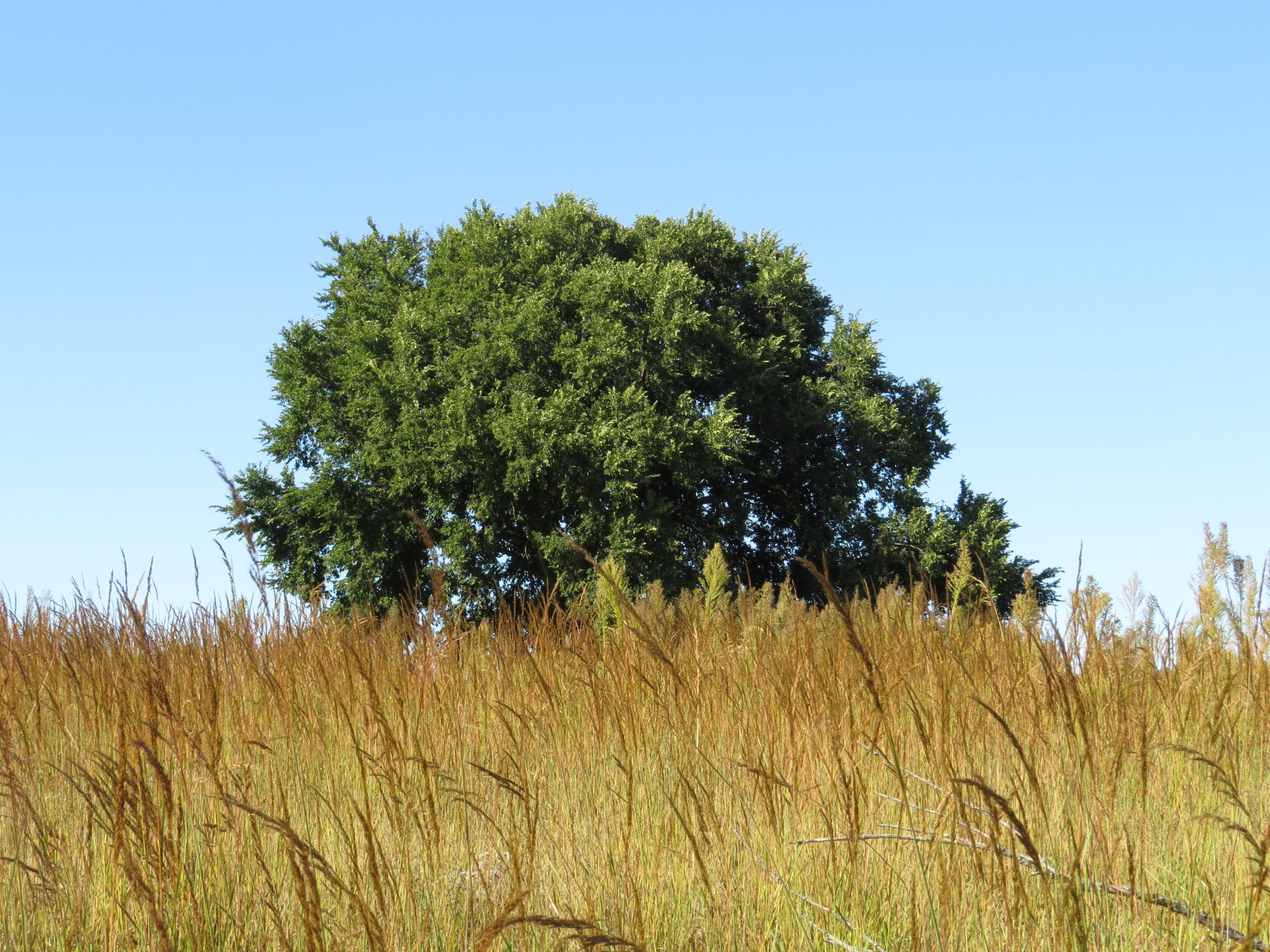
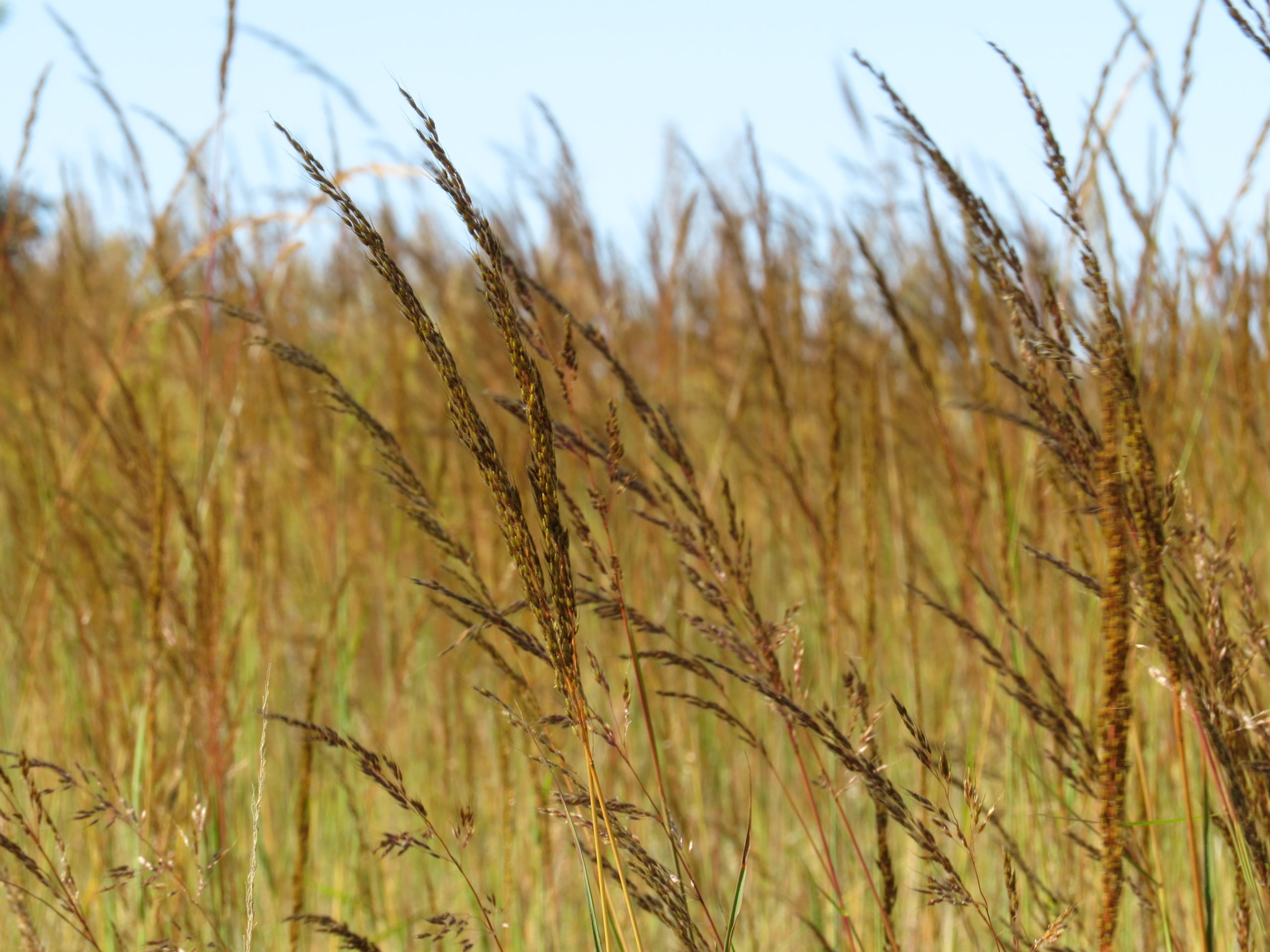
The upper prairie was dominated by Indian Grass, its deep rusty-brown seedheads swayed in the wind and paid homage to the ancestors who had lived and died here.
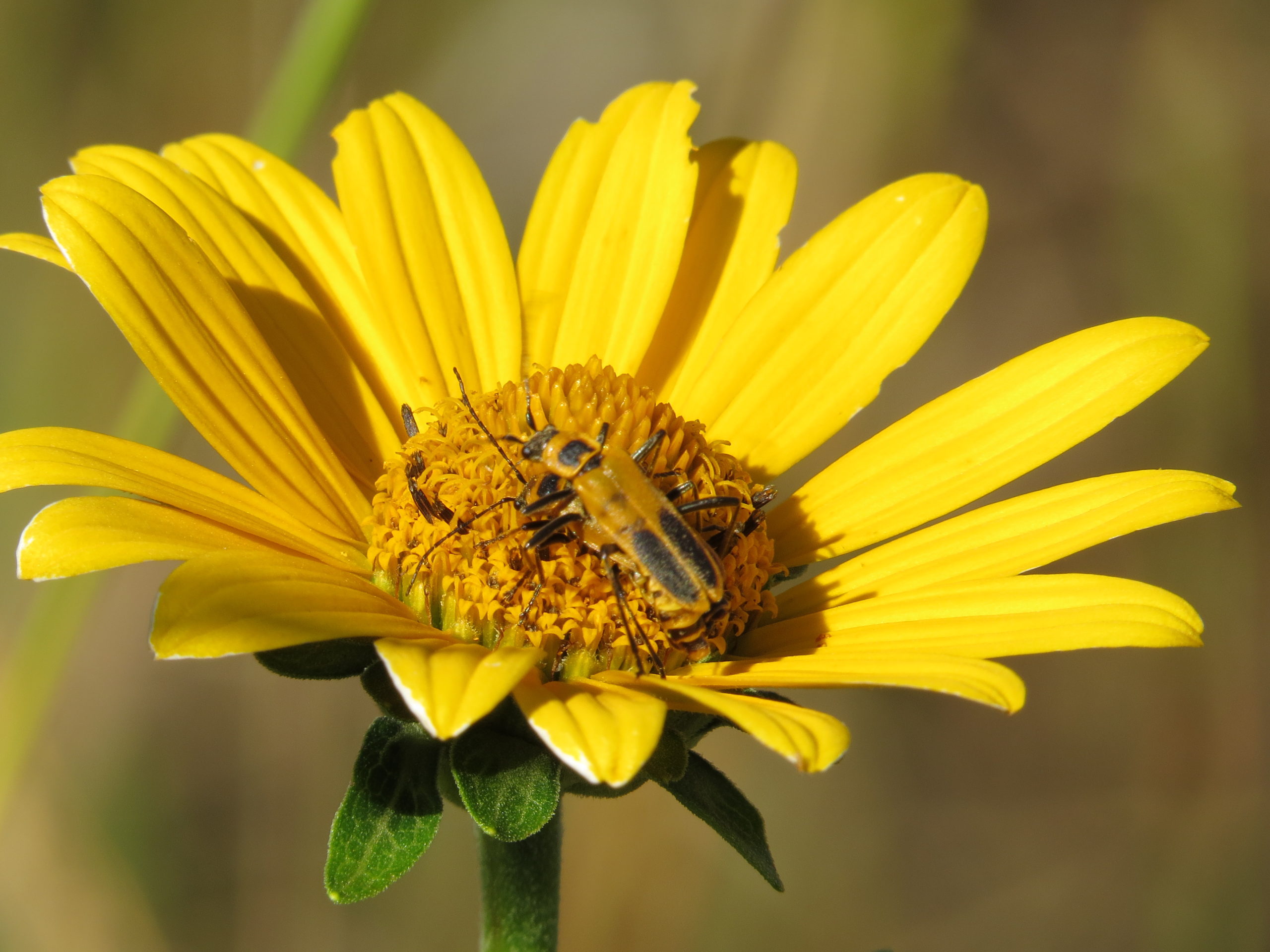
Sunflowers were brilliant, their golden pollen attracting Goldenrod Soldier Beetles, a beneficial insect that doesn’t harm the plants.
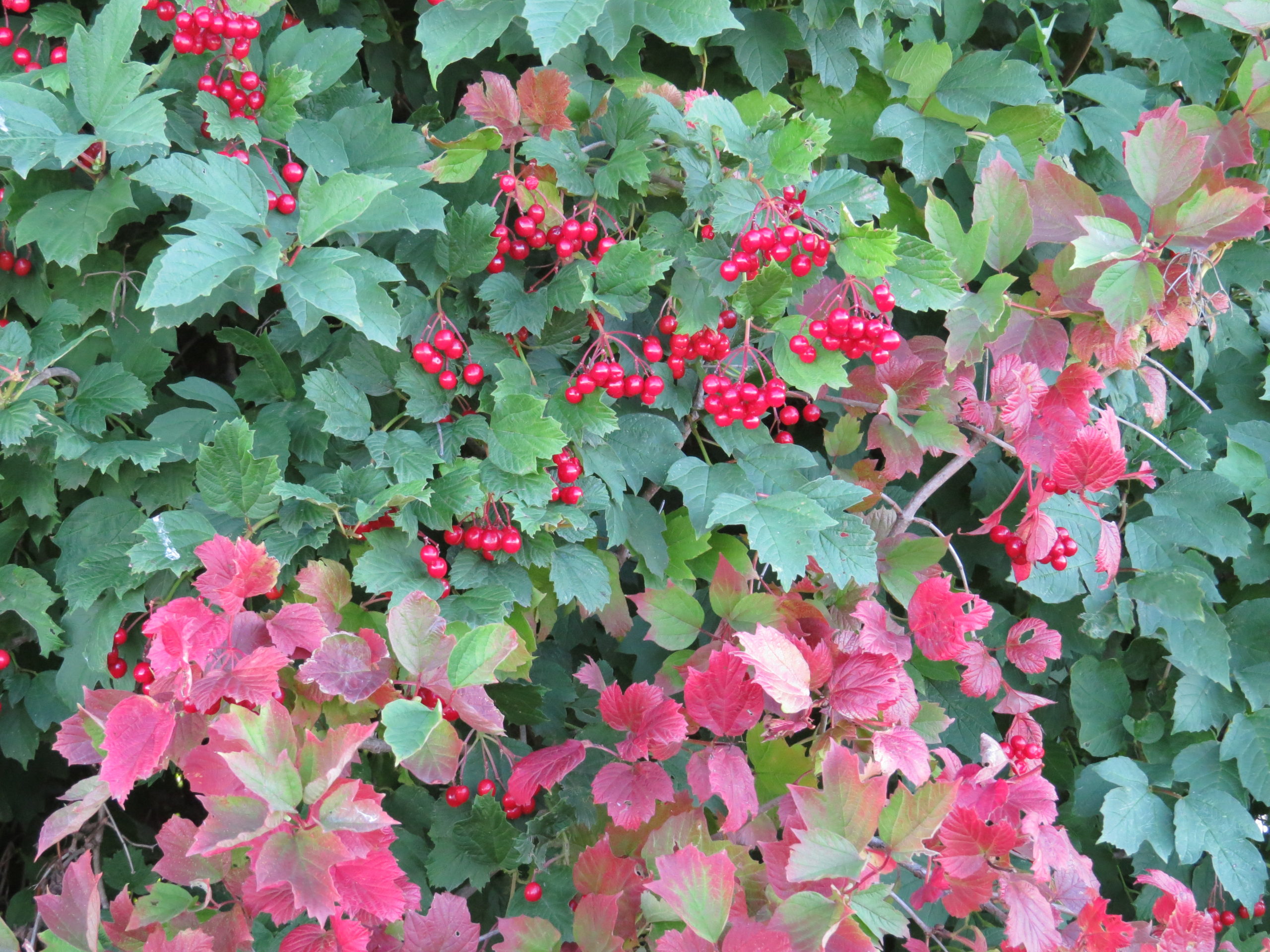
A Cranberrybush Viburnum gave a different vibe from the fall-ish yellow and browns of the prairie.
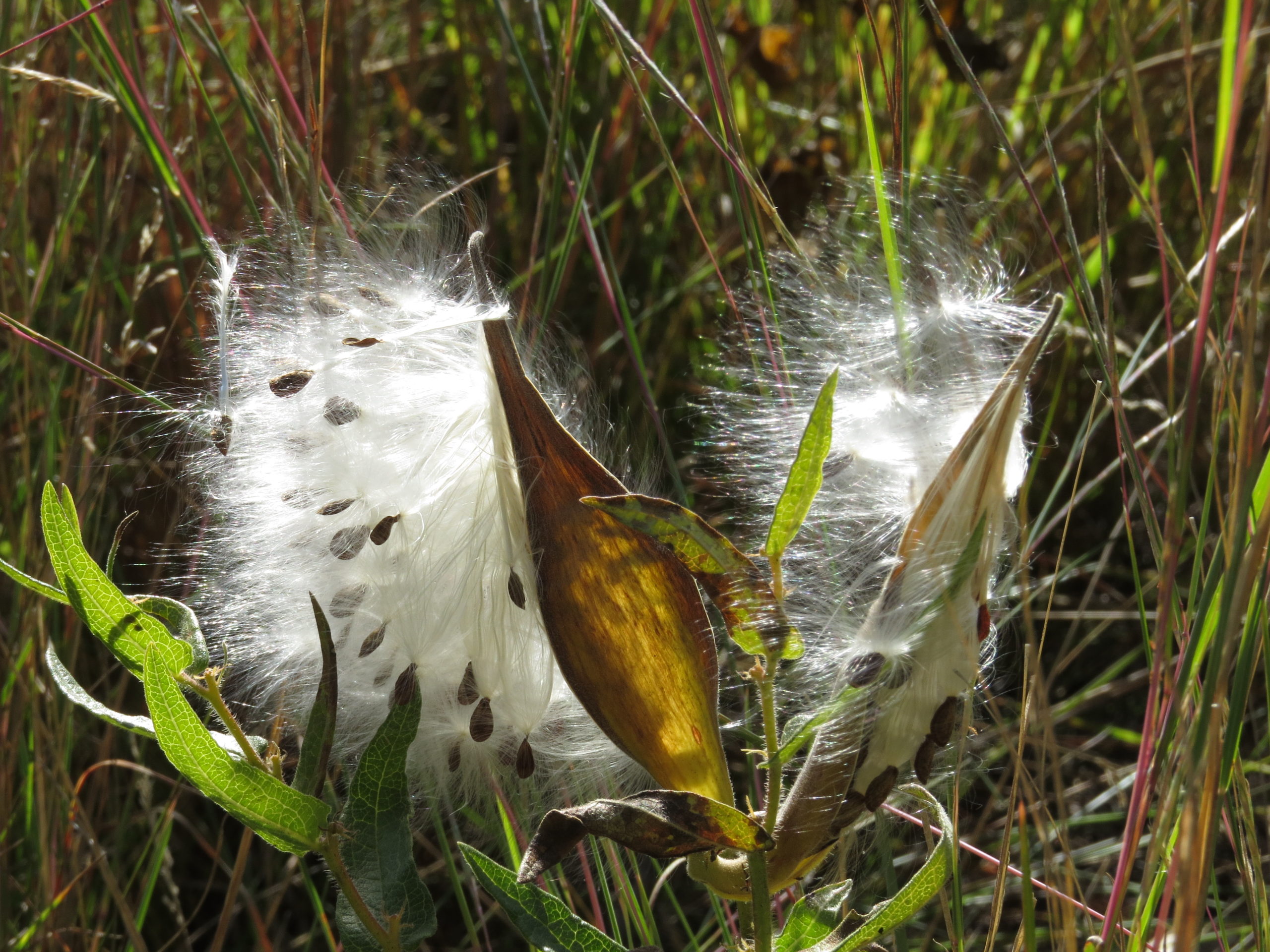
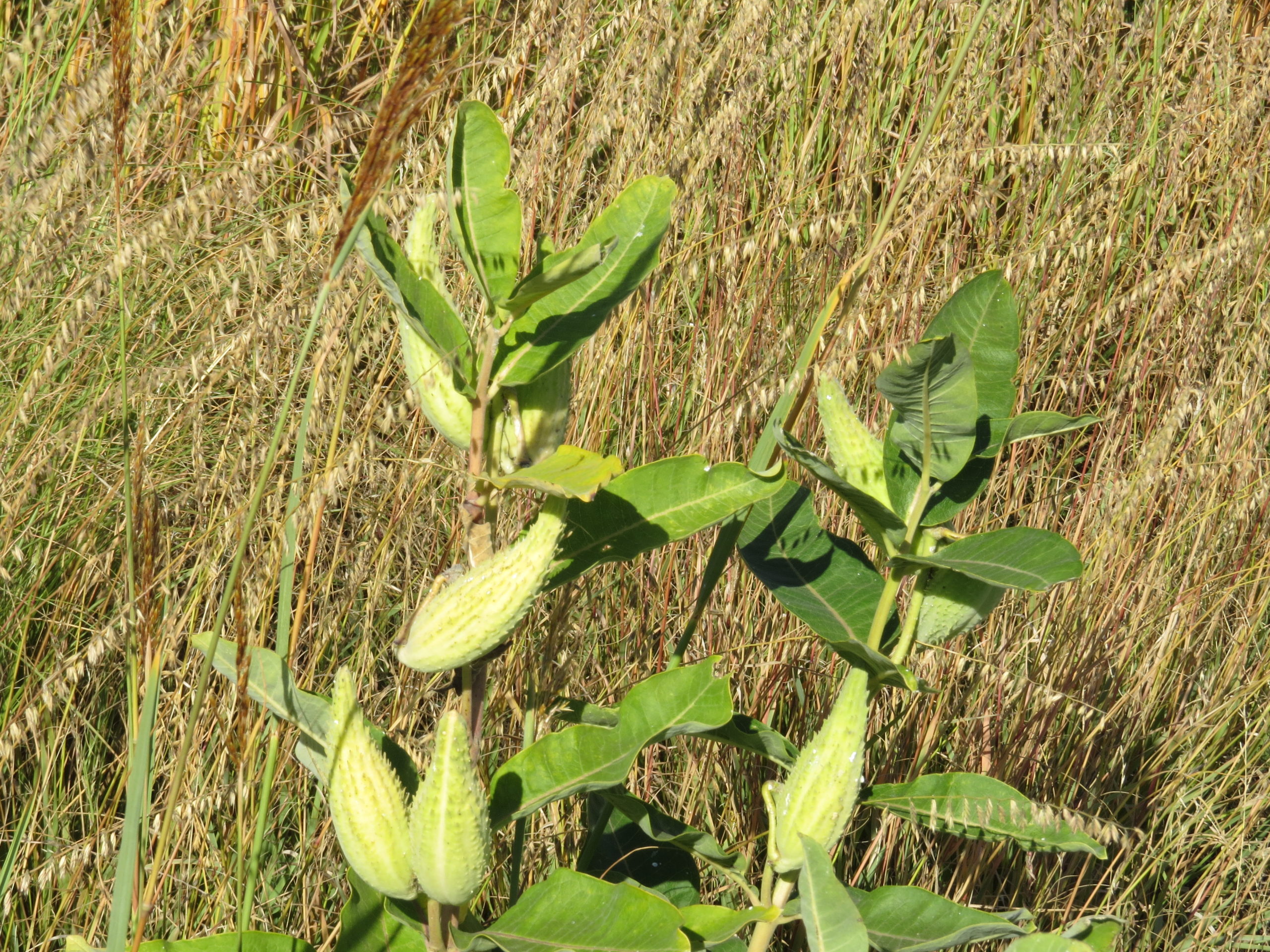
Sideoats Grama Grass and Common Milkweeds with their full pods of seeds, lined the trail in the Indian Grass prairie.
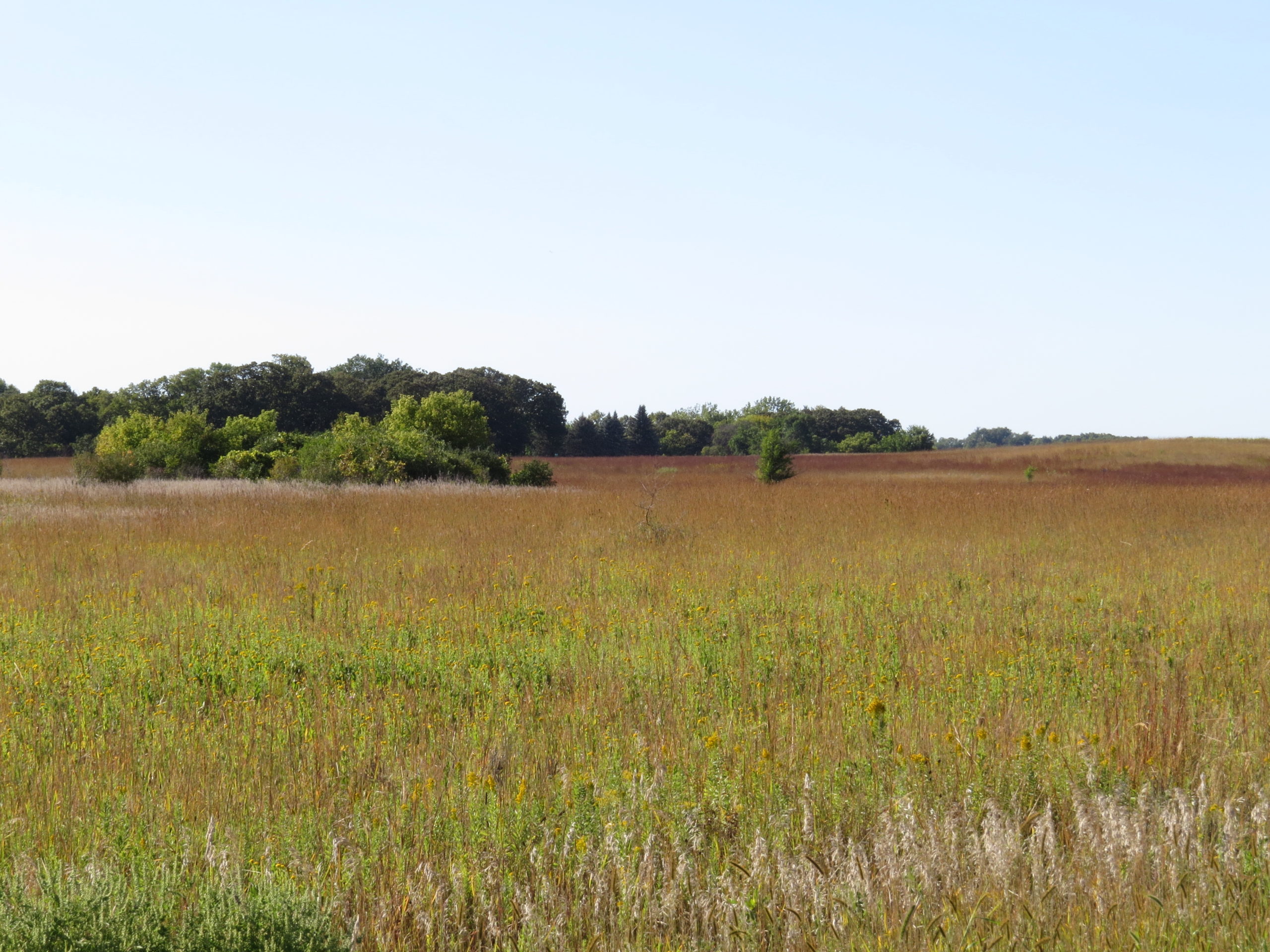
Fort Ridgely closed in 1872, and soon after, settlers unlawfully pillaged the buildings for stone and wood. In 1896, the land was set aside for the US–Dakota War Memorial, and in 1911, with an additional 50 acres, it was designated a state park, the fourth oldest in Minnesota. Now it has 537 acres of history and stories. It is a stark example of how the story changes with time and with who writes it. As I read the story of the US–Dakota War etched into the brass plates on the granite obelisk, I wondered what the Dakota version of the story would be. Our complicated, damning history.
Our stories are often paradoxical—many different versions of the same situation and all of them bearing some, but not all, of the truth. And as I mentioned before, we all have a tendency towards the fantastical, when a story does not correspond with the facts of reality. It really is a human conundrum. We tell ourselves illusory stories in part to have some sort of control over the situation, to put ourselves at the helm when things feel out of control or overwhelming. Perhaps it is ‘practice’ for real life. But too often, we only want our version of the story to be told, fantastical or not. We want our version of other people’s stories to be the truth. I have had many stories live and twirl in my mind in unrealistic fashion, so I know of what I speak. We become entwined with our own story, and the unwinding of it only promises disillusionment, disappointment, grief, and anger. No wonder we are so reluctant to the reckoning. Growing up is not easy, and growing into maturity is even more difficult. How can we be mature and generous with our storytelling? How can we navigate a fair way? How can we pay homage to our own struggles and to the struggles of others? It might take the very thing we started with as children—an open and creative imagination. Can we imagine the homeless person’s story as part of our narrative? Can we include a poor, young mother’s abortion story as part of our own mothering story? Can we envision what a displaced, starving person would do to try to regain health and agency in a repressive culture? We can have our own values and at the same time listen deeply to and walk with a person who is in a situation unlike any we have ever imagined for ourselves. It grows us as a person into a more seasoned version of ourselves. Welcome to the hard-earned, fruit-bearing, browned and aging Autumnal season of Life.
Grow With It
I remember the hard work of growing up. I remember the hard work of growing other humans for those first nine months and for the twenty years after that. At the time, I didn’t even realize that those two things were happening simultaneously—as I stewarded the growth of my children, I myself continued to grow and develop.
It’s hard work to grow. It’s hard work to turn soil nutrients, water, and sunlight into a prolific number of new cells that function in numerous ways in order to reproduce. Plants, insects, birds, and animals are productive from Spring to this time of late Summer. And the fruits of their labors are evident. Flowers, fruits, seeds, and offspring combine to showcase the miracle of an ecosystem where not only is the organism’s genetic material passed on to another generation but the organism or its fruits or seeds are used by others for sustenance for their growth. It truly is a circle of life, a web of interconnected growth, give, and take.
The abundance of growth and production is a visual treat for the eyes on the prairie and woodland trails at Saint John’s Arboretum. Big Bluestem—big as in four to seven feet tall and Bluestem as in the purplish tint to leaves and three-pronged ‘turkey foot’ seedheads—was the predominant grass on the prairie. In all its glory. It provides cover, nesting sites, and food (seeds) for a number of species of birds and is considered by ranchers to be ‘ice cream for cows’ in pastureland. ( I like that depiction.) Gray-headed Coneflowers provide food and housing for butterflies and moths and seed treats for goldfinches and other song birds.
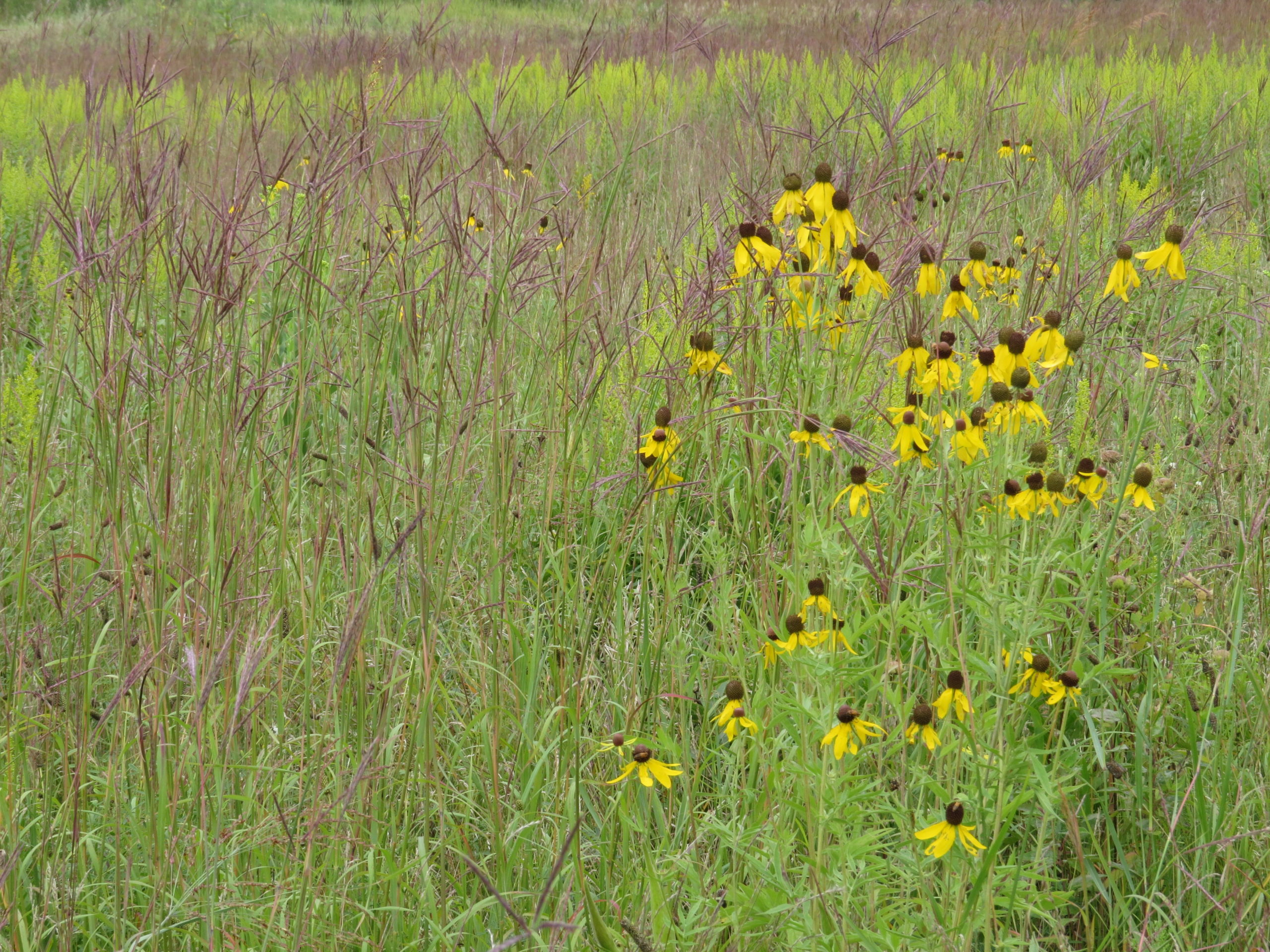
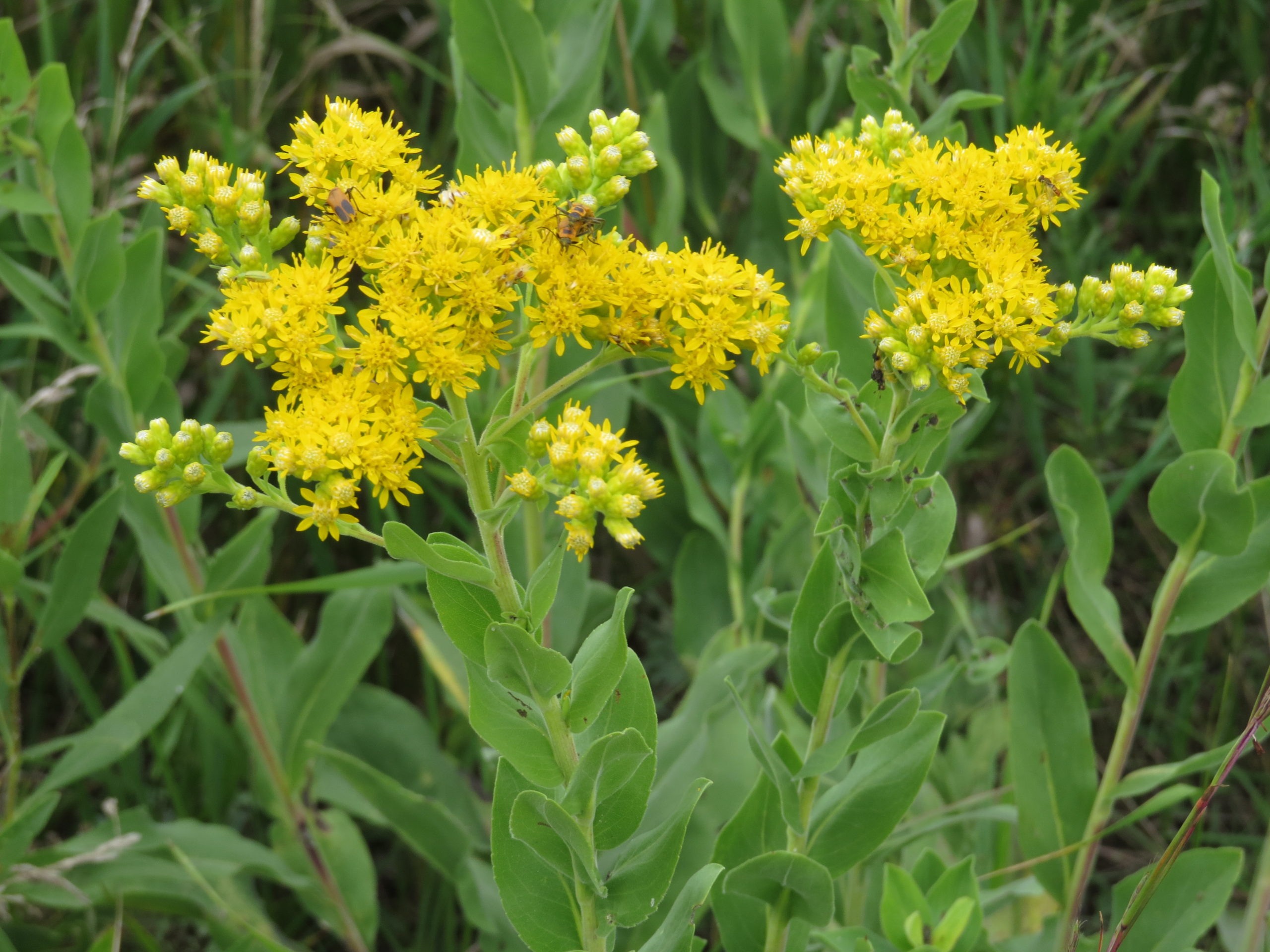
Goldenrods of numerous species are the golden magnets for butterflies and other beetle bugs. Stiff Goldenrod has thick, leathery leaves that look like feathers, especially the basal leaves.
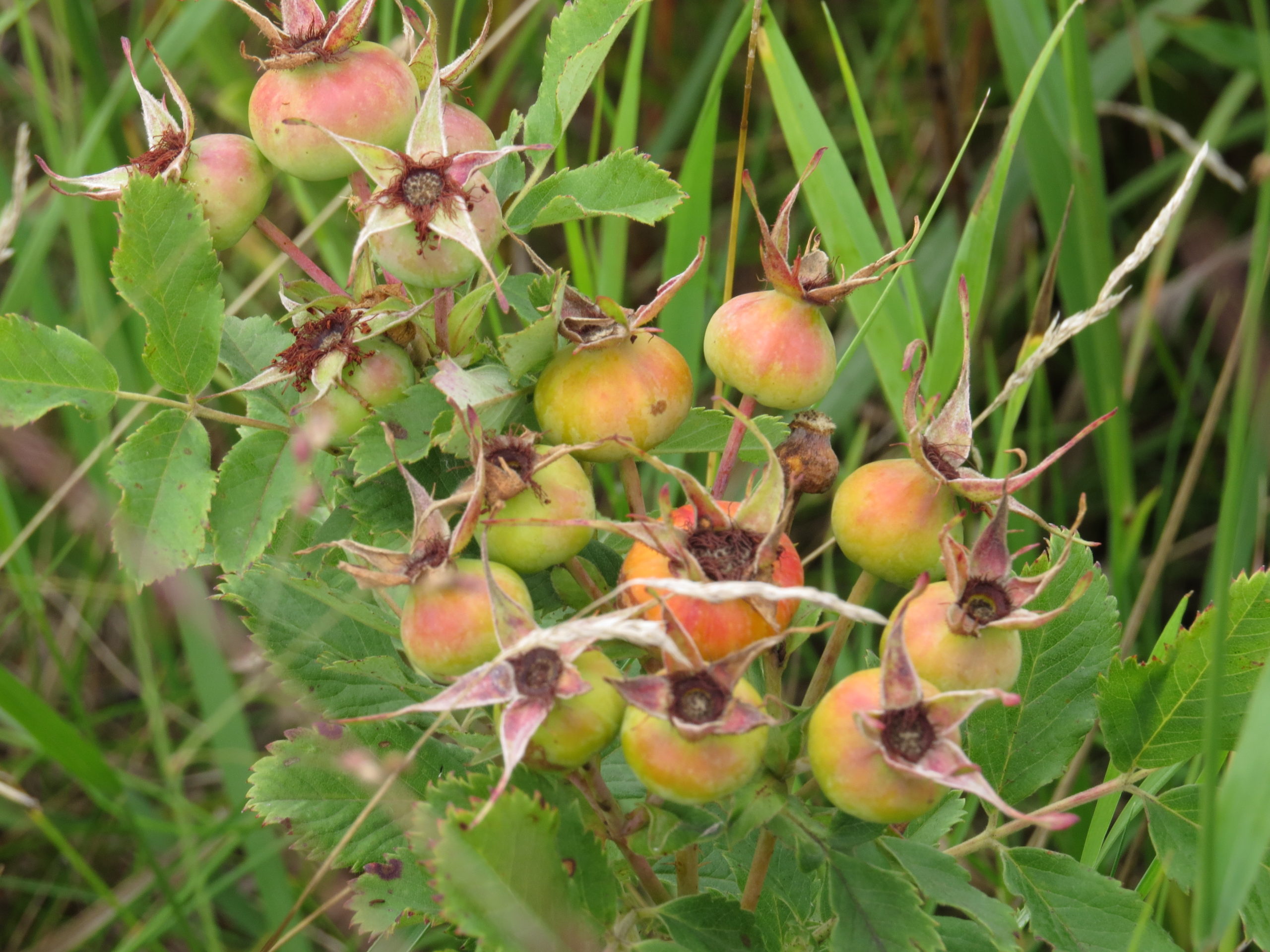
The fruits of the Wild Rose—rosehips—are turning red and are food for birds, squirrels, rabbits, and bears.
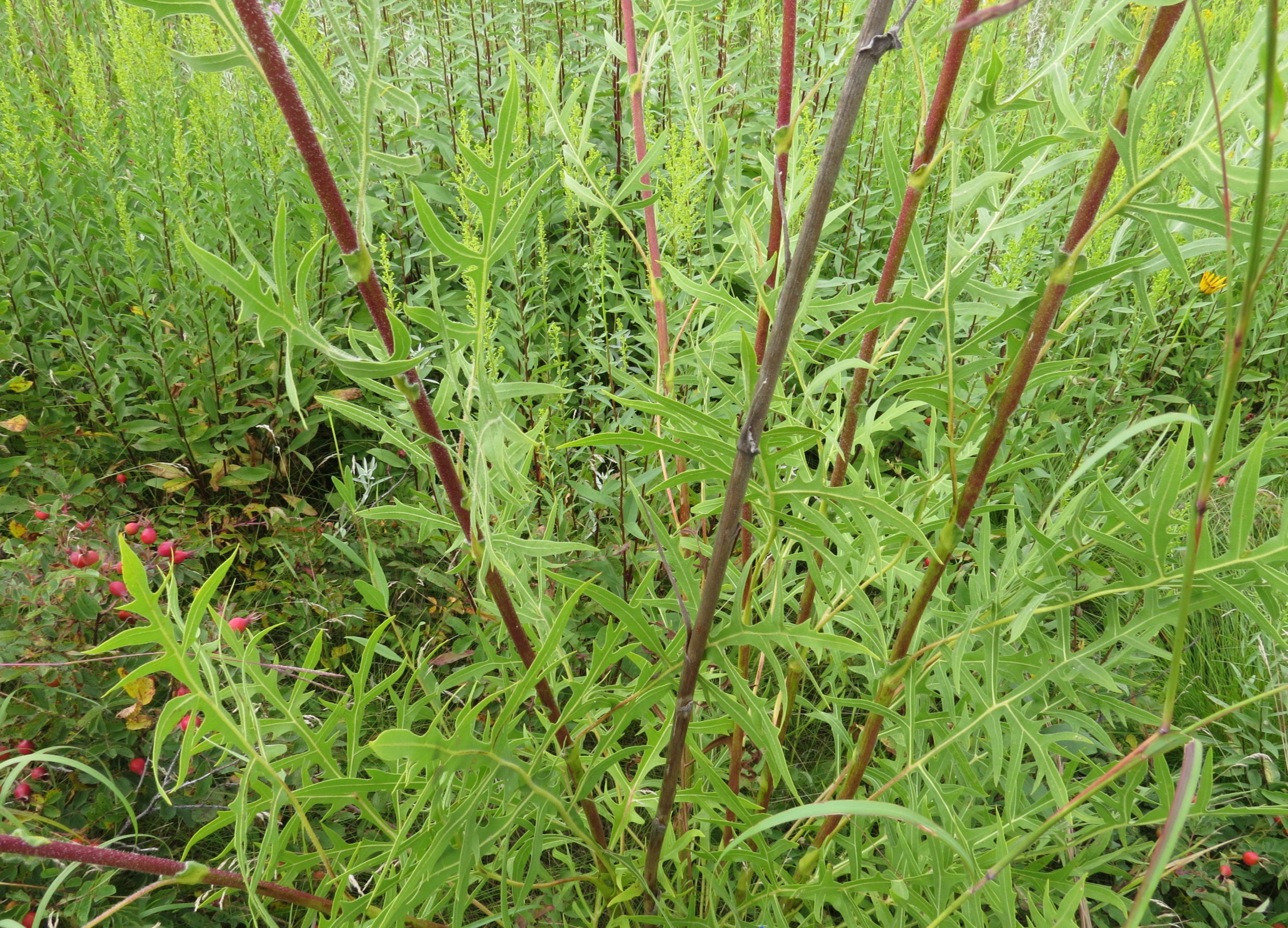
I think the winner in cell production in one season is the Compass Plant—look at those sturdy, almost tree-like stems! While the deeply-cut leaves can be up to two feet long, the flower stems can grow up to twelve feet high providing a prairie perch for birds. The sunflower-like flowers provide seeds for birds and small mammals, and the hardened sap can be chewed like gum.
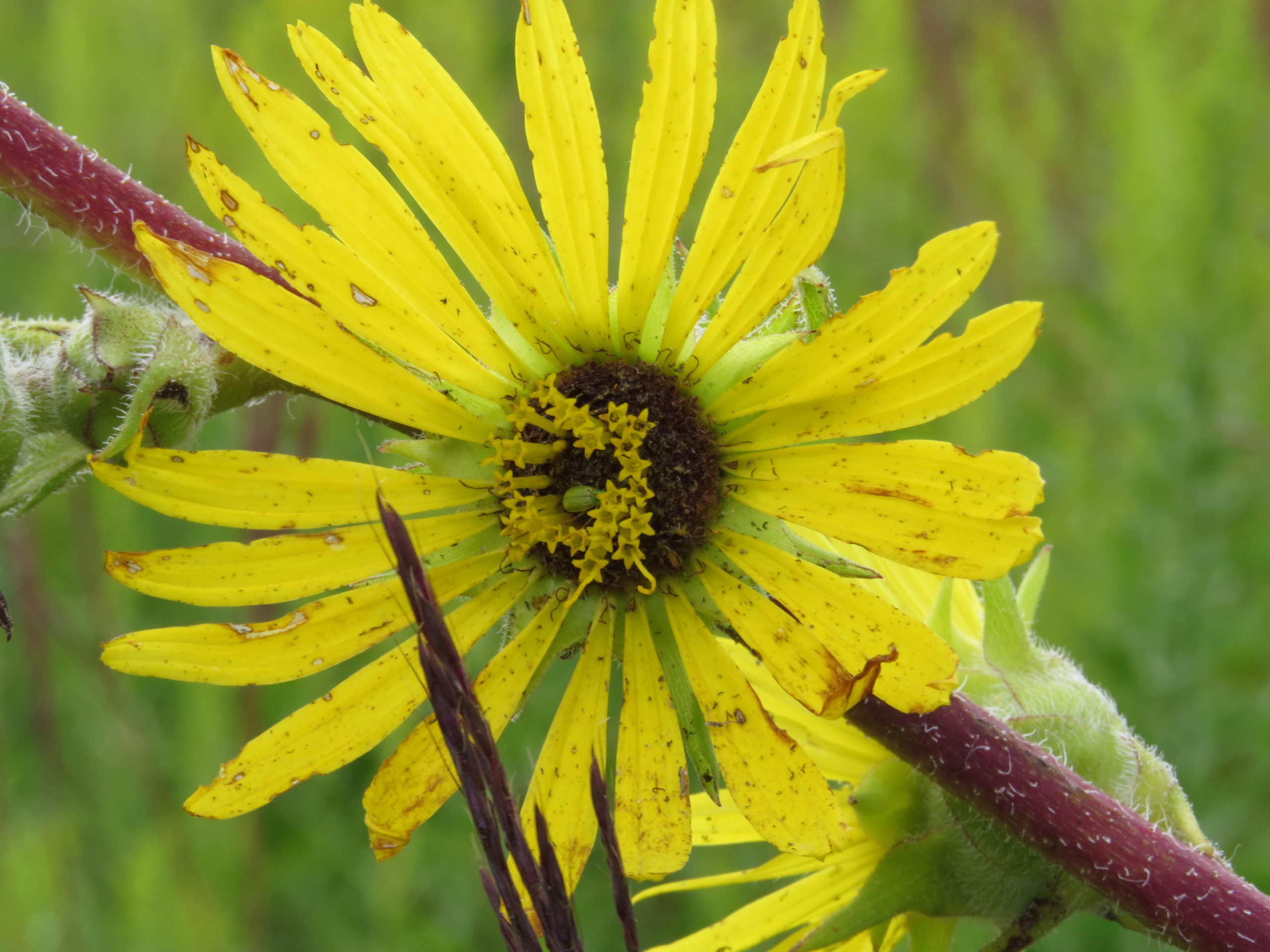
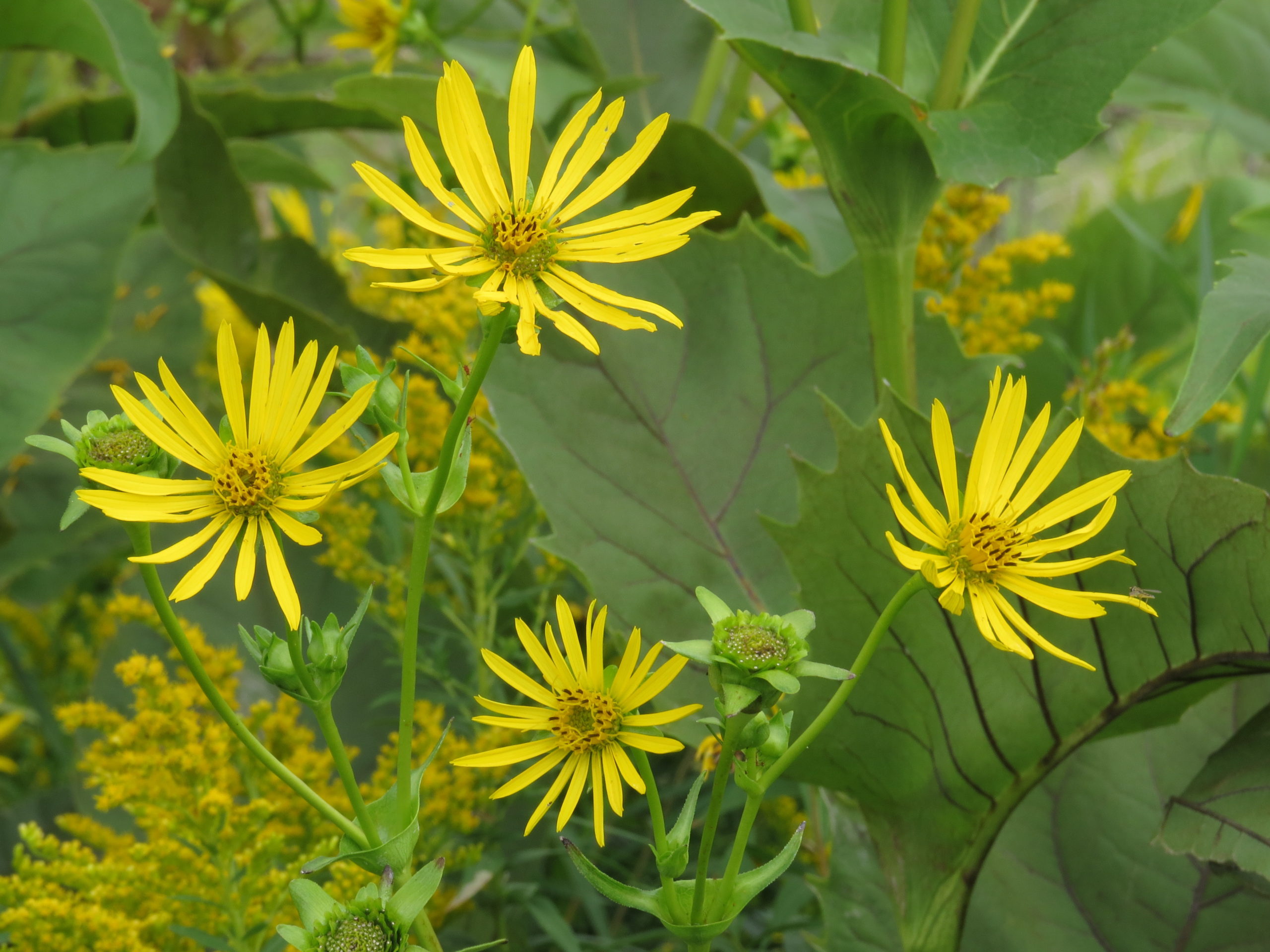
A slightly shorter relative to the Compass Plant is the Cup Plant. It has sturdy square stems with large leaves that clasp the stem and form a cup that catches rainwater and provides drinks for birds and insects.
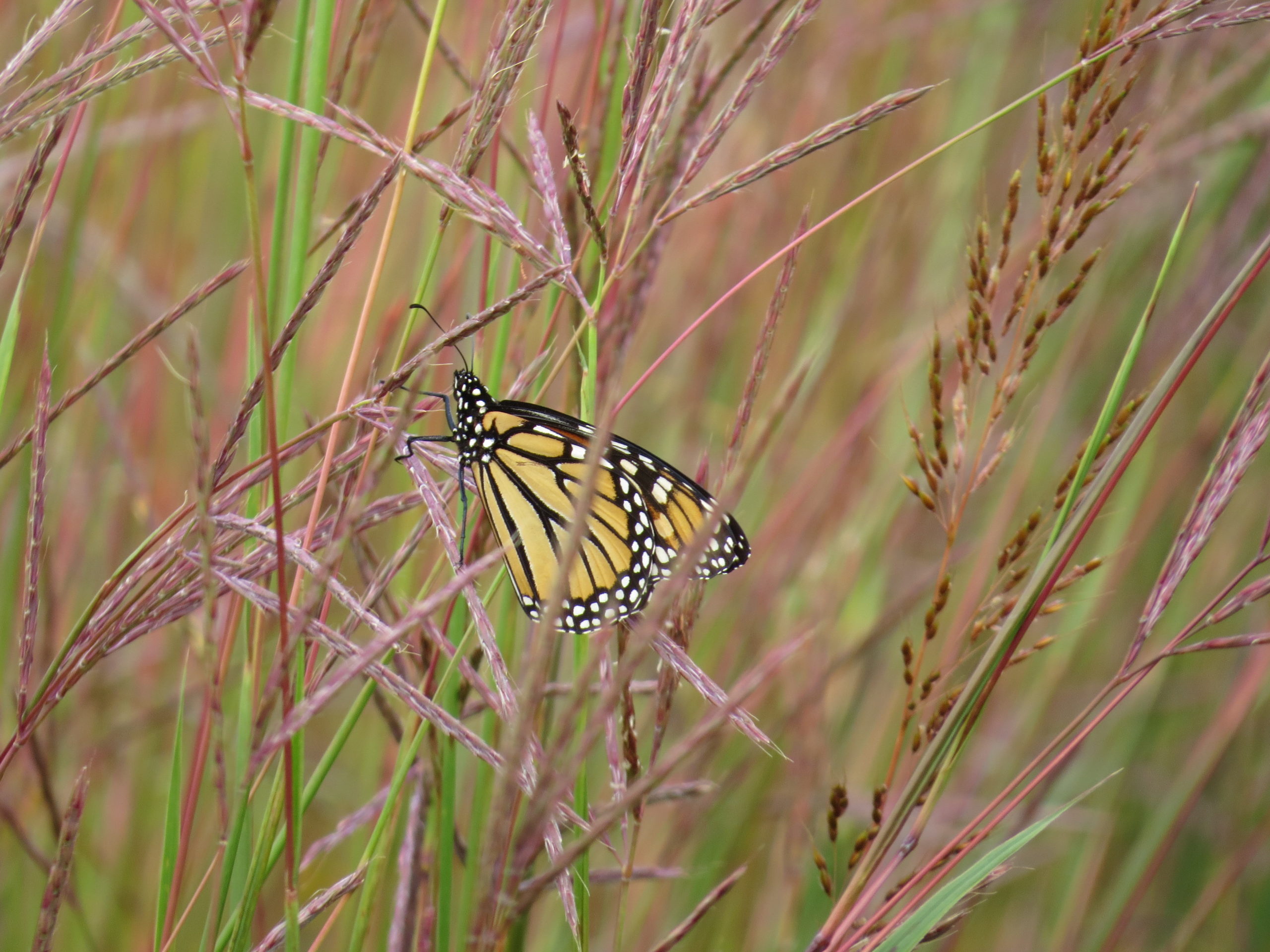
I was happy to see a few Monarchs in the prairie—knowing they are endangered makes seeing one that much sweeter.
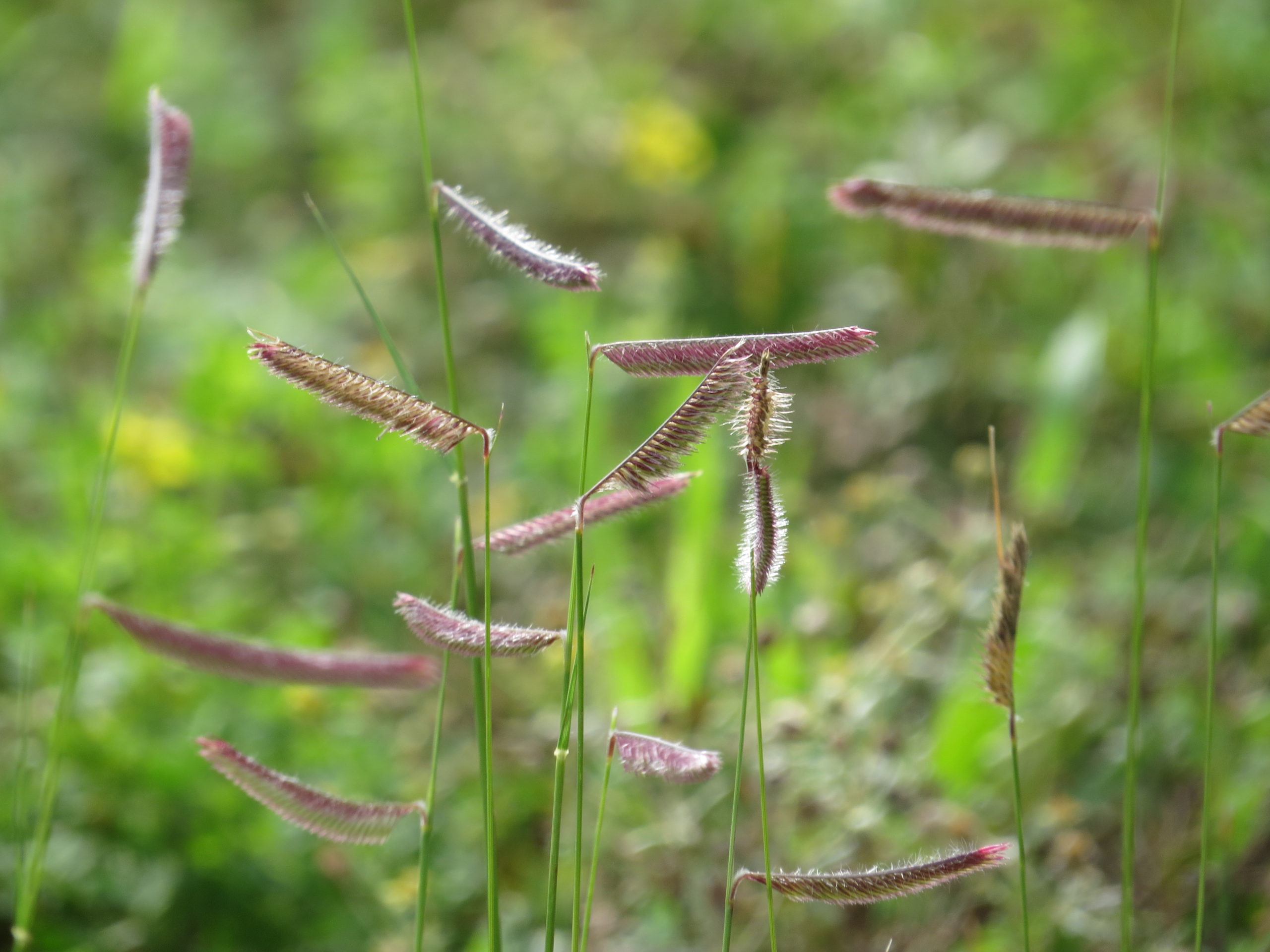
One of my favorite prairie grasses is Grama grass—a short, drought resistant grass with horizontal seed heads that look like tiny brushes.
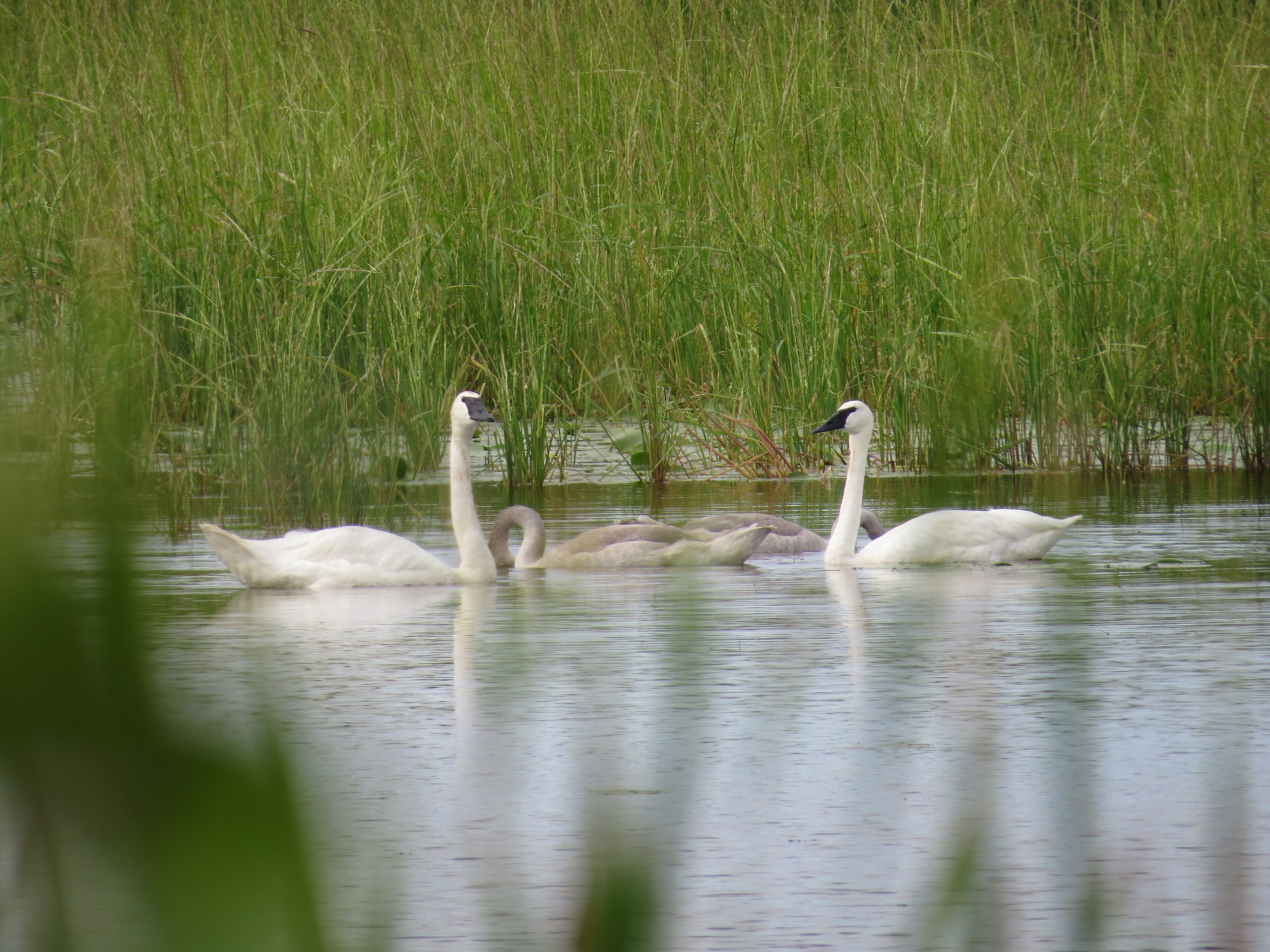
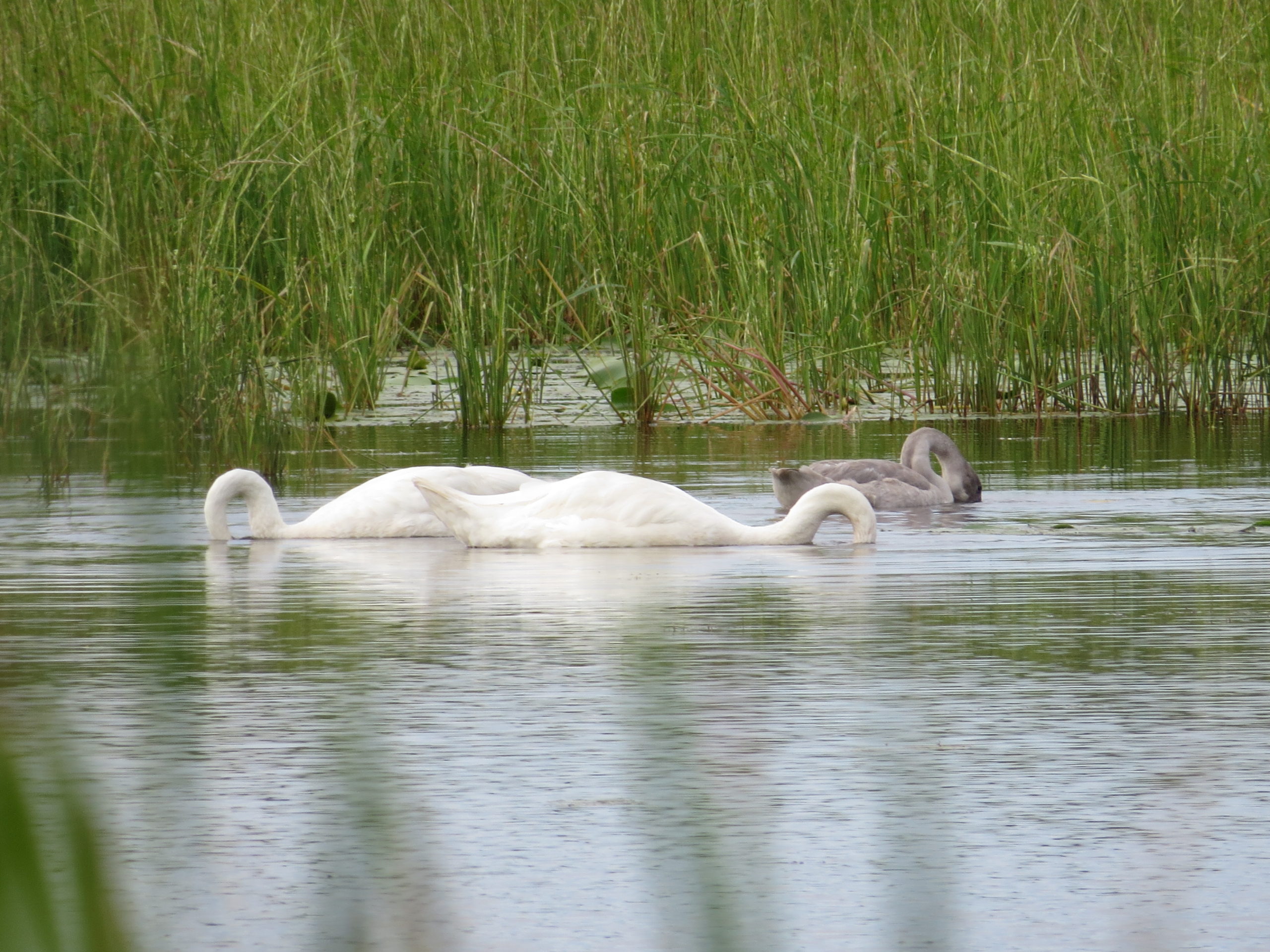
The ponds were surrounded or inundated by tall cattails, so it was difficult to see the water birds, but I was able to catch a glimpse of a Trumpeter Swan family. They had a perfect place for their July-August molting and regrowth of flight feathers—very protected for their flightless time. Usually the females lay 5-7 eggs in the Spring, so I was a bit surprised there were only two cygnets.
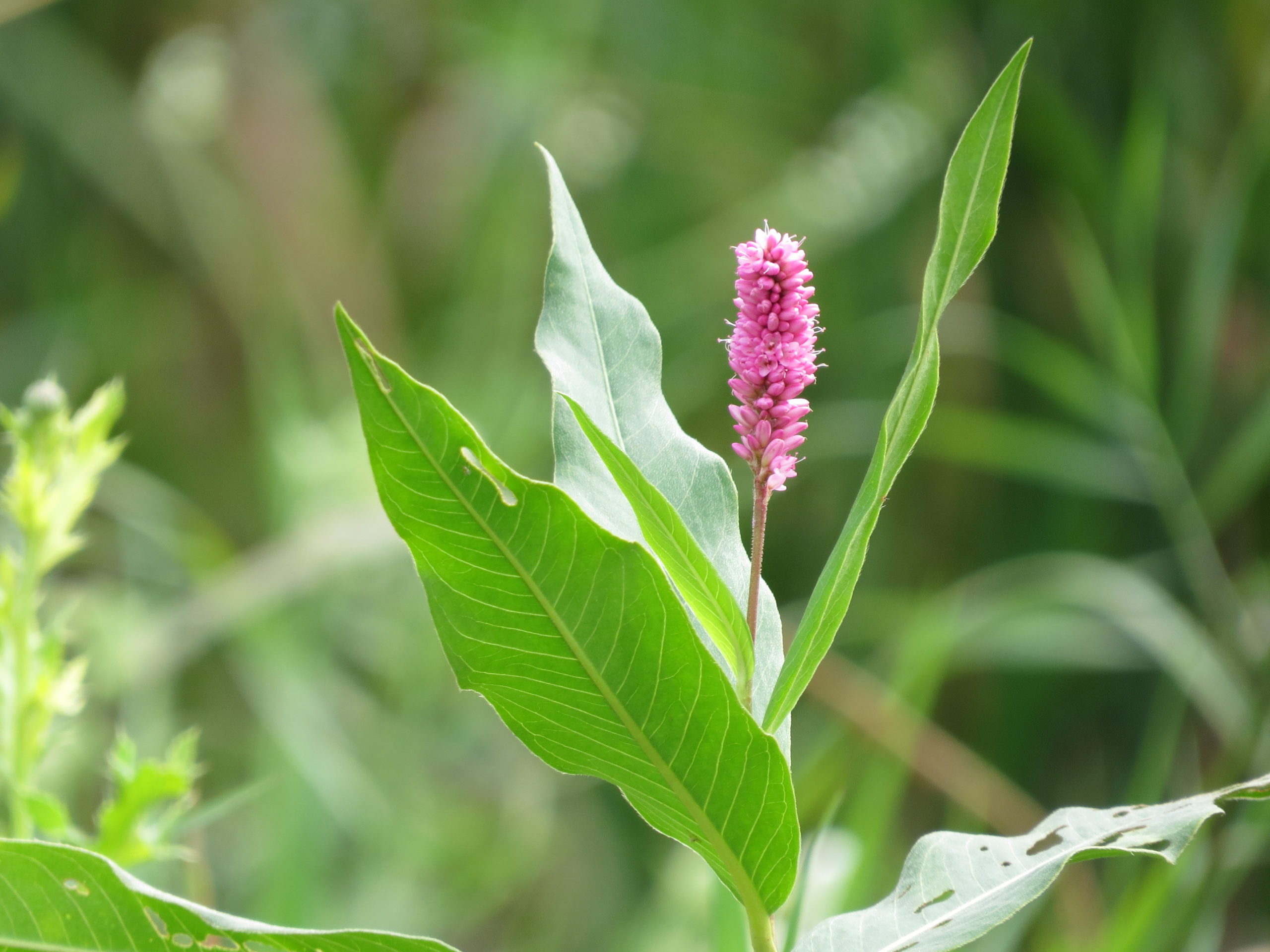
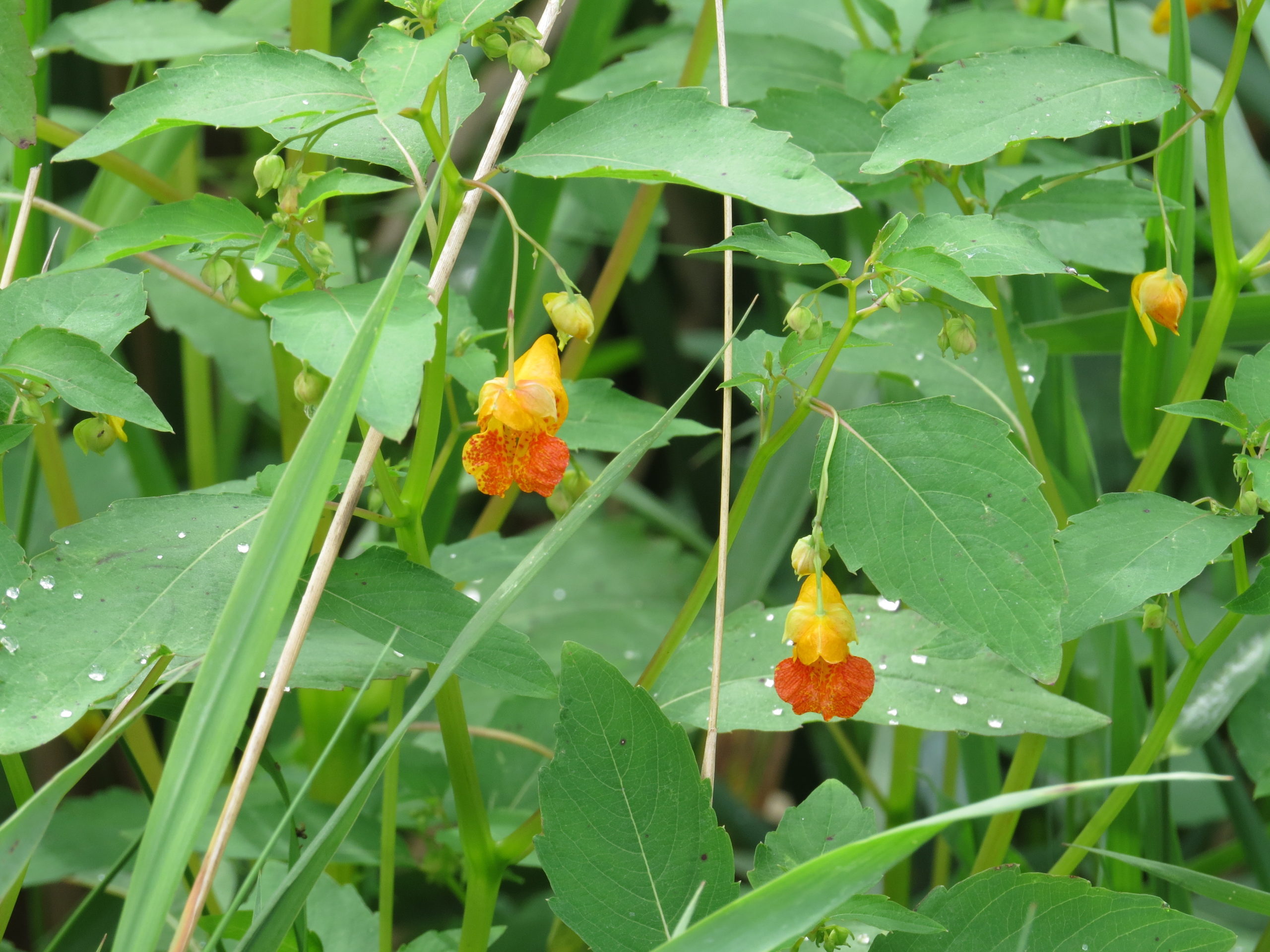
Swamp Smartweed displayed a pretty pink spike of a flower. Dew and rain beaded on leaves of Jewel Weed, sparkling like diamonds. It has a succulent stem with an aloe-like juice that can relieve itching from poison ivy. The seed capsules will explode when touched, sending seeds in all directions. Hummingbirds are especially attracted to the dappled orange flowers, but butterflies and bees also pollinate them.
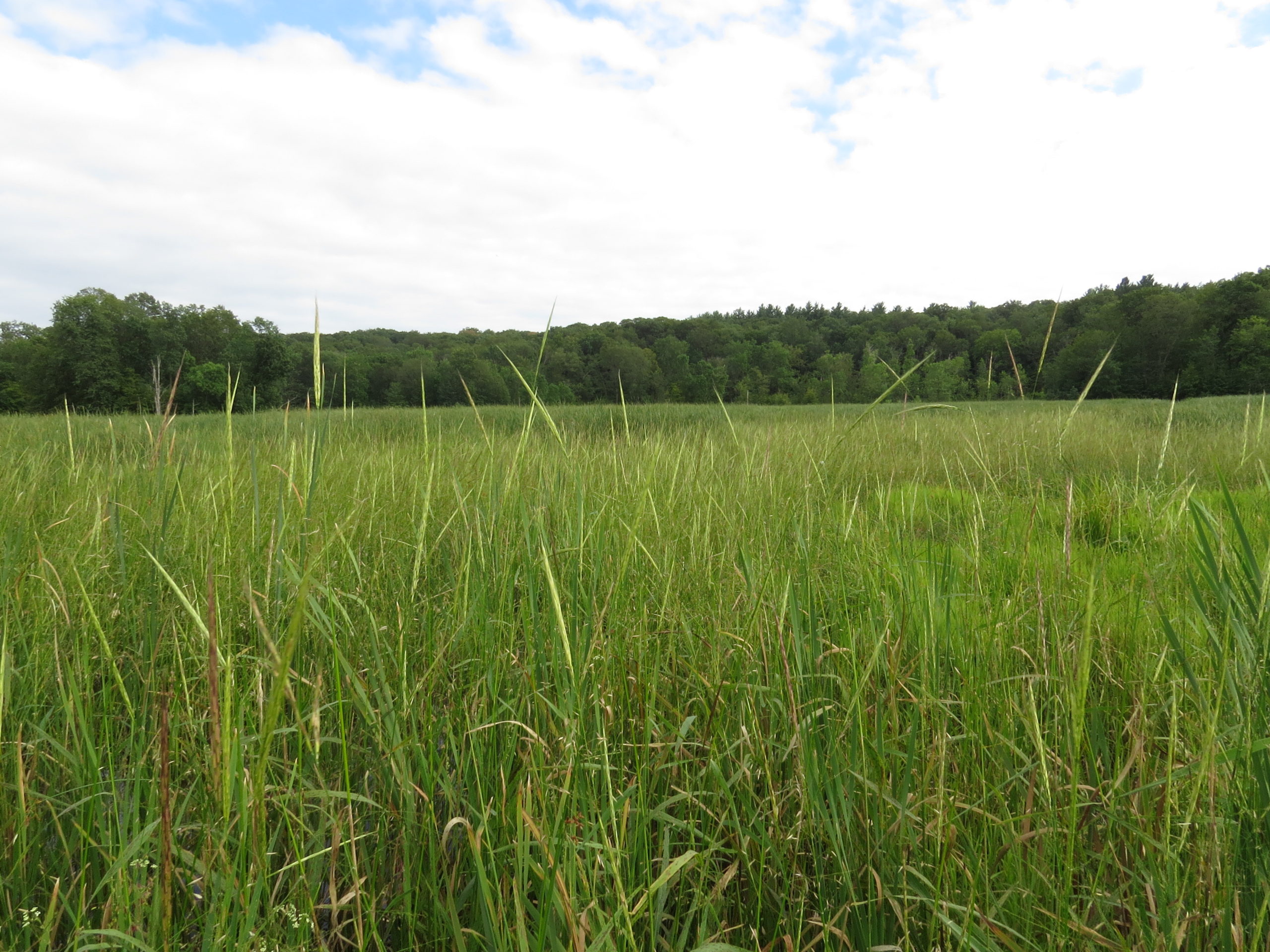
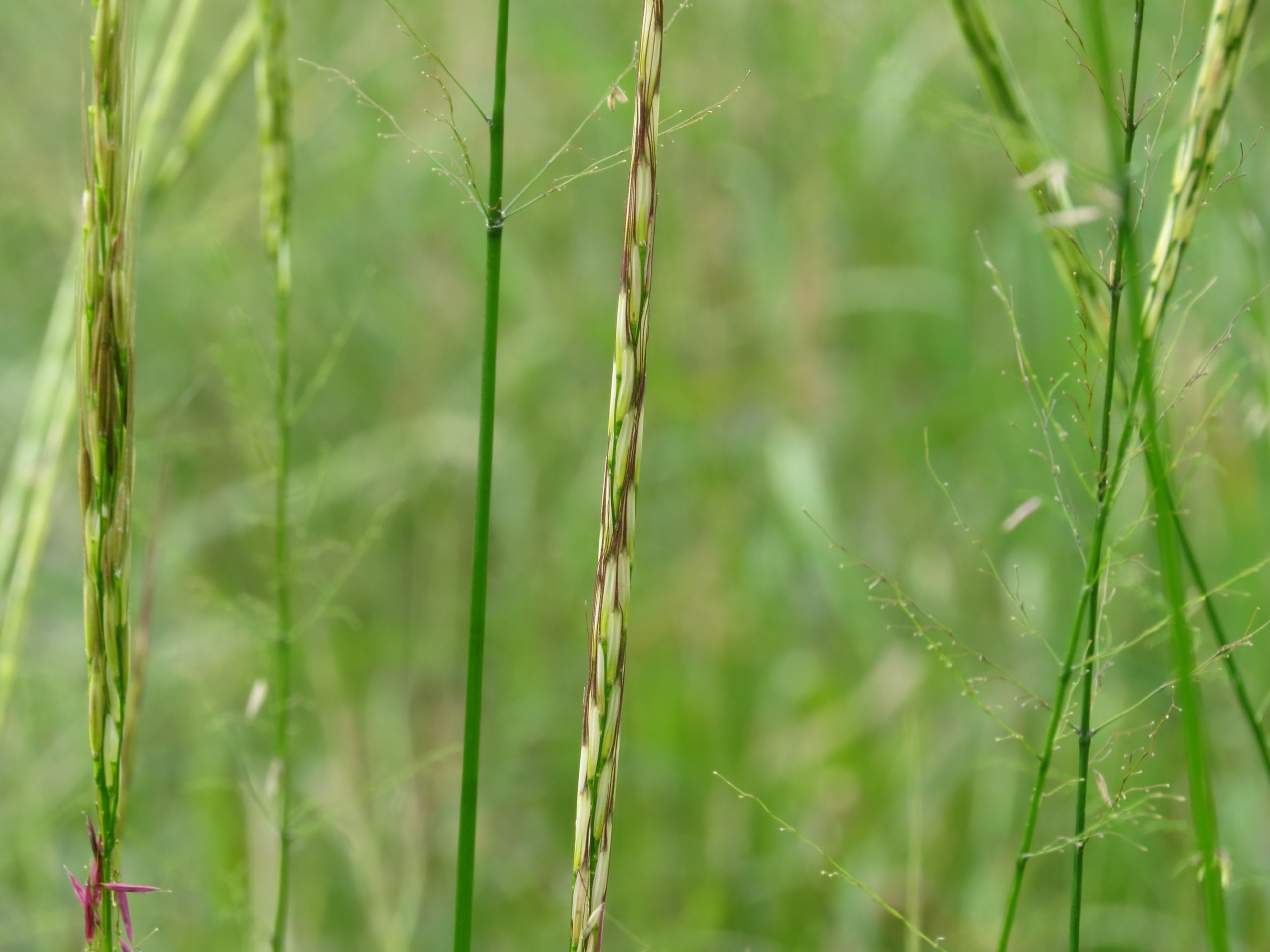
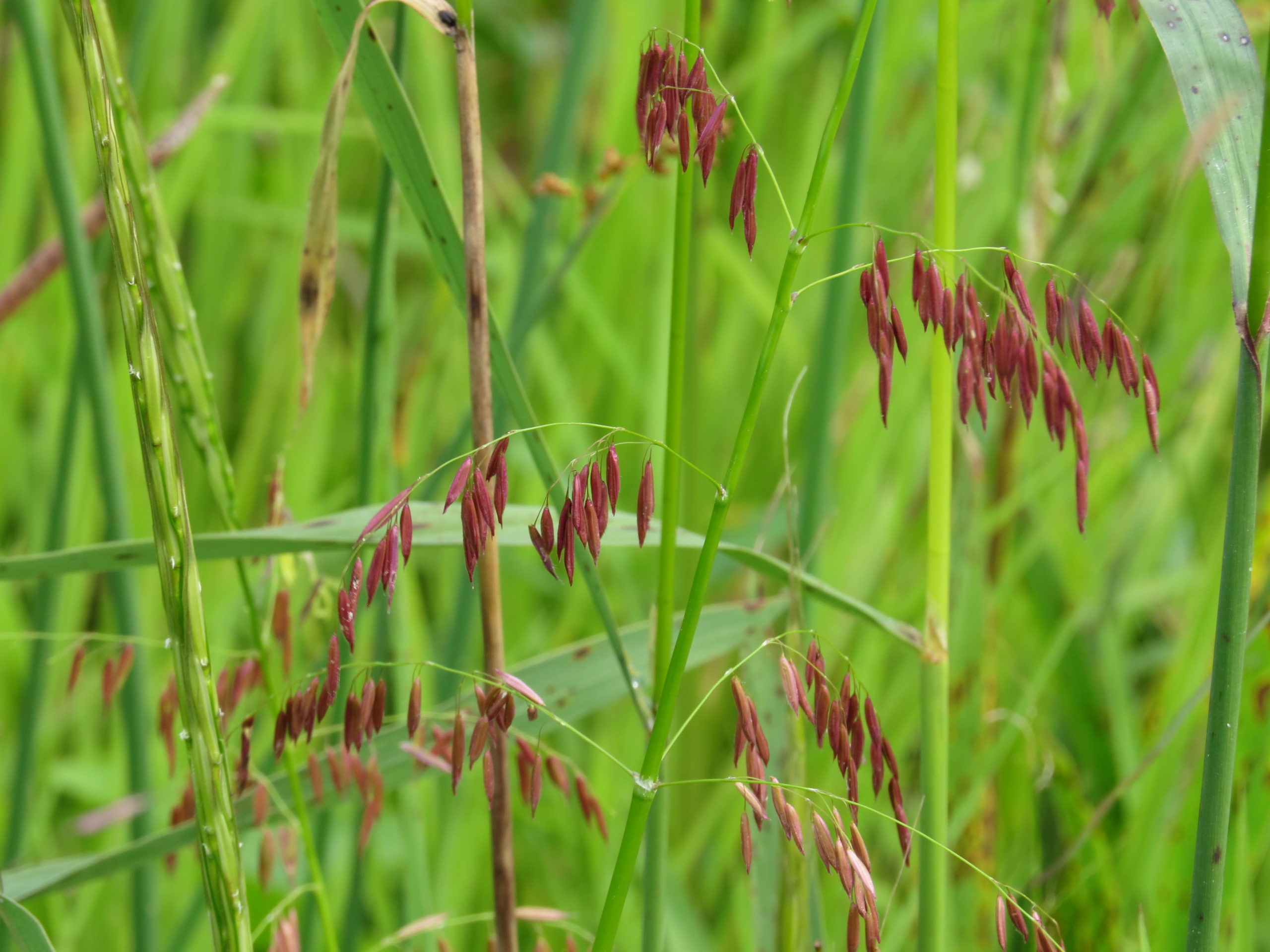
Shallow water with minimal movement is a perfect place for Wild Rice to grow. The pointed stalks sway in the breeze, heavy with the developing seeds. Zizania palustris (isn’t Zizania a great genus name?) has a higher protein content than most cereal grains and is an important food source for waterfowl and Native American tribes. Minnesota has more acres of non-cultivated Wild Rice than any other state.
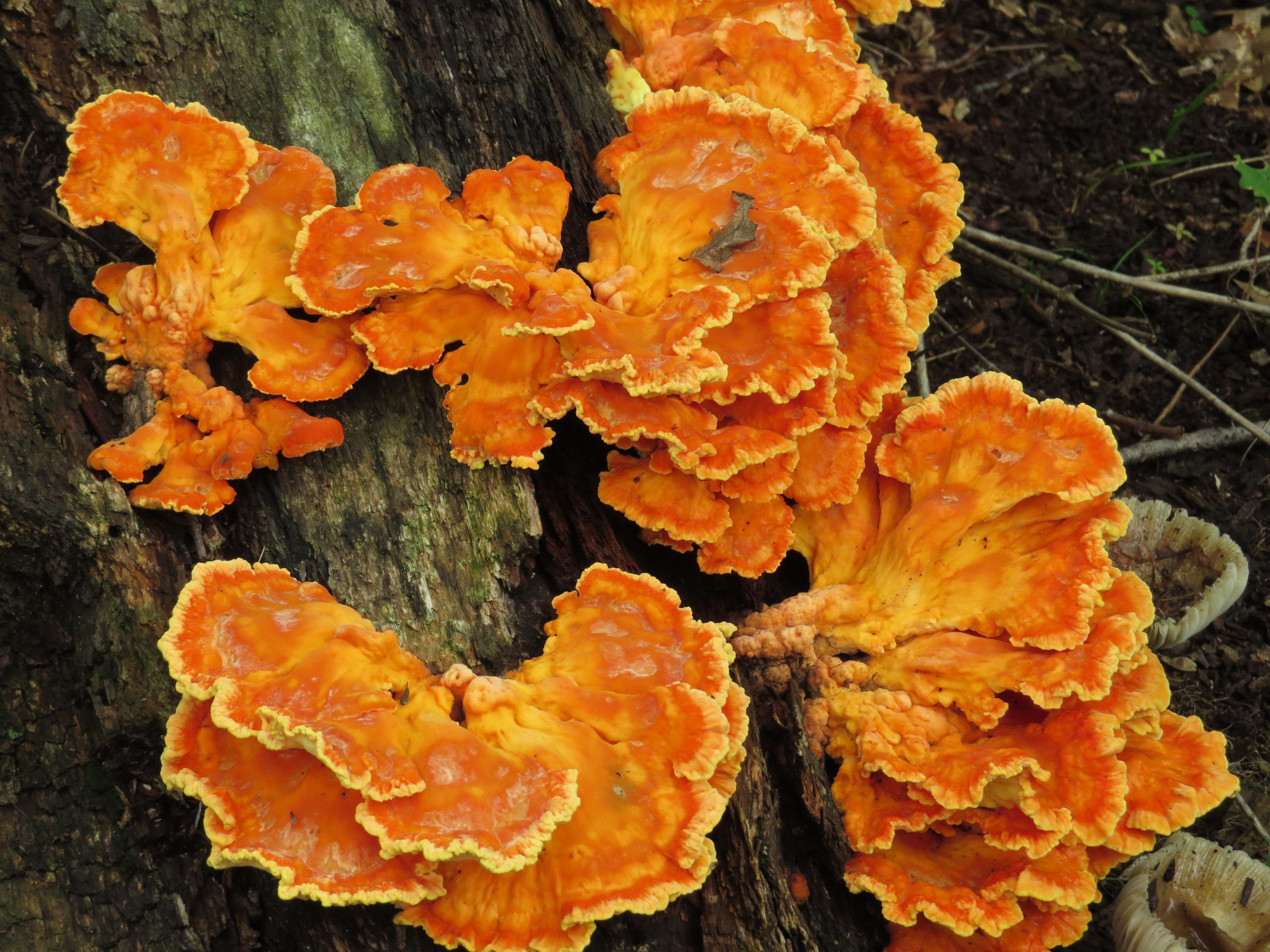
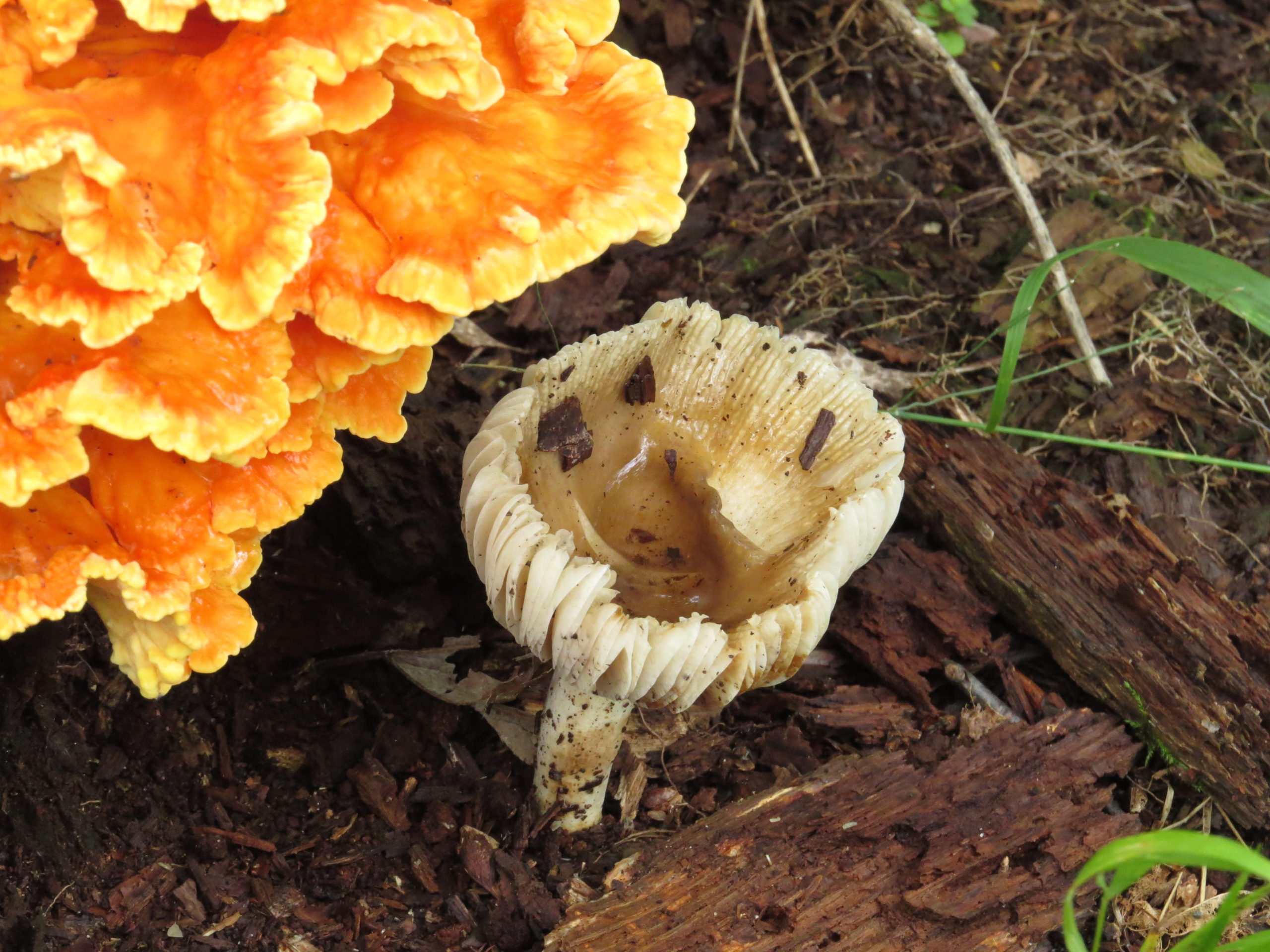
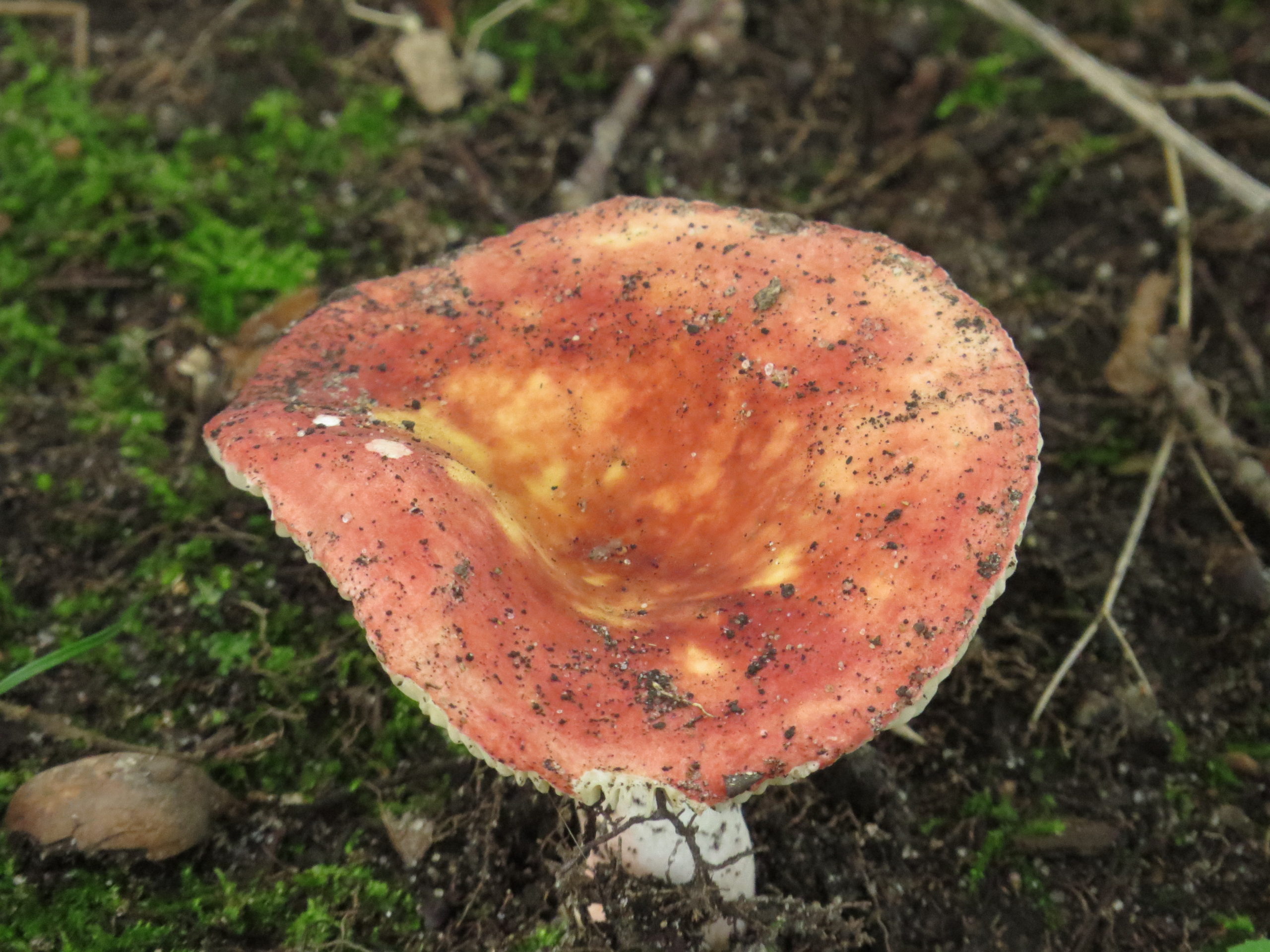
Another edible wild thing is Chicken of the Woods mushrooms. These were accompanied by other pretty and interesting fungi growing close by.
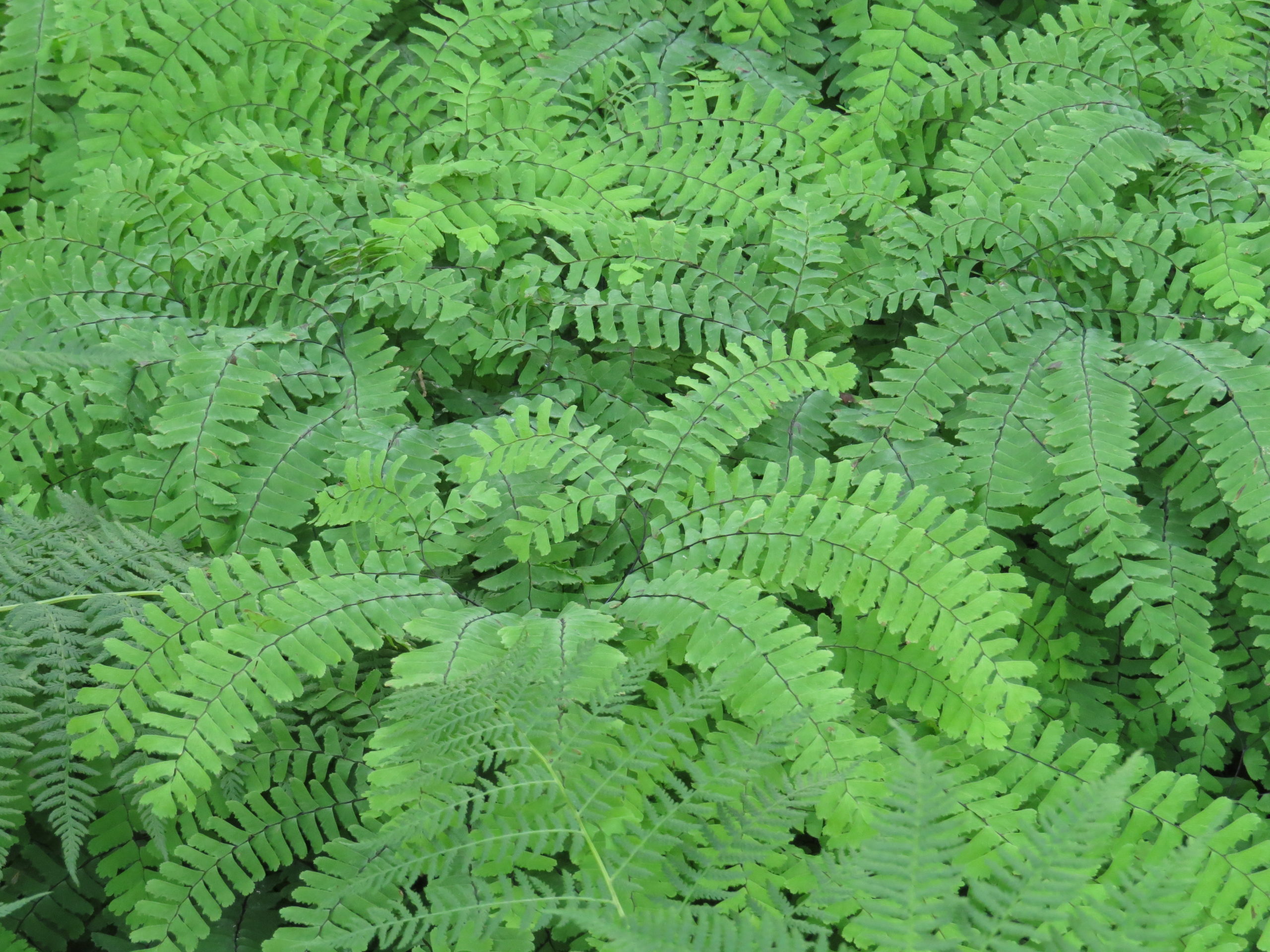
Then there’s the beauty of Maidenhair Ferns with stems of shiny, black that make the fronds seem to float in the air—so elegant.
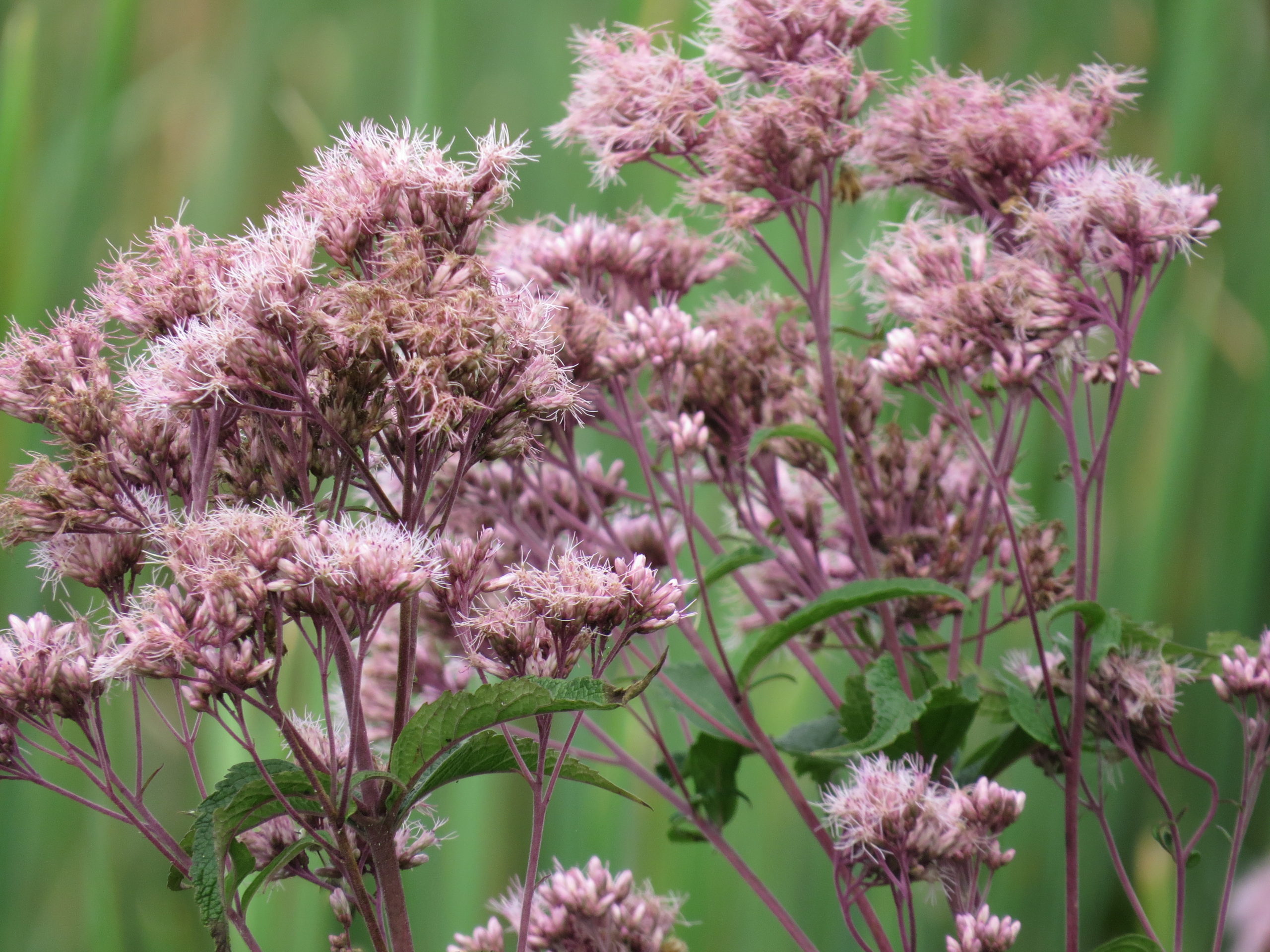
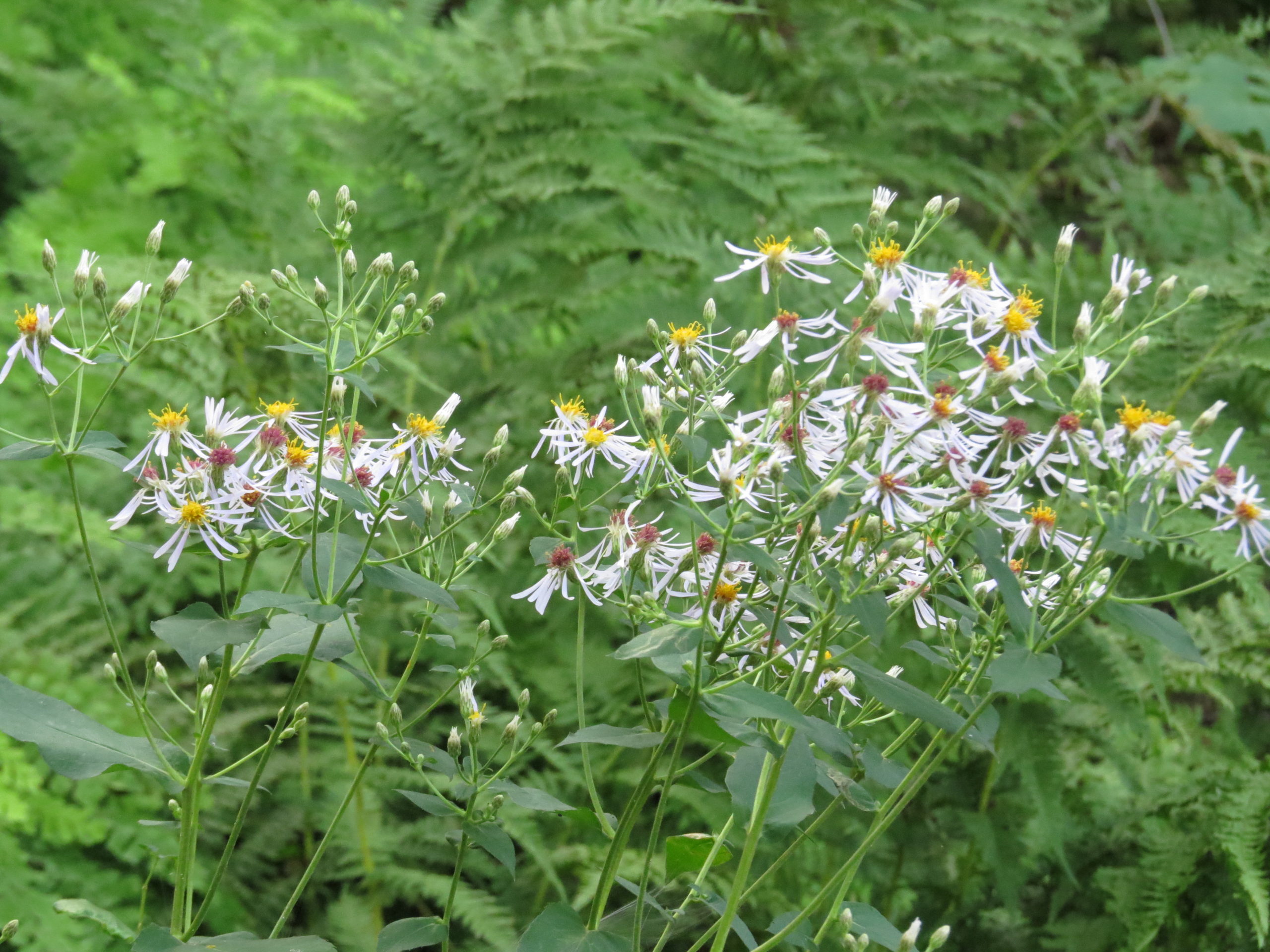
Late blooming flowers like Joe Pye Weed, Asters of all kinds, Rough Blazing Star, Rattlesnake Master, and Anise Hyssop are imperative for nectar supplies for Monarchs and other butterflies, bees, and Hummingbirds. The gift of beauty and the gift of food.
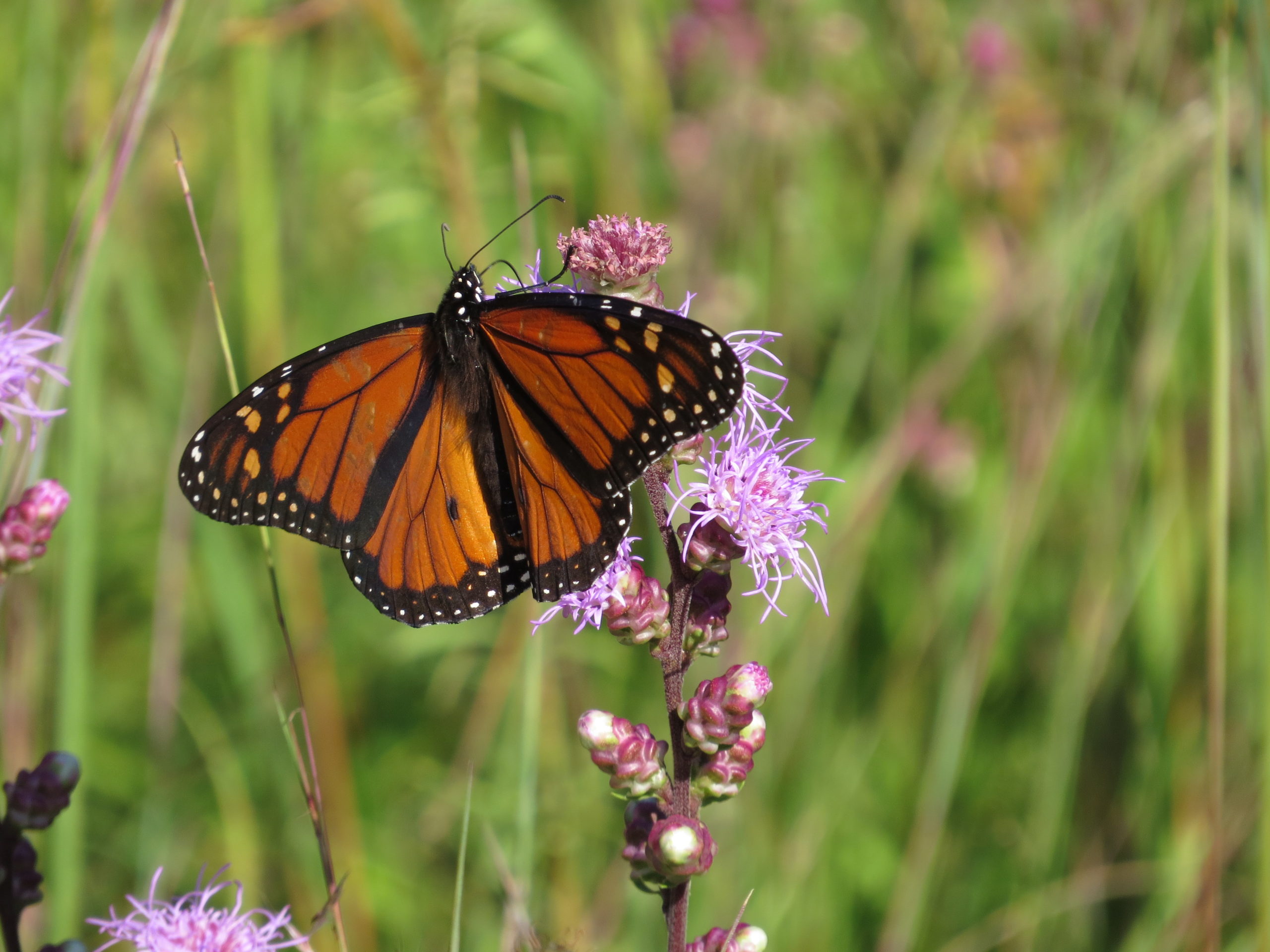
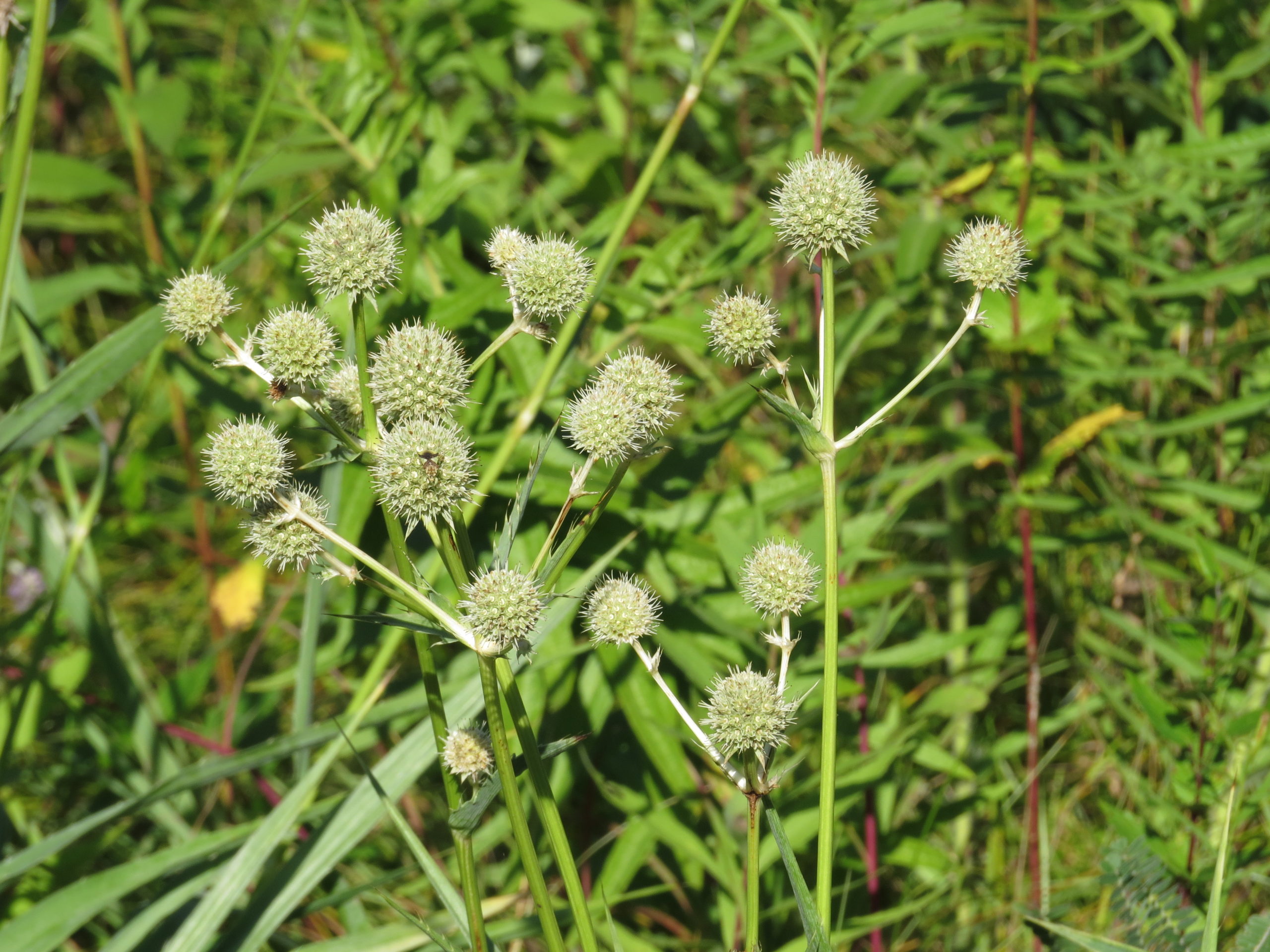
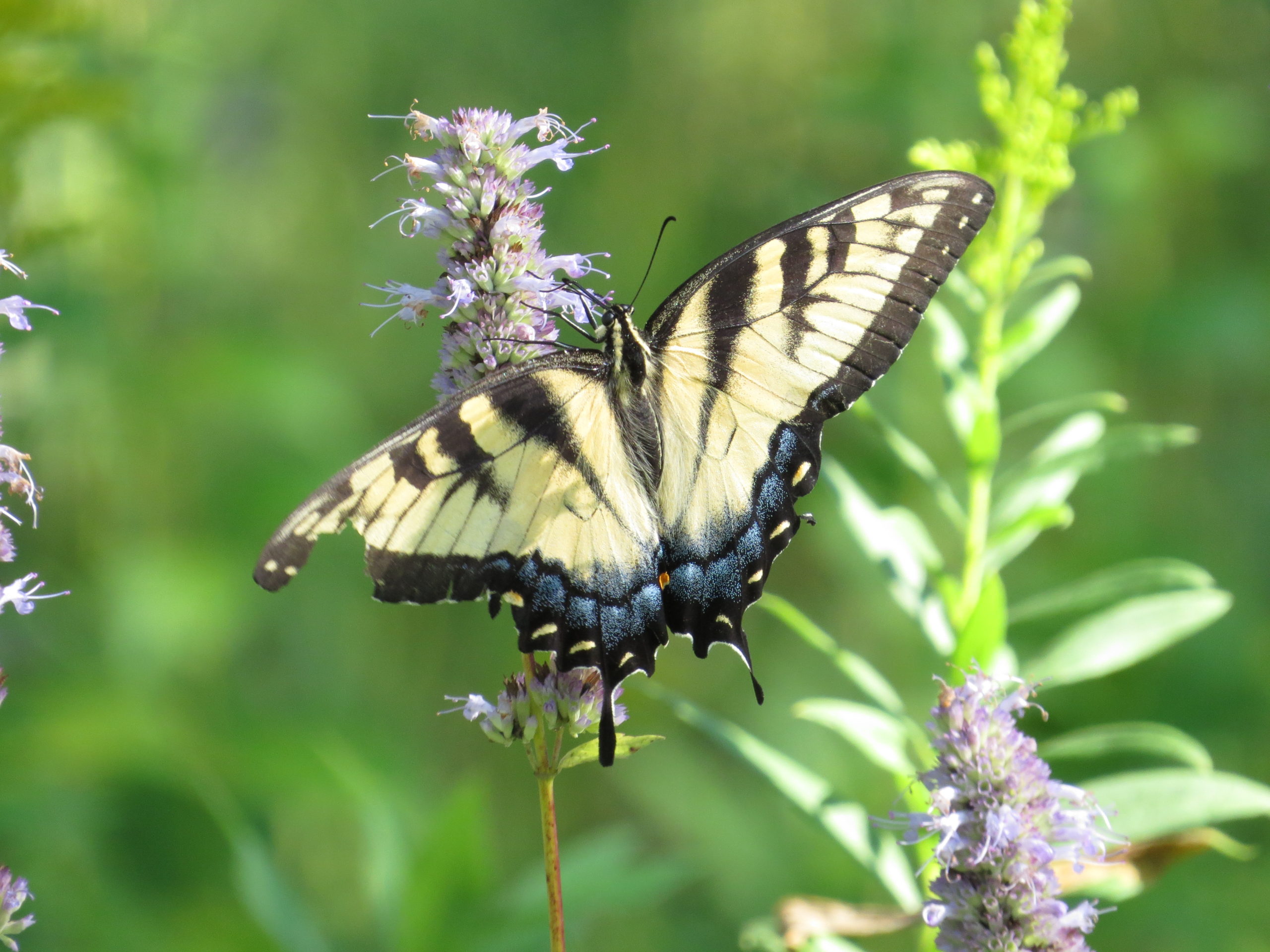
The hard work of Spring and Summer is in full display as flowers produce pollen and nectar, fruit is developed, seeds are formed, and babies grow. The circle of life is turning. The interconnectedness of flora, fauna, and humans creates an invisible web that ties us all together. As we enter slowly into a new, old season, it gives us an opportunity to pause and give thanks for the incredible burst of growth of new cells, new skills, and new fruits of labor. It is a time to celebrate the hard work—of Nature and of ourselves. All of Nature, including ourselves, take the resources and predicaments we have been given and grow with it. Poor soil, rich soil, drought, abundant rainfall, shelter, partners, wind, war, famine, predators, encroachment, mentors, protectors—so many variables. But we all grow with it, whatever it is. None of us grow by our own volition—the web of genetic material, family of origin, environment, occurrences, teachers, and friends all contribute to our growth. It is a miracle of Life, in all its glory.
Aqua Terra Part II + Aeris
I think we all have a natural affinity to the earth or water, either through our long lines of ancestral DNA or the environment or most likely, both. We are the products of nature and nurture. Water is beautiful to me and intriguing. I love the aqua reflections and ripples, cascades and still pools. I’m also not very comfortable in bodies of water like those deep lakes in the BWCA—I carry some fear and an extra dose of caution. But the land…that’s a different story. I feel at home on the land. It is my home.
We camped at Blue Mounds State Park with my Mom. Both her and my Dad came from farm families in eastern South Dakota. The land was their home, their livelihood, and the entity they interacted with on a daily basis. My parents farmed for a living for a short period of their married lives, but the connection to the land continued and was passed down from their parents through them to their children.
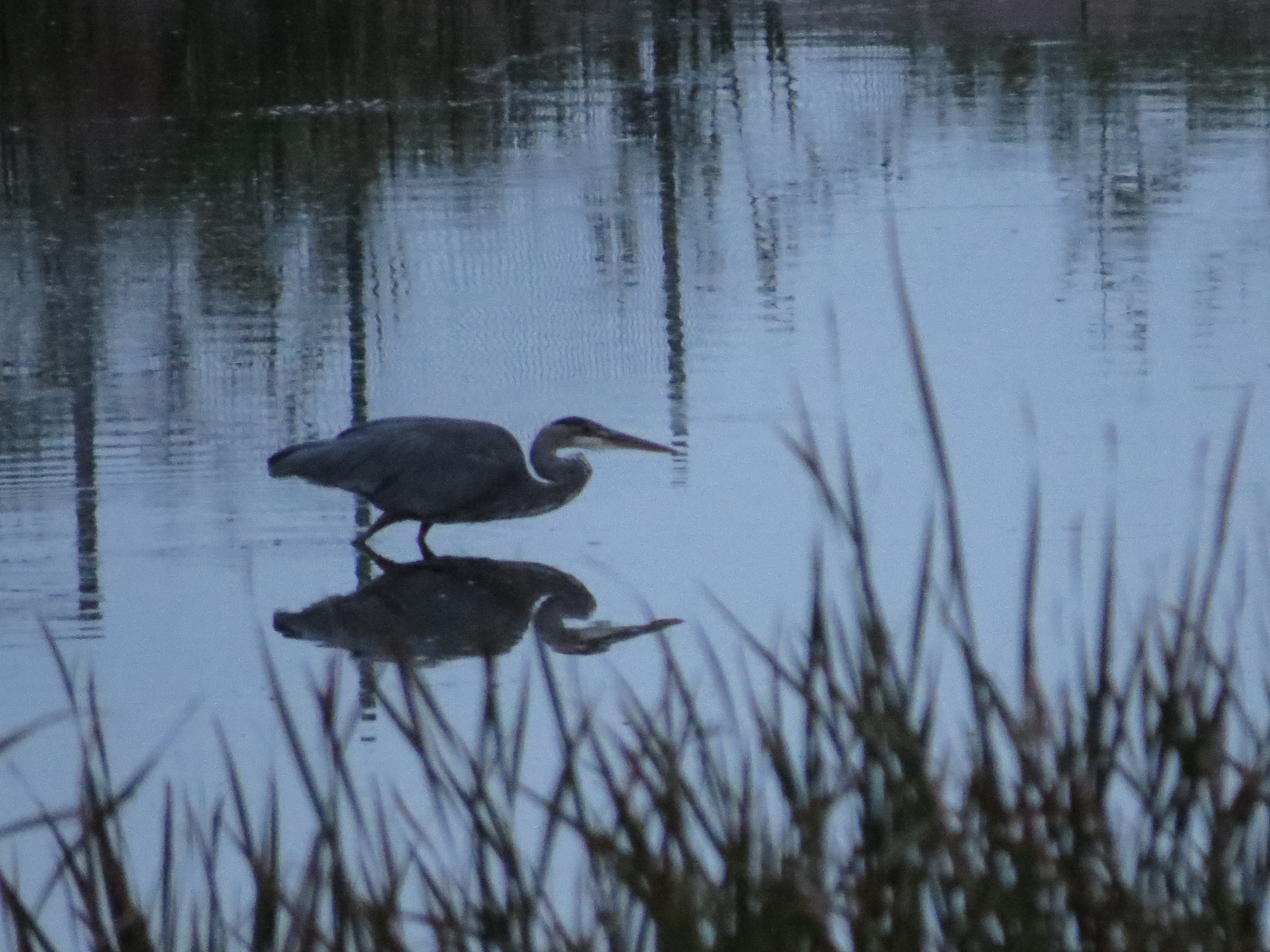
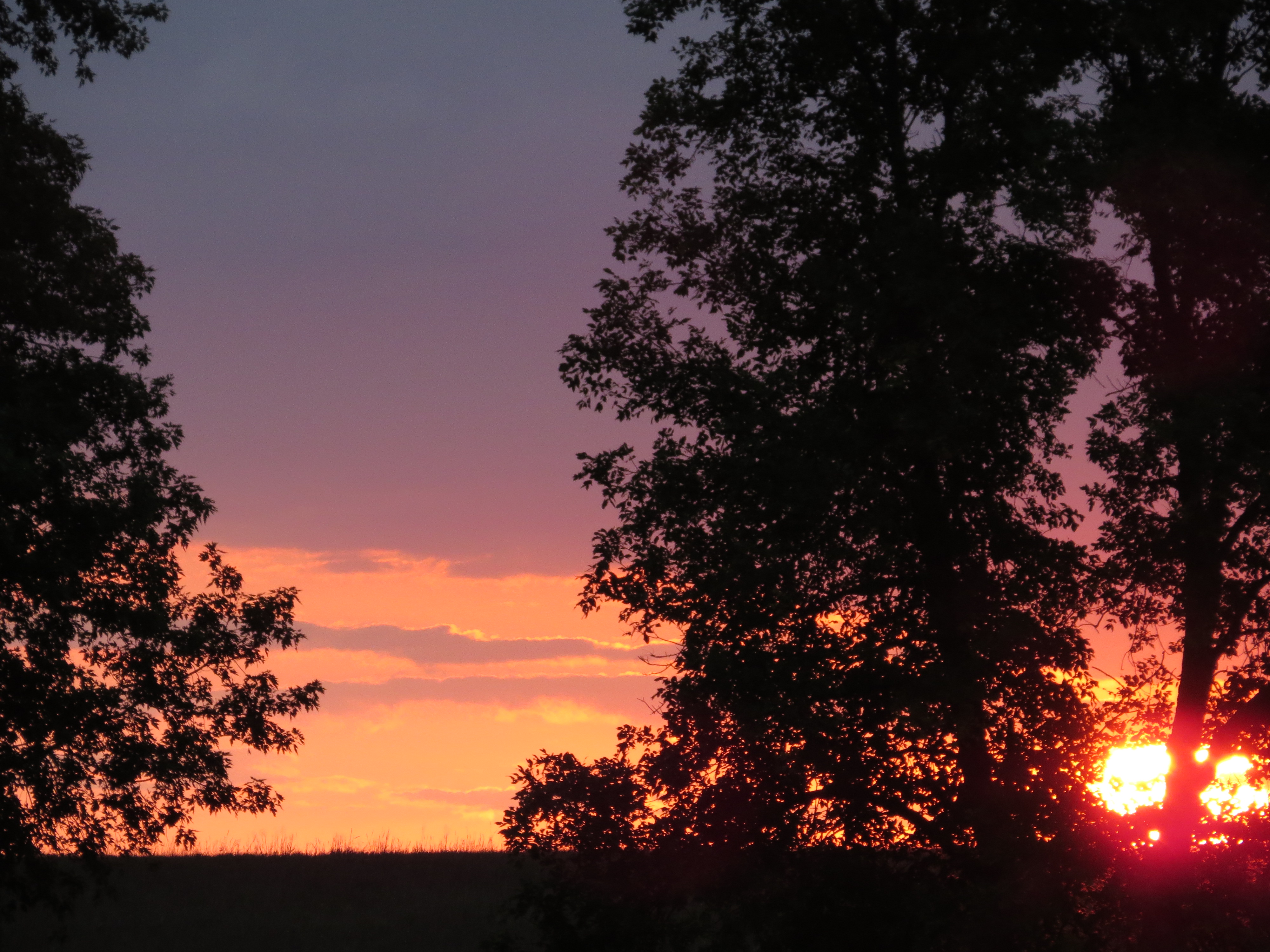
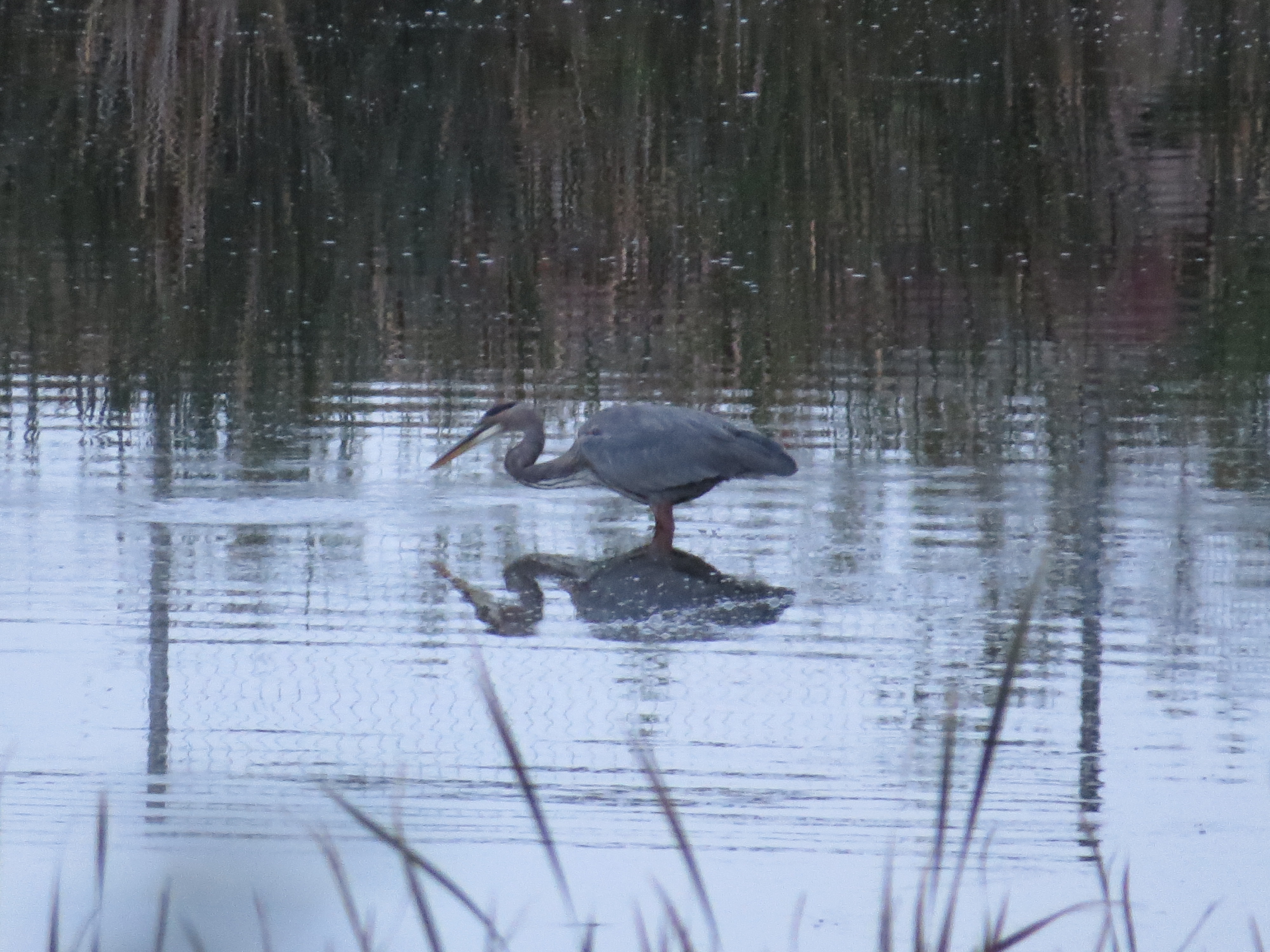
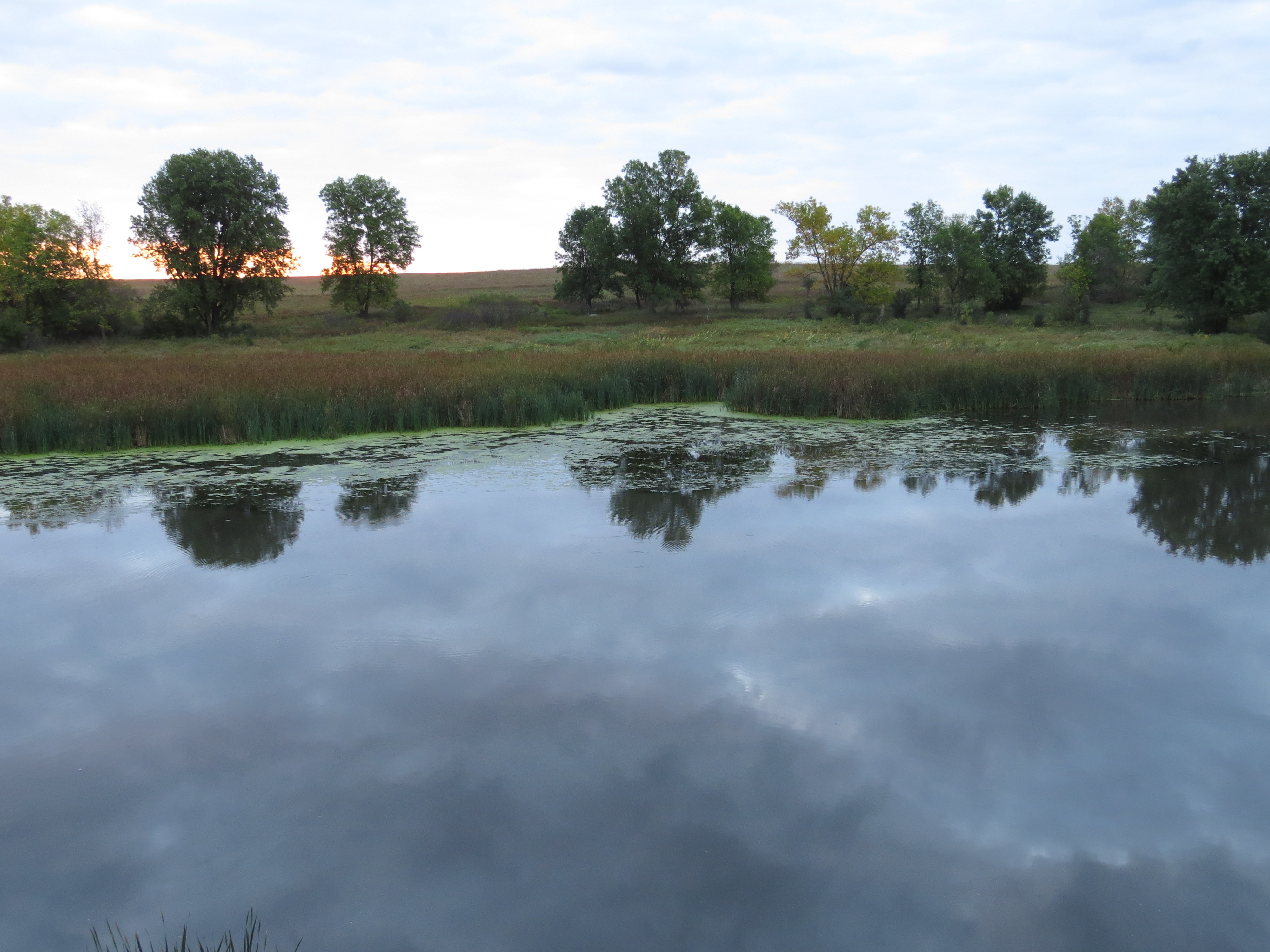
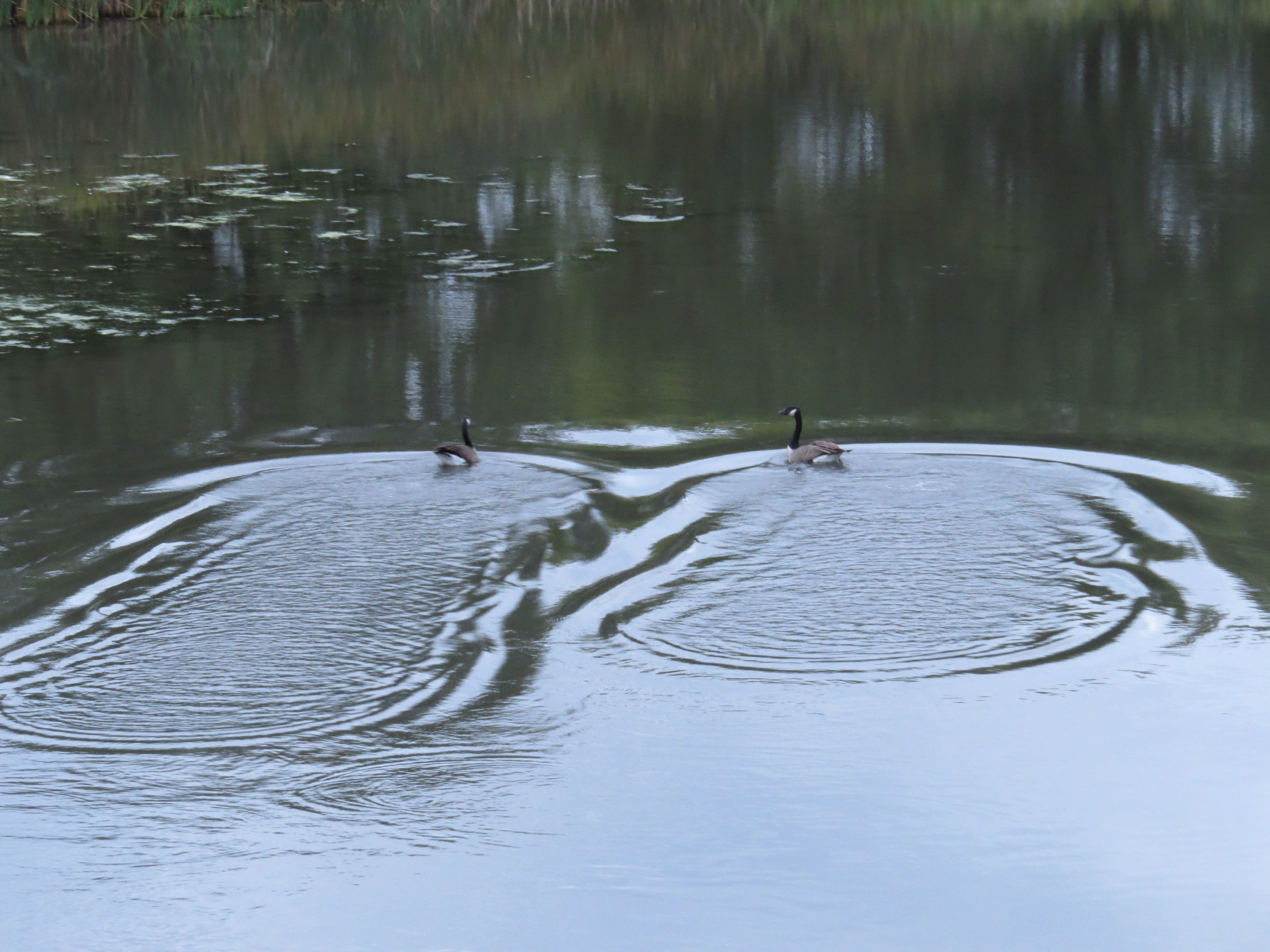
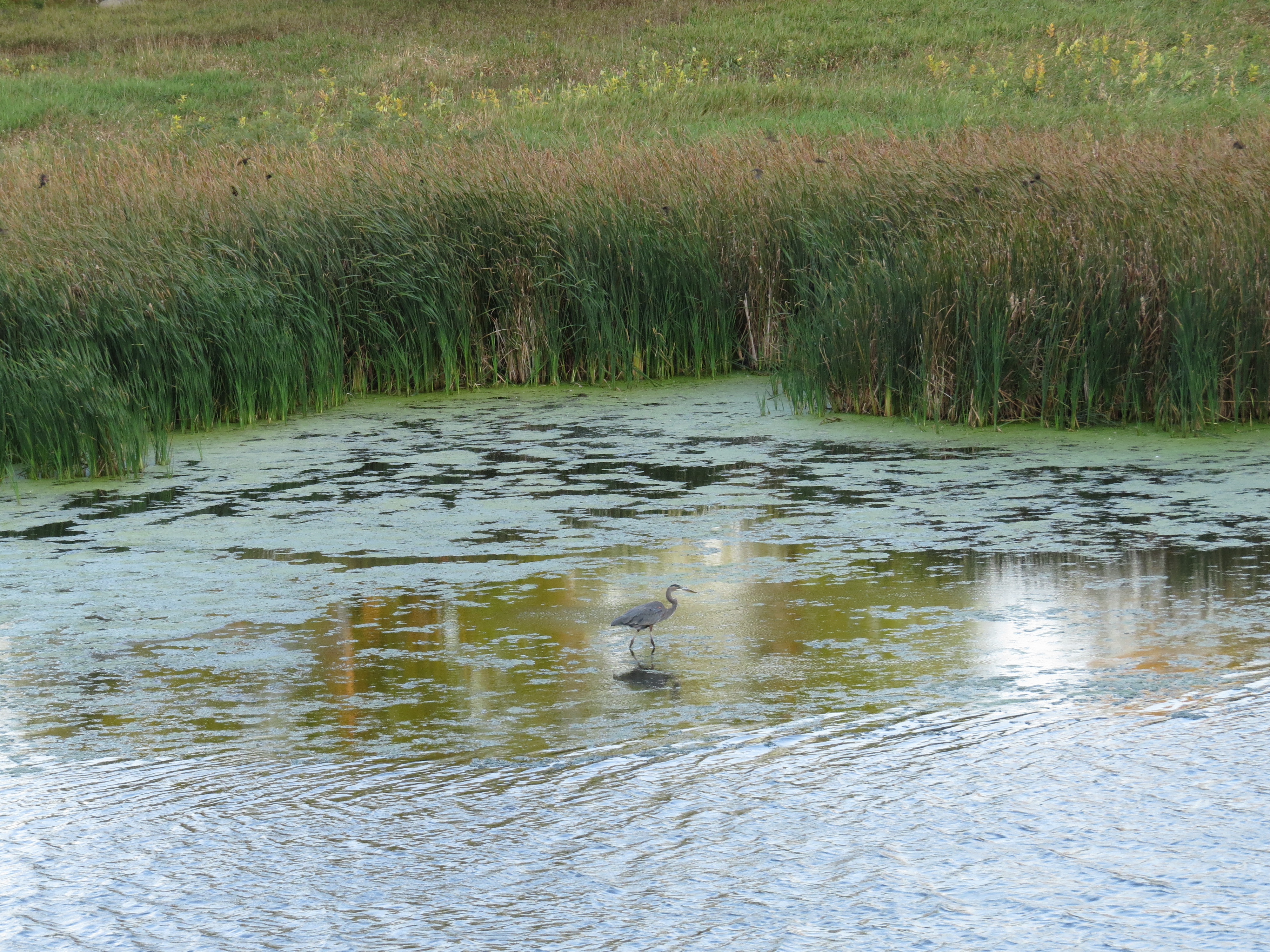
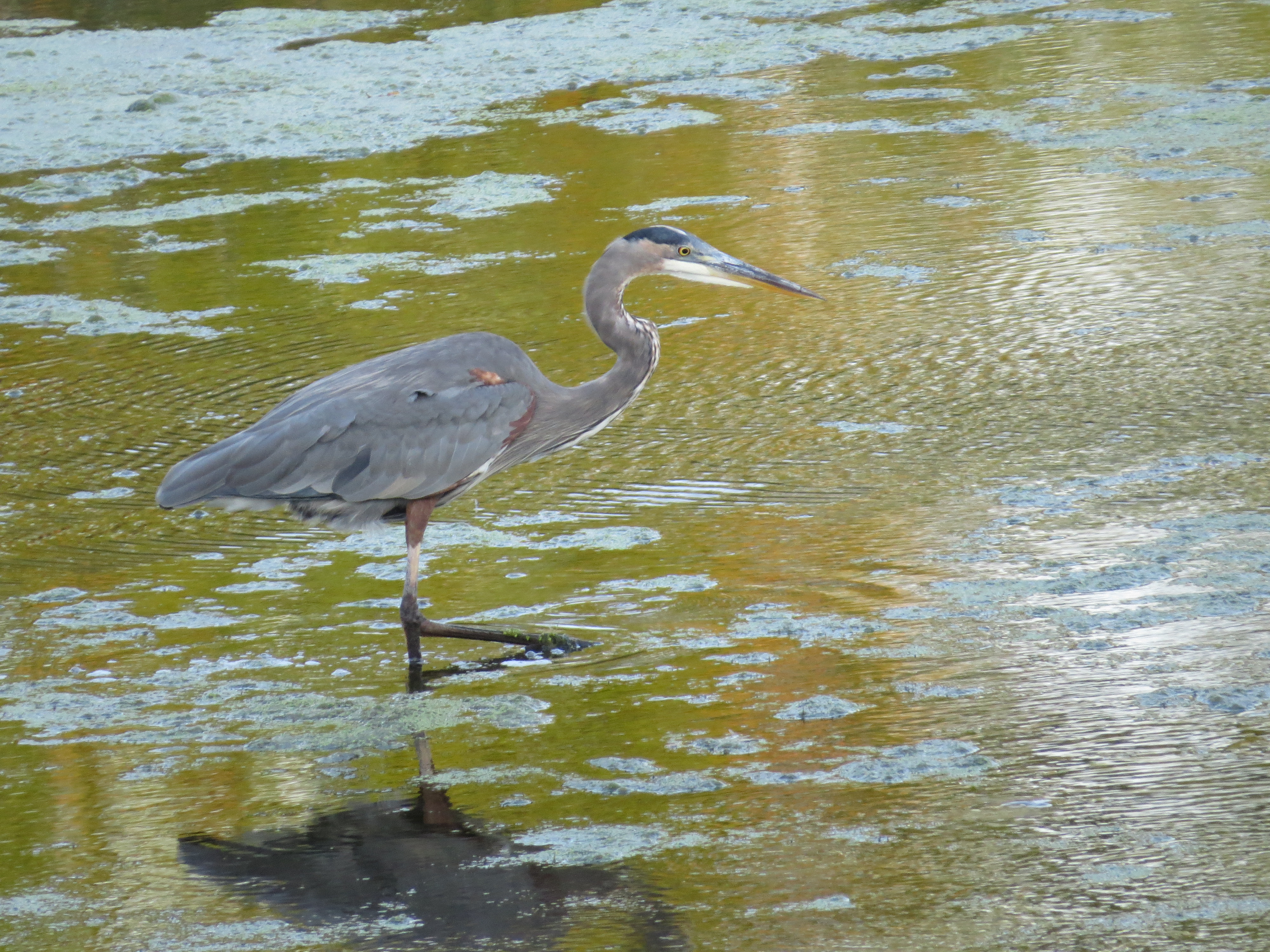
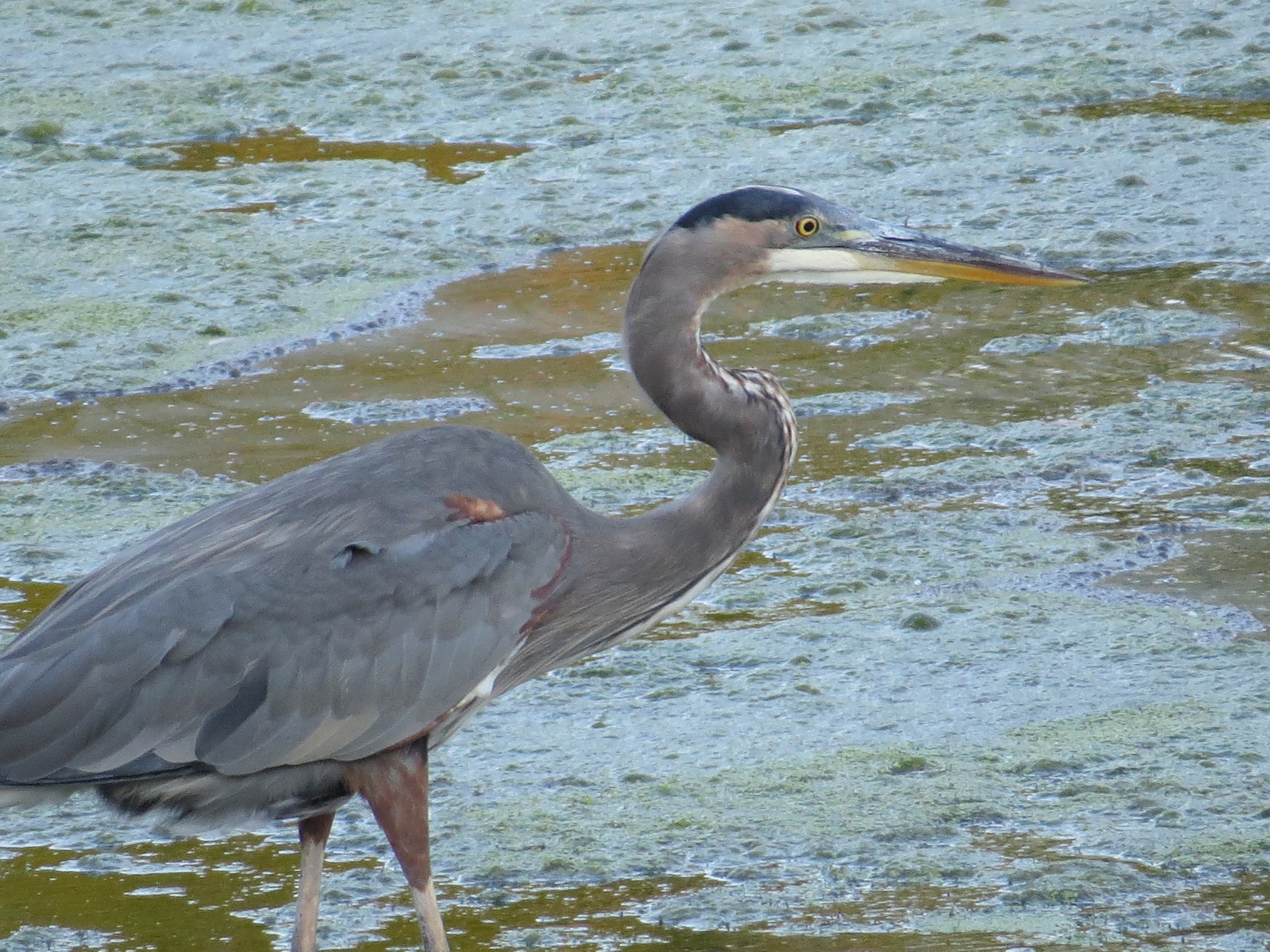
We awoke when the lake behind us was waking up—the Great Blue Heron was fishing for his breakfast, stalking the wetland and darting his long bill into the water, then stretching his neck to let the fish slide down his lengthy gullet. The sun popped up over the horizon, coloring the dawn sky with the same hues as the quartzite rock that lay in the ground around us. A pair of geese landed on the water, their ripples separate, then merged. And the mega-chorus of blackbirds lifted from the cattails into the aeris.
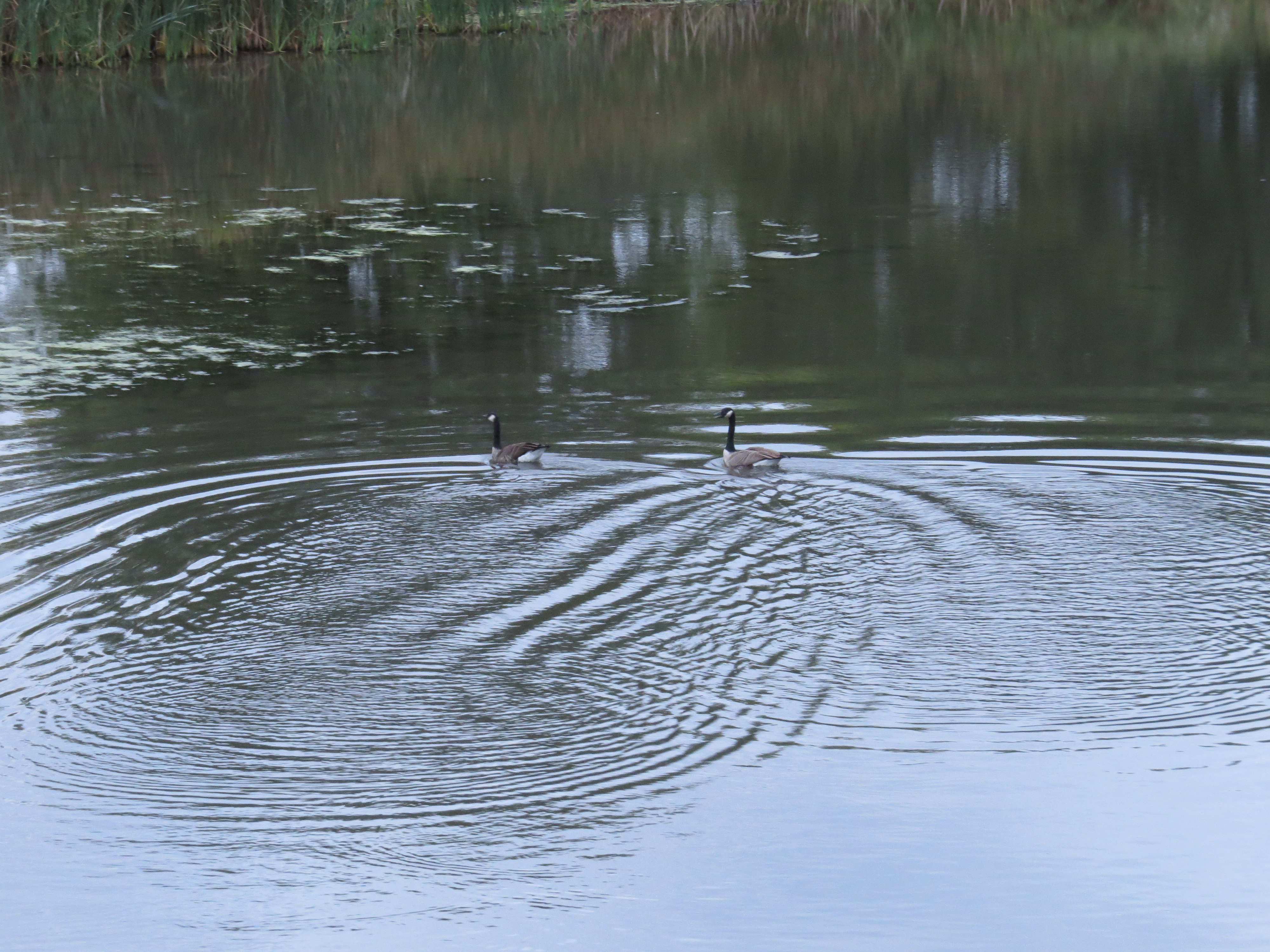
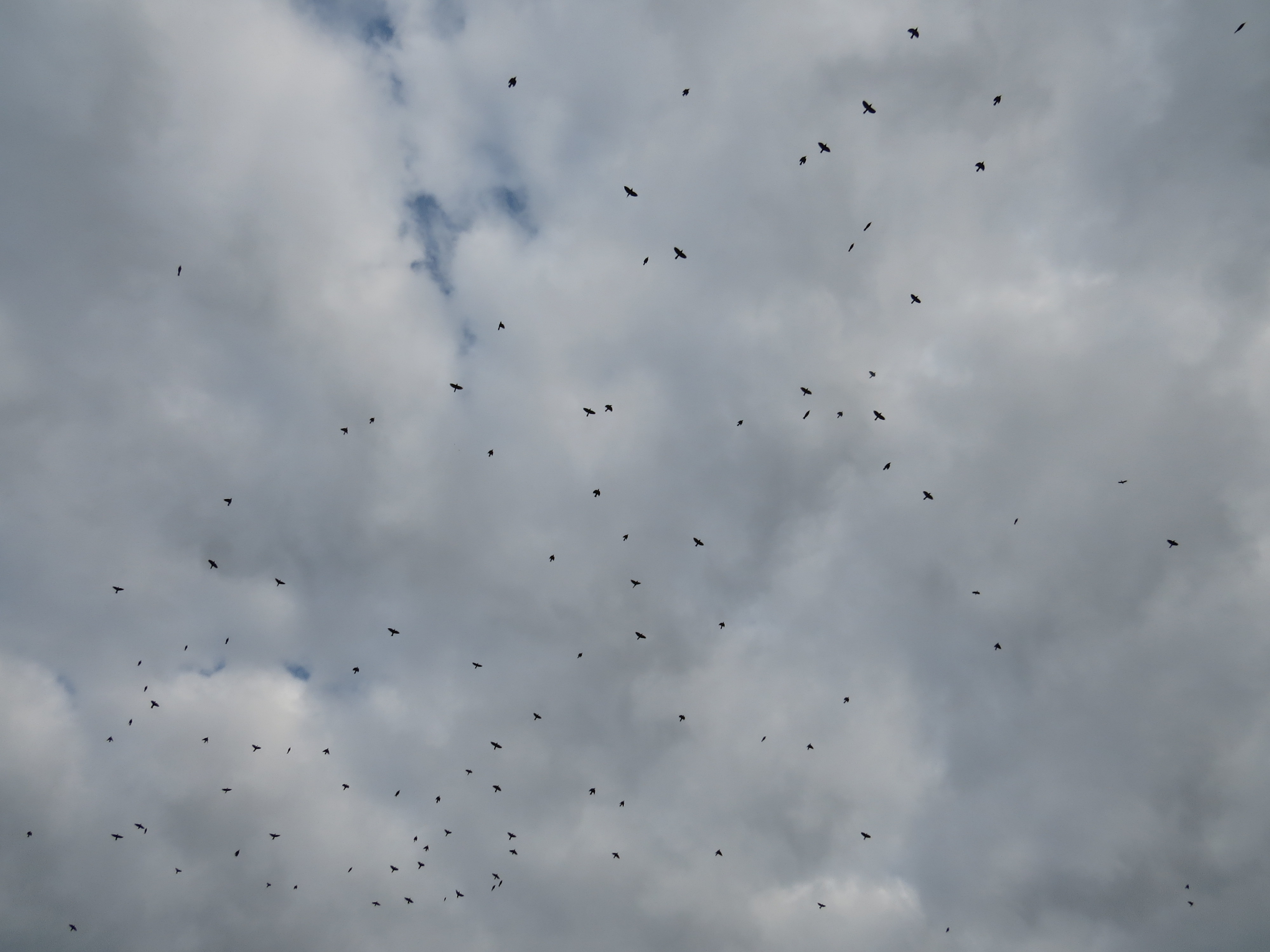
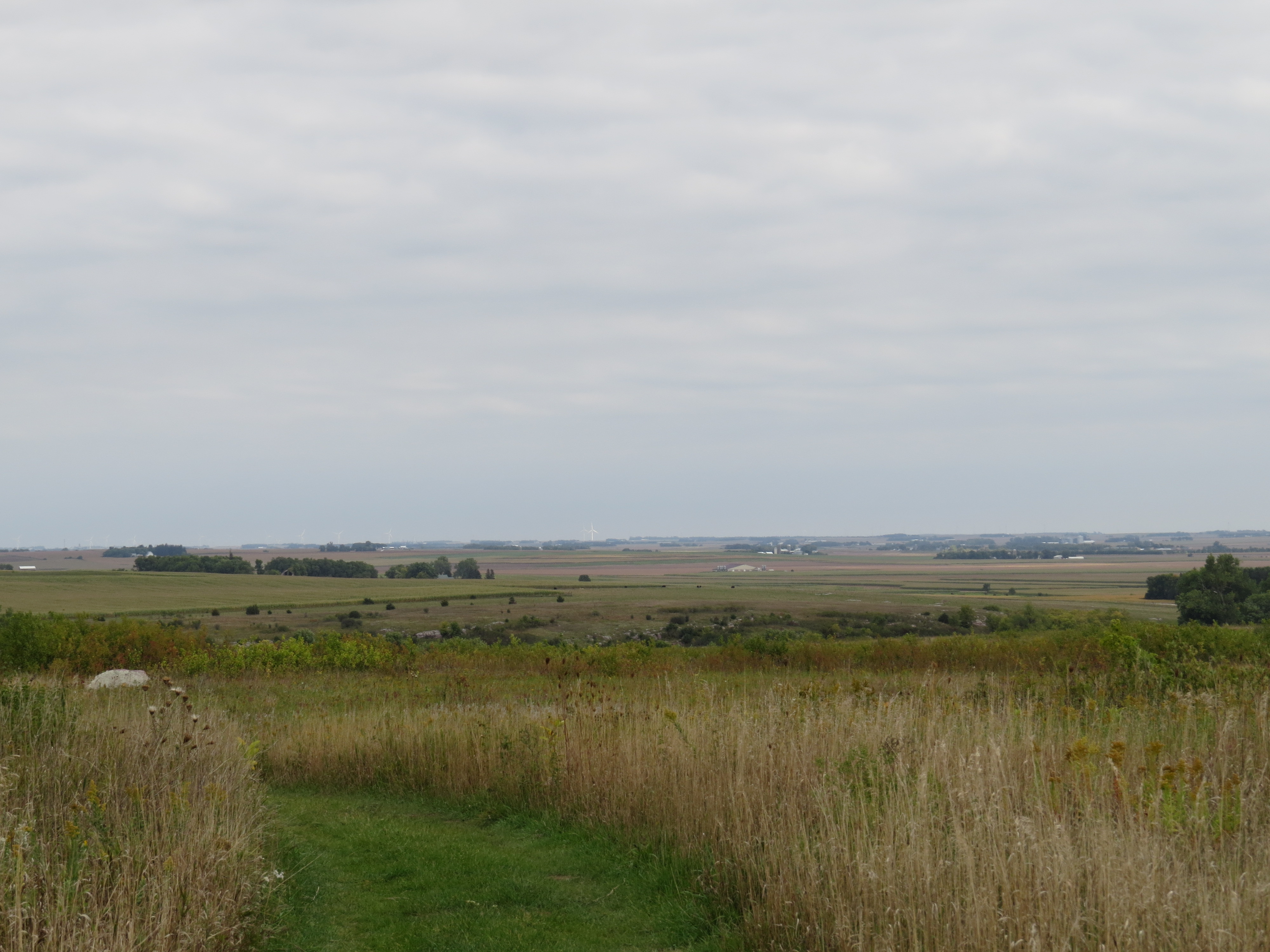
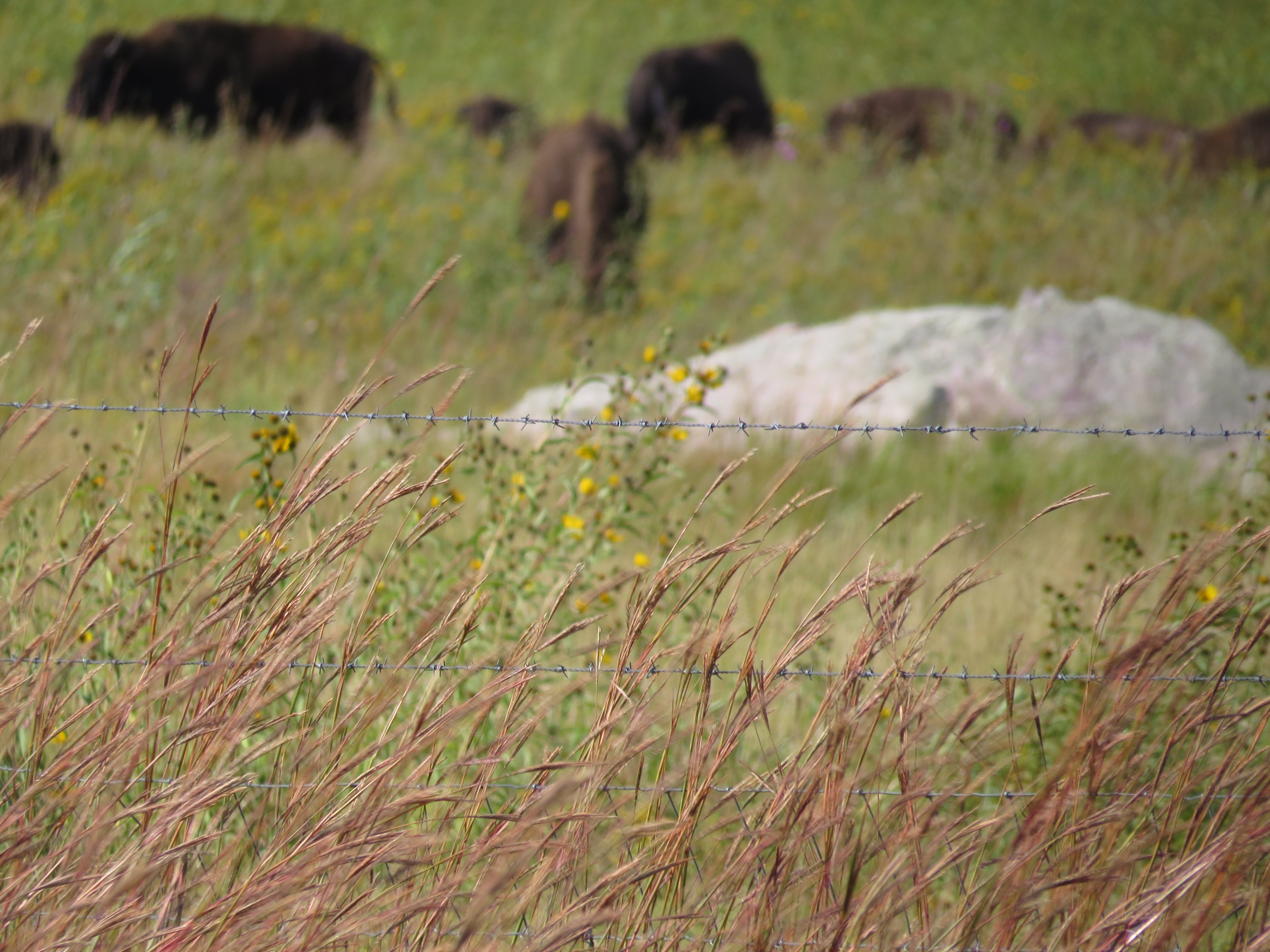
We cooked breakfast and readied ourselves for hiking. We planned to go on Mound Trail, described as one long, gradual hill—1.5 miles one way. It followed the fence line that enclosed the bison, so we were hoping to see them again. The mowed grass trail was easy to walk on, and as described, the slope was gentle. The tallgrass prairie had gone to seed—the grasses, most of the flowers, and the weeds. Whenever we turned around, we marveled at how far we could see, and then realized we weren’t even close to the top of the Mound.
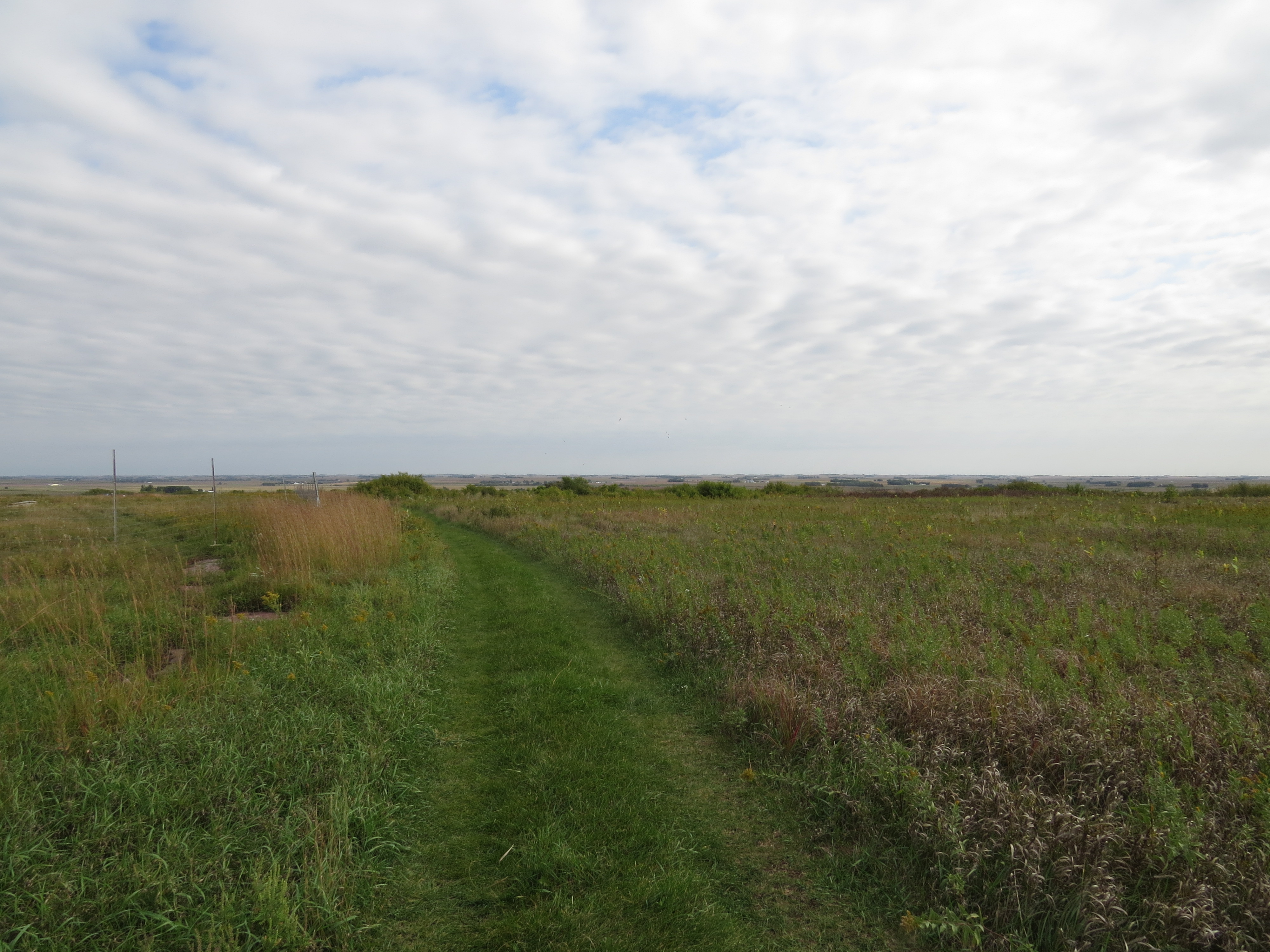
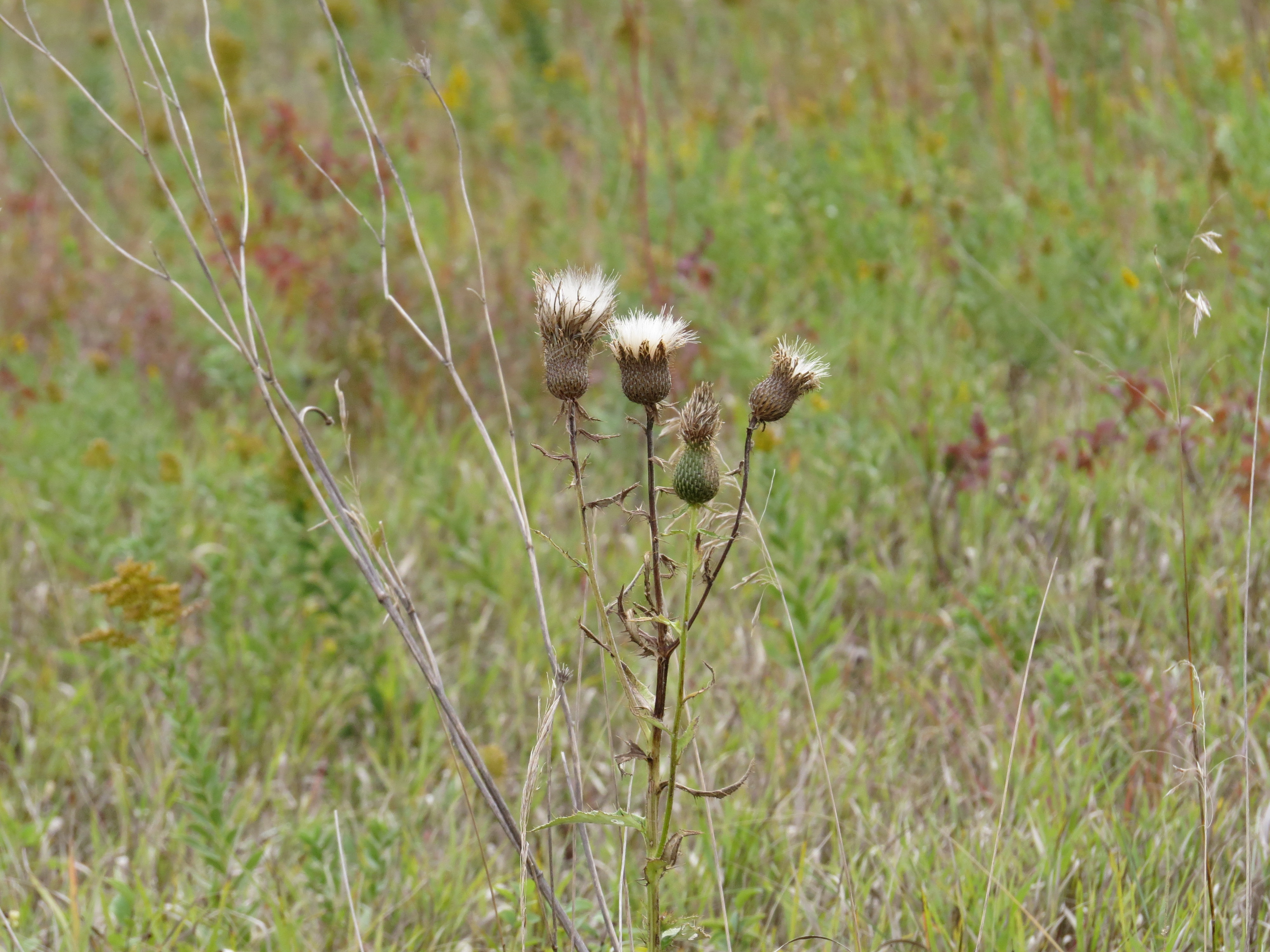
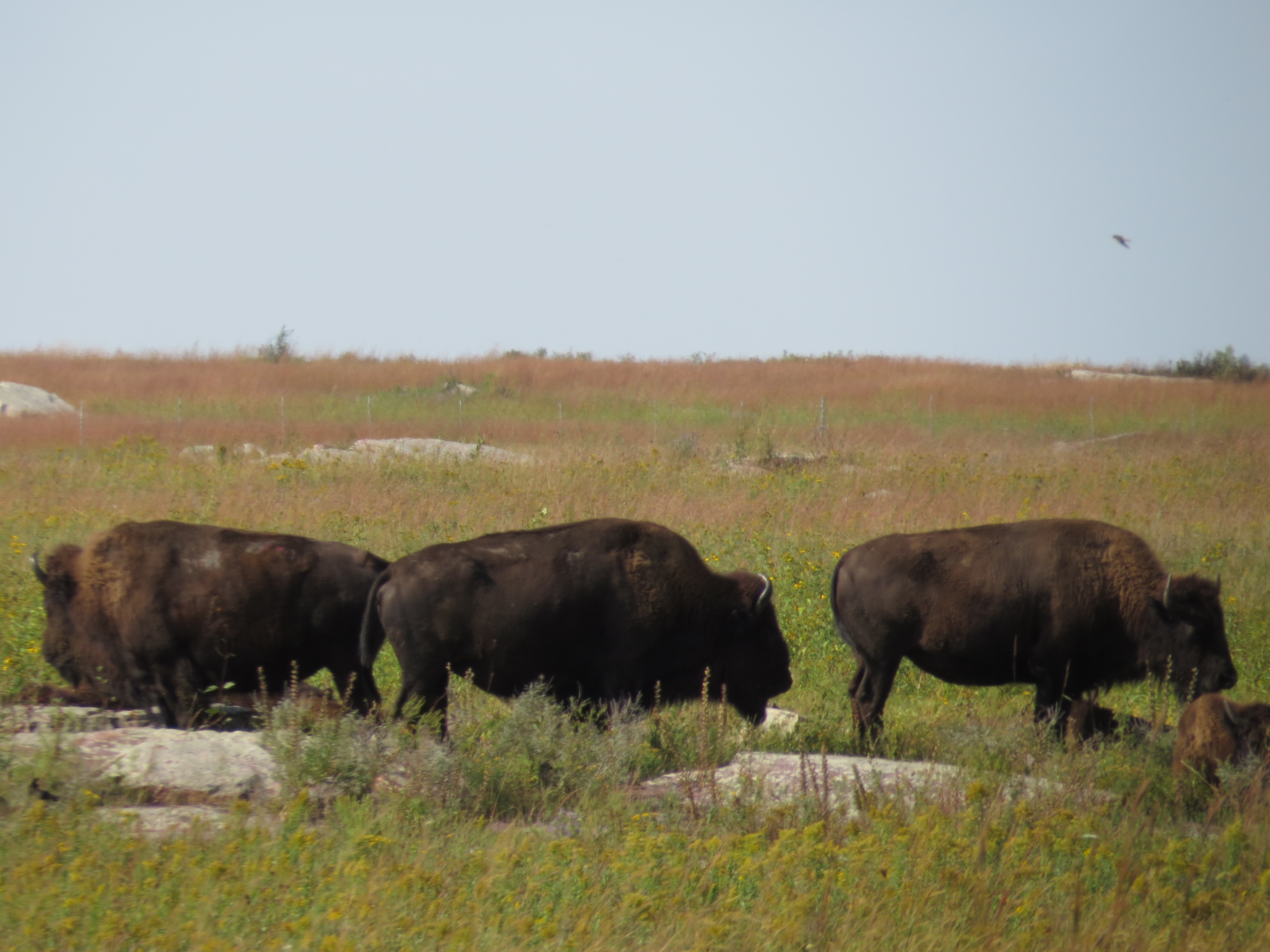
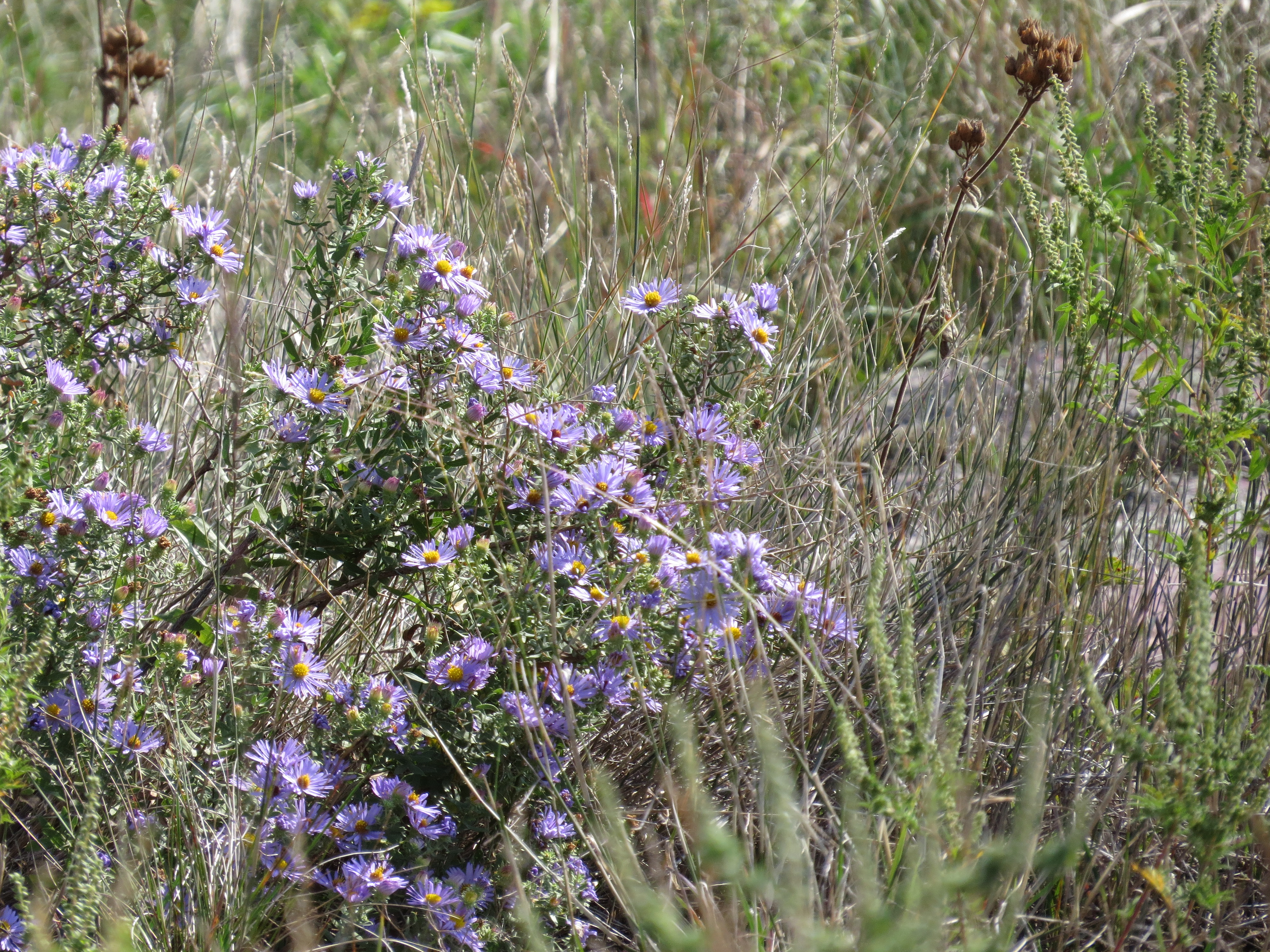
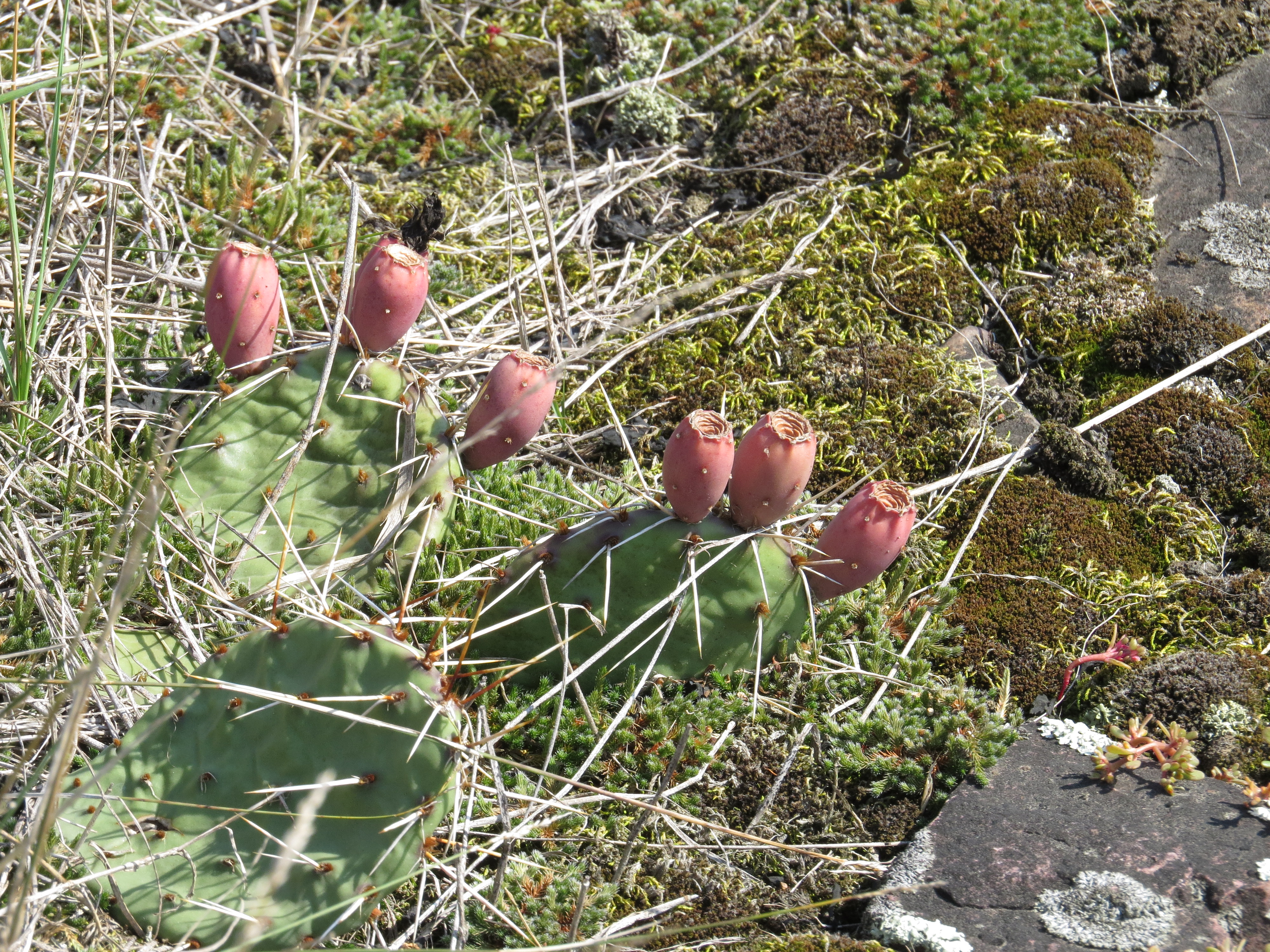
At some point up the trail we encountered a small group of Bison mamas and babies just basking in the sunlight. Sprays of purple Asters and an occasional Sunflower bloomed in the prairie grasses. Prickly Pear Cacti were scattered throughout the Mound prairie, most often by the boulders that protruded from the ground where the soil was thin and heat from the rocks provided them a desert-like environment. At this time of year, the red fruits of the cacti contrasted from the green paddles and the long, white, needle-like spines.
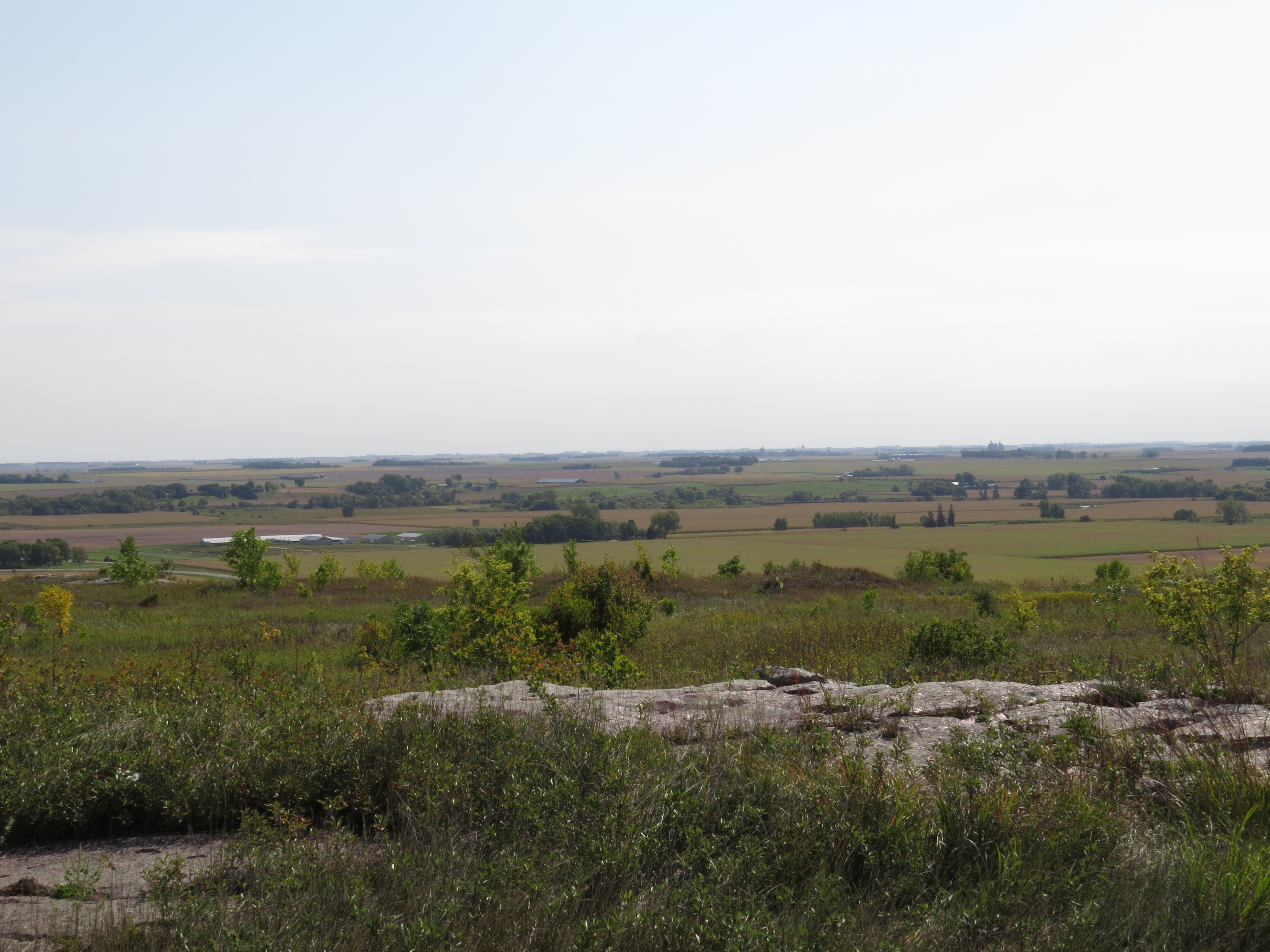
At the top of the Mound by a landmark boulder called Eagle Rock, we had a full 360 degree view of the surrounding terra. Adventurer, lawyer, and painter George Catlin, on his journey to the nearby Pipestone quarry in 1836 wrote:
“There is not a tree or bush to be seen. The eye may range east and west to a boundless extent over a surface covered with grass. The grass is green at one’s feet but changes to blue in the distance like the blue and vastness of the ocean. Man feels here, the thrilling sensation of unlimited freedom.”
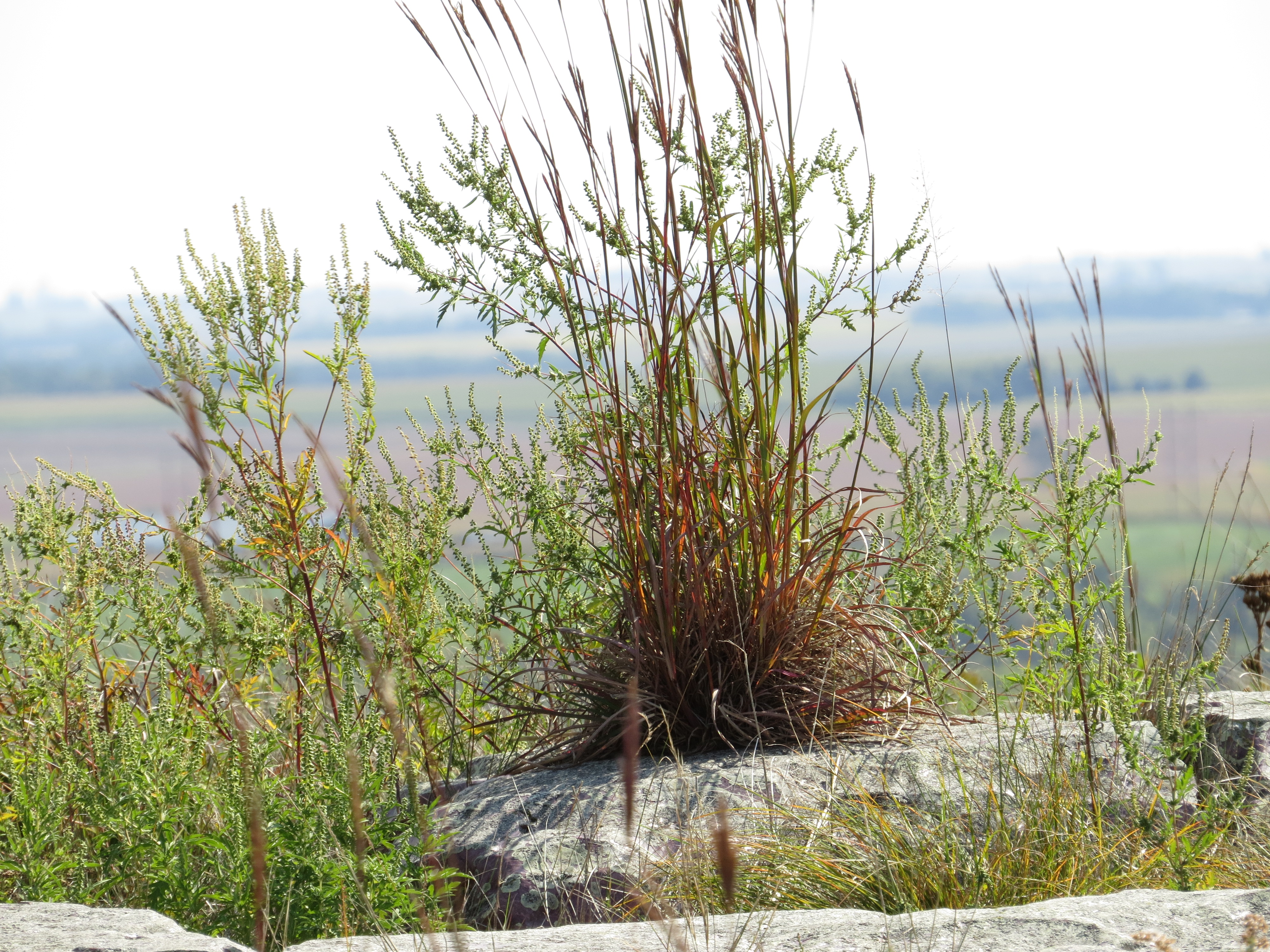
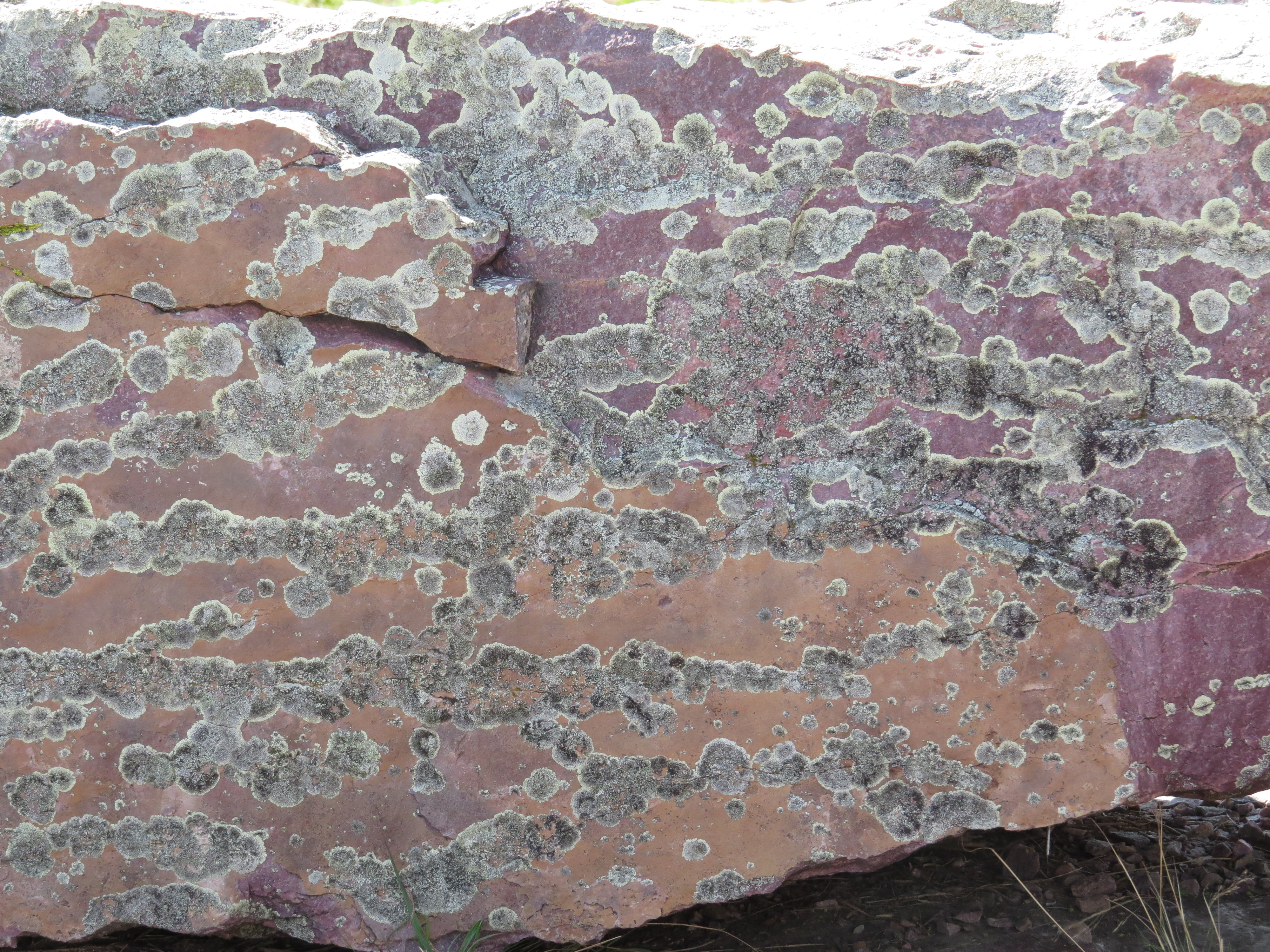
From Eagle Rock, it was a short hike down to the former home of Frederick Manfred, author of many books, including Lord Grizzly (made into the movie ‘The Revenant.’) The home and surrounding land was purchased in 1972 by Minnesota State Parks and transformed into the interpretive center (now closed due to structural problems) and Blue Mounds State Park.
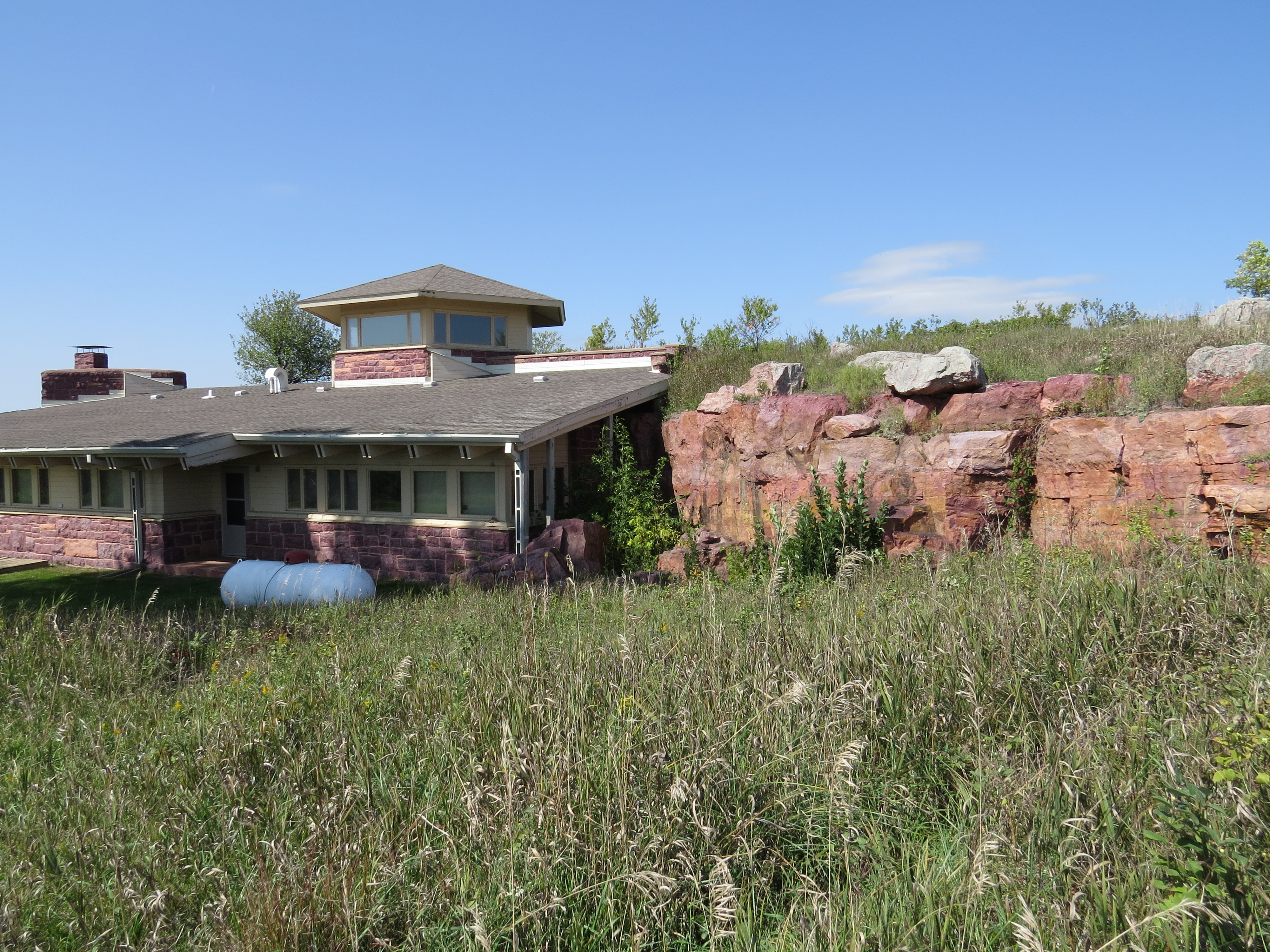
The rock used on Manfred’s home was salvaged from the first school built in 1897 in Luverne that had been originally quarried from this historic red rock quarry. The old quarry site is available to climbers, one of whom we talked to who had just free-climbed the steep wall. Meanwhile, my knees got weak as I inched towards the edge and looked down at the beautiful red rock.
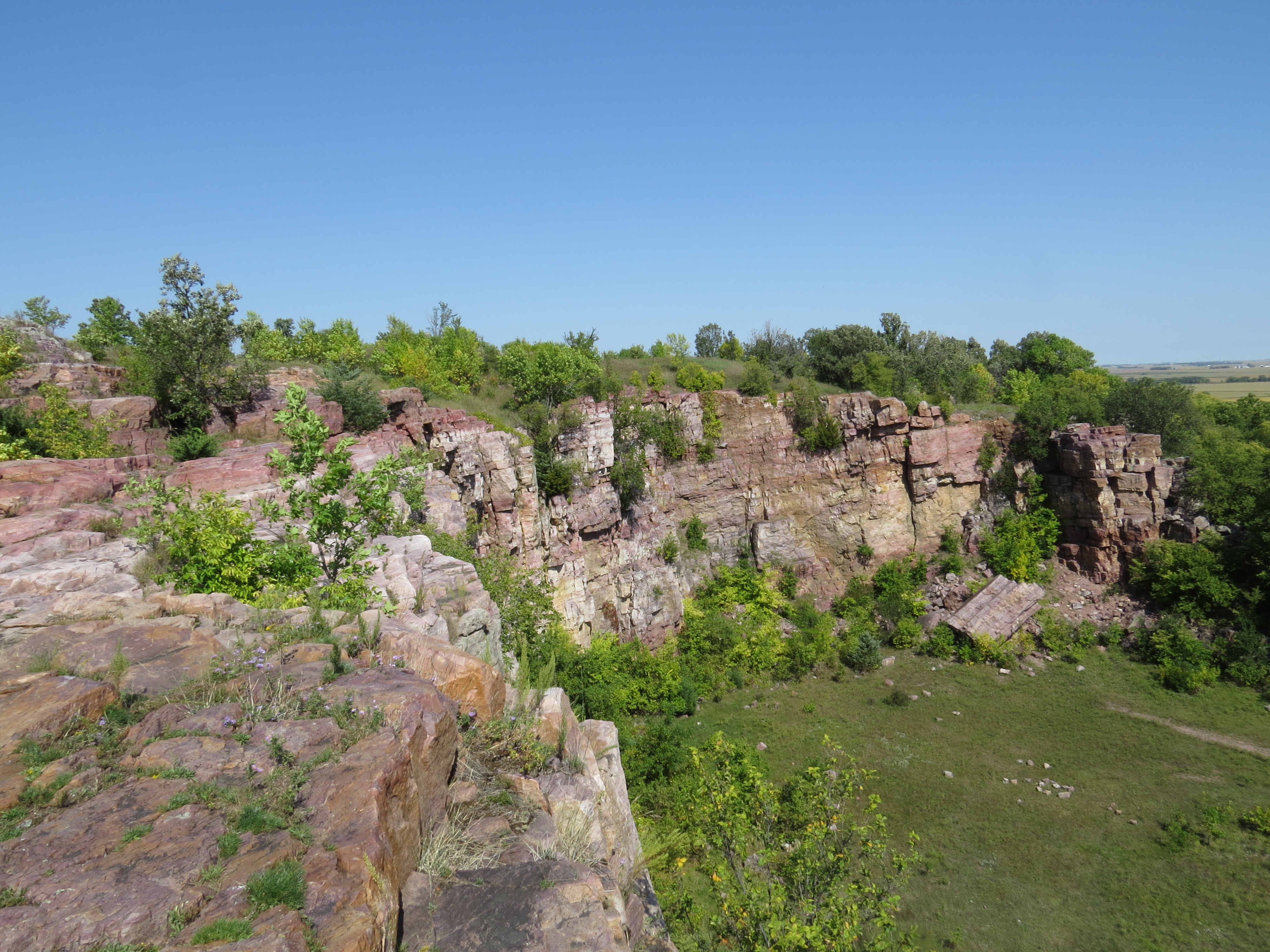
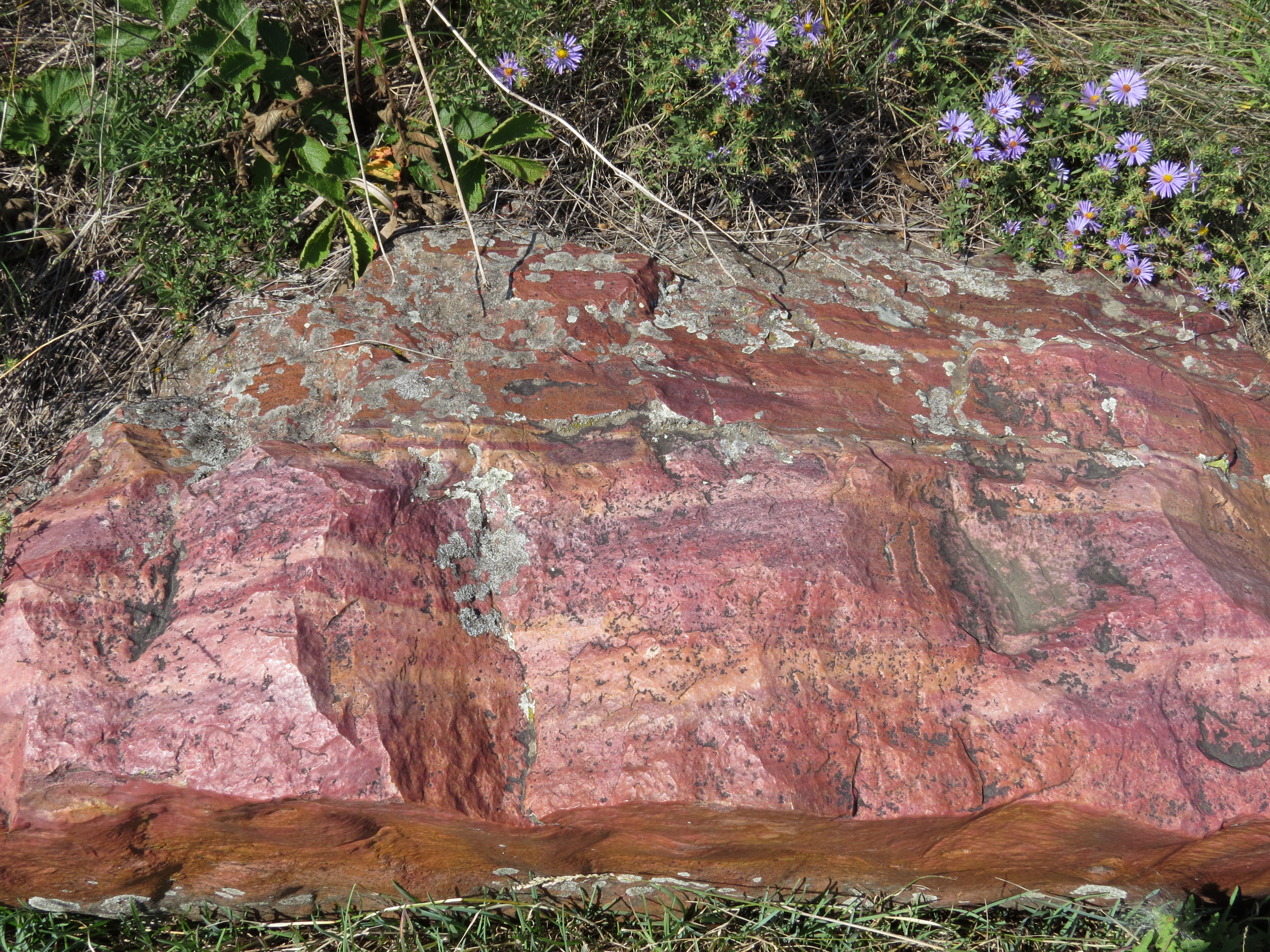
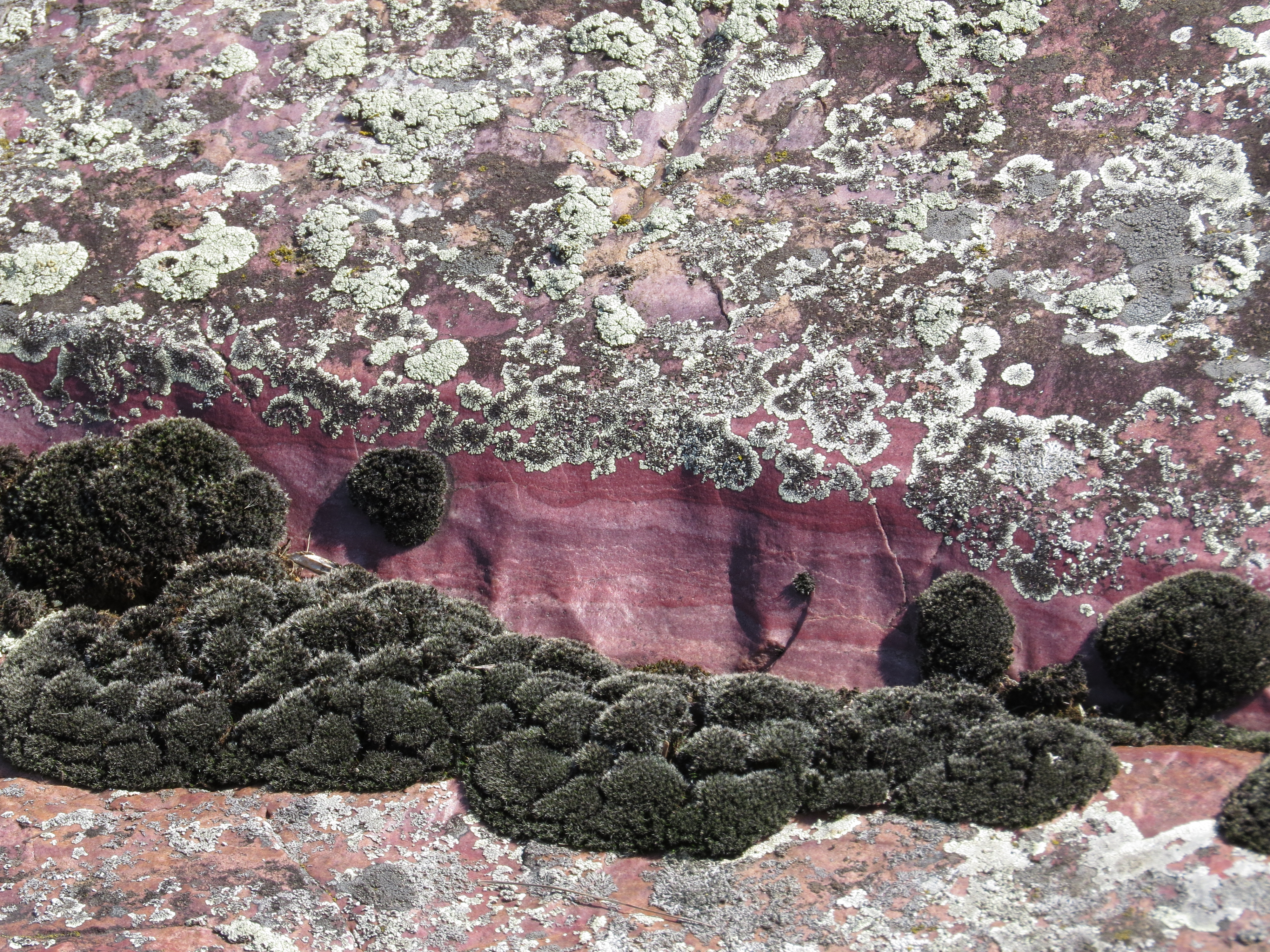
We had 1.5 miles to return to the trailhead on the Upper Cliffline trail loop that passed by the quarry. And here I want to give kudos to my Mom, whose almost-mid-80’s birthday we were celebrating. It was a warm, sunny day for this substantial and interesting hike, and she kept up with us ‘young-uns.’ Young and old are such relative terms—weeks ago we were the ‘old ones’ with our kids in the BWCA, and now we were the young ones. My Mom is an inspiration—I hope I’m still hiking and exploring when I’m her age.
Back at our campsite, we rested, built a fire, and assembled our ‘hobo dinners’ of ground beef raised on my Mom’s pasture land, potatoes and onions dug from her garden, and carrots I bought and cut up–lol. We wrapped it all in foil and threw them on the red hot coals. A delicious dinner in fifty minutes along with a tomato and cucumber salad from her garden! She is still a woman of the land—my terra-mother.
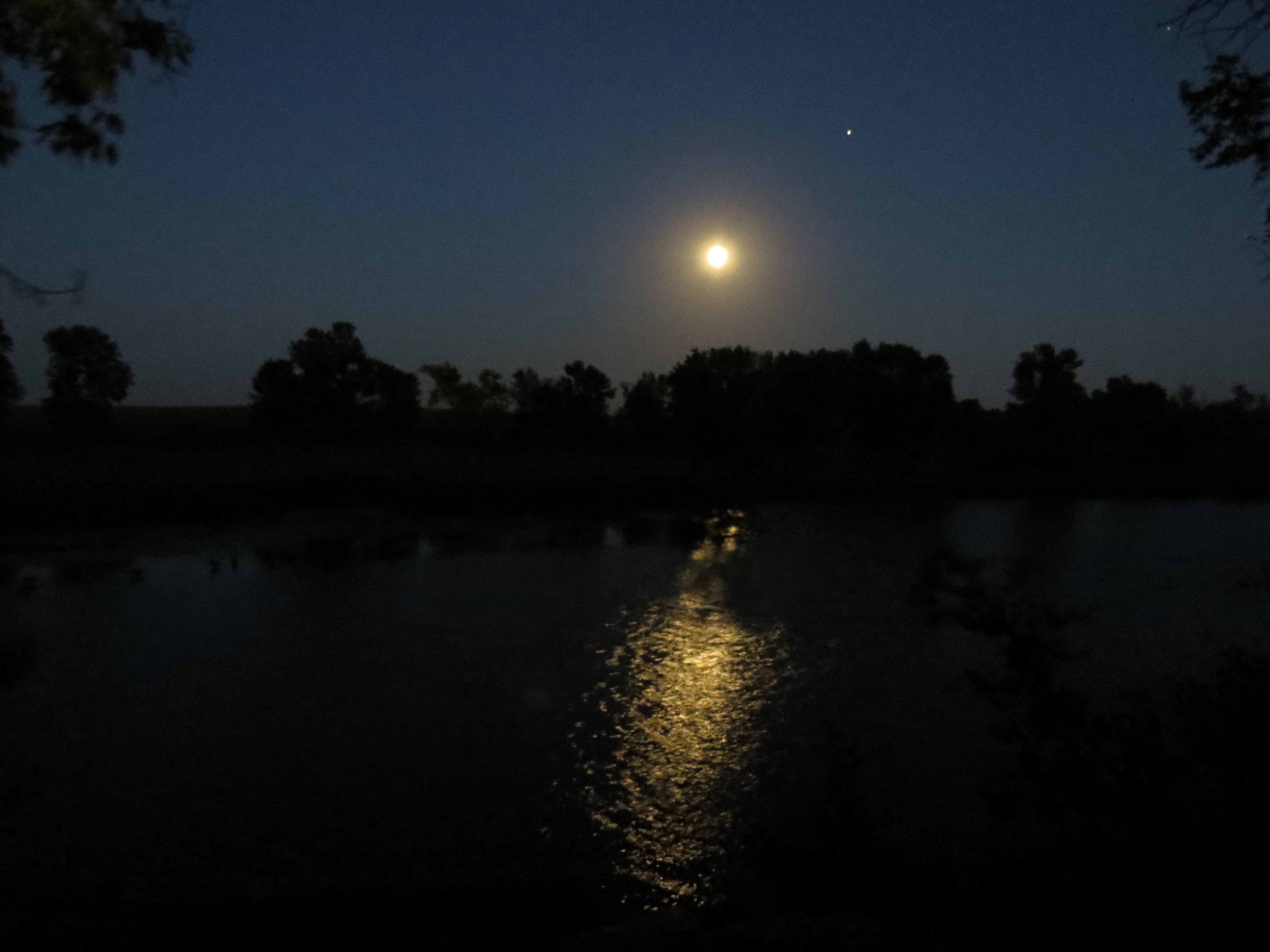
At evening sunset time, the resident heron was standing in a golden pool of water—aqua gold—stealthily placing one foot in front of the other for some late-day fishing. The blackbirds were once again noisily settling into their cattail shelters. And as darkness fell, the moon reflected its golden light on the midnight blue water.
The next day, we added ‘aeris’ to our aqua and terra—the air or atmosphere. We hiked at nearby ‘Touch the Sky Prairie’, a joint venture between the Brandenburg Prairie Foundation and the U.S. Fish and Wildlife Service. Photographer Jim Brandenburg splits his time and love between the Northwoods forests around Ely and the southwestern prairies where he grew up. We had followed his path between these two places. I understand his divided love—the prairie never leaves you, and new places can take up residence in your heart.
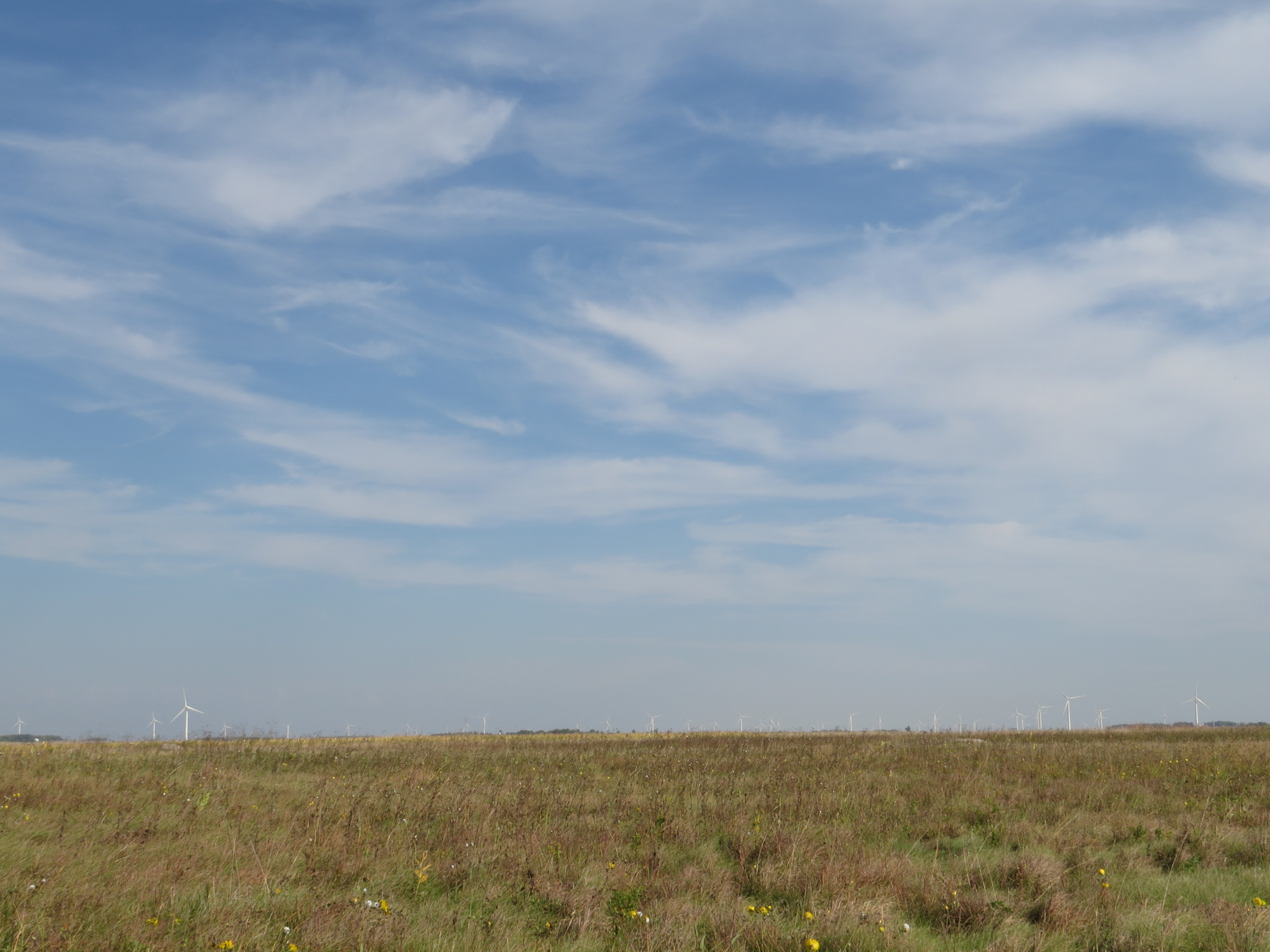
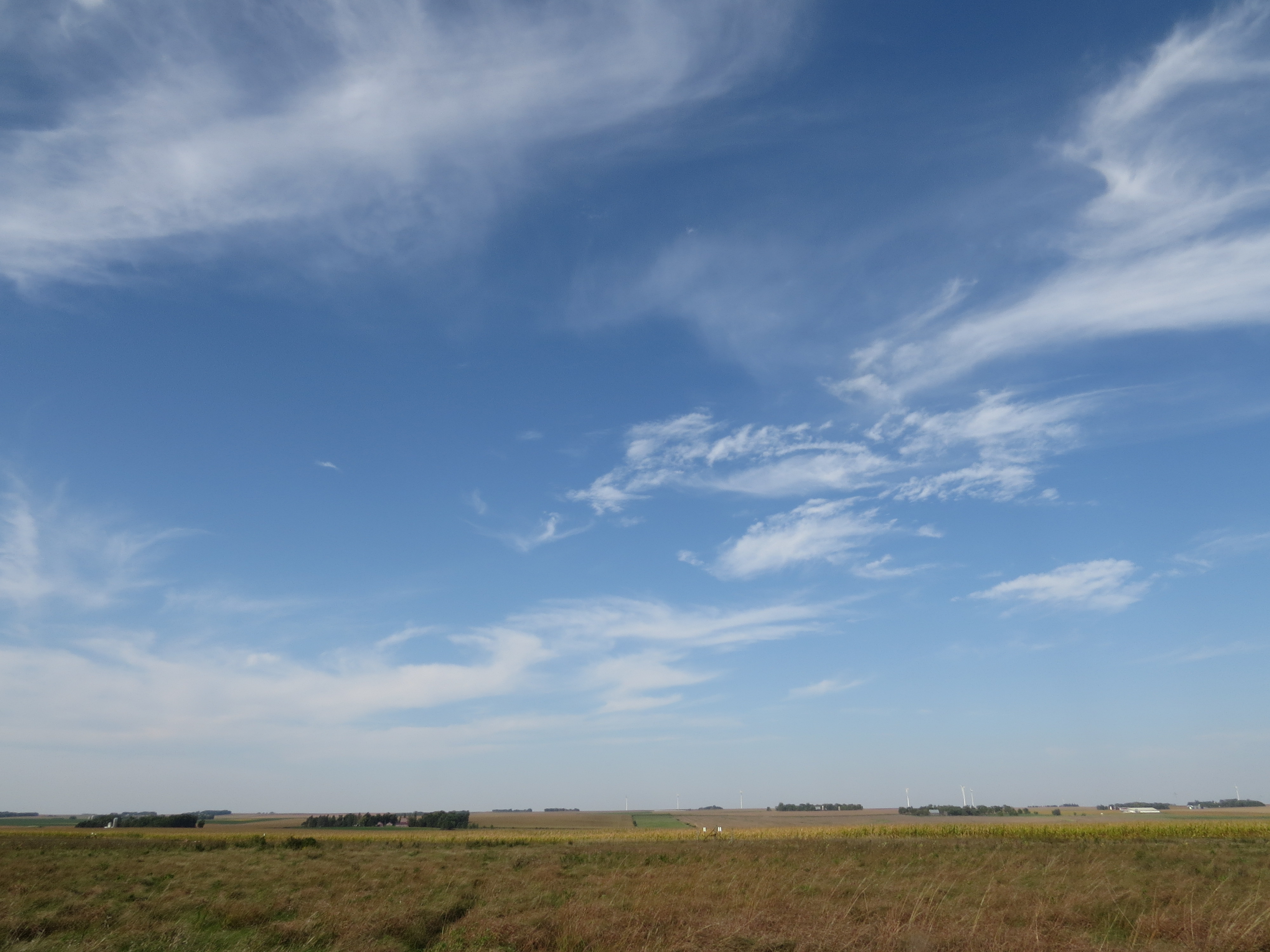
While I appreciate the water, I love the land, the earth, and I most specifically love the prairie. It is in my DNA and from my terra-nurturing Mom. The prairie allows a person to ‘see.’ Nothing gets in the way. The prairie holds the water, allows it to flow, and meets the aeris with humbleness. It showcases the large bodies of animals, colorful wildflowers, boulders of geological wonder, and a magnificent sky. The tallgrass prairie has diminished to a small percentage of the land since George Catlin wrote about its ocean-like qualities—fields and trees have replaced the waving grasses. Visiting these historic prairie vistas, with bison and purple asters, reminds me of the ripples generated by one person’s life and choices and how those ripples merge, interact, and combine into one entity. The terra-earth is all of our homes, the aqua-water sustains each one of us, and the aeris-air gives us life. It’s a thrilling sensation.
Aqua Terra Part I
When we emerged from the wilderness of the Boundary Waters in August, I bought myself a bracelet made from Aqua Terra Jasper to remind me of my amazing week. Water and land. Life-sustaining water and body-grounding earth. The colors of blue-green, sand, and reddish-brown swirled and intermingled on the beads, every one a distinct work of art that together embodied the look and feel of Nature’s offering to us in the Boundary Waters. The stone of peace.
Four weeks after leaving the peace of the Boundary Waters with our kids in far northeastern Minnesota, Chris and I traveled to the southwestern corner of the state to camp for the weekend with my Mom. We met at Blue Mounds State Park, just north of Luverne, in the county named Rock, which we quickly saw was merely an accurate description of the land. As we settled into our campsite—my Mom with her self-renovated retro camper and us in our little tent—we soon discovered that Aqua Terra would also be the most compelling environments of this prairie place.
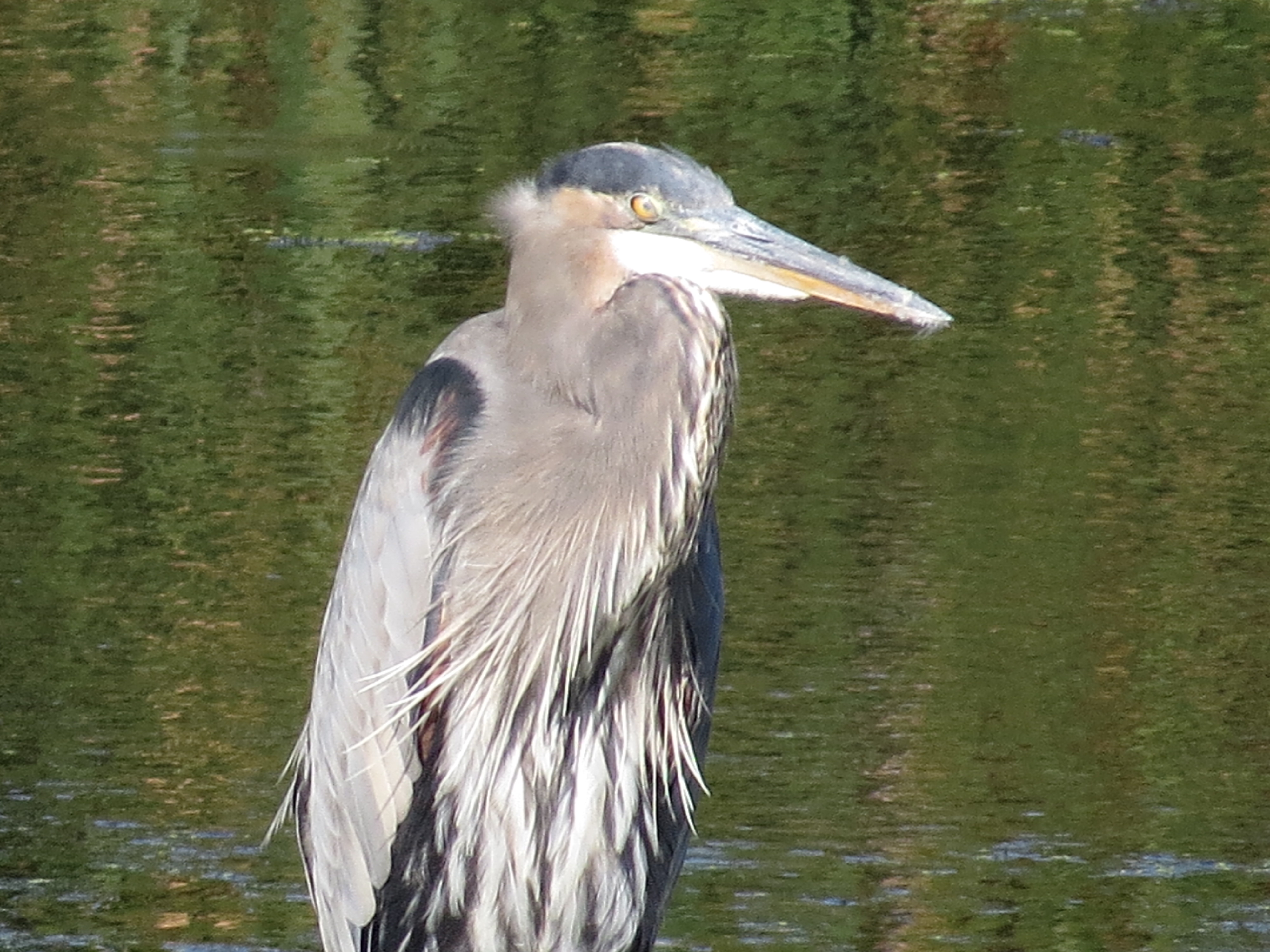
Right behind our campsite was a short path through a few trees to a cliff of red rocks that overlooked a narrow, dammed lake of Mound Creek. It was the inhabitants of this aqua environment that captured my attention each dawn and dusk and serenaded us each night. With our late afternoon arrival and my mini-exploration, one creature stood in the shallow water in front of a field of waving cattails—a Great Blue Heron. He was statue-still, a little bent-over looking, shoulders drooping as his wings hung down in rest or resignation.
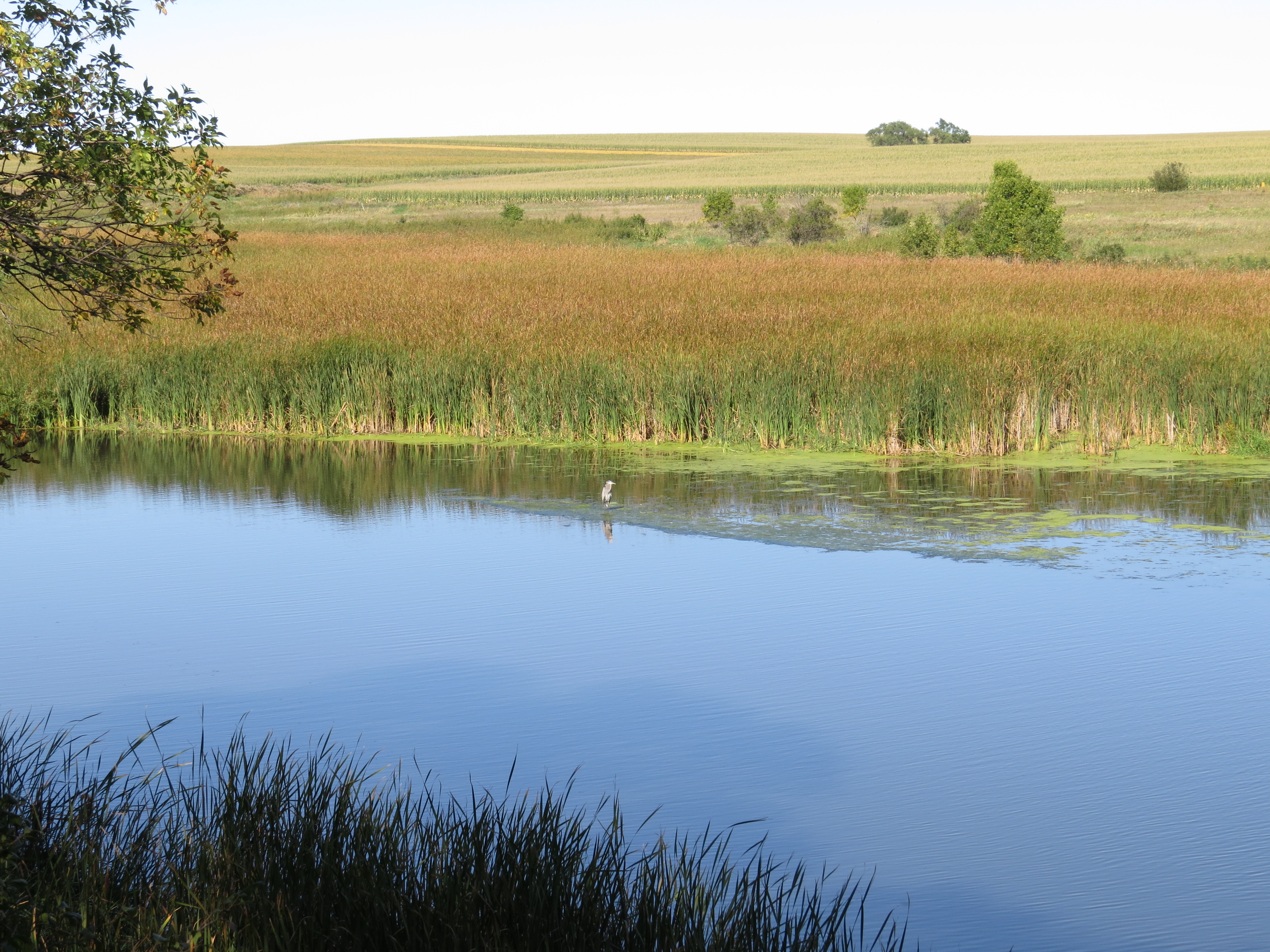
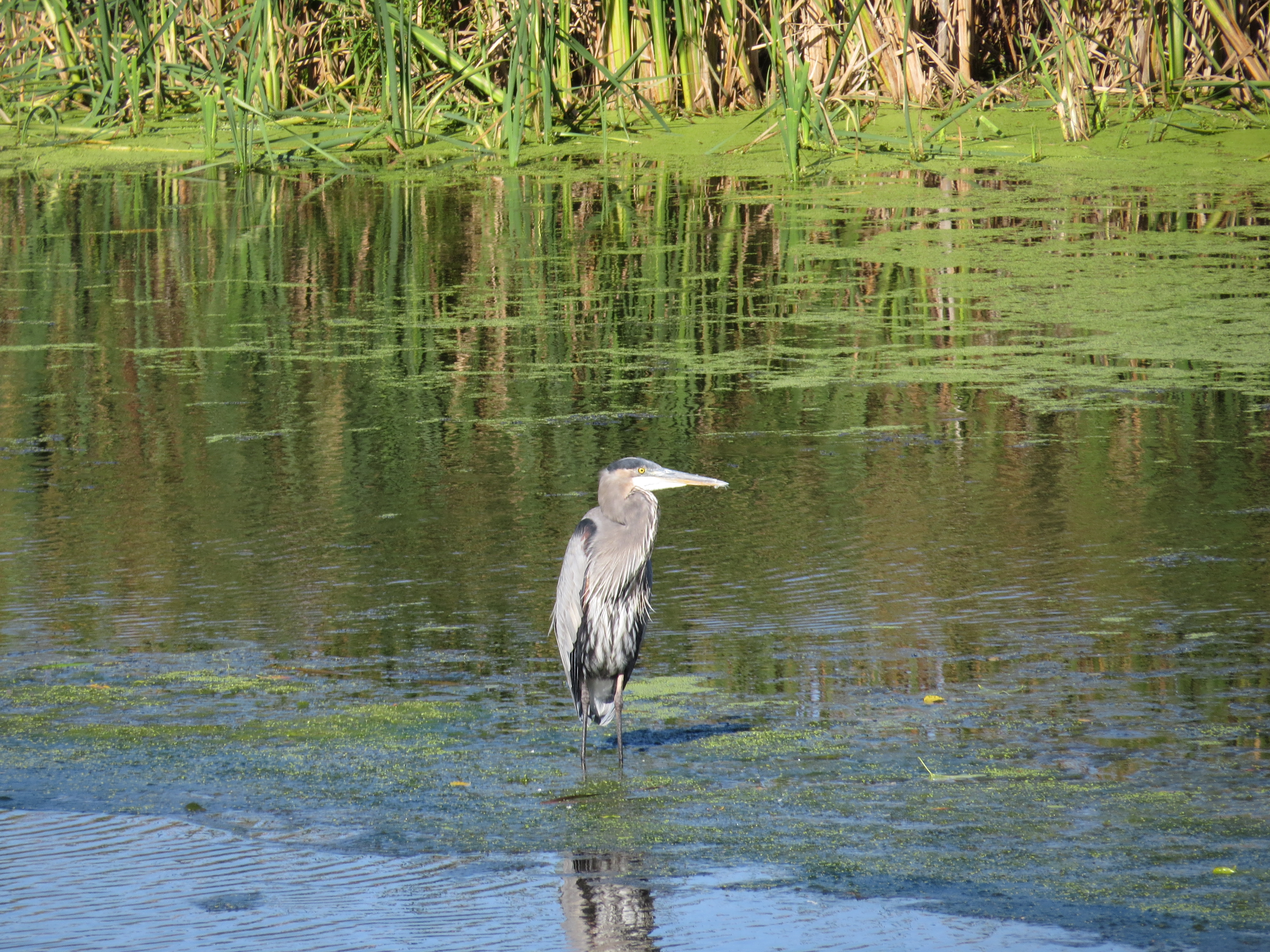
He had some unruly chest plumes, but also a tuft of down feathers at the back of his head—a young one, perhaps? His eyes closed and opened in his stillness.
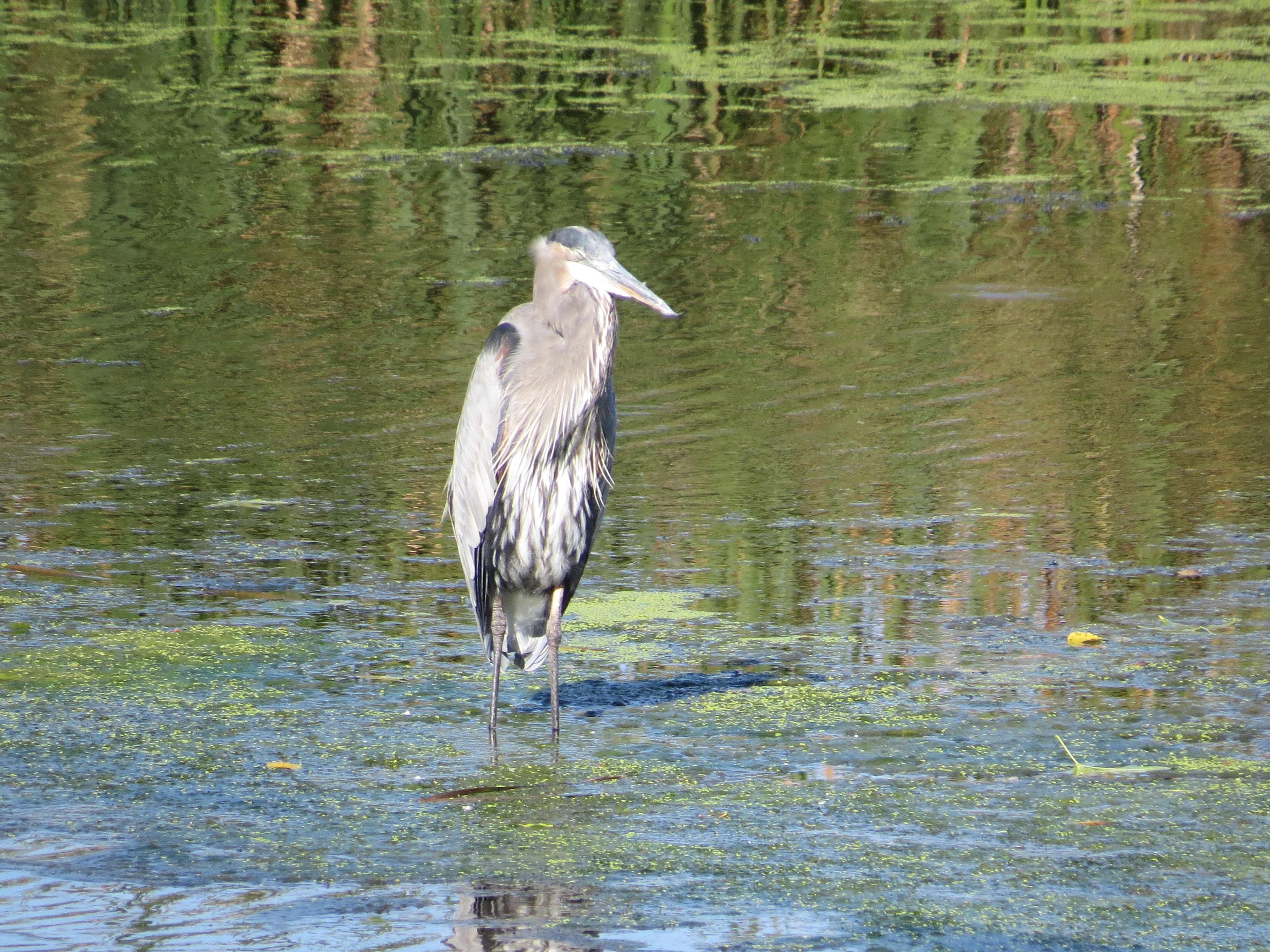
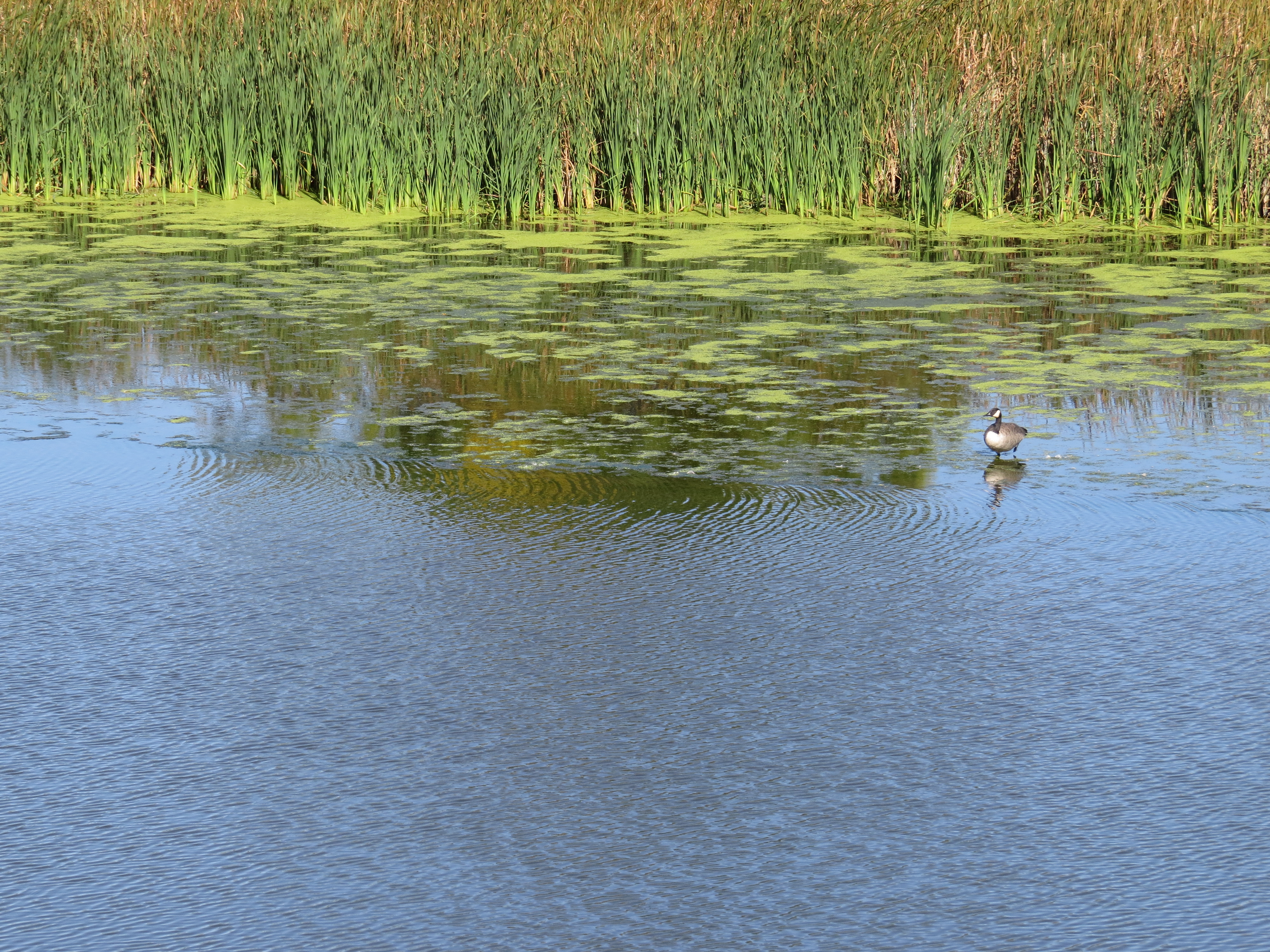
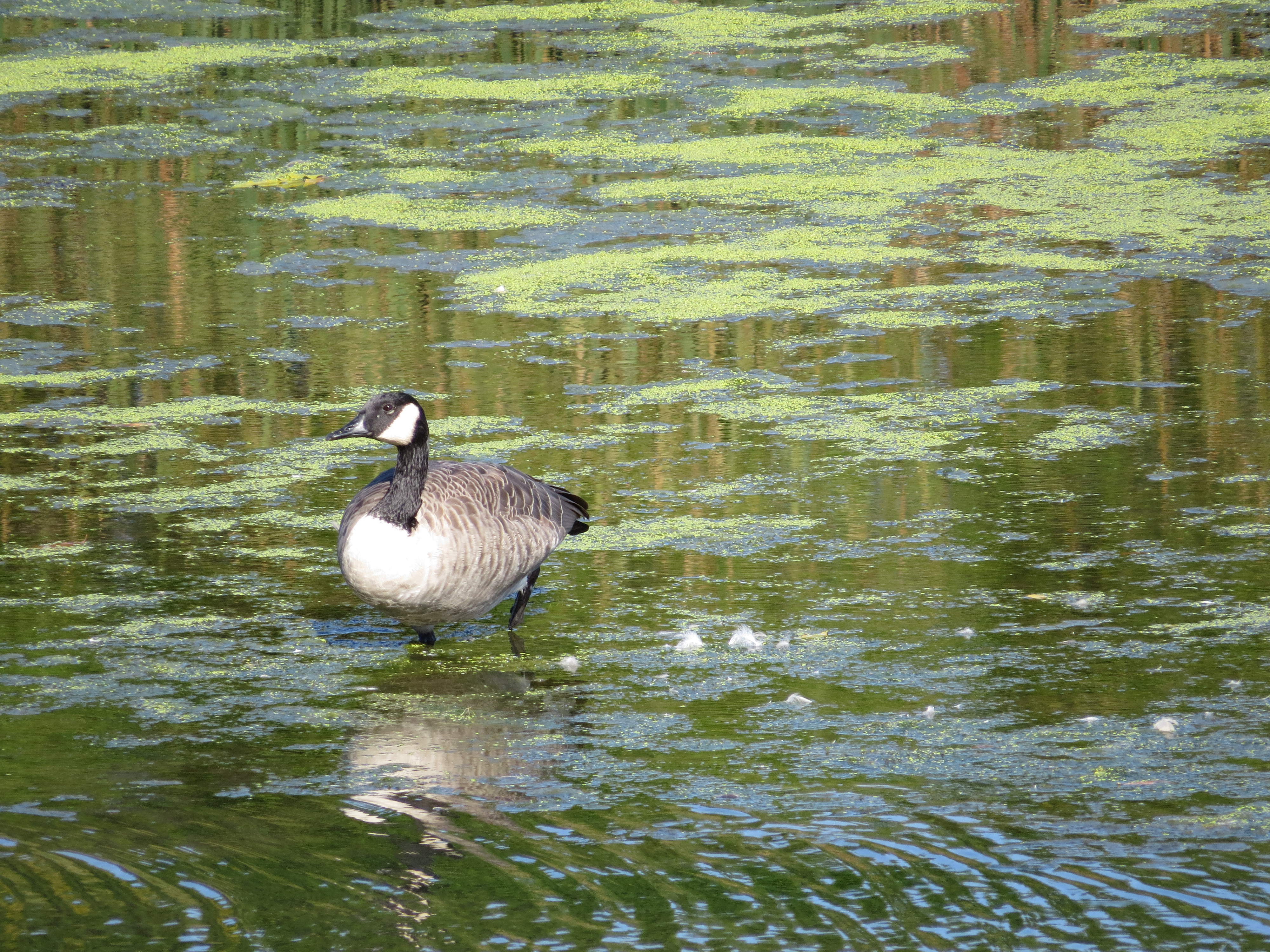
Down the lake a ways, there stood another aqua-creature, again as still and quiet as a statue, and they seemed to be watching one another. A Canadian Goose stood rather awkwardly, one foot behind the other, with a bent head and neck looking in the direction of the heron. Beside her on the water were little piles of down feathers—at first I thought she had been preening herself, but that usually happens when the bird is relaxed, and she was not relaxed. Perhaps there had been a scuffle of territory between the two? They both stayed in the same position for all the minutes I watched them.
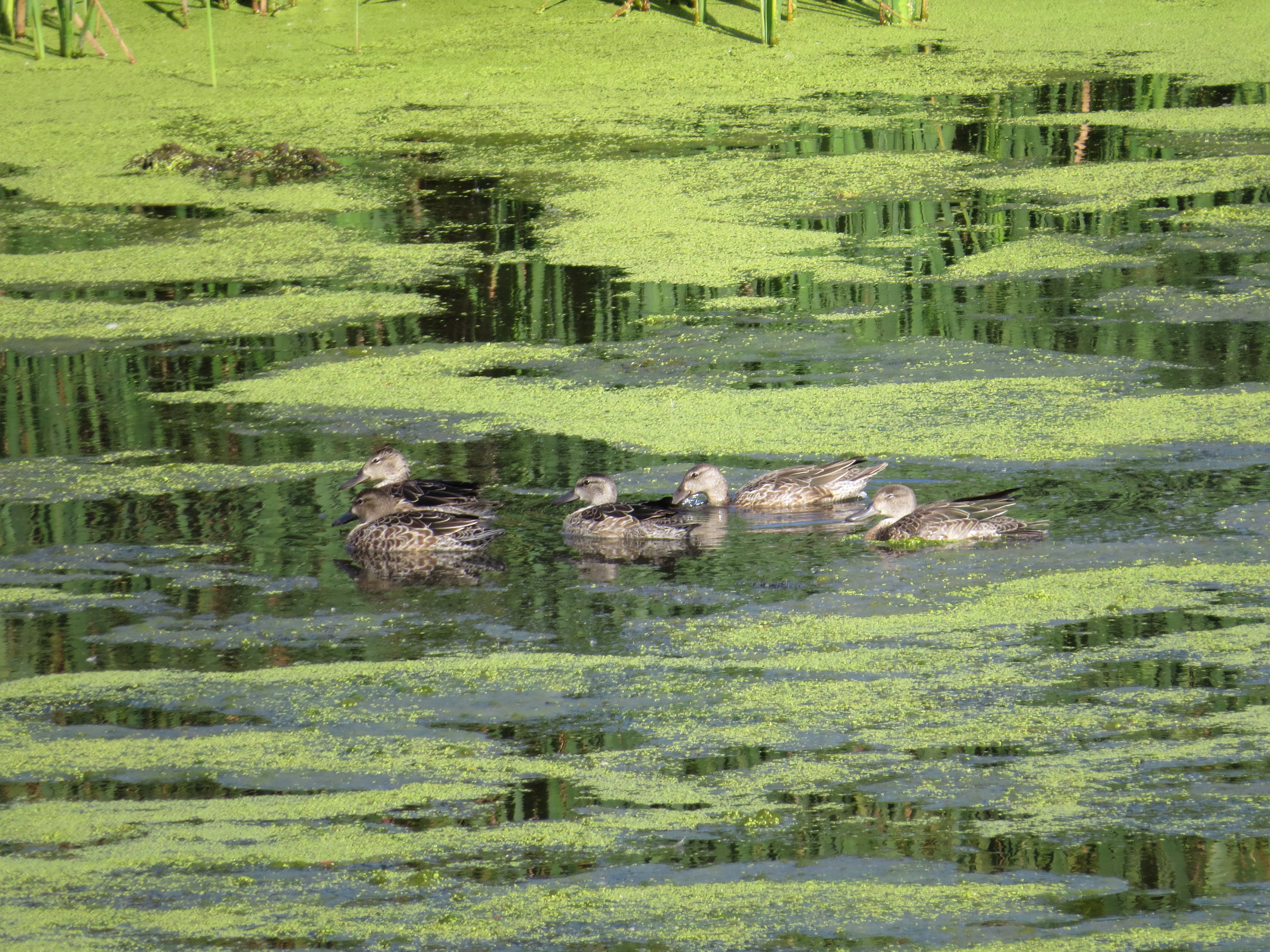
There were some waterfowl who seemed not to have a care in the world—a few immature Blue-Winged Teal (most likely.) Happy ducks swimming through duckweed.
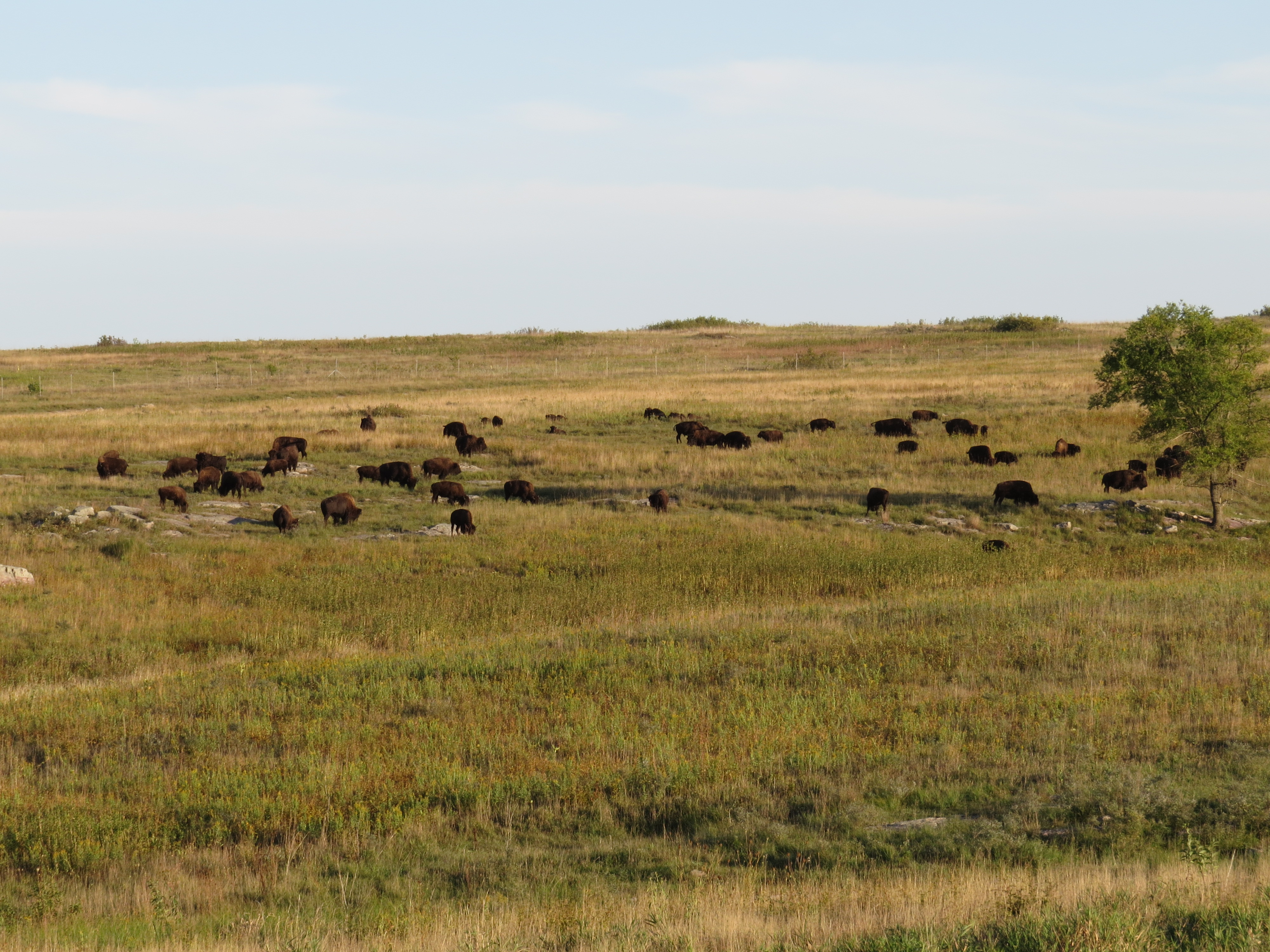
After our quick, light supper, we drove to the Bison viewing platform where the rocky, rolling prairie terra sustains a herd of over 100 bison, including the spring-born calves.
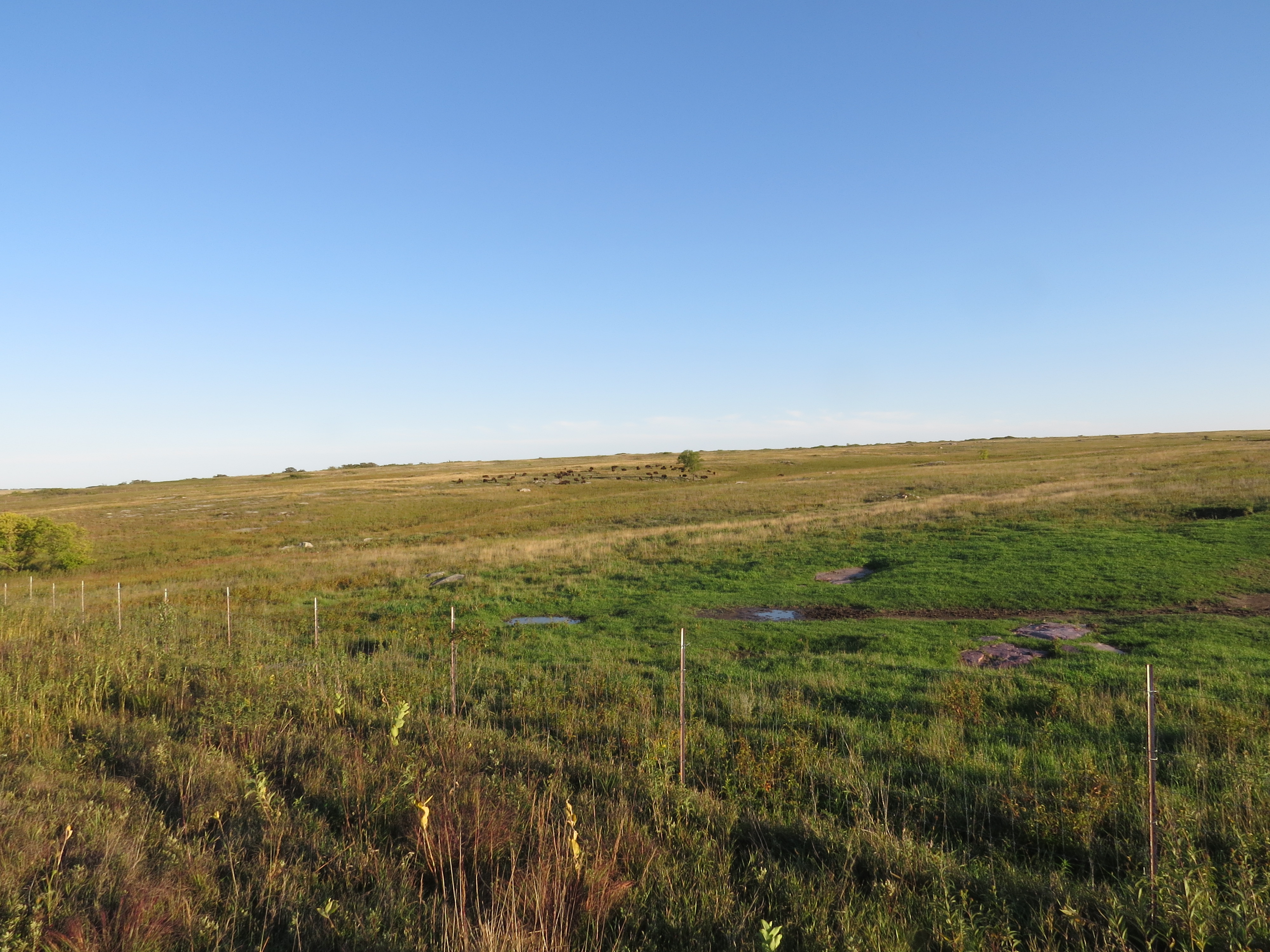
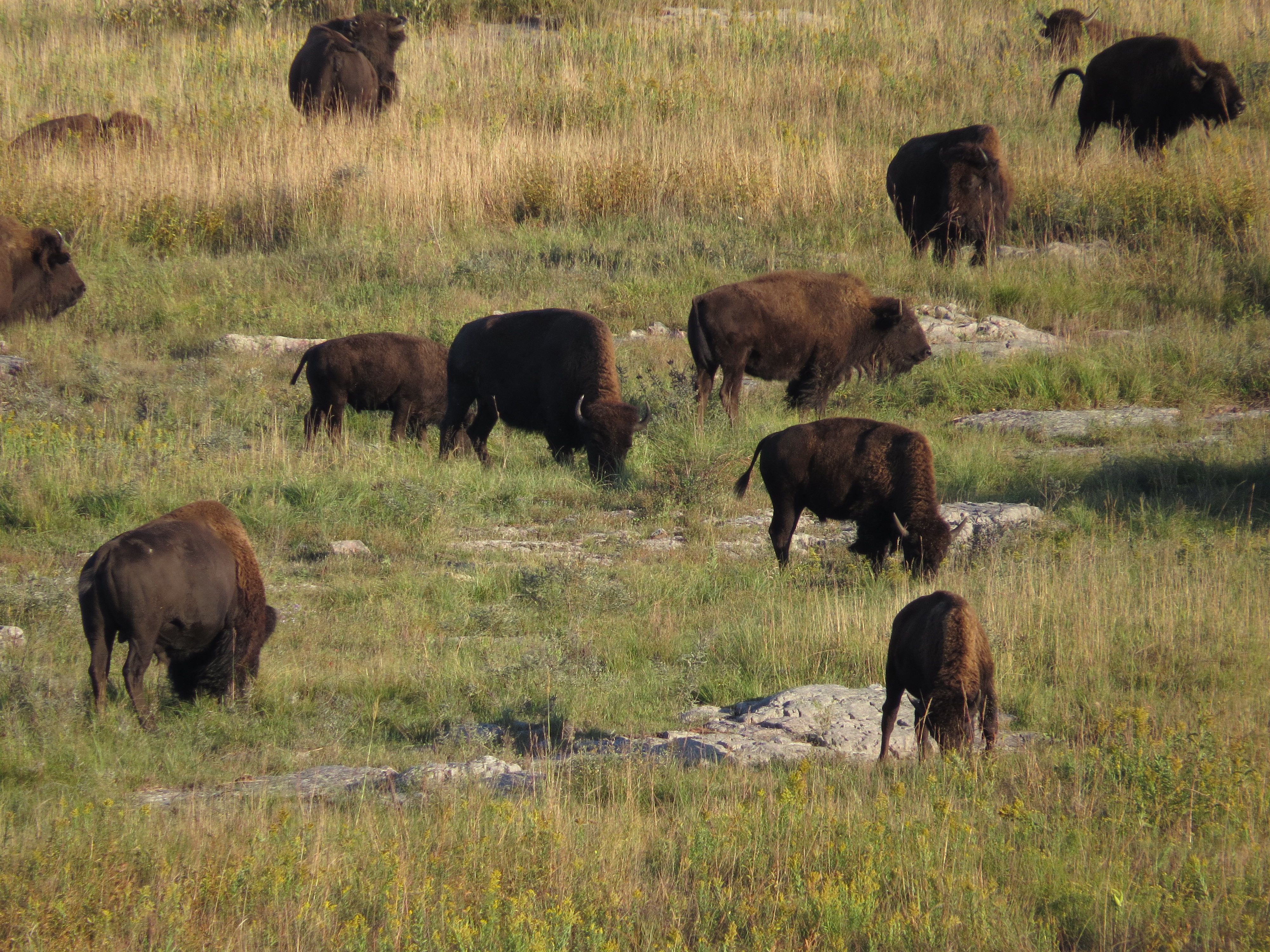
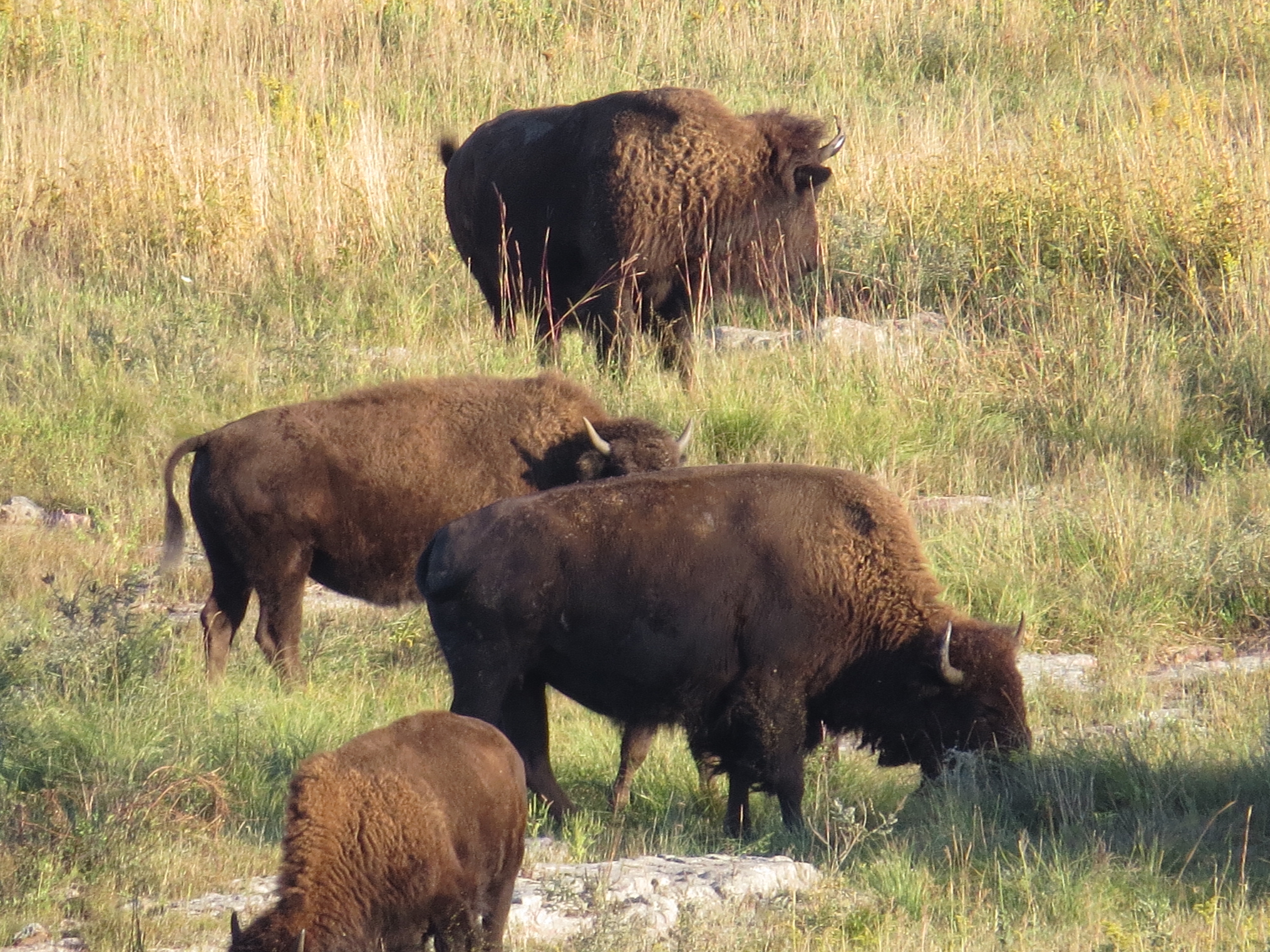
There were many outcrops of Sioux Quartzite rocks and boulders, pink to purple in color from the presence of iron oxide and millions of years of formation. Some of the boulders were as big as a buffalo or is the buffalo as big as a boulder?
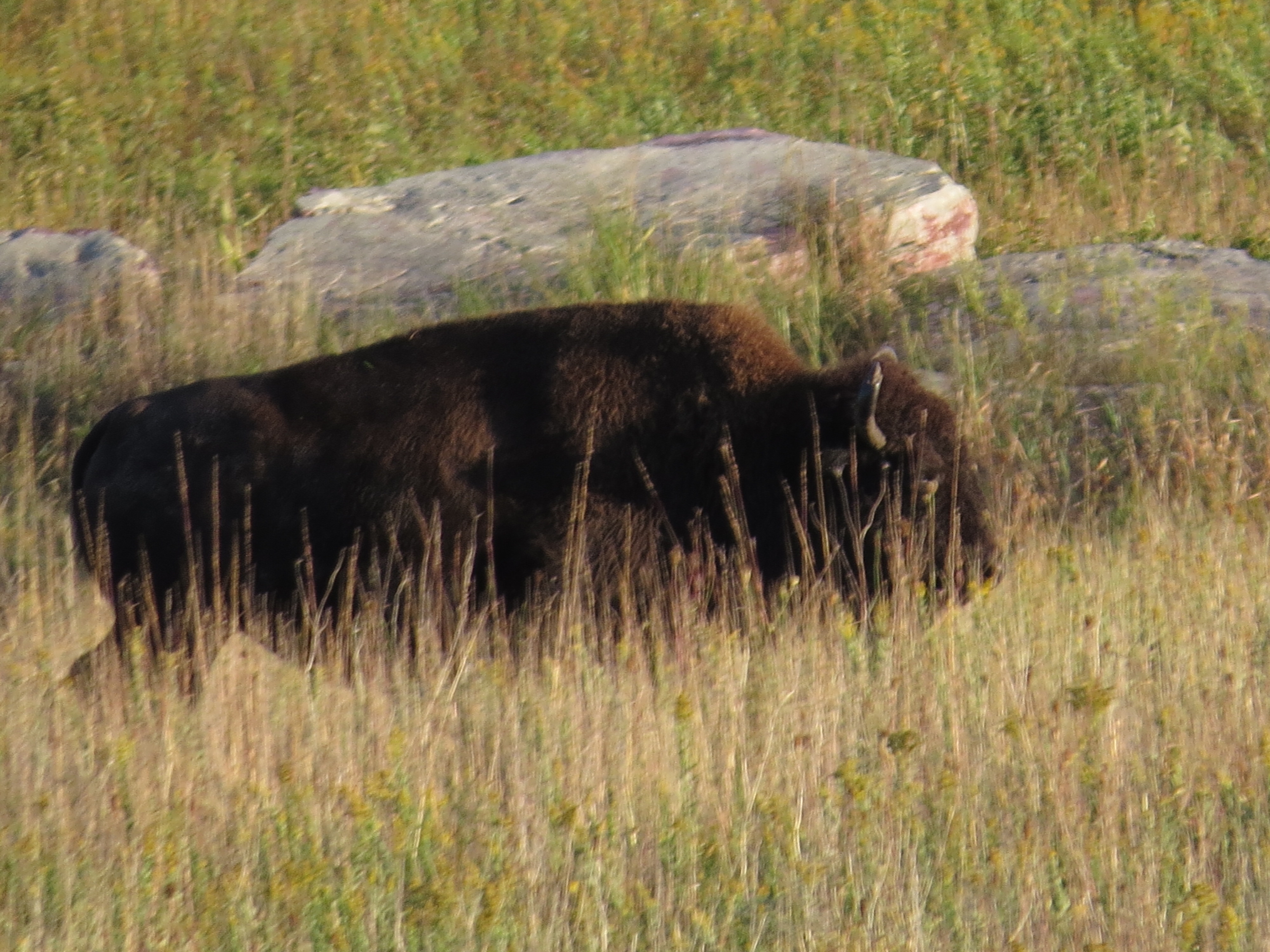
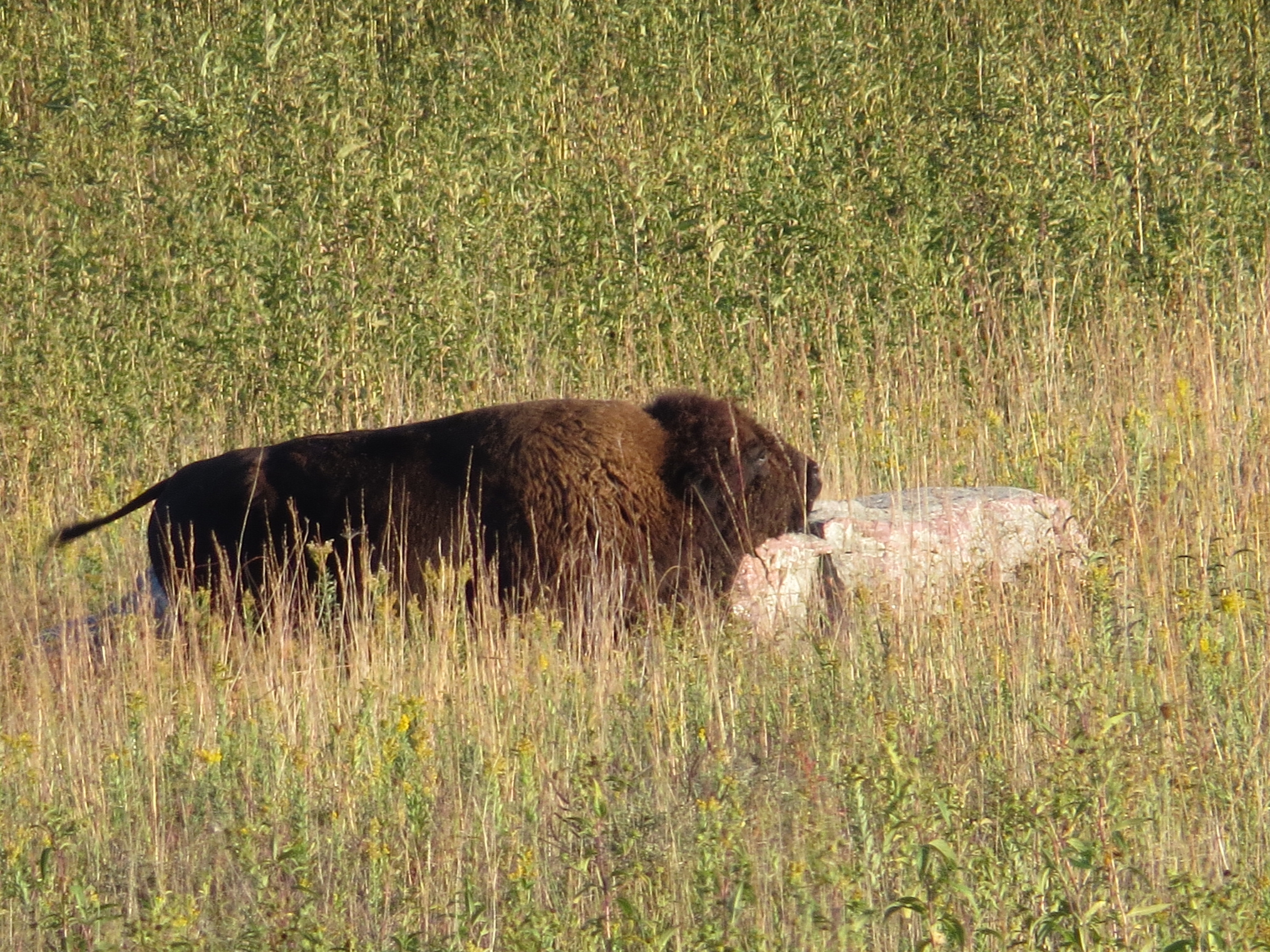
The boulders are used as ‘scratching posts’ for the bison and have been for many thousands of years. They rub their wooly heads and necks against the corner of the rocks, and in doing so, smooth the boulders to a shiny pink texture while relieving the itch of shedding their thick winter coats.
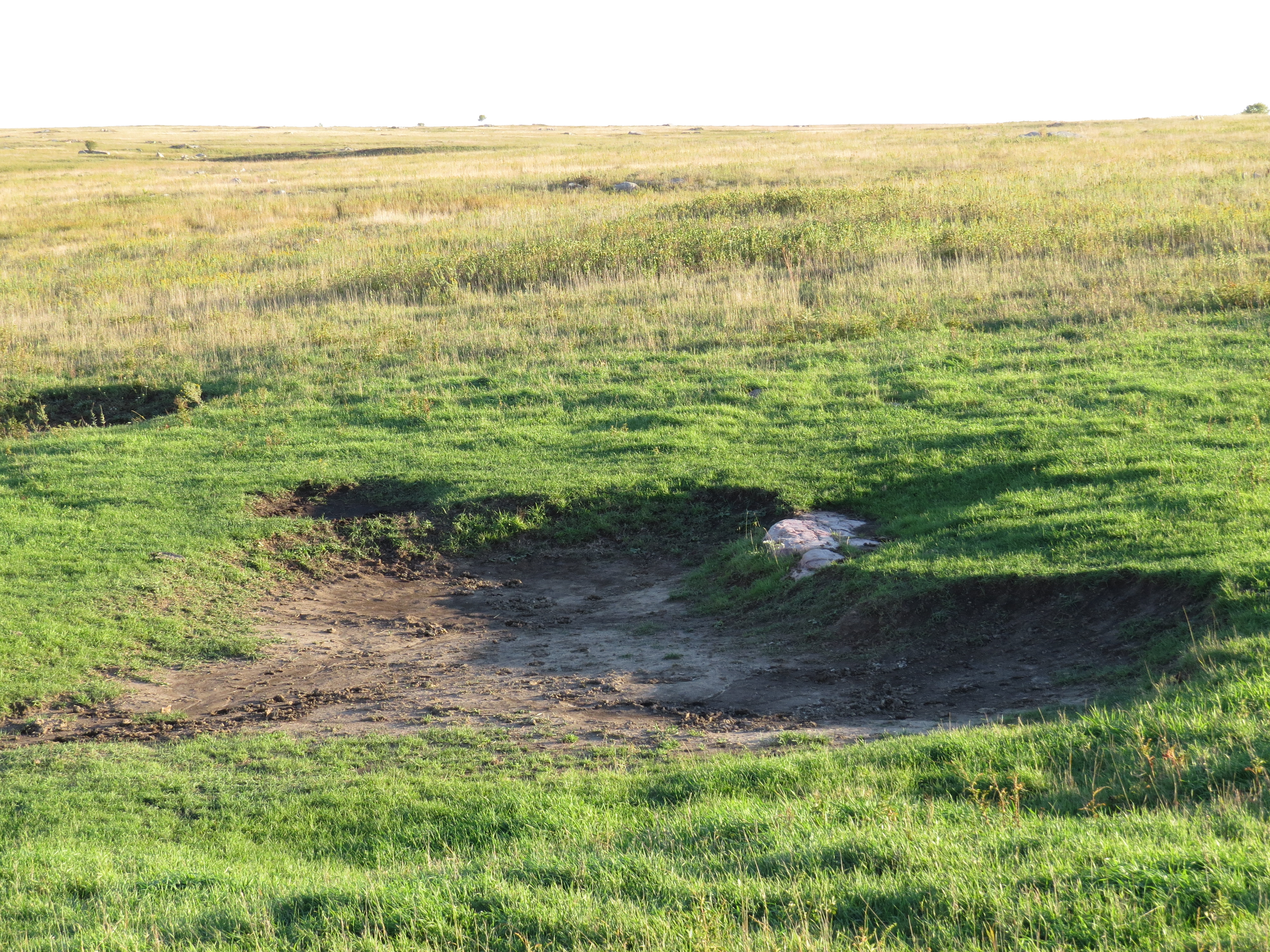
Another way bison scratch is using a buffalo wallow in the dirt. They may rub their heads or actually roll in the dirt to help with shedding, to get relief from biting insects, or to cool down in the heat.
Officially, these animals are American Bison—Bison bison as genus and species. But many of us call them buffalo. When the French fur trappers came here in the 1600s, they called them “boeuf” because they looked like the buffalos of Asia and Africa (Water and Cape Buffalos). I tried to call them bison for the weekend, to get my brain and mouth re-trained, but my default is still ‘buffalo.’
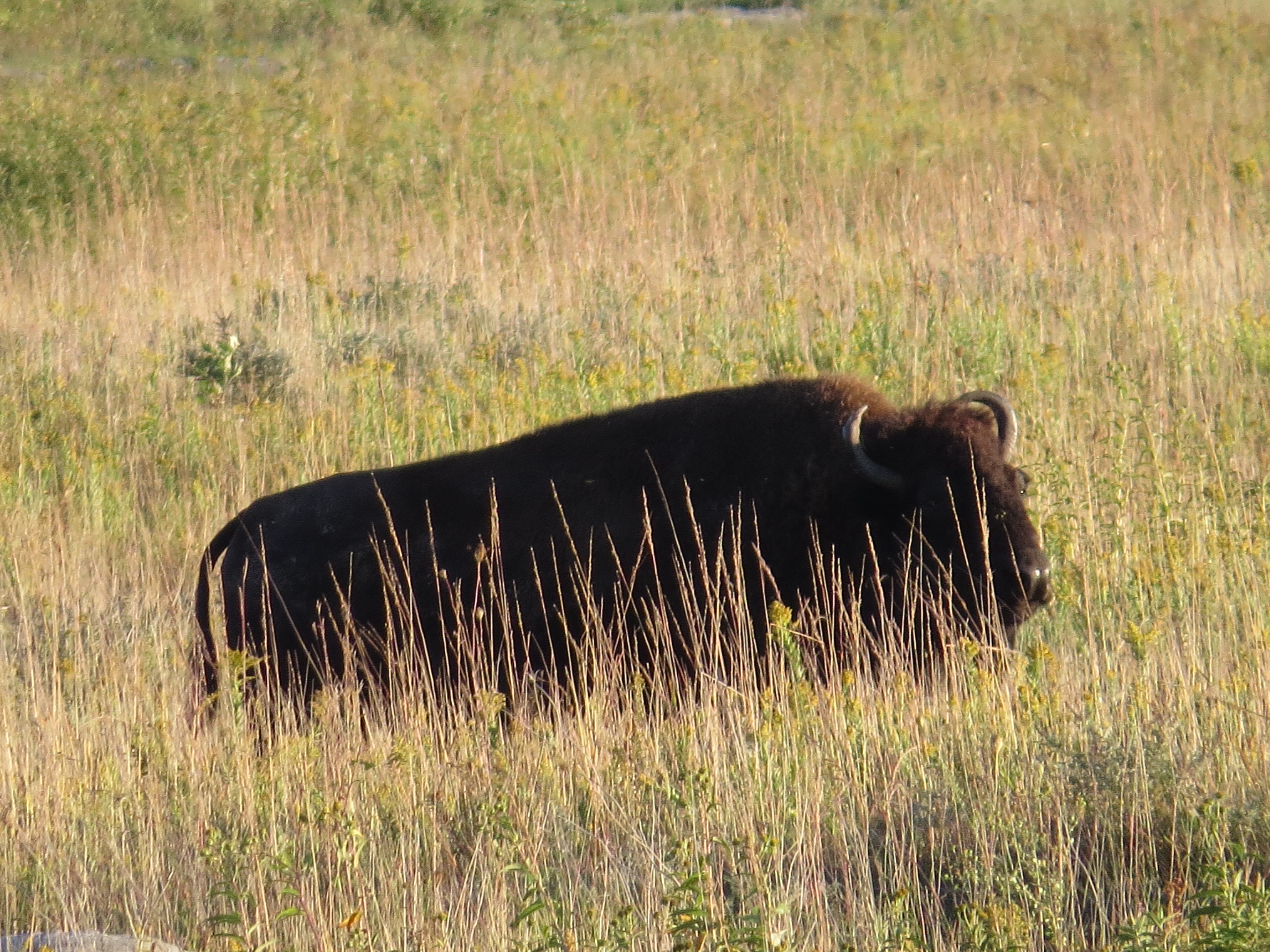
Gestation for a bison is 283 days—9.5 months—and the calves are 25-40 pounds at birth with a reddish-brown coat that darkens with age. So even by September, they have coats like their parents, and only size helps to identify them from far away. They are also growing horns already—both males and females.
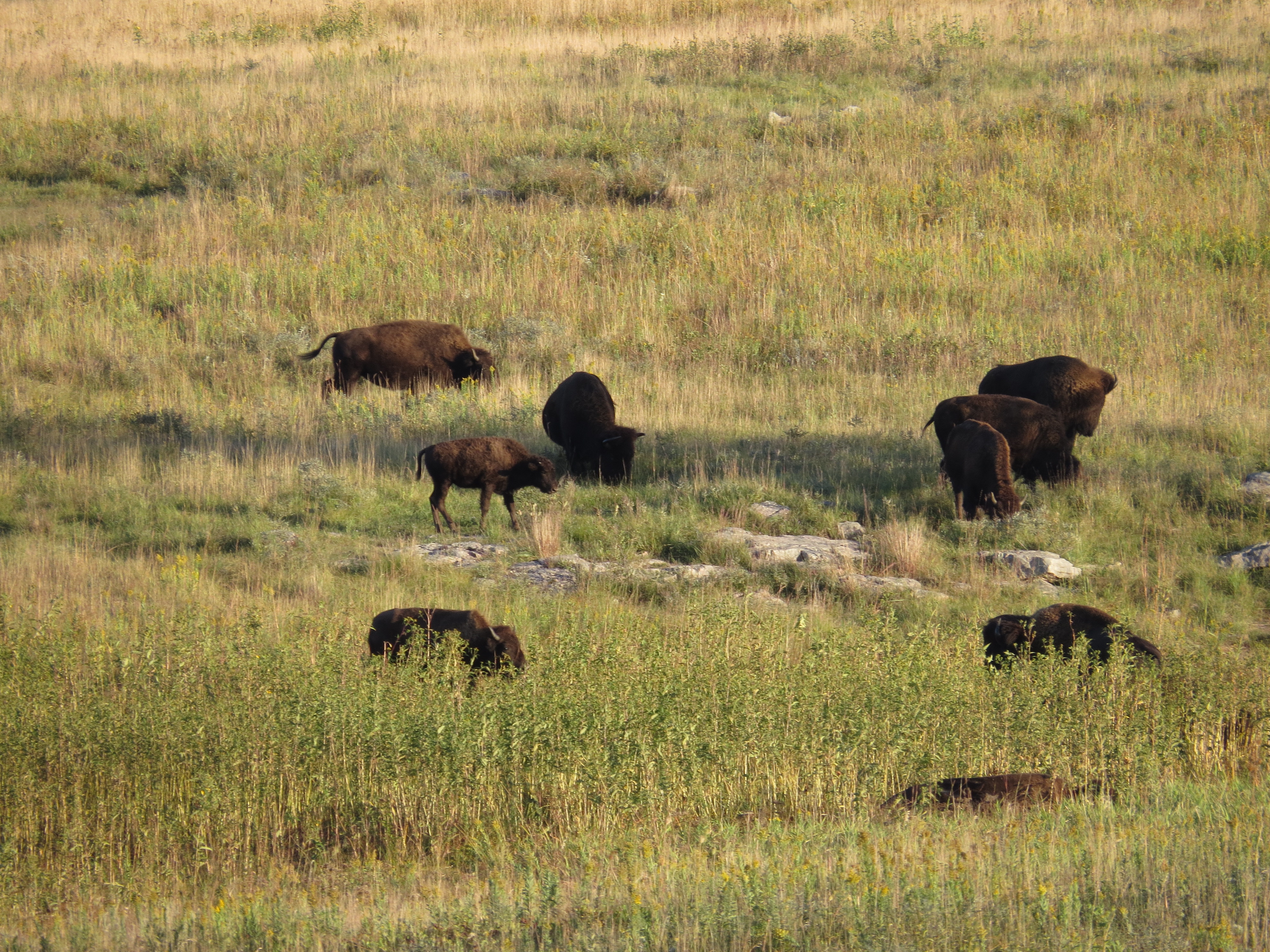
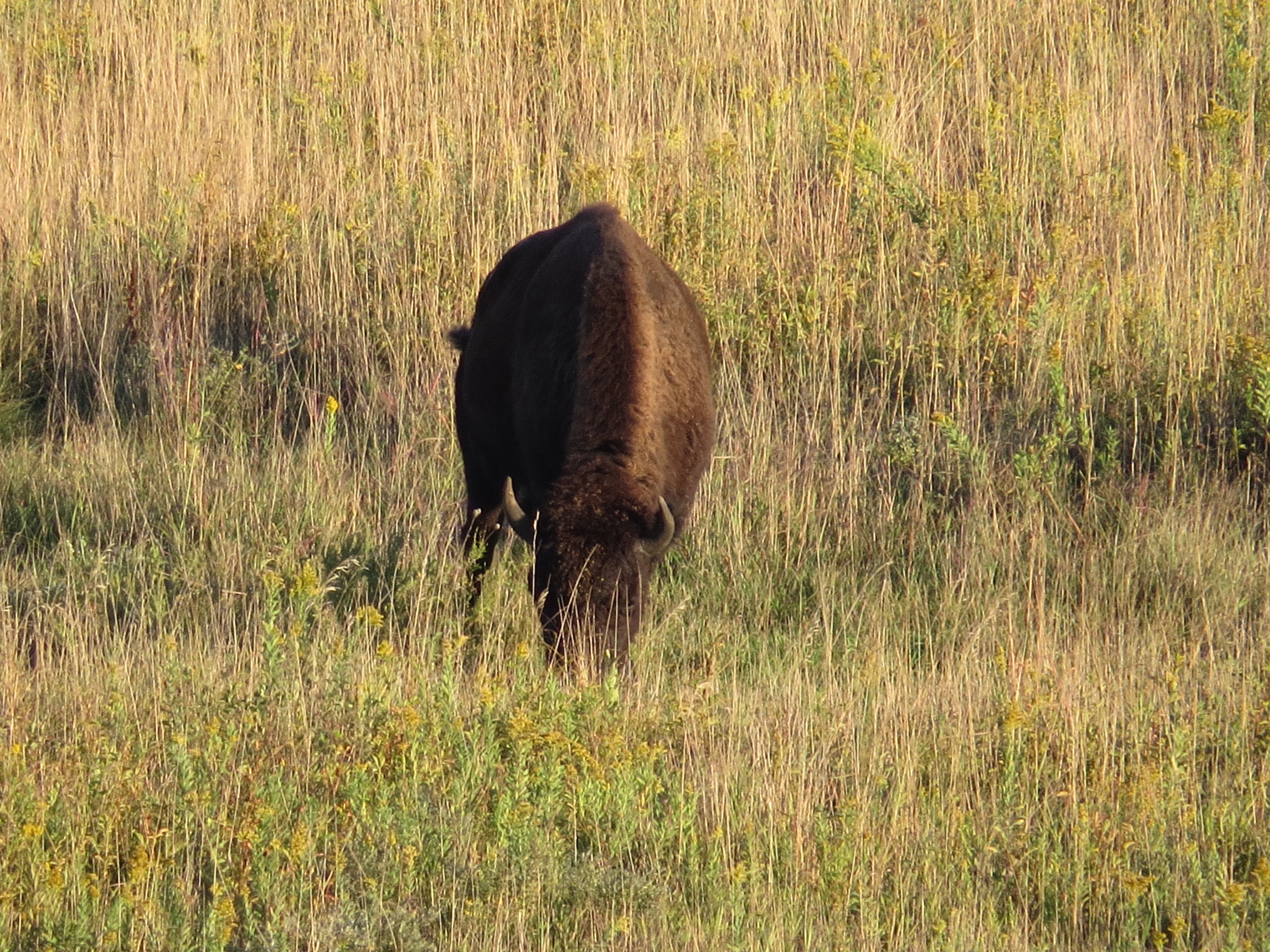
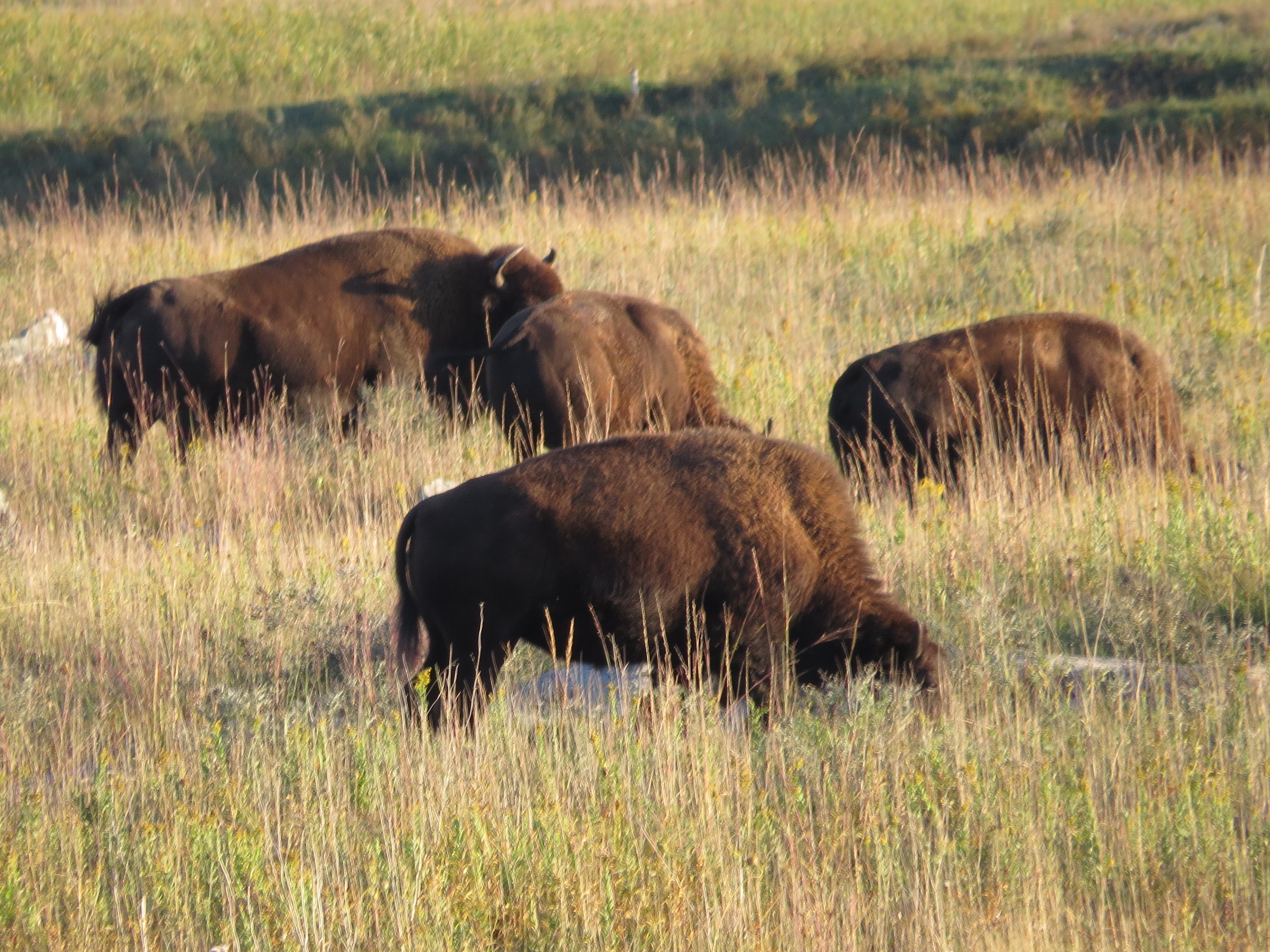
As we watched, the bison peacefully grazed across the pasture and up the hill, disappearing over the horizon. They graze for nine to eleven hours each day, year round, using their massive heads to move snow aside, if need be.
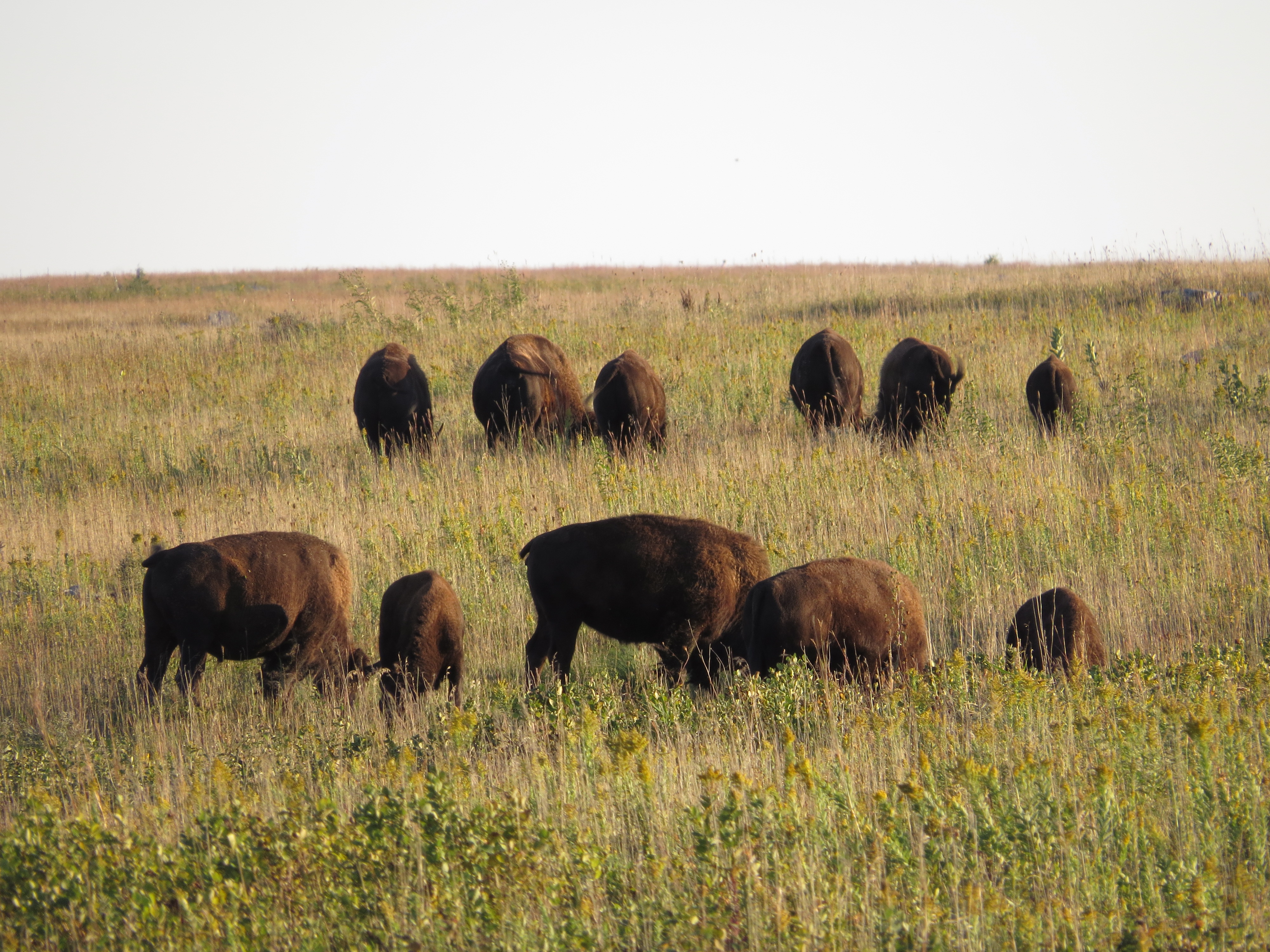
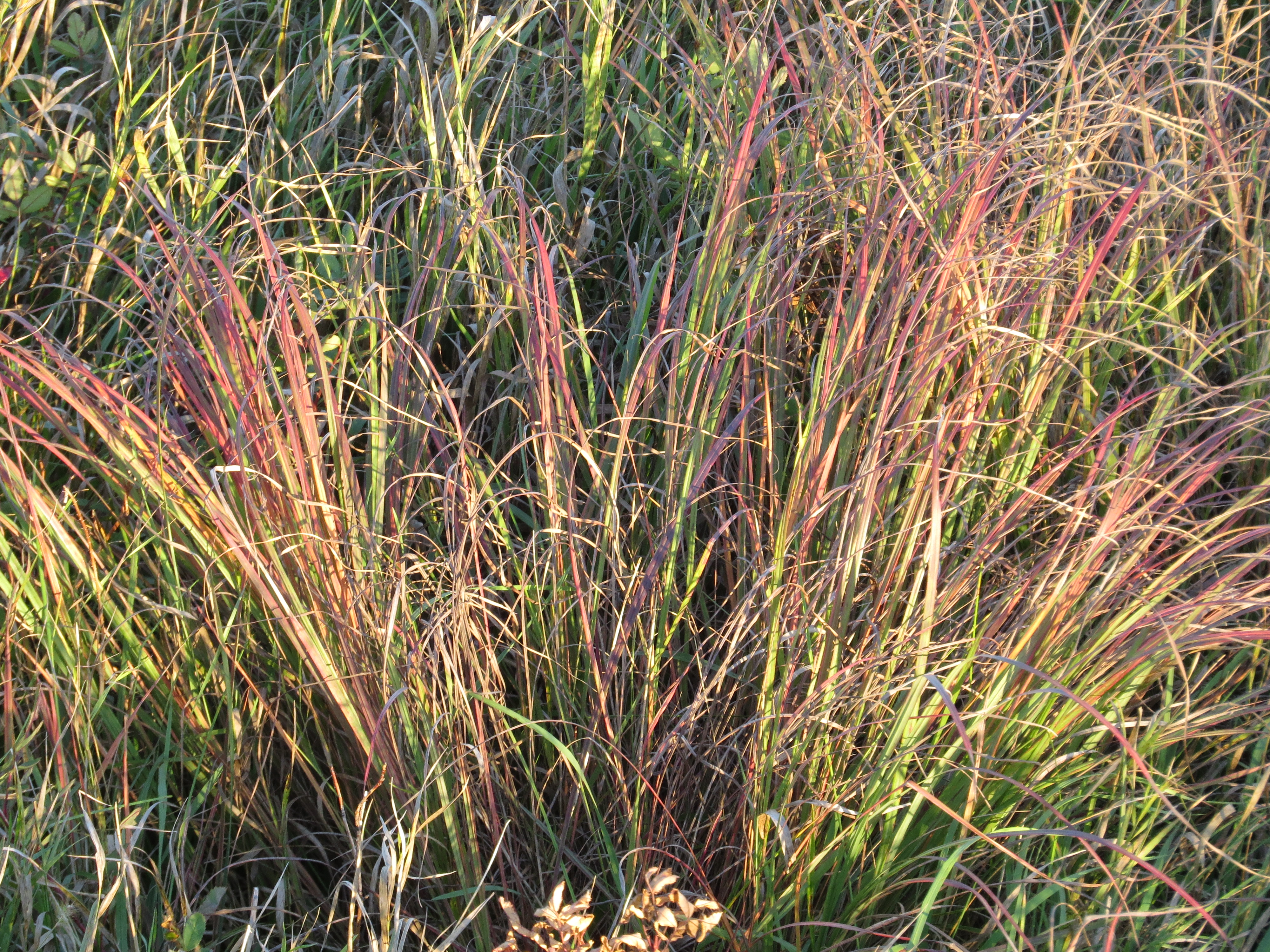
The earth supported their huge half-ton to ton bodies. Bluestem grass, along with other prairie grasses and wildflowers, is the staple for nourishment to sustain their large frames.
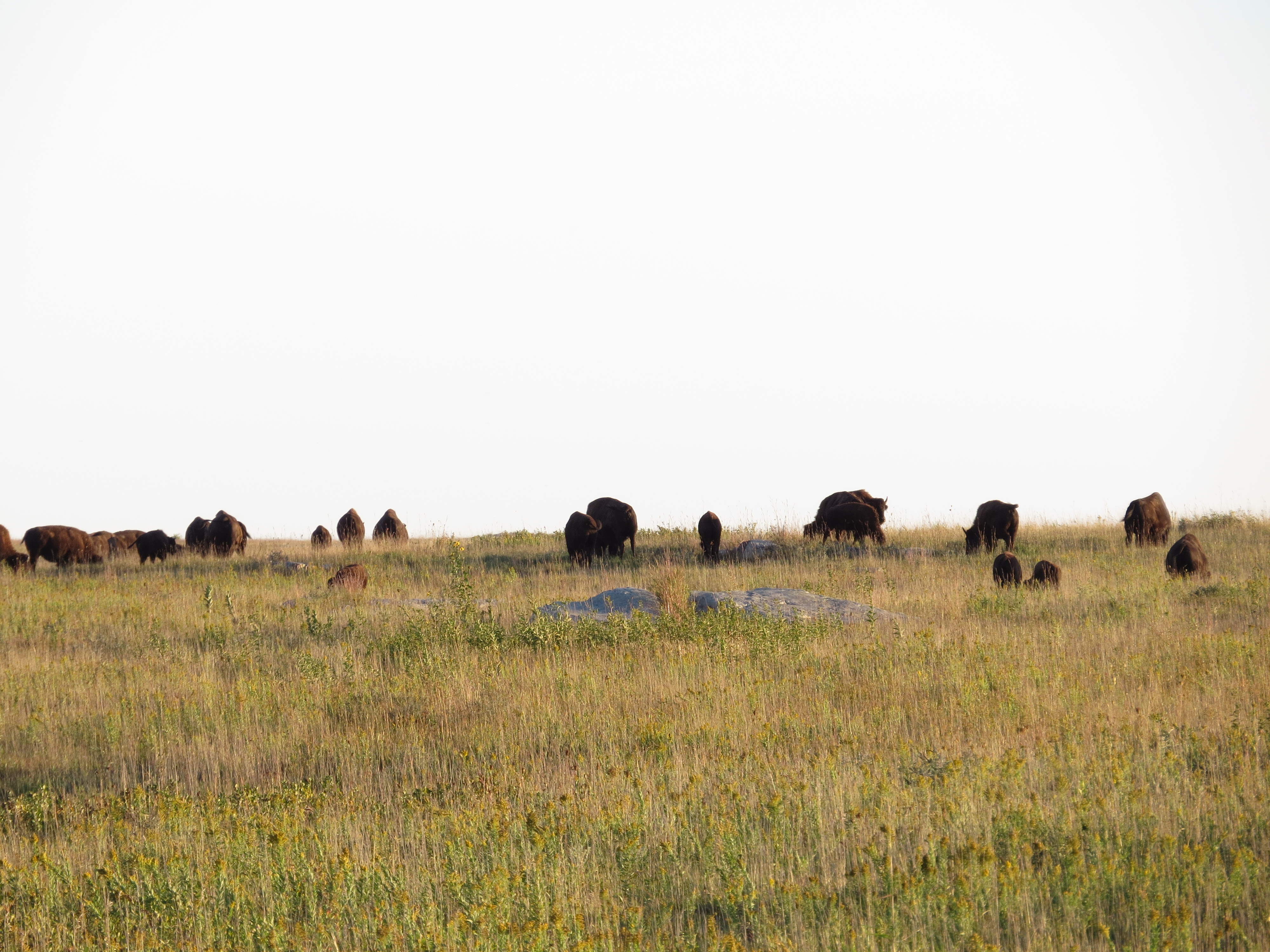
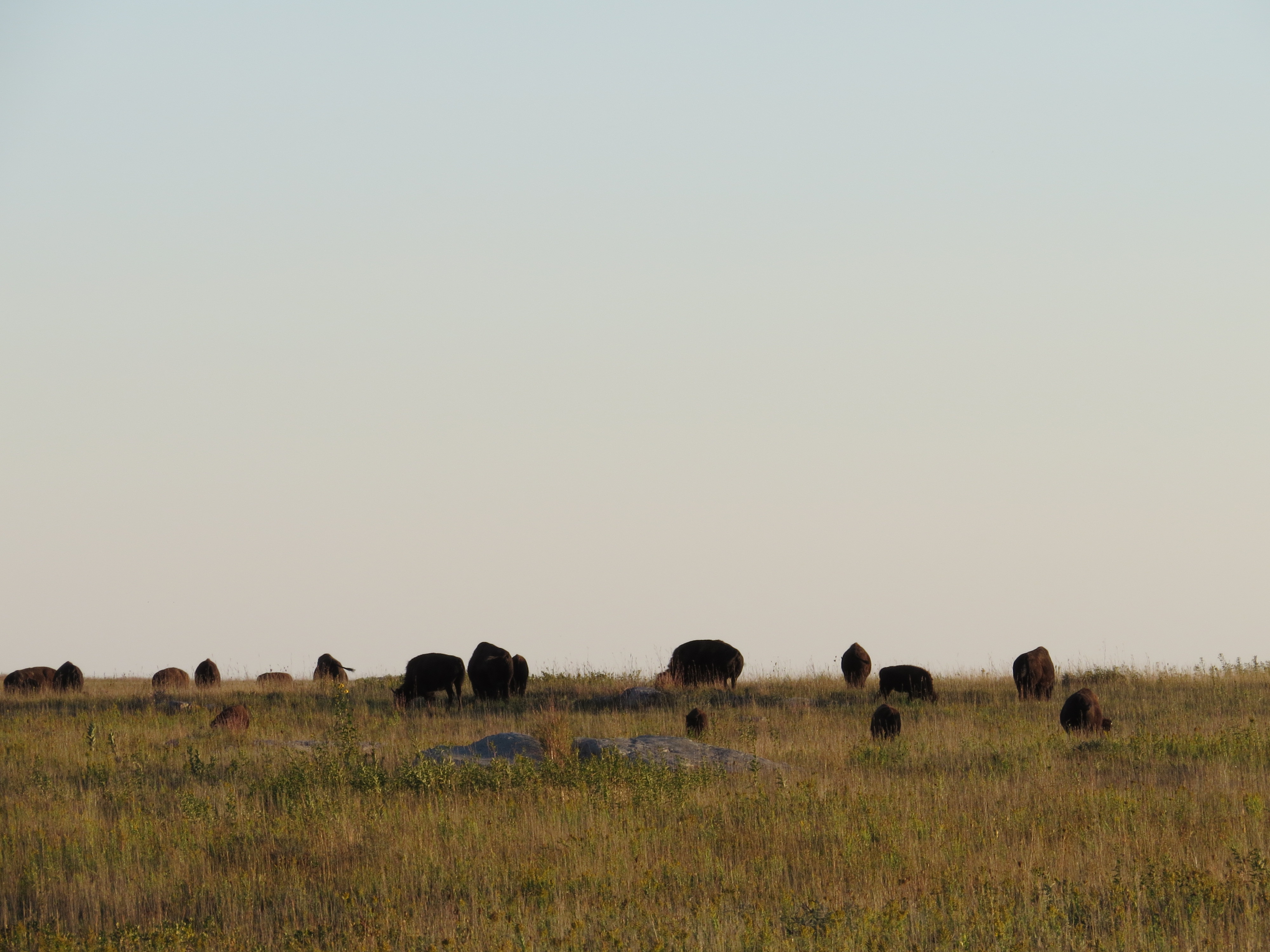
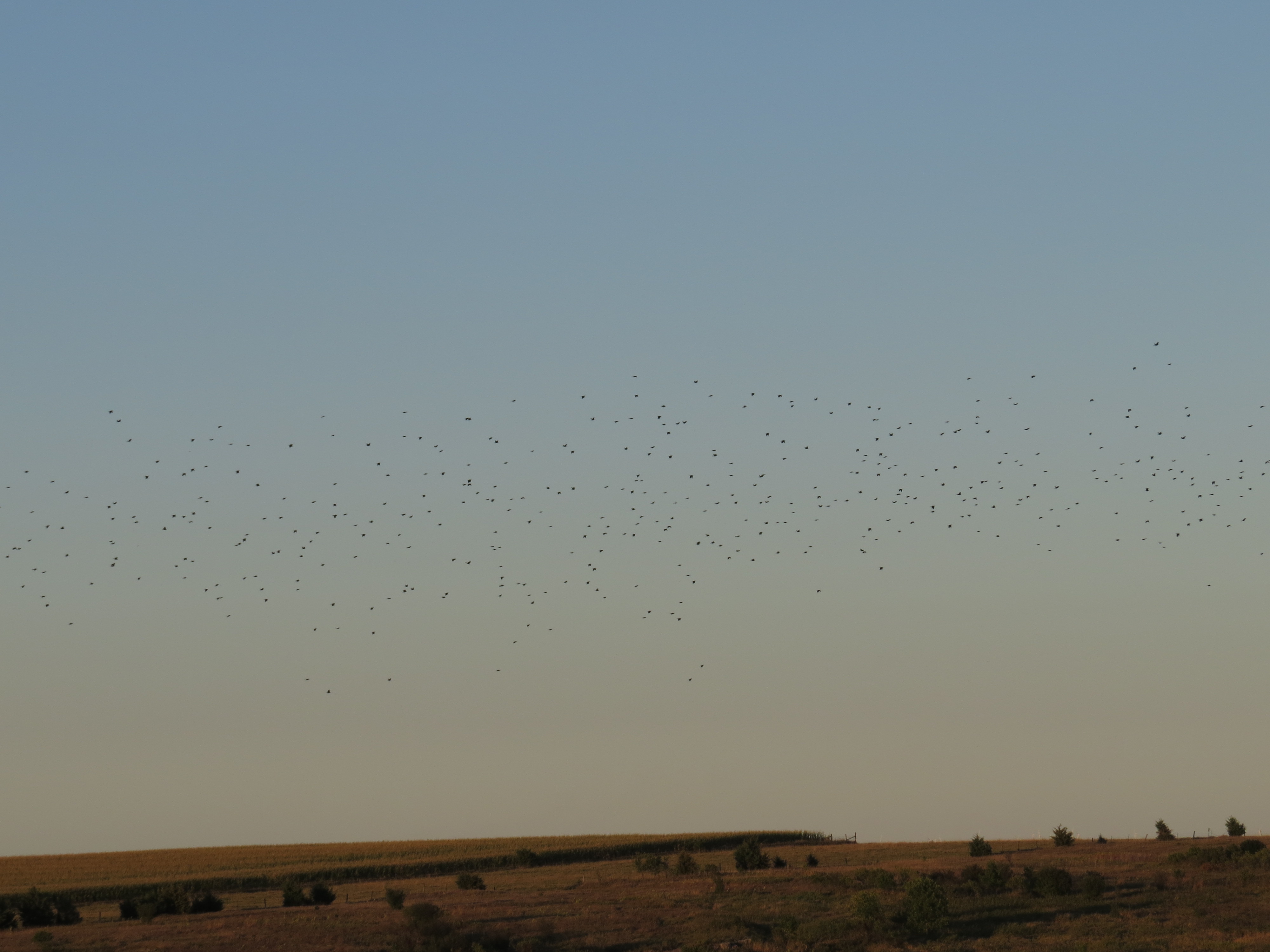
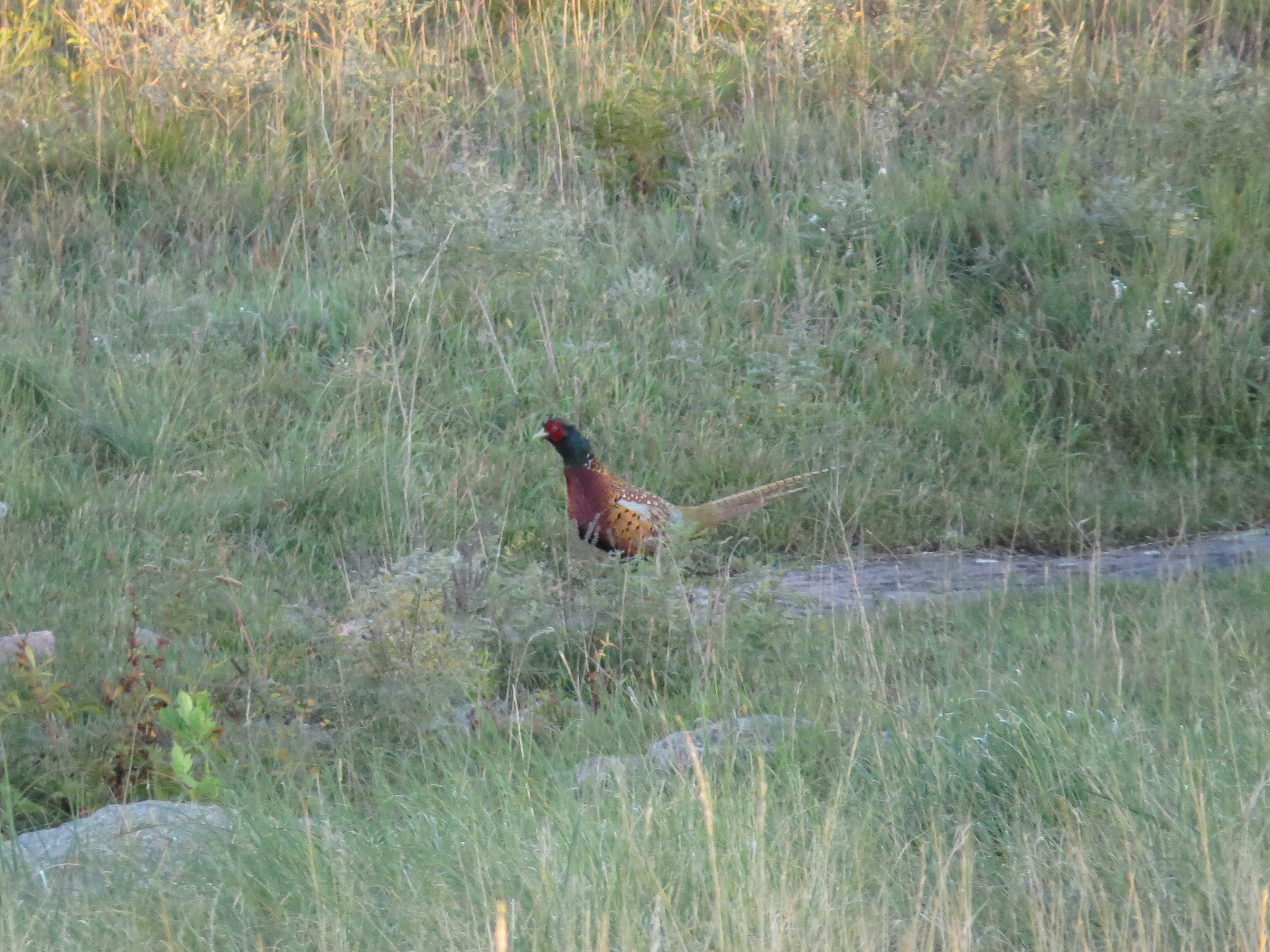
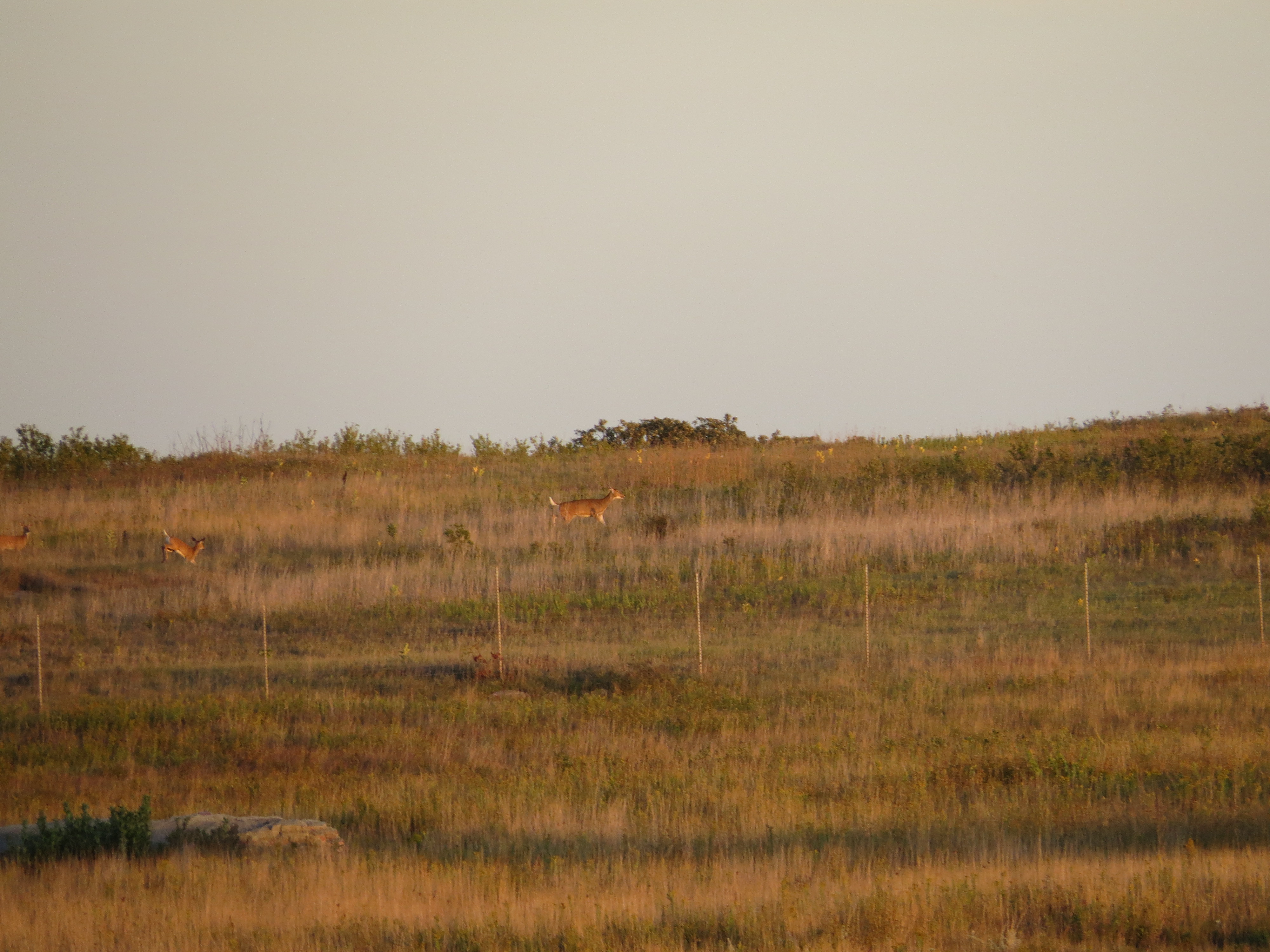
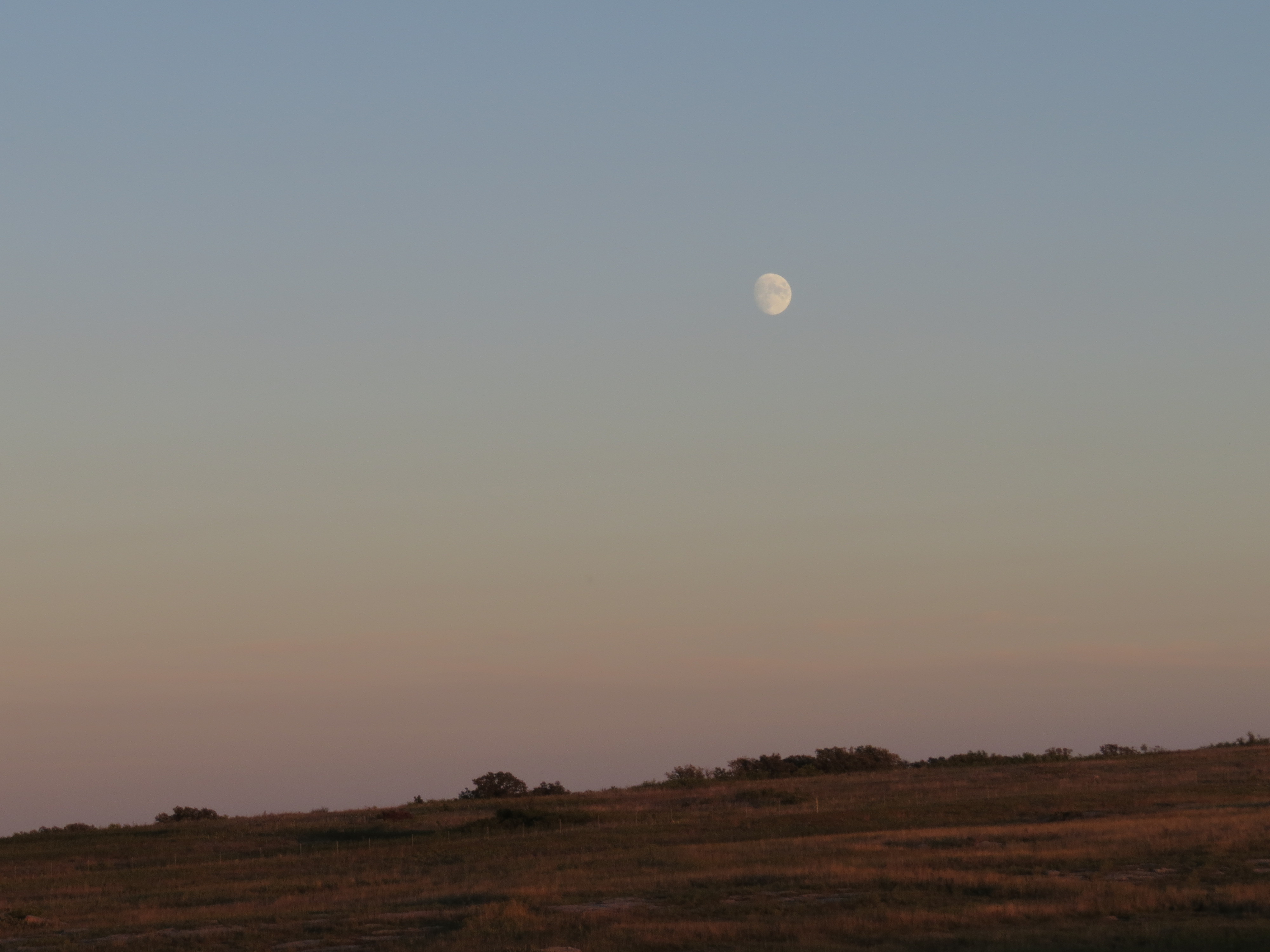
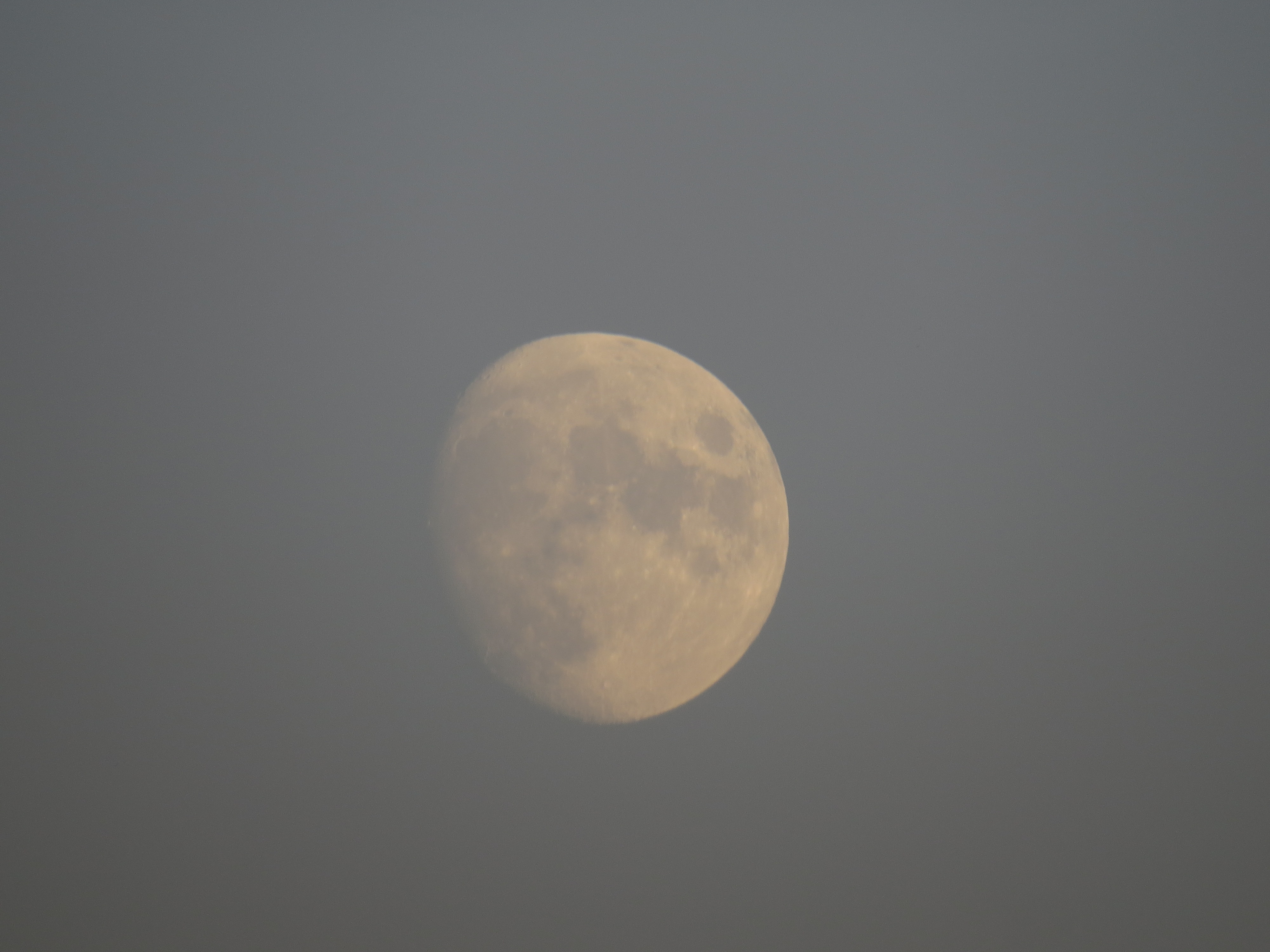
As the sun sank in the western sky and the bison grazed away from us, a flock of blackbirds swooped across the sky, and a pheasant rooster squawked and ran through the grass. Deer leapt across the prairie, their coats burnished by the setting sun. And the nearly-full moon revealed itself as the sky darkened.
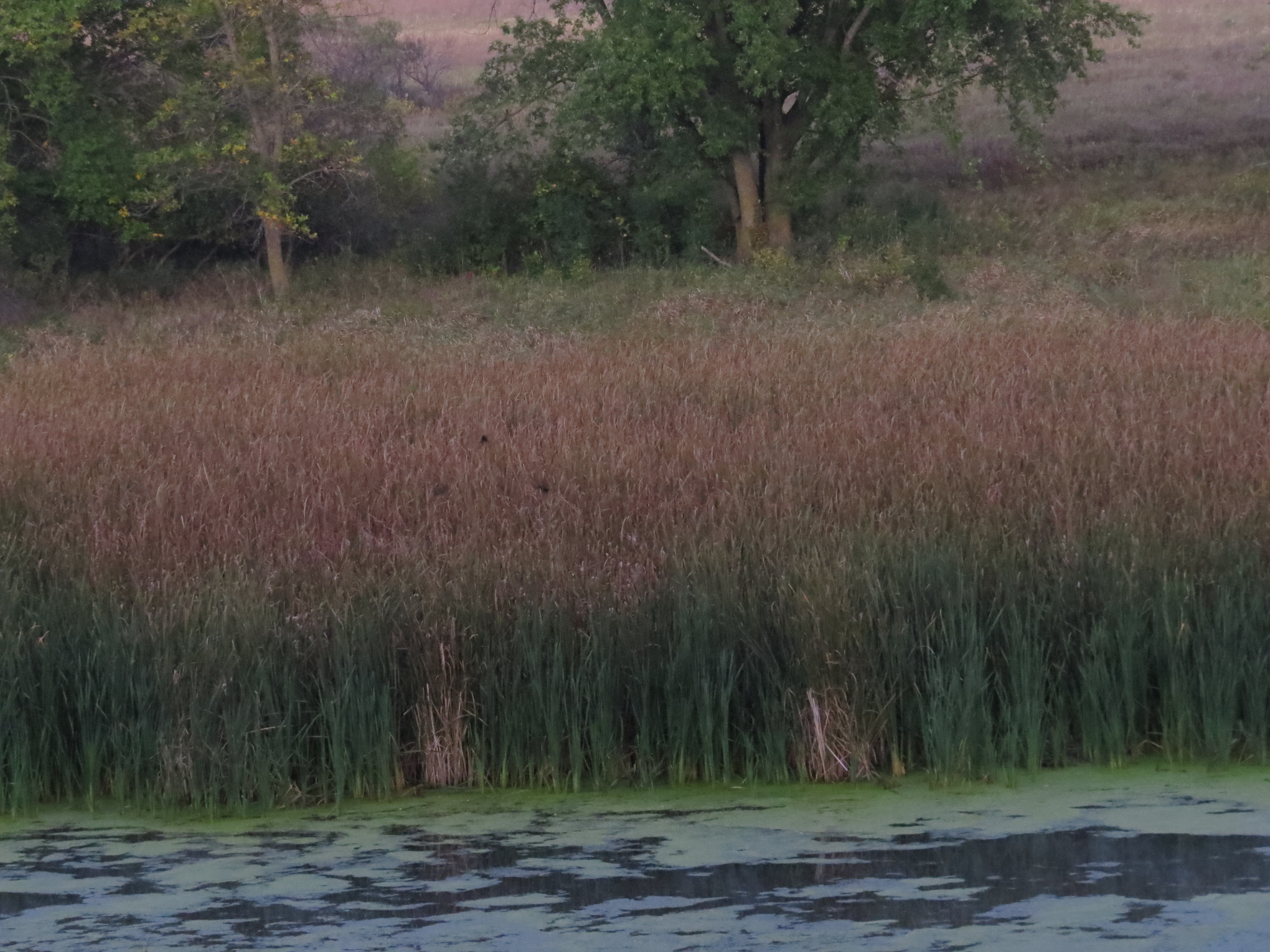
Back at our campsite, we heard where the blackbirds were settling for the night—that ‘field’ of cattails by the lake behind us. The chorus of their chattering continued long into the darkness. More geese flew in to Upper Mound Lake, their ‘Aquabnb’ for the night. We heard some rattling calls from the heron who may not have been so happy to share ‘his lake’ with all the others.
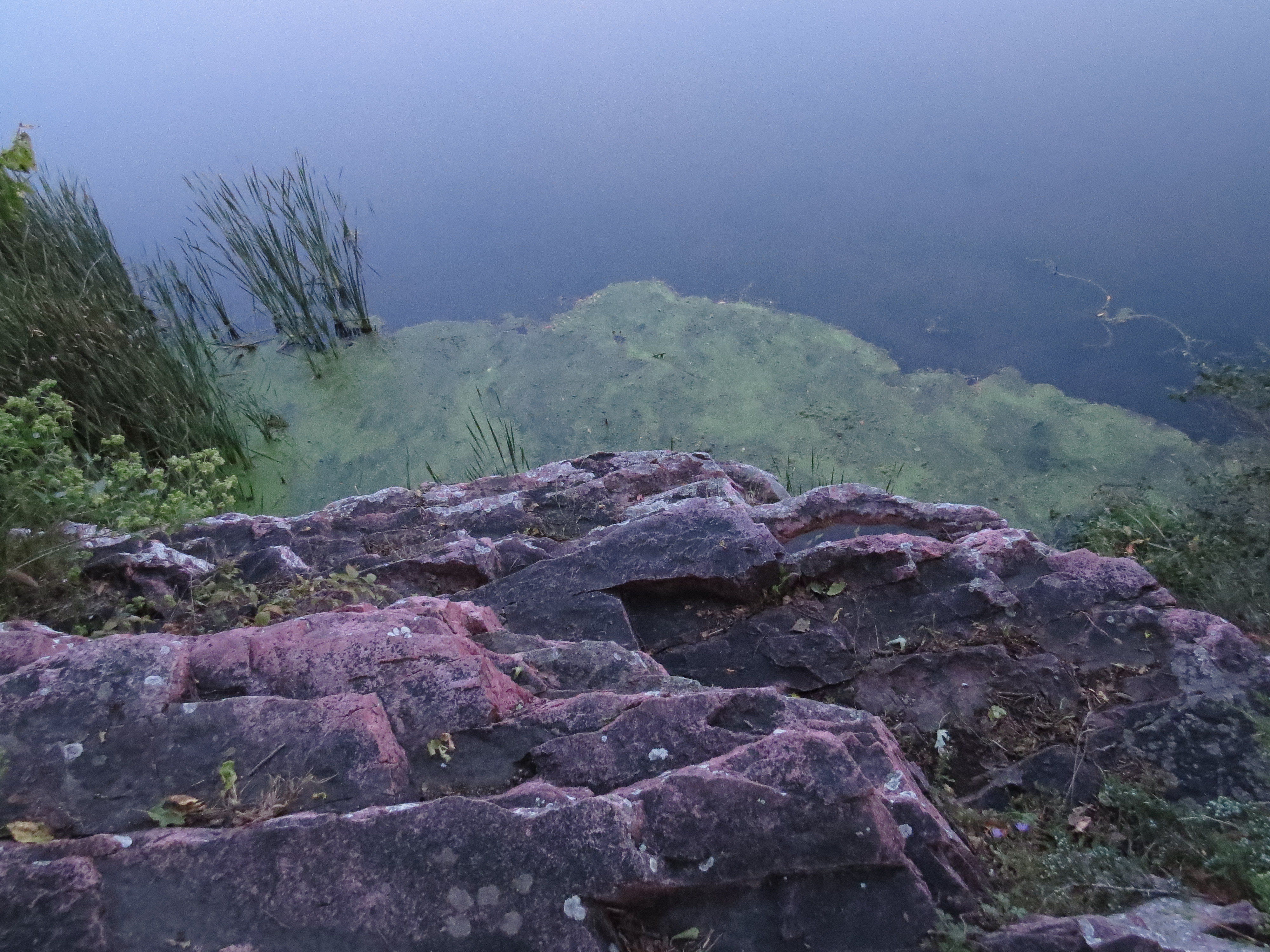
In the dusky light, the red rock cliff had a pink and purple glow about it—the firm terra at the edge of the fluid aqua.
The environments themselves—terra and aqua—are incredibly diverse—the number of different species of grasses and perennial wildflowers in a native prairie is in the hundreds, if not thousands. The lakes and streams support the same diversity of aqua species. But the showstoppers of our weekend at Blue Mounds were the birds of the lake and the bison of the land. Both were enchanting. When was the last time you were enchanted? And what was the source of that enchantment? Was it a temporary ‘high’ or a deeply satisfying ‘knowing’ that you were experiencing a bit of magic? The aqua-creatures and the terra-creatures were captivating, especially the heron and the bison. The source of that enchantment was Mother Nature—the creator of all that sustains us, all that supports us, and all that flows within us. Peace.
Walking With Wolves at Sunrise
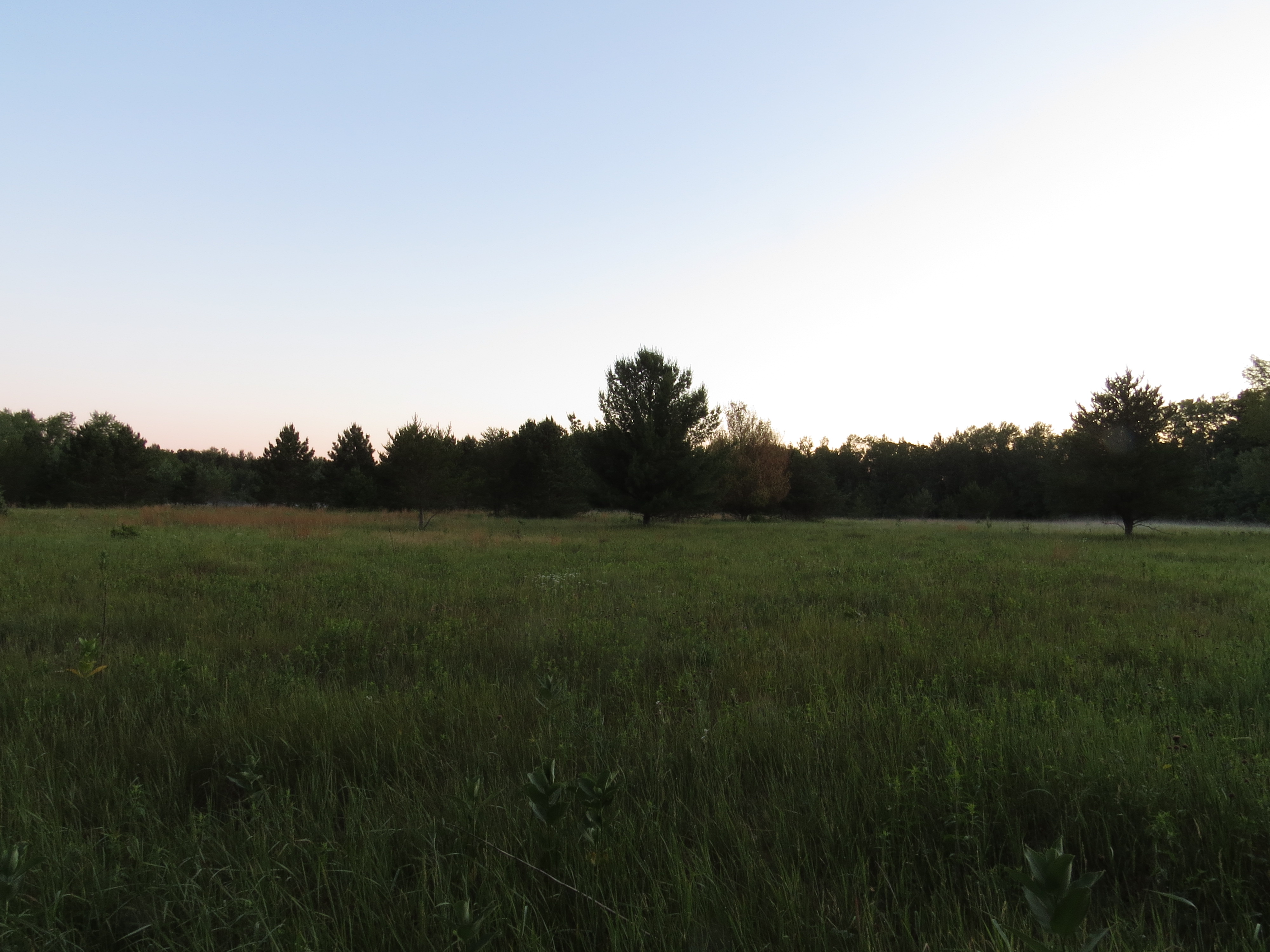
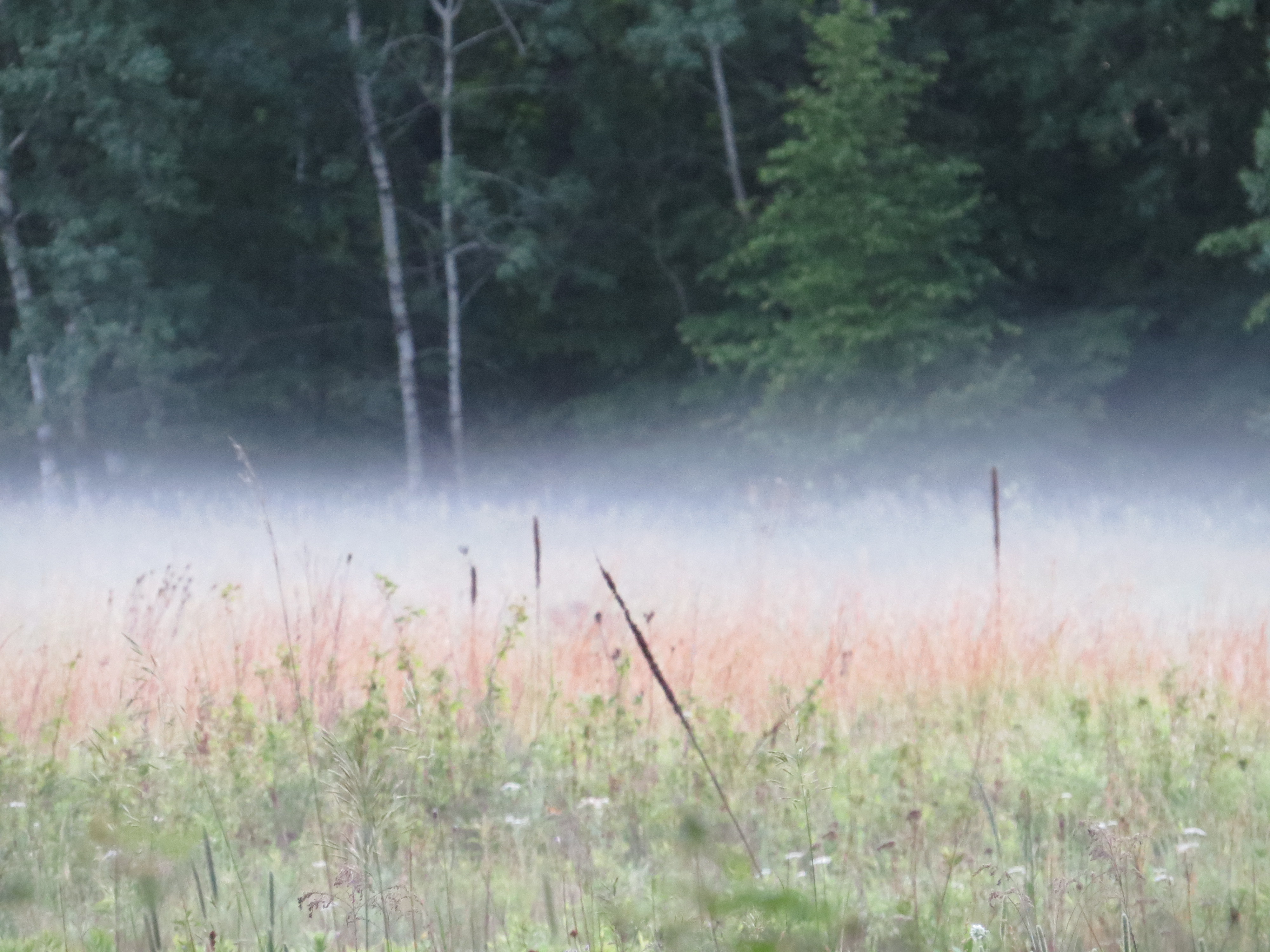
After our Summer Solstice bear sighting, we returned to our campsite and went to bed in the evening light. We had plans to do an early morning hike on the Sunrise Trail that followed the St. Croix River. We slept fairly well, considering our questions of whether we could sleep on the ground at our age, and with thanks to 21st century sleeping pads. I woke at about 4:30, rested and ready to go, so we got up in the mostly dark, got ready, and hit the trail. The forest was dark, though we walked without headlamps. There was just enough light to see the trail—we placed our feet by feel. It was quiet and calm, a rather magical time of day, and it felt like we were participating in the waking of a morning. We came to a small meadow, and the morning light opened up to us, and a haze of mist lifted from the grasses.
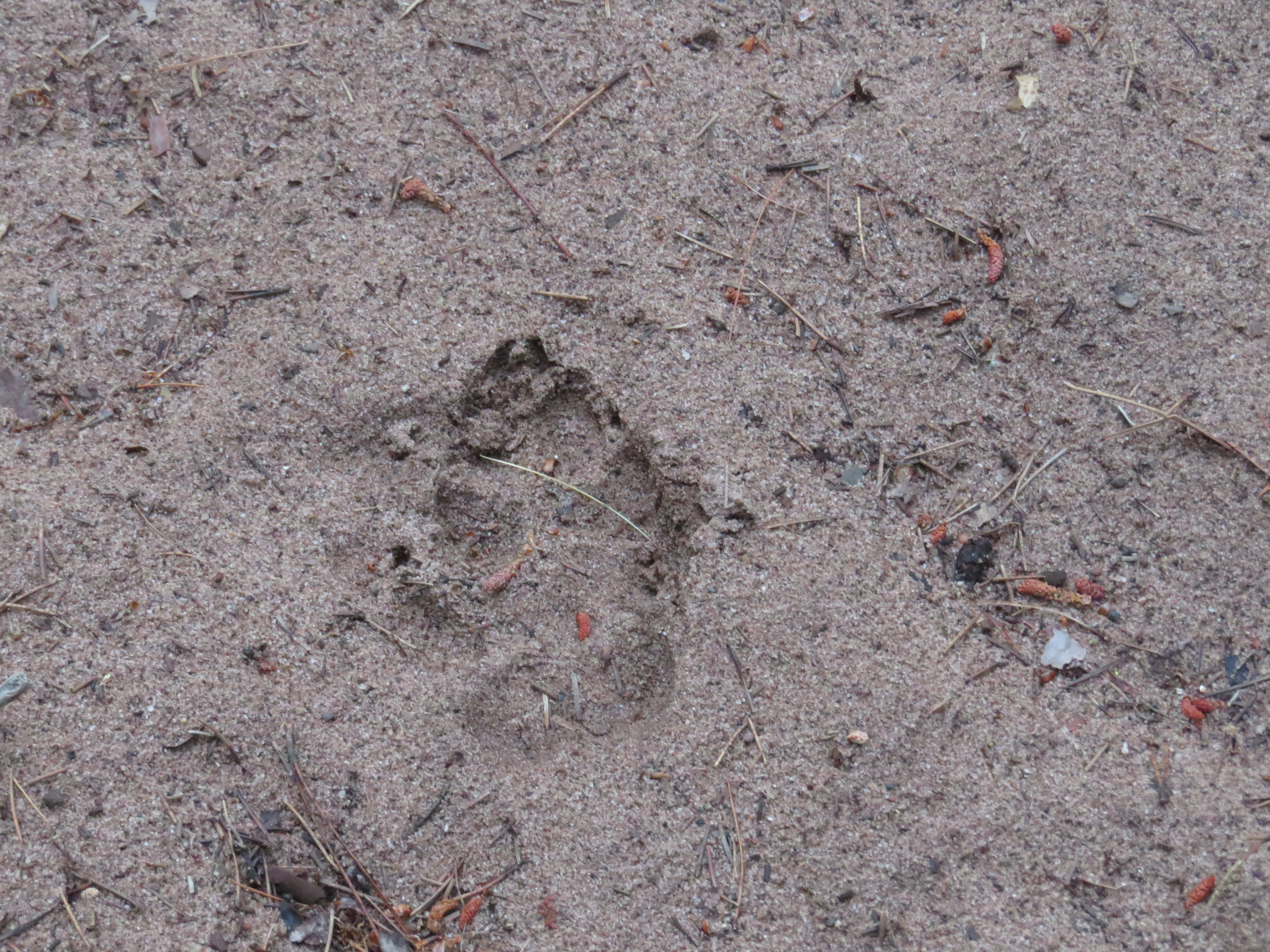
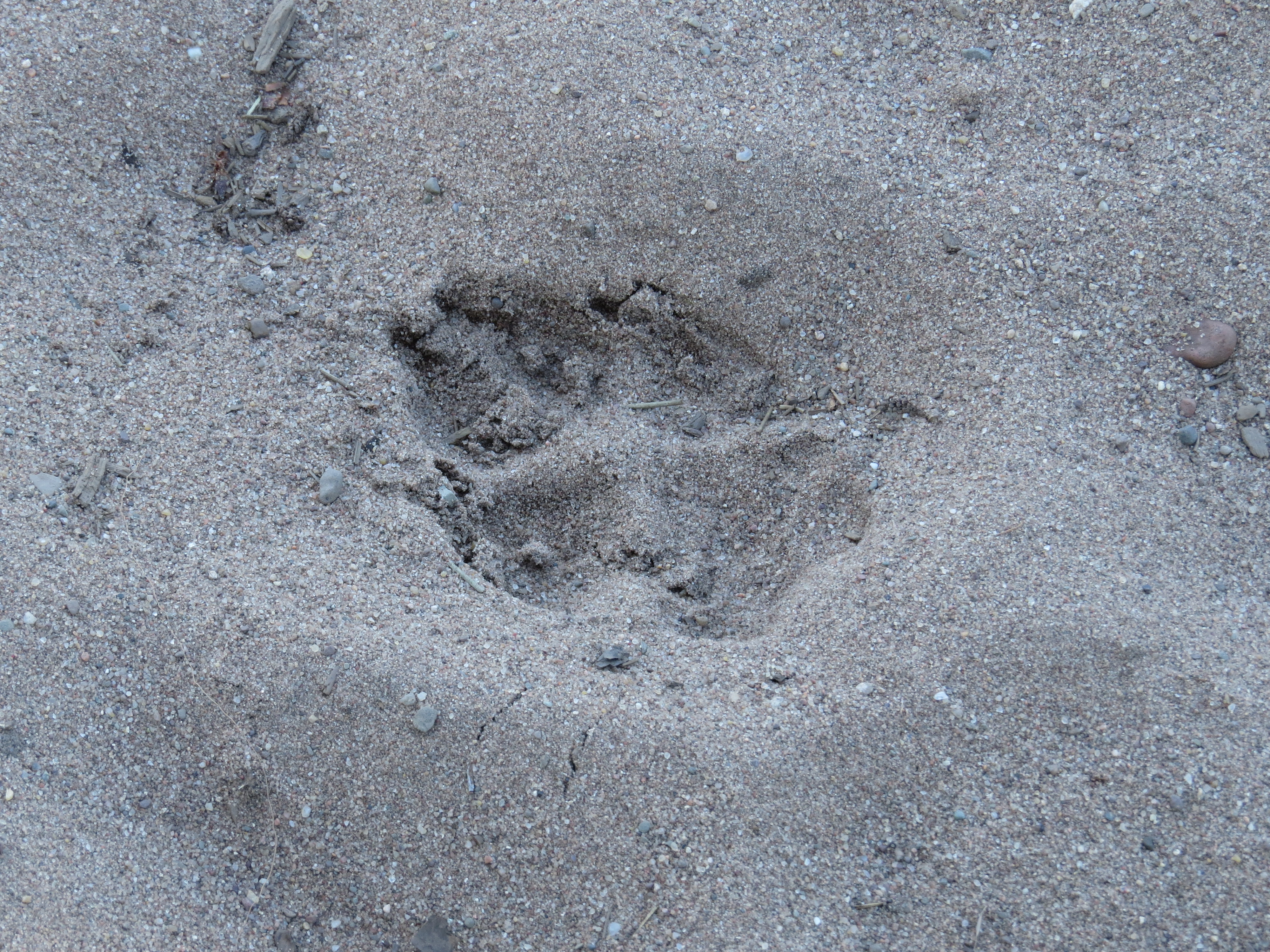
After we left the loamier soil of the woodland trail, we walked on sand, and with the light and with the sand, we noticed that we were not walking the trail alone. The wolf tracks were as fresh as those we were laying down. We wondered if he had followed the trail by night or if he had just beat us to the Sunrise Trail this morning.
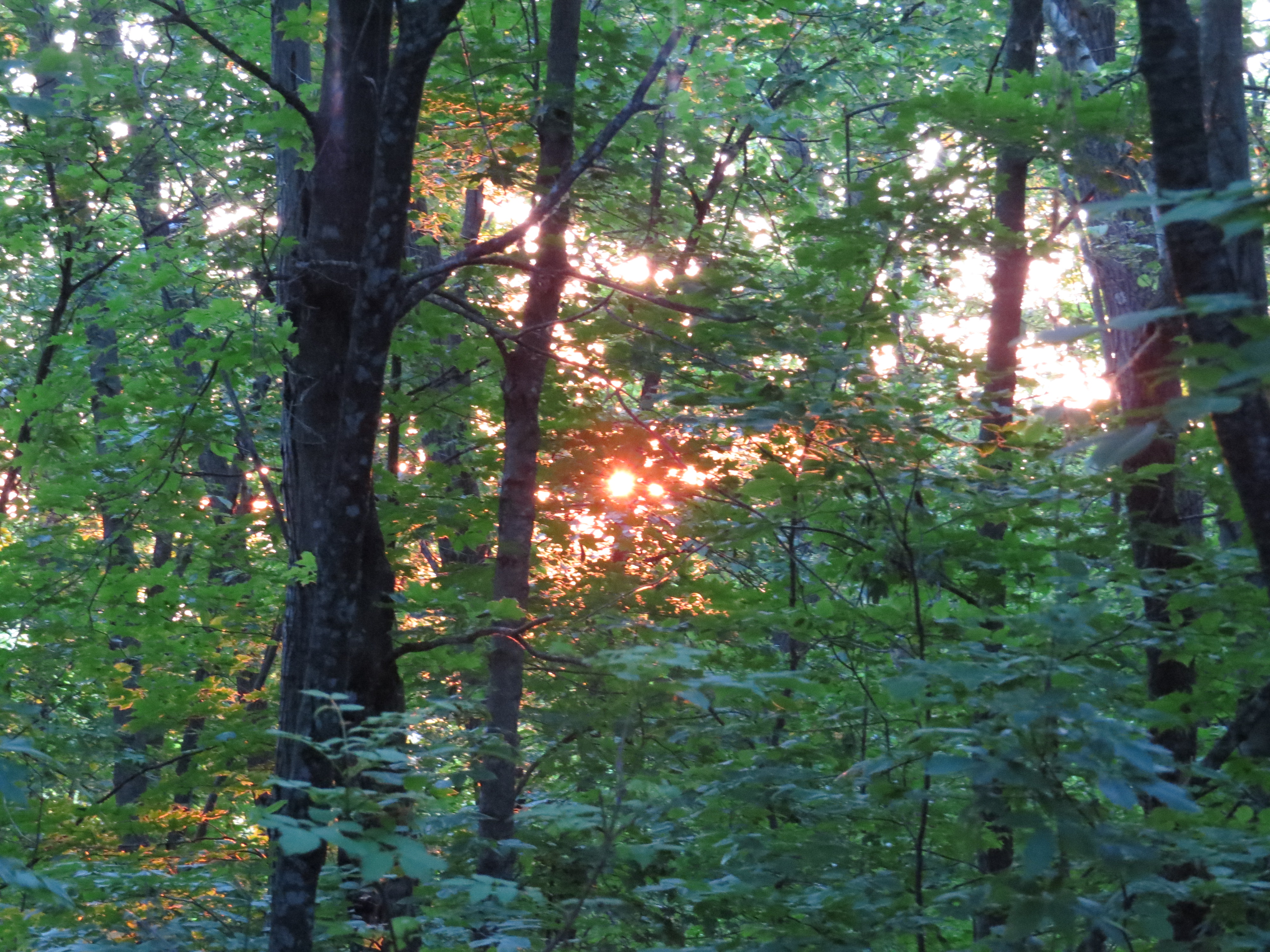
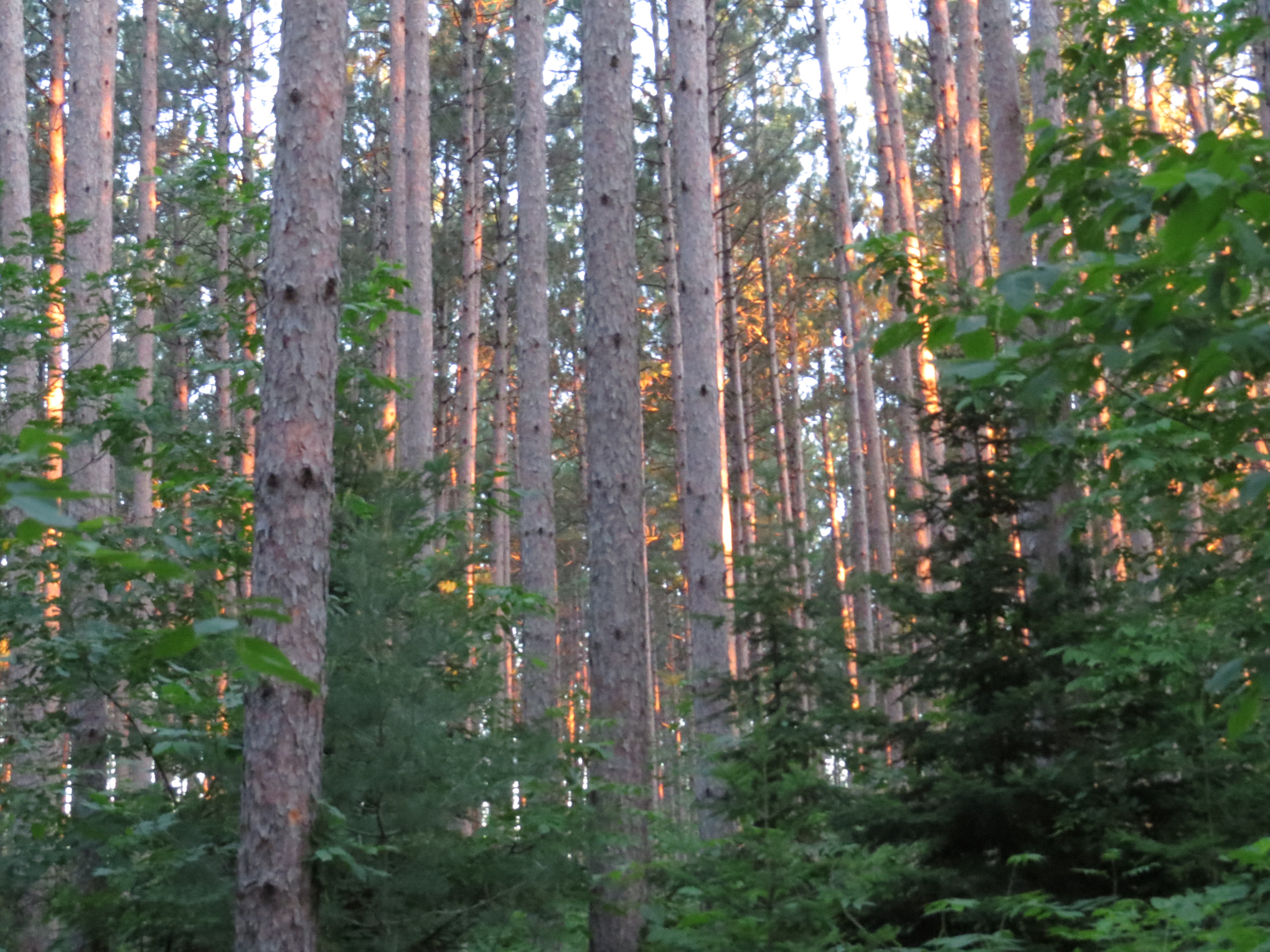
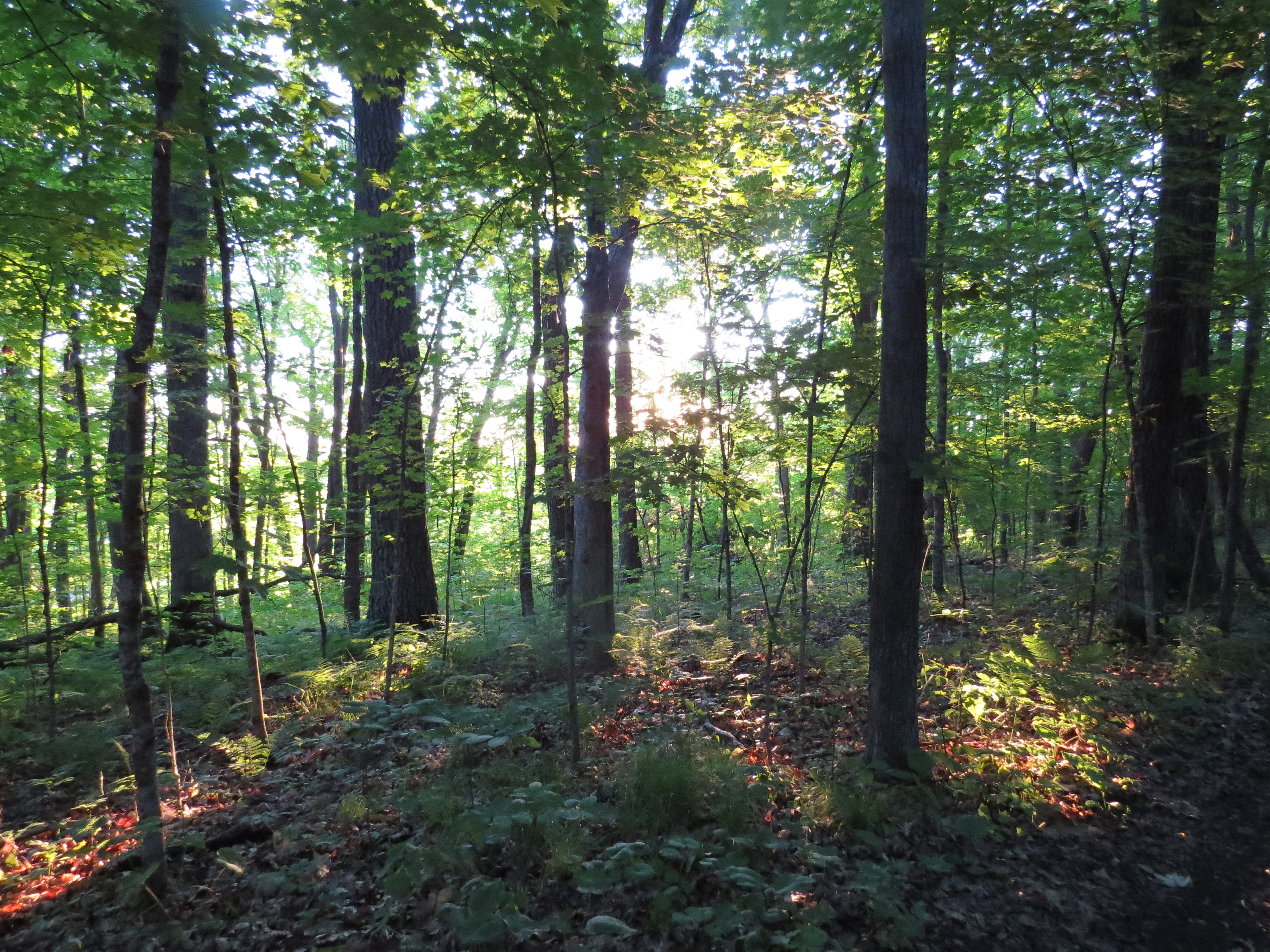
We had been hoping to be close enough to the River to see the sun rising over it, but we were up on a ridge with trees between us and it. Every once in a while I could catch a glimpse of water. When the sun did rise, the undeterred shine of light made its way through the trees in spectacular fashion!
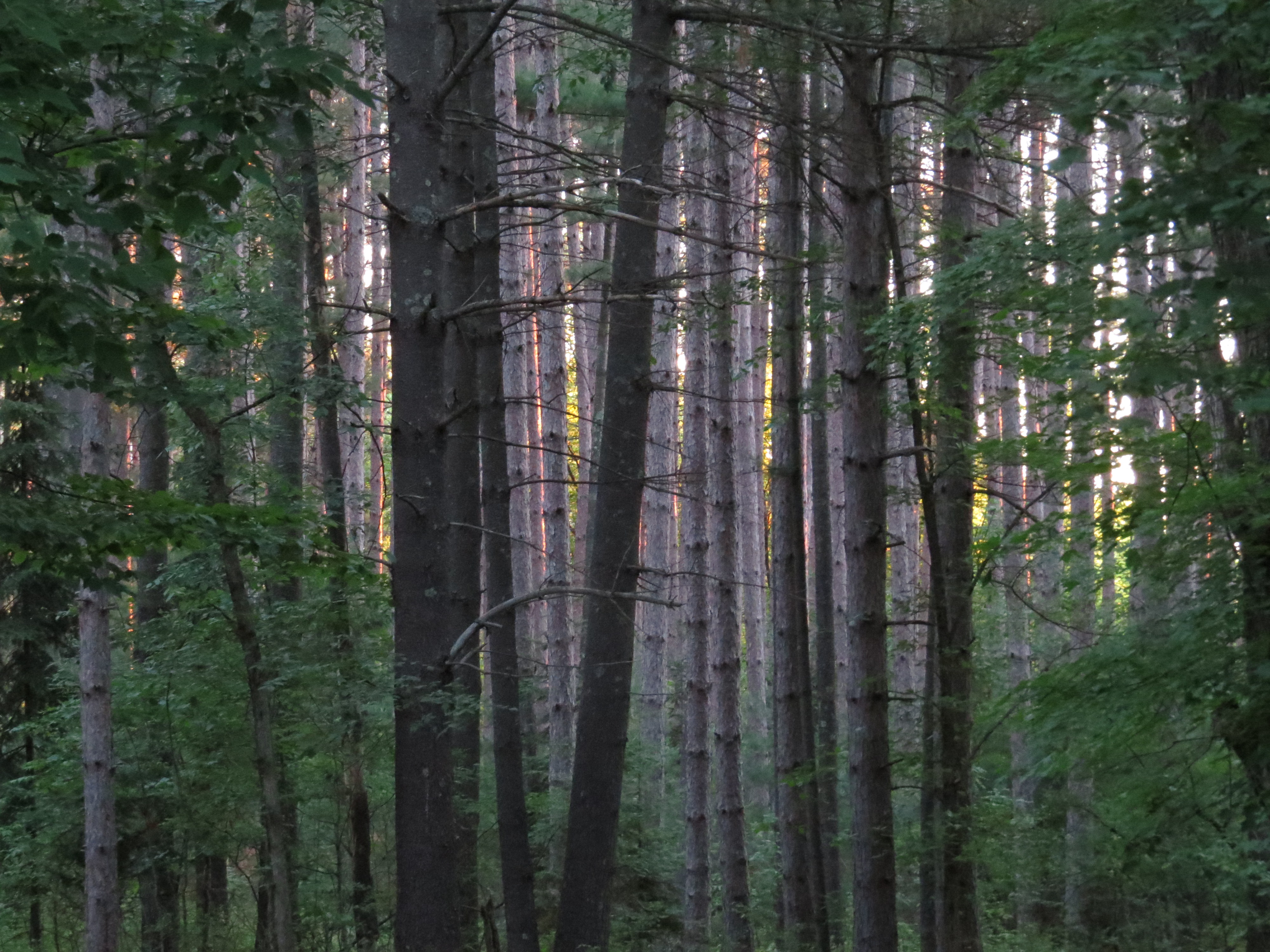
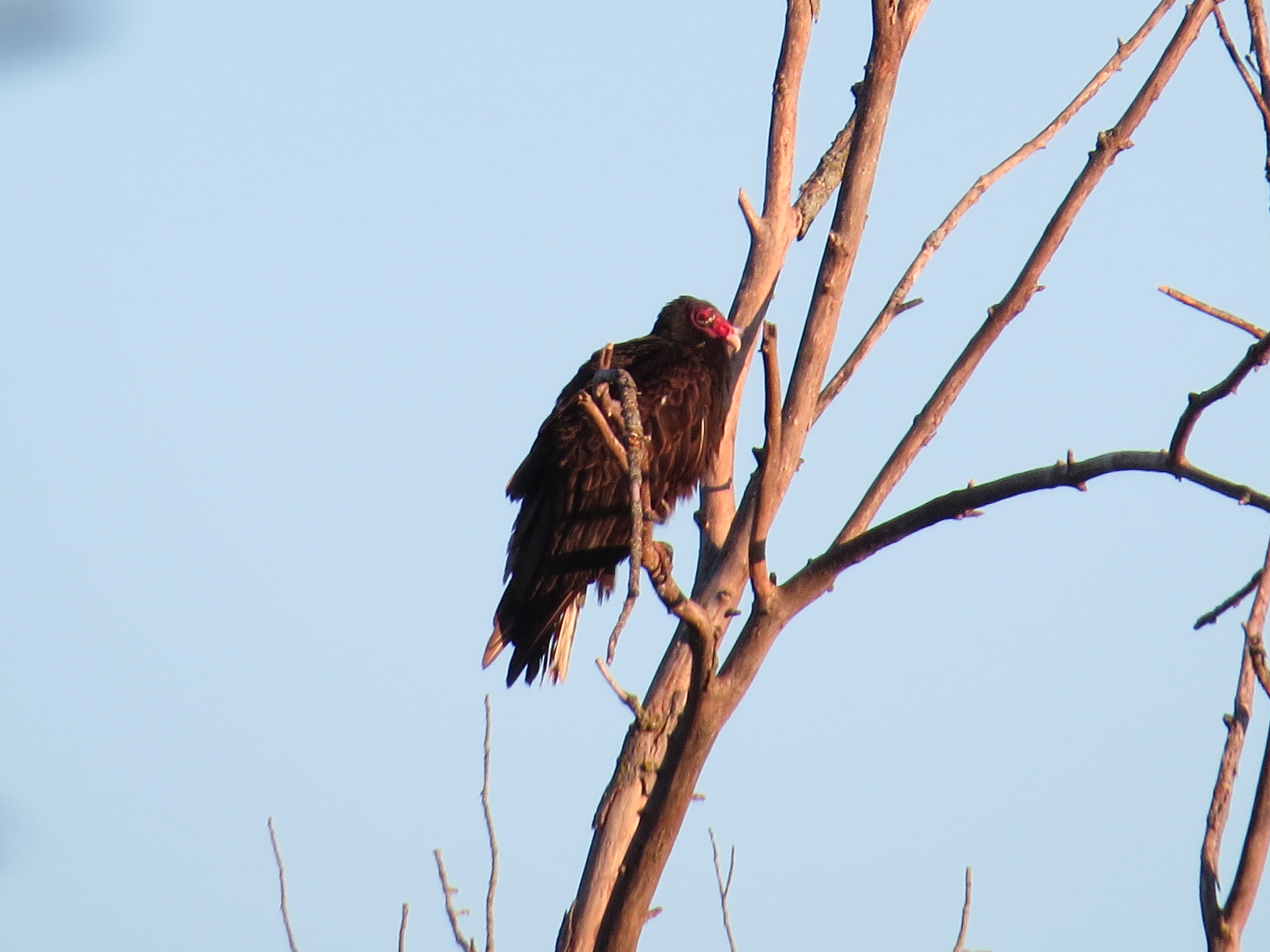
We walked for a little over an hour until we began to lag in energy and in hopes of getting close to the river. Could we make it to Sunrise Landing? I had thought so with the trail marks we had passed. We heard an awful squawking call and saw a pair of vultures fussing with one another. Then in the sight of the vultures, we stopped to look at a map and realized we weren’t even close to Sunrise Landing! So we ate our breakfast bars and drank some water with the realization that we really weren’t as great at this as we thought! Lol! We decided from then on, it wasn’t how many miles we were able to do but how many hours we were out there trying.
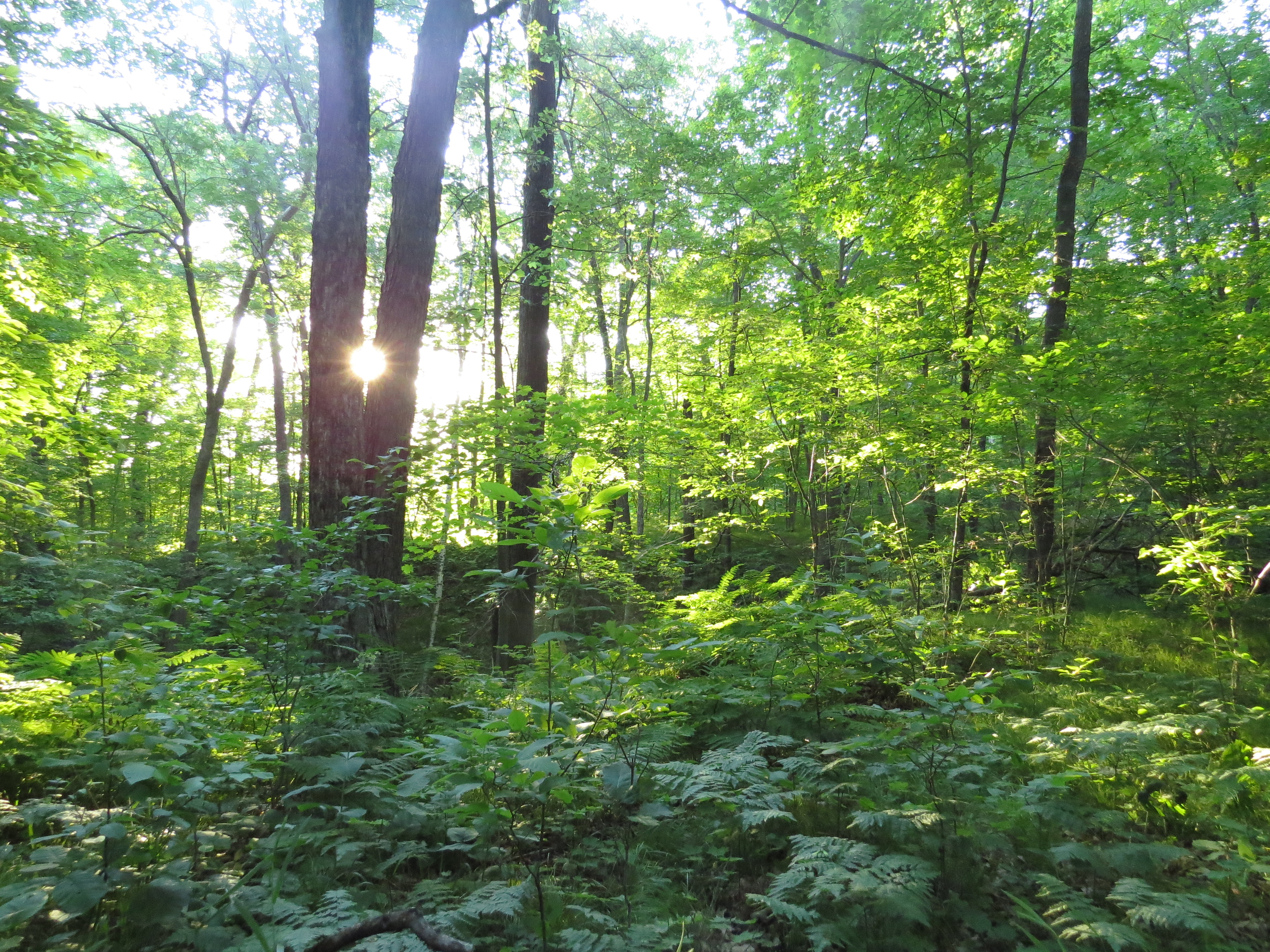
We turned around to go back to our campsite. The ever-optimistic, ever-reliable sun shone its encouragement on us and the forest dwellers.
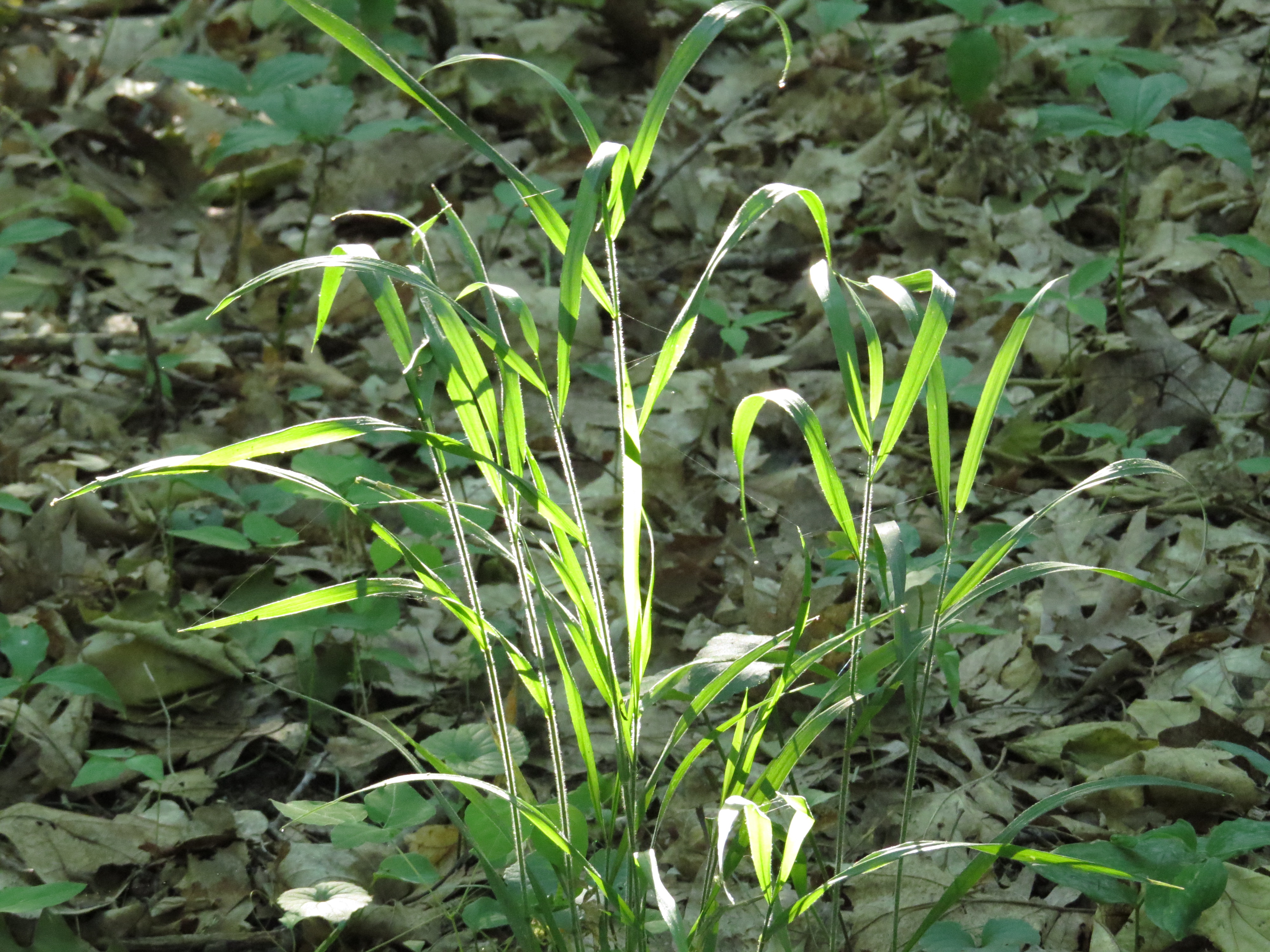
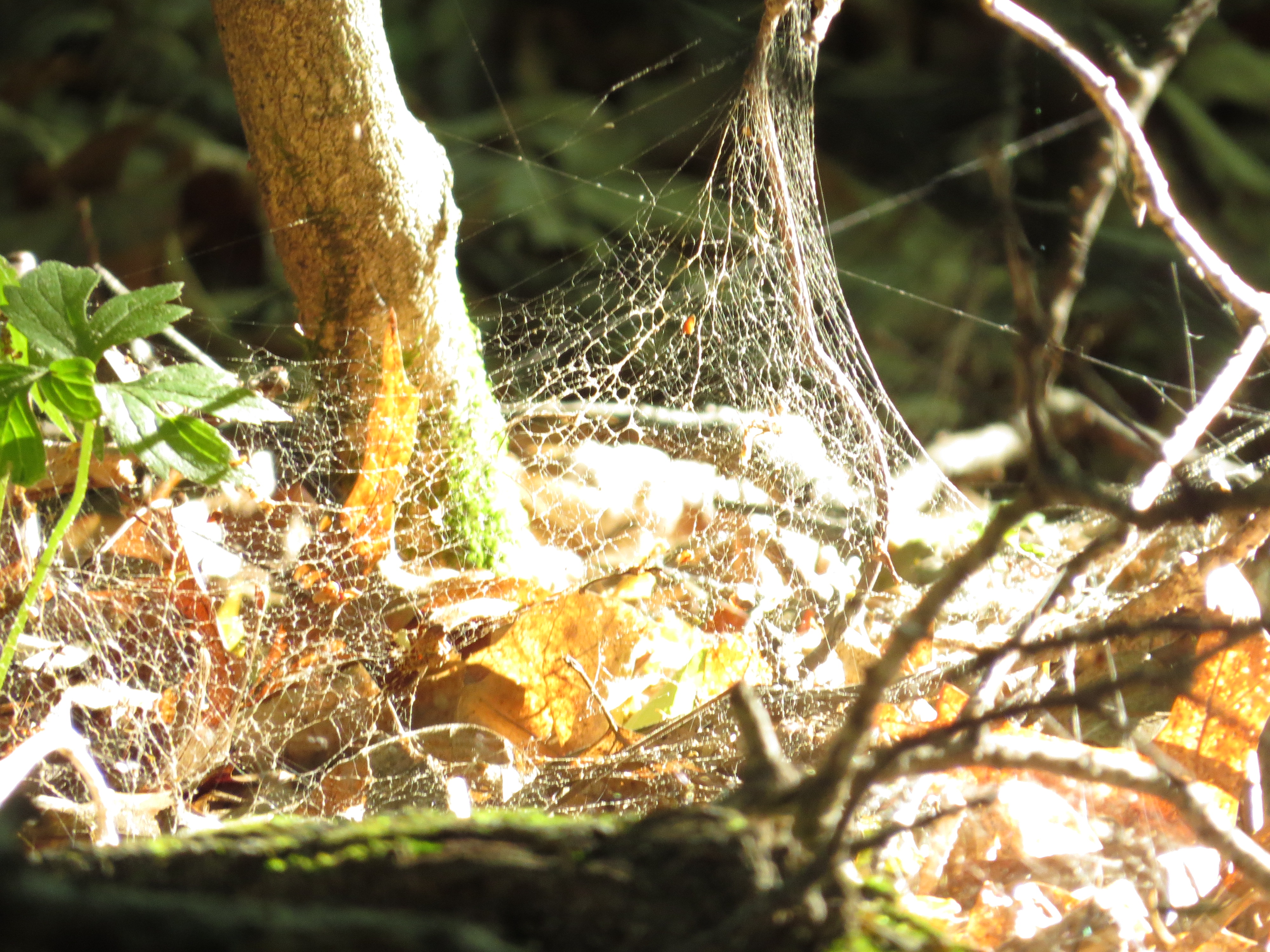
When nearly back to the woods behind the campground, we saw a sign that said ‘Sunrise Landing—8 miles’ that we had missed in the dark. Well, no wonder we weren’t close! Perhaps the wolf was already there.
We cooked our breakfast over the campfire, packed up our things, found out from a neighboring camper they had just seen a bear behind their campsite, and determined that we would hike around the prairie and horse camp area before leaving the park.
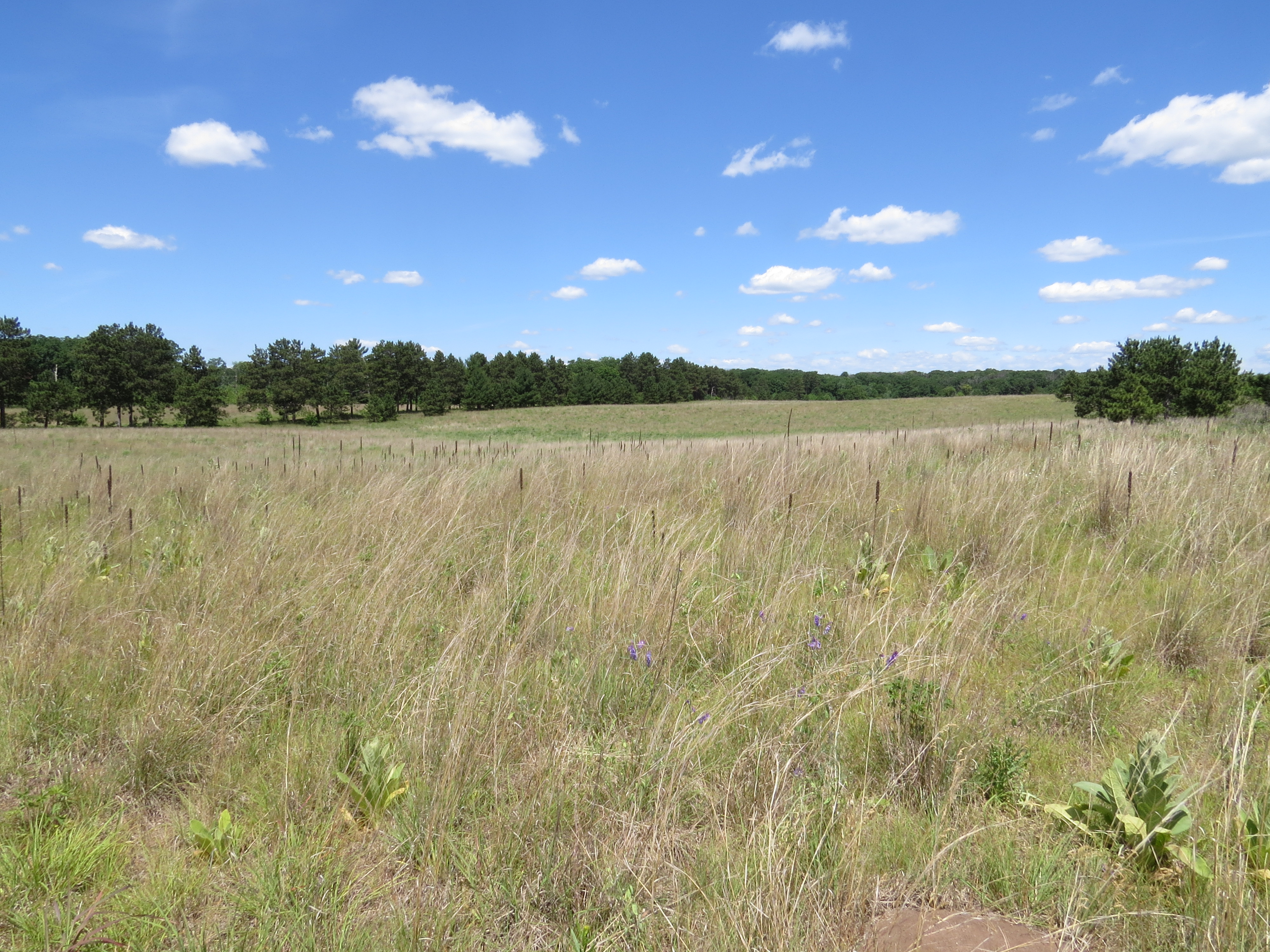
The whole trail was sandy, making walking a bit harder, but at the same time, the warmth and feel of it felt therapeutic.
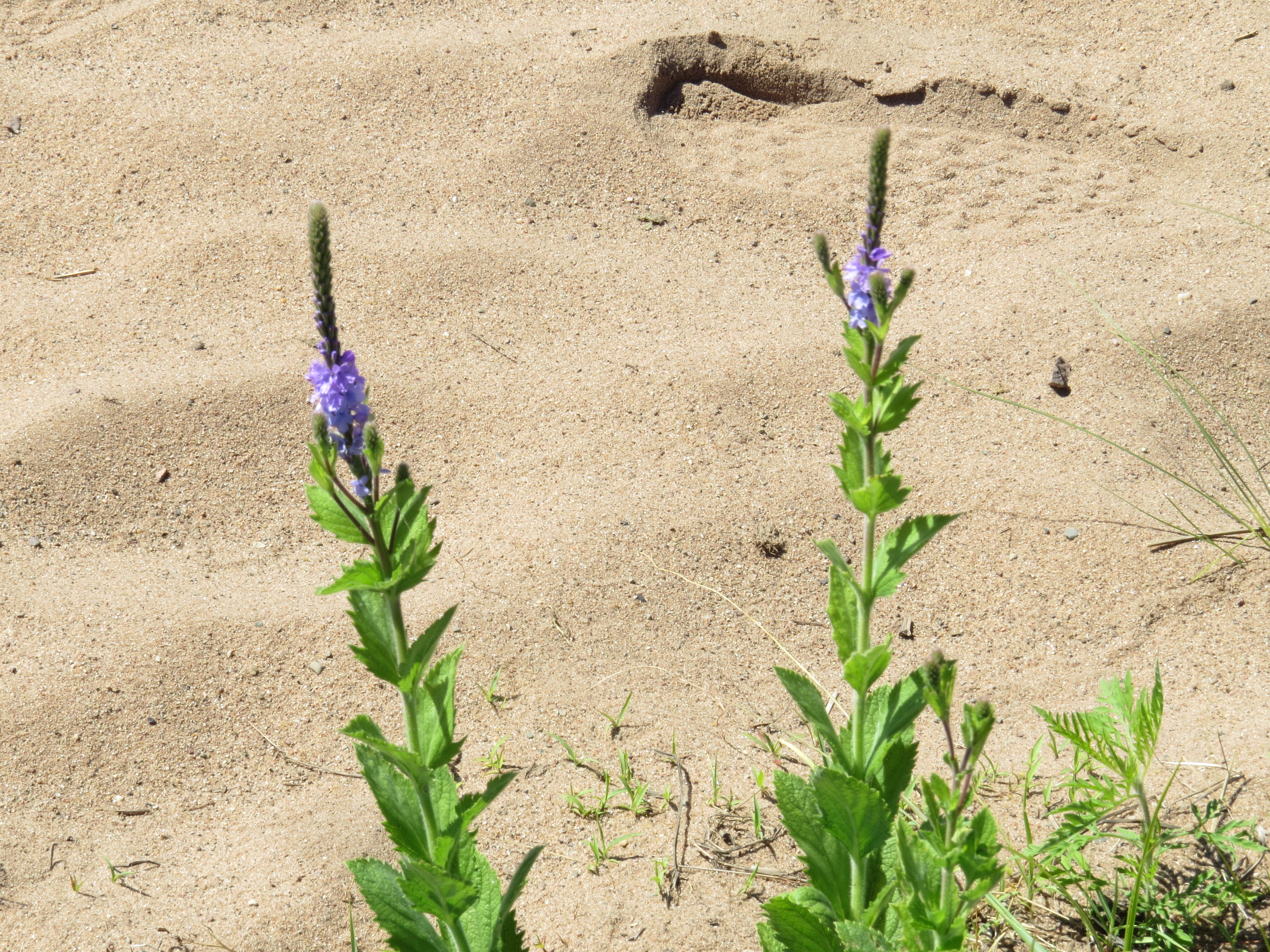
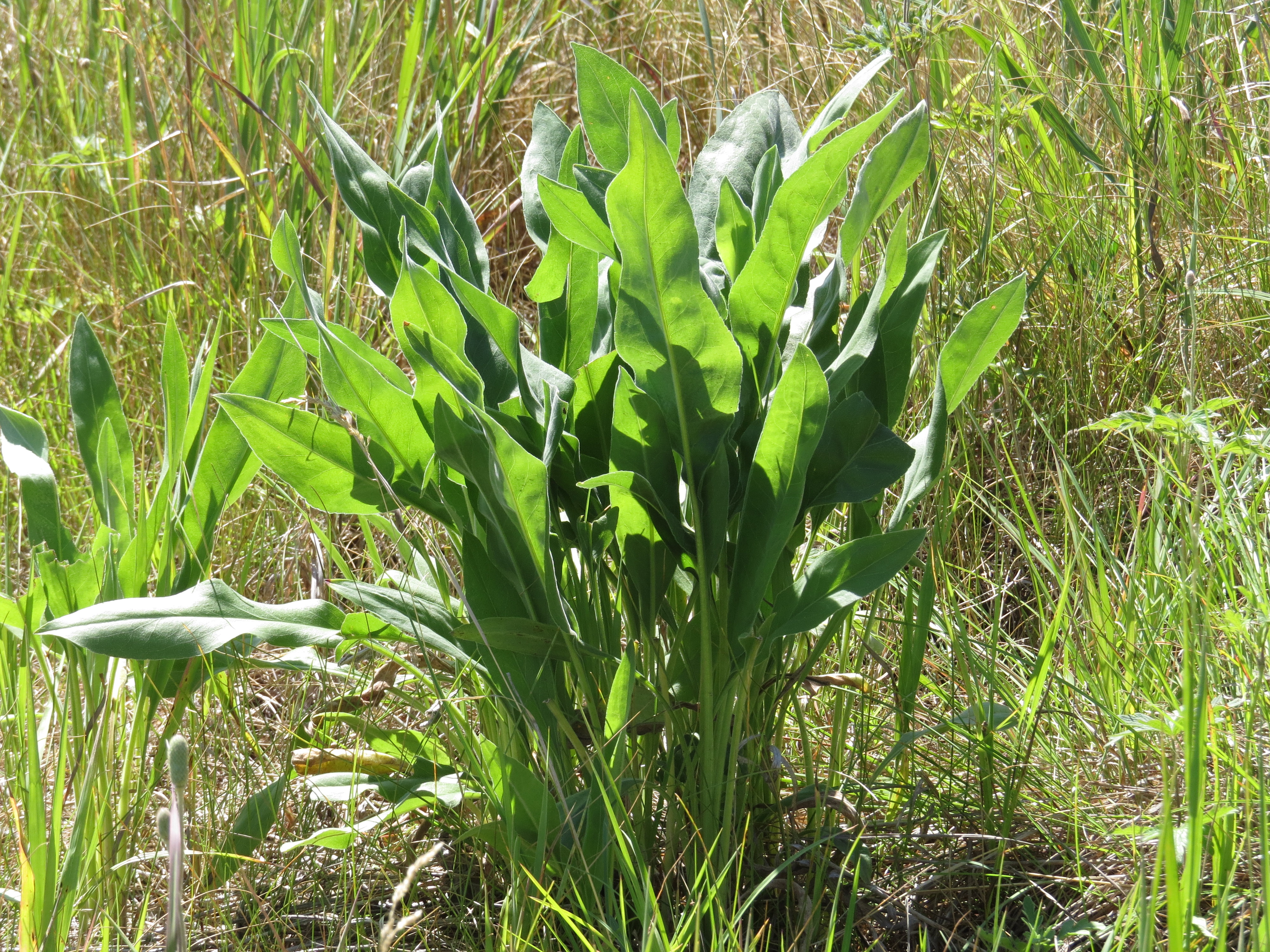
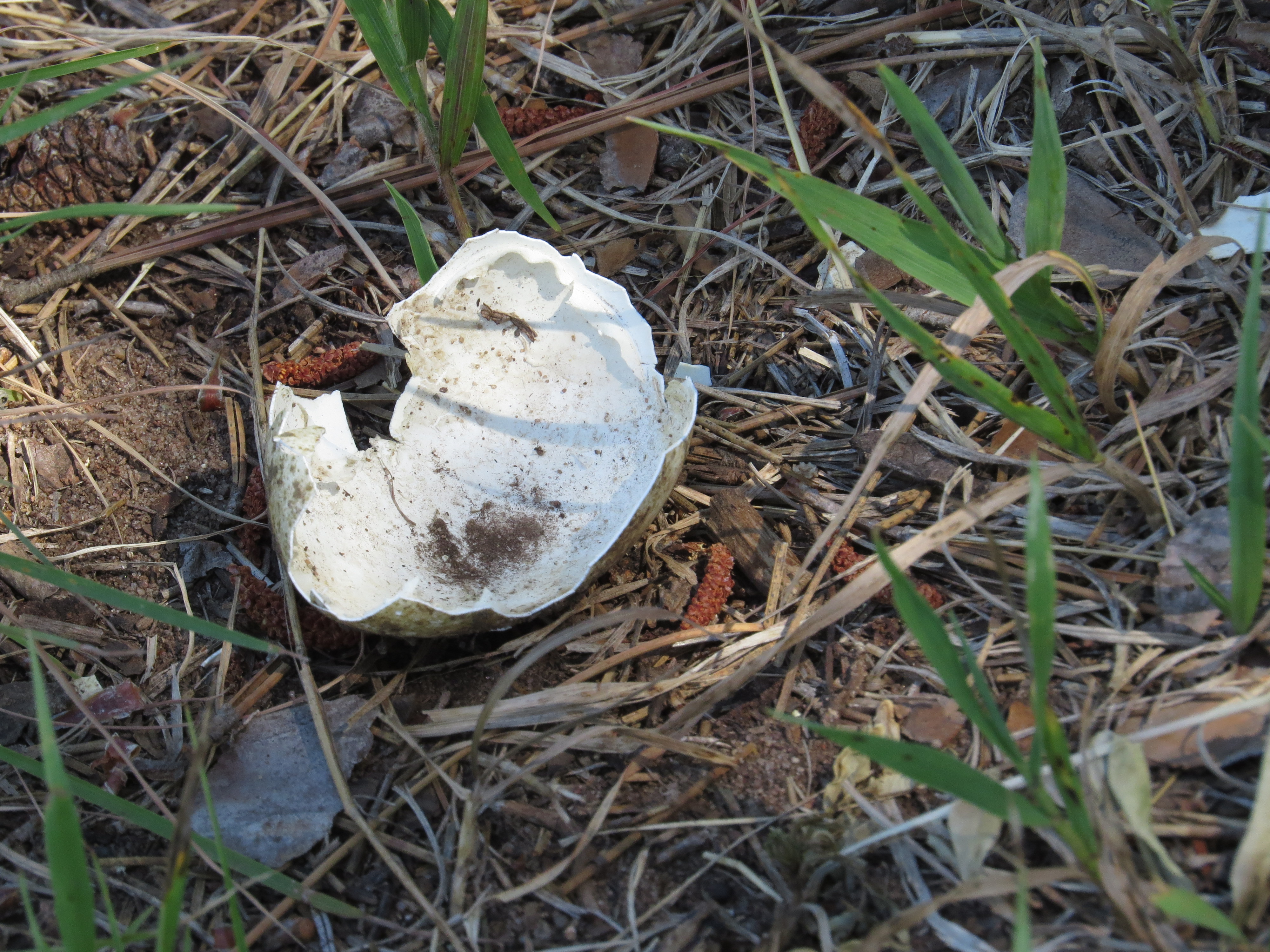
We saw two people walking and two people on horseback and lots more wolf tracks…
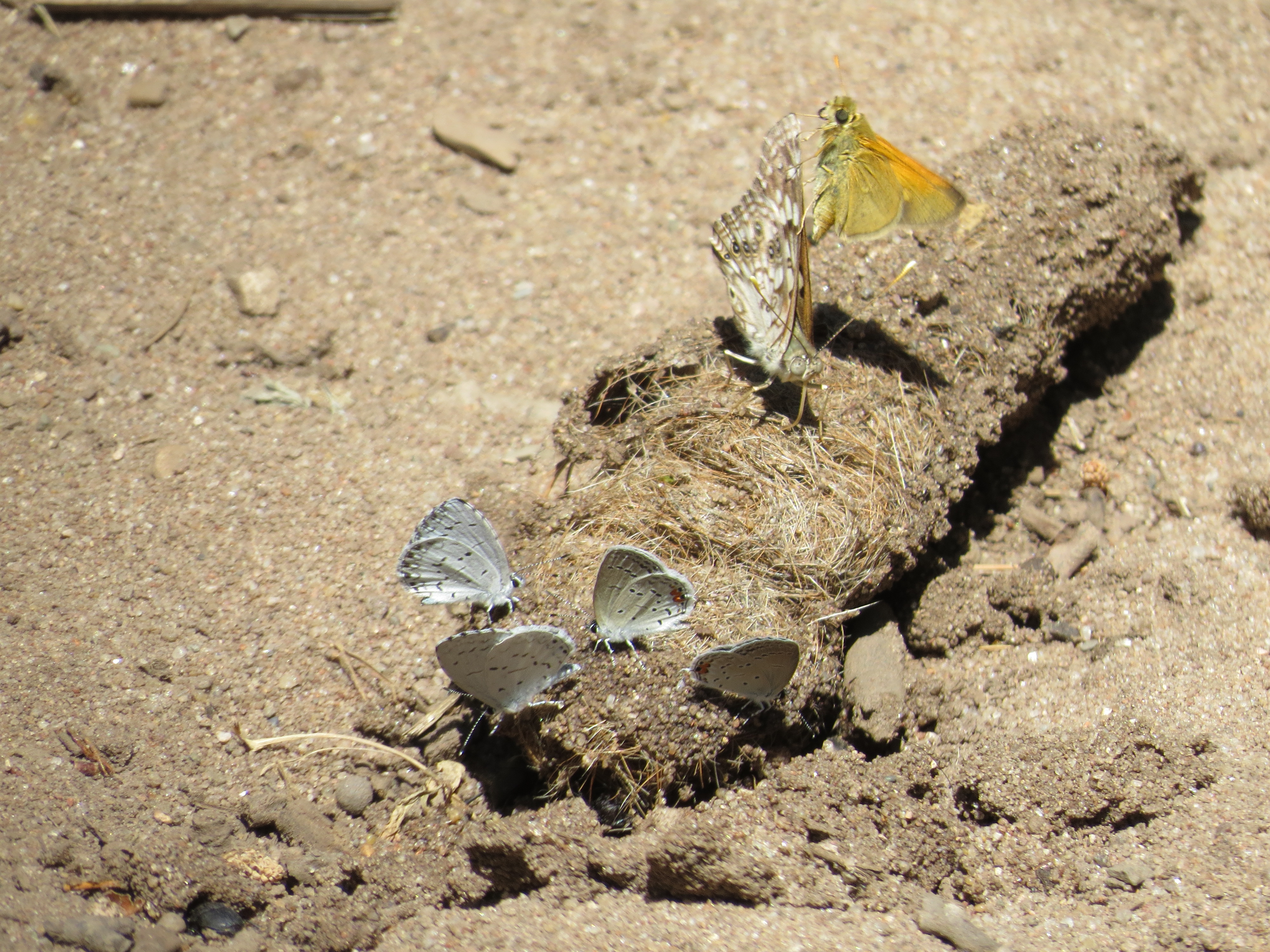
and wolf scat covered with butterflies.
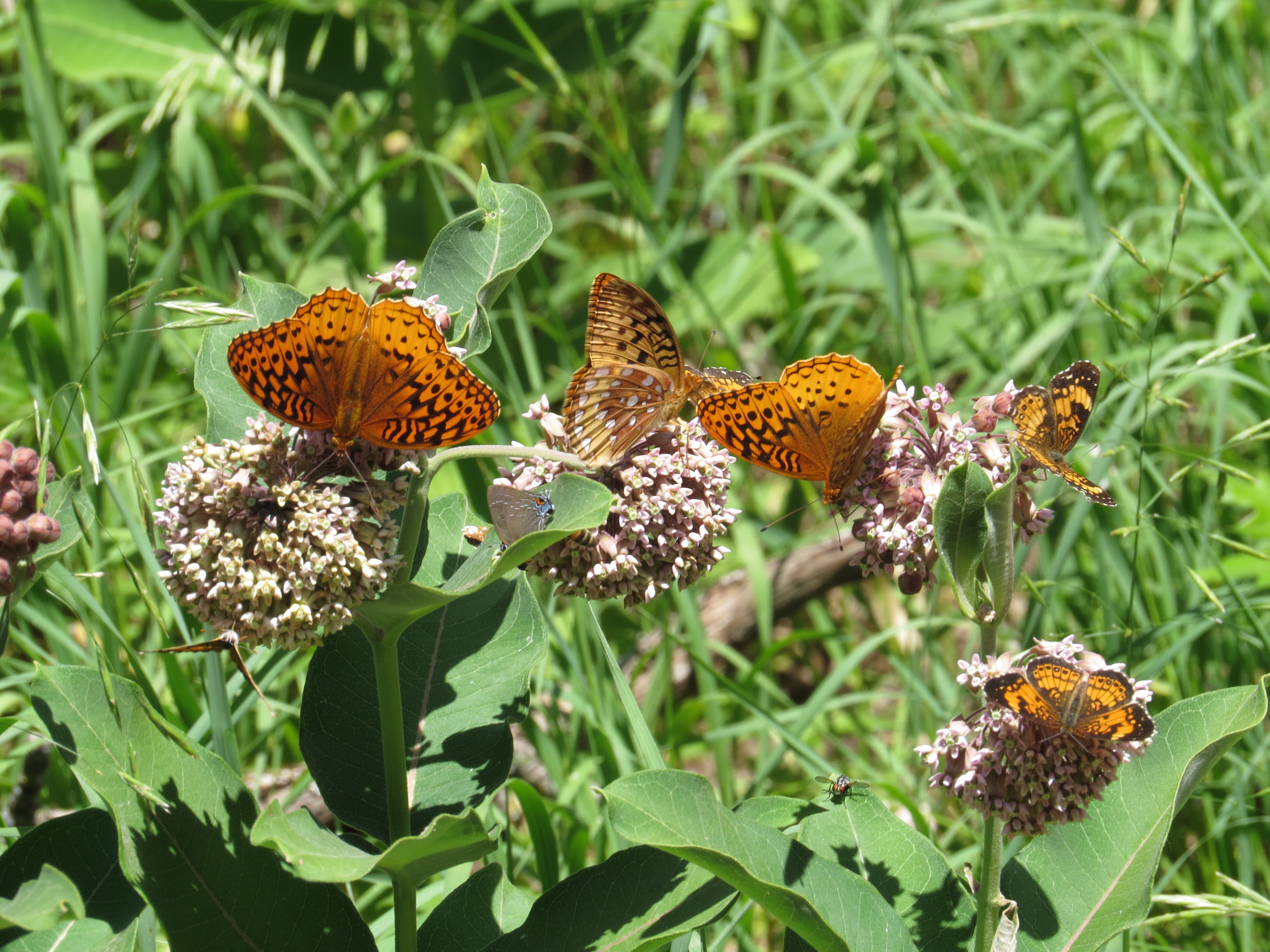
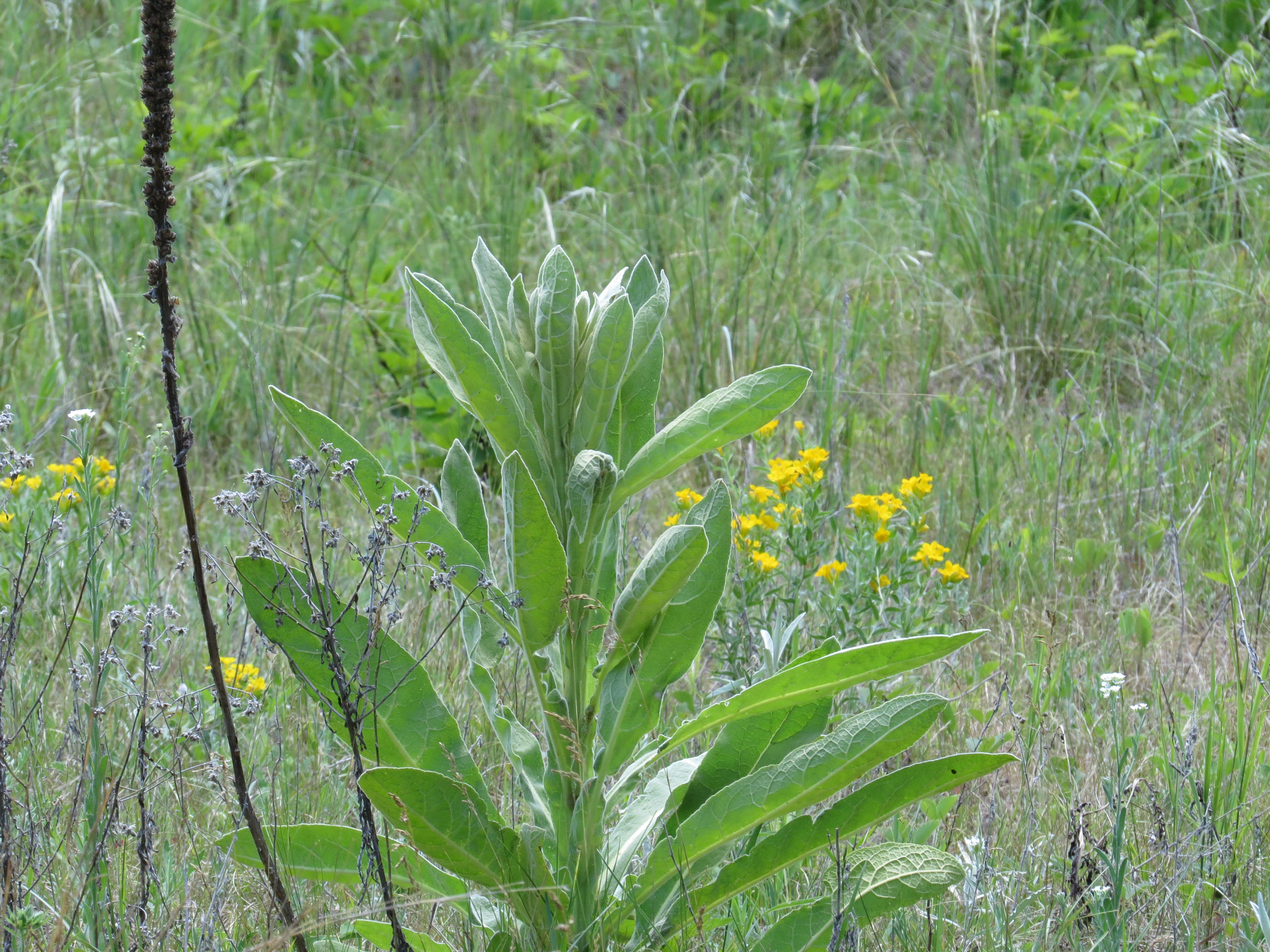
Summer flowers bloomed and attracted scores of butterflies. The dry heat released scents of pine needles and sweet milkweed.


Wild turkeys and deer, along with the wolves, accompanied us on our trail, whether previously or in person.
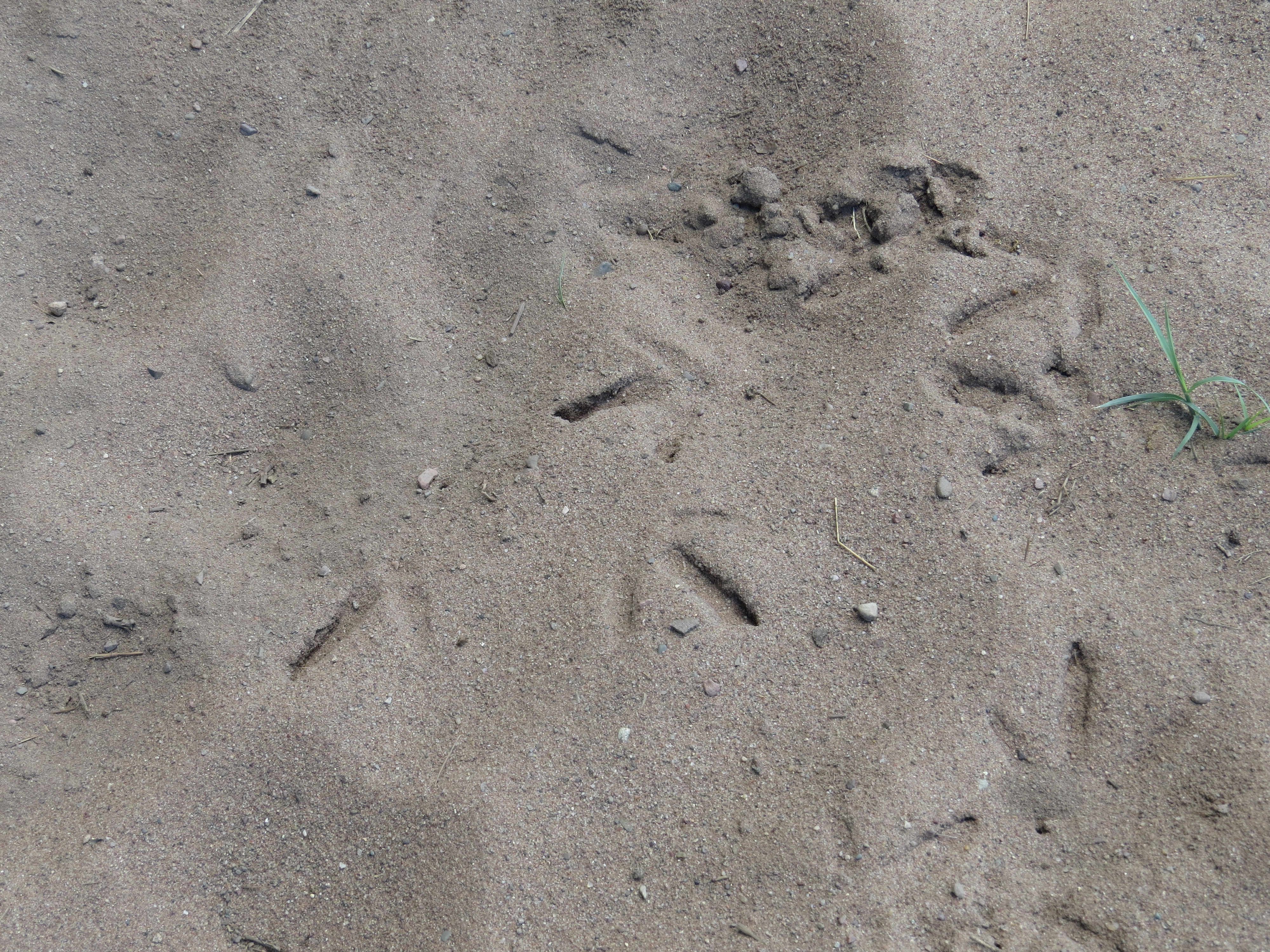
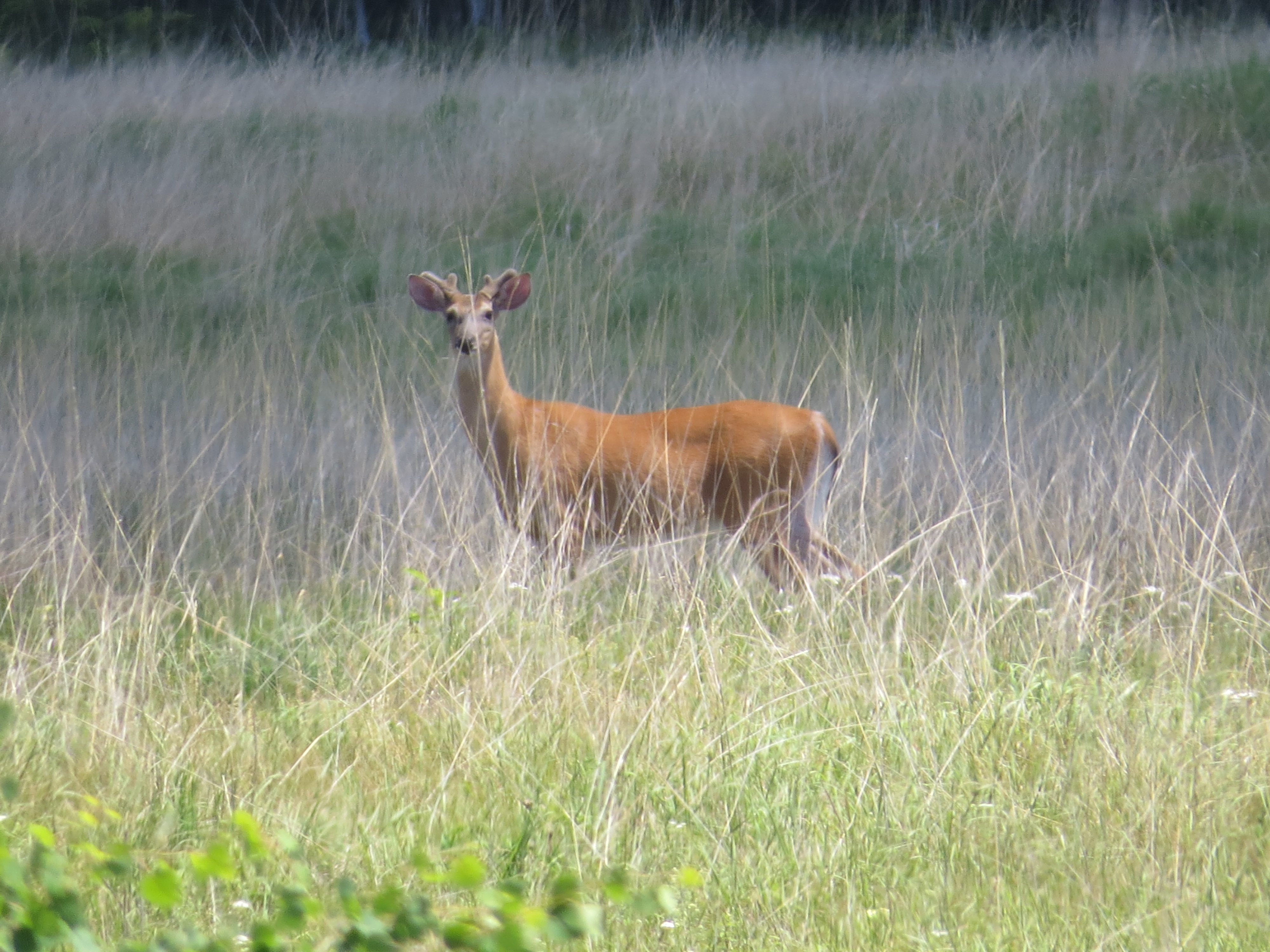
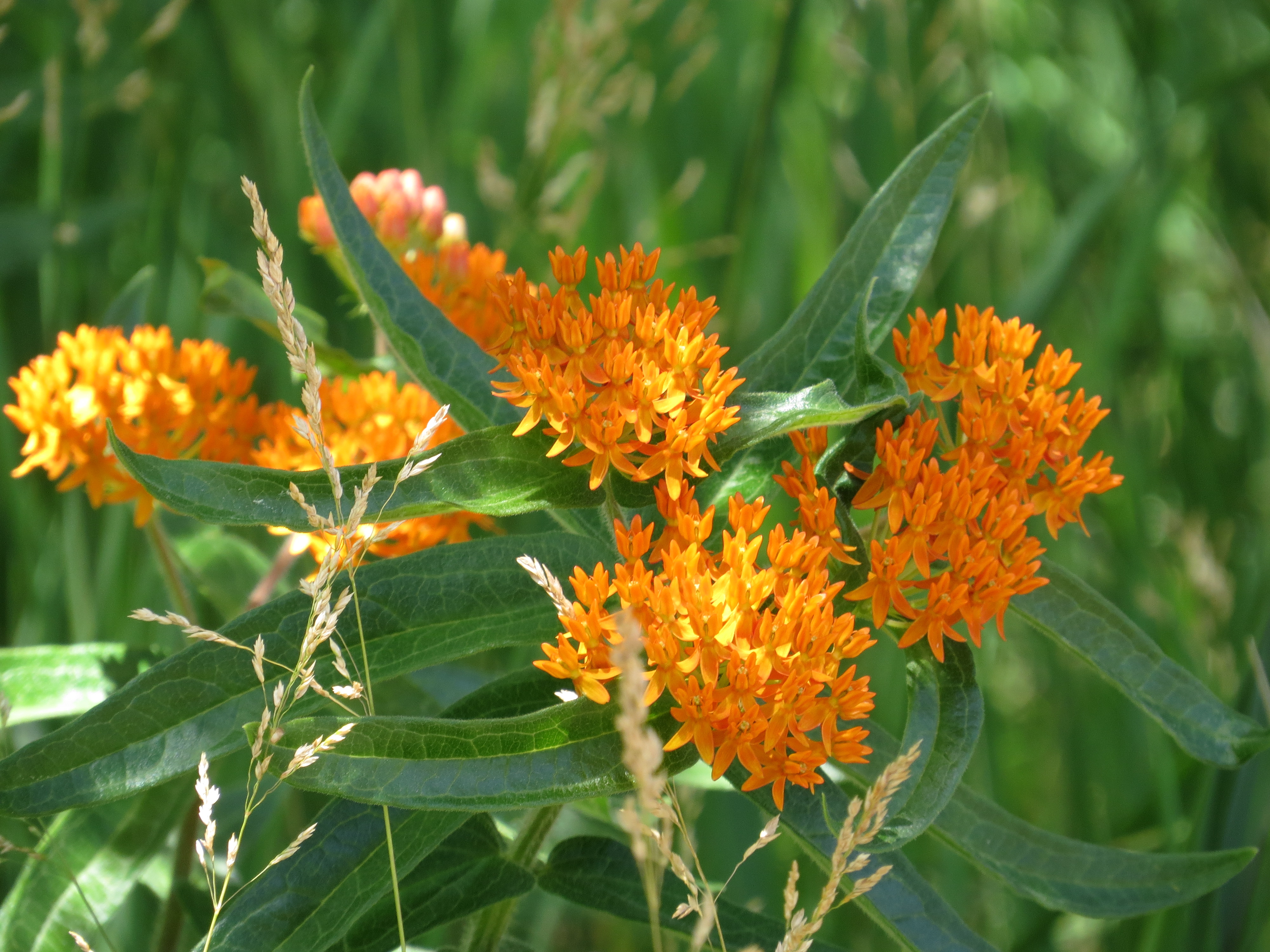
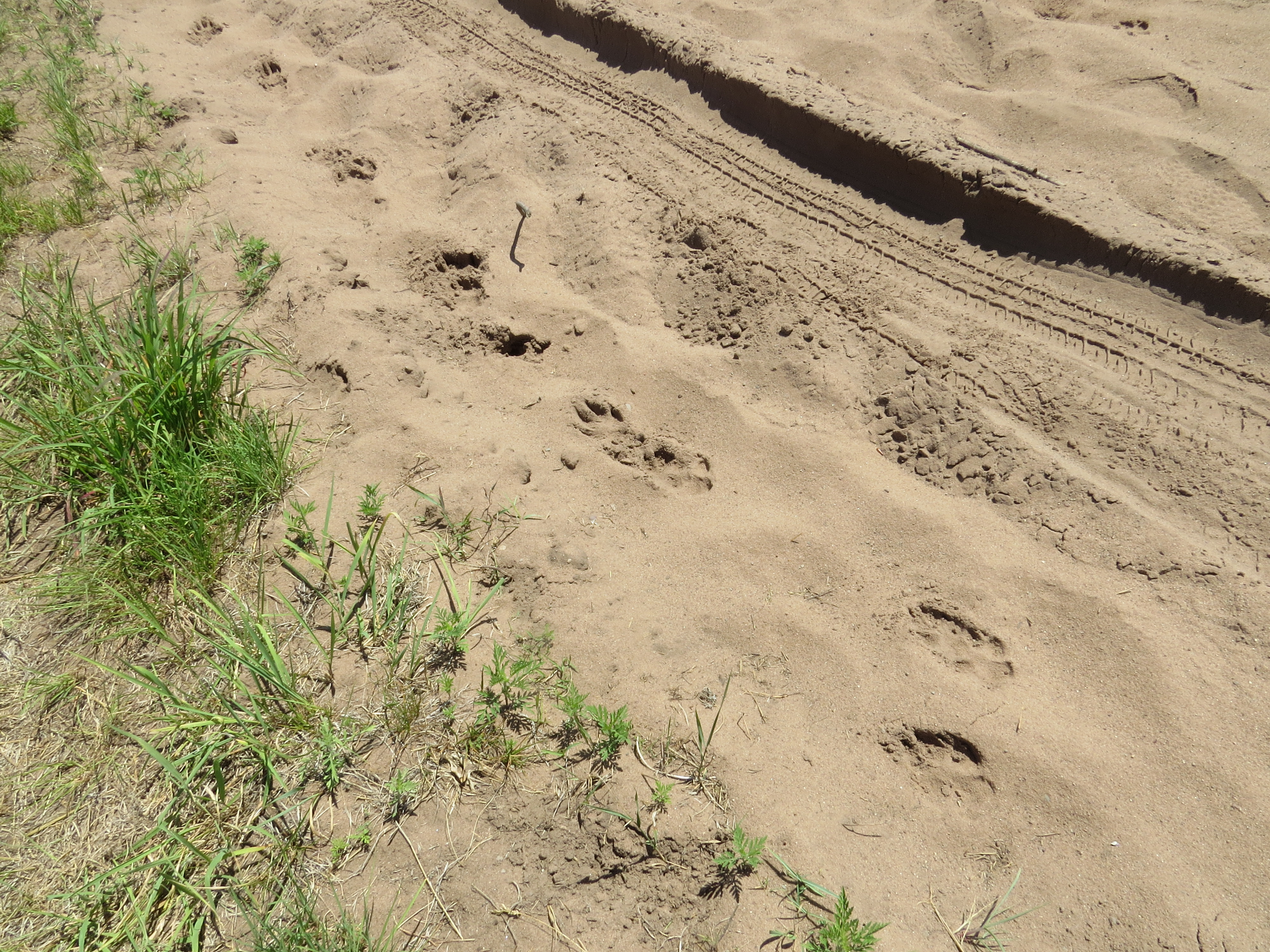
Name some things people are afraid of and the list will probably contain ‘snakes,’ ‘wolves,’ ‘bears,’ ‘spiders,’ and ‘the dark.’ It’s much easier to put our fears upon an animal, a person, or entity. We can hold that fear away from us–-if we can hold them away from us. But rarely is the fear of a certain animal or set of persons the real fear—they are place-holders for the deeper, scarier fears that reside in our hearts. Fear of loss of control, fear of ‘what if,’ fear of aloneness, fear of irrelevance, and fear of unworthiness. So what if we just walk with it? Walk with the wolves and the bears, the spiders and snakes who were there and didn’t show up this trip. Walk with the dark, the doubts, the limitations, and the vultures. It can be hard and therapeutic at the same time. It’s easy—and fearful—to think the light is only shining on certain trees or persons or entities, but the fact remains that we all walk in the dark and we all walk in the light. Thanks be to the Sun.
Badlands
It’s a fine line we walk. At least that’s what I thought growing up. On one side was the bad-lands; on the other, the good-lands. I always tried to stay in the goodlands—the consequences of the badlands, which were mostly made up in my head at a very young age, were catastrophic. I mean like banishment and death. That’s enough to make anyone fly right. That fine line is variable—set by our parents, our cultures, our experiences, and our own personalities and story-making minds. I was so invested in staying away from the consequences of the badlands that I tried to make sure that all my siblings and friends were never close to the badland banishment and you know, that other thing that could possibly happen. I didn’t want that to happen to me, and I didn’t want it to happen to anybody I loved.
It’s hard enough to keep oneself out of trouble, let alone all these other people…was that the beginning of my neurosis? Of course it was anxiety-producing—other people do their own thing, whether they are conscious of it or not. Which leads me to the badlands…and trauma. Traumatic events are always in the realm of the badlands. They threaten and often damage our feelings of safety and connection. Then we spend a lifetime trying to get those two things back. Ironically, the pursuit often lands us back in the badlands, because the anxiety and fear that trauma perpetuates can temporarily be calmed or concealed by addictive substances and activities—food, alcohol, tobacco, drugs, sex, gambling, and gaming. But the ‘high’ calm ends, and we want to, feel compelled to, do it again and again in order to soothe our activated nervous systems. None of those things are long-term solutions to what we need and want—in fact, they ‘give’ us all sorts of other problems.
The goodlands are not immune to problems when we are there in response to trauma. My trying to live in the goodlands was so fear-based that I rarely really enjoyed being there—it was more of a relief. Unprocessed trauma builds walls within our psyches and hearts as a protection mechanism—a necessary strategy for survival, except that walls also keep out love, joy, and goodness. Being in the goodlands with trauma also brings about a feeling of self-righteousness that is often cloaked with religion. I can blame/ discard/ disregard ‘those other’ people because I’m standing over here and ‘they’ are over there, in the badlands. I think I was in high school when I became aware of my dual feelings of self-righteousness and utter, shame-based self-consciousness. But I had no idea why I felt that way or what to do about it.
When we were west-river in South Dakota at our friends’ ranch, we hiked at a place they call their badlands—a mini version of Badlands National Park. It is as if the badlands fall from the grace of the prairie into a giant, barren hole of gumbo and tumbling boulders. It is other-worldly—intriguing, harsh, and compelling with its unique beauty. Come walk with me in the badlands…
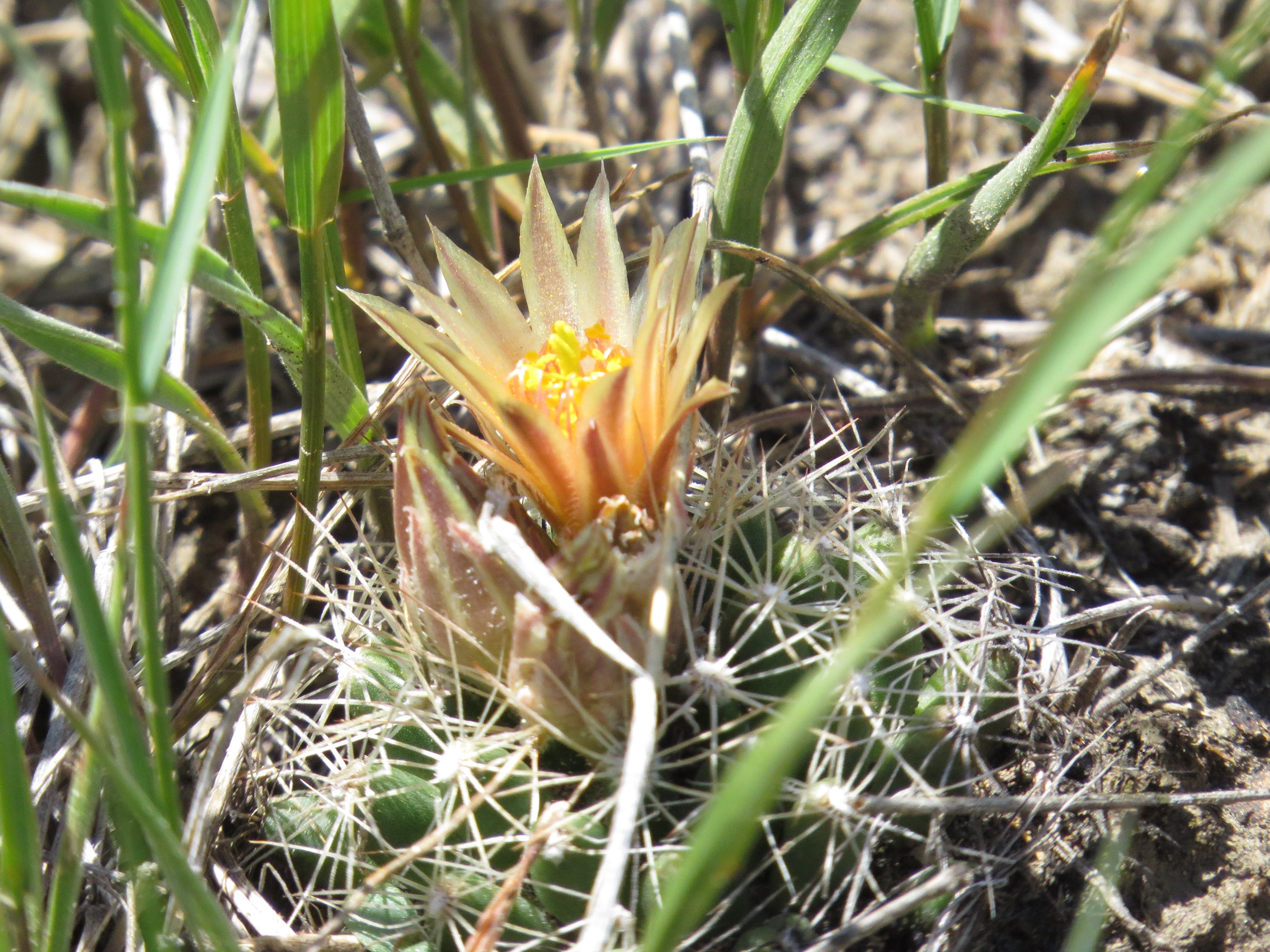
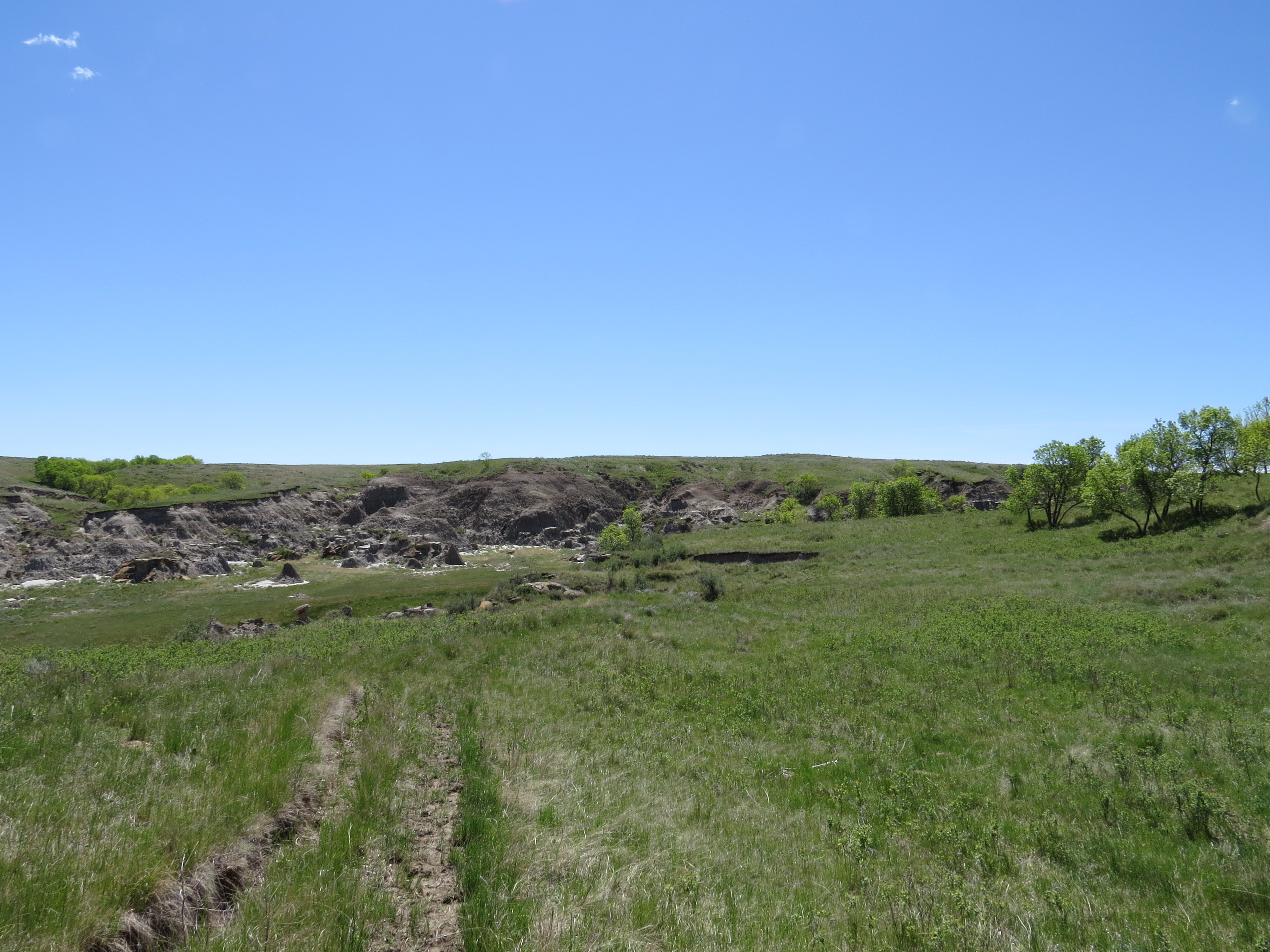
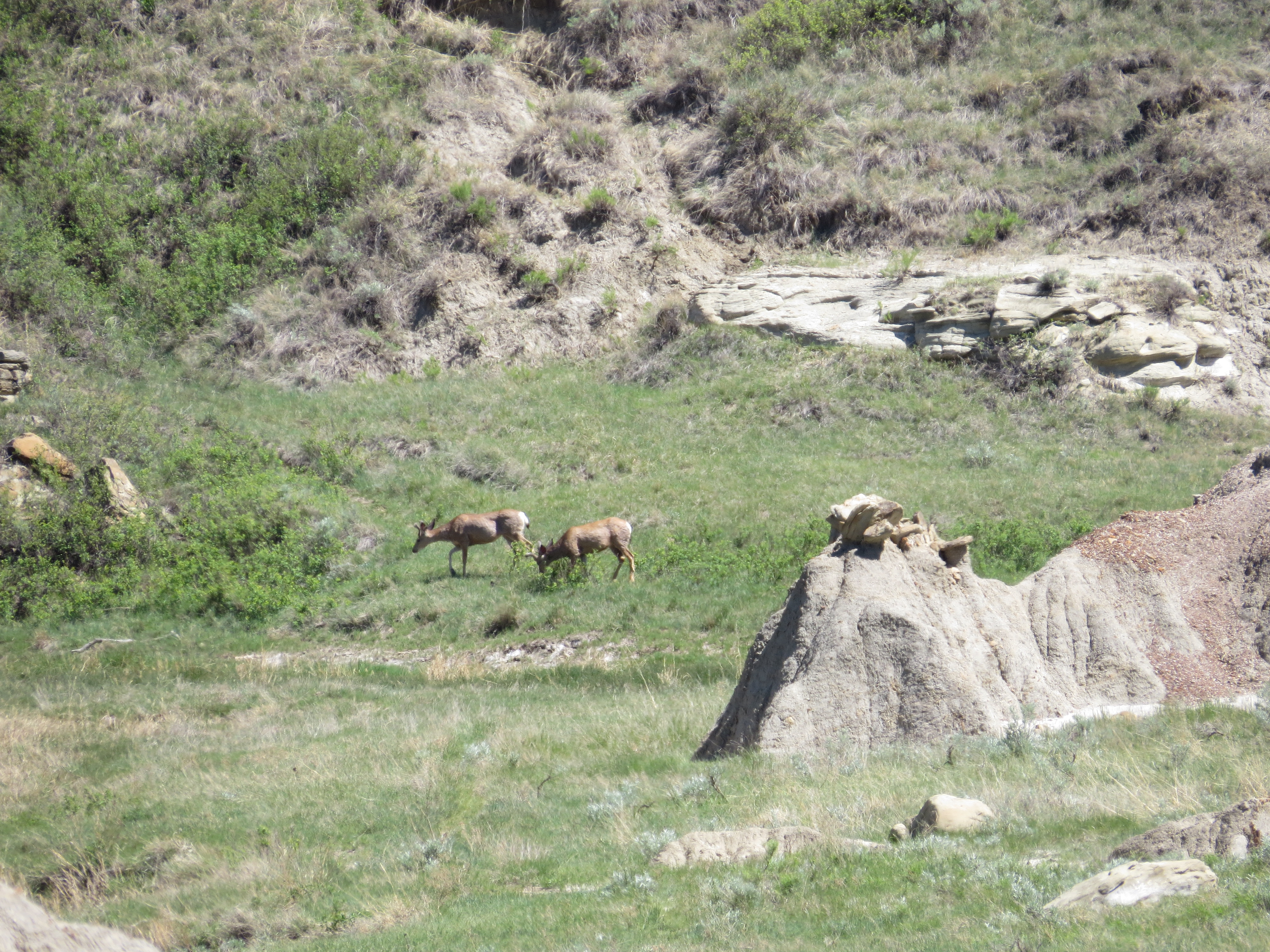
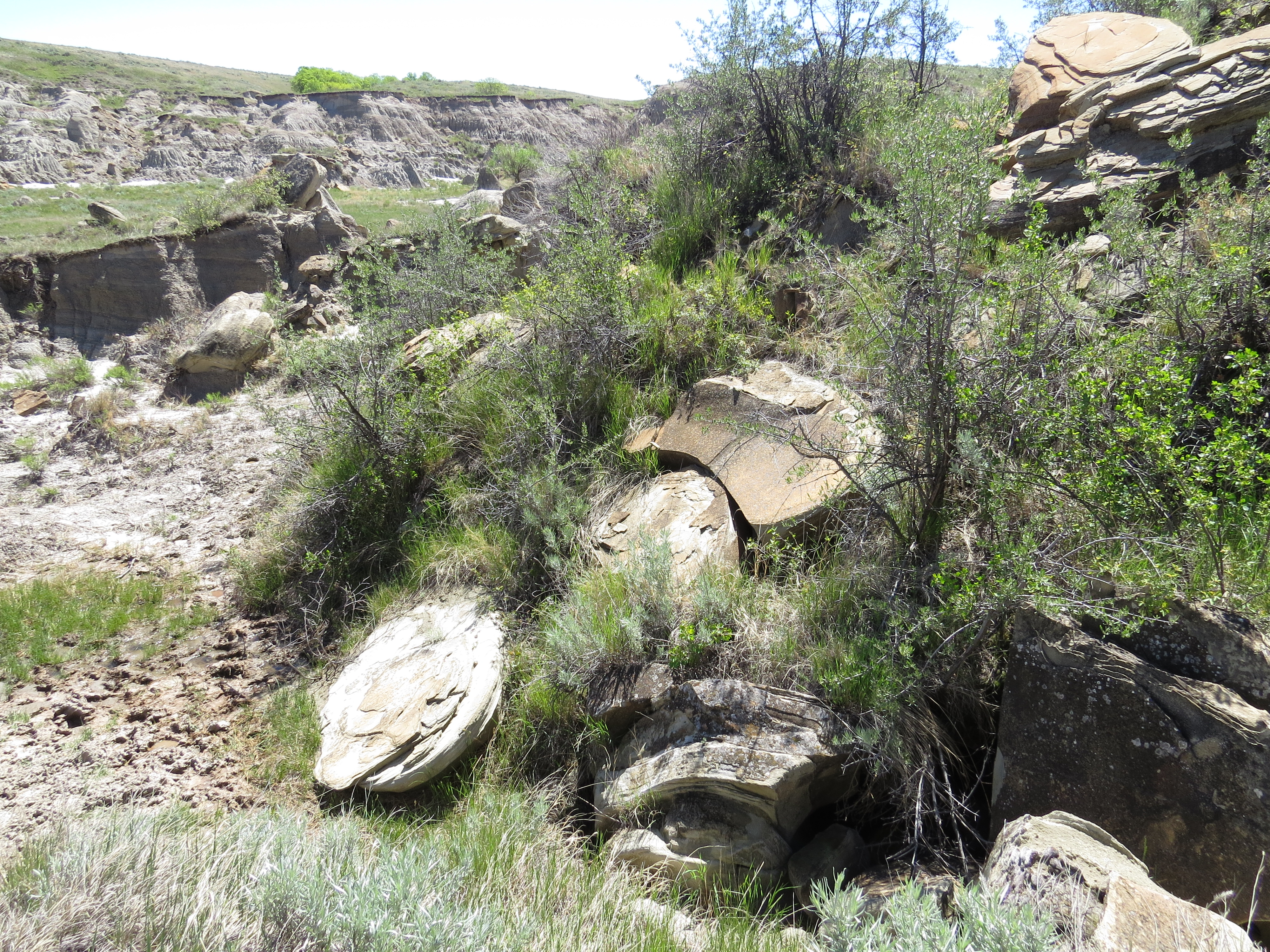
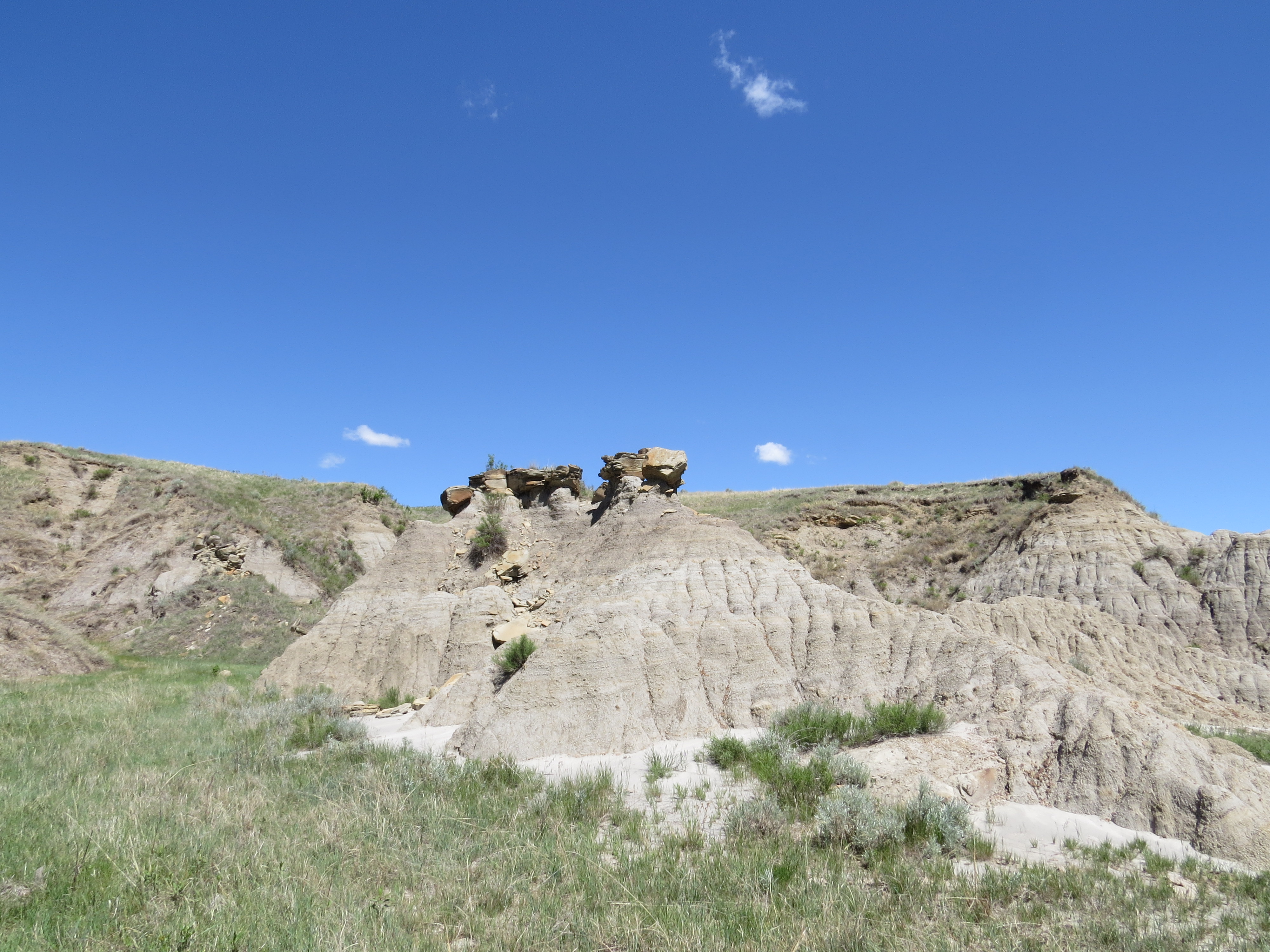
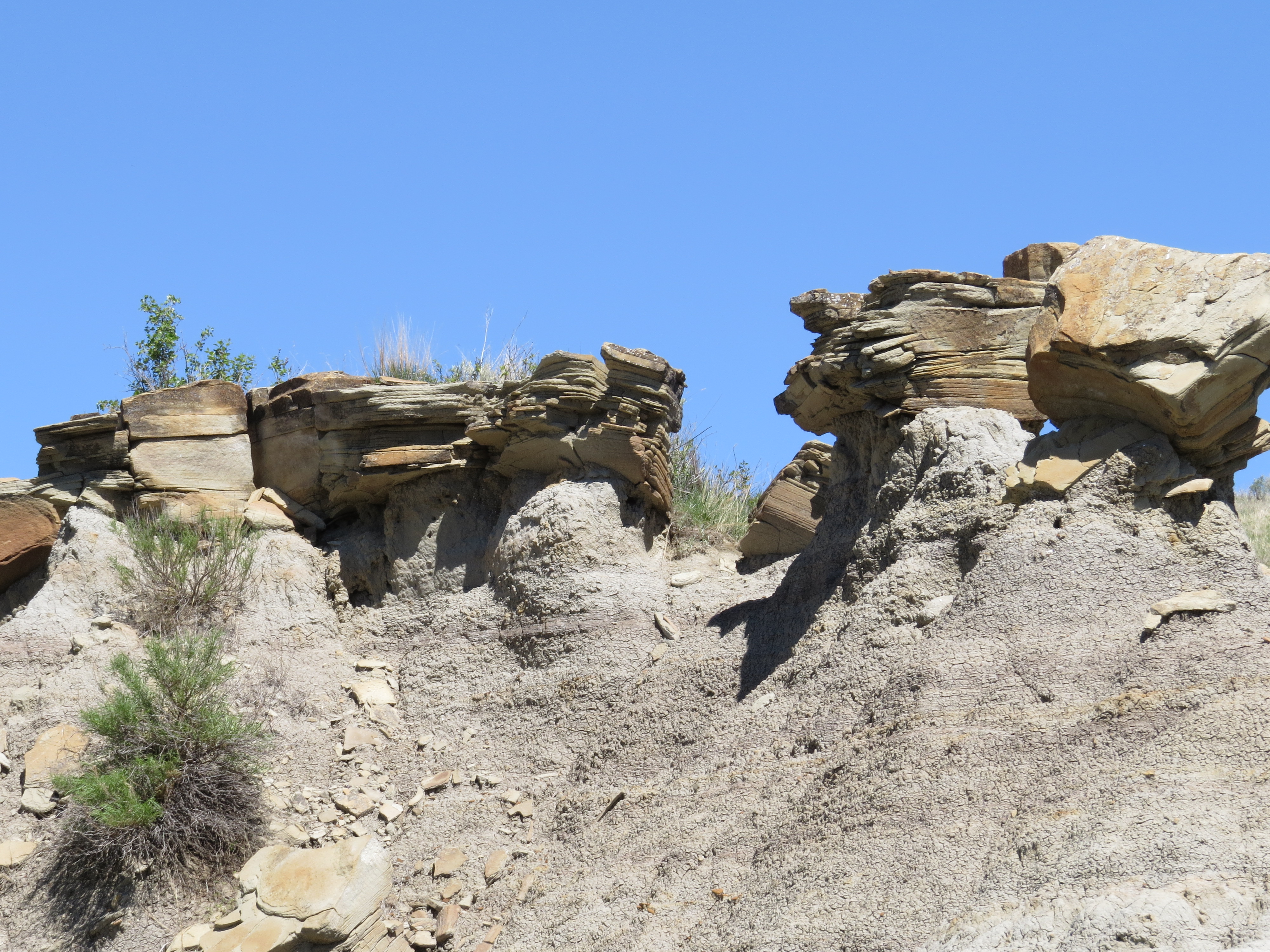
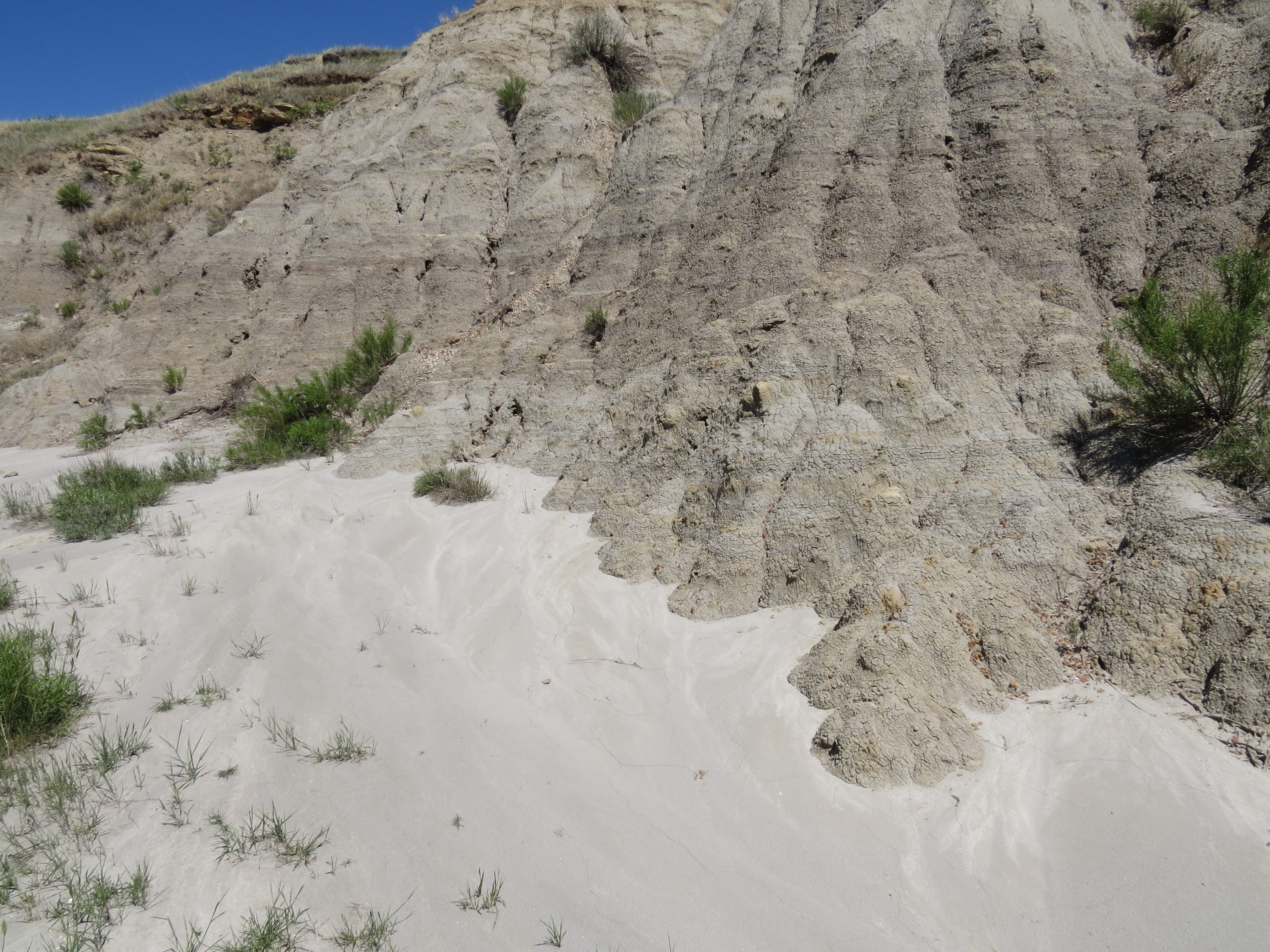
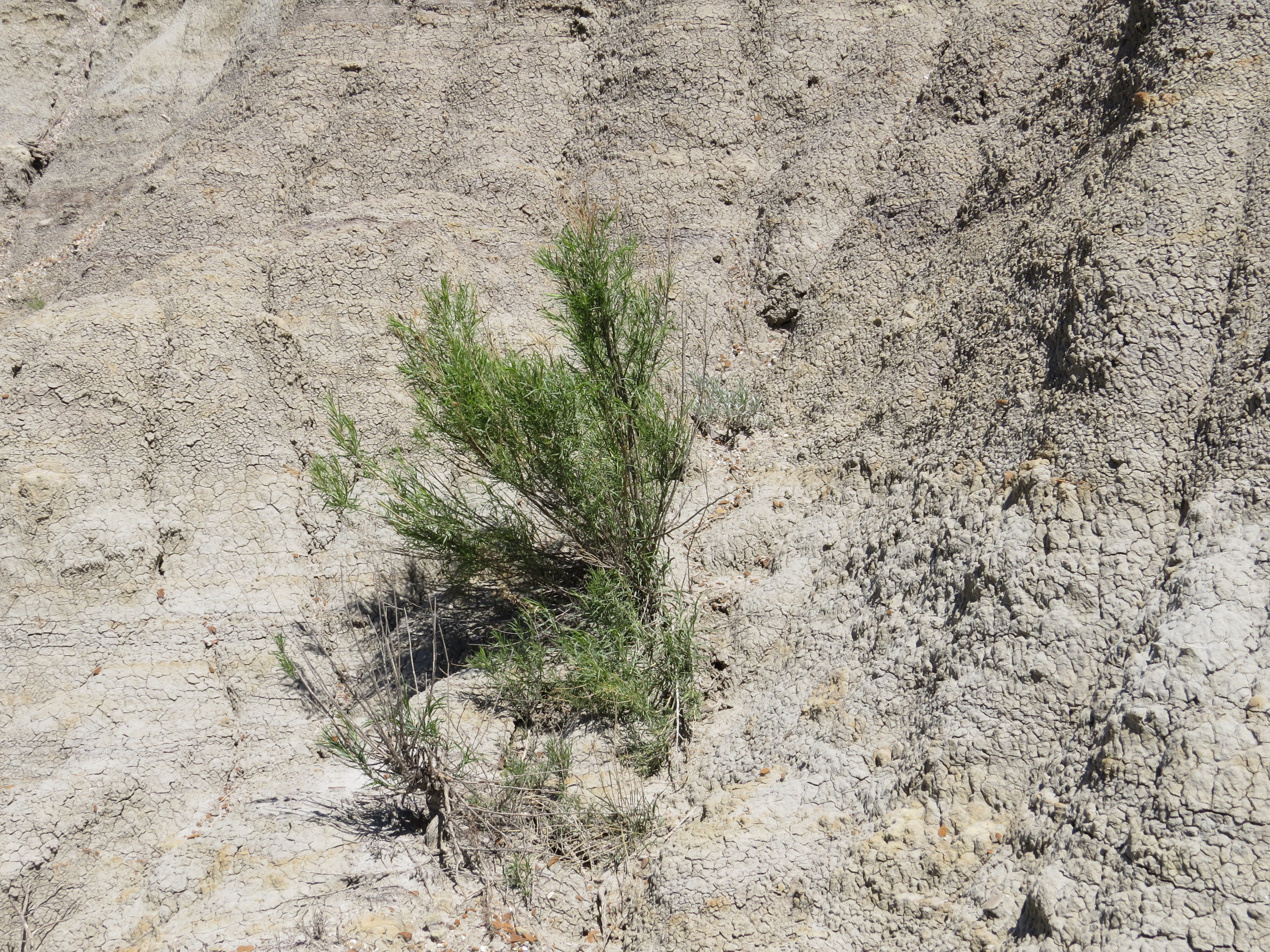

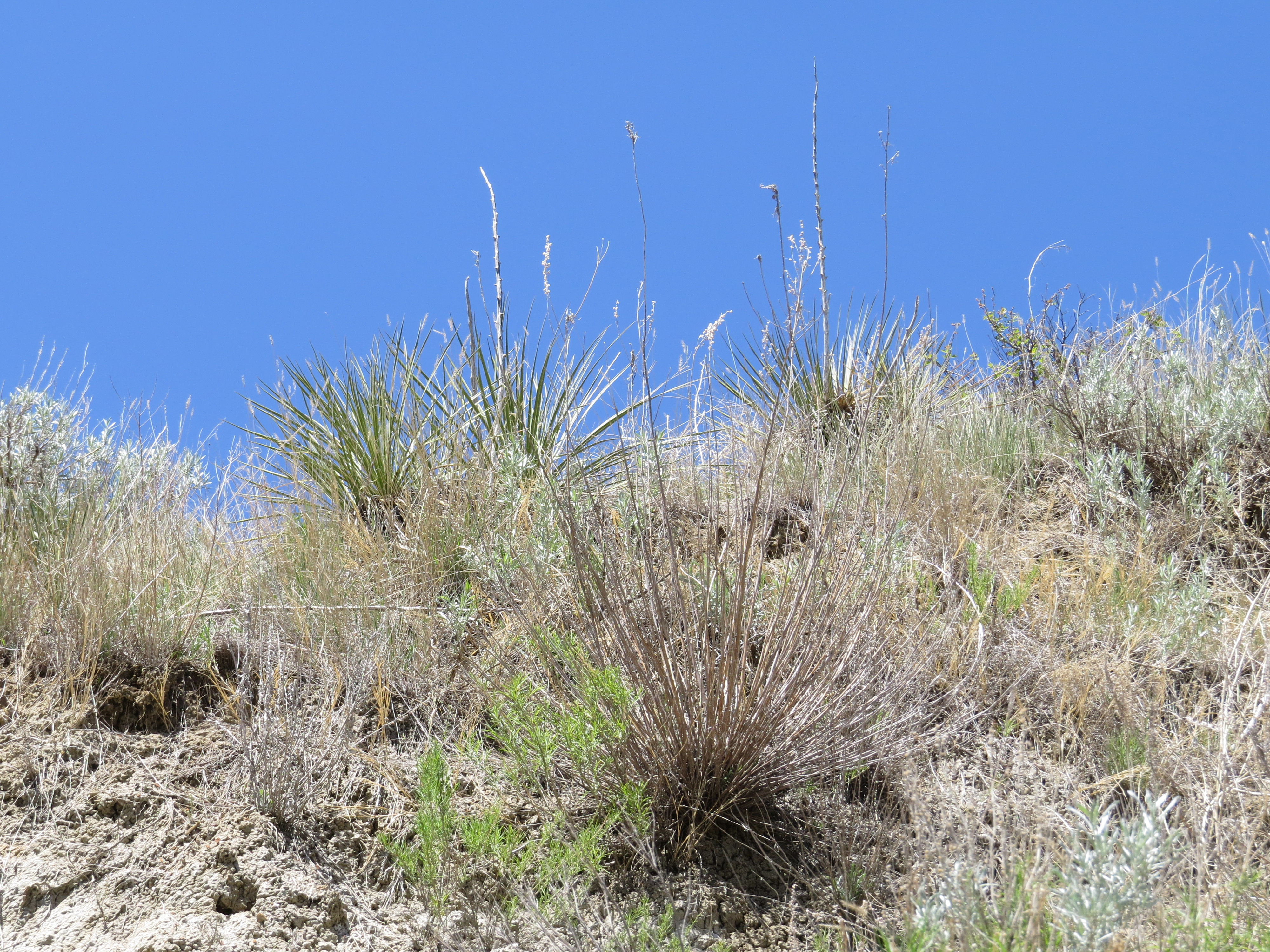
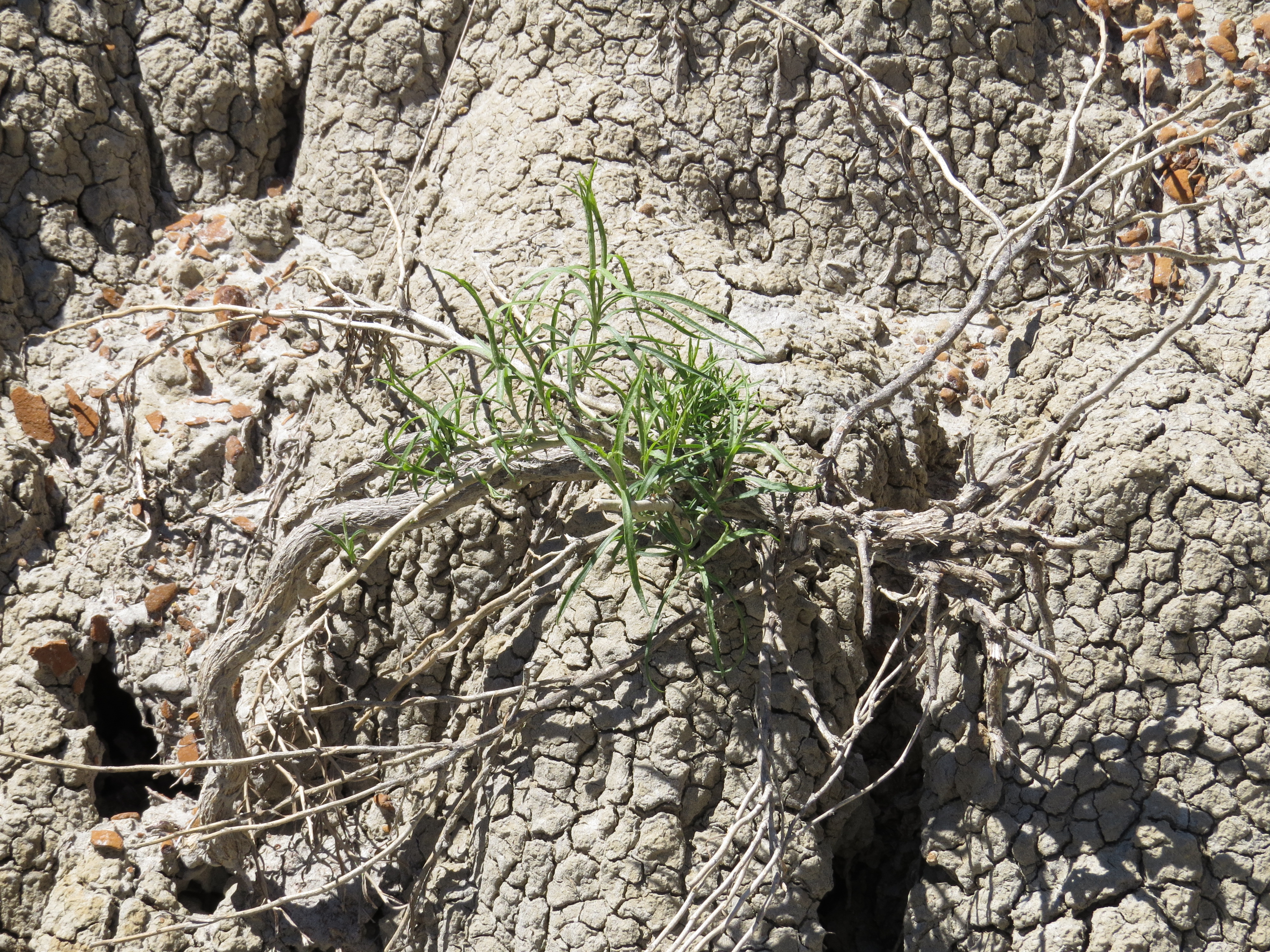
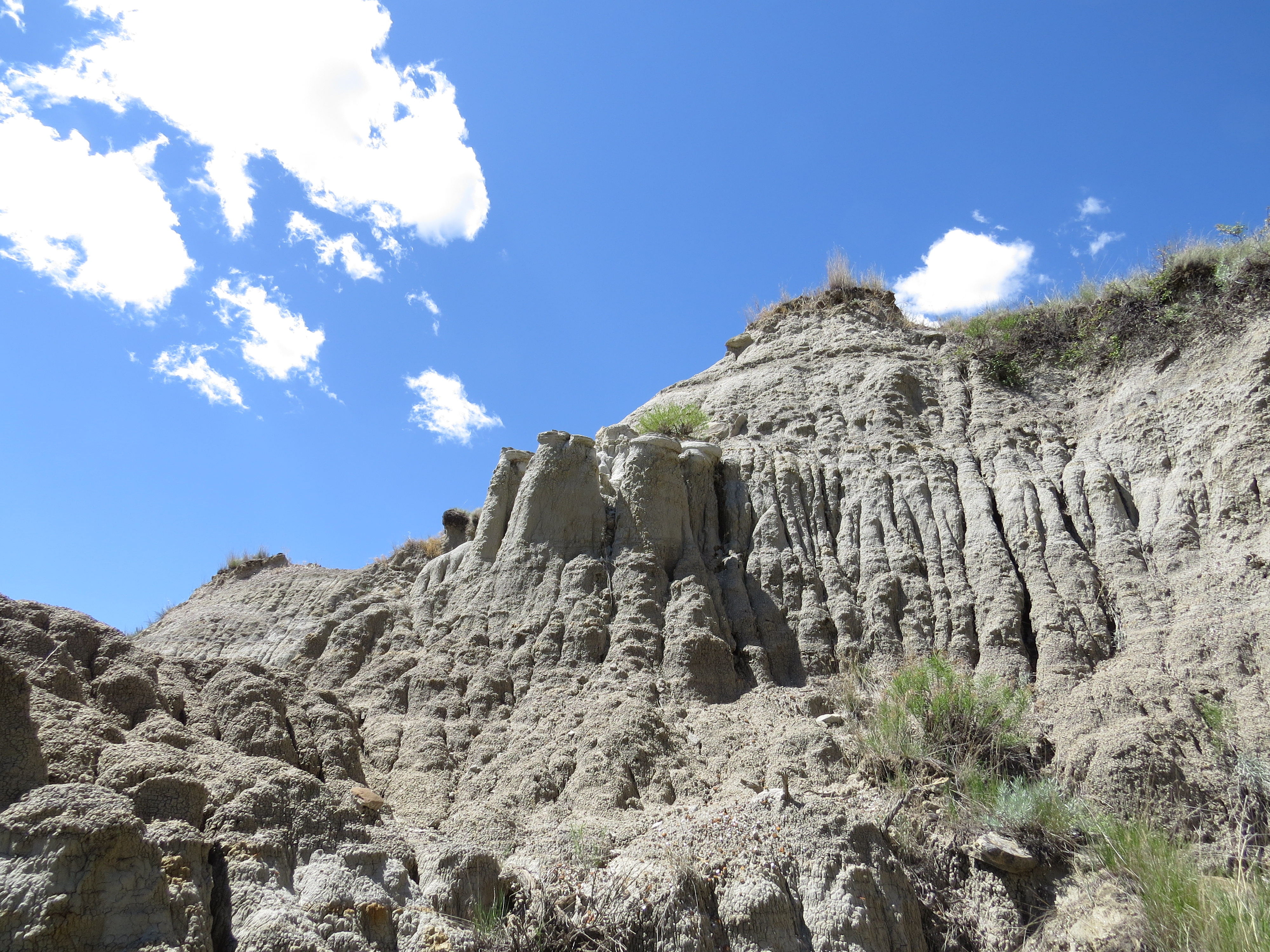
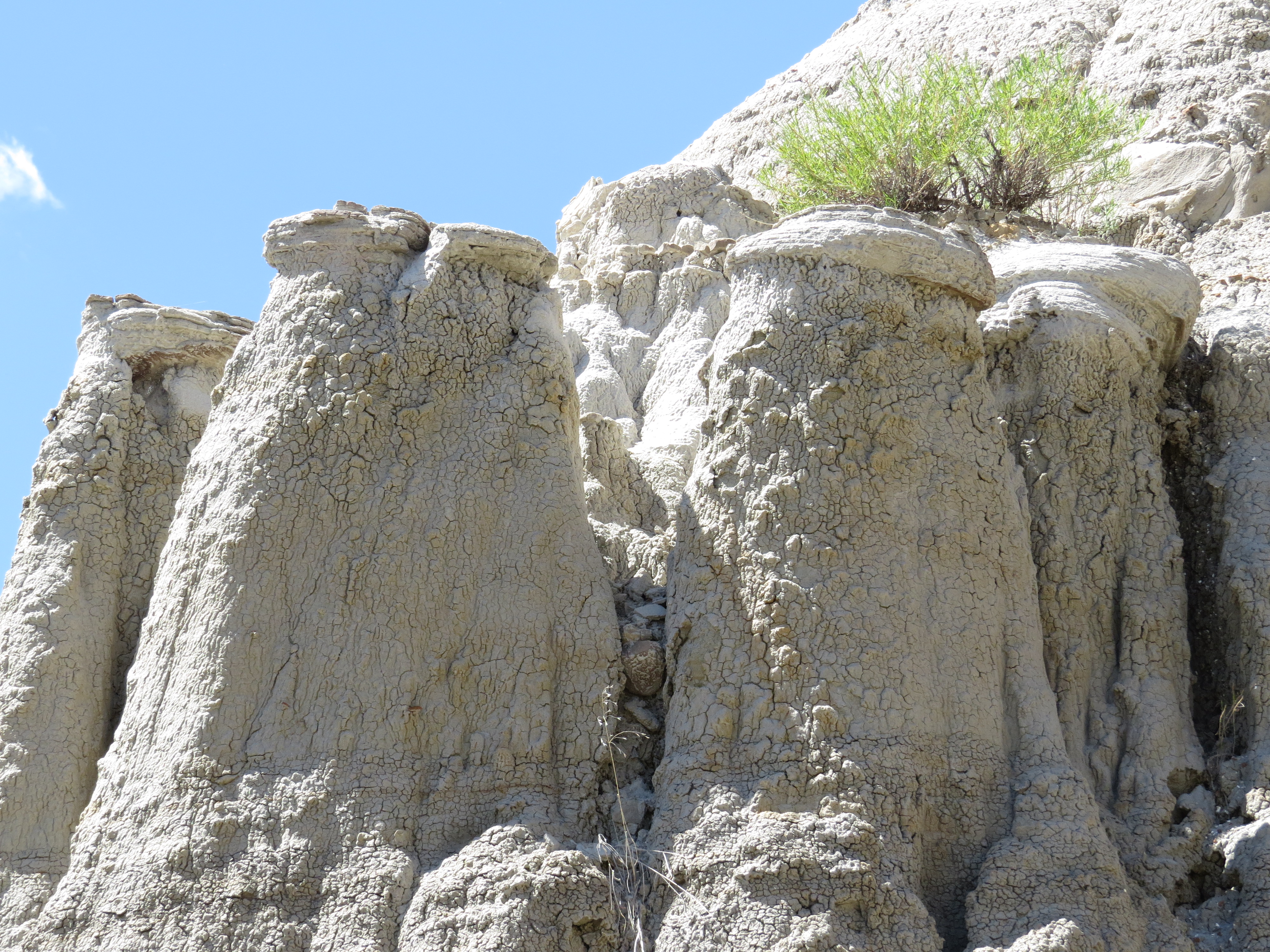
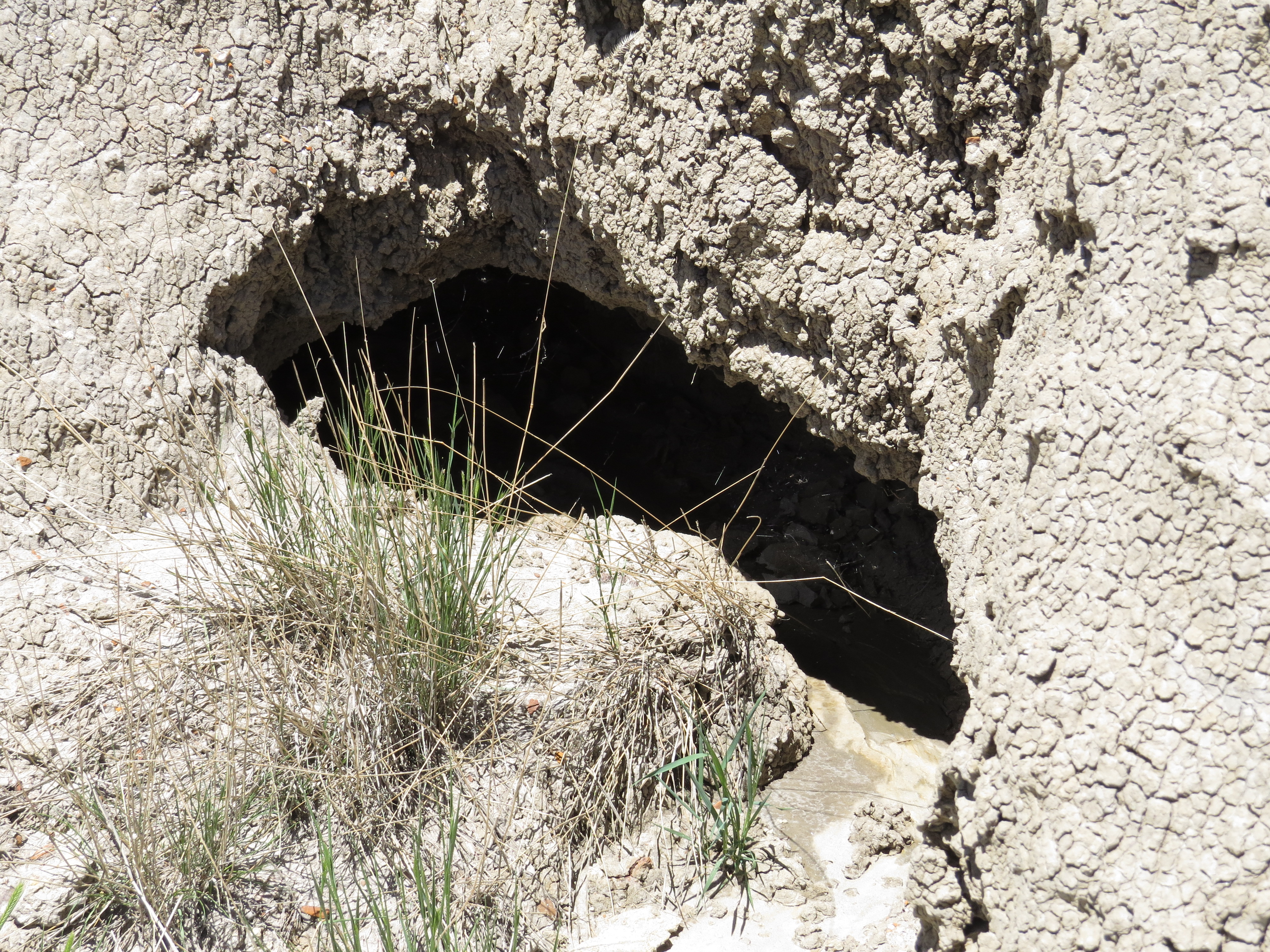
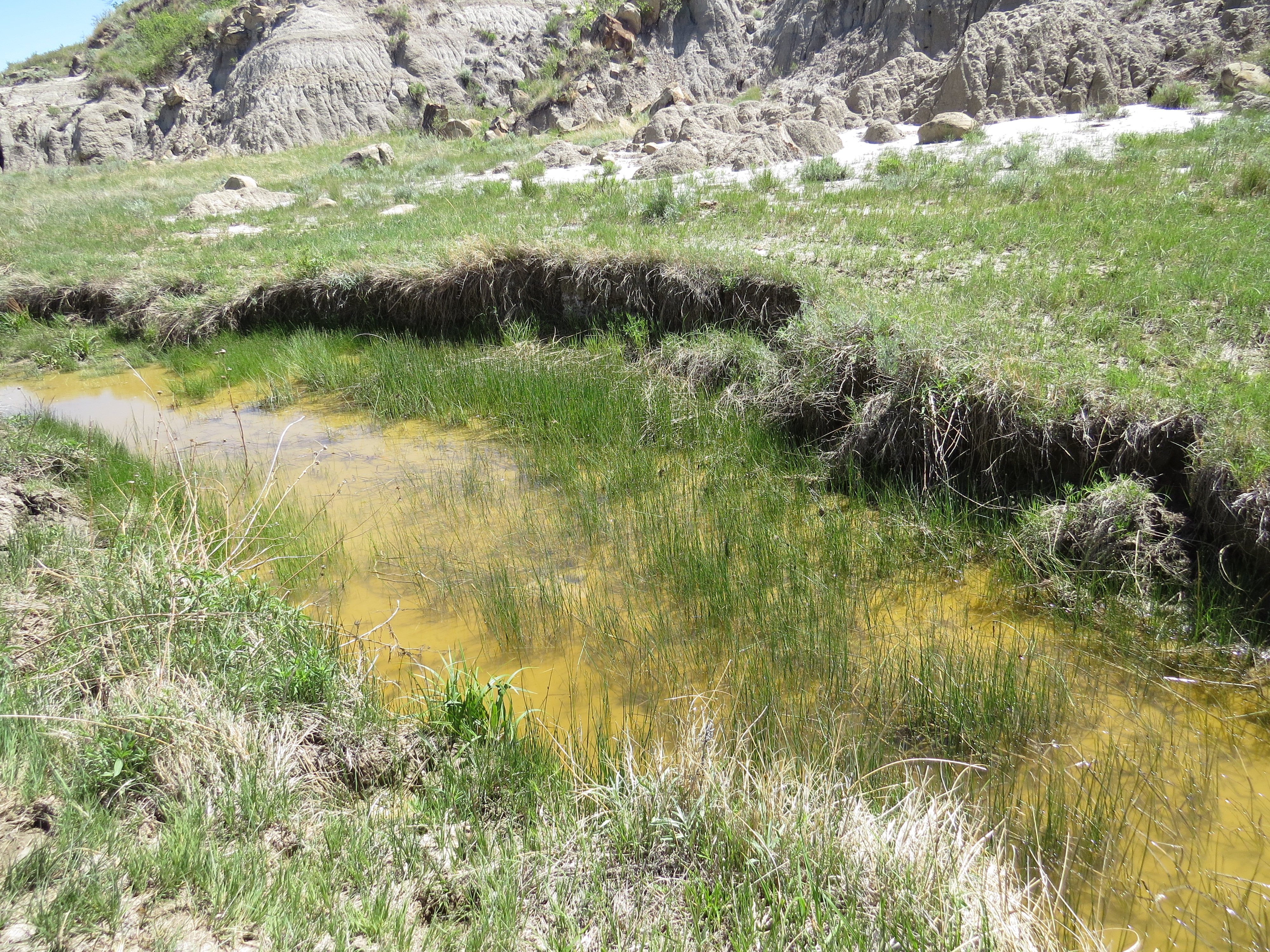
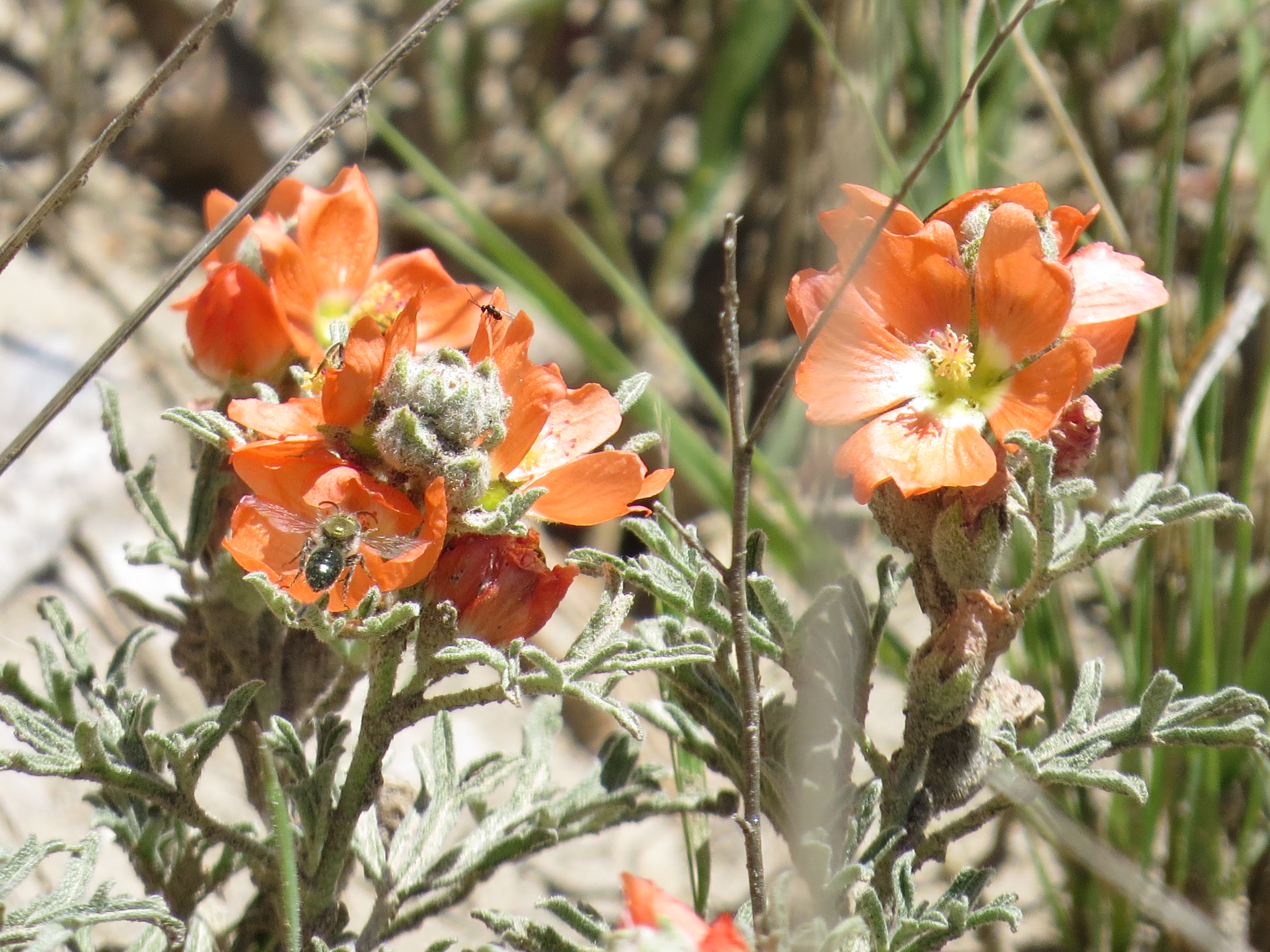
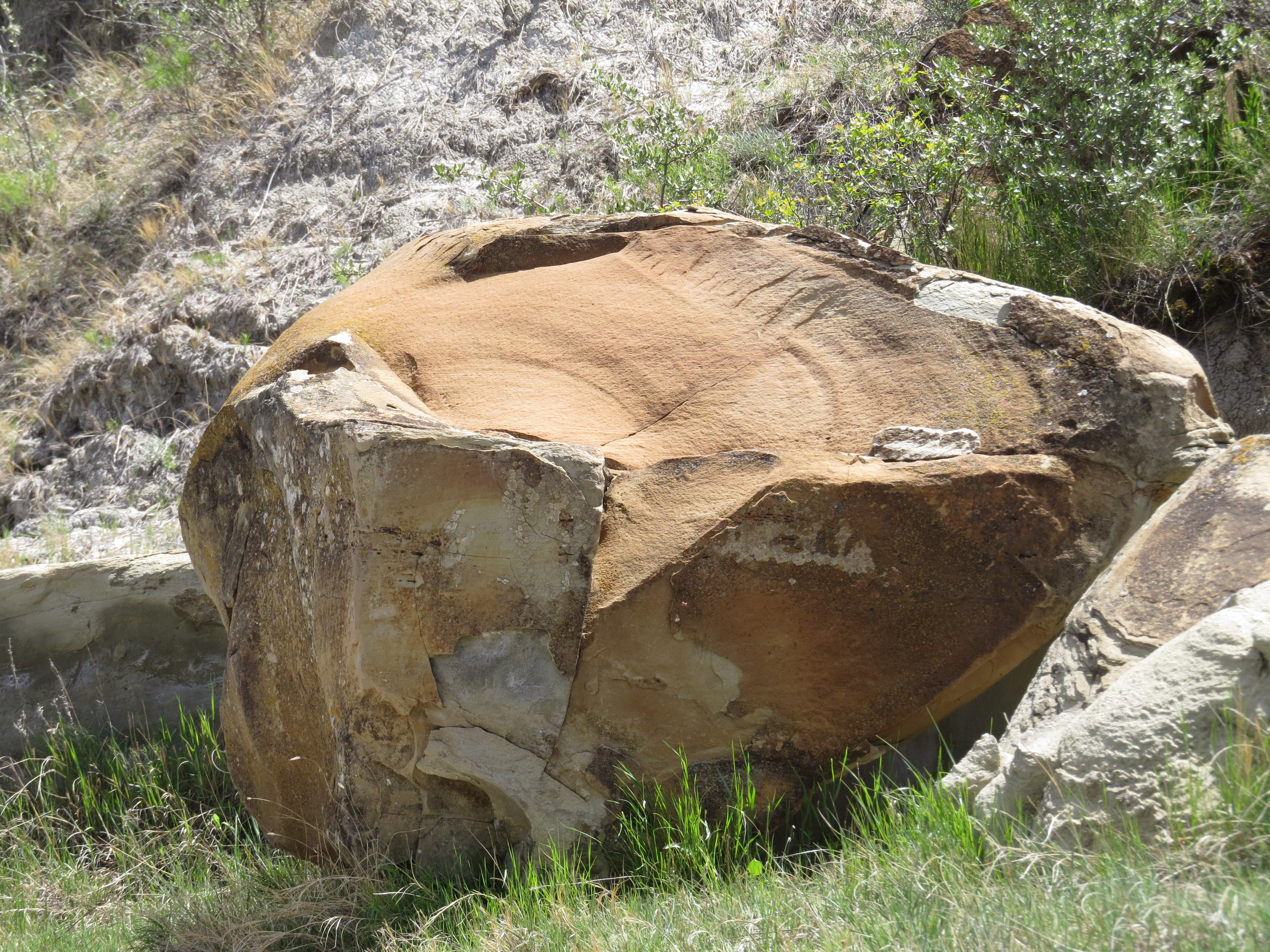

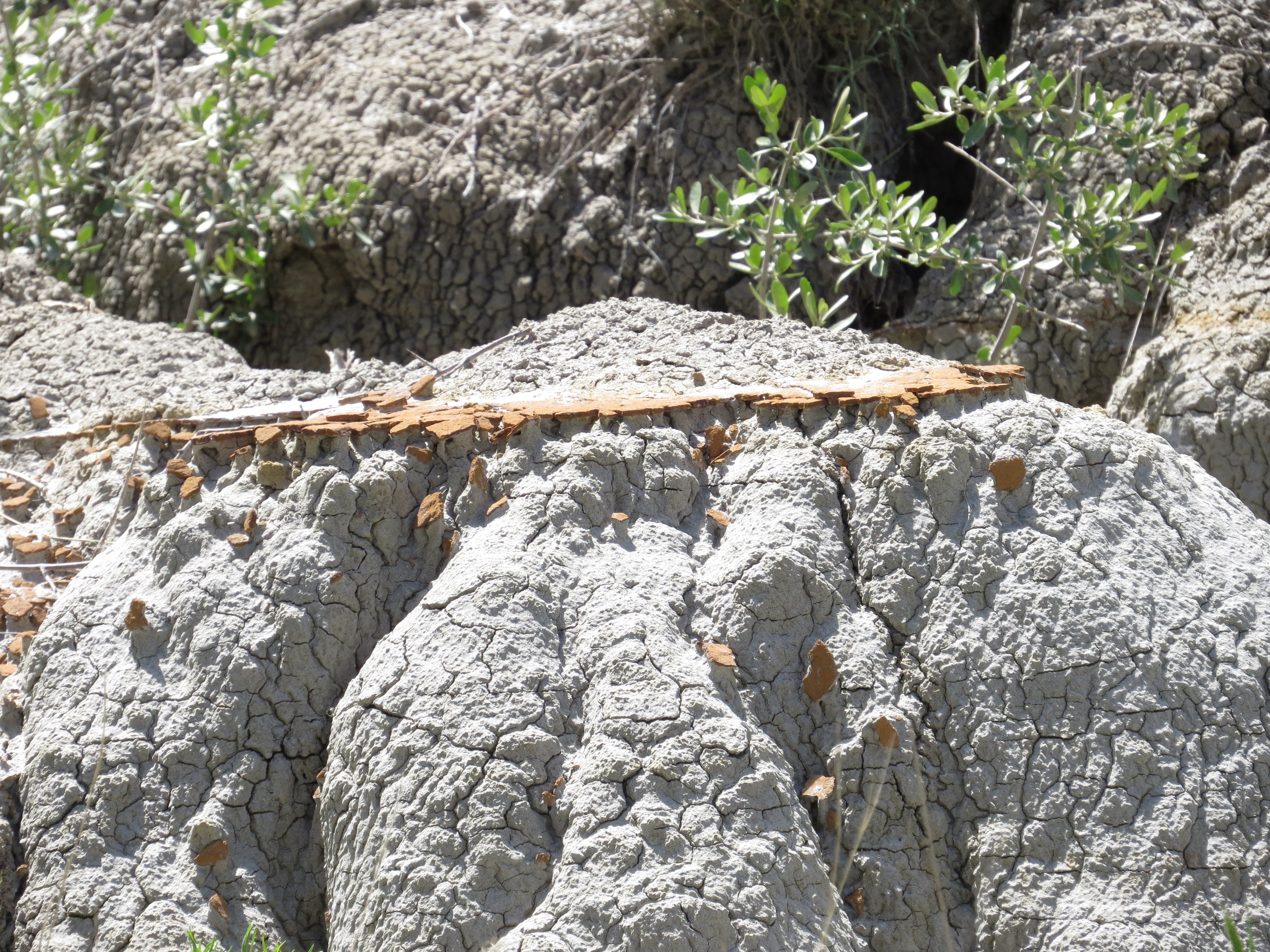
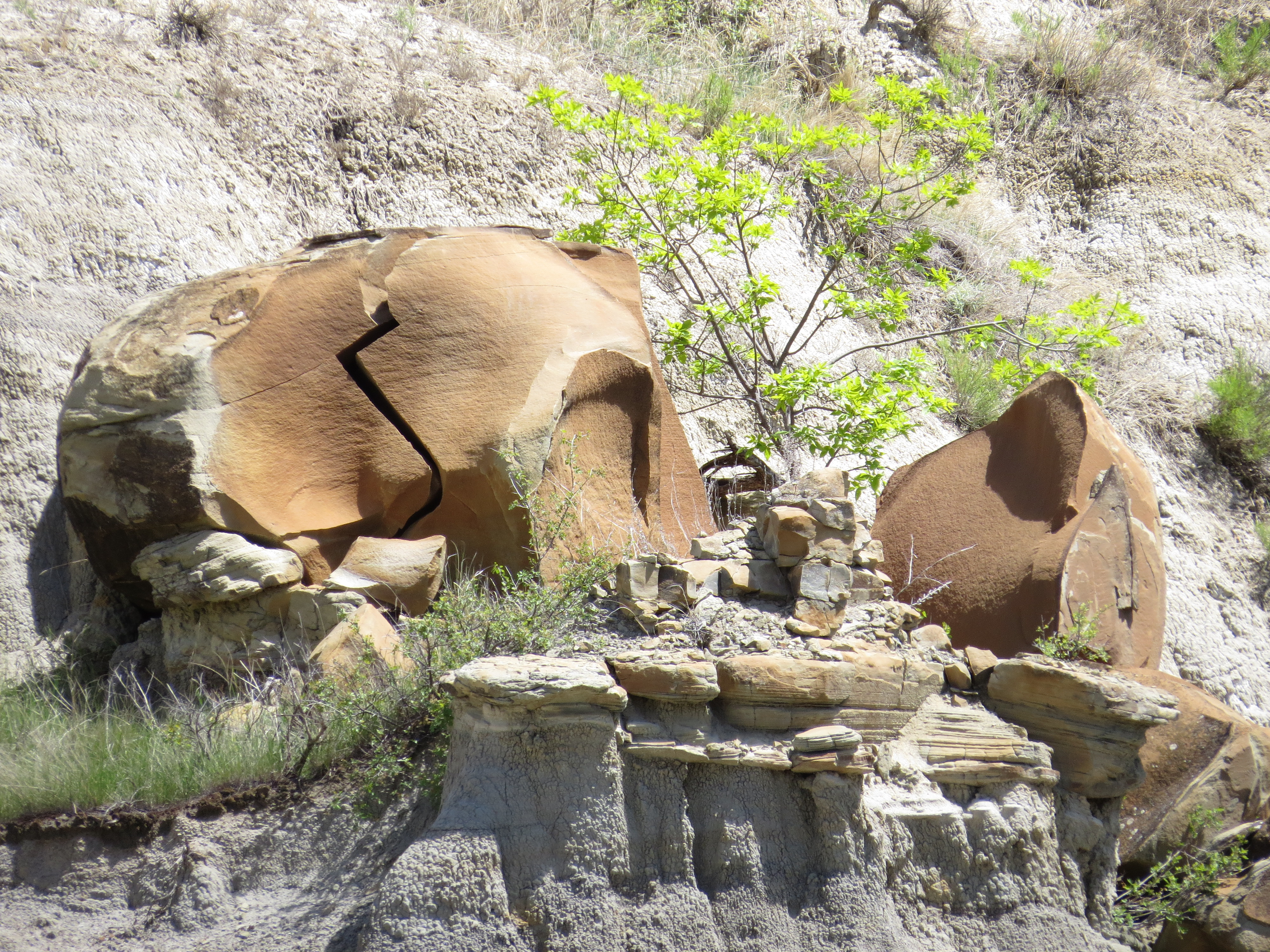
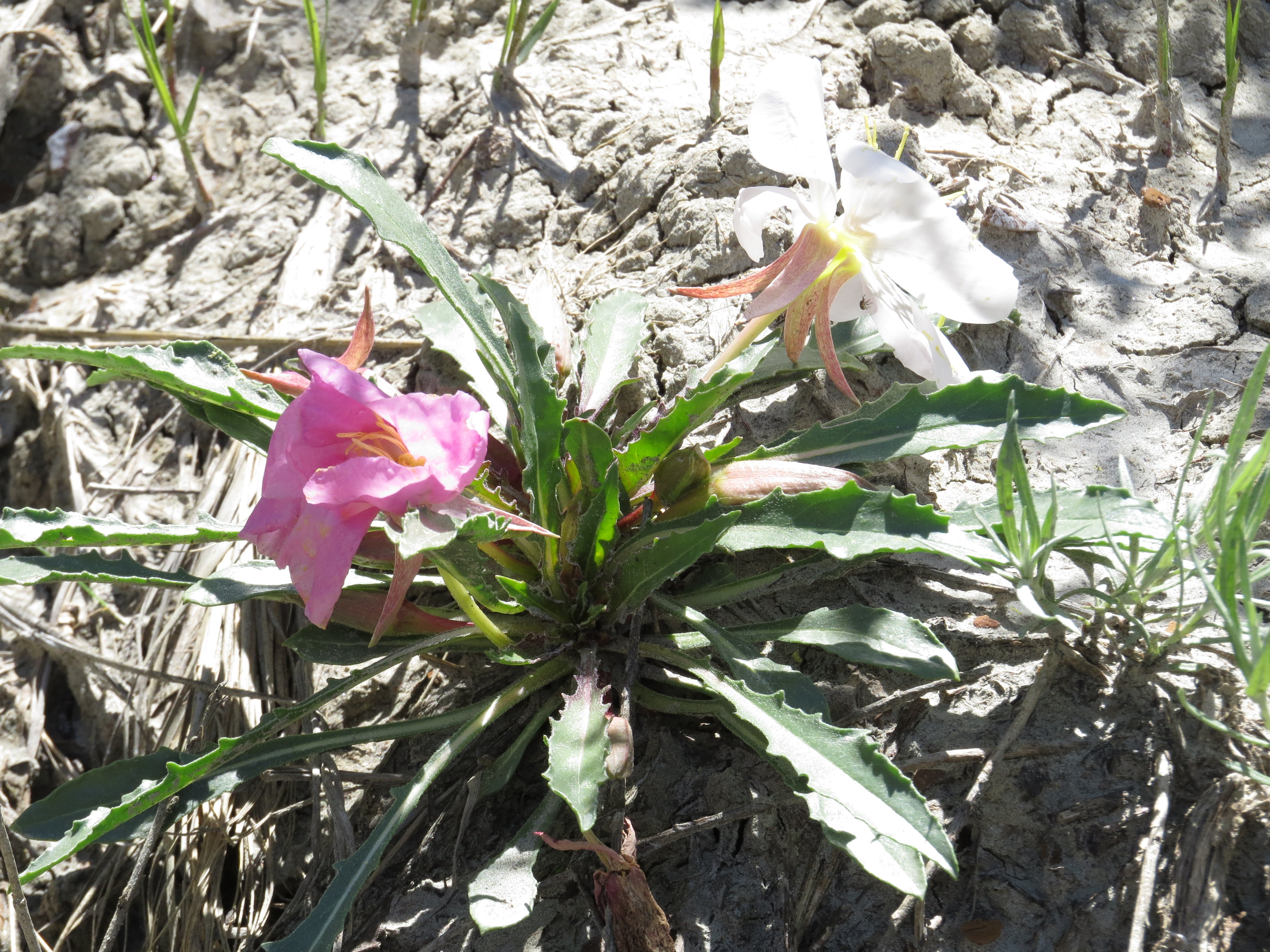
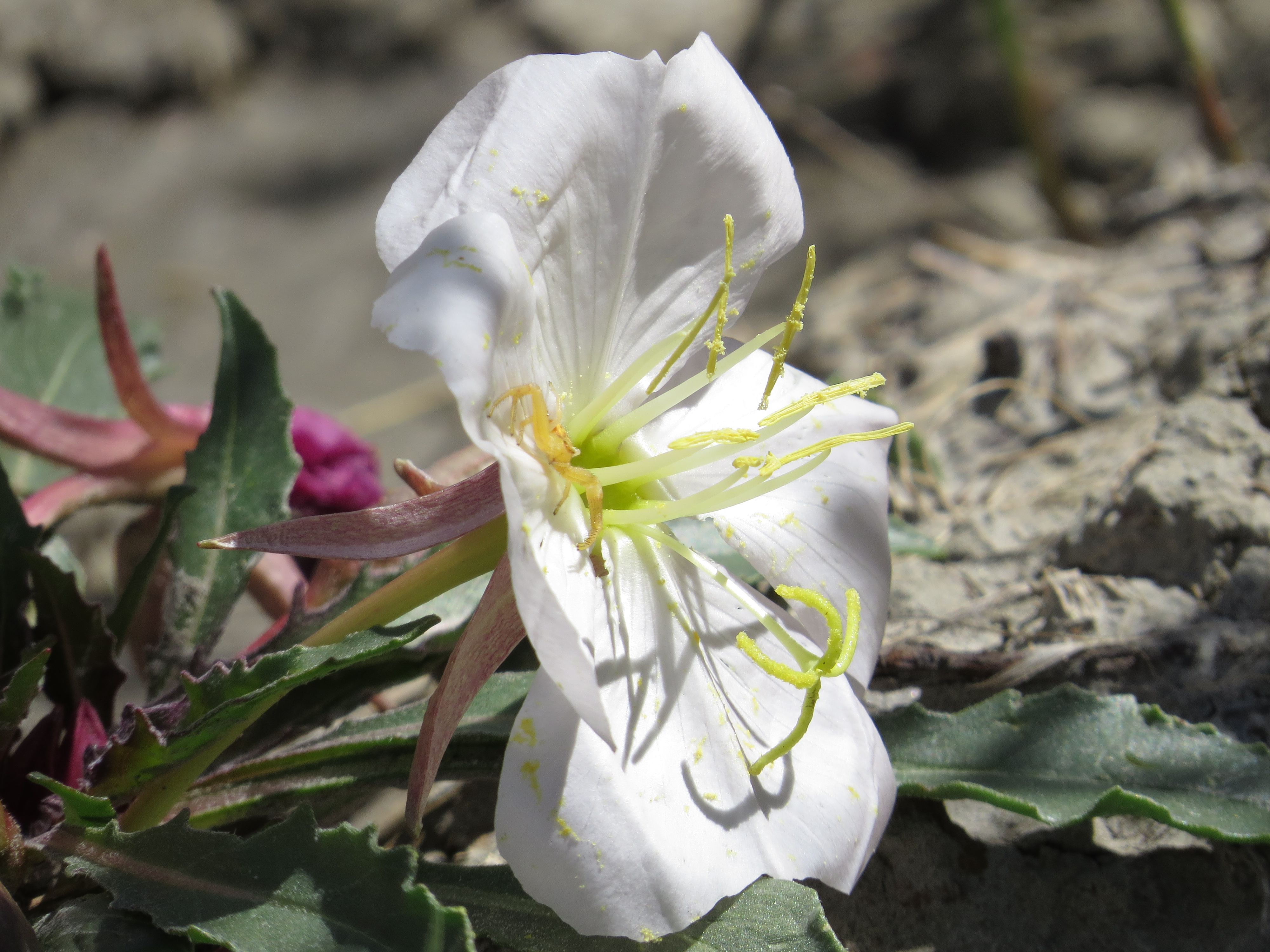
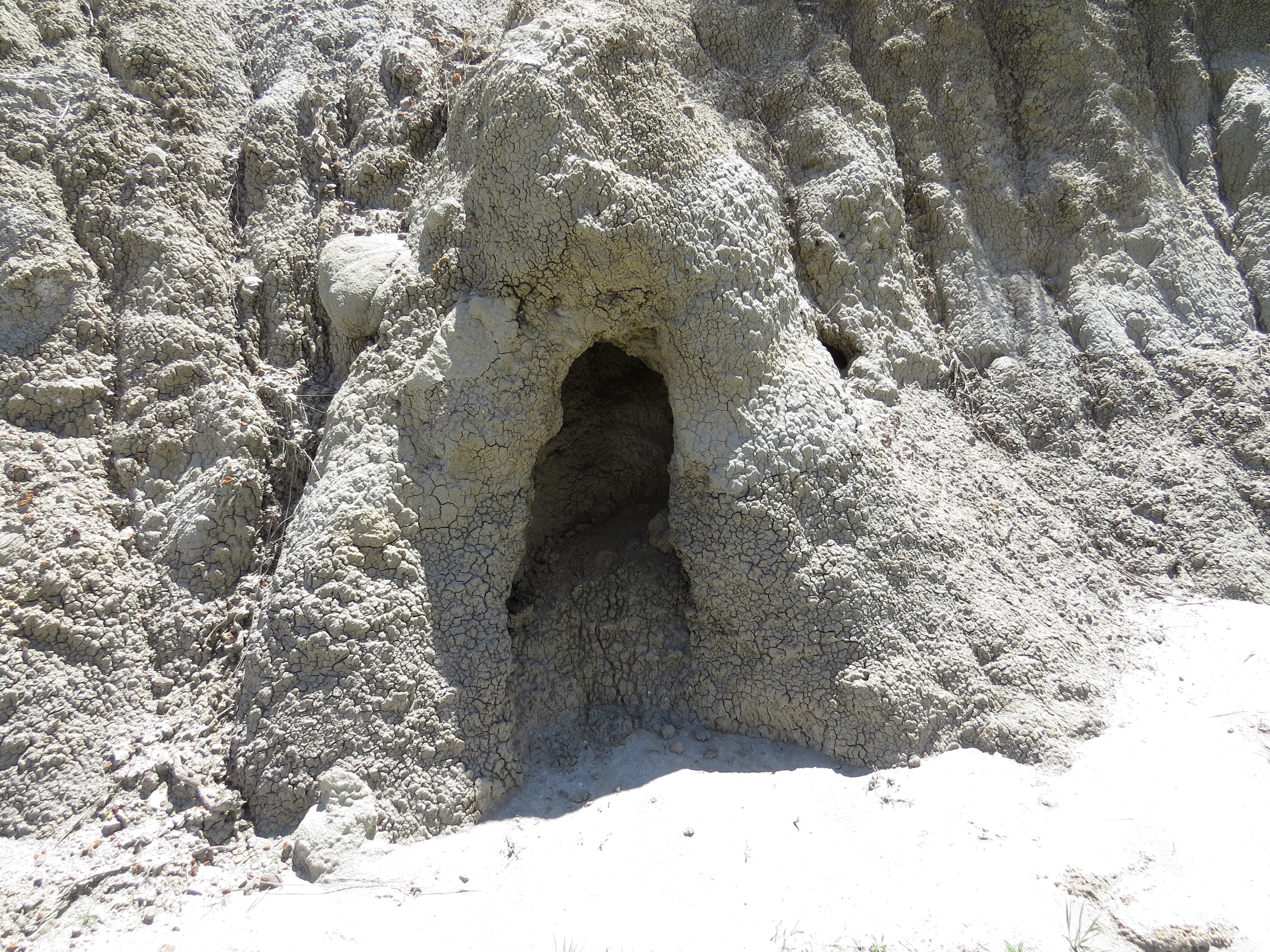
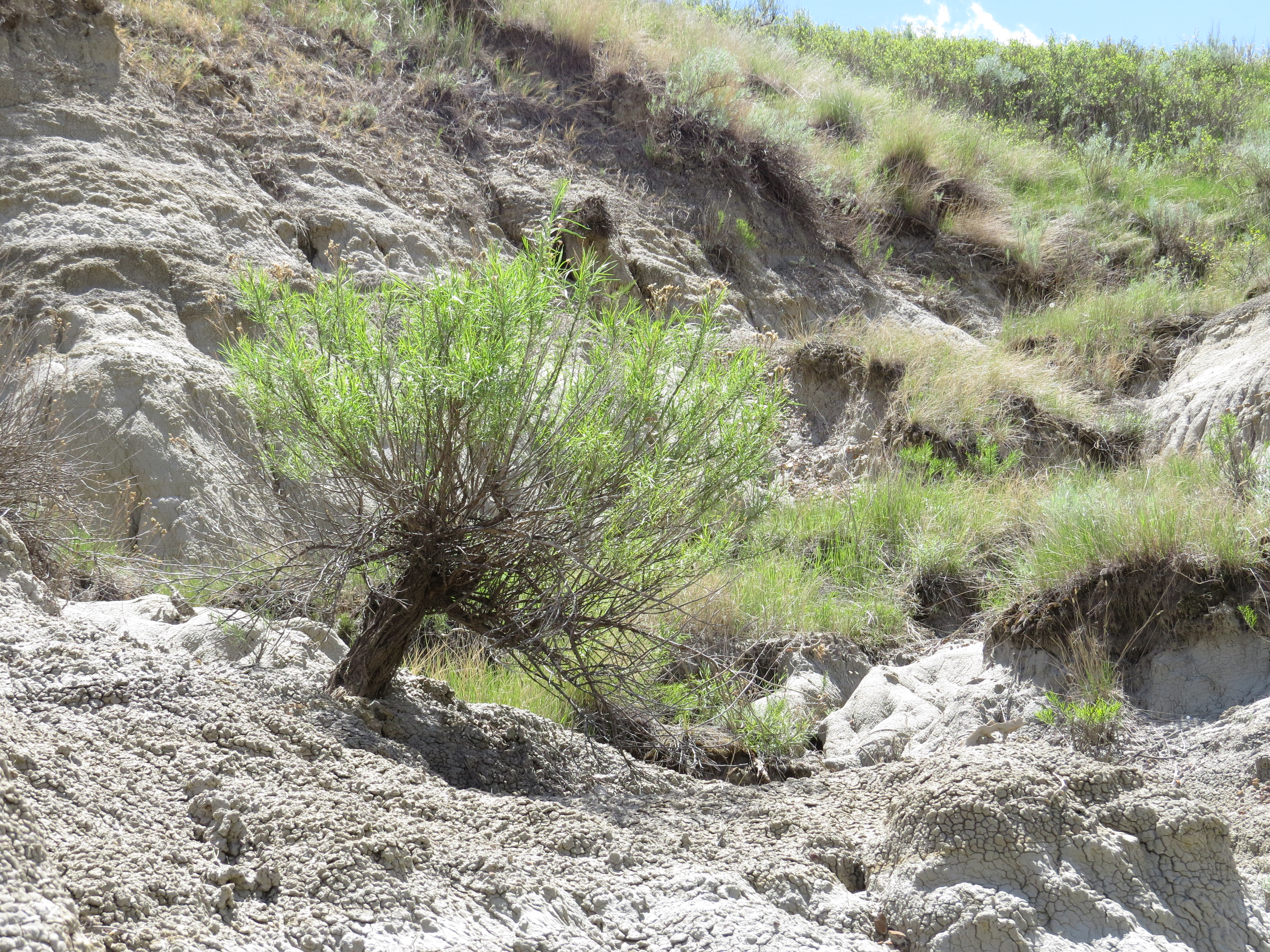
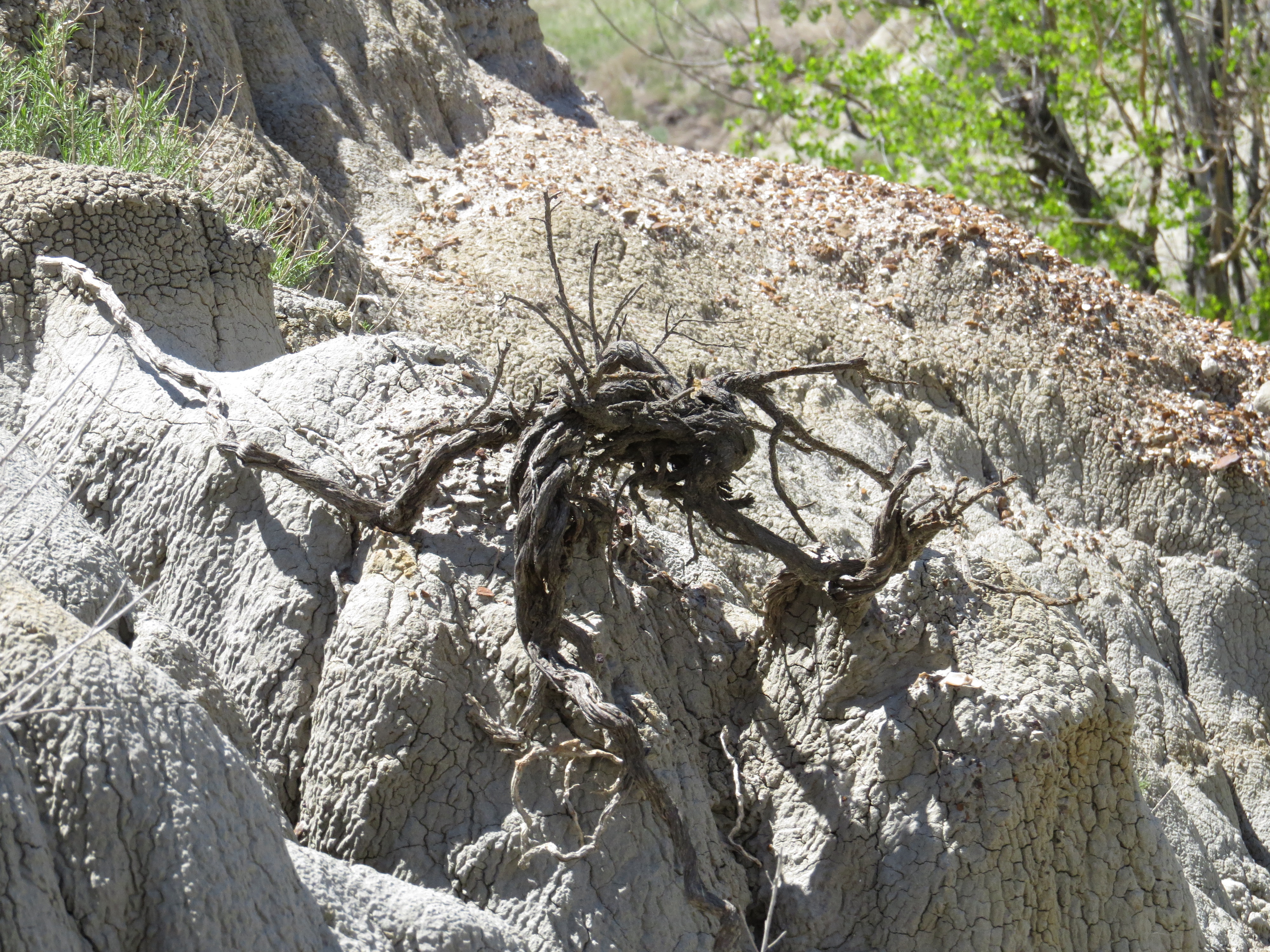
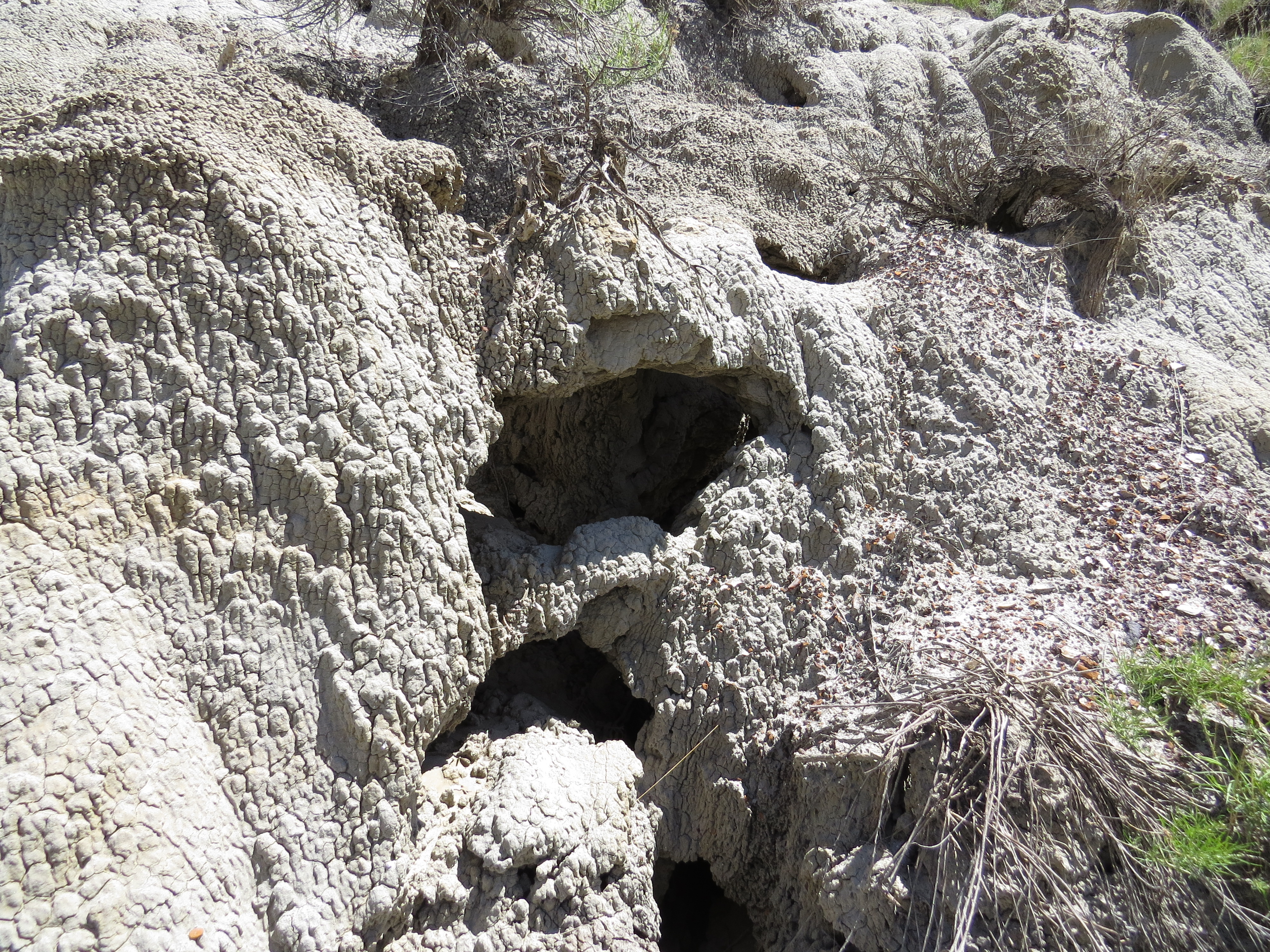
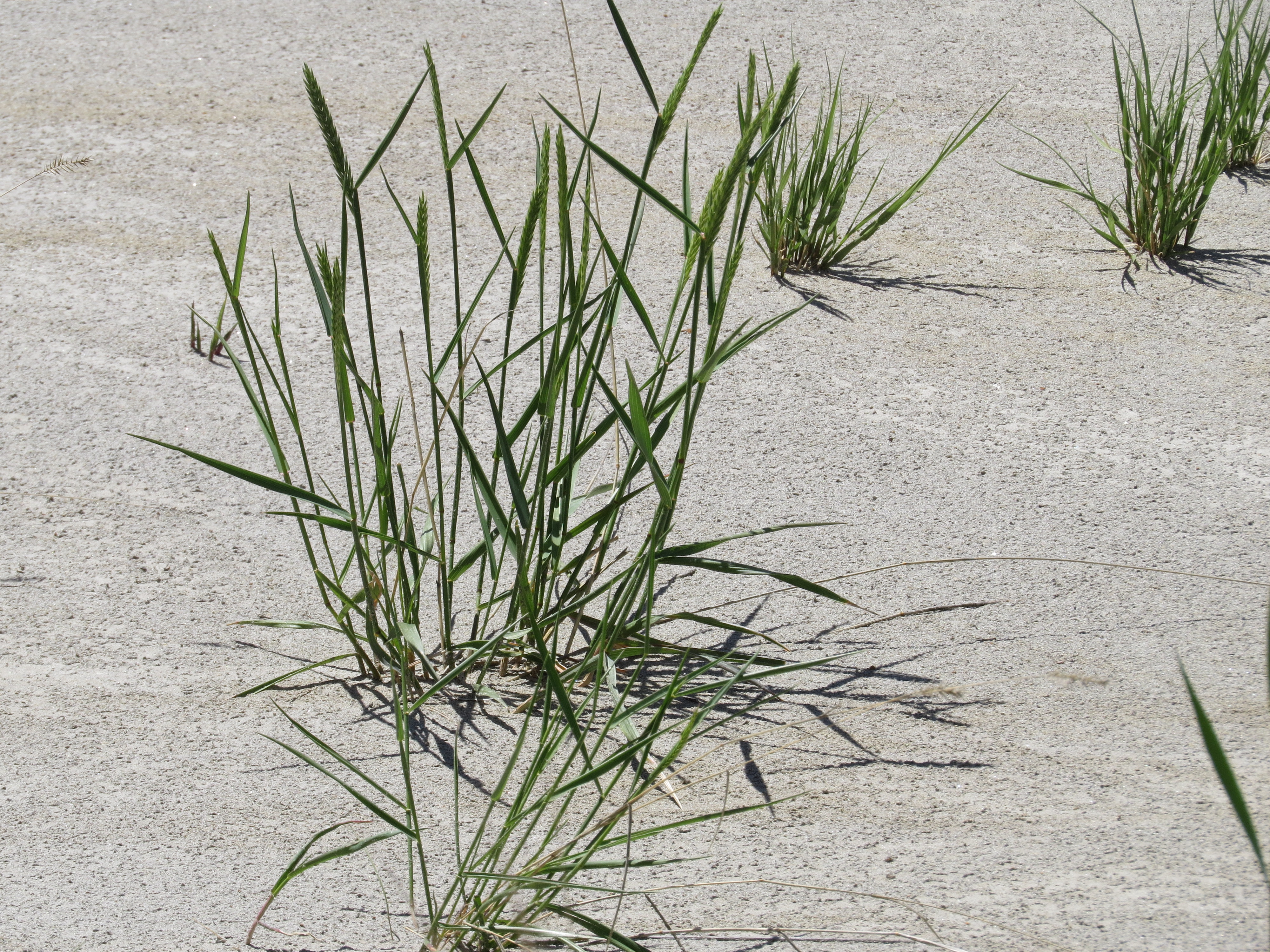
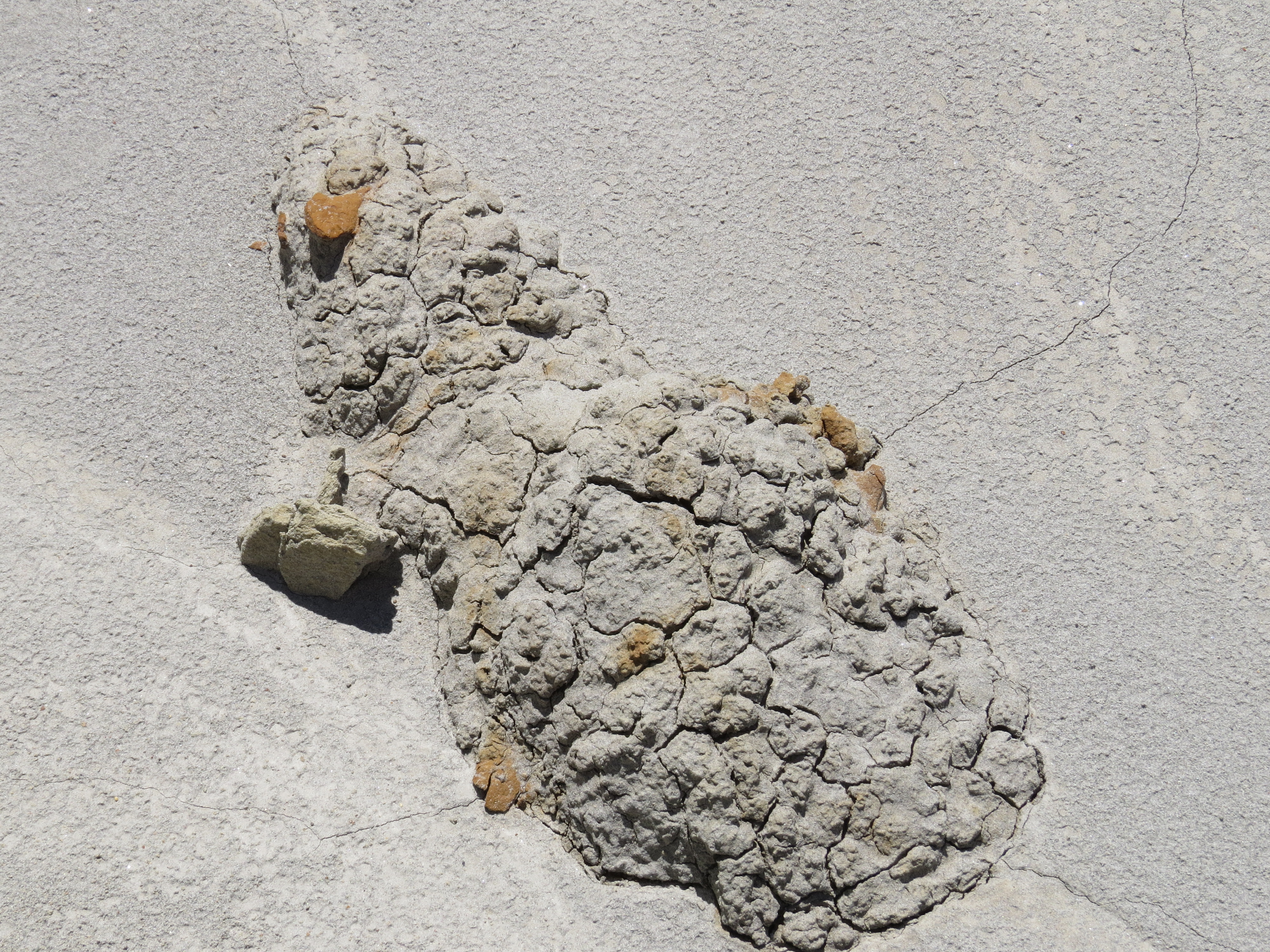
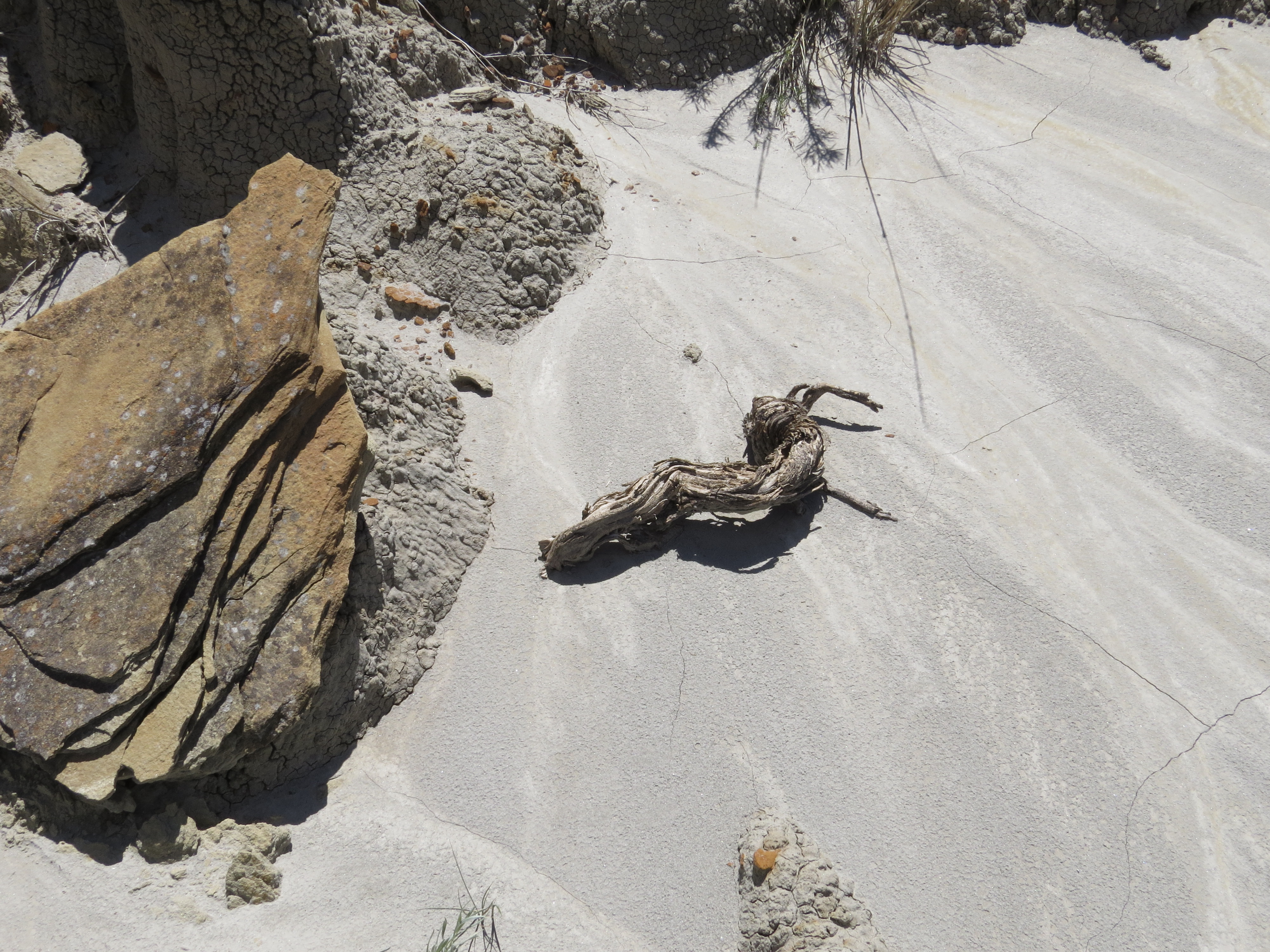
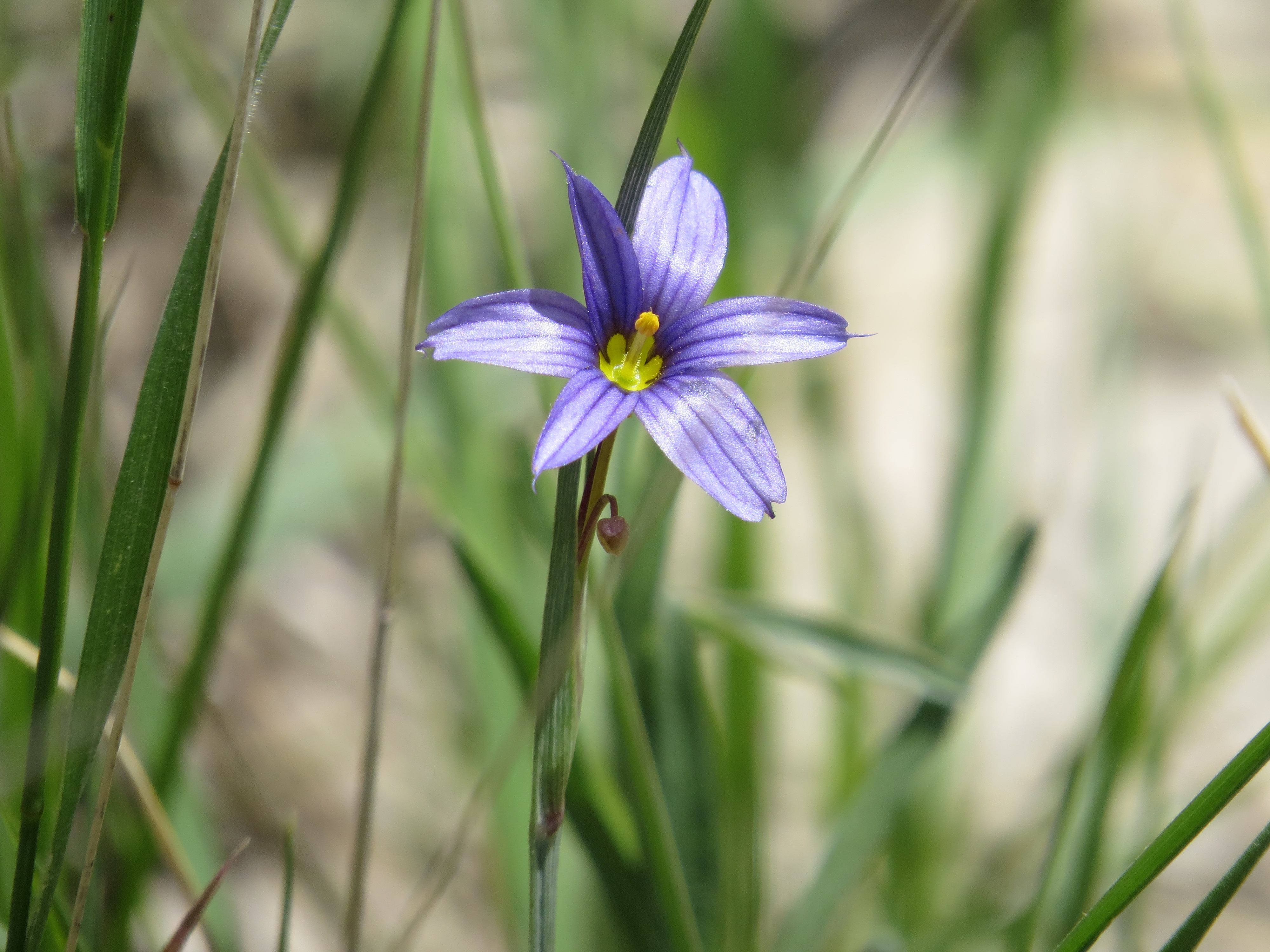
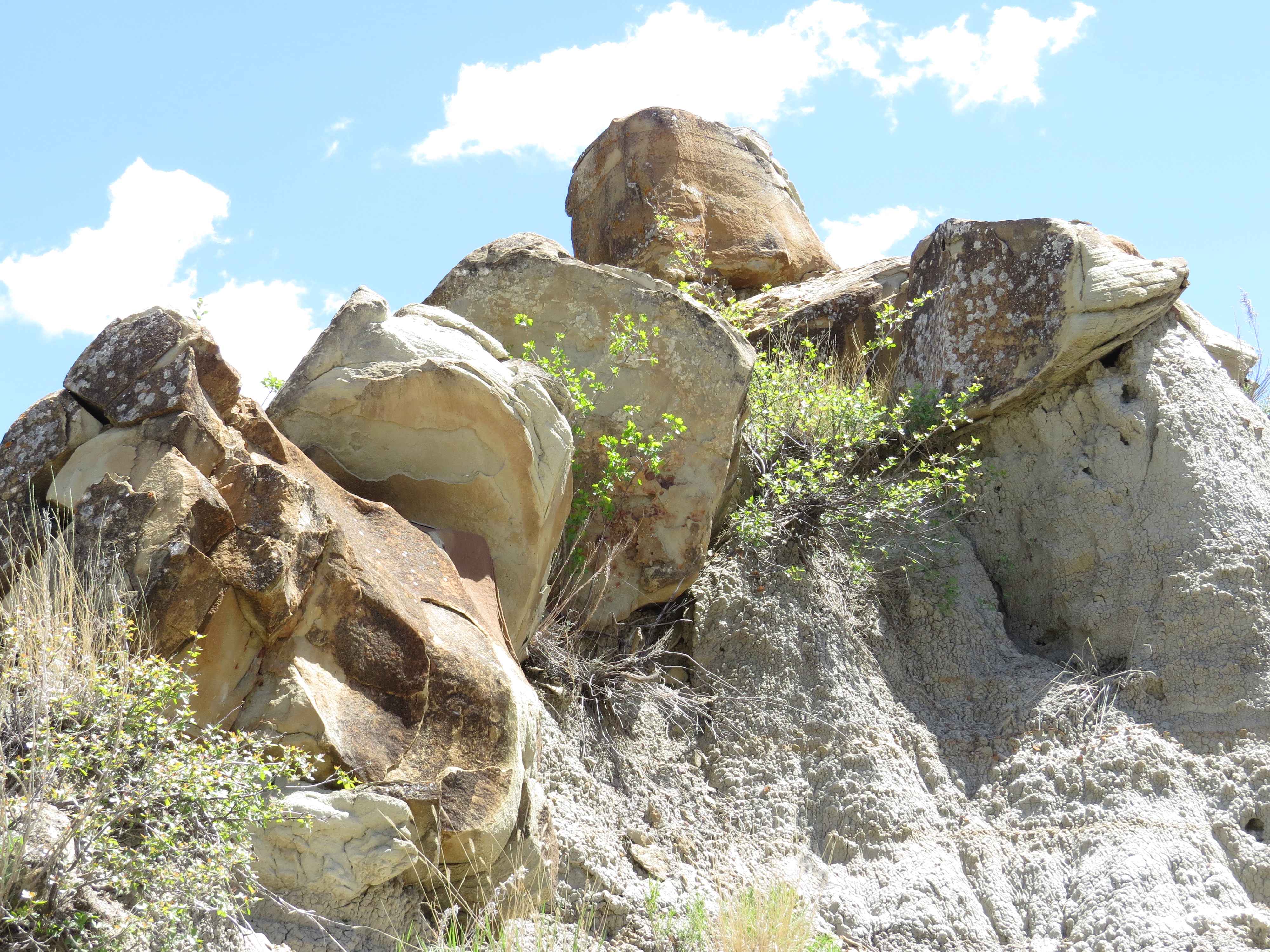
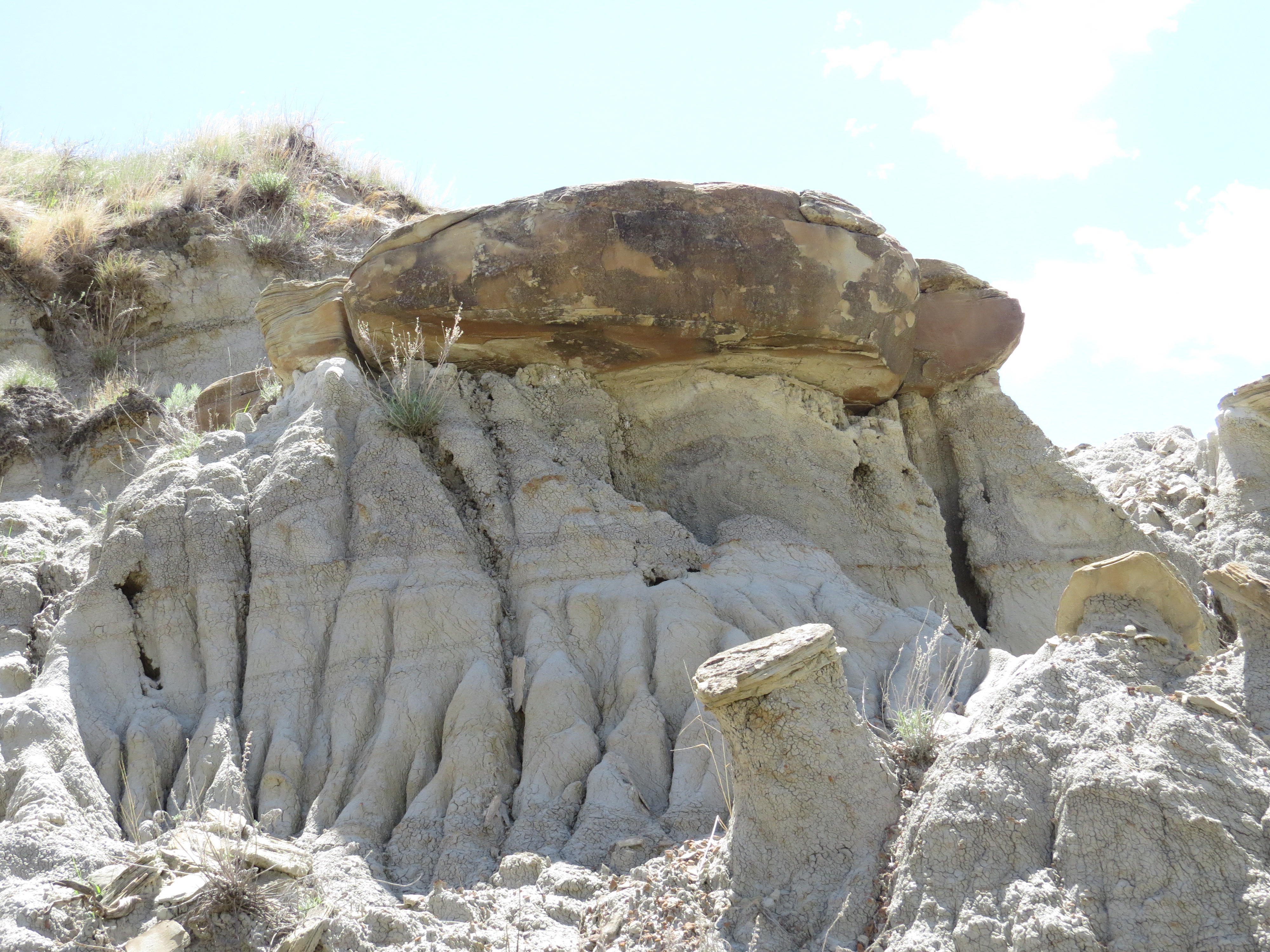
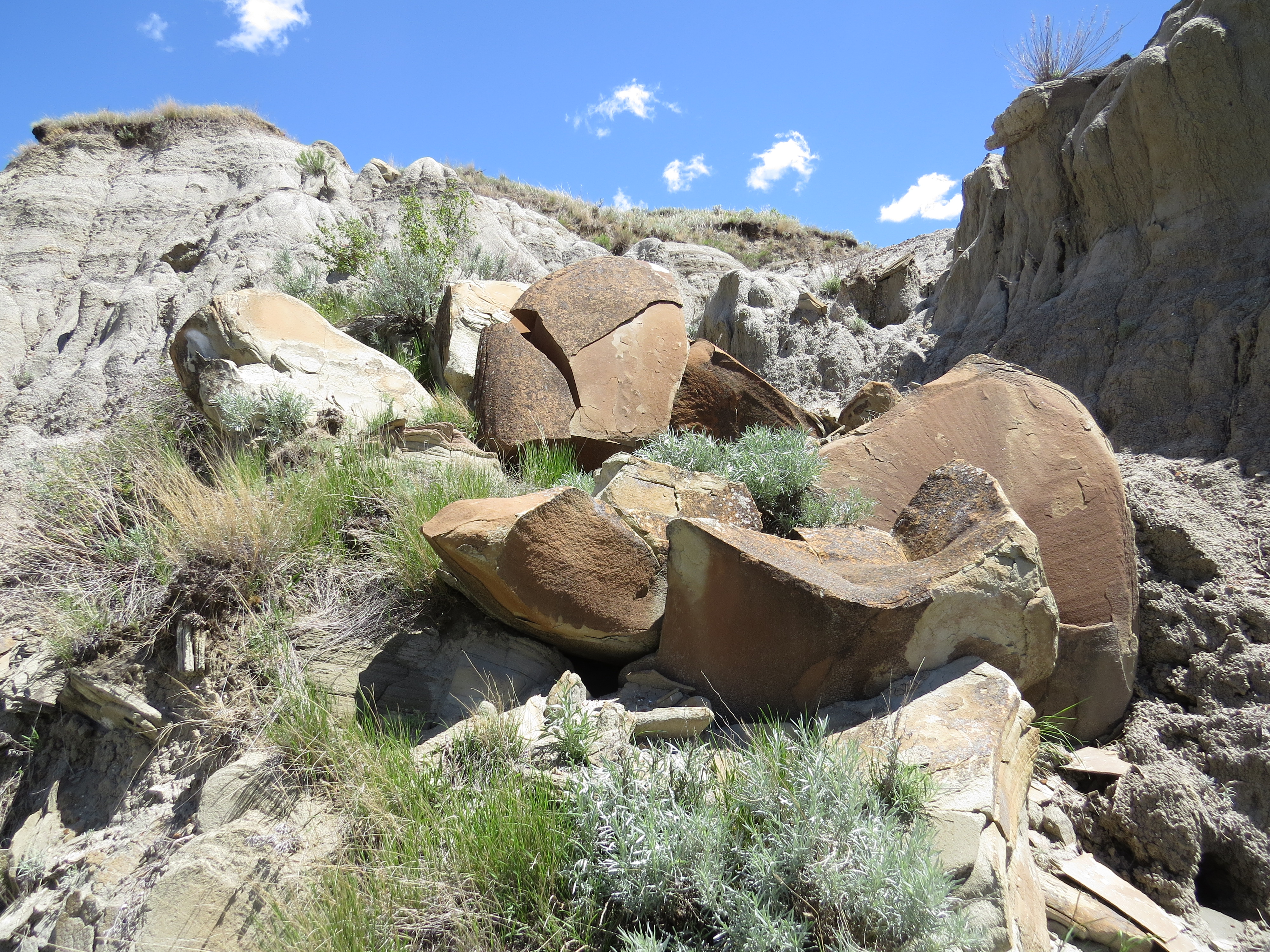
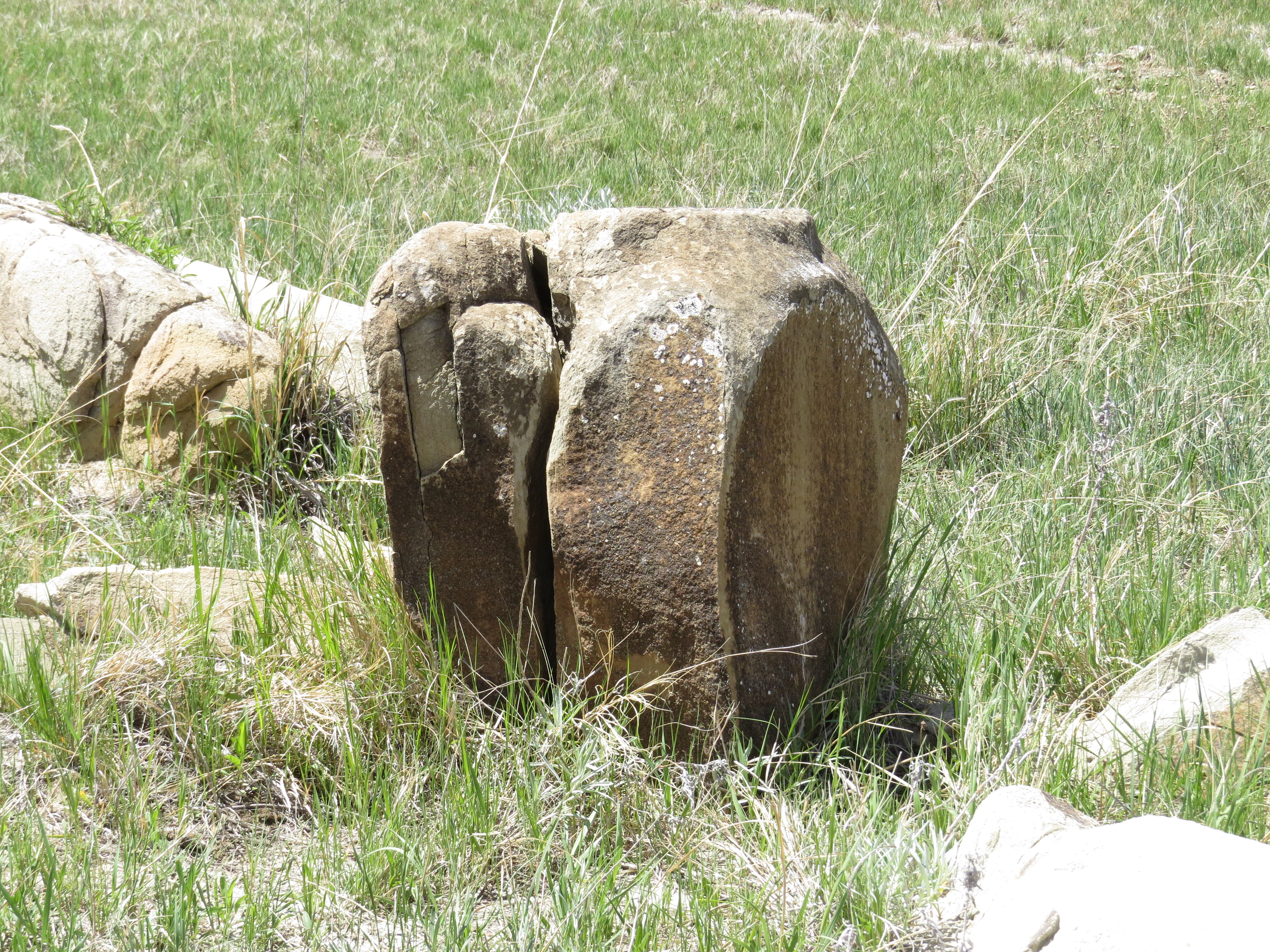
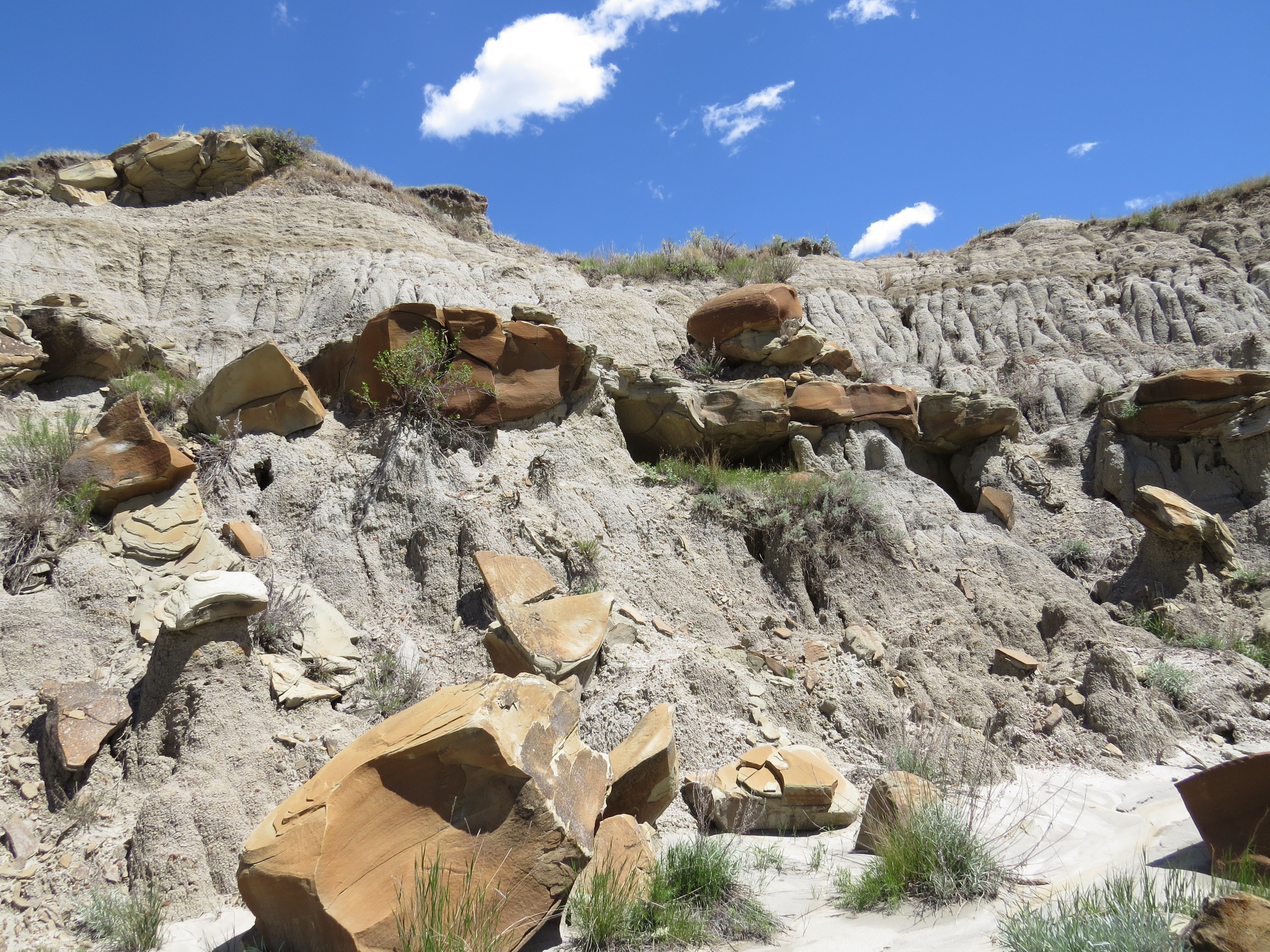
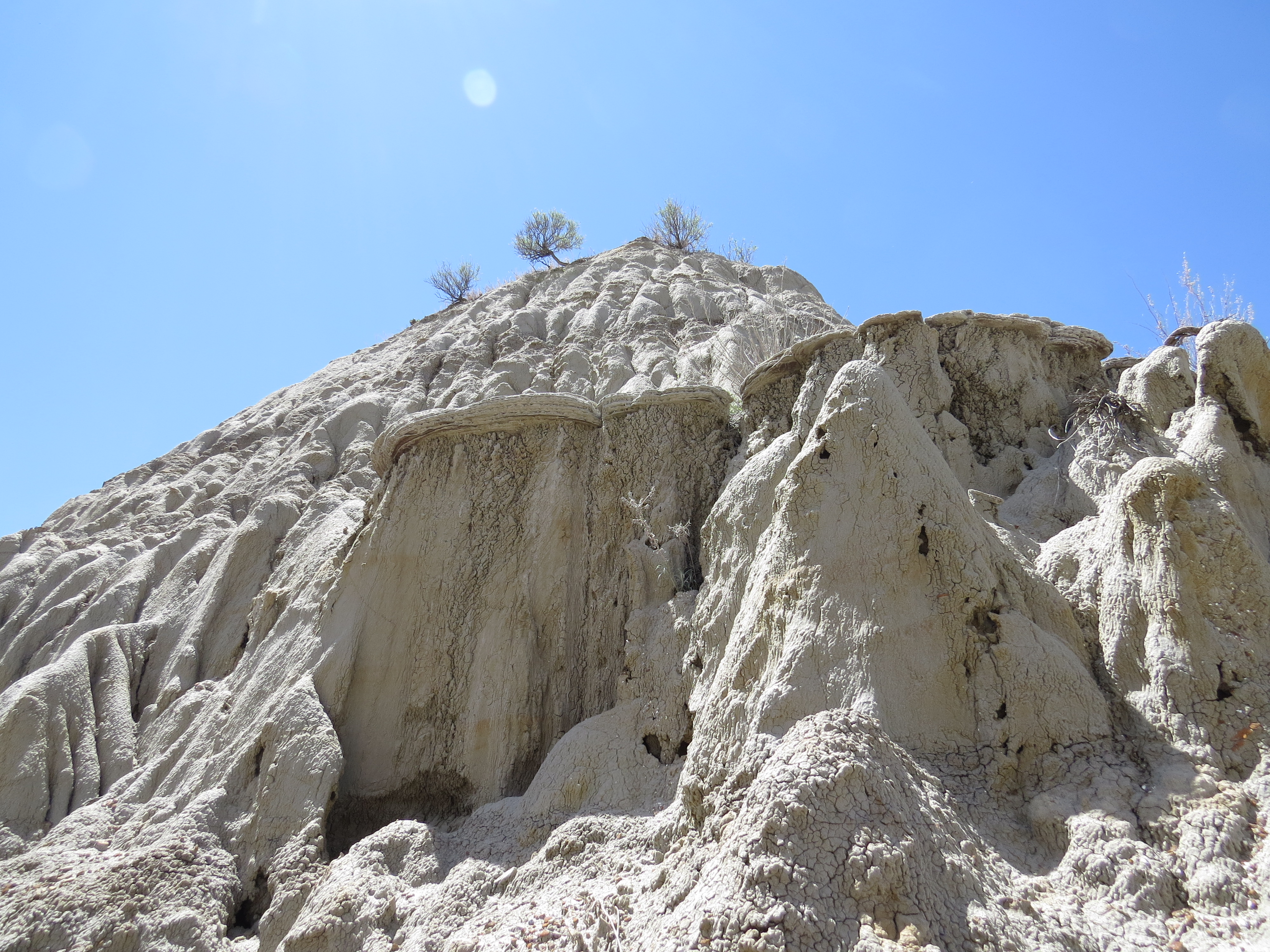
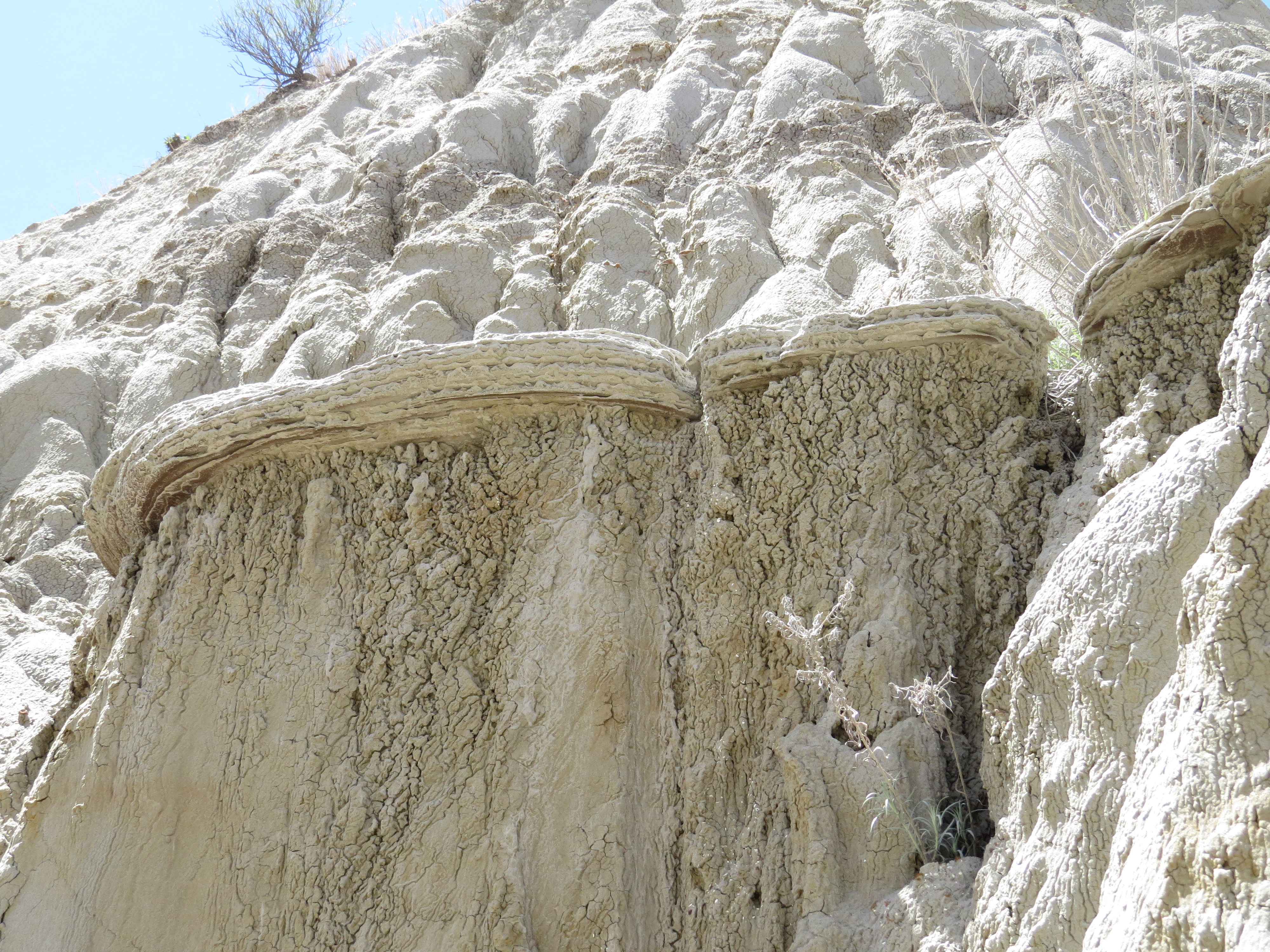
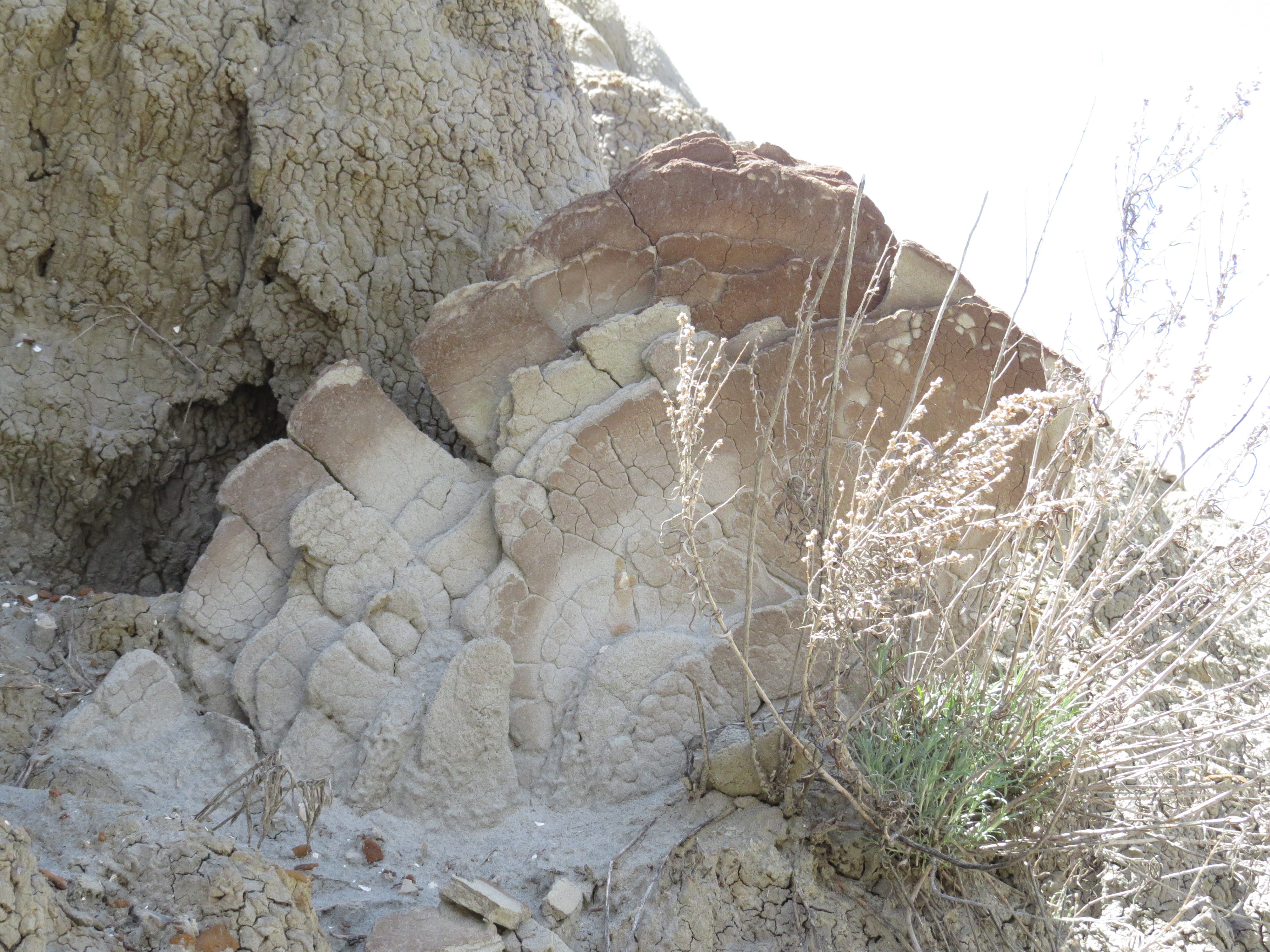
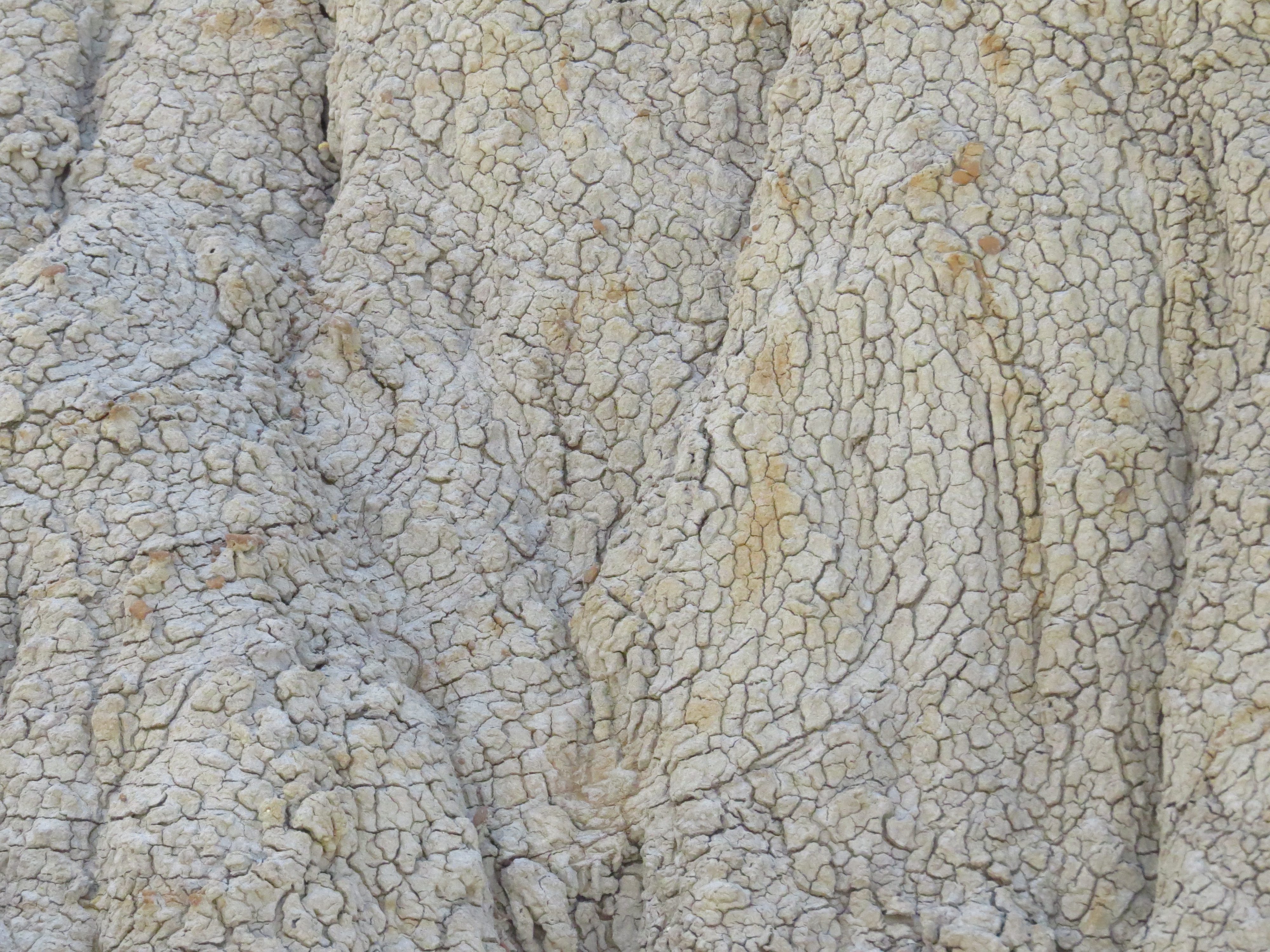
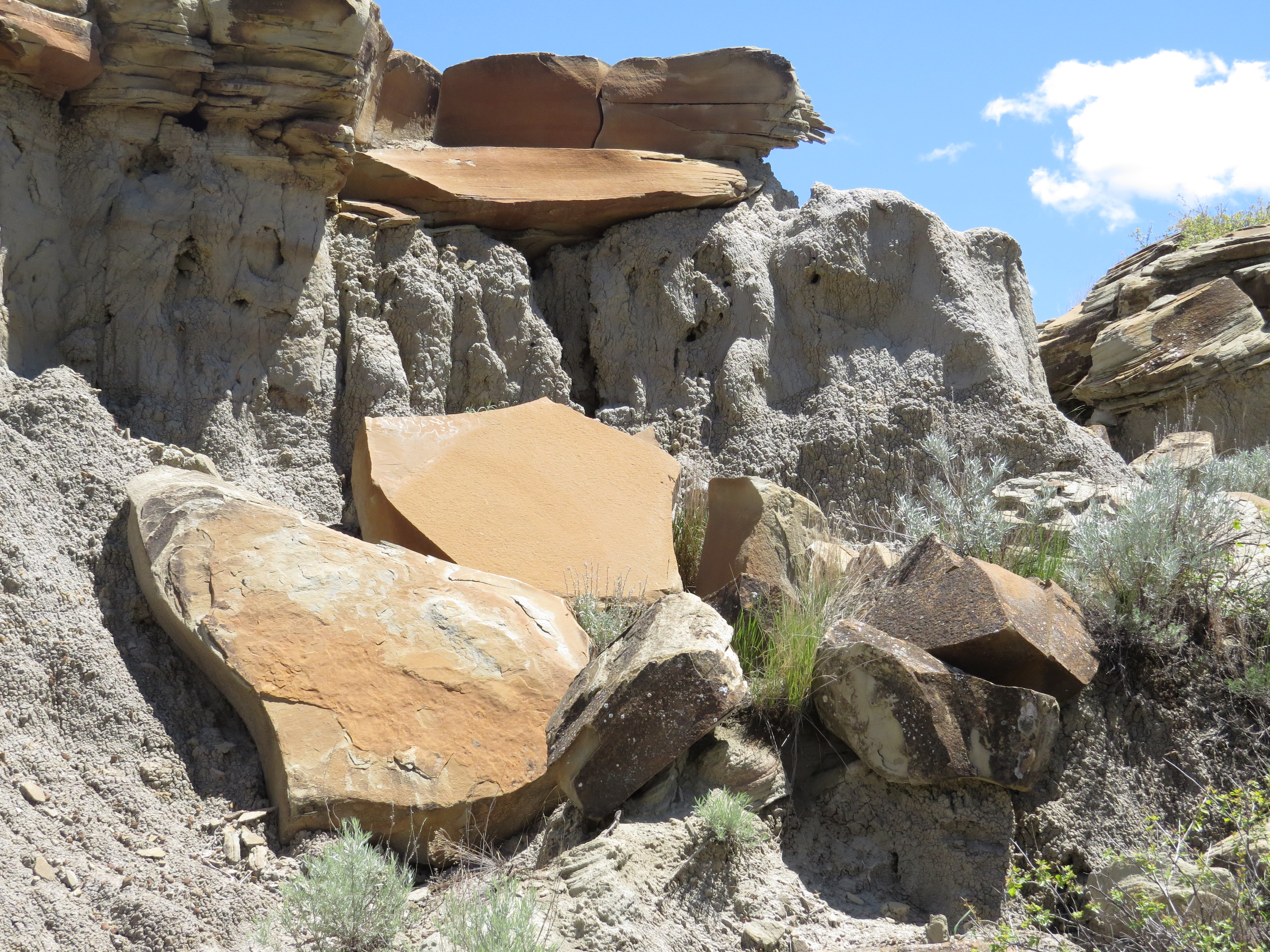
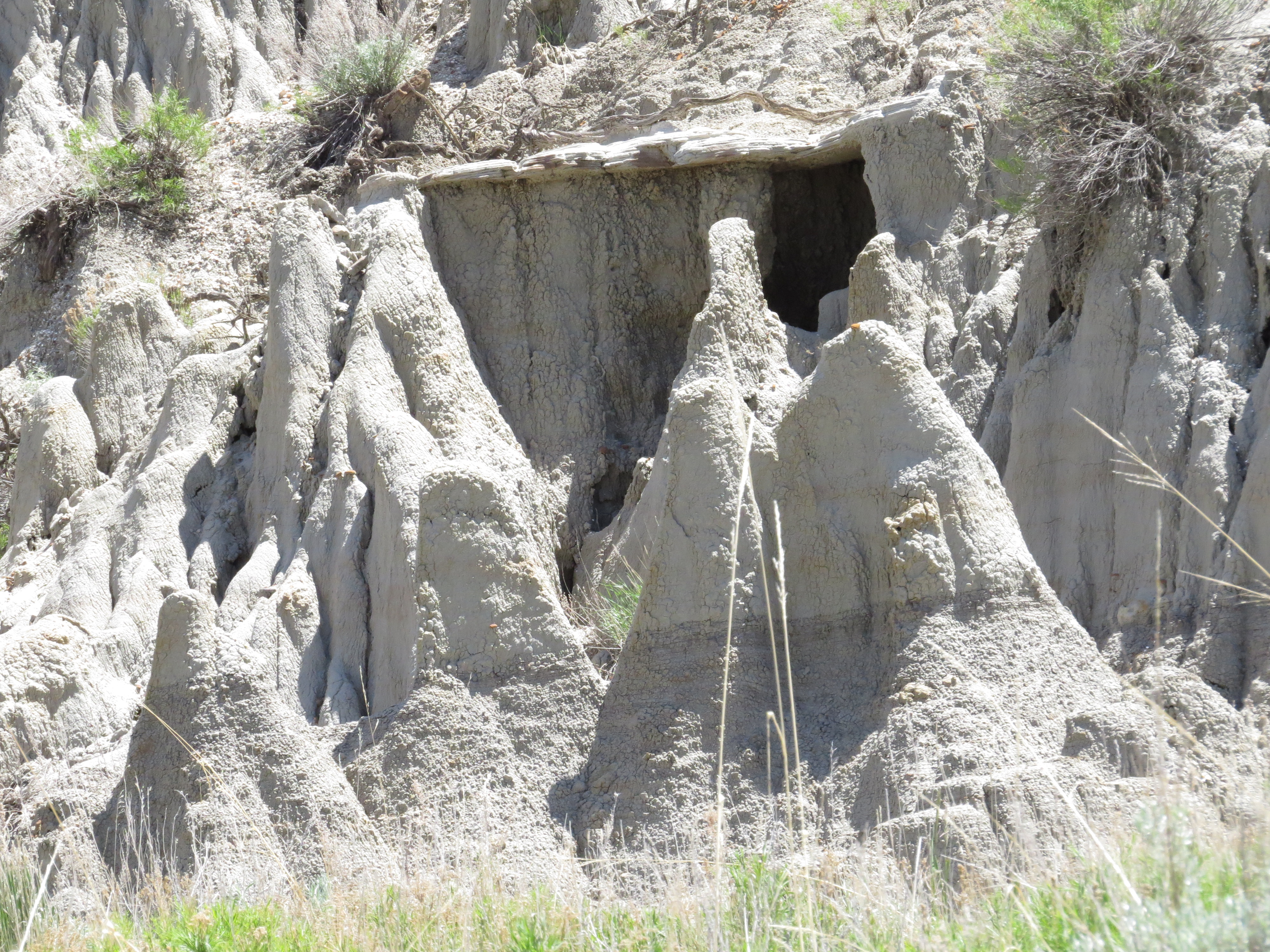
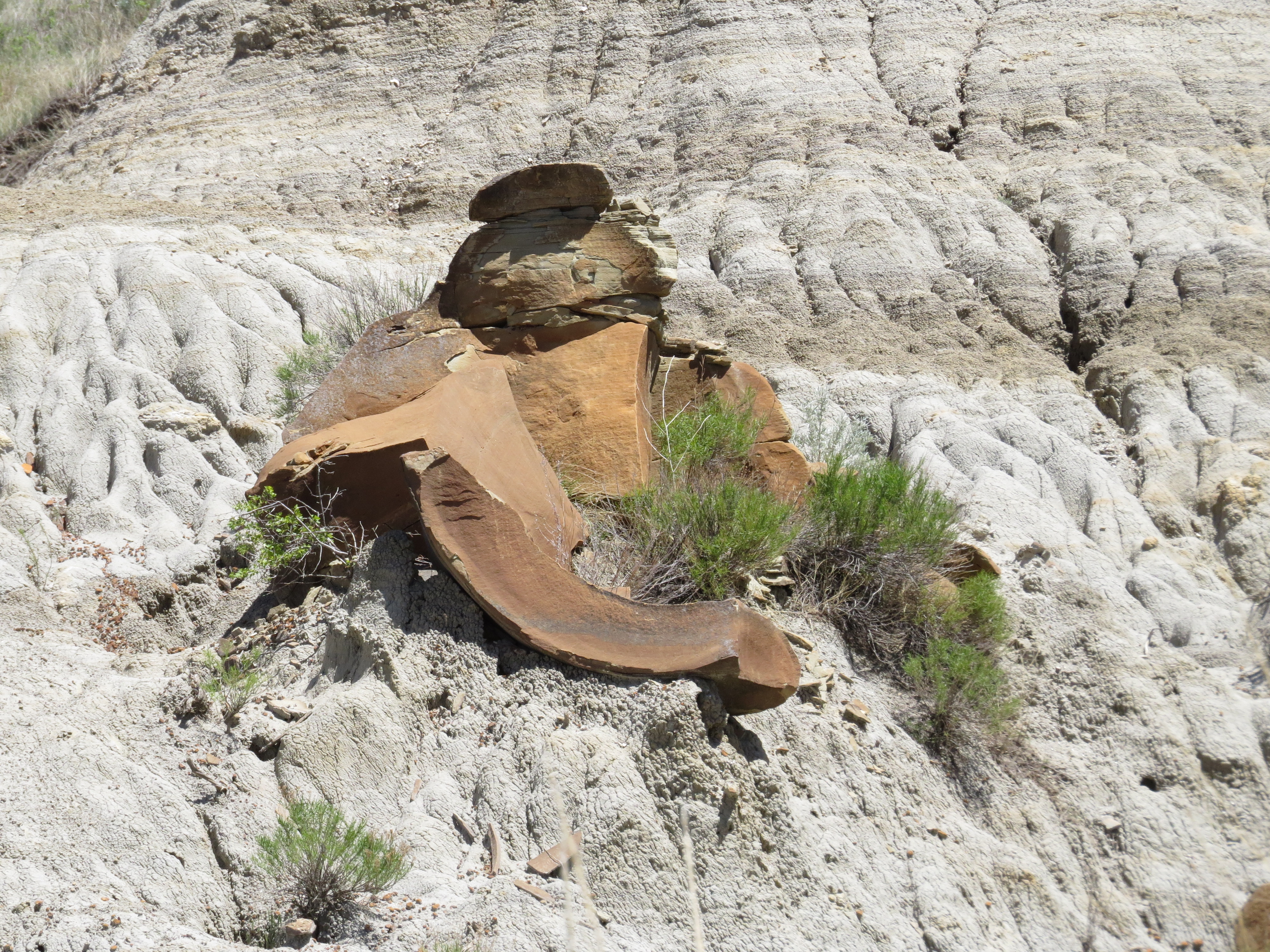
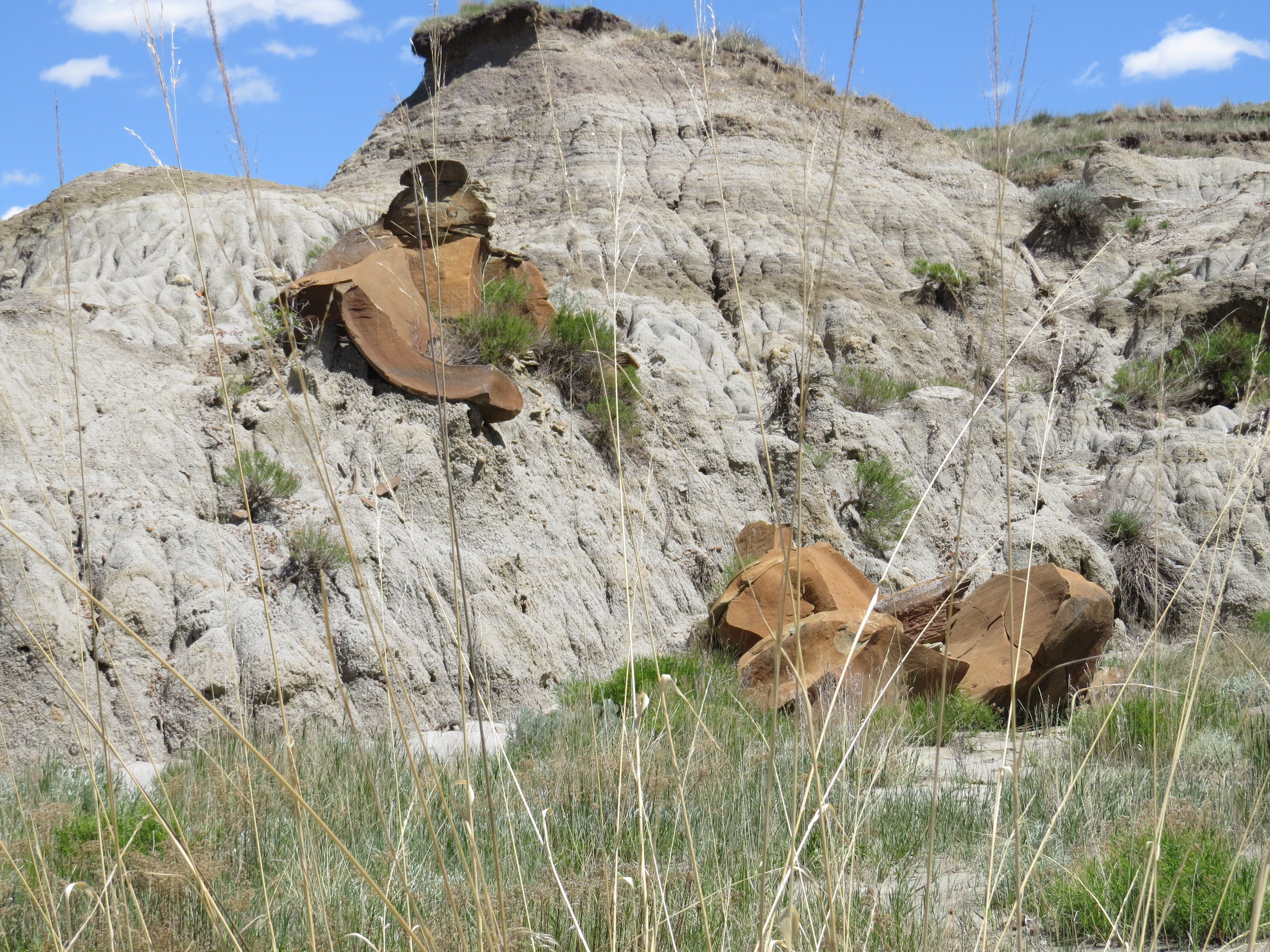
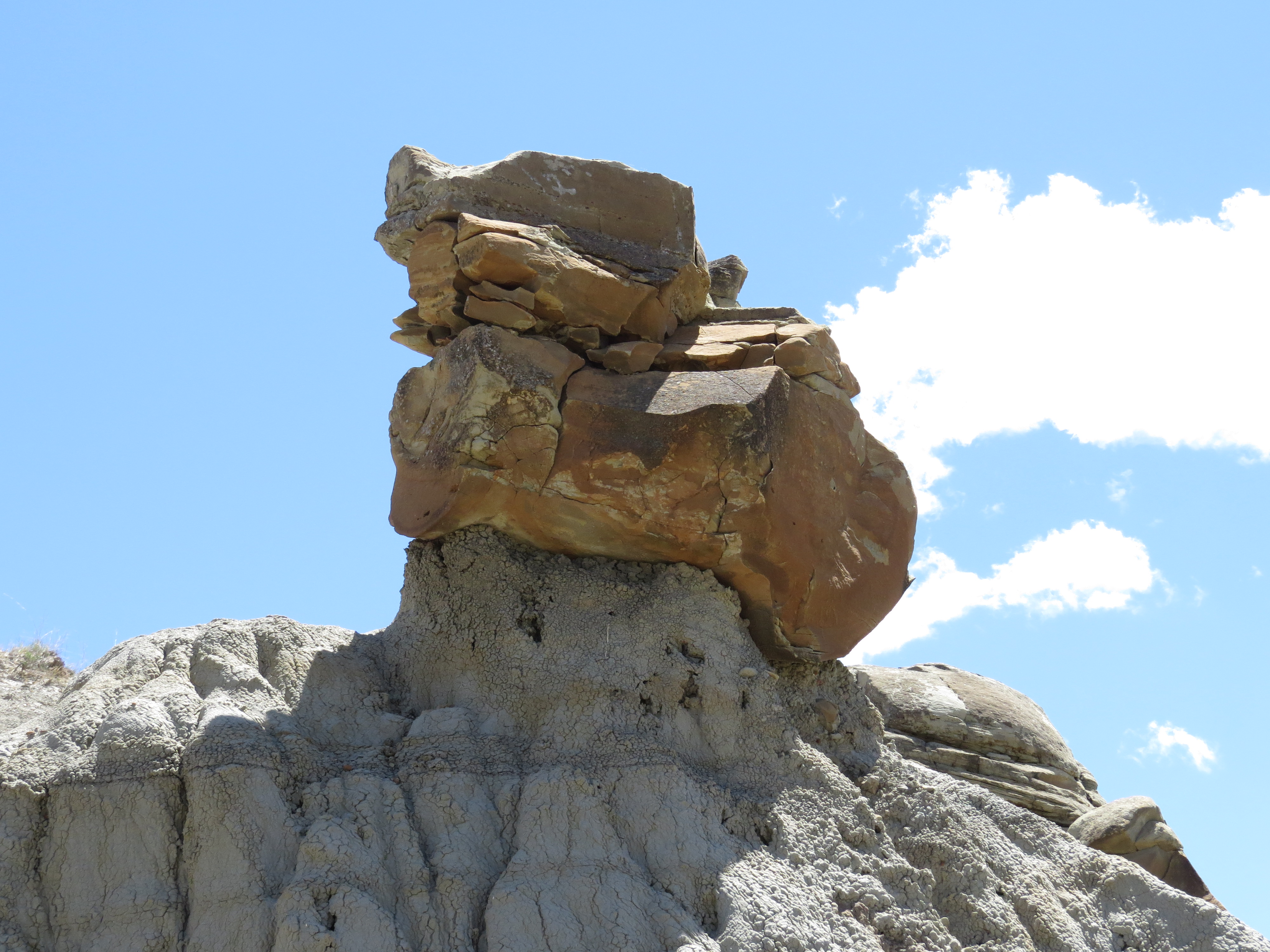
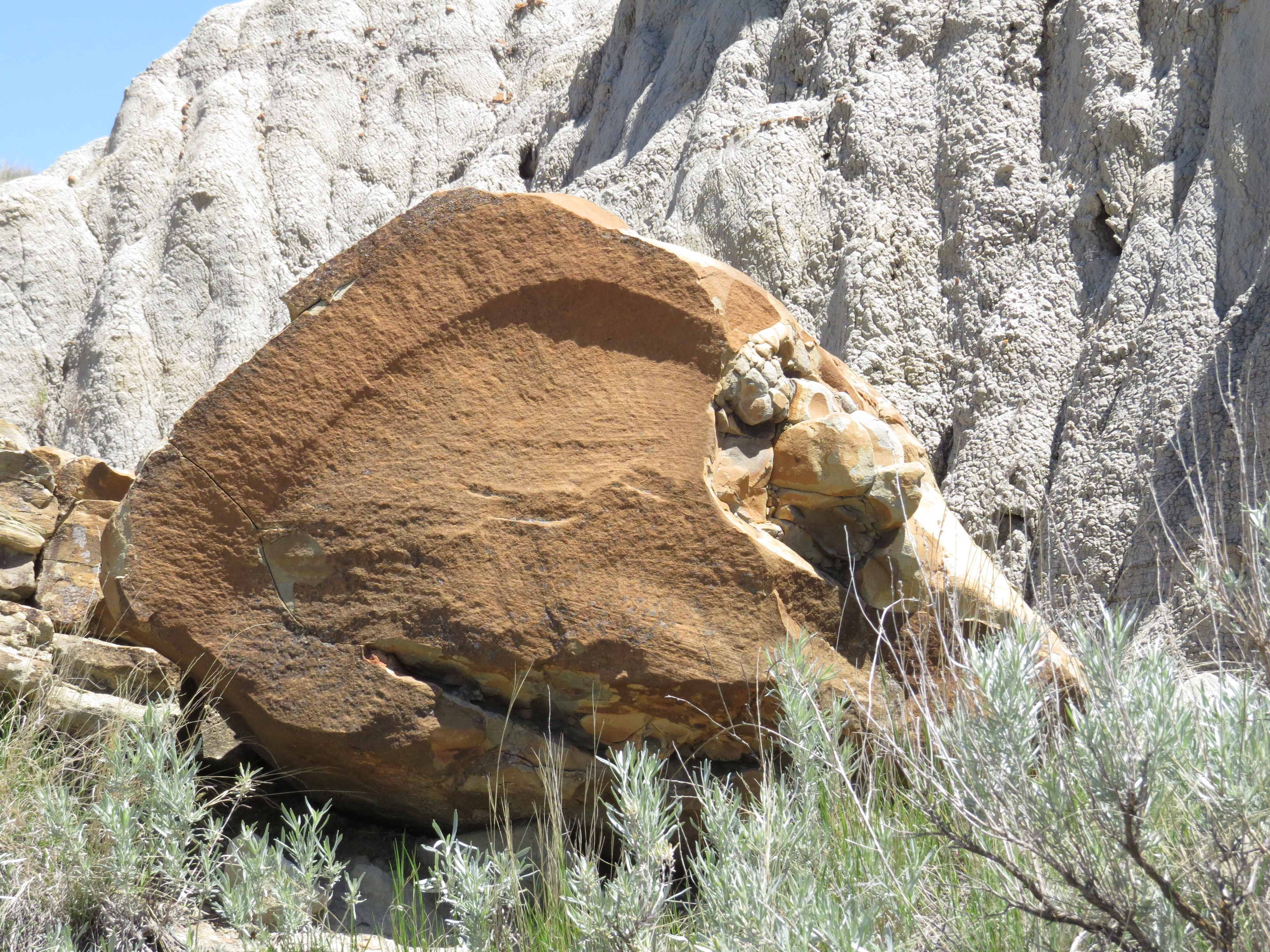
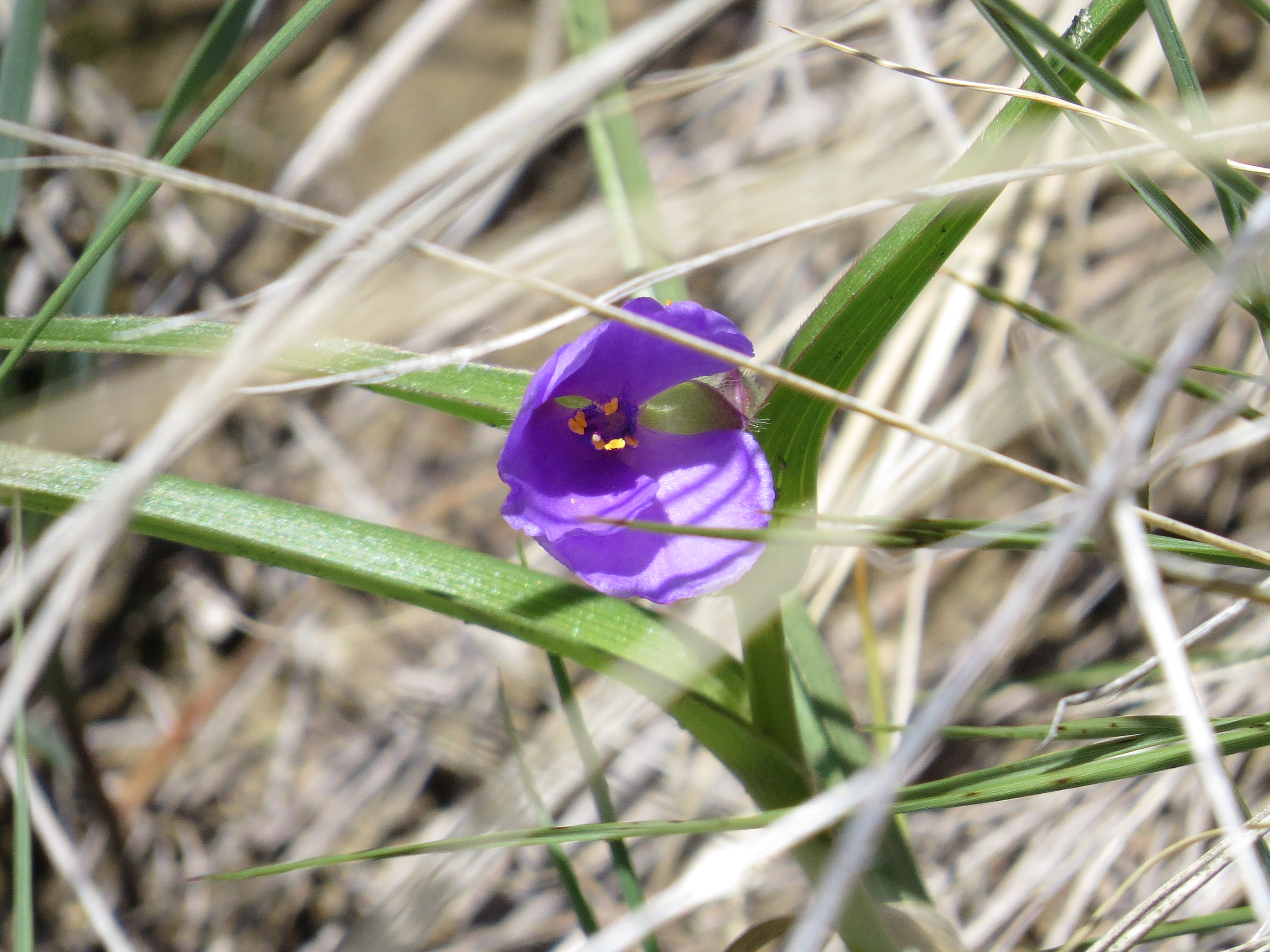
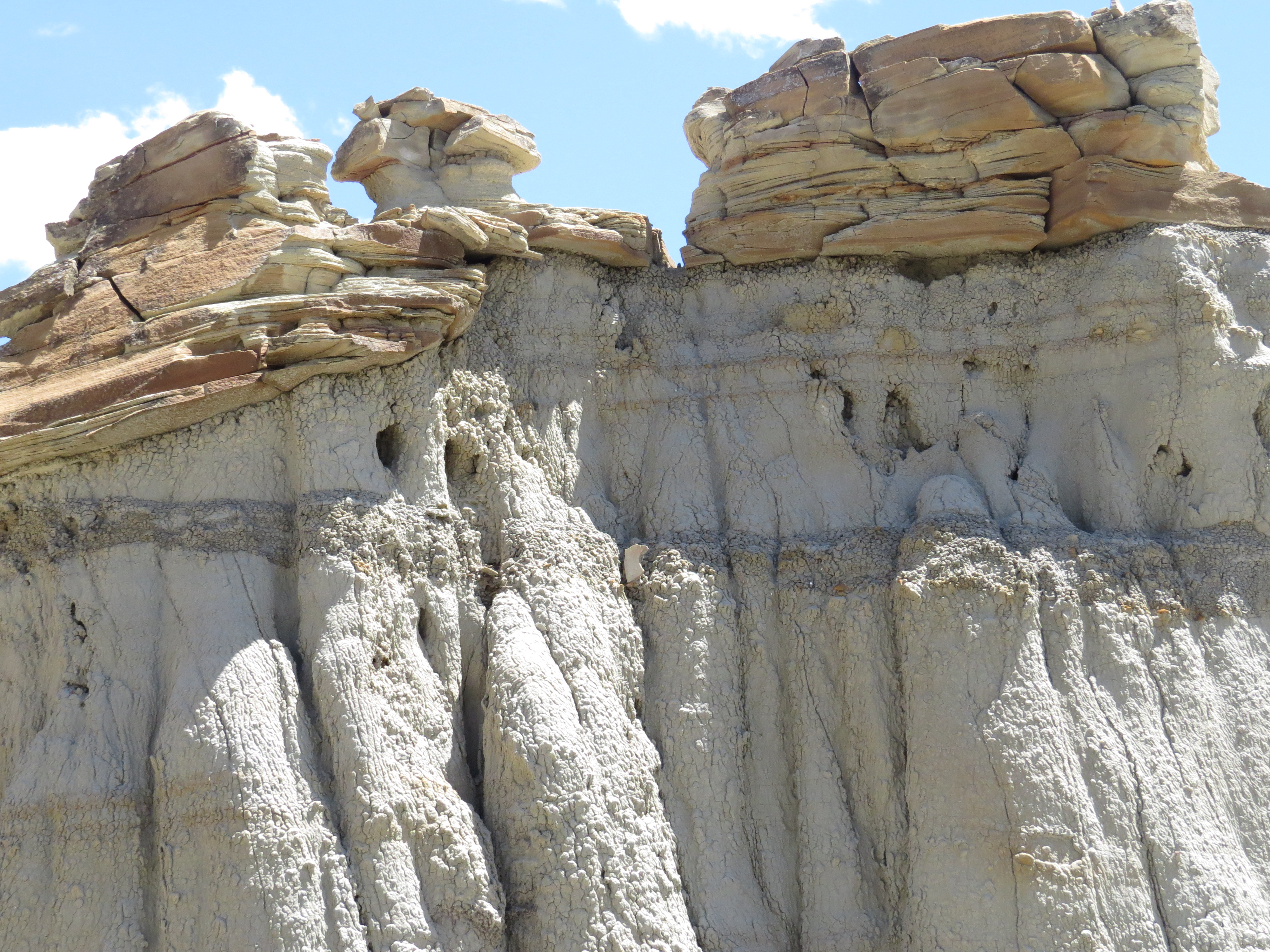
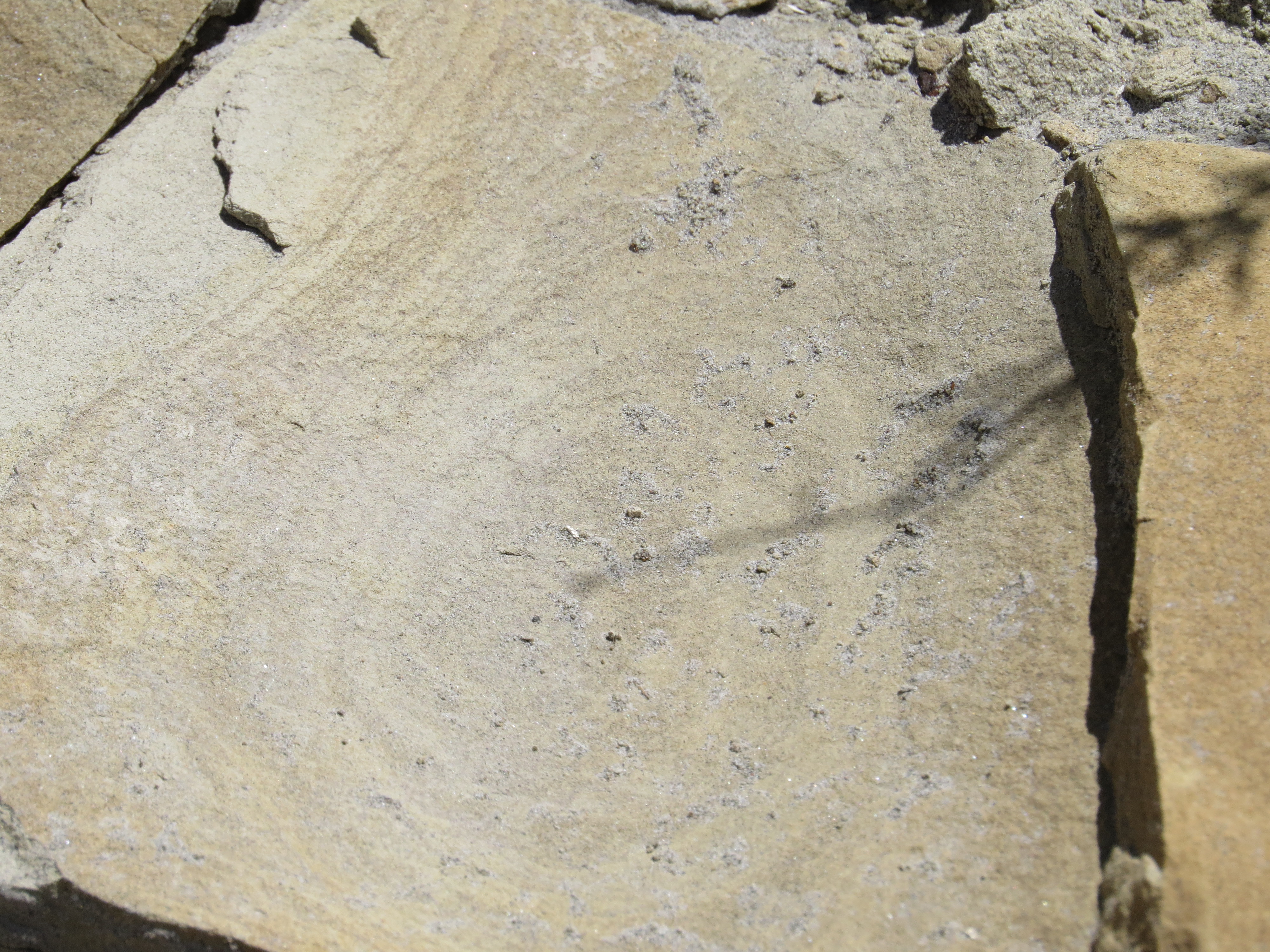
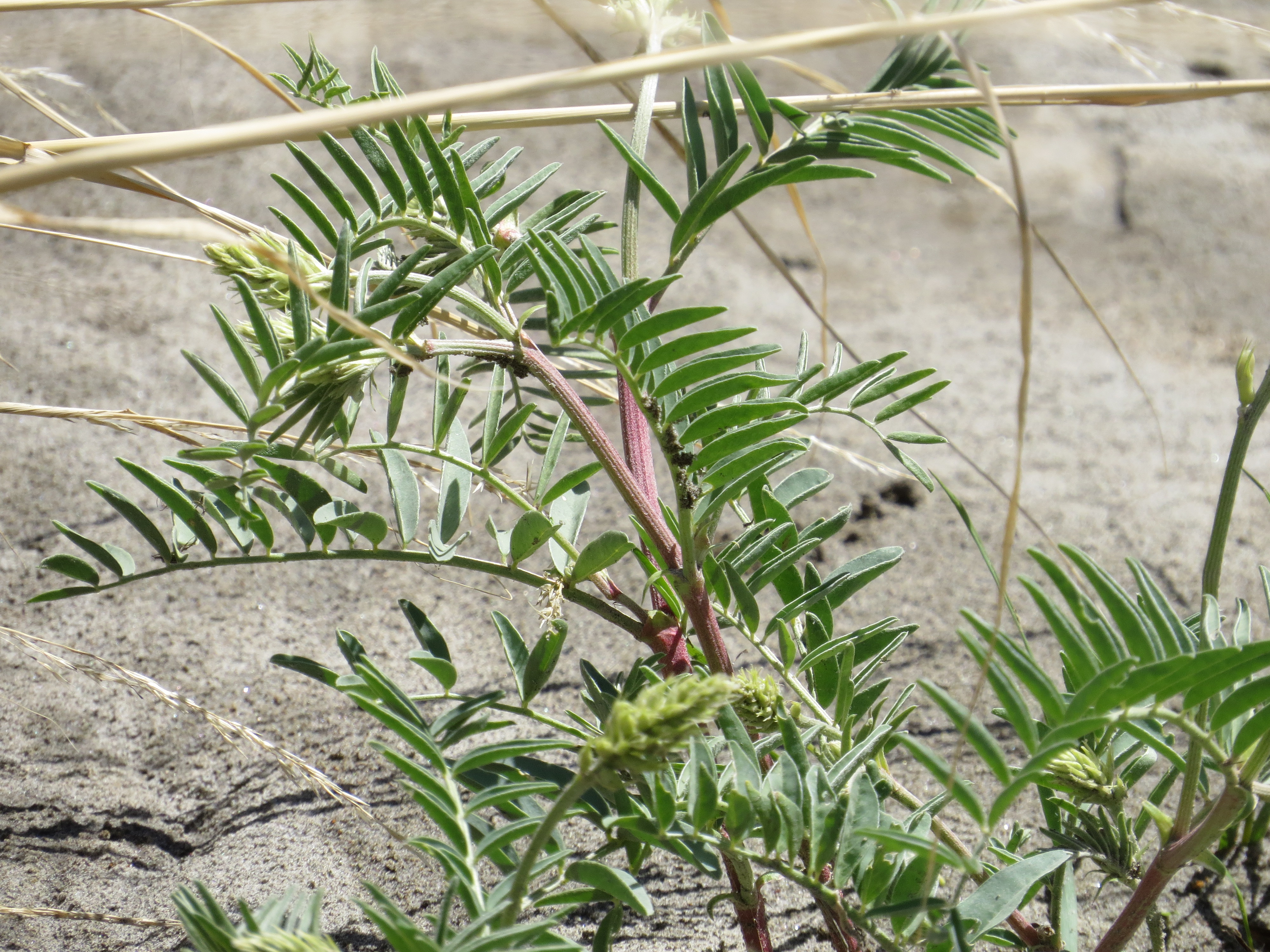
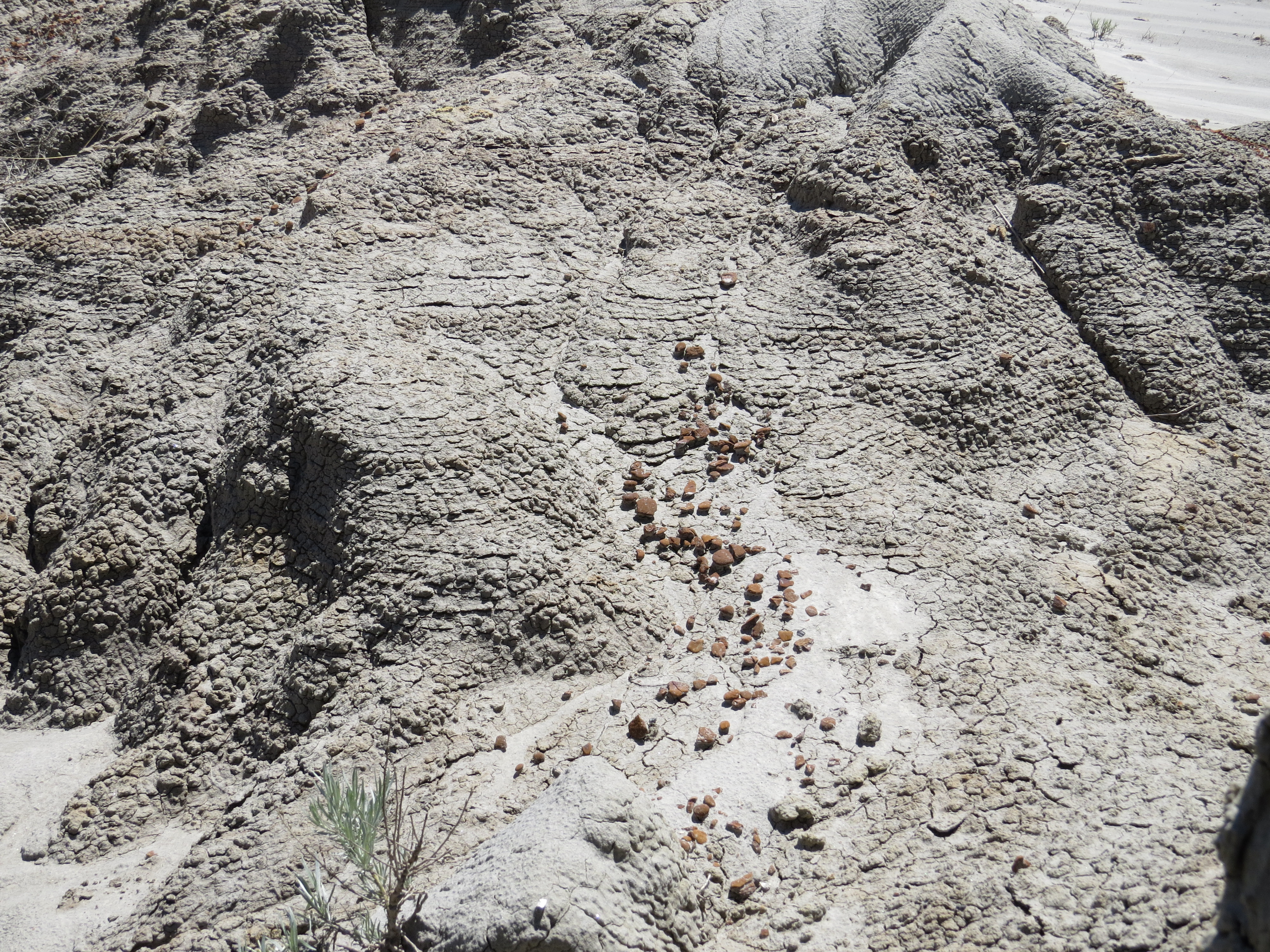
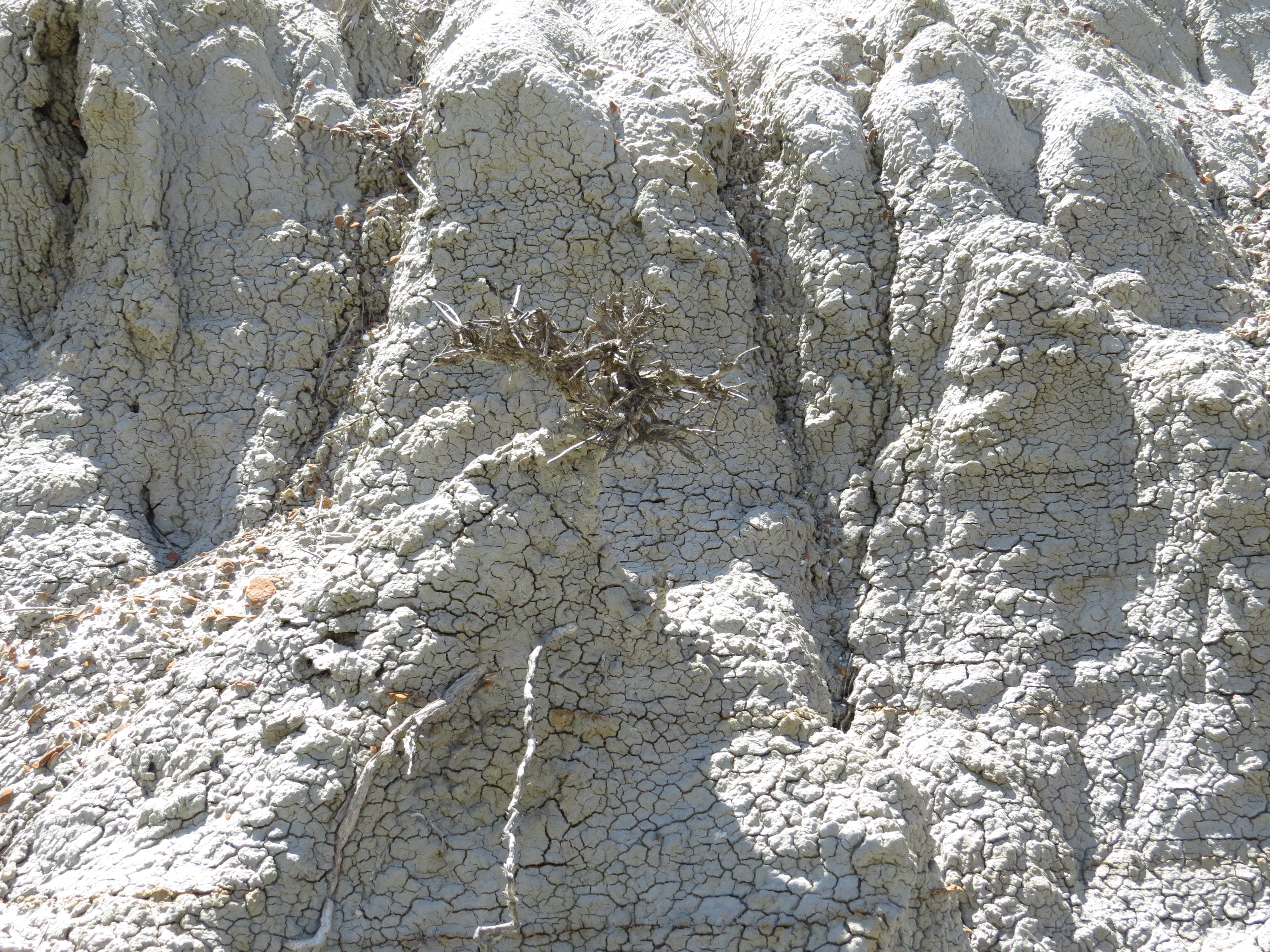

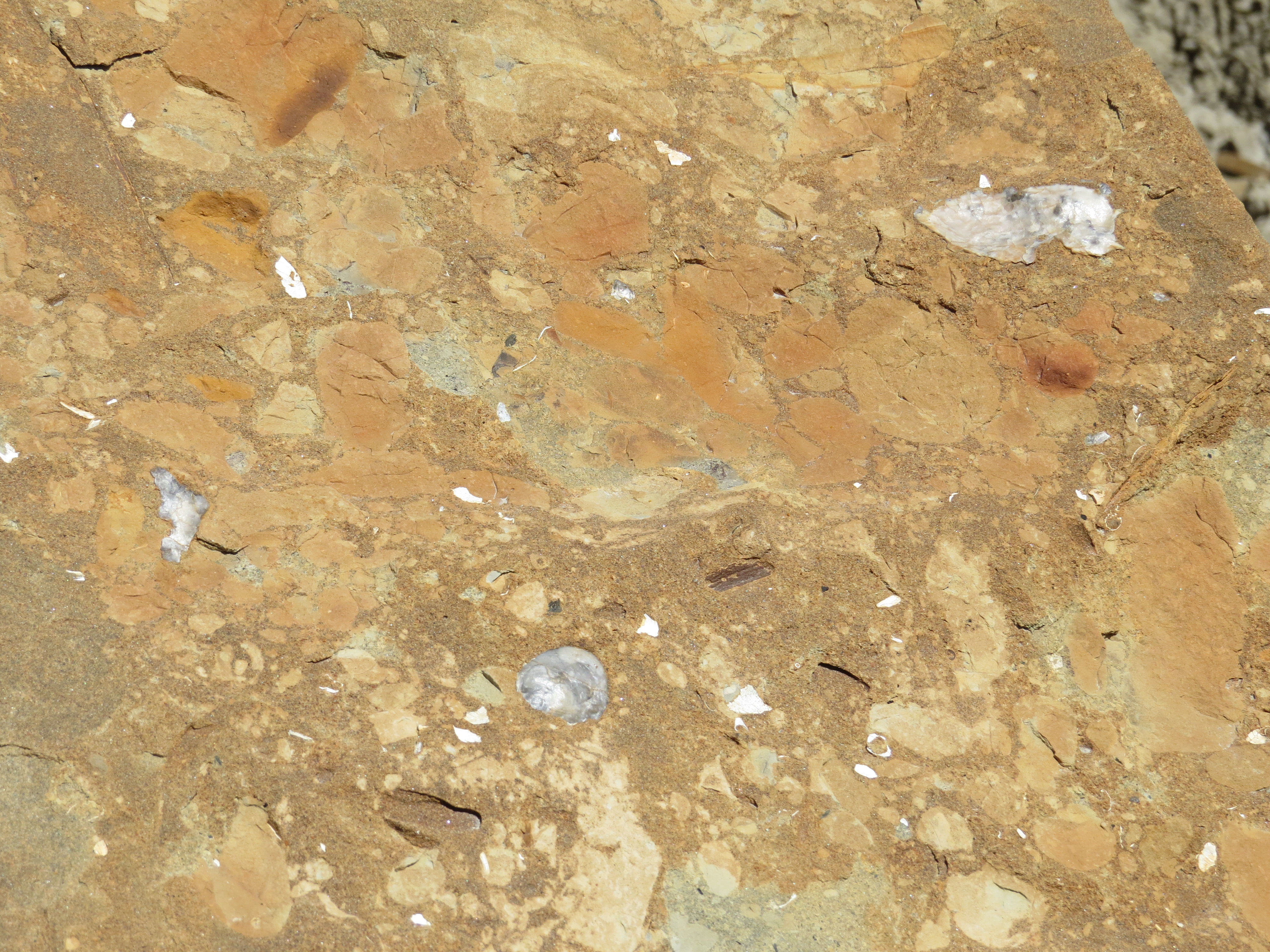
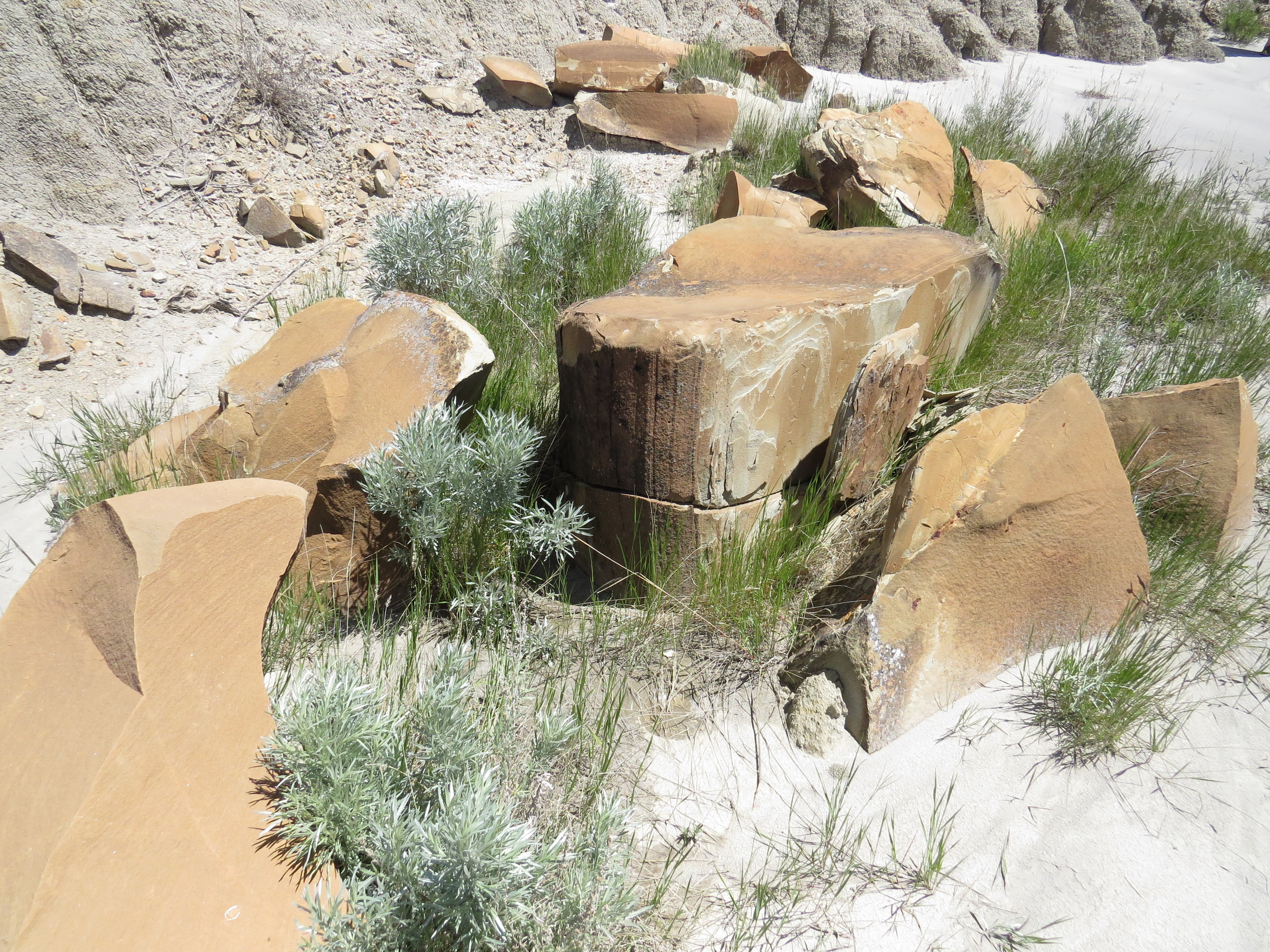
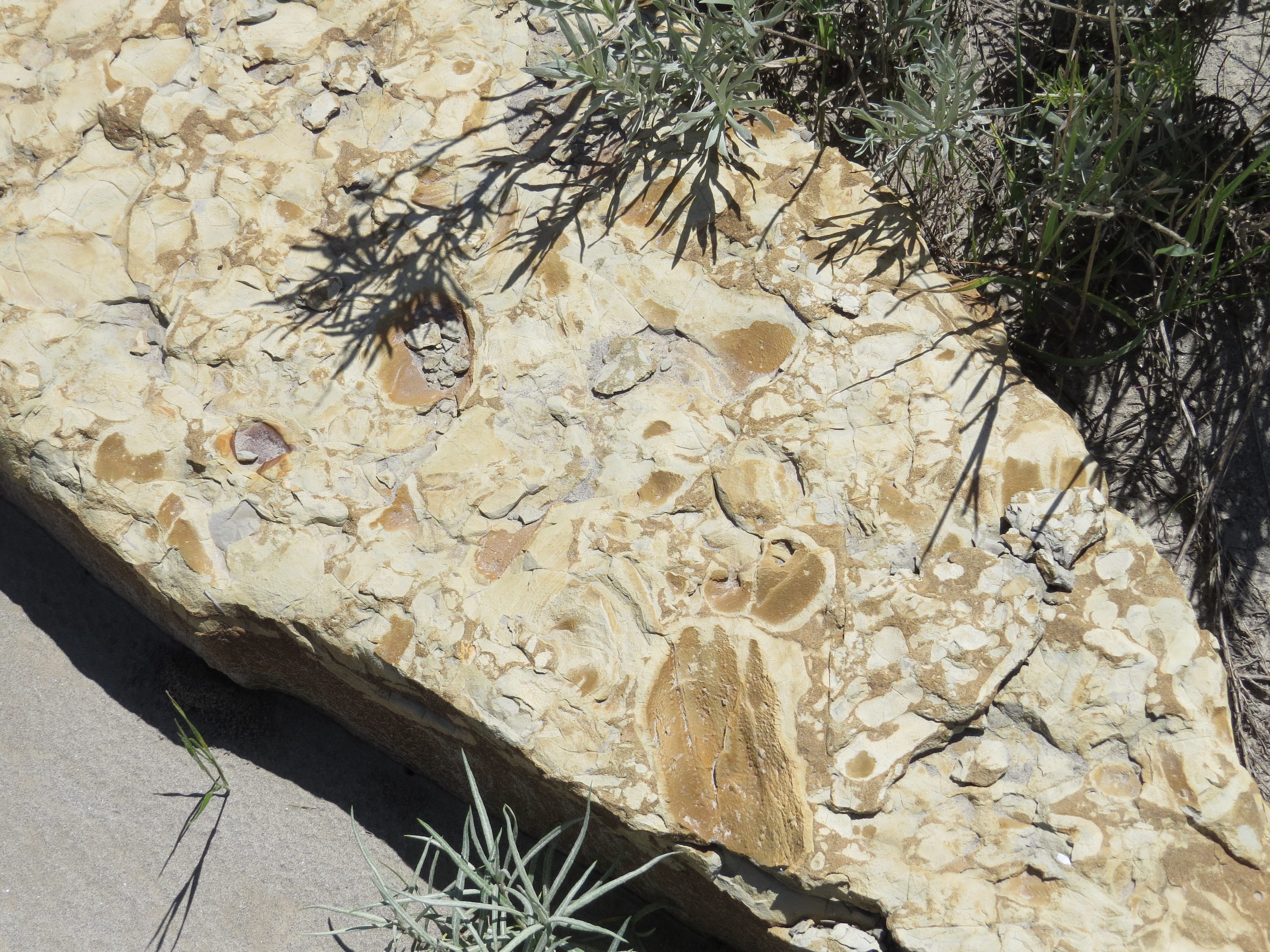
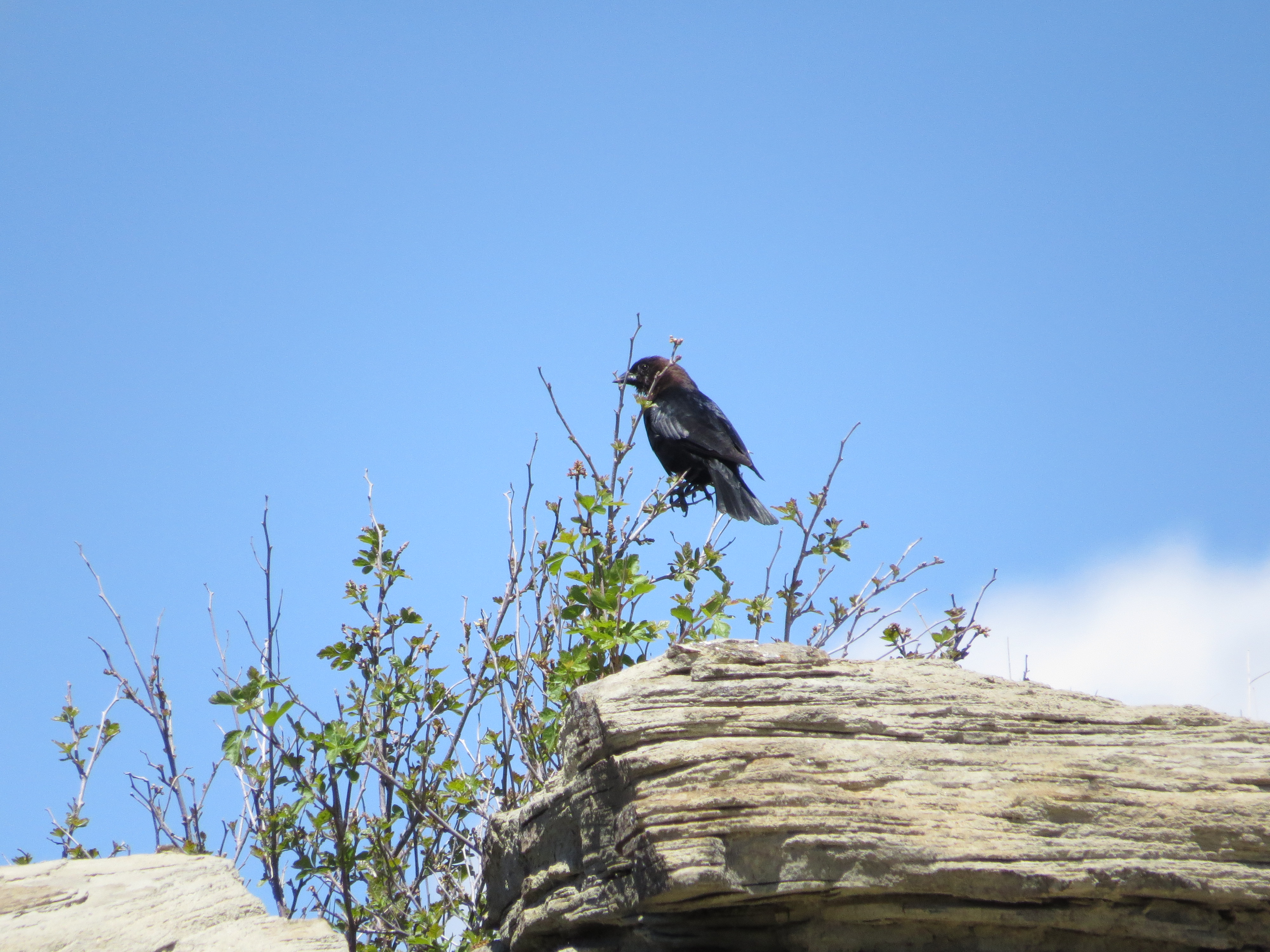
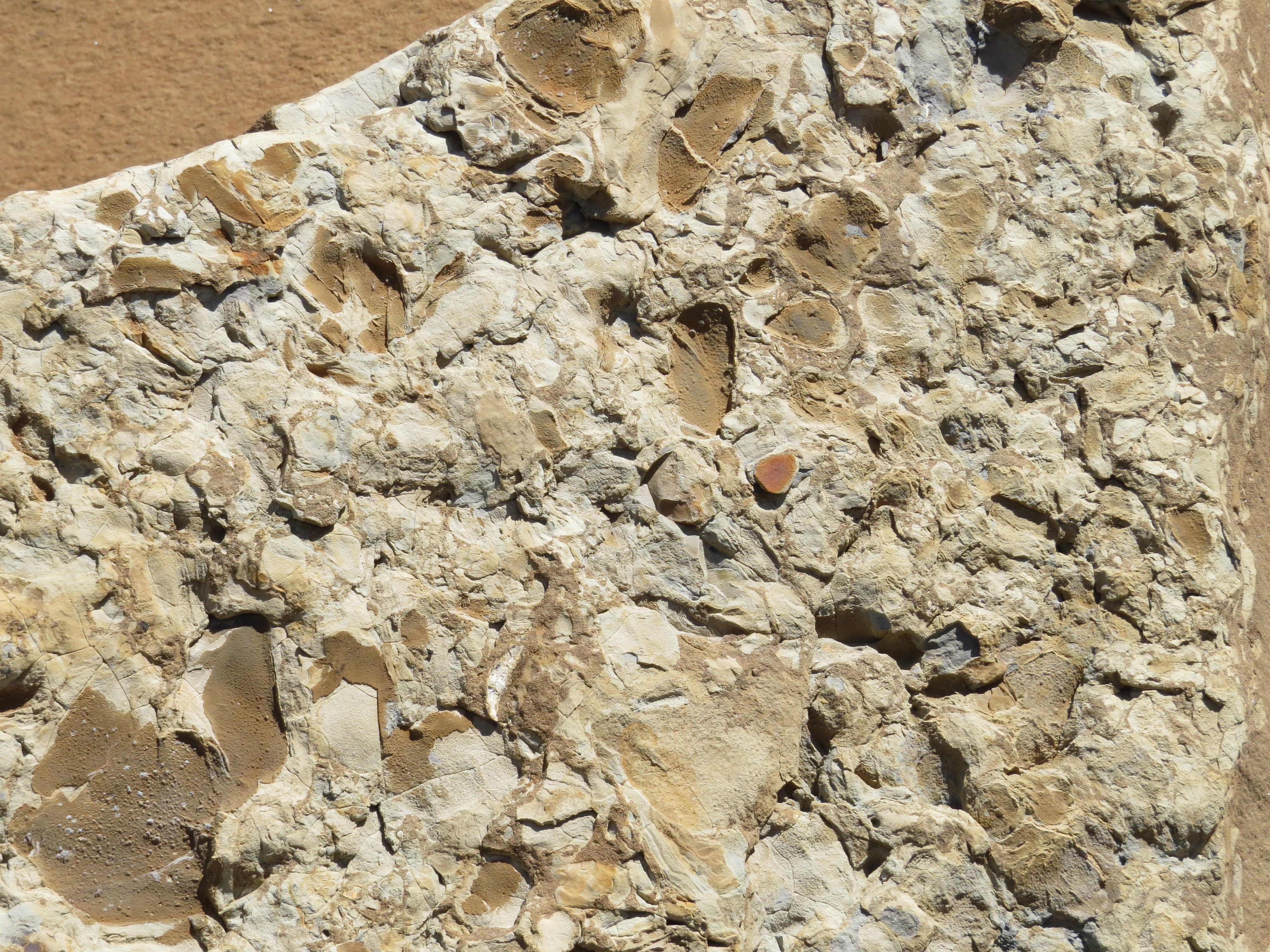
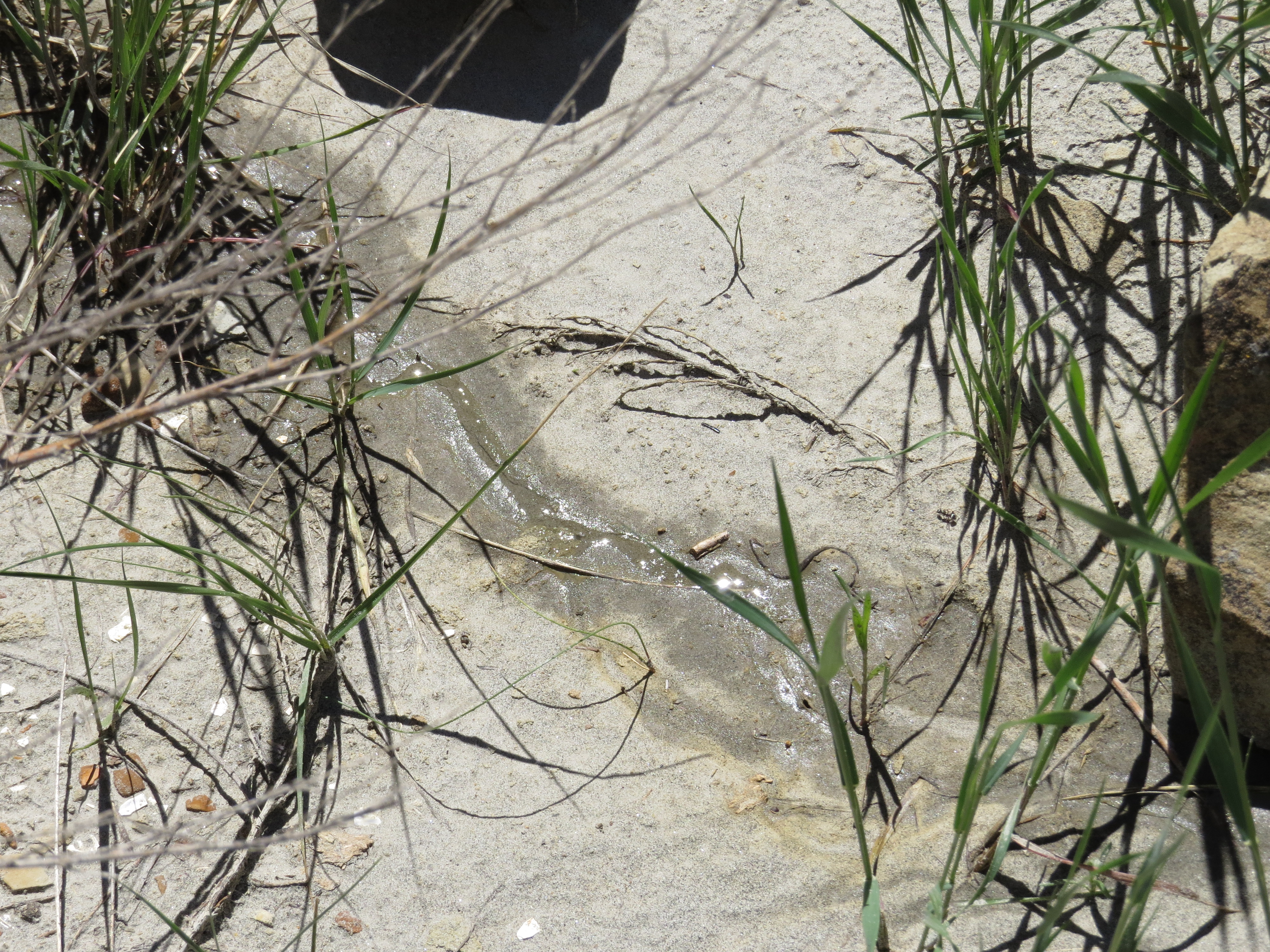

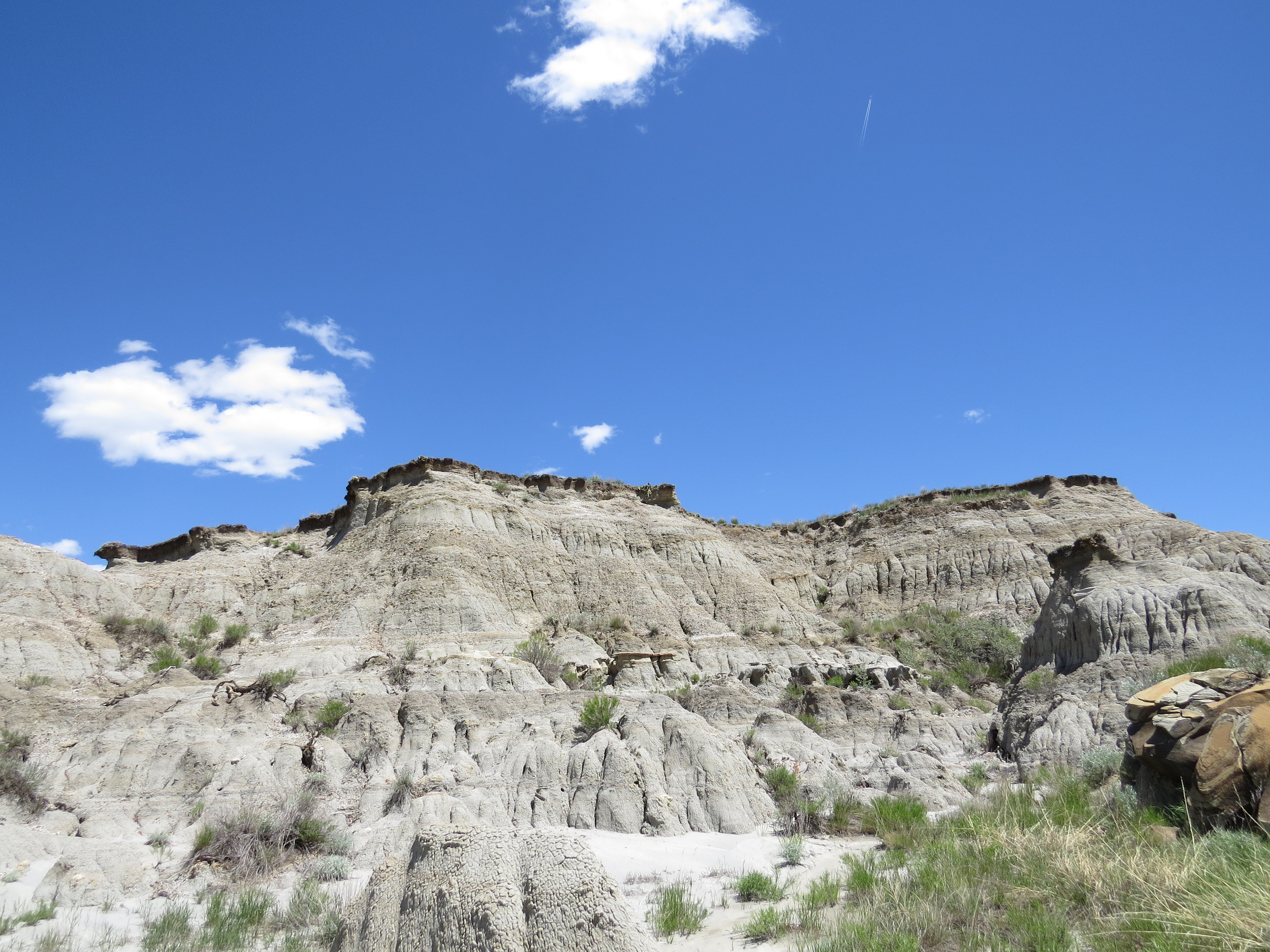
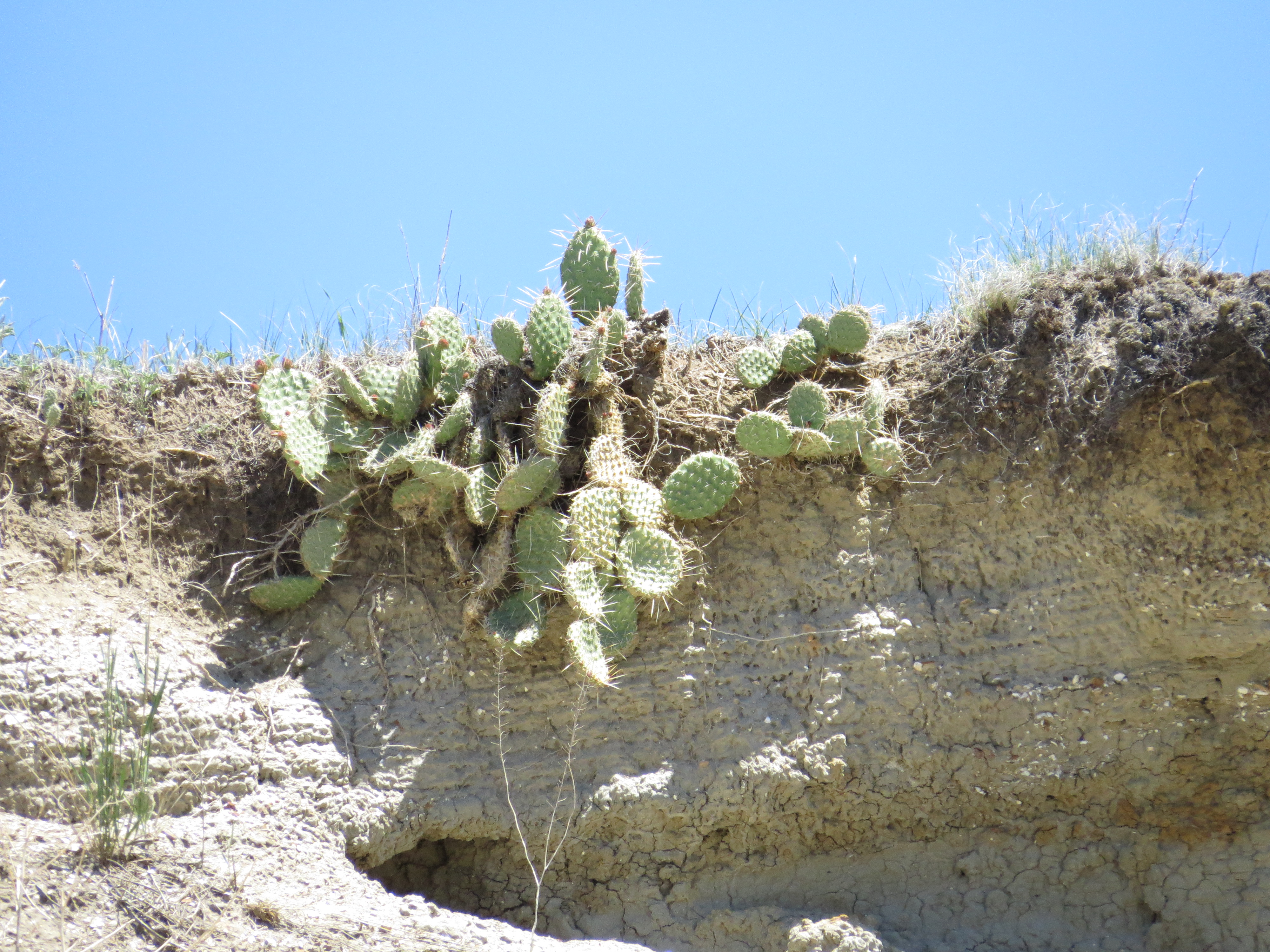
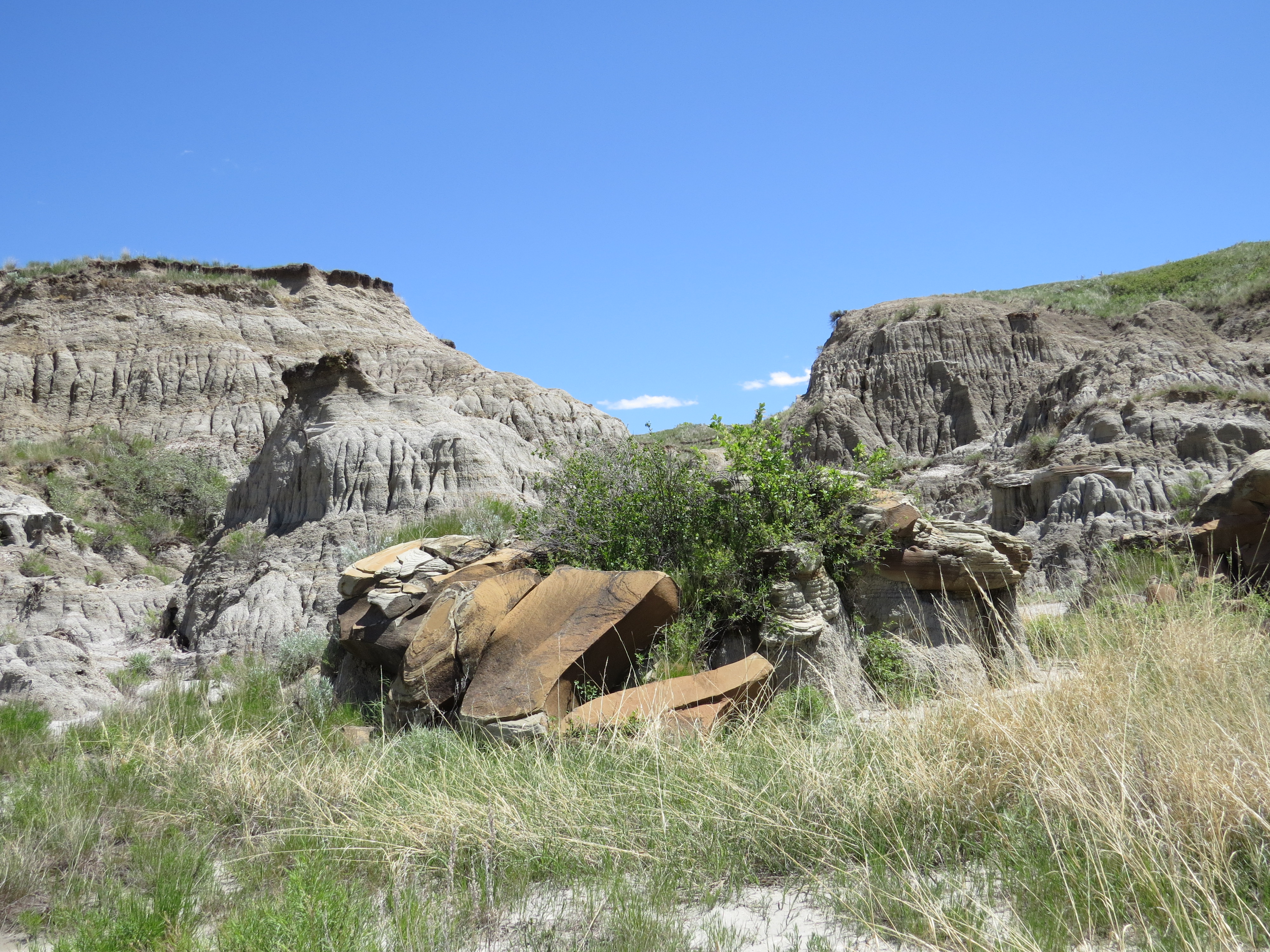
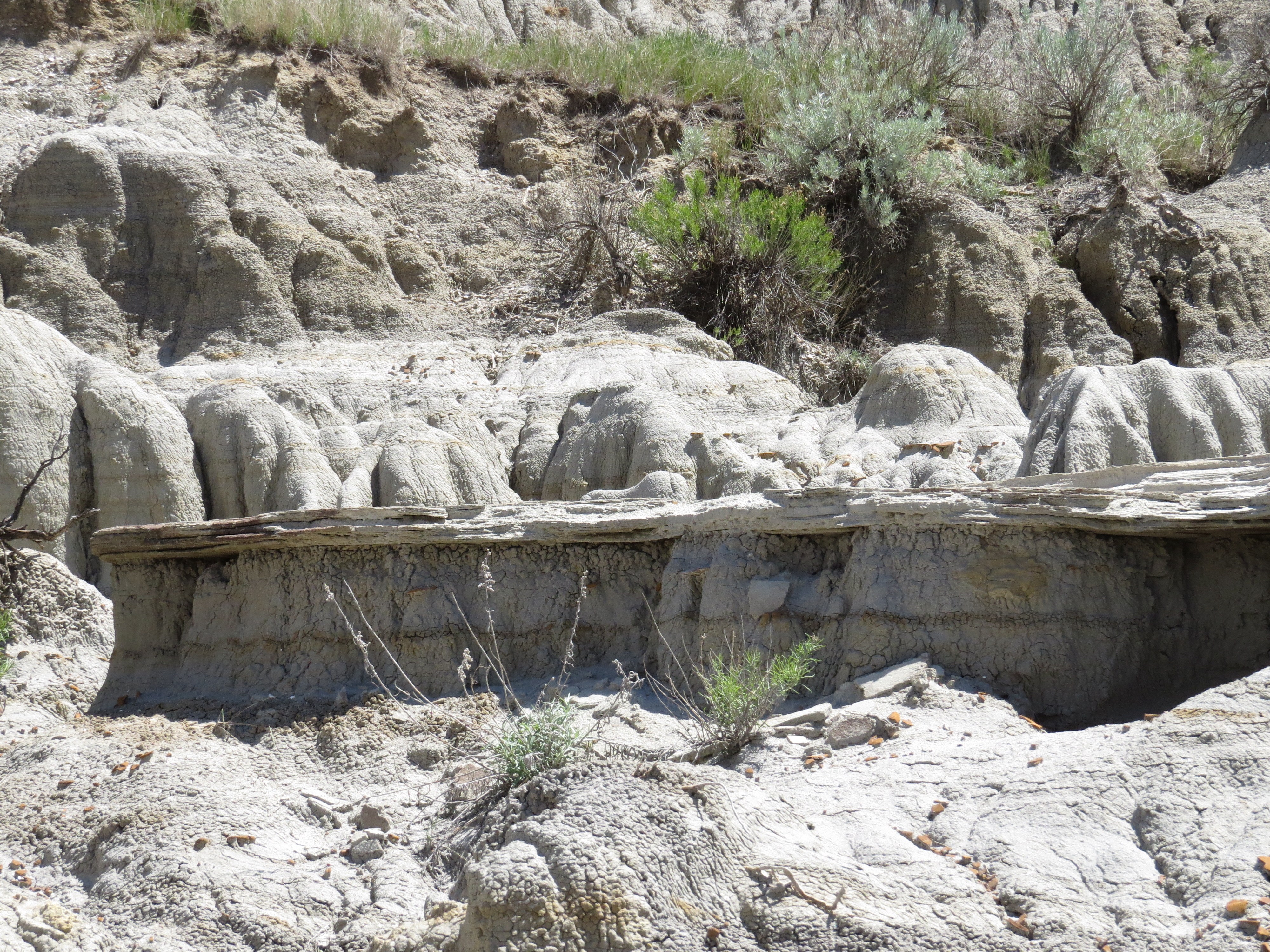
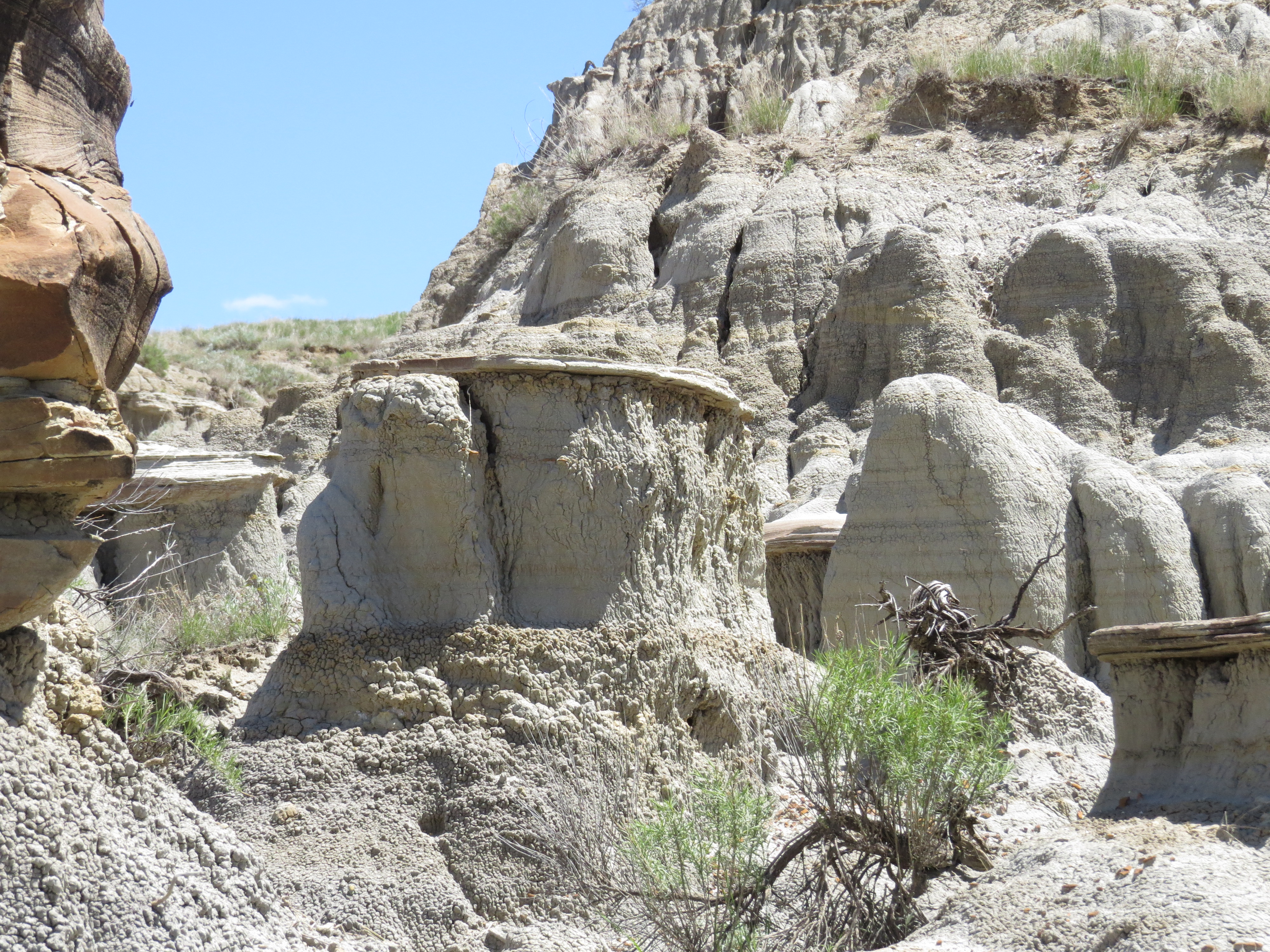
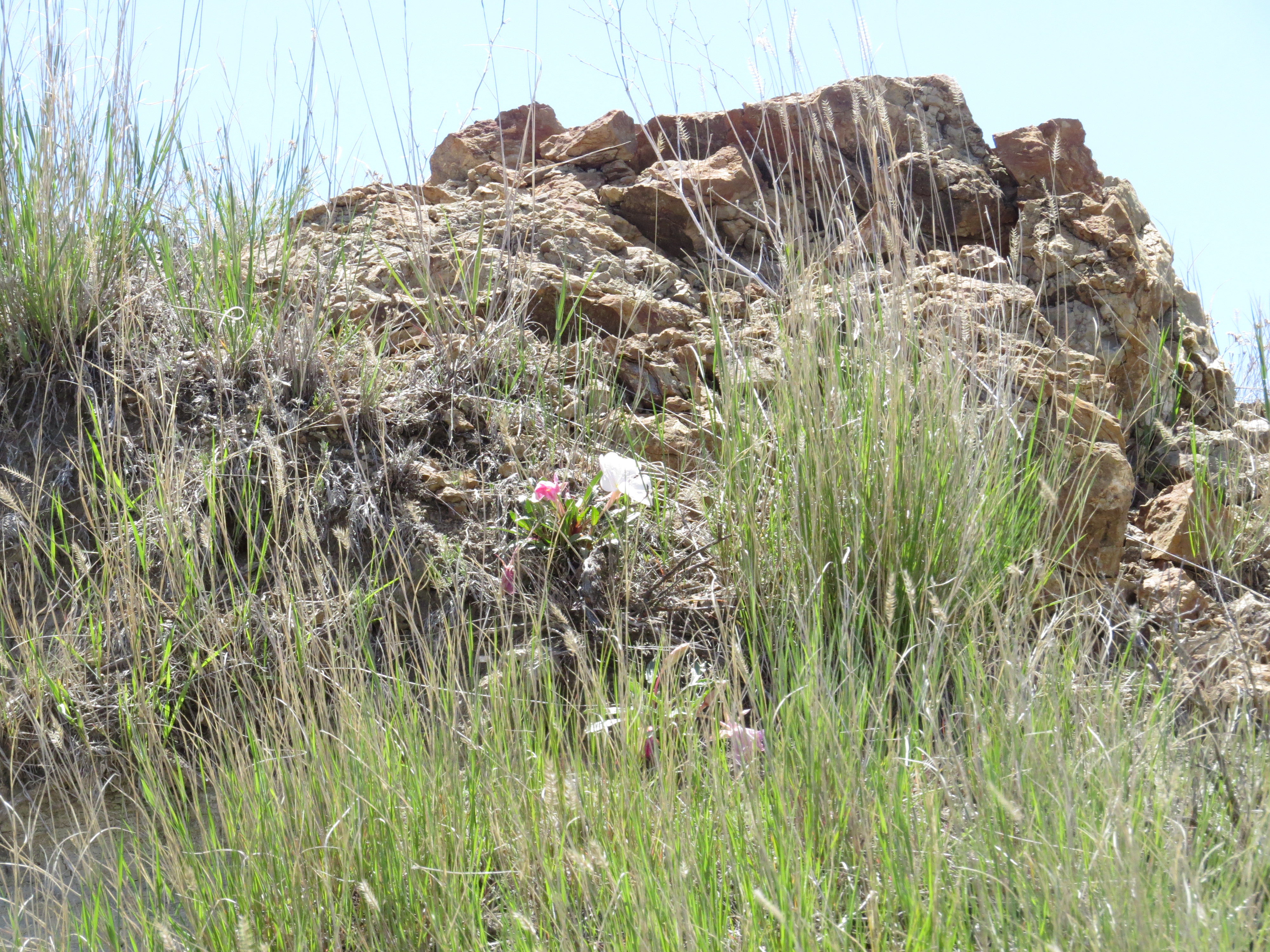
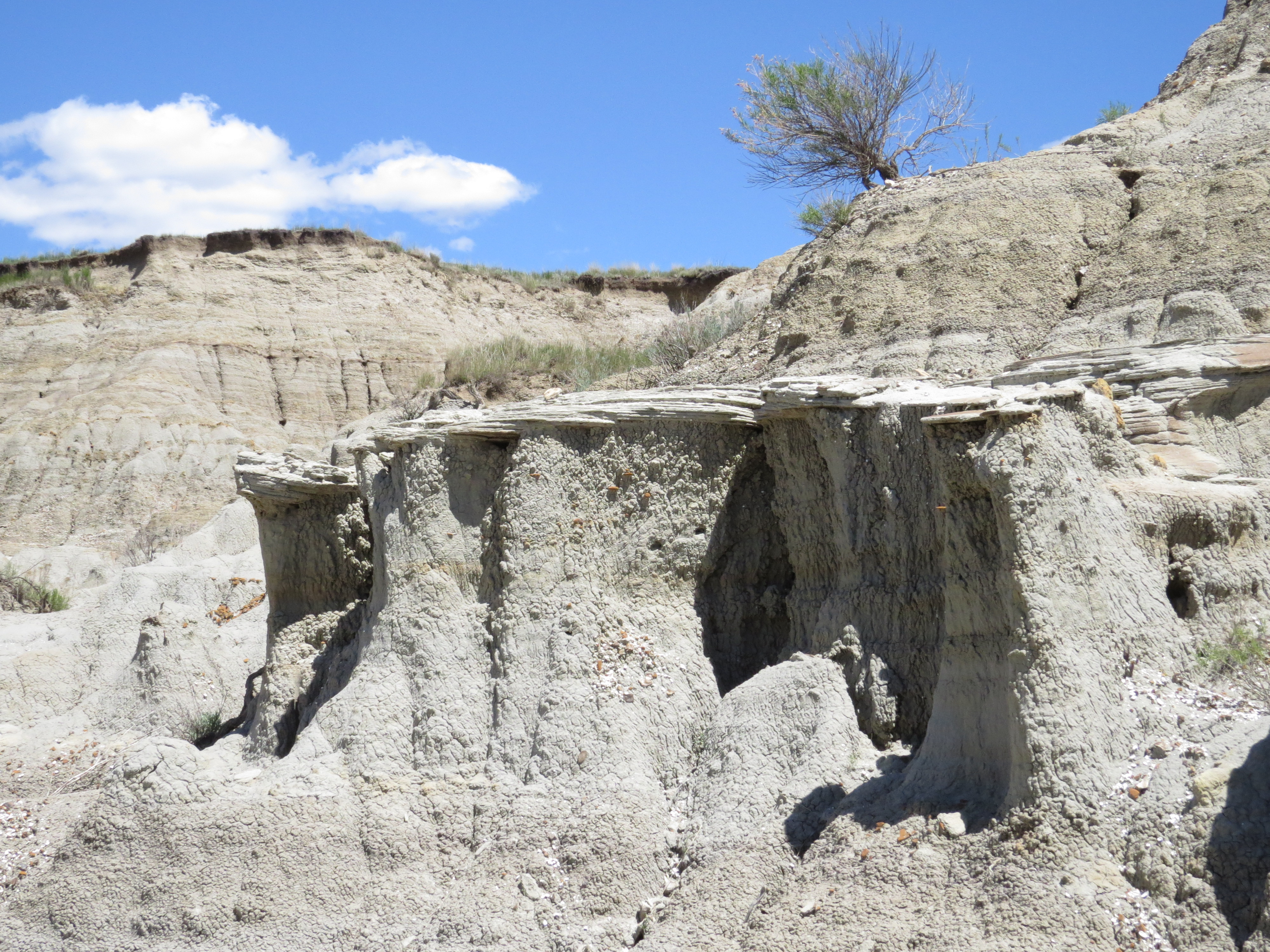
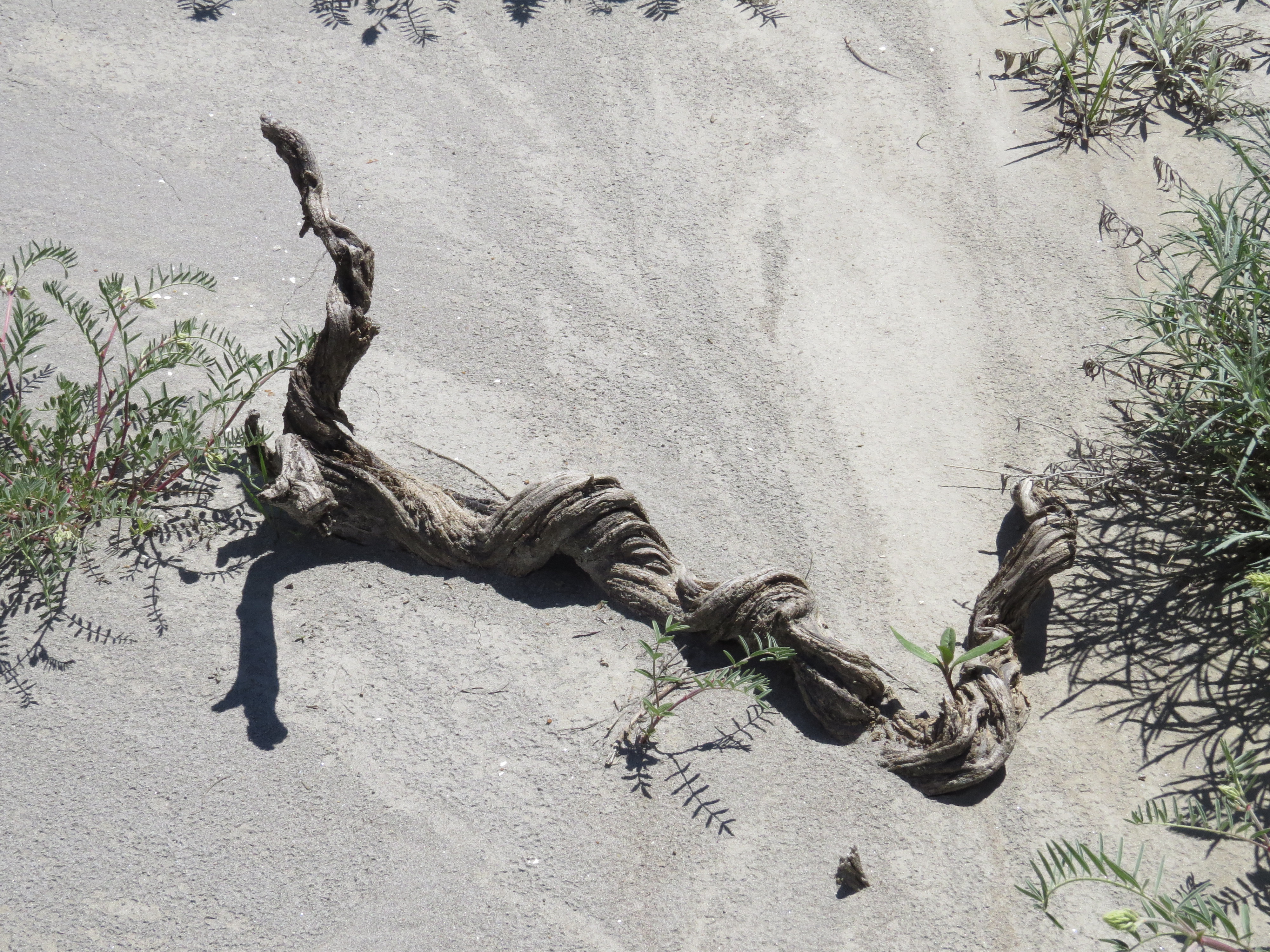
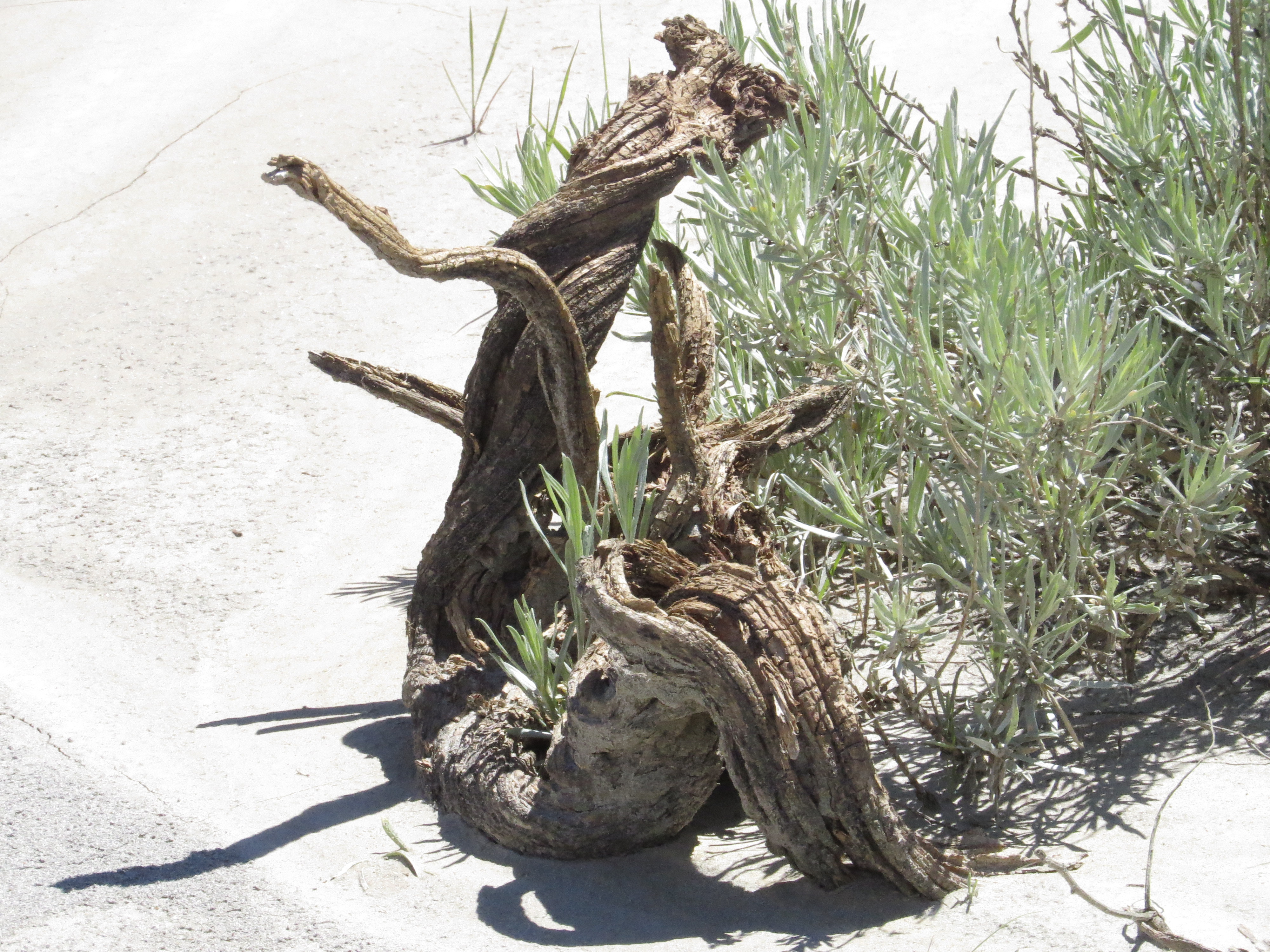
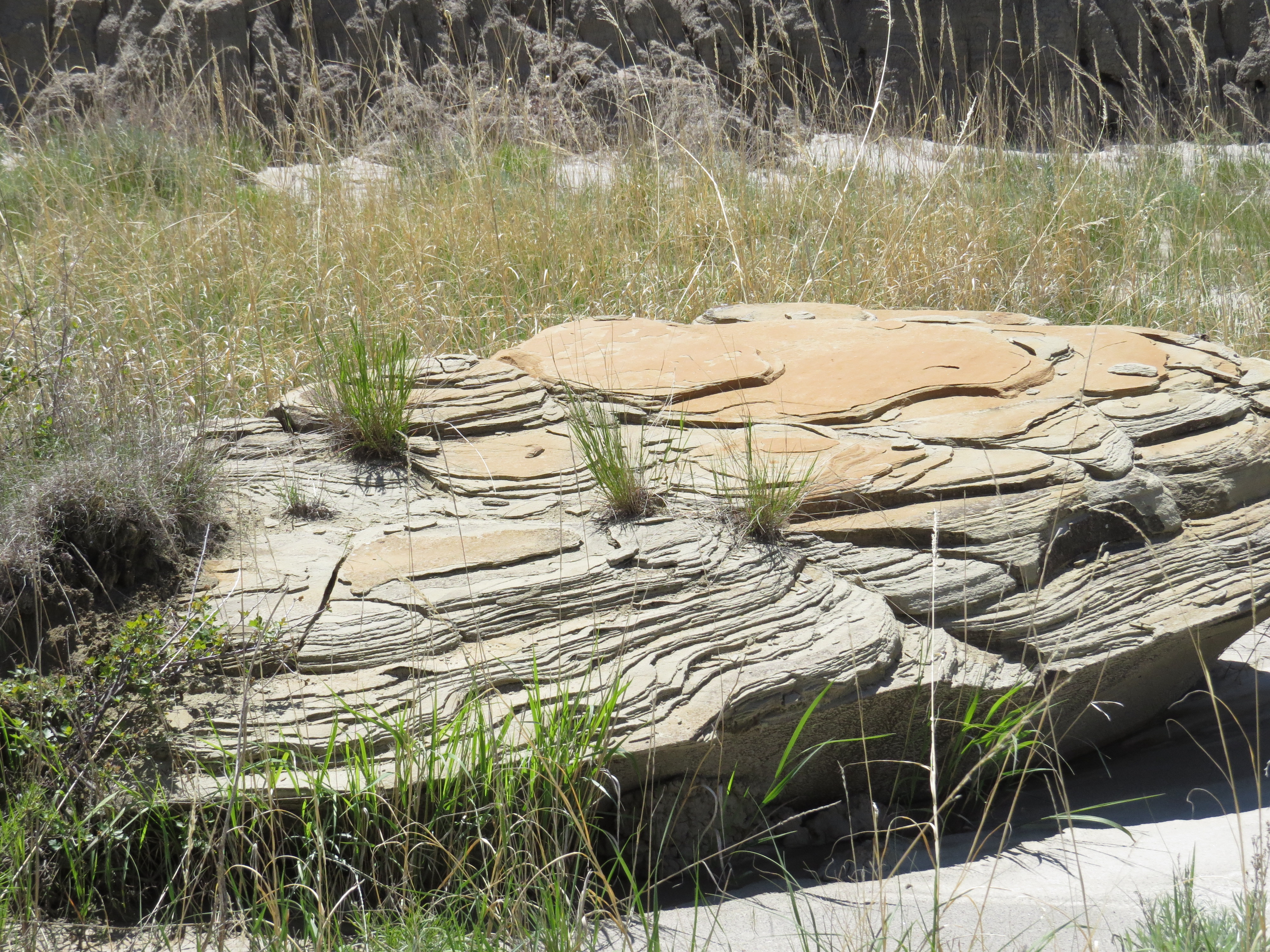
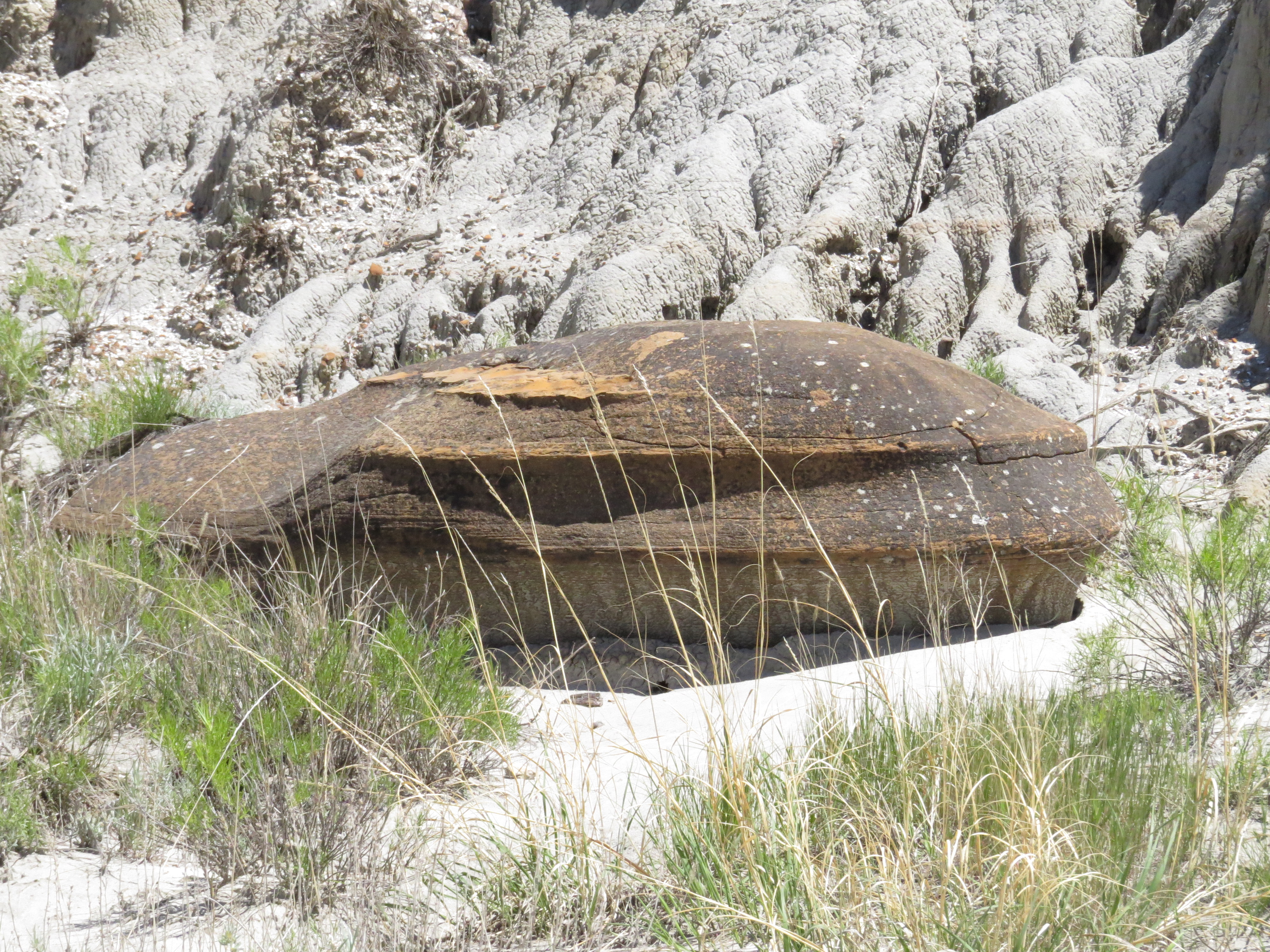
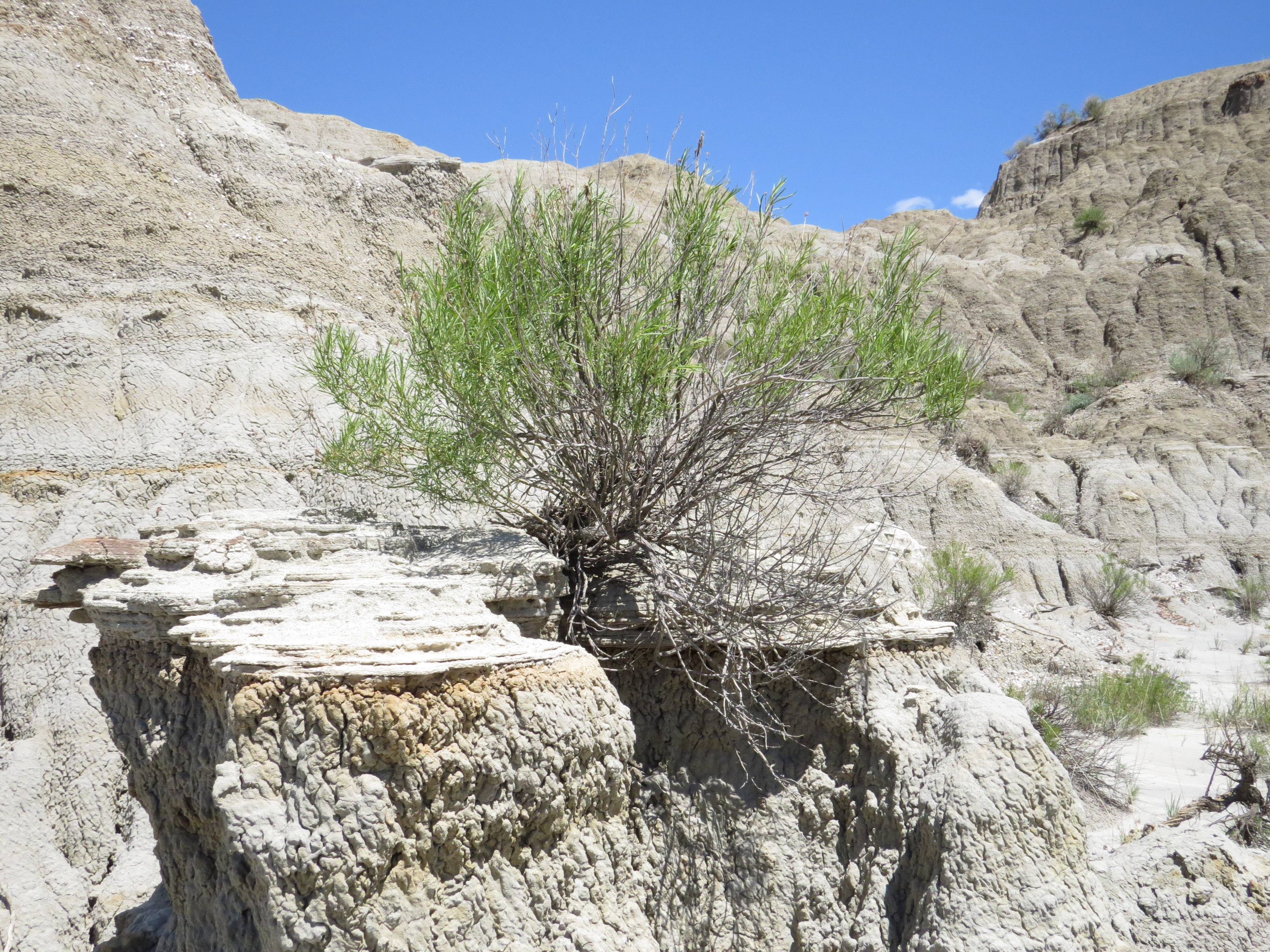
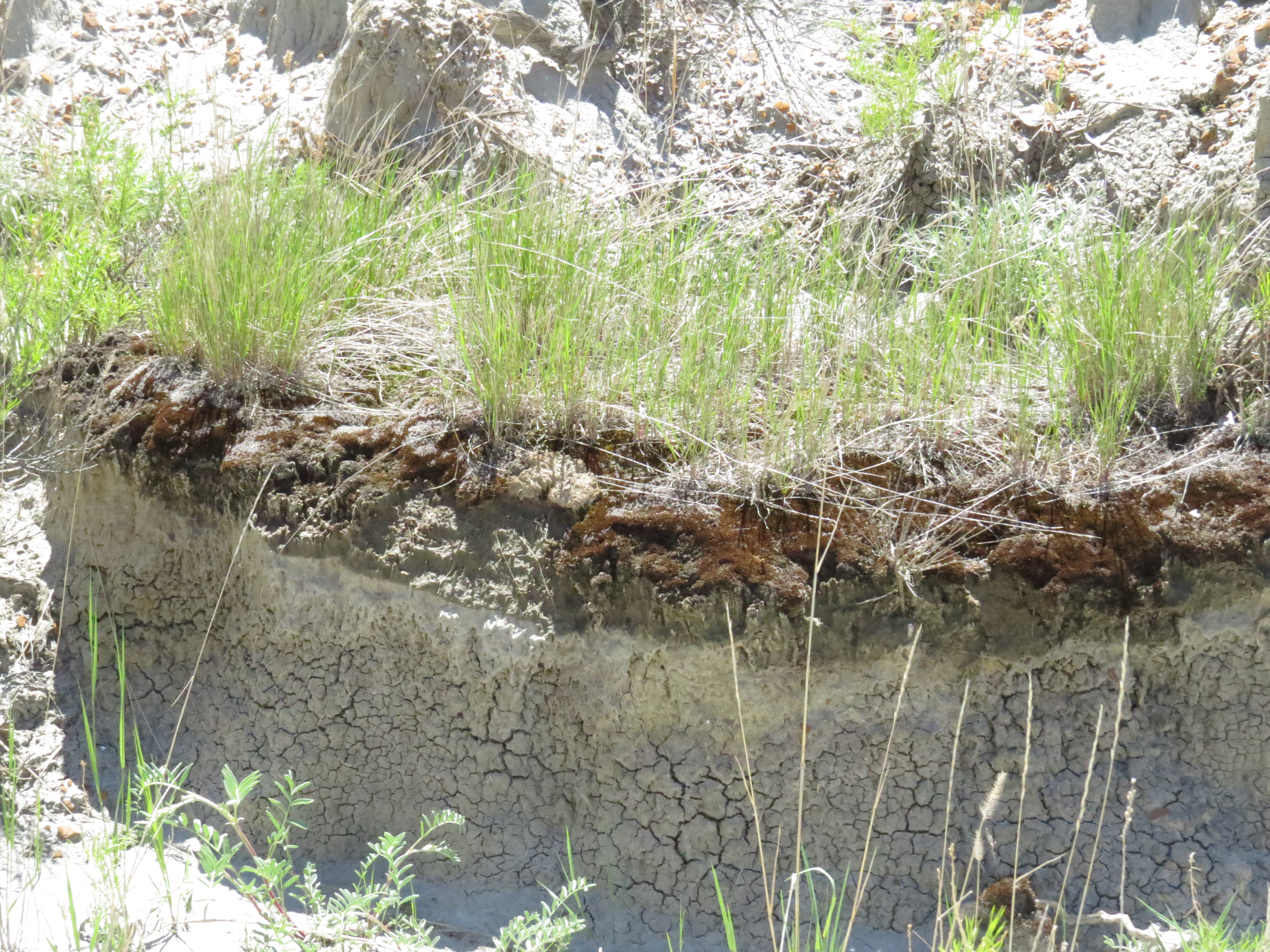
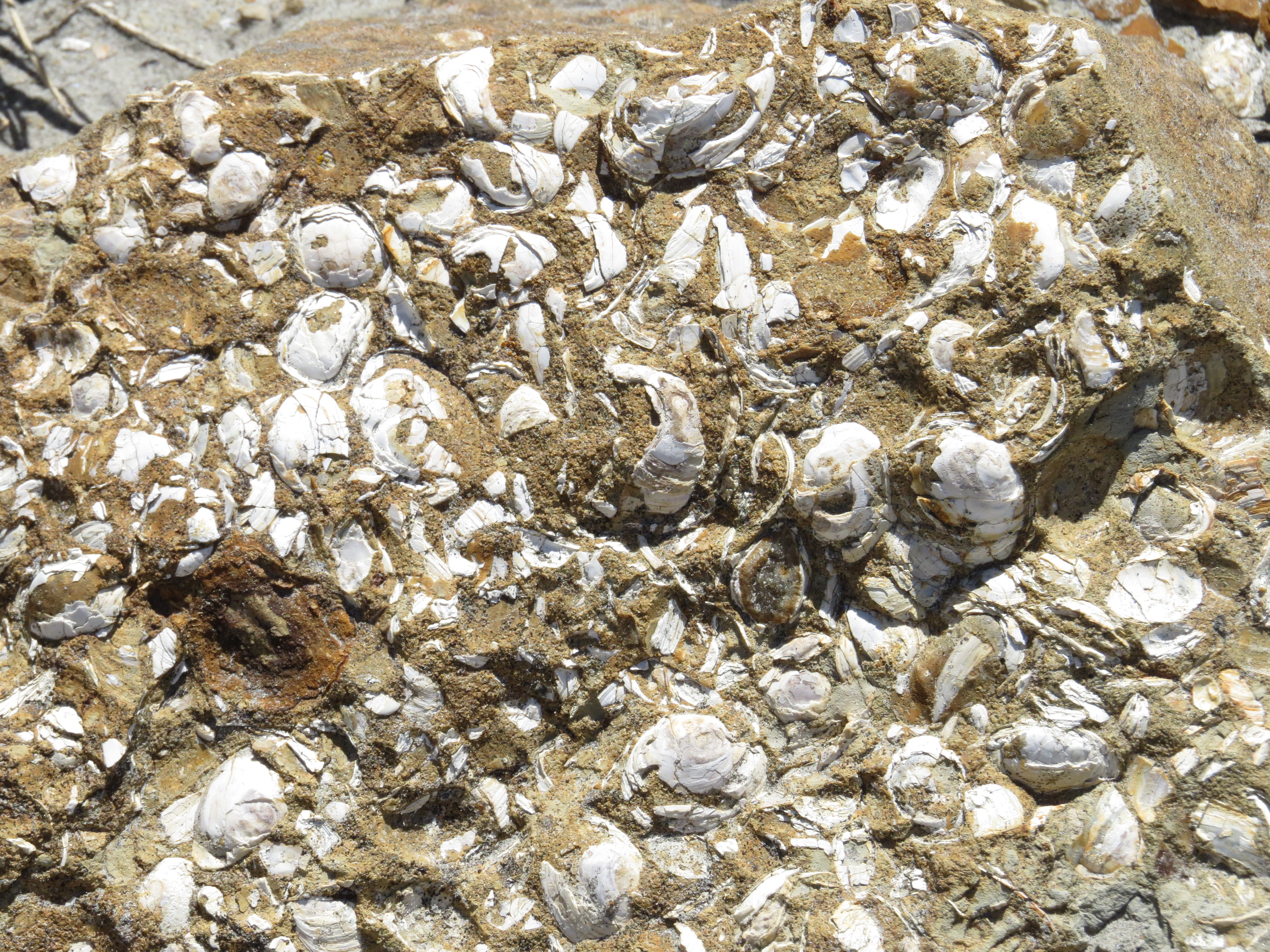
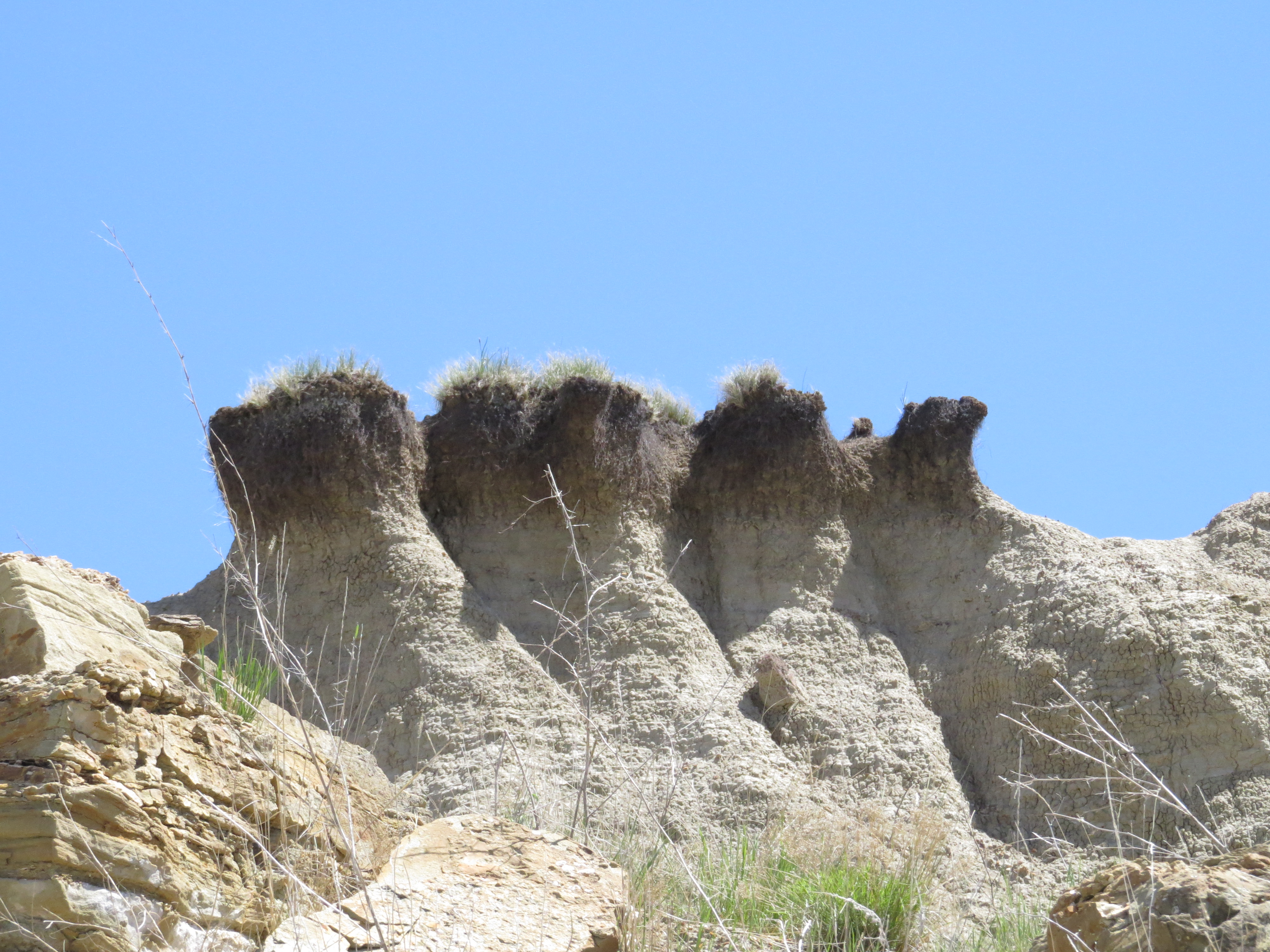
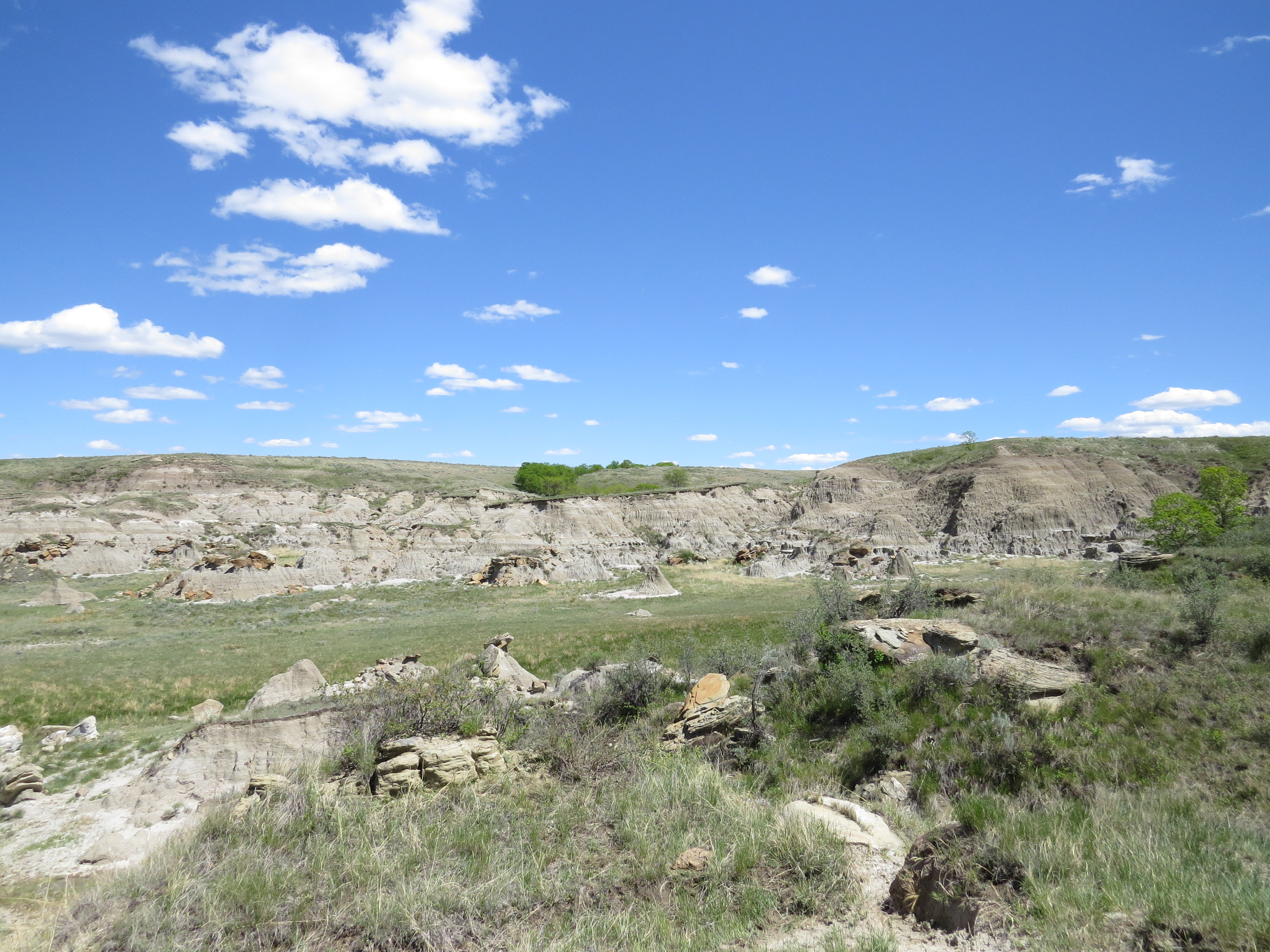
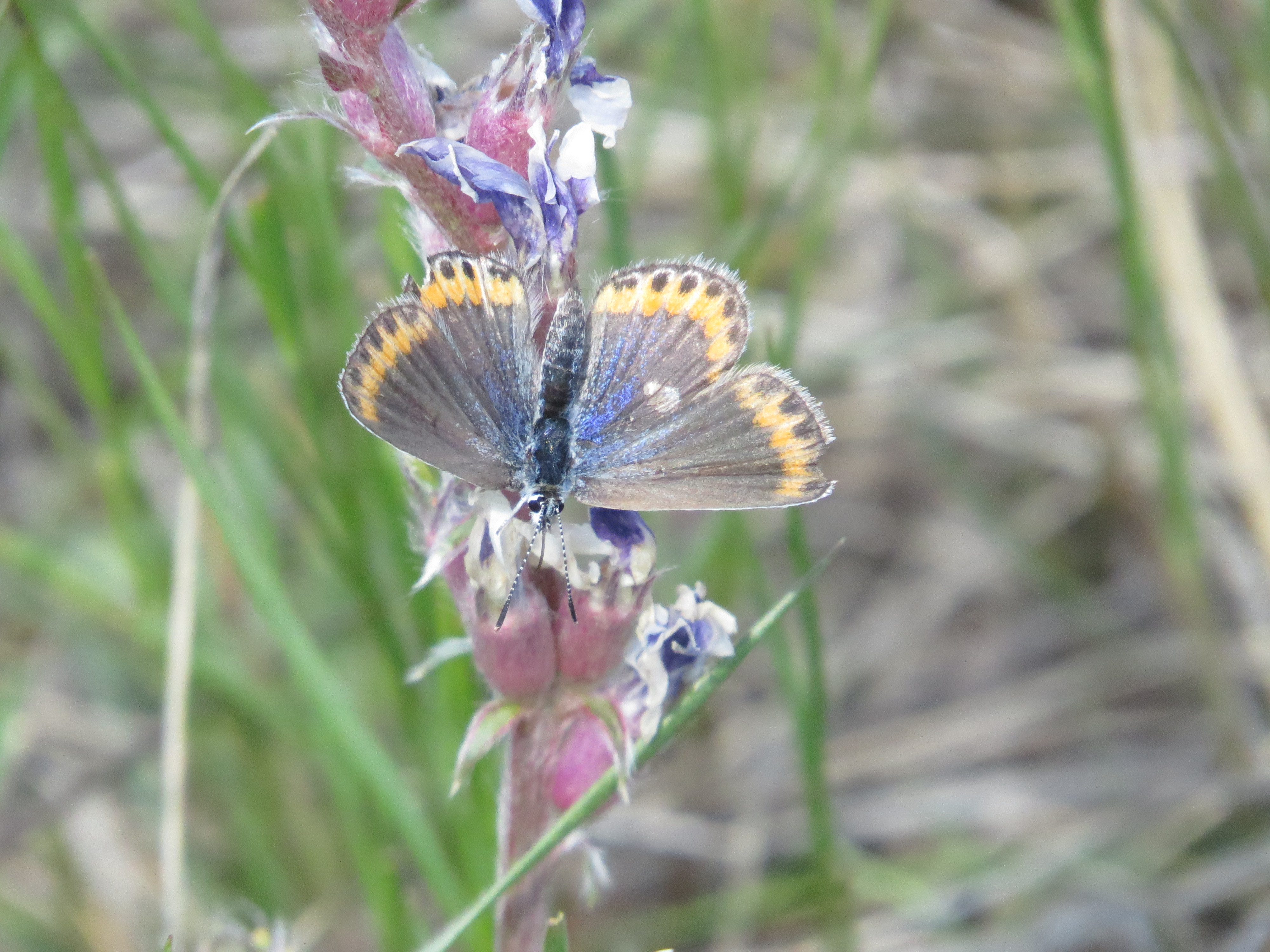
I walked the fine line for many decades of my life, embracing the goodlands and eschewing the badlands. I finally feel like I have ‘grown up.’ It’s not that I don’t think there is evil and bad things in the world, but the path we walk in life is wide. Most of us travel in and out of both lands at various times in our lives. If we look through a trauma lens, we understand that something happened to us or to another person that changed who we/they were as a person and affected our/their thinking and behaviors. We are them. We are all broken in some way. Our hearts have been split open at one time or another. Our feelings are many layered—some barren and raw, others tender and beautiful. We all wonder if the rocks are going to fall on our heads (again.) Our lives are a gumbo mosaic and a singing prairie. I have released my white-knuckled grip on the goodlands. I see the pearlescent shells and the delicate lilies of the badlands. We cannot outrun our traumas; we need to process and integrate them, all in due time. It takes a walk through the badlands to find our way back to safety and connection within ourselves.
Music of the Cows
We left the ‘Great Mississippi River’ on an abnormally frosty morning Memorial Day weekend to head west to the ‘Mighty Mo.’ I navigated our route to skirt construction in Minnesota and South Dakota and was happy when the prairie greeted my eyes. South Dakota is divided down the middle by the Missouri River, delineating our common reference to ‘east river’ and ‘west river.’ The River itself is something to behold. We crossed on one of two bridges that spans Oahe, a 231-mile stretch of the River that is widened by Oahe dam just north of Pierre. The River bluffs and the Mighty Mo heralded us into ‘west river.’
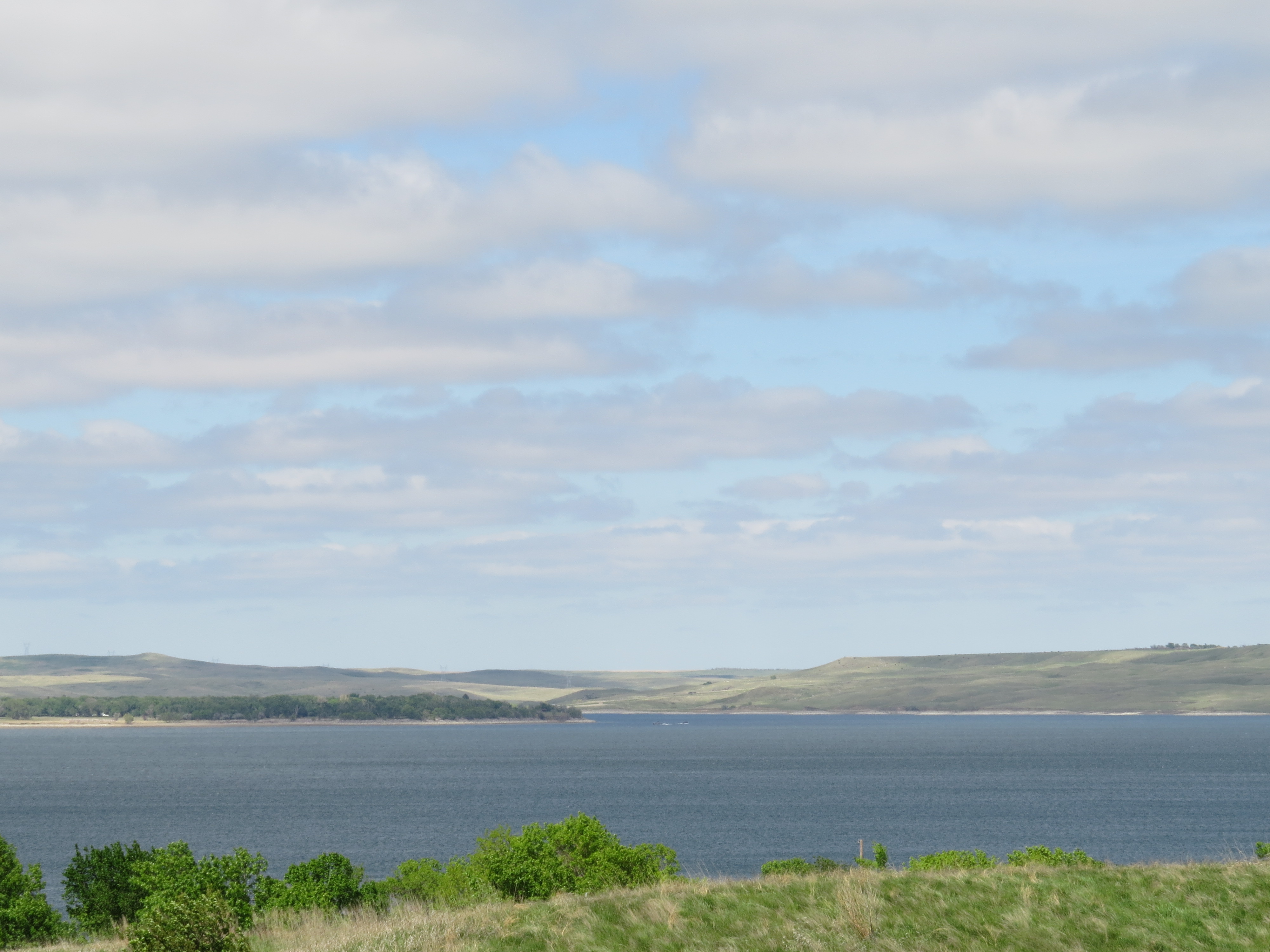
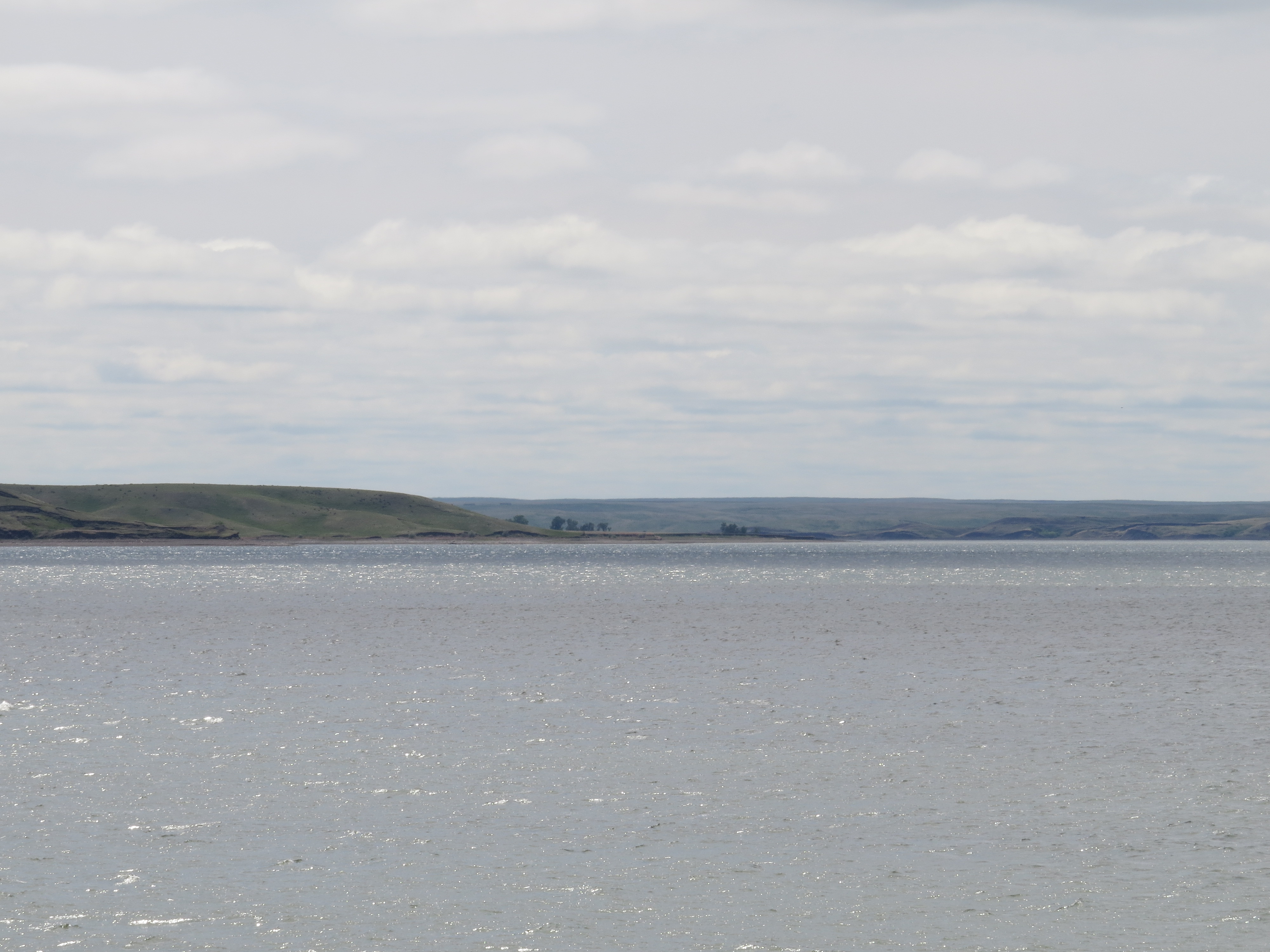


The reason for our prairie trek was to see our friends and help them with their annual branding. I had long wanted to be a part of the crew, and this year, serendipitous timing and texts (and Covid shots) made it a reality. I was super excited! West river was where I spent three of the best summers of my life working with my rancher friend as wranglers at a Lutherans Outdoors’ camp. So as we headed west from the River, it felt like a homecoming of sorts.
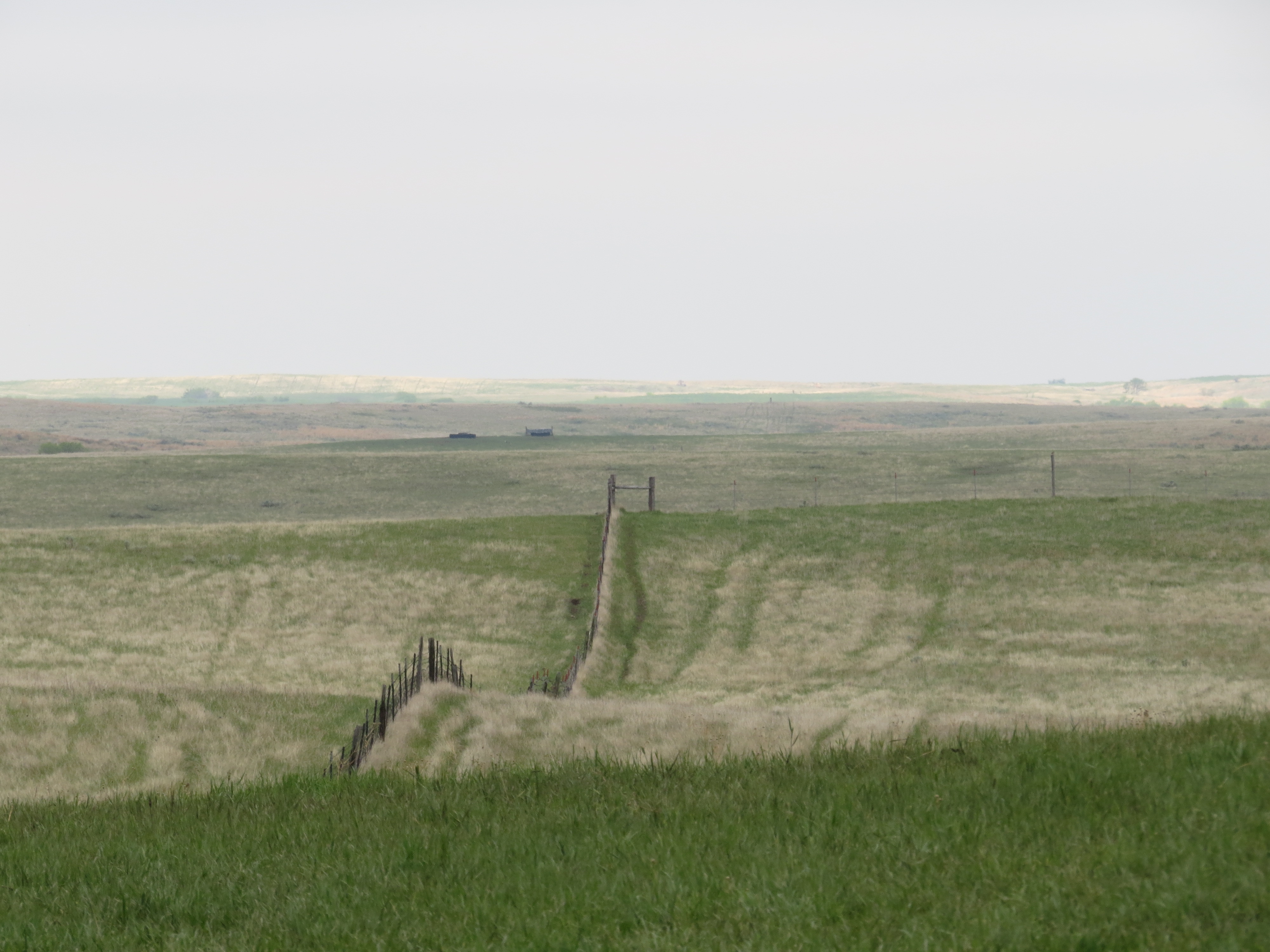
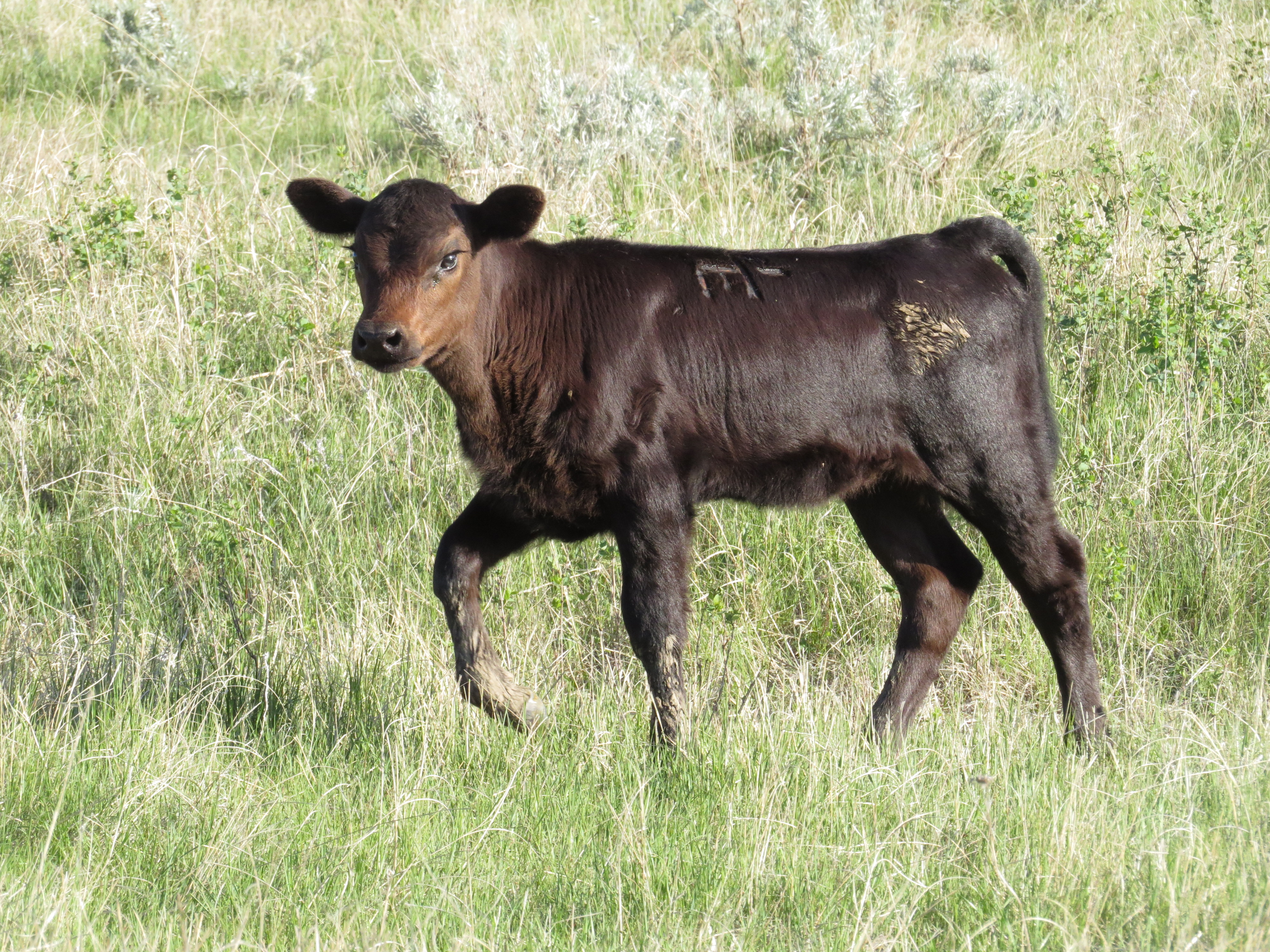
It was good to be at the ranch with our friends, their kids and grandkids, and other family and friends who gathered to help with the sizable task of branding, vaccinating, and castrating the spring calves. When we awoke Saturday morning, it was raining. Luckily the shower was expected to move out quickly, so after a slight delay, people and equipment were gathered up, and we headed out to the branding pen pasture. The yearlings kept their eyes on those of us who stayed at the corral, while the cows and calves were rounded up by those who know the land and the cows. They used modern-day horses—Ranger side-by-sides—to bring the cattle to the holding pens from the far reaches of the big prairie pasture.
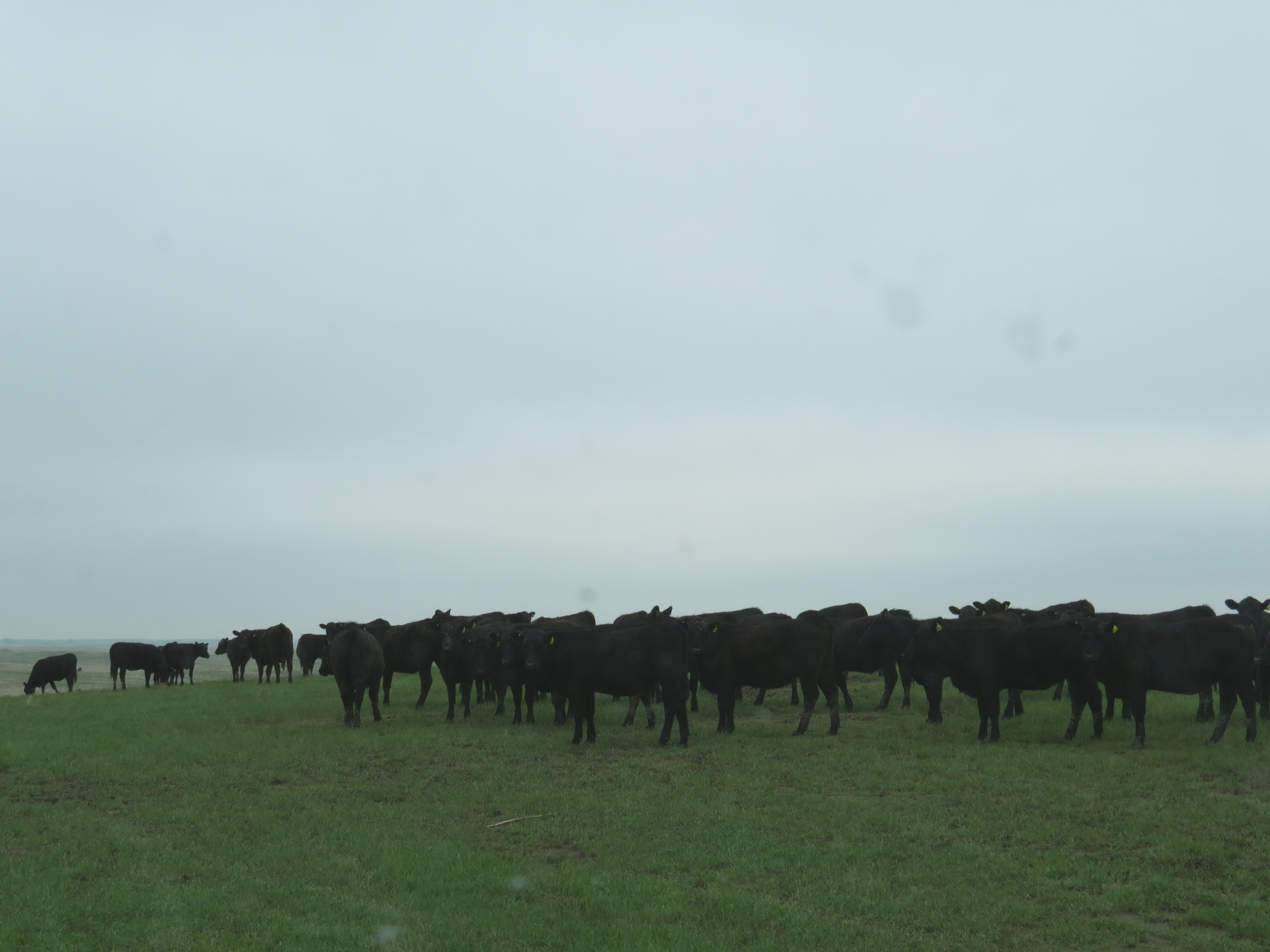
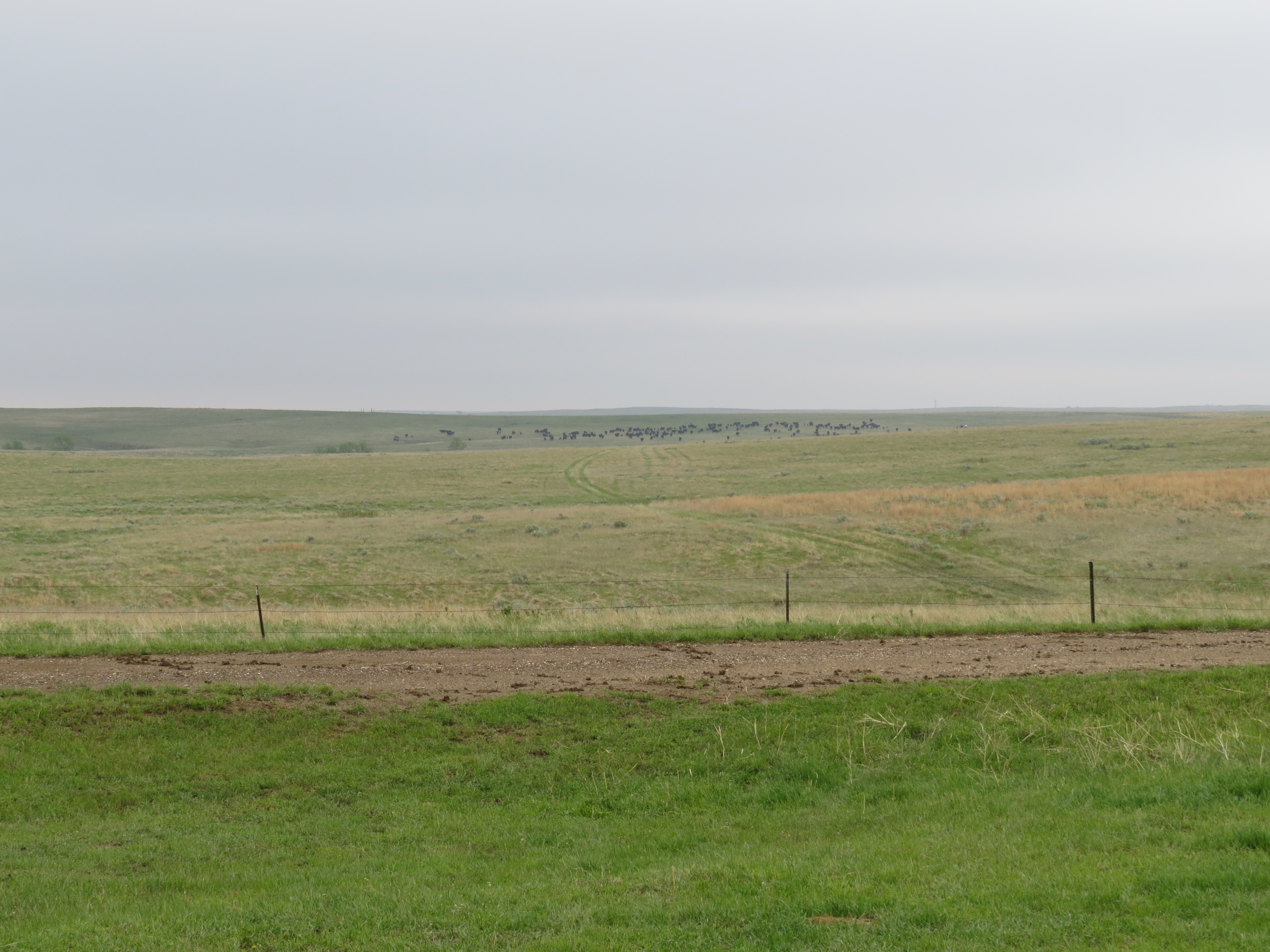
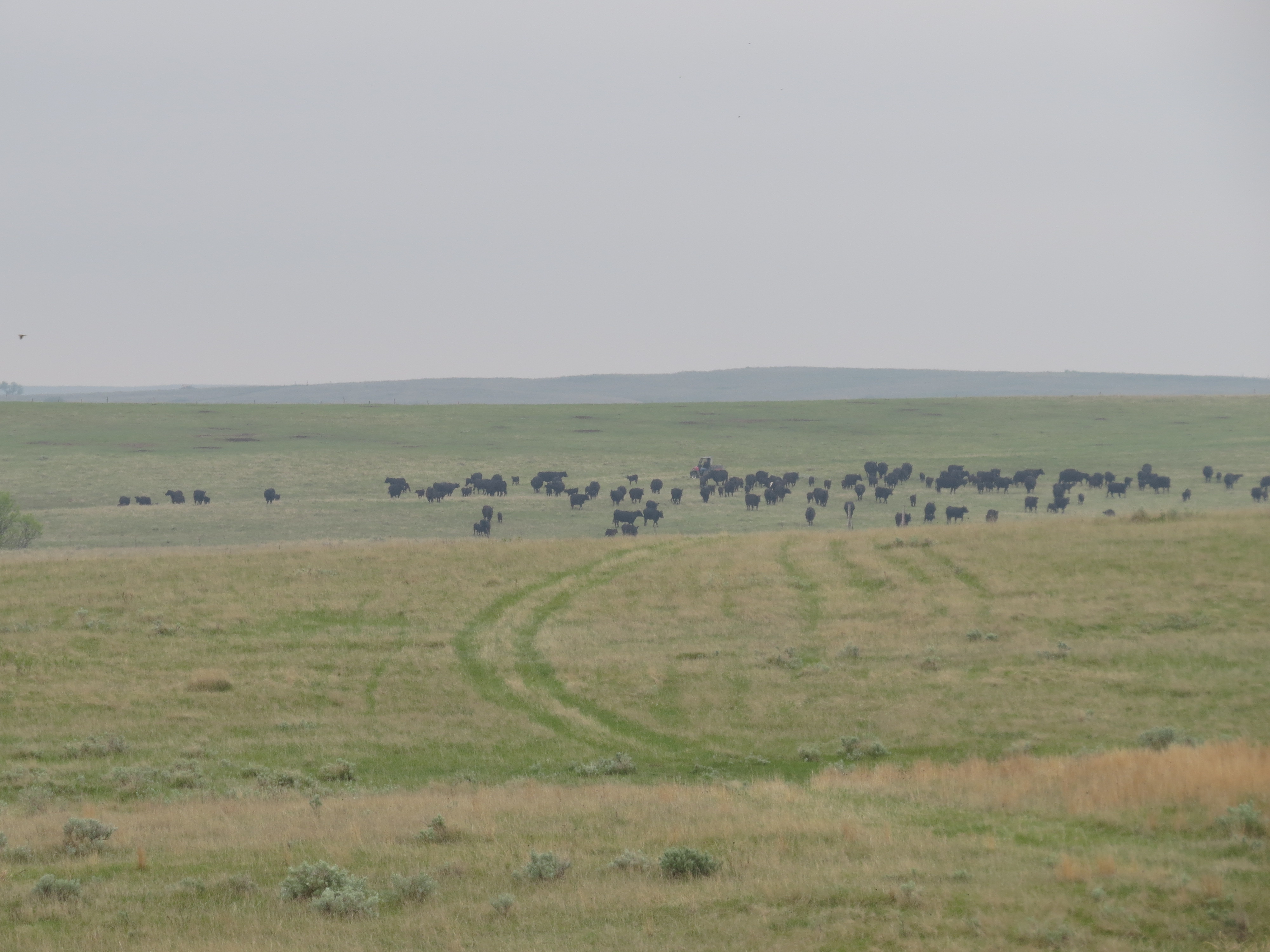
This man lives and breathes cattle. He has raised and cared for cows, calves, and bulls his entire life, planning his days around the needs of the animals and the ranch that sustains them. He has a moving, living strategic plan in his head—as detail-oriented as to a sick calf or dry cow and as big-picture as putting up hay for winter, along with a million other things in between and beyond.
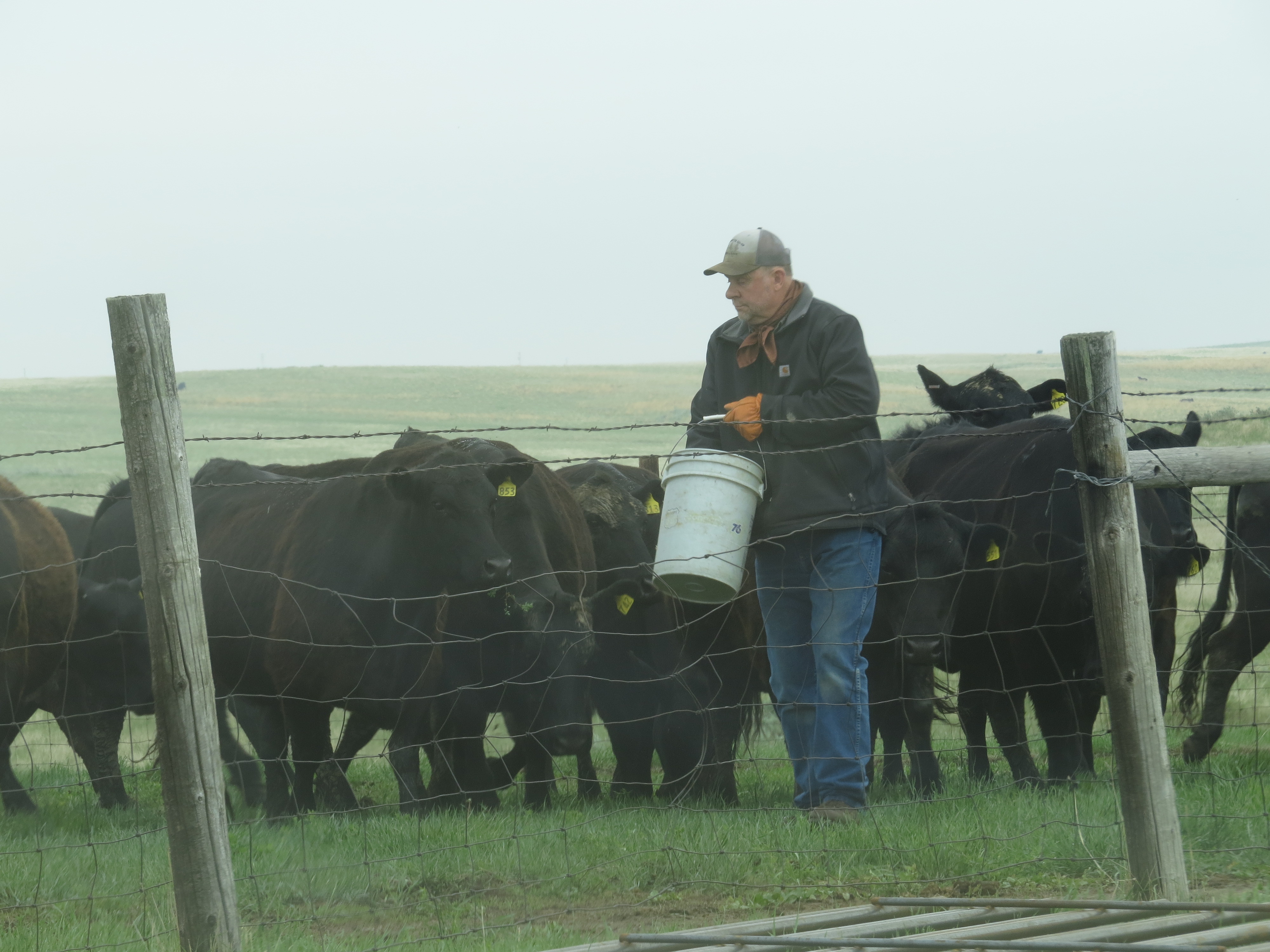
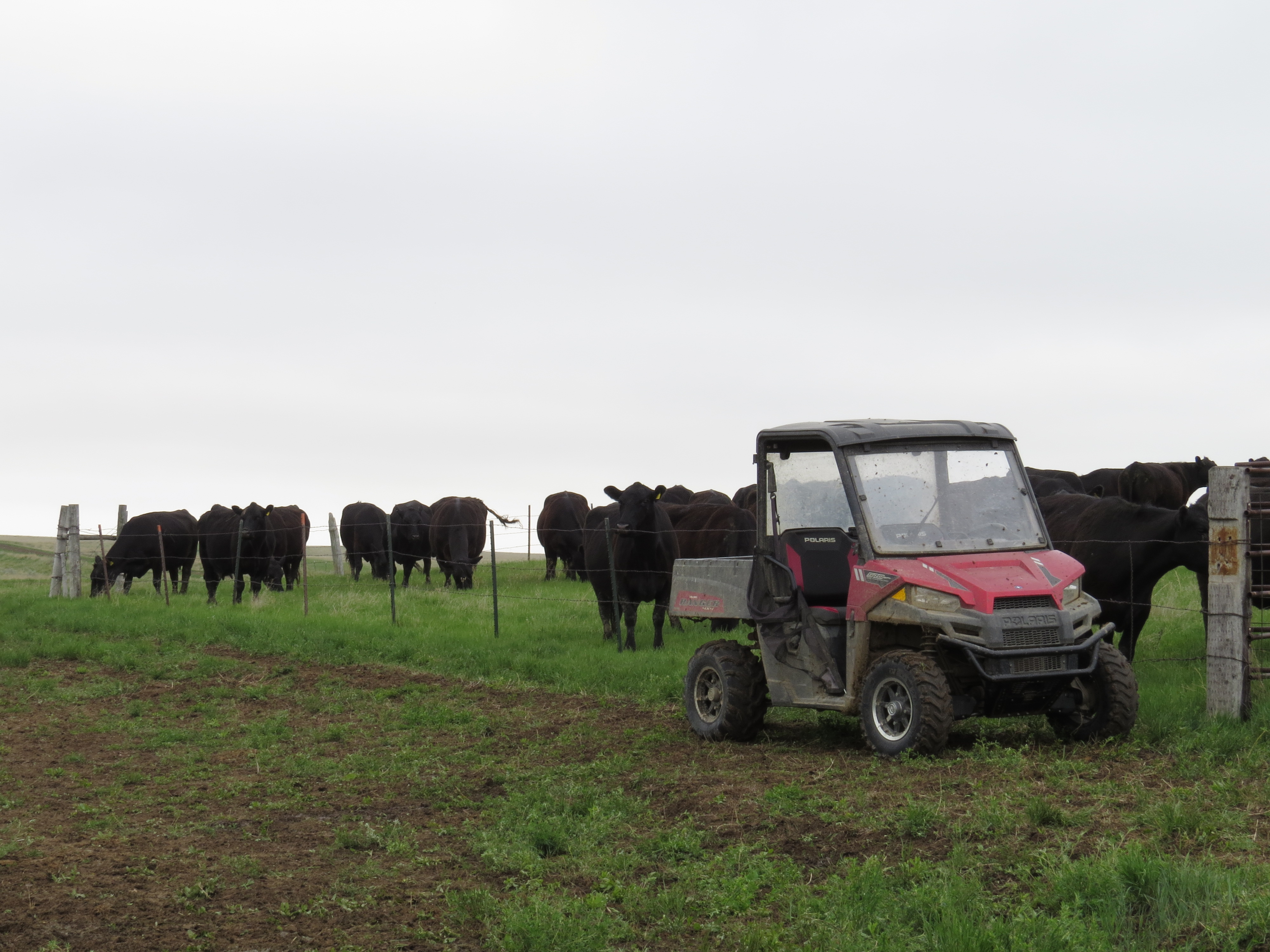
After penning everybody, the calves were separated from the cows. I will mention here that as soon as we arrived at the branding pen, the bellowing began. The yearlings maybe thought they were going to be fed, and when the cows and calves arrived, everybody was talking—the yearlings to the cows, the cows to their calves (and maybe to their last year’s calves), and the calves to their mamas. It was noisy!

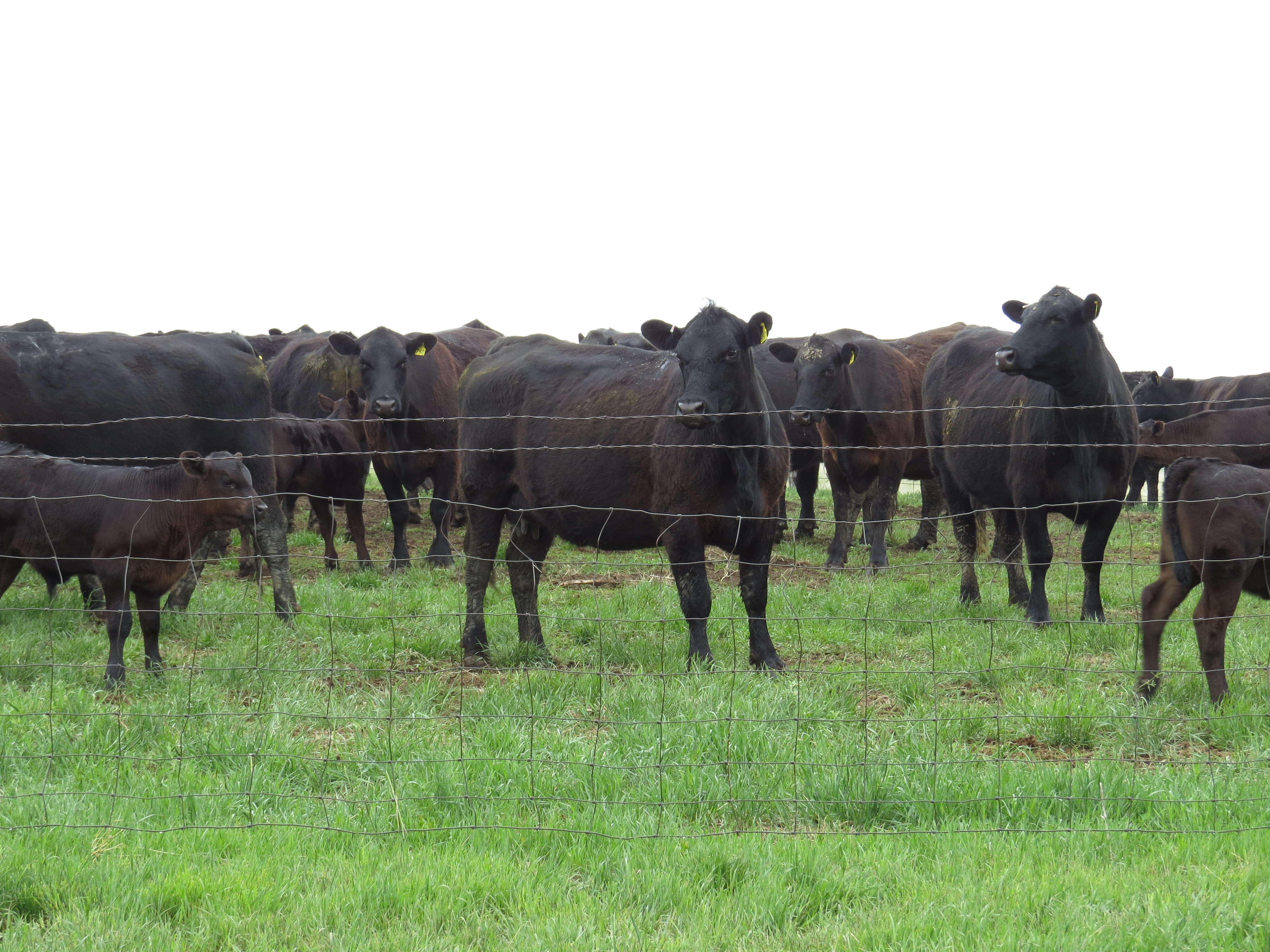
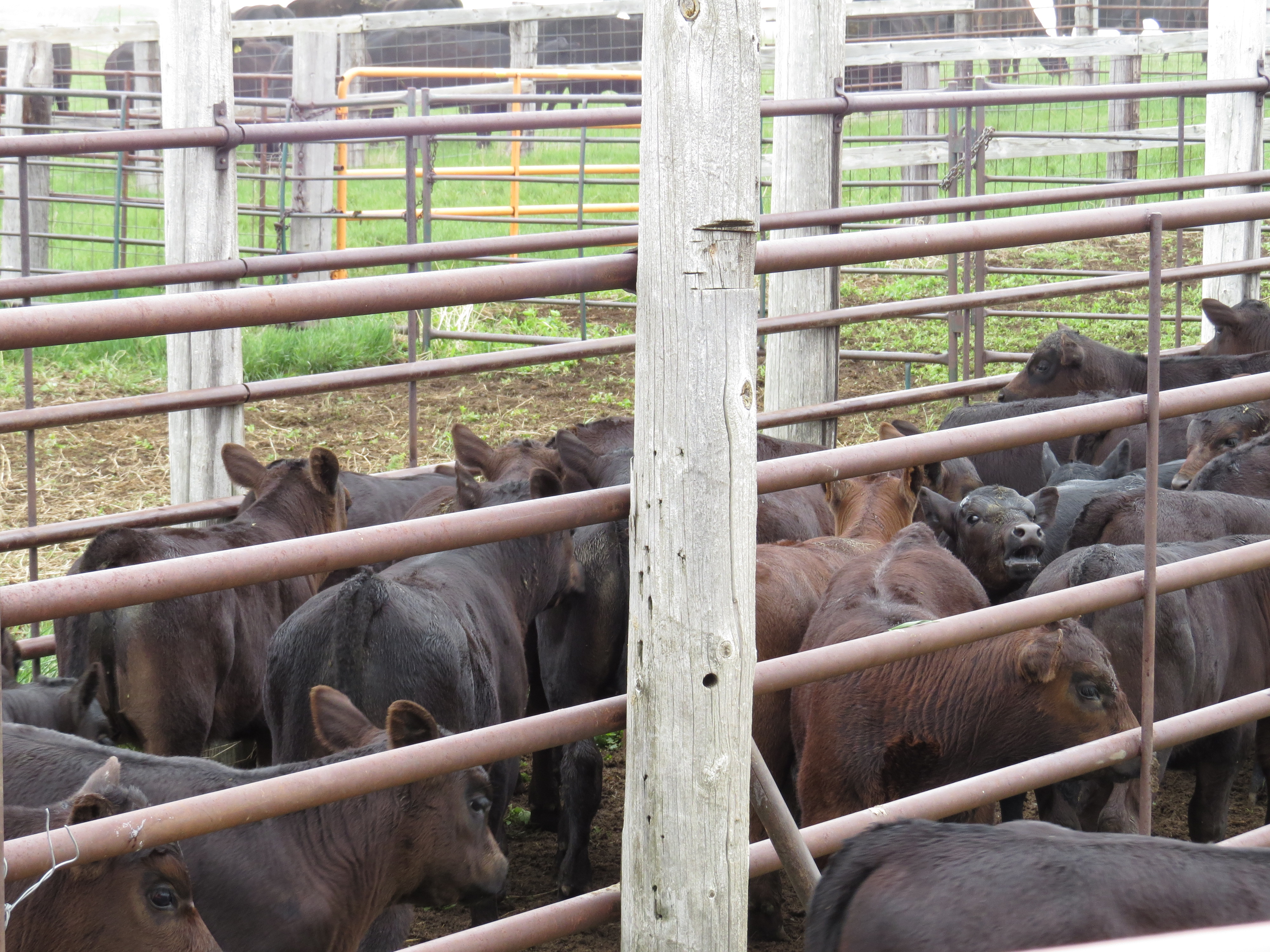
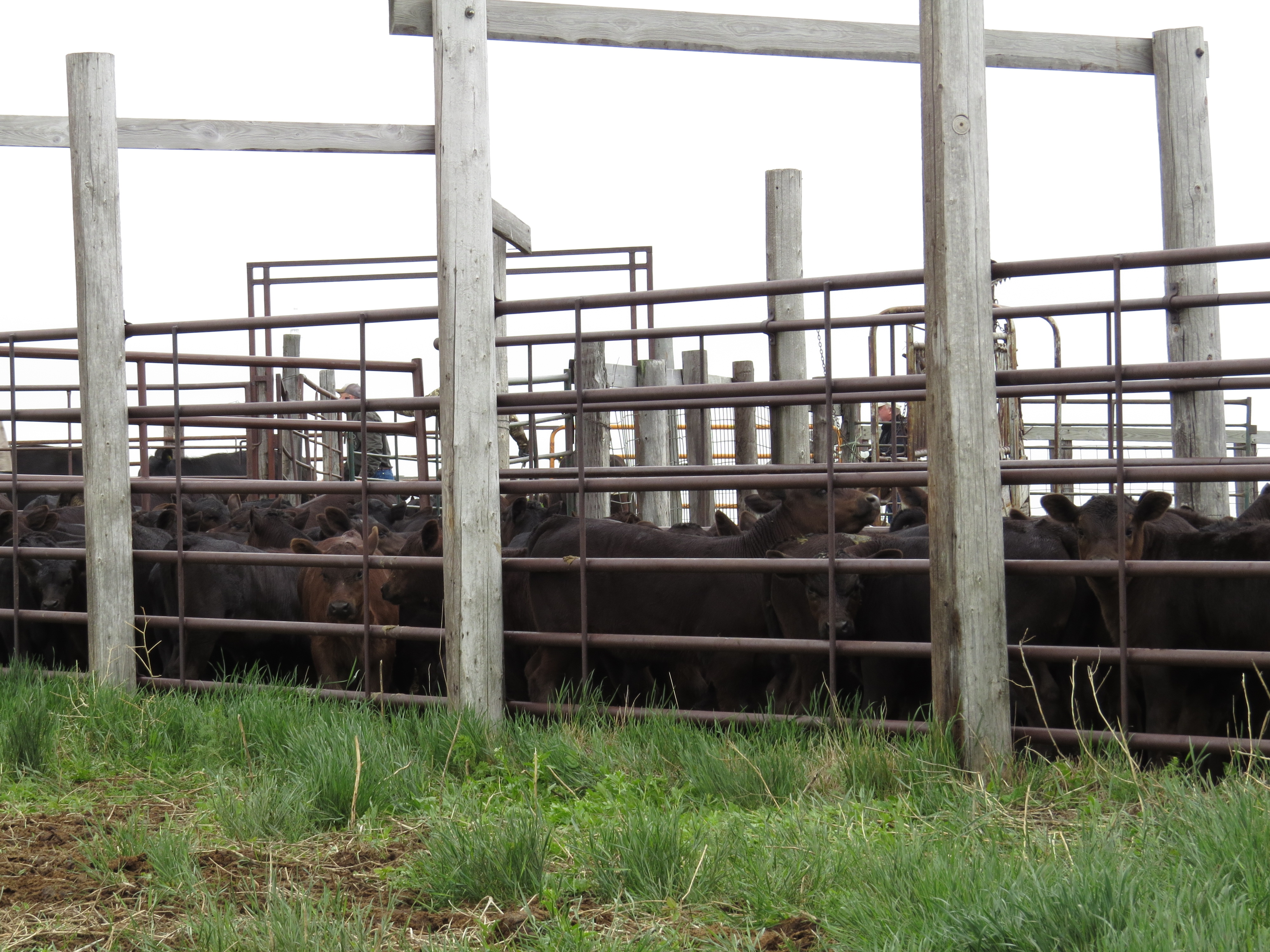
The chilly, cloudy morning was a good thing for the cows and the workers. Far to the west, we could see the sky beginning to clear where the sunlight was reaching the ground. It took many hours before it reached us.
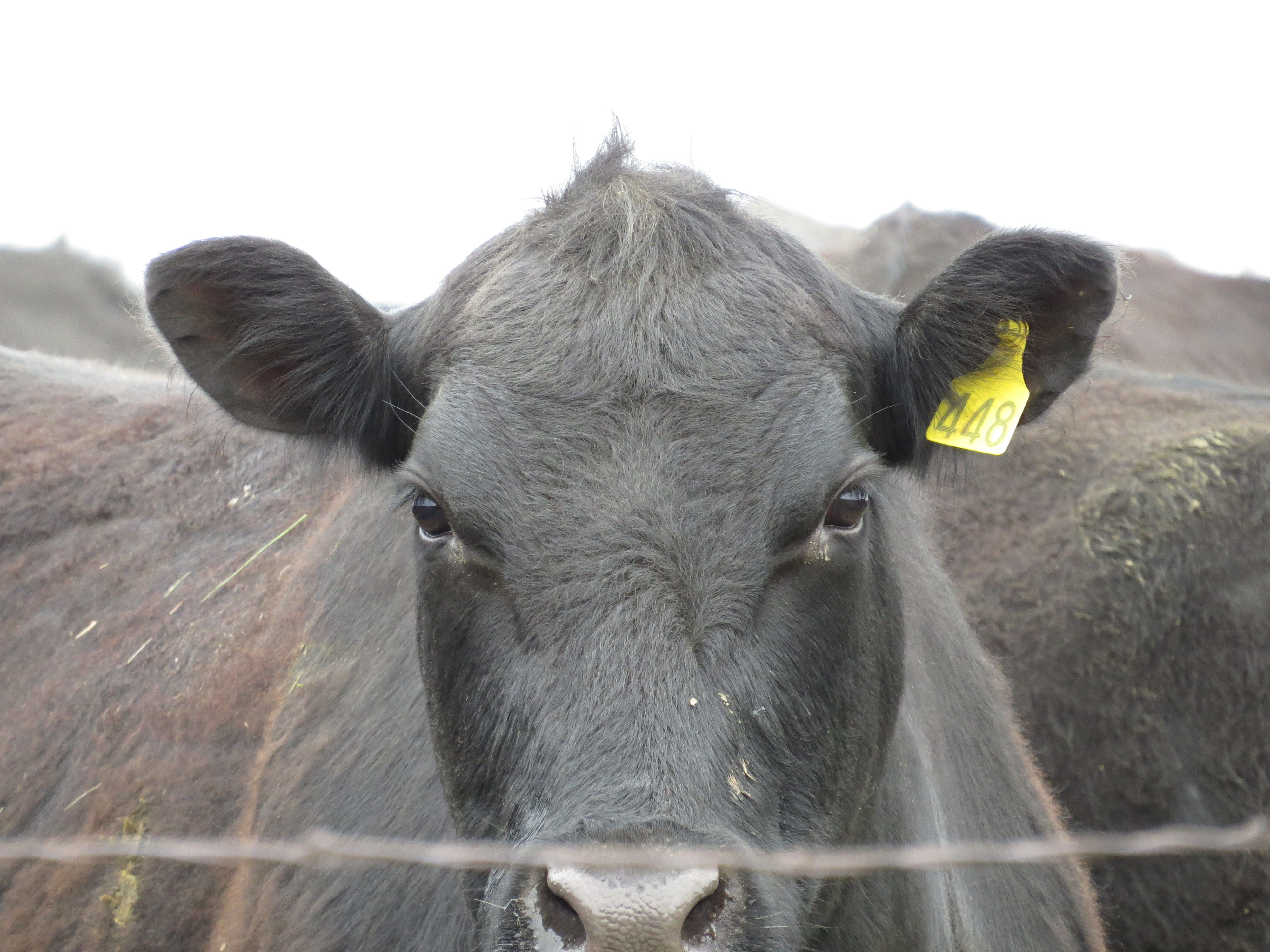
Cows are curious, intelligent creatures with strong mothering abilities. Aren’t they beautiful?
Once the calves were separated and the cows returned to the original pen to wait patiently for their babies to return to them (loudly patient, that is), the calf table was oiled, the branding irons were set up, the vaccine guns were loaded, and the castrating tools and disinfectant were placed at the back of the chute. Two people vaccinated (I was one of them—yay!), one branded, one castrated with help from two others for holding and spraying antiseptic, two or three ‘pushed’ calves through the round pen into the chute, and Chris helped run the tilt table. The branding irons are heated up by electric that’s powered by a generator. Brands are used to mark cattle in order to identify the owner in case one is lost or stolen. Each brand is unique and registered, so ownership can be proved. One of the calves that ran through the chute was already branded and belonged to a neighbor. Barbed wire fences are not impenetrable for a small calf in these large pastures. So the work began in earnest. A calf is let into the chute. The tilt table holds the calf and is pulled parallel to the ground. One, two vaccinations, branding, castrating if a bull calf, disinfecting the wound, and tilting back upright and releasing to his mama. When we got into the rhythm of our work, I counted about 15 seconds for the whole process—that’s teamwork! We couldn’t see into the tub pen, but the calves kept coming, and we kept doing our work to the droning sound of the generator, the smell of singed hair, and the bellowing of the cows and calves.
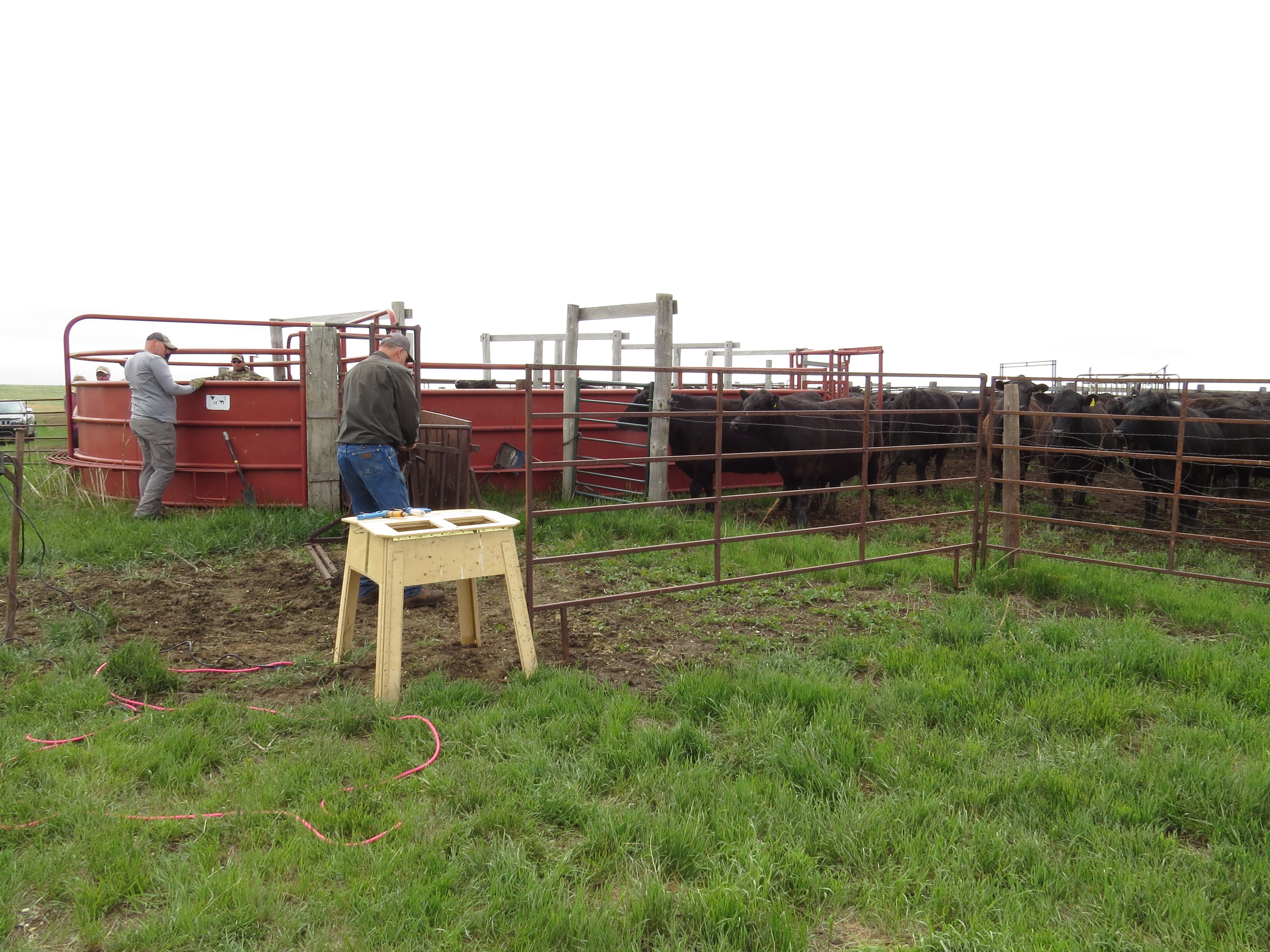
After hours of those sounds saturating our ears, a funny thing happened. I thought I heard music. I looked over my shoulder to see if someone had opened the truck door and turned on the radio. Nope. I worked on. It sounded like there was a PA system playing music—I couldn’t make out any words, but the music was there! Music beyond, above, and intertwined with the white noise of the generator and the constant bawling of the cows and calves. It was surreal and ongoing. The sun began to shine, and the rhythm of our work and the music of the cows flowed through me.
It was a long, wonderful day. We ‘worked’ over 250 calves. The calves found their mamas and returned to the pastures. We went back to the ranch house for a delicious meal. My other west river friend who worked with us at the camp way back when, brought a bottle of wine to share as we caught up with each other’s lives. I fell asleep that night with great satisfaction and happiness.
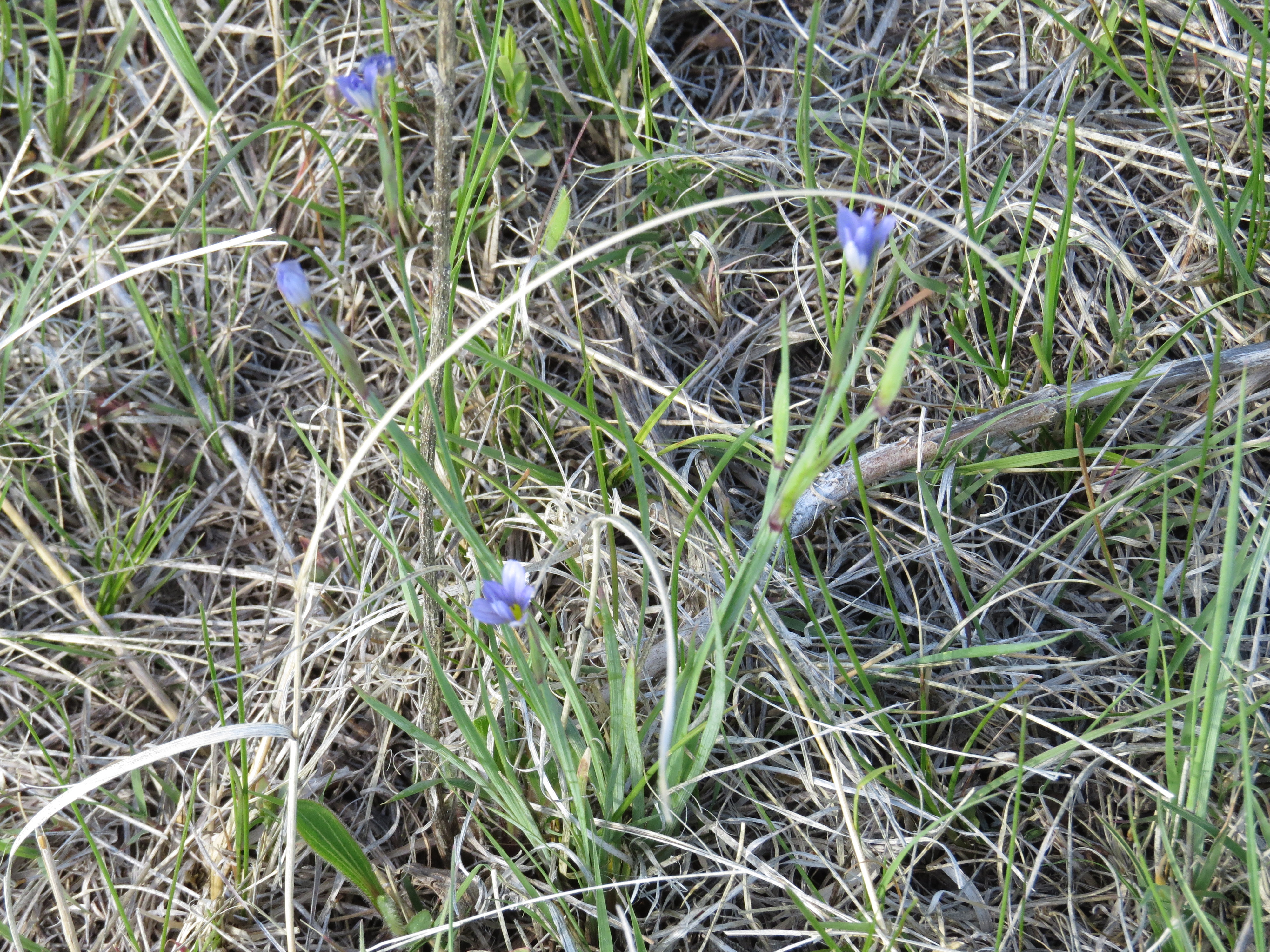
The next day was an incredibly beautiful day—blue skies, hardly any wind, and comfortable temperatures. We did some hiking (next week’s post), ate, rested, then went out to the stock dam to fish. Three of them fished while I wandered around the pasture, smelling the sweet, earthy smell of sagebrush and finding beautiful prairie flowers.
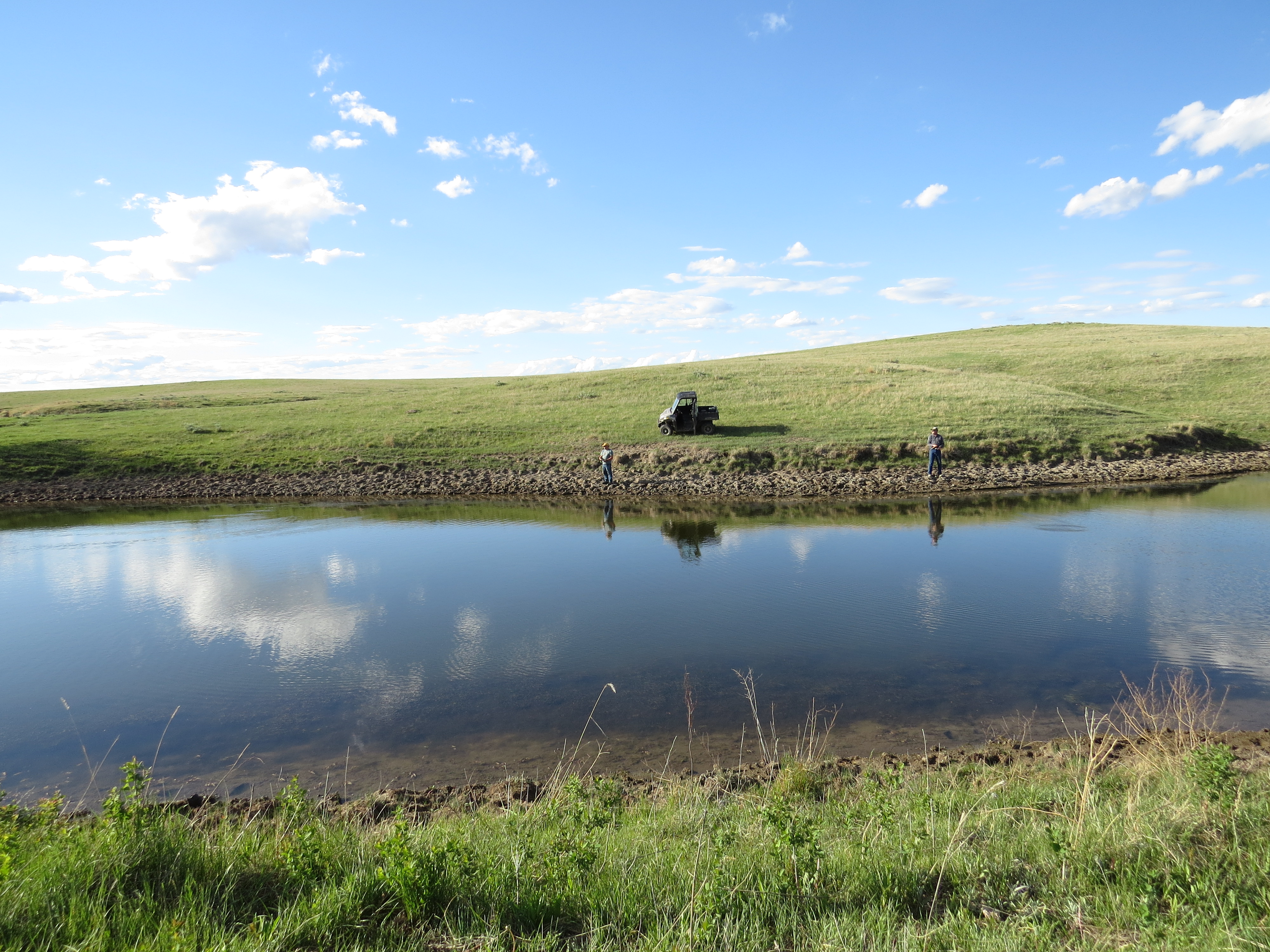
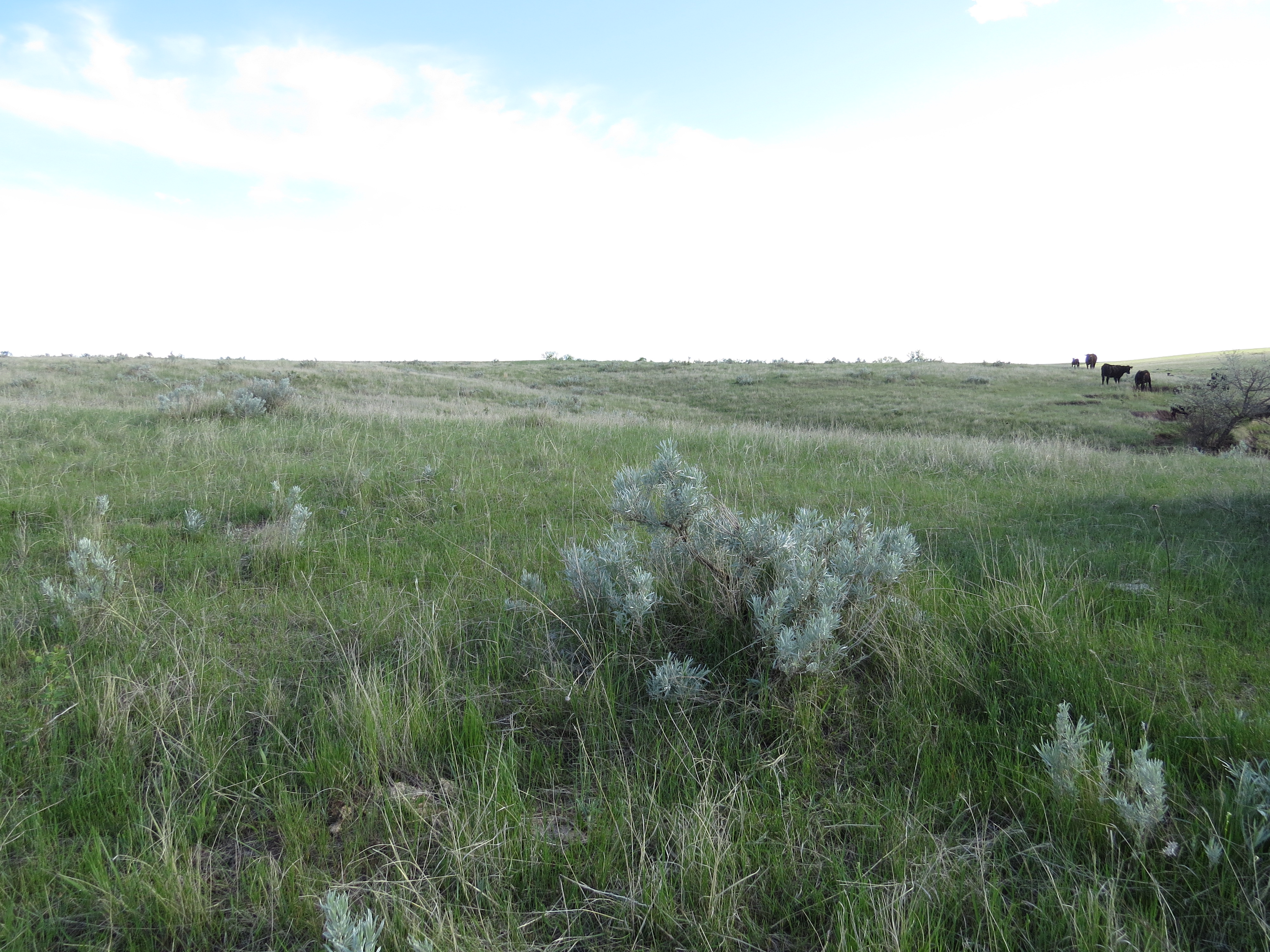
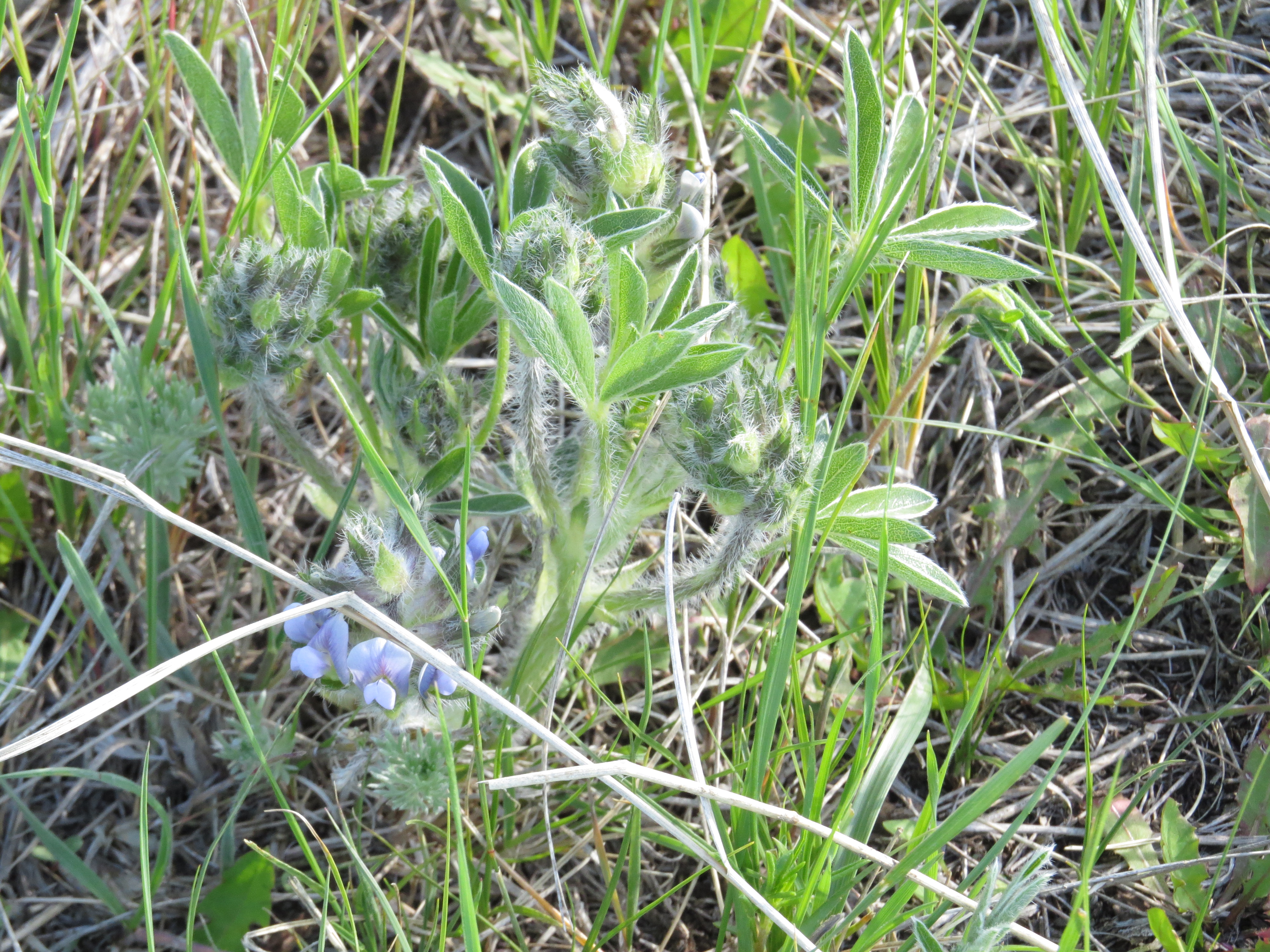
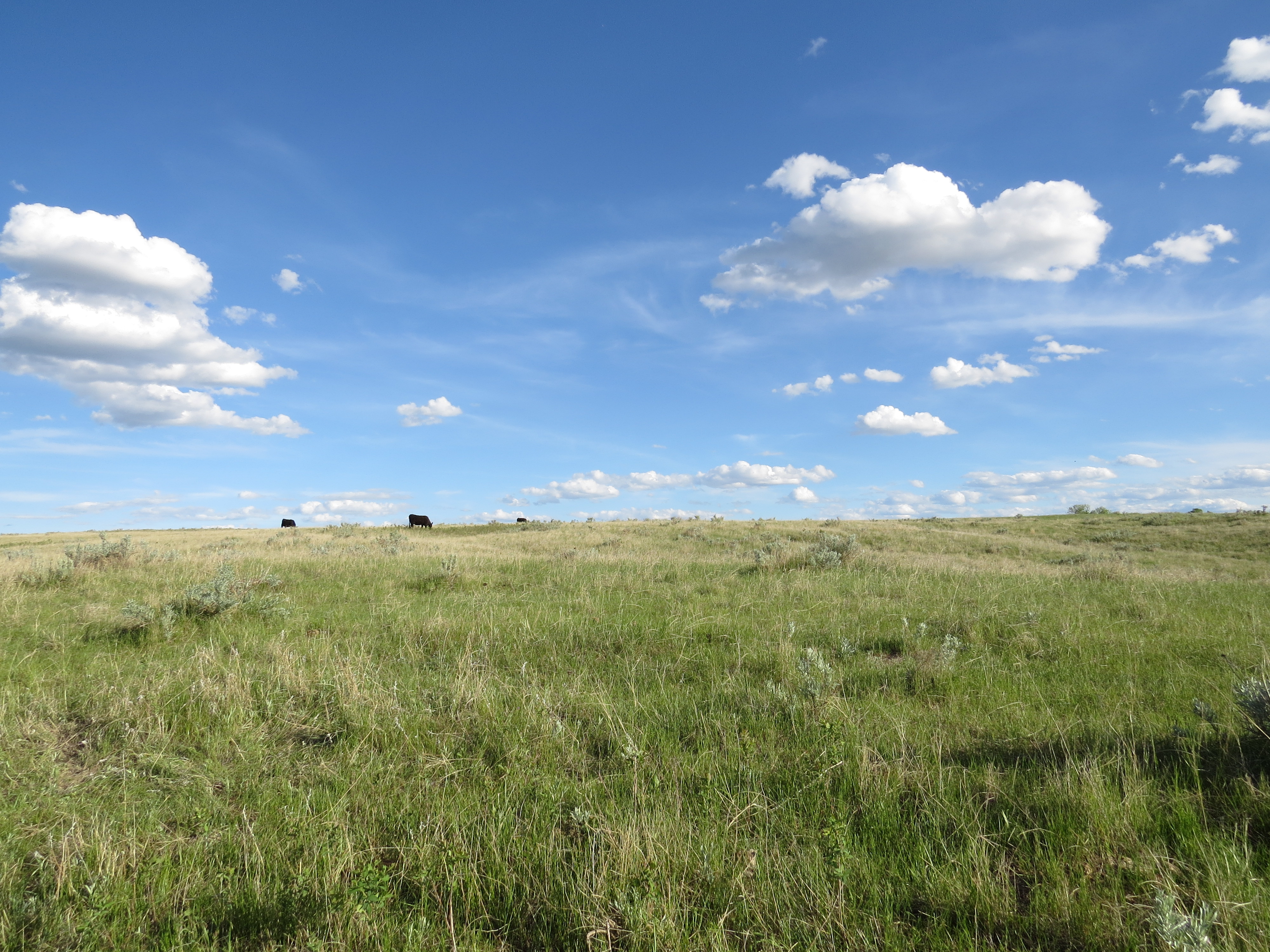
The two-year old heifer cows and their calves that were branded the day before, were grazing and roaming this pasture. It had been a chaotic, stressful day for both the cows and the calves, but all were settled down and back to normal.
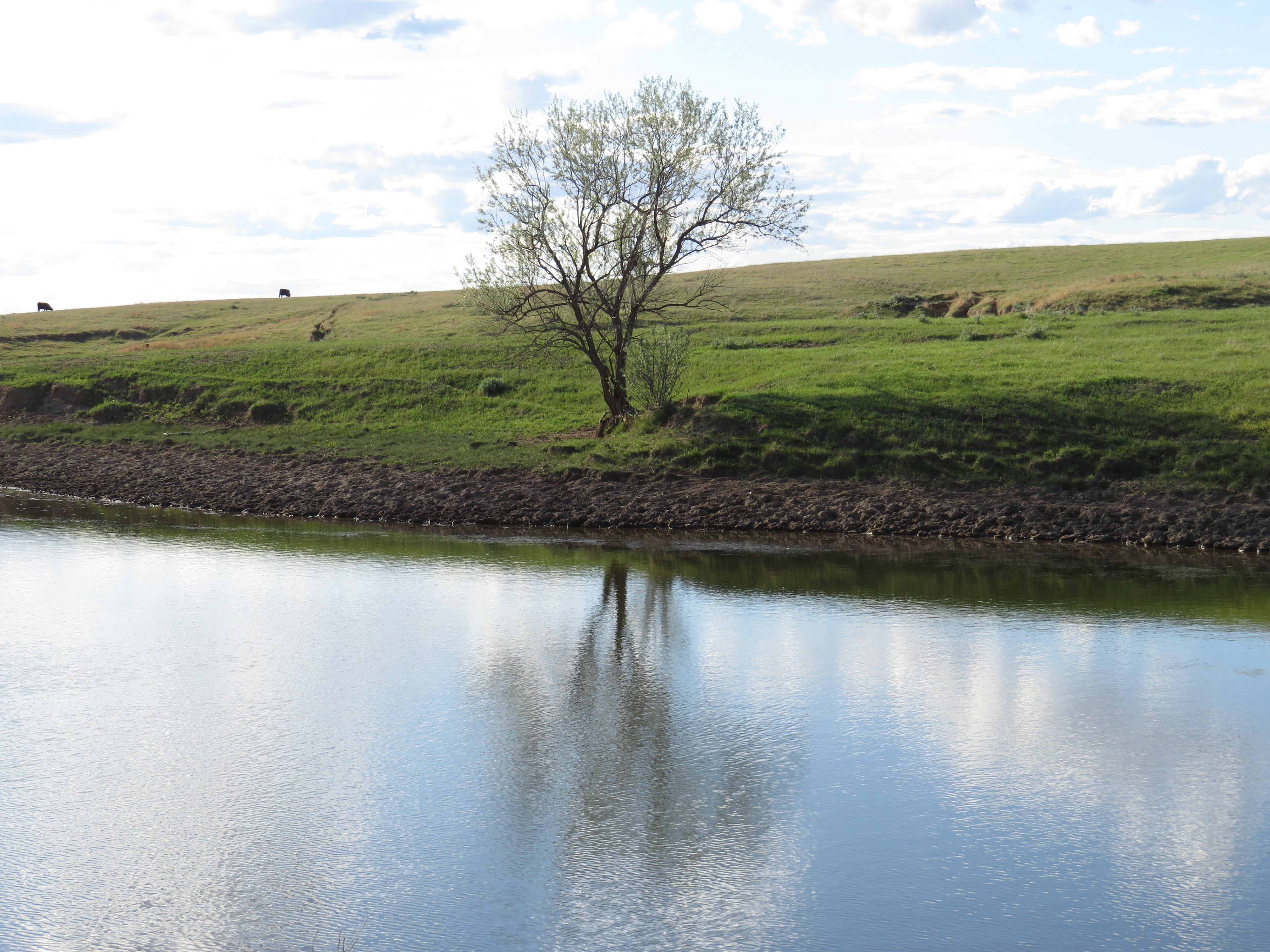
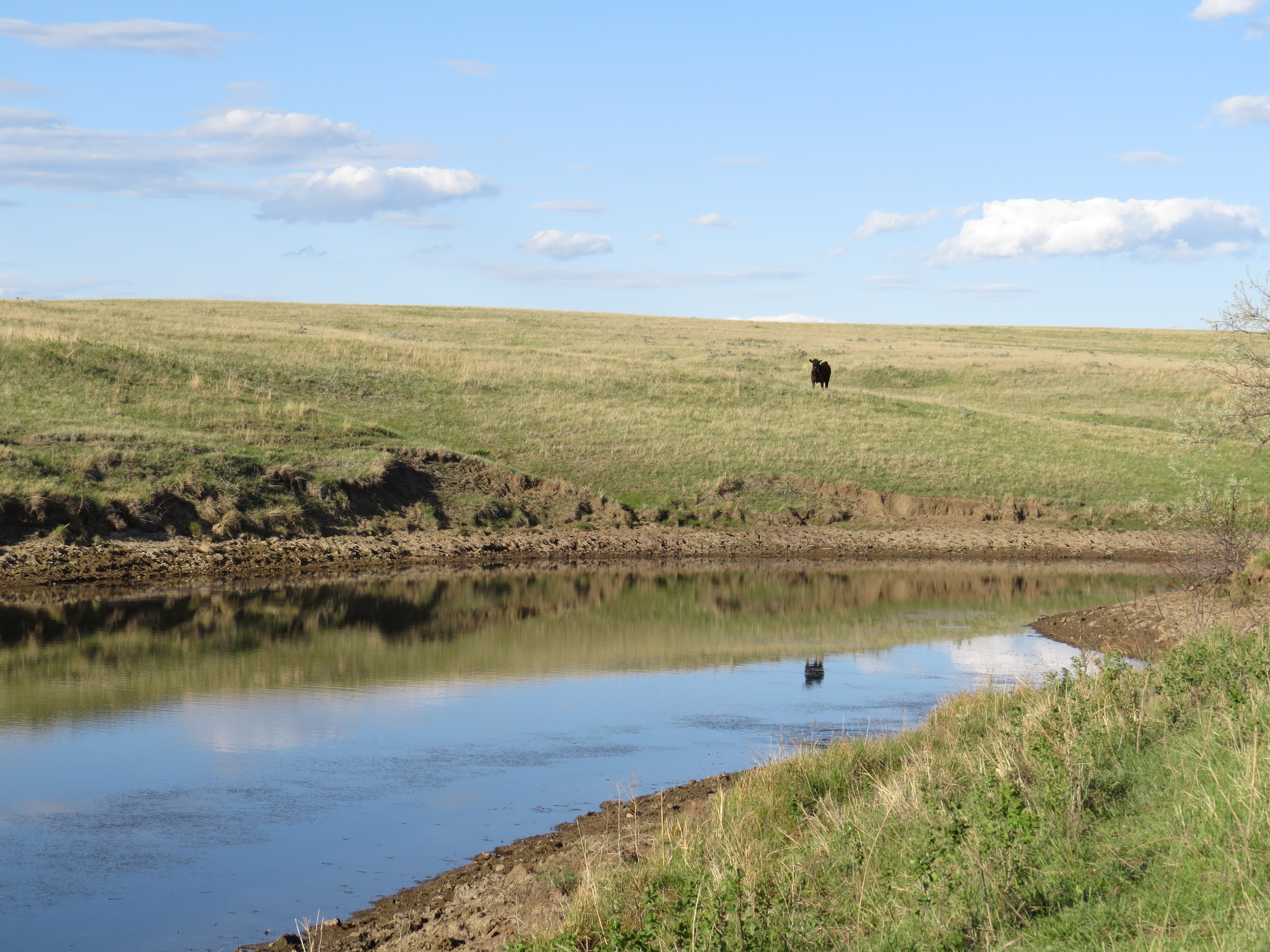
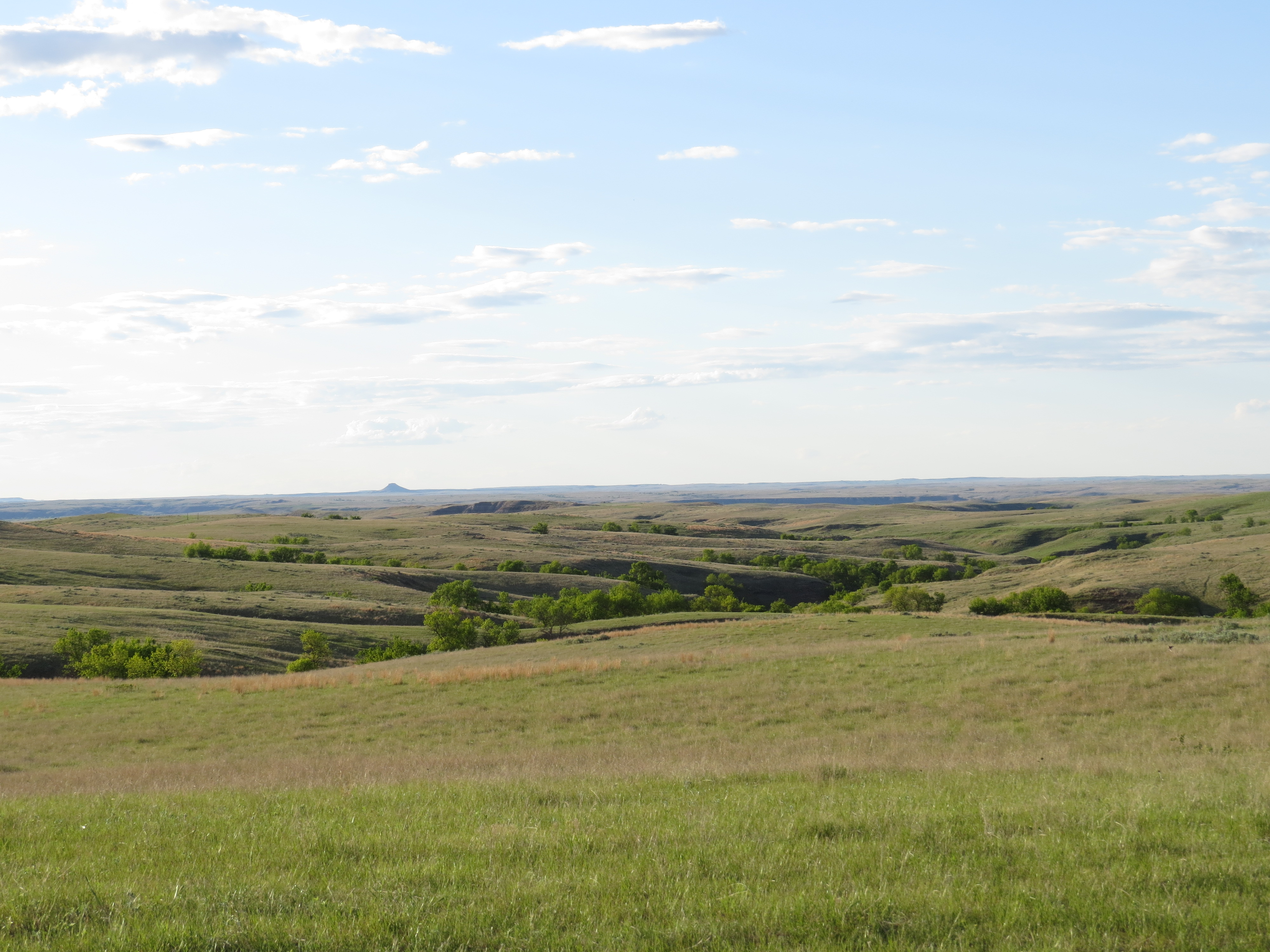
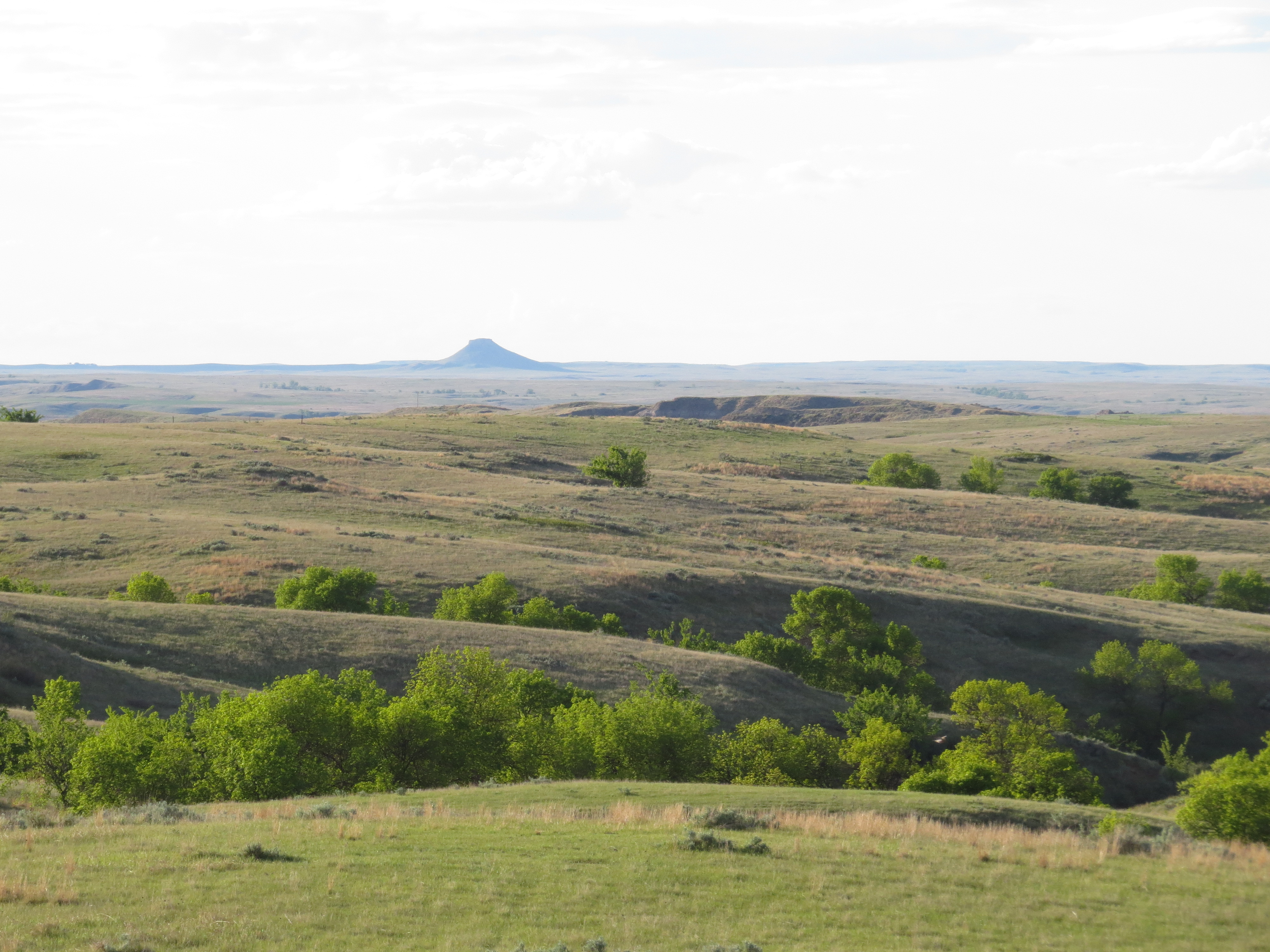
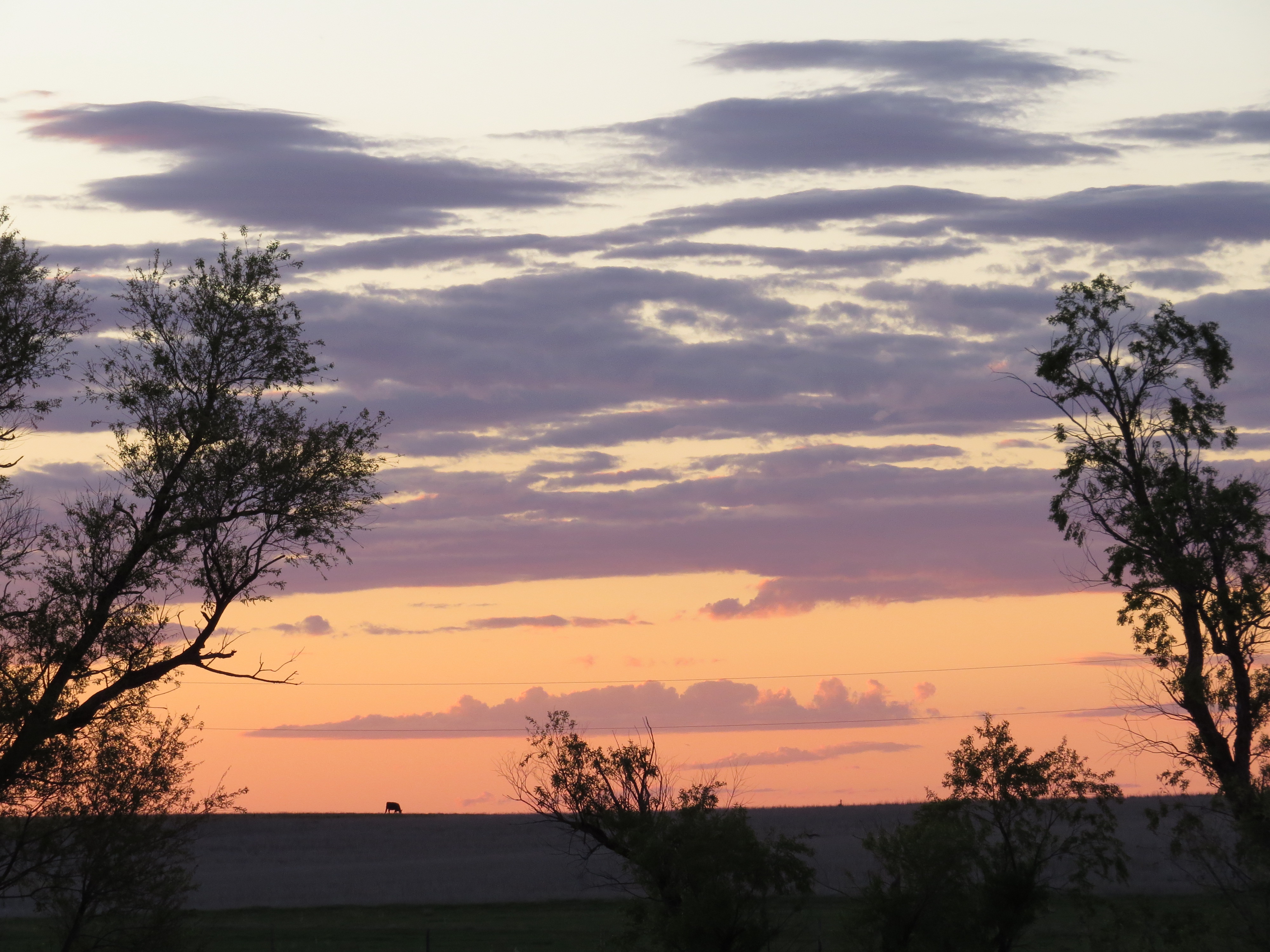
After Chris threw in ‘one last cast’ and then another ‘one last cast,’ he caught a nice-sized bass, the only fish of the evening! We headed back to the ranch, and stopped to take in the view of the breaks and a butte in the distance. A colorful sunset closed the day, aptly with a cow on the horizon.
On our way back home on Monday, I prefaced my experience to Chris with “I know this sounds strange…” and set up how the cows were bawling and the generator was humming and the work was rhythmic and it sounded like…and he stopped me. He said, “It sounded like music.” YES! Oh my gosh, you heard it, too?! So I wasn’t crazy! Willie Nelson tells a story about his grandmother telling him, “Music is anything that’s pleasing to the ear.” The bawling of the cows and calves must have been pleasing to our ears! It’s funny what our brains do, but I’m a believer in the music of the cows. I’m a believer of raising cattle on the vast prairie pastures, of the hard-working ranchers who tend their herds with diligence and tenacity, and of the love that my rancher friends have for their cattle and their incredible ‘west river’ land.
Land, Water, and Sky
If you were to distill your life down to three main elements, what would they be? My mind is searching for how I would answer that! Our lives and our world are so complex and full of so many things vying for our attention, time, and energy. During our trip to South Dakota to see my Mom, I was reminded how simple things can be—it was so evident! Looking out the window or going for a walk, the three main elements of our Earth presented themselves over and over again—land, water, and sky!
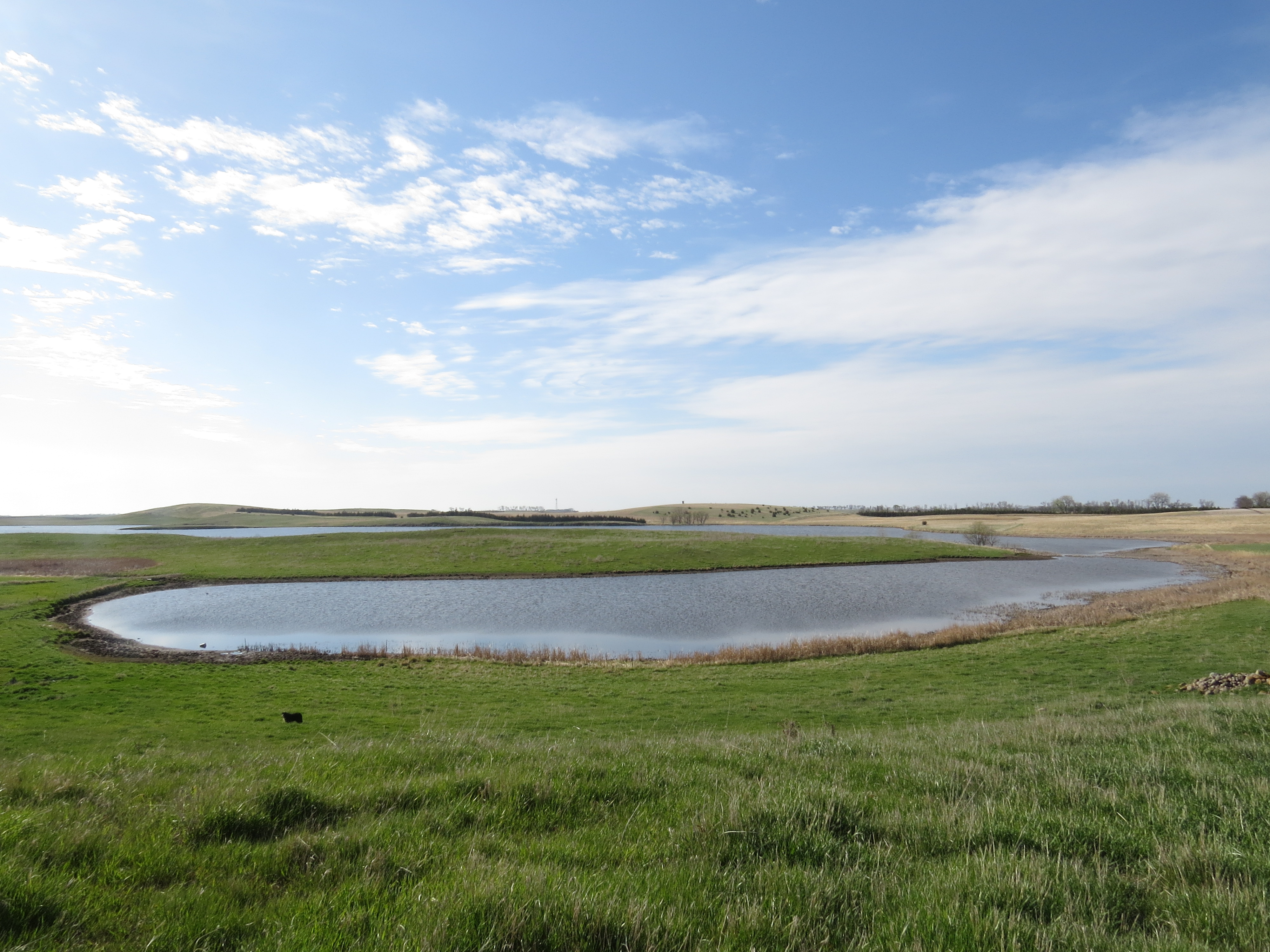
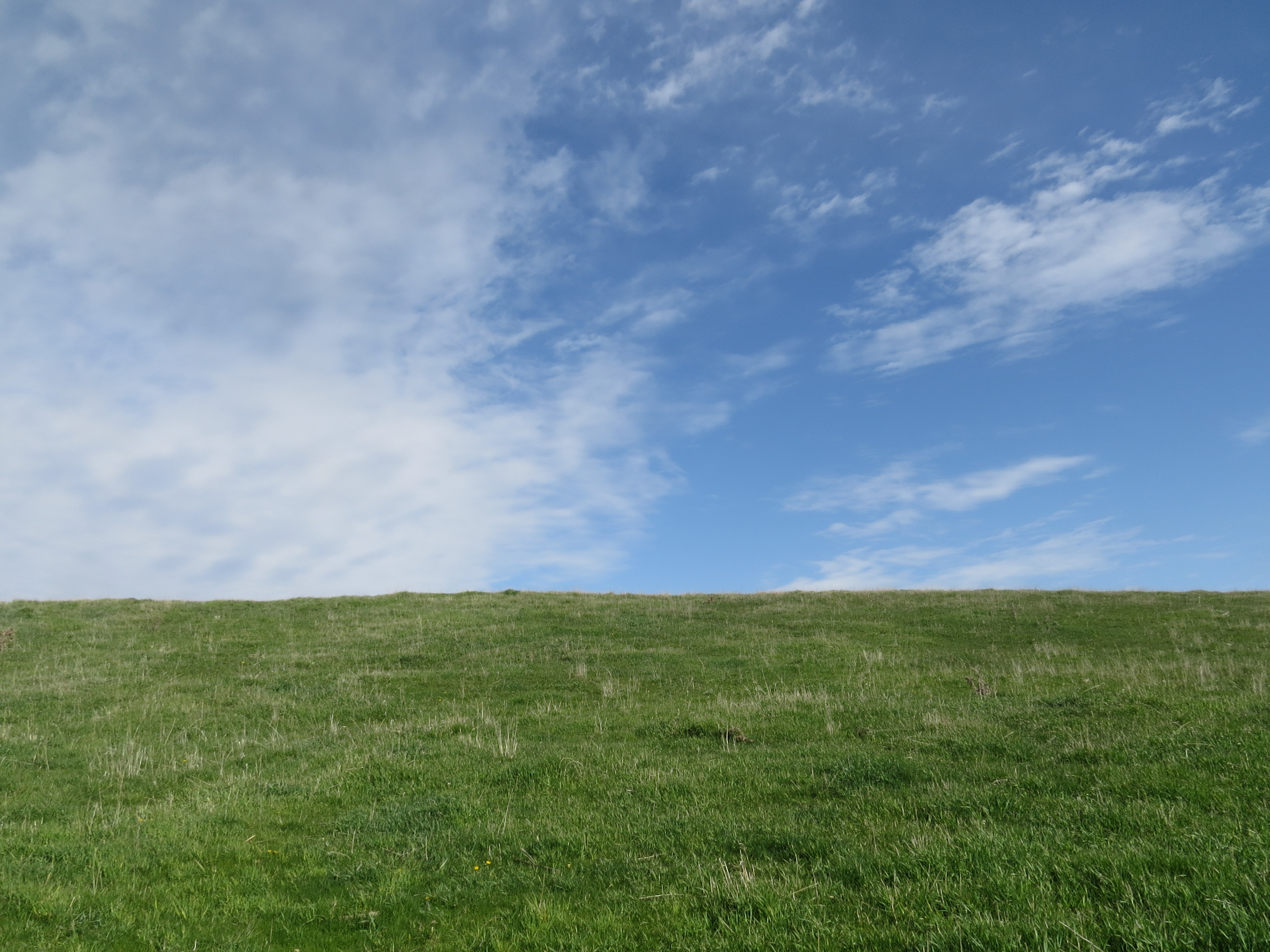
The prairie keeps things simple—on the surface anyway. A Spring prairie pasture meets a puffed-cloud blue sky! It makes me take a deep, soul-enlivening breath of gratitude. We look up to the sky at clouds, turn our faces towards the sun, marvel at the Milky Way, are mesmerized by threatening thunderheads, and contemplate how the moon belongs to all of us the world over. What does the sky offer us? Hope, awe, possibilities, rhythm, aspirations, and life-sustaining energy.
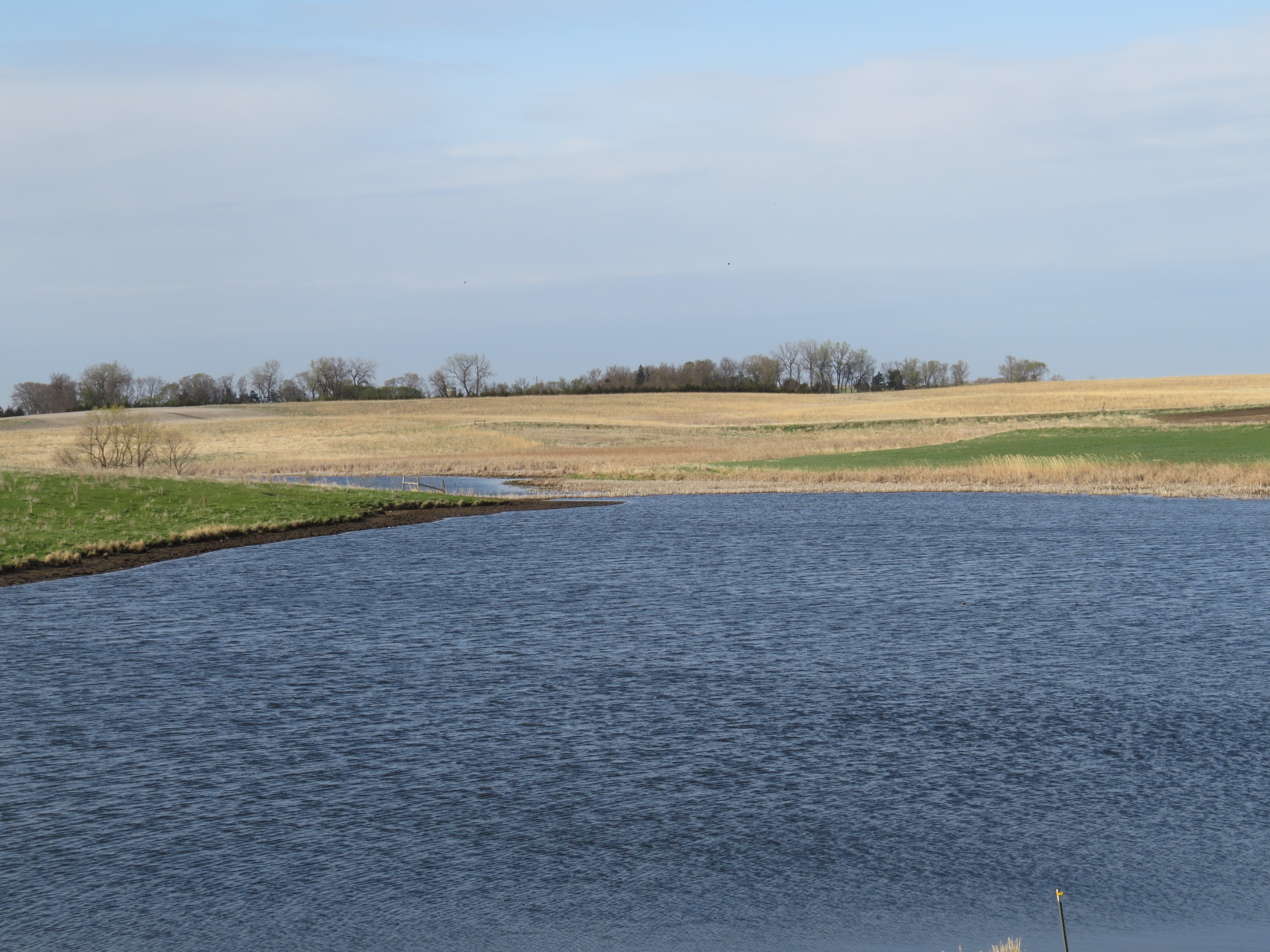
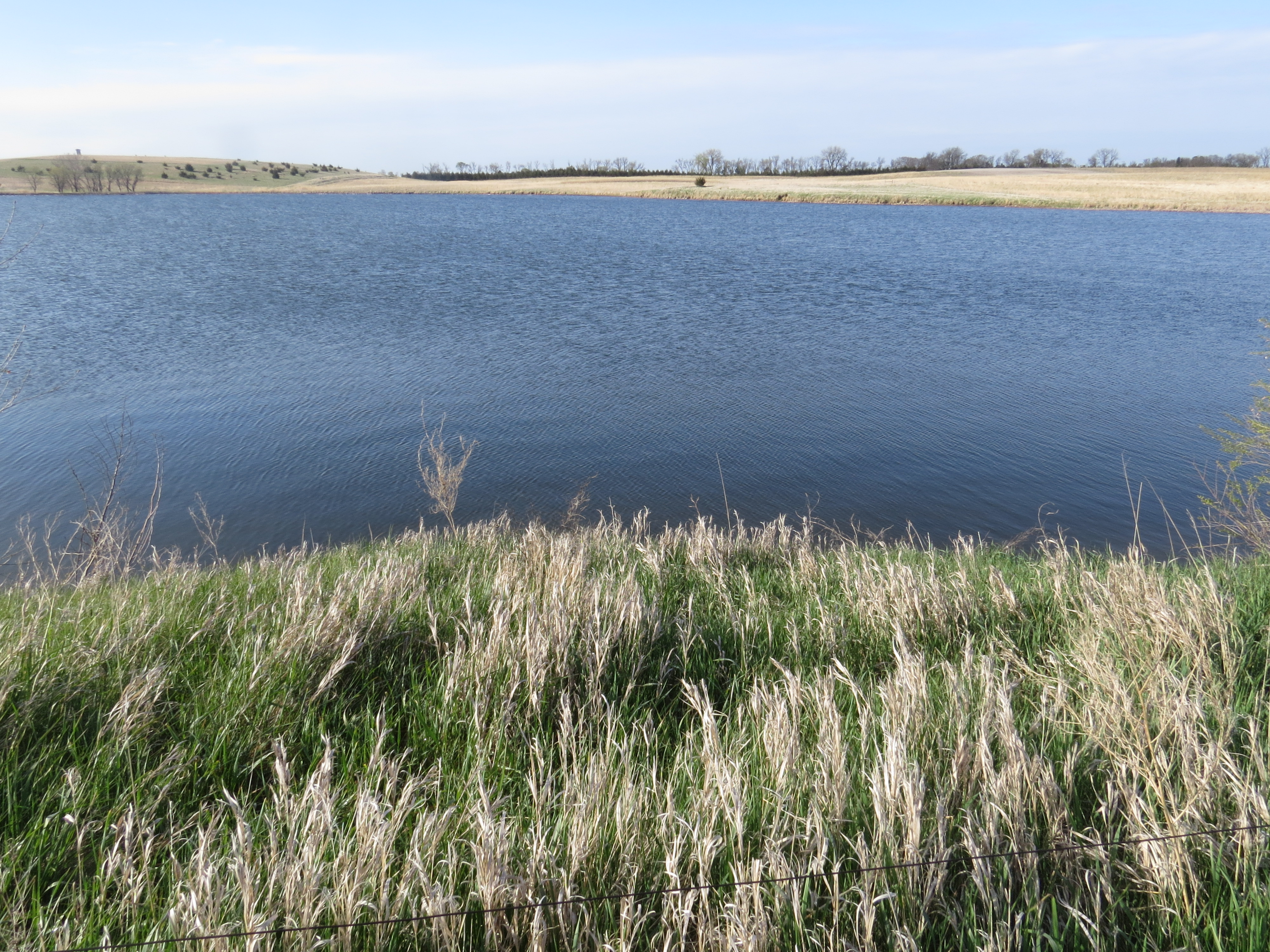
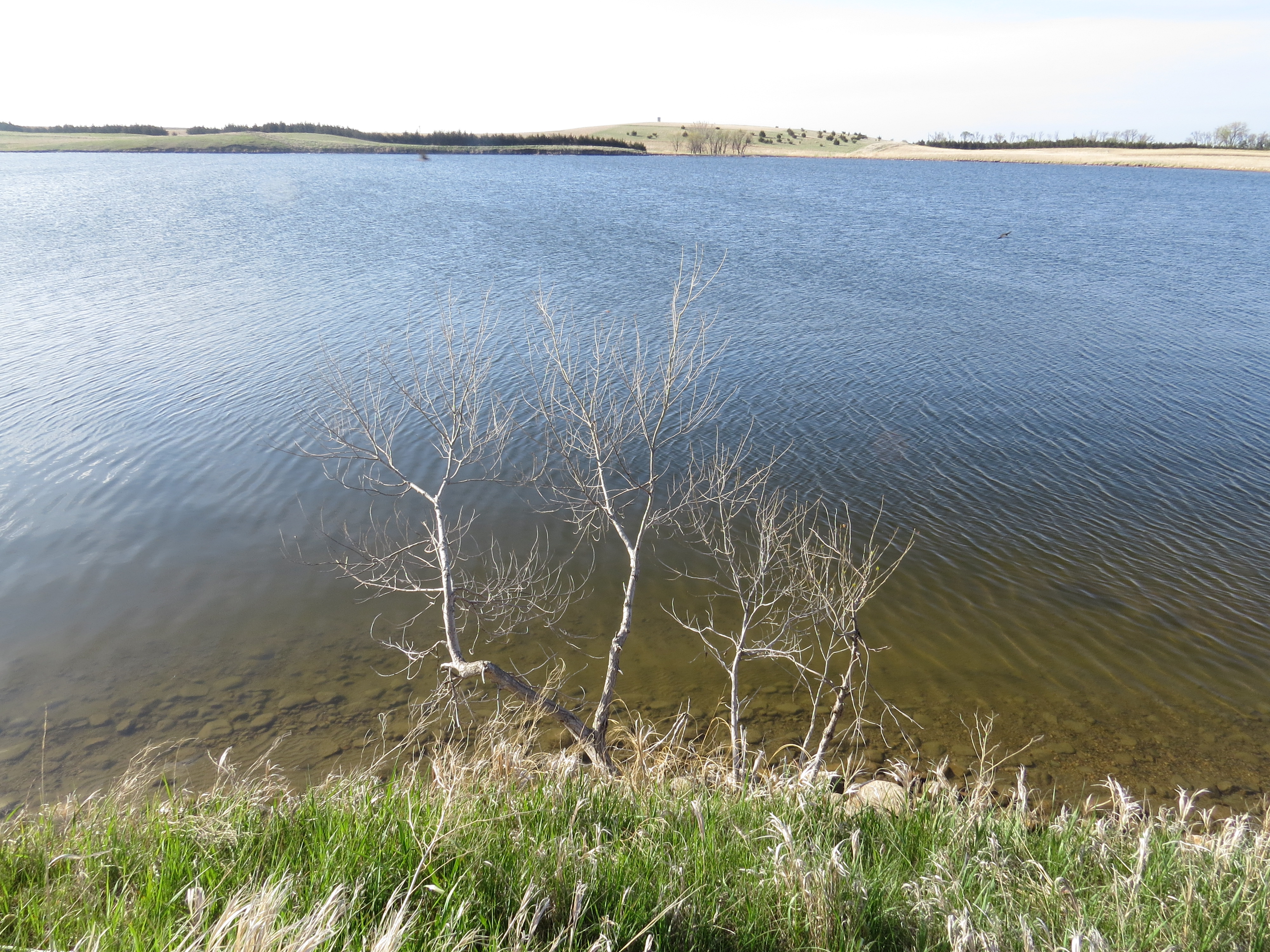
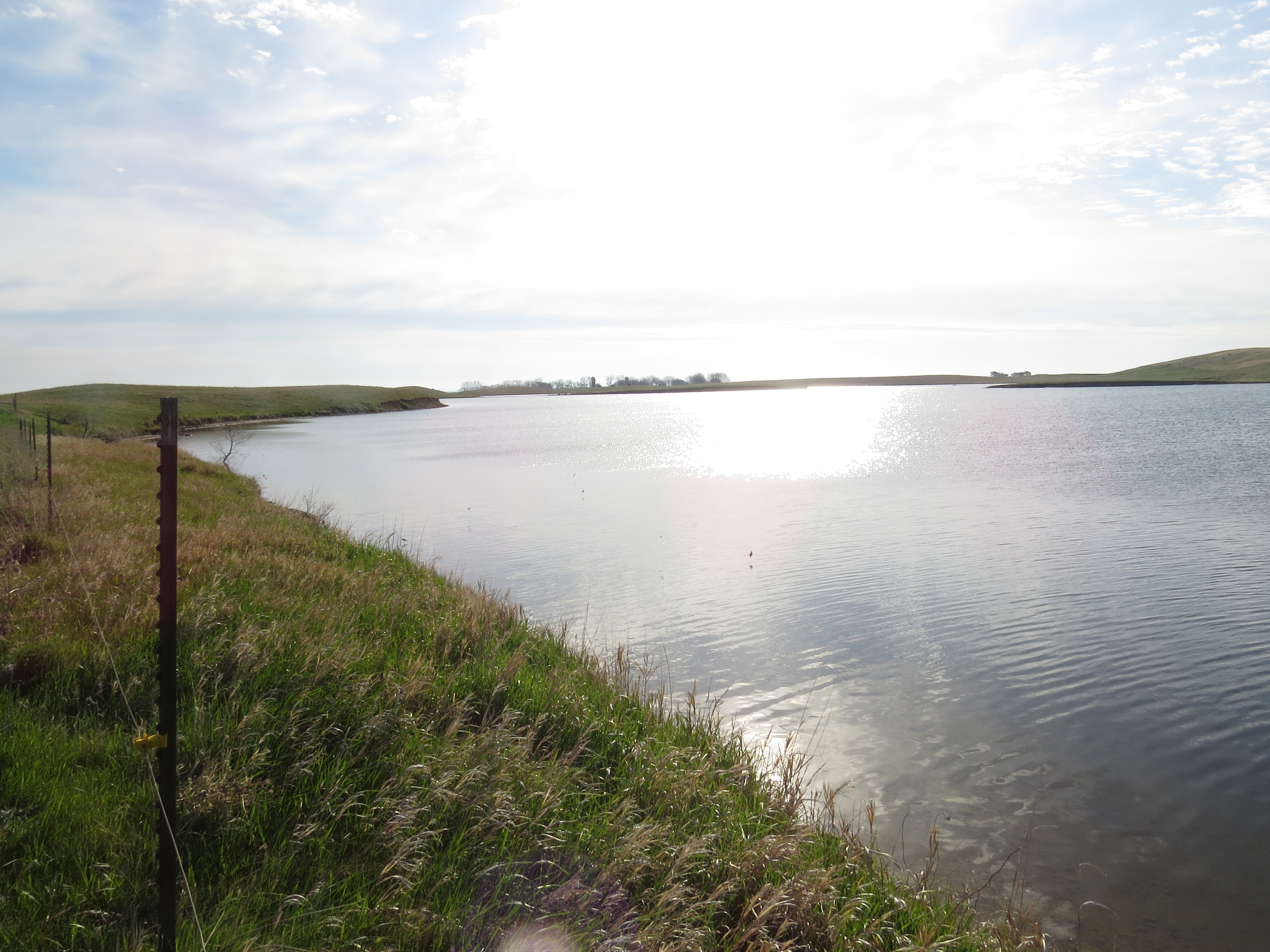
Water has taken up a larger space in this place than it did four decades ago. We used to be able to drive between the two ‘ponds’ of the slough; now the slough is a lake.
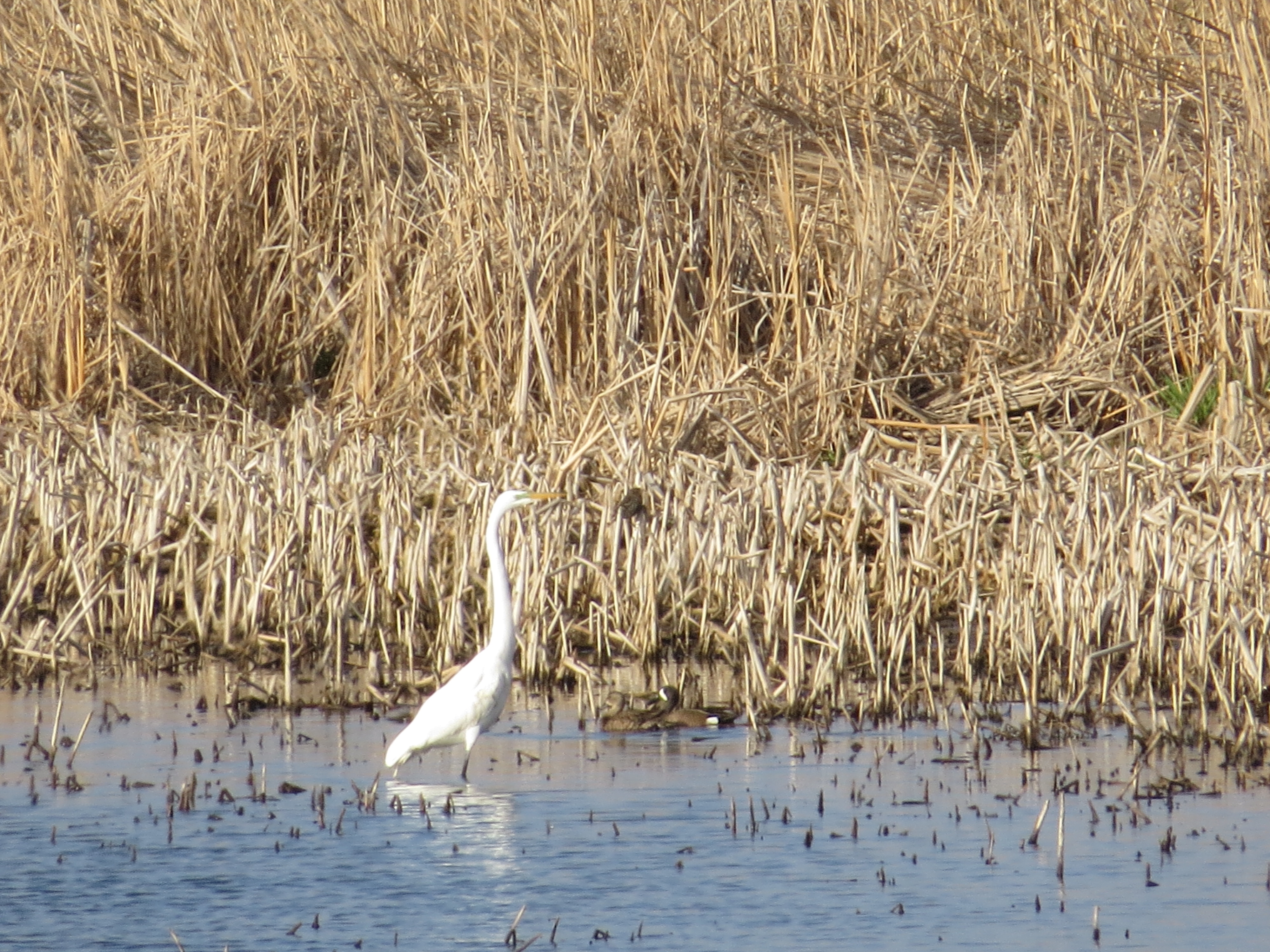
Along with the water comes more inhabitants of the water. Actually these amazing birds are inhabitants of all three elements—nesting and feeding on the land, feeding and swimming in the water, and flying through the sky. A Great Egret stands regally in the water, overshadowing the two ducks swimming nearby.
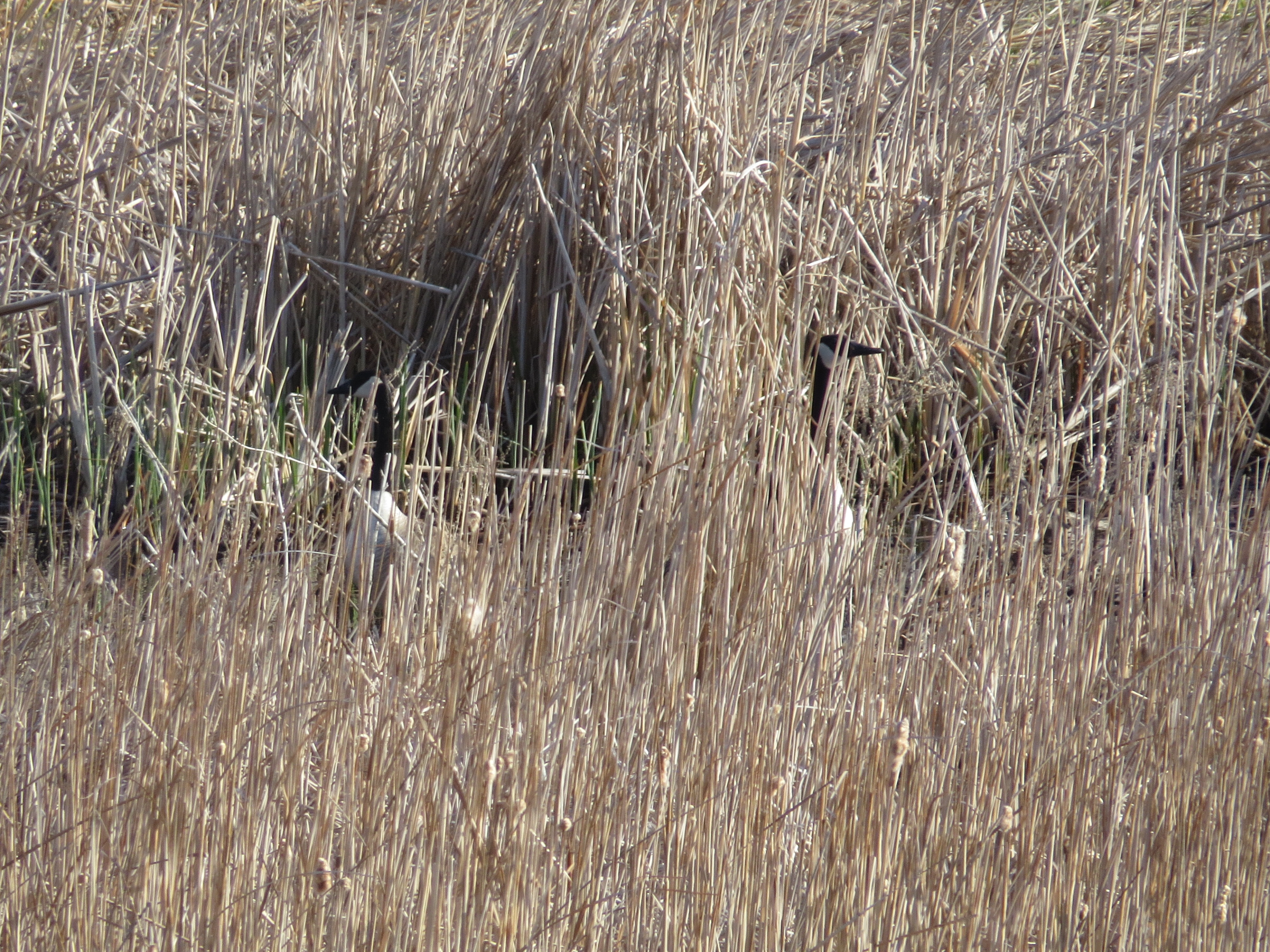
Last year’s cattails provide cover for the Egrets and Canadian Geese for nesting and hiding, though my Mom saw a sneaky Coyote disappear into the rushes, probably for a nest raid.
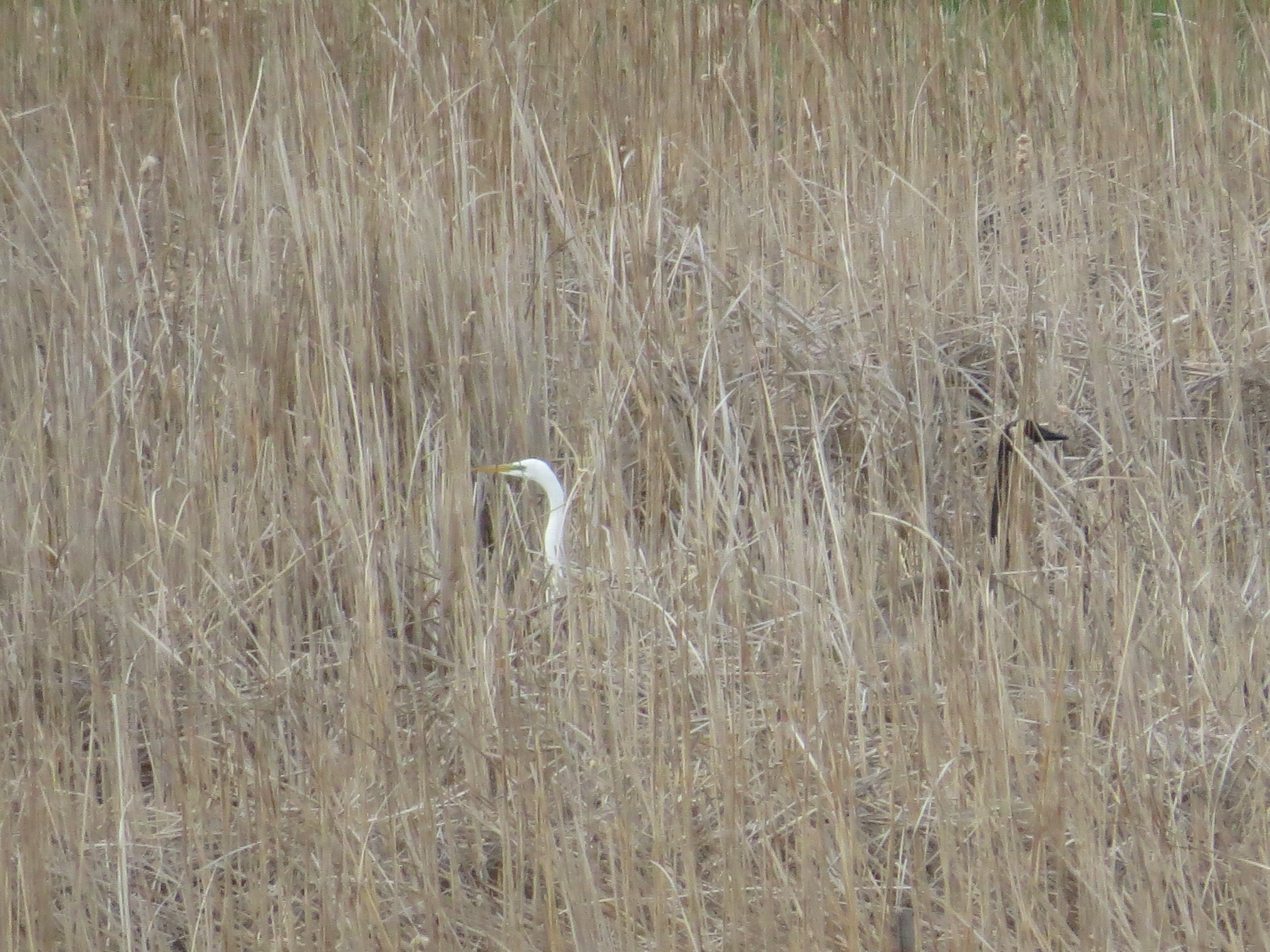
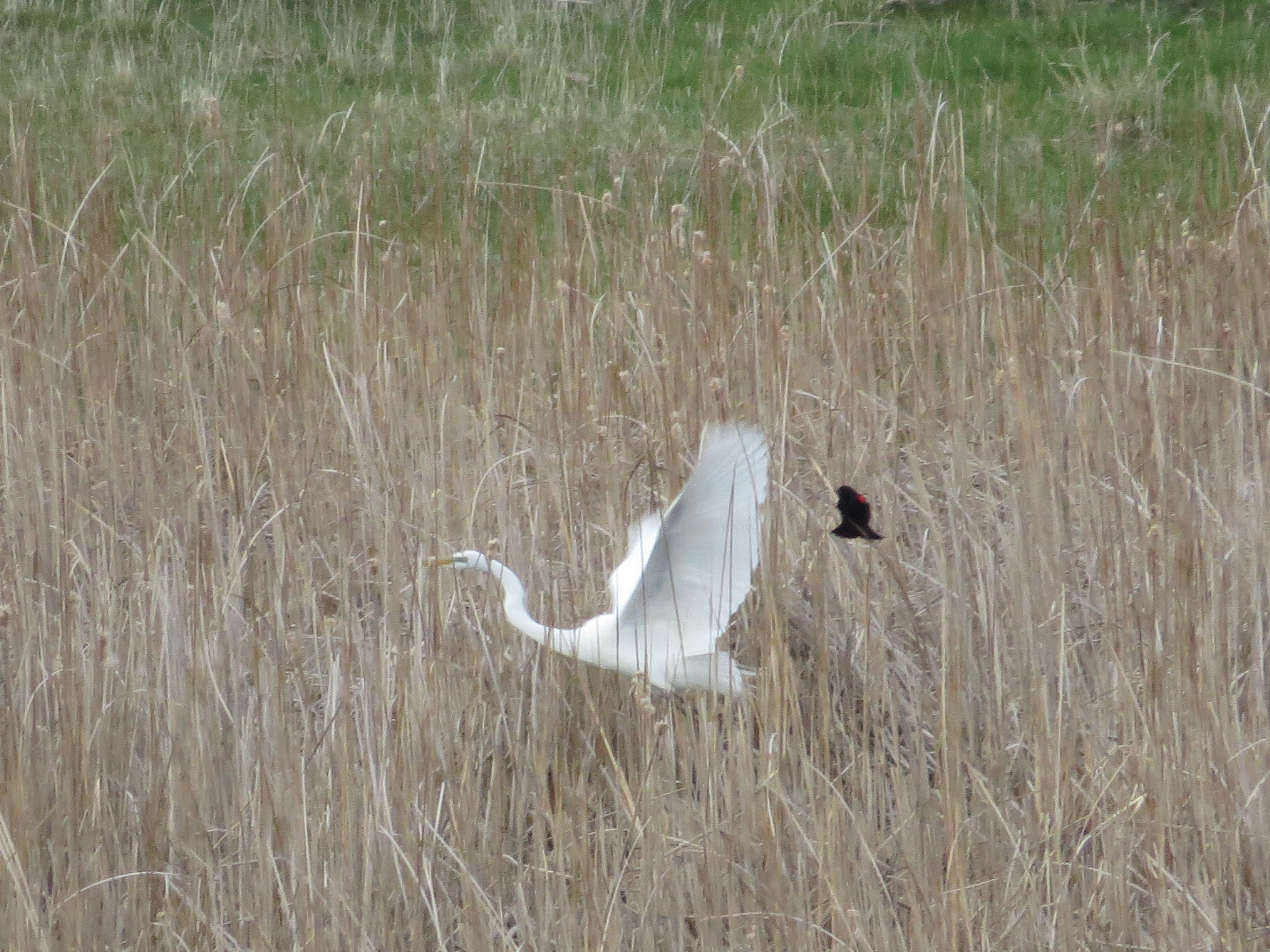
Look at the wingspan of the Egret! Makes the Red-winged Blackbird seem small in comparison. What an elegant bird!
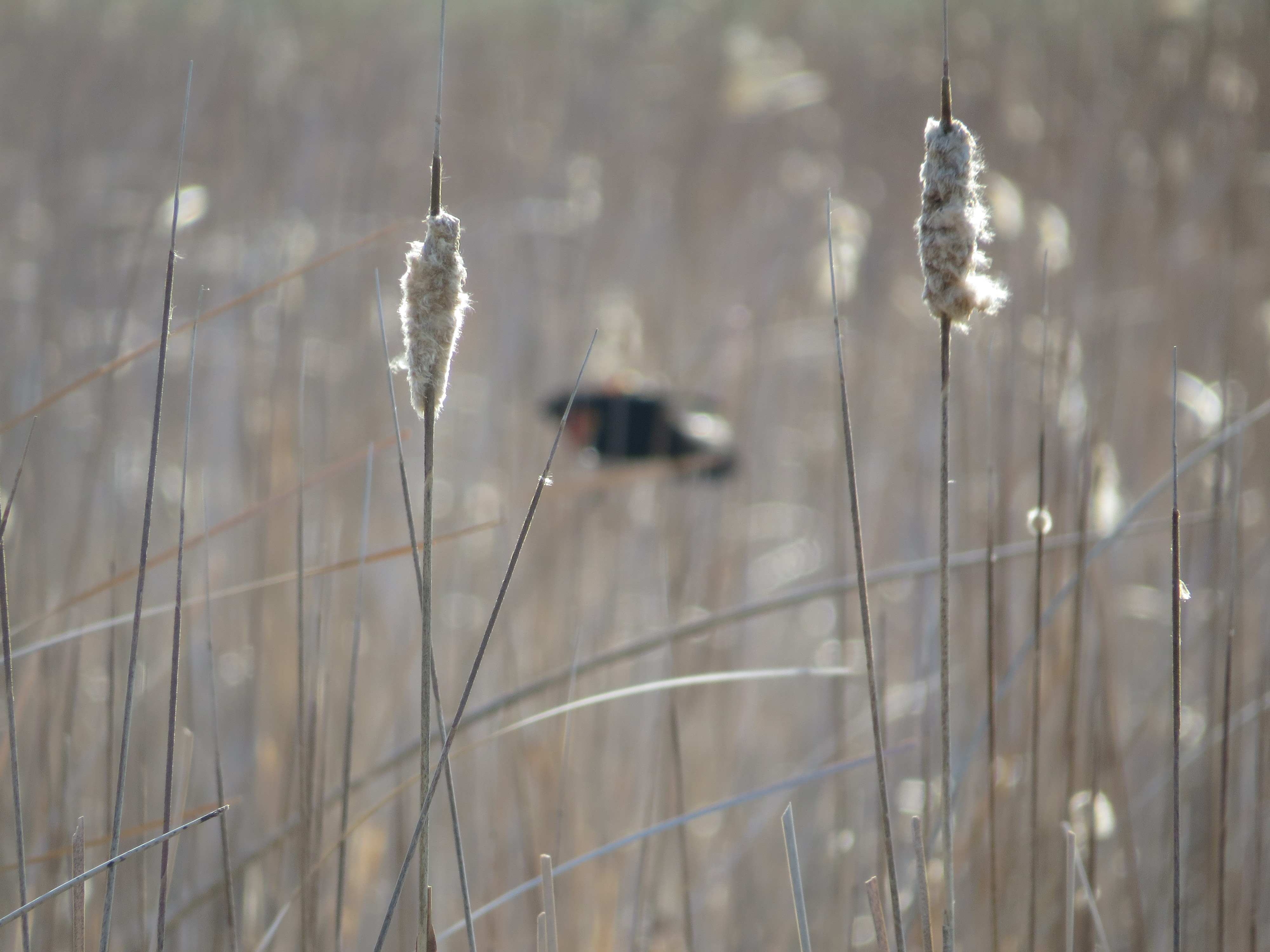
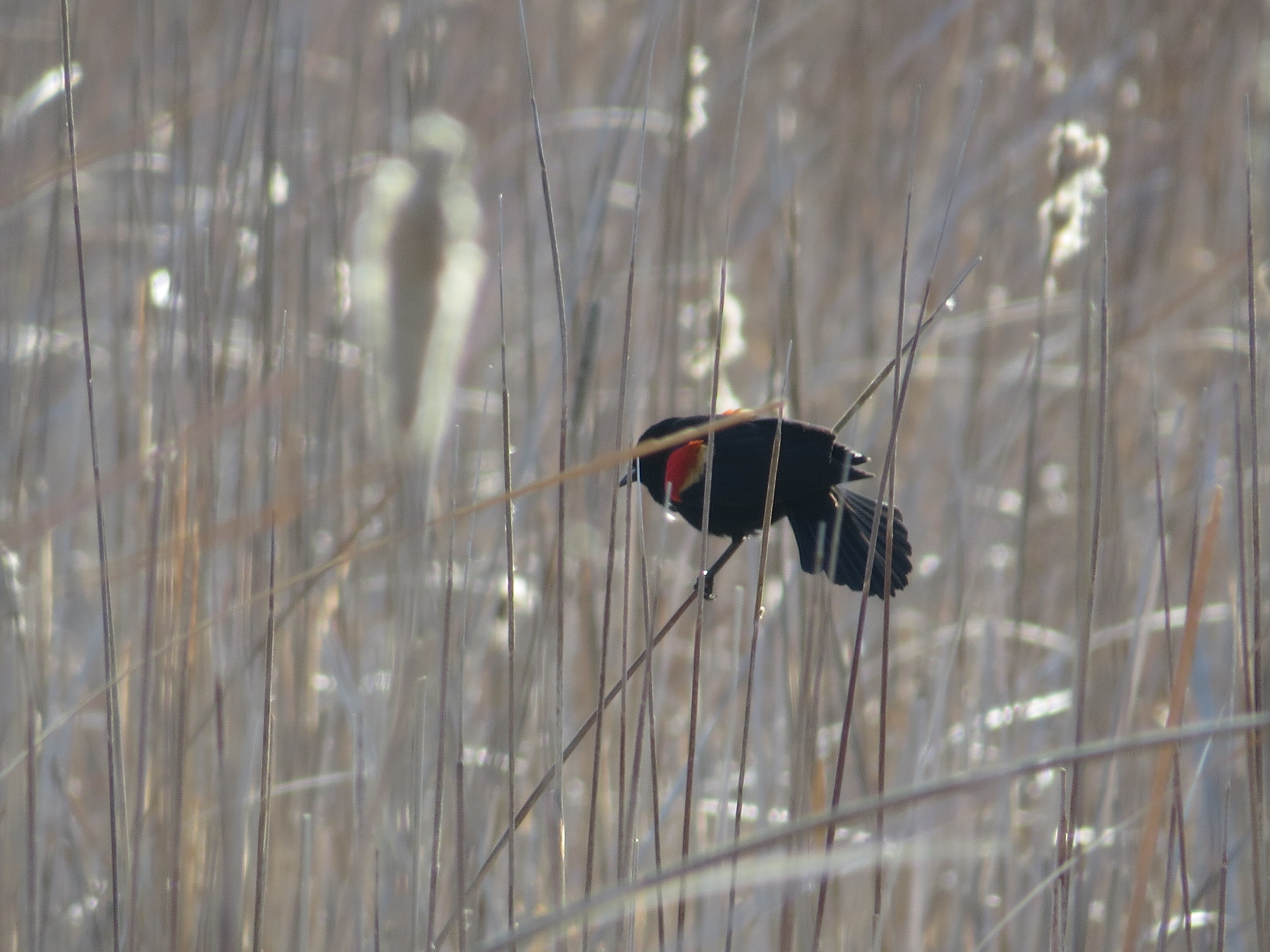
Songs of the Red-winged Blackbirds fill the air as they perch precariously on the dried stems of cattails. The distinctive ‘chit’ and trill are an iconic sound of wetlands, where land meets water.
Pelicans, despite their large, bulky size, are at home in the sky or water. When flying, they soar through the air in groups, often spiraling with slow, methodical wingbeats.
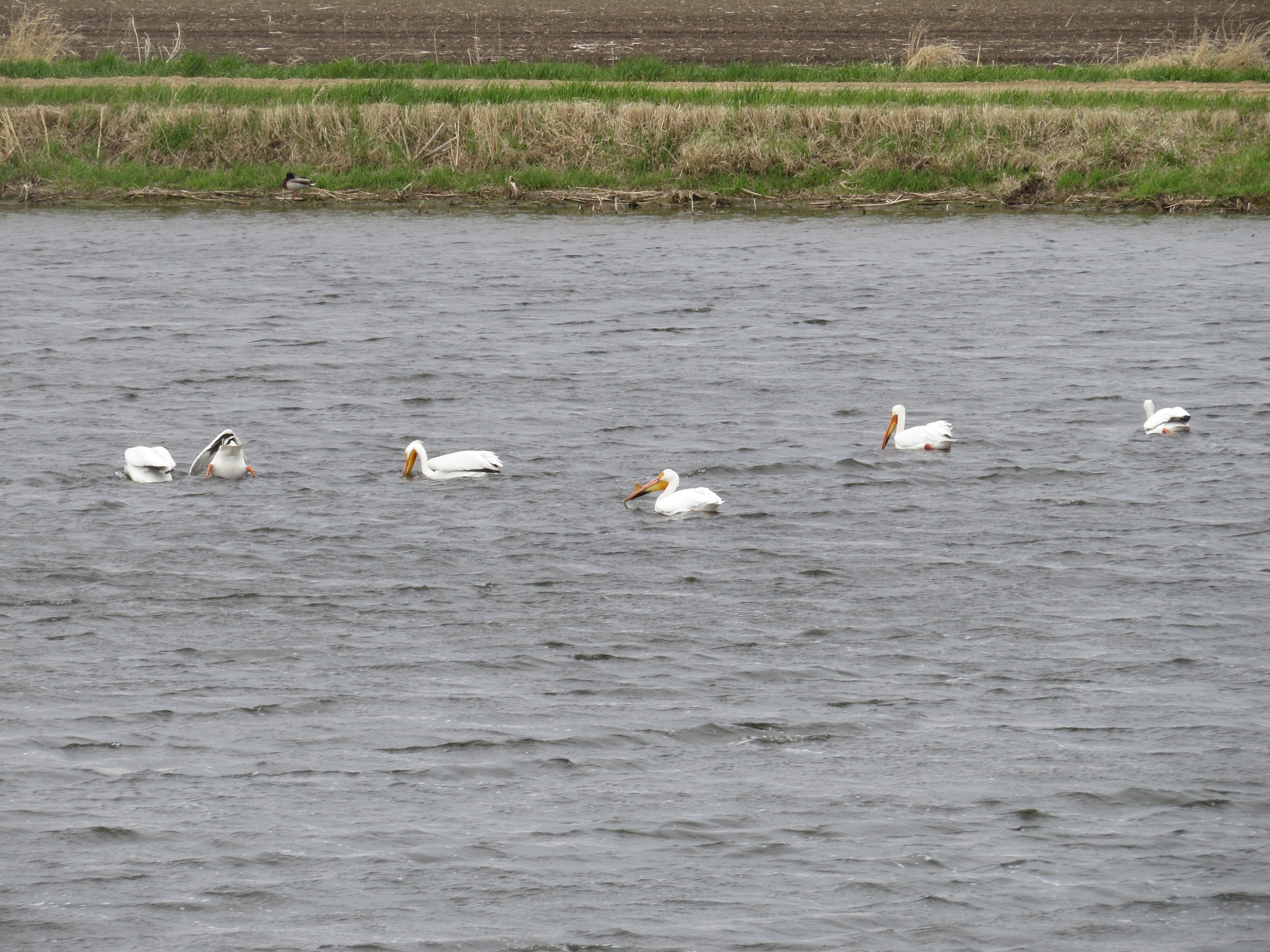
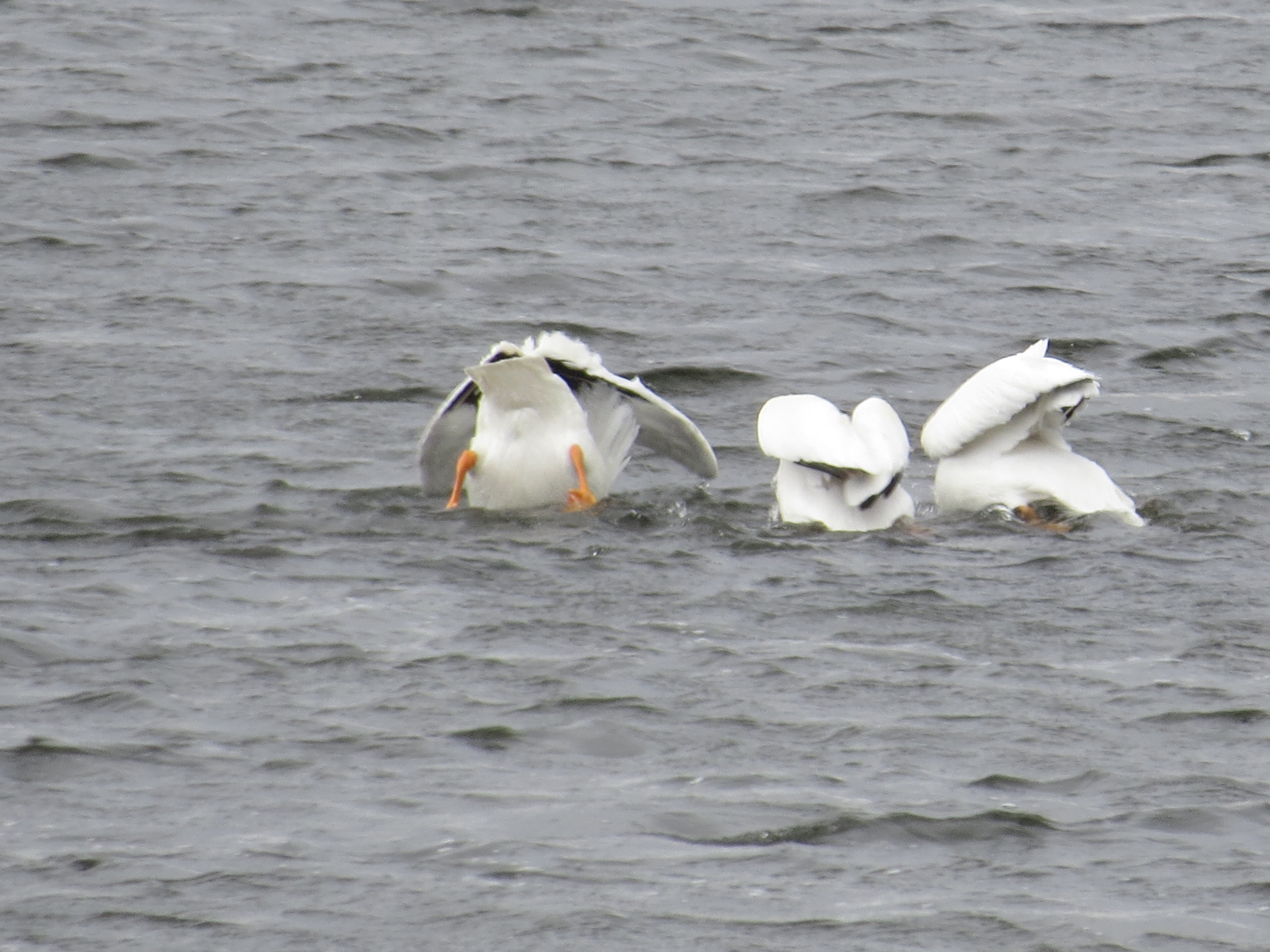
A group of pelicans can corral fish together for easy food gathering, then either dip their big, pouched bills into the water or go bottoms-up like a dabbling duck.
Breeding adults grow a vertical ‘plate’ on the upper mandible, giving them a prehistoric look.

Where land meets water meets land. We are drawn to bodies of water. Native peoples made their homes by rivers, lakes, and oceans, settlers chose land that offered life-sustaining water, and today, people aspire to ‘live on the water.’ What does water offer us? Basic nourishment of life, cleansing, fluidity, a mirroring of sky and self, fun, and even escape.
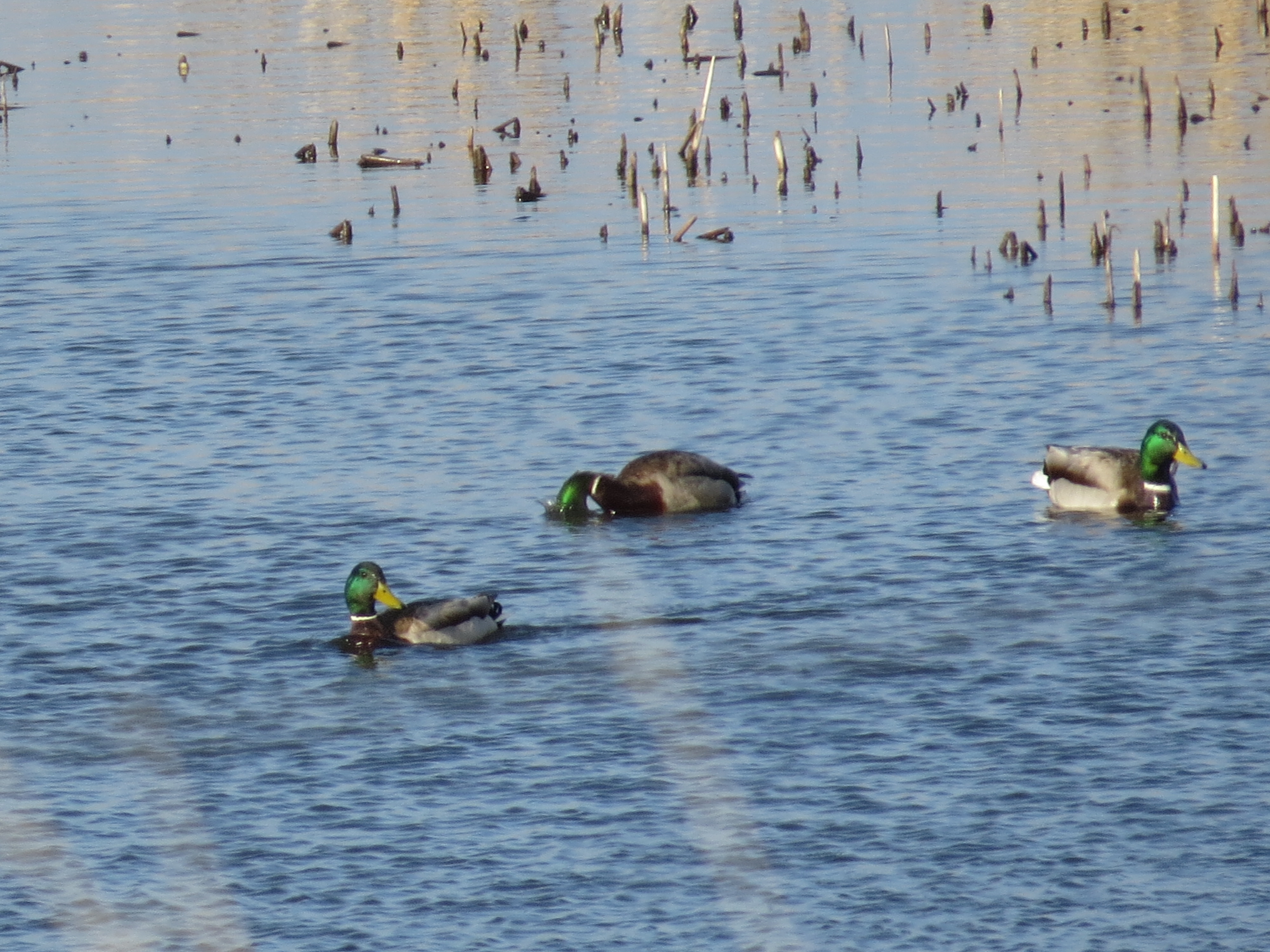
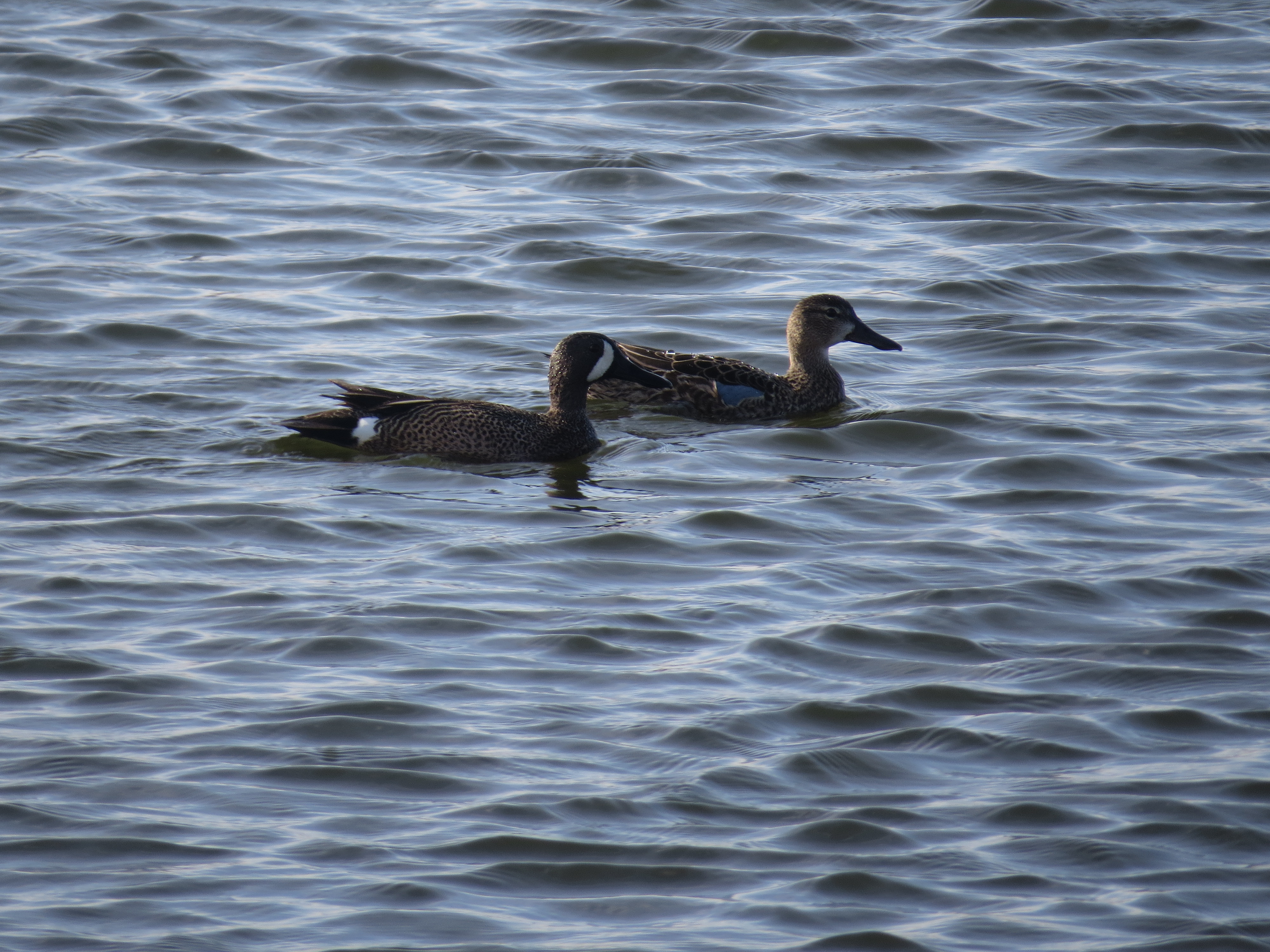
A small group of male Mallards with their shiny green heads and white-banded necks swam and ate, while a pair of Blue-winged Teals glided effortlessly together.

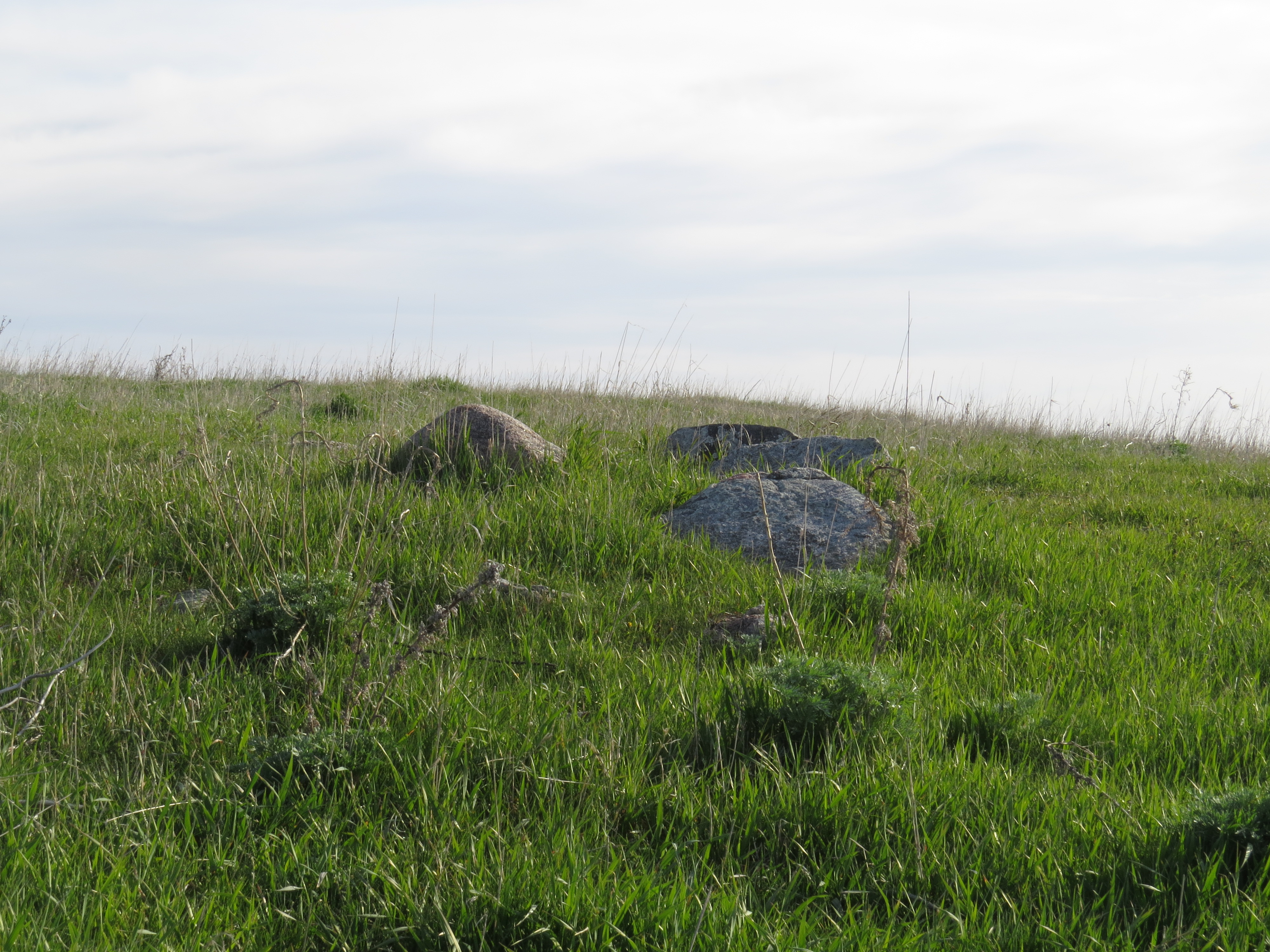
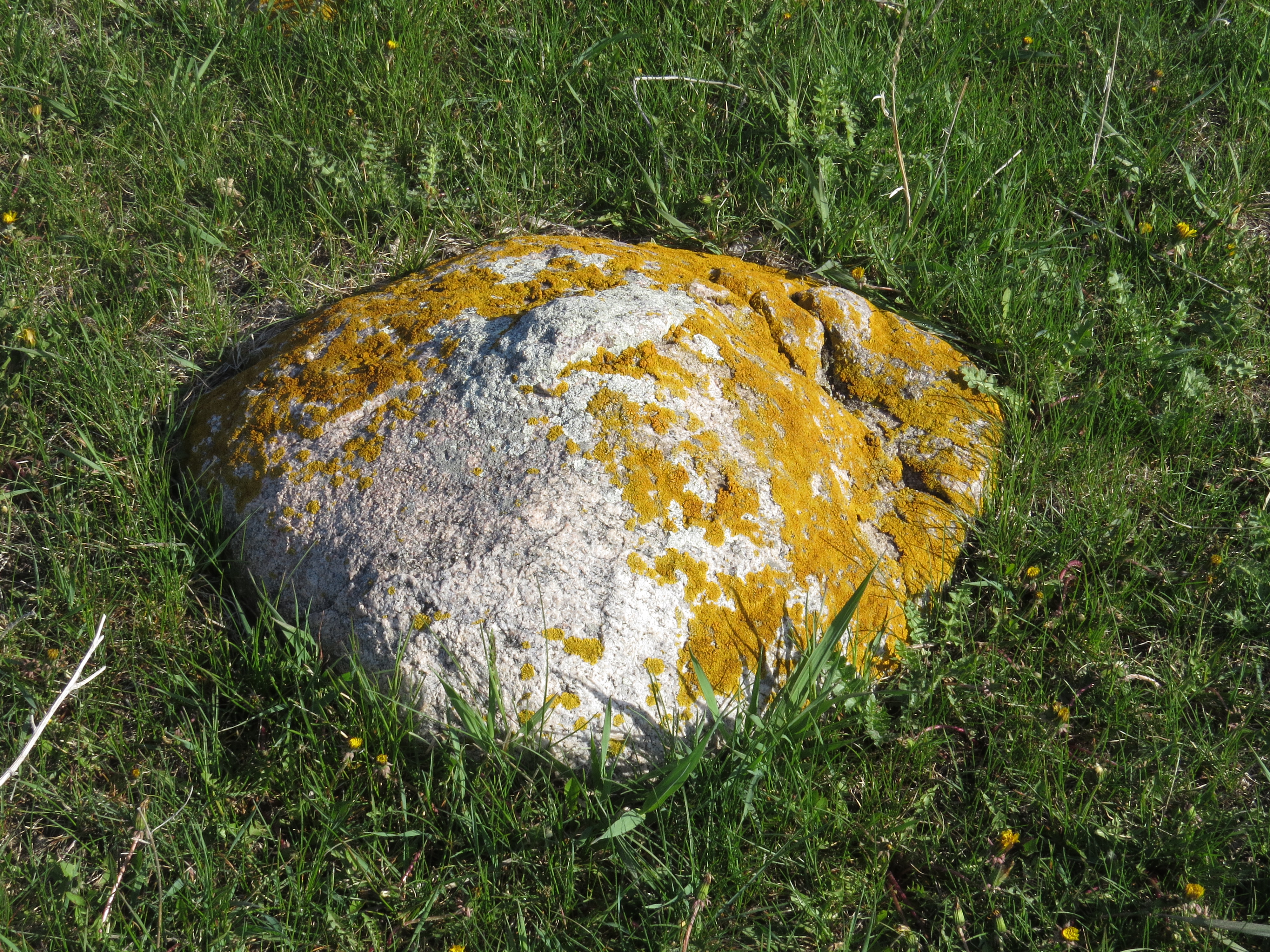
Rocks are part of the land—the bane of a tilled field, a pedestal, a stumbling block, or a sacred marker.
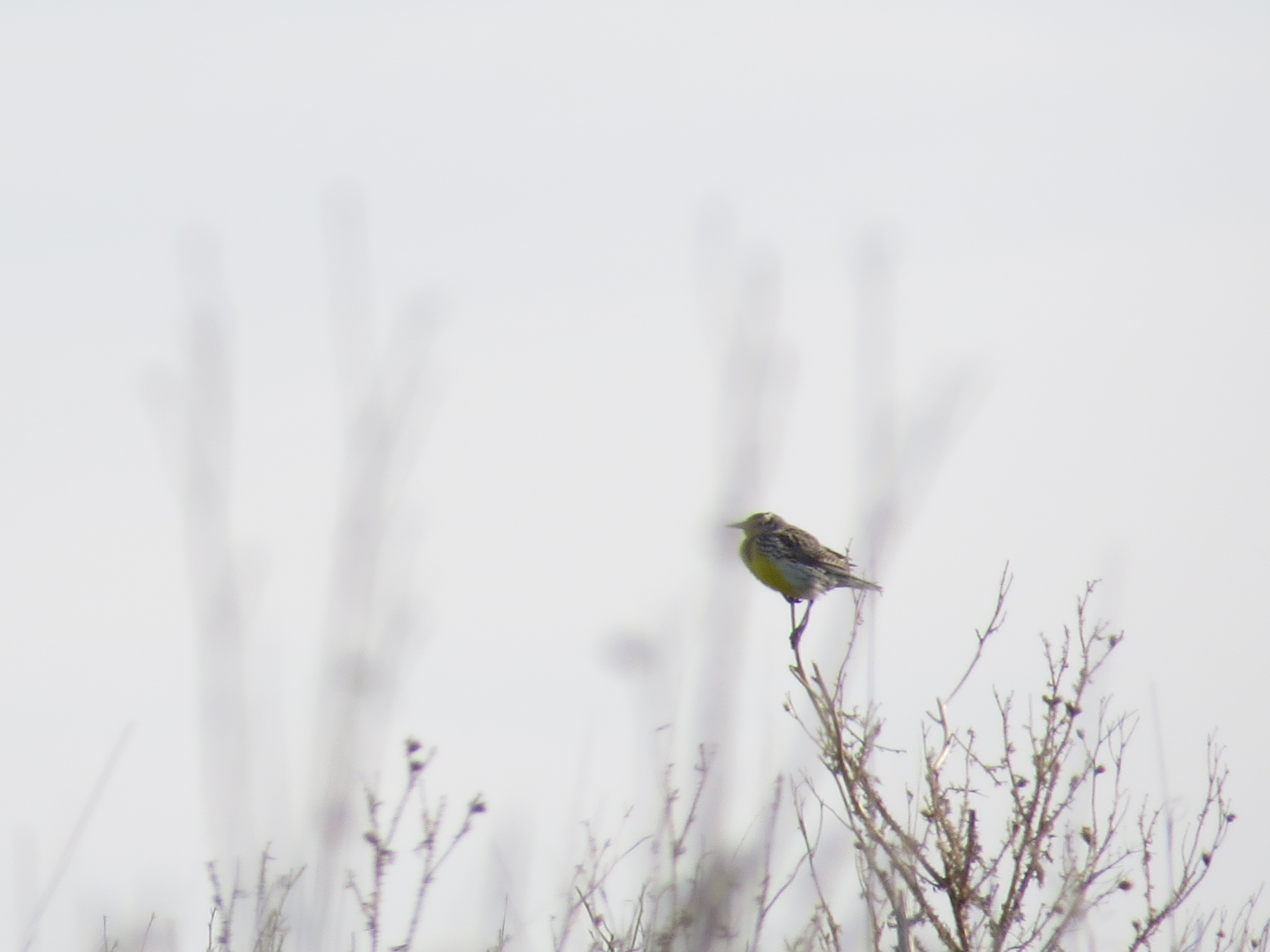
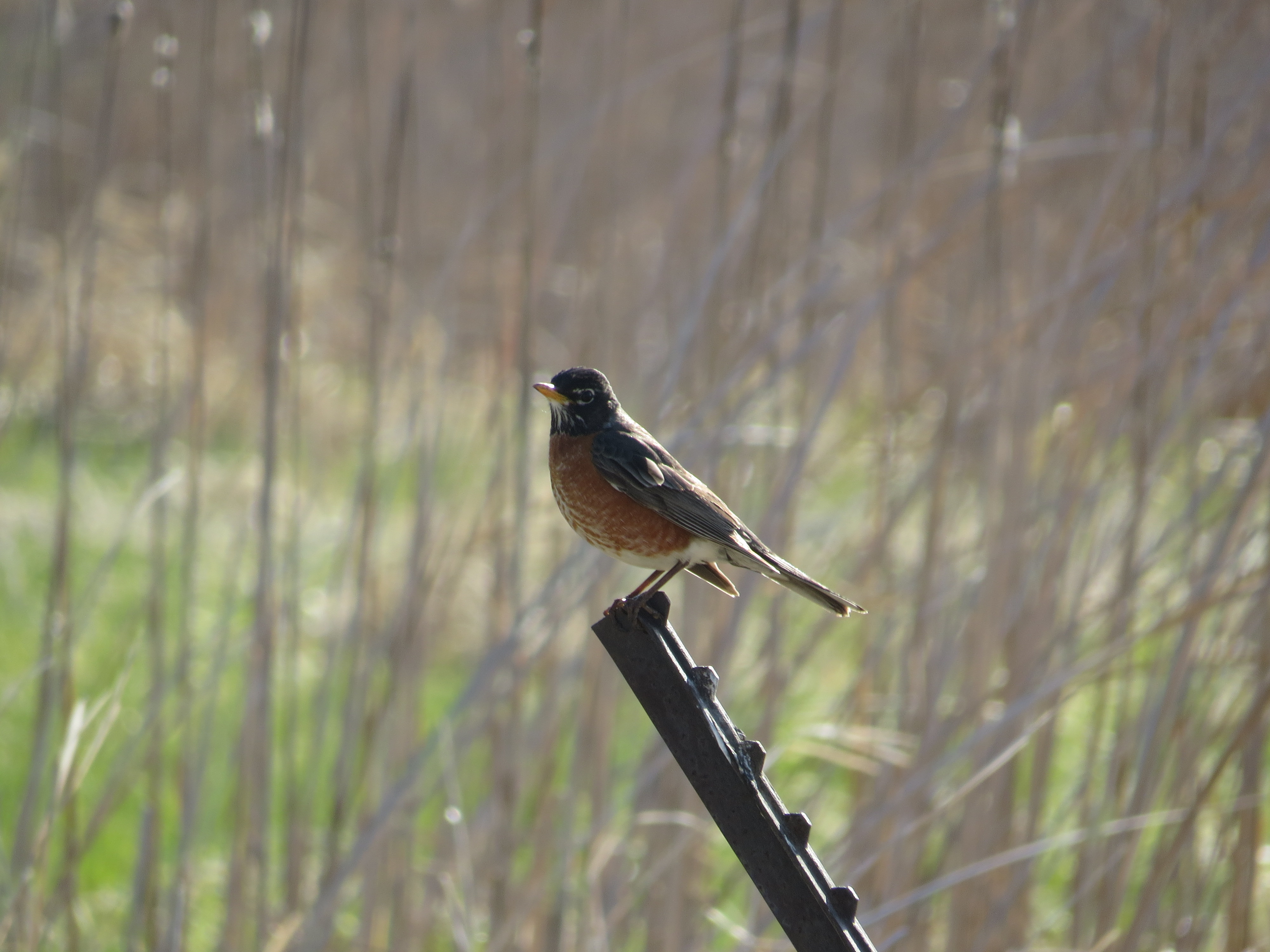
One of the ‘land’ birds I have missed hearing and seeing since moving to Minnesota is the Western Meadowlark. It’s not that Minnesota doesn’t have them; they just aren’t as readily seen, as they prefer open prairie and fields. I heard the flute-like warble before seeing him, and I was happy to catch a glimpse of the yellow-breasted songster.
The slough-turned-lake has carved out the land to a steep bank where lives an apartment full of Bank Swallows. The morning was chilly and windy when we walked the pasture, but the sun was warming for the little Swallows perched on a tree branch.


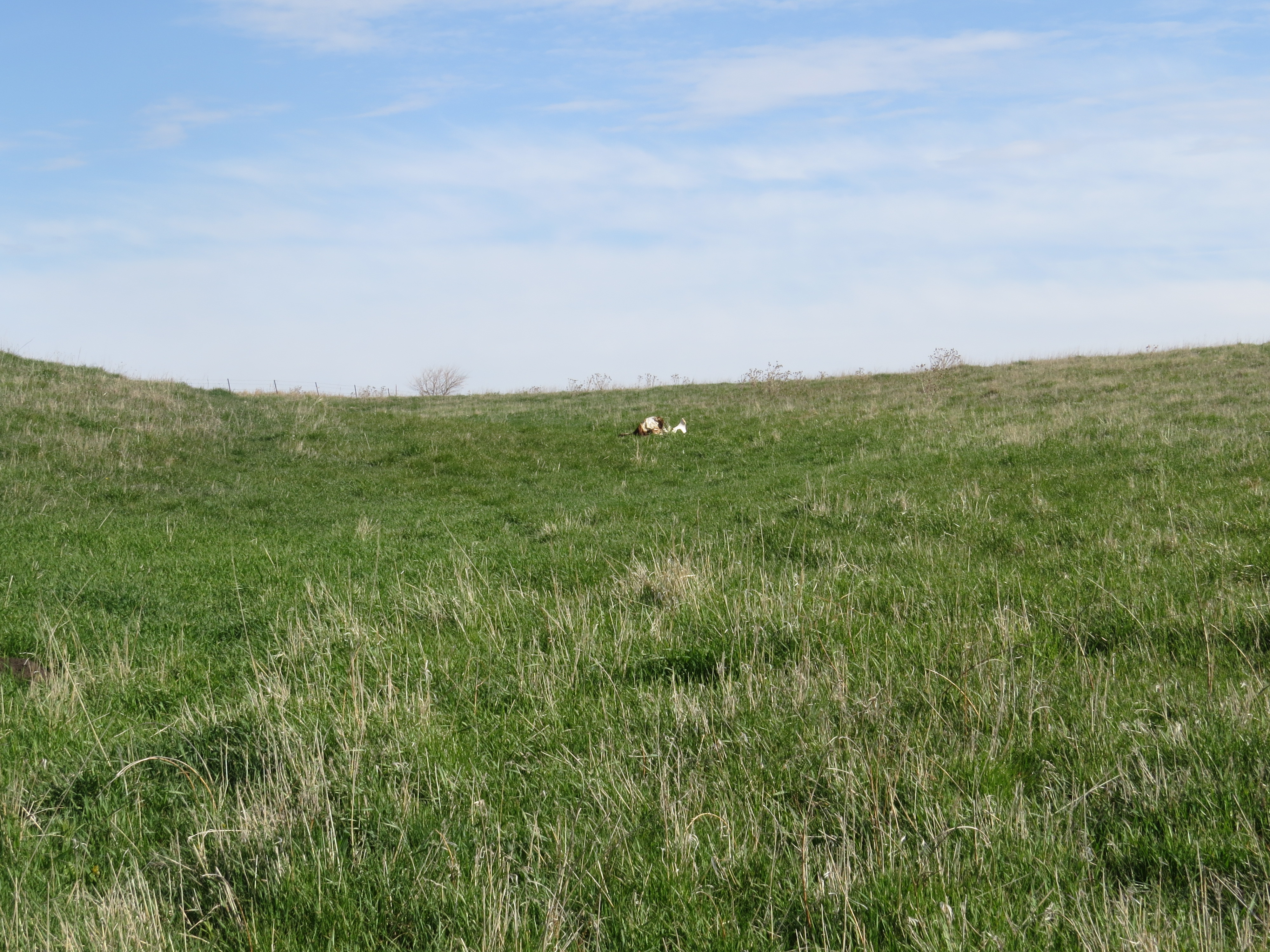
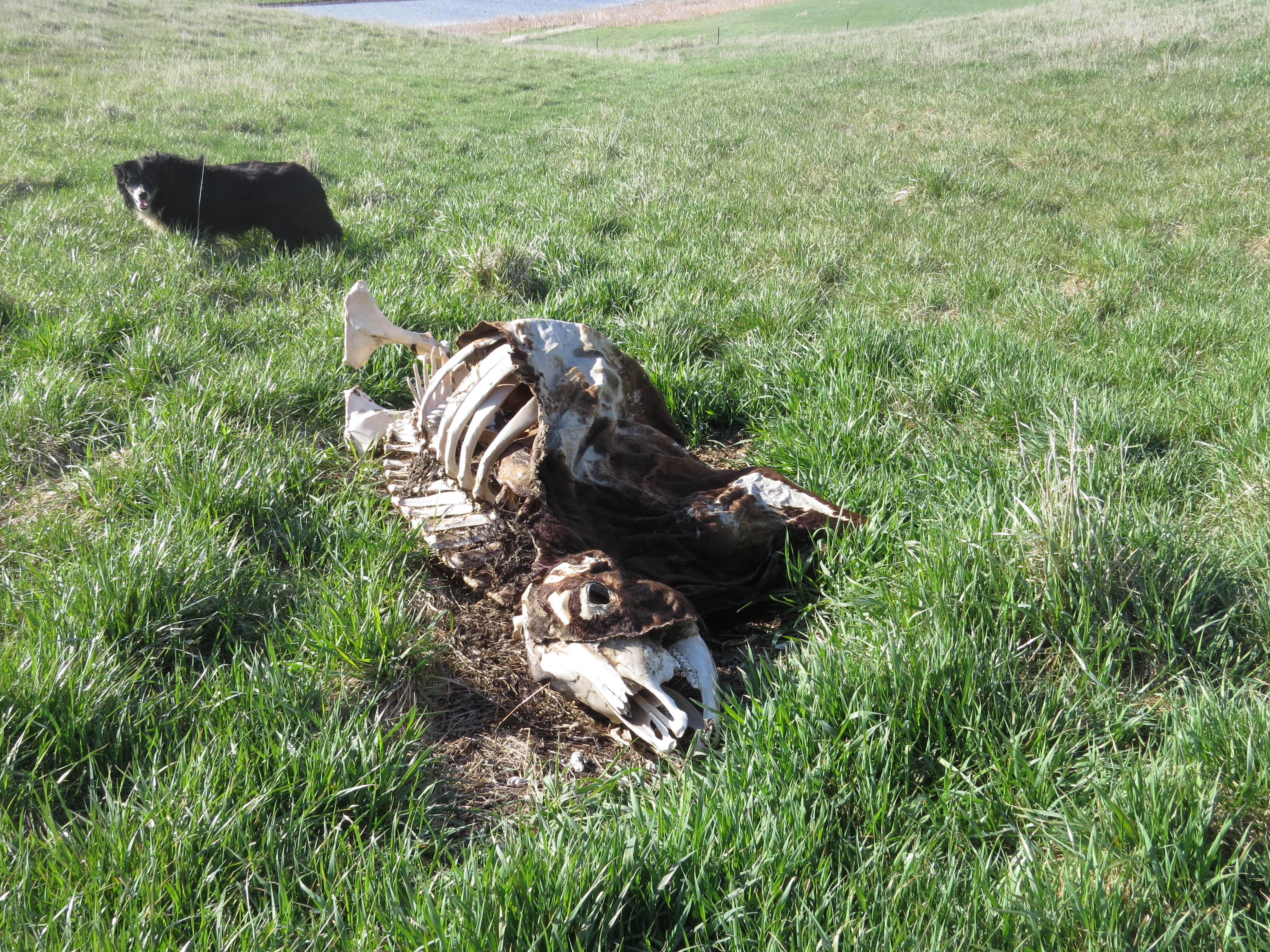
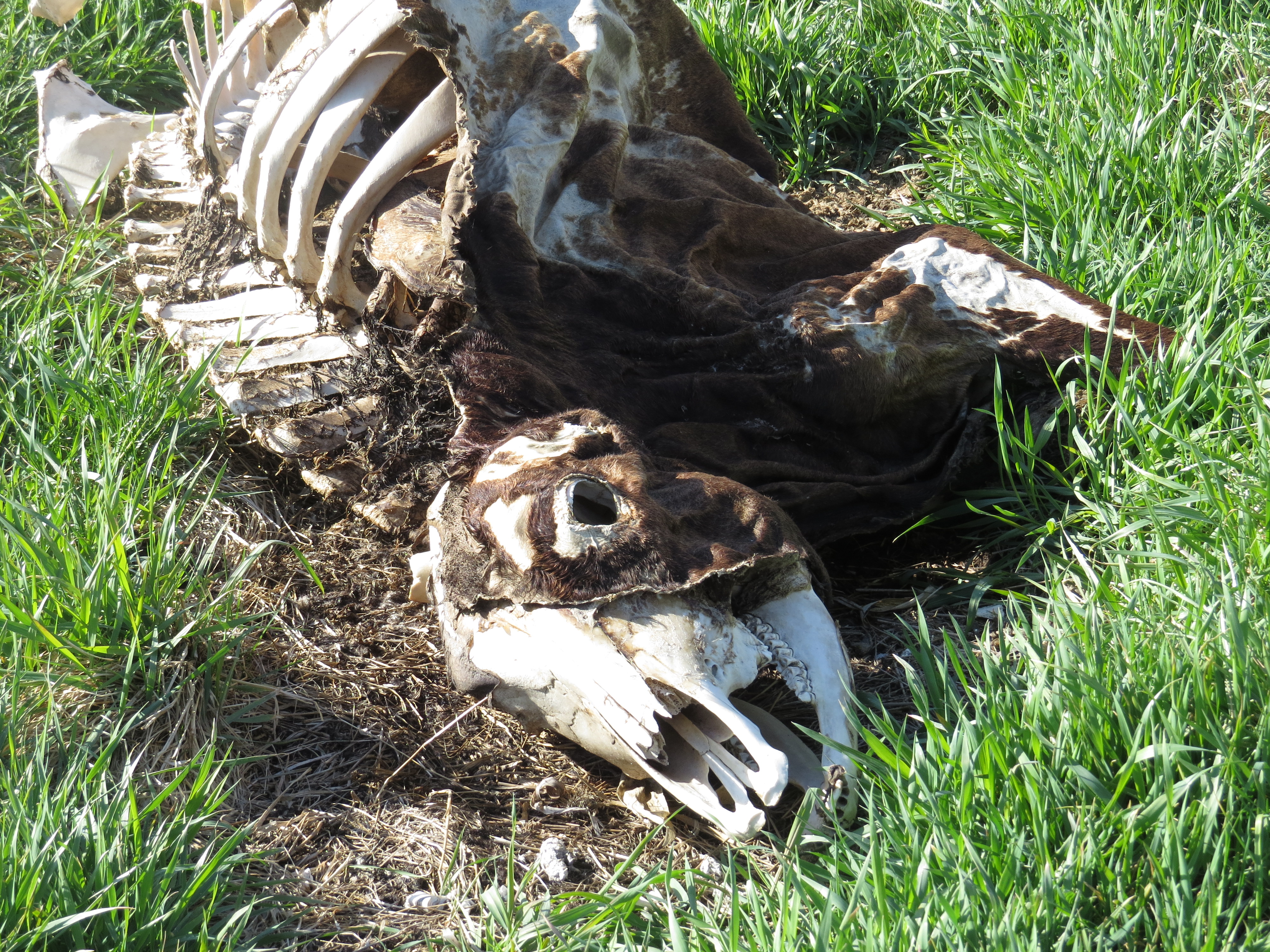
The land is where we return to, no matter to what species we belong. We’re not sure of the story behind this cow’s demise, but the circle of life goes on. Critters of various kinds were nourished by the carcass in its decay.
We feel a kinship to the land, especially those whose livelihoods are dependent upon it. Land is the fertile mother where everything grows in mind-blowing abundance. We feel a sense of place with the land, of grounding, and of habitat. What does the land offer us? Steadiness, protection, constancy, food, beauty, and bounty.
I think we tend to make life more complicated than it really is, even though simple things, as with the prairie and sky, are intrinsically very complex. So there may be value in distilling one’s life down to three essential elements. My mind has been contemplating that since I posed the question in the opening paragraph—before sleep and upon waking are good times to examine your own conscious for answers. The first to come to my mind was ‘home.’ It is my grounding place, the place where I have generally felt safe and at ease. Home is my ‘land,’ and land is my home. It is impossible for me to ‘feel at home’ without some land to walk on, to care for, and to grow things on. It is also the place where most of my nourishment comes from, as eating at home has always been my norm. My second essential element is ‘learning.’ Curiosity and learning have been an integral part of my life since before I can remember. It is the realm of a child’s mind when developmentally, every encounter is an opportunity to learn. Why do some people lose that, I wonder? Learning is my ‘sky.’ It is what makes me a scientist and a seeker of spirit. It is a place of endless questions, of potential and possibilities, of awe and hope. My third element is ‘love.’ It is what we are drawn to, where we want to settle, and is life-sustaining. Love is my ‘water.’ It is a mirroring of self, a place where we can cleanse away past trauma and hurt, a place where we can have fun. Home, learning, and love are all intertwined for me, just as Earth’s three essential elements are a part of and fundamental for the birds, and in essence, for all of life. What are your life’s three essential elements?
Belle Prairie Shows Us ‘La Vie Est Belle’
I am a resilient optimist. Optimists have high hopes for the world around them and high expectations for the people in that world. Actually, I don’t even consider them to be ‘high’ expectations—just good, normal expectations, like ‘don’t lie, don’t cheat, be kind, have compassion, think of and help others, don’t be a bully.’ I think every religious and spiritual text says the very same thing. My optimism has taken a beating in the last number of years; my ‘rising’ with hope and ‘things will be better’ has been more feeble, less adamant, and much less cheerful. My resilience and love and optimism have been melting from my heart and running like a river away from me to some unknown place that I have no map to find.
Last weekend Chris and I hiked at a park ‘up River’ from us—one that we hadn’t been to before—Belle Prairie County Park. What a wonderful name! Beautiful Prairie! I wholly agree with the good and right pairing of those two words! But the park has much to teach us—only a small amount of the 145 acres is prairie land. It is a convergence of hardwood forest, Oak savanna, virgin White Pines, and floodplain of the Mississippi River, along with the prairie. The land was originally owned by the Belle Prairie Franciscan Sisters, and after a few changes in ownership, became the first county park in Morrison County in 1980. It is a small park, but one rich in biodiversity, distinct natural ecosystems, and cultural history. The prairie is actually the first thing to see when turning into the park, though like most beautiful prairies, it seems overshadowed by the trees and the water.
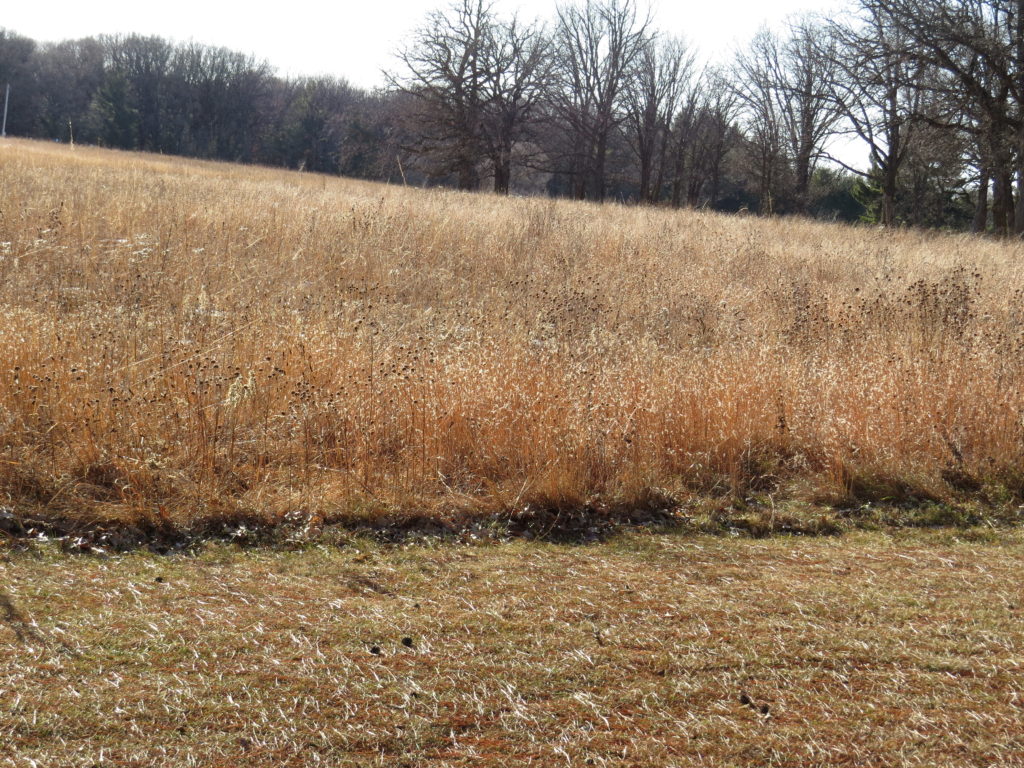
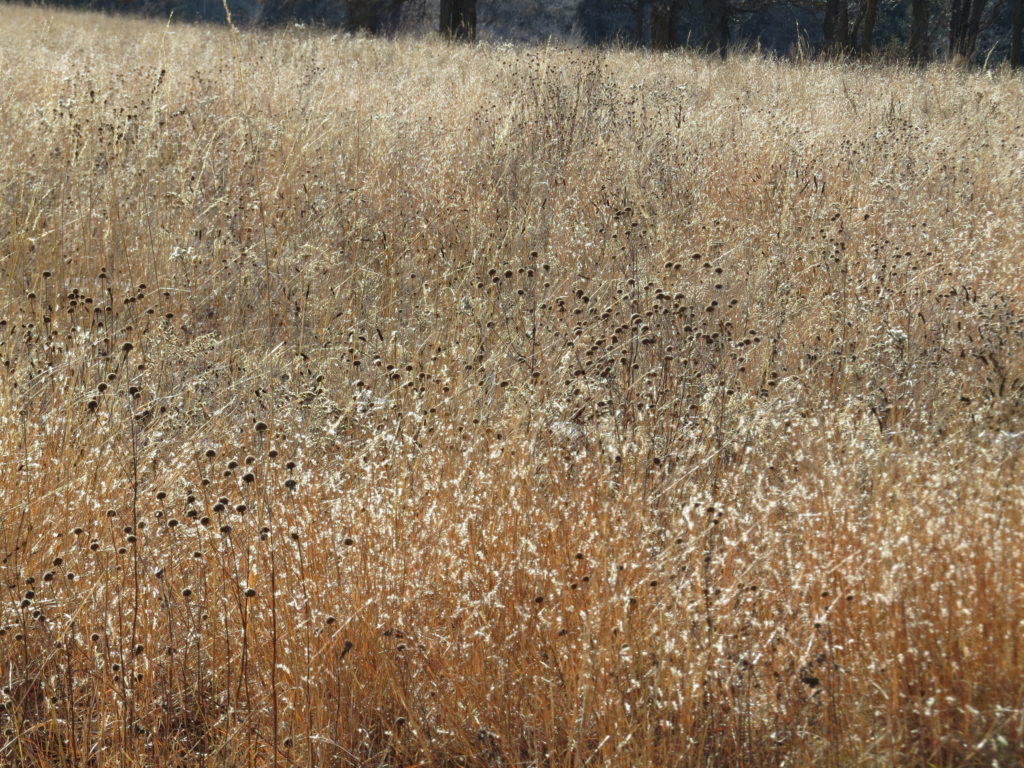
The prairie reaches into the Oak Savanna that contains scattered large Oaks. Just as in so many woodlands and savannas in this area of the country, the noxious Buckthorn had taken over the understory of the Oaks. The large ones had been removed, making it look bare, but a thick growth of young ones were greedily devouring the space and sunlight.
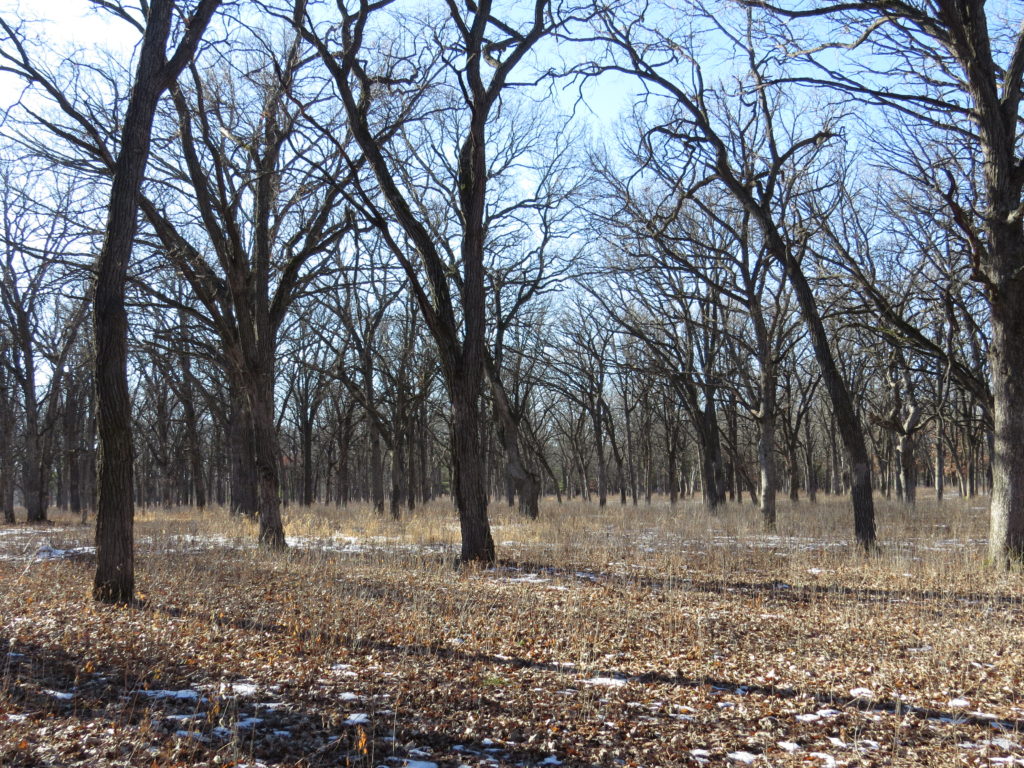
Hopefully in the near future, the Buckthorn can be beat back so the prairie grasses and wildflowers take their rightful place beneath the Oaks.
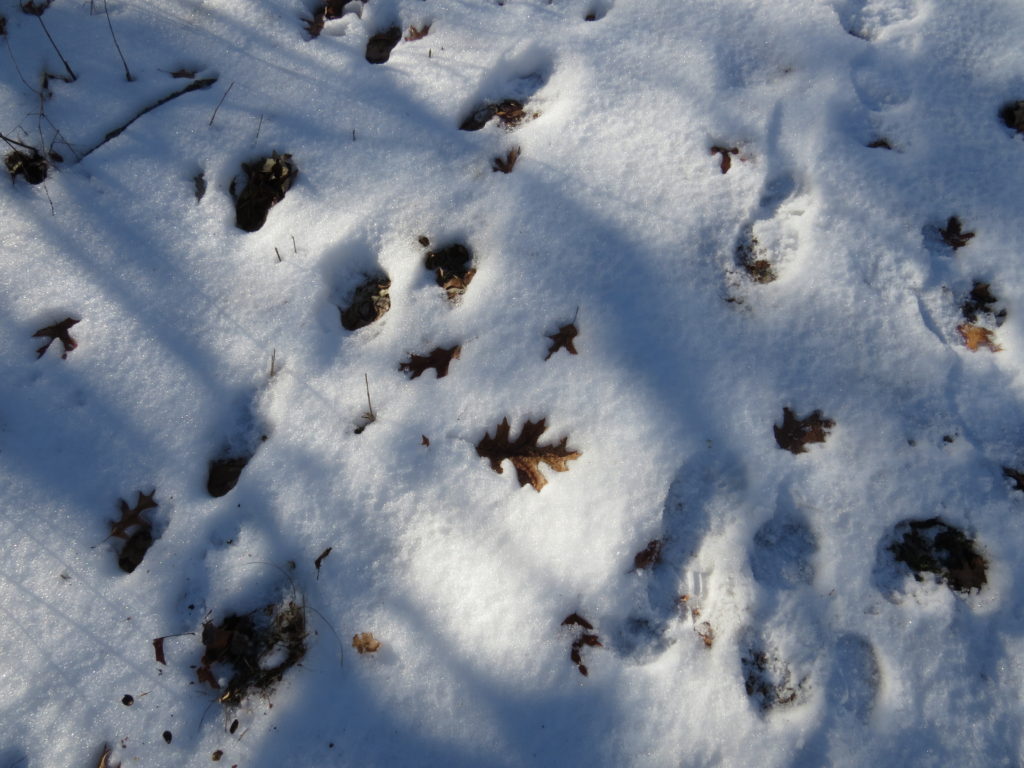
From the transitional Oak savanna, we entered the forest. There were more patches of snow remaining in places that were sheltered from the sunlight. The sun-warmed Oak leaves sank into the snow, a real-life relief of leaves, footprints—both human and deer, and ‘digging spots’ where squirrels and other creatures had dug up acorns.
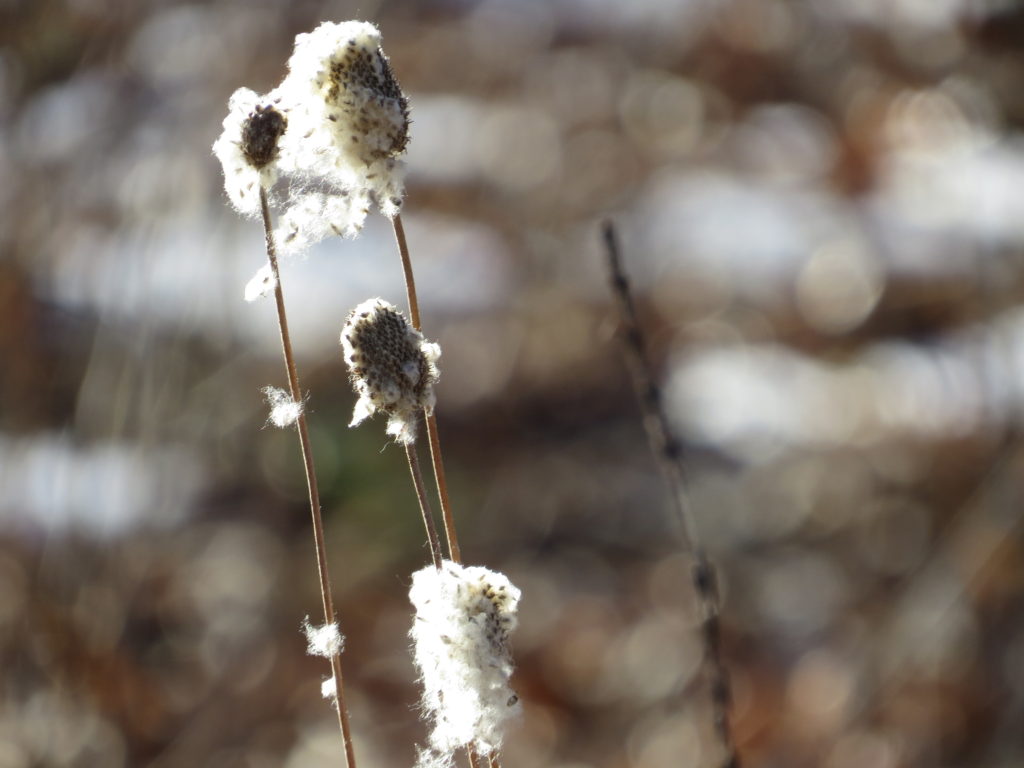
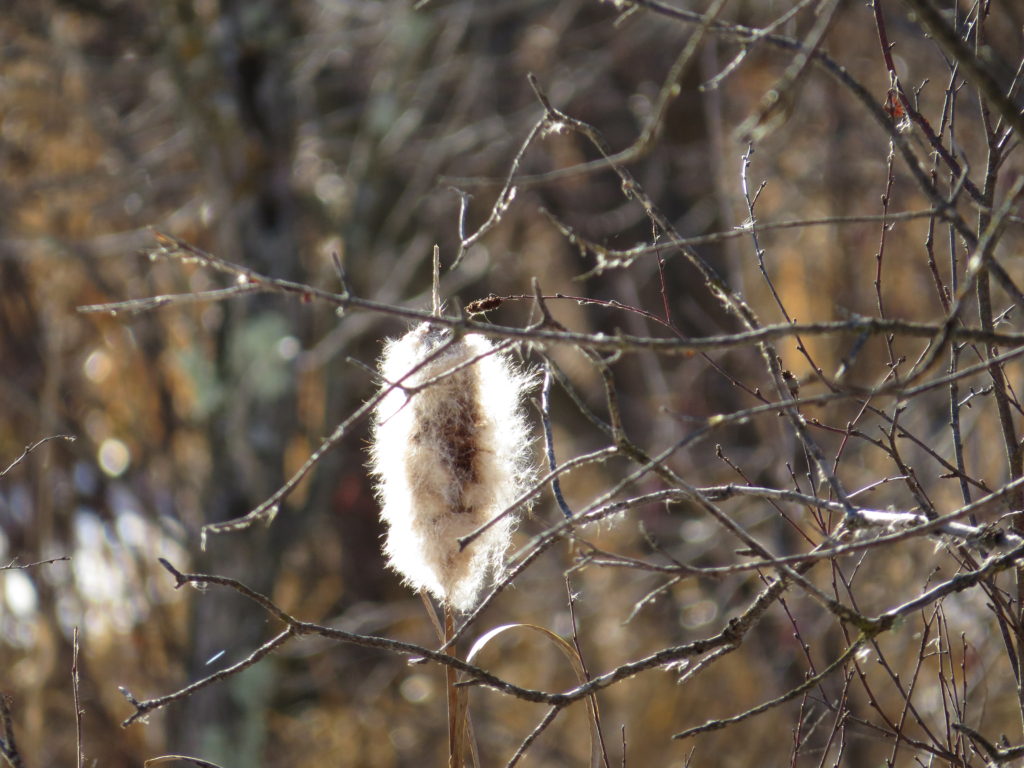
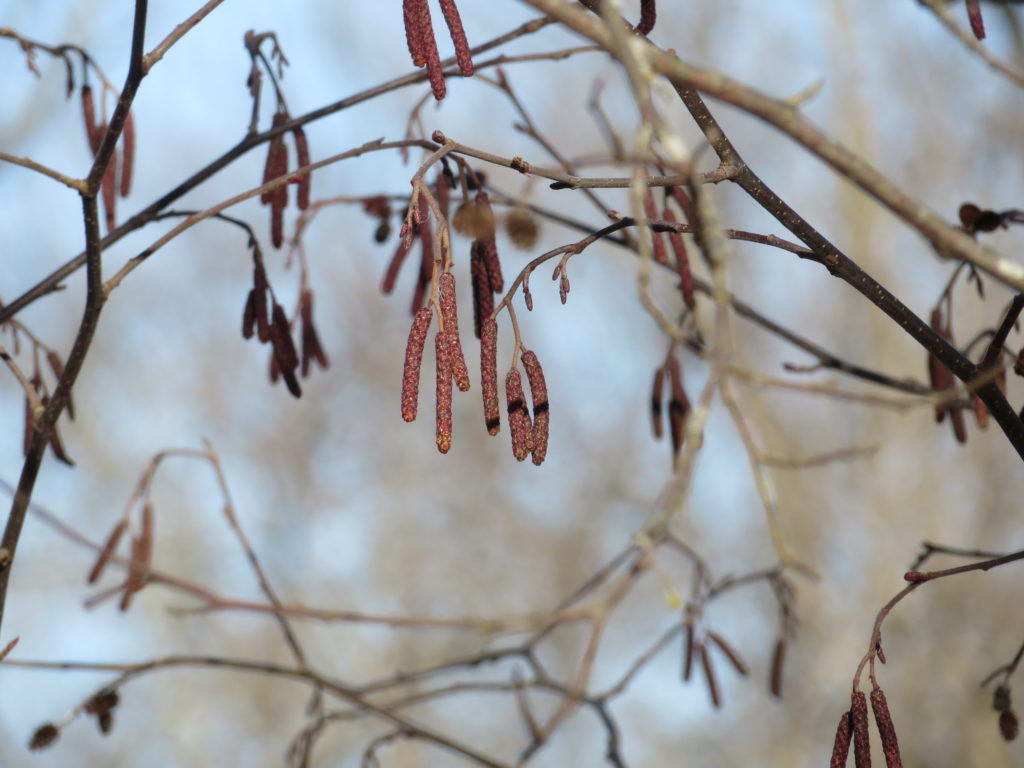
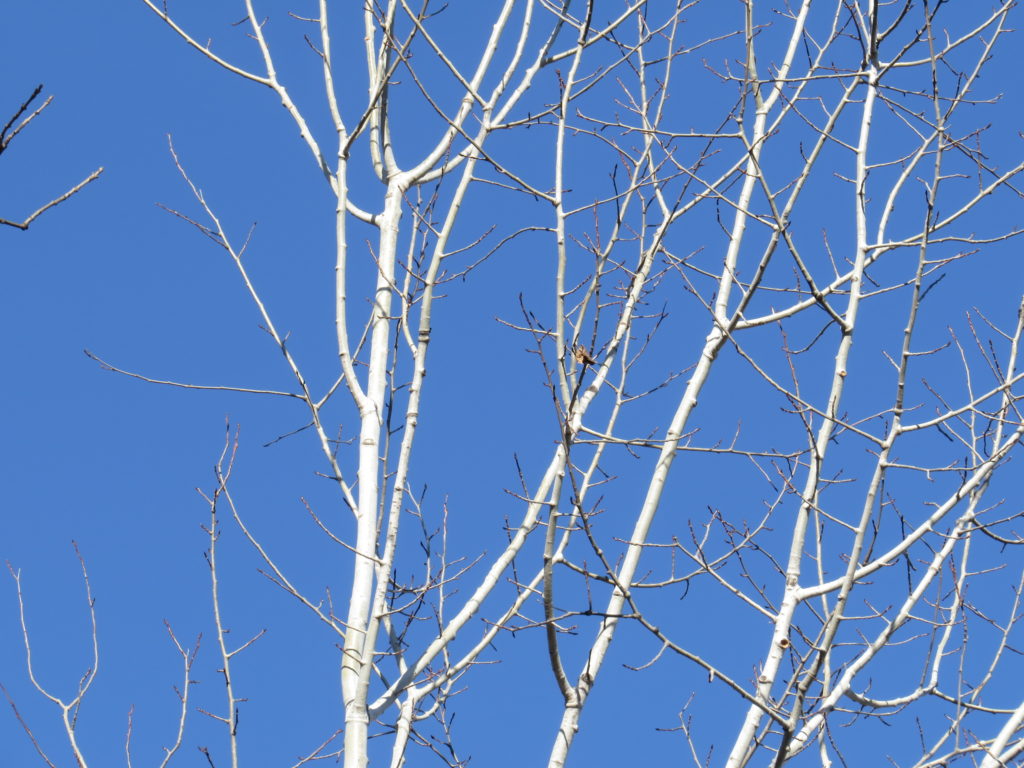
We crossed over an earthen dam that arose from marshy places of the floodplain area. Cattails that had burst into a halo of light, brilliant Red-twigged Dogwoods, Speckled Alders with their reddish catkins, and sky-white Aspens colored the late November landscape of Belle Prairie.
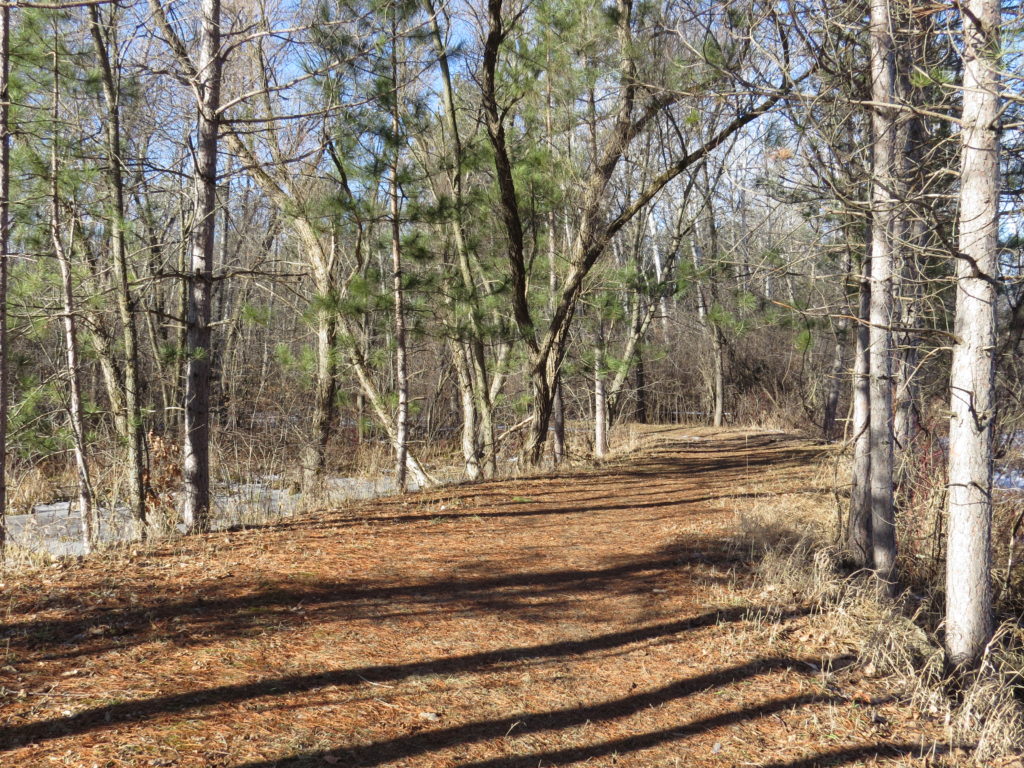
Soon the trail came to the River and followed alongside the drifting blue Beauty. The Mississippi River has such a quiet power and presence, whether she is flowing through prairie grasses or forests of conifers.
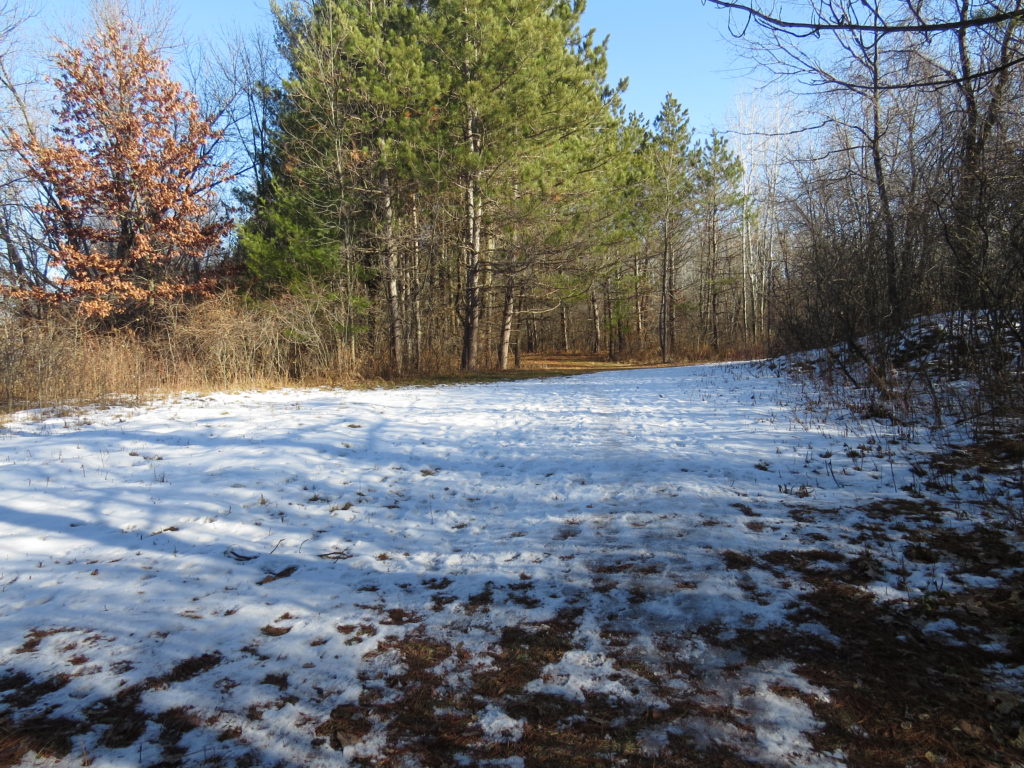
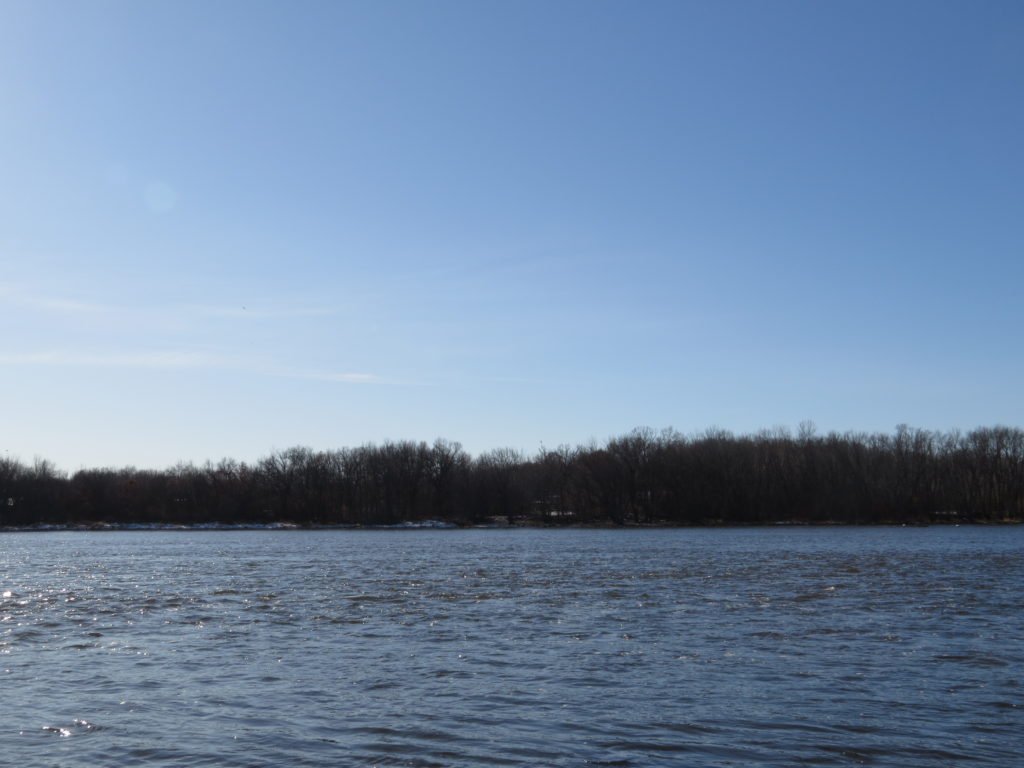
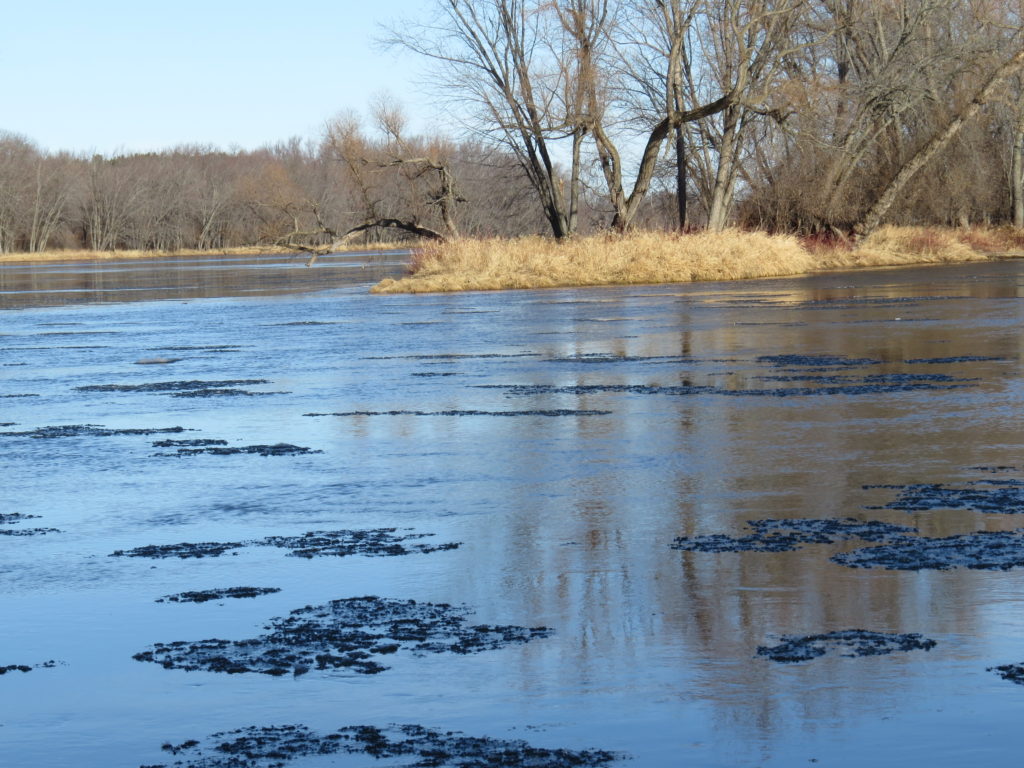
I always marvel at the tree-laden islands in the Mississippi River, whether long and pencil-thin or compact and round. They take constant pressure from the fast-moving water or from the pounding of Spring ice.

The islands contain their own little ecosystems with animals who use the shelter and food to sustain them.
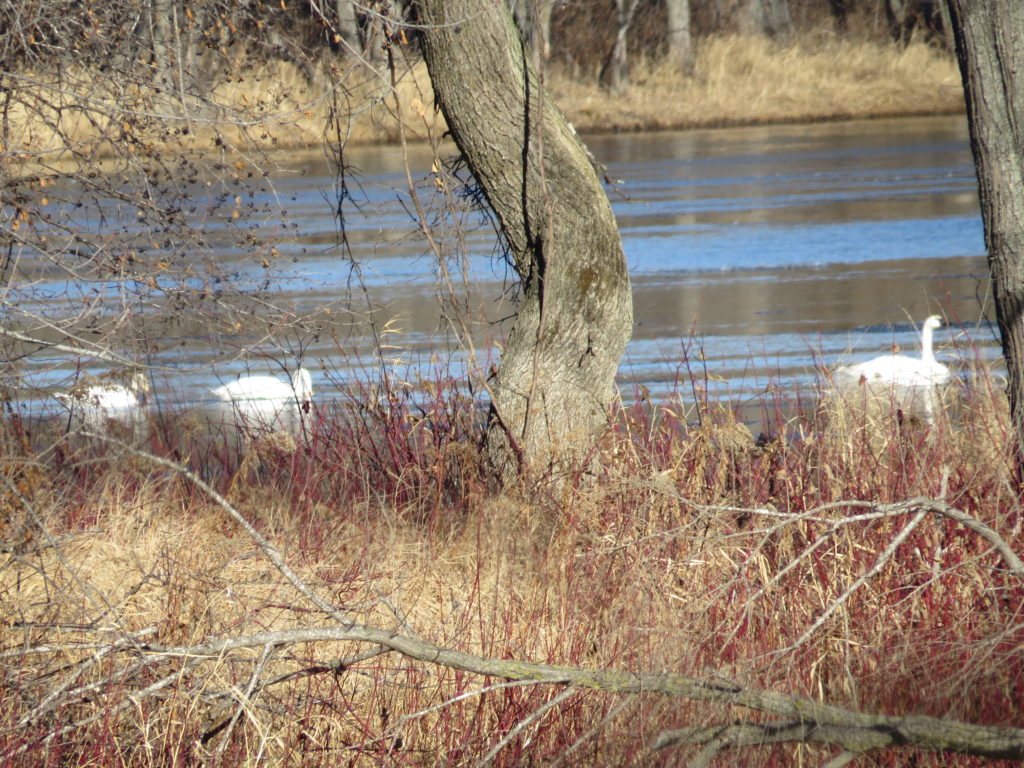
An ecosystem is a biological community of interconnected organisms. This tiny little island is a reflection of the many ecosystems that make up our world, of which we—you, me, and every human—are a part of, actively and passively.
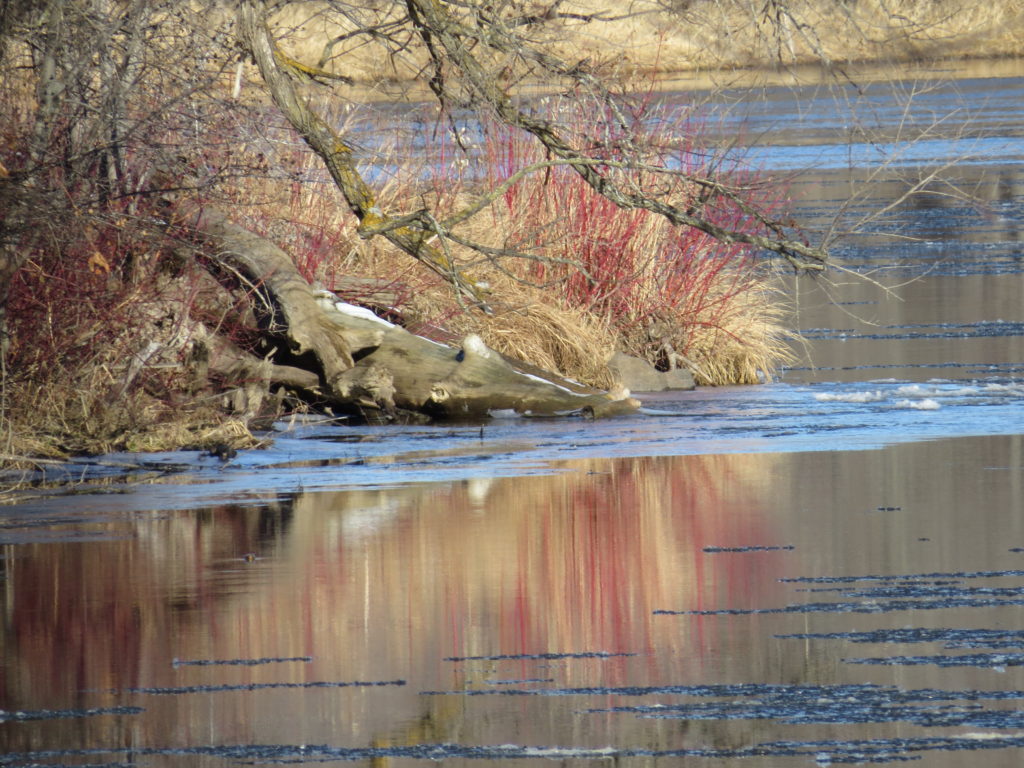
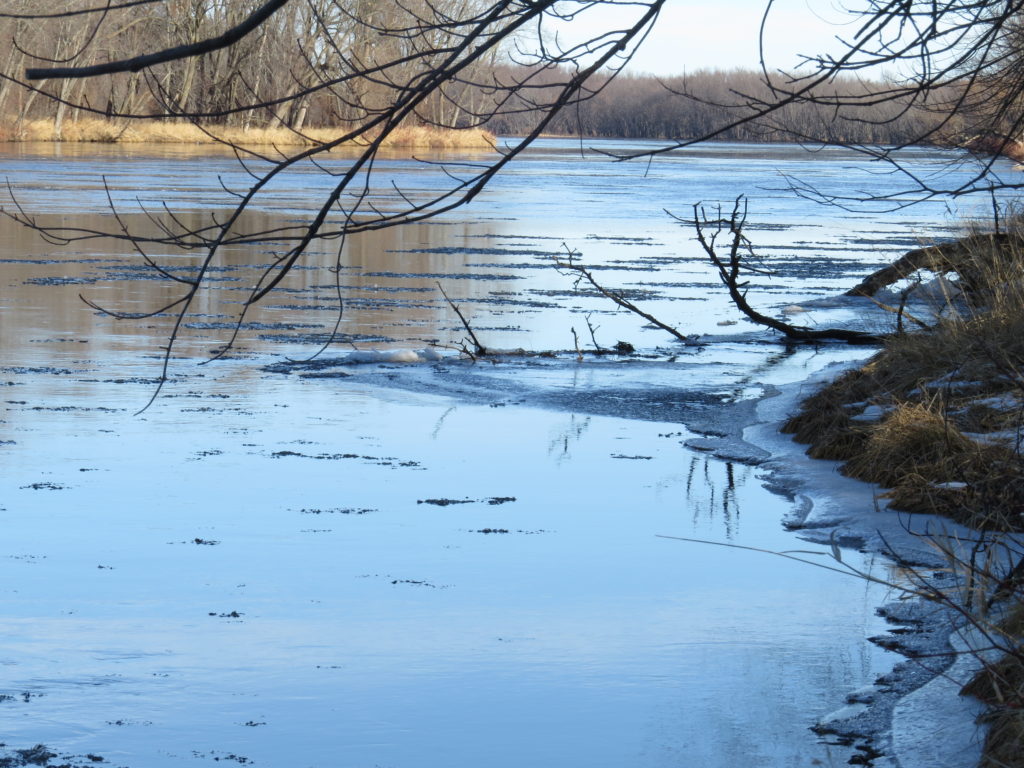
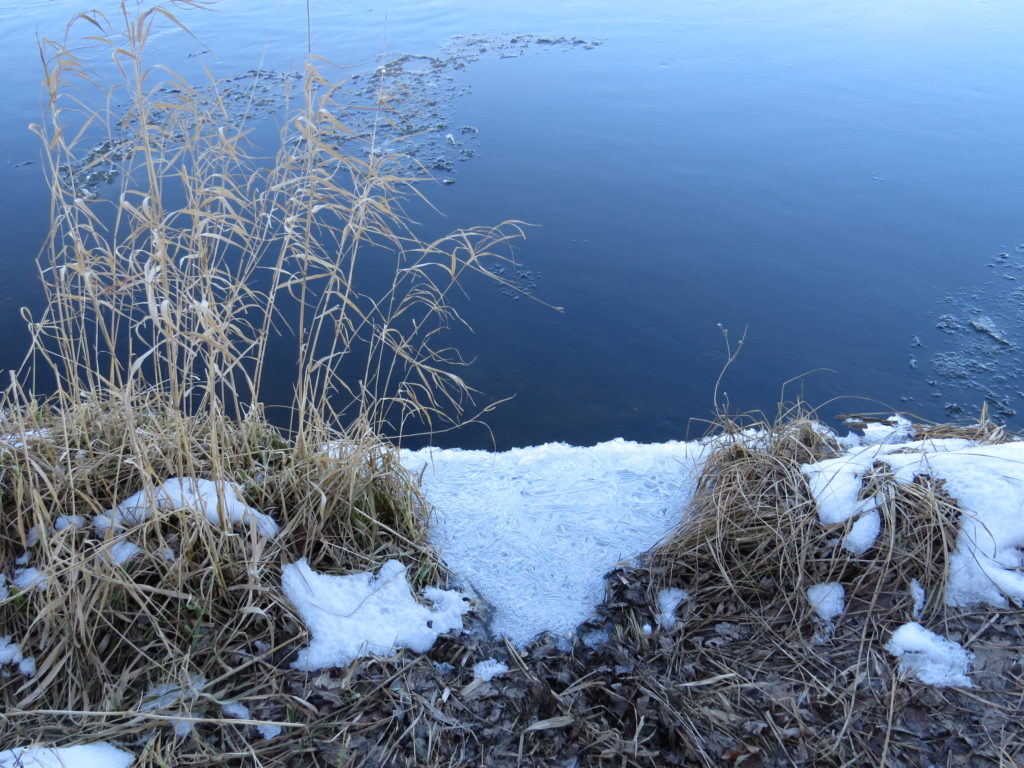
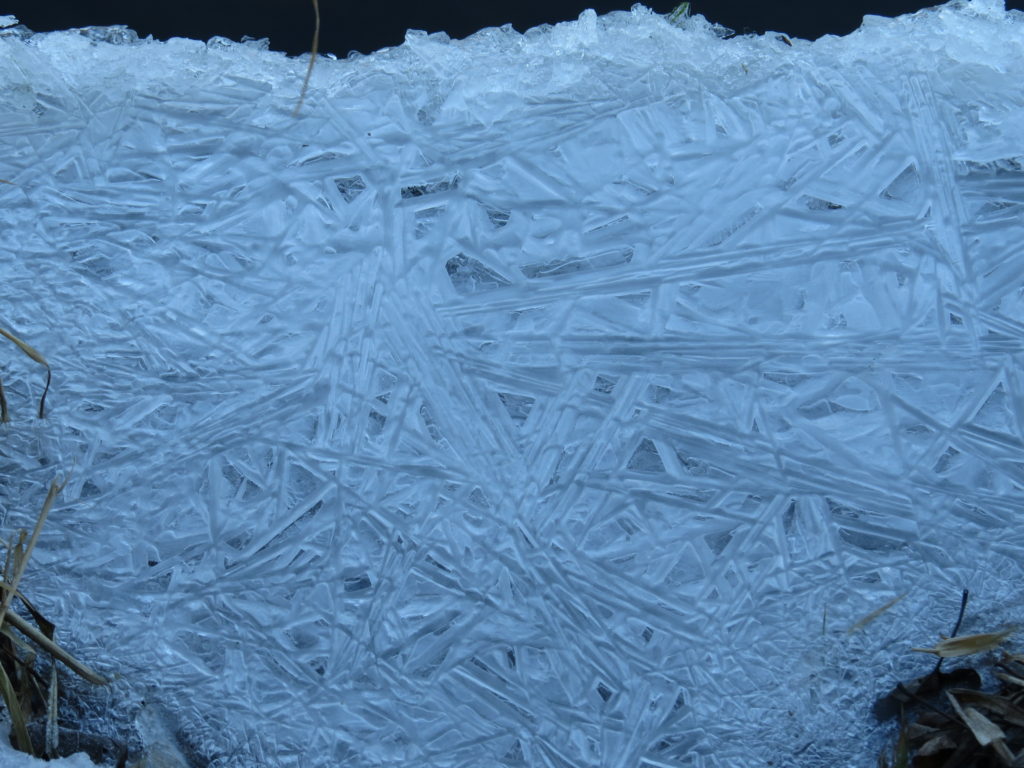
Floating down the River were patches of slushy ice. Most often we talk about ice melting, and unless one is an impatient ice fisherman, we rarely talk about ice formation. In reading about ice formation, I found a website called the National Snow and Ice Data Center. I’m kind of thrilled there is actually an agency dedicated to ice and snow, and of course, what that means to our climate and world. What I learned is there is an actual ‘ice growth process,’ starting with these slushy patches. They are called ‘frazil ice’—ice crystals that form in very cold water that is moving too much to let the ice form into a sheet. Isn’t that a great name?
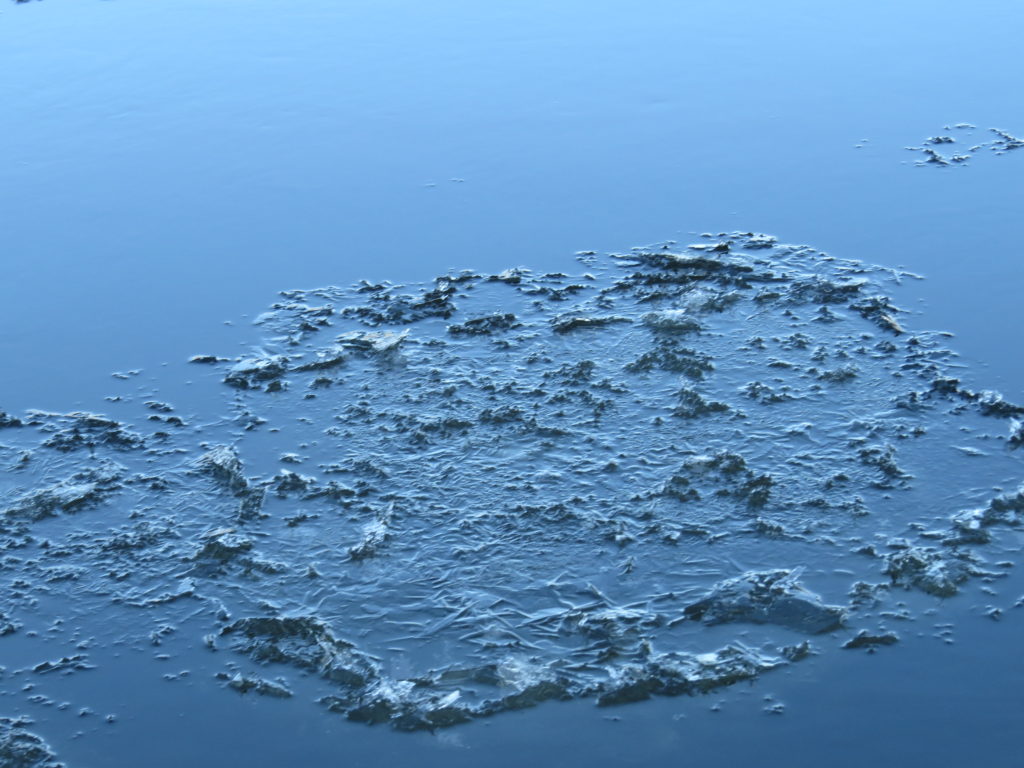
From frazil ice, ‘pancake ice’ is formed from the agitated and aggregated slush. Another great name which visually makes perfect sense!
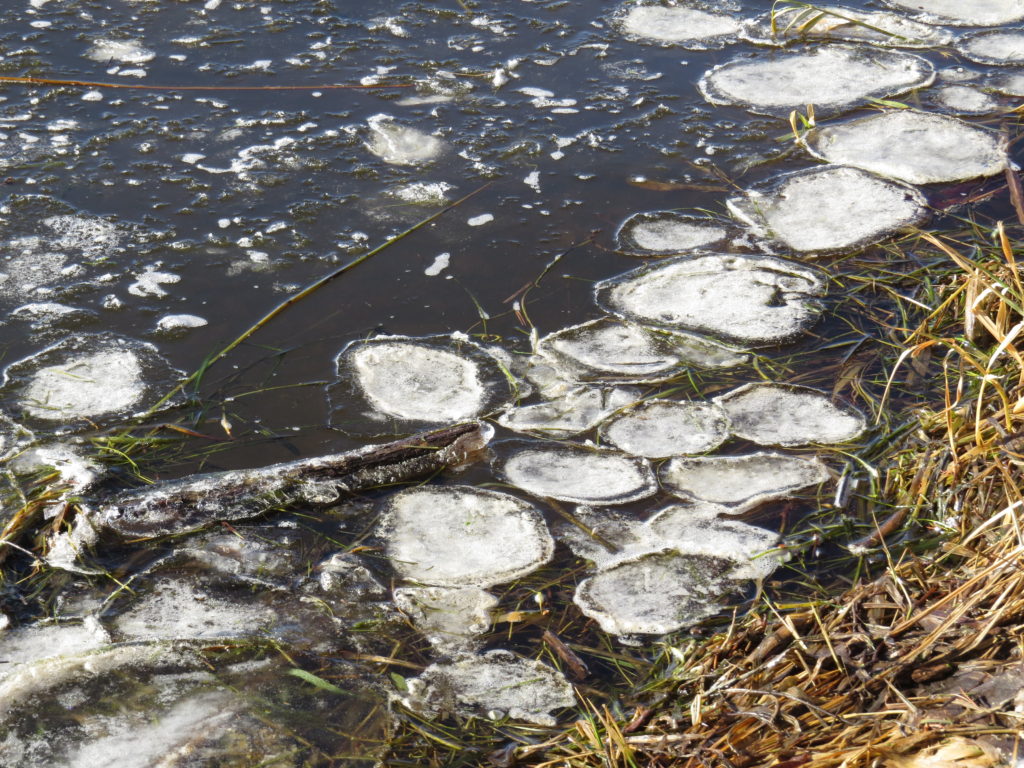
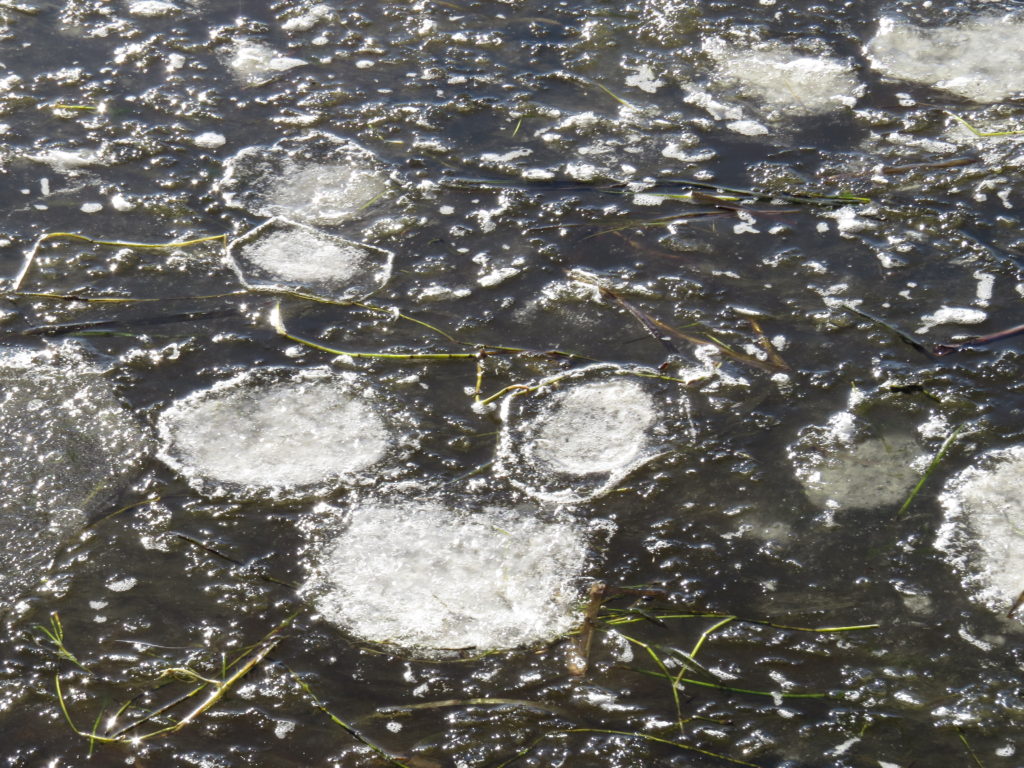
The pancake ice turns and bumps against the other ‘pancakes’ causing a ridge to form along the outside edge, and the motion causes one pancake to slide over another (called rafting). The fourth step is cementing and consolidation of the ridged pancake ice to finally form sheet ice. Isn’t that awesome?!
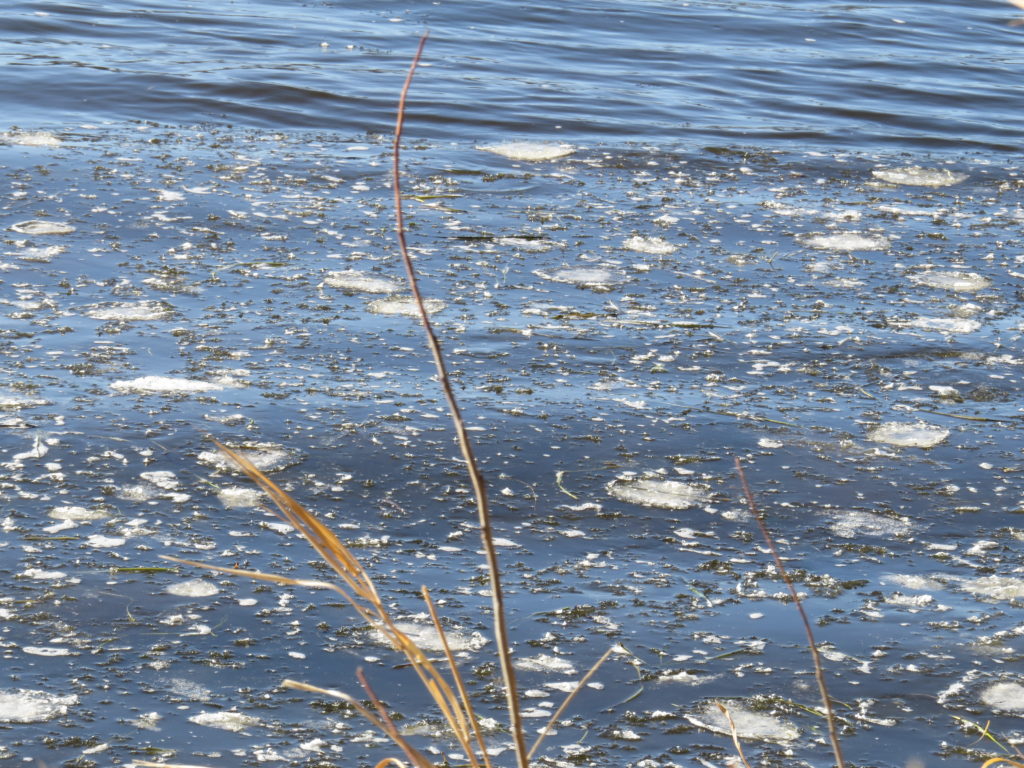
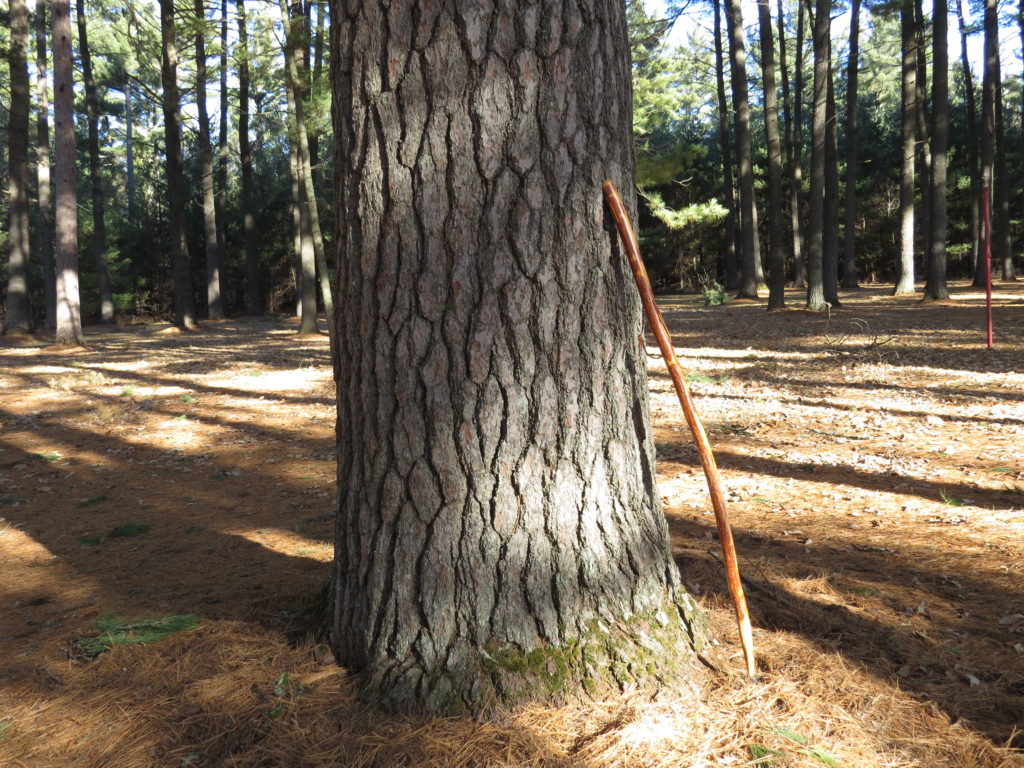
After we rested on the bank of the Mississippi, in the warm sunshine, beside the frazil and pancake ice, we walked through the old and impressive stand of White Pines that towered over the picnic and play area.
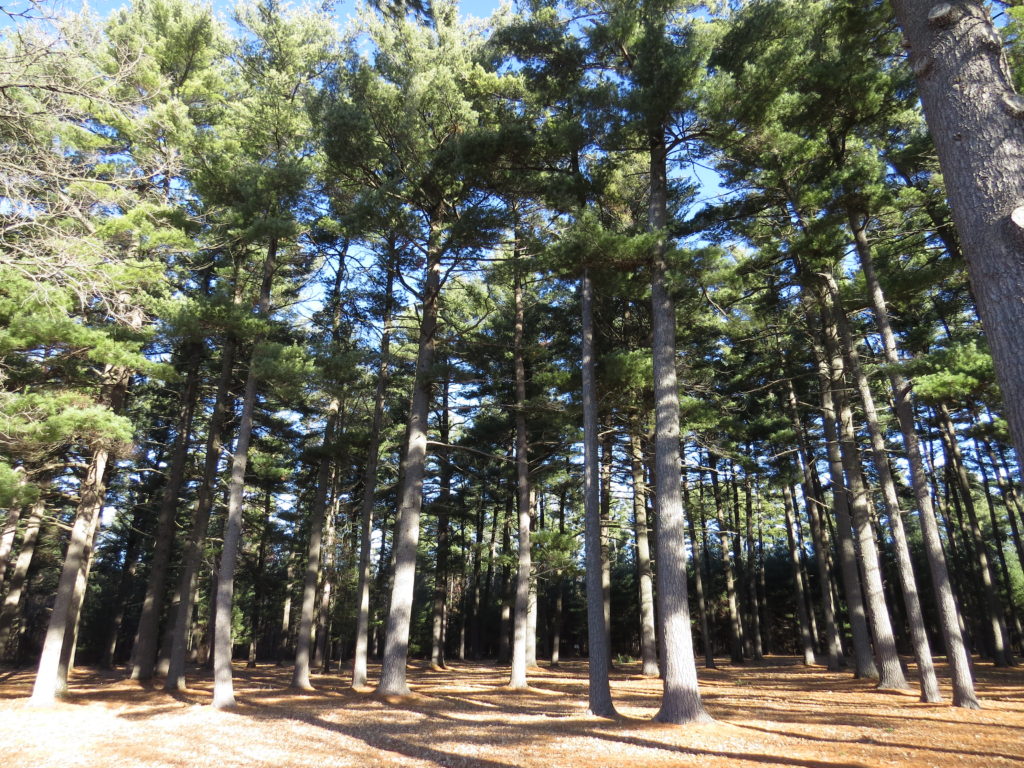
Sunshine streaked through the forest of large trunks and lit up the carpet of pine needles to a soft, glowing gold. The many treasures of Belle Prairie.
Belle Prairie, beautiful prairie, God knows I love the prairie. But Belle Prairie park showcases an amazing assortment of ecosystems and species, all in a small area, thriving together. There is not one entity that holds the power—the River, the Oak, the Pine, the Swan, the Cattail, the Bluestem, and the Ice all hold their own amazing power. And together they create a system that is beautiful, diverse, and functional—a succinct description of Mother Nature herself. As for me, for now I am allowing my Love, my Optimism, and my Resilience to flow away from me—I cannot stop it after all. I will let Mother Nature take them where she will. Perhaps it is an emptying that I needed, a rest of sorts. I will find the map and the trail when I need to—I will find my way, I’m certain. In the midst of that, I found Belle Prairie who taught me to see and find beautiful, not only what I love and hold dear, but all those amazing, powerful creations that are less familiar to me. ‘La vie est belle’ means life is beautiful. It is an expression of a new era and the choice to create your own path to happiness. So be it.