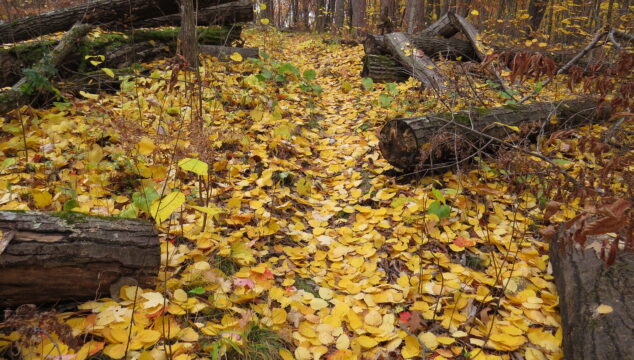
Come walk with me in the peak Autumn beauty of the Northwoods. To say that I love this time of year is an understatement. Most everyone can appreciate the colorful falling leaves---it reveals the 'true self' of a tree when its leaves are no longer producing chlorophyll. Their true colors are revealed, and there is something simple … [Read More...]
Storytellers and Swimmers
I cannot begin to count the number of days in my life that have slid by in a blur. Some were in the self-centered days of early childhood when as children, we concentrate on getting our needs met and learning about the world. Others were in the extreme busyness of going to graduate school while juggling the activities and needs of three kids. Still others were once again in self-centered mode when pain could not be relieved, and my world shrunk down to cocoon-size in an attempt to manage the overwhelm. I have no negative judgement of those times—we do what we have to do in any given situation. But because of plenty of those blurry, constricted times, I am very aware of the times that are sharply outlined, slowly delicious, and wonderfully expansive for my mind-body-spirit freedom.
A good way to discover that mind-body-spirit freedom is to find some water, trees, and wild sky to park yourself in for a few days. The ‘agenda’ becomes play in the water, hike to the hill-top, and watch the moon rise over the trees. The process originates from our senses—noticing what we see, hear, smell, taste, and touch. And all of the feel-good sensing and activities are grounded in our bodies, memories, and soul by sharing them with people we love who love us. It’s a win-win-win.
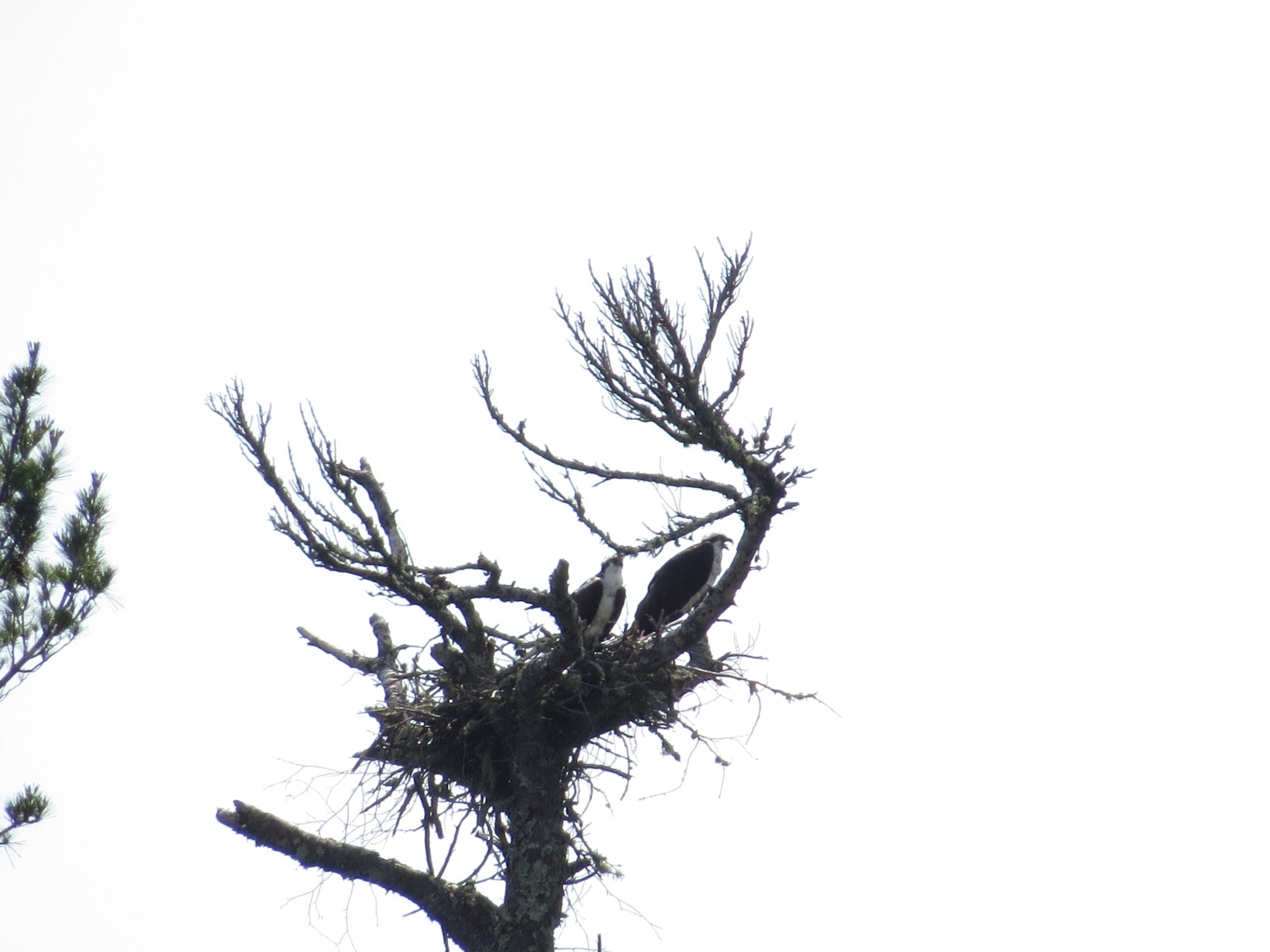
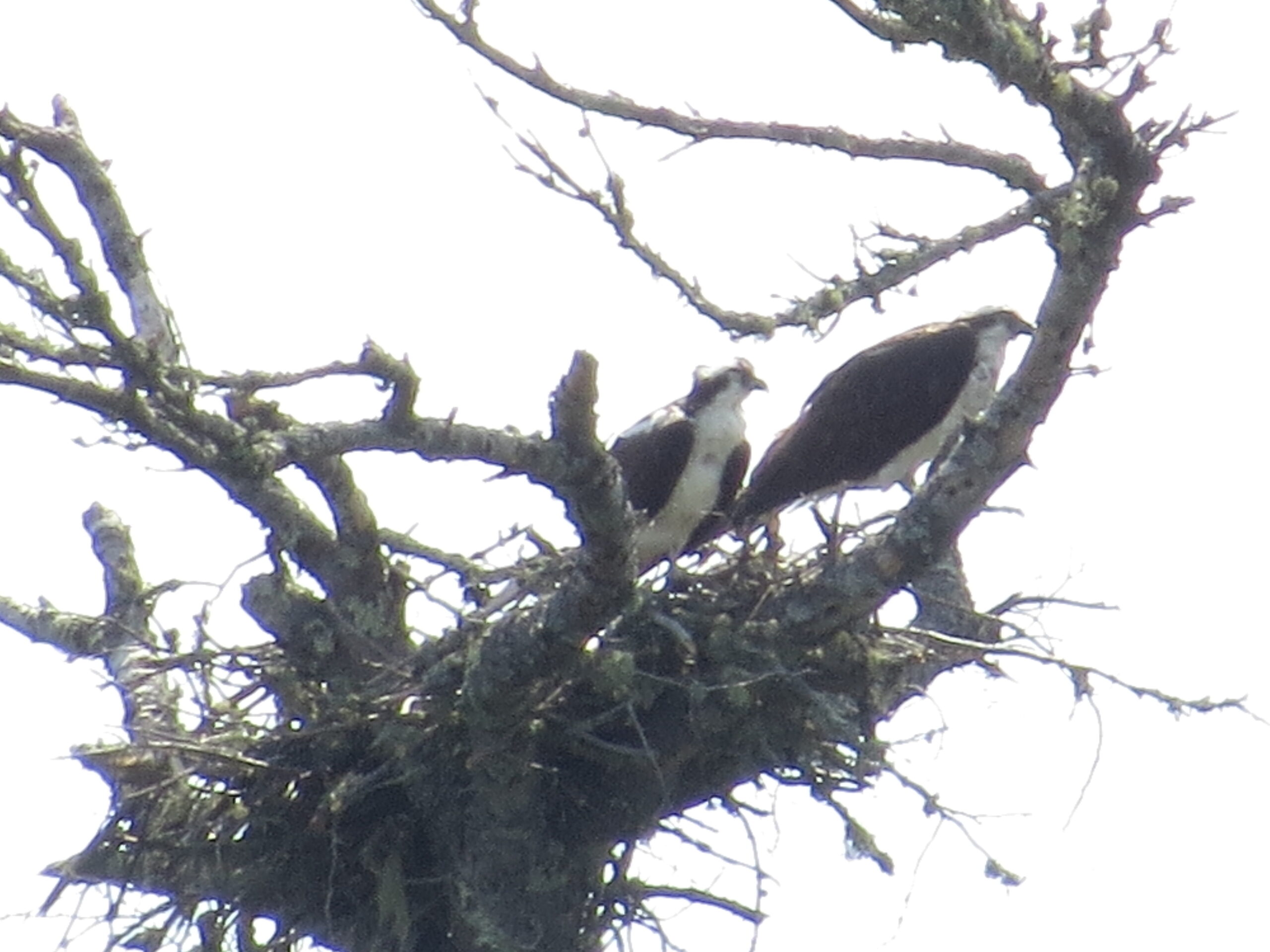
One of the first sounds I heard was a loud, chirping/cheeping chatter. It sounded like a much louder version of the baby chicks we used to house on our back porch until they were big enough to move to the chicken coop. A pair of Osprey sat in a haphazard nest in the dead top of a Pine tree and told their story to all who could hear them.
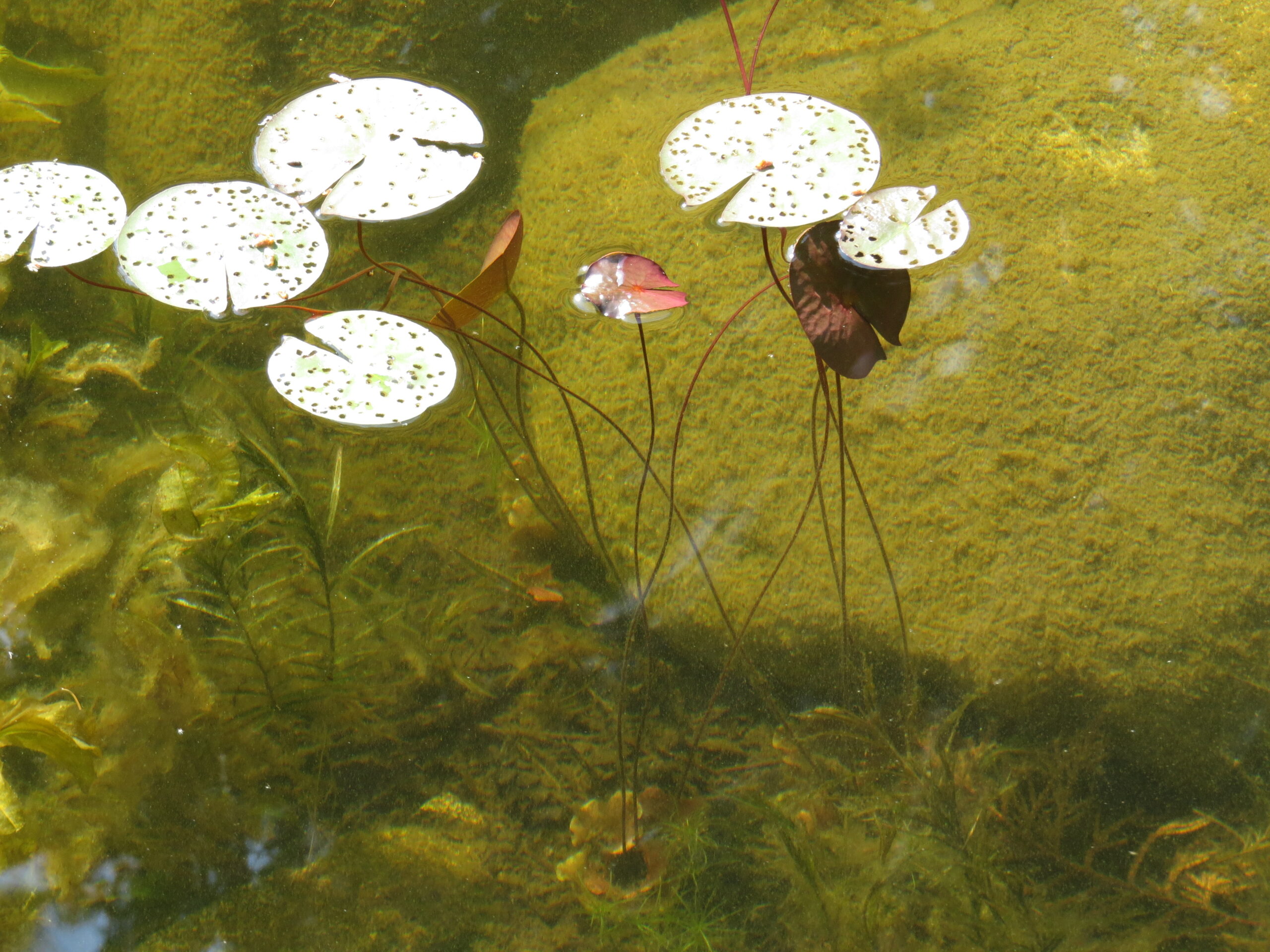
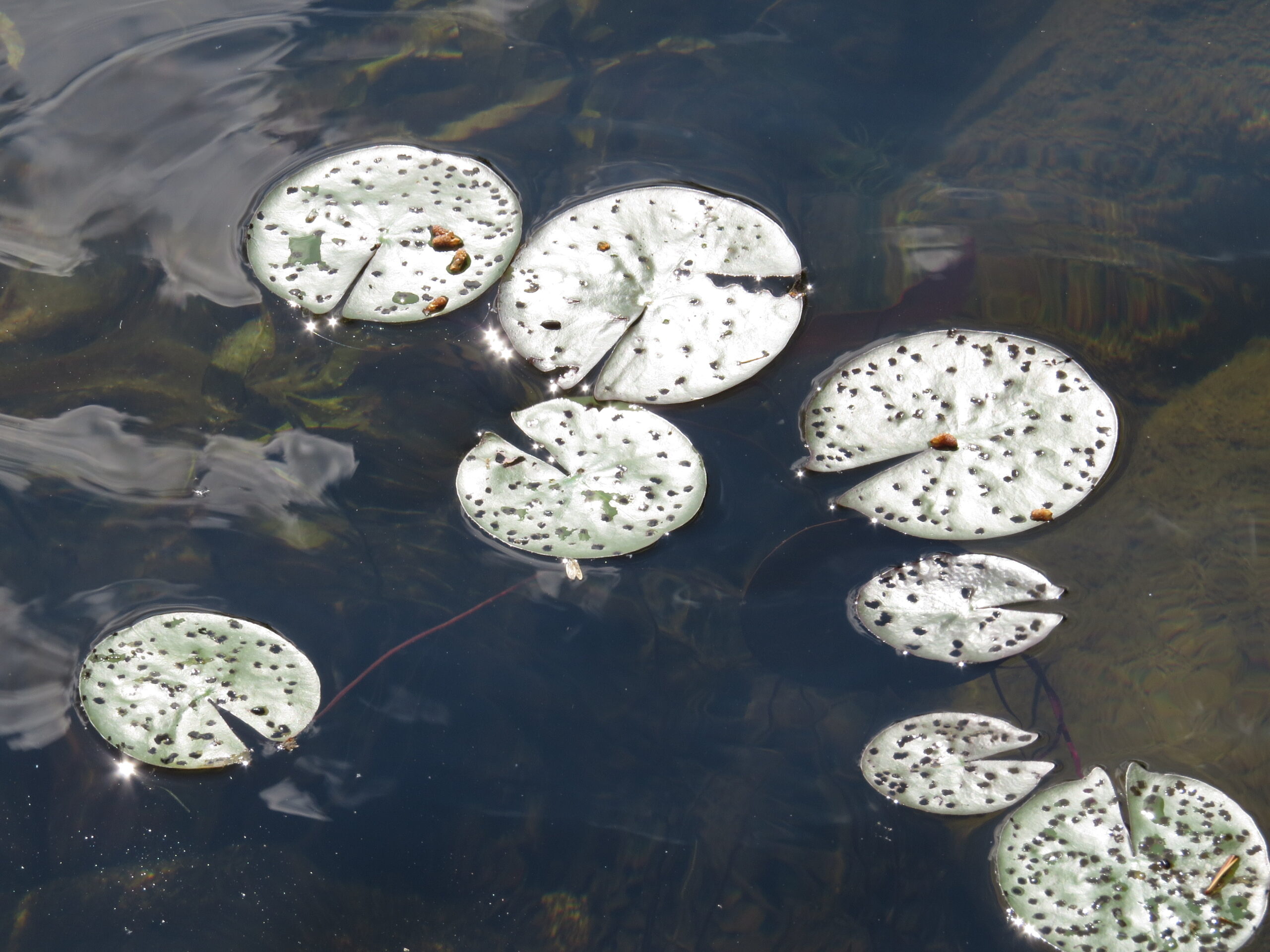
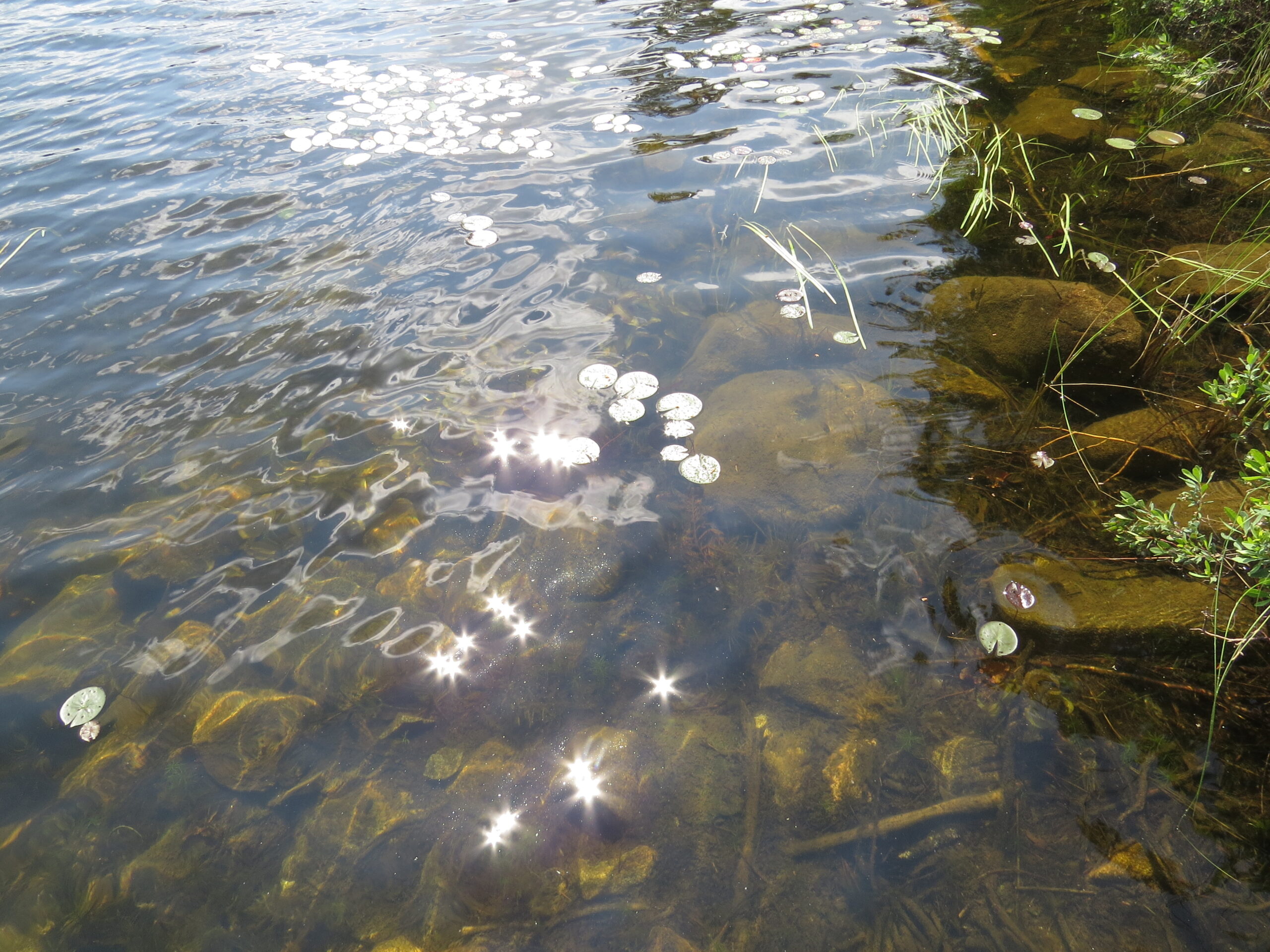
The water the Osprey overlooked and fished from was clear and cold. Red-stemmed Water Lilies floated on the surface like silver coins, along with the silver star reflections made by the afternoon sun.
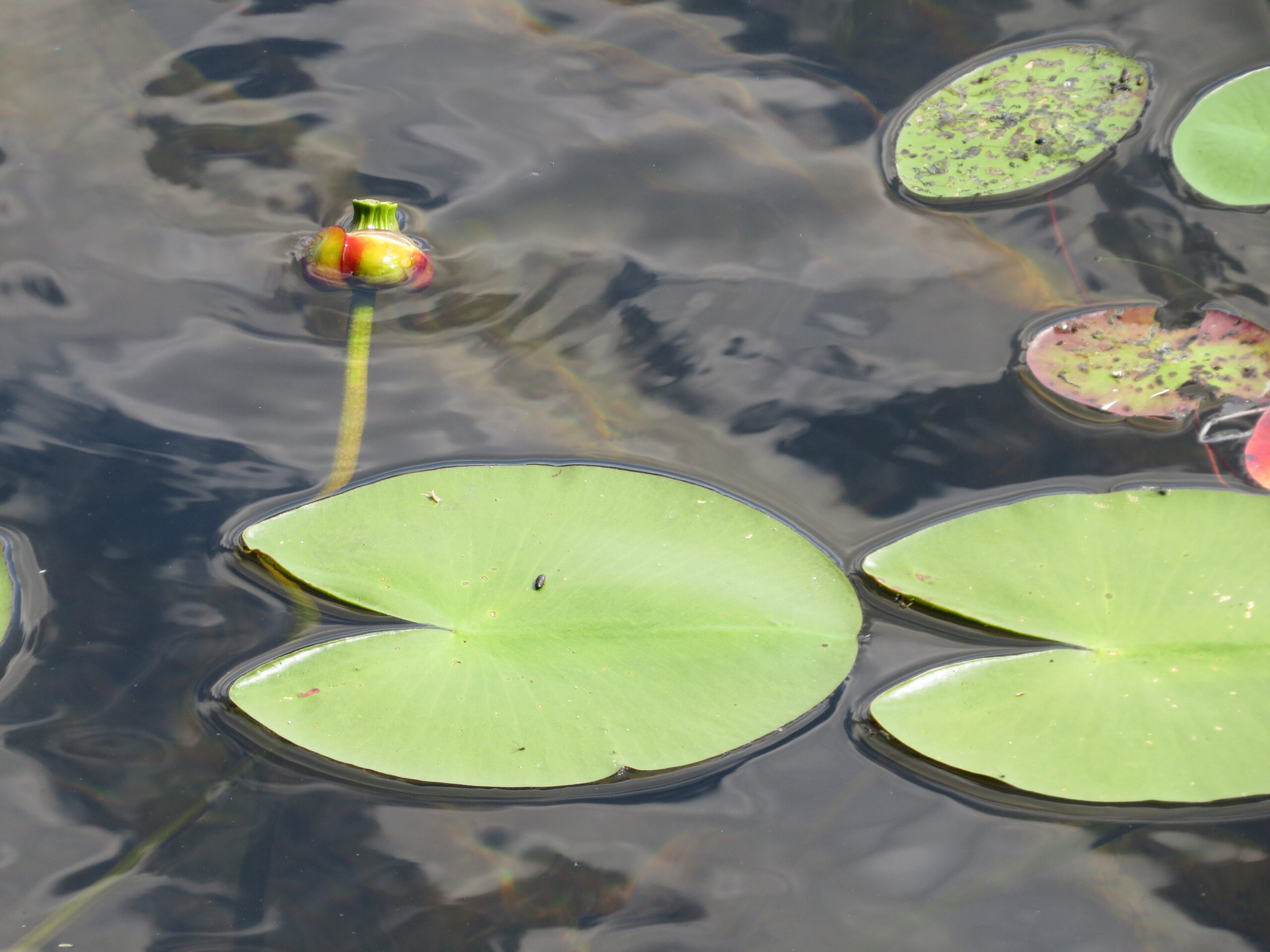
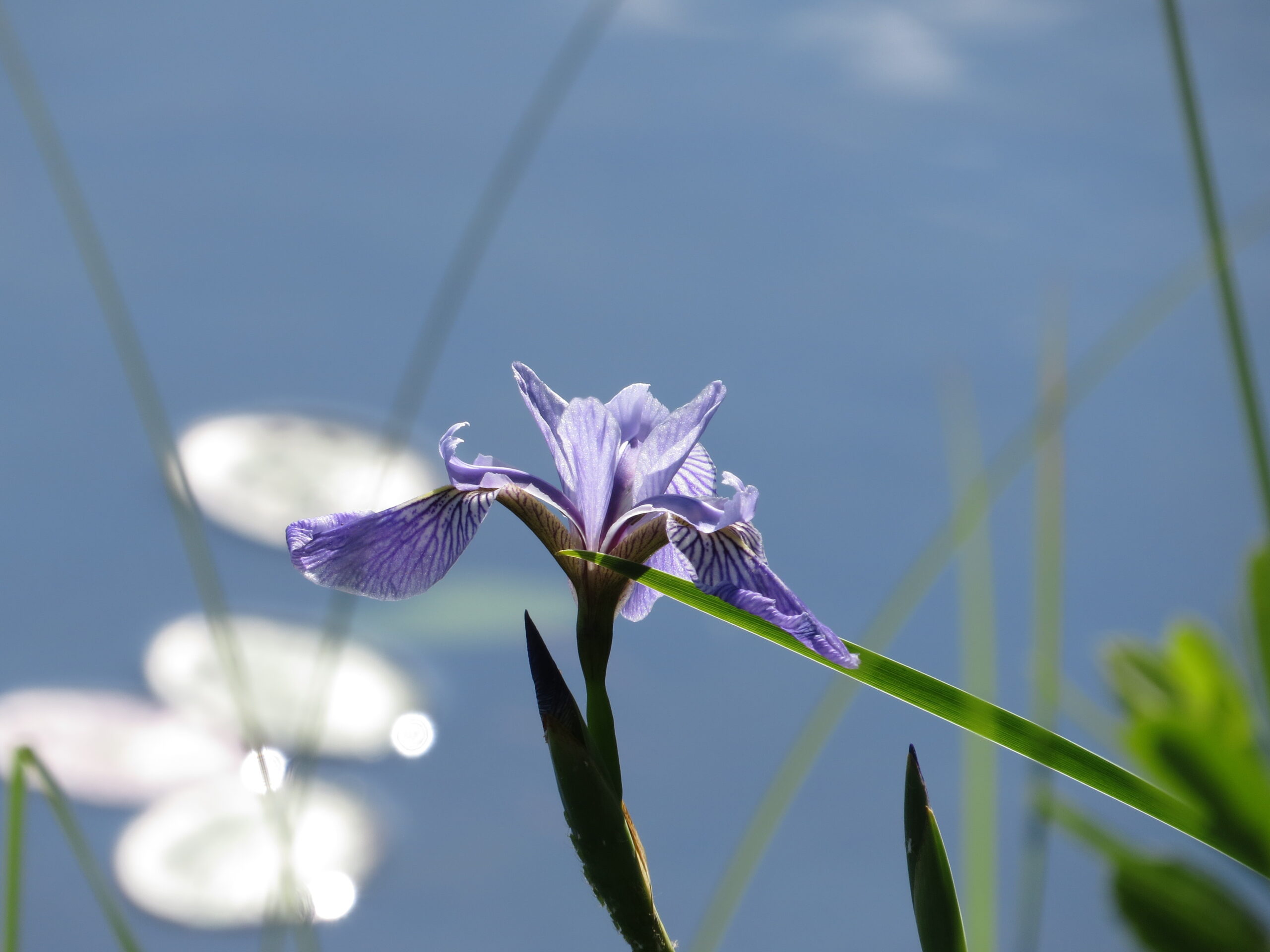
Yellow Pond Lilies and Northern Blueflag Irises decorated the water and shore with their Summer colors.
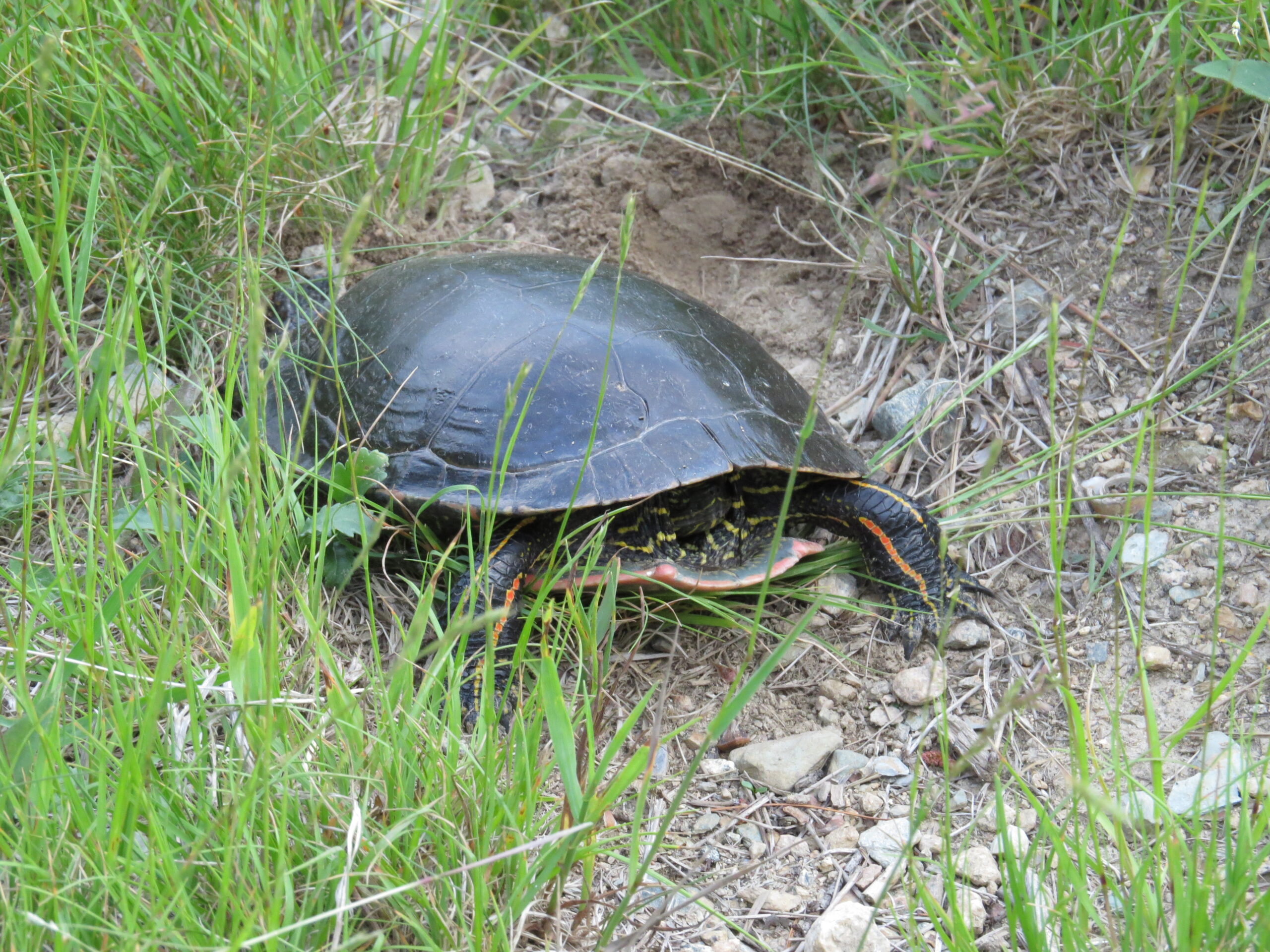
A Painted Turtle had crawled up on shore and dug a hole with its sharply-clawed hind feet in order to lay eggs. Our presence interrupted those plans.
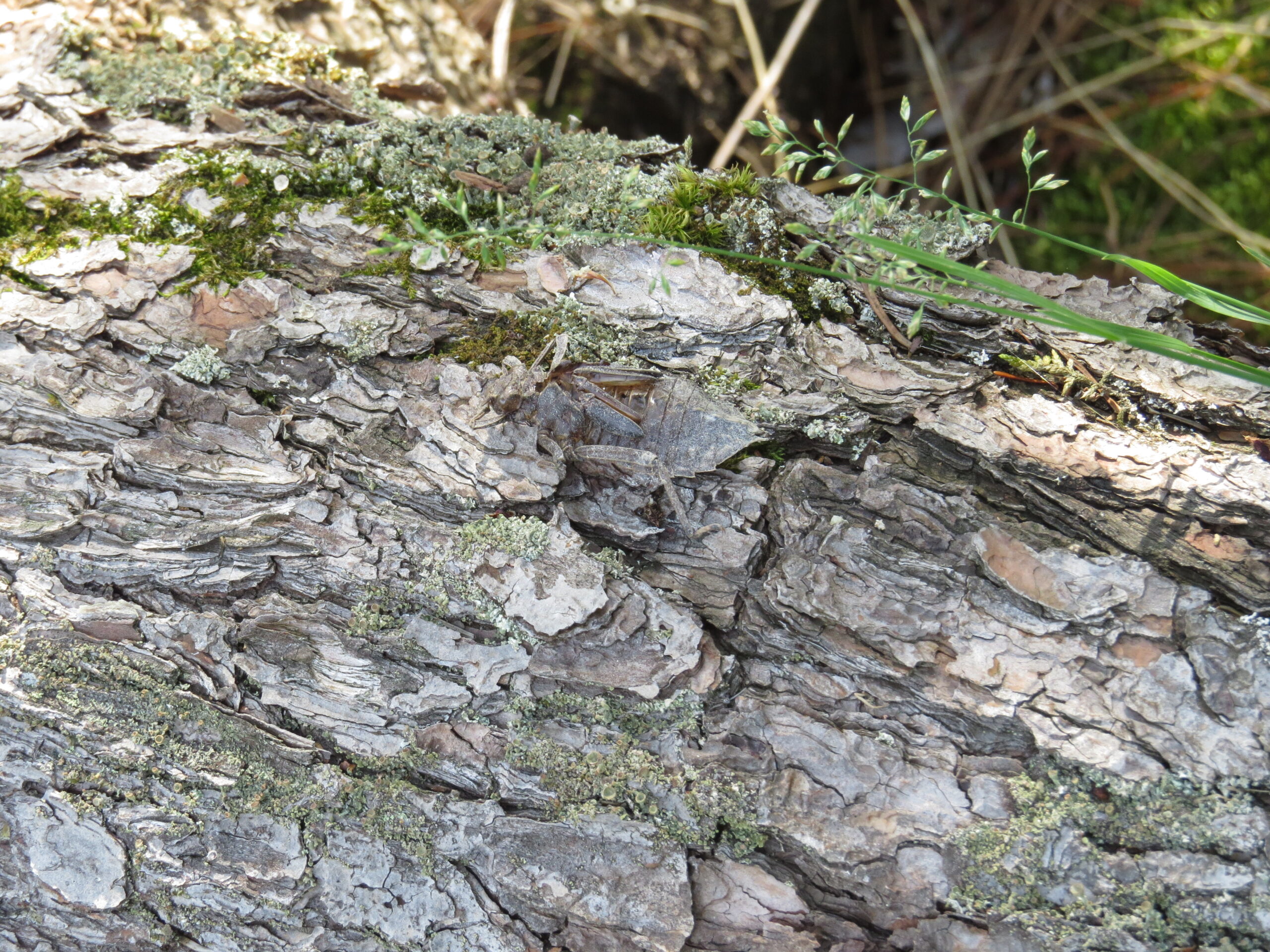
One of the common foods for Painted Turtles is Dragonfly larvae. They live in the water through numerous molts, then crawl out of the water, learn to breathe air, shed their skin, and emerge as an adult, winged Dragonfly. A larva shell is stuck to the bark of this fallen log. (right in the middle of the picture) A new Dragonfly flies away!
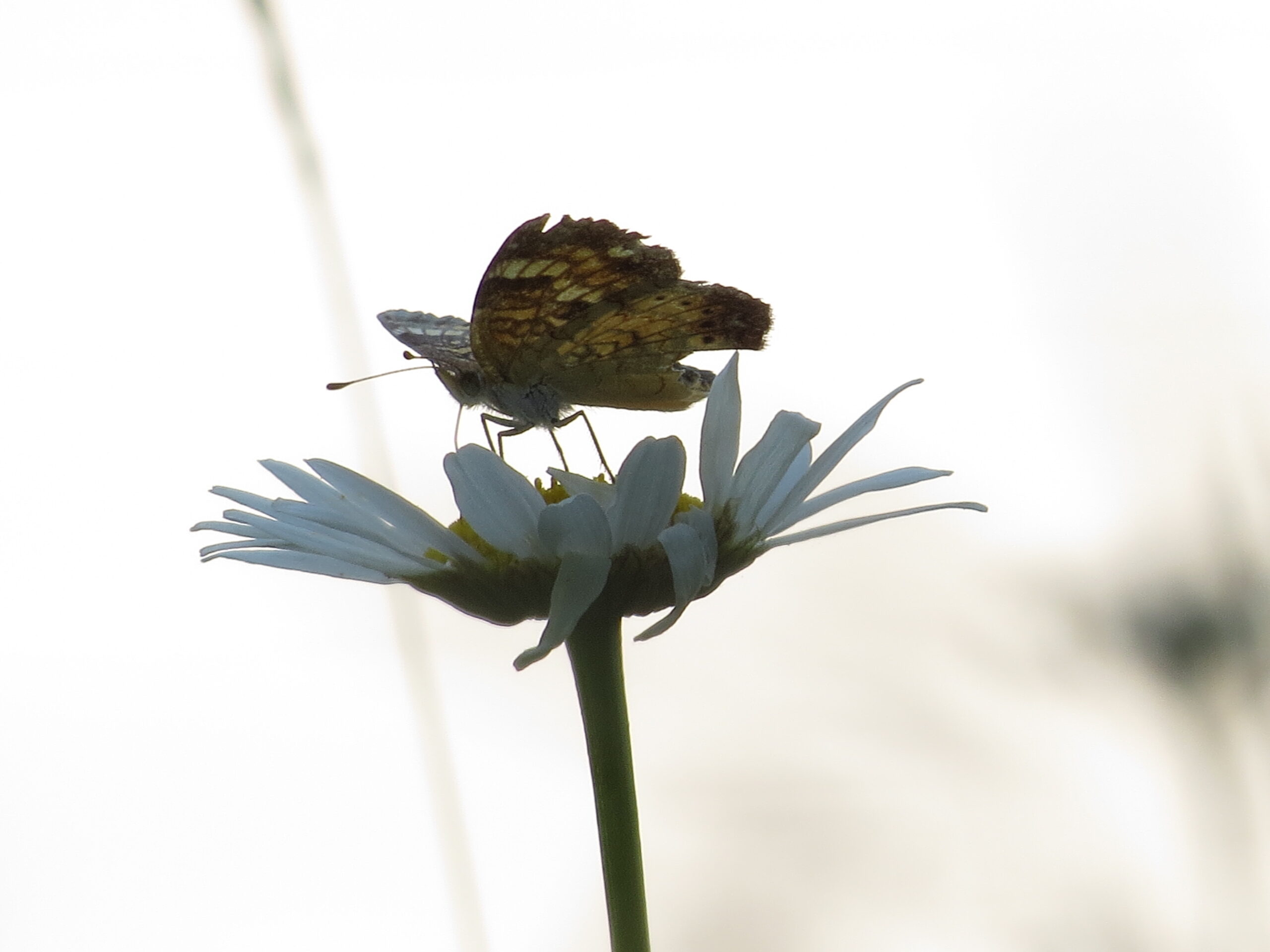
Freedom is often depicted with the image of a butterfly that has completed its metamorphosis from egg to caterpillar to larva in a cocoon or chrysalis to adult butterfly. Freedom to develop, nourish one’s self, grow, incubate, isolate, change, and fly.
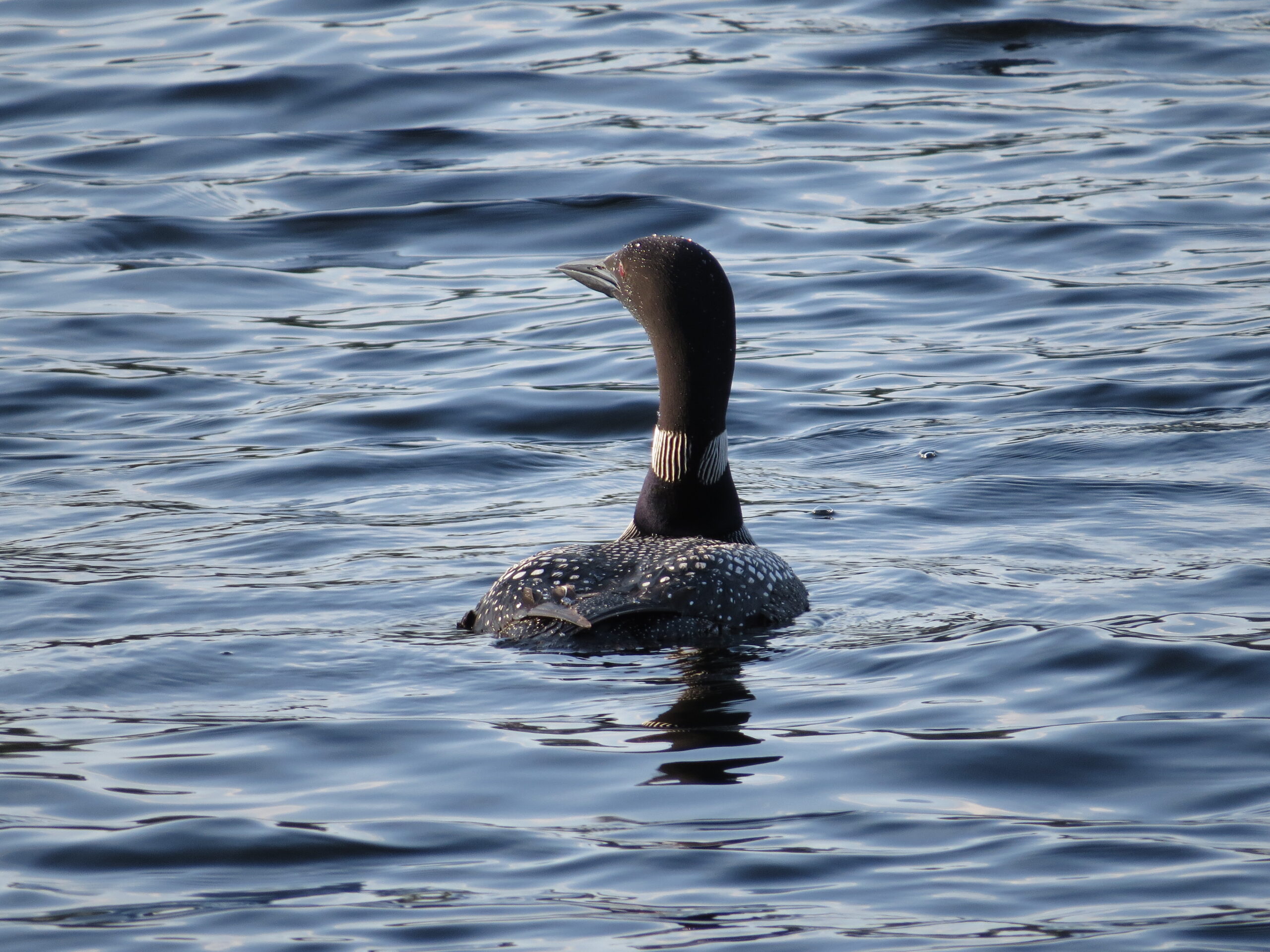
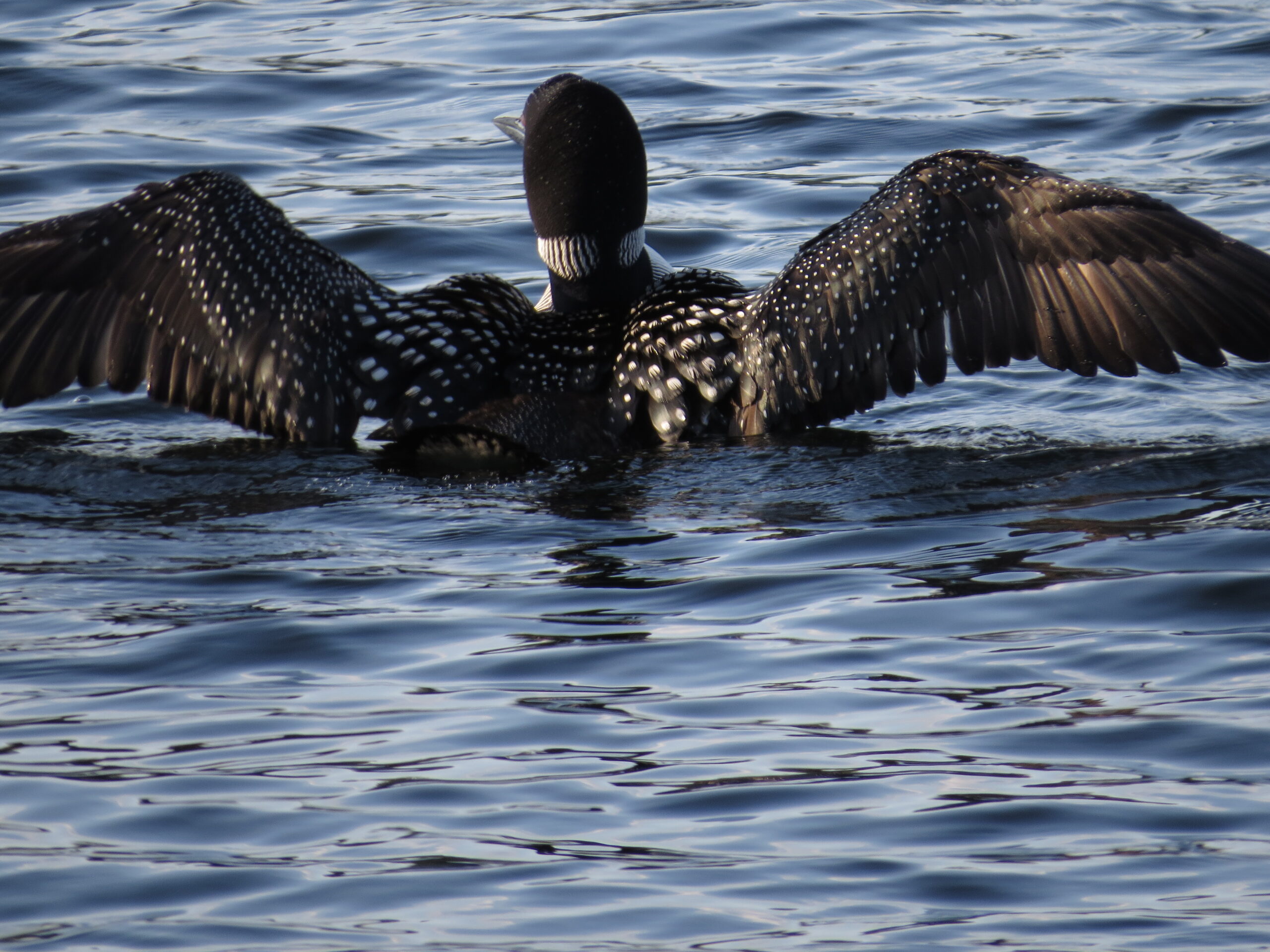
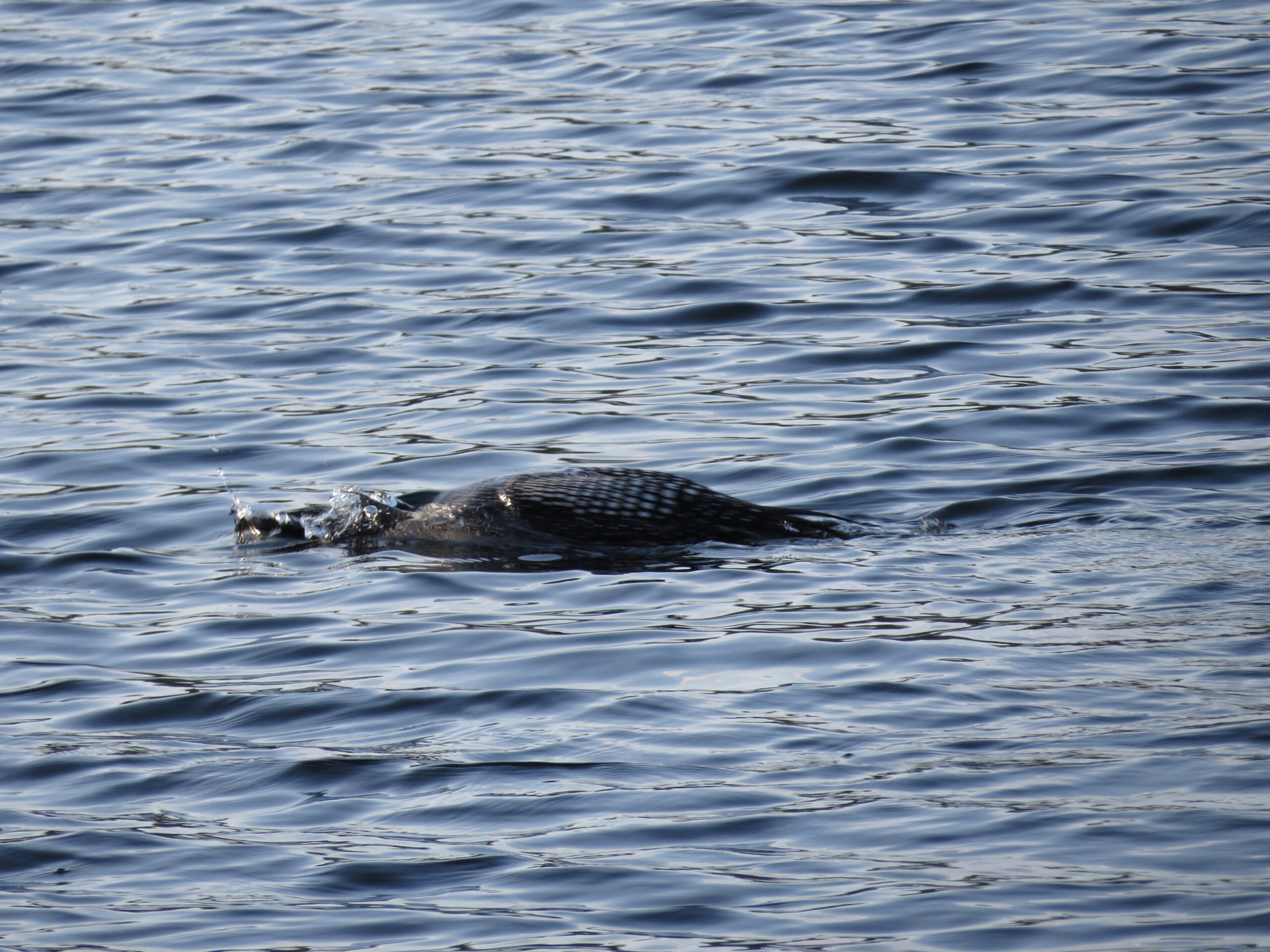
Another resident bird of the lake can sing a person to sleep in the evening as the western sky still holds the day’s light. The Common Loons also woke me in the early morning with a flurry of calls and a swimming/flying routine I called ‘motorboating.’ I wasn’t sure if they were doing their morning exercise or if this activity was for another purpose; I did notice their calls seemed more vigorous than usual.
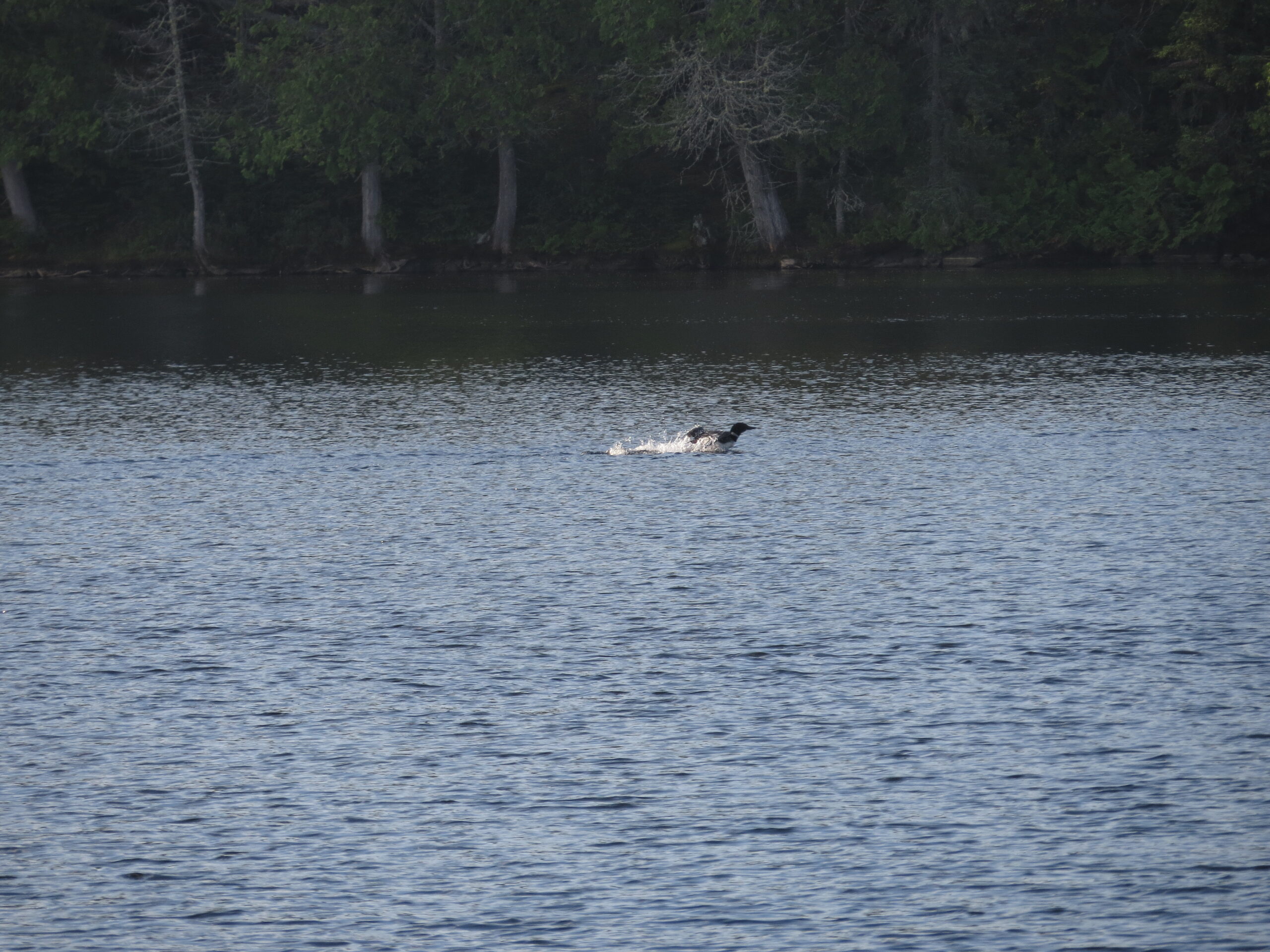
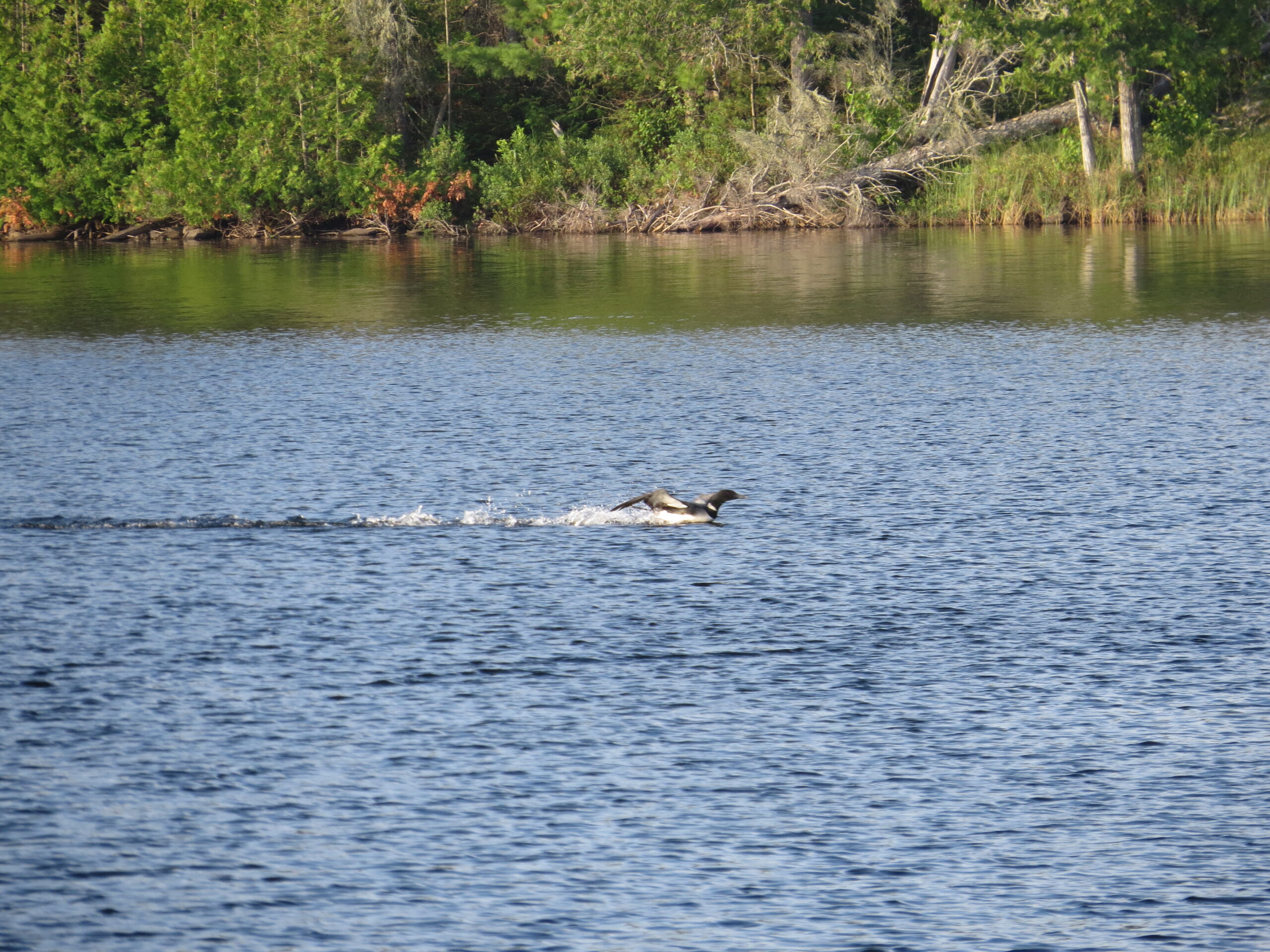
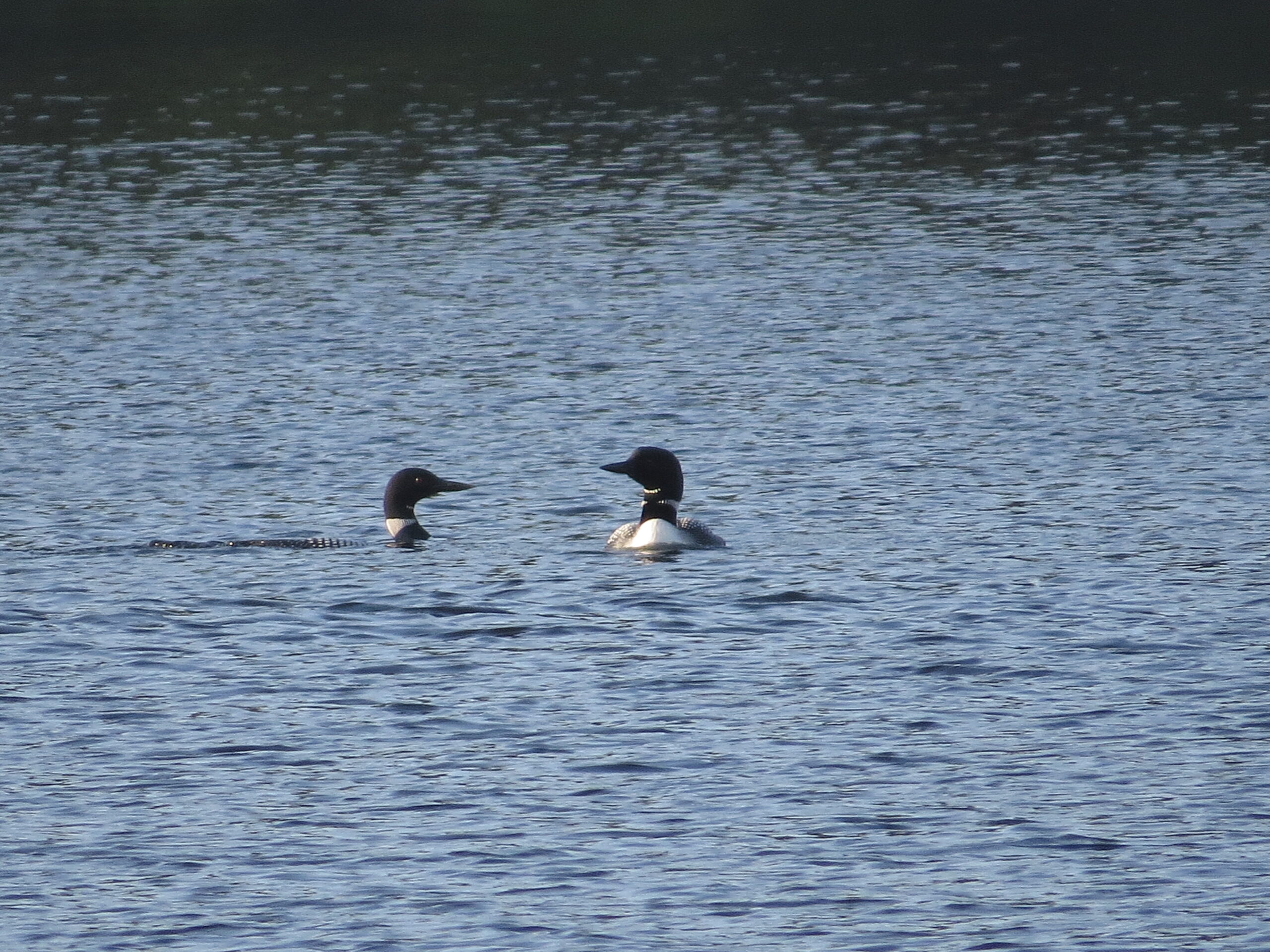
Then I saw another lone Loon in a different part of the lake, so perhaps they were defending their territory.
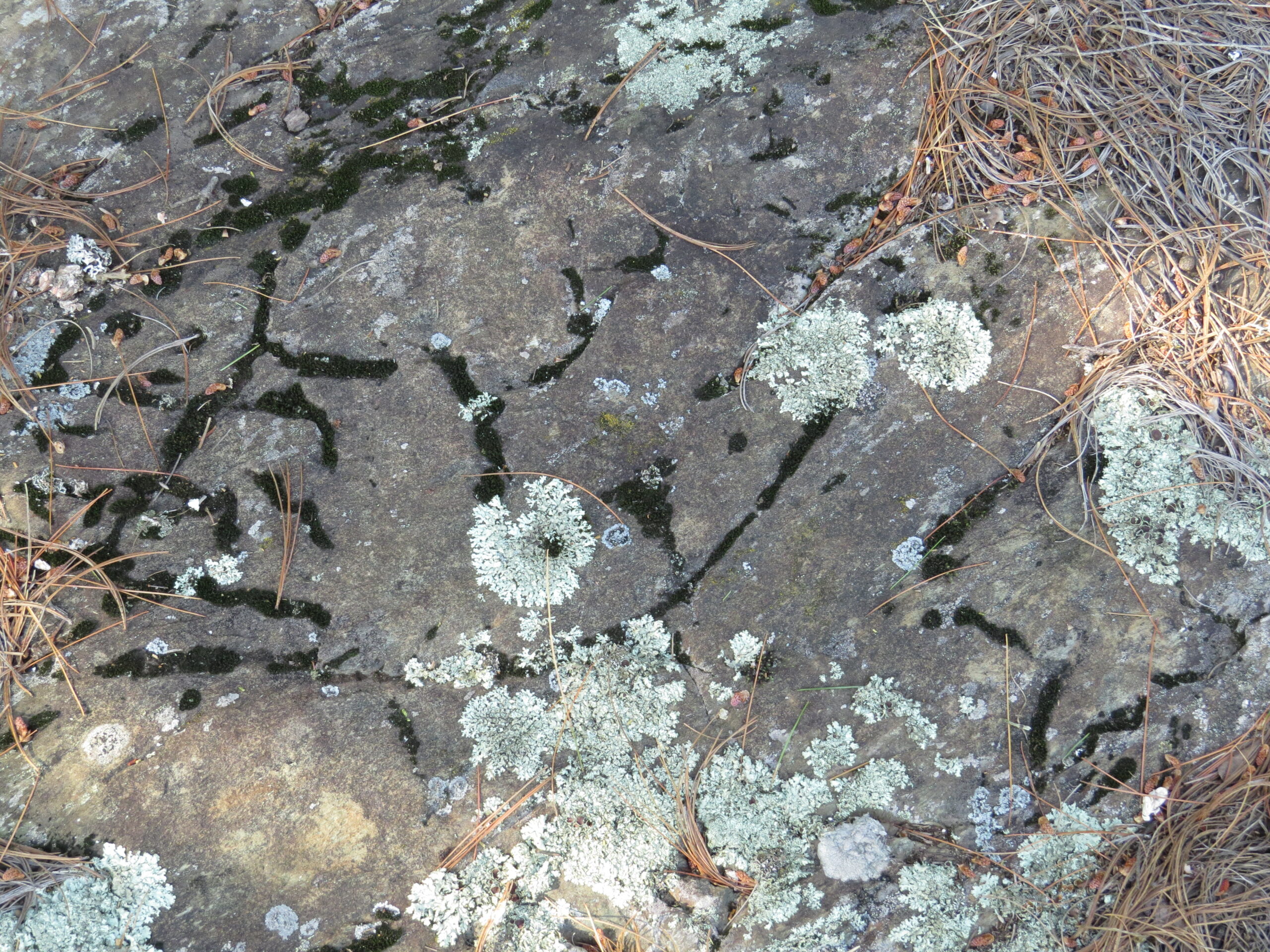
Rocks are the hold-in-your-hand or hold-up-your-feet entities that make a person know what gravity is, what sun-induced warmth is, and what eons of history are in this place. Lichens and moss are the writing that tells the story.
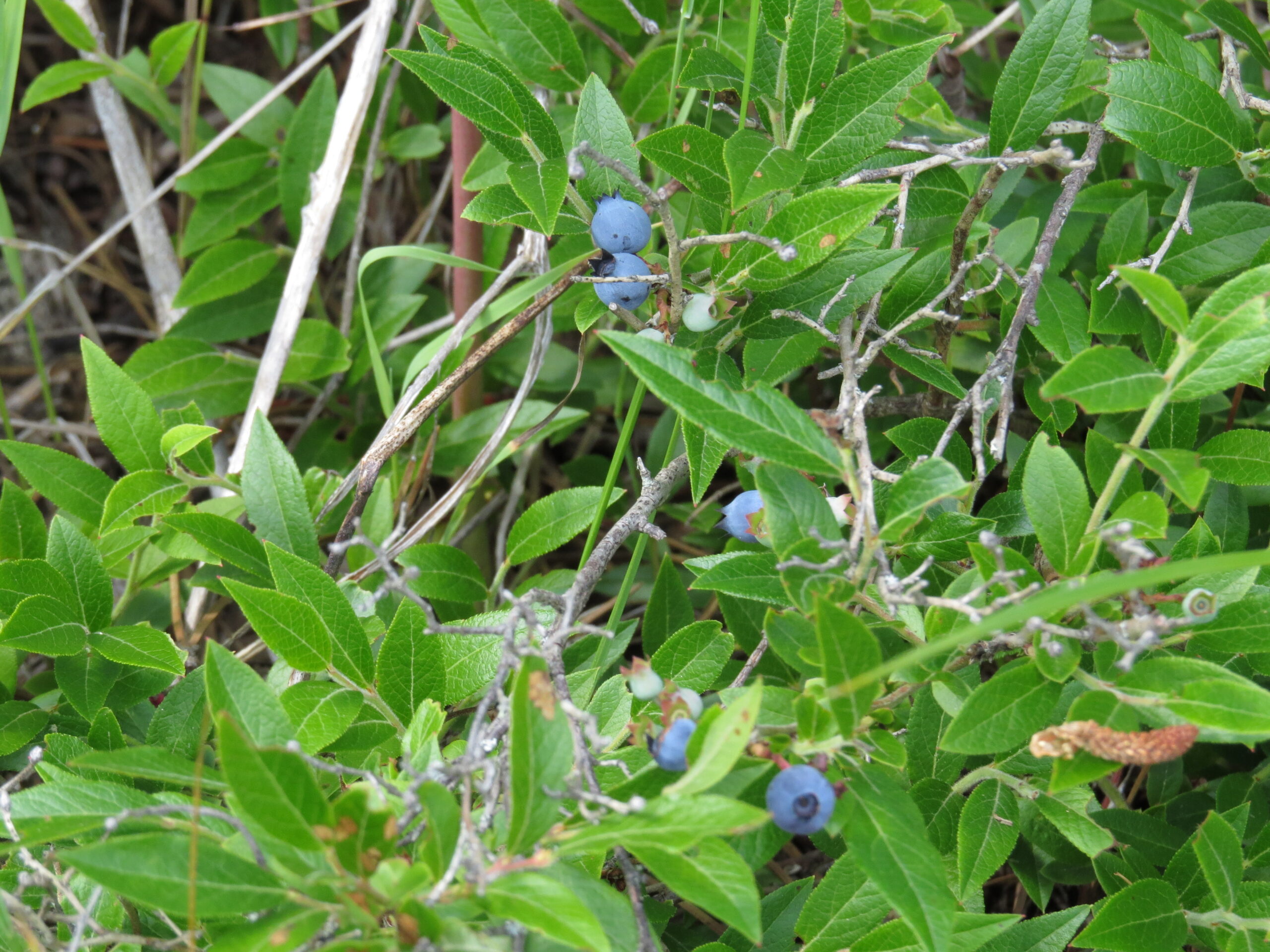
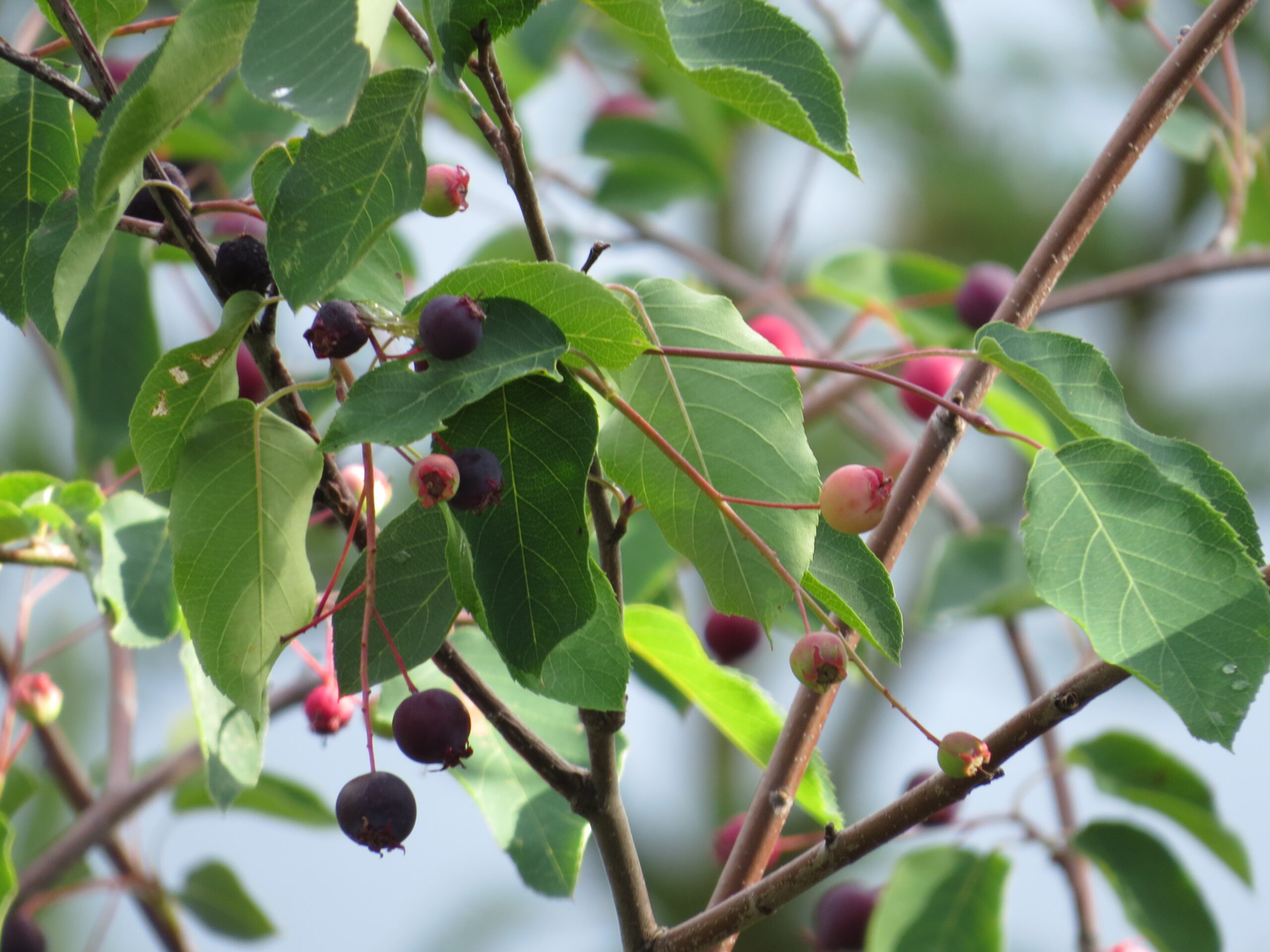
Like a foraging Black Bear or a hungry Gray Jay, I browsed through the brush of Wild Blueberries growing in the scant soil over the large rocks. They were just beginning to ripen, so pickings were precious and few. Not so with the Juneberries on the shrubby, thin-branched trees—they were ripe and abundant and oh-so-delicious!
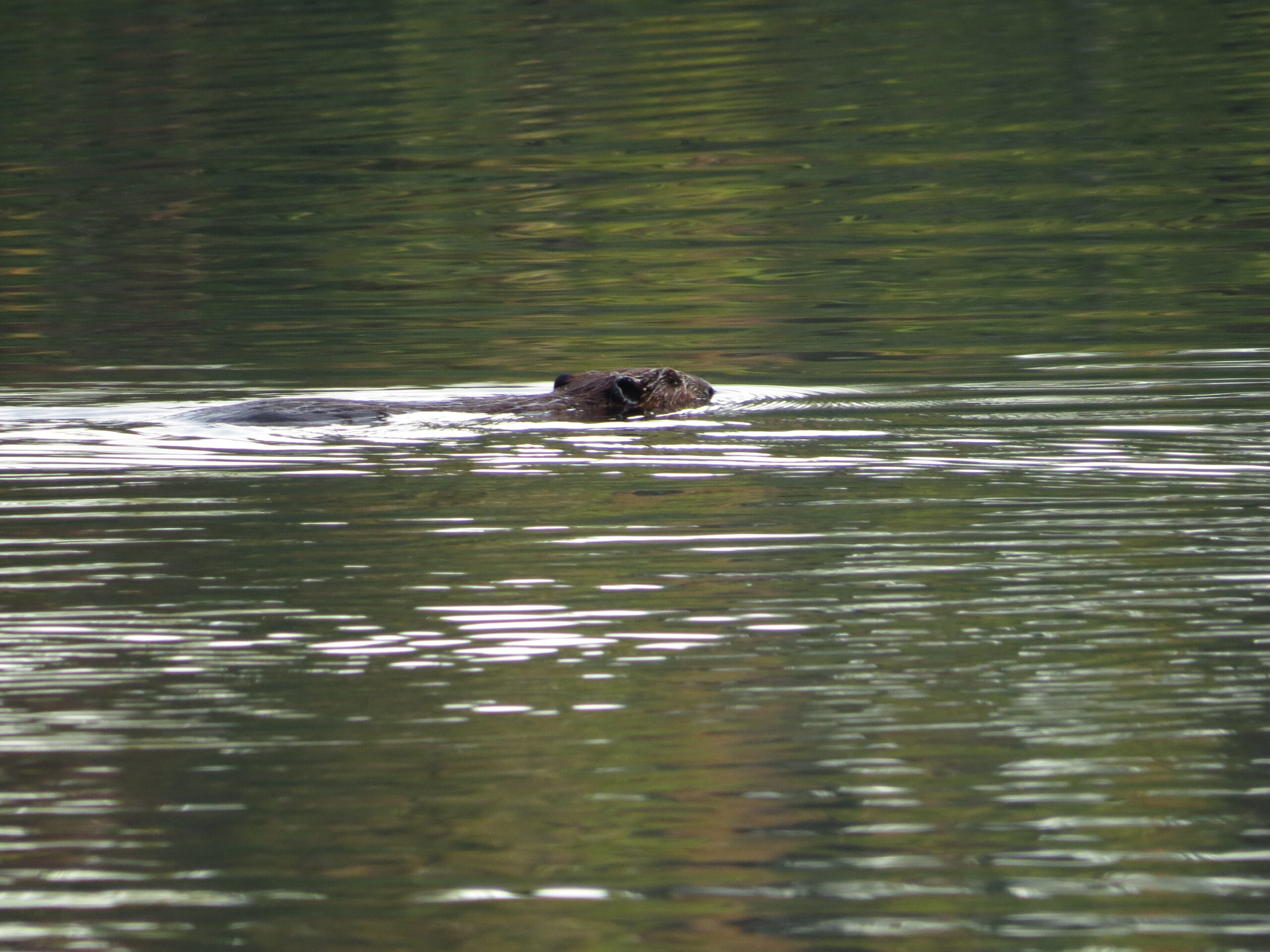
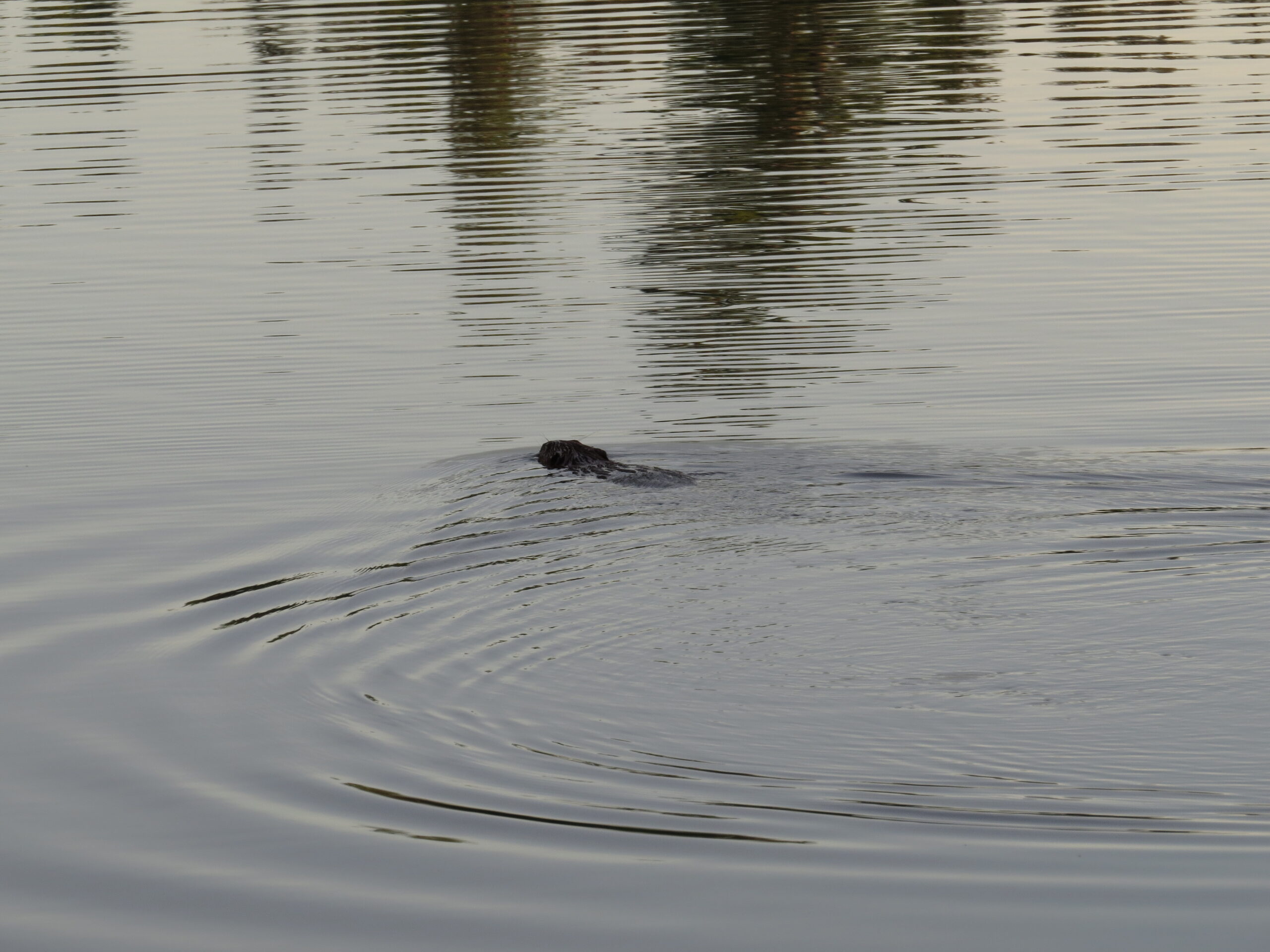
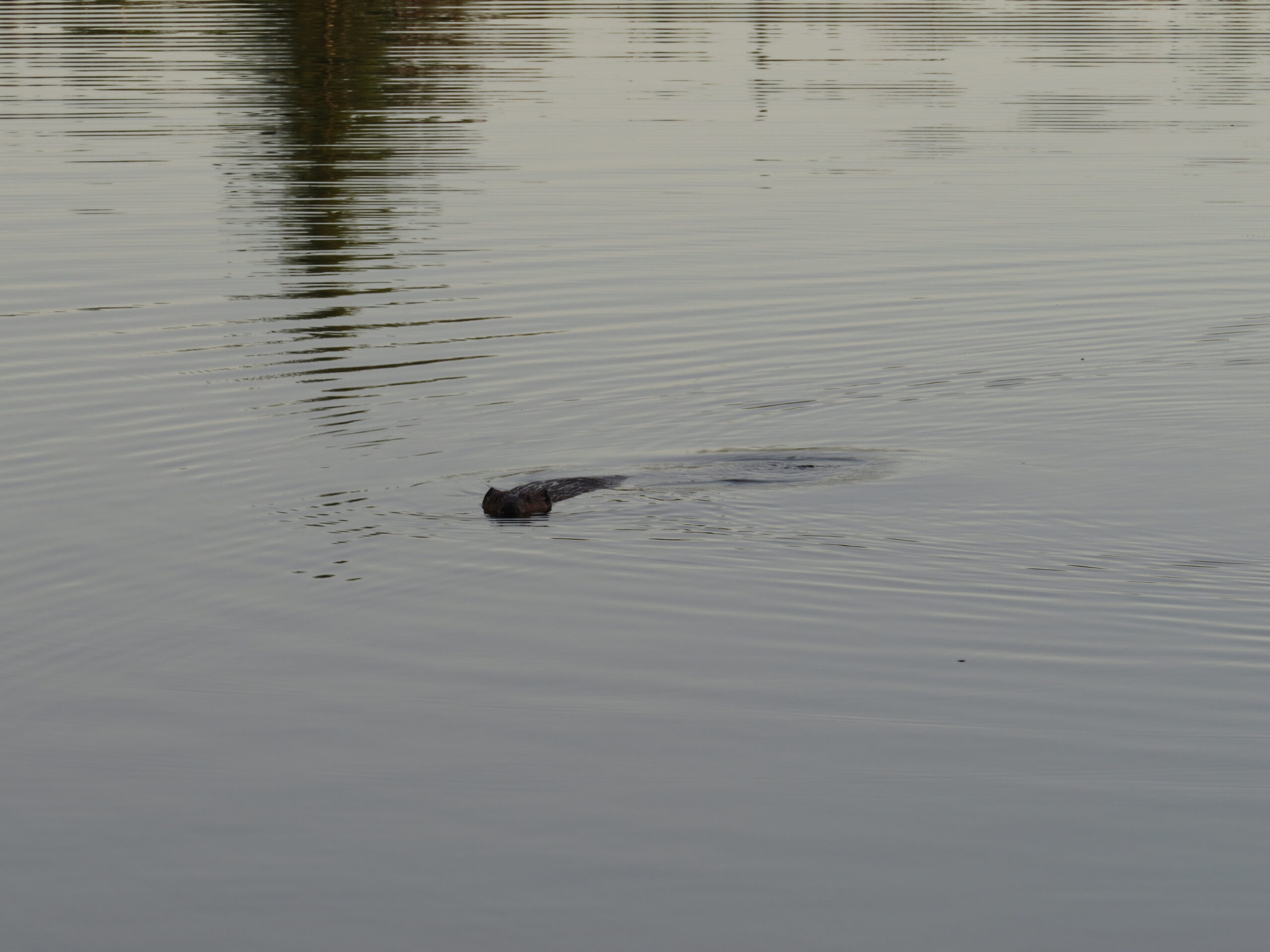
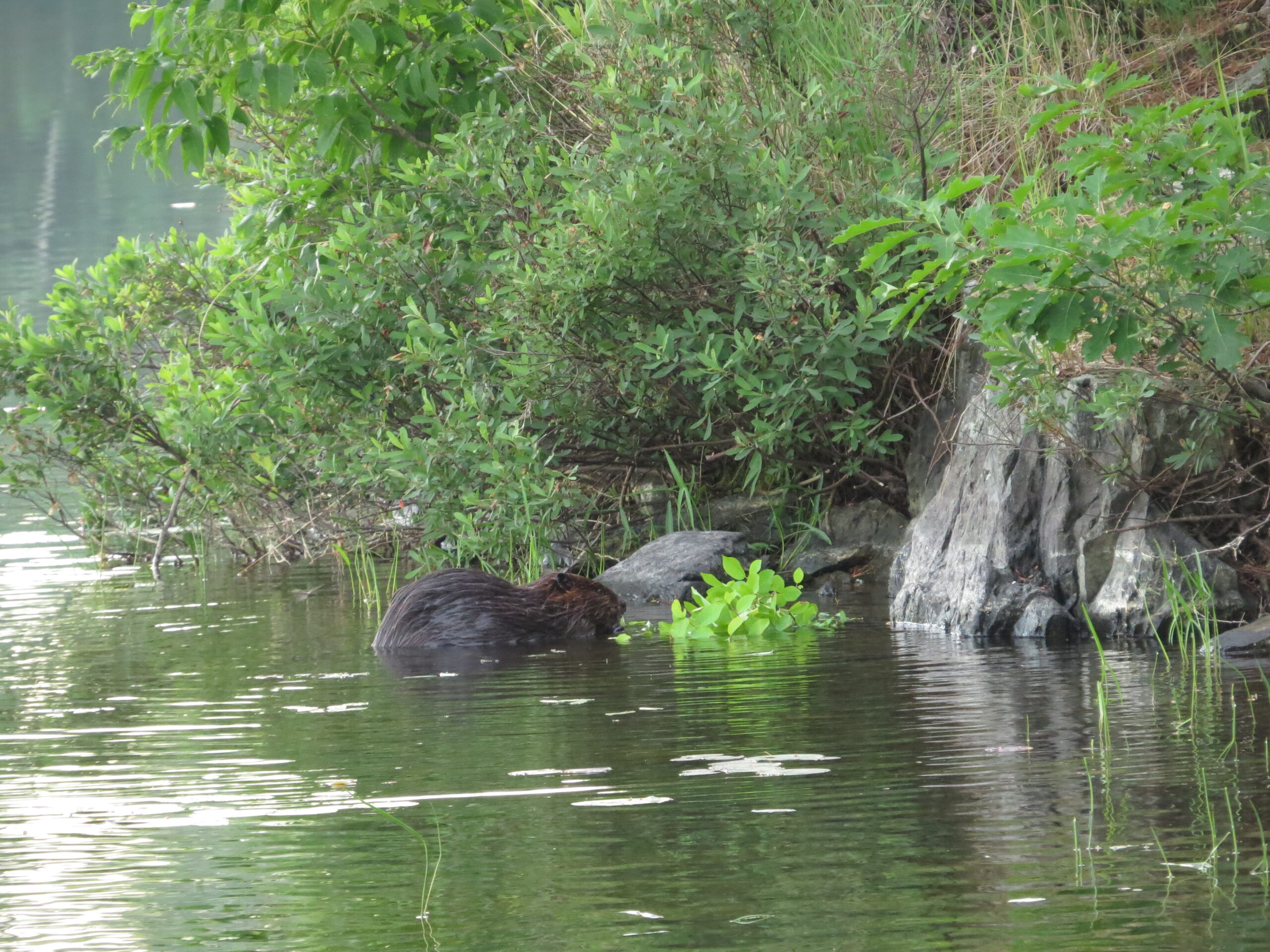
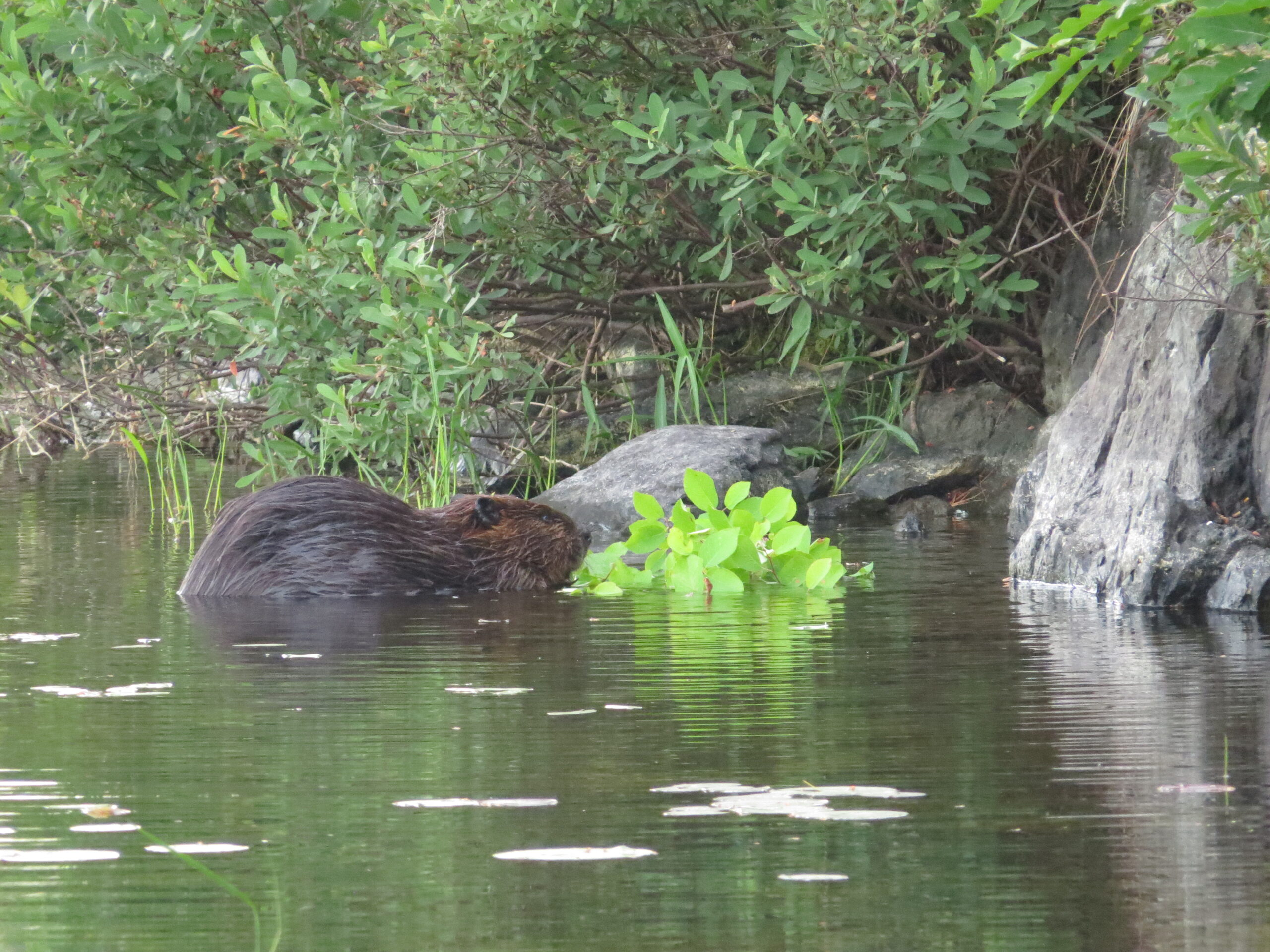
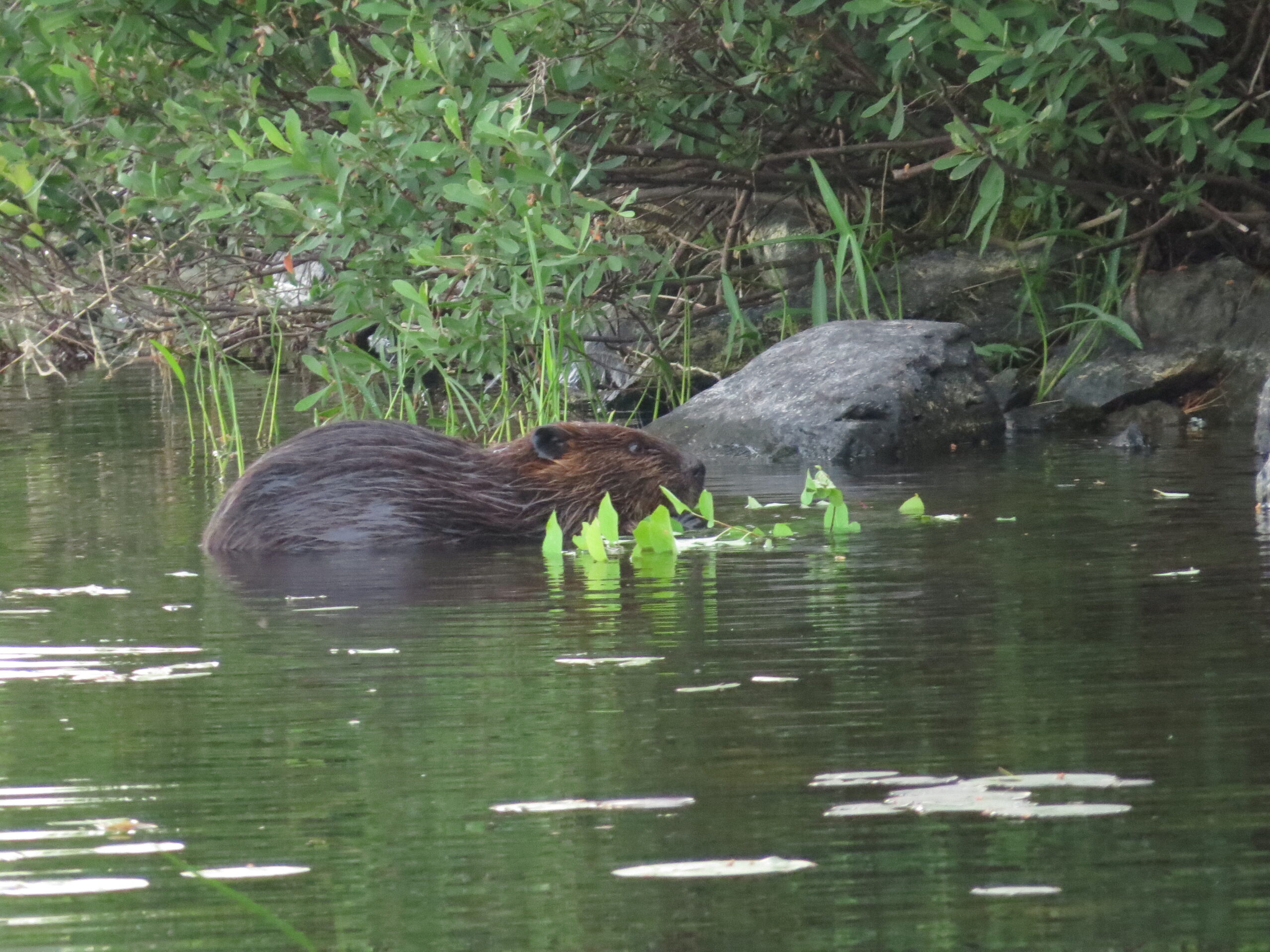
The smell of campfire smoke is like a signal to relax, prepare some nourishment, eat slowly and laugh often. Usually only one or two people of the group become the fire-tend-er; others take care of food, clean-up, and equipment—there are shared responsibilities even when time is slow and relaxation is the goal. As evening smoke drifted up into the calm sky, a beaver swam in circles in the lake—again, it seemed like he was doing it for fun, for the pure joy of movement. At one point we startled him, and he slapped his tail on the water with a loud ‘crack’ and dove out of sight. But soon he was back to swimming his laps. We saw him swim to the shore where a bright green branch of leaves grew or lay in the shallow water, and he nibbled and nibbled his post-workout snack until it was almost gone.
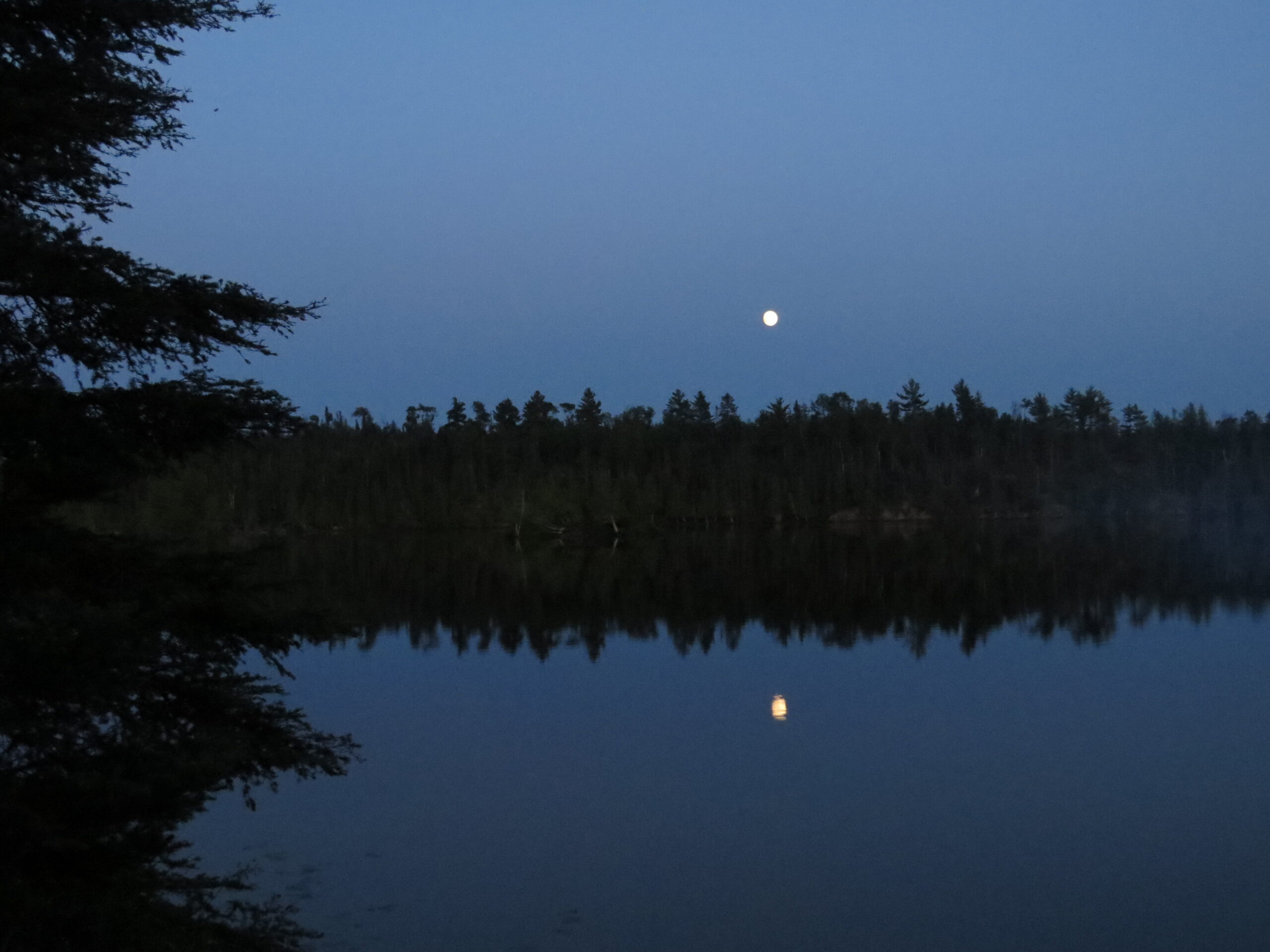
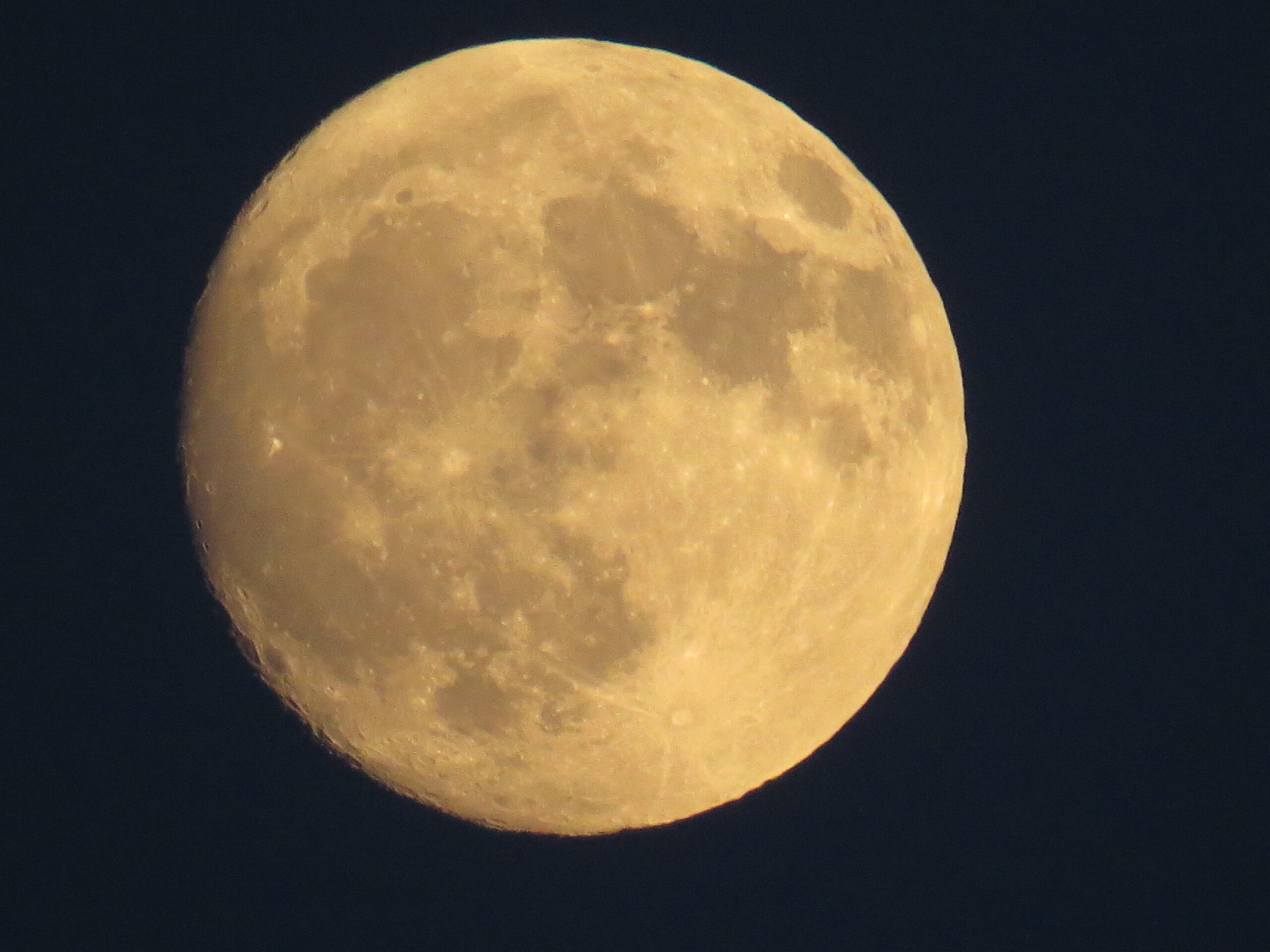
Late evening and watching the almost full moon rise above the trees and reflect on the water—I wonder if these moments could get much better. It’s a ‘savor-moment’—it makes me feel like everything is going to be okay in a time when so many things make it feel otherwise.
Then morning comes after a Loon-call-filled night. Mist from a warm day, cool night floats above the water. Reflections on the calm, still water give us a slightly different view of reality, expanding our minds.
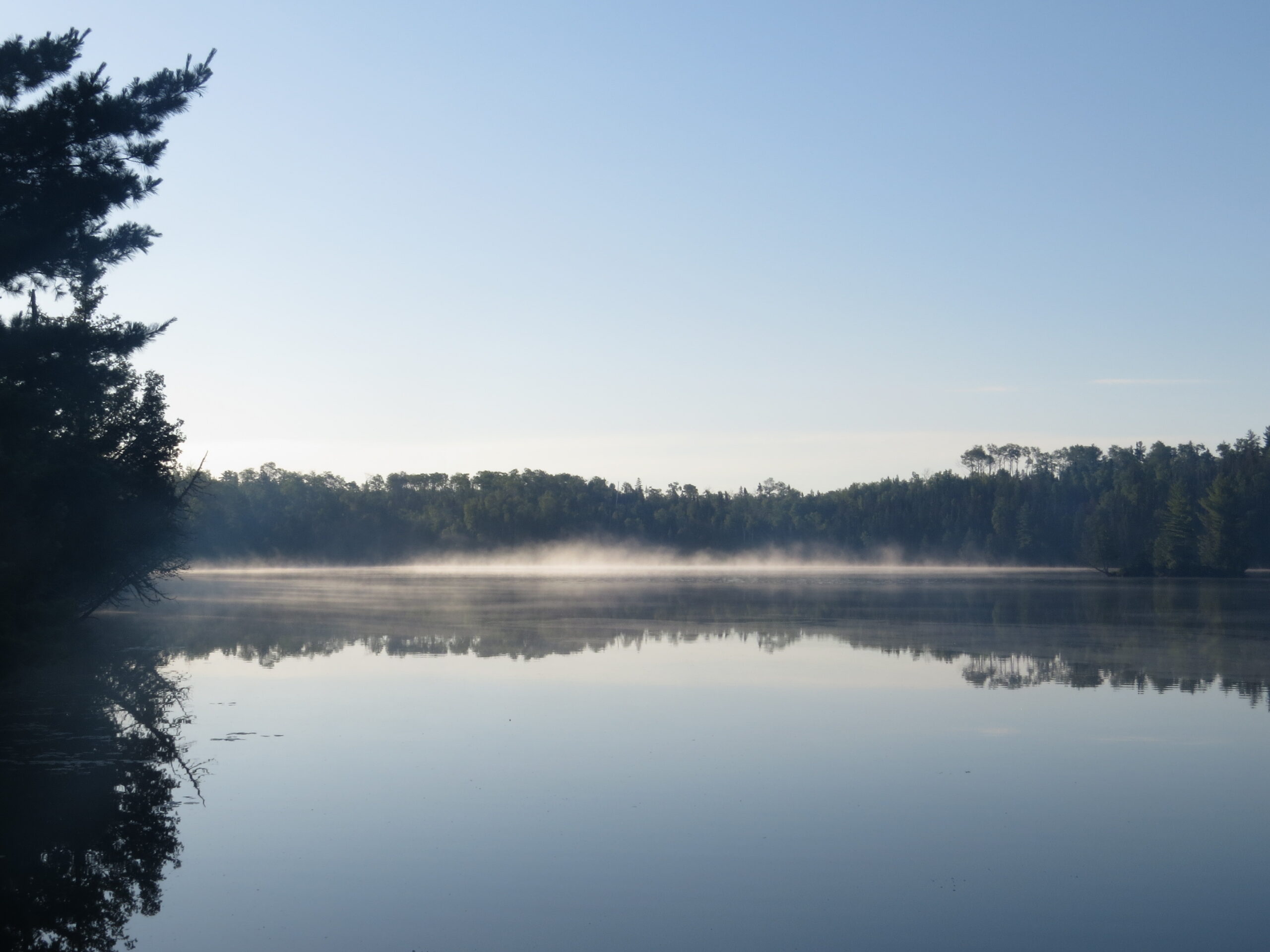
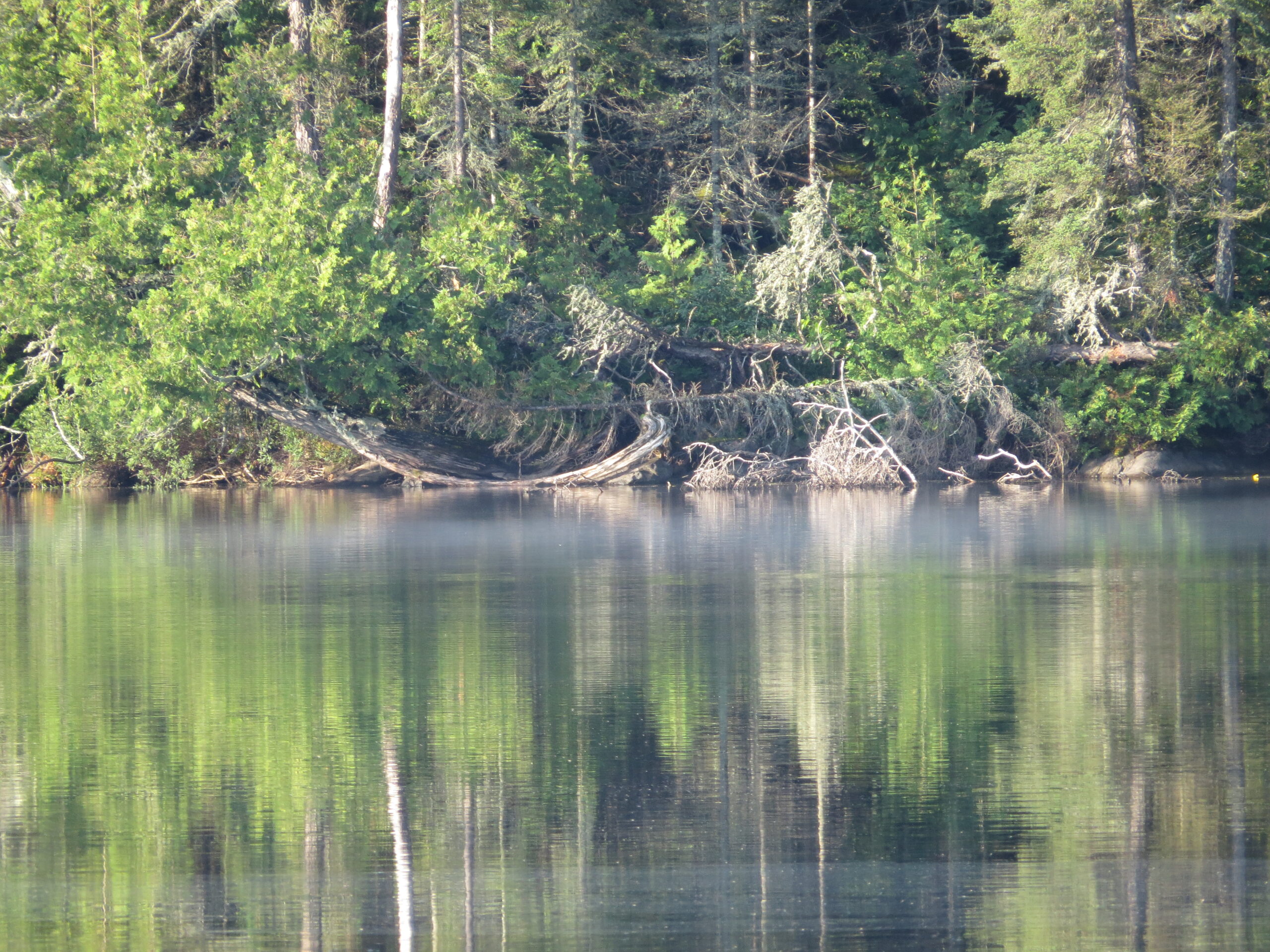
We all go through constricted times in our lives when facts and feelings are blurry. Pain, whether physical or emotional, is a constrictor. We don’t usually have the capacity to do much beyond dealing with the very real but usually distorting pain. Looking back to those times in my life, I realize there were negative consequences to my being in the cocooning pain, but there were also gifts to be had and lessons to be learned. Extreme busyness also tends to blur the perceptions and memories of a given time. Both pain and busyness are integral parts of Life. We won’t escape them, but we can cultivate more feelings of freedom. Being in the arms of Mother Nature, listening to the Loons and Osprey, seeing the full moon rise over the trees, smelling the campfire, tasting the Juneberries, and touching the warm rocks all expand my mind, body, and spirit. I feel like I could fly. I want more of that.
Reclamation
I lived in eastern Pennsylvania for a good part of my growing-up years. Since the late 1800’s, Western Pennsylvania was known as coal country. In the 1960’s, strip mining began to replace underground mining, and with the heightened awareness of environmental issues by the first (April 22, 1970) and subsequent Earth Day Celebrations, strip mining was a big issue. I chose that topic for a term paper I wrote in high school, because the pictures of what strip mining did to the land turned my stomach and kind of broke my heart. Even the phrase ‘strip mining’ has a violent, ugly sound to it, and now tends to be replaced with the term ‘surface mining,’ which also includes ‘open-pit’ and ‘mountain-top removal’ mining. (Two other methods that sound as ugly as they are.) Strip mining is more efficient and cost-effective for the mining companies and safer for the miners, but it is an environmental nightmare that pollutes waters, scars and alters the landscape, erodes soil, damages infrastructure, and destroys wildlife. In the early 70’s, the mining companies promised ‘reclamation.’ They said they would reclaim the land—return it to its natural state. But also by then, the evidence of their reclamation claims was almost non-existent. The scarred and barren land was most often abandoned.
Minnesota also has a long history of mining—not for coal but for iron ore. Iron ore was discovered in the Cuyuna Range area in 1904 and became a mining boom during the World War I and II years. Twenty to thirty mines were dug and new towns sprang up in the area—Ironton, Cuyuna, Crosby, and Riverton, to name a few. Twenty mines were still operational in the early 1950’s, but most were shut down a decade later. The mining companies abandoned huge pits 100-525 feet deep with rock piles 200 feet high. Through the combined efforts of the Iron Range Resources Rehabilitation Board, local and county governments, volunteers, and the Department of Natural Resources, the Cuyuna Country land became a State Recreation Area in 1993. I don’t know how much of the ‘reclamation’ was human manpower and how much was Mother Nature doing what she does, but the area has been transformed back to a more natural state. The 5,000 acres of land has six natural lakes and fifteen deep, cold, mine-pit lakes that house Rainbow and Brown Trout. Aspens, Pines, Birch, Basswood, and Ironwood have regenerated the land.
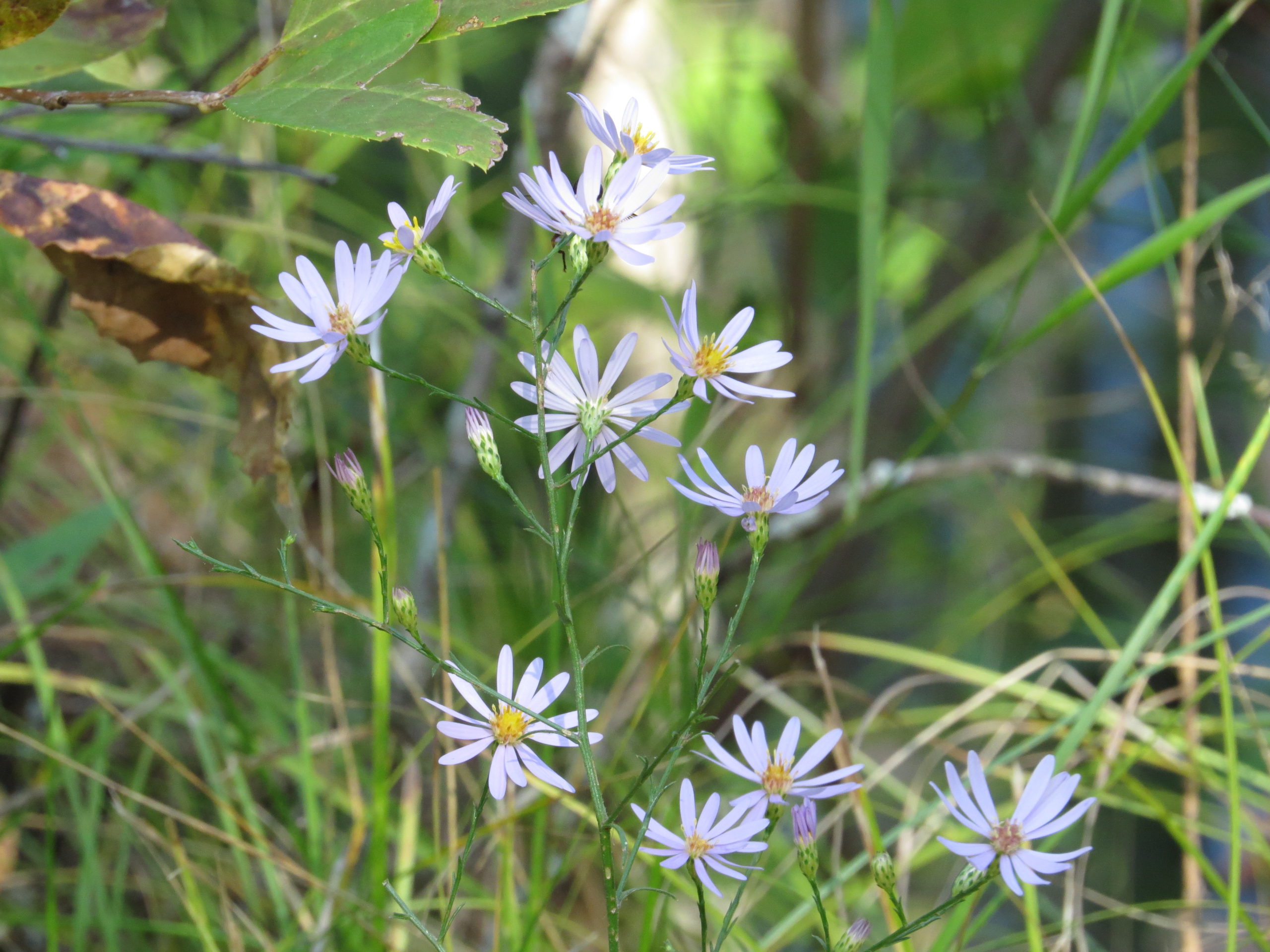
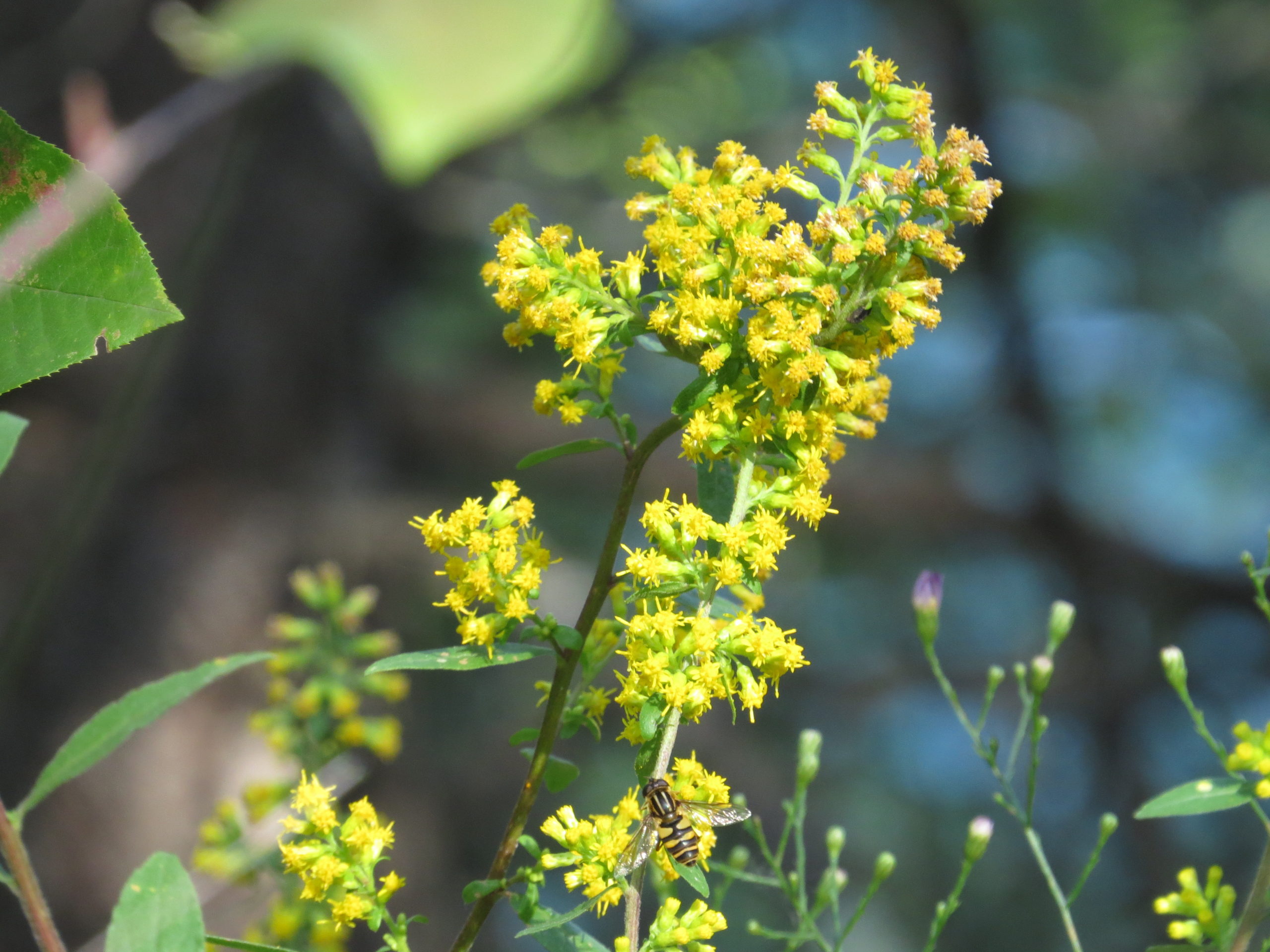
Asters and Zigzag Goldenrod brighten the landscape with their late summer blooming, enticing the pollinators.
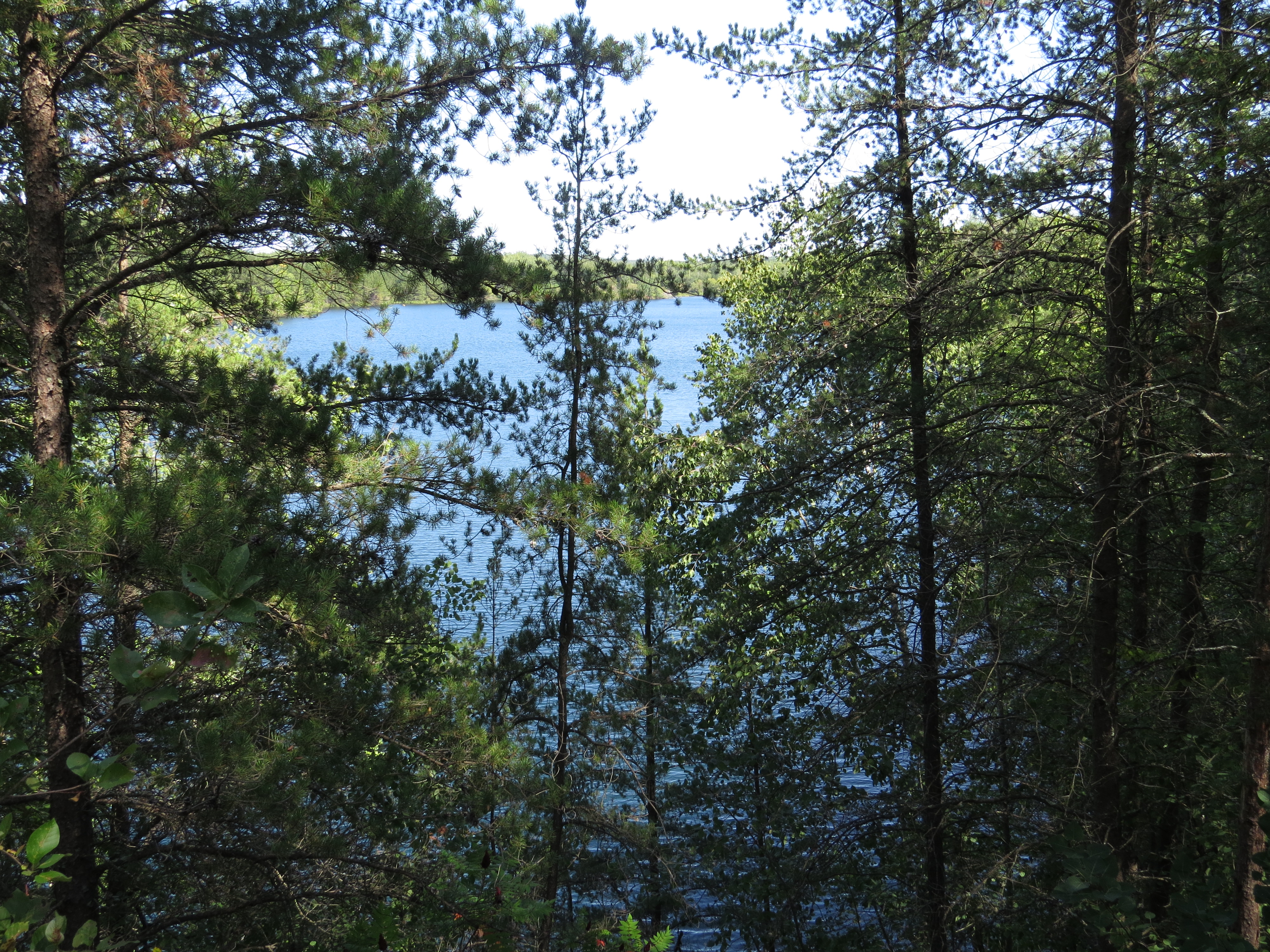
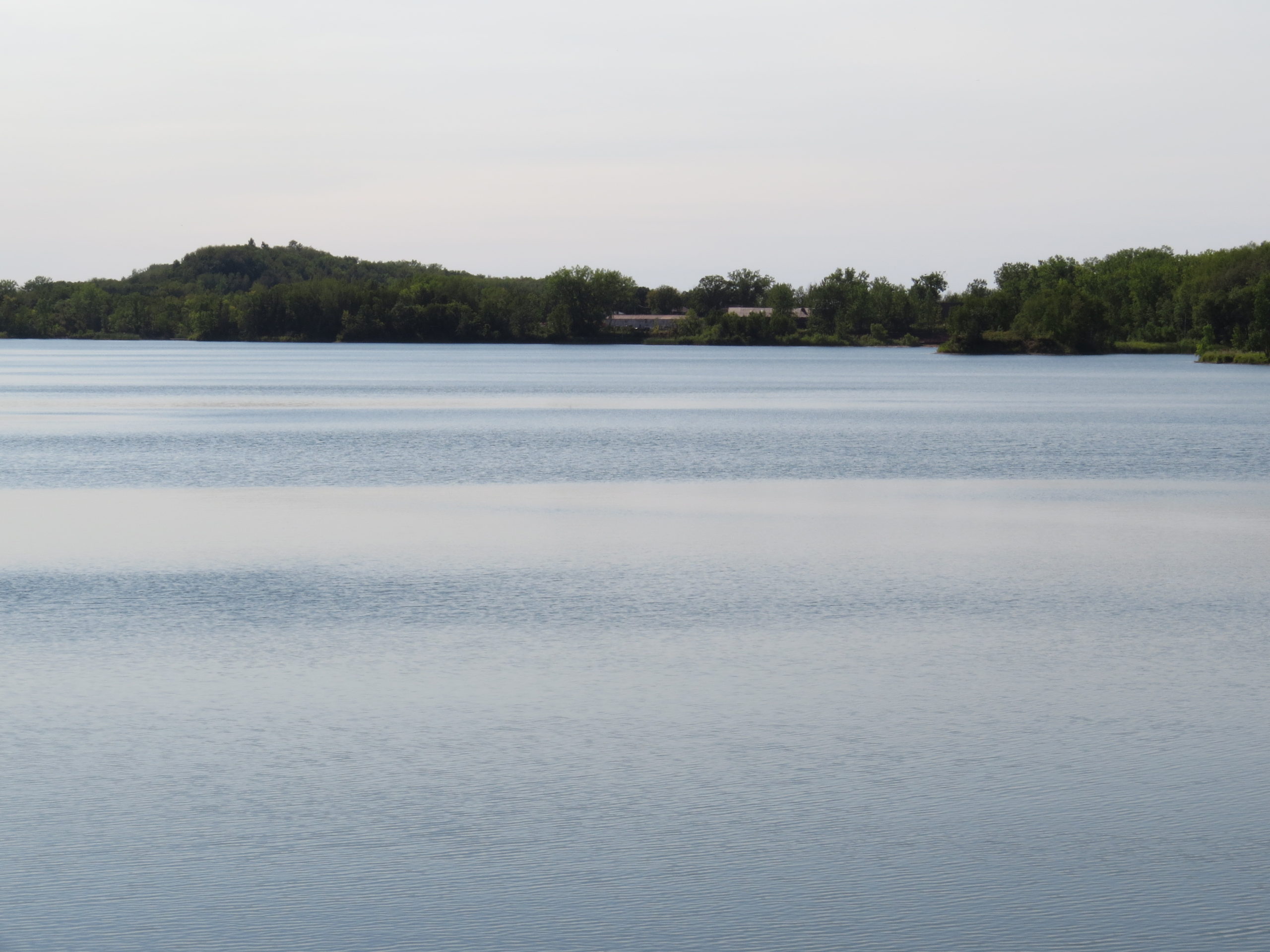
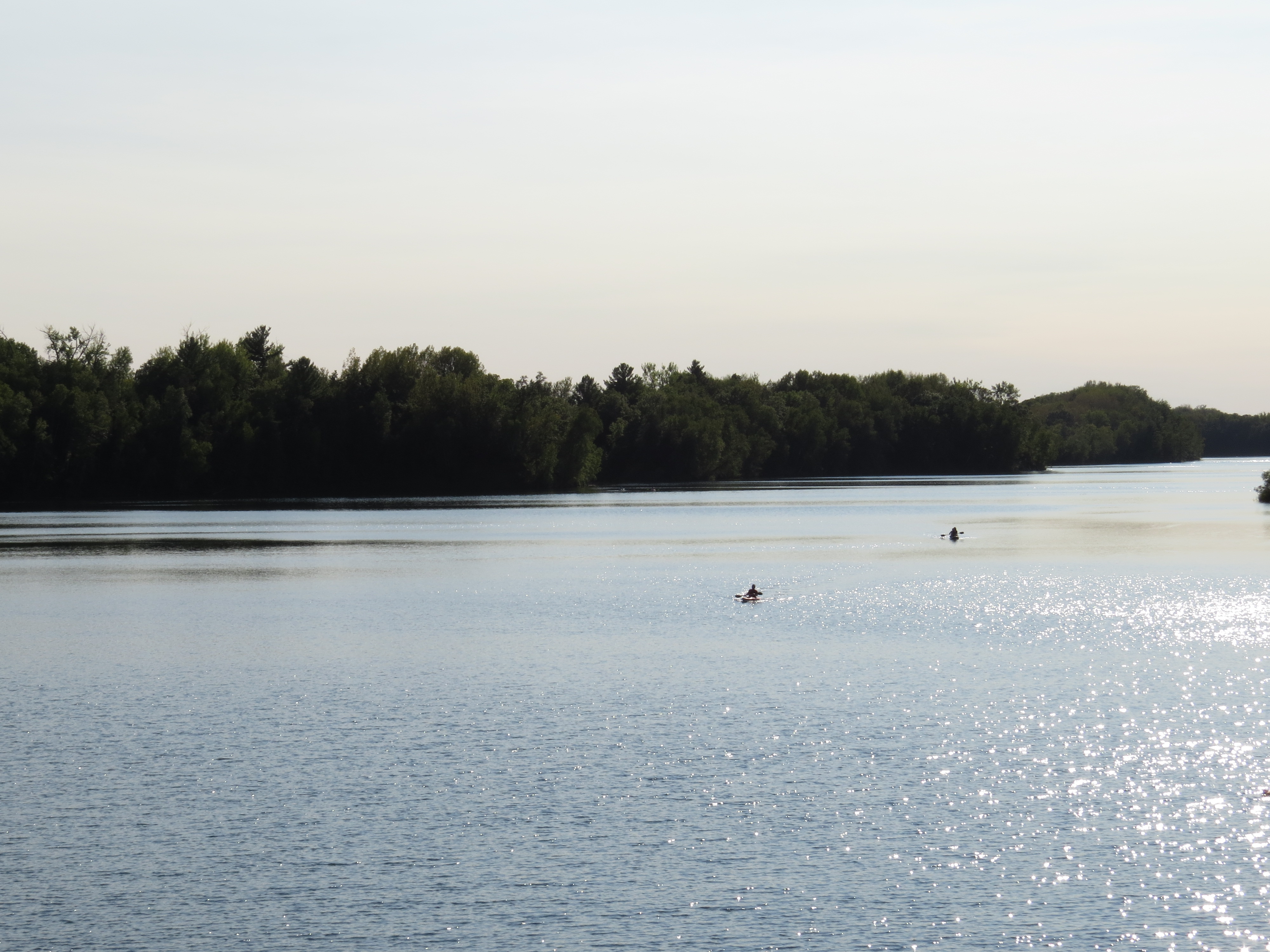
The pit-mine lakes have clear, deep-aqua-colored water that lends itself to scuba-diving, canoeing and kayaking, along with fishing.
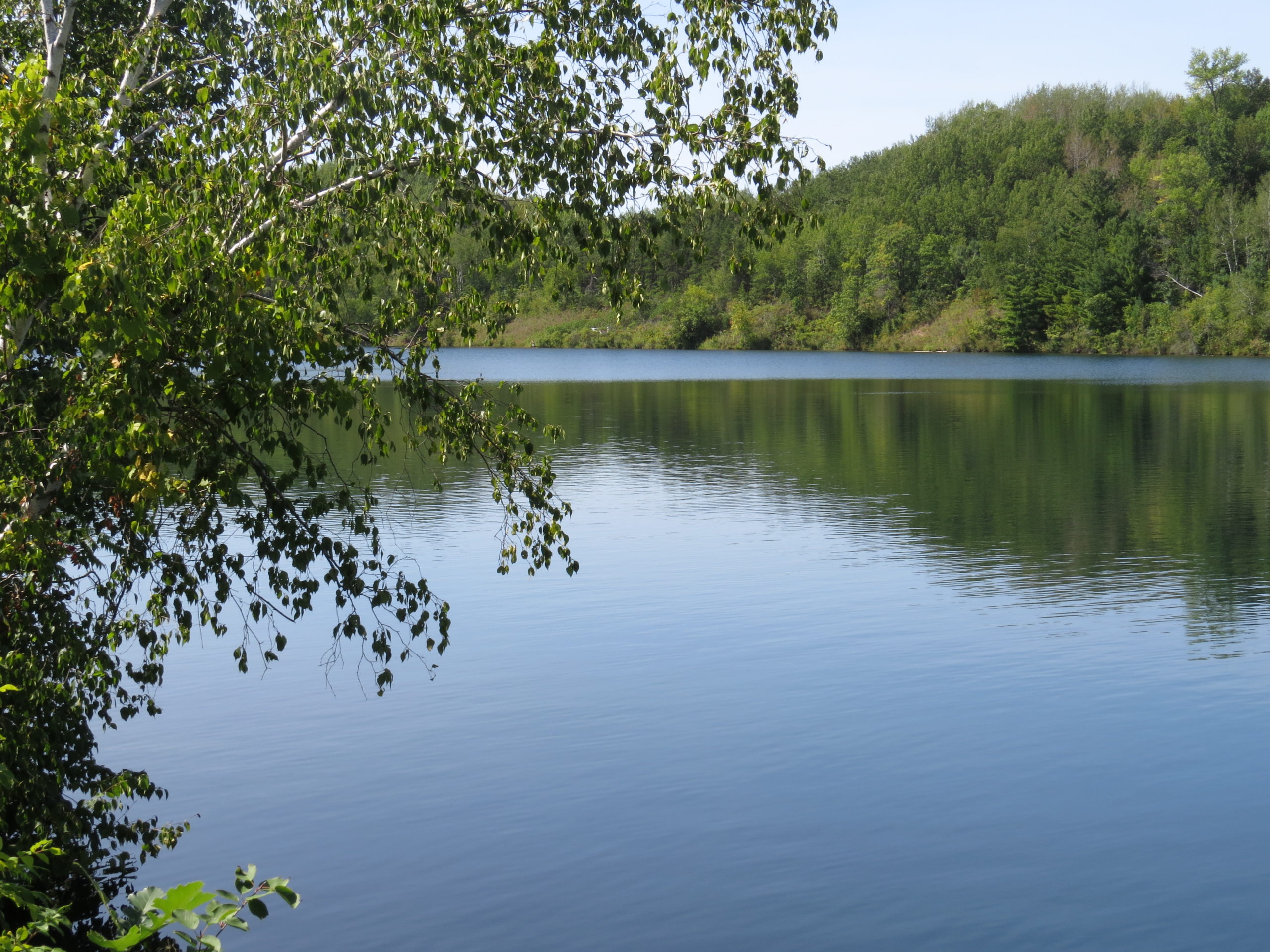
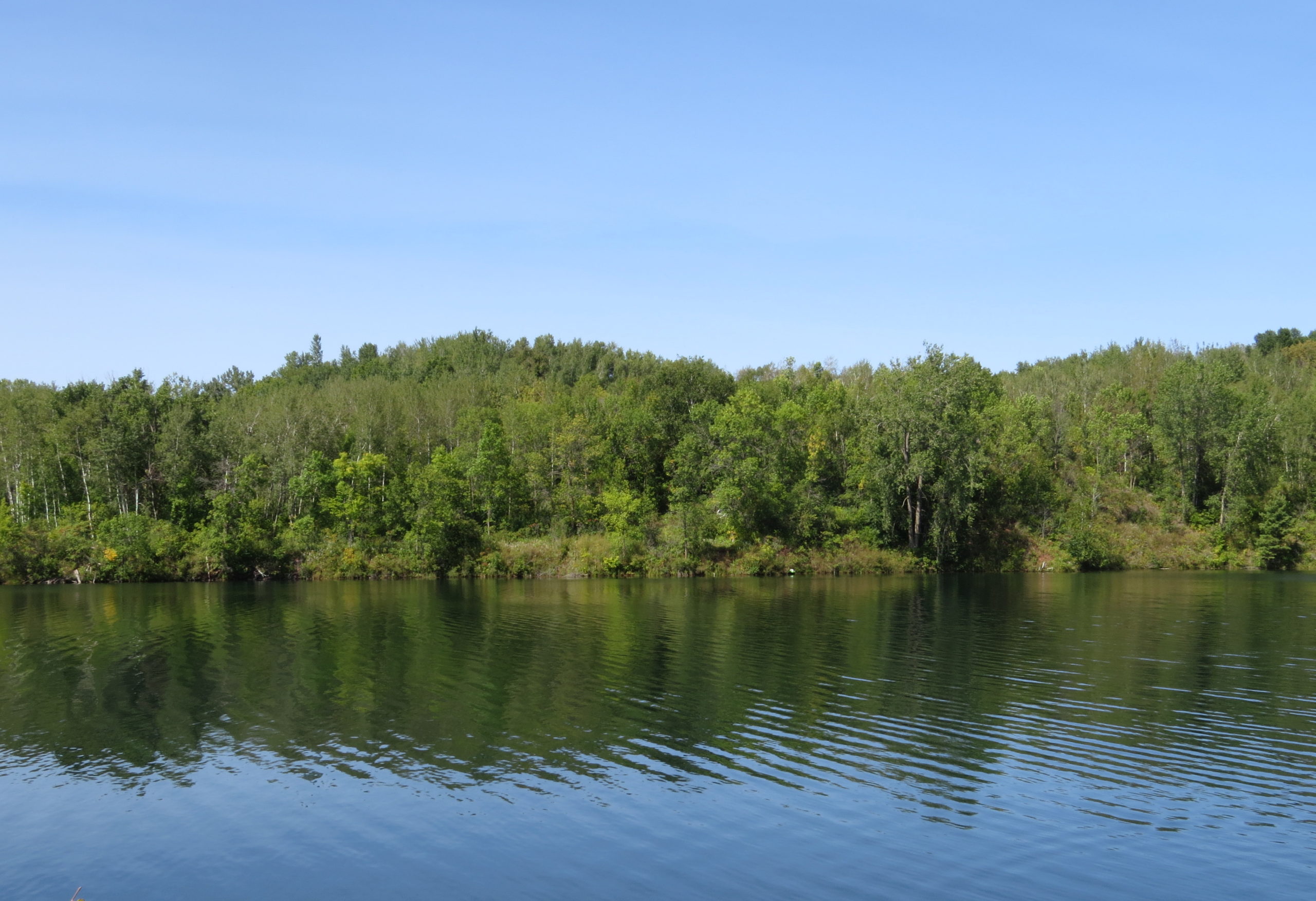
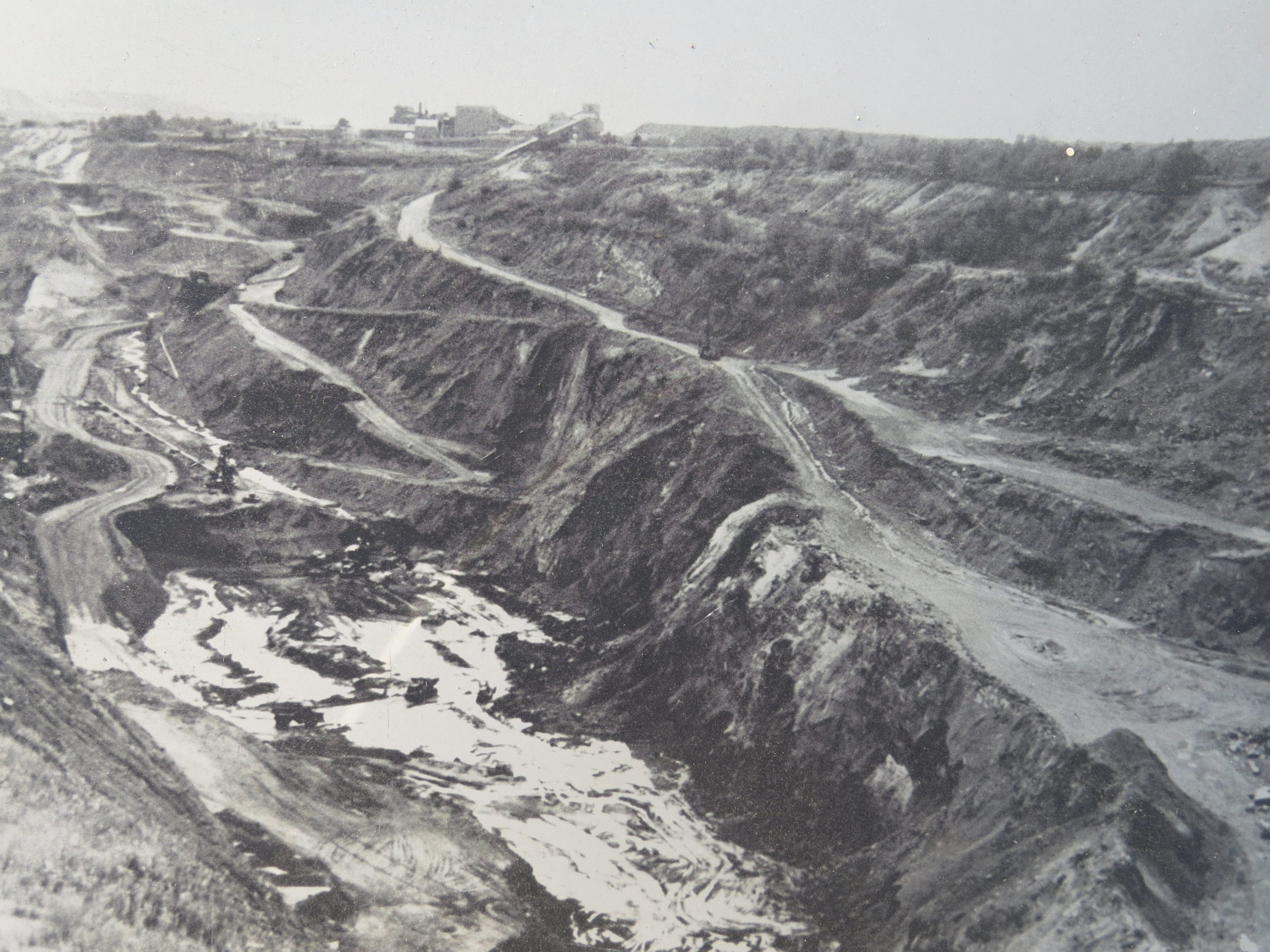
The before and after pictures of Portsmouth Mine and now Portsmouth Mine Lake are dramatic. I would like to see the before-the-mining pictures. The damage is gut-wrenching, and I am reminded why I fervently wrote about strip-mining in high school.
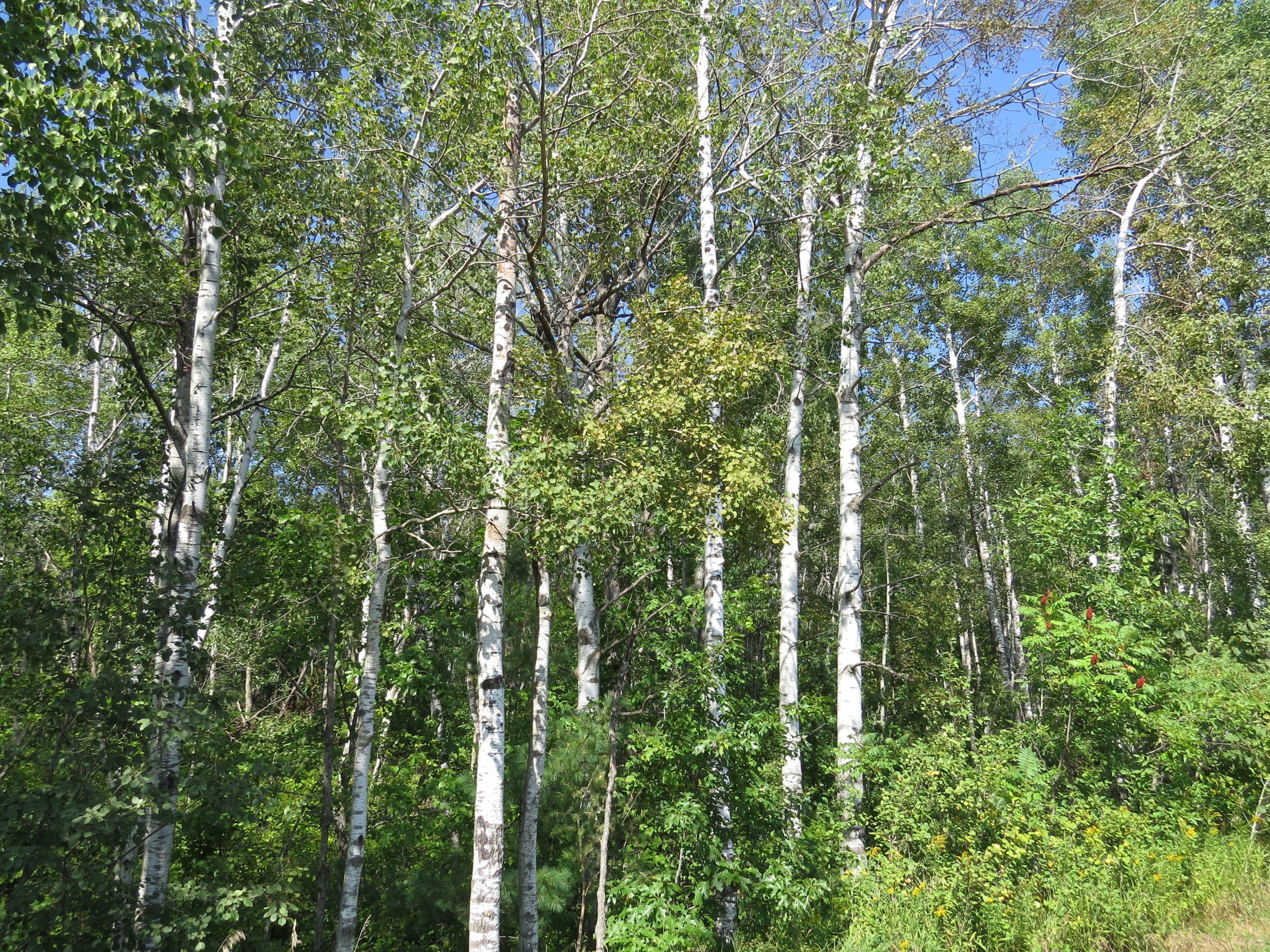
Aspen trees are naturally a ‘reclamation’ tree—they are one of the first to grow after a forest fire. Their colonized root systems and fast growth allow them to quickly regenerate vegetation on barren land.
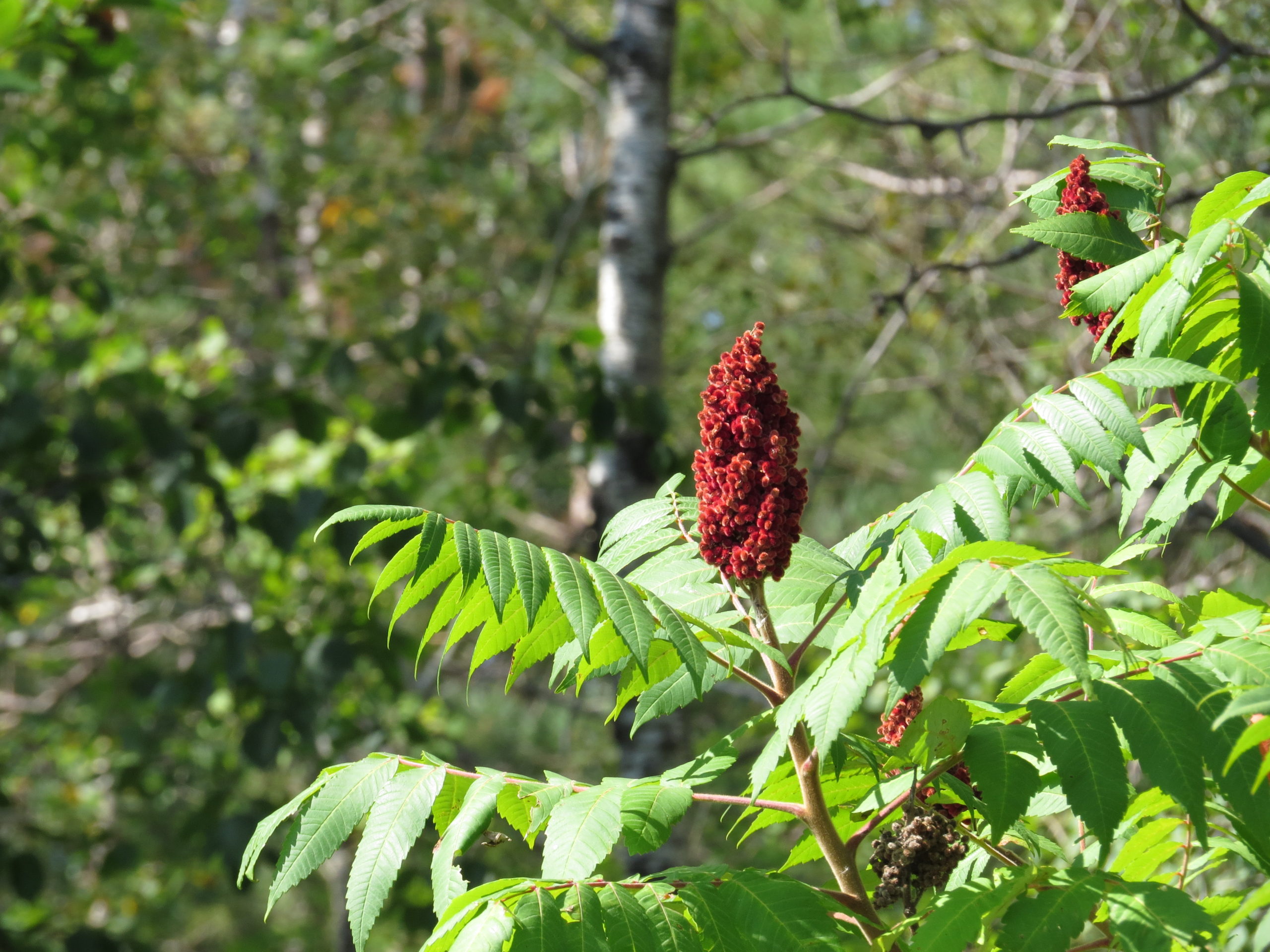
Sumacs are another tree/shrub that easily ‘fill in’ scarred or empty land and also provide food for deer, rabbits, grouse, wild turkeys, and many songbirds.
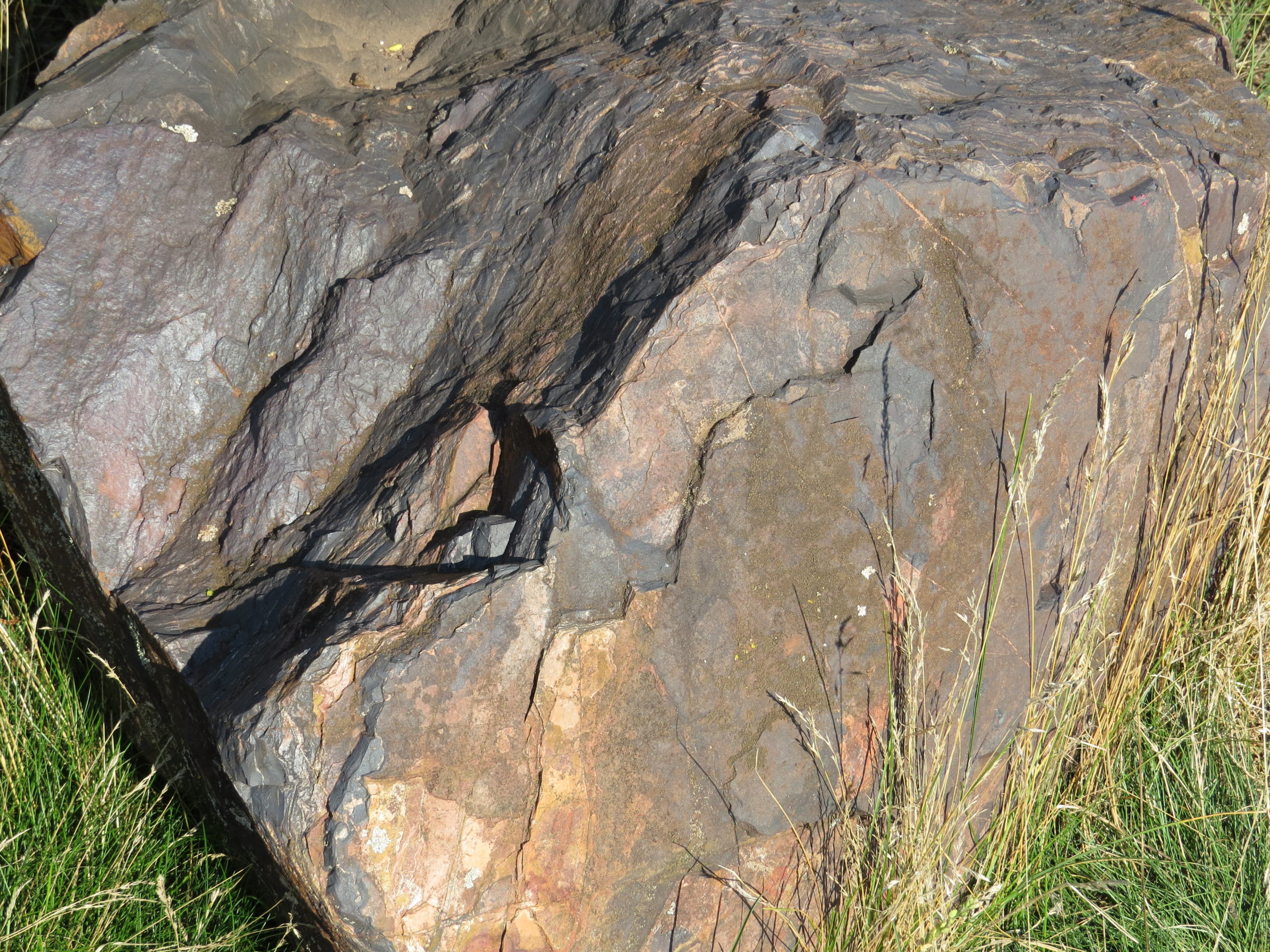
Cuyuna Country Recreation Area is probably best known for its fifty miles of single-track mountain biking trails. When we arrived in Ironton, I mistakenly thought the mountain bike riders had special red-colored tires for their bikes. We were there with our old bikes to ride on the paved State Trail, and it wasn’t long before our tires picked up the red color from the iron-laden rocks and dirt from the mountain bikers that crossed the paved trail.
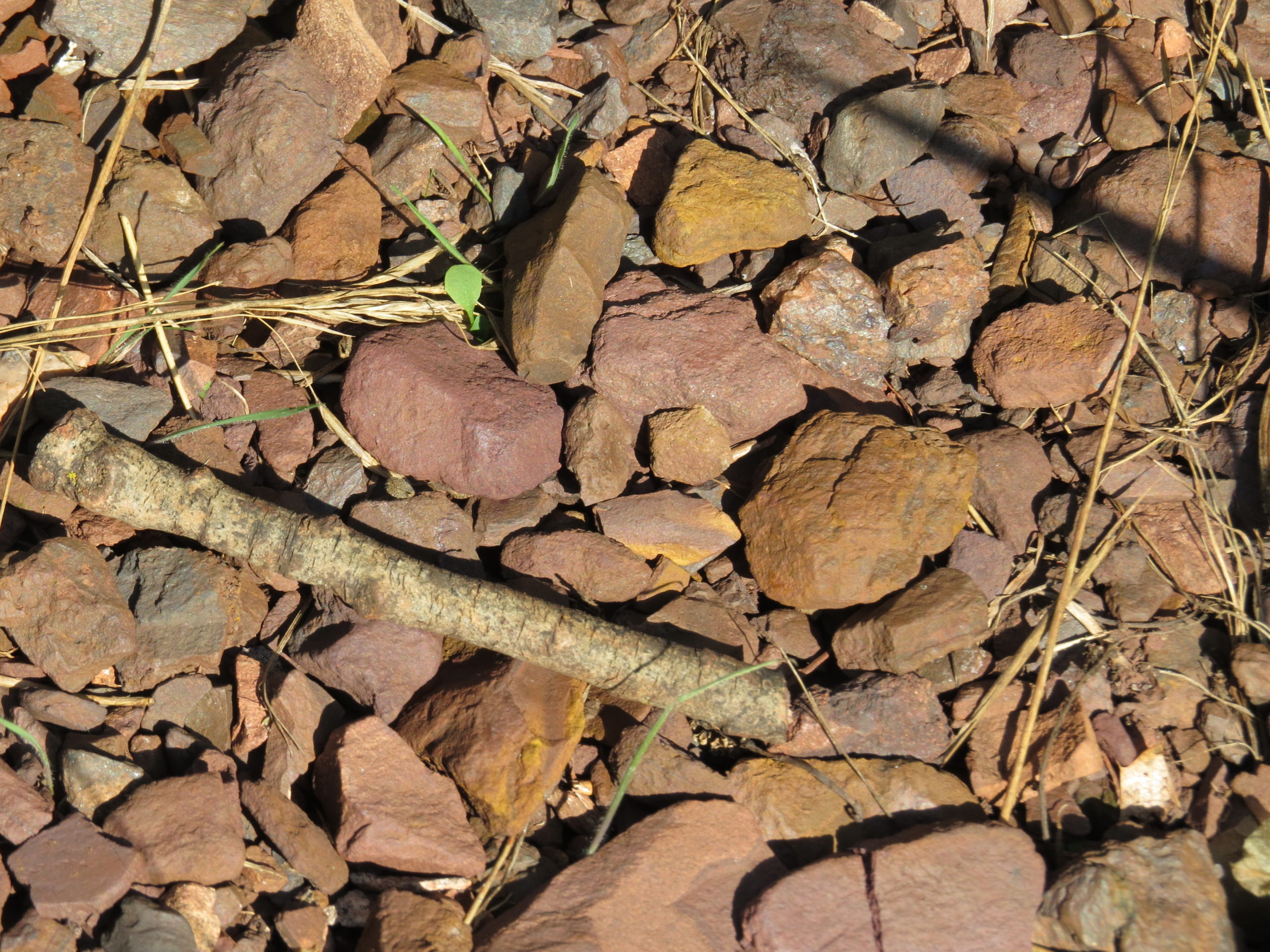
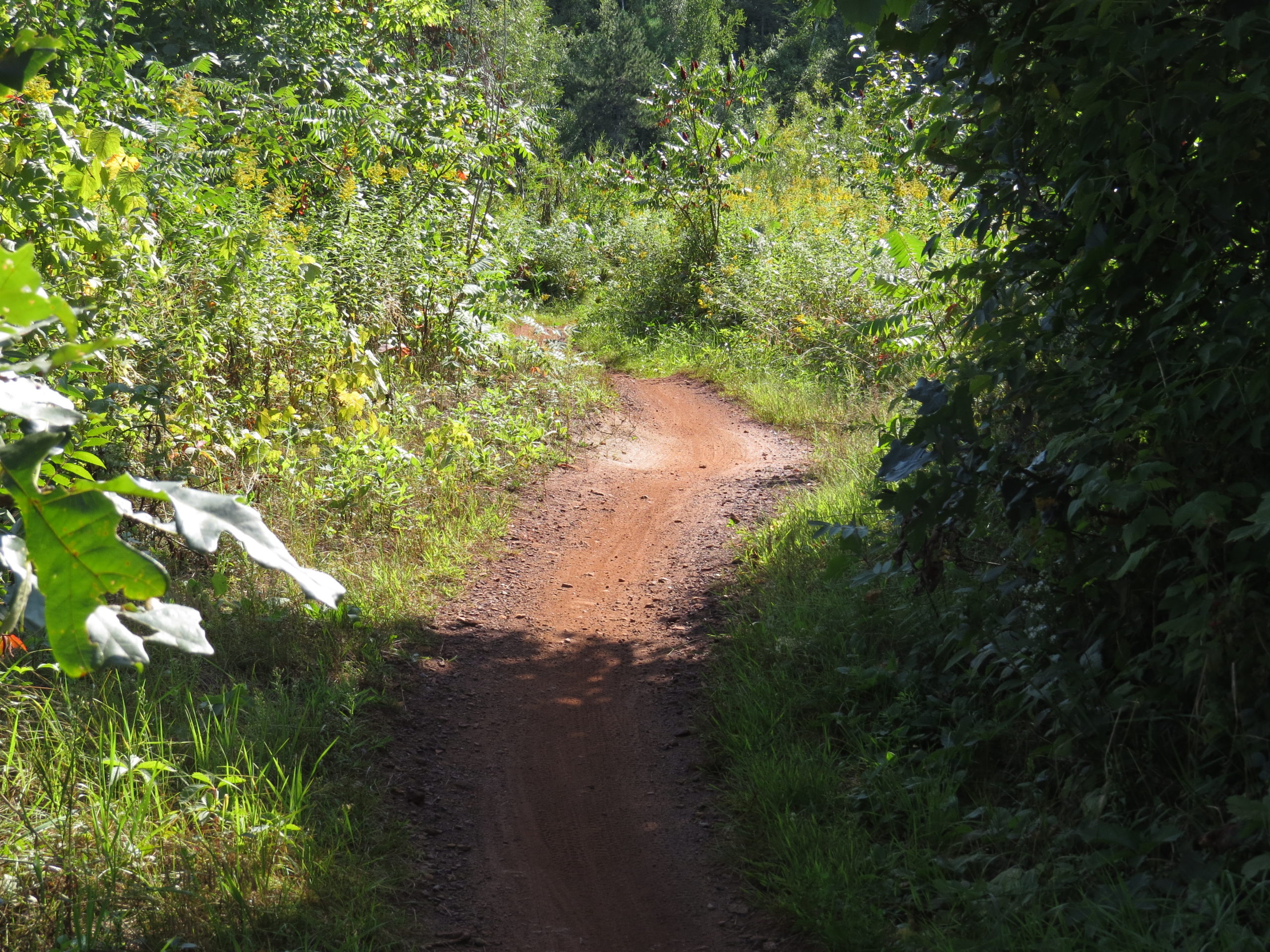
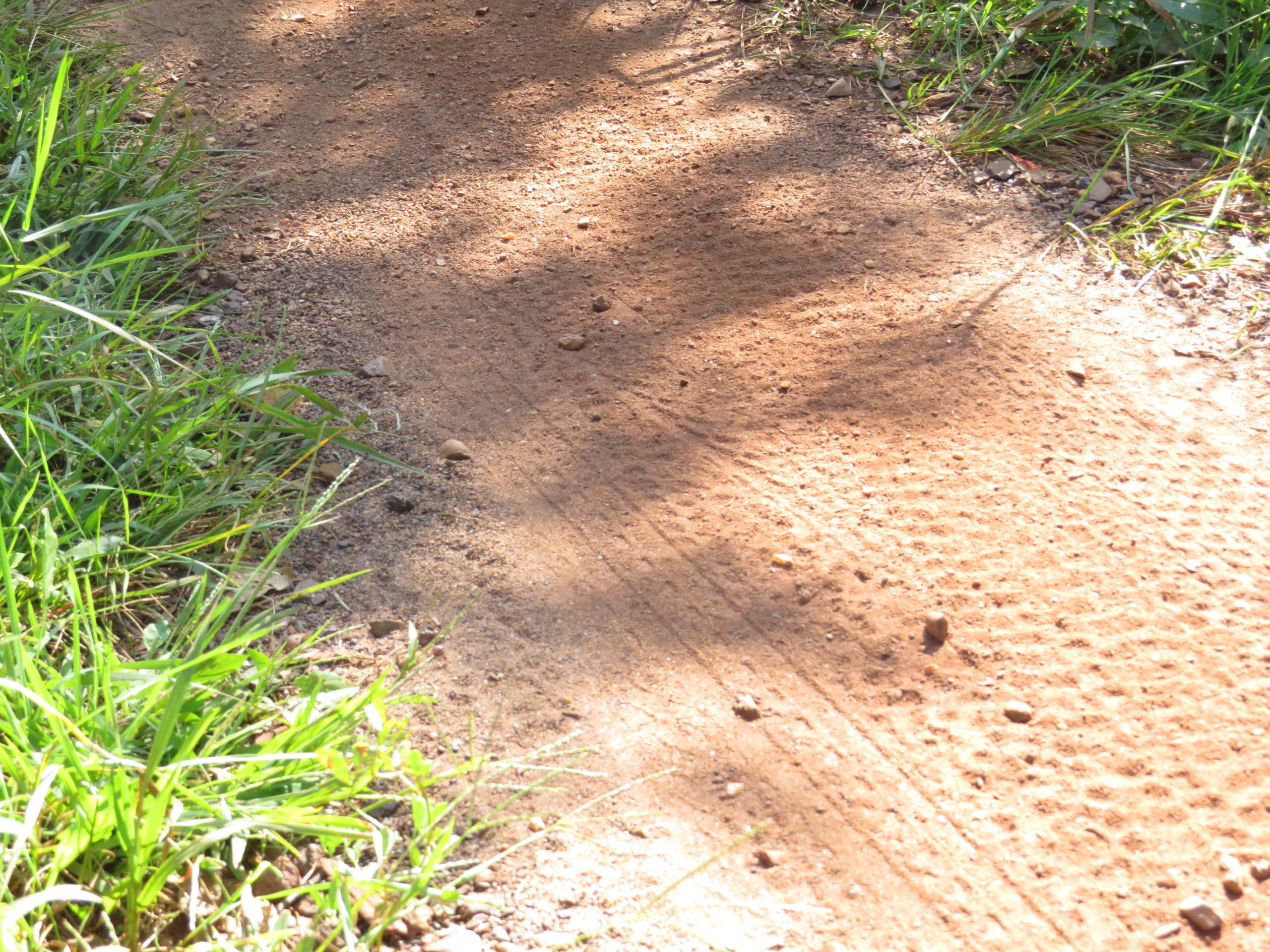
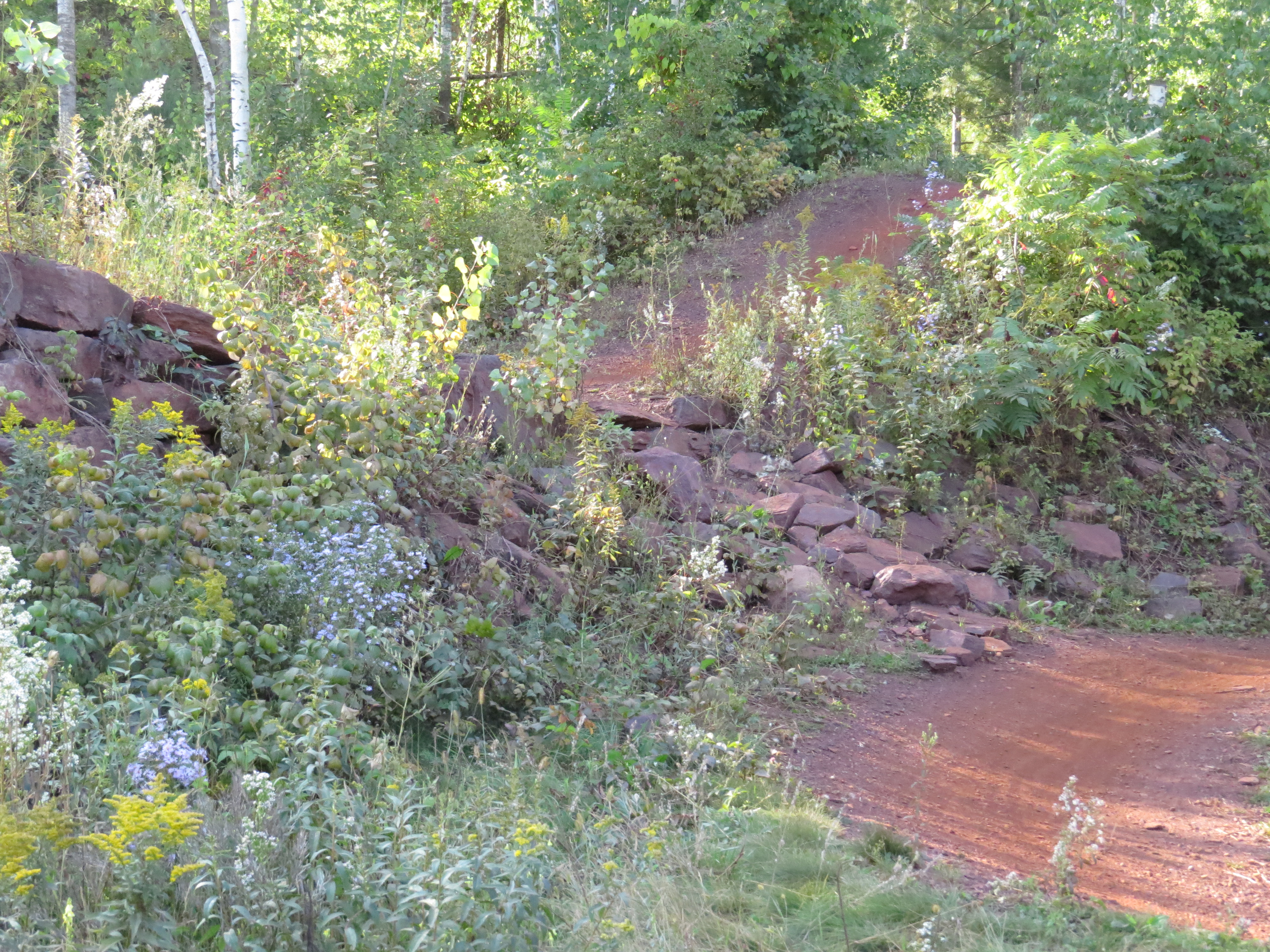
We rode along three of the larger pit-mine lakes on the State Trail with only a few places to pull over to see the water. The mountain bike trails wound around much closer to all the lakes. The trails are color-coded and graded from easiest, easy, more difficult, very difficult, and extremely difficult. By the end of our ride on the paved trail, I must admit that I kind of wanted to try a dirt trail, but I was intimidated by how fast the red-tired bikers all seemed to be going!
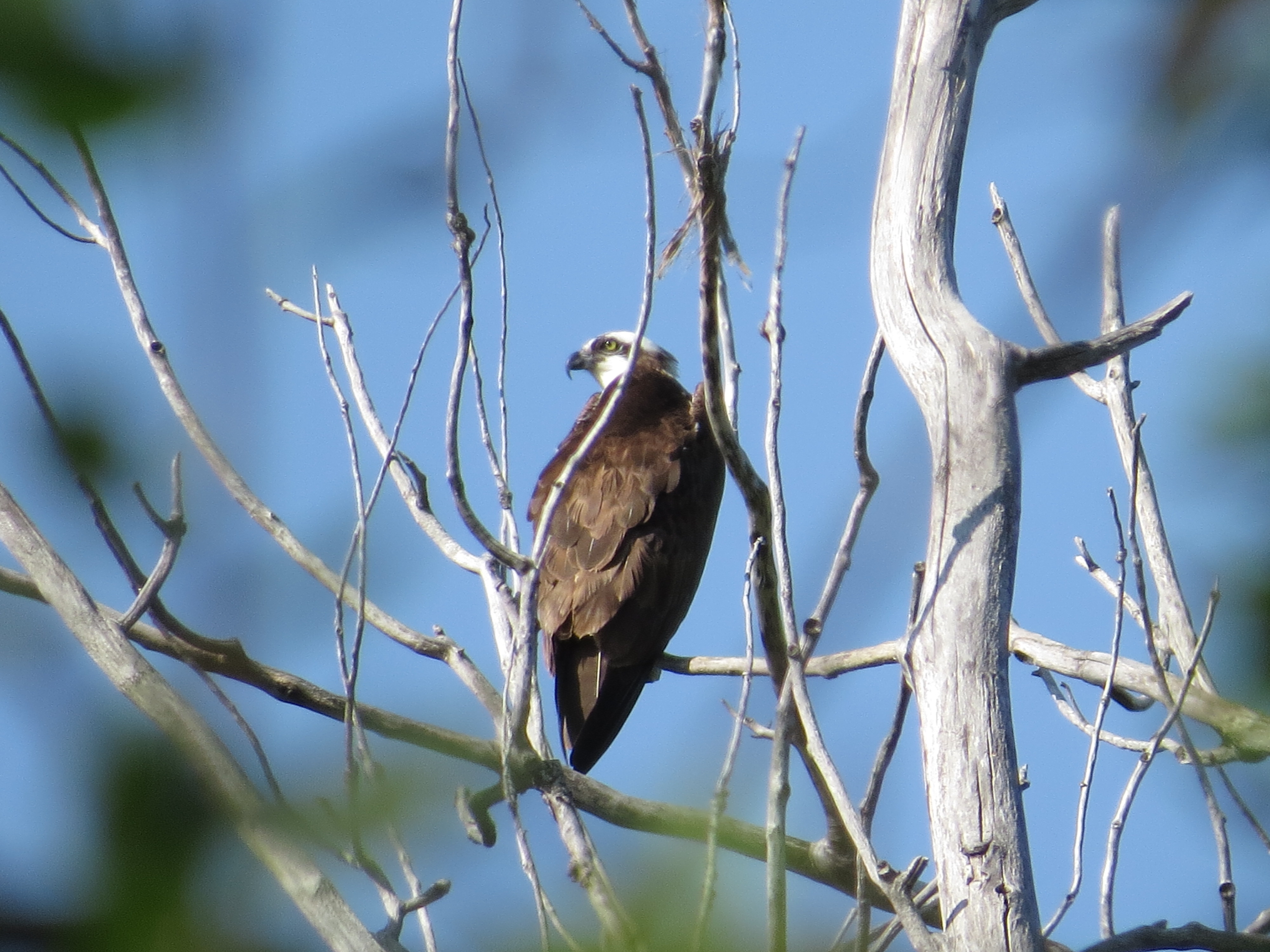
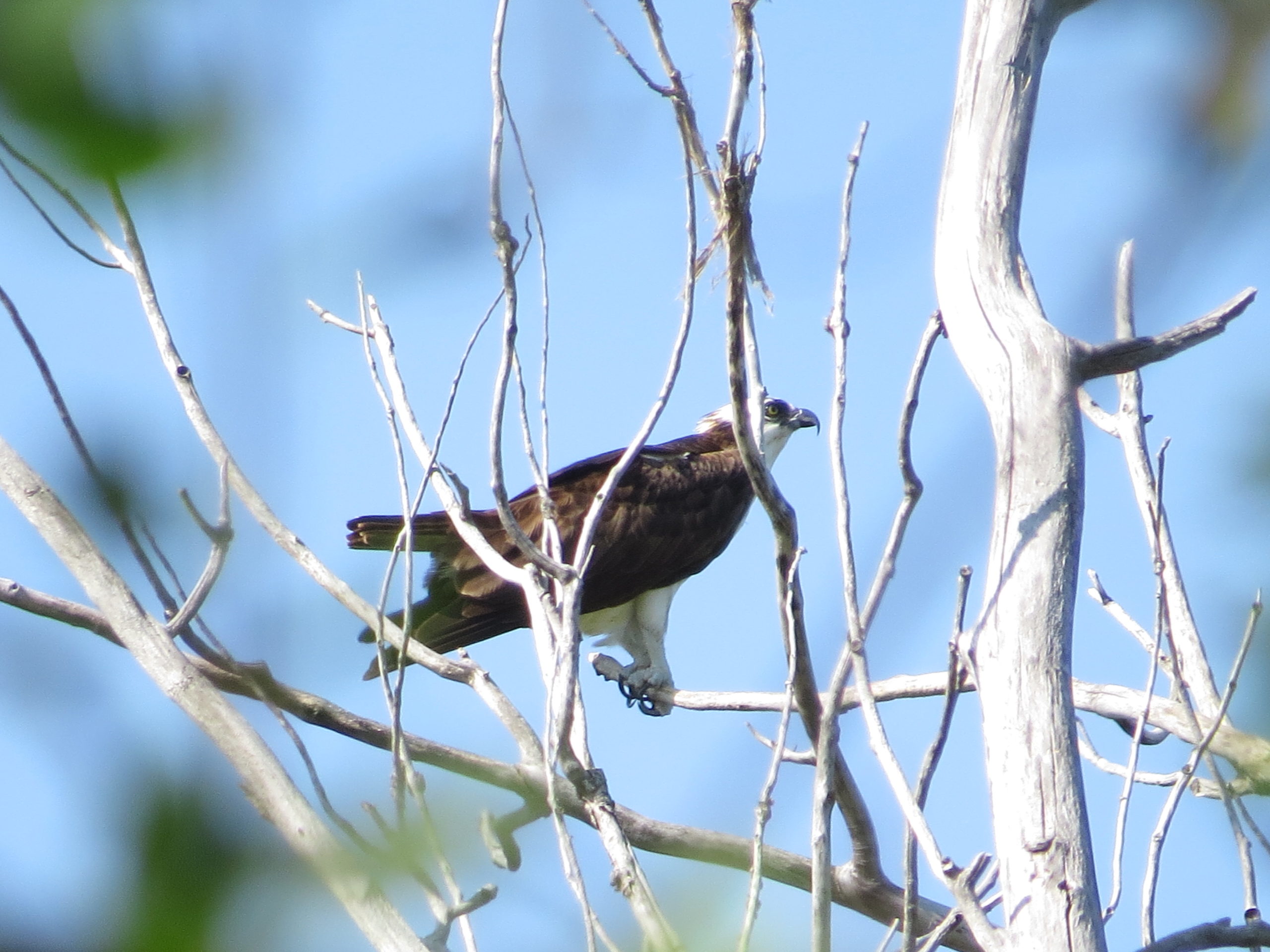
The best find along our paved trail was a sneak peak through the trees at an Osprey sitting in a dead tree. I screeched to a halt when I saw the flash of a white-headed bird, thinking it was an eagle. When I zoomed in, I saw the dark brown stripe through the eye, the white underbody, and the incredible sharp beak and talons of this fish-catching bird. Ninety-nine percent of their food is live fish, so they are efficient hunters and catchers. They have a specialized toe that grasps the others and barbed pads on their feet to hold the slippery fish. Like eagles, they mate for life and make large stick nests with the males gathering the sticks and the females arranging the nest. Their population numbers crashed in the early 50’s to 70’s when the pesticide DDT poisoned them and thinned their eggshells. After DDT was banned and people helped out by building platforms near water for nesting sites, their numbers began to recover. Unfortunately, now plastic bale twine and fishing line are a concern for young chicks. These bits of plastic get picked up for nest building, and the chicks can get entangled in them.
Cuyuna Country illustrates the demise and destruction of natural resources due to mining and the amazing regeneration that is possible afterwards. Time and Mother Nature are the two driving forces of reclamation, with the help of man, money, vision and commitment for a better way. Great mistakes have been made in the quest for efficient, cost-effective industries. Mother Nature literally and figuratively often gets bulldozed with little thought or care of the impact and ripple effects. Sometimes we do the same thing to ourselves. We sacrifice our own internal resources in the quest for more money, other people’s wants and wishes, a bigger house, or fame. And things can get ugly and devastating before we realize our mistakes. But we can reclaim ourselves. We can return to our natural state. With commitment and time and a good dose of Mother Nature, we are soon on the trail to a miraculous reclamation.