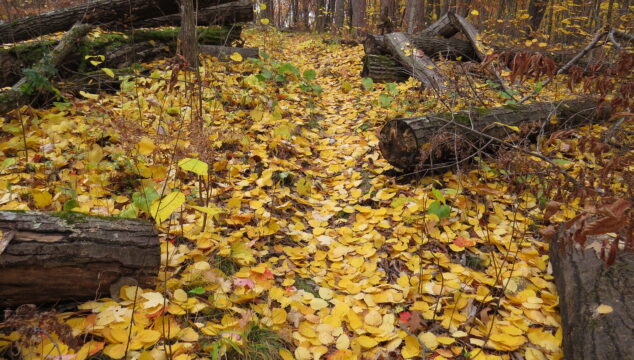
Come walk with me in the peak Autumn beauty of the Northwoods. To say that I love this time of year is an understatement. Most everyone can appreciate the colorful falling leaves---it reveals the 'true self' of a tree when its leaves are no longer producing chlorophyll. Their true colors are revealed, and there is something simple … [Read More...]
Music of the Cows
We left the ‘Great Mississippi River’ on an abnormally frosty morning Memorial Day weekend to head west to the ‘Mighty Mo.’ I navigated our route to skirt construction in Minnesota and South Dakota and was happy when the prairie greeted my eyes. South Dakota is divided down the middle by the Missouri River, delineating our common reference to ‘east river’ and ‘west river.’ The River itself is something to behold. We crossed on one of two bridges that spans Oahe, a 231-mile stretch of the River that is widened by Oahe dam just north of Pierre. The River bluffs and the Mighty Mo heralded us into ‘west river.’
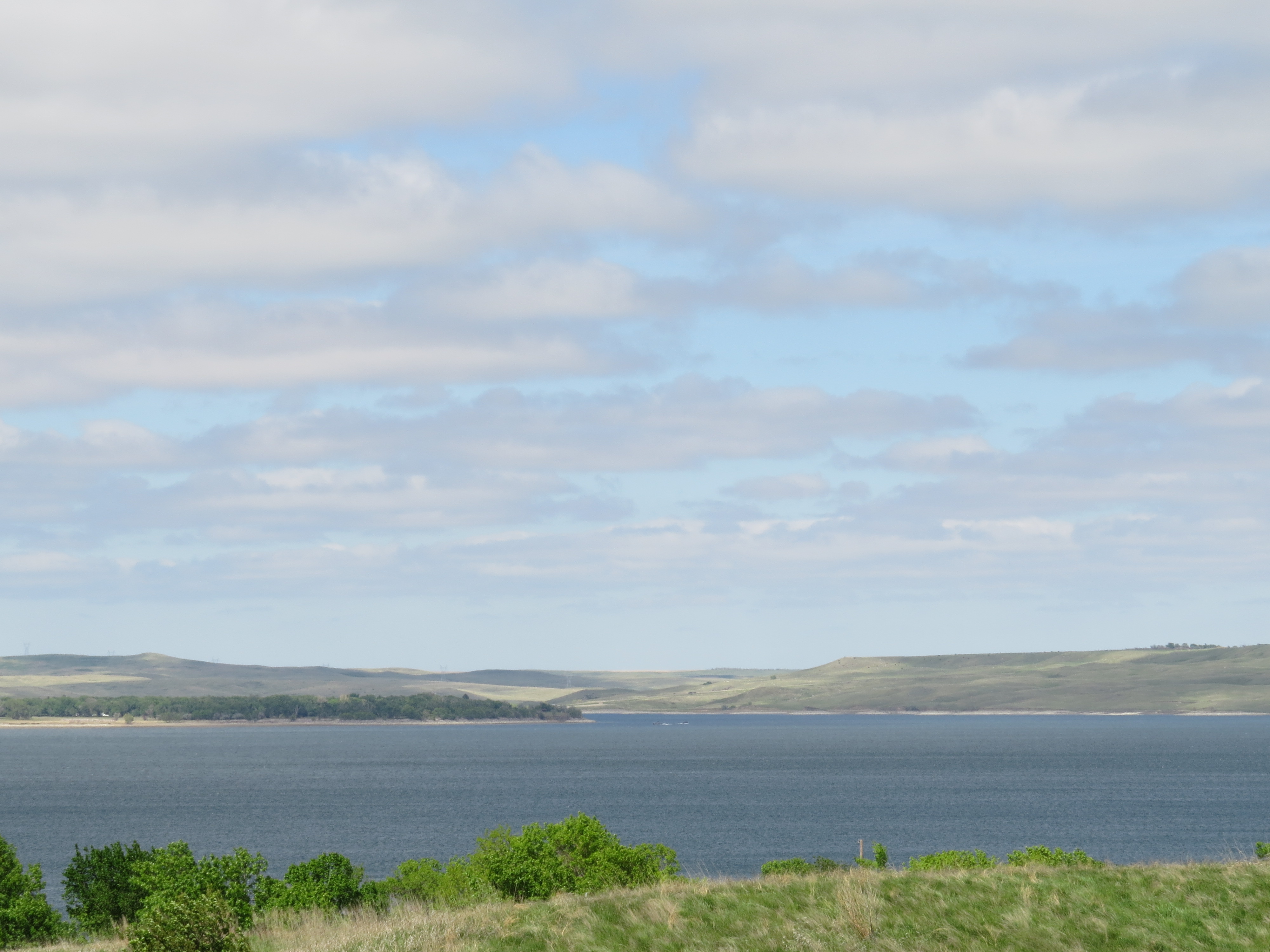
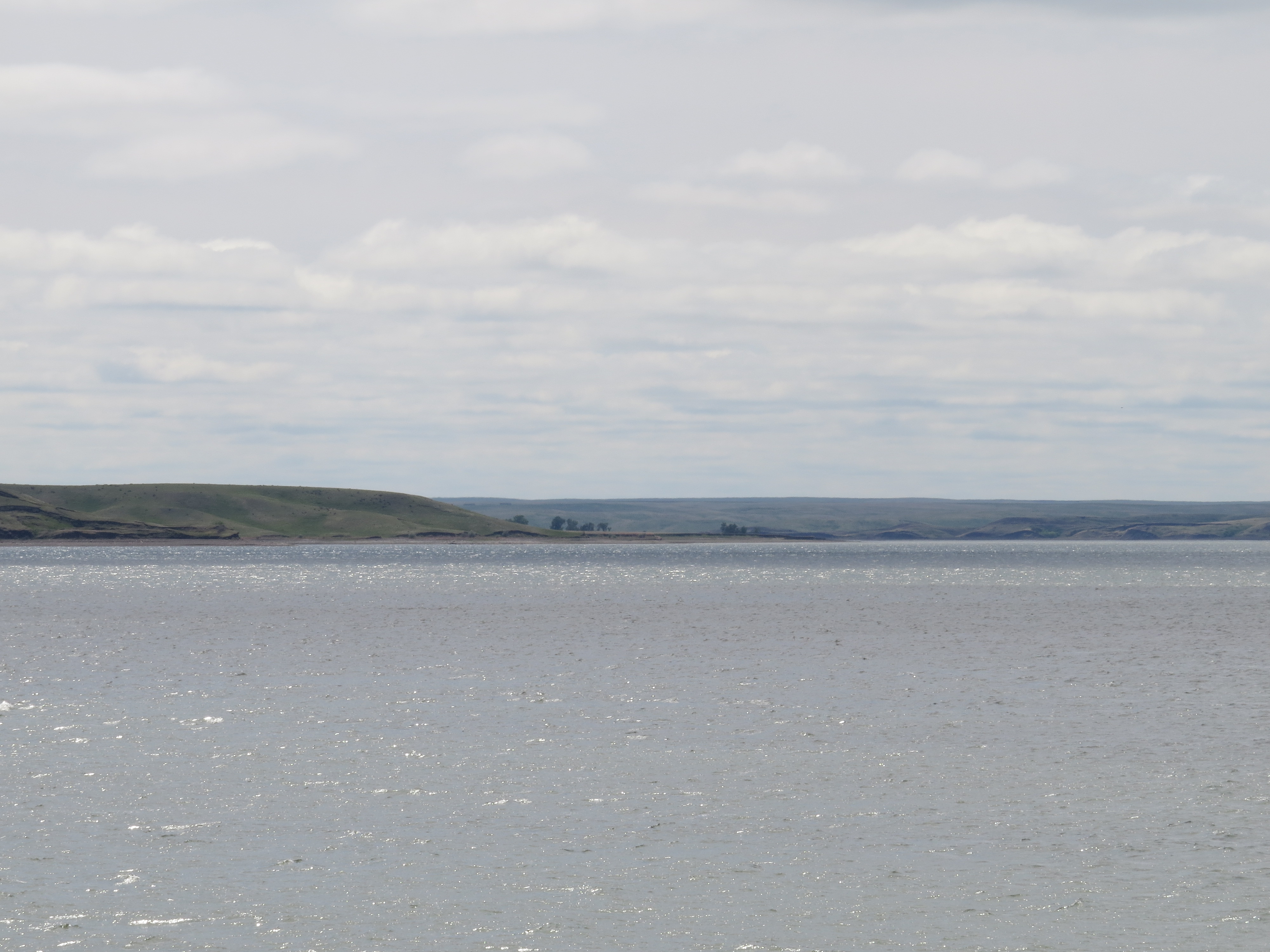


The reason for our prairie trek was to see our friends and help them with their annual branding. I had long wanted to be a part of the crew, and this year, serendipitous timing and texts (and Covid shots) made it a reality. I was super excited! West river was where I spent three of the best summers of my life working with my rancher friend as wranglers at a Lutherans Outdoors’ camp. So as we headed west from the River, it felt like a homecoming of sorts.
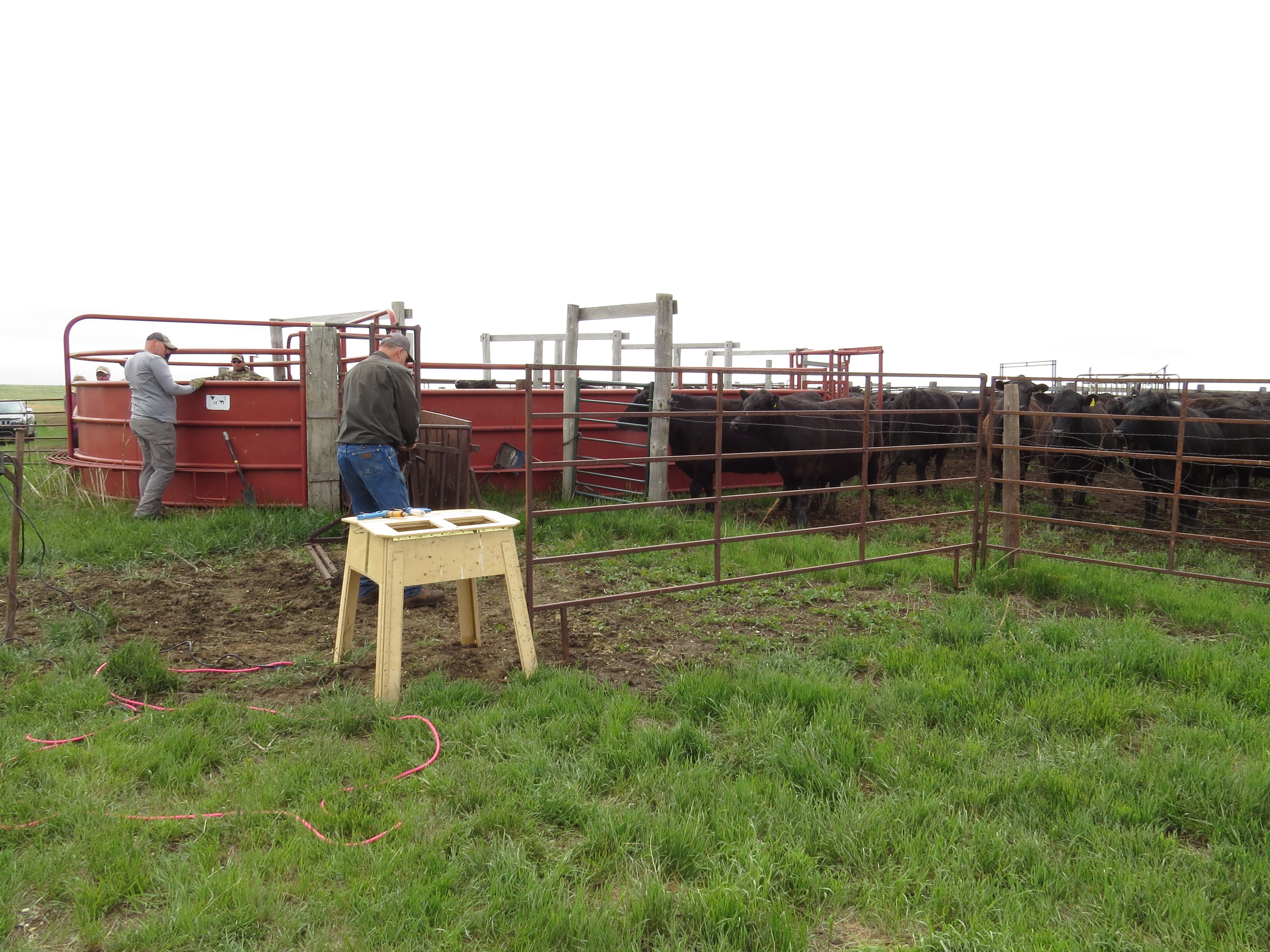
It was good to be at the ranch with our friends, their kids and grandkids, and other family and friends who gathered to help with the sizable task of branding, vaccinating, and castrating the spring calves. When we awoke Saturday morning, it was raining. Luckily the shower was expected to move out quickly, so after a slight delay, people and equipment were gathered up, and we headed out to the branding pen pasture. The yearlings kept their eyes on those of us who stayed at the corral, while the cows and calves were rounded up by those who know the land and the cows. They used modern-day horses—Ranger side-by-sides—to bring the cattle to the holding pens from the far reaches of the big prairie pasture.
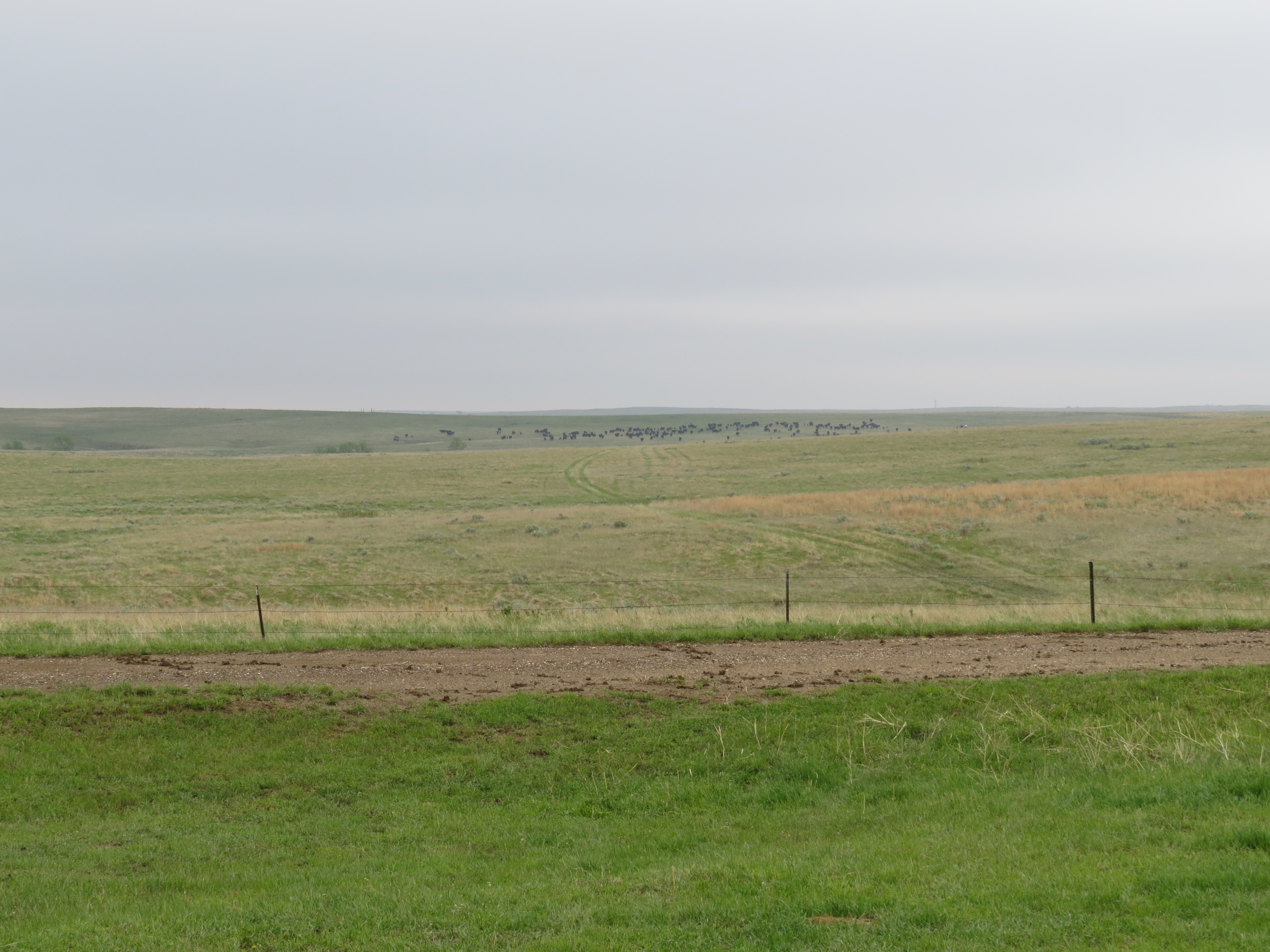
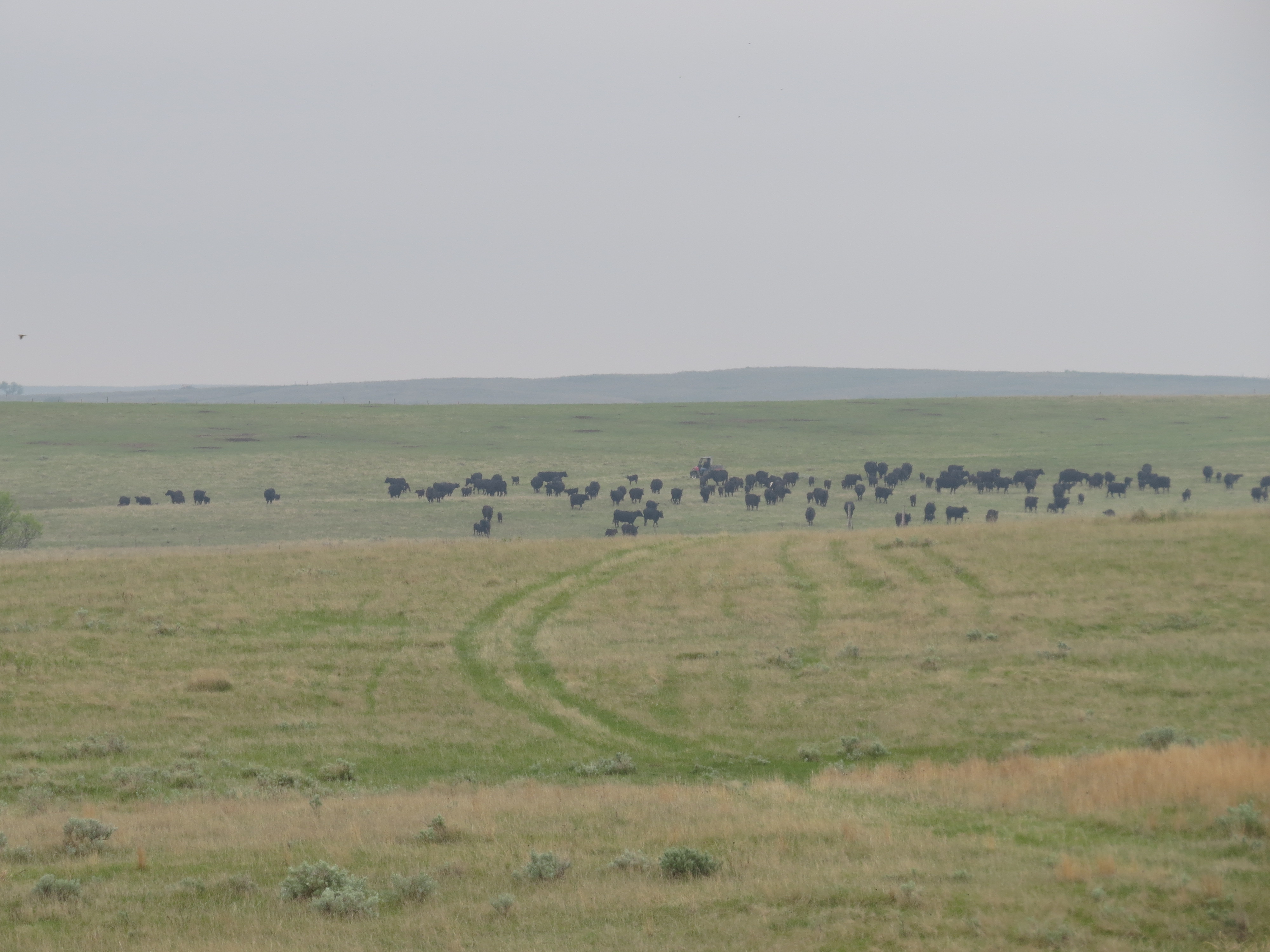
This man lives and breathes cattle. He has raised and cared for cows, calves, and bulls his entire life, planning his days around the needs of the animals and the ranch that sustains them. He has a moving, living strategic plan in his head—as detail-oriented as to a sick calf or dry cow and as big-picture as putting up hay for winter, along with a million other things in between and beyond.
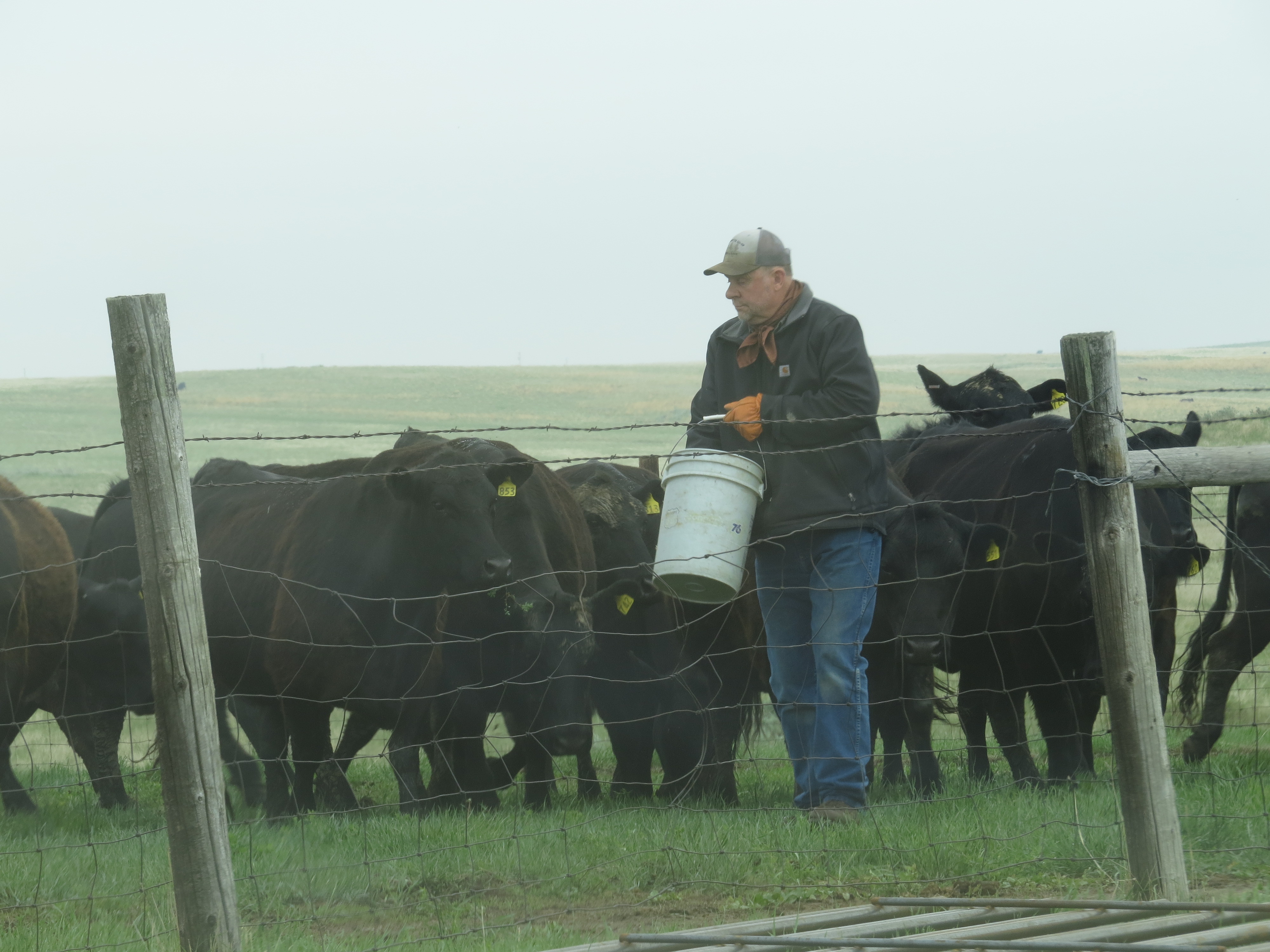
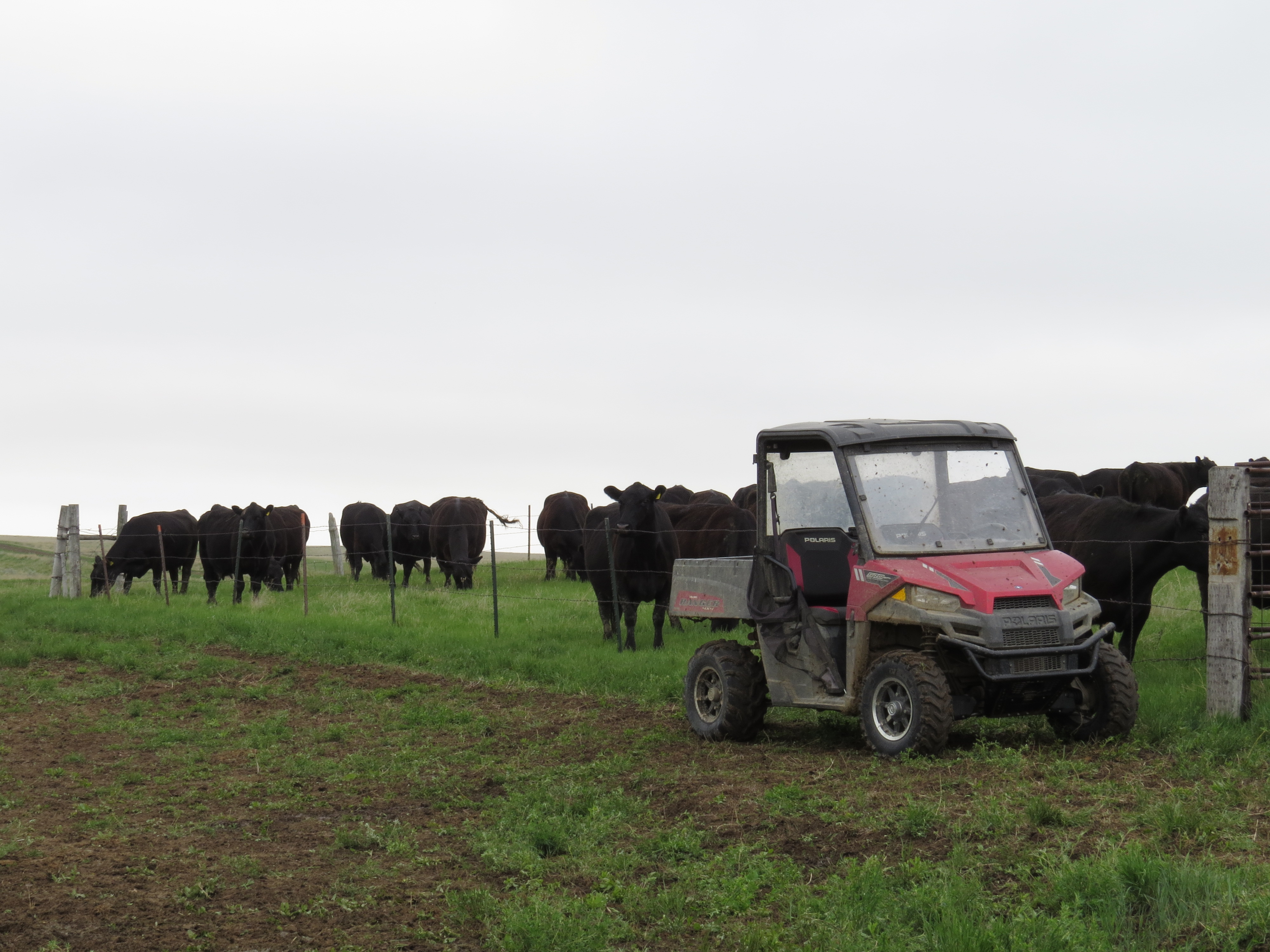
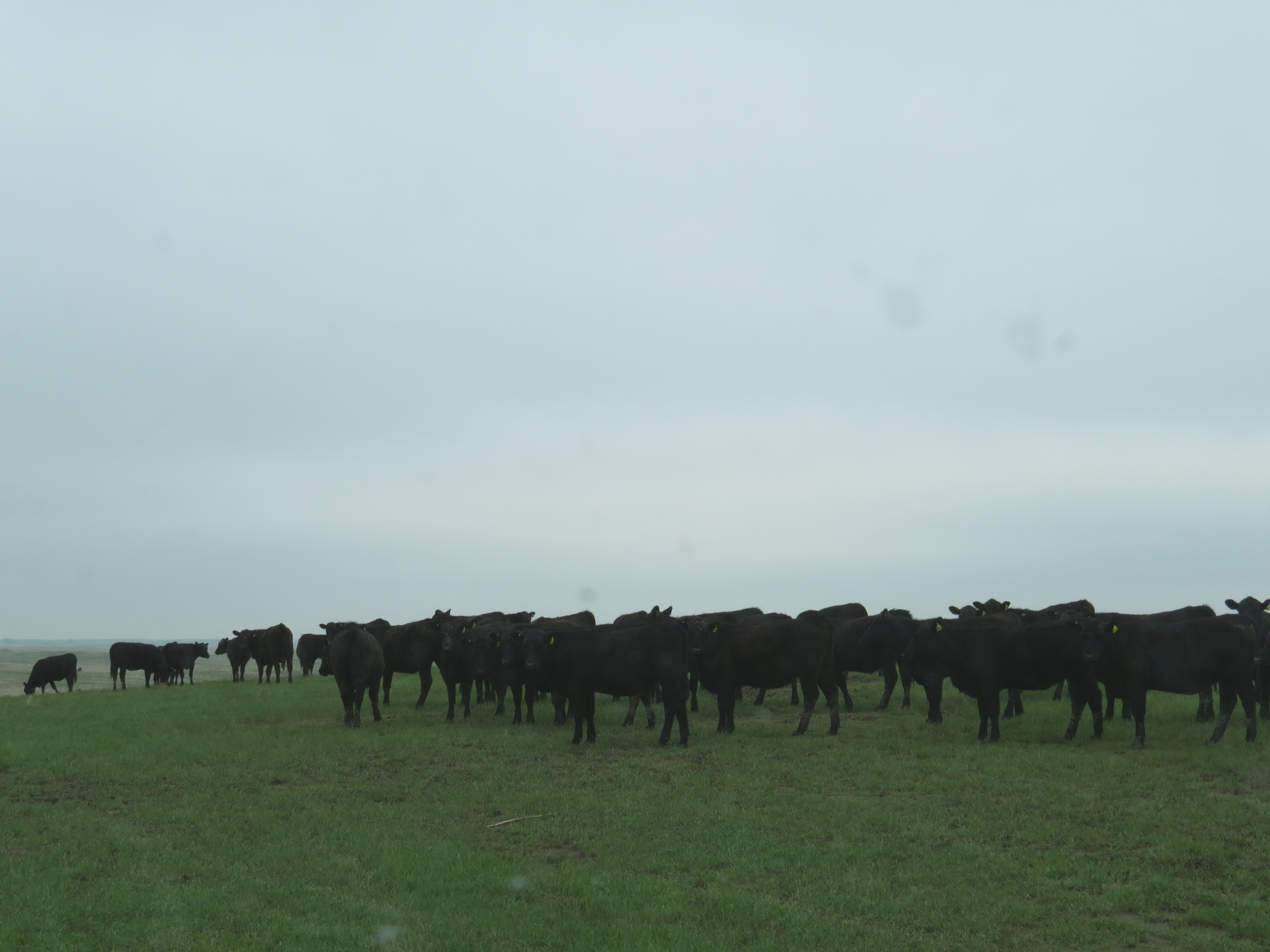
After penning everybody, the calves were separated from the cows. I will mention here that as soon as we arrived at the branding pen, the bellowing began. The yearlings maybe thought they were going to be fed, and when the cows and calves arrived, everybody was talking—the yearlings to the cows, the cows to their calves (and maybe to their last year’s calves), and the calves to their mamas. It was noisy!

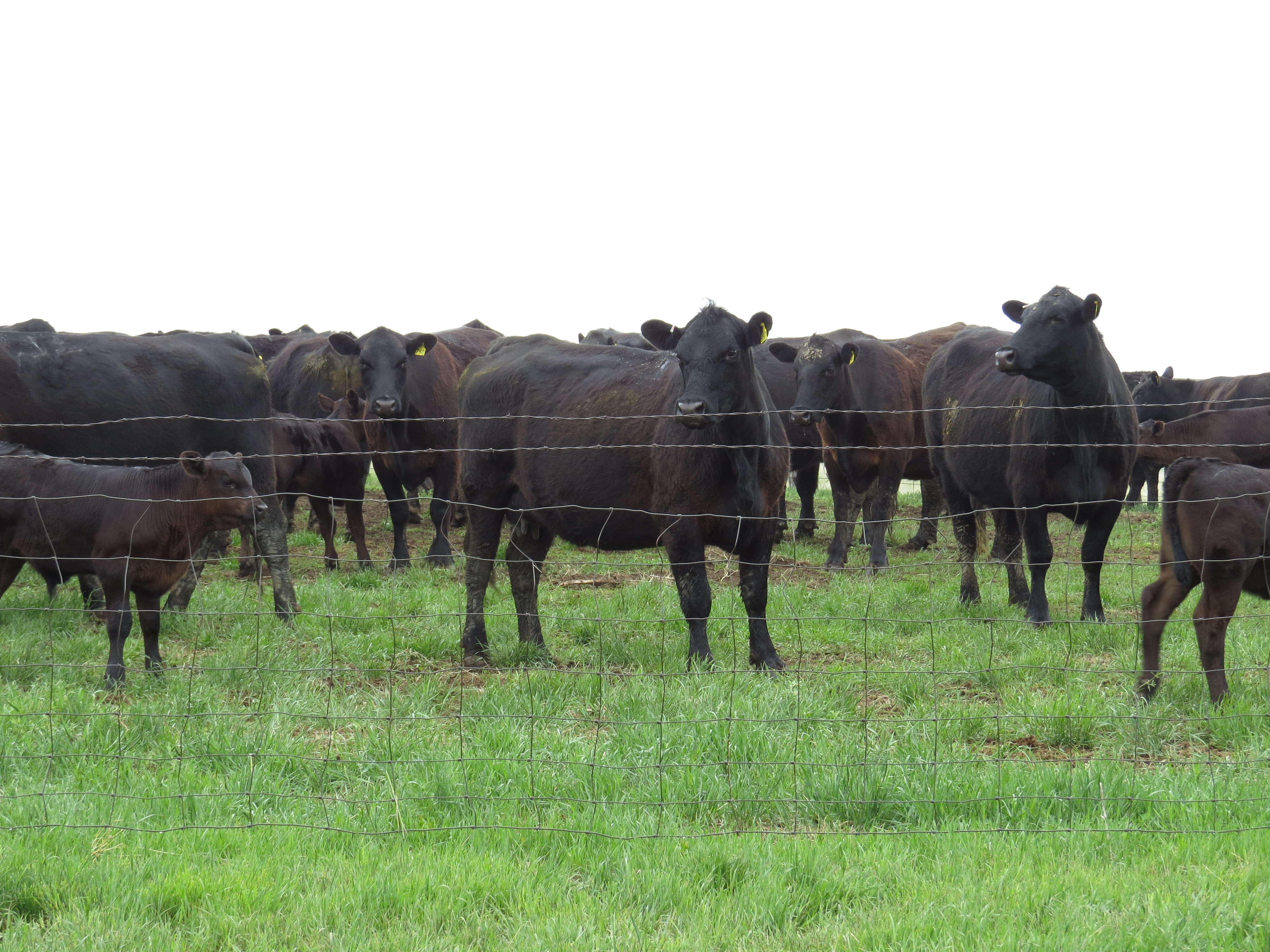
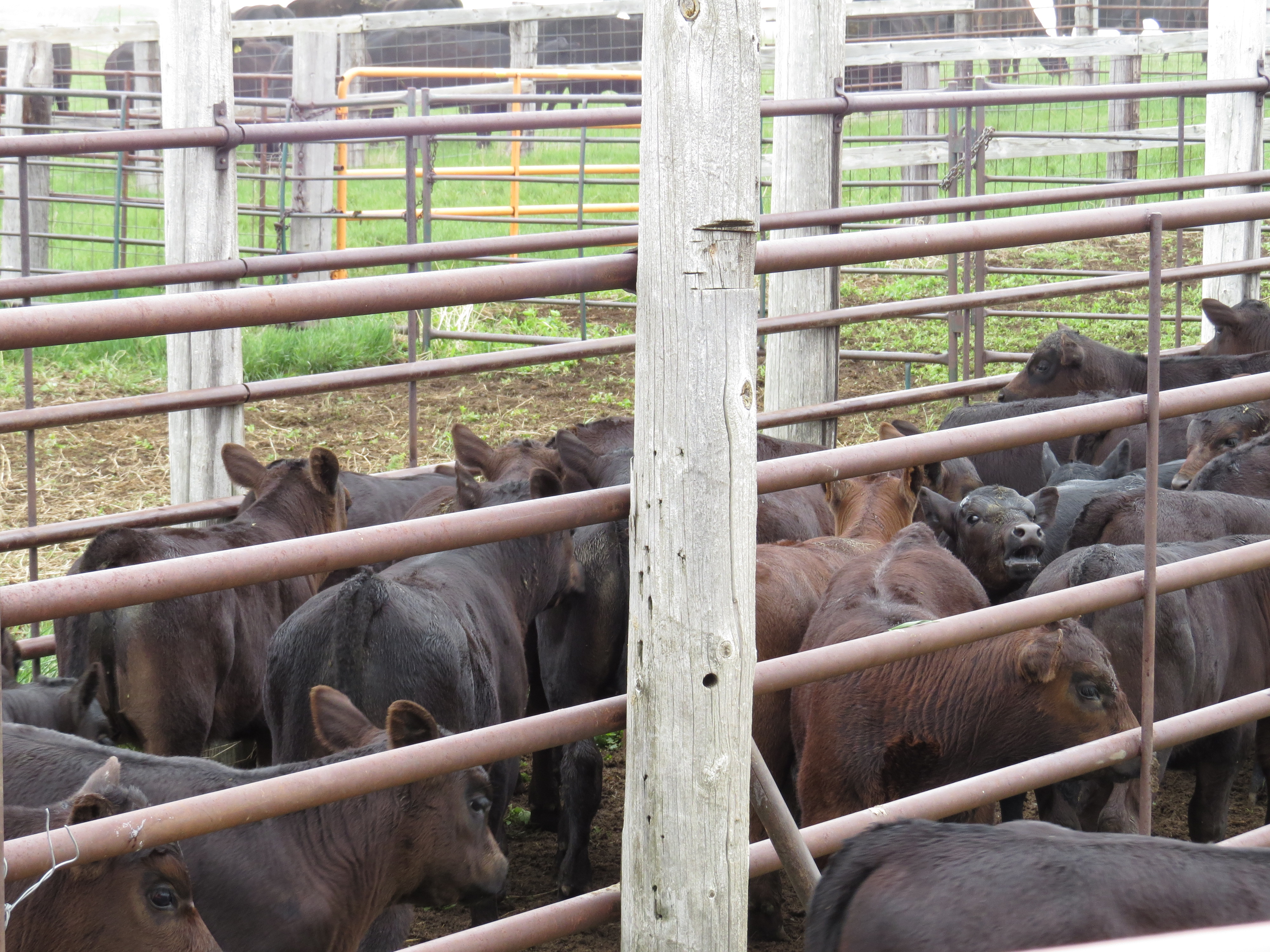
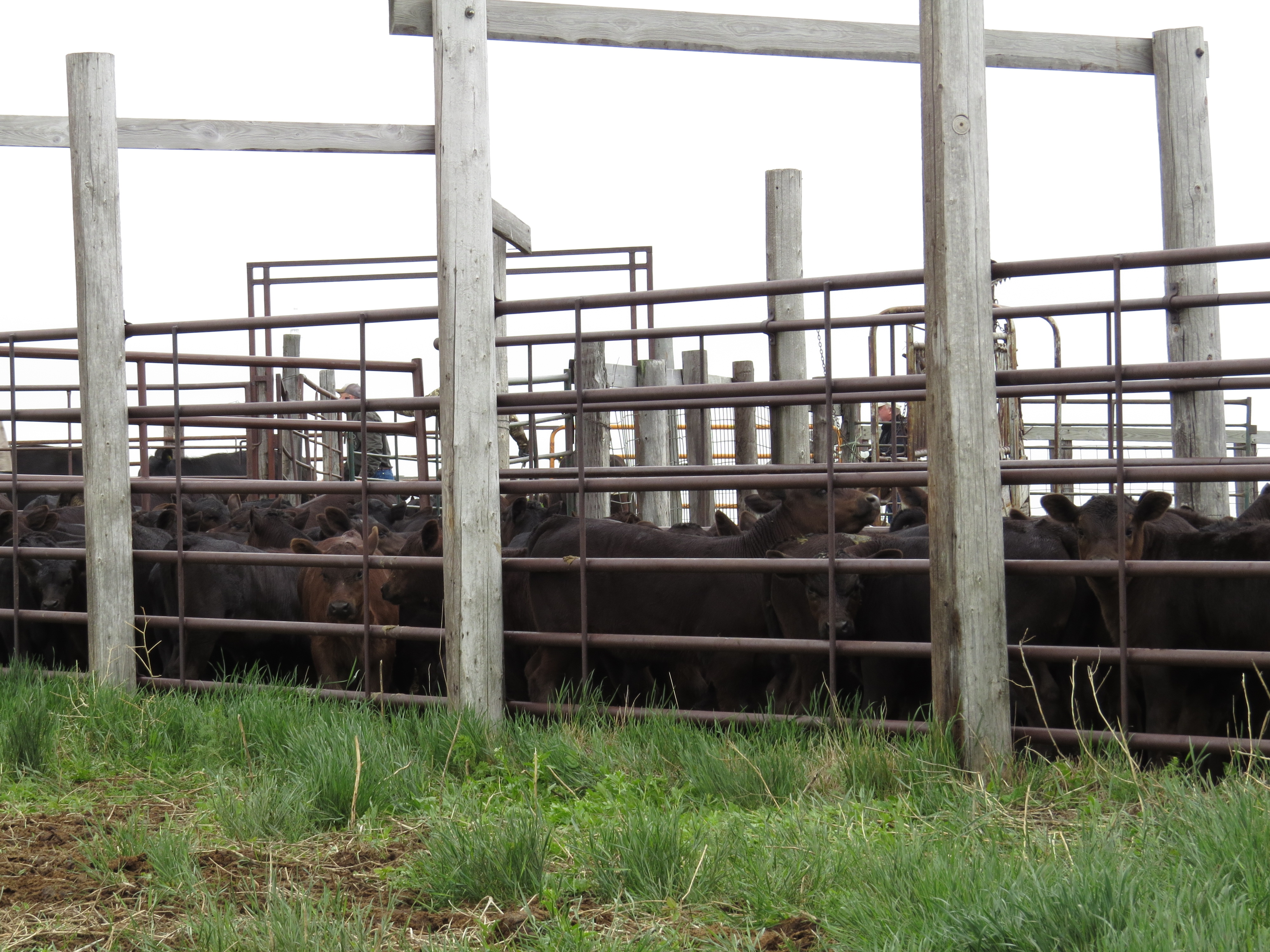
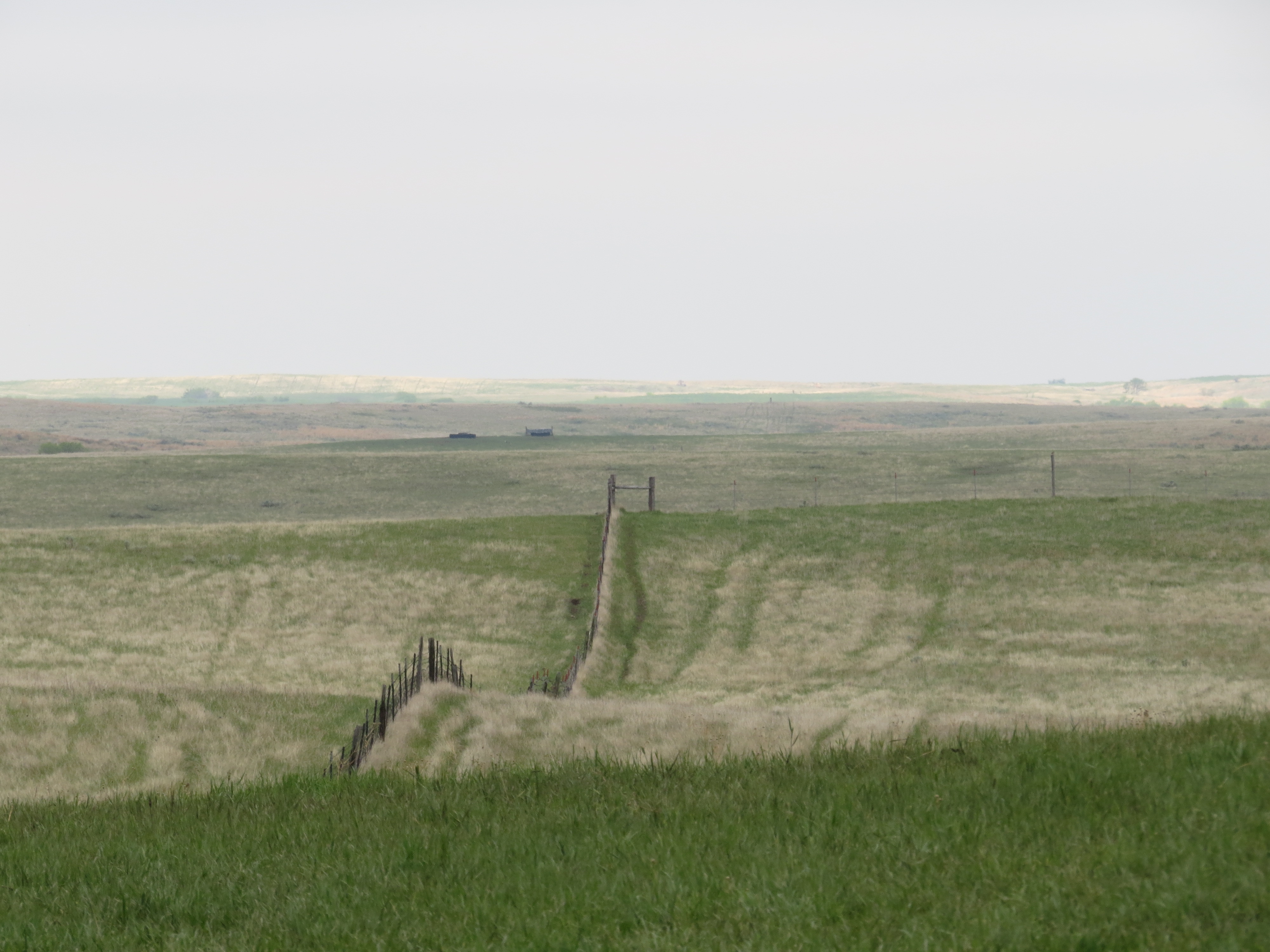
The chilly, cloudy morning was a good thing for the cows and the workers. Far to the west, we could see the sky beginning to clear where the sunlight was reaching the ground. It took many hours before it reached us.
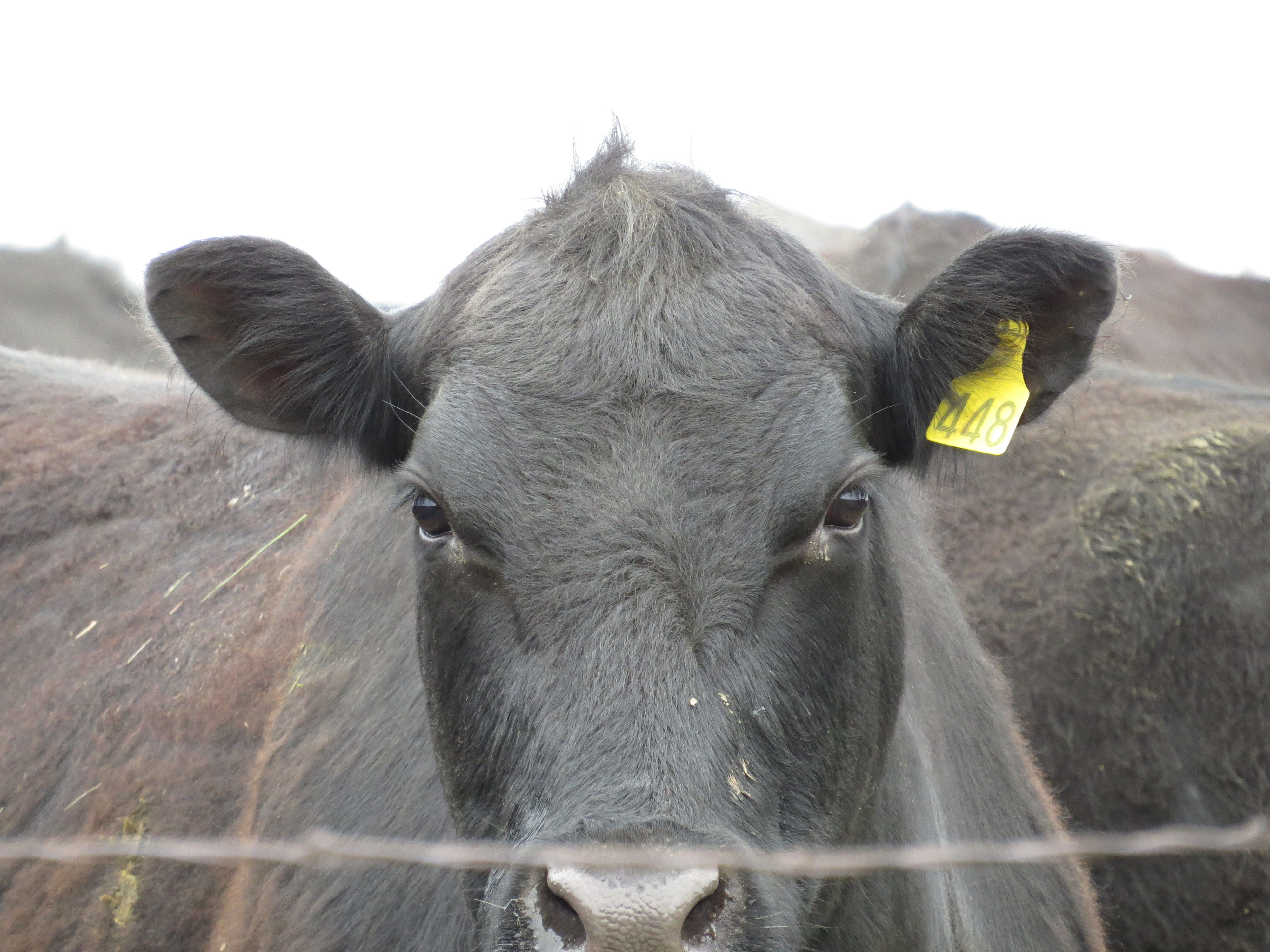
Cows are curious, intelligent creatures with strong mothering abilities. Aren’t they beautiful?
Once the calves were separated and the cows returned to the original pen to wait patiently for their babies to return to them (loudly patient, that is), the calf table was oiled, the branding irons were set up, the vaccine guns were loaded, and the castrating tools and disinfectant were placed at the back of the chute. Two people vaccinated (I was one of them—yay!), one branded, one castrated with help from two others for holding and spraying antiseptic, two or three ‘pushed’ calves through the round pen into the chute, and Chris helped run the tilt table. The branding irons are heated up by electric that’s powered by a generator. Brands are used to mark cattle in order to identify the owner in case one is lost or stolen. Each brand is unique and registered, so ownership can be proved. One of the calves that ran through the chute was already branded and belonged to a neighbor. Barbed wire fences are not impenetrable for a small calf in these large pastures. So the work began in earnest. A calf is let into the chute. The tilt table holds the calf and is pulled parallel to the ground. One, two vaccinations, branding, castrating if a bull calf, disinfecting the wound, and tilting back upright and releasing to his mama. When we got into the rhythm of our work, I counted about 15 seconds for the whole process—that’s teamwork! We couldn’t see into the tub pen, but the calves kept coming, and we kept doing our work to the droning sound of the generator, the smell of singed hair, and the bellowing of the cows and calves.
After hours of those sounds saturating our ears, a funny thing happened. I thought I heard music. I looked over my shoulder to see if someone had opened the truck door and turned on the radio. Nope. I worked on. It sounded like there was a PA system playing music—I couldn’t make out any words, but the music was there! Music beyond, above, and intertwined with the white noise of the generator and the constant bawling of the cows and calves. It was surreal and ongoing. The sun began to shine, and the rhythm of our work and the music of the cows flowed through me.
It was a long, wonderful day. We ‘worked’ over 250 calves. The calves found their mamas and returned to the pastures. We went back to the ranch house for a delicious meal. My other west river friend who worked with us at the camp way back when, brought a bottle of wine to share as we caught up with each other’s lives. I fell asleep that night with great satisfaction and happiness.
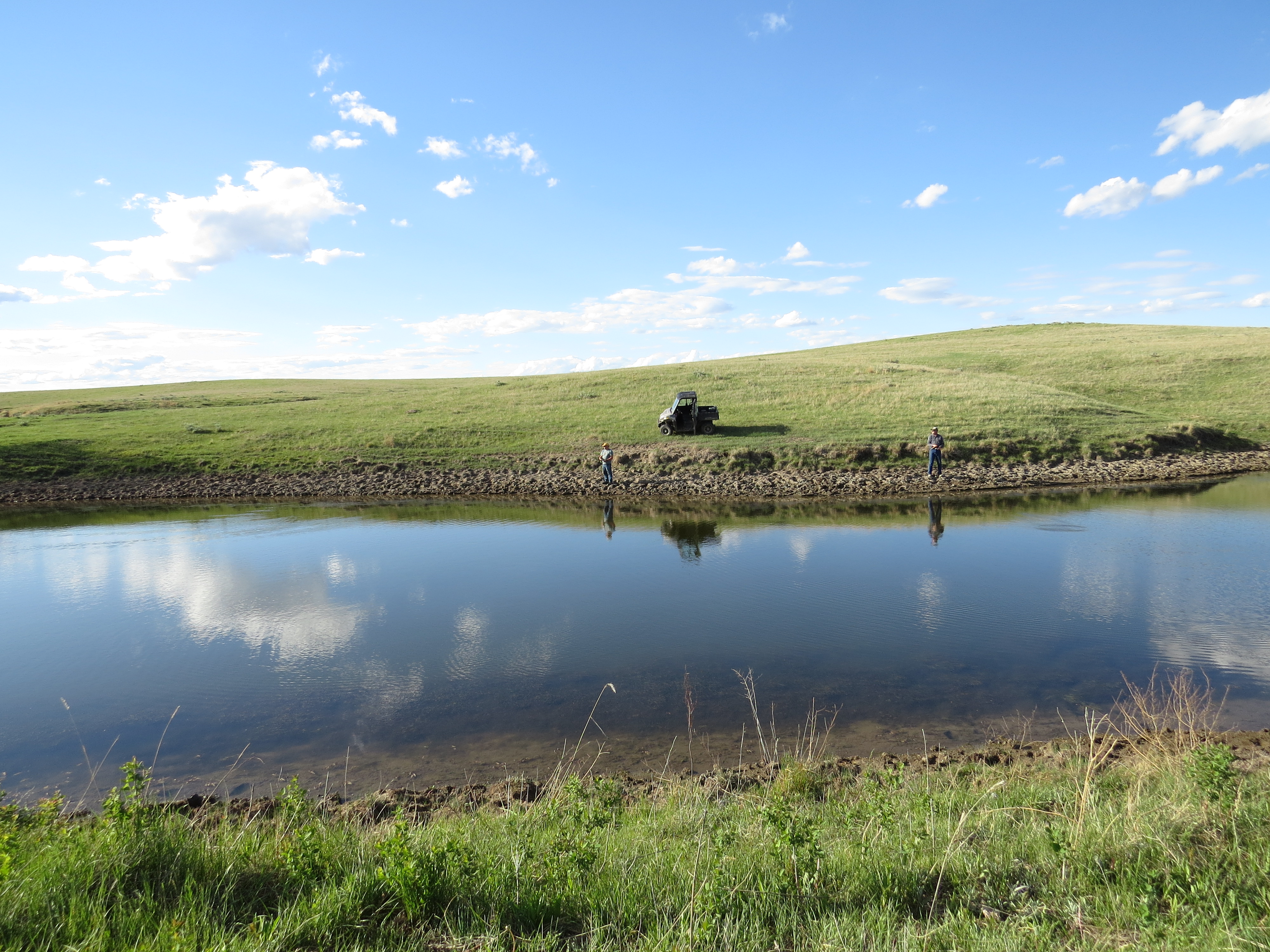
The next day was an incredibly beautiful day—blue skies, hardly any wind, and comfortable temperatures. We did some hiking (next week’s post), ate, rested, then went out to the stock dam to fish. Three of them fished while I wandered around the pasture, smelling the sweet, earthy smell of sagebrush and finding beautiful prairie flowers.
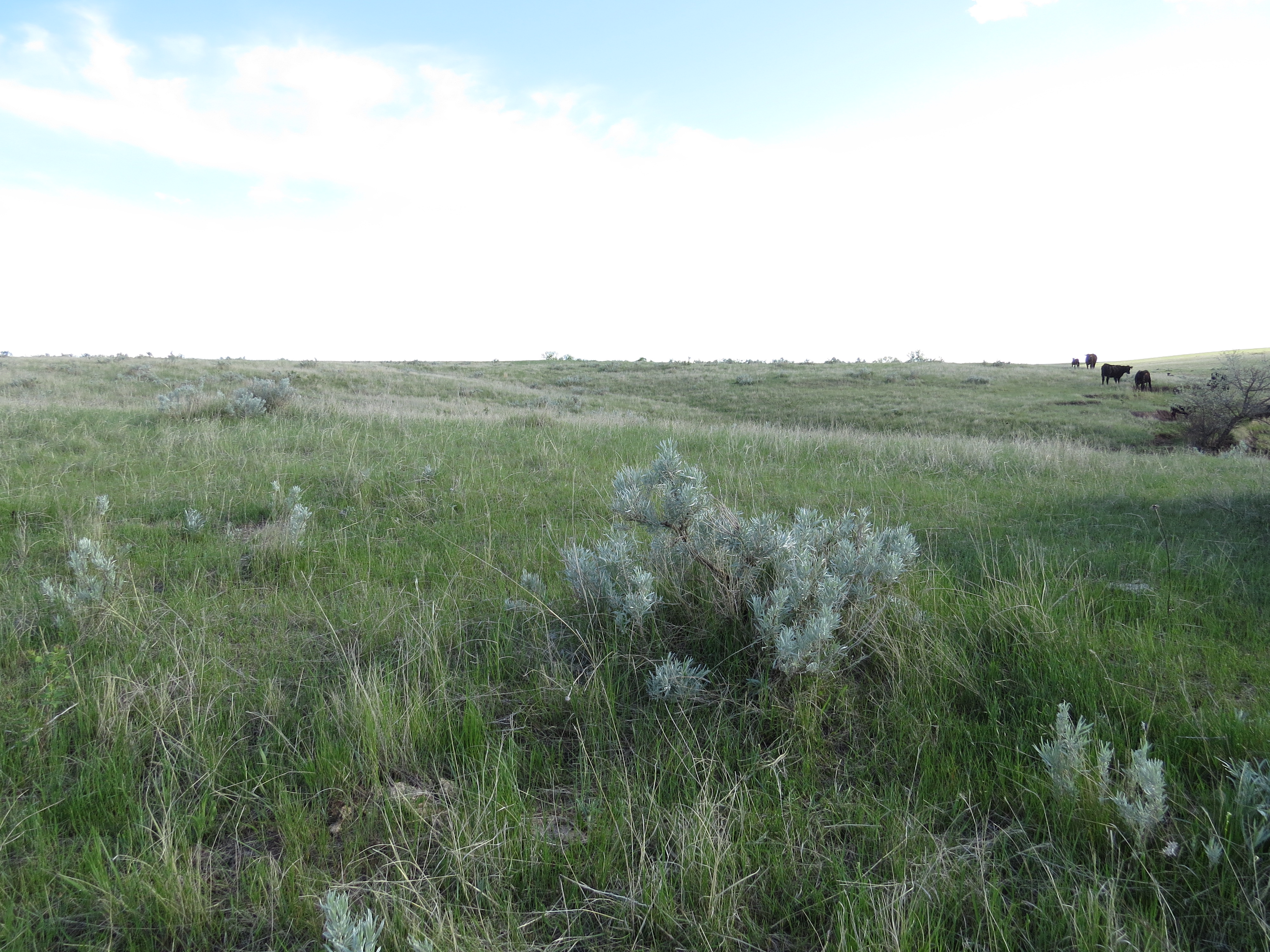
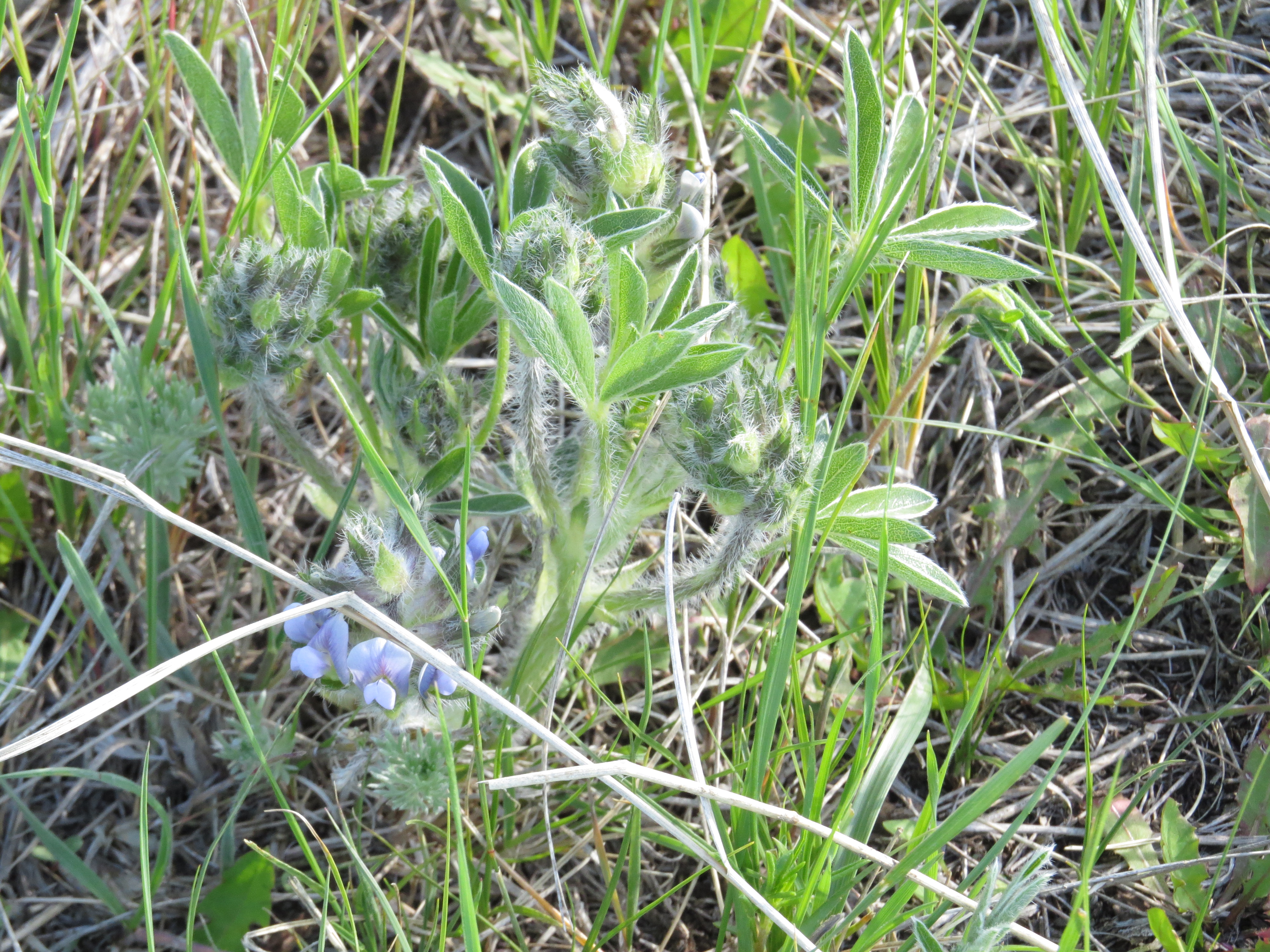
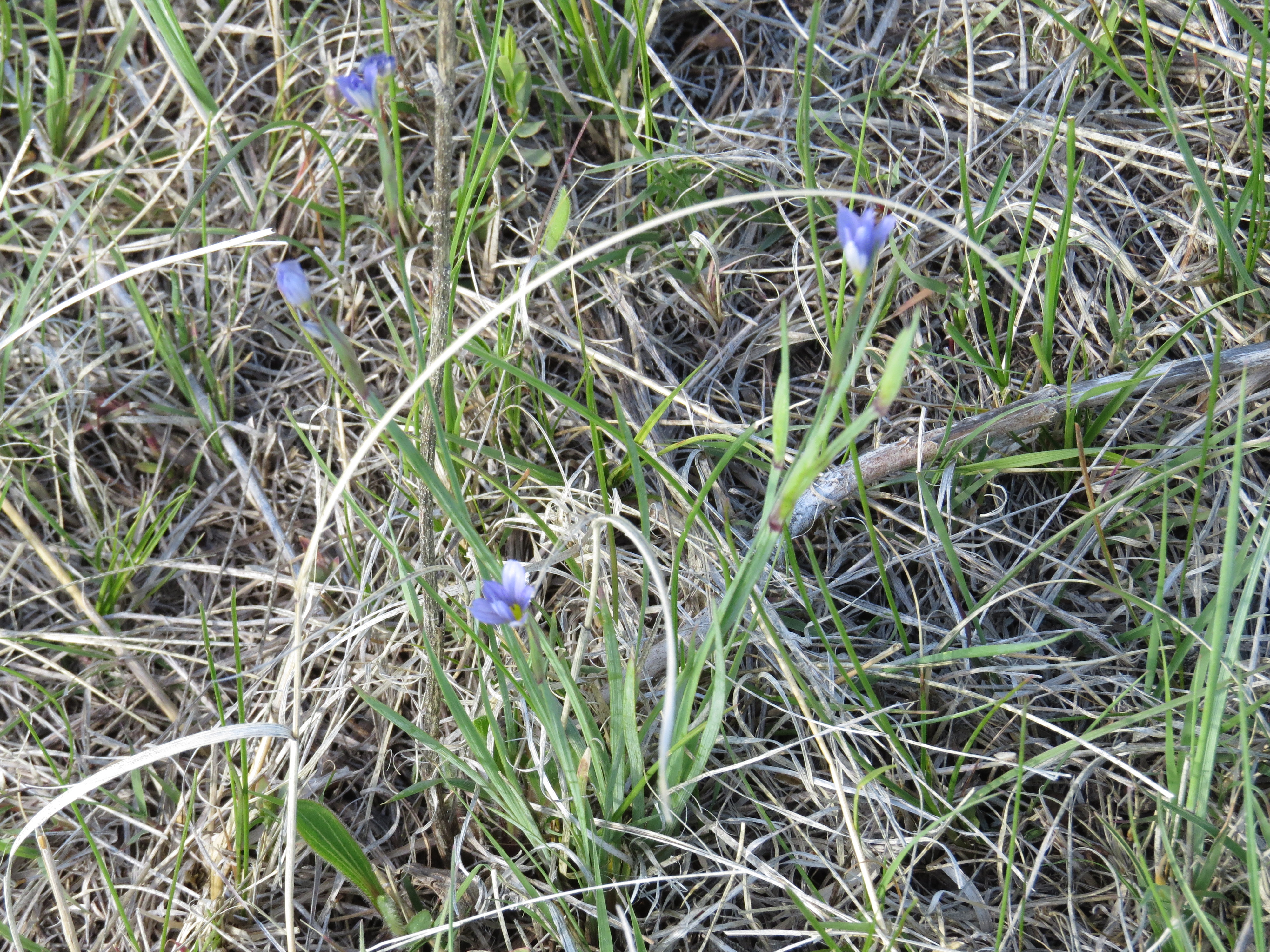
The two-year old heifer cows and their calves that were branded the day before, were grazing and roaming this pasture. It had been a chaotic, stressful day for both the cows and the calves, but all were settled down and back to normal.
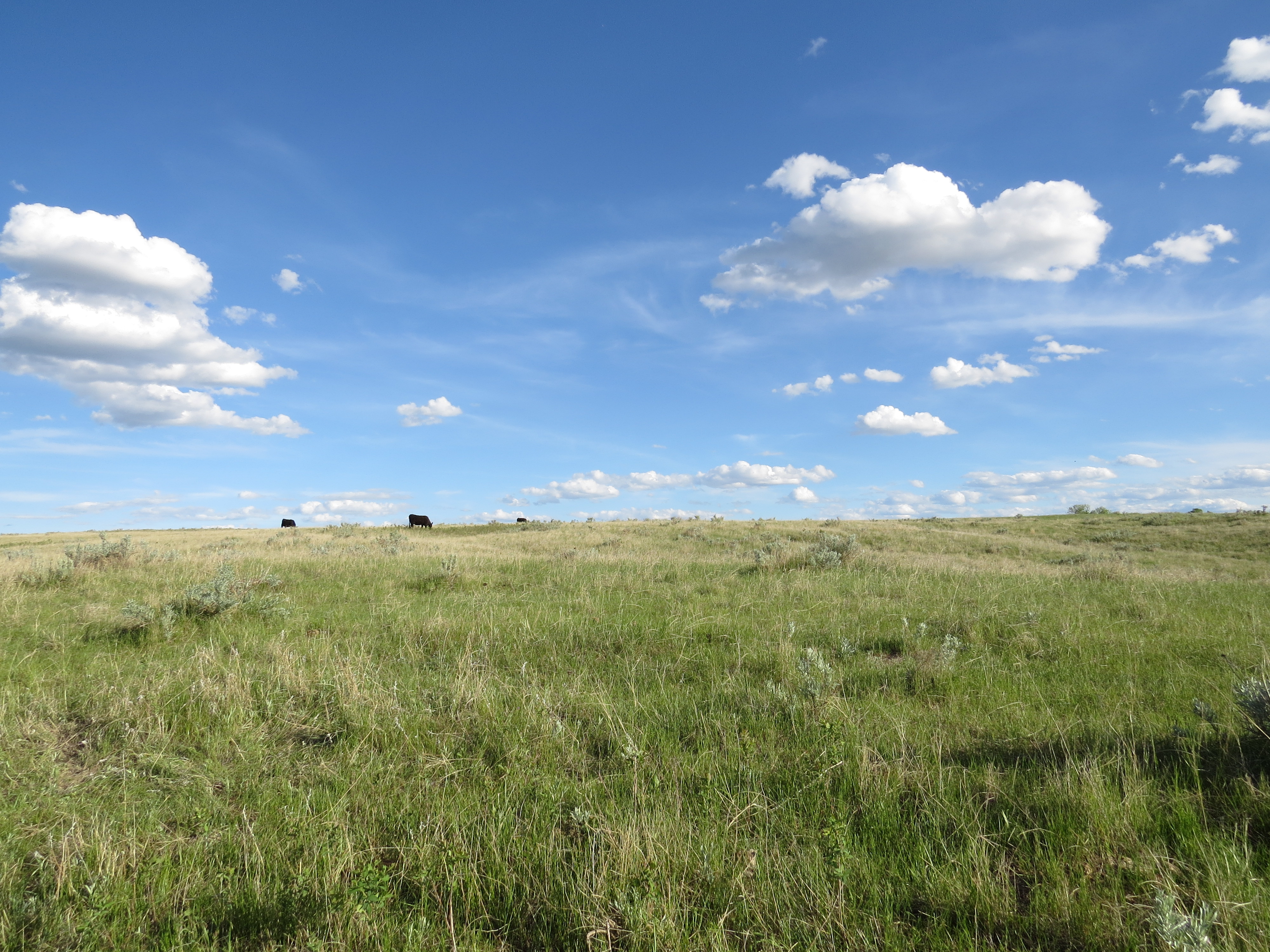
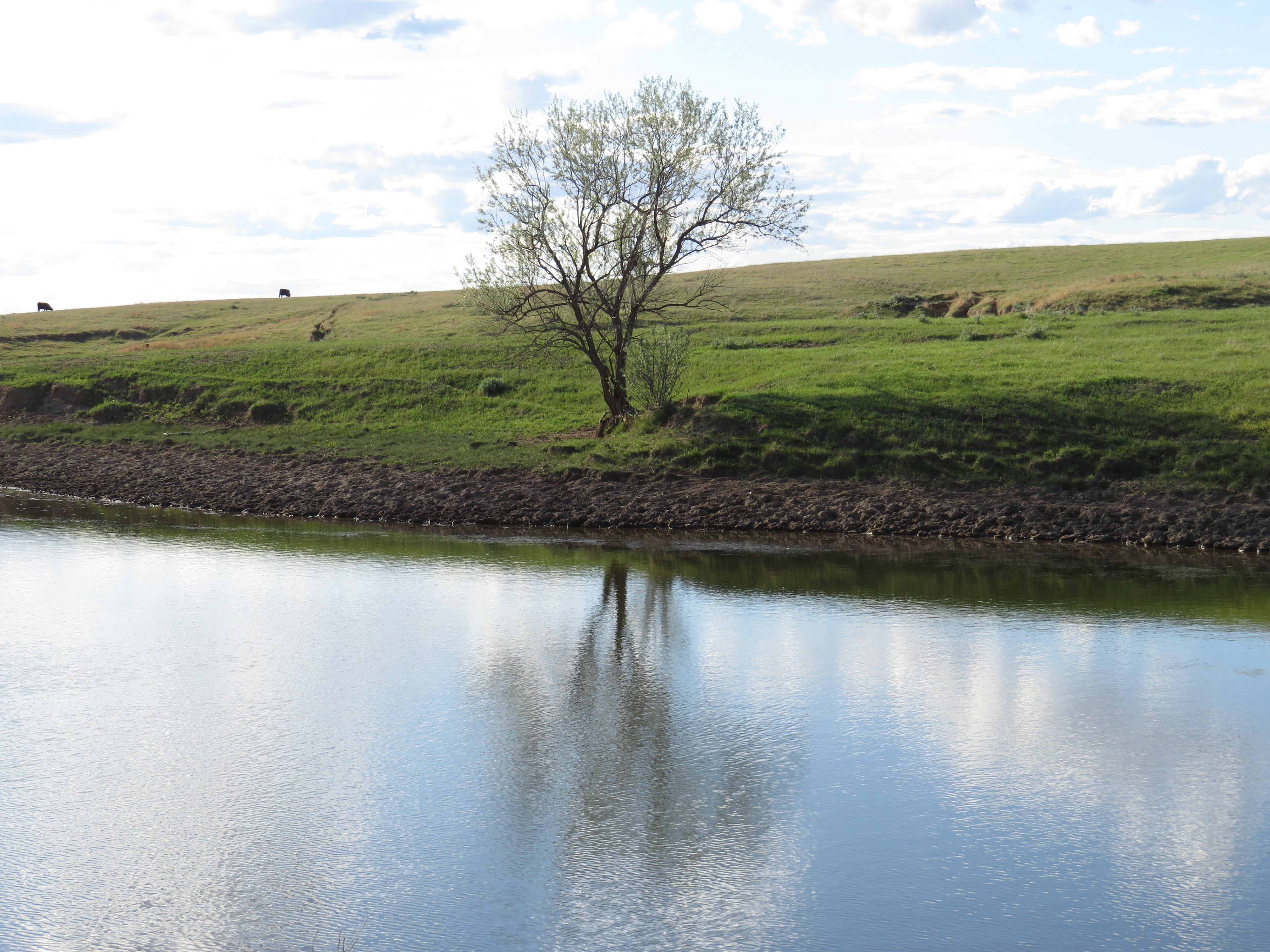
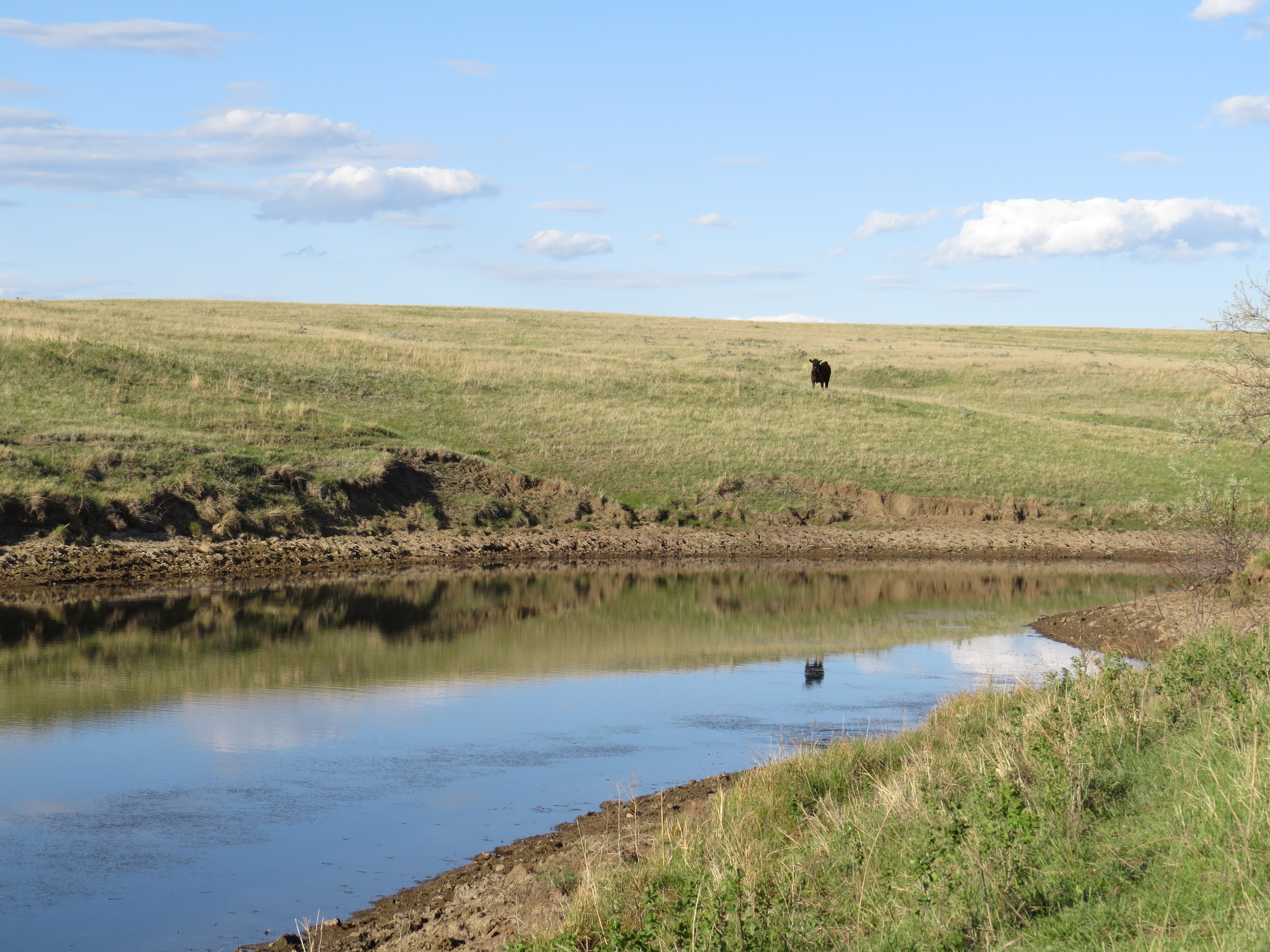
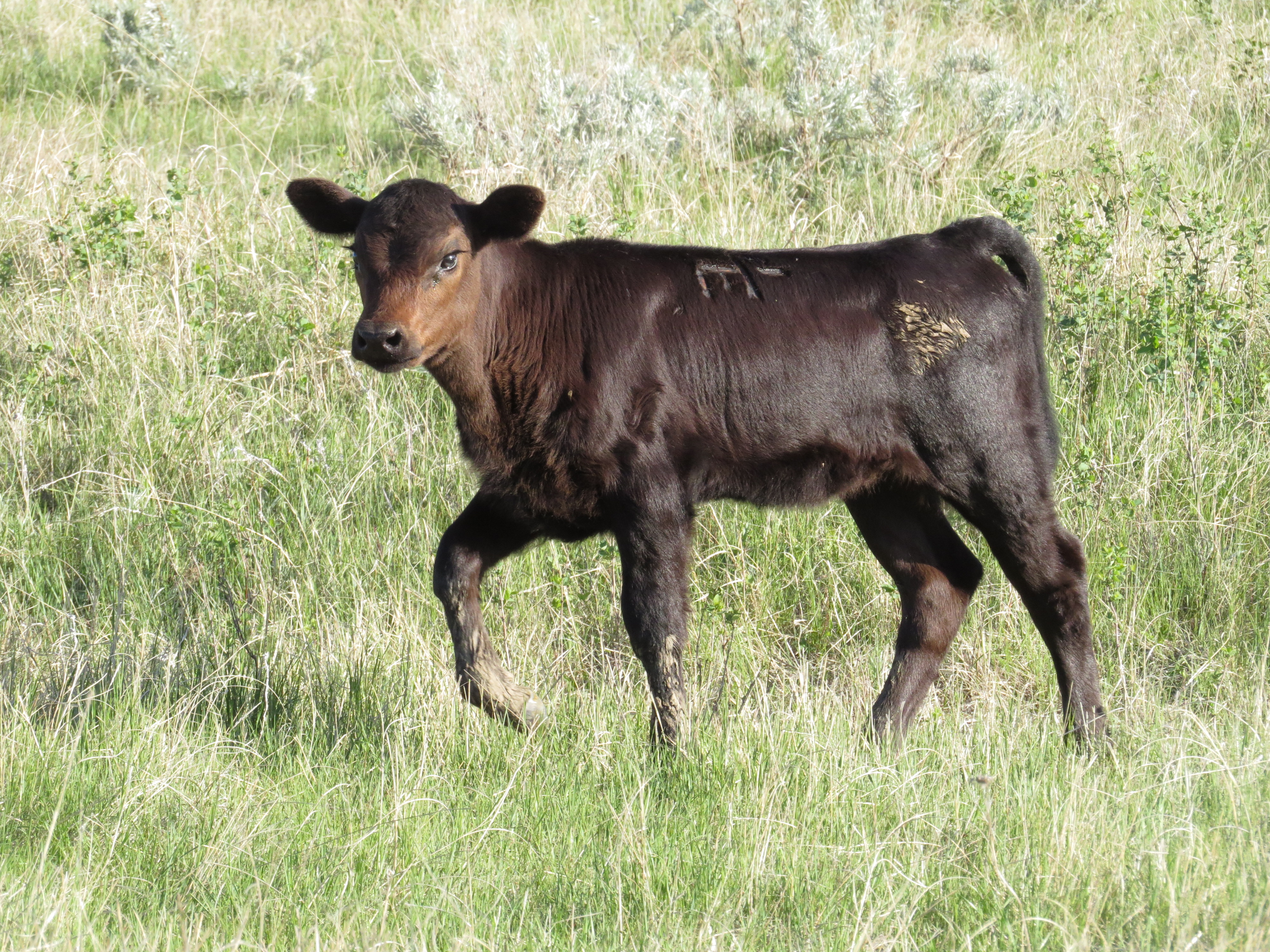
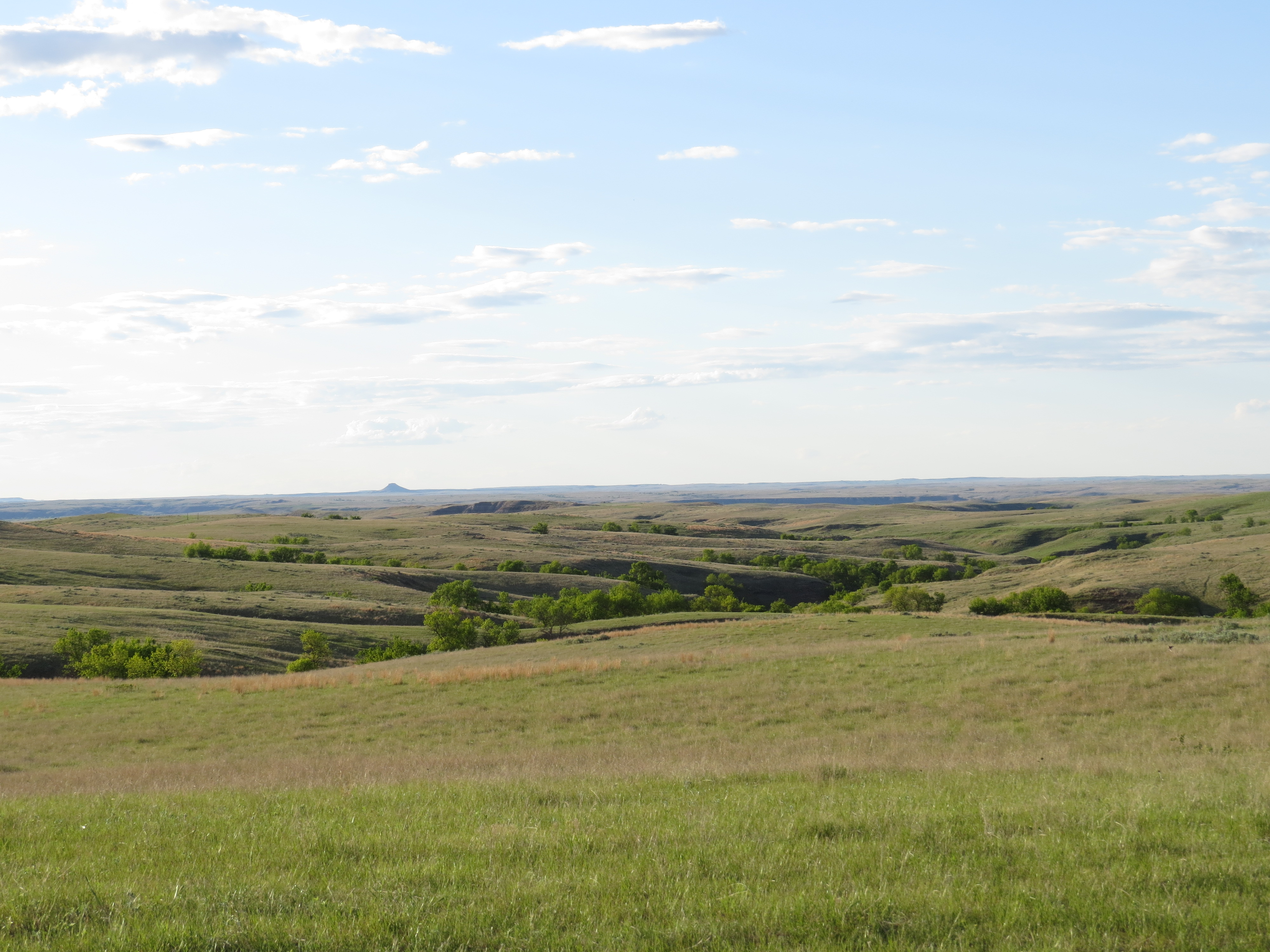
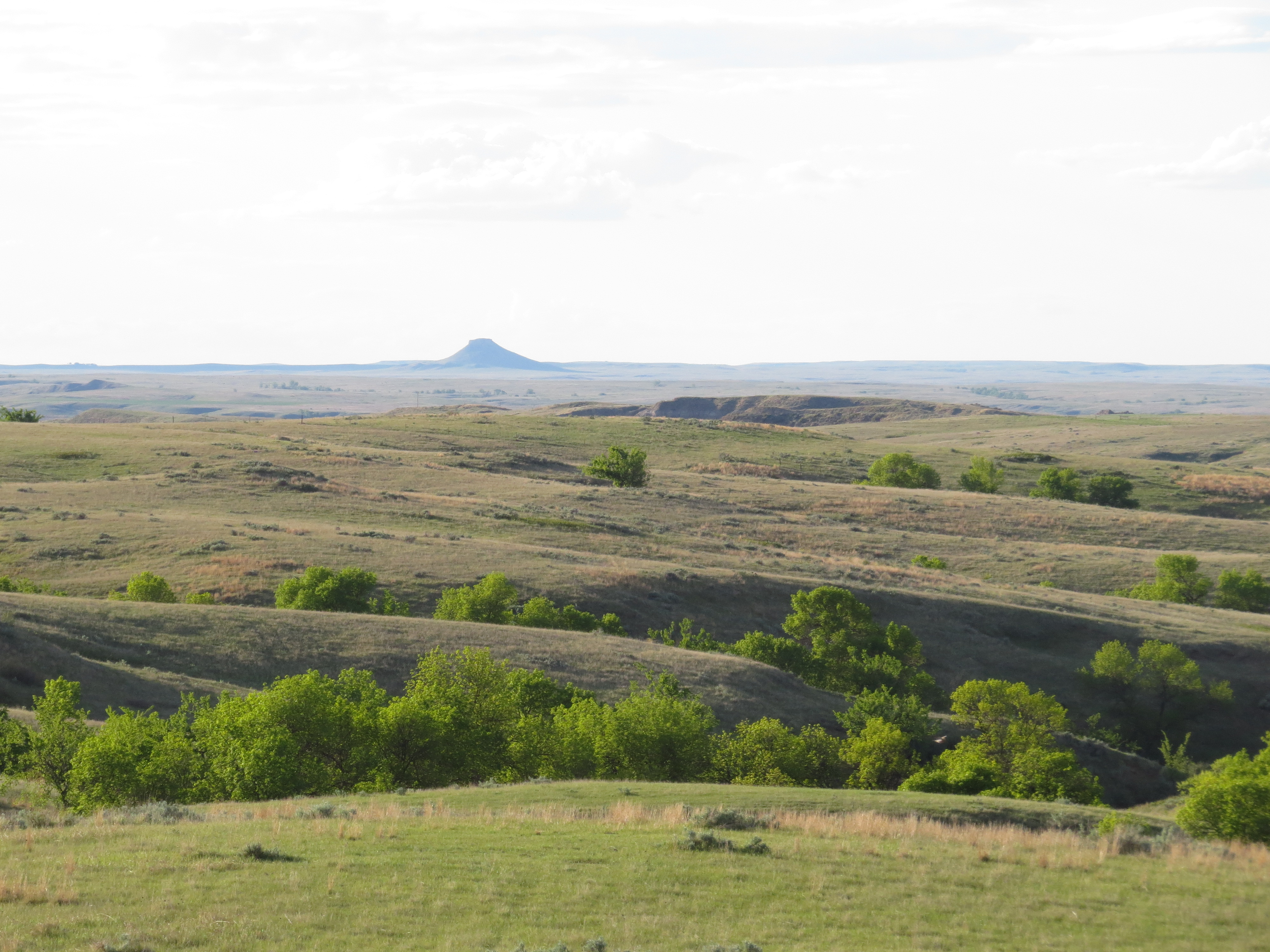
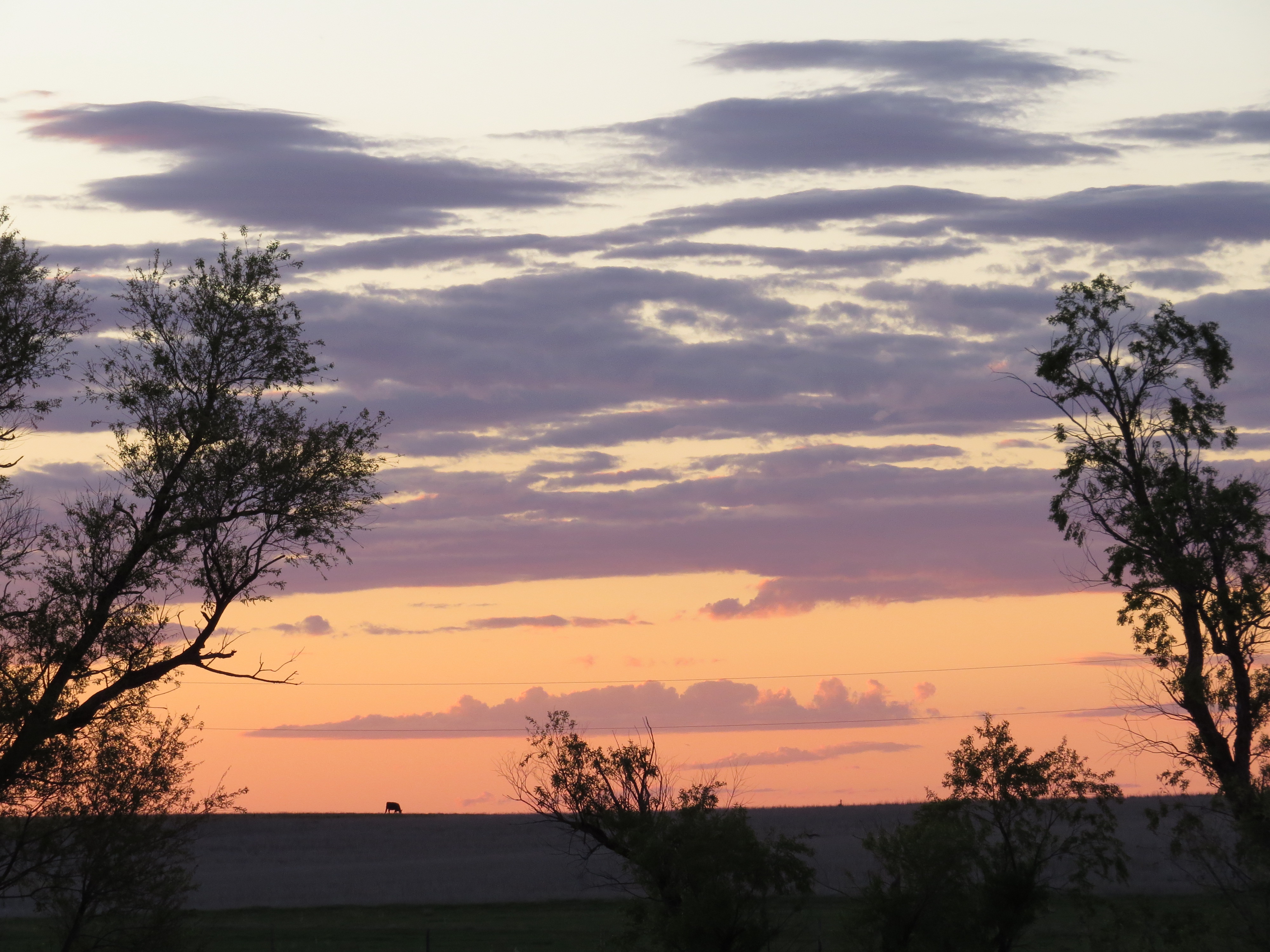
After Chris threw in ‘one last cast’ and then another ‘one last cast,’ he caught a nice-sized bass, the only fish of the evening! We headed back to the ranch, and stopped to take in the view of the breaks and a butte in the distance. A colorful sunset closed the day, aptly with a cow on the horizon.
On our way back home on Monday, I prefaced my experience to Chris with “I know this sounds strange…” and set up how the cows were bawling and the generator was humming and the work was rhythmic and it sounded like…and he stopped me. He said, “It sounded like music.” YES! Oh my gosh, you heard it, too?! So I wasn’t crazy! Willie Nelson tells a story about his grandmother telling him, “Music is anything that’s pleasing to the ear.” The bawling of the cows and calves must have been pleasing to our ears! It’s funny what our brains do, but I’m a believer in the music of the cows. I’m a believer of raising cattle on the vast prairie pastures, of the hard-working ranchers who tend their herds with diligence and tenacity, and of the love that my rancher friends have for their cattle and their incredible ‘west river’ land.
Nature and Nurture—Who We Are
She was a listener from a very young age. Her large brown eyes and beautiful, expressive face shone with excitement, cast woeful sadness, or conveyed a myriad of other emotions, all without the use of words. In fact, she didn’t talk much at all early in life, even when I knew she knew how to do it. Her older sister was a words person at a young age, and with her caring, intuitive spirit, she ‘interpreted’ for Anna. It was apparent that Anna allowed it—she would look at Emily to answer, and I could see the approval in her eyes when Emily got it right. I was never worried; I knew she would talk when she was ready. And she did. It was soon evident that she was an articulate auditory learner—she would be playing on the floor with toys and suddenly sing a complete jingle that she had heard on tv. All of our kids were exposed to music from birth—classical music, fun Raffi songs, cultural songs and lullabies, my singing songs at bedtime, interactive song/story tapes and books (remember Abiyoyo?), along with the Emmylou and CCR records in our collection. Anna showed a special affinity for all music and instruments—she loved the toy piano passed down from the cousins, she taught Aaron how to play the toy xylophone, we bought her a beautiful wooden zither for Christmas, and she would play songs for us—and this was all before she started school.
How do we become the persons we are born to be? How do all creations end up where they are in order to do the work they are intended to do?
Why do the gold-leaved Cottonwoods and Willows prefer to grow with their roots near water instead of on an arid hilltop?
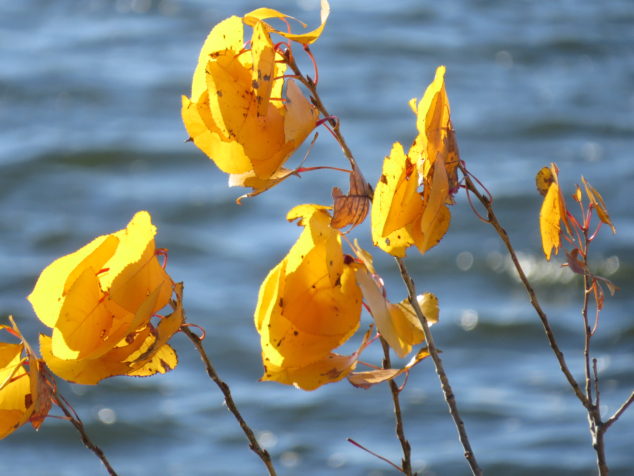
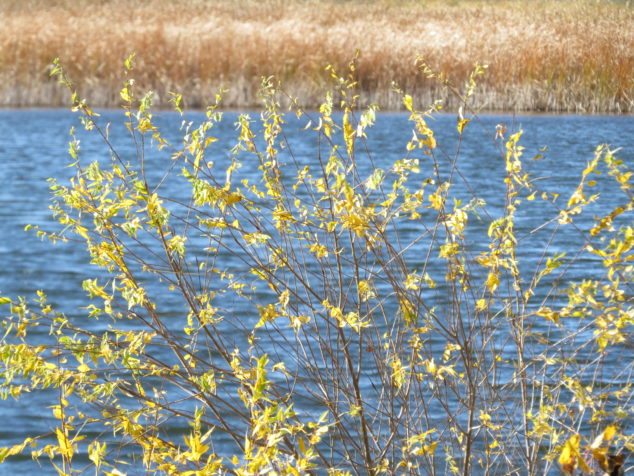
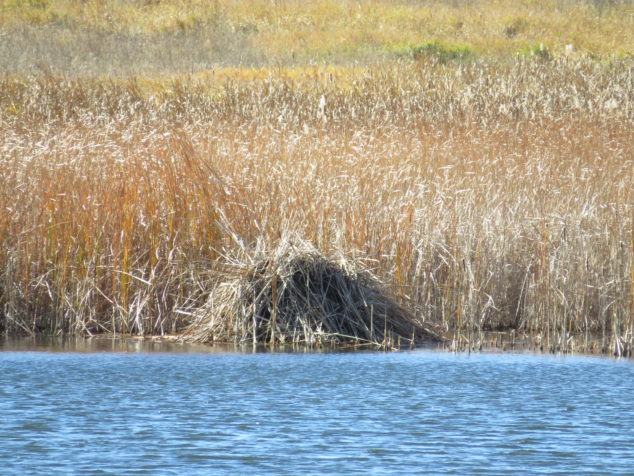
Do muskrats choose to live near the cattails in order to use them for food and building material or is it happenstance?
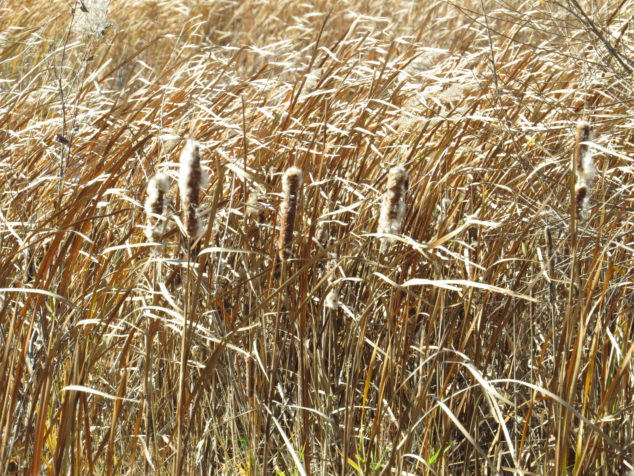
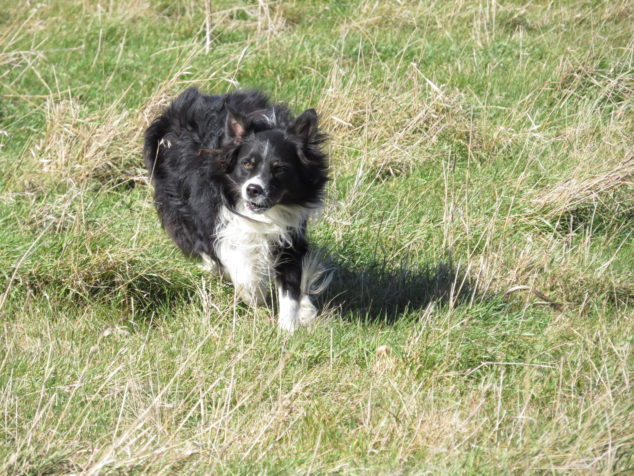
Rango’s herding instincts apply to cattle, geese, or people. He enjoys his work and takes his job seriously.
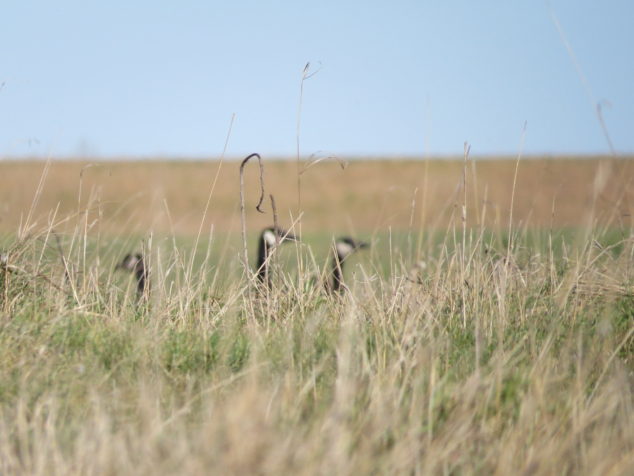
And yet, the geese have their own sentries doing their job to keep an eye on him and us.
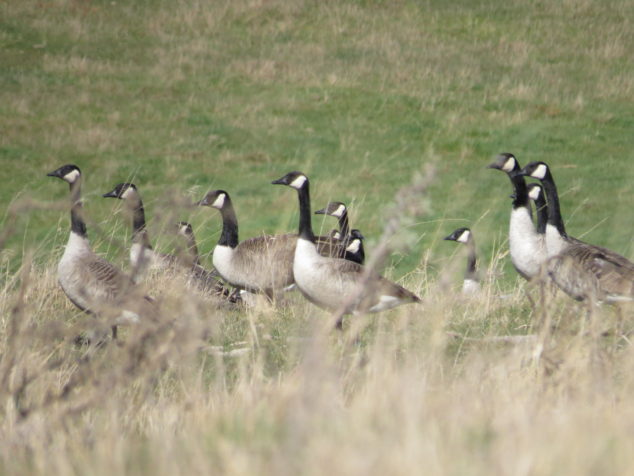
What makes one dog a herder and another a retriever?
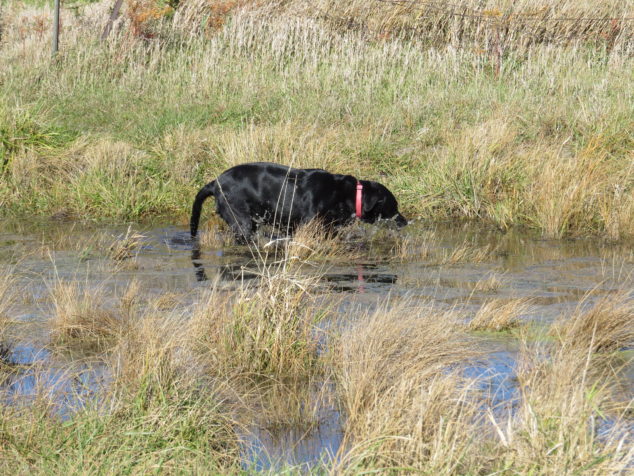
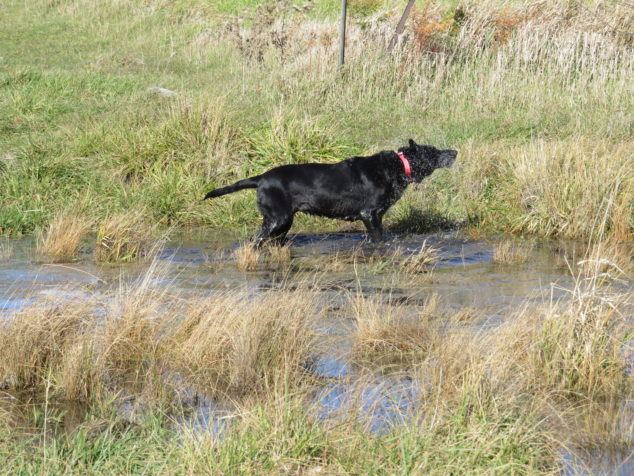
What happens when opportunities for doing one’s work dry up or are never available to begin with?
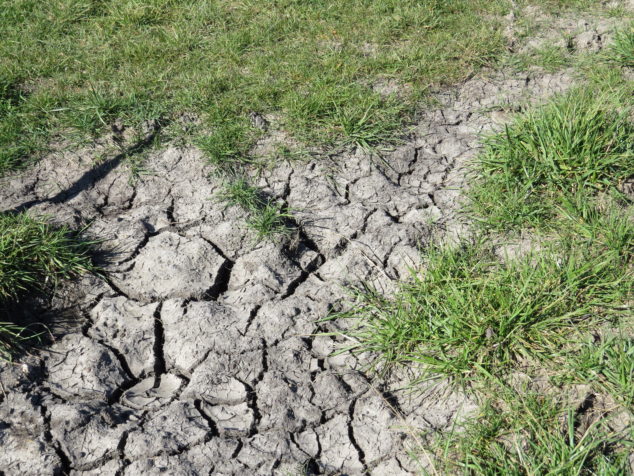
We live and grow in this complex, multi-layered environment with synergism and competition, support and censure, dependence, independence, and interdependence.
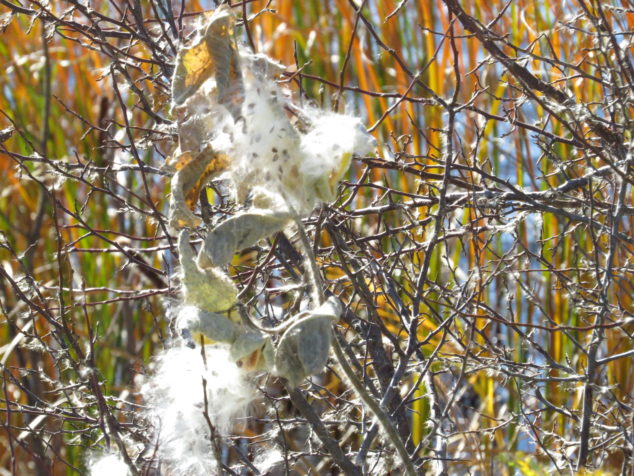
We returned to Brookings to meet our grown-up listener and to hear her musical voice being presented as a flute solo at a faculty recital. Anna is what she has always been and more—a listener, a lover of music and instruments, a composer, and a music scholar to name a few. She learned to play the clarinet, sang and played in church, pleaded for piano lessons, began composing, participated in band and orchestra, learned to play many more instruments, went to music camps and on to college to major in composition. She has written a book and is now in graduate school—all the while composing new music from her creative, brilliant inner being. Doing what she was born to do. Being who she was born to be.
We sat in the Performing Arts Center waiting for her piece to be performed. It was the same place we had gone to school choral concerts. It was the same room where we had sat in awe as Itzhak Perlman played his violin. It was the same stage with the Fazioli grand piano where Anna recorded her first cd of compositions as Chris and the sound guy watched from the control room. I proudly present Anna Brake’s composition performed by Dr. Tammy Evans Yonce.
Program Notes
“Oh Rapturous Hour! Is this Fulfilment?” is a monologue for flute. The poem, “Fulfilment” by Harold Monro (1879-1932), serves as the skeleton for the contour and articulation for the music. The romantic poem has intense emotional changes and the characterizations are key to this piece. I use word painting throughout with techniques such as breath tone, whole tone scales, flutter-tonguing, trills, multiple staccato and key clicks to represent words or themes in the poem, such as wind, nature, laughter, etc.
Nature—our genes and innate gifts, the spirit of who we are when we enter this world. Nurture—the complex, multi-layered environment we grow and develop in. The interaction and synergy of Nature and Nurture form who we are. Later, there are choices that steer us in certain directions, while at the very same time, happenstance—those things we have no control over—can change the course of our lives in an instant. It takes a hardy soul to navigate it all. That’s how we all do this thing called Life.