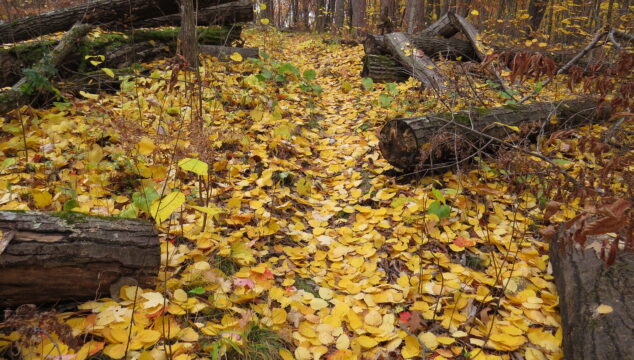
Come walk with me in the peak Autumn beauty of the Northwoods. To say that I love this time of year is an understatement. Most everyone can appreciate the colorful falling leaves---it reveals the 'true self' of a tree when its leaves are no longer producing chlorophyll. Their true colors are revealed, and there is something simple … [Read More...]
Path of Redemption
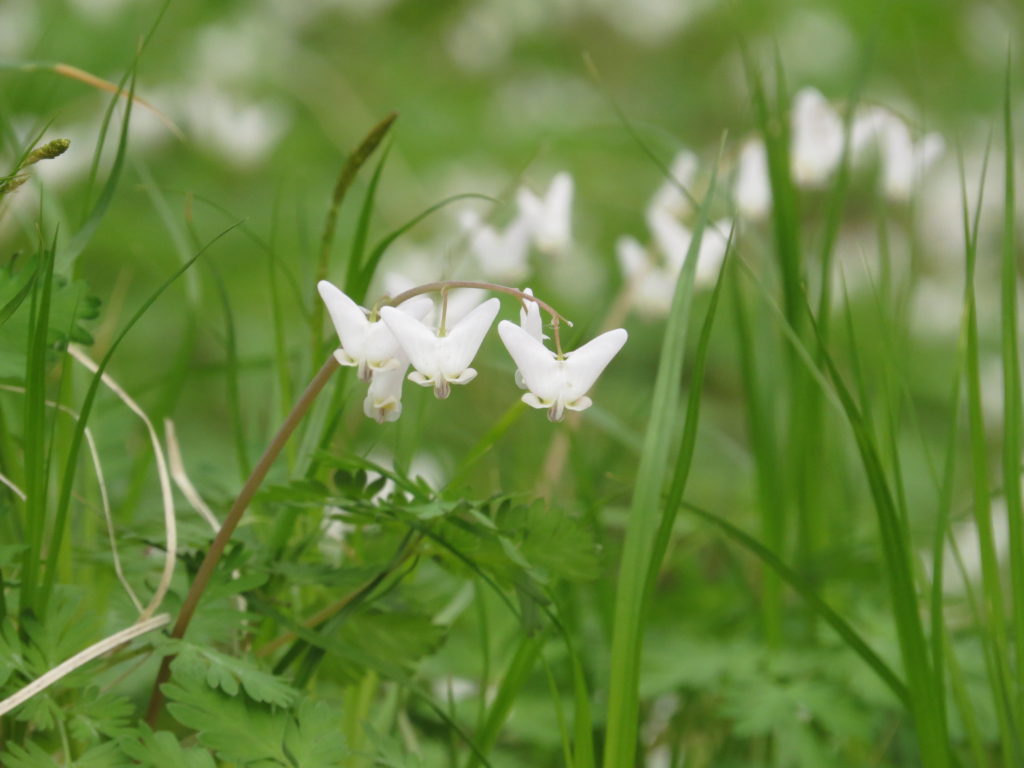
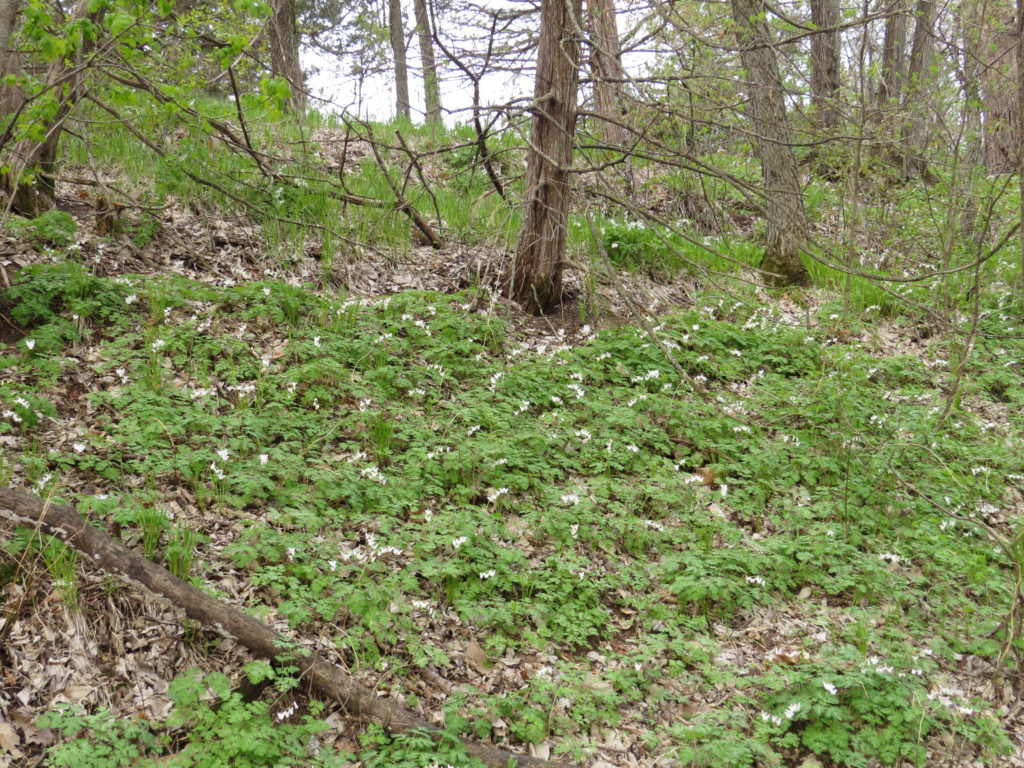
This is a story about devastation and beauty, inspired and patient change, art and surprises, and redemption. On Mother’s Day weekend, we skipped our usual morning routine in order to ‘beat the crowd’ at a nearby park—the park that was flooded by the Mississippi River just a month ago. We were curious as to whether the trails were open, if the water had receded, if things were ‘back to normal.’ We walked down the steep trail towards the River, but before we even got to the bottom land, a beautiful sight met us at the path—uniquely-shaped Dutchman’s Breeches wildflowers. The delicate white flowers covered the hillside as far as we could see!
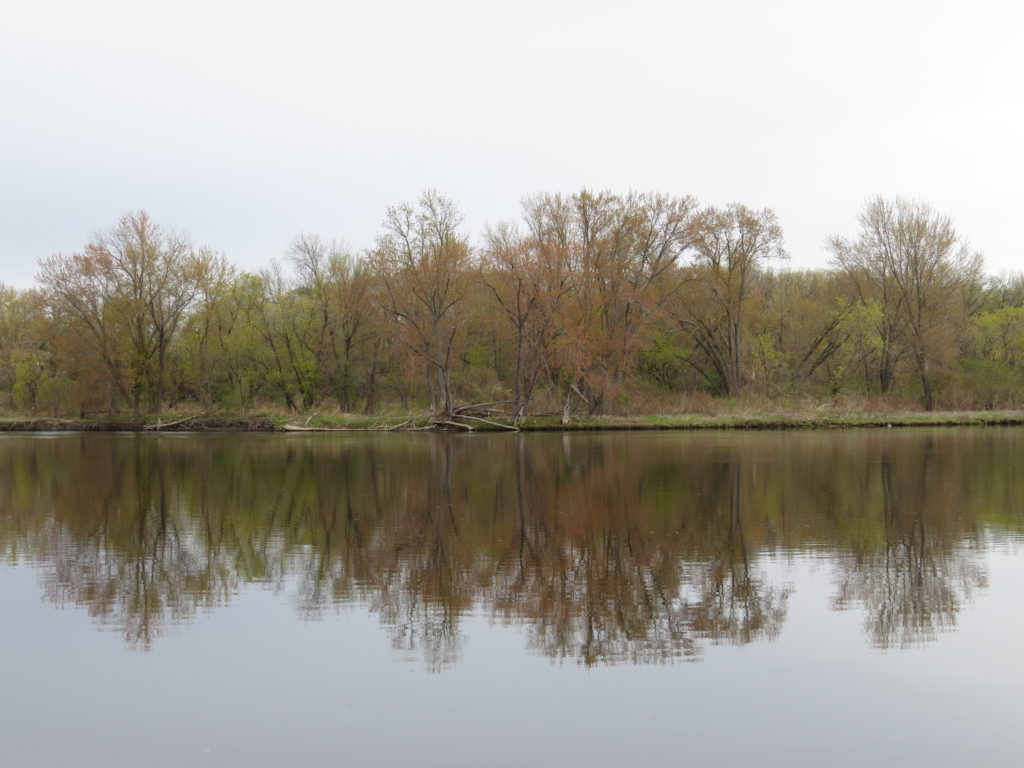
The River was morning quiet, like softly rippled glass, back in the low restraints of its banks. The trees on the other side blushed with pinkish-red and Spring lime green and saw their reflections in the Mighty Mississippi. A few boats quietly trolled the morning water for the anticipated fishing opener weekend. Occasionally, a goose harshly honked a greeting that split the quiet air like a foghorn.
We walked through the woods that had morphed from flood waters to greenery. A small path led us back to the River, to a canoe camp with fire circle, picnic tables, and an outhouse without the house.
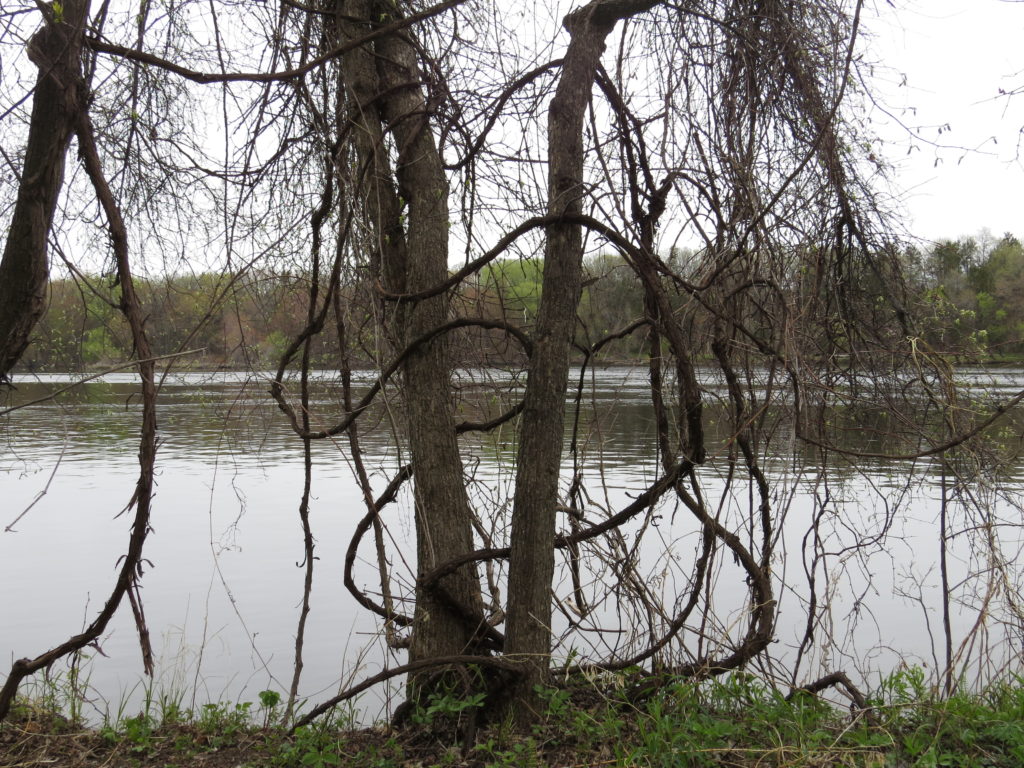
A messy tangle of Wild Grape vines that for years have been winding their way in and among a couple of trees, stood out on the leafless bank. It would be near impossible to make this happen, yet here it was. It looked like a piece of art, a sculpture of time and growth.
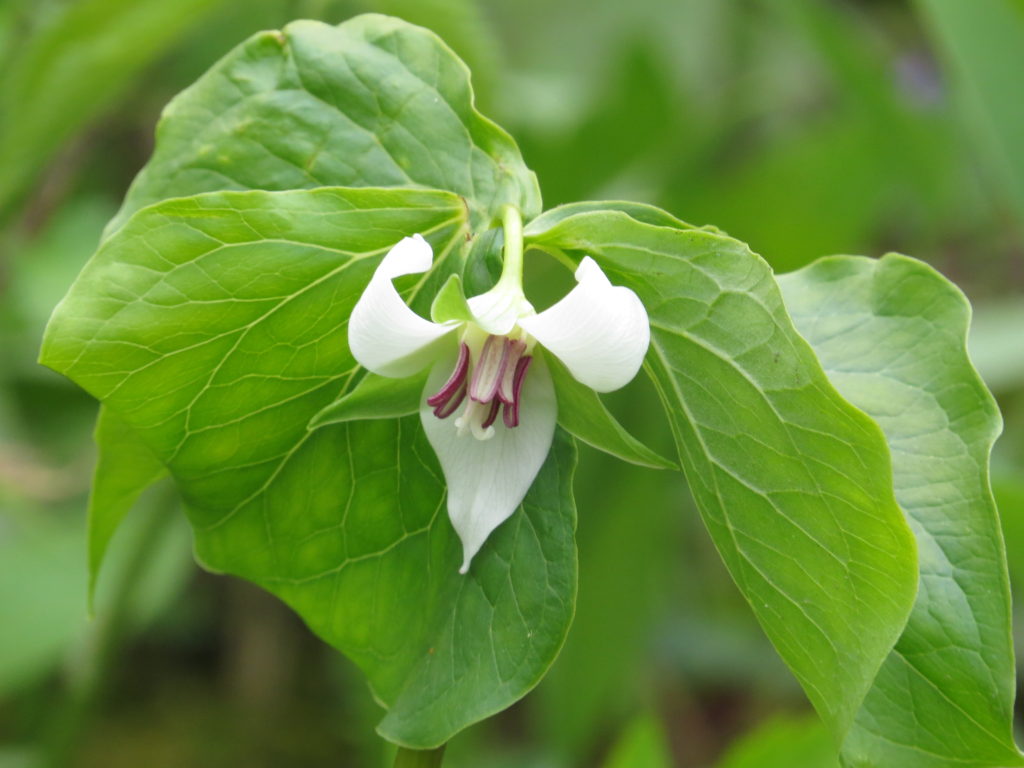
We backtracked to the main path. The exquisite beauty of a Nodding Trillium—large white curling petals, snowy white pistil, and purplish-pink-lined stamens surrounded by delicate green sepals and large, veined leaves—rose with certainty from the ground, from the ground that had been covered with water and debris just weeks ago.
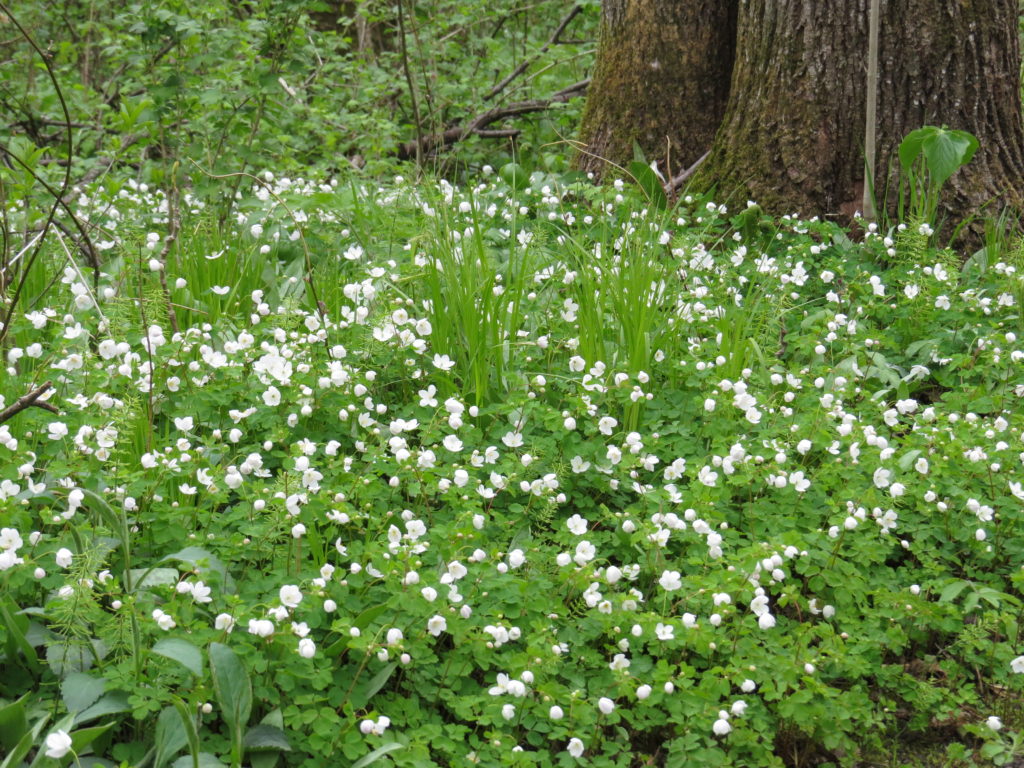
The abundance of greenery and white flowers continued with large swaths of Wood Anemones interspersed with sedge grass.
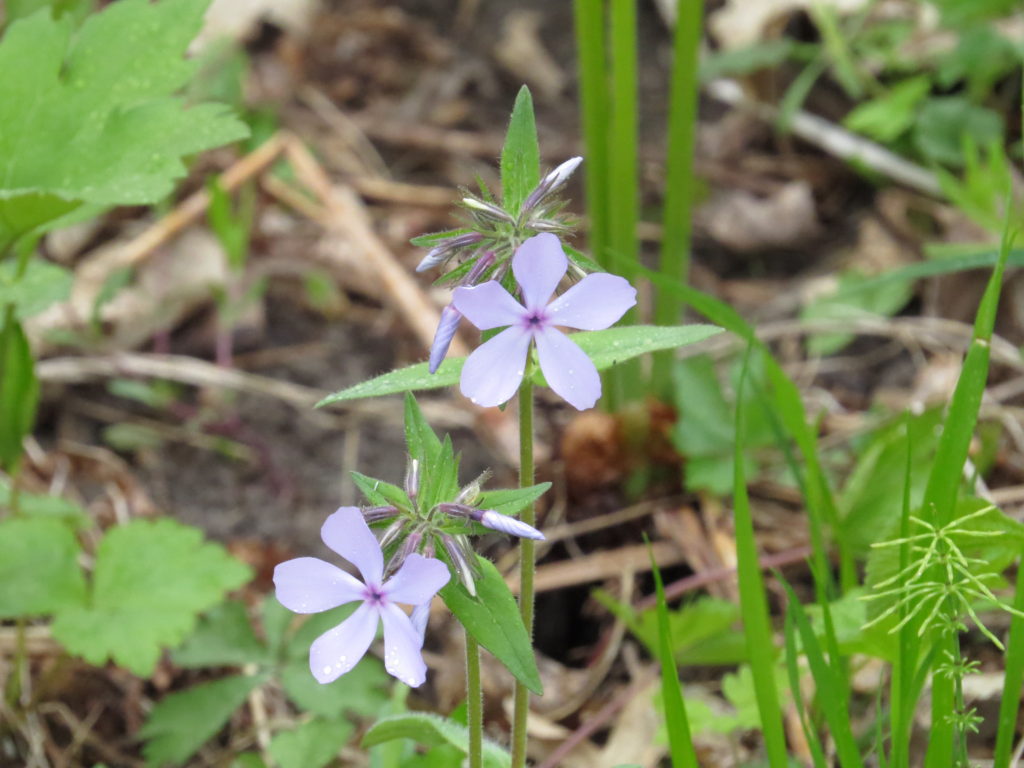
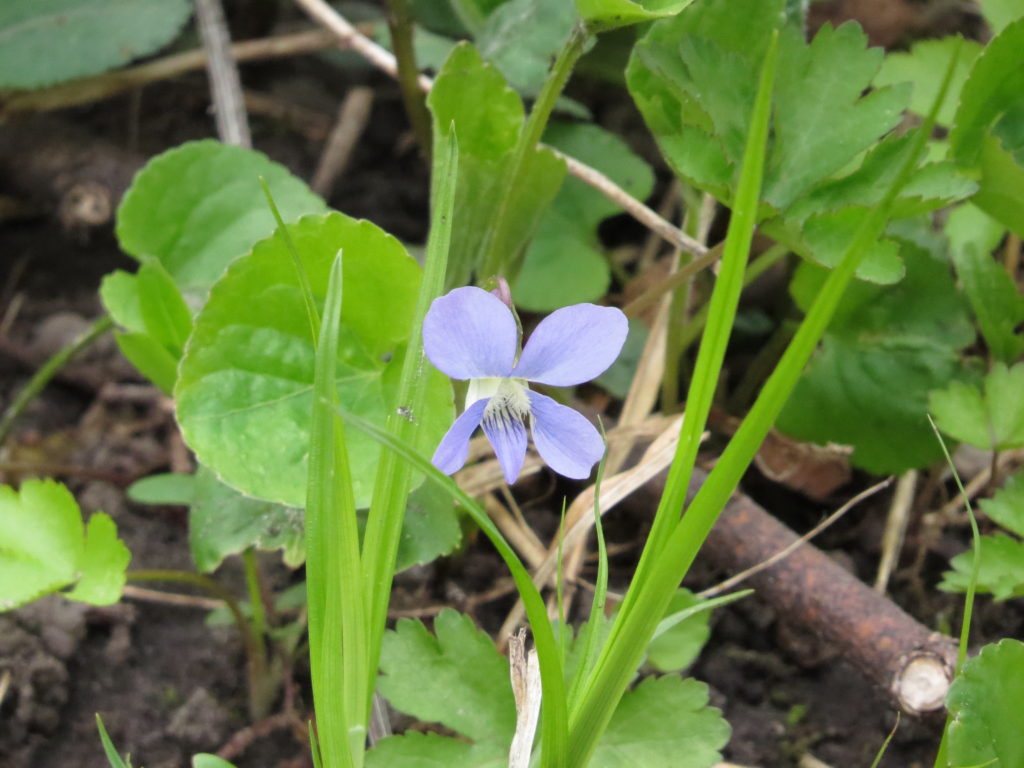
Wild Blue Phlox and Wild Violets, in their delicate blue colors, were welcomed outliers in the sea of white blossoms.
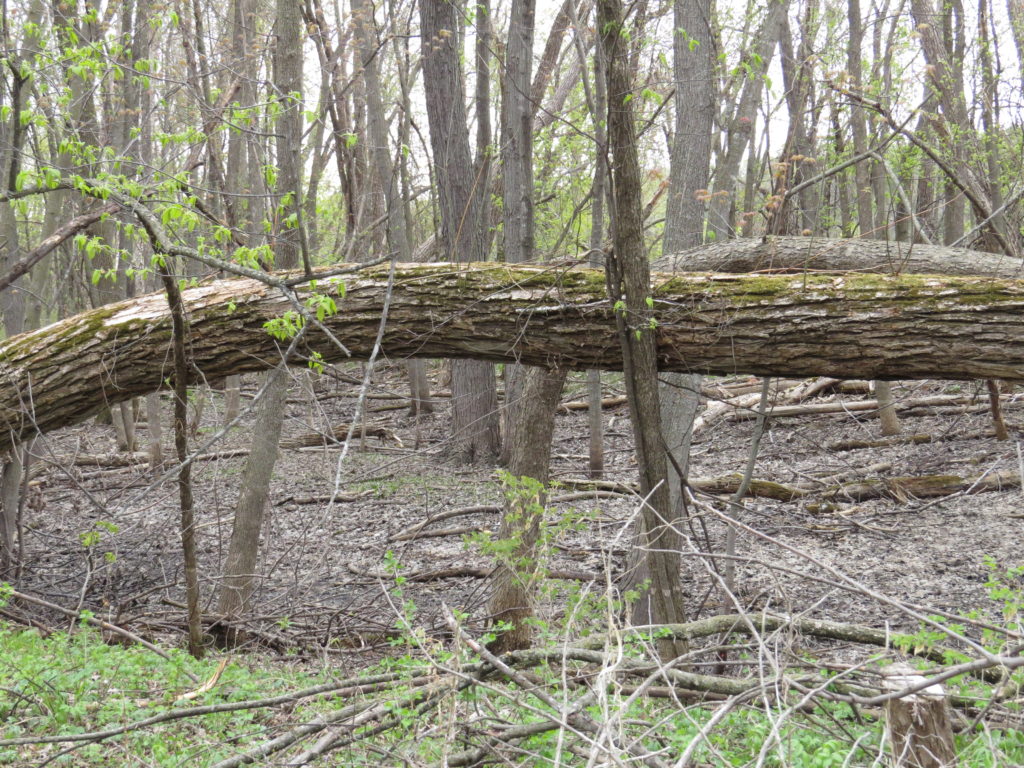
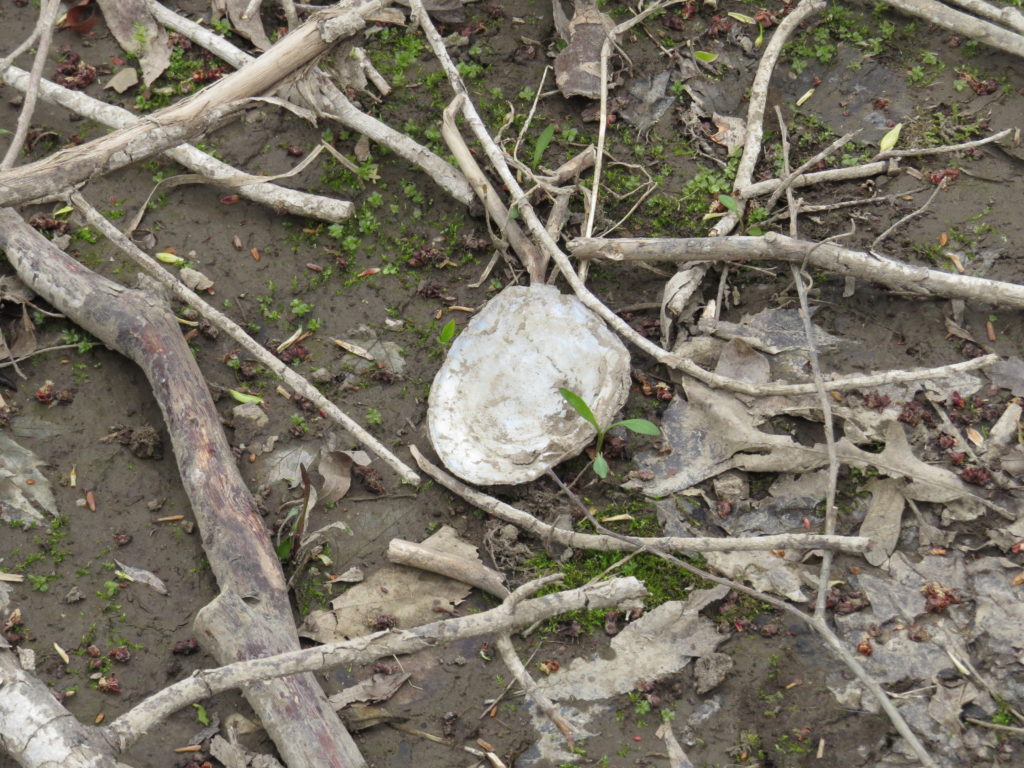
Where the last of the flood waters had remained, the ground was still barren and gray, a stark reminder of the devastation of the flooding.
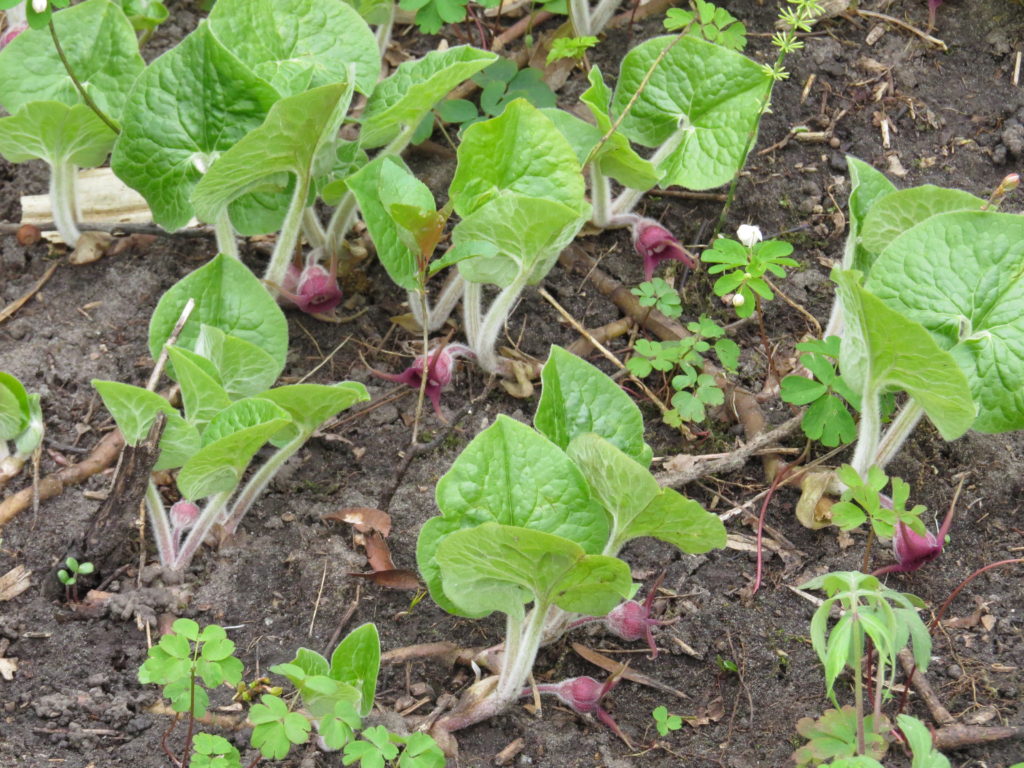
The flood water had washed away the soil around the rhizomes and roots of the Wild Ginger plants, showcasing the ground-level flowers that are usually hidden from view.
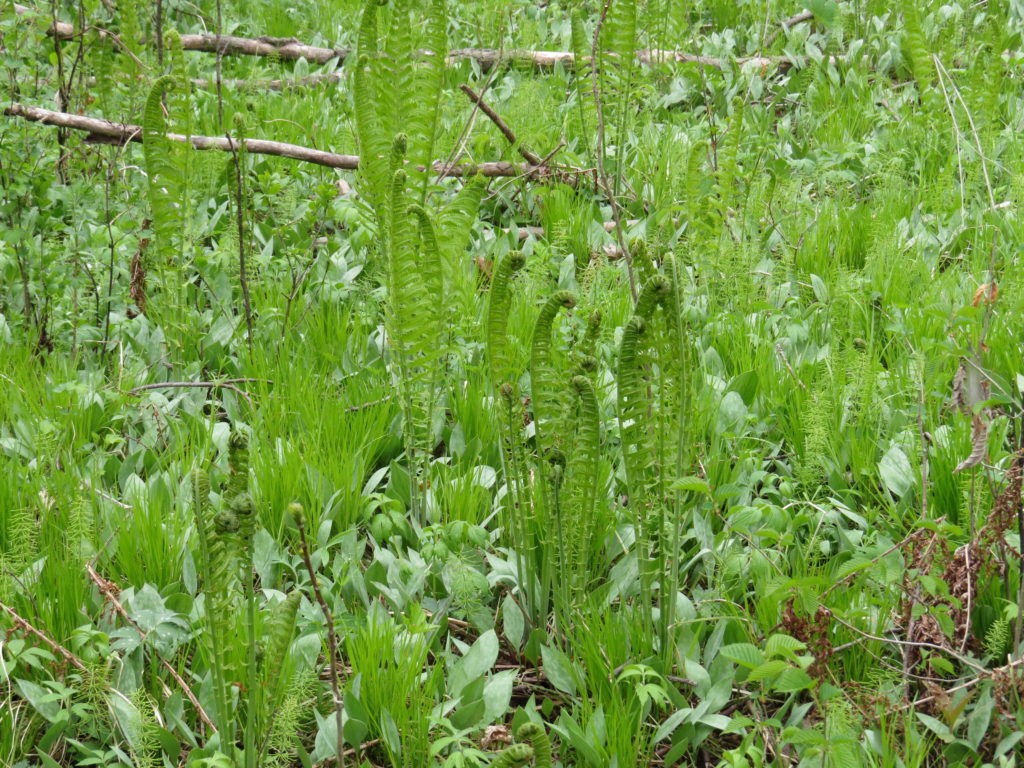
And despite the deluge of water, the flood plain was blooming! Growing and blooming in abundance! White Trout Lilies (don’t you love their name?) covered the woodland ground, fields of them among the trees. Ferns grew up like meerkats amid the Trout Lilies, their fiddleheads unfurling in orchestrated movement.
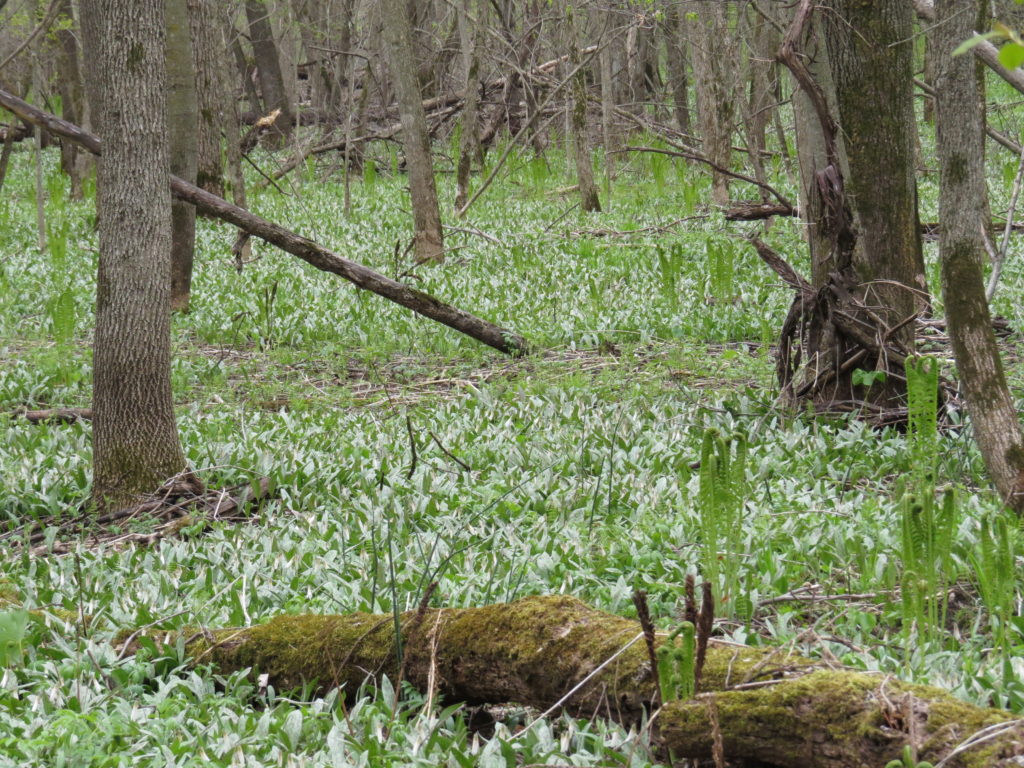
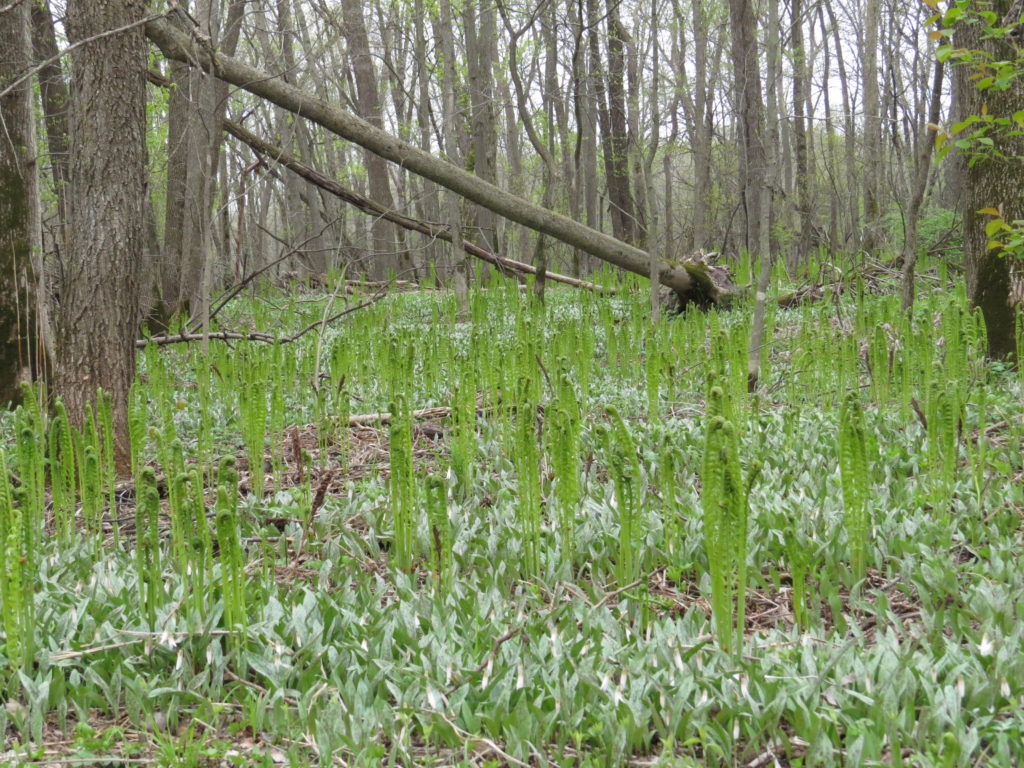
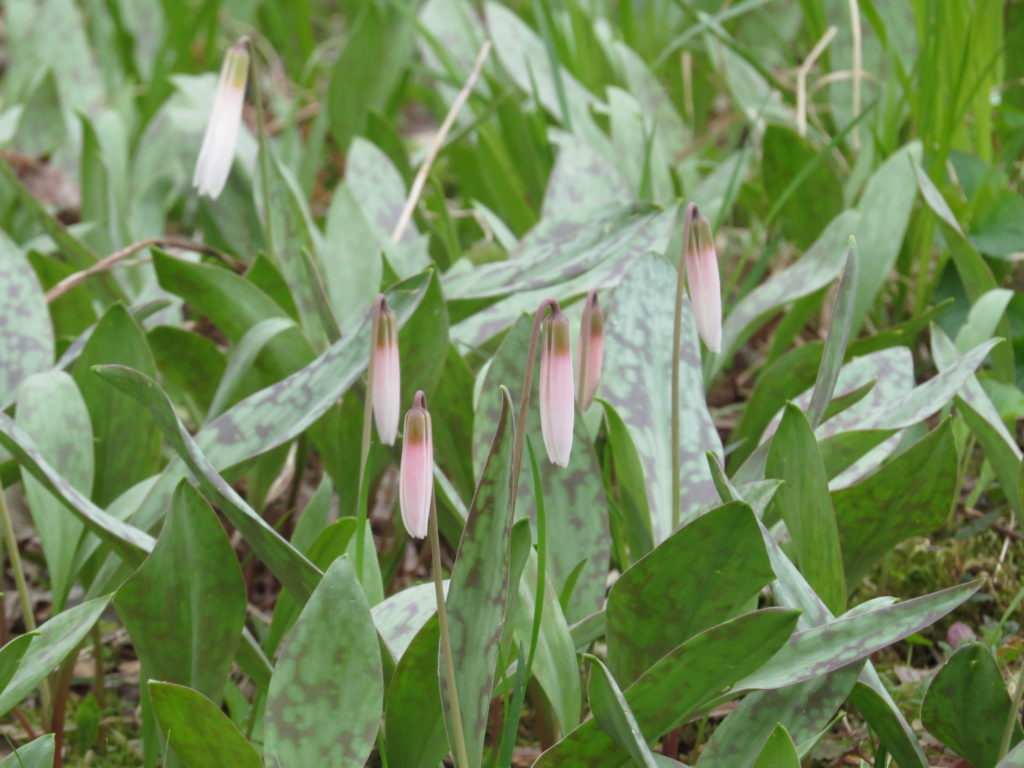
There were millions of spotted leaves and demure pink buds that mature and open to white, then curl back their petals as the sun moves across the sky, exposing the bright yellow stamens of the single-flowering plant. With nightfall, they close once again.
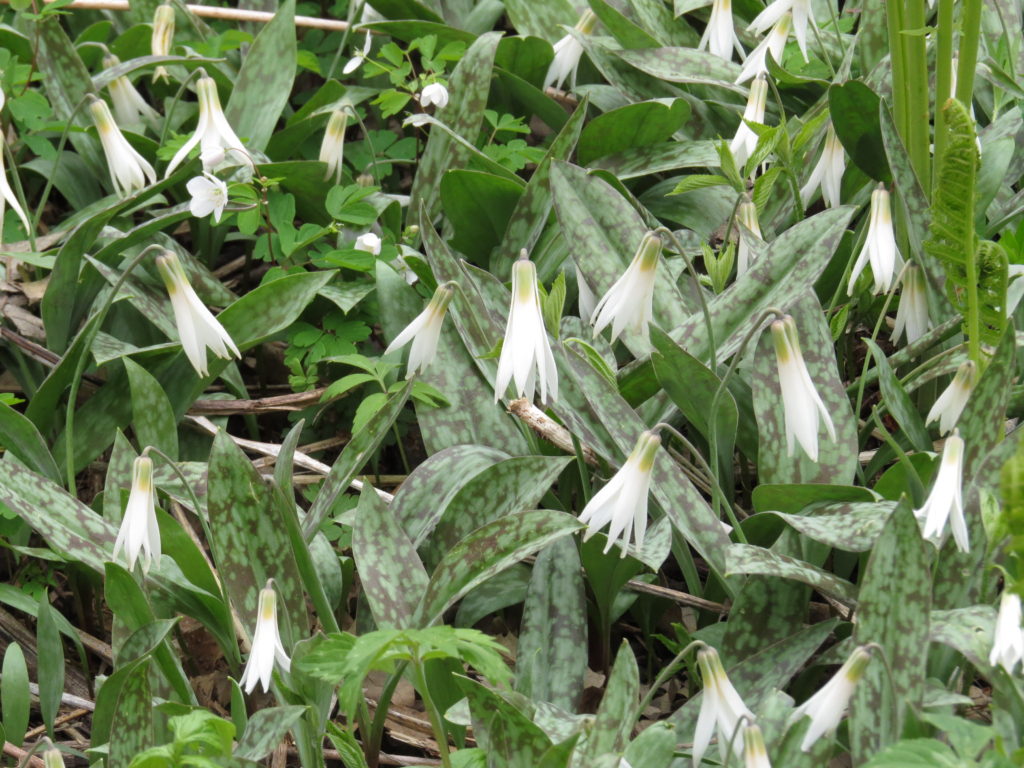
A flower-lined path of redemption wound through the woods where the gray torrent of devastation had taken up residence just weeks before. What if we had given up on this path? What if the gray water from our last visit had kept us away? We would have missed the incredible beauty of this morning, these flowers, these unfurling ferns and leaves.
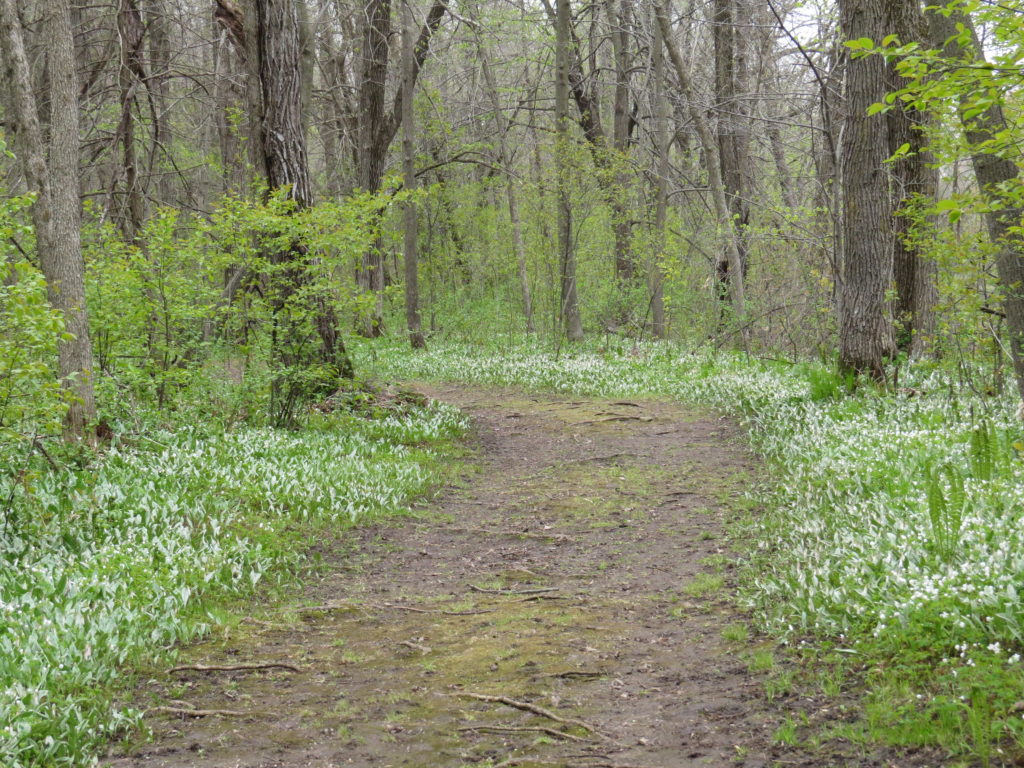
As we walked the flower-flooded River peninsula, we slowly realized that this land we were walking on was built for this—the flooding was just a natural part of the seasonal evolution. In fact, perhaps the devastation of the flooding was exactly what the plants needed to thrive! We think of flooding as being devastating because we often place things in the wrong place—we build houses where they don’t belong, want fields where Mother Nature has had wetlands and floodplains for millennia (for a reason). Devastation, messiness, and pain precede the growth and flowering. The coronavirus pandemic is making a mess of our collective lives right now. We need to leave behind the idea of ‘back to normal.’ Redemption is the act of making something better. What have we placed in the wrong place? How do we rise from the debris with certainty and blossom into exquisite beauty?
Room to Grow Into Our Best Selves
After a cold, snowy Winter, all I want is some warm sunshine, green leaves, and colorful flowers. Winter in the North hones our patience. Winter after the calendar proclaims Spring tries our patience, which is all a part of the honing process, I guess. We “can’t always get what (we) want,” as Mick Jagger sings.
Twelve days ago we did have a sunny, relatively warm day! Chris and I decided to hike down at the Mississippi River’s edge, because we hadn’t been there (seen it) since ice-out. We followed the trail down the hill—to a beautiful blue… River-flooded trail. I guess we won’t be going that way….
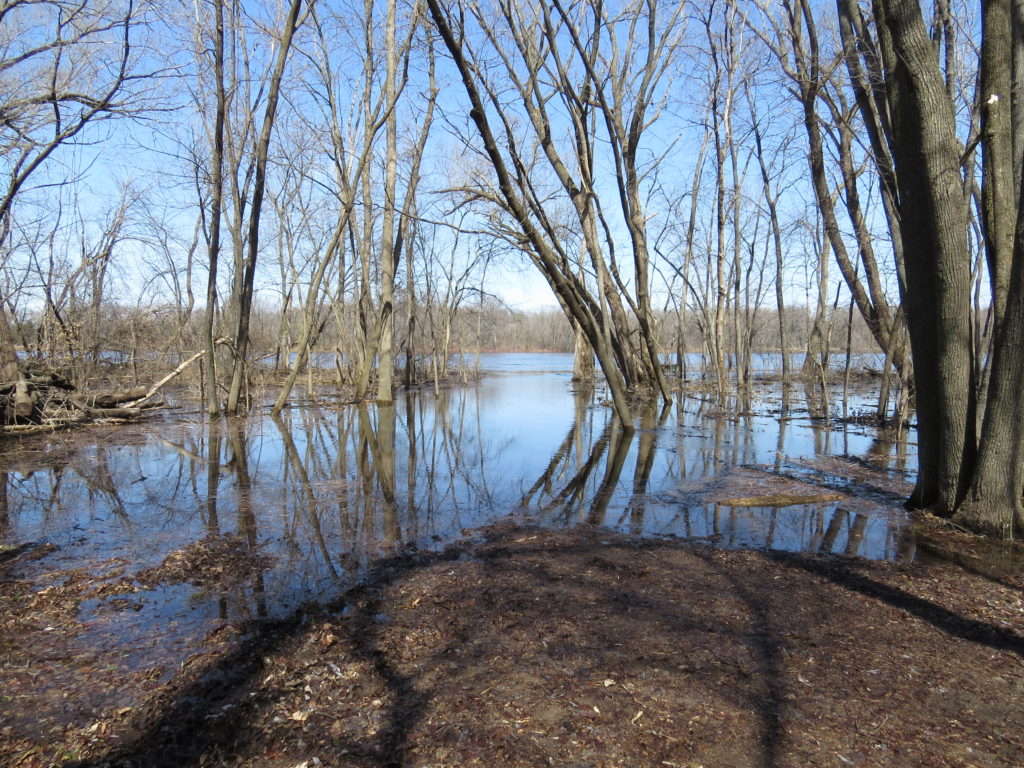
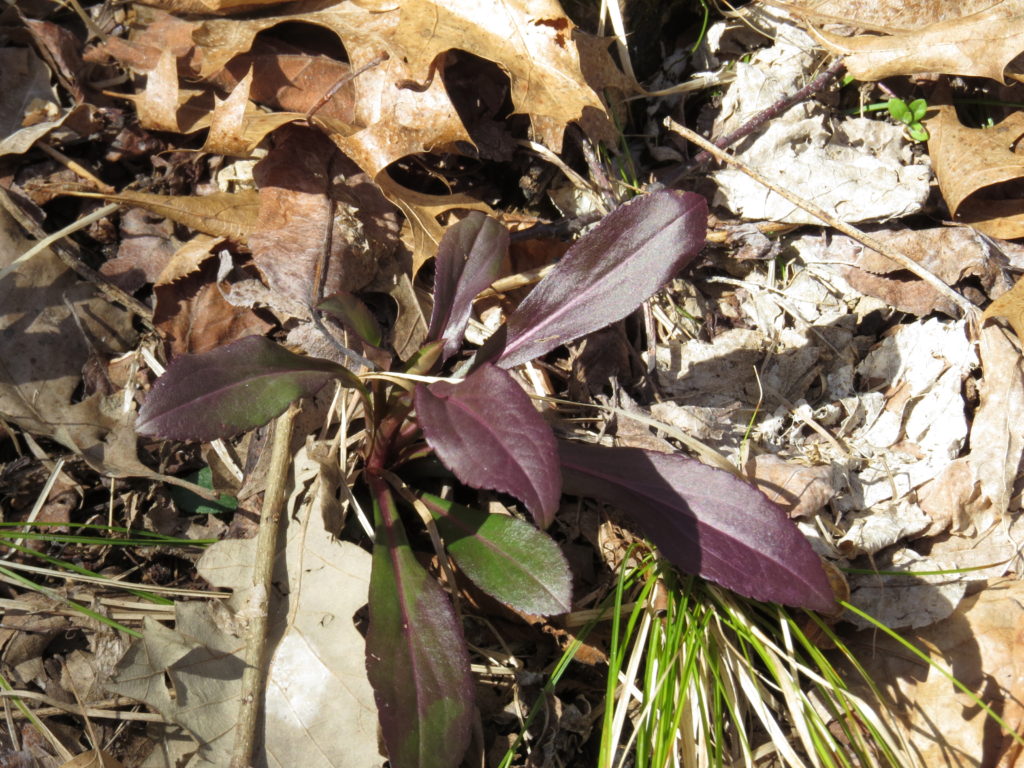
We turned around, walked back up the hill, and went a different way. I spotted what looked like a Penstemon growing its greenish-purple leaves through the brown leaf litter. There will be Spring flowers in this spot in the weeks to come!
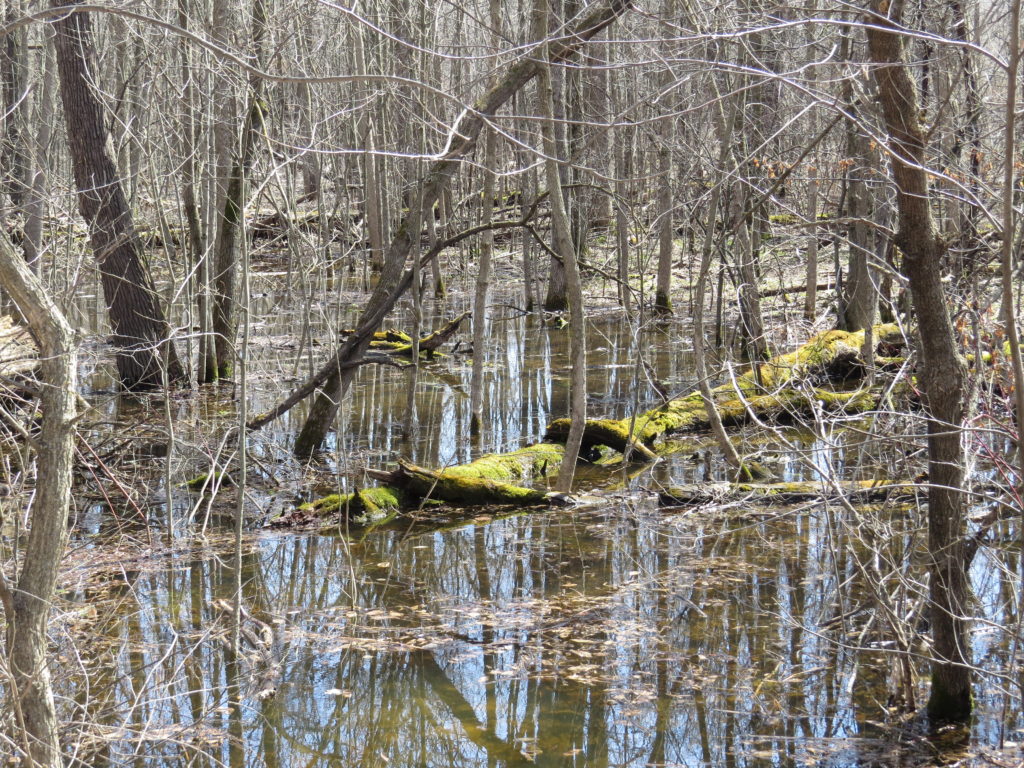
But on the other side of the road was a gray swamp with a green swamp-log, like a huge alligator laying-in-wait in the water, in the shadows and reflections, in the Winter debris.
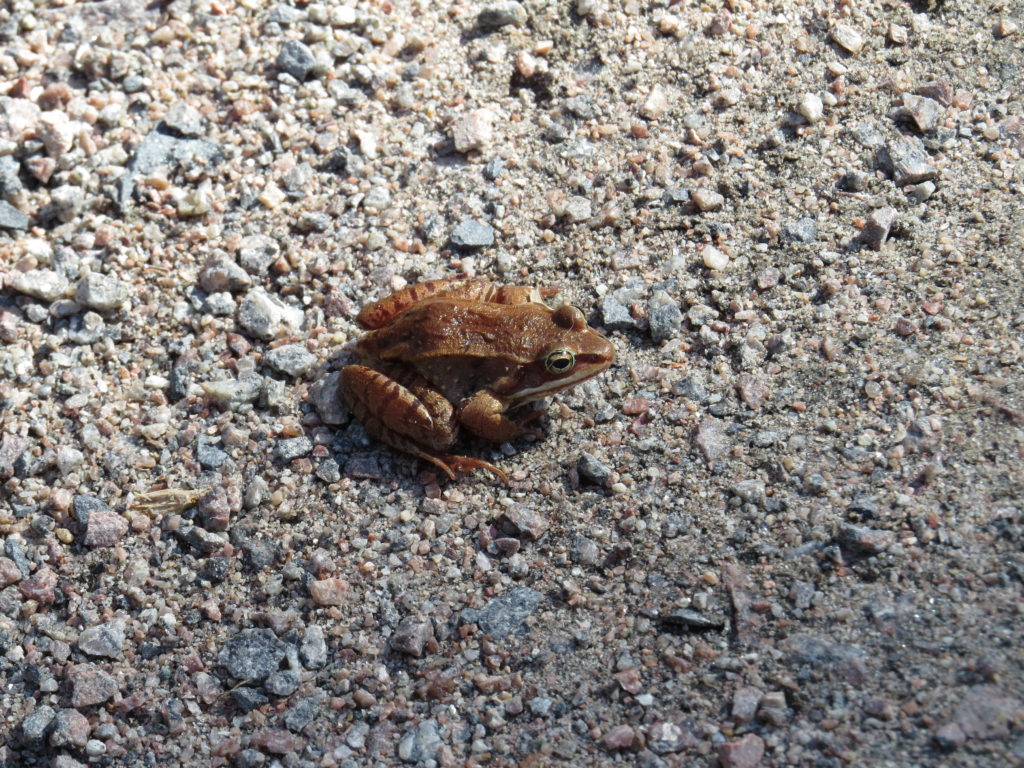
A real water creature hopped up onto the road to warm itself in the sunshine.
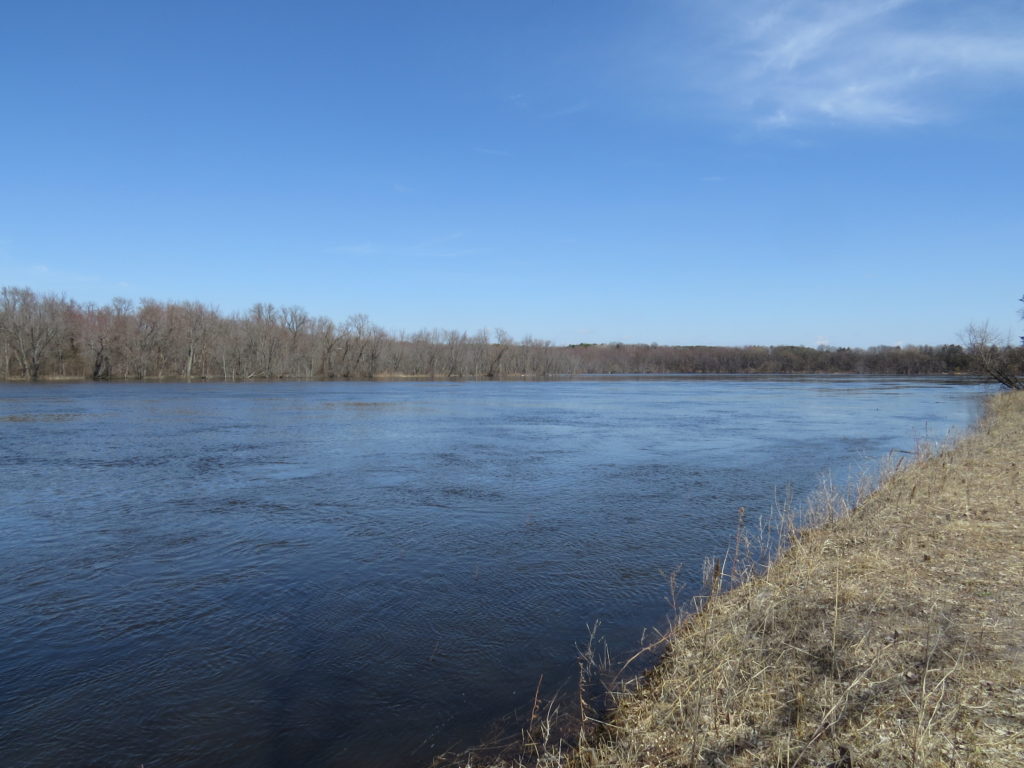
The boat landing road did get us down to the River. This was where we had walked across the ice just six weeks before. (Walking Across the Mississippi River)
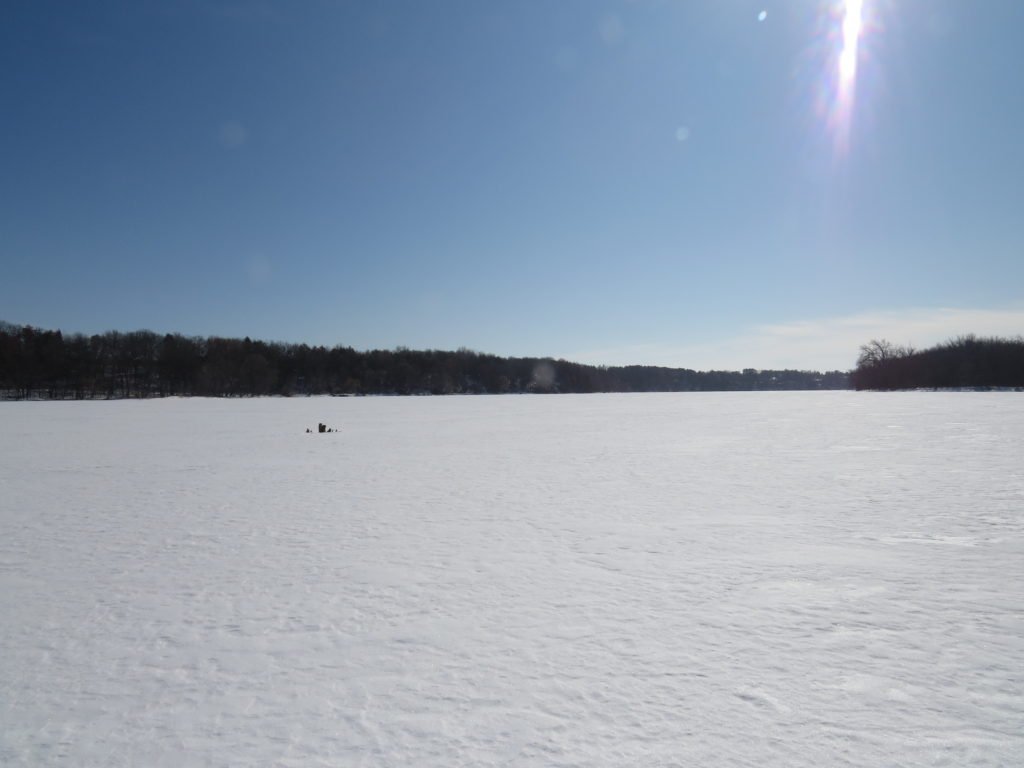
Even though we weren’t where we wanted to be—on the trail, in the weather, in the Spring—we were in a much different place than we were just six weeks ago. Sometimes we forget how far we’ve come when it looks like we have a long way yet to go.
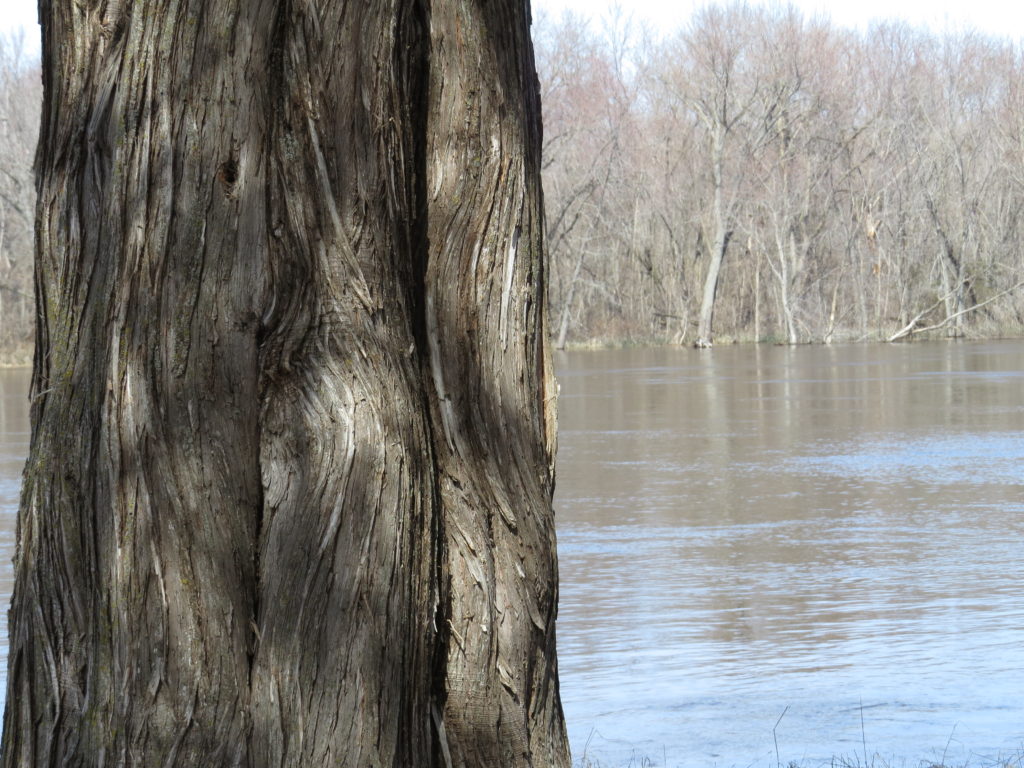
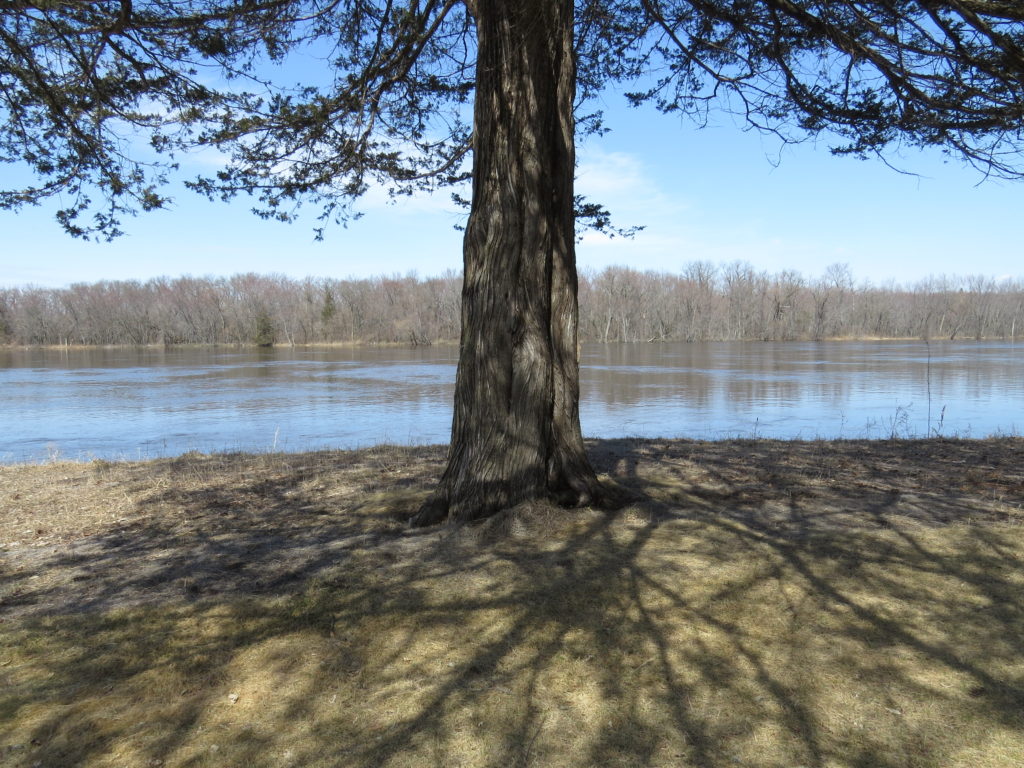
A lone Red Cedar tree, well-watered by the near-by River and unencumbered by any other tree in its proximity, had grown into a specimen tree. All the characteristics, all the best qualities of the Cedar were showcased in this tree. It had had room and nourishment to grow into its best self.
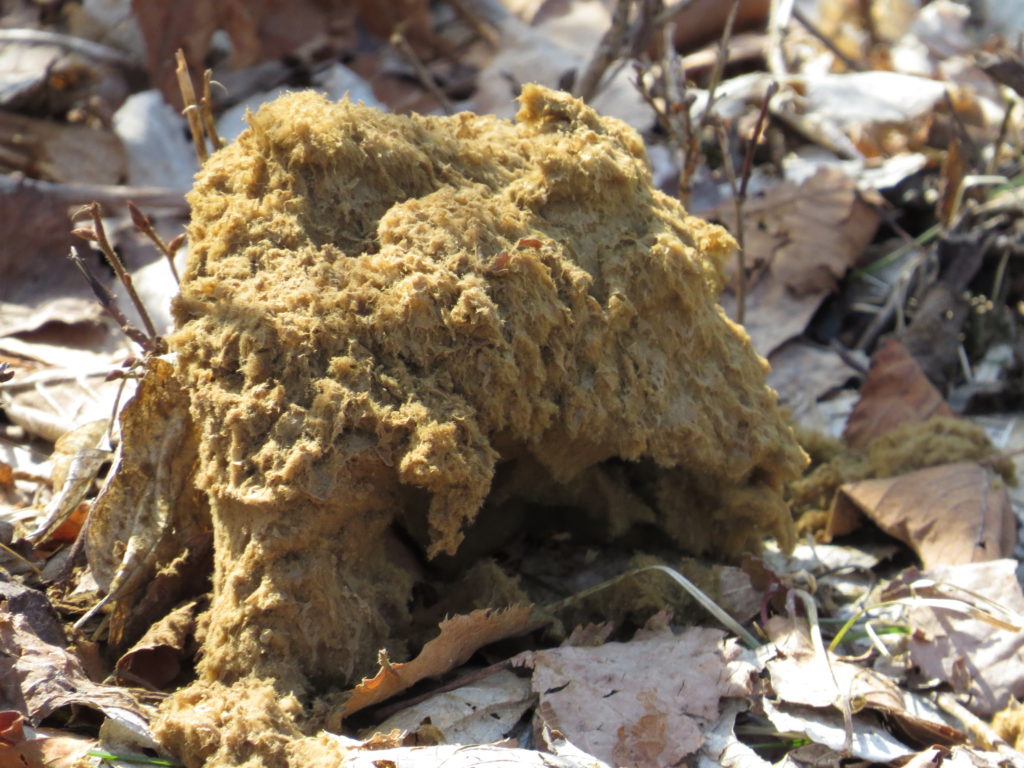
The trail from the boat ramp along the River was squishy, yet passable. By an old Oak stump, puff-ball fungi grew from the decaying roots. When I stepped on one, it disintegrated into near-nothingness. Poof!
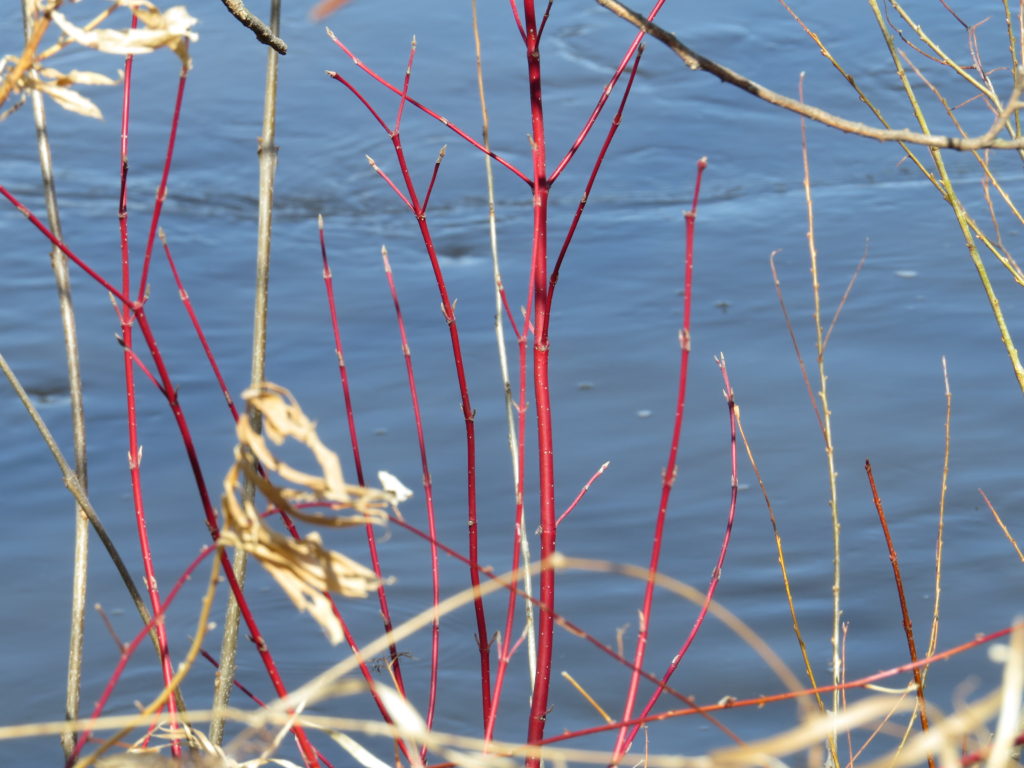
Colorful Red-twigged Dogwoods grew on the bank of the River—Winter and early Spring are their times to shine.
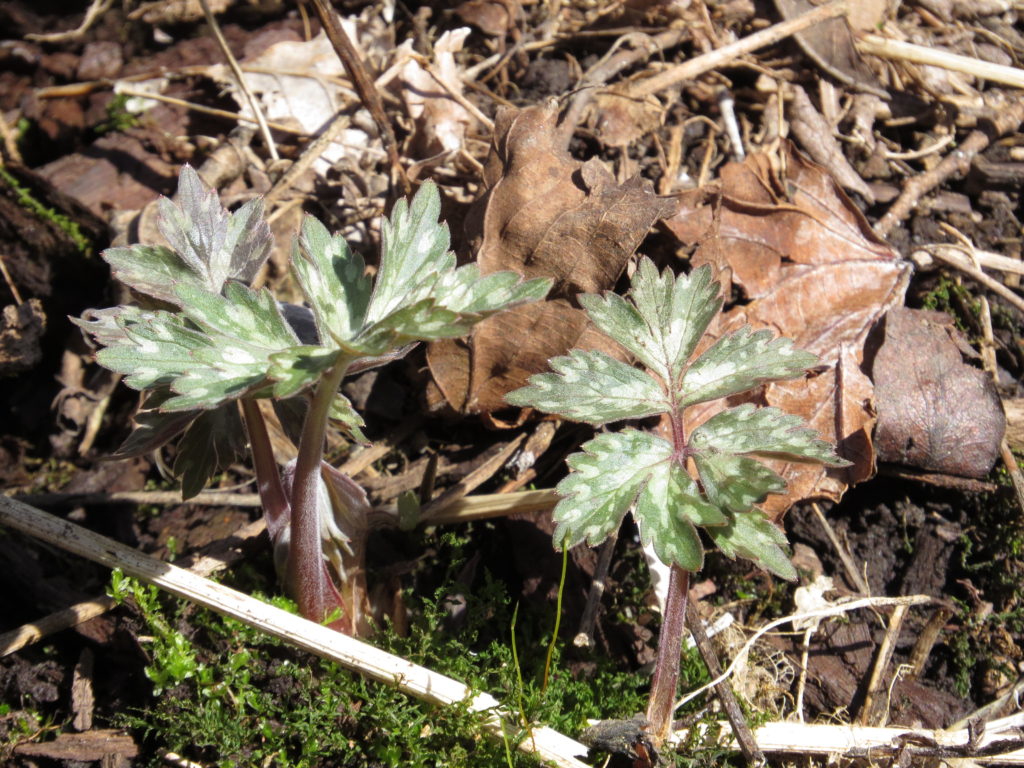
Brave cool season plants who can tolerate the fluctuating temperatures of early Spring have started to pop up in the woods. The beginning of the season of miracles.
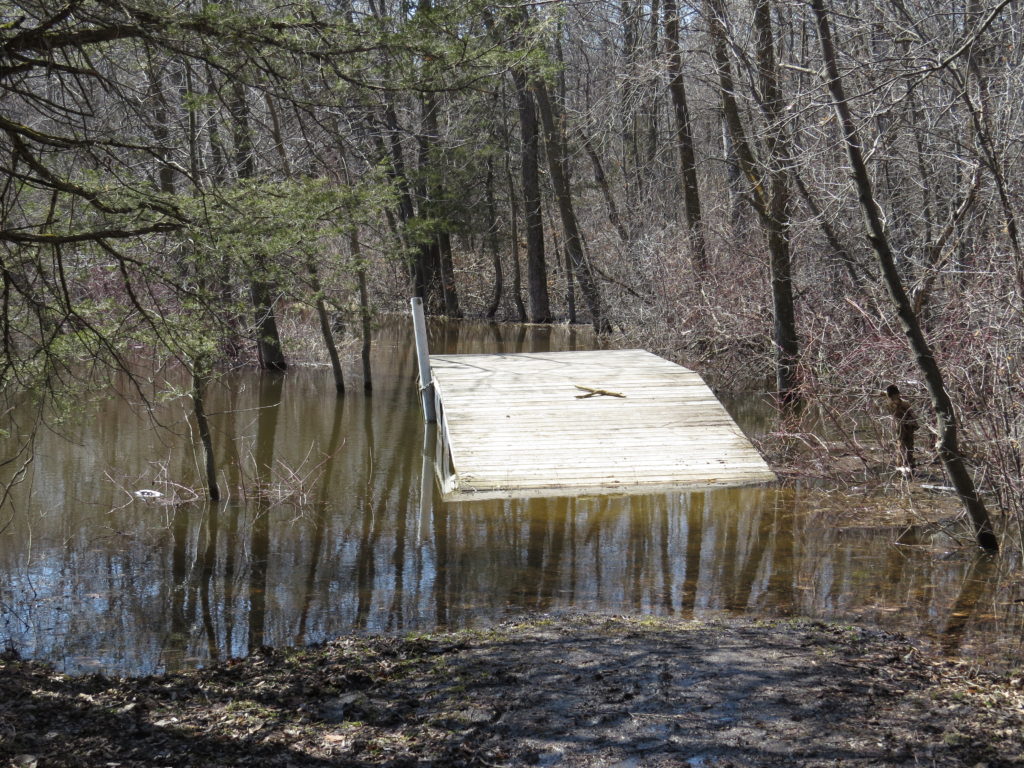
When the trail left the riverside, we hoped to find our way to another part of the Park. The trail was muddy, with low spots in the woods filled with water. But once again we were stopped by the flood waters when we encountered a bridge in troubled waters. We turned around and re-traced our steps all the way back to the boat dock road—the only way out.
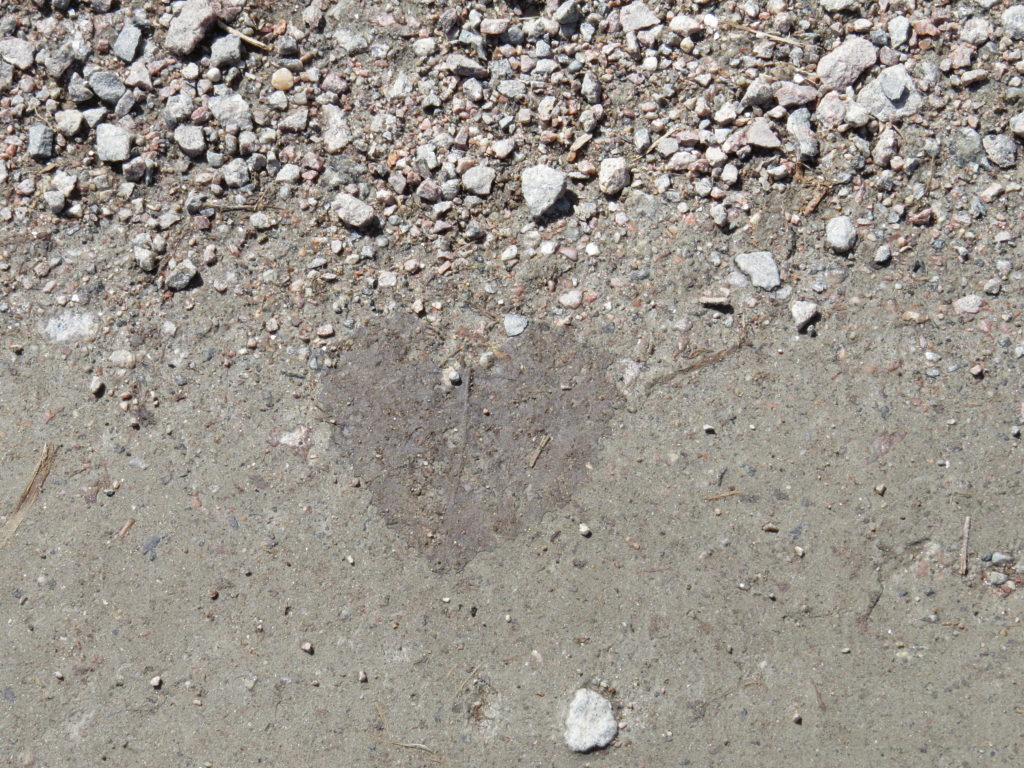
A Poplar leaf had imprinted in the mud of the road.
Spring is slow to show its pretty face this year. There has not been much change in the twelve days since we walked that trail. The temperatures have been cold at night and marginal during the day. We’ve had a day or two of rejoicingly warm weather, but we’ve also had snow. The grass is a tinge greener, and there are some swollen tree buds. We continue to hone our patience. And we continue to hone our patience with Covid-19, as trying as that is. It looks like we have a long ways to go—and we may—but look at how far we’ve come in our knowledge of the virus and the navigation of the road ahead. Sometimes we have to backtrack or take a different way. We also have an opportunity to be like the Red Cedar tree—unencumbered, socially isolated, and able to grow into our best selves. We can tromp through the mud, be respectful of the flood waters (which will recede), and we can shine even when all around us seems bleak. Sometimes it takes the mud in order to see the Love.
This Side of Winter
We had been there before—on the other side of Winter—when the wish for Spring was ardent and within our reach. But at that time, the thick cover of snow and warmer, stronger sun had ‘iced’ the trails, and we could not even walk down the steep slopes to the banks of the grand Mississippi River. This time we walked through dry, crispy leaves, down the steep slope, right to the edge of the water. The sky was cloudy, the wind brisk, the temperature hovering around freezing. On this side of Winter, we were filled with more reluctance, almost a resentment that Autumn had not played nice and eased us into the fray of Winter.
A couple of days of strong wind had bared the brilliant golden Maples and Birch trees. Ash and Linden leaves were long gone, but the Oak trees still clenched their rusty orange and red leaves in a last hurrah. The Mississippi River County Park had a bluff full of Oaks, Pines, and Cedars, and at their feet was a chock-full River.
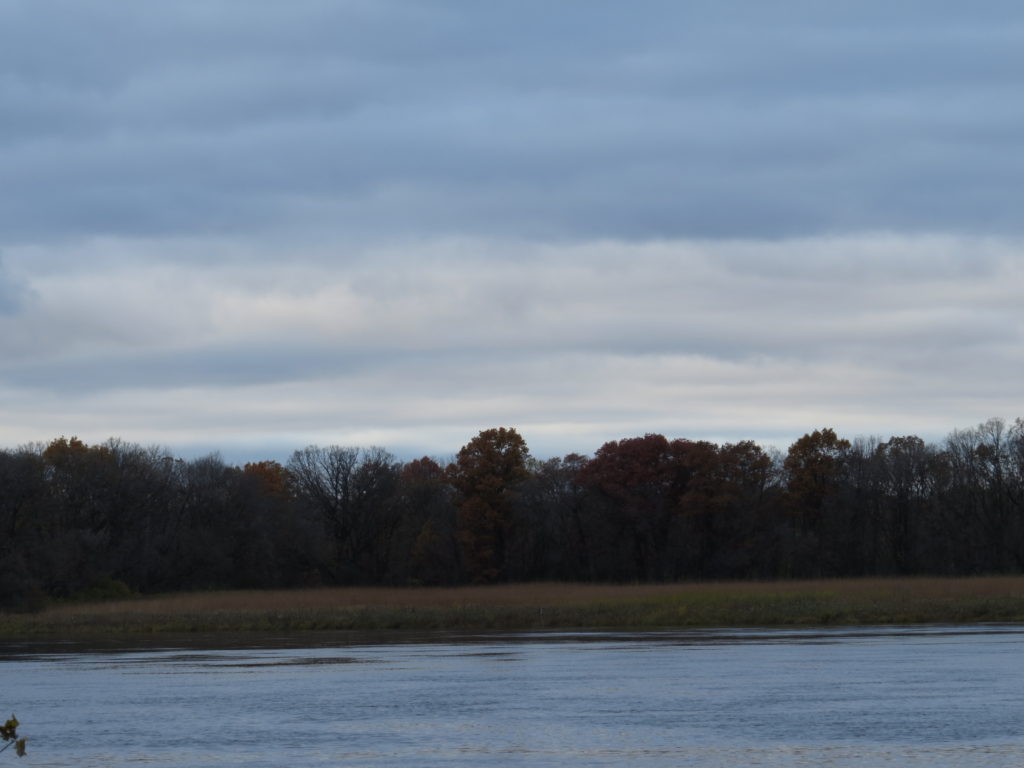
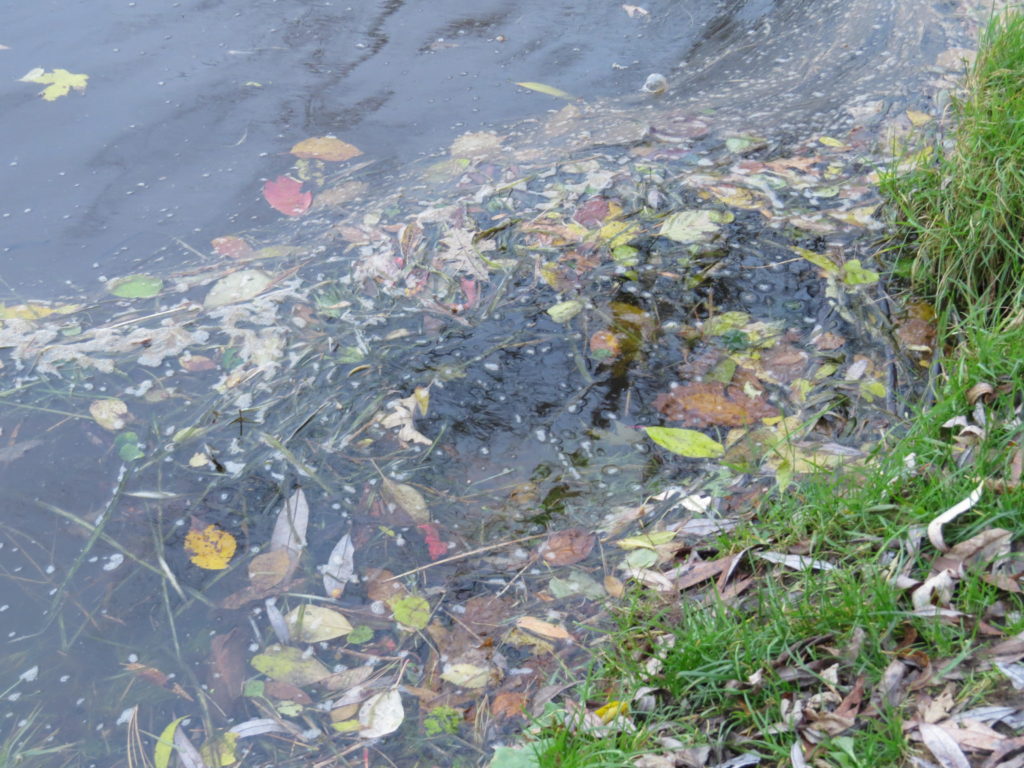
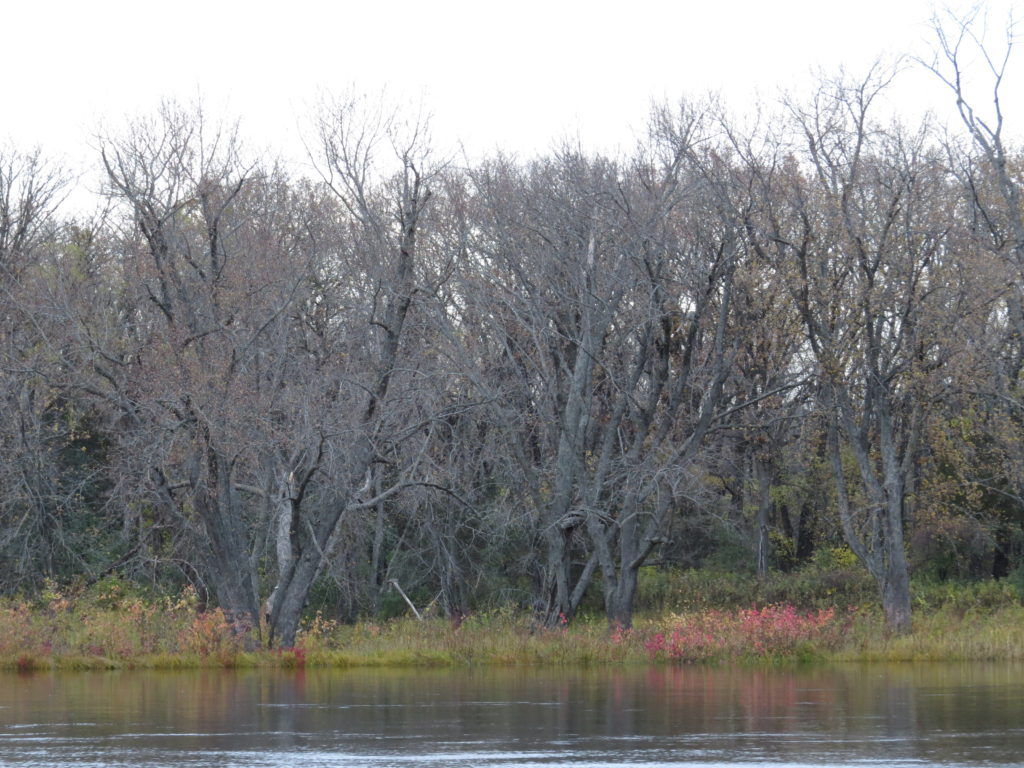
We had the opportunity to be in the neighborhood of the River for a week, so we visited the park three different days. The first day of exploration with the camera had my attention focused outward to what the Park had to offer on that chilly day.
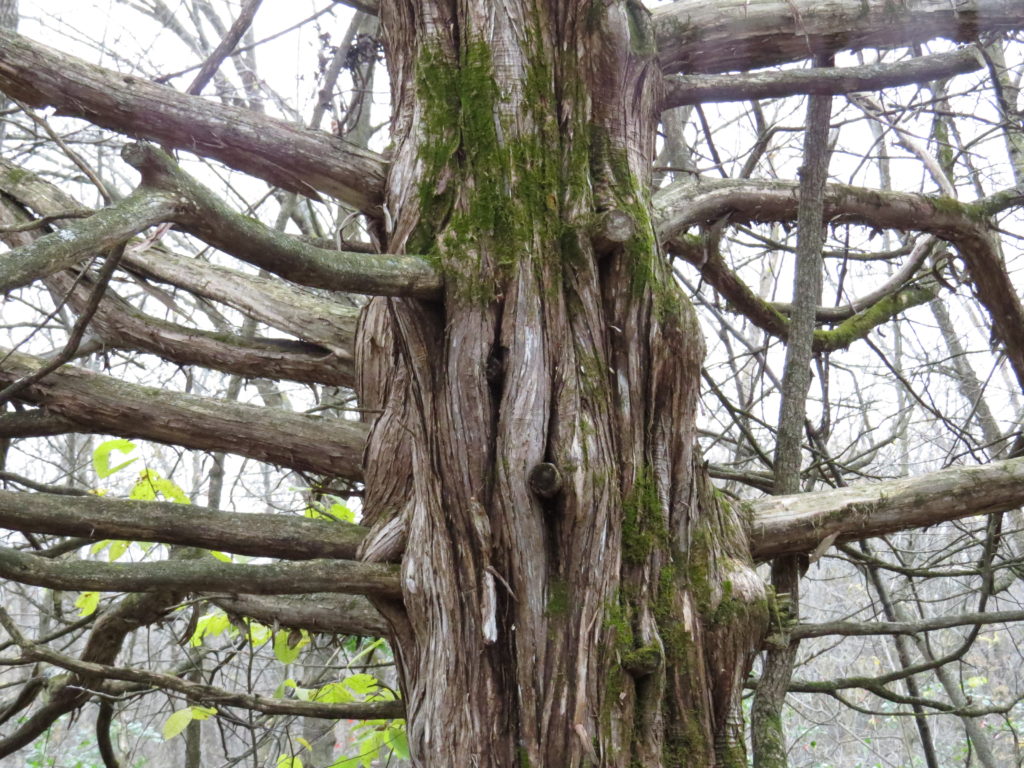
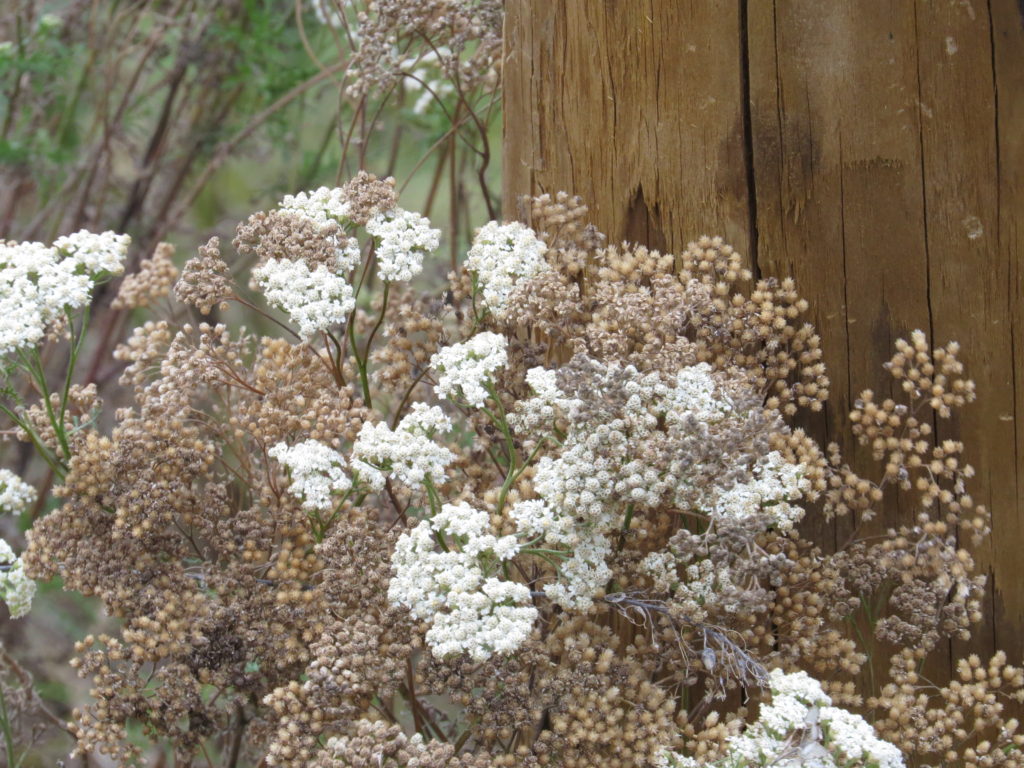
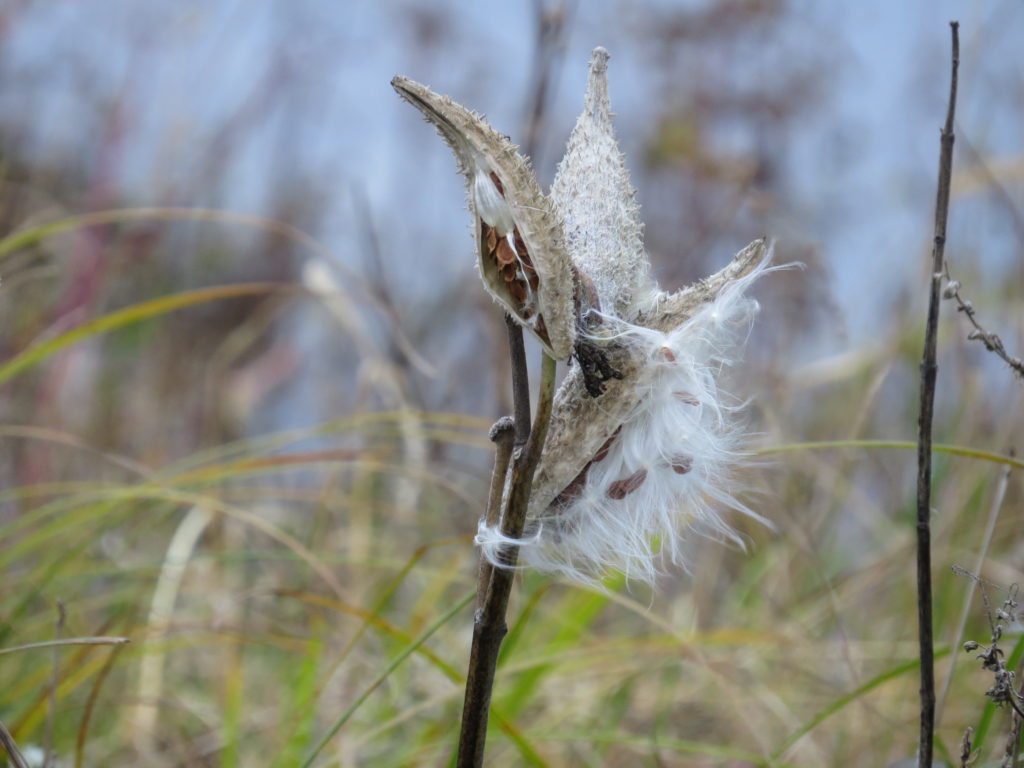
The second day, we explored the bluff trails.
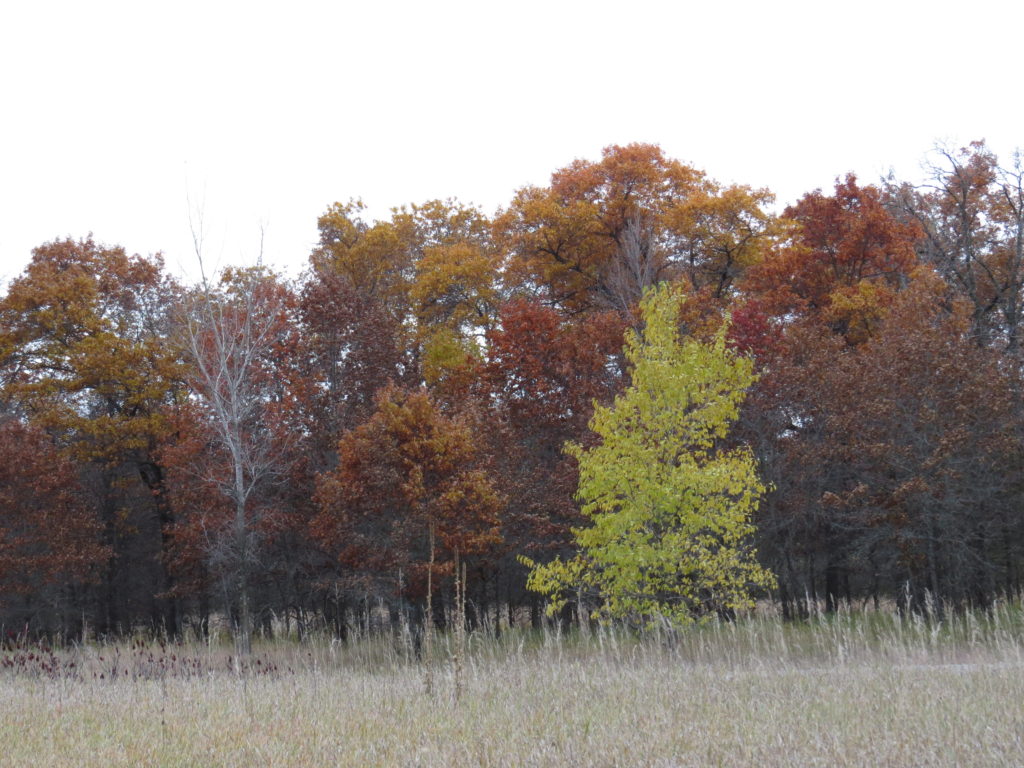
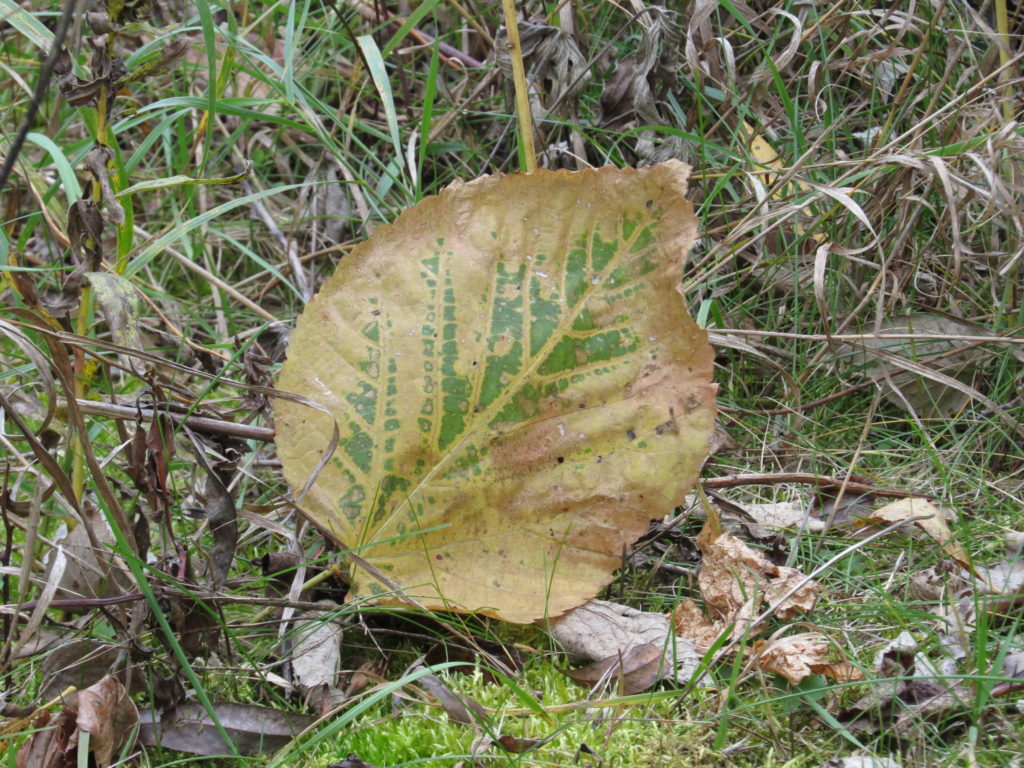
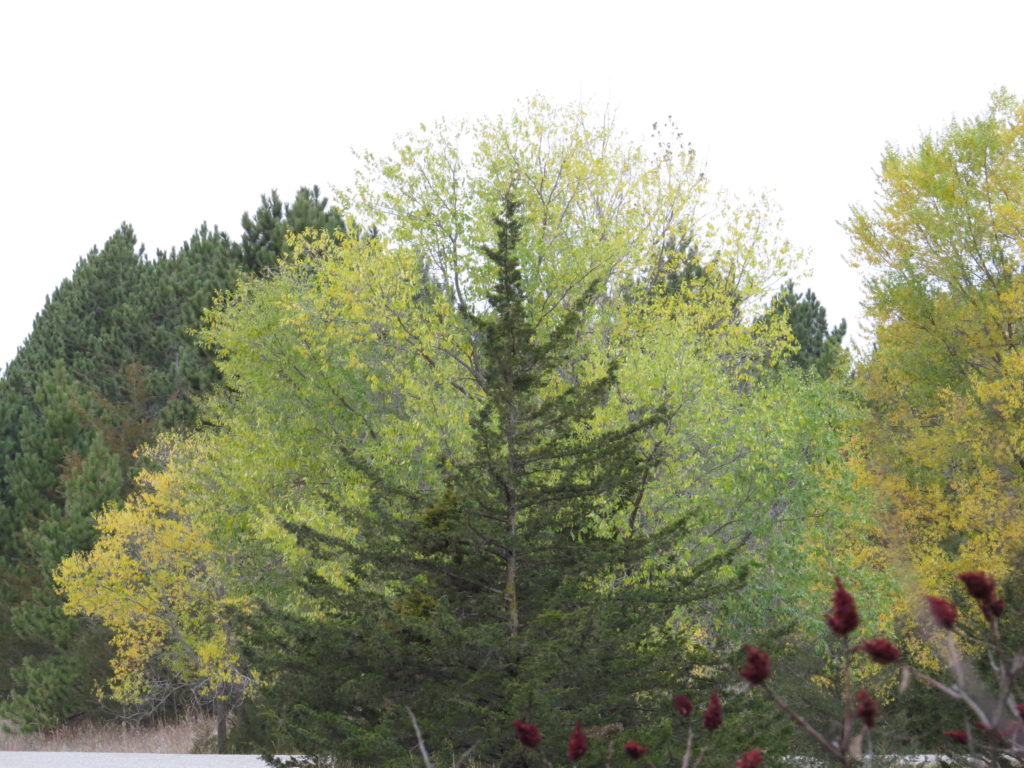
The third day, I had a heated and heavy heart, and I went down to the River without a word to my walking partner, and I barreled through the trails hoping to discharge some of that heaviness. Halfway mindful of the early setting sun, I turned around after getting part-way down a loop trail and studied the map to see which way would get us back to the car. Since the River was so high, large parts of the peninsula and trail were covered with water. We went cross-country through the trees and brush to get around the water-logged spots, and I had a glimpse of pleasure in that endeavor.
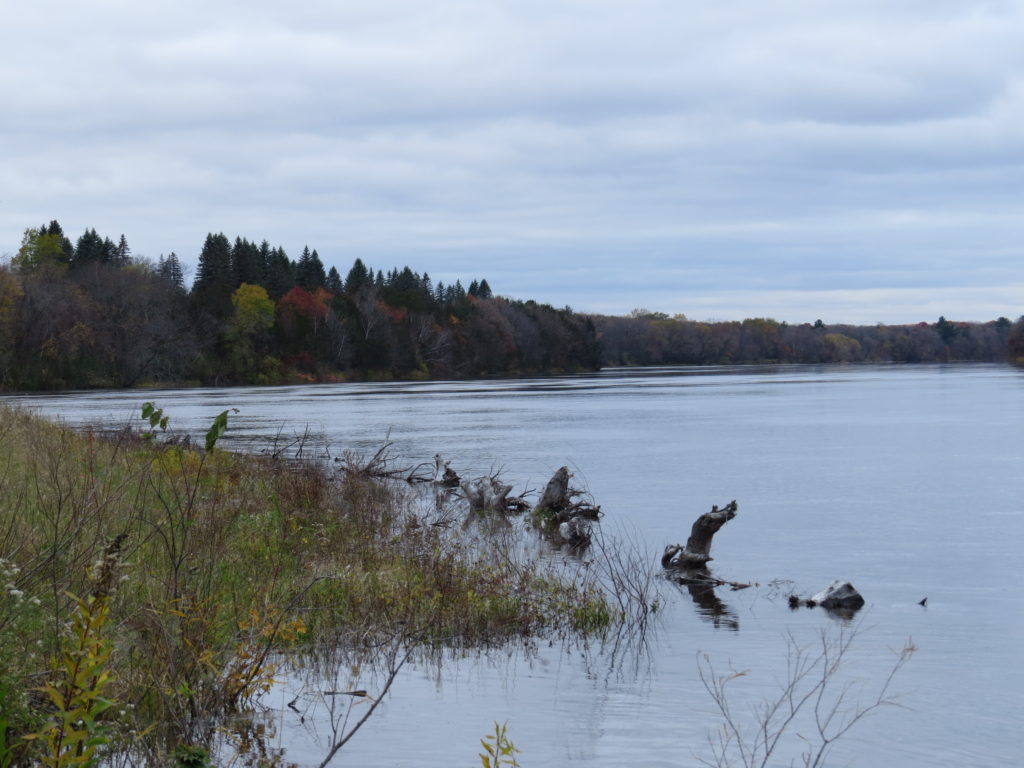
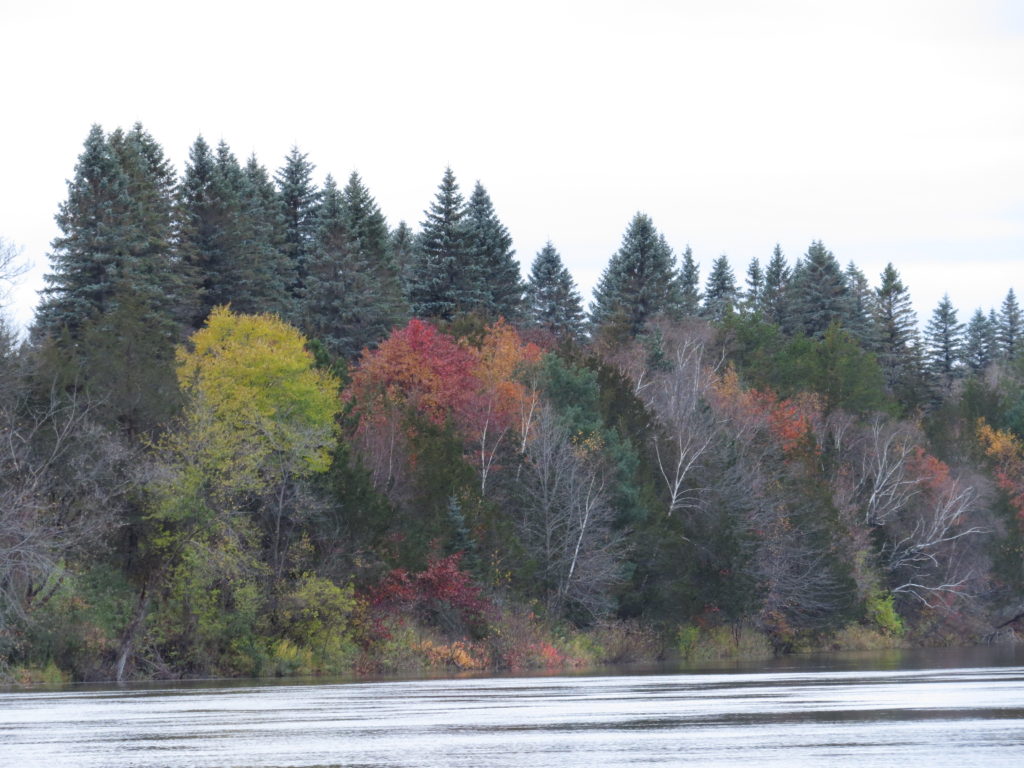
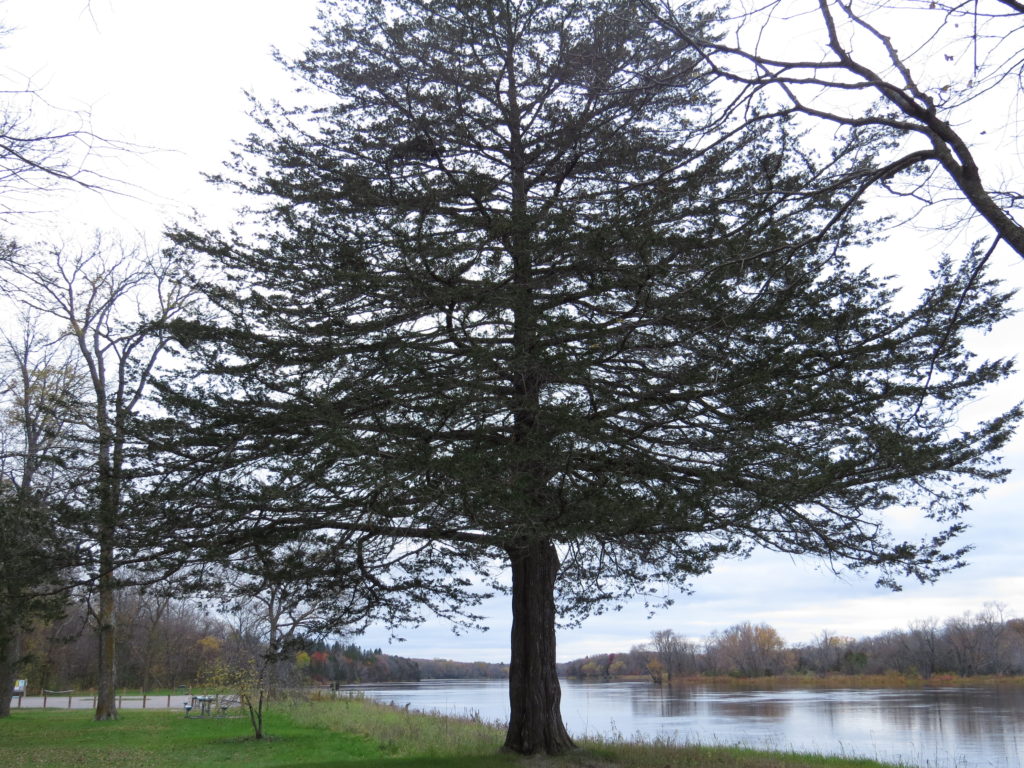
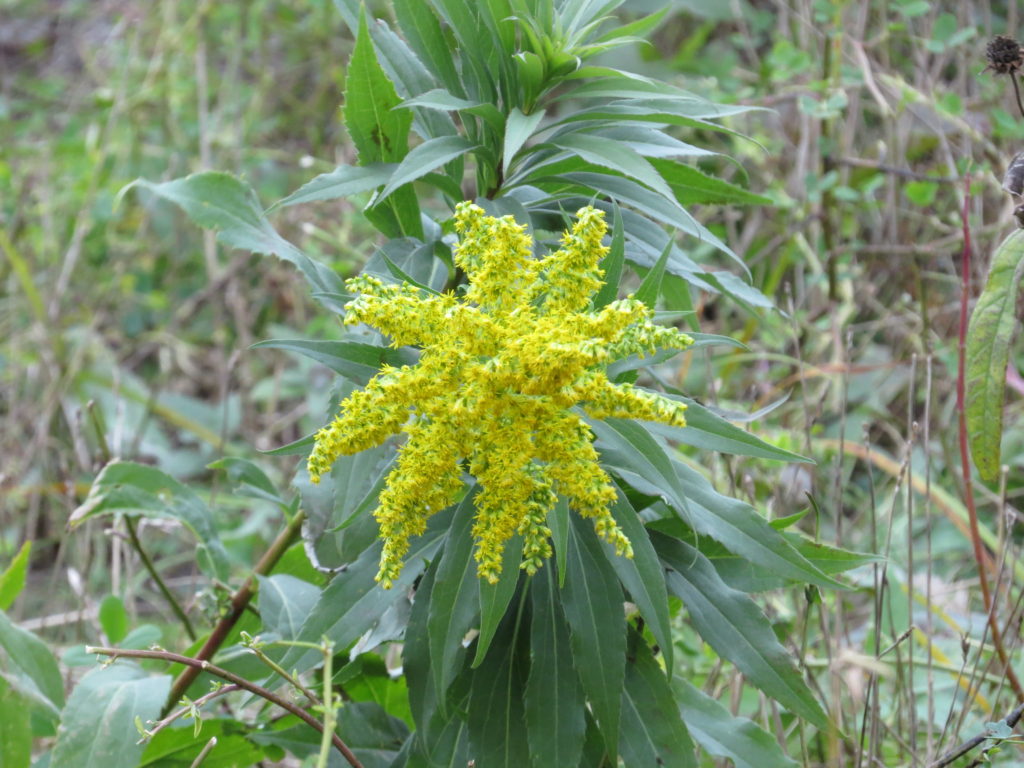
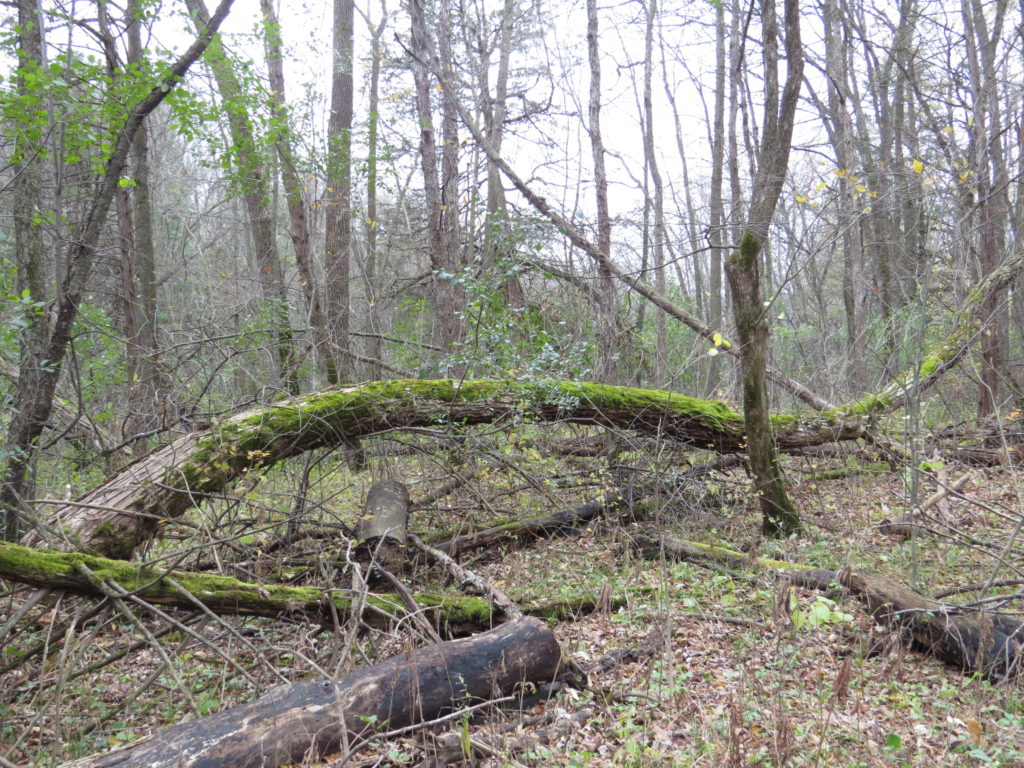
I have to remember that this side of Winter feels different than the other side of Winter, no matter what lay at your feet. One of the gifts of age is knowing you have been there before—‘there’ being a tough time, a difficult experience, or a crushing blow to your heart—and knowing you will get through it to a better place. But this side of Winter is a daunting place—you have to get out the gear, bundle up, put your head down, and use your determination to take the next step and then the next one. The River and Life flows on, learning and wisdom grow like a sturdy Oak, the starry crown guides our actions, even when the trail is obscured and we have to blaze our own trail. And at any given time, on any given day, we can pray, “Good Lord, show me the way.”
*from ‘Down in the River to Pray’, a traditional African-American spiritual