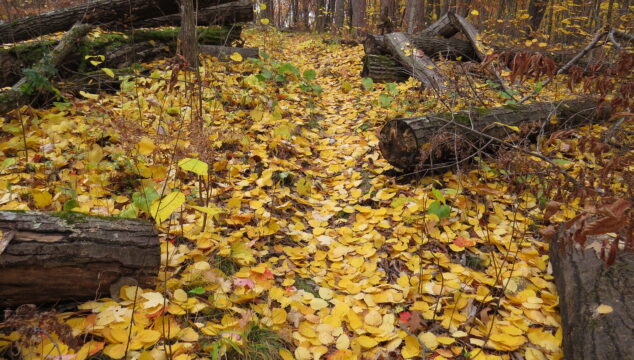
Come walk with me in the peak Autumn beauty of the Northwoods. To say that I love this time of year is an understatement. Most everyone can appreciate the colorful falling leaves---it reveals the 'true self' of a tree when its leaves are no longer producing chlorophyll. Their true colors are revealed, and there is something simple … [Read More...]
River Dance
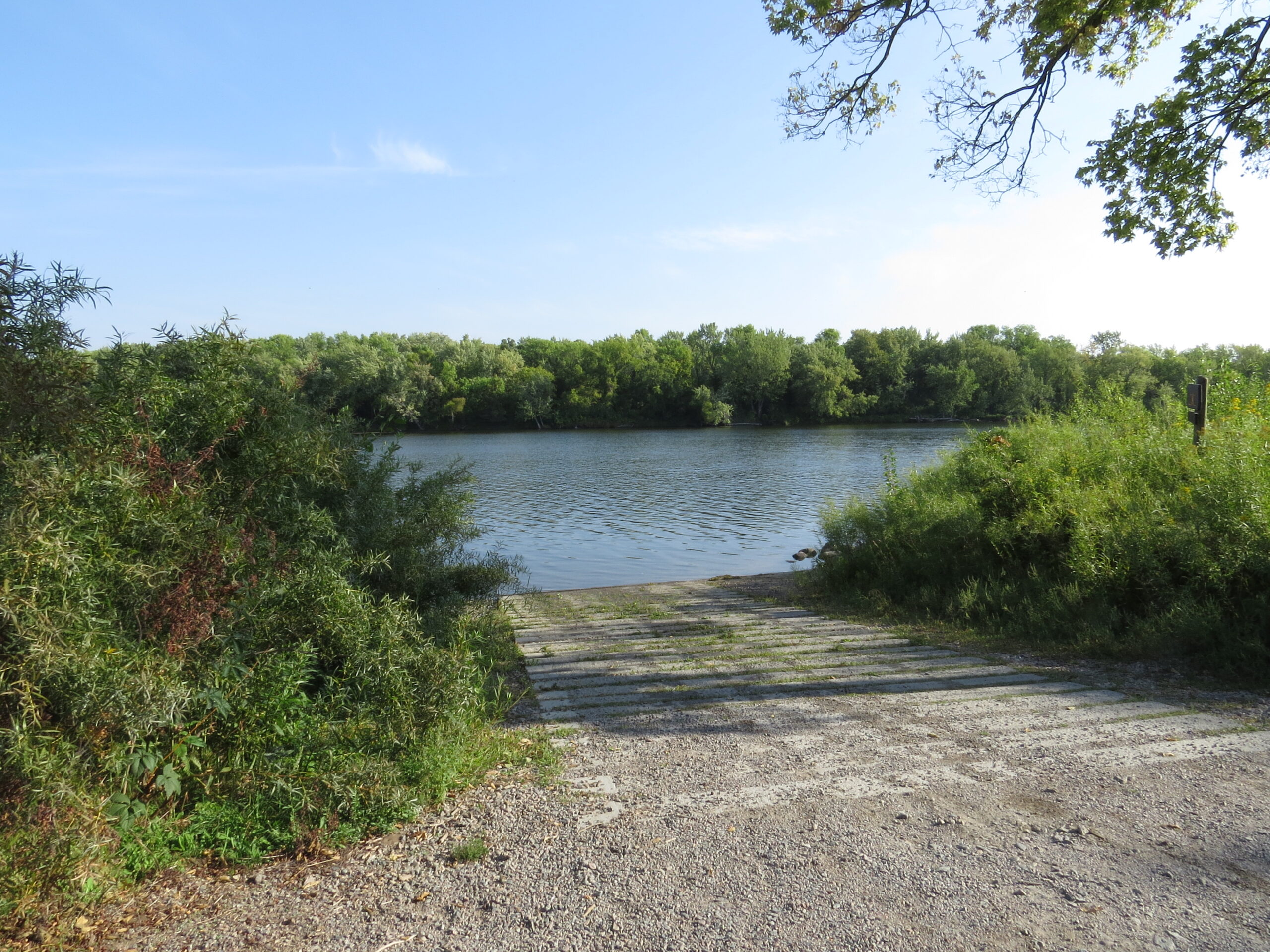
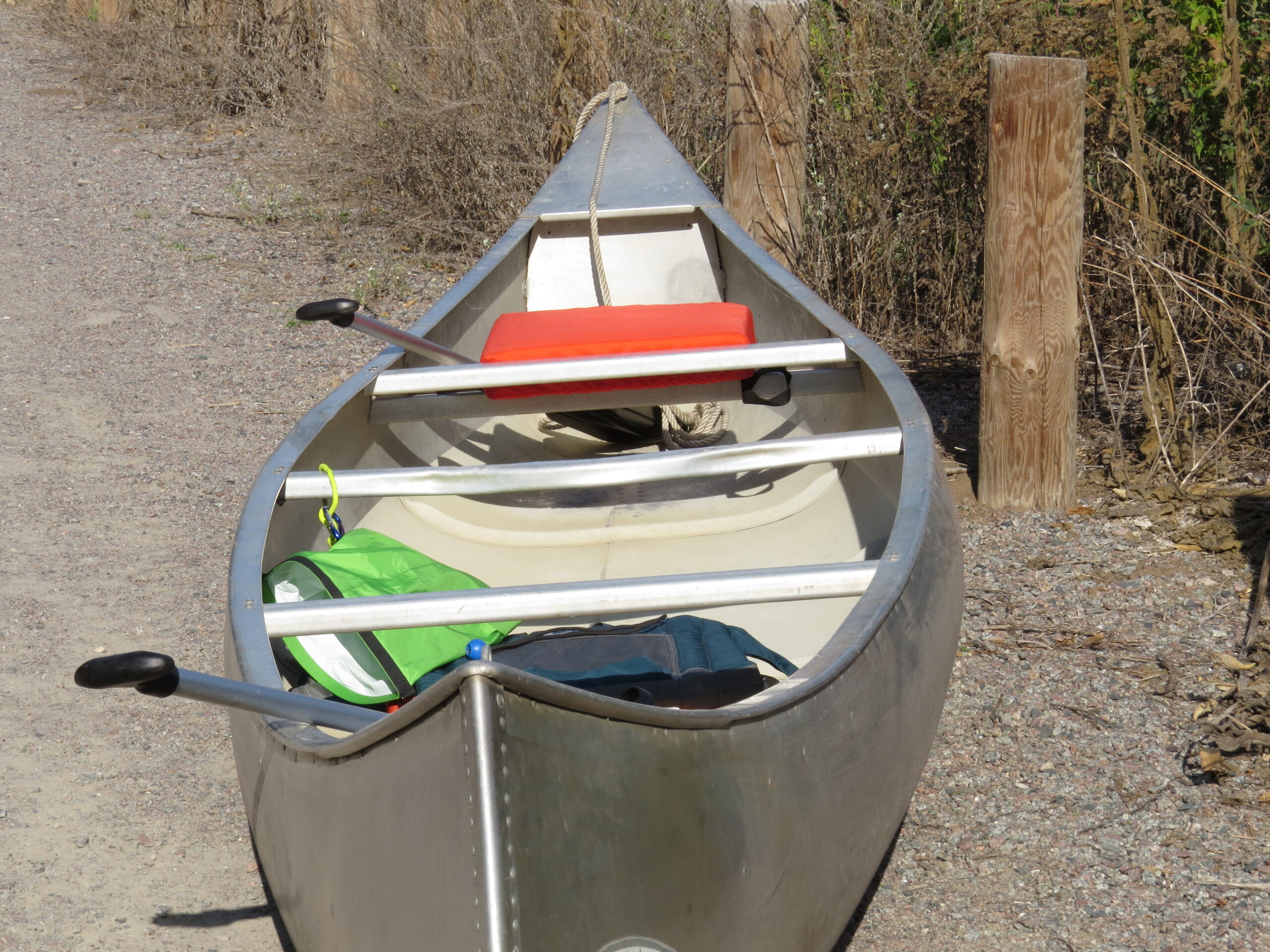
Countless times I have walked the riverside trail at Mississippi River County Park. I have seen the River’s bank and the boat launch during the ice and snow of Winter, the overflowing water of Spring, and the drought of Summer. I know where the low spots are that stay muddy and mosquito-laden, where certain flowers grow, and where the deer like to graze. I am also familiar with Bend in the River Park on the other side of the River with its canopy of Oaks on the high bluffs that overlook the Mighty Mississippi. On Saturday of Labor Day weekend, I saw the River from the River’s point of view. Chris, Emily, and I launched our trusty Alumacraft canoe into the softly-rippling water. I was the duffer—not the desirable position, especially for my sixty year old joints, but a needed one when canoeing as a trio. I sat on a floatation cushion in the middle, on the bottom of the canoe, while the more experienced paddlers took their seats.
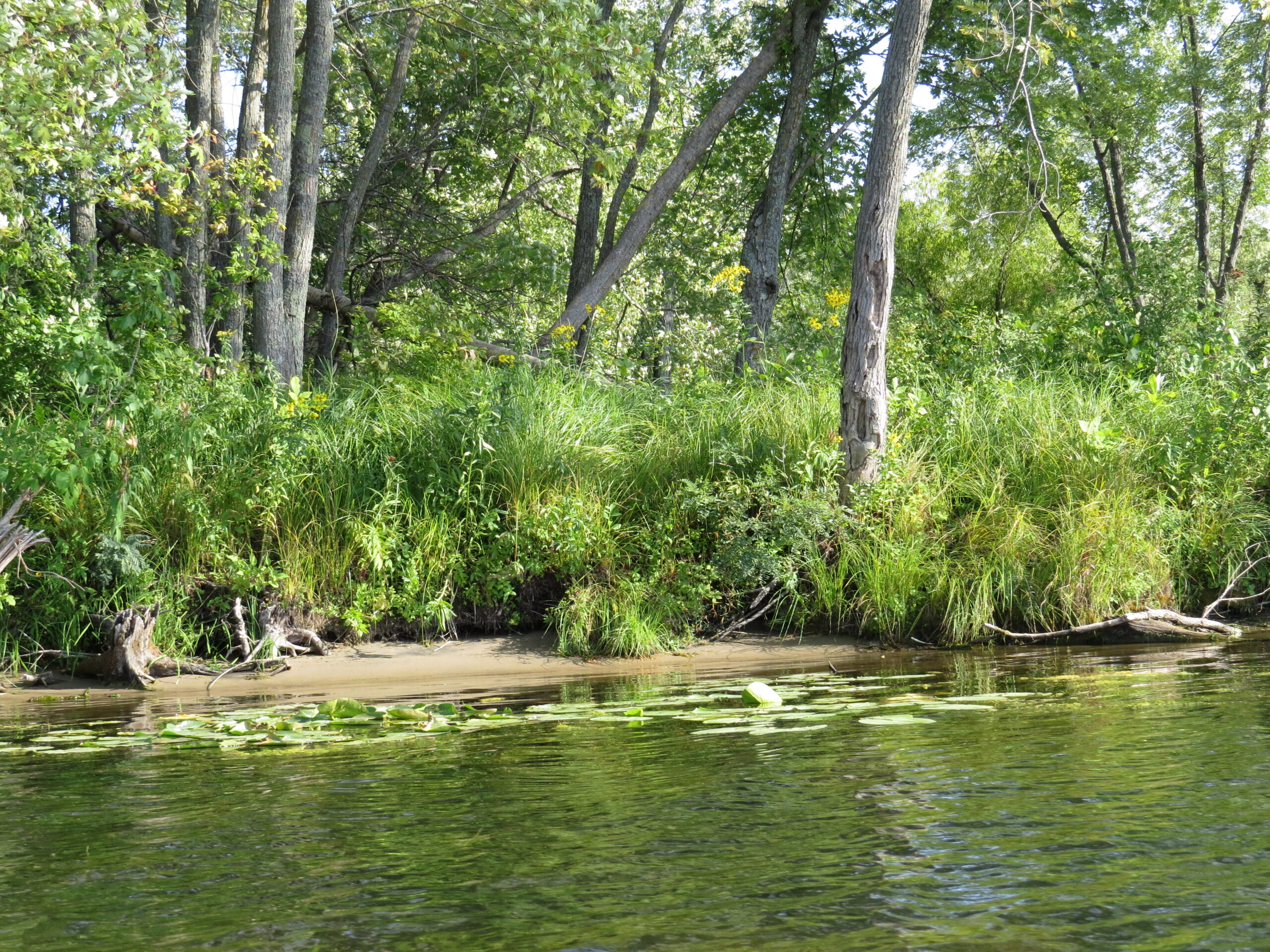
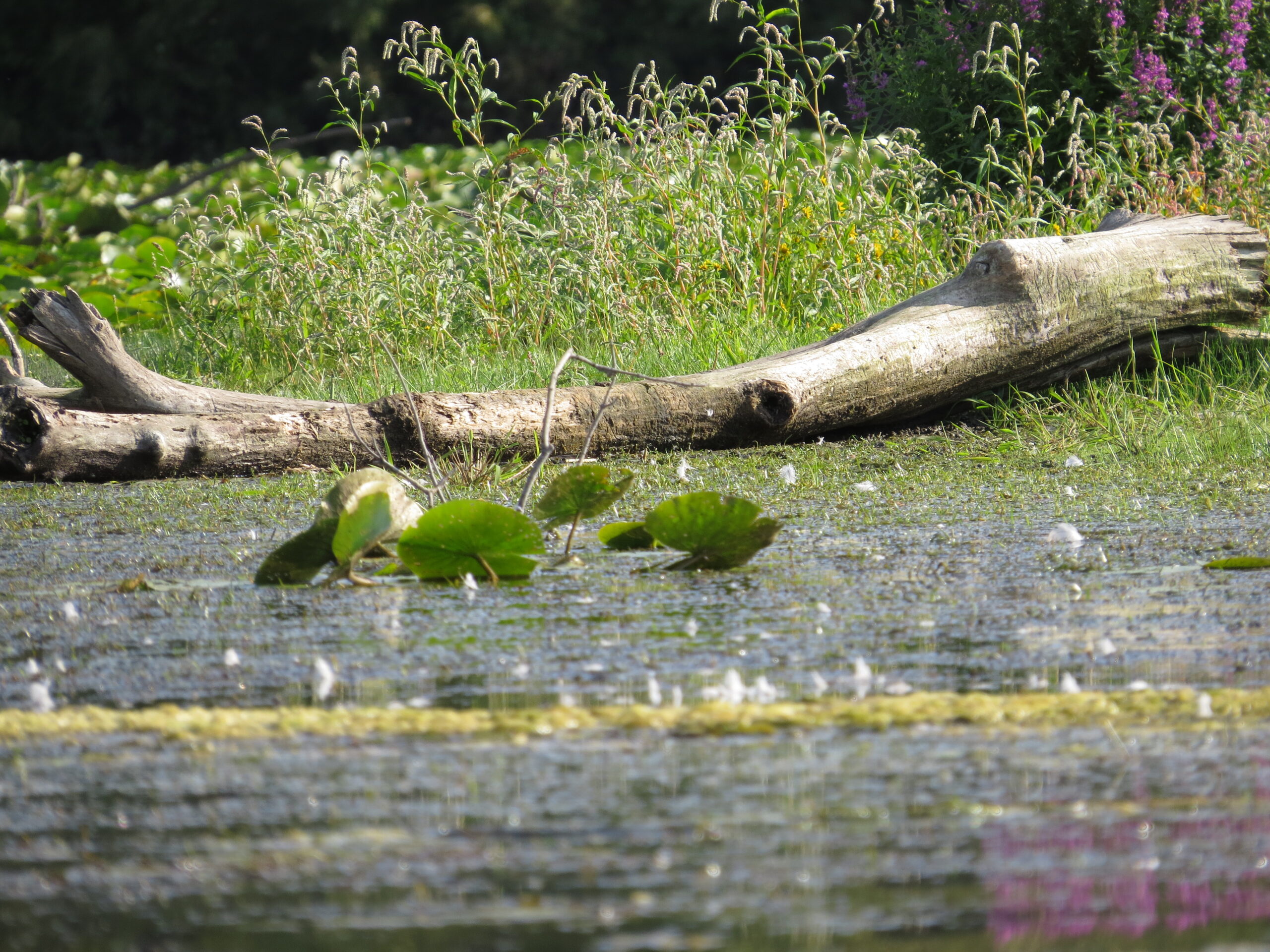
The water was low from our ongoing drought. Little beaches of sand appeared in places, many unseen from the land above them. While logs that have fallen into or floated down the River could be seen from the park trail, from the River’s view, they became an integral part of the boundary between water and land—they were much more noticeable, more usable, and more artistic.
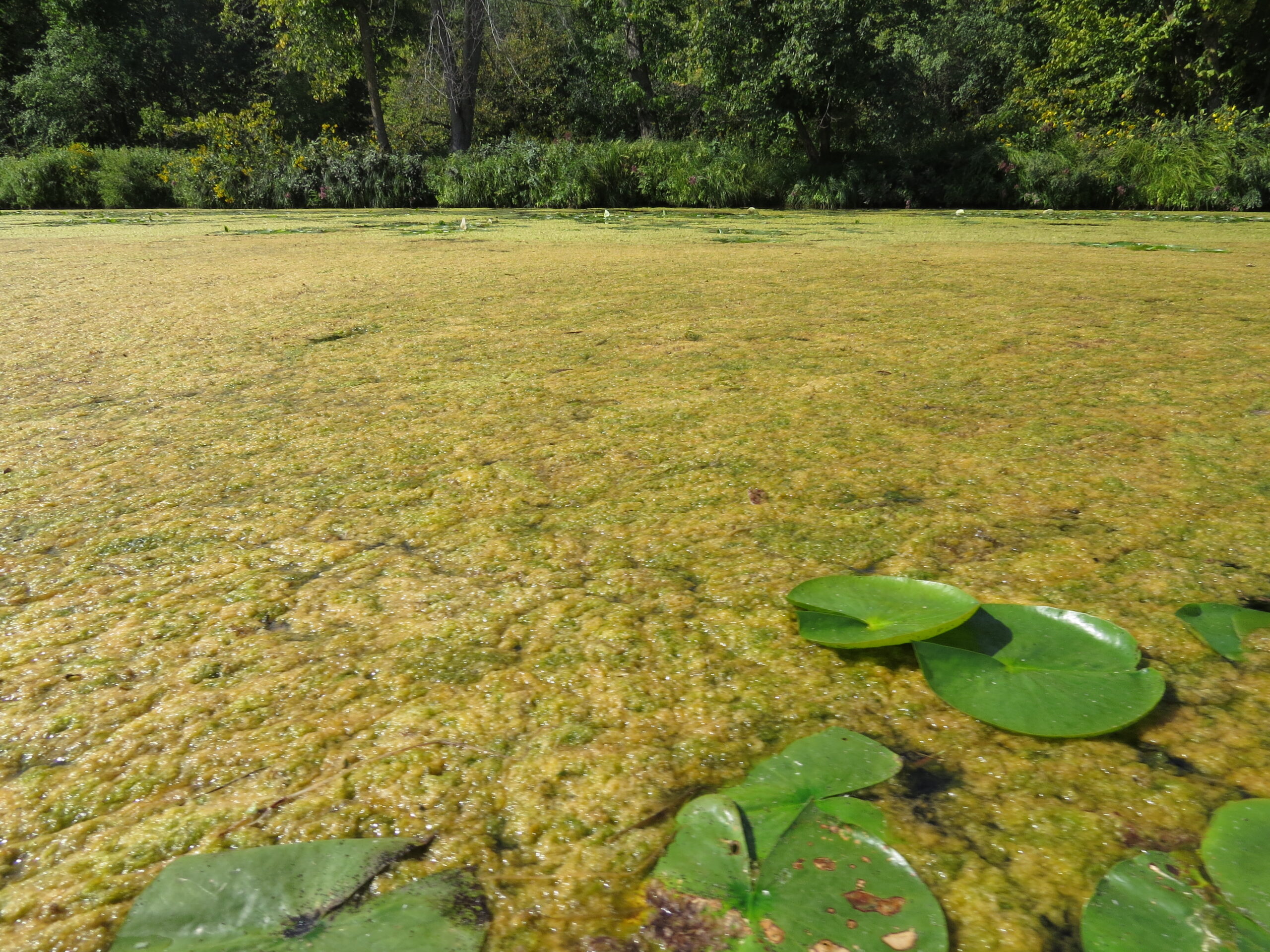
Some of the shallow parts of the River were a horizontal painting of aquatic plants and algaes that dragged the bottom of the canoe and slowed the competent paddling of Emily and Chris.
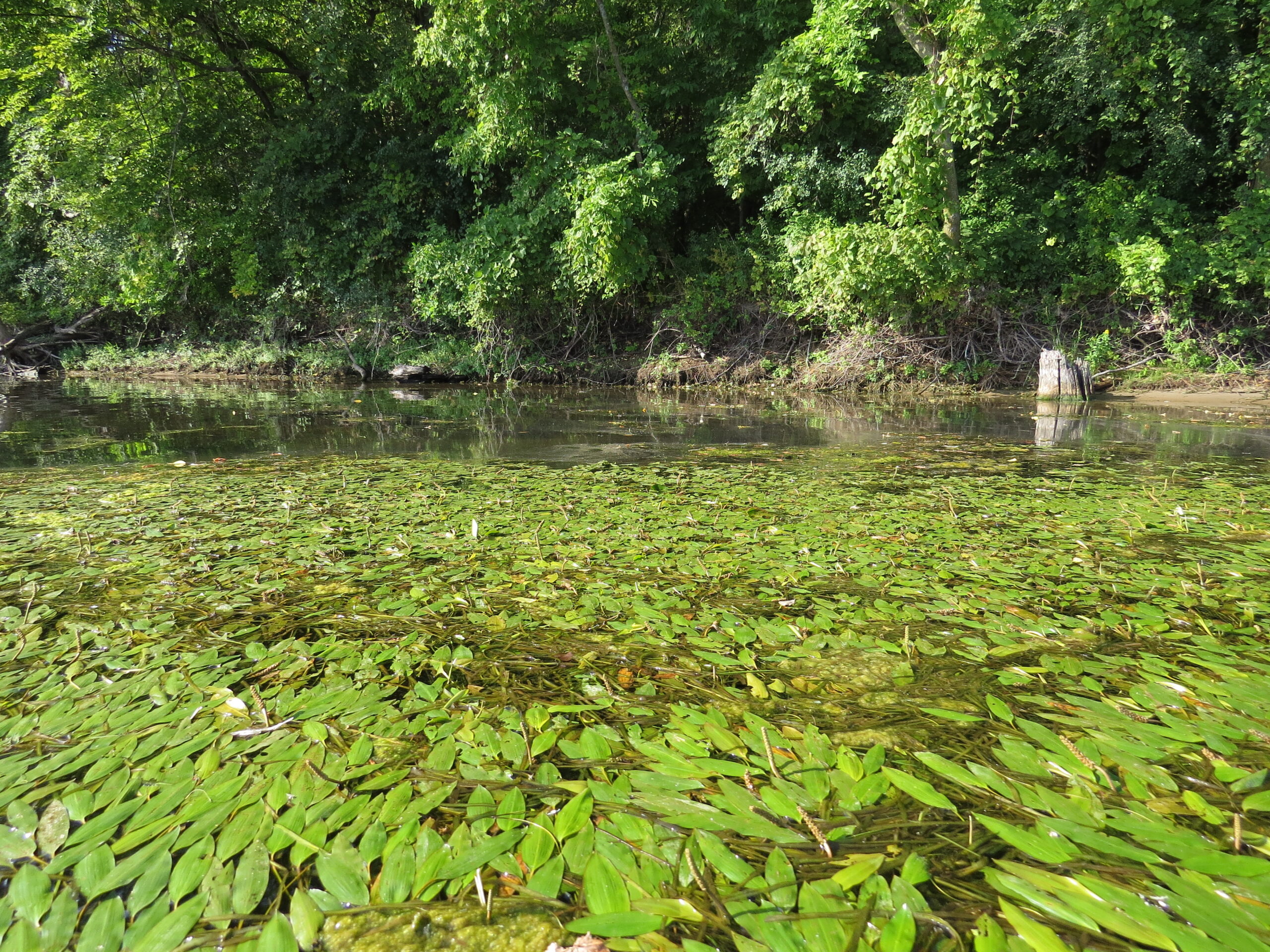
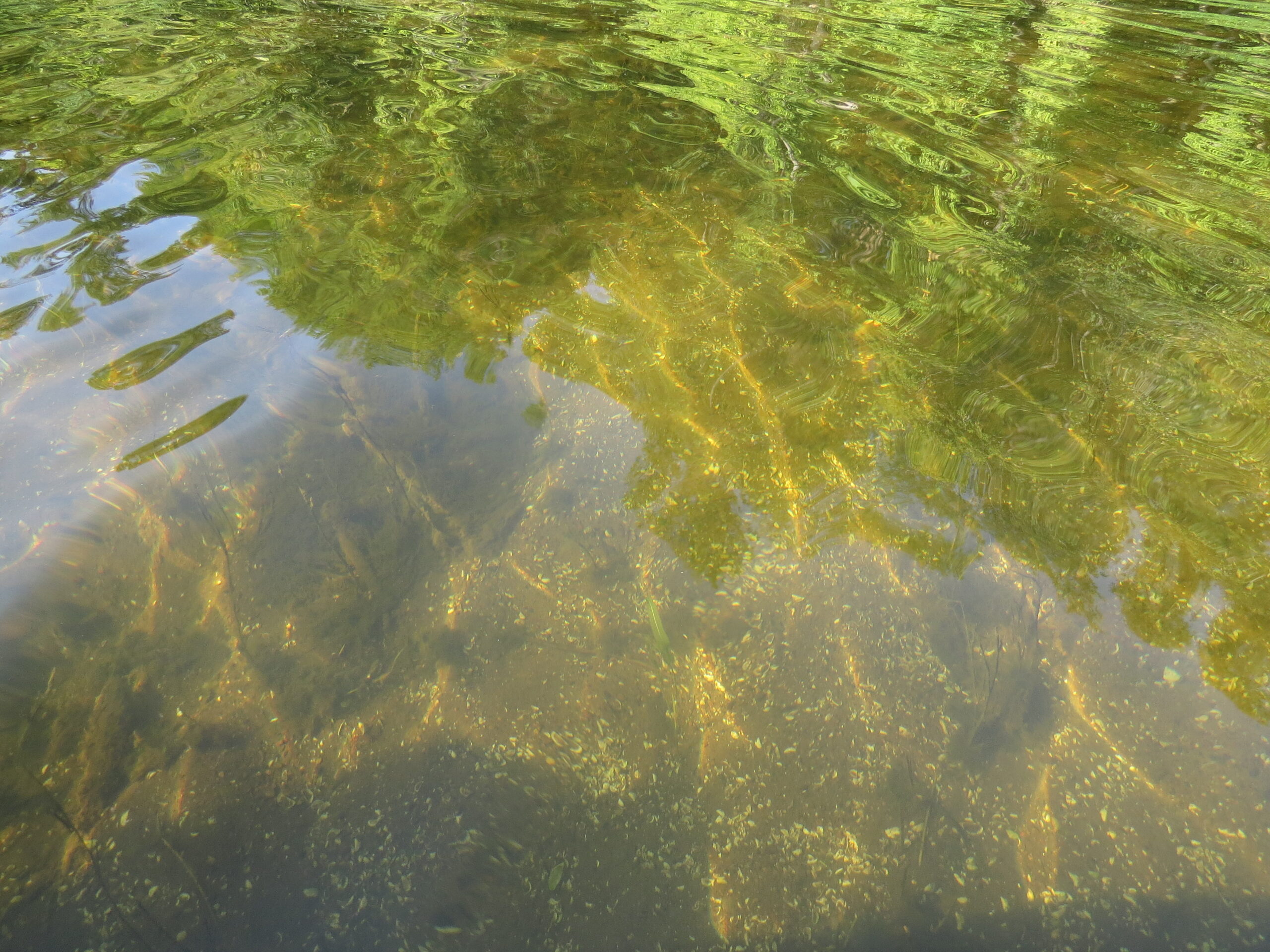
Other shallow parts were clear and glowing with golden sunlight that revealed millions of fragments of mollusk shells and often a complete bivalve pearlized shell. A whole new world of underwater life not seen from the land-side.
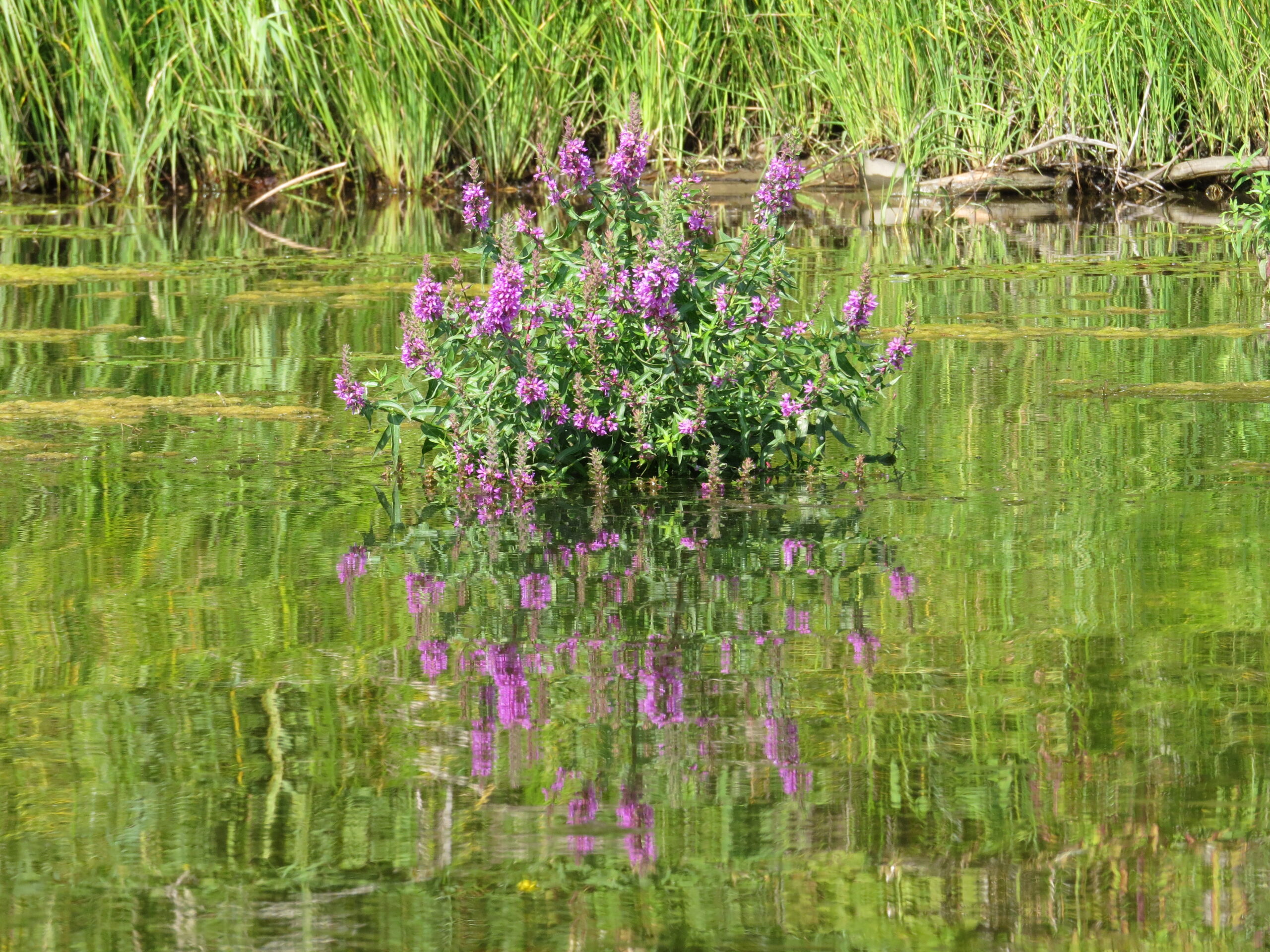
Beautiful blossoms of Purple Loosestrife populated the islands. It is not a desirable plant for wetlands, lakes, and rivers and is categorized as invasive and noxious. They have thick, woody roots that form a dense web that can block natural drainage areas and outcompete native plants.
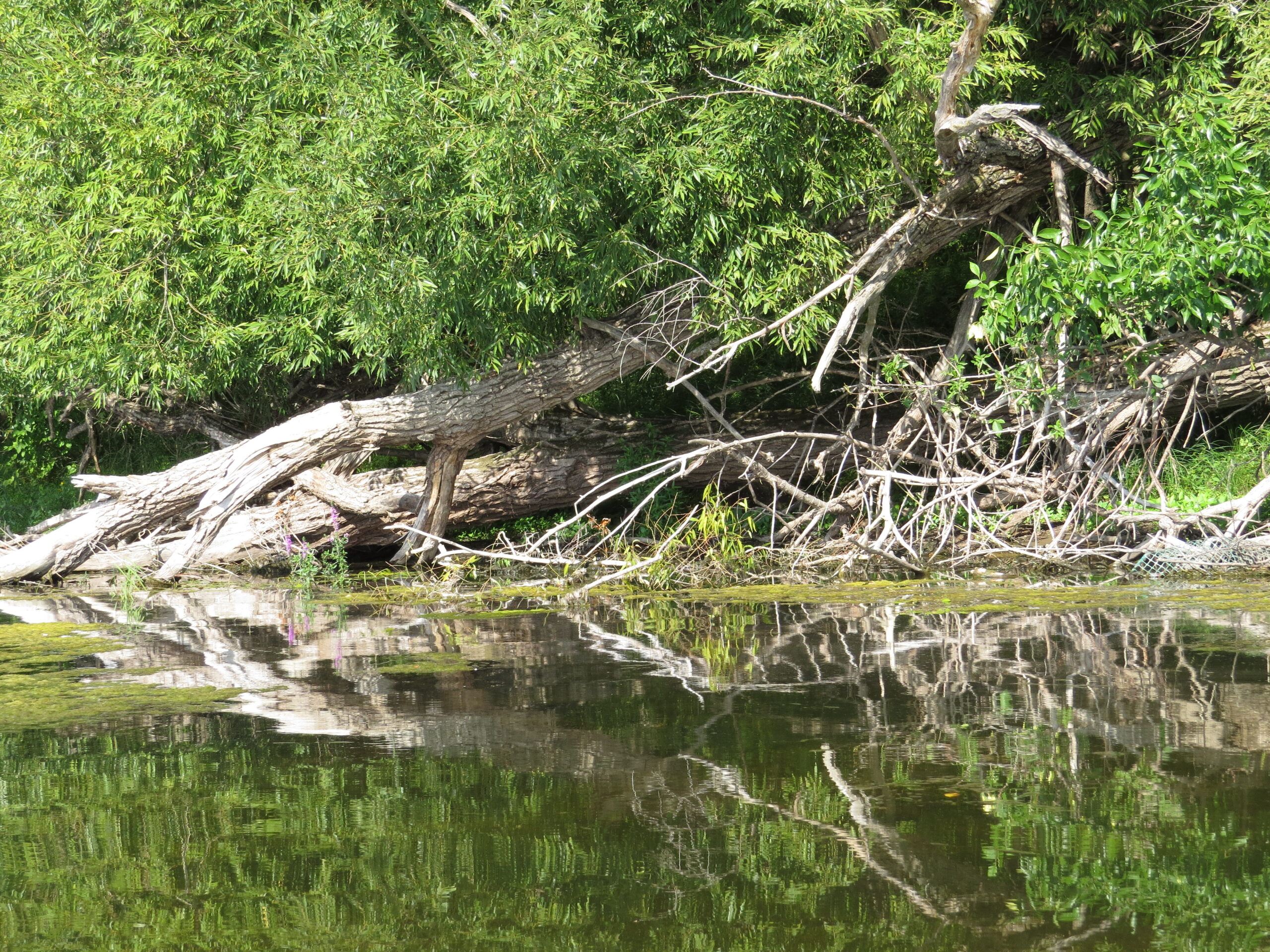
Native Willows thrive with their feet in the water and provide shelter for many of the inhabitants that live along the River.
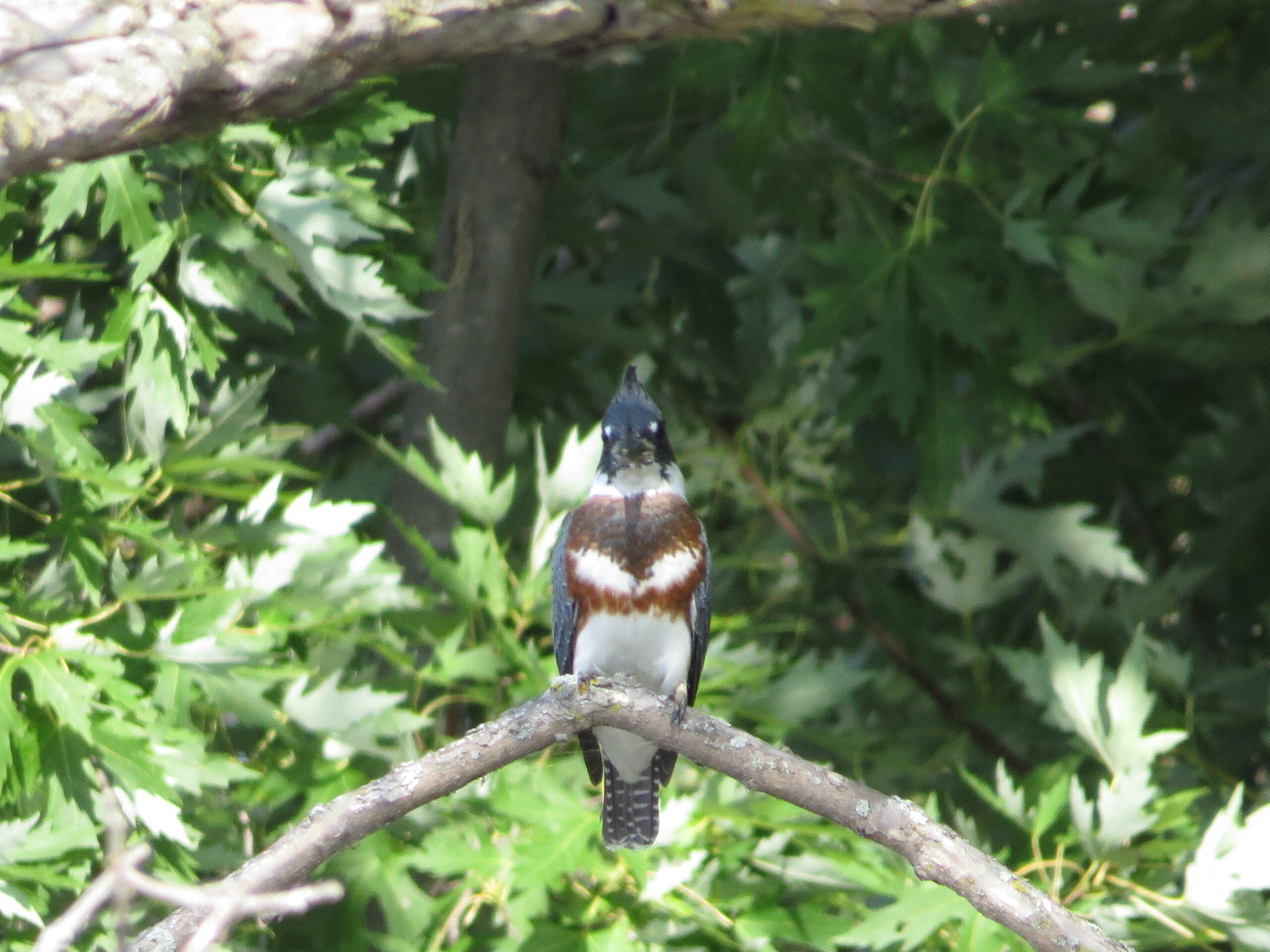
A young Belted Kingfisher flew among the branches along the bank. Her crested head and distinct breast feathers identified the small fish-eater.
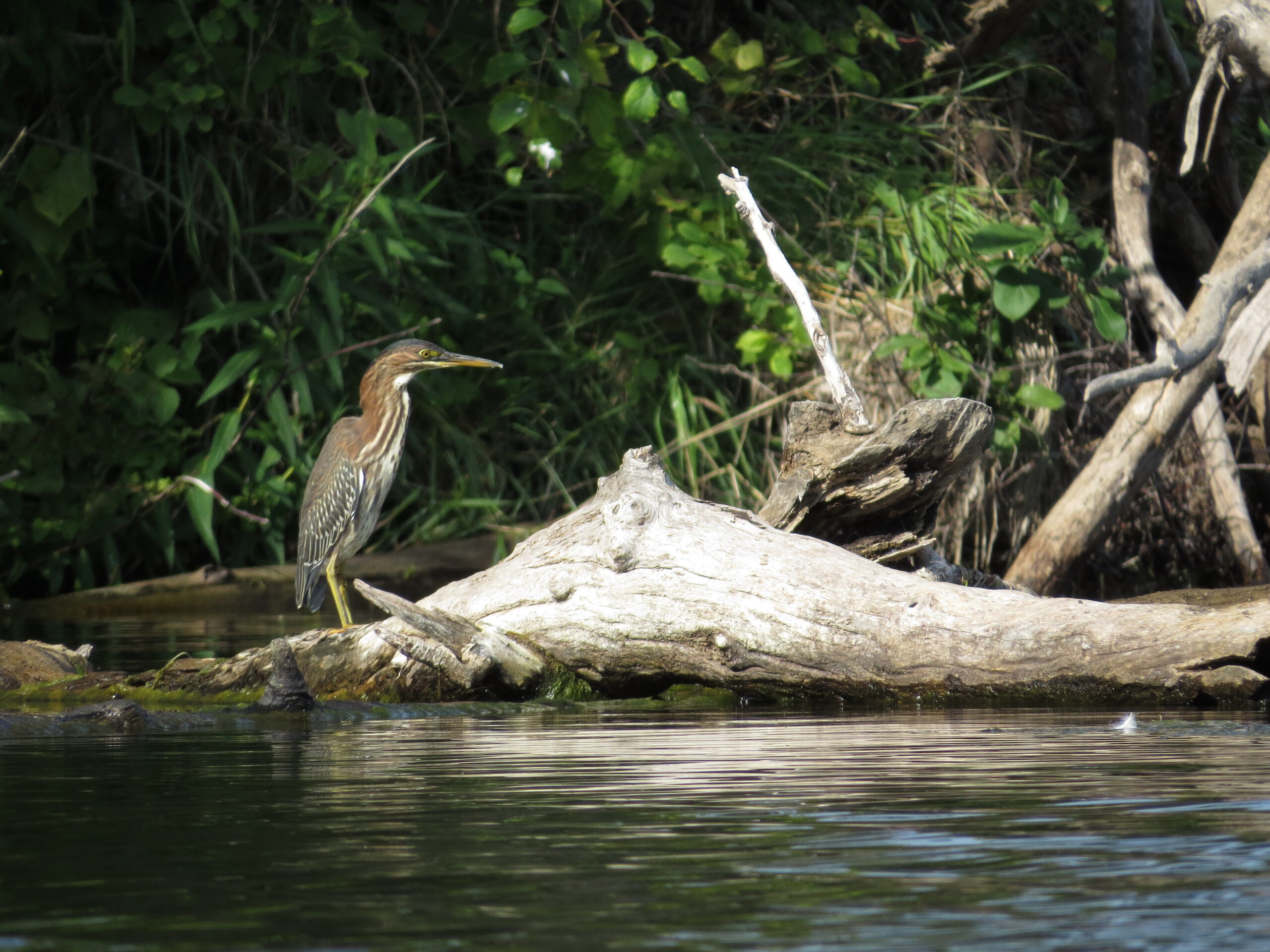
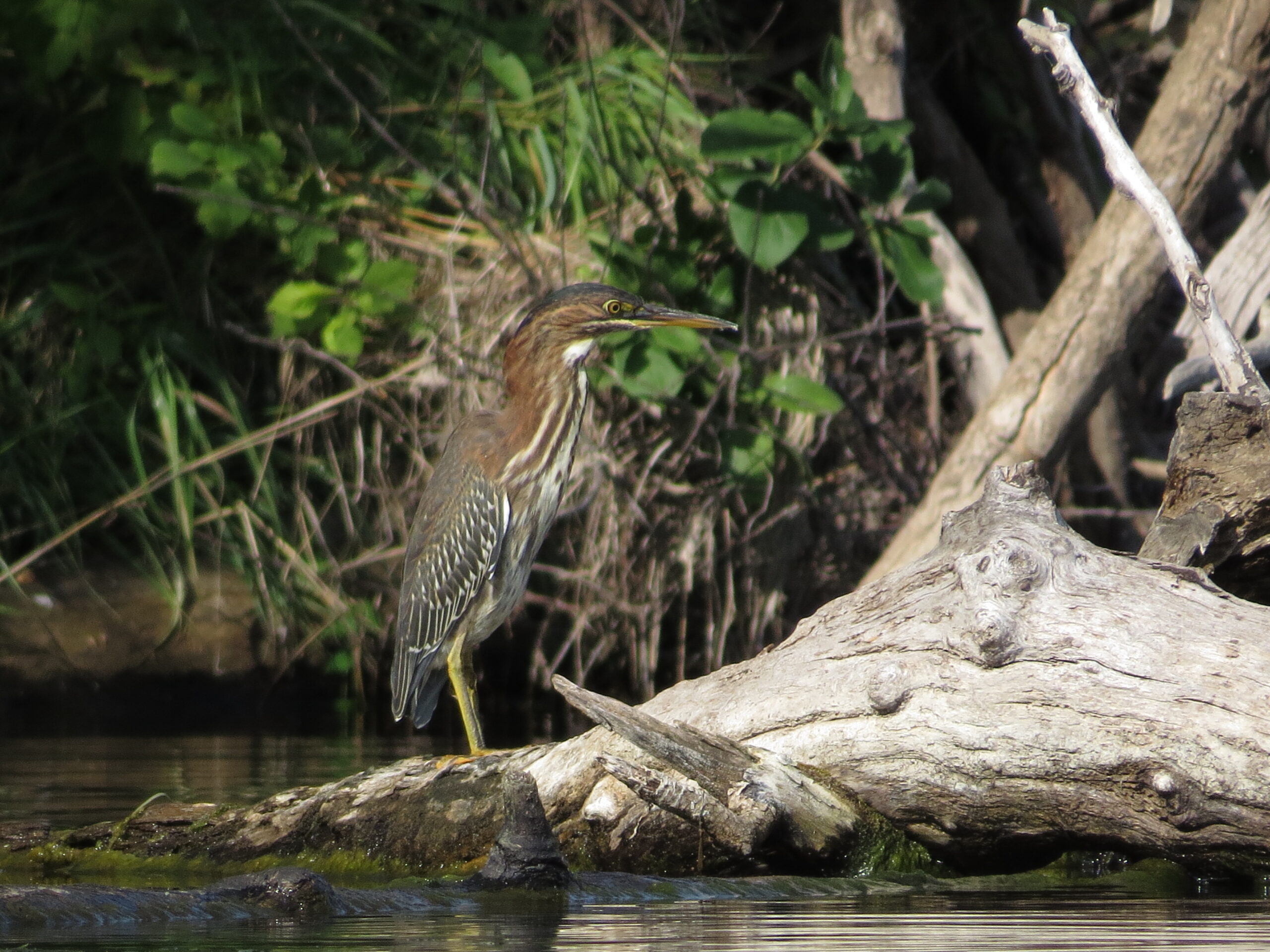
Another well-camouflaged water bird, a Green Heron, posed on a fallen log like a museum display. No movement, anonymity, and hopes of not being detected—all natural behaviors to enhance their food-finding fishing.
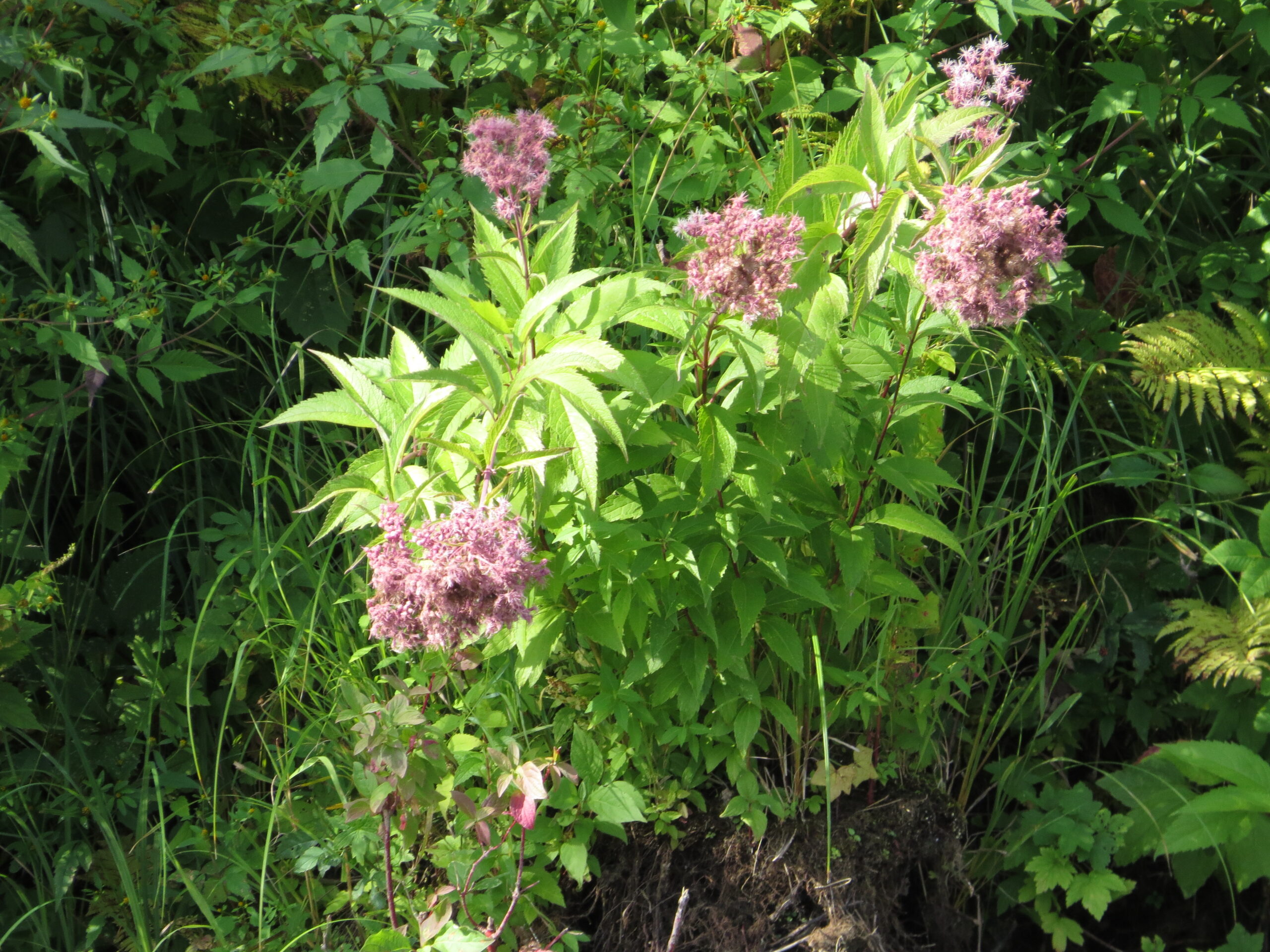
Joe-Pye Weed grew along the banks, their rosy clusters of flowers an important source of nectar for butterflies and bees at this time of year.
Another late summer flower to adorn the banks is Sneezeweed, a member of the Aster family. Its bright yellow petals and yellow-green ball-like centers make a cheery sight along with sunflowers in the green expanse of riverbank.
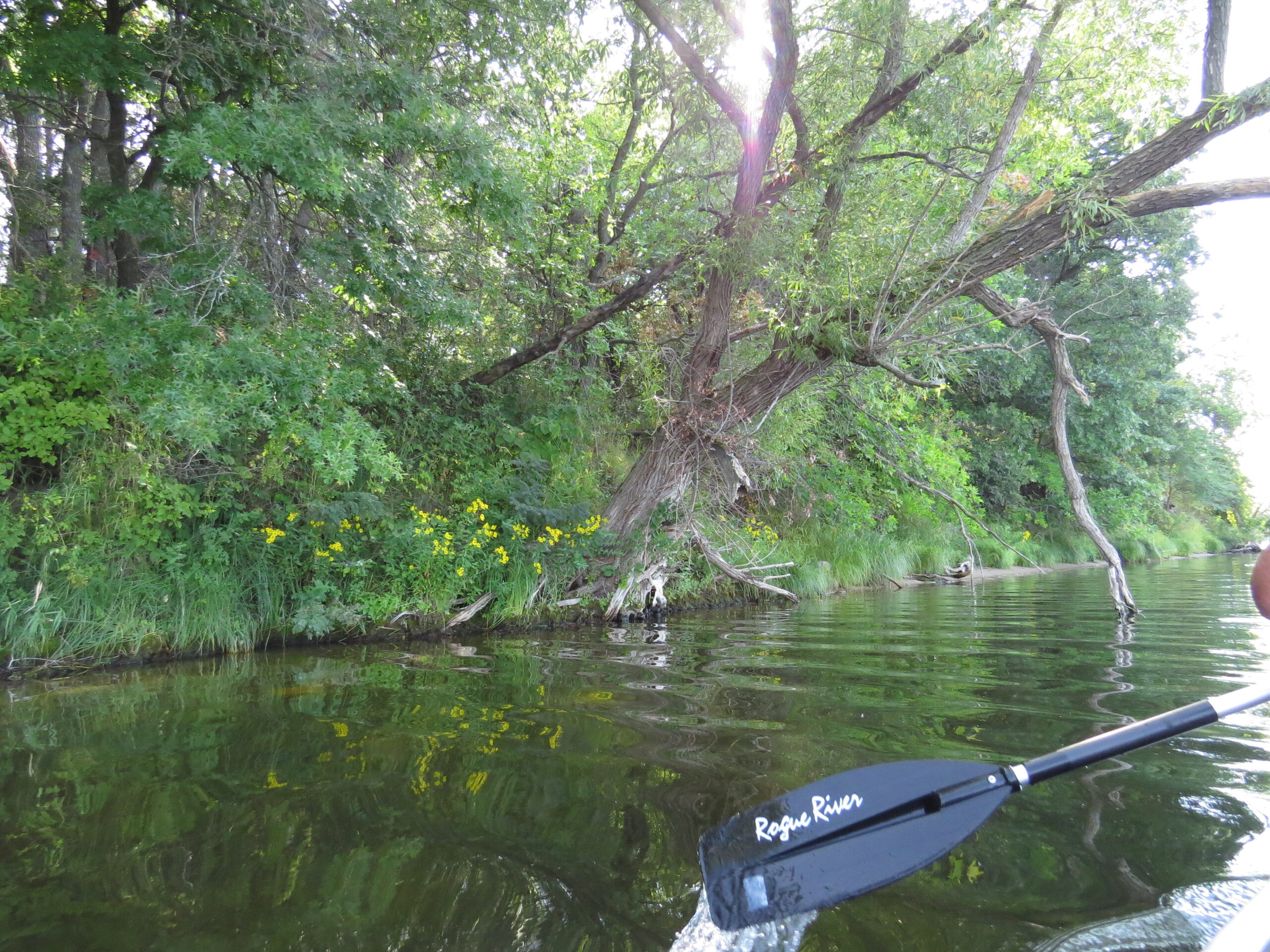
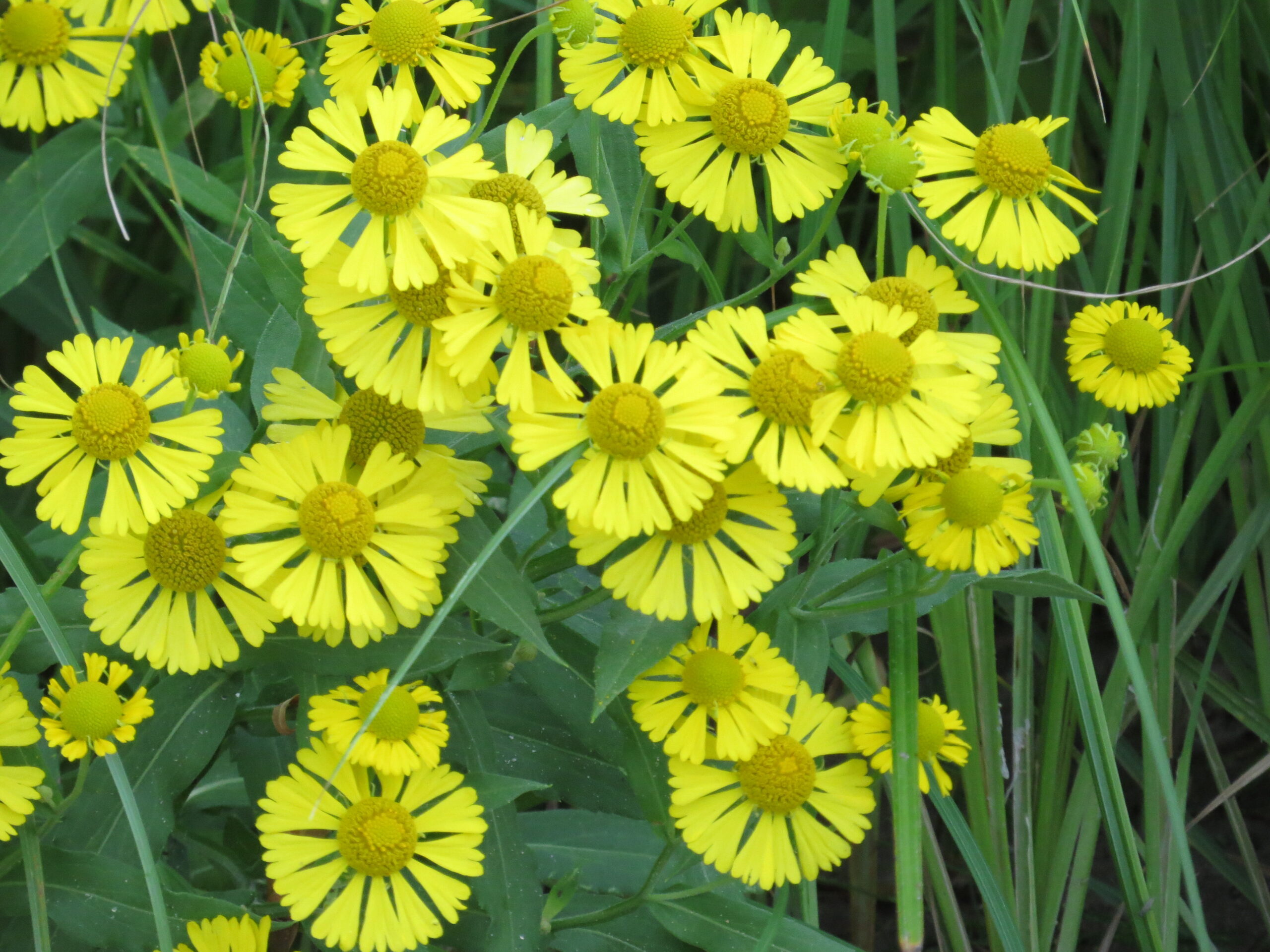
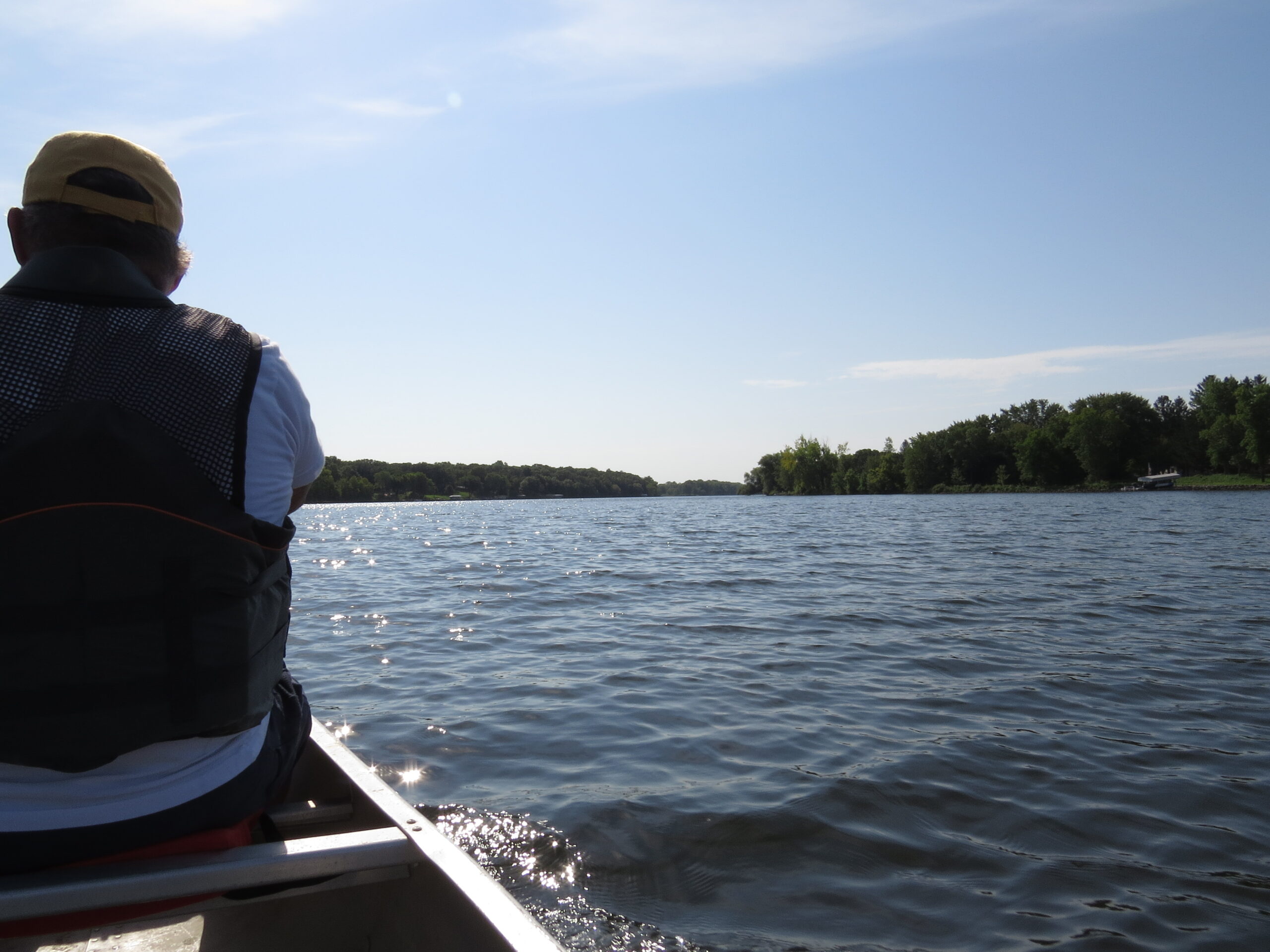
We paddled for three and a half to four miles; our goal was the dock of friends of ours who live down the road from us. The downstream current was negligible since rain had been so scarce the whole summer and the southeast wind blew the waves against us. Seeing the landscape from the River’s viewpoint in our relatively slow-moving craft was a peaceful gift in the late-summer morning.
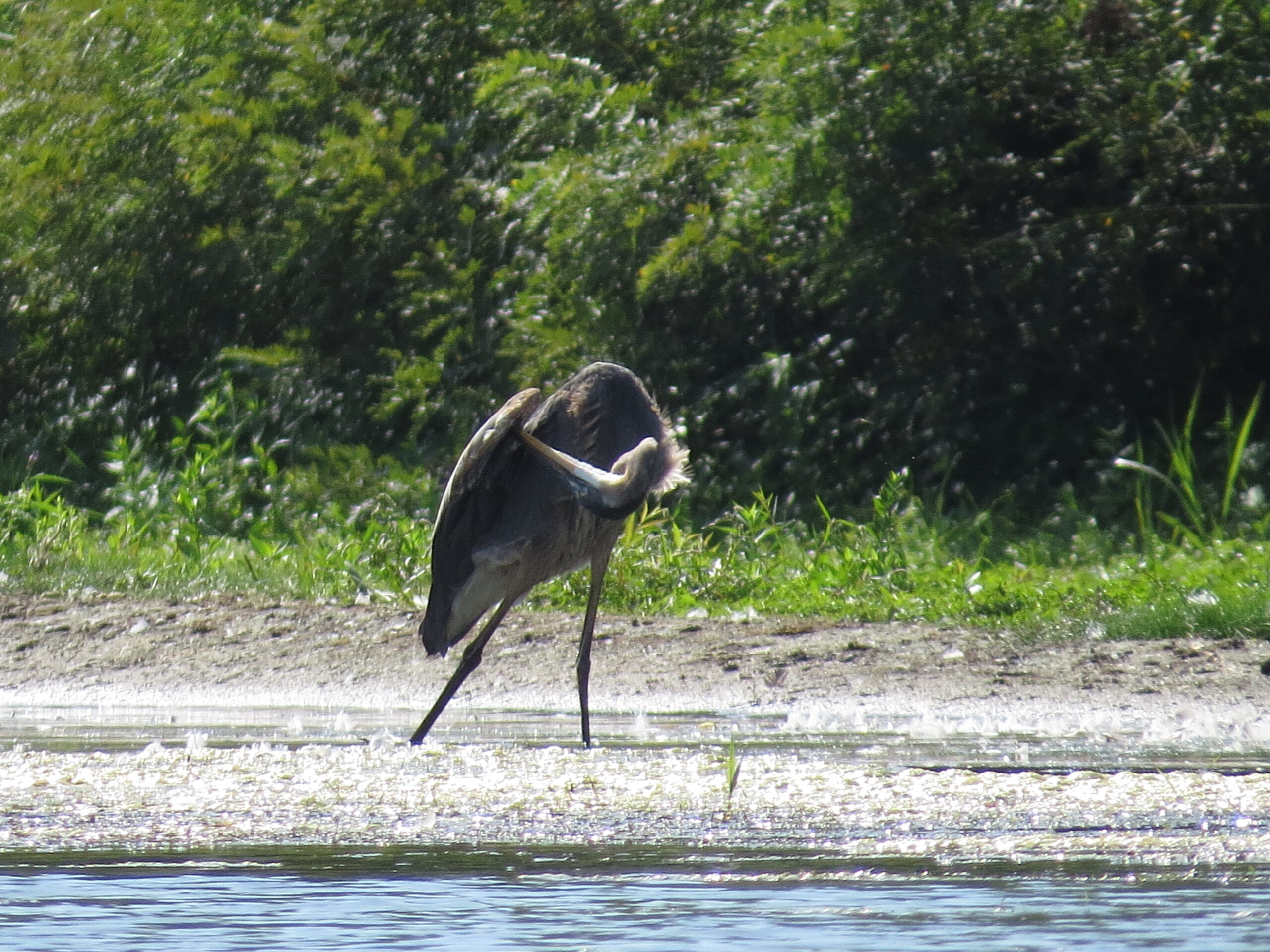
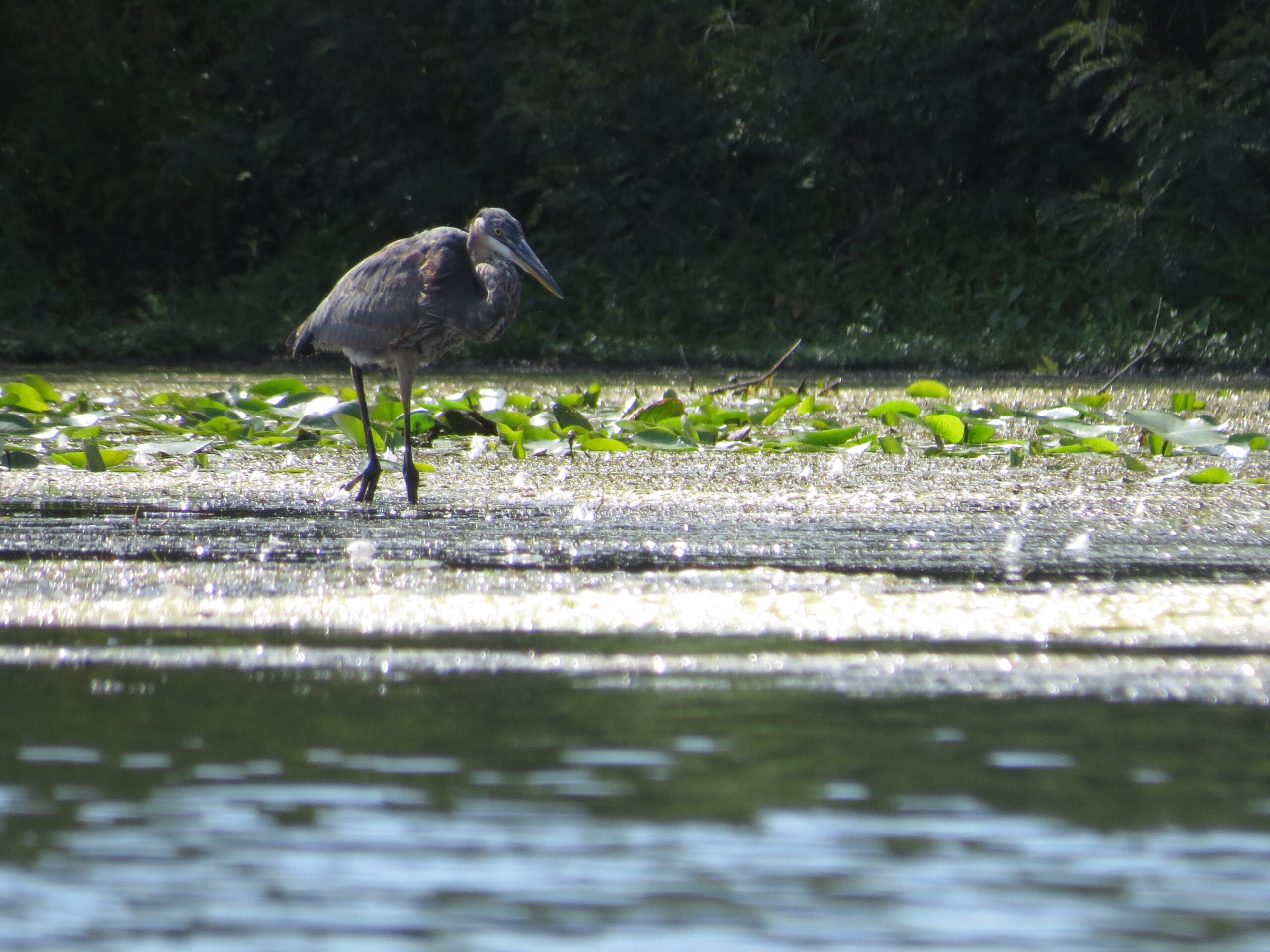
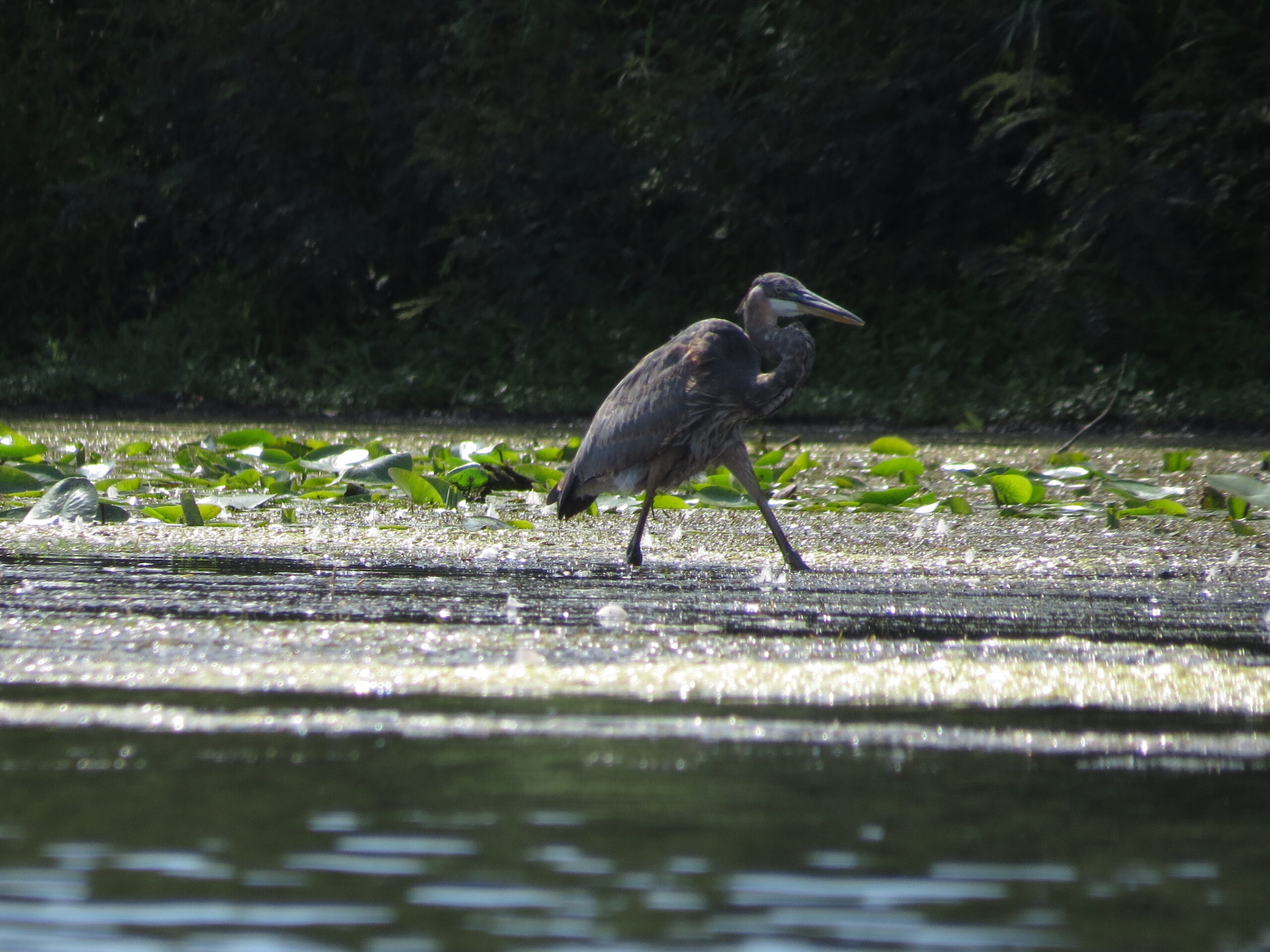
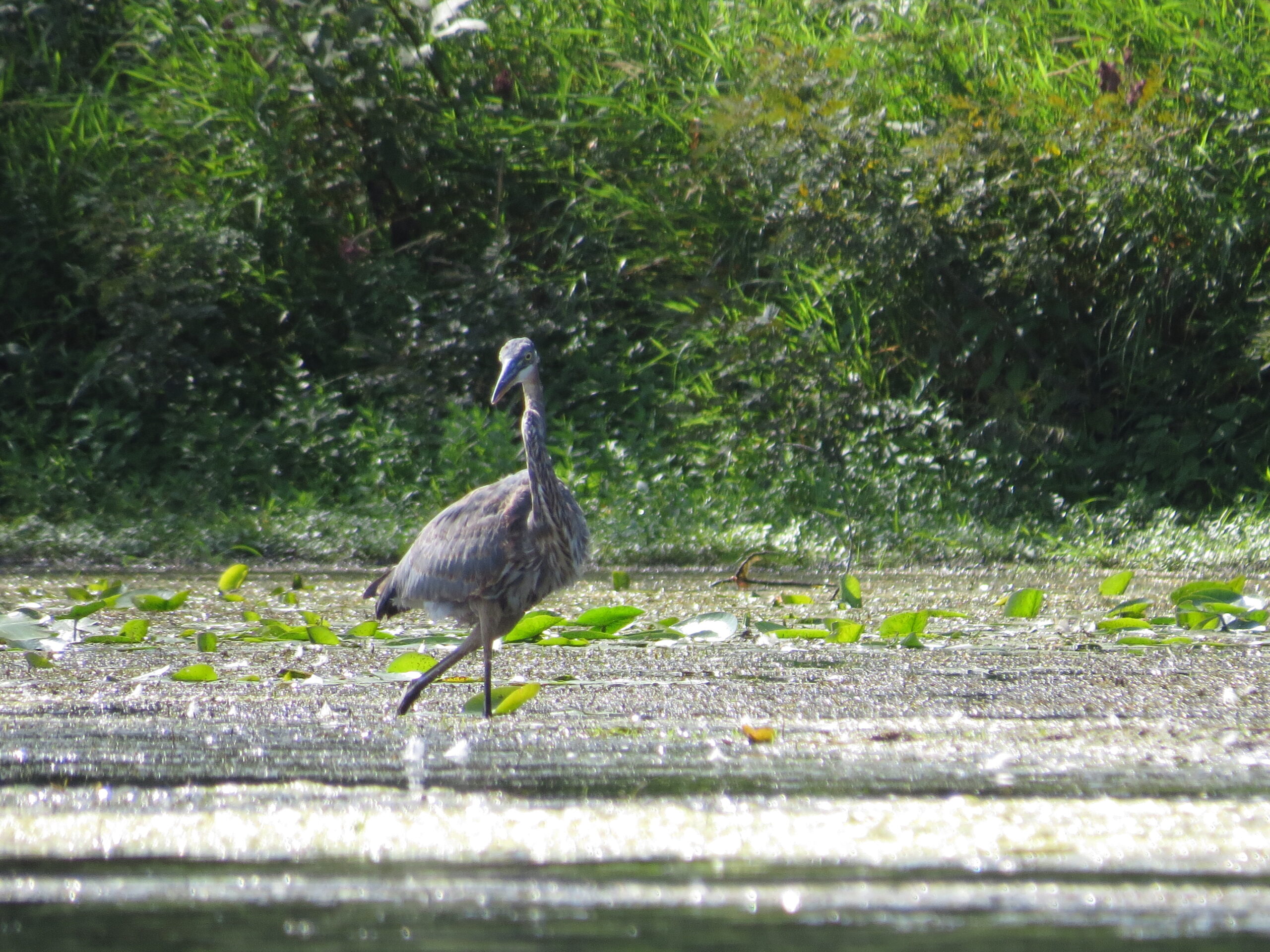
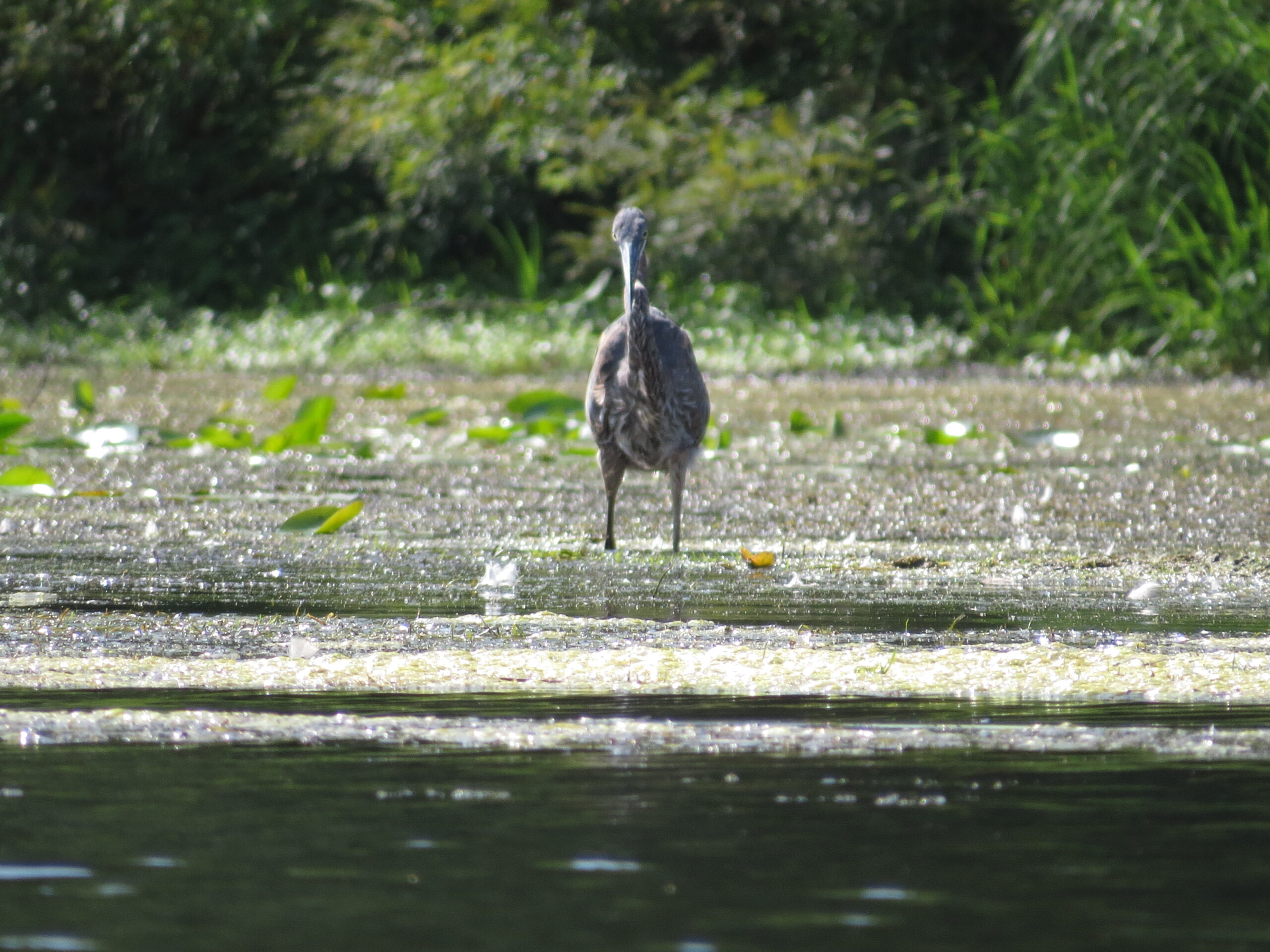
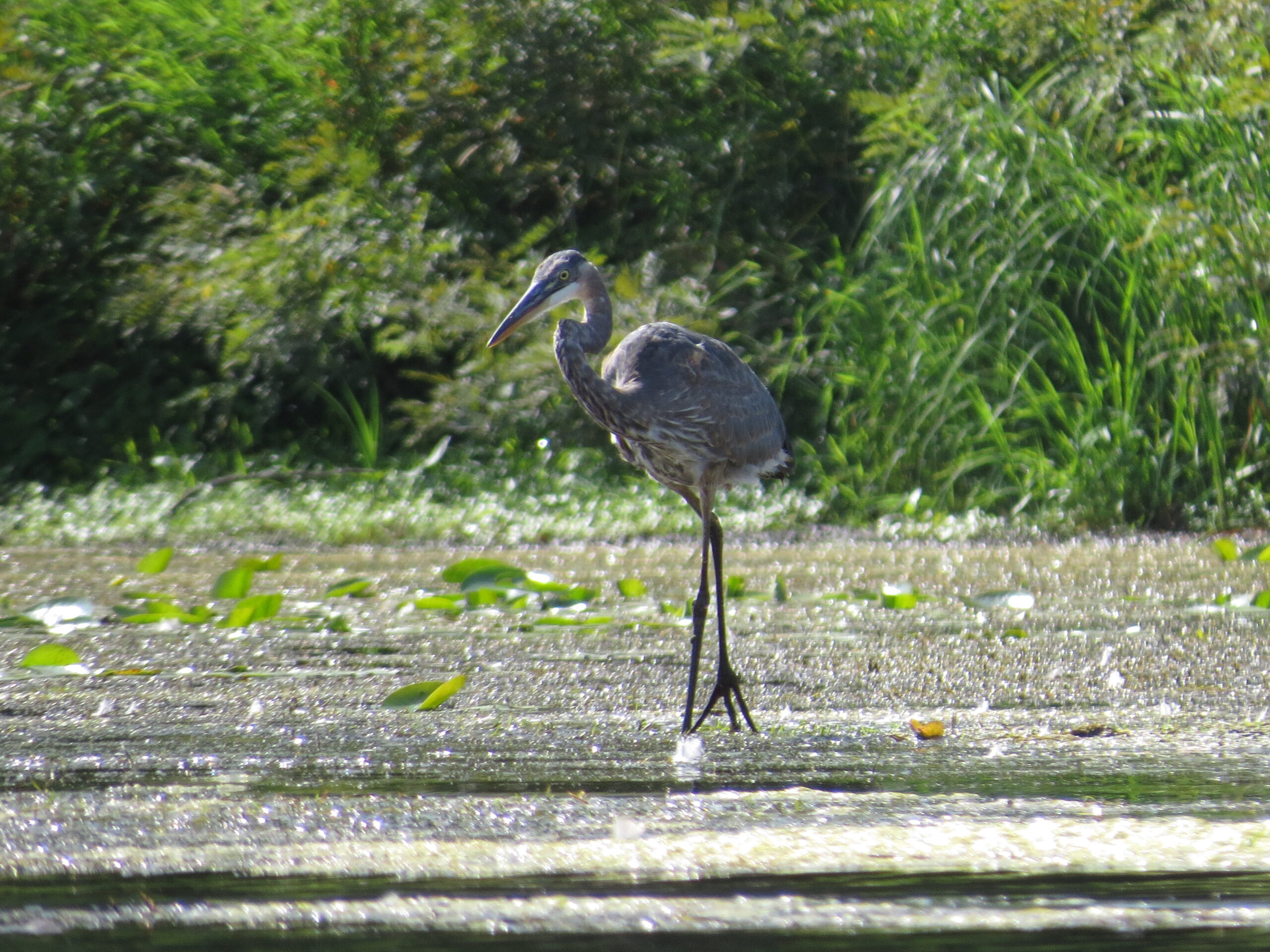
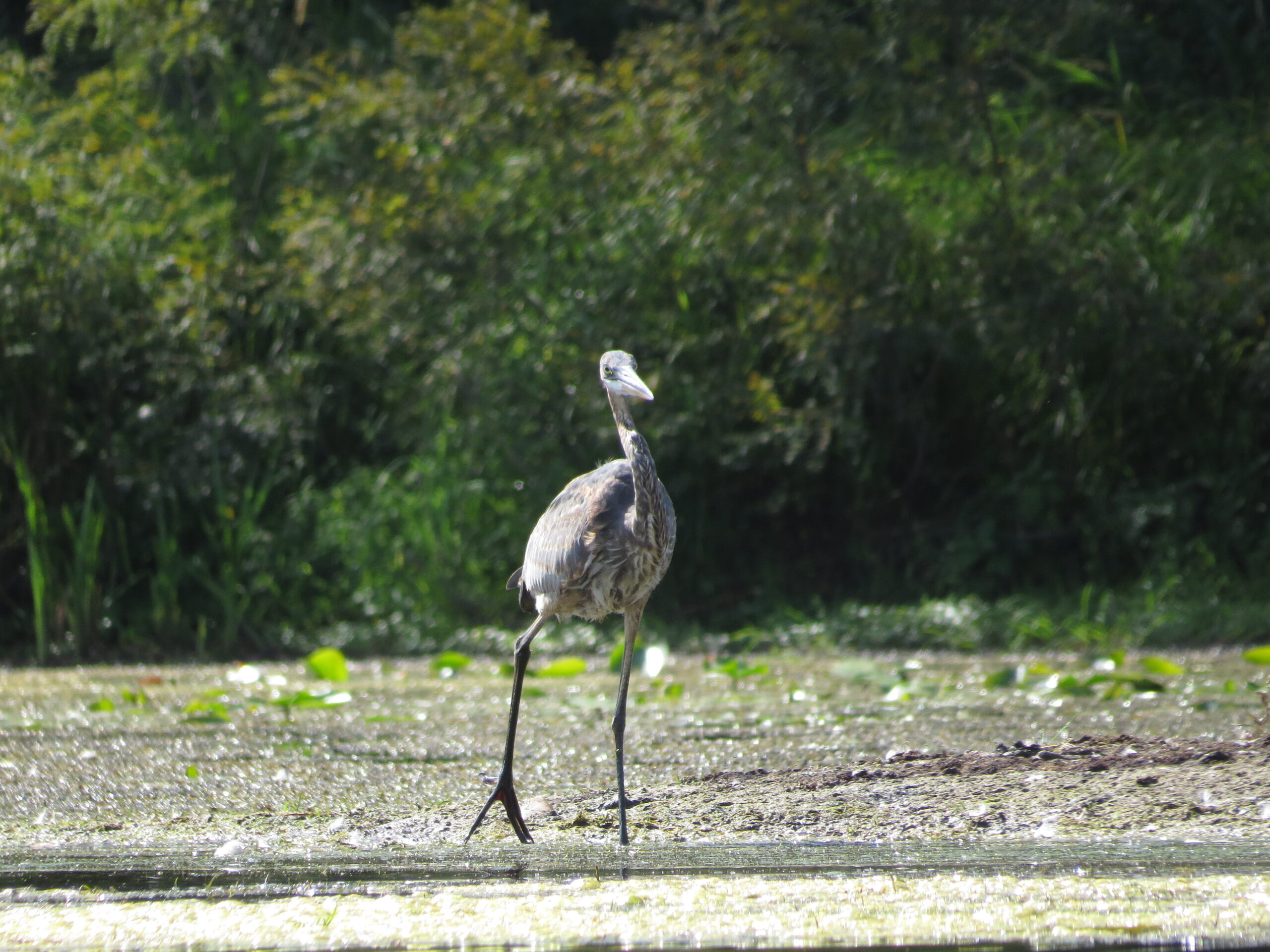
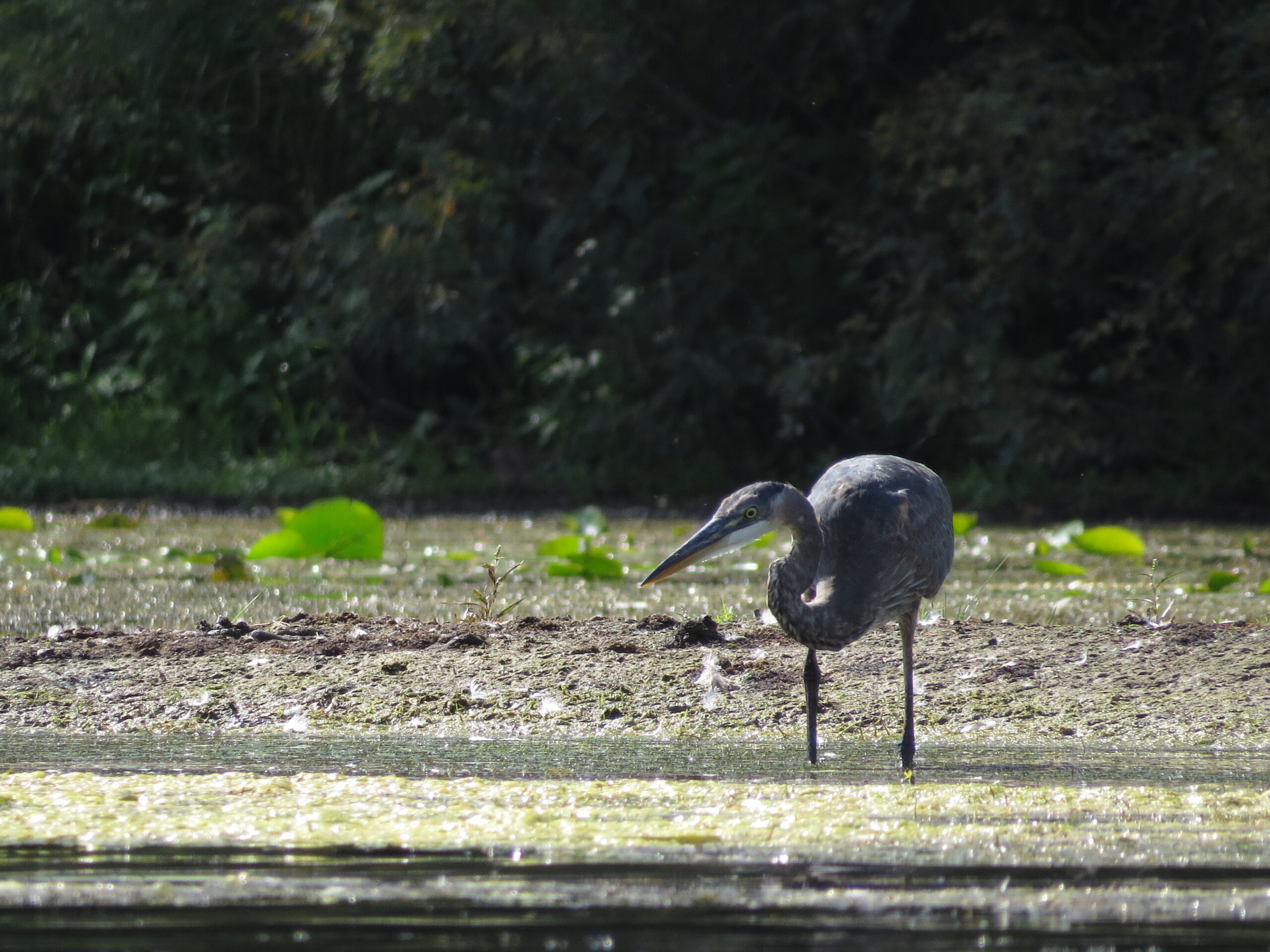
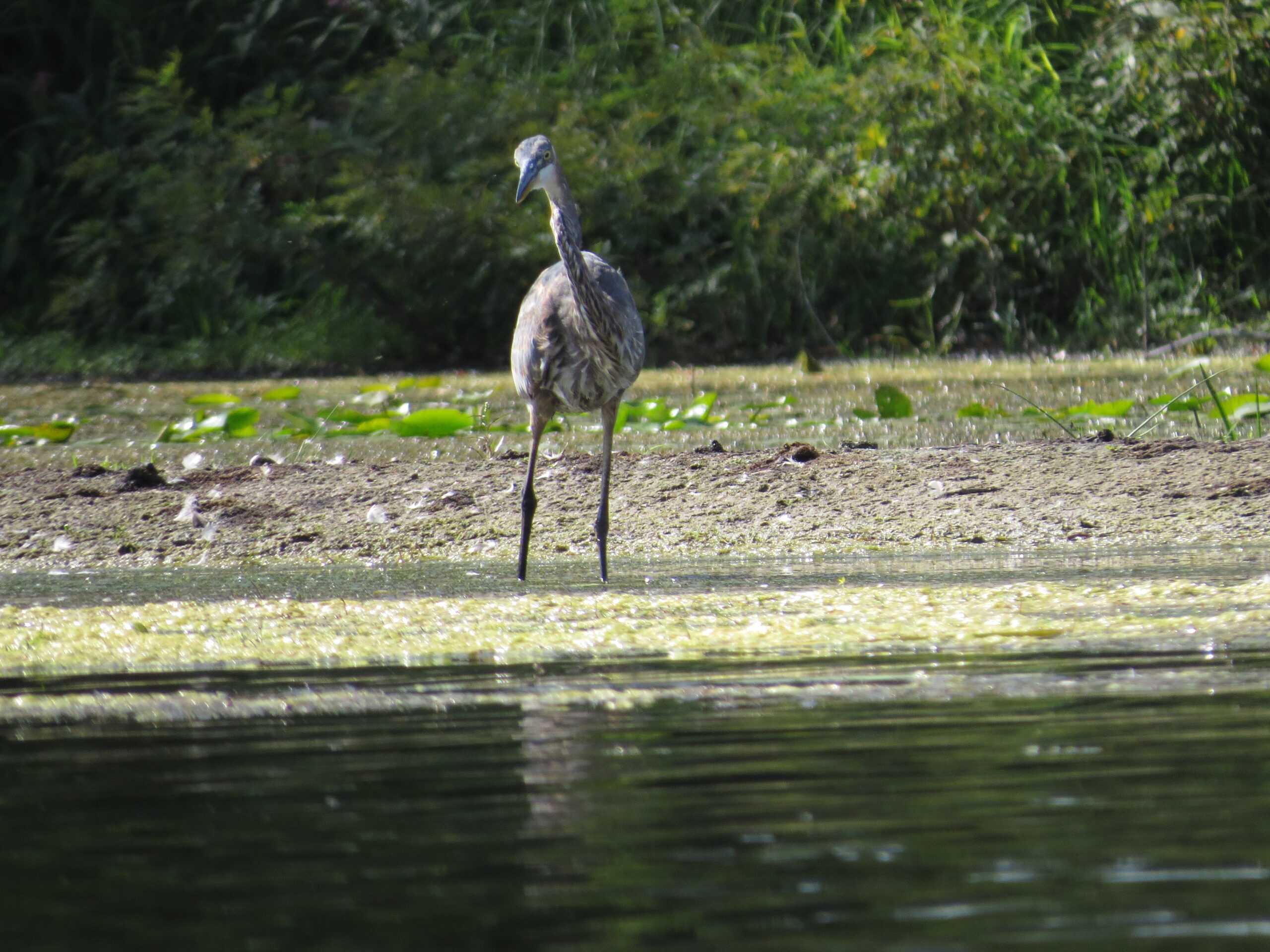
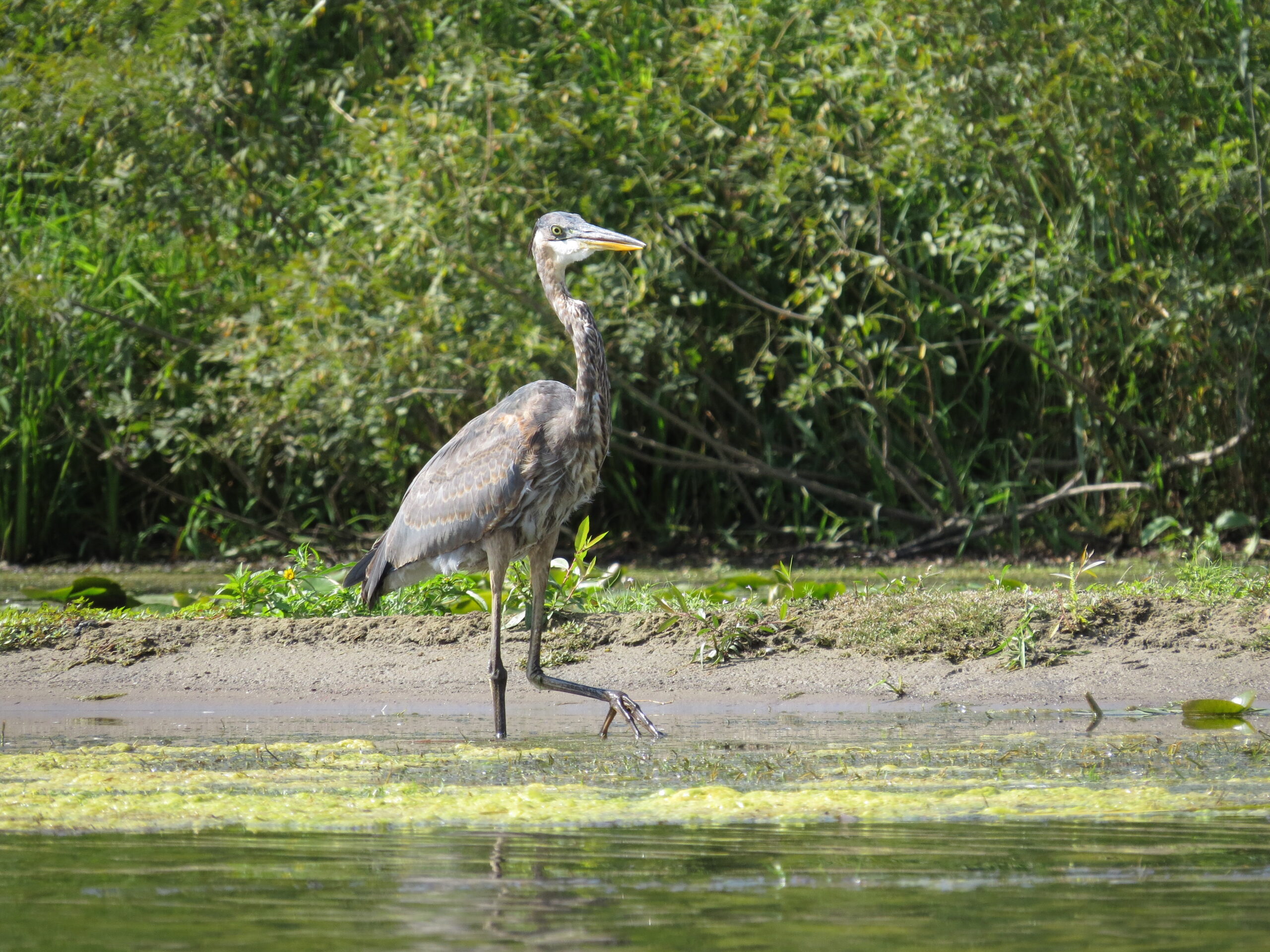
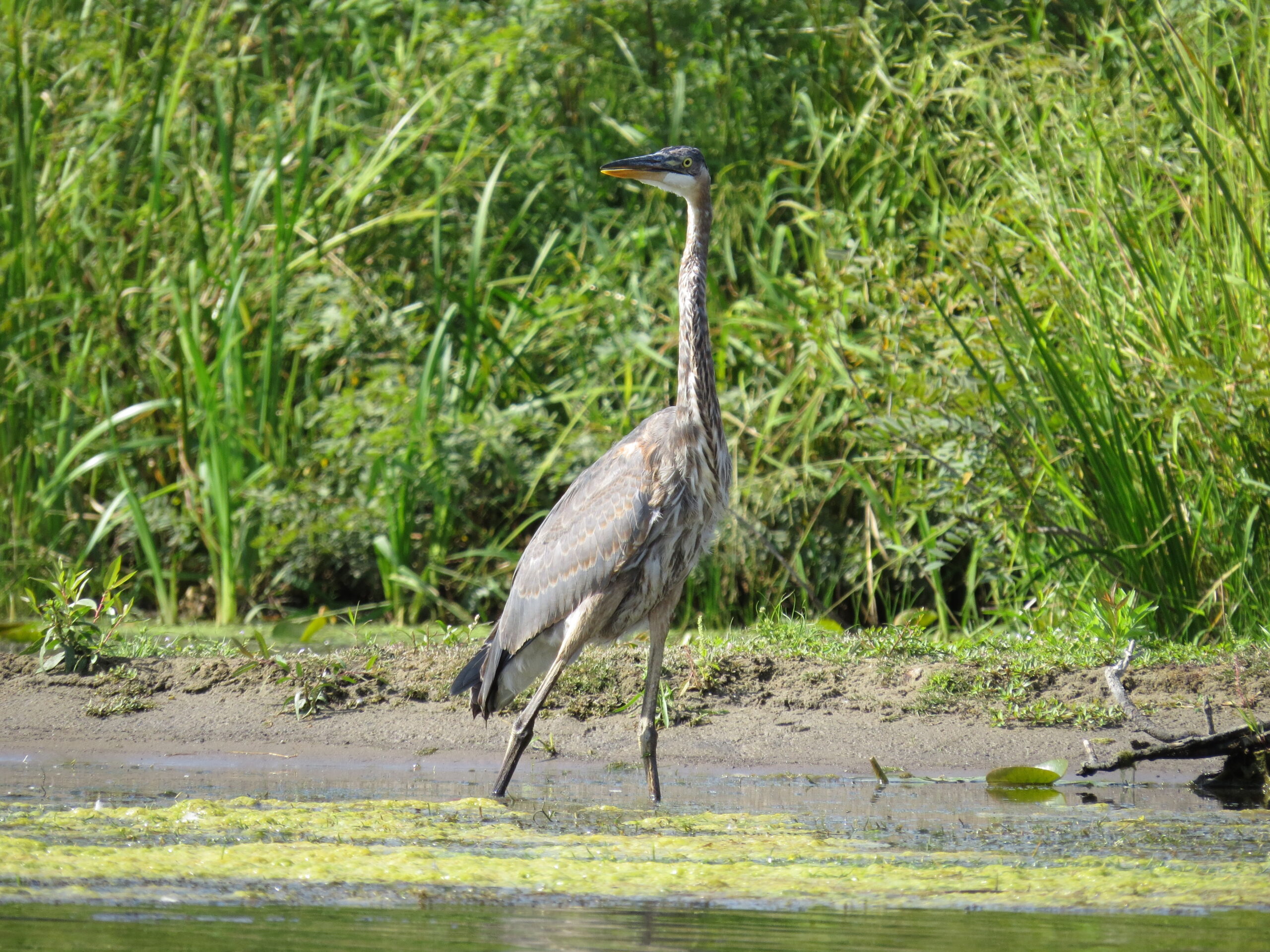
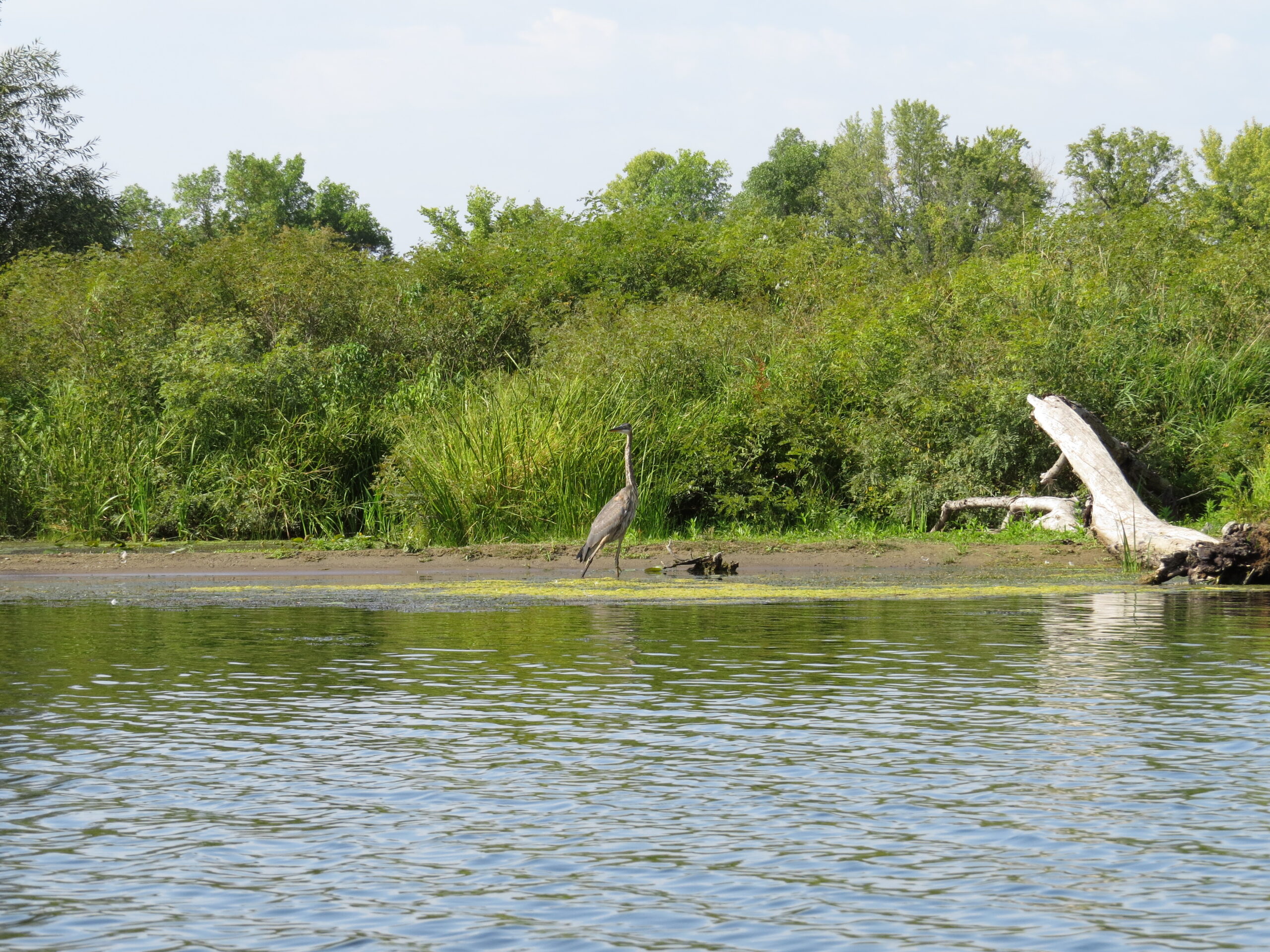
We circled around the north side of an island away from the channel where boats and jet-skis were beginning to make waves. I saw a Great Blue Heron standing in the shallow water, and we stopped paddling to watch the Great Bird on this Great River. We watched a slow-motion dance, beginning with a bow. Its long neck and long legs curved and bobbed, lifted and stretched, pranced and turned until it finished with a flair, standing tall and elegant on its home stage.
We left the island performance and concentrated on reaching our goal as the sun shone hotter, the River became busier with boats, and my legs grew stiff and tingly from inaction.
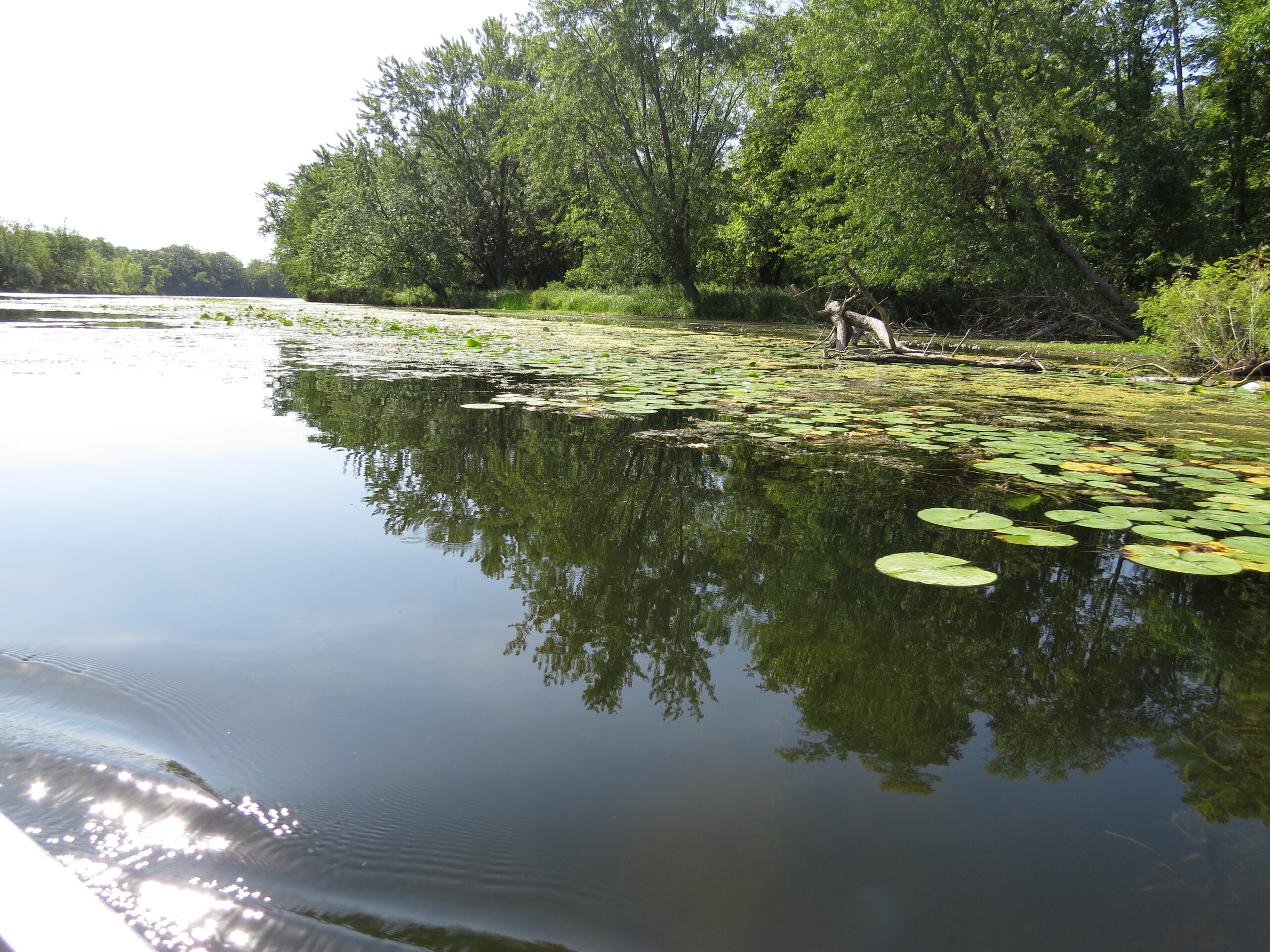
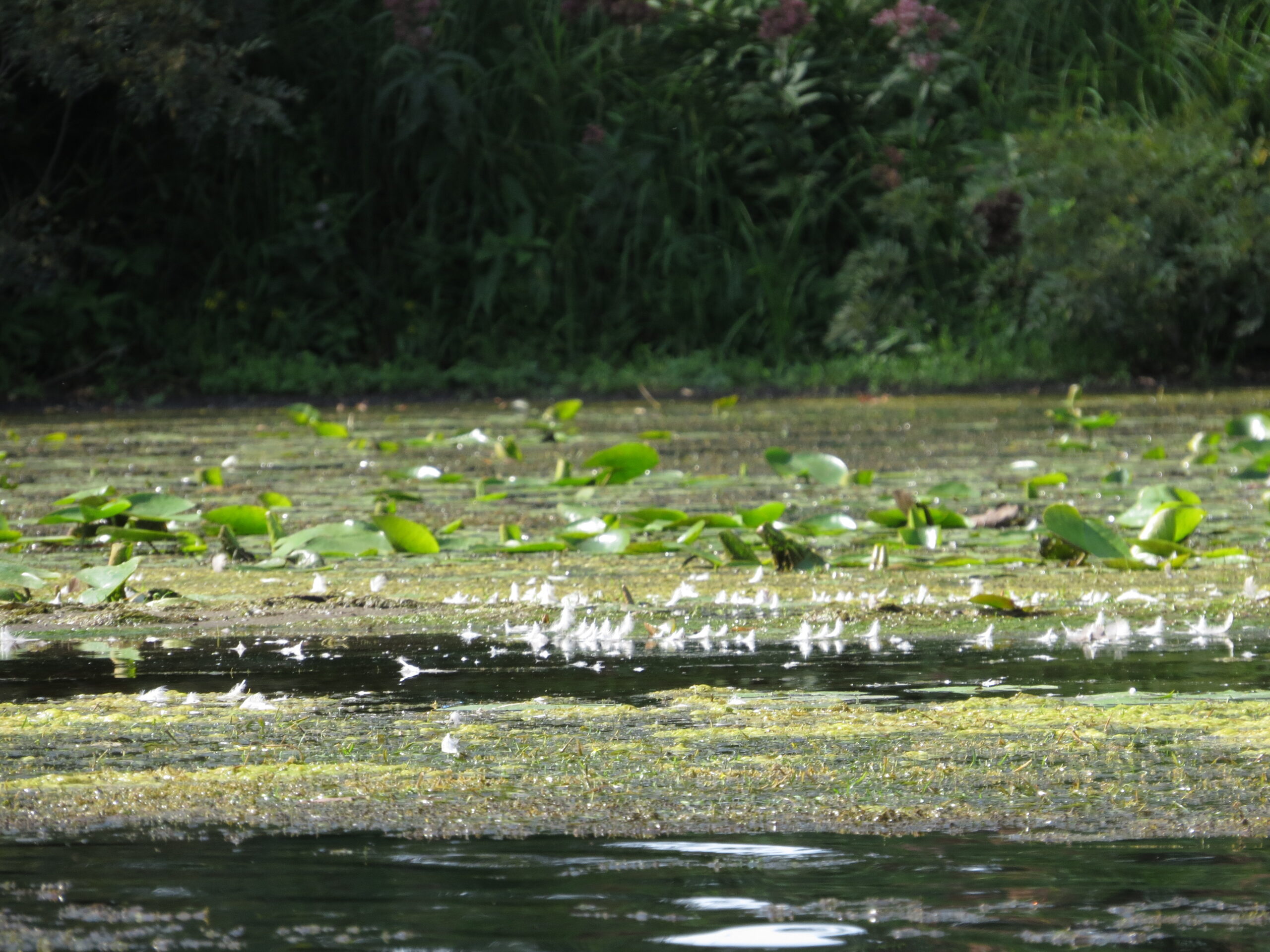
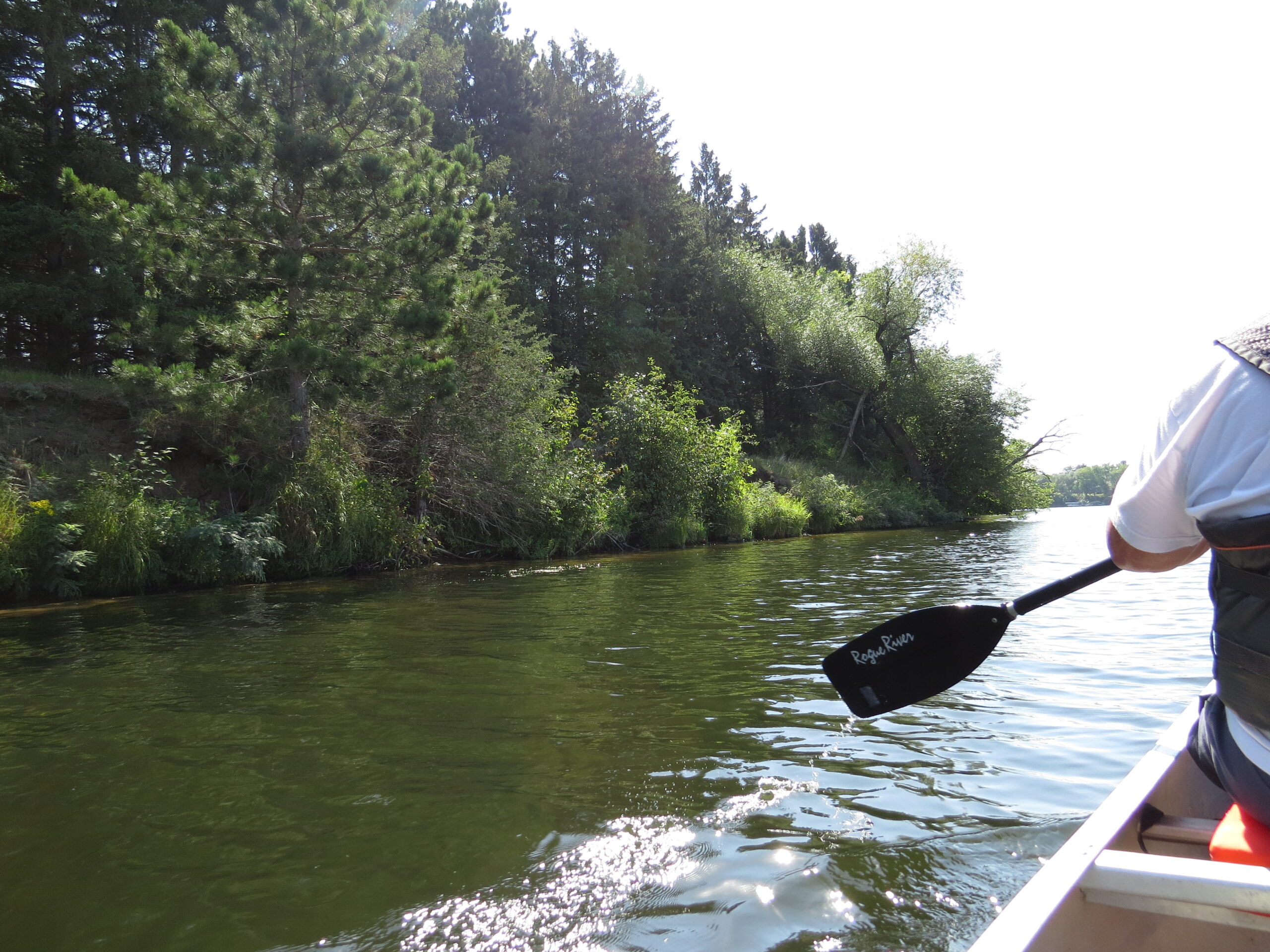
Our River trek took two and a half hours. Emily expertly landed us beside our friends’ dock. I awkwardly unfolded my legs from the bottom of the canoe and tried to move my uncooperating hips over the canoe seat while ‘staying low,’ in order to get to the ladder. Let’s just say I was not as graceful as a Great Blue Heron. But our canoe trek was the highlight of my weekend. It was wonderful to see this familiar River from ‘the other side,’ from the River’s point of view. There are so many things we miss or even dismiss when we look at some thing or some body or some issue only from the safe, familiar bank we are used to. Even the fast-boat river riders see and experience the River differently than the canoers and kayakers. It is an issue as old as time. Walk a mile in my shoes; paddle a mile (or three) in my canoe; work a day in my job; live a day in my skin. All impel us to live in empathy and understanding of people who are different from us and who experience life from a very different island of reference. I hope the River Dance reminds us all to live in empathy, peace, and grace.
A Good Flood
We’ve all experienced a flood of emotions—whether anger at an injustice, sadness with the loss of a loved one, shame when something triggers our feelings of unworthiness, or love with the first look at our newborn. This flood of feelings can be overwhelming, sudden and surprising, and many times bringing tears to our eyes. Often the flood is a messy collection of emotions that are not easily teased apart and compartmentalized—it could be anger-sadness-shame-love all rolled into one tsunami. We flail around in the overwhelm, sometimes apologizing for our tears, often wanting to retreat or hide from the defenselessness of our vulnerability, and feeling the need to quickly erect the wall of protection that normally hides those feelings from the rest of the world.
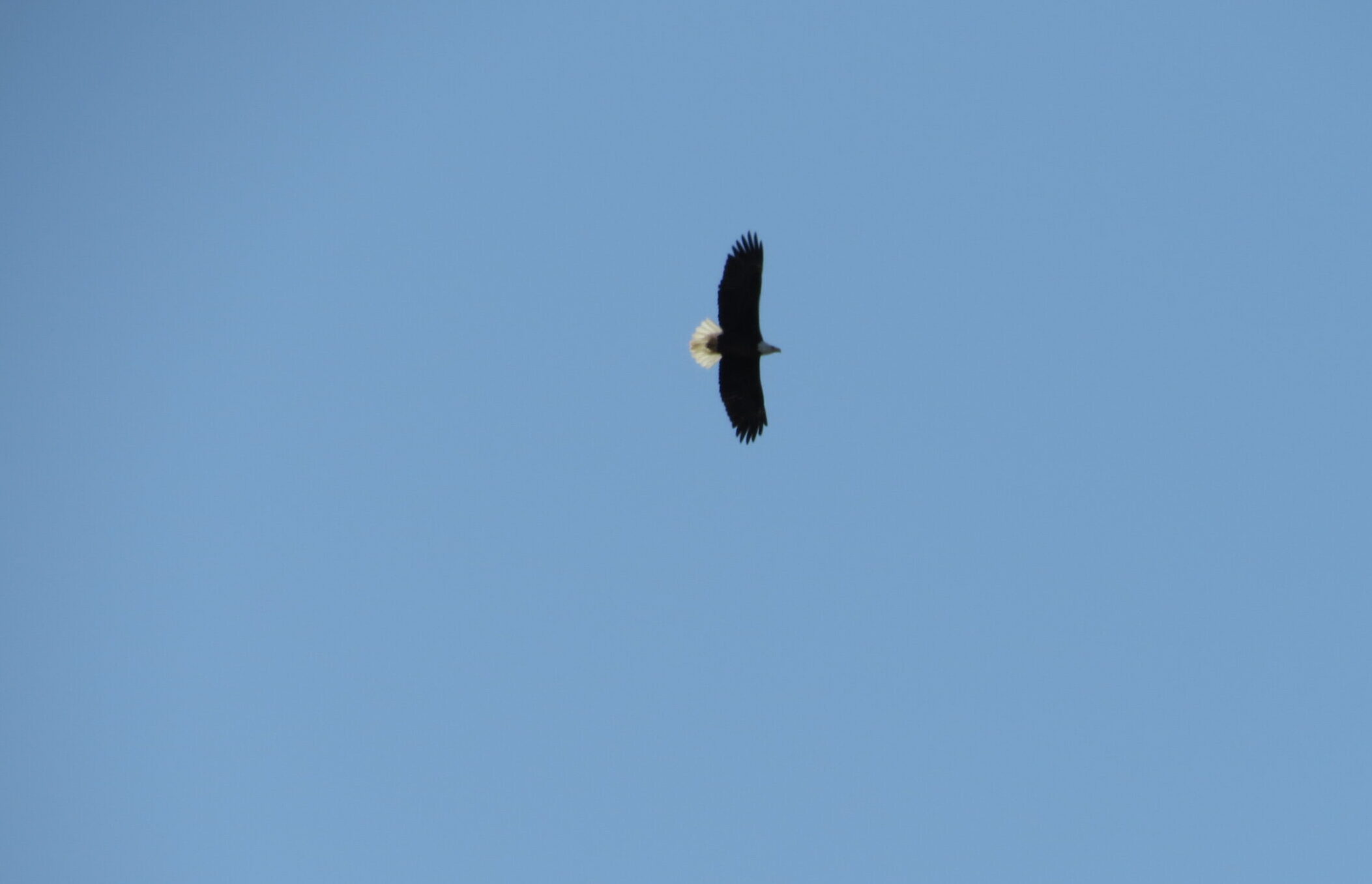
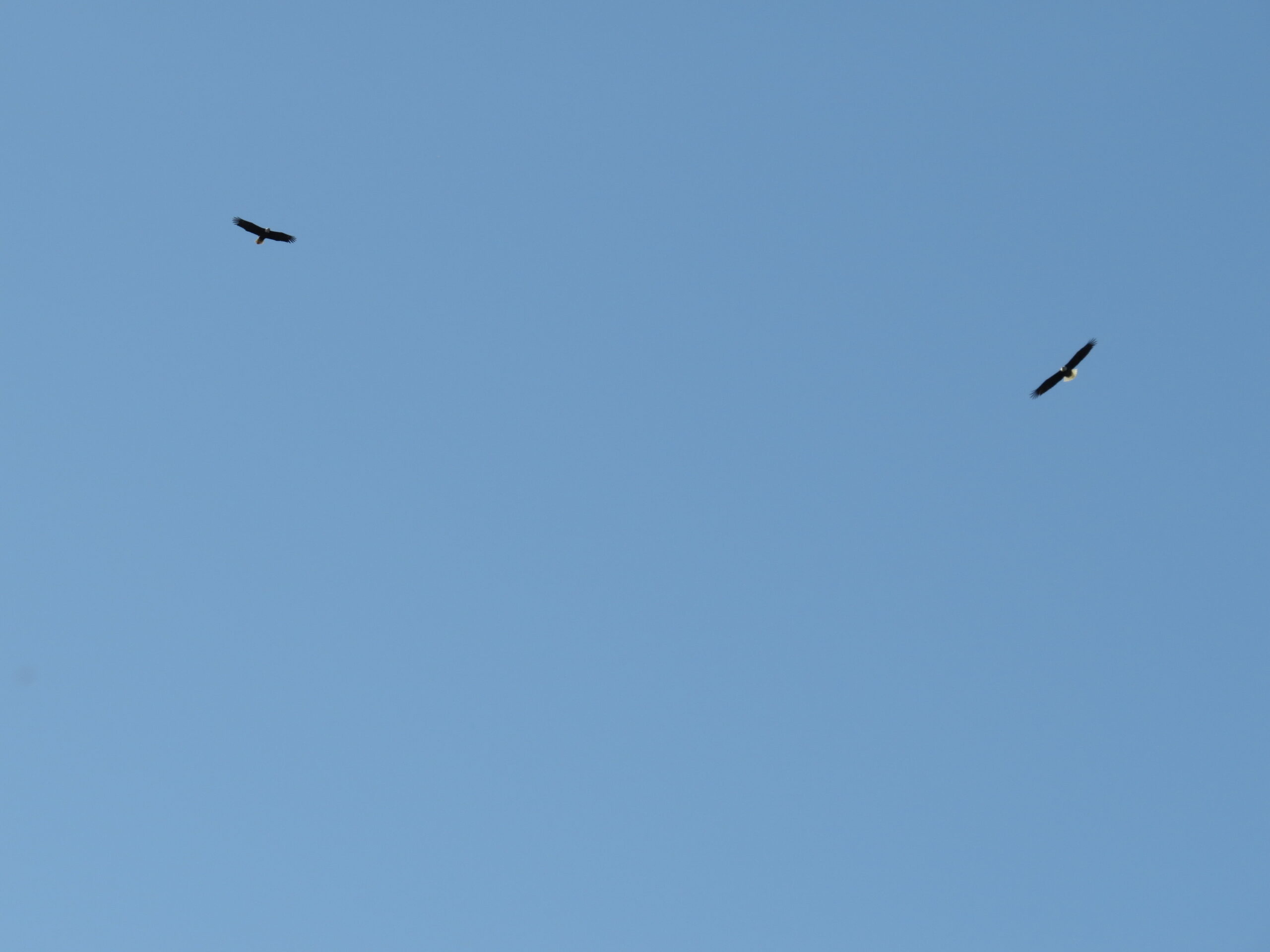
It’s a messy time of year in Minnesota for hiking. There are still ridges of old, packed snow on trails in the trees that are softened and slippery. Other places are muddy with snowmelt and rain and snow again. There are big puddles in places where even ‘waterproof’ boots are challenged. In spite of all of that, we ventured to Mississippi River County Park on Monday. The first thing Chris noticed, even before we got out of the car, was an Eagle circling the area above us. When we got out, we saw two, then three of the graceful gliders! That’s a good start to a hike!
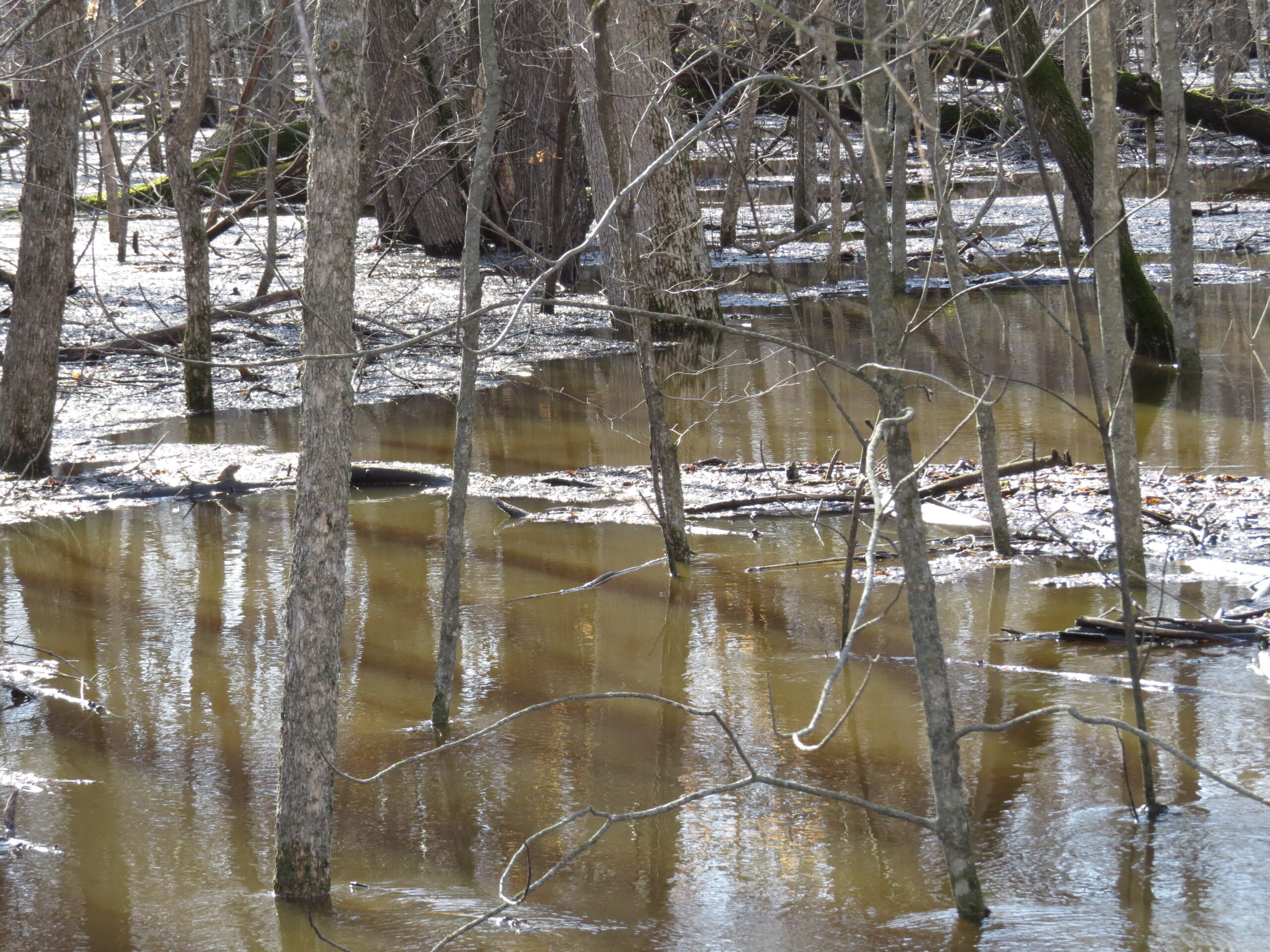
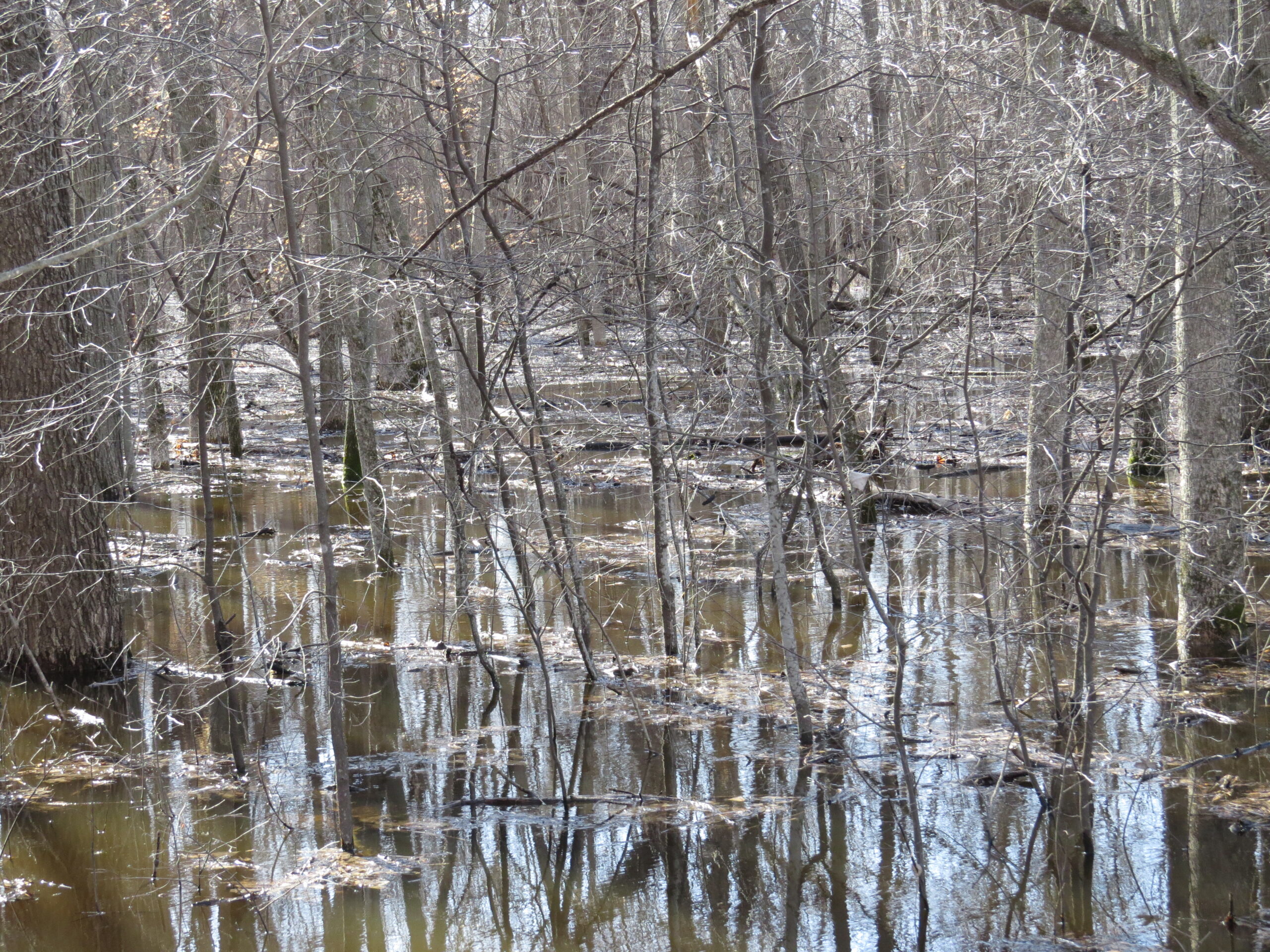
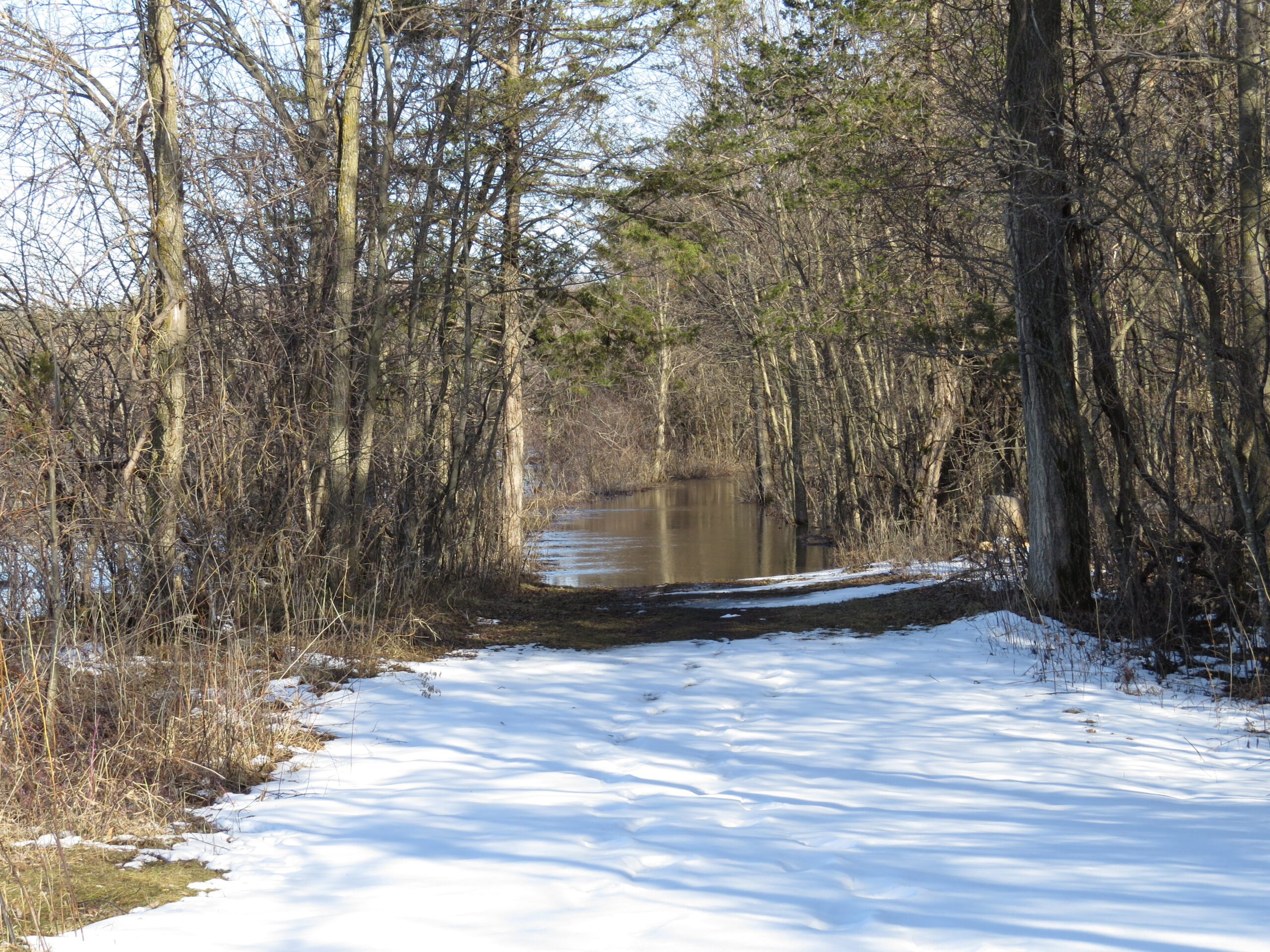
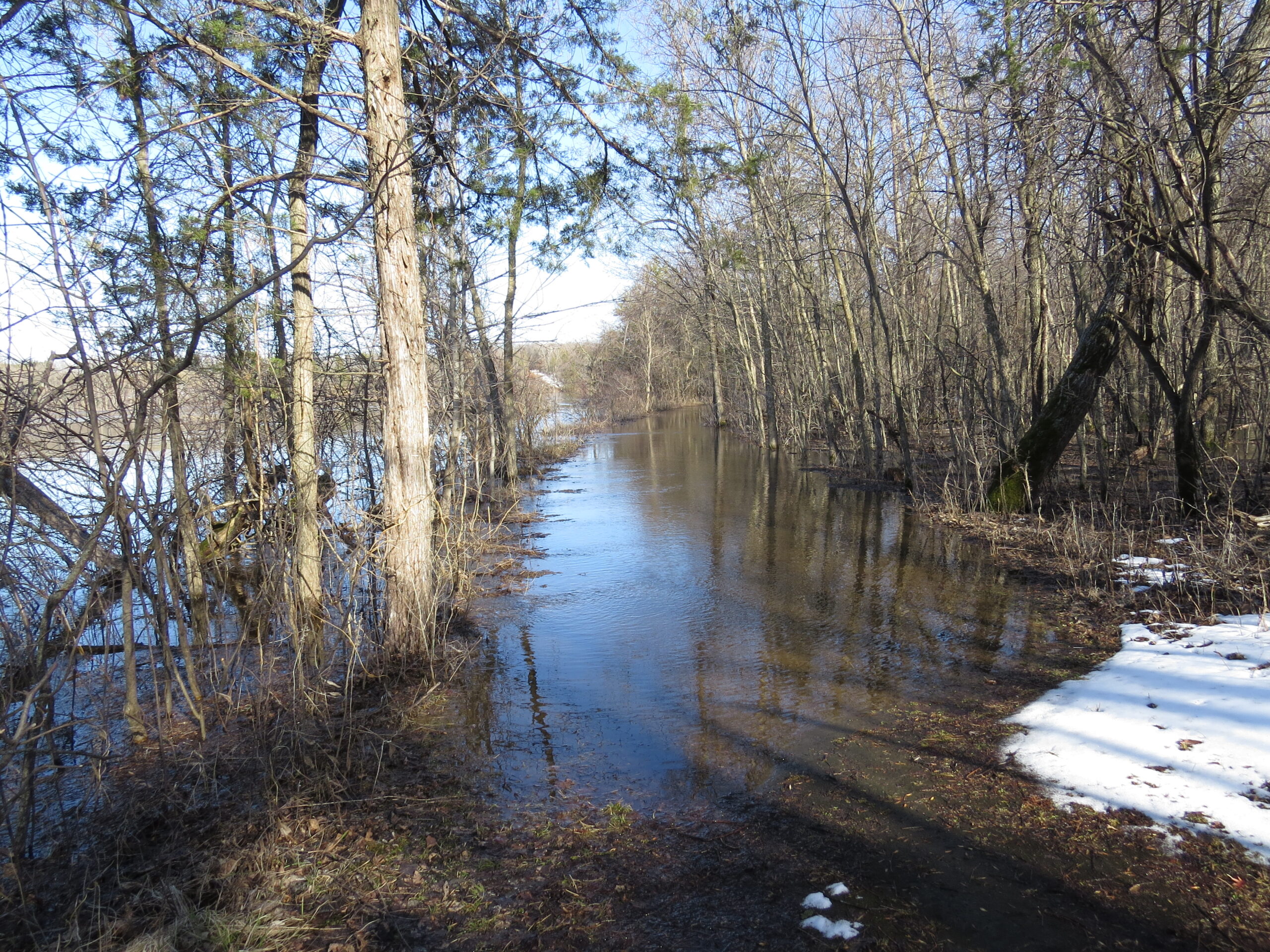
As we crested the hill that plunges down towards the River, we immediately saw we would not be hiking our usual route—the whole woods below us was flooded!
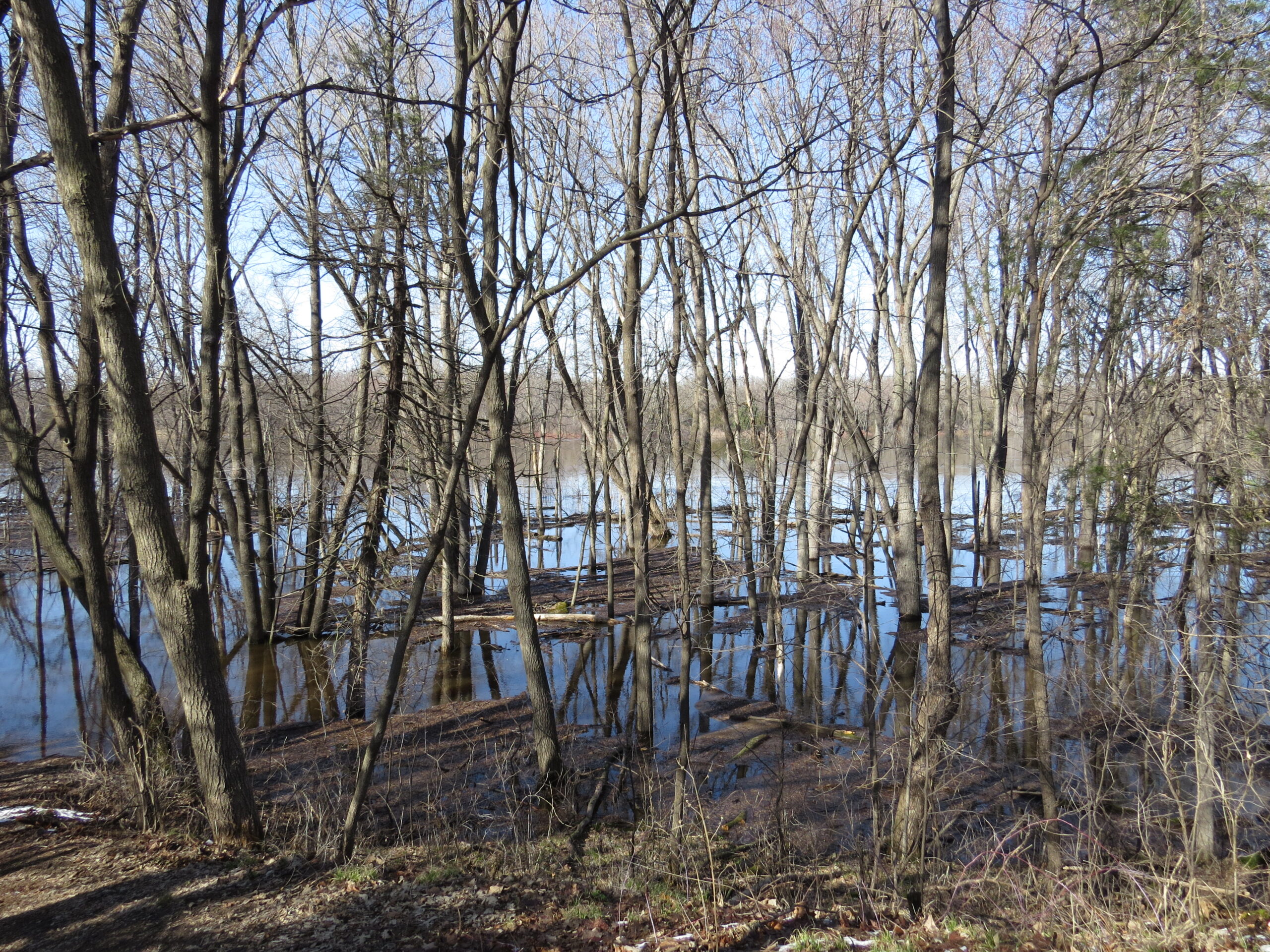
The riverside trail was the River now. The banks were overwhelmed, overtaken by the high and mighty waters that had gathered from the snow and ice that had quickly dissipated to liquid form in the previous unseasonably warm week. No slowing down the melt; no slowing down the water.
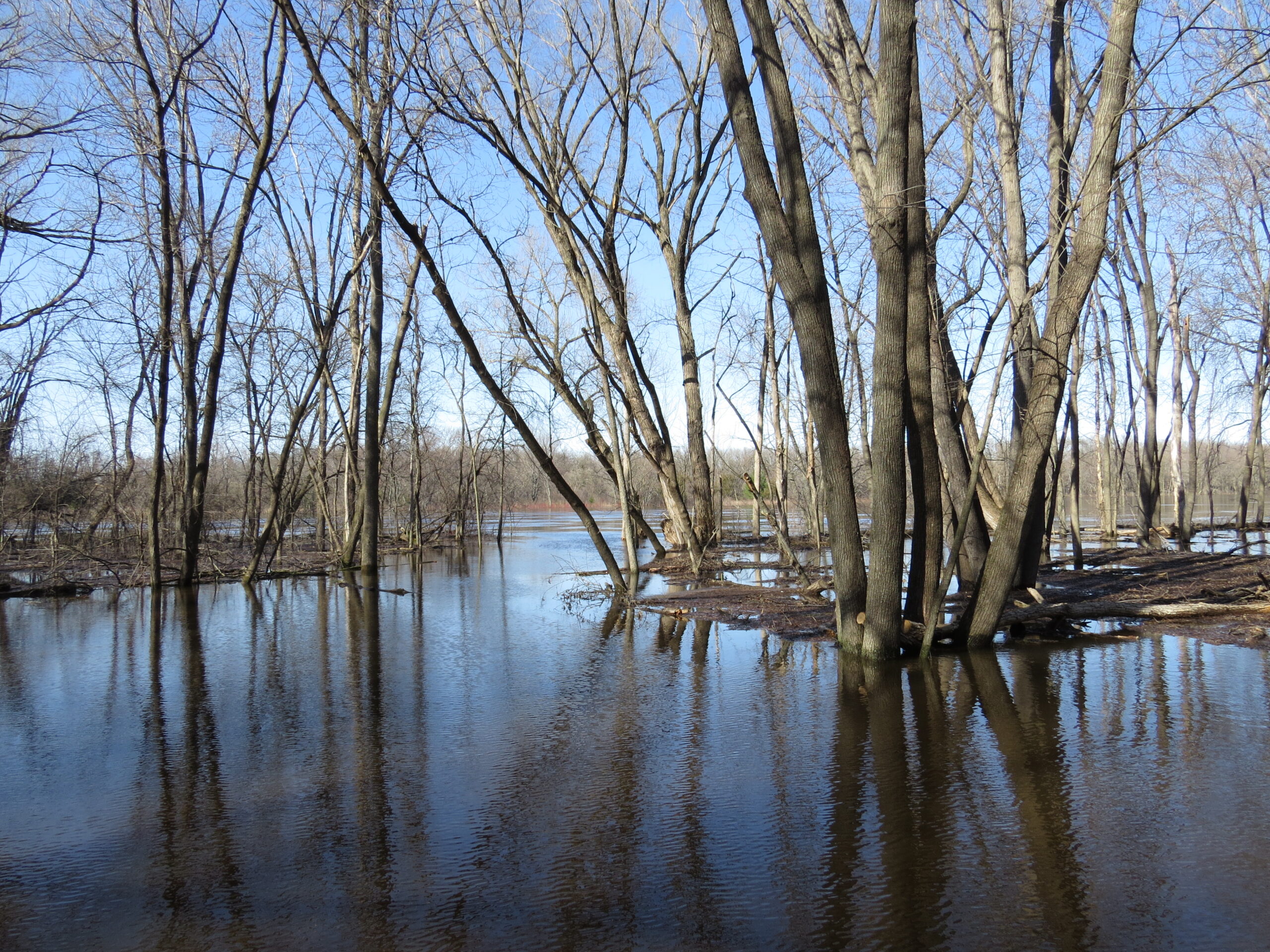
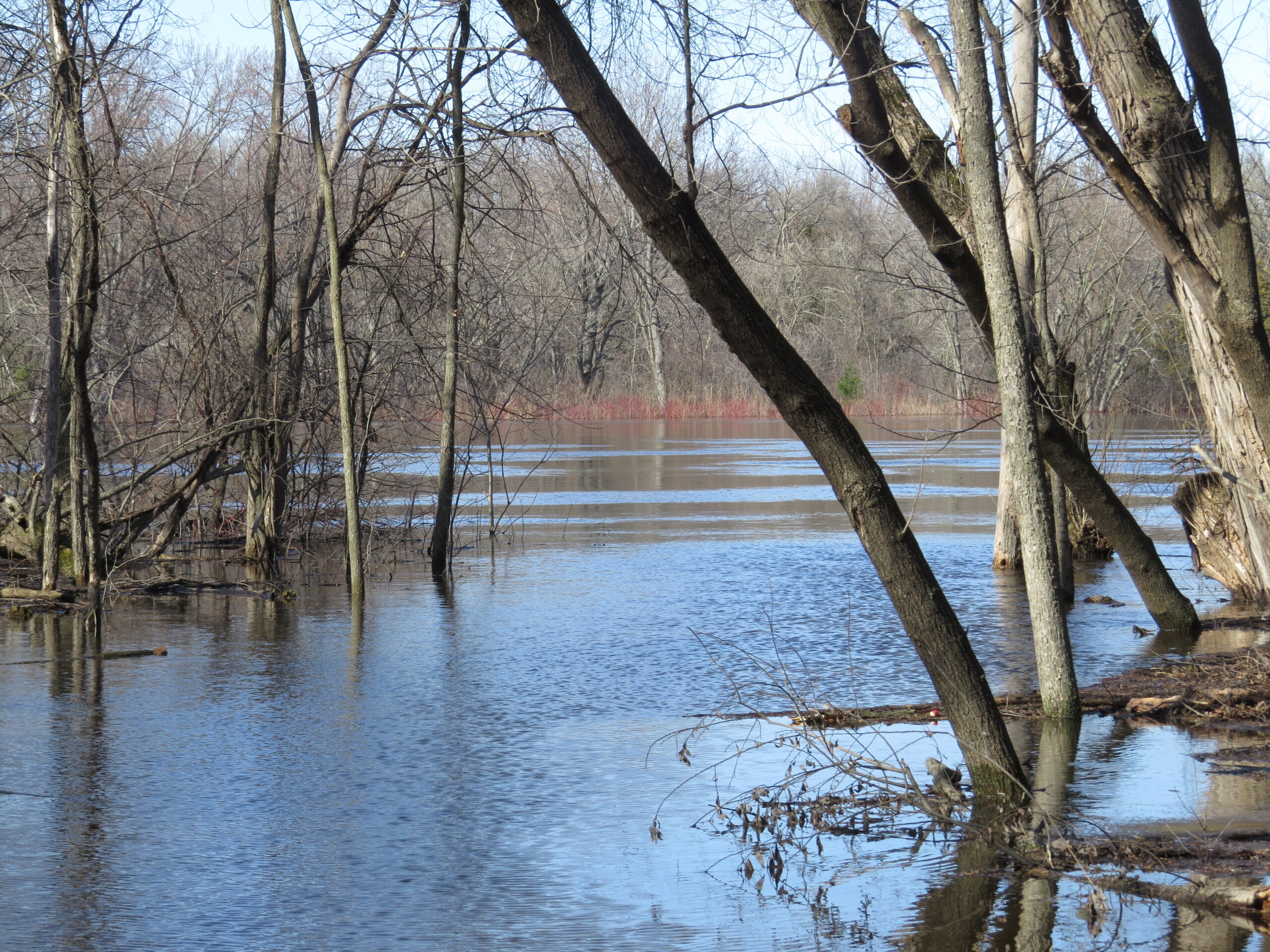
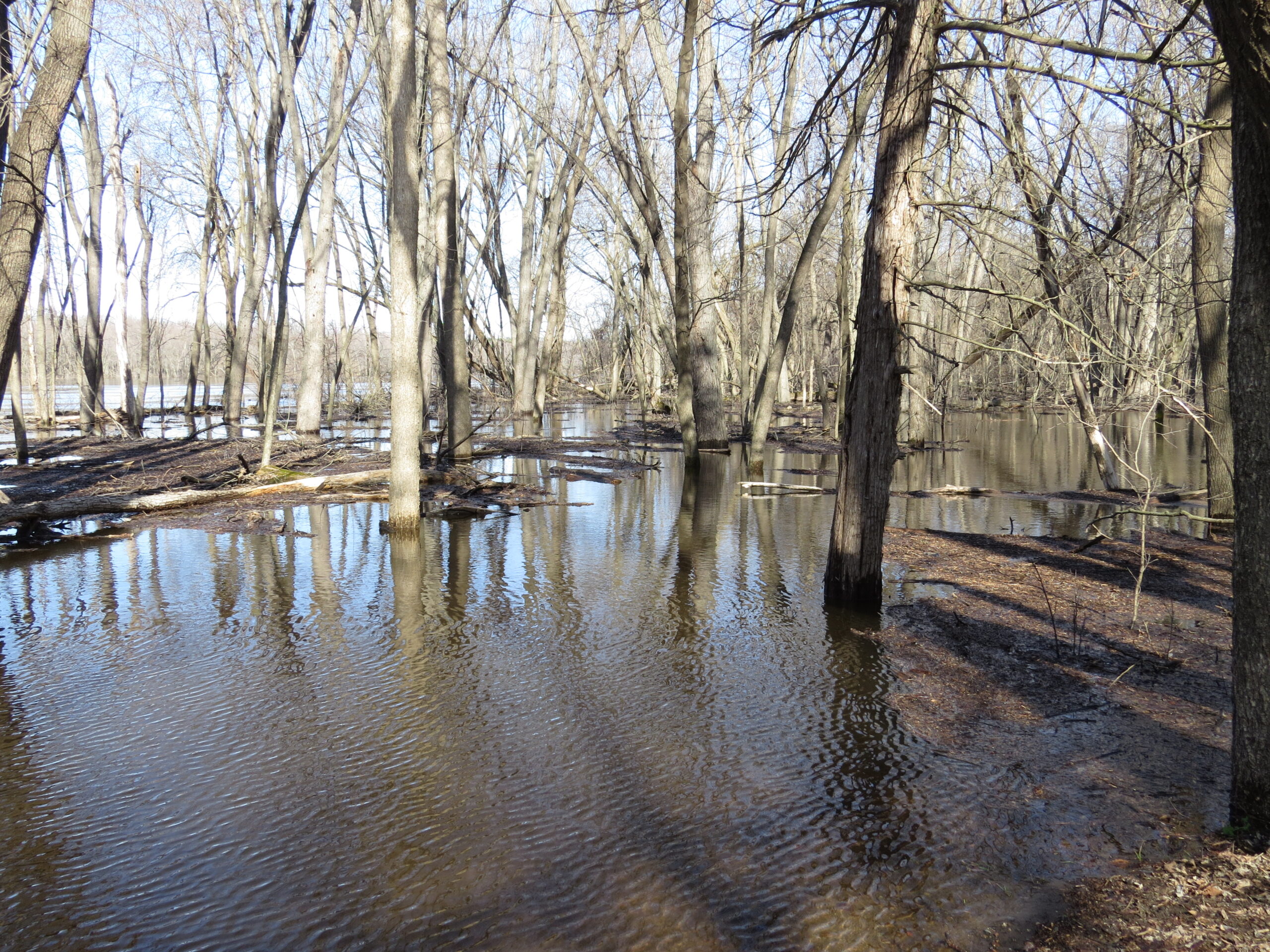
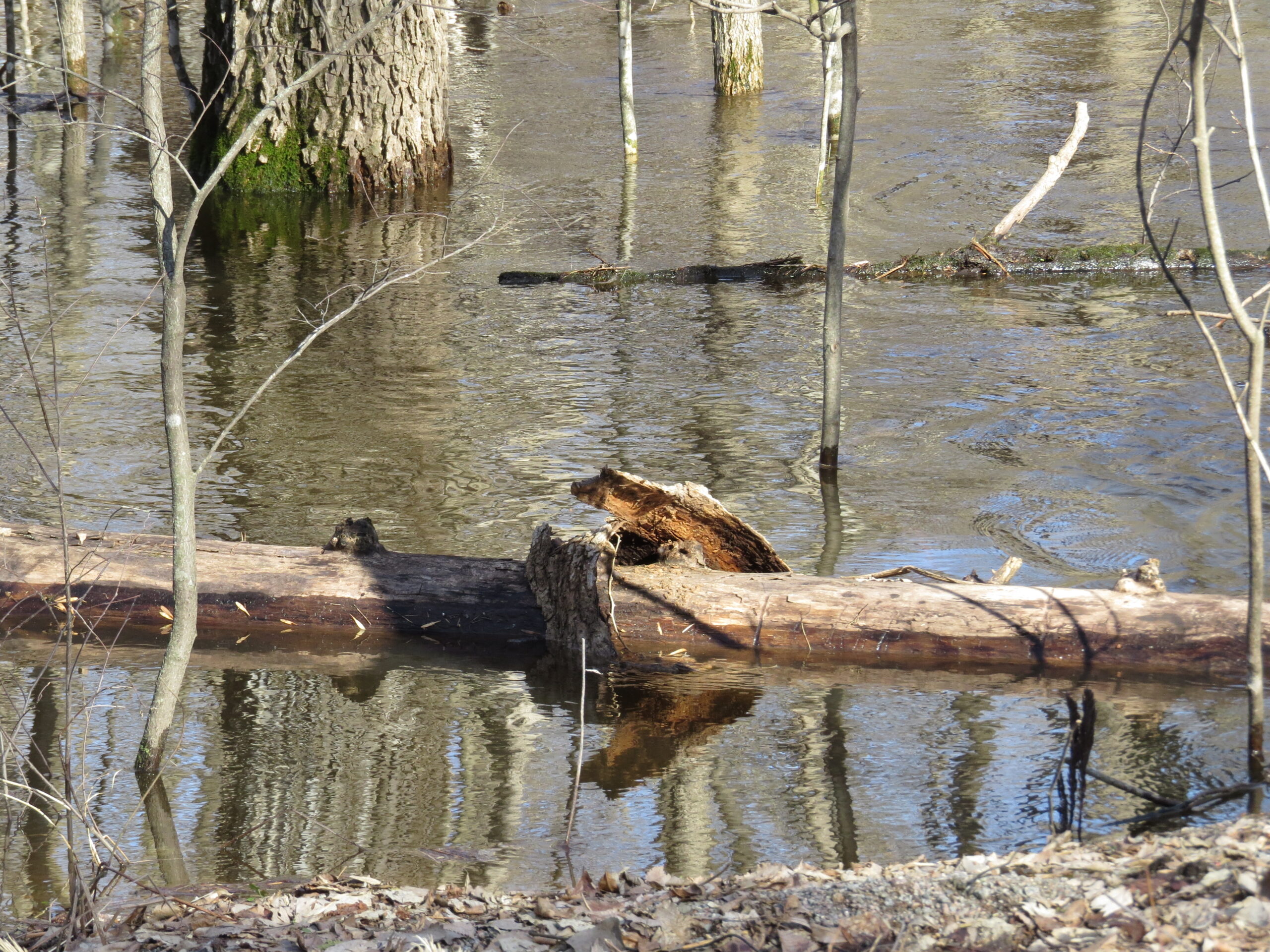
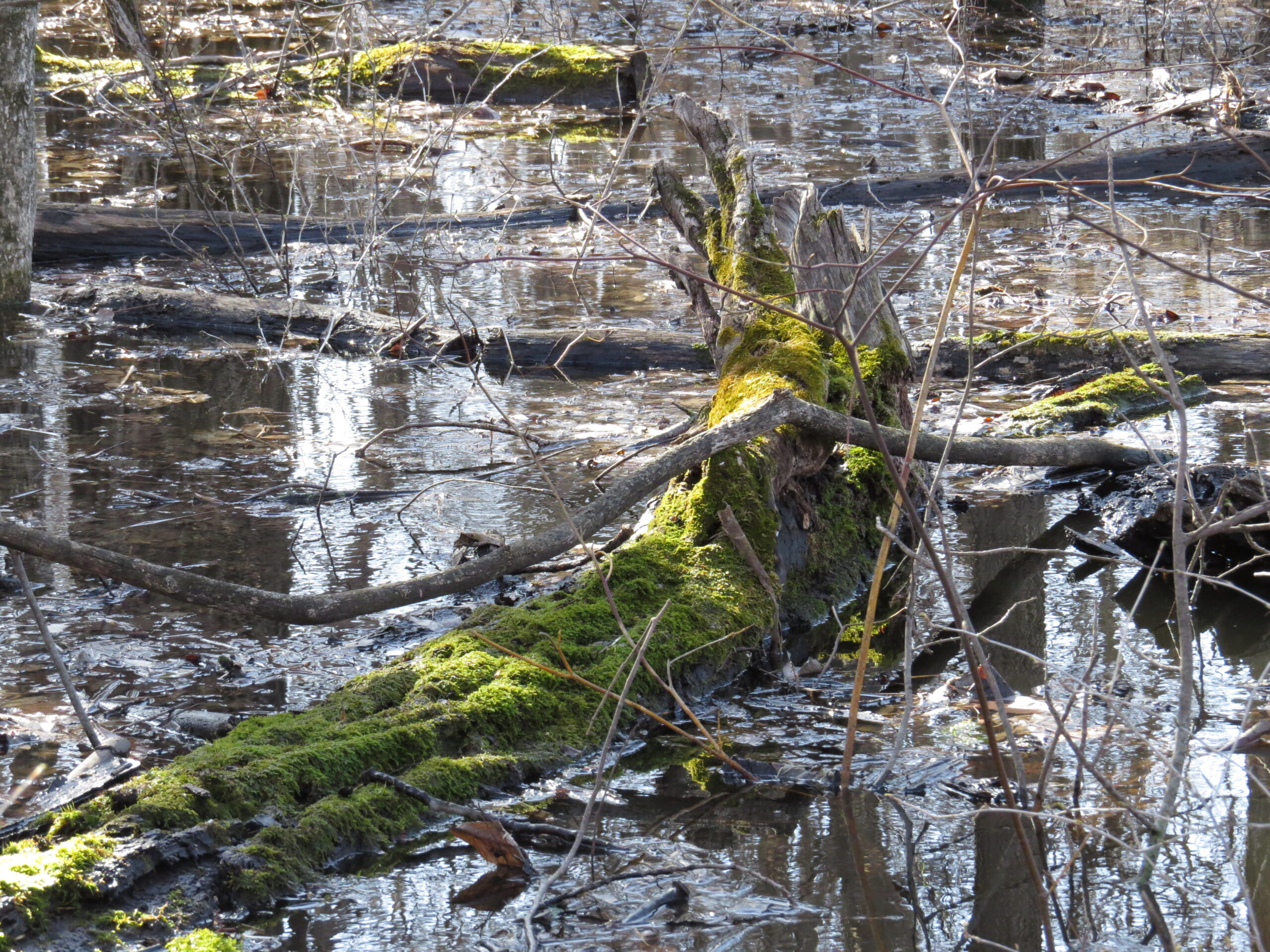
We walked back up the hill, along the bluff ridge, to the blocked-off road that goes to the boat launch. The road had been built up enough to be dry, though there was evidence the water had surged over it sometime before we were there. The woods seemed unrecognizable in the swamp of water. A twisty tree looked like a sea serpent rising from the swale.
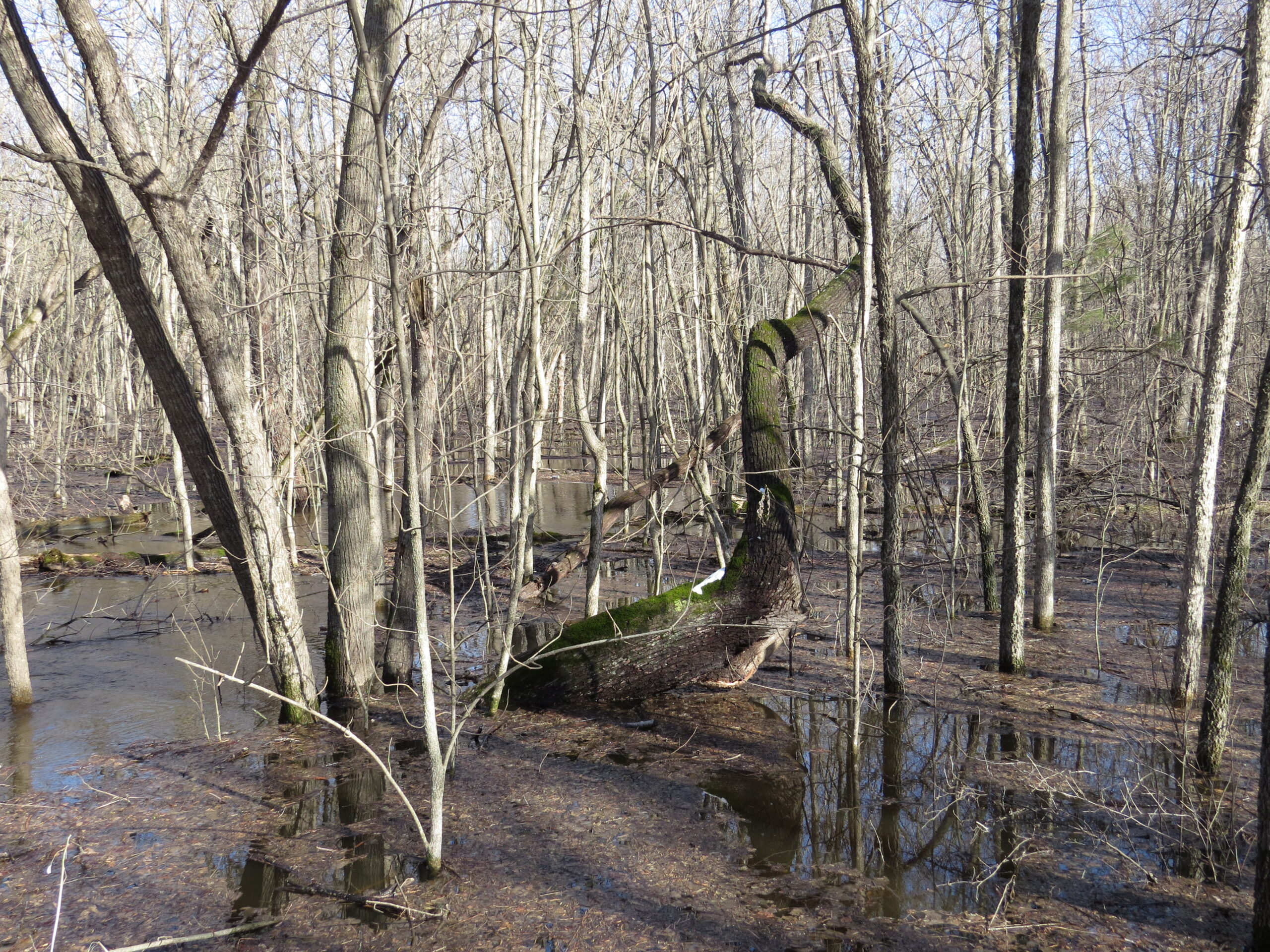
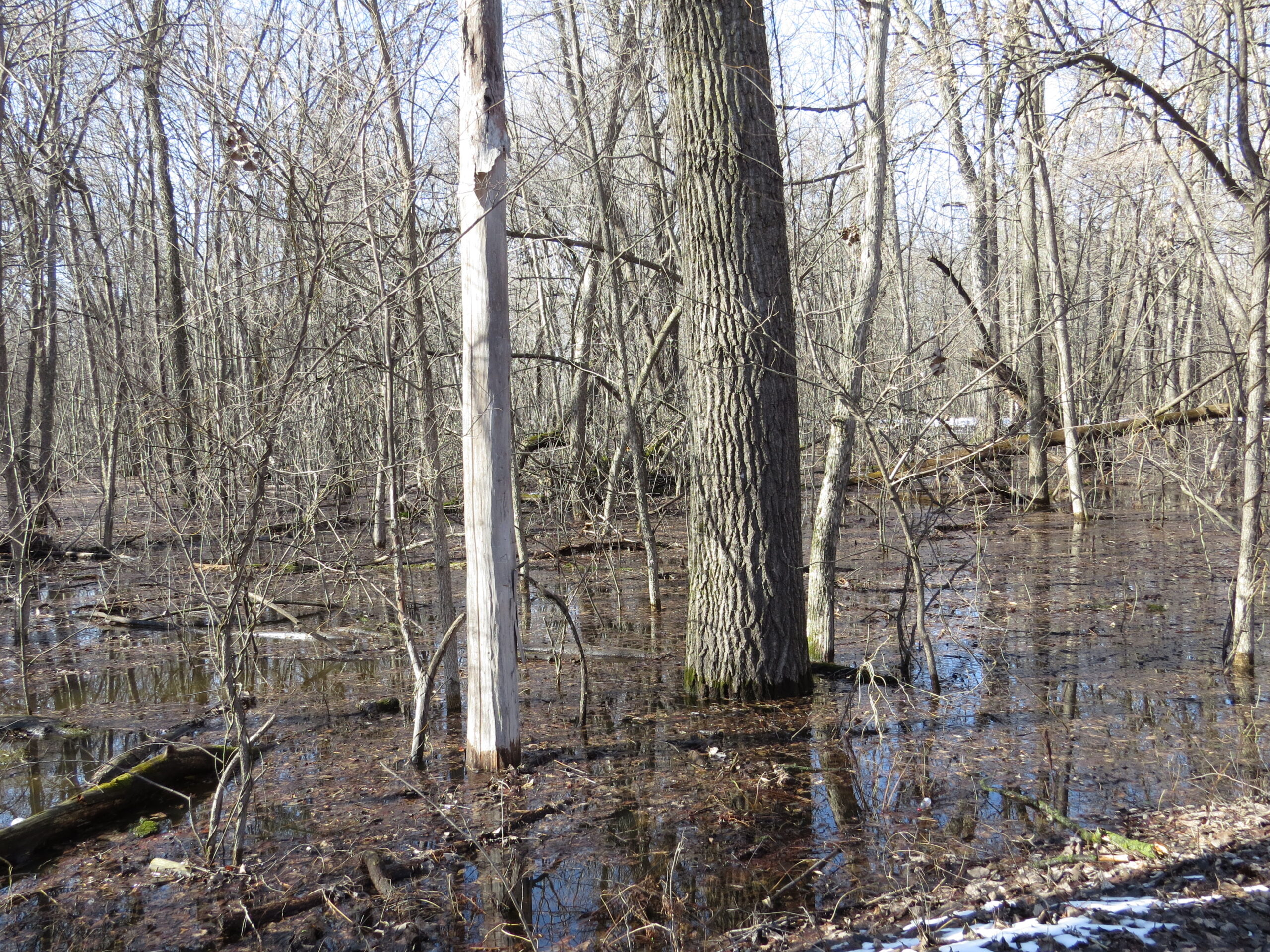
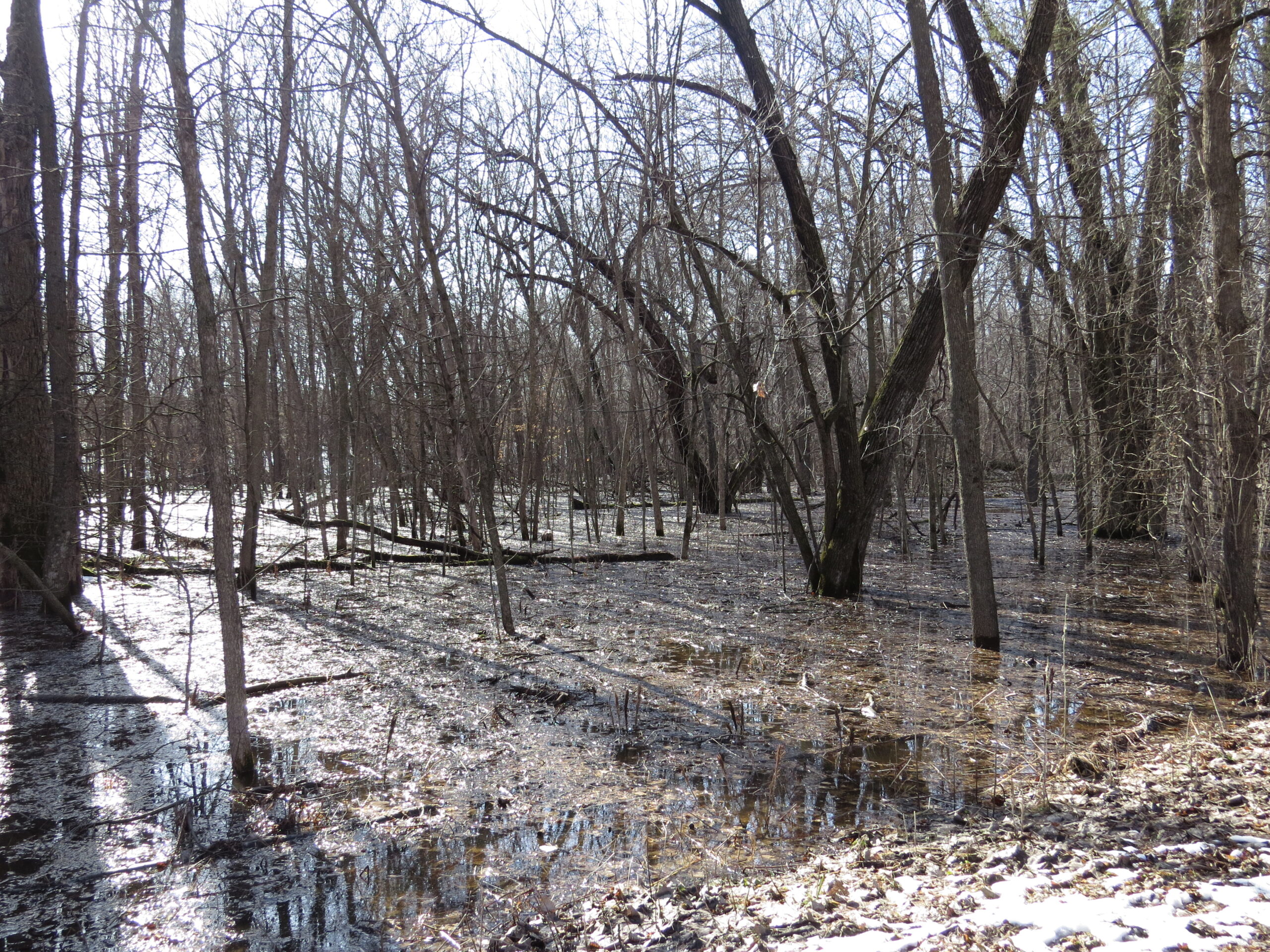
The leaf litter and debris that floated to the top of the floodwater shone in the evening sun and looked like snow that still clung to the higher ground.
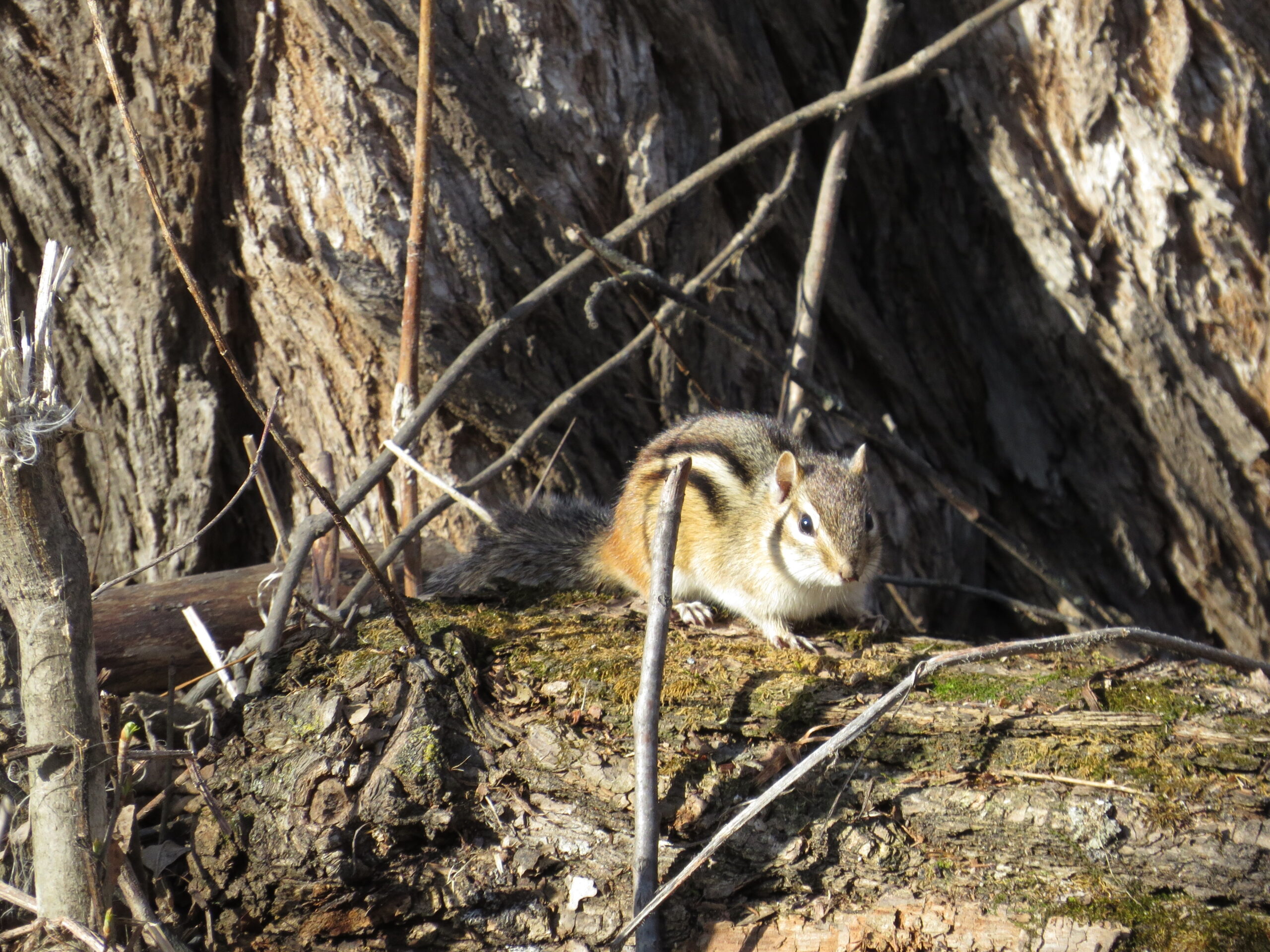
A little chipmunk scurried around the base of a big Cottonwood tree. He seemed to be more worried about staying on high ground than about us walking by him. I wondered how many little critters had been displaced with the flood waters.
On either side of the road was water—debris-shining, reflecting, still, rippling, engulfing, submerging.
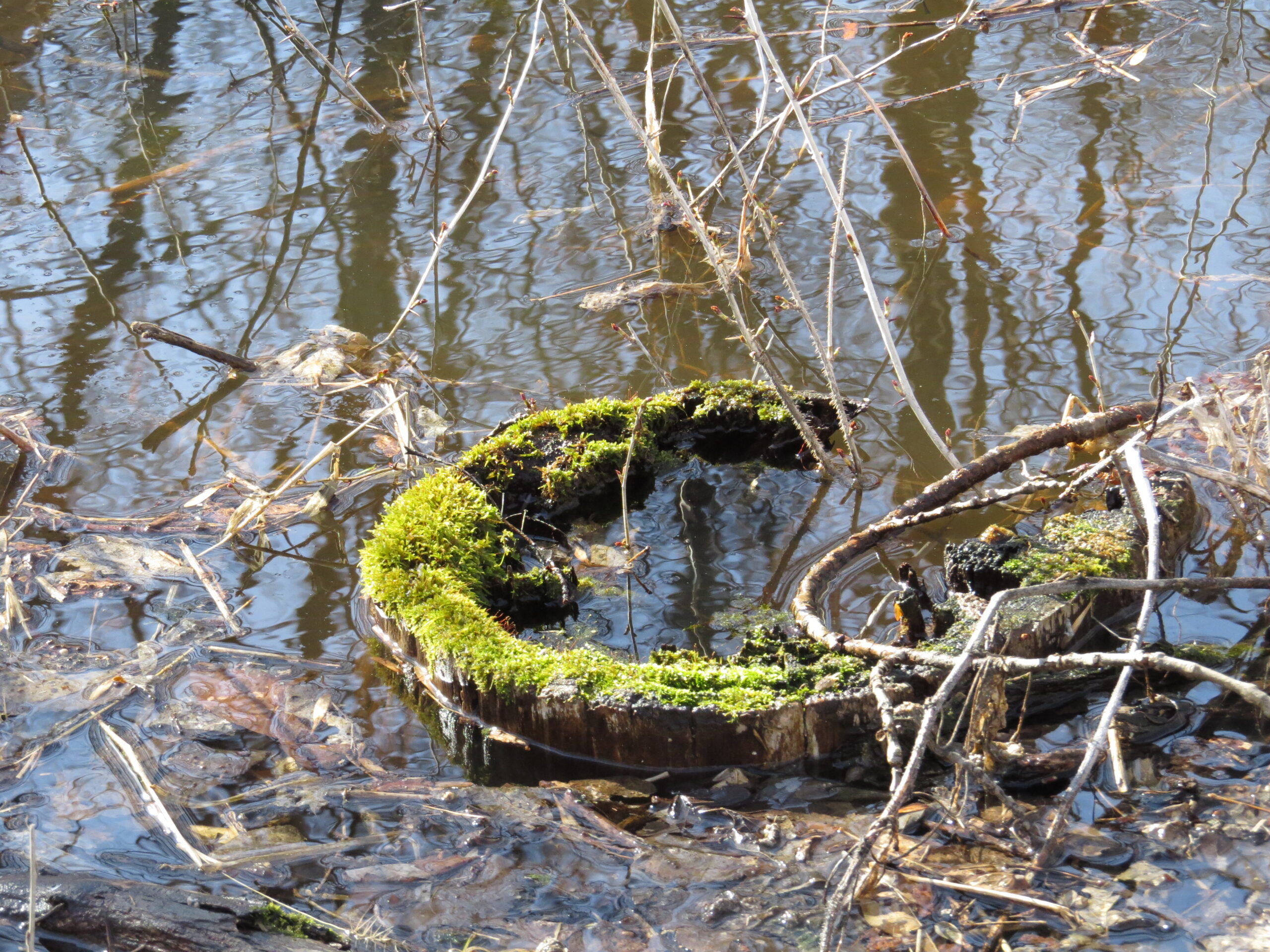
A green-moss-log-gator loomed from the swamp water.
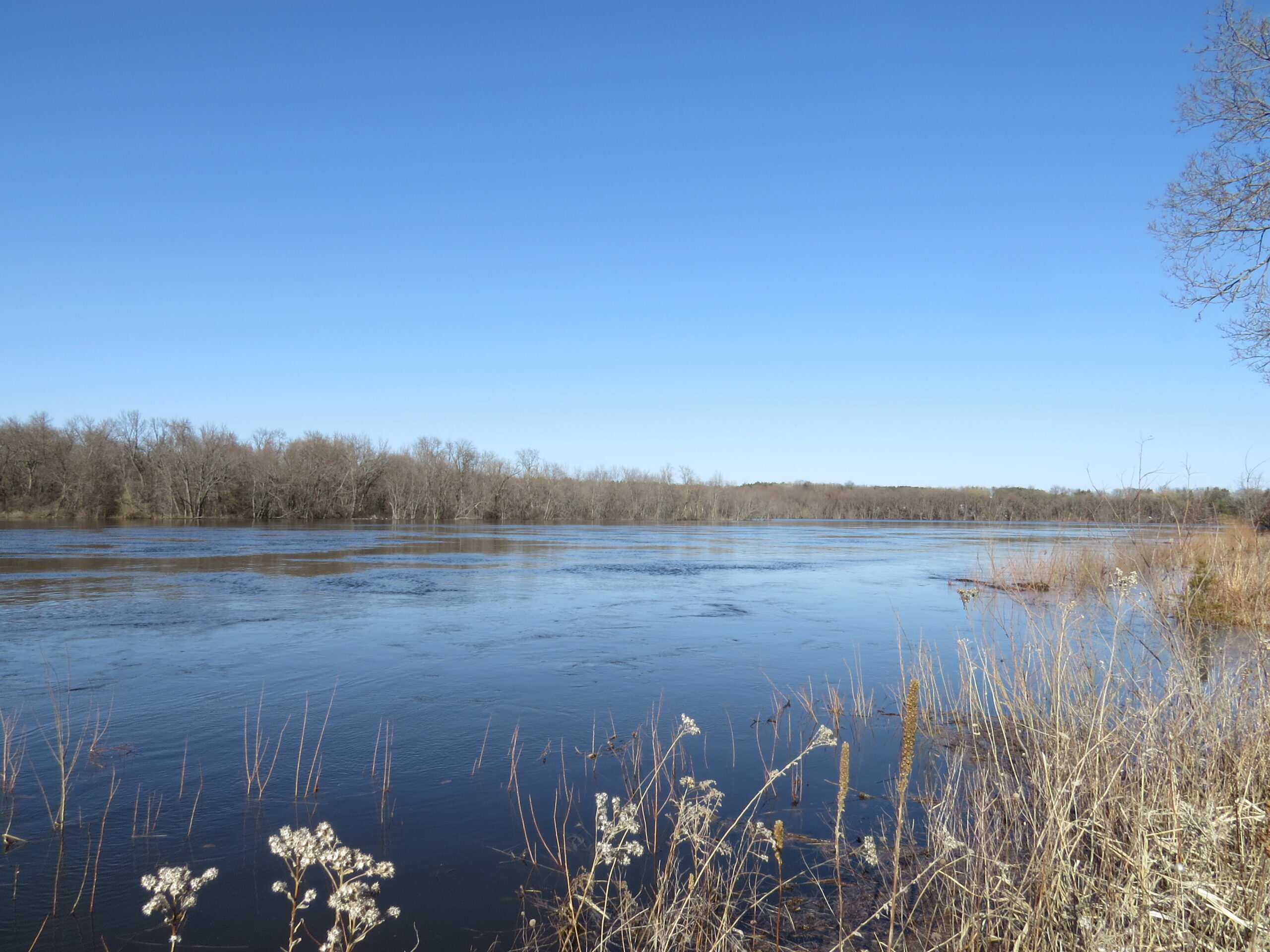
The boat launch was filled to the parking lot, the usual ‘banks’ covered, the new banks only defined by how high the ground was at any given spot. The River was making and taking its own boundaries.
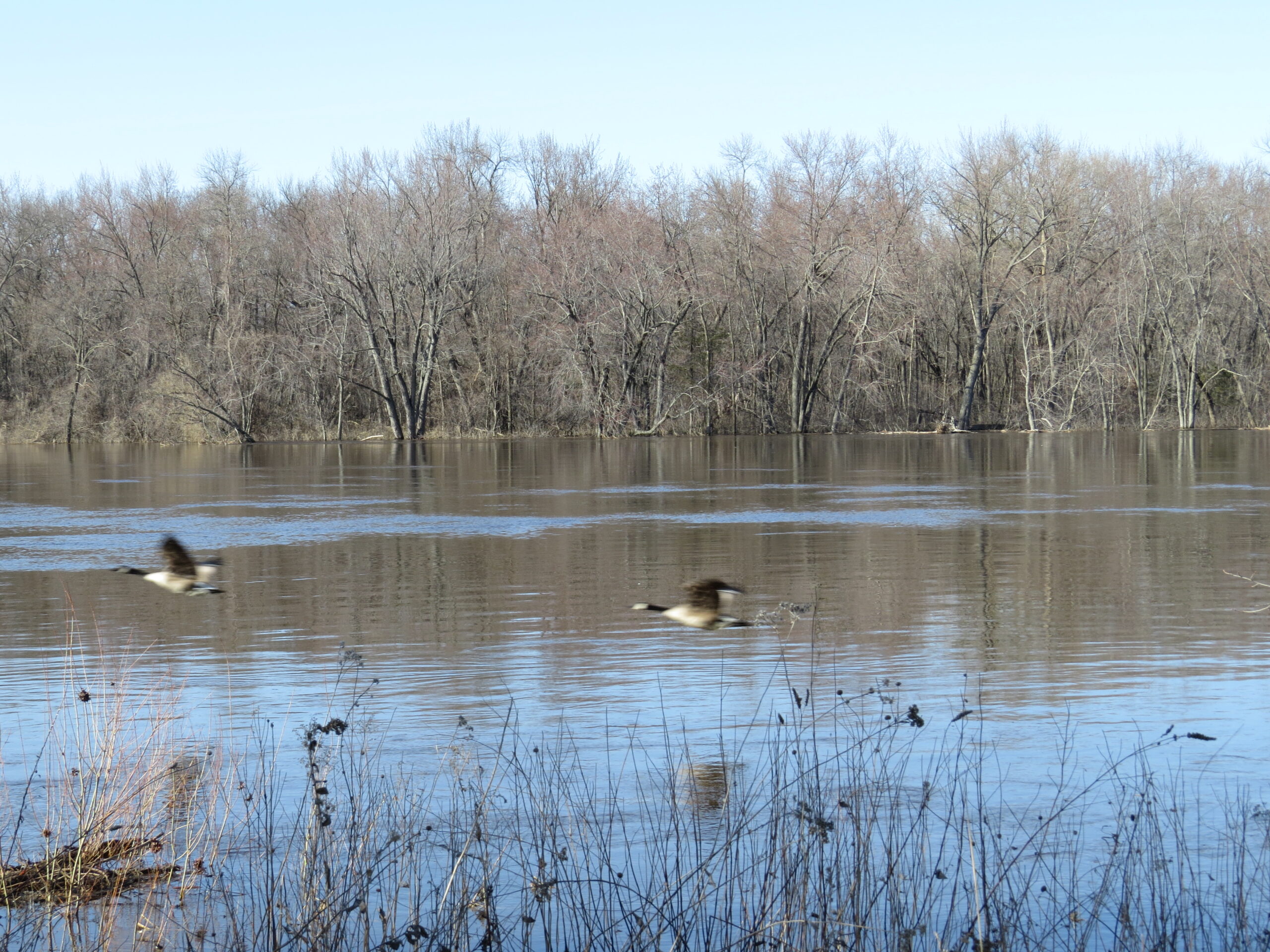
We heard the chatter of geese across the River. Some strong, brave souls were swimming upstream against the current. One pair flew upriver close to the water. Perhaps this is their ‘spring training.’ But then as we walked on, we noticed some geese rapidly flowing downstream with the swift current, like the ultimate waterpark slide! Was it the same ones who had just navigated against the current? They ‘let go’ of their striving and rode the rapids, turning and twirling like a kid on a saucer sled barreling down a steep, snowy hill. Do you suppose they do this for fun?
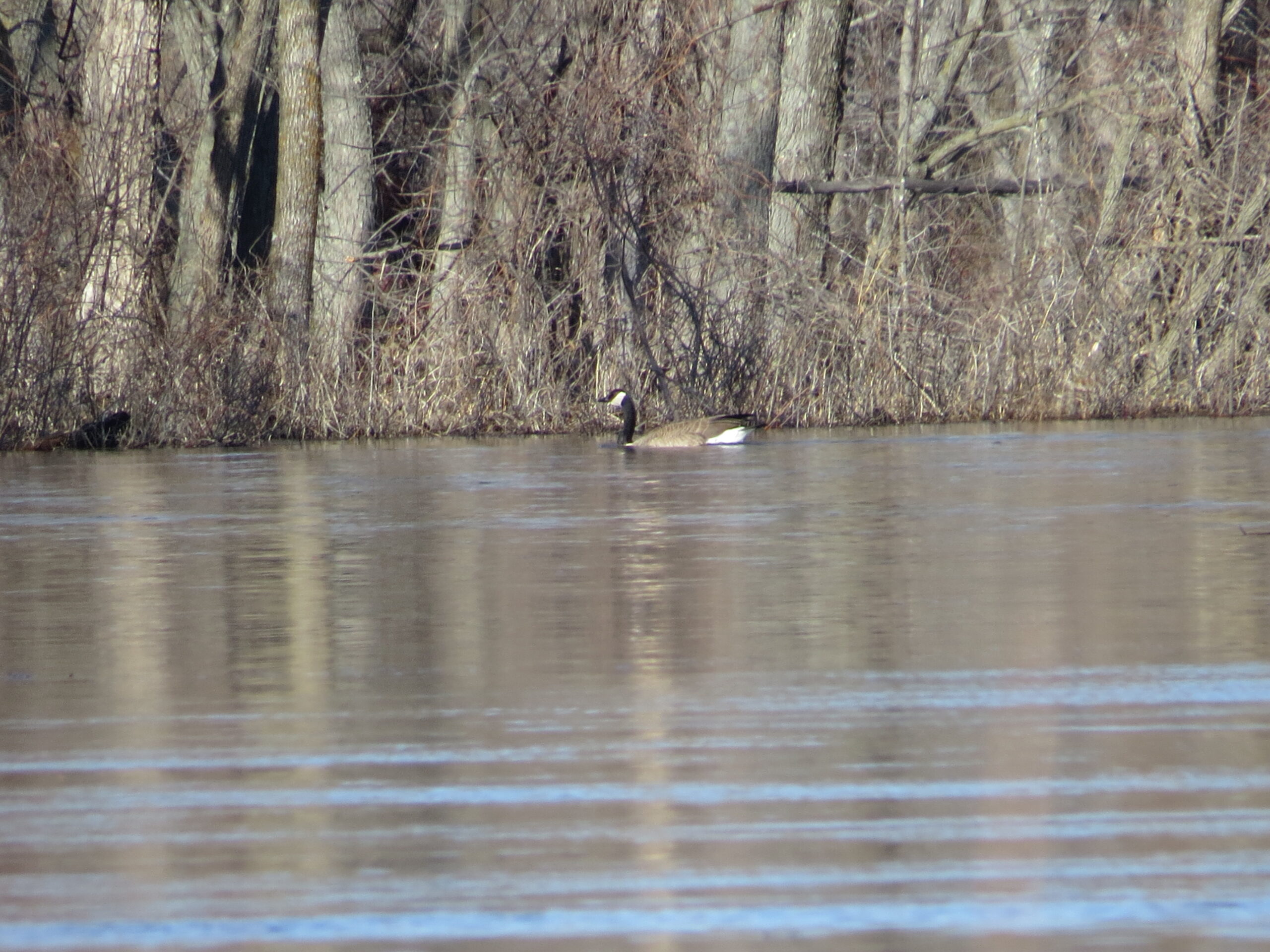
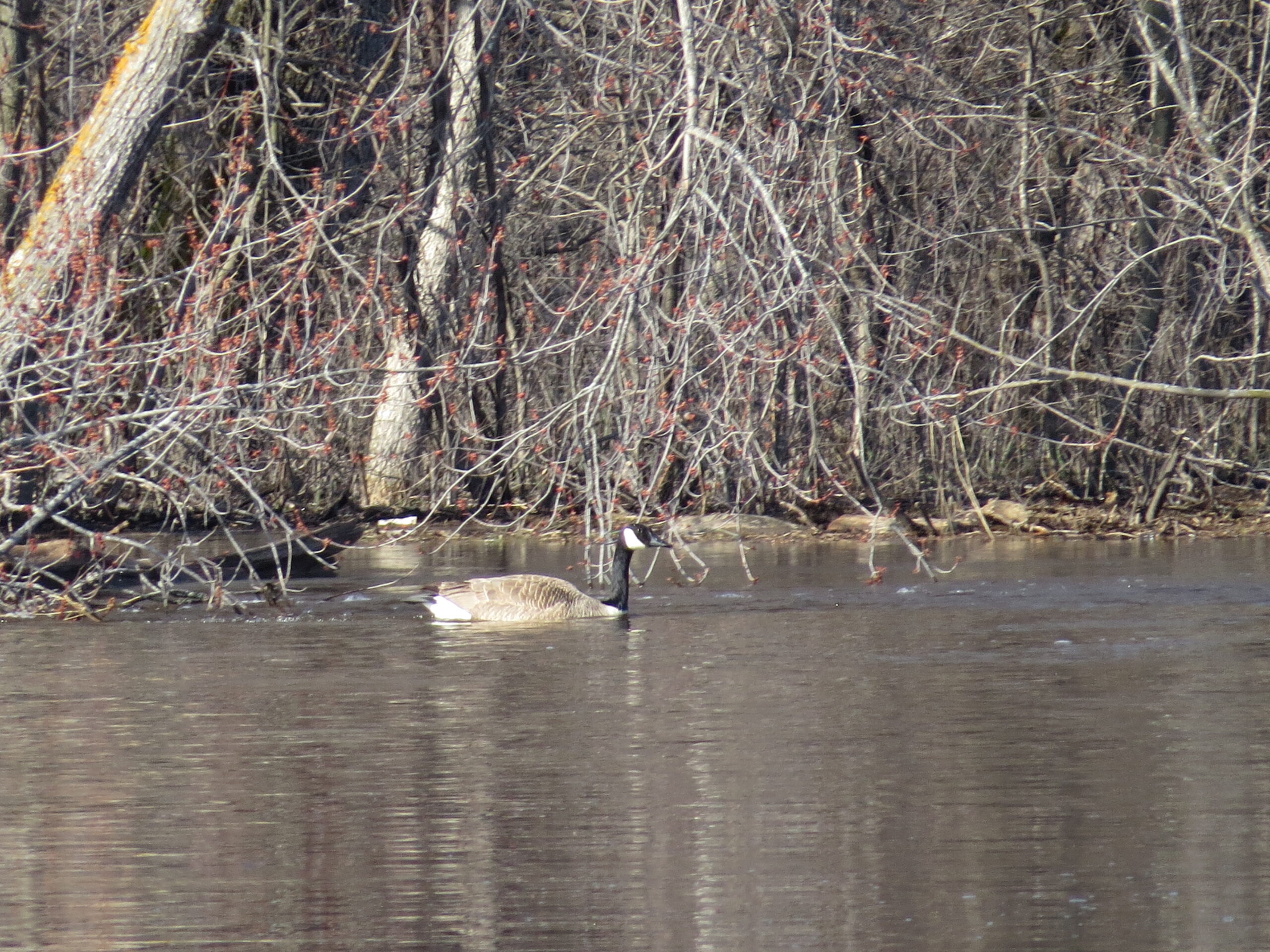
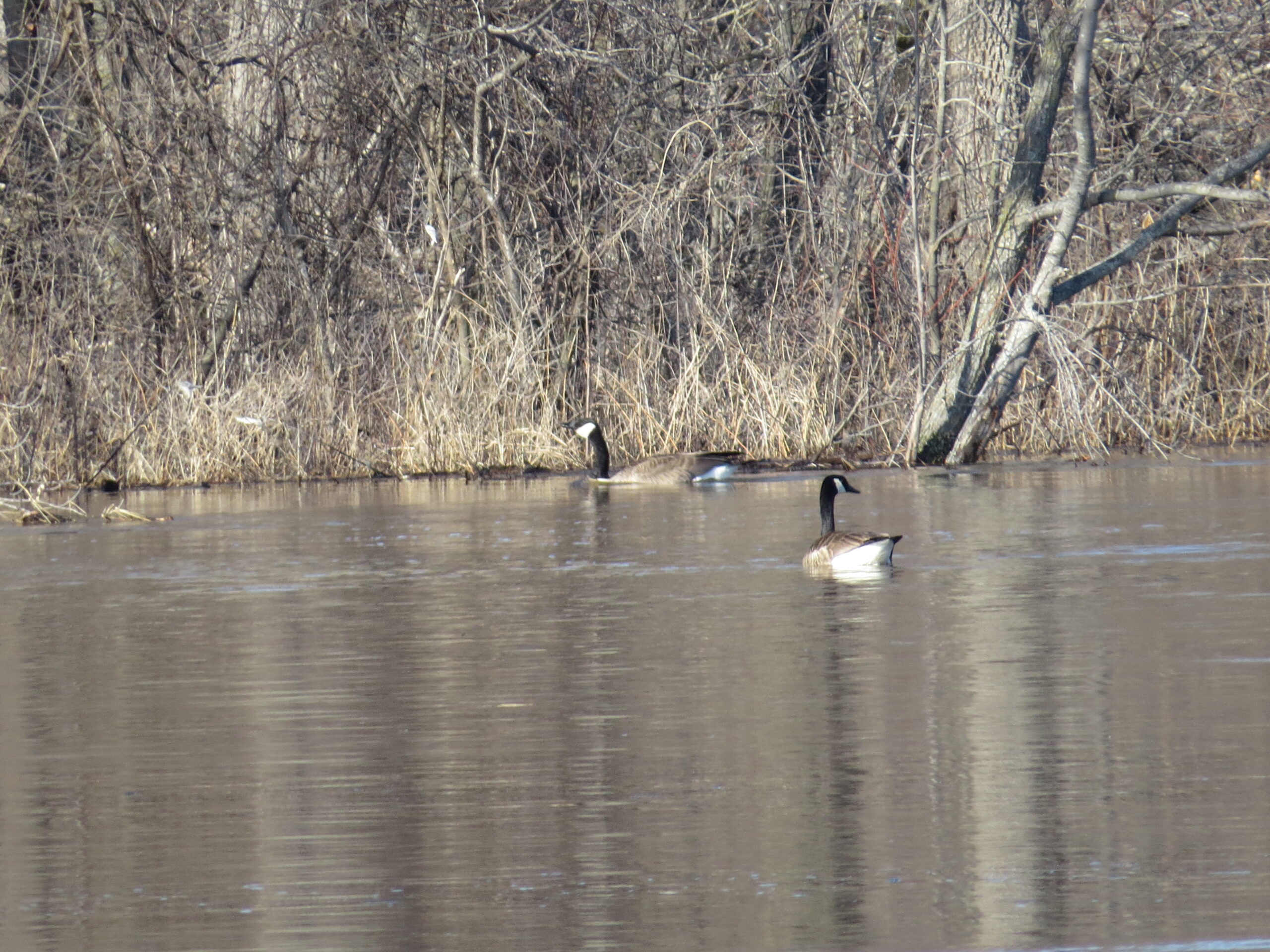
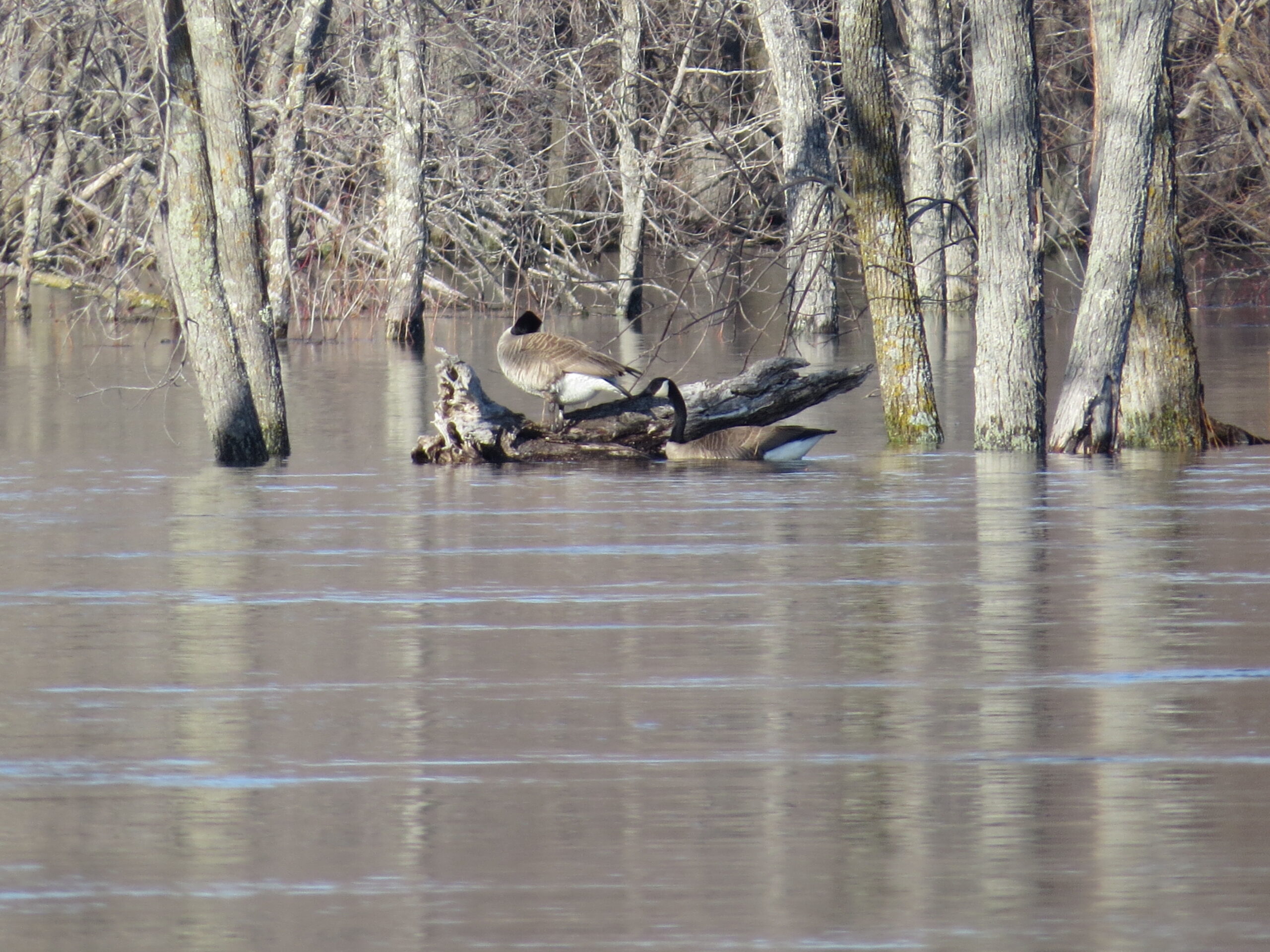
One pair rested on a log that had become driftwood in the flood waters.
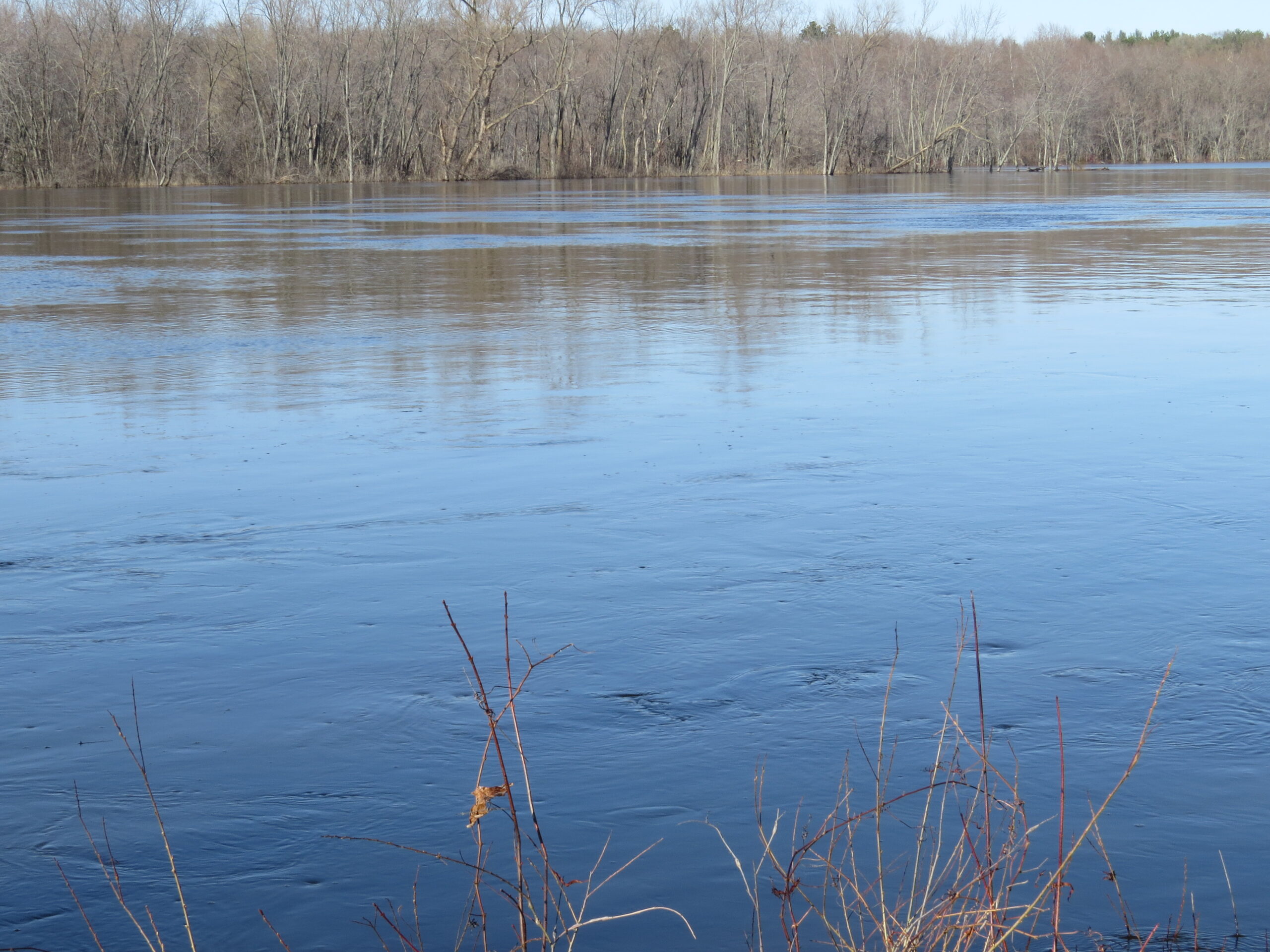
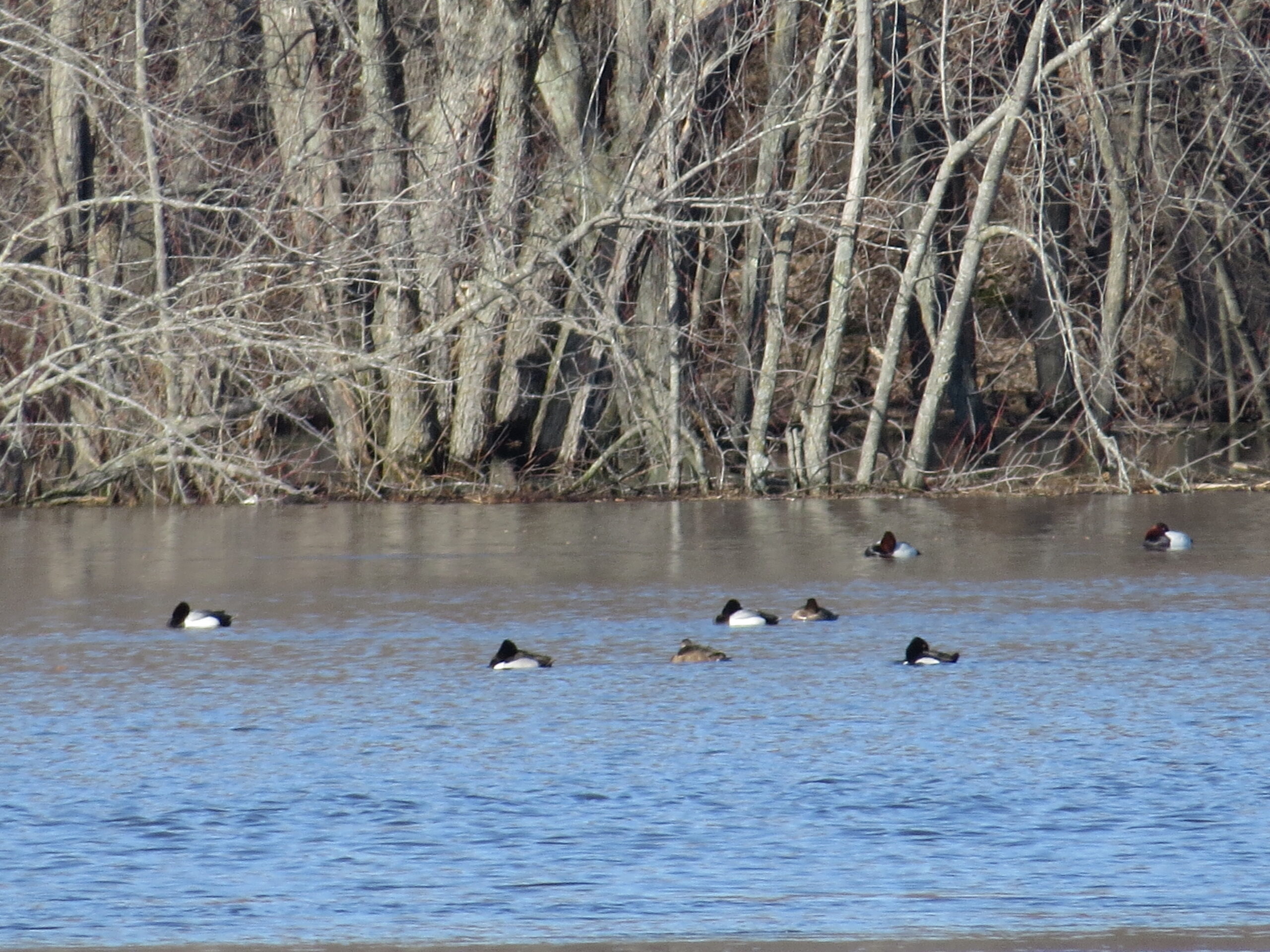
We were able to walk a short distance along the river trail until the water once again overtook the lower land. A raft of ducks bobbed about on a quieter part of the River.
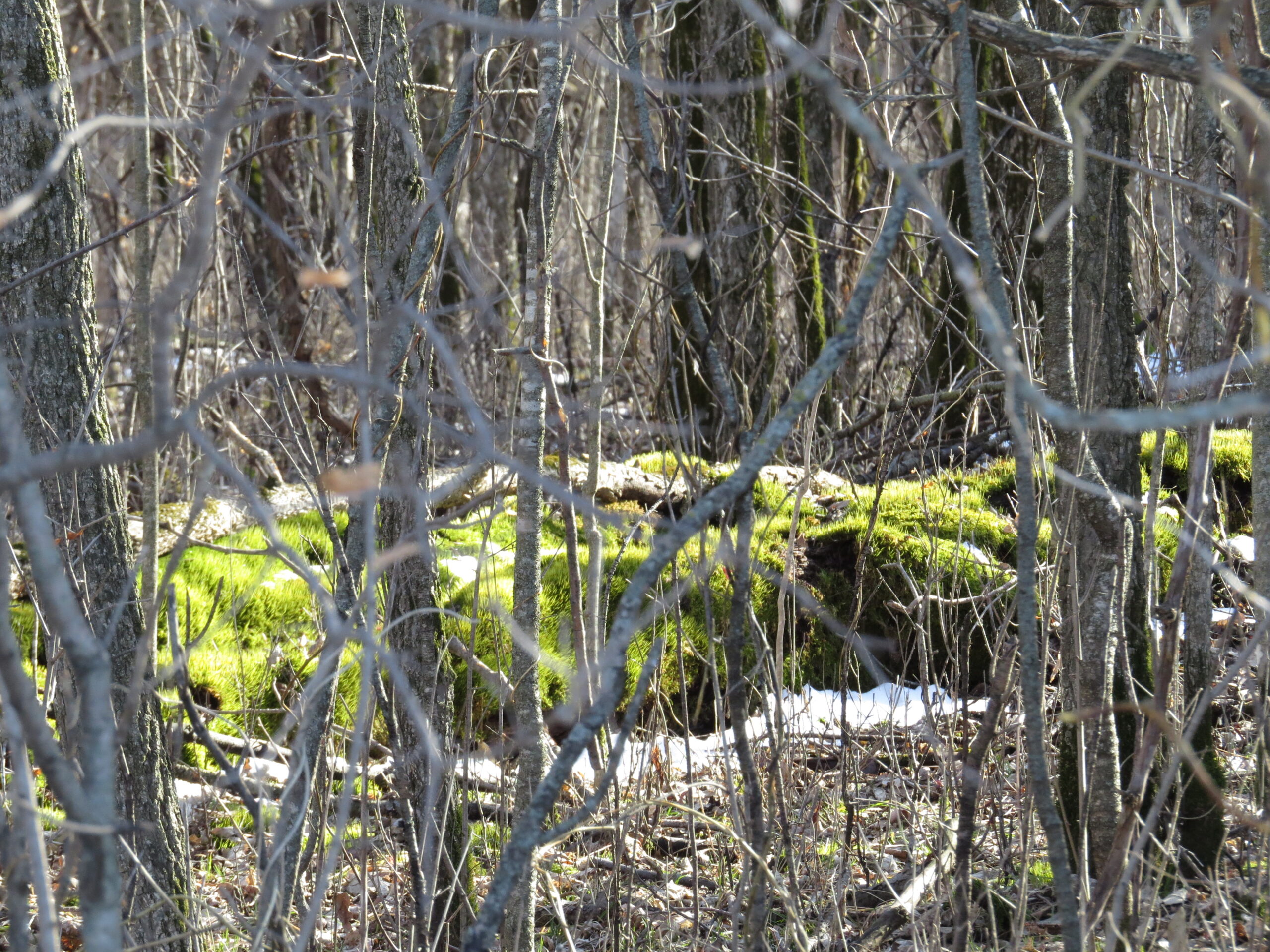
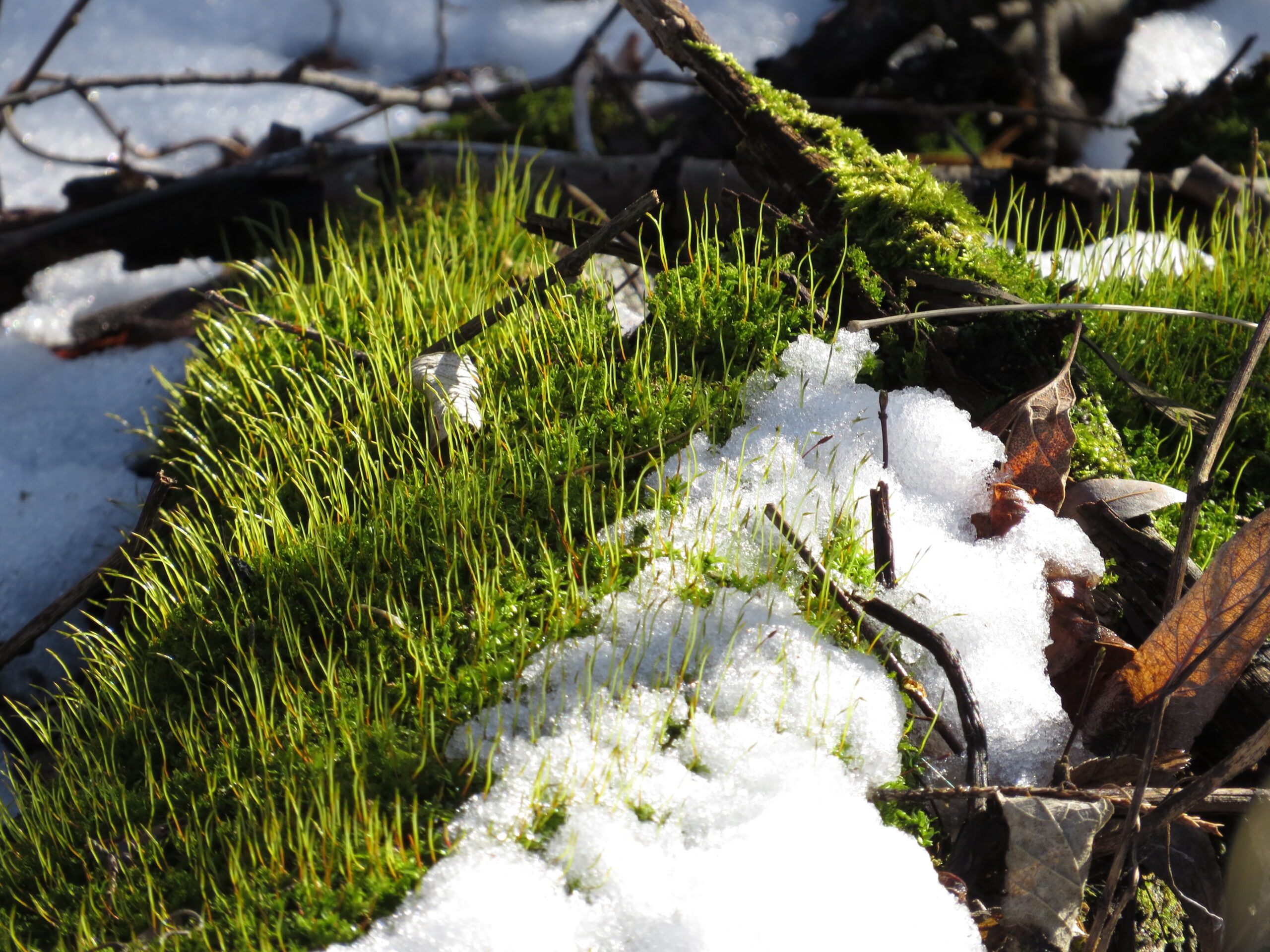
We headed for higher ground to finish our hike. Bright green moss glowed in the sunlight, brightening the still-gray woods. And despite the snow, it was sending up bloom stalks, shaking off the dormancy of Winter.
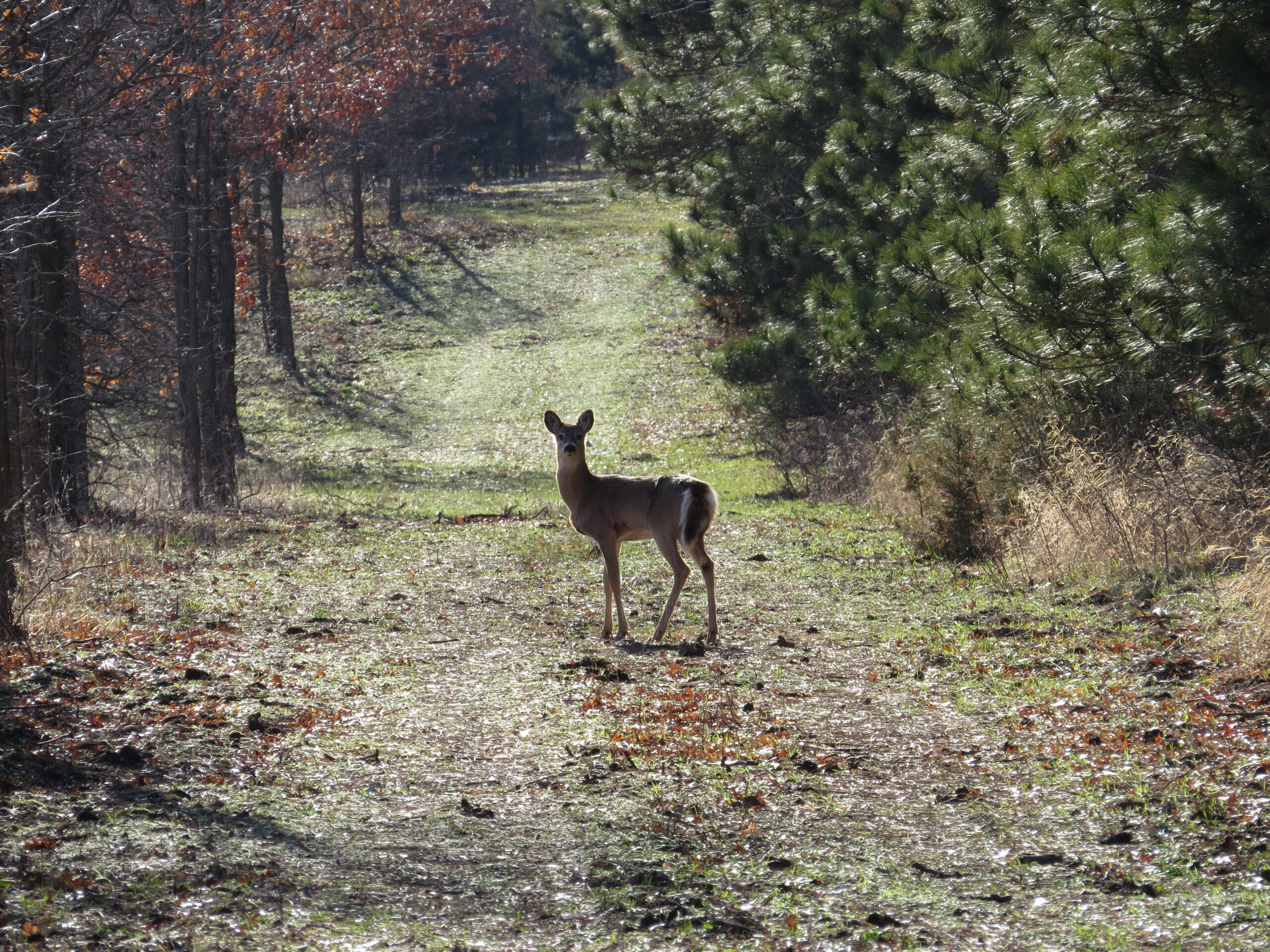
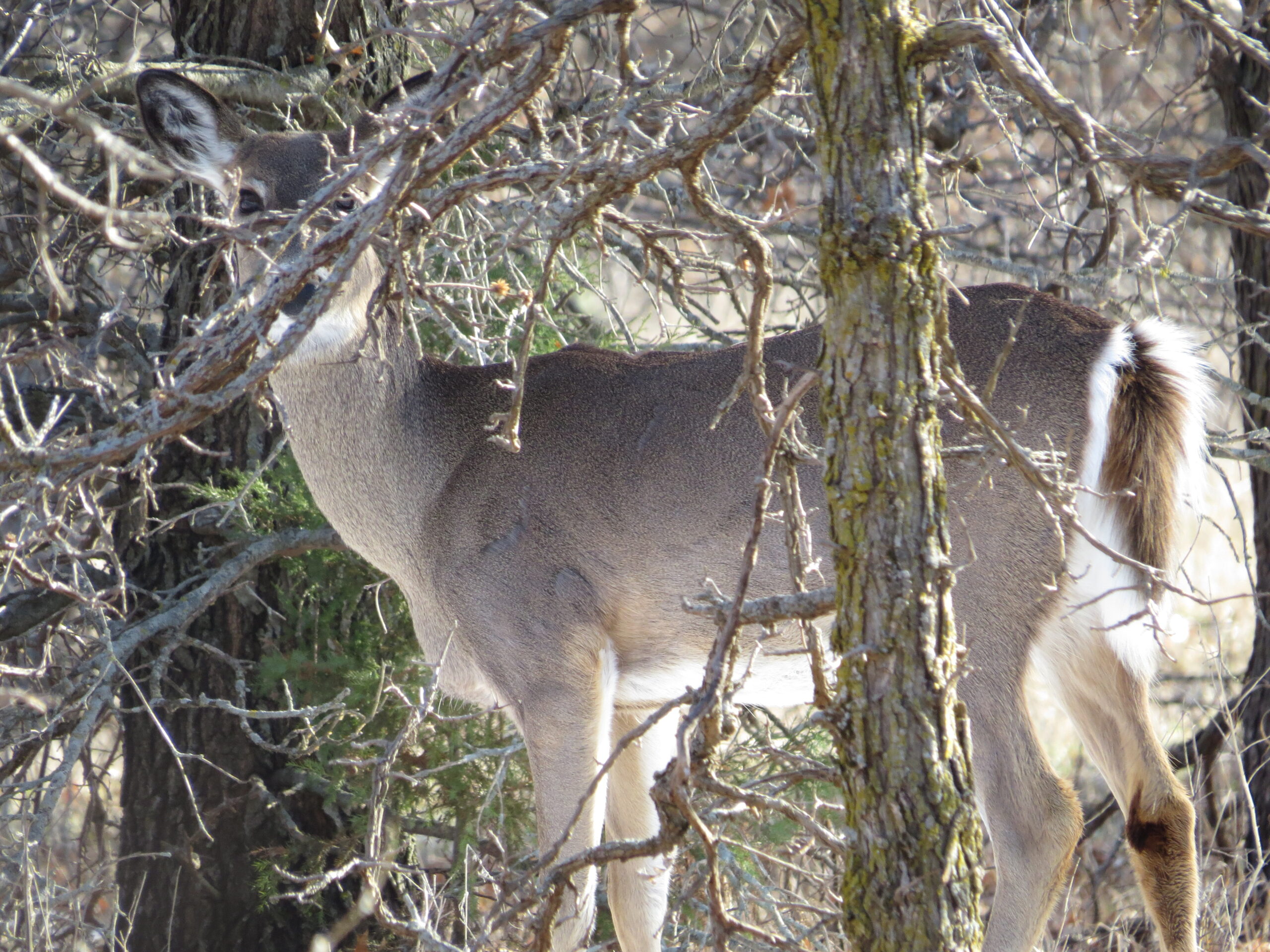
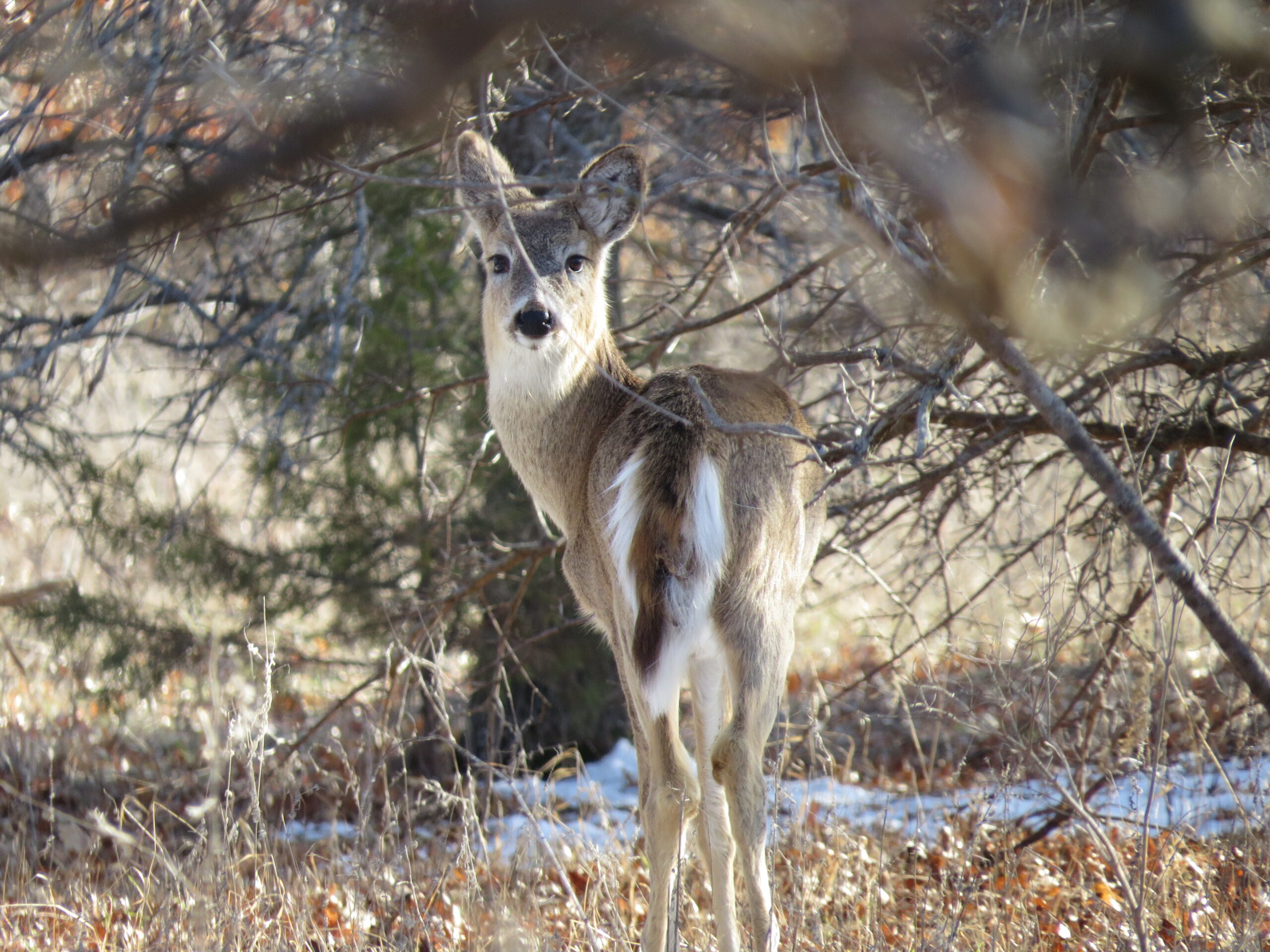
We rounded a corner beyond a row of tall Pines. The sun was bright in our eyes. Without sunglasses, I squinted to see what Chris noticed—in the glowing sunlight stood a young deer looking at us. I always marvel at these creature to creature encounters when curiosity of one another binds us together for a moment in time!
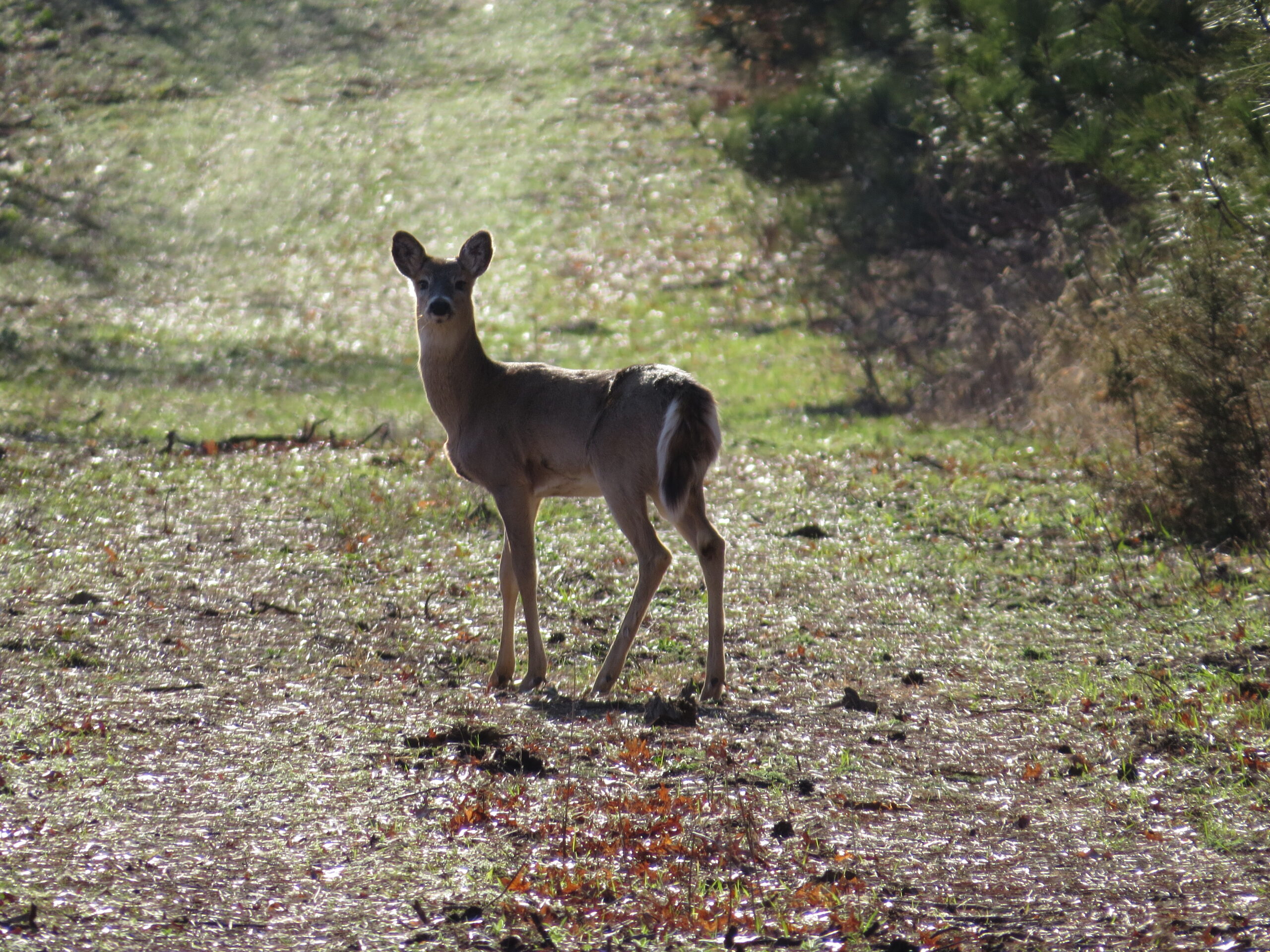
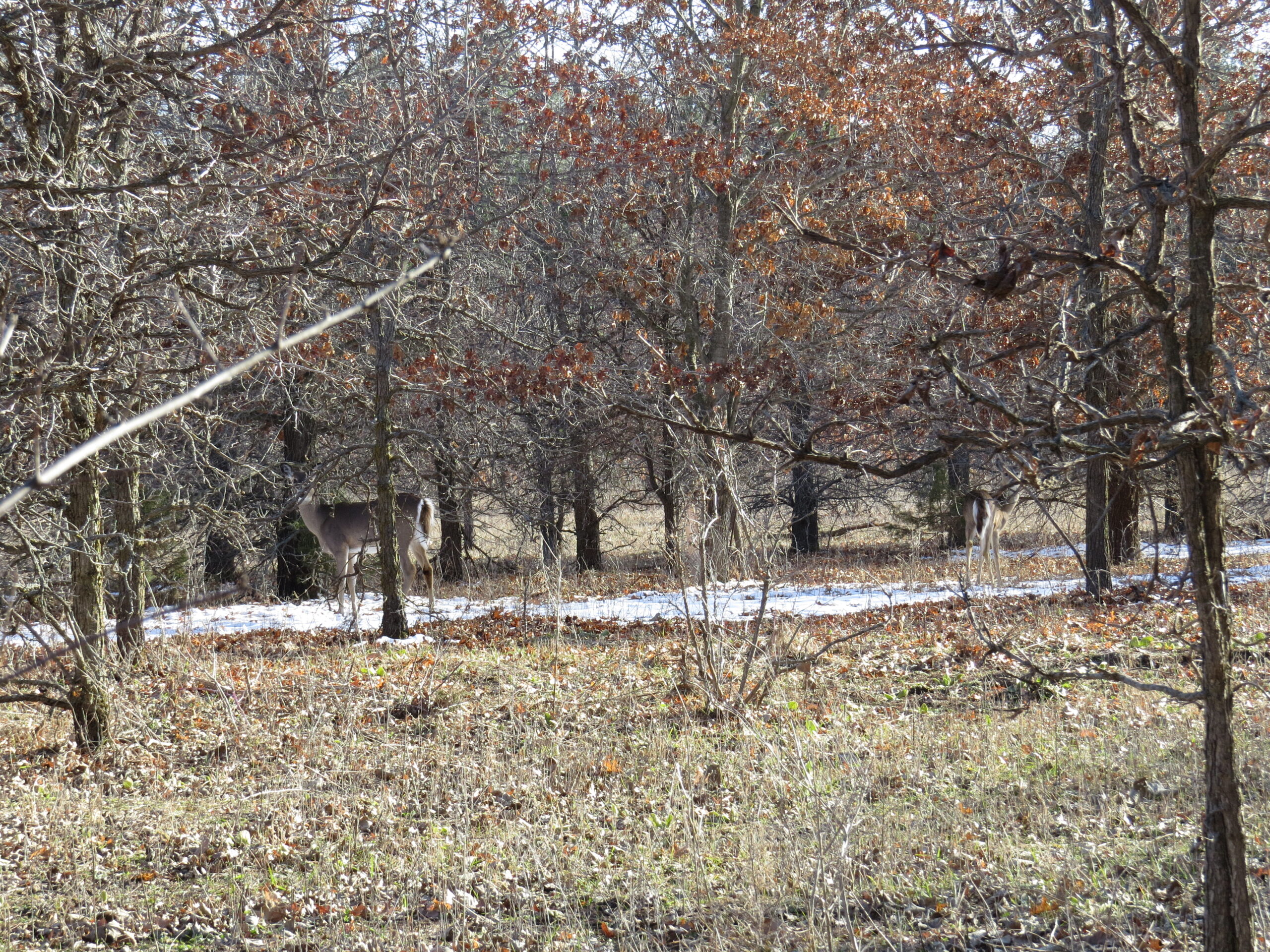
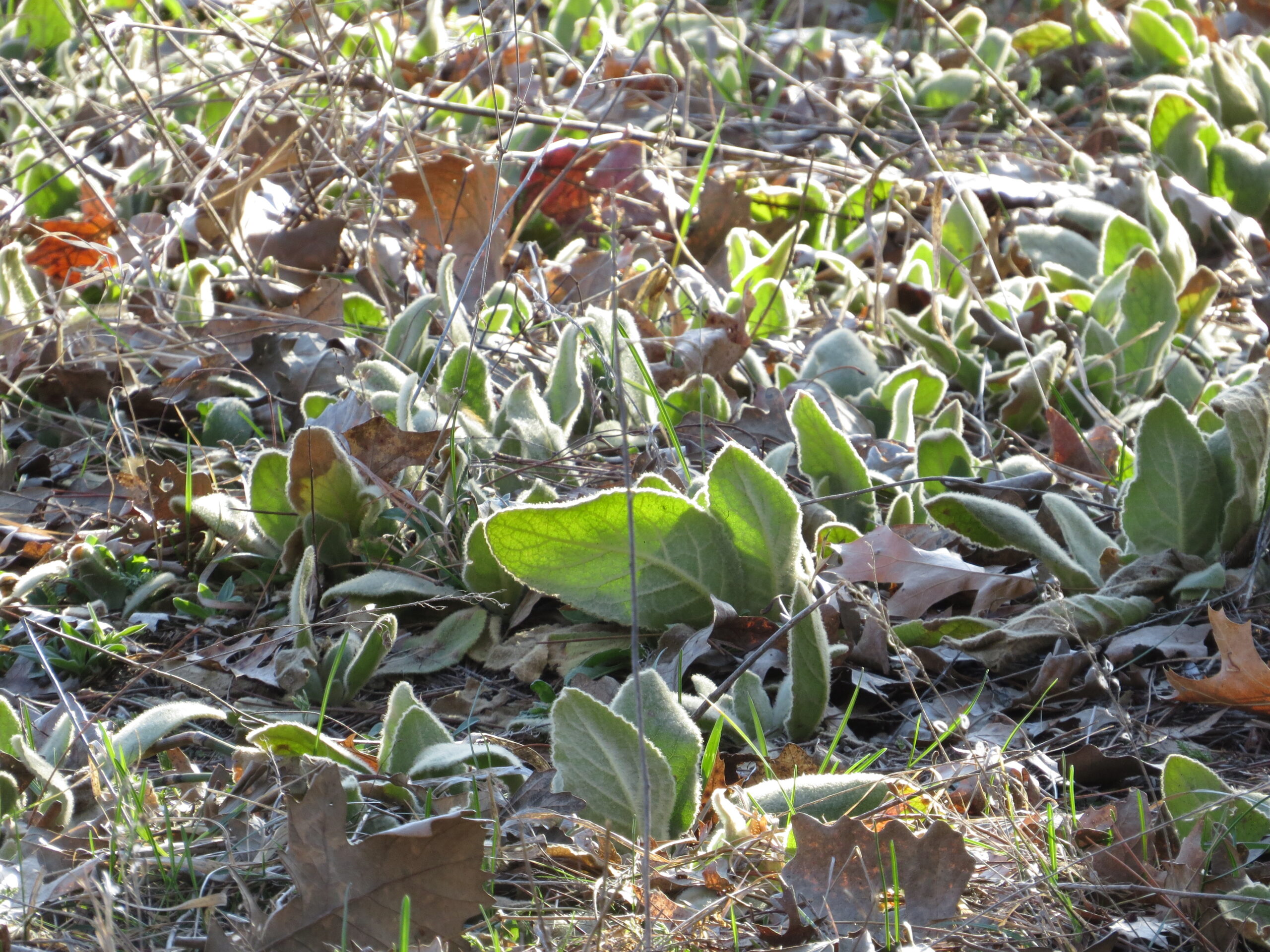
The Young One wandered away, not running, not raising her white tail in alarm. We saw her and another larger deer nibbling at things among the Oak trees. They watched us, and we watched them, all of us happy for the melting snow, the unveiling of the fuzzy, green Mullein and shoots of green grass, and for the imminent promise of Spring.
Mississippi River County Park is a stellar example of a ‘good flood.’ Most often when we hear the word ‘flooding,’ it is a crisis of washed out roads and damaged homes. Melting snow and Spring rains bring about an increase in the volume of water flowing down a river—and it needs someplace to go. Lowland around a river—the flood plain—has been the natural place to safely contain excess water. It has adapted to being flooded in the Spring, and the plant life renews itself with nutrients dropped on the soil as the flood waters recede. As humans have drained and developed or farmed lowlands, there is less area to safely contain the excess water. More of it runs off to places that cause damage. The lowland at the park is doing exactly what it’s supposed to do—it’s a good flood!
The same can be said of our flood of emotions. They are our release valves in the messy business of being human. We have adapted to be emotional beings—it keeps us connected to one another, provides us with information about ourselves and others, and helps to keep us safe. When we notice and express our feelings in a healthy way, it helps to avert a crisis that causes heartache and damage. So we just have to let the good floods happen, let the tears and water flow, witness the overwhelm and the adaptability, connect with curiosity, learn, and have fun!
Blessings and Crack-ups
I know a blessing when it presents itself to my life, and I can even spot a few that are in disguise. I know how to count them, accept them, savor them, and be grateful for them. I’ve had a few plaques hanging on my walls over the years proclaiming the goodness of blessings and offering that sentiment to anyone who sees it. I am equally familiar with the crack-ups, the break-downs, the pile-ups, and the mishaps. No Thanksgiving or any other day, for that matter, has one without the other.
Last Sunday’s hike at Mississippi River County Park was chilly and windy. The temps had dropped into the teens the previous few nights, and ice had formed on the River in record time. (We had hiked at the park across the River two days before, and the River was open.) A layer of snow had fallen after the ice formed, and then the wind blew! The wind and current sent the River ice into a crack-up! There is a dam a couple of miles down river from the park where the water becomes still and full. When the water slows down, the ice forms more smoothly. At this stretch, the north winds stirred up the current and the chaos, breaking up the ice that formed overnight. The River was a mash-up of smooth ice, piles of chards, open, flowing water, ice floes, and ‘warm’ spots that had melted and re-froze. Does any of that feel familiar?
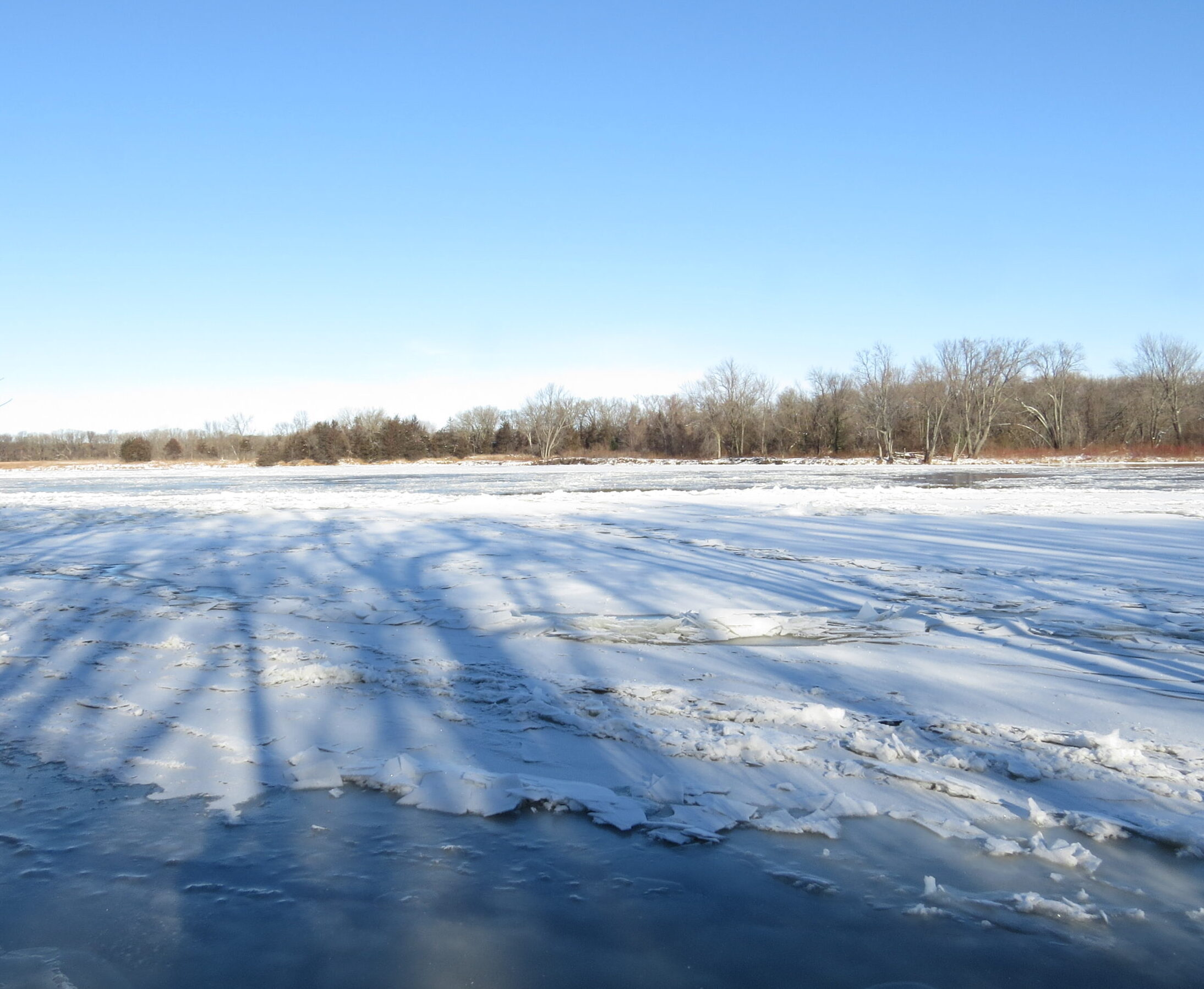
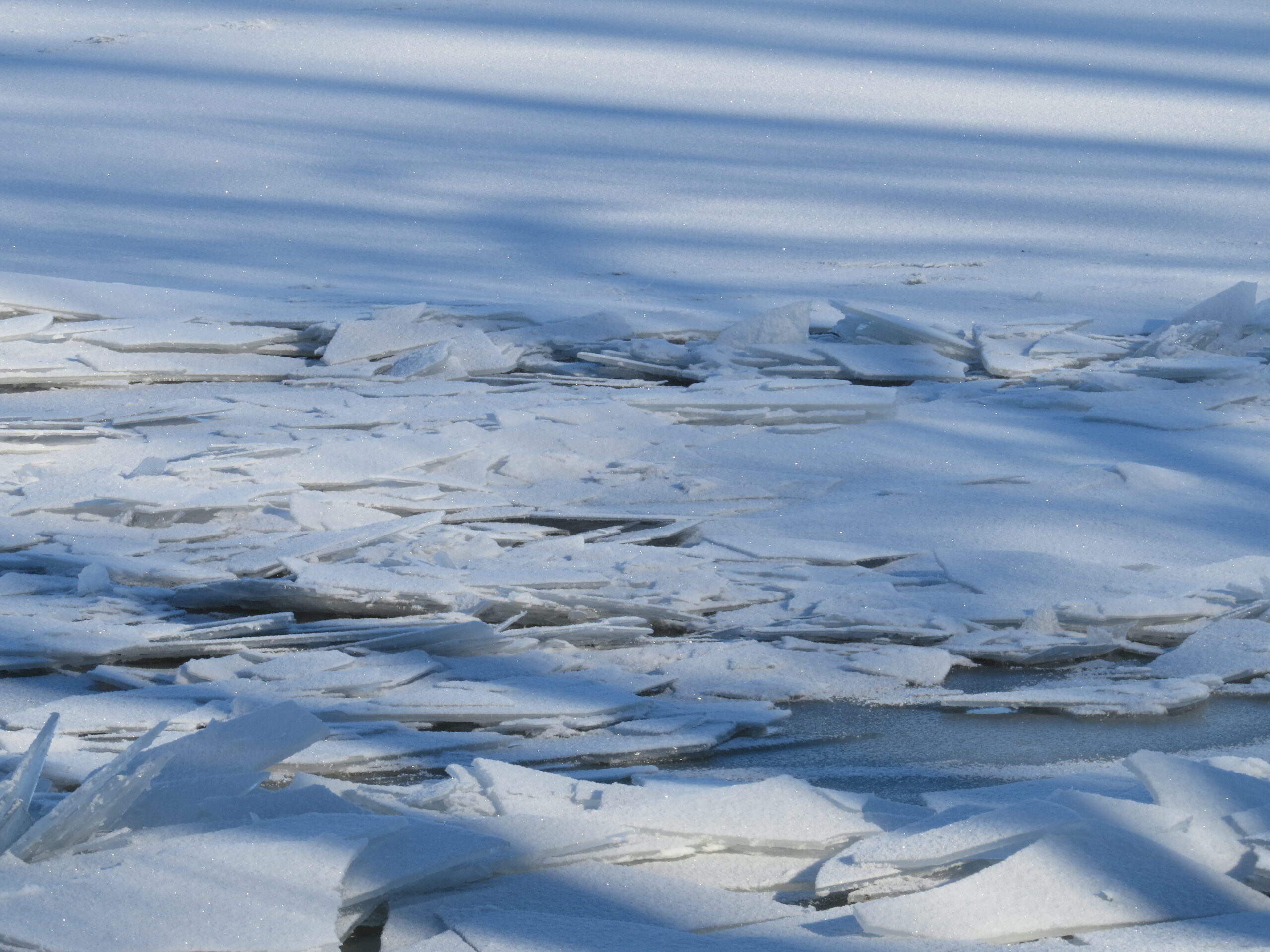
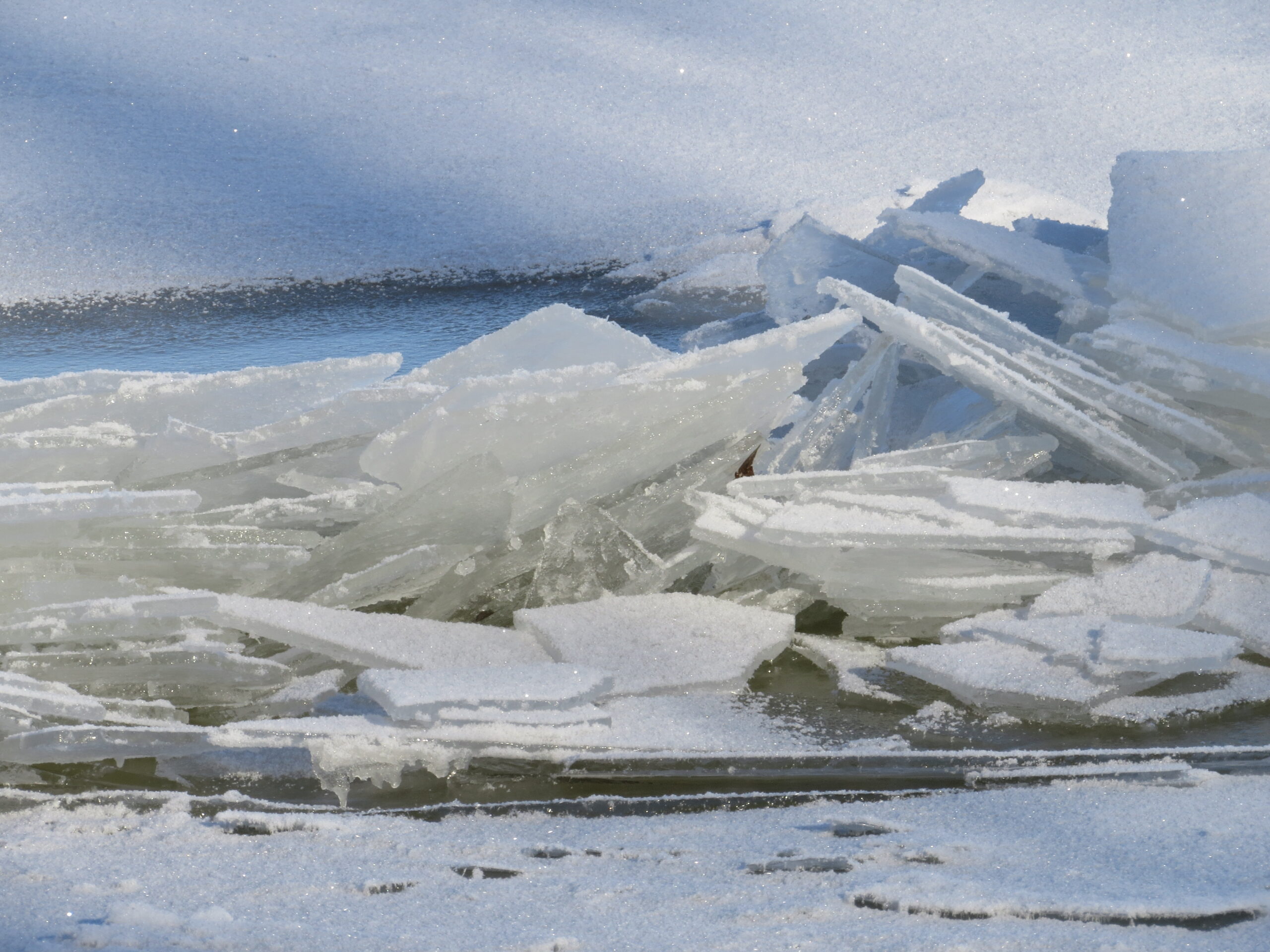
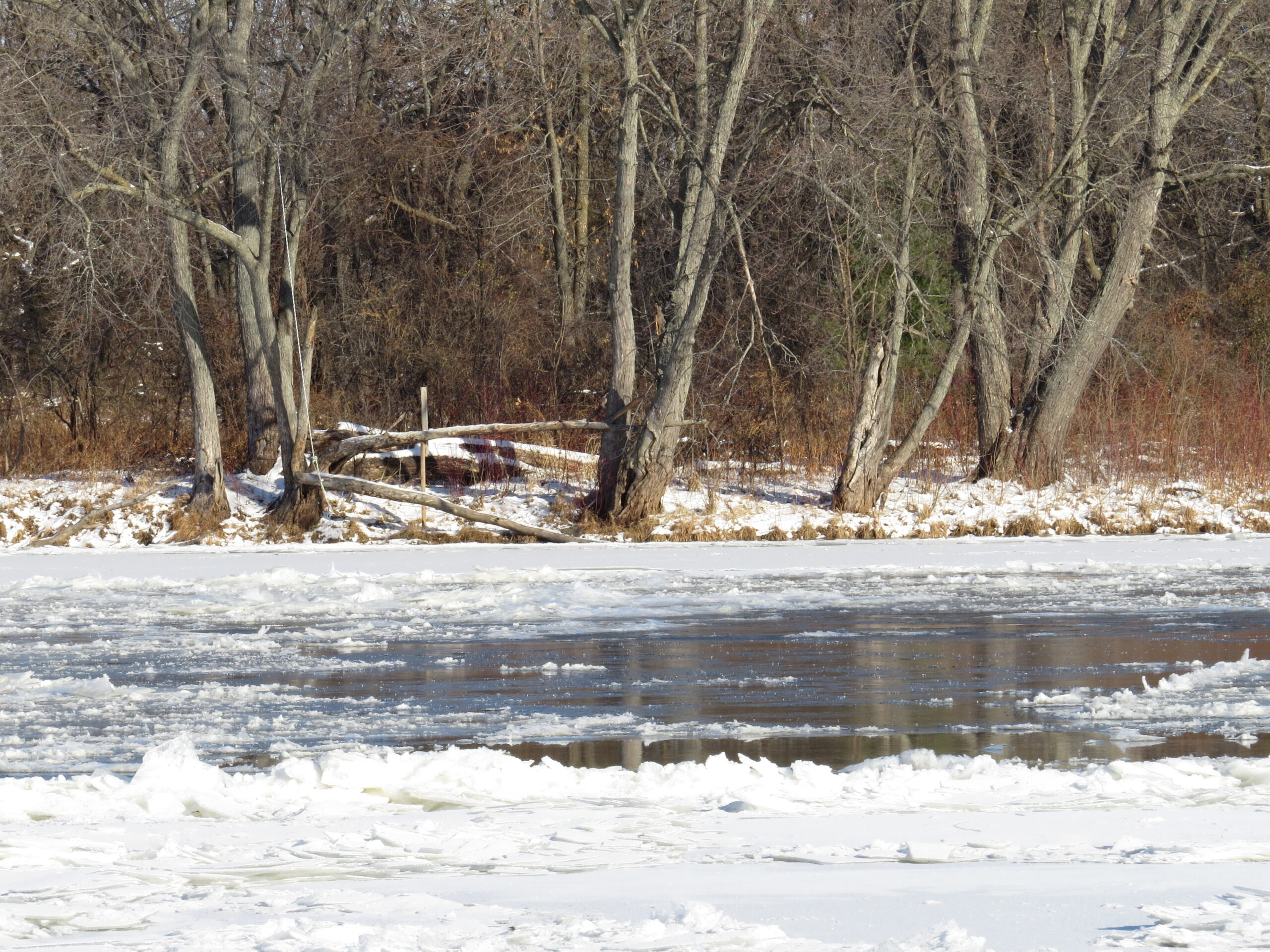
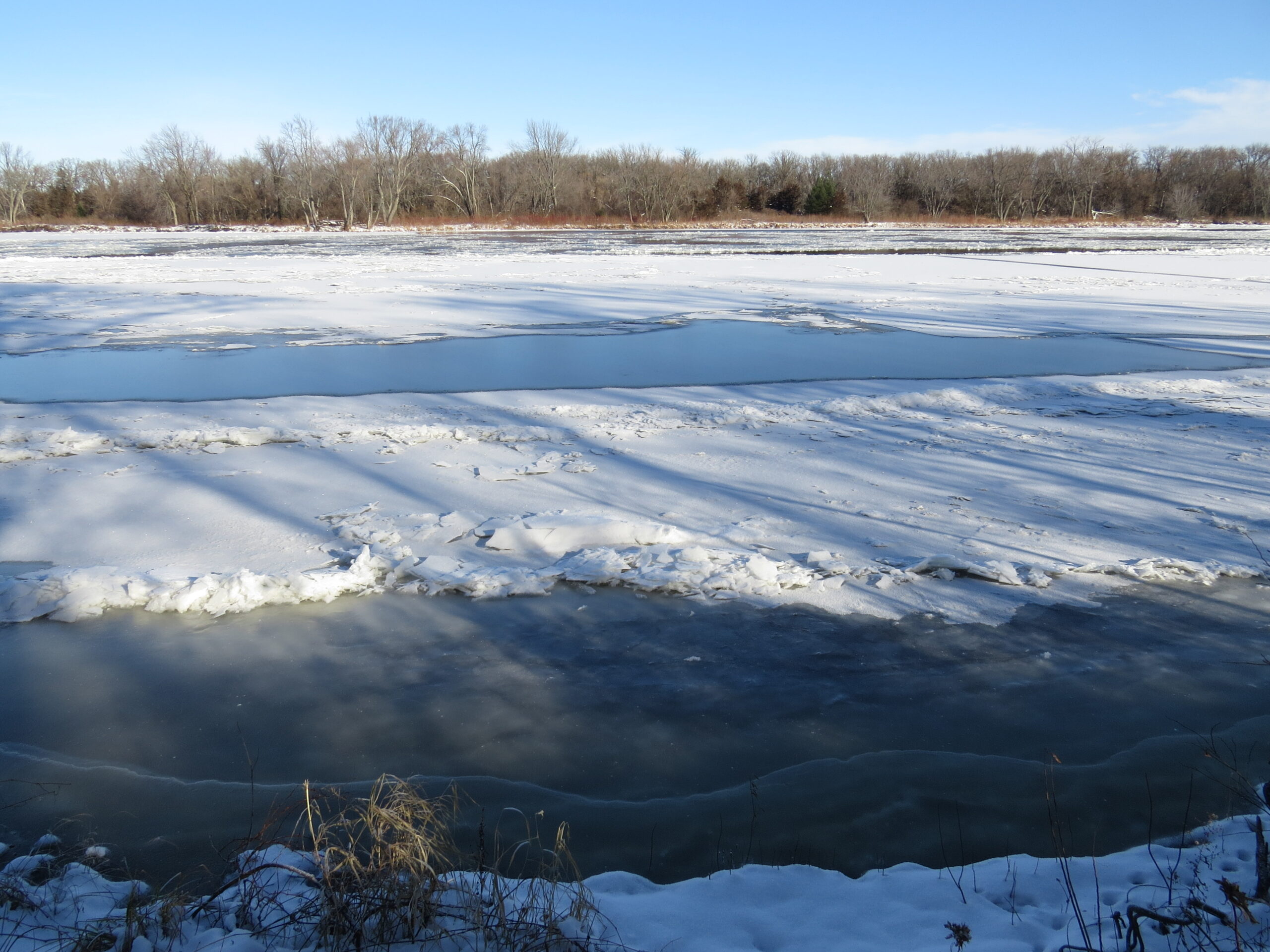
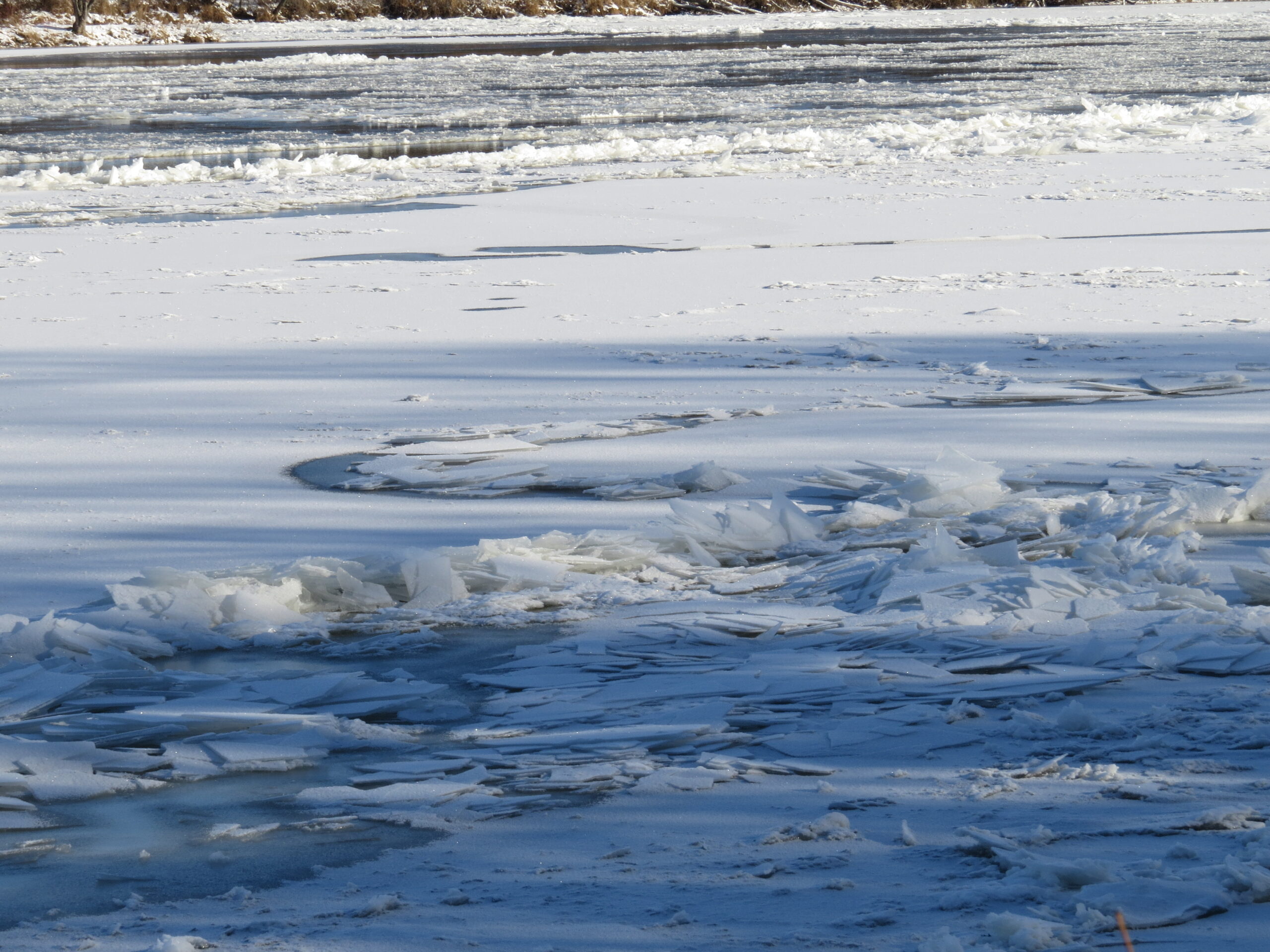
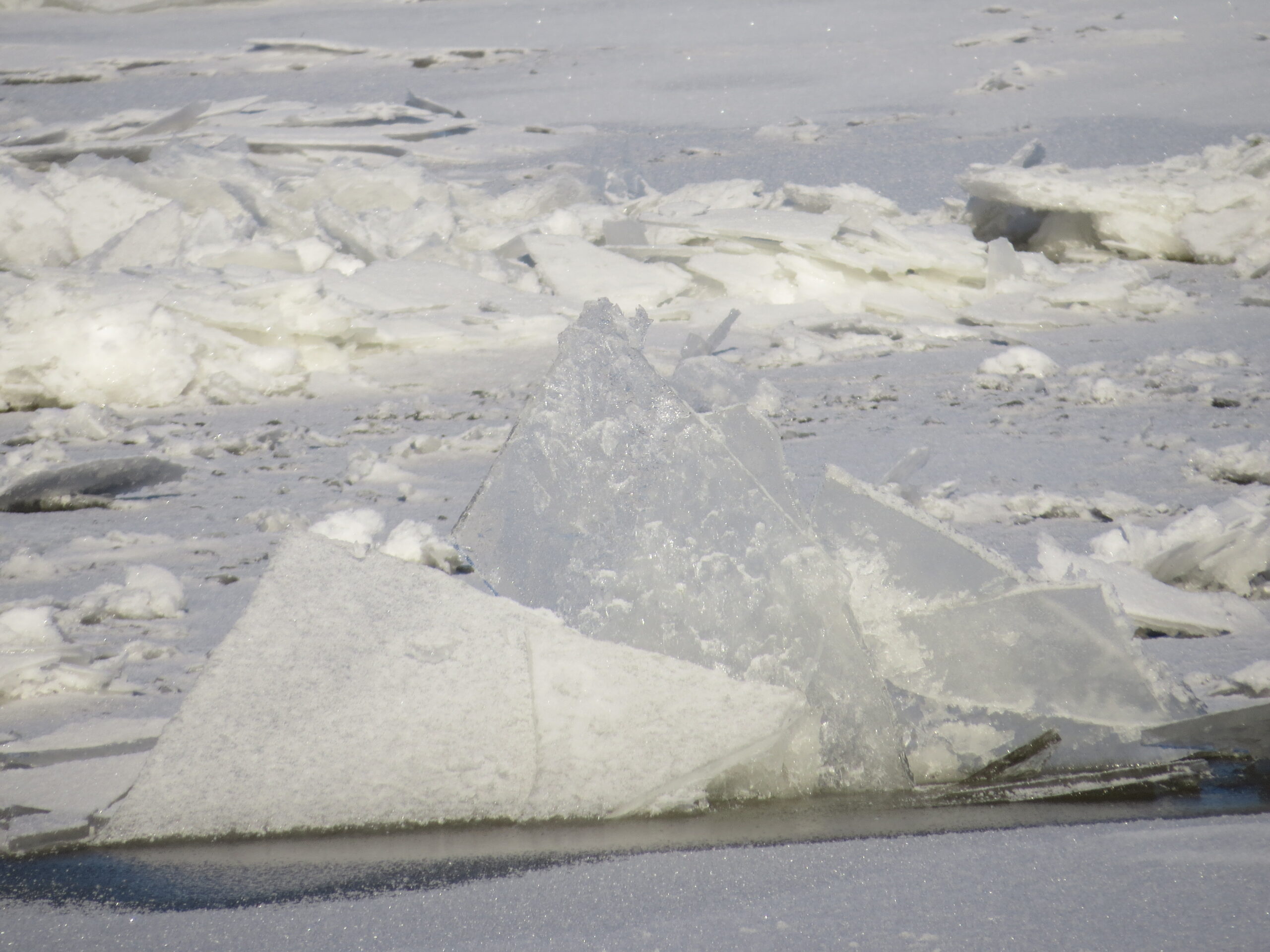
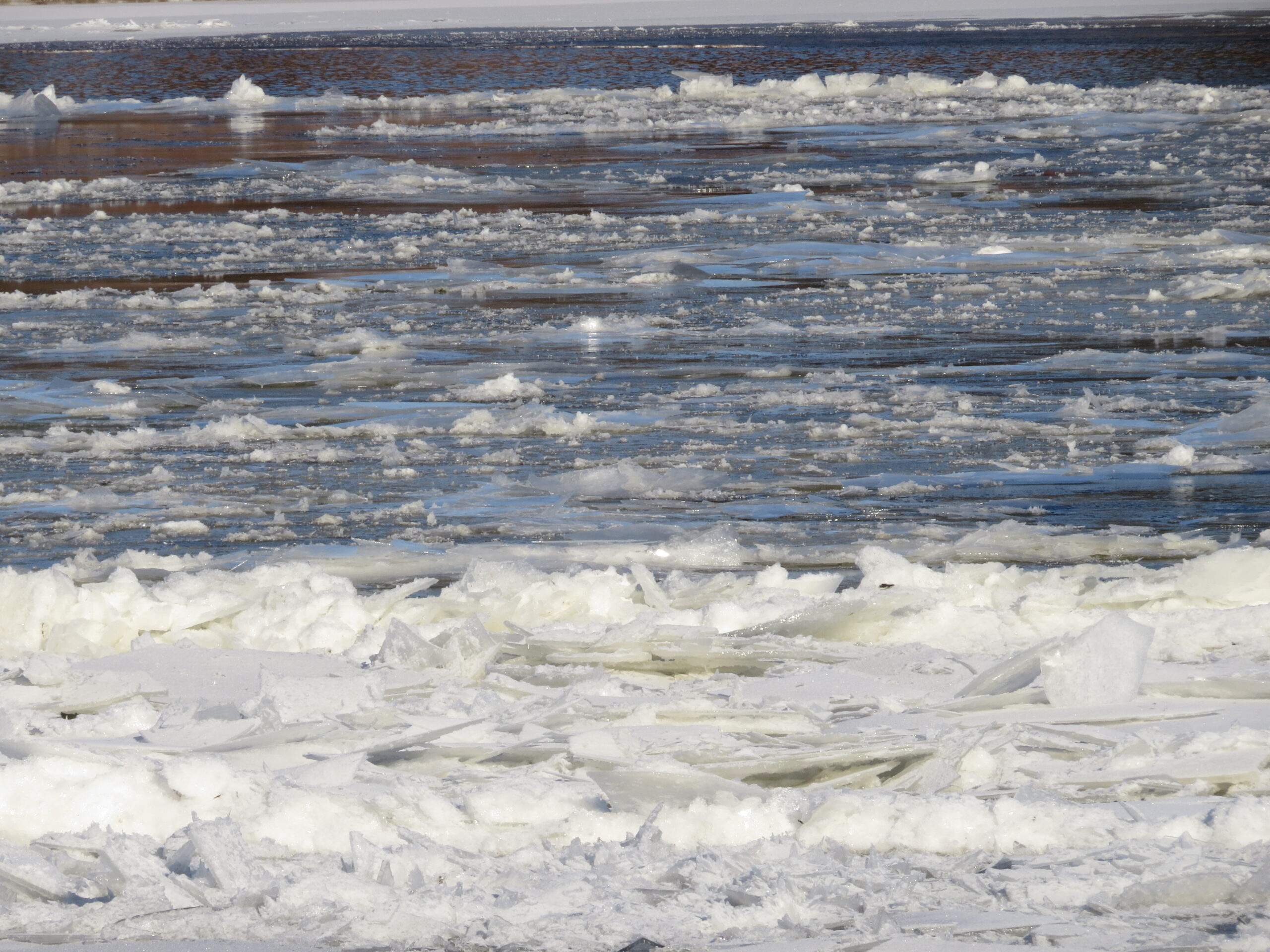
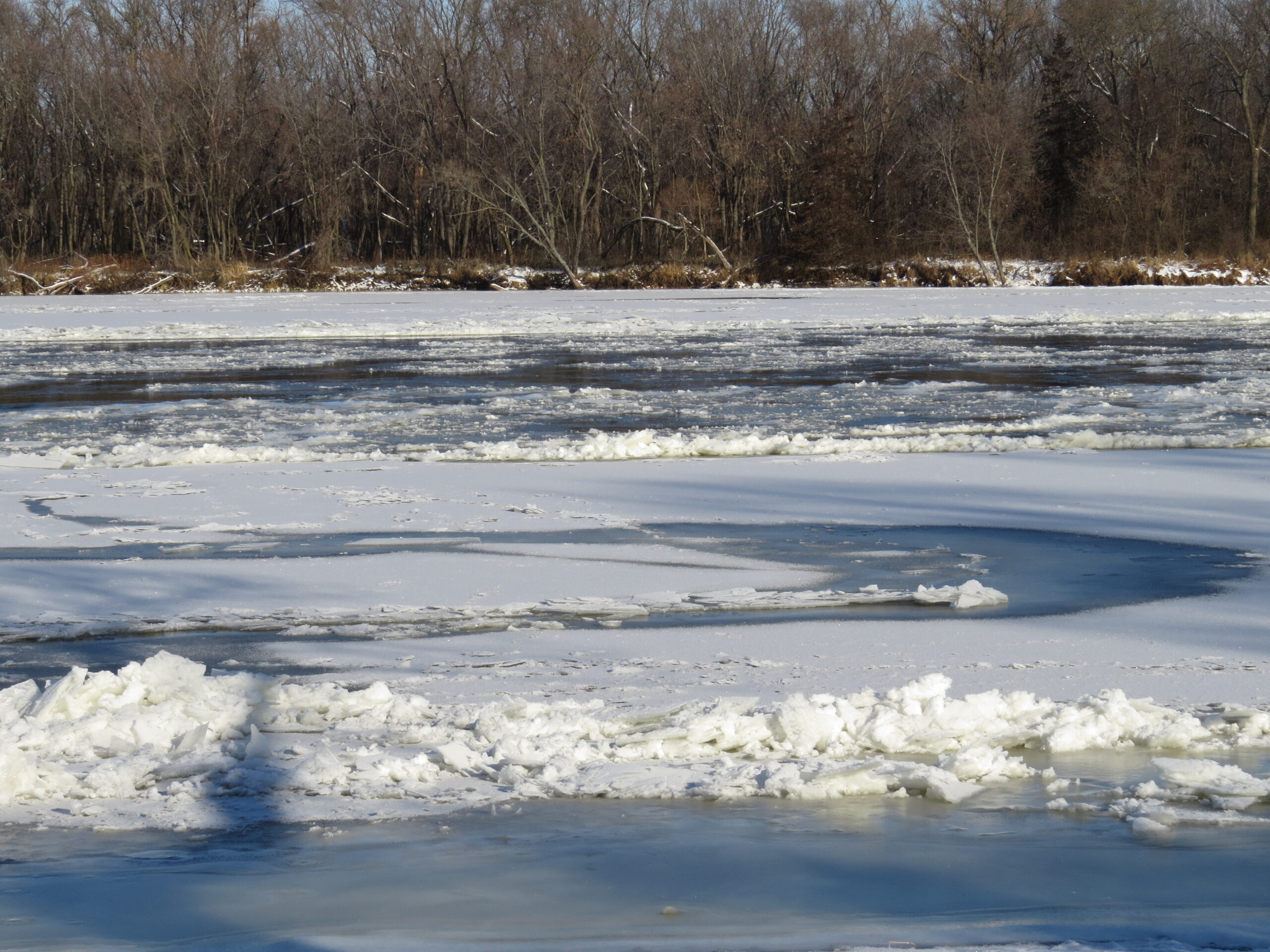
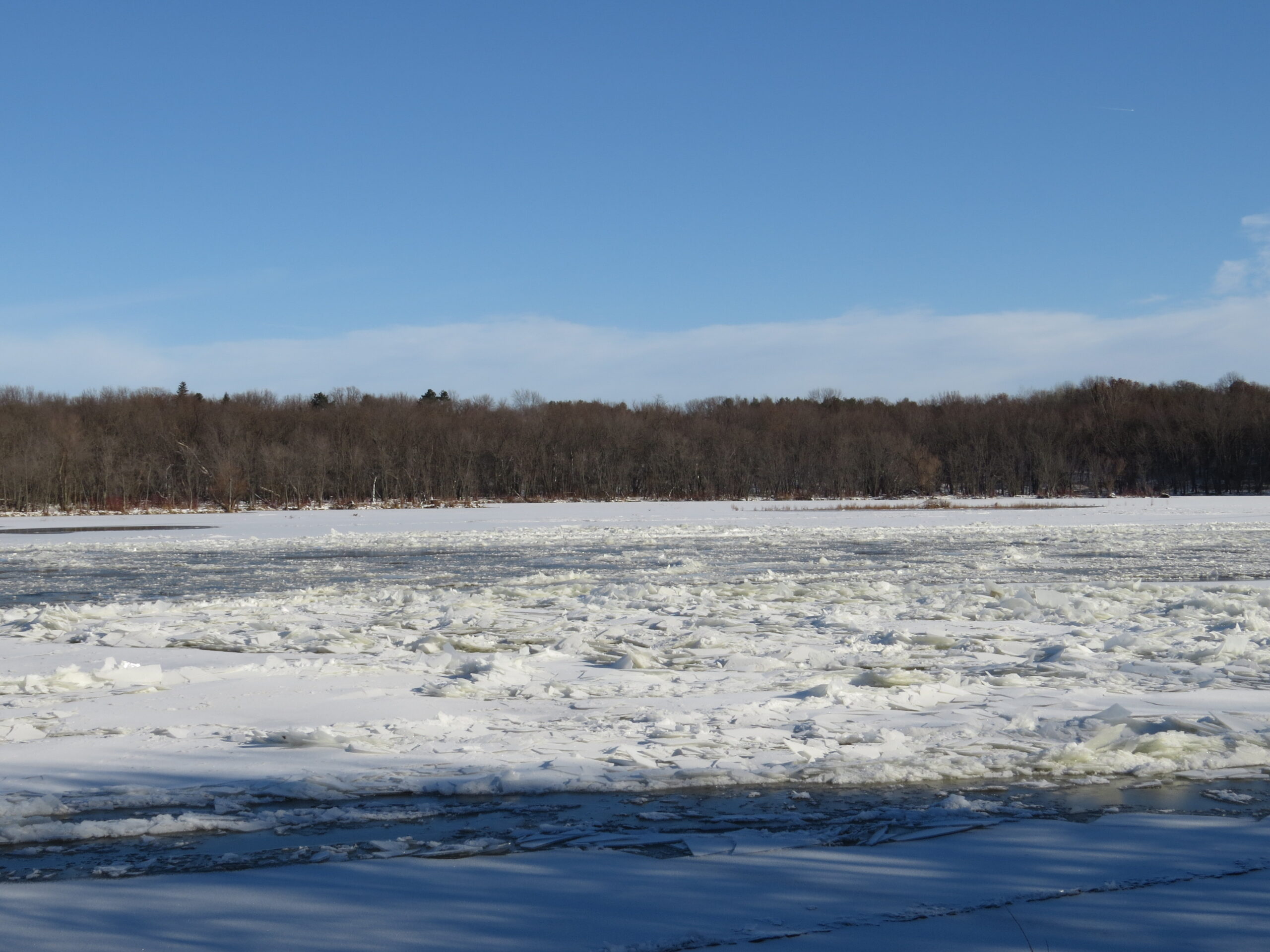
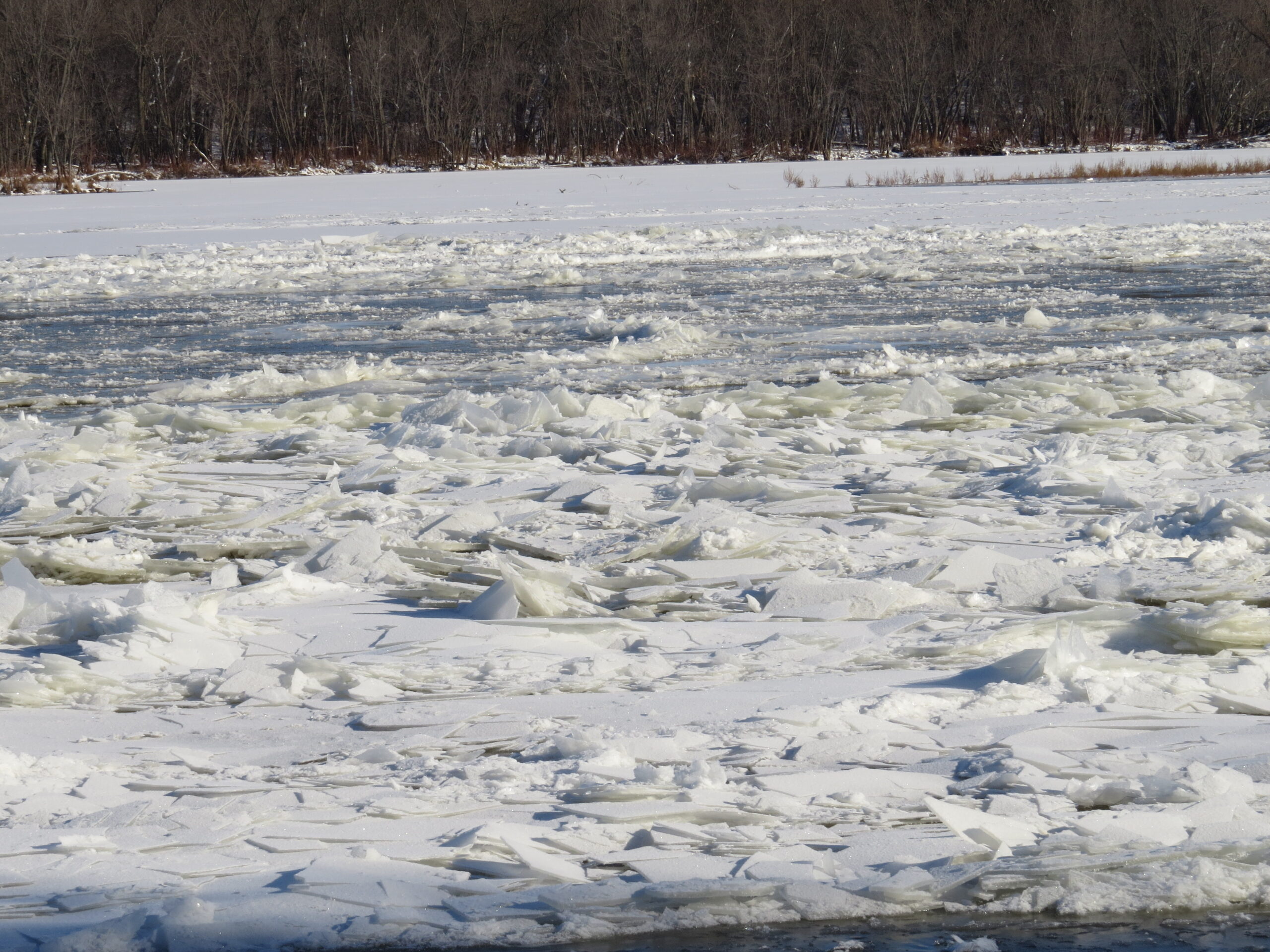
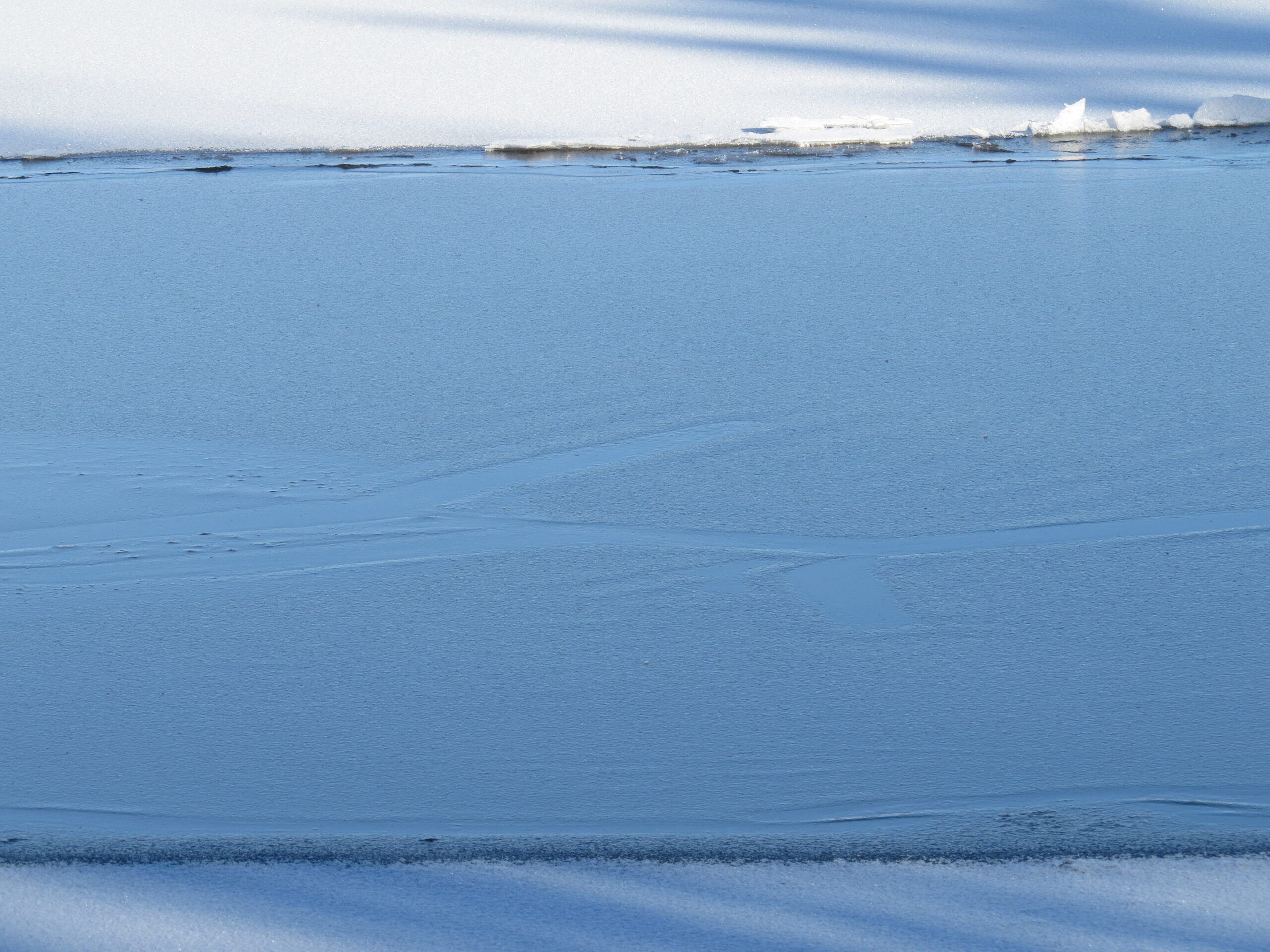
We left the River bank and followed the trail ‘inland.’ The trail had already been groomed for skiing, and ski tracks intermingled with the footprints of humans, dogs, and deer.
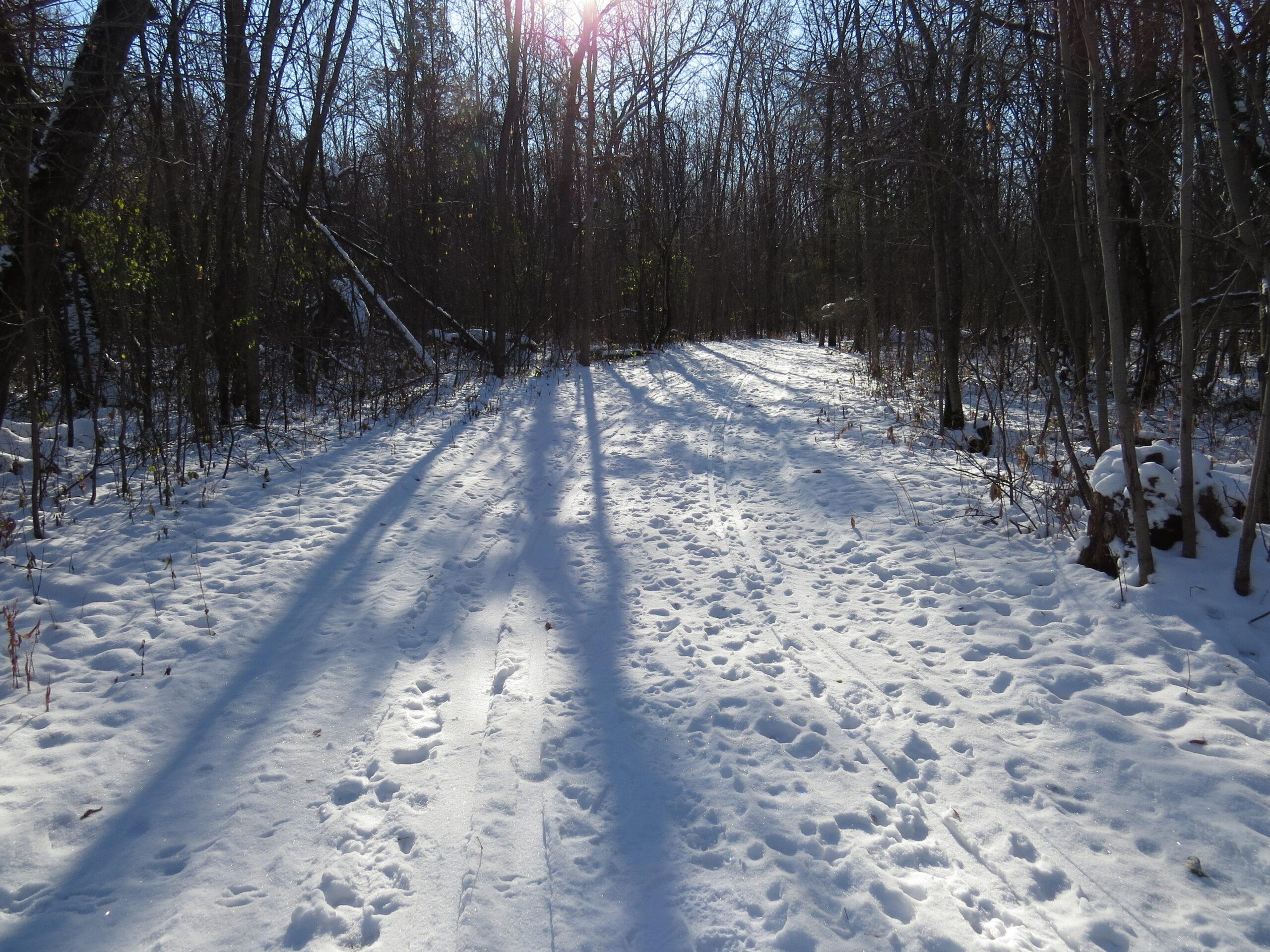
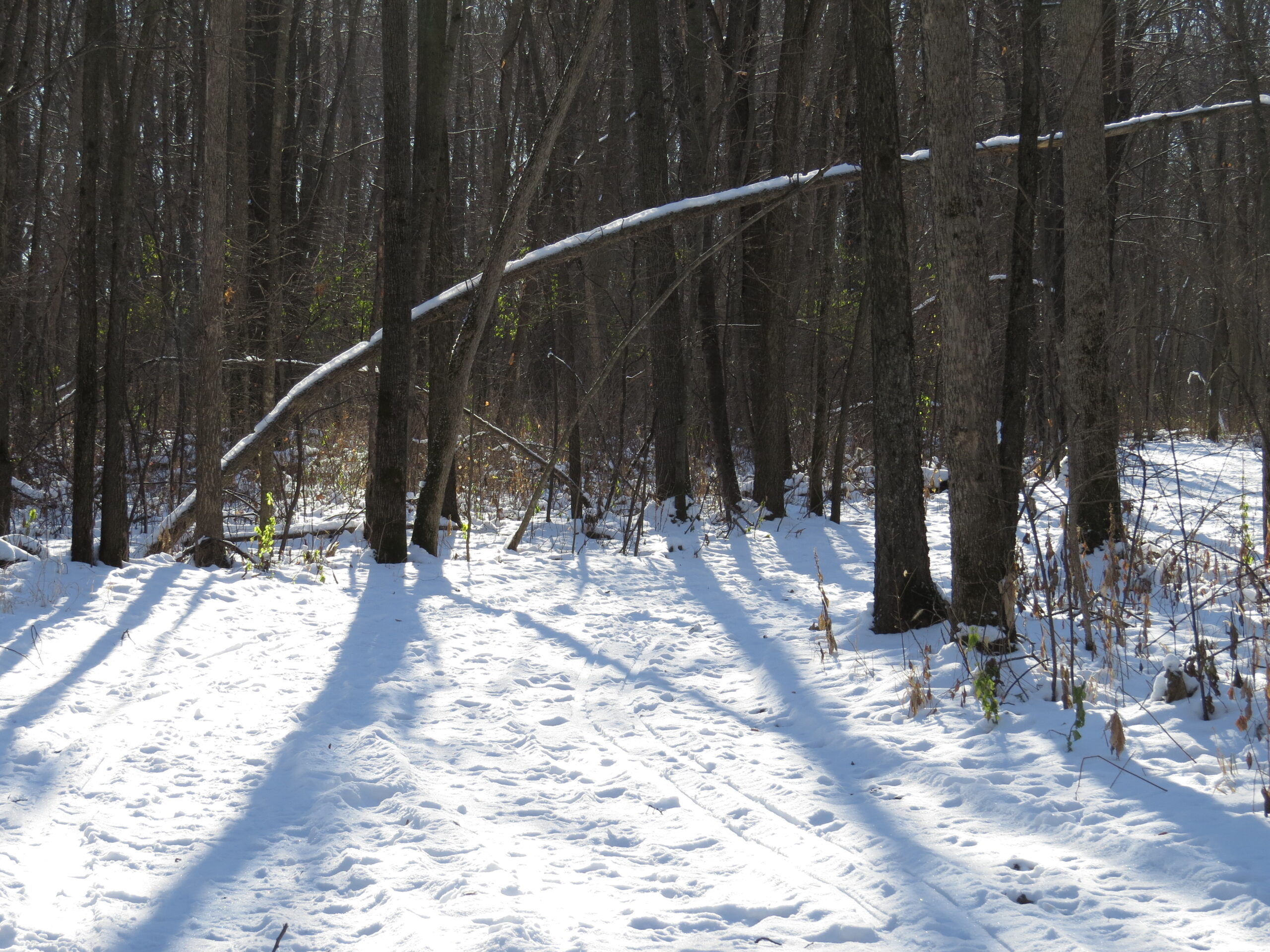
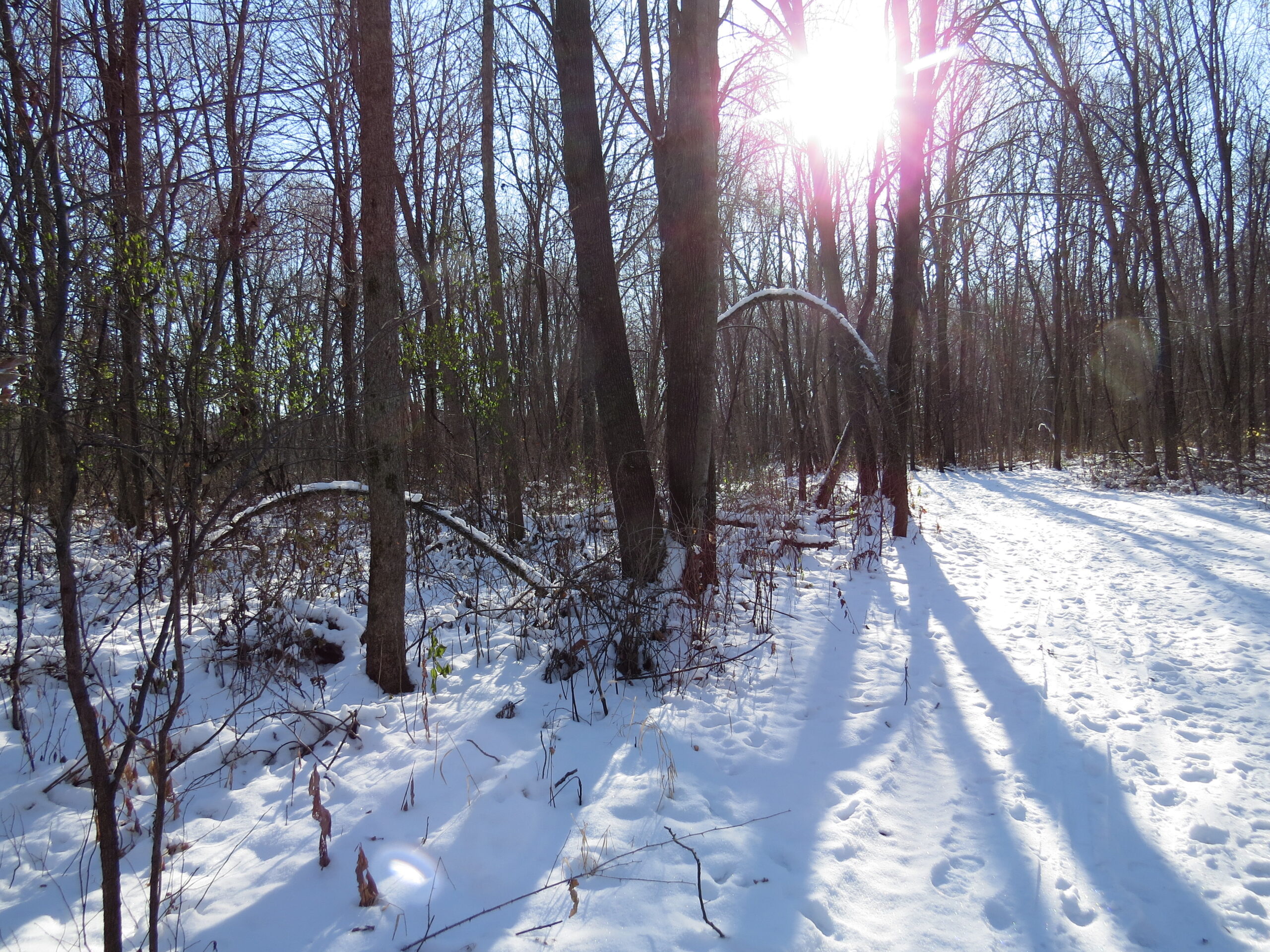
The bright sunlight filtered through the trees, lighting up the ‘snow arches’ of the bent trees that live incognito during the summer.
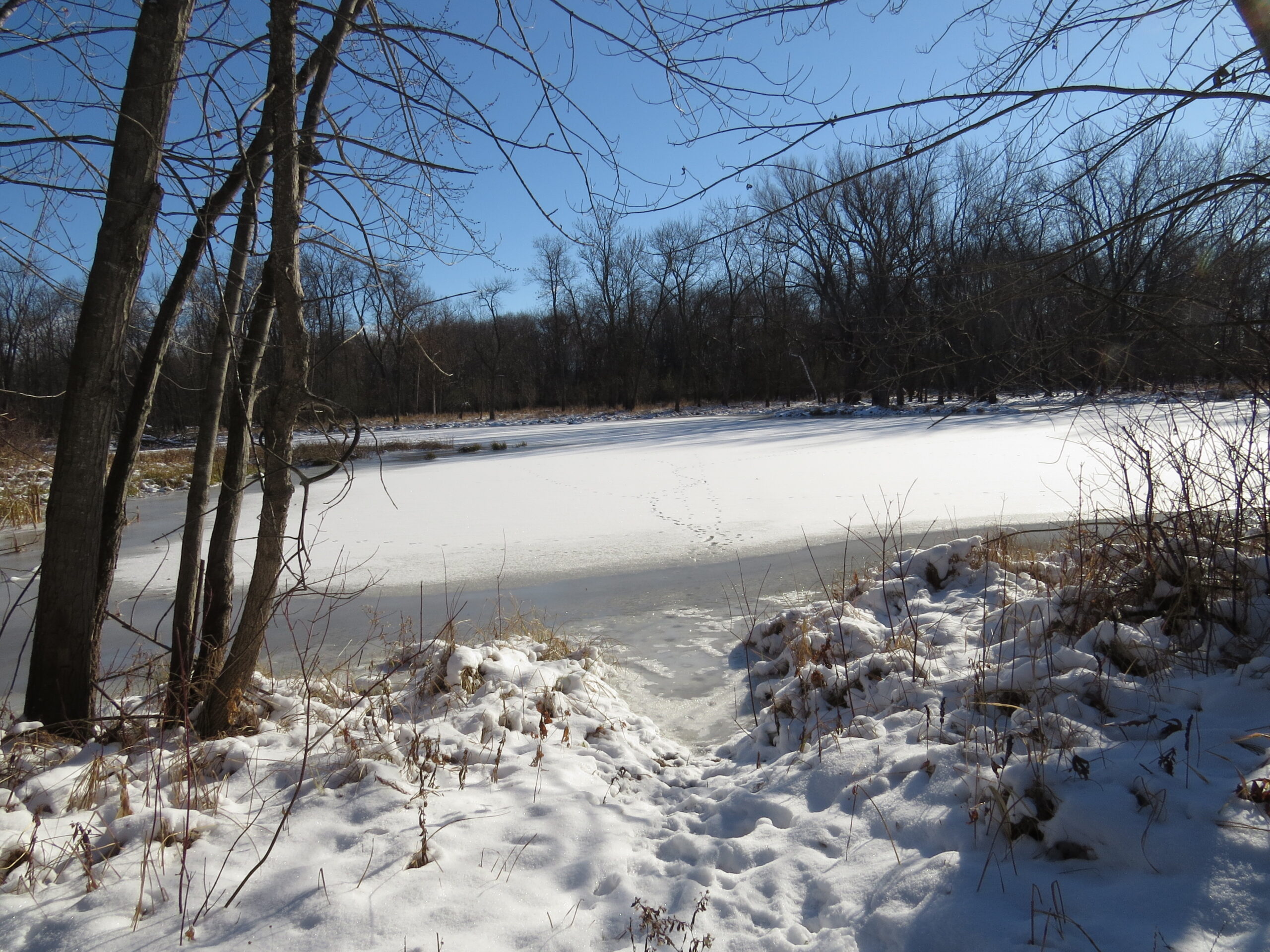
The backwater pond, even and shallow, had smooth ice with a layer of snow that revealed the tracks of some brave animals that had already ‘tested’ the ice. I wondered how they knew they could make it across.
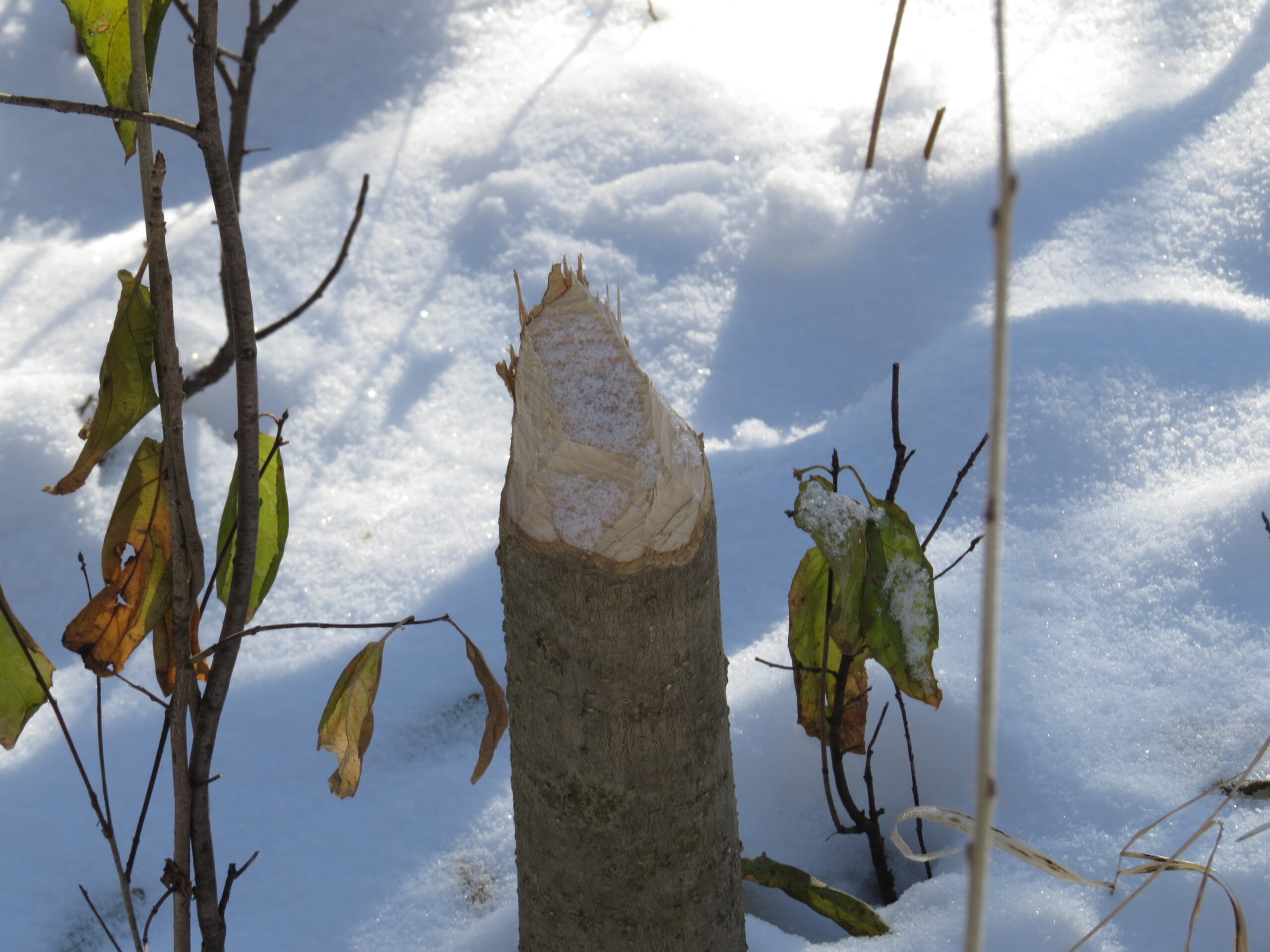
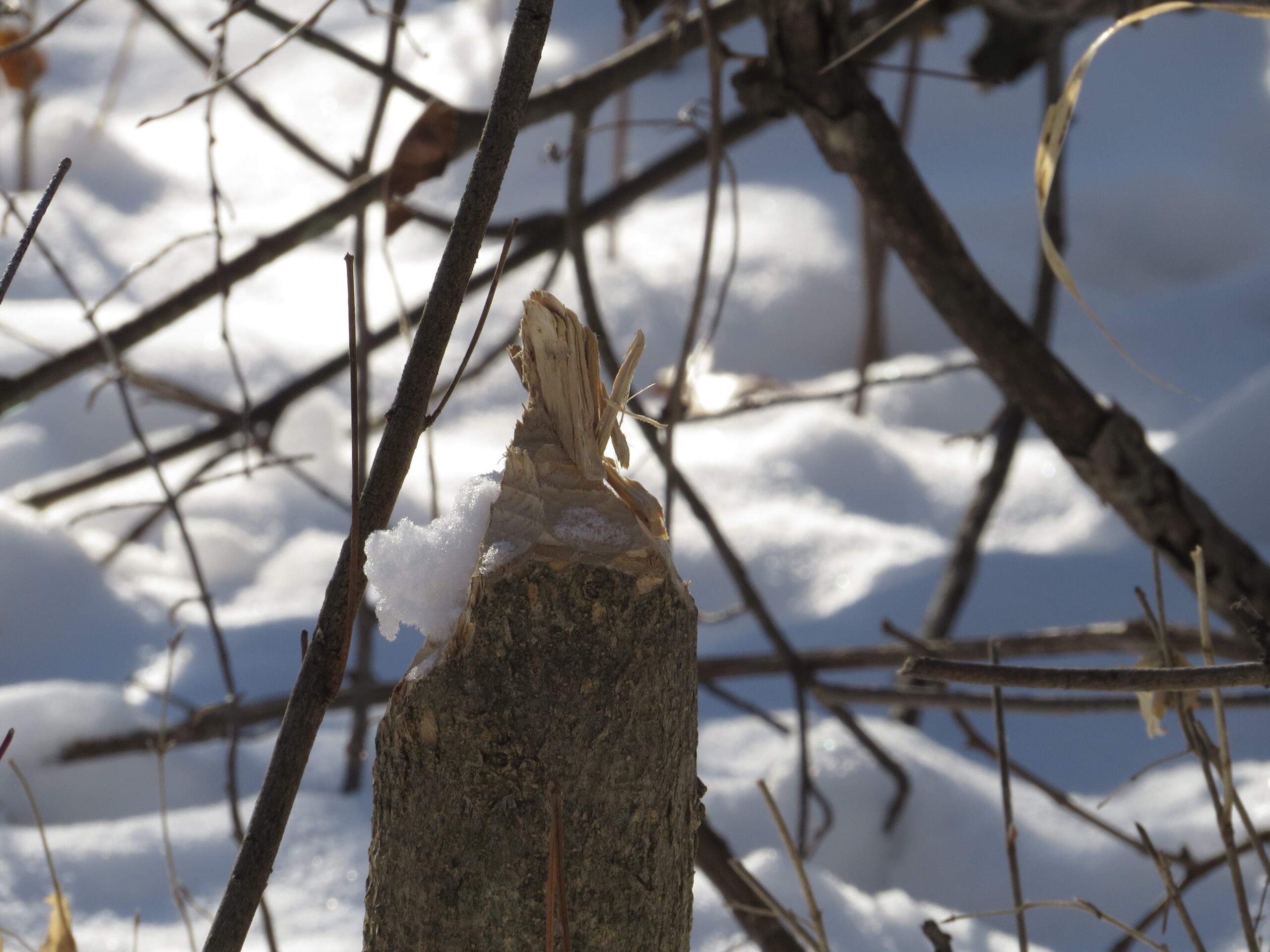
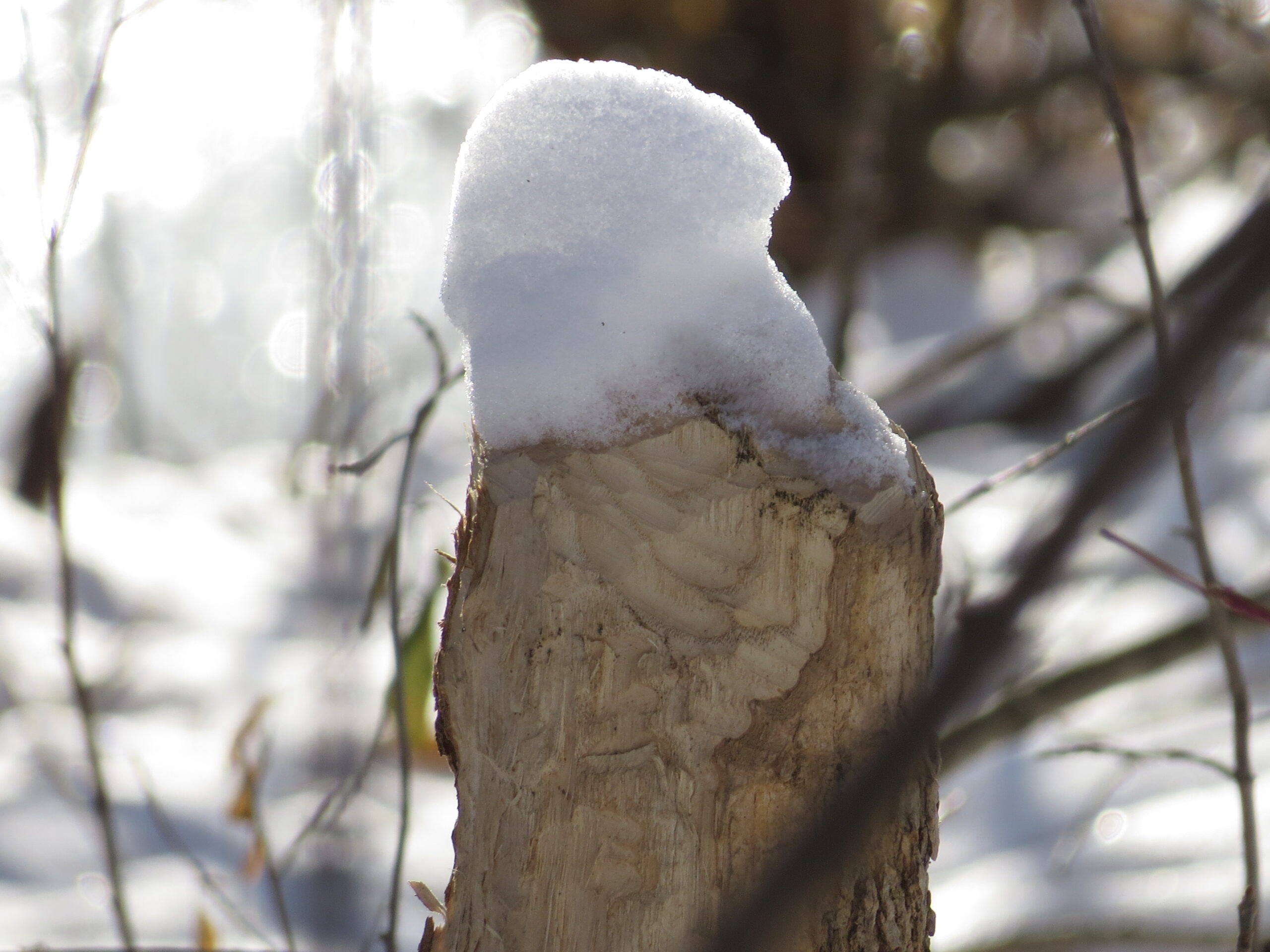
The beaver has been busy felling trees. I have yet to see where his lodge is, and I wonder if he is new to the neighborhood. His industriousness is impressive! Chewing down the tree isn’t even the hardest part—‘cutting up’ and dragging the chunks of wood to his building spot is the most labor-intensive.
Living in this world has given me an appreciation for the blessings in my life. It also makes me realize that blessings befall us all—they are not just doled out to a favored few. The hardest part is being grateful, humble, helpful, and beneficial to others with the gifts that come our way. The more difficult learning curve of the decades is appreciating the crack-ups, downfalls, pile-ups, and break-downs. They also befall us all. We cannot eschew them if we want to abide in a more peaceful place. The hard part is not getting tangled up in the chaos and the destruction, though that is easier said than done. But slowing down smooths things out and soothes the pain of the inevitable crack-ups and break-downs. So take it all in and be thankful. Be still. Be full of love—for our beautiful Earth, for ourselves, and for others.
Promise Shines Through the Gray
There is a stark contrast in my photographs from this post compared to the last one with all the brilliant Fall colors, though nearly a month has passed since I actually took the colorful photos. Gray November comes to us gradually. It is time to see things in a different light—the literal reality of which we have no other choice. Shades of gray and brown dominate the landscape now. We do have a choice as to how we think about the ‘colorless’ palette of late Autumn and Winter.
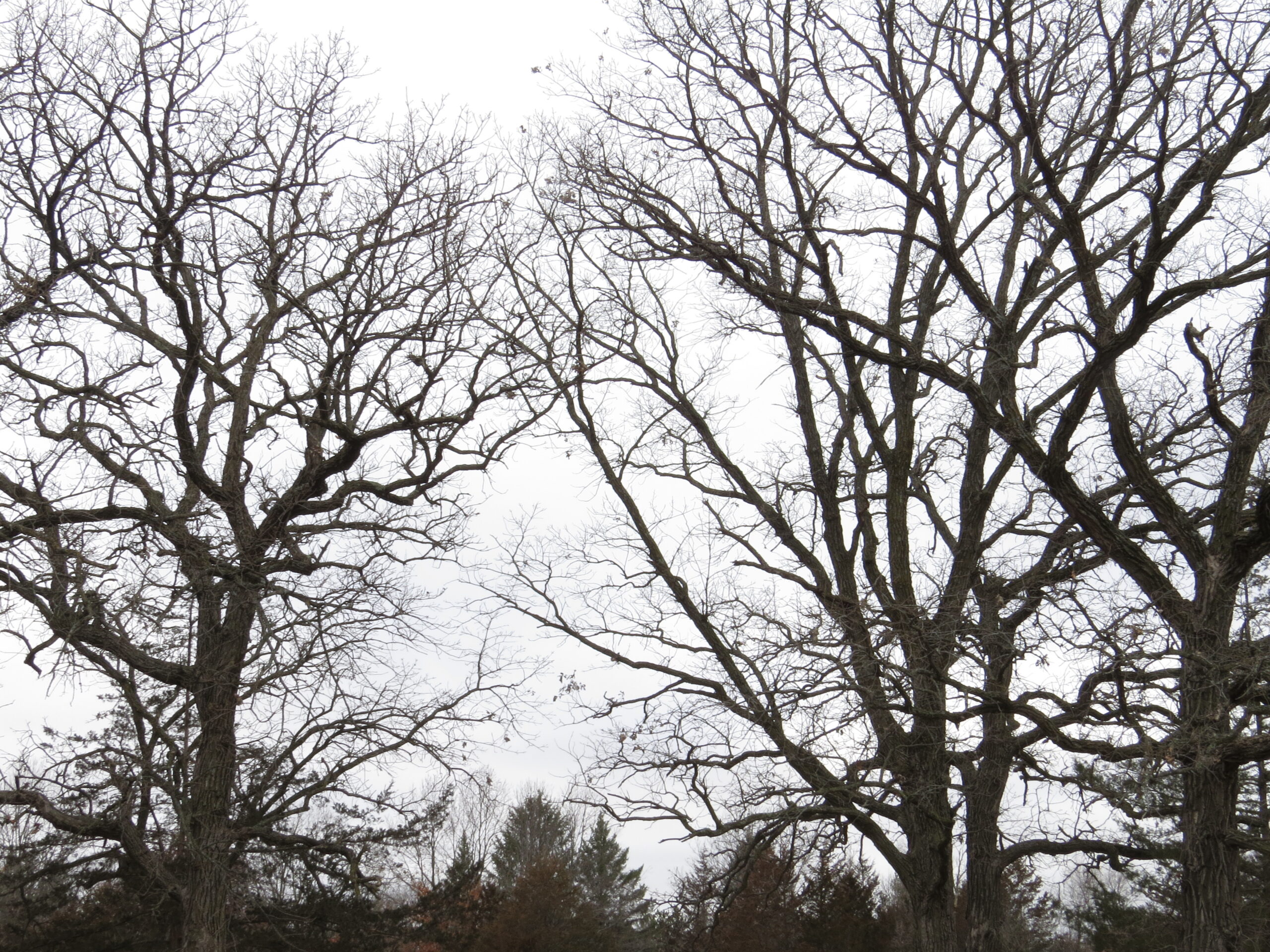
It is a time to see the bare basics, the silhouettes of trees and shrubs. I appreciate their form, their shape, their strength and flexibility.
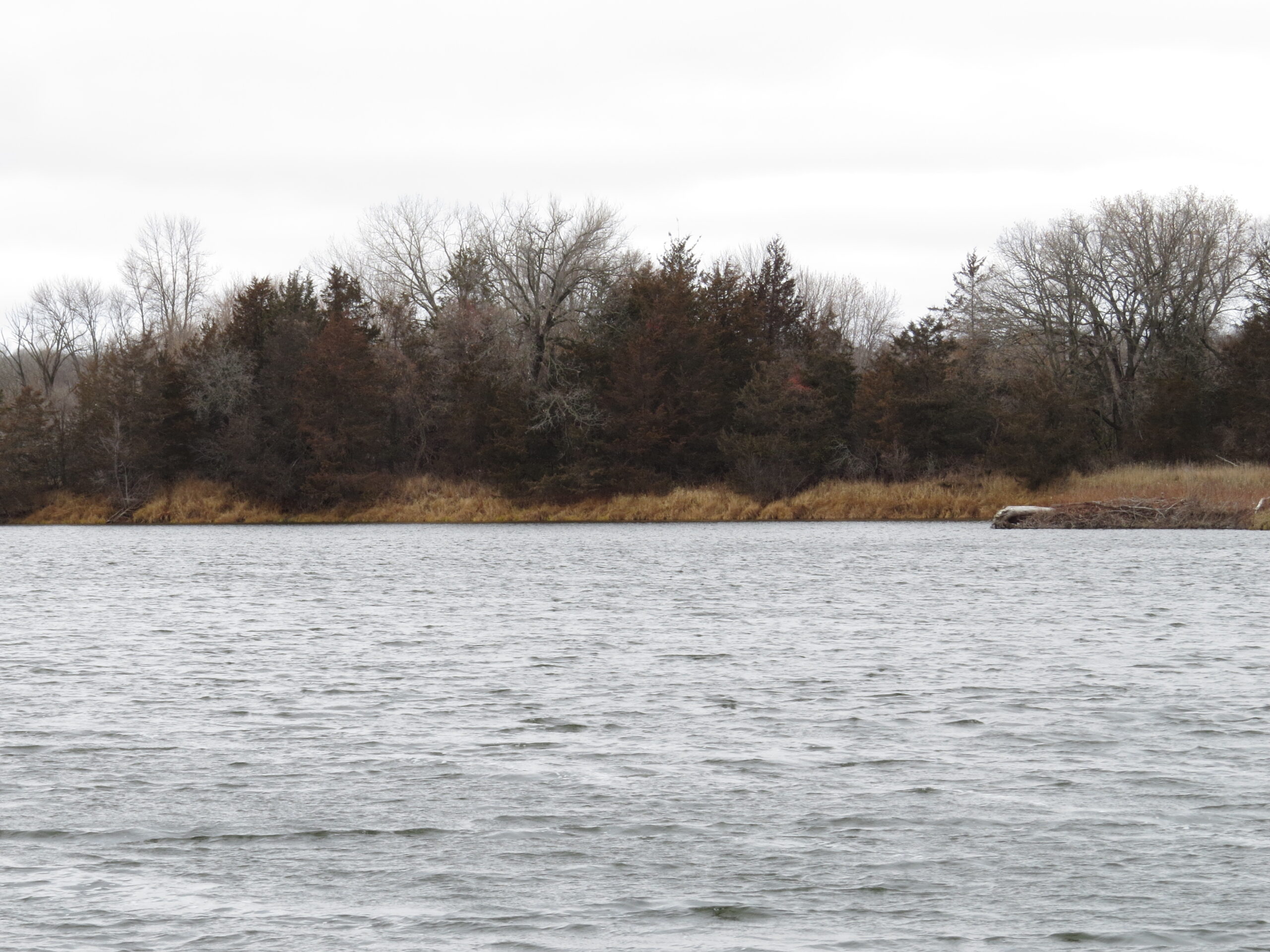
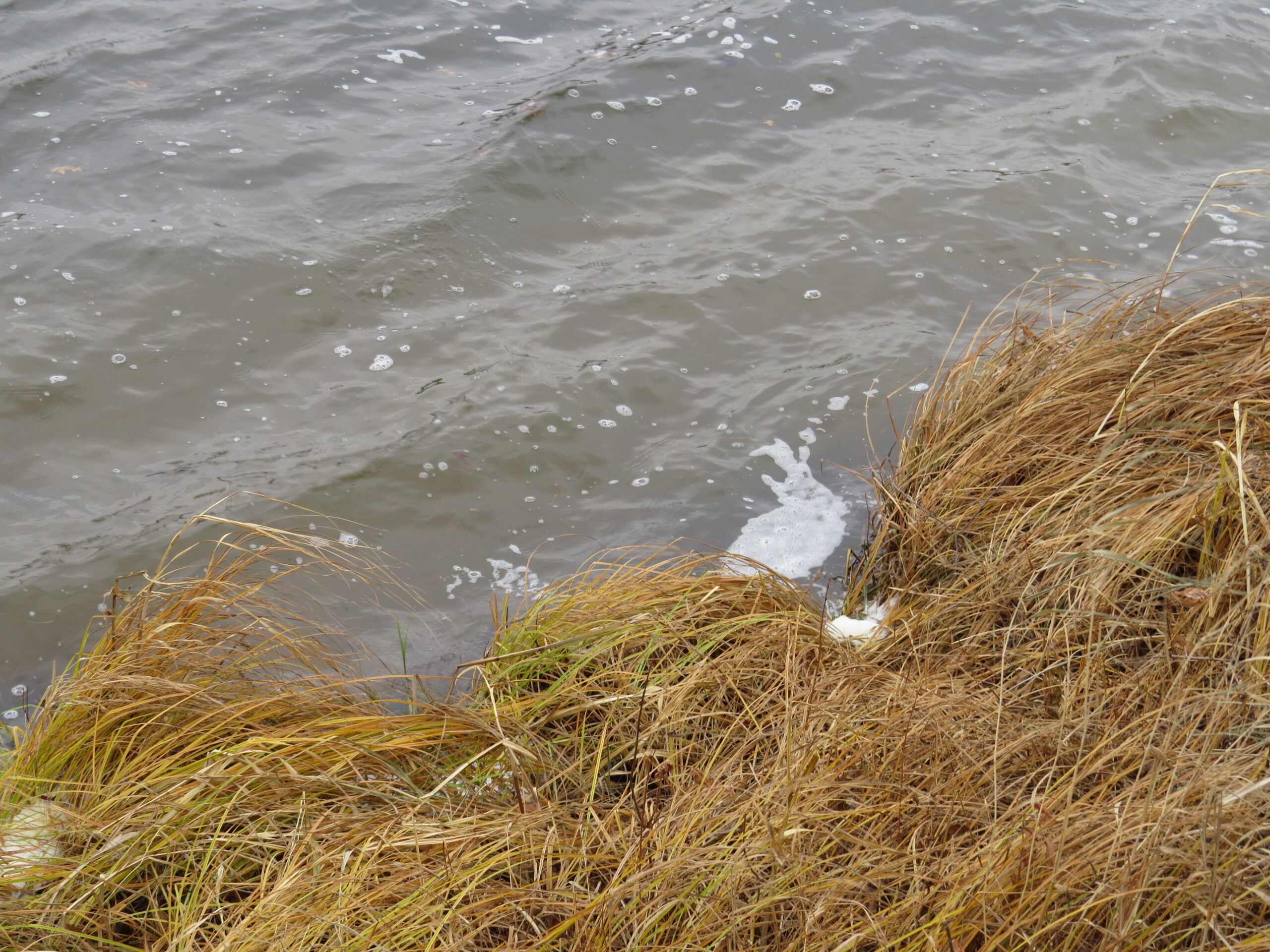
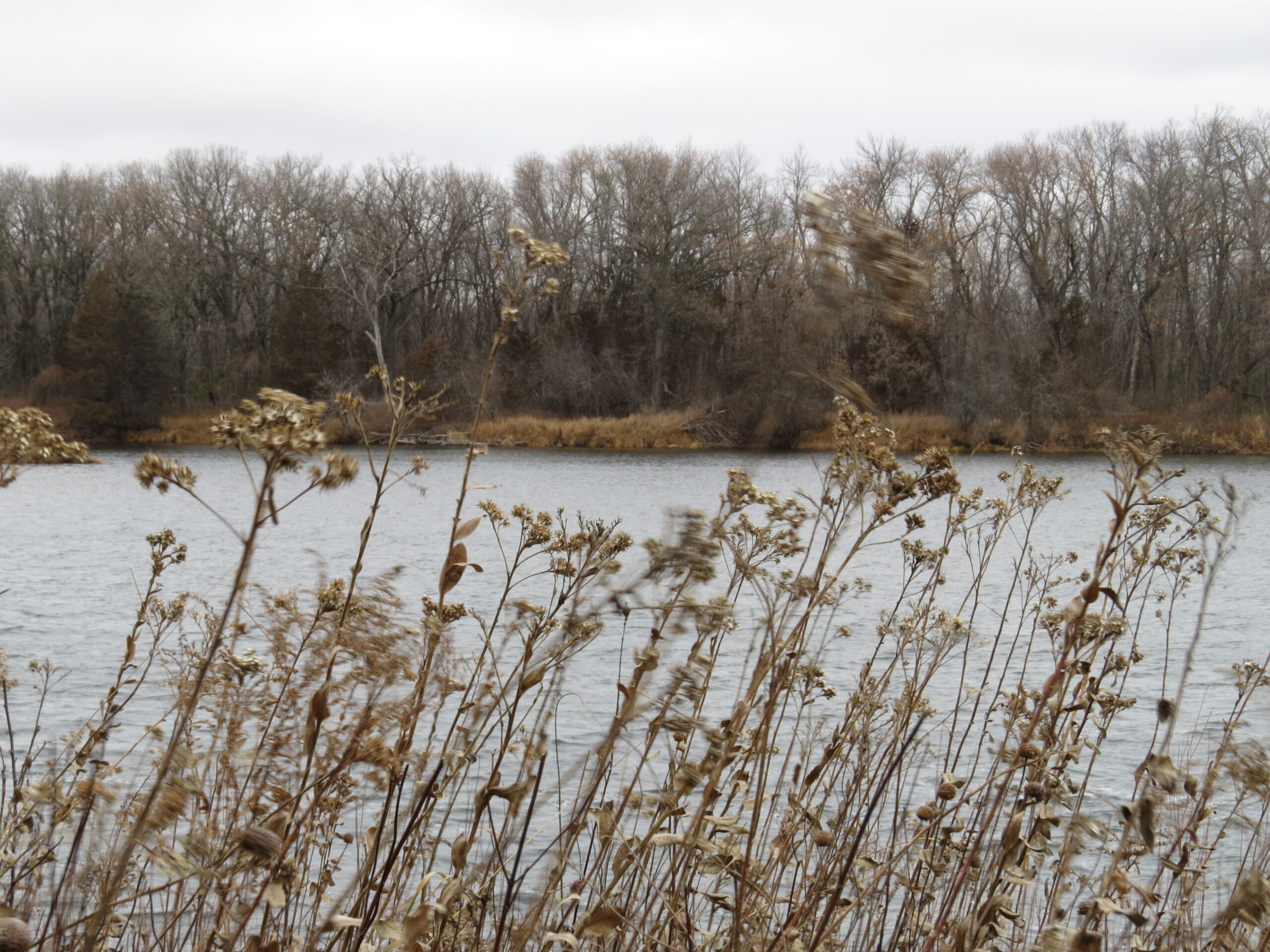
The gray Mississippi reflects the gray sky, surrounded by the gray, bare trees, the gray-green Cedars, and the surprisingly yellowish-brown grass. The day was raw with a northwest wind—eighteen miles per hour of wind chill on the below-freezing day. Enough to make my eyes water as I faced the flowing River.
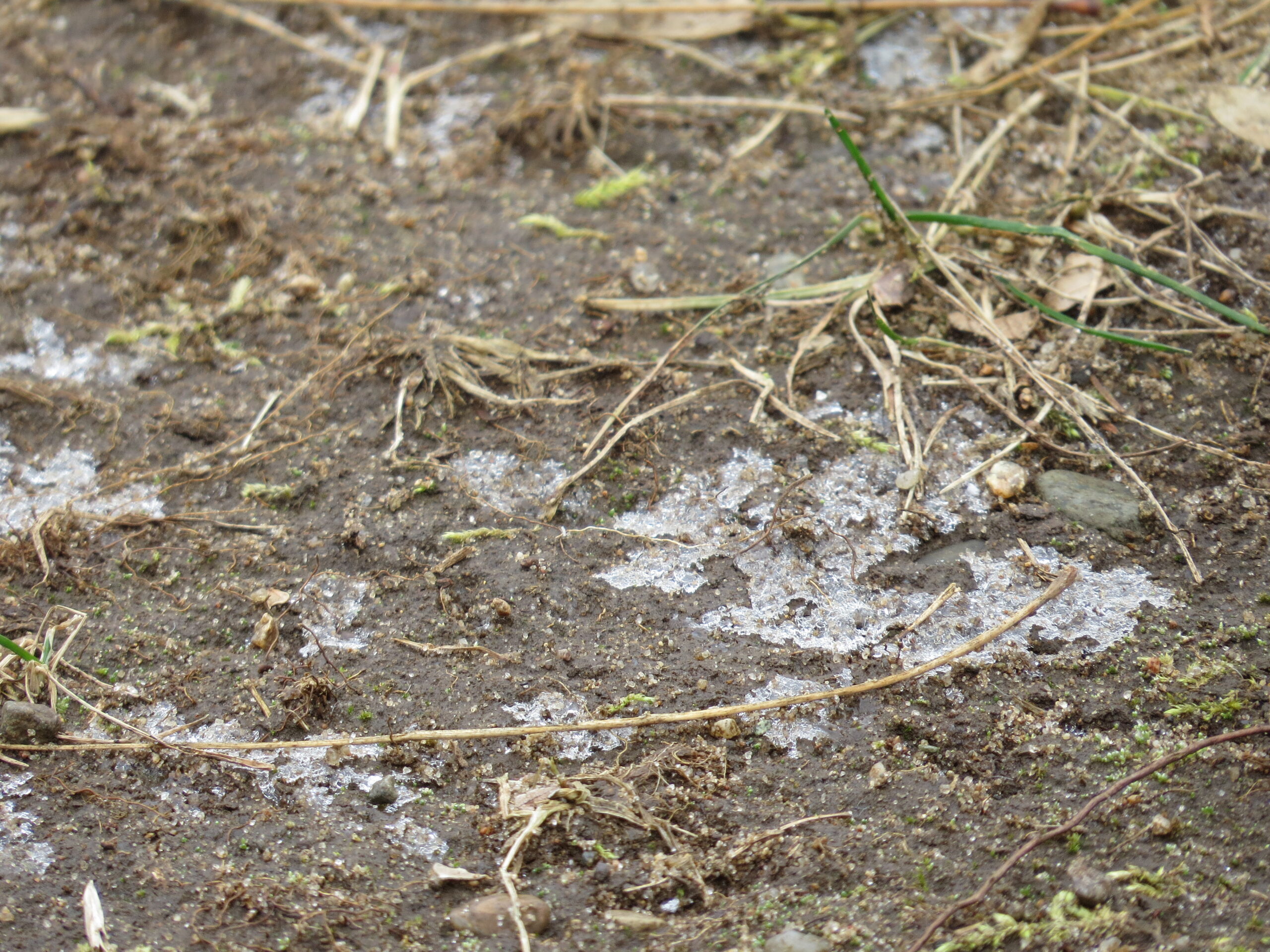
We had had rain, much-needed rain, in the few days prior to my hike, and the ice crystals crunched ever-so-softly under my boots. Tiny beads of snow fell, hardly perceptible to my eyes and skin.
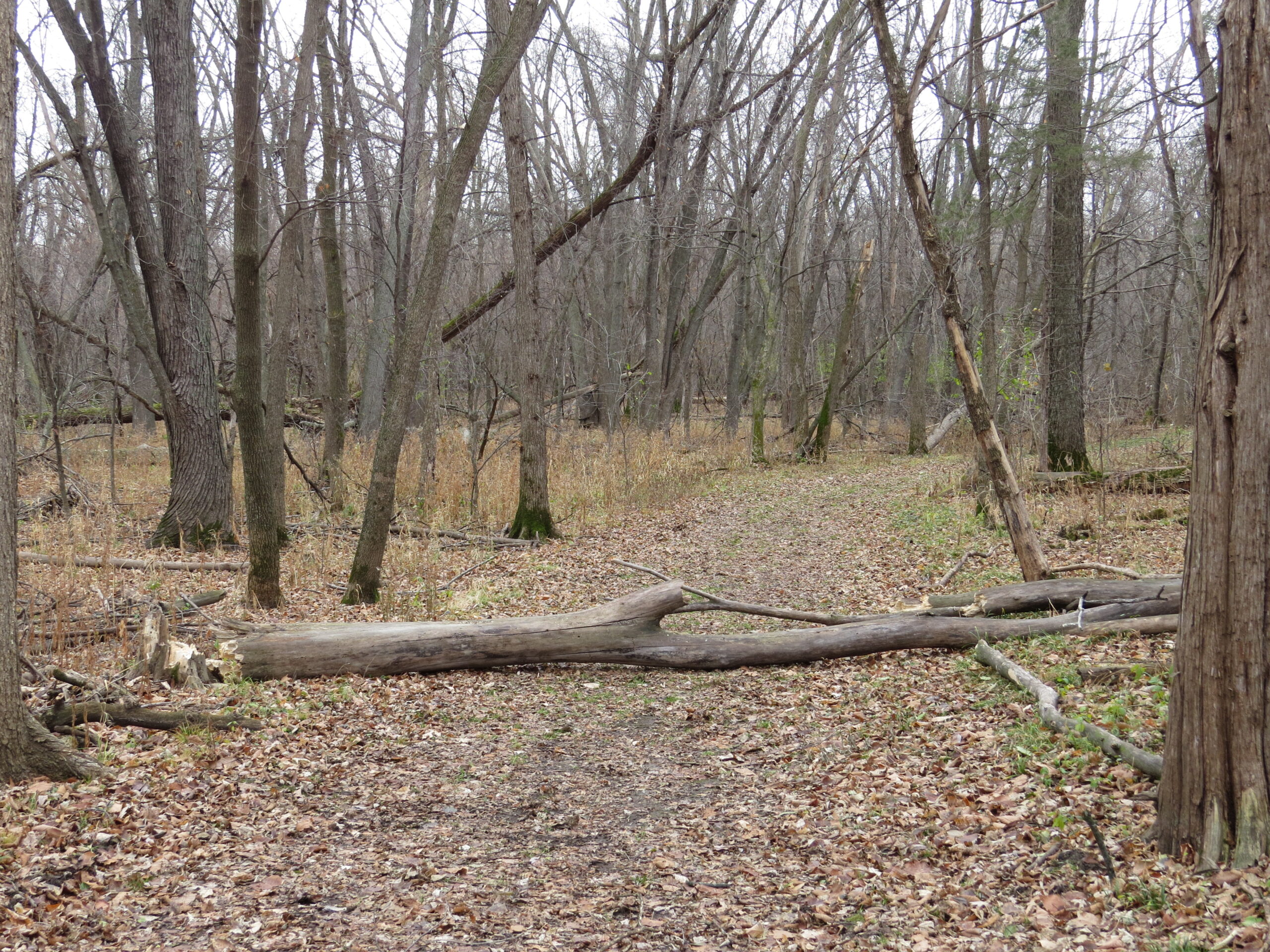
Along with the rain had been strong winds that had toppled dead trees and limbs, making obstacles on the trail and wreckage in the woods. Beware of the gravity-defying widow-makers who have not made their way to the ground!
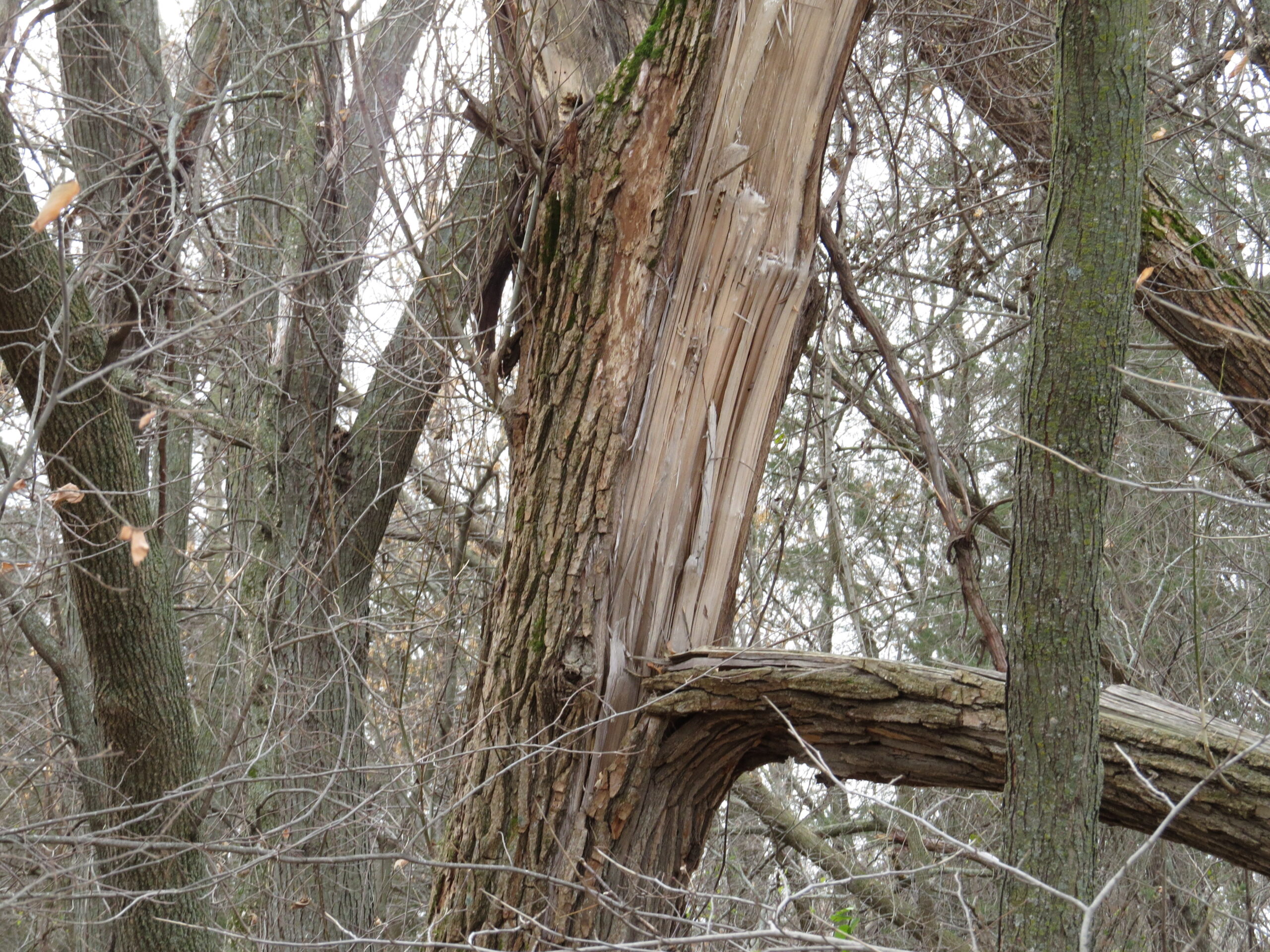
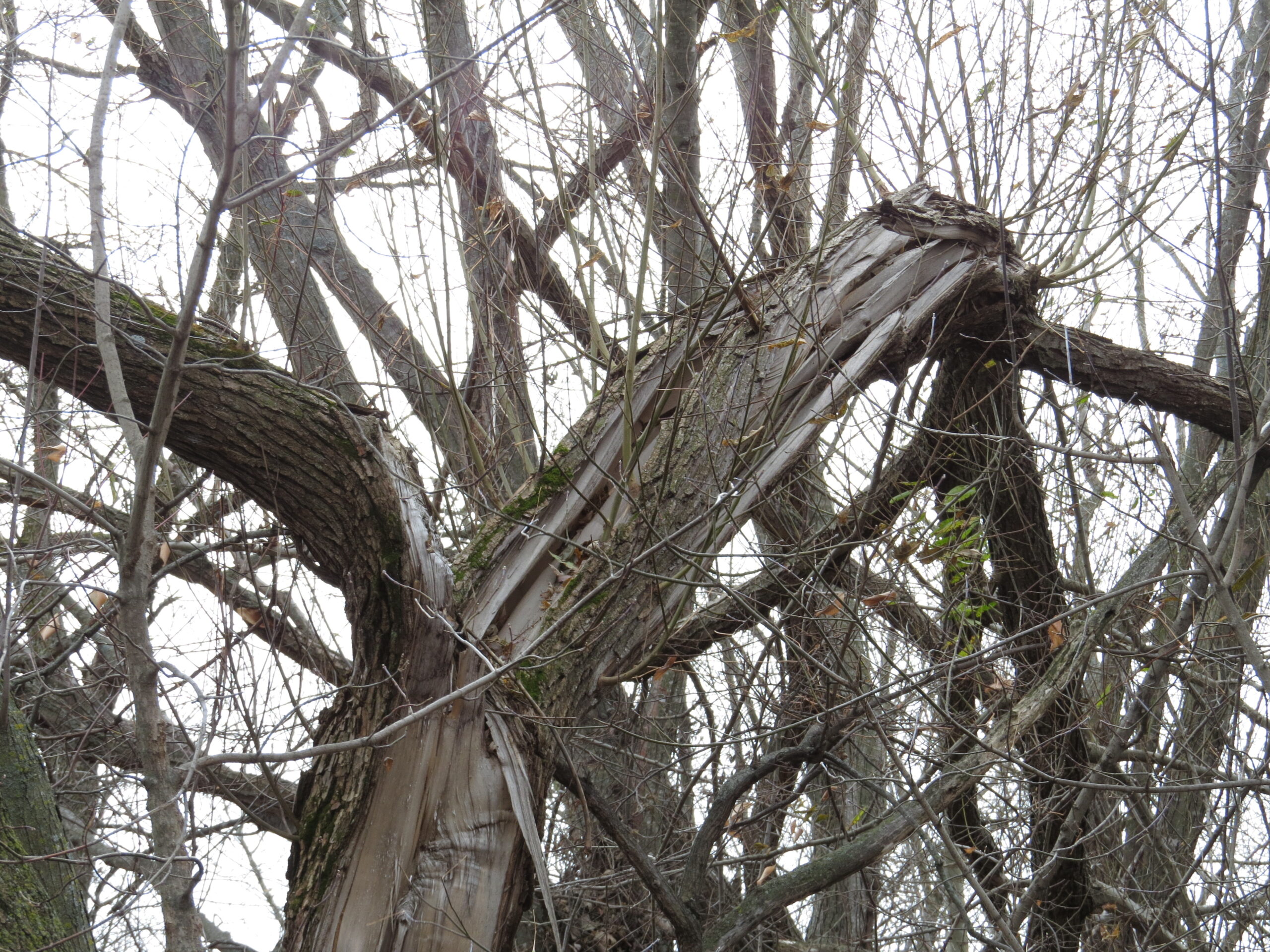
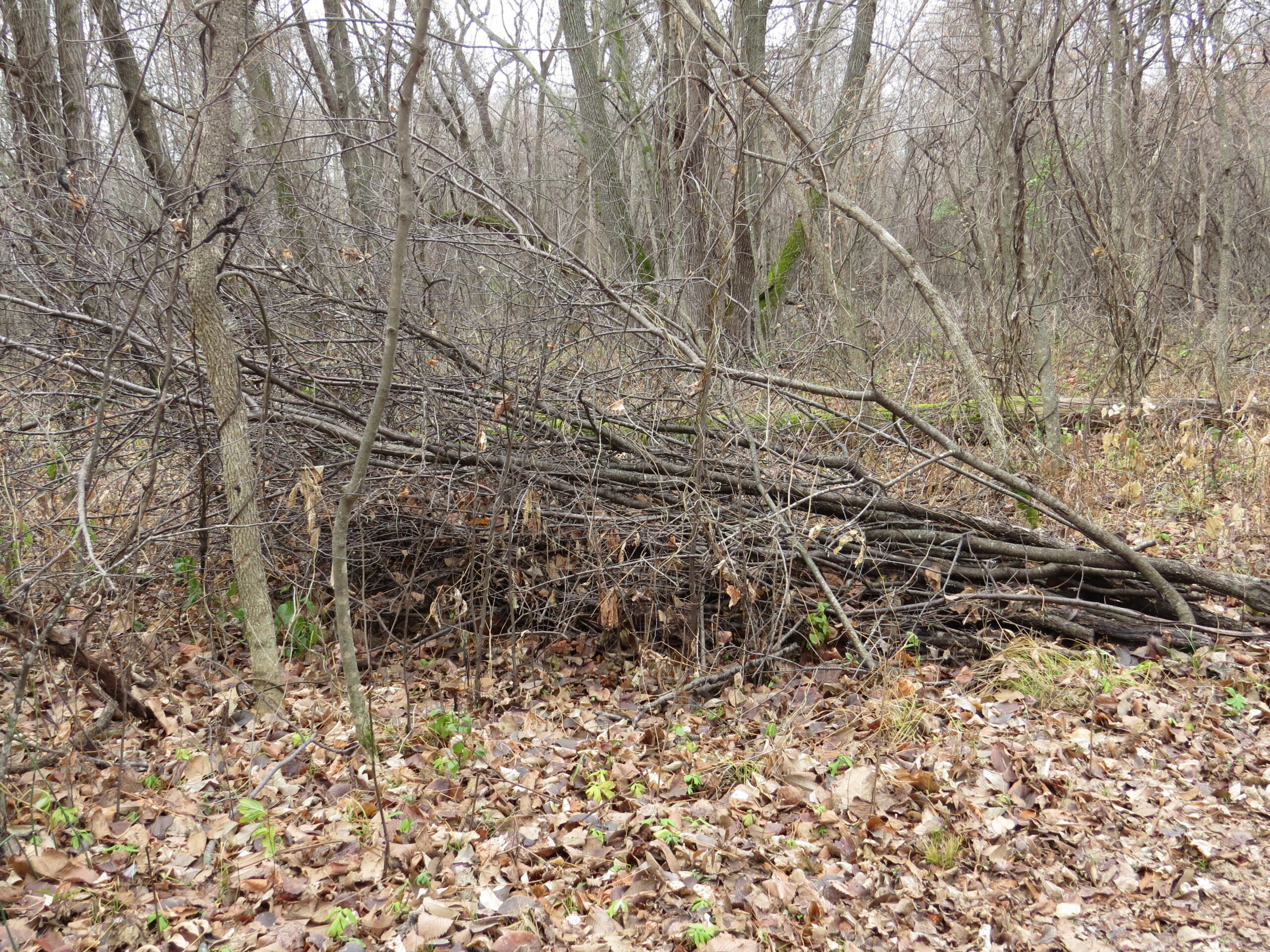
A pile of invasive Buckthorn had been toppled on purpose and piled neatly beside the trail. Good riddance to that which takes over the forest, if allowed, in its hungry quest for dominance.
The bare trees allow us to see things that we would not normally notice in the Summer, and though it seems to have an ‘ugly’ look, it really is ‘just different.’ Our judgement clouds the reality.
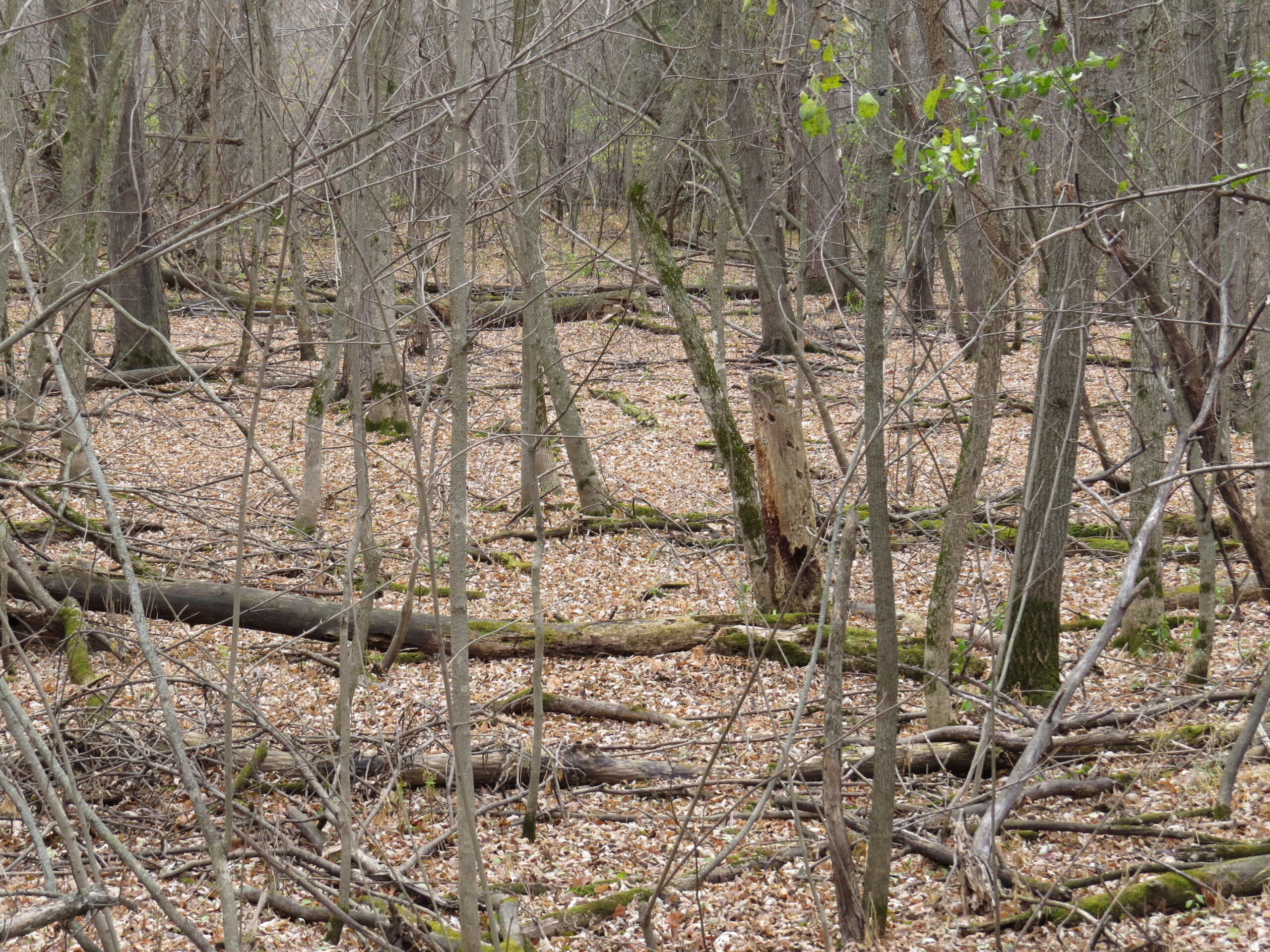
Blemishes, wrinkles, wounds, spots, holes, marks, weathering, and decline are all exquisitely evident in the unveiling Autumn. It is Nature, and it is us—how can you not love it?
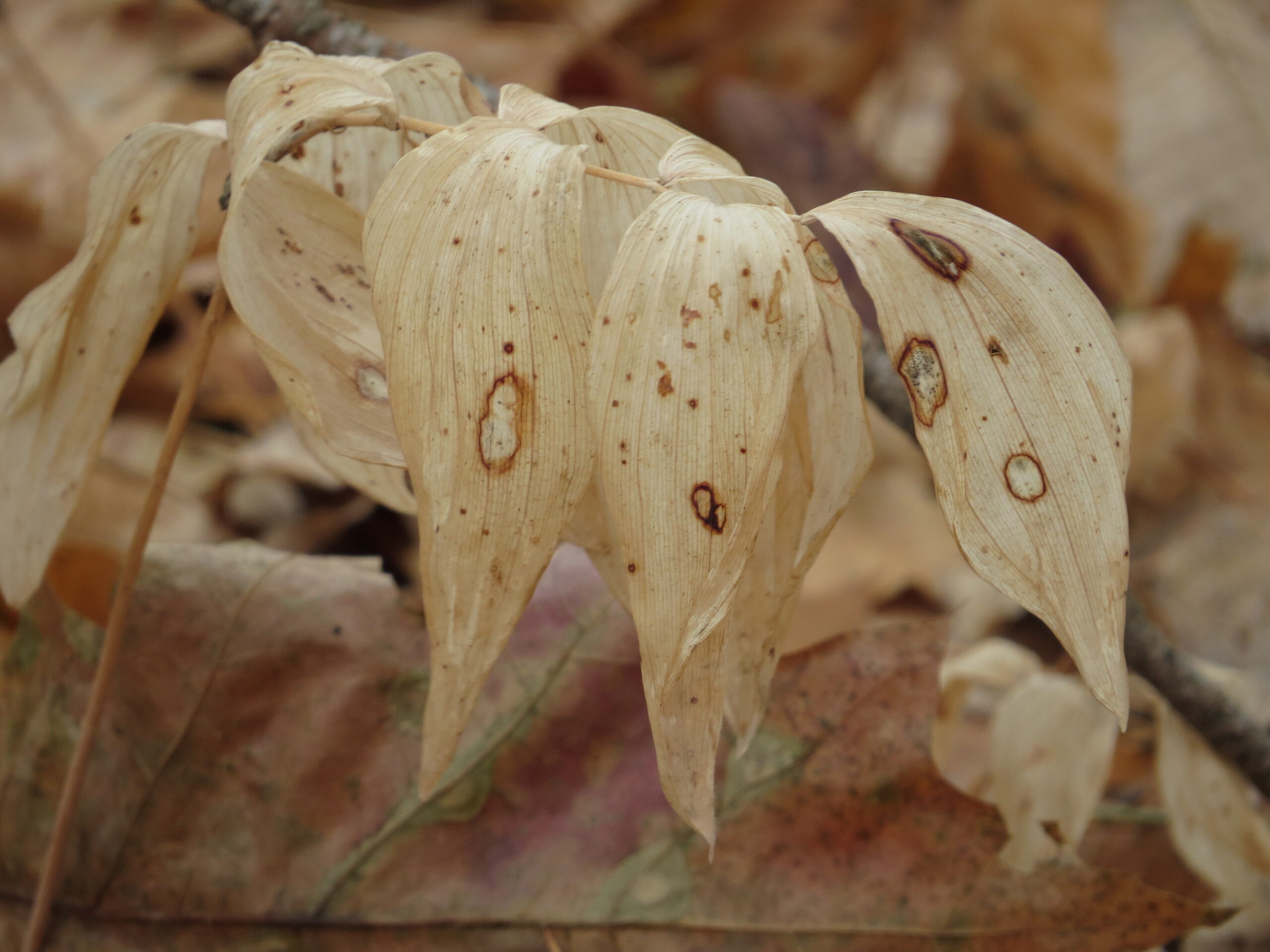
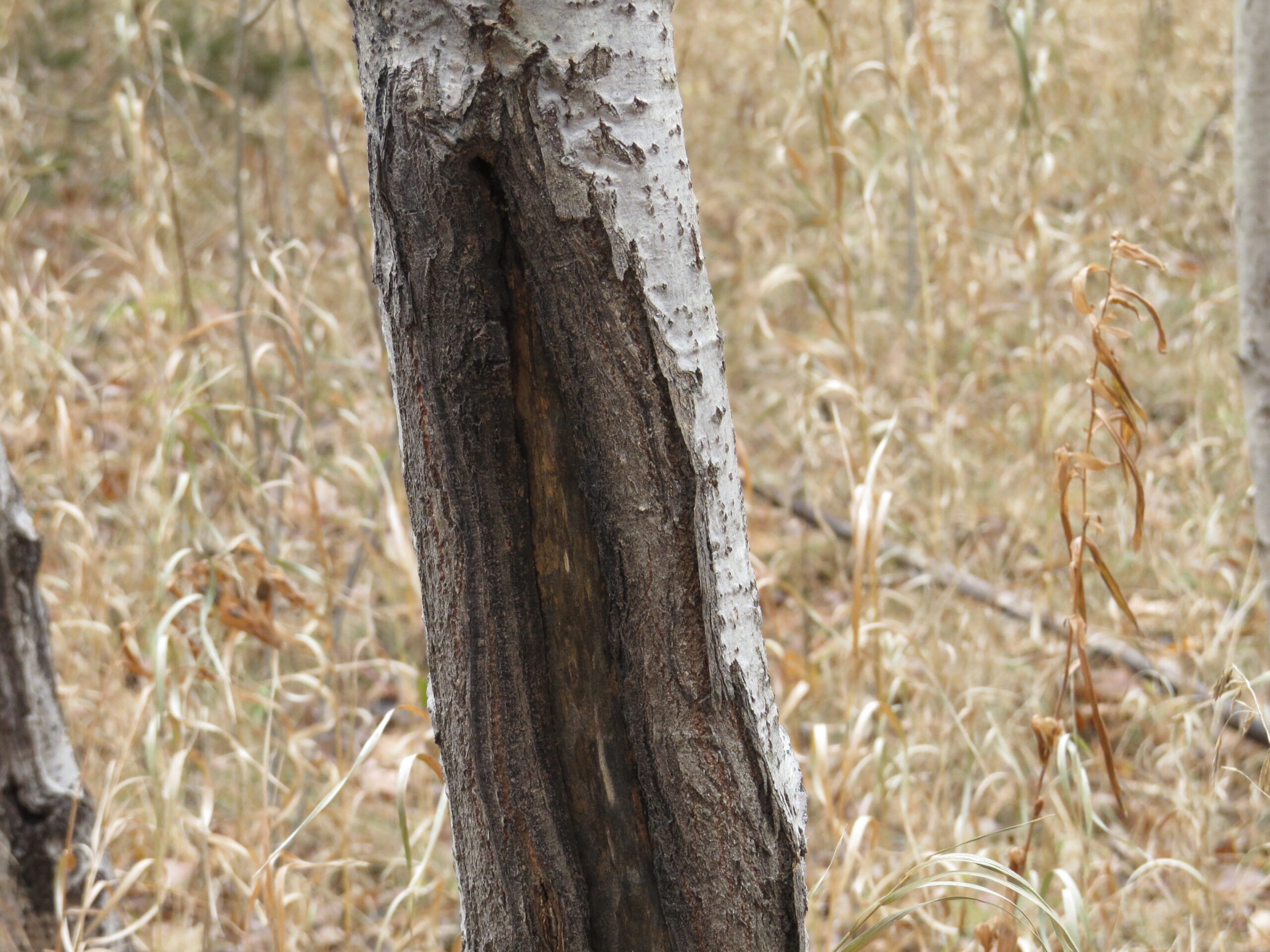
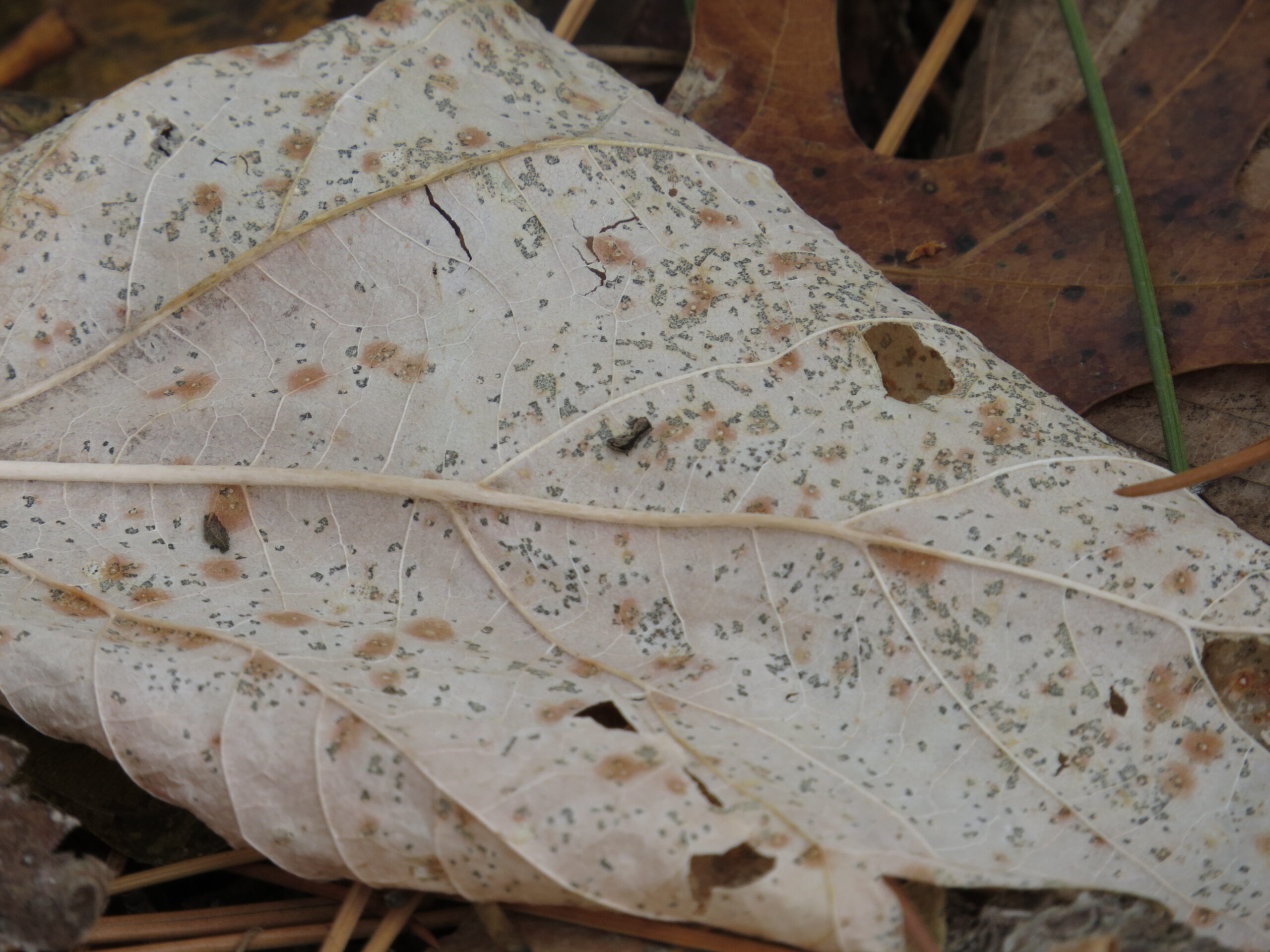
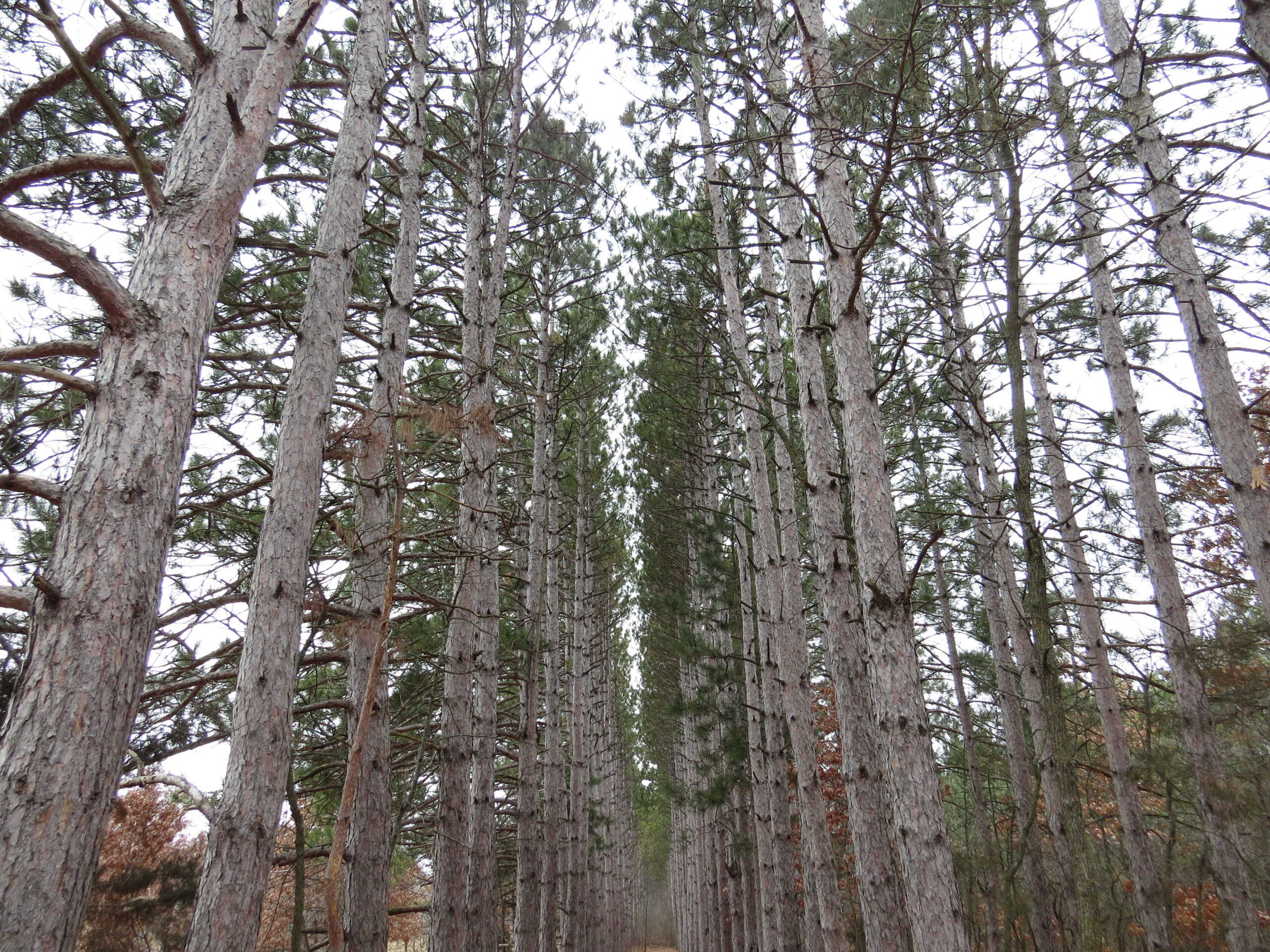
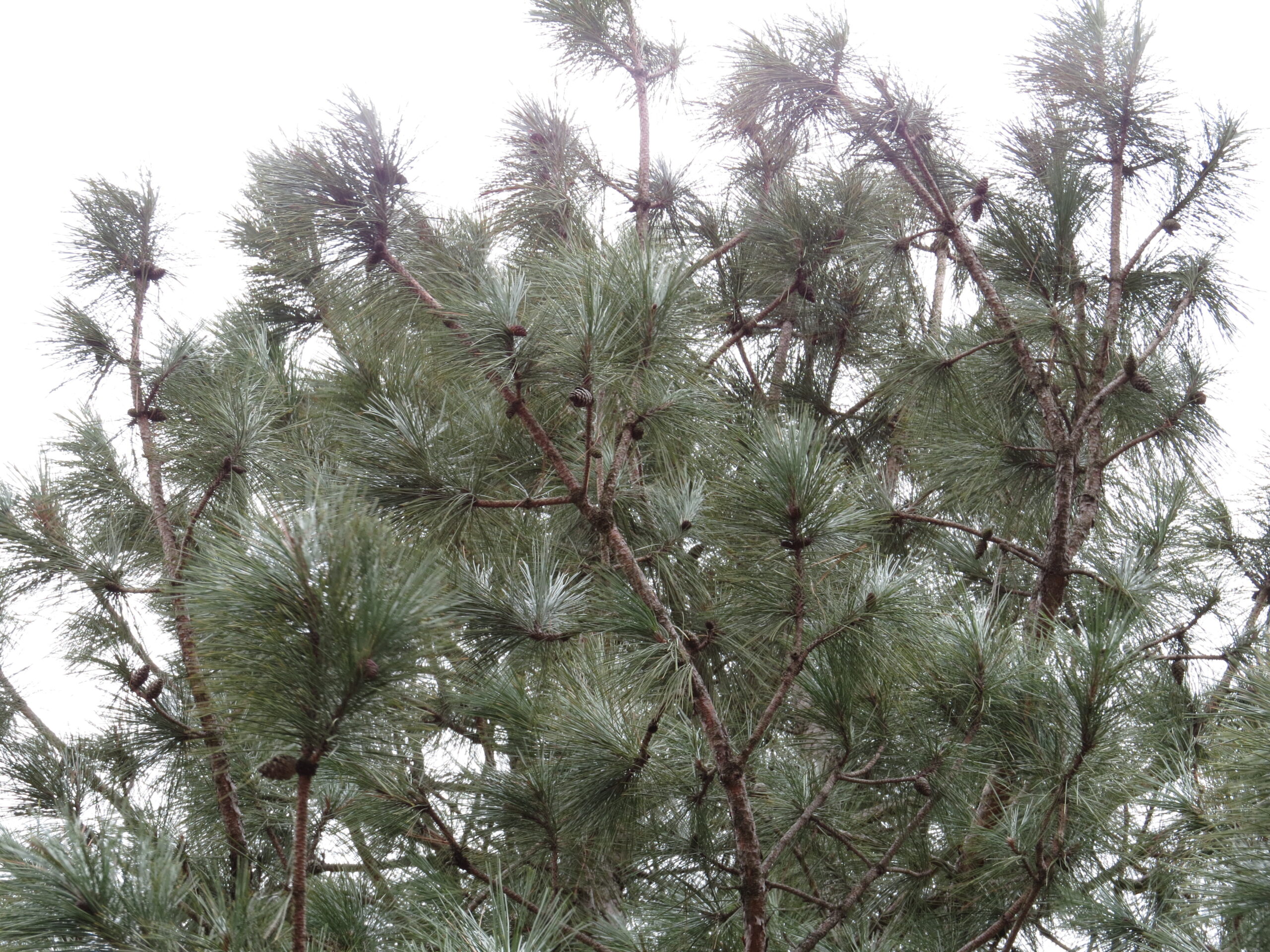
Here in the forested North, we have place-holders for all the others who have lost their leaves—the Evergreens. They are the hope-keepers, the oxygen-makers, the color-bearers. Usually when I hear the wind whisking through the tops of the Pines, it sounds like singing, but on this day, it sounded more muted, less lyrical, more….story telling. The Evergreens, whether the long–needled Pines, the conical Spruces, the wispy Firs, or the sturdy Cedars, tell the Winter story for all the trees and dormant plants. It keeps them all ‘alive.’
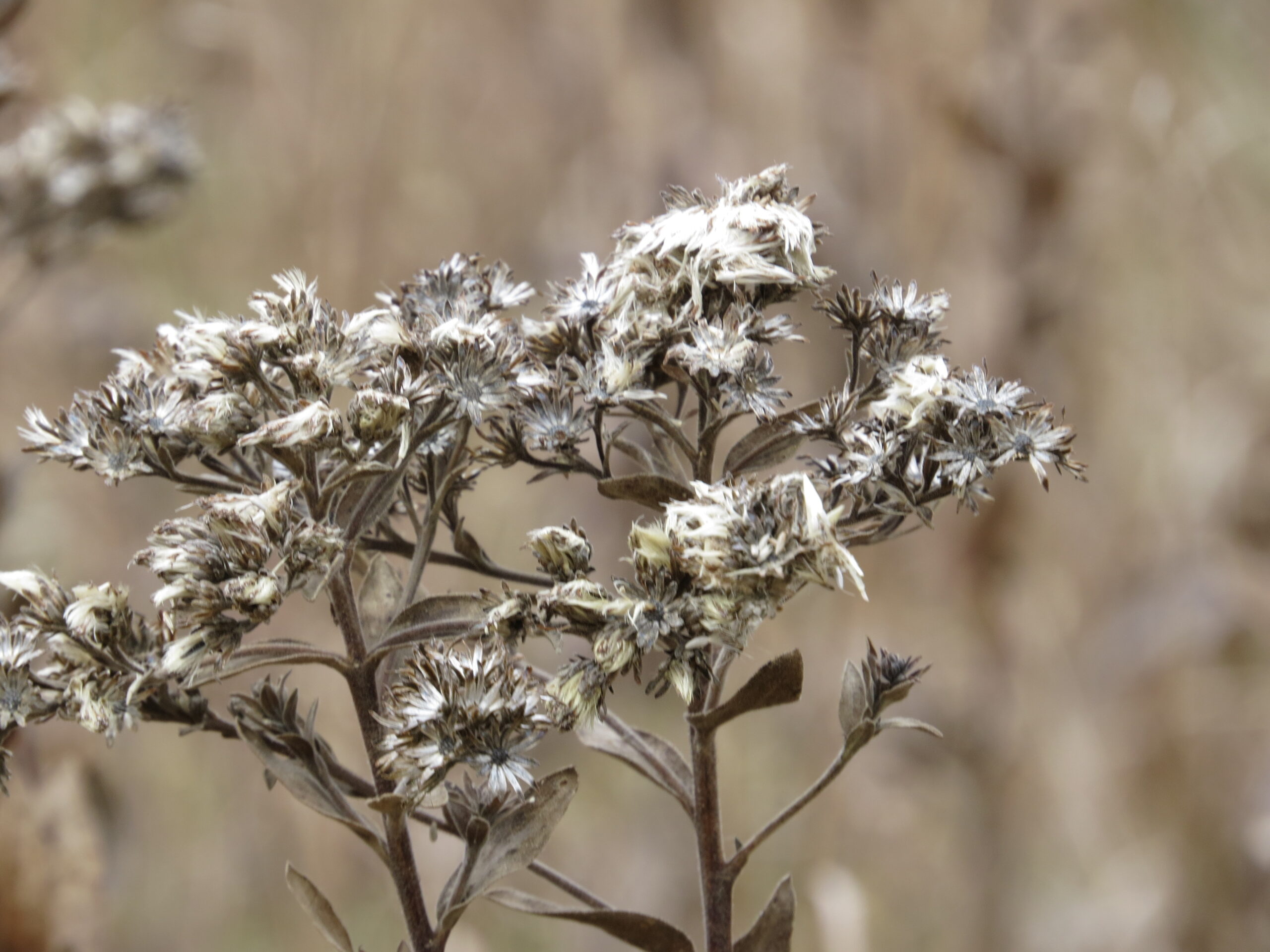
And so, the dried Goldenrod flowers become stars of light…
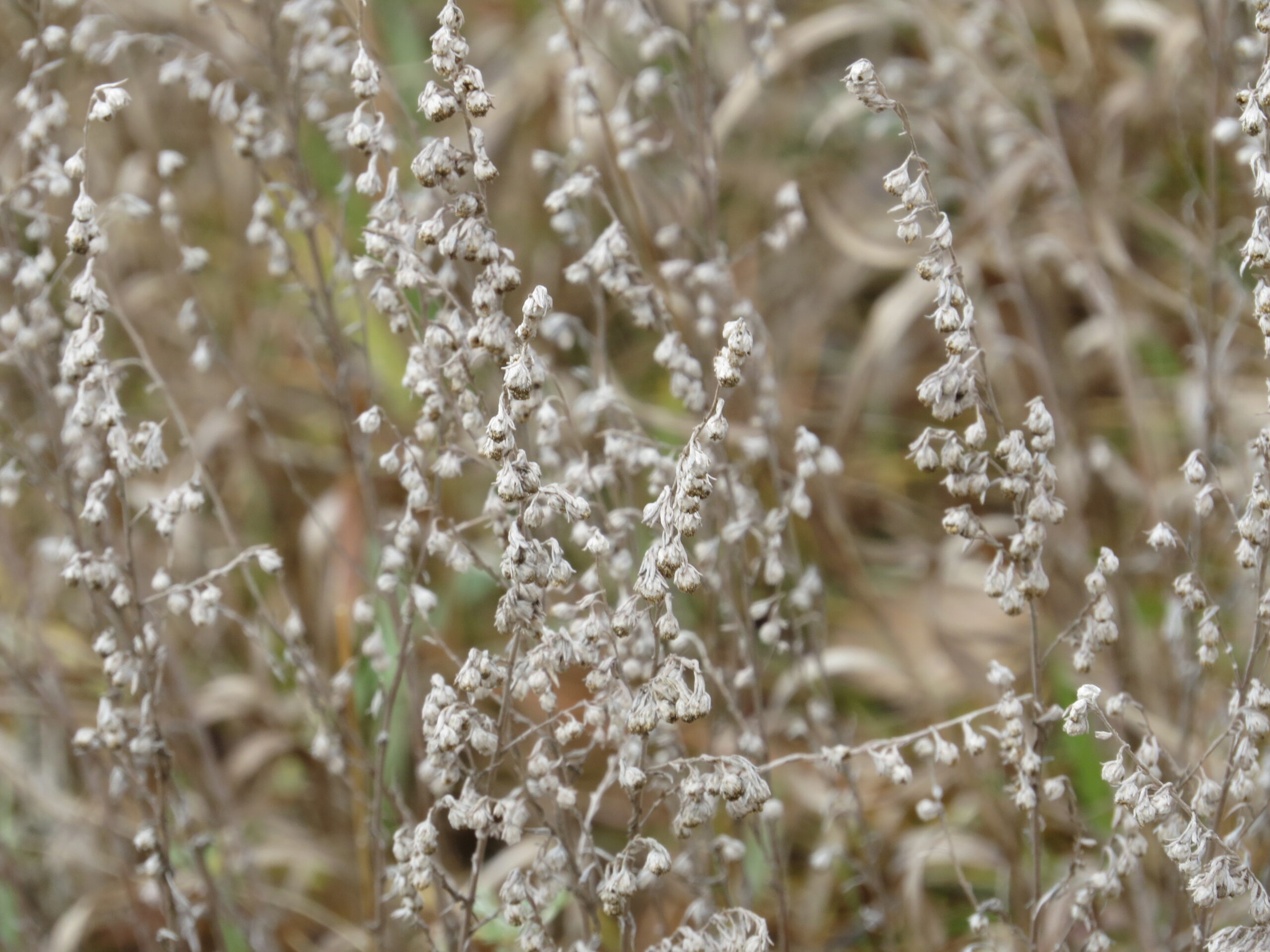
the Artemisia becomes an array of tiny silver bells…
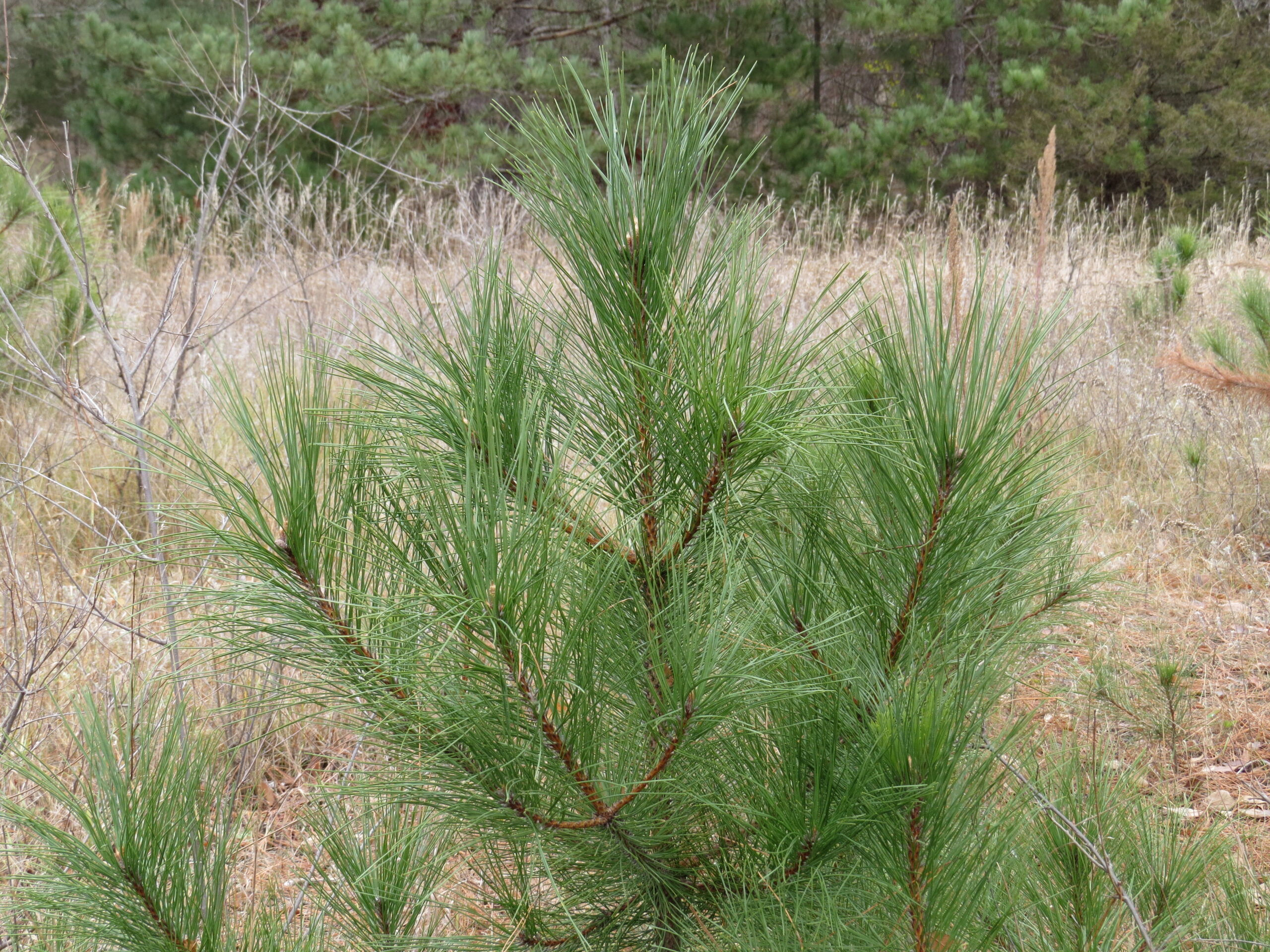
the young Pines embody the everlasting Goodness…
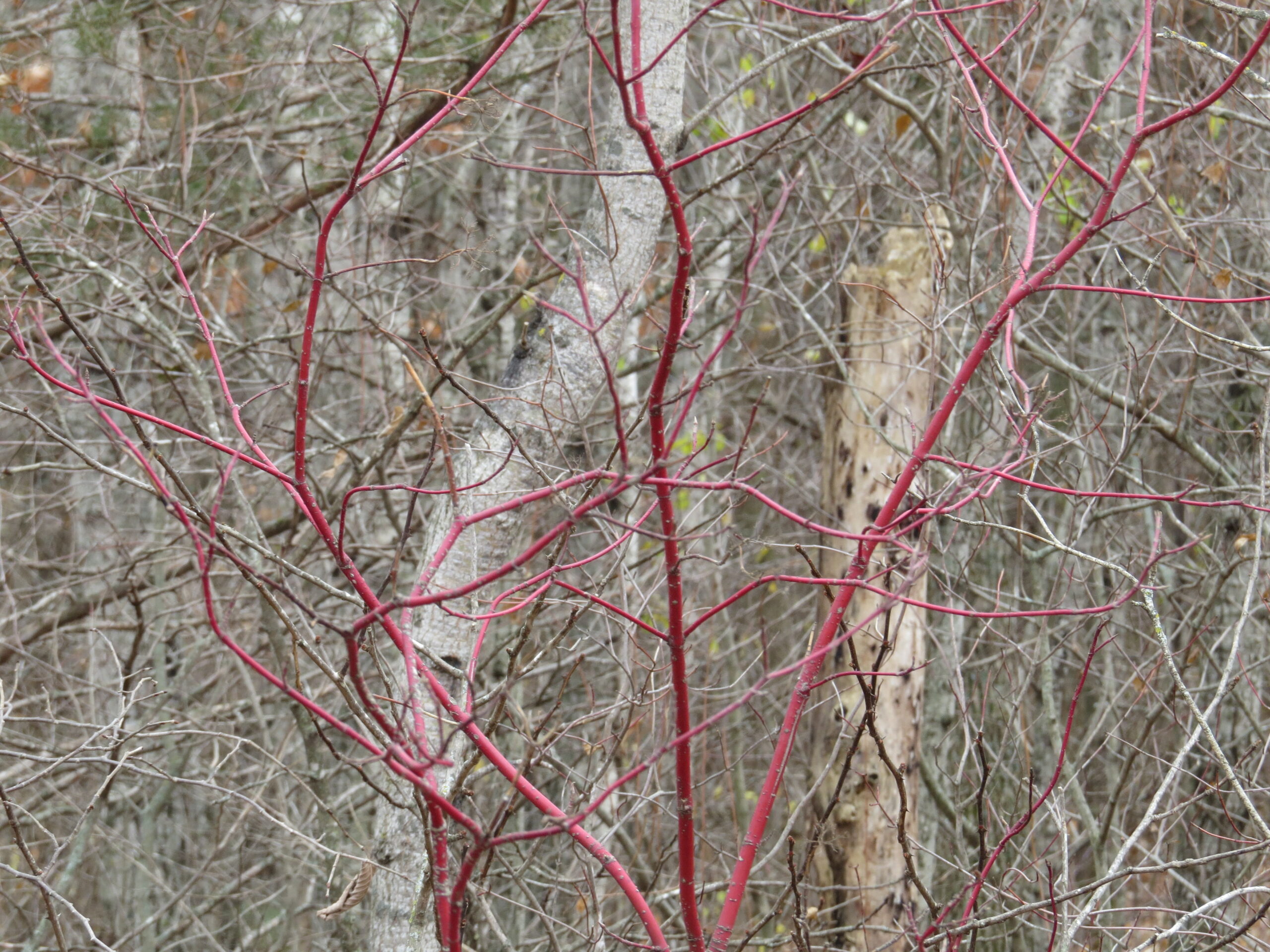
the Red-twigged Dogwoods represent the warm flow of life-sustaining blood…
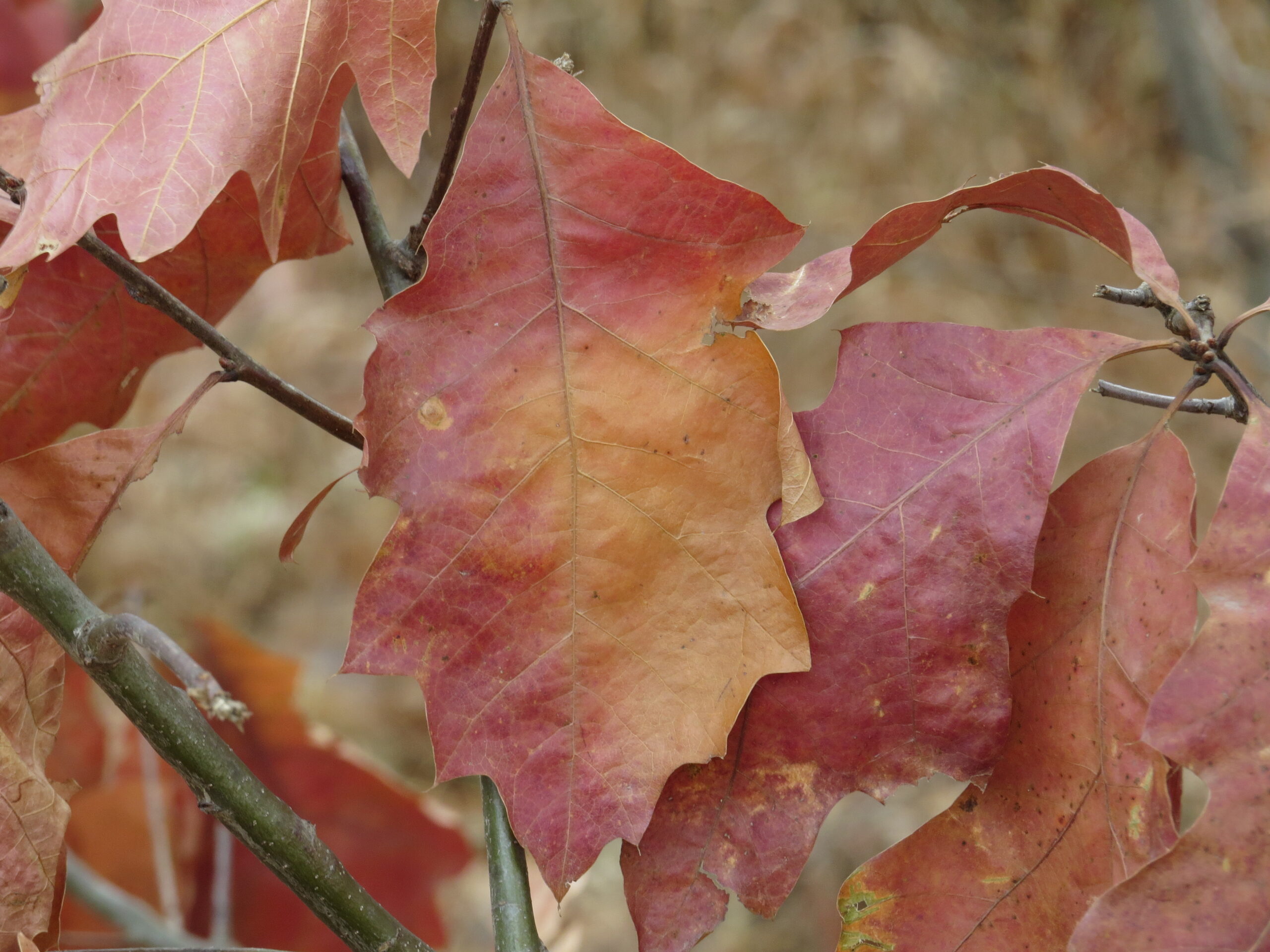
and the clinging red Oak leaves remind us of our resilience.
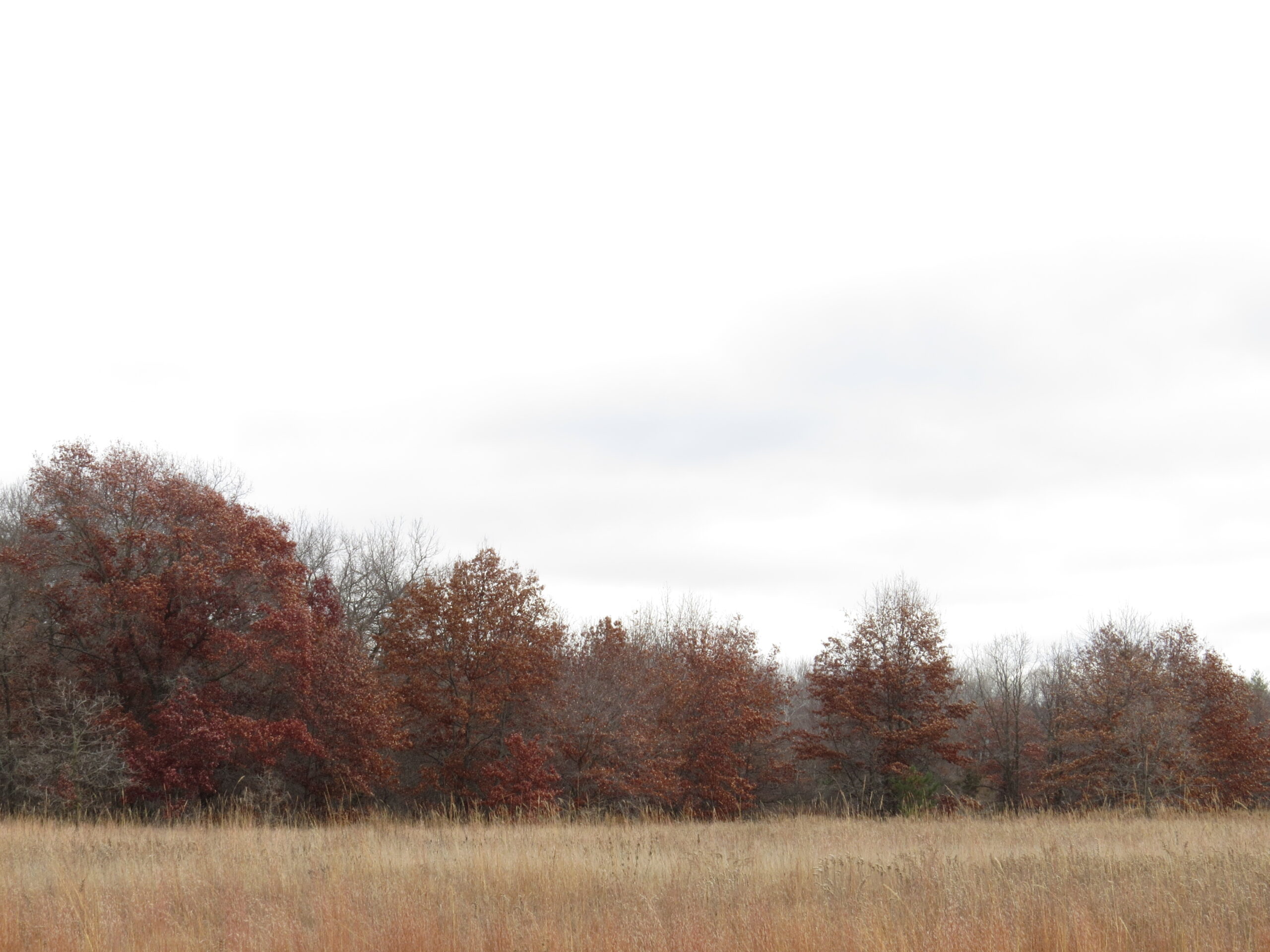
Growth is a given in Nature—the eternal hopefulness of that can sustain us through the cold and gray months. Meditate on the miracle of it.
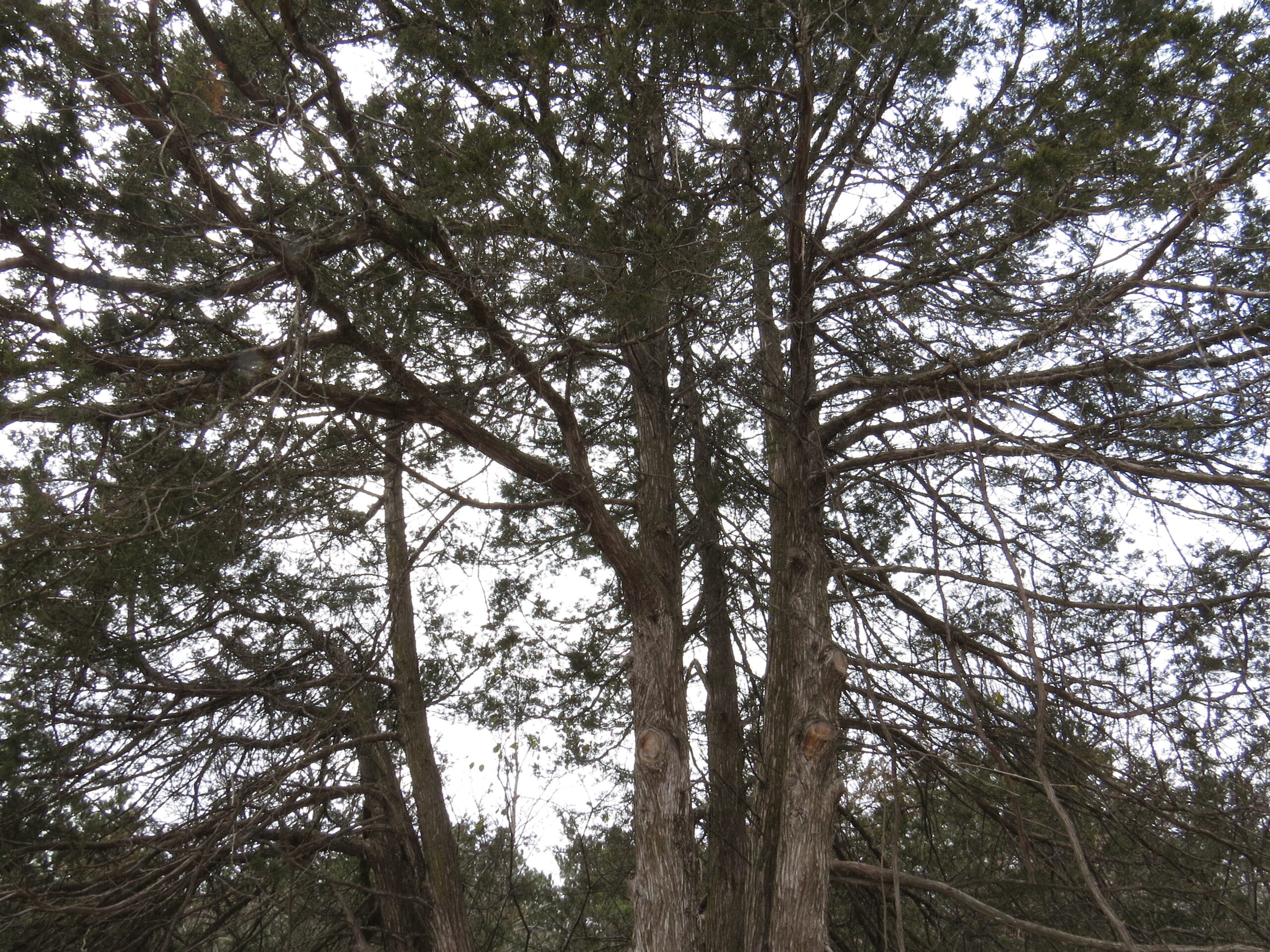
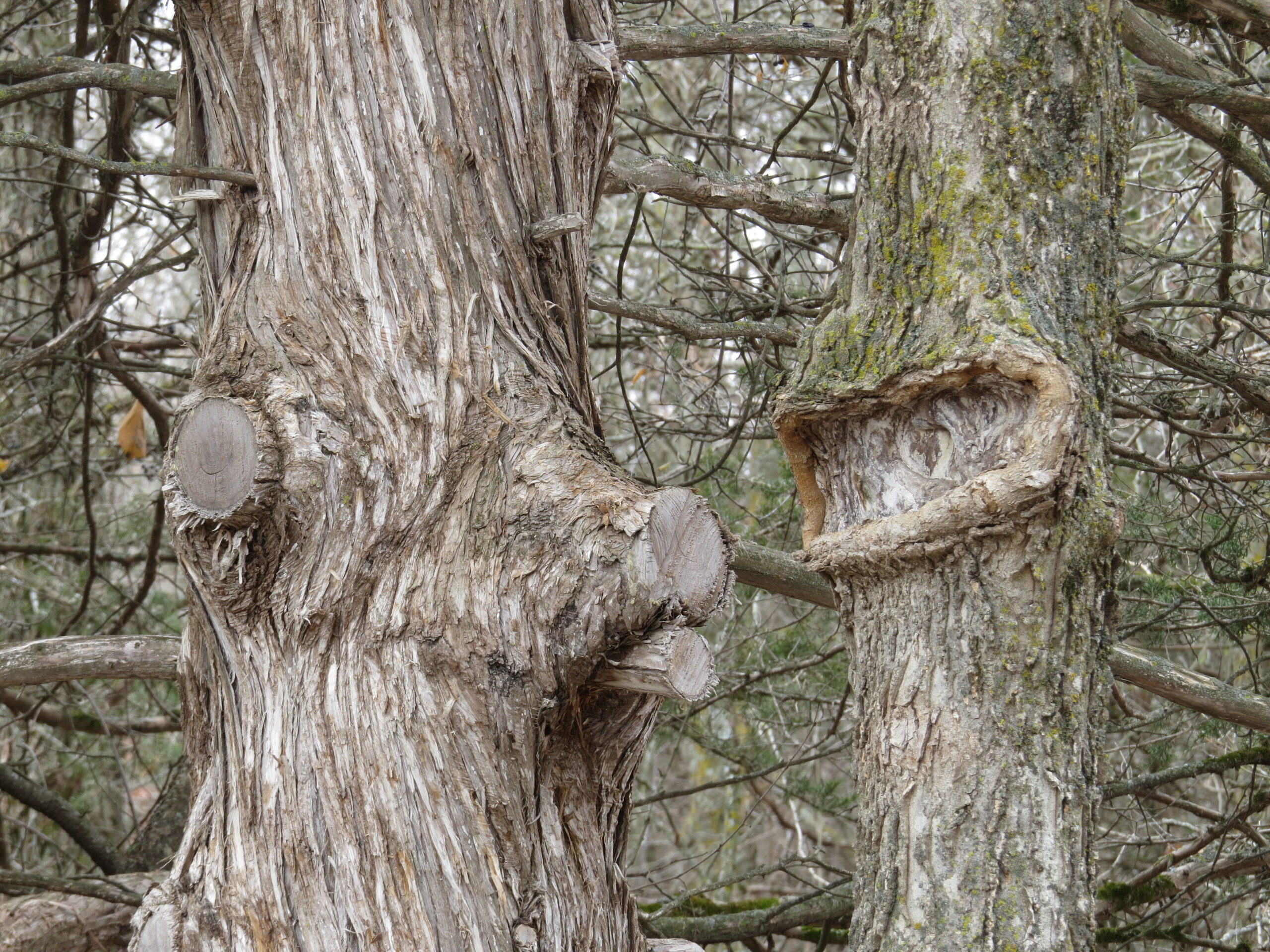
Often with growth comes the shrinking and dying of old branches, childish beliefs, old, outdated coping behaviors, and ignorant information. (To me ‘ignorant’ is uninformed or inexperienced, not a judgement.) Gray November and the cold Winter are perfect times to prune away the old, outdated branches.
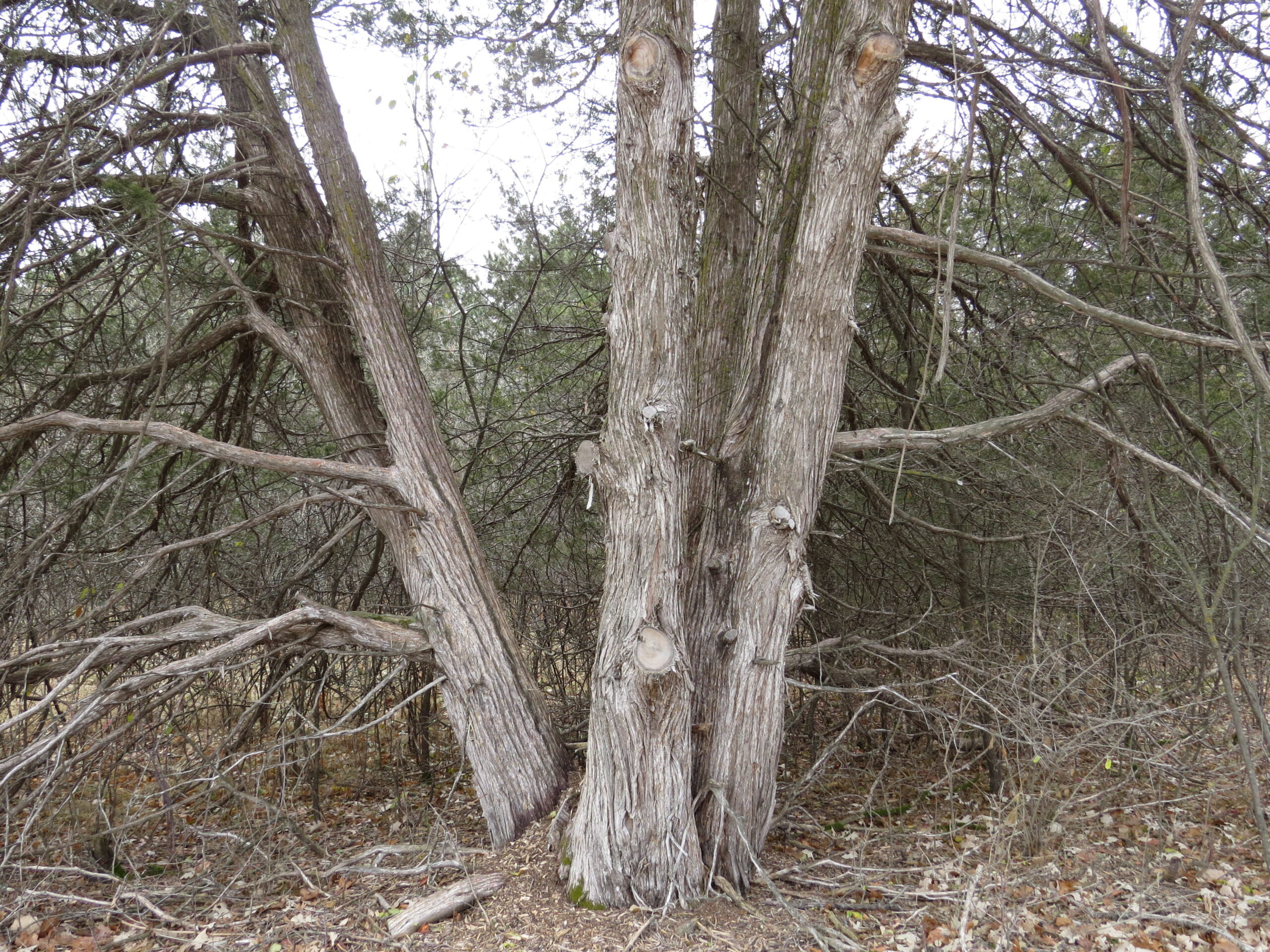
Sometimes our old, tightly-held beliefs and ignorances have grown so large that they have wounded those close to us, often with no intention and knowledge on our part. Pruning allows both to heal and grow.
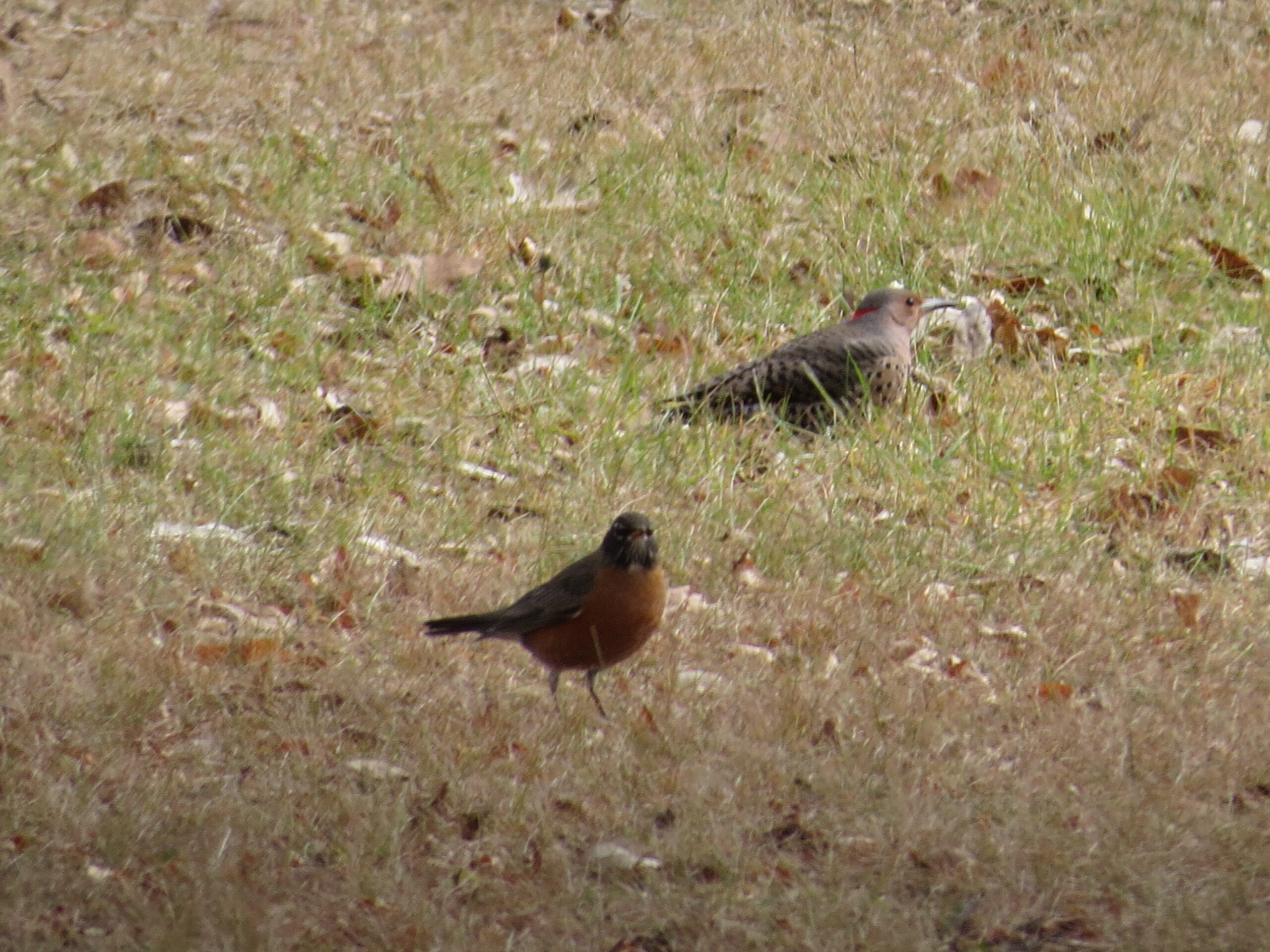
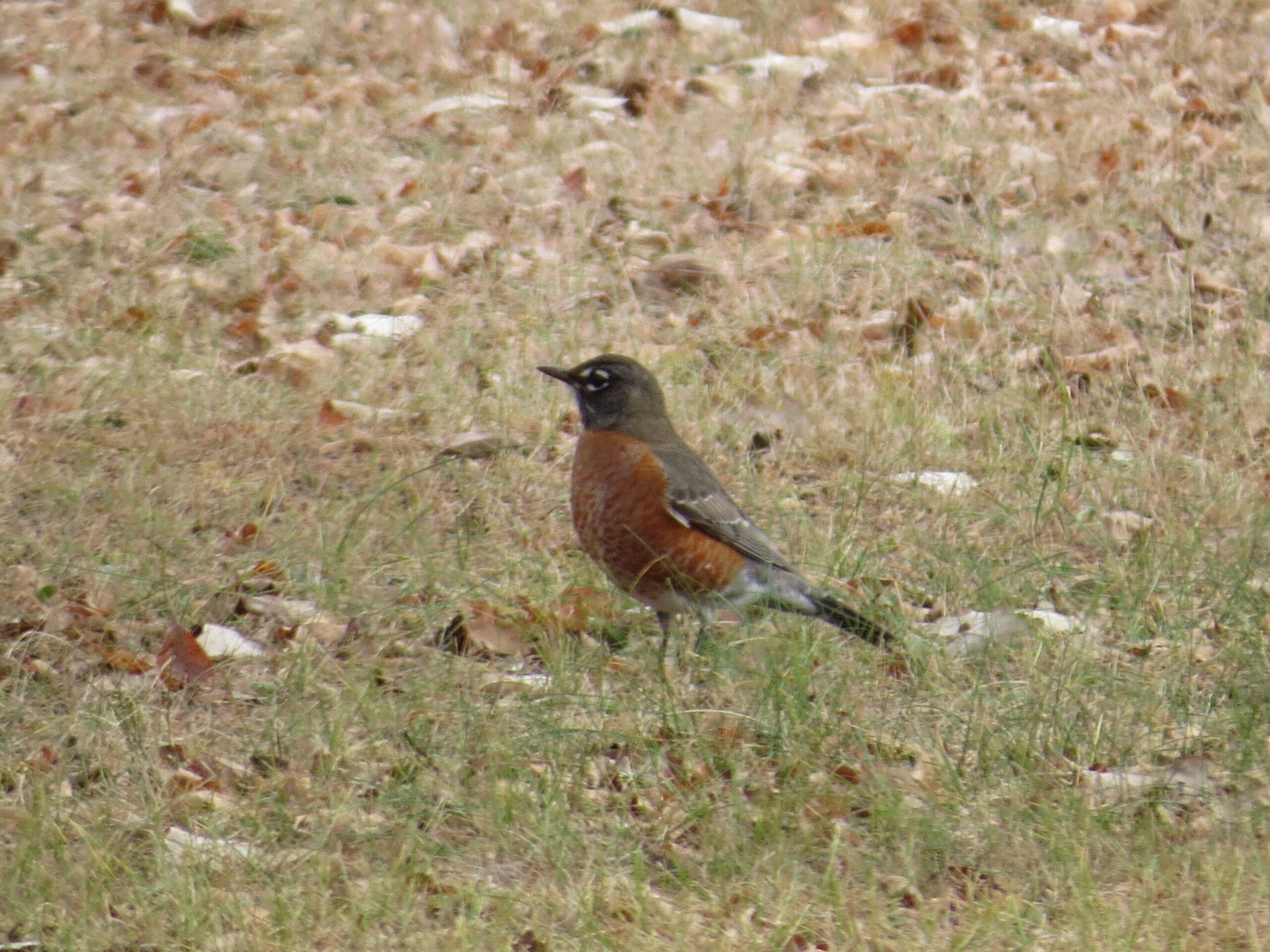
At the end of my hike, I saw a noisy flock of birds scouring the leaf litter under some trees. Robins and Chickadees and a Northern Flicker hopped around looking for food. The Robins and Flickers will go farther south when snow covers the ground. They are some of the last to go, but I see in them their promise to be the first to return, just as the snow uncovers the ground in Spring.
Gray November holds all kinds of Hope. We attended a beautiful wedding last weekend that held the light of young Love and the energy of Happiness and Potential. Do you remember those? At this time of year, we can see more clearly with less obstacles in the way, along with a path around the ones that fall before us. Vision and Breakthroughs. We can look at the reality of our blemishes and human short-comings and call them Authentic. Forgiveness lives on in the cold harshness of Winter. We can identify the invasive species of thoughts, beliefs, and behaviors that need to be toppled, pruned, and removed. Openness and Opportunity. With the un-busy-ness of the dormant time, the stories and glories of Summer and Growth have space and time to be told. And gray November and dark December unfold to Celebration—to giving Thanks, to decorating with stars, silver bells, ever-greenery, and warm red ribbons and bows. We celebrate Goodness and Life Everlasting. Promise shines through the gray.
Mesmerizing Middle
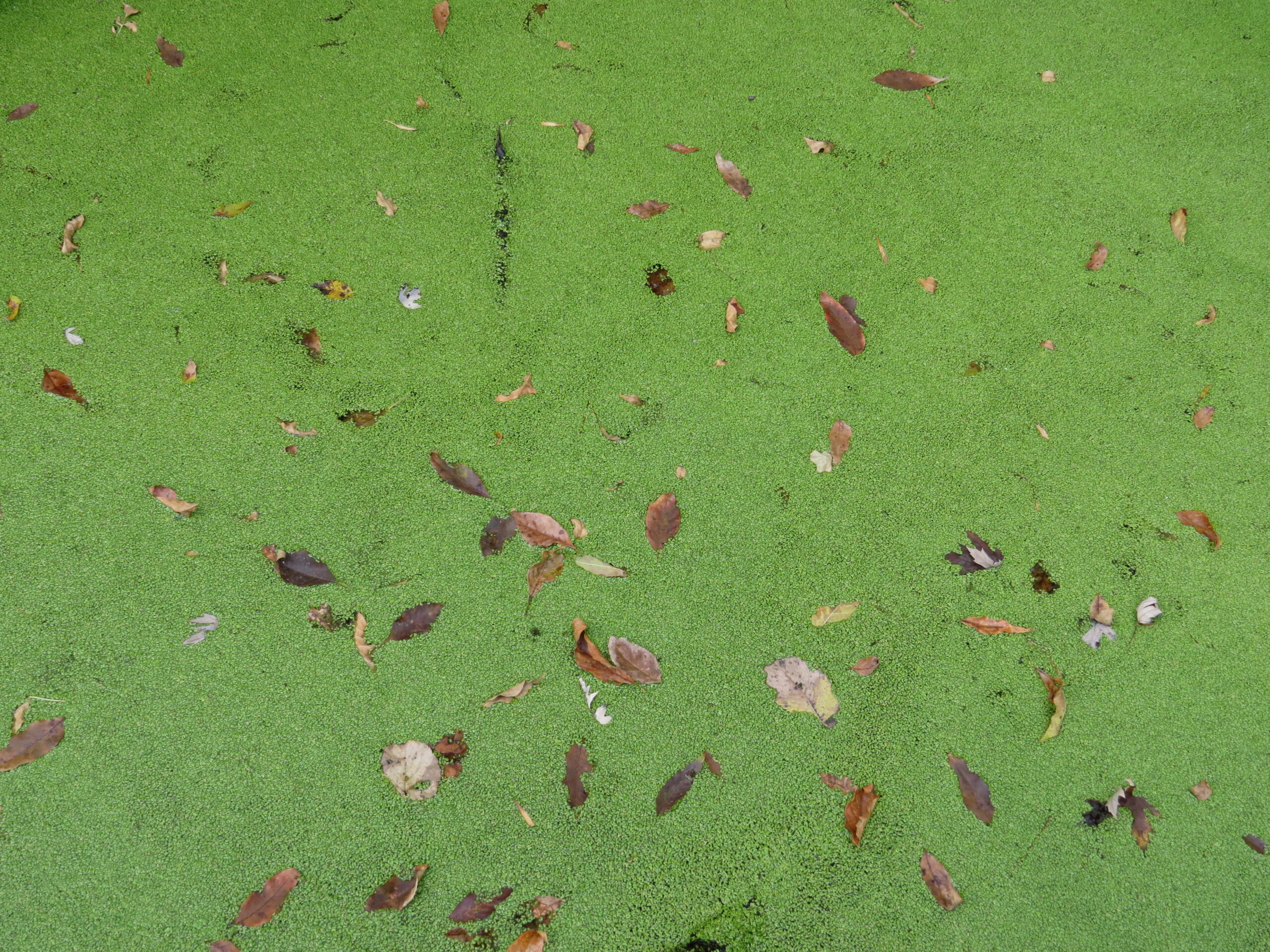
I’m going to begin in the middle. In the middle of our hike, that is. And only for one photograph, one minute of time, one funny little revelation. It inspires all of my hikes, and with reflection, it really is the basis of why I take photos, write this blog, and share it with you all. We walked across a ‘floating’ wooden bridge over an inlet to a shallow pond halfway through our hike at Mississippi River County Park. Duckweed has been covering the slow-moving inlet water and much of the pond for months now. On this day and all those going forward into Autumn, leaves had fallen onto the thick duckweed, creating a collage. I peered over the edge of the bridge, staring into the pea-soup green water. Since the bridge ‘floats’ on top of the water, every movement we made radiated out into the water and duckweed, producing movement and patterns through the bright green medium. “This is kind of mesmerizing,” I told my patiently waiting husband. With his usual dry humor, Chris broke my nature-spell by proclaiming his take on it all, “Makes me want to jump in and go for a swim!” I laughed at the absurdity of it, imagining his rising from the water as the incredible green hulk!
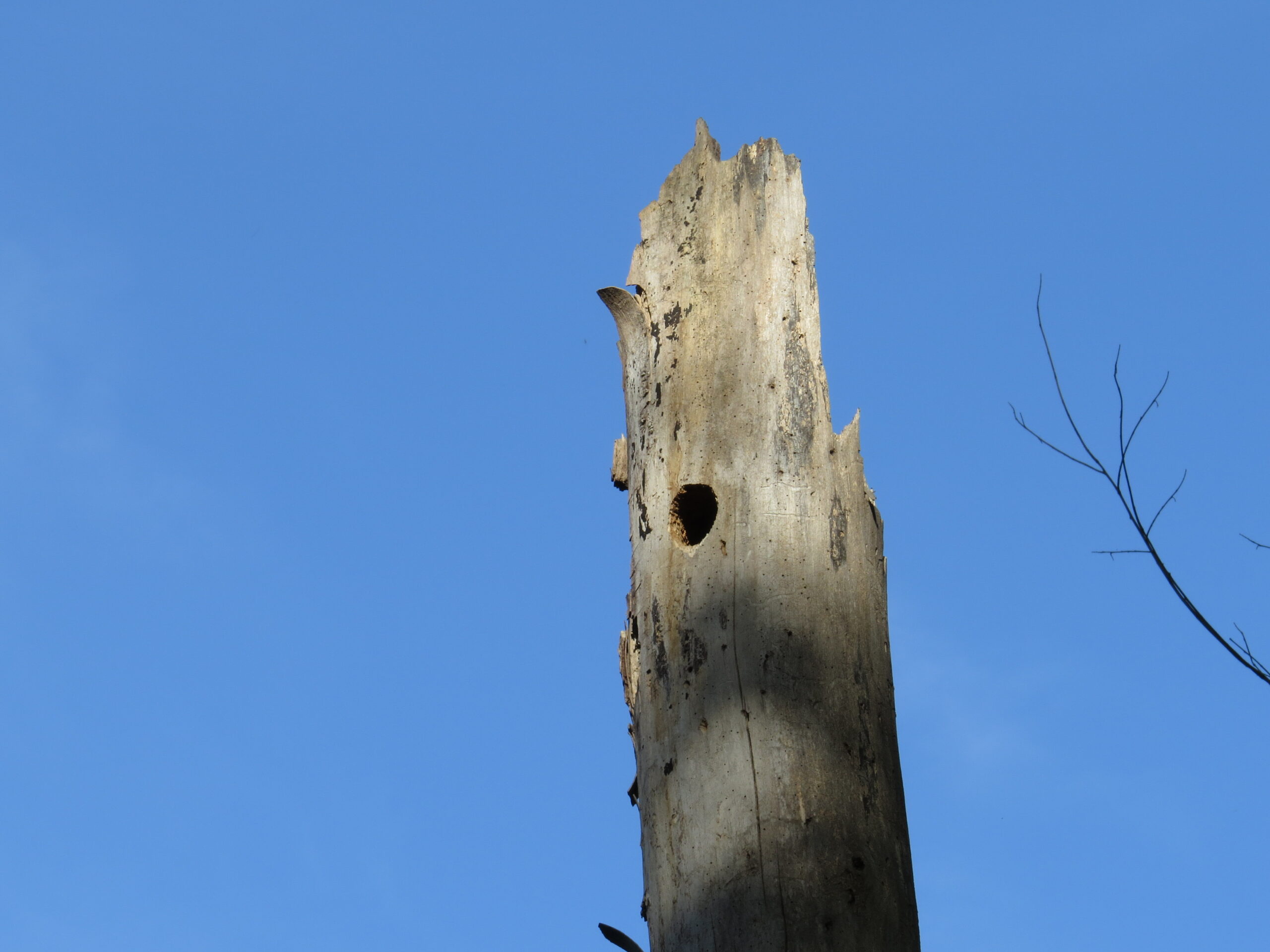
Nature is mesmerizing for me. I see things and wonder…who lives here? How did the tree die? How many young ones have fledged from this high-rise home?
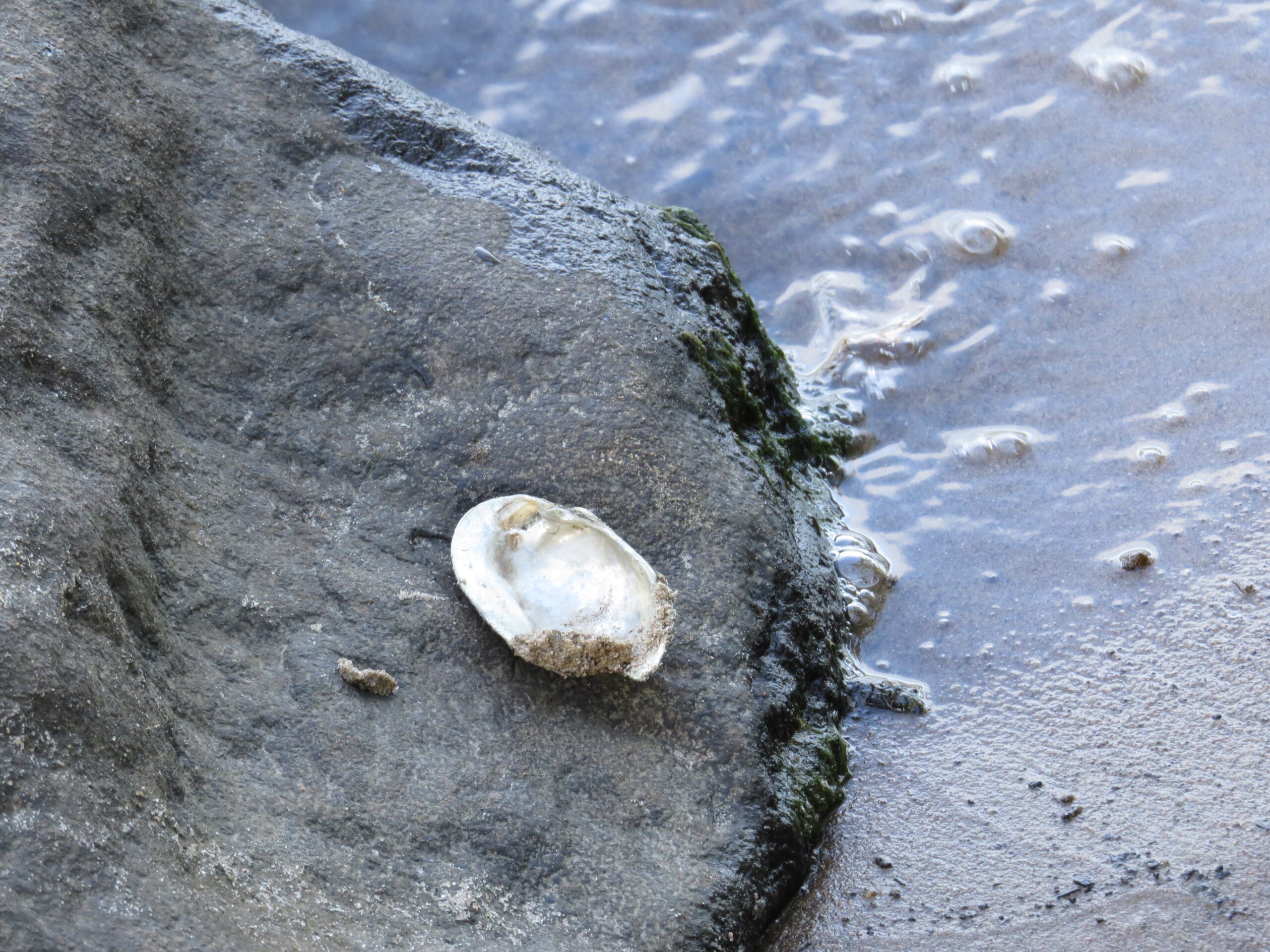
Look at this pearly shell! Scooped up by the water from the sandy shore and placed on this rock for a moment in the long trend of time until a bigger wave sweeps it back to the Mississippi waters.
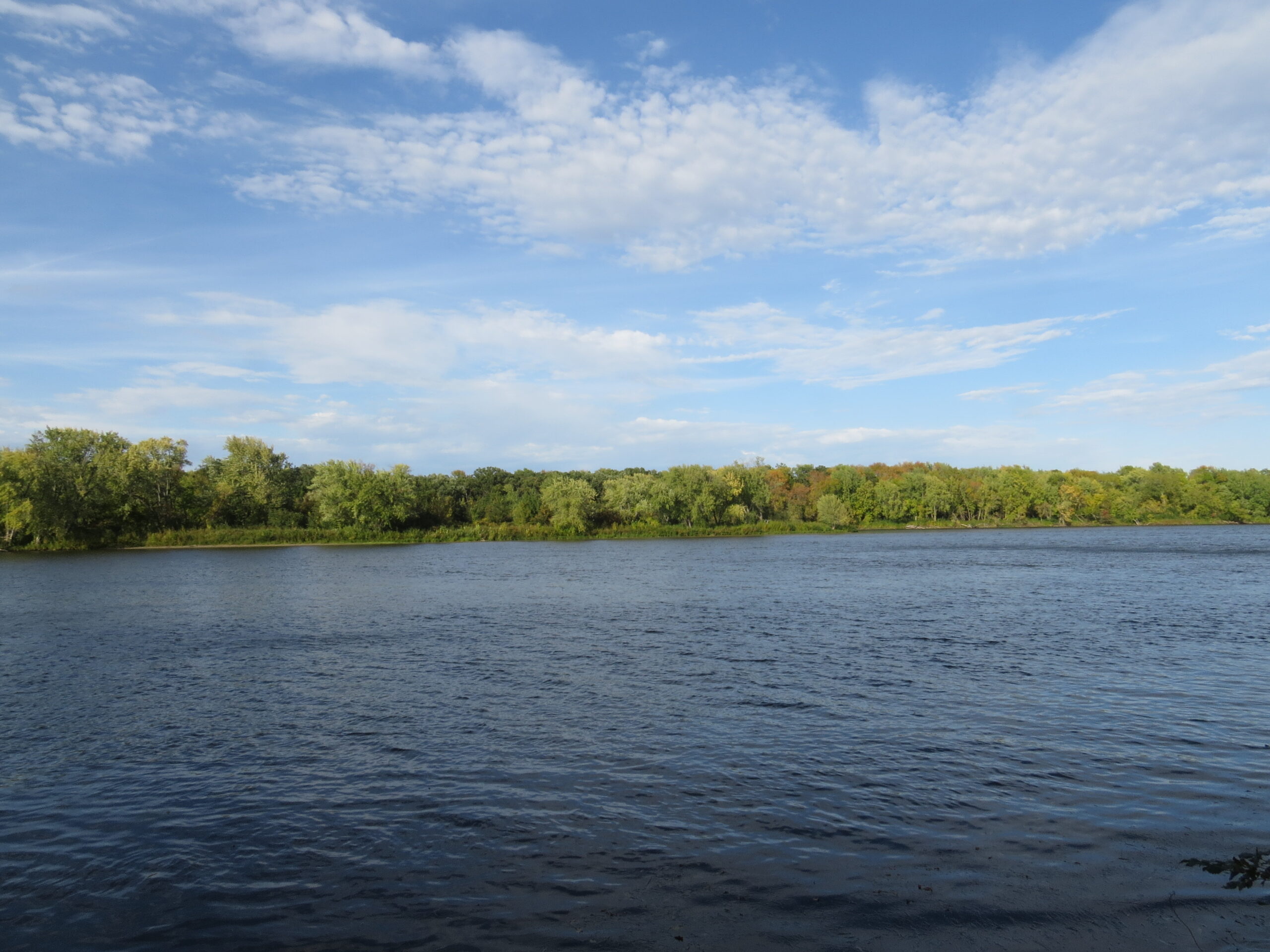
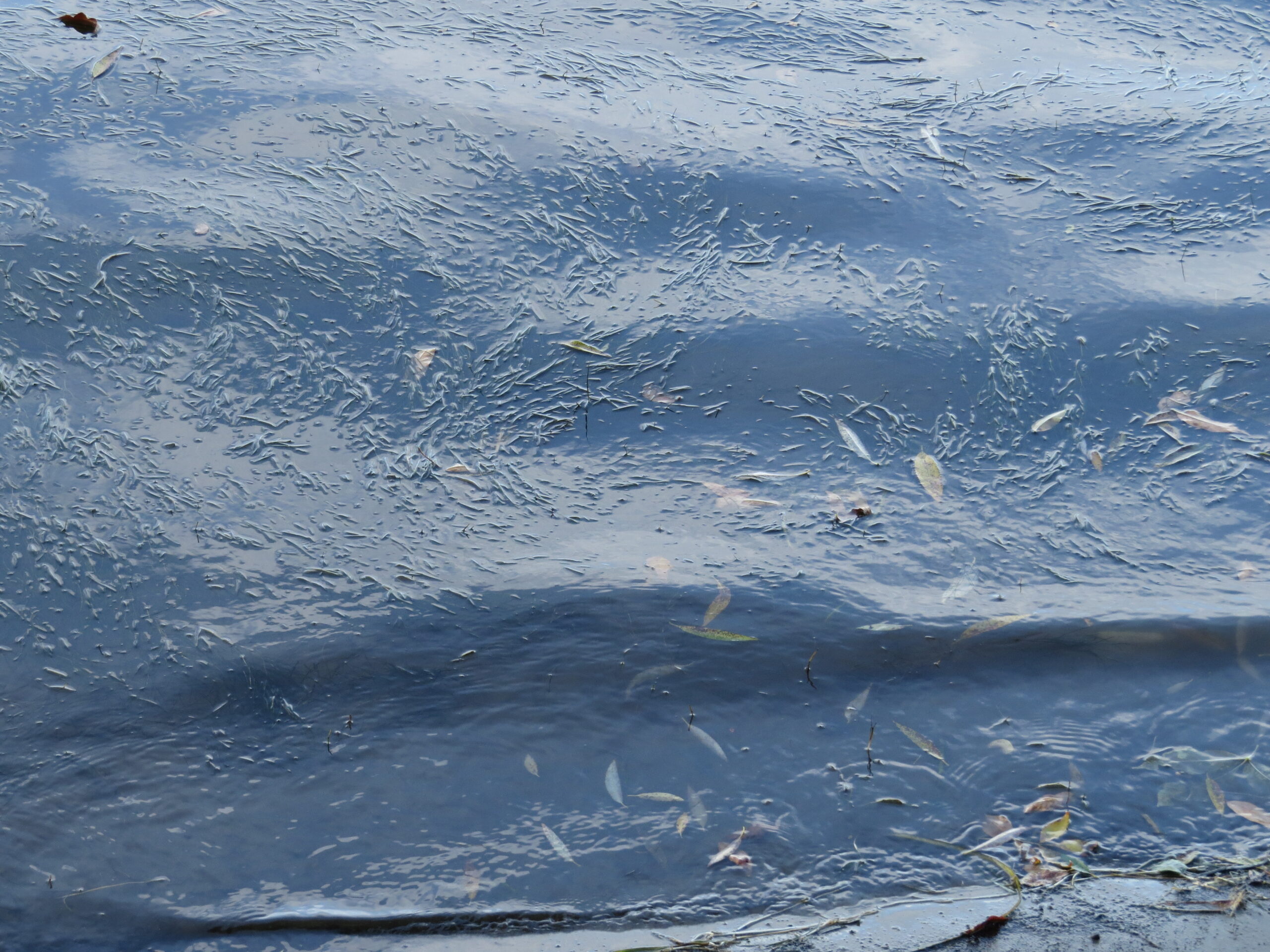
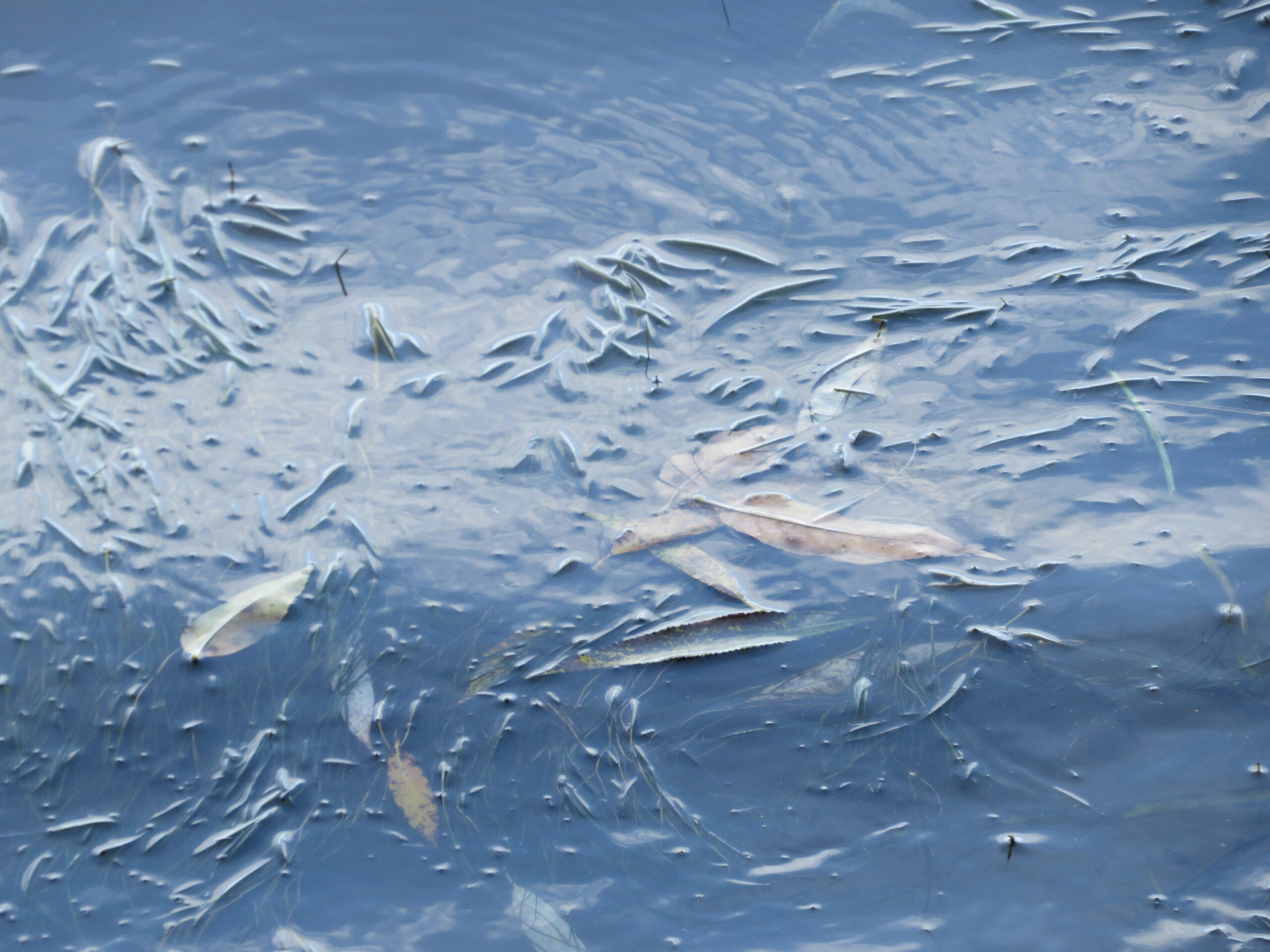
Seaweed and floating Willow leaves have their own kind of enchantment as the waves move through them.
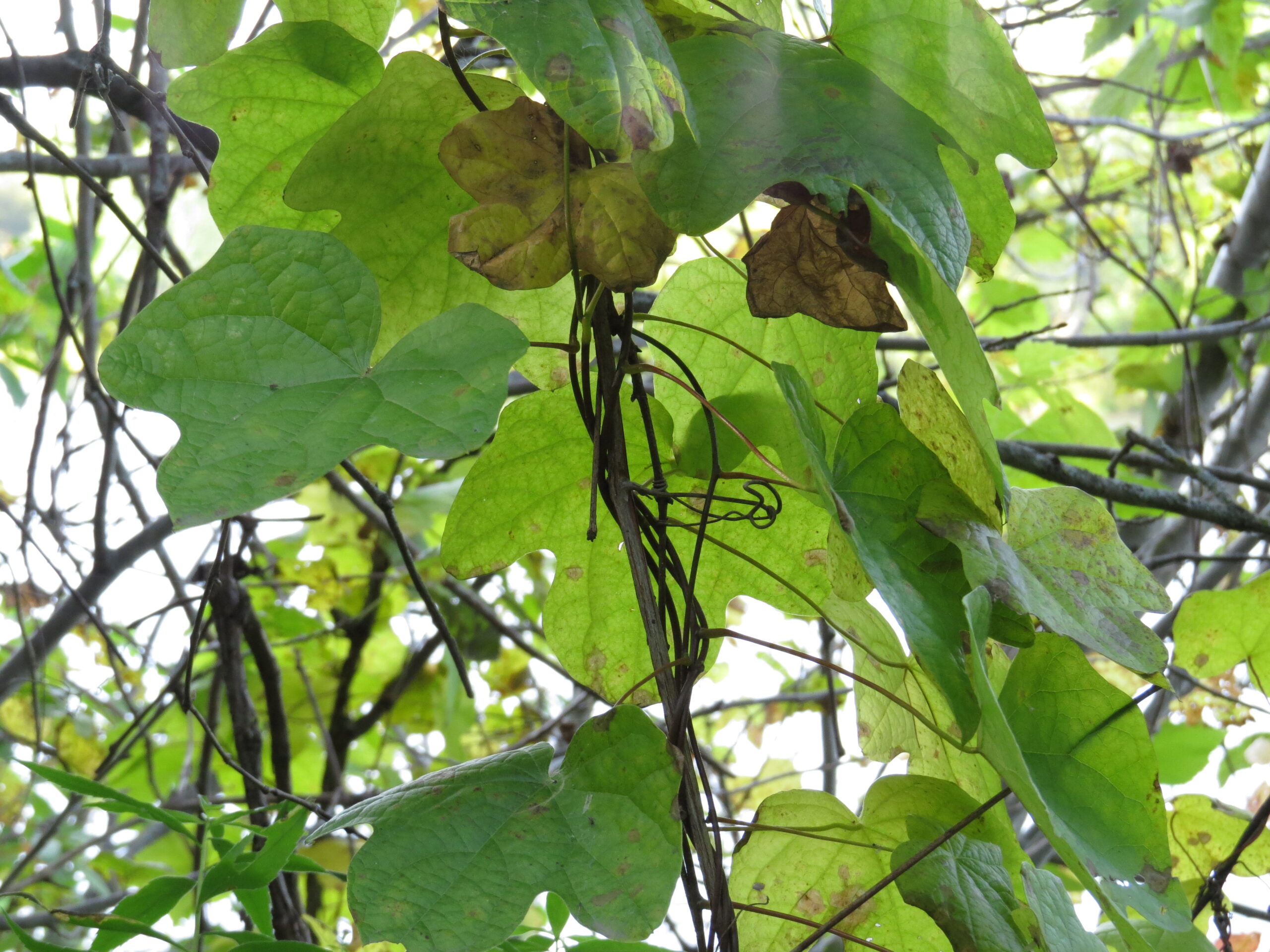
In the full green of Summer, vines are often overlooked, but at this time of year, they show themselves with changing colors, as with red Virginia Creeper, orange-berried Bittersweet, or yellowing Wild Cucumber. Wild Grape vines and Wild or Bur Cucumber vines can absolutely enshroud all other vegetation or structures with their robust twining and climbing. As some of the other leaves fall, Canada Moonseed vine comes into its own with hanging purple fruit that looks a bit like edible Wild Grapes, but in actuality, is poisonous.
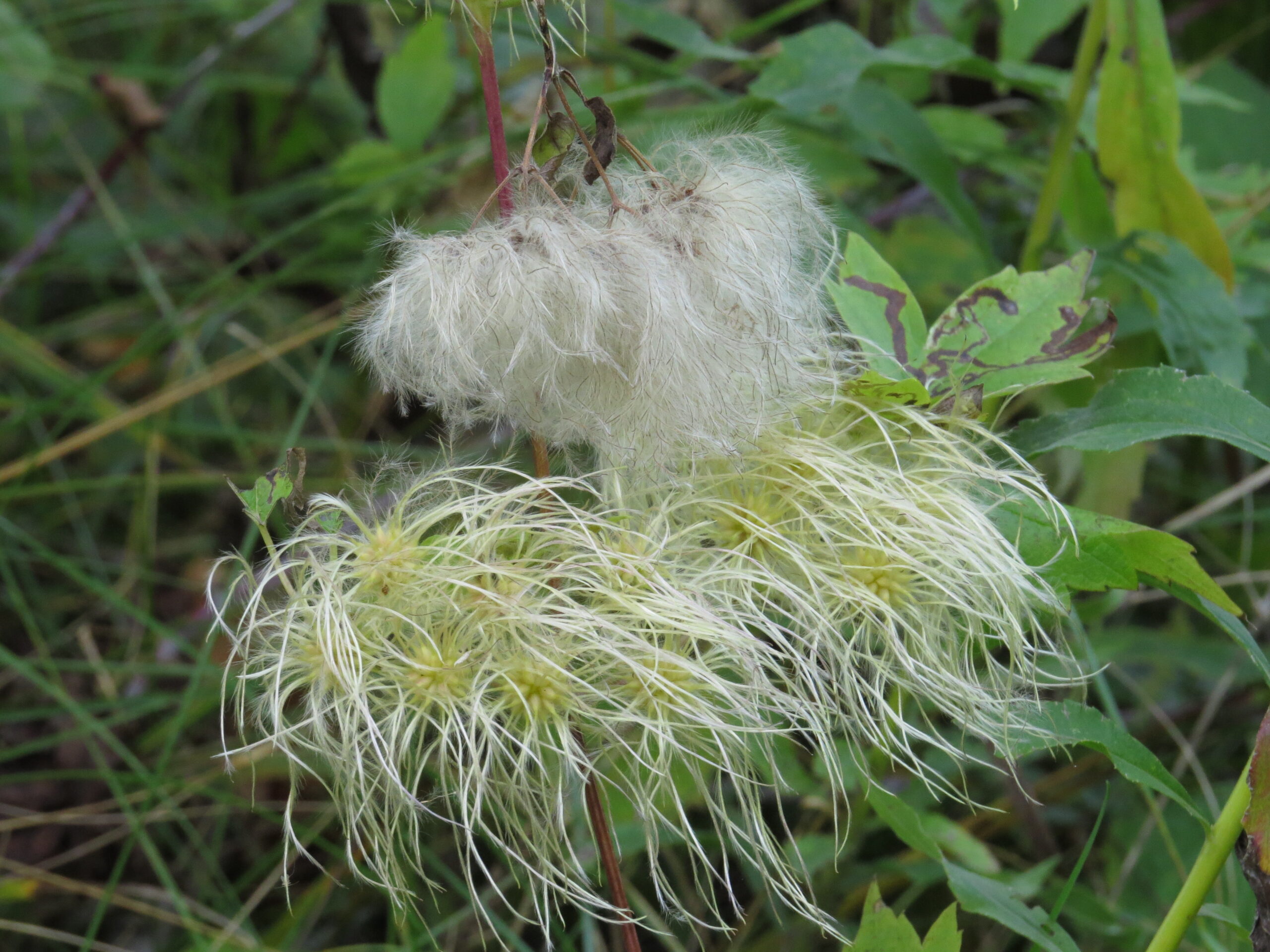
Another common vine is Virgin’s Bower. It is a type of wild Clematis with indistinct, small white flowers. Its fruit and seedheads are the fascinating part of this vine—the wispy tails of the fruit dry into puffs that inspire its common name of Old Man’s Beard.
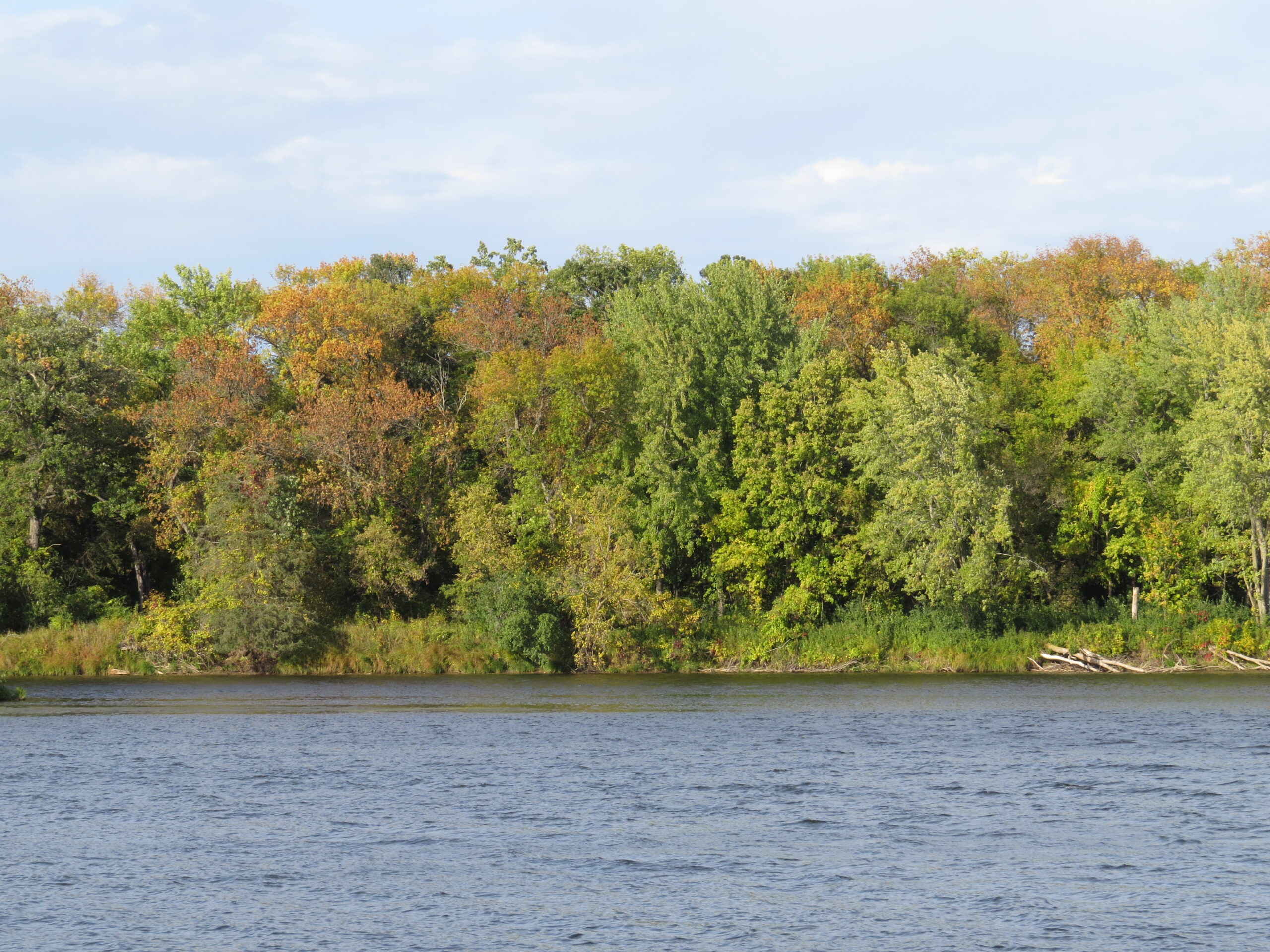
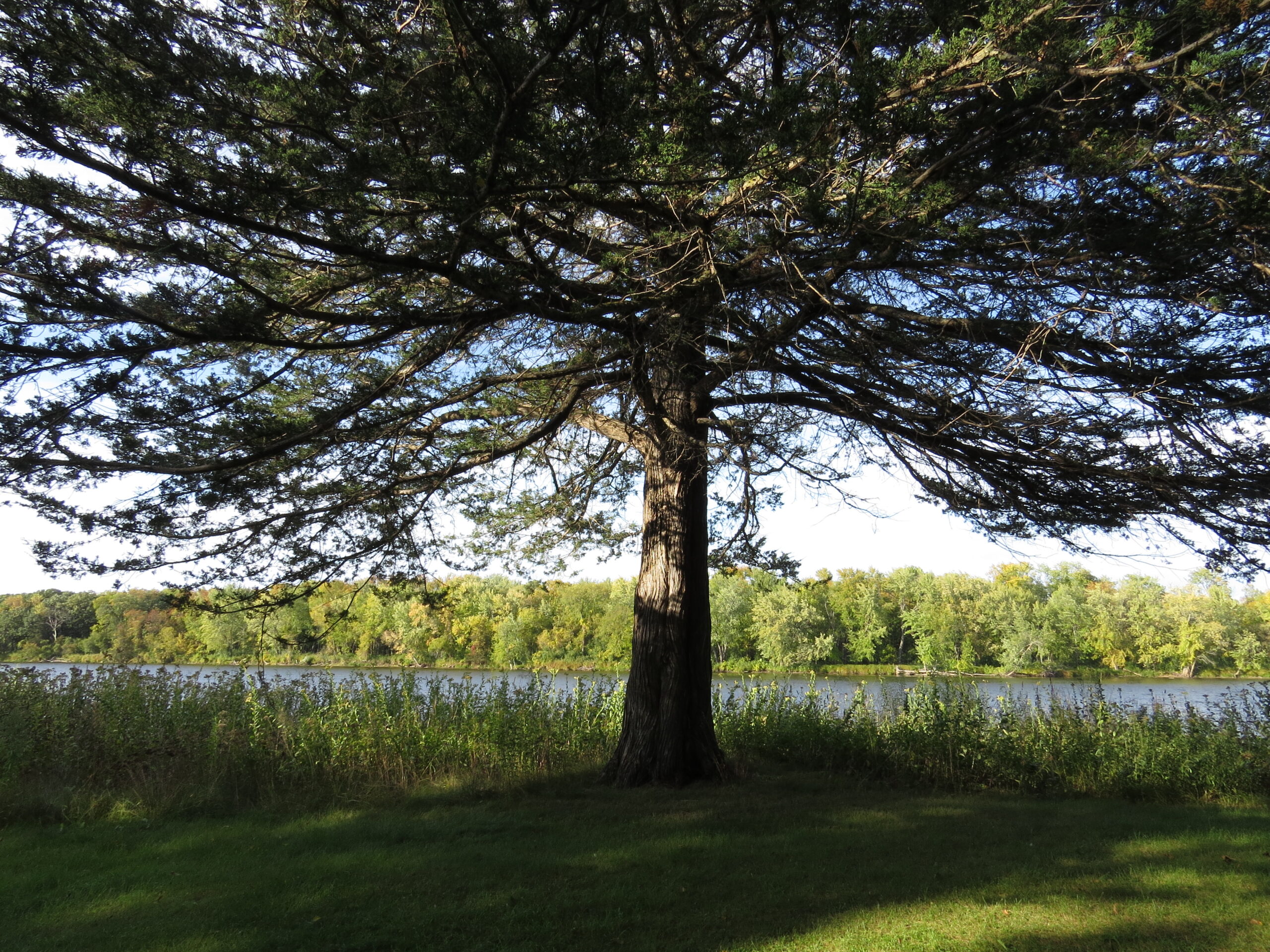
In the middle of summer, Mississippi River County Park becomes very monochromatic and homogeneous after its enthralling Spring of woodland/floodplain flowers. Few plants are blooming, trails can be wet with rain and heavy with mosquitoes, and the cons often outweigh the pros for hiking there. But Autumn comes, and the park once again embraces its color and beauty.
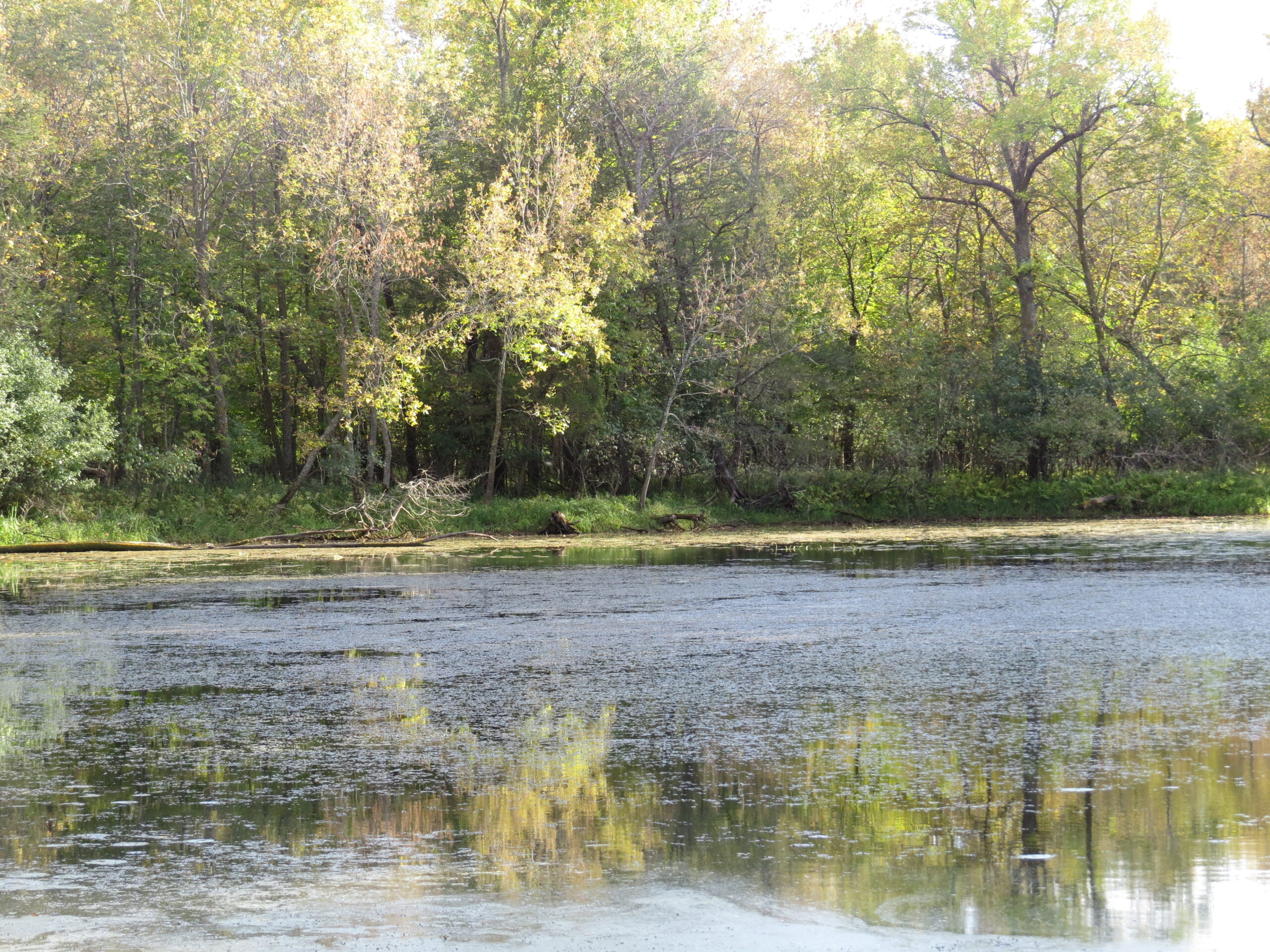
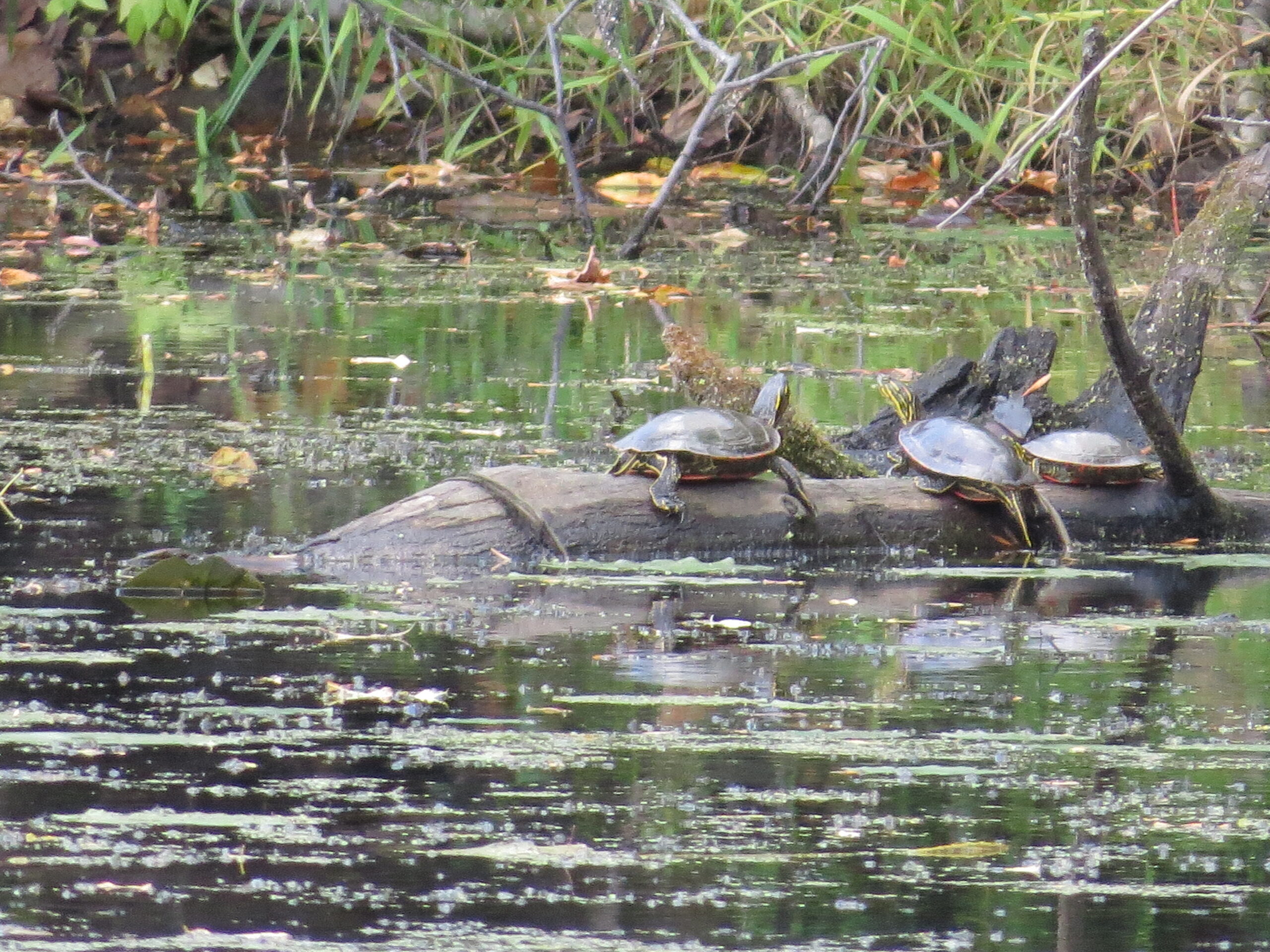
The shallow pond in the middle of the park reflects the golden trees, provides a home for Painted Turtles, and grows Monet-worthy Lily Pads.
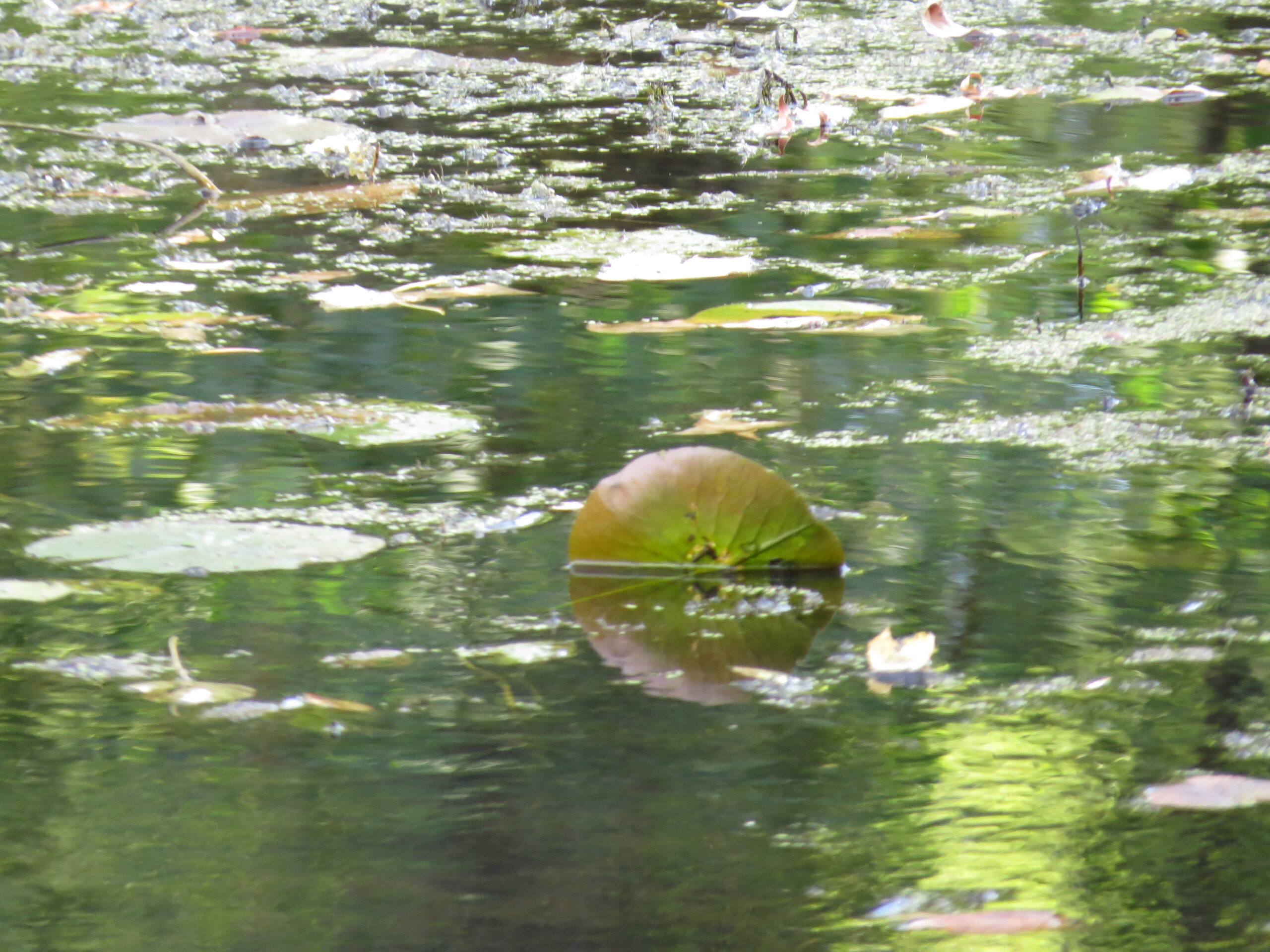
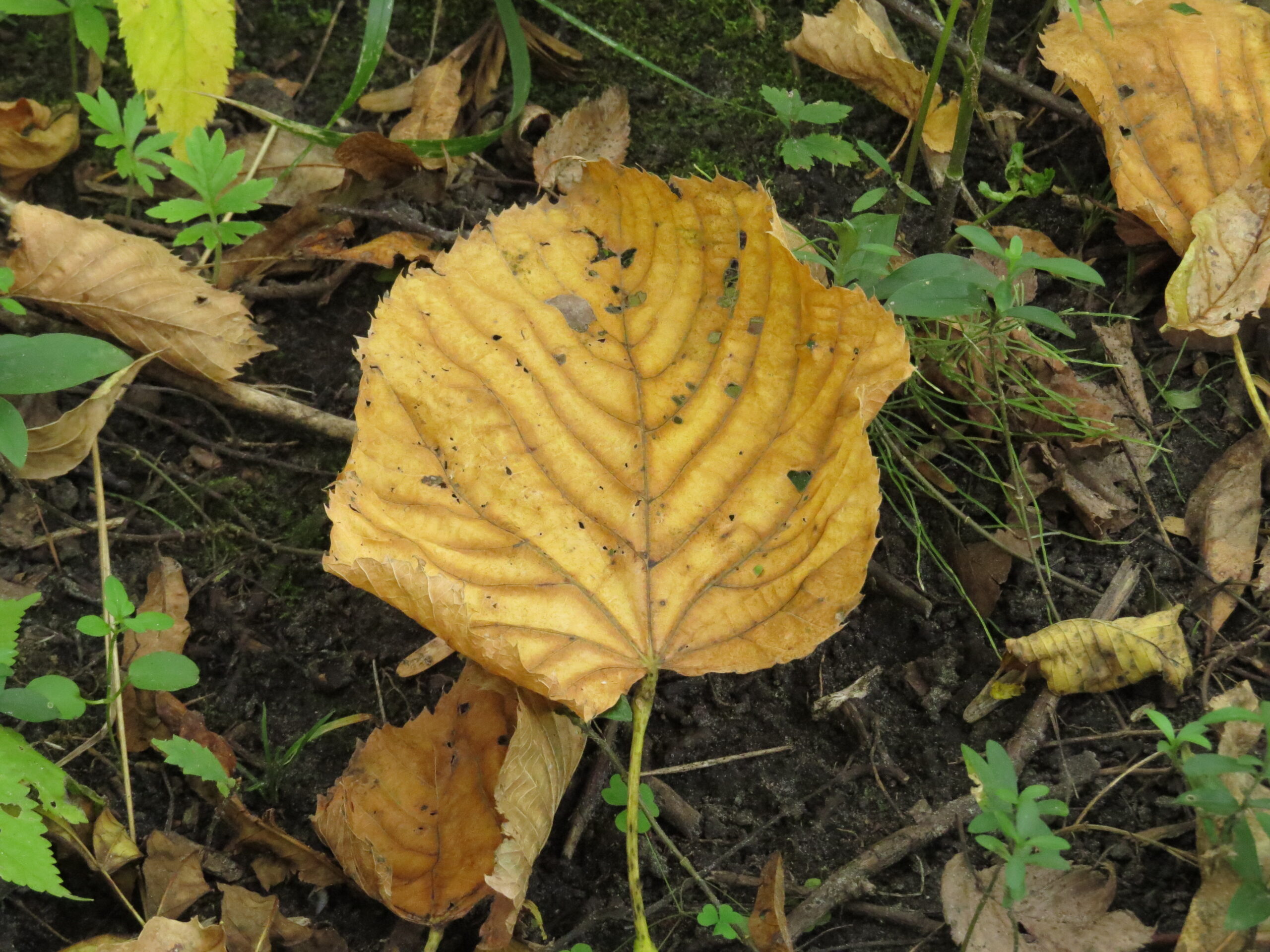
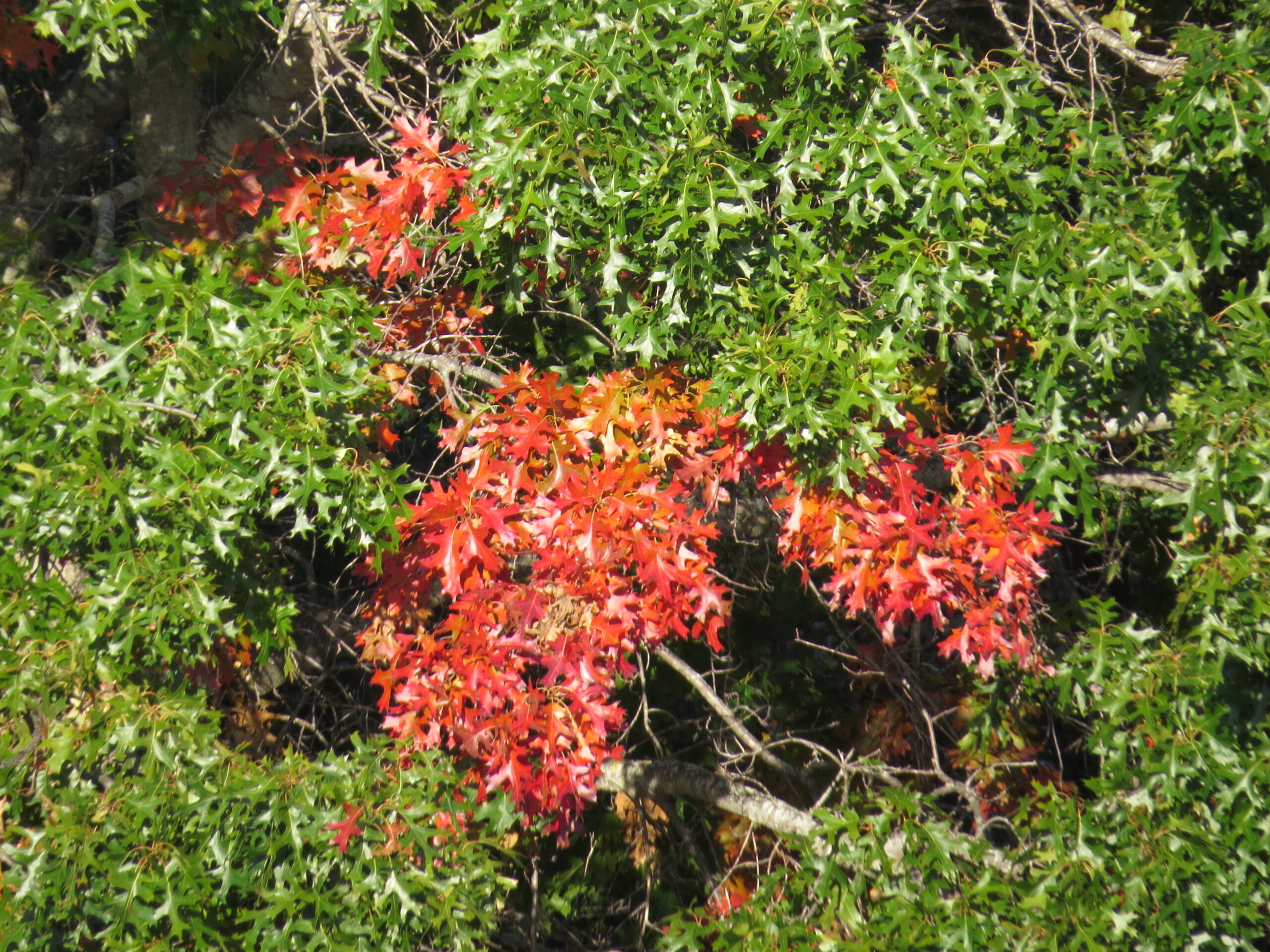
Colors of all shades and hues begin to pop out of the greenery. The process of the energy-producing shutdown that happens to most plants in the Northland is fascinating!
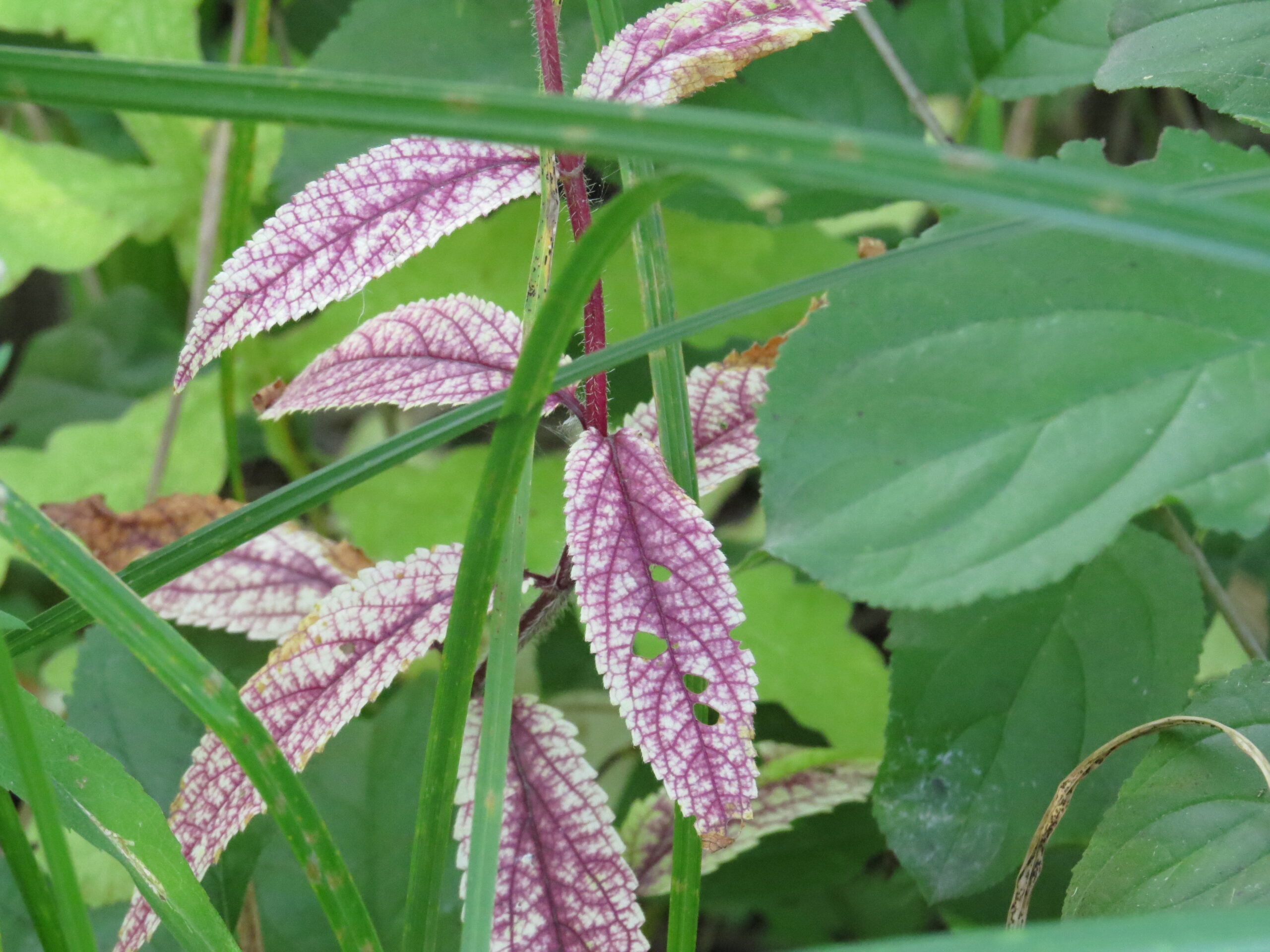
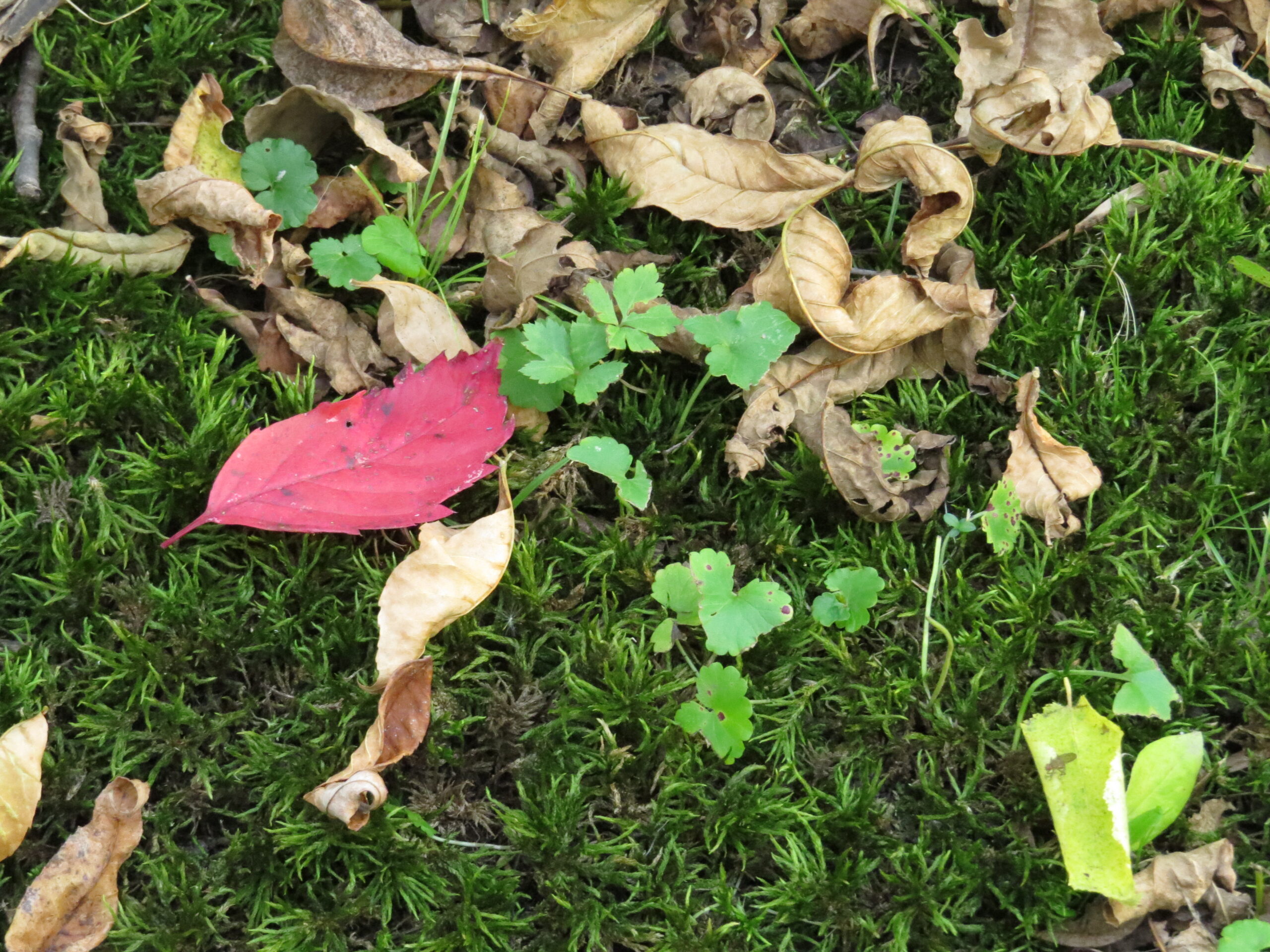
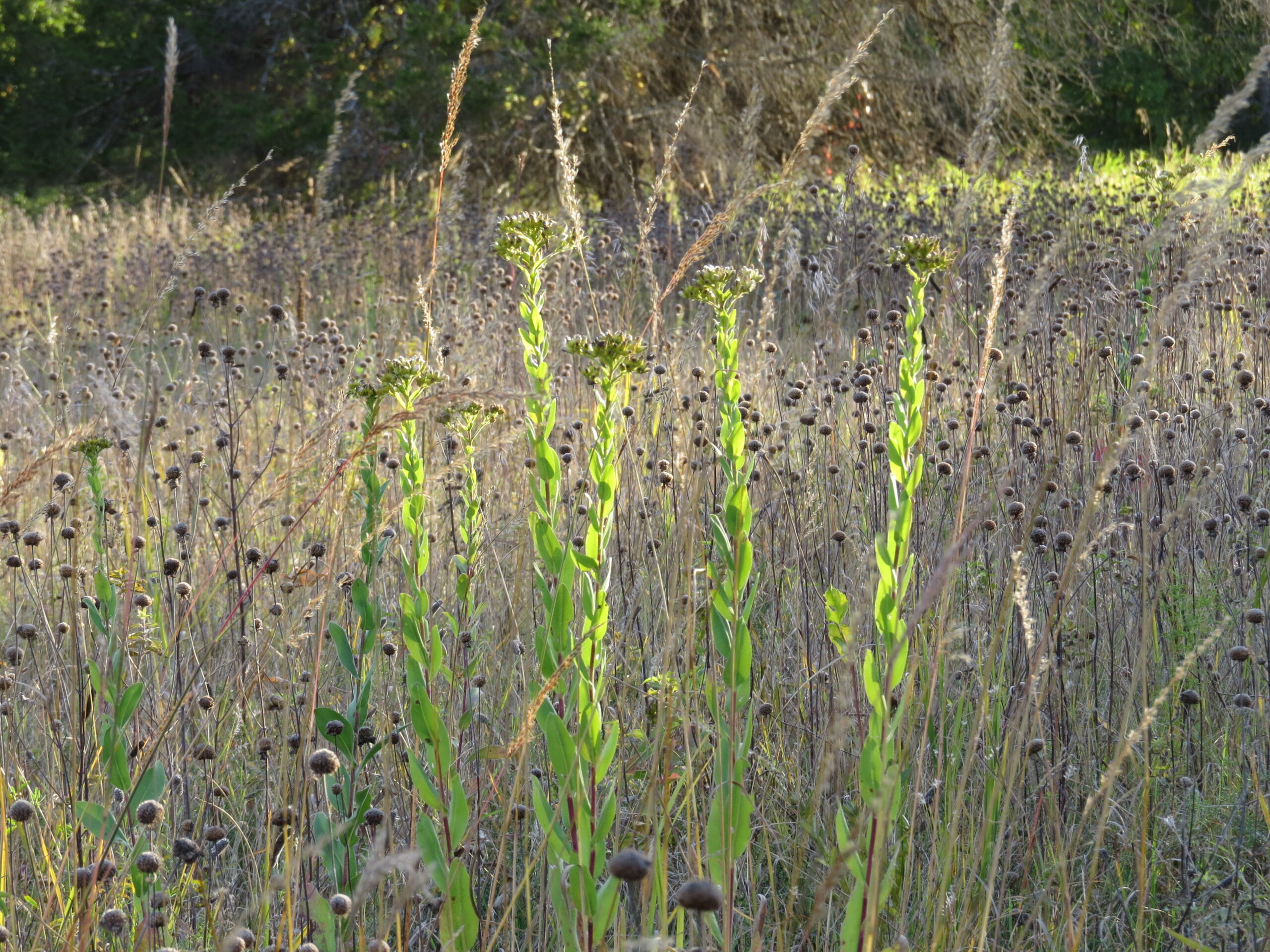
And then there’s the Sunlight. It shines on the color, over the brown seedheads of Monarda and Indian Grass, and through the green leaves of Stiff Goldenrod and others. It is the fire that fuels Spring growth, Summer production, and Fall decline. It entrances us because the Sun is just as important to us as to the plants.
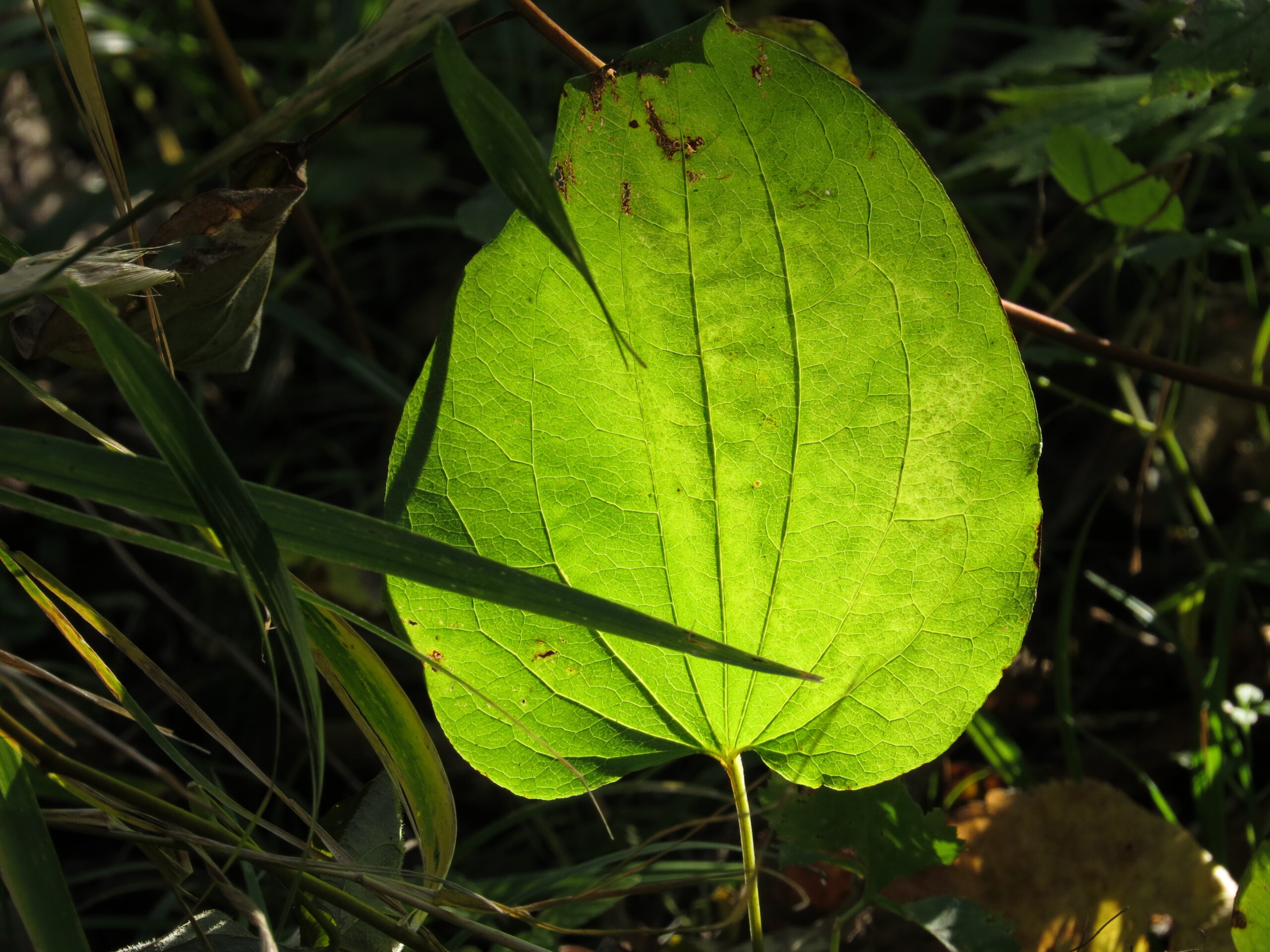
Poet extraordinaire Mary Oliver wrote: “Instructions for living a life: Pay attention. Be astonished. Tell about it.” It is the way I live my life. It is the reason I started North Star Nature. It is my fascination with all the mesmerizing aspects of Nature that impel me to write my blog week after week for over eight and a half years now. To my readers, I thank you and hope you have been astonished along with me. Nature deserves your attention. It deserves your love. It deserves your caregiving. I hope you have an enchanting Autumn!
Walking in Sun Sparkles
Me making decisions is an excruciating exercise for most of the people around me who do so ‘normally’ or God forbid, quickly. This decision-making can be about buying something or doing something or getting someone to do a repair or whatever. It takes me a long time to decide. It’s part of the fall-out of my perfectionism, I think—I’m afraid I will make the ‘wrong’ decision. So I look at things, read endless reviews, think about it, wonder if the quality is ‘good enough,’ question the future utility of the object, look at it again, think about the pros and cons, wonder if I have enough energy to do something, think about the ramifications, and the craziest of all, wonder what other people would do or will think. It’s exhausting just reading about the process, isn’t it?!
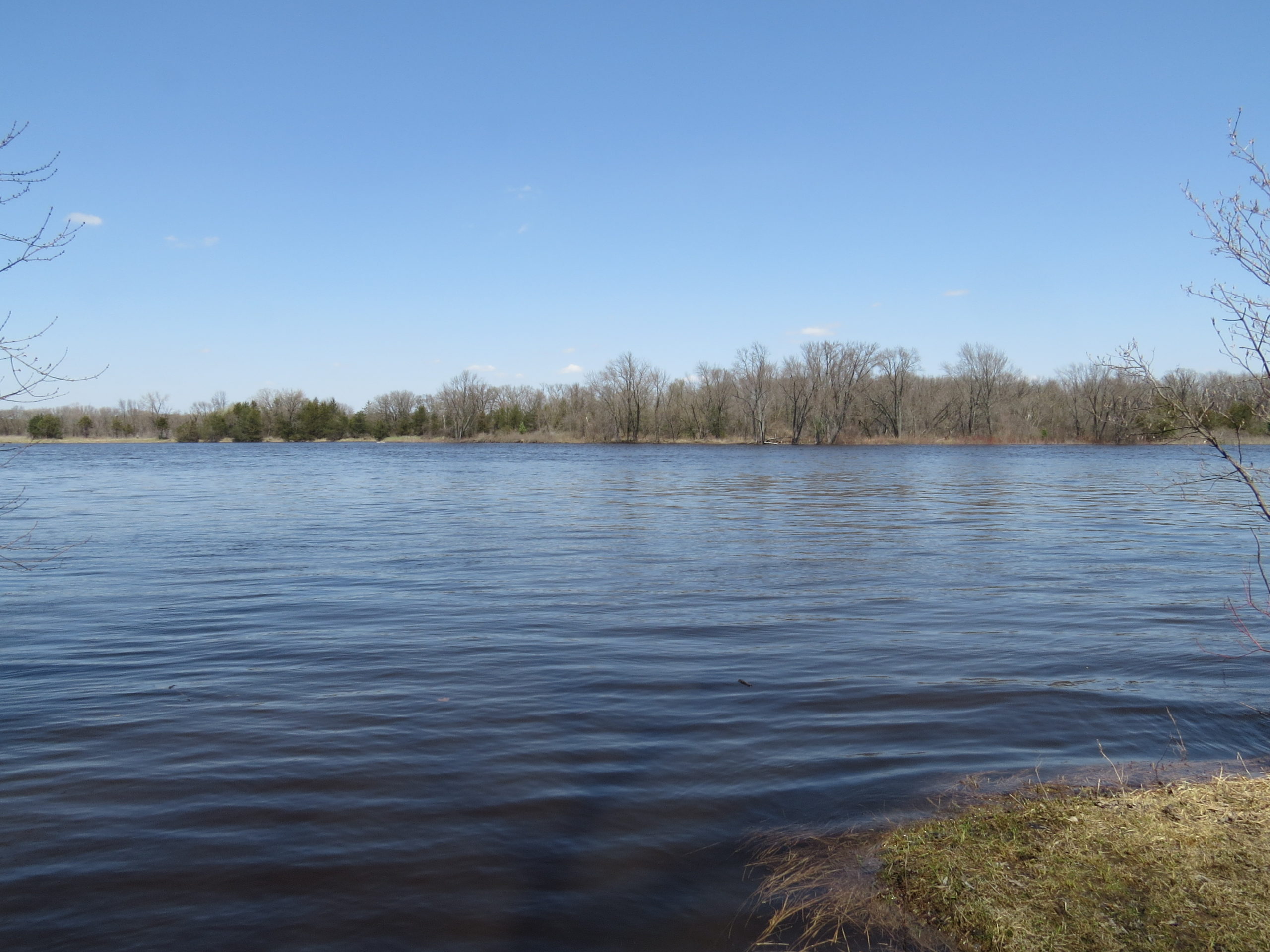
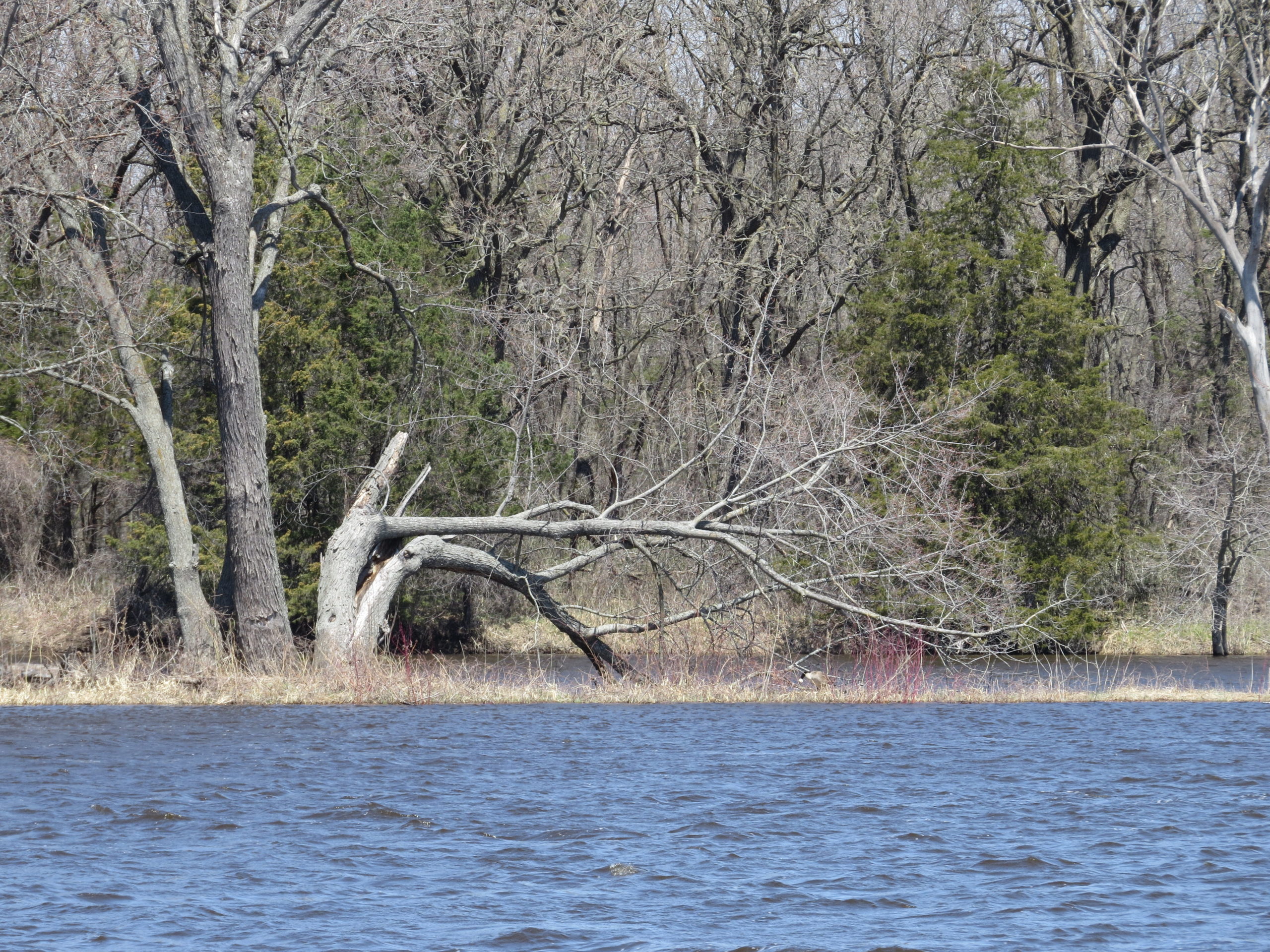
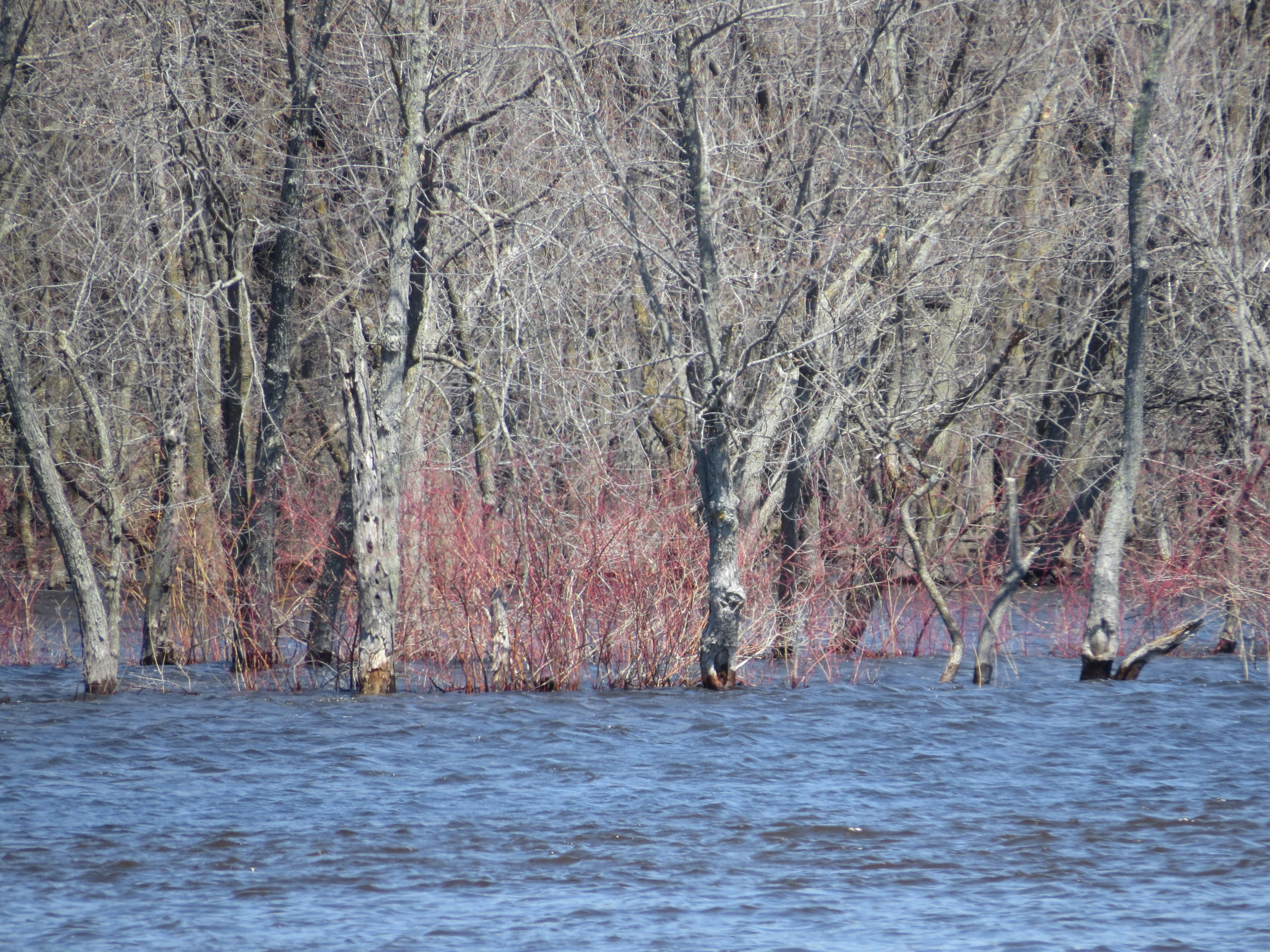
Mother Nature seems to have been in my indecisive mode when it came to Spring this year—she allowed the snow to melt, then made it snow; warmed things up, then froze things; showed the tiniest bit of green, then brown, brown, brown. But we no longer have to search for Spring—Mother Nature is all in on the Spring decision! It was a long time coming, but Spring is bursting forth everywhere! With the snow melt, ice melt, and Spring rains, the Mississippi River has overflowed its banks. When it comes to wildfires and floods, though we most often think of them in negative ways, there is a time and place for each of them. Fires and floods have been an integral part of our ecosystem since the beginning and bring benefits to the plants that inhabit the places that are affected. A floodplain is low lying ground around a river that periodically floods. It is rich with river sediments and nutrients and has a diverse and abundant plant population. As I walked along the River at Mississippi River County Park, I could see the flooding of lowlands and islands.
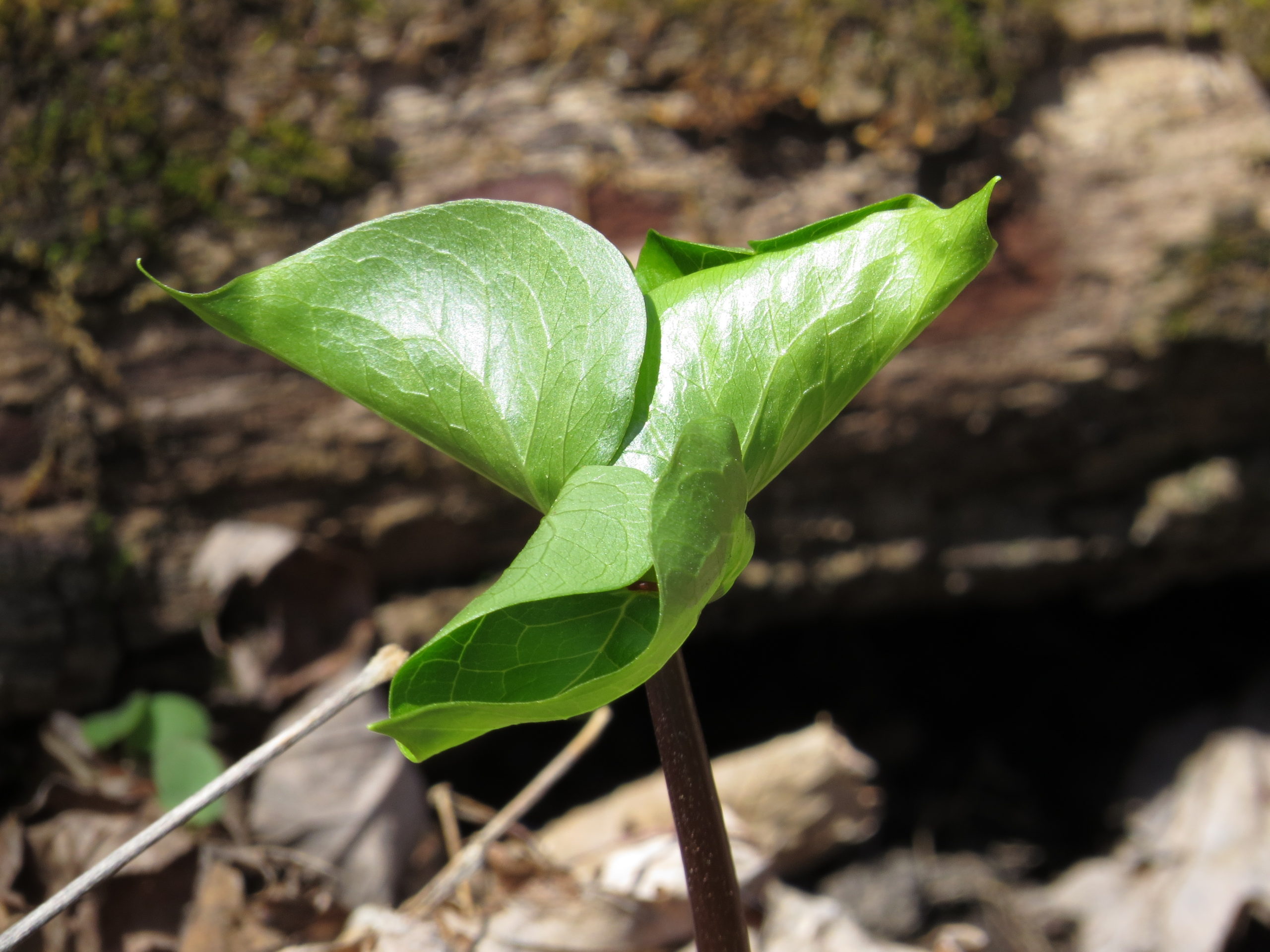
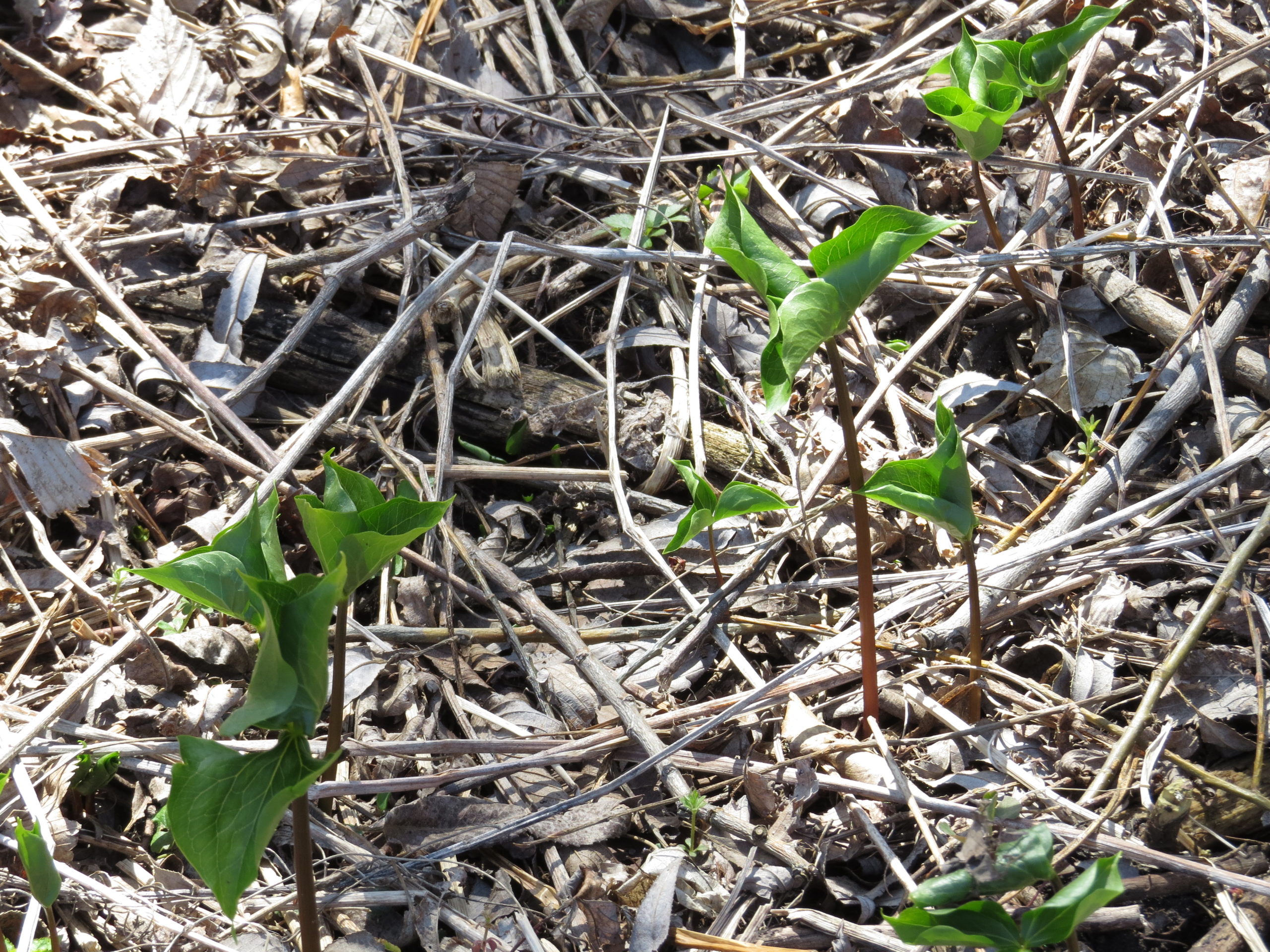
With the water and nutrients from flooding, and the warm sun of Spring, vegetation was springing from the ground. The trio of leaves of Trillium were unfurling on their long red stems—soon a single flower with three petals will emerge from the foliage for a short period of time until the whole plant dies back for the rest of the year.
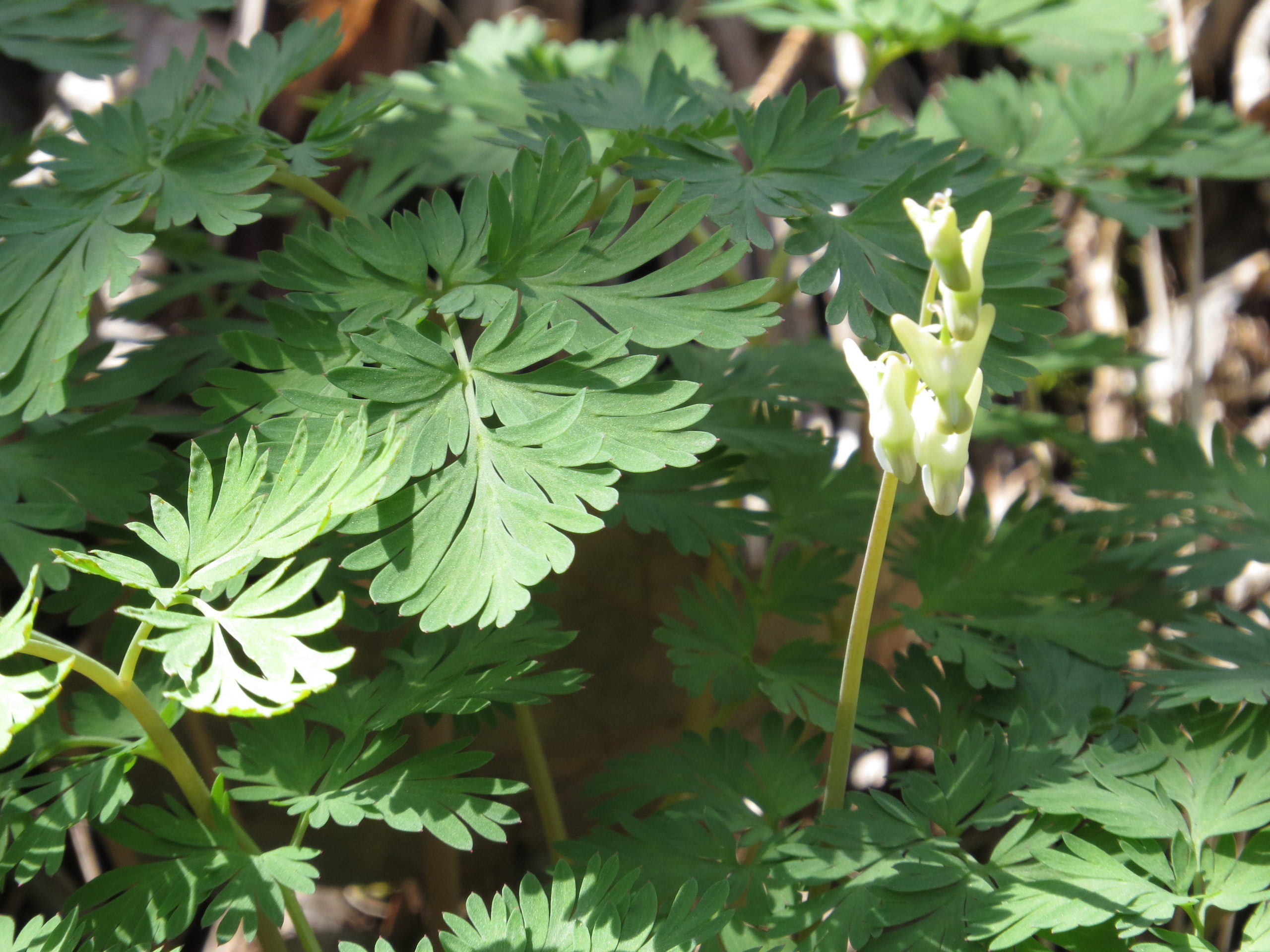
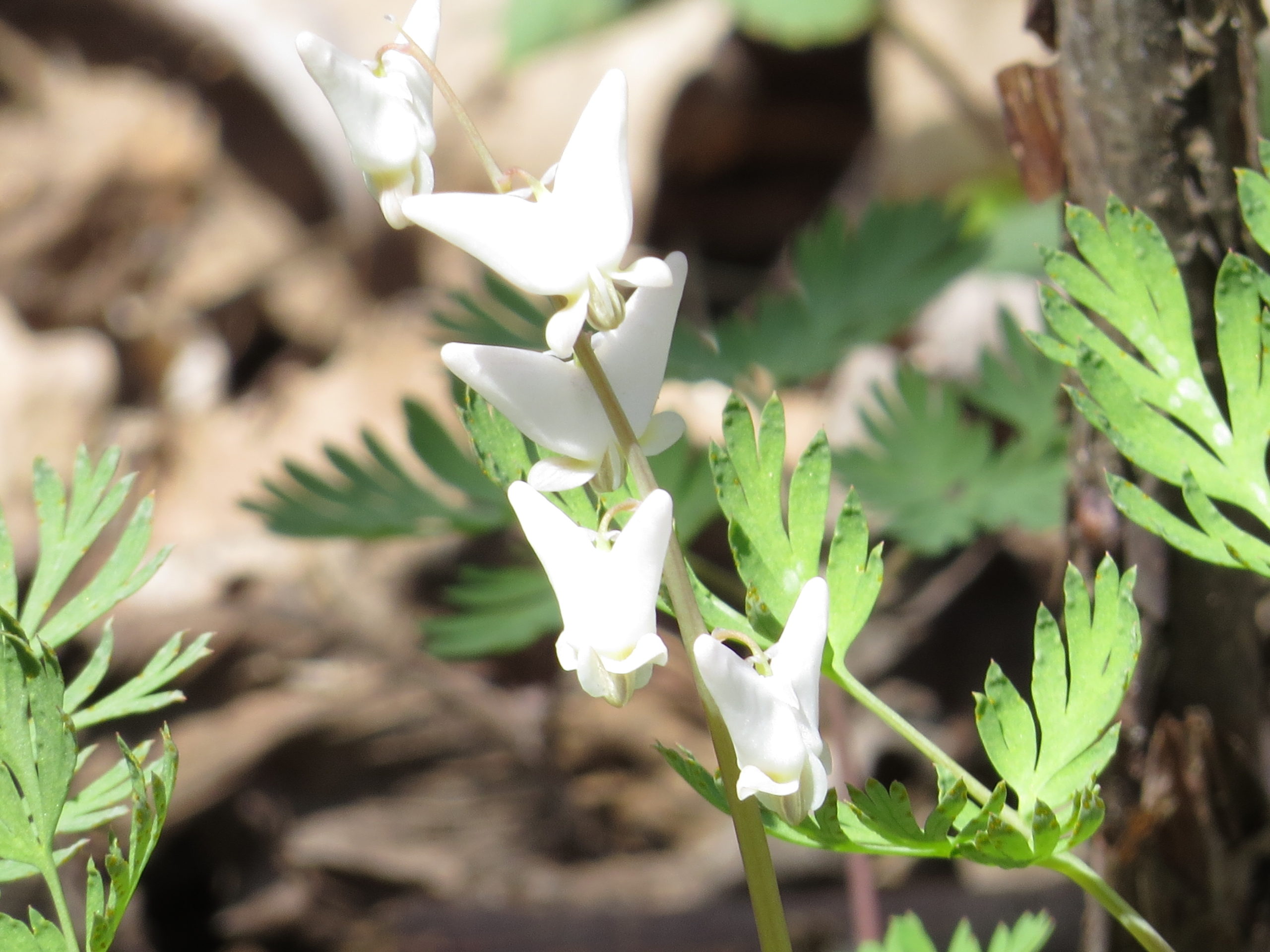
The early-blooming Spring Ephemerals have an accelerated growth cycle, taking advantage of the sunshine that filters down before the trees produce their leaves. Dutchman Breeches like to grow on the drier embankments by the River.
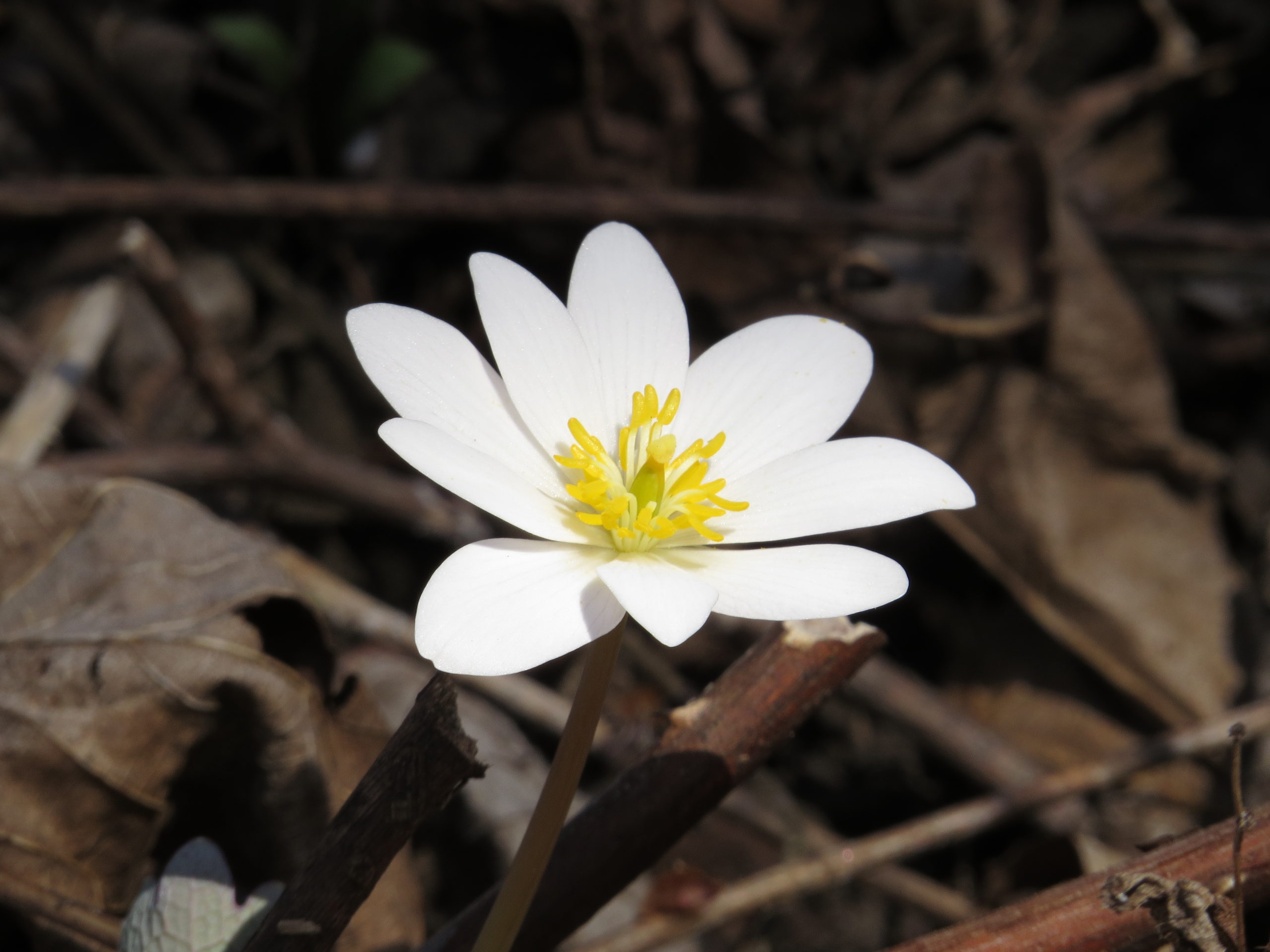
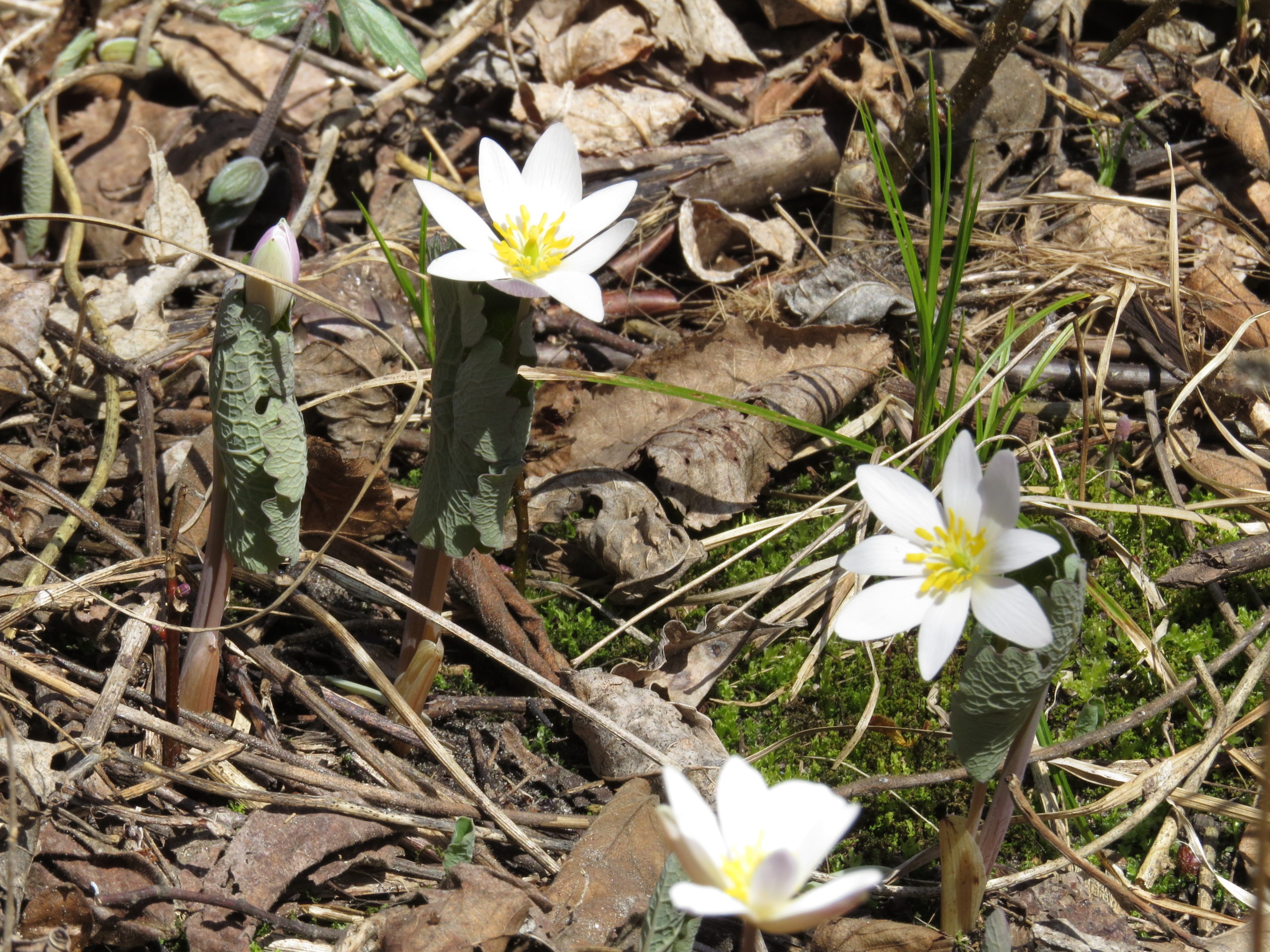
Bloodroots were in their full glory! Their single leaf with scalloped lobes wraps like a blanket around a single flower. Often the flower blooms before the leaf unfolds.
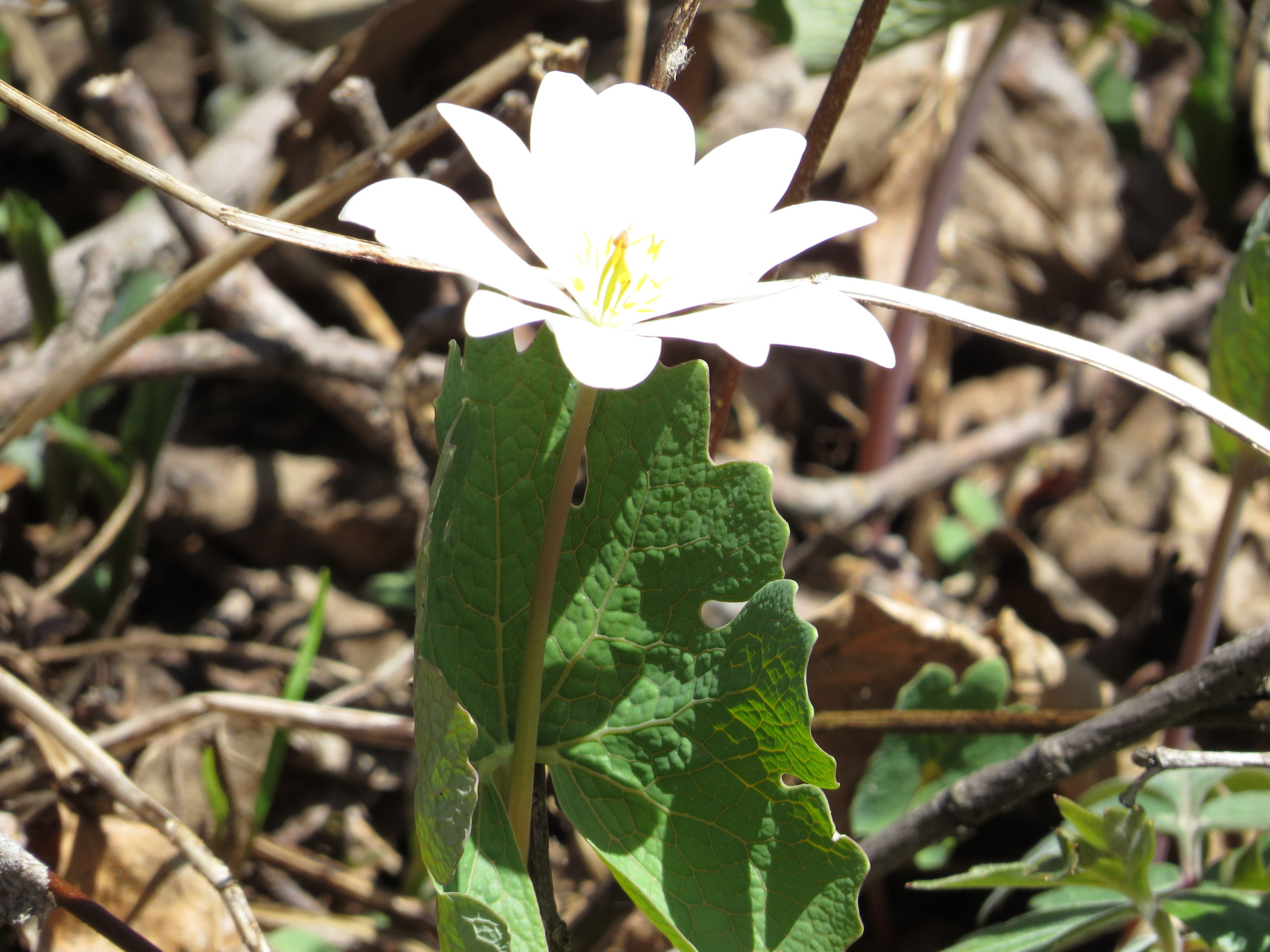
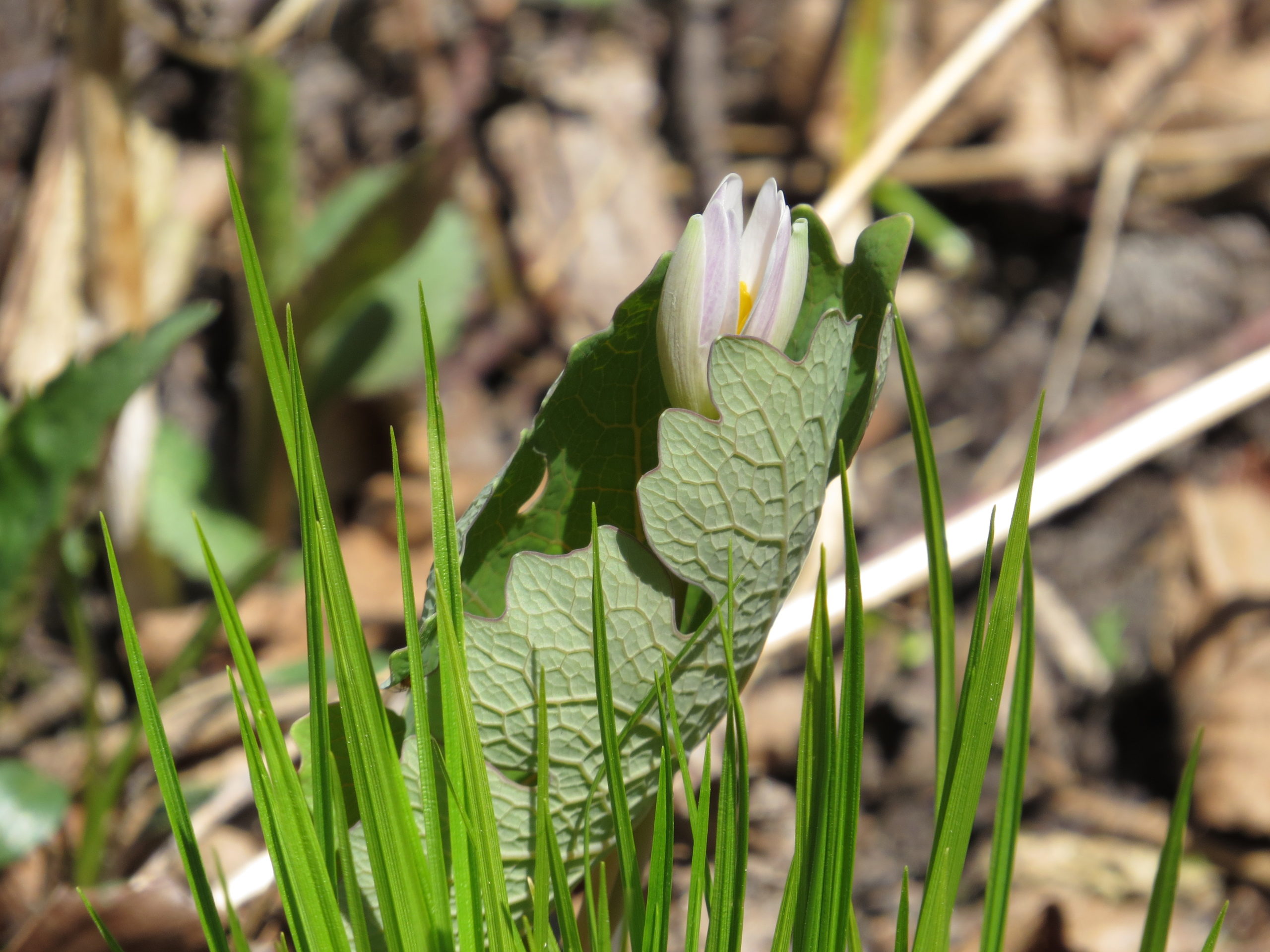
Gooseberry shrubs are one of the first to leaf out, and the spotted leaves of White Trout Lilies carpeted the forest floor, where a week ago it was brown.
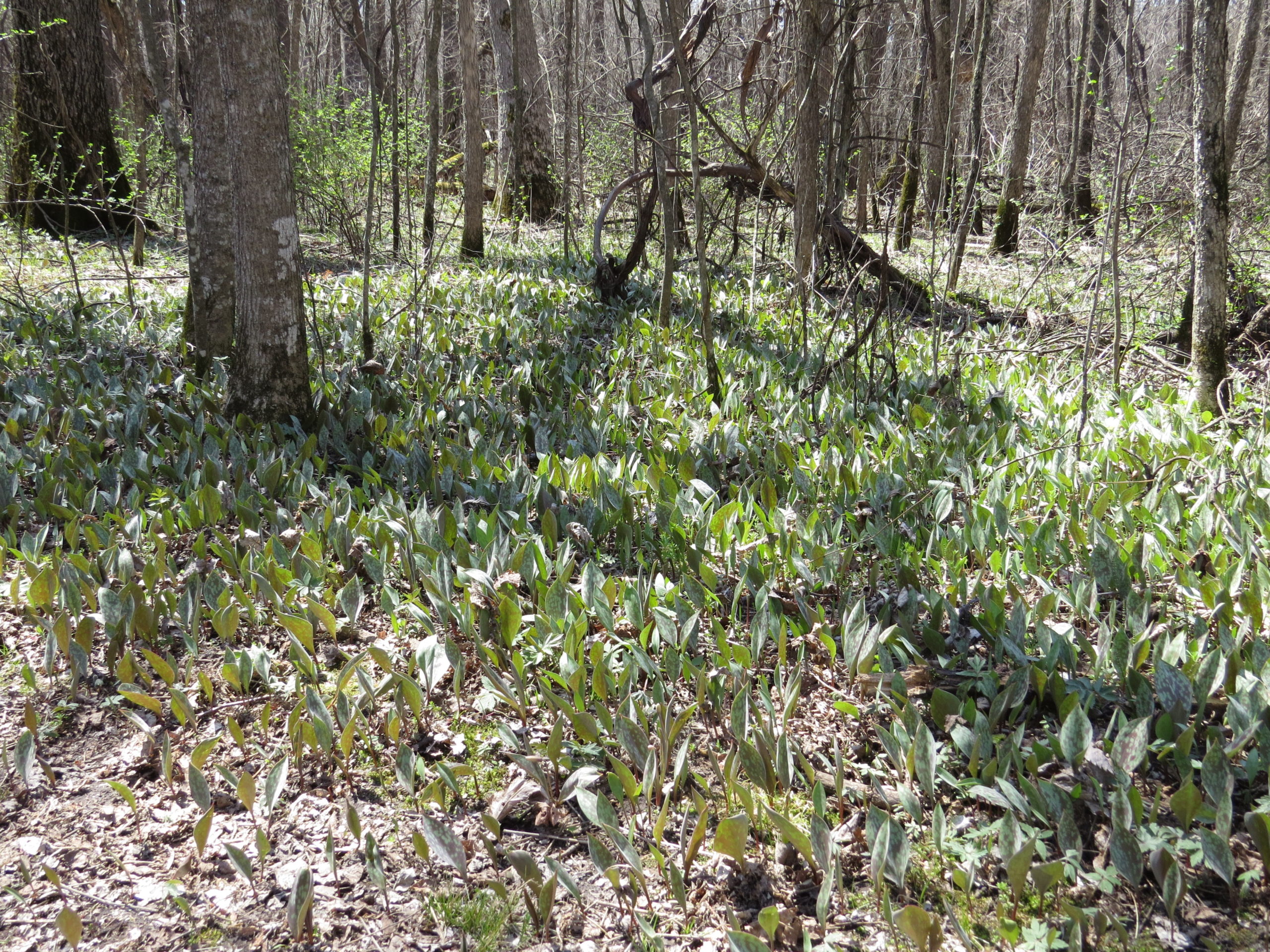
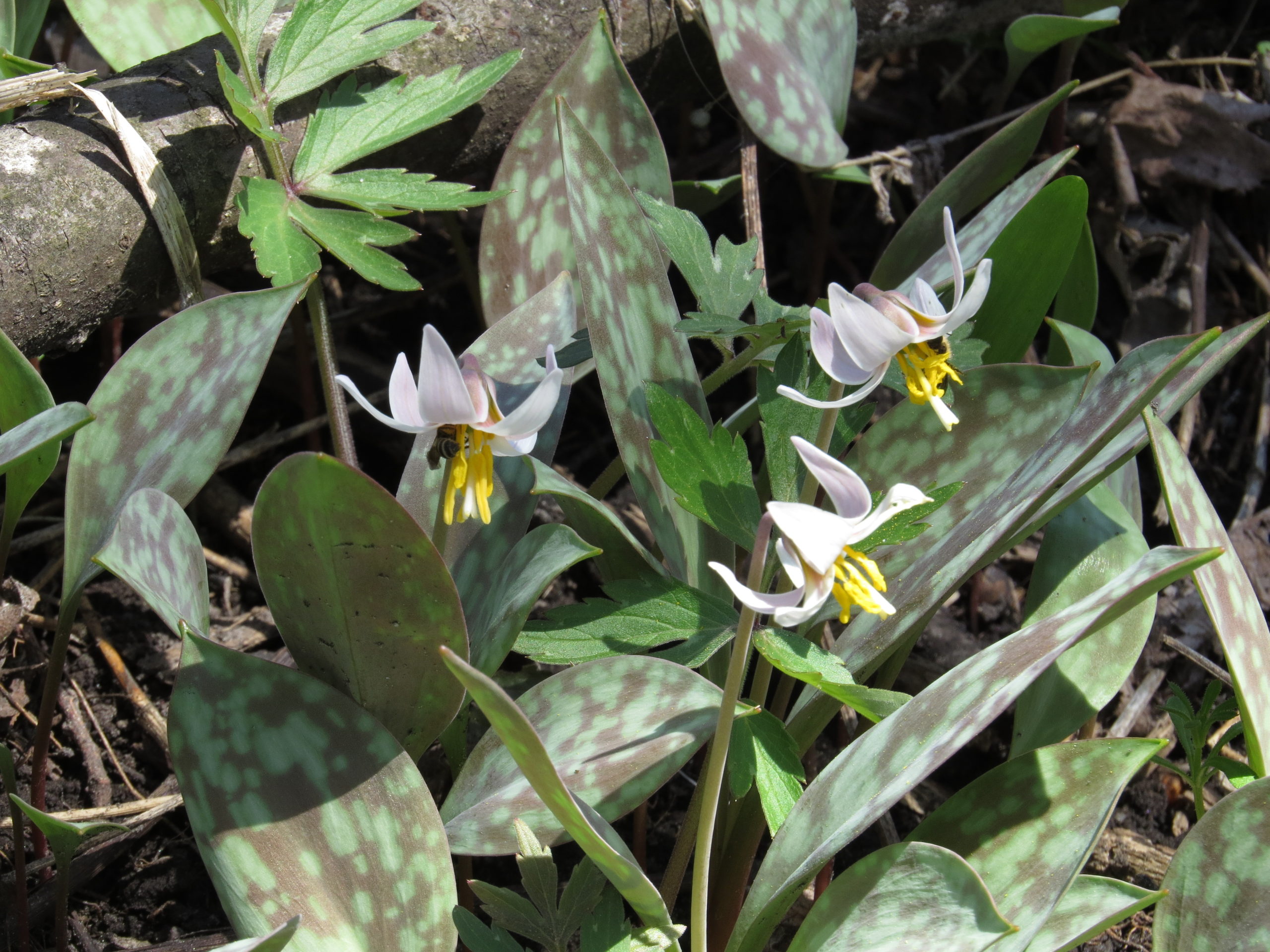
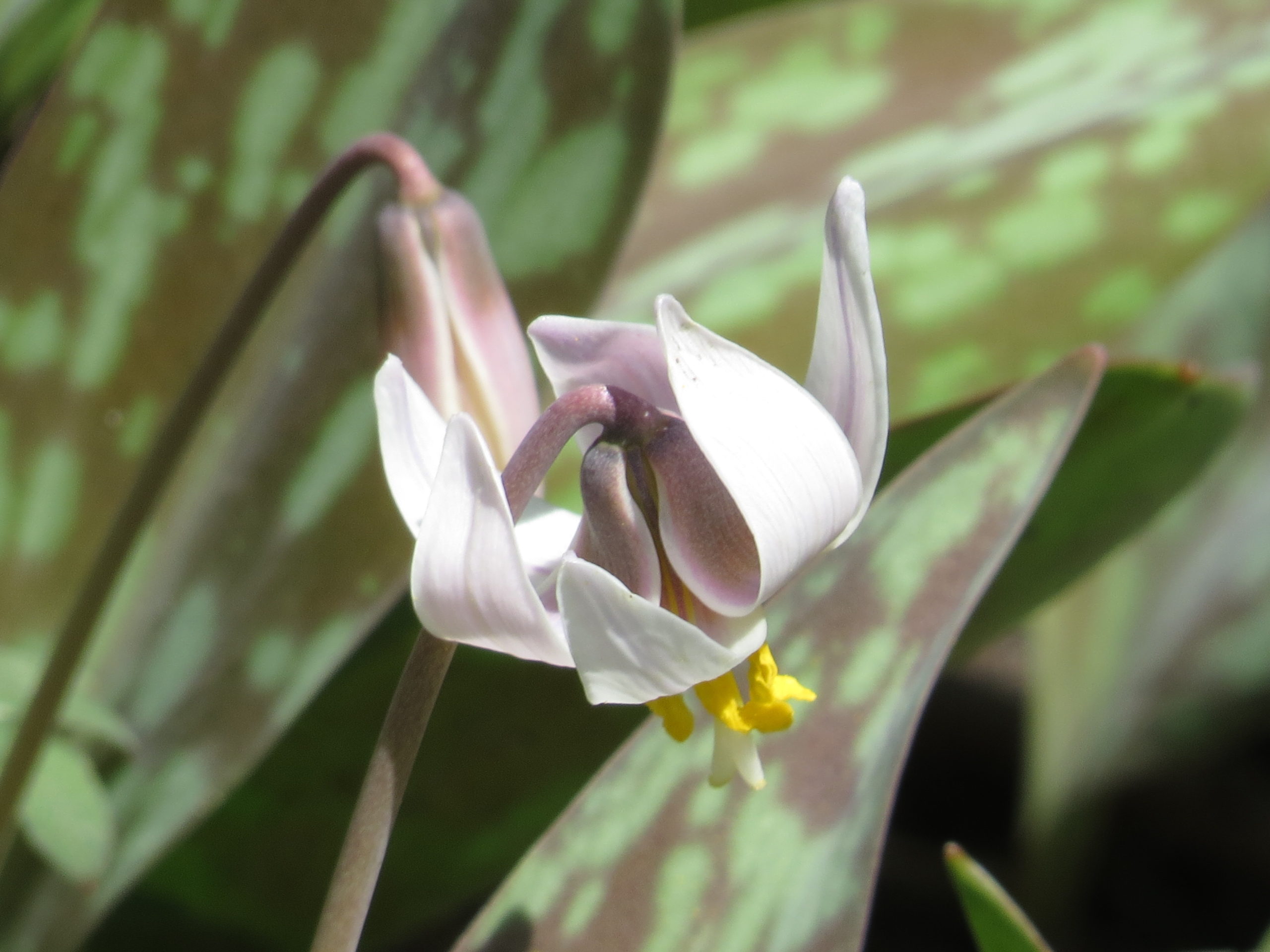
A few had begun to bloom, and the bees were already gathering pollen and sipping nectar from them.
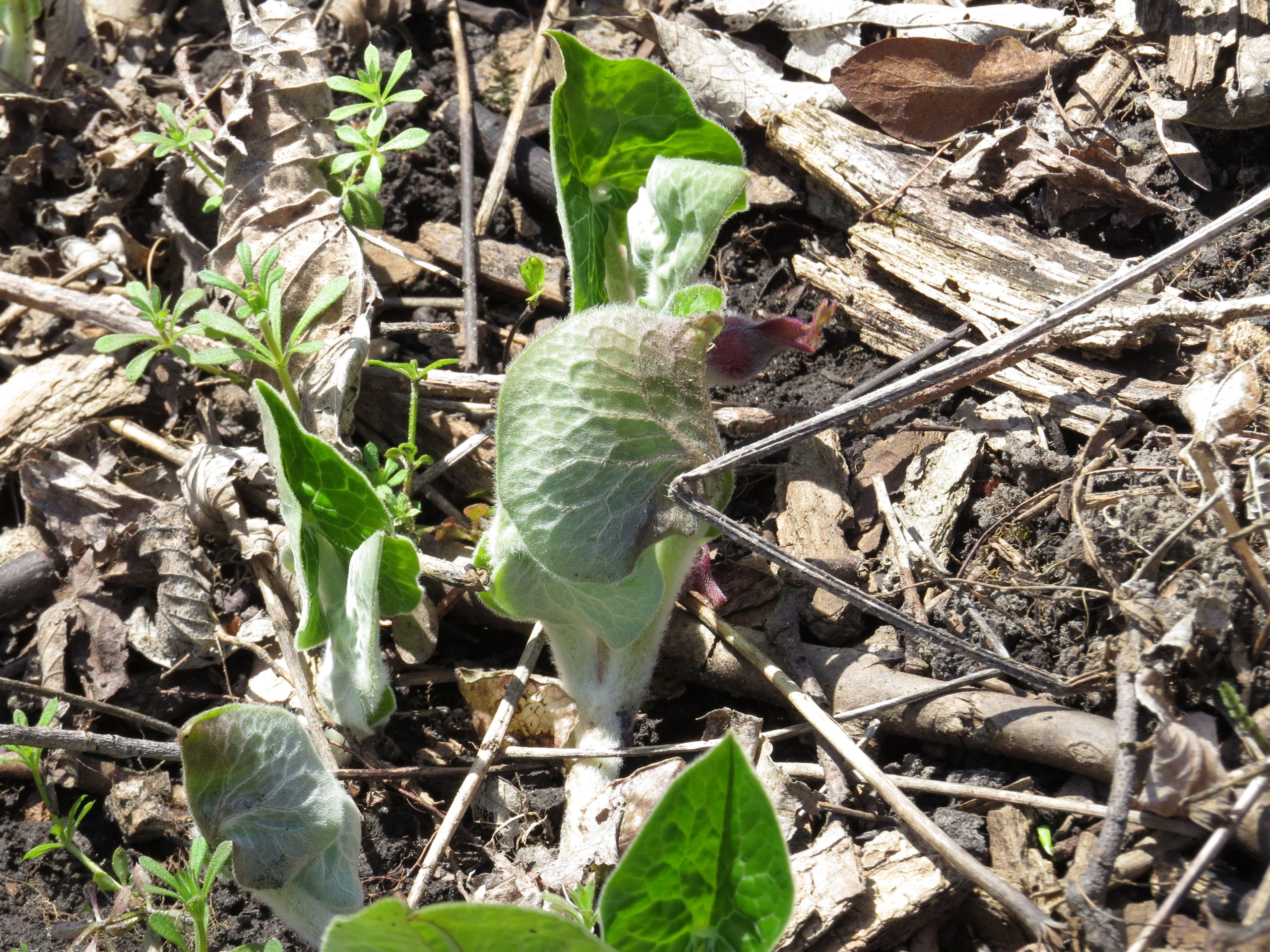
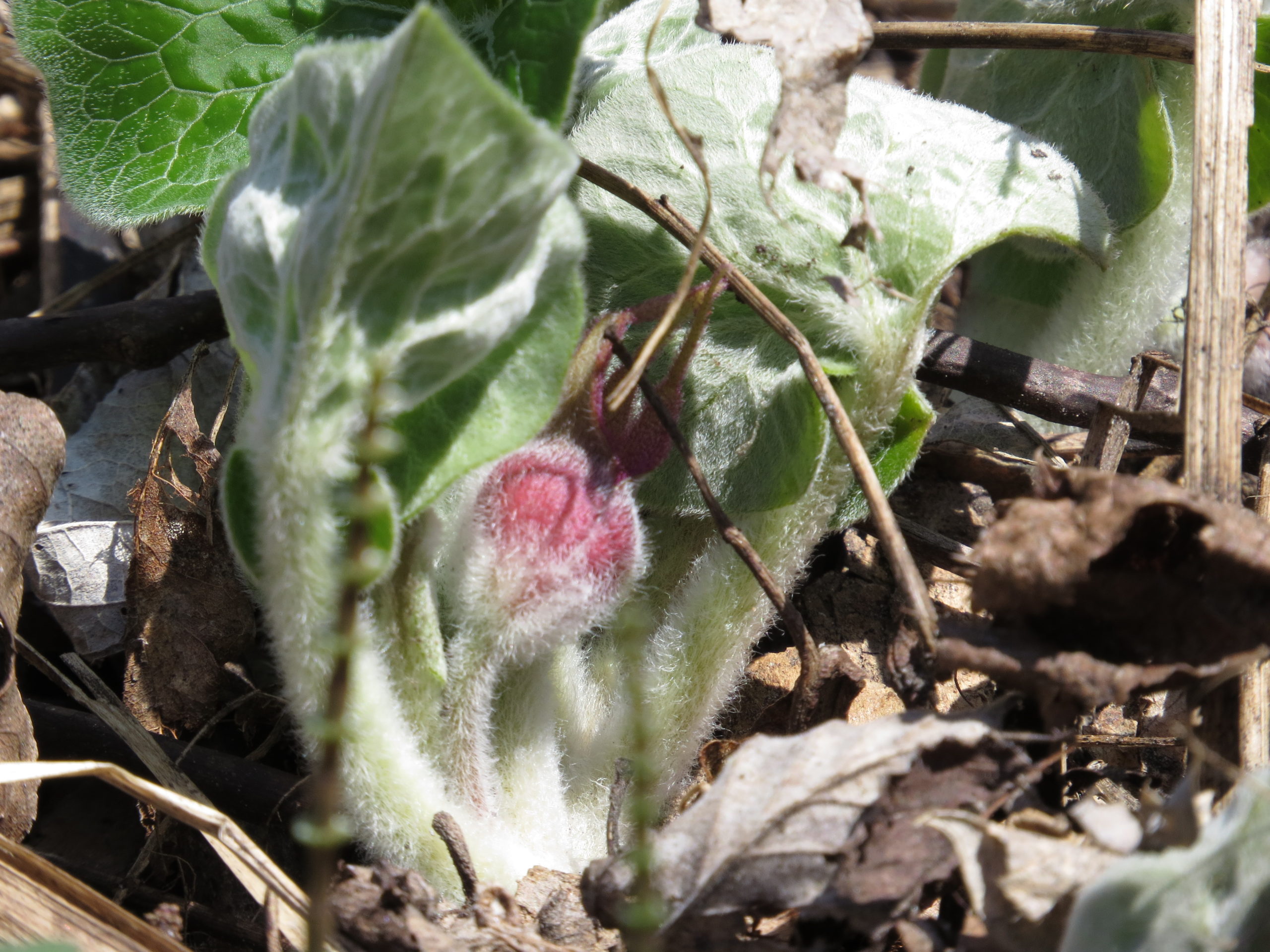
Hairy Wild Ginger was also unfurling from its underground sleep. The low-lying red flowers were still in tight buds.
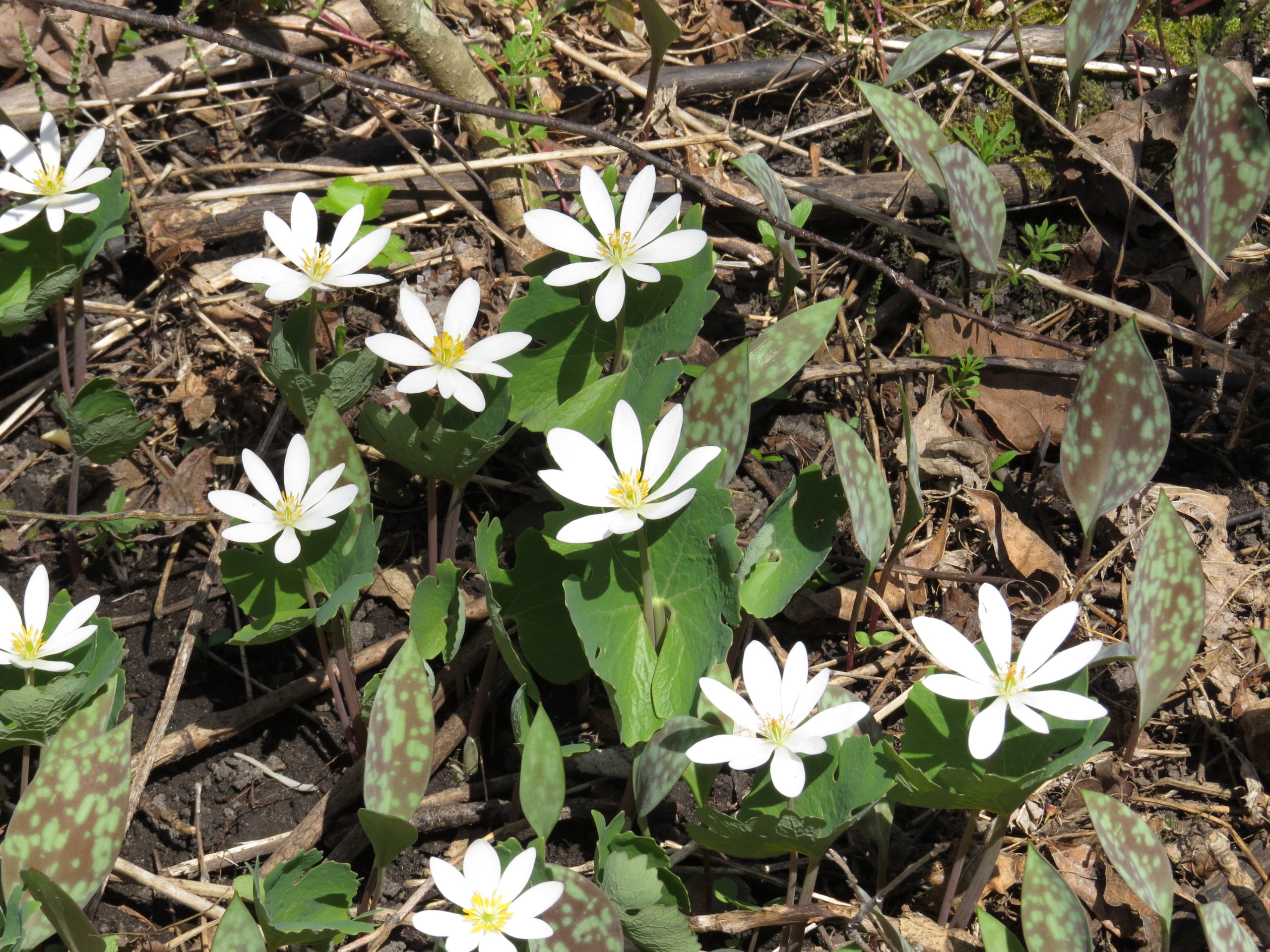
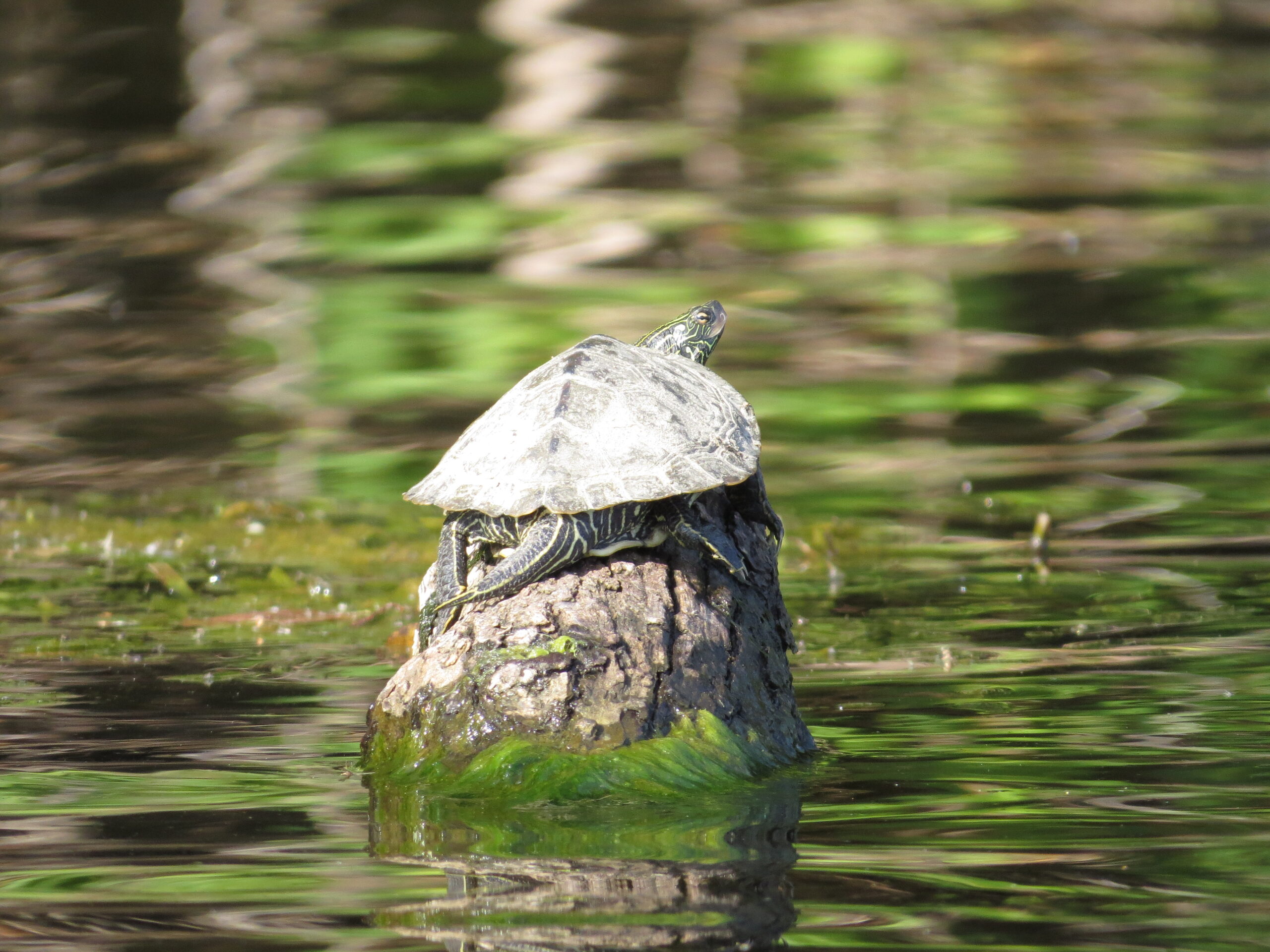
The backwaters of the Mississippi—those ponds and streams that often stay filled year-round—were also flooded. I crossed a bridge that had streams of water on both sides that I jumped across. Turtles had their sunning logs poking into the water, and when I got too close, they plopped into the pond leaving only air bubbles behind.
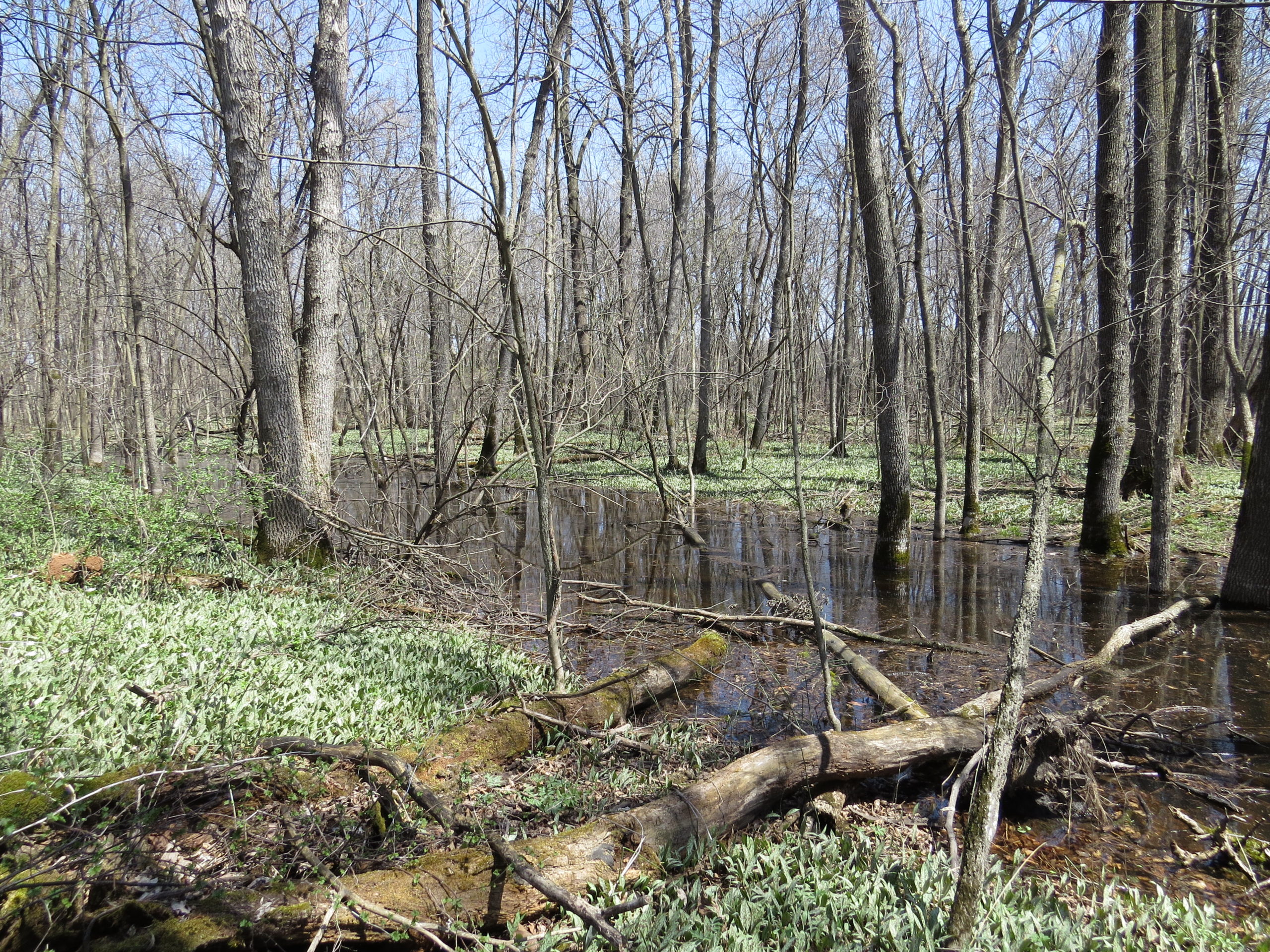
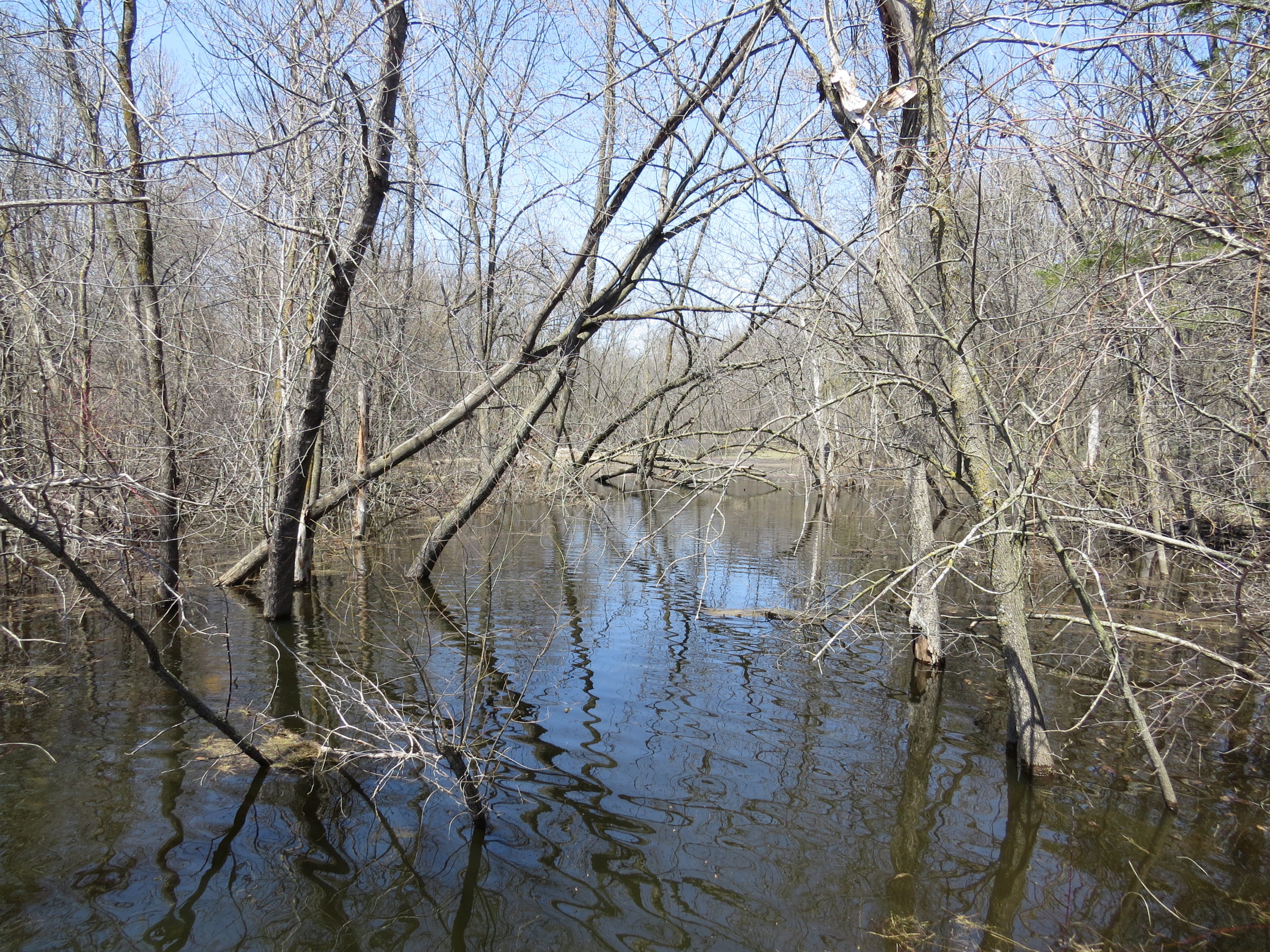
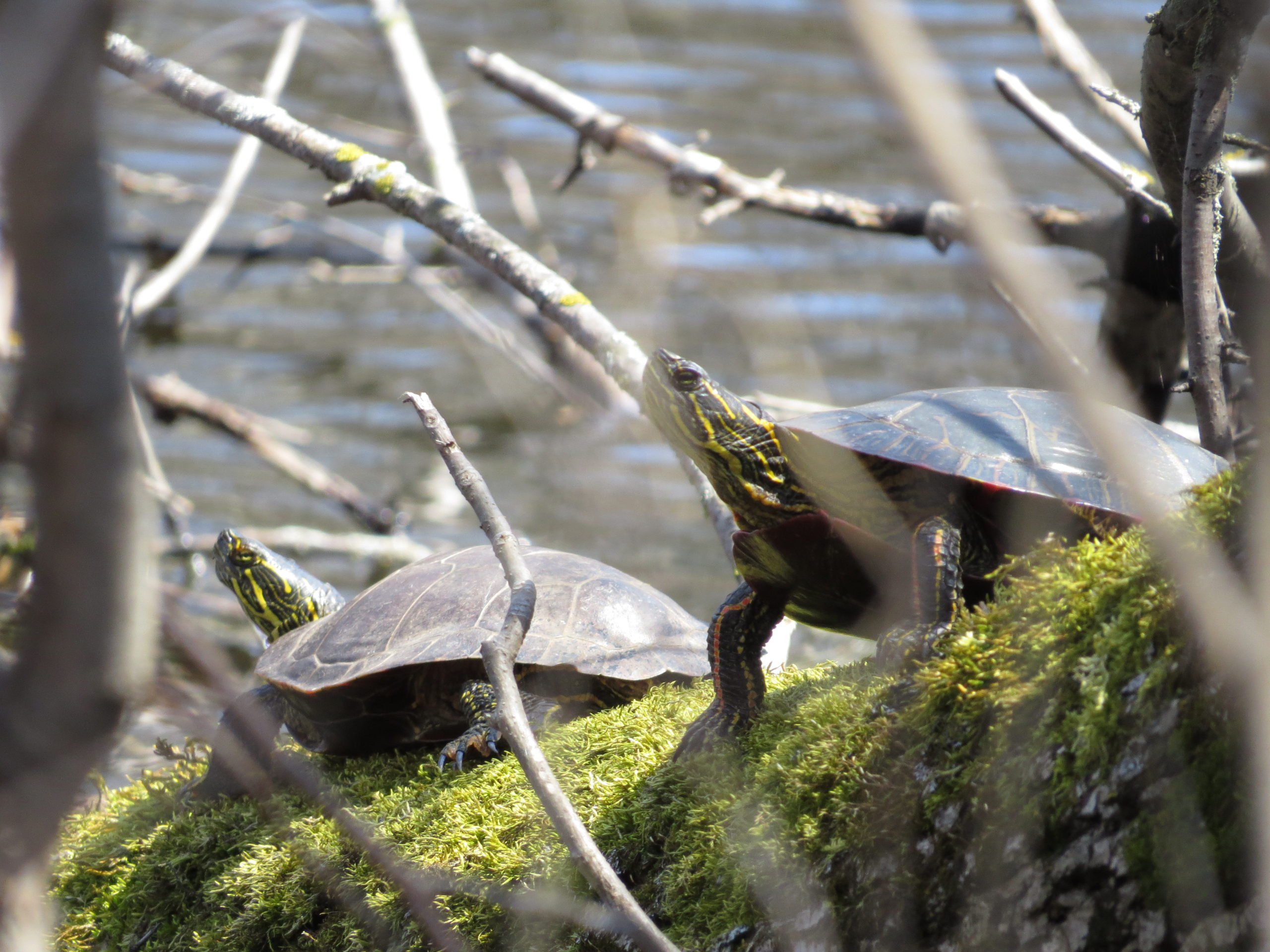
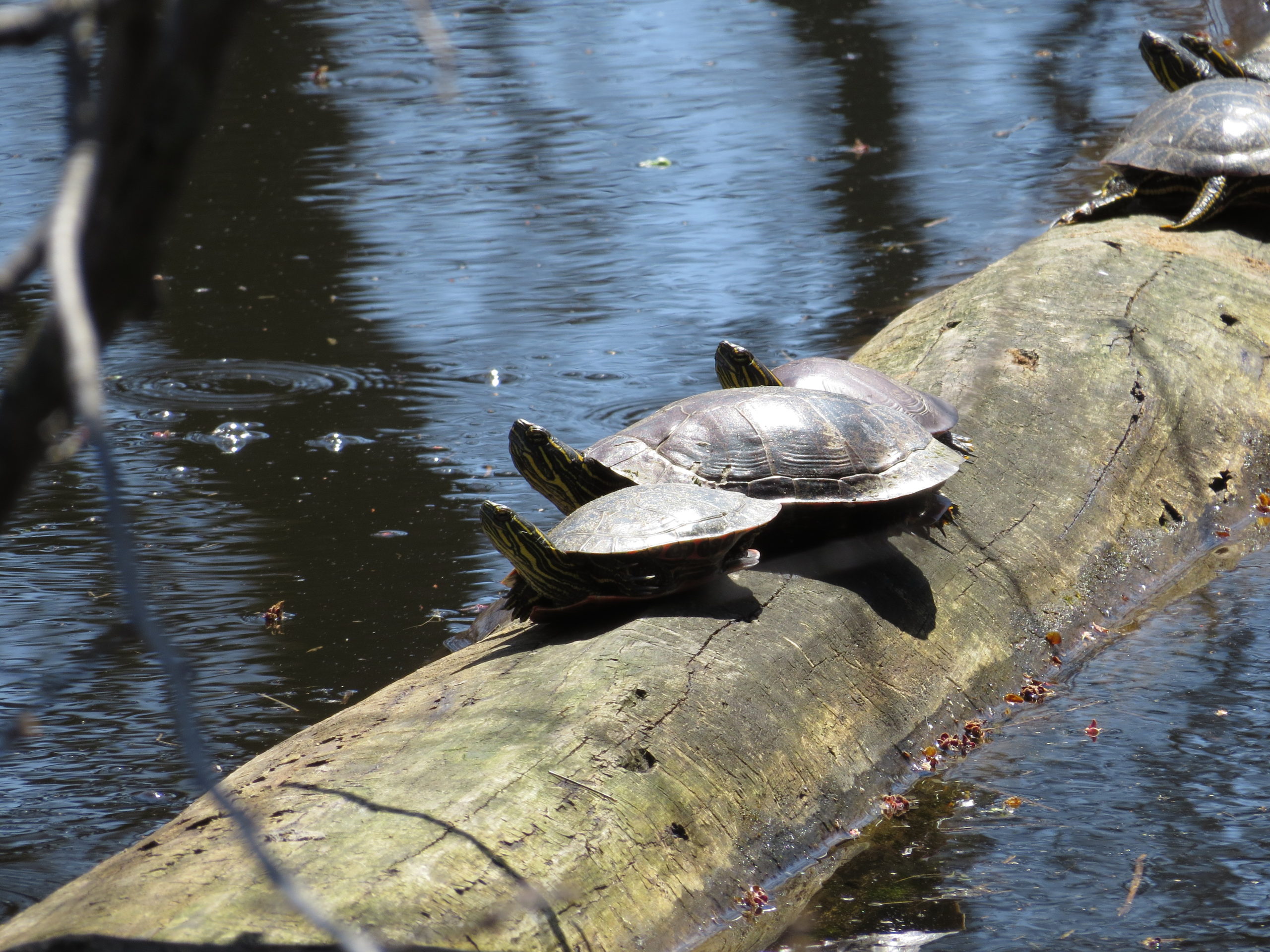
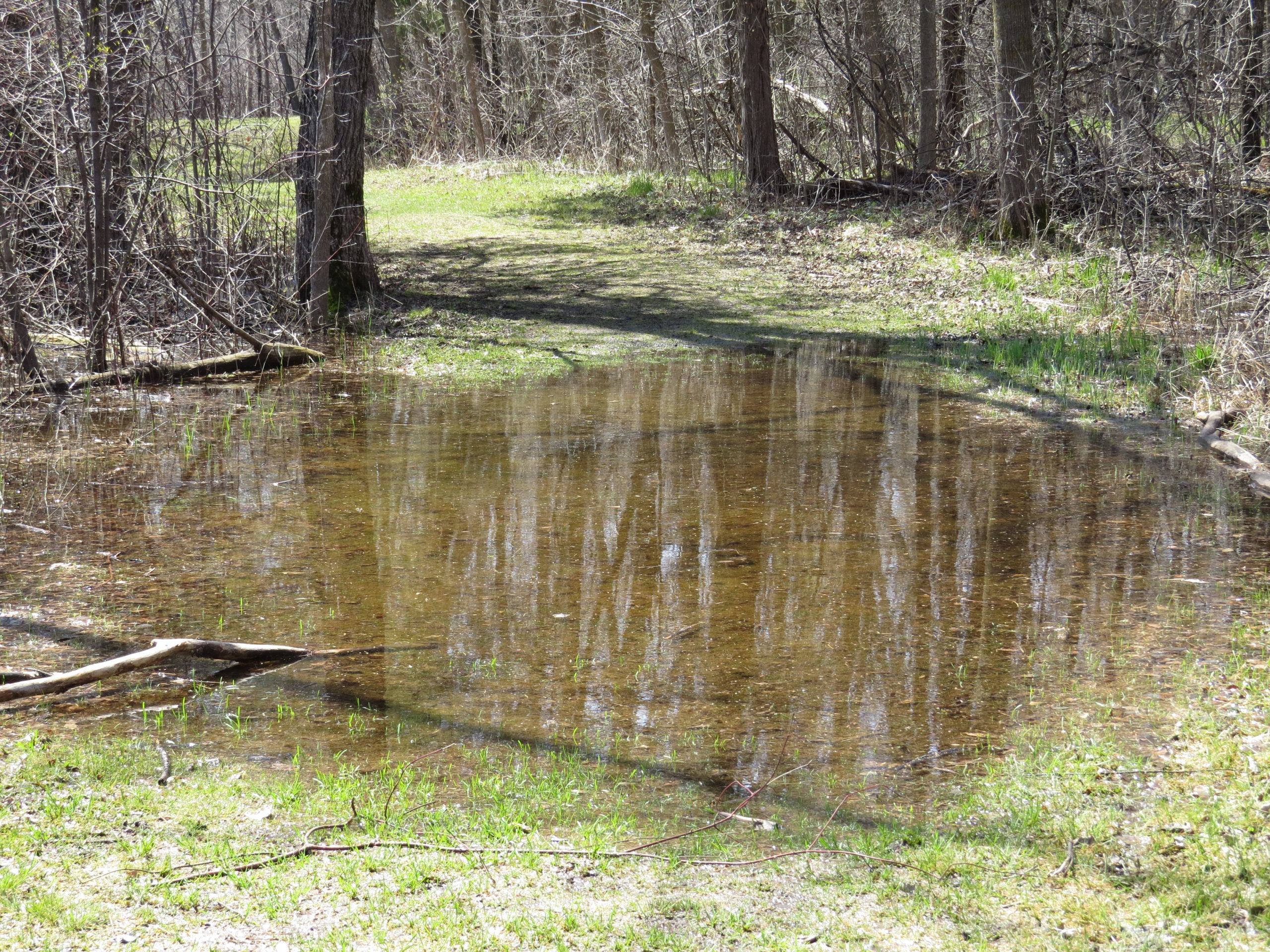
I thought the inland trail would be passable, but very soon after the bridge, water spilled over it. The first ‘puddle’ had an edge of vegetation and a stick that helped me pass with only a little mud on my shoes.
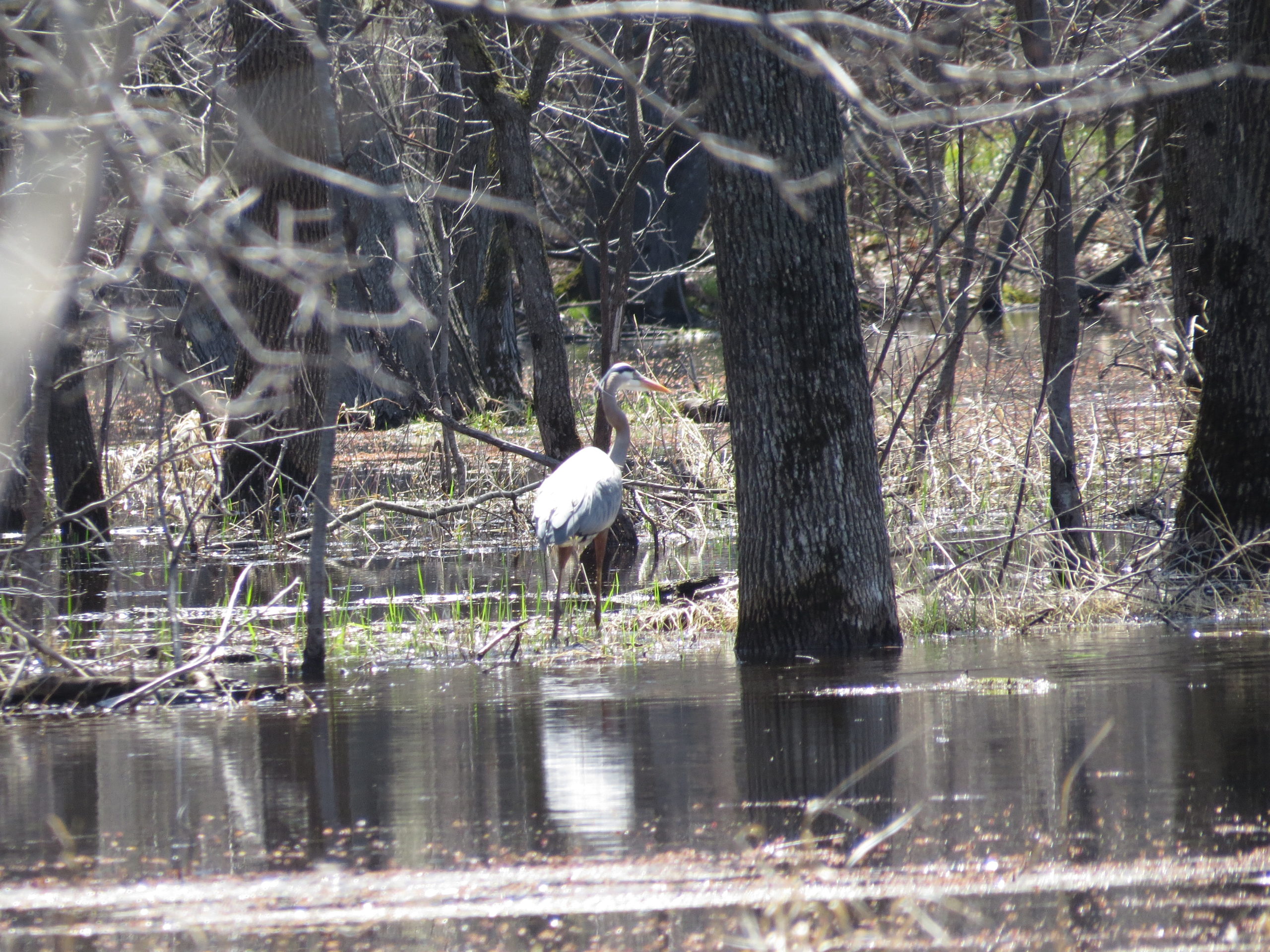
I spotted a Great Blue Heron in the flooded area beside the trail and knelt down to get his picture—what a handsome bird! He walked among the sun sparkles and red Maple flowers that floated on the water.
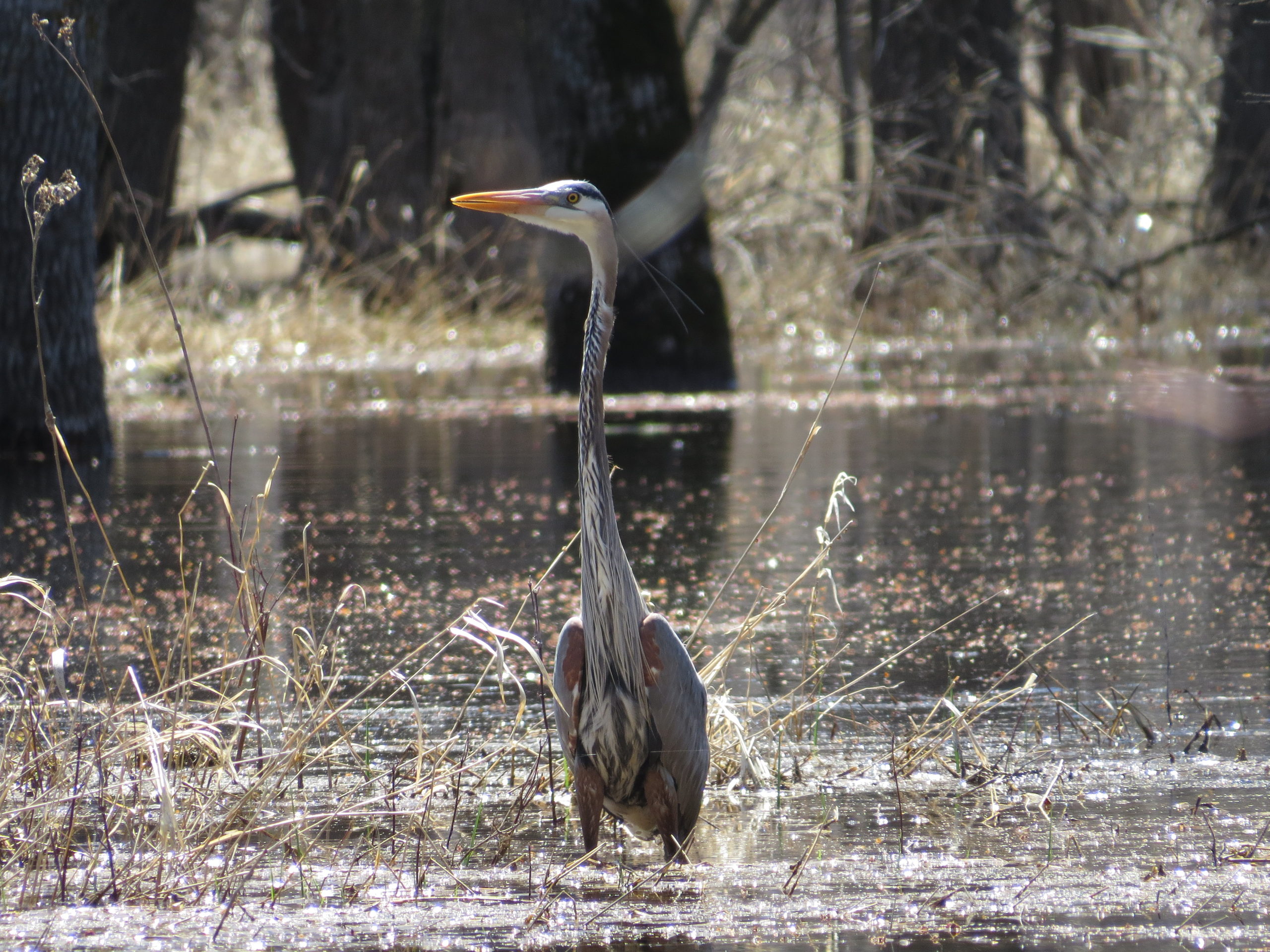
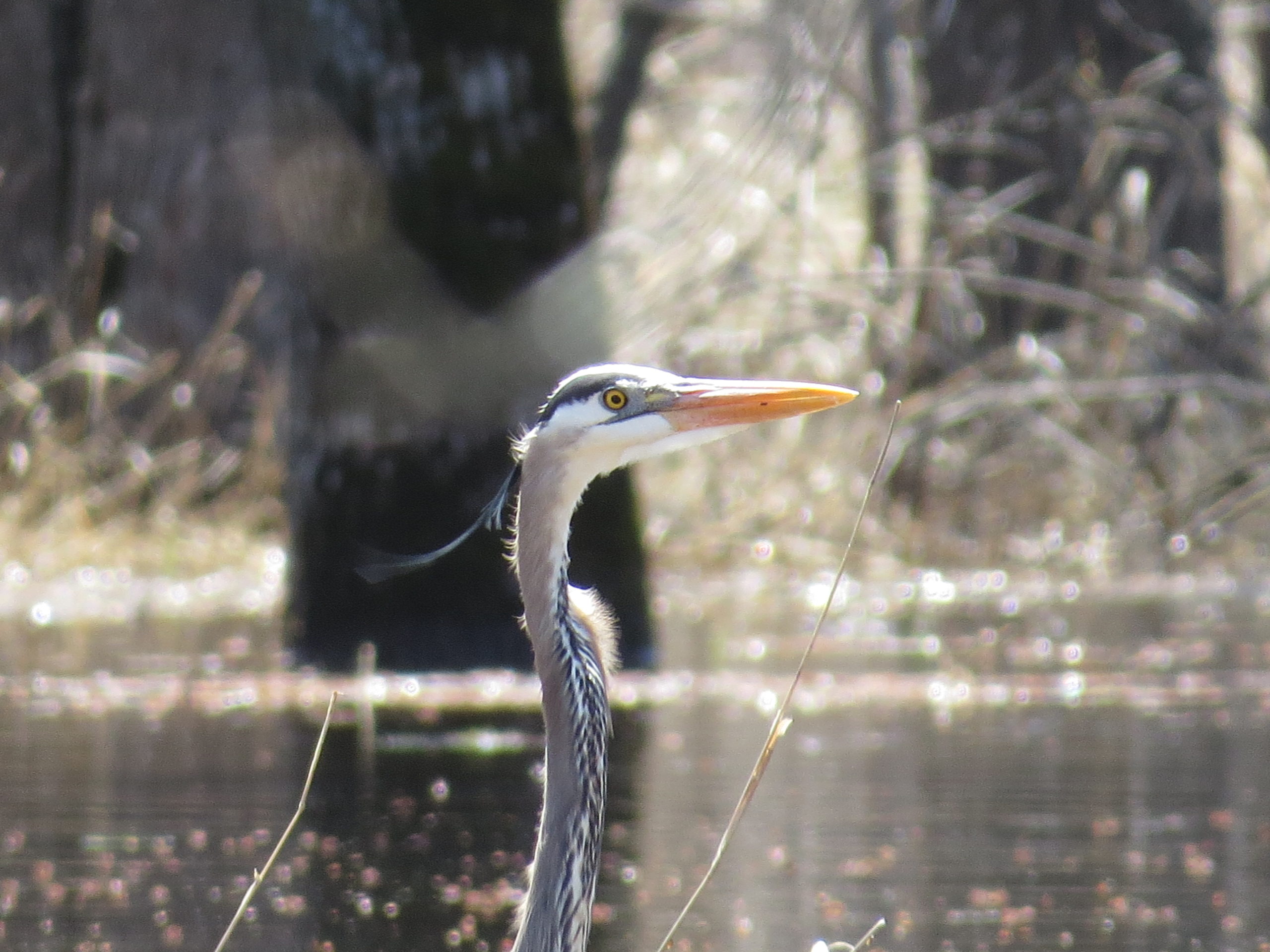
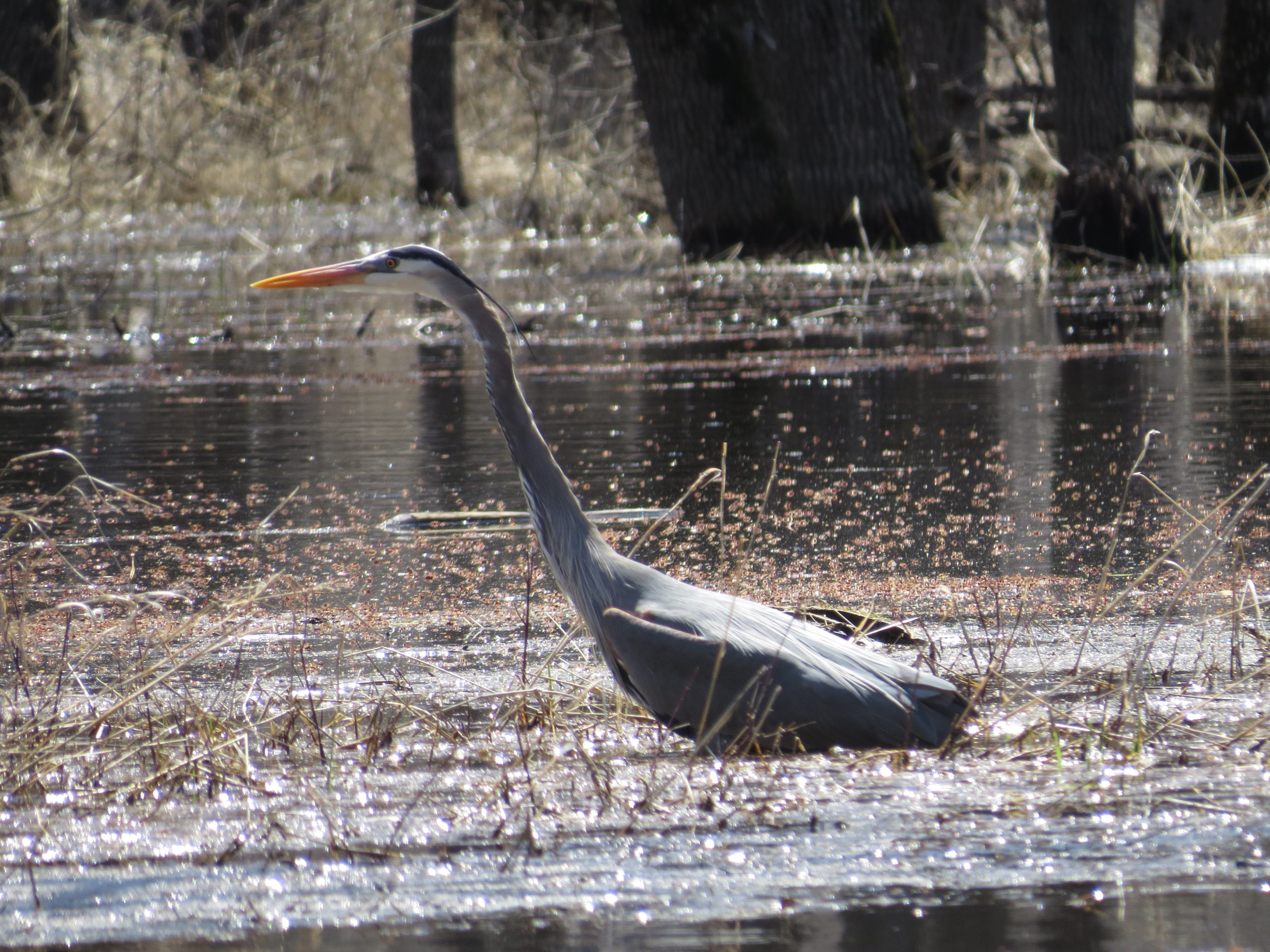
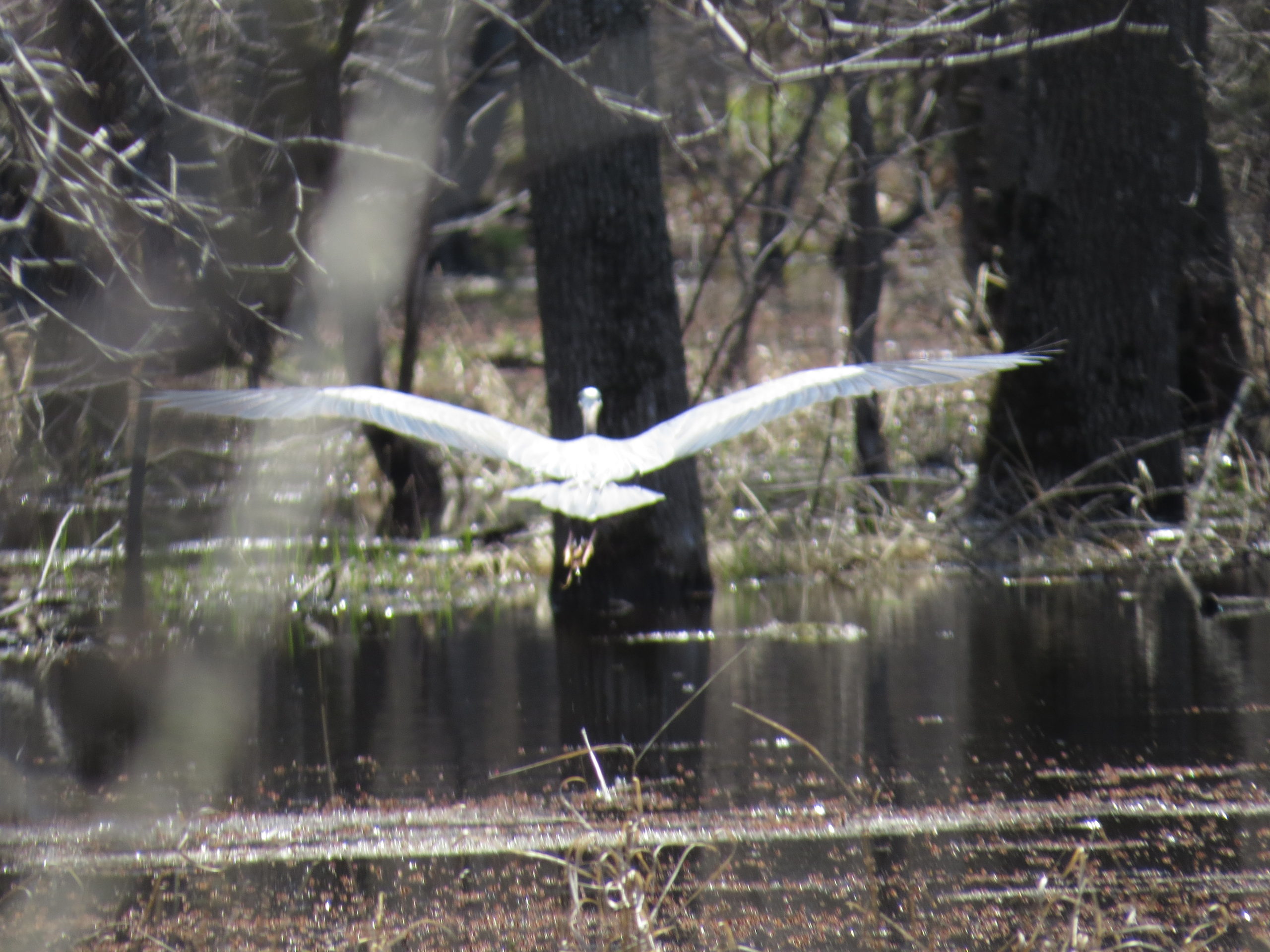
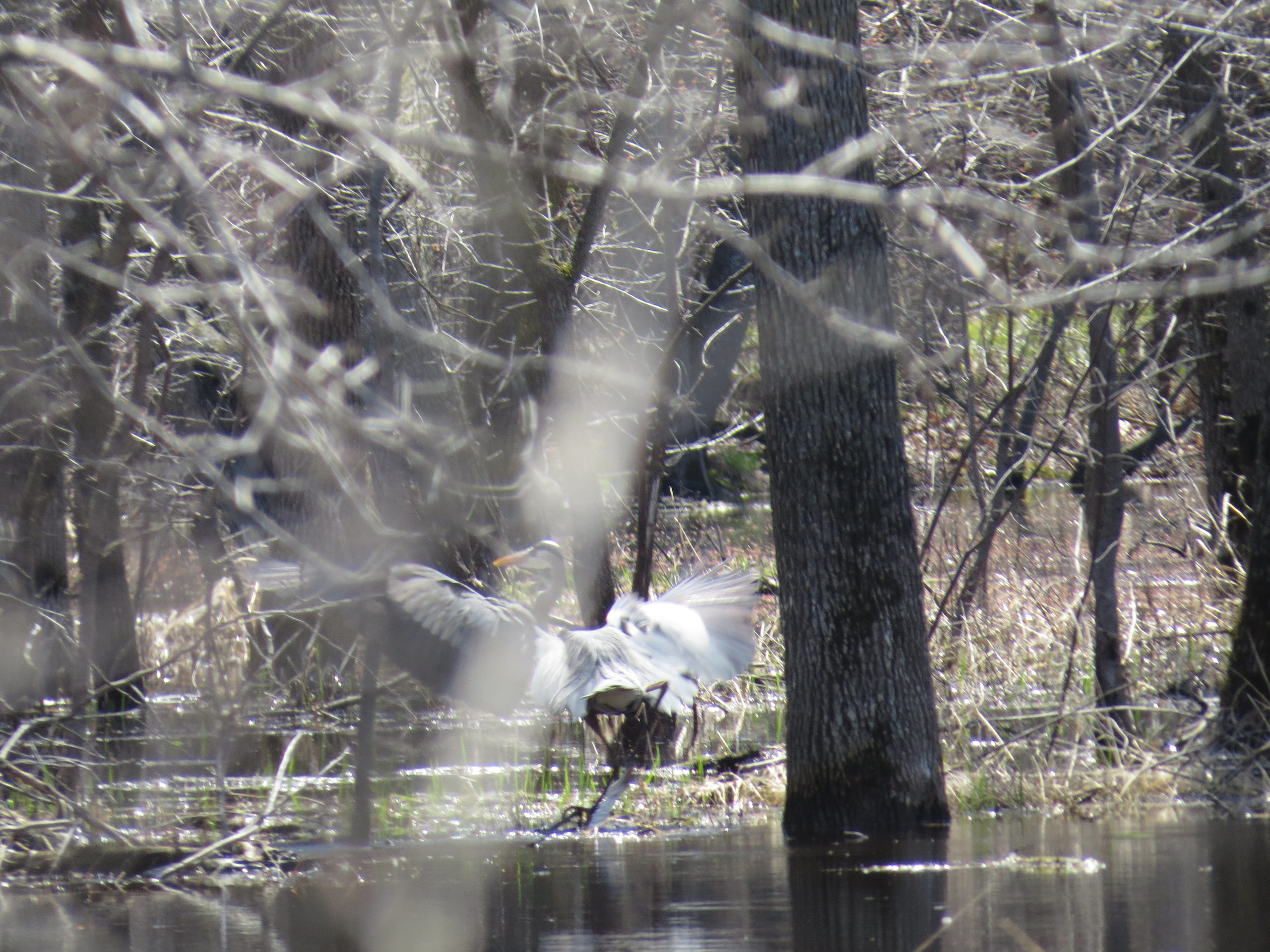
When I stood up, he flew a bit farther away where I could see his long legs, and I realized how deep the water was where he walked in the flowers and sparkles.
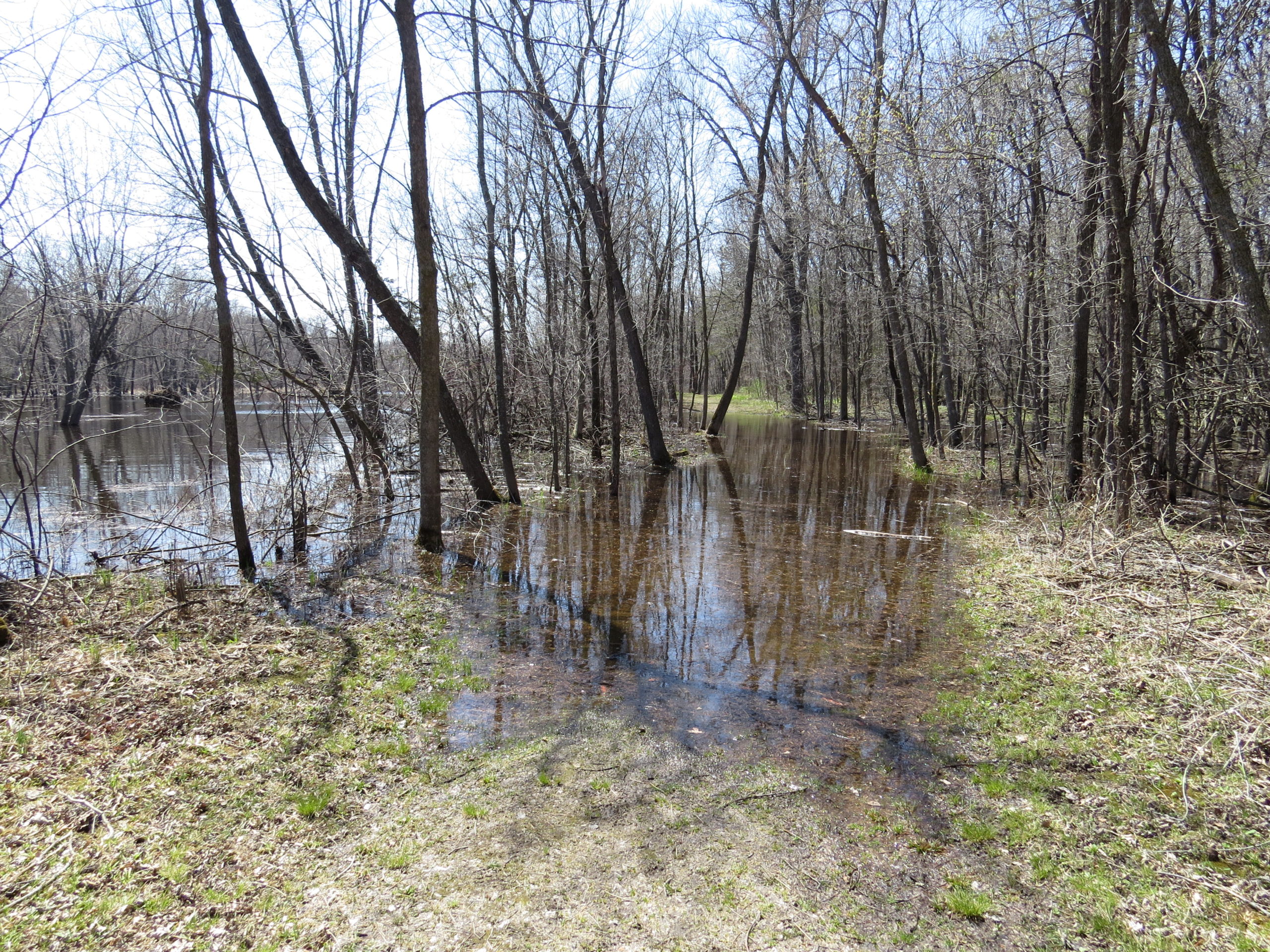
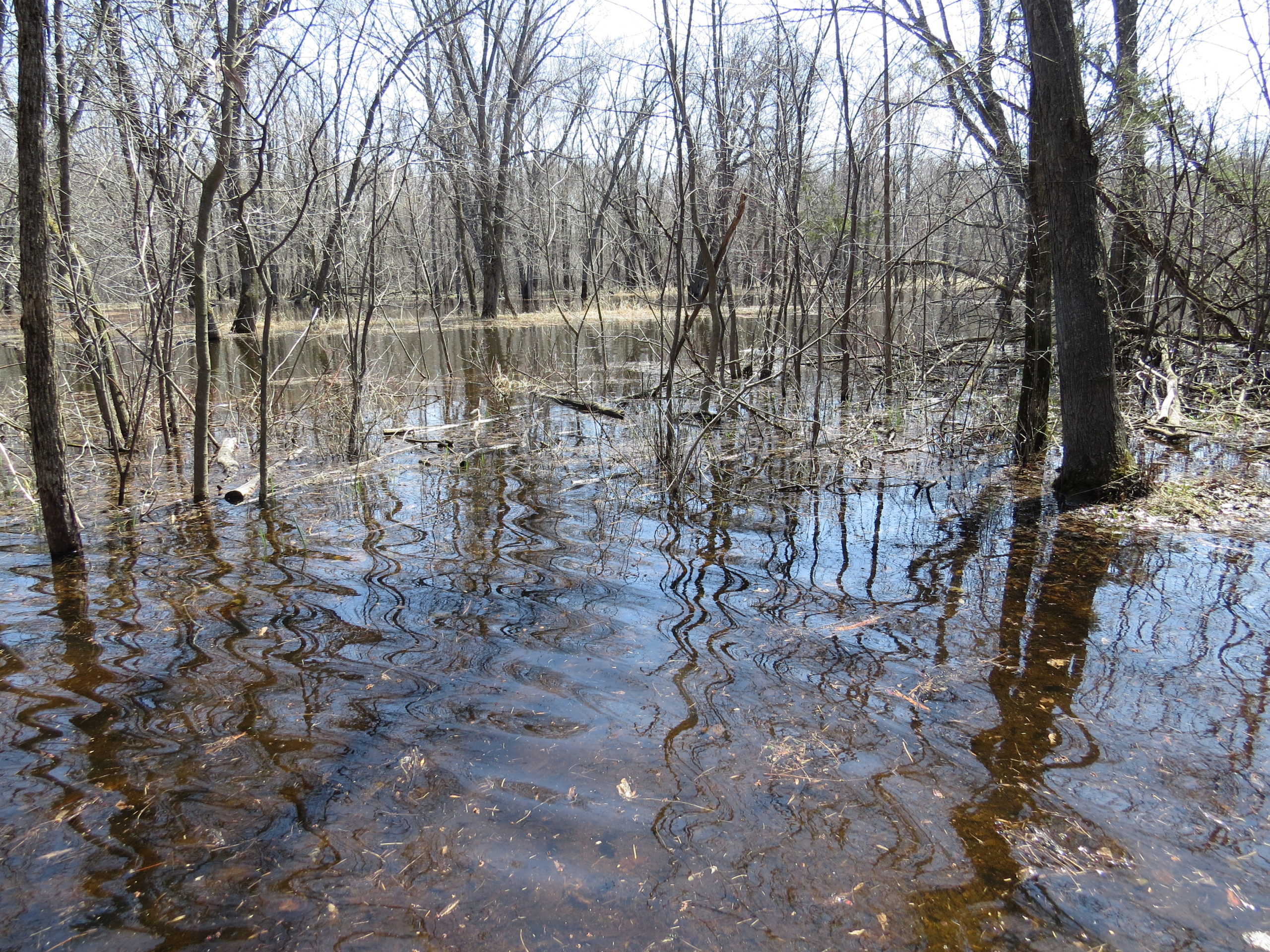
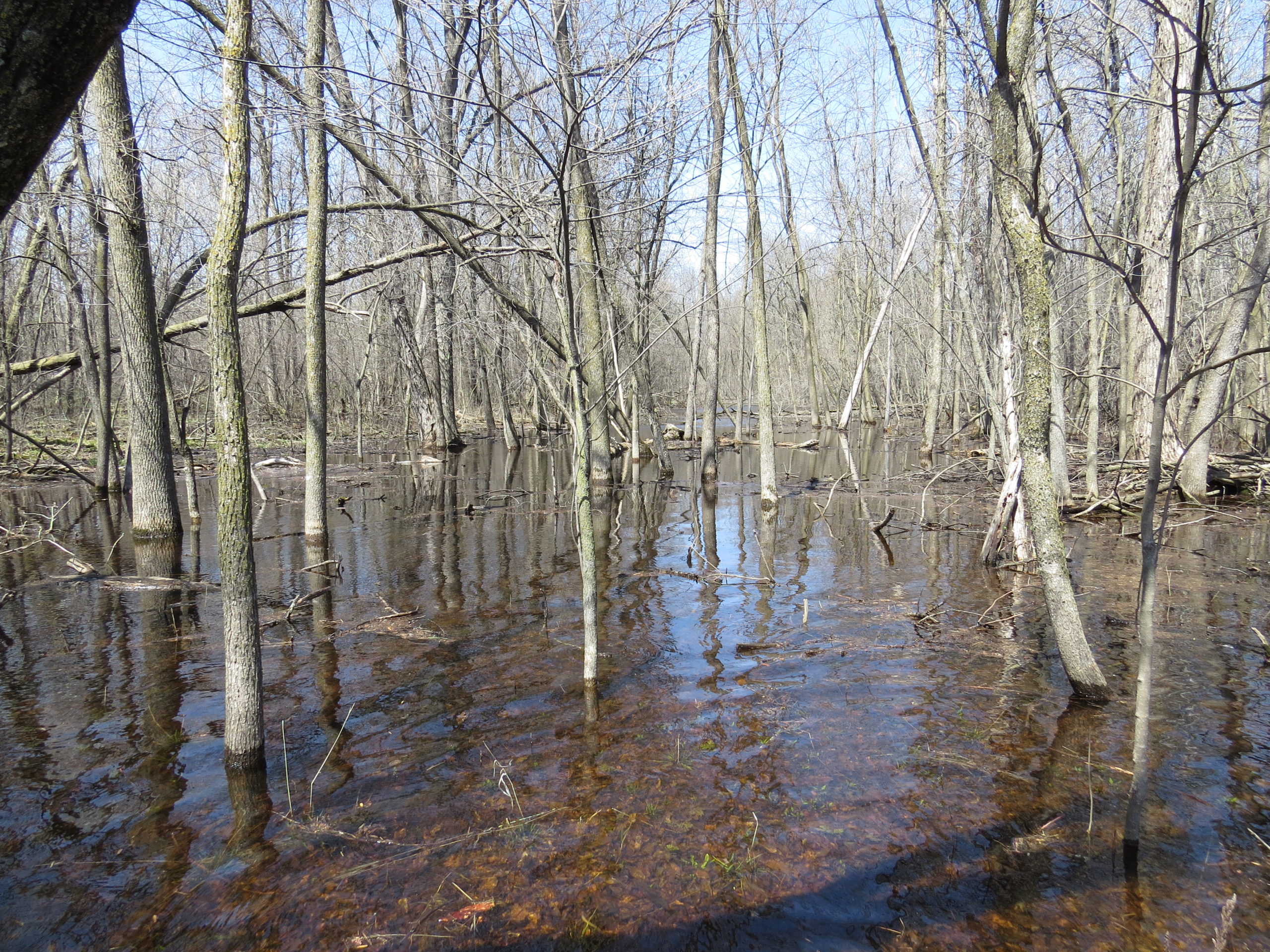
The next trail ‘puddle’ was long and too deep to skirt by. I realized that I wasn’t going to get through without getting my feet wet—so into the flood water I walked. It was warmer than I expected at this time of year. I must have walked through four or five flood puddles before I got to higher ground. I had walked this path many times before but never in water up to my knees!
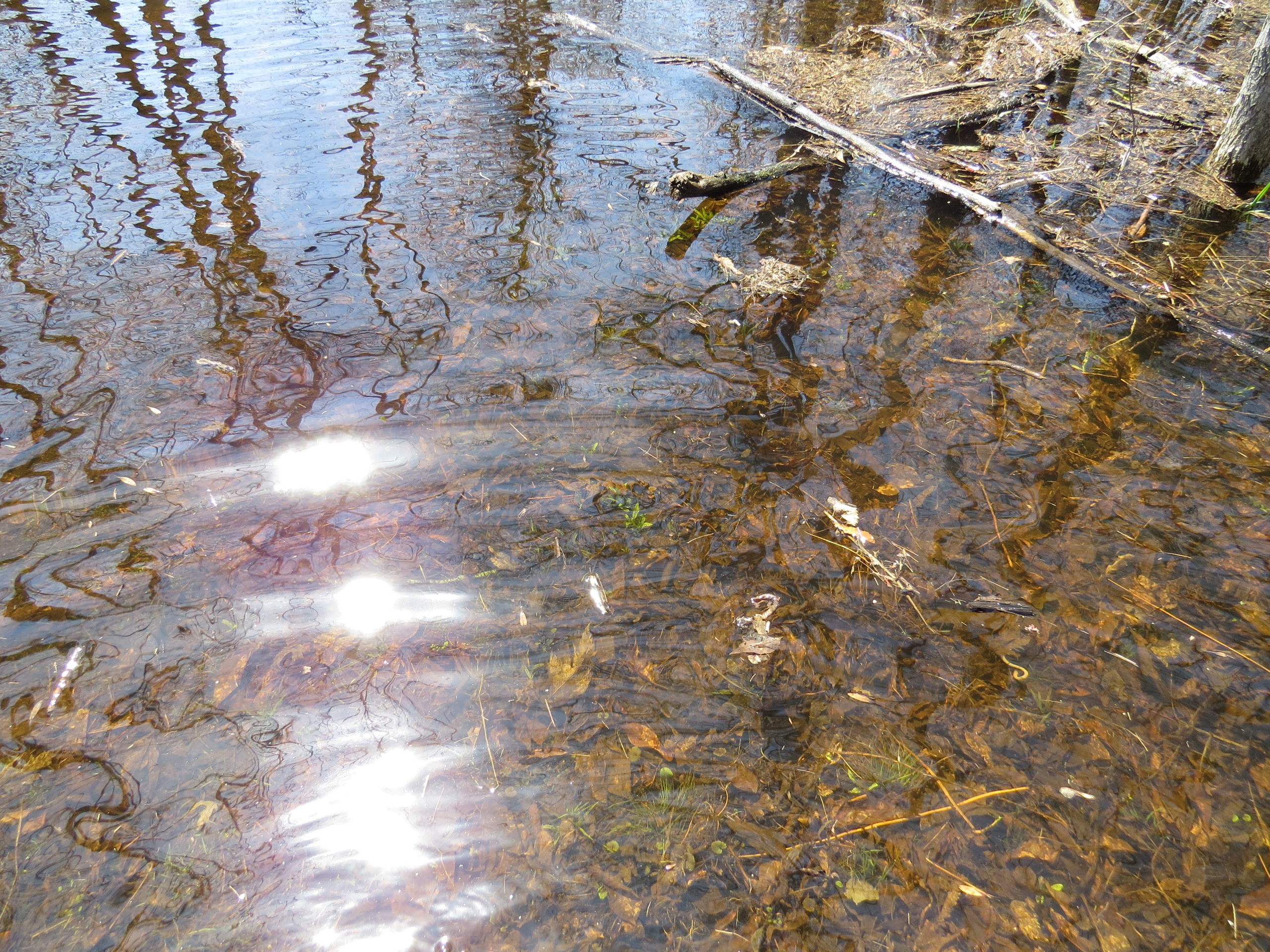
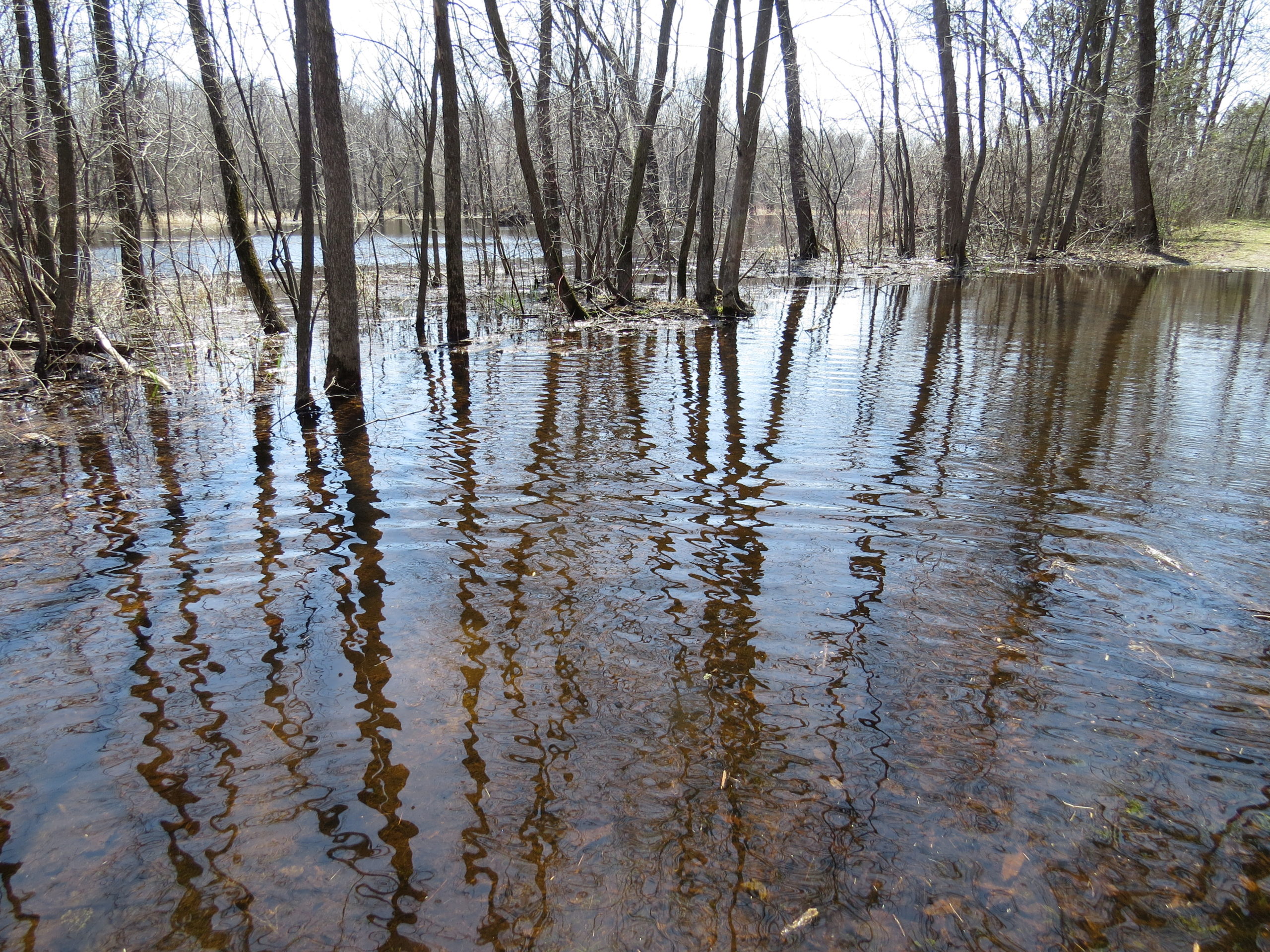
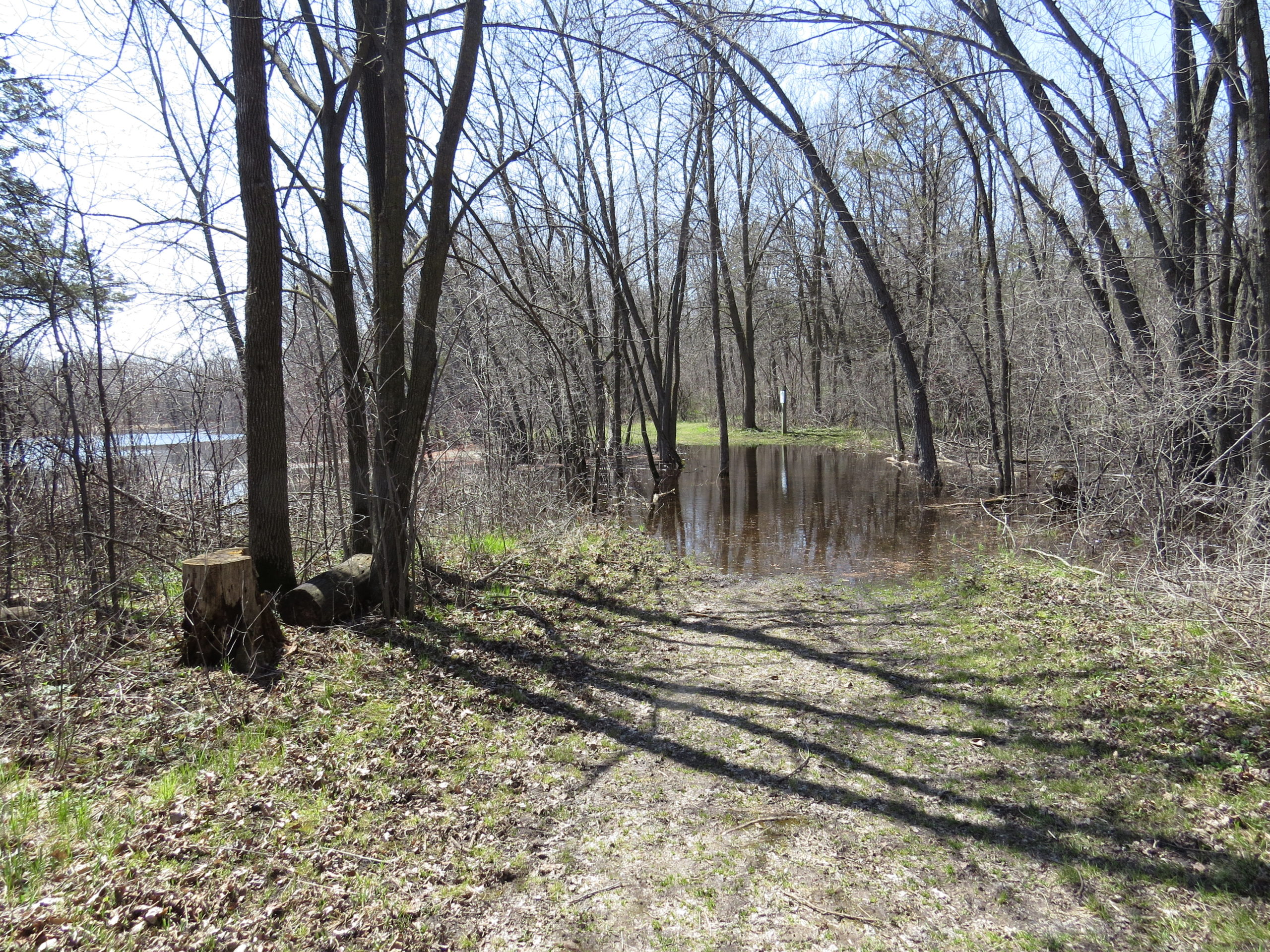
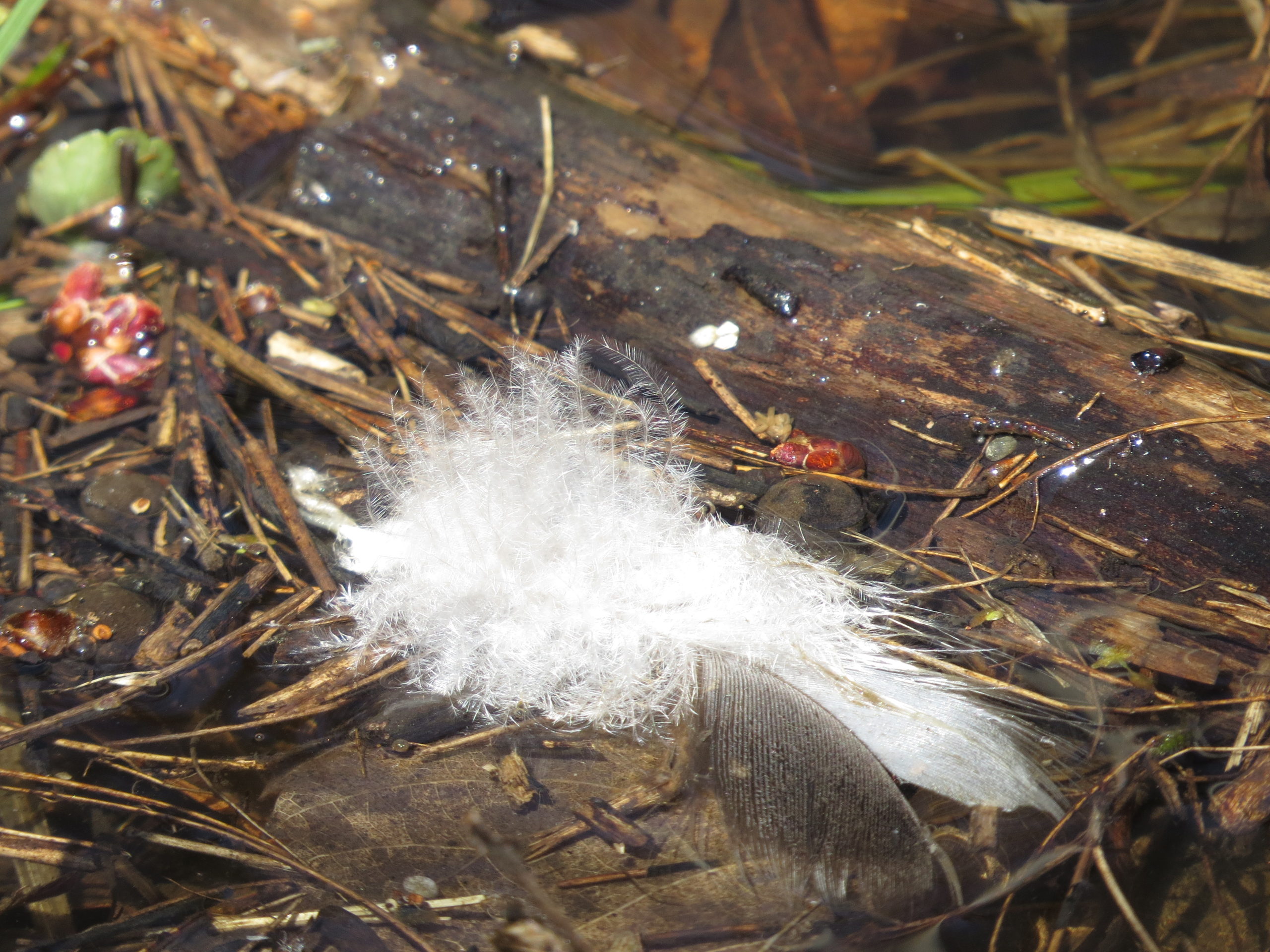
At the end of the last flood puddle, I found a downy feather, half white, half gray, among the debris and Maple flowers. Smiling to myself, I joyfully celebrated that Spring was really here!
My indecisive decision-making is time and energy consuming, and I had an ally in Mother Nature this Spring. But like Mother Nature’s all-in commitment to Spring this week, once I make a decision, I rarely change my mind or regret the choice I made. I’m still trying to hone down my process. In certain areas of my life, I am able to make faster decisions with confidence—like the Great Blue Heron, I stepped into the flood waters without deliberation. There is a time and place for everything under heaven. In our limited thinking (compared to the Universe), we often judge things as good or bad, wise or foolish, right or wrong, and yet we don’t see the whole picture—that fire can rejuvenate, that flood waters can fuel growth and sustain lives, and that we can joyfully celebrate all the seasons of our lives.
Potential Flow
I can feel my grief starting to soften. I think it comes from practice after years of enduring and moving through grief I thought I could not bear. Grief can be ice hard and immovable. It can build up in your heart, layer upon layer, as you realize all you have lost. When grief resides within you, it doesn’t leave much room for anything else. Time, tears, energy, and grace can begin to soften it.
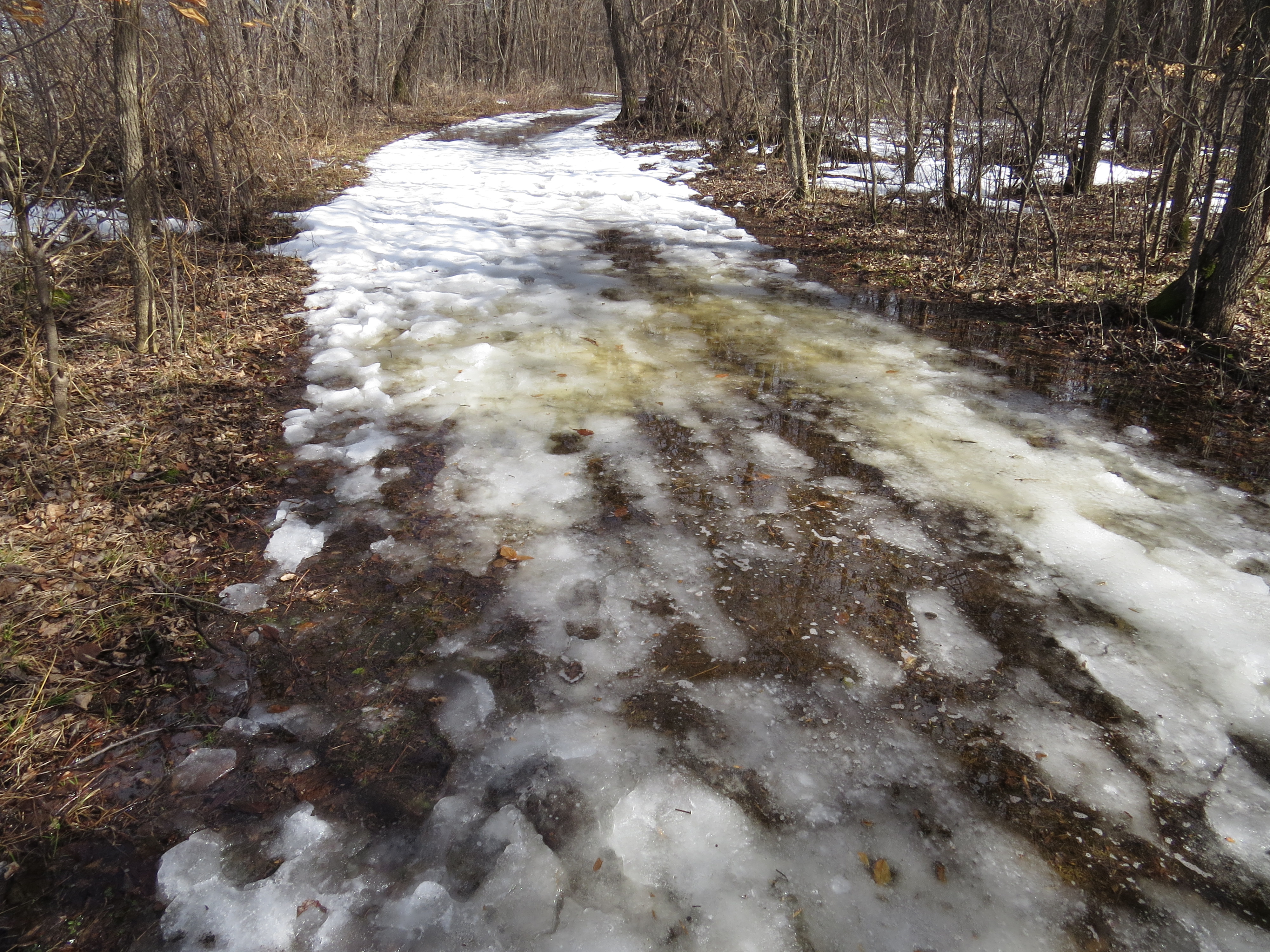
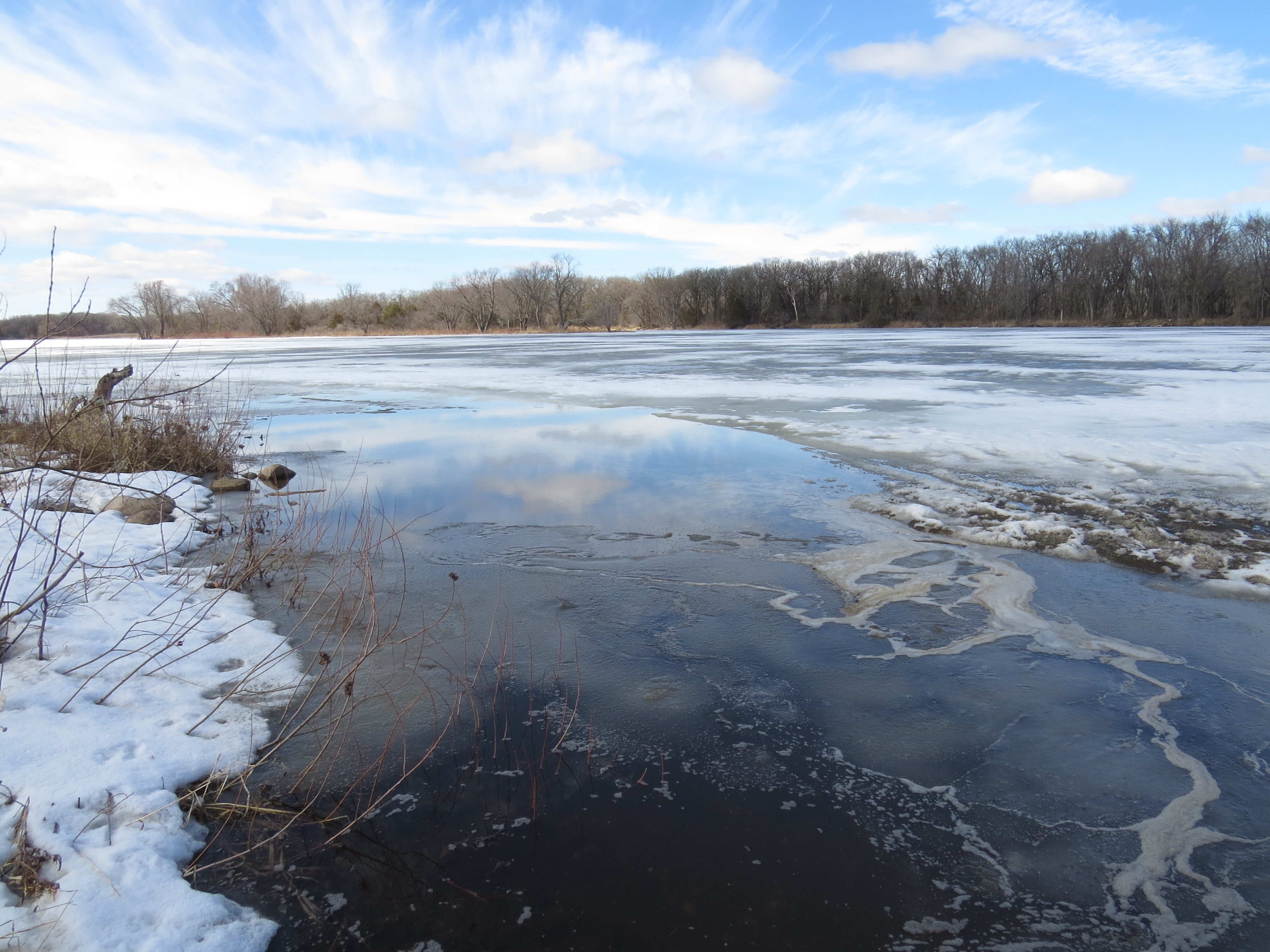
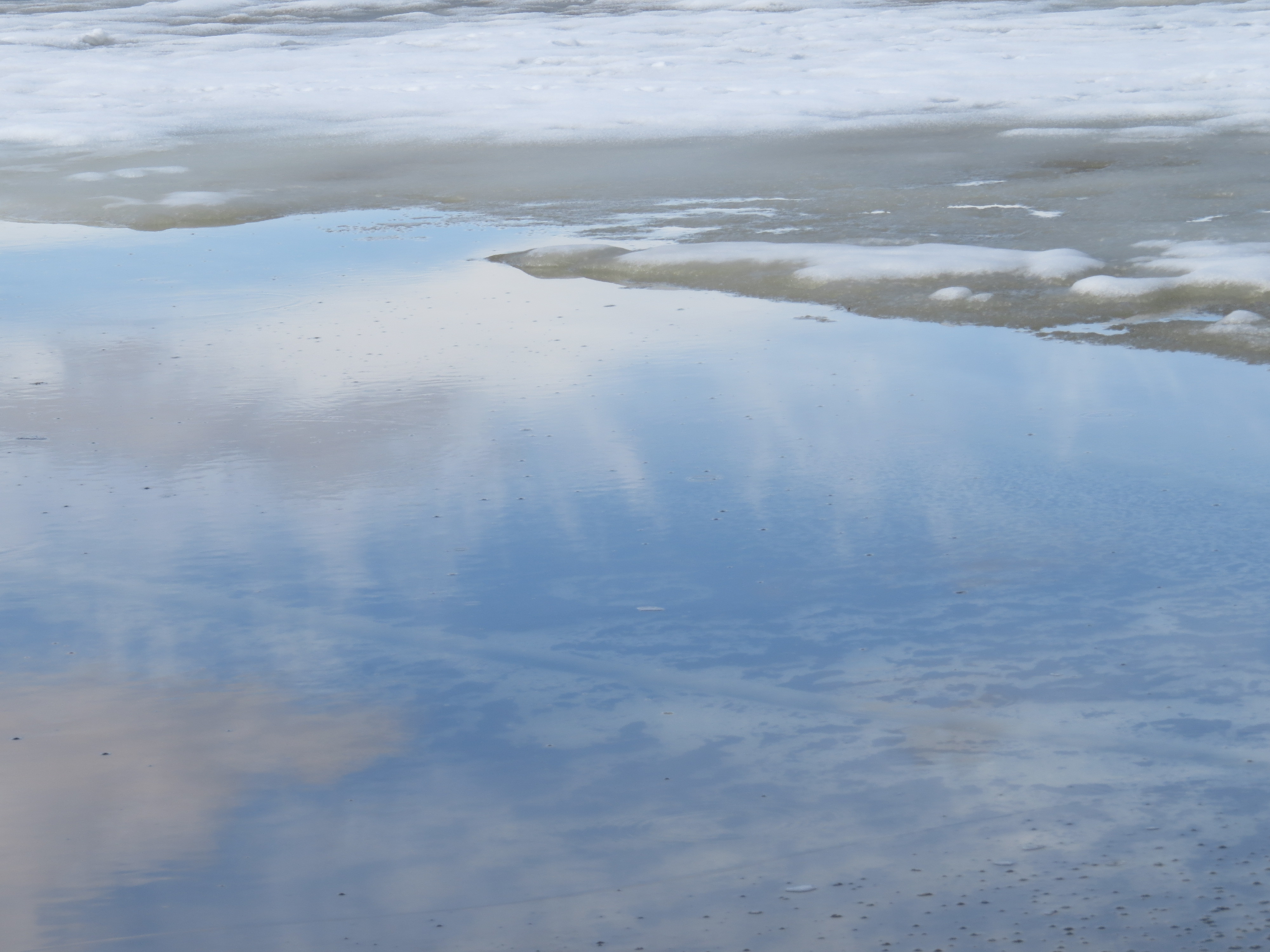
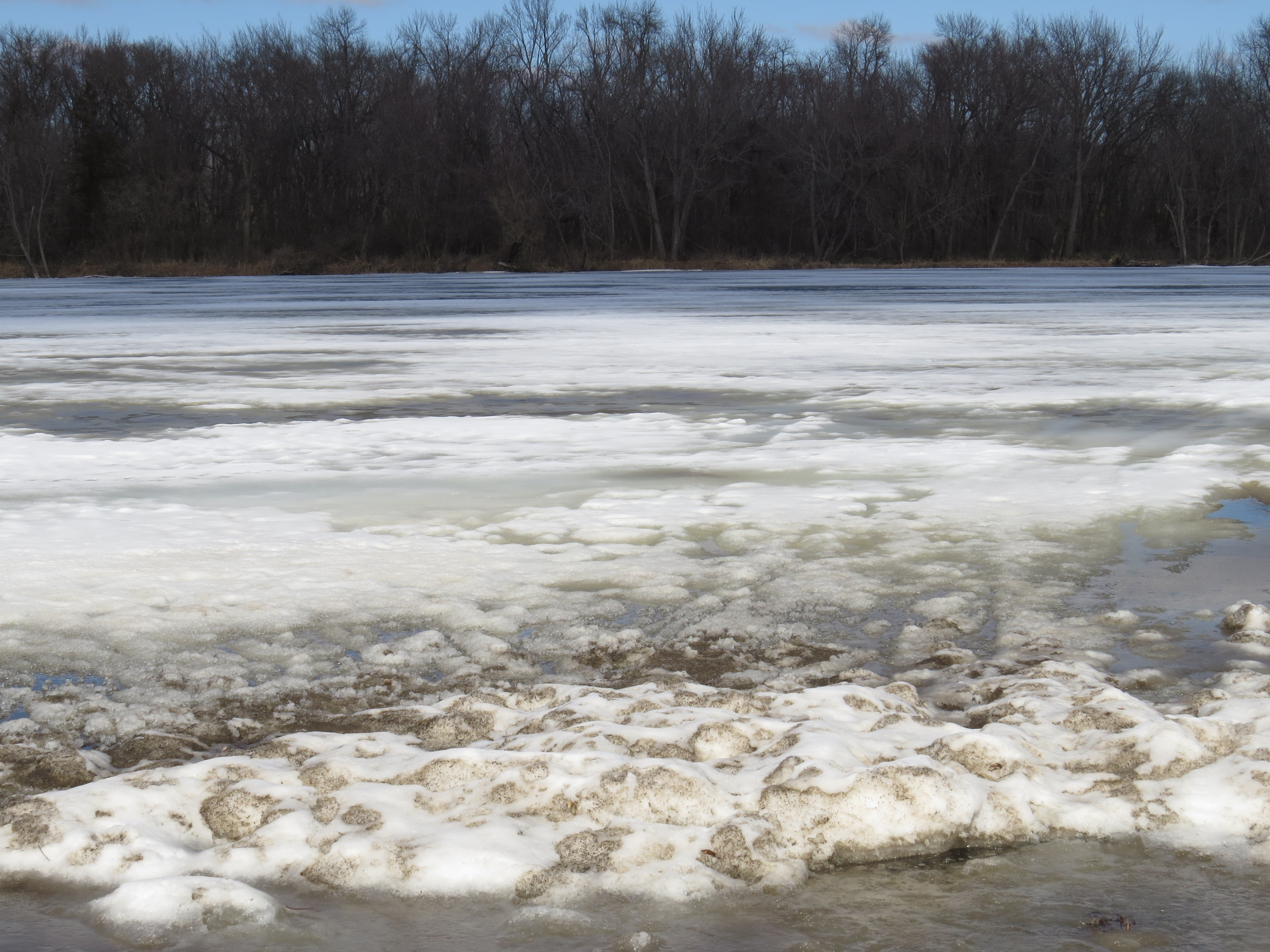
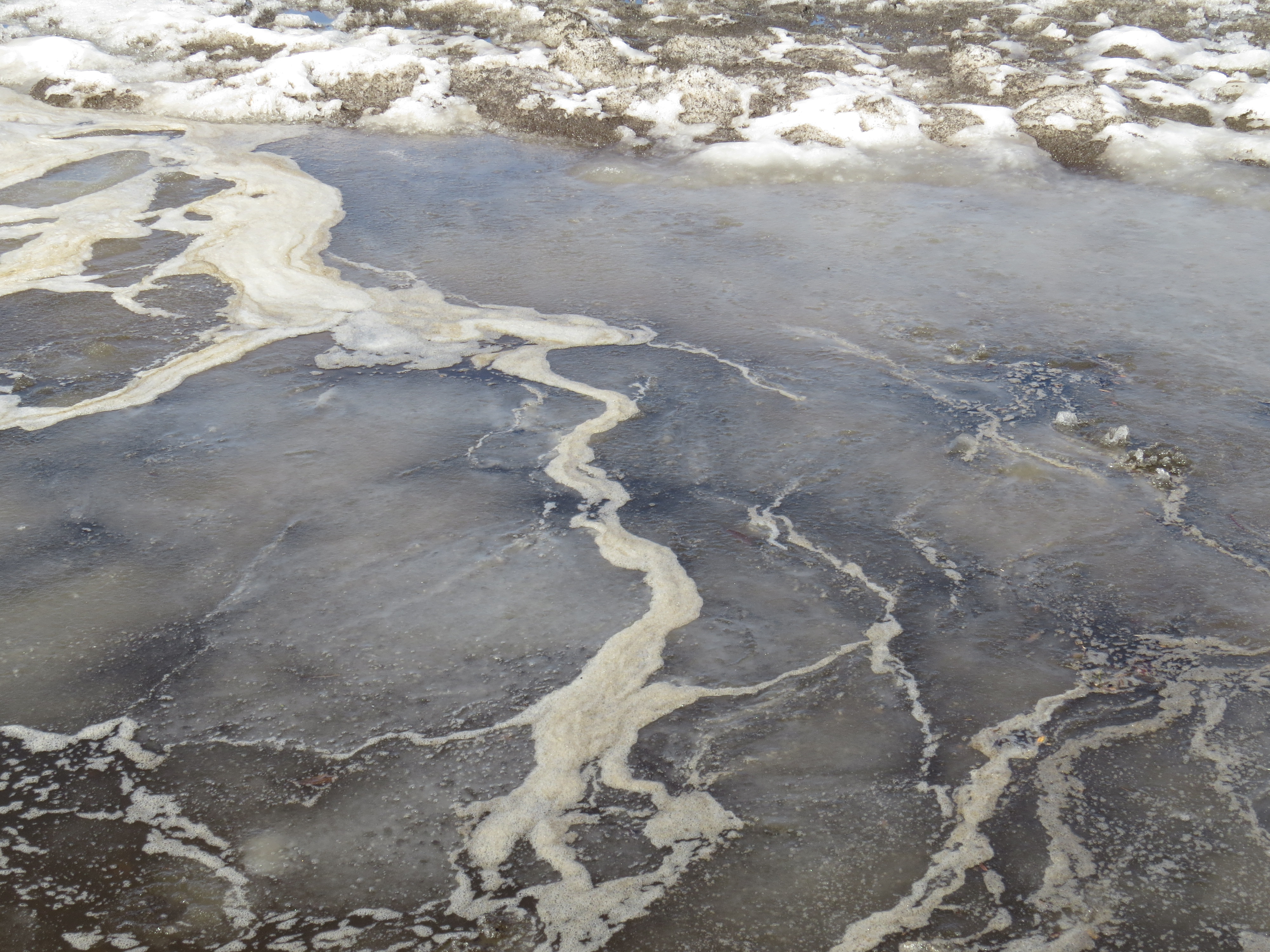
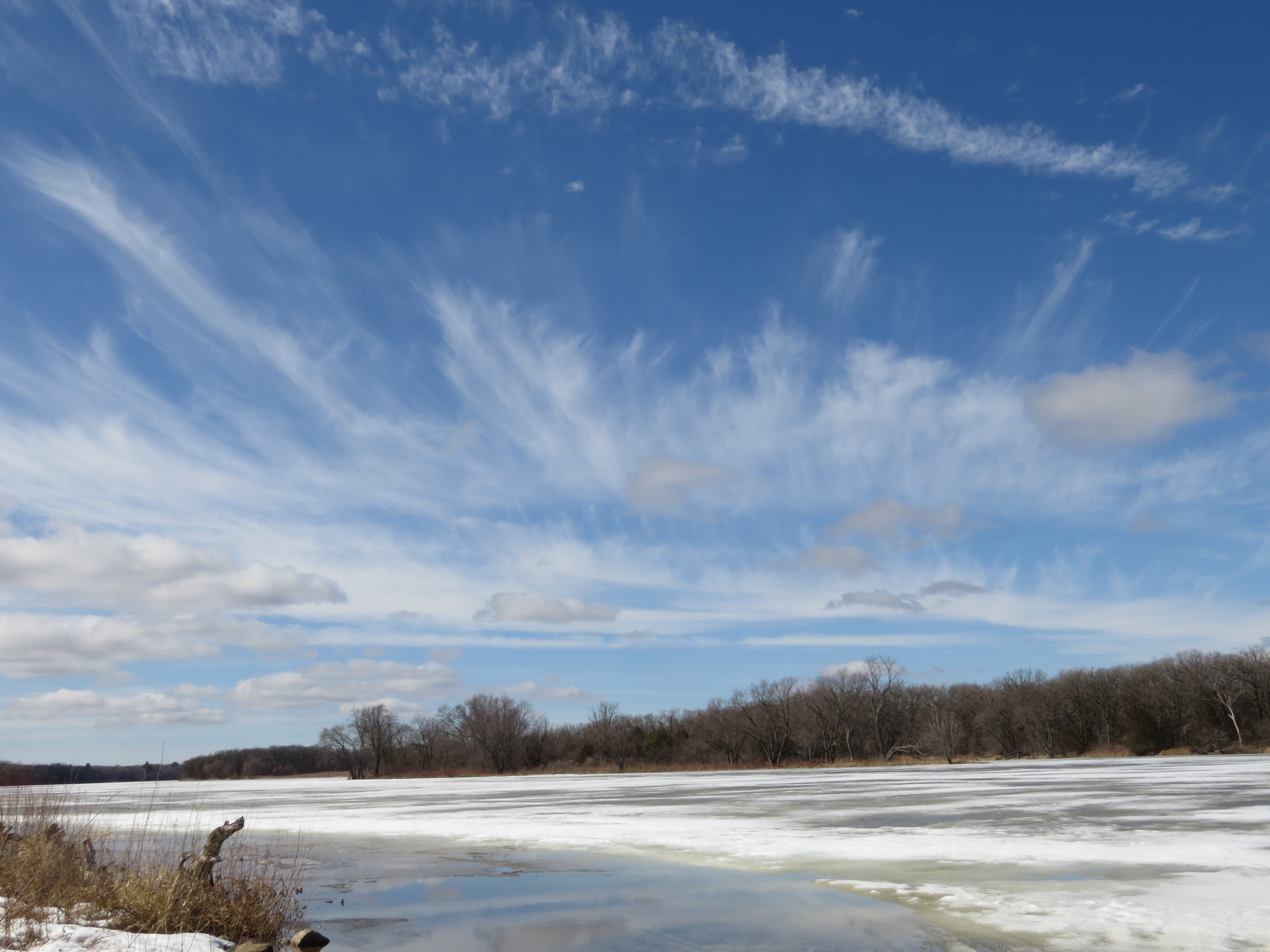
It’s a fickle time of year. Last weekend’s warmth melted the majority of our snow, but cooler temps on Tuesday brought more snow and substantial wind chills. Thursday was a Spring-is-here day with warm sun, temps in the high 40’s, and those wonderful, wispy Spring clouds. I walked, or rather, slogged through slush at Mississippi River County Park. It takes longer to melt ice from the rivers and even longer from most of the lakes once the snow has disappeared. The River that was a road in the heart of Winter was now impassable by any means. It contained all states of aqua—ice, snow, slush, water, and vapor rising in the heat of the sun. It had all softened and some had melted, and in a few places, water was actually flowing.
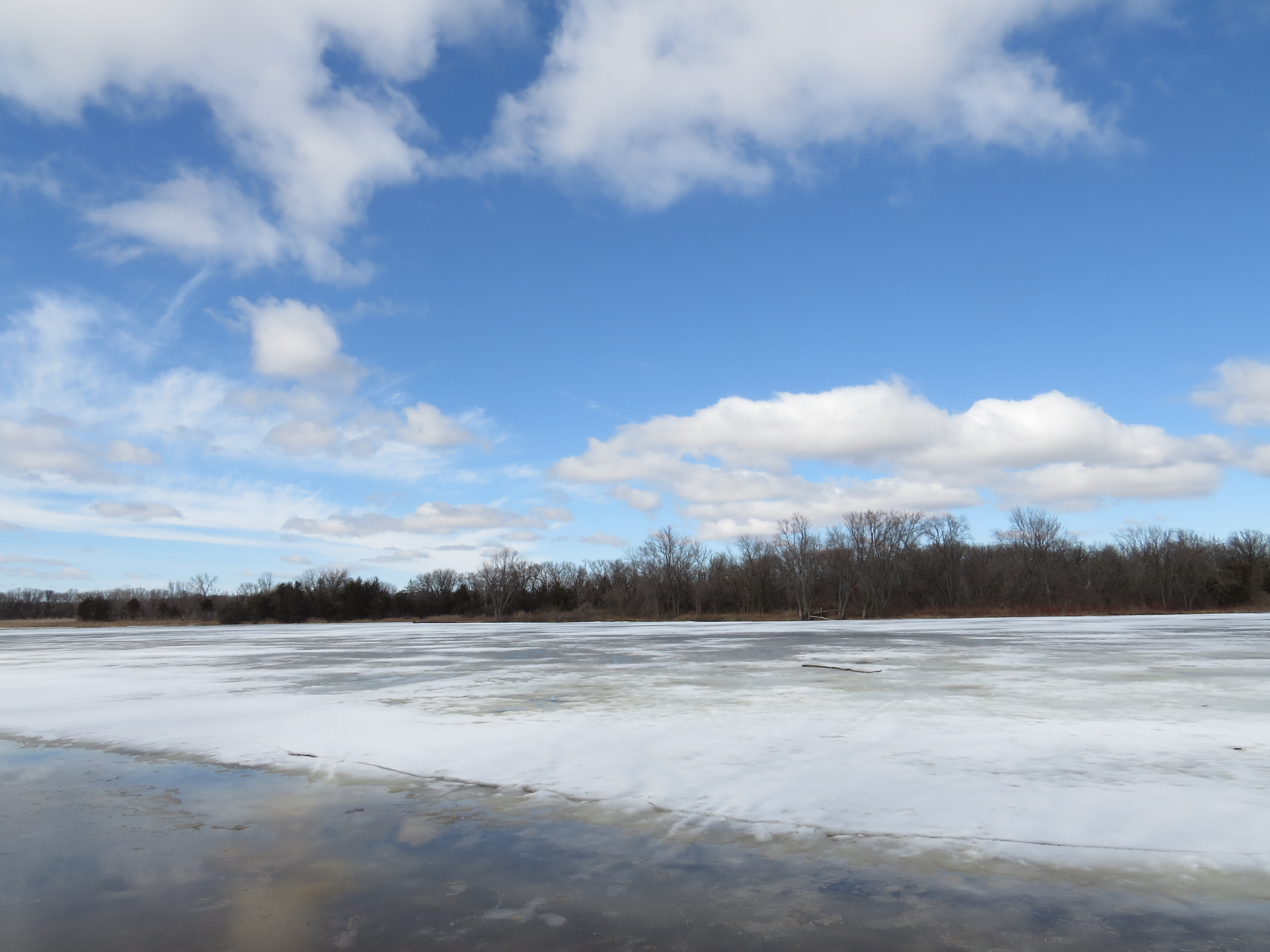
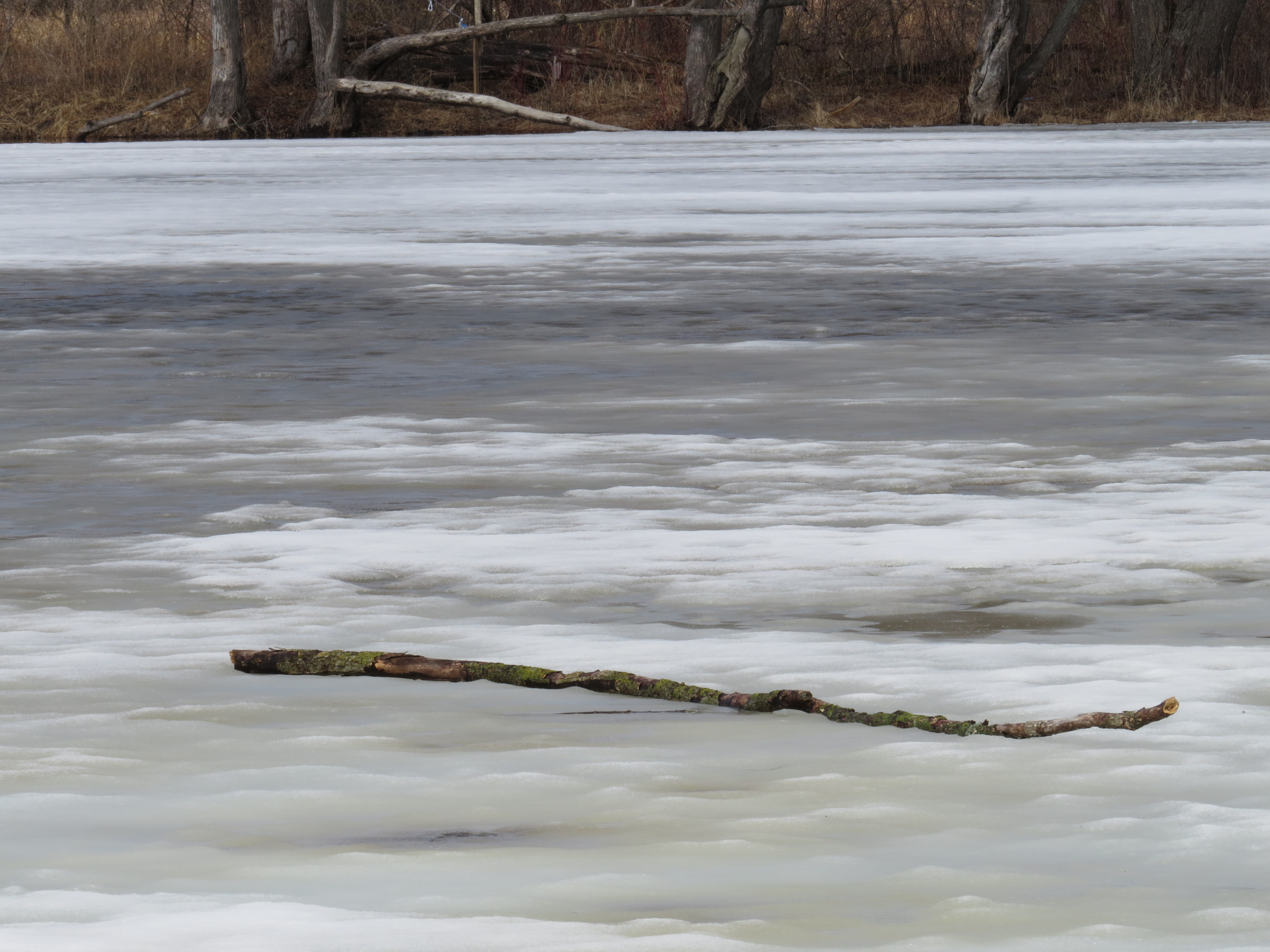
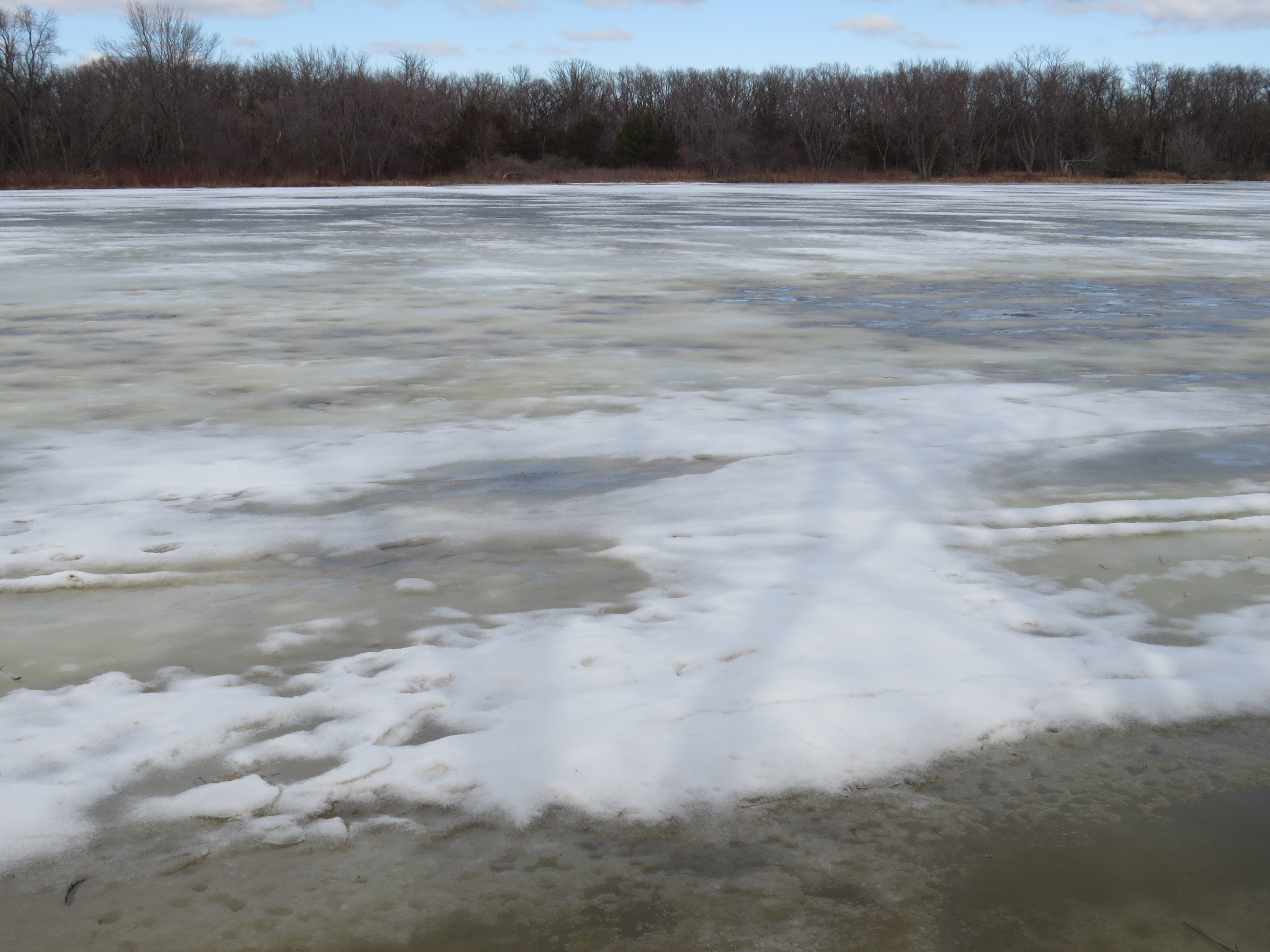
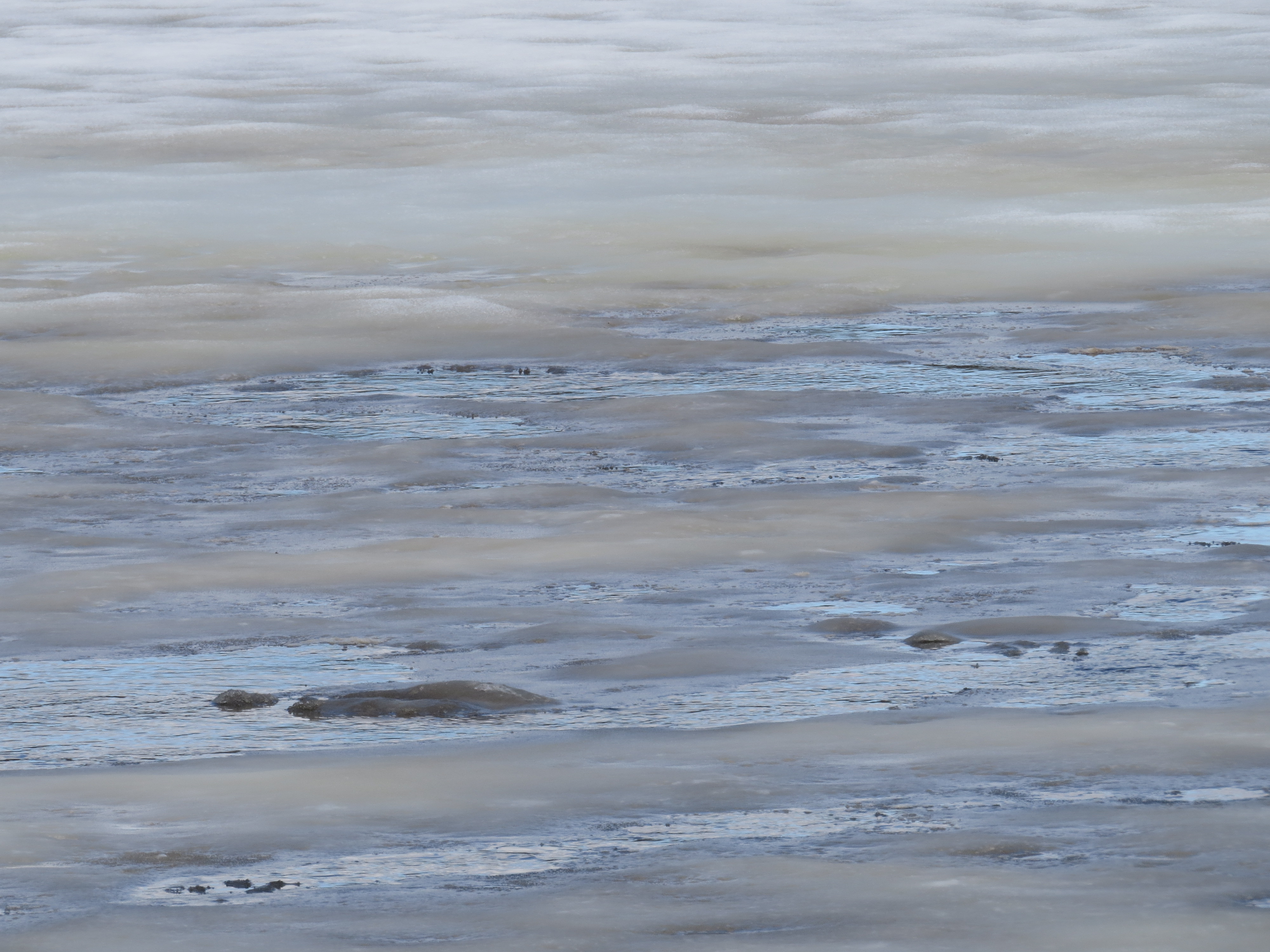
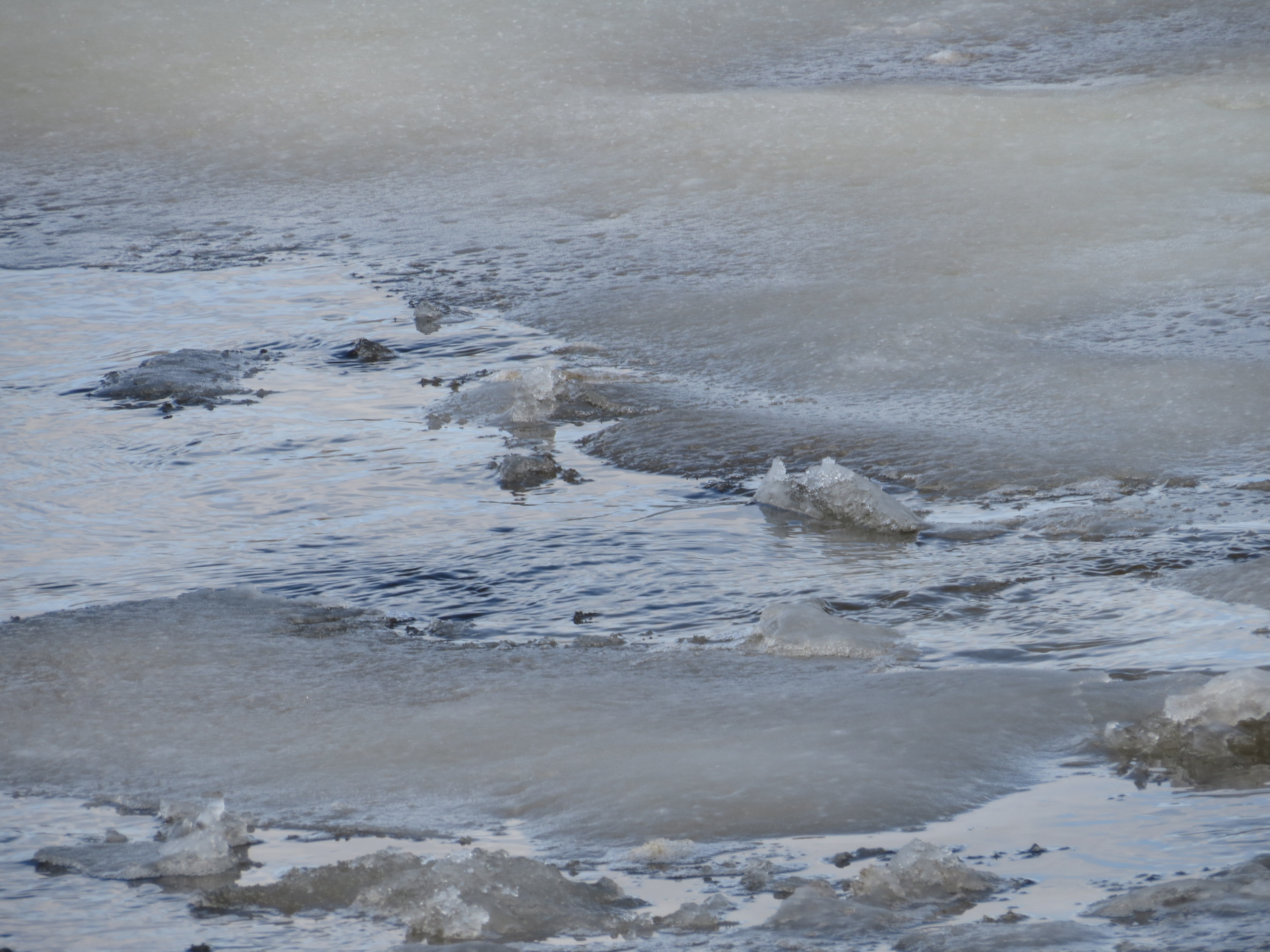
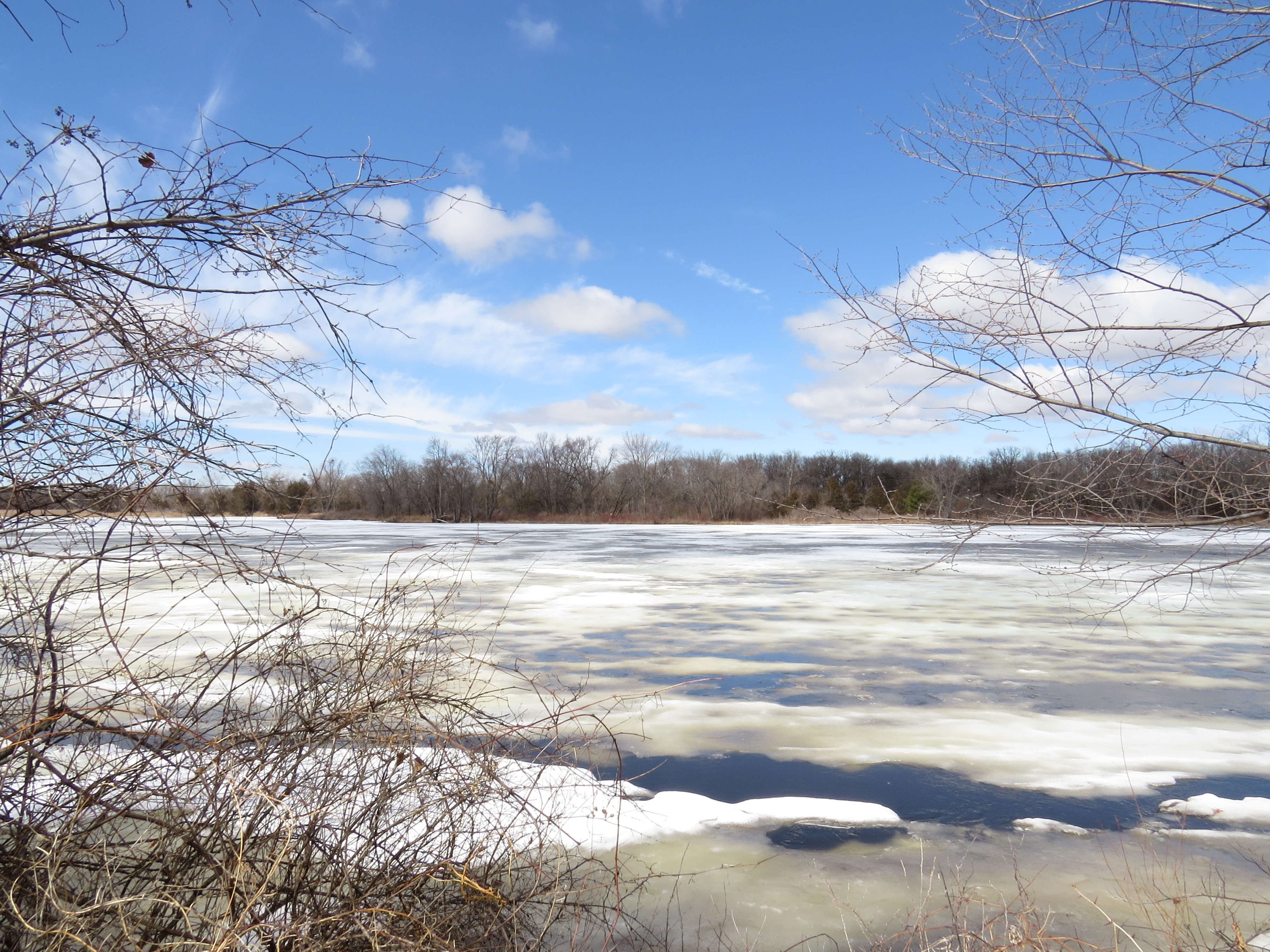
The trail was snowy and slushy in most places with mud and standing water in others. It was slippery and sloshy walking, but man, did it feel good to be out there! The unveiled moss was the only hint of the lush green that was to come.
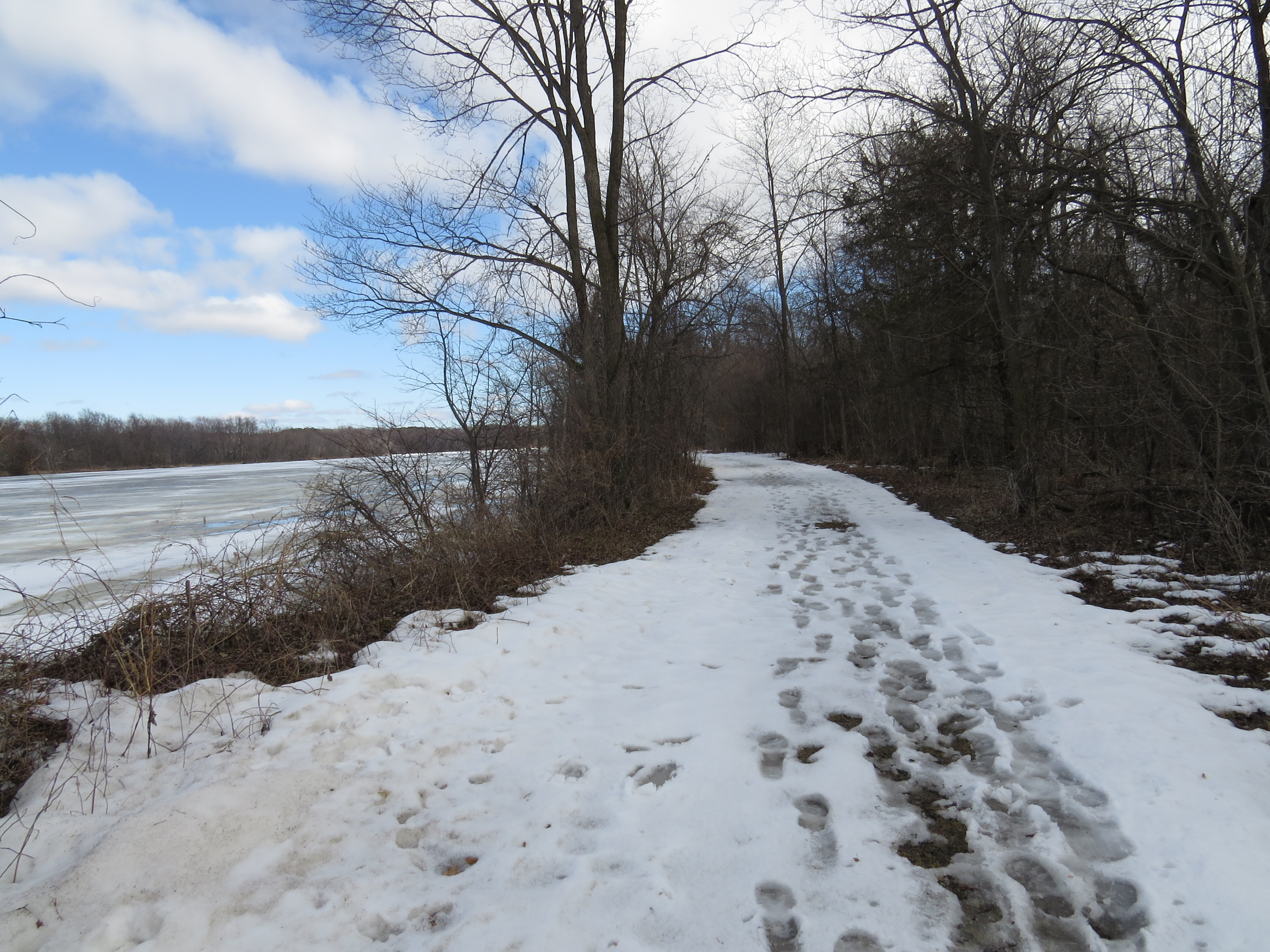
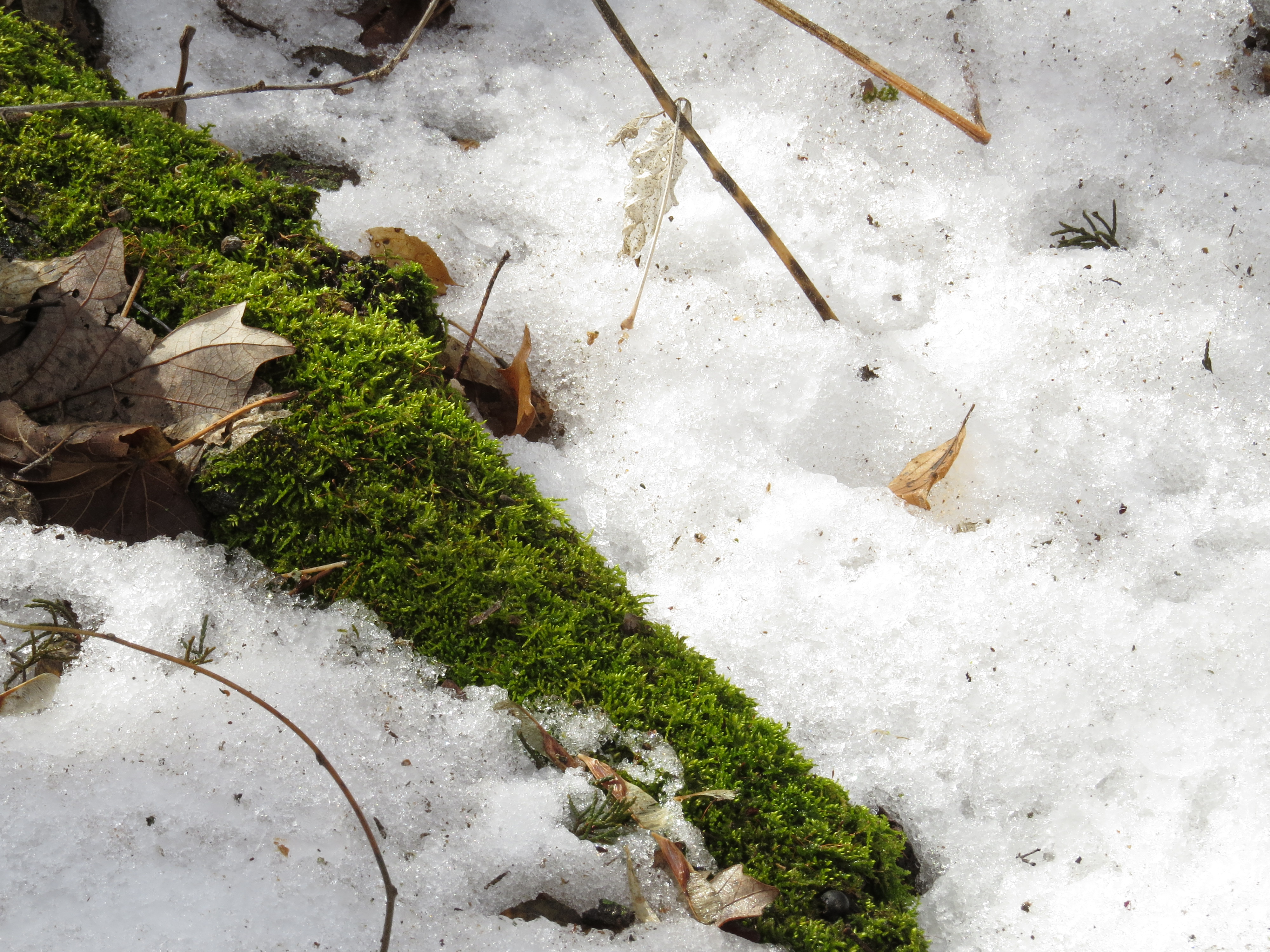
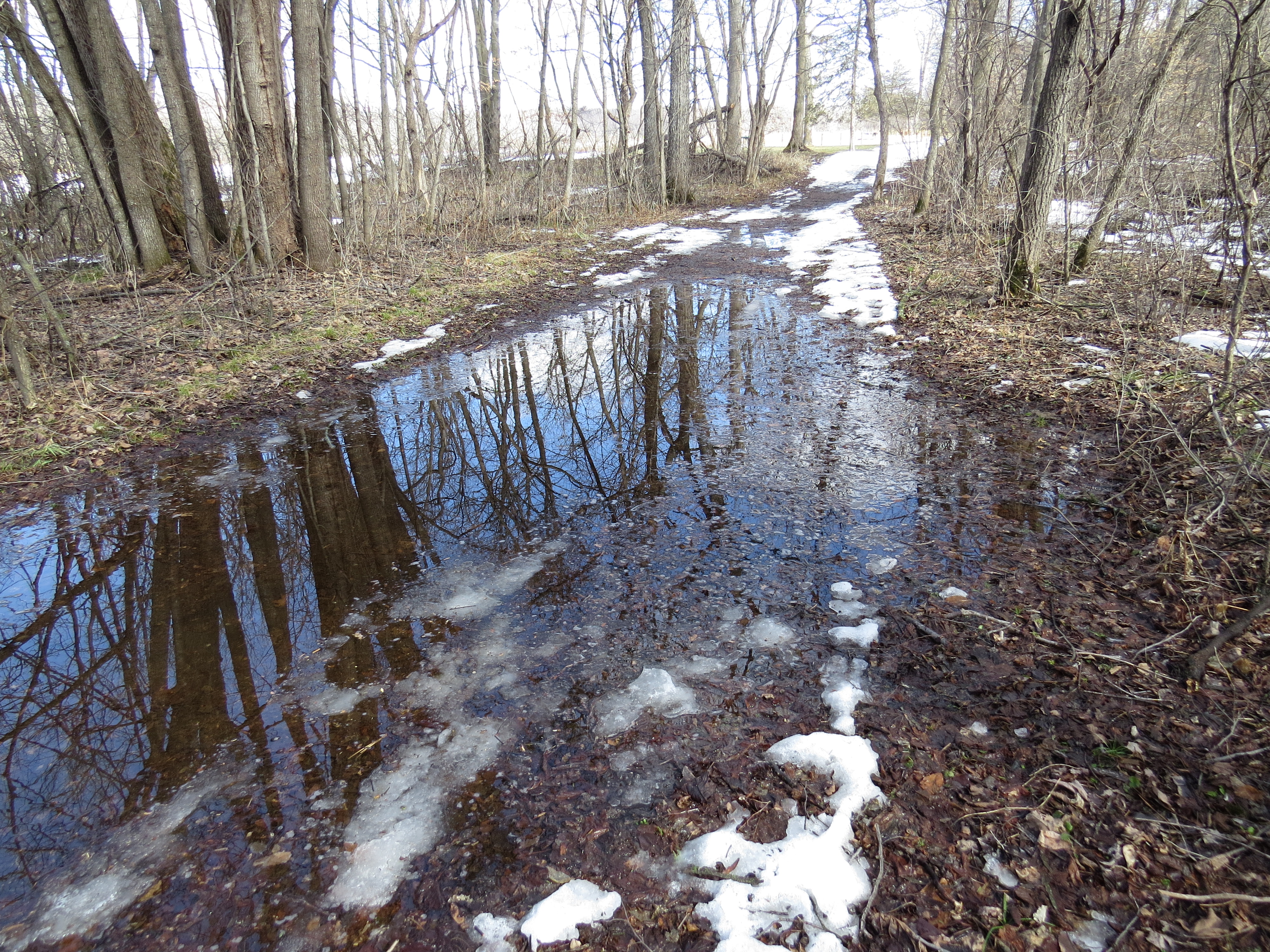
At the boat ramp, water pooled over ice along the bank, and dirty, gravely snow and sludgy water melted and trickled. Everything was still constrained, but the potential for flow could be felt and seen.
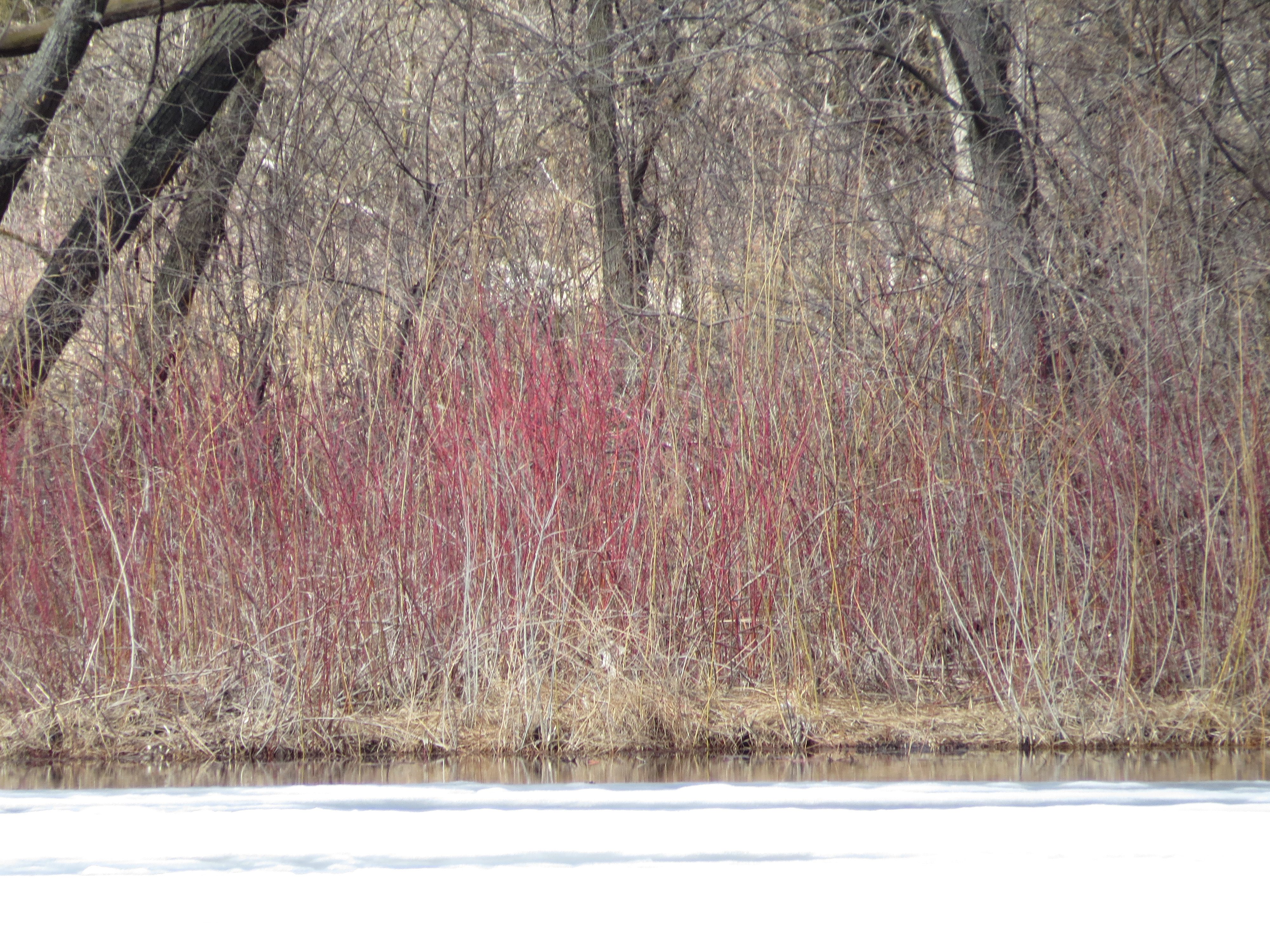
Across the River, Red-twigged Dogwood fired up the bank with color, and an immature Bald Eagle perched on a high branch.
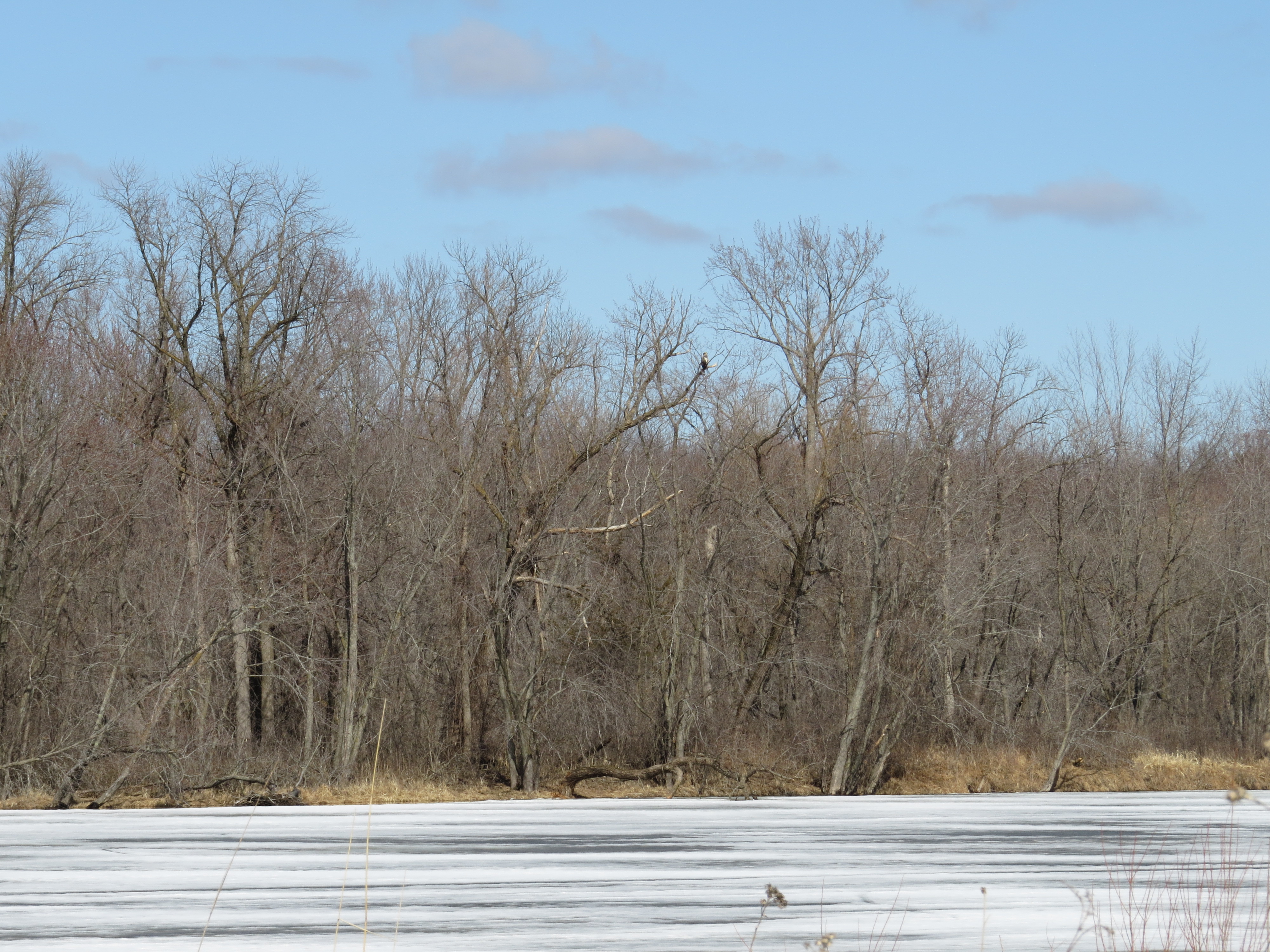
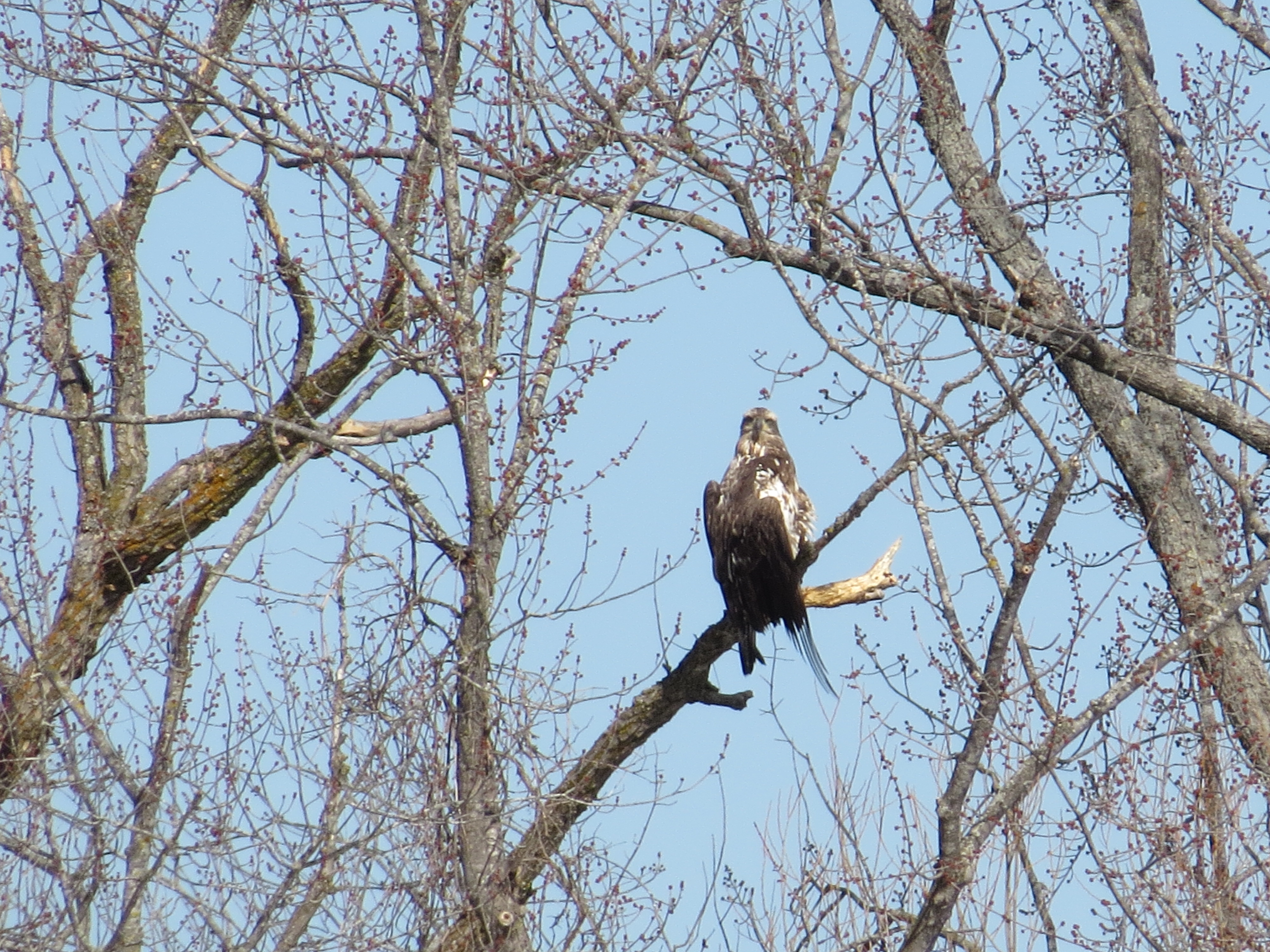
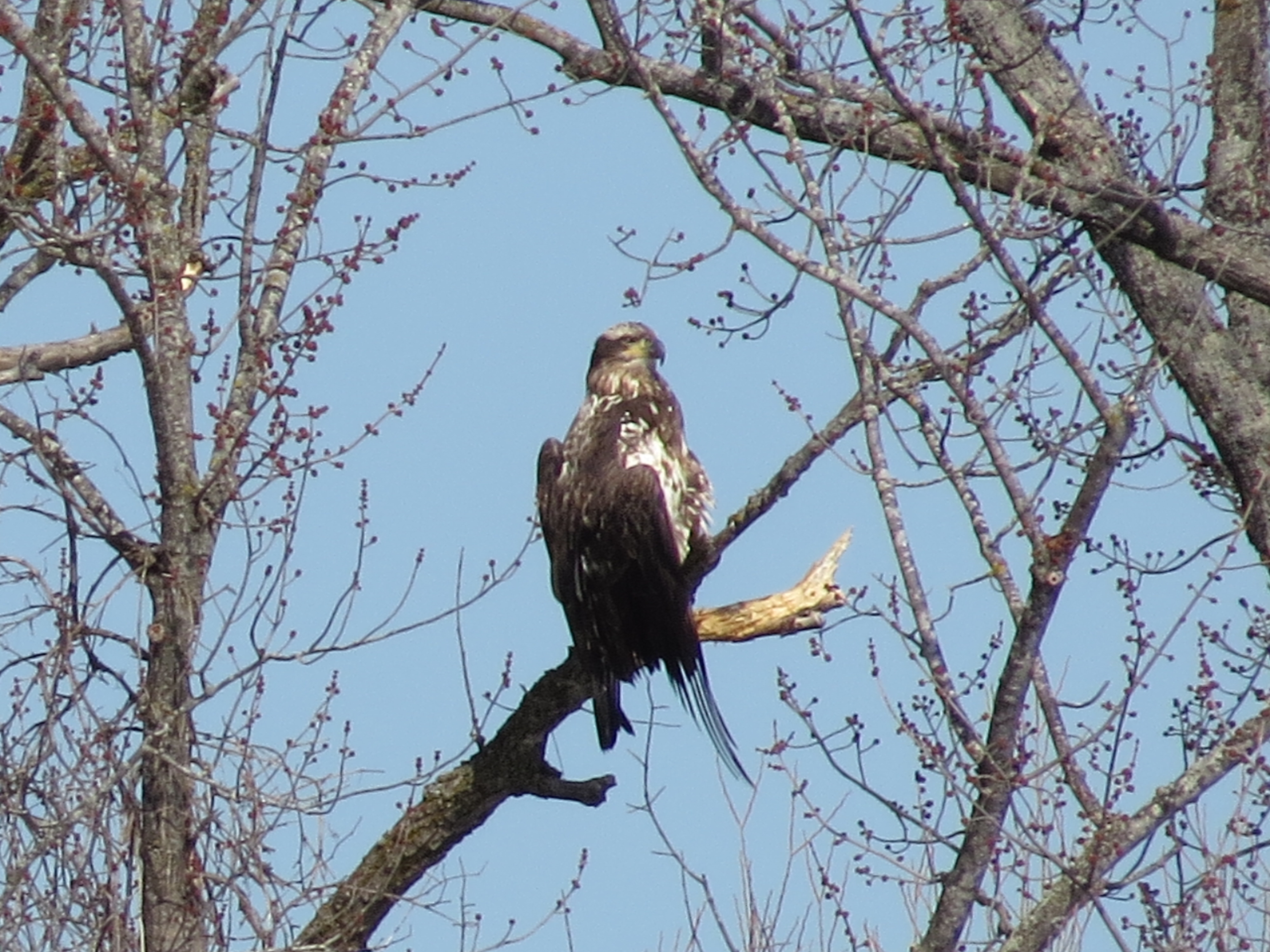
The River observer saw me before I saw him. He was two or three years old, not solid brown like a juvenile yearling, but not yet ‘balded’ with white head feathers and a white tail. His beak was still brown, but the yellowing of it had started at his cheeks. I wondered if he was in some stage of molting since his wing feathers looked sparse and his mottled chest disheveled. He sat in a wreath of swelling leaf buds—another sign of the impending Spring.
A flurry of hoarse honks drew my attention farther down the River to a line-up of Canadian Geese on an ice edge. Most were sleeping with their heads tucked along their backs; some had one foot drawn up to their bodies—a supreme yoga balancing act.
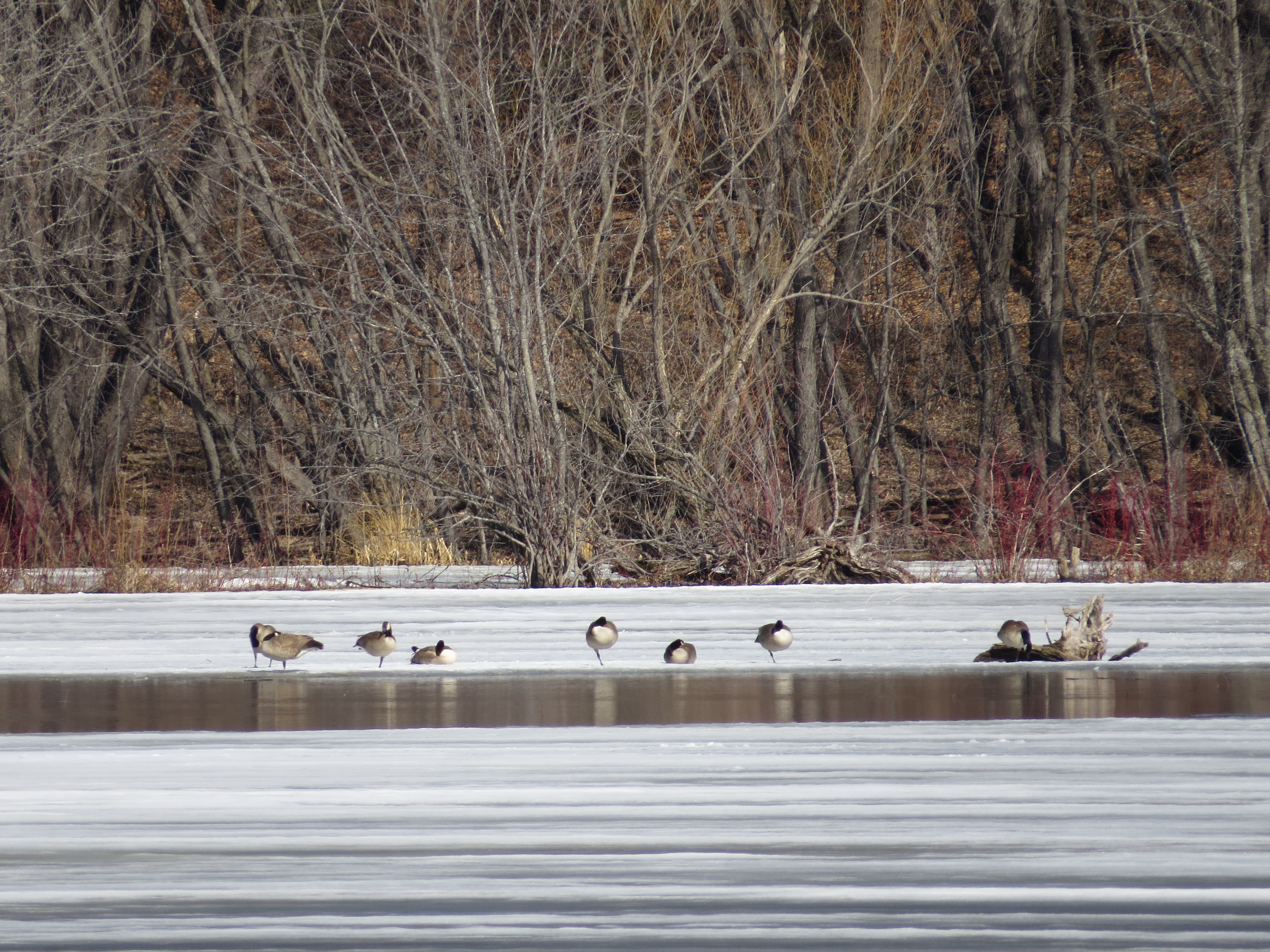
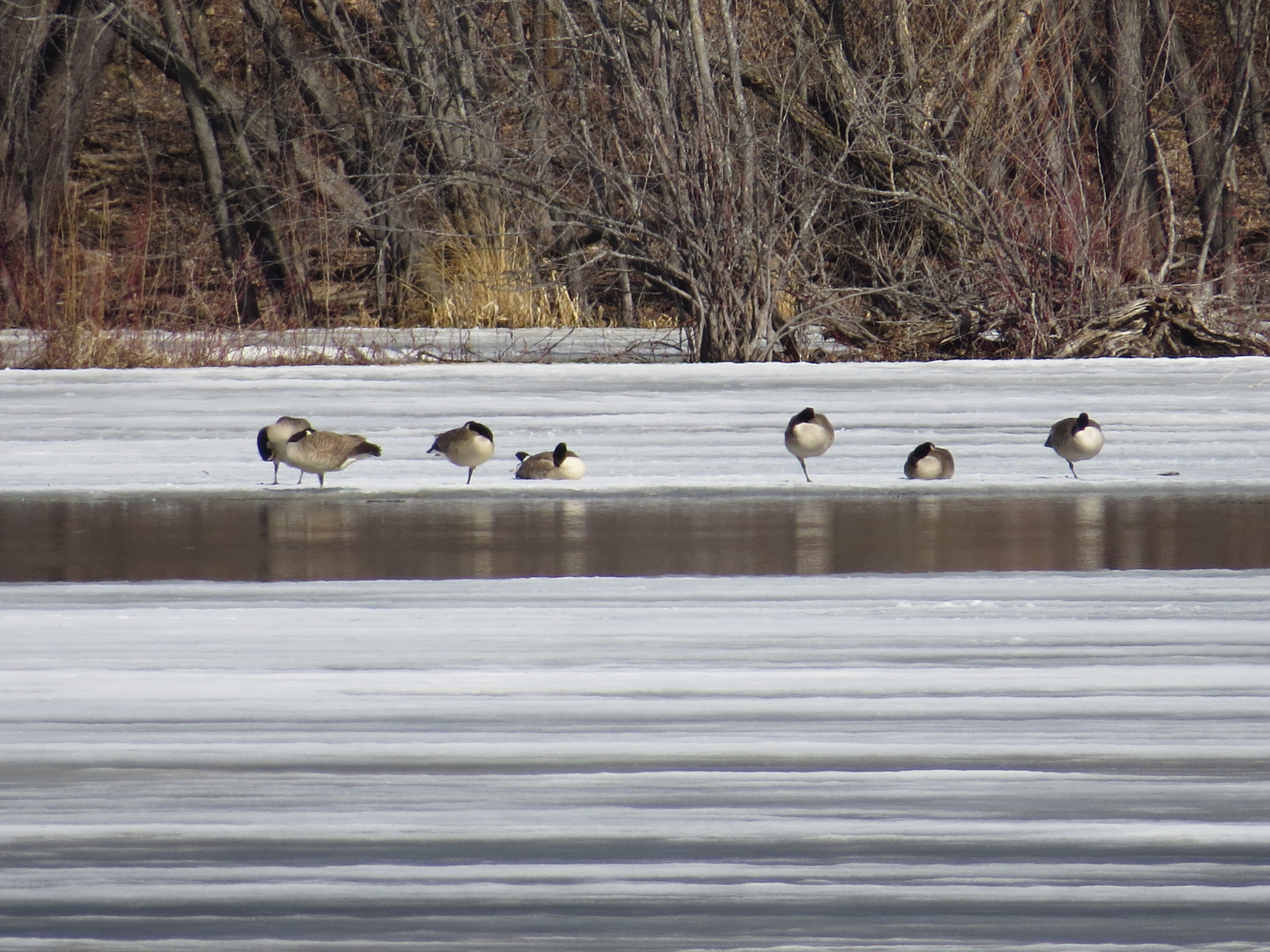
Perhaps it is their tree pose of balance, calm, and strength—feeling rooted while dreaming of flying in the sky.
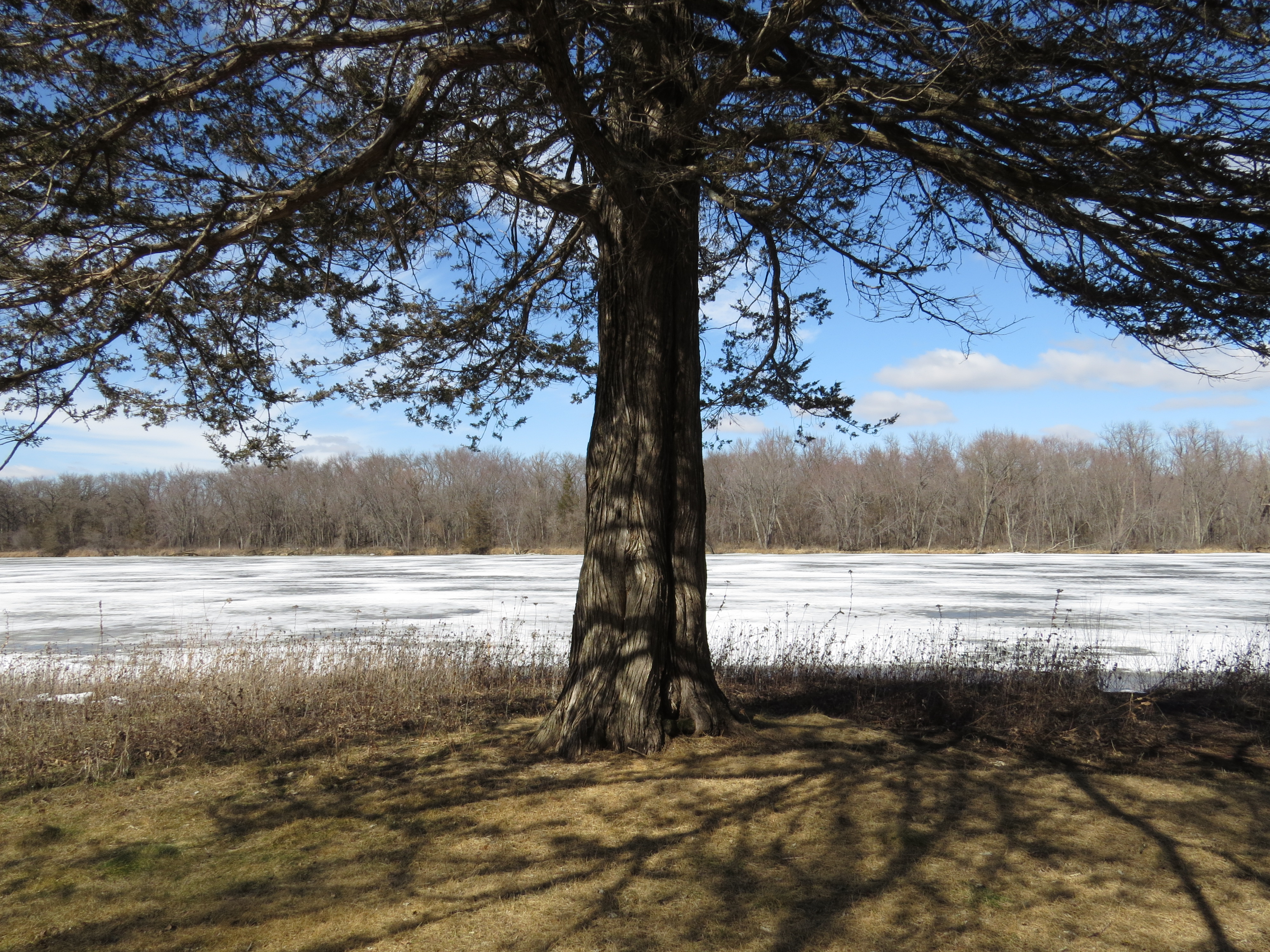
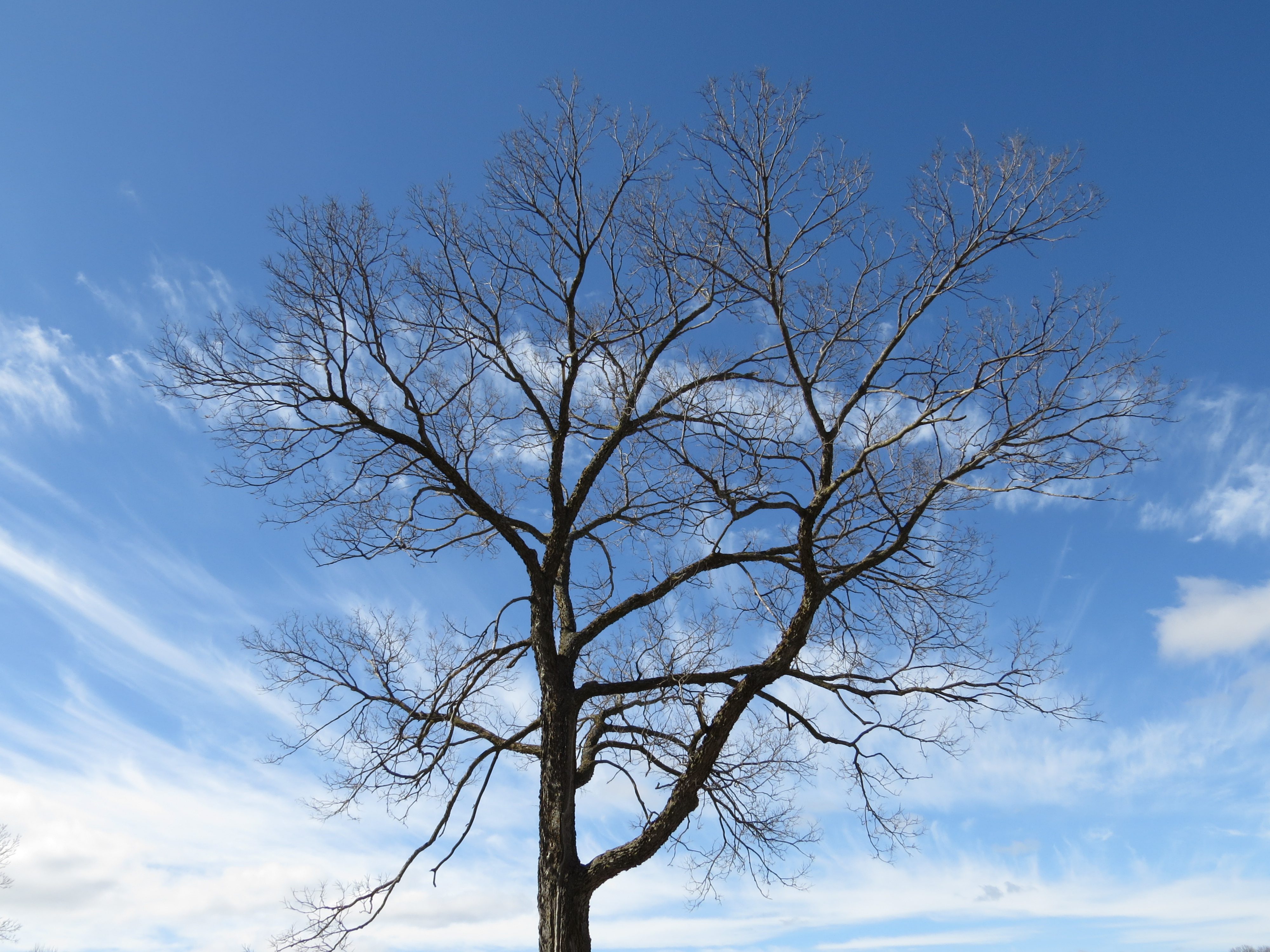
An unexpected death can knock a person off balance—as can an unexpected natural disaster, diagnosis, or war. The impact on our bodies and minds can be devastating, particularly for those who have experienced trauma in other forms or at other times. We have a natural, innate system to protect us at the time—fight, flight, or freeze—which way depends on our experiences, circumstances, and personalities. Grief tends to be the ‘aftershock’ of the traumatic or unexpected event and is often immobilizing, like a river of ice. It freezes our ability to function in an open-hearted way. It takes an extraordinary amount of energy just to process grief, so it’s no wonder the ‘normal’ things in life get neglected. But ice and grief can soften. It can get messy in the half and half stage. But pretty soon, there is a loosening, and there is movement over and under the hard places. Finally, the frozen grief is melted and integrated into the flow of our lives—not forgotten, but transformed to a new state. It helps to be an observer of our own selves and the process. It helps to remember what fires us up, warms us, opens us. And it helps to practice coming back to balance and calm in whatever way works, be it yoga, meditation, or qigong. We find our equilibrium again—like a tree—steadily rooted and reaching high into the sky.
Windows of Time
I’ve had these windows of time in my life when much more was happening beyond the physical, conscious, daily occurrences. When I was younger, I was completely oblivious to them beyond a faint acknowledgement of not feeling so great. It could be in the form of physical discomfort or uneasiness or of a mental or emotional fatigue or depression. After a close friend of mine died when we were in our early 30’s, I had this window of ‘off’ time every year in early February. It was only after a number of years of this happening that I realized my ‘off’ time was the anniversary of his death and his birth. My body and mind were mourning the loss of my dear friend without my conscious knowledge. I ‘knew’ the anniversary of his death and birthday—a window of time of only a few days apart—in essence, without ‘knowing.’ Therein lies the incredible, miraculous marvel of our human bodies, minds, and souls.
Once I realized this connection, it made those times easier to handle. Of course I feel sad and down—I miss my friend, I loved him, and he was a joy to all who met him. The whole earth was missing a great soul who left far too early. That’s how important we each are in the whole of creation. The end of April and the beginning of May is another of those windows of time for me. It marks the deaths of Chris’ Mom and Dad who died two years and five days apart. Since I was intimately familiar with the anniversary mourning time, I used it proactively to set aside that time to honor them. I put pictures of them on our mantel, we recounted stories of them, and I ‘shared’ with them about our family. As the years passed—for now it has remarkably been sixteen and eighteen years since their deaths—the mourning morphed into a window of time of gratitude and peace. I still miss them and love them and carry them with me.
It was during this window of time when Chris and I walked at a nearby park. Our daily walks are usually faster—no tarrying for picture taking—but I took the camera in anticipation of a spectacular blooming. Good thing I did. The curled leaves of the Bloodroot flowers had opened up into a fan-tourage of magnificent flower display.
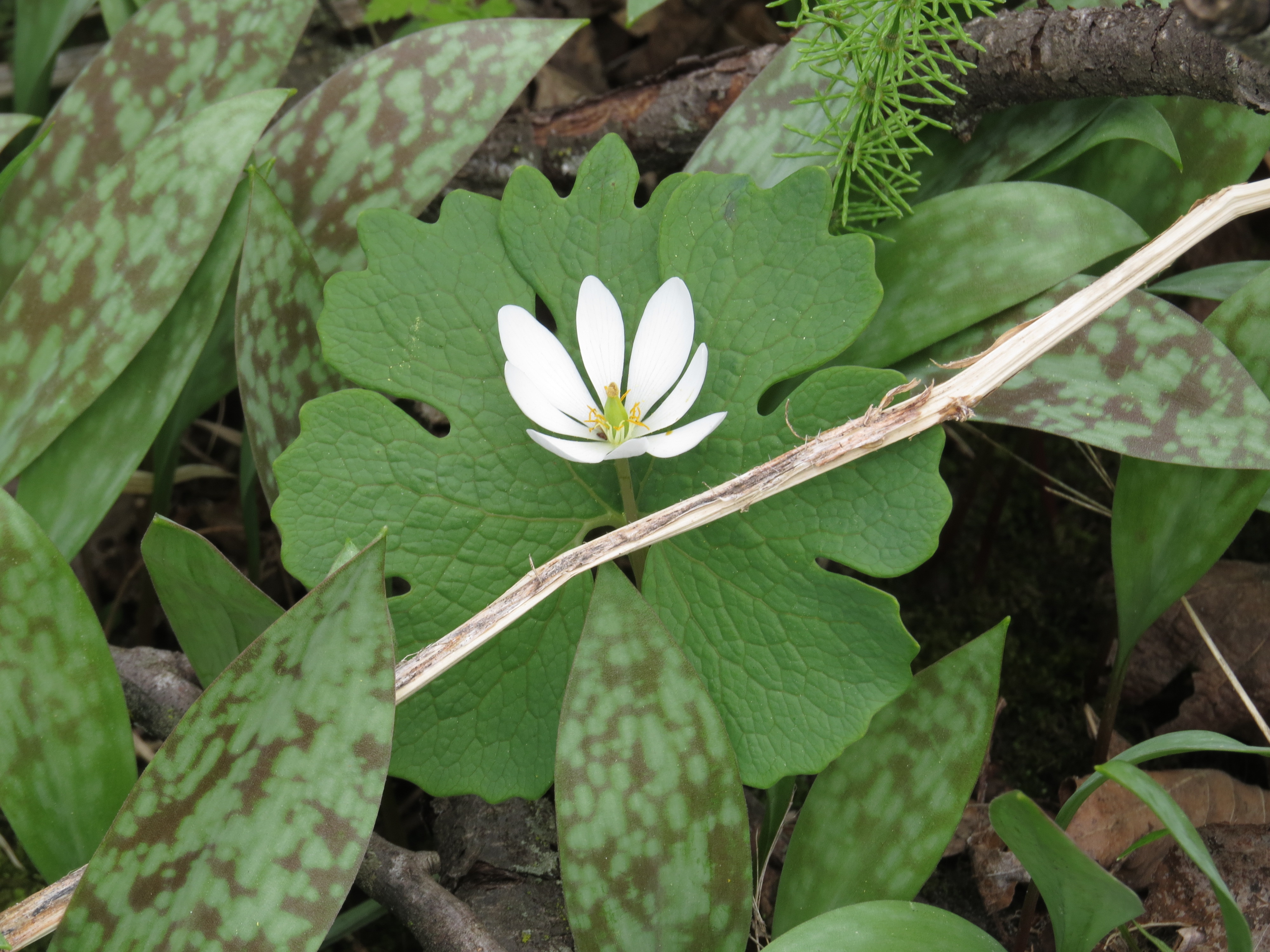
But the spectacular blooming I had anticipated was that of the White Trout Lily. From green and brown mottled, tulip-like leaves grows one exquisitely formed, curved, nodding, white flower with protruding yellow stamens and prominent white pistil.
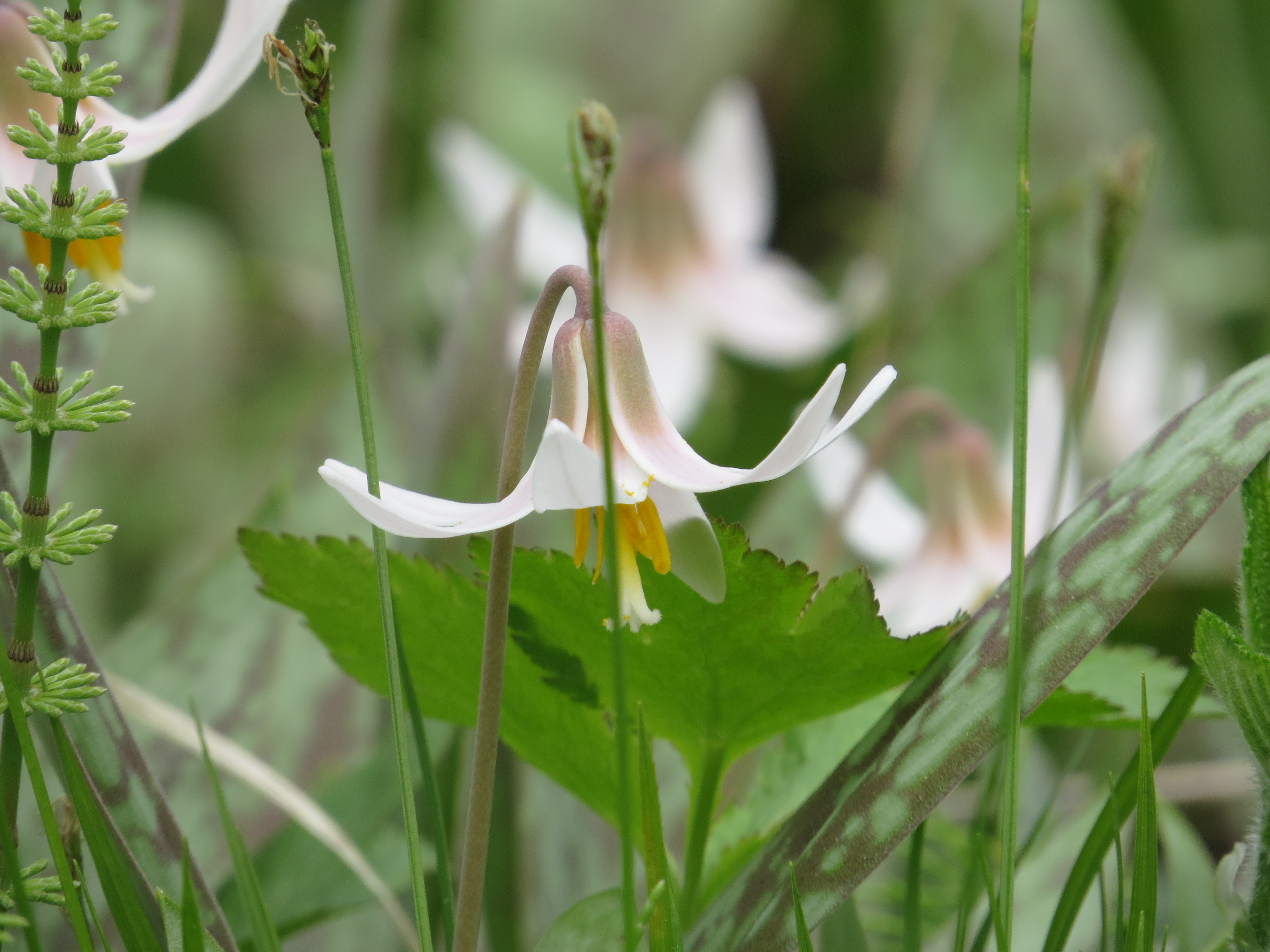
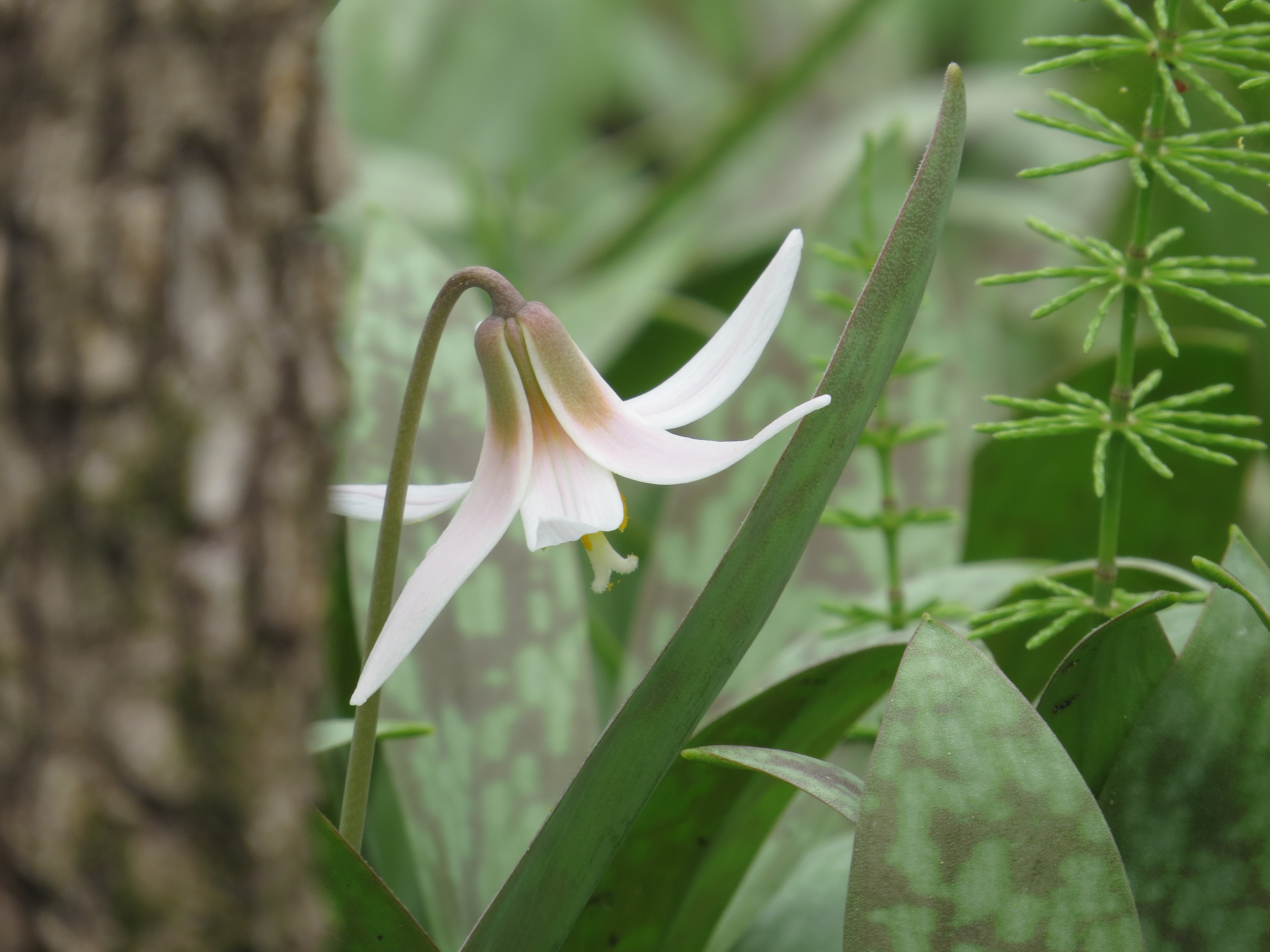
They begin as a pink-colored bud that opens during the day and closes at night. The blooms last for just a few days, making it all the more magical to see them flowering.
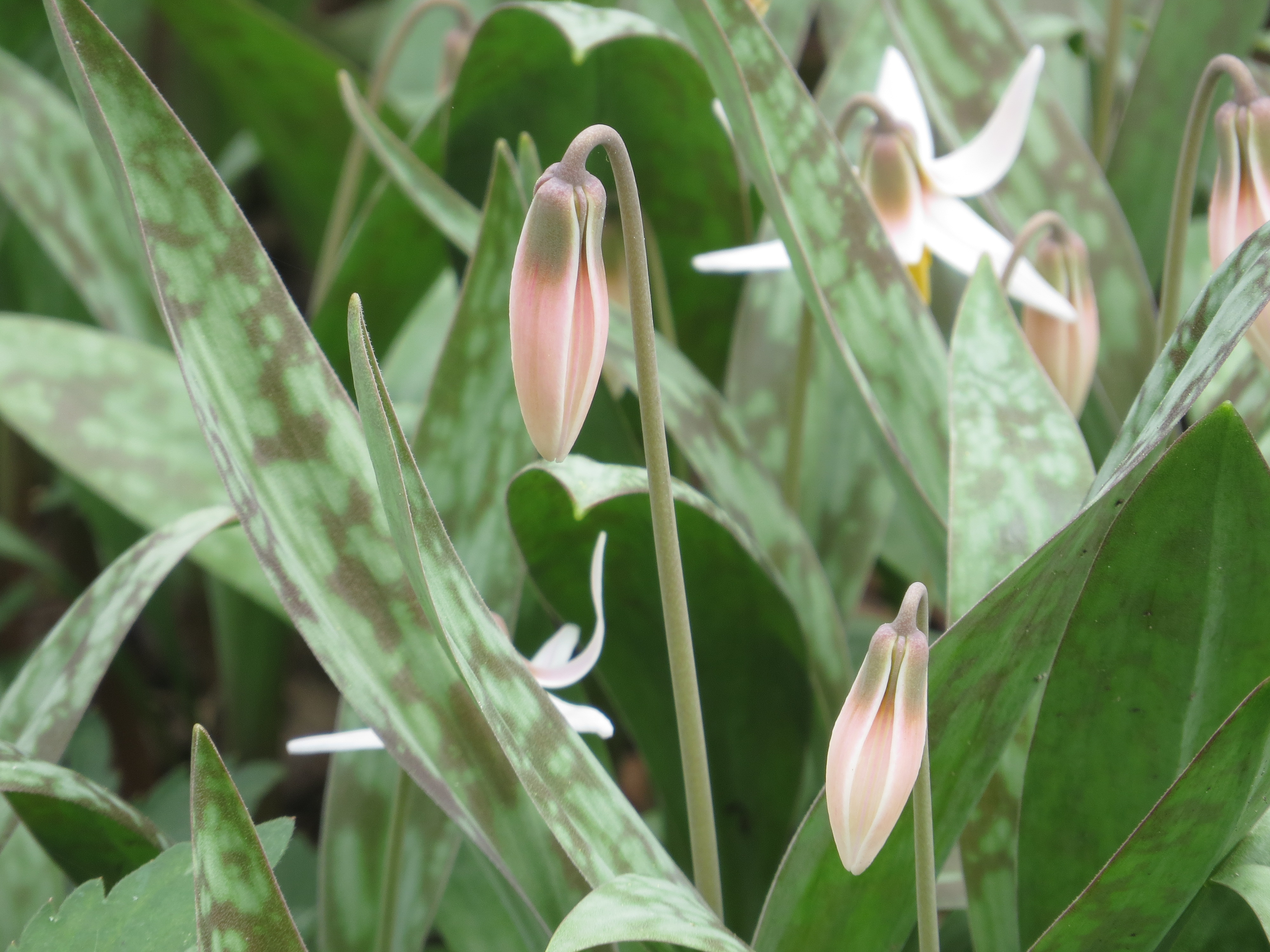
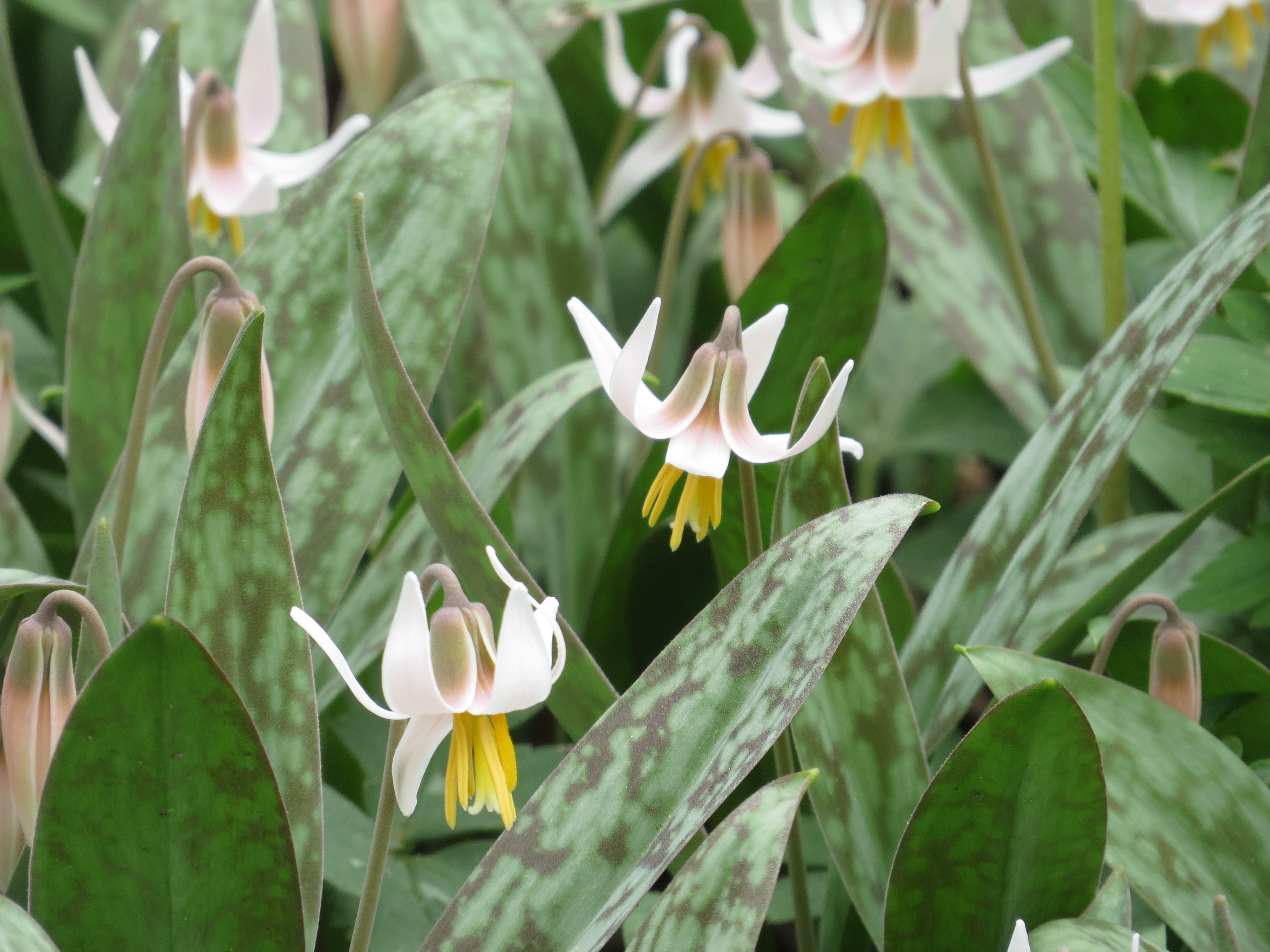
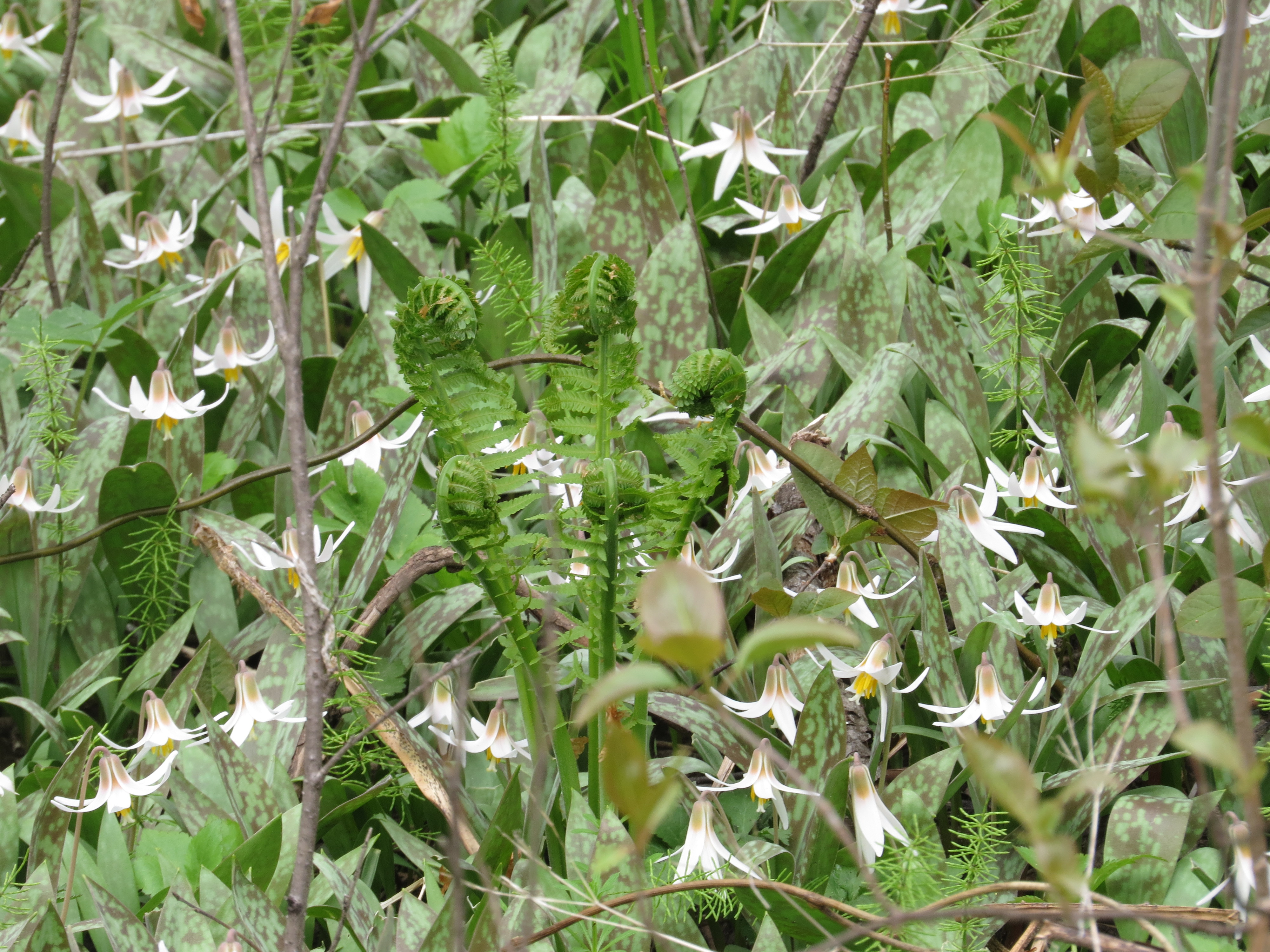
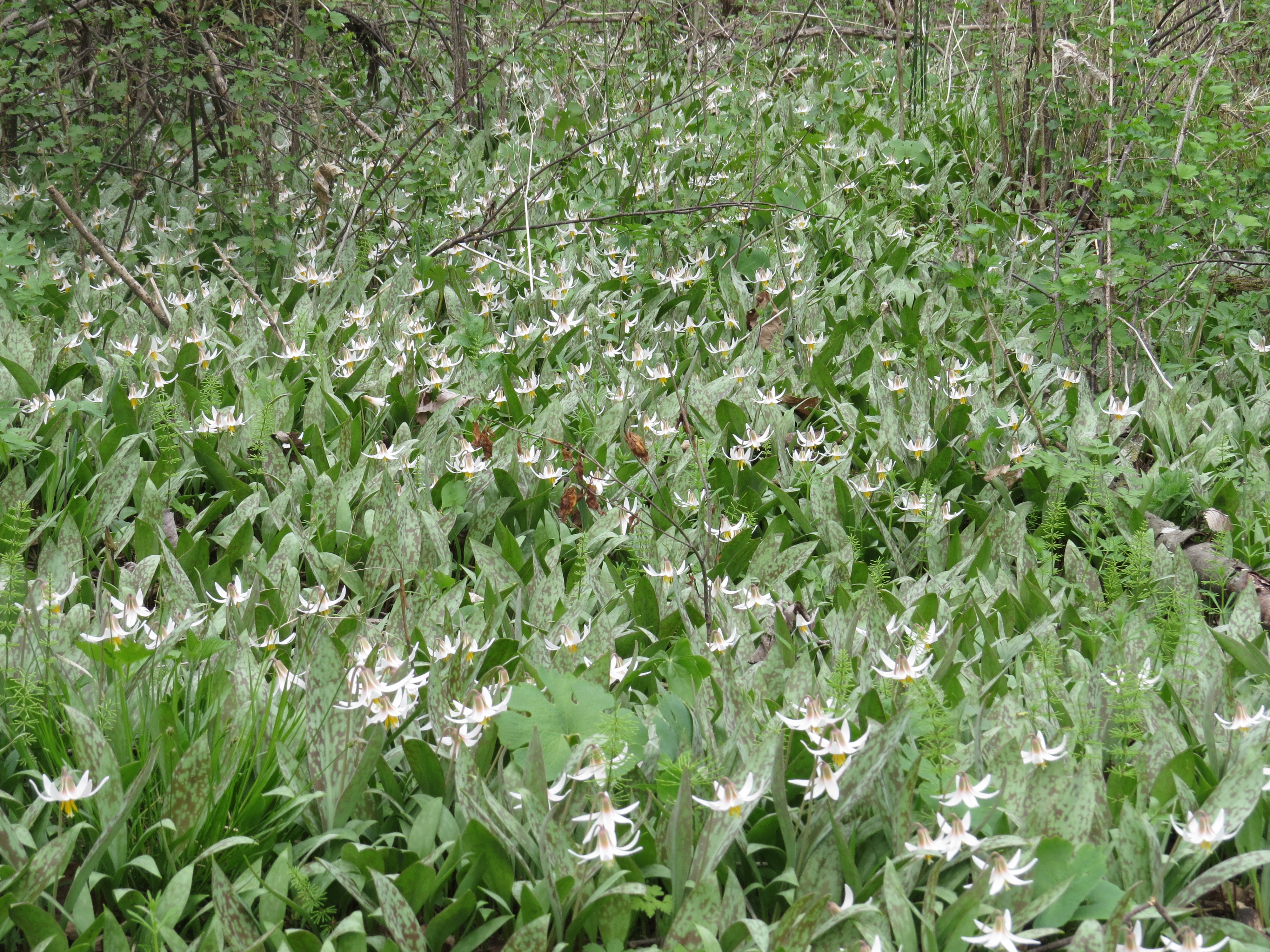
The floodplain of this lowland by the Mississippi River was a carpet of White Trout Lilies—millions of them by my inexpert estimate. These colonies can be hundreds of years old, as it takes one plant six to seven years before a flower is produced. These early-flowering carpets serve as ‘nutrient pools’ for the entire forest. Without them, the spring run-off would take the nutrients with them, but instead the Trout Lilies take up nutrients such as nitrogen and phosphorus. By mid-summer the leaves die back and release those nutrients for the vibrant summer growth. They remain dormant, underground, until the next early Spring.
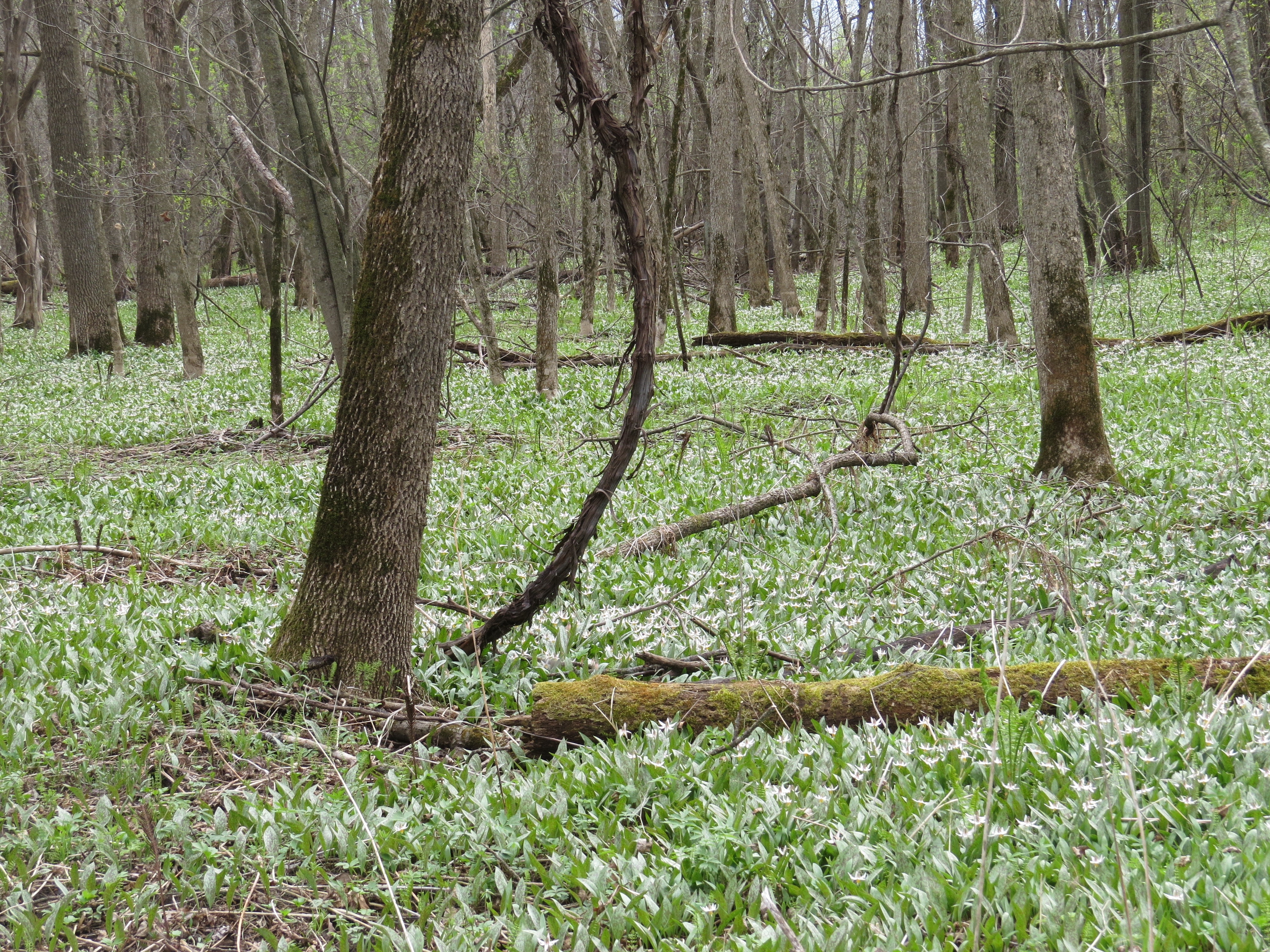
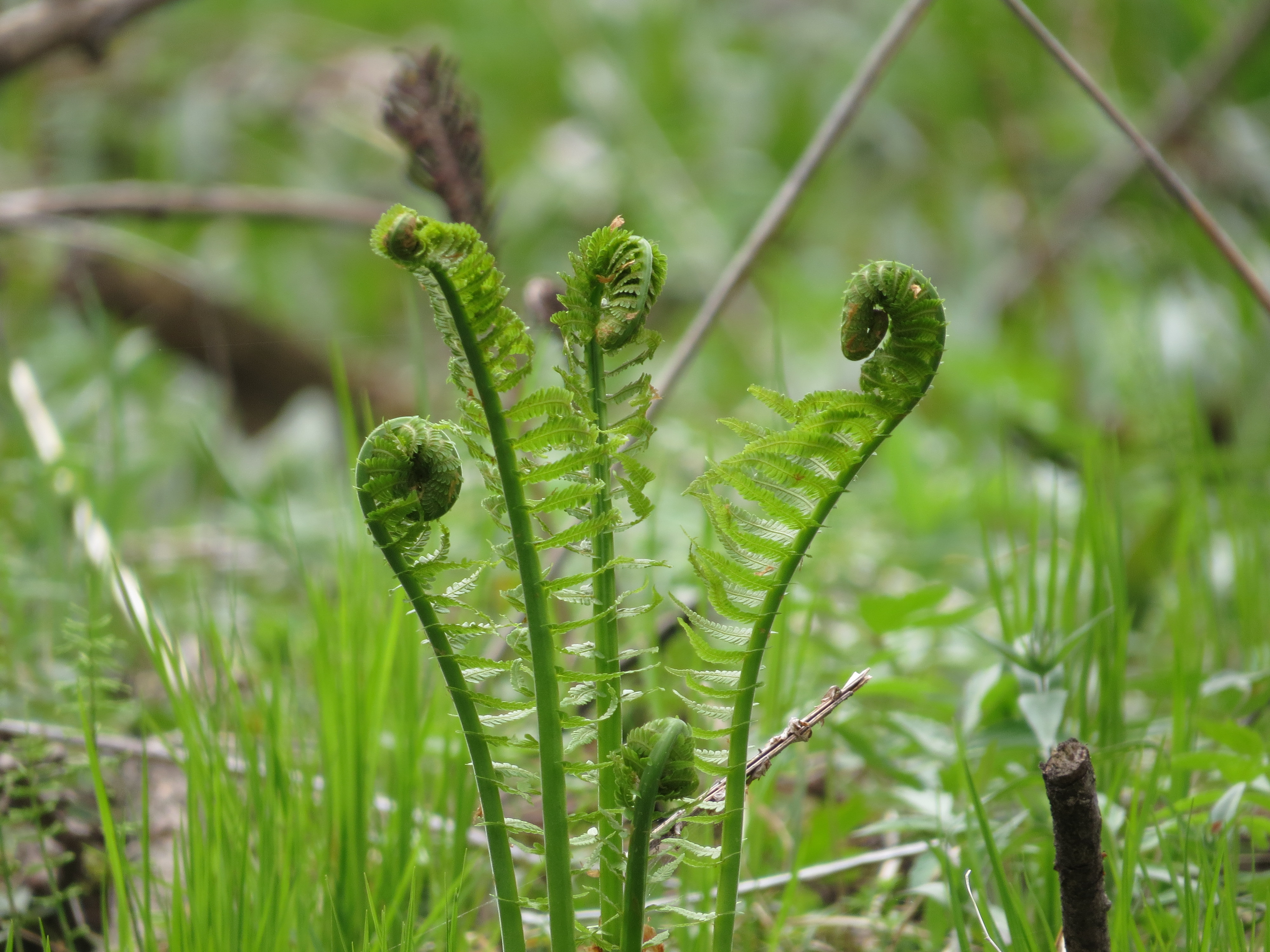
As the White Trout Lilies bloomed, sedge grasses and ferns pushed and unfurled from the damp soil—green is once again the dominant color!
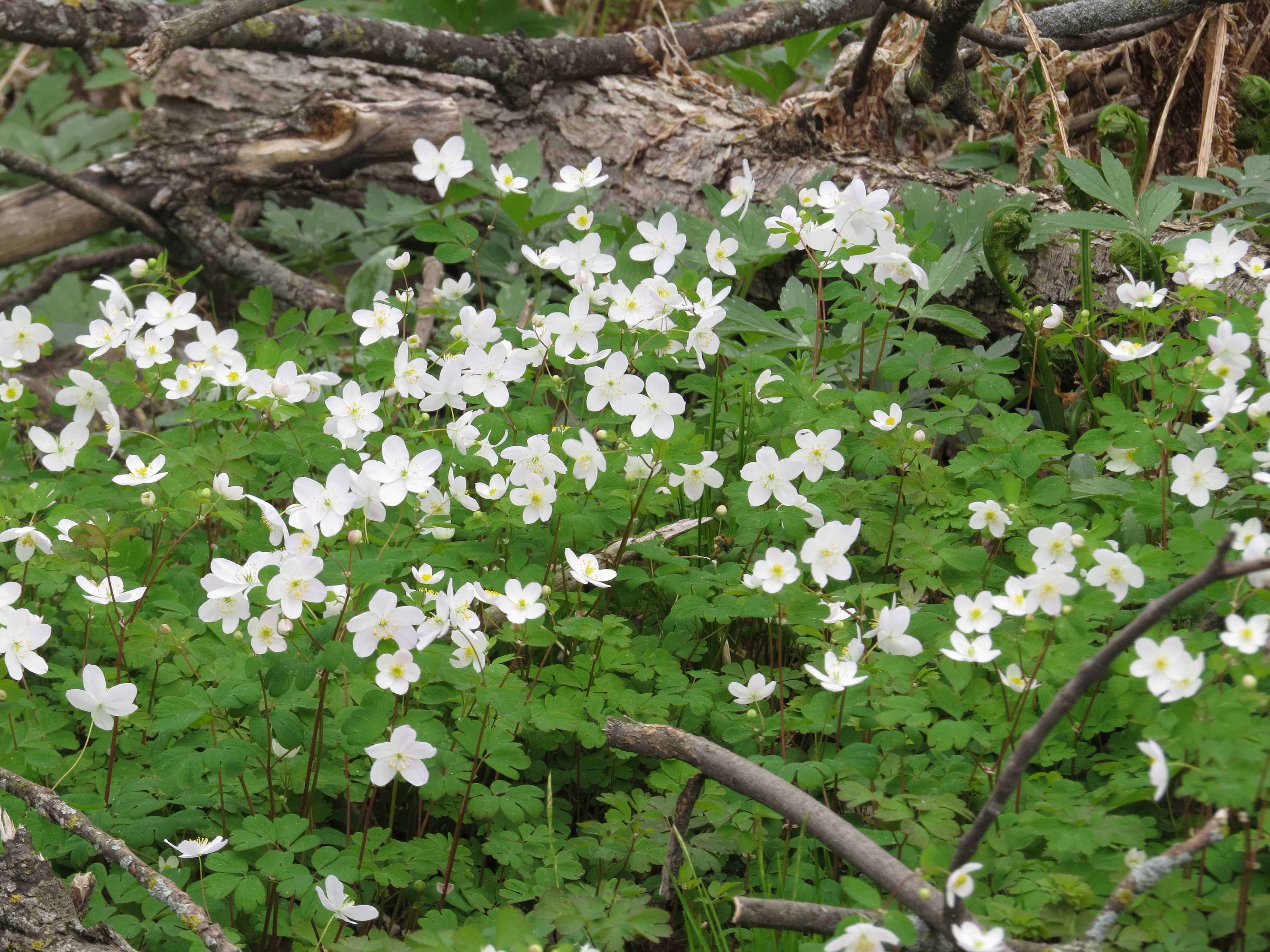
A couple of Anemones bloom at this early Spring time in Minnesota, including False Rue Anemone with its prolific, branching white flowers that seem to dance in the breeze.
A Canadian Goose pair ate and strutted in the back water of the River and gave no bother to us as we walked by.
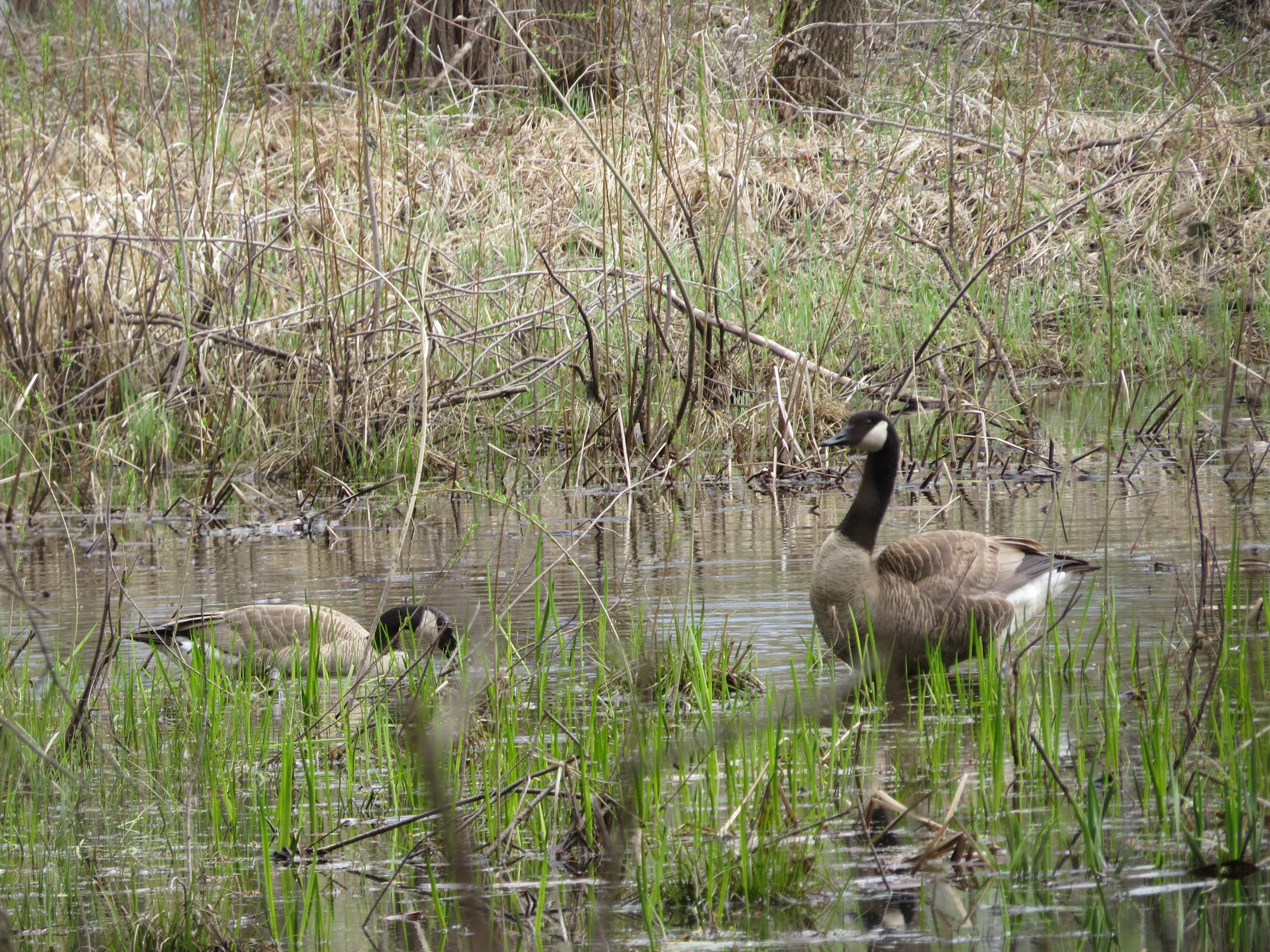
The feathers of the impressive gander rippled like the water in which he walked.
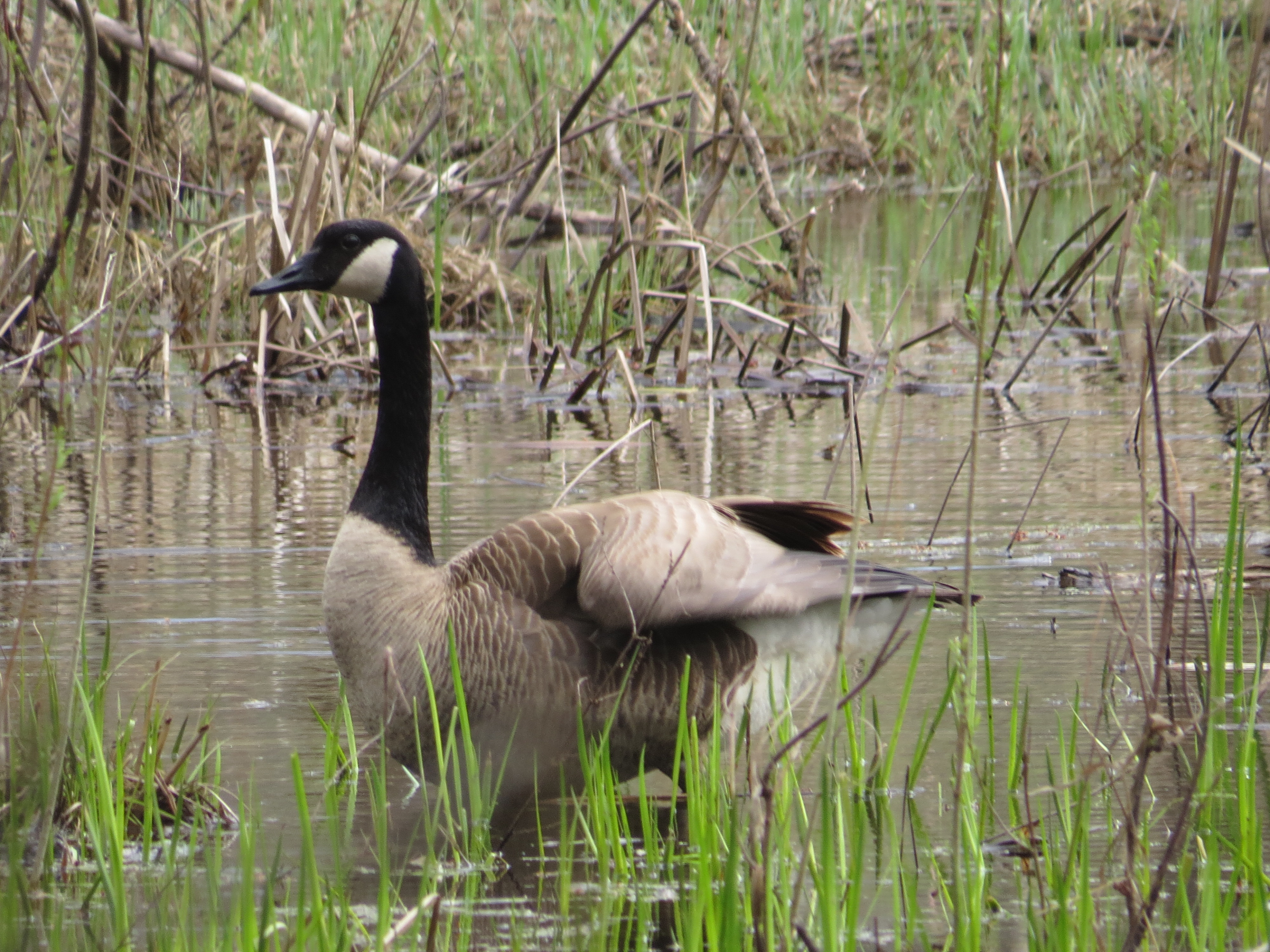
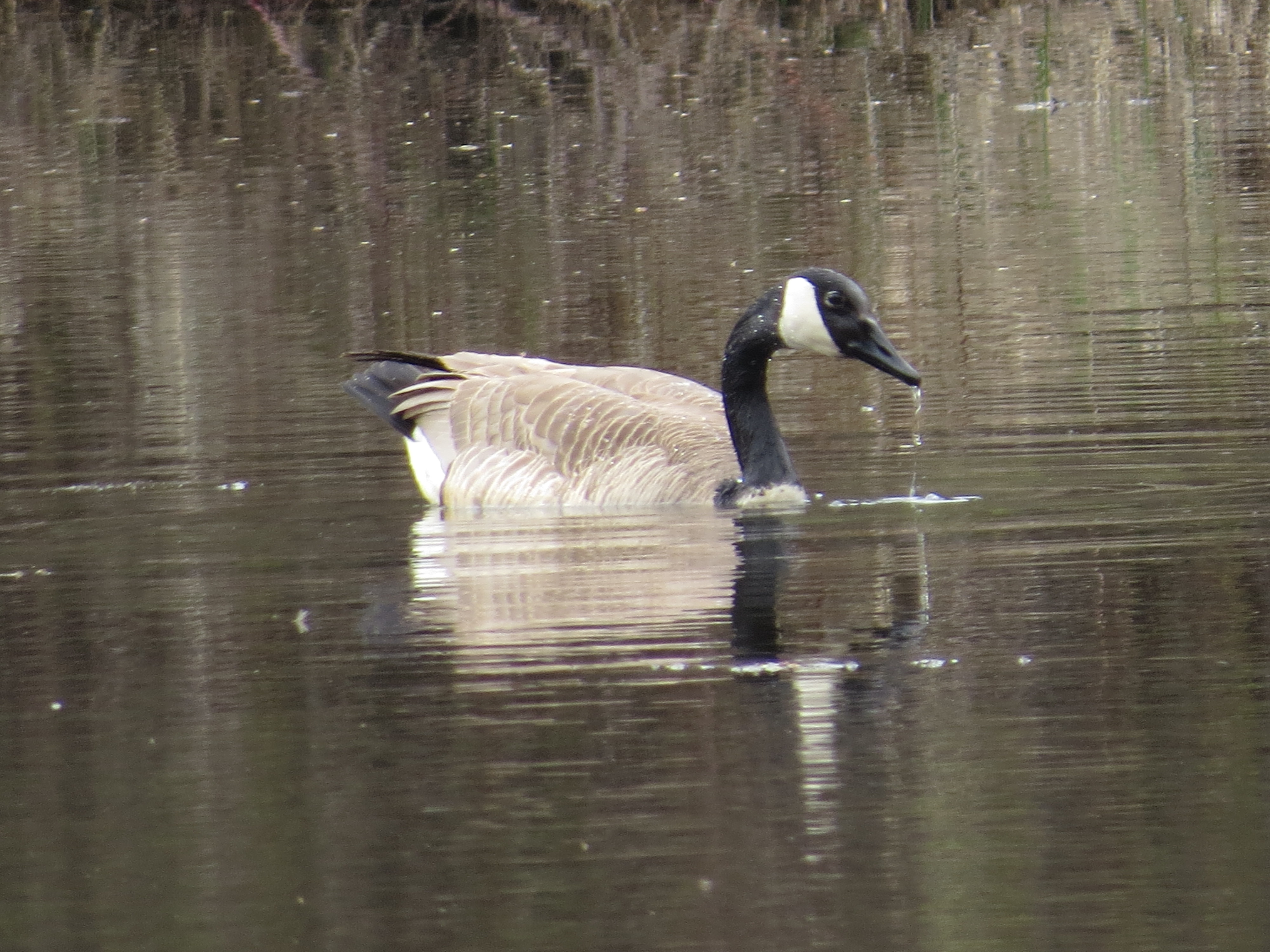
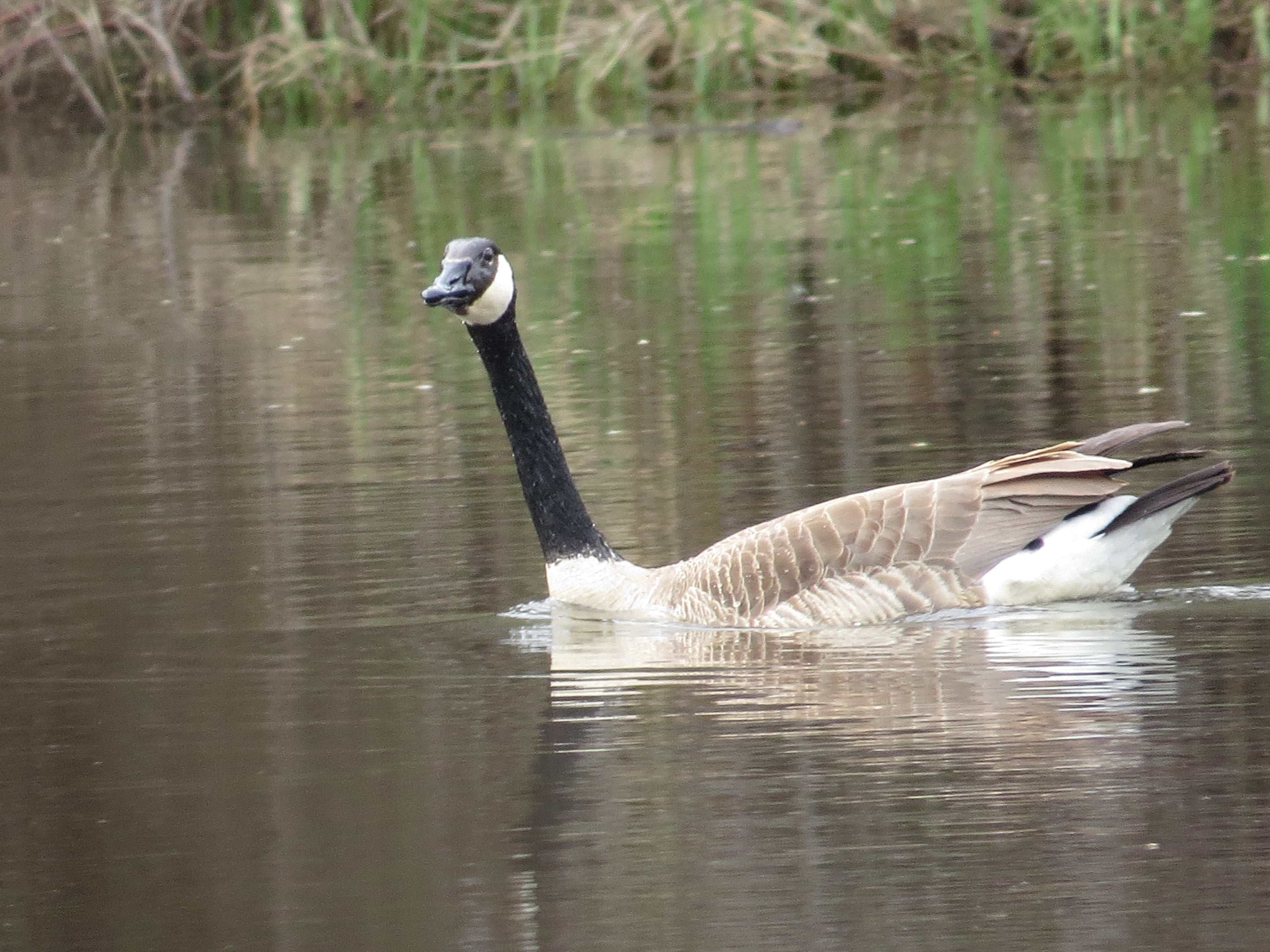
Farther on, another goose was dipping its black bill into the shallow water, but when it saw and heard us, it turned and swam away, honking in alarm for long past the time we were in sight.
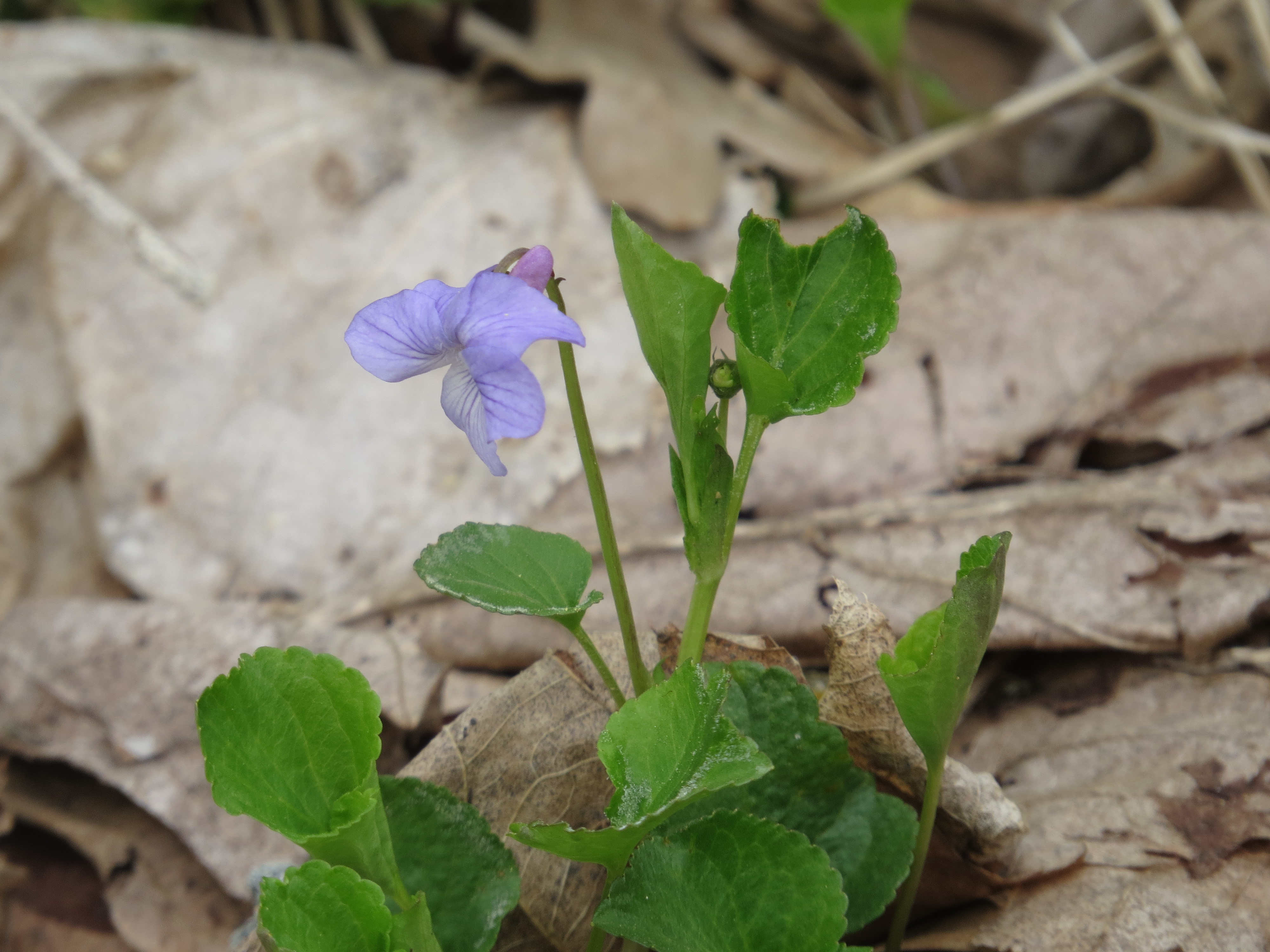
Tiny blue violets bloomed along the trail in sharp contrast to the leaf litter beneath it.
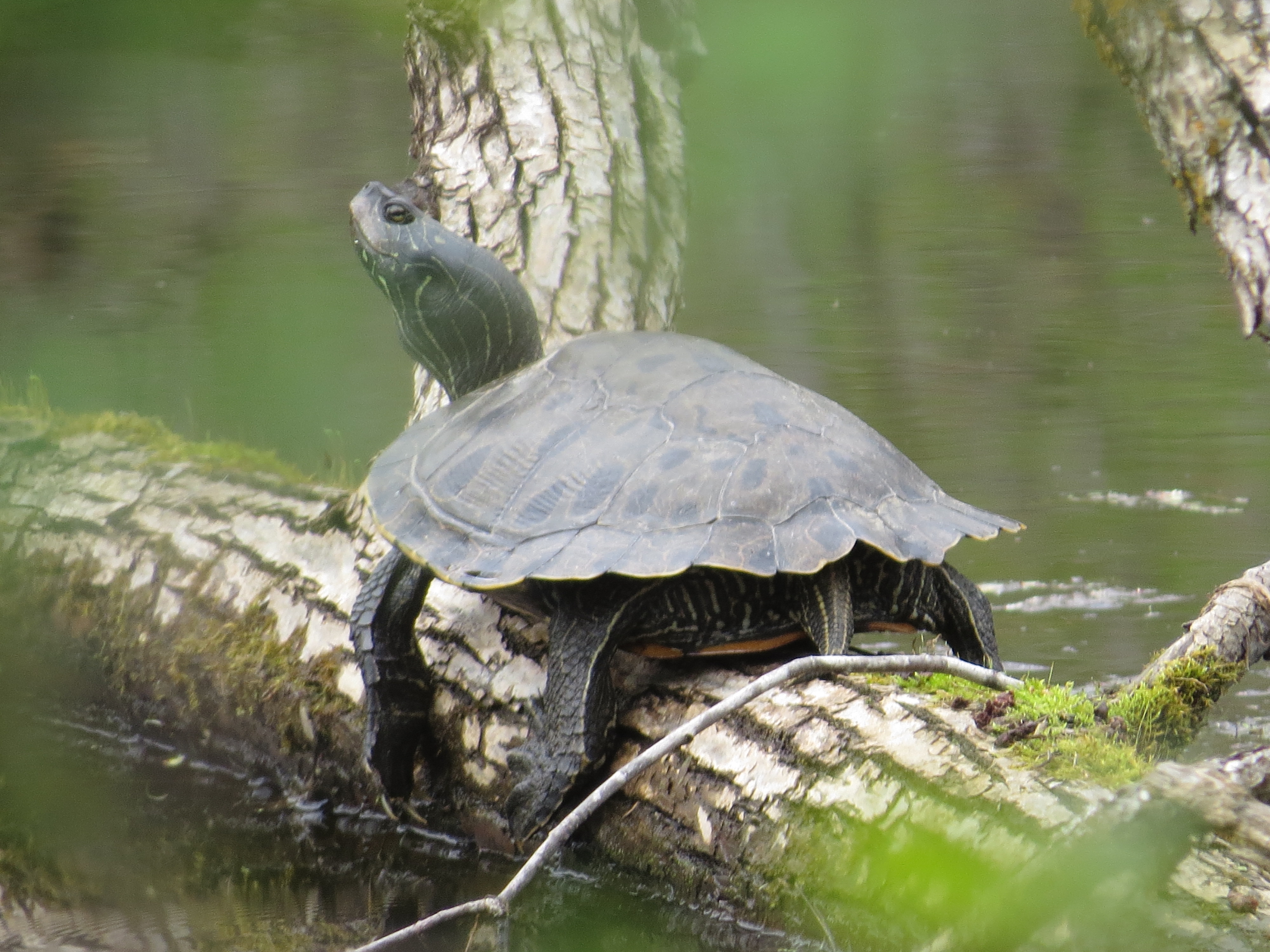
And then I saw the turtles! A large, fat-necked turtle sprawled over a log in the River slough water, legs hanging over the sides to balance him for a sun-soaked nap. Heads were raised when they heard us, but their concern was not great enough to scramble from their perches into the water.
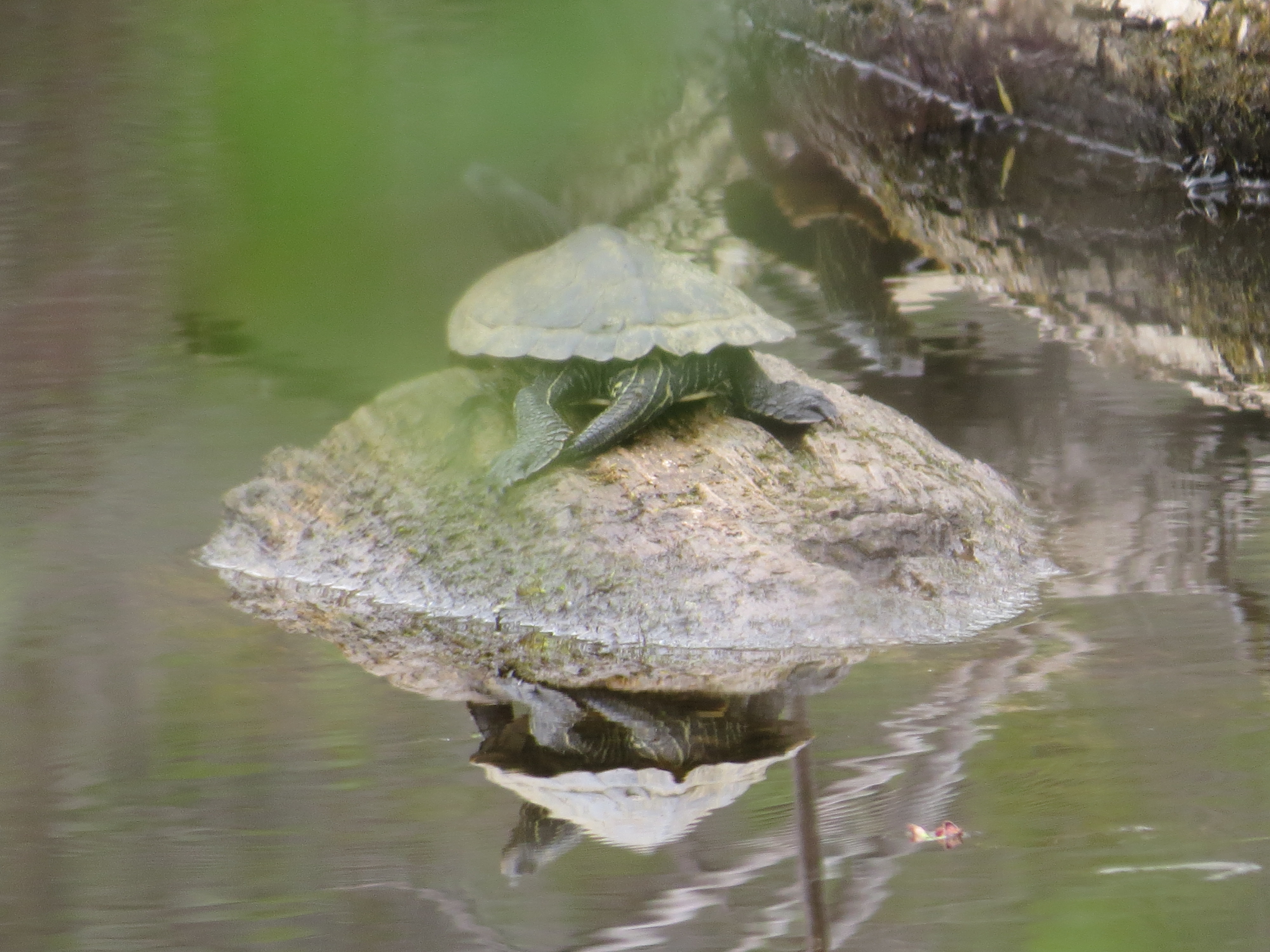
Beside the log turtle was another on a large rock below. Reflections multiplied the logs, rocks, and turtles as a single, red Maple flower floated by.
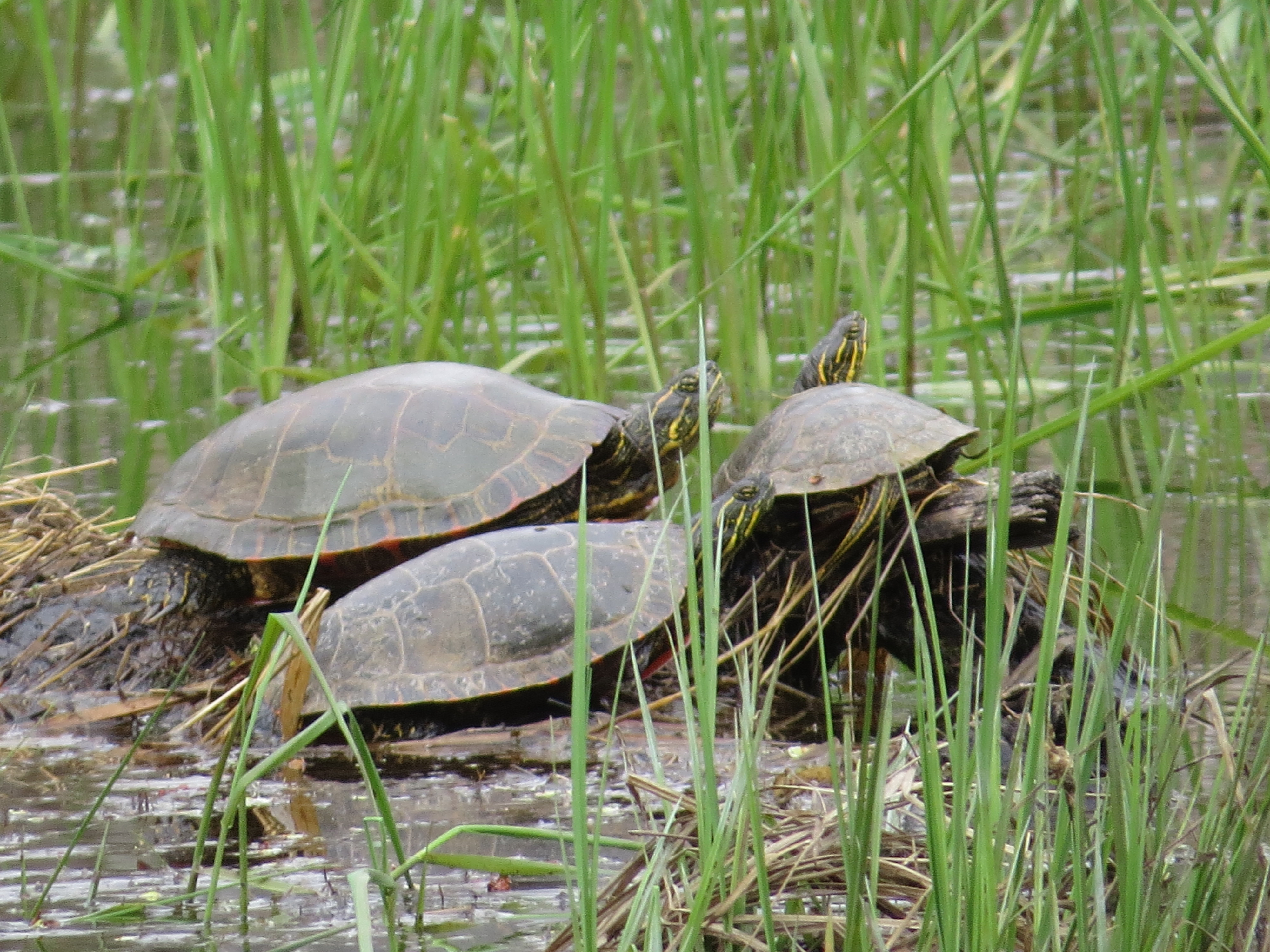
The next set of turtles on a log made me laugh out loud. Another fat-necked turtle had a smaller, flatter turtle as a ‘pillow’ for his rest time, and behind him, two colorful sentries guarded the rear with their watchful neck maneuvers.
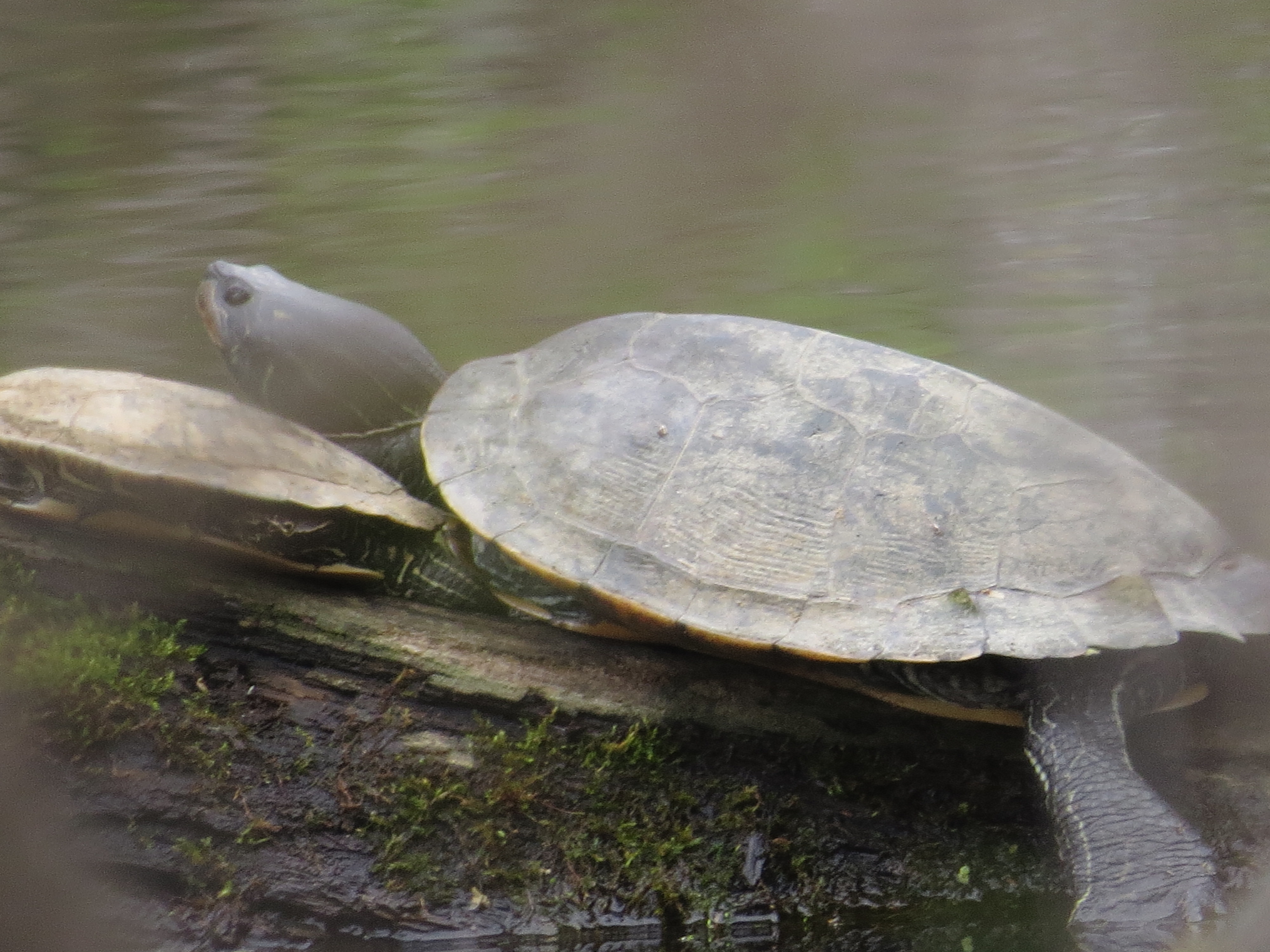
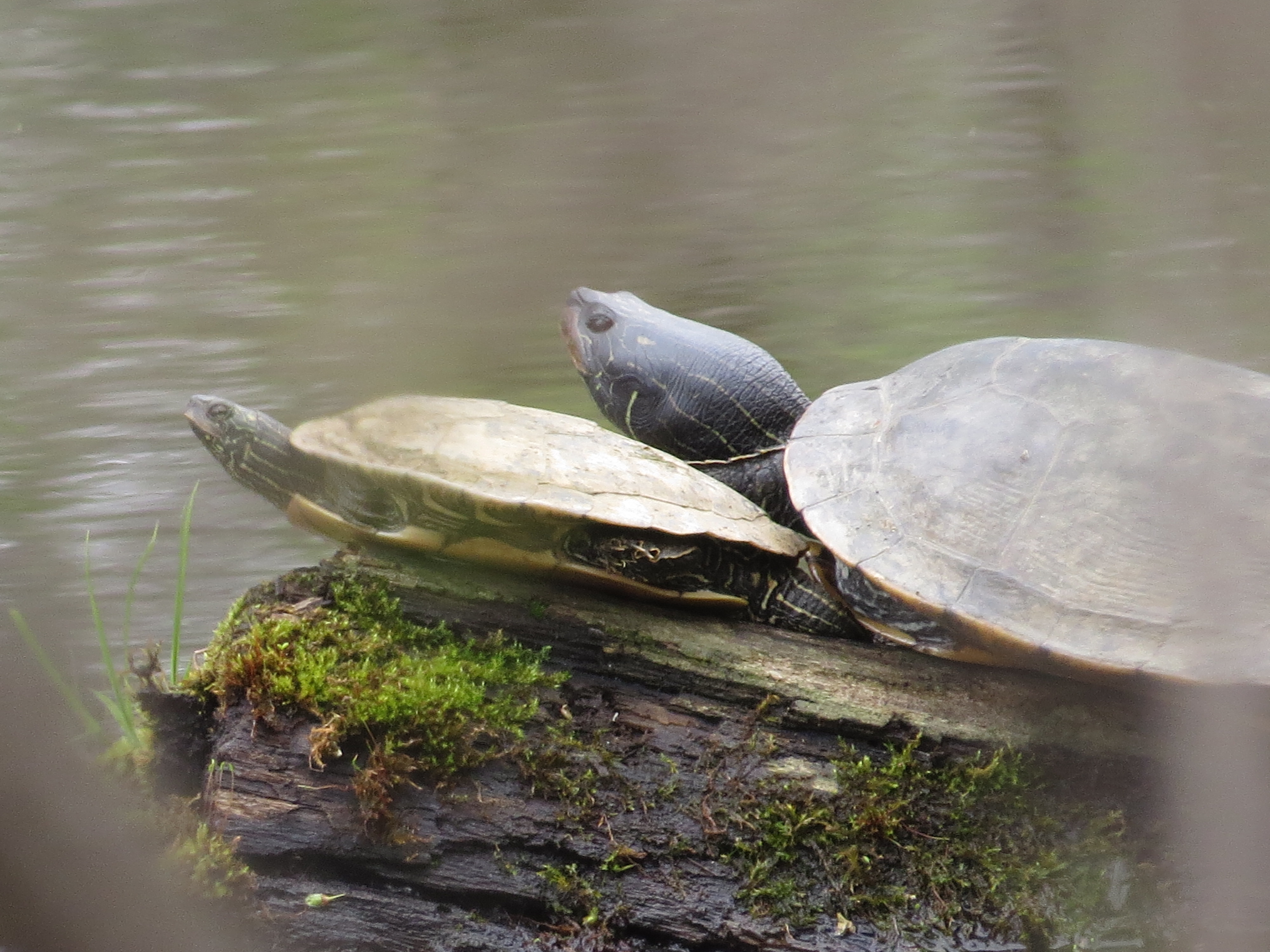
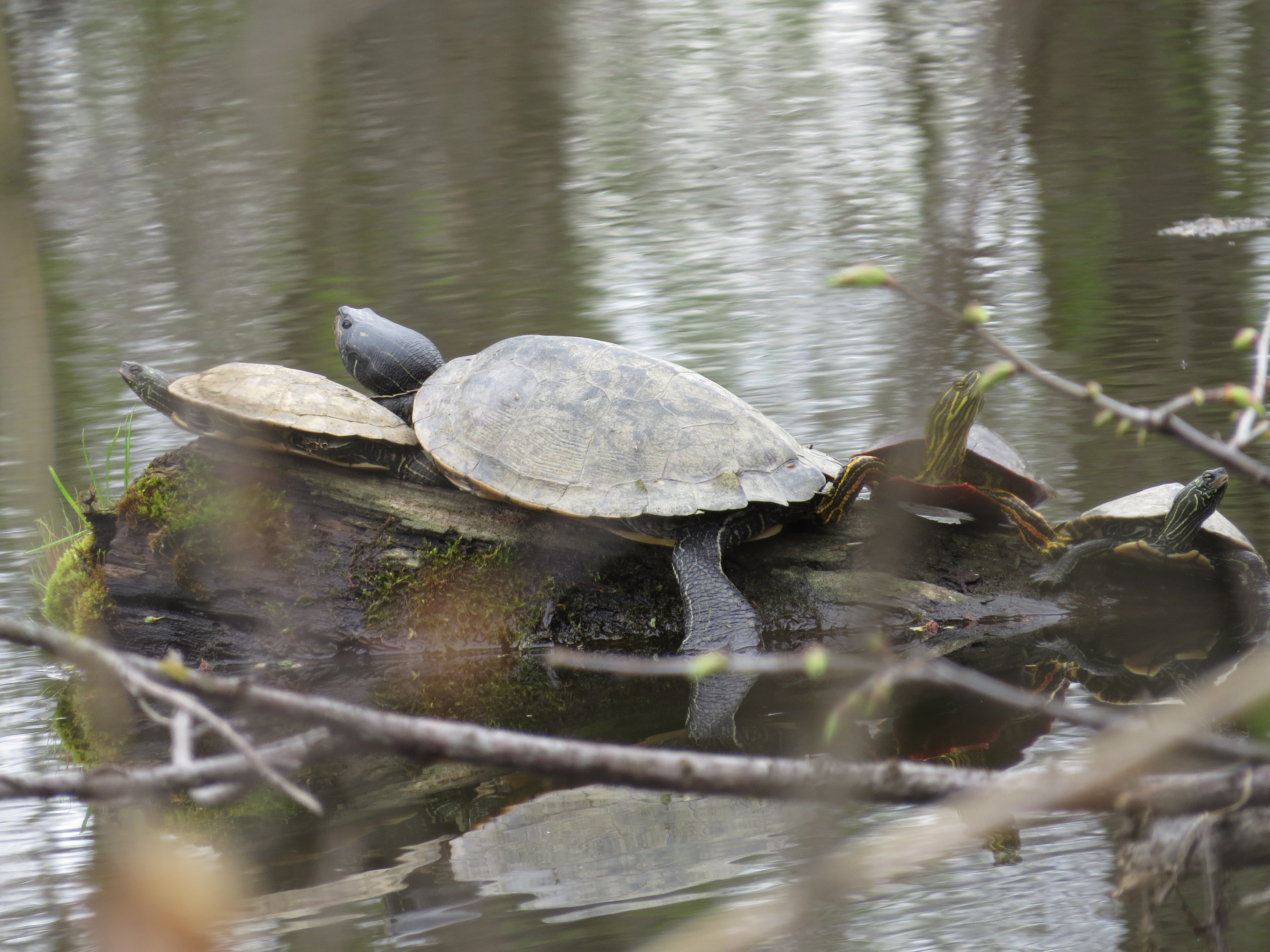
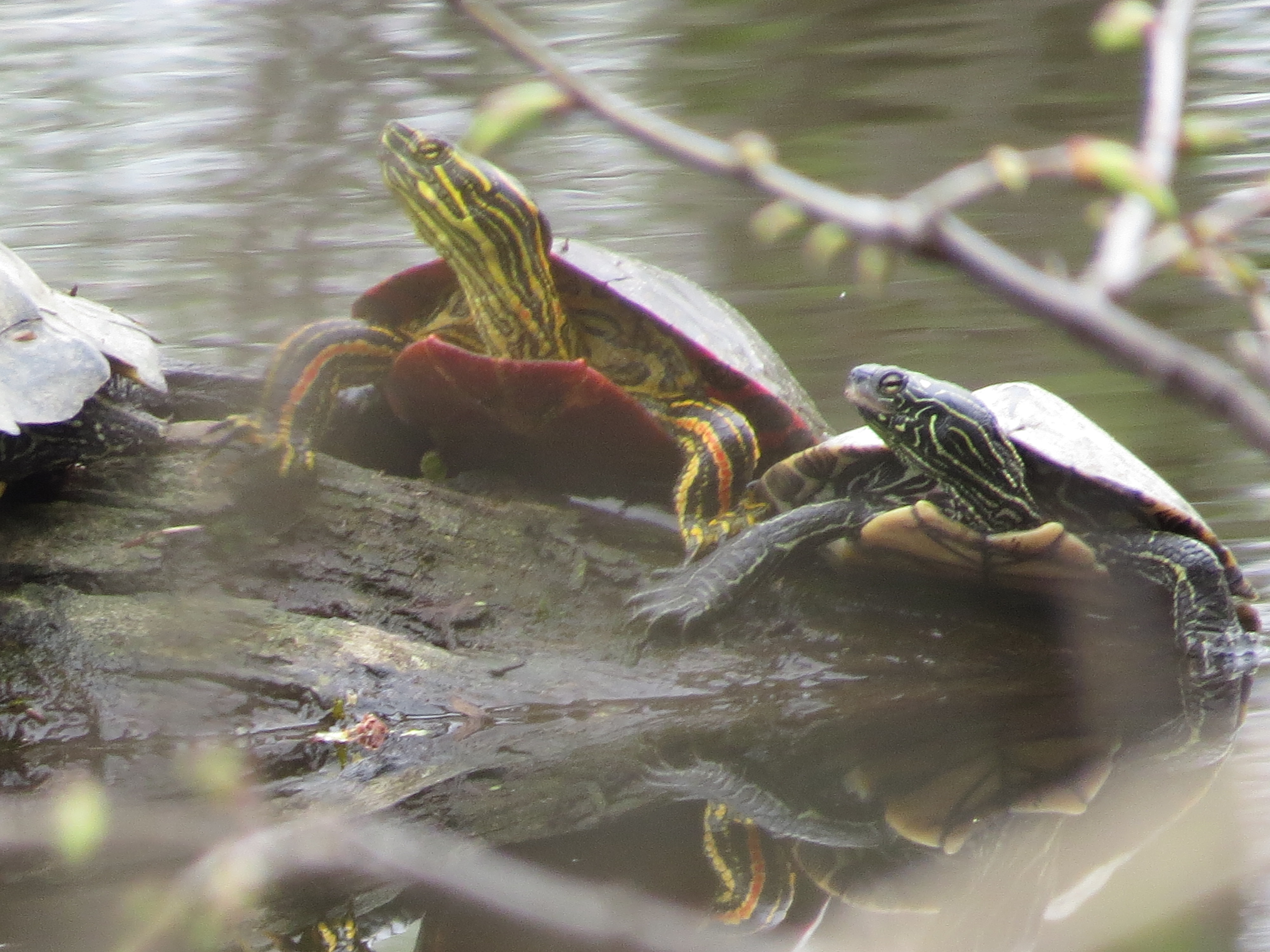
Another turtle trio of different sizes piled on a log with their eyes and noses in the air. Such funny creatures!
And finally, towards the end of our slow, beautiful, enchanting, funny walk, I saw this tree stump in the slough water. Moss was growing around the circumference of the bark-stripped trunk. Old, tan grass remained from the past, while new green grass was beginning to grow. A stick was propped up against the stump like someone had left a walking stick for another. Ripples and shadows and floating plants surrounded the stump, and in the middle of the stump grew a small, newly-leafed out tree in the freshest, most vibrant green!
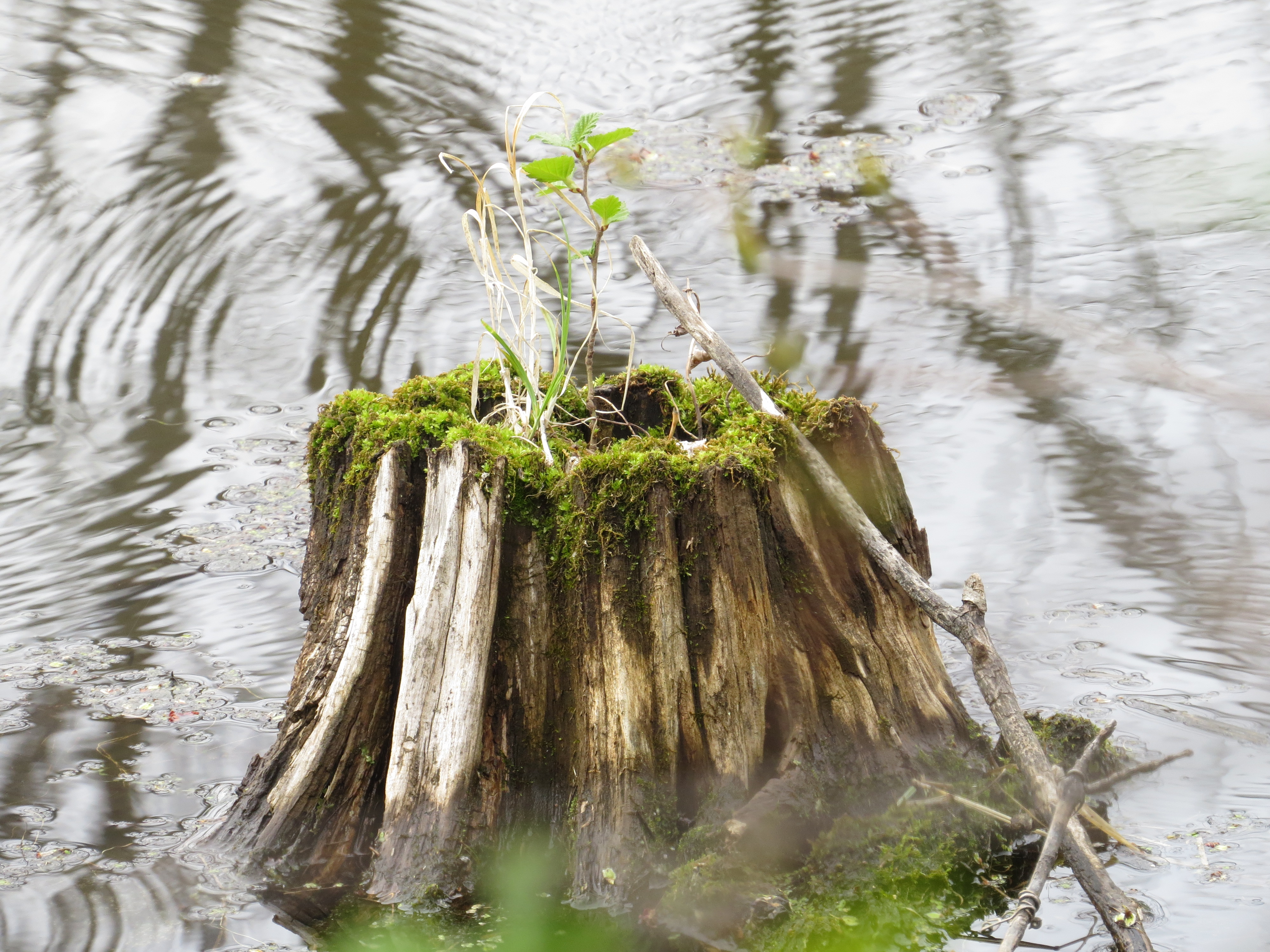
We are the vibrant trees growing from the ones who came before us. They are the exquisitely blooming flowers who become our ‘nutrient pools’ who nourish us in our growth. The windows of time, those anniversaries of death or trauma that are remembered in our bodies, encoded into our brains, and carved into our souls, are there for a purpose. We are supposed to remember in order to transform the grief and pain into something of substance and form, of beauty and peace, so we can recognize how important we each are in the whole of creation. Take up your walking stick, give thanks for those loving souls who came before us, don’t get bogged down by the petty, muddled world around us, and find joy in fleeting flowers and sun-bathing turtles.
A Mixed Bag
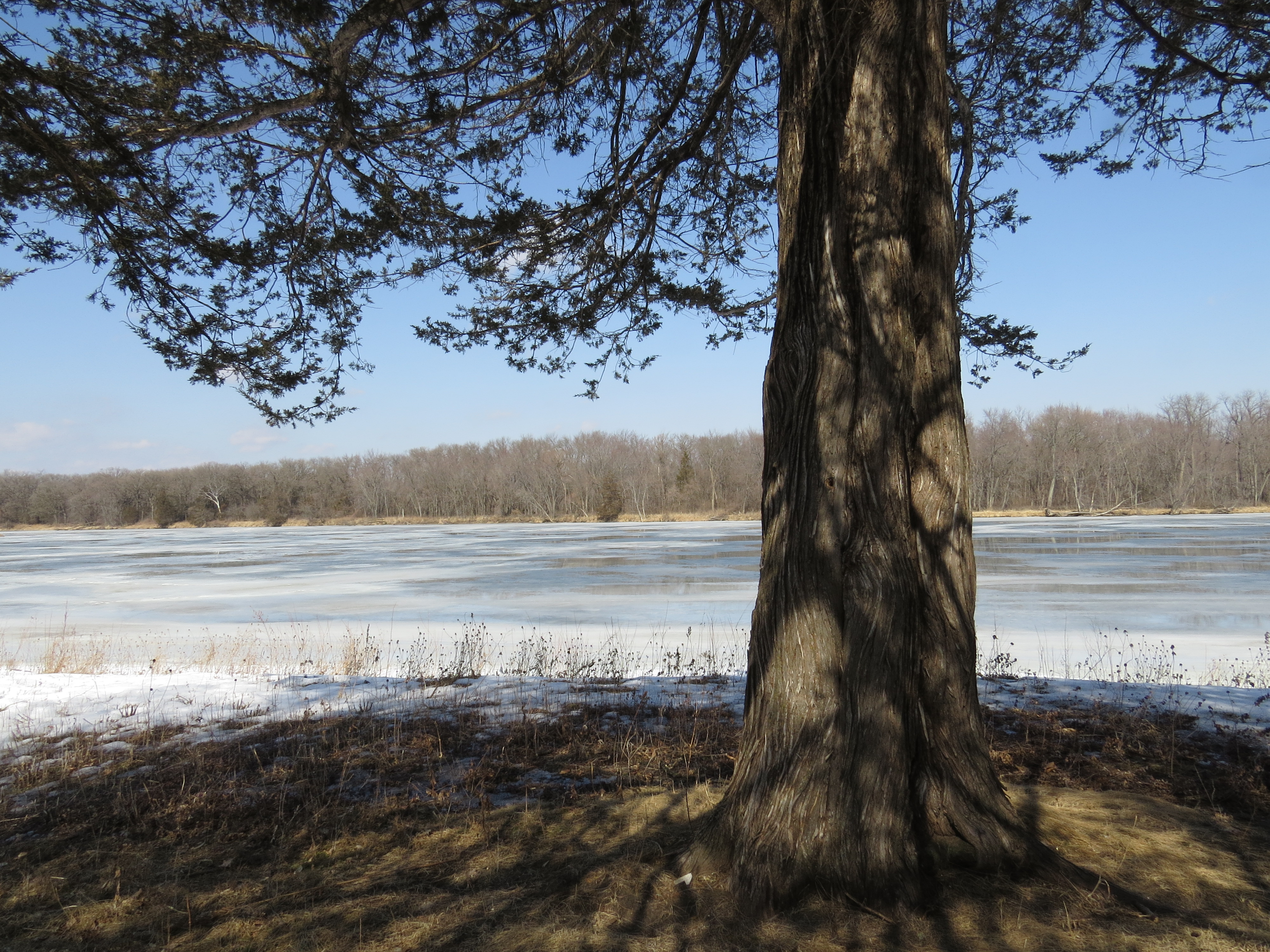
For our fresh air and sunshine walk last weekend we went to Mississippi River County Park. This being the messy, melting, still snowy time of year, we prepared ourselves for some slogging and sliding. Instead of slipping down the icy hill to the River, we walked around a nearly-melted open field to get to trails on the topside. The melted snow had congregated into a large pool of water around a sprawling tree—we trekked through the ankle-deep water at the edge of the woods. At first I thought my waterproof boots were no longer waterproof as a wave of cold overtook my feet—luckily I was wrong and still dry-footed. The trails were a combination of snow, ice, mud, water, and dry ground—what a mixed bag, I thought.
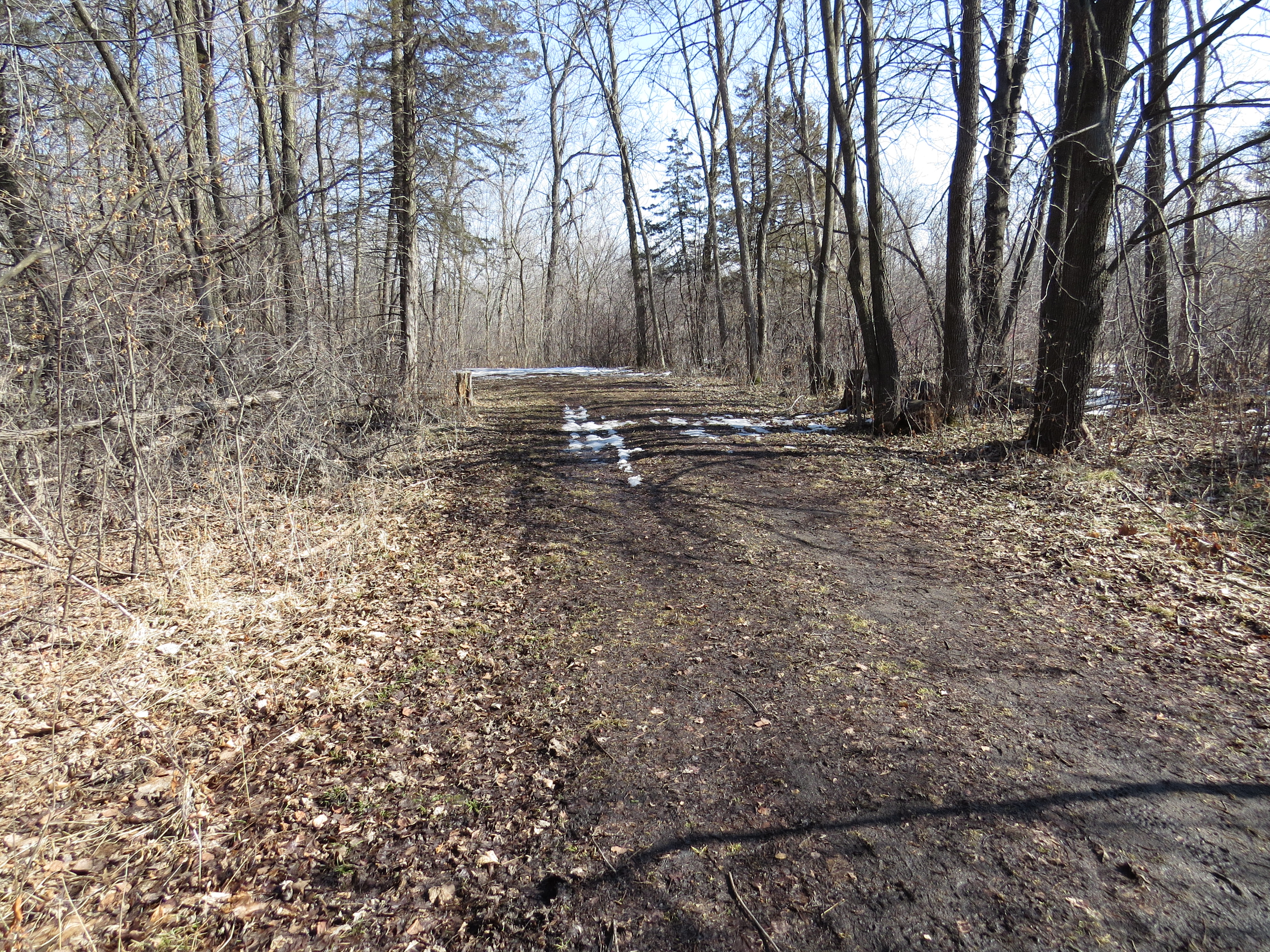
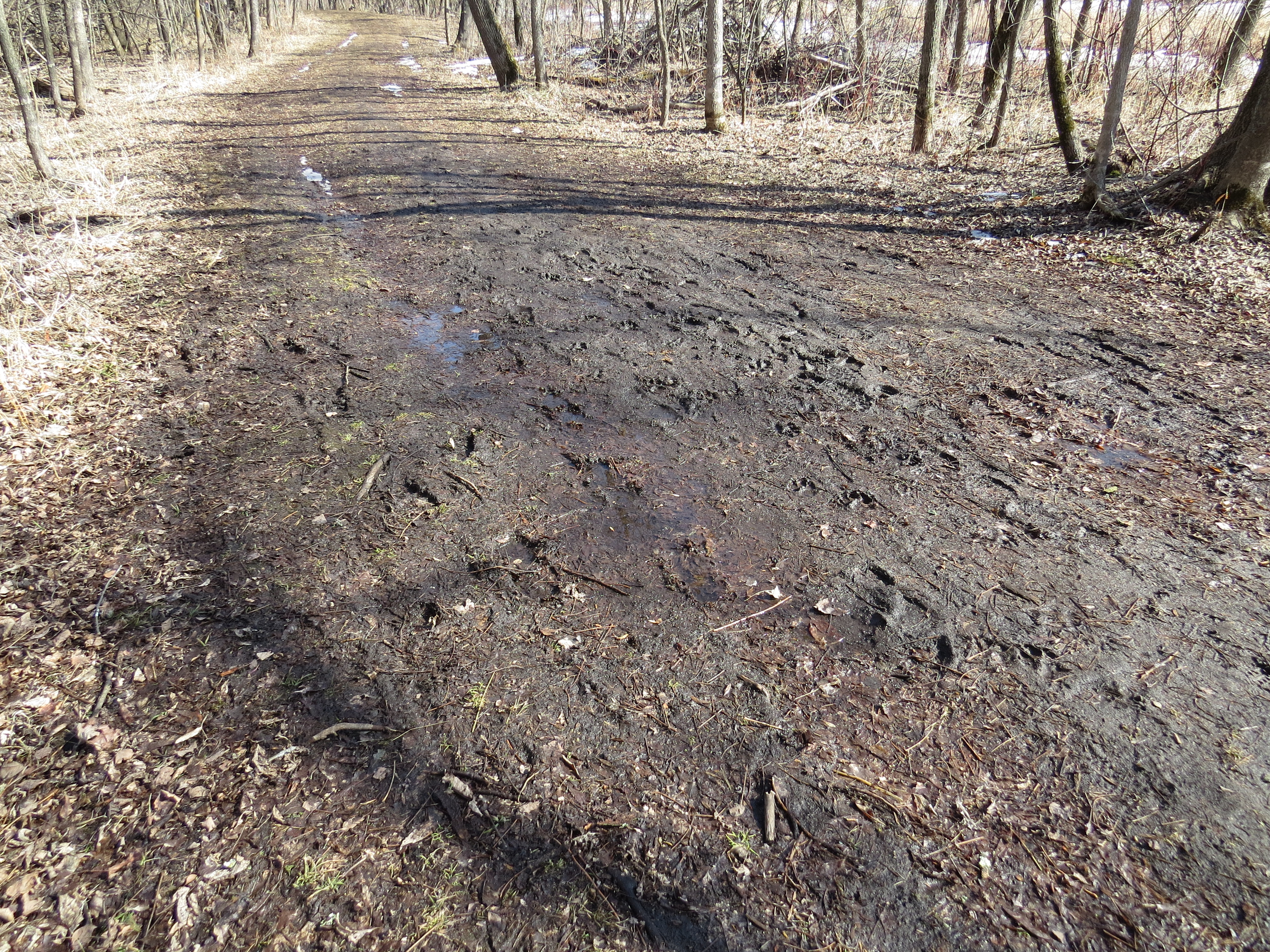
The ‘southern’ part of the trail, where sunshine could do its work, was muddy and mostly clear of snow. The warmth of the sun felt like a delicious hug, and my coat choice seemed a bit overcautious as I heated up. We passed a pond of thick ice that had a melted sheen of water glistening on its surface, the old tracks of animals crossing over it still marked in the ice.
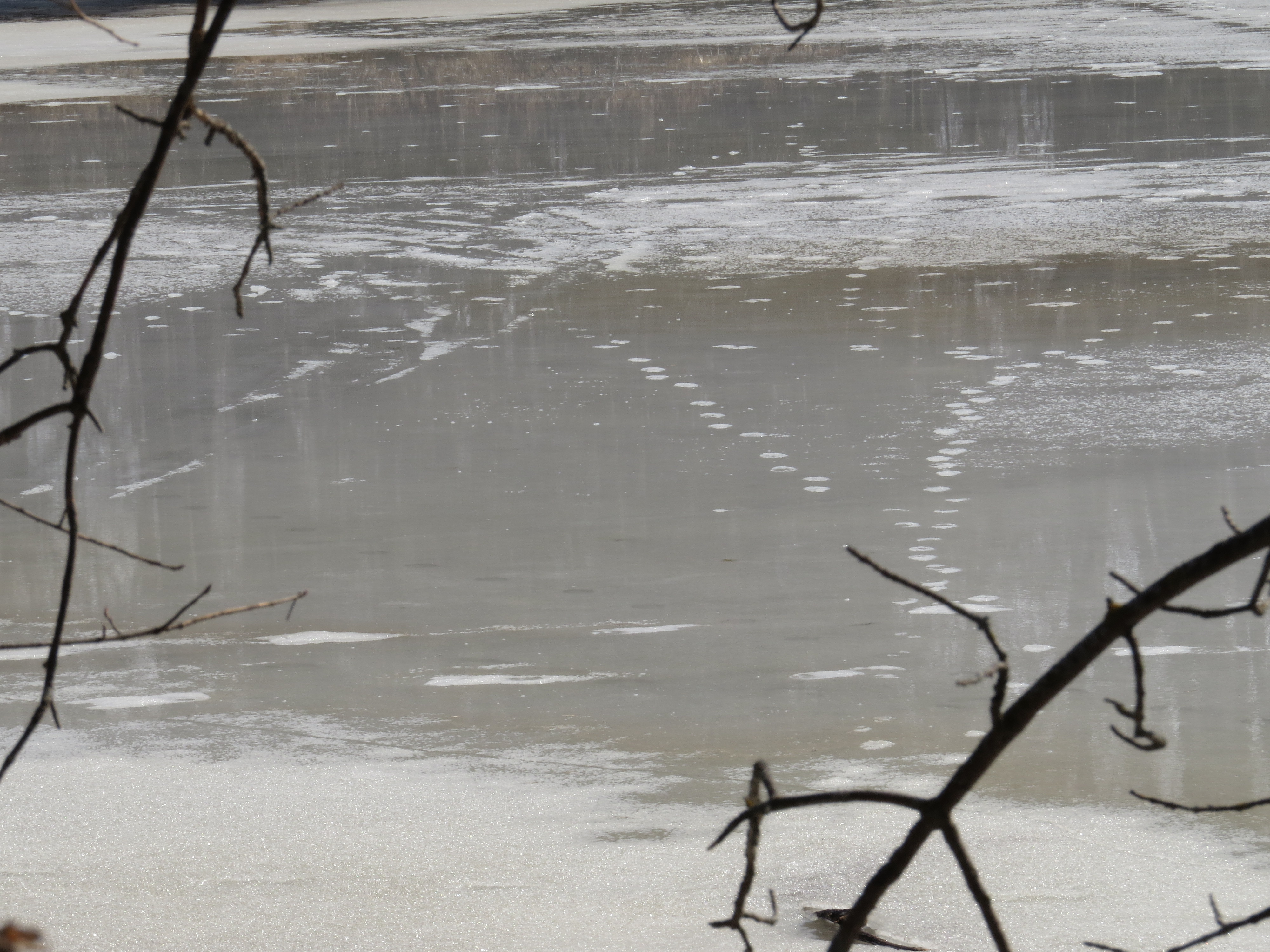
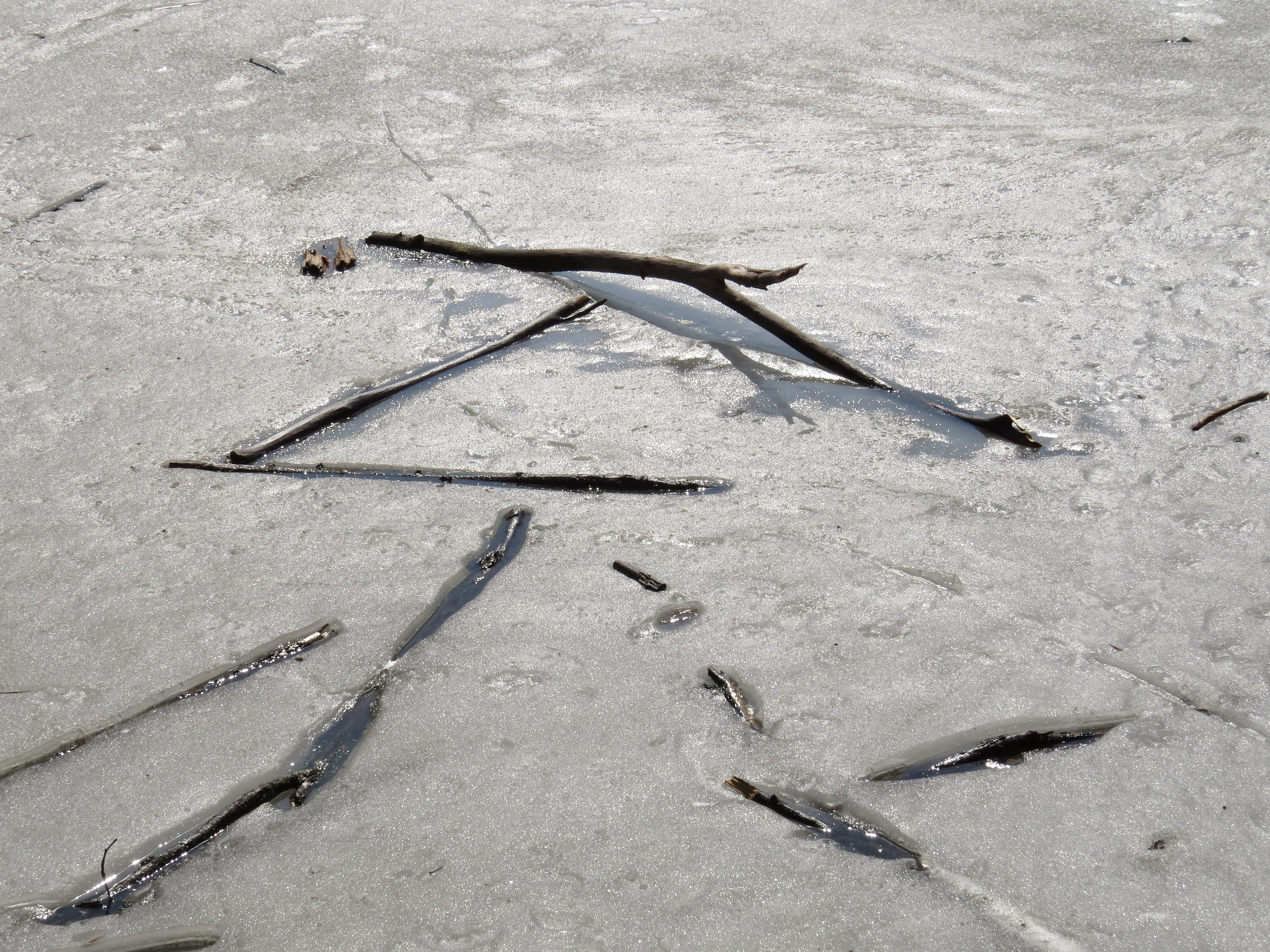
Cross-country ski trails were still prominent in the slushy snow where only a week ago, the skiers had inches of fresh snow to glide through. A warm week had made fast work of the melting.
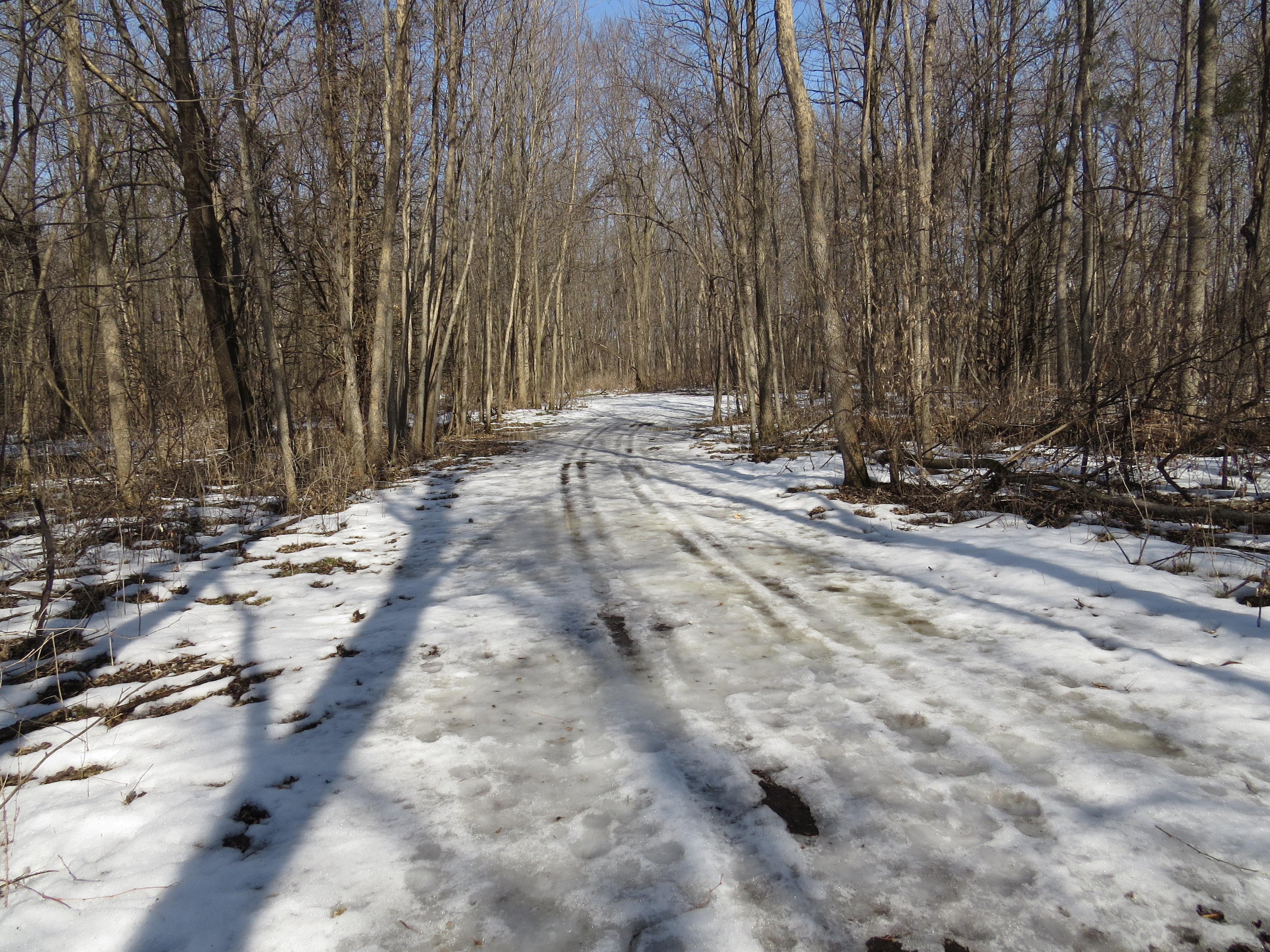
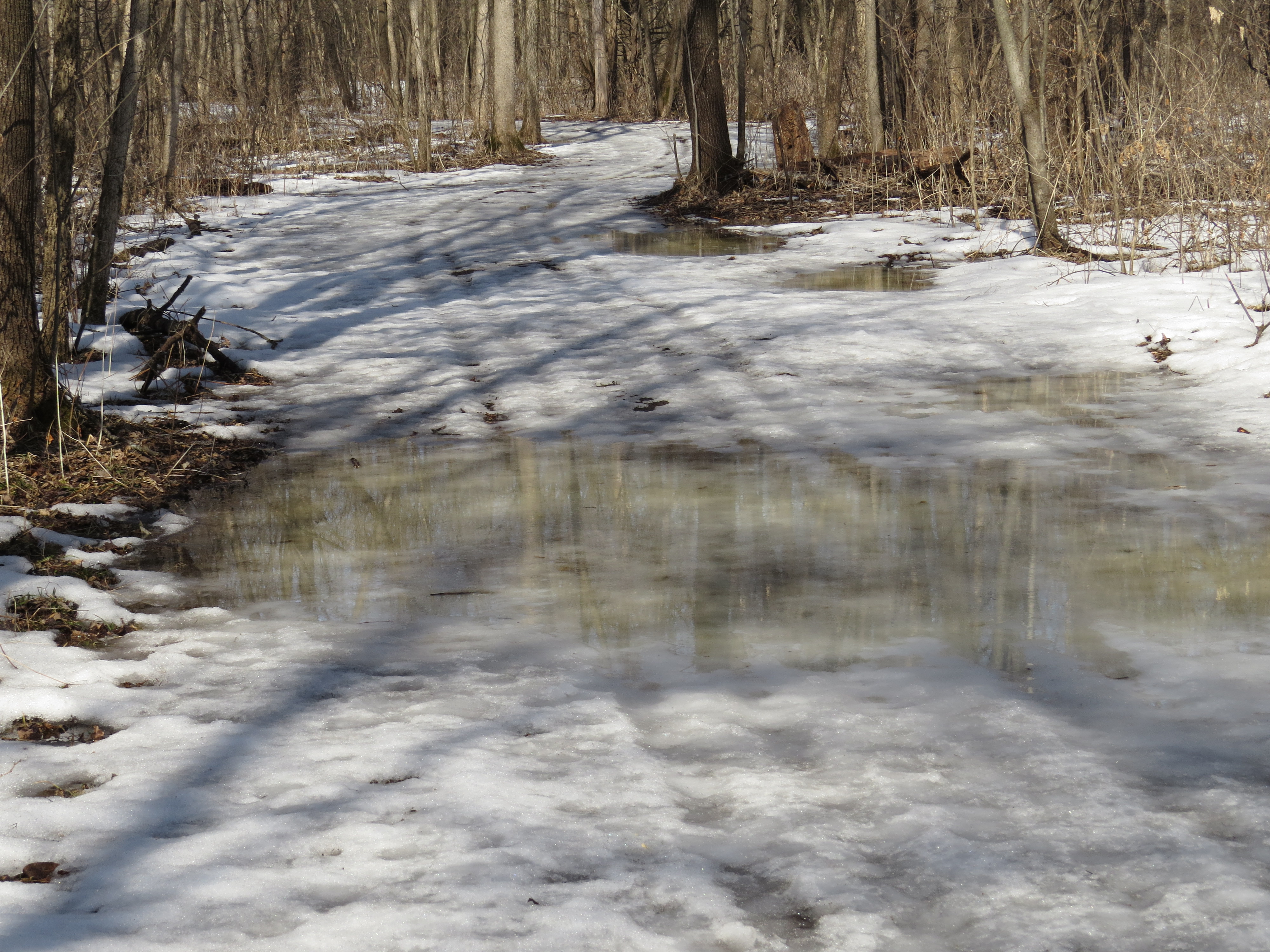
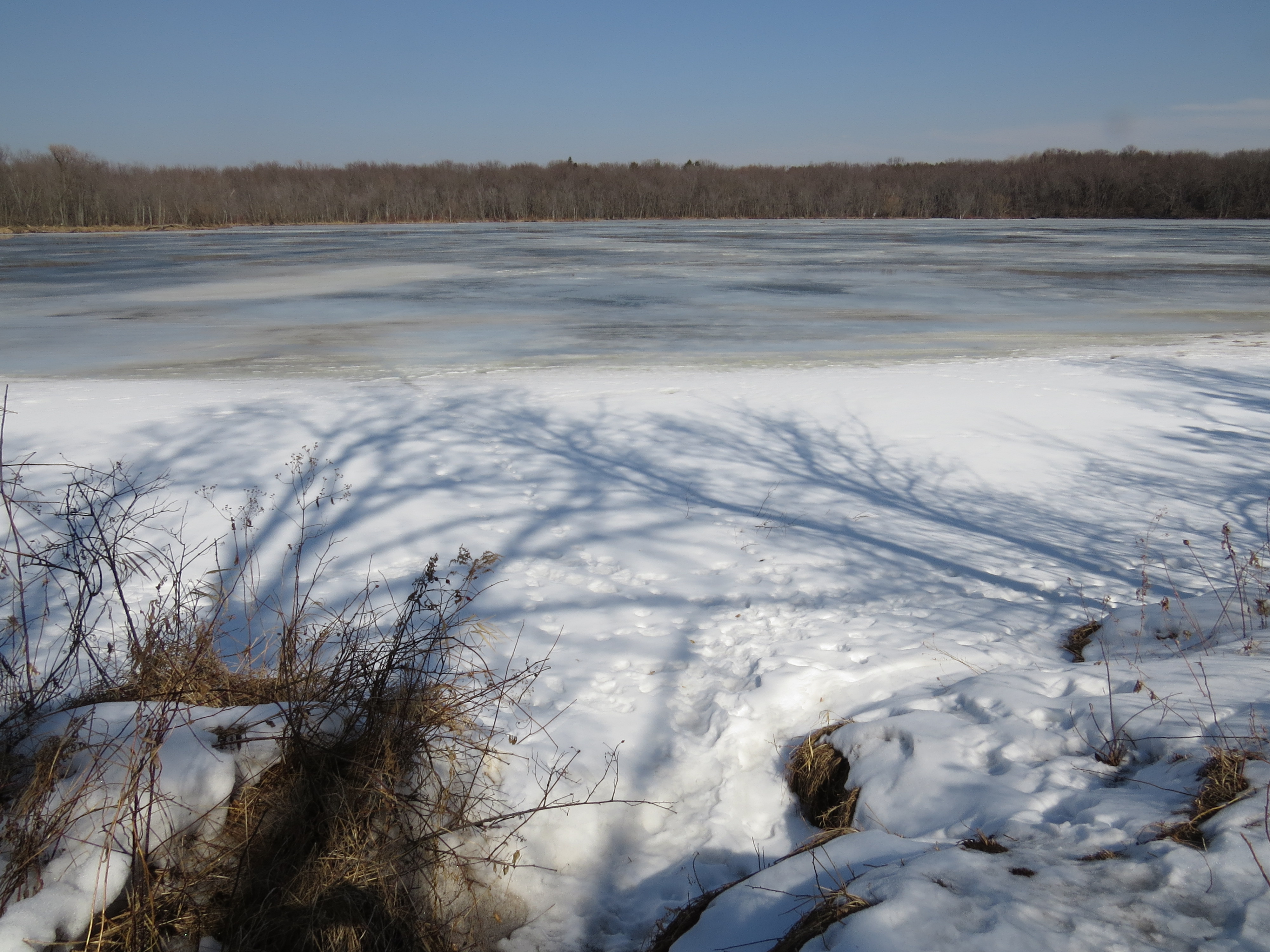
As we looped around to the north side of the park where trees met the River, there was much more snow, and in places, it even crunched under our feet. I was glad for my warmer coat on this stretch of the trail.
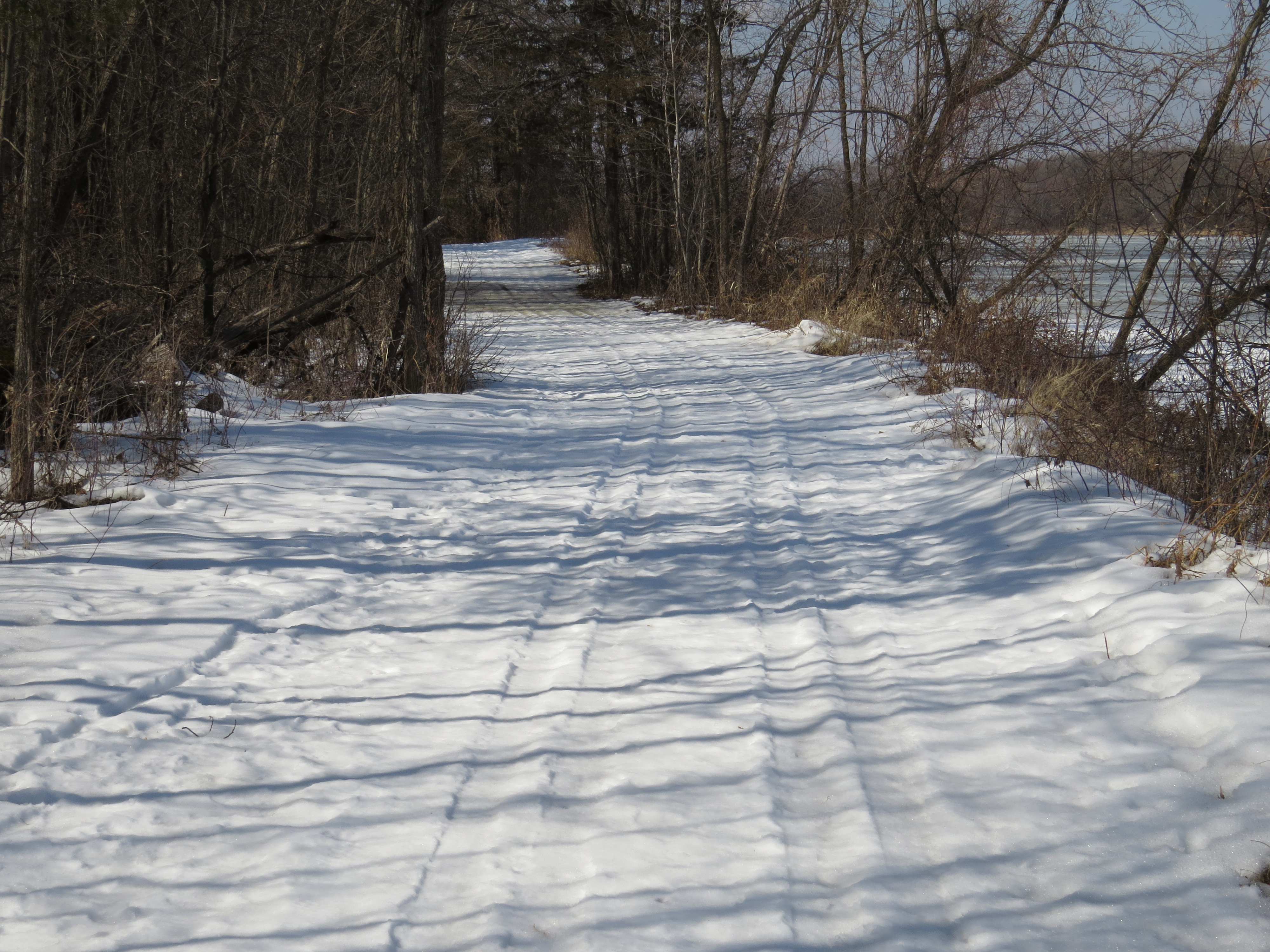
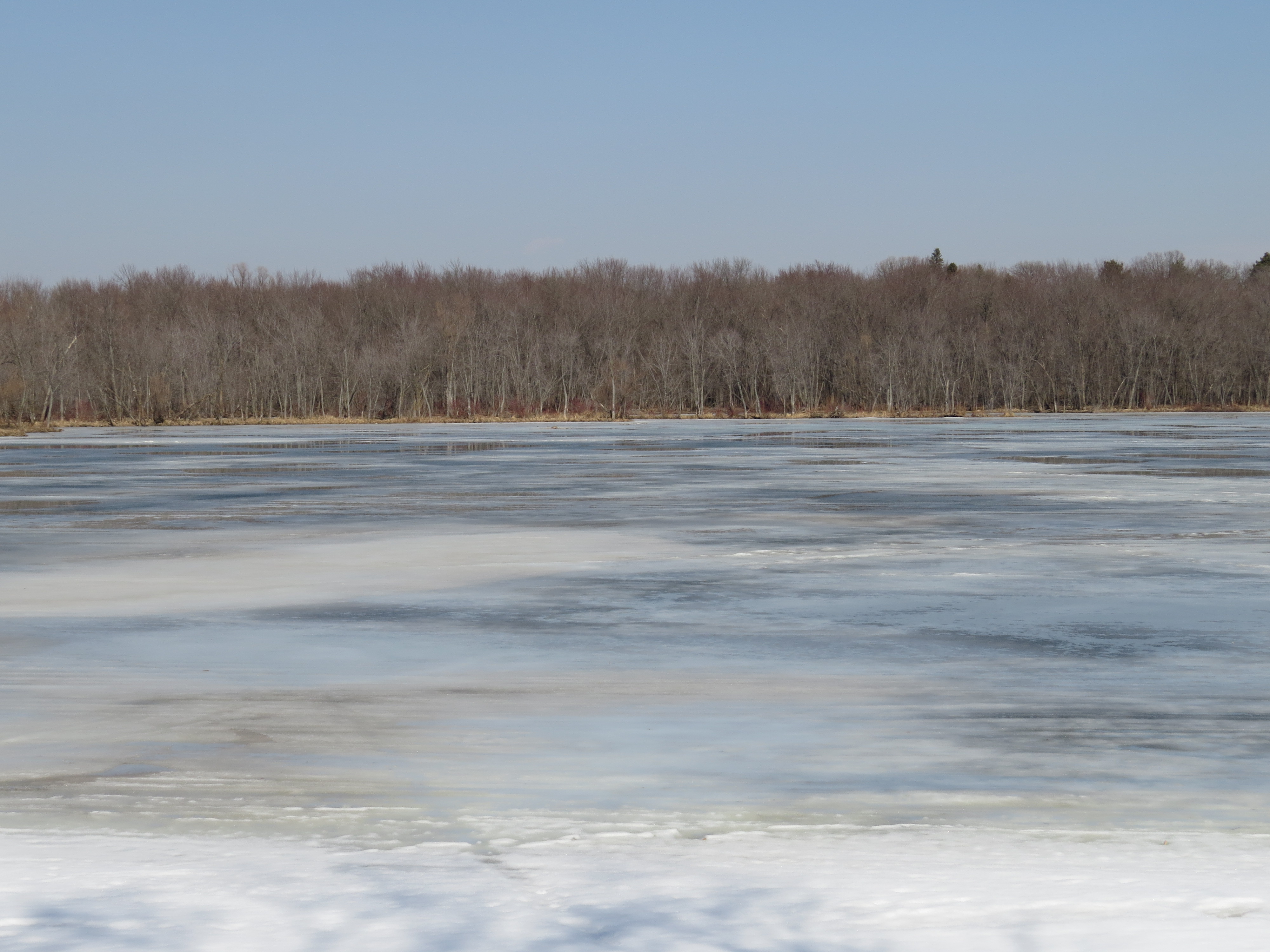
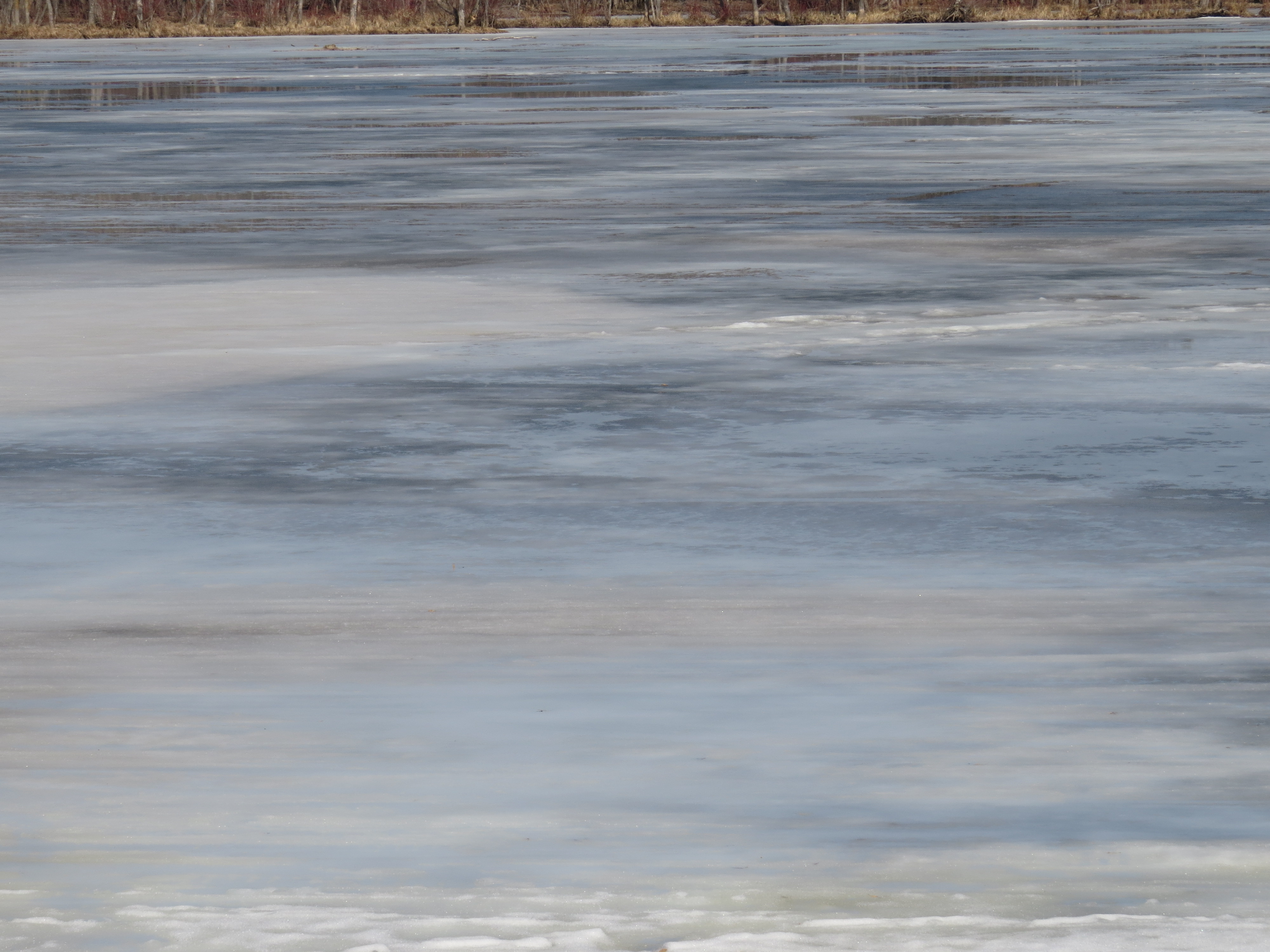
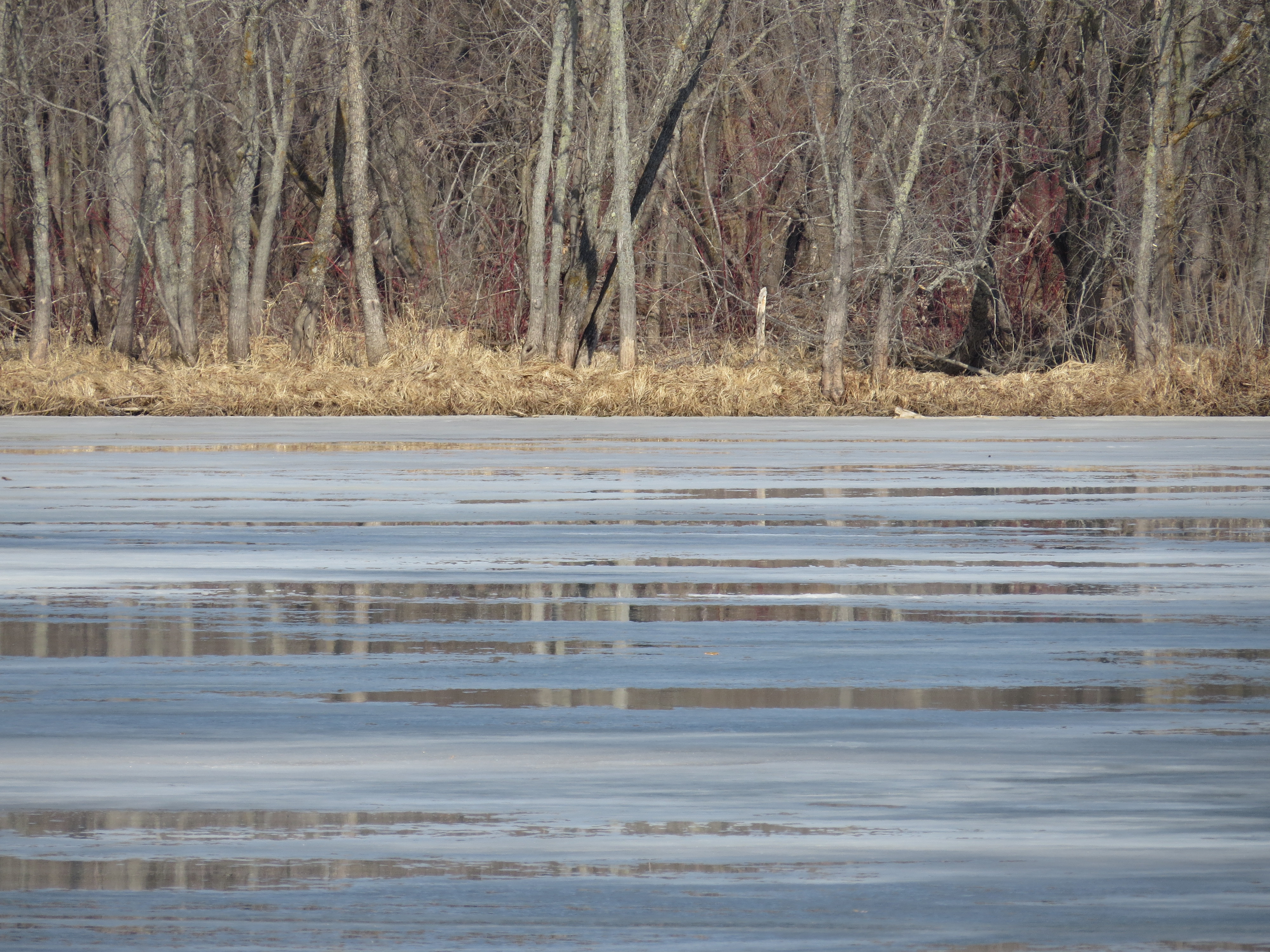
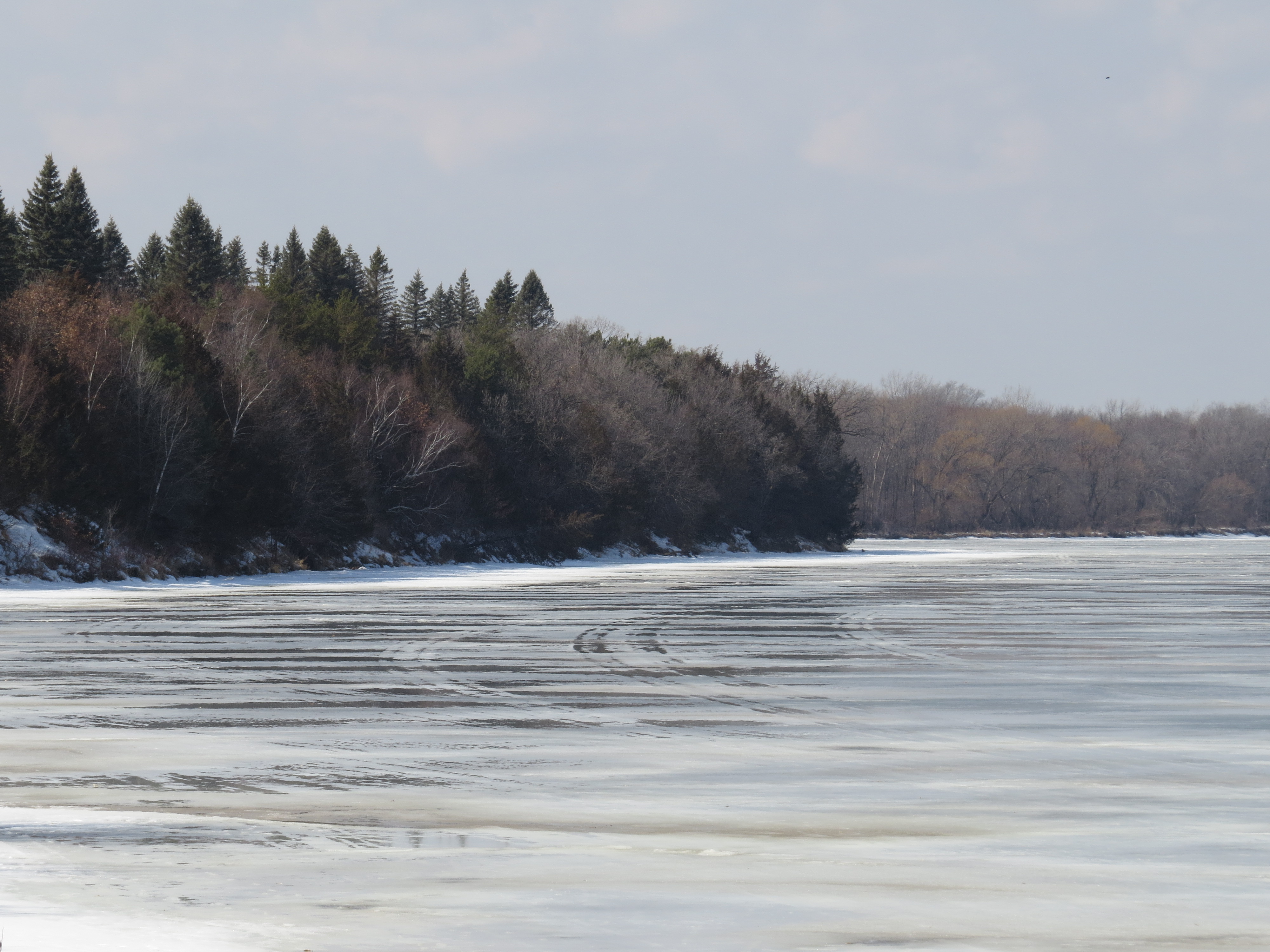
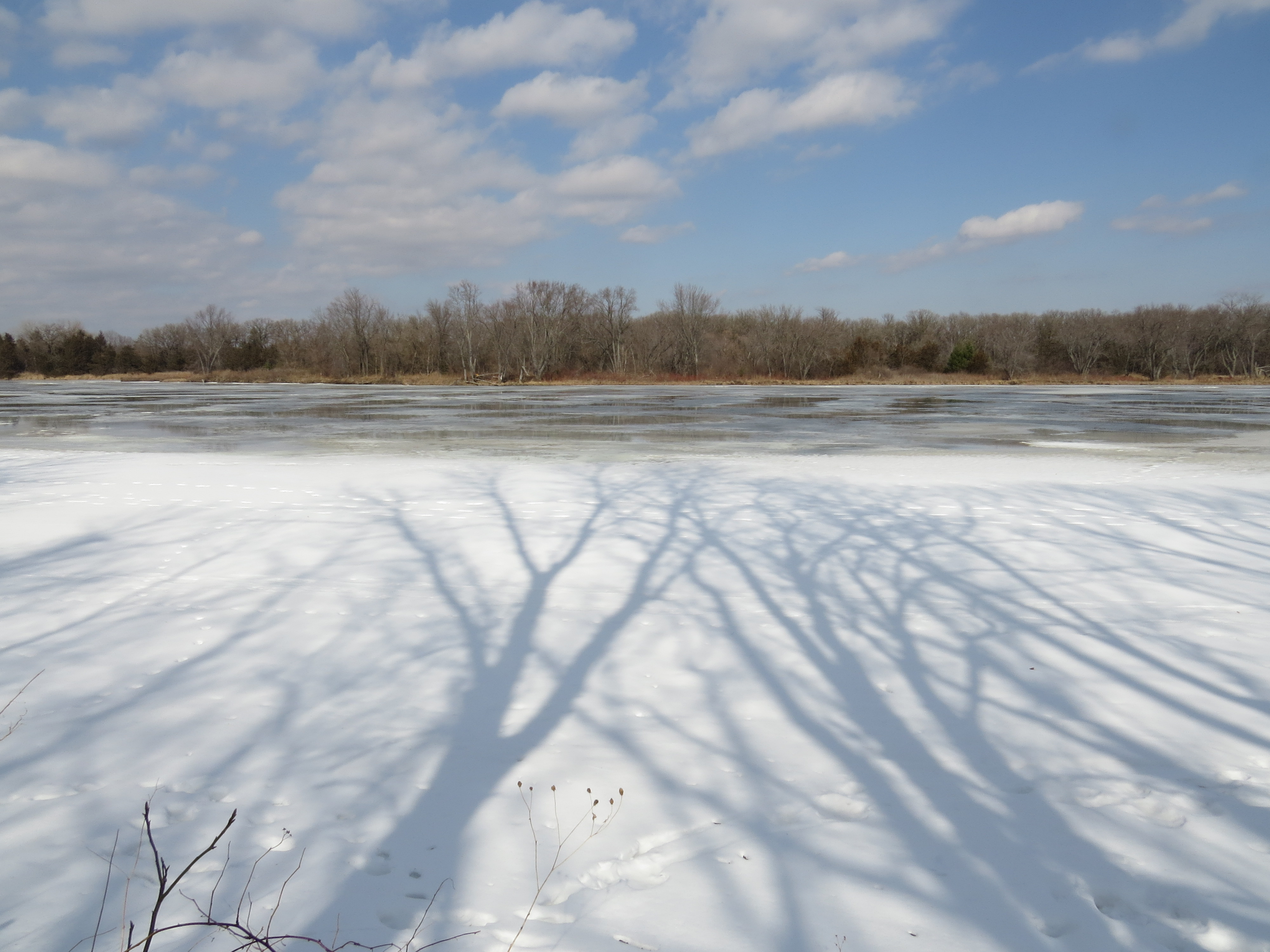
The River was also a mixed bag—a thick expanse of snow by the shore was still shaded from the sun by tree shadows. A palette of blues, whites, and grays showcased the melting River ice in all its states.
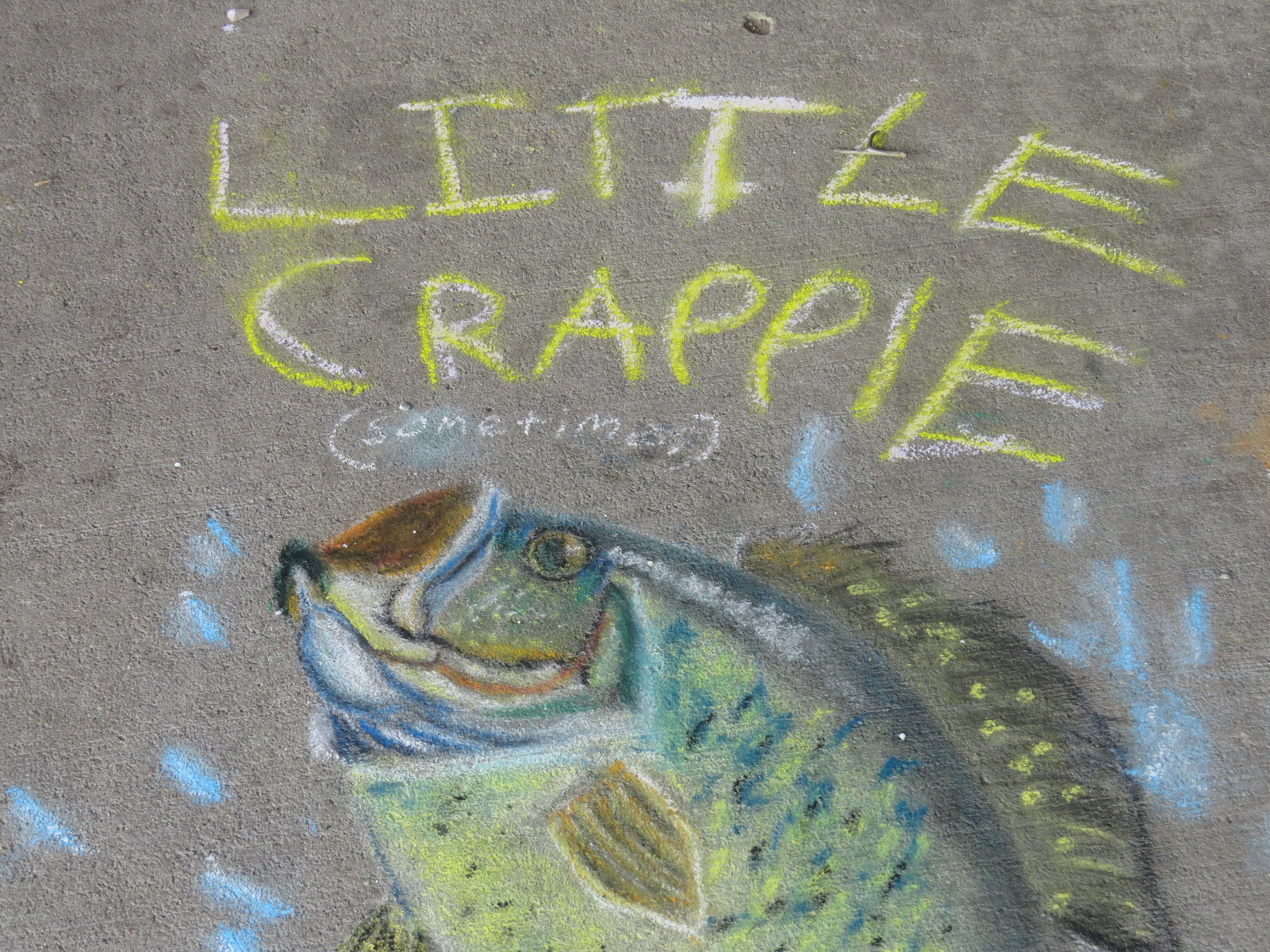
Back at the picnic shelter, after slowly making our way up the icy hill from the River, we found a message by a chalk artist: “Life can be a little crappie”…
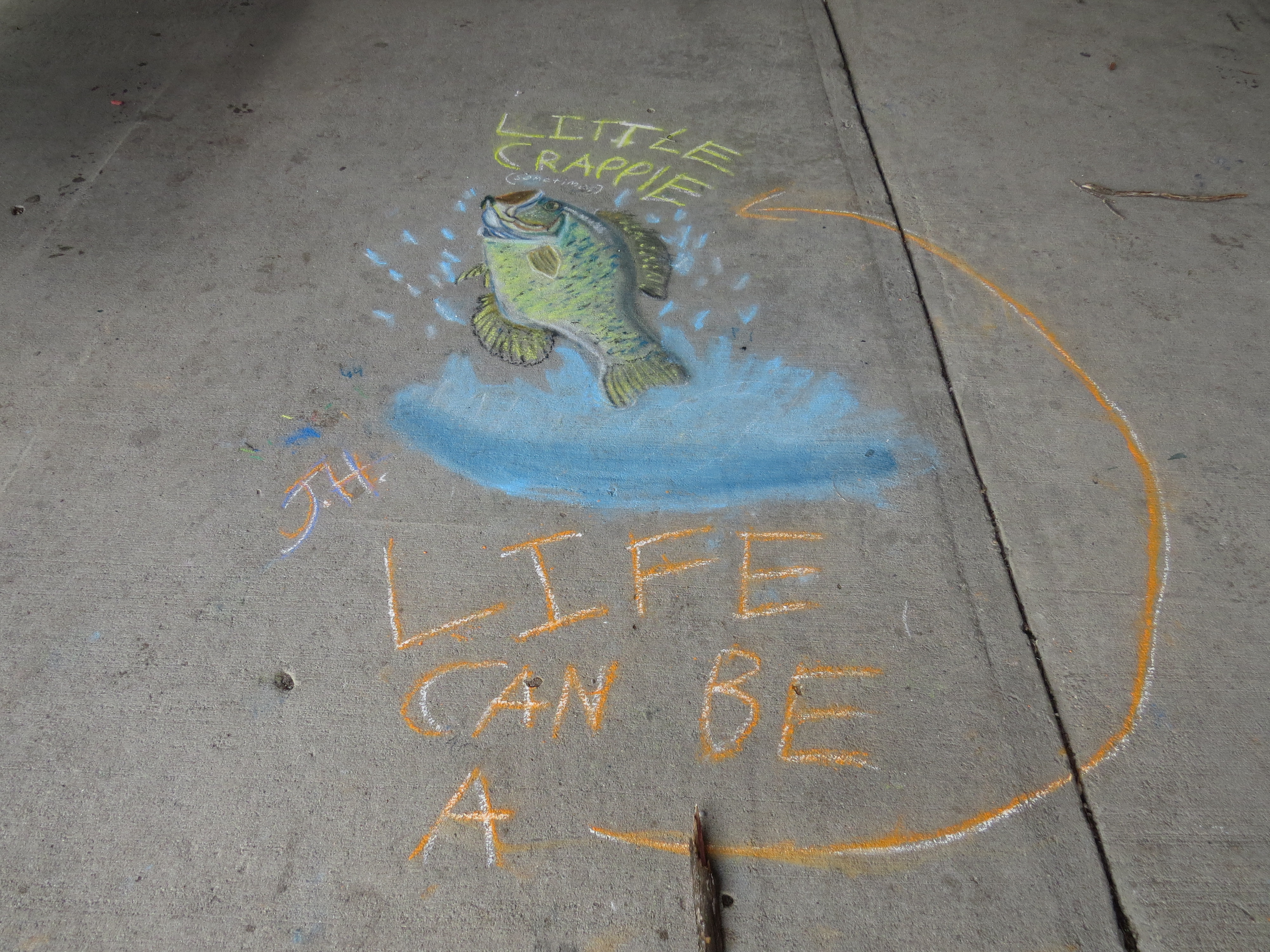
and in small letters and parentheses…”sometimes.” It’s a little fishy play-on-words—if you don’t know better, you read it as ‘crappy’ even though the fish name Crappie is pronounced ‘croppy.’ So the artist gave us something to smile about and something to admire, along with an acknowledgement that sometimes things are messy, difficult, or just a little crappy.
Three feet from the fish artwork was a green picnic table with graffiti carved into it:
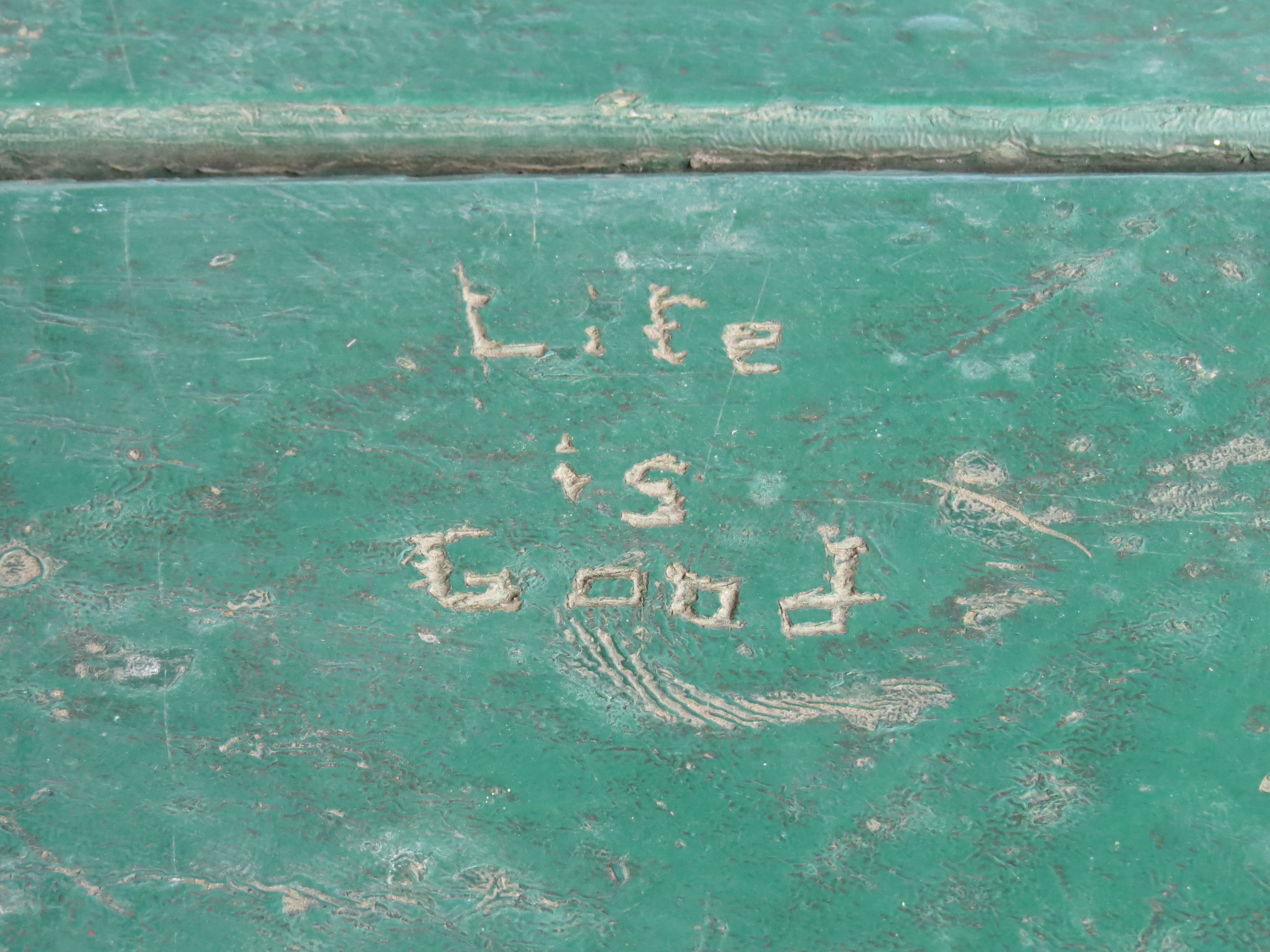
‘Mixed bag’ is an idiom from the turn of the twentieth century derived from a hunting term that refers to an assortment of birds killed in a single hunting session and put into a bag they carried for game. A mixed bag is an assortment, a mixture, a miscellaneous collection of things often having both positive and negative qualities or aspects. Our hike last week was a mixed bag of trail conditions. Our lives this past Covid year have been a mixed bag in all sorts of ways. There have been lots of crappy things about the year—and you don’t need me to reiterate them—and there have been lots of surprisingly wonderful things, too. Positive, neutral, and negative, an assortment and a mixture, sometimes life is a little ‘crappie,’ and life is good.
Listen to the Pain, Find the Peace
I know what distress is. I have experienced the long-standing fear of being killed. It feels like constantly carrying a boulder on your back; it weighs down your body and your soul and muddles your thinking. Every step of ‘normal’ life is hard, amplified by the weight of that boulder.
It has been a distressing week in Minnesota. How can it be that it was just Monday when George Floyd was killed? Time does weird things when extreme pain and sorrow run the show. A shocking event breaks down the fabric of normal life—like a terrifying trauma did when I was little, like the coronavirus pandemic did just a few months ago, like the death of George Floyd did on Monday as it ripped apart the ‘new normal’ we had constructed from the pandemic. The only thing worse than carrying one boulder on your back is carrying many.
Strangely, after the initial shock of it, I felt like this was exactly what should be happening at this time—not his horrific death, but the uprising of pain and grief that has been building for so many years and for so many reasons. Enough is enough. People want to live. We want to love. We want to work. We want to feed our families. We want dignity and respect. We want some fun and some peace. That’s not too much to ask. So what’s getting in the way of that? Listen with your eyes. Listen with your ears. Listen with your heart. Put yourself in someone else’s pain.
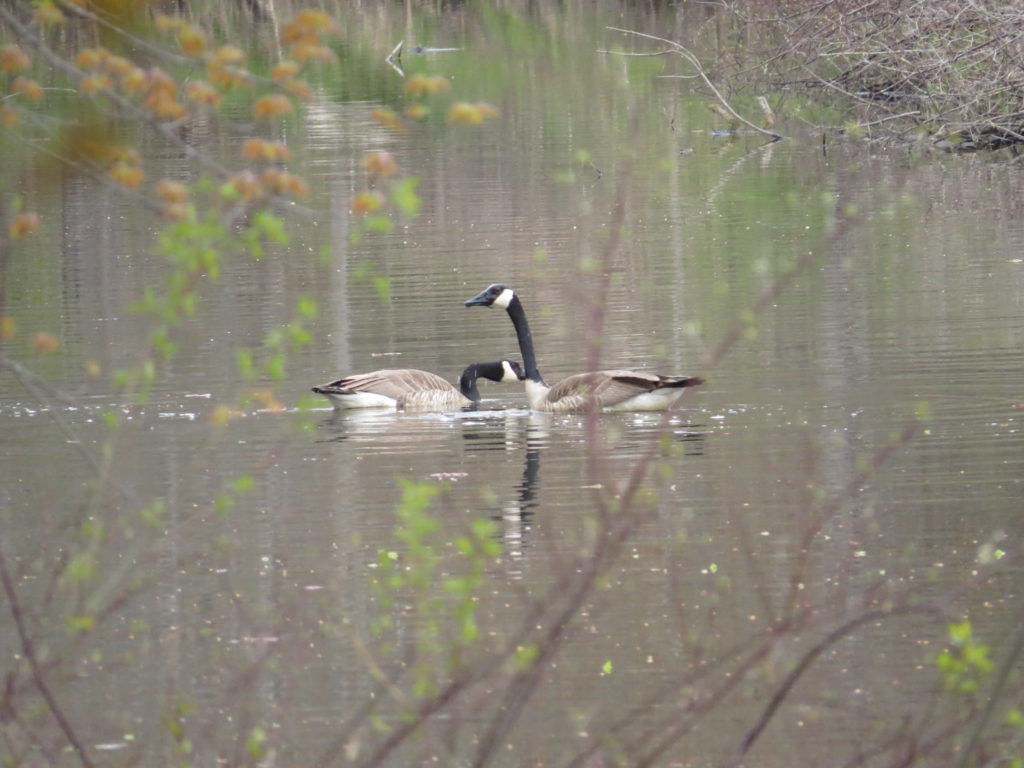
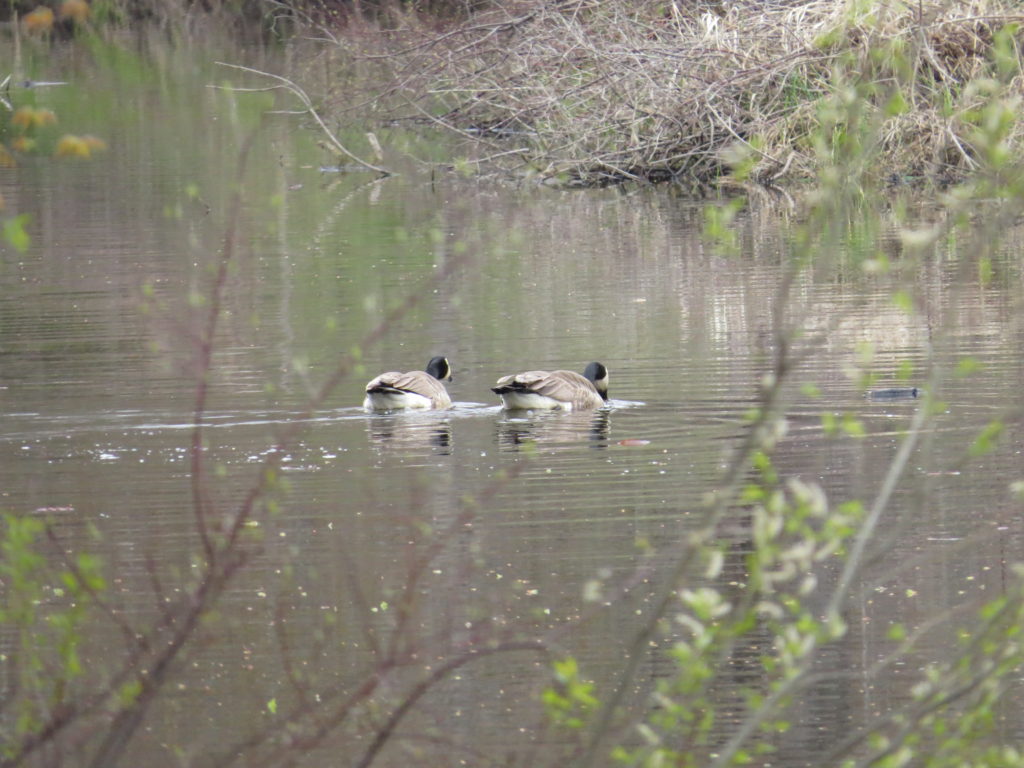
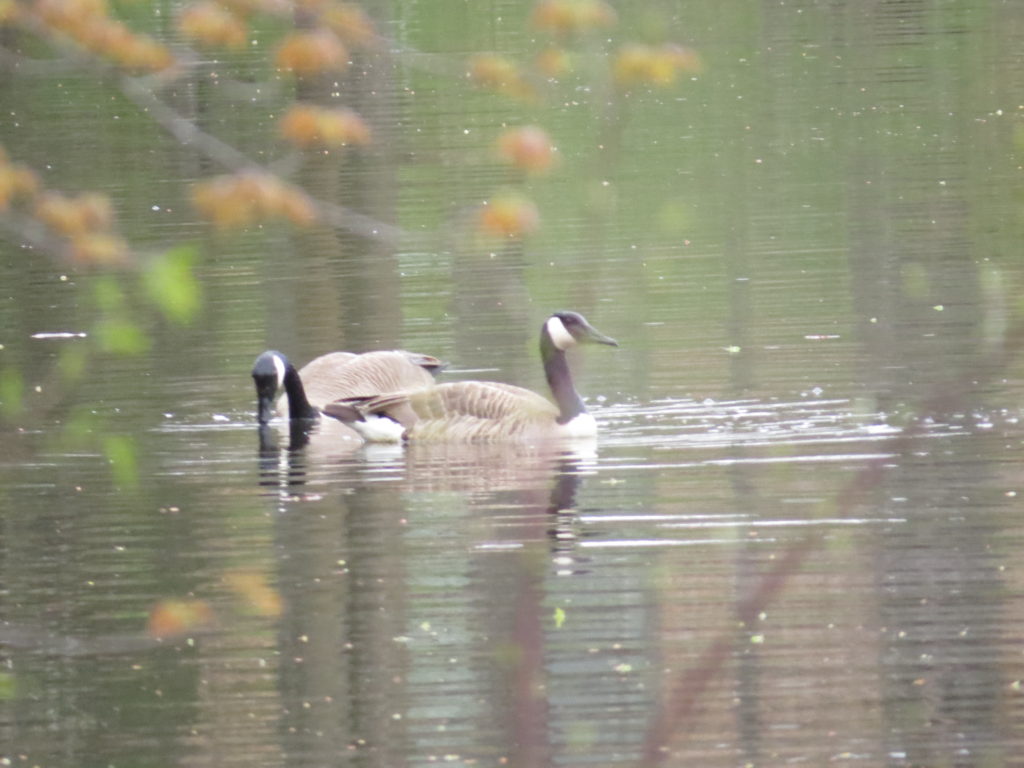
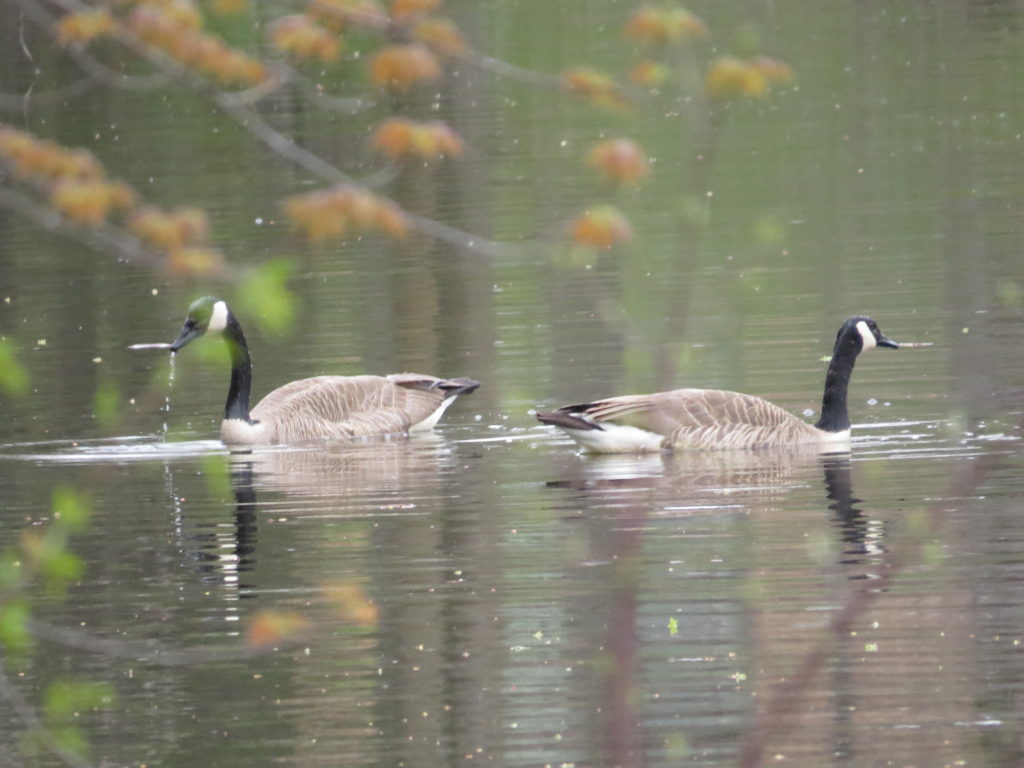
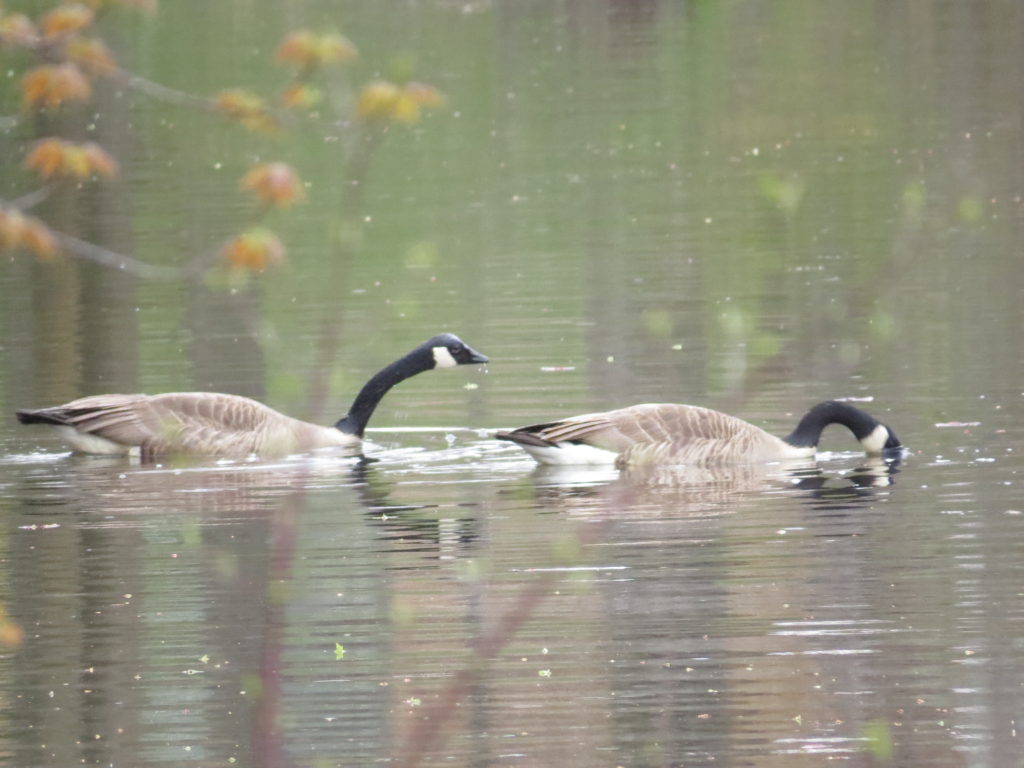
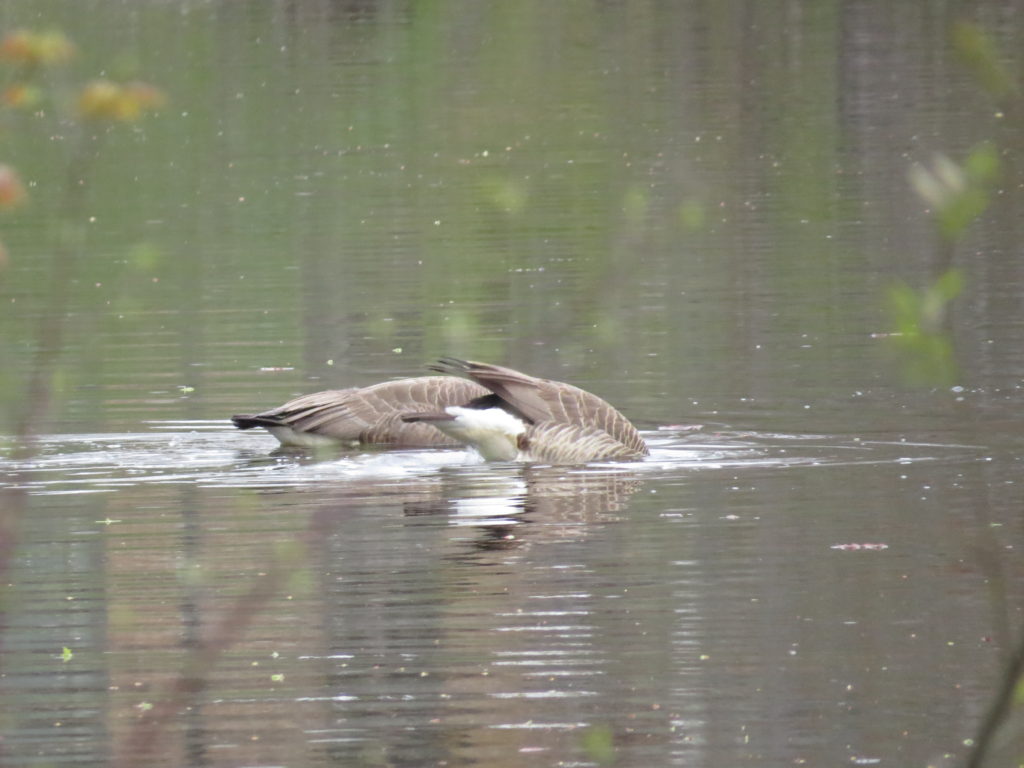
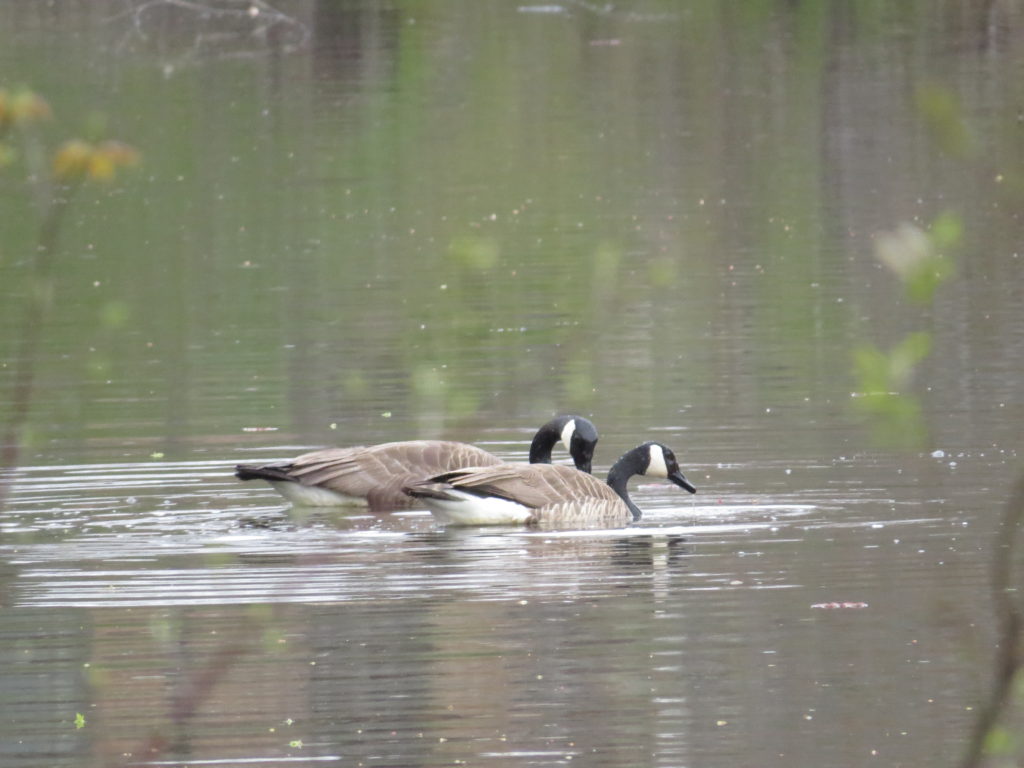
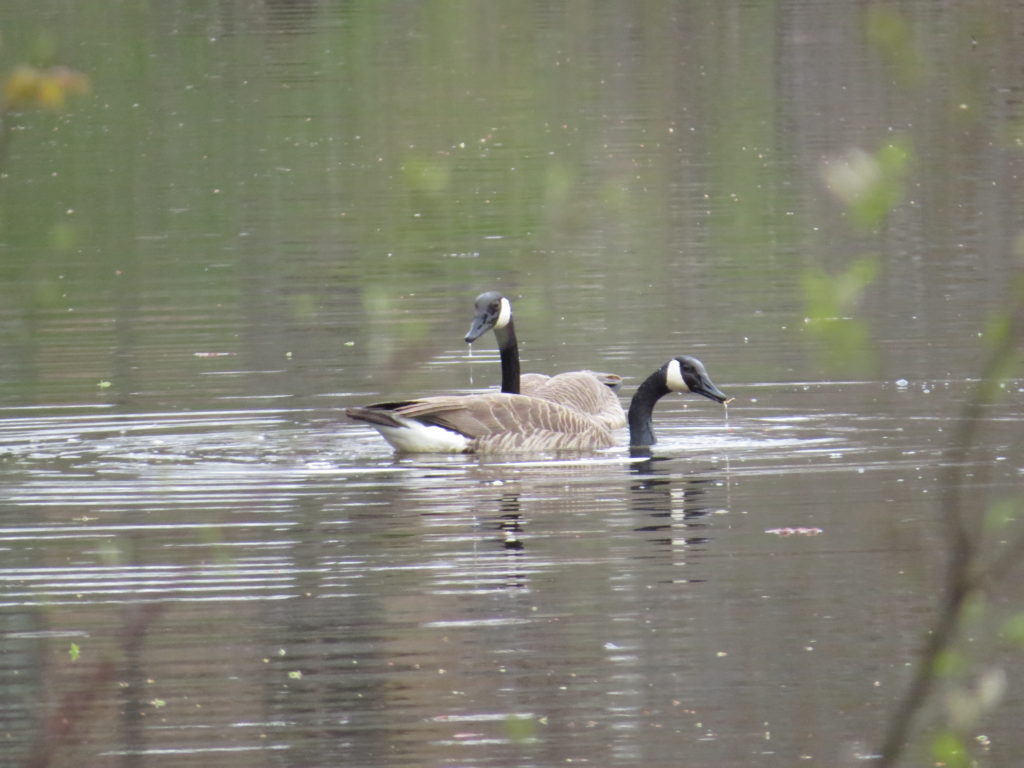
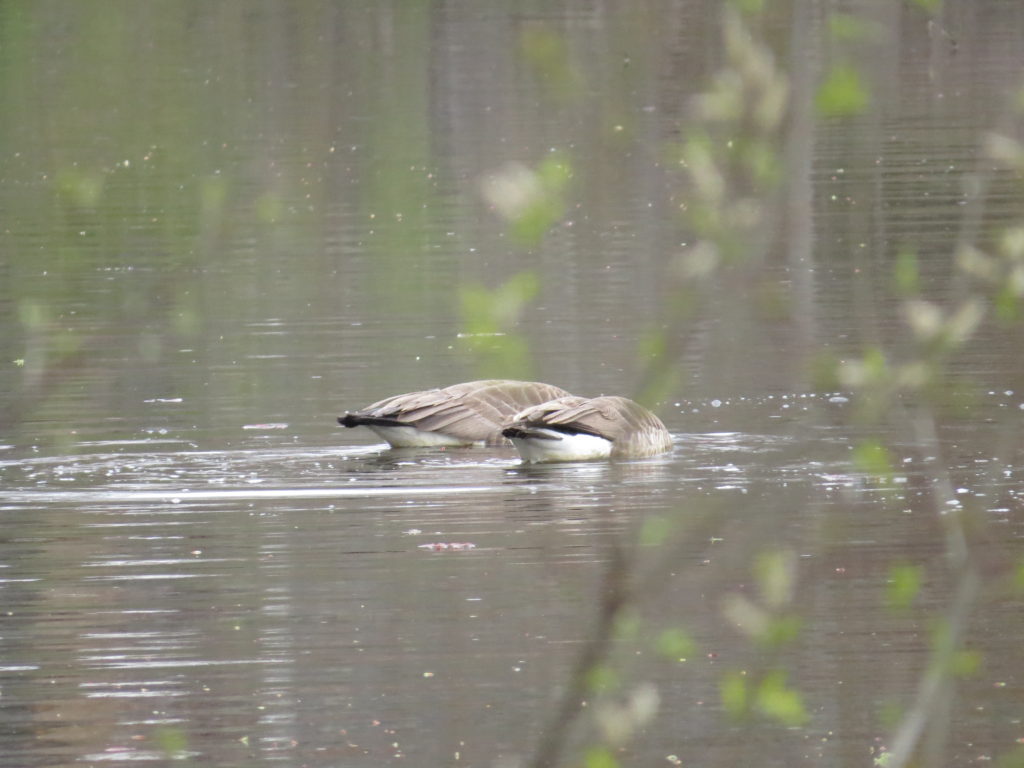
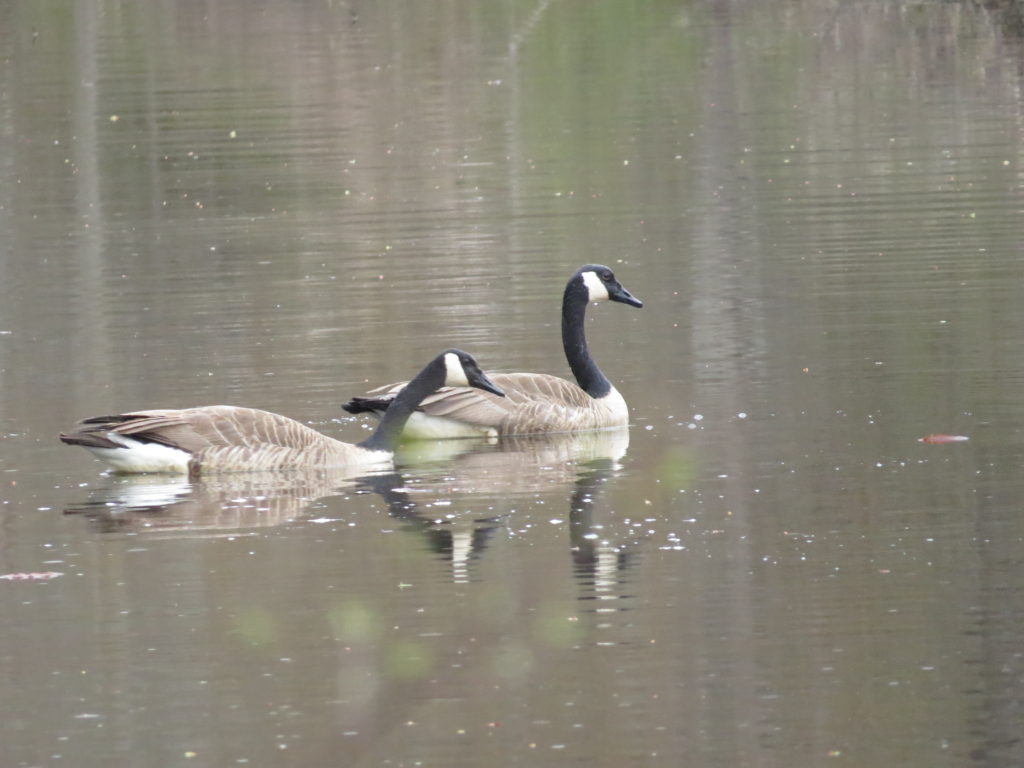
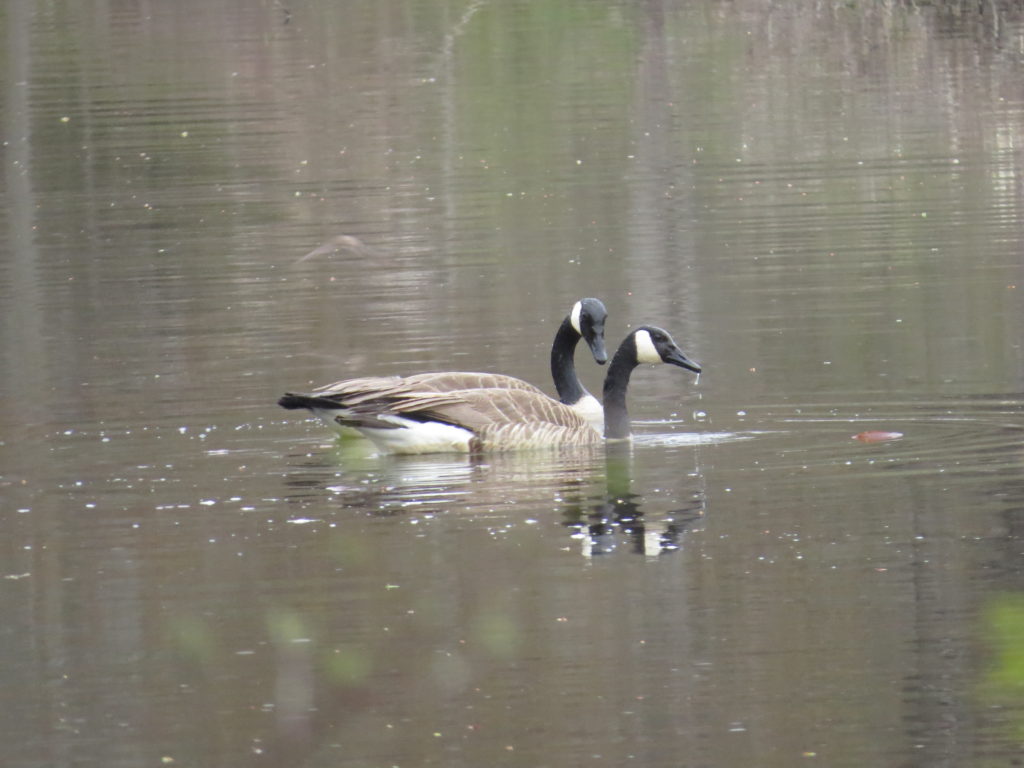
It’s exhausting, I know. Then find some peace, however that looks and feels for each of us. Three weeks ago at Mississippi River County Park, when the flooded peninsula burst into flowers, I saw a pair of Canadian Geese in a slough of the River. They were peacefully swimming and diving for food. Canadian Geese usually mate for life. These two had the look of a long-bonded pair, comfortable in their presence with one another.
Peace be with you all.