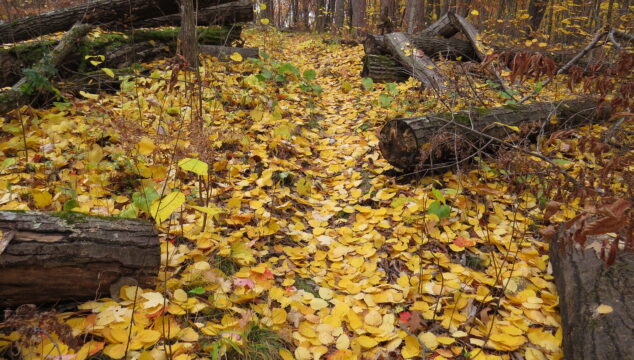
Come walk with me in the peak Autumn beauty of the Northwoods. To say that I love this time of year is an understatement. Most everyone can appreciate the colorful falling leaves---it reveals the 'true self' of a tree when its leaves are no longer producing chlorophyll. Their true colors are revealed, and there is something simple … [Read More...]
The World Beneath Our Feet
Give me the man who will surrender the whole world for a moss or a caterpillar, and impracticable visions for a simple human delight.
The man who authored this quote was Bruce Frederick Cummings, born in England in 1889. He published a book of diary entries entitled The Journal of a Disappointed Man in 1919. That was also the year he died at the age of thirty from multiple sclerosis. It was only in 1915 when he was rejected from serving in World War I that he learned of his diagnosis and prognosis. Afterwards, he wrote eloquently of his struggle from his ‘naturalist at heart’ perspective. He wrote about his impending death:
To me the honour is sufficient of belonging to the universe — such a great universe, and so grand a scheme of things. Not even Death can rob me of that honour. For nothing can alter the fact that I have lived; I have been I, if for ever so short a time. And when I am dead, the matter which composes my body is indestructible—and eternal, so that come what may to my ‘Soul,’ my dust will always be going on, each separate atom of me playing its separate part — I shall still have some sort of a finger in the pie. When I am dead, you can boil me, burn me, drown me, scatter me — but you cannot destroy me: my little atoms would merely deride such heavy vengeance. Death can do no more than kill you.
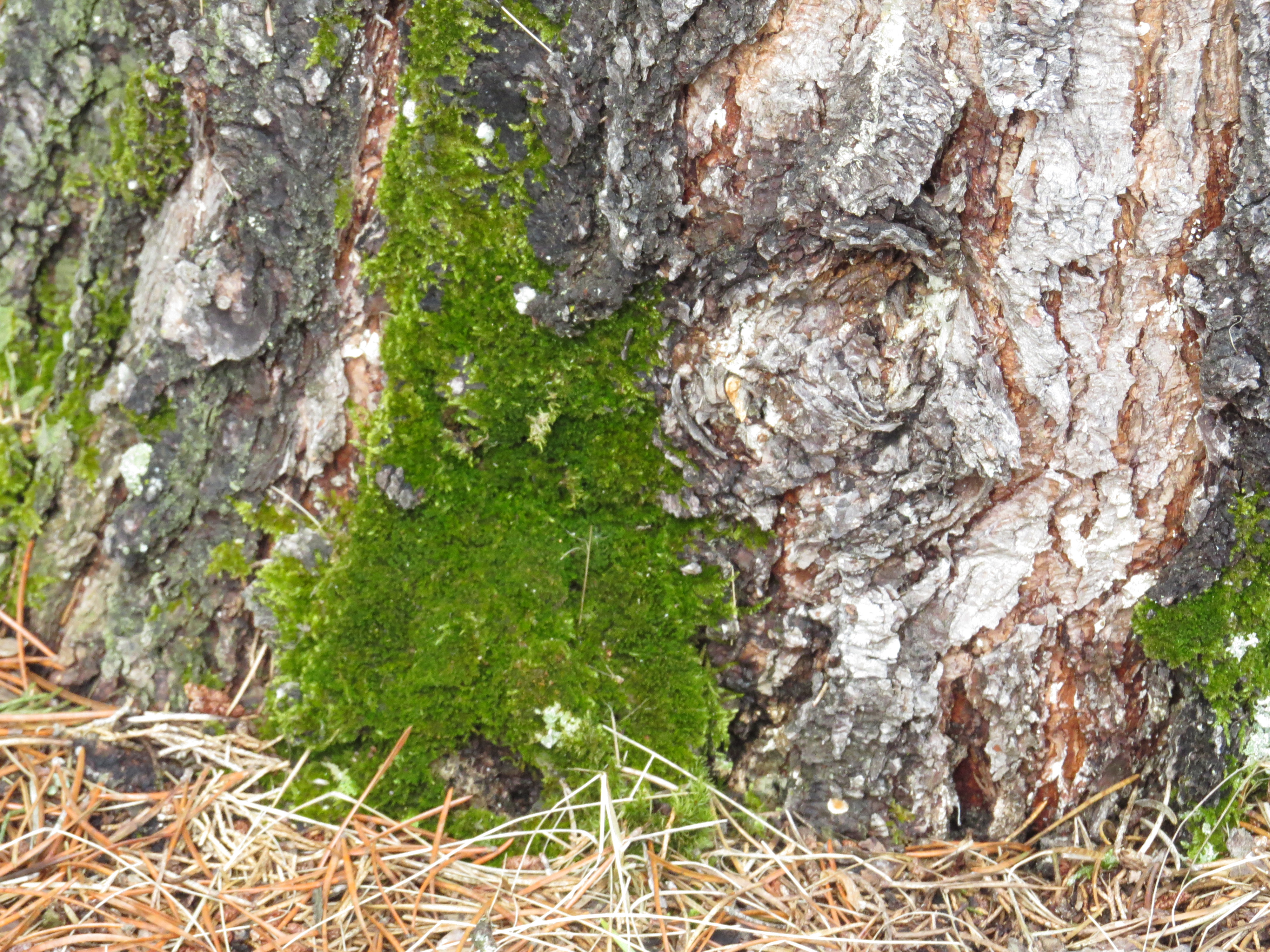
It was because of the rain the day before that the world beneath our feet burst into a lush, colorful canvas. Last weekend’s rain was the first substantial Spring shower of the season, the one to wash away the accumulated grime from Winter’s melted snow piles and the one to anoint the dormant ground with Nature’s blessing. The first to respond to that blessing is an array of mosses and lichens that have been covered with snow most of the Winter. Without traditional plant structures like roots, stems, leaves, and flowers, they absorb water and nutrients like a sponge—plumping up, greening up, and livening up.
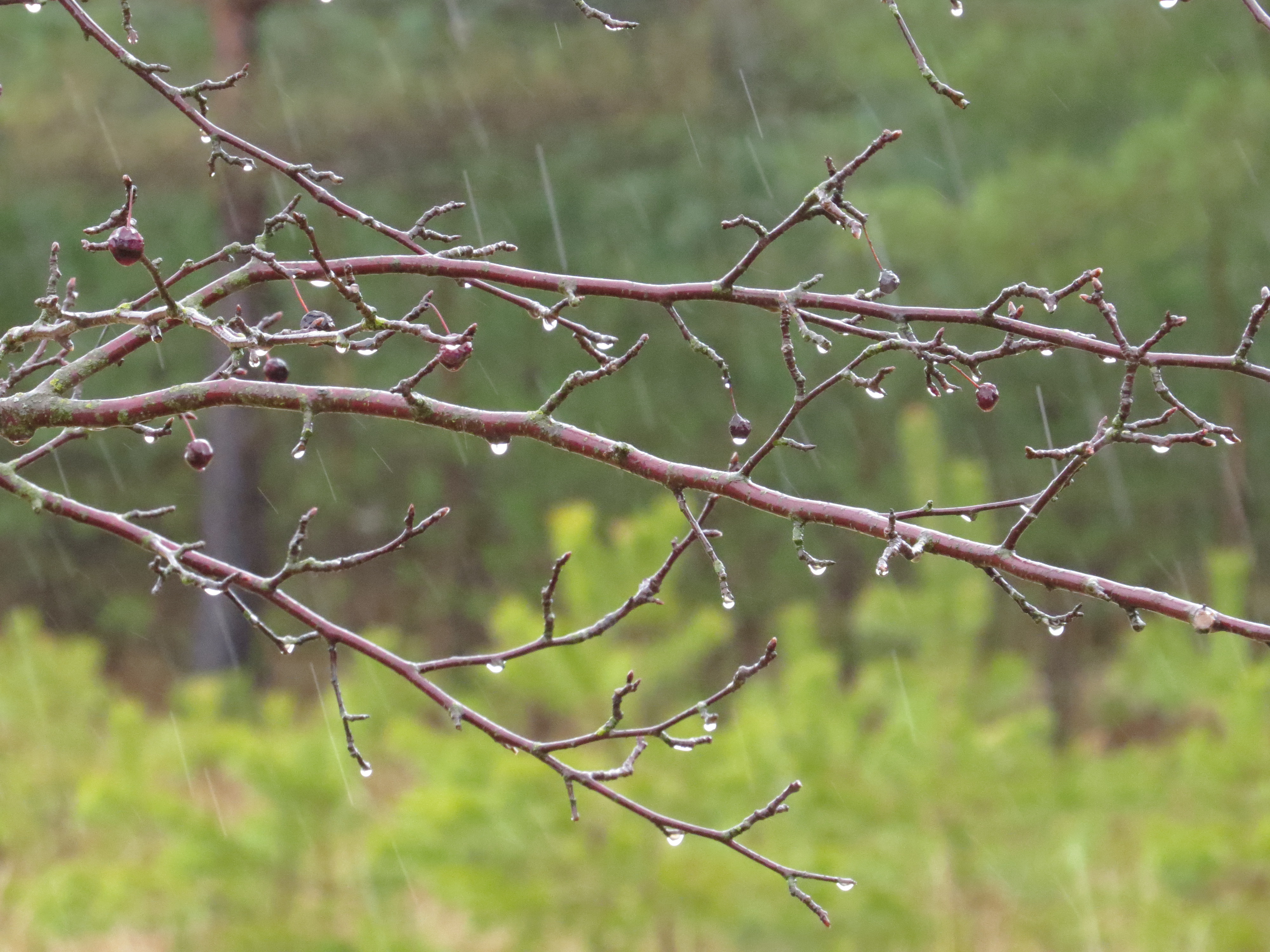
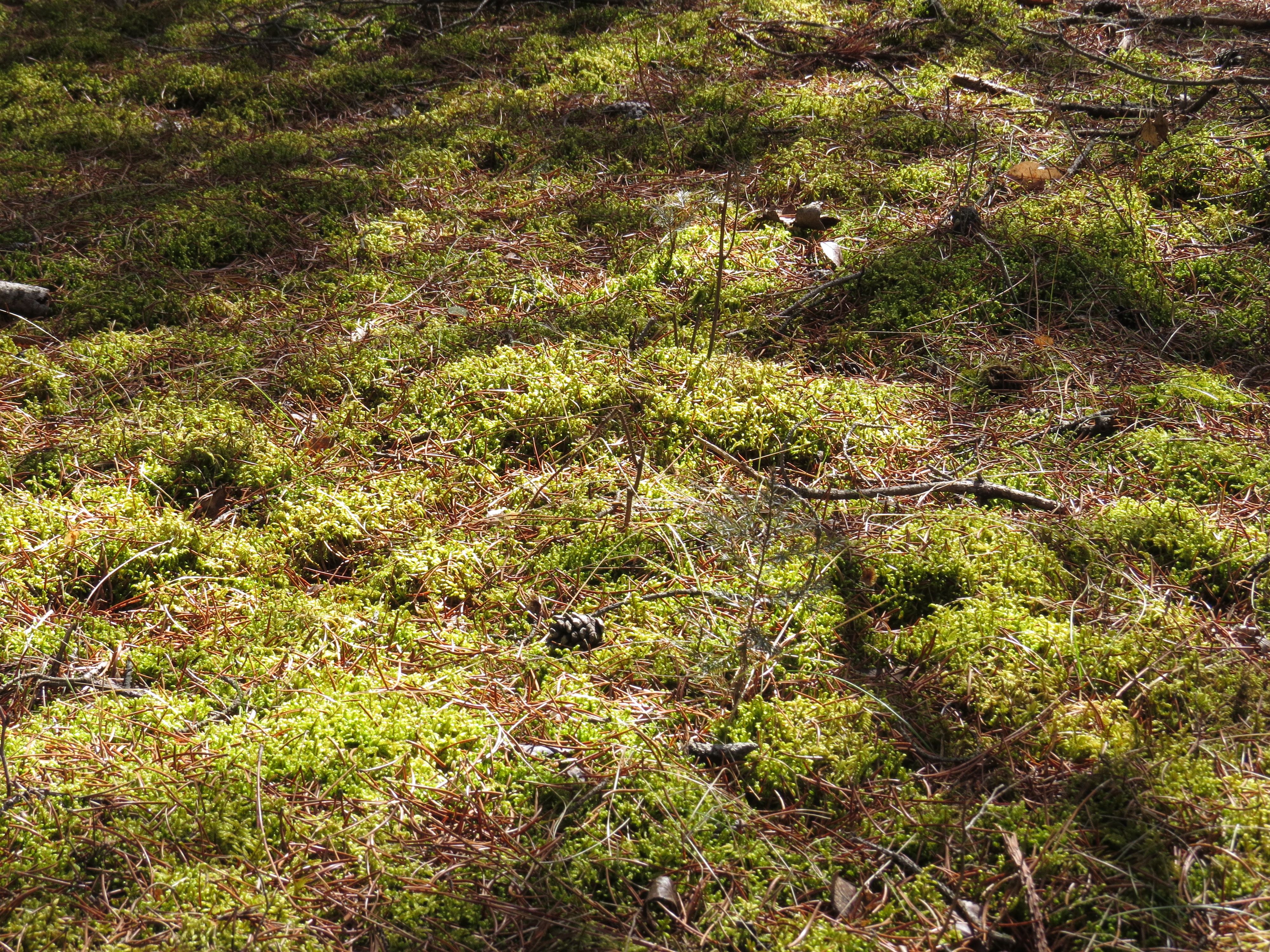
A bed of moss makes a desirable, protective seedbed for tiny new trees, helping to keep the ground moist for germination.
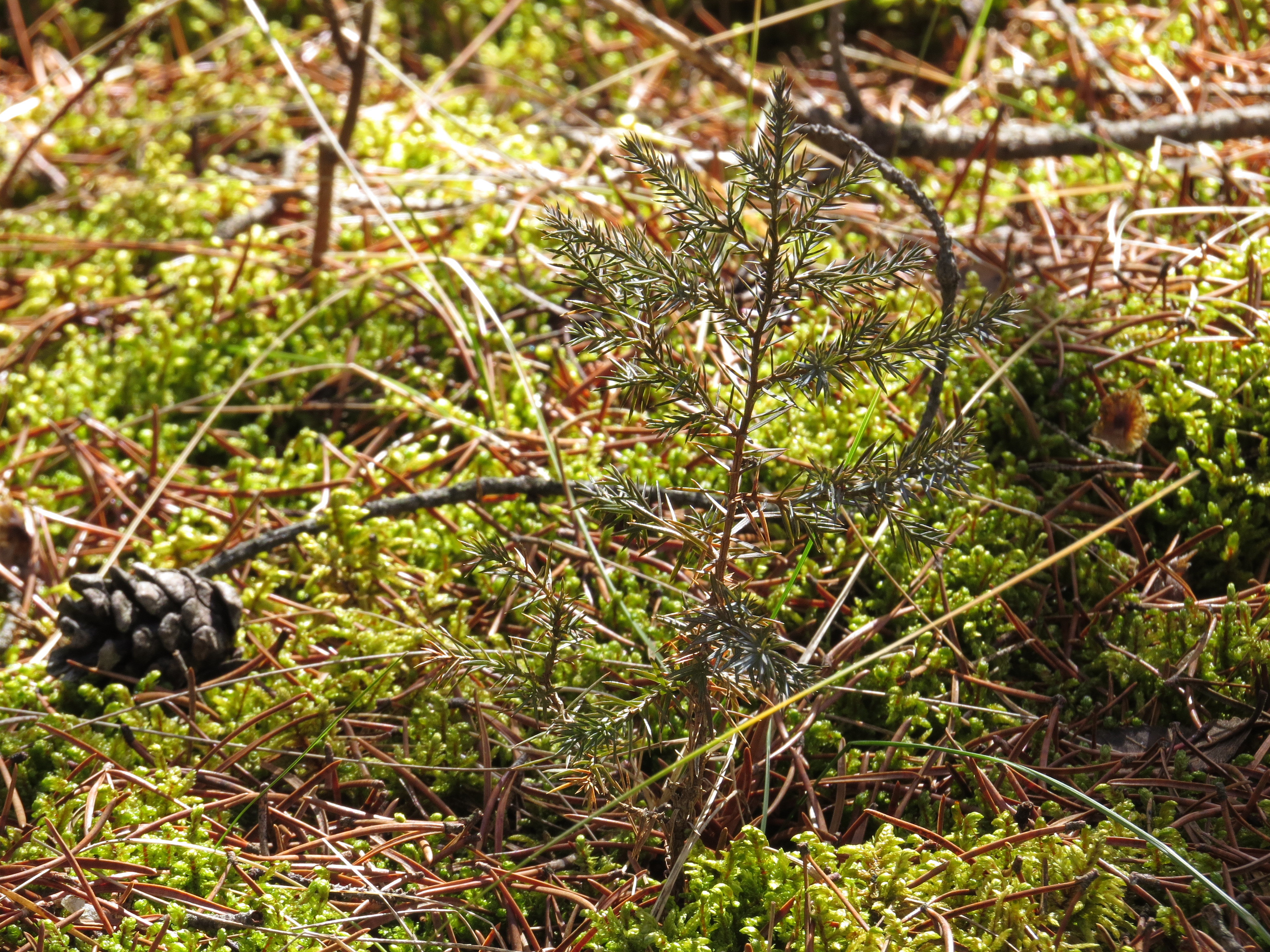
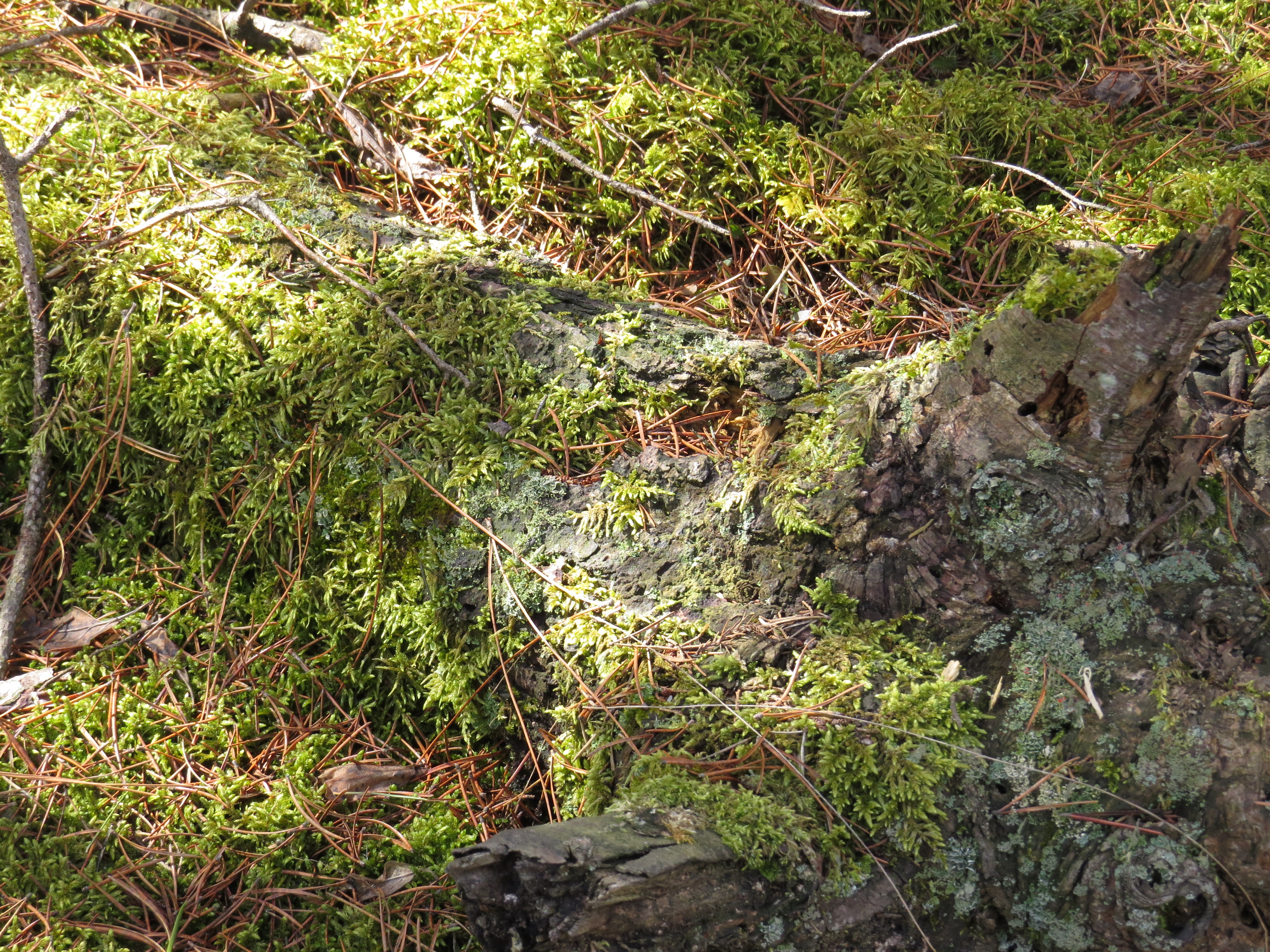
Since mosses and lichens have no roots or structures to transport water throughout their system, most grow close to the ground so as not to dry out. When a tree is ‘grounded,’ moss will soon overtake it.
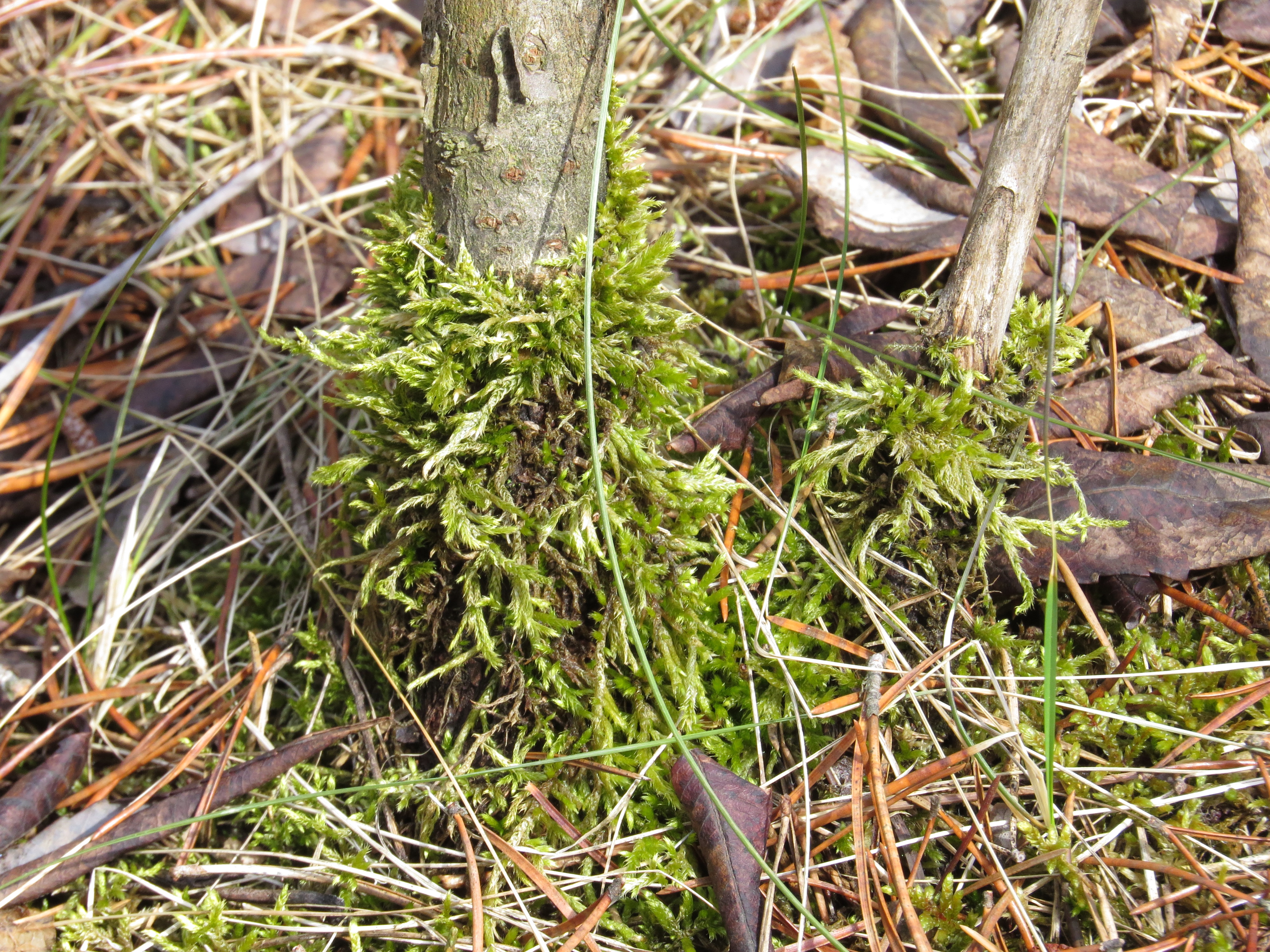
Young saplings looked like they were wearing ‘mossy pants.’
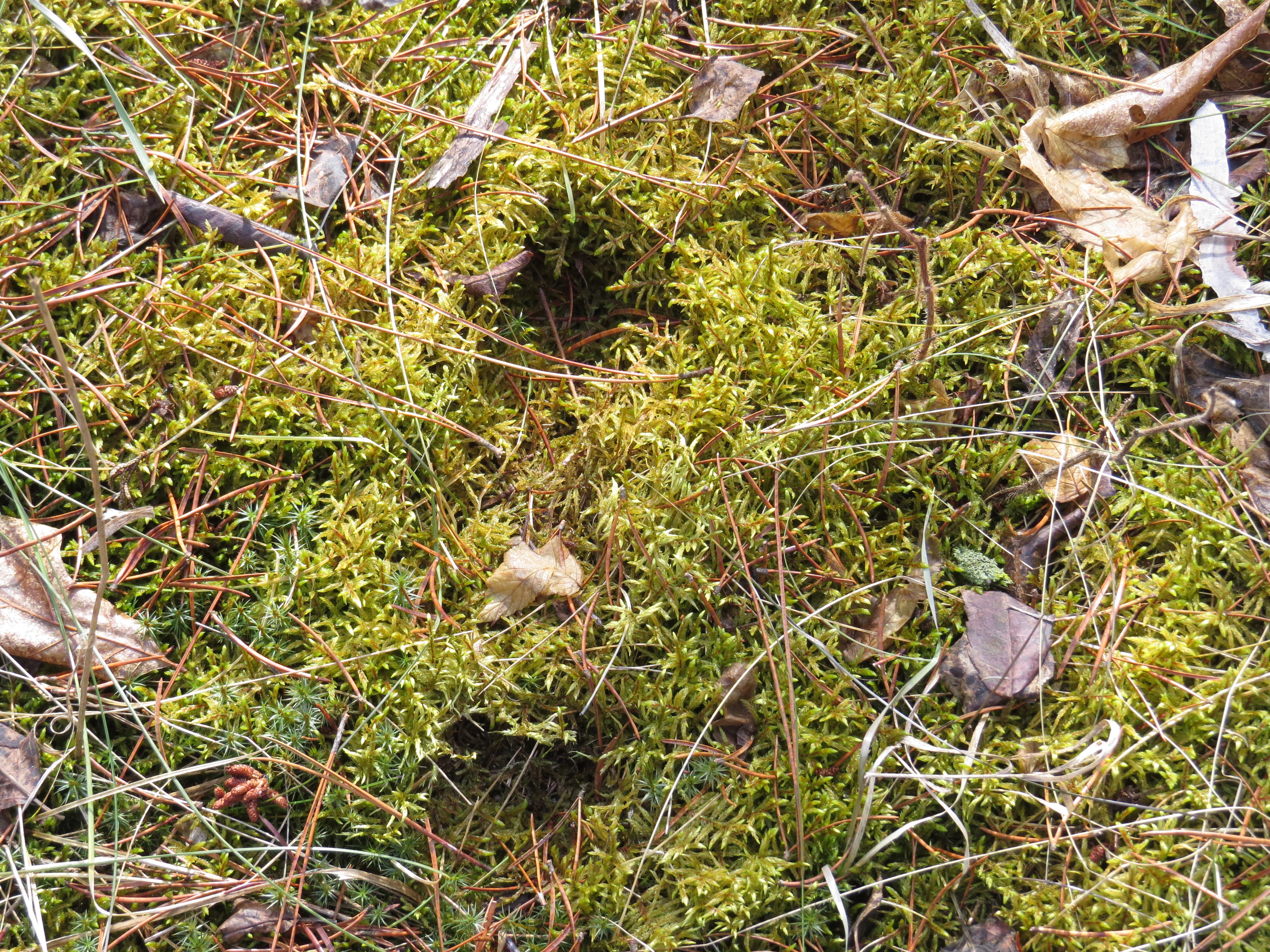
Deer tracks dug into the soft, squishy carpet of rain-drenched moss.
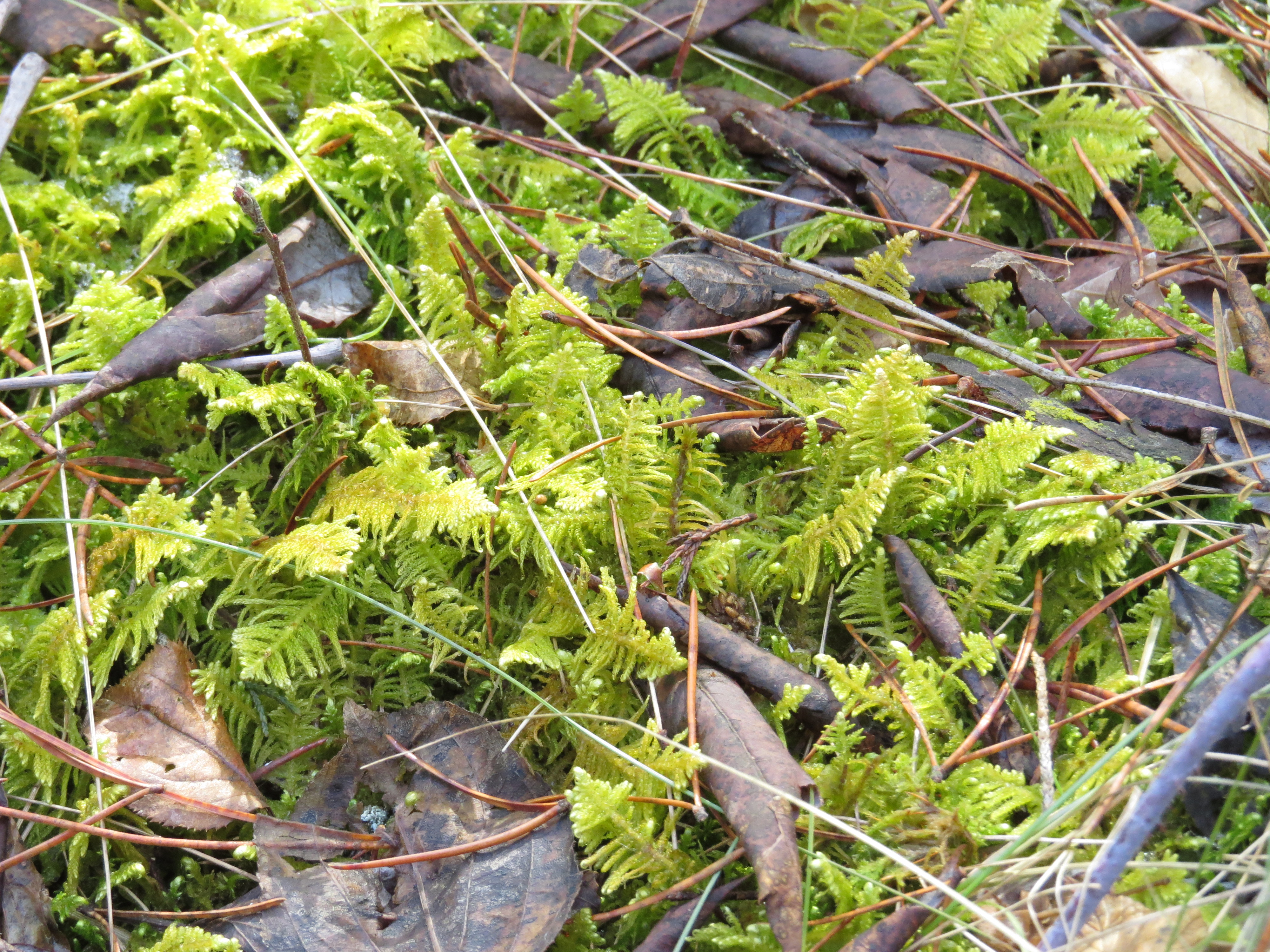
Lime green Plume moss pushed aside the dark purple, rolled leaves of late Fall.
Mosses and lichens are an essential part of our ecosystem, absorbing carbon dioxide and other pollutants.
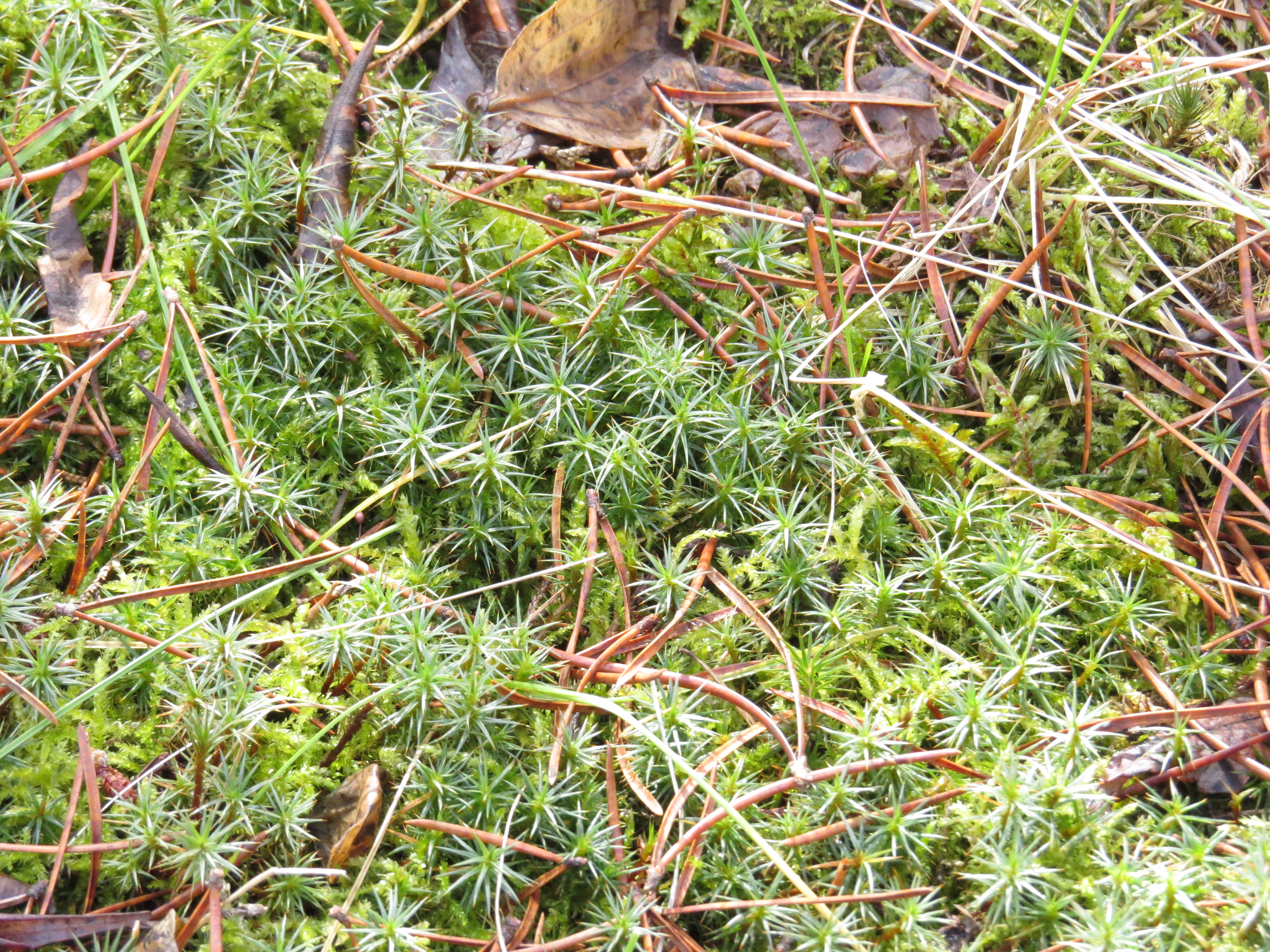
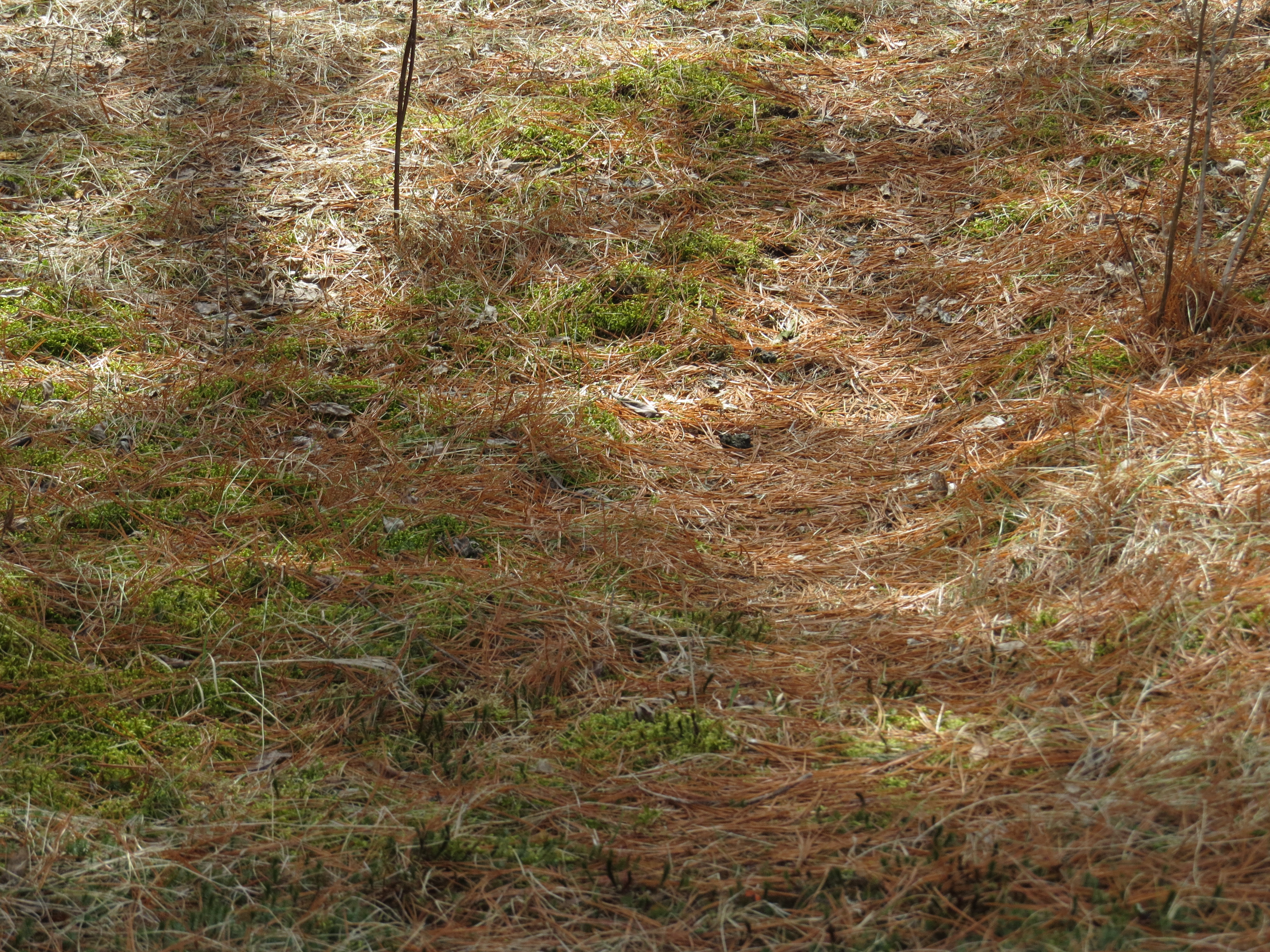
Little stars of Juniper moss twinkled among the Jack Pine needles.
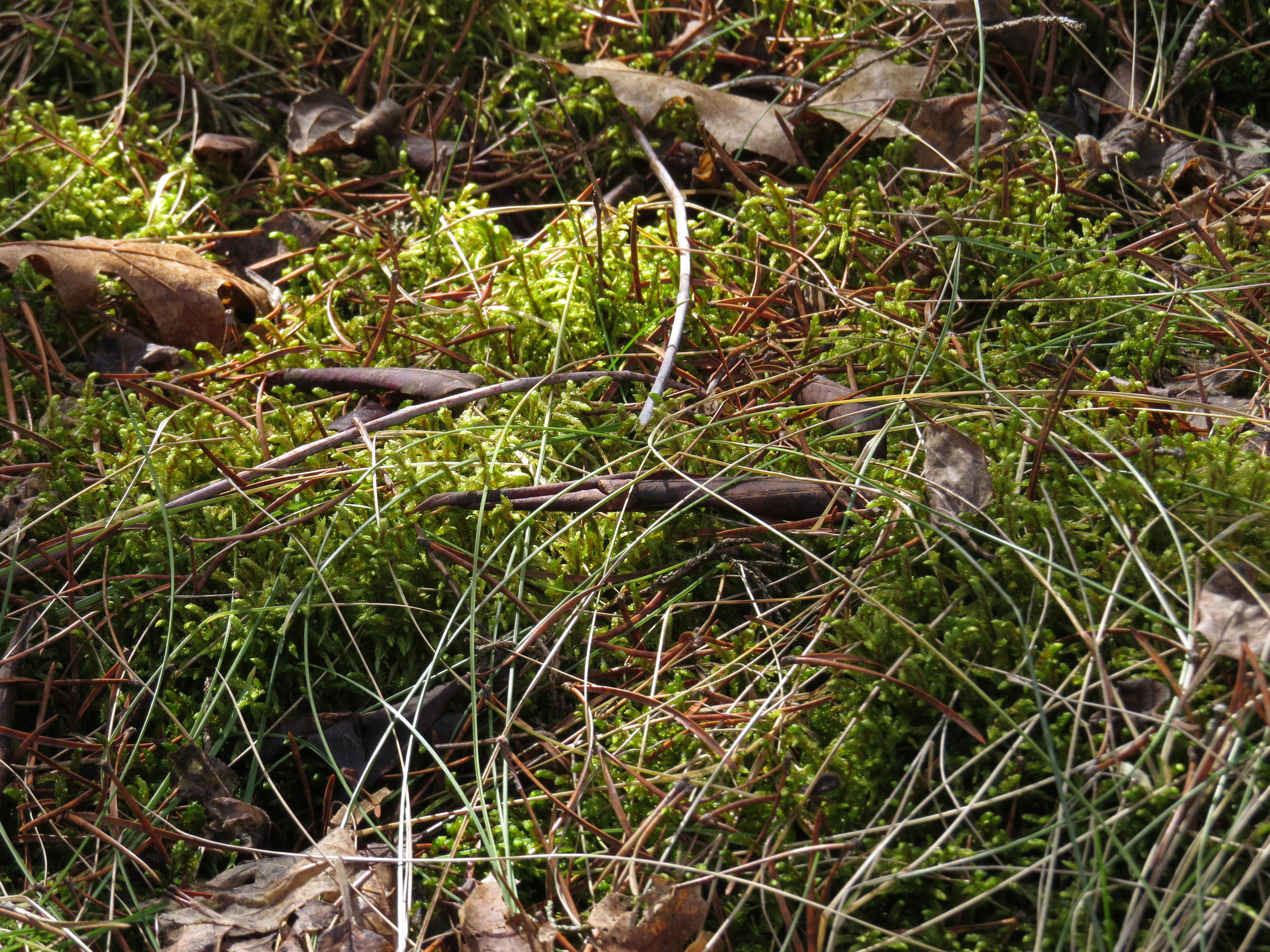
The forest floor, that world beneath our feet, is a community of sticks, leaves, grasses, insects, mosses, seeds, bacteria, lichens, fungi, and others—all living and working together in a symbiotic relationship.
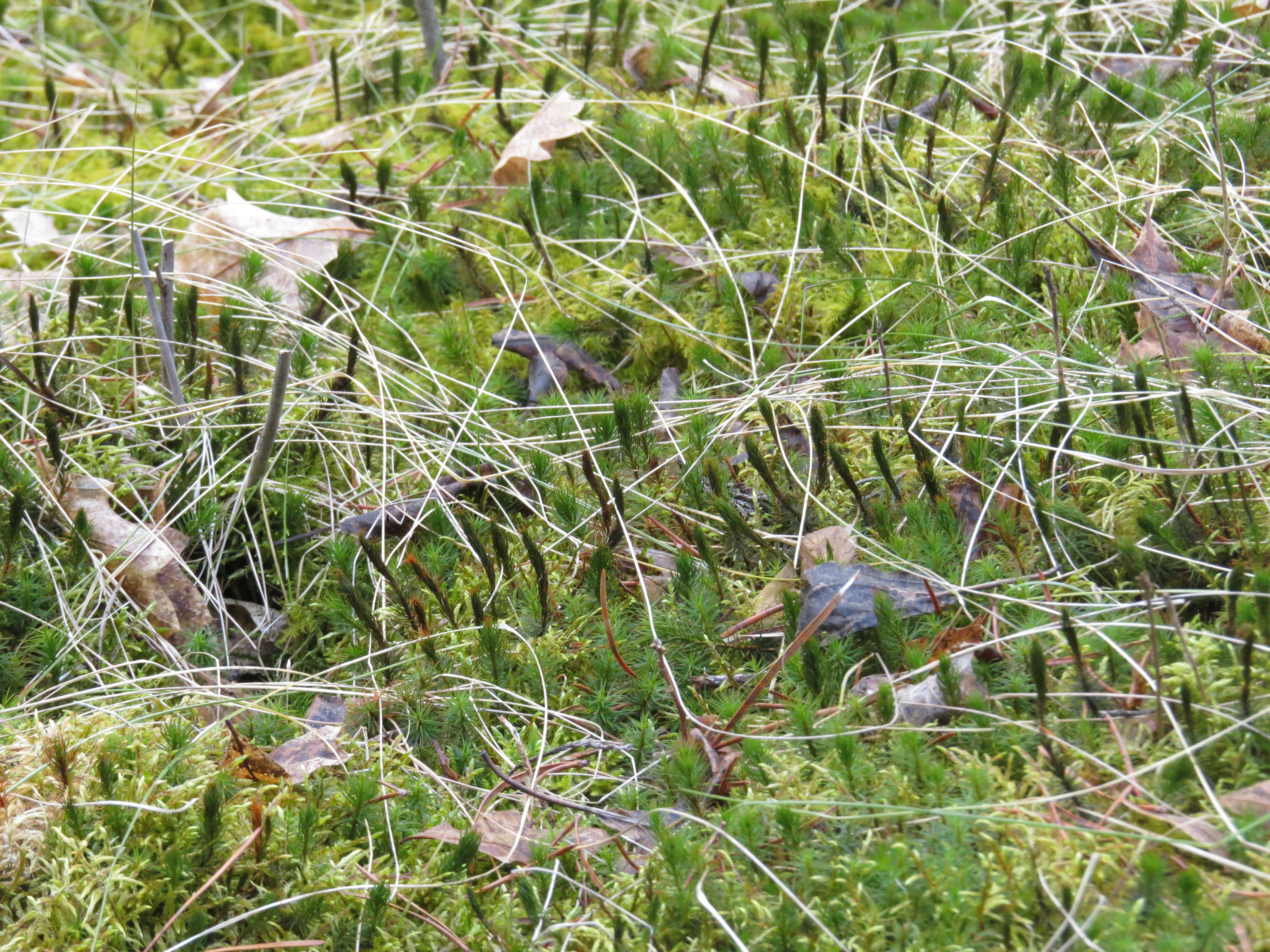
When mosses ‘bloom,’ they produce sporophyte stalks and spores—after the rain, they were already getting to the business of reproduction.
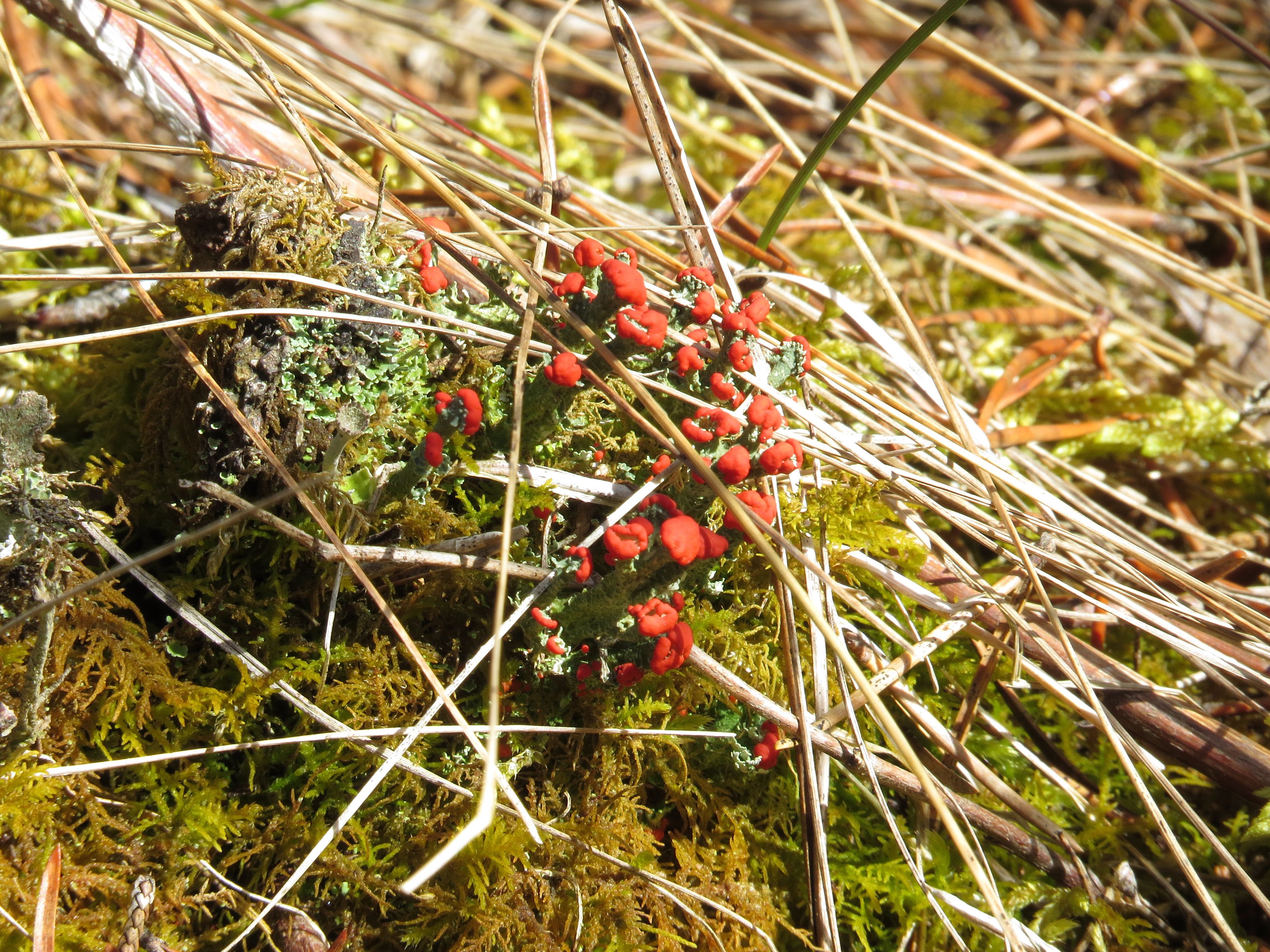
The ‘red coat’ protuberances of British Soldier lichens are eye-catching in the early Spring monochrome…
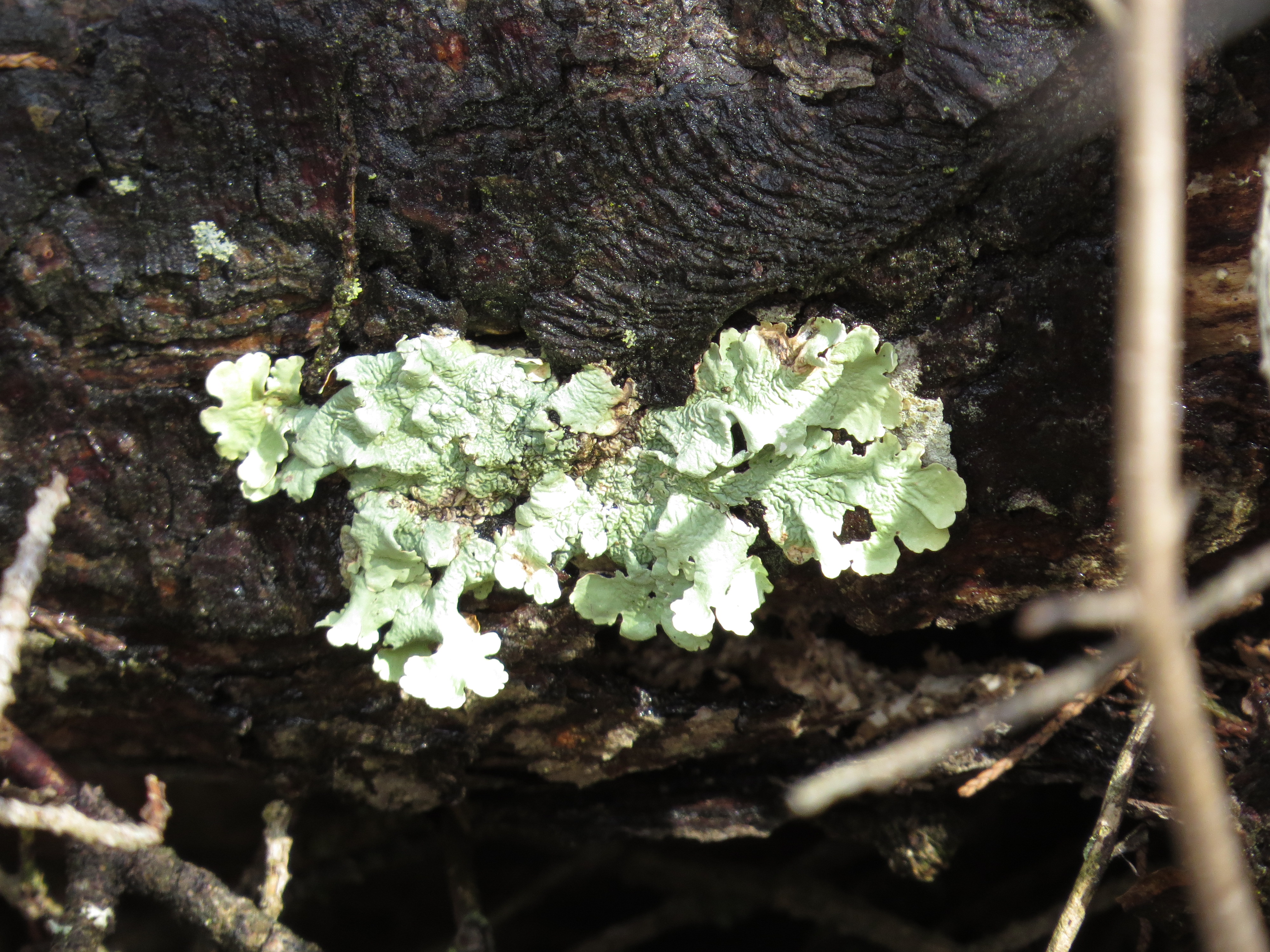
…as is this light green lichen on the dark wood of a Pine.
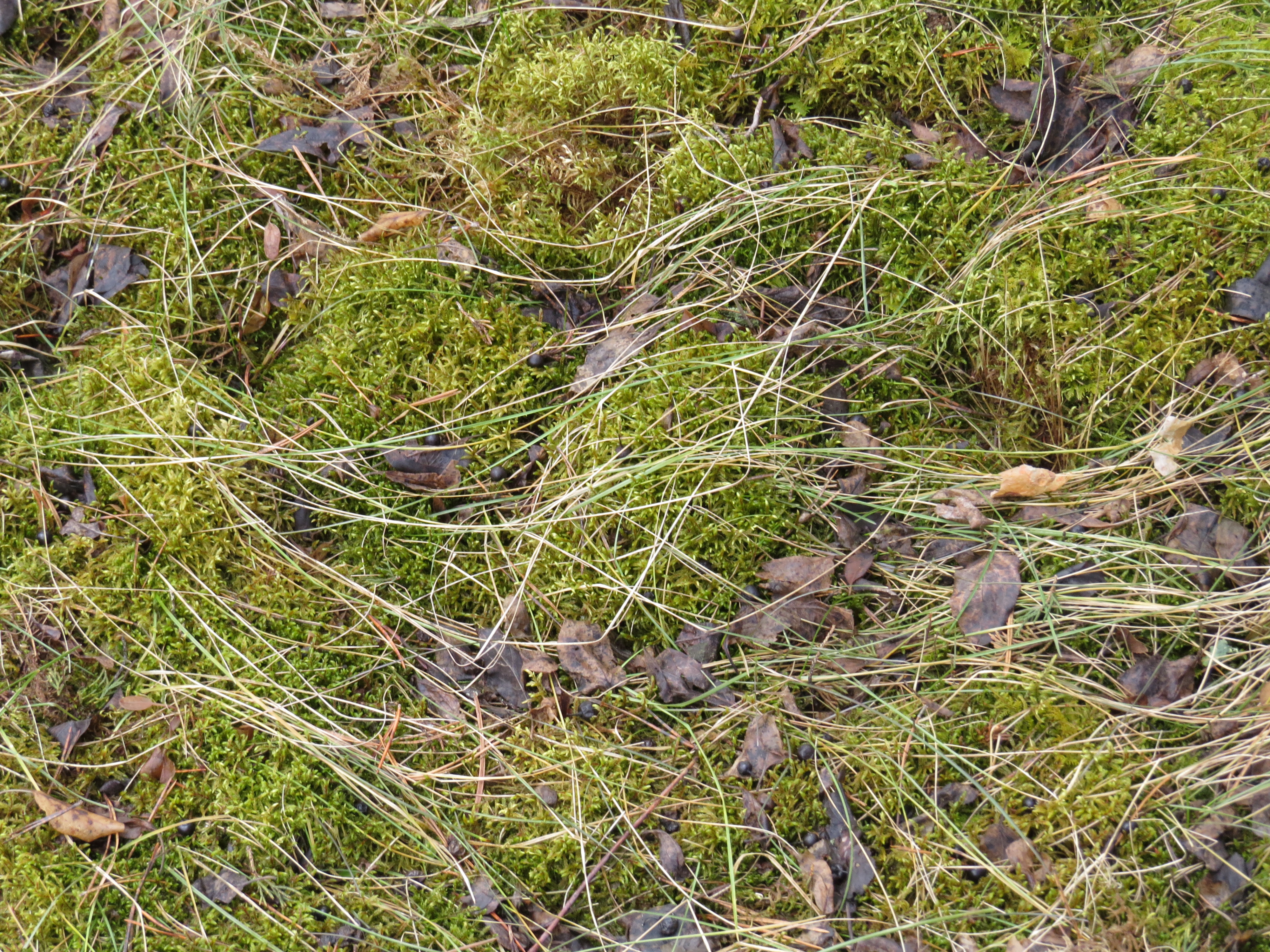
Waves of wispy grasses are matted against the moss from the weight of Winter’s snow.
But on this day after the rain, the rejuvenated moss prevails.
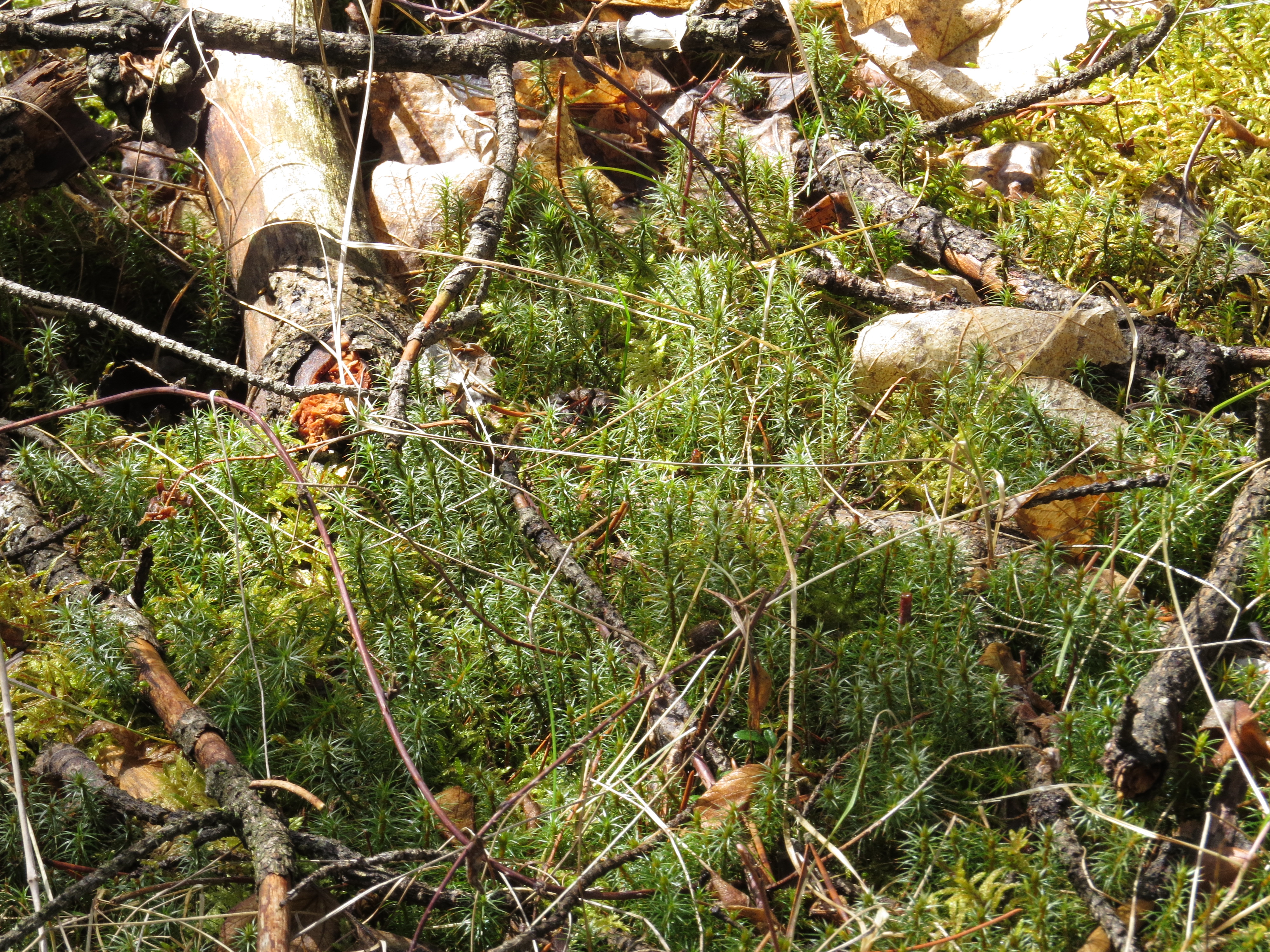
Glittering Wood moss—isn’t that the most magical name!?—crawls over a log.
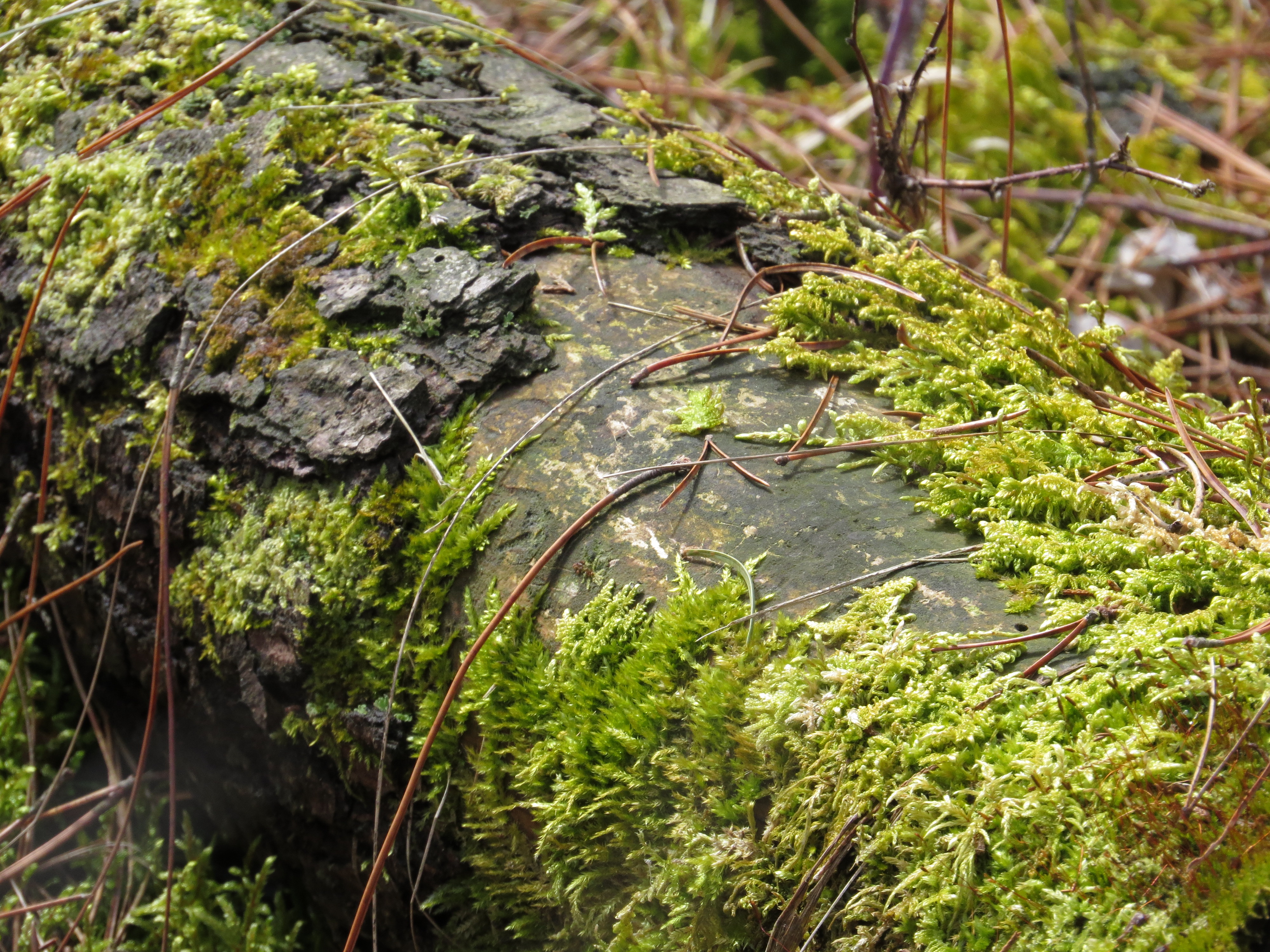
A golden lichen, Reindeer moss (which is also a lichen), and Trumpet lichen are intricate pieces of art on the forest floor.
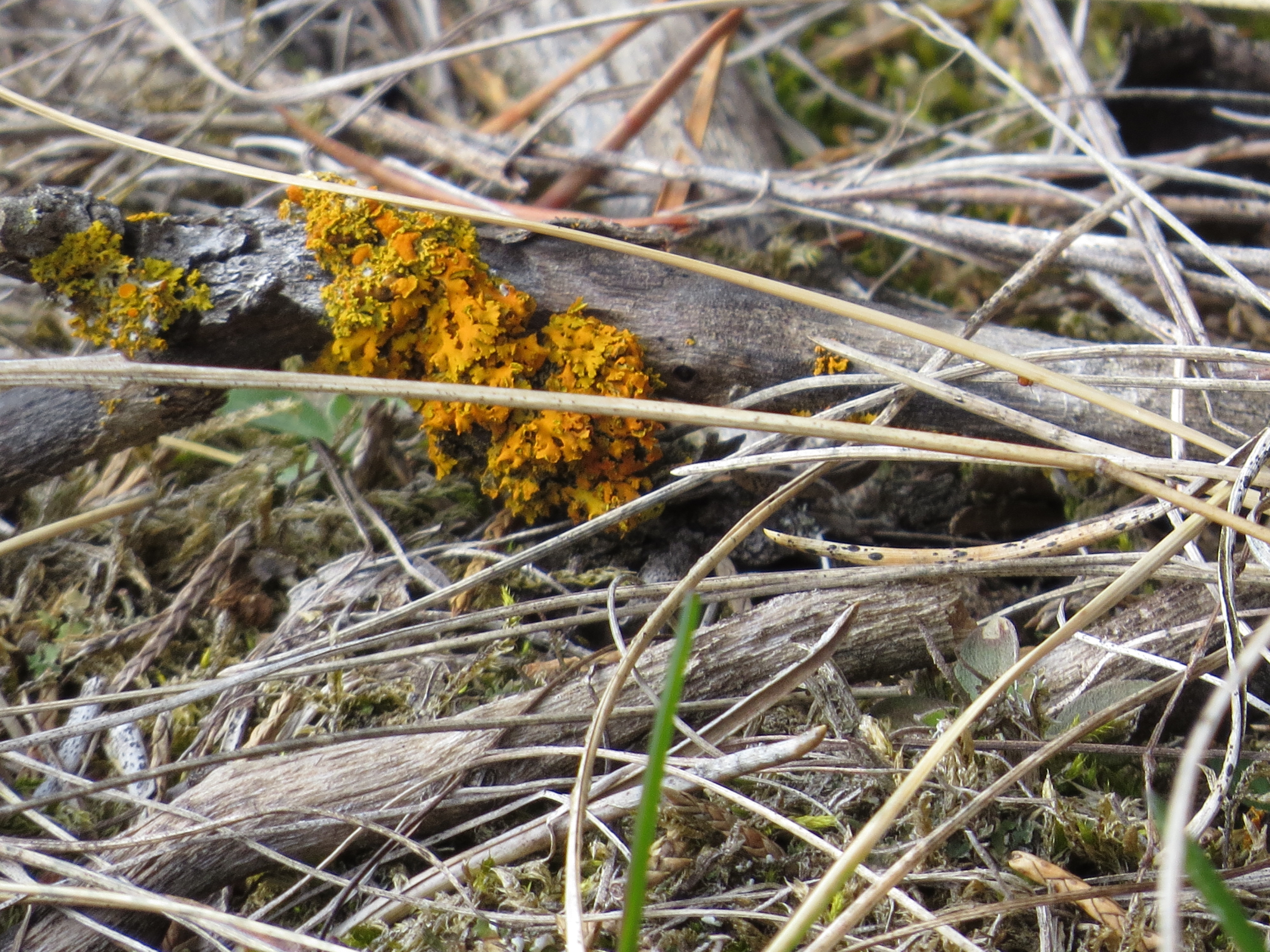
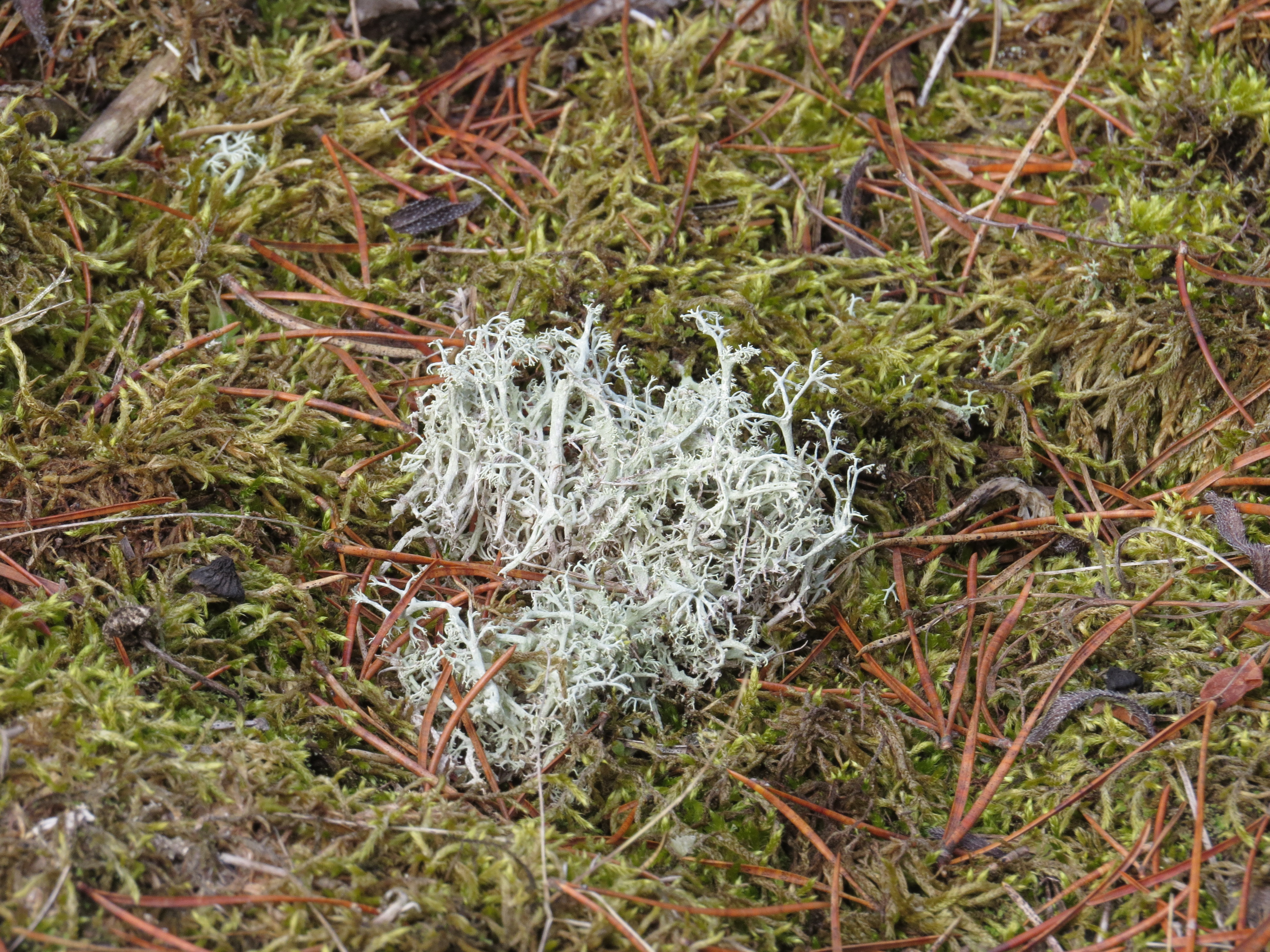
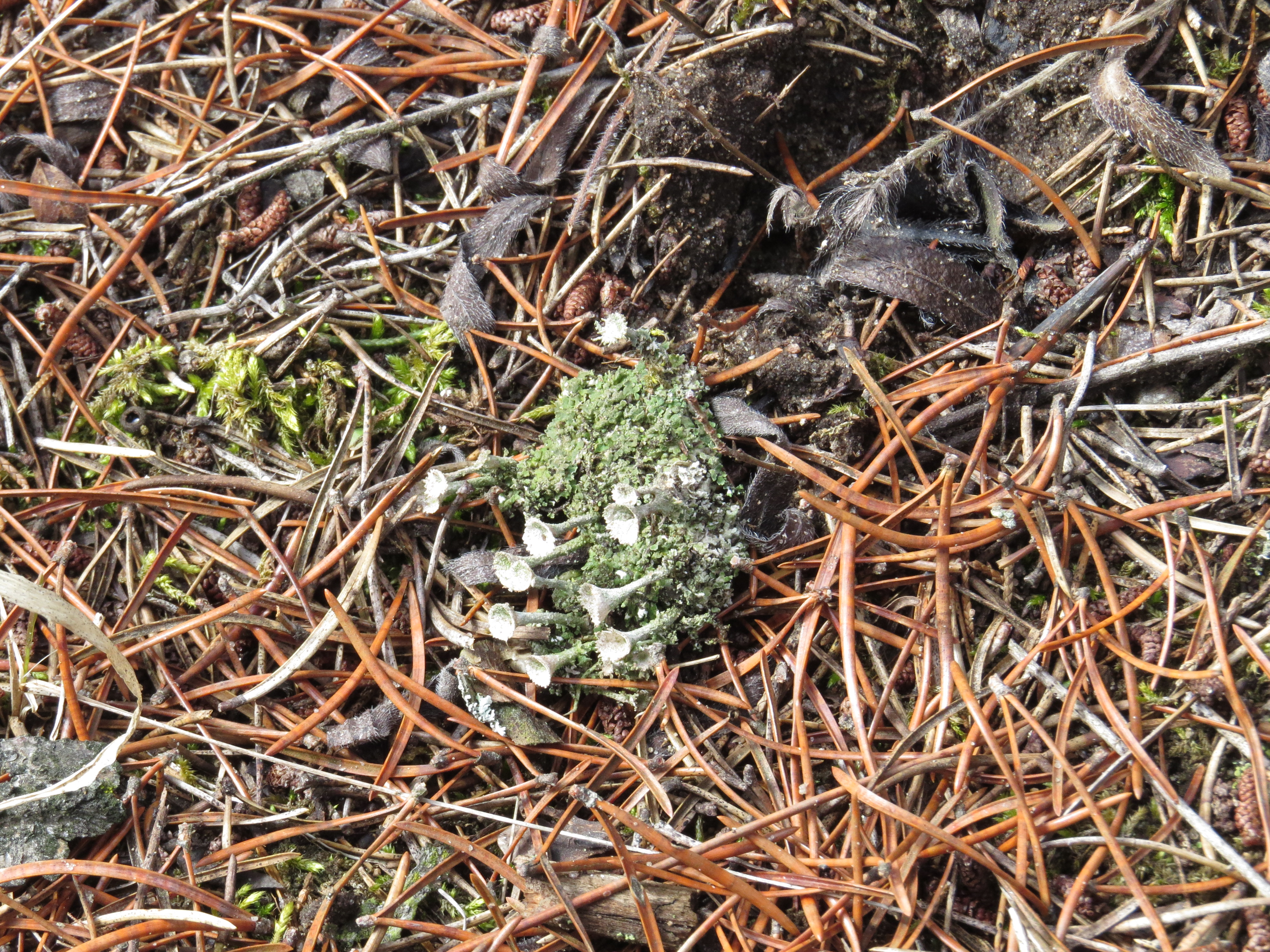
The world beneath our feet is often overlooked in the practicality of getting from one place to another and in the mundaneness of green and brown. It only takes a closer look to discover a world of infinite variety and exquisite artistry. We cannot abandon ‘impracticable visions’ or ‘the whole world’ in pursuit of a moss or a lichen, but a balancing of those extravagant, exuberant goals with a simple human delight will ground us in our humanity. What would be your pursuit if you knew your days were numbered? A year of a global pandemic and millions of lives lost and grieving should shake us to question that, just as Bruce Cummings did after learning of his prognosis. May the tiny Trumpet Lichens proclaim exultant victory over death, and may we all be anointed with Nature’s blessings. Amen.
Lichens & Leaves, Rocks & Trees
I don’t spend a lot of time in front of a screen on a daily basis—some tv, some computer, no ipad or phone. I’m not required to spend eight hours or more on a computer for work like so many other people, especially in this covid time. That is not a choice for most people—but what about the time we do have for choosing? It’s a touchy subject to say the least, just like questioning any way we choose to spend our time. I’m sure you know what I mean. Screen time is rather addictive, and we think it is serving us well—it informs us, connects us, records our activities, entertains us, relaxes us, makes us feel in control…doesn’t it? But what happens when we don’t engage with screens and social media? When was the last time you spent a whole evening without any of that, let alone a full day? It’s a study in self-awareness. Were you anxious, bored, uncertain, or crazy without it? Is ‘screen life’ your ‘real’ life?
Last weekend I spent three days with family members in the Northwoods—no screens, no phone, no news, no social media. It used to be that cell phones wouldn’t work up there at all, but that has changed with the installation of cell towers, which are an intrusion on the wilderness.
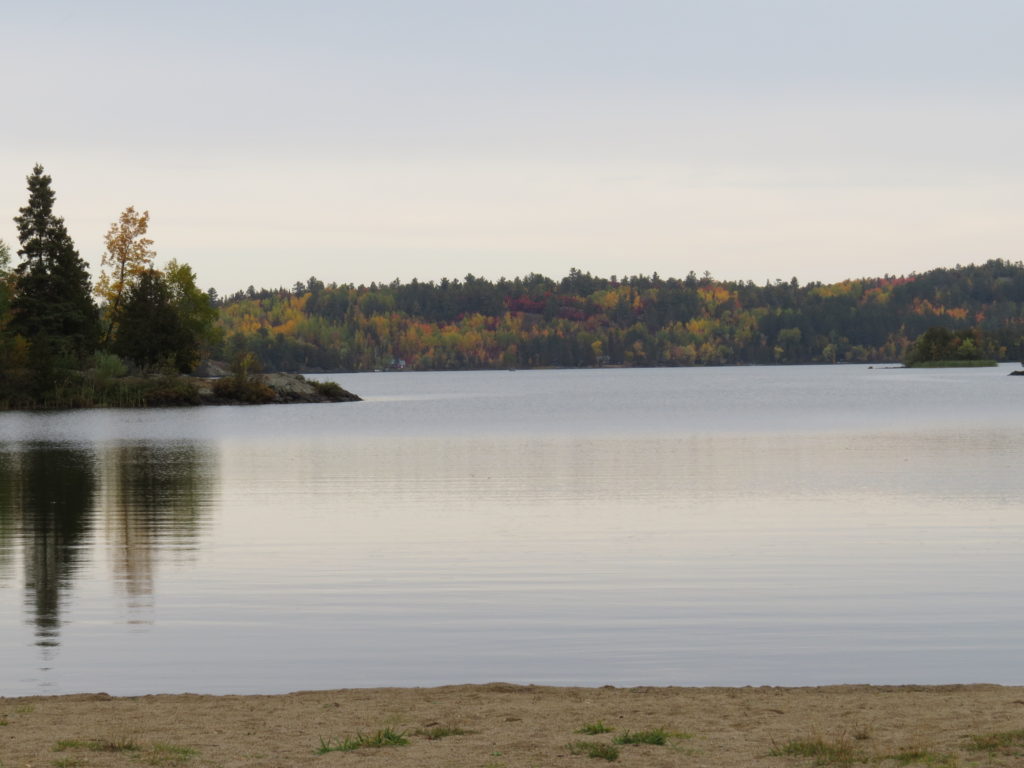
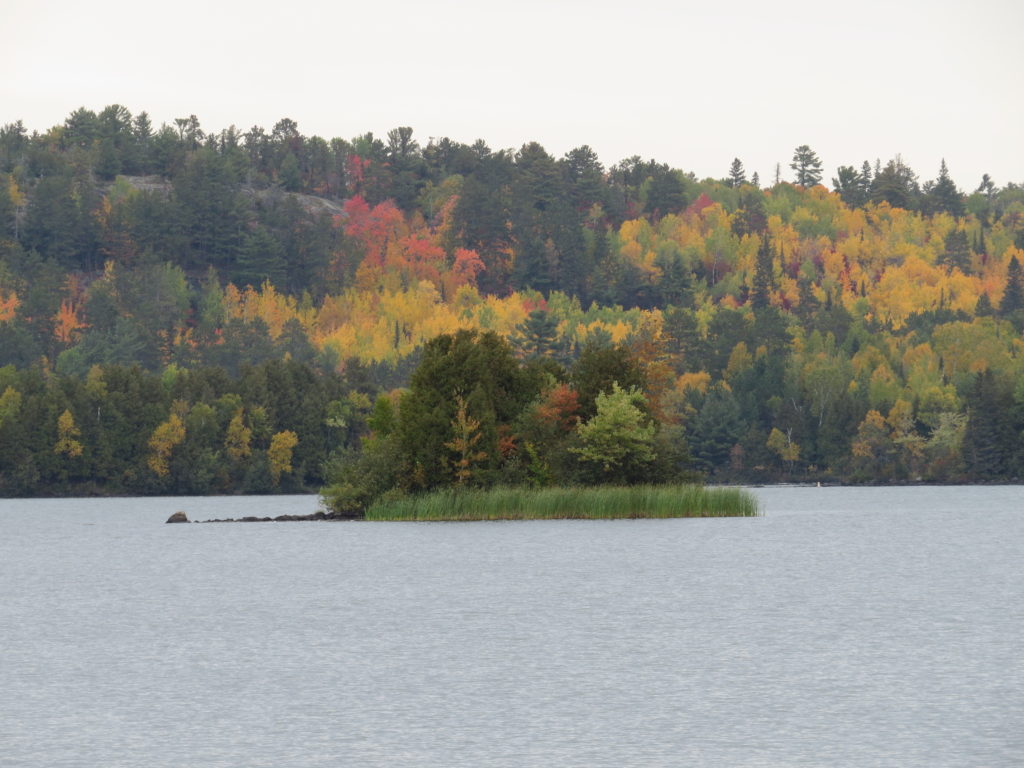
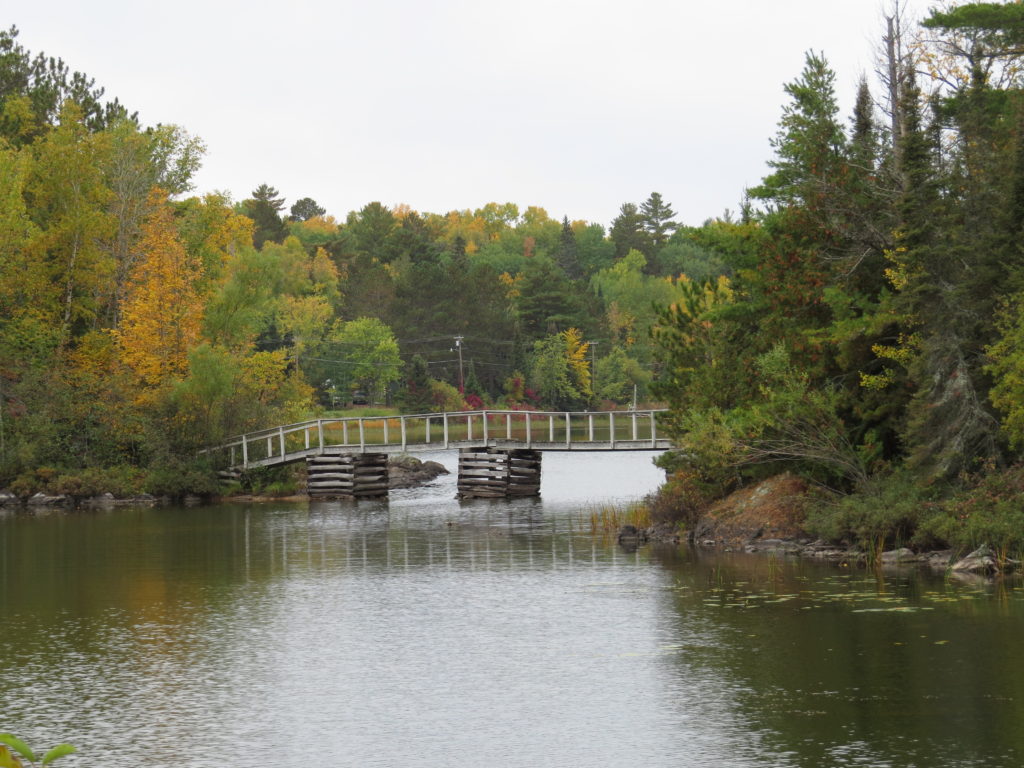
We had a beautiful drive to Ely—the Birch and Aspen trees were brilliant yellow, and Maples were all shades of yellow, orange, and red. After a few stops at our favorite places—The Front Porch for my favorite tea and Piragis Northwoods Company—we began our time in the woods and by the water. Shagawa Lake is on the north side of Ely and has a park and beach area. A hiking trail along a peninsula took us across a bridge to an island of lichens and leaves, rocks and trees.
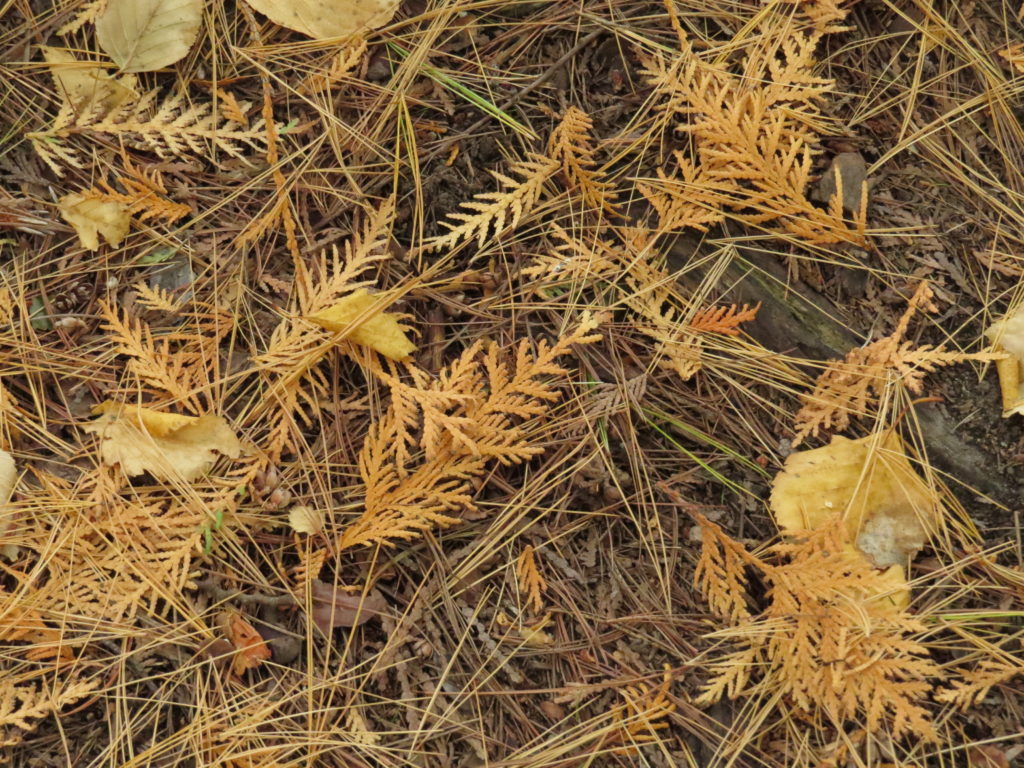
A small grove of Northern White Cedars dropped their flat, ferny leaves among the Pine needles and Birch leaves. A beautiful look of Fall.
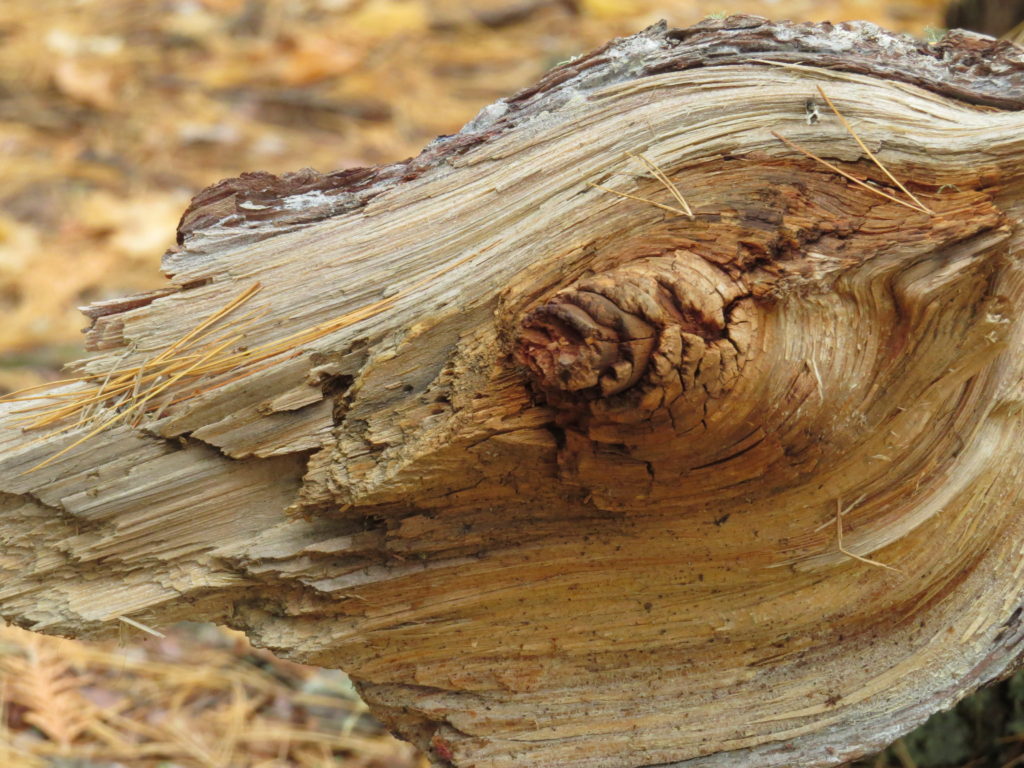
A broken Pine tree shows how a tree grows, layer upon layer, scrolling around the ‘knot’ of a branch and protected by the thick bark.
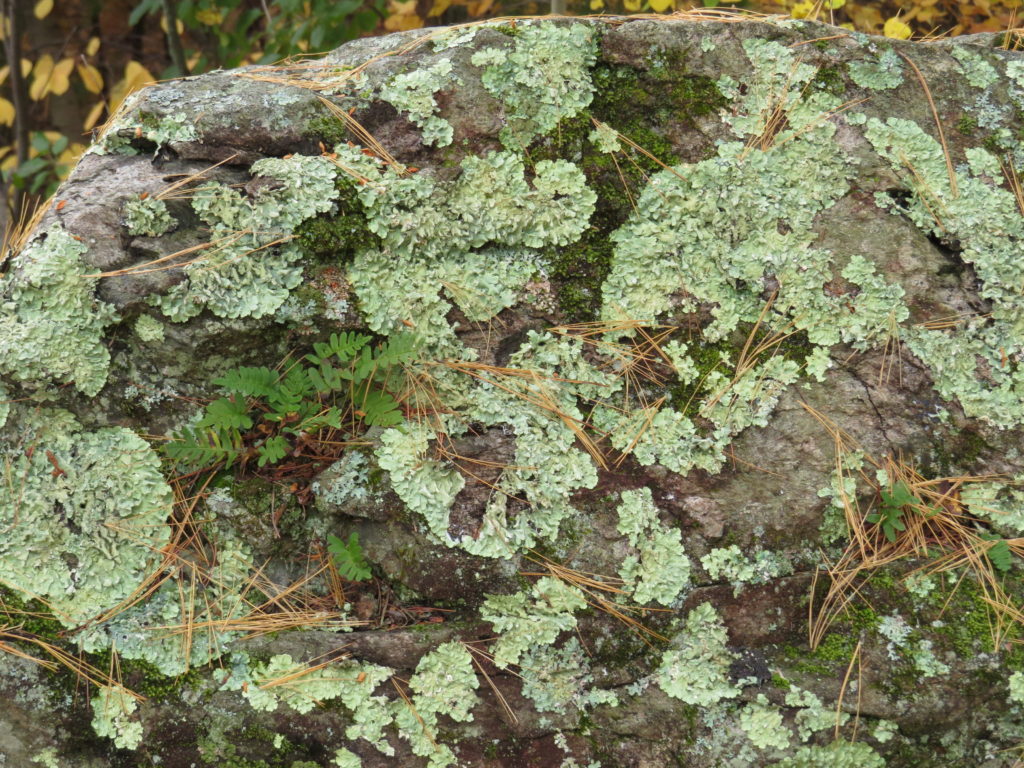
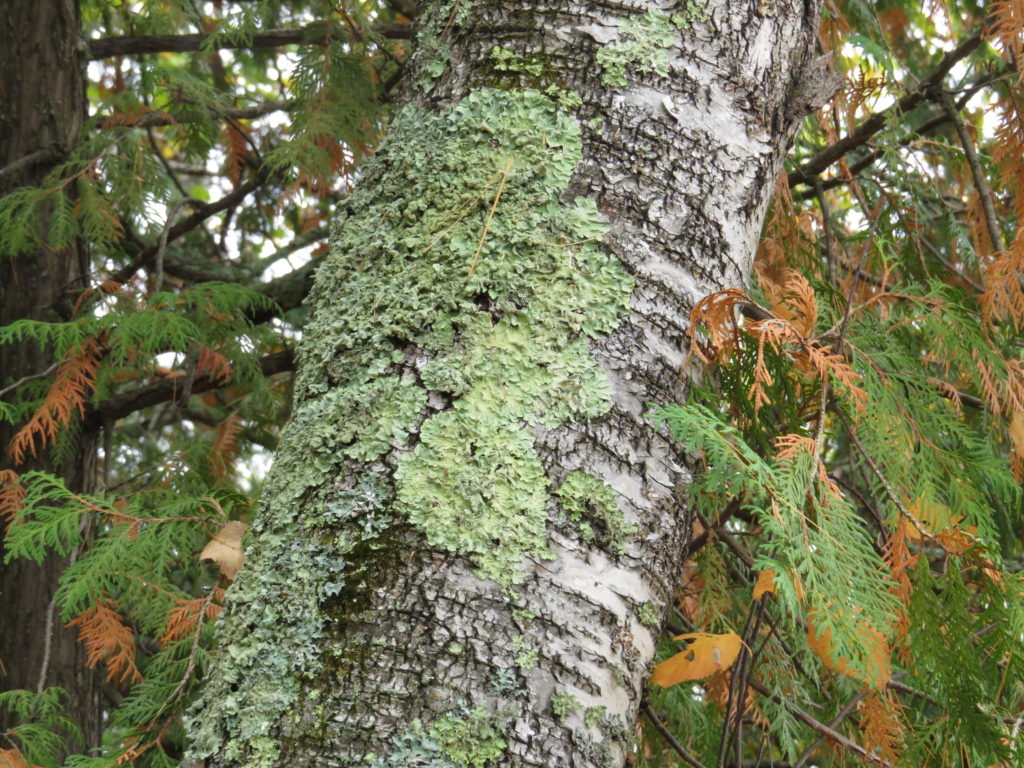
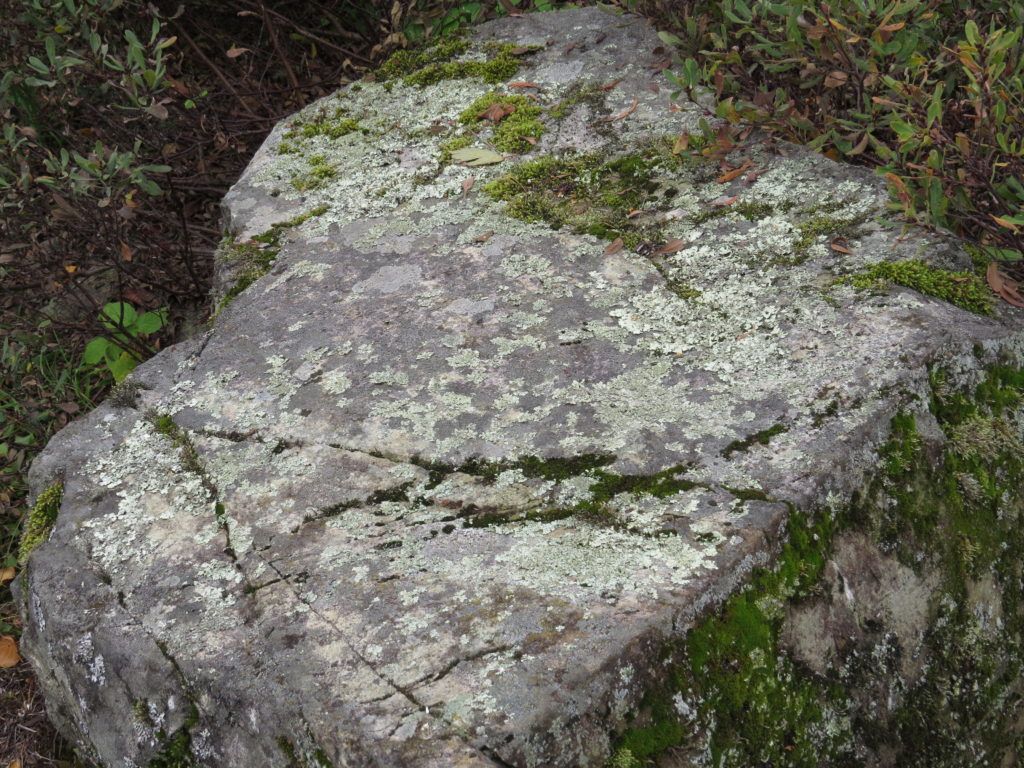
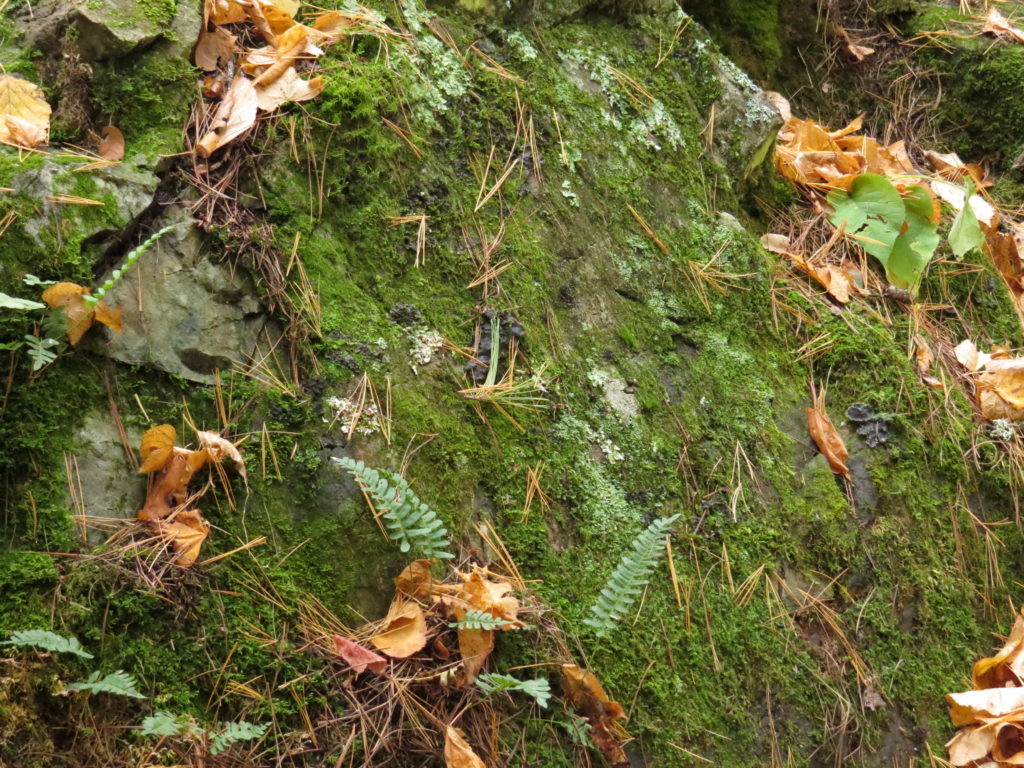
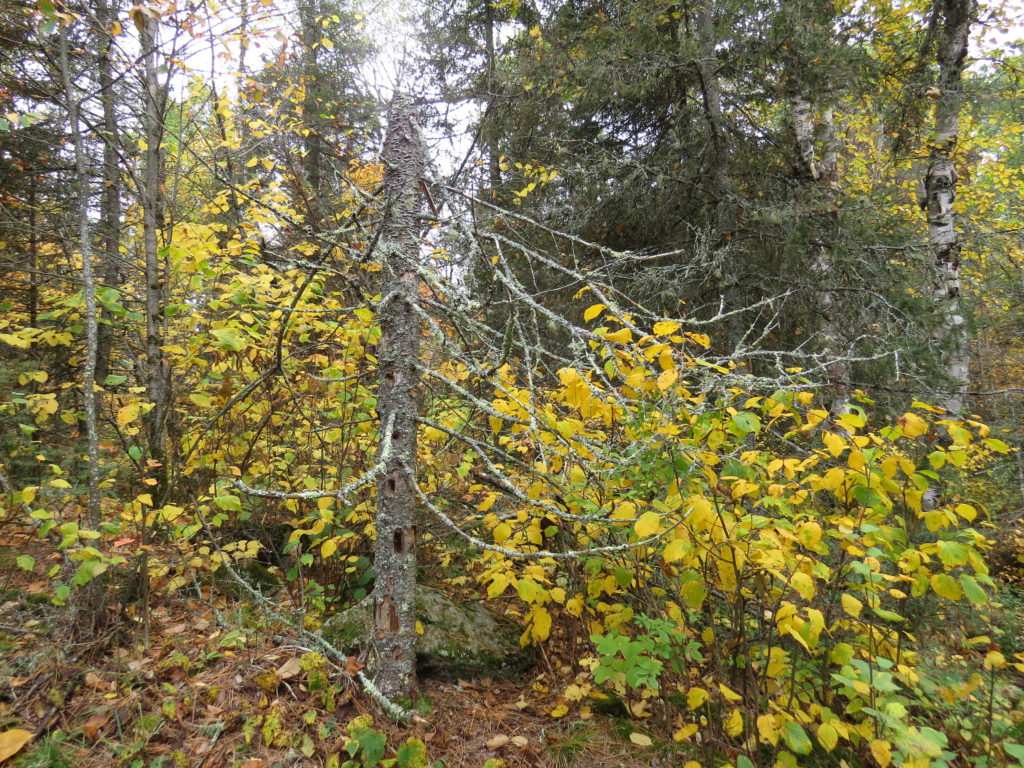
Lichens growing on rocks and trees were like works of art. Lichens are interesting creations—most are composed of a fungal filament or structure that houses green algae or a cyanobacterium. It is a mutually beneficial symbiotic relationship! They require moisture, minerals, and sunlight for photosynthesis.
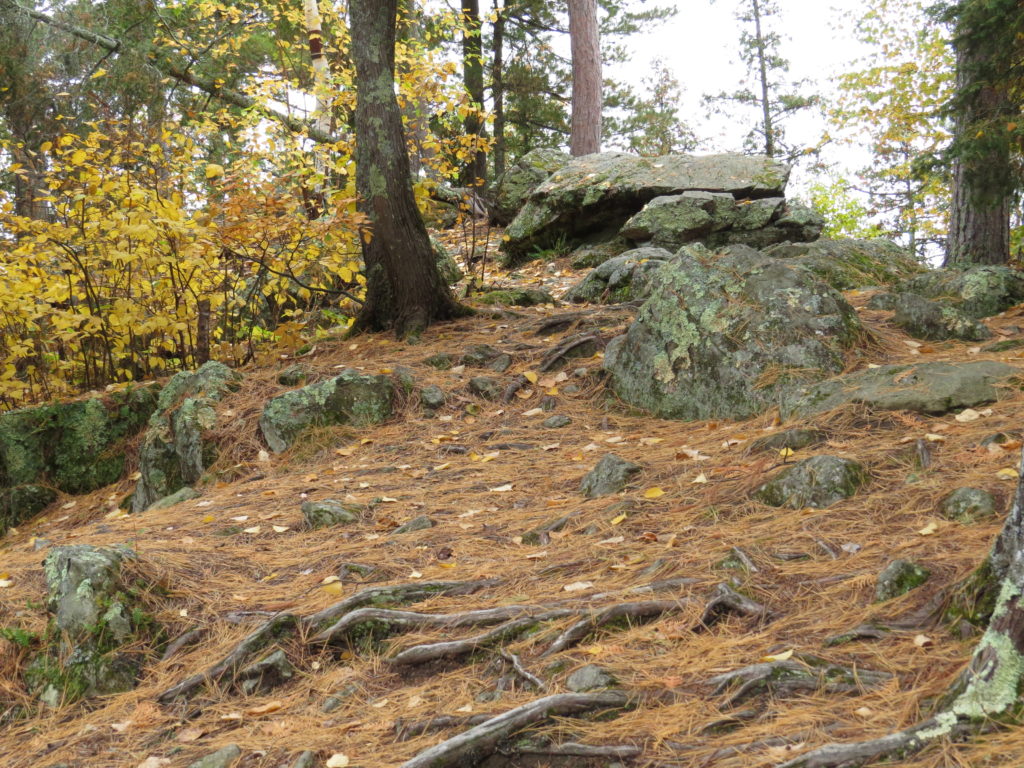
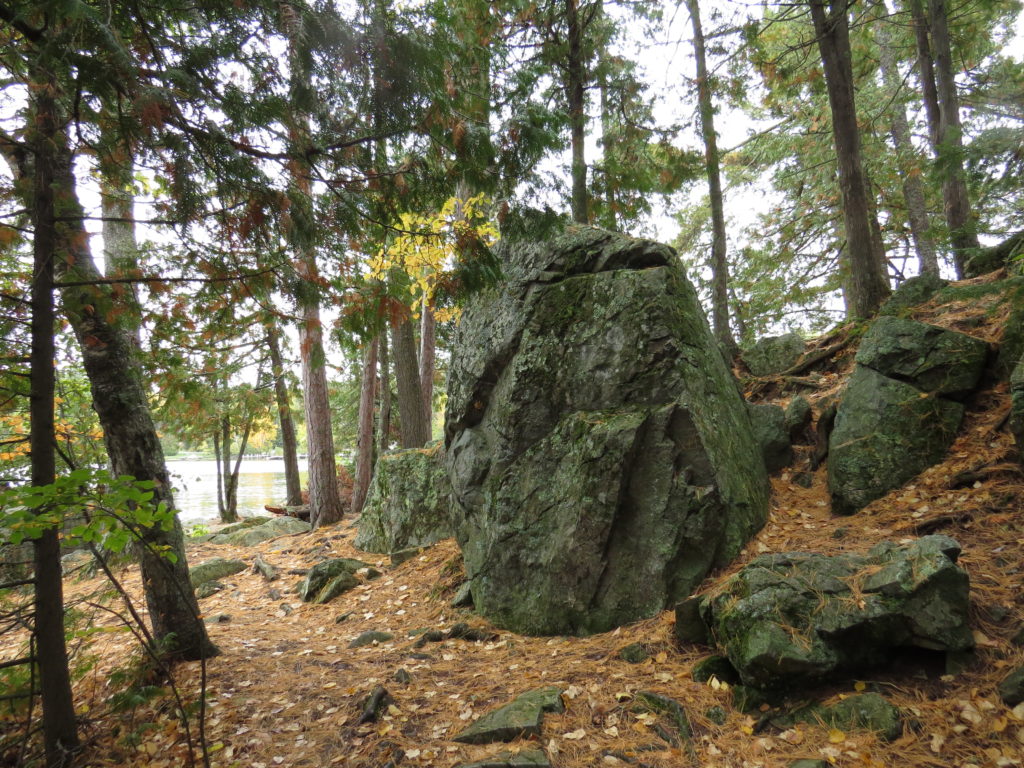
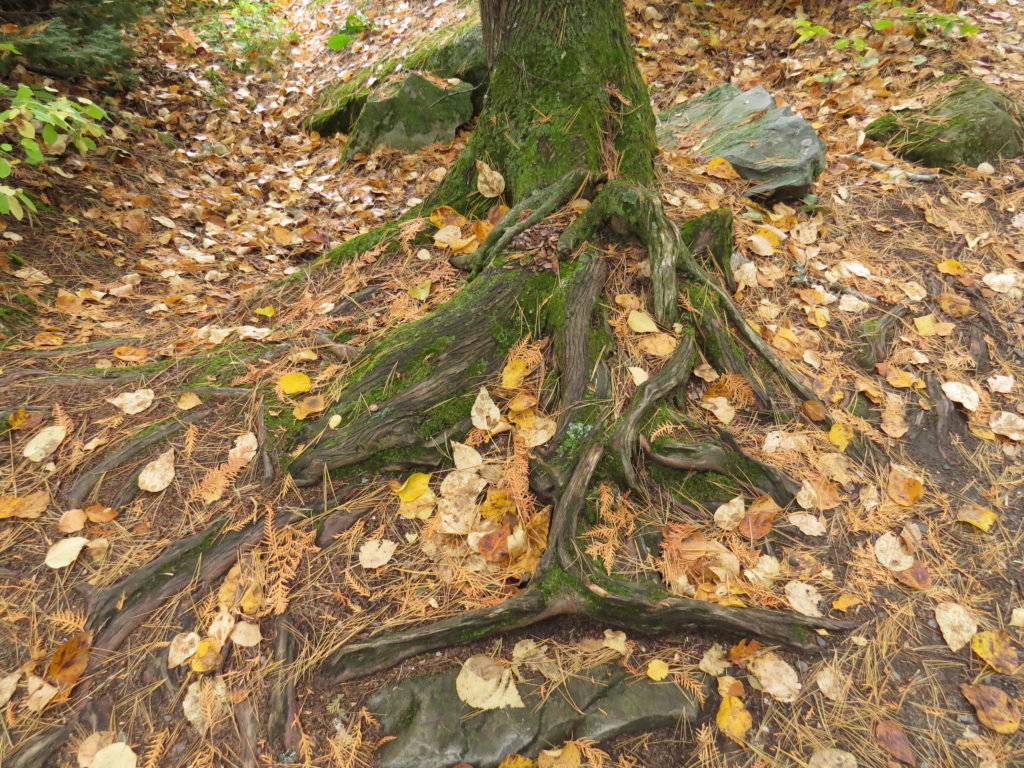
The island and much of the land in the Boundary Waters Wilderness is rocky. The soil is shallow, and yet the trees grow. But the roots are often exposed as they curl upon the rock.
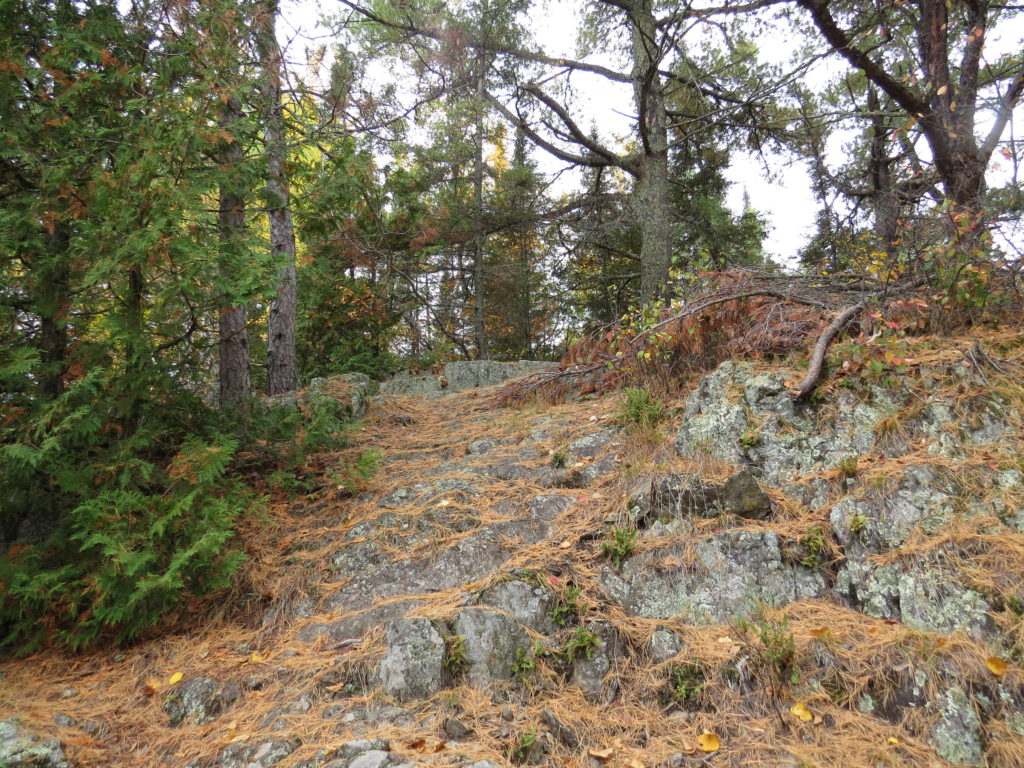
Lichens show up with different colors that are dependent on exposure to light and on availability of certain pigments.
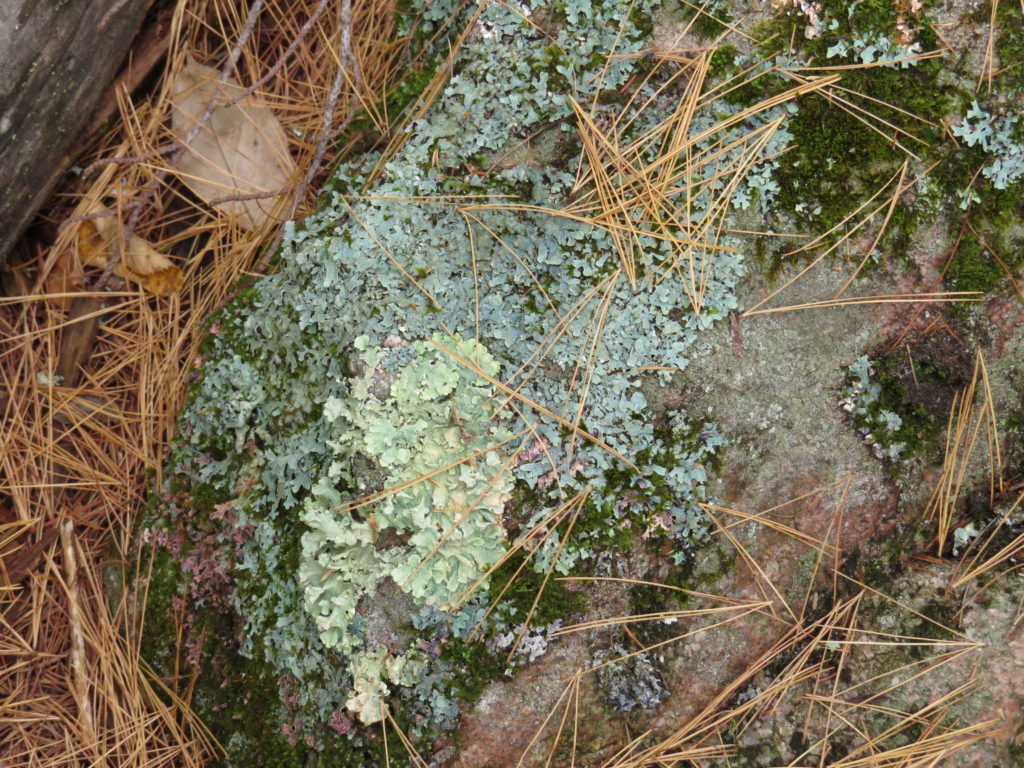
This is an example of a shrubby or Fruticose lichen. Snails, voles, squirrels, and reindeer eat lichens, though some are toxic to poisonous for humans.
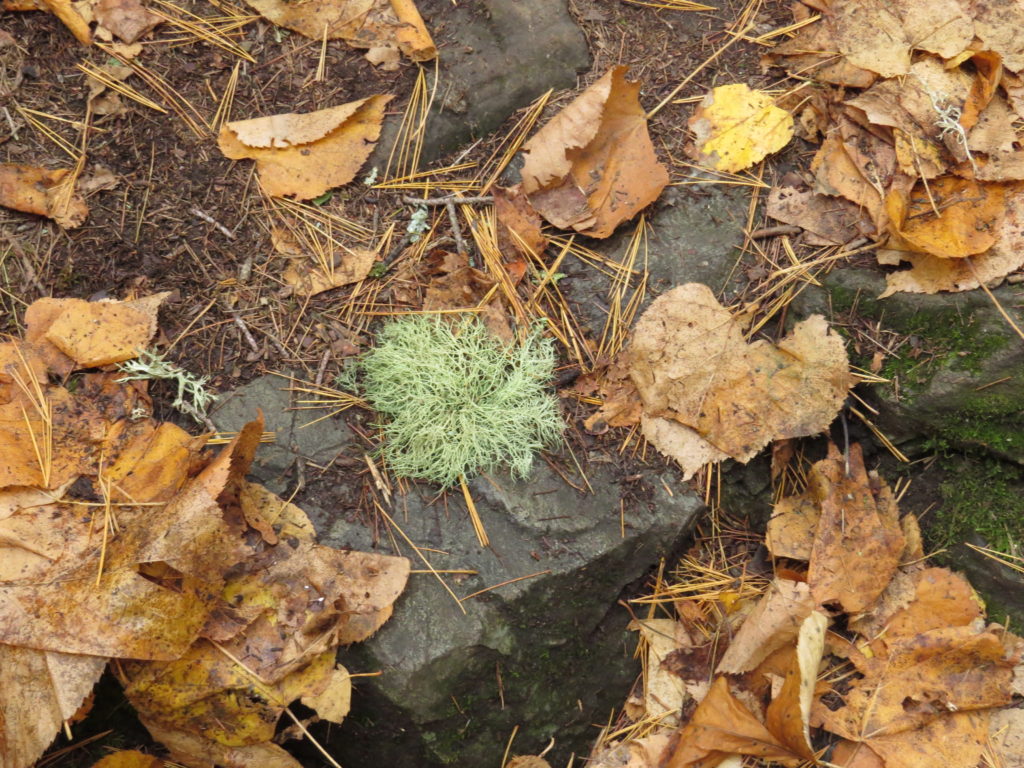
Many of the rocks had both lichens and moss growing on them. Mosses are primitive plants with a simple root-stem-and-leaf structure.
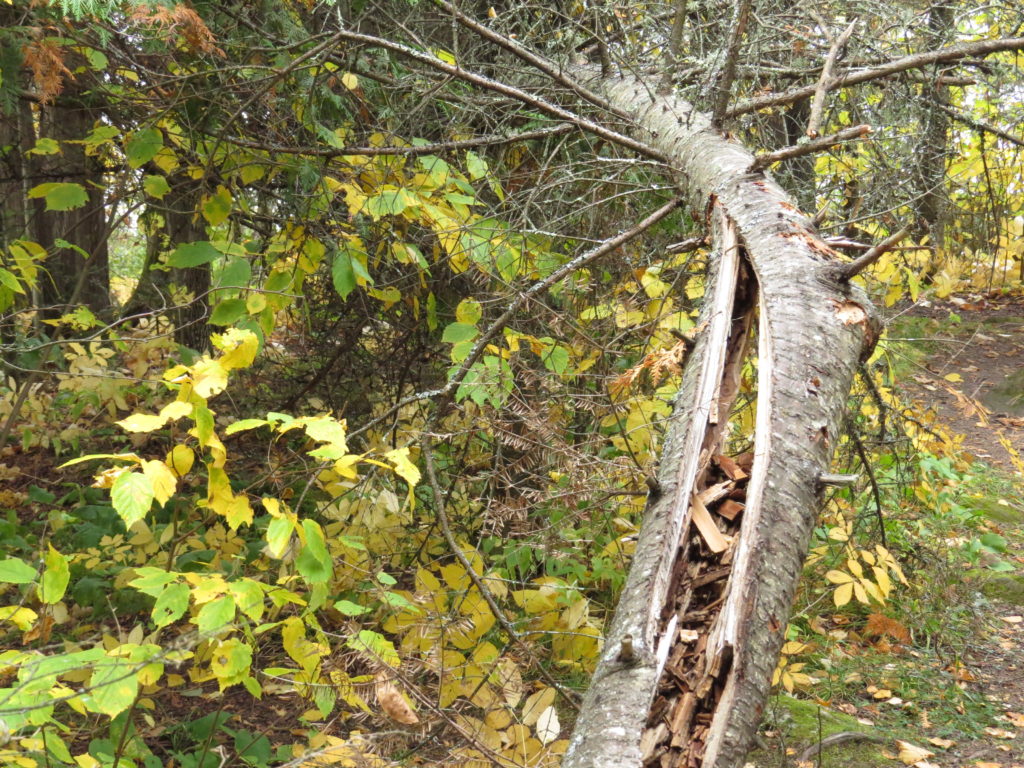
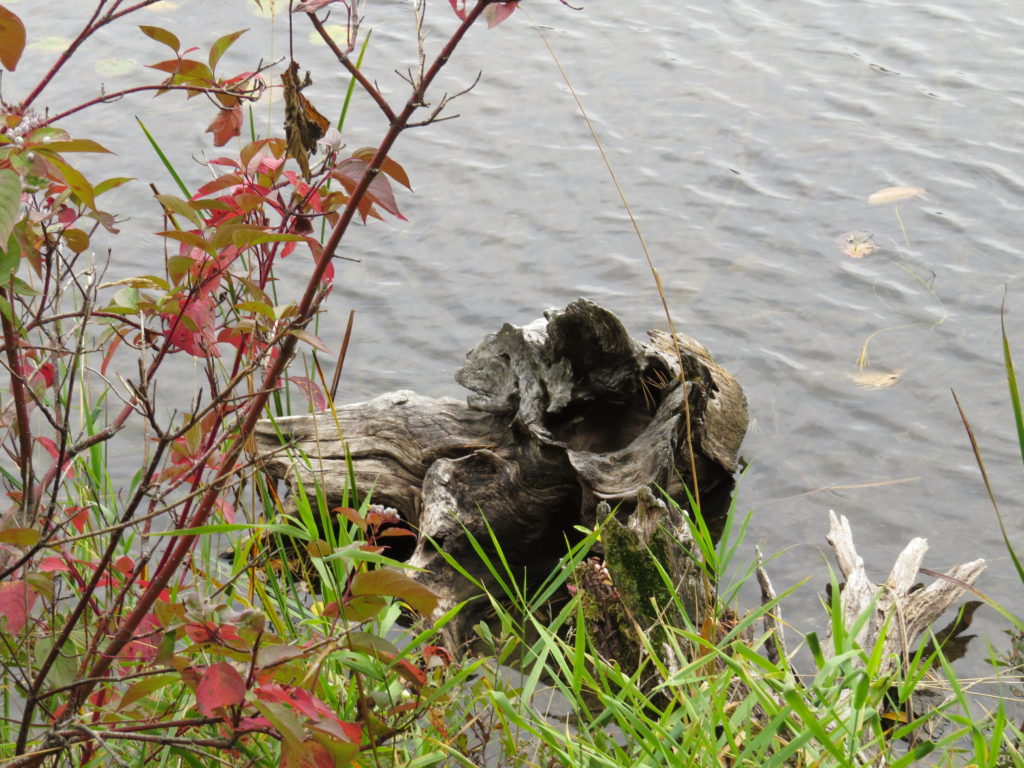
The ecosystem of the island, as in all forests, contained dead and dying trees of all forms—broken and twisted, woodpecker drilled, and water-smoothed driftwood.
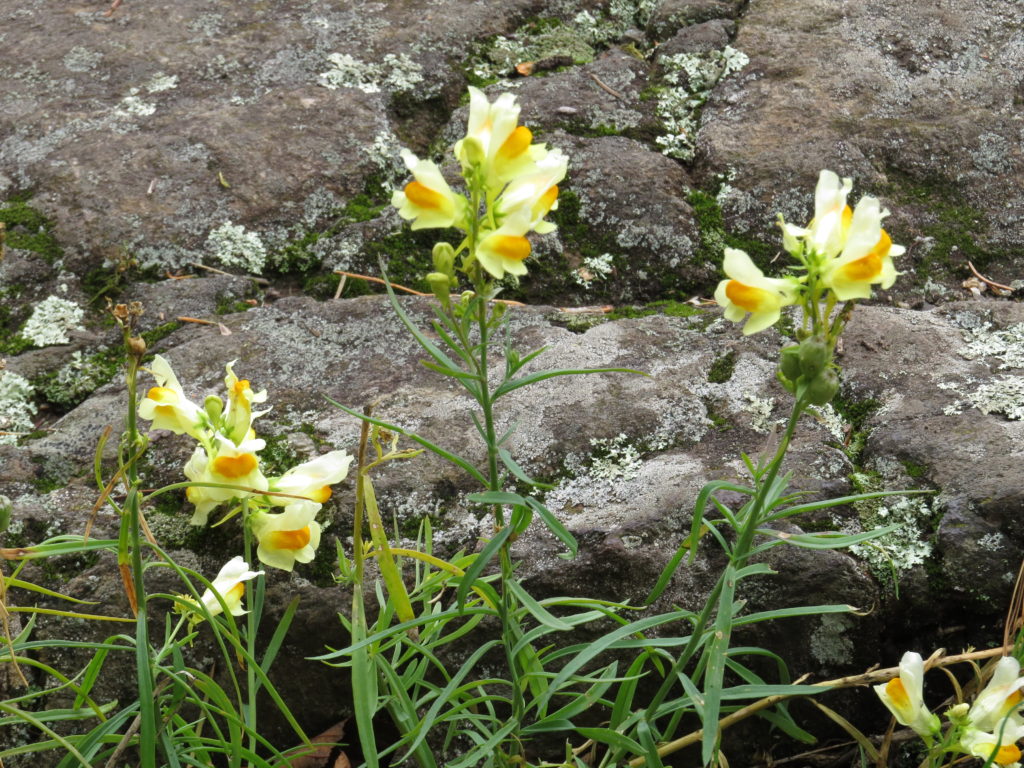
On the rocky outcropping at the end of the island, we found Butter and Egg flowers blooming. They are an invasive species that the DNR recommends eradicating, pretty as they are.
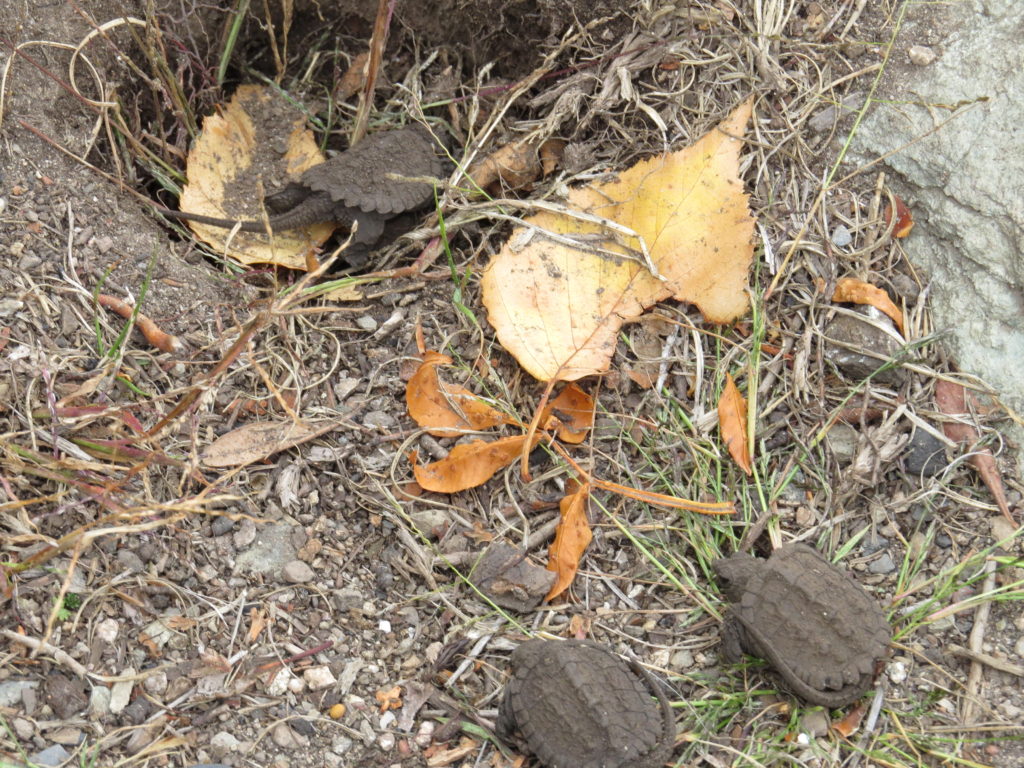
Beyond the flowers we found these tiny Snapping Turtles! They looked like rocks and were not moving until Aaron warmed them up in his hands. We figured they must have hatched recently—maybe from the hole one crawled back into once he was warm. Eggs take around 72 days to hatch, and the sex of the hatchlings is determined by the temperature of the nest!
It was a good start to our Northwoods weekend. Even though the skies were cloudy and we were expecting some rain each of the days, the temperature was fairly mild. We could not have planned a better weekend for the Autumn colors. We hiked back through the trees, over the lichen-covered rocks, through the fallen leaves and pine needles, and over the bridge in order to get to our destination and set up camp before nightfall.
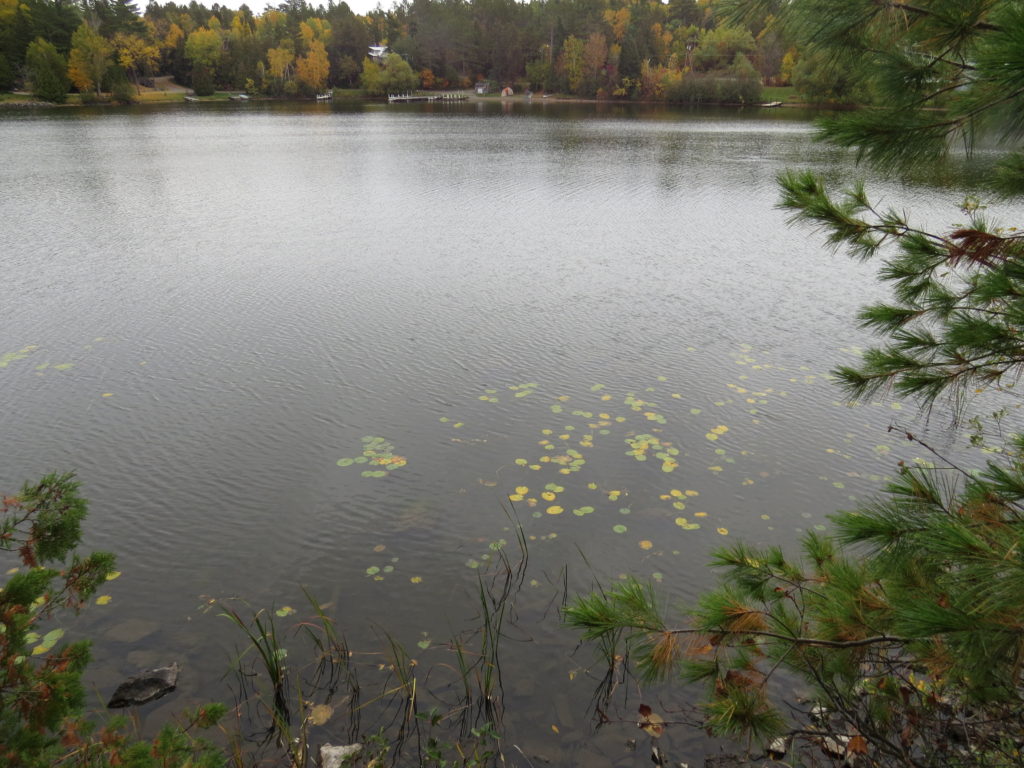
We are living in extraordinary times when computers, phones, and screens of all kinds seem to be our lifeline to work, meetings, church, friends, family, sports, and our own sanity. It is all stress-inducing but necessary nonetheless. How do you know when you’ve had too much screen time? Do you feel it in your body? Wired and tired? Can’t fall asleep? Irritable or anxious? My daughter Emily says she knows it’s too much when her brain won’t relax. It’s hard to distinguish between the stress of actually being connected to our devices and all the stress of living right now. Don’t underestimate the negative effects of electronic devices on your physiology. But this I know—an antidote for stress of any kind is Nature. Our bodies ‘know’ the natural world—it is a relief for our wired bodies to be walking on the earth, feeling the bark of trees, breathing in the natural oils produced by trees, evergreens in particular, seeing the colorful lichens, and hearing the water lapping against the shore. It reduces our stress hormones, decreases our heart rate and blood pressure, and boosts our immune systems. Nature is a powerful healer and the backbone of real life.
This Season Between Seasons
I received two gifts this week. They were not placed in a box and wrapped with pretty paper and bows. I doubt the givers even realized their value—one was placed in a text message and wrapped with humble caring, the other a short phone call swathed in humor. Now, I realize that such gifts could have easily slipped away without notice, but not only did I notice, I took them to heart.
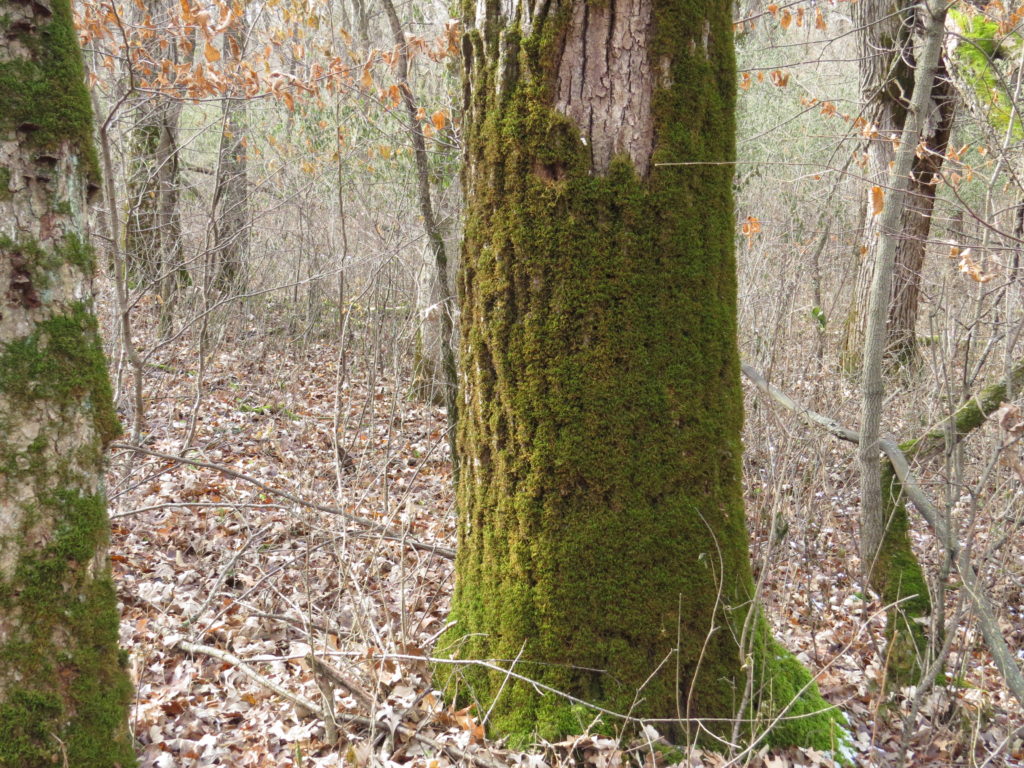
Our hike last weekend at Sibley State Park offered us gifts in the form of Nature’s art. Moss was the medium of the day, the stand-out color in the gray woods. A designer-inspired garb wrapped a large Oak with velvet softness and with an accent of flaky, brown grapevine.
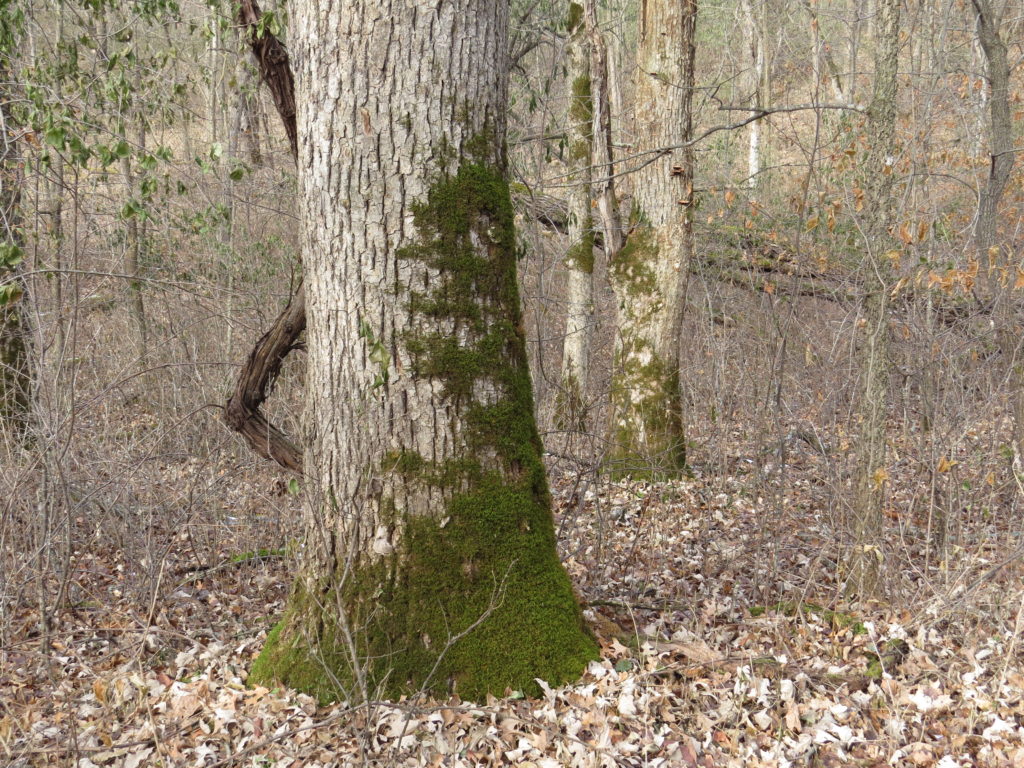
A wooly green fleece covered the feet of an elder in warmth and color.
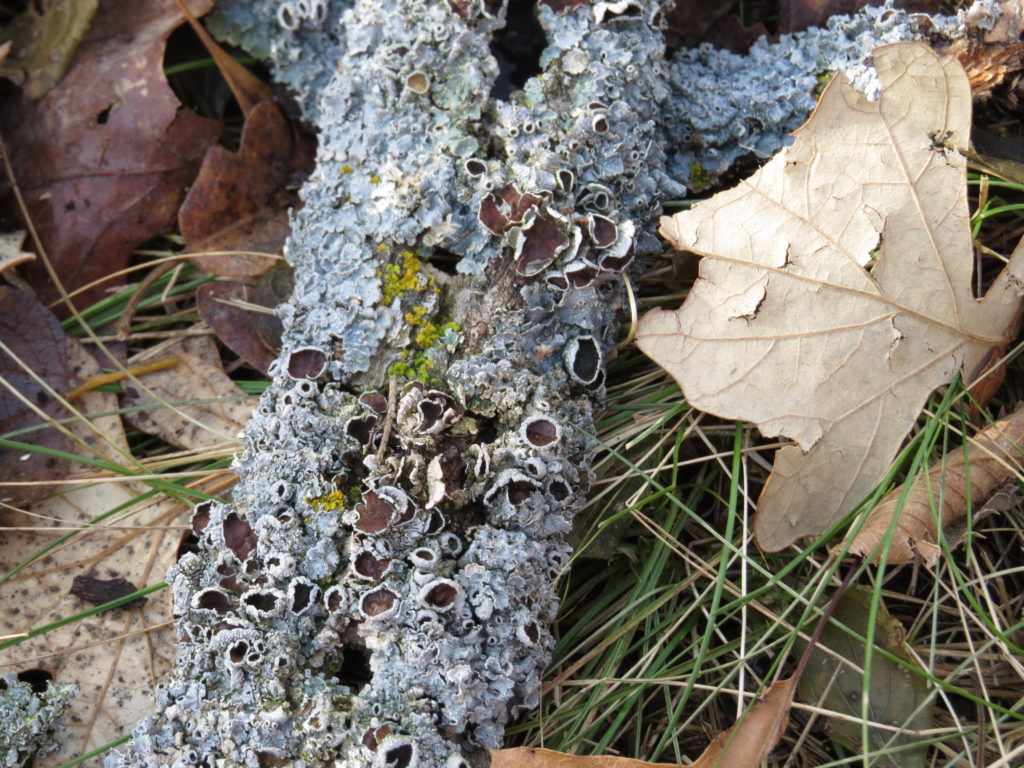
Barnacle-like lichens completely covered a branch in interesting form and texture.
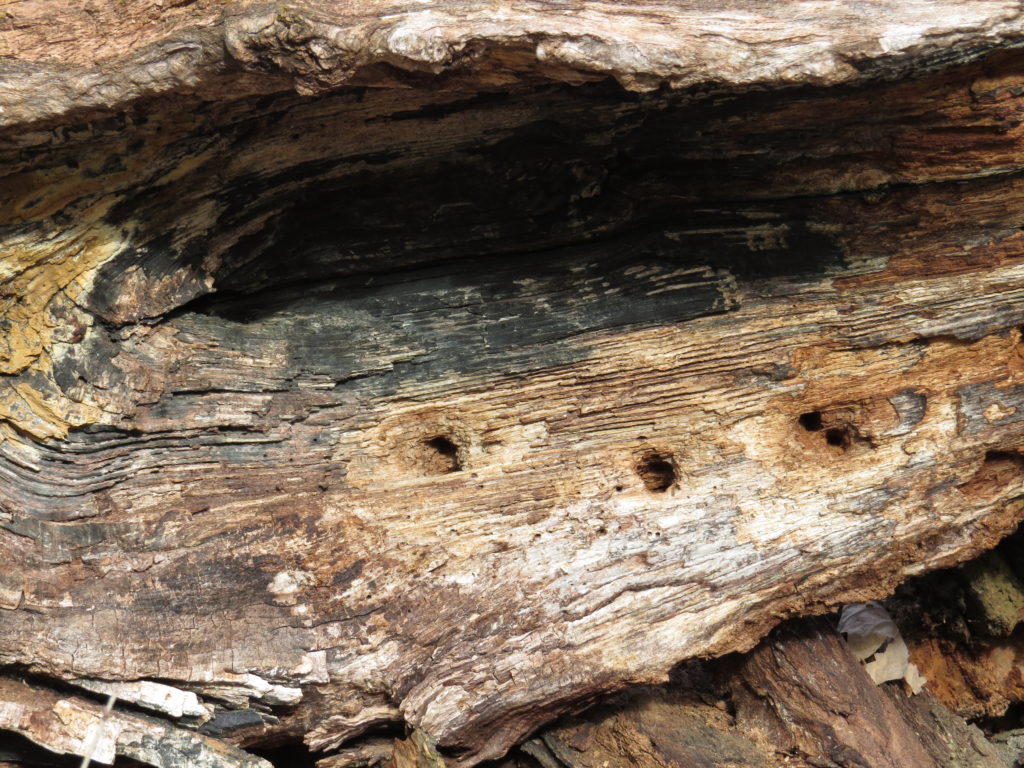
The character and patina of a decaying log offered a rich history of a living, transpiring being that will return once again to the soil it sprang from.
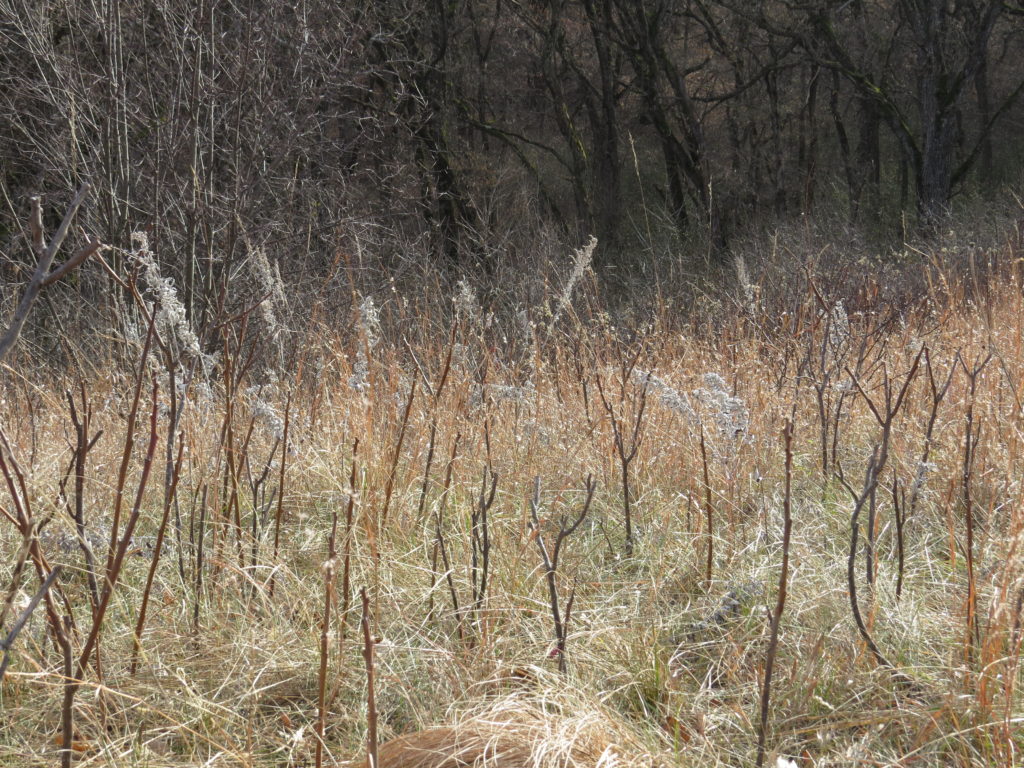
Young, supple stems of Sumac stood up through the amber grasses and sagey perennials on the outskirts of the gray woods.
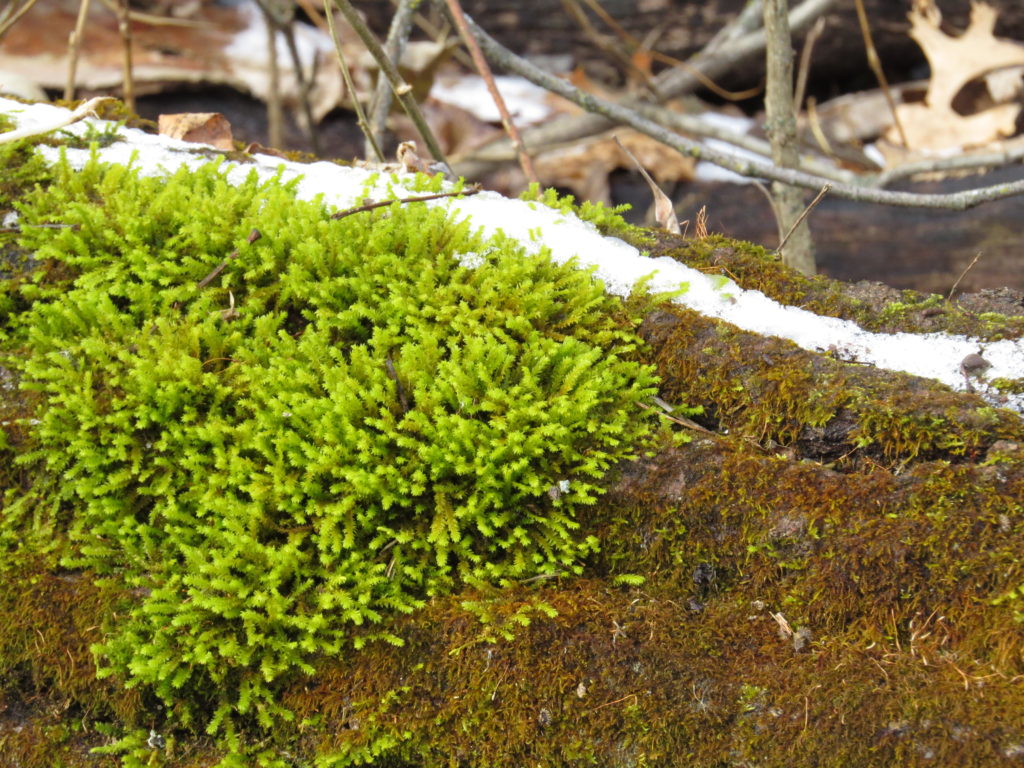
A stripe of snow accented the lime green moss that seemed to be flourishing in the late November landscape.
And speaking of landscapes….
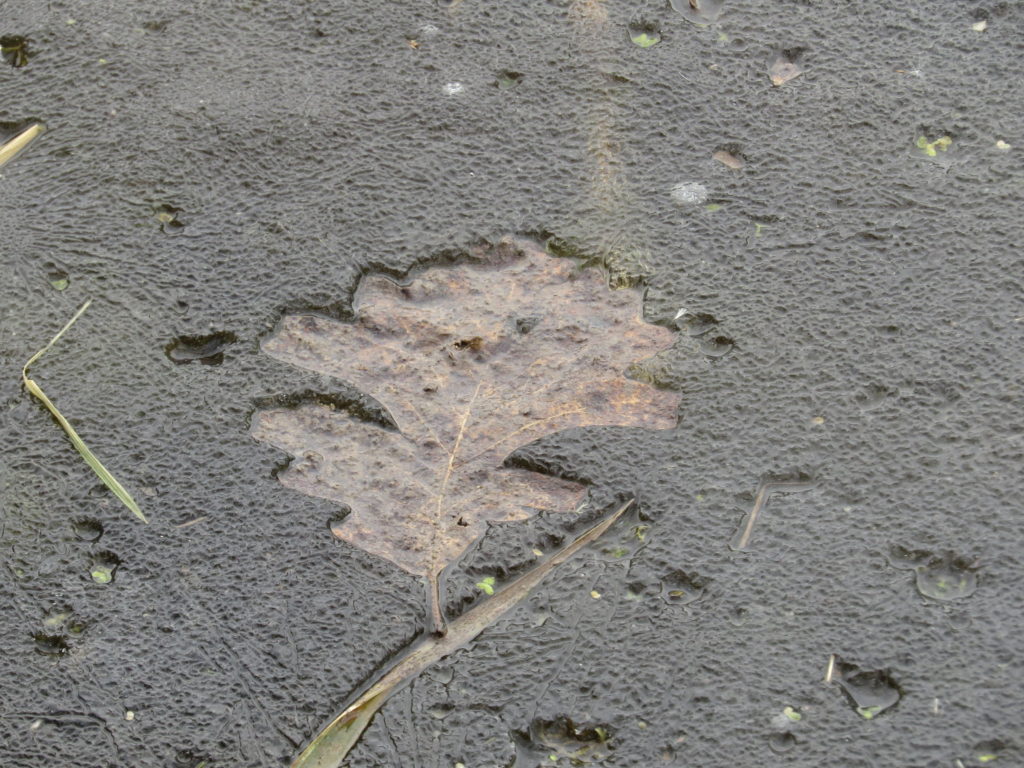
The muddy, frozen slough water made the perfect cast for an Oak leaf—exquisite design captured…until the sun’s rays or warm-enough temperatures melt it away.
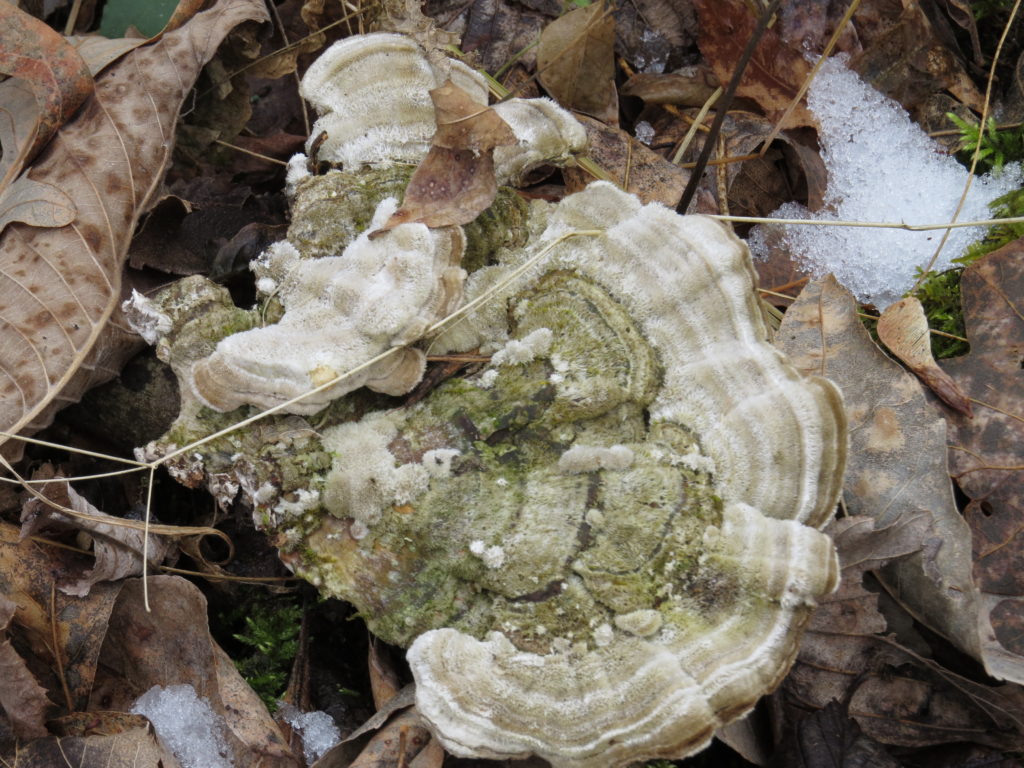
Frosty fungi—another new growth lighting up the somber groundscape.
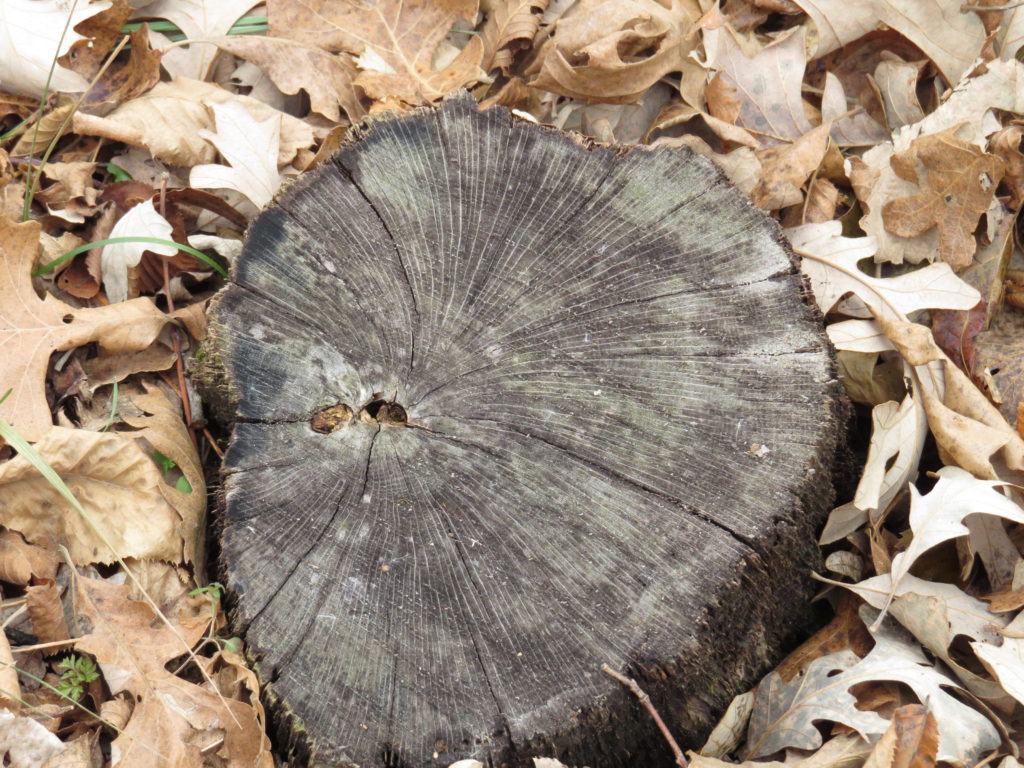
Medullary or pith rays run perpendicular to the growth rings and are prominent in hardwood trees. They create a radiating pattern from the heart of the stem (the pith) to the bark and carry nutrients in this lateral direction. They are what create the intricate and amazing patterns of quartersawn wood.
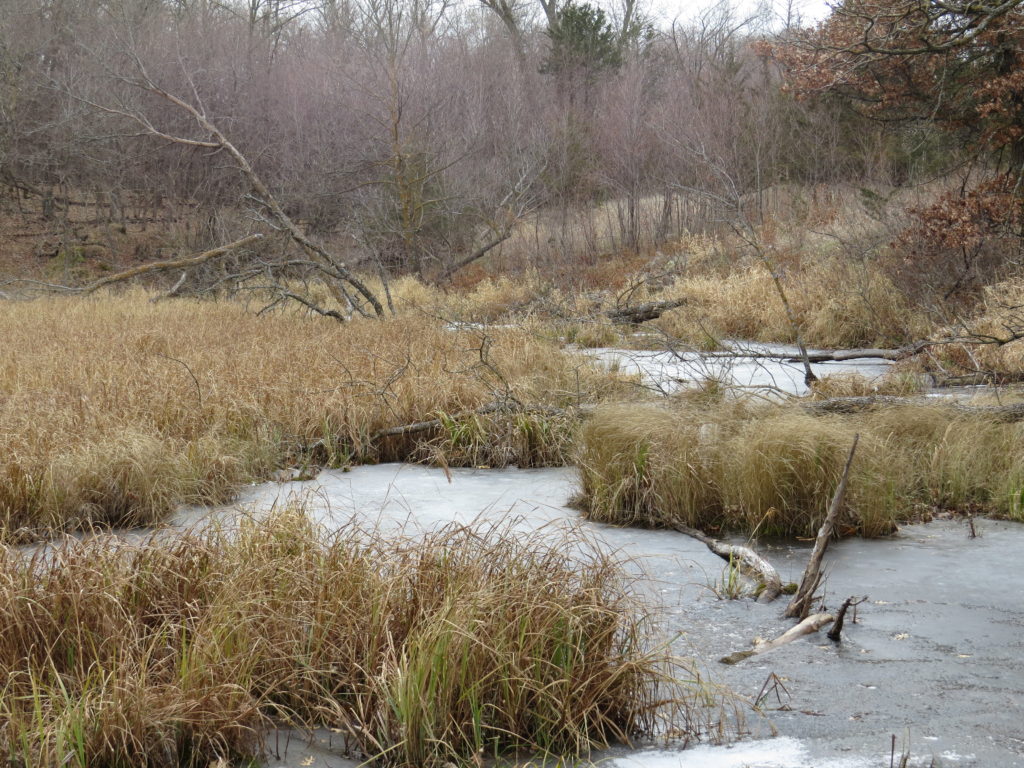
Gray ice, white snow, forest green cedars, and muted gold grasses offer a gesture of grace in this season between seasons…,
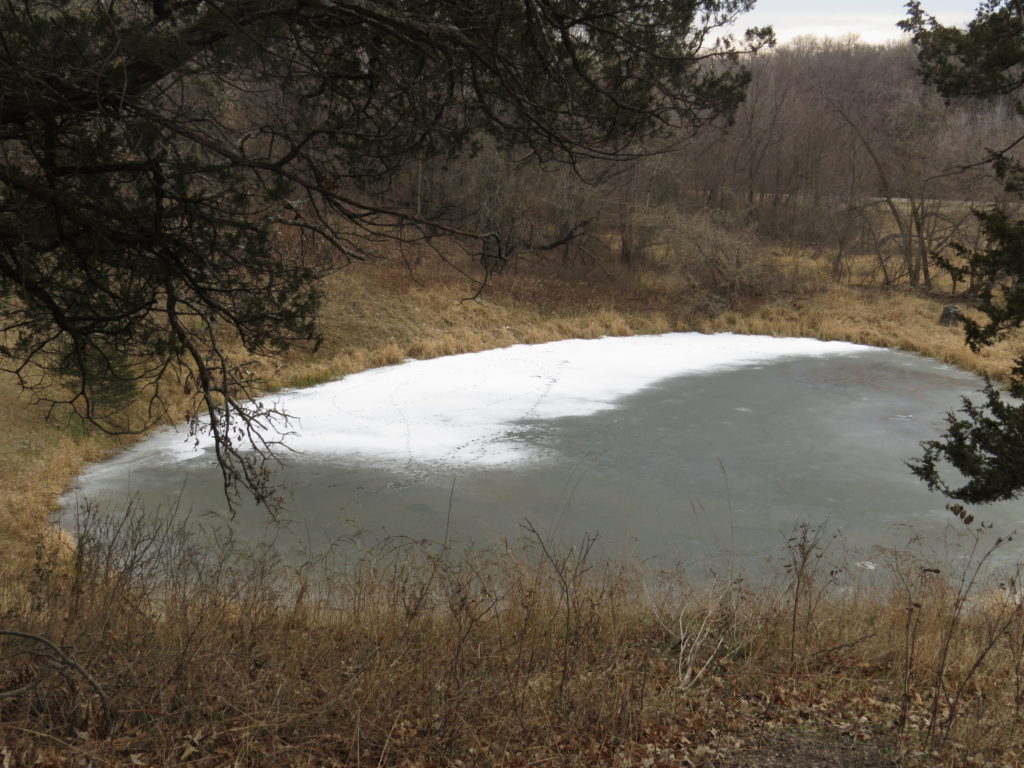
…along with a message for those who notice, who can read the lines, who take things to heart.
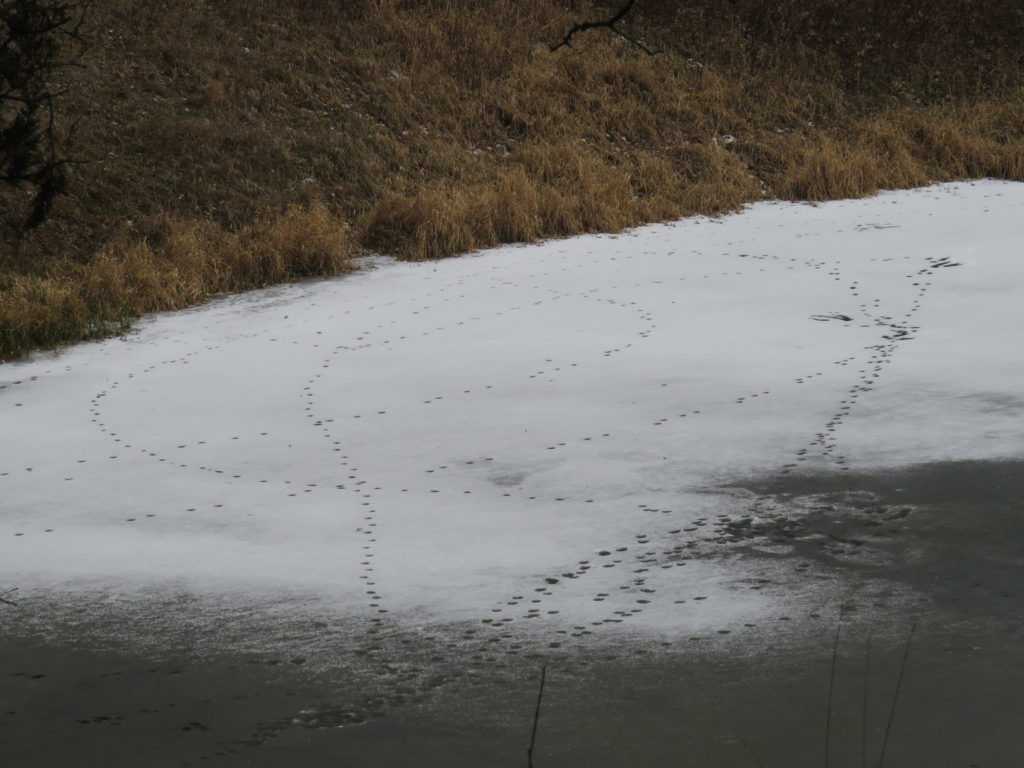
Nature offers us gifts each and every day—do we notice? In this season between seasons—no longer Fall and not yet Winter—it is easy to believe in the grayness, the ‘dying’ of old vibrancy, and the things that have fallen away. But still there is warmth and new growth that is contrary to the outside illustration. It is all a part of our rich history. The gifts of words wrapped in caring and humor were given from the hearts of two people that radiated out to me. Instead of seeing the decay of Fall and loss, I was able to turn my head slightly and see different things. The gifts were gestures of grace—I noticed them, I received them, and I took them to heart.