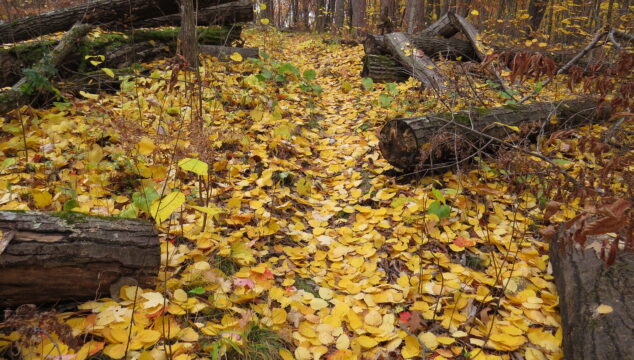
Come walk with me in the peak Autumn beauty of the Northwoods. To say that I love this time of year is an understatement. Most everyone can appreciate the colorful falling leaves---it reveals the 'true self' of a tree when its leaves are no longer producing chlorophyll. Their true colors are revealed, and there is something simple … [Read More...]
Flow
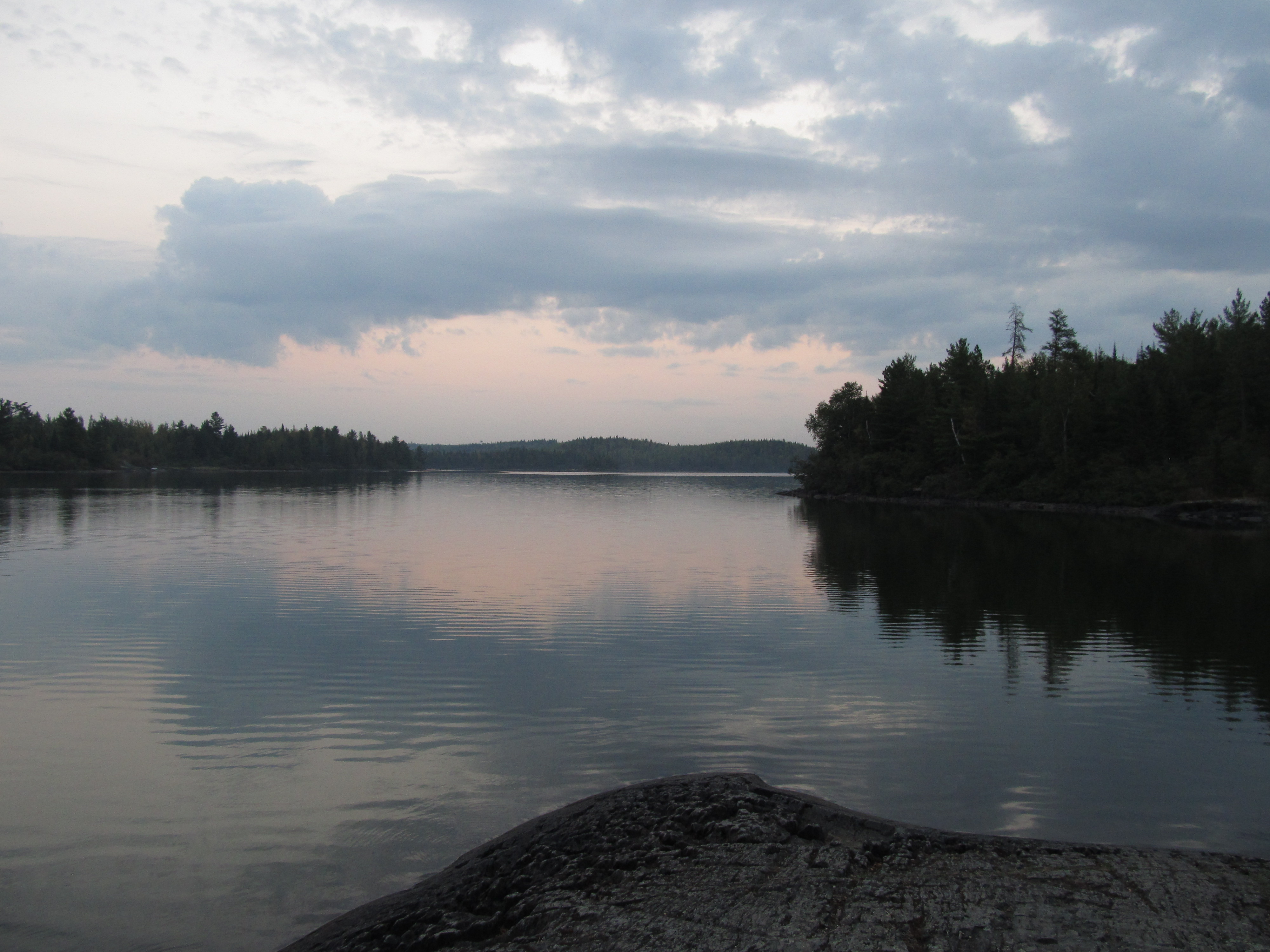
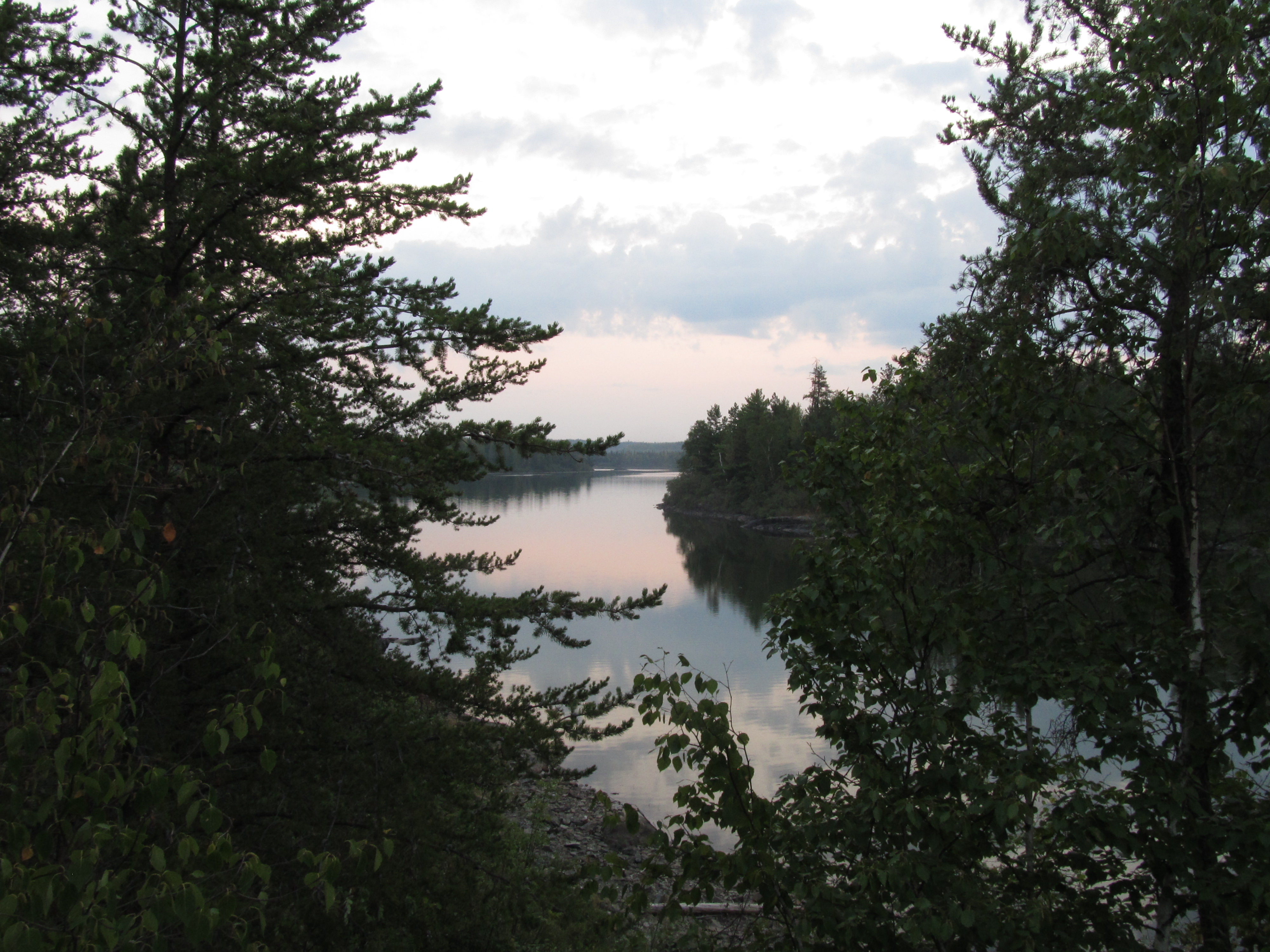
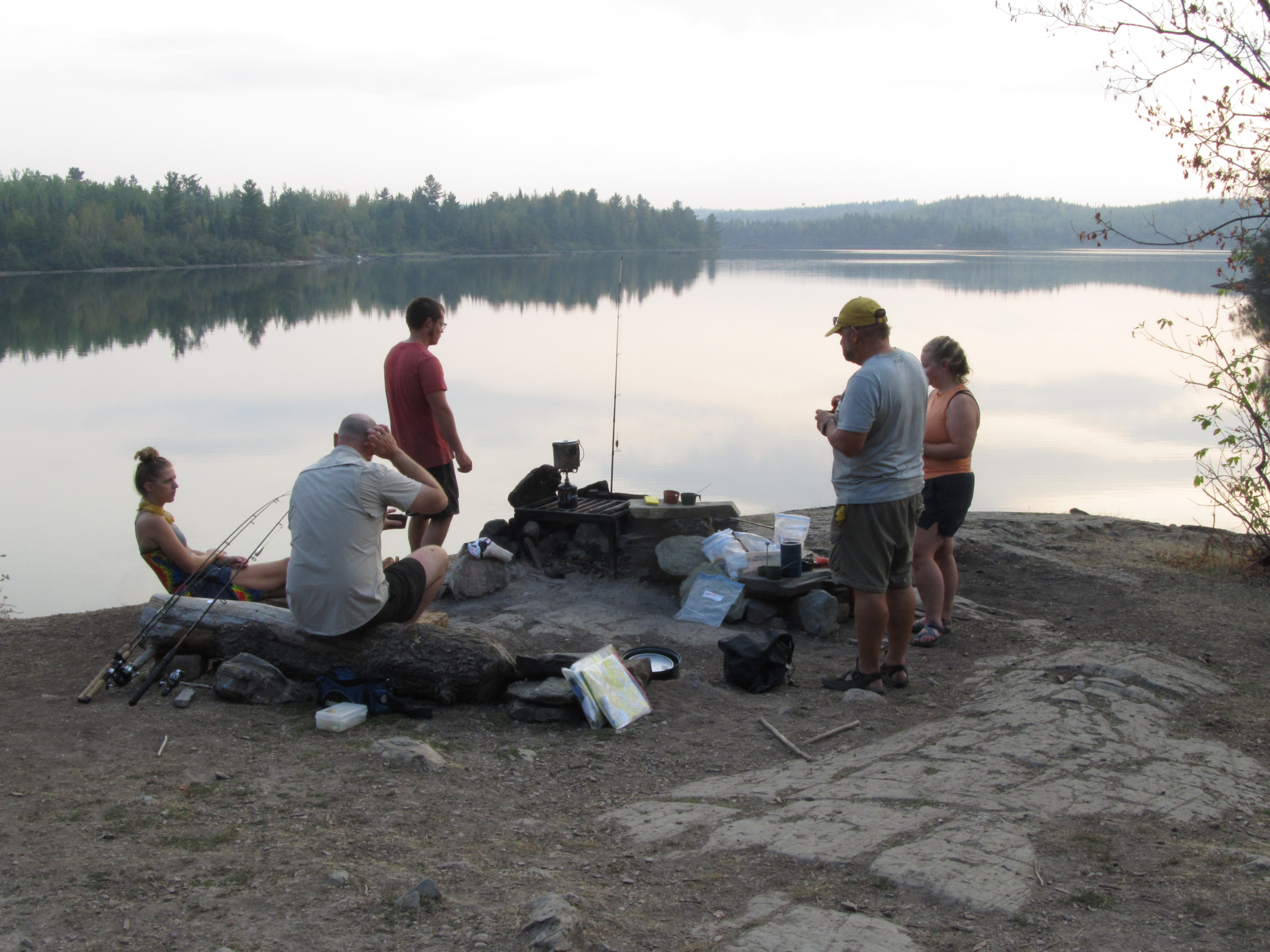
Night slipped away as the dawn quietly and confidently displayed its pastel colors in sky and water. Chris and I crept through camp to the high boulder overlooking the track-filled wetland, hoping to catch a glimpse of a morning moose or bear. But nothing caught our attention beyond the dawn sky.
The kids were beginning to stir when we got back to camp. Breakfast and packing up on the last morning of our trip felt easier because of practice and a bit sad because of the flow I was starting to feel. I felt like I could do this for another five days, now that I had overcome some of the challenges.
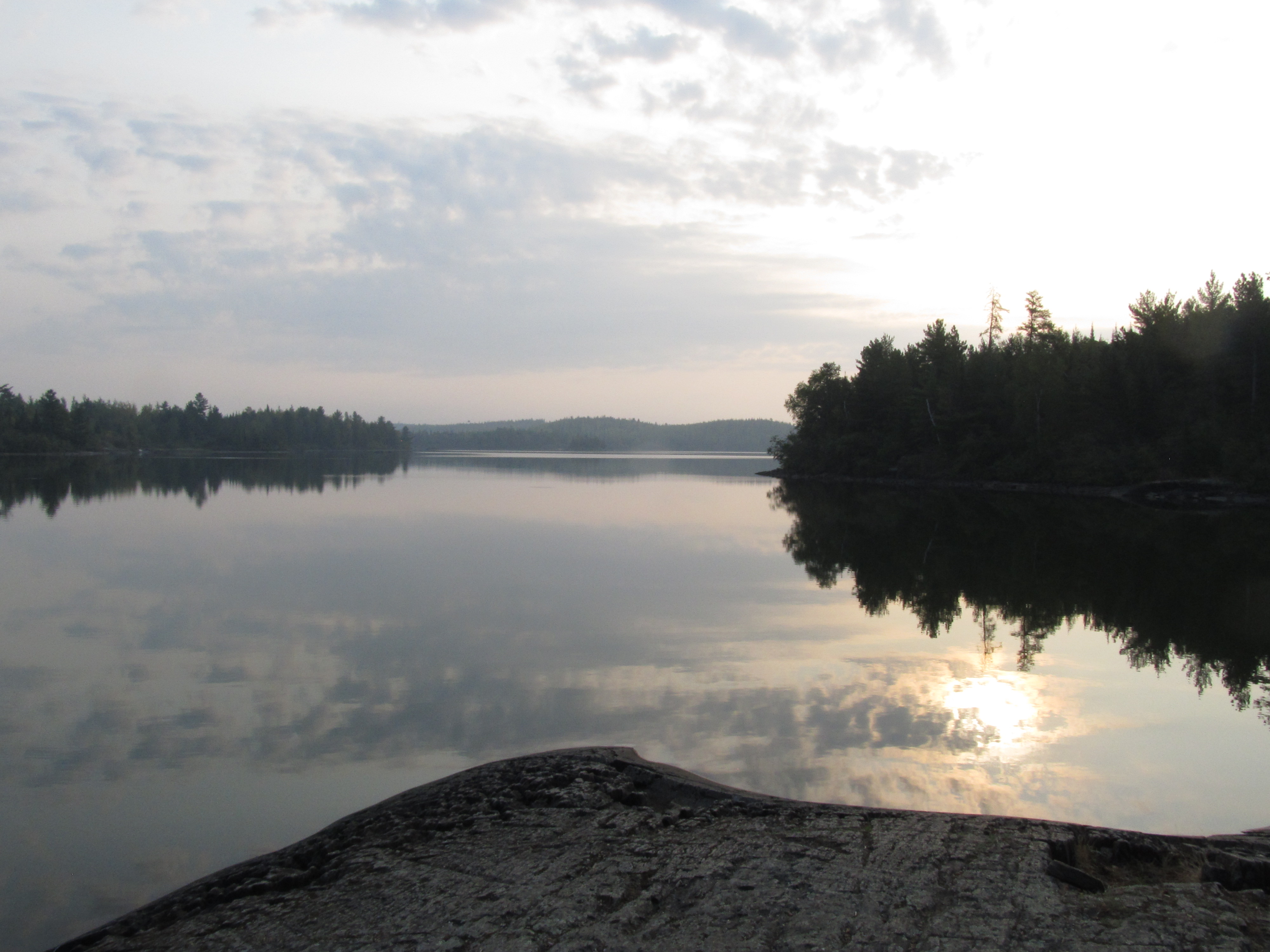
With the sun to our backs, we glided away from our campsite. Chris and I were the first ones out, with Emily’s directive to find the short portage at the west end of the lake. We had only paddled a few hundred yards, which by the way, was going extremely smoothly compared to every other morning—hooray!—when I was looking over at a large beaver lodge on the shore. I noticed two pointy ears sticking up behind the lodge. I got super excited, stopped paddling, fumbled to get my camera out of my life jacket, whispered ‘Wolf!’ to Chris who I don’t think heard me, and started taking pictures.
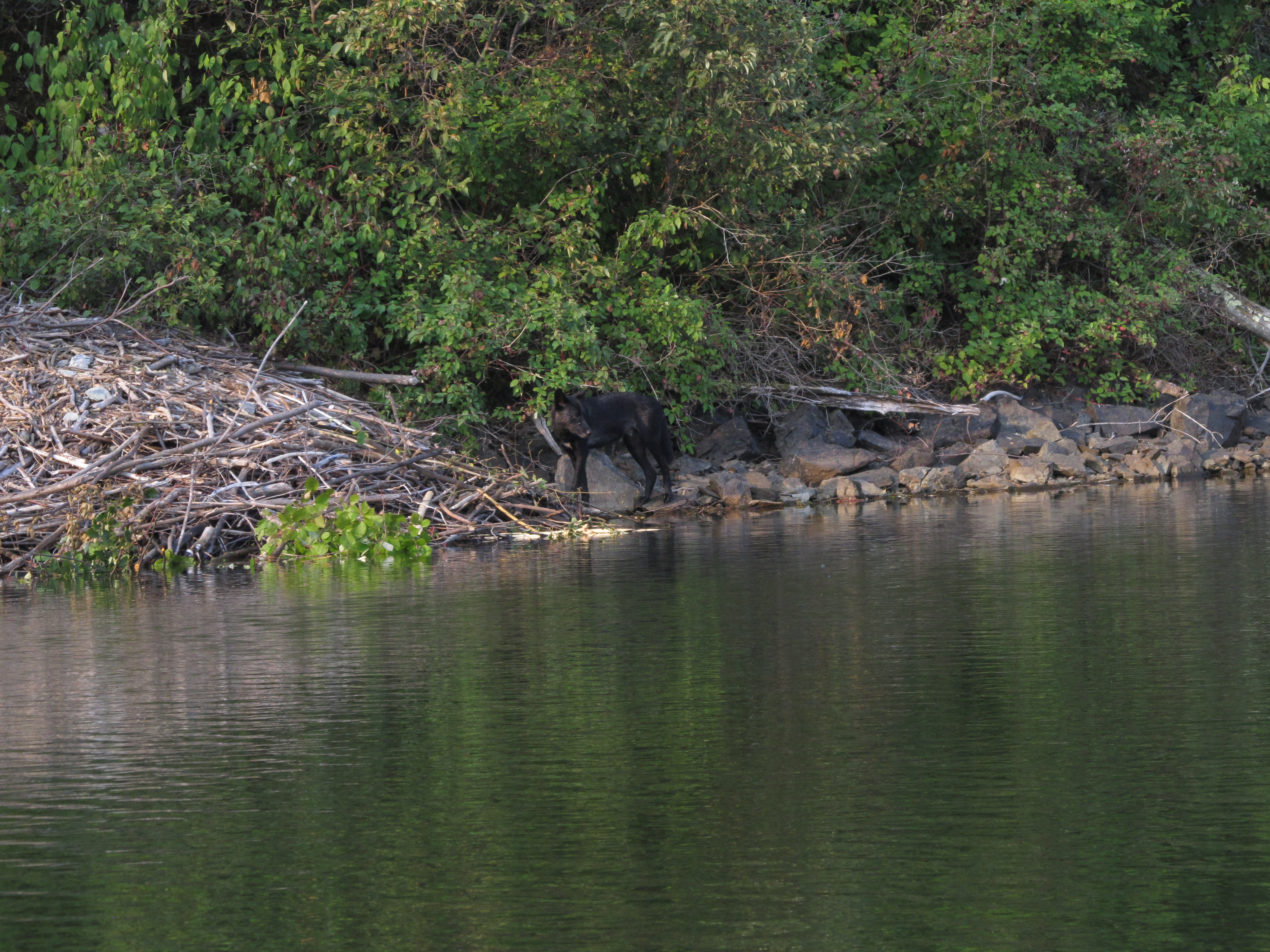
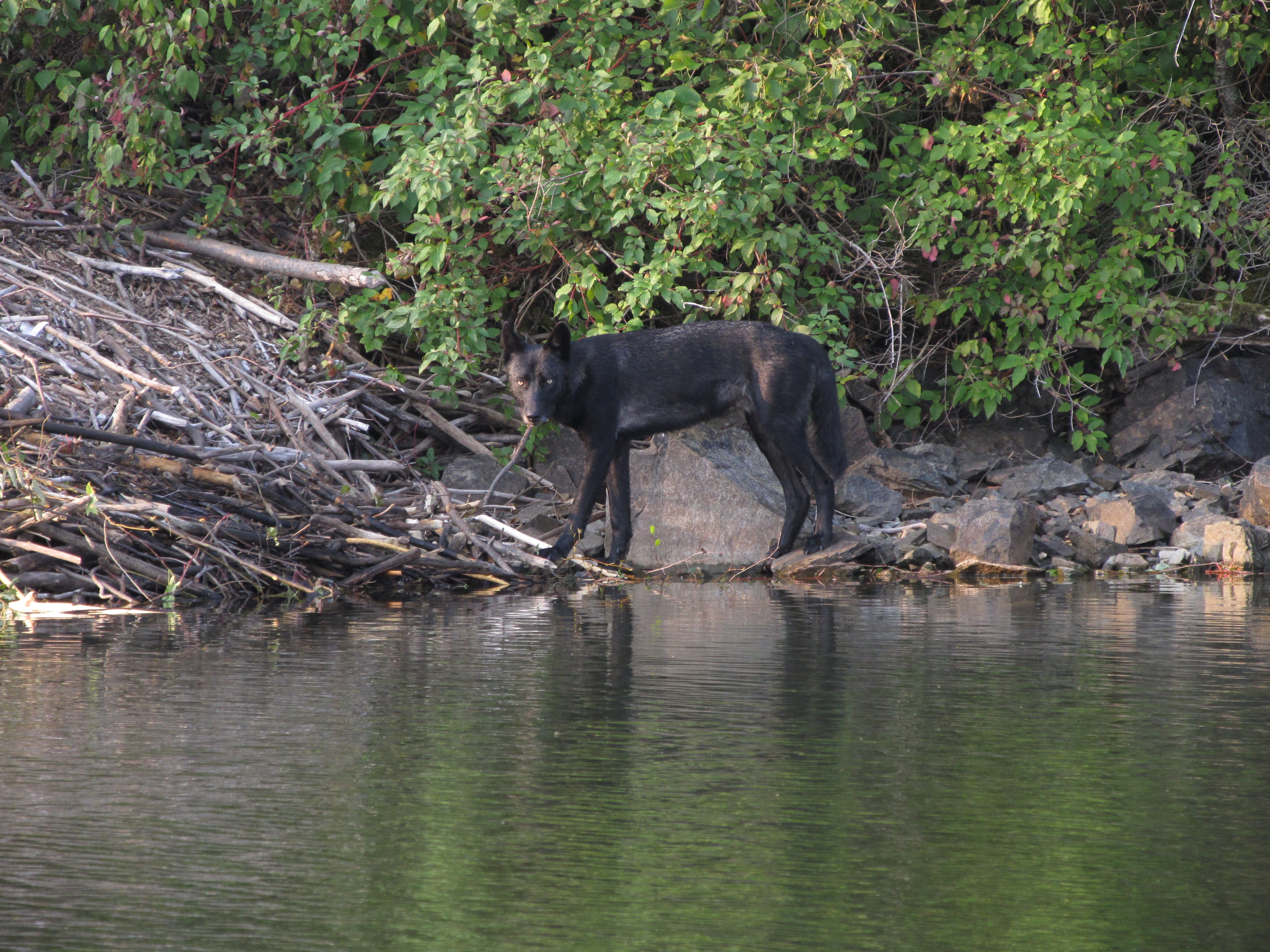
But I didn’t have to hurry—he was not afraid of us. He watched us watching him, then turned and looked at the kids farther back, then turned back to us. A beautiful black wolf! He was fairly thin with a sleek summer coat, and I wondered if he was hoping to catch a beaver this fine morning. I was so happy to see him! What an amazing creature! He stayed there long enough for the kids to paddle close enough to see him, then turned and walked into the forest.
We passed by a campsite right before the portage where two men were preparing their breakfast—one was slight, old, and bent over at the shoulders. He greeted us enthusiastically with information I didn’t really understand. He said half the people were portaging through the five-rod portage and the other half were pulling through. I smiled, nodded, and thanked him, not having a clue about the ‘pulling through’ thing. When Aaron caught up to us, he explained that sometimes, depending on the water level of the creek/river that connects the two lakes, you can get out and walk the creek and pull the packed canoe through to the next lake. I wanted to try that! It was fun, and it worked! Easy! The river channel into Splash Lake was calm and beautiful.
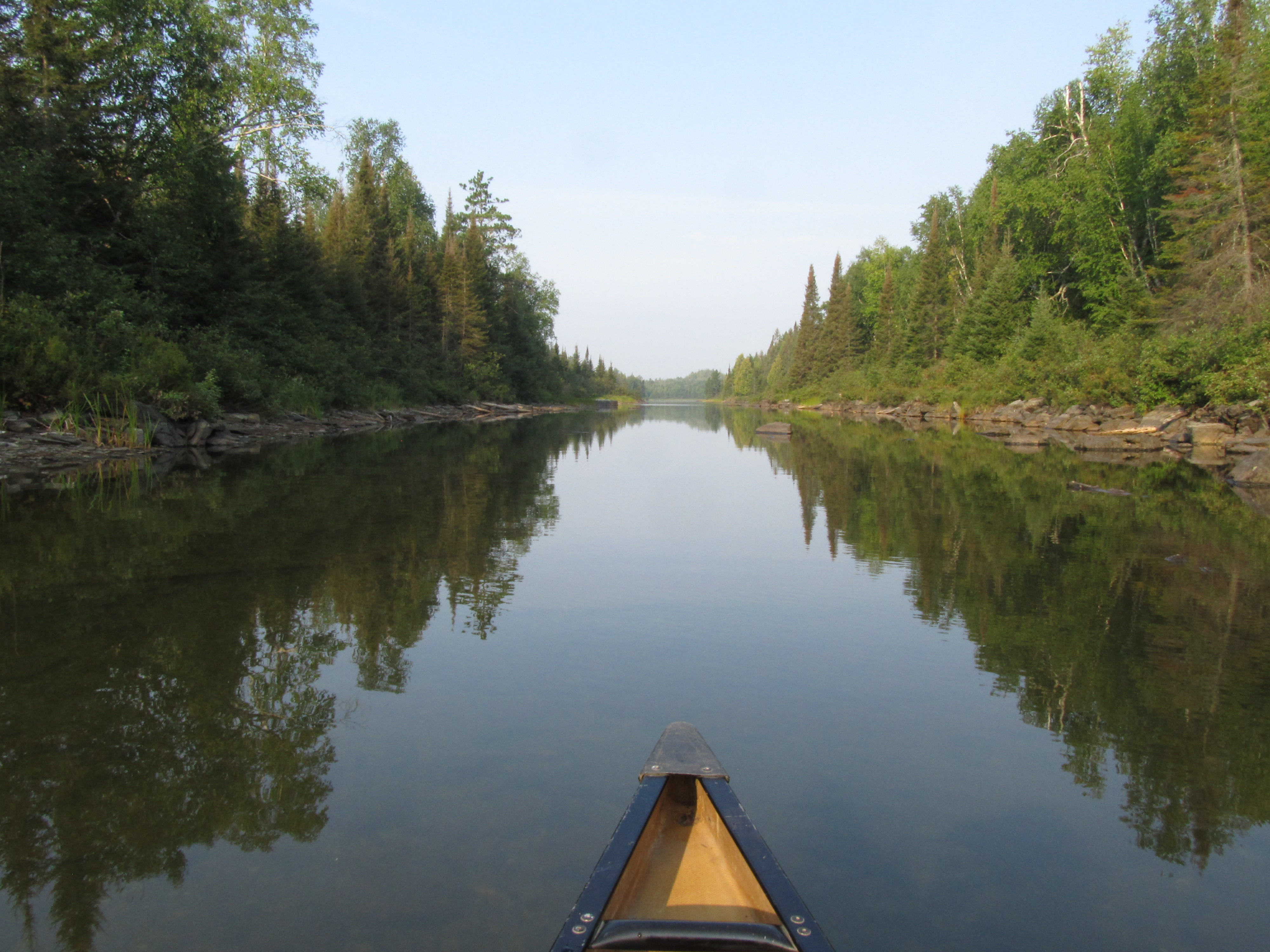

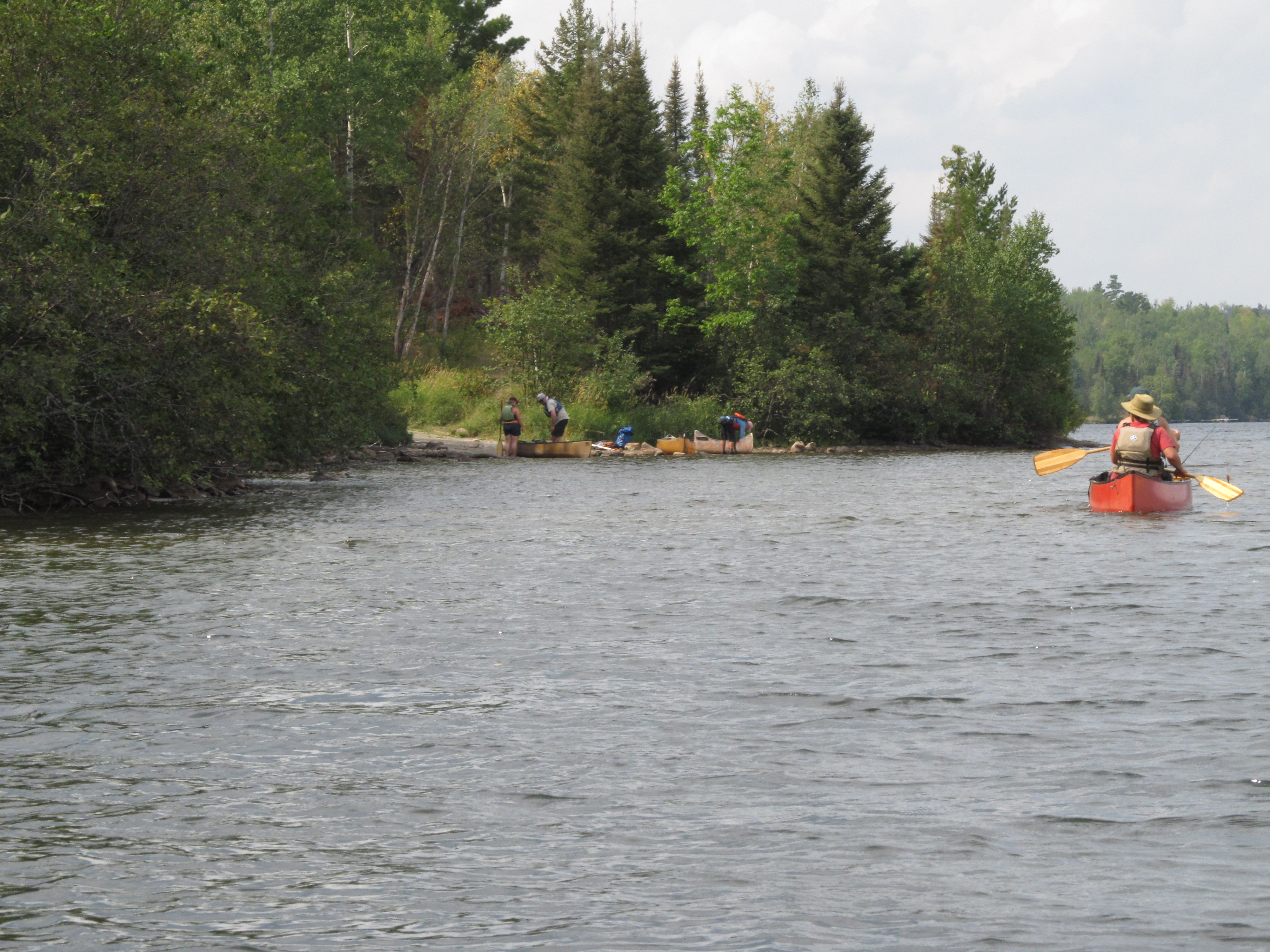
It was not far to our next and last portage, a thirty-rod portage that would return us to Newfound and Moose Lakes where we began our trek. When we got close to the portage, we could see it was the busiest of all the portages we had been through. We let a group of guys pass by us but could also see a group (or two?) coming into Splash Lake from the other way. It was kind of a mess. Emily had warned us earlier that she had little patience for such portage messiness—there is portage protocol, courtesy, and responsibility, and when people breeched that in obtuse ways, she moves into ‘take charge’ mode. A group of people with excessive piles of gear—folding camp chairs, Coleman camp stoves, tents, bags, canoes, etc.—were standing around. Were they waiting for more things? We disembarked and swiftly got packed up and canoed up with Emily and Zoe in the lead. Aaron was the last one out with a pack and canoe and took an alternate route through low branches because the other group had started to move into the lake—bad form on their part. Our last portage was still smooth in the midst of messiness, and I was proud of our strong, experienced kids.
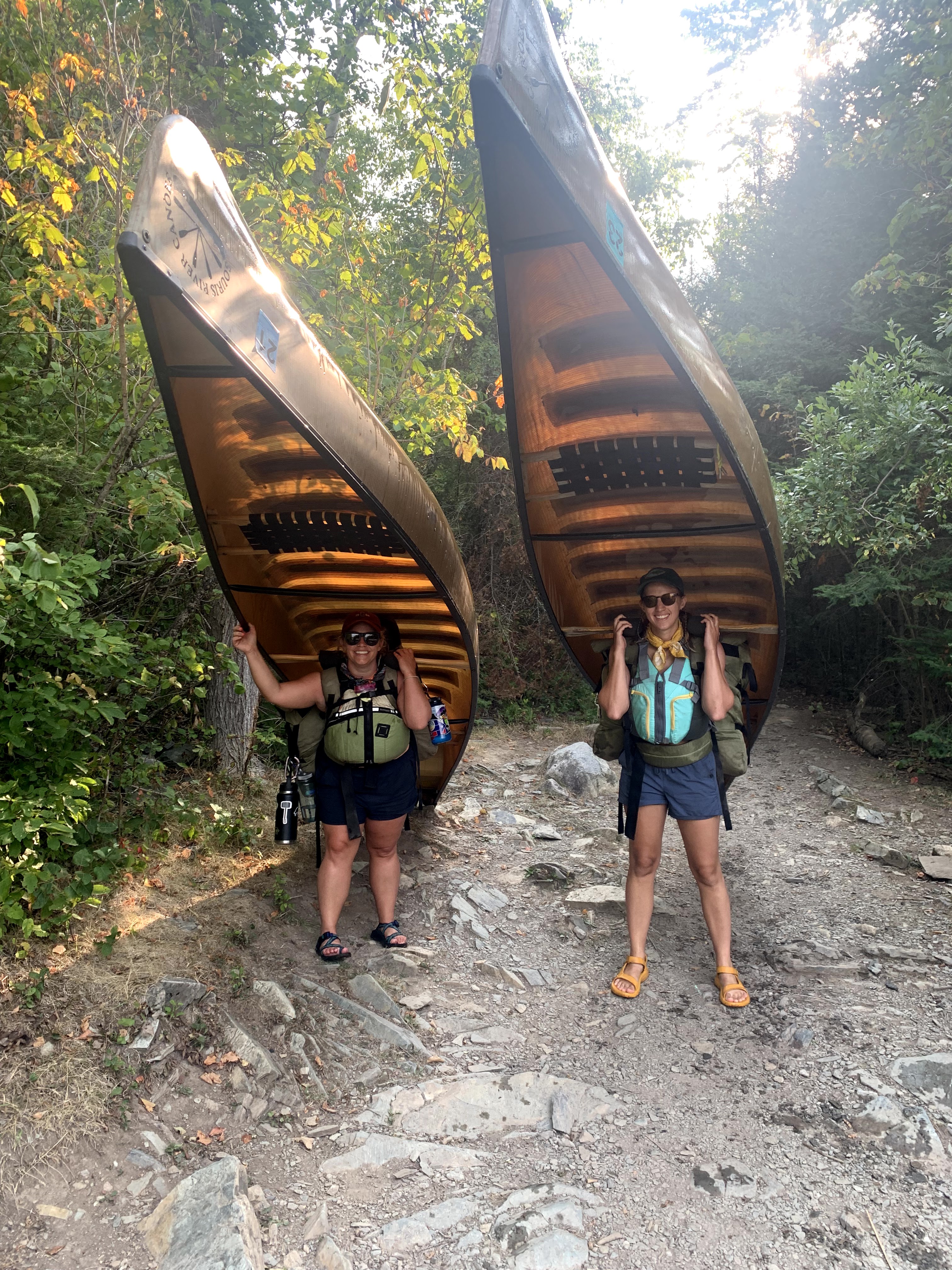
At the other side of the portage sat a man in a motorboat who had ‘towed’ in the last group and their gear. He had even portaged things through for them. He was waiting for another group that was coming out that would ride back to their landing instead of paddling back. He said he had plenty of time for a nap, however.
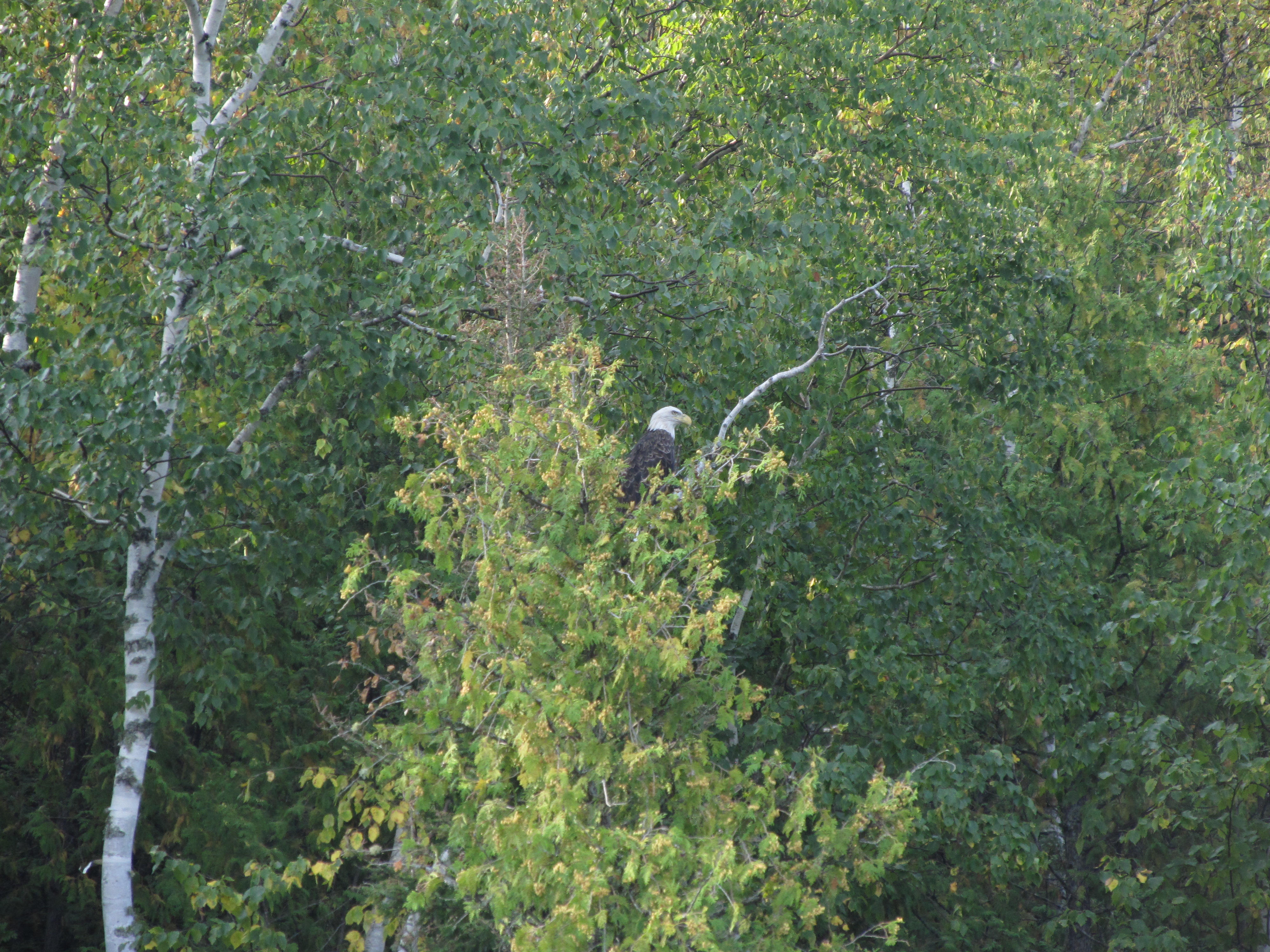
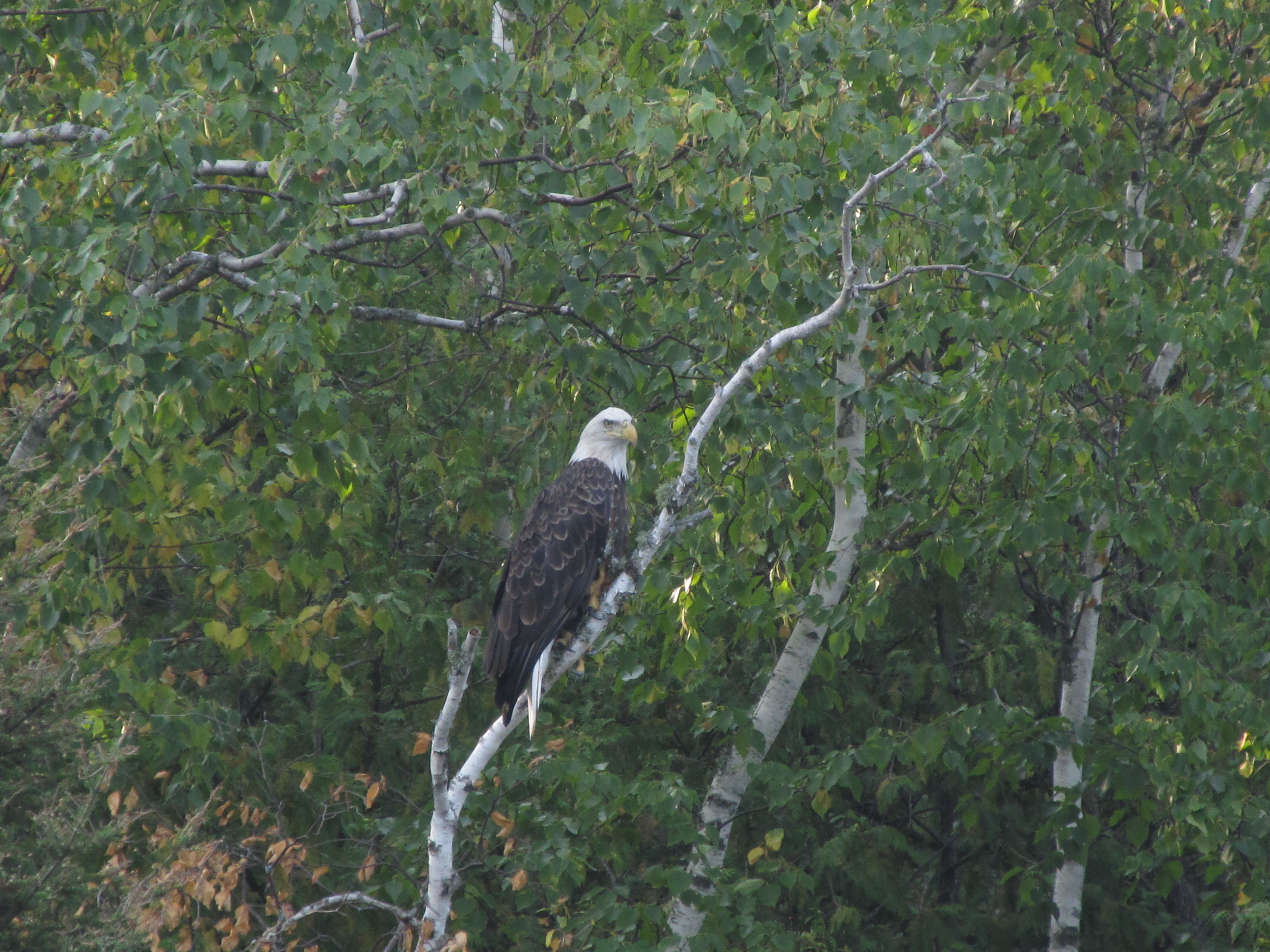
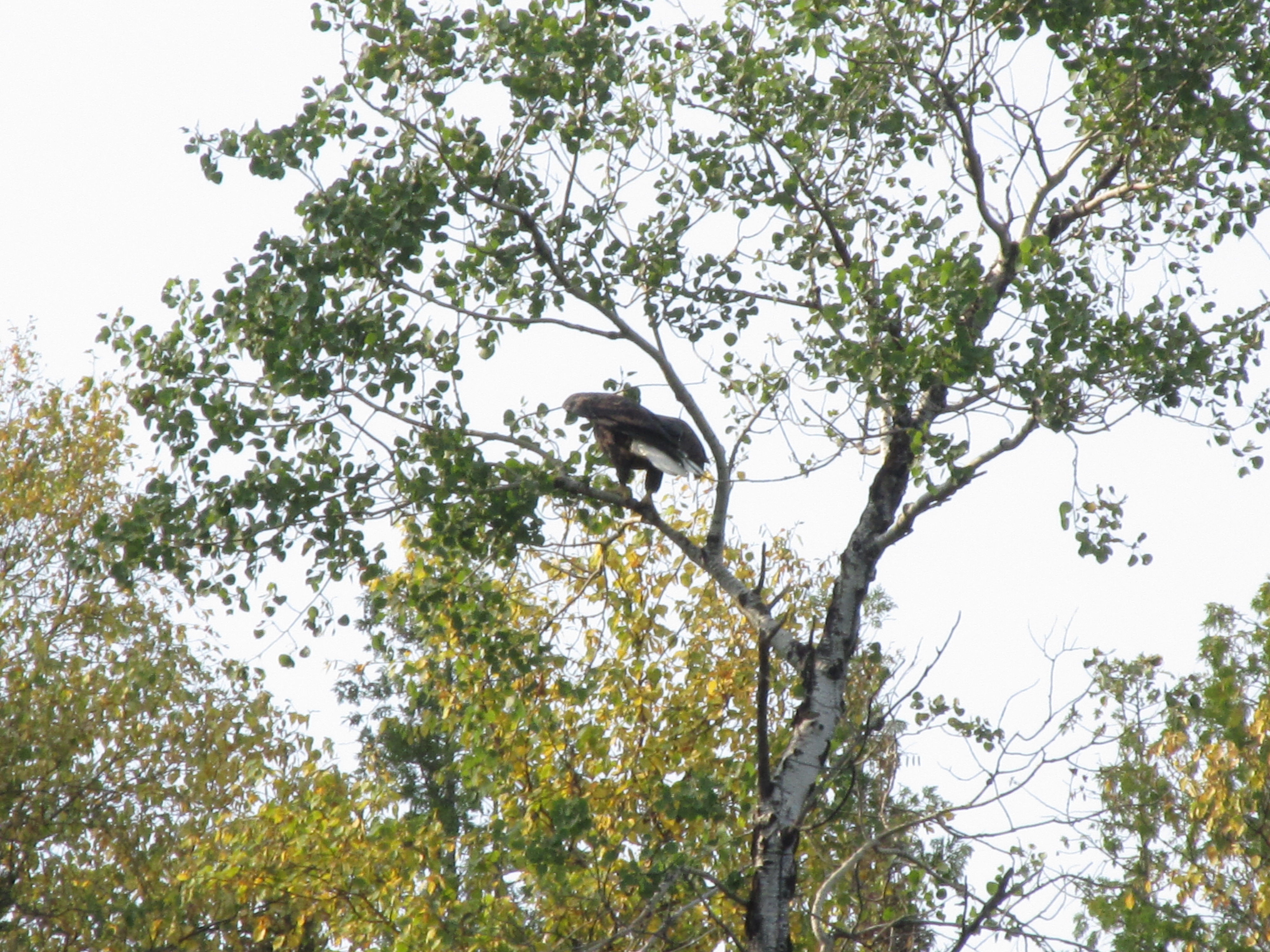
We paddled on through the wide channel into Newfound Lake. I was startled when an eagle flew from a nearby tree, out above us, to a tree in front of us. When we ‘caught up’ to him, he flew ahead to another tree. We and he were at the end of a point, the end of the channel, and when we caught up to him again, he flew into the forest. It was like he was guiding us to Newfound Lake, to Horseshoe Island, back to where we had started five days before.

As we paddled through Newfound Lake, we saw a group of four canoes leave a campsite as we passed by. It was a group of all men, and it soon became evident that there was one canoe that could not keep up with the others. (Sounds and feels very familiar.) The ‘lead’ canoe had a boisterous bearded man in the back who was drinking coffee, singing, and at various times, playing the ukulele! They would paddle ahead, then stop and wait for the slow canoe to catch up. We were on par with the slow canoe, so we saw and heard the exuberant troubadour many times. His singing drifted back to us as we got to the windy, wavy Moose Lake. Emily reminded me that I would have to dig in and keep paddling as we headed into the wind—and I did. I was in the flow—I knew what to do, my muscles were strong, my mind was grateful, and the troubadour sang us on. “Toes in the water…not a worry in the world…life is good today.” **
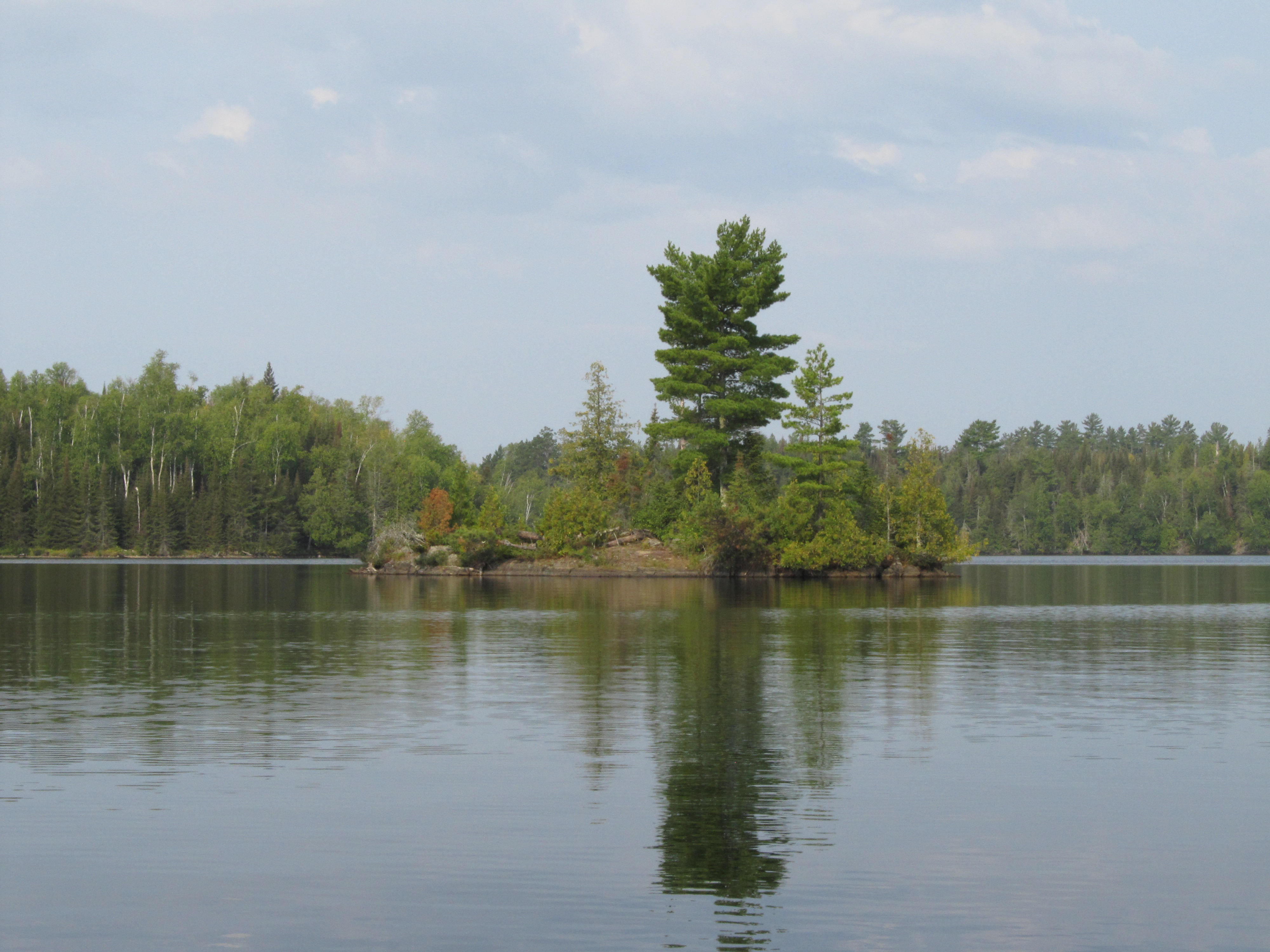
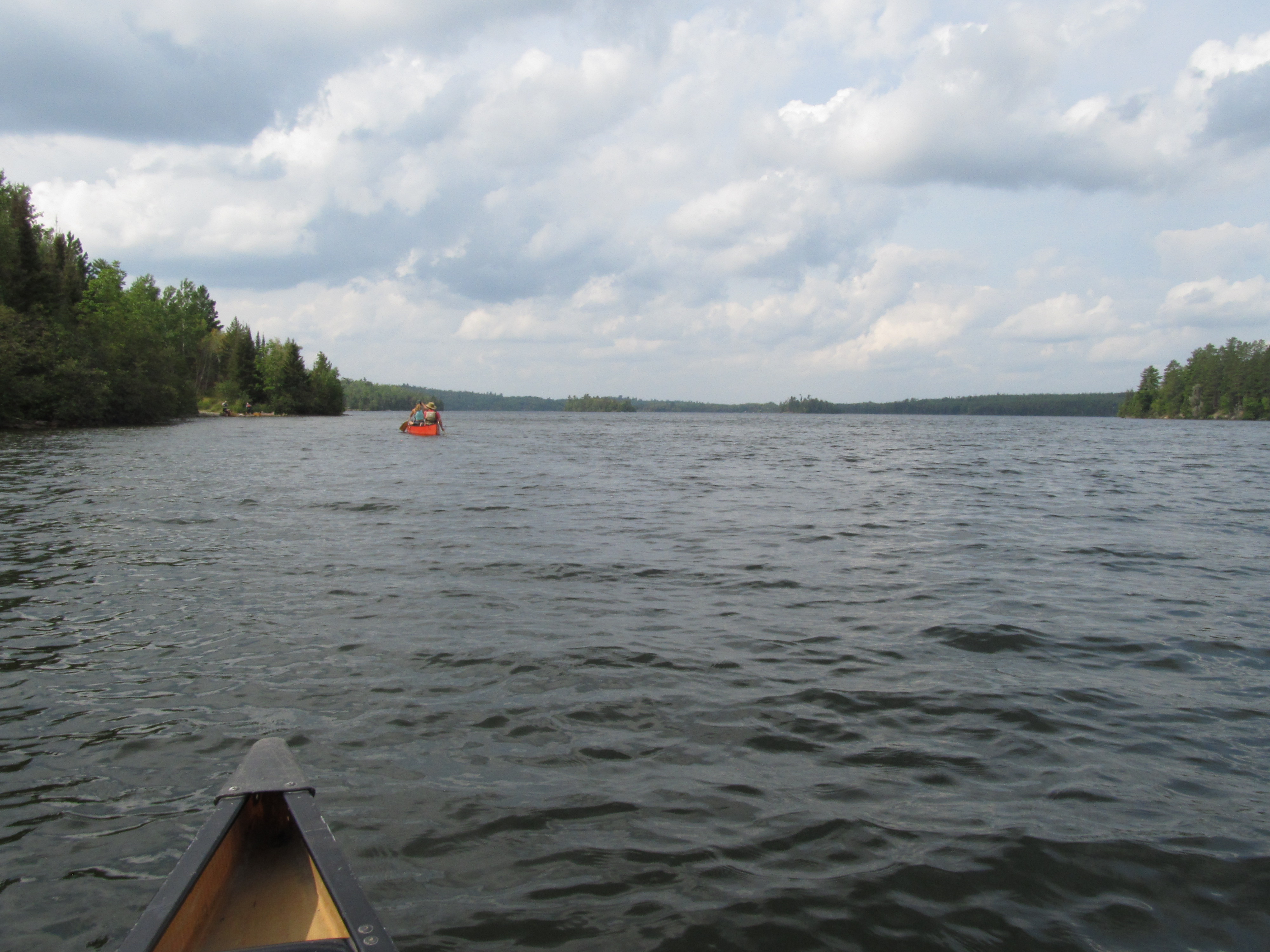
Three hours and six and a half miles after seeing the wolf, we were pulling into the Moose Lake landing. I couldn’t believe it was over! But it wasn’t quite over. We unpacked, repacked, returned gear to KWK, took our unbathed bodies into the coffee shop in Ely (a common sight/smell in Ely), and took off for Duluth and the shining Lake Superior where we would shower, get a burger and beer, and sleep in a bed.
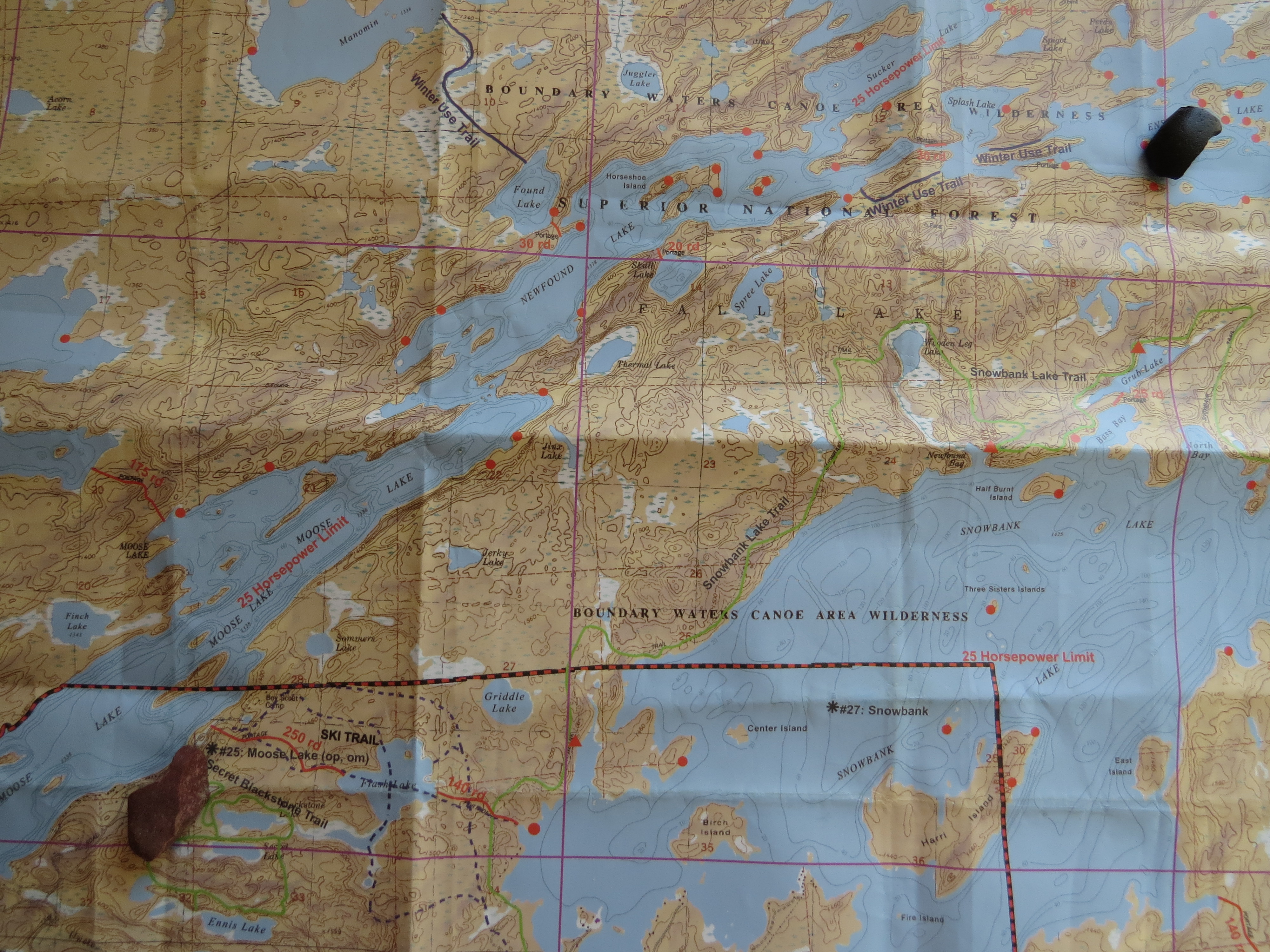
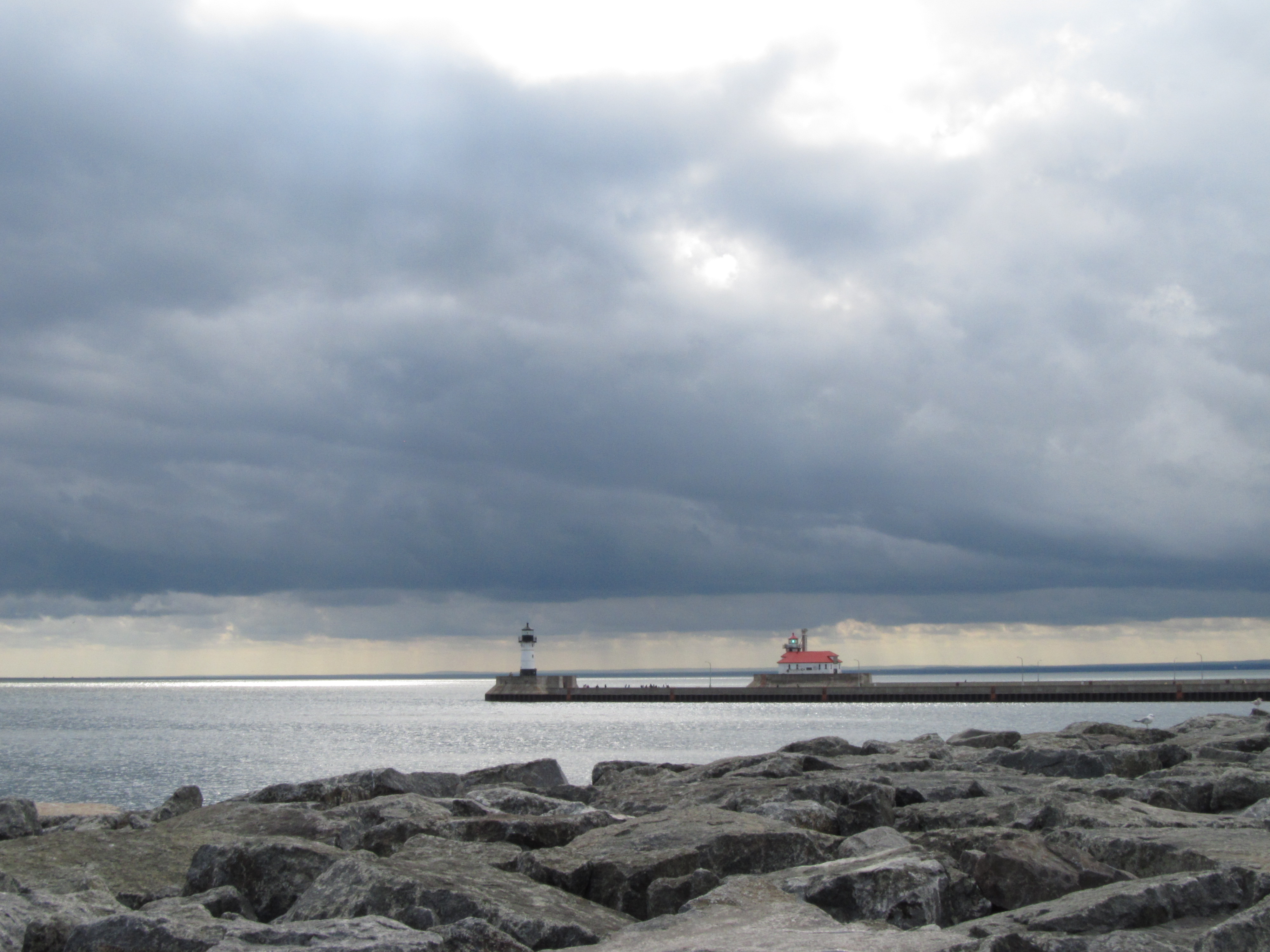
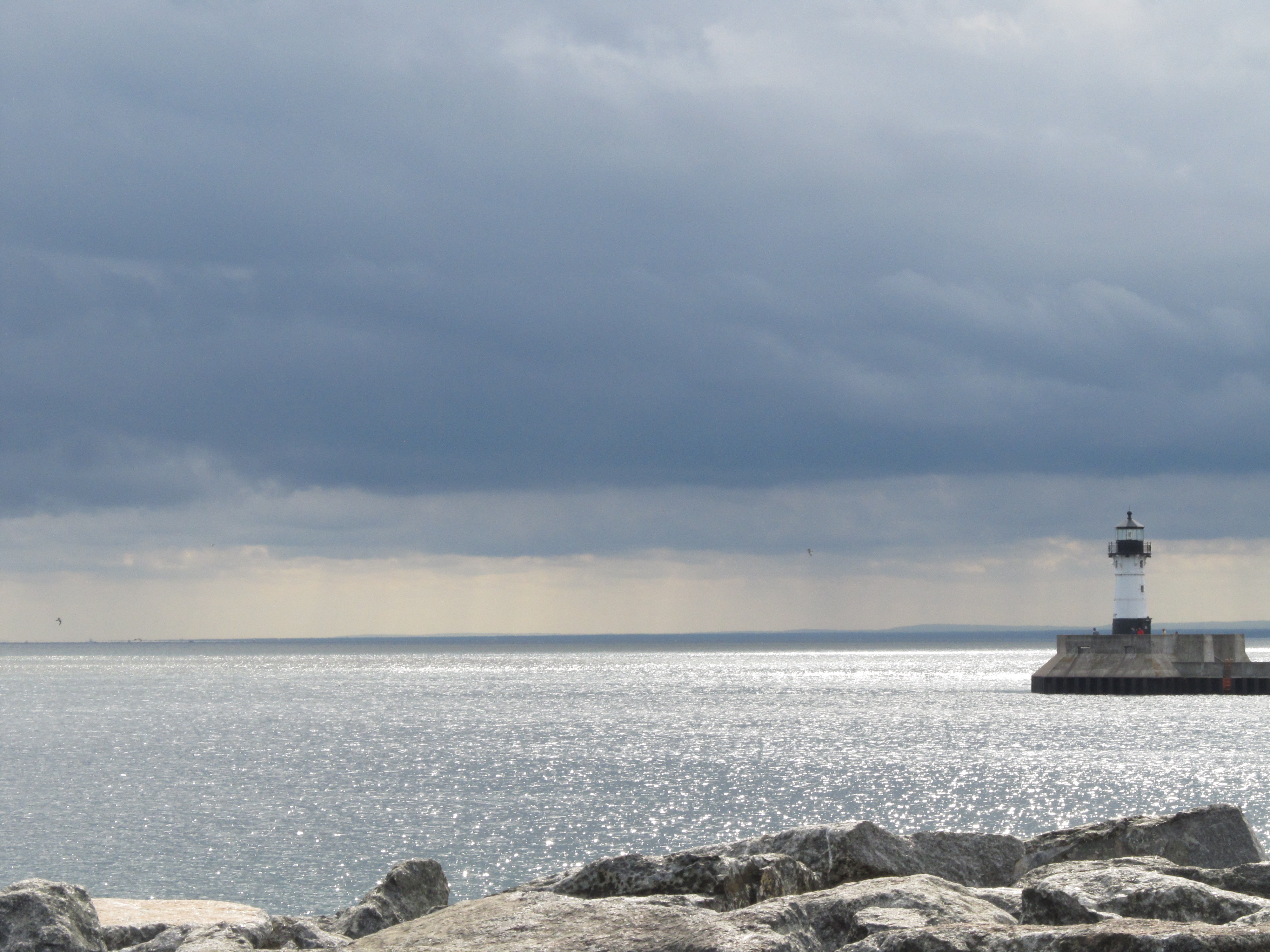
As we re-entered ‘normal’ life from the wilderness, the processing of the trip began. But even as small a town as Ely is, it was rather shocking to me and my body with all the people, cell phones and towers, cars, stores, etc. It was ‘too much’ at the beginning—I wanted to be back in the quiet trees and water. The week had been a mini-lifetime, when you start out as a young novice full of anticipation and excitement, then trials and tribulations pull you down and threaten your will to go on, when challenges of all sorts throw roadblocks to mind and body, then accomplishments and triumphs build confidence, and finally, transcendence and flow ‘miraculously’ appear. It was a hero’s journey for me, when time is of a different realm and the universe has lessons to teach.
As the week had progressed, it became evident that our bodies are meant to move and that we can be sustained on much less food, even with that exertion, than we typically ingest in our ‘normal’ life. I felt better, stronger, more able, and happier as the week went on—it was like my DNA recognized this way of being, and my body responded.
I also realized how often we ‘give away’ our precious time to external standards and pastimes that actually have little meaning or benefit to our lives. Just the idea of running every aspect of our life by the clock is challenged when you live without one. It was disorienting at first, to be sure, but as the week progressed, a natural rhythm ensued that seemed to benefit us all (even when we determined we should get an ‘early start’ the next day.) And then there’s the internet and social media….for those of us who have lived a substantial period of our lives without it, we can ‘remember’ how we had perfectly wonderful lives before its invention and access…but how many have forgotten that? Life is fully lived in the wilderness without computers and cell phones, and there was a heart-filling freedom to experiencing that with our adult children.
That leads me to the third take-away from the week—how we can’t do this thing called life alone. We need one another. From the beginning stages of our planning for the BWCA trip, I needed and appreciated the advice and knowledge from our kids who had planned and led so many previous trips. Experience and expertise matters. It matters not for individual glory and adulation but for how it can help people. From day one of our journey (and for forty years before that), I am grateful to have my partner Chris beside me (or behind me in the canoe) giving me encouragement and support—through every doubt, freakout, breakdown, triumph, excitement, and discovery. He brings humor, steadfastness, love, and movement to my life. I am grateful for the leadership, clarity, and purpose that Emily brought to all of us, and for her ability to articulate difficult things in loving ways. I am grateful for Shawn’s quiet tenacity, his amazing storehouse of knowledge, and his ability to rise to every difficult situation. I so appreciate Aaron’s quiet skills and patience, his caring heart, his humor, and his resolve. I’m grateful for Zoe’s strength and competence, her ability to relax at any given time, her consideration, and her quick wit. And so much more—from all of them. We all brought our strengths and weaknesses, our idiosyncrasies and foibles, our wounds and powers. We had an advantage being a family group that we were familiar with the dynamics beforehand and more free to share our vulnerabilities and the words of our hearts. For every difficult time when we needed everyone’s skills and participation, there were countless times of ease and joy of being together. And so it is with life, wherever we are. So keep paddling, for life is good today.
This is the fifth post in a series of five that chronicles my experience of five days in the Boundary Waters Canoe Area (BWCA). It is best to read the whole series from the beginning (Anticipation) in order to understand certain things I refer to in my other posts.
**from ‘Toes’ by Zac Brown Band
The Meeting Place
When I was in my early twenties, I was staying with friends of mine who lived out in the country. Before going to sleep one night, I saw a light flashing by the window. Instantly I was scared. I froze in stillness with my eyes wide open, trying to see where the light was coming from. Was it somebody walking around with a flashlight? My friends were sleeping in the next room. I was convinced I was in danger, that there was a bad person prowling around outside, but I was frozen with fear. I don’t know how long I lay there in fear, finally falling asleep against my will.
We headed east from Ely. Superior National Forest surrounded Highway 1 in Autumn glory. Our late September trip up north wasn’t quite over, even as we were heading home. We drove to the shore of Great Lake Superior. It is such an amazing sight! We stopped at Tettegouche State Park—just one of around 17 state parks that line the eastern border of Minnesota along Lake Superior, the St. Croix River, and the Mississippi River. Tettegouche is a French Canadian phrase meaning “meeting place.” The land was home to a logging camp in the late 1890’s, then a fishing camp and retreat, and conserved by a couple owners and The Nature Conservancy before becoming a state park in 1979. With the afternoon waning, we opted to hike to High Falls along the Baptism River, the highest of four falls that drop the Baptism River 700 feet to Lake Superior.
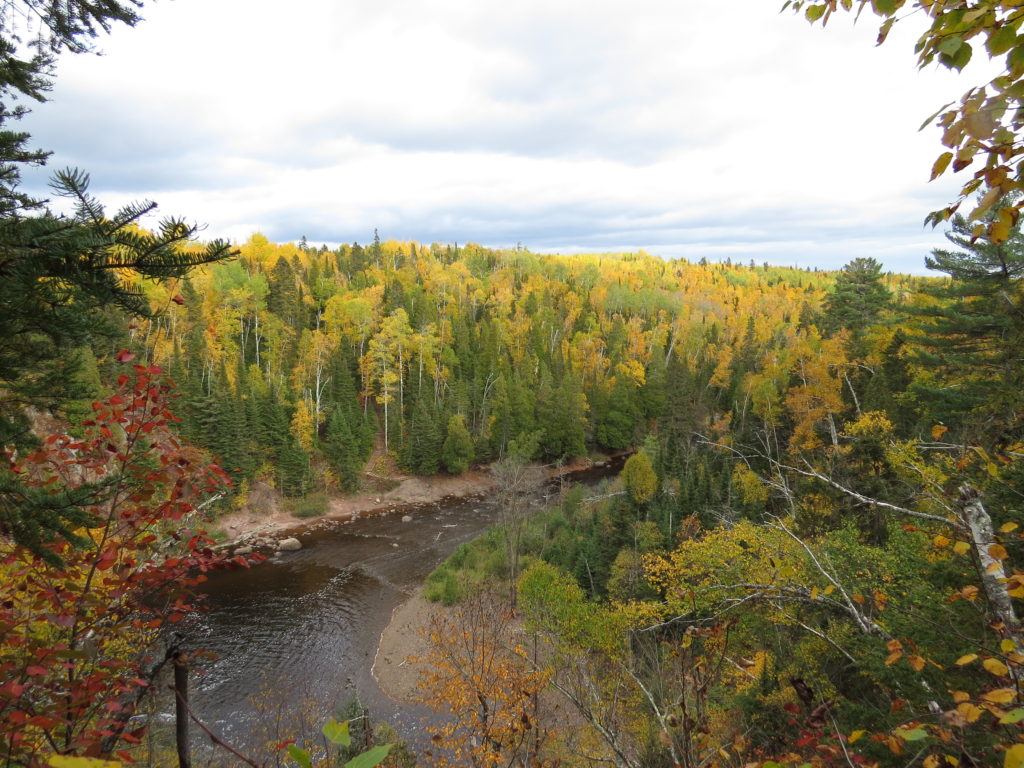
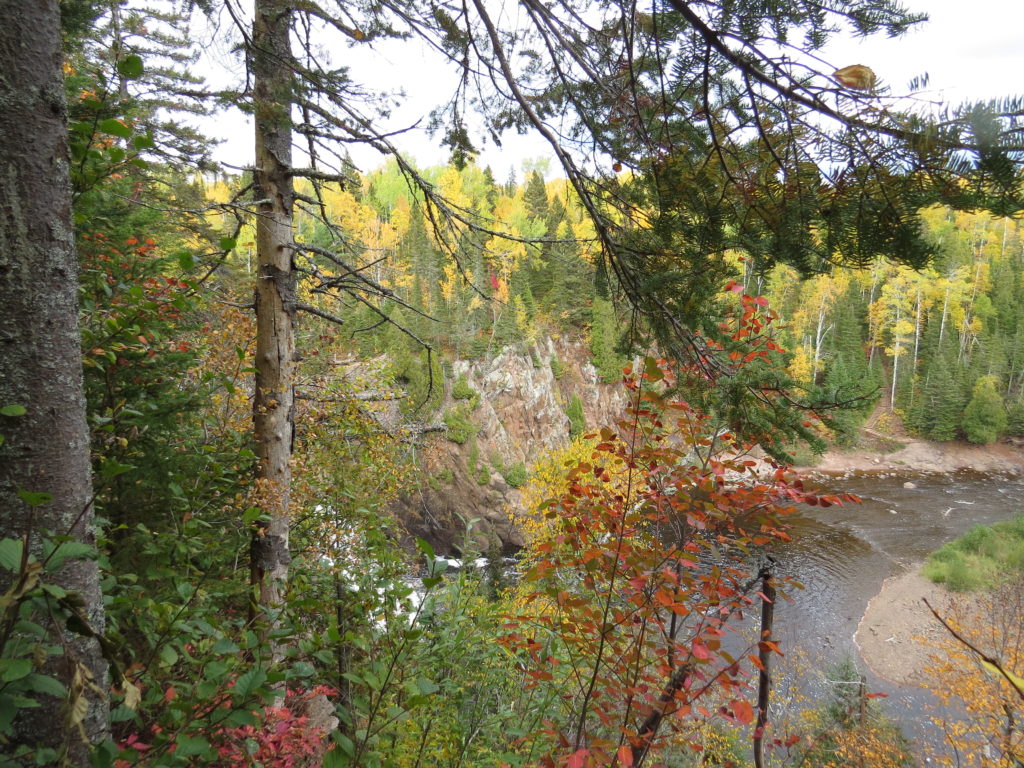
Getting up to the falls took a substantial amount of breath, but once there, we walked across the swinging bridge to peer upstream and downstream to the edge of the falls.
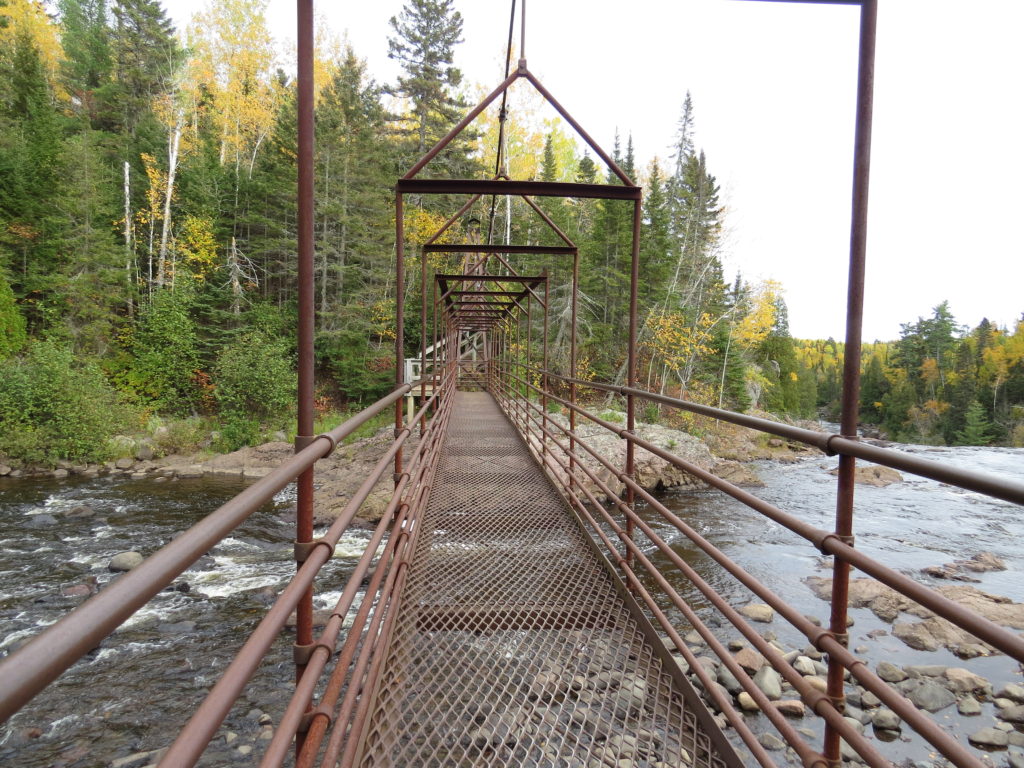
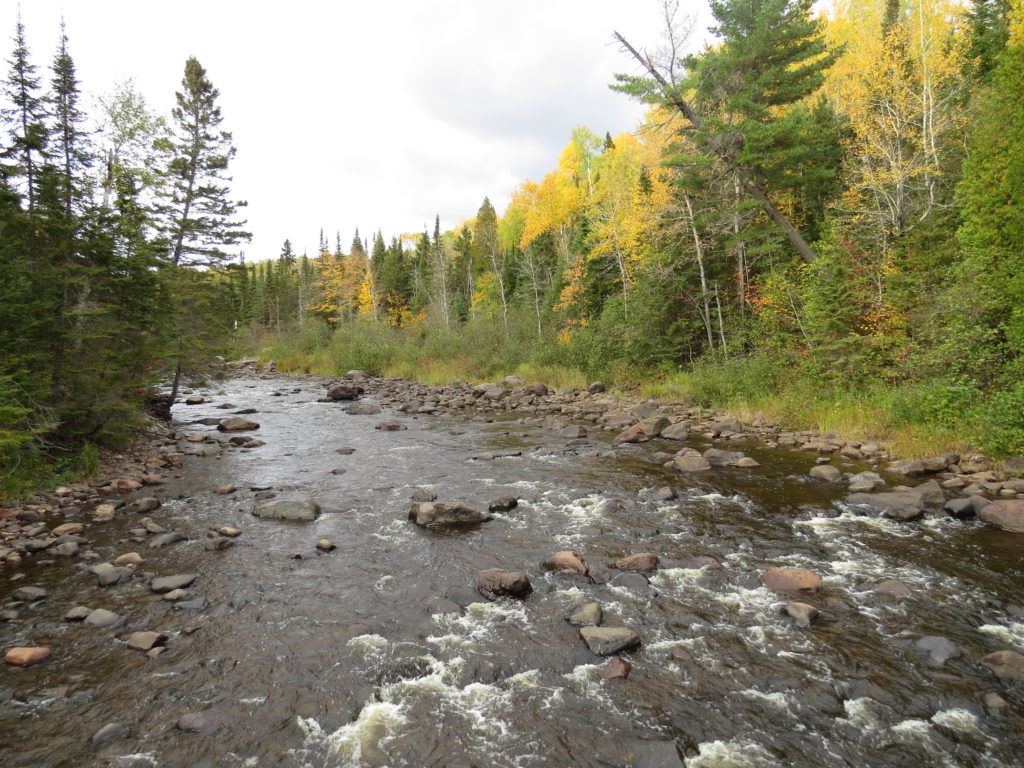
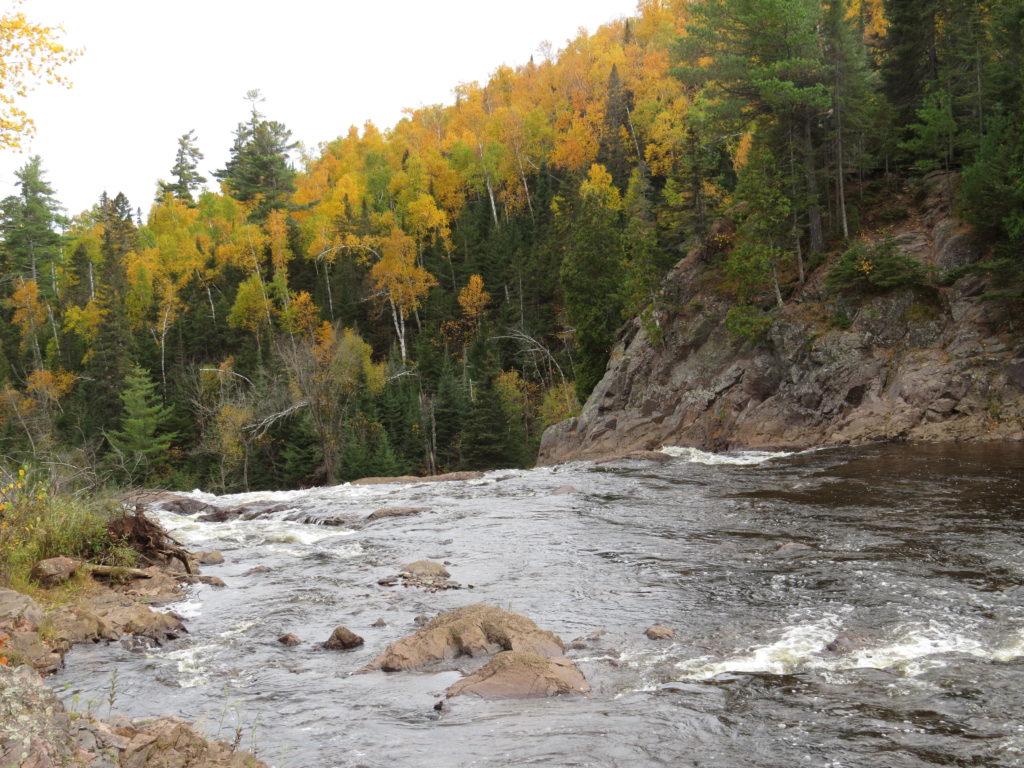
Trails on both sides of the River, along with the bridge, allowed us to see the spectacular rock face and sixty feet of cascading water.
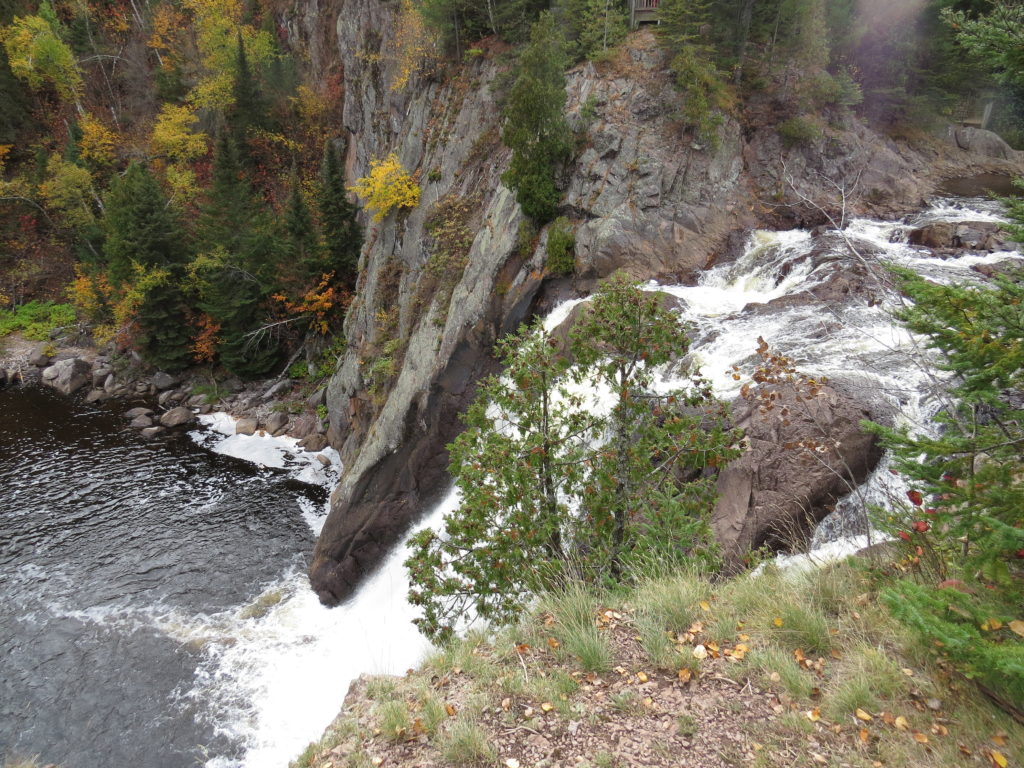
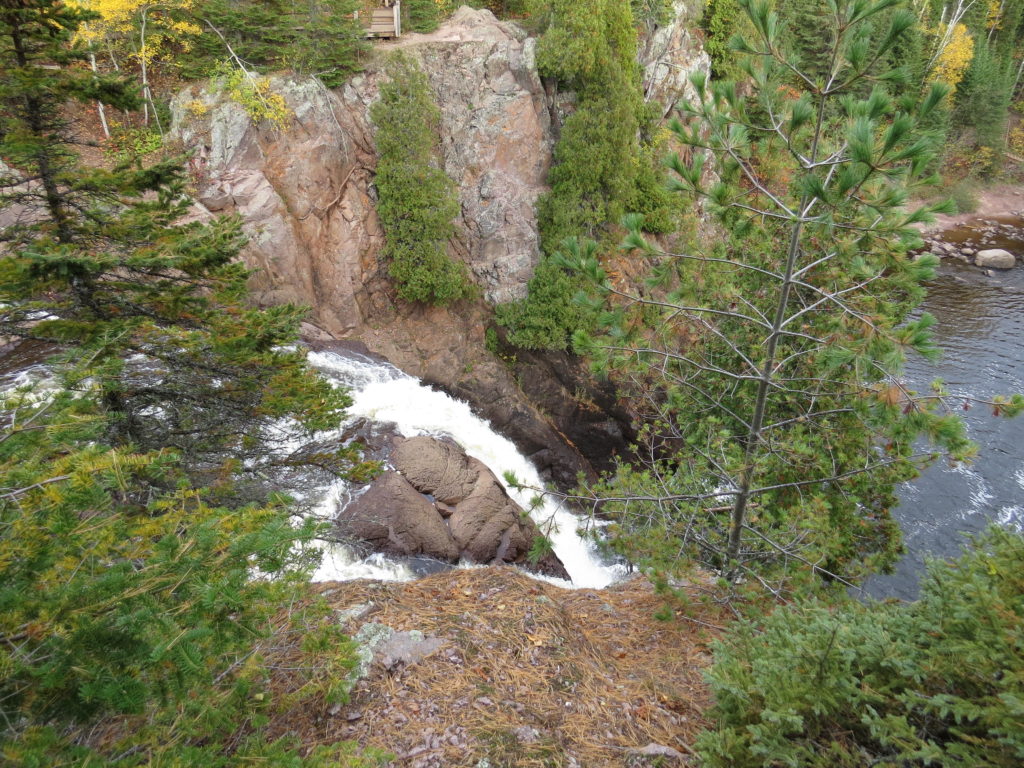
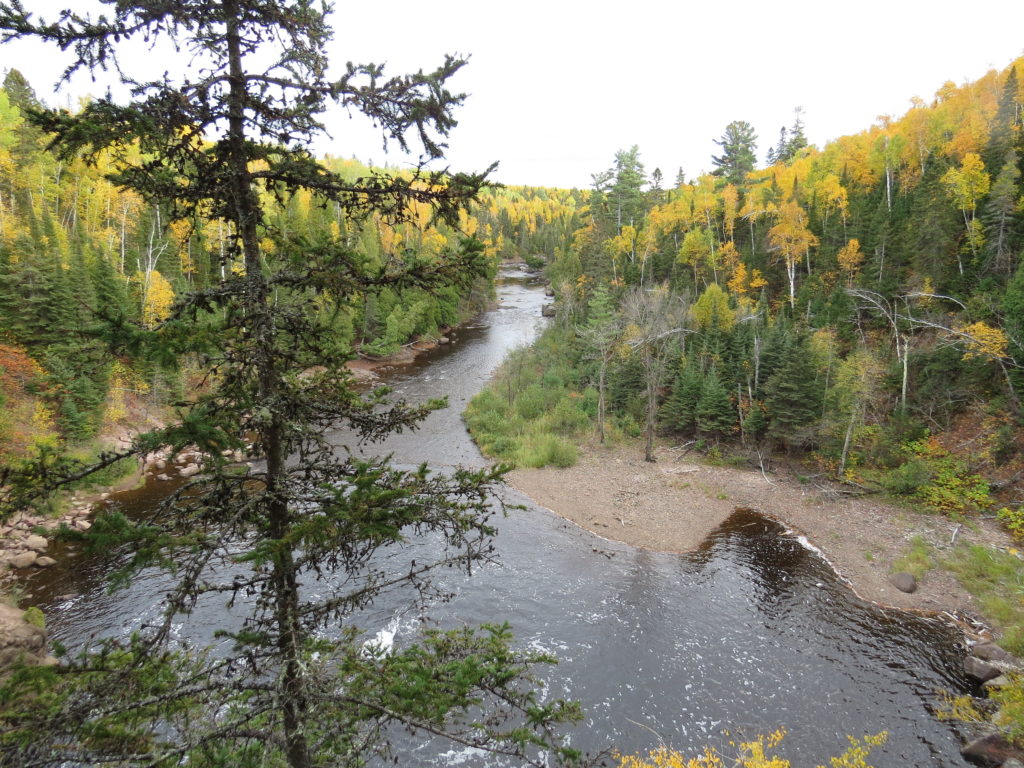
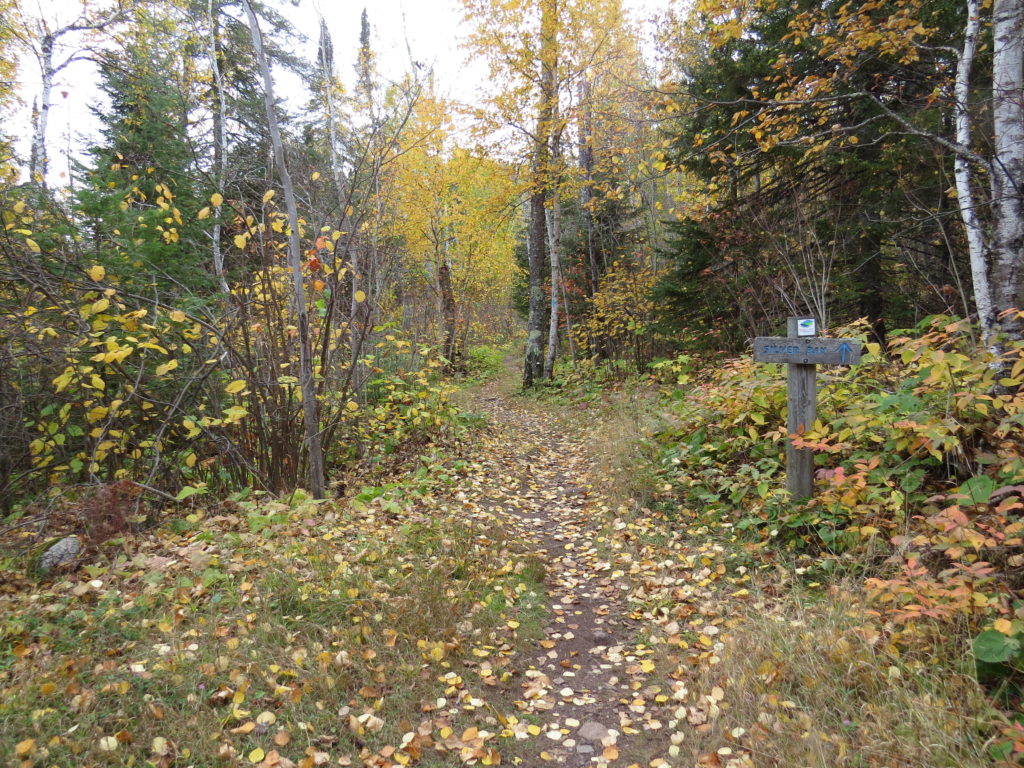
We hiked back down to the car, crossing the Superior Hiking Trail that runs though the park.
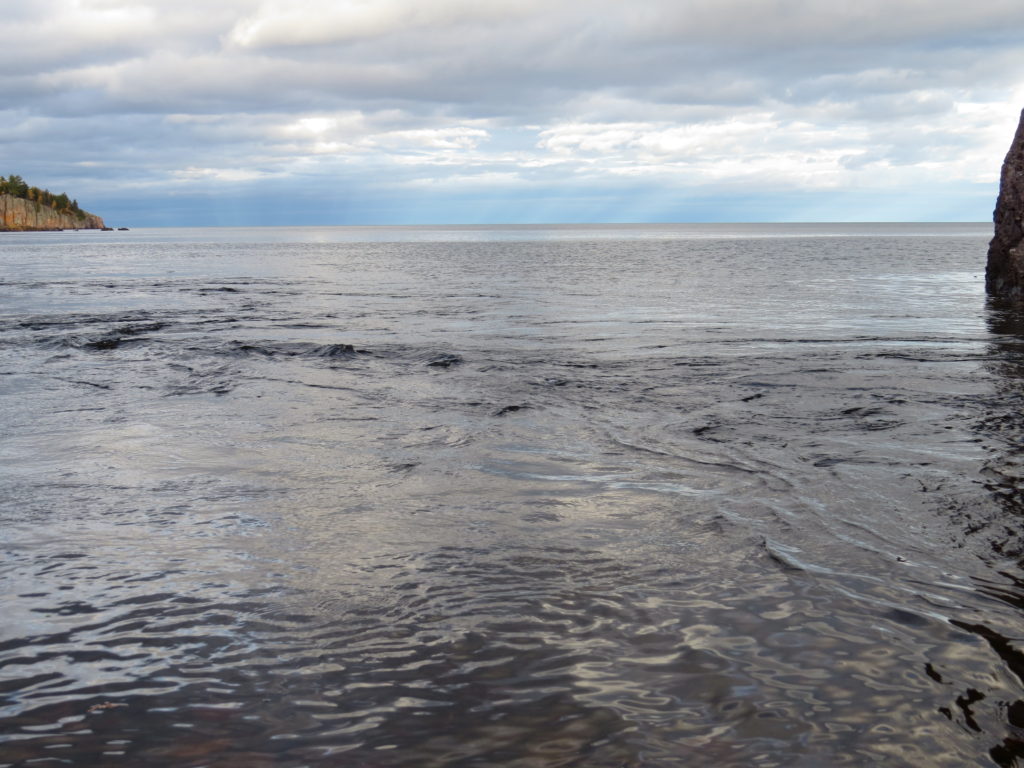
We wanted to see where Baptism River meets Lake Superior. The rock cliffs guided the River to the Great Lake who had tossed up a sand bar of polished rocks, seemingly blocking the flow of the river.
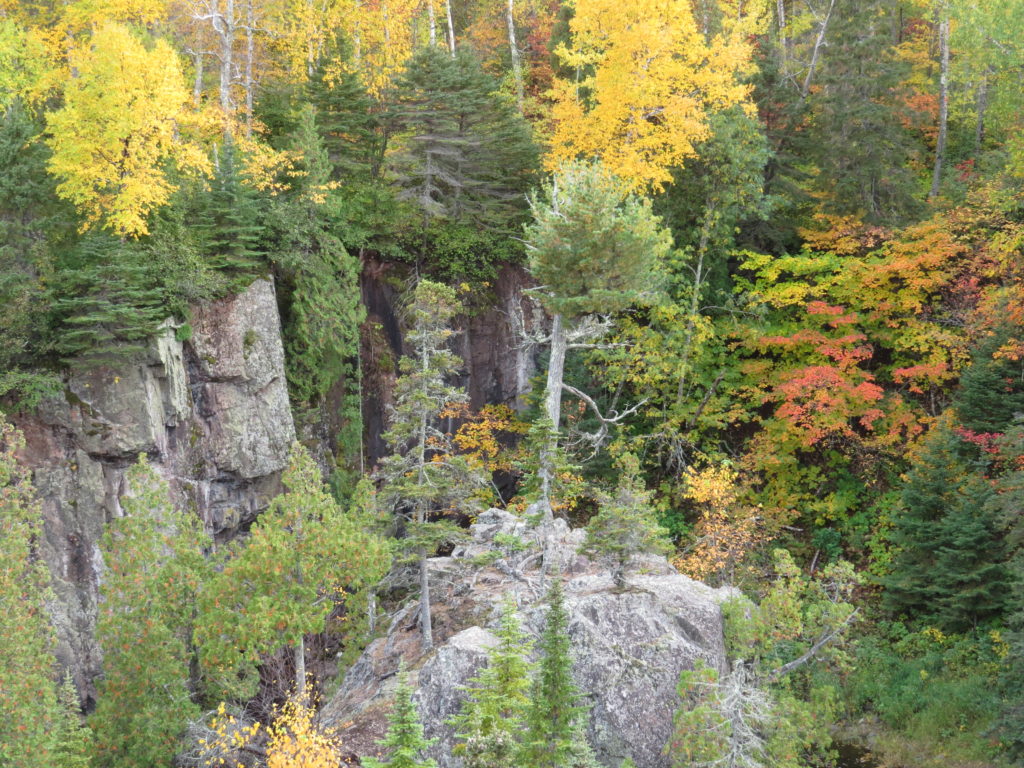
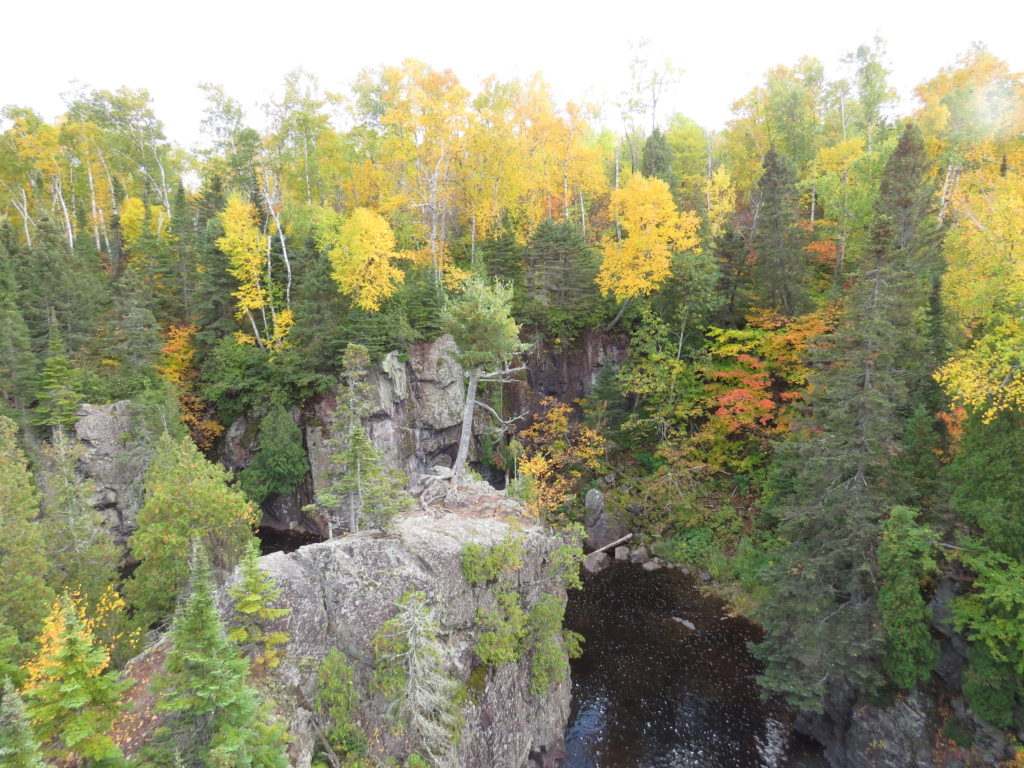
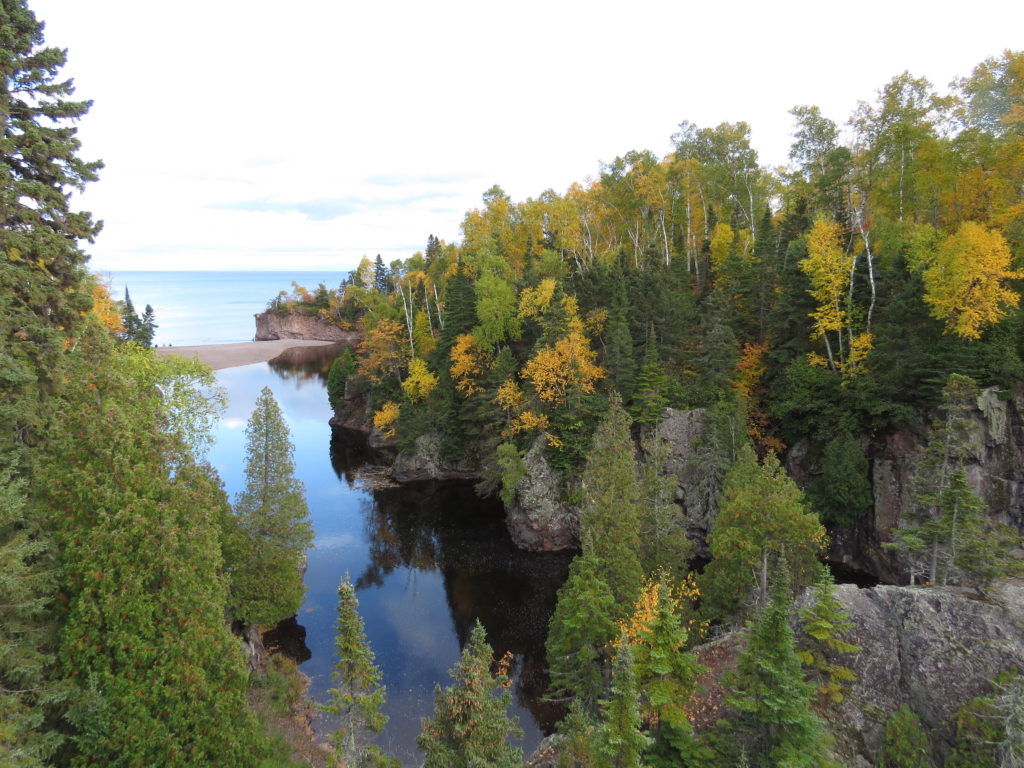
The ‘rockbar’ stretched across most of the mouth, but the River rushed around the corner of it, spilling into Superior.
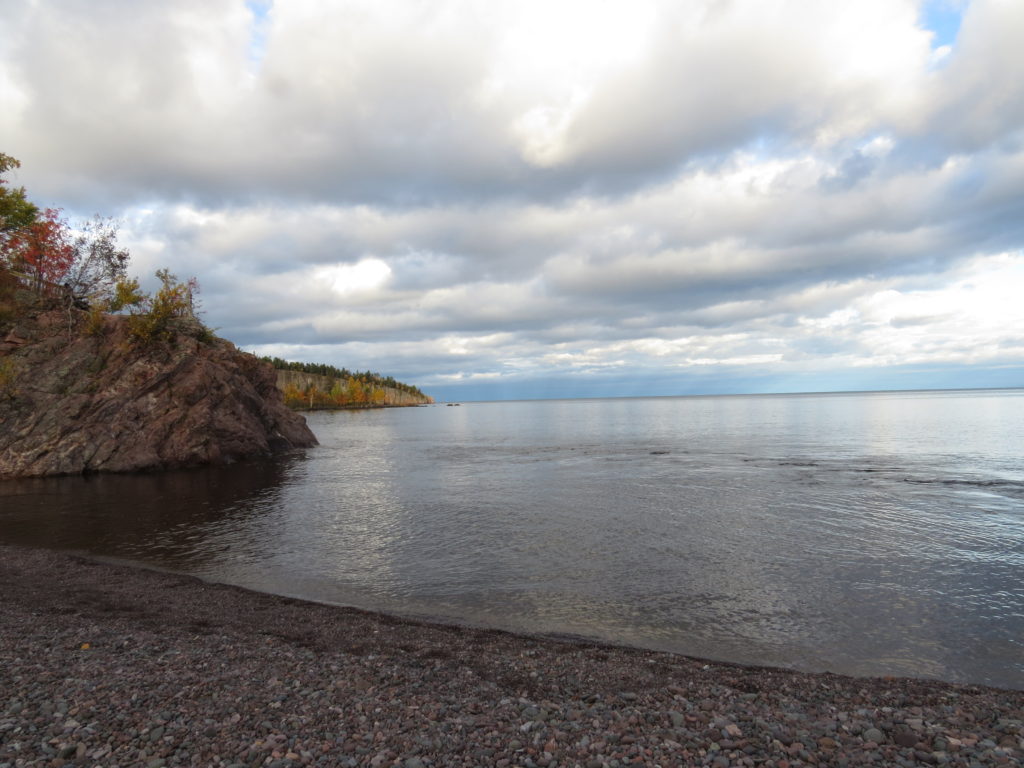
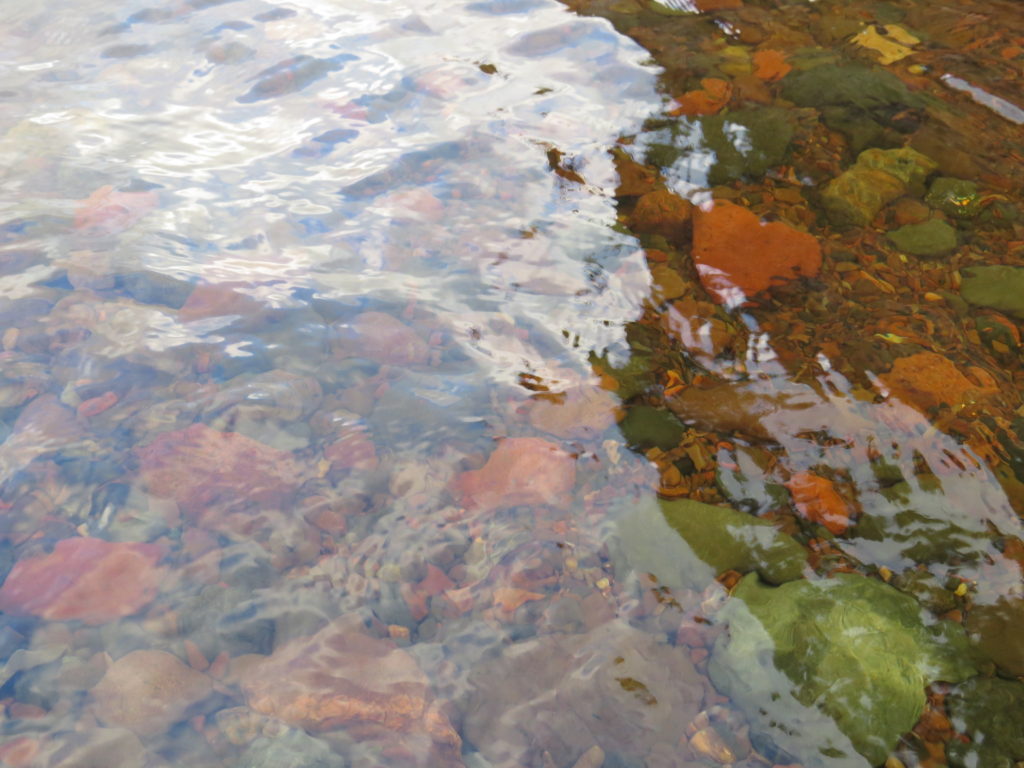
We rock-hounded for a while, gathering some, leaving other ‘heart’ treasures the spirited Lake protects with her cold waters.
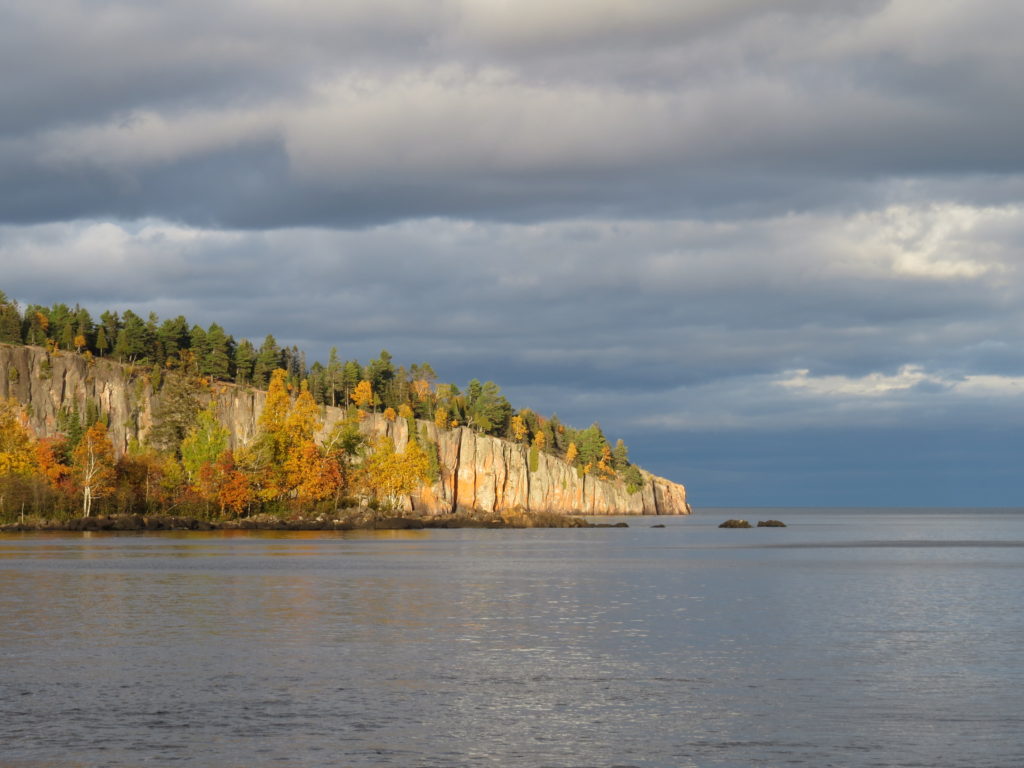
The spectacular Shovel Point, where rock meets water, glowed in the evening sunshine.
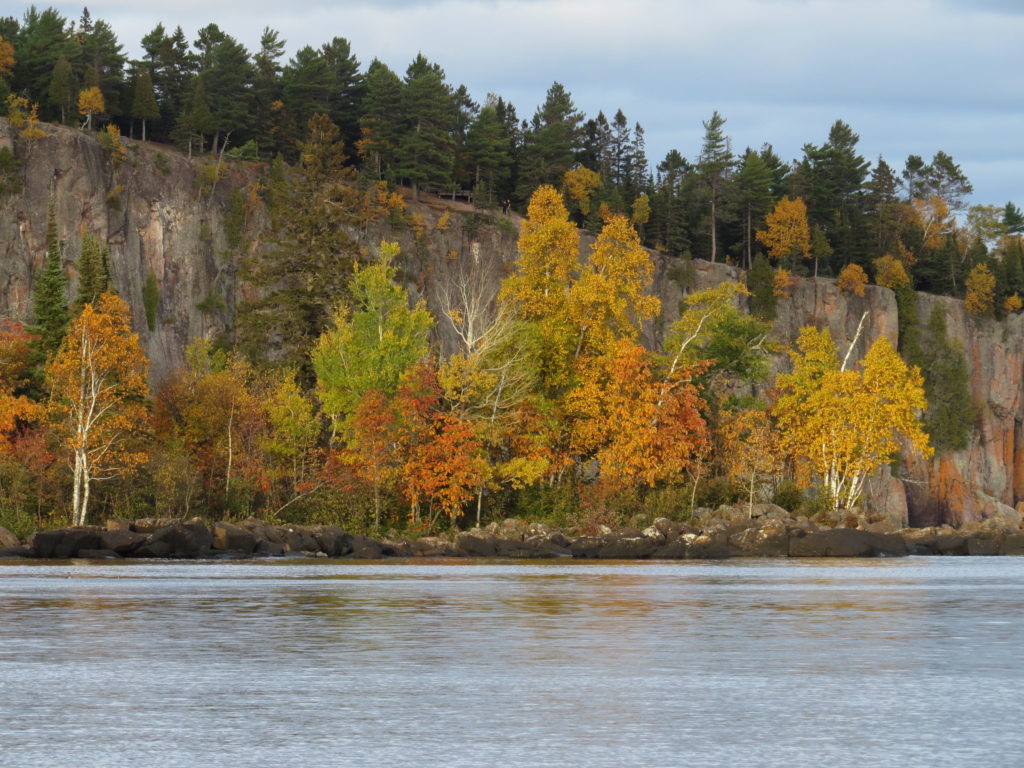
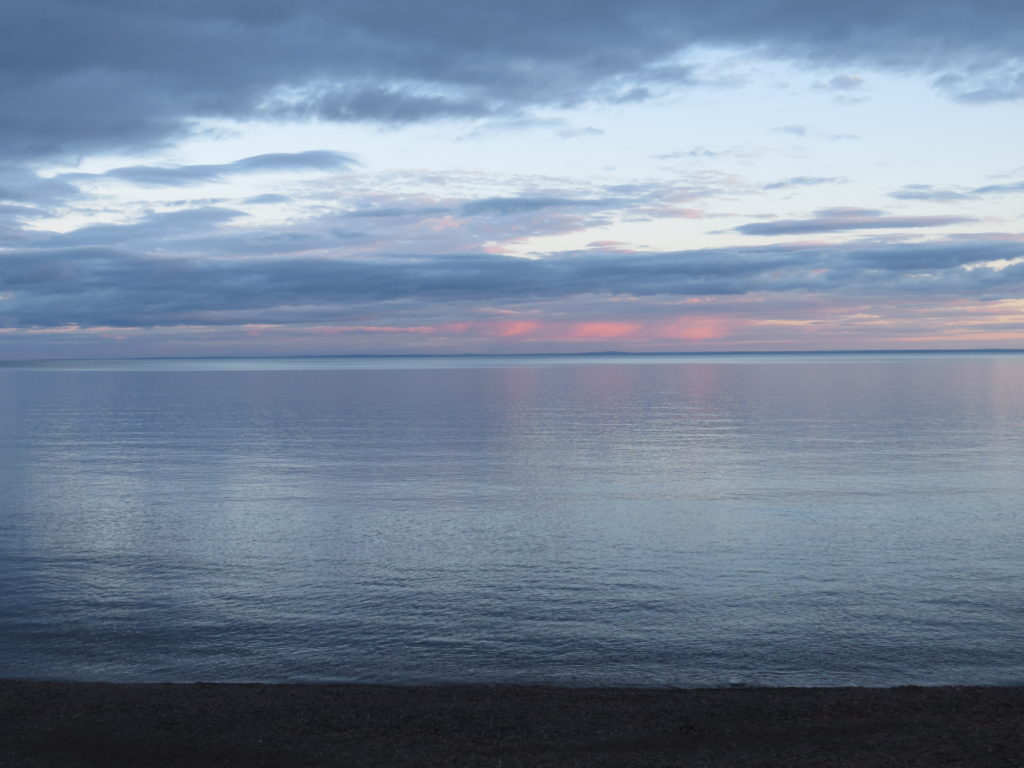
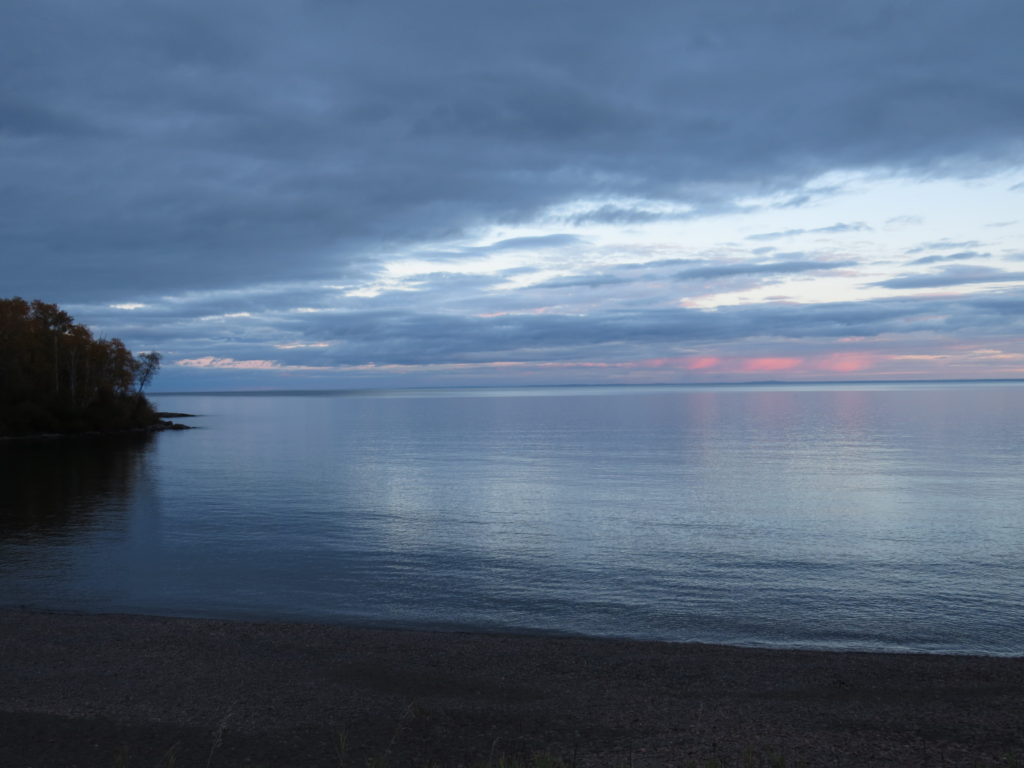
The clouds and dancing light of the sunset reflected down on our Minnesota sea where sky meets water.
It was many years after my frightening experience when that memory came rushing back to me. It was when I saw a light flashing by a window, just like that time so many years ago. This time I didn’t freeze. I was able to walk to the window and look out…. I saw fireflies. I had had a life-threatening encounter with fireflies. This time I marveled at how bright the tiny insects were when they flew close to the window. It’s such an embarrassing story, but it was very real to me. When we are exposed to what we perceive to be a life-threatening experience in our childhood and there is no resolution, our bodies become programmed for fear—for fight, flight, or freeze. Without thinking, my body froze when I was a young adult. Adrenaline coursed through my body, my heart raced, my pupils dilated. Fear took over my brain and body.
We are a nation divided by a great chasm of belief systems that are seemingly miles and years apart. Each side fears the other. I’m here to remind us that fear first works on our bodies and in the process, shuts down the logical, reasoning pre-frontal cortex of our brains. When we are in fight or flight mode, there is no reasoning with us. I truly believed that I was in danger that night, that I was going to be harmed. But in reality, I was safe. Fireflies pose no threat. I was wrong in my fear, my very real fear. This is when and where we need to extend grace to ourselves and others. Grace is the meeting place between us humans and the divine. It allows us to have a meeting place between our hearts and minds in order to dispel the fear that is taking over our bodies. That is work only we can do for ourselves, albeit with help from others. Blessings to us all in this endeavor.
We may differ widely in environments, education, learning, knowledge, or lack of it, and in our personalities, our likes and dislikes. But if we set ourselves the task, we’ll find a meeting place somehow and somewhere. Faith Baldwin, 1893-1978
The Question of Up North
I was talking to a wise man recently about a controversial issue that he had been adamantly opposed to for most of his life. He told me about a number of personal experiences as well as those by people close to him that informed that issue. And then he said, “It has re-opened the question for me.” His simple, calm, and humble statement was like a wave of cool, fresh water on the hot division of our country.
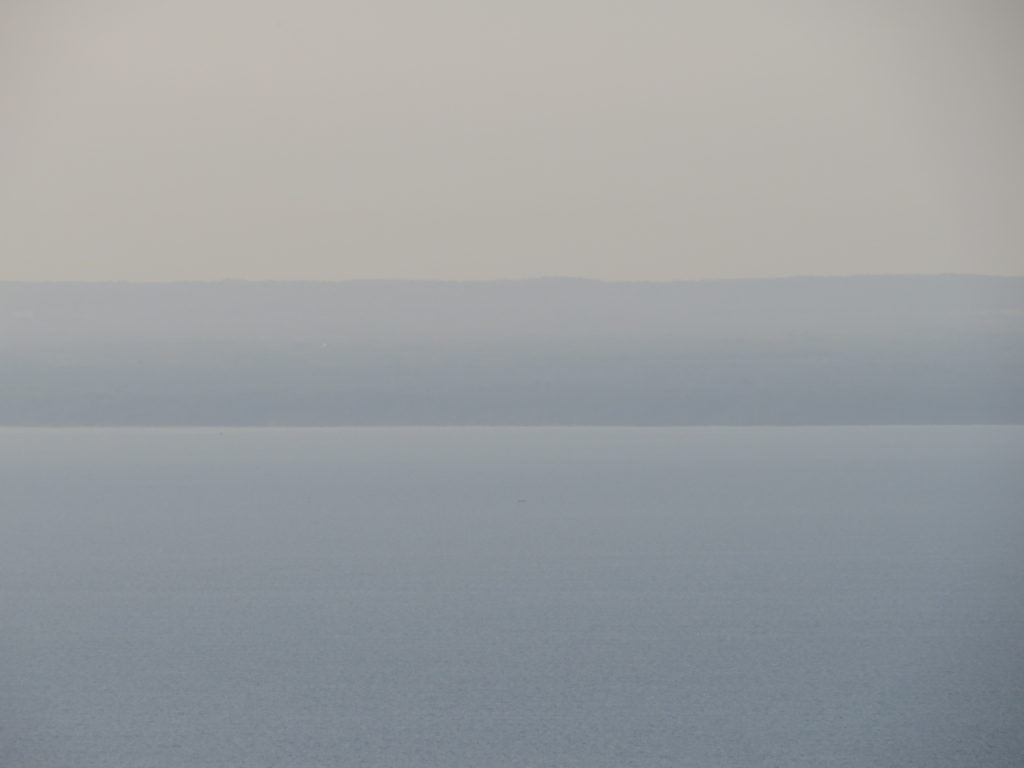
When people in Minnesota talk about ‘up north,’ it can mean anywhere from Alexandria to Brainerd to Bemidji to the North Shore or to Ely and the BWCA. Even the ‘North Shore’ stretches from Duluth to Grand Portage, 145 miles along Lake Superior. Up north can be about deer hunting, skiing, weekends on the lake, hiking the Superior trail, or canoeing in the Boundary Waters. Our trip up north began with Duluth, the shipping port city on the magnificent Lake Superior. We stayed in an Airbnb high on the bluff overlooking the Big Water. In the early morning light and mist, the water, cloud bank, and sky melded together into a monochromatic panorama of simplicity.
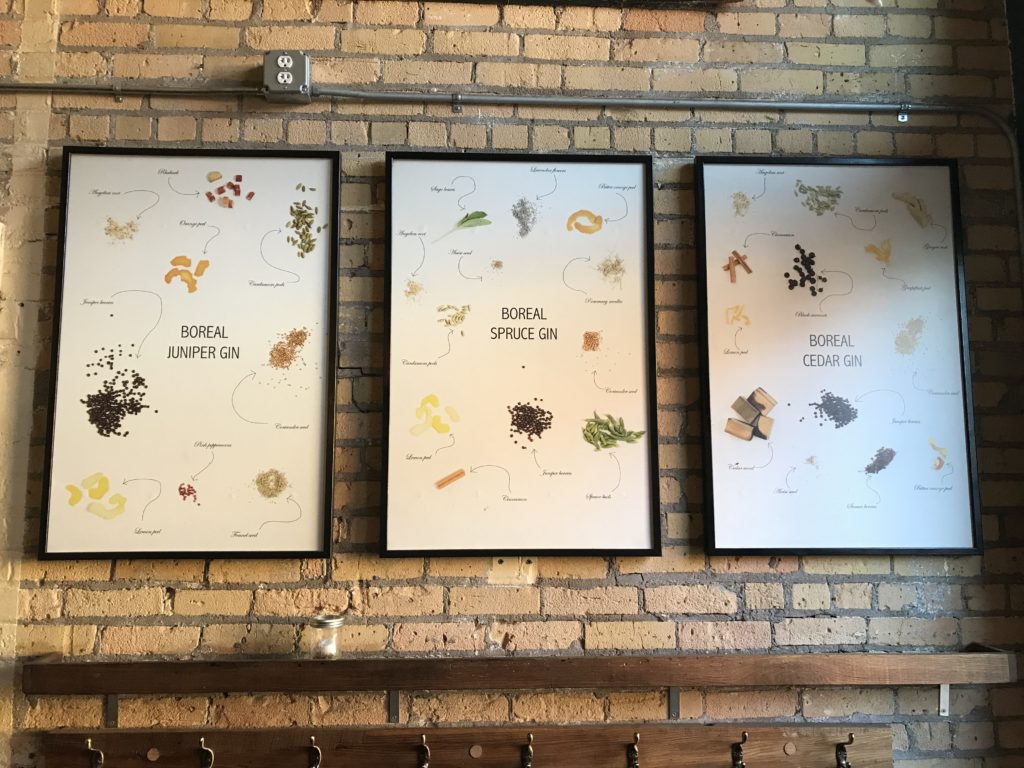
We drank in some Nature while in Duluth—literally! We stopped at Vikre Distillery, makers of gin, vodka, whiskey, and aquavit—a Scandinavian distilled spirit. They use local grains, herbs, rhubarb, and wild botanicals including juniper berries, spruce buds, and staghorn sumac—all distilled with the clear, cold water of Lake Superior.
We also visited two Duluth breweries—Bent Paddle and Ursa Minor, both unique experiences made better with the knowledge and energy of the four young people with us who know a thing or two about visiting breweries.
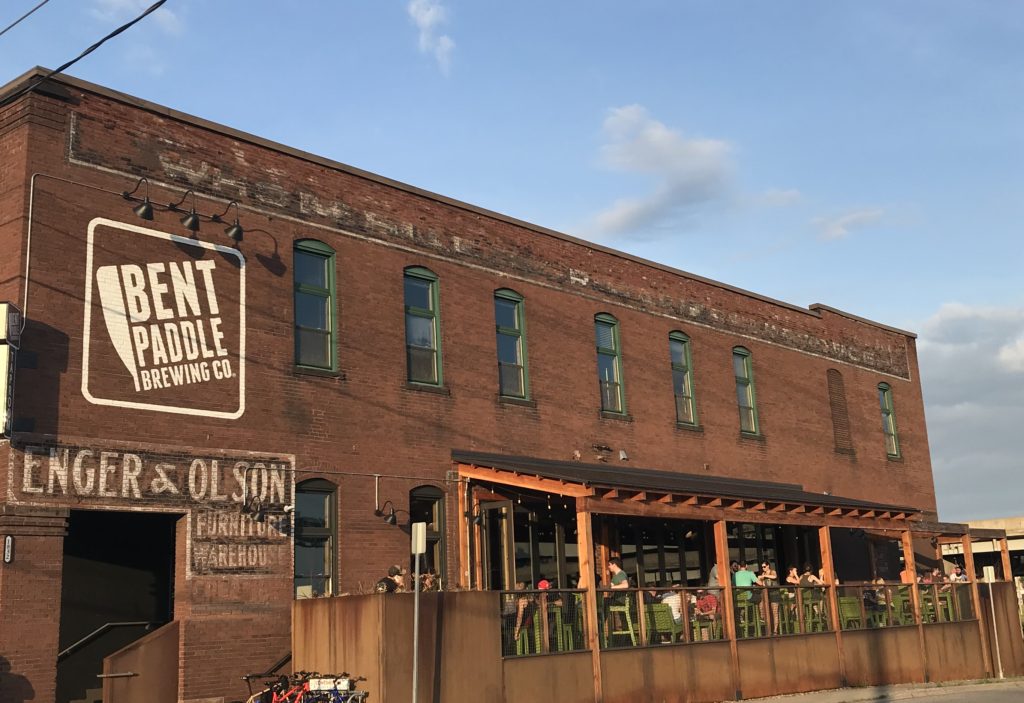
We enjoyed a mouth-watering BBQ meal delivered by a friendly staff person from OMC Smokehouse, located a block away from Bent Paddle. A Celtic band played in a corner of the taproom as we sat on the patio across from them. A trip to the restroom was like trekking through the North Woods—mosaic tile waterfalls tumbled from the bar, a dark hallway ceiling was lit up with tiny lights in constellations from the night sky, and the wallpaper in the women’s restroom featured friendly woodland creatures. Look at those faces!

Ursa Minor is the ‘Little Bear’ constellation in the Northern sky that contains the Little Dipper. The bright star at the end of the handle of the dipper is Polaris—the North Star! We enjoyed wood-fired pizzas made from ingredients that were snipped from the raised-bed garden around the patio. Now, I know I said nothing about the beer, although I do appreciate Ursa Minor’s marketing of ‘comfort beer!’ Beer is something I have never liked or drank—until my adult children and the craft beer industry united with a “taste this one.” Most still made me shudder, until I tried a really dark Oatmeal Stout. My comments included ‘that’s not too bad’ and ‘there’s a lot going on there!’ So I have now claimed the darkest beer (without coffee, that is—another common drink that kind of makes me shudder) as my favorite, and that just makes me laugh!
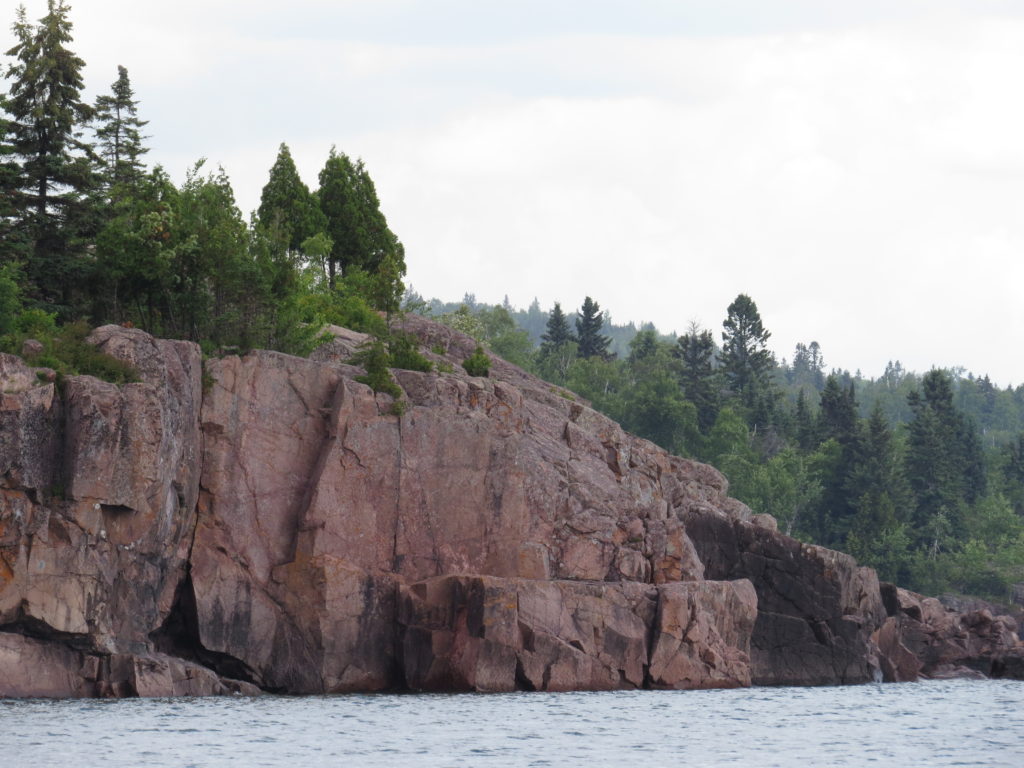
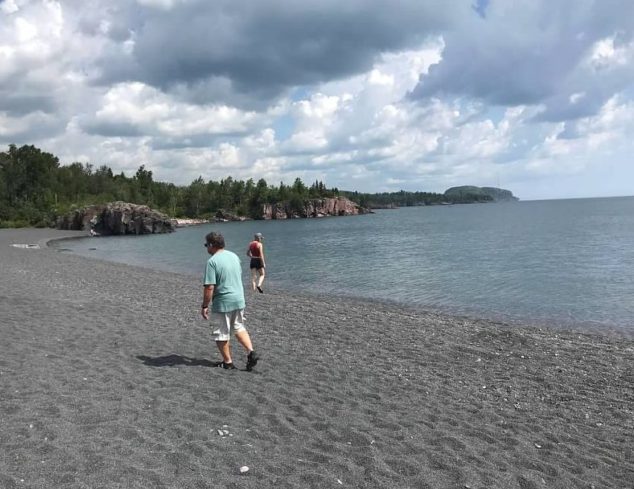
The destination of our short Duluth stay was up the shore of Lake Superior, past Two Harbors and Split Rock Lighthouse to Black Beach. A protected cove surrounded by rock cliffs and North Shore trees has an amazing beach of tiny black pebbles. It is visually stunning, especially since the cliffs are red rocks. How did this happen? There is a mixture of larger red and black rocks in the clear water, but the beach is mostly black. This area used to be privately owned and was a dumping place decades ago for the tailings or waste rock of taconite mining. Taconite is an iron-bearing sedimentary rock that is crushed and ground to get the iron out of it. The iron powder is then rolled with clay into pellets, dried, and baked. The pellets are loaded into huge ore ships that travel the Great Lakes to steel-making towns. During those years, local fishermen complained about the poor water quality because of the mining waste, and they wanted the dumping stopped. A long ‘fight’ ensued between miners and fishermen and their supporters. Eventually the fishermen won, and the dumping stopped around 1980. So the black beach is man-made, the remains of iron ore mining, the previous dumping grounds of waste now made beautiful by decades of wind, water, and ice.
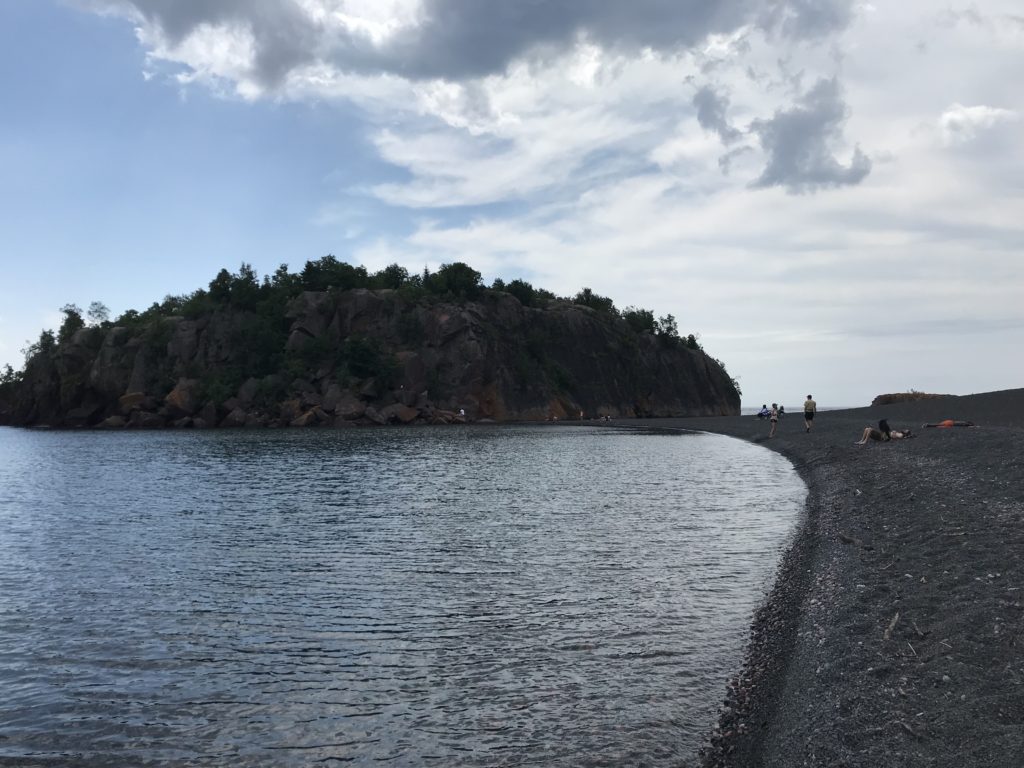
The water was e-x-t-r-e-m-e-l-y cold! Two of us just dipped a foot or a hand in to feel it for ourselves. One walked in for a picture. Two stood knee deep longer than I thought possible, and one brave adventurer plunged his whole body into the frigid Wim Hof experiment. Luckily the sun-warmed black pebbles helped everyone warm up again.
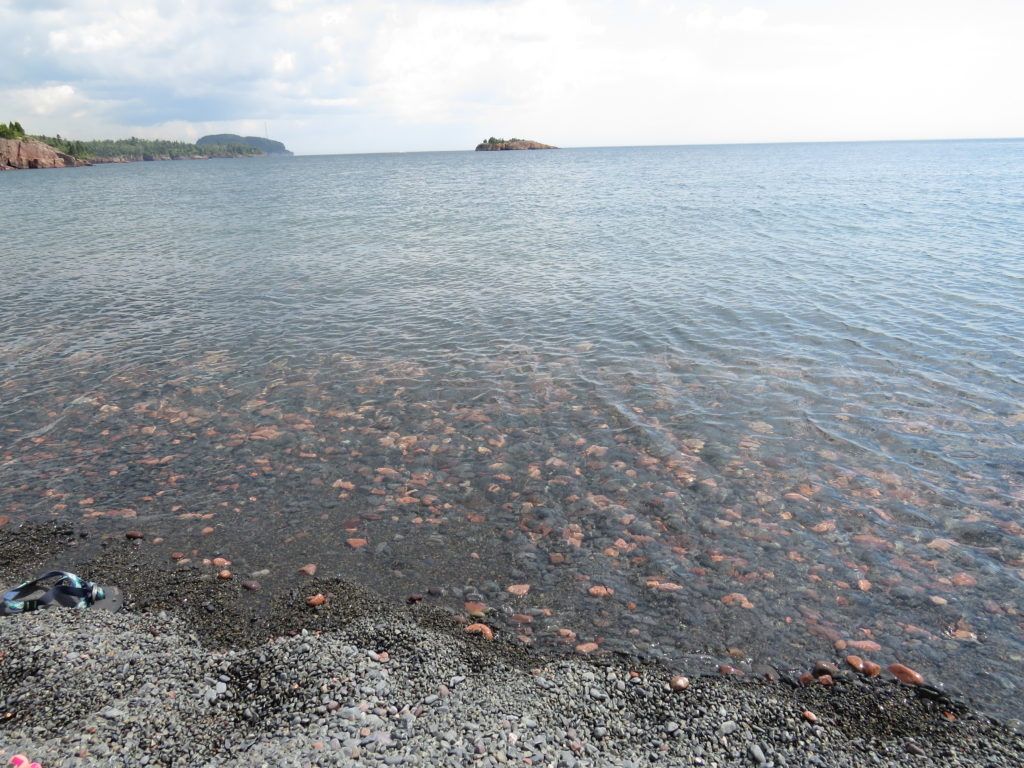
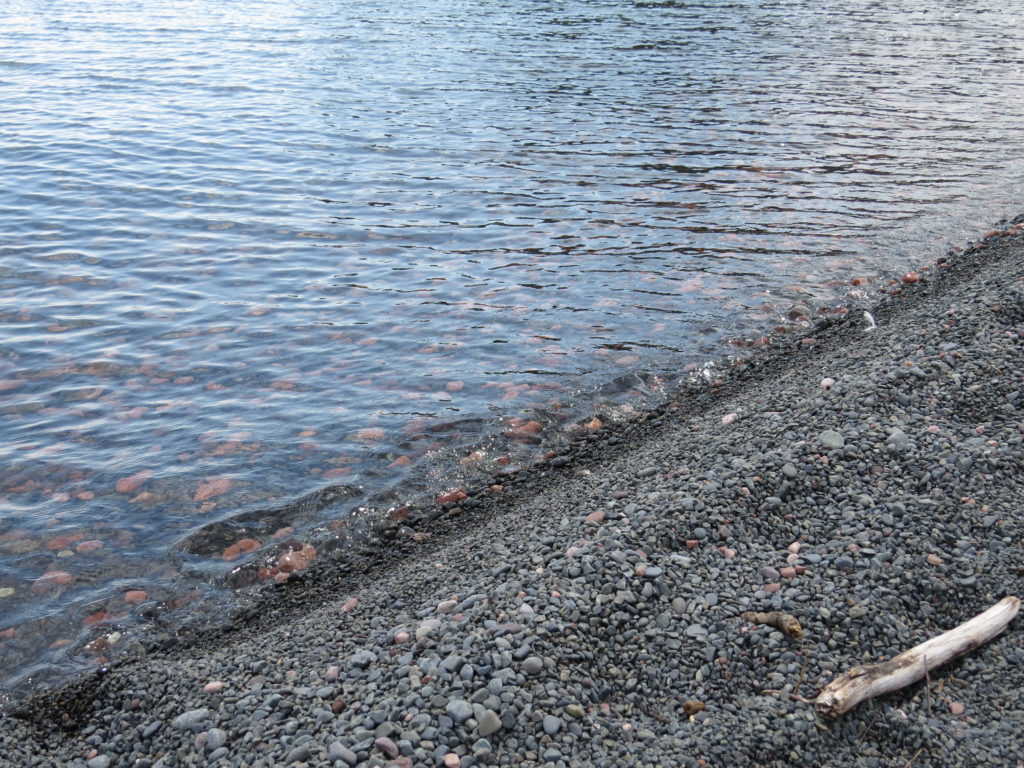
‘Up North’ encompasses a huge territory of lakes, forests, towns, and wild places here in Minnesota. It means different things to different people—the experiences are unique and meaningful to each individual, all while within the comforting clause. Each person defines and holds dear their own ‘up north.’ Lake Superior is the anchor, the expanse, the shining beacon of the North Shore—it is our ‘ocean’ of water. It makes up the body of the spirits and beer we tasted. It epitomizes the power of Nature. Who was the ‘correct’ group when it came to the waters of the Great Lake—the fishermen or the miners? Ideals and lifestyles have been the clashing grounds for eons. So what changes us? My wise friend recounted his personal experiences and those of people he cared deeply for and asked the question, “How do these experiences mesh with my admittedly rigid view of the issue?” It re-opened the question. Is cold water therapy a thing? Dive in and re-open the question. How can anyone drink beer? ‘Try this one’ and re-open the question. Just like the black beach, we can be changed and restored. It’s not about the answer per se; it’s about the question. It’s not about other people; it’s about ourselves. It’s not about correctness; it’s about possibilities. Perhaps the next time we meet on the North Shore I will be drinking coffee—who knows?!
Living on the Water–Part I
Standing on the high rocky cliff overlooking the Lake, it was easy to imagine how a huge November storm in 1905 sank or damaged twenty-nine ships and killed thirty-six seamen on Lake Superior.
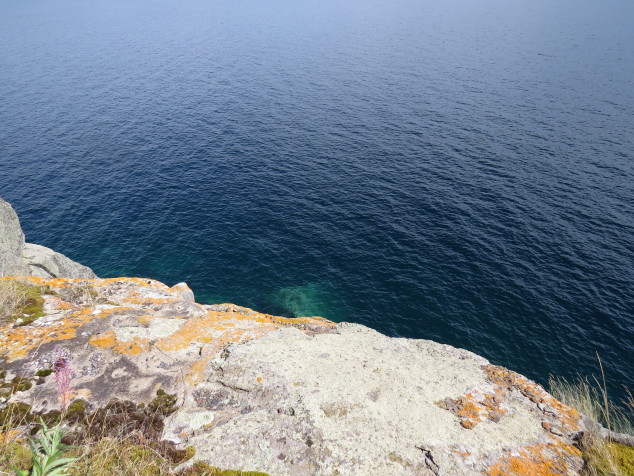
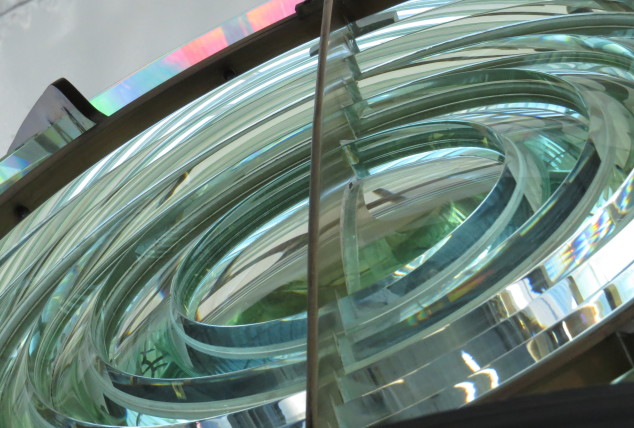
That disastrous storm was the impetus for the building of Split Rock Light Station by the federal government on the North Shore. It went into service in 1910 and served the freighters carrying iron ore mined from northern Minnesota and shipped from the ports of Two Harbors and Duluth/Superior. Three identical lighthouse keeper homes were constructed at the same time, along with barns, oil house, and fog signal building that contained a gas engine-powered fog horn that was used when visibility was poor due to fog, smoke, or snow. During the first twenty years, the station could only be reached by boat, so the keepers and their families would stay during the shipping season and leave for the winter months. After the construction of the North Shore Highway, the keepers and their families could live there year-round, and the Split Rock Light Station became a popular tourist attraction. The Lighthouse remained in operation until 1969 when navigational equipment made it obsolete. It is now a National Historic Landmark.
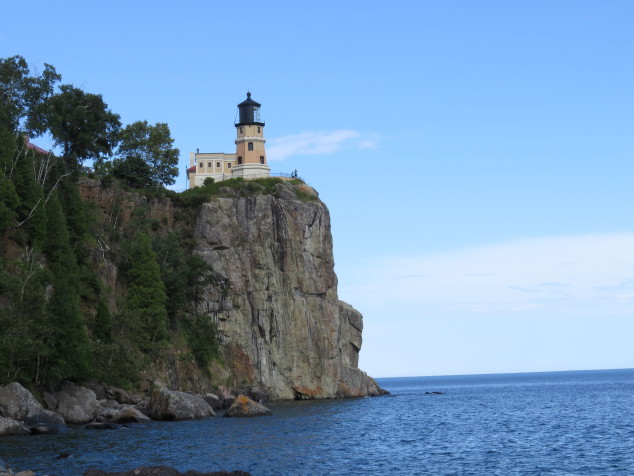
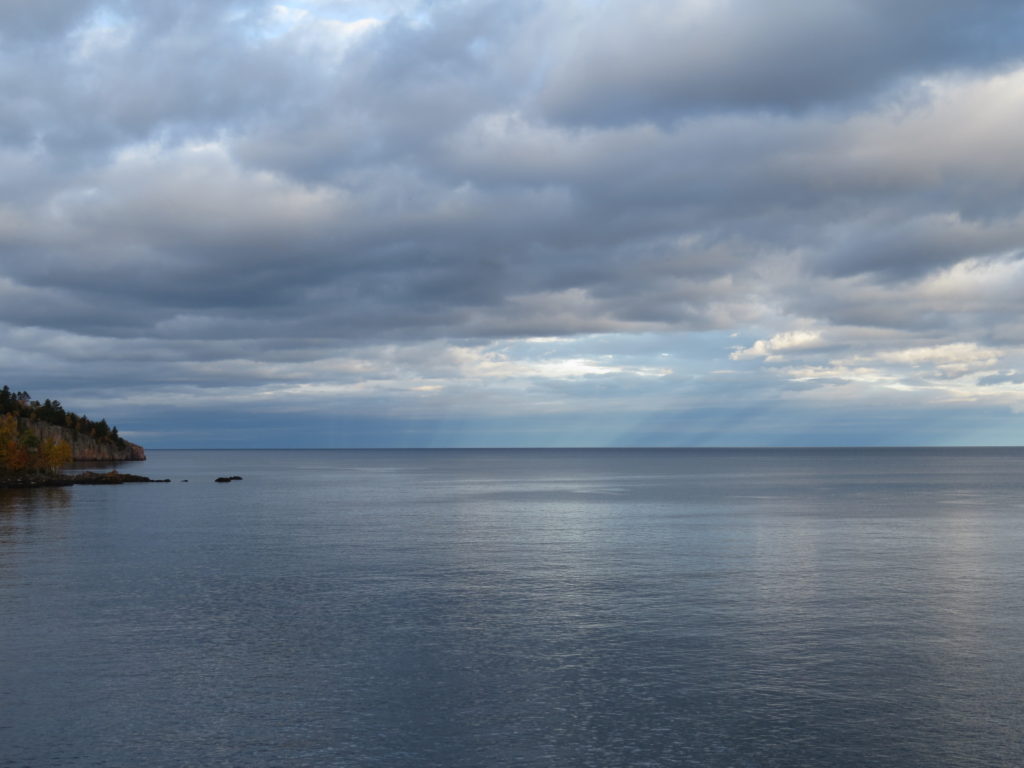
Lake Superior is the largest of the Great Lakes and the largest freshwater lake in the world by surface area. It was an ocean to my midwestern eyes. The horizon of unending water was unforgiving in its flatness, and with my amateur photography skills, I realized too late that I tilted every water horizon. But tilt or no tilt, the Lake was magnificent in its immenseness. A rain squall that had detained us in our car when we arrived, had moved out over the Lake. The sky and water danced with light and wind.
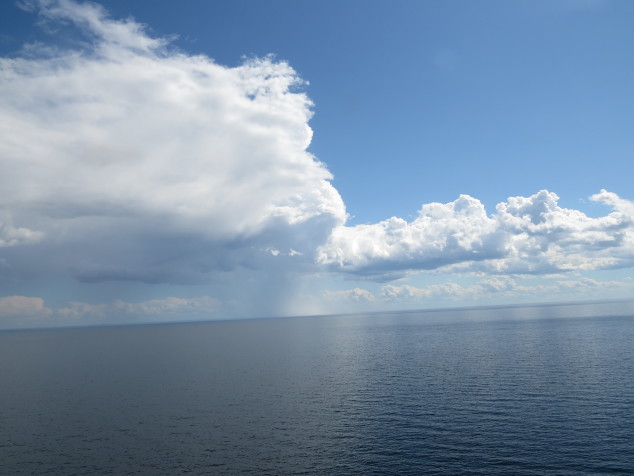
Living on the water in this remote location was tough for the three keepers and their families. Supplies that came by boat were carried up the cliff with a hoist and derrick system until a storm destroyed the hoist engine six years after it was built. A tramway rail and stairway were then constructed from a dock and boathouse on the Lake to the top of the hill and was used until 1934 when supplies could be trucked in by roadways. Storms destroyed the dock and boathouse in 1939 and 1959, respectively. (The tramway ran just left of the stairs.)
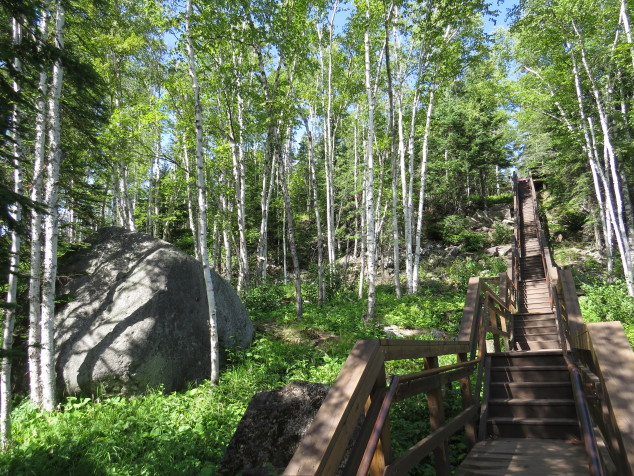
The Lighthouse was lit from sunset to sunrise every night during the nine month shipping season for nearly sixty years. The keepers would rotate four-hour shifts in the night in addition to working during the day. They had to be skilled at repairing and operating the equipment along with bookkeeping and administrative duties.
Living on the water in this treacherous rocky shoreline and lighting the dark waters of Superior for a range of twenty-two miles provided a lifeline for the many freighters who moved the ore. Who knows how many lives were saved thanks to the Lighthouse keepers?
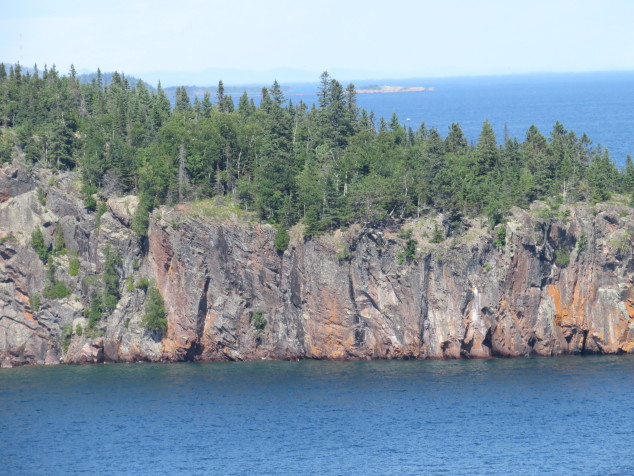
There are times in our lives when Storms sink our dreams and destroy our resolve. We feel powerless and small in the face of the hugeness of a task or an obstacle that looms as large as an ocean in our mind. We wonder if anyone even notices us…
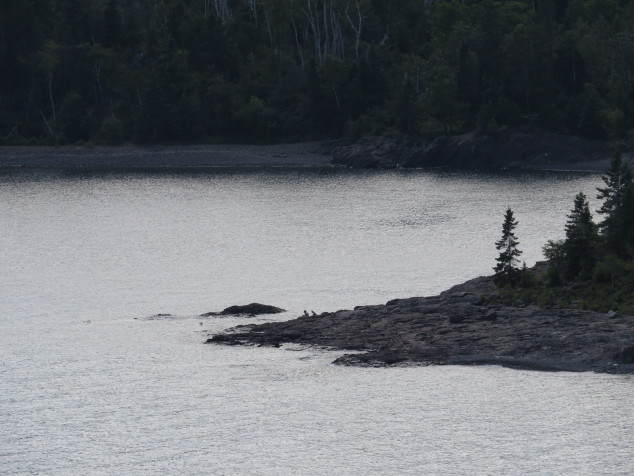
But then we remember that the Lighthouse is lit every night–every single night–storm or no storm. It is the Light that chases away the darkness, reflects off the water, gives us resilience, allows us to be seen, and keeps us moving in the right direction. And as the days and nights of many years pass through us, we realize that we–each one of us–are the Keepers of the Light and beacons for one another.