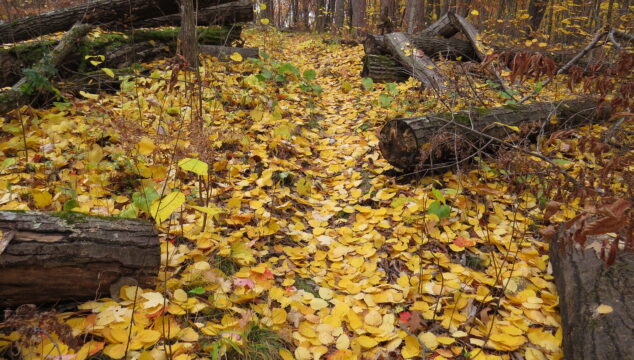
Come walk with me in the peak Autumn beauty of the Northwoods. To say that I love this time of year is an understatement. Most everyone can appreciate the colorful falling leaves---it reveals the 'true self' of a tree when its leaves are no longer producing chlorophyll. Their true colors are revealed, and there is something simple … [Read More...]
The Light of Our Better Angels
I’m reading a book entitled “The Friendship of Women” by Joan Chittister for my church group. One line jumped out at me as I read it: “It requires us to surround ourselves with people who speak to the best part of us from the best part of themselves.” It sounds simple. I believe in seeing the best in other people, giving them the benefit of the doubt, perhaps even to my detriment. My ‘best part’ doesn’t always show up when I speak—I react from old patterns of fear even as I daily try to change them. When I read that line, my first thought wasn’t about my personal life, however; it was about our public life as a nation. What if the election season ads came from the ‘best part’ of each party to the ‘best part’ of all of us? What if Congress and the White House gave their ‘best part’ to one another in service to the people of the United States?
The negative ads, memes, comments, and daily talk on the news and around the kitchen table is like a slow, insidious fog enveloping us, blinding us to common decency and connection. It draws a line in the sand, wants us to pick a side and come out fighting. It is detrimental to our bodies, minds, and souls. In our late September trip to the Northwoods, we cleared the air. We pledged not to talk about politics. We had no tv or social media. We had better things to do and more important things to talk about. (We did inadvertently land in the lap of politics two times, but we quickly pivoted away again.)
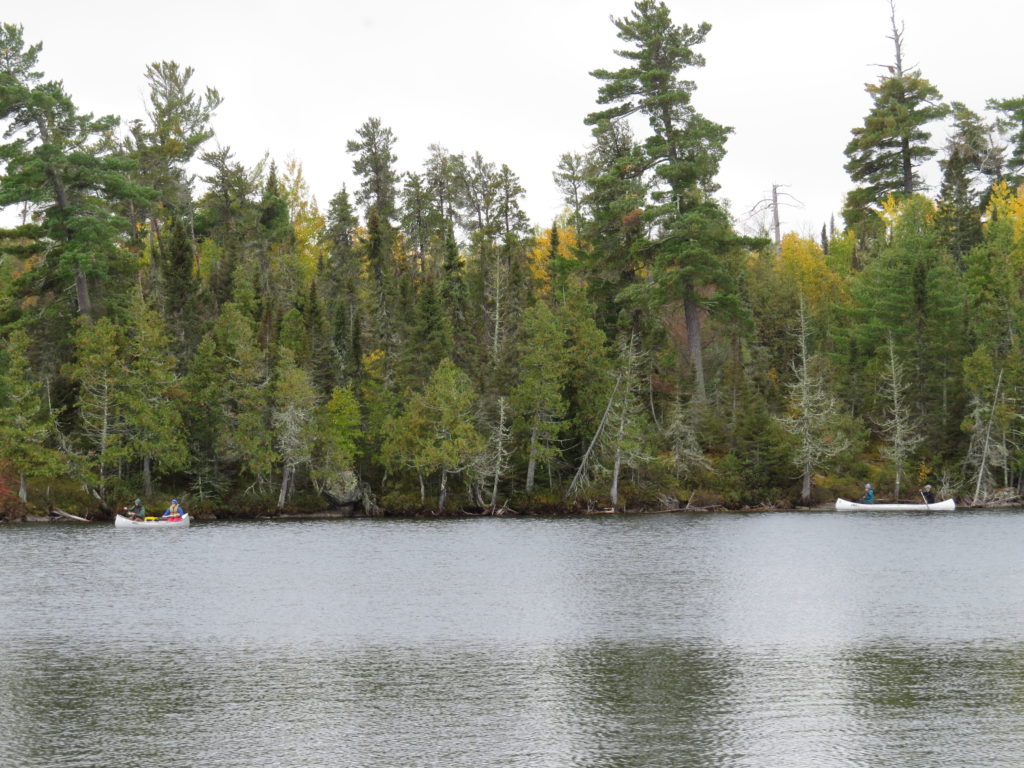
We had rain at various times each day and night when we stayed at KoWaKan. Our hike to Secret/Blackstone trail in Superior National Forest was under a blue sky and bright sun. By afternoon, the clouds started rolling in. Four of us went canoeing and fishing at a nearby lake, while the rest of us stayed at camp and canoed. Emily and Chris got rained on when they were out. Those rain clouds passed, and the sun shone again.
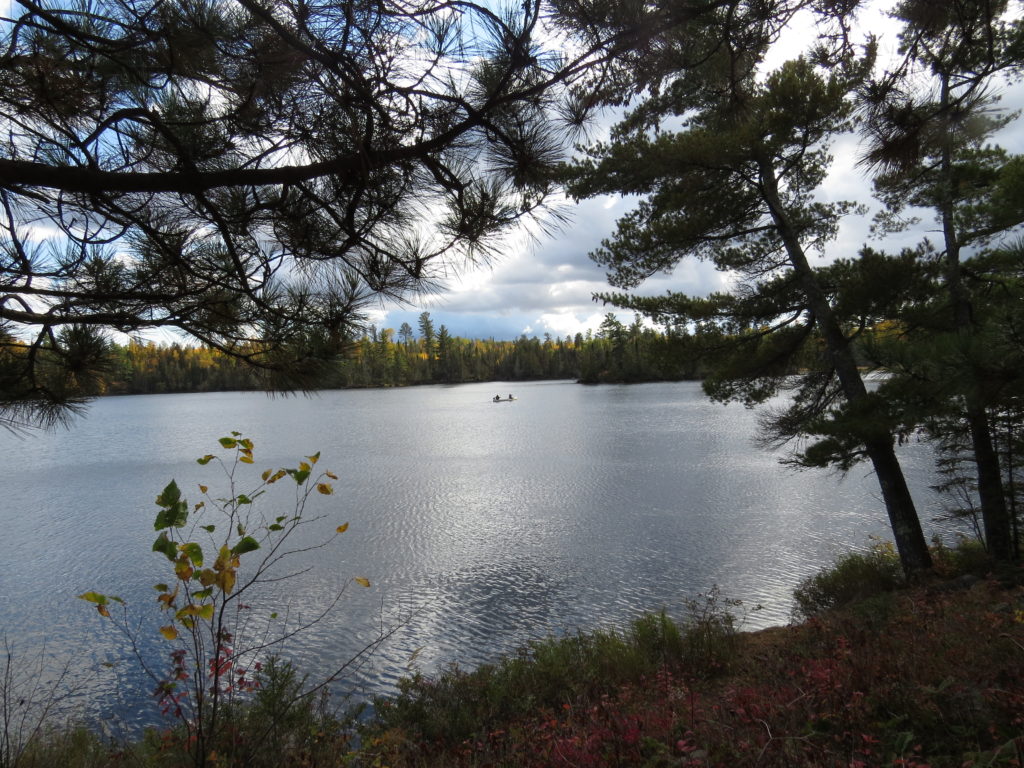
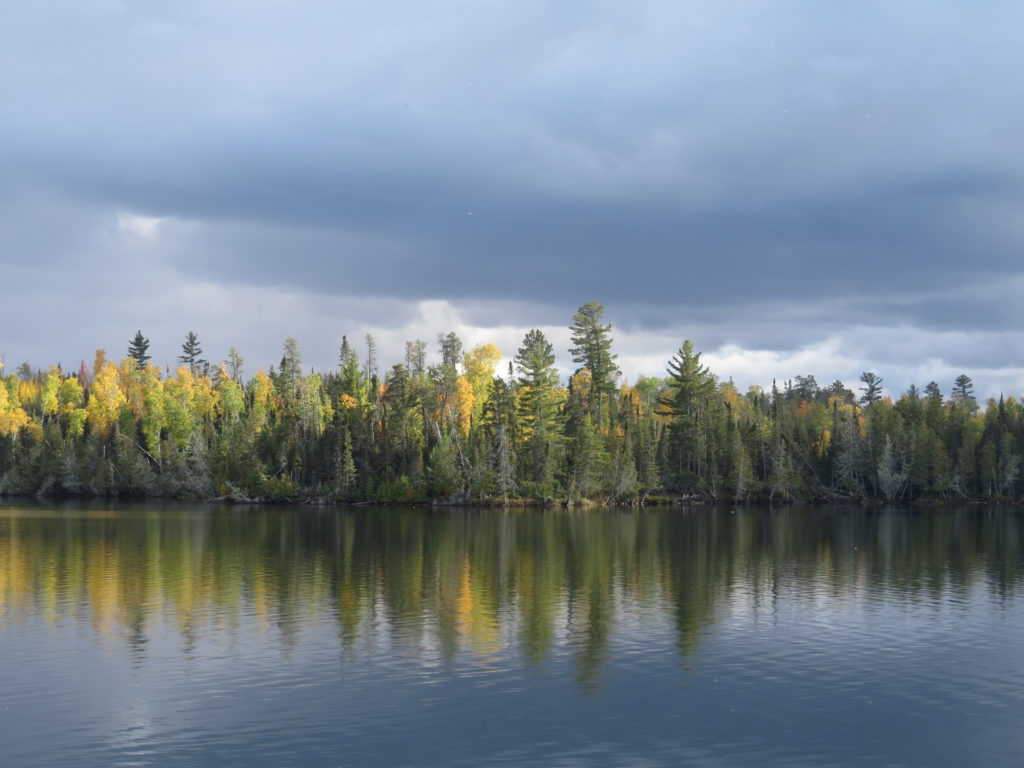
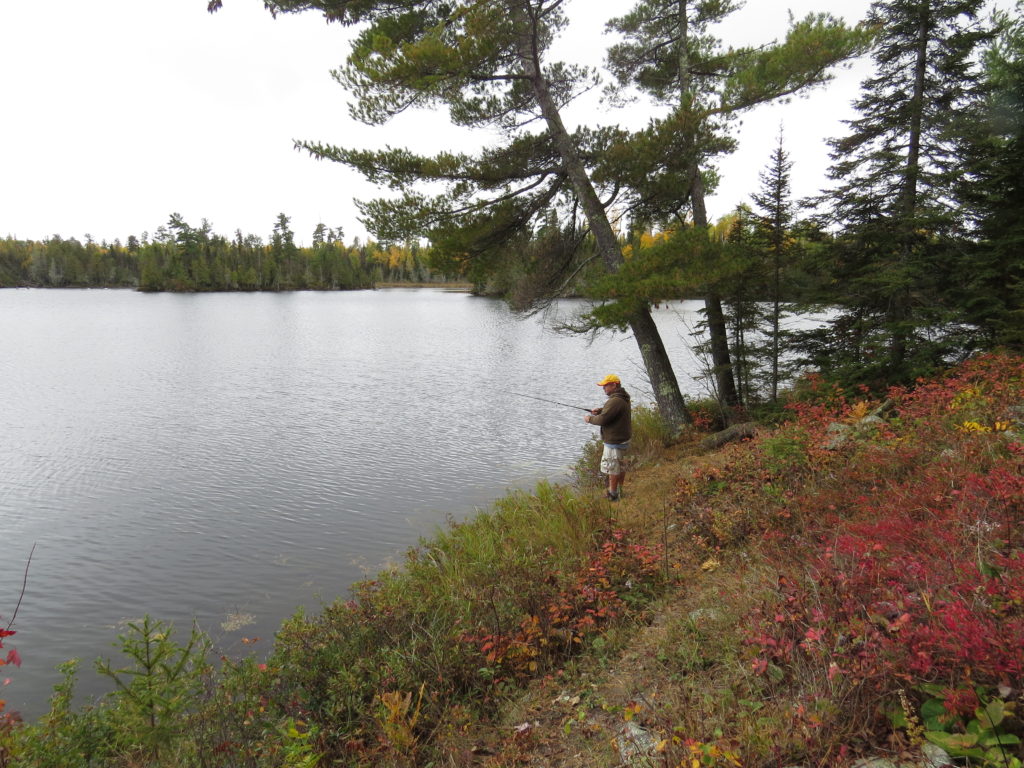
Emily and I got rained on when we went out, but we also saw what happens when rain and sun collide!
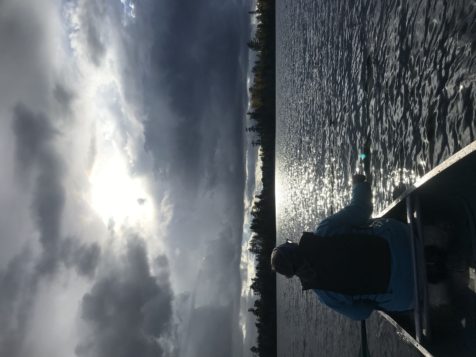
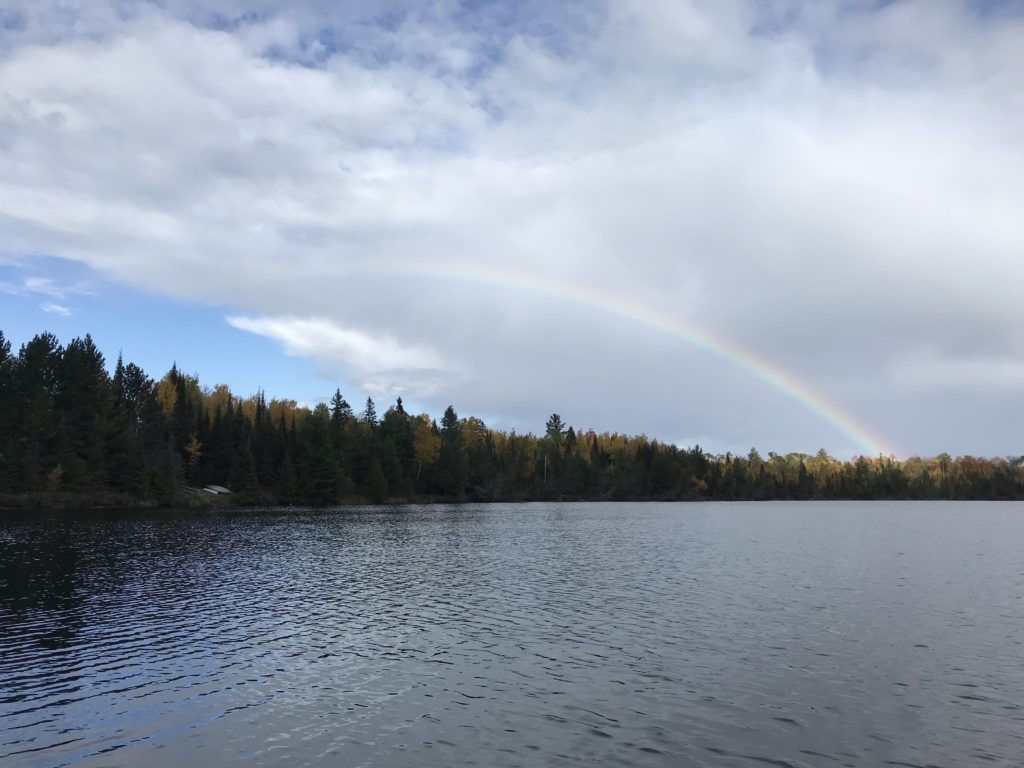
We dried ourselves and our socks by the campfire. The fishermen returned with stories of a small catch and a beautiful rainbow.
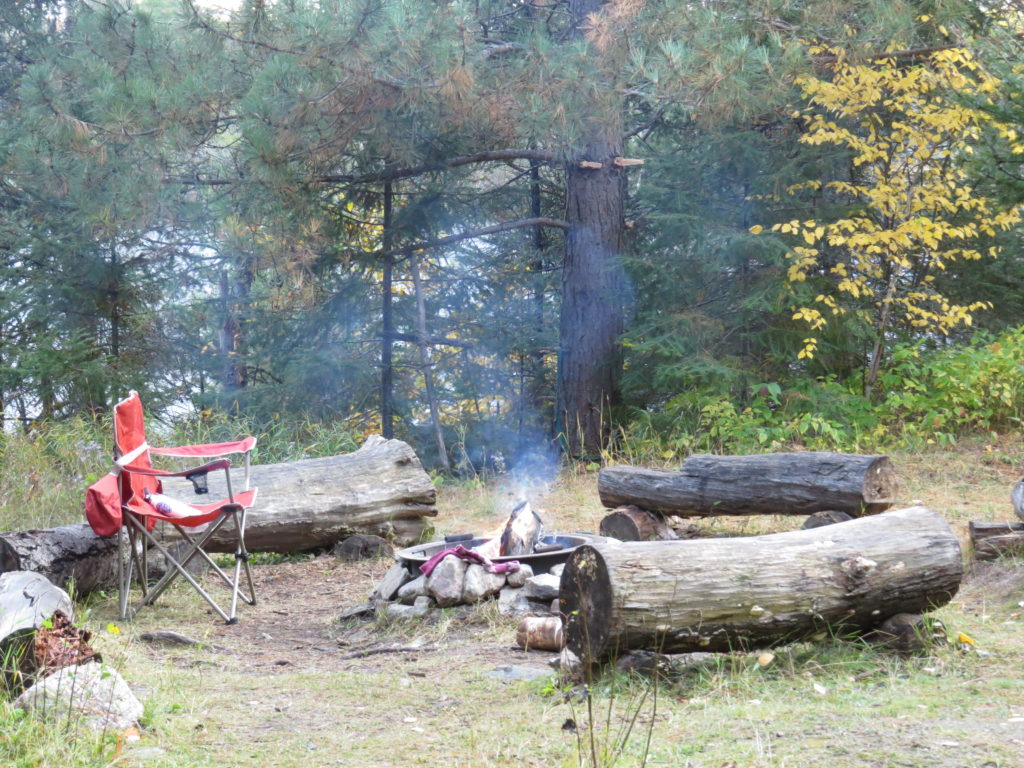
We prepared hobo dinners—ground beef, onions, carrots, baby potatoes, the last picking of green beans from the garden, butter and seasoning, all wrapped up in a double layer of aluminum foil—and placed them on the coals of the fire. We ate our campfire-cooked meal around the fire as the sun slipped behind the trees, and the sky darkened. We looked for stars between the clouds.
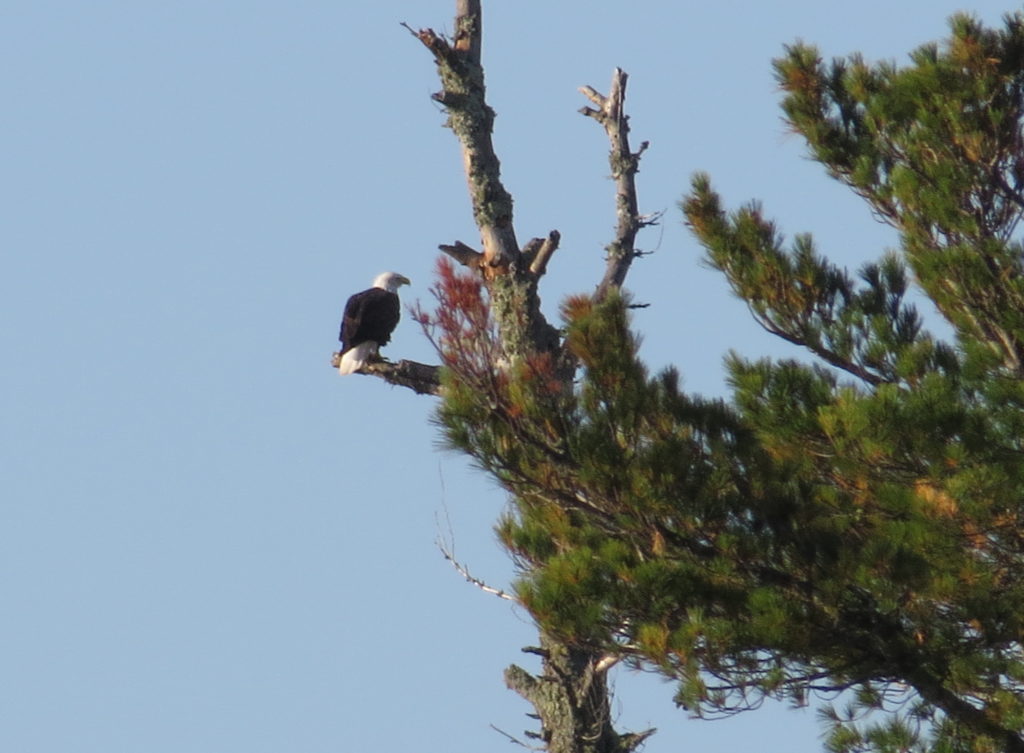
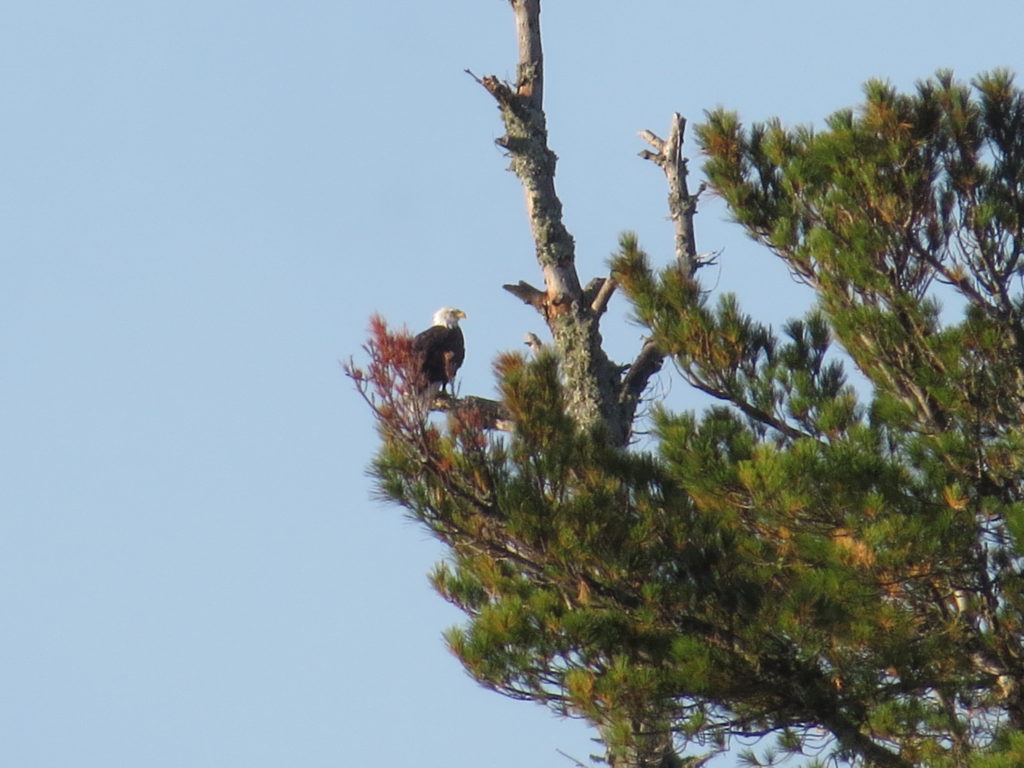
My day had started with a welcome from the eagle across the lake, progressed with a challenging, breath-taking hike in the National Forest, continued with a canoe ride bathed in rain and a rainbow, and ended with a delicious meal—surrounded by people speaking from the ‘best part’ of themselves. The ‘best part’ of me declared that this was the best day I have had in years! “Better than the Super Bowl weekend?” they challenged. That was very good and fun, but this was better. “Better than our trip to Wisconsin last year before Covid?” I loved that, but this day was better. Part of what was better was just how much ‘better’ I was on this day than on those others. Part of the better was being in the unbelievable beauty of Nature. Better was being in such a special place with so many good memories and stories. Better was being away from the negativity and stress of the pandemic and politics.
The next day we did a little more canoeing and fishing, packed up our things, and got ready to leave.
I am not delusional enough to believe that we can exist in a utopian world. I know unresolved hurts and traumas in our lives affect how we view the world, how we treat other people, and how we act and react. I know that my best self doesn’t show up all the time. I also know that drawing a line in the sand and tossing bombs of hate and disrespect do not make a United States of America. It does not make us a better country or better people. Our lives right now are stormy and messy. Our spirits are dampened. I wish you could all feel the way I felt at the end of that wilderness day—deep satisfaction, joyful happiness, and peaceful contentment in my body, mind, and soul—all wrapped up like the promise of a fleeting rainbow. I now know how ‘better’ feels. We can have a new beginning with each sunrise. Like the eagle, we can call out a welcome to others. We can place our feet on the Earth and see her beauty. We can glide on water and feel the blessing of rain. We can make a promise to do better. We can nourish our bodies with good food and nourish our minds and spirits with people bringing the ‘best part’ of themselves to the fire ring. We can look for the light of stars and the light of our better angels.
Wilderness Kaleidoscope
The Coronavirus has honed our list of needs for our lives. We all have bumped up against the brick wall of ‘what do I need in life’ versus ‘what do I want in life.’ Especially in the early days of the virus and perhaps in the winter yet to come, our narrowed vision from stay-home, work-at-home, order-from-home is a tumbling, moving, ever-changing kaleidoscope. What do we need? Toilet paper–yes, food–yes, hand sanitizer–yes–well, maybe–soap and water works, too. Do we need to eat out? No. Think of all the people who have learned or re-learned the simple pleasure of preparing daily food for loved ones!
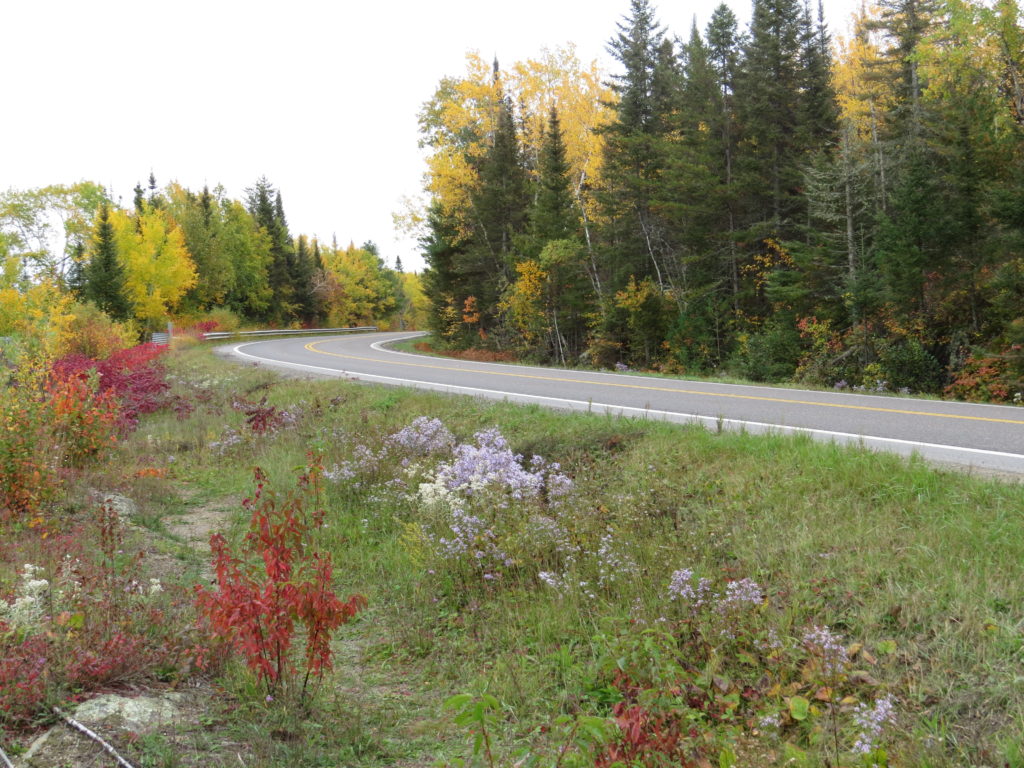
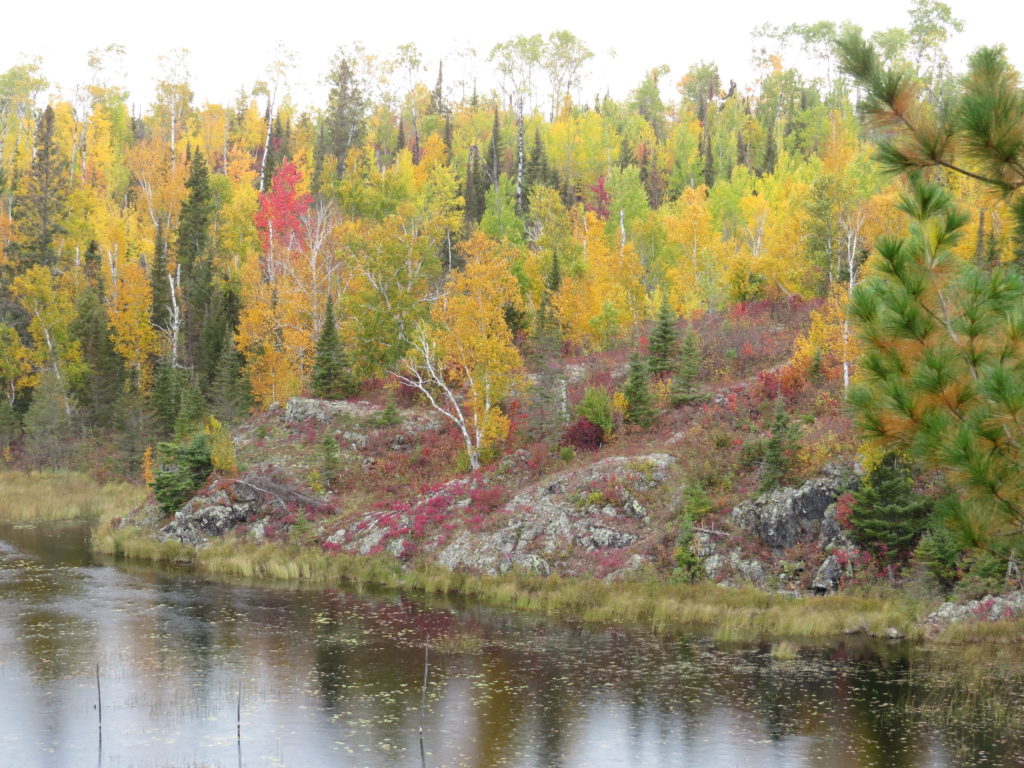
After our brief time in Ely, we headed east on the Fernberg as the clouds gathered. We pulled off the road at Rookie Pond overlook—a beautiful view at any time of the year. It was a kaleidoscope of Fall colors—not in a narrow vision like the optical toy—but a panorama that circled around us, towered above us, and displayed below us.
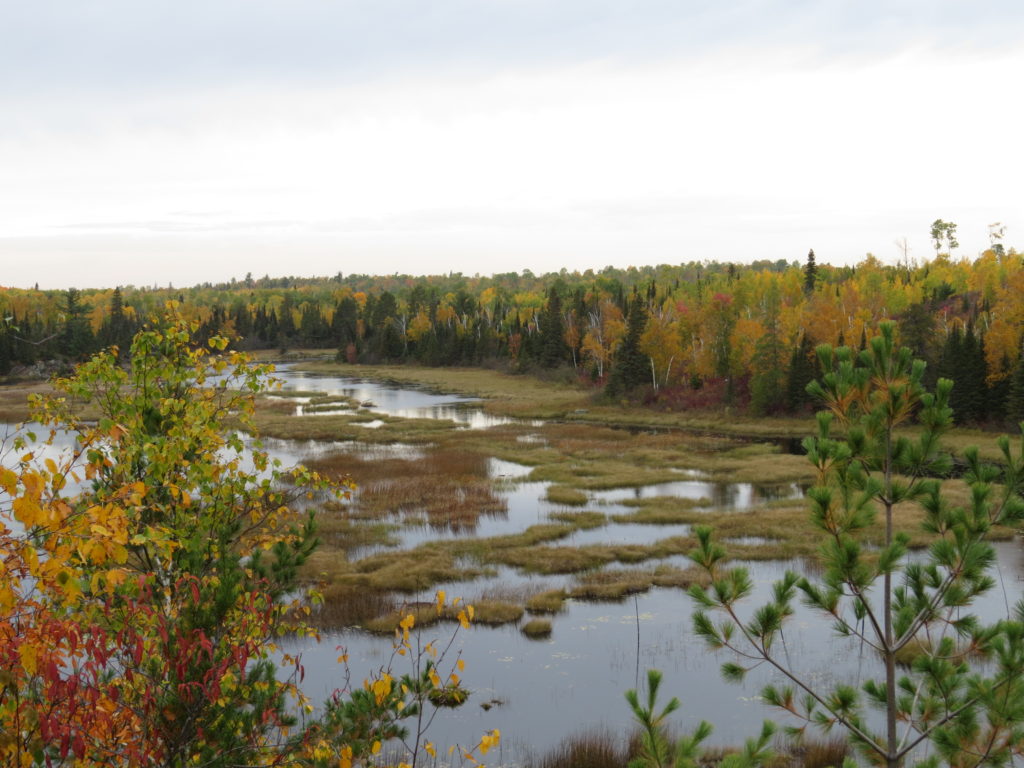
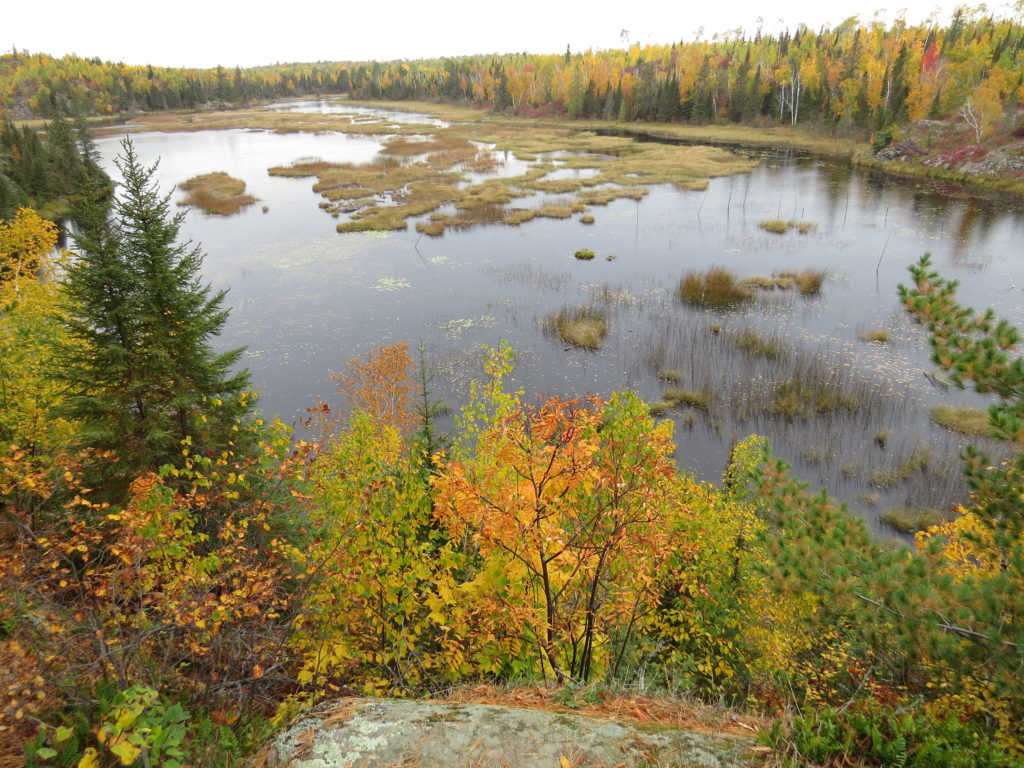
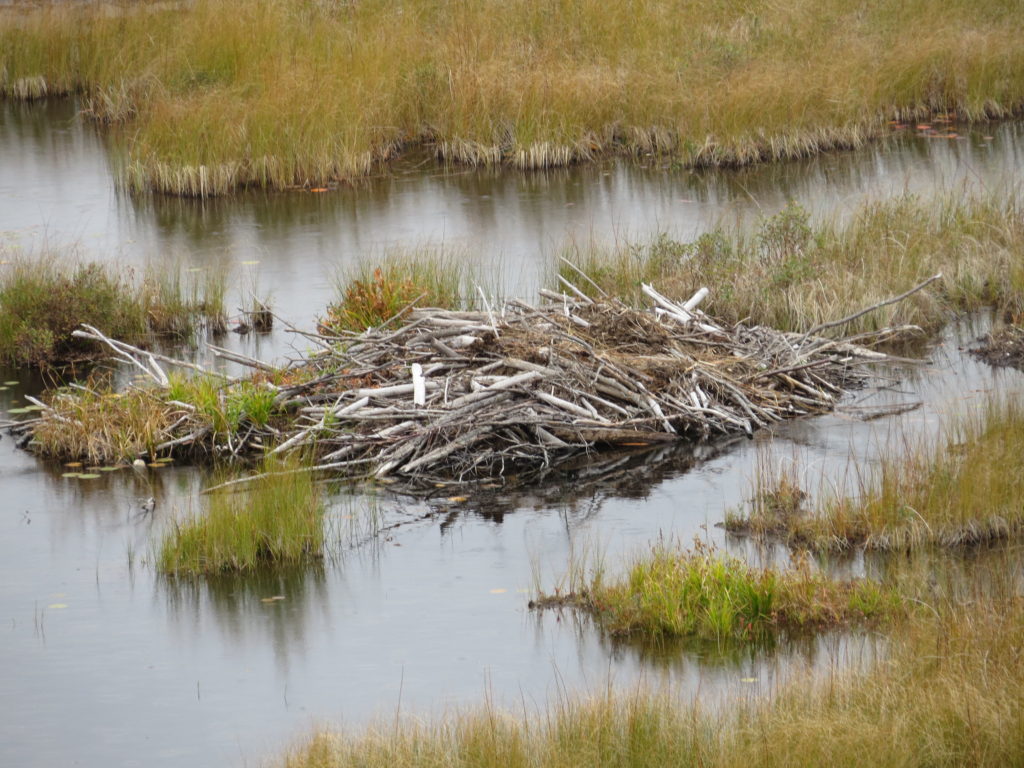
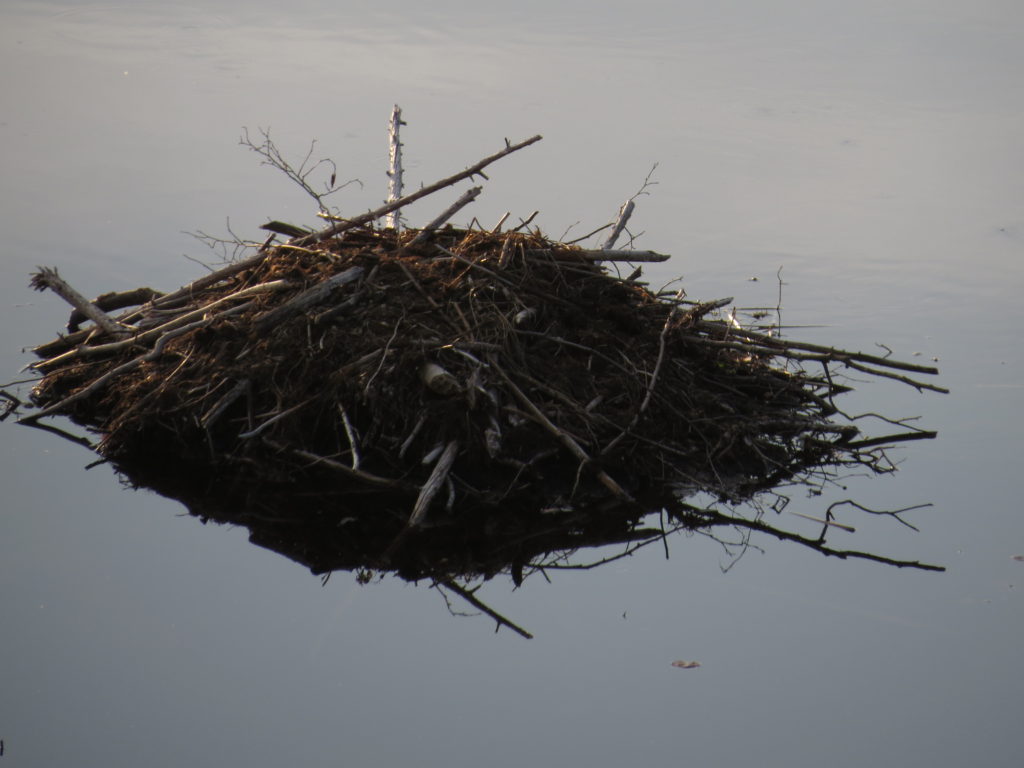
Even as we flirted with raindrops, we took pictures and looked out over the water with the excitement of being in this wonderful place again and of the anticipation of our time together. The beaver lodge, expansive in size, enduring in longevity, reminded me of the constancy of certain things in Nature—every time over our thirteen years of coming up here, the beaver lodge has been here with a topping of new birch logs.
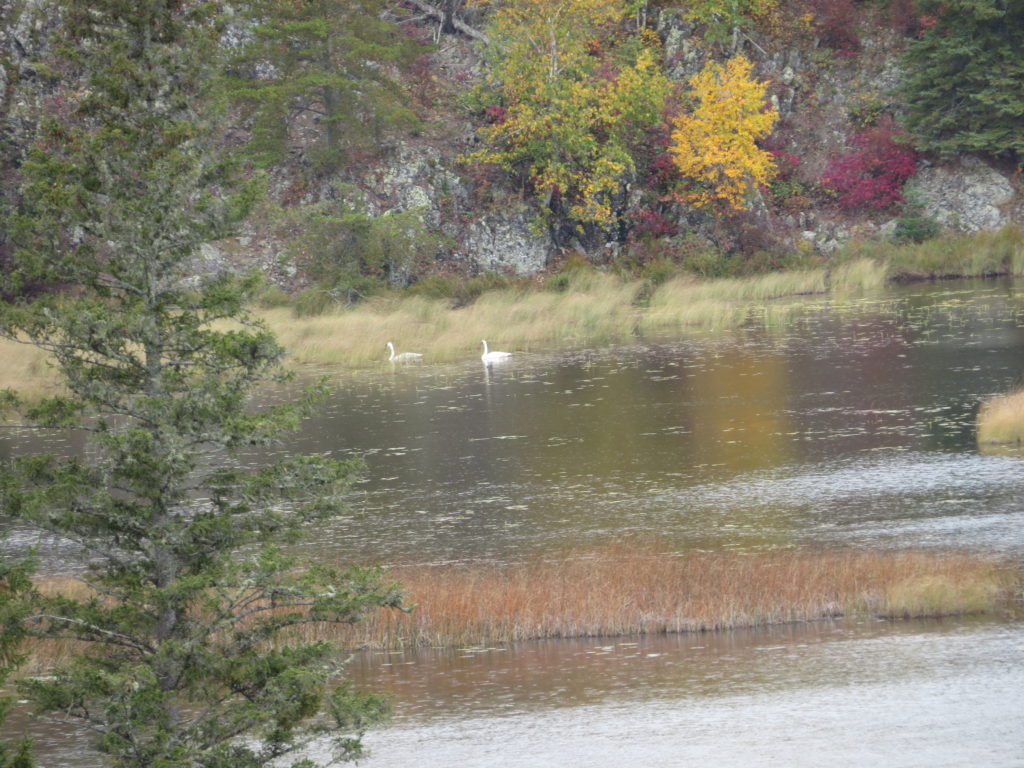
Two Trumpeter Swans swam and dipped their heads into the water in the beautiful landscape of their Rookie Pond home.
We arrived at KoWaKan, the wilderness camp of the United Methodist Conference. It had been the summer home for two of our kids over a span of six years or so. Staff, campers, and visitors have everything they need: a kitchen and dining area…
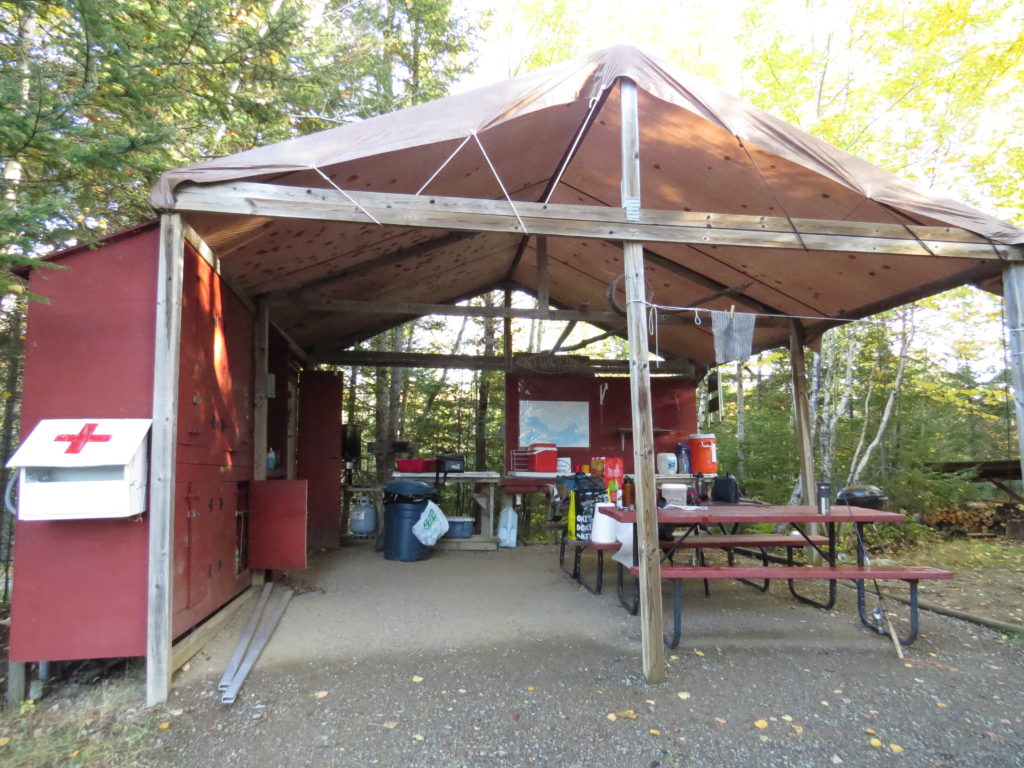
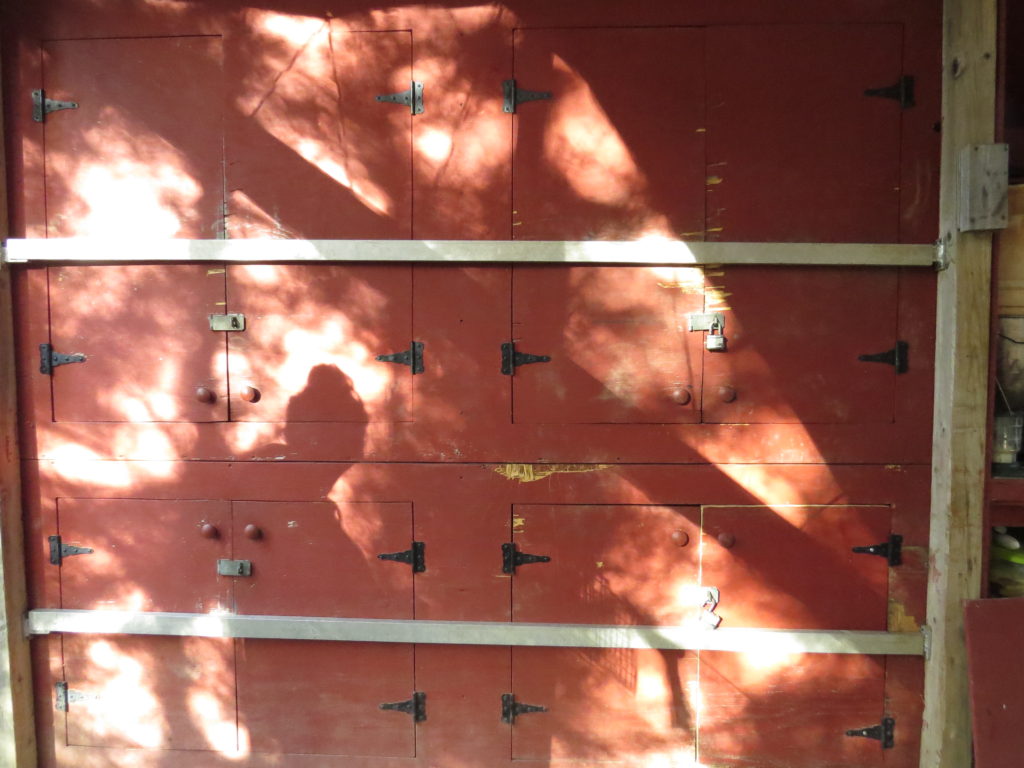
…cupboards protected with bear bars, though sometime in the last year a bear had tried to get into them, as evidenced by the torn-away wood and claw marks…
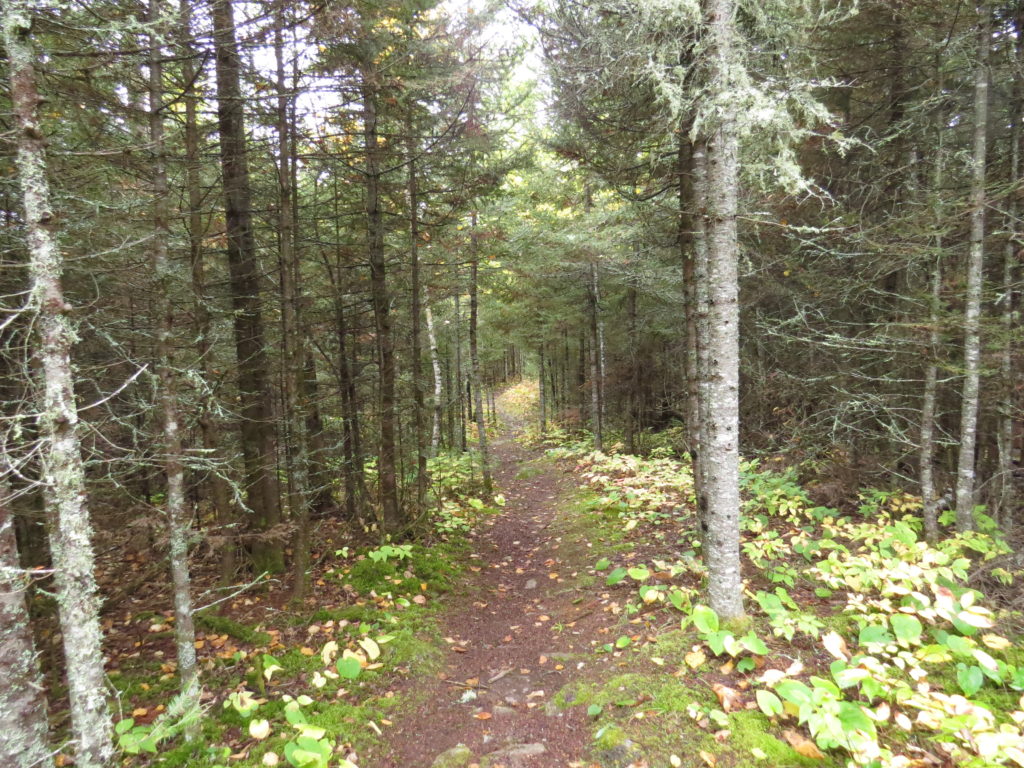
…a hallway of trees…
…to the bedrooms…
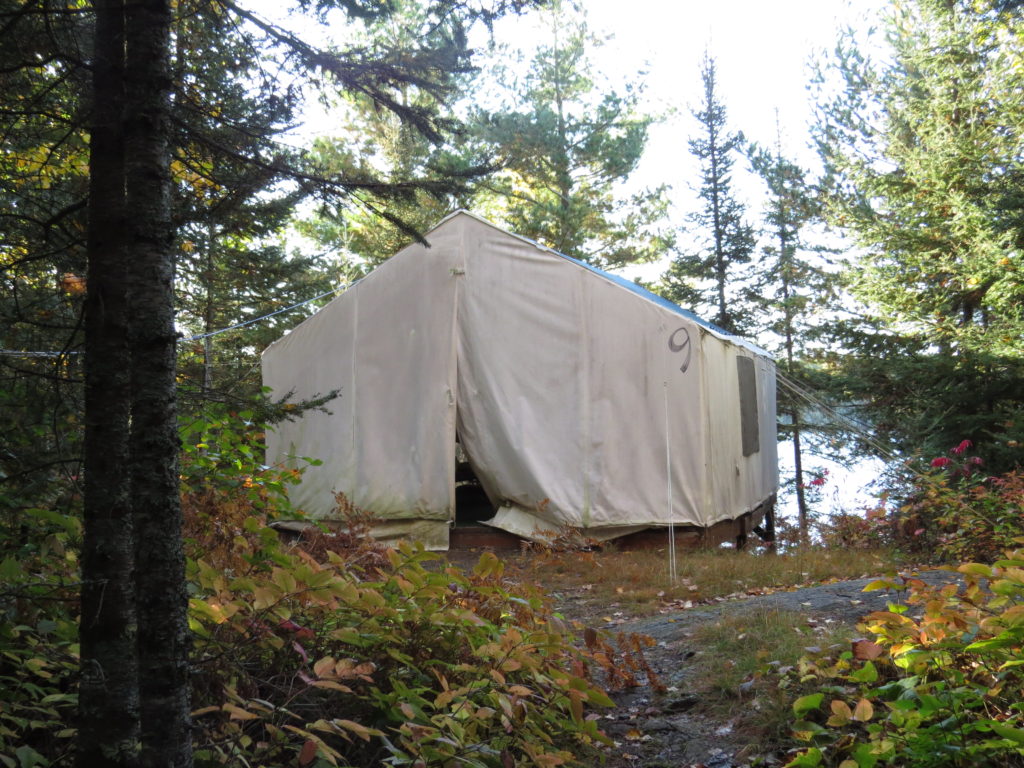
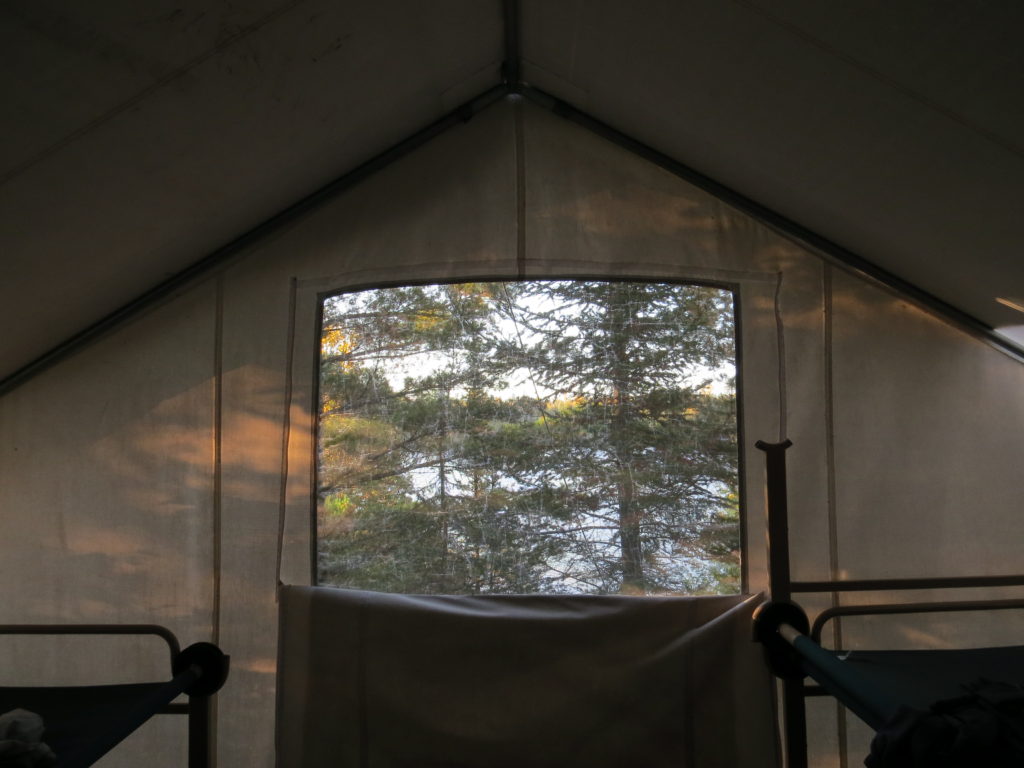
…and a short walk…
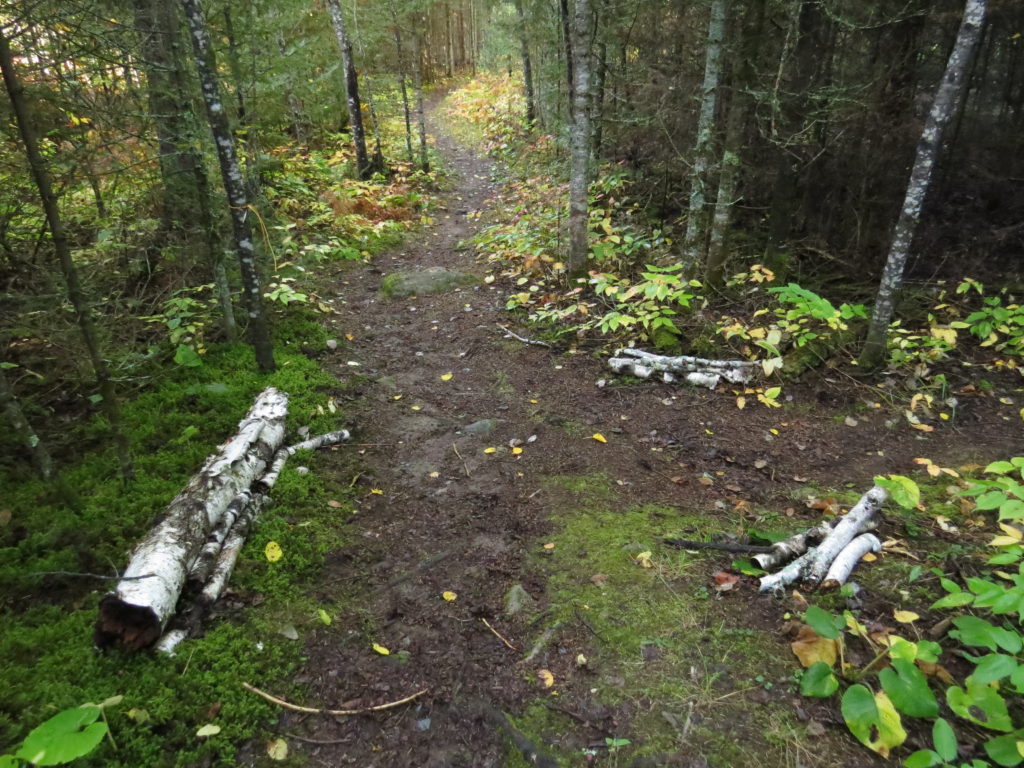
…to the bathroom.
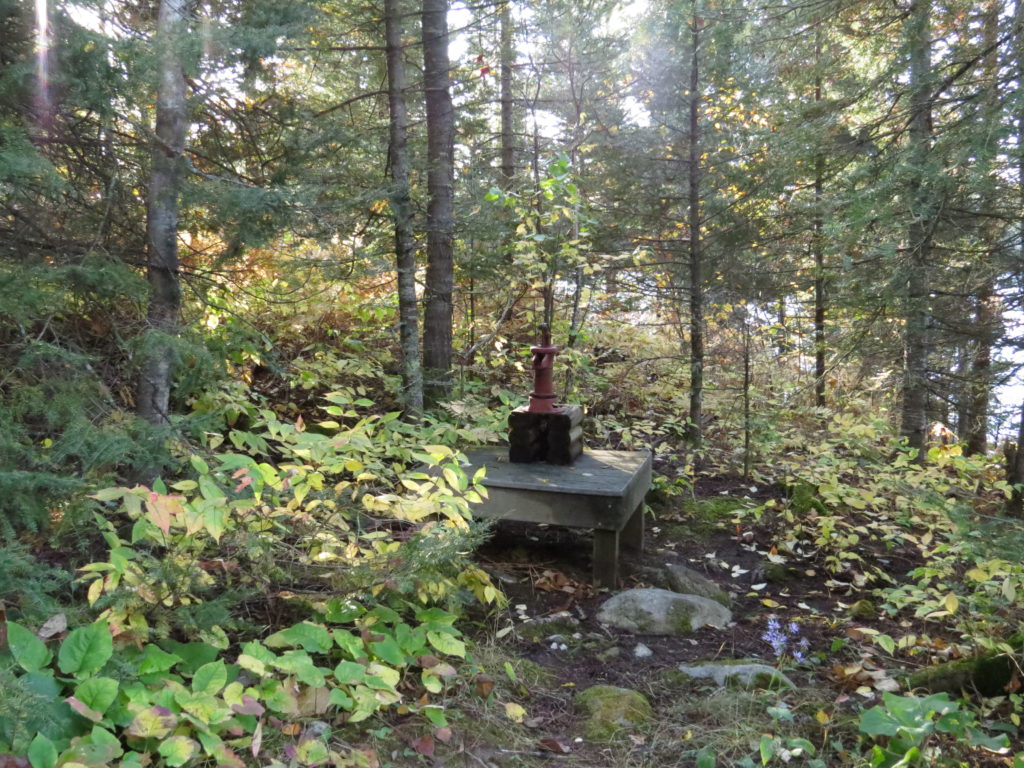
There’s water, abundant and muscle-powered…
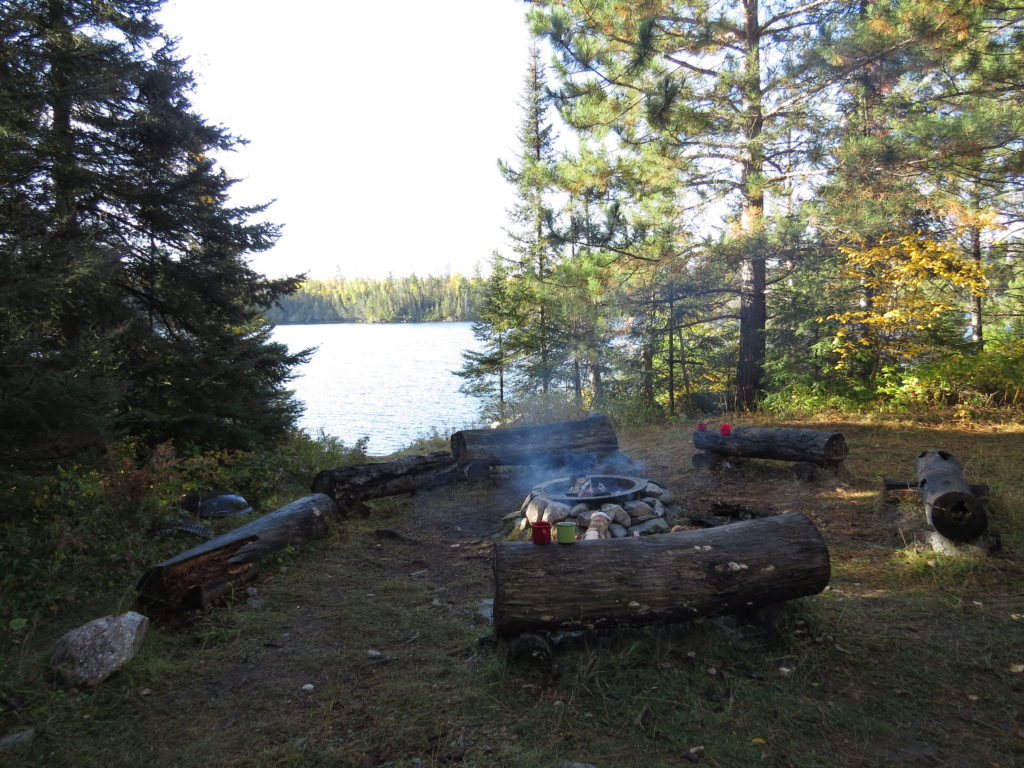
…and a fire for warmth, companionship, and a morning cup of coffee or tea.
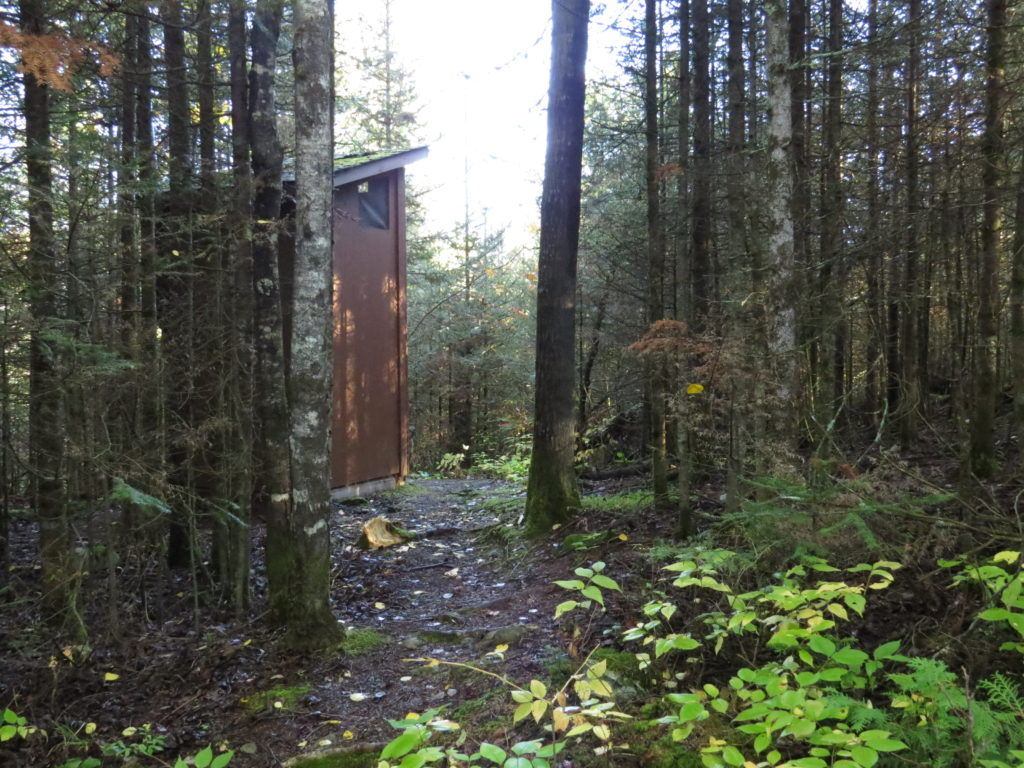
It has been eleven years since Emily has worked here or been here—she was excited to show this incredible place to her husband. Aaron knows this place like the back of his hand—both have walked the trails untold times, packed food and gear for countless trips into the Boundary Waters, and started innumerable fires, both here and on trail. For when one is ‘on trail’ in the Boundary Waters Wilderness Canoe Area, the ‘needs’ of a person are further reduced. The kitchen and dining room are around the fire, the cupboard is what one can carry in packs and bear barrels, the bedroom is a mat and sleeping bag on the floor of a tent, and the bathroom is an open-air latrine. Sometimes our list of ‘needs’ needs to be pared down for us in order to experience something out of the ordinary, something extraordinary.
Something extraordinary like waking with the early morning light, quickly pulling on clothes in the chilly air, starting a fire and heating the water for a cup of good tea, and hearing the trilling chatter of an eagle across the lake. I think she was welcoming us to her home—she talked for a long while.
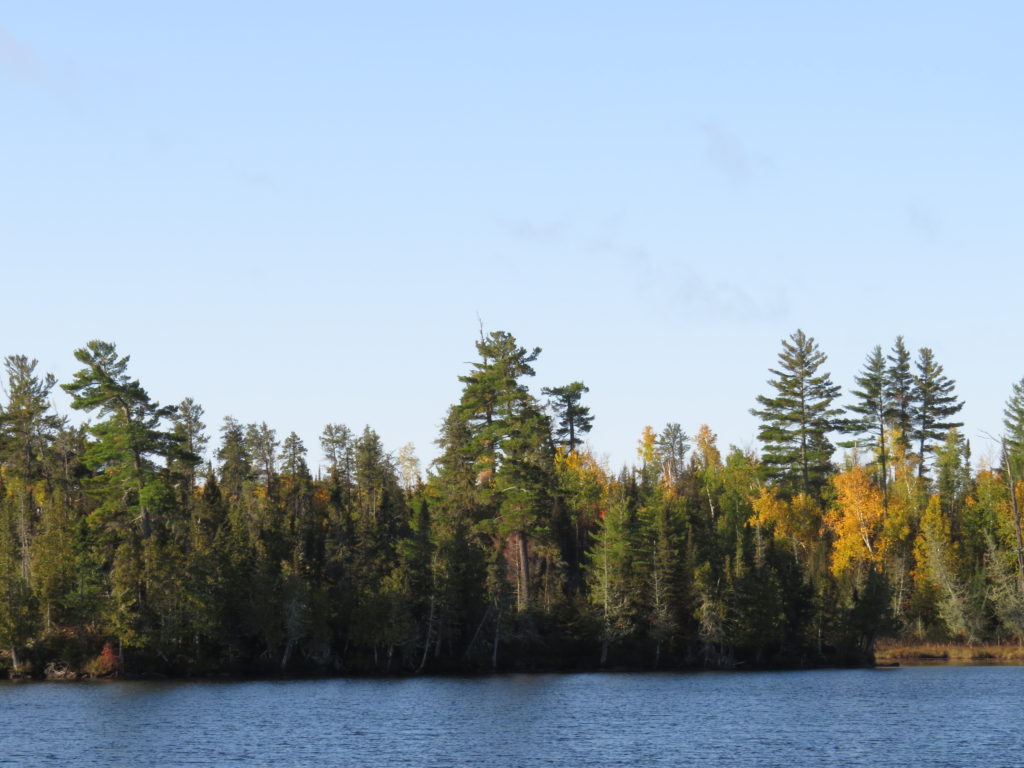
When is the last time you looked through a kaleidoscope of tumbling colors? The optical toy was created over 200 years ago by Scottish inventor David Brewster. The word ‘kaleidoscope’ is from the ancient Greek words meaning ‘observation of beautiful forms.’ The wilderness is an expanse of beautiful forms. It is infinitely enduring, constant in its cycles of life. What do we really need in life? What literally sustains us? What gives us ‘life‘—that feeling of joy, contentment, energy, and deep spiritual satisfaction? When the trappings of our lives are stripped away, we come face-to-face with ourselves. It gives us an opportunity to discern what’s truly important for our very own hearts and souls. May the wilderness of your heart be an expanse of beautiful forms.
Connection Under an Azure Blue Sky
It all began with my prejudice against red pepper flakes. We were eating our breakfast at KoWaKan, sitting at picnic tables under the tarp-covered kitchen. One of the board members we met the night before sat beside me and sprinkled red pepper flakes on his scrambled eggs. My Scandinavian sensibilities instantly went into danger mode—ie. ‘how to ruin a perfectly good, calm, comforting morning meal.’ When I cautiously mentioned his usage, he assured me that it made everything taste better. In my righteous and myopic defense of Northern European culinary practices, I quipped something like “and you’re from Minnesota?!” He was not from Minnesota. He said he grew up in Kansas City. Well, that explains it, I thought, as I told him that that was where my husband Chris grew up, too, (who also flavors his eggs with red pepper). We continued to eat our eggs and chat. When Chris walked over from the fire where he had been warmly eating his breakfast, I told him that John was from Kansas City! Chris asked him what part of KC he was from, then asked if he had gone to Southwest. John said no, that he had gone to Rockhurst High School. Things kind of went slow motion in my head as I looked from one to the other, and then he added, ‘Class of ’76.’ Chris and John were classmates! What the heck?! They used to play basketball together every day in the ‘short-guy-lunch-hour basketball league!’ We were in the northern wilderness of Minnesota at a Methodist camp and two Kansas City Catholic boys meet again after 40-some years! It blew my mind—I could hardly stand the deliciousness of it!
We were all on the same work team that morning, and the conversation between them flowed from past memories to present day to how they got here. During the shoveling, bucketing, trimming, and digging, in the midst of the smudge smoke that kept the black flies from our eyes, there was a re-connection from a distant time and place. From all the stories that Chris had told me about Rockhurst, I knew that it, too, had a ‘Spirit of the Place‘ about it.
Later in the day, I walked the trail from the Meadows to Hilltop, capturing the details of a late Spring day in the forest. Spruce, Pine, Fir, Birch, and Aspen are the largest trees in the forest, including those on the three islands of Section 12. Star-white flowers of small Serviceberry trees will produce dark, edible berries later in the summer.
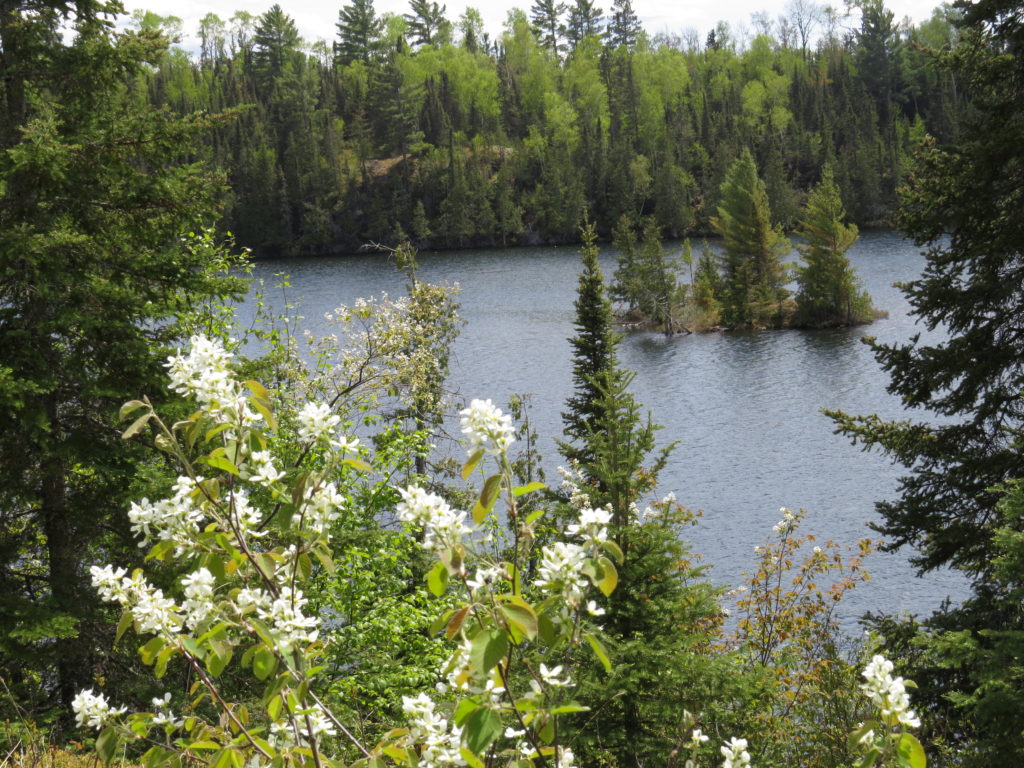
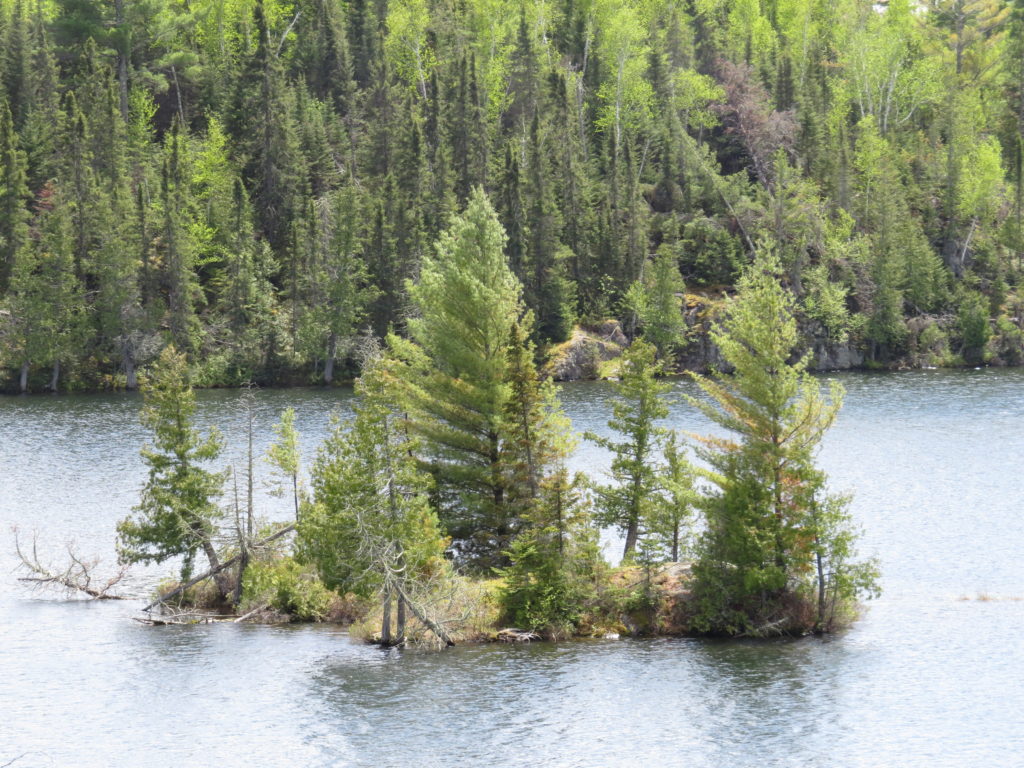
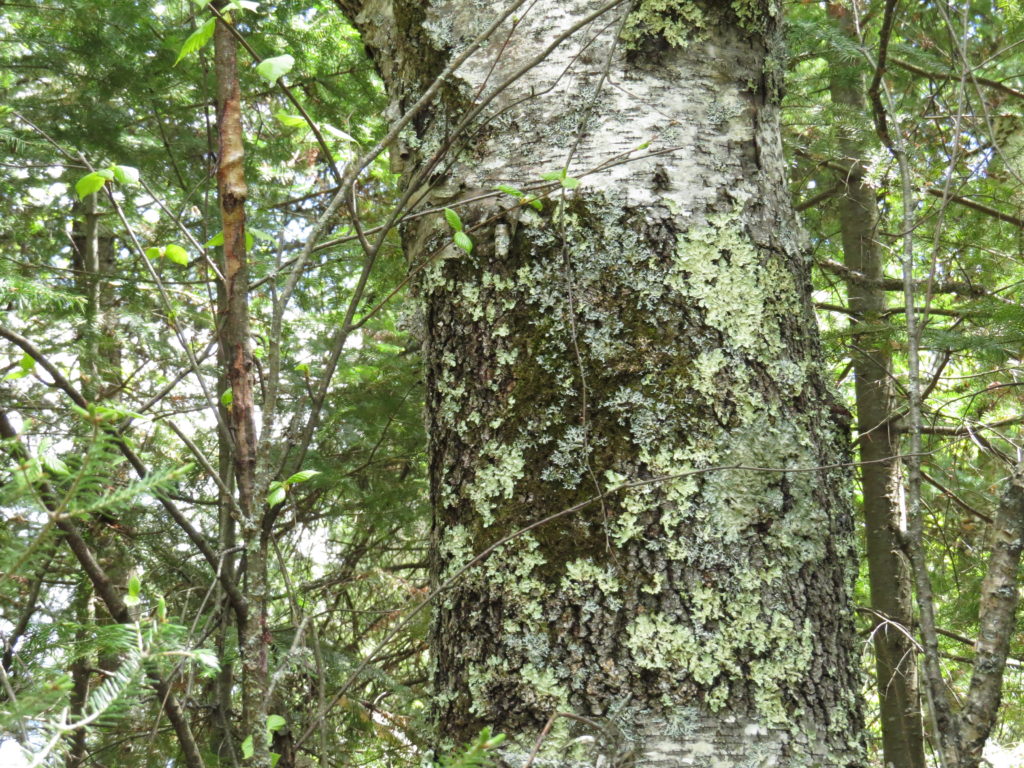
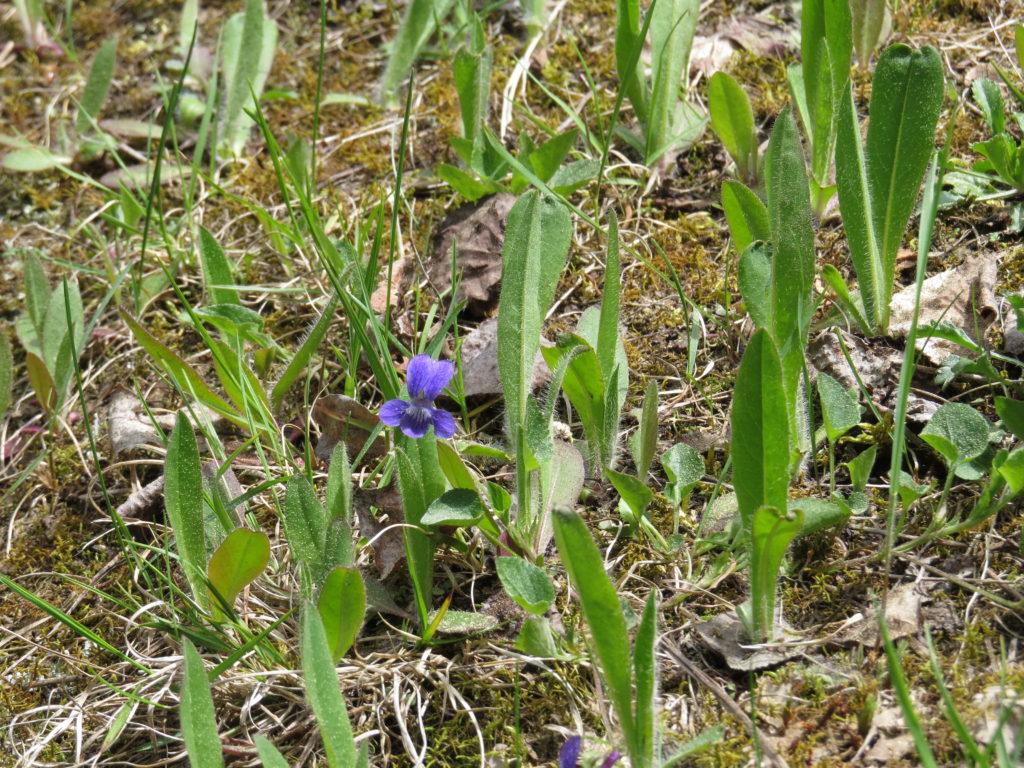
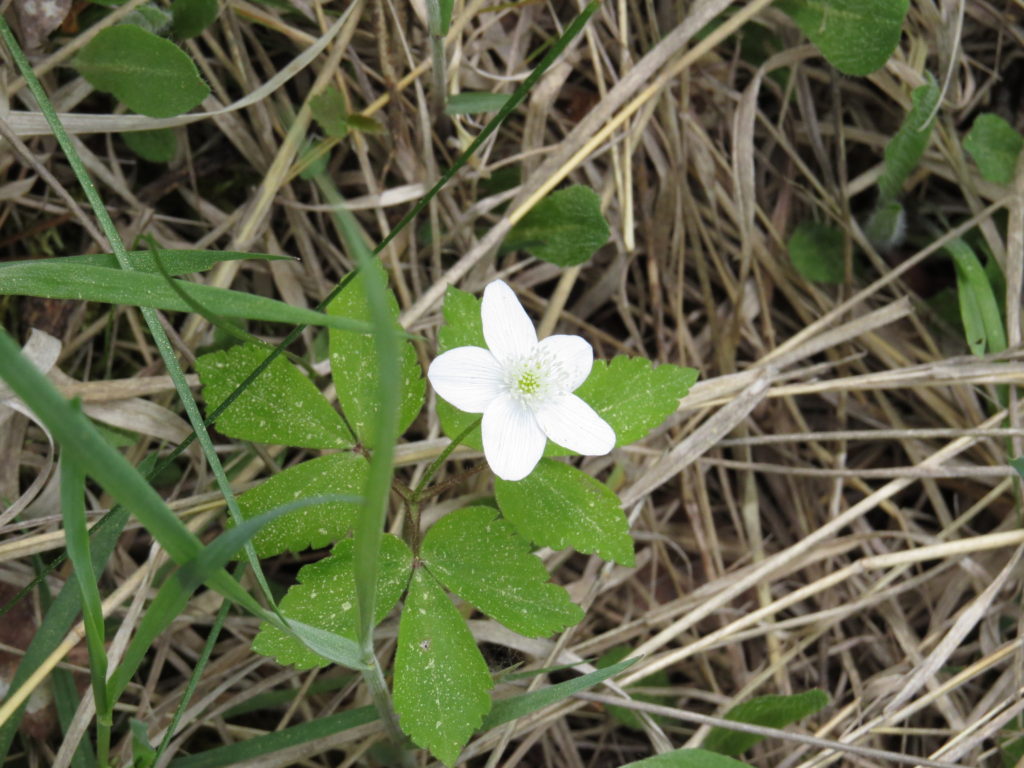
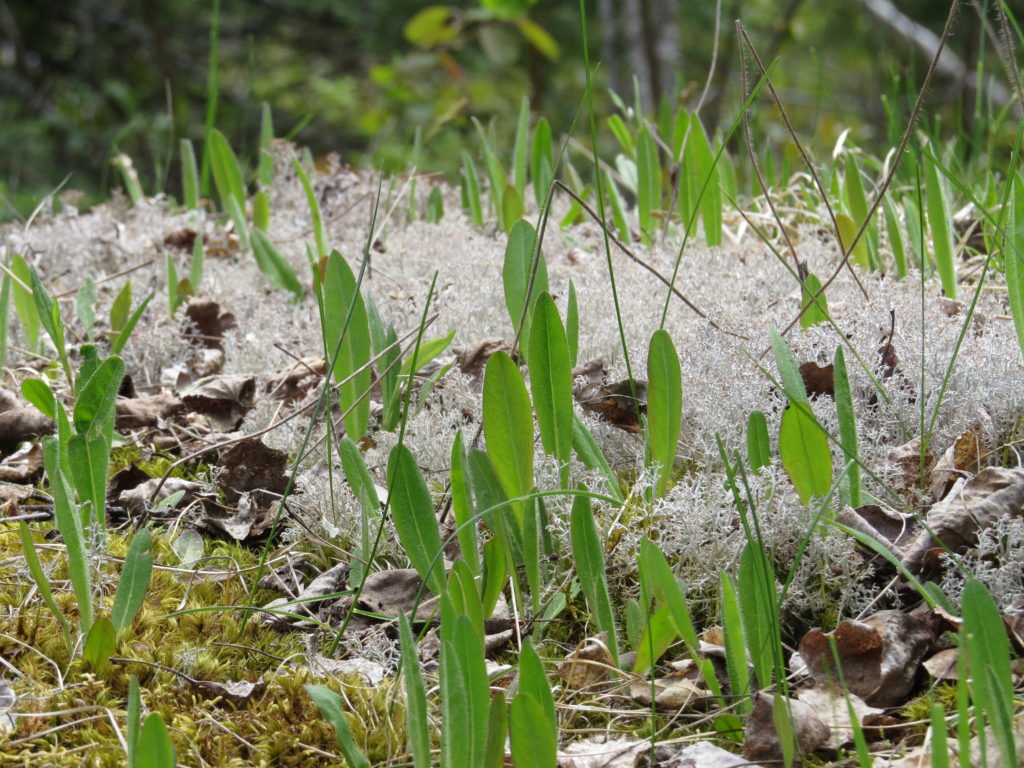
Moss and lichens grow on nearly everything. The moss-covered rocks and soil are interspersed with tiny Violets, Wood Anemones, and other plants for later blooming.
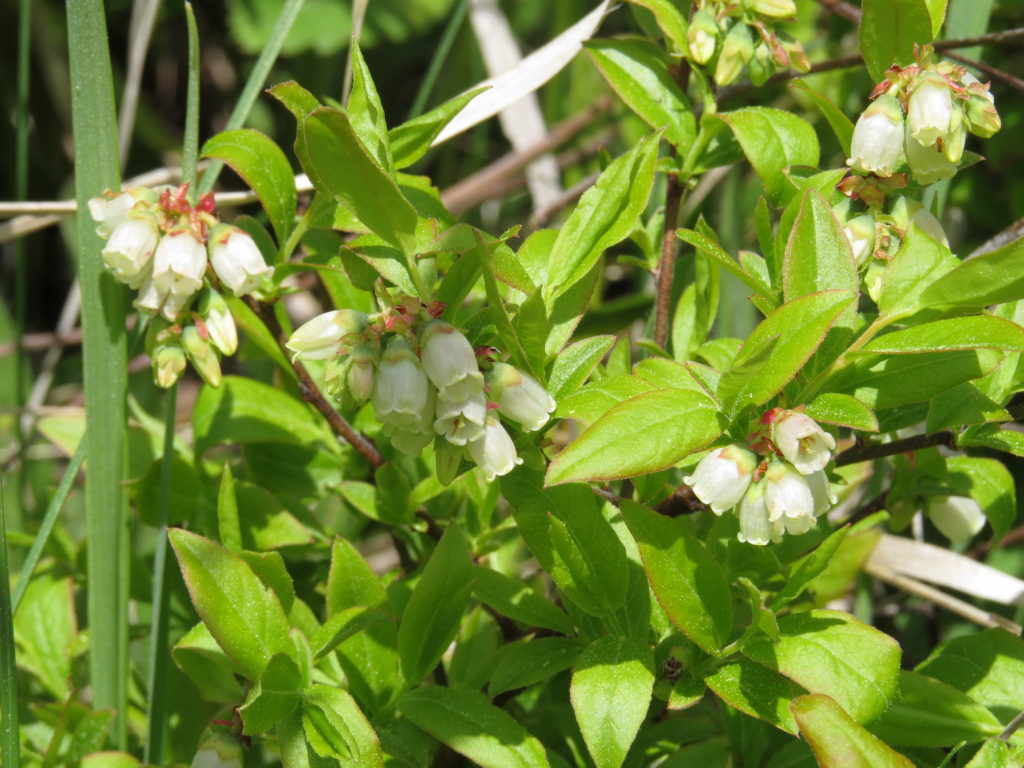
Wild Blueberries grow on a sunny, rocky hill facing the lake. The low-to-the-ground shrubs with their small, pale, bell-shaped blossoms can easily be overlooked.
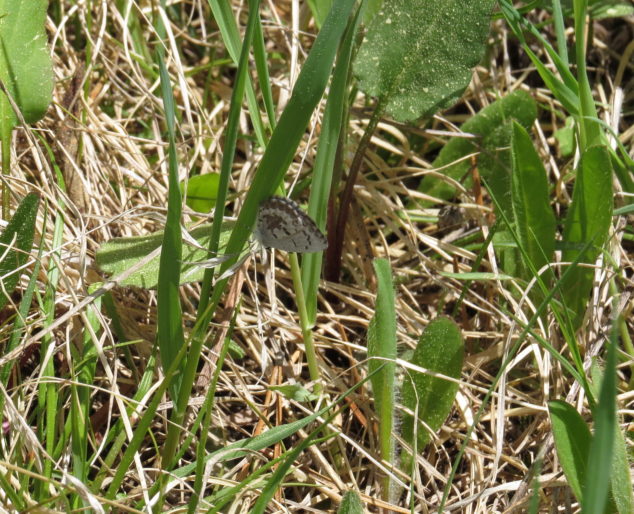
Wild Blueberries are the larval food for the Spring Azure Butterfly, who is almost camouflaged when its wings are folded, but who is a tiny piece of blue sky when flying.
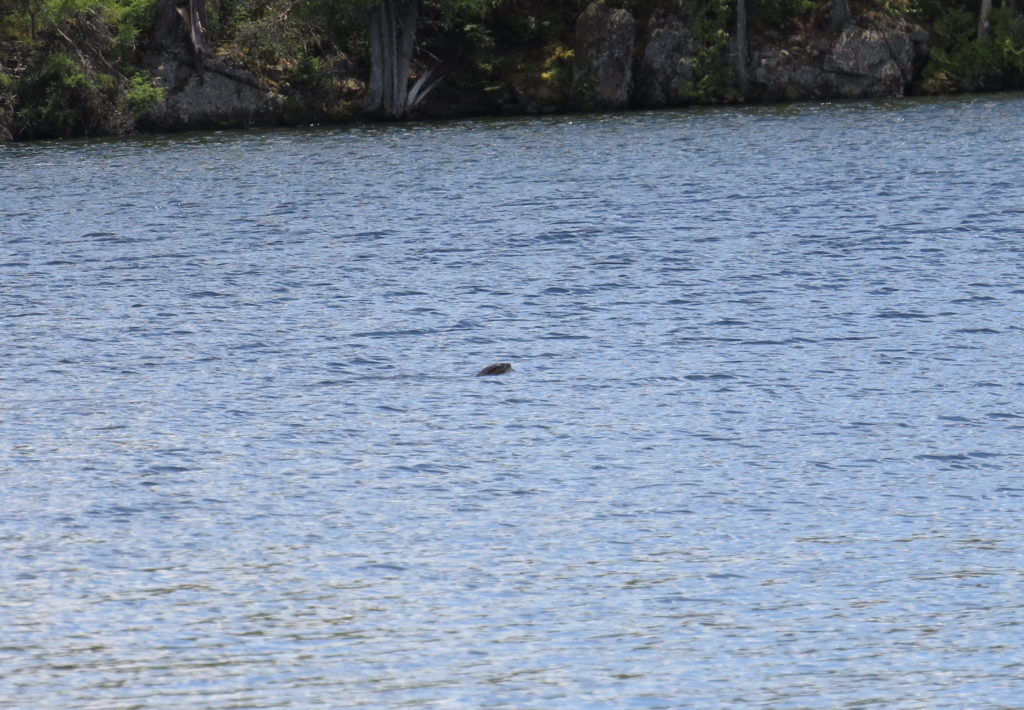
I saw a swimmer out in the lake, gracefully going under and up in a measured, undulating cadence. From a distance, I knew it wasn’t a Loon, and Aaron confirmed that he had seen River Otters here during his work summers.
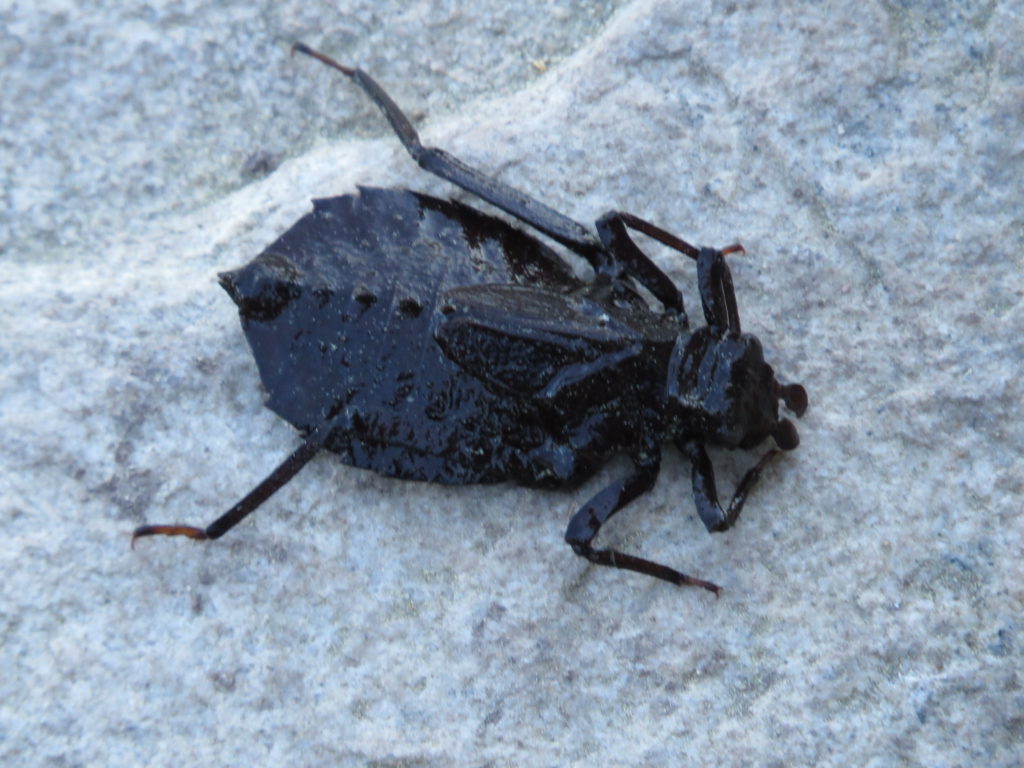
Another resident of the lake that Aaron retrieved for closer inspection was a dragonfly nymph. After the adult lays eggs on a plant in the water, the nymph grows and develops for up to four years before emerging from its shell and the water to become a flying dragonfly!
After my cold and restless second night in the tent, I was rewarded for getting up before the sunrise to see the mist rising from the still water.
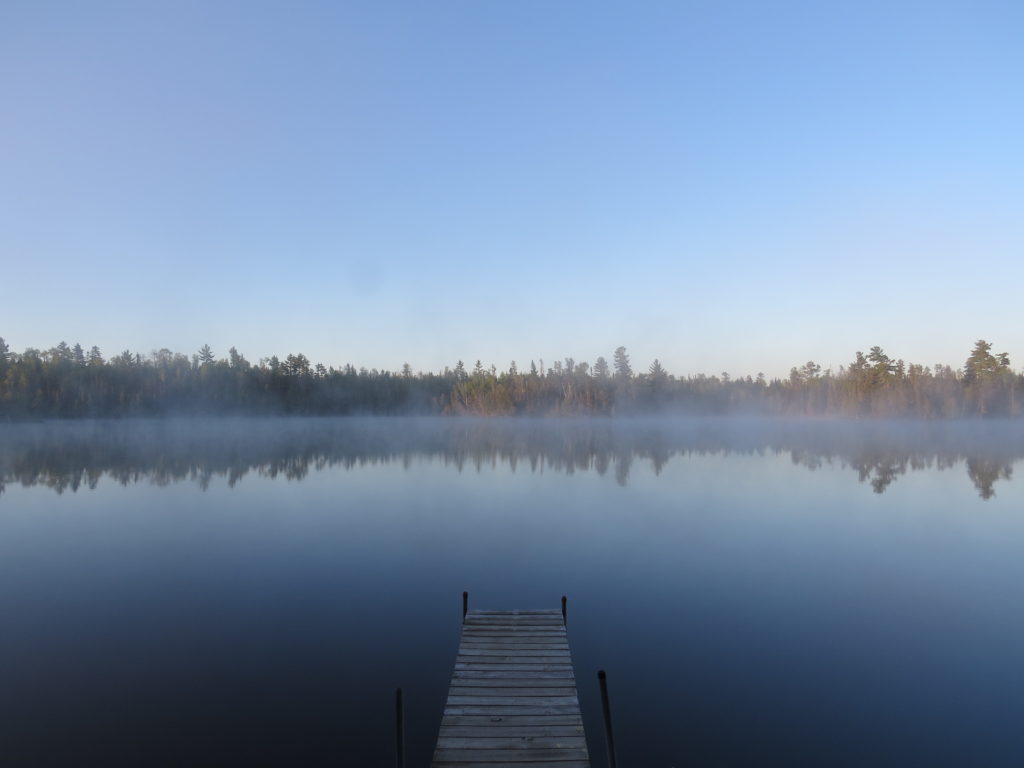
Even the island was obscured in the morning mist…
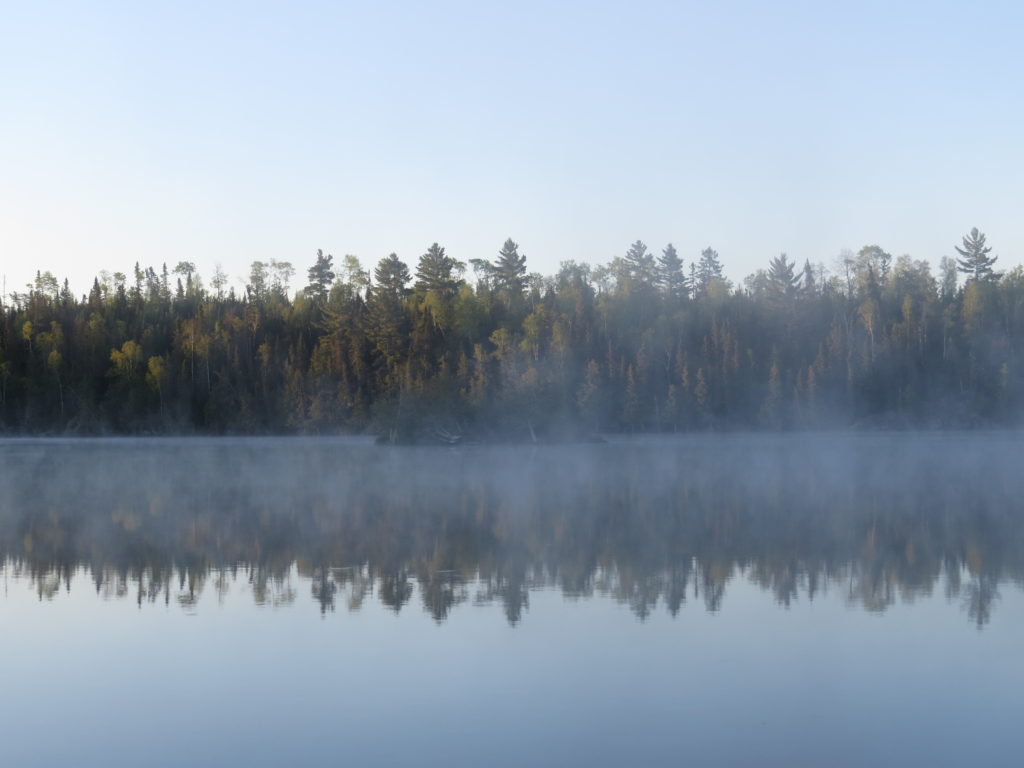
…but the Loons who had sung our evening lullabies were seen swimming in early morning reverie.
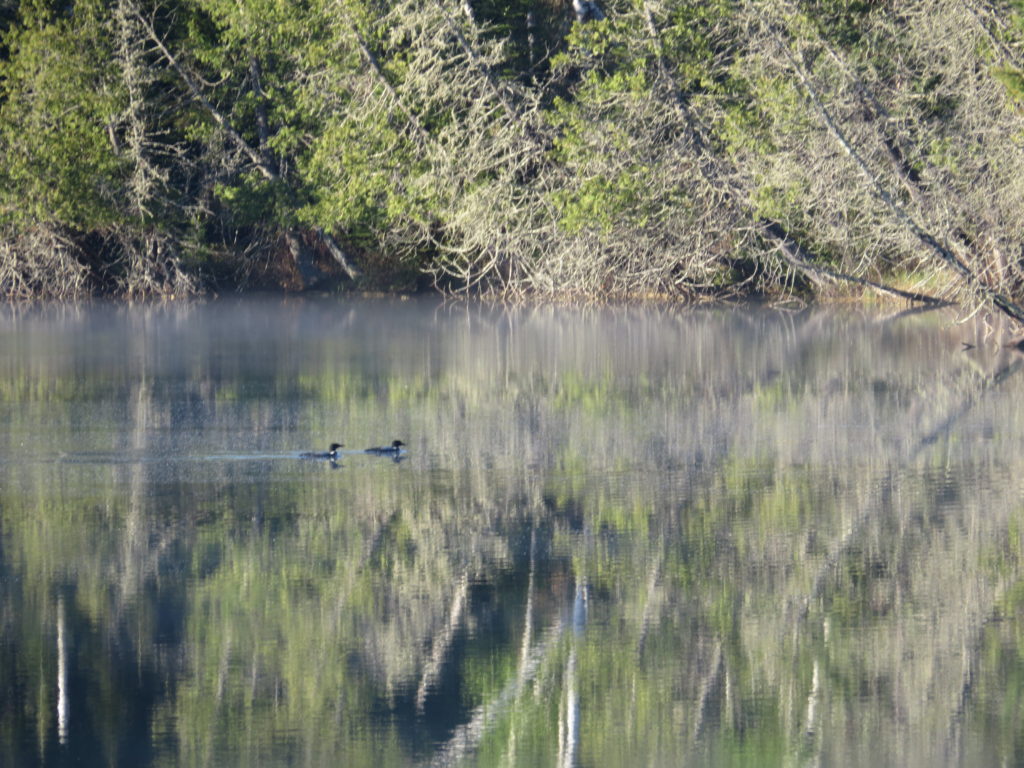
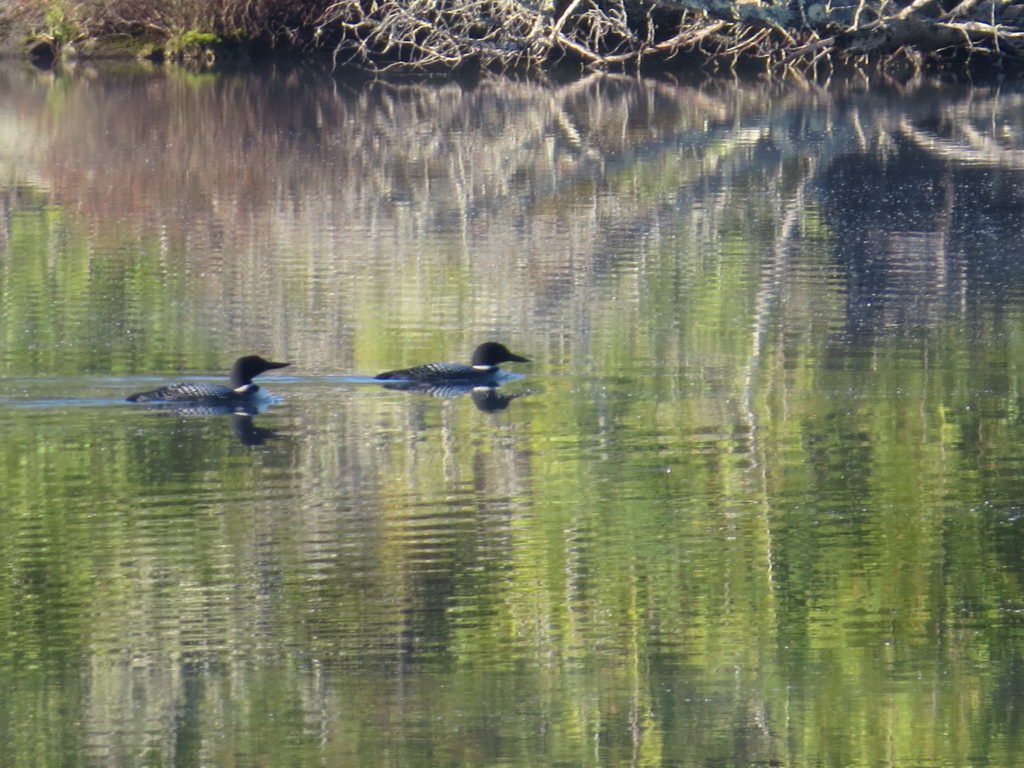
We are like islands in the sea, separate on the surface but connected in the deep. –William James
Our weekend of service and connection with Aaron and our friend Luke and in this special place would have been wonderful in and of itself, despite the chilly nights. But the meeting of the classmates after more than forty years?! That chance? meeting just gave me so much delight! Later in the weekend, we also found out that two other fellow KoWaKan helpers had lived and camped at a Lutheran church camp that I had worked at in South Dakota when I was in college!! Ah, the graceful cadence of our lives! That Grace, that Cadence, is often overlooked in our busy lives or obscured by the mist of work, children, responsibilities, or ‘more important’ things. How do we connect with those other islands around us? I think first is the acknowledgement that we are already connected ‘in the deep.’ Secondly, it takes communication—talking, listening, asking questions, telling stories, and being open and brave. And finally, it takes caring, dedication, belief, faith, service, and the all-encompassing sea of Love. All of those converged that weekend under that tiny piece of azure sky of KoWaKan.
The Spirit of the Place
There are those moments when you feel, when you know at a deep level, you are not in your usual place. There are places—different for each of us—that are special in a soul-satisfying way. There are reasons, usually experiential, sometimes beyond our knowing, why we connect with a certain place.
On the last evening of May, we stopped at Rookie Pond after hours of traveling—we were within miles of our destination, but it is a favorite ‘sunset’ place to take in the beauty of the Northwoods. Breathing in the North air, I felt a strange combination of relaxation and excitement at the same time. I was not in my usual place!
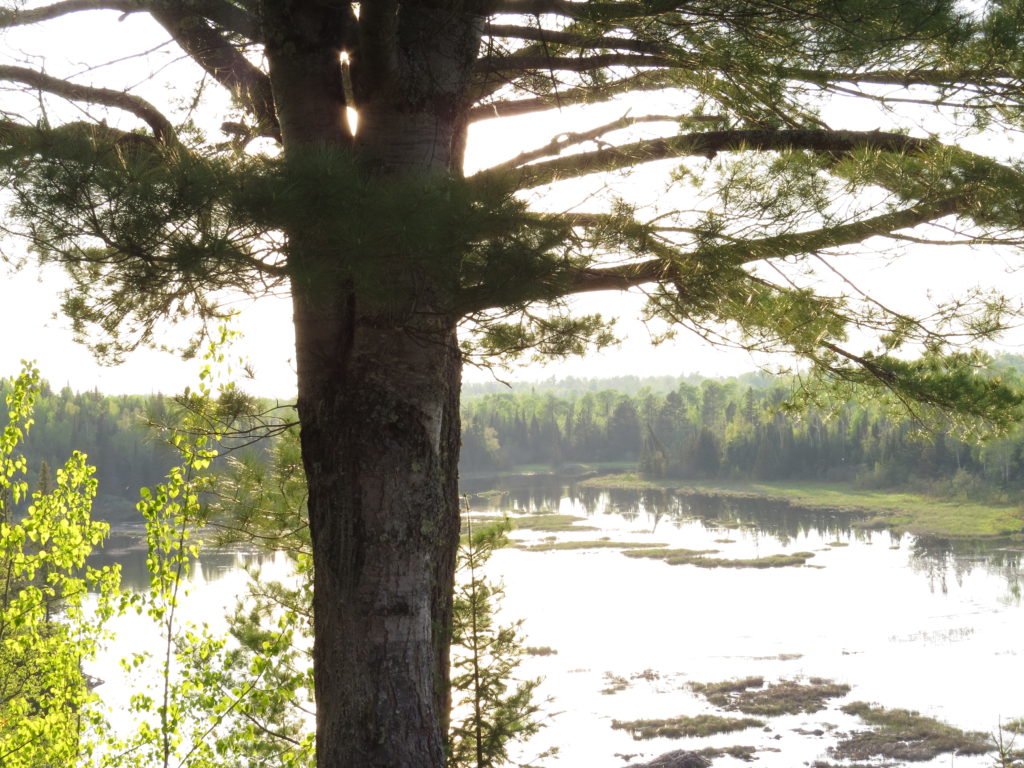
The wildness of the Northwoods (the ubiquitous term describing the northern woodlands of Minnesota, Wisconsin, Maine, and other northern states) is humbling. We are the guests in this land—it is proper for us to take cues from it and to show respect and appreciation to our host. This is home to wolves, moose, black bears, and other creatures—it is their place. (The next day we saw picture proof of a black bear crossing the highway not far from this lookout the day before we arrived.)
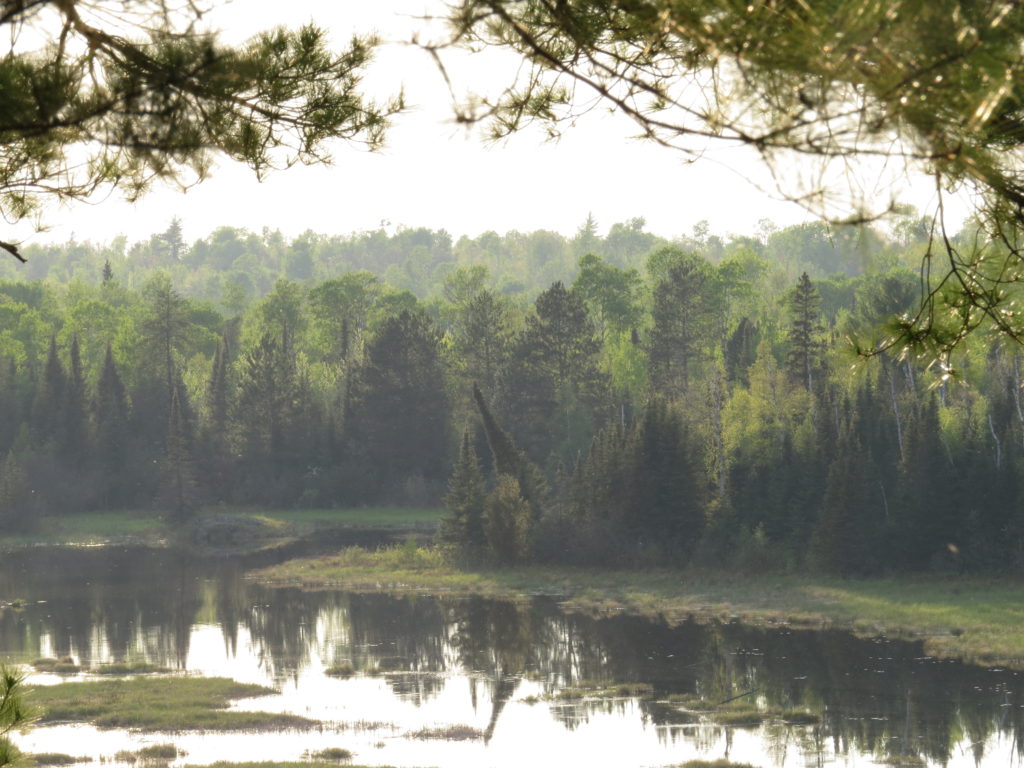
A beaver’s lodge was prominently placed in the lake—not for our eyes but for its purposes. Nature’s great architect and builder goes about the business of being a beaver.
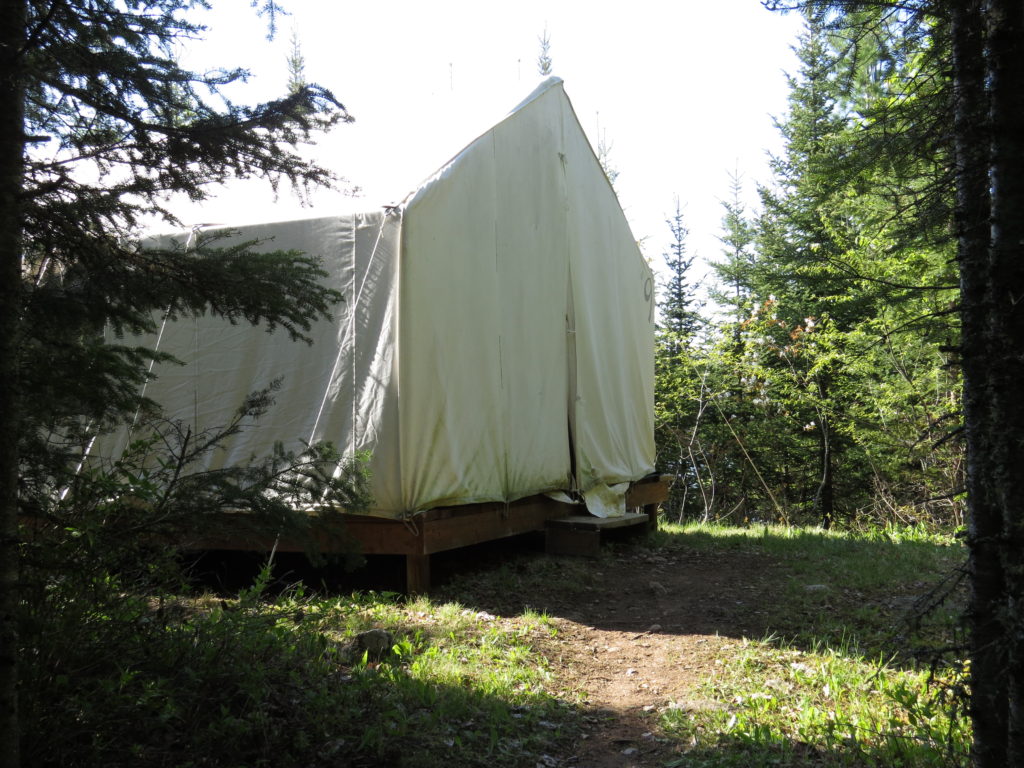
Our destination was KoWaKan, the Methodist camp that was the summer home for our daughter Emily and our son Aaron for a combination of eight or nine summers. Staff and campers live in large canvas tents on wood platforms, and most groups leave KWK to canoe and camp in the Boundary Waters Canoe Area (BWCA) Wilderness nearby. We arranged our sleeping bags and blankets on the cots, anticipating nighttime temperatures in the 40’s. Chris was sleeping before it was dark, and I crept into the tent with my lantern a bit later after leaving the campfire. I put on my layers of sleeping clothes—two pairs of socks, long-john pants, three layers of shirts/fleeces, and a wool stocking cap. I found myself smiling in the dark—I was so happy to be there. The frogs were singing, and the loons were calling on the lake right down the hill. But I couldn’t get to sleep. I kept getting colder. Drat! I would have to get up and put on more clothes. So I climbed out of bed, added gloves and another layer of leggings, rearranged my wool blanket to go under and over my sleeping bag, then climbed back in. The cold still crept into my toes, onto my nose, throughout my bones. I wasn’t sleeping, and I was no longer smiling. I brainstormed ways to get warmer with what we had left in the tent—all would mean getting out of my sleeping bag. Then the driving force to action struck me—the need to use the outhouse. Ugh. Boots, lantern, shivers, and I was out in the woods. But when I looked up at the sky in our tent clearing, I found the gift to my cold discomfort. The stars were a shining, masterpiece mural across the dark sky! The Milky Way swept its splendor of billions of stars in a high arch above my head. A shooting star fell before my eyes. Well then!
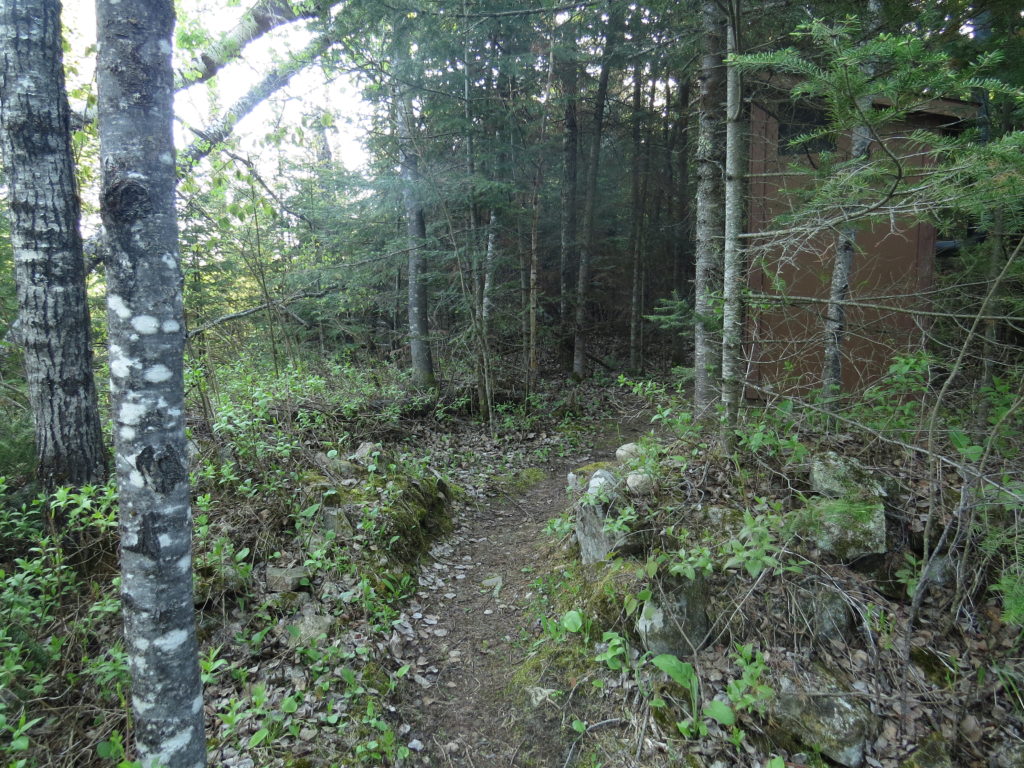
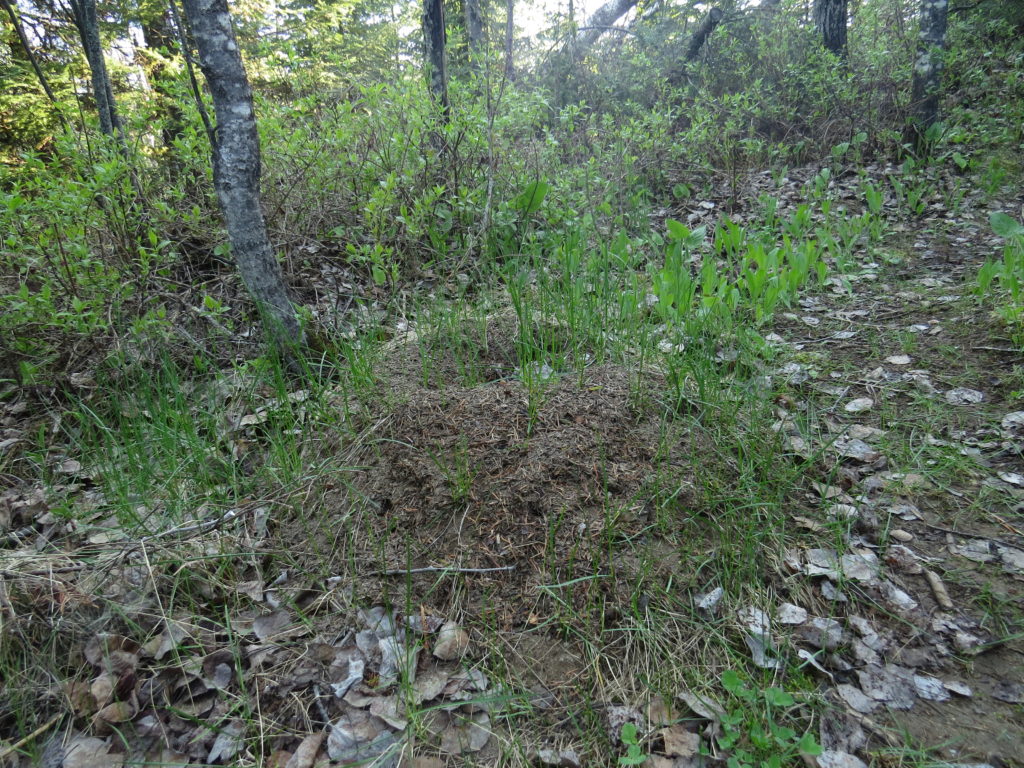
I slept fitfully the rest of the night until the early morning (34 degrees!) light lit the path to the outhouse. A huge anthill was piled up beside the path—home for the ants. (Did you know that bears will swipe off the top of an ant hill and eat the tiny, protein-packed ants?)
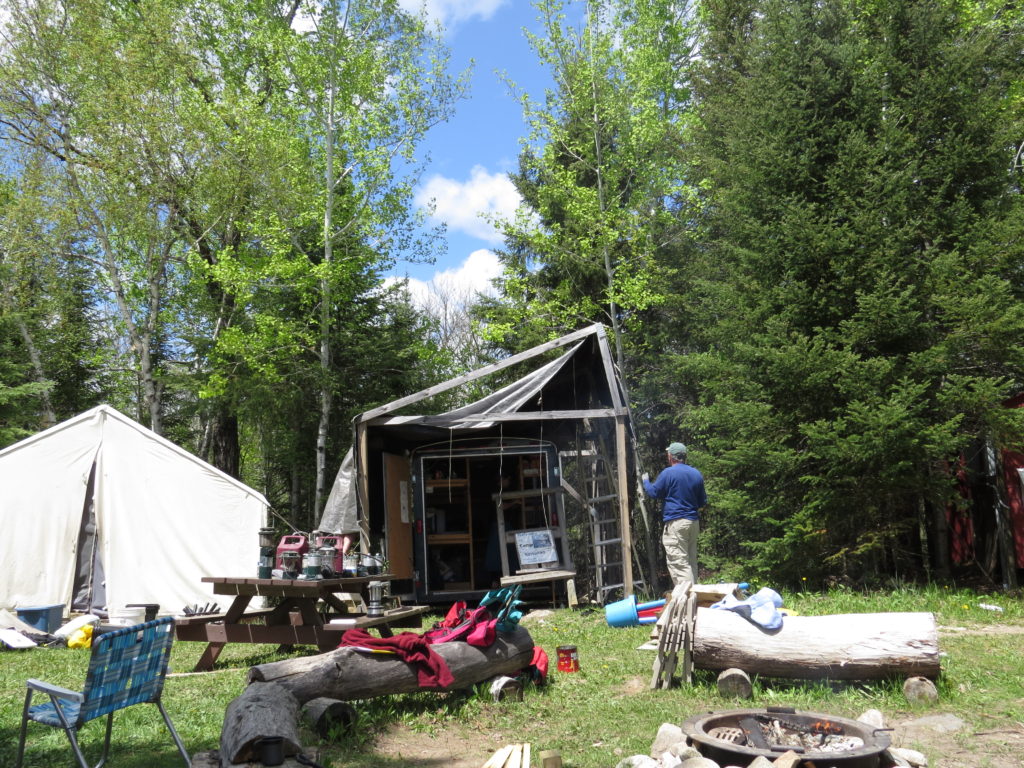
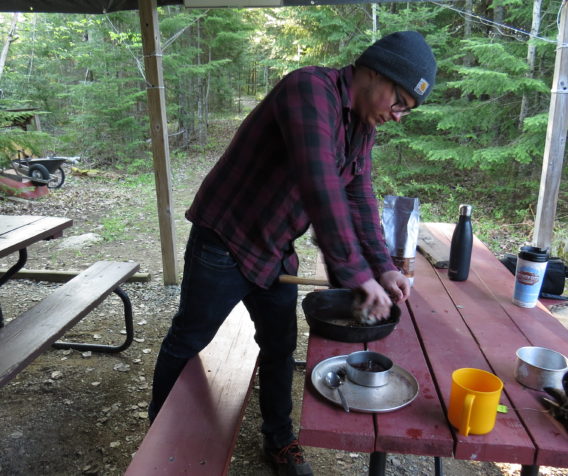
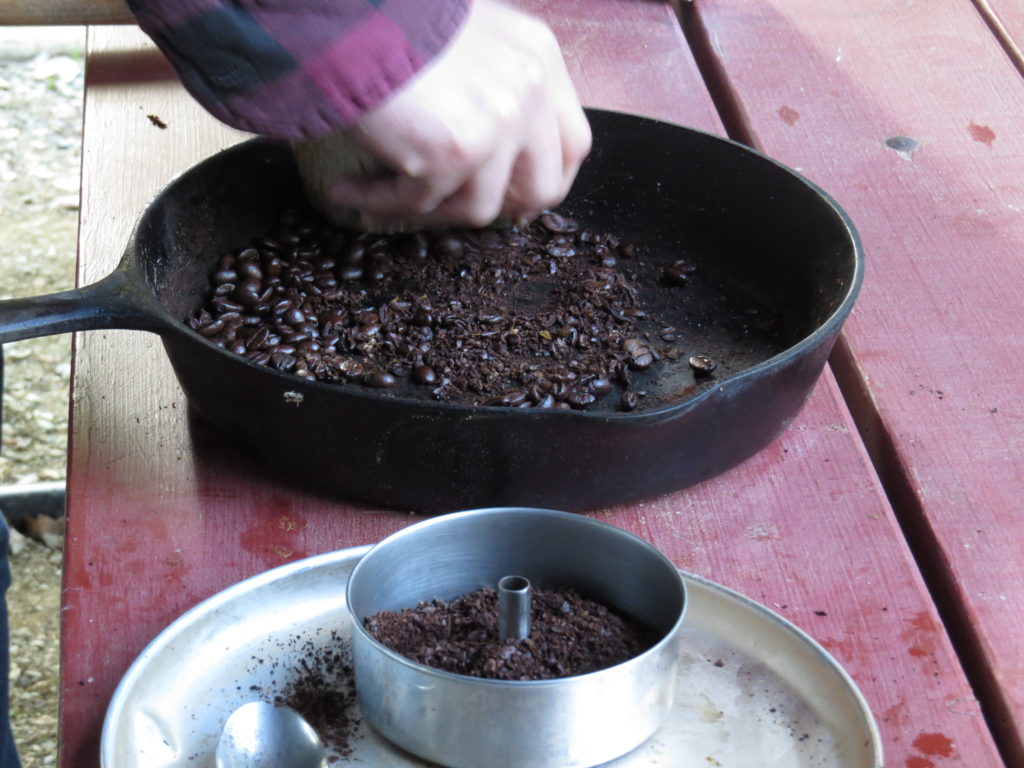
It was time to get to work! Opening camp for the season includes setting up tents, putting tarps over tents to prevent sun damage, cutting brush and firewood, raising the tarp roof over the kitchen and tent-drying areas, getting outhouses in shape, setting up cots and the kitchen, and many other things. The three staff members and other KWK helpers had started the process before we arrived, but there was plenty of work left to be done. But first, it was coffee time. What to do with coffee beans and no grinder? The flat axe head didn’t work that well, but our friend Luke’s idea of a large rock and some muscle power from Luke and Aaron soon had the coffee ground up and perking in the pot! A KWK mortar and pestle.
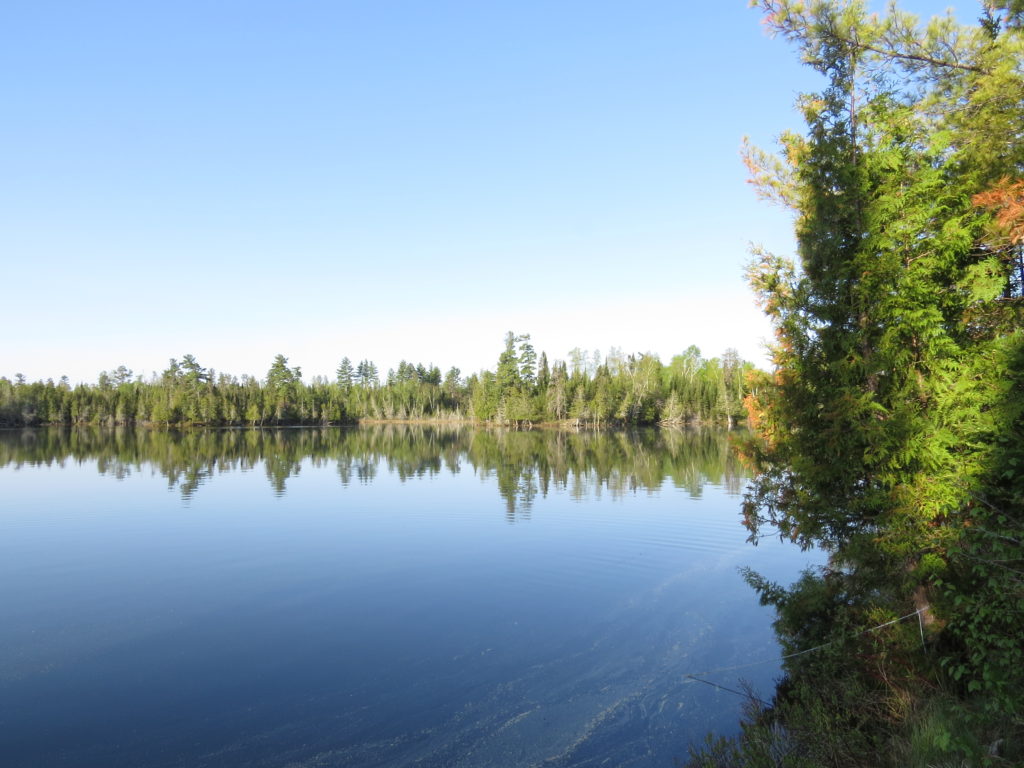
Section 12 is the source of beauty, of singing, of solitude, of sustenance, and of cleanliness for all who dwell in this place. One greets the lake upon rising, and the lake reciprocates. It is a prayer for one another—the greeter and the lake, and for all who eat, work, worship, and sleep on her shores.
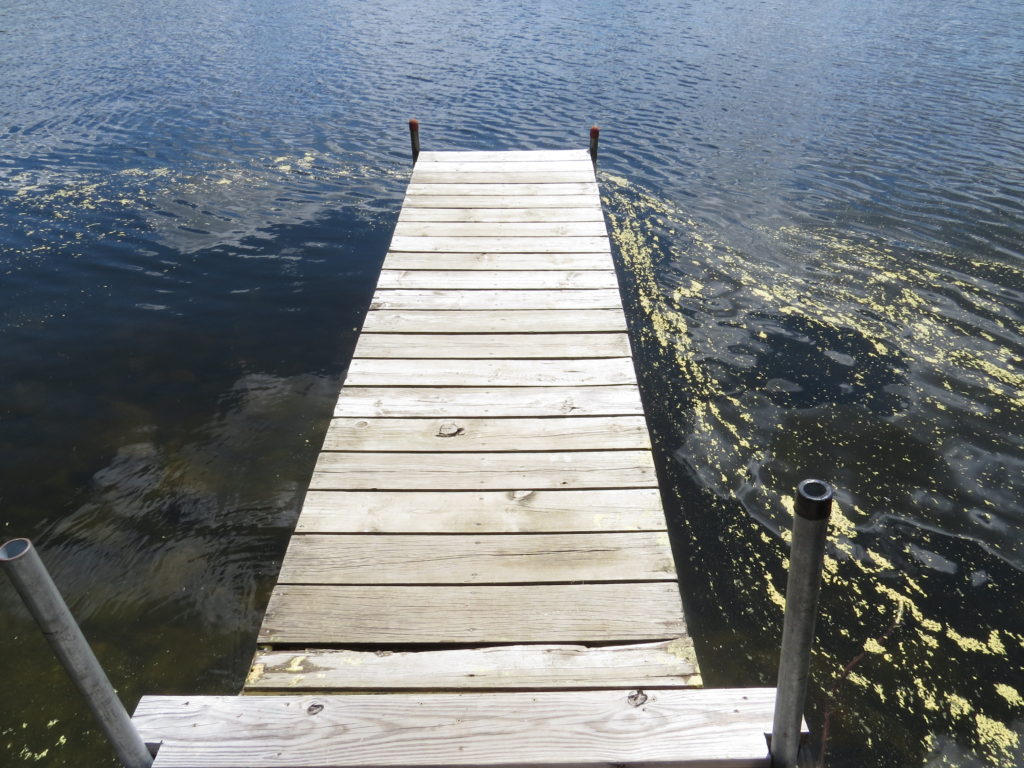
Water is gathered with a hand pump from the lake, boiled, and put into pans for washing and rinsing dishes and hands. It is a life of simplicity, of routine, and of physical work in service to oneself and others.
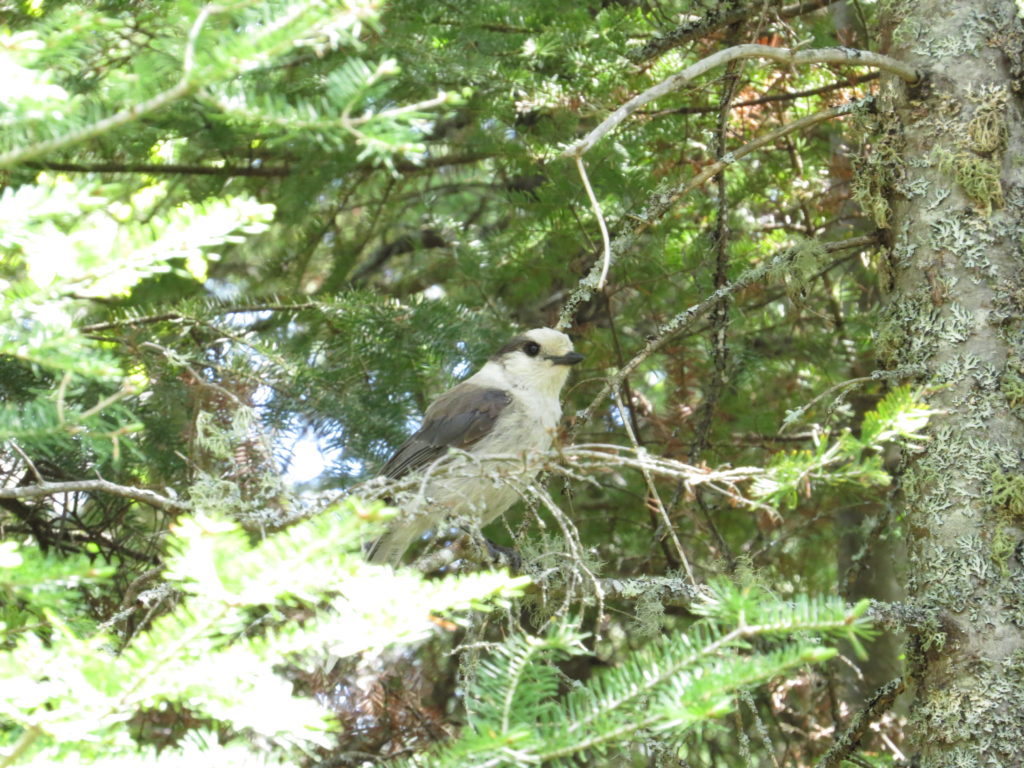
We had noisy neighbors called Gray Jays during our meals. They are known for their brashness in stealing human food from campsites. They were watching us and our plates!
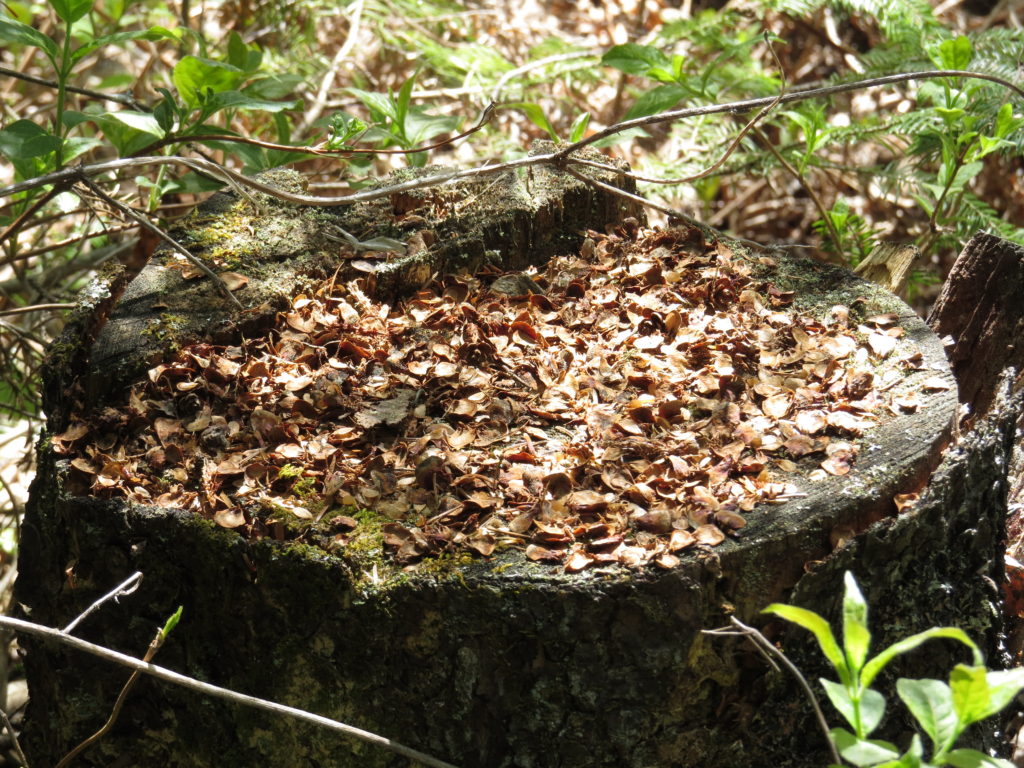
Another frequent visitor to the kitchen is chipmunks. They scour the ground under the picnic tables for bits of dropped food. I found an eating place of theirs along the trail where fir cone shells were left in a pile after the seeds were eaten.
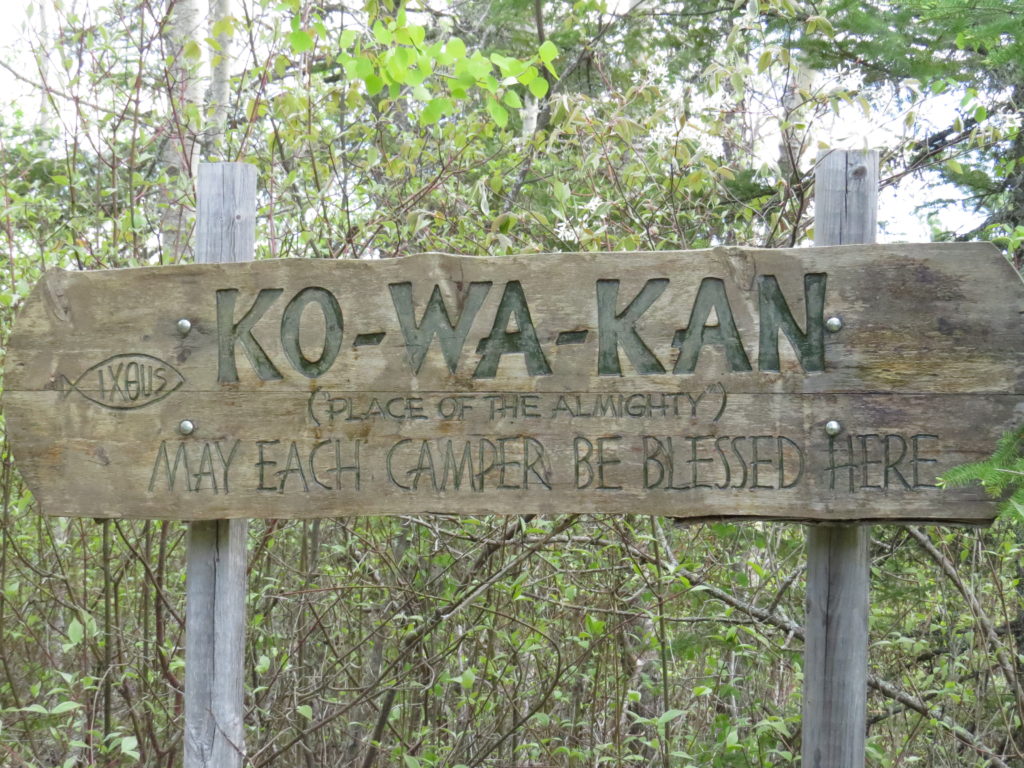
Most of the year, KoWaKan belongs only to those who inhabit the woodlands and lakes—the bears, Jays, wolves, and chipmunks. It is their place. For three months of summer, we are guests of their land. It is a special place, not only for the memories our children and decades of campers have gathered, but also for the intrinsic spirit of the place. KoWaKan means ‘Place of the Almighty.’
Where is the place that satisfies your soul? The place that floods you with memories and brings a smile to your face? Those places teach us the business of being ourselves, where life is simple and hard, all at the same time. Those places challenge us, yet give us unexpected gifts. We use our minds and bodies in work and problem-solving, serving ourselves and others. May you be blessed in your special place.