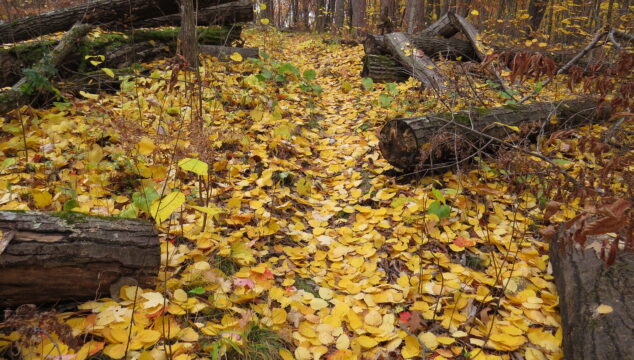
Come walk with me in the peak Autumn beauty of the Northwoods. To say that I love this time of year is an understatement. Most everyone can appreciate the colorful falling leaves---it reveals the 'true self' of a tree when its leaves are no longer producing chlorophyll. Their true colors are revealed, and there is something simple … [Read More...]
Whose Home is This? Who Lives Here?
“I long, as does every human being, to be at home wherever I find myself.” –Maya Angelou
I’ve always had a thing about the houses I’ve lived in. No matter their size, age, shape, or beauty (or lack thereof), I have always fallen in love with them. There was the farmhouse when I was a preschooler with a red hand-pump that was the source of our water at the kitchen sink, the huge metal register over the coal furnace, and the outhouse on the other side of the driveway. There was the hotel-like square-block-of-a-house with six bedrooms upstairs (with no heat) that we rented my senior year in high school. There was the Civil-War-era house Chris and I rented in Missouri when we were first married that only had a fuel oil stove in one room of the huge house, had ancient floral wallpaper, and a kitchen large enough and spare enough that it could have housed us and all our four-legged friends. They were all my home for a certain, wonderful, impressionable period of my life.
When I arrived at my Mom’s place last month (one of those homes on my list of homes), I looked out over the pasture and wondered out loud, “Whose home is this? Cows or geese?” The Canadian Geese were scattered from the lake like marbles tossed from a hand. They ranged across the pasture, grazing at blades of grass and tasty seeds, then settled down to rest in the sun like miniature cows.
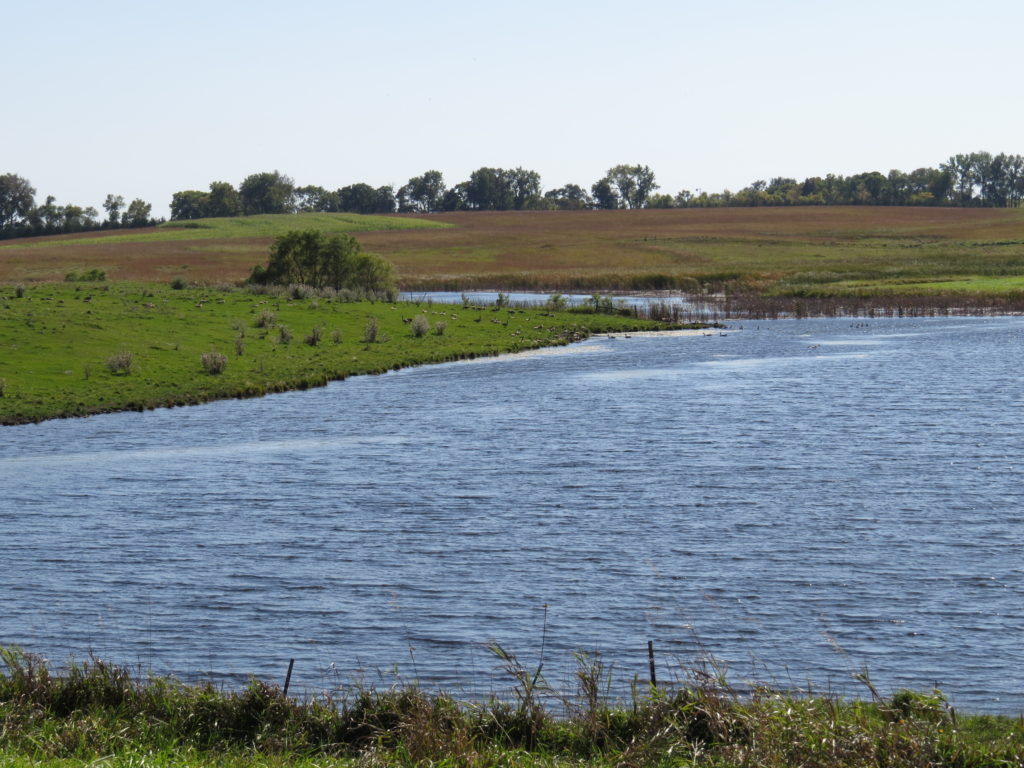
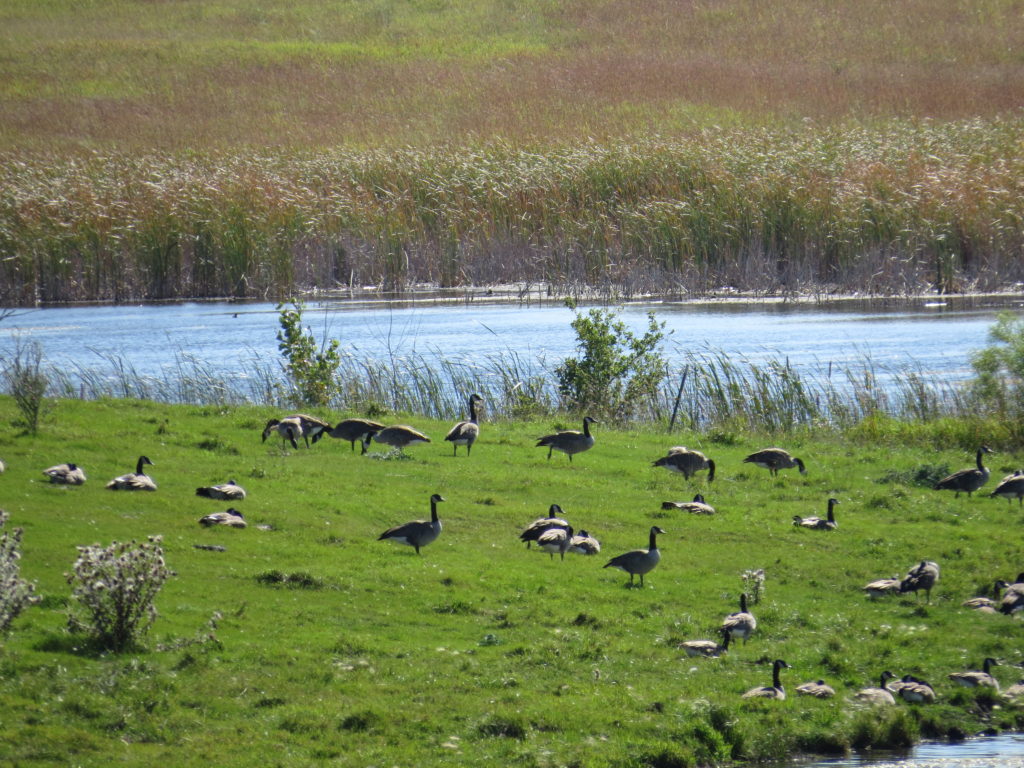
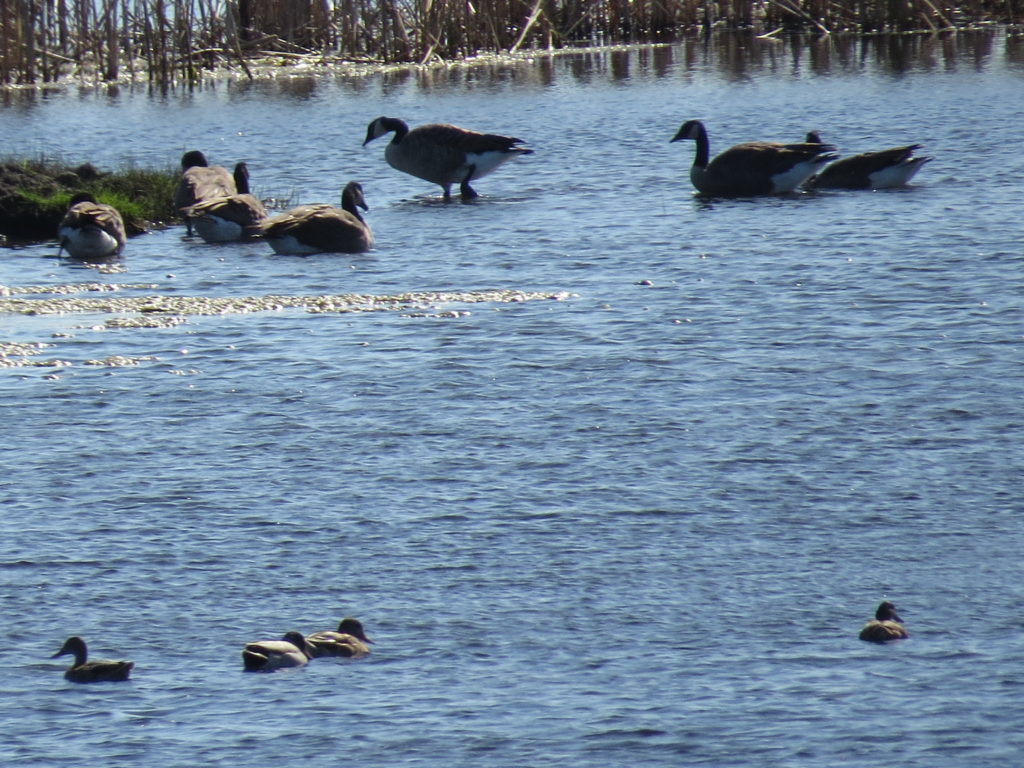
At this time of year, they were much more interested in pasture than the lake, but would wade into the water for a drink or a bite to eat in the shore mud…

or for a quick swim with their companion ducks.
The cows grazed their ‘summer pasture’ home, making the rounds from hilltop to hilltop.
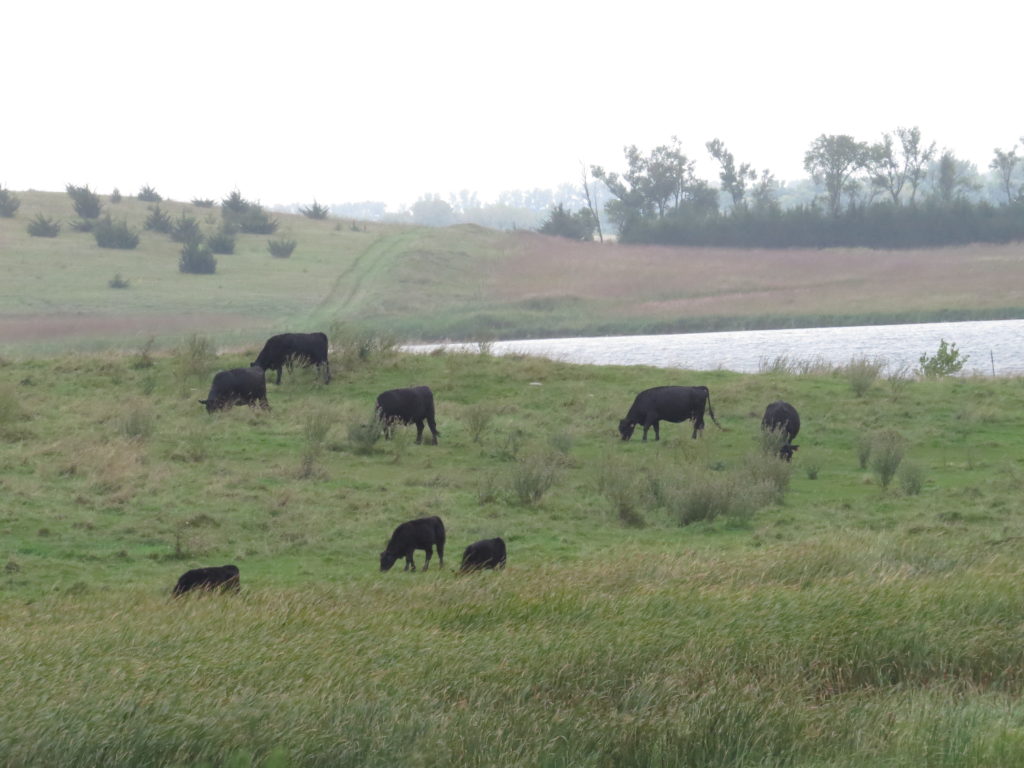
Nights and early mornings they were bedded down in the grass, chewing their cud, resting and digesting.
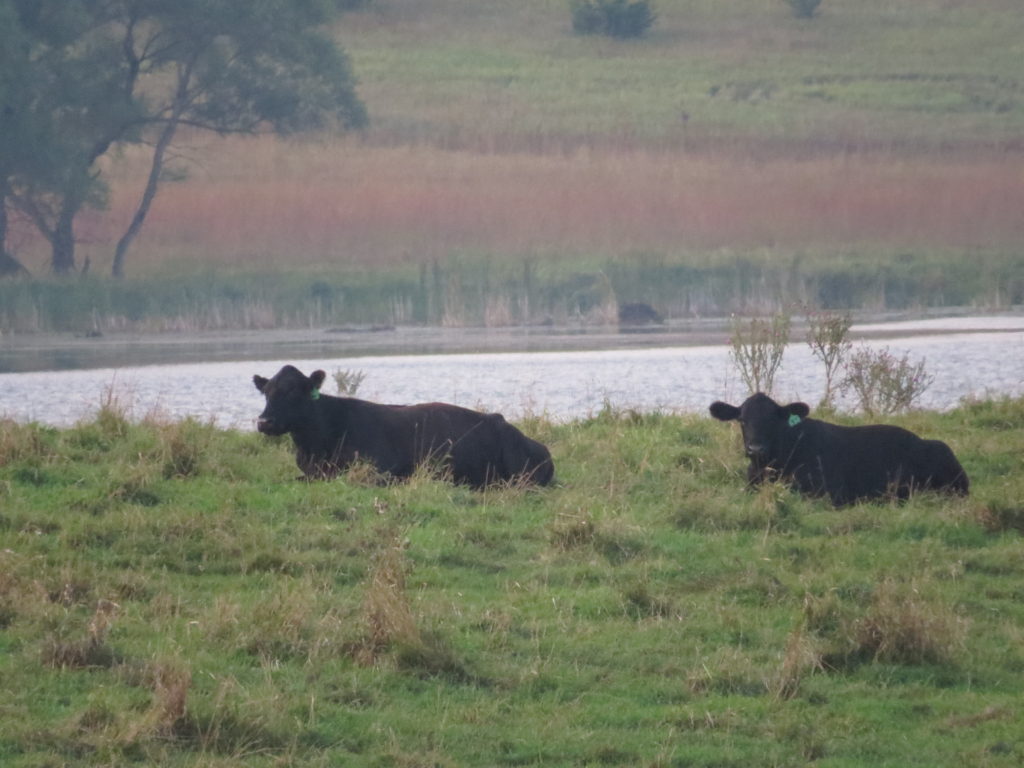
The bull maintained his large presence with the herd by belching out low bellows and by watching over and schooling the young calves.
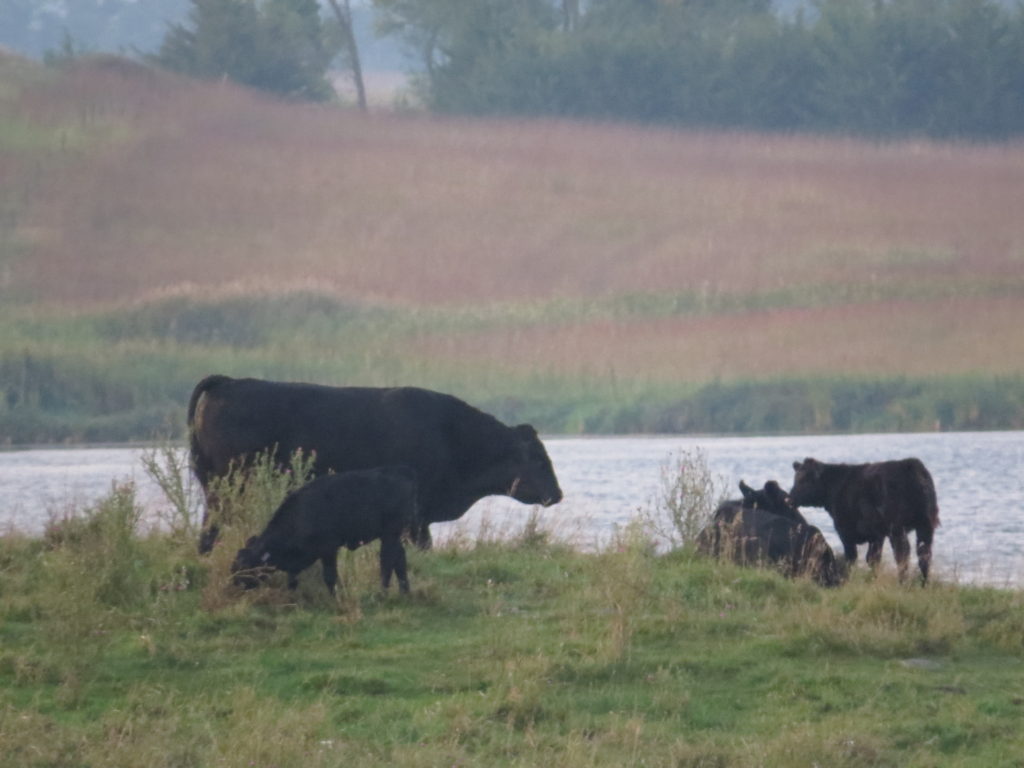
Each species had their routine and their preferred places, but just as often I would see the two groups together—grazing together, resting together, at home together. My Mom said occasionally she had noticed a scuffle between a protective cow and a pugnacious goose, but for the most part, they lived in harmony.
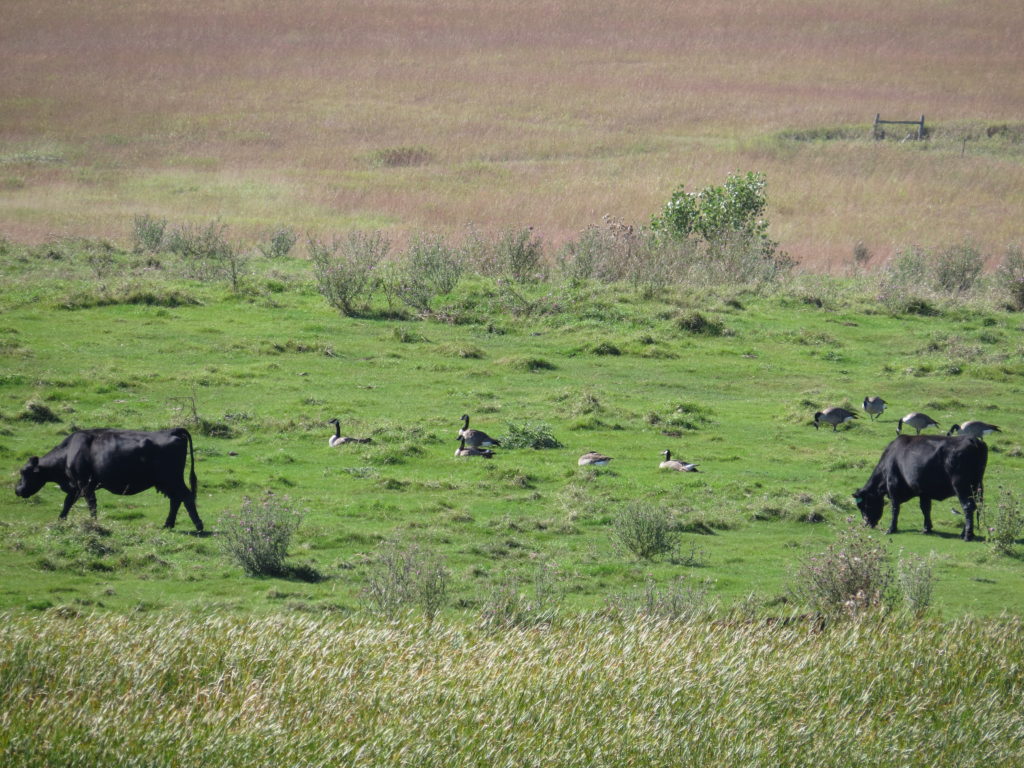
Whose home is this? The cows and calves have returned from their rented summer home to their ‘winter pasture’ closer to their caretakers. Some of the geese stay for most of the year and enjoy abundant food, water, and protection for raising their families and living a good goose life, but still usually fly south to a new home for the coldest winter months. Who remains? The gophers, coyotes, fox, opossums, the myriad of amphibians and insects in various stages of development, and many other species. The pasture is home to many.
I would amend Maya Angelou’s quote by taking out the word human—“I long, as does every being, to be at home wherever I find myself.” The creatures around us desire a safe place to live with food, water, shelter, and protection—wherever they find themselves. And most often, they do so with one another in the web of Nature’s life. They are at home together. Another thing we can learn from Mother Nature. As humans though, with our big brains, we are challenged and compelled even, to go beyond the finding of a home with its shelter, safety, and sustenance. “It’s not about finding a home so much as finding yourself,” says actor Jason Behr. Finding yourself. Finding ourselves. See what I mean about a challenge?
The Art of Being Stuck
I don’t know about you, but there have been a number of times in my life when I have been stuck. Not stuck in the mud or snow—though that has happened a couple of times, too—but stuck in my life. To be fair to myself, most of those times the stuckness was only in a certain area of my life while there was movement and growth in other areas—all at the same time. Like one boot sucked down into the mud so far that your foot comes out of it as the rest of your body propels forward, but you falter because you want to save your boot. And you don’t want to take the next step into the muck with only your sock on. Being stuck isn’t a good feeling, and I would venture to guess that no one chooses it. There is a convergence of thought, belief, and circumstances that stop us in our tracks—and keep us there for a while.
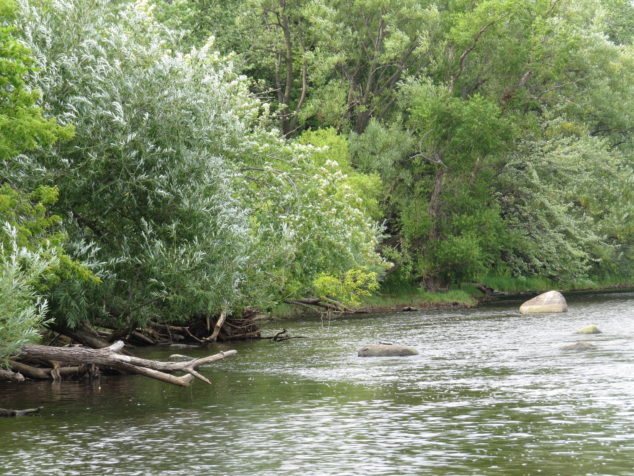
Chris and I, after wandering around St. Cloud trying to find the parking area, went hiking on the Beaver Island Trail that follows the Mississippi River south of the University. It is a biking and hiking trail that follows the old railroad path and the area of the River that contains the fifteen or more islands known as Beaver Islands, as named by Zebulon Pike in his expedition up the River in 1805.
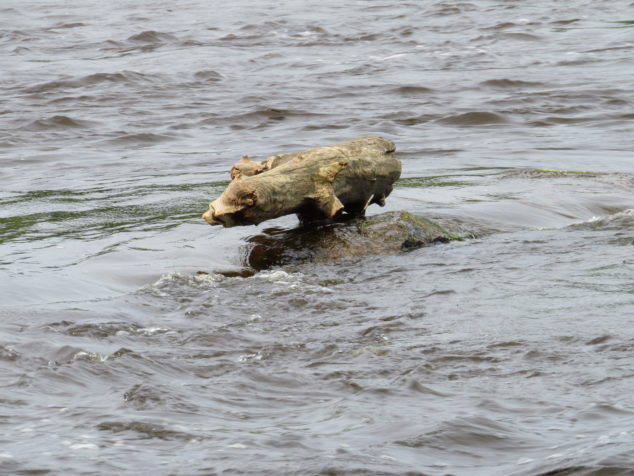
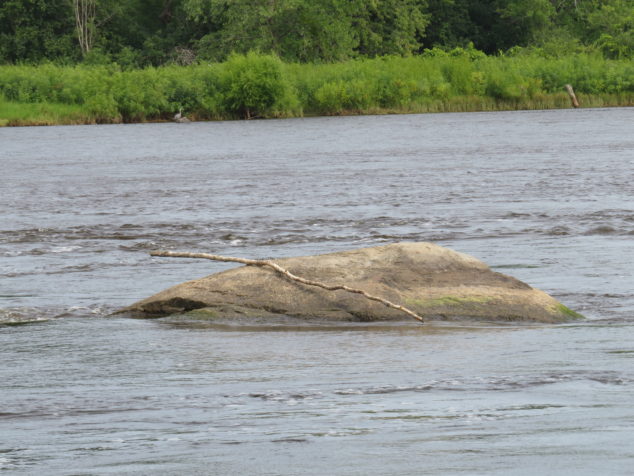
One of the first places where we were able to get close to the River, we saw a log stuck on a rock. The water was rushing around it, and we laughed about how it ended up there. It almost looked like a sculpture of some sort!
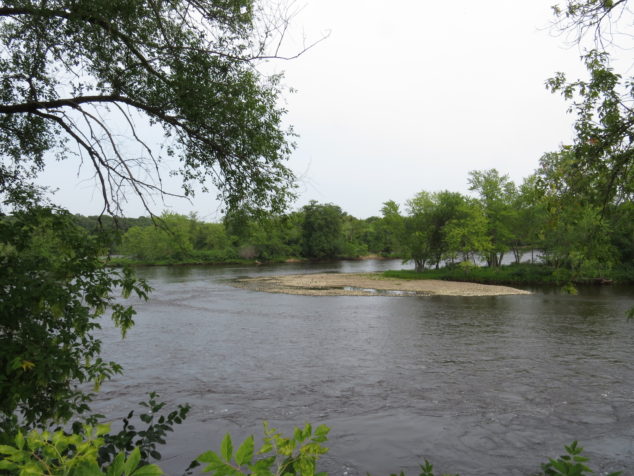
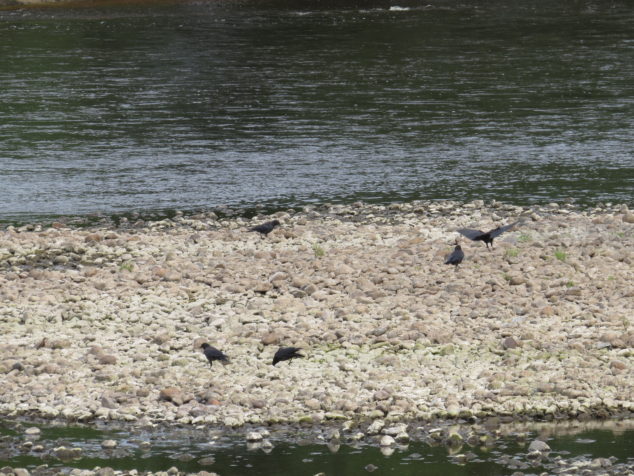
We walked farther to another island with a sandbar of rocks that was populated by crows, not beavers. They were noisy and chippy with one another.
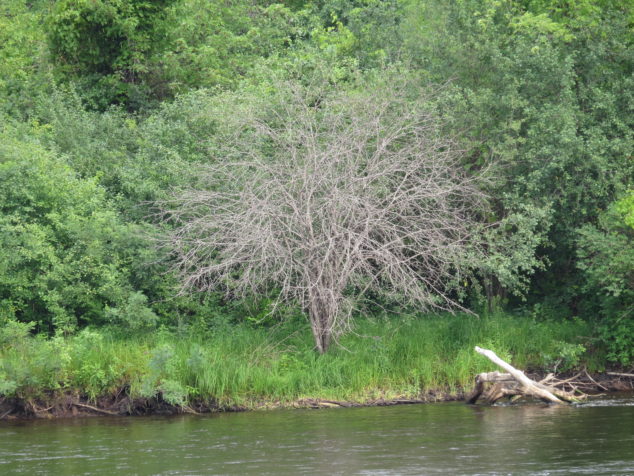
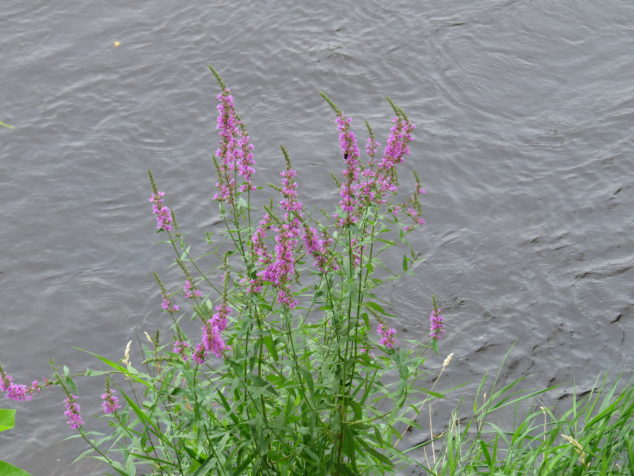
As we walked on, we saw a ghostly dead tree among the varied greens of the other trees. We saw pretty, but noxious Purple Loosestrife swaying in the wind beside the water. And we saw another log stuck on a rock.
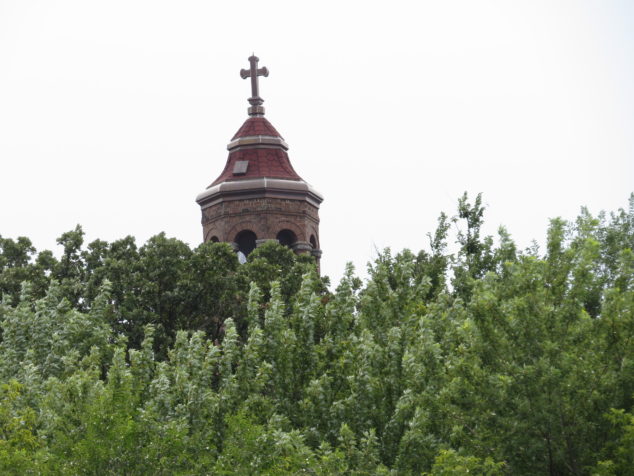
The paved bike path was getting farther away from the River, and with all the trees and horrible Buckthorn, we couldn’t see the water. We did see a historical marker that commemorated where the original St. John’s Benedictine Monastery was located in 1857 to provide for “the spiritual and educational needs of German immigrants.” Ten years later the monastery was relocated to its present location in Collegeville. We saw the belltower of the Catholic-run St. Cloud Children’s Home high on the hill above the tree tops.
Flowering Sumac and robust Poison Ivy grew along the tree-lined bike path.
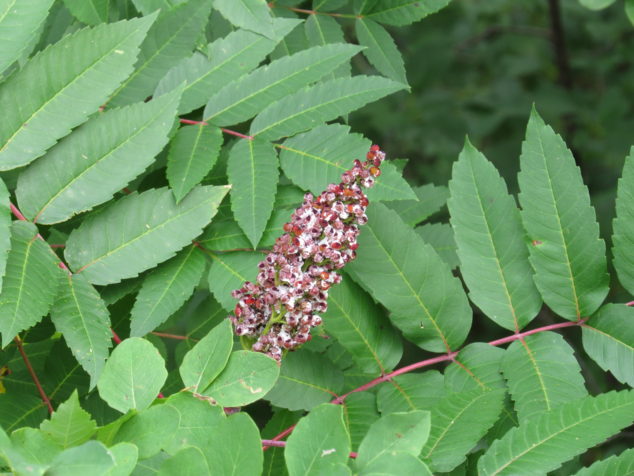
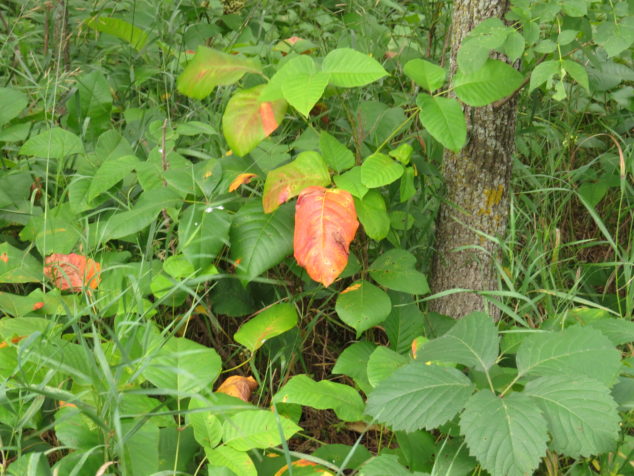
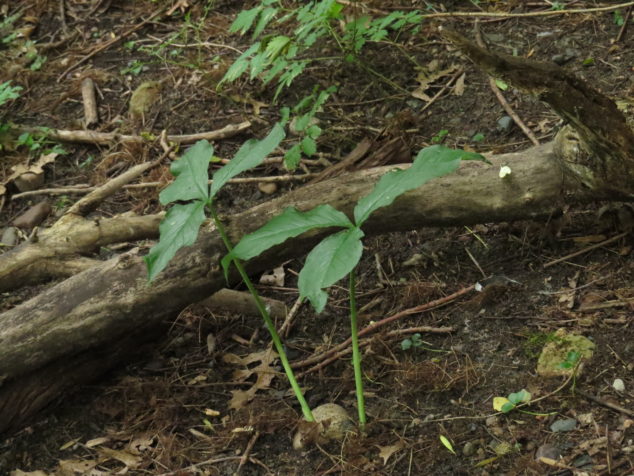
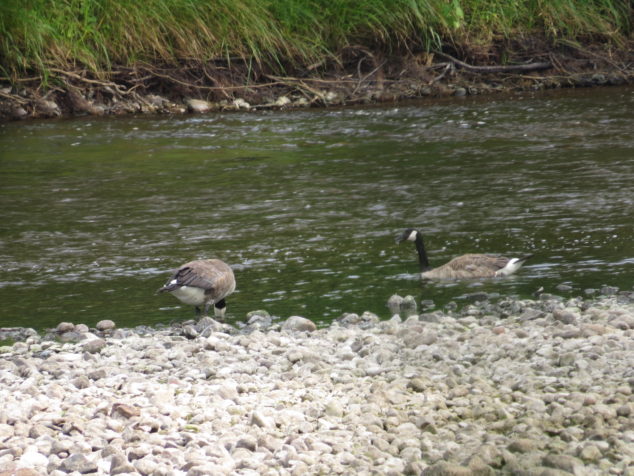
We took a narrow trail off the bike path to go down to the River, trying to skirt our bare calves around the poison ivy. There were large Jack-in-the-Pulpits under the huge, River-fed trees. The air was humid and warm, like a storm was brewing. Once down to the River, we saw Canadian Geese on one of the islands and a pair of granite boulders stuck in the sandbar of another.
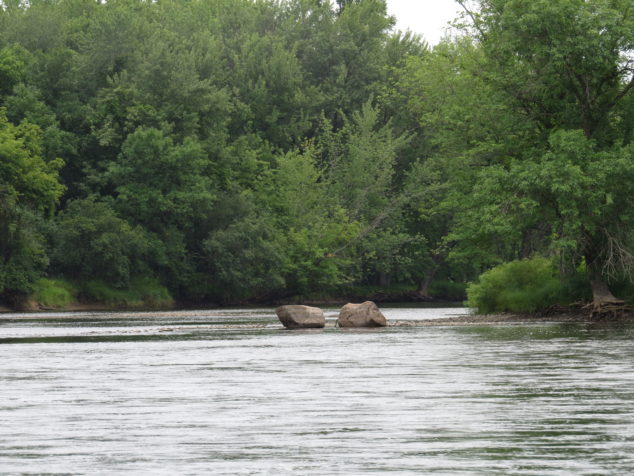
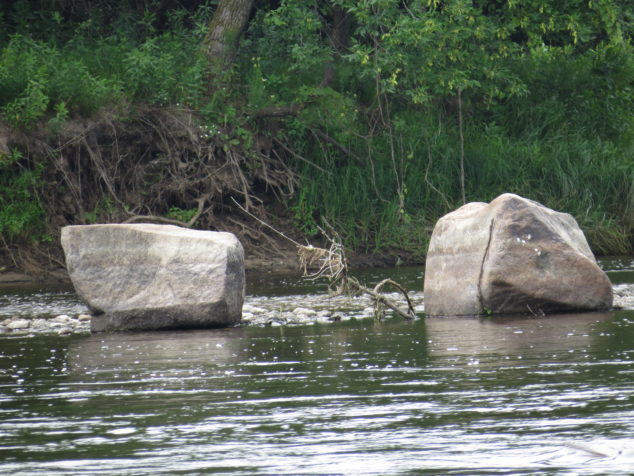
And another log stuck on a rock, perfectly balanced, in the middle of the mighty Mississippi.

I walked on a huge tree that had fallen into the water and caused a log jam of debris. Scum folded into accordion pleats against the logs, stuck between the current and the unmoving dam of logs.
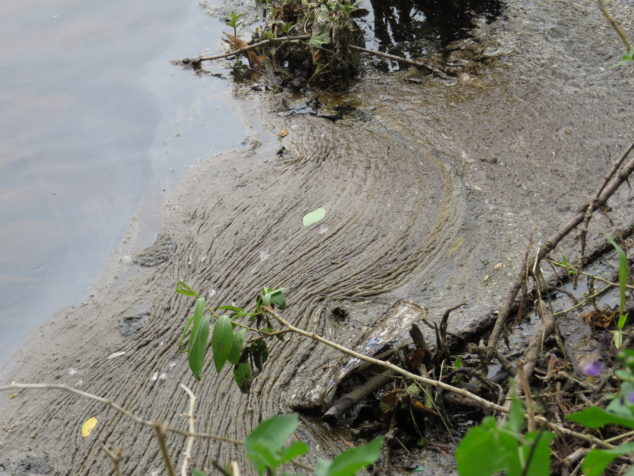
The River was wild and interesting in this Beaver Archipelago, and I had a strong desire to explore some of the islands, even as I wondered if I would have the courage to take on the current in a canoe.
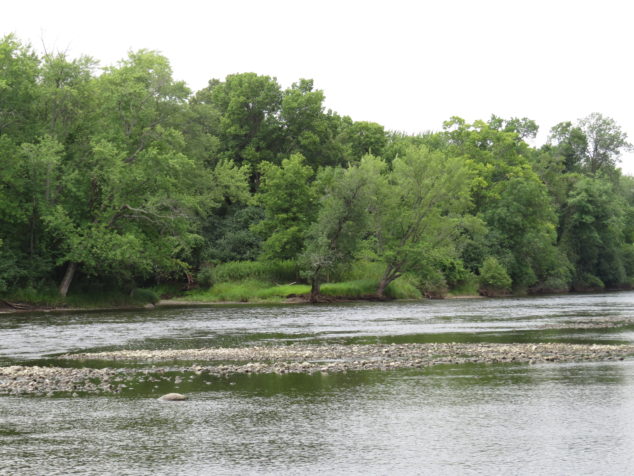
We headed back to the bike path, back to the car, back to the City and saw that there was indeed a storm brewing.
In our short Friday afternoon walk, Nature provided plenty of examples of the art of being stuck. The ever-flowing, ever-changing Mississippi River was the reason logs ended up in sculpture-like poses on rocks protruding from the water. It would also be the reason, with a torrential storm and rising waters, that the logs would become un-stuck. The boulders illustrate a different story. Perhaps it was a glacier that deposited them there—it is more of a mystery. Would the most powerful flooding waters move them? I’m not sure. The huge, fallen tree will hold back the current, the logs, the debris, for years, but will eventually rot away and succumb to the movement and power of the River. Life is our River, ever-flowing, ever-changing. It is the reason for our stuckness and the reason we move on. Sometimes the dead ghosts of our past stop us in our tracks, and we are afraid to step into the muck of our feelings. We stay stuck as Life flows past us. But the current of Life or an ominous, brewing storm can propel us from our rock, from our muck, from our hidden place behind an old log. Once again we enter the River and feel the exhilaration of that life-giving force that quietly supports us in our static pose of stuckness and steadies us in the joyous, tumbling current of Life.
The Big, Beautiful River
You can’t be unhappy in the middle of a big, beautiful river. –Jim Harrison
That was me on Friday afternoon. The big, beautiful river was ‘The River’, “the great Mississippi, the majestic, the magnificent Mississippi” as Mark Twain describes his beloved natural wonder. The 2350-mile waterway begins at Lake Itasca, Minnesota where the River is 20-30 feet wide, ‘almost pristine,’ and empties into the Gulf of Mexico after flowing between or through ten states. The watershed area drained by the Mississippi and its tributaries, including the Ohio, Missouri, and Arkansas Rivers is a vast 40% of the continental US. 15-18 million people use it for their water supply. It supports a diverse population of fish, birds, amphibians, reptiles, mammals, and plants. The upper Mississippi particularly, supports a huge recreation economy, and the whole river from Minneapolis/St. Paul south is a water highway for agricultural products, iron and steel, paper and wood, and petroleum products. It does not take long, however, before the ‘almost pristine’ water that leaves Lake Itasca becomes polluted. In the three months it takes water leaving Itasca to reach the Gulf, many industrial, urban, and agricultural pollutants are added to it. Even while the water is still in Minnesota, there are stretches of the River that exceed water quality standards for mercury, bacteria, sediment, PCBs and nutrients making it unsuitable for fishing, swimming, or drinking. By the time it reaches Louisiana… well, you know.
Where I was boating with kind, generous friends, the River is still beautiful and much closer to pristine than toxic.
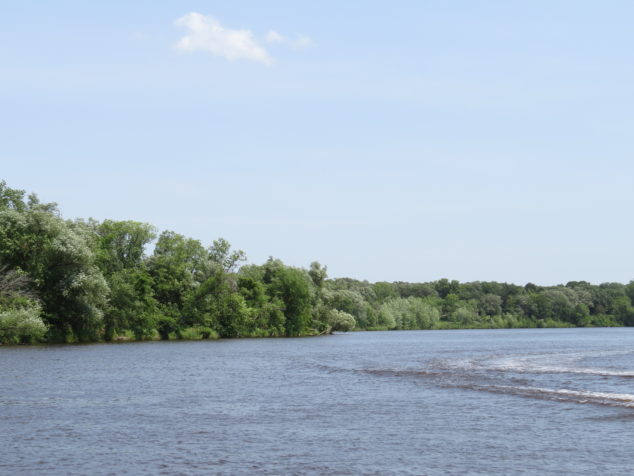
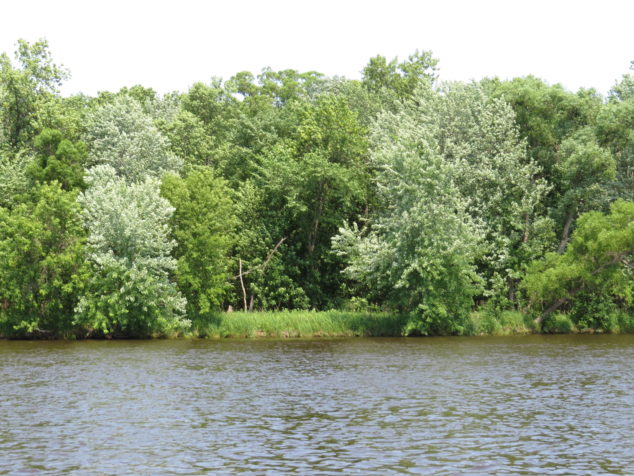
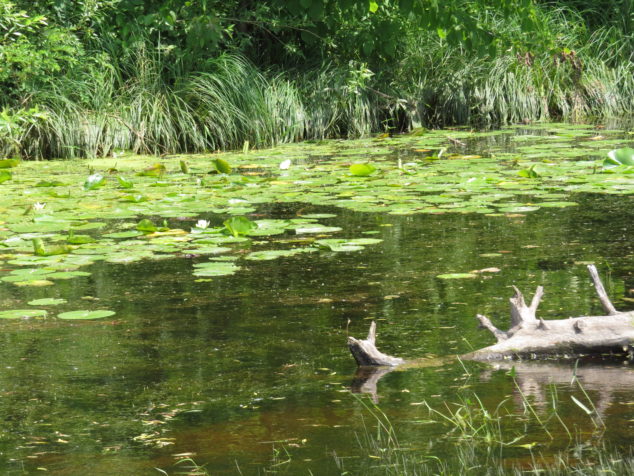
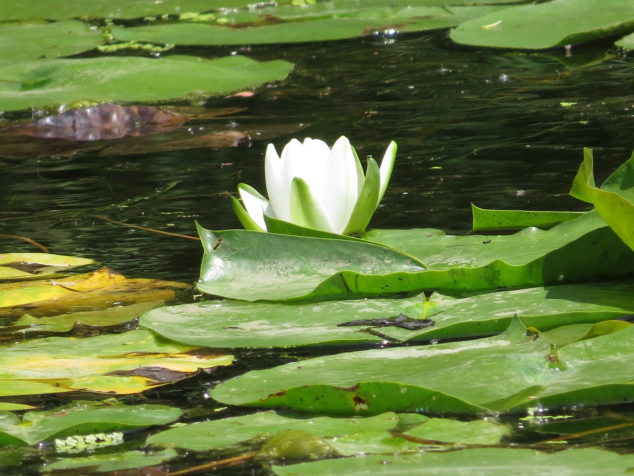
We made our way up the River to an island sand bar where the water was shallow. A little pond between the ridge of sand and the island was filled with White Water Lilies, adding beauty to the marshy water.
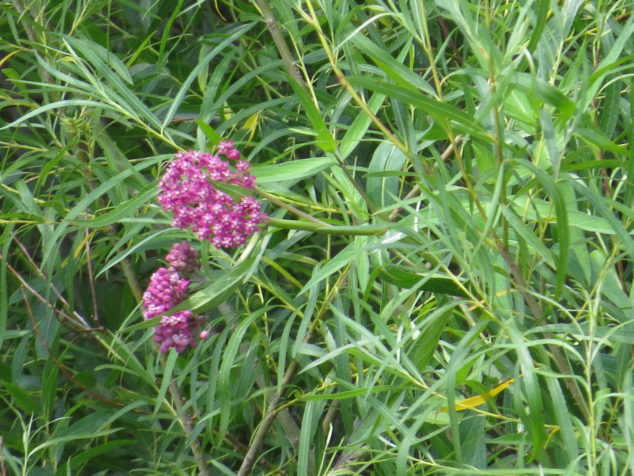
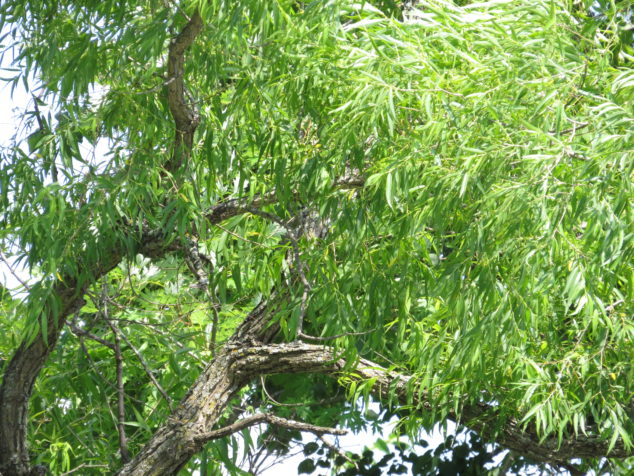
Swamp Milkweed found a happy home along the perimeter of the island, adding a bolt of color to the green Willow around it.
Children built sand/mud castles, music floated from different boats, and water games—some with rules, some impromptu—occupied the sand bar people in the hot afternoon sunshine. I sat on the boat under the shade of my hat, soaking in the goodness of friendship, the warmth of a summer day, and the movement of water. I was happy in a contented, peaceful way. “You can’t be unhappy in the middle of a big, beautiful river.”
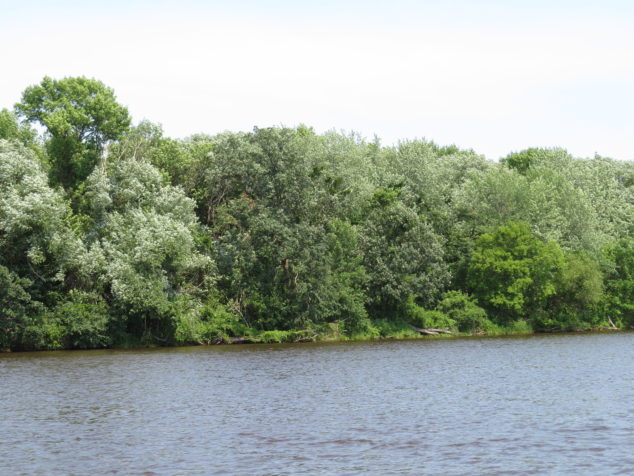
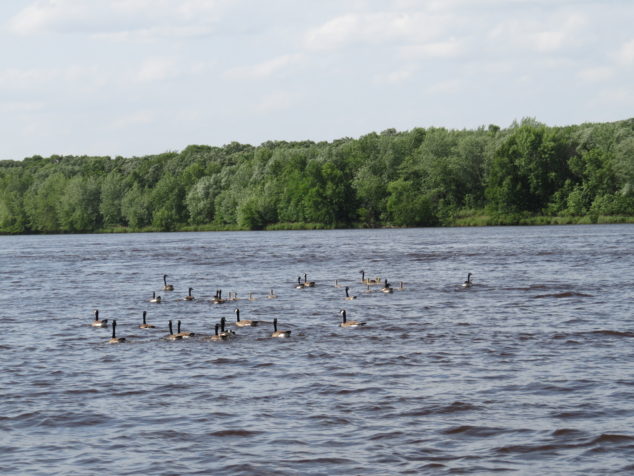
Some other creatures felt the same way as we headed back to the dock.
How do we keep the Mississippi and all the other rivers beautiful? Pollution, like climate change, is a huge problem that affects everyone on this planet. In fact, it’s such a huge problem that we don’t like to think about it. So most of us and many leading the government agencies that are supposed to be working on these very problems bury our heads in the sand and pretend it’s not an issue. I understand the overwhelm. How do we reduce the pollutants and keep them from being added to the water? There are solutions. There are dedicated people working to solve the problems. We need more people on board. How also do we keep our communities and our lives beautiful? It depends on what we add to our lives. We need to keep the pollutants out—the hatred, apathy, blame, bigotry, disdain and corruption. Add in friendship, understanding, responsibility, generosity, humility, and love for one another. Let’s keep America beautiful in every way, so our lives are more like the pristine waters of Lake Itasca and less like the toxic waters flowing into the Gulf.
A Slow Slide and Adversity
“If we had no winter, the spring would not be so pleasant; if we did not sometimes taste adversity, prosperity would not be so welcome.” –Anne Bradstreet
I knew my third pregnancy would be my last, and I was intentional in being present and grateful for the miracle of growing and carrying a new human being. I really liked being pregnant and had had easy pregnancies before. That was about to change! Morning sickness was my constant companion for most of the way through two trimesters, and I spent more than my share of time on the couch and in the bathroom. Saltine crackers were my friends, and the smell of tuna and the act of brushing my teeth were my enemies. Yet every day, I was grateful. As my abdomen grew large, time was slow and sweet as I welcomed each and every thing with my newest babe.
We have had a cold winter—not as snowy as most, but very cold. Spring officially arrives on Tuesday, and I find myself being present and grateful for the chilly, icy mornings along with the sunny, above-freezing days. I am not wishing Winter away. The snow melt reveals the winter’s pile of sunflower seed shells under the bird feeder where every kind of creature, bird and mammal alike, have rummaged for the high-fat black oil seeds that slipped through the cracks.
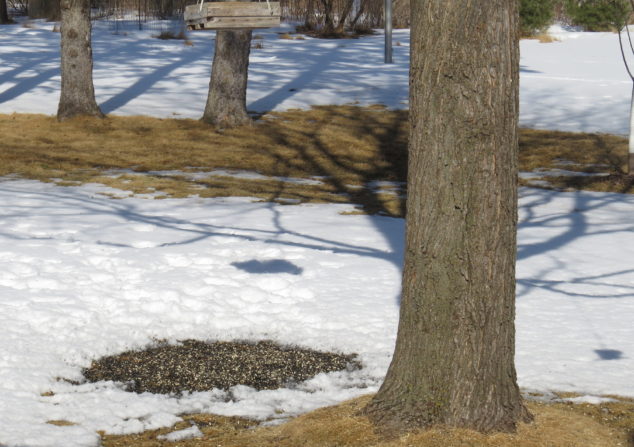
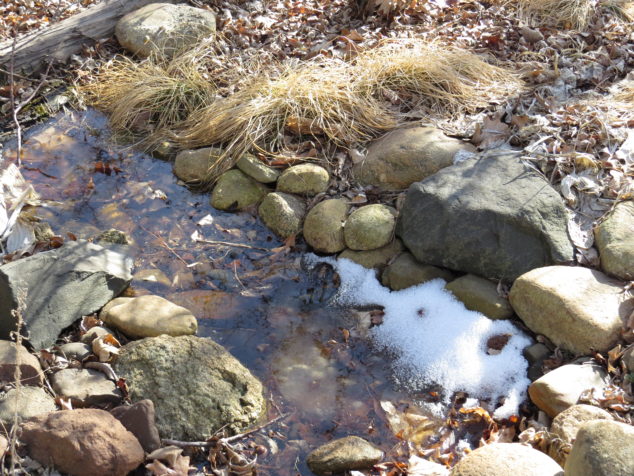
The snow melts in the strong sunshine during the day and hardens into crusty, compacted crystals during the freezing nights. The power of the sun is evident after a winter of low-in-the-sky traveling—snowbanks recede even when the temperature is below freezing.
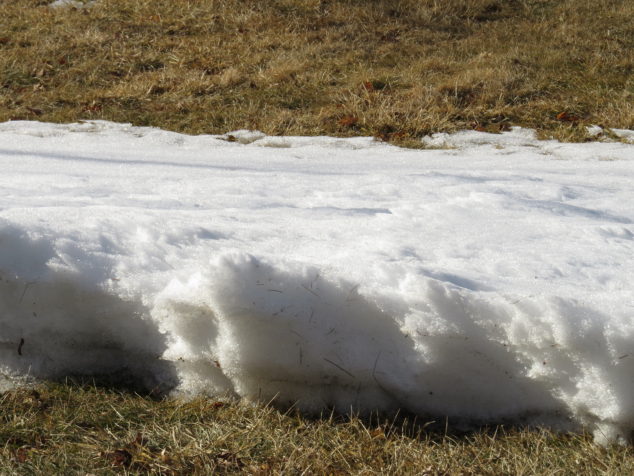
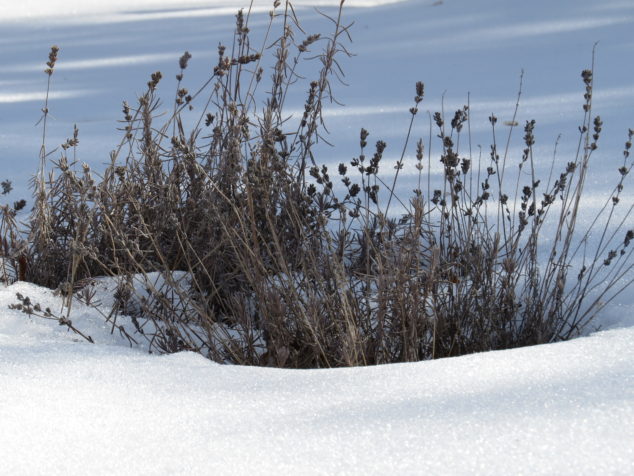
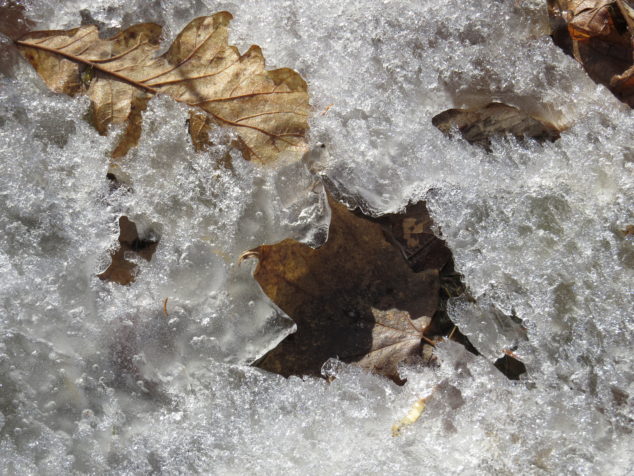
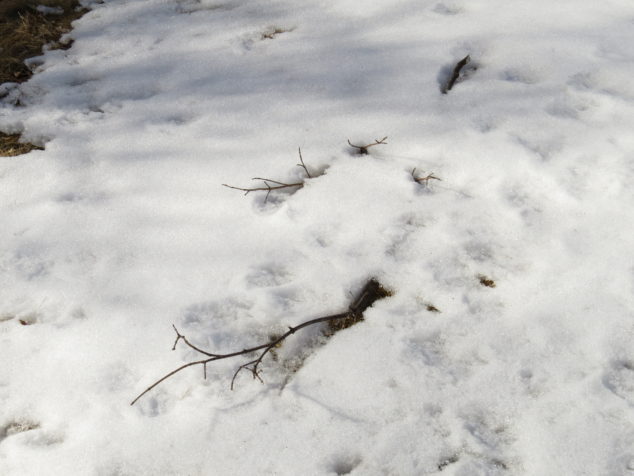
Lavender is still stuck in the snow; leaves and sticks in the yard absorb the warmth and melt the ice and snow around them.
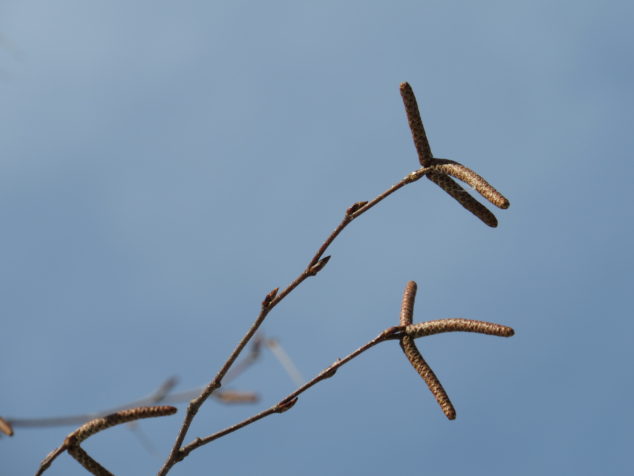
The wonder of Spring is beginning to reveal itself with Birch and Hazelnut catkins and swollen Maple tree buds.
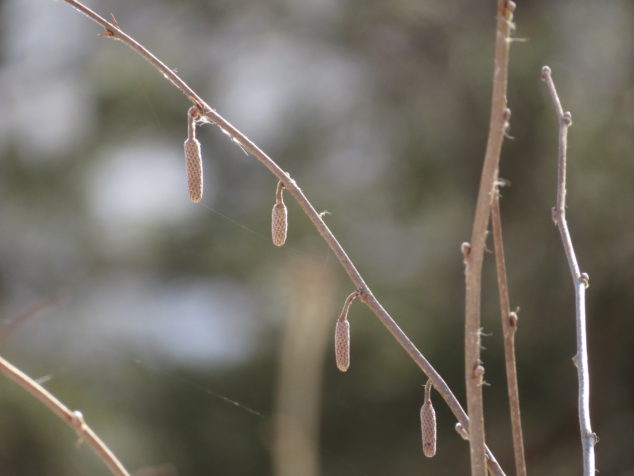
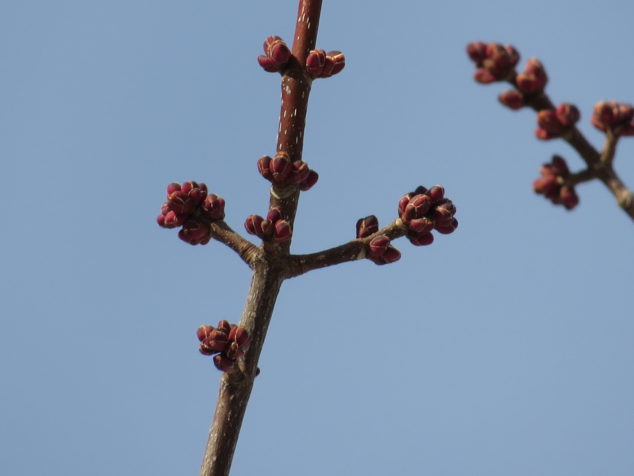
Melted snow pooled into a small stream-bed of rocks—liquid by day, ice by night.
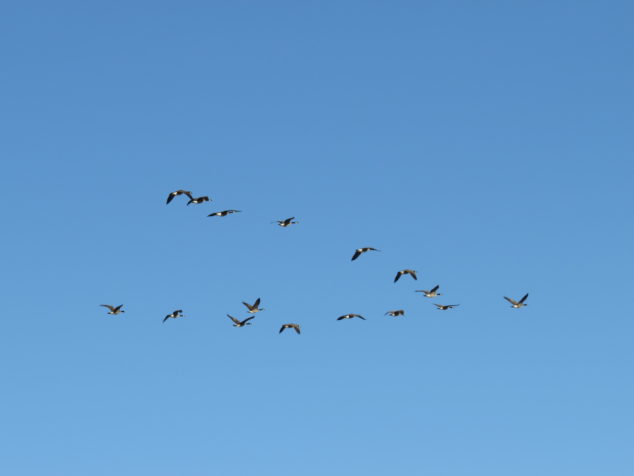
Geese, Trumpeter Swans, and even some Sandhill Cranes have taken flight through the blue skies, announcing their presence with their distinctive songs.
The pair of pairs of Eagles are at their nests—time will reveal whether each have viable eggs. The oldest pair was not brooding on the nest, but one was sitting on a branch when we came by. One of the younger Eagles at the other nest was keeping eggs warm.
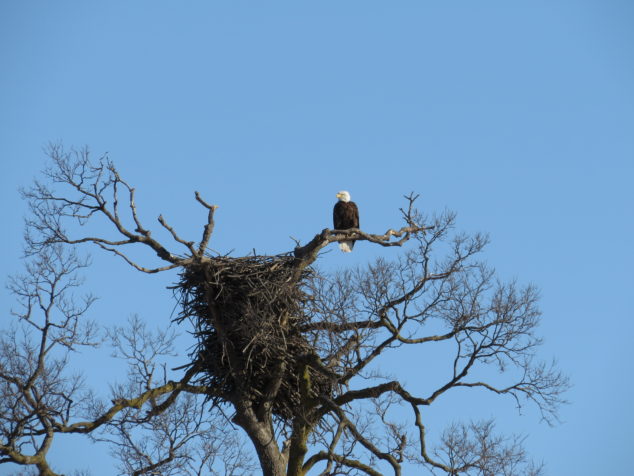
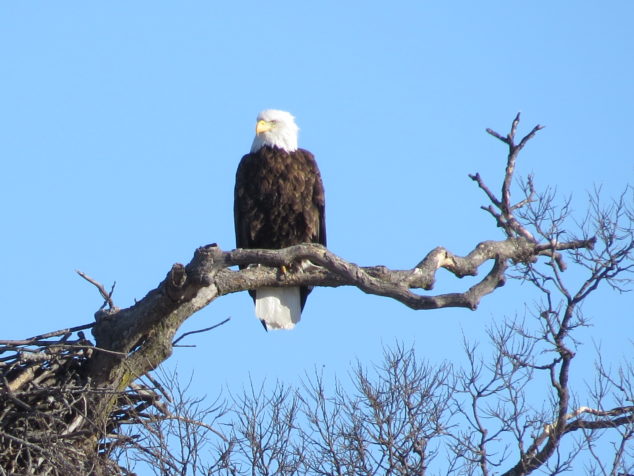
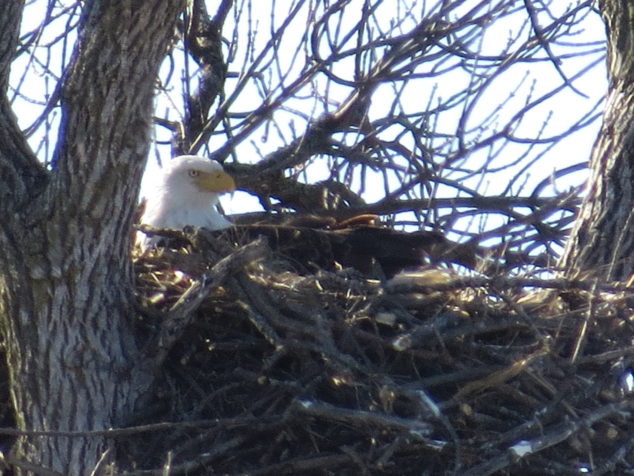
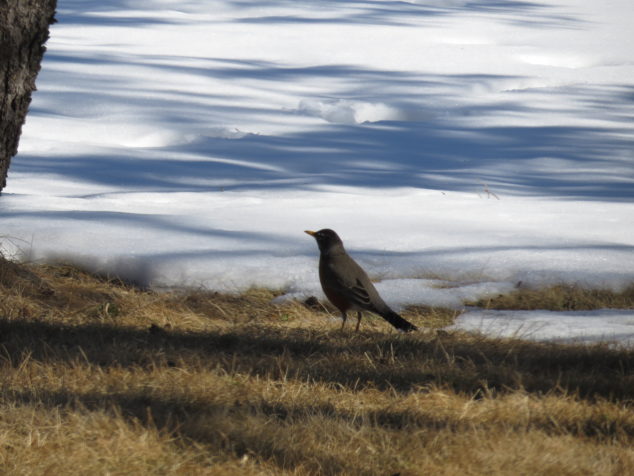
Saturday’s surprise was the spotting of two Robins! Iconic signs of Spring. I wonder if they were confused by the snow still in the yard!
I like how we slide slowly out of Winter into Spring. Longer days and melting snow remind us how far from the Winter Solstice we are—we’ve made it through another season of cold and snow! While the dormancy of Winter is important for gathering nutrients and resting the system, it also makes Spring and Summer that much sweeter! The mindful morning sickness I felt in my last pregnancy was, in essence, getting me ready for the adversity and long recovery after the birth. What does adversity reveal to us? It reveals our strengths and endurance. It shows our weaknesses, and the places we are stuck. It magnifies the cracks in the system that we’ve slipped through. Adversity allows us to learn our own distinctive song of ourselves and how to sing it. It teaches us to absorb the warmth and power of Love that melts away the obstacles that have been holding us back. Because of this, I do not wish Winter or adversity away anymore, but I sure do welcome Spring and the good fortune that lay on the other side.
Nature and Nurture—Who We Are
She was a listener from a very young age. Her large brown eyes and beautiful, expressive face shone with excitement, cast woeful sadness, or conveyed a myriad of other emotions, all without the use of words. In fact, she didn’t talk much at all early in life, even when I knew she knew how to do it. Her older sister was a words person at a young age, and with her caring, intuitive spirit, she ‘interpreted’ for Anna. It was apparent that Anna allowed it—she would look at Emily to answer, and I could see the approval in her eyes when Emily got it right. I was never worried; I knew she would talk when she was ready. And she did. It was soon evident that she was an articulate auditory learner—she would be playing on the floor with toys and suddenly sing a complete jingle that she had heard on tv. All of our kids were exposed to music from birth—classical music, fun Raffi songs, cultural songs and lullabies, my singing songs at bedtime, interactive song/story tapes and books (remember Abiyoyo?), along with the Emmylou and CCR records in our collection. Anna showed a special affinity for all music and instruments—she loved the toy piano passed down from the cousins, she taught Aaron how to play the toy xylophone, we bought her a beautiful wooden zither for Christmas, and she would play songs for us—and this was all before she started school.
How do we become the persons we are born to be? How do all creations end up where they are in order to do the work they are intended to do?
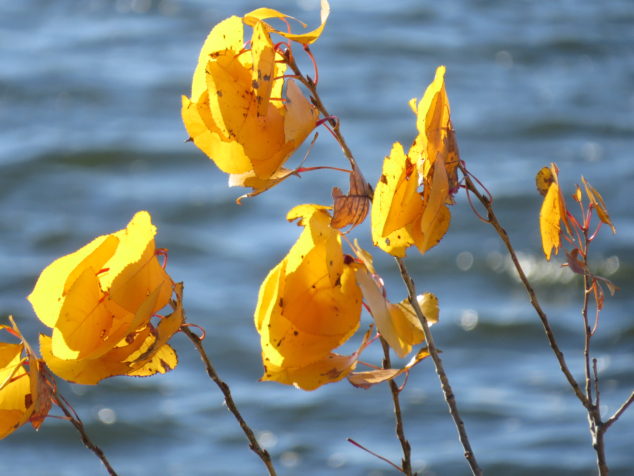
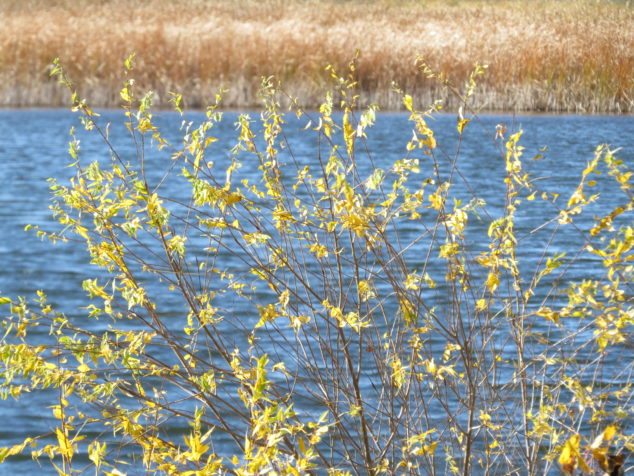
Why do the gold-leaved Cottonwoods and Willows prefer to grow with their roots near water instead of on an arid hilltop?
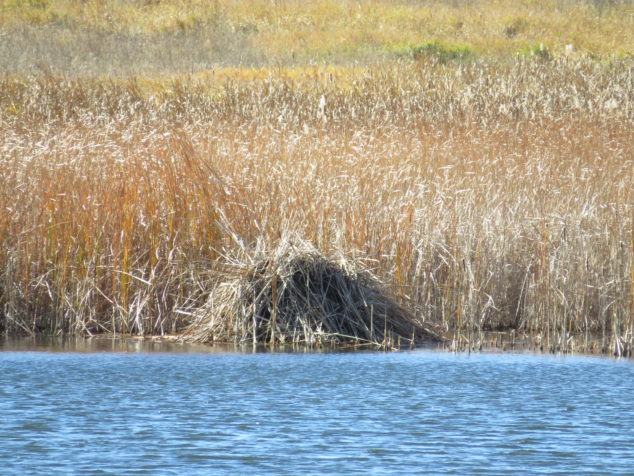
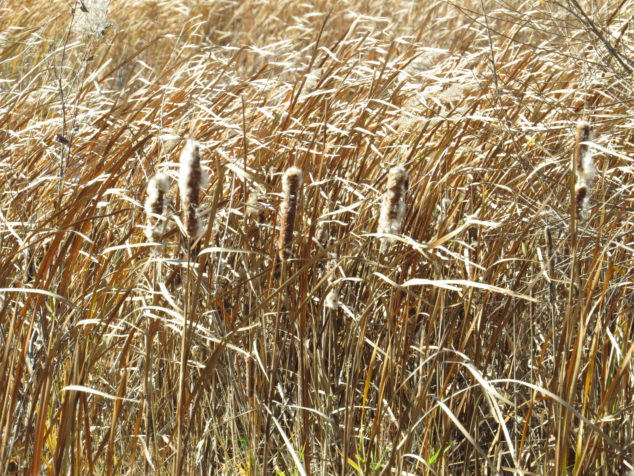
Do muskrats choose to live near the cattails in order to use them for food and building material or is it happenstance?
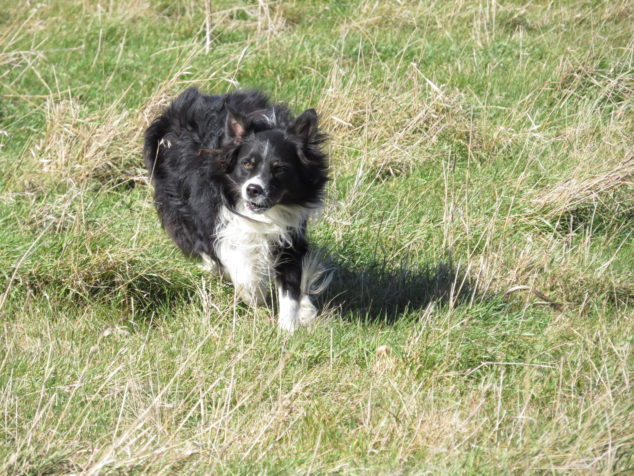
Rango’s herding instincts apply to cattle, geese, or people. He enjoys his work and takes his job seriously.
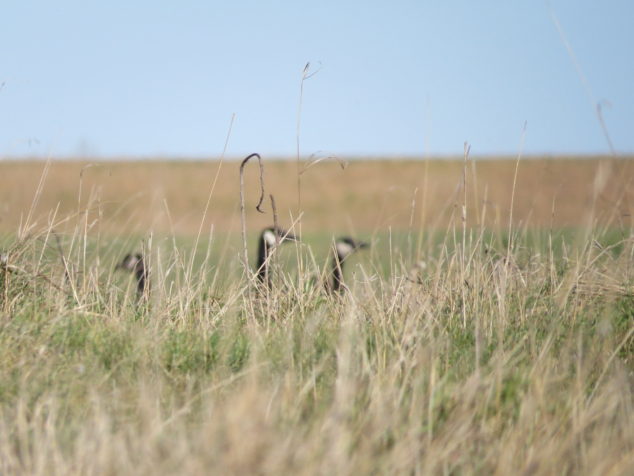
And yet, the geese have their own sentries doing their job to keep an eye on him and us.
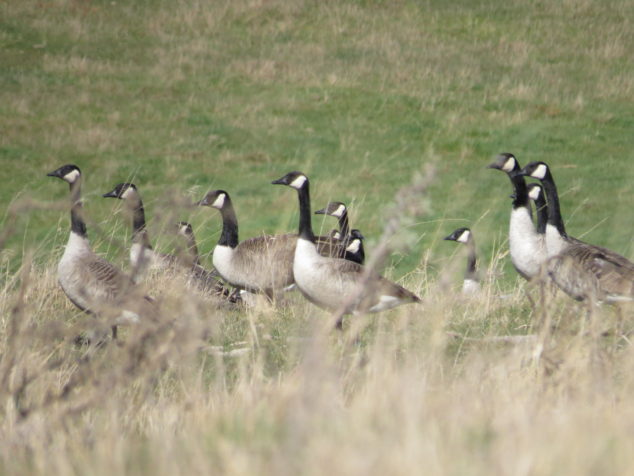
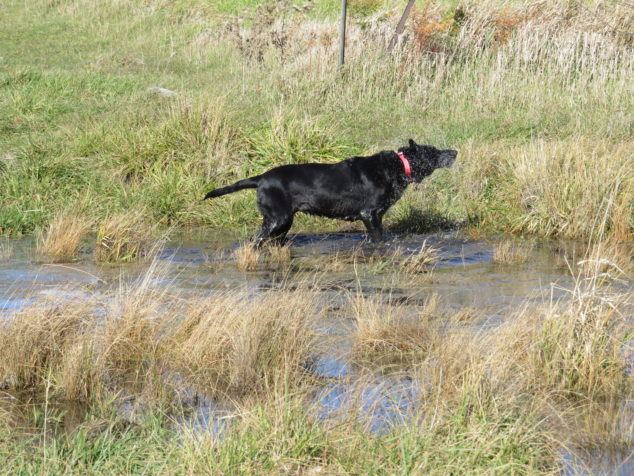
What makes one dog a herder and another a retriever?
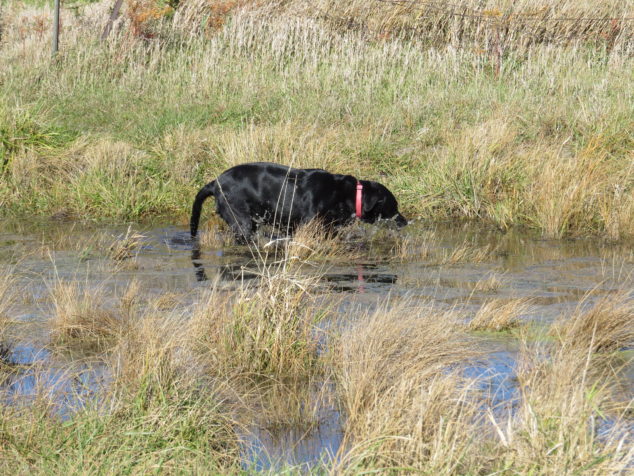
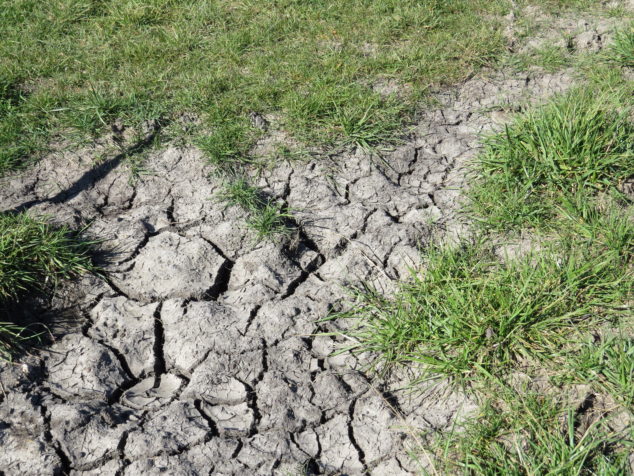
What happens when opportunities for doing one’s work dry up or are never available to begin with?
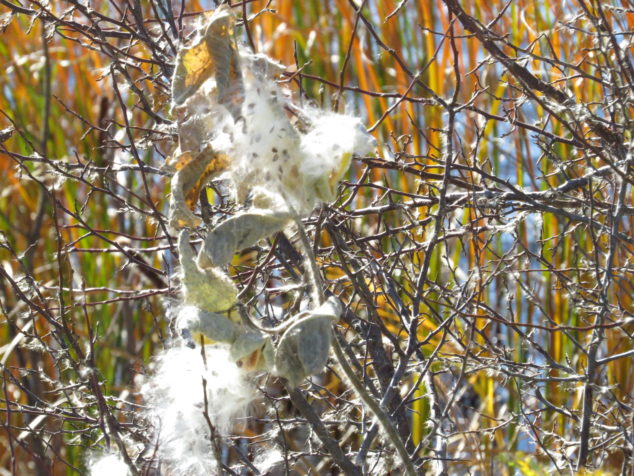
We live and grow in this complex, multi-layered environment with synergism and competition, support and censure, dependence, independence, and interdependence.
We returned to Brookings to meet our grown-up listener and to hear her musical voice being presented as a flute solo at a faculty recital. Anna is what she has always been and more—a listener, a lover of music and instruments, a composer, and a music scholar to name a few. She learned to play the clarinet, sang and played in church, pleaded for piano lessons, began composing, participated in band and orchestra, learned to play many more instruments, went to music camps and on to college to major in composition. She has written a book and is now in graduate school—all the while composing new music from her creative, brilliant inner being. Doing what she was born to do. Being who she was born to be.
We sat in the Performing Arts Center waiting for her piece to be performed. It was the same place we had gone to school choral concerts. It was the same room where we had sat in awe as Itzhak Perlman played his violin. It was the same stage with the Fazioli grand piano where Anna recorded her first cd of compositions as Chris and the sound guy watched from the control room. I proudly present Anna Brake’s composition performed by Dr. Tammy Evans Yonce.
Program Notes
“Oh Rapturous Hour! Is this Fulfilment?” is a monologue for flute. The poem, “Fulfilment” by Harold Monro (1879-1932), serves as the skeleton for the contour and articulation for the music. The romantic poem has intense emotional changes and the characterizations are key to this piece. I use word painting throughout with techniques such as breath tone, whole tone scales, flutter-tonguing, trills, multiple staccato and key clicks to represent words or themes in the poem, such as wind, nature, laughter, etc.
Nature—our genes and innate gifts, the spirit of who we are when we enter this world. Nurture—the complex, multi-layered environment we grow and develop in. The interaction and synergy of Nature and Nurture form who we are. Later, there are choices that steer us in certain directions, while at the very same time, happenstance—those things we have no control over—can change the course of our lives in an instant. It takes a hardy soul to navigate it all. That’s how we all do this thing called Life.
Transitions of Spring and Life
One of the most poignant and difficult transitions in my life was moving from a household of five to gradually becoming a household of two again. It was much more difficult than transitioning from two to five. But it certainly followed the flow of Life, the reason for parenthood—to raise up offspring in loving care so they would become independent adults living their own lives.
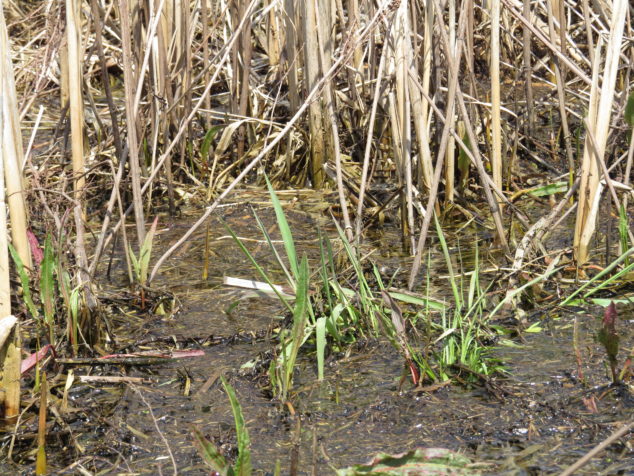
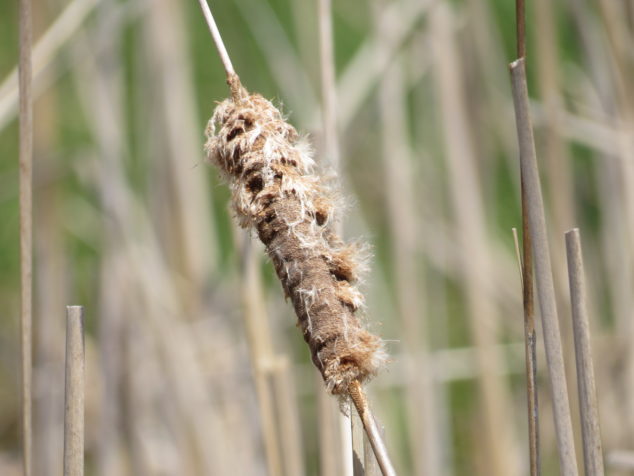
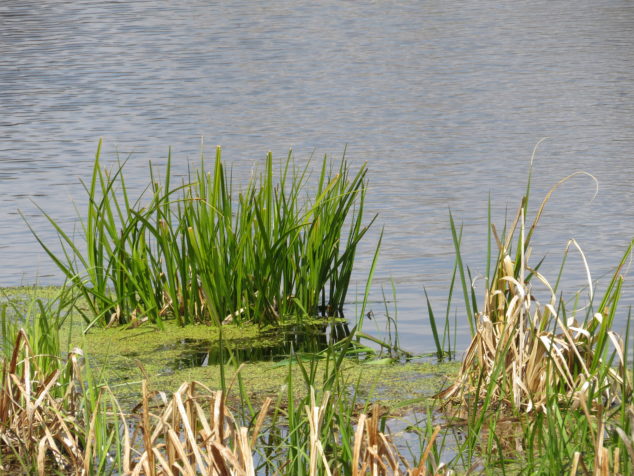
Here in Central Minnesota, we are still in the Spring transition. Signs of the old—winter dormancy and fall foliage—still are apparent even as the new green grows up around the old. Most of the deciduous trees now have small, unfolding leaves, though still looking more bare than there. The Wild Plum tree is white with blossoms, small pink flowers buds are scattered on the Apple trees, and the Daffodils are blooming in their fragrant, cheery yellow beauty. Within a mile of our place are a number of small ponds and wetlands—some only hold water in the spring and dry up during the heat of summer. Others are large enough or fed by springs and creeks that they are the habitat for many different animals all year round. The first small pond had many cattails—old and new—and not much water. But it was home to a solo-singing frog who was later joined by two other voices as I stood nearby taking pictures.
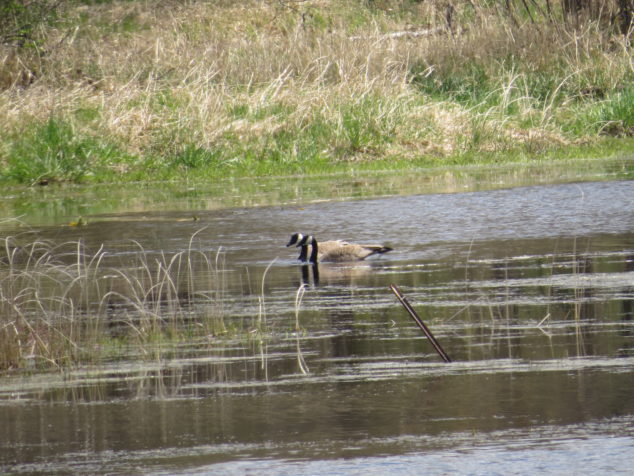
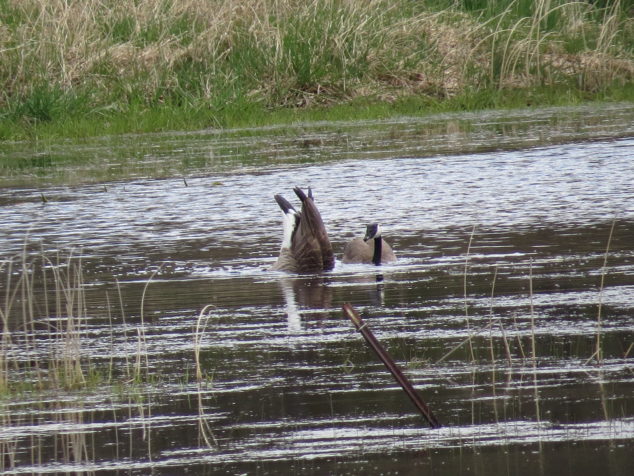
The next body of water I walked by was a small lake populated by waterfowl, turtles, and muskrats. A pair of Canadian Geese swam together at the far side of the lake, dipping their heads into the shallow water, sometimes going bottoms-up in their search for food.
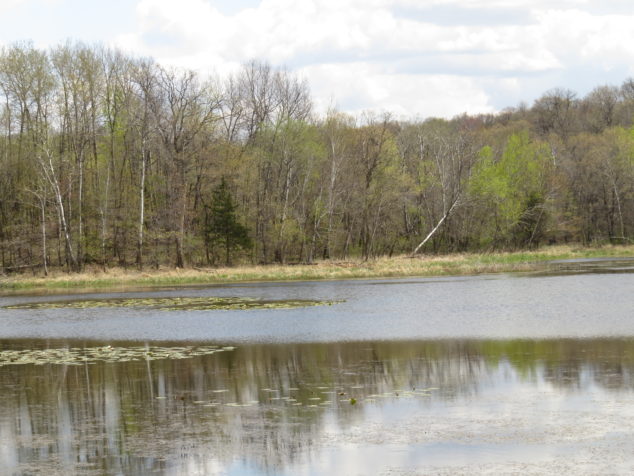
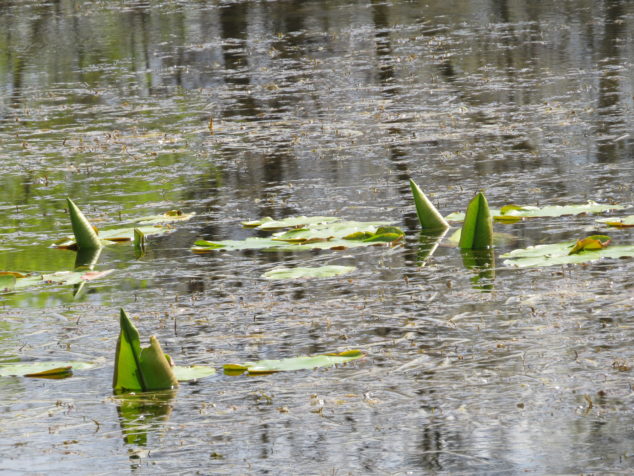
Like the bottoms-up goose, the Lily Pads uncurl by sticking up in the air before laying flat on the water’s surface.
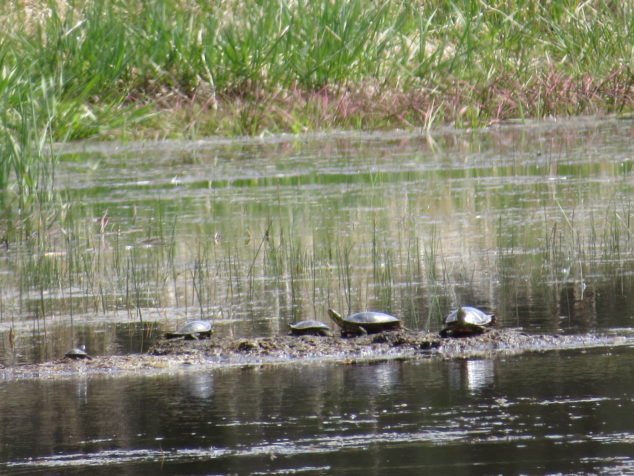
A line-up of turtles were sunning themselves on a mud barge, happy for warmth after a winter of hibernating.
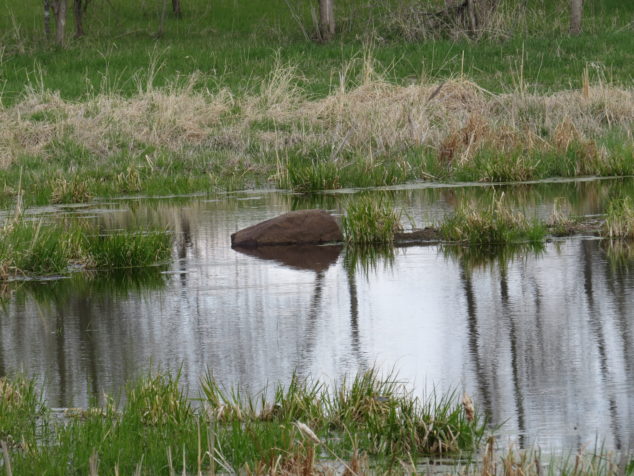
On the other side of the road from the lake was a small pond and wetlands where the new green grass was becoming dominant.
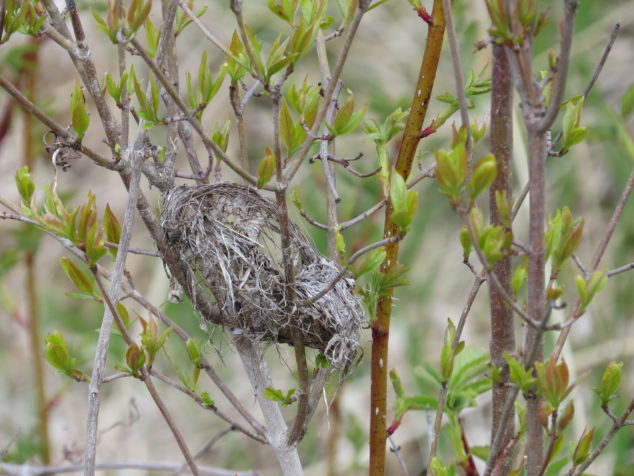
An old nest rested among the new leaves.
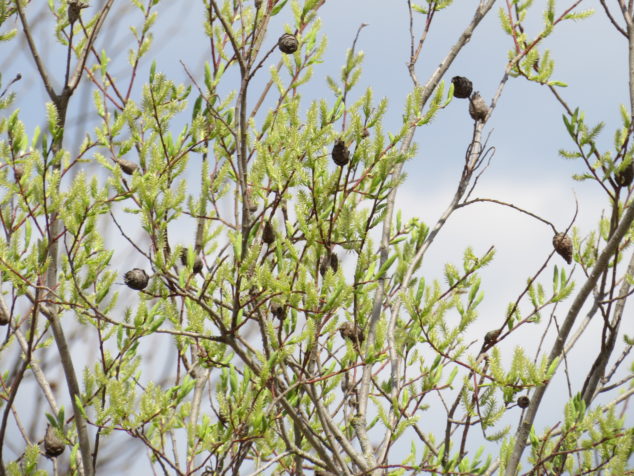
Pine-cone Willow galls, made last year, house pink, grubby larvae that pupate in the spring and hatch as adult gnats. The old cone ‘houses’ and the new lime green flowers and leaves are the epitome of this Spring transition.
Transitions are always a little tough, whether going from Winter to Spring or Autumn to Winter, from health to sickness or injury to healing, from a busy, vibrant household to a quieter, calmer environment or from a carefree, me-and-you life to baby makes three or four or more. With each transition of our lives, it’s good to take some time to appreciate the old way, to have gratitude for the things that served us well, and to learn from the difficulties that wrenched our hearts in sorrow or pain. Perhaps that is why Spring is slow in its unfurling. As the old way slips away, we make room for the new. We are happy for the warmth. We shed another layer of our childish ways to become more adult-like. We build a new nest. We join with other voices who know the song we’re singing. With peace and renewed energy, we merge once again with the flow of Life.
The End (sort of) and a New Beginning
We left Austin, Texas, left our dear daughter and new son-in-law, left the fun and excitement of a wedding week, and traveled North. The drive home is always longer–anticipation that speeds time on the trip there is replaced by thoughts and reflections of everything that happened, and time drags to a crawl. Are we still in Texas?!
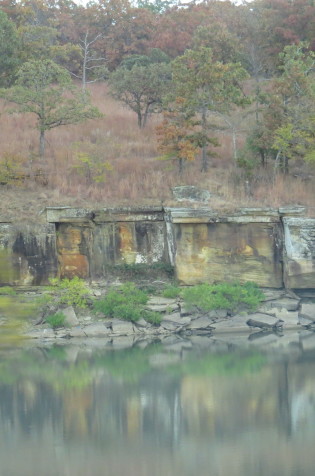
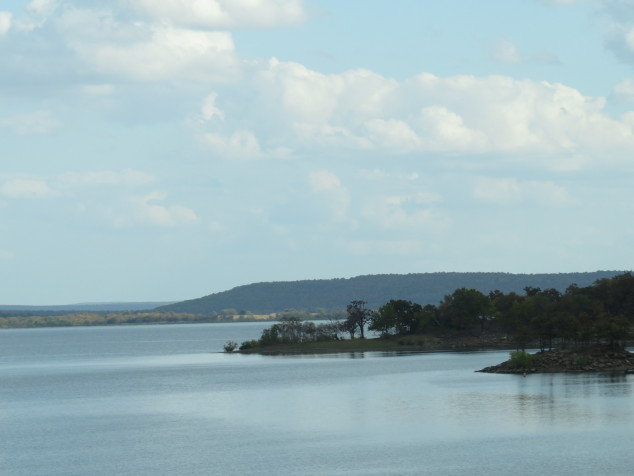
We drove home through Dallas, Denison, and Durant, veering east in Oklahoma, passing oak-covered hills and the seemingly endless waters of Eufaula Lake, a reservoir on the Canadian River.
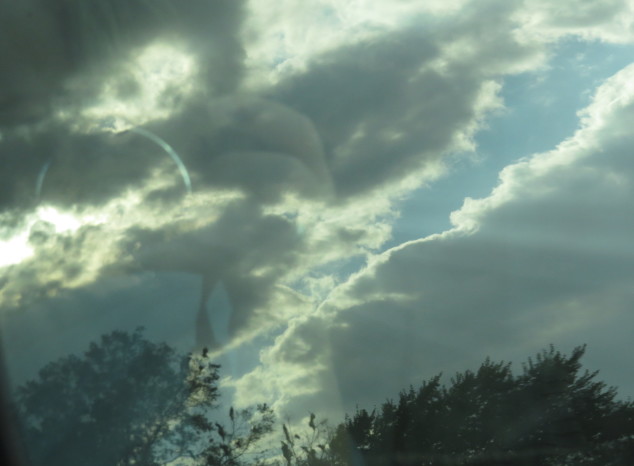
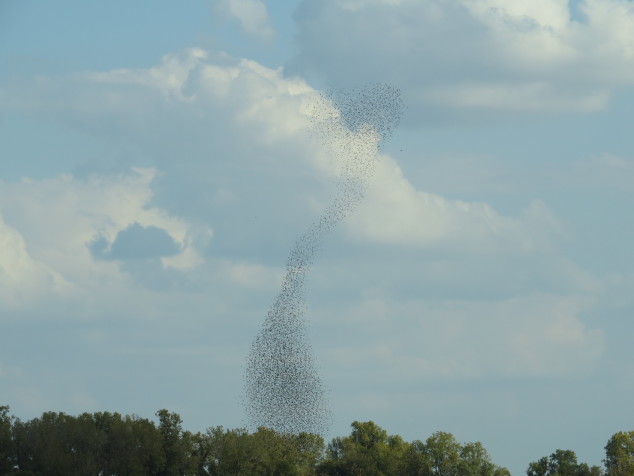
As I stared out the window, I noticed an undulating black column in the cloud-filled sky. Thousands of blackbirds moved in a synchronized dance in their annual fall flocking behavior.
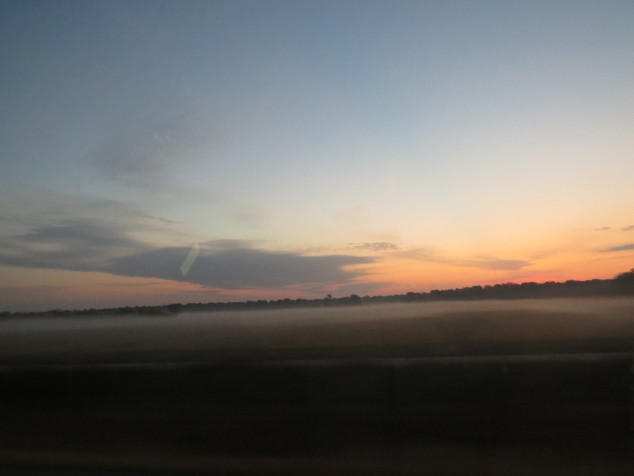
We spent the night in Fort Smith, Arkansas and got up ridiculously early to start our trek back to South Dakota. Darkness obscured the Ozark Mountains, and I was sorry to miss their beauty. Mist rose with the sun as we traveled through Missouri.
Miles and states blurred by as I dozed and woke. Harvest time–two words that encompass so many things to rural people–was coming to an end.
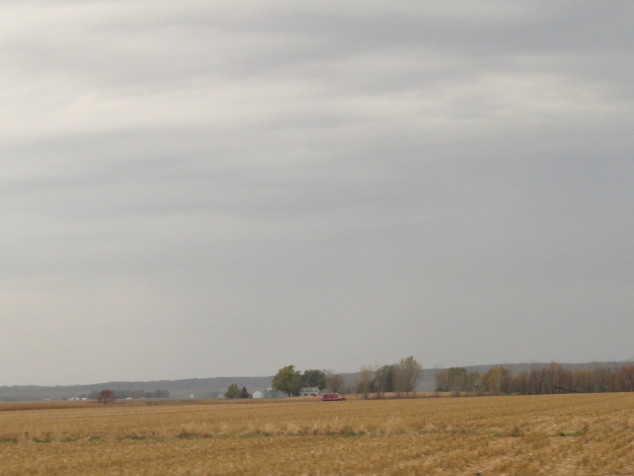
Finally I saw the bare giants of cottonwood trees that cluster together in the prairie pastures of South Dakota.
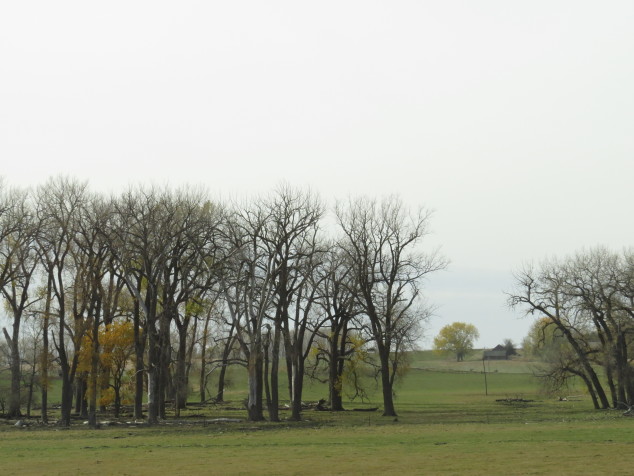
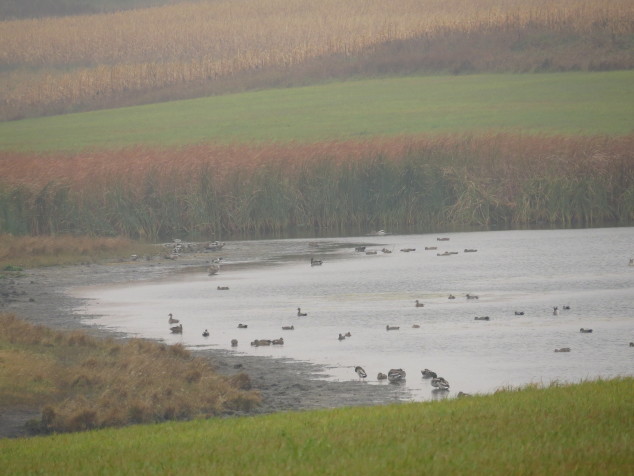
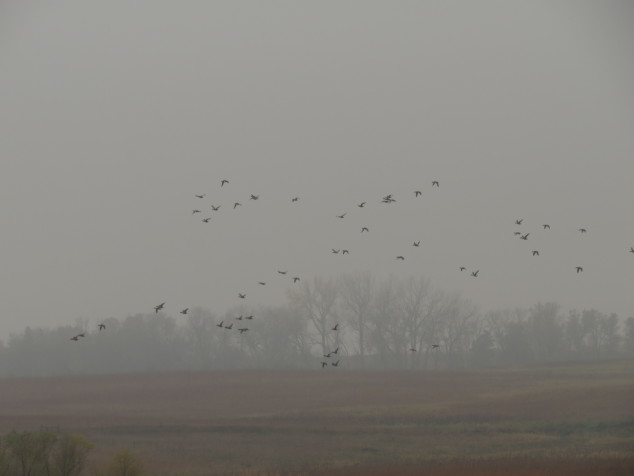
And we were back to the Andersen homestead…like we had never left. The geese still swam in the slough, grazed in the pastures, and circled in the foggy air.
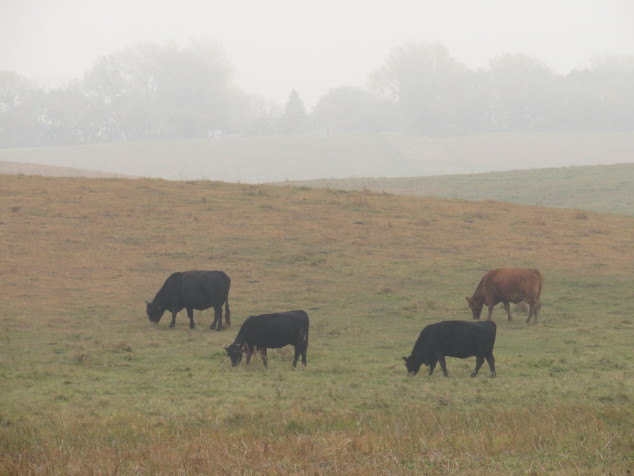
The cattle still grazed quietly in the neighboring pasture.
It was the end of our trip–sort of–as we spent a few days with my family before heading back to Minnesota. I felt like I had much to process–a married child, a new family member, an ailing father, distance between me and some of my children–both physically and emotionally, and the let-down after months of planning and the wonderful excitement of the wedding week. I longed to get home to my own bed, routine, and familiar surroundings where the processing would be easier.
The end (sort of) in marriages with children is marked when they leave home. College life eases the transformation when you see them for most holidays, summer transitions, etc., but there comes a time when they are gone, when someone else may help them move, share holidays with them, and listen to their problems. This ending of the ‘family’ marriage is often a difficult period when expectations change, and time and energy morphs into something different from what it was. At the beginning of a marriage, we learn how to be you, me, and us–at this end, we learn the same thing in a much different way. We re-learn us as a couple with no kids, and we re-discover you and me after twenty or thirty years of life has imprinted itself on our bodies and souls. It is not a journey for the faint of heart. Some do not make this transition with marriage intact, some feel like they have gained their freedom, and some move easily to the next stage with near-by children and grandchildren who re-ignite the wonderful parenting gifts without the staggering responsibilities. Whichever way it works, there is one thing that has been hiding behind the busy life that starts to edge its way into our consciousness. We see parents, grandparents, and even friends un-couple because of death or divorce who then live a single life for years or decades. We see and feel that even though we are one of the flock or one of a couple–and our dance has been in synchrony for a very long time–we have to start embracing our one-ness.
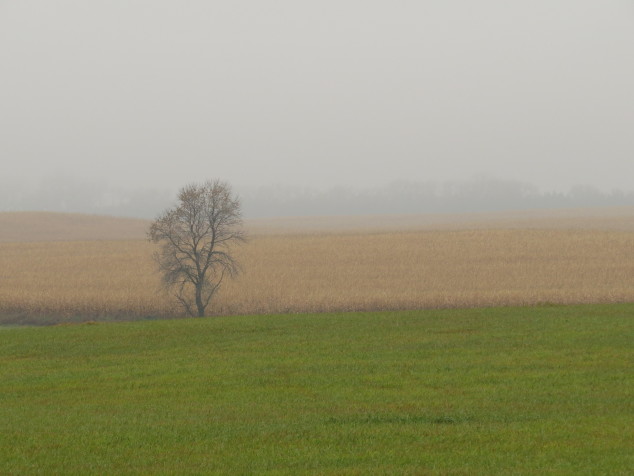
So the New Beginning can be cloaked in many different colors of which we have the freedom to choose! We need the slow time of reflection to move us gracefully into the next stage of life, and as we begin to re-discover our one-ness, we return to the homestead, like we had never left.
A Place Called Home
There is a place called Home. It’s not a house or a certain building, and you may not even reside there. But something happens to your soul, your spirit, and your body when you return to this Place. When the Place envelops you–you see it, smell it, hear it, and experience it–your blood pressure drops, as my friend Ruth says. You breathe it in with a deep, contented sigh and wonder why you’ve been away for so long. The place called Home for both Ruth and me is the Prairie. We are both Dakotans living in Central Minnesota among the trees and lakes. Don’t get me wrong–I love the trees and lakes and find great pleasure in their beauty and abundance. But when I returned to South Dakota a couple of weeks ago, I felt that place called Home once again.
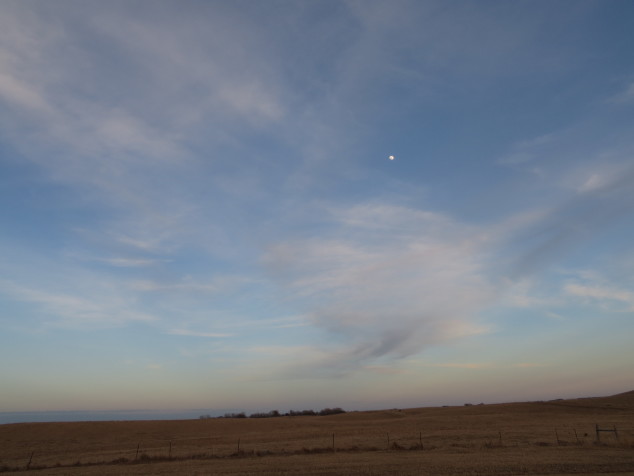
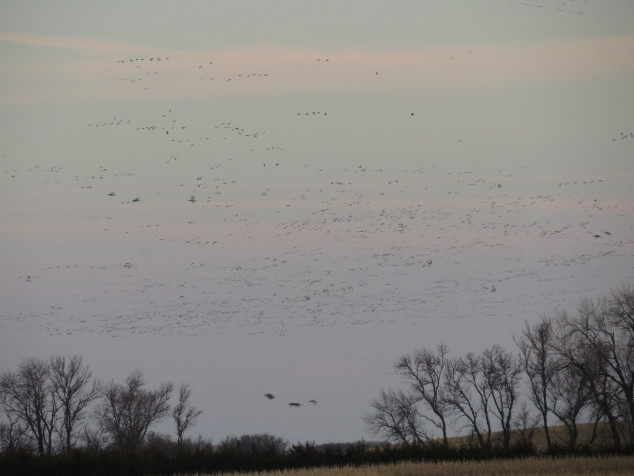
I arrived Home at dusk to the familiar din of tens of thousands of geese circling, then settling down into the slough for the night. The Snow geese were on their way north, happy for a rest stop along the way.
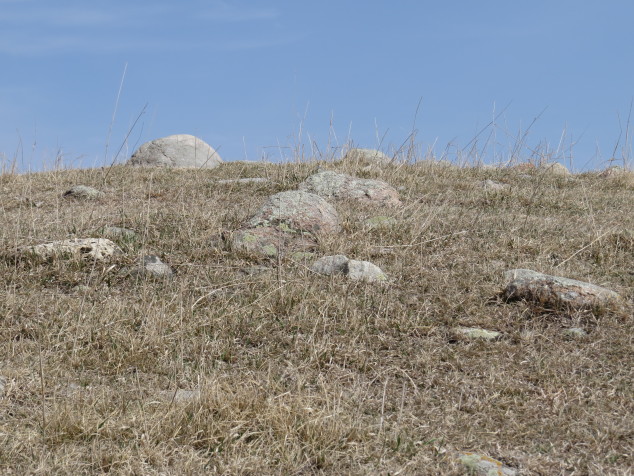
Later that week, I was able to walk the pasture. It was grazed short from the previous fall with hints of green for the new season. The wildflower hill, with its rock landmarks, is misnamed for this time of year–not even the early blooming pasque flower had peeked its head from the sod.
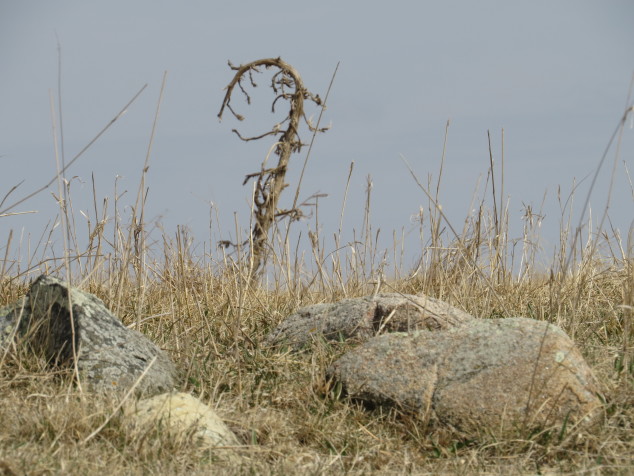
A dried thistle ‘shepherd’s crook’ accented the horizon, waiting for the animals to return to their summer pasture.
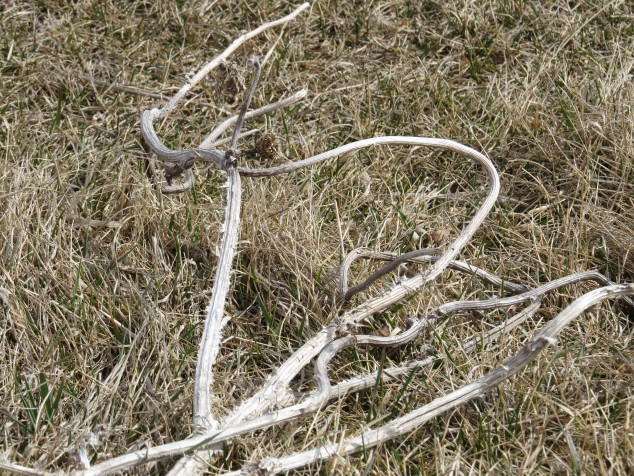
Other thistles lay like bleached bones on the prairie, remnants of time past.
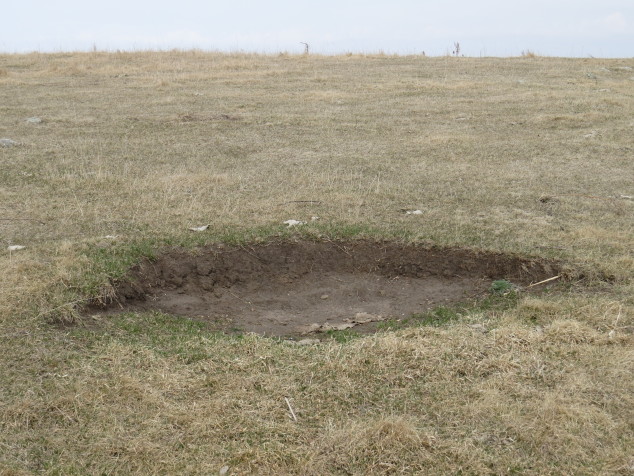
A buffalo wallow, encircled with green grass and dried cow pies, is used by the cattle to rub their heads or to roll in the dust or mud.
The home geese were in the near slough. These Canadian geese stay all summer, making their nests and raising their young.
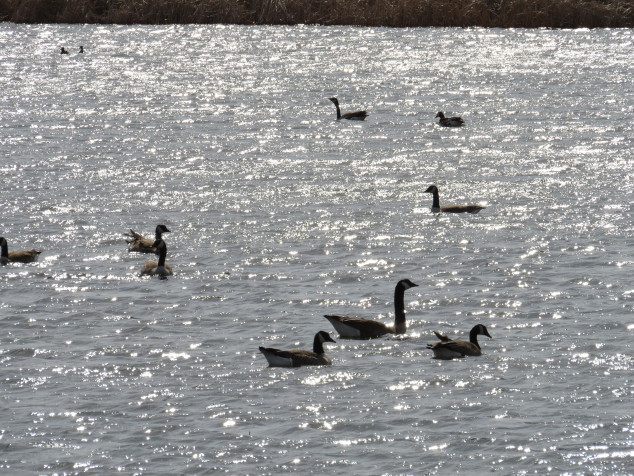
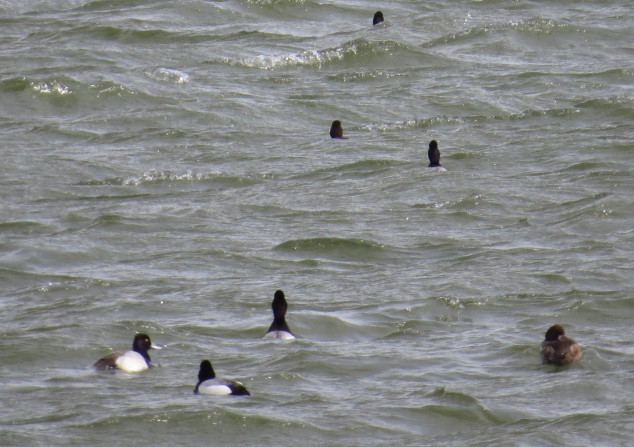
As I walked along the edge of the bigger slough, I saw Greater and Lesser Scaup ducks body surfing the white caps. Like the Snow geese, they were also making a migratory stop on their way to breeding grounds in the far north.
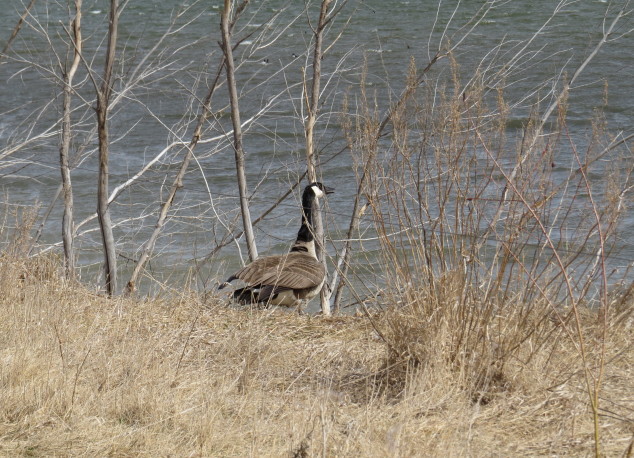
I scared a mama goose from her nest, and with great honking distress, she retreated into the water.
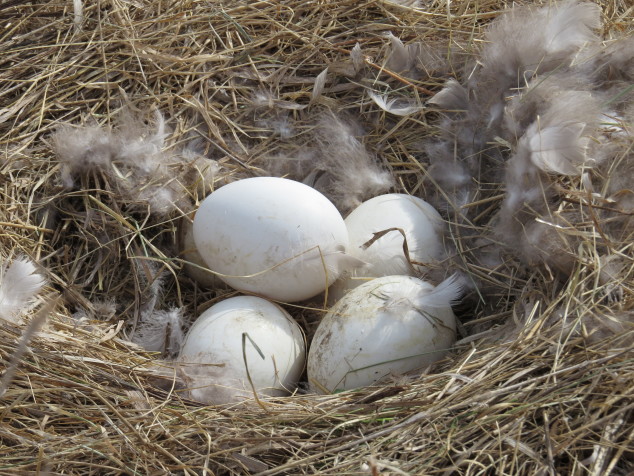
Her nest was perched on the bank above the slough and made of dry grass and down feathers. It contained five large cream-colored eggs.
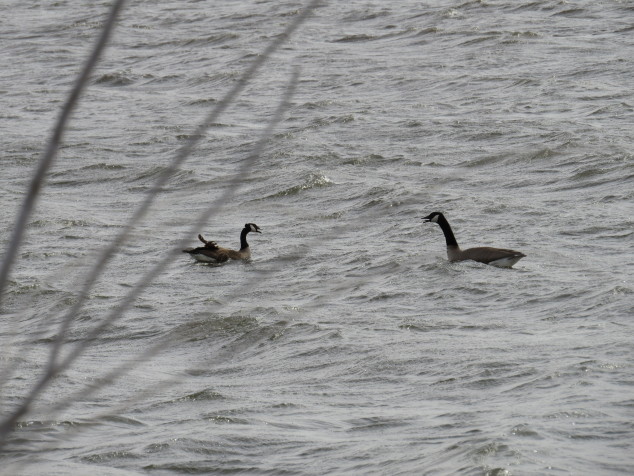
The mama goose continued her distress calls and very soon her mate flew to her side, where he heard the whole story of the intruder on the bank. Their indignant honking continued as I walked away from the nest.
I followed the cow path to the top of the hill.
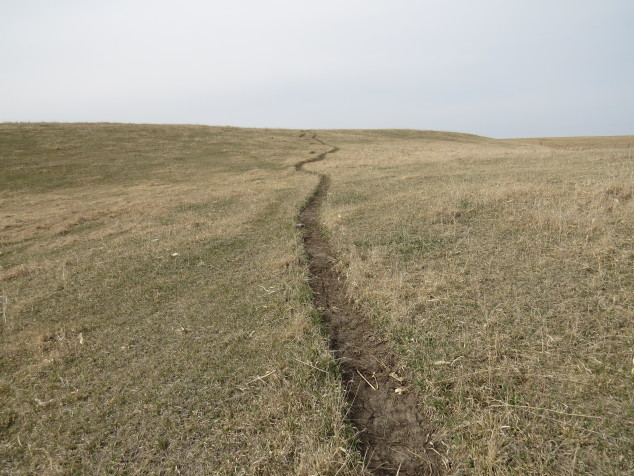
M-m-m, it was good to be Home.
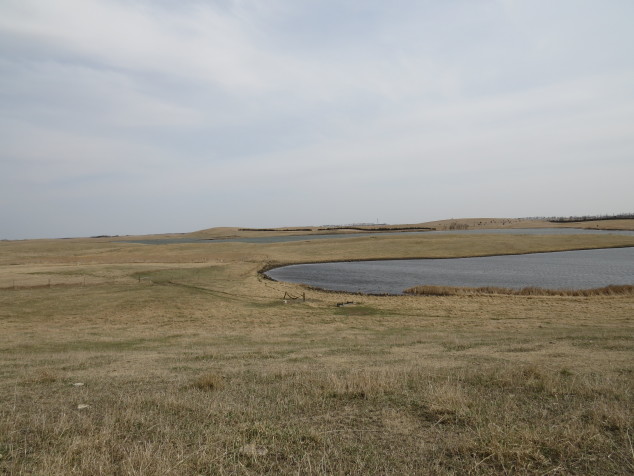
The place called Home, where our spirits soar and our bodies relax, may be our birthplace or a special place that changed the way we feel about Life. It could be the Prairie, the Mountains, the Lake country, the Bayou, or the Great Mississippi River. We leave and find these special places by our own migrations due to schools, jobs, and mates. We make our nests and raise our families in the best way we can, giving our time, energy, and love to the herculean endeavor. At some point, the remnants of the past whisper in our ears, and we ask ourselves if we are on the right path. When the whispers become loud, incessant honks, we finally walk away from the things that no longer work in our lives. And we walk towards ourselves and find that the special place called Home is also inside us. It’s good to be Home!