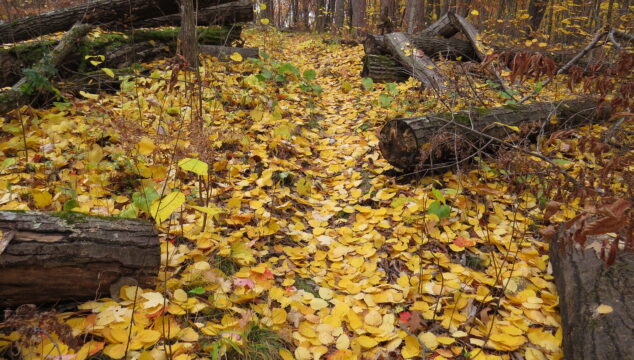
Come walk with me in the peak Autumn beauty of the Northwoods. To say that I love this time of year is an understatement. Most everyone can appreciate the colorful falling leaves---it reveals the 'true self' of a tree when its leaves are no longer producing chlorophyll. Their true colors are revealed, and there is something simple … [Read More...]
Snow, Ice, and Water–These Three are One
“Water, in all its forms, is what carries the knowledge of life throughout the universe.” –Anthony T. Hincks
When a person lives where water is always liquid and falling as rain or flowing like a river, I think there is a tendency to not think about it much, to perhaps take it for granted. But when something is ‘too much’ or ‘not enough’—flooding or drought—or something unusual or rare—snow in Texas—we tend to pay attention. We haven’t had much snow here in Central Minnesota for most of this winter—until the week before last, that is, when we had over a foot of it. I looked out the front door at the big pile of white stuff and thought, “Isn’t snow funny and amazing and beautiful?” I mean, it’s just water, frozen water! Beautiful crystals of frozen water falling from the sky! Frozen water that is shoveled and piled, rolled and patted into balls to form snowmen and forts by kids at recess. Amazing!
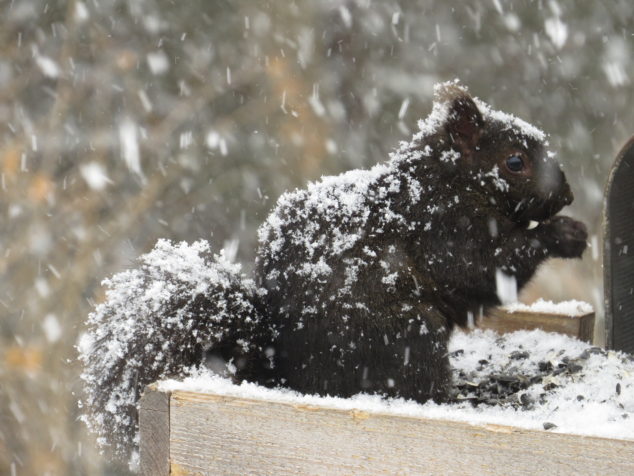
“There is a beauty about winter that no other season can touch.” –Hailey DeRoo Haugen
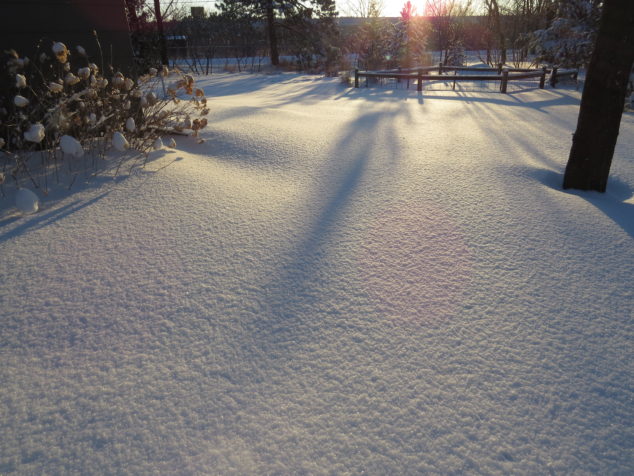
“Kindness is like snow—It beautifies everything it covers.” –Kahlil Gibran
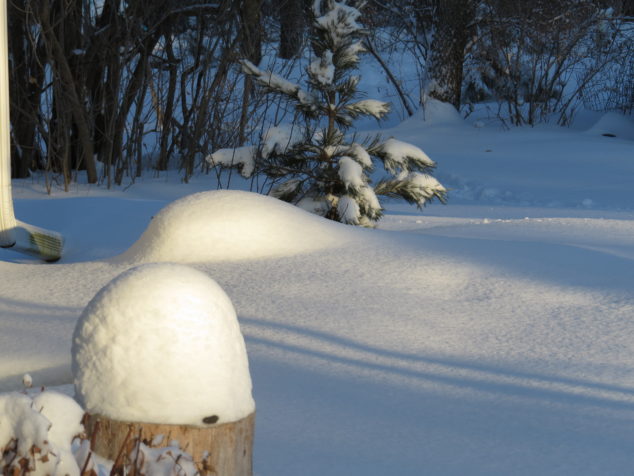
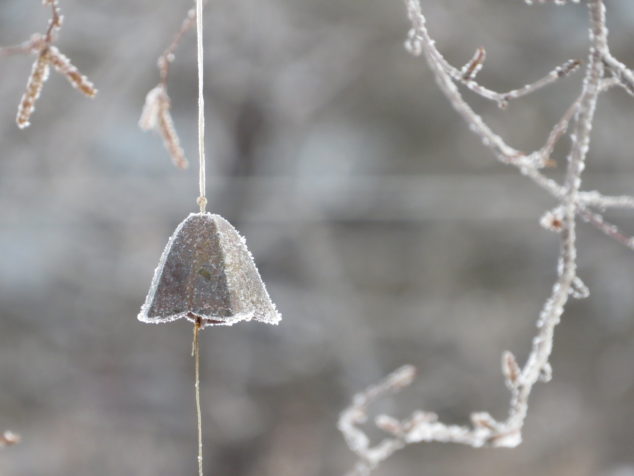
Another beautiful frozen water phenomenon is frost—frozen water vapor on the surface of objects.
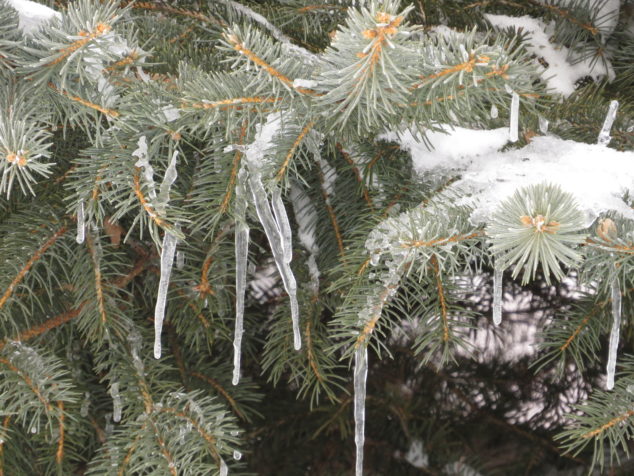
Sun-warmed and melted snow dripped and re-froze into icicles—Mother Nature’s decorating of the evergreen Spruce trees.
“Snow is water, and ice is water, and water is water; these three are one.” –Joseph Dare
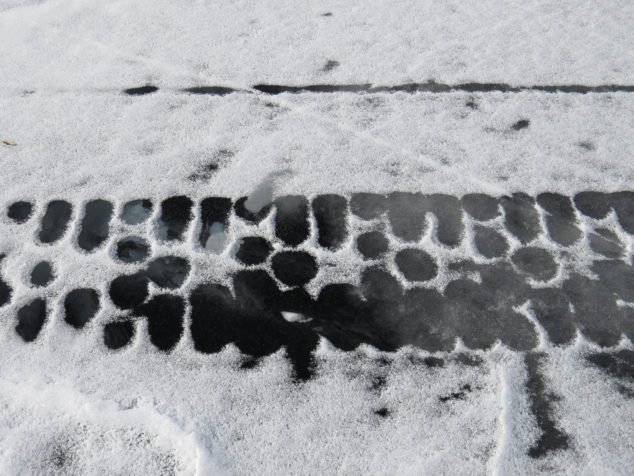
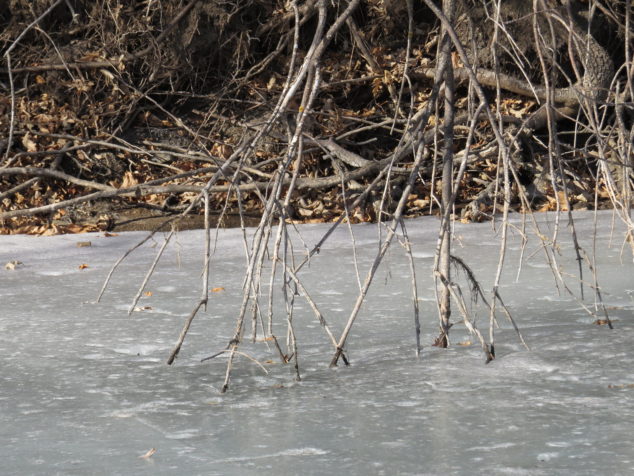
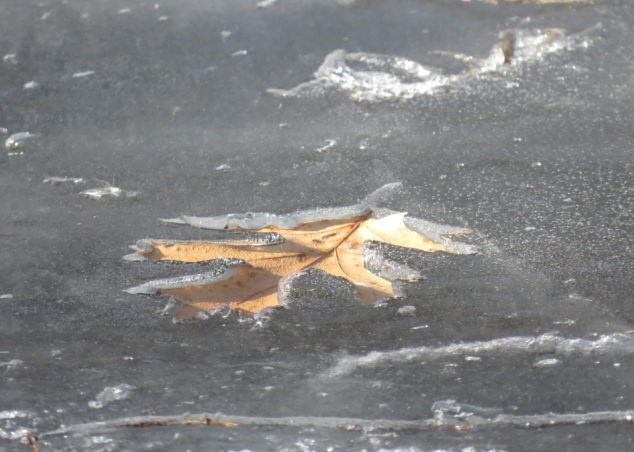
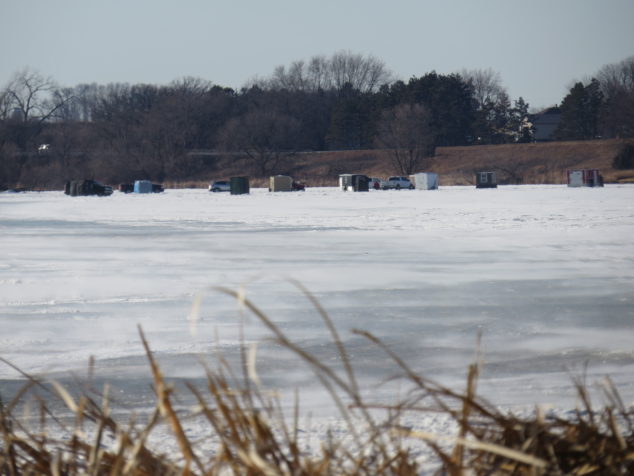
And then there’s ice. Ice that’s strong enough to drive a truck on. Ice that captures and immobilizes tree branches, leaves, aquatic plants and roots. Ice that holds a village of ice shacks and fishermen.
“The water hears and understands. The ice does not forgive.” –Leigh Bardugo
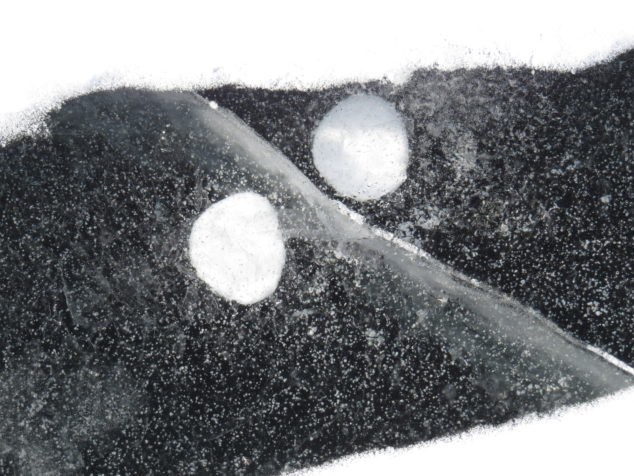
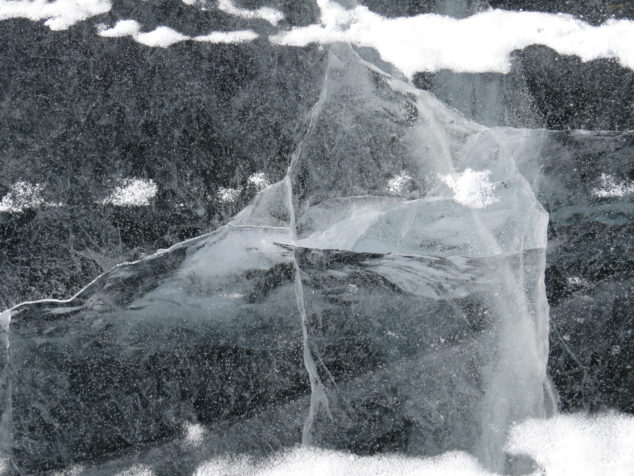
Ice as art. Ice as frozen Rorschach tests. What do you see?
“You’re gonna catch a cold from the ice inside your soul.” –Christina Perri
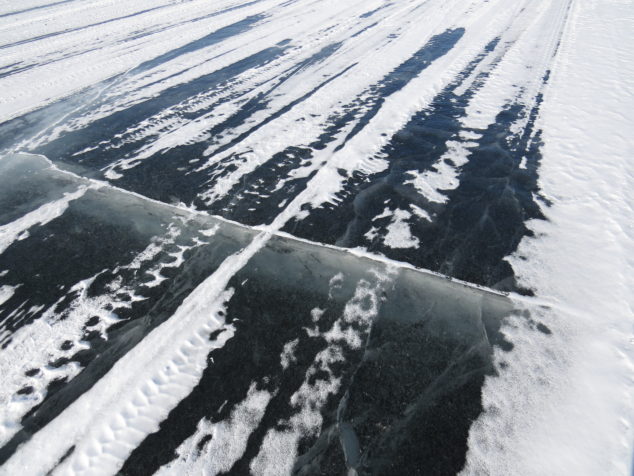
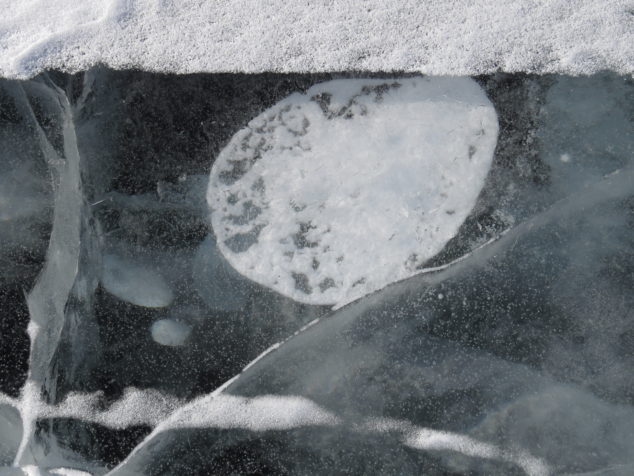
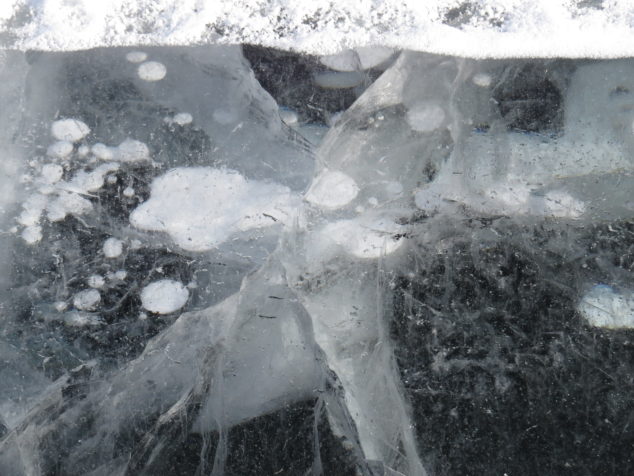
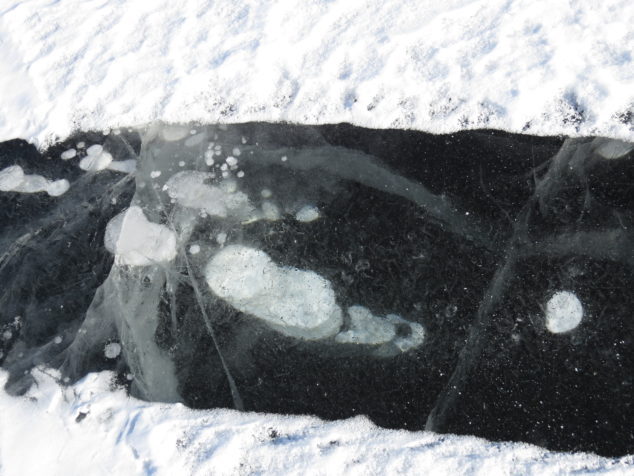
If water, in all its forms, carries the knowledge of life, we have a lot to learn in Winter. I respect the idea that winter, in all its starkness, can radiate a beauty like no other. I love the idea of beautifying the world with kindness. I like how water and situations and people can be transformed, change states, be honed in the process of warming, melting, and re-freezing to flowing, understanding, and forgiving. Goodness and Grace can thaw an icy soul. I also honor the toughness of ice, how it builds up inch by inch during the harshness of Winter’s cold in order to support the things we drive and those that drive us. How it supports a village of people who want the same basic things in life, in spite of how the harshness can capture and immobilize us at times. I appreciate that frozen water (oh, the chemistry and physics of it all!) is art. How we can stare into the depths of it or notice the light or marvel at the structure, and at the same time, learn something about ourselves. There is a great deal of hope in every snowflake that falls, in every frost pattern that forms, in every layer of ice that is laid down, and in every process of melting. Life is funny, amazing, and beautiful—all three in one.
The Aftermath
In the aftermath of the Minnesota Vikings’ loss to the Philadelphia Eagles in the NFC Championship game, the disappointment was expressed in various ways—some were thankful for a great season, some were bitter that Minnesota would be hosting the Super Bowl for the Eagles’ fans who were ‘less than nice’ to the Vikings’ fans, and some were able to express their disappointment with humor. Bryan Leary of Minnetonka wrote a short, succinct letter to the Star Tribune: “When I die, I want Mike Zimmer, Mike Tice, Brad Childress, Denny Green, Jerry Burns and Bud Grant to be the pallbearers, so when my casket gets carried to the cemetery, they’d have the chance to let me down just one more time.” The pain is real.
January, in the aftermath of thankful and festive months, is long, dark, cold, and usually snowy. It is mostly a month to be endured, and getting through it gets us thirty-one days closer to Spring. Christmas decorations still hang in some corners of my house—I’m reluctant to give up the cheer of lights and shiny red decorations. The Christmas wreath is now a Valentine’s wreath, and hearts have replaced the nutcrackers that were nestled in the lighted evergreen garland on the mantle. Our cedar pole Christmas tree in the front yard still shines all night long—a reminder that we haven’t lost what we gained on that December day.
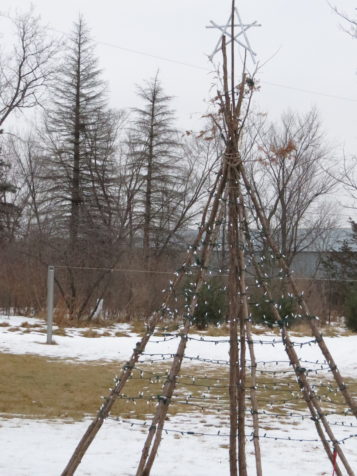
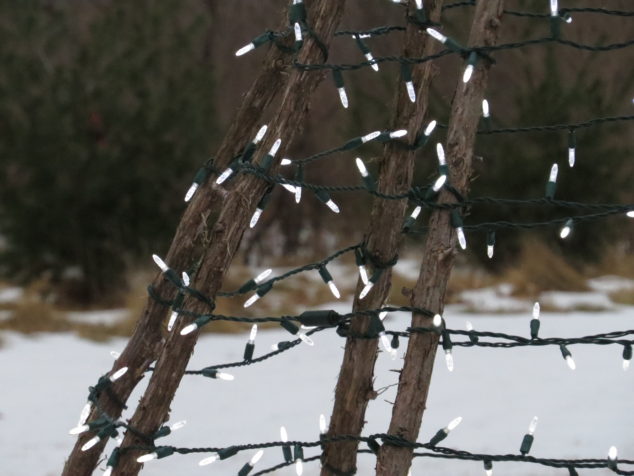
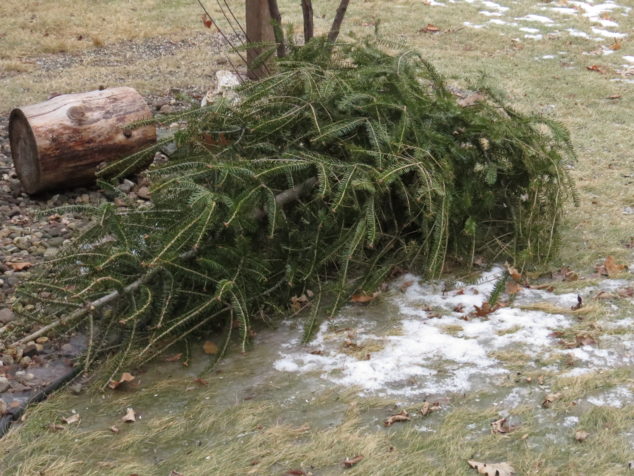
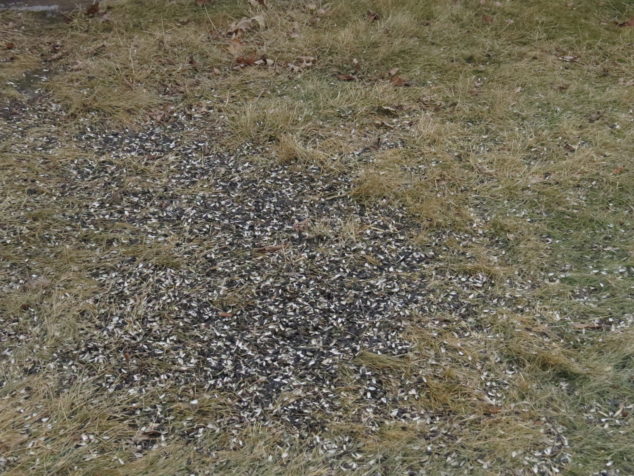
But the Christmas tree is now a perch for the birds by the backyard feeder, lying beside the aftermath of countless meals by birds and squirrels who ate the nutritious sunflower nuggets and discarded the outer seed cover.
The weather has not been typical for January—we’ve had the bitter cold, as usual, but the temperatures have swung into the forties for a number of days. Our piddling of snow, in the aftermath of thawing temps, has melted away. We missed the storm that dumped ten inches of snow on the Twin Cities on Monday that resulted in cancelled flights, stranded school students, and stuck commuters.
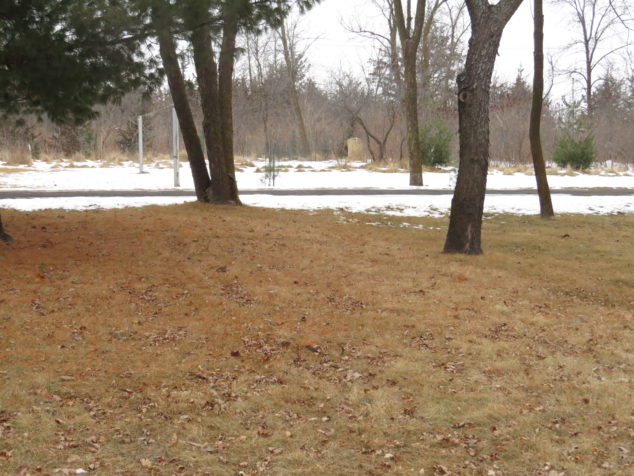
January, the first month of a New Year, lends itself to introspection. It gives us a chance to stop, look around, and assess our situation. Where am I in this New Year? What do I want my year to look like? Who am I? What kind of person do I want to be?
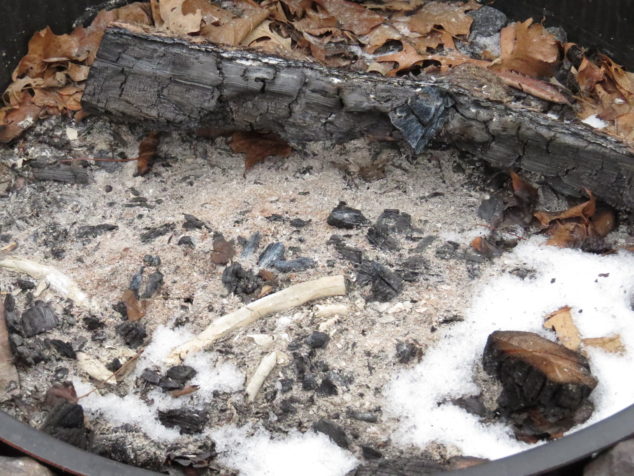
The aftermath of a New Year’s Day fire that tried to keep us warm in the sub-zero weather, reminds us that some things from the old year should be released to fire and sky but also cautions us that it’s hard to re-build the bridges we burn.
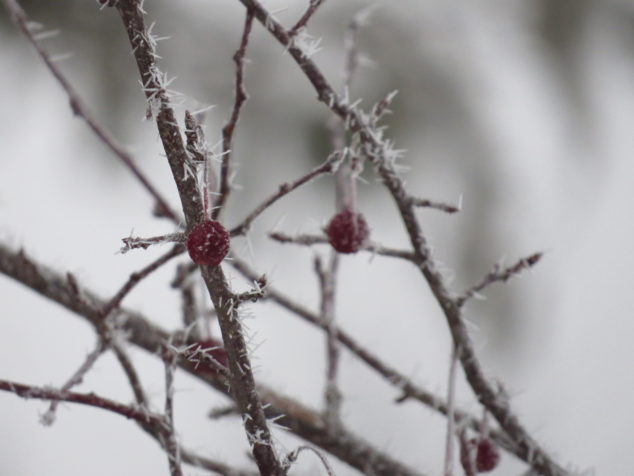
The warm, gray days that melted the snow produced fog and bone-chilling dampness. In the aftermath of fog and freezing nighttime temperatures, spikes of frost coated the trees and grass, transforming them into winter beauty.
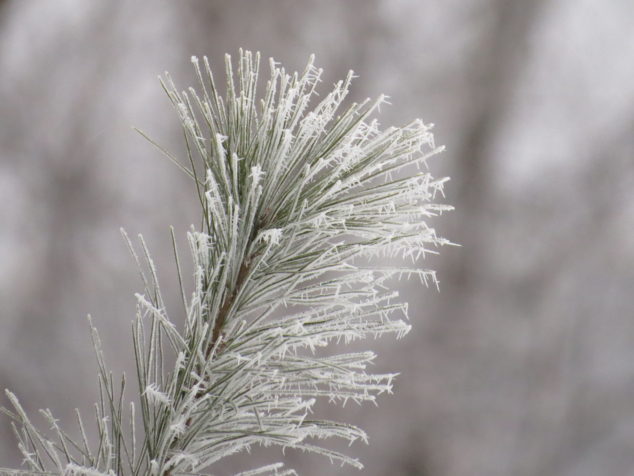
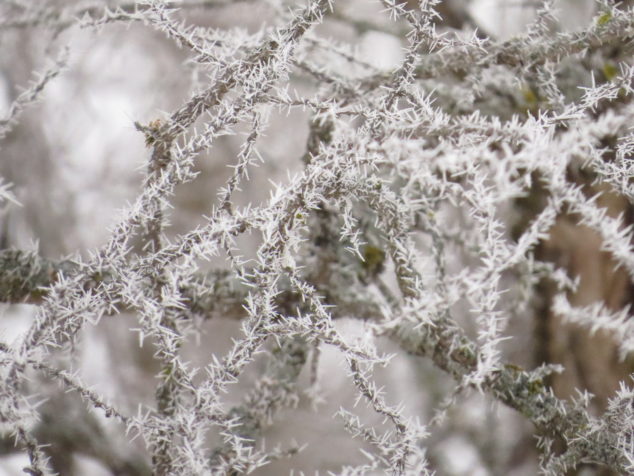
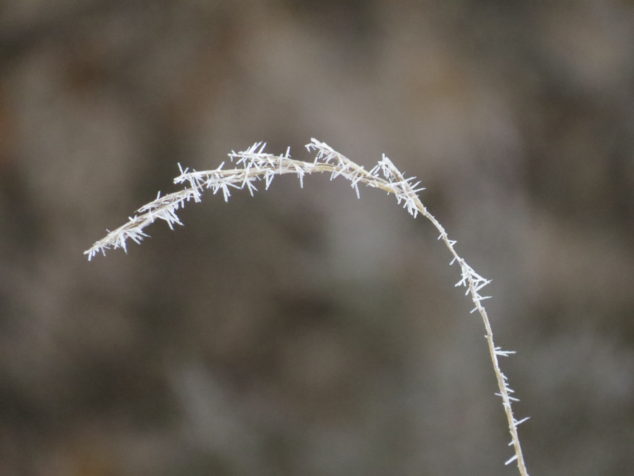
Aftermath: something that results or follows from an event, especially one of a disastrous or unfortunate nature; consequence. In the aftermath of a wildfire, mud slide, flood, hurricane, tornado, or snowstorm, the pain is real. In the aftermath of death, divorce, job loss, disease, injury, or other traumas, the pain is real. In the aftermath of disappointment, discord, impropriety, conflict, or disunity, the pain is real. So what to do with the very real pain…. Malcolm Lowry wrote about “the long black aftermath of pain.” There is a long, dark, cold period of time to be endured—which gets us closer to some resolution, solution, closure, peace, forgiveness, transformation, or justice. We triage our situation, do what we can to stop the bleeding, adjust, repair, recycle, receive, work, struggle, release, give thanks, make progress, laugh, backslide, and transform. The pain begins to diminish. We begin to find our way again. A second meaning of aftermath is a new growth of grass following one or more mowings. New growth after being cut down. We remember that we haven’t lost what we gained in that lifetime before the pain, but by various, glorious ways, we step ever closer to Spring.
The Extraordinary Ordinary
On the first of December, we had six inches of snow–the perfect start to our meteorological Winter!
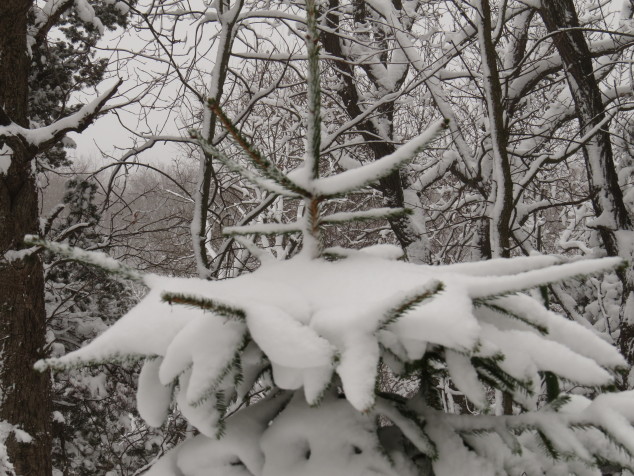
Then forty degree temperatures and rain, not ordinary for Central Minnesota Decembers, wreaked havoc with our snow. This is the first December in nine years of living here that we have lost snow instead of accumulated it. The moisture-laden air from the melting snow transformed my morning walk one day this week. Night temperatures fell below freezing, coating the winter remains of plants with a layer of frost.
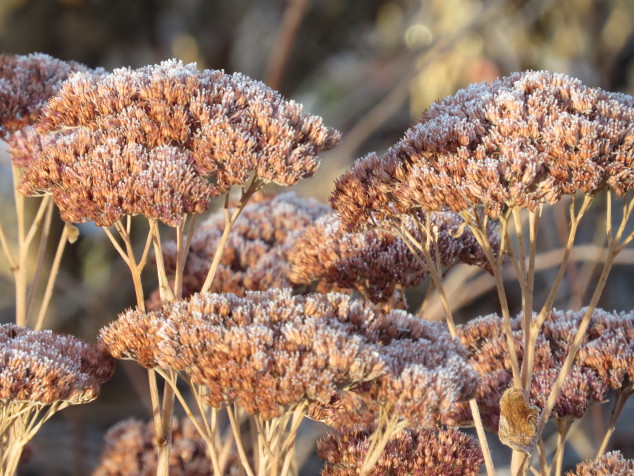
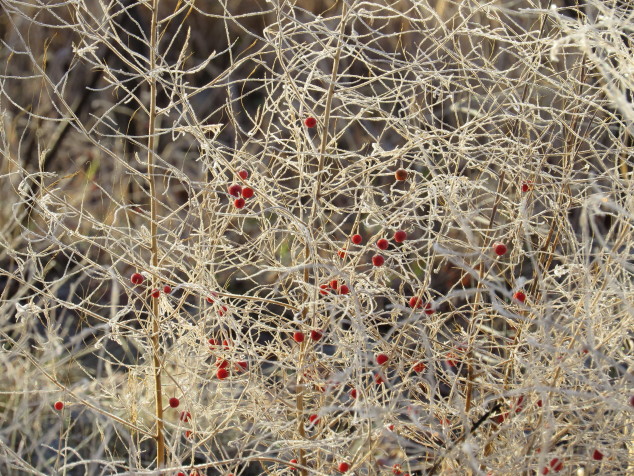
The sun rose above the horizon on the clear-sky day, striking the frost with the power of light, transforming the ordinary into extraordinary, shimmering creations! The asparagus stems lit up.
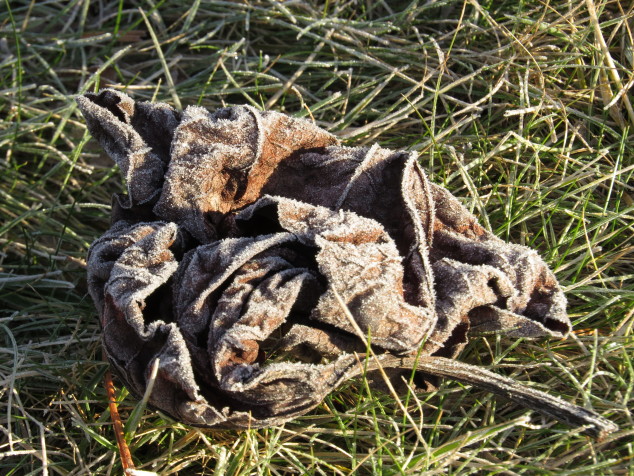
A crumpled Linden leaf glowed in the grass.
Each rimed stem of lavender and all the other frosted things dazzled like diamonds, but only the snow sparkles showed on the photos.
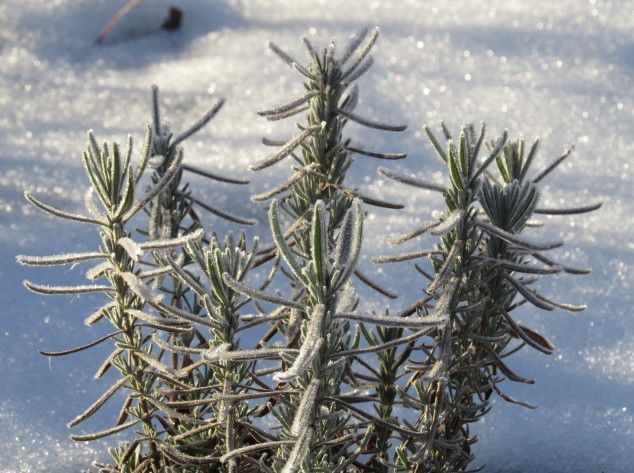
So imagine each little frost crystal glimmering in the sun!
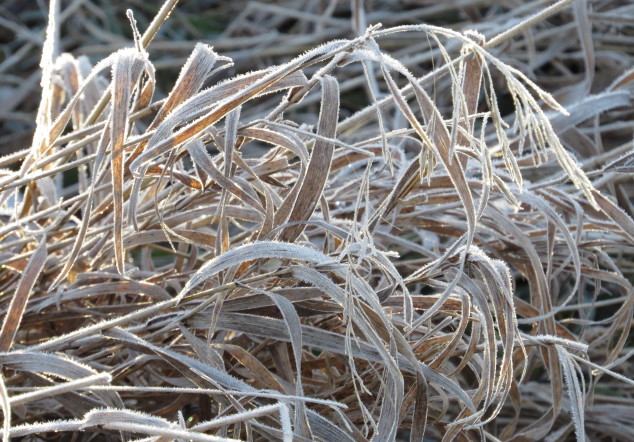
After only a few minutes of direct sunlight, the frost began to melt, and the shimmering landscape returned to the sunny normalcy of a late fall day.
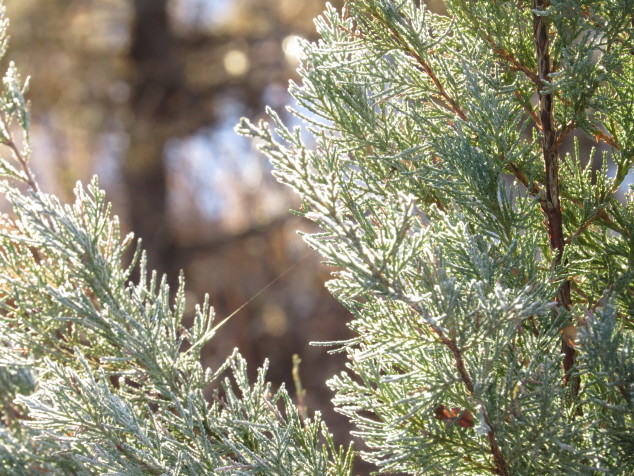
Photographer Annie Leibovitz said, “I wish that all of nature’s magnificence, the emotion of the land, the living energy of place could be photographed.” With my very amateur photography skills, I could not capture the shimmering effervescence of my morning walk, yet the combination of photos, words, and imagination stretches us toward that reality.
And what of us? A photograph of ourselves cannot capture our magnificence, our emotion, or the spirit of us. In fact, most face-to-face meetings only expose the ordinary image of ourselves. And what do we see when we look in the mirror? What stretches us toward the reality of who we are? Perhaps it takes the Water of Life, a cold night, and the Light of the World to shine on us in order to transform our ordinary self into our extraordinary brilliance.