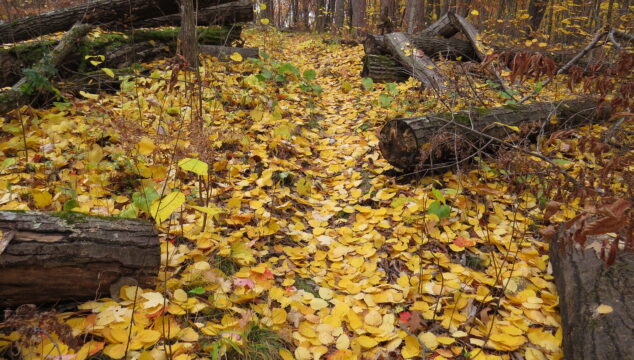
Come walk with me in the peak Autumn beauty of the Northwoods. To say that I love this time of year is an understatement. Most everyone can appreciate the colorful falling leaves---it reveals the 'true self' of a tree when its leaves are no longer producing chlorophyll. Their true colors are revealed, and there is something simple … [Read More...]
The Storm is Blowing Down the Tent
I pass my life in preventing the storm from blowing down the tent, and I drive in the pegs as fast as they are pulled up. –Abraham Lincoln
I’m a calm-the-storm kind of person. Actually, if I can avoid it, it’s even better. Is it middle child, peacemaker personality? Is it stoicism? Is it ‘my body is nervous enough I don’t need anymore ruckus’? Probably all three. If you have been impacted by trauma, particularly in childhood, you may know what I mean by ‘my body is nervous.’ It’s the activation of the sympathetic nervous system—the fight, flight, or freeze response. I’m good at the run and hide-you-don’t-see-me method…. But there are people who react to the same sympathetic nervous system activation by fighting. Fighting with words, fighting with fists, fighting with sticks and guns, fighting with orders. If they feel threatened in any way—and that’s what the sympathetic nervous system response is for: dealing with a threat to our lives—then they will ‘punch back harder.’ Most of the time that reaction happens not when our lives are literally threatened, but when we are emotionally threatened, when the belief system we have built up for our protection is questioned or menaced. We will fight, run, or hide. The fight people run headlong into the storm or just as likely, they create the storm. Their ‘nervousness,’ the sympathetic energy, is ‘controlled’ by fighting and jabbing and blaming, just as mine is by running away from the storm or hiding from it. There is storm damage by all three kinds of coping, but the damage done by the fighters can leave a wide path of destruction and wreckage.
Friday was hot and humid. A storm in the morning dropped over three inches of rain in a short amount of time. The heat boiled up during the day, the humidity saturated the air. By late afternoon, there was unrest—the wind was snappy and full of discontent, the birds seemed nervous, and the clouds were spitting drops of rain as we rode our bikes to the end of the road and back. A bit later, the weather man interrupted the national news of gloom with a tornado warning for an area south and west of us, then another area along the long line of red radar marching across Minnesota. As he spoke, five different areas of concern for tornadic activity boxed in the towns of central Minnesota, including us. As the storm got closer, stormwatcher Chris went outside. I went outside to see when I would have to insist that it was time to go to the basement. The clouds were dark and light and all shades in between, roiling in motion—the cold front was slamming into the hot, moisture-laden air of the day—and the fight was on.
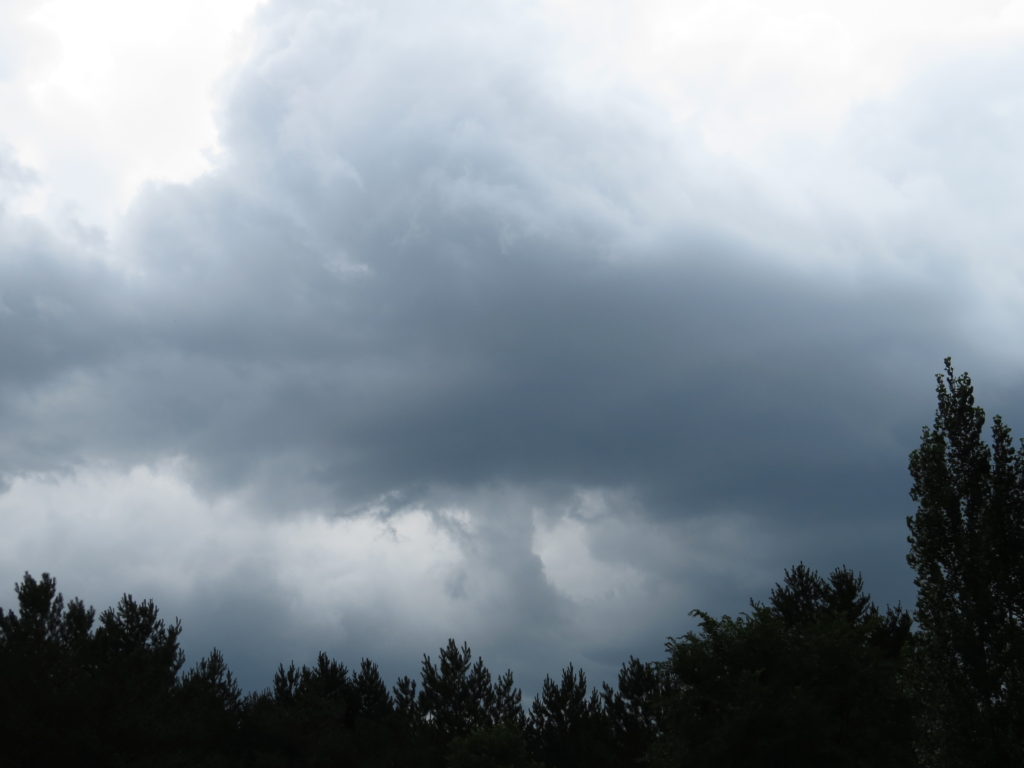
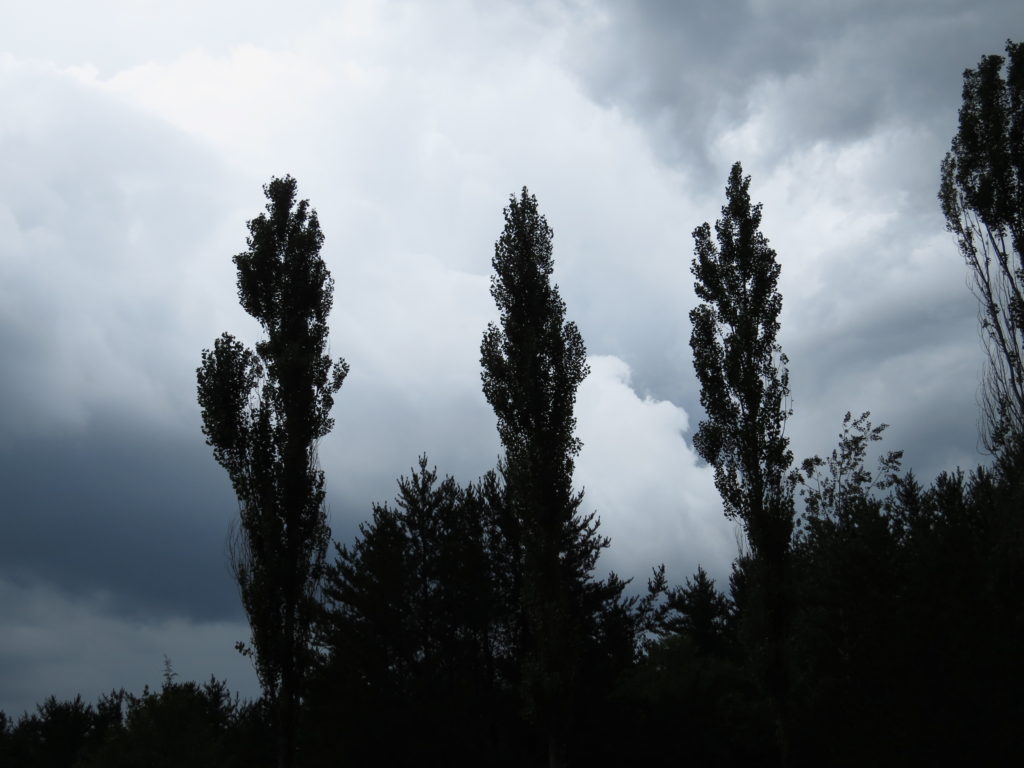
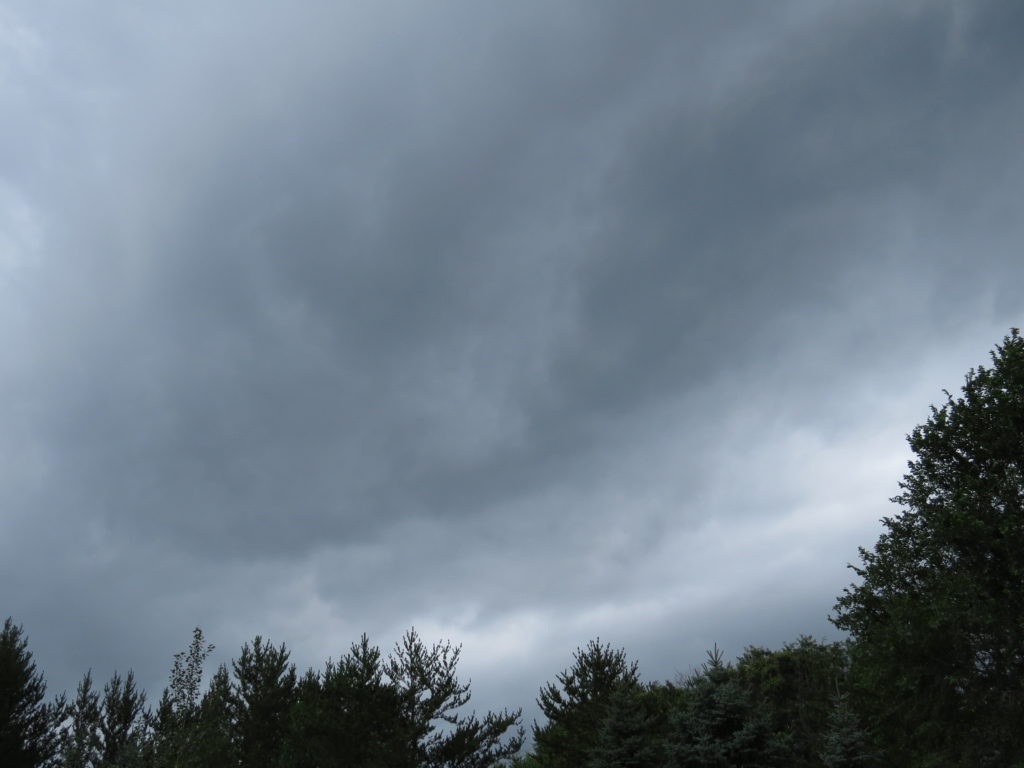
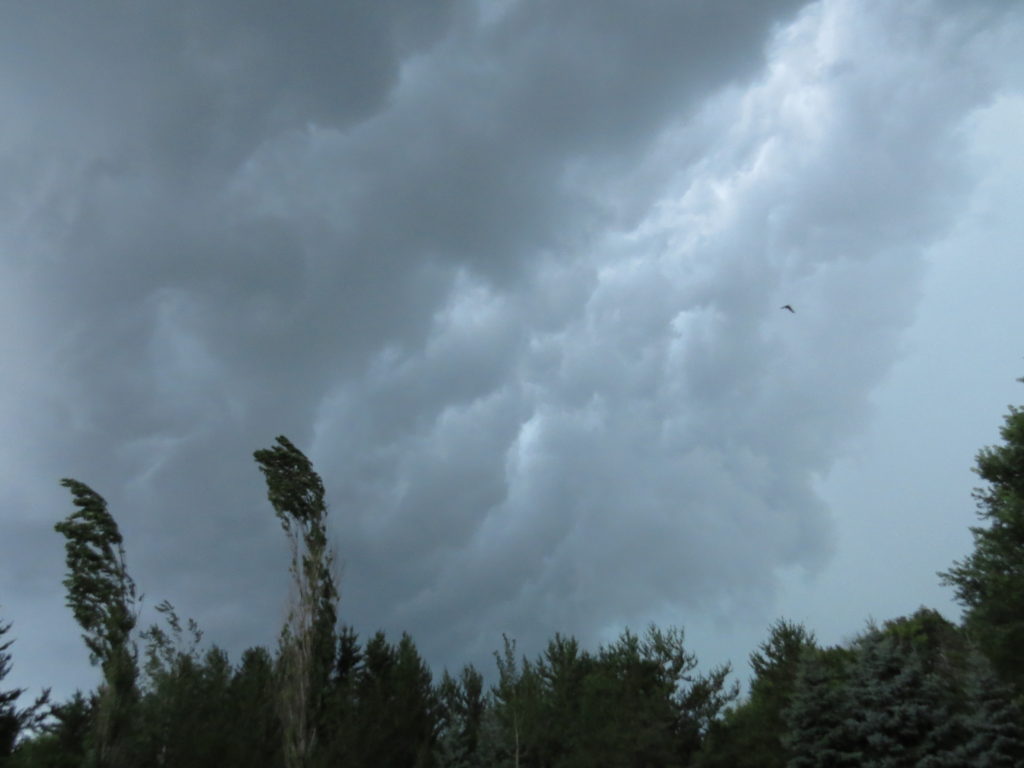
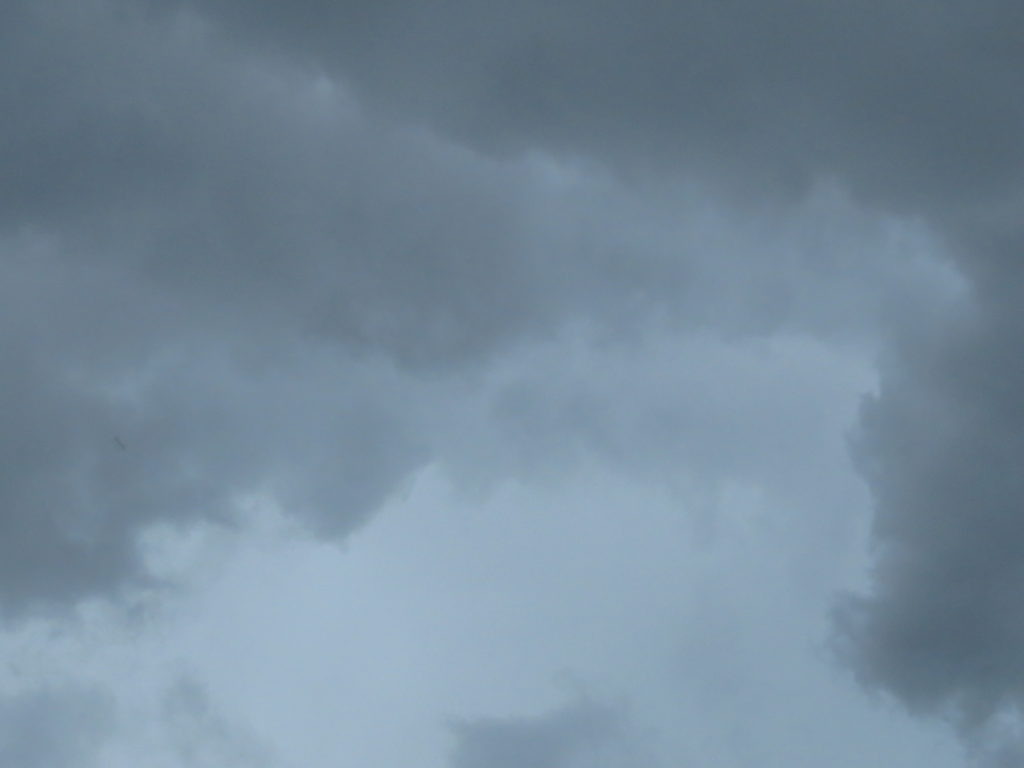
The rain started pelting us, so we gathered our things and went down the stairs to the quiet basement. Radio warnings told all listeners to take cover. The threat was real, and our bodies responded as they should. Take cover, run and hide, stay safe in the storm.
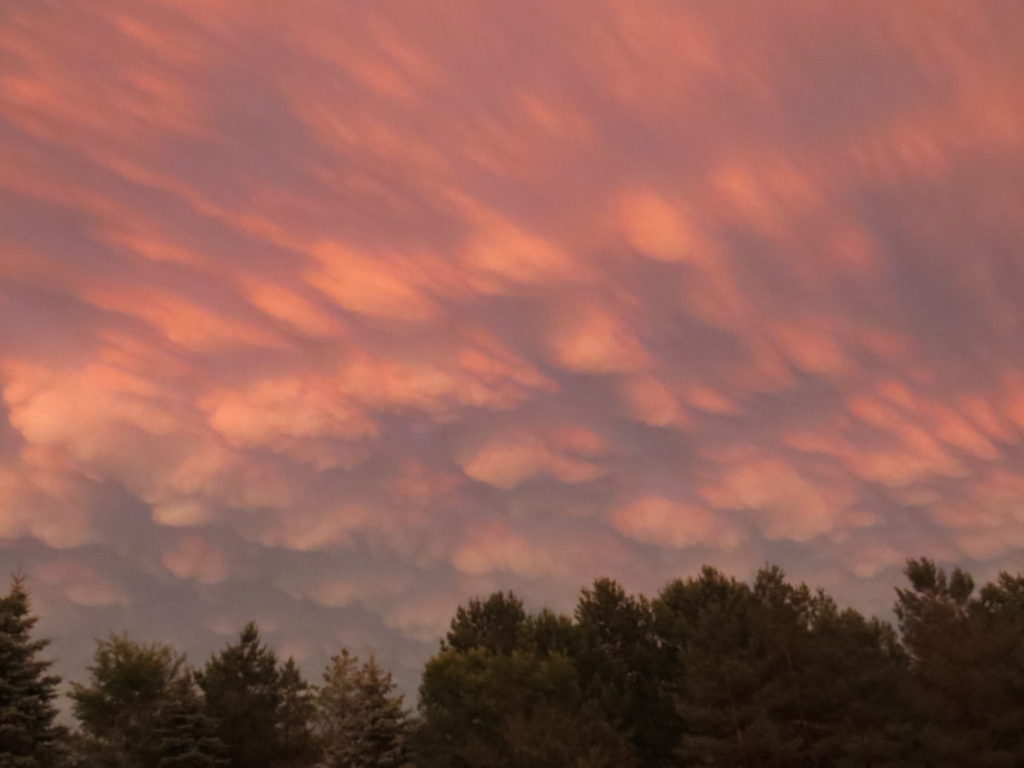
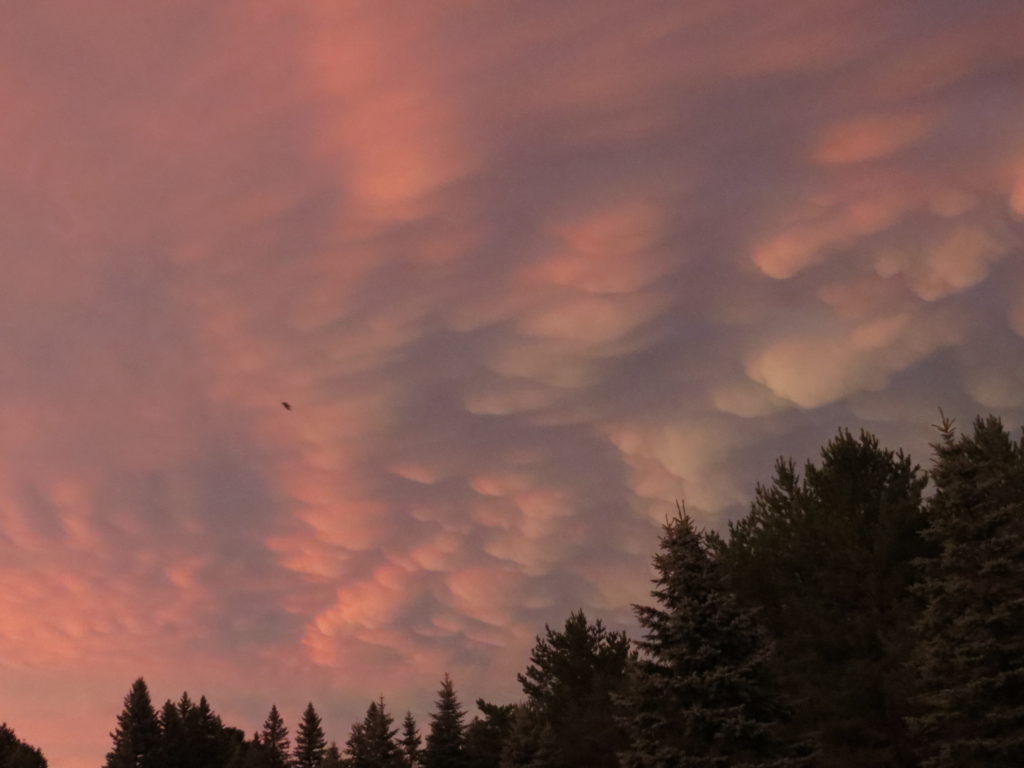
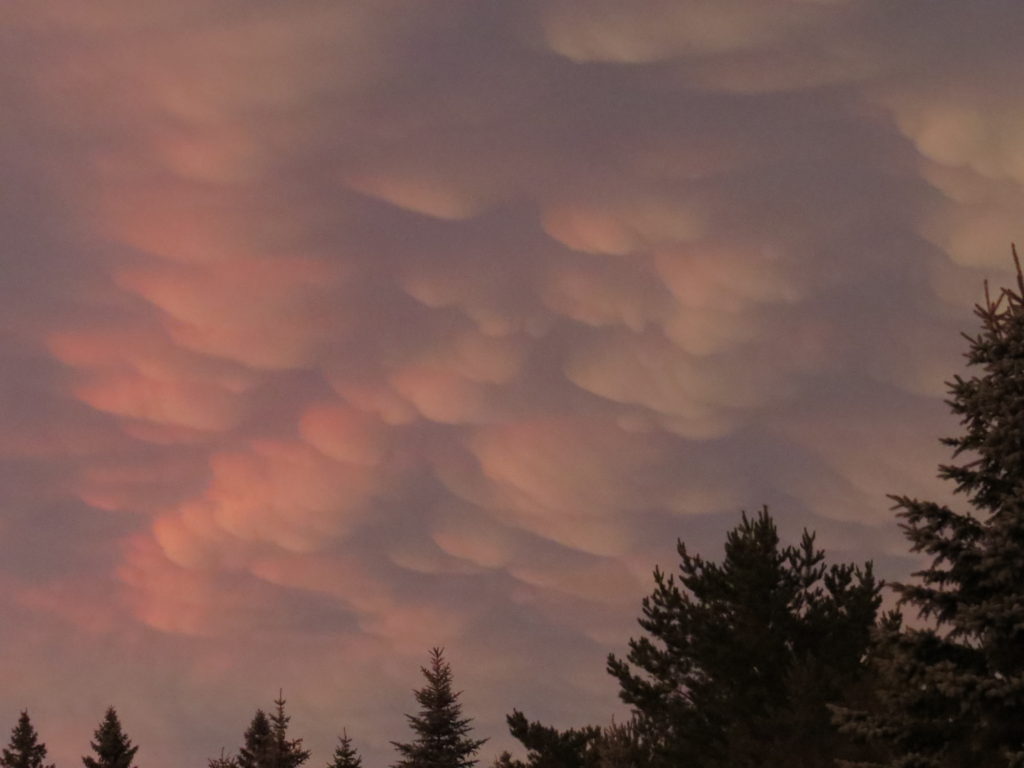
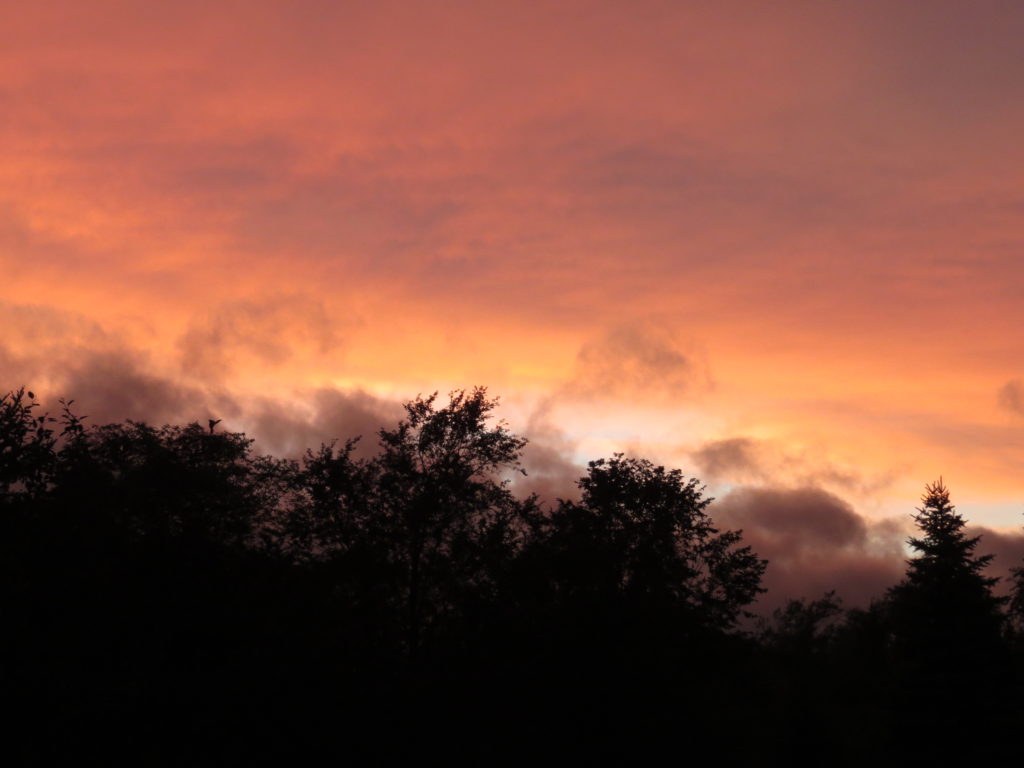
It was a fast-moving storm. Soon it was over. No storm damage for us, just a few more inches of rain. Supper and more news of the threat to other people as the storm front bullied its way across the state. Then I noticed that everything looked yellowish outside, and when I saw the sky, I was drawn outside by the unusual clouds. Cottonball pouches filled the sky with an eerie yellow-greenish-orange as the sky cleared to the west and the setting sun cast its colors on the clouds. I couldn’t take my eyes off of them.
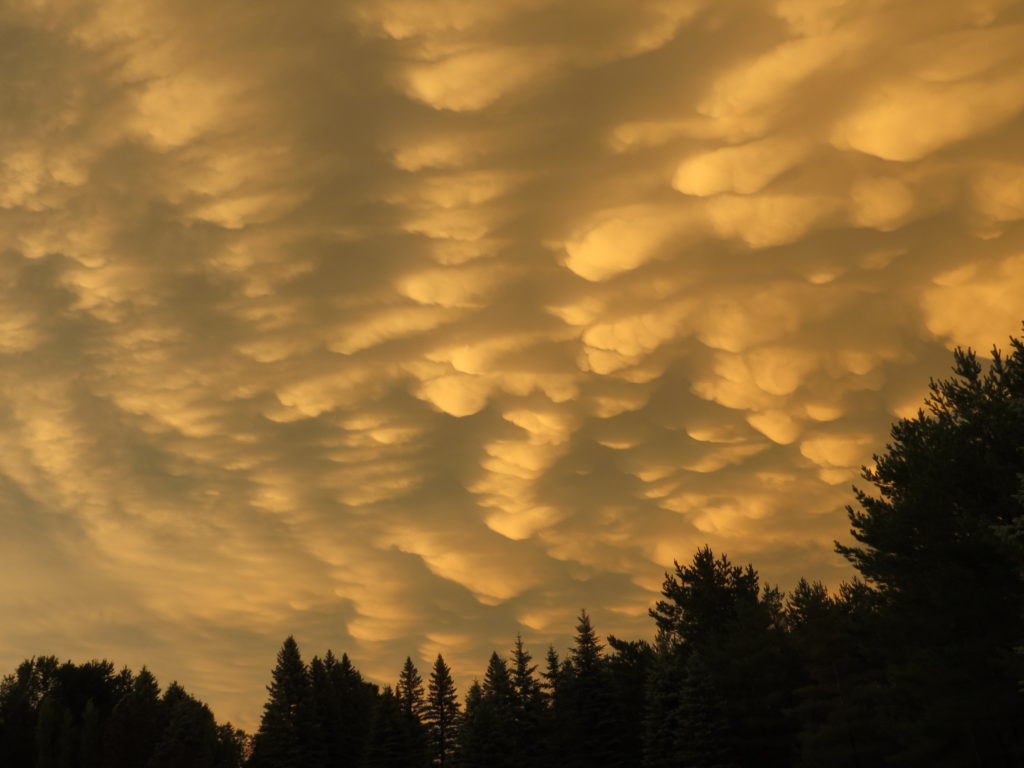
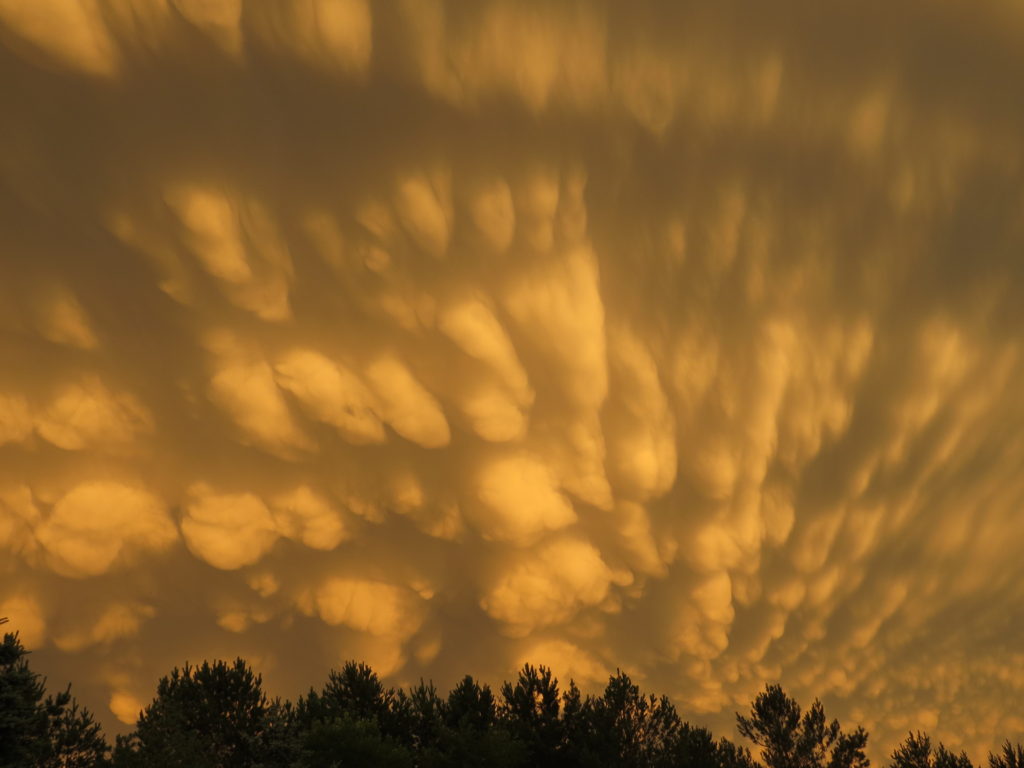
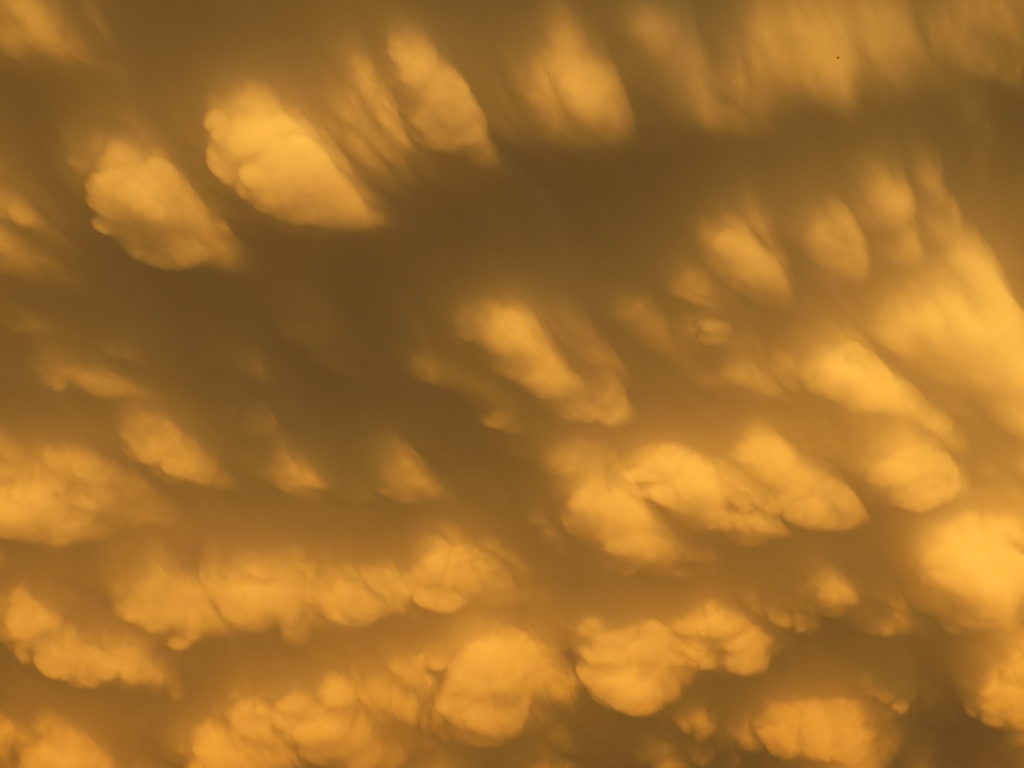
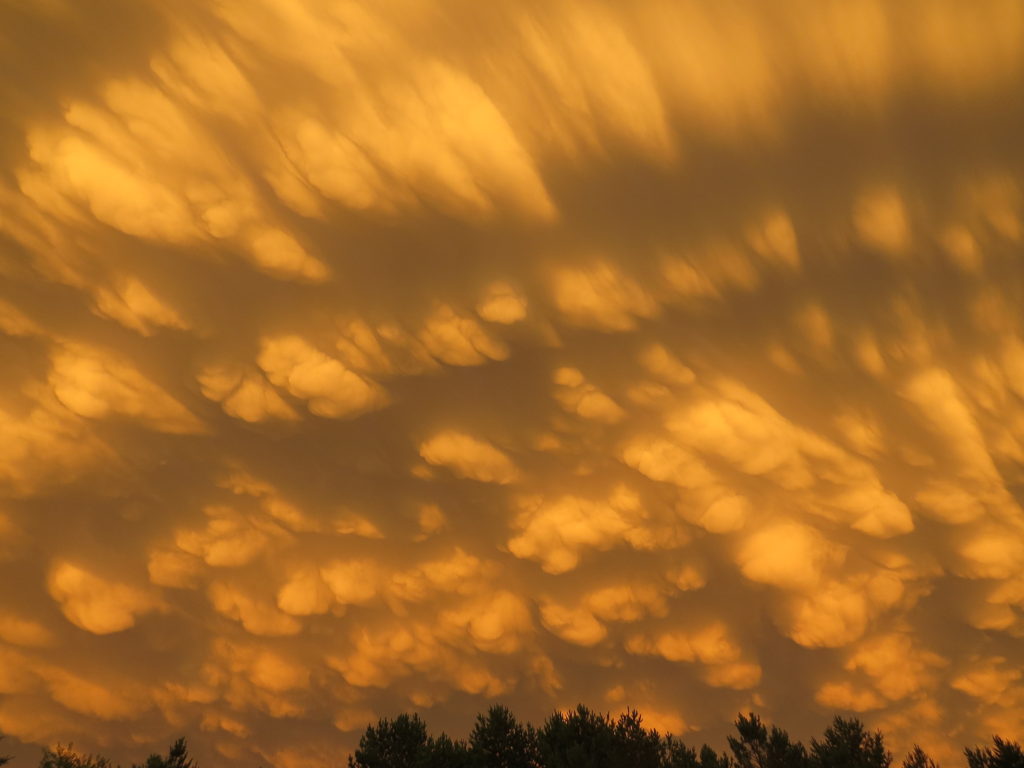
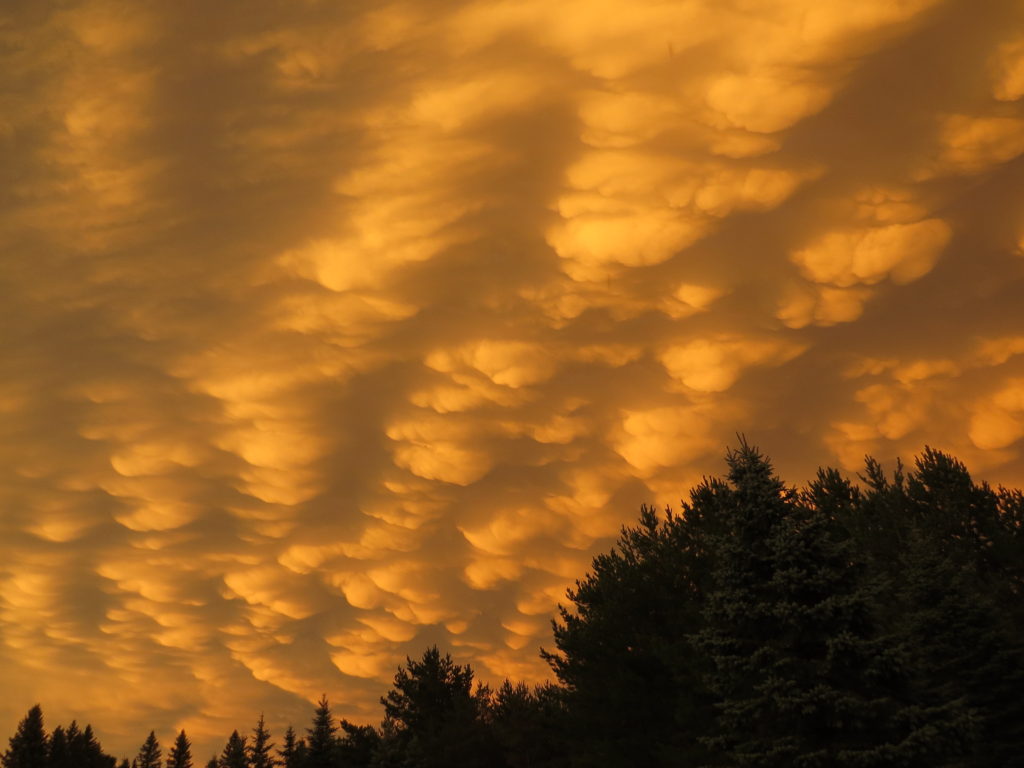
These clouds are called Mammatus clouds, from the Latin word ‘mamma’ meaning ‘udder’ or ‘breast.’ They usually indicate a particularly strong storm. They are composed mainly of ice and formed by sinking air, unlike most clouds that are formed by rising air. The dark storm clouds were Cumulonimbus, meaning ‘heaped rainstorm.’ They form along a cold front and are capable of producing lightning, hail, and tornadoes.
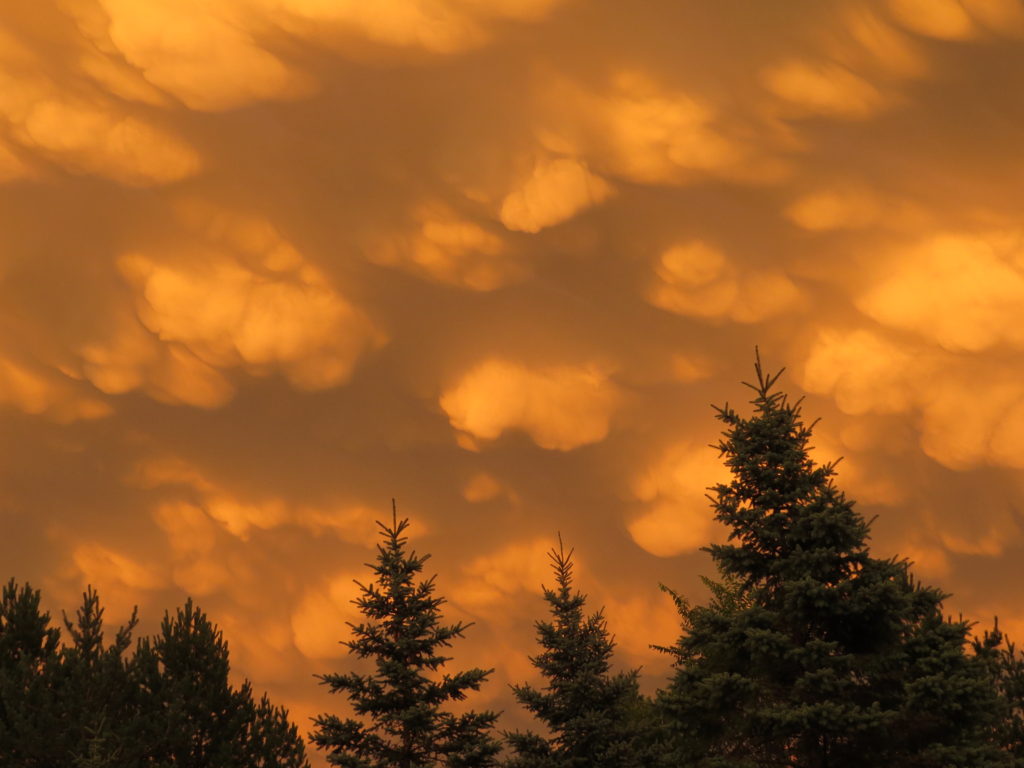
Five minutes after I went back inside, Chris called me out again to see the color change to pink and blue. For hours after the storm, our world recovered with the colorful Mammatus clouds.
To the fighters, the runners, and the hiders out there, there is a better way to deal with the emotional threats that feel life-threatening but in truth are not. Our bodies are just stuck in the response that we learned from a threat that was real. The challenge is to re-teach our bodies how to respond more appropriately. We need to activate our parasympathetic nervous system—our rest, digest, and recover system. We need to take control by learning how to relax. Meditation, yoga, qigong, and walking in nature all move our body towards activating the parasympathetic system.
We are living in a chaotic world right now—a perfect storm of the threat to our health by Covid-19, of financial uncertainty and unemployment for millions and millions of people, of racial and human justice issues, of how we are going to vote. Our democracy is in disorder. This perfect storm is trying to blow down our tent; the pegs are dislodging from the ground. Grab a peg and drive it back into the ground. Drive it with science. Drive it with reason. Drive it with compassion. With the milk of human kindness, we can recover ourselves and our world.
Frozen
Those things that make our lives easier and better and yeah, we end up taking them for granted—electricity, hot running water, grocery store food, heat, ac, internet, working computers. This last month has been a little bumpy on the computer front with failing hard-drives, changing hard-drives, failing to get that to work, a seriously messed-up old laptop, and then a frozen NorthStarNature Facebook page—as in the cover photo would load, but I couldn’t scroll down or do anything. It was stuck, frozen, unable to move or do what it was supposed to do.
Chris and I were sitting at the table in late May when we heard a characteristic thump on the living room window, although this time it was a double thump. We knew what that meant—another bird, or in this case, two, had hit the window. We went to see if they had survived the reflecting encounter.
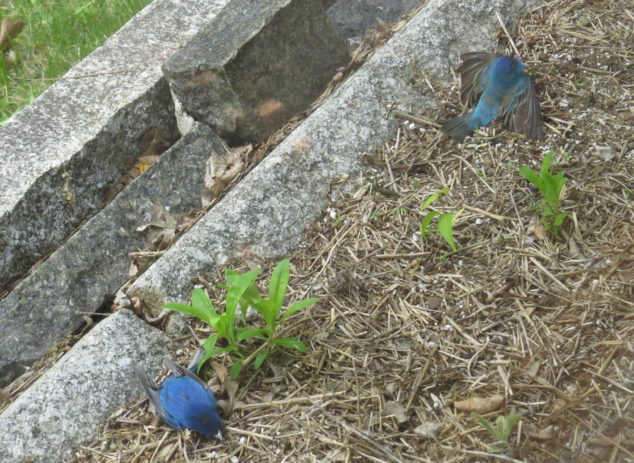
Stunned. Shocked. Dead?
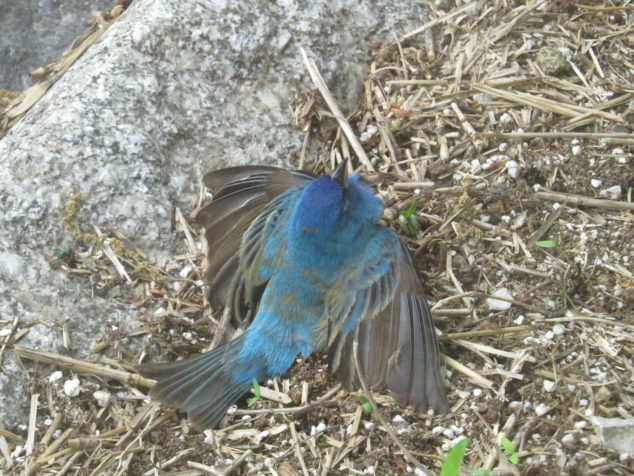
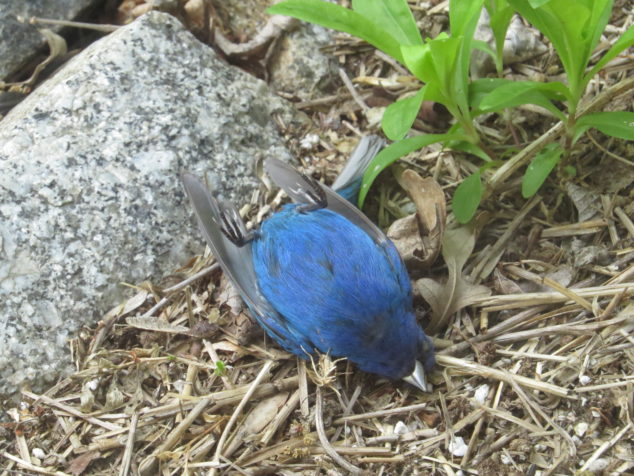
When I went outside a few minutes later to see if they could be revived, the upright one flew away. Good. I turned the other one over to get his feet under him and gently stroked his exquisite blue feathers. His eyes were still closed, his little bird body was quiet except for an occasional quiver, and I could see that it was taking all his energy, his internal wherewithal, to regain his senses. These things take time. He eventually flew a little ways and needed more time for re-orienting. I knew he would be okay.
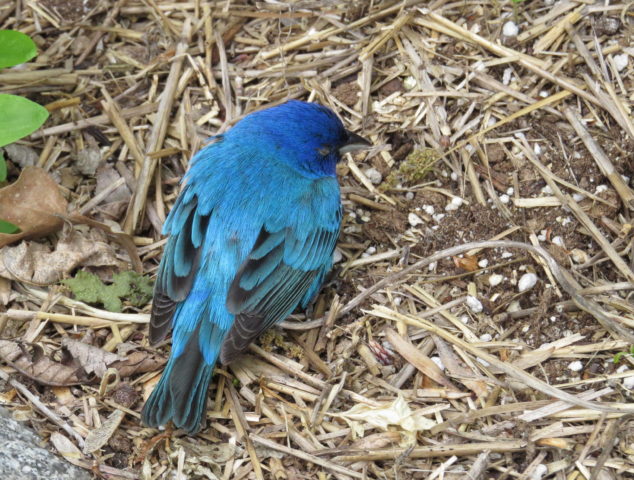
Indigo Buntings are amazing little birds; not only are the males beautiful in their brilliant blue coats, they also migrate at night using the stars for guidance! What!? (They researched that using captive Buntings in a planetarium and under a natural sky.) Breeding males often get into fights locking feet with one another and falling to the ground. They also defend their territory by approaching the other with slow butterfly-like display flight. Perhaps one of these behaviors contributed to their tandem window slam.
My frozen Facebook page was resolved in the last couple of days by the brilliant computer skills of some unknown FB technician after numerous communications with me and them—words to let them know there was a problem, questions from them about the details of what was happening on my end, answers to those questions to the best of my no-computer-skills ability, problem-solving work on their end, patience on mine. The frozen Indigo Buntings, the heart-beating, food-finding, mate-seeking animals that suffered a collision, were in shock. Their bodies shut down from the trauma. The one who flew away could have been younger or stronger, more able to withstand and bounce back from the impact. The other may have been flying faster, may have suffered previous traumas or head injuries, or in some way been more sensitive to the traumatic impact on his body—more time, more compassionate help, more tries were needed to regain his orientation and his place in the world. And then, there is us. Humans, like other animals, are physiologically programmed to respond to threats, danger, and trauma with flight, fight, and/or freeze, depending on the situation. It happens without us thinking about it or making a cognitive decision. Our bodies automatically respond by shutting down digestion, increasing heart rate, increasing blood flow to the muscles, sending out adrenaline and other hormones in order to get us ready for running away or fighting. But if neither of those choices are possible, or if extreme physical or emotional trauma occurs, we freeze. Other physiological signals are sent out, and our bodies and parts of our brain shut down, and we are unable to move or do what we’re supposed to do. We are stunned, shocked, feeling like we are going to die. Some of you may know what I’m talking about. This is when it is imperative to have brilliant, compassionate helpers, when time takes on a different dimension and purpose, when everything we take for granted is tossed up in the air and we have no idea what will land in our possession again. Our interior world becomes the most important thing, as the external world turns dark and fades away…. We look to the stars for guidance, we follow our own North Star, we breathe, we quiver, we heal. It takes time, it takes internal wherewithal, courage, and Love, and it takes a community of help-ers, pray-ers, and love-ers in order for us to fly again.