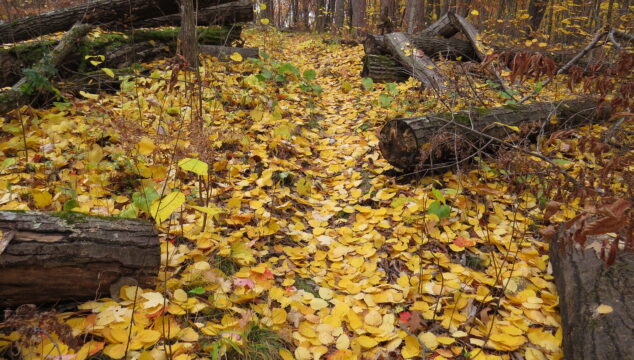
Come walk with me in the peak Autumn beauty of the Northwoods. To say that I love this time of year is an understatement. Most everyone can appreciate the colorful falling leaves---it reveals the 'true self' of a tree when its leaves are no longer producing chlorophyll. Their true colors are revealed, and there is something simple … [Read More...]
Ascending
Sometime in the night the air cooled, became less muggy, less smokey. The sky was darker, the stars more brilliant. On my nighttime trip outside of the tent, I had to use my headlamp to see my steps, and the shock of it scared a foraging deer close by—at least I think it was a deer? We had gone to bed when the sun set and rose before its rising. I had slept better than the previous nights, thank goodness.
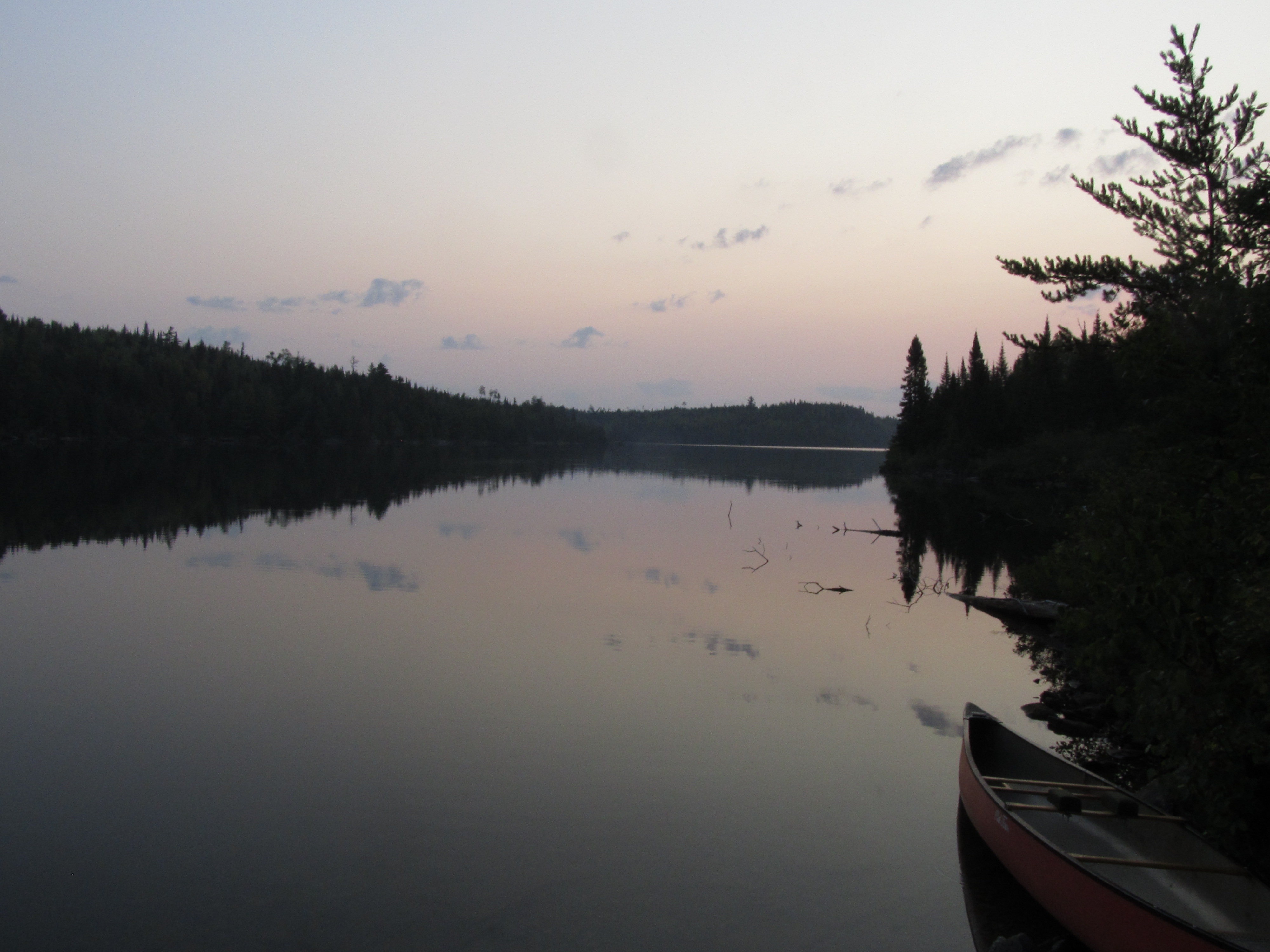
This would be our shortest day of paddling—only about four miles—as we moved into the next large lake that would get us close for our exit day on Friday. The challenge was to find a campsite in a lake where many were ‘staying put.’ We were all up early and ate cupfuls of granola with powdered milk, and the coffee drinkers drank instant cold-brew coffee so as not to take time to heat water.
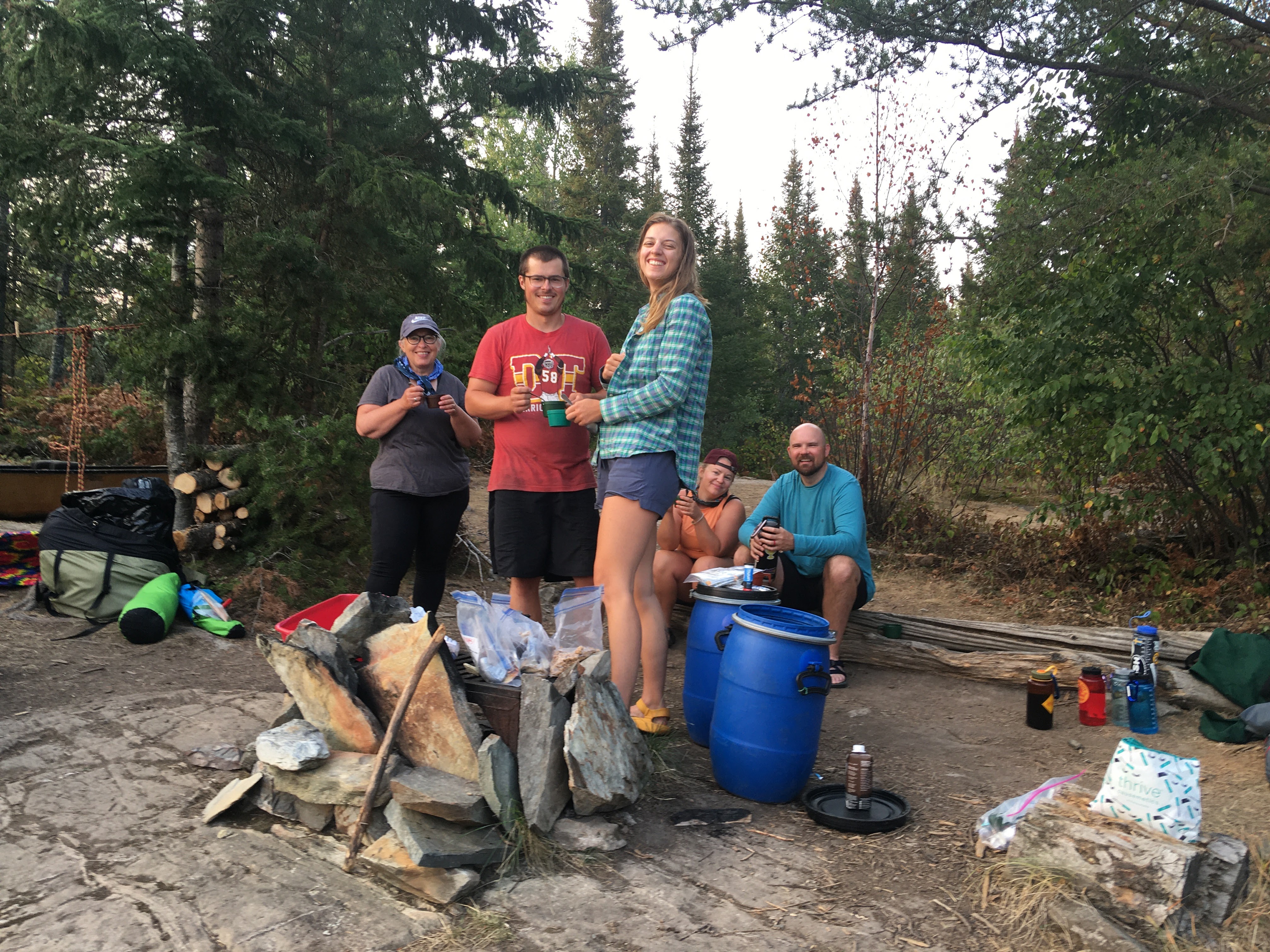
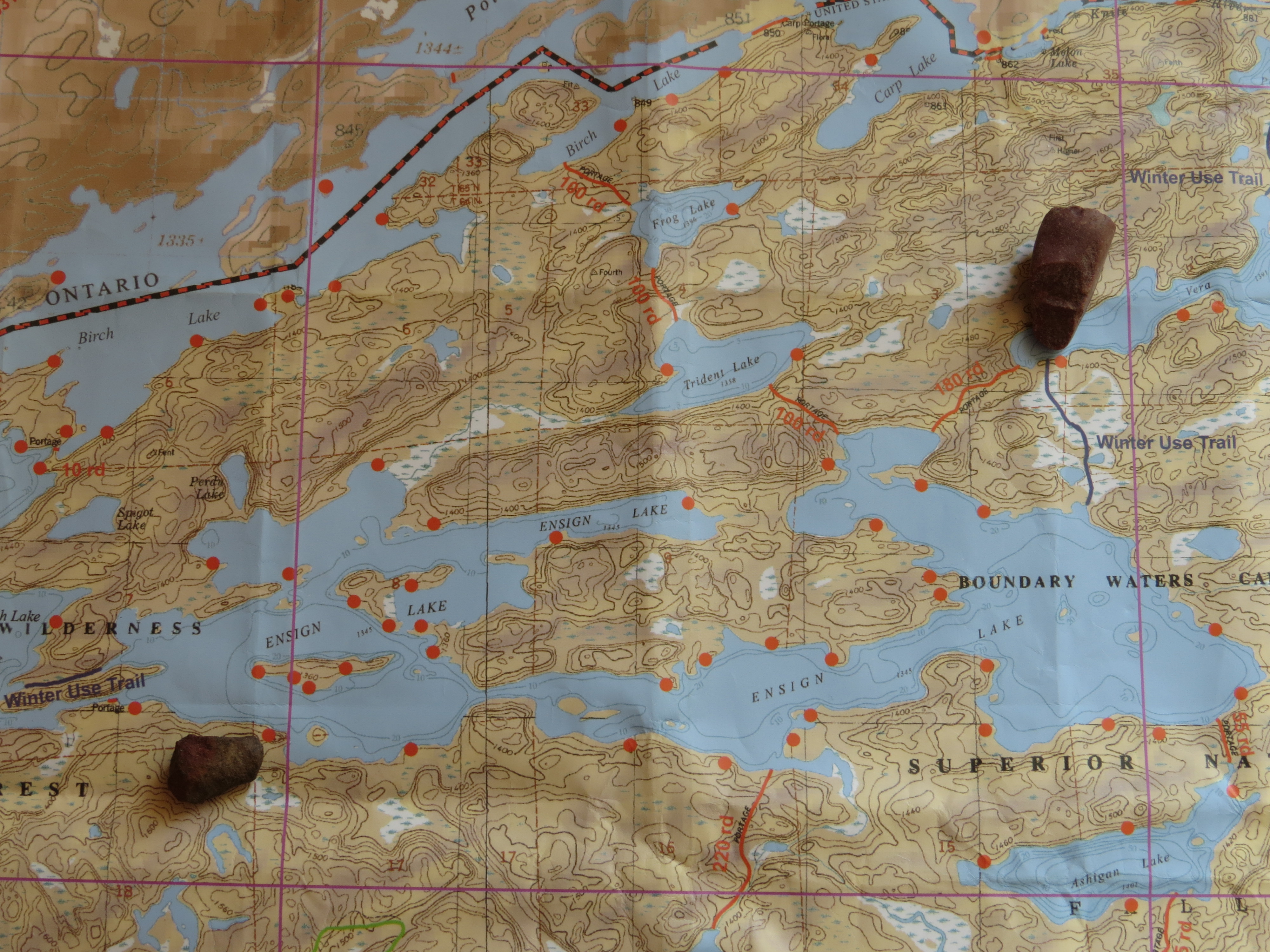
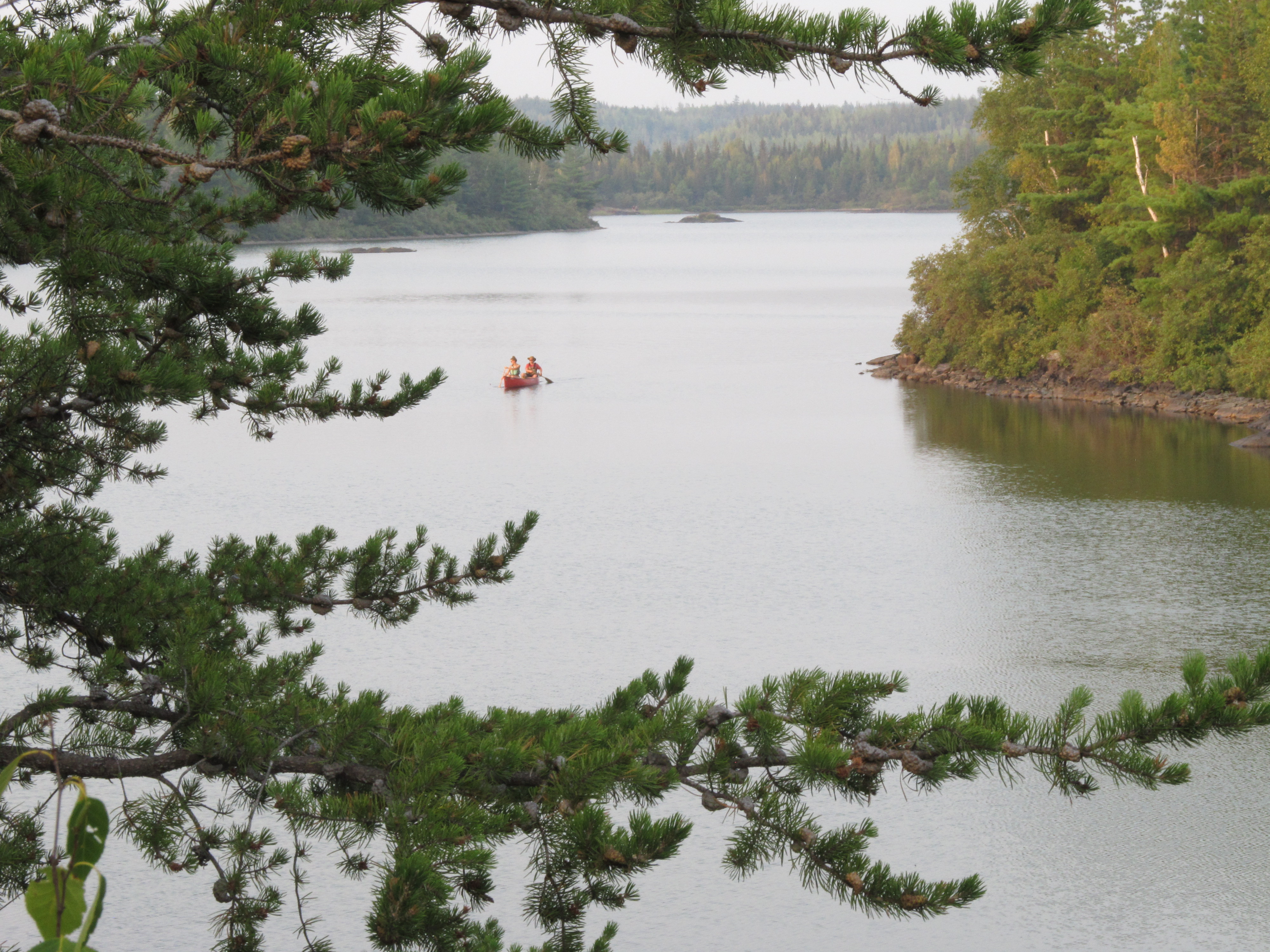
We fueled ourselves for the second 180-rod portage of our trip—we only had a short paddle from the campsite to the portage entrance. I was confident I could carry our pack like I did for the other portages—until I saw the steep, rocky incline of the trail—whooaa! Most of the others had already gone before me with their gear, so I used the paddles for climbing poles (not the best idea for paddles, but definitely useful) and slowly made my way up the rocks. The ascent continued. The trail peaked as we walked on huge boulders with crimson-colored wild blueberry bushes lining our path. A small clearing in the trees allowed Emily and I to see that we were at the highest elevation of our whole trip! We had climbed the ‘mountains’ that I had not wanted to portage up the day before! As we got closer to Ensign Lake, and the descent became steeper, Aaron came back to help after dropping his gear. I handed the pack off to him for the last leg.
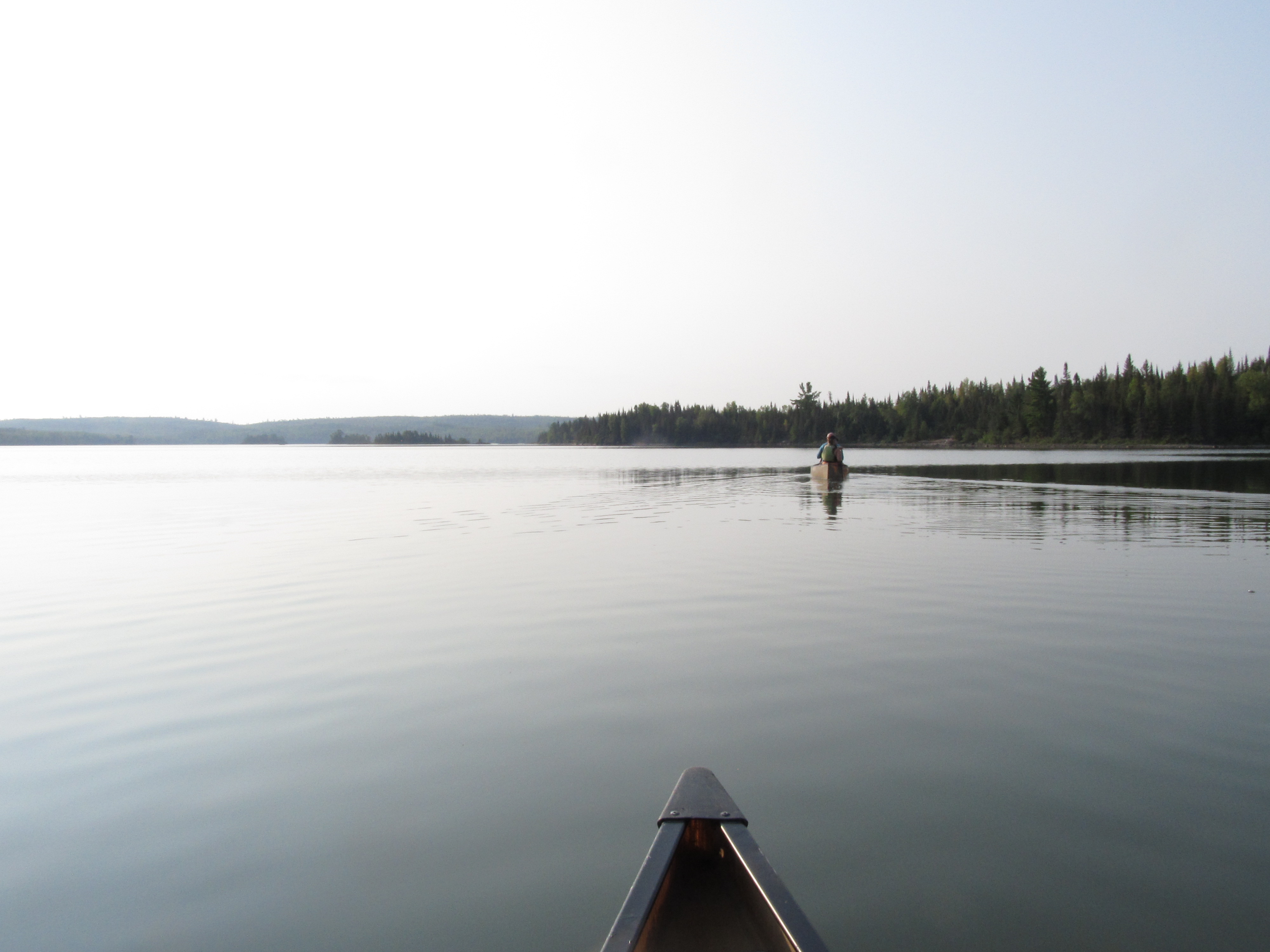
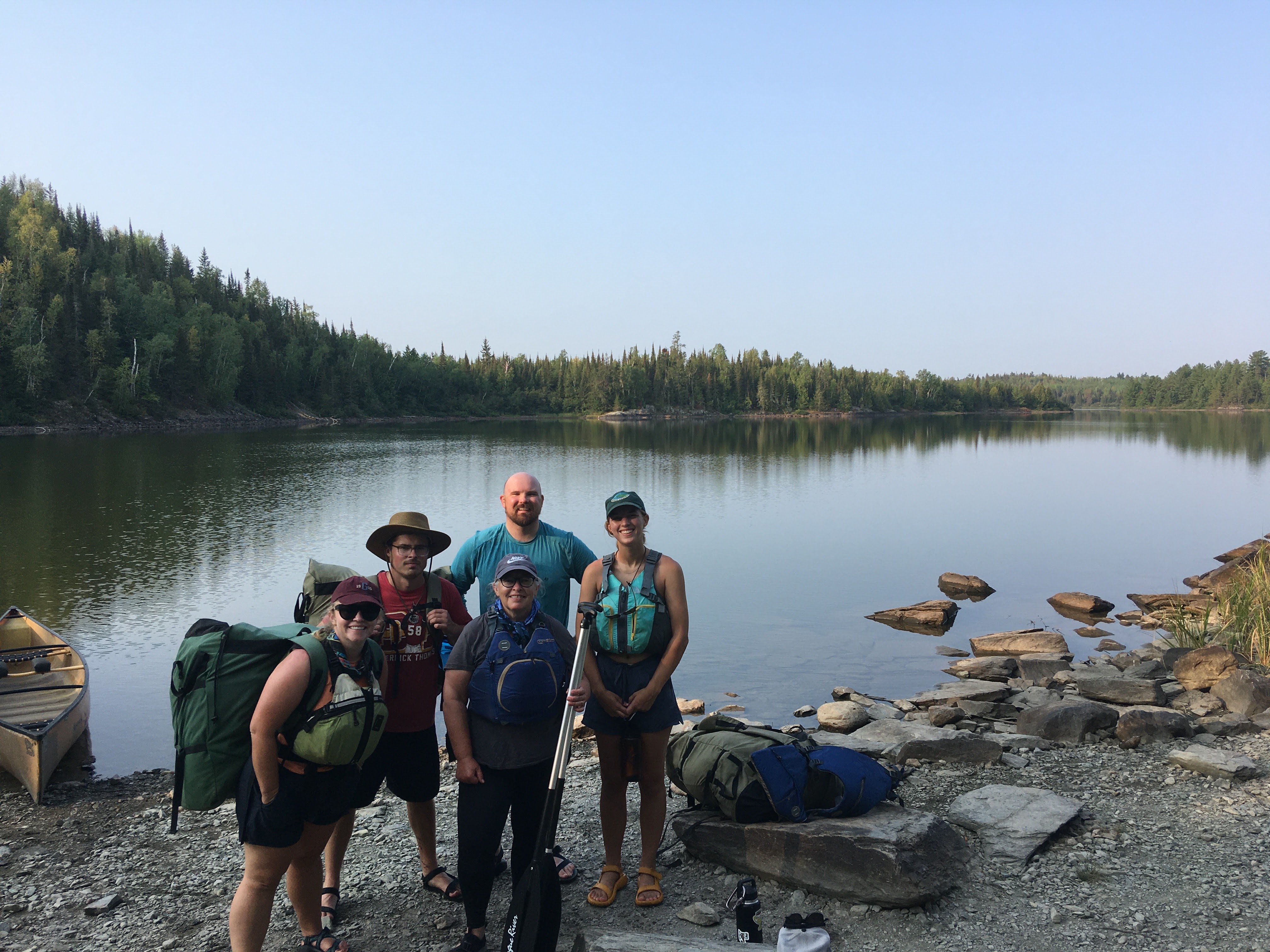
After our ‘hooray, we did it!’ moment, we paddled on around the huge island-like peninsula of Ensign Lake. We saw campsites with large tents and colorful shade cloths, unlike anything we had seen thus far. The kids fished as we paddled, and I noticed how Autumn had suddenly appeared in the northlands.
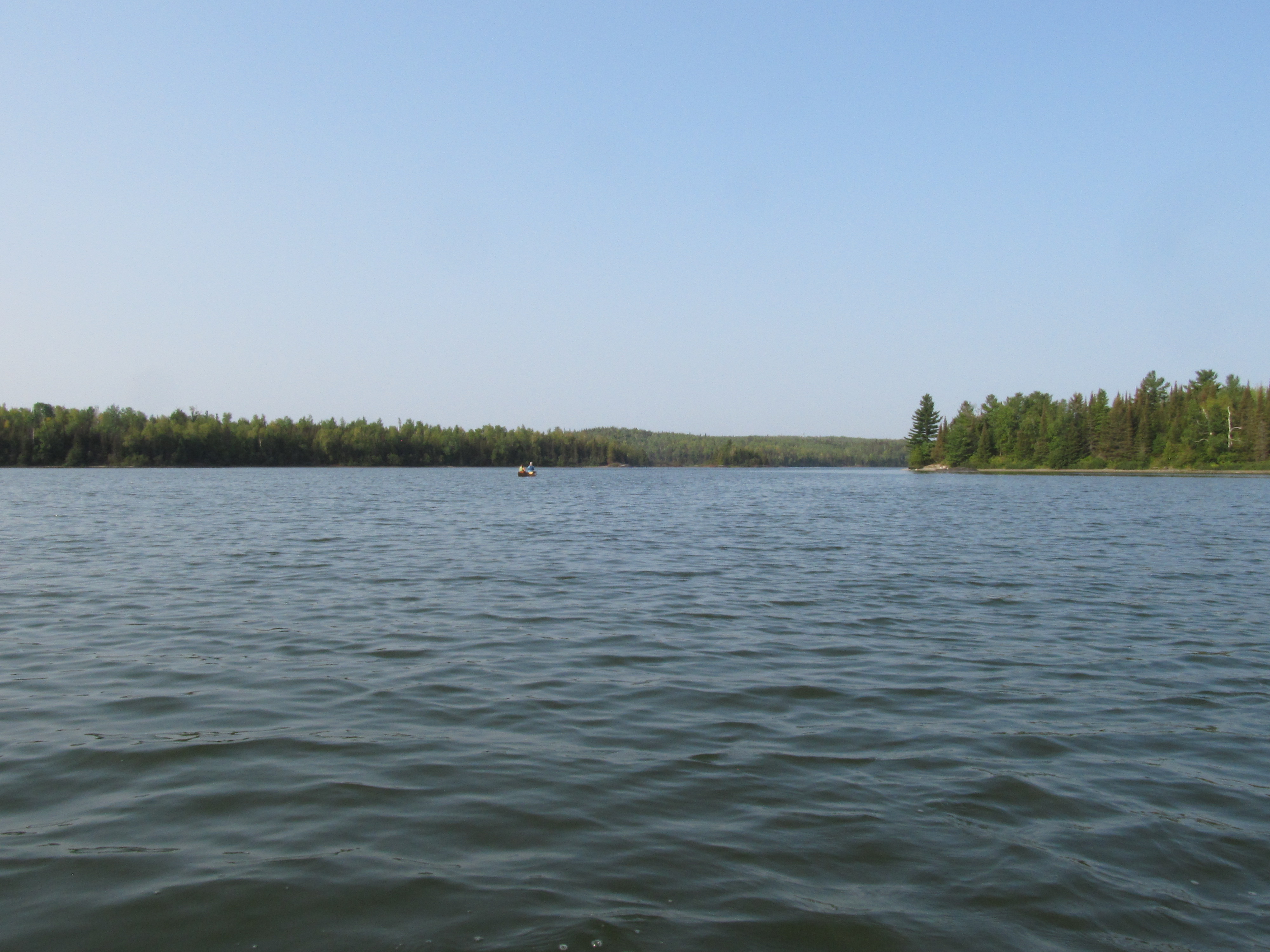
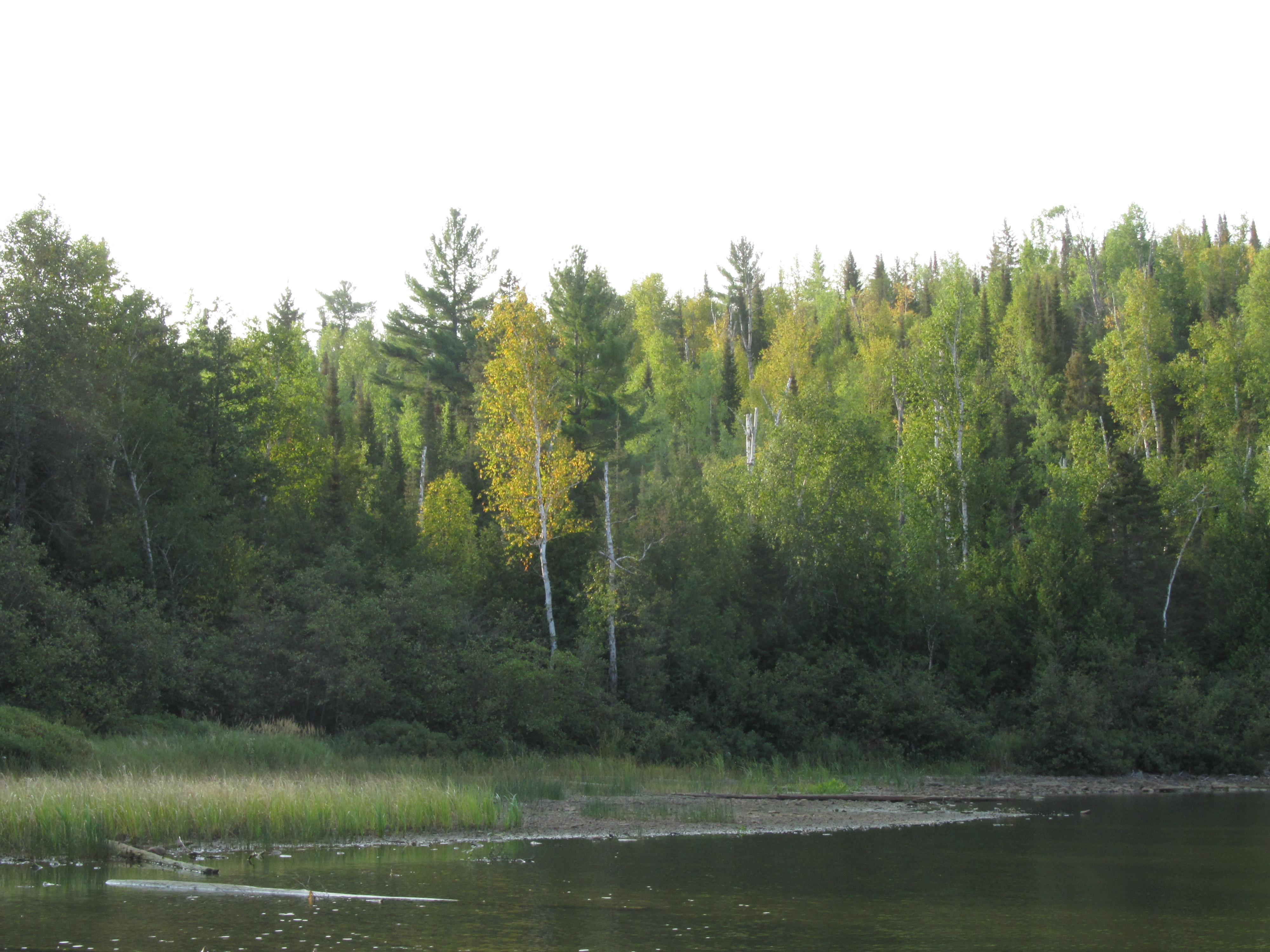
We found a campsite on a point across from an island that was close to the west side of Ensign—a perfect spot for our last night in the BWCA.
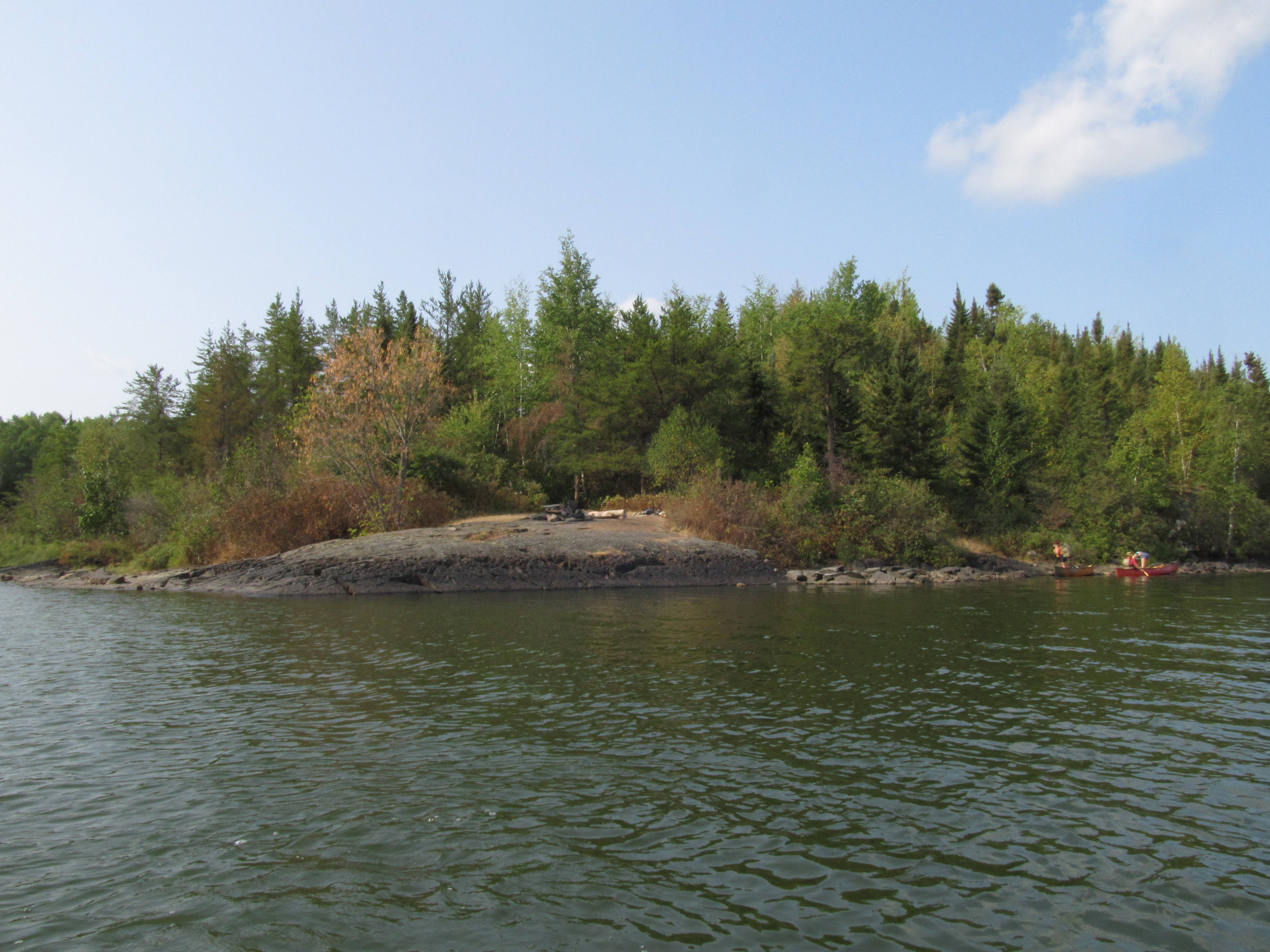
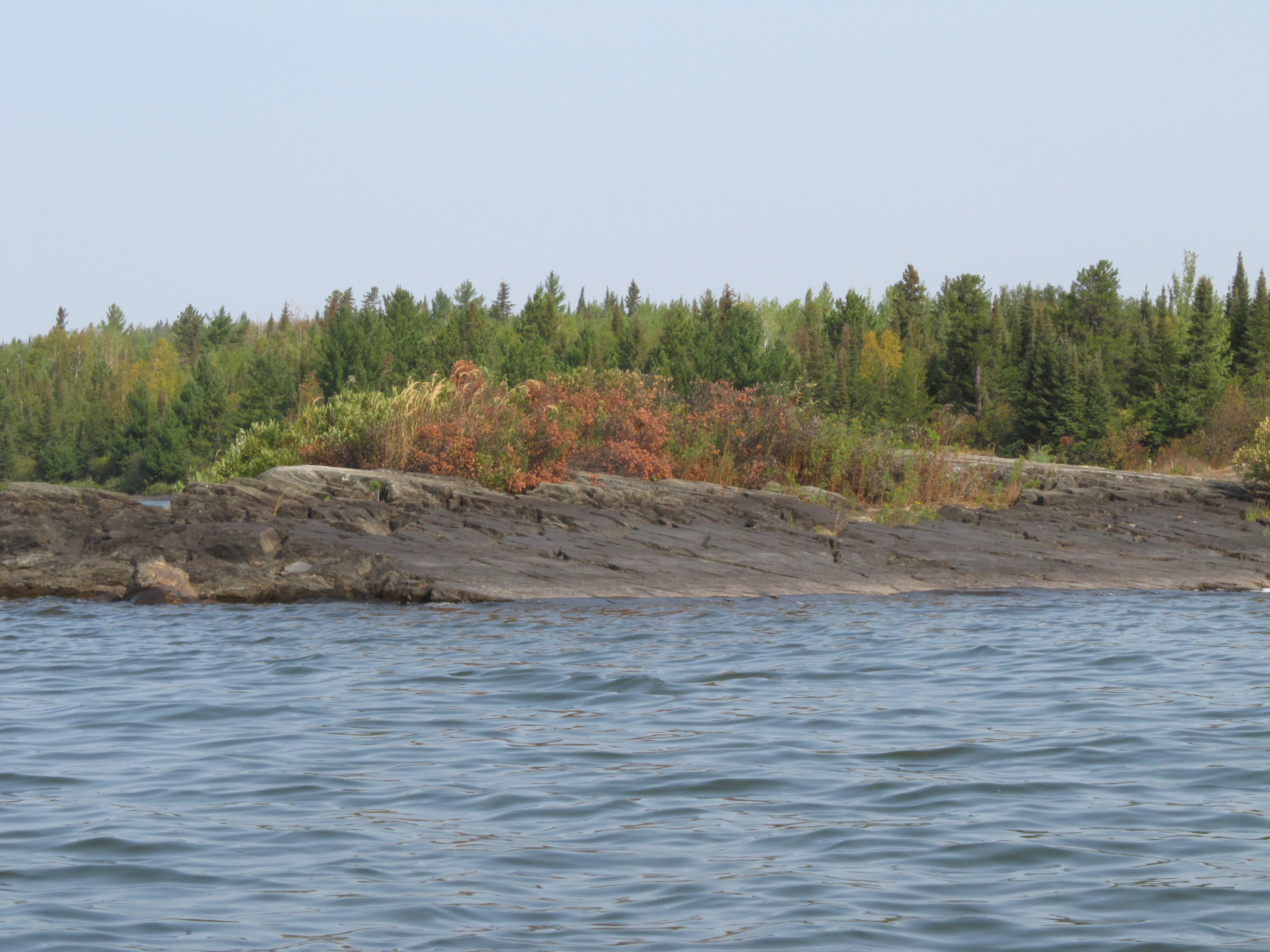
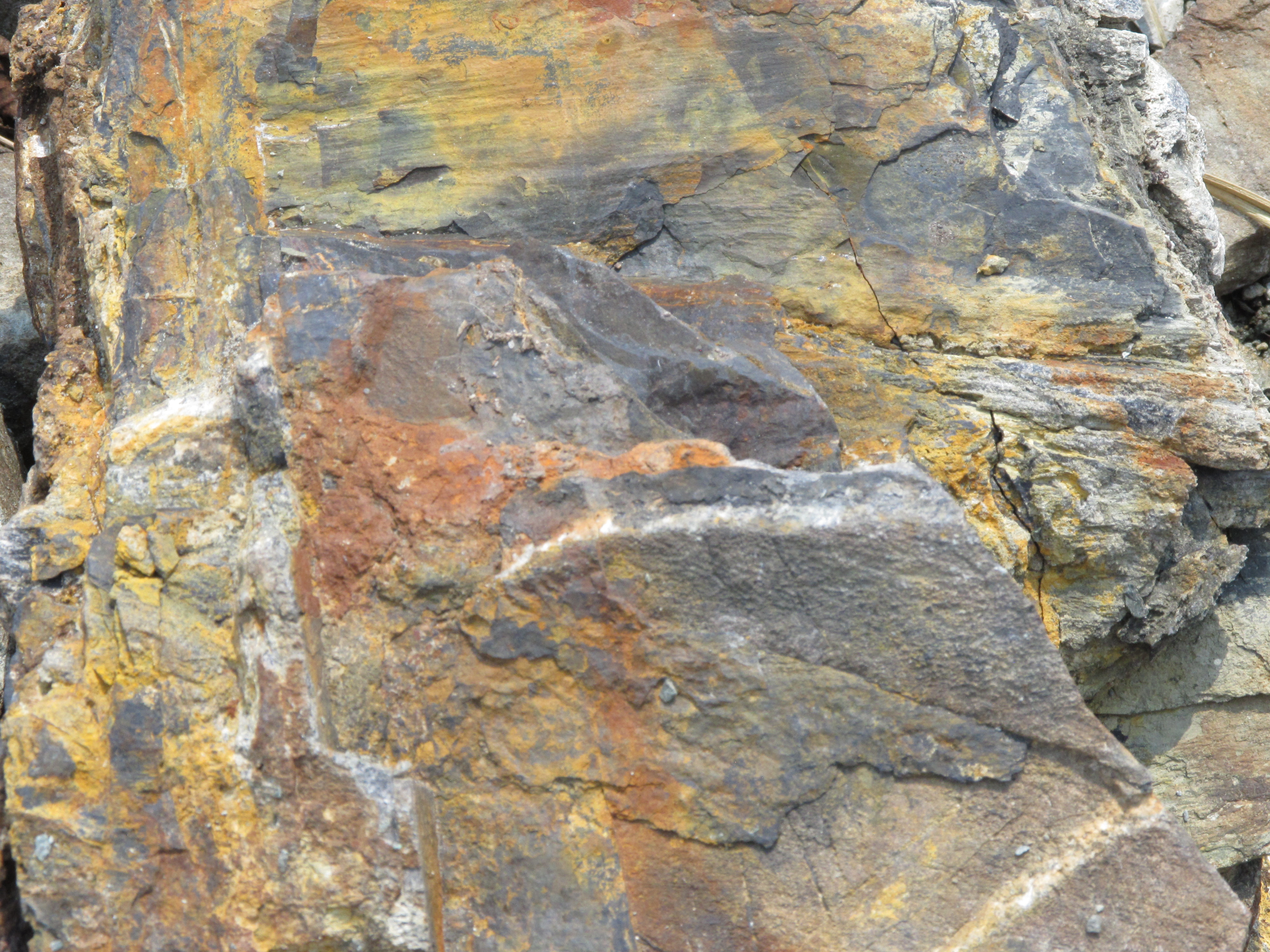
We unloaded, set up a shade tarp and hammock, and the activities began. Aaron and Shawn went fishing, Emily and Zoe went swimming, and I went exploring. There was a nice little cove made by the point and the island with lots of rocky shore to climb along. The rocks were amazing! Most of the point was a dark purplish-colored rock that looked almost like some kind of lava rock. When I got to a place where some had chipped away, I saw that it was Ely Greenstone, which is a metamorphic rock that began as basalt lava flows that gushed onto a cold sea floor 2.7 billion years ago. The green color is from a number of different green minerals that grew in the rock. Ancient Earth history under my feet.
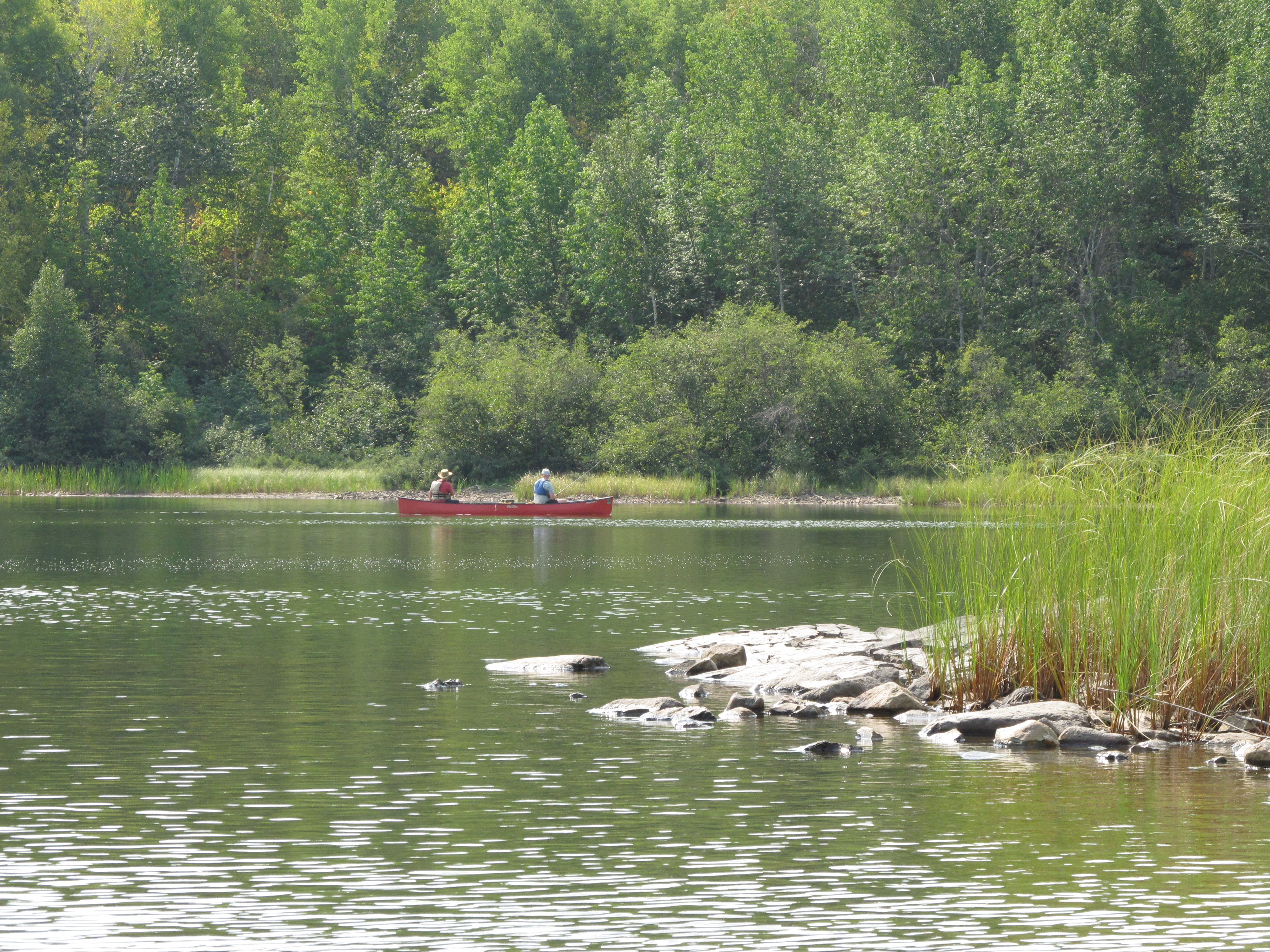
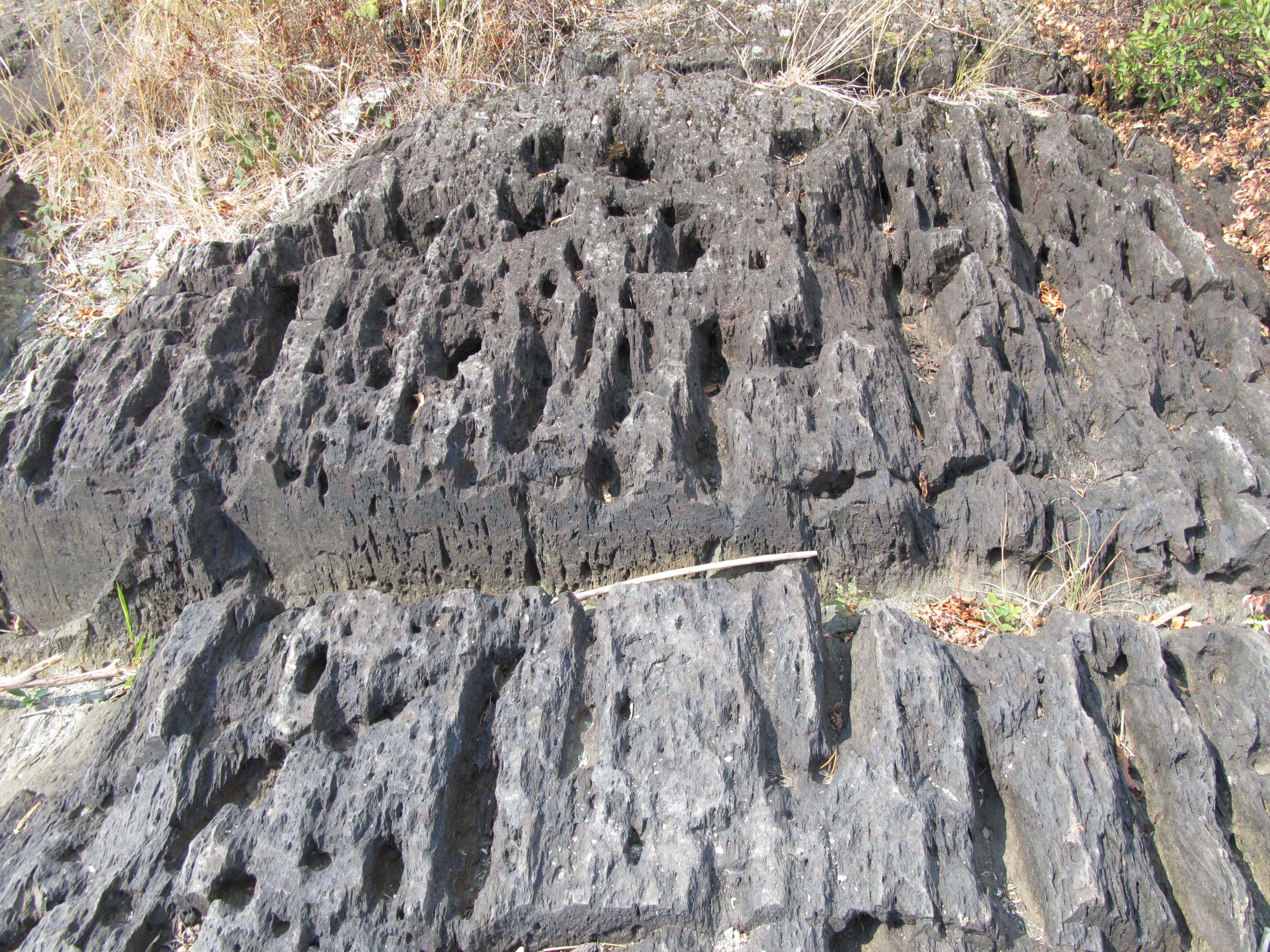
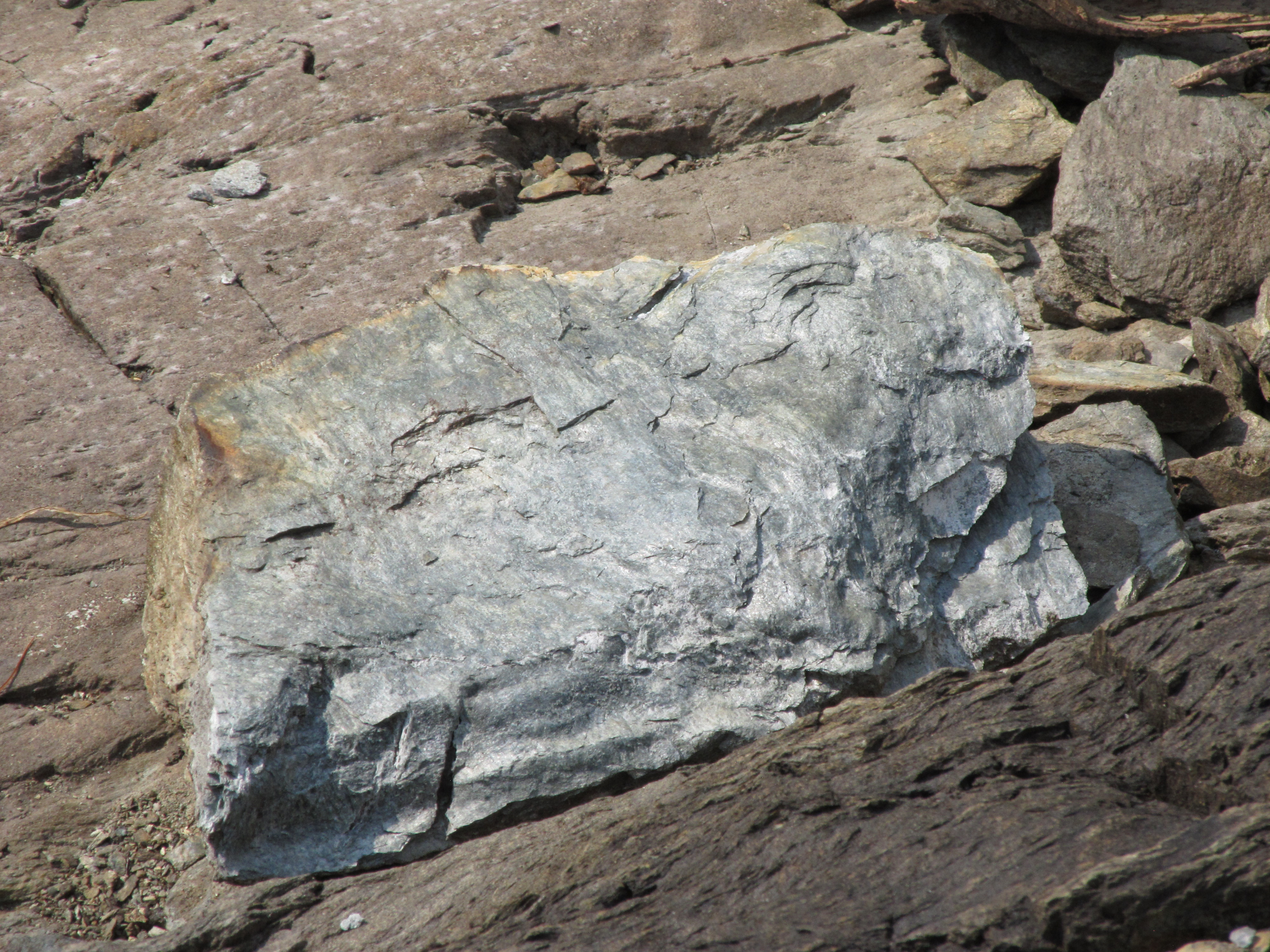
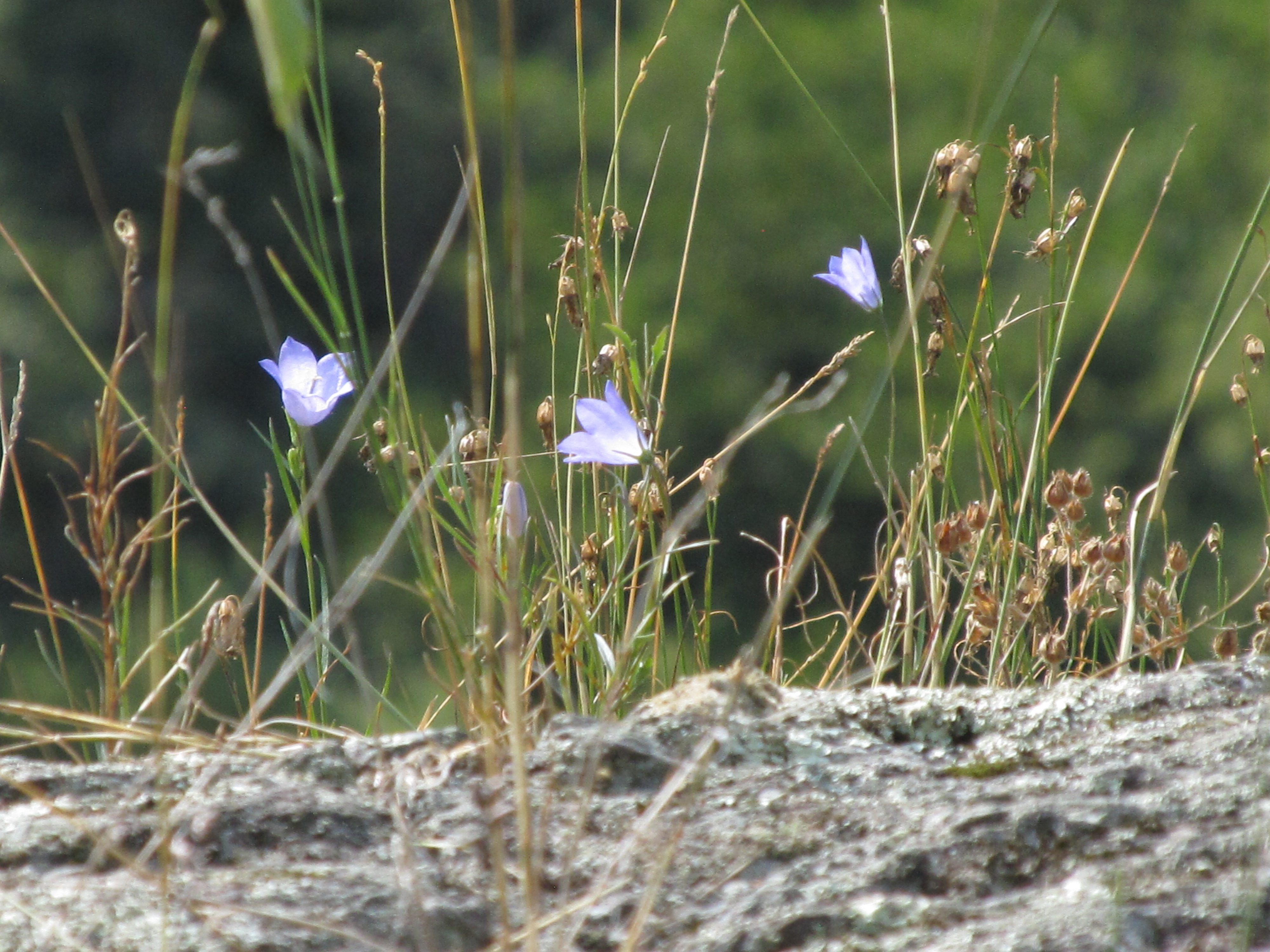
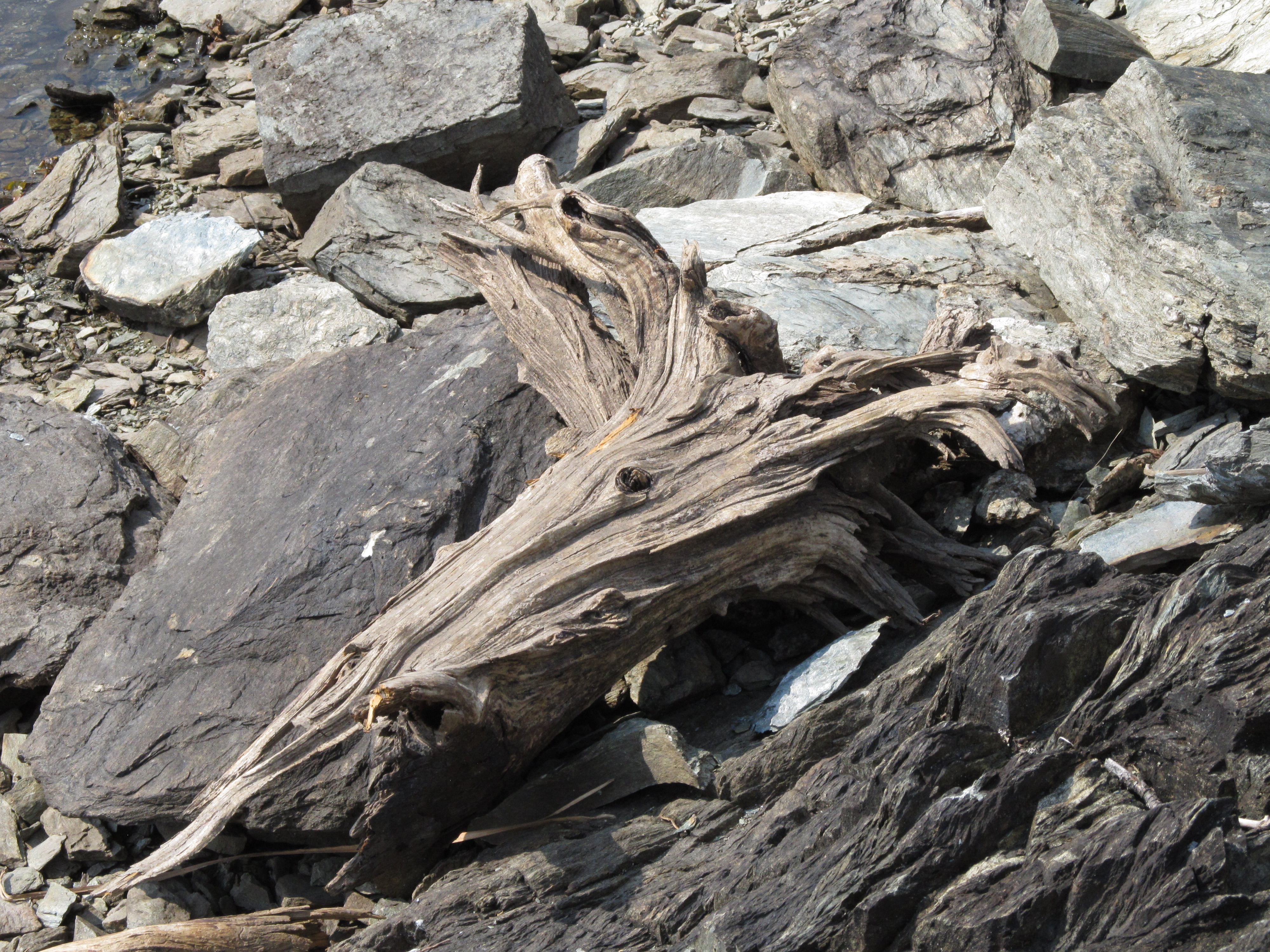
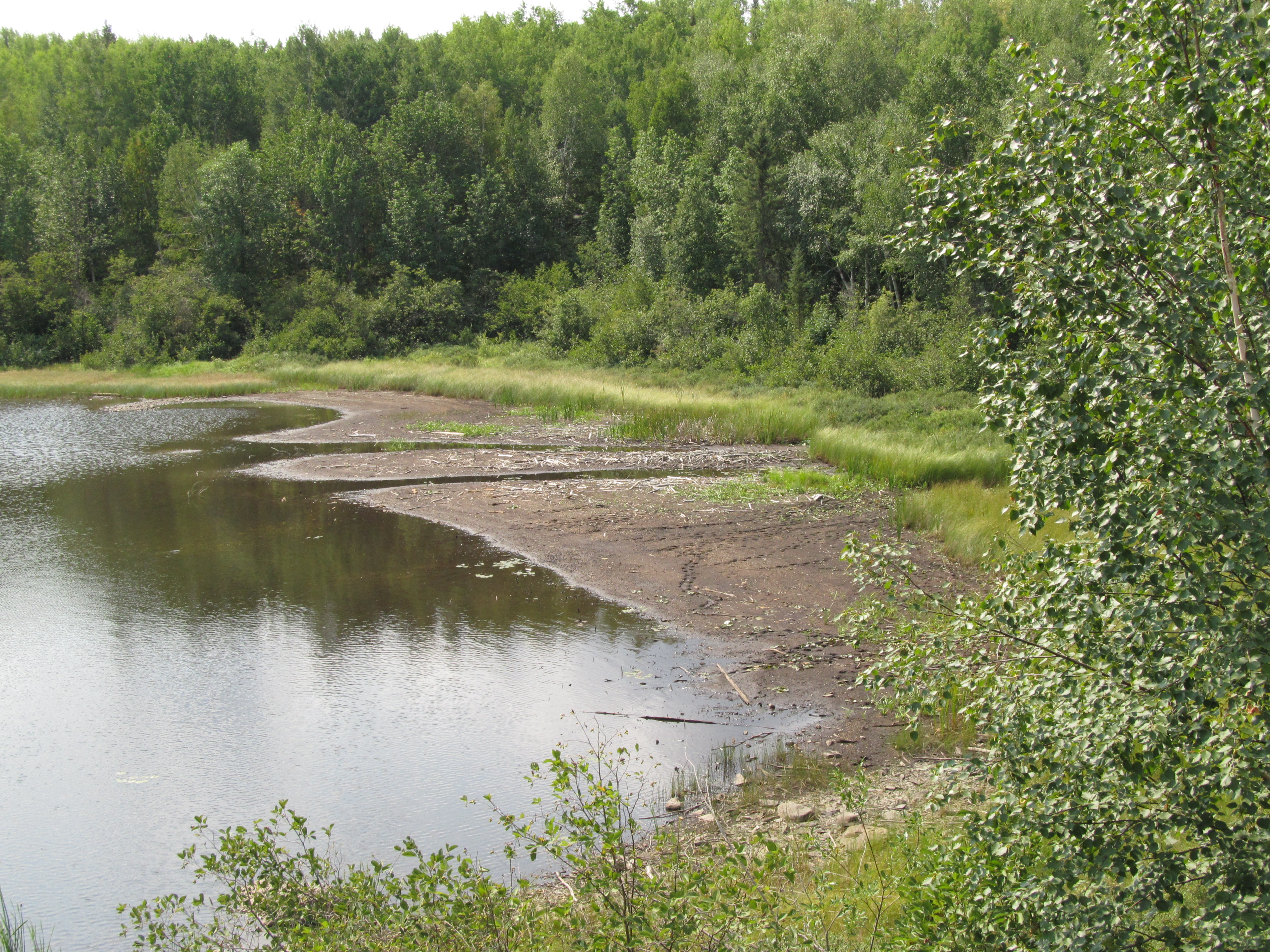
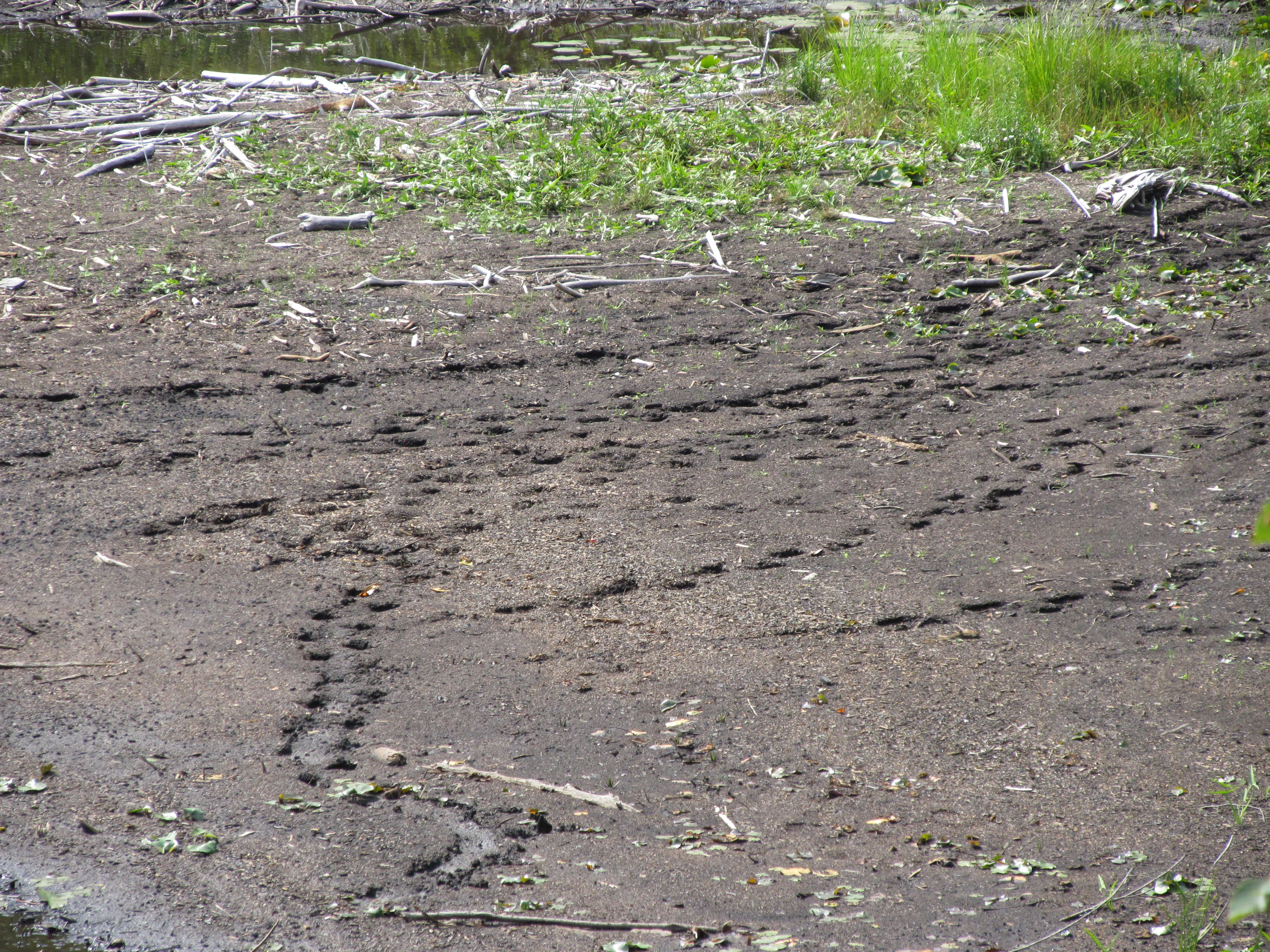
I moved away from the shore to climb boulders that buttressed the whole point of land, and from my vantage point, I saw where the cove met the land behind our campsite. That looks like a perfect place for moose, I thought, then saw the many tracks imprinted in the mud. But I could not tell what kind of animal made them.
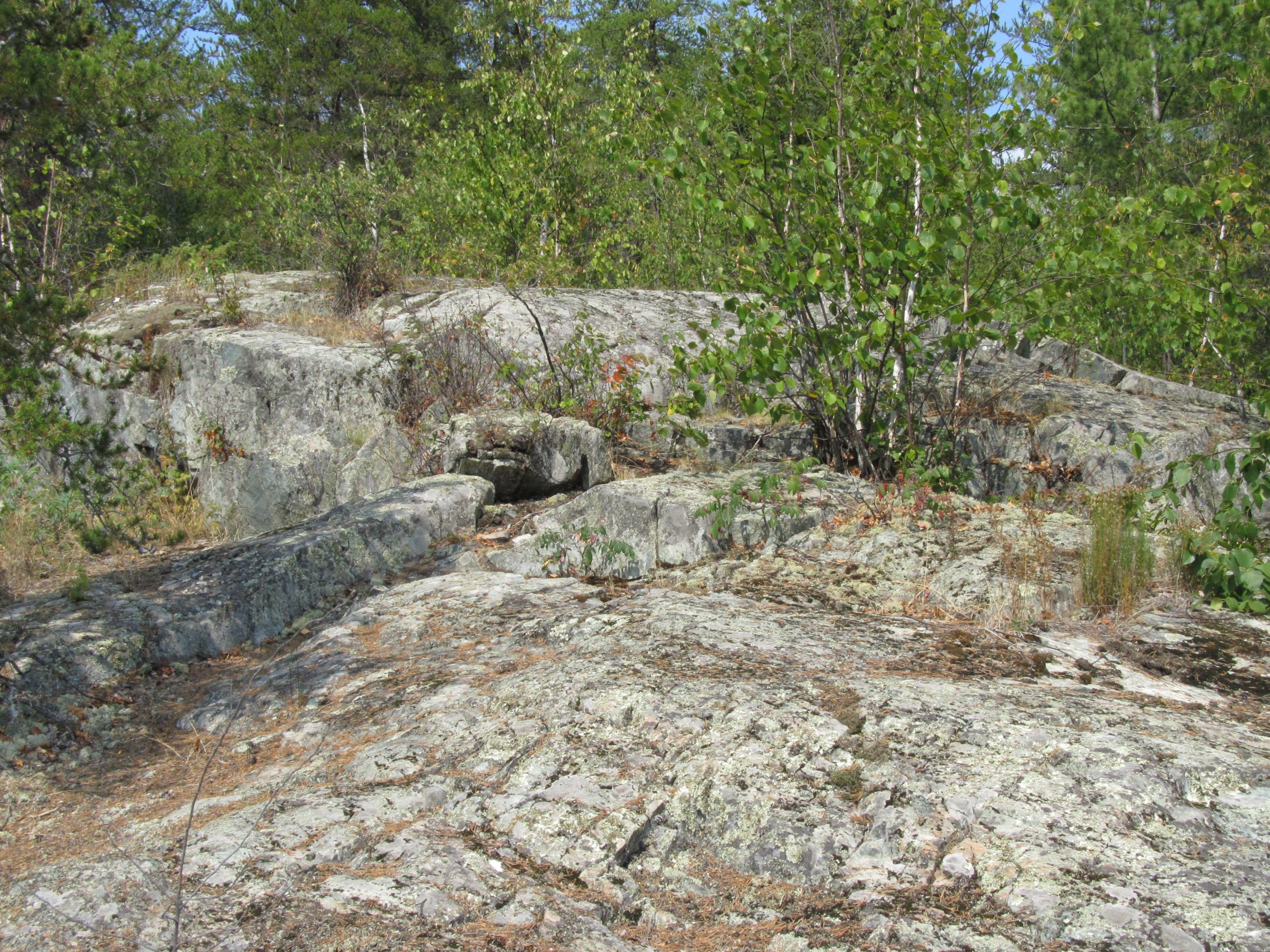
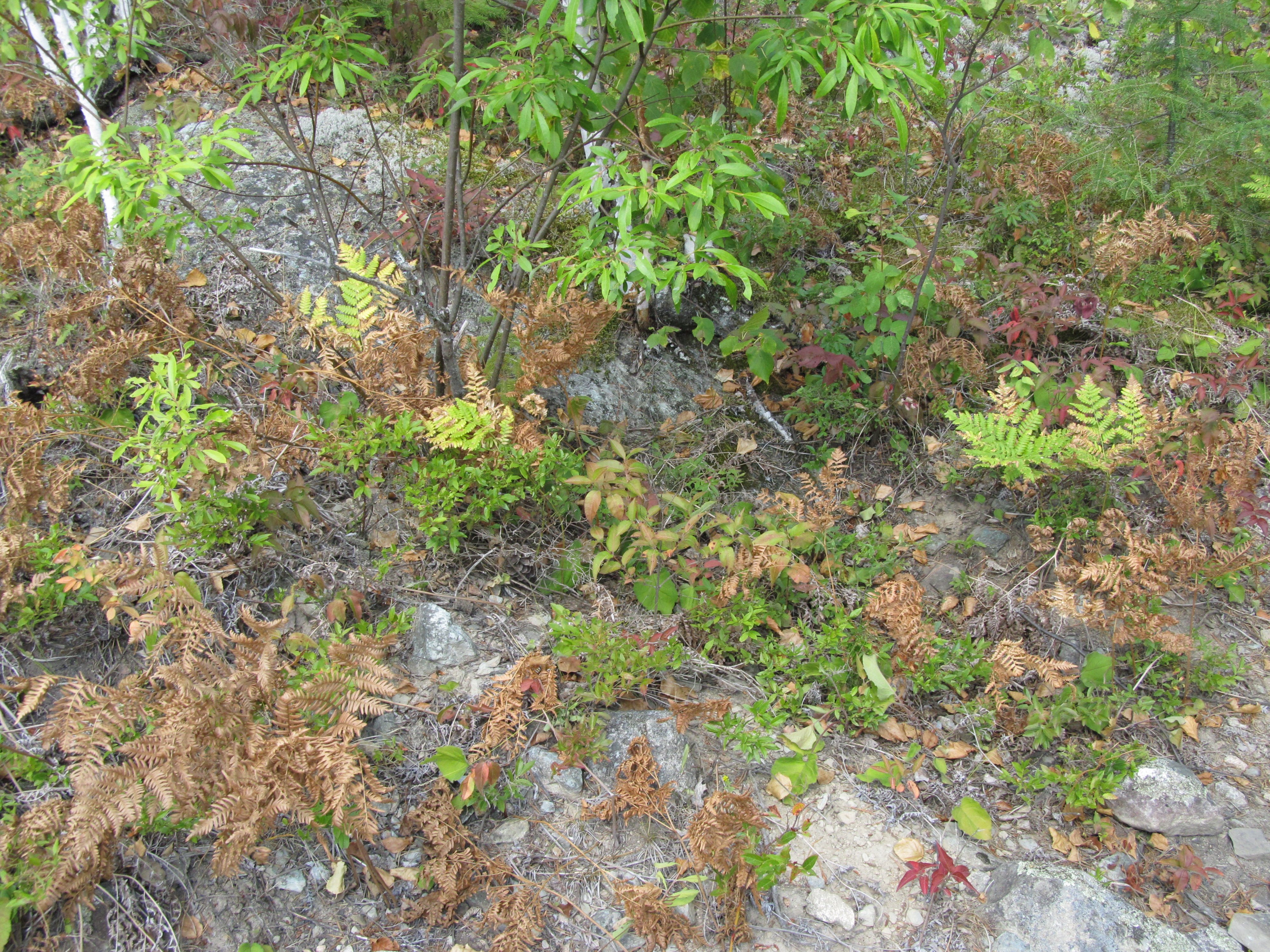
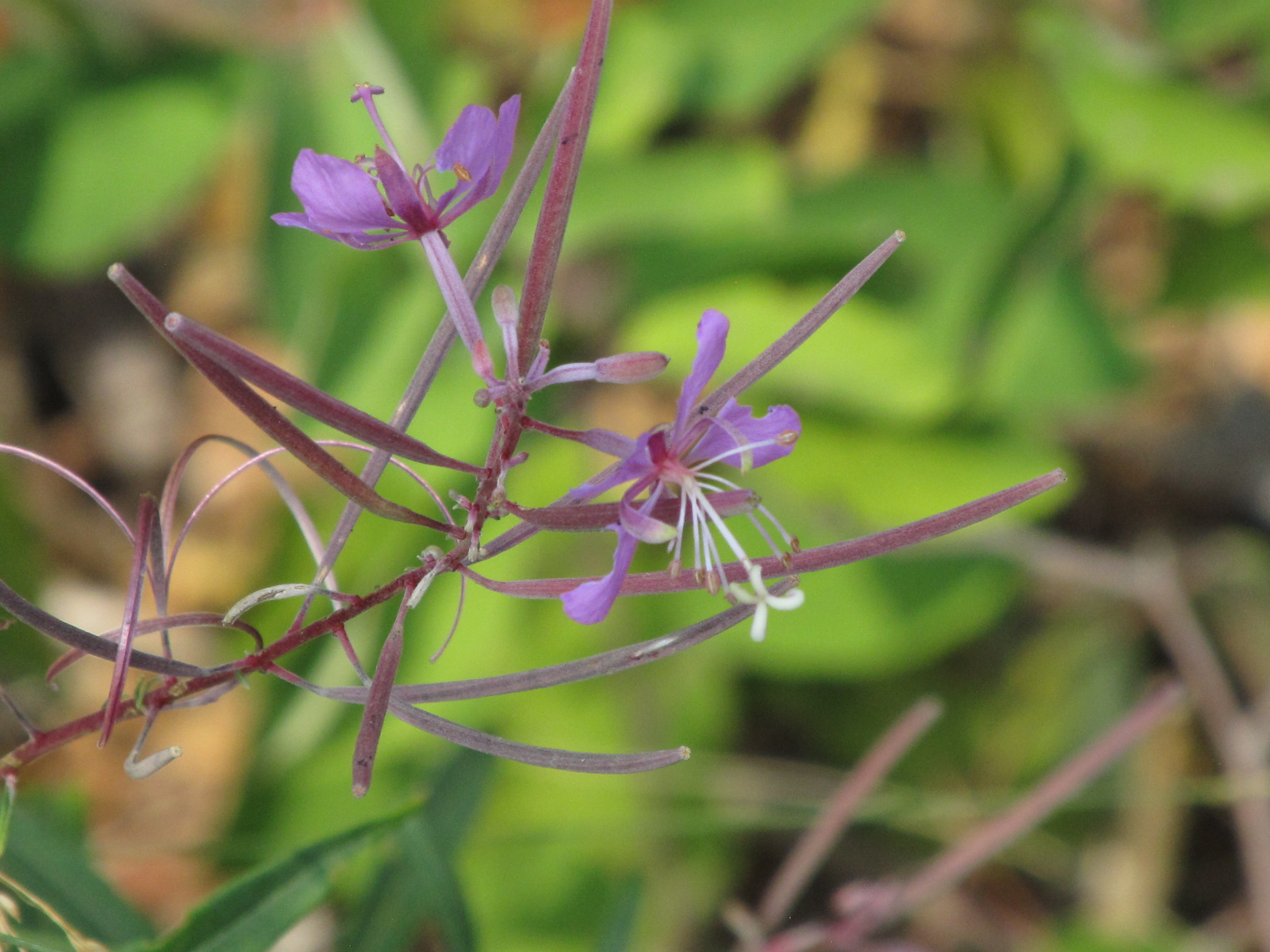
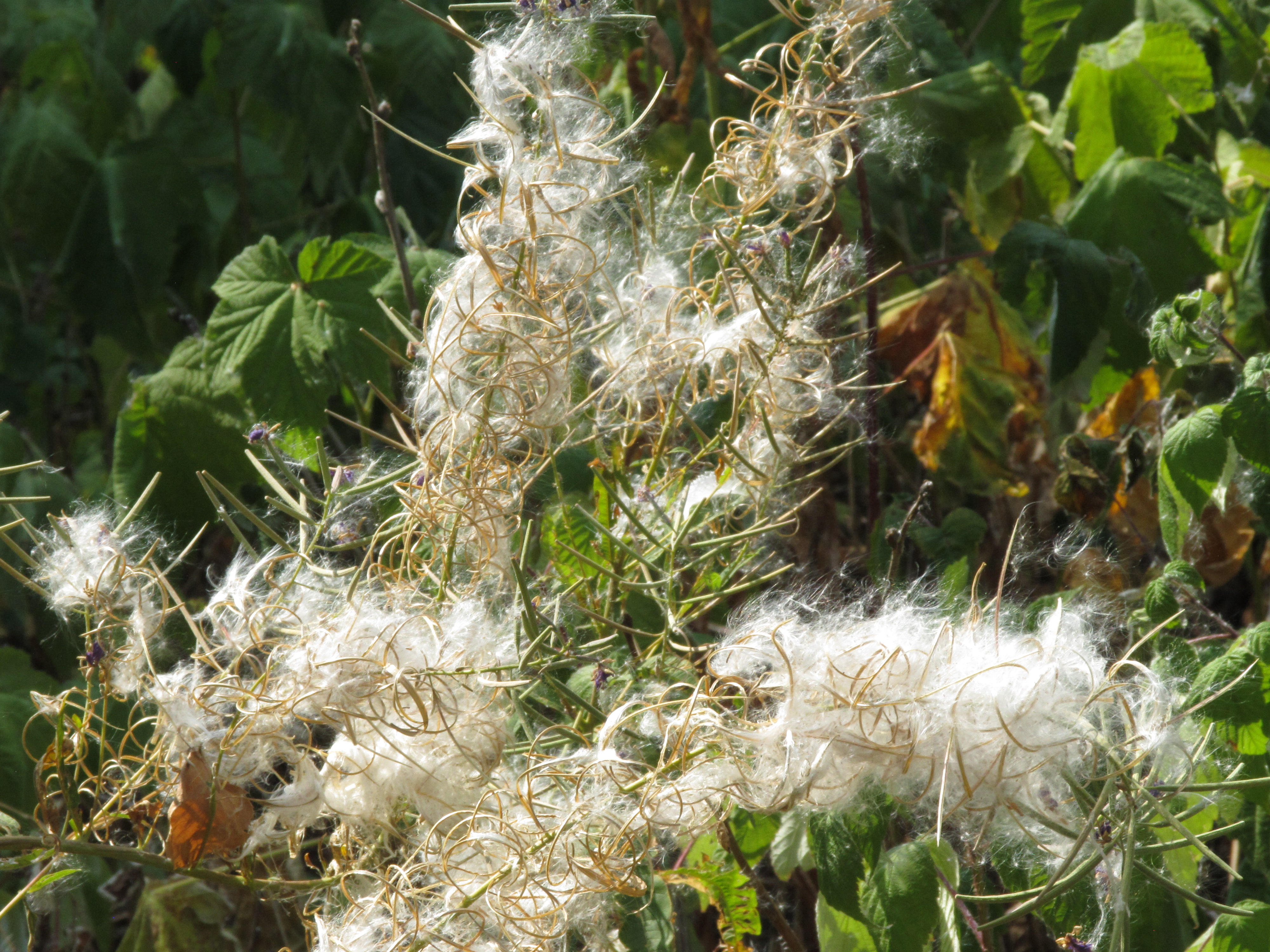
The rocky trail wound back to the campsite through dried ferns and the unusual wildflower called Fireweed. The intricate lavender flowers produce elongated seed pods that burst open to fluffy white down that carry the seed on the wind. The plant is so named as it is one of the first plants to grow after a wildfire.
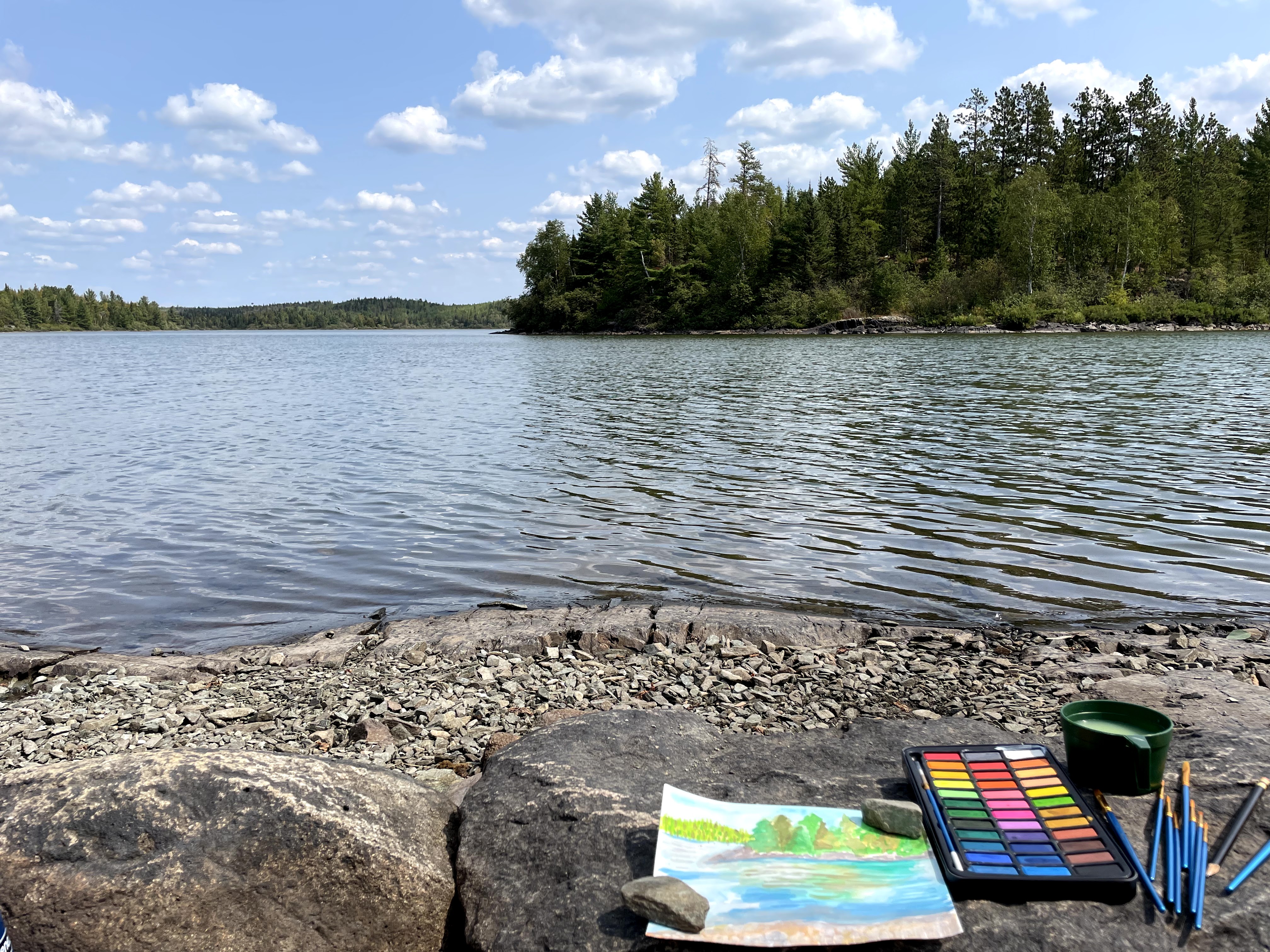
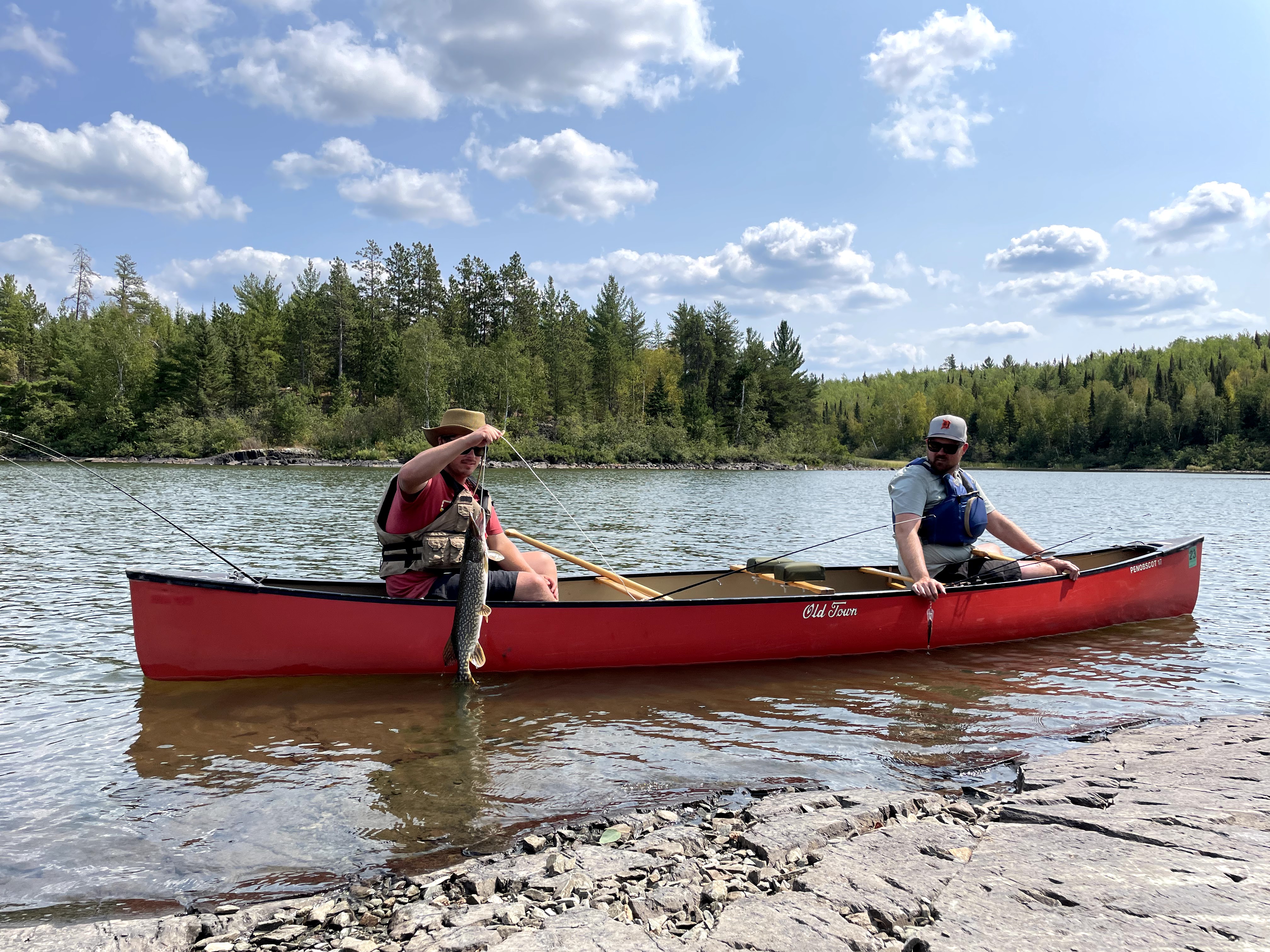
Emily had brought a little travel pack of watercolor paints to reignite her artistic talents that, like so many things in all our lives, had been put on the back burner of her daily life. She set up her painter’s table on a flat rock close to the water’s edge, and the two of us painted. While we were painting, we heard and saw fish jumping at the rock point so alerted Chris to that. Not long afterwards, Chris caught a nice Walleye that, along with a Northern Pike Aaron caught, became our supper.
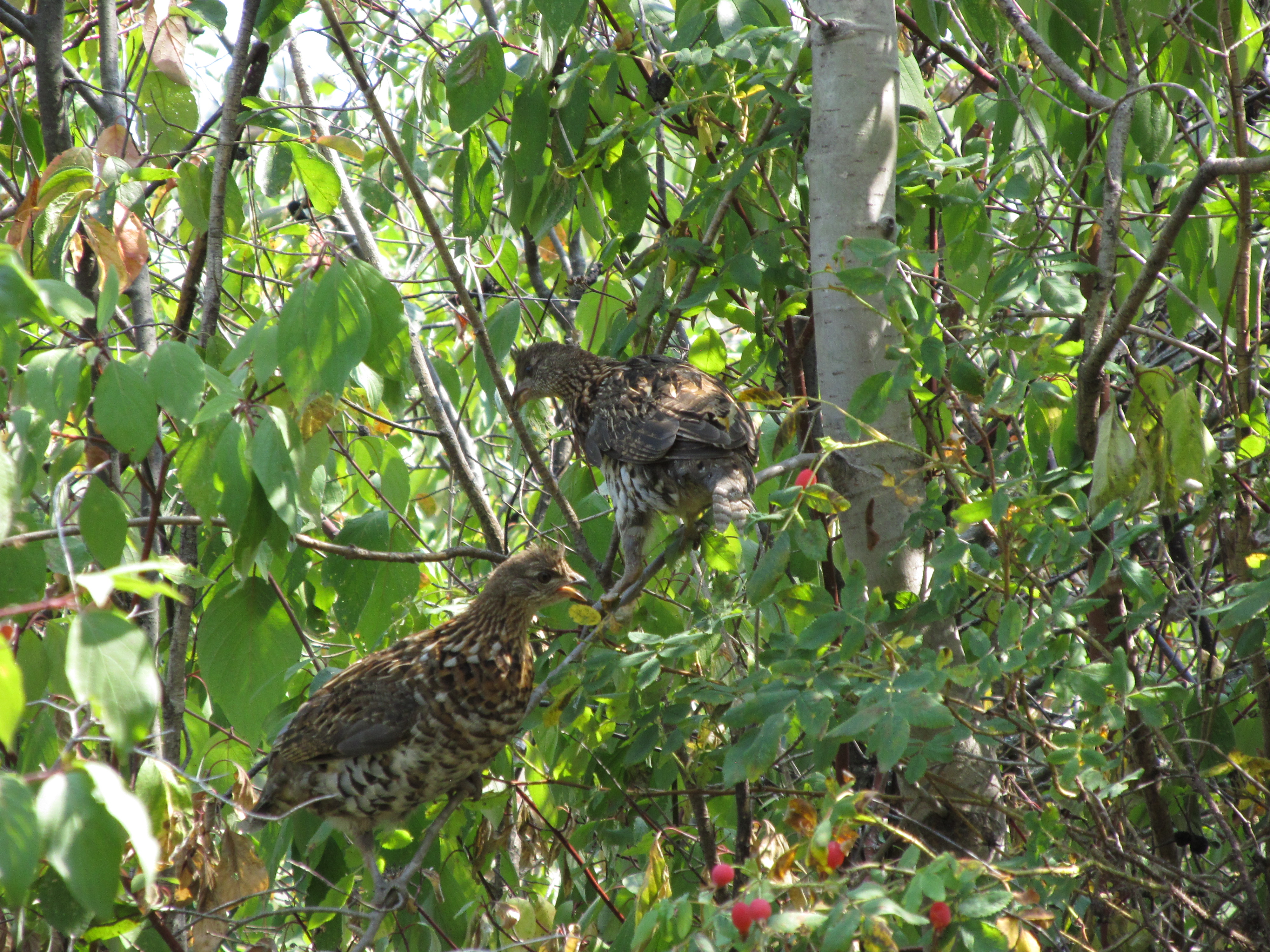
Our constant companions in camp were a trio of Ruffed Grouse—they scurried around on the trails and through the brush, not seeming to mind at all that we were there. They flew up four or five feet to ‘pick’ the red rose hips, a fruit packed with vitamin C.
I was still very curious about the tracks in the cove, so had Aaron take me there in the canoe, but I still couldn’t get close enough to see what made the tracks. So I trekked along the shore rocks again to the land side of the cove. The ground was squishy, but I walked on the sedge grass that grew between the mud and the forest. Then I was close enough to see…the moose tracks…
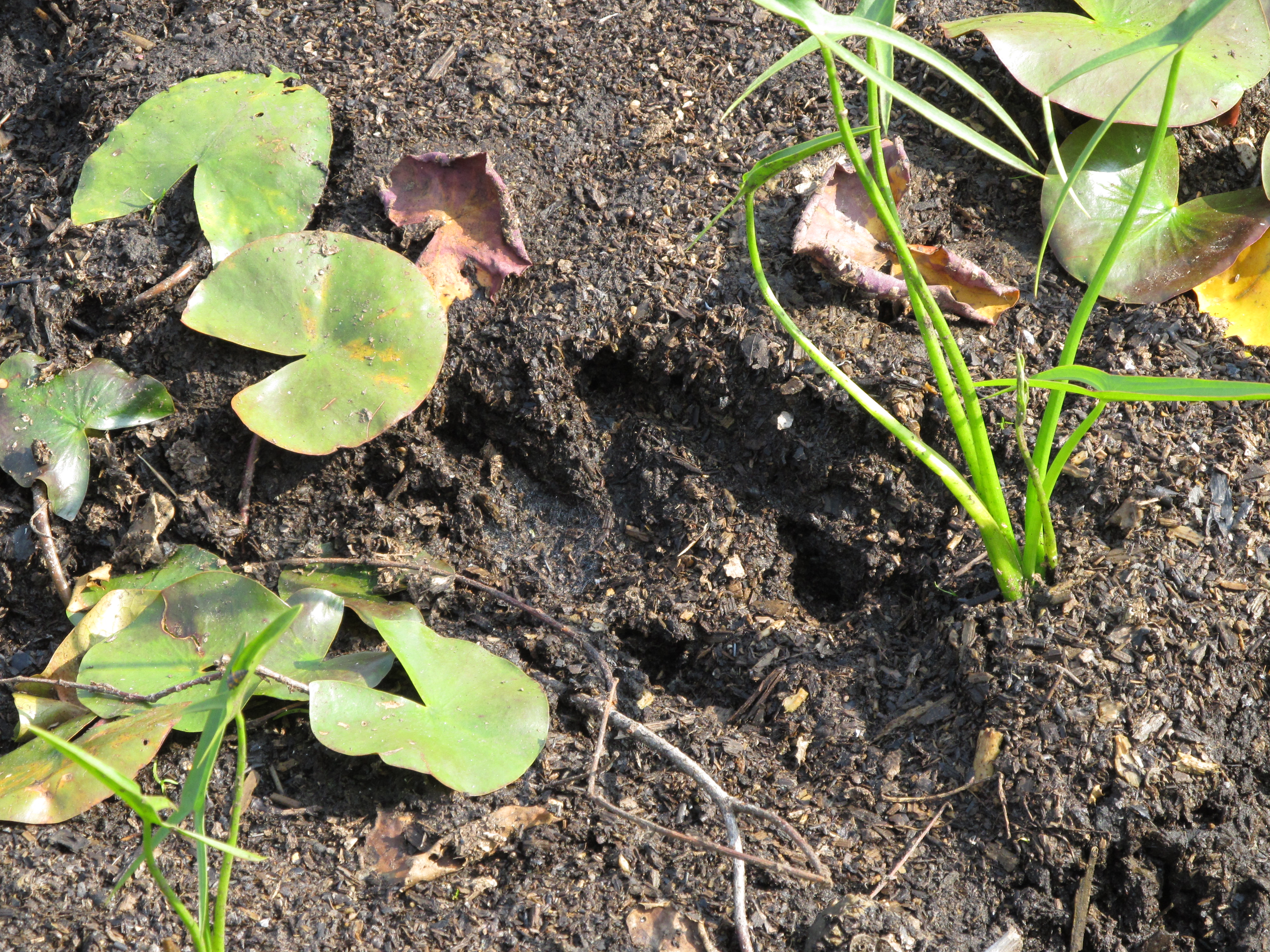
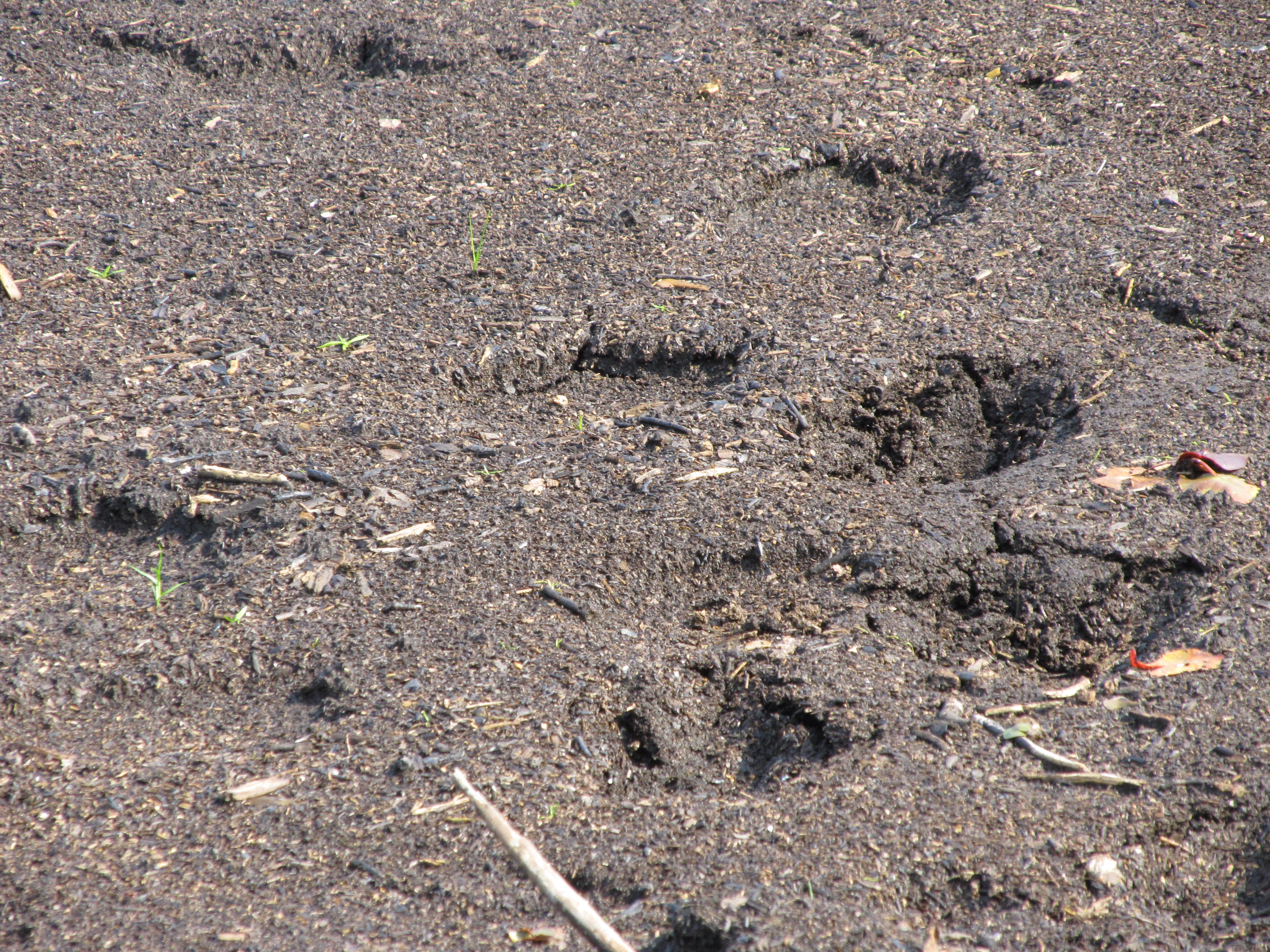
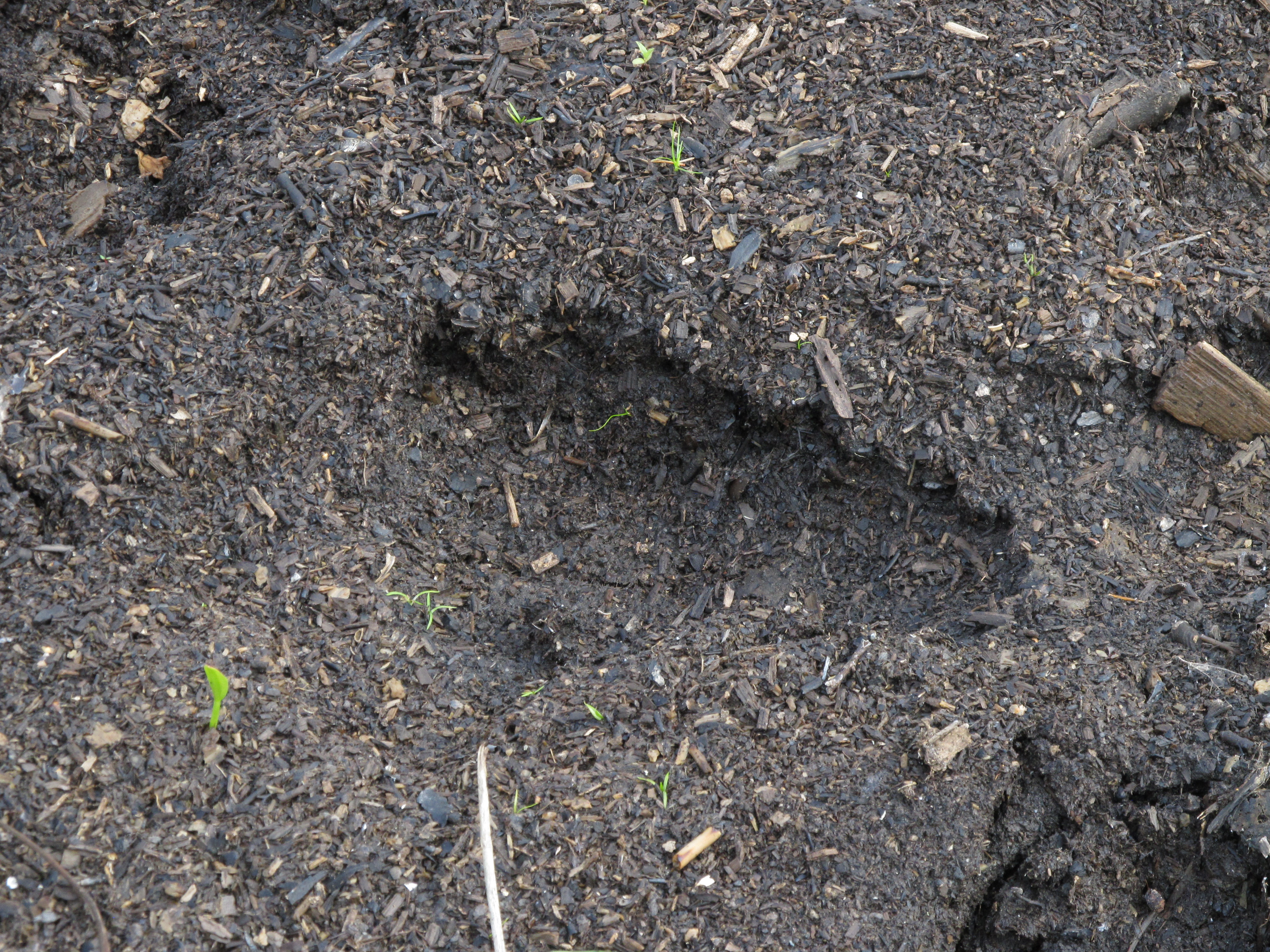
…and the bear tracks…and the wolf tracks! The big three of the Northwoods had pushed pathways through the shrubs and sedge grass to get to the water’s edge. Here was evidence of the reason we protect our food in bear barrels hung in trees.
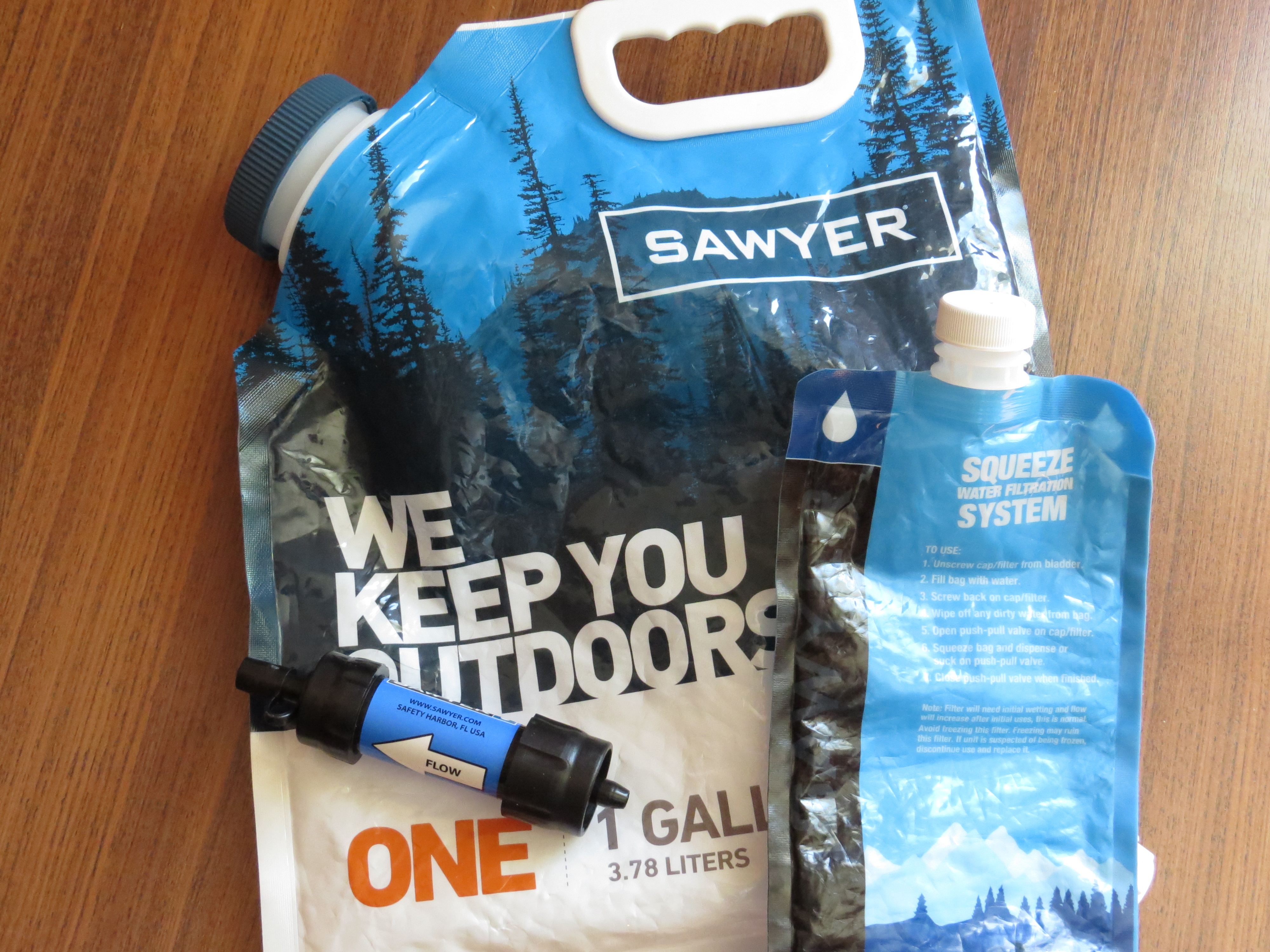
When I returned to the campsite, Chris was talking to a man and a woman who had pulled their canoe up to the shore. They explained they had dropped their water filter in a lake and needed water. As they talked, the woman filtered lake water into their Nalgenes from one of our filter bags. Filtering water is a necessary and sometime tedious job that someone has to do multiple times a day, especially in the heat that we experienced in our week there. The small bags can be filled, the filter screwed on, then squeezed to filter the water directly into Nalgene bottles. The big bag (with filter) can be hung from a branch or rope to let gravity slowly do the work. The experienced Canadian travelers were grateful for the water, and talked about their troubles of finding campsites on their trip also.
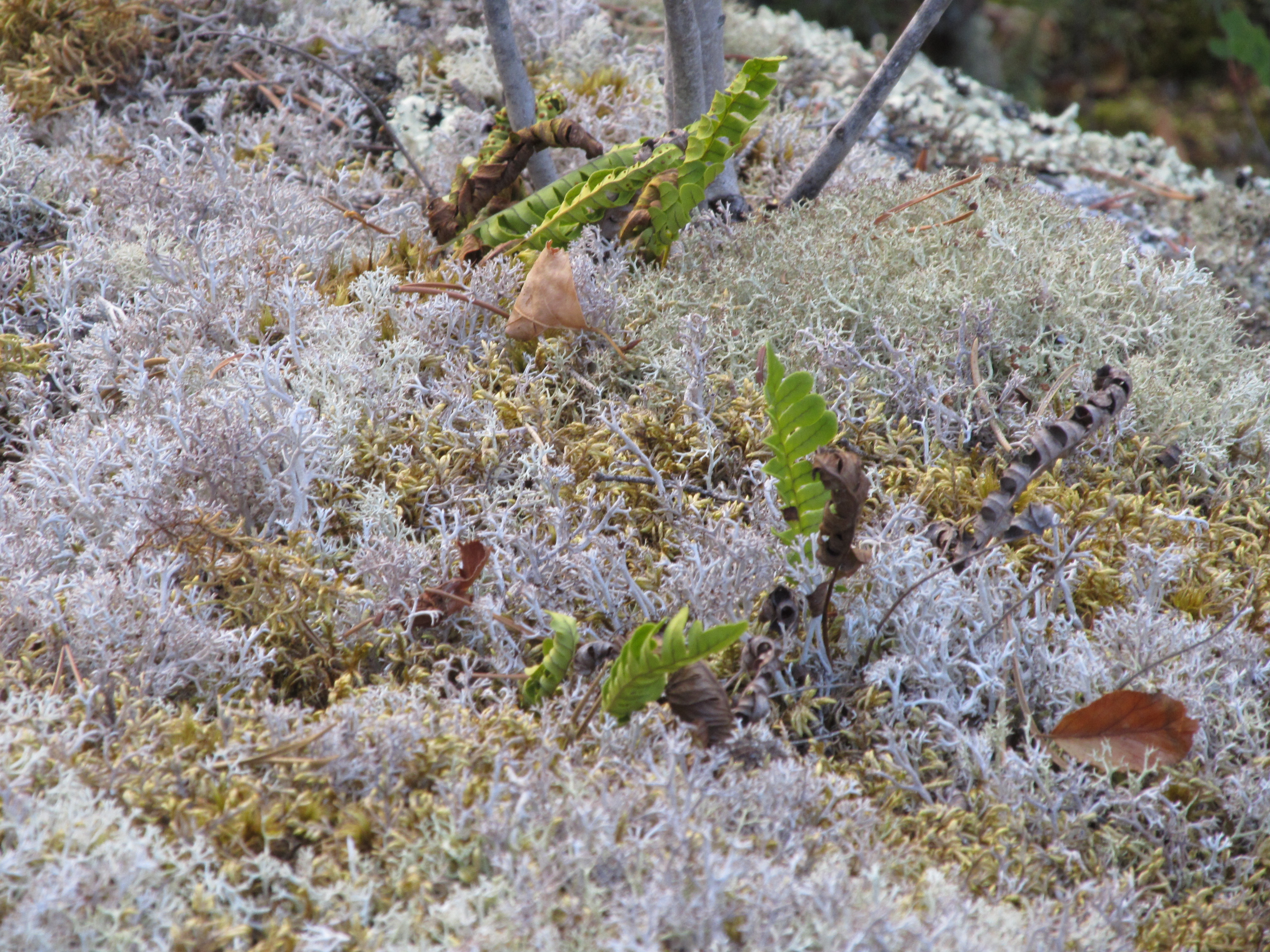
Aaron and Chris filleted the fish, and Aaron cooked it over the small camp stove—it was so good! As evening arrived, we set up tents, hung the bear barrels, and I took one last hike to the boulder look-out to see if any of the big three had come to the water. I saw lichen-covered rocks and Aaron and Zoe fishing, but that was it.
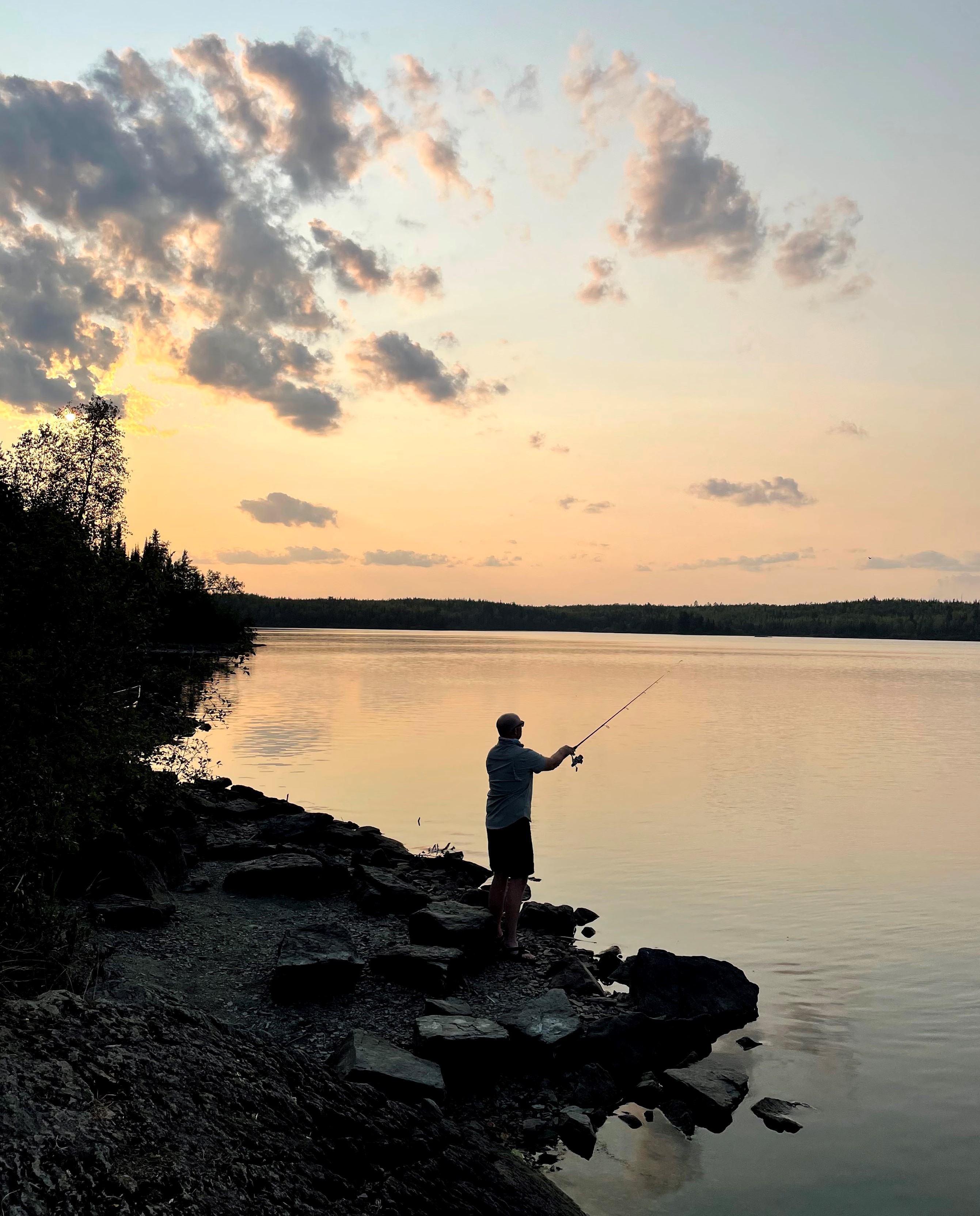
Shawn was fishing from the shore as the sun set and the moon ascended above the trees and reflected its reflected light onto the water. Another peaceful evening.
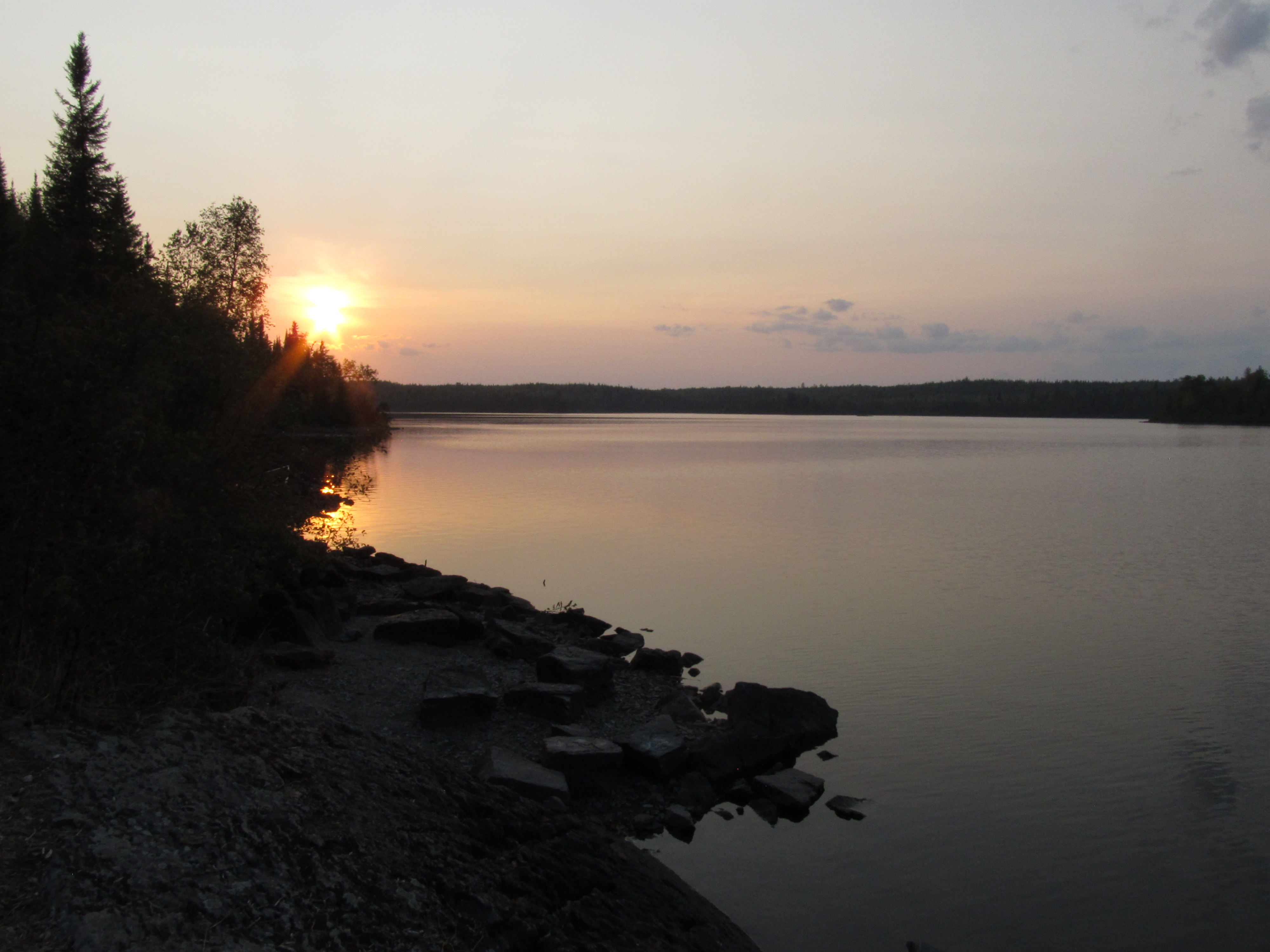
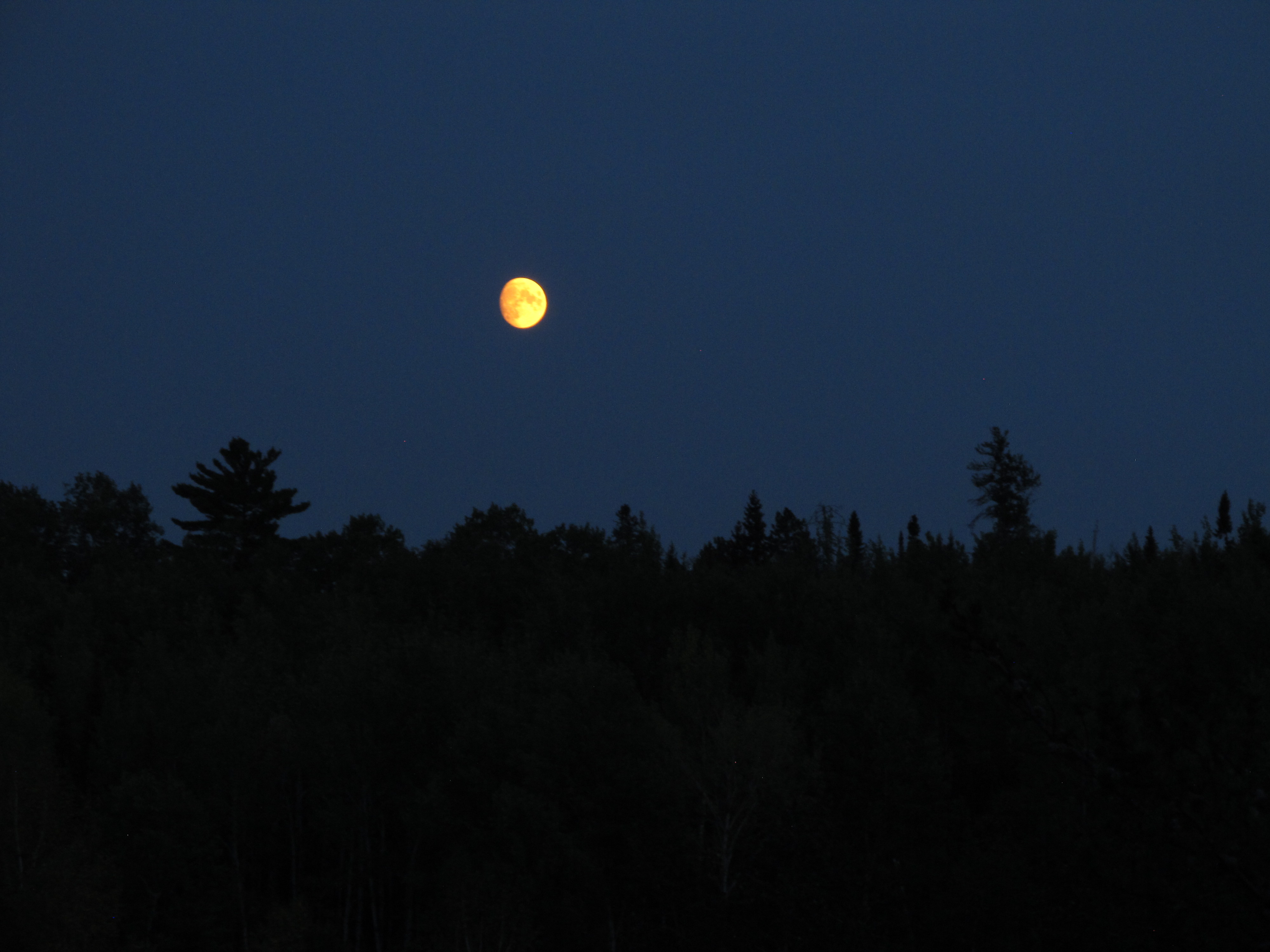
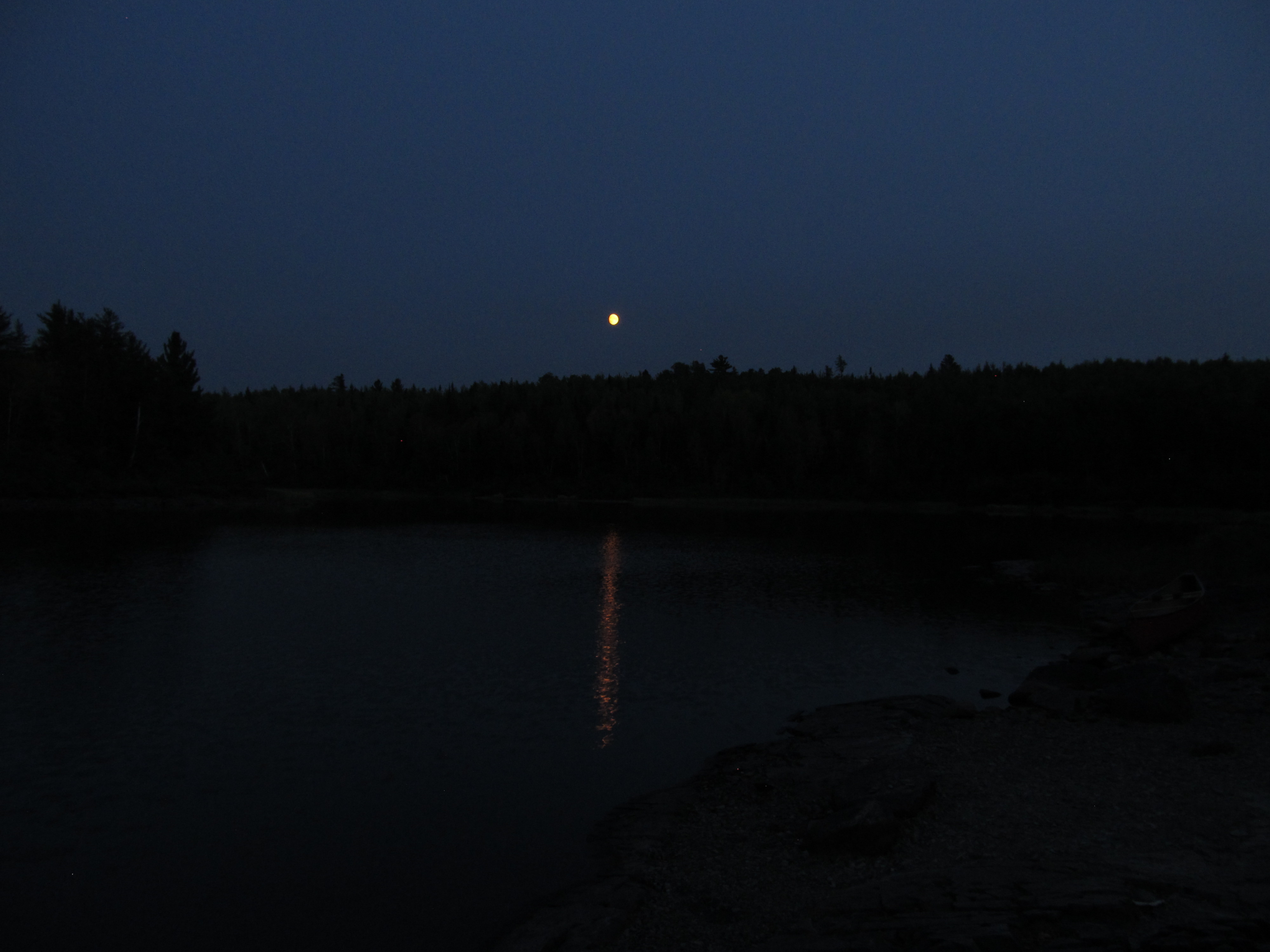
Day #4 was a wonderful day! My paddle-down-head-down moments were minimal as we left Vera Lake. I had made such progress since my Tuesday morning breakdown. The portage was surprising to me—coming up to it, I couldn’t see that it would be such a steep climb. But once again, our choice wasn’t even a choice—we just did it. I’m not even sure why I was so scared of portaging ‘the mountain’ the day before, but I guess it was my lack of confidence in myself. So the blueberry-bush-lined portage was another big deal for me—I ascended the ‘mountain’ and rose in confidence. I loved our downtime at the campsite with painting, scaling boulders, eating fish, being with grouse, and, of course, seeing the tracks of the big three of the North (if only I could have seen the animals from my boulder lookout!) I was already getting kind of sad that the next day would be our last—just when I was really getting the hang of all of this! But each day, each breakdown, each resolve, each portage, and each challenge lifted me to a better place.
This is the fourth post in a series of five that chronicles my experience of five days in the Boundary Waters Canoe Area (BWCA). It is best to read the whole series from the beginning (Anticipation) in order to understand certain things I refer to in my other posts.
Fishing in the Clouds
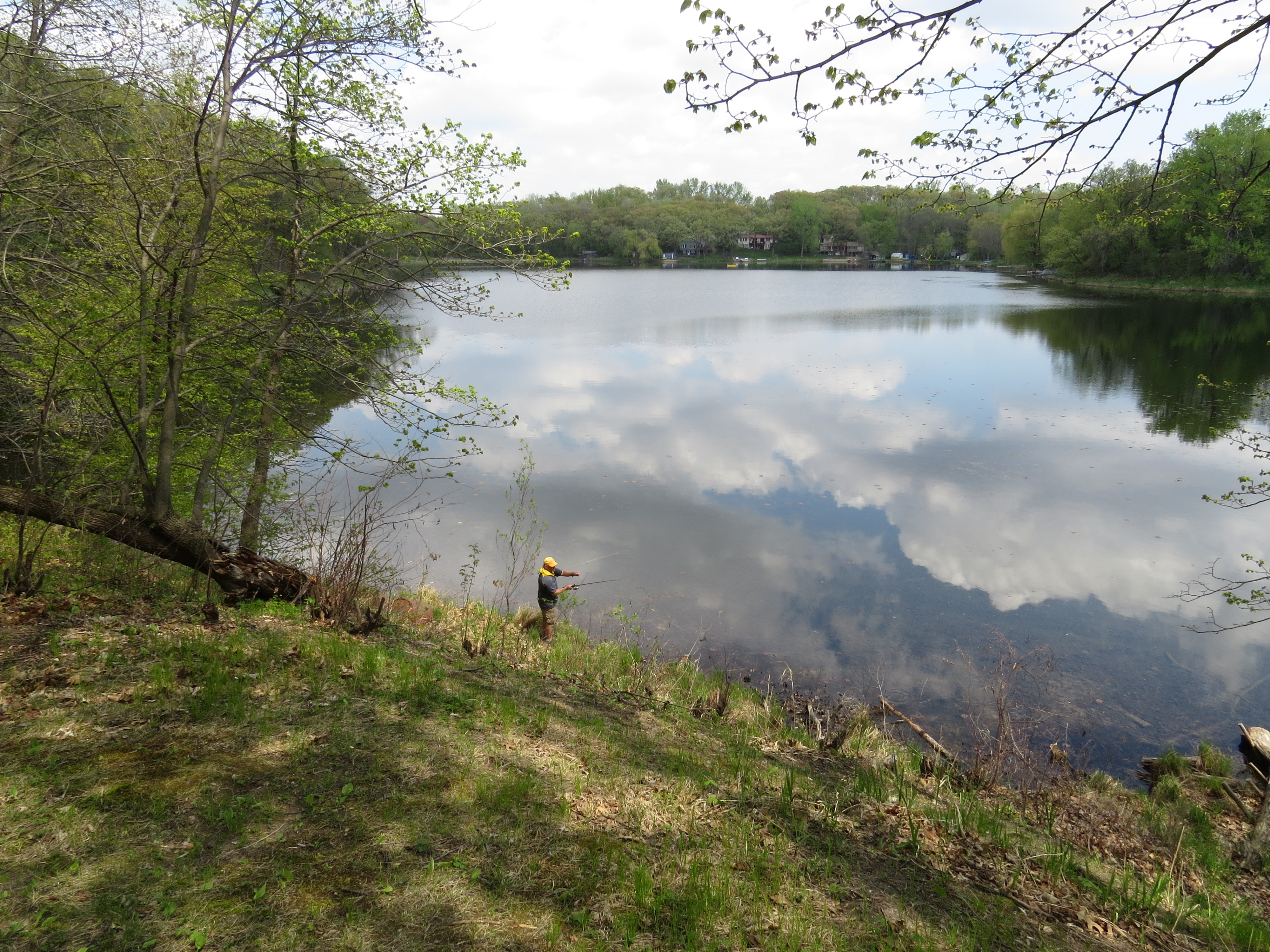
We had a wonderful western weekend over Memorial Day, and I’m anxious to share that…, but my mind wouldn’t let me skip over a couple other places we visited in May. Nature changes in leaps and bounds during May, so three weeks ago already seems and looks like months have passed. On our anniversary, we hiked with fishing pole in hand and picnic lunch in backpack to spend a whole day in the forest. Fishing is a pastime I don’t share with Chris—it seems to be one of those things that takes a measure of skill, a modicum of knowledge, and a whole lot of luck. I’m glad he fishes—he was coming back from a northern fishing trip with his Dad when we met in a one-in-a-million moment all those years ago. Fishing seems to be an enterprise in hope, and for that reason, I like the idea of it. What I captured with my camera when he was fishing that day illustrates ‘hope’ even more—he was fishing in the clouds!
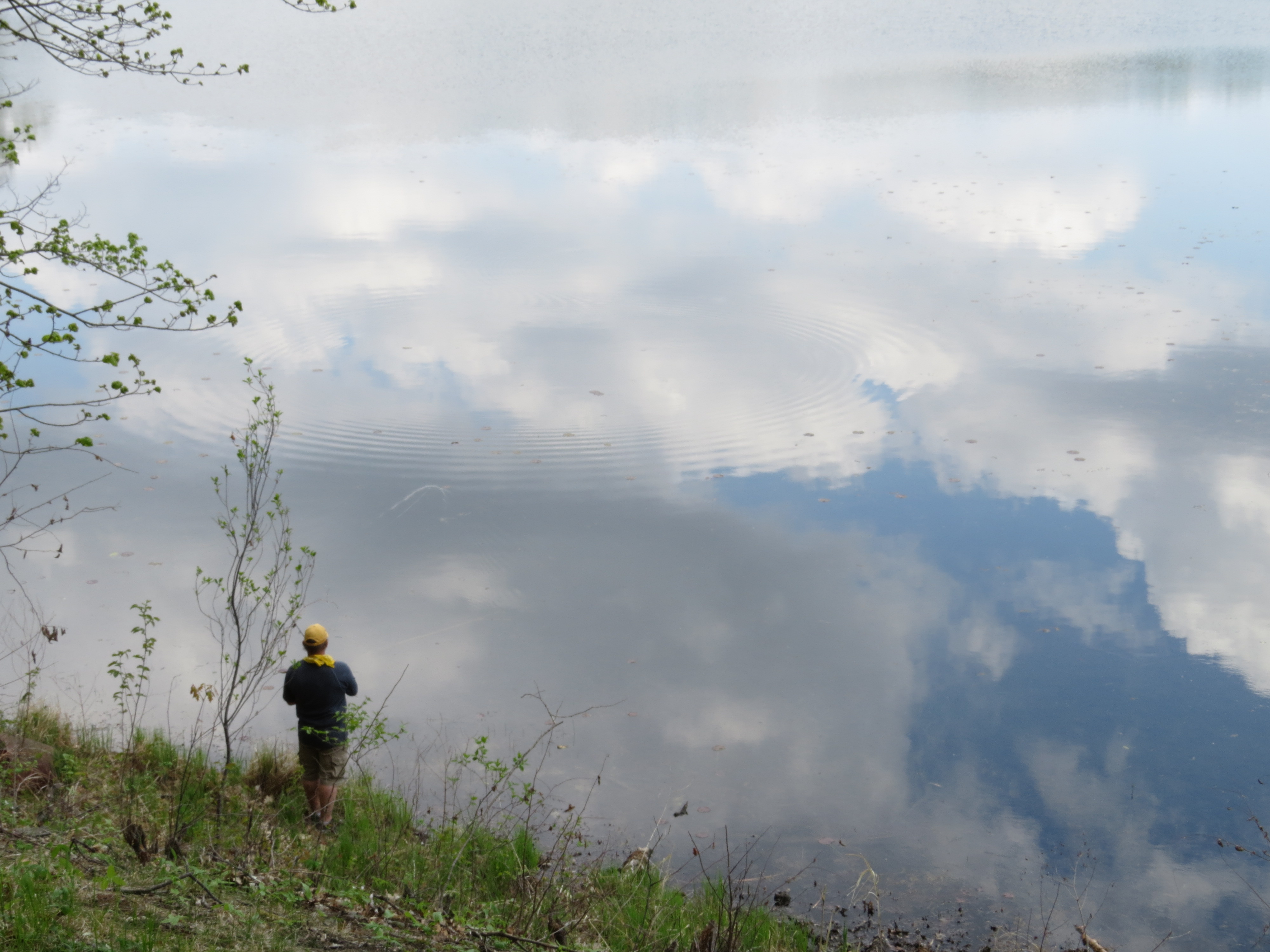
What kind of pie-in-the-sky idea is that?! Exactly—it doesn’t make sense.
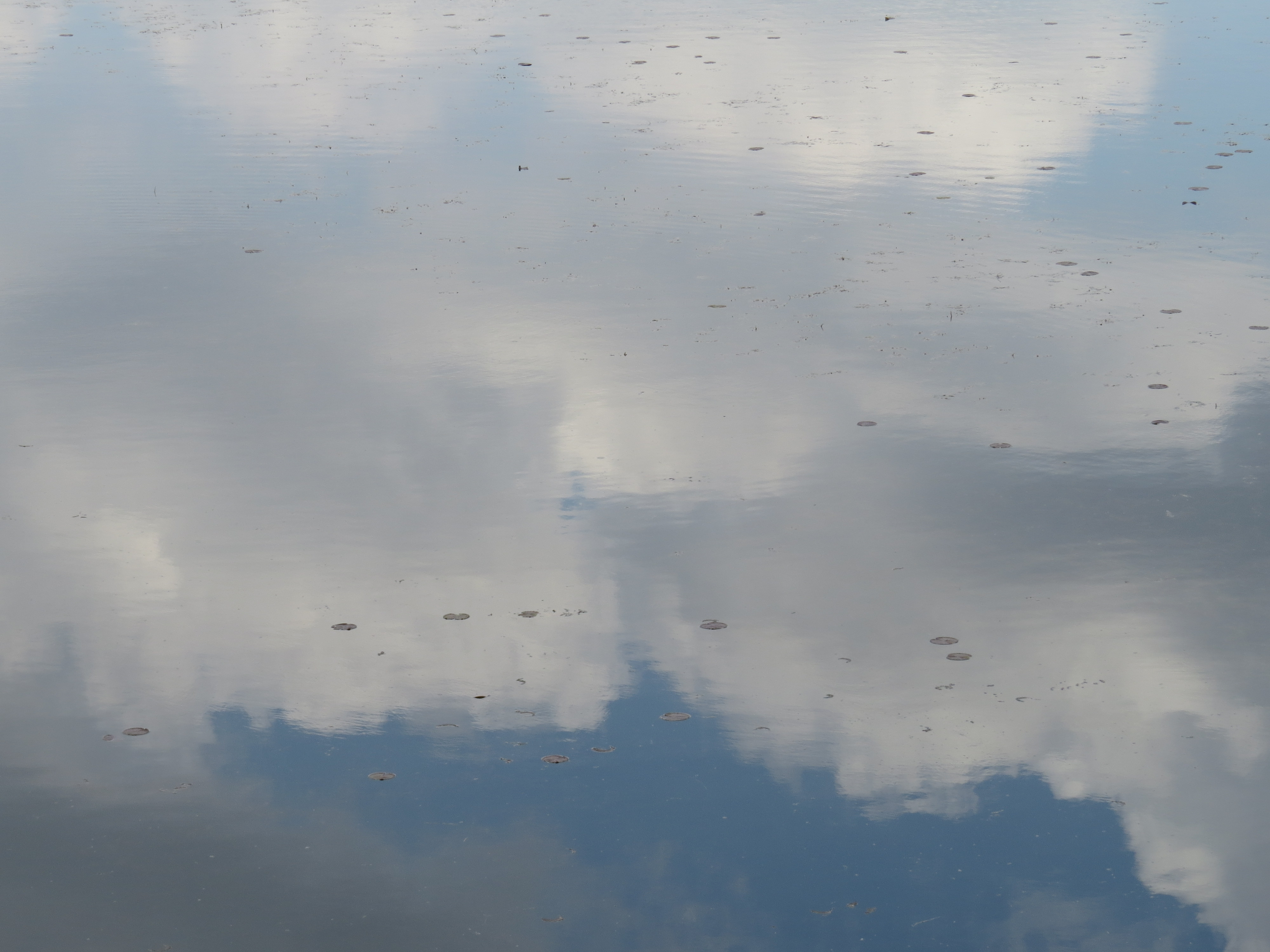
He throws a line into a place he cannot see. He ‘tries’ a lure or bait that might attract a certain fish. He waits. Cast, wait, repeat. The desire is there, but the outcome is unknown.
Meanwhile, I’m finding other things to look at on the mounded peninsula—flowers and new leaves on trees, fallen branches and logs that eventually disappear into soil, a tree bowing to kiss the water-clouds.
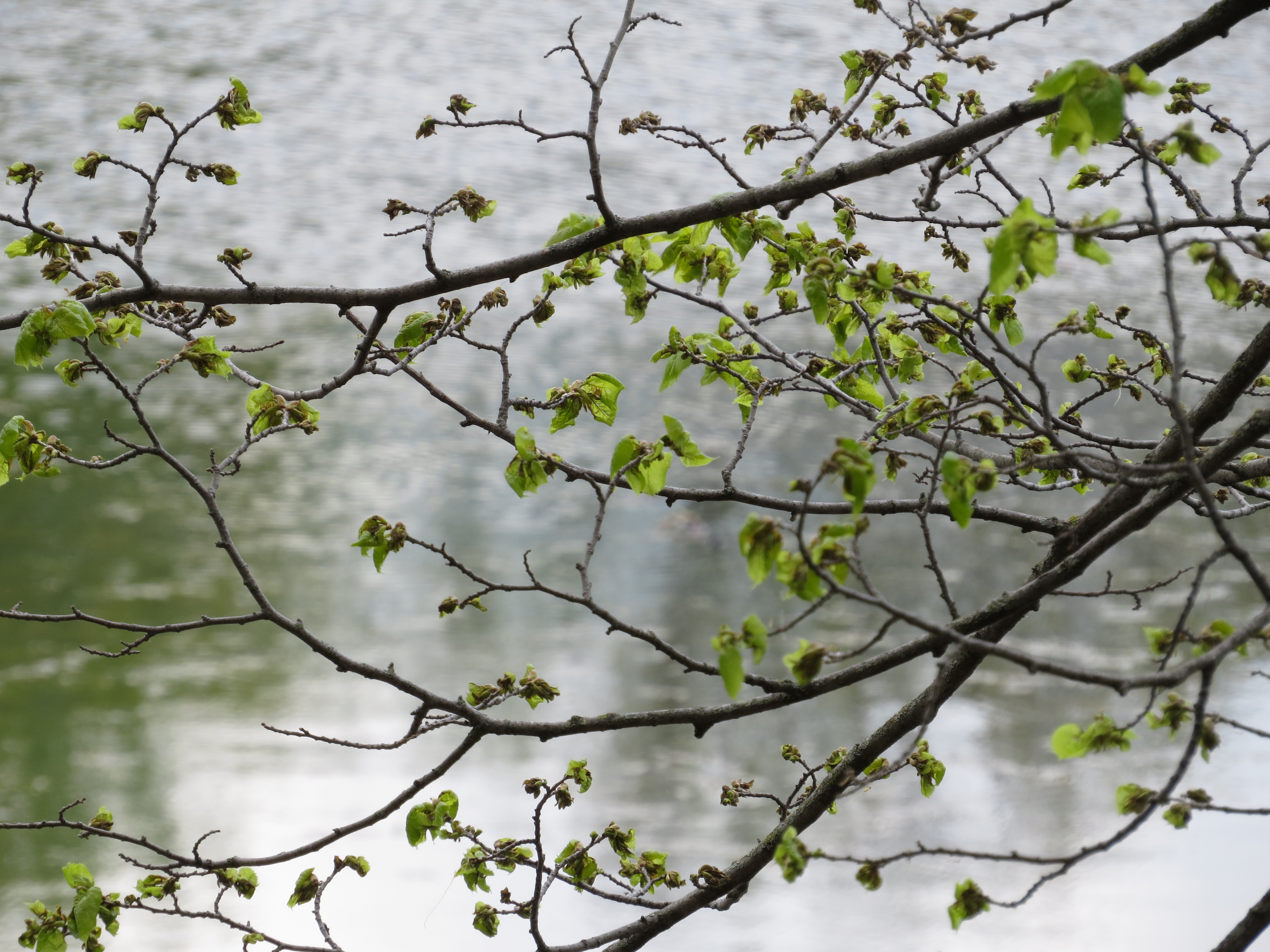
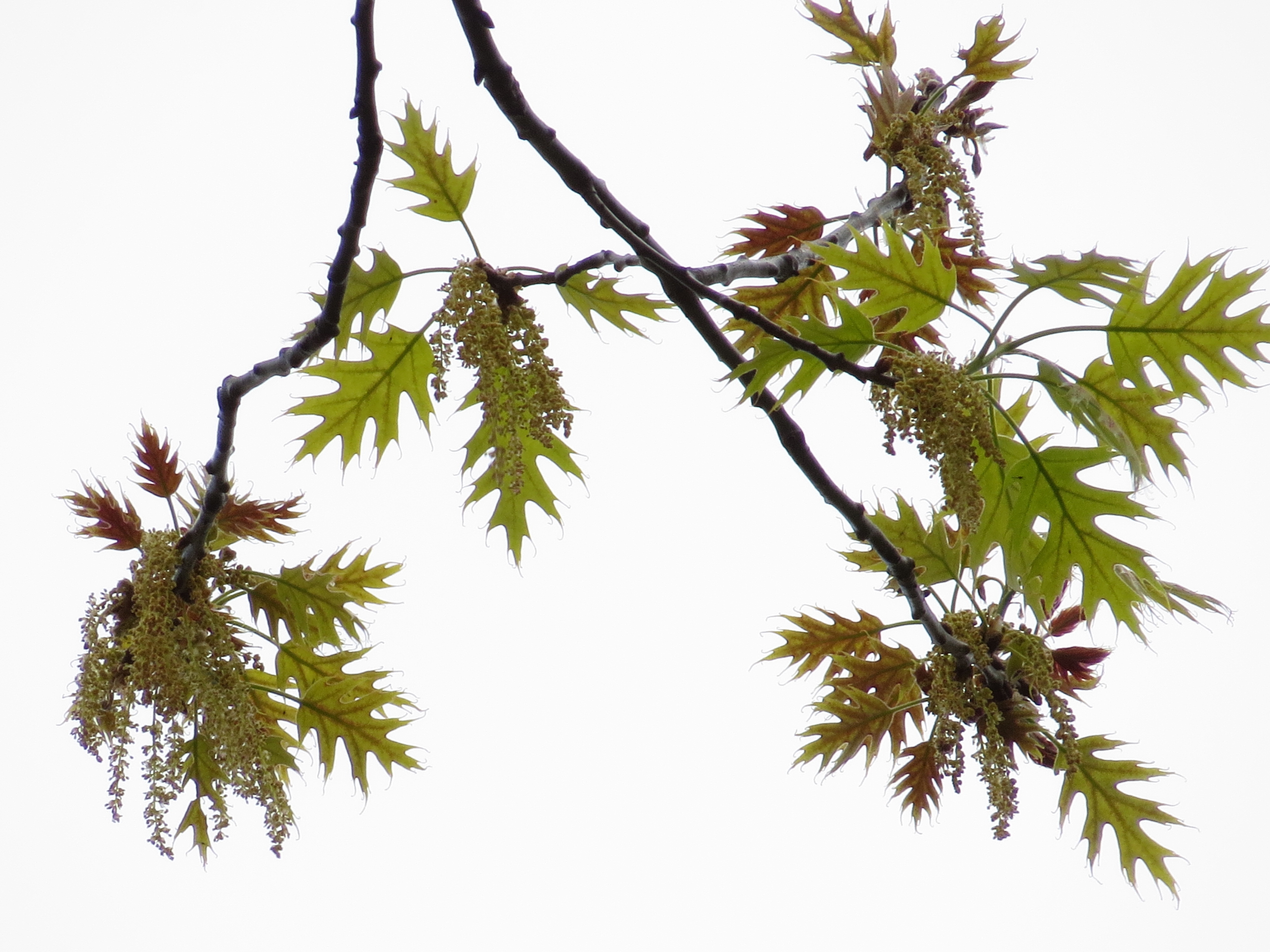
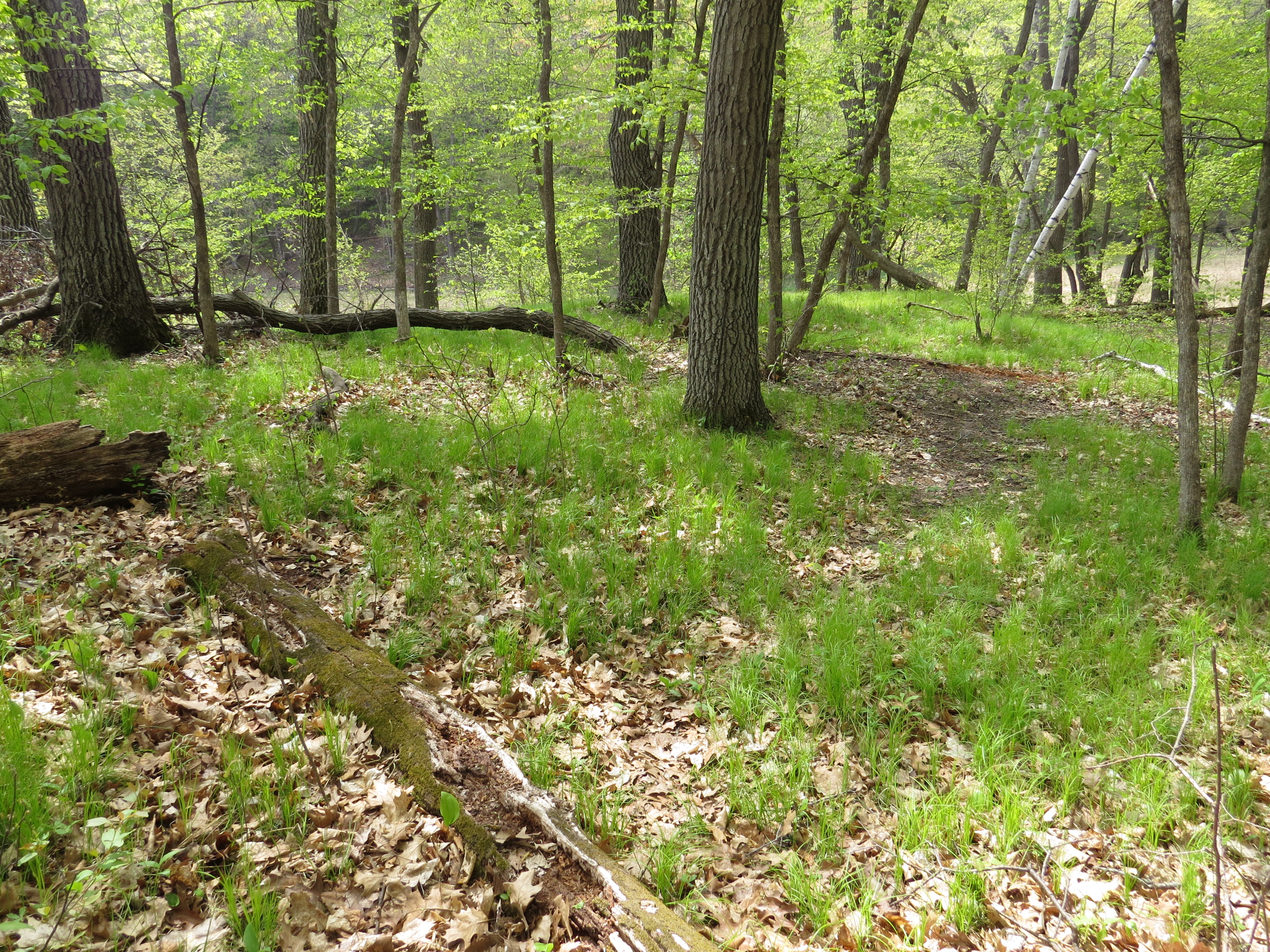
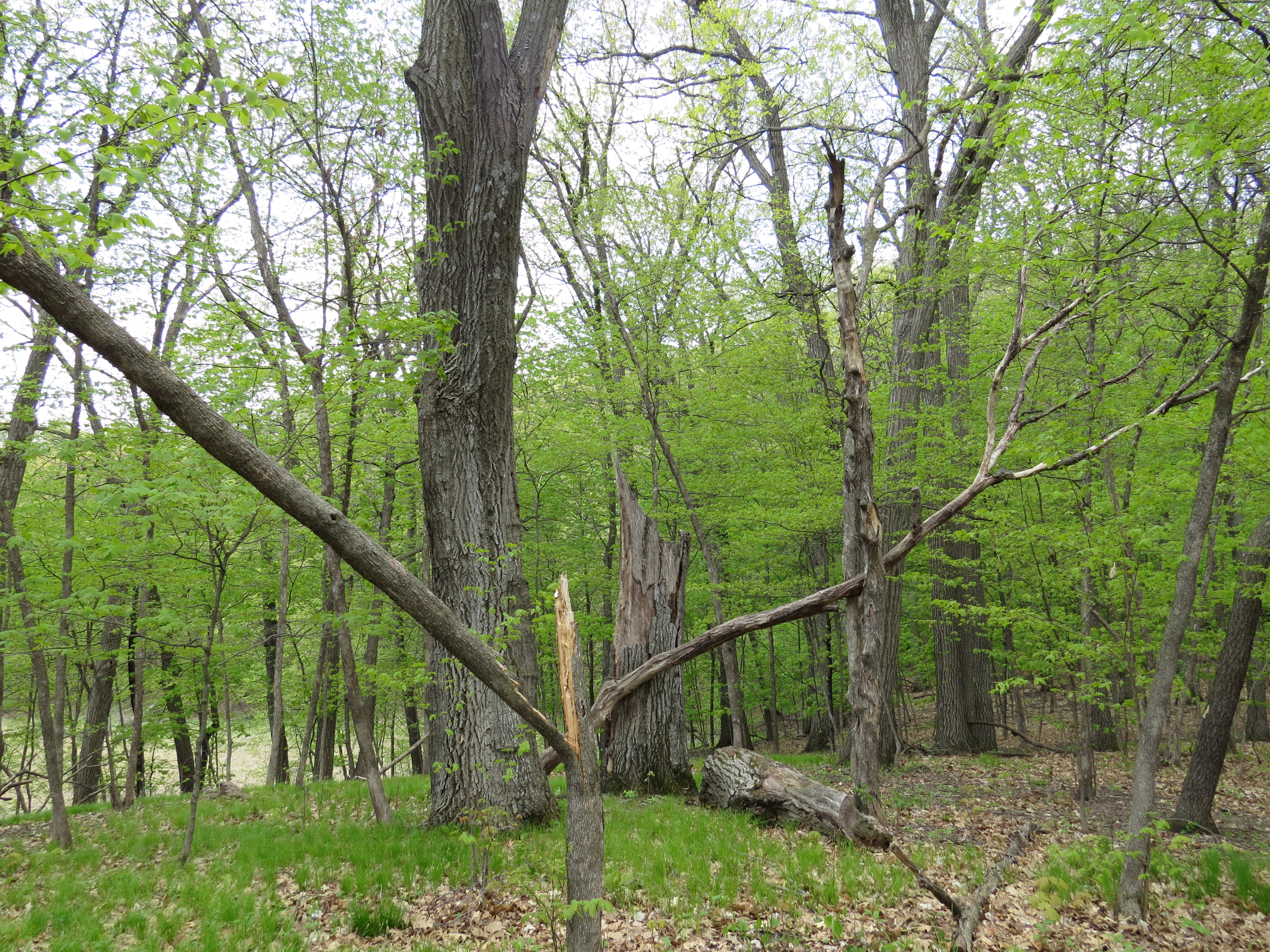
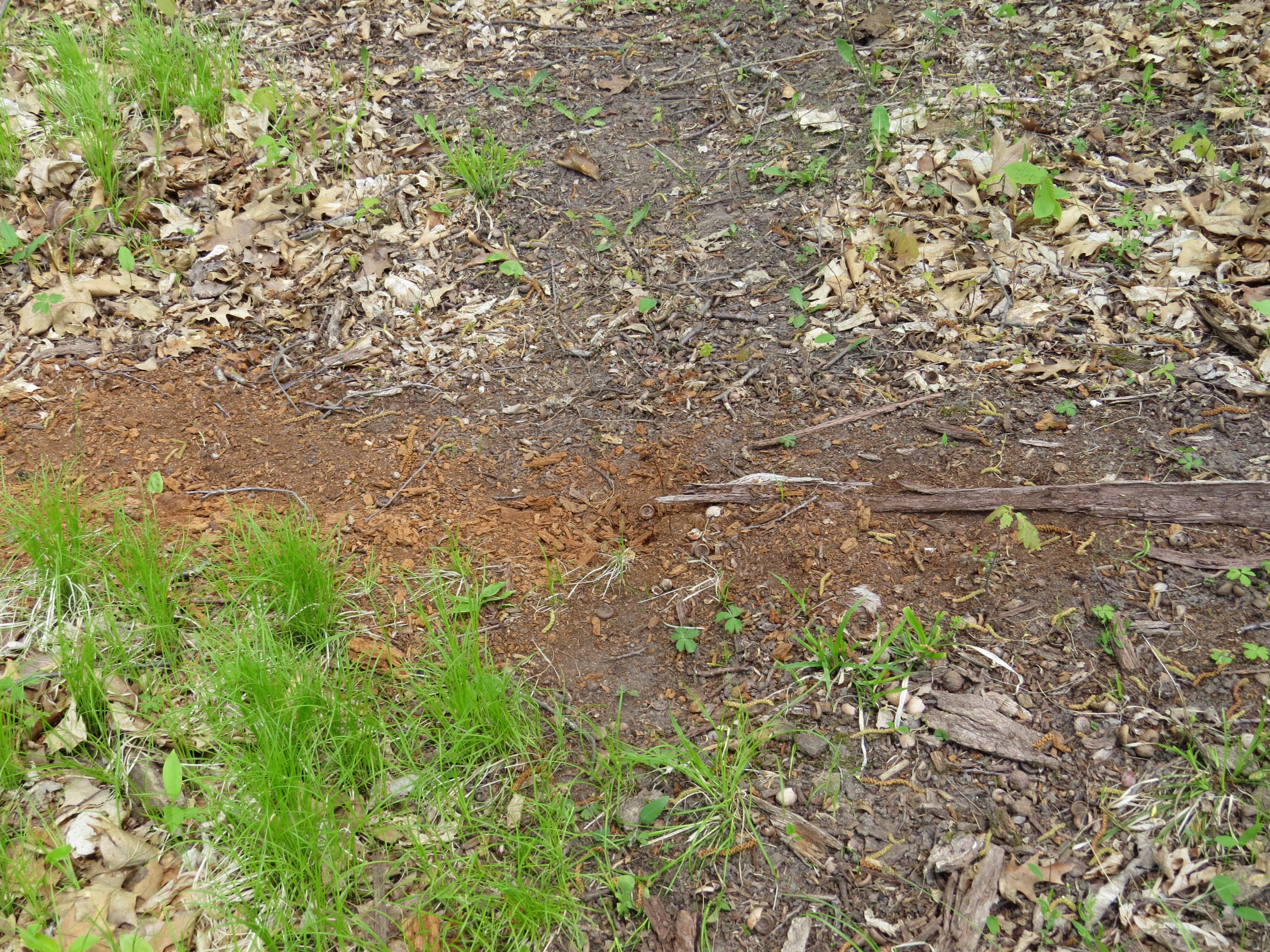
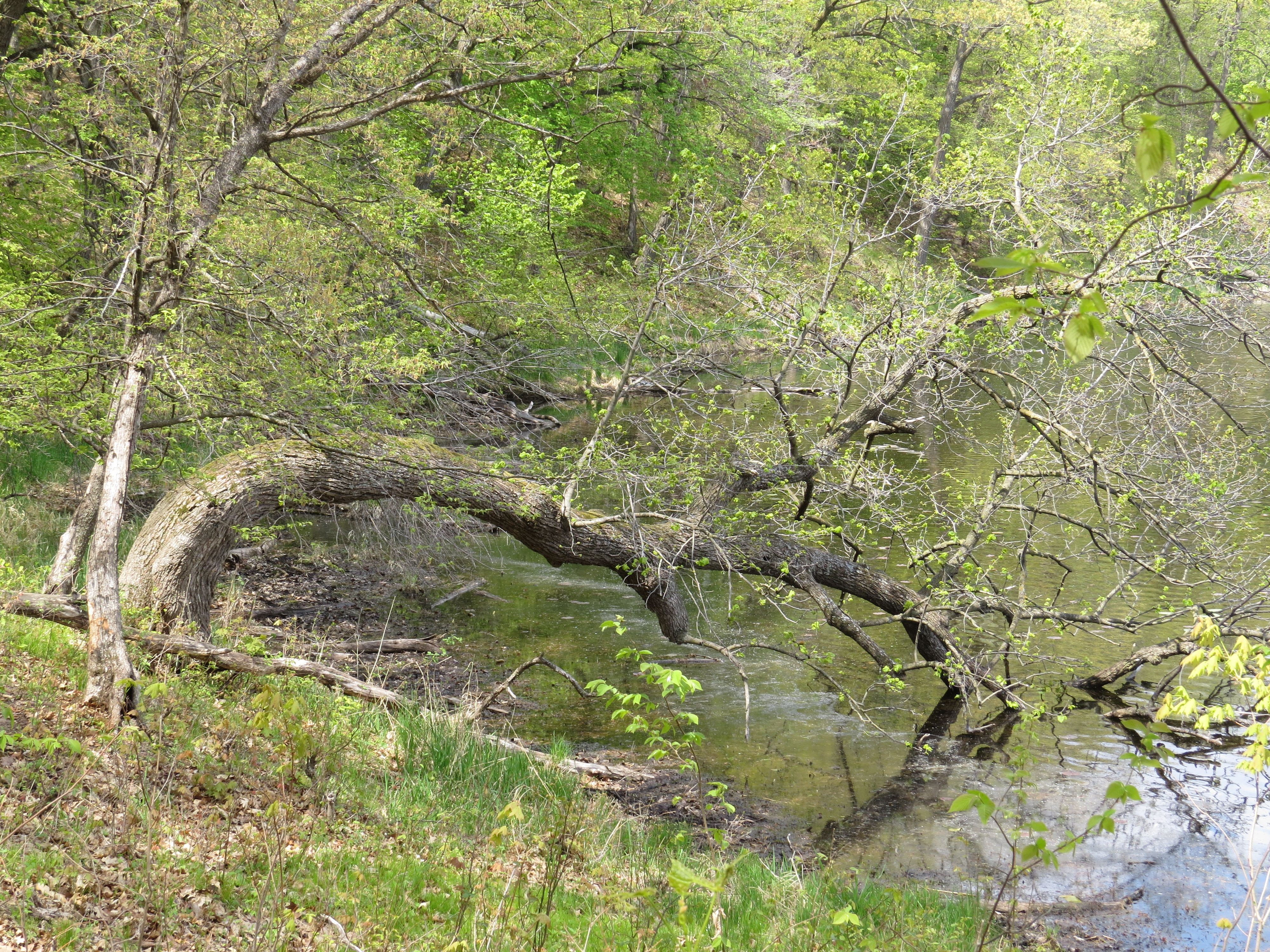
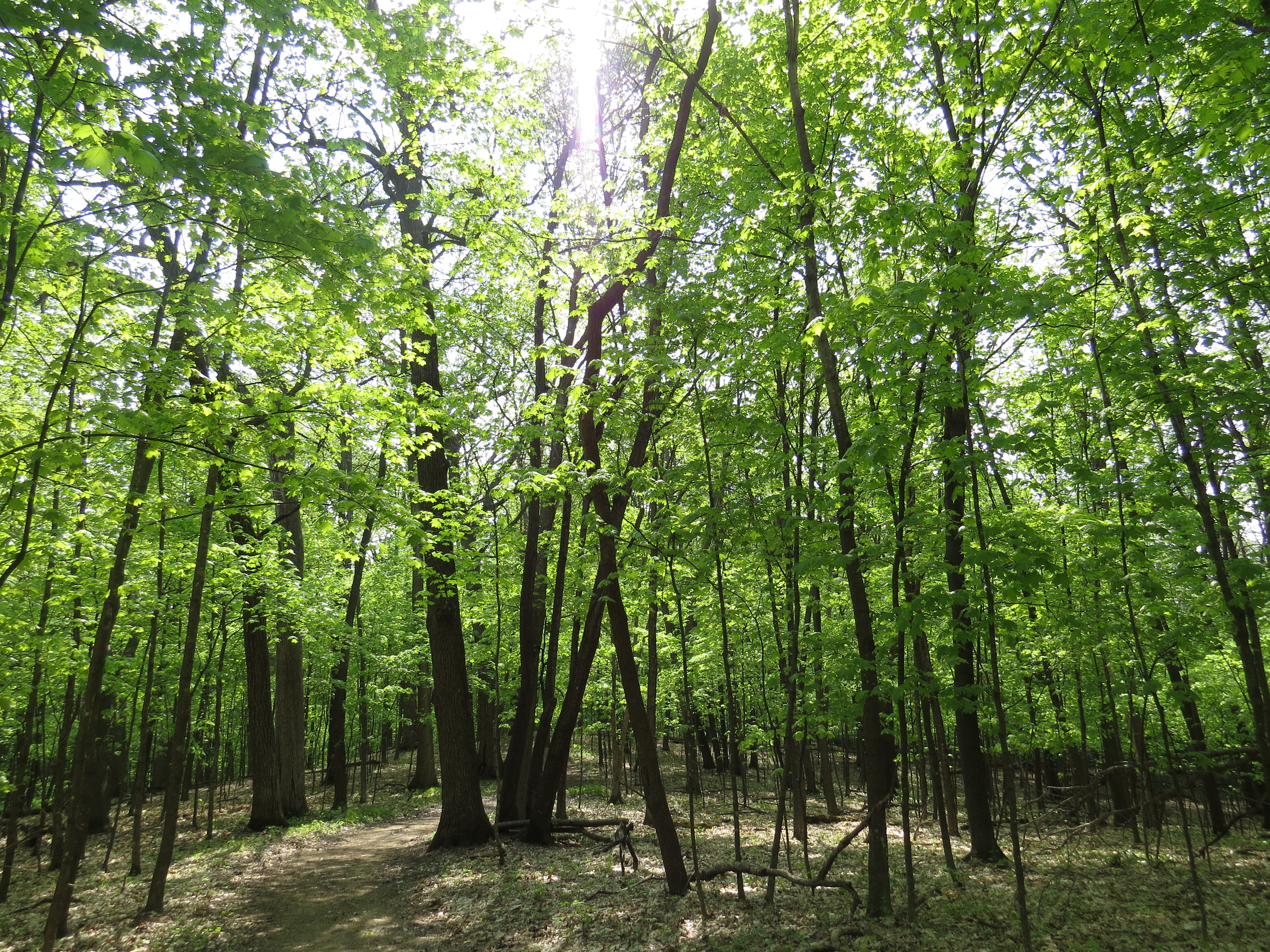
The outcome was no bites, no fish, and some weedy line—a perfectly ‘normal’ outcome from the bank of a never-before-fished-lake. But for a fisherman who likes to fish and who usually practices catch-and-release, the endeavor was not a bust. The point was to fish, not to catch. So we munched our snack of cheese and crackers as we gazed at the water-clouds, knowing full well that a cast into the unknown would happen again. We hiked on through the greening forest, amazed how the sunlight was already having trouble reaching the ground through the new green canopy.
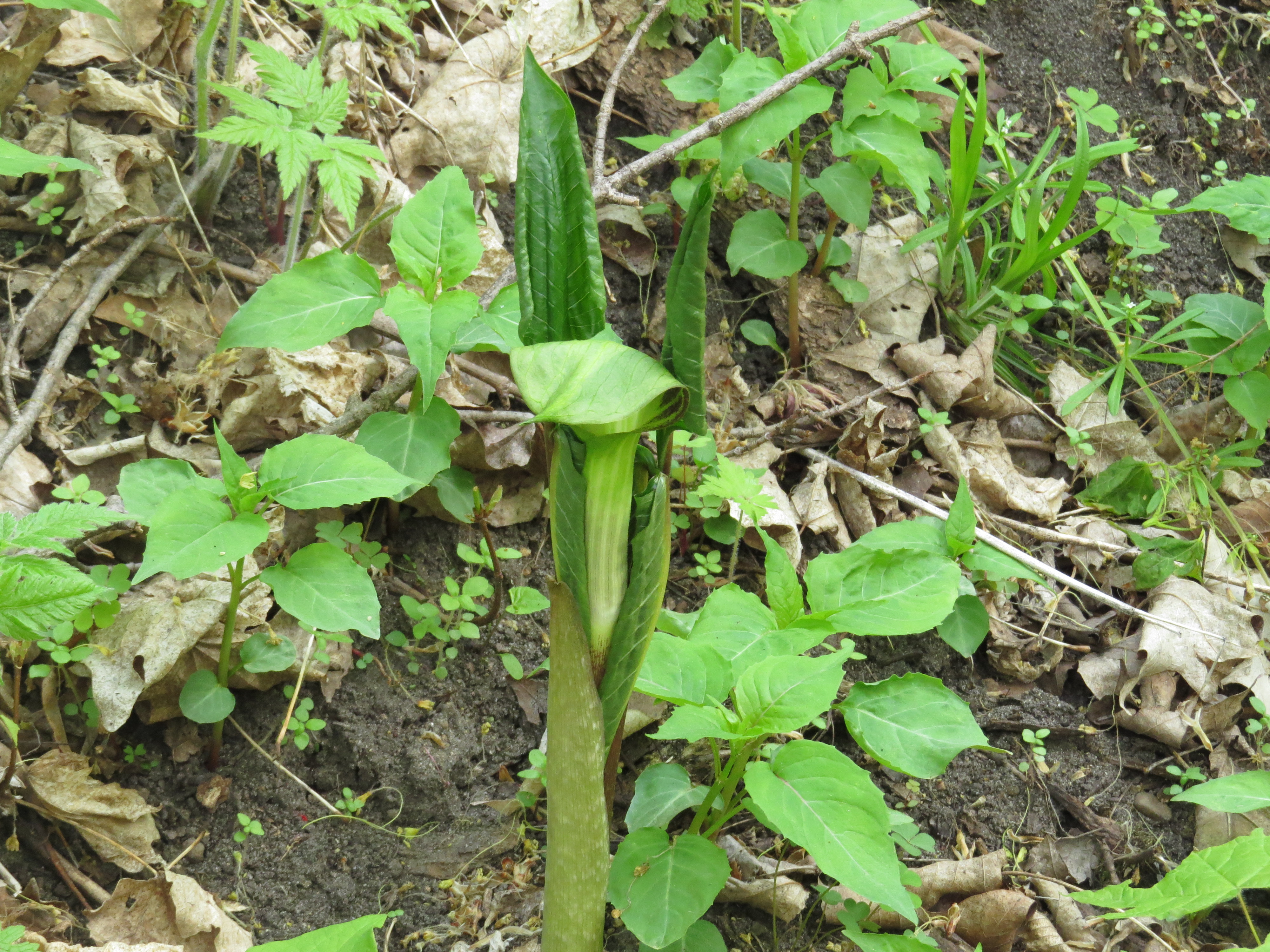
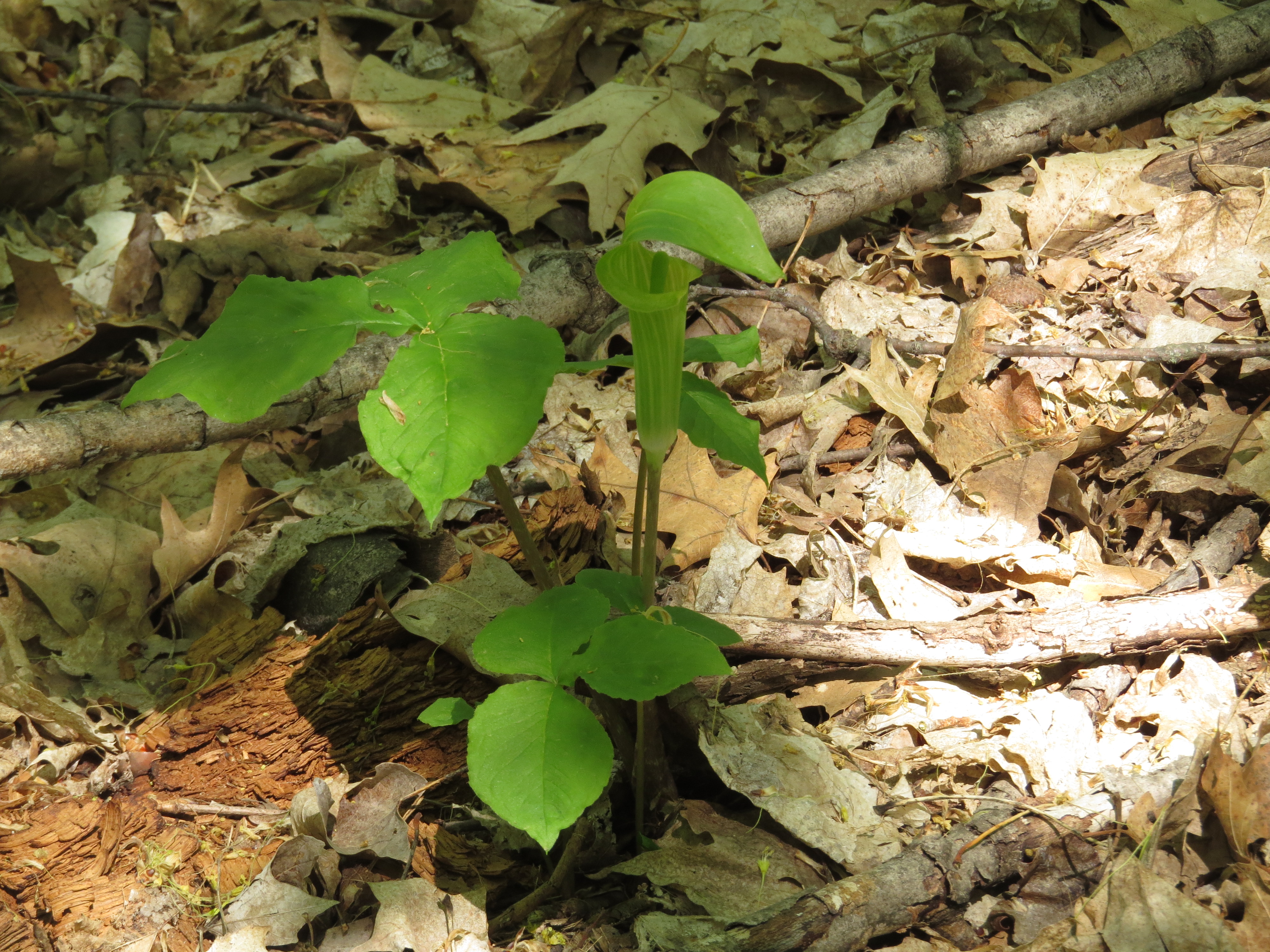
The design marvel of emerging plants is enough to make anyone believe in ‘fishing in the clouds.’ From a packed spike of green pushing up through the Spring soil unfurls a Jack-in-the-Pulpit! What a simple, intricate, inconspicuous miracle.
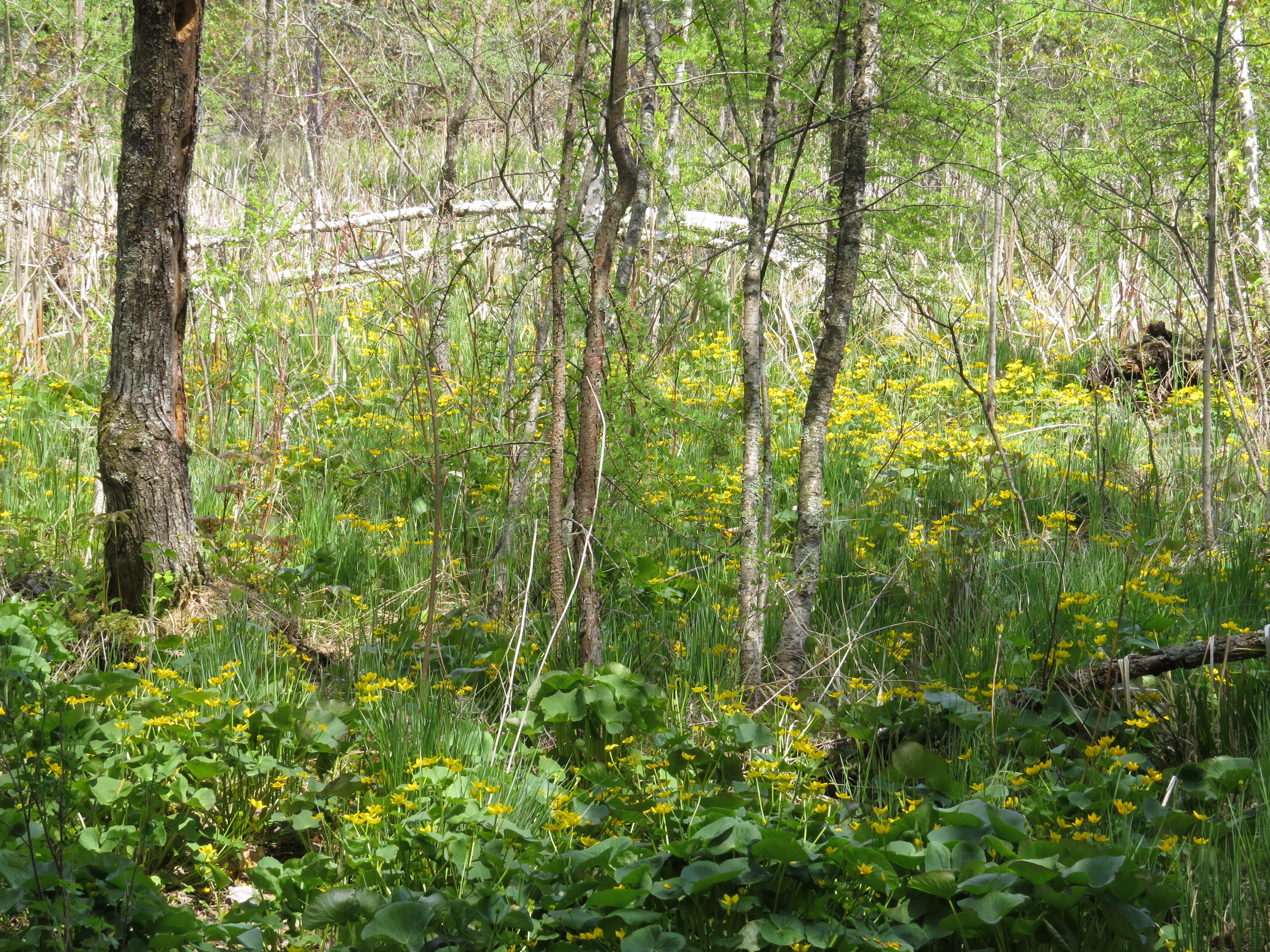
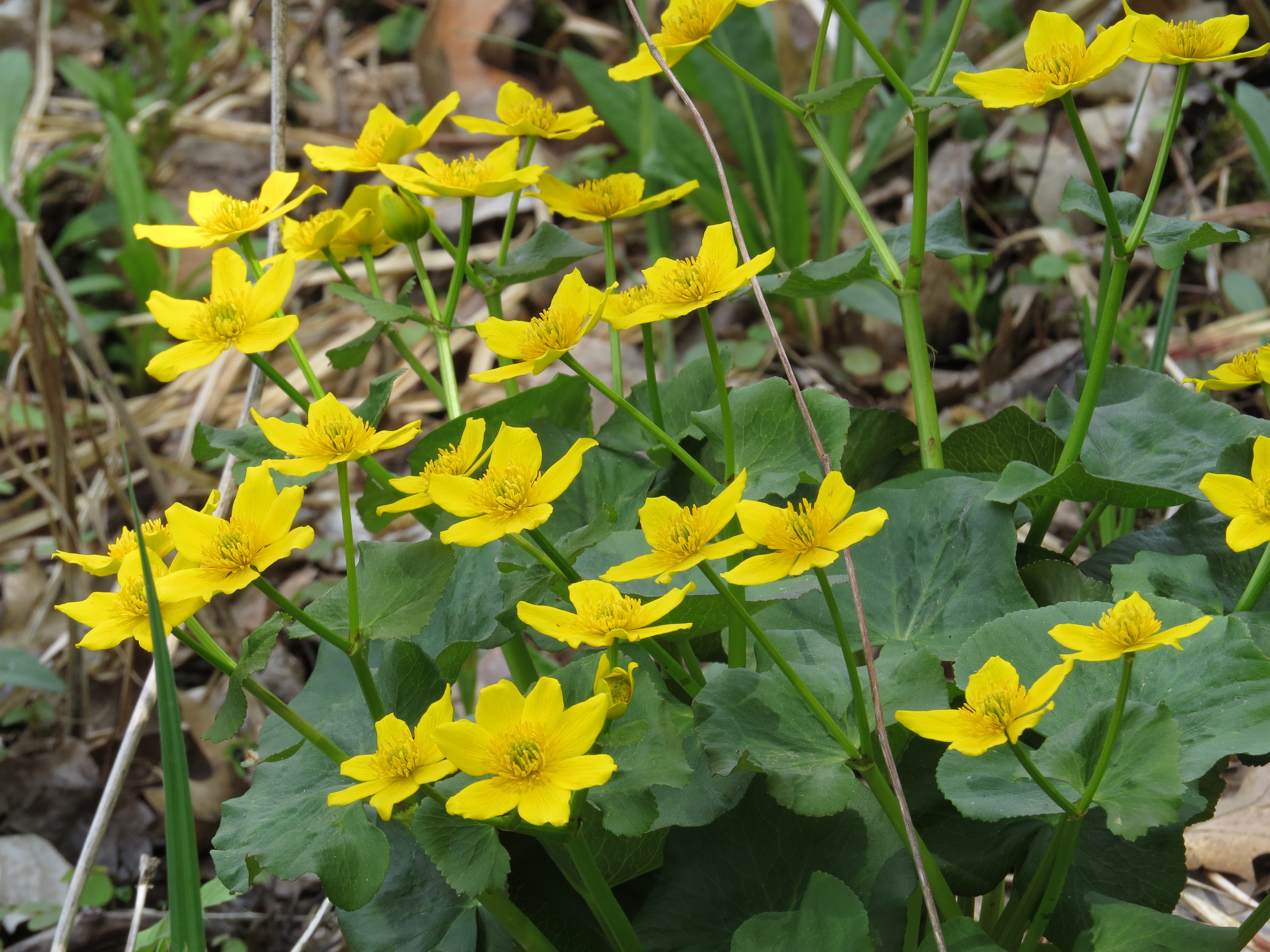
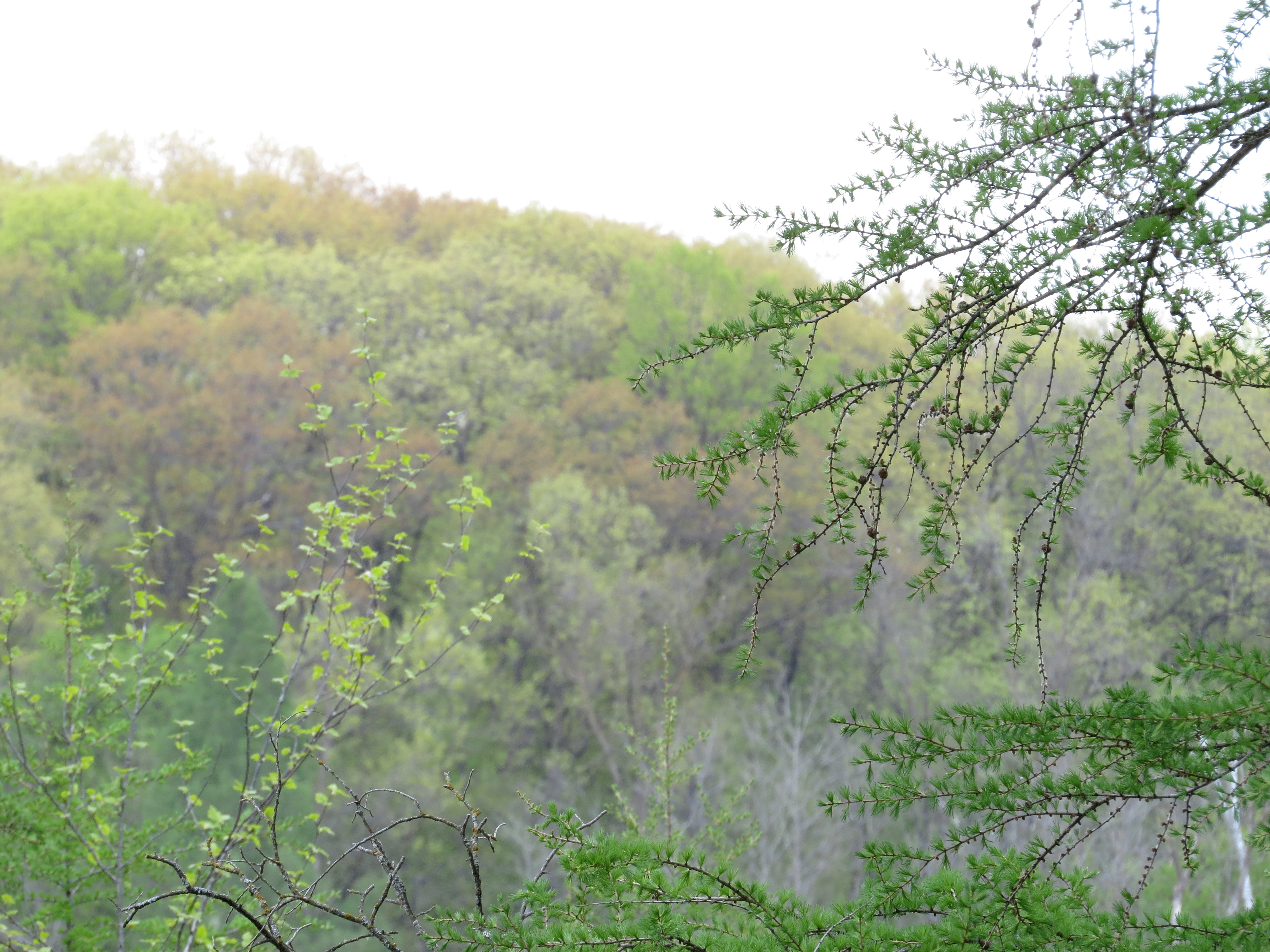
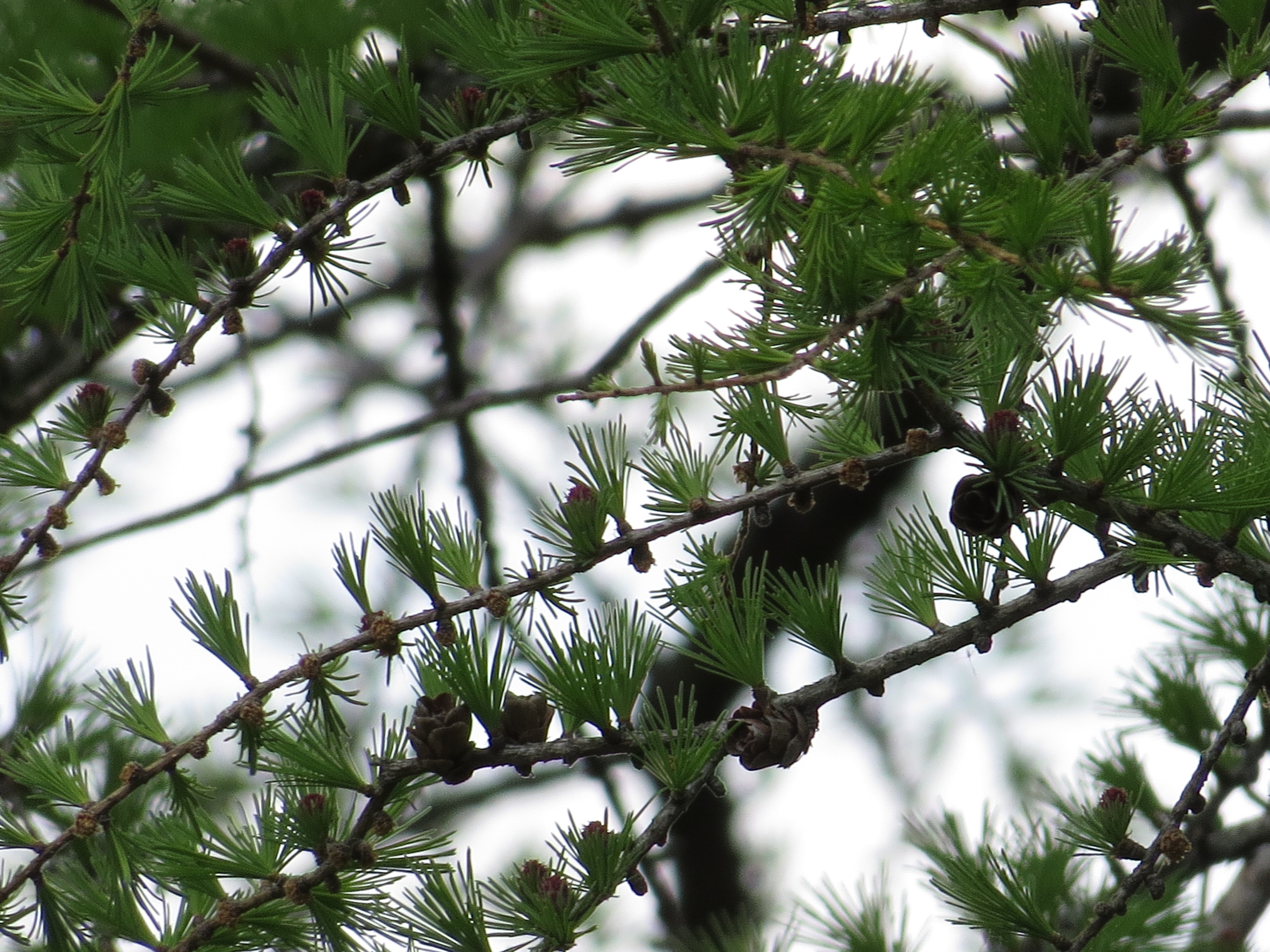
There was a beautiful Tamarack bog where brilliant yellow Marsh Marigolds bloomed in profusion, and the Tamarack (or Larch trees) pushed out bundles of soft, new needles.
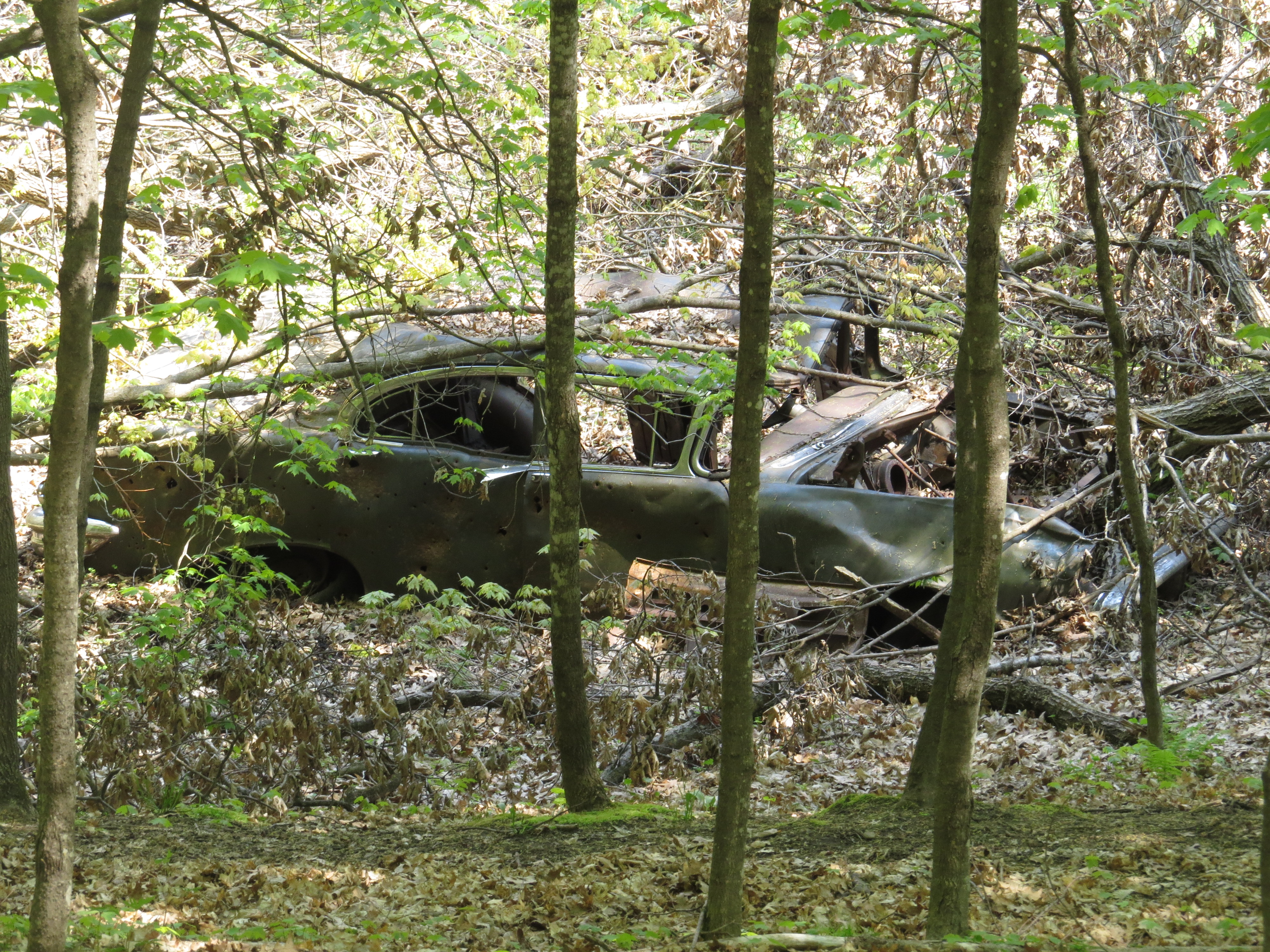
Along the marsh-gully, we saw an old car with tires and engine sunk into the mud. It had been there a very long time. Nature was working to re-claim it—in the mud, by the fallen trees, and by the new trees growing around and through it. We wondered how it got there, what its story was in relation to the pristine forest around it.
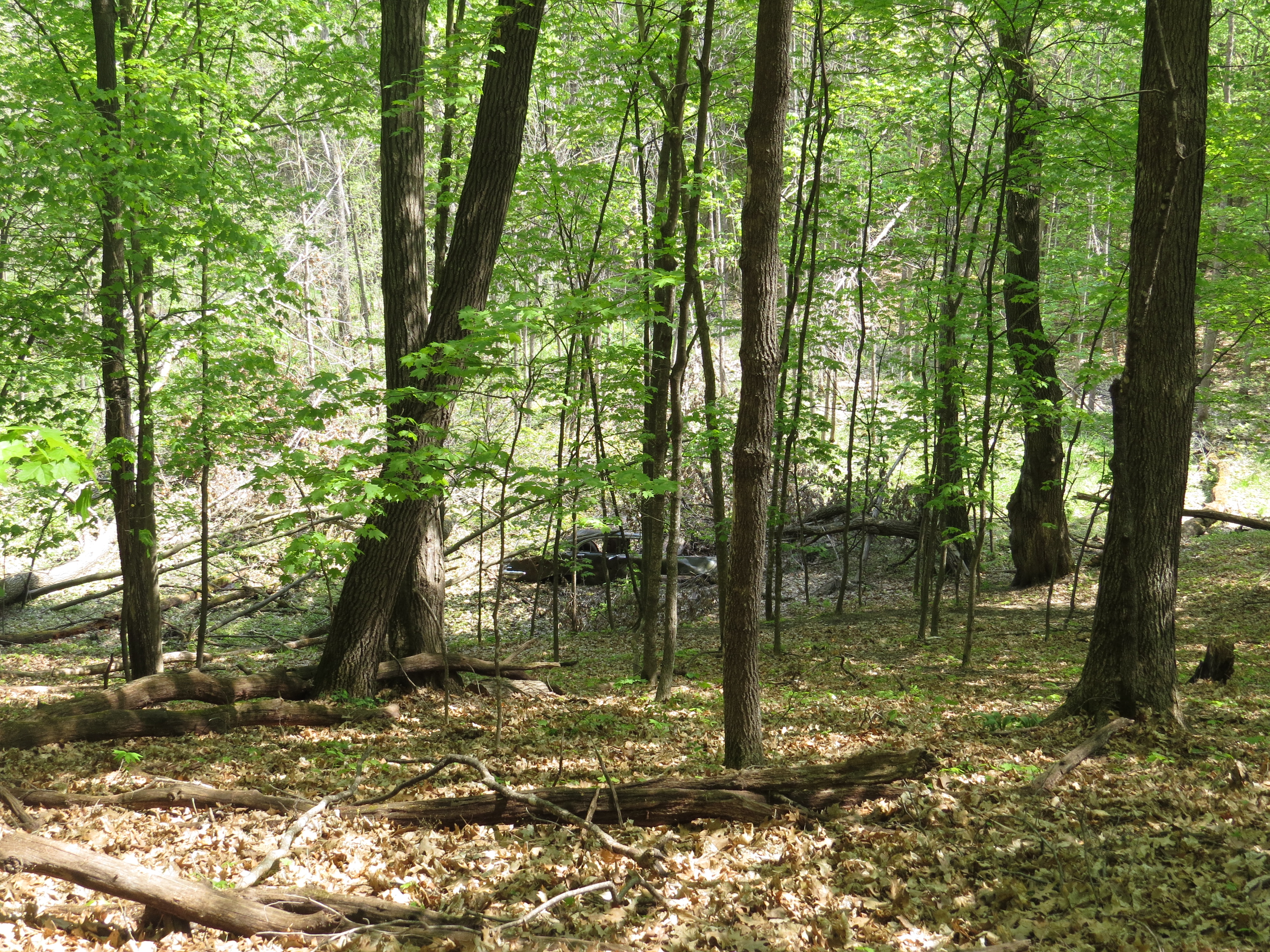
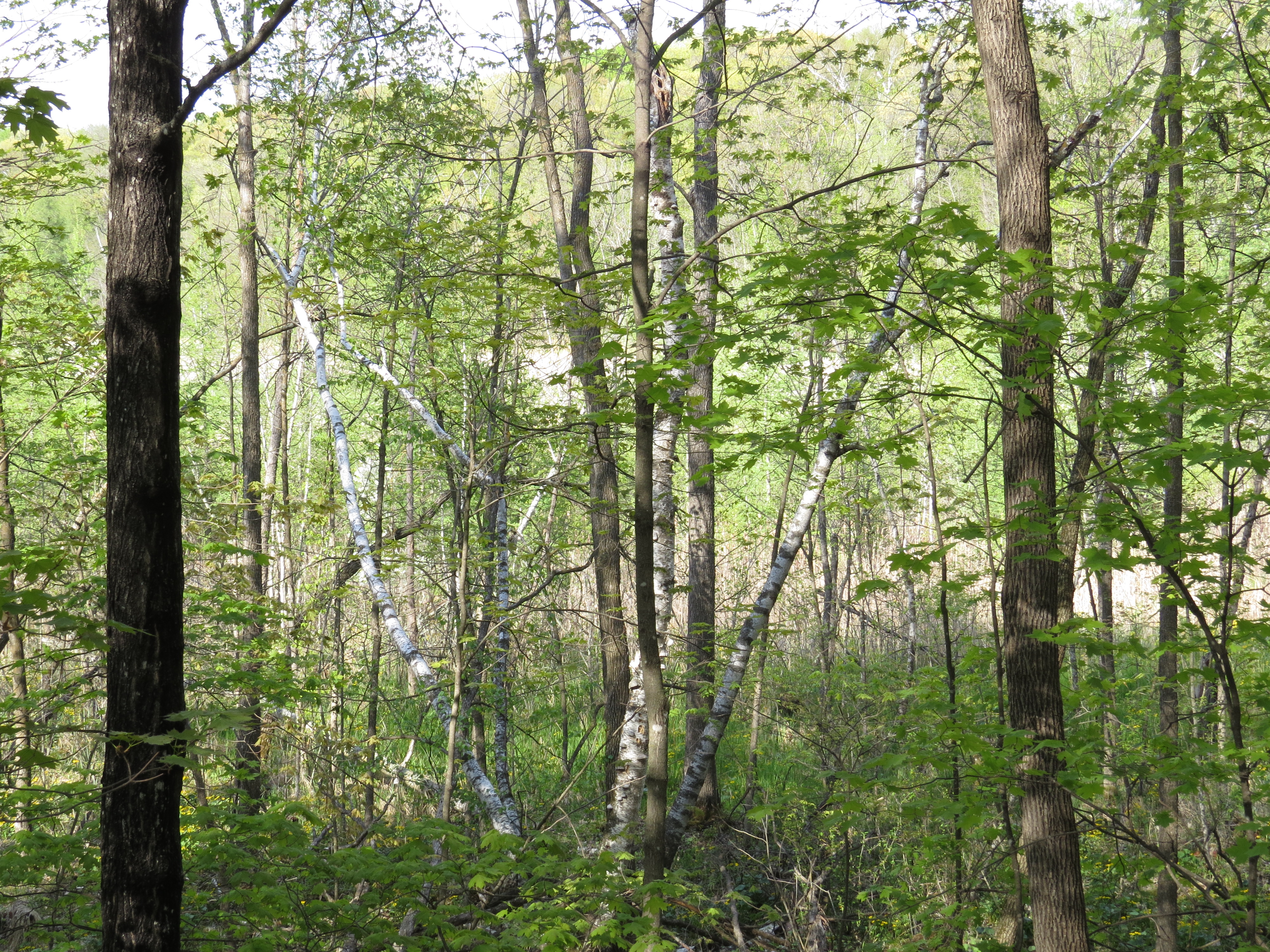
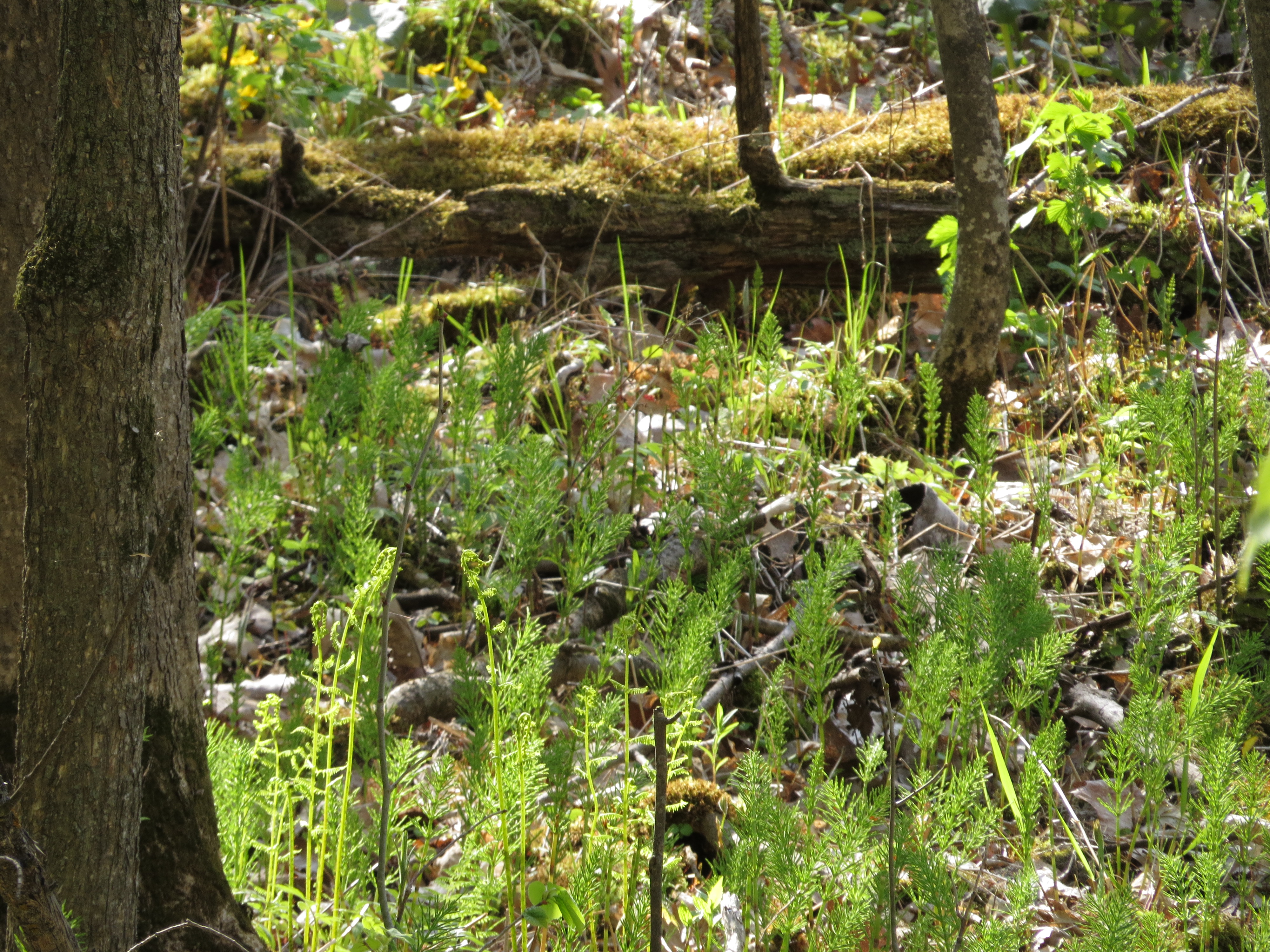
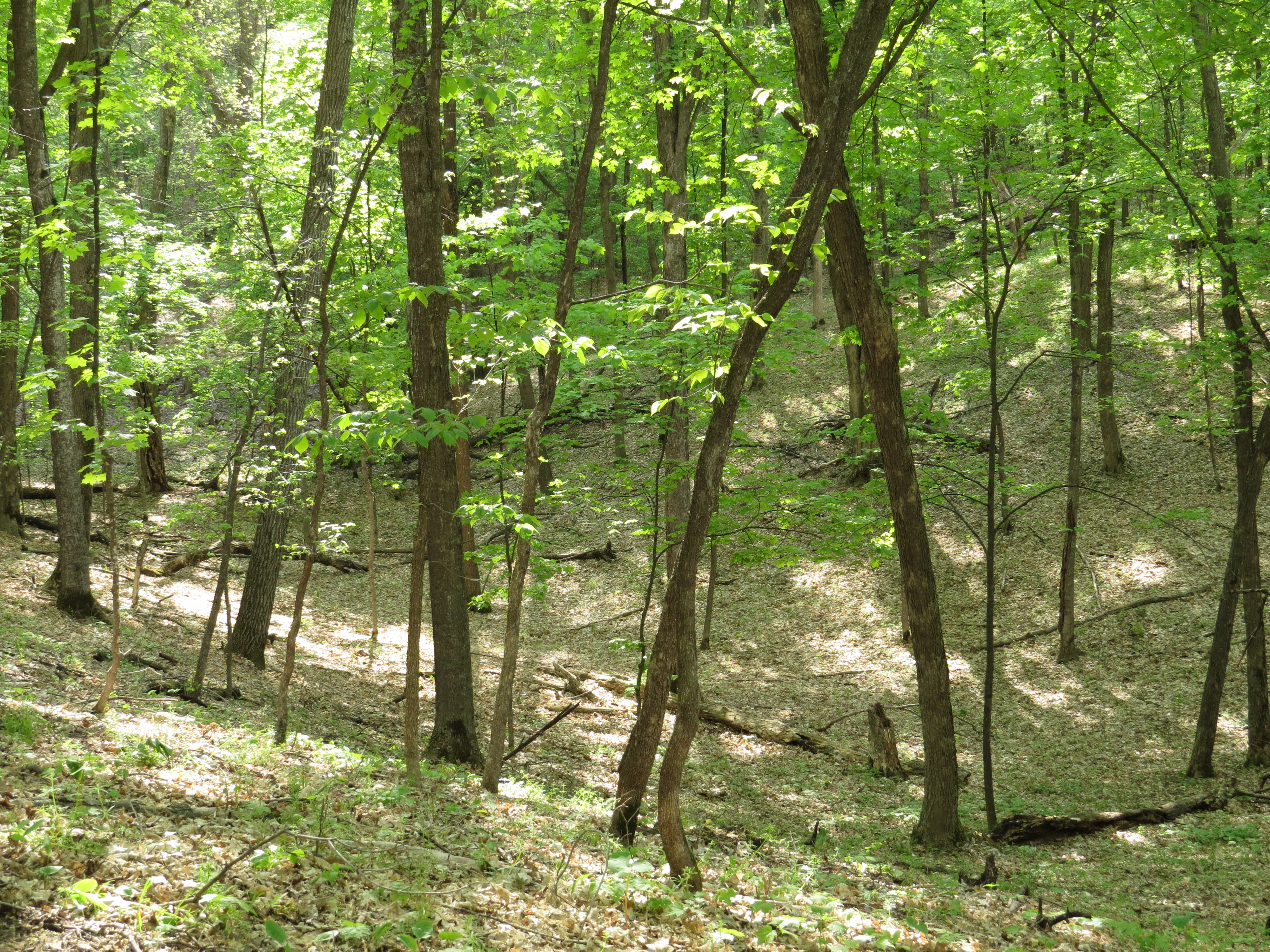
What was bare trunks and dried leaf litter just weeks ago was now green, growing, and dappled by sunlight.
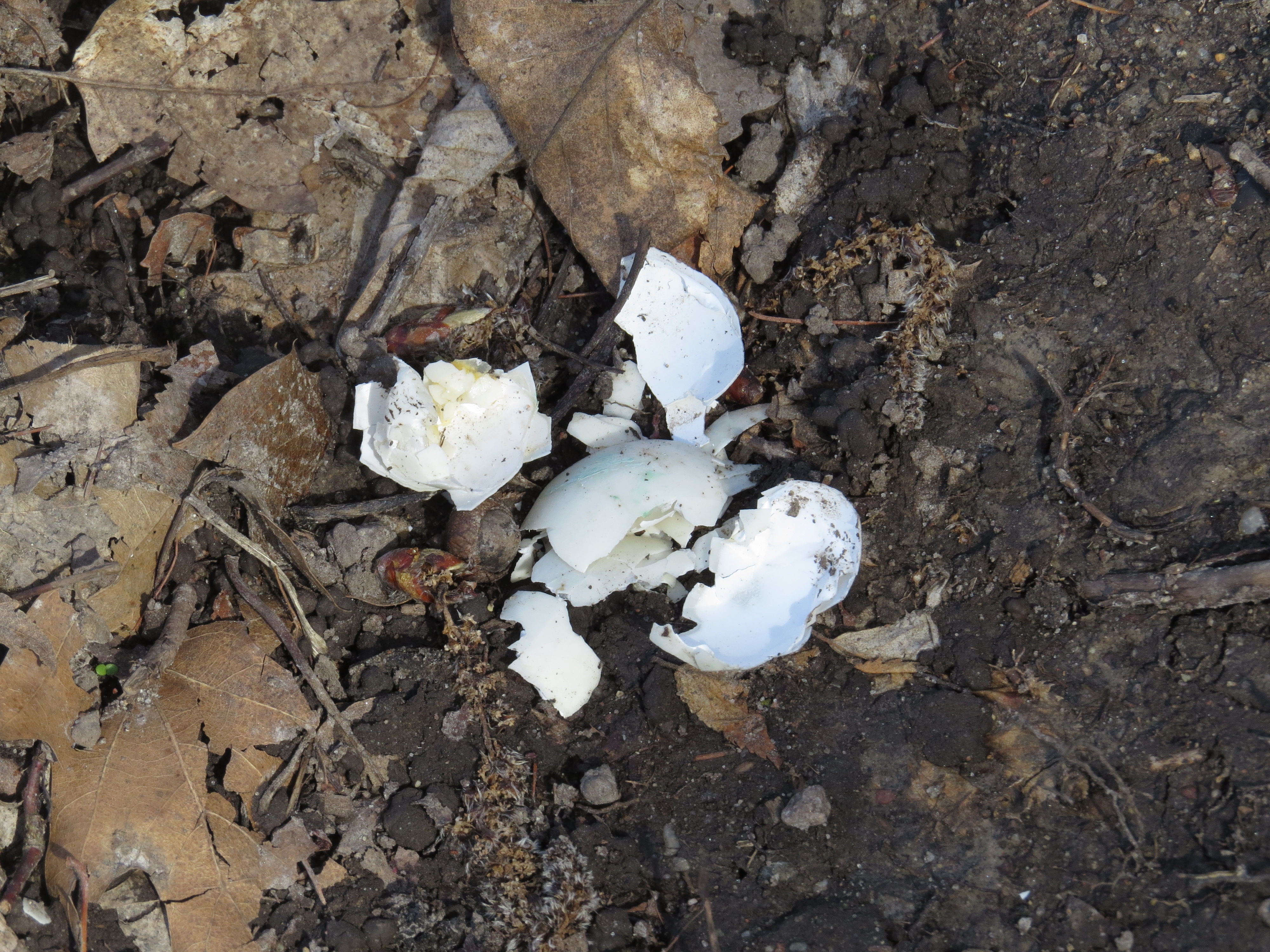
Fishing begins with a cast, a toss into the unknown. The outcome is beyond our control. How many eggs don’t make a bird? How many baby birds don’t make it to adulthood?
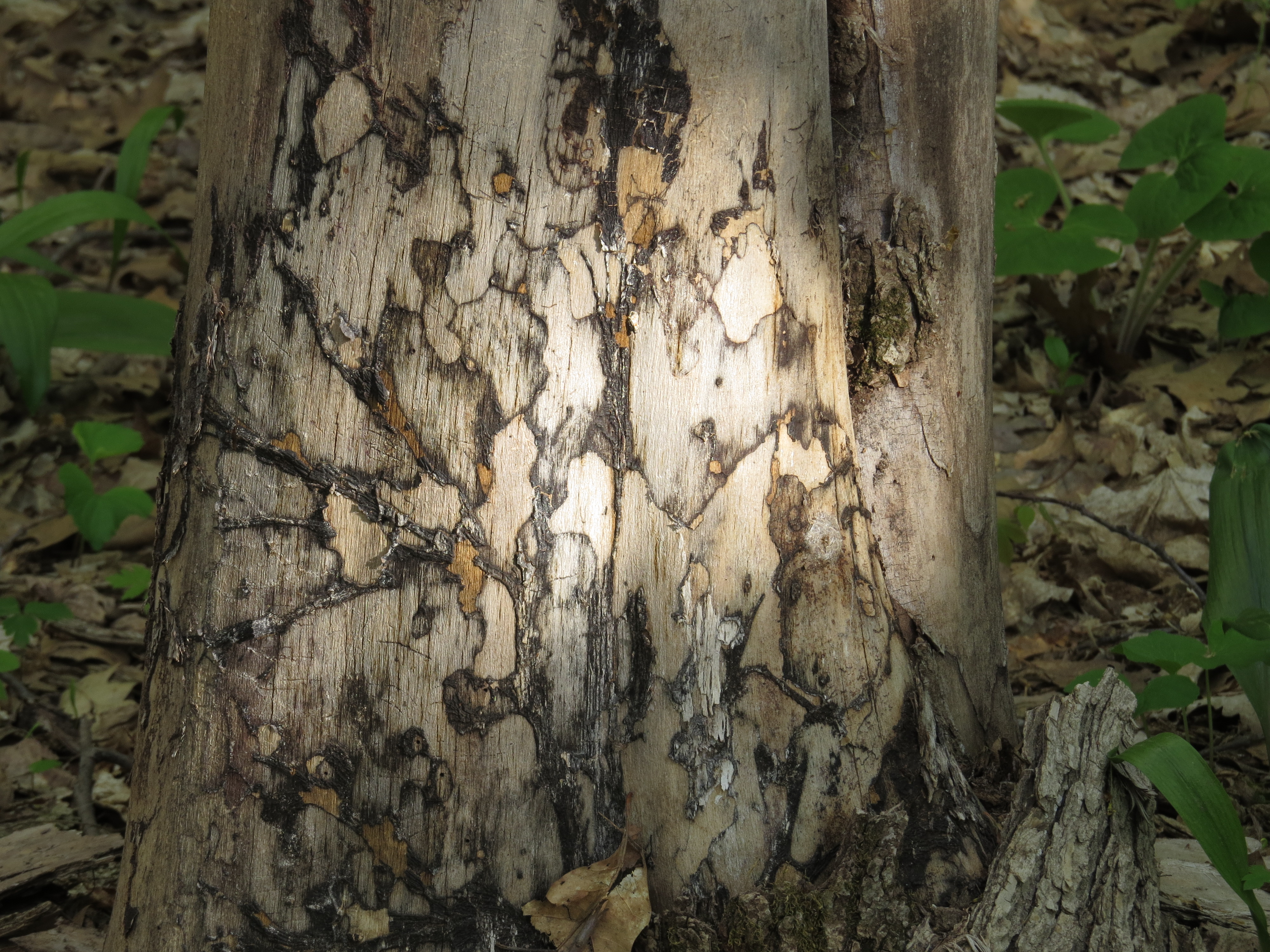
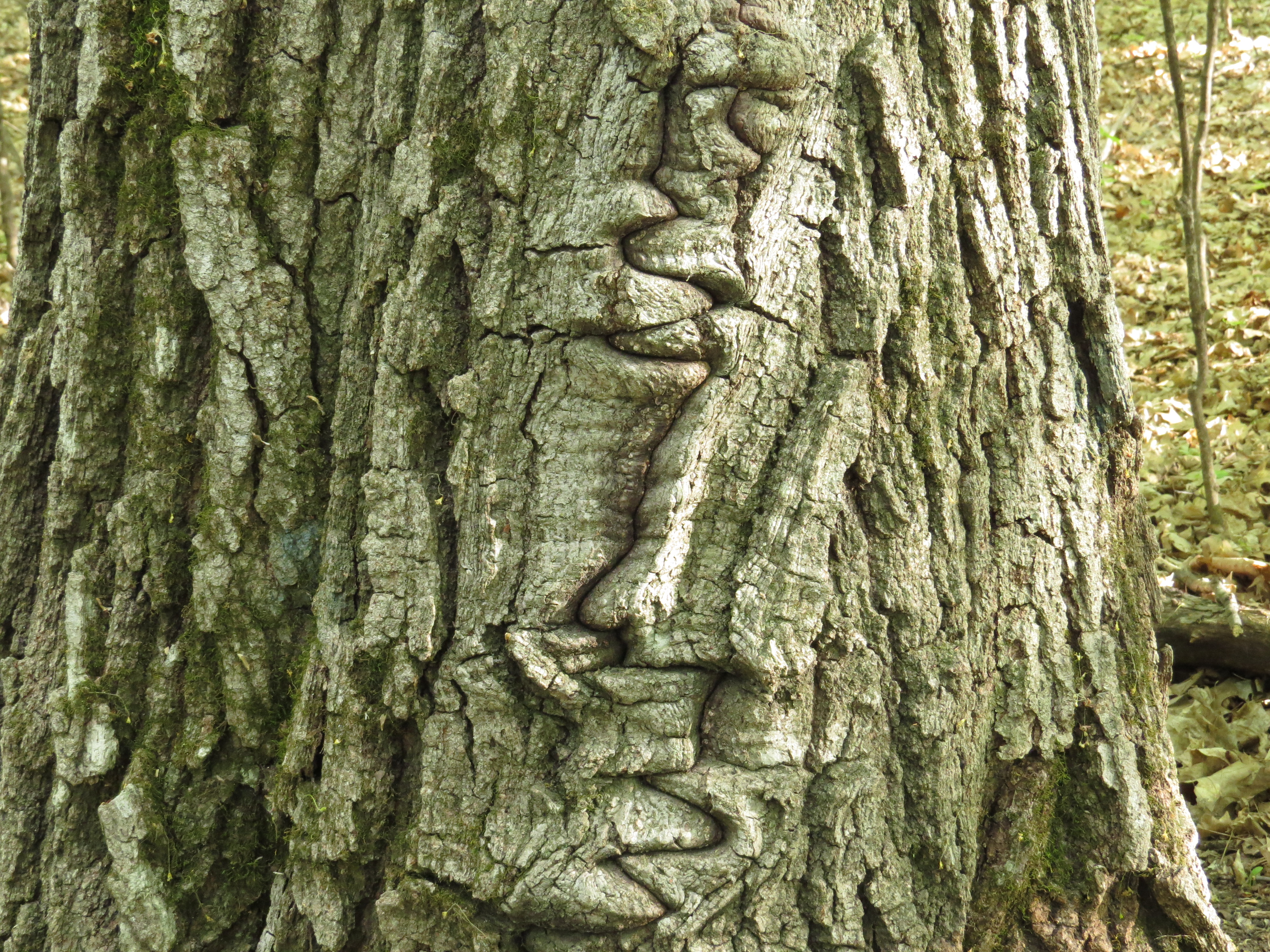
Why does one tree die and slough off its bark while another is ‘stitched up’ with a wound-healing, zig-zag scar?
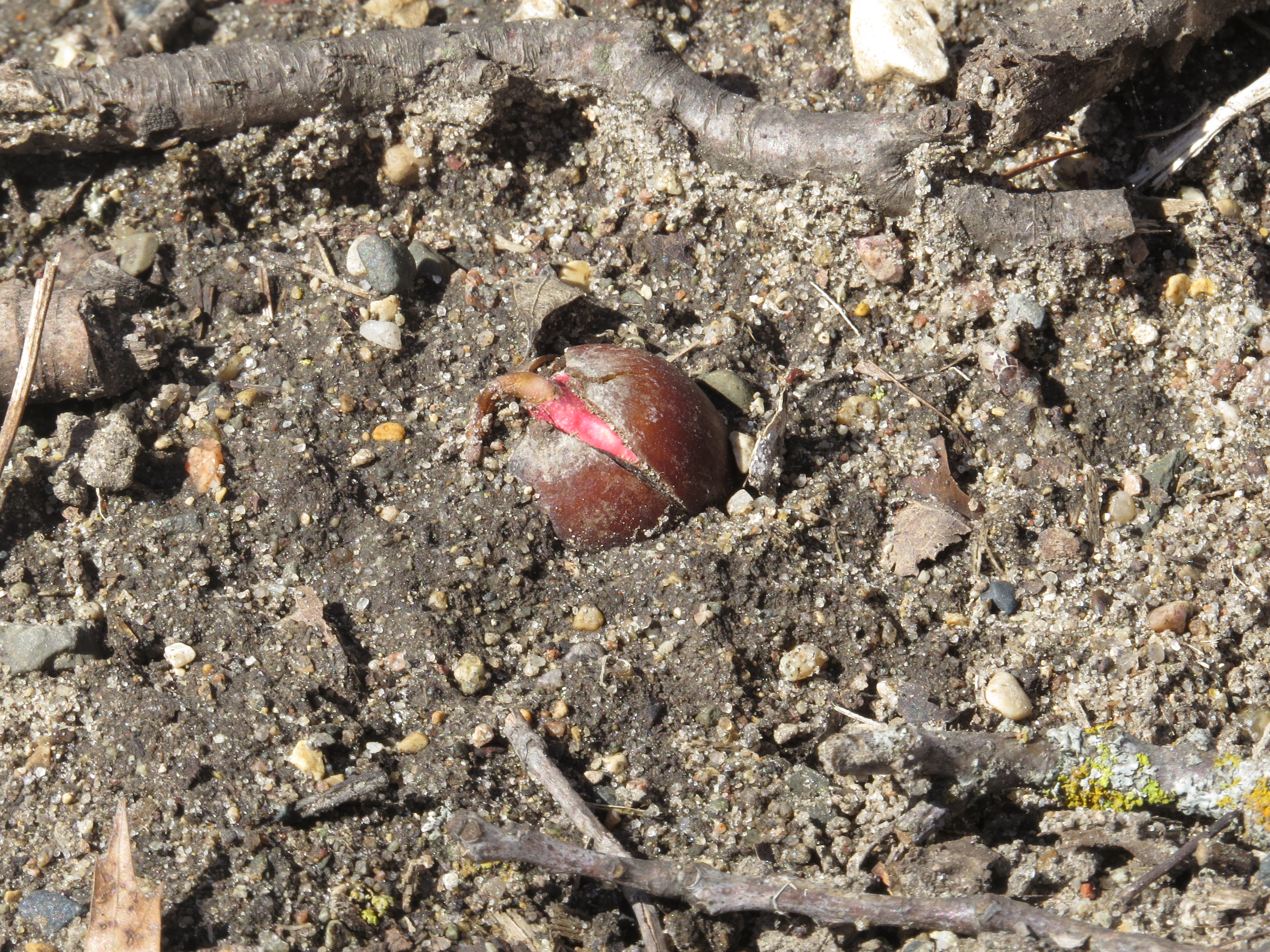
With Nature, the ‘tries’ are abundant. Millions of acorns fall to the ground and sprout by a miraculous, shell-splitting force. Maple seedlings cover an embankment. Dormant perennials emerge after every harsh winter and push away the old in order to grow, develop, and reproduce.
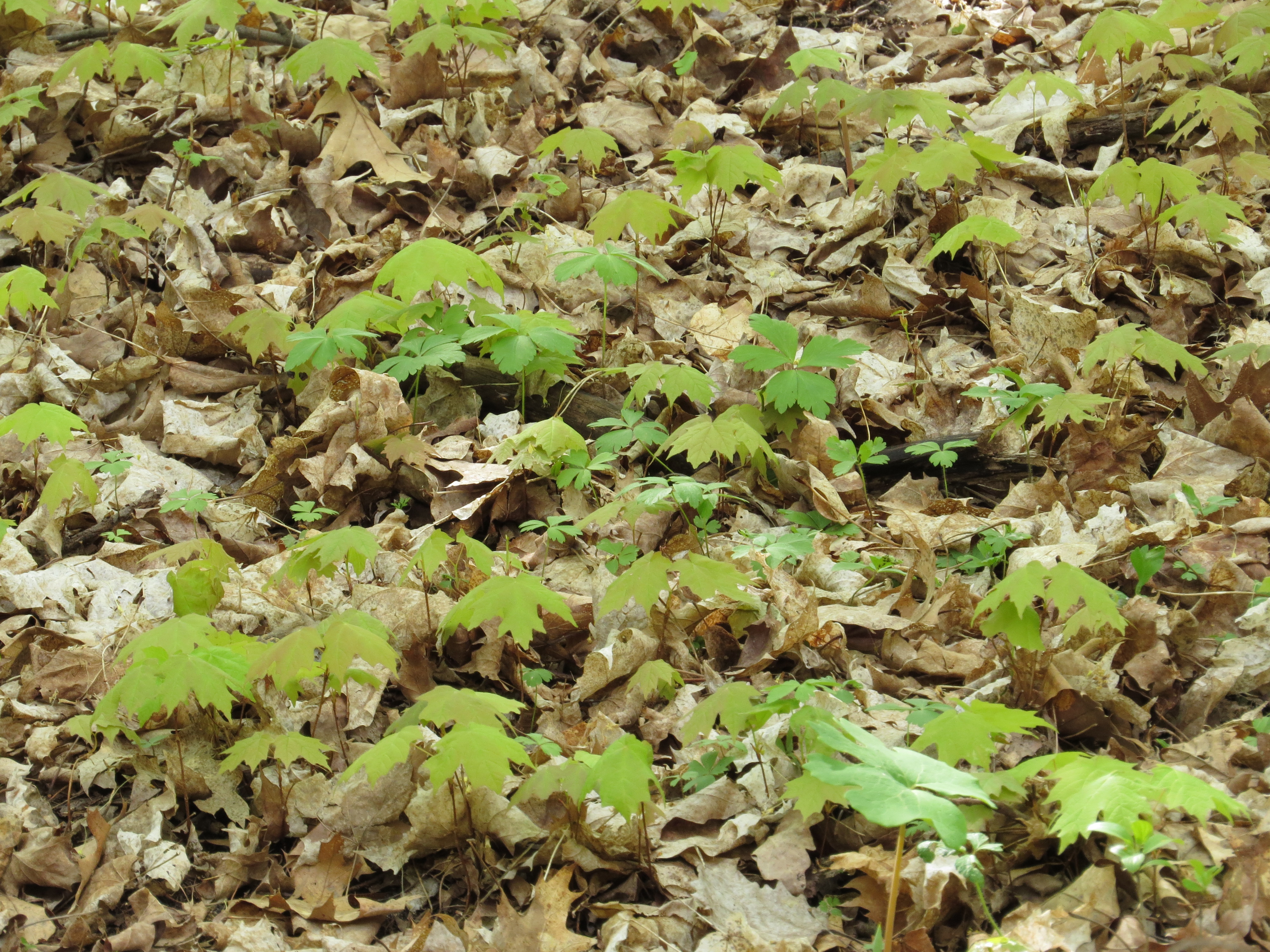
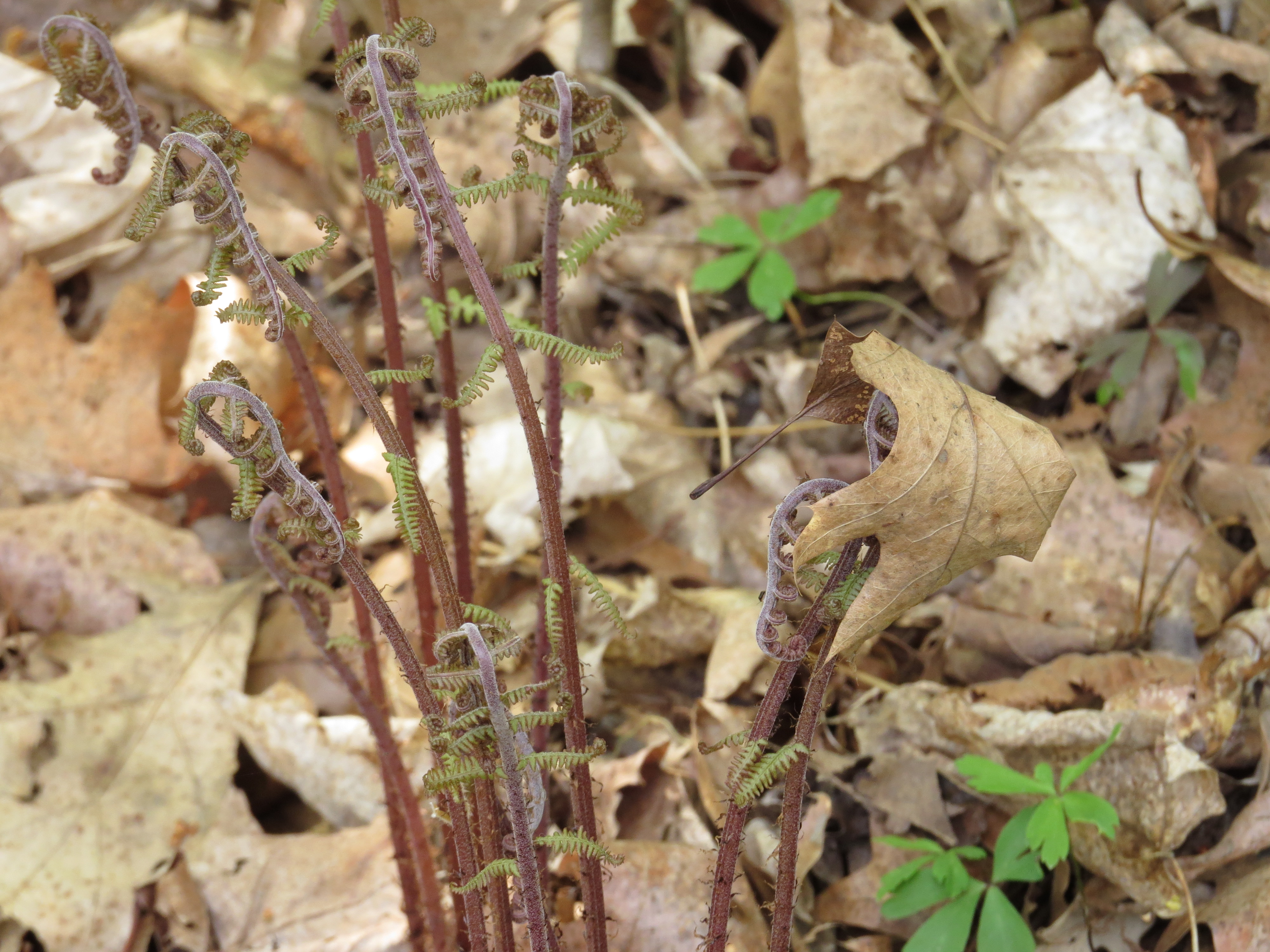
Mother Nature casts, waits, repeats. Thank goodness she does. We believe in the cycle of seasons; we depend on it. She reaches for the sky with all her abundance—she is full of hope. Yet Nature is also full of destruction and decay—many launches end in death: few seedlings will grow into a mature tree. Only a number of fish eggs will grow into an adult fish. Nature teaches us that we can’t just skip over the not-so-good parts to only embrace the beauty. We can’t skip over the waiting, the boredom, the loneliness, or the pain to get to the good stuff, to what we want. But we can keep on casting into the cloudy unknown—again and again and again. Our desires become a fling of fate; the outcome is unknown. Perhaps we will reel in a fish or a job or a mate. Nature’s odds have produced an amazing, abundant, beautiful world. Keep fishing in the clouds!