Come walk with me in the peak Autumn beauty of the Northwoods. To say that I love this time of year is an understatement. Most everyone can appreciate the colorful falling leaves---it reveals the 'true self' of a tree when its leaves are no longer producing chlorophyll. Their true colors are revealed, and there is something simple … [Read More...]
The Enchanted Rock
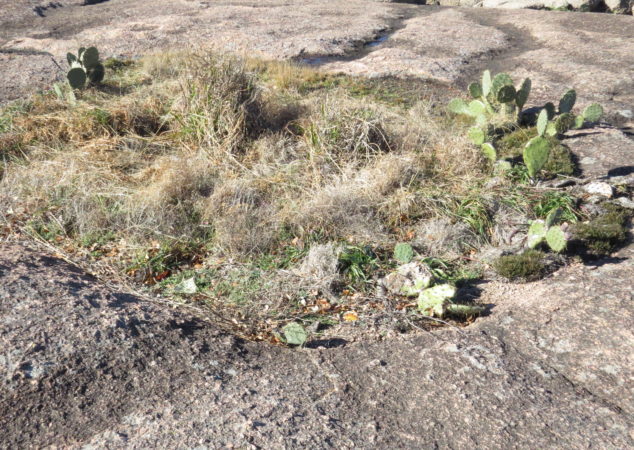
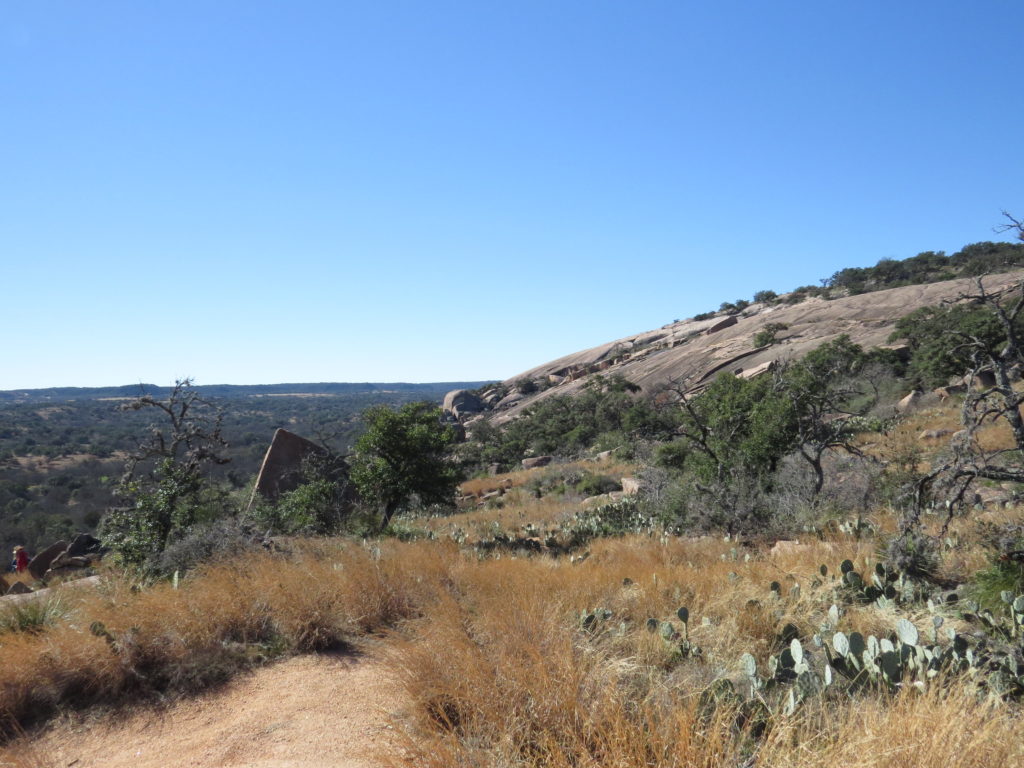
And so we climbed the Rock—the Enchanted, intriguing Rock. As we climbed, we left behind the sandy soil and evergreen Live Oak trees; the trail was a solid rock beneath our feet. We could pick our own path, like scampering mountain goats, exploring the rugged terrain. Island ecosystems of Prickly Pear and grasses defied the reality of growing on solid rock.
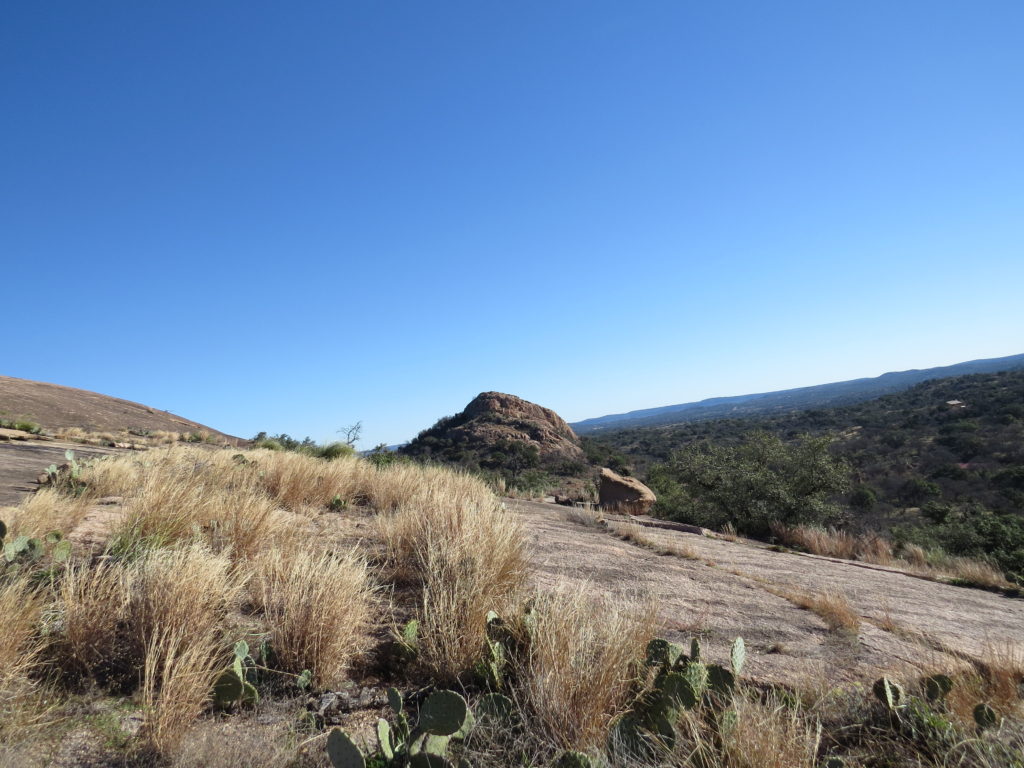
When we turned around, we could see how far we had already come, and the way to the top looked deceptively close in the bare expanse of rock.
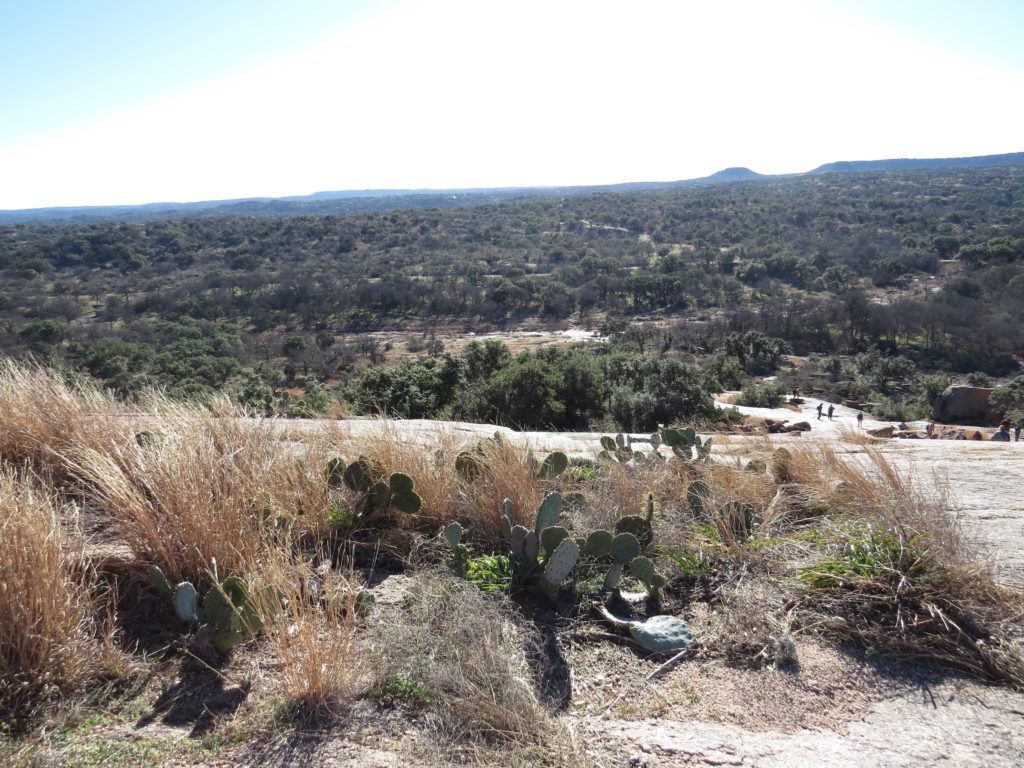
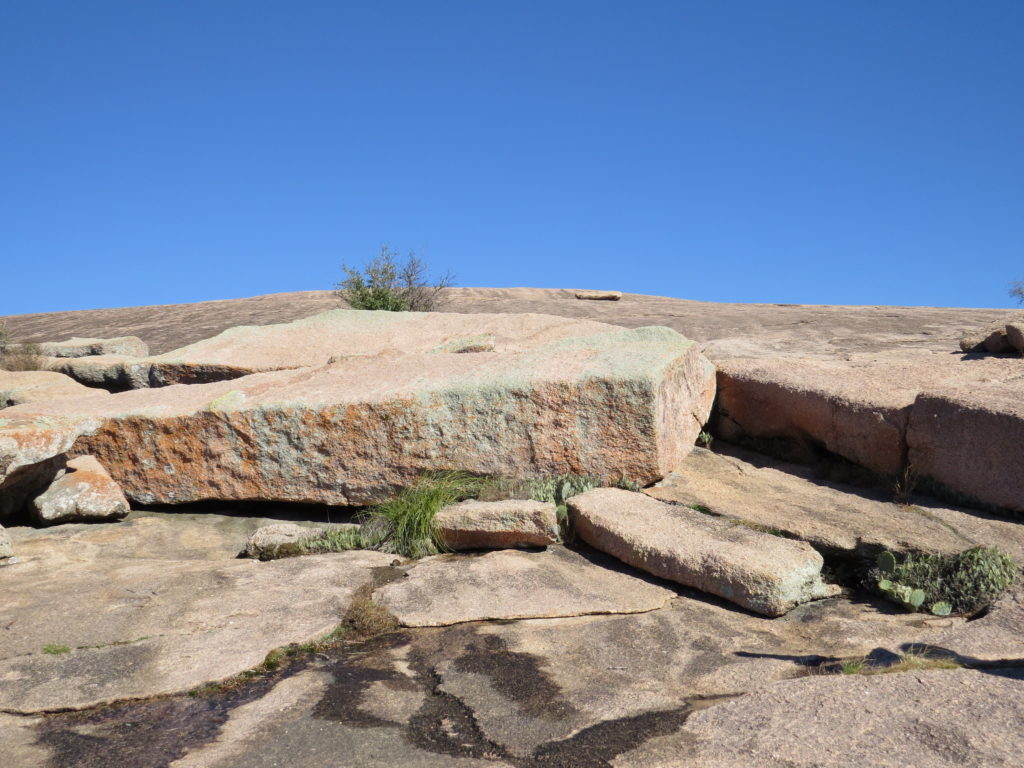
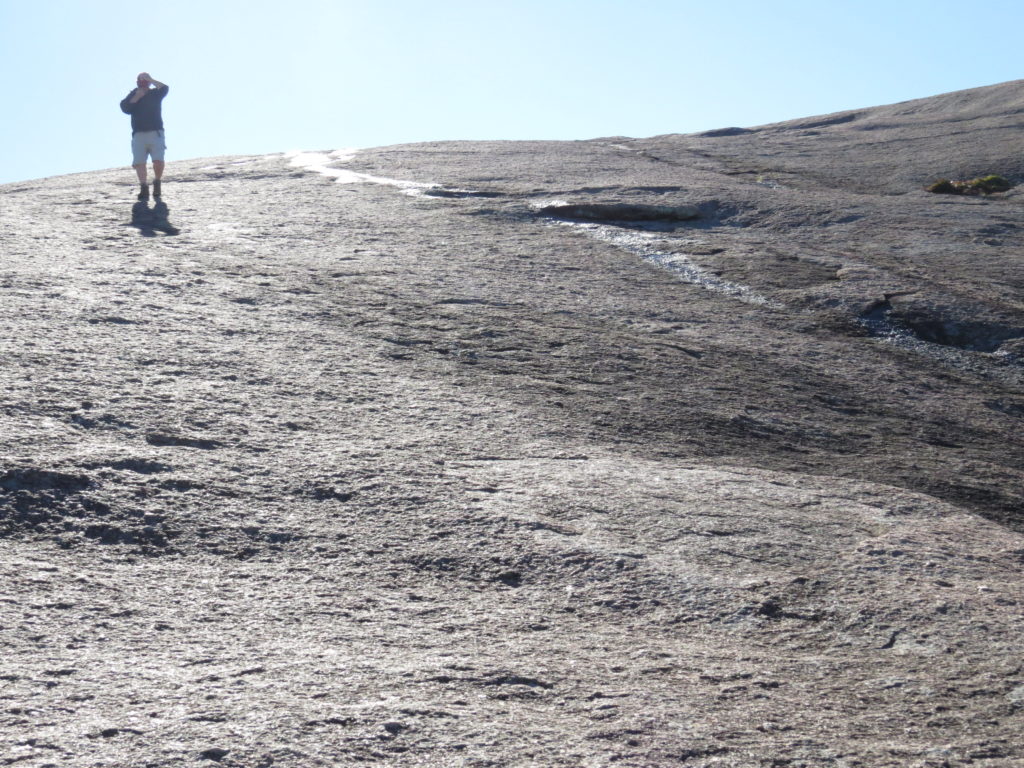
The wind became so strong it took our breath away. It was hard to hear anyone talking, and we used our heavy adult-sized bodies to anchor us to the rock with each footstep. We wondered how a child would even be able to walk without being blown away. The steep upward climb was made harder with the incessant push of the wind, and sometimes we sat or lay on the rock just to get a bit of relief from the gale.
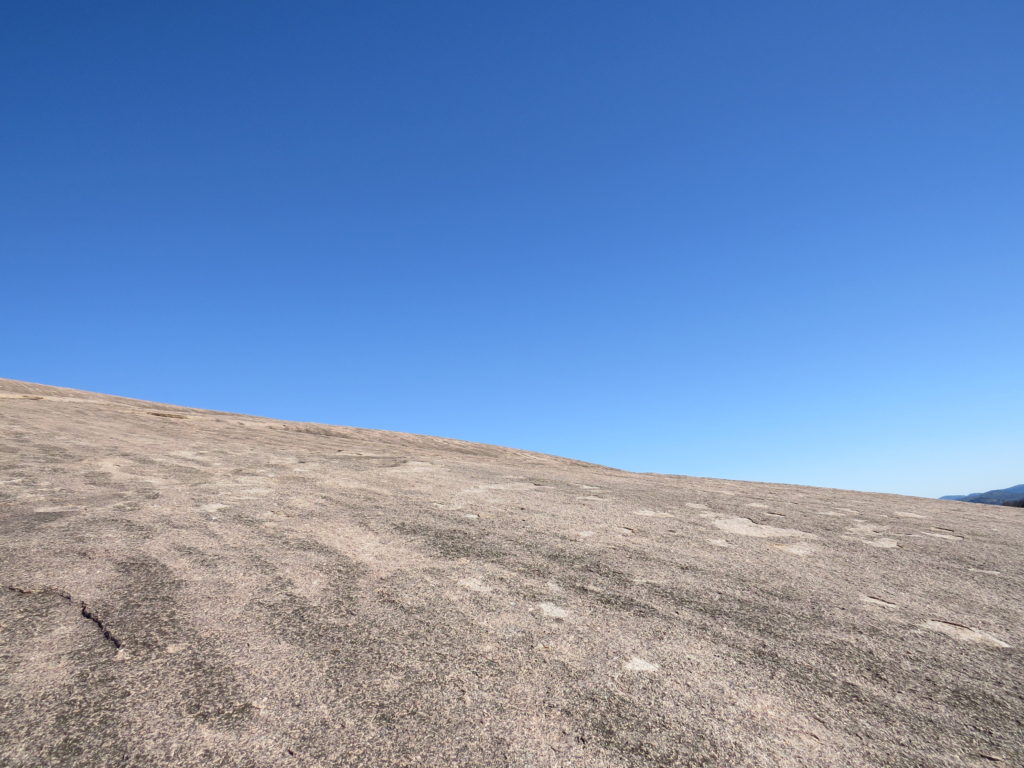
It was like a moonscape on the huge dome—craters and cracks and crevices, and there was a sense of just how ancient this rock-of-a-planet Earth is that we live on. Humbling.
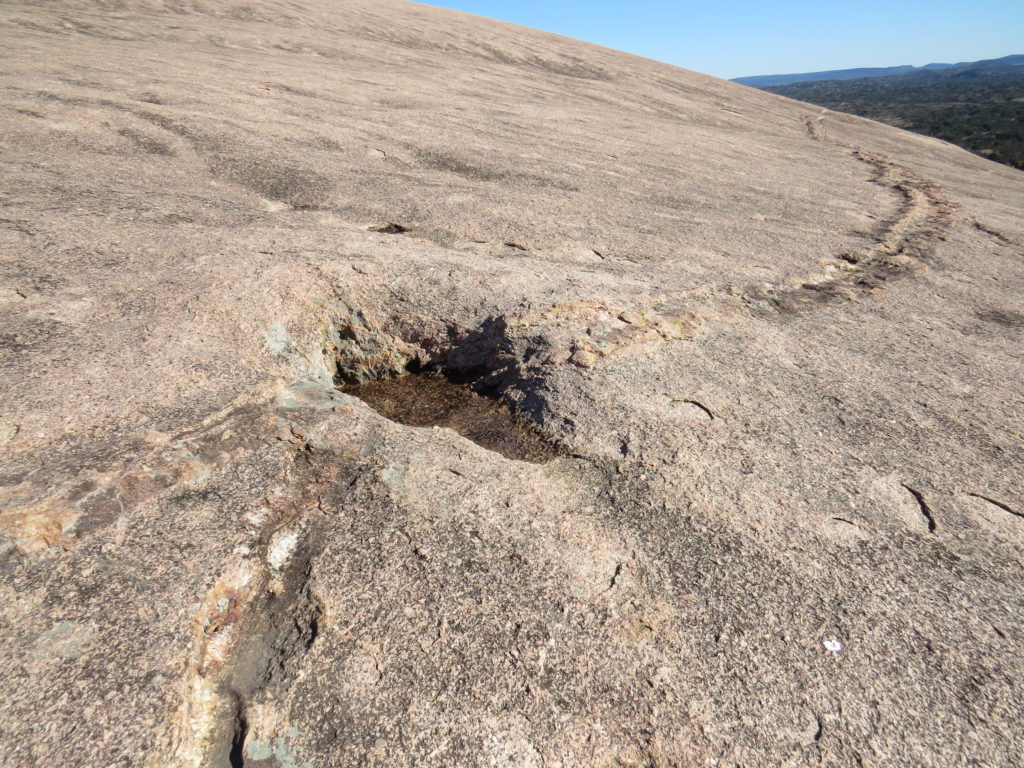
As we neared the top, weathering pits filled with the previous night’s rainfall glimmered in the sunlight. The footprint-like craters have spawned myths about eternally wandering ghosts, but in reality, they are the probable reason for the ethereal glow on a moonlit night, which induced someone to name it ‘Enchanted Rock.’
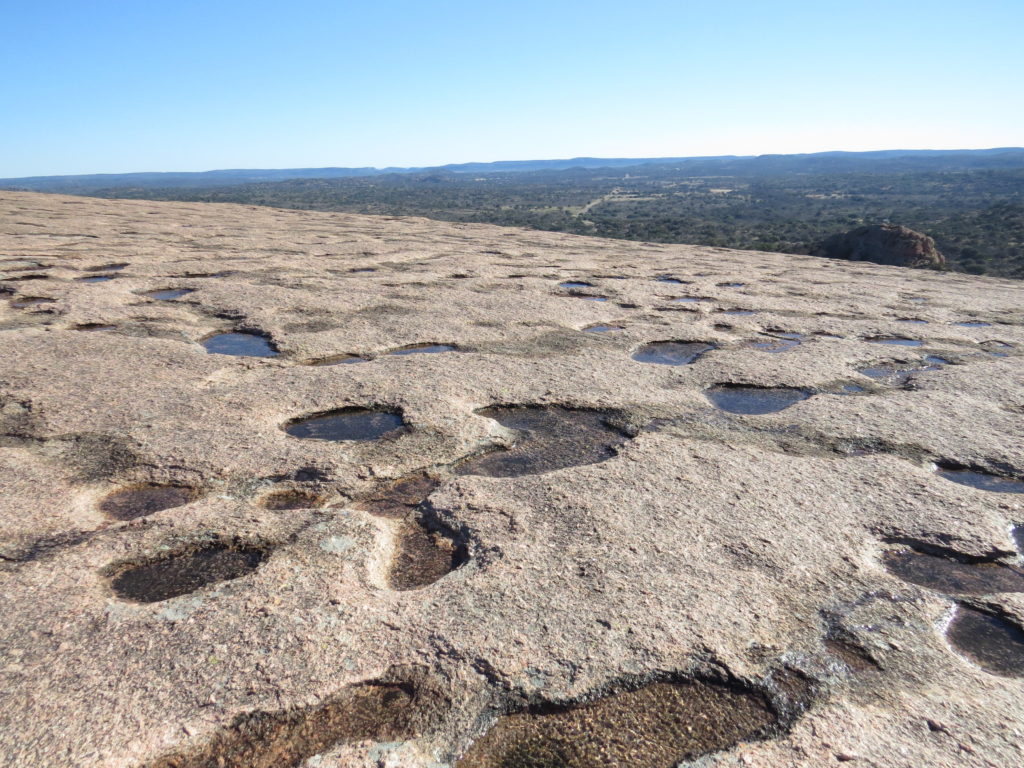
The larger weathering pits that retain water for weeks are called vernal pools. These delicate ecosystems are pioneer communities that contain minute plants and animals that will develop over time into an oasis of life. Tiny fairy shrimp are found and studied here, and a moss-like plant named rock quillwort is unique to this environment.
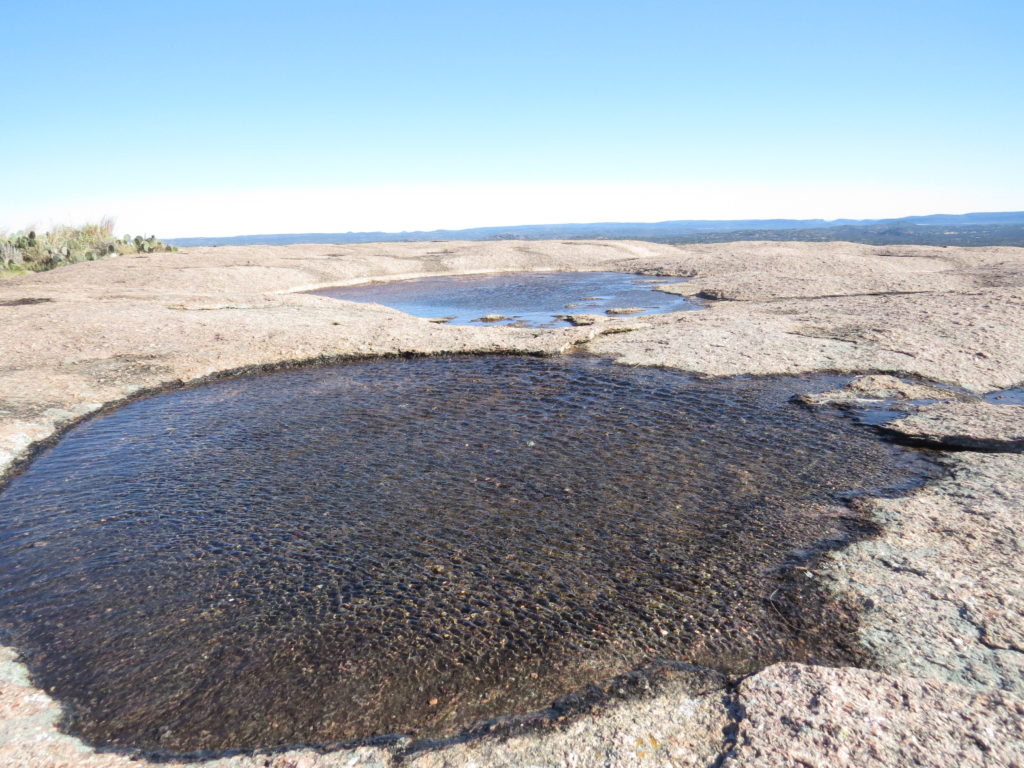
As bits of soil, seeds, and small creatures build up in the vernal pools, over time it transforms into a little island of life—willows, grasses, yucca, and prickly pear cactus—shelter and food for wildlife who live on the Rock.
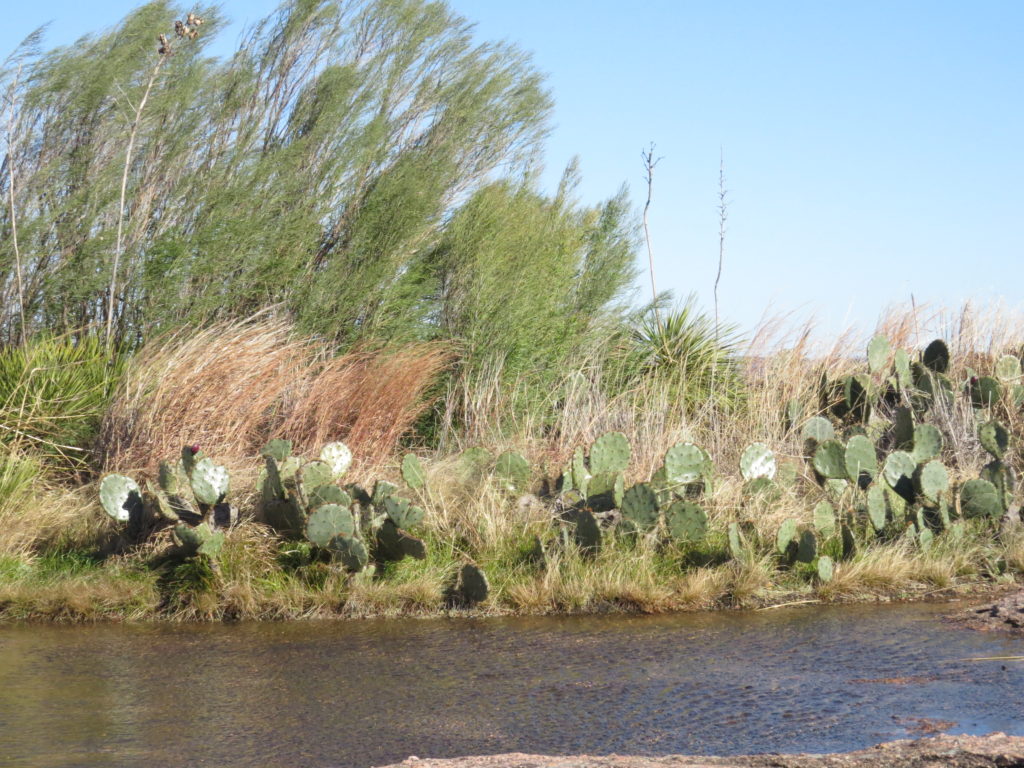
The view from the top of the Rock was stunning in all directions!
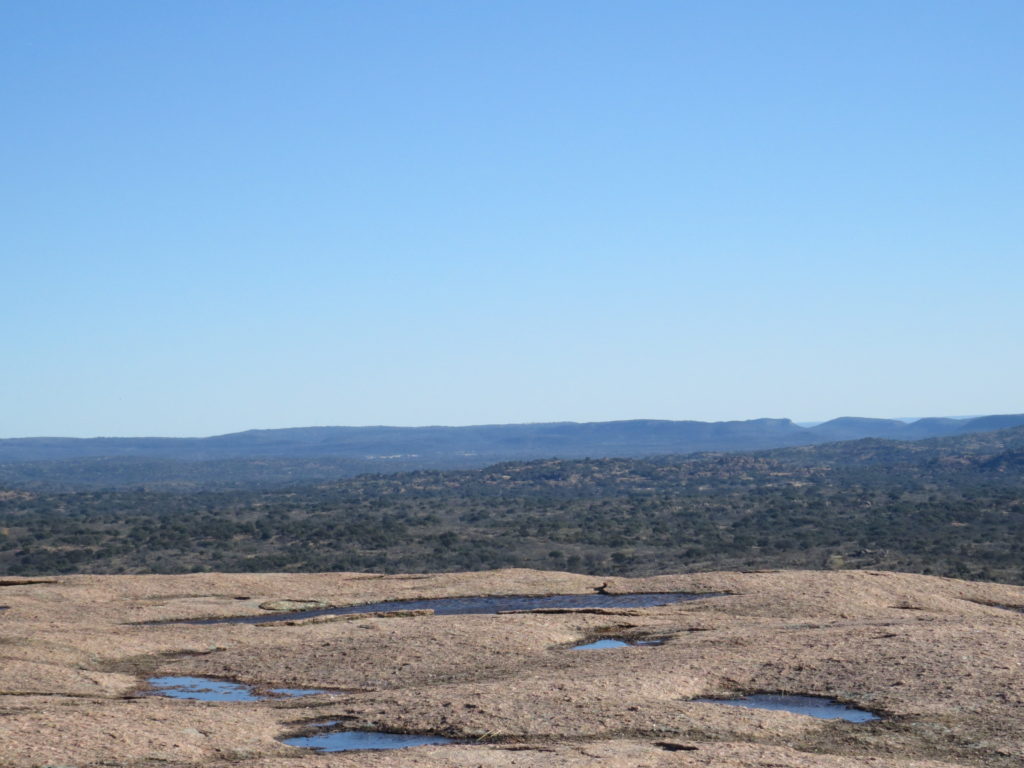
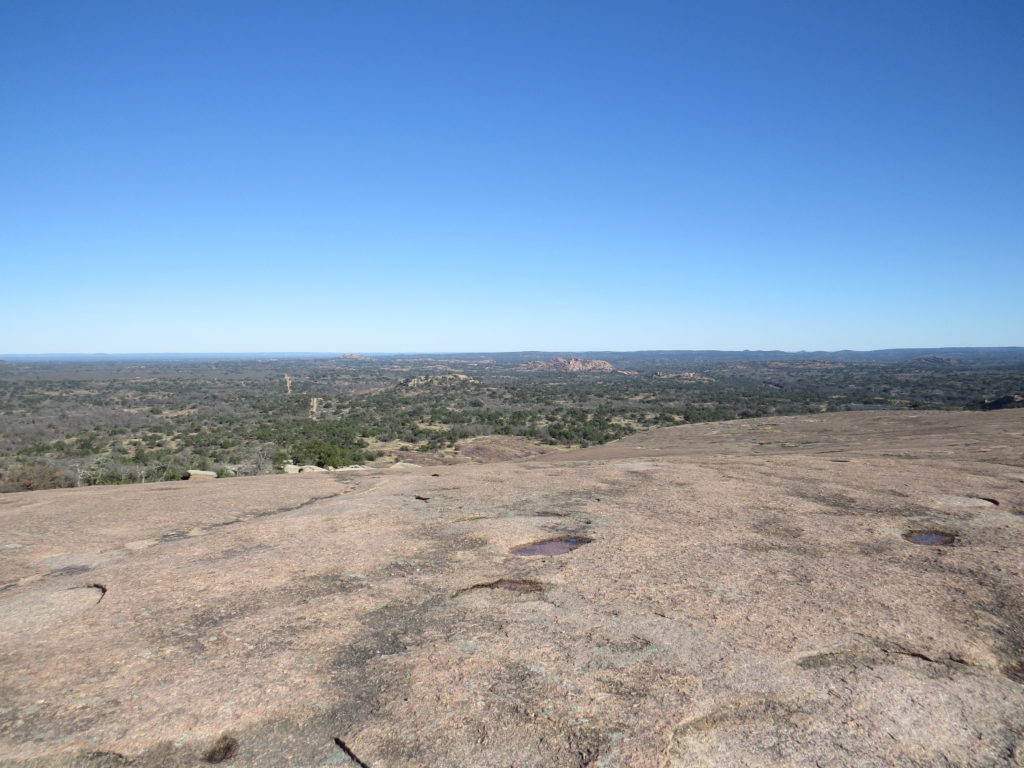
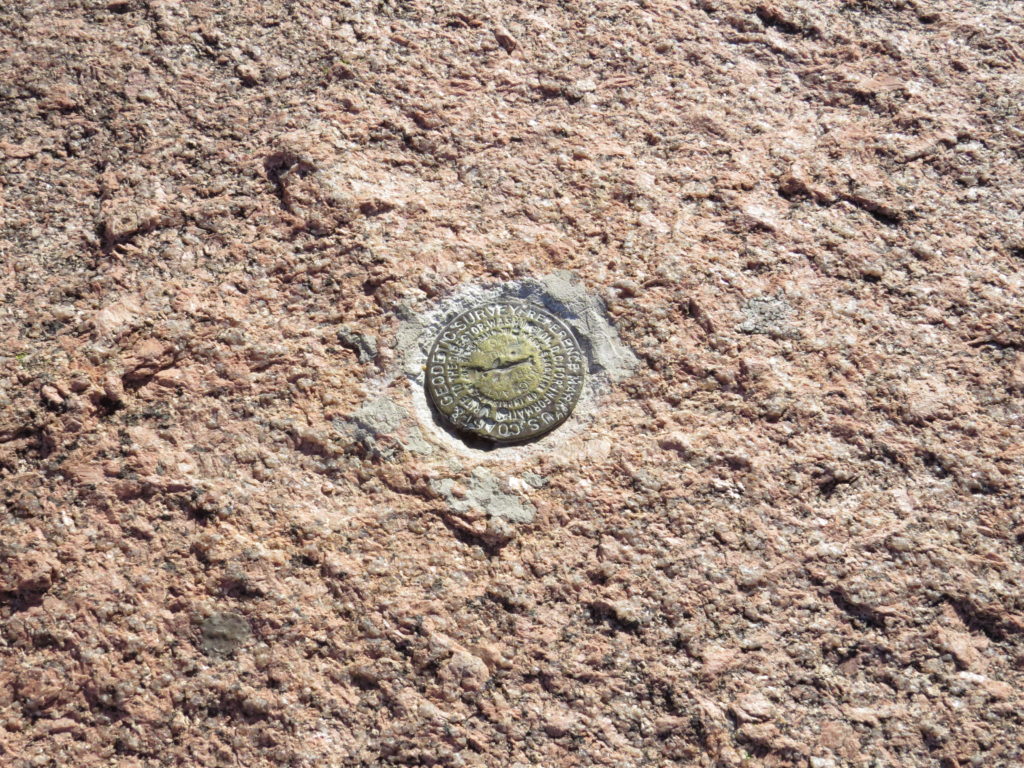
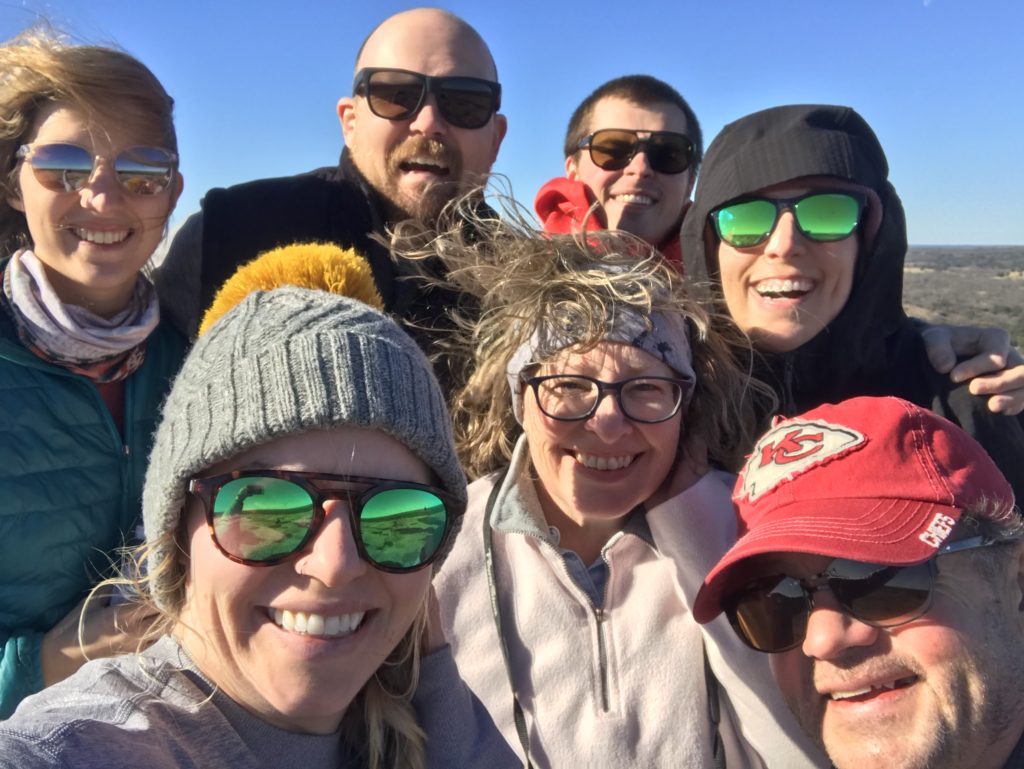
The geographical high point was marked by an official survey seal, and we marked our climb with an official high point selfie!
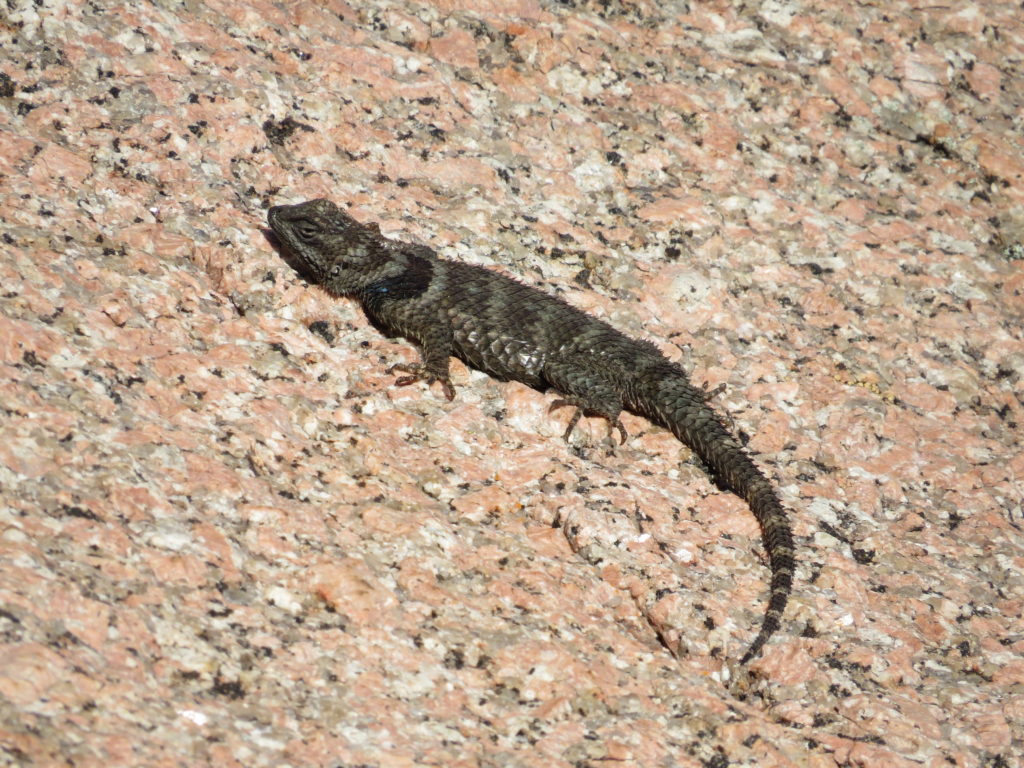
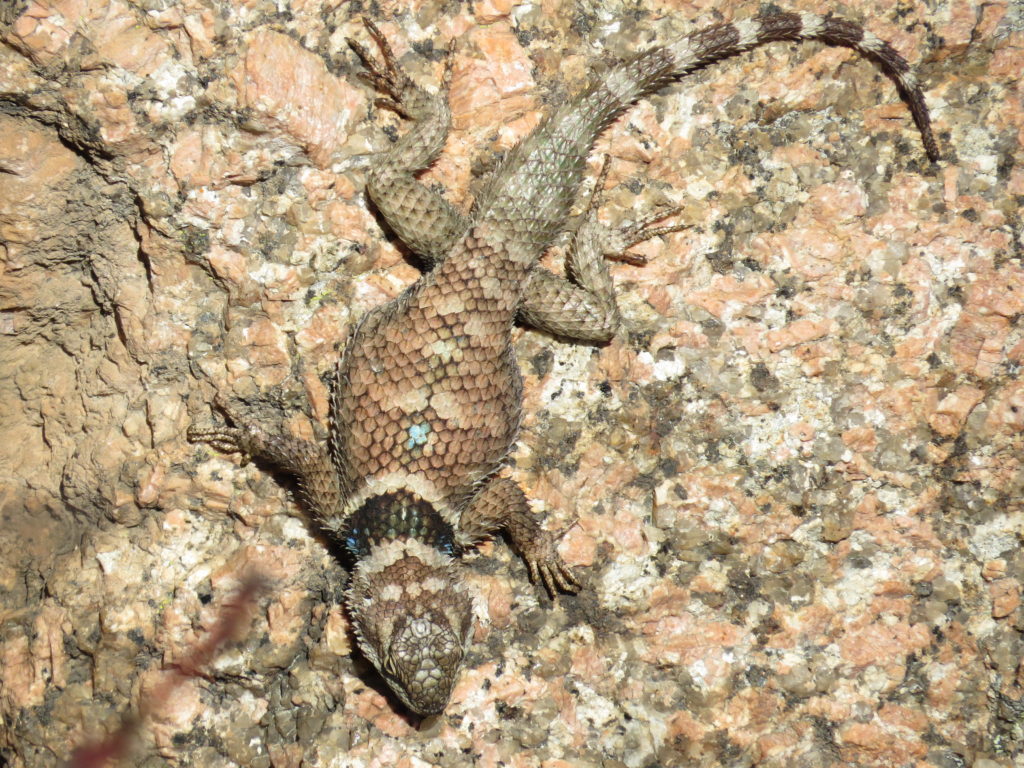
We walked toward a pile of huge boulders on the northeast side where there was a cave. We were below the summit enough to be out of the strongest wind. Two lizards were warming themselves on the south-facing rock—a Texas Spiny Lizard and a camouflaged Crevice Spiny Lizard. What cool creatures!
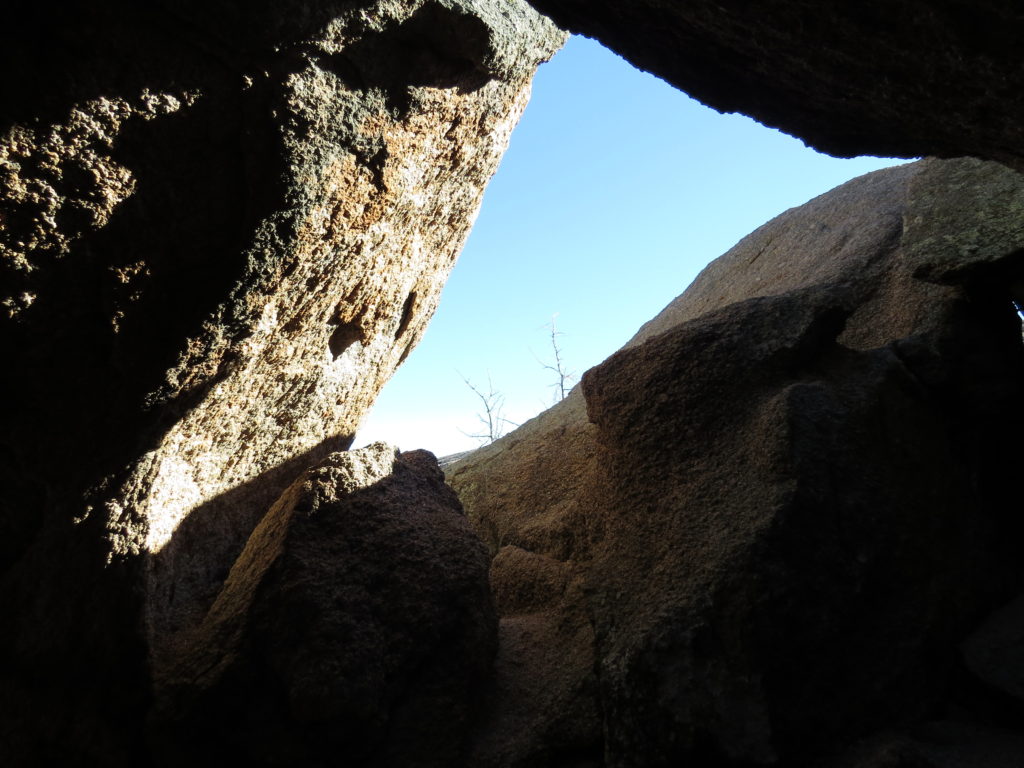
Some of us climbed into the cave—not to the crawl-on-your-hands-and-knees part—but through to a secret garden area where a couple of wind-swept, twisted-trunk trees grew.
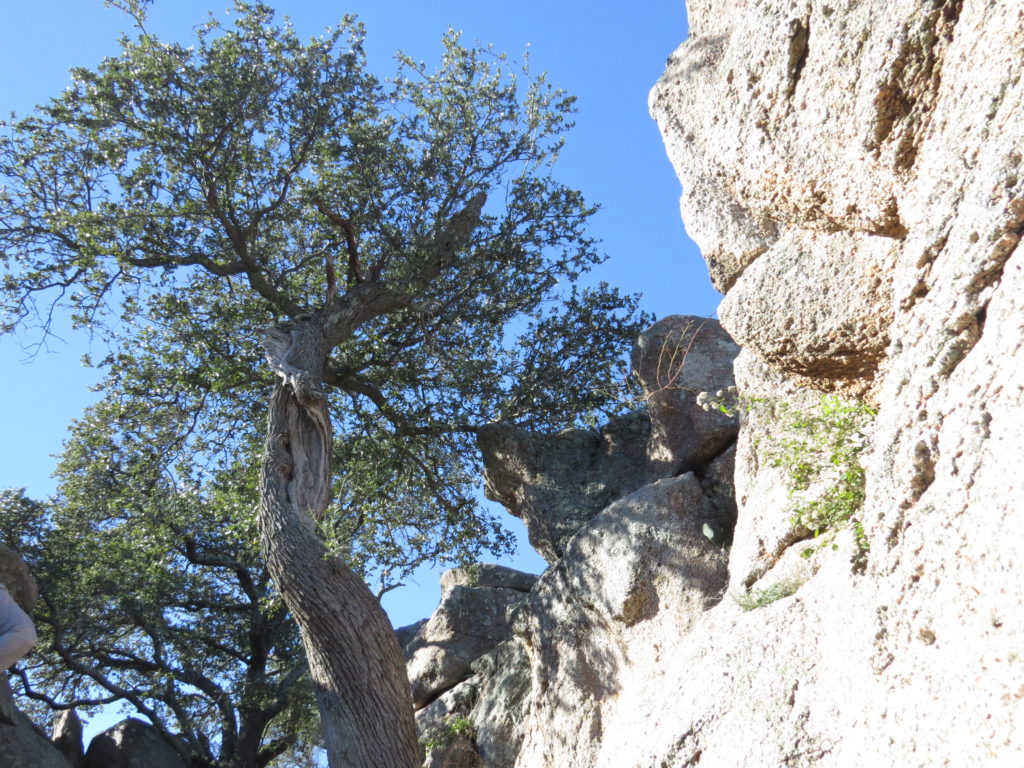
After climbing out of the secret garden—and a few moments when I thought I may be stuck on Enchanted Rock for eternity—we began our descent.
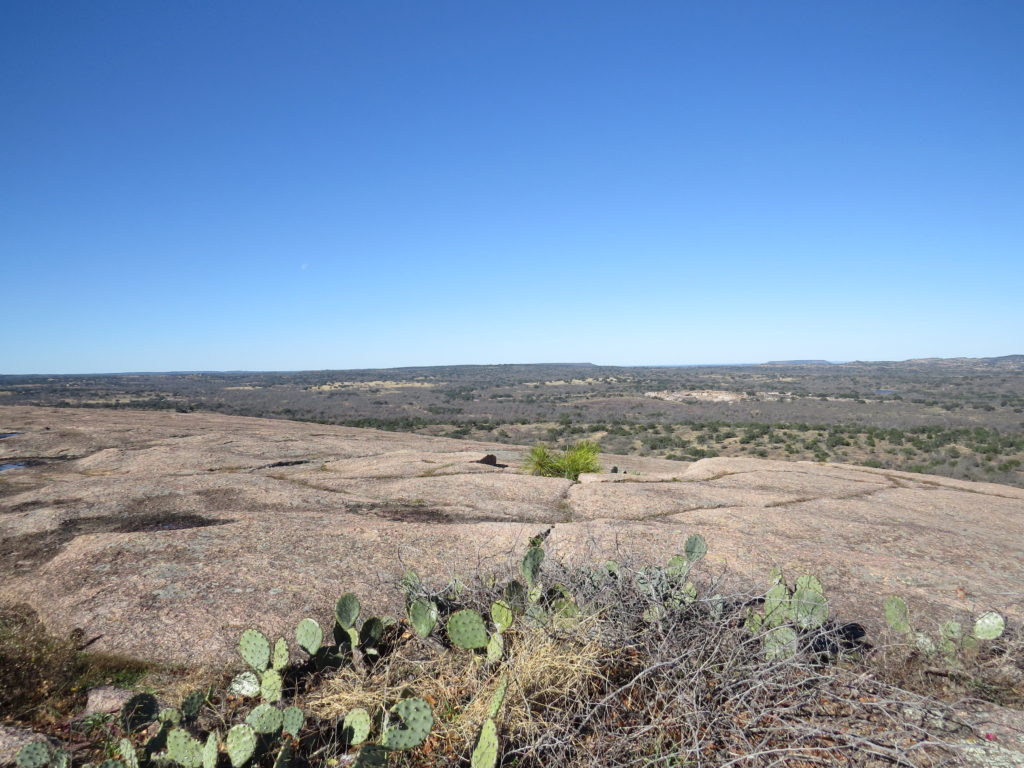

We chose a different side of the rock to hike down—an area with huge cracks and large boulders scattered in random spots.
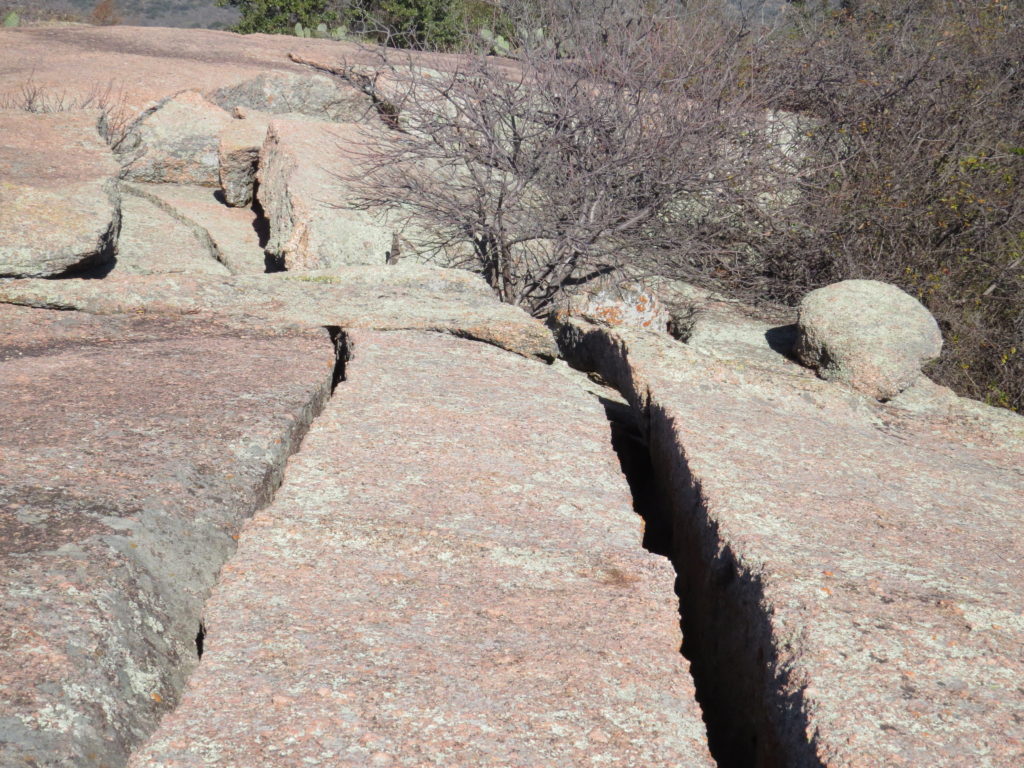
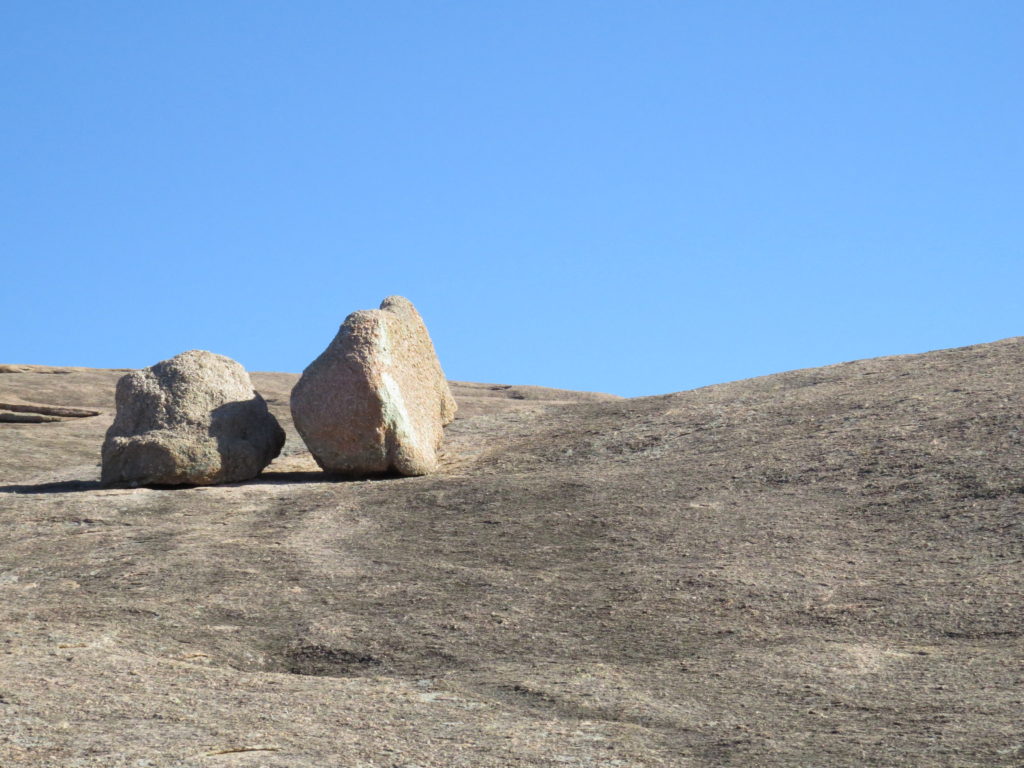
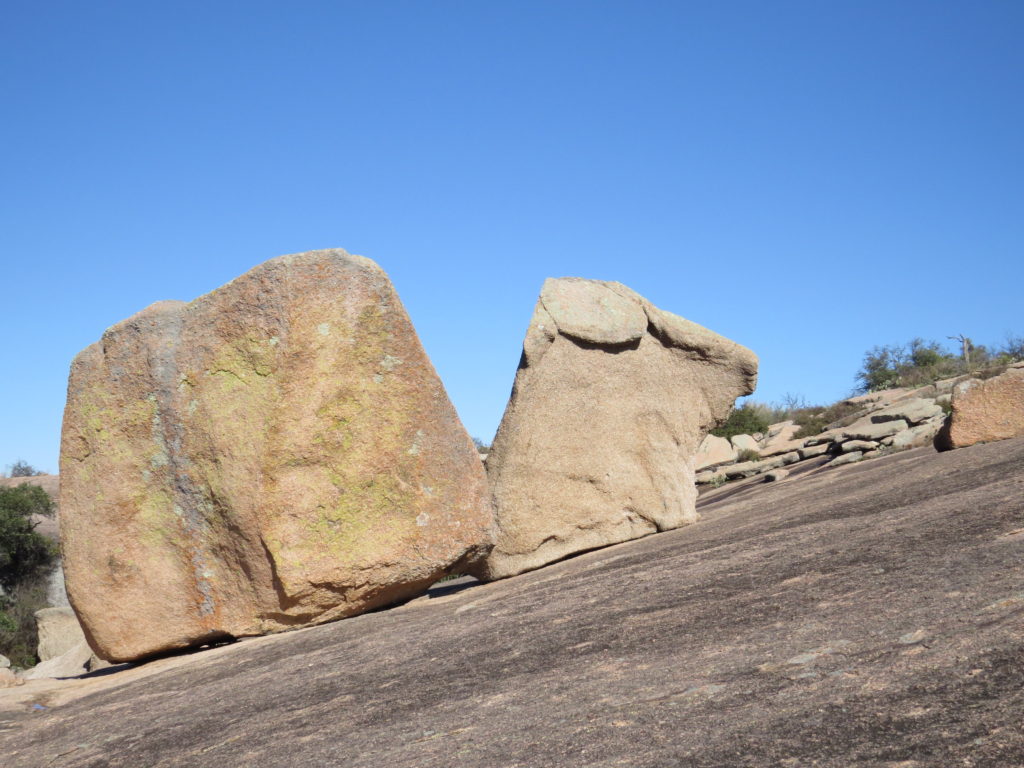
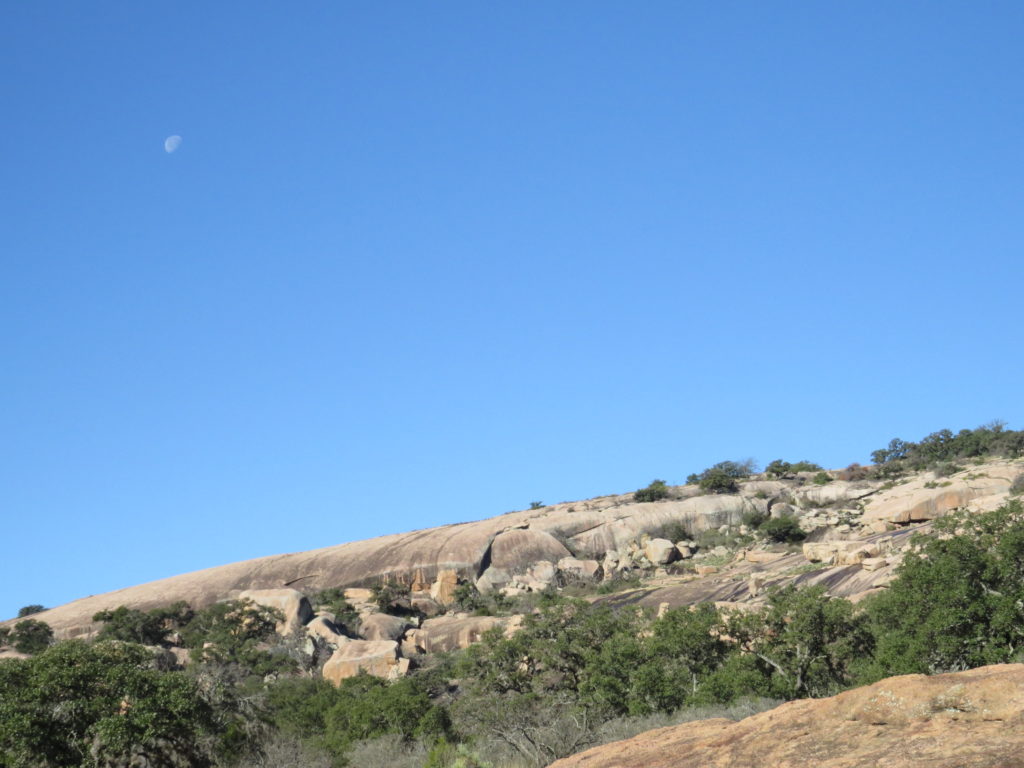
The dome of Little Rock shows the exfoliation caused by expansion and contraction of the rocks and how broken chunks of rocks slide down the side of the dome.
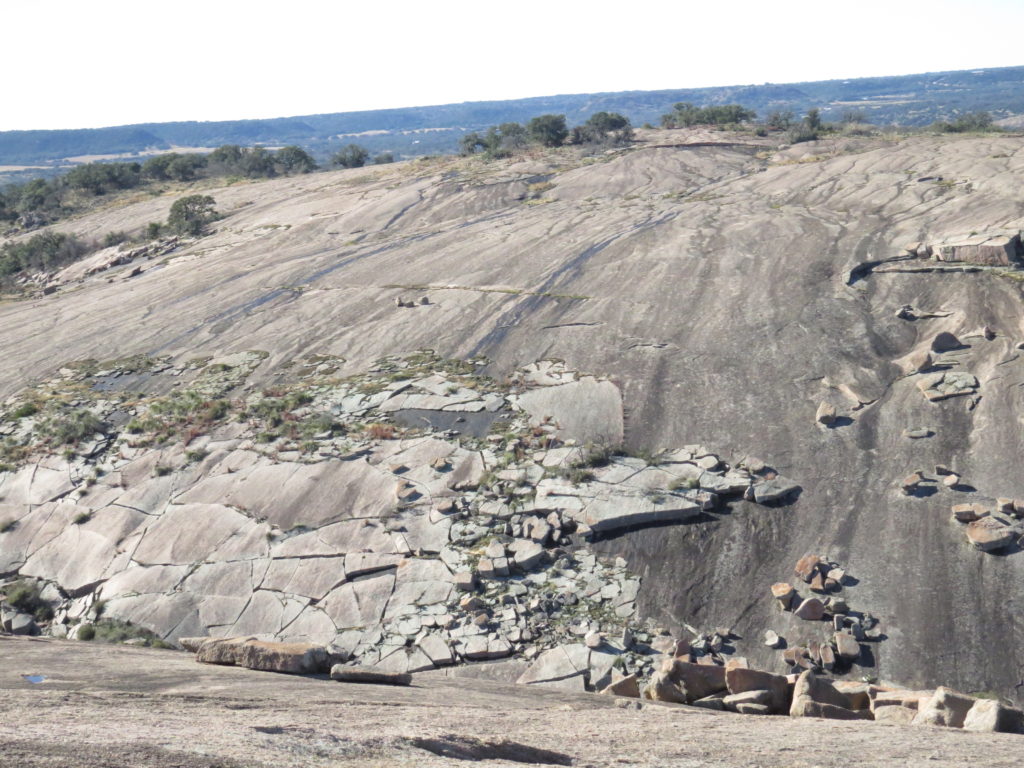
A rift of amber bluegrass and one of green, grew in the nearly vertical cracks as we climbed down Enchanted Rock.
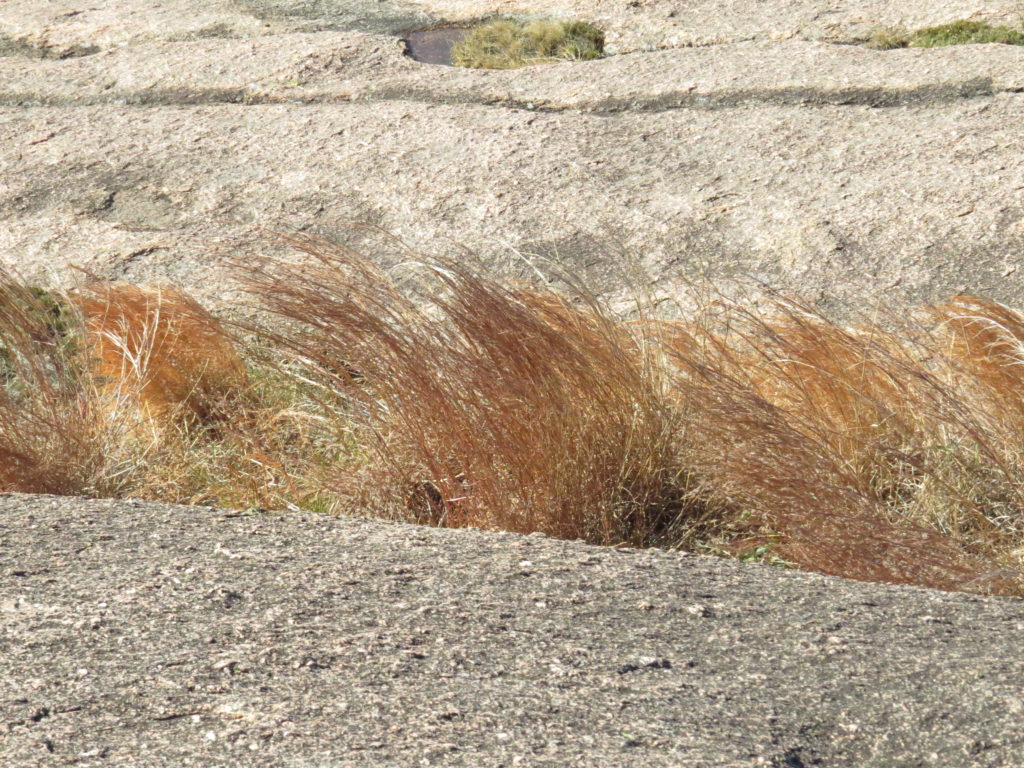
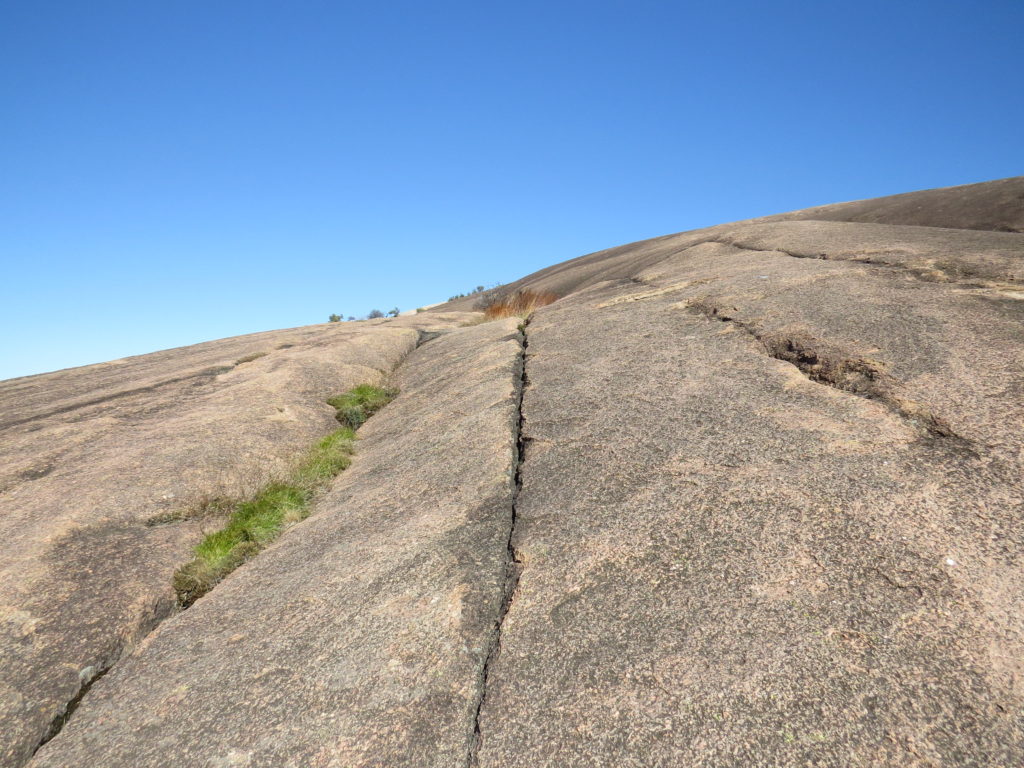
Down from the dome, down to foliage, down to Earth.
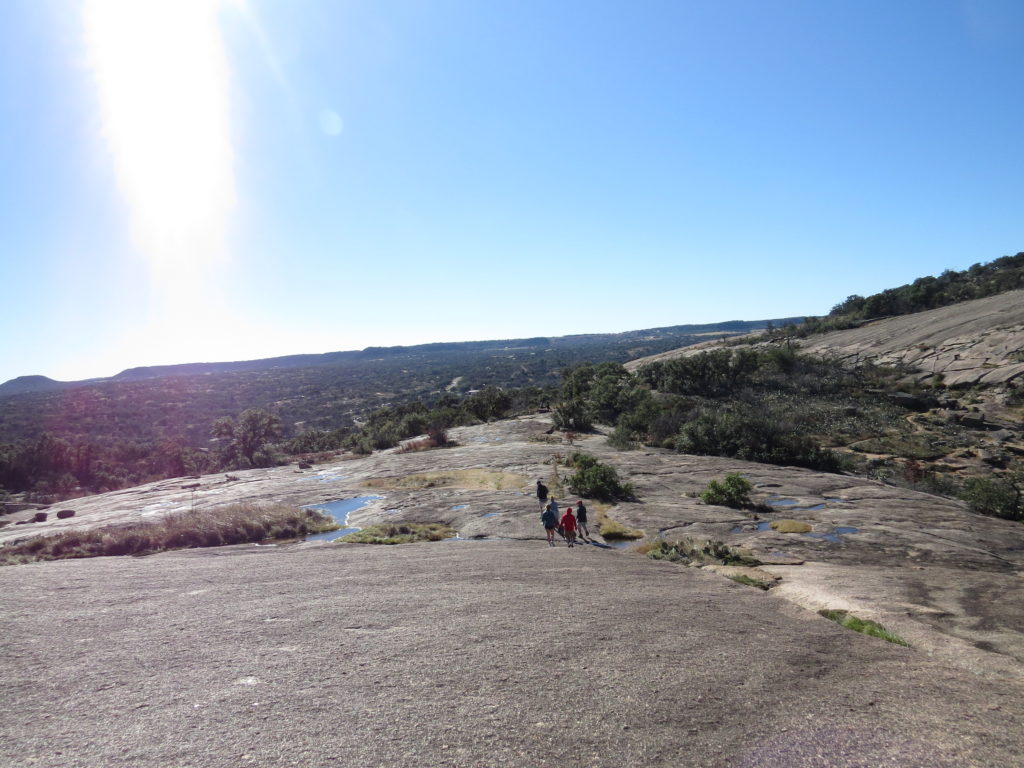
Even though we didn’t see the vernal pools of water glowing in the moonlight, I understand why this place is called Enchanted Rock. It was unlike any place I had ever been before; it had a grounded, solid feel of ancient wisdom at the same time as an other-worldly, ethereal feel of life-affirming Spirit. The wind with all its power was mesmerizing. The sunshine sublime. The patches of plants growing on rock, enthralling. It is a place to base our lives on—the quest for body-regulating grounding wisdom and for exquisite, joy-filled Spirit. The challenging trek to the top of the Rock was individually fulfilling and profoundly enhanced by our experiencing it together. The very real yin and yang of our lives—these opposite forces that are complementary and interdependent. Our interconnected earthly-divine lives living on an enchanted rock.
For the first part of our Enchanted Rock adventure, go to At the Foot of the Rock.
At the Foot of the Rock
I can see the light of a clear blue morning/ I can see the light of a brand new day/ I can see the light of a clear blue morning/ And everything’s gonna be all right/ It’s gonna be okay –Dolly Parton
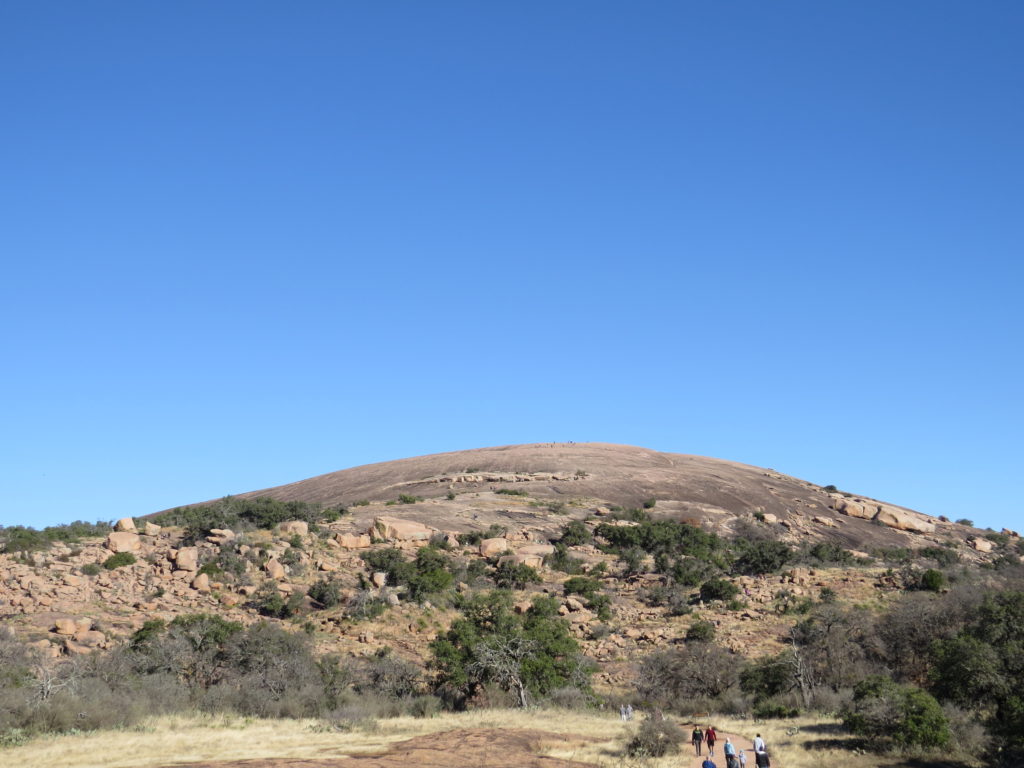
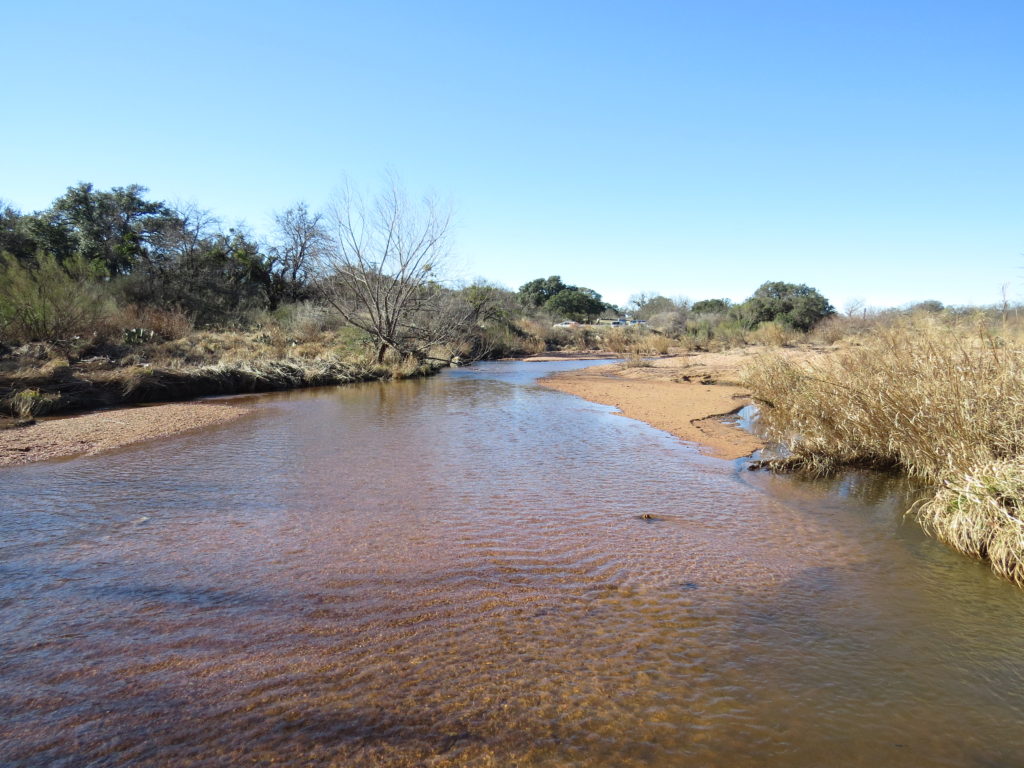
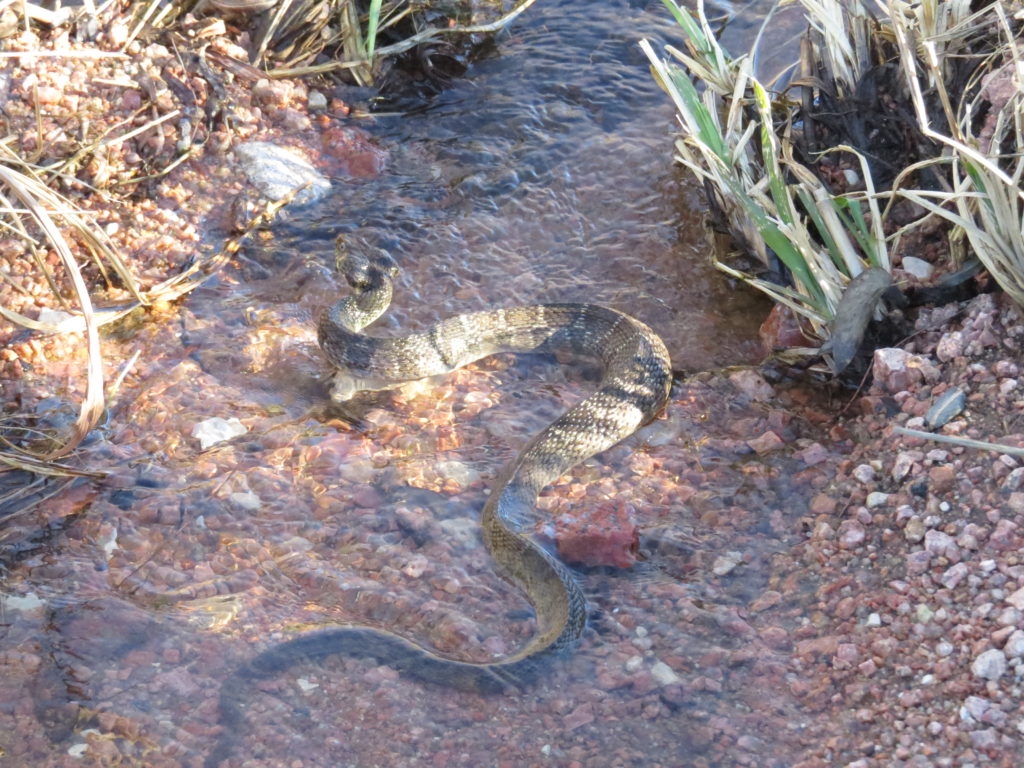
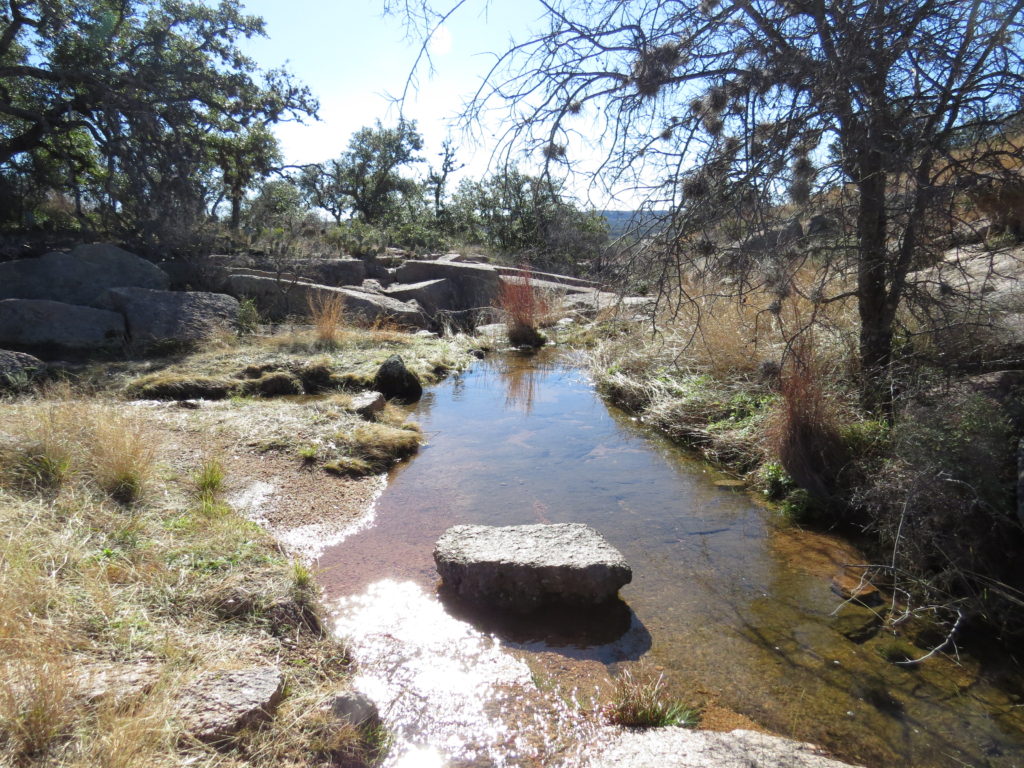
There’s something to be said for being able to clearly see what lies before you, what your task is, even what path you will choose. The first time I heard about Enchanted Rock in the Hill Country of Texas was when our daughter Emily worked at The Outdoor School in Marble Falls. It sounded, well, enchanting—a huge dome of granite rock that bubbled up as magma a billion years ago, then slowly began eroding. It is a place that humans have camped at and called home for more than 12,000 years. There are stories and legends of spirits and sacred spaces from explorers and Native Americans and of how the mammoth rock glitters on clear nights with ‘ghost fires.’ I wanted to see it, and I wanted to climb to the top. Enchanted Rock is a small visual part of a huge underground area of granite called a batholith that covers one hundred square miles, so even what is unbelievably large is small compared to what lies unseen below it. The pink granite dome rises 425 feet above the base elevation of the park—like climbing stairs of a thirty to forty story building, and the people at the top looked like ants from our vantage point. Before climbing the granite dome, we explored around the other environments at the base of the rock—the floodplain, Mesquite grassland, and Oak woodland. It had rained the night before, so the shallow creek-bed was flowing with clear water and home to a great-looking snake.
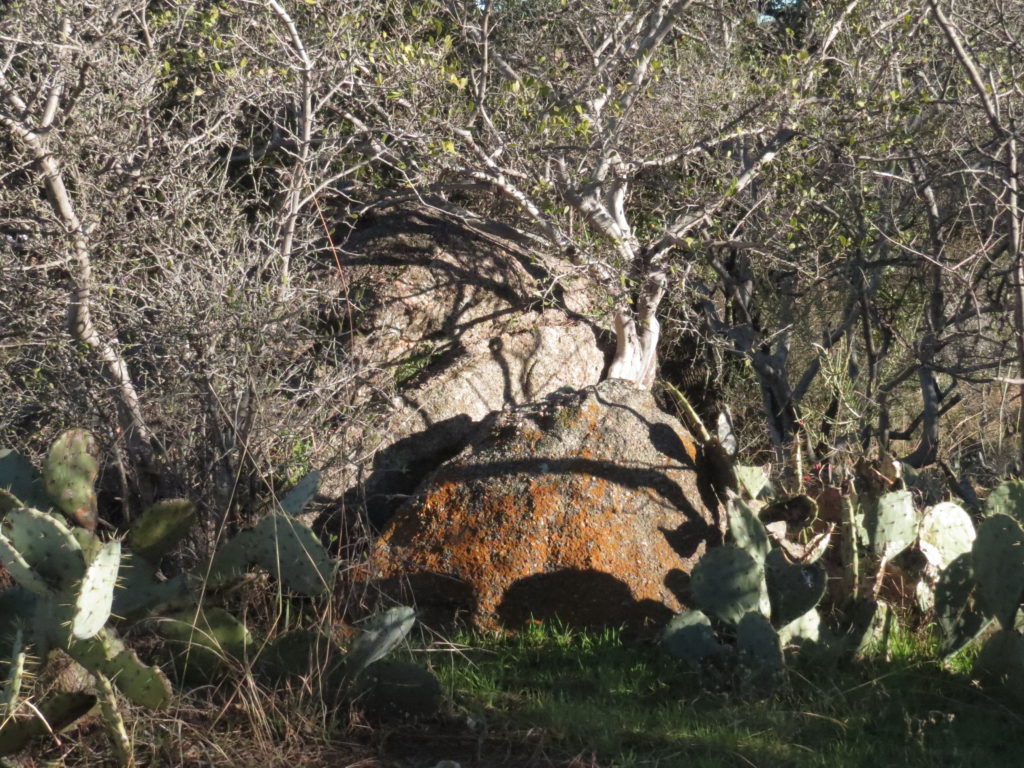
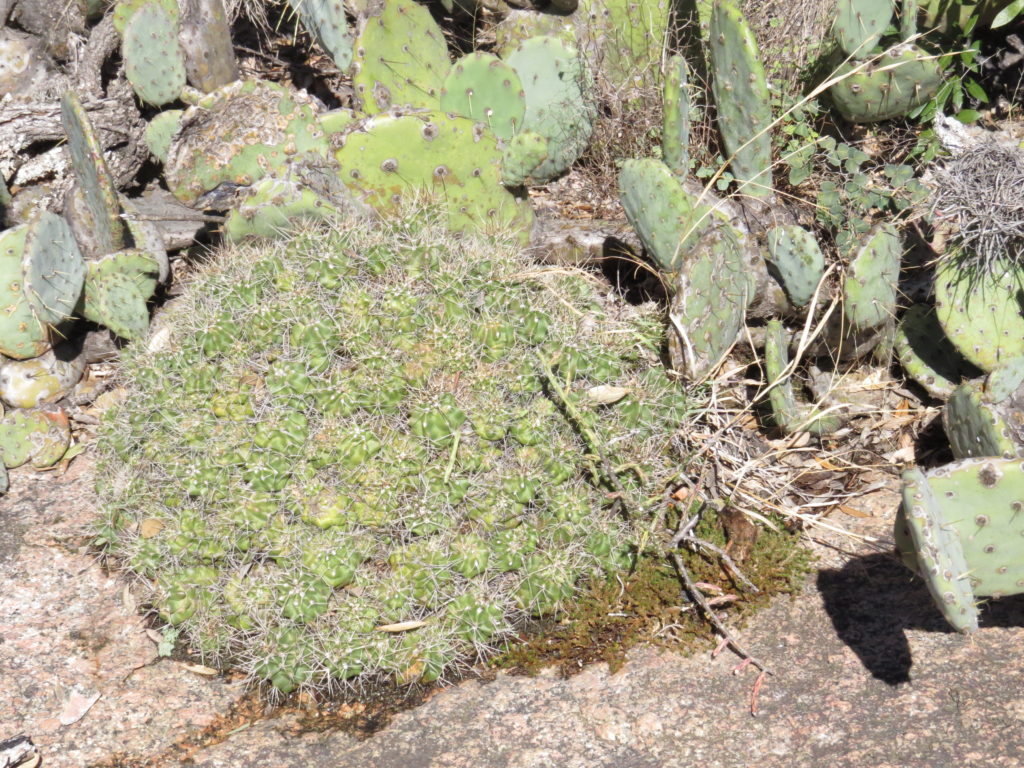
Like all the places we had visited in Texas, I was amazed at how the prickly pear cactus occupied such diverse environments and how some of the trees still wore their green leaves.
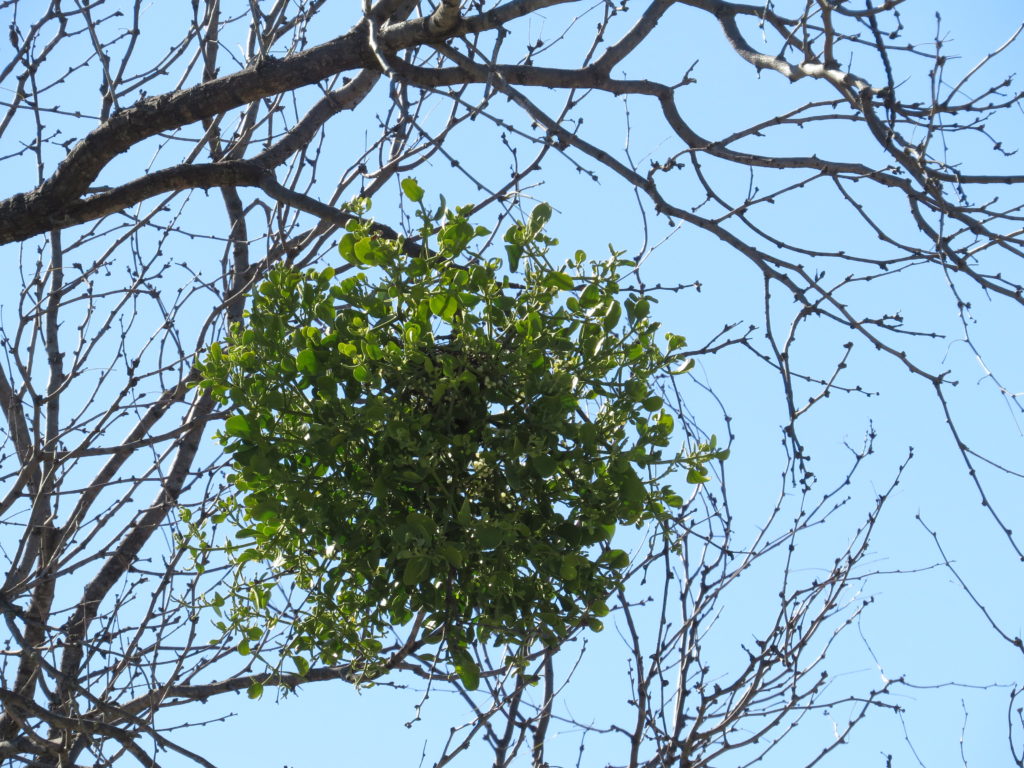
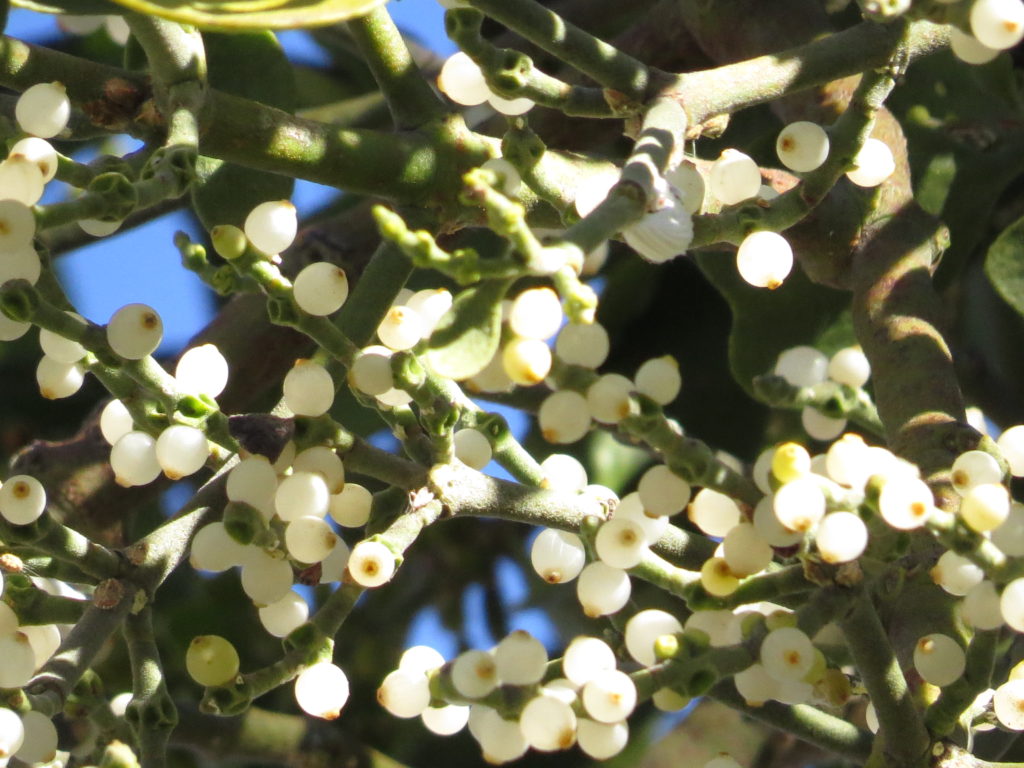
One of the unusual sights for me was a ball of green Mistletoe in a bare tree. The tradition of kissing under the Mistletoe began with the ancient Greeks, as the evergreen plant with its shining white berries symbolized fertility. Now it has become a tradition/decoration of the Christmas season. It is a parasitic plant that sends its roots into the wood of a branch and usurps water and nutrients from the tree. A heavy infestation of Mistletoe can cause dying of branches or death of a tree.
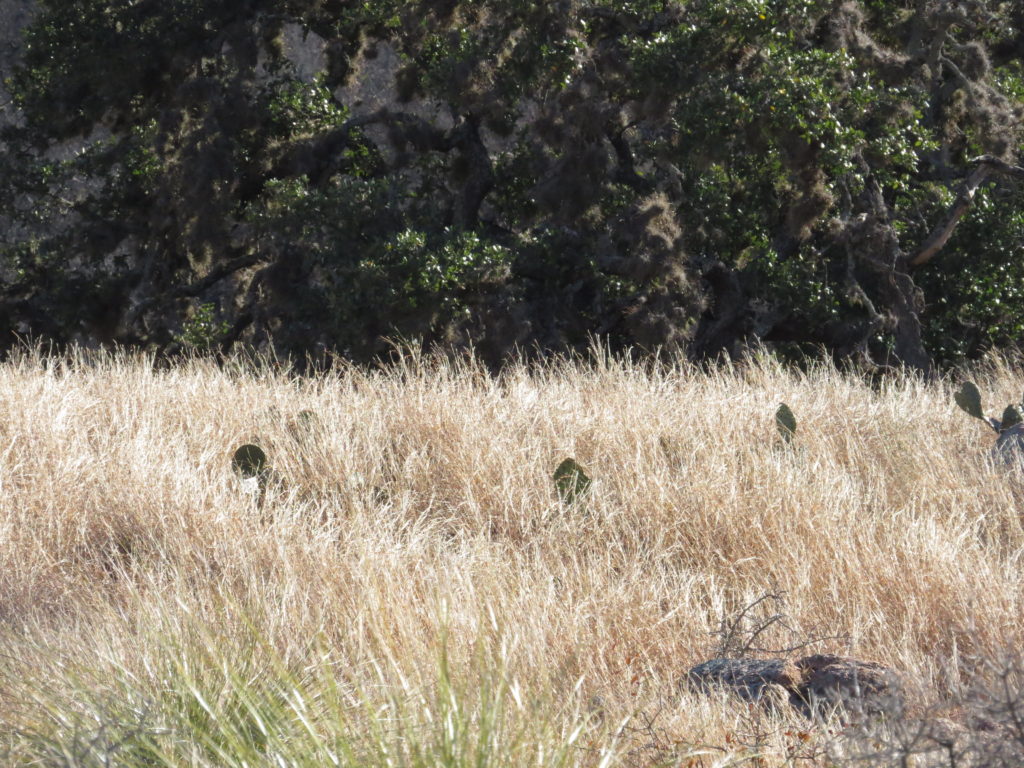
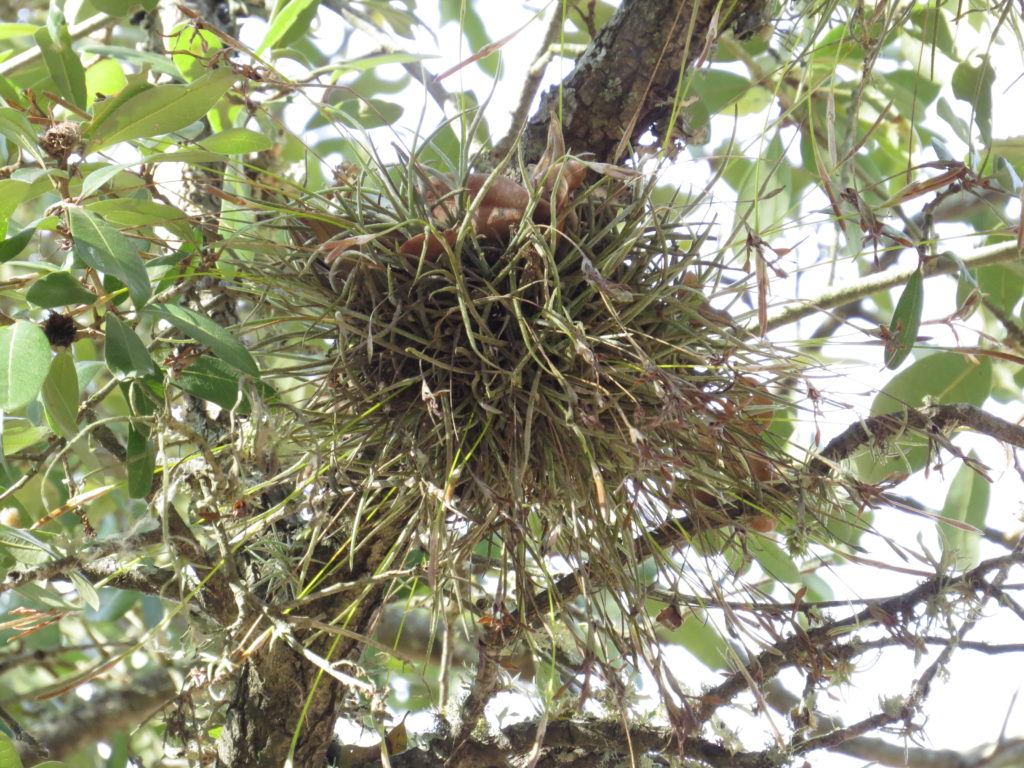
Another plant that is sometimes thought to be a parasite is Ball Moss, seen as the gray balls in the Oak trees below. They are actually epiphytes—plants that live on other plants, but absorb water and nutrients through their leaves from the air. These ‘air plants’ anchor themselves to the bark of a tree with tendrils. Some arborists believe the tendrils can strangle a branch, and eventually kill a tree, but it is very common to see a tree full of Ball Moss with their pokey seed pod stalks. ( I like how the Prickly Pears poked their ‘heads’ out of the grass in this picture.)
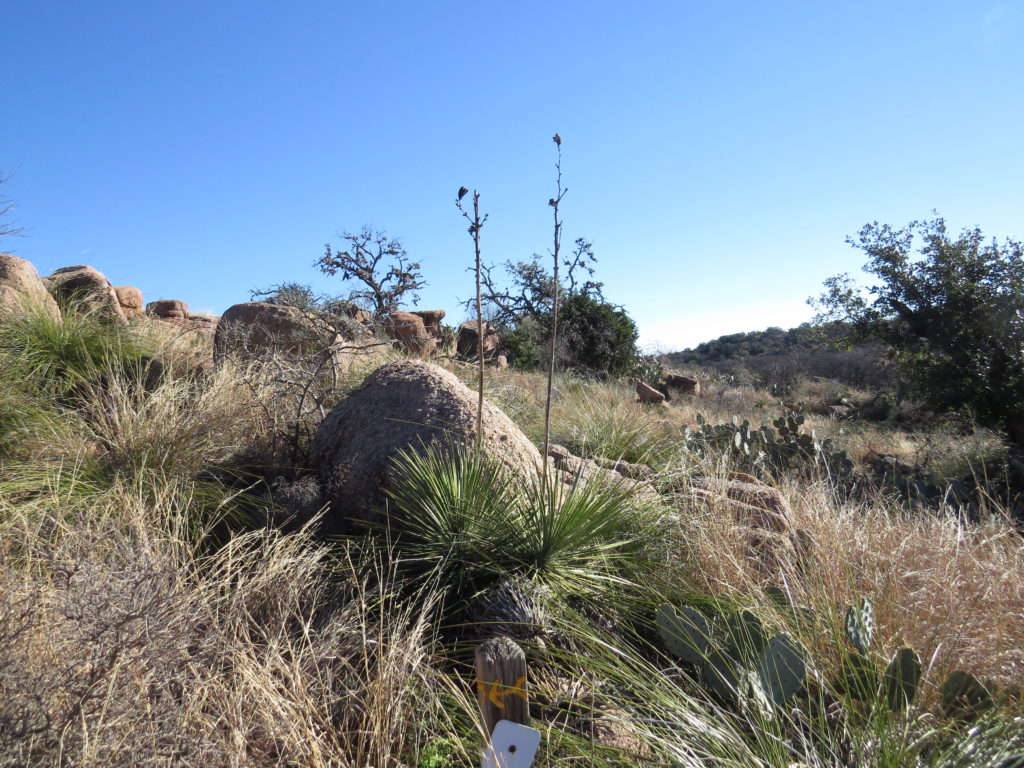
Yucca plants with their tall stalks of seed pods grow among the Prickly Pears, grasses, and rocks.
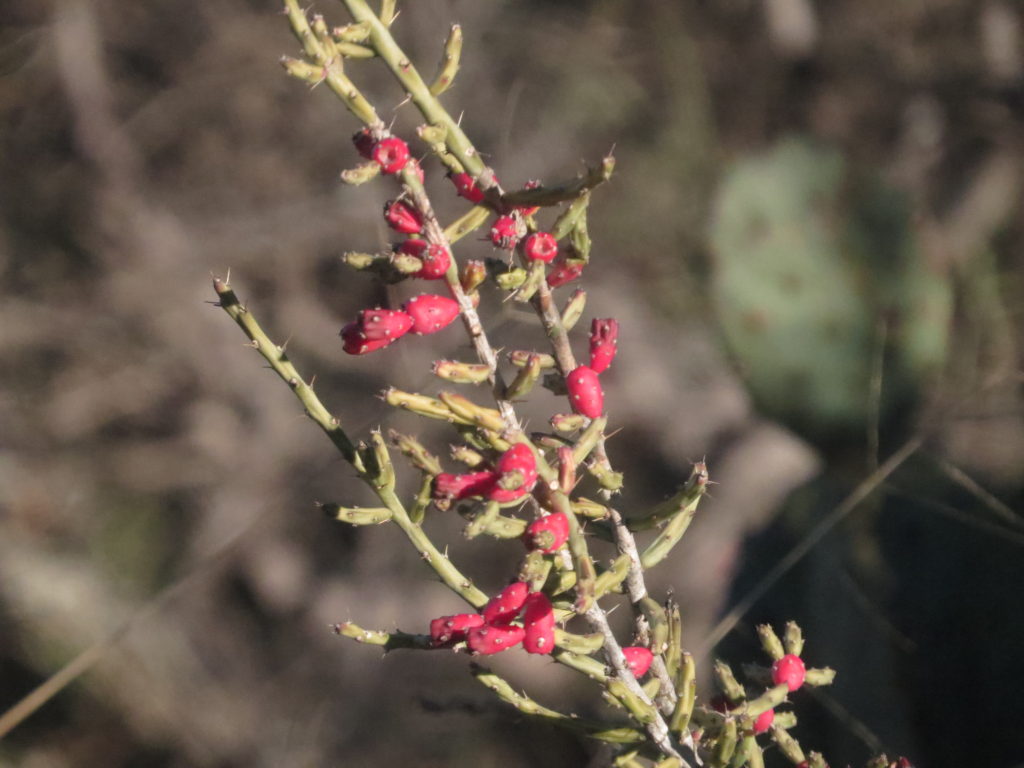
In fitting attire for our after-Christmas hike was the colorful fruit of the Desert Christmas Cactus, sometimes called Pencil Cactus because of the slender leaves.
In the millions of years of erosion, exfoliation of layers of rocks has tumbled down the side of the dome into piles at the foot of Enchanted Rock.
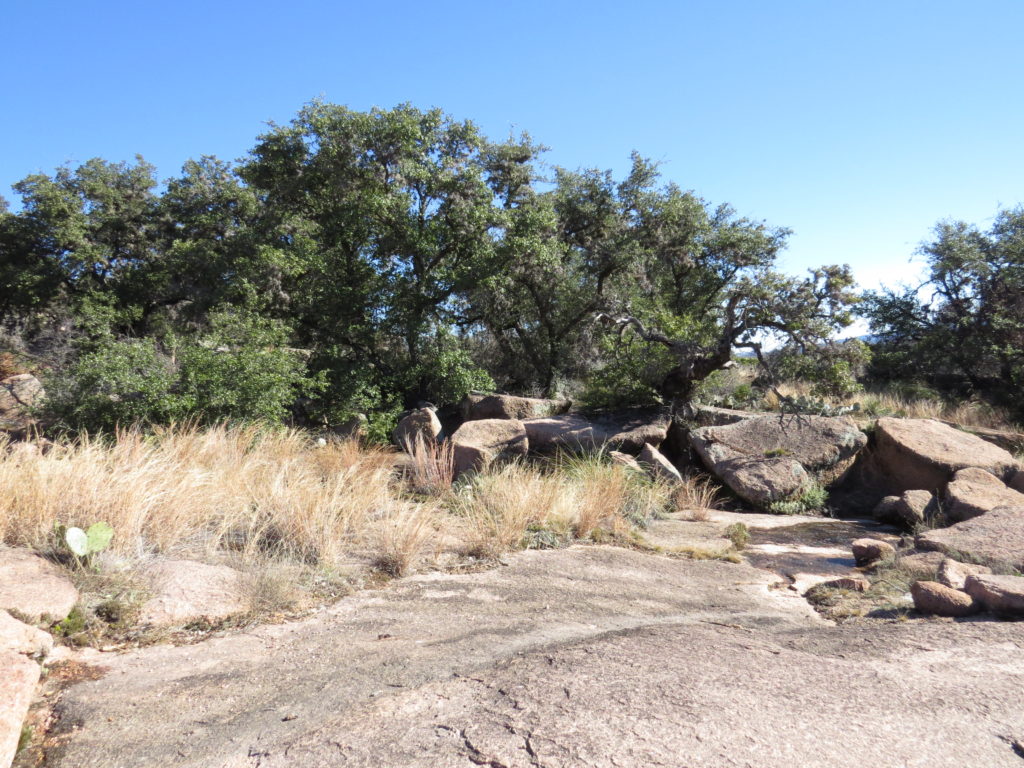
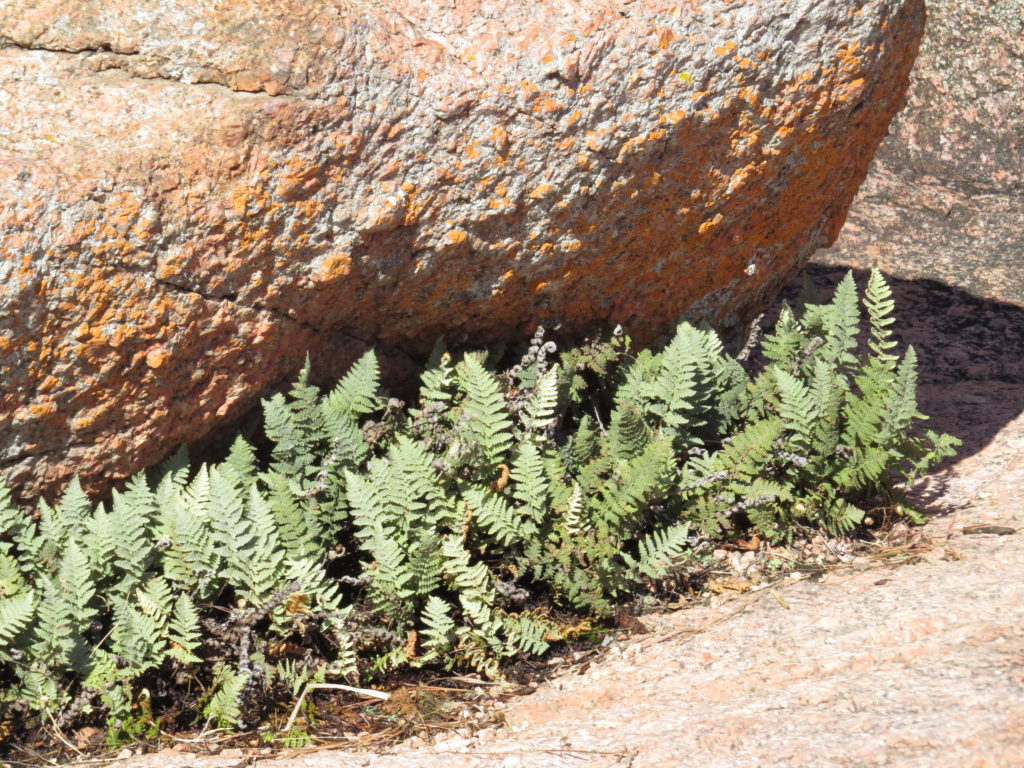
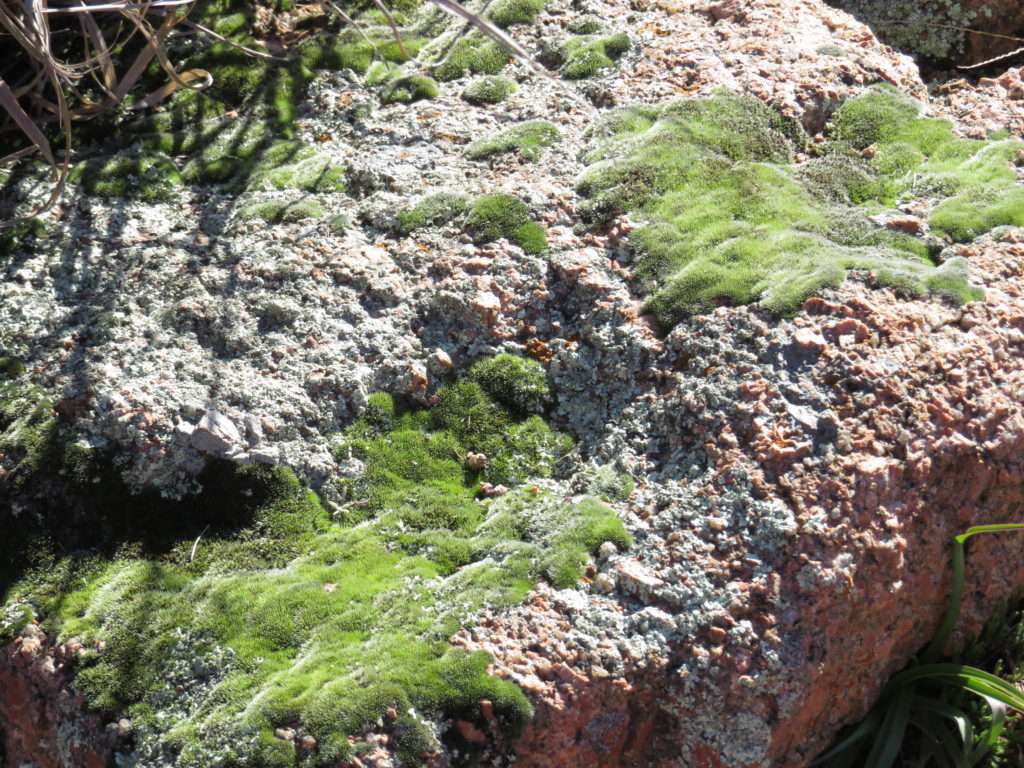
Miniature ecosystems form on and below the rocks where moisture is a bit more abundant…
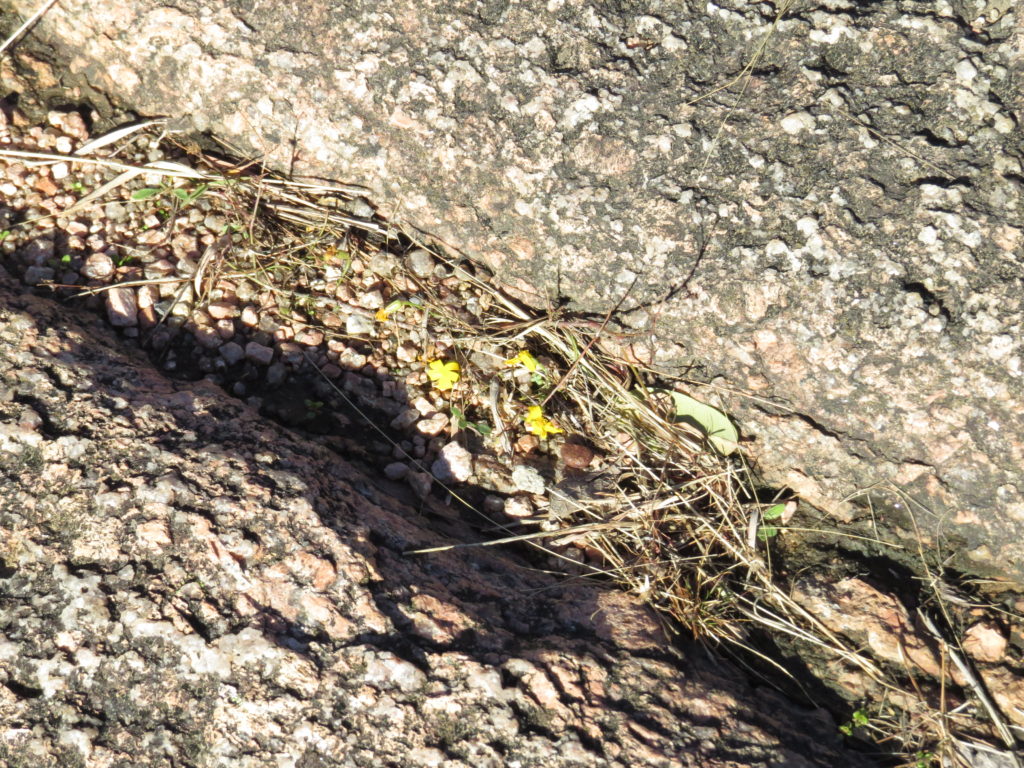
…and where tiny, viney yellow-flowering plants survive in a crack between rocks, perhaps blooming in response to the recent rain.
The ecosystem at the foot of E-Rock is hard and harsh with the masses of granite rocks and cacti, and yet at the same time, there is a softness and flexibility in the flowing water, the swaying grasses, and the carpets of delicate moss that cover the rocks in the floodplain.
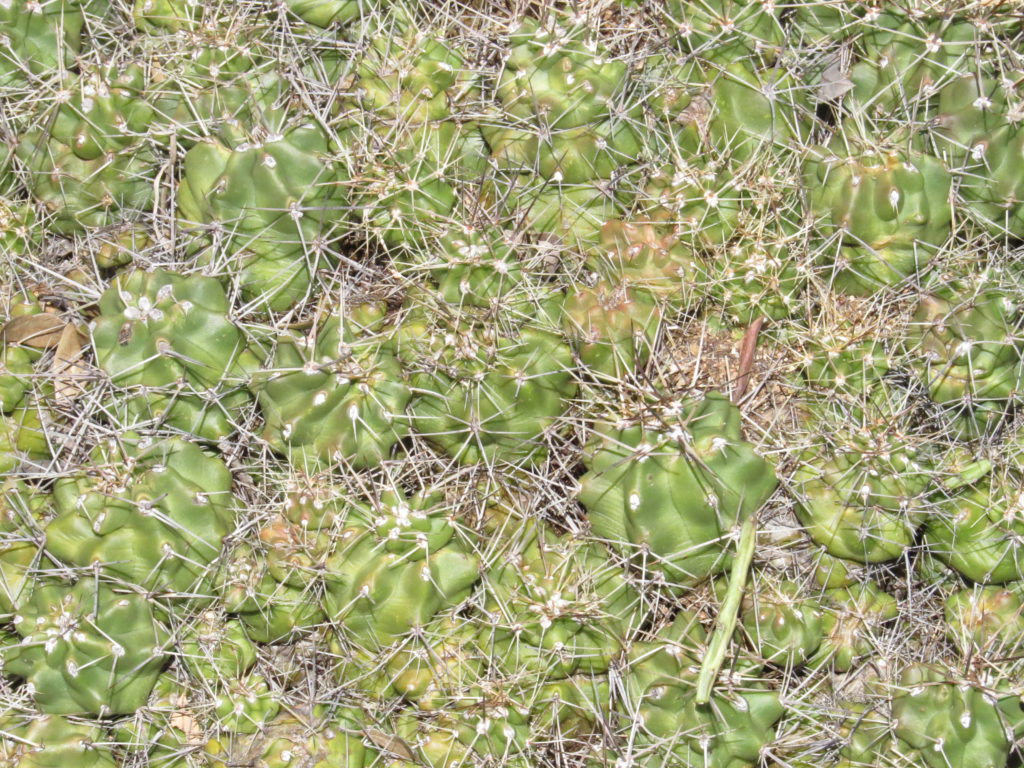
This impressive granite rock, with its long history of geological wonder and spiritual acclaim, attracts people to stand at the foot of the rock in awe of what lies before them. There are times in our lives when we stand in such awe looking forward in our lives—at graduations, at weddings, at funerals, at the births of children, and then again when those children leave the nest. What we see at those times is small compared to what lies unseen in the life-altering tasks before us. Perhaps naivete and enthusiasm are the glasses we need to look through in order to propel us through the droughts, the prickly places, and the hard times. Dolly sings about those long, hard nights, the long hard fights, and the “clinging vines that had me bound.” The largest and most enchanting rock that lies before us is not anything that happens in our external world, but that which happens within us. It’s time to explore. It’s time to face the daunting task of noticing the stories and legends we carry in our hearts. It’s time to eradicate the parasitic thoughts that are killing our souls. There’s something to be said for being able to clearly see what lies before you, what your task is, even what path you will choose. And through it all, we look forward to seeing the light of a clear blue morning and a brand new day. Everything’s gonna be all right. It’s gonna be okay.