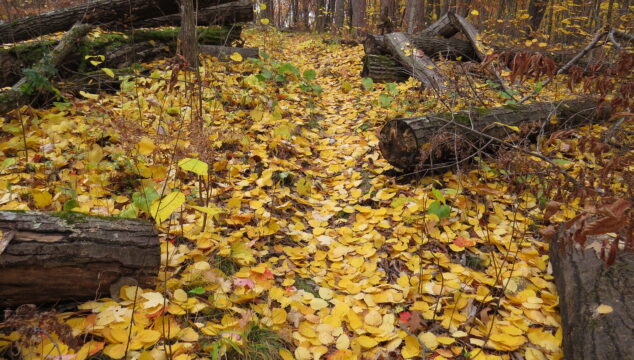
Come walk with me in the peak Autumn beauty of the Northwoods. To say that I love this time of year is an understatement. Most everyone can appreciate the colorful falling leaves---it reveals the 'true self' of a tree when its leaves are no longer producing chlorophyll. Their true colors are revealed, and there is something simple … [Read More...]
The Unfolding
The last few weeks I have traded my camera and computer for a nail-puller, hammer, and drill. Our screened-in porch is in desperate need of a make-over. The chipmunks have chewed holes in the screens, and the decades of rain have rotted the sills, cross beams, and lower siding. Between the uncooperative weather (rain and cold) and the longer-than-expected time to dismantle the old, the project will be taking much longer than expected. Isn’t that the way it always goes?! Lead project manager was my Mom who is a very competent carpenter. She traveled from South Dakota to celebrate her grandson’s graduation from college and to help me for six days.
May in Minnesota is the Unfolding time. It begins with buds of every style, size, and color–the environment is expectant with the lushness of what is to come. It is exciting and humbling all at the same time. It never fails to amaze me that huge compound leaves and spikes of flowers can begin their transformation from such tiny buds! And the wonder of ferns, hostas, and other perennials emerging from the previously snow-covered ground is so Life affirming!
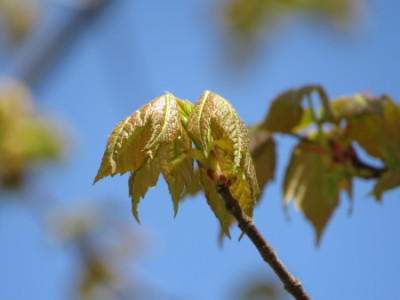
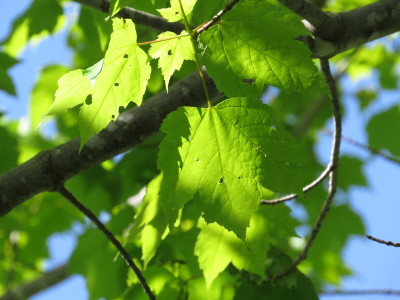
Maple leaves emerge like wet-winged butterflies, wrinkled and folded. As they mature, they change from a light bronze color to the solid, oxygen-producing green of the chlorophyll packed cells.
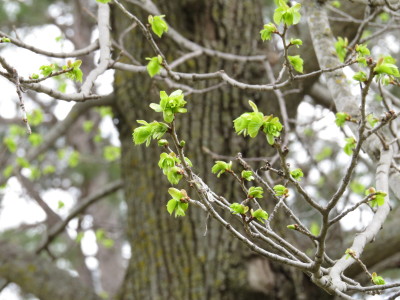
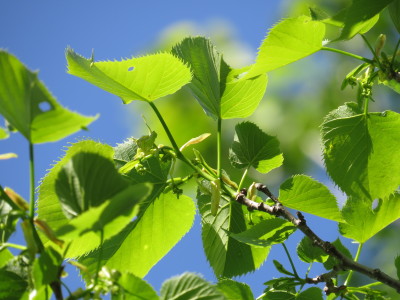
Linden tree leaf buds look like tiny bouquets of flowers on gray stems until they unfold to the serrated, heart-shaped leaves.
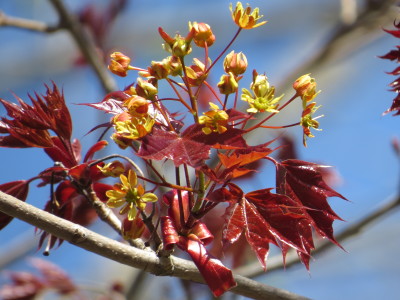
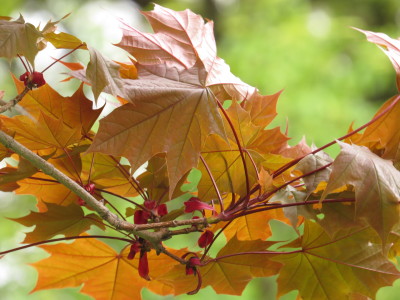
The Unfolding of the shiny red leaves and flower clusters of the Norway Maple is spectacular! As the leaves mature, the red color fades into green.
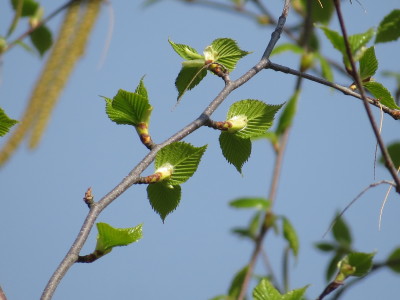
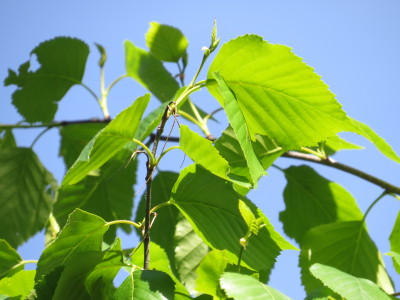
Striated Birch buds look like tiny boutonnieres along the flexible branches. The fully developed leaves are glossy green against the white of the birch bark.
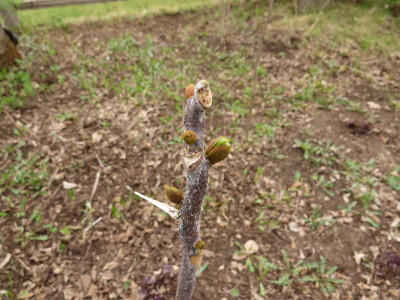
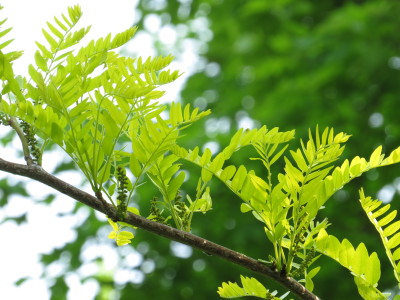
The stick trunk of a young Kentucky Coffeetree undergoes an amazing transformation as the rounded buds unfold into long clusters of compound leaves.
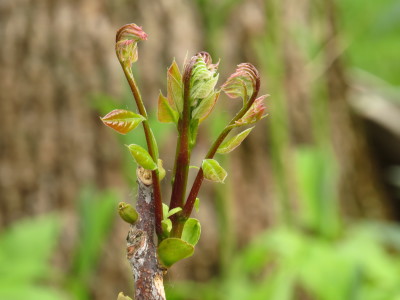
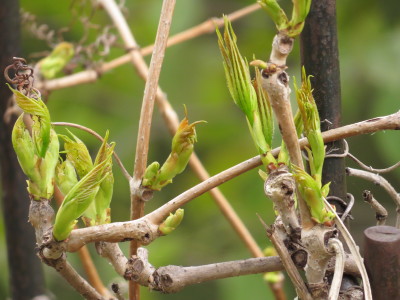
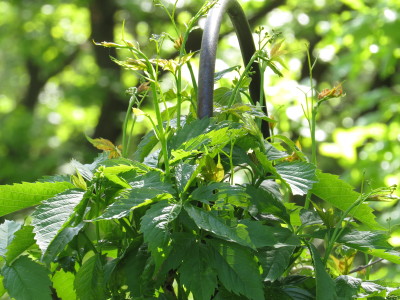
Elongated, twisted buds of Virginia creeper vines open to five-fingered, dark green leaves that grow along the ground or climb up trees and other objects.
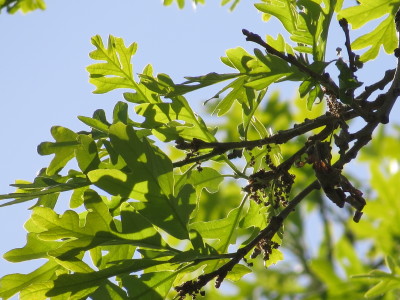
Oak leaves are one of the last to emerge from their buds. The young leaves are pale green and tender, yet develop into strong, deeply lobed leaves of rich green.
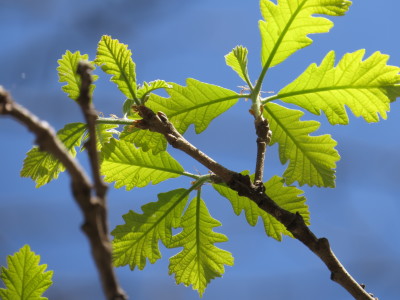
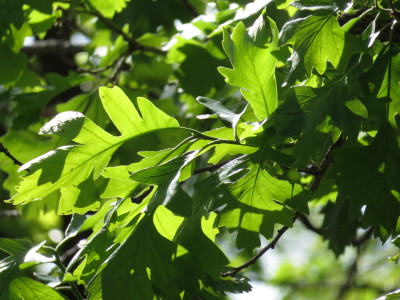
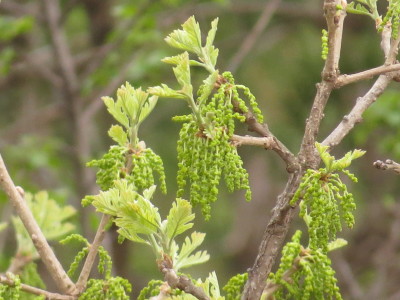
Many of the oaks bloomed prolifically this year with green pompoms hanging from the branches. The leaves on the blooming trees were even smaller and more pale than the other emerging leaves. As the flowers dried and fruit production began (there should be abundant acorns this year), the leaves continued to develop more slowly as the trees’ energy went to flower and fruit production.
Locust trees are late bloomers, distinct in their yellow-green foliage.
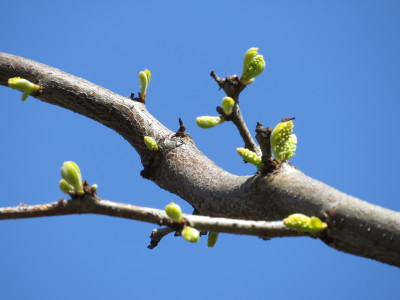
 The old seedheads of sumac are soon engulfed in the vibrant spring finery as the new unfolds around the old.
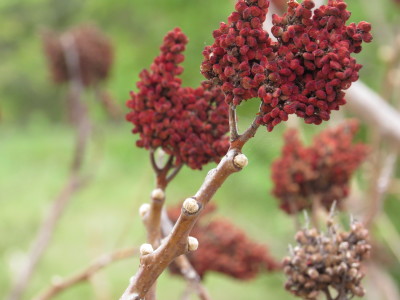
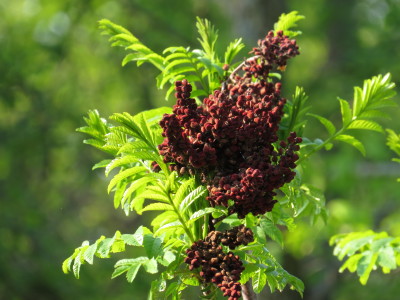
In three weeks’ time the Unfolding is dramatic!
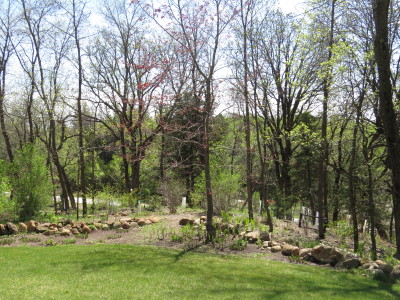
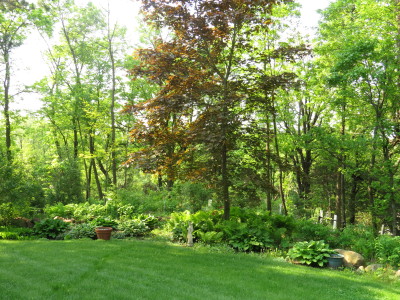
In twenty years’ time this Unfolding is no less dramatic, but much more heart-stirring. How can our youngest child be graduated from college?!
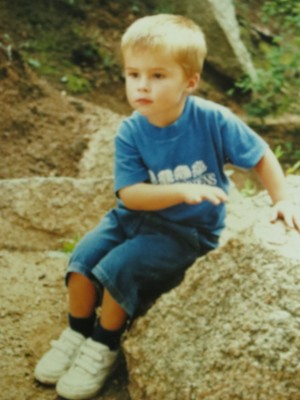

Life is unfolding around us, and we greet each day with expectation of what is to come. Often we only stop to reflect when we reach a major milestone or when faced with a life-changing event, and then we wonder how the time could slip by so quickly. Did we savor enough minutes along the way? Did we make the moments count for ourselves and the loved ones around us? It is humbling, exciting, and a little sad as our ten years of being parents to college students comes to an end. We need to let go of the reins–and I am reluctant to do so. The years and decades of my energy going to our flowers and fruit has slowed my development in certain ways but has enriched and transformed my life in so many others. Each one of us–my Mom, Chris and I, the girls, and Aaron–steps into another day that unfolds before us. We learn, mature, transform, respect the old, cherish the gifts, and make way for the new.
For the Beauty of the Earth
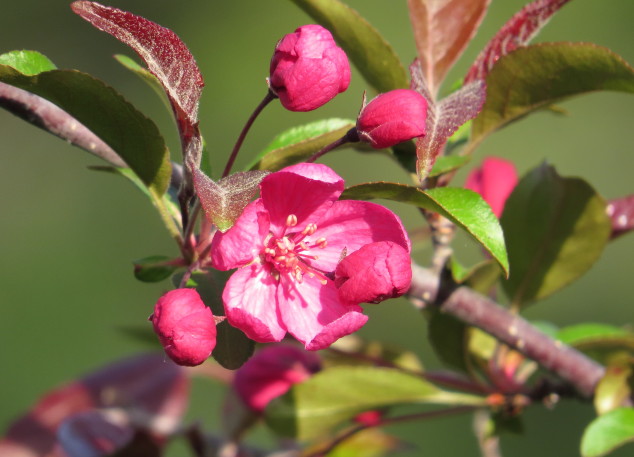
The day before Mother’s Day was sunny, warm, and breezy–a beautiful Spring day! The lush green grass got its first mowing, a sure sign that Winter was behind us. The leaves were still emerging from buds in various phases, some like butterflies fresh out of a cocoon, small and crinkled. The brilliant pink flowers of the Prairie Fire crabapple tree were beginning to unfold.
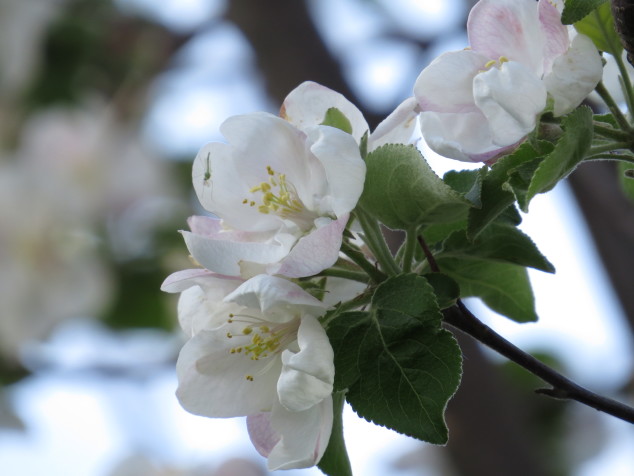
The apple tree blossoms were in their full glory with some petals floating to the ground making a tablecloth of white around the tree.
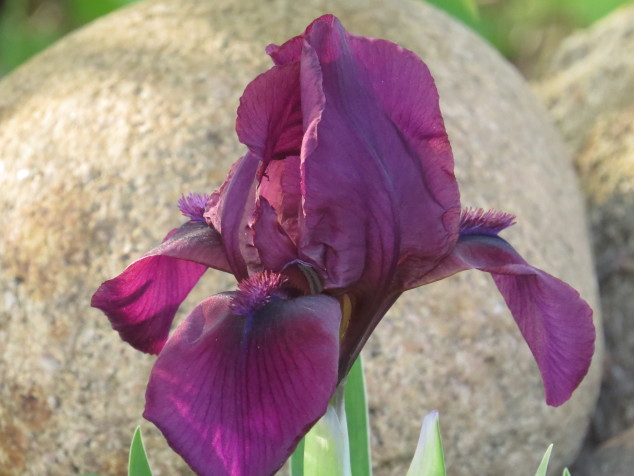
A few small irises shimmered purple in the afternoon sun. Isn’t it amazing that such an intricately structured and delicate flower can be encased in such a slender bud?
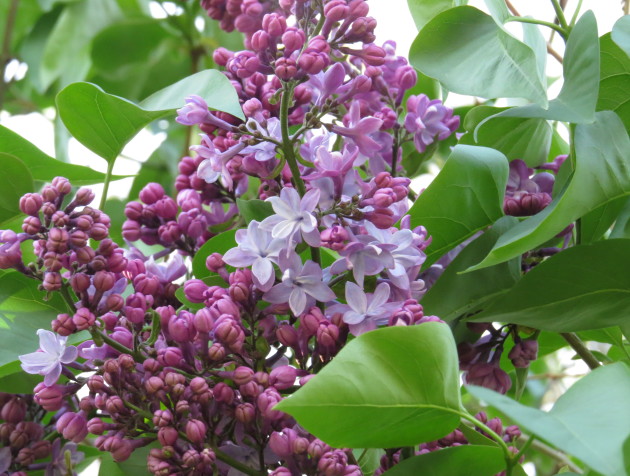
I love the smell of lilacs! That sweet fragrance, like the smell of a new-born baby, is short-lived, yet invokes such memories and warm feelings.
Virginia Bluebells bloomed in the shade garden, their pink buds maturing into the bell-shaped blue flower.
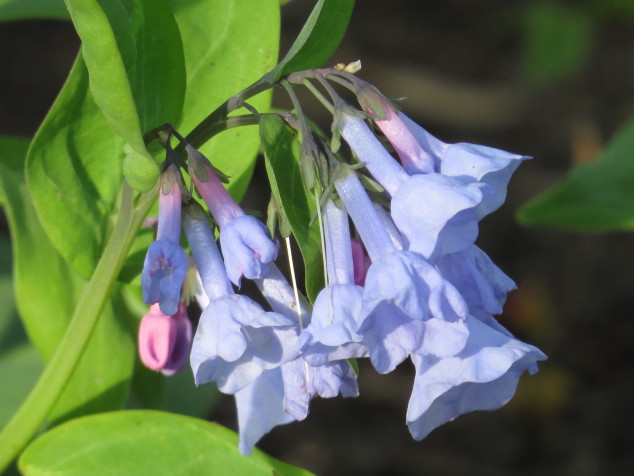
Flowers for Mother’s Day! What a beautiful gift to all of us from Mother Nature!
The next day–Mother’s Day and Graduation Day for Aaron–was cloudy, rainy, windy, and very chilly. It was a stark reminder that our expectations and hopes for a beautiful day are not in our control. But the Baccalaureate Mass, the friendly, noisy lunch, and the Commencement ceremony were meaningful, bittersweet, and ever so lovely. It was an emotional day for many reasons–endings, beginnings, deep truths, changes, things we cannot control, happiness, and tinges of sorrow. In the midst of the day, I felt a bit powerless–like Life was moving on–and I wondered where I fit in the whole picture as the last of our children graduated into the real world.
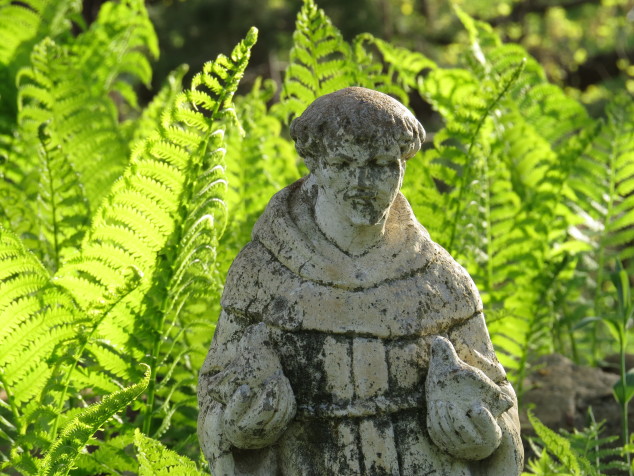
The day before, along with the flowers, I photographed our statue of Saint Francis surrounded by sun-drenched ferns. Saint Francis, patron saint of animals and ecology, believed “that nature itself was the mirror of God.” In emotion and powerlessness, perhaps all we can do is pray in gratitude for the beauty of the earth and for peace in our souls.
The Prayer of Saint Francis of Assisi
Lord, make me an instrument of Thy peace;
Where there is hatred, let me sow love;
Where there is injury, pardon;
Where there is discord, union;
Where there is doubt, faith;
Where there is despair, hope;
Where there is darkness, light;
And where there is sadness, joy.
O Divine Master,
Grant that I may not so much seek
To be consoled, as to console;
To be understood, as to understand;
To be loved as to love.
For it is in giving that we receive;
It is in pardoning that we are pardoned;
And it is in dying that we are born to eternal life. Amen.
Gleanings from December
December is a special month for us. All three of our children were born in December–in two weeks time, we celebrate three birthdays and Christmas! So, many previous Decembers have been busy flurries of activity–cake-baking, special meal-making, decorating, gift-making and wrapping, school concerts, finals, homecomings, parties, and more. But this Christmas was quiet. Our last college student finished finals and flew to Austin to spend Christmas with one of his sisters. We sent our love and best wishes to them–it just wasn’t the same.
December weather wasn’t the same as usual either. It began cold and clear with a thick blanket of snow covering the ground. Day after day of that first week we were dazzled by incredible sunsets and magnificent moonrises.
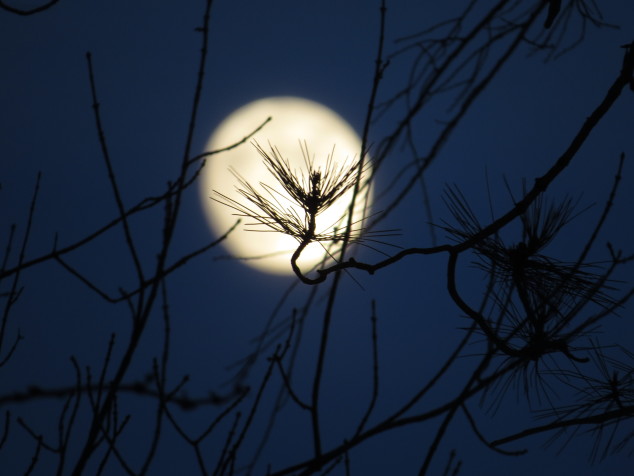
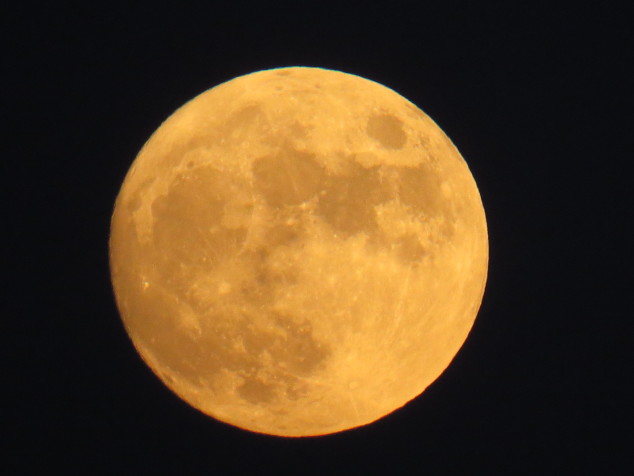
Contrails, from jet airplane exhaust condensing and freezing into ice crystals, crisscrossed the blue sky.

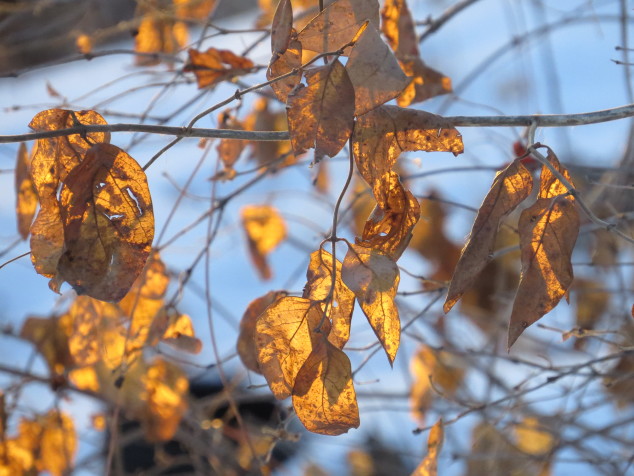
The afternoon sunlight streamed through the leaves still holding onto the honeysuckle, creating a glowing shrub of gold.
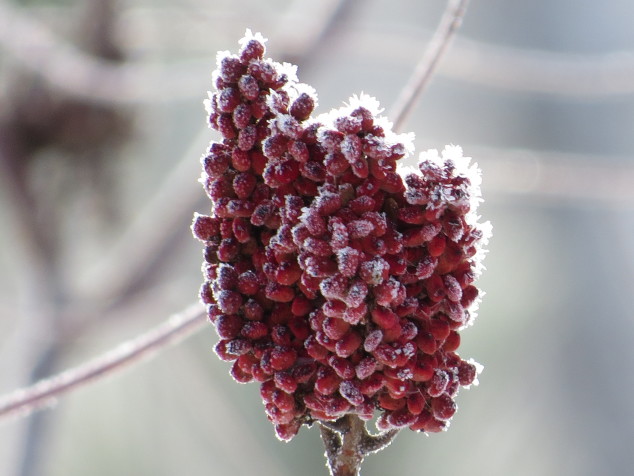
That brilliant week faded into cloudy days where temperature and moisture created an inversion, entombing us in fog. At first the fog froze and built a halo of frost on the red, clustered sumac seedheads and the winged seeds of the amur maples.
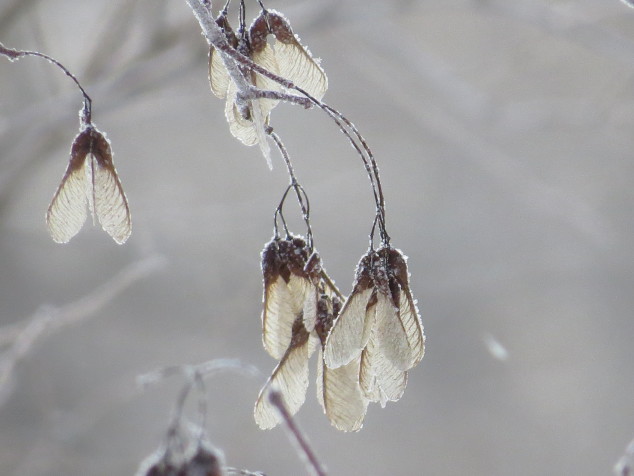
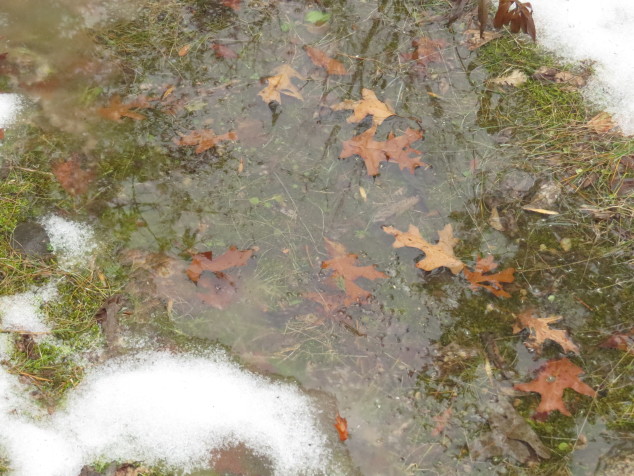
Then the temperatures warmed and began melting the snow. Water droplets adorned the trees.
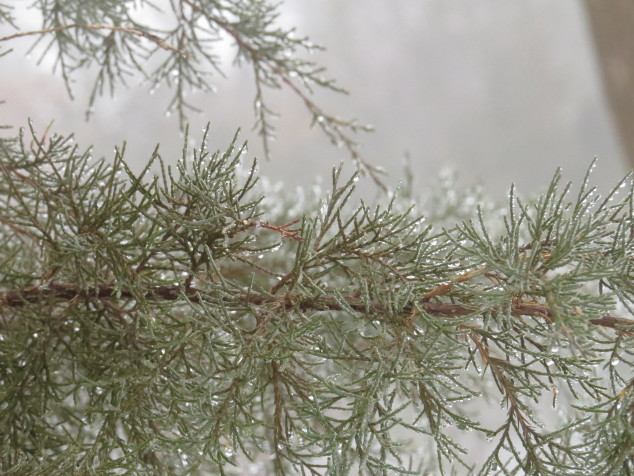
Autumn was uncovered as the snow melted.
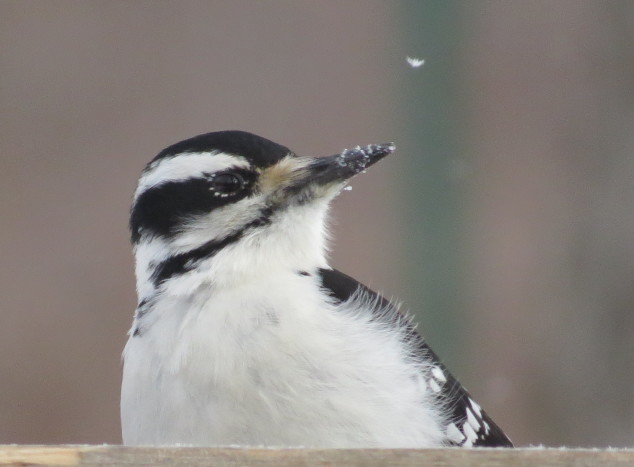
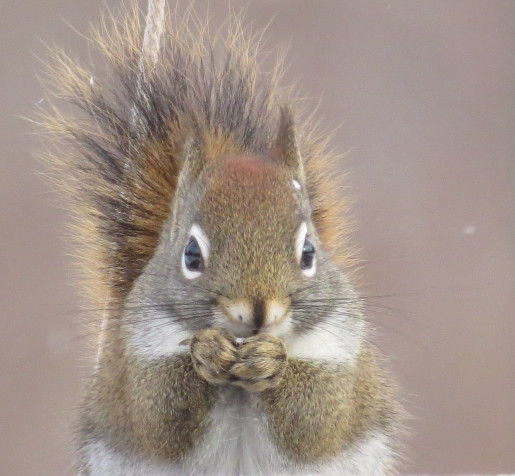
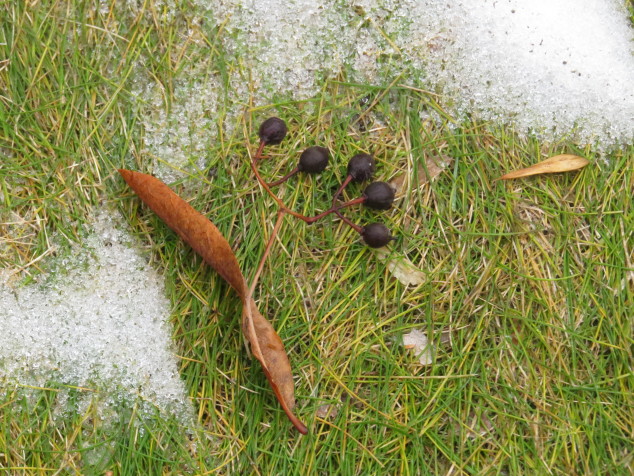 Then as soon as we saw green grass, it snowed again. Critters arrived at the birdfeeder to fuel up on black oil sunflower seeds–a female Hairy woodpecker and a jittery red squirrel.
Clouds persisted into the fourth week as we headed toward Christmas. Temperatures once again rose above freezing, melting the white from Christmas….until the evening of Christmas Day when the snow started falling again. The flower heads of lilac and Joe Pye weed caught the snow–a year’s worth of seasons contained in the image.
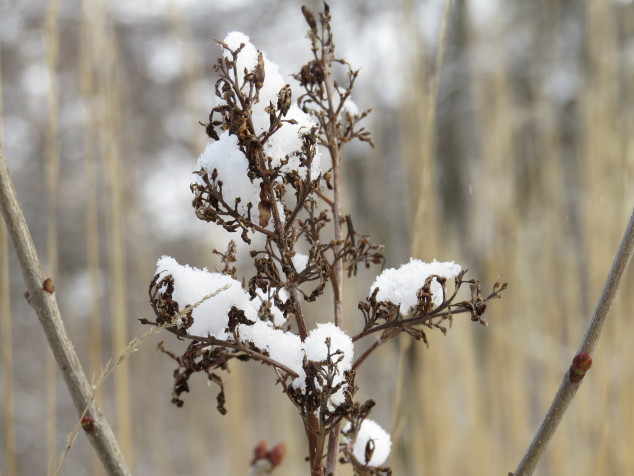
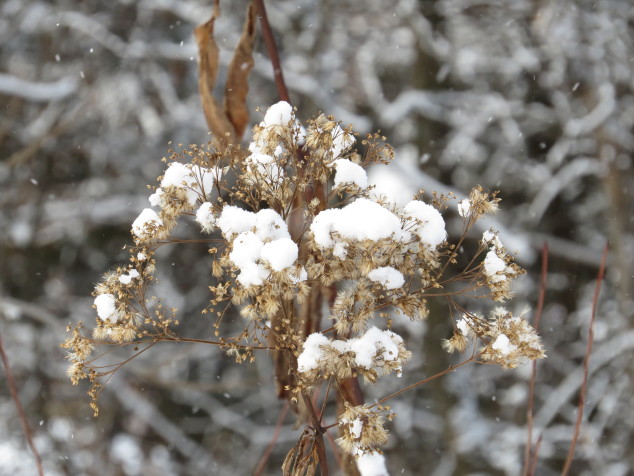
The seedhead of the sumac–the flower of this year and the seeds for the future–was faded and covered in white, holding up its arms to catch the new snow.
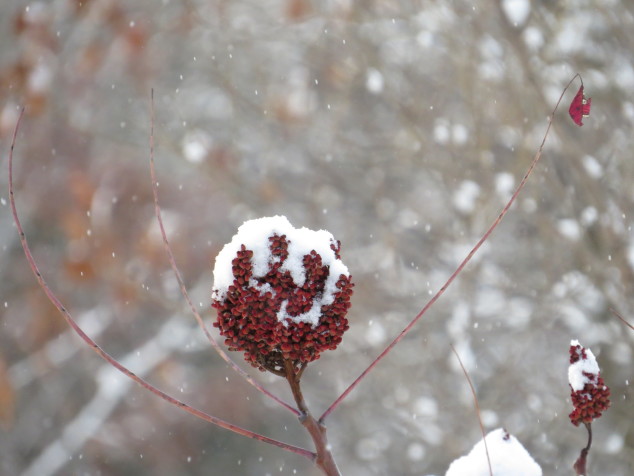
We end this month and this year with the turning of seasons and time. The constancy of the sunsets and moonrises keeps us grounded as so many other things change around us. The unexpected may leave us in a fog for longer than we care to be there, but it happens for good reason. Sometimes we need to go back in order to move forward. We need the quiet in order to glean the gold from our past and let the chaff fall away in forgiveness. Take the gold and the haloed moments of your life and let them fill you and sustain you for the journey ahead. Let the trail you leave behind be one of love and goodness. As a year’s worth of seasons shine from your face, lift up your arms to embrace the New Year.
Gleanings from November
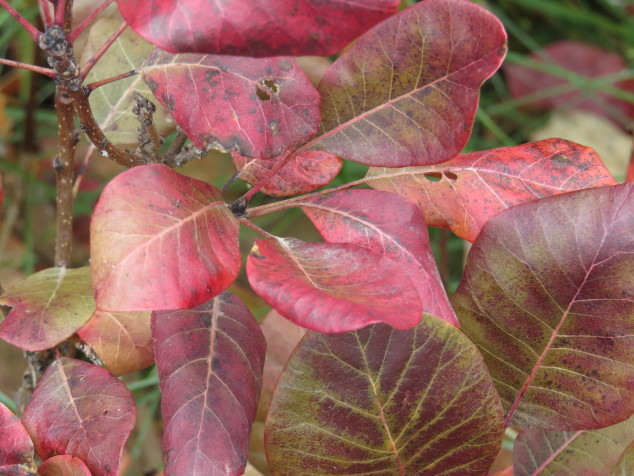
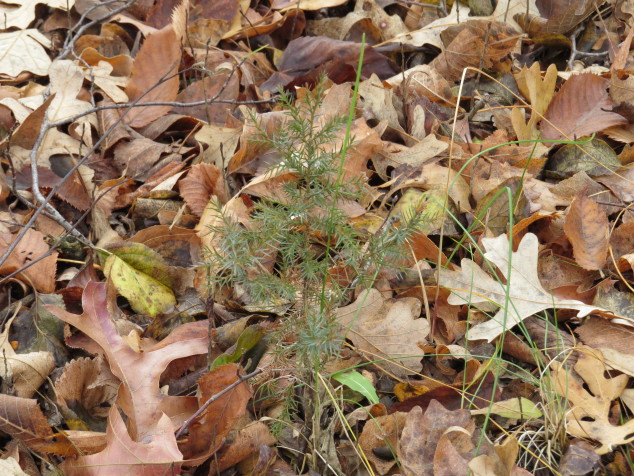
November began in a quiet, easy way. The ritual of ‘getting ready for winter’ was progressing nicely with one eye on the extended forecast and four hands on rakes and shovels. Our slow-growing Purple Smoke tree was changing from its dark purple-red to brilliant scarlet, the last to change and hold its fall foliage. Most leaves were brown and on the ground by then. The oak and elm leaves carpeted the floor of the woods, skirting this tiny cedar tree with mulch and protection.
By the second weekend, the green lawn was raked free of leaves, and plastic sheeting covered the screened-in porch. The barometer was falling, and the forecast had changed from an inch of snow to nine inches of snow. In one day’s time, we fell into Winter.
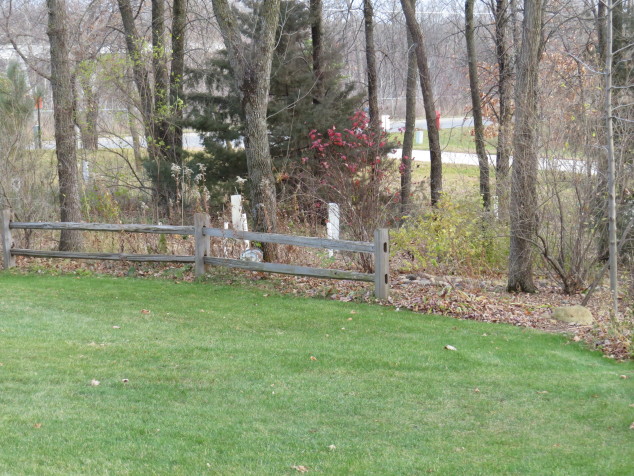
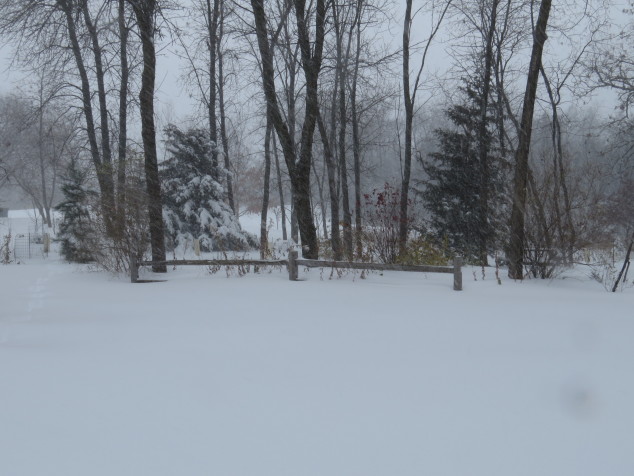
Nine inches quickly turned into fourteen, as schools were closed and travel stalled.
 Since the storm, a couple of warm (above freezing) days have melted some of the snow, and a few new inches have been added. Whiteness is the new normal, and snow is just part of the picture.
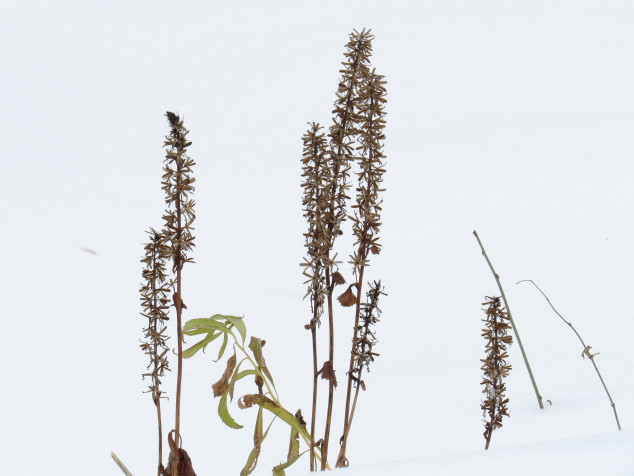
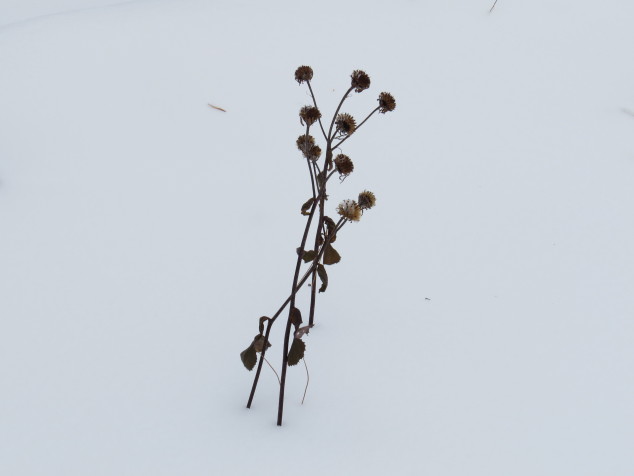
The winter birds are now our showy ‘flowers’–their brilliant colors are beacons of brightness in the white and brown landscape.
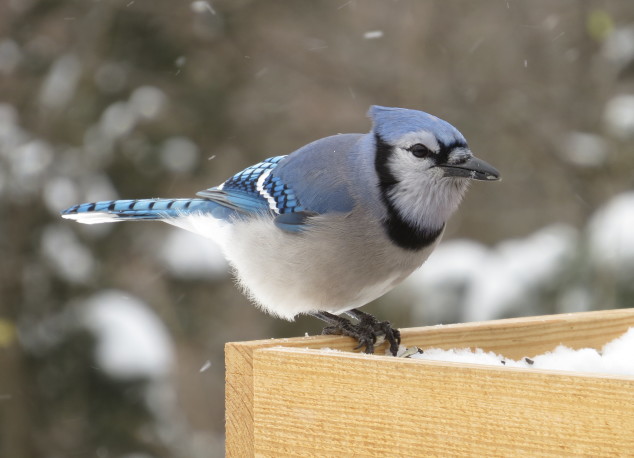
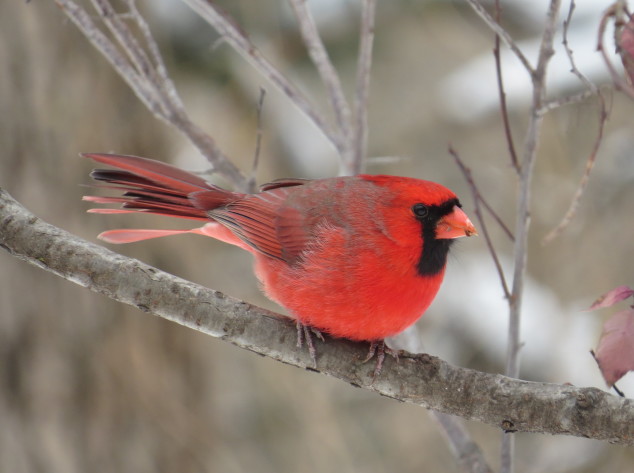
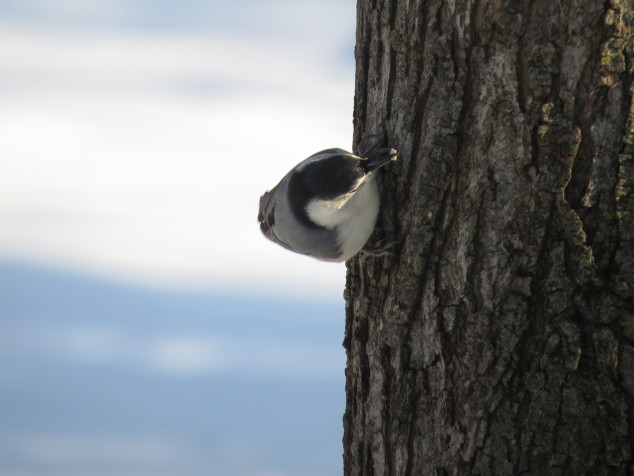
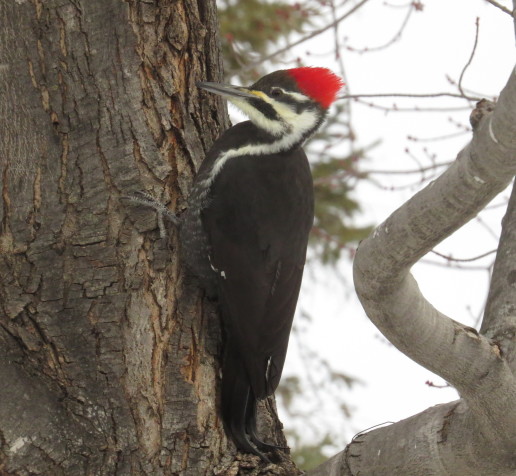
November is the month of Thanksgiving. Every day, from morning sunrise to early evening sunset, is a gift to each one of us that contains so much to be thankful for.
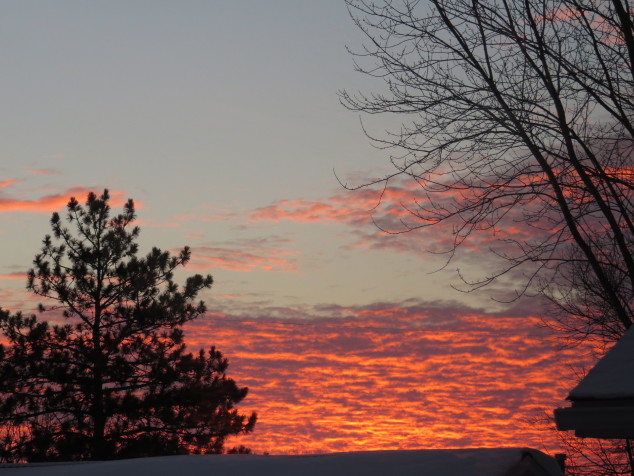
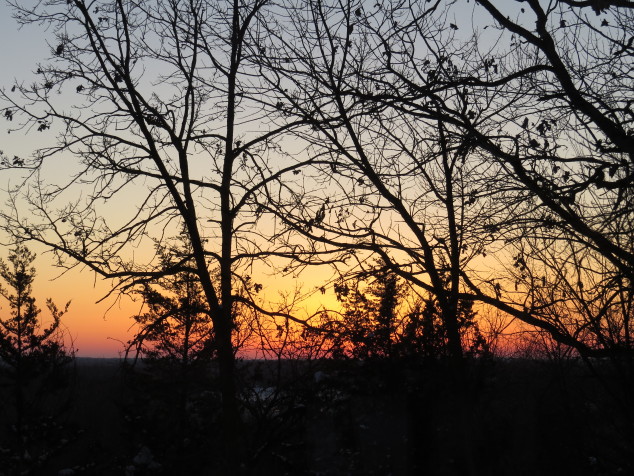
November also begins the season of reflection–when we look back at where we have been and choose the path that will move us where we want to go.
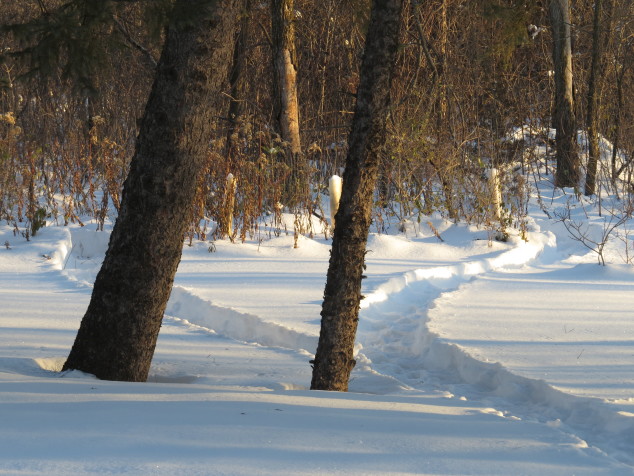
The month of November started as Autumn and abruptly changed to Winter. Changes happen whether or not the calendar agrees, whether we are ready or not, and regardless of whether they ‘should’ occur. All the more reason to be thankful for the very simple and often mundane things in our everyday lives. At the same time, we need to be aware of the beacons of brightness that surround us. What puts a smile on our faces? What amazes us? What makes us feel warm and loved? And finally, if we are having trouble seeing the brightness, we can use this hibernation time to reflect on what is shading our eyes, what wall is built up in front of us, or what erroneous thoughts are stuck in our heads. And then, with courage, we choose a path that will get us to a better place.
A Change in Perspective
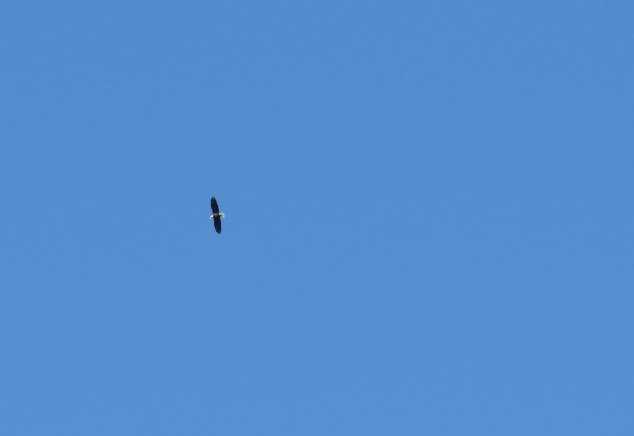
What if we saw our world from the perspective of a bald eagle soaring high above the land? We would definitely see the ‘bigger picture.’ We would also want the eagle’s excellent vision so everything wouldn’t be a blur. I saw a different perspective of our place on Sunday when I was on the roof painting the chimney. We live on a bluff of the Sauk River, though we usually can’t see the river because of the leaves and trees. But from the roof I could see the River widening into the Chain of Lakes and cloaked in Autumn finery.
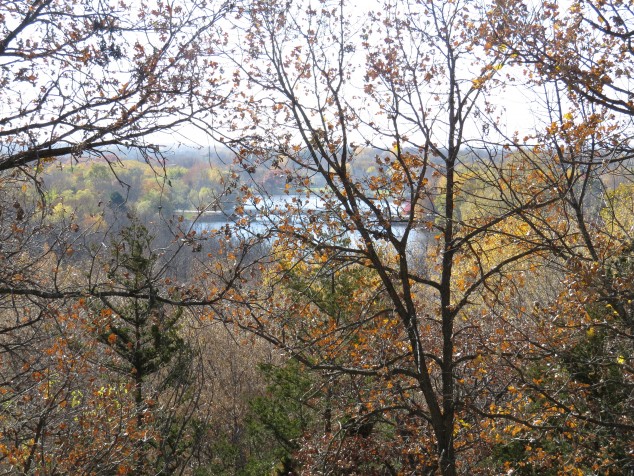
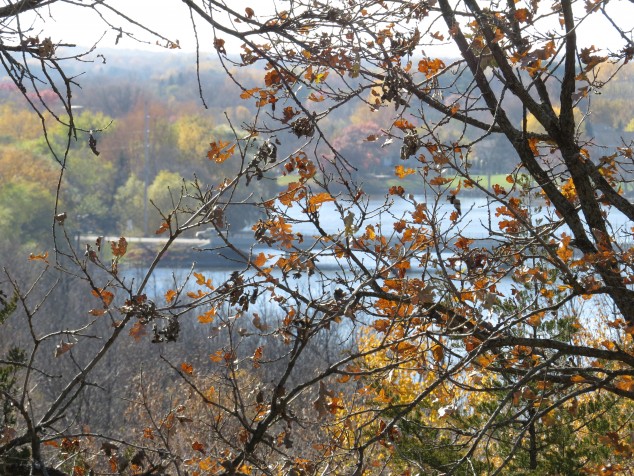
It was fun to see the woods from the one story roof of our house. The curtain of maple leaves had dropped from the nearest trees, and I could see some of the colorful, stand-out beauties that are usually lost in the forest of green. I’m glad they have a season to be seen and awed over.
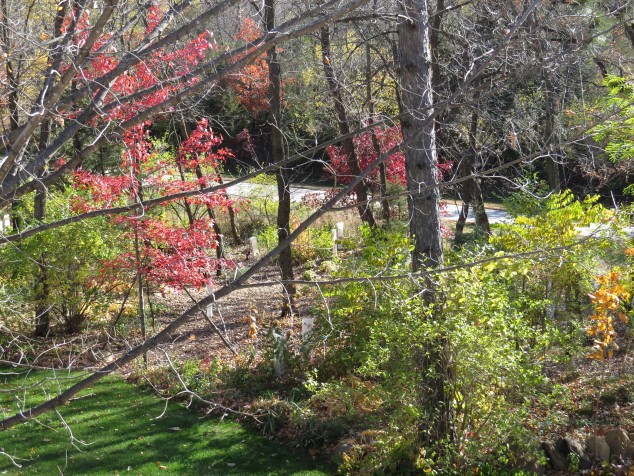
My rooftop view displayed the amazing amount of progress we have made in our war on buckthorn. What used to be a dense, homogeneous wall of green with mature oaks and cedars rising above it, is now a real woods with diverse plant life and paths to enjoy it.
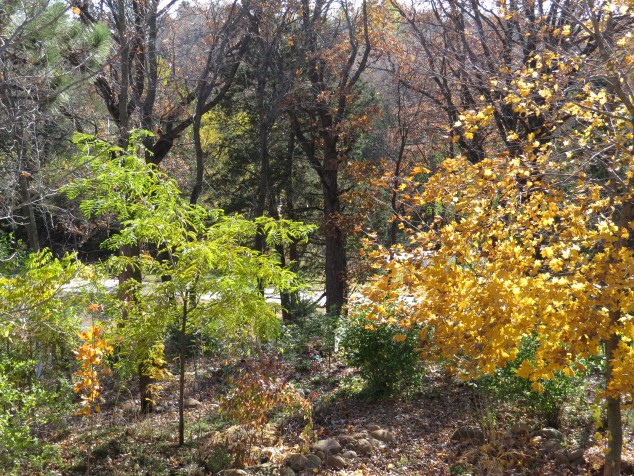
But through the boldly branched oaks, I could see a patch of bright green–an area of buckthorn seedlings that had grown to four feet tall–and I made a mental note about that being our next place to work.
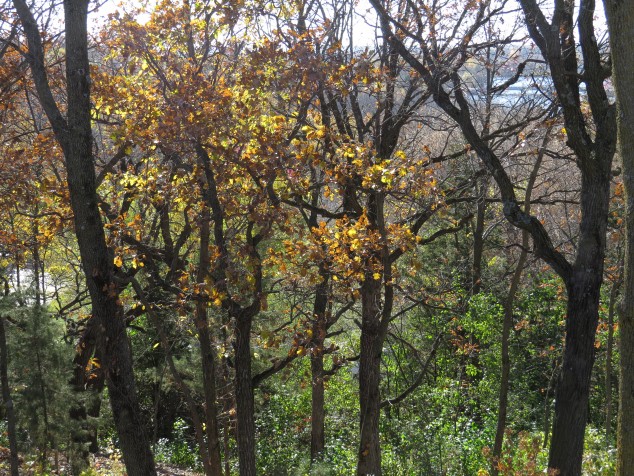
The eight foot tall Nannyberry Viburnum tree, splendid in orange and the focal point from the ground, looked small and insignificant from the rooftop. The magnificent oaks and the distant River captured my eye and attention.
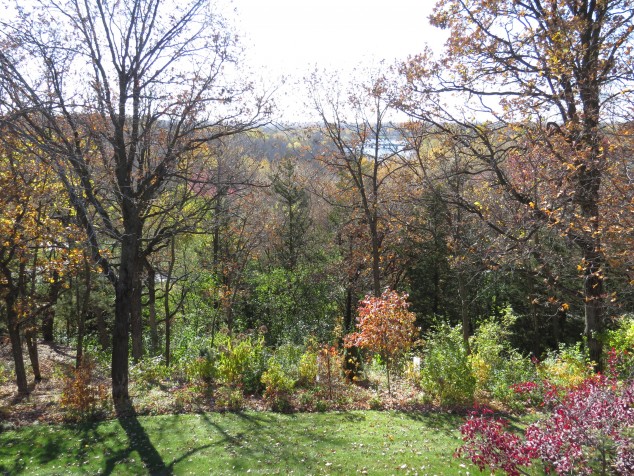
On the other side of the house, maple leaves were falling like rain. The day before, we had raked huge piles of yellow leaves and mowed and mulched to a carpet of green.
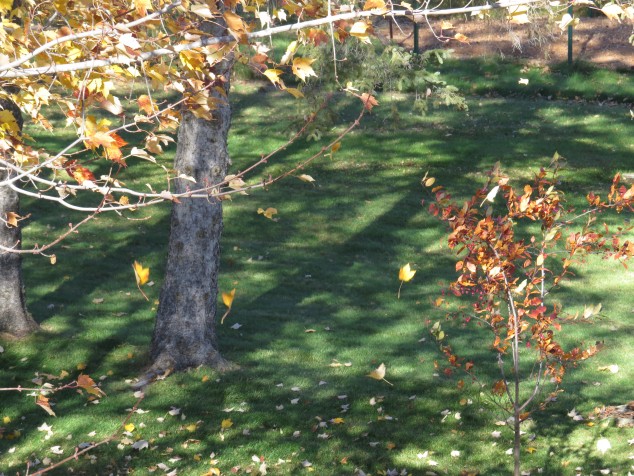
And when the last leaves drop, we will have another day of the same.
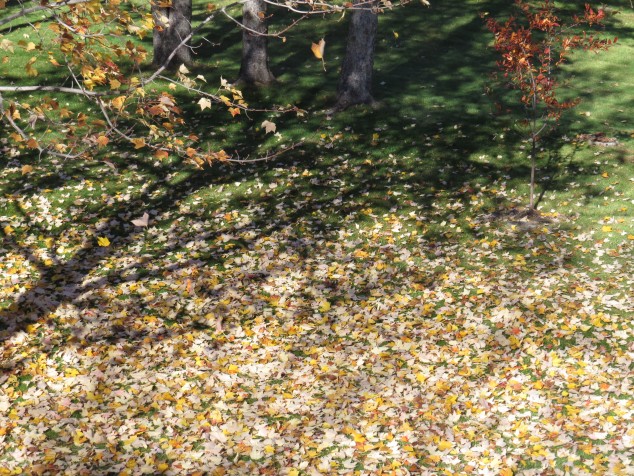
We tend to see our lives from one perspective–from our two feet on the ground, historical, corrected vision. It’s only natural. But what would it look like from an eagle’s eye? What would your life look like from the rooftop? Do you see the progress you’ve made? Do you make a note of where you need to do some work? Or are the leaves and the trees getting in the way of the beauty and potential that lies beyond sight? Is the daily, repetitive work clouding the vision of your future? You don’t have to get on the roof to see your life in a different way–just let Nature change your perspective!
Caterpillars, Cocoons, and Butterflies
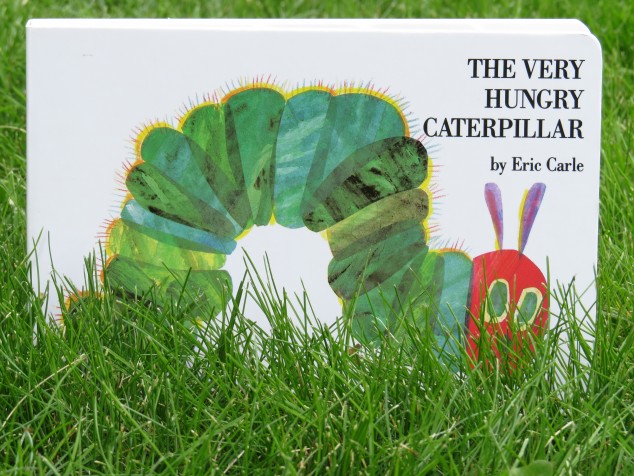
I love a good picture book! And Eric Carle is one of the best authors/illustrators for Nature picture books for young children. It is important to teach children about Nature, to introduce them to the natural world, and to instill in them an appreciation for all creation. If you teach children to love Nature, they will respect and care for our Earth.
The winners of Eric Carle’s The Very Hungry Caterpillar board books are:
Maggie and Lynda–two of the most beautiful butterflies I know! You both have so much to offer to all the people around you! Maggie, your energy, humor, and goodness reach out and touch people deeply. Lynda, what wisdom and love-in-action you model to those lucky enough to be in your presence. So glad I have spent many years in the company of both of you! I will get your books to you next week!
The other butterfly–Emily–who indeed has migrated far from home–you inspire me every day with your energy, your insight, your compassion, and your love. I still have our Very Hungry Caterpillar book in a box somewhere!
Amy, you are so right that this northern climate going into fall and winter makes one want to spin a cocoon! It’s a good place to be when it’s cold and dark outside. It can be a time of rest, reflection, and rejuvenation–you of all people know the benefit of such a time. And when you spread your wings and your talent and love, we are all blessed by knowing you.
And to my fellow caterpillars, my sisters Brenda and Sam, we all find ourselves in this empty nest struggle–the end of all the years of caring for our kids on a daily basis to the beginning of the years of relating with our adult children. How do we do this?!? No manual for that either. It makes me want to eat chocolate–when I know I should be eating green leaves! And so we work on our next transformation…. Love to you both!
Eric Carle is best known for his children’s books, but when our daughter Emily was in an old bookstore in Ely, MN, she found the book Nature Thoughts–A Selection that was illustrated by Eric Carle! The copyright was 1965 and the original cover price was $1.00!
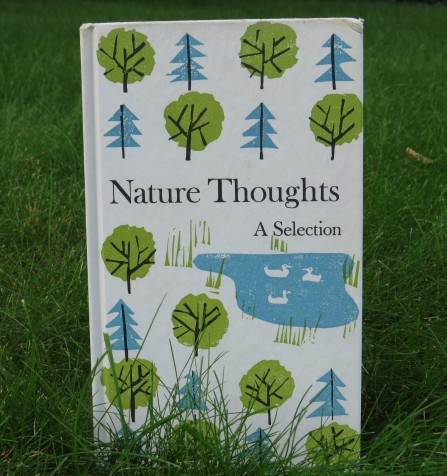
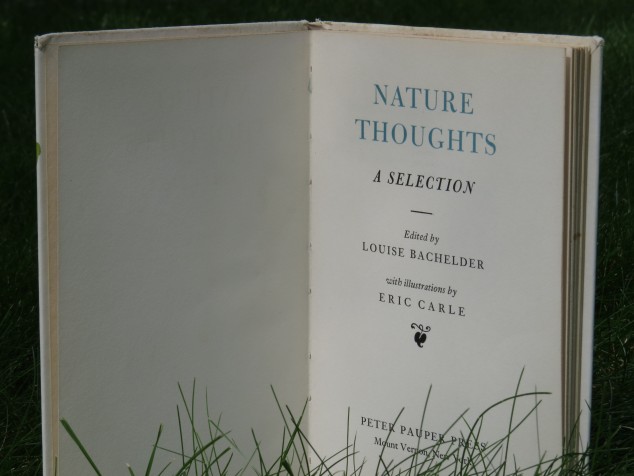
One of the quotes from this book talks about the changes in Nature–how we are given ‘some beauties’ in every season. My wish for you is to recognize the ‘beauties’ in your life, no matter the season, so you can cherish them, appreciate them, and take good care of them.
Nature gives to every time and season some beauties of its own; and from morning to night, as from the cradle to the grave, is but a succession of changes so gentle and easy that we can scarcely mark their progress.
Charles Dickens
From Hungry Caterpillar to Beautiful Butterfly
We lived in Missouri when the kids were little, and we had black walnut trees on our acreage. Messy as they are in autumn when the green nuts fall from the trees and turn tarry black, they are the host tree for the eggs of a magnificent moth. The kids and I found a silken wrapped cocoon among the leaves one day in late summer and brought it into the house. The cocoon resided on the end table under the brass lamp, and for months we didn’t give it much thought. One day I heard a noise–a rattling, shaking noise–coming from the cocoon! And it was moving! In a number of days, the activity inside the cocoon increased until one morning, a wet-looking, bedraggled moth emerged and crawled up the lamp to hang on the lampshade to rest and fill its wings. The wings were bright green with eyespots and long tails on the hind wings. It was a big, beautiful Luna Moth! The kids were so excited that their cocoon had ‘hatched!’ The moth flew around in the house for a few days, then laid rows of brownish eggs on the lampshade. The adult moths do not eat–they mate, lay eggs, and die within a week of emerging from the cocoon.
The whole transforming process of butterflies and moths–from eggs to hungry caterpillars to flying adults–is intriguing and inspiring. It is the iconic metaphor of changes in life–beginnings, development, growth, rest time, transformation and struggle, and the beauty of the emerging self.
I have collected a few photos of butterflies and caterpillars over the summer–others, like the Yellow Swallowtail, teased me with their frequent visits to the flowers, but I just wasn’t able to get their pictures.
The familiar Woolly Bear caterpillar, known for the folklore of predicting the severity of the upcoming winter, is also called the Hedgehog caterpillar because it curls up and ‘plays dead’ when disturbed.
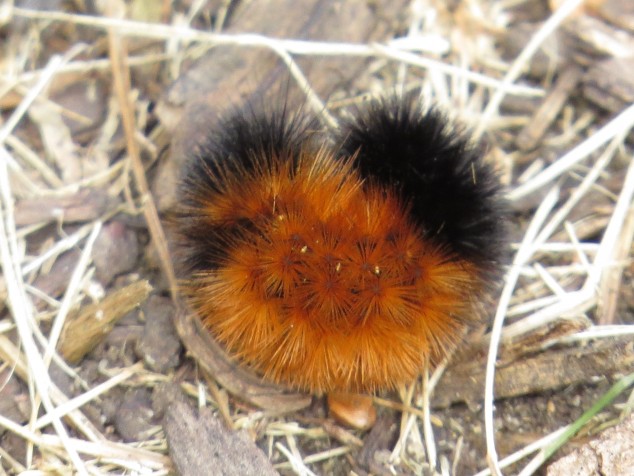
The more interesting fact about this caterpillar is that it overwinters in its caterpillar form, producing a cryoprotectant or natural antifreeze in its tissues that allows it to live frozen all winter. The Woolly Bear caterpillar thaws in the spring and pupates to become the little known but beautifully named Isabella Tiger Moth.
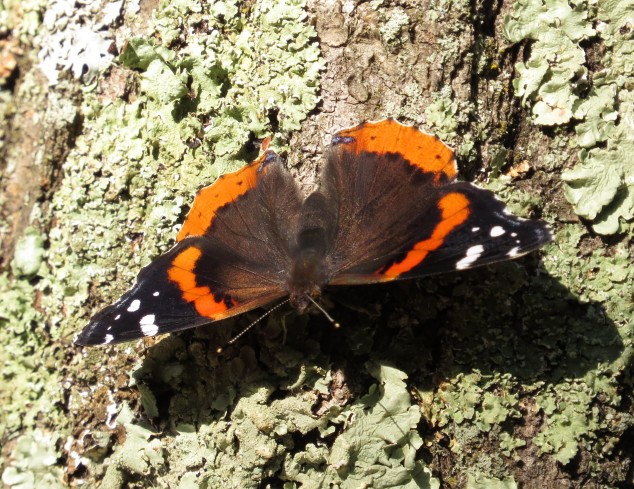
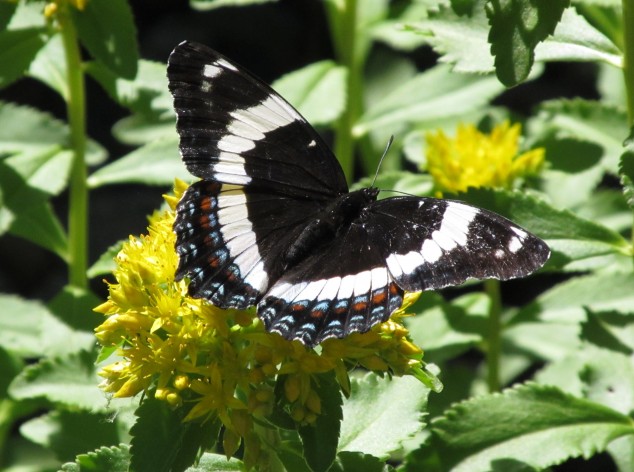
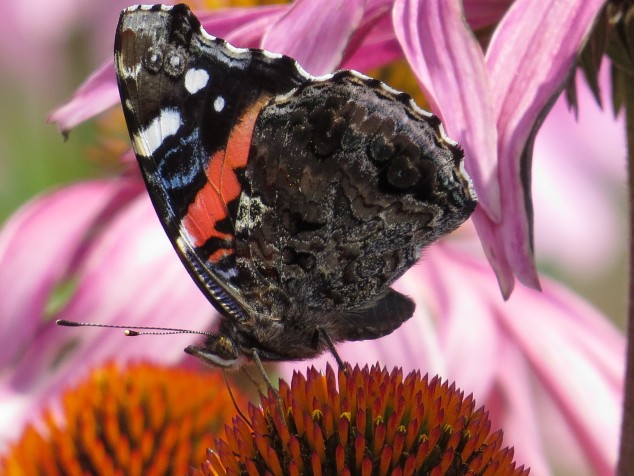
I found a Red Admiral butterfly on a tree up in the Brainerd Lakes Area and a White Admiral right outside our front door.
 A Painted Lady graced the Purple Coneflowers at the College of St. Benedict, complementing one another in their colorful beauty.
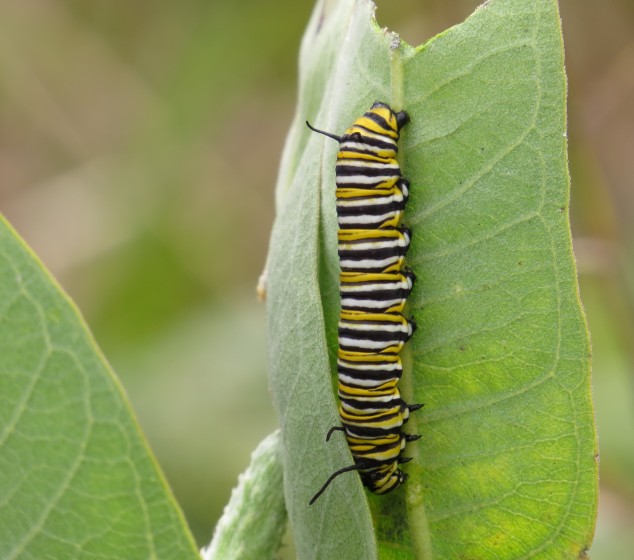
On a Milkweed plant along the road by our house, a hungry, striped, Monarch caterpillar munched on its food of choice.
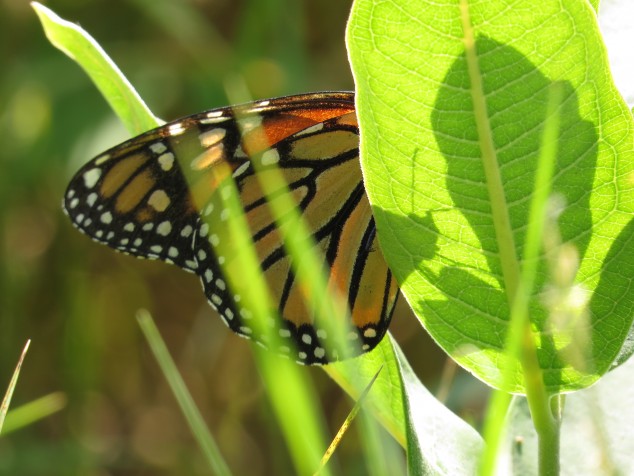
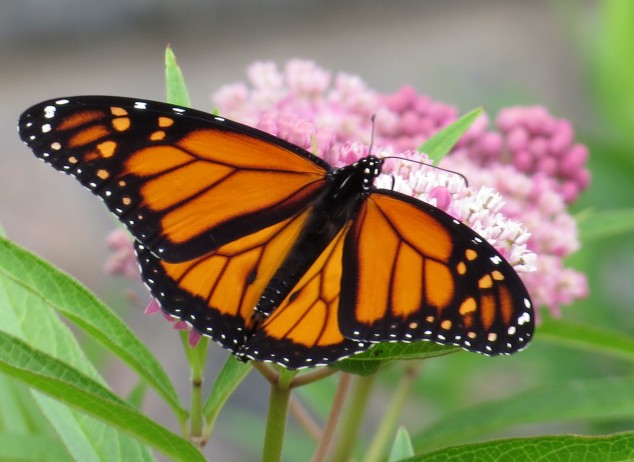
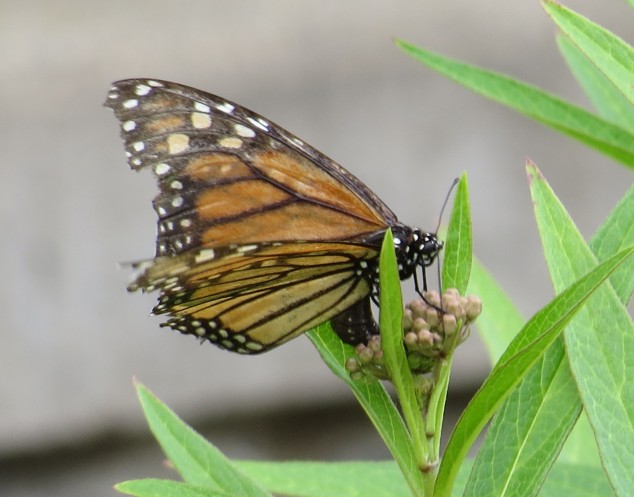
At the Butterfly Garden at the College of St. Benedict, a brilliantly colored Monarch in pristine condition alighted on a milkweed flower, while nearby a tattered, pale-colored one rested on buds that were not yet open. What storms and struggles had this faded beauty been through? It must have been close to the end of its 6-week adult life. Only the adults who emerge from the chrysalis in late summer migrate en masse up to 3000 miles to warmer climates.
The transformation of caterpillar to butterfly is illustrated in Eric Carle’s classic children’s book The Very Hungry Caterpillar.
In celebration of two seasons of blogging, I am giving away new 5″ x 7″ board books of The Very Hungry Caterpillar to two readers. ‘Like’ my NorthStarNature Facebook page if you haven’t already, share this post on Facebook or with someone you know, and tell me in your comment if you feel like a caterpillar, chrysalis (cocoon), or butterfly at this time in your life! I will randomly choose two names and let you know the winners on Friday. Thanks to all of you for reading my blog!
Flower to Fruit Transformation
In the ‘About Me’ section of my blog, I wrote how I loved the constancy and adaptiveness of Nature. The constancy of Nature occurs in the cyclical motion of the seasons. After a warm, beautiful summer, we know that fall will be easing in and pleasing us with her gorgeous leaf colors and bountiful harvest of pumpkins, apples, carrots, and many other delights. We also know what will be coming after that! This predictable evolution of seasons is marked with transformation, metamorphosis, and change.
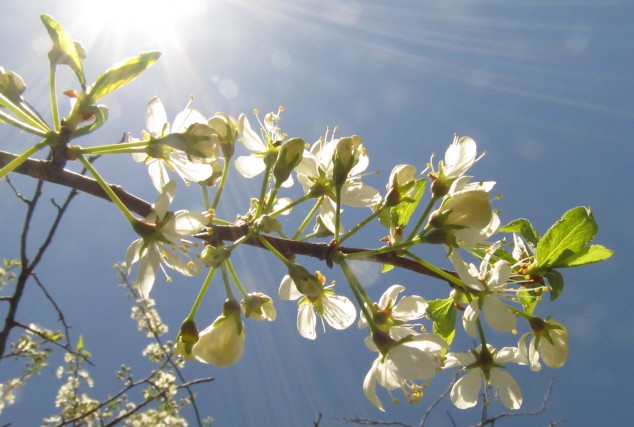
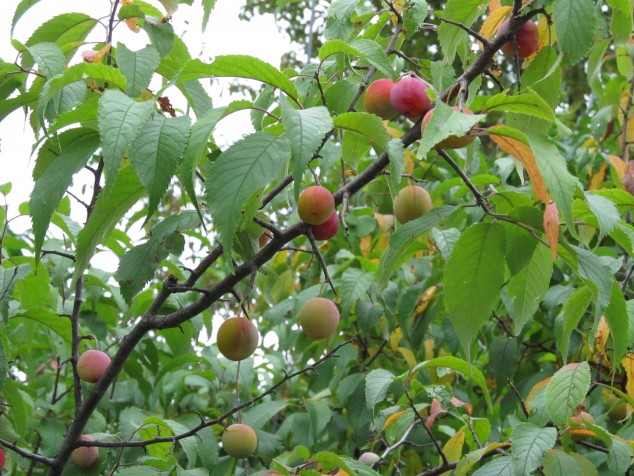
In less than three month’s time, the bright white blossoms of the wild plum tree are transformed into ripening fruit surrounded by changing leaves.
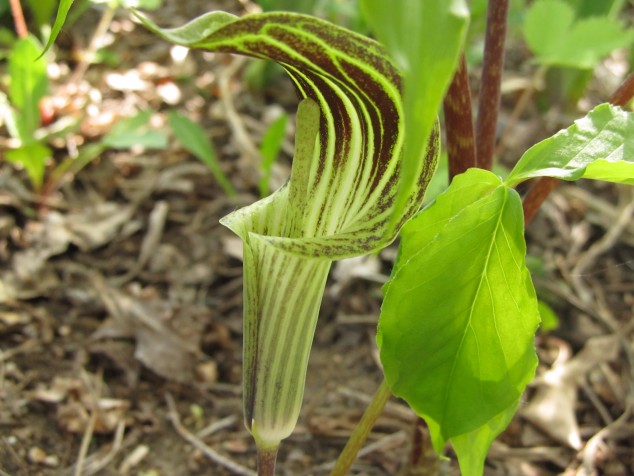
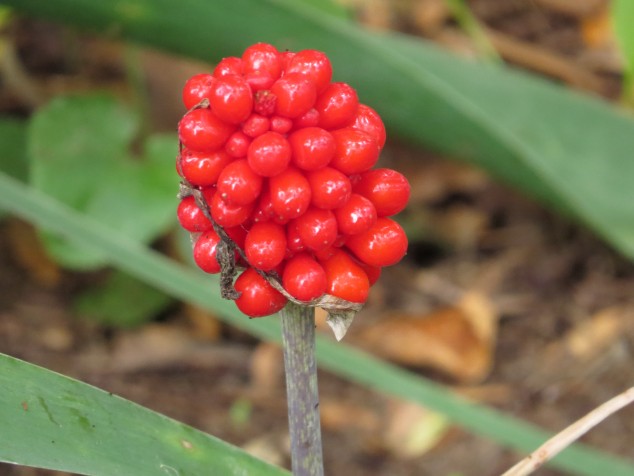
The woodland Jack in the Pulpit has become a stalk of brightly colored fruits.
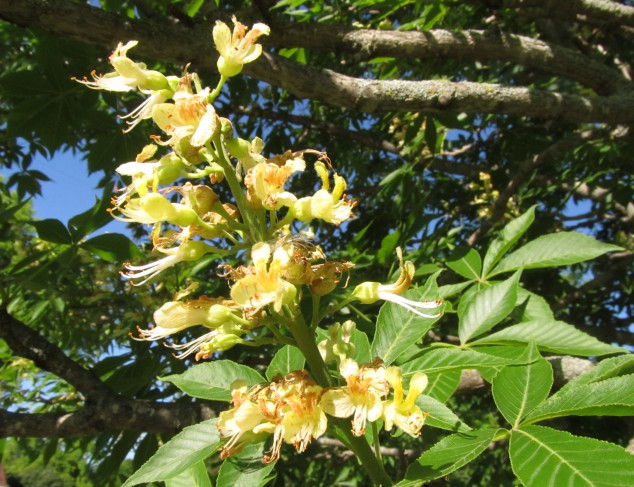
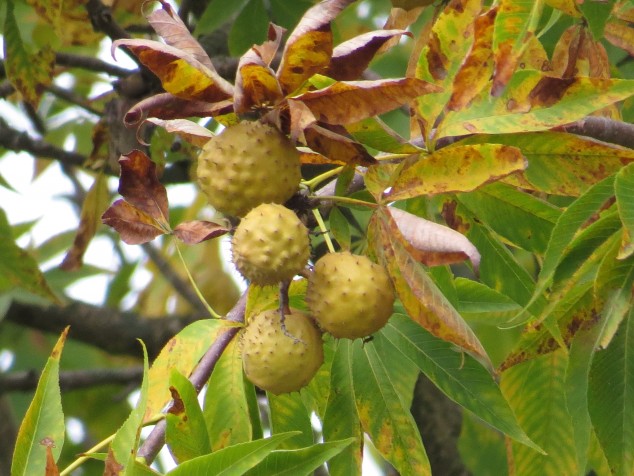
The amazing Buckeye tree with its prolific early summer blooms is now covered with fruit that contains the shiny, brown nut-like seeds.
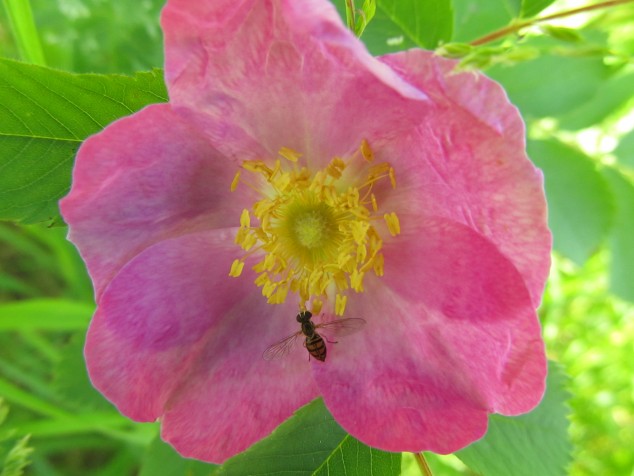
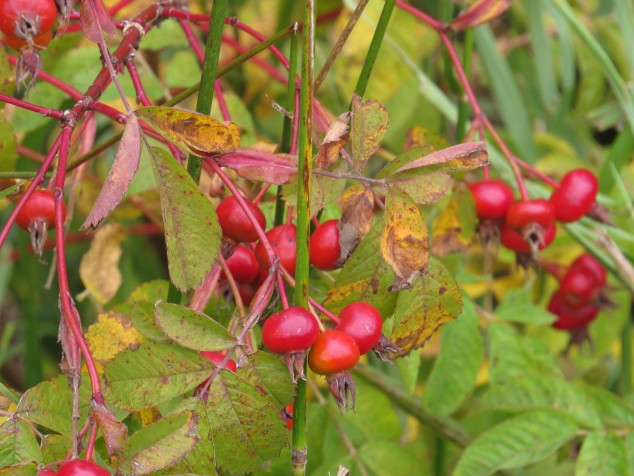
The delicate wild rose flowers have changed into sturdy rose hips that contain the seeds.
And the dangling white-green flowers of Solomon’s seal are now dark, plump pairs of fruit.
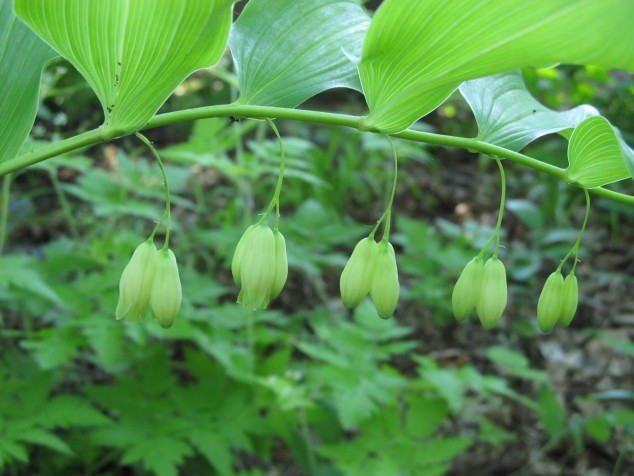
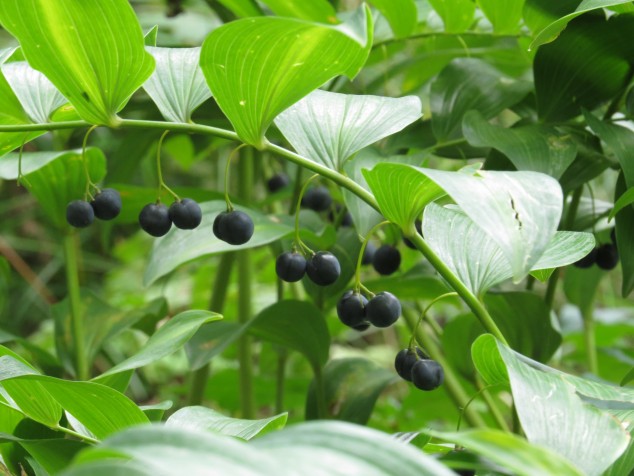
These short-term transformations are really all about Nature doing what Nature does–producing seeds for future growth. The plants adapted to a late spring, a soggy June, a dry July, and a cool August–and still got their work done! The seeds for next year’s ‘crop’ have been produced.
Perhaps I like Nature’s adaptability to change and its many stories of transformation because I’m not very good at change myself. My love of routine and of the things I like, keeps me sailing on a calm sea. If change is coming, I like to see it coming. Nature reminds us that we really aren’t as much in control as we think we are. There is a rhythm to life, a development, a change, a transformation, a metamorphosis, a conversion, a shift, a remodeling that innately runs through our lives–and then it happens again and again and again. So I will try to take my cues from Nature–to be open to change and up for the task of transformation.
Changes
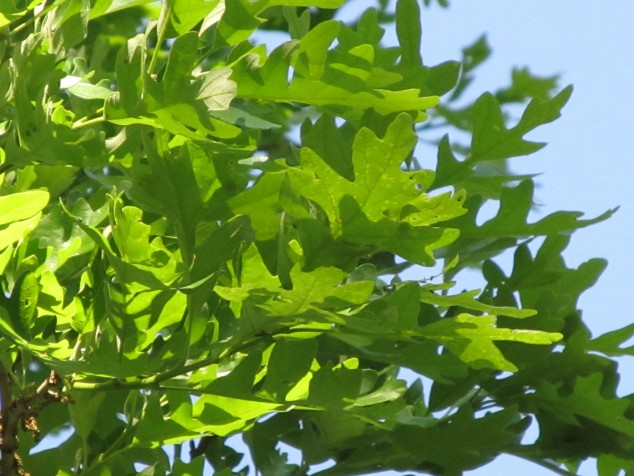
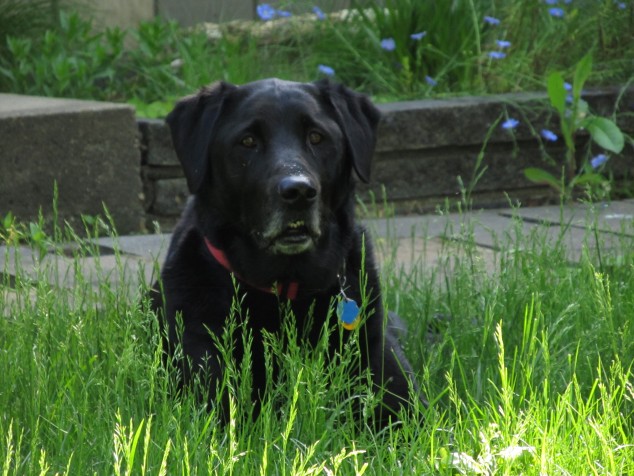 A week and two days ago we left home for a graduation, visiting family and friends, and a wedding. The lawn was freshly mown, and the leaves were not yet fully open on the oaks and maples. The lilacs were showing their clustered flower buds, and the crabapple was expectant with dark cherry red globes of folded flower petals.
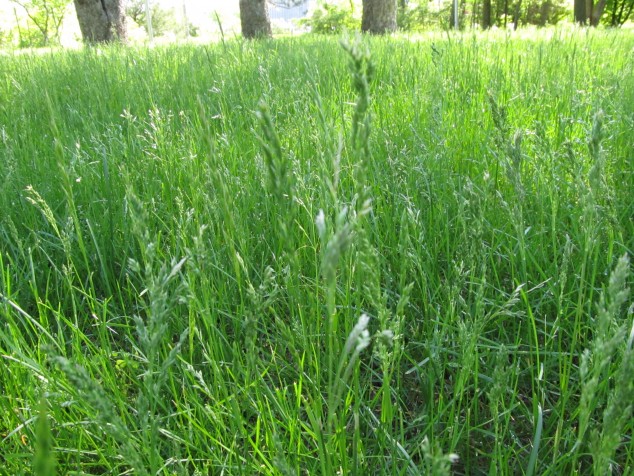
When we drove into the driveway yesterday, it looked like we had been gone a month! All the trees were fully leaved out, throwing great patches of shade onto the prairie-looking grass yard that had gone to seed.
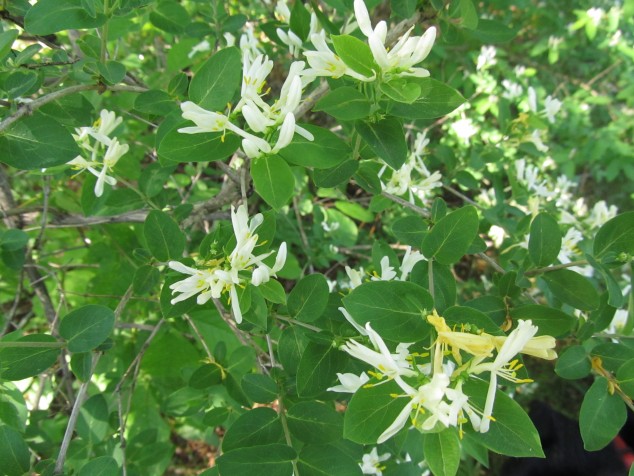
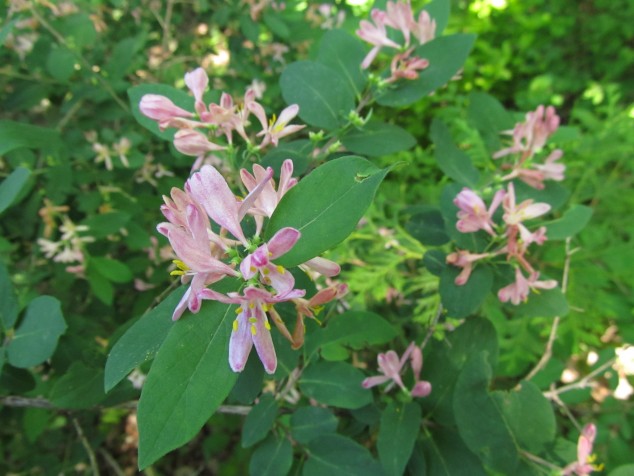
 The honeysuckle shrubs were covered with fragrant flowers–some white and yellow, some light pink, and others a pretty darker pink.
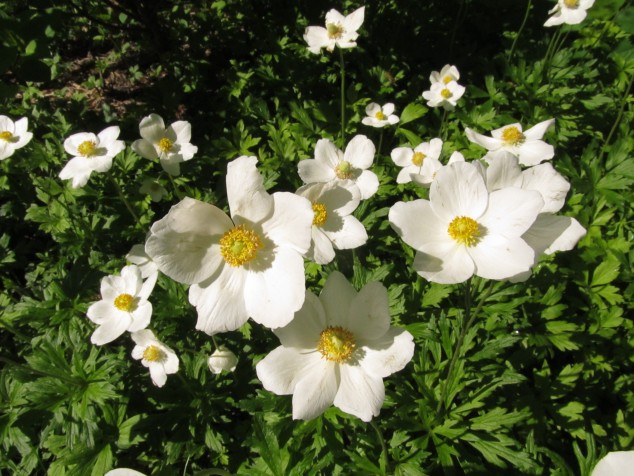
 A patch of anemones under the oak tree was bright and beautiful.
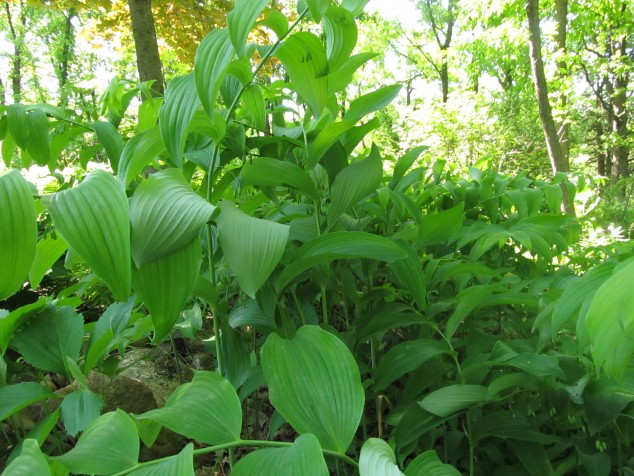
 Walking through the woods, the Solomon’s seal was thigh-high along the path, and the Hardy geranium, in contrast to its name, looked frail and delicate.
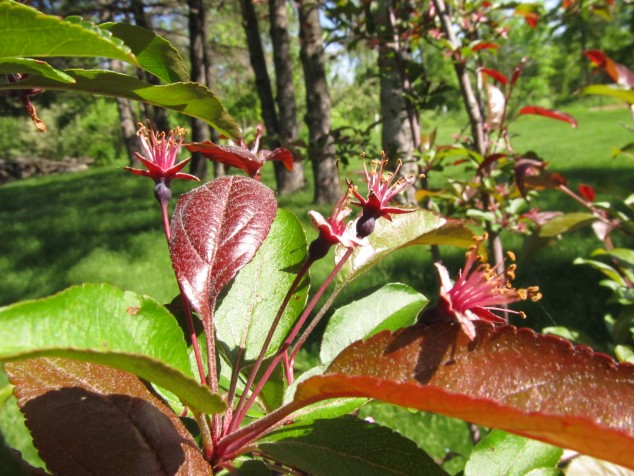
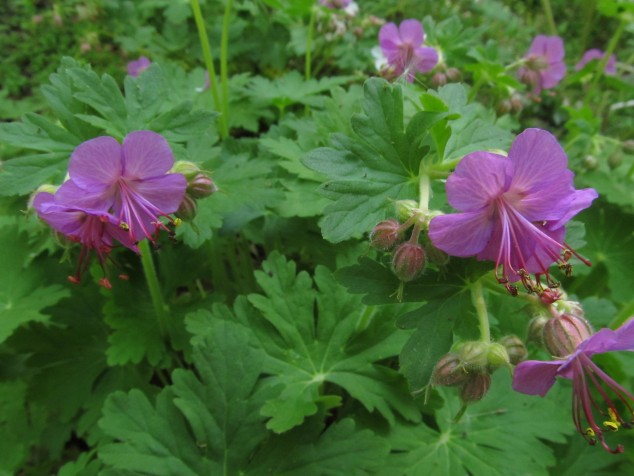 The lilacs were spent and turning brown, and I was disappointed that I had missed the opportunity to bring a vase full of fragrant blooms into the house to perfume the indoor air. I had also missed the Prairiefire crabapple in its full blooming glory, but found the tiny fruits starting to form at the base of the flower.
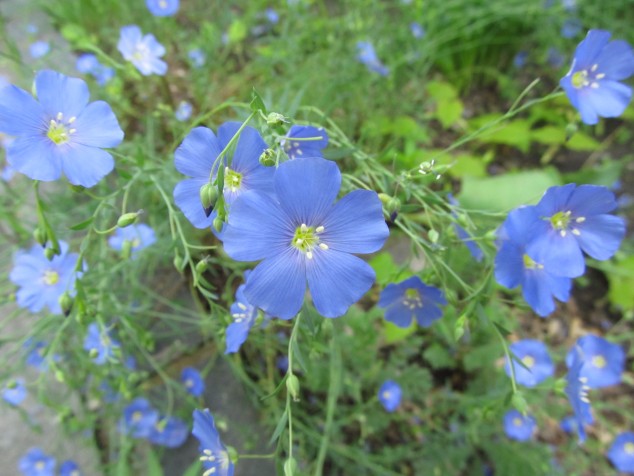
 I was happy to see the brilliant flowers of perennial blue flax in full bloom, reminding me of the acres and acres of flax that used to be grown in eastern South Dakota.
If Spring came but once in a century, instead of once a year, or burst forth with the sound of an earthquake, and not in silence, what wonder and expectation there would be in all hearts to behold the miraculous change! –Henry Wadsworth Longfellow
We had traveled back to two places where we used to live–six and fifteen years ago, respectively. I was struck by the contrast of things that hadn’t changed at all and things that were completely different and unrecognizable. Some things that I expected to change, hadn’t, and other things that I expected–or wanted–to stay the same, had changed drastically. It is humbling and a little haunting to realize that we often have so little control over change. Nature’s changes, whether as fast as last week’s spring transformations or the slower evolution of one season to another or the still slower changes in landscape and climate, impact us in ways we scarcely know. And we, in turn, influence people and things around us, including Nature. May we all be more conscious of the miracles of Nature and of ourselves and of the ways we impact one another and the Earth.