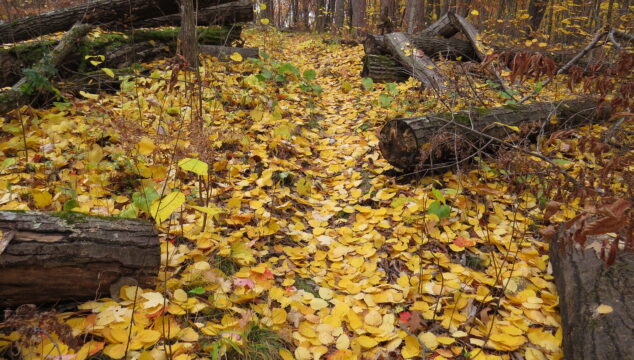
Come walk with me in the peak Autumn beauty of the Northwoods. To say that I love this time of year is an understatement. Most everyone can appreciate the colorful falling leaves---it reveals the 'true self' of a tree when its leaves are no longer producing chlorophyll. Their true colors are revealed, and there is something simple … [Read More...]
Trekking Through Trauma
If you have ever been through therapy, you know there is not a line drawn down the middle of your life with good things on one side and bad things on the other. And I say ‘through therapy,’ not ‘in therapy,’ as ‘in therapy’ implies that you can be ‘out of therapy.’ When I was going ‘through therapy’ after a spiritual crisis, it felt like I was going through one of those old-fashioned wringers on an old tub washer—my old life was being crushed, wrung out, flattened. I felt like the energy and purpose of what I thought life was all about was being snuffed out of me. There was no ‘in therapy’ then returning to ‘normal life’ when I left a session—it affected every aspect of my life and left me exhausted, crumpled, and changed.
Having a very strong line of demarcation between right and wrong when I was young was a coping mechanism for me to feel like the world was orderly. It helped me feel more safe, more in control. Things were easier to sort—either you’re with me or against me, it’s good or it’s bad, it’s black or it’s white. And I was the arbitrator of those judgements. My world view was narrow. That worked for a while. But as I got older, there were things that clashed with my categories. If I love this person, how can I vanquish this part of their life to the ‘bad category?’ Wait, the person I voted for did what?! That’s not acceptable. If this action helps one person and harms many others, what does that mean? Things weren’t an easy call anymore. Things were confusing. The huge gray area between black and white opened up my narrow world and threw me for a loop.
In order to process the gray area of our larger lives we must process the black, white, and gray areas of our own personal lives. The line of demarcation was strong down the middle of my own life, in my own head and heart. I rejected parts of myself. I made up stories in my head to try to make sense of my categories. I embraced the actions and people that made me feel like my point of view was the ‘right’ one. I ignored my individual desires, then projected those grievances onto others. How could they?! Not how could I not? So going through therapy exposed all of those thoughts, feelings, and actions that I grew up with. It showed me that I very smartly did those things to feel safe and to feel some control. It opened up different ways of thinking and different possibilities. My life through therapy became a giant puzzle, not a bin of good or bad. Each reaching back into my past retrieved a piece of the puzzle that clicked into place. Oh, yes, that makes sense. Holy cow—yes! Oh, no, really? Such sadness. Parts of my present life fit perfectly with the pieces that I had assembled from my past. The picture of my life was coming together—it was finally beginning to make sense. And it was my life, with all the good, bad, indifferent, compelling, benign, happy, grief-filled, hard, and satisfying parts of my life—all in the big picture of who I am.
That was almost fifteen years ago. Therapy never ends. Once you go through it, it tends to stay with you. You ask the questions to yourself. You try to figure out if any of the puzzle pieces were in the wrong place, even if they looked like they fit back then. The past year, no, make that two or more years, has kind of messed up my puzzle again. I have a ton of questions about our world, about the divide in our country—that black and white divide, about the actions of elected leaders, about people making up stories to fit the wished-for narrative in their head and heart. Believe me, I get it. But it has shaken my sense of safety and rightness. So I do what I have always done when I feel shaken or lost or scared or upset—I get outside. Mother Nature soothes me. My world becomes bigger than the mess that scares me as I immerse myself in the small details of the Life that intrinsically holds the seeds of creation. I find things that make me happy.
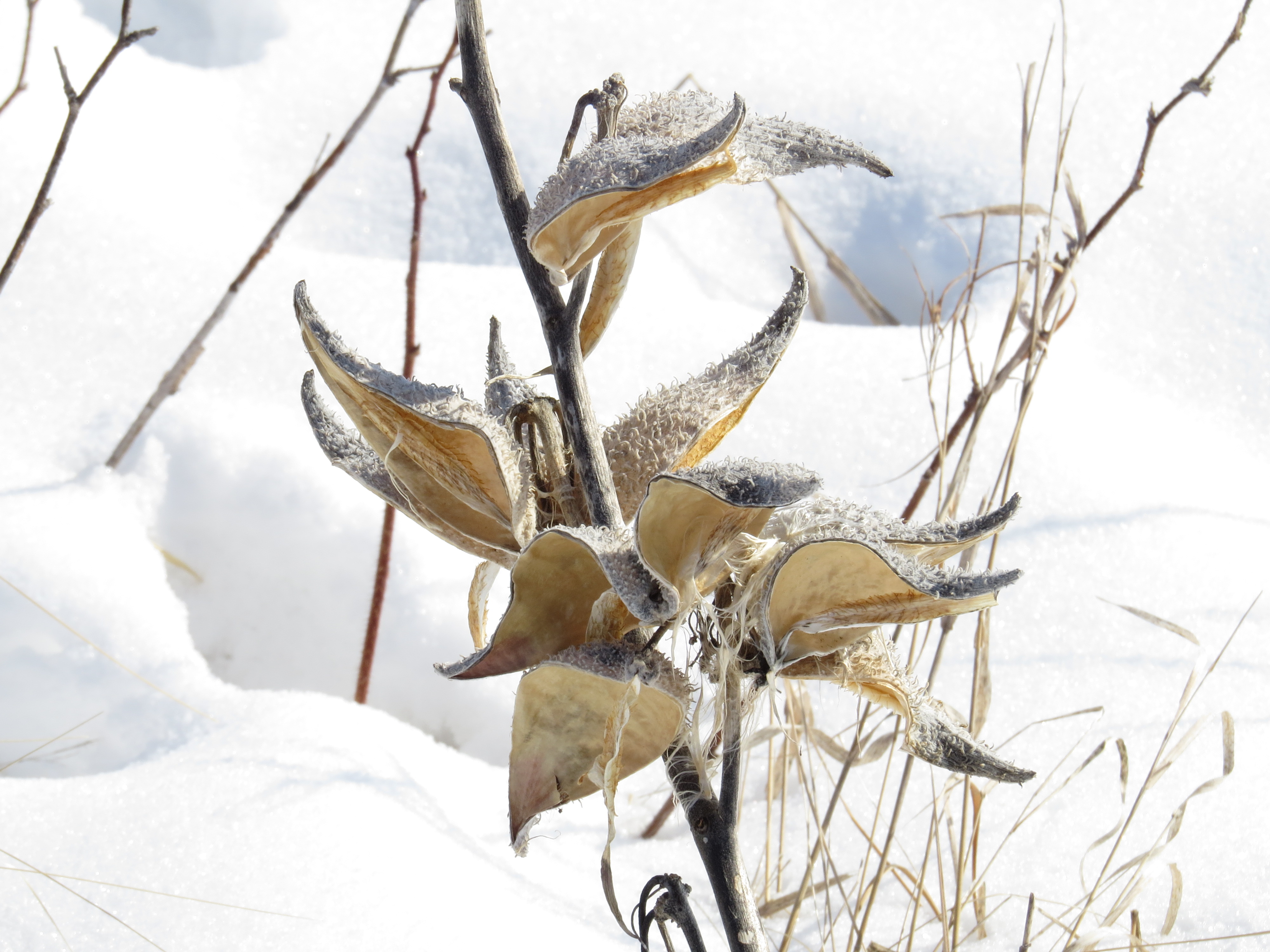
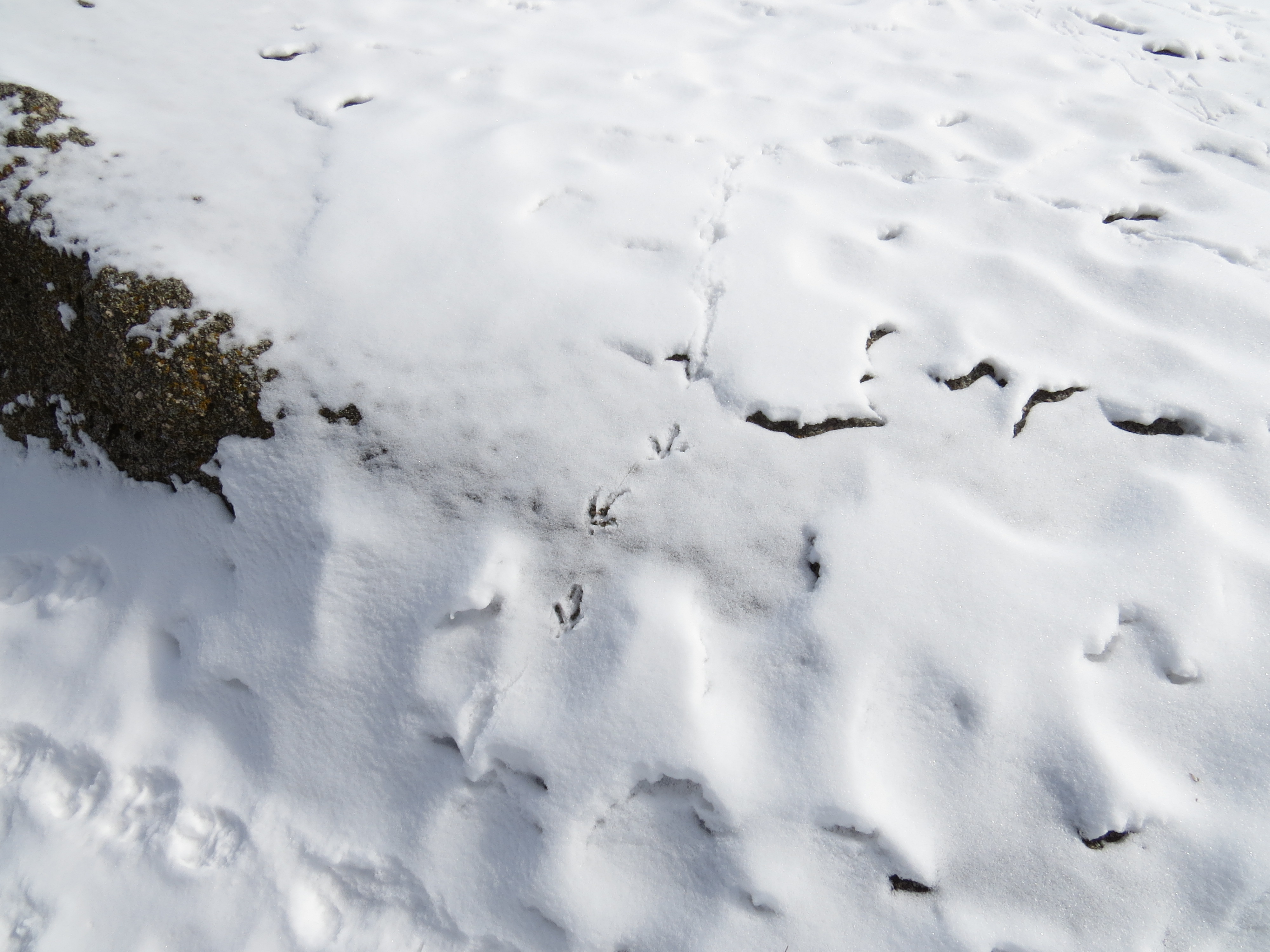
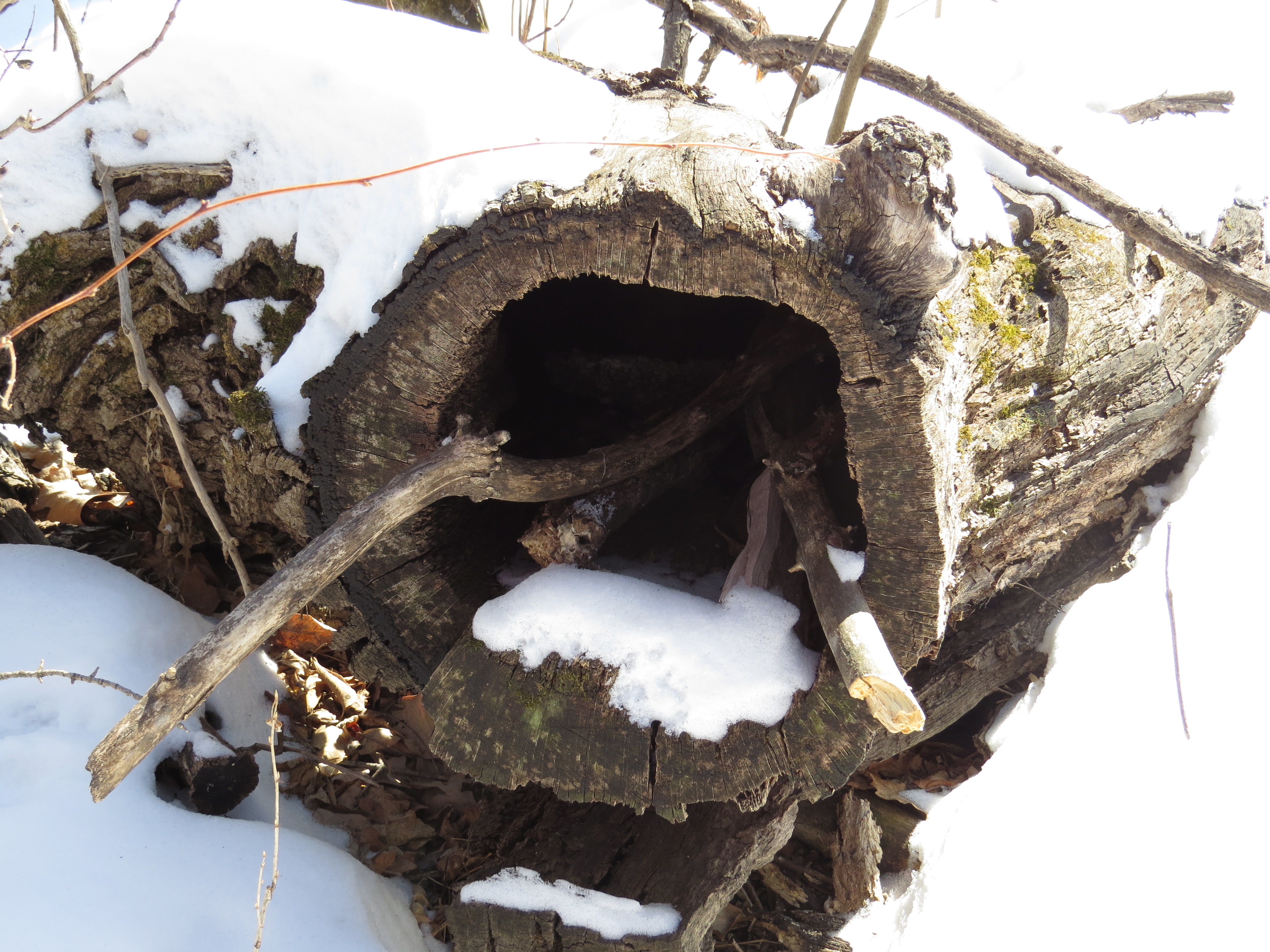
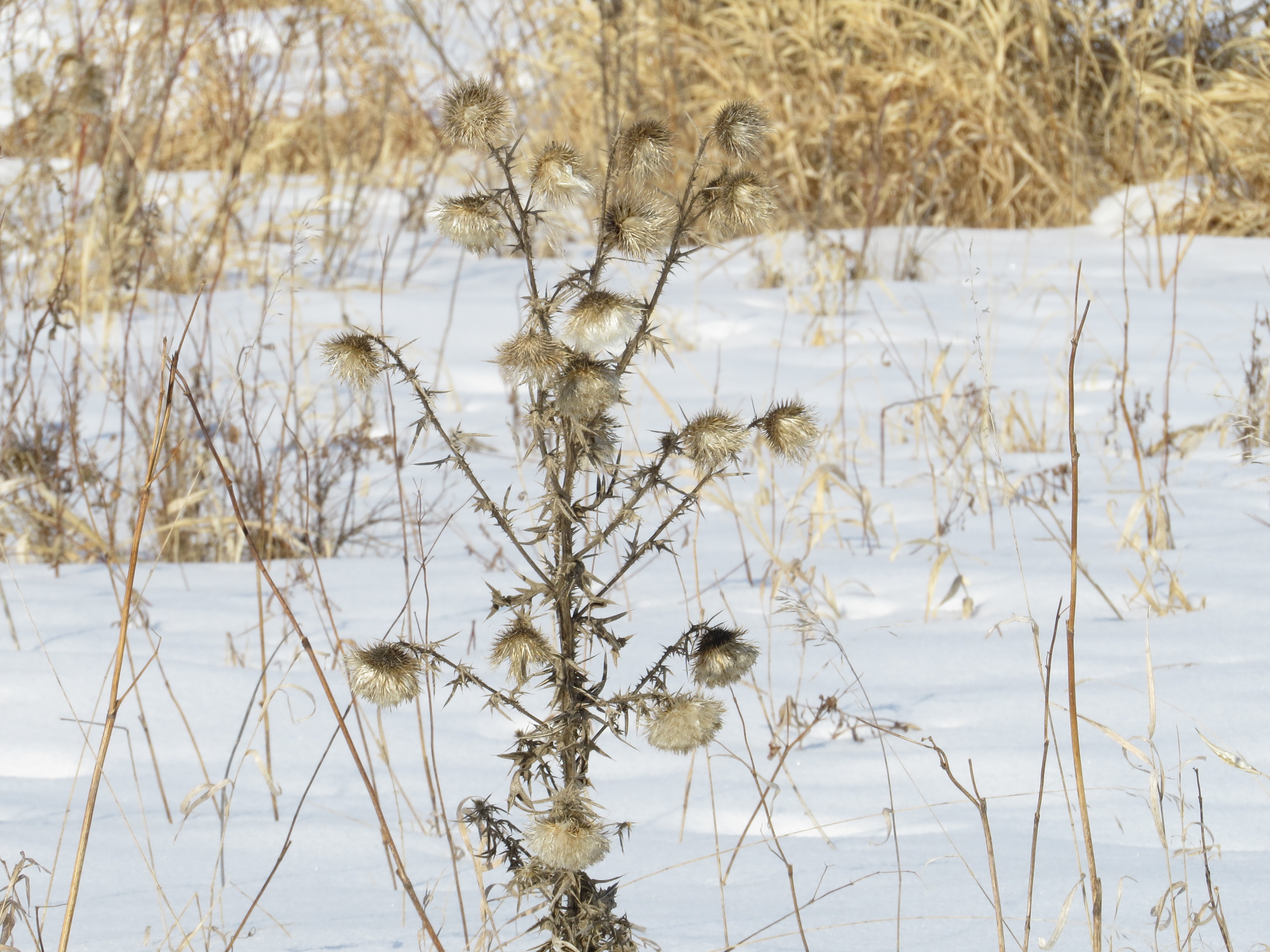
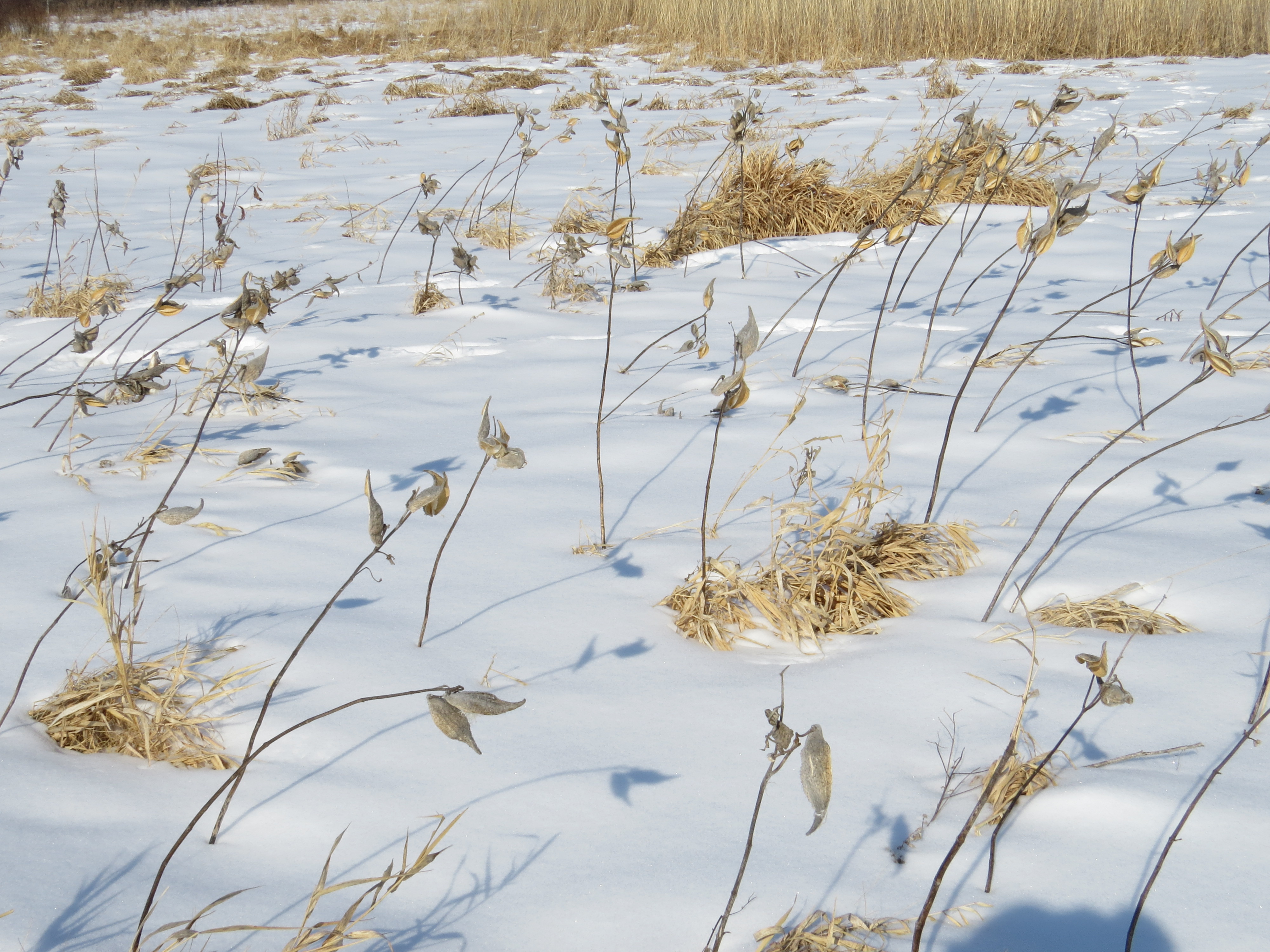
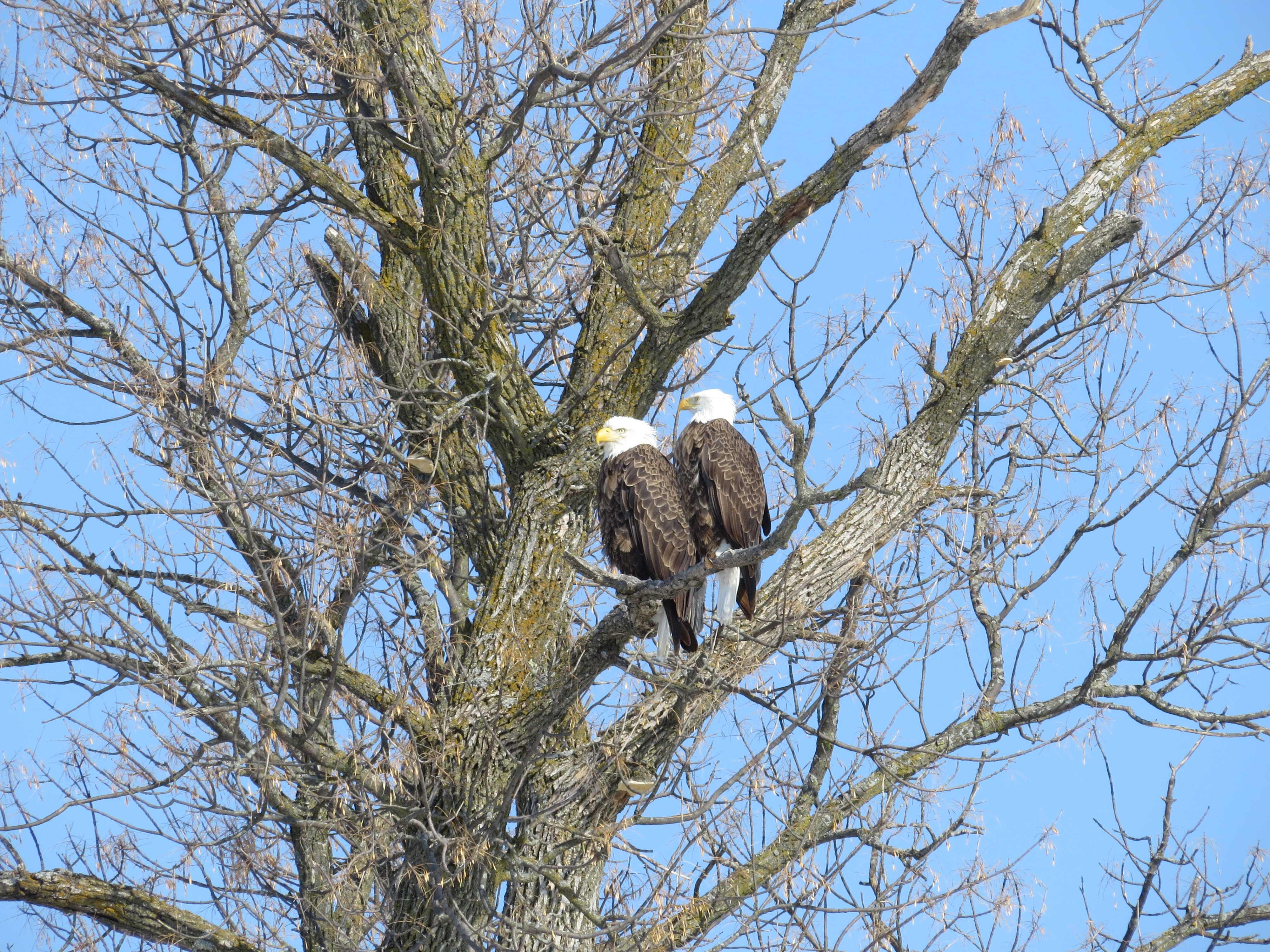
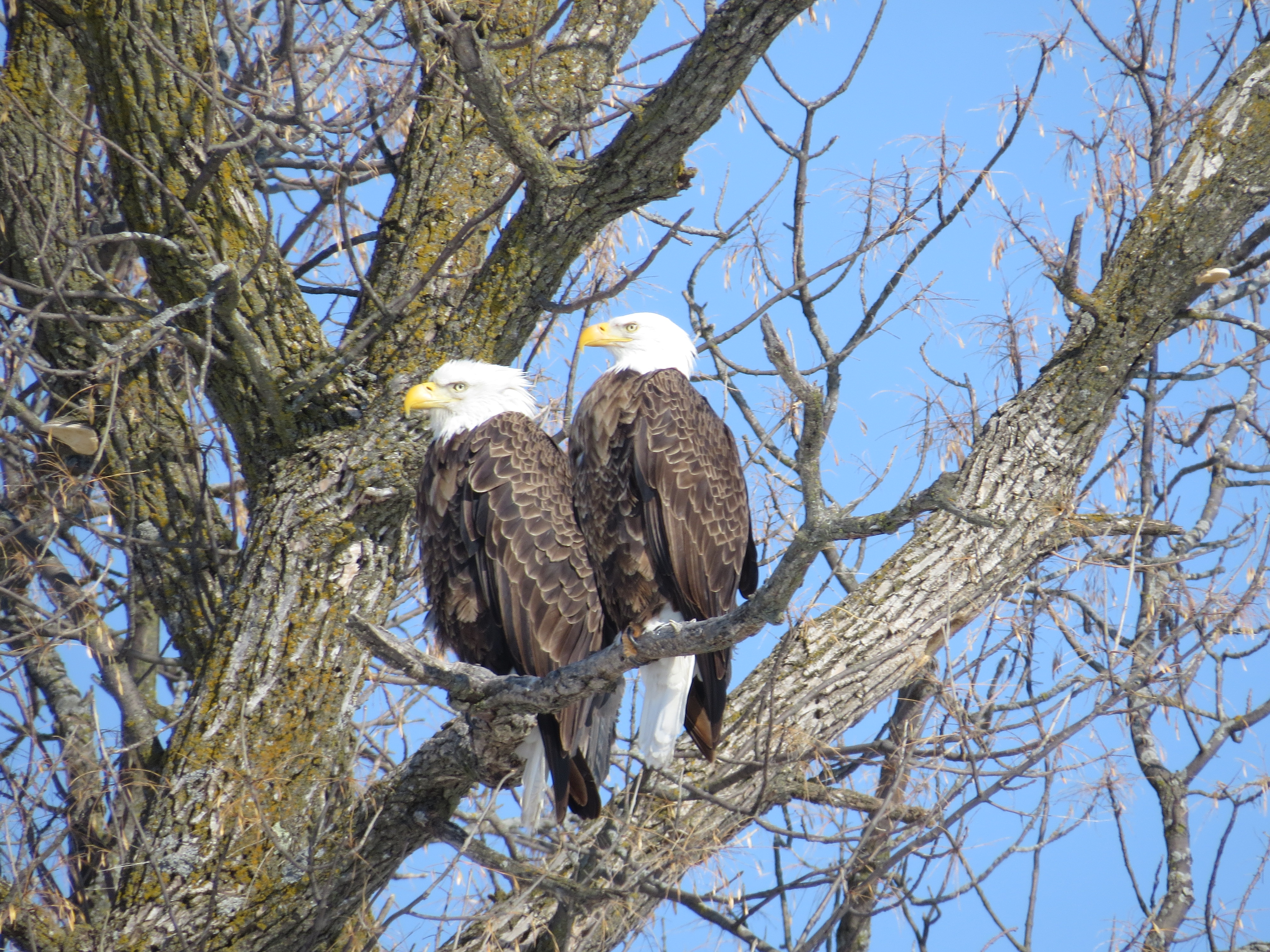


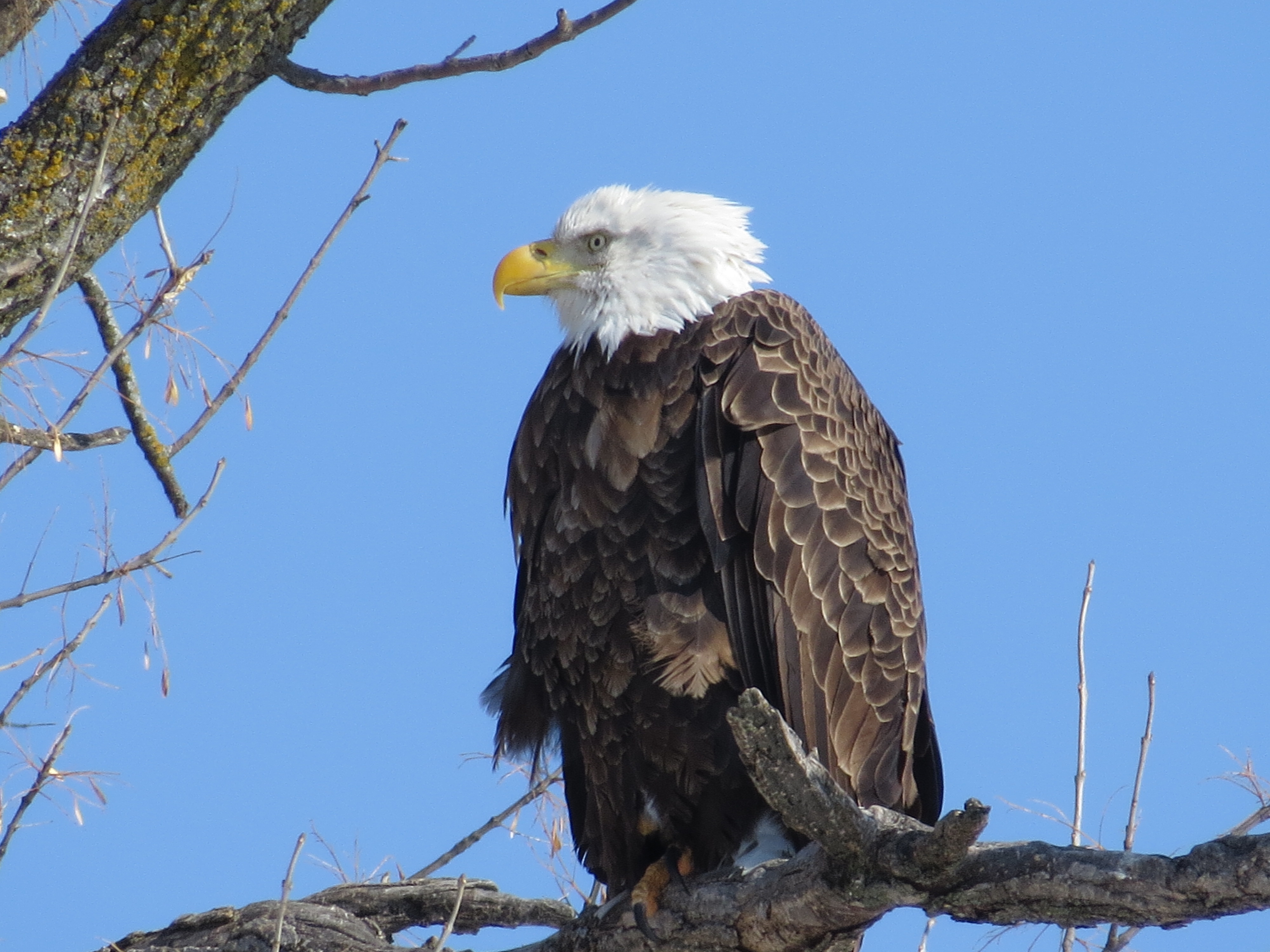

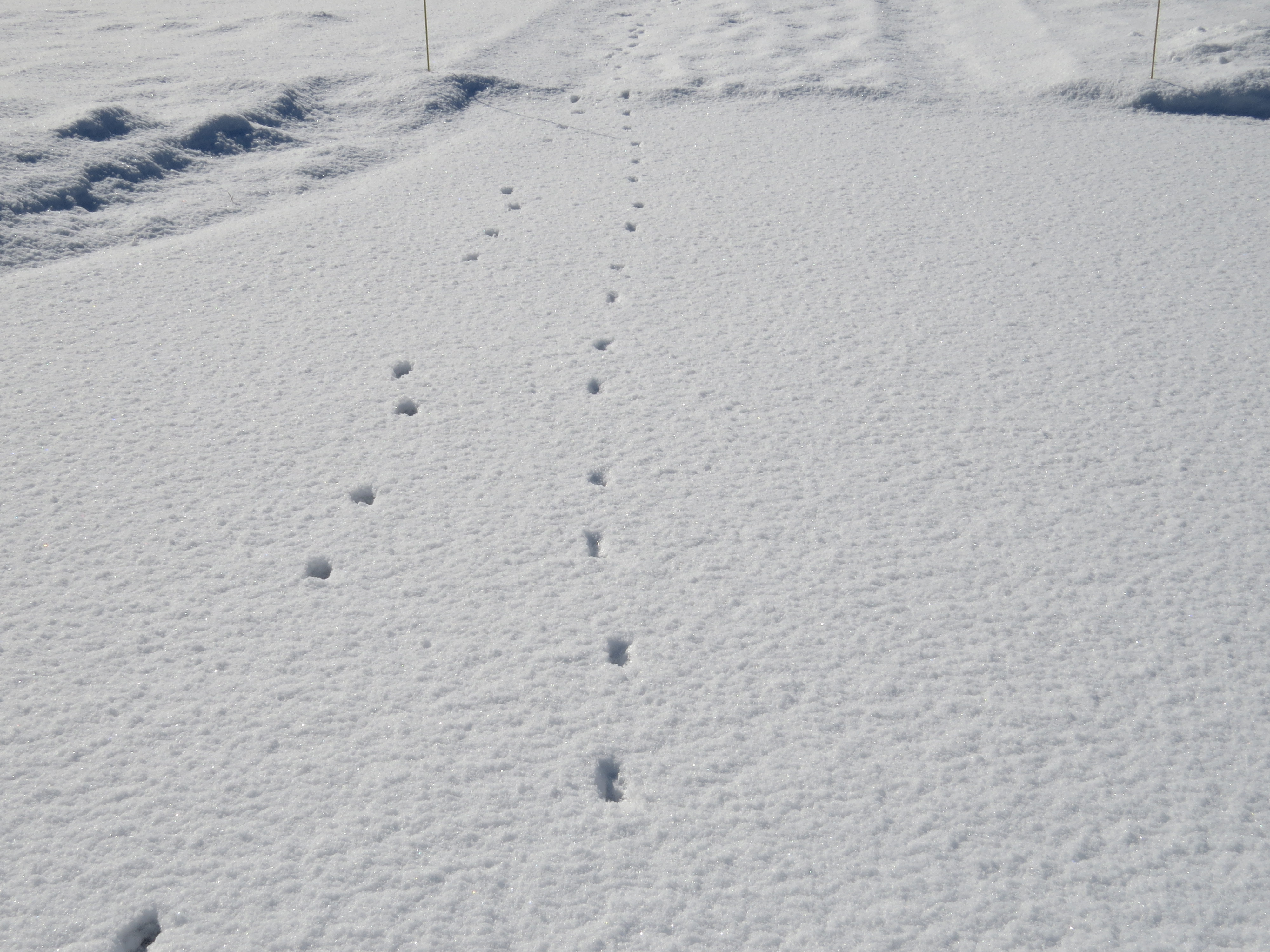
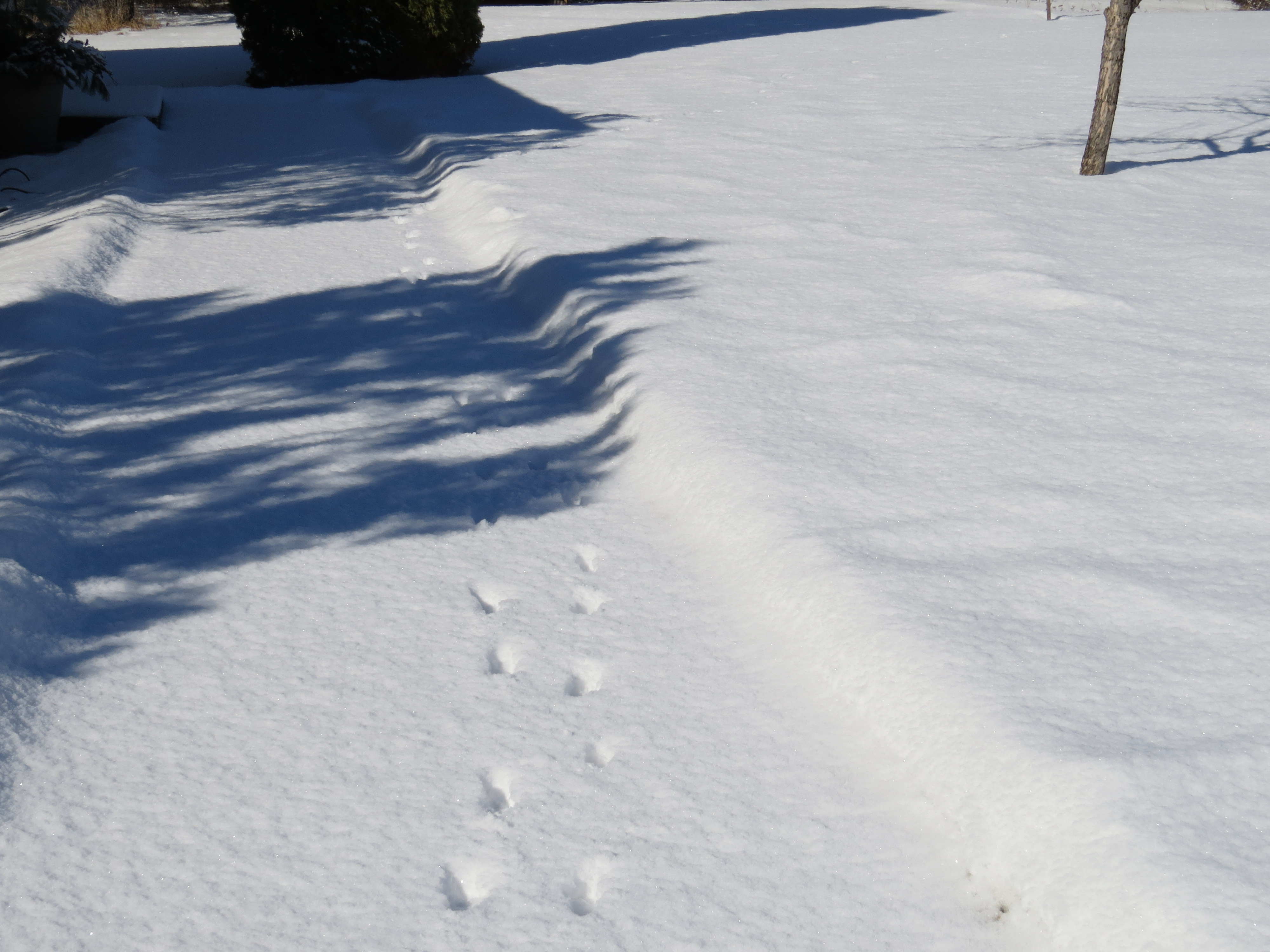
Why would anyone choose therapy that seems so hard and harrowing? Not everyone who chooses is in the midst of a crisis like I was, but at the time, I just needed some relief from the pain of the crisis. I didn’t know how hard the journey of relief was going to be. But even in the midst of the difficulty, there was relief as well as exhaustion in the artesian well of tears that flowed from my eyes. There was relief when another puzzle piece clicked together where before there was a numb emptiness. There was relief in developing an awareness of myself where before there was an outsized fear of what could happen. There was also an immense sense of holiness I felt during the process and certainly looking back at it. It was hard, holy work. God was with me then just as God was with me during my young years when fear controlled my narrative. The harrowing trek was worth it. The crisis was there for a reason. It pushed me to action, it pushed me to truth, it pushed me to awareness. I didn’t have to reject any pieces of myself or of my life anymore. The black and white sorting bins were gone. And with that reconciliation came more order, more control of my life, and more safety—all of the things I yearned for when I was young. My adversity led me towards fruition. It’s not like I have arrived—I’m still on the journey. Things can still shake me and make me want to go back to hiding in fear. But Nature helps me breathe deep relaxing breaths again. She shows me how shadows can become butterflies. How curiosity partners with knowledge and truth. How treasures can show up on our doorstep in routine life and when we least expect but need them the most. Nature shows us how Goodness is restored.
The Aftermath
In the aftermath of the Minnesota Vikings’ loss to the Philadelphia Eagles in the NFC Championship game, the disappointment was expressed in various ways—some were thankful for a great season, some were bitter that Minnesota would be hosting the Super Bowl for the Eagles’ fans who were ‘less than nice’ to the Vikings’ fans, and some were able to express their disappointment with humor. Bryan Leary of Minnetonka wrote a short, succinct letter to the Star Tribune: “When I die, I want Mike Zimmer, Mike Tice, Brad Childress, Denny Green, Jerry Burns and Bud Grant to be the pallbearers, so when my casket gets carried to the cemetery, they’d have the chance to let me down just one more time.” The pain is real.
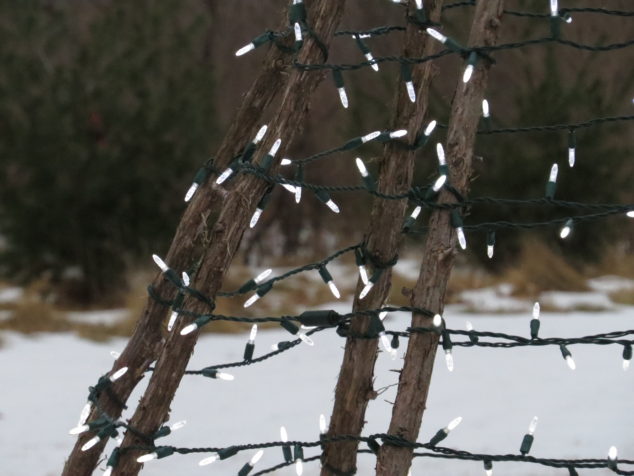
January, in the aftermath of thankful and festive months, is long, dark, cold, and usually snowy. It is mostly a month to be endured, and getting through it gets us thirty-one days closer to Spring. Christmas decorations still hang in some corners of my house—I’m reluctant to give up the cheer of lights and shiny red decorations. The Christmas wreath is now a Valentine’s wreath, and hearts have replaced the nutcrackers that were nestled in the lighted evergreen garland on the mantle. Our cedar pole Christmas tree in the front yard still shines all night long—a reminder that we haven’t lost what we gained on that December day.
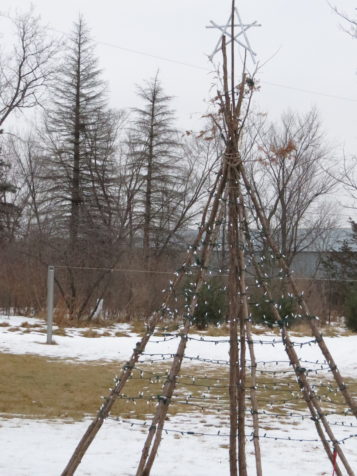
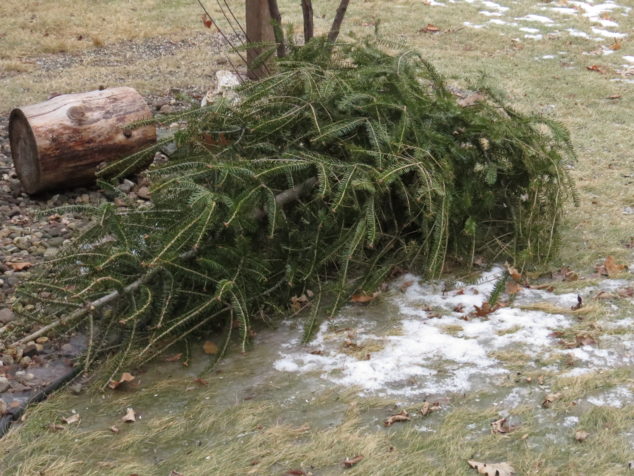
But the Christmas tree is now a perch for the birds by the backyard feeder, lying beside the aftermath of countless meals by birds and squirrels who ate the nutritious sunflower nuggets and discarded the outer seed cover.
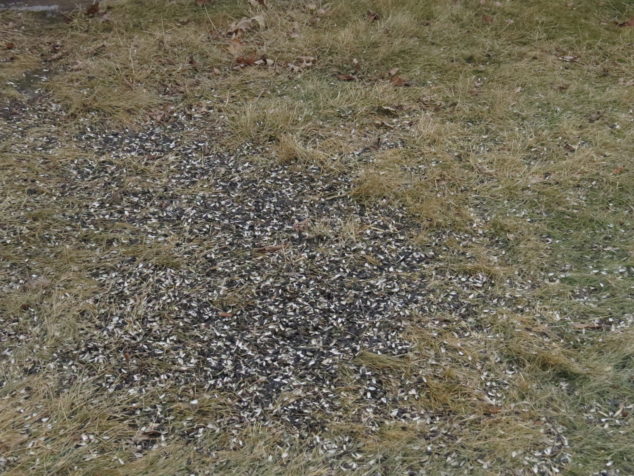
The weather has not been typical for January—we’ve had the bitter cold, as usual, but the temperatures have swung into the forties for a number of days. Our piddling of snow, in the aftermath of thawing temps, has melted away. We missed the storm that dumped ten inches of snow on the Twin Cities on Monday that resulted in cancelled flights, stranded school students, and stuck commuters.
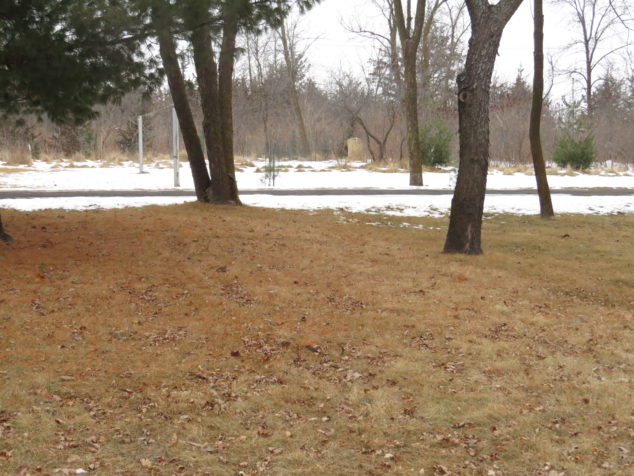
January, the first month of a New Year, lends itself to introspection. It gives us a chance to stop, look around, and assess our situation. Where am I in this New Year? What do I want my year to look like? Who am I? What kind of person do I want to be?
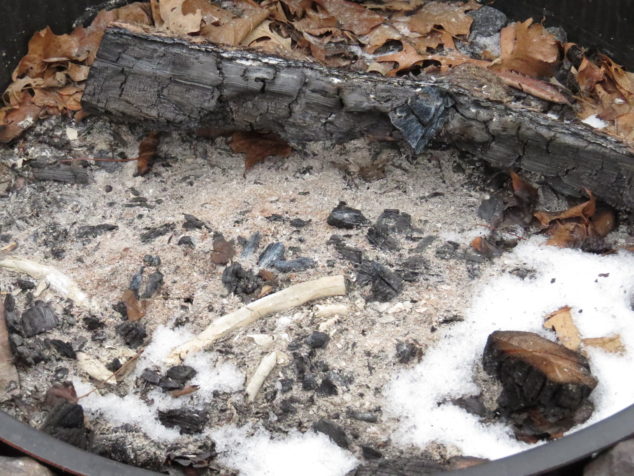
The aftermath of a New Year’s Day fire that tried to keep us warm in the sub-zero weather, reminds us that some things from the old year should be released to fire and sky but also cautions us that it’s hard to re-build the bridges we burn.
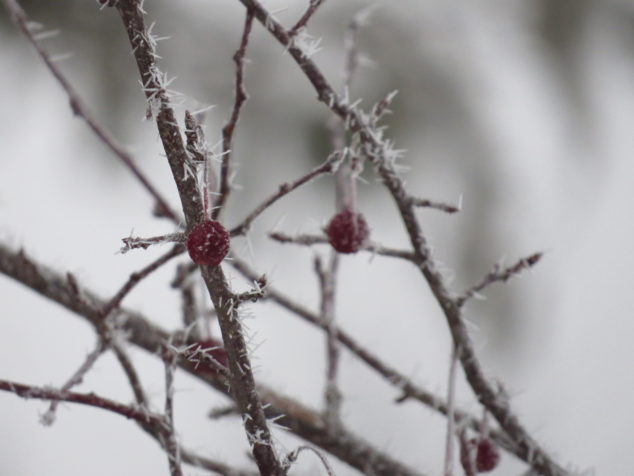
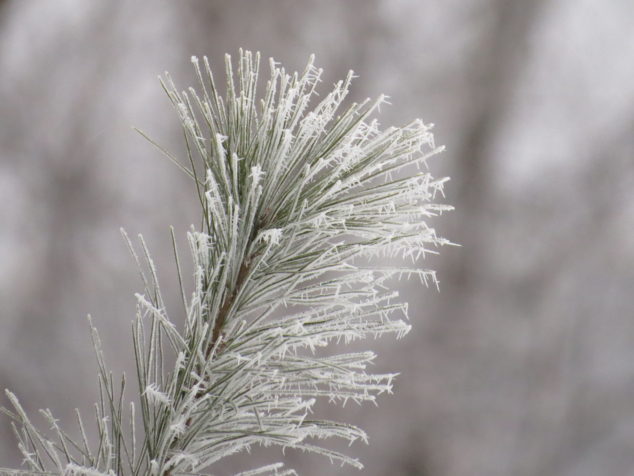
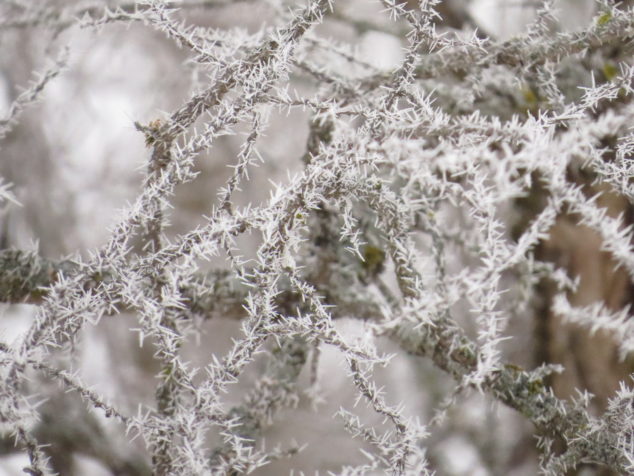
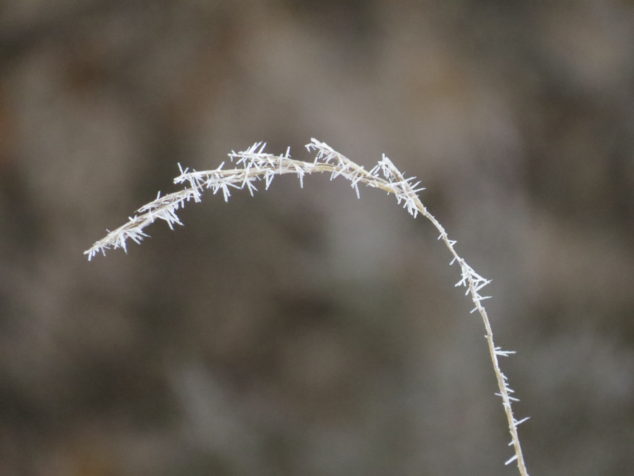
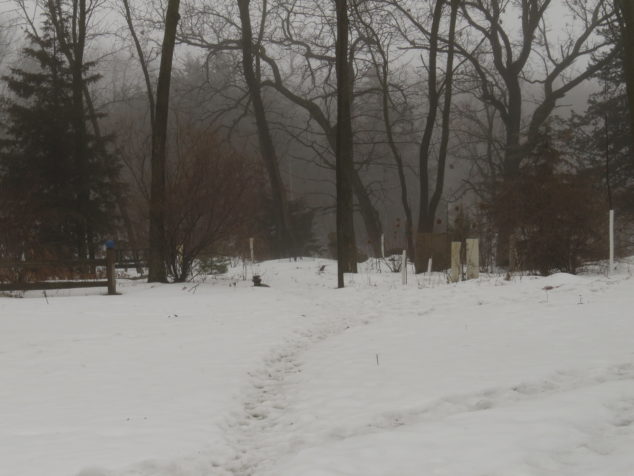
The warm, gray days that melted the snow produced fog and bone-chilling dampness. In the aftermath of fog and freezing nighttime temperatures, spikes of frost coated the trees and grass, transforming them into winter beauty.
Aftermath: something that results or follows from an event, especially one of a disastrous or unfortunate nature; consequence. In the aftermath of a wildfire, mud slide, flood, hurricane, tornado, or snowstorm, the pain is real. In the aftermath of death, divorce, job loss, disease, injury, or other traumas, the pain is real. In the aftermath of disappointment, discord, impropriety, conflict, or disunity, the pain is real. So what to do with the very real pain…. Malcolm Lowry wrote about “the long black aftermath of pain.” There is a long, dark, cold period of time to be endured—which gets us closer to some resolution, solution, closure, peace, forgiveness, transformation, or justice. We triage our situation, do what we can to stop the bleeding, adjust, repair, recycle, receive, work, struggle, release, give thanks, make progress, laugh, backslide, and transform. The pain begins to diminish. We begin to find our way again. A second meaning of aftermath is a new growth of grass following one or more mowings. New growth after being cut down. We remember that we haven’t lost what we gained in that lifetime before the pain, but by various, glorious ways, we step ever closer to Spring.
Gleanings from January—Moon Shadows on Snow
I’m being followed by a moon shadow, moon shadow, moon shadow. –Cat Stevens
January rings in another year with Auld Lang Syne—‘for old times’ sake’—by looking back at what happened during the previous year. And then we begin again. Each month and each day gives us that same opportunity. At the end of each day, we can look back at what happened, check in with ourselves, set our intentions for the next day, and with the dawn, begin again.

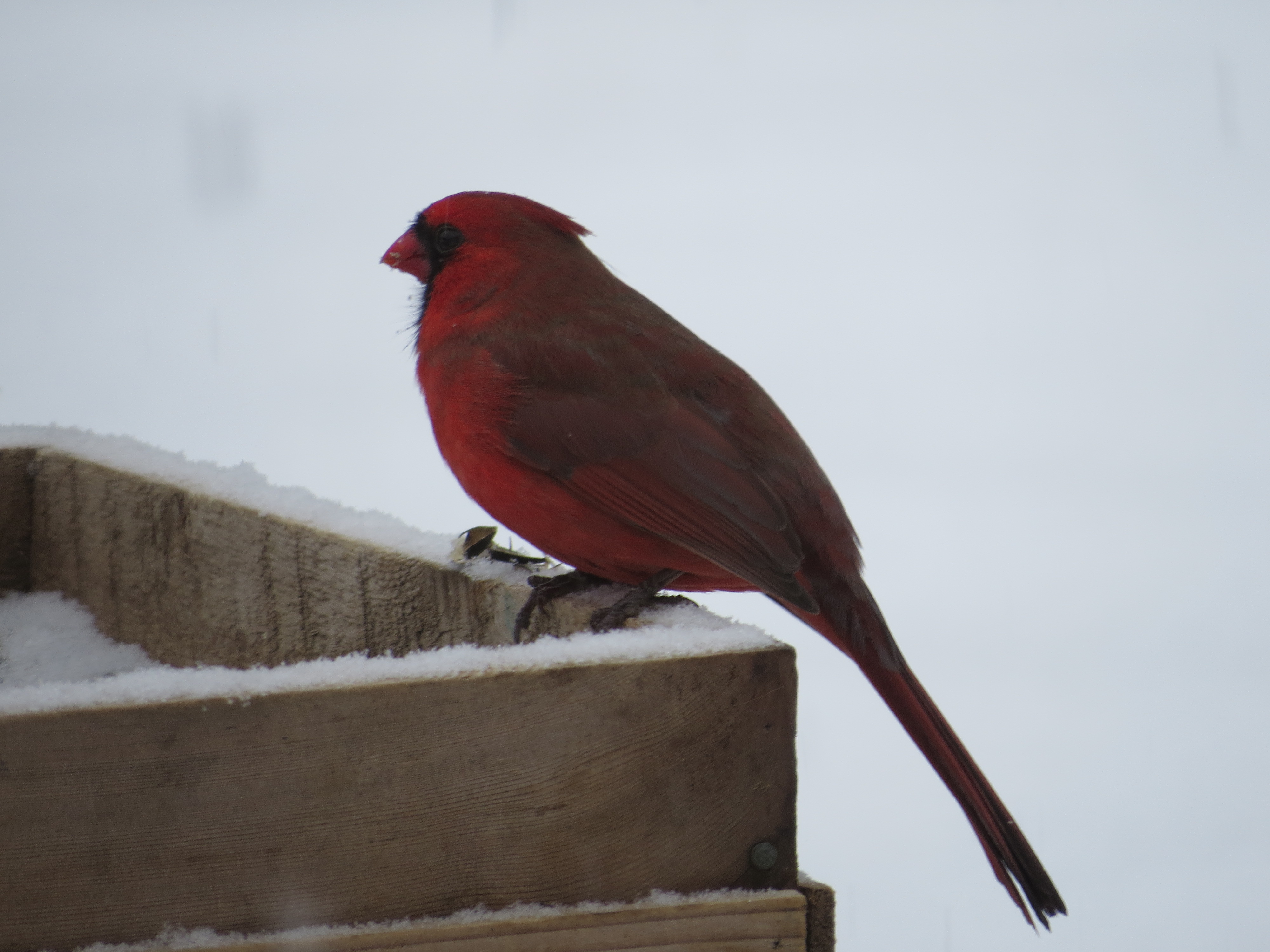
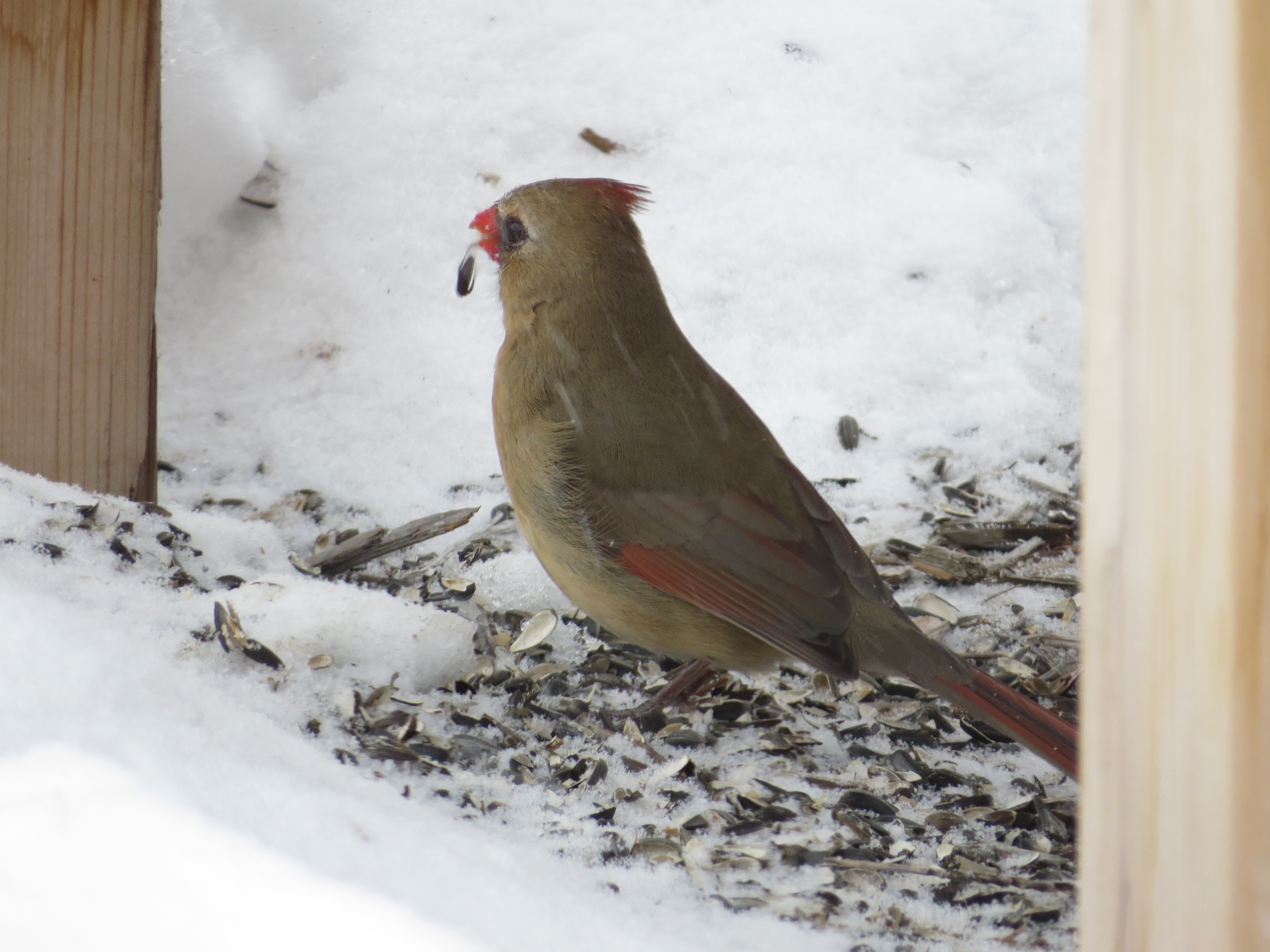
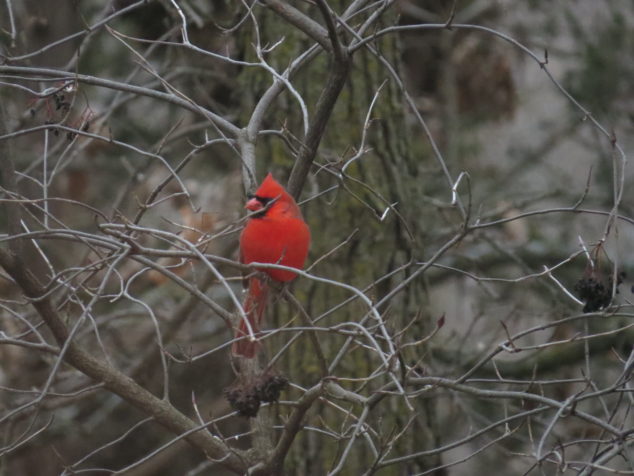
We had days of beautiful snow last month—perfect January weather. In the midst of a snowstorm, the bright cardinal gave us a glimpse of the joyous, colorful Spring to come.

There is Beauty in Wintertide when ordinary objects become works of art.
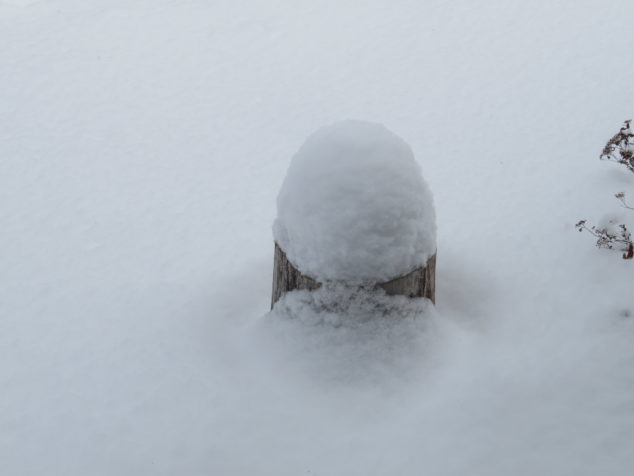
We also had days of unusual melting in January as the temperatures soared and bleakness enveloped the land.
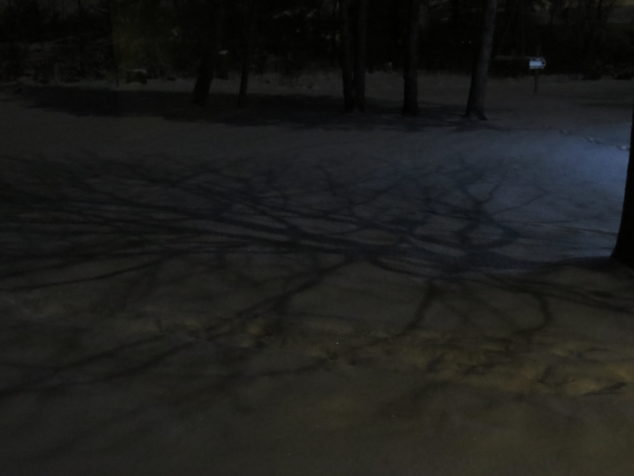
One of the lovely sights of winter nights is moon shadows on snow—a wordless poem that stirs the soul with its artistry and mystery.
Another mystery unfurled in the daytime snow—this ‘snow roll’ and track appeared one afternoon, starting at the down spout and rolling 10-12 feet across relatively flat ground. Now how did that happen?!
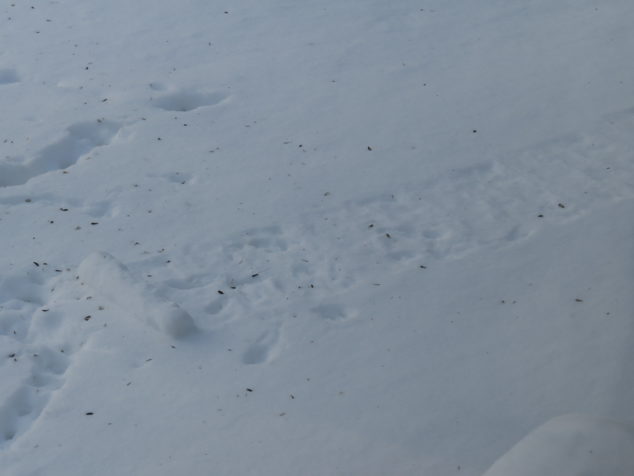
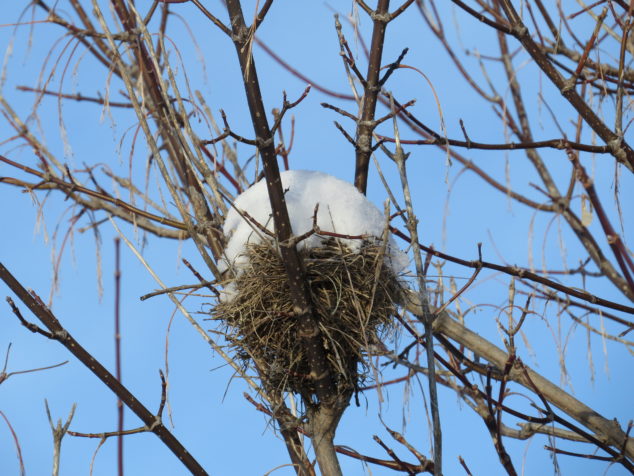
This snow-covered nest caught my eye, and I thought of how their carefully crafted and hidden home during the leaf-covered spring and summer was now exposed to the elements and for all to see.
Another month, another day is relegated to ‘old times.’
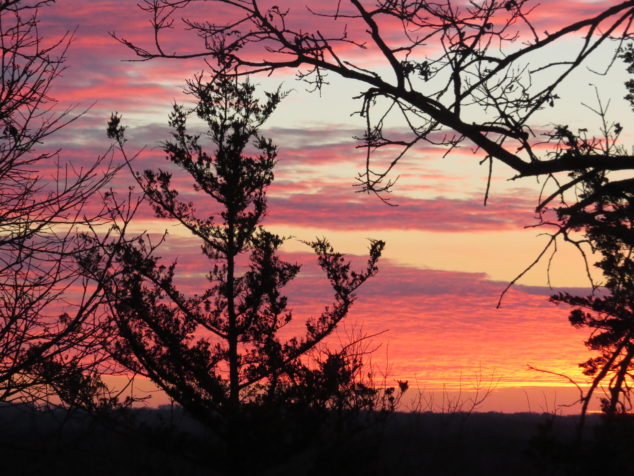
Old years, months, and days become our history—a story that covers the gamut from bleakness to beauty, from ordinary to art, from predictable to mystery. With our history comes our lessons, but only if we reflect on what happened, what our role was, and how we may have gotten some parts of it wrong. There are times in which we hide ourselves for protection and for good reason, but eventually, as we begin again, we are once more exposed to the elements. And here’s the mystery—we become stronger and more resilient for having done that shadow work in the darkness. Our lives become a wordless poem of artistry and mystery. We’ll take a cup o’ kindness yet for old times’ sake, revel in the Goodness of the present moment, and catch a glimpse of the Joy yet to come.