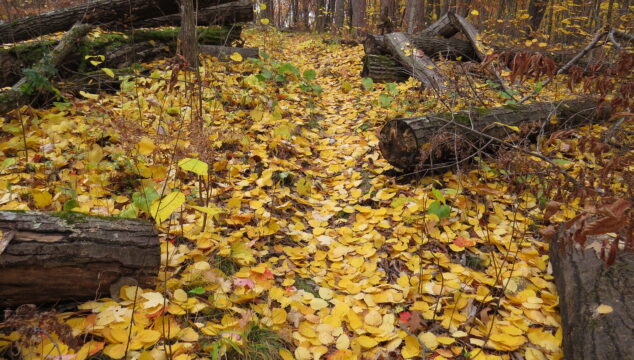
Come walk with me in the peak Autumn beauty of the Northwoods. To say that I love this time of year is an understatement. Most everyone can appreciate the colorful falling leaves---it reveals the 'true self' of a tree when its leaves are no longer producing chlorophyll. Their true colors are revealed, and there is something simple … [Read More...]
Walking Across the Mississippi River
On the spectrum of safety, I know I fall on the ‘safety first’ side. The implication of safety first is not only for that person individually but also for all persons who may be impacted by the situation. On the other side of the spectrum is the risk-taker—gamblers, innovators, extreme sports and ‘roll-of-the-dice’ people. Often their risk-taking is centered on themselves—rarely do they consider the consequences of their actions on those around them, particularly those who are most vulnerable.
Our son worked for Will Steger at Steger Wilderness Center one summer in Ely, Minnesota. Steger is an arctic explorer, educator, and author who has witnessed the effects of climate change on the arctic regions. He has dog-sledded to the North Pole, across Greenland, and across Antarctica. He also does yearly solo expeditions in Northern Minnesota and Canada—the last two years have been in the Barren Lands in northern Canada. Did I mention he’s over seventy years old? Clearly a risk-taker in my mind. And yet, I heard him a couple years ago in an interview about his ice-out trip in early spring, when the weather is warming, the ice is melting, and he is navigating that dangerous terrain—he said that he is not a risk-taker. He said that he is in prime physical condition with sharp mental acuity when on these solo expeditions. He is experienced, prepared, educated, and working for a purpose beyond himself, and therefore, he does not take risks—for he clearly understands the consequences.
Yesterday morning Chris and I went to Bend in the River Regional Park. We had been there a year ago in October on a warm, fall day. Yesterday was warm (for late February), sunny, and calm. We walked the trail from the old farmplace along the top of the bluff above the Mississippi River.
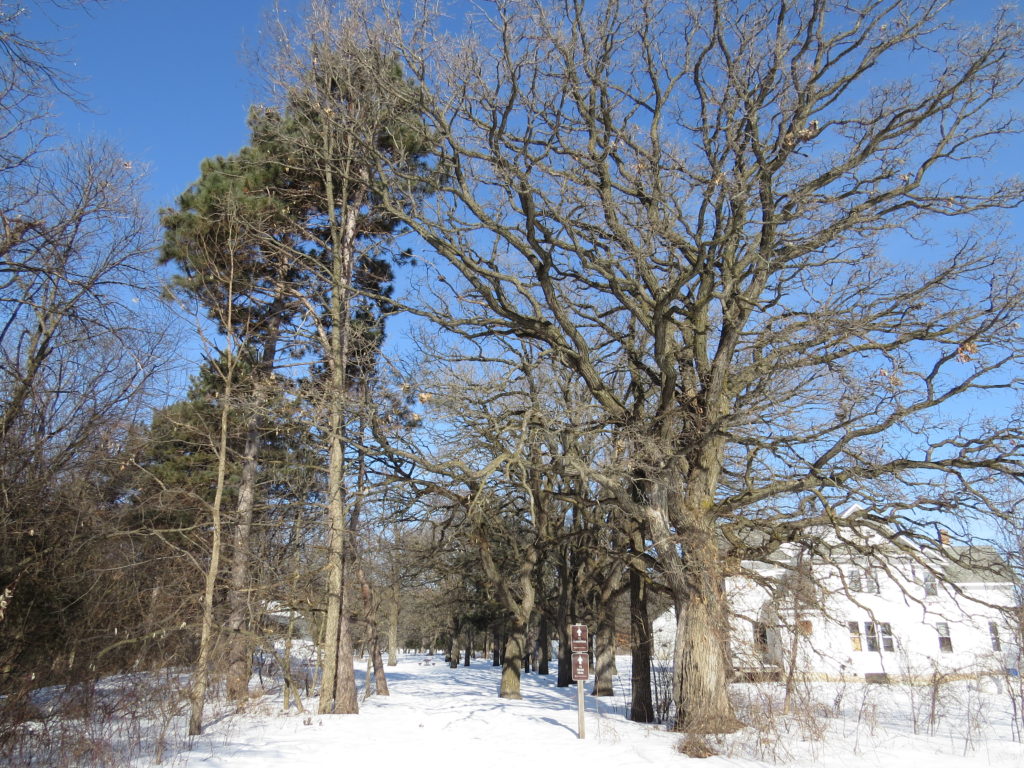
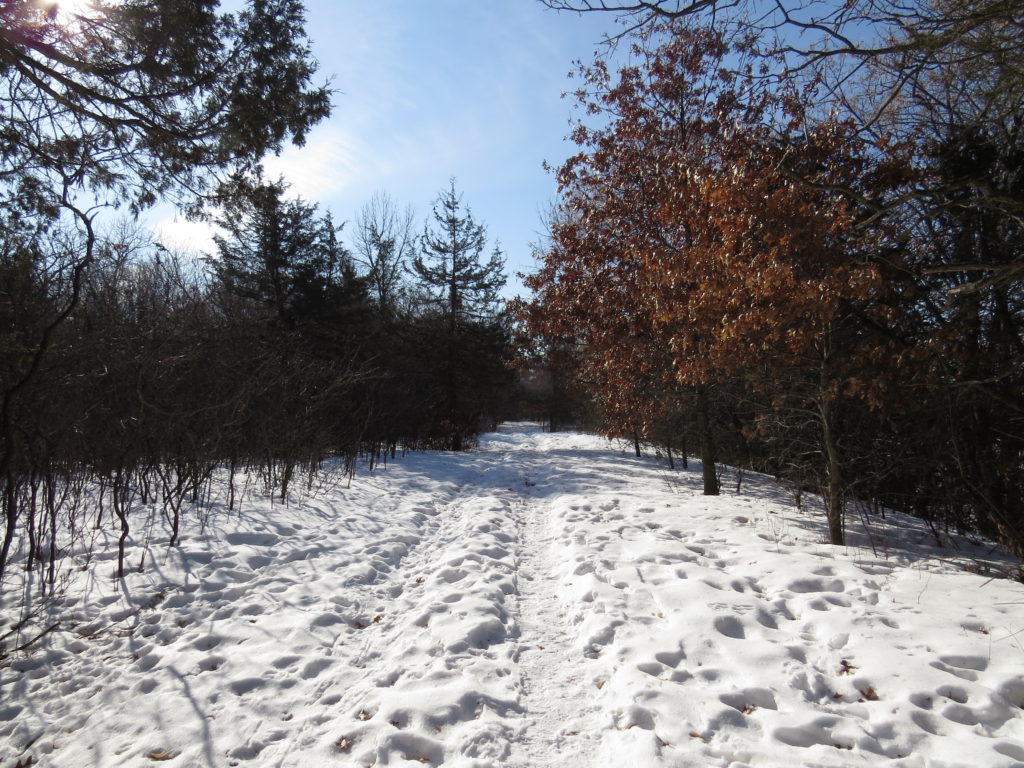
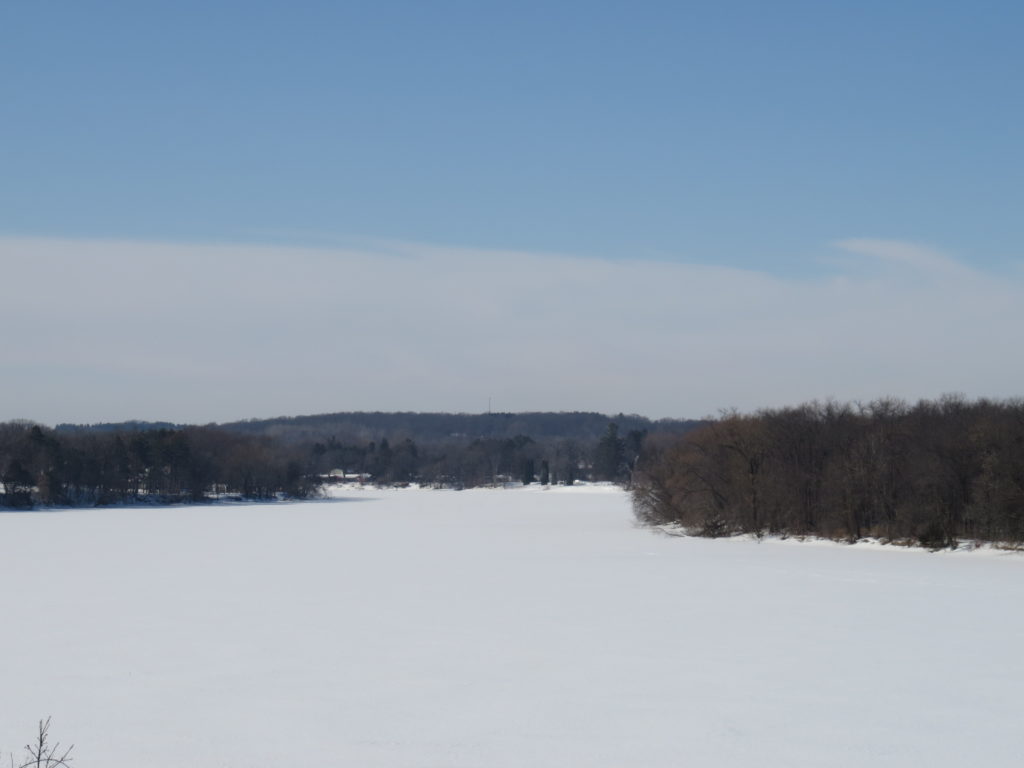
The River was covered in ice and snow, but I never once thought about walking out on it because it just seemed too….dangerous. After all, it was a big river—a big river that was flowing freely below the dam a couple miles away.
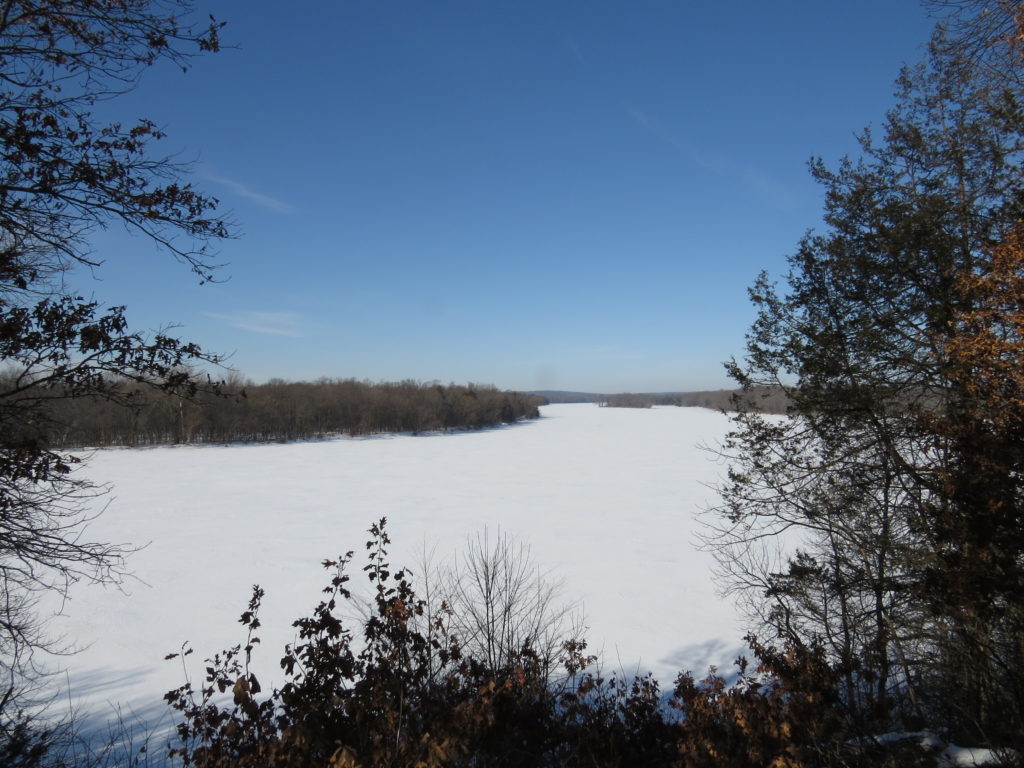
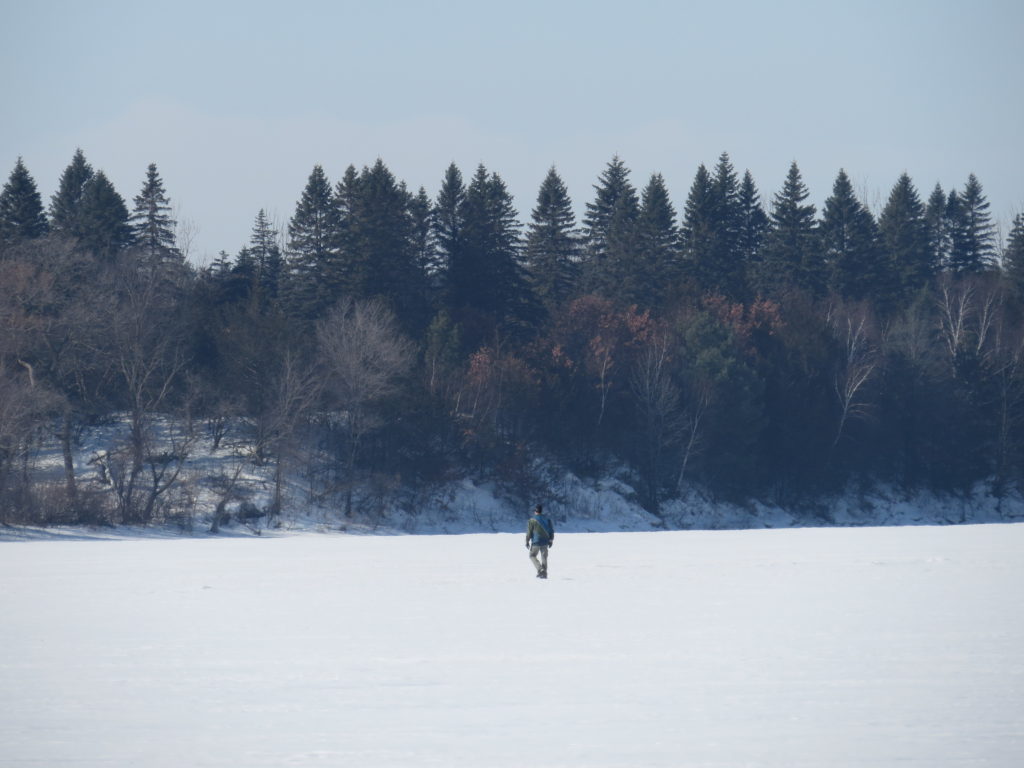
At one of the overlooks on the bluff, we talked to a guy who was on a solo hike from across the River—wait, what? He had started his hike at the Mississippi River County Park which is on the opposite side of the Mississippi from Bend in the River Park. I had questions! He said the ice was solid and safe, that he lived nearby and many times had snowmobiled down the River in years past but now enjoyed walking it.
After he walked on, I told Chris maybe we should do it! If he made it across the ice just fine, we should be fine, too!
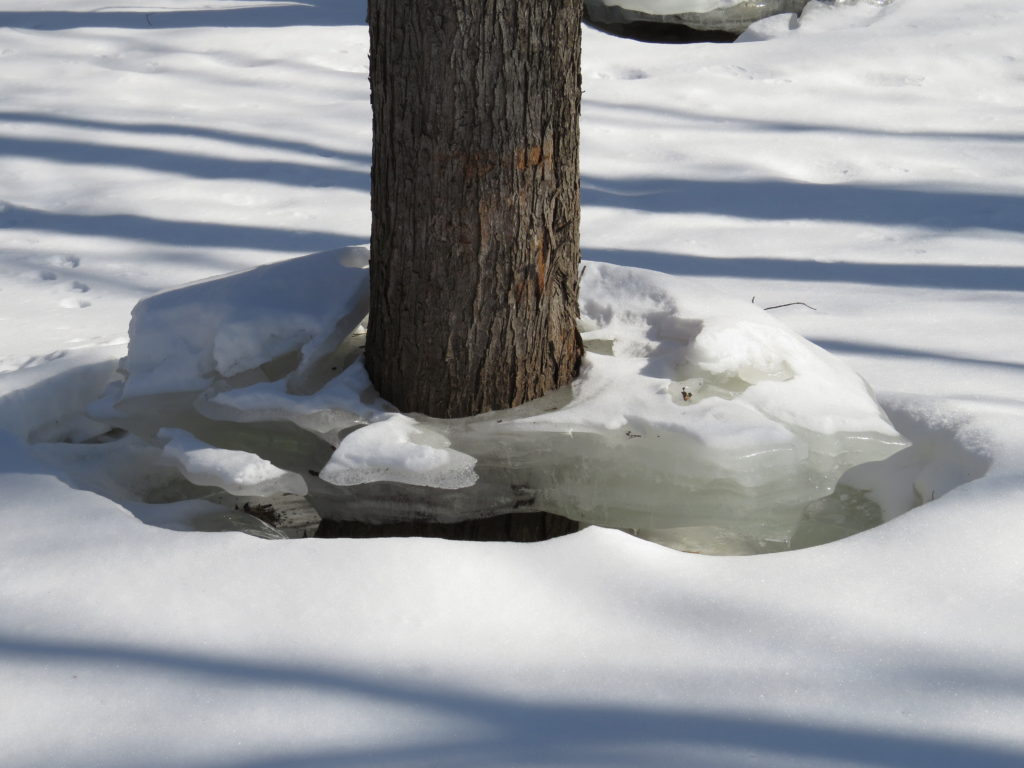
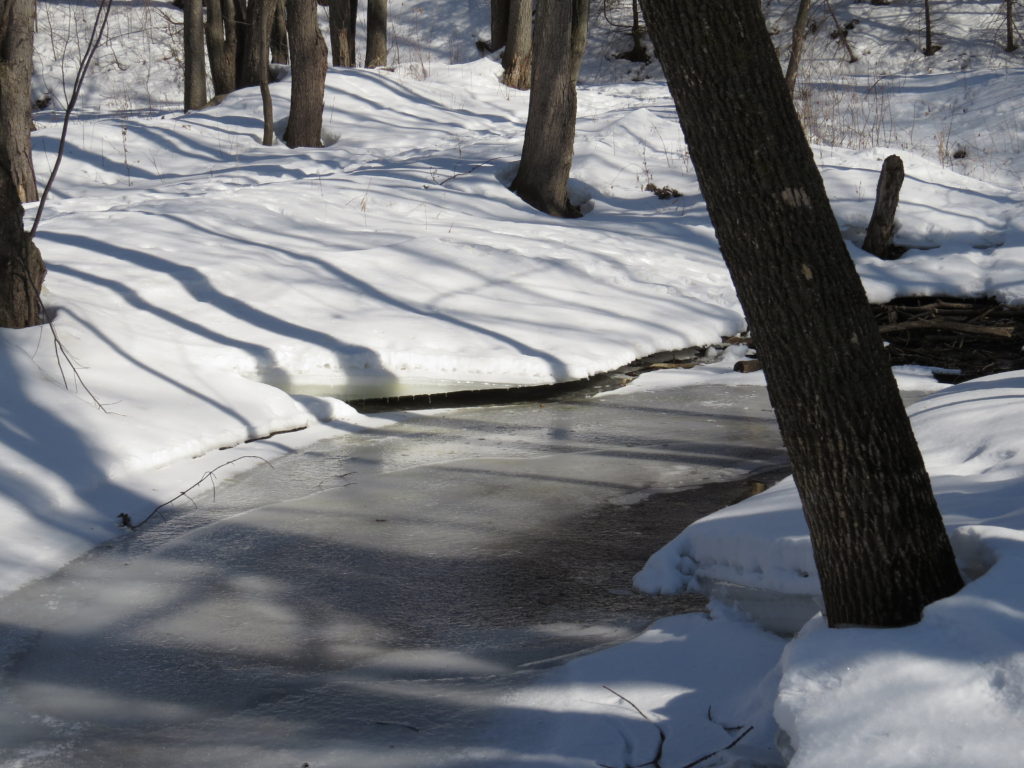
So we left the bluff trail and went down to the River’s edge. I wasn’t comforted by what I saw: ice collars around the trees that had broken away from the rest of the frozen water and streams of running water that were flowing under the ice into the Big River. I began to doubt our decision.
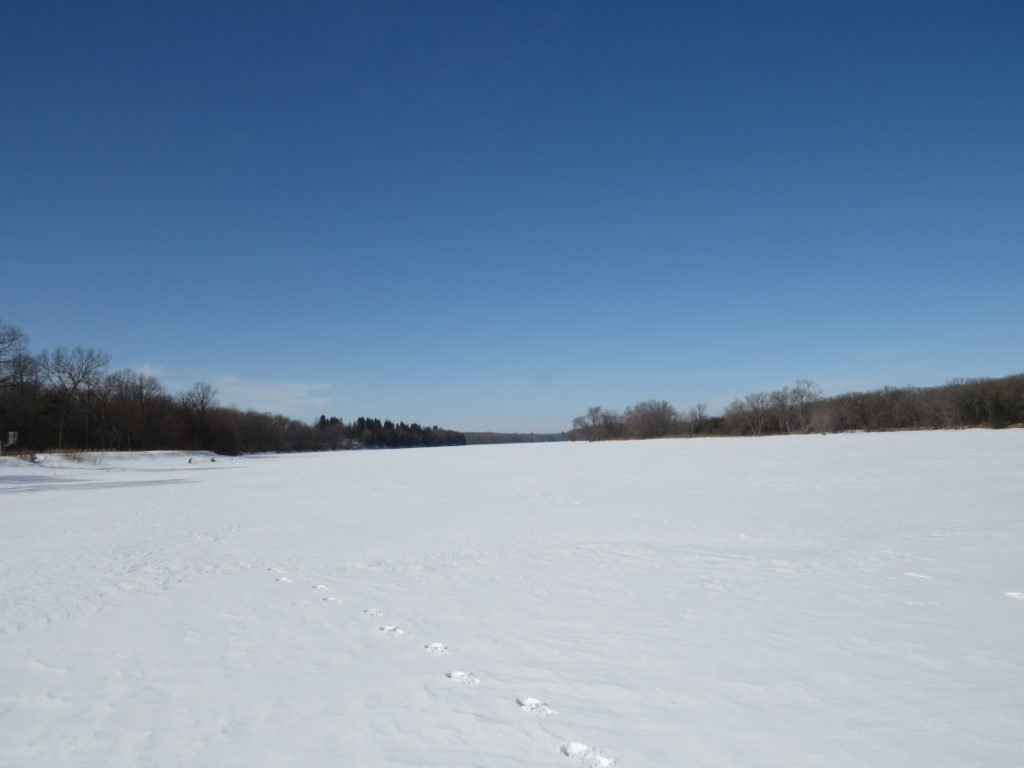
But we tentatively walked on and found the footprints of the solo hiker. We stepped out onto the River.
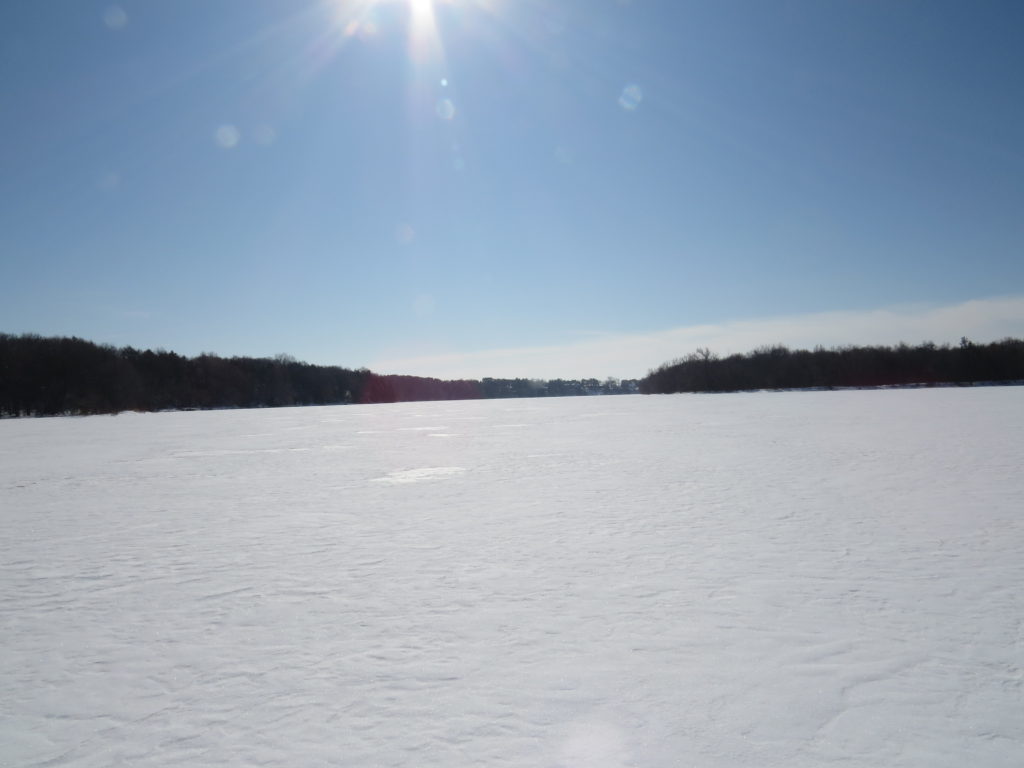
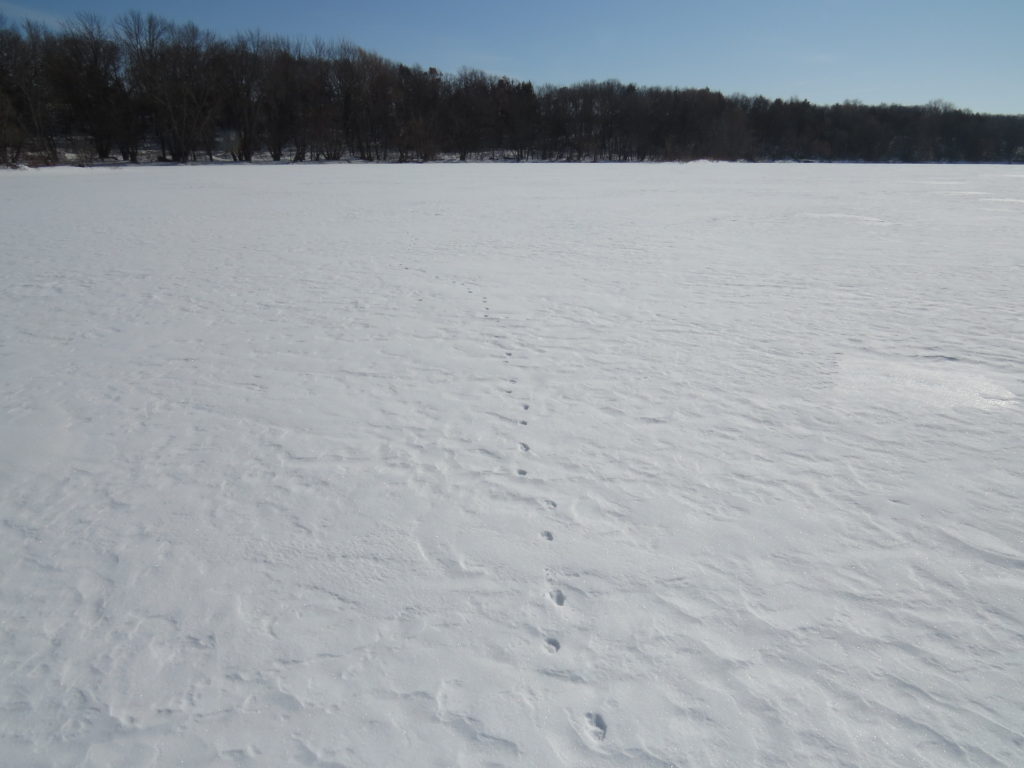
It was easy walking in the inch or so of snow that covered the ice—the rest of our deep snow must have incorporated into the ice as it formed. We weren’t the only creatures that had crossed the River.
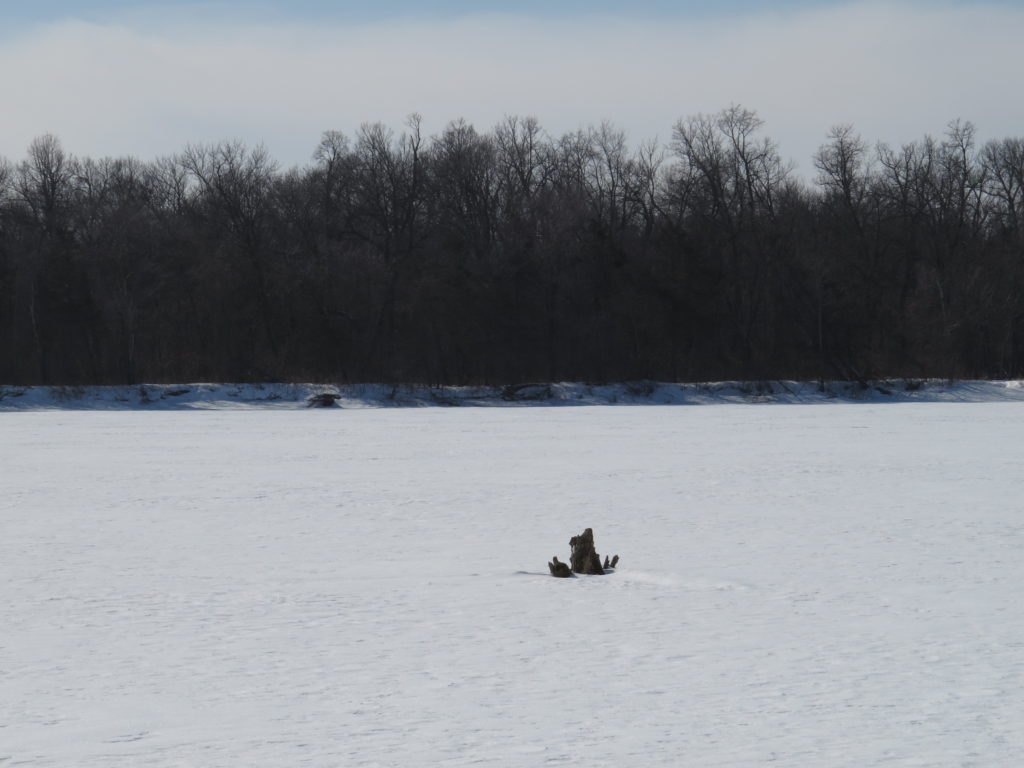
The ice felt solid and safe—we saw no heaves or cracks or thin spots—just a tree stump that interrupted the white expanse between the banks. But it was still kind of freaky knowing we were walking across the Mississippi River.
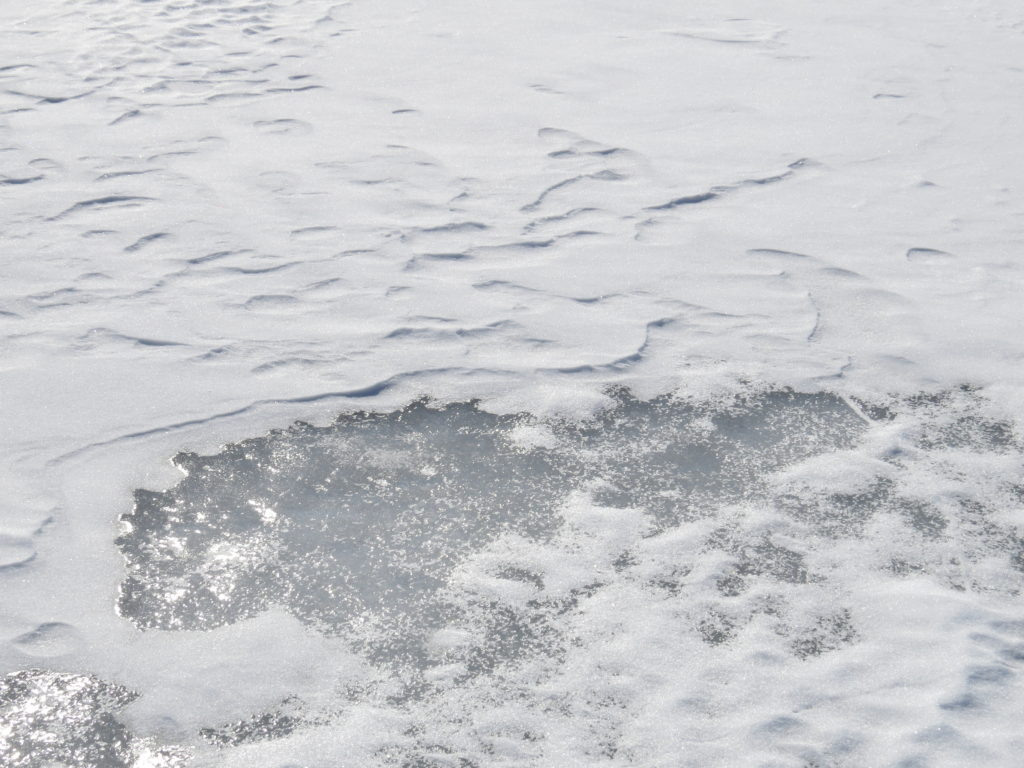
There was only one place where the sun had melted away the snow cover to reveal the ice below it. I wondered how thick it was…
My safety-first mentality didn’t even entertain the thought of walking across the River, but after we talked to the man who had done it, who had experience with the River and its ice, it became the highlight of our day. We still reassured ourselves about the eighteen below zero night we had earlier in the week and how just last night was five degrees. (Surely we will be okay.) Like Will, we were not treading on thin ice, we weren’t gambling with our lives, we weren’t out on a limb or playing with fire. Will Steger has had amazing, incredible adventures in his life and has educated the rest of us with his knowledge, experience, and purpose. As we walk on into our own adventures, it behooves us to listen to those who have walked before us, to those who know first-hand the struggles, perils, and pathways, and to those who have a vision larger than themselves, including for those who are most vulnerable. Walk on!
Meet Me at the Bend in the River
There are times in our lives when we are floating along—smoothly going in the direction we want to go, enjoying the scenery, life is good—when we come to a bend in the river. If we follow the flow of Life, we are swept along in a changing direction; if we resist, we flail about trying to stop or turn around and go back to where Life was easy. But it is no longer easy—we are going against the current.
Our oldest child left the 100-degree August heat of Austin, Texas to spend time with us in Minnesota. On one of those beautiful days, my Mom came over from South Dakota. We spent the afternoon at Bend in the River Regional Park north of Saint Cloud. The Park is located at an old farmstead high up on the bluffs of the Mississippi River—at the bend in the River. The old Red River Ox-cart Trail passed by a log cabin built on this site and later became the Point Douglas–Fort Ripley Military Road in 1851. In 1912, Edgar Graves bought the farm and built a barn, then a house, and subsequent other out-buildings. The house is formidable in structure, but closed to the public. I kept saying that I would live in that house!
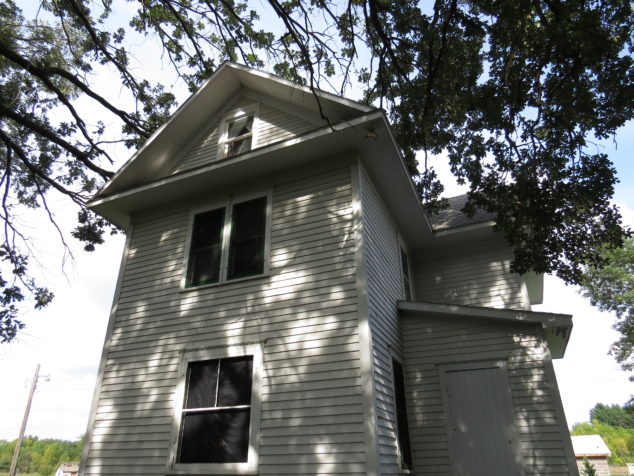
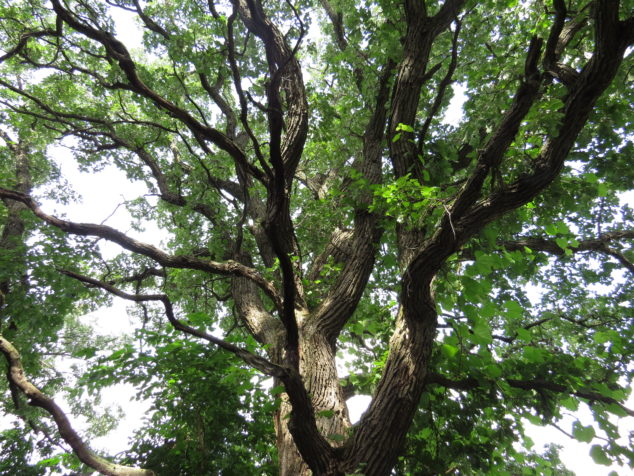
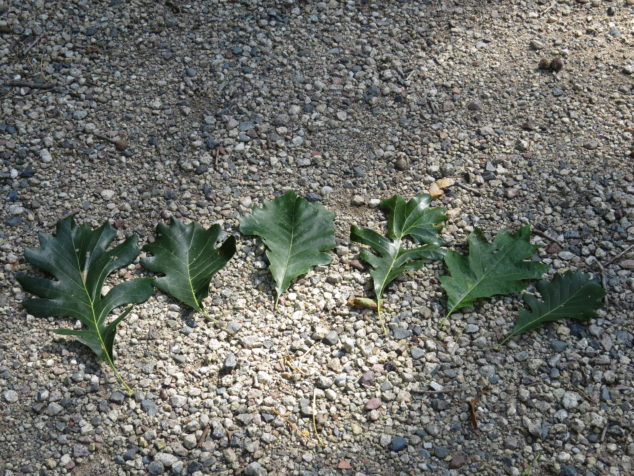
Around the house towered Bur Oak trees that were over 120 years old. While the floodplain below the bluff always had fire-protected forests, the bluff was more prairie with sparse numbers of Bur Oak that could survive drought and wildfires.
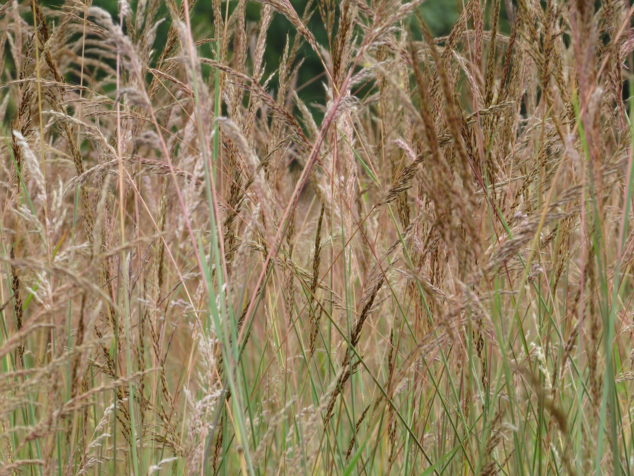
We walked the trail from the farmstead along the high bluff overlooking the River.
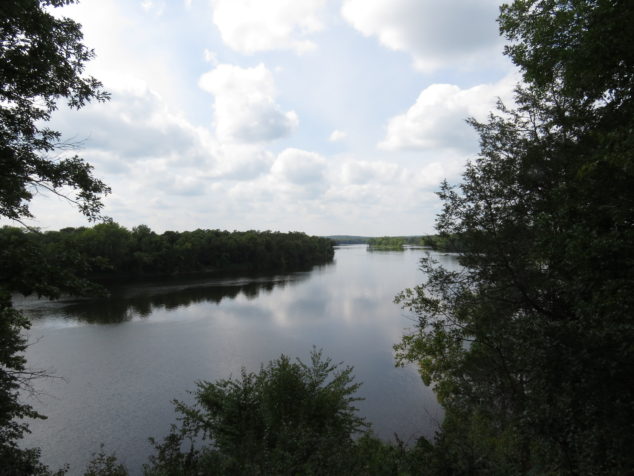
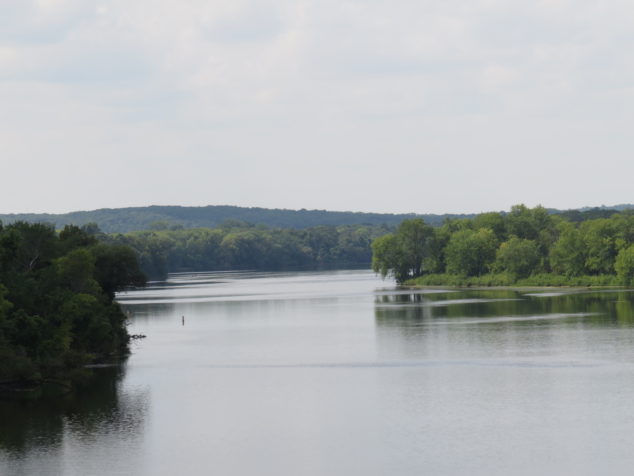
The native Ojibways called this expanse of water “Misi-ziibi” or “great river.” The French fur trappers in the 1600’s translated that to “Messipi,” which was later Anglo-cized to “Mississippi.” That great river flows on.
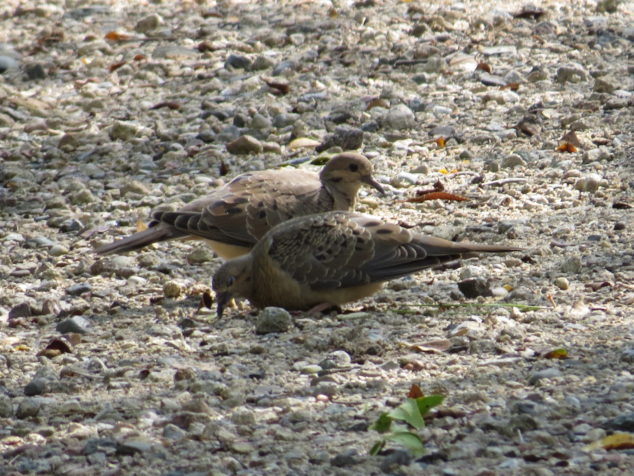
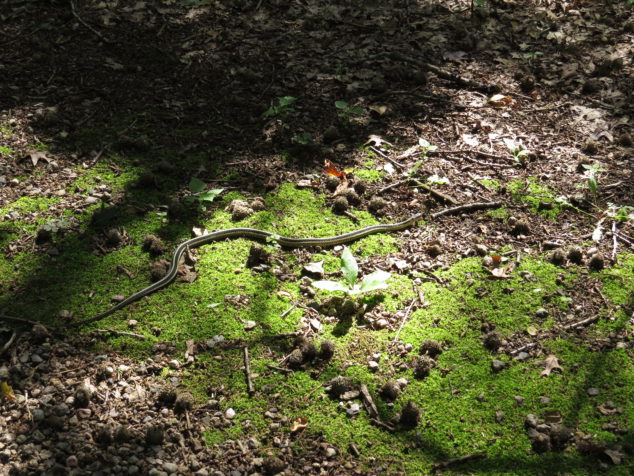
Acorns crunched under our feet—it was an abundant year for Oak seeds. A pair of Mourning Doves ignored us as they foraged the gravel trail for seeds. A Garter Snake lay sunning itself on the soft moss between acorns.
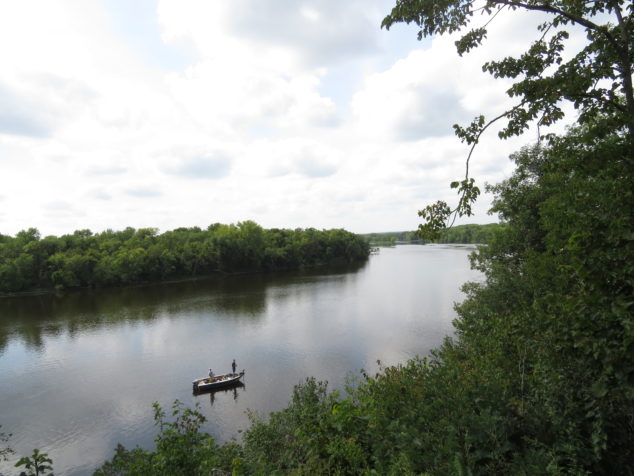
At one of the overlooks, we saw two young men fishing on the Great River. Meet me at the bend in the River—let’s catch some fish. Let’s spend some time together. Let’s slow the pace of our lives for a few hours.
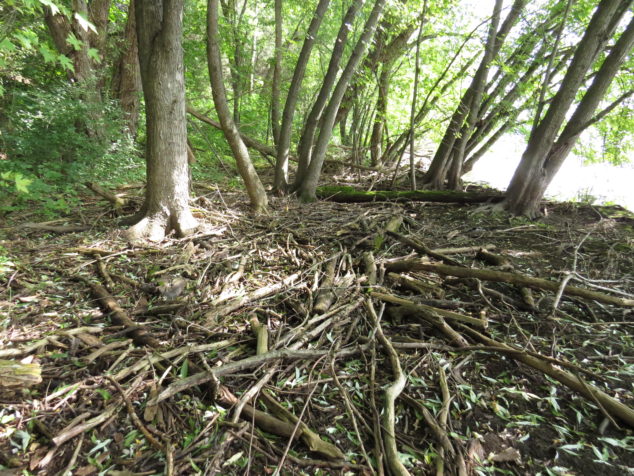
We walked down a side trail that descended the bluff to the floodplain area beside the water. The power of the water rushing around the bend in the River had pushed logs and debris up onto shore. There were rusty wheels and tires and hardened, lost shoes.
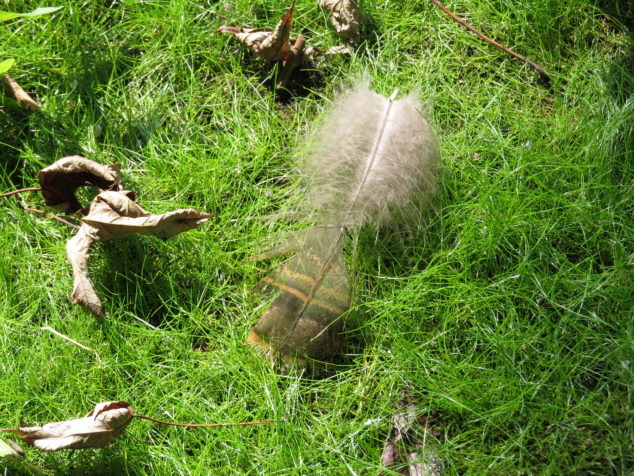
And right at the bank of the River, a fine mossy grass grew and on that lush greenness lay a turkey feather, like a dropped handkerchief—personal and universal all at the same time.
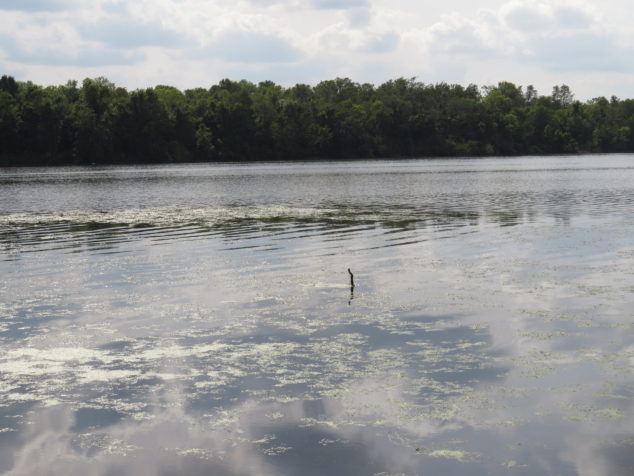
The water reflected the sky, assuredly giving the weather report for the ones gathered at the bend in the River.
Three generations of our family met at the Bend in the River, slowing time as we walked and observed trees, animals, and the Mississippi. We learned about the history of this place, how it progressed with time from ox-cart trail to military road to potato farm. Why was I drawn to the old prairie farmhouse and the outbuildings for all the animals? Why was I thrilled that Carlton Graves ran a veterinary practice out of the basement of the house? Why was I so pleased that this place high above the bend in the River was turned into a Park for all to see and use? The flow of Life moves us forward, even as we ache for things to be as they were when we perceived that life was smooth and good. Life changes our direction for us—we need to be able to navigate the rough waters and the bends in the river. We don’t want to end up like logs and hardened souls all piled up under the trees as Life moves on. Let’s meet at the bend in the river. Let’s meet where things change direction. Let’s honor our history and slow down the pace of our lives for a few hours. Right there, on the soft, transitional terrain, let’s pick up the lost feather, the lost handkerchief. It is personal and universal, all at the same time.