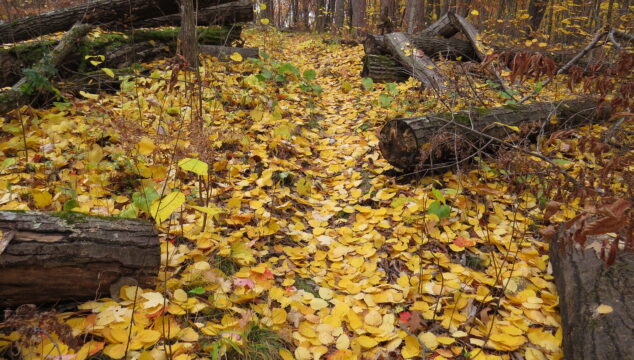
Come walk with me in the peak Autumn beauty of the Northwoods. To say that I love this time of year is an understatement. Most everyone can appreciate the colorful falling leaves---it reveals the 'true self' of a tree when its leaves are no longer producing chlorophyll. Their true colors are revealed, and there is something simple … [Read More...]
Our Spaceship Earth on Earth Day
Spaceship Earth is a term popularized in the 1960’s, particularly by architect-inventor-system theorist R. Buckminster Fuller when he wrote the book “Operating Manual for Spaceship Earth.” The inventor of the geodesic dome relates Earth to a spaceship that has finite resources that cannot be resupplied. He spent much of his life researching and developing designs and strategies to help us sustainably exist on Earth.
Another forward thinker Marshall McLuhan, who predicted the World Wide Web almost thirty years before it was invented, is quoted, “There are no passengers on spaceship earth. We are all crew.”
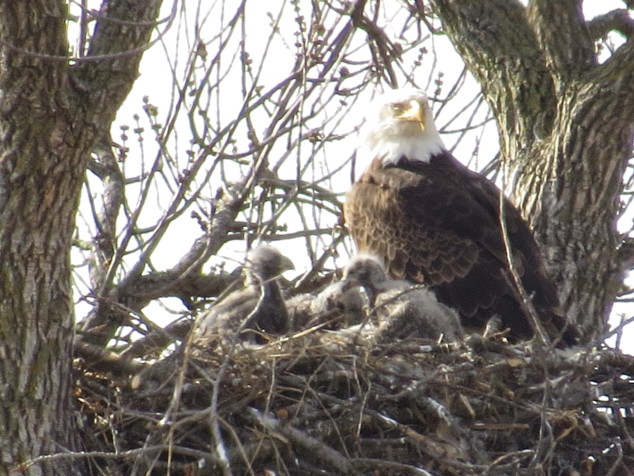
Last Sunday Chris and I checked on the eagle nests–yes, we have babies! One nest has three, fuzzy-feathered eaglets, and the other nest has at least one that I was able to see.
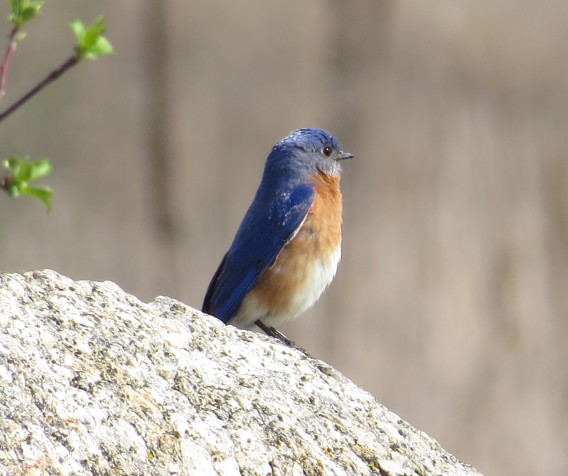
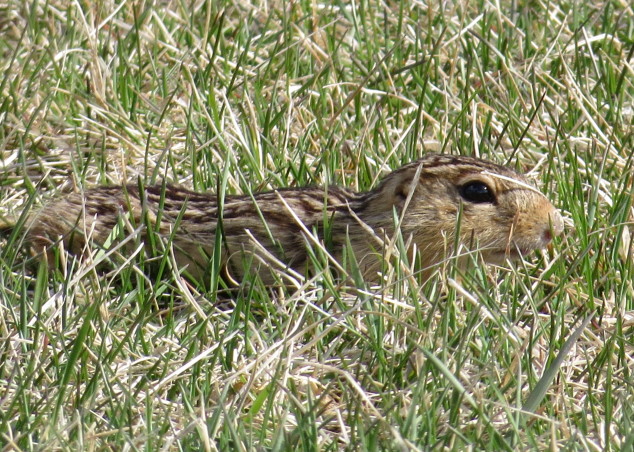
The bluebirds were nesting nearby, and a ground squirrel slunk through the grass trying not to be seen.
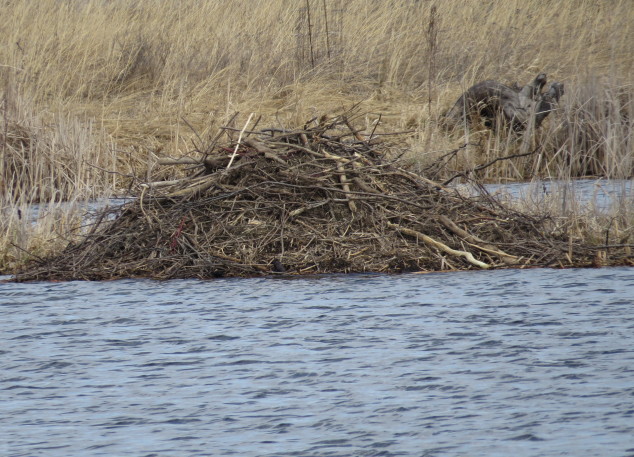
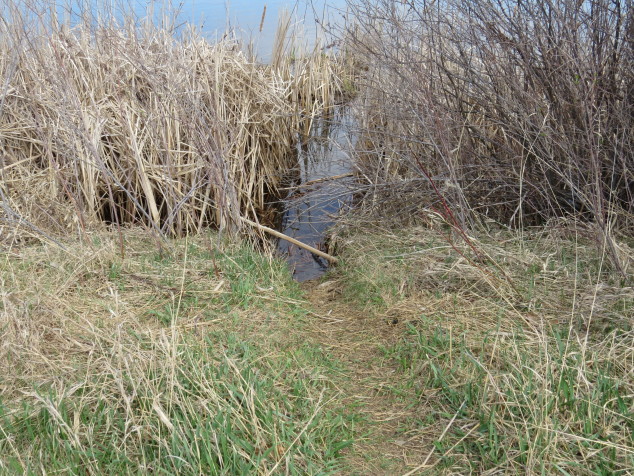
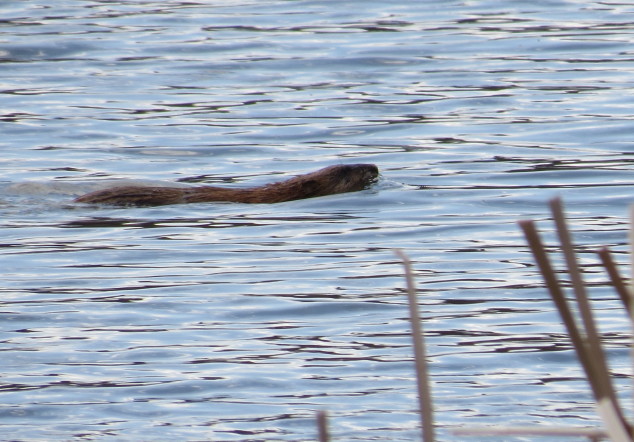
We then drove to St. John’s Arboretum and hiked the Boardwalk Loop through prairie, wetland, maple forest, oak savannah, and conifer forest. In a short 1.5 miles, it was a lesson in ecosystems and a glimpse into the diversity of animal and plant life in a tiny part of spaceship earth. A beaver lodge rose from a blue lake on one side of the road. There was a path through the cattails and up the bank for the beaver to get to the lake on the other side.
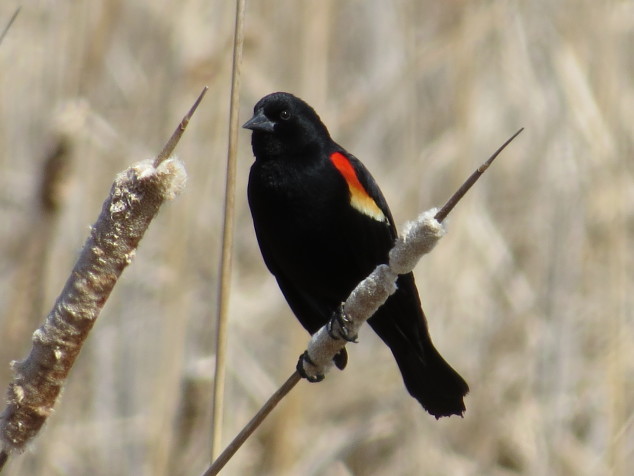
Red-winged blackbirds sang from their perches on cattails.
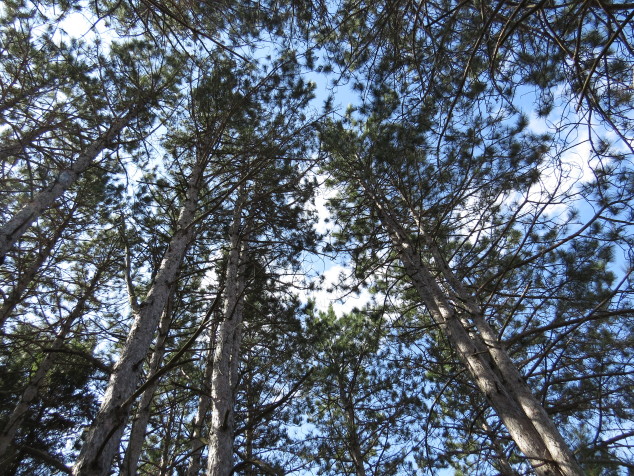
The delicious scent of the pine forest filled our noses with the smell of contentment.
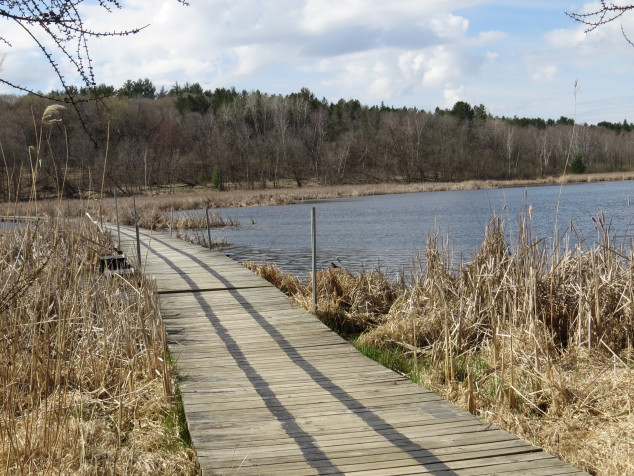
We crossed the boardwalk over the wetland…
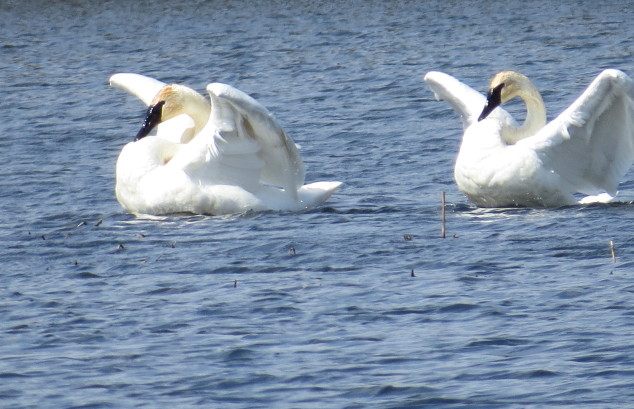
and saw geese, ducks, and a pair of Trumpeter swans.
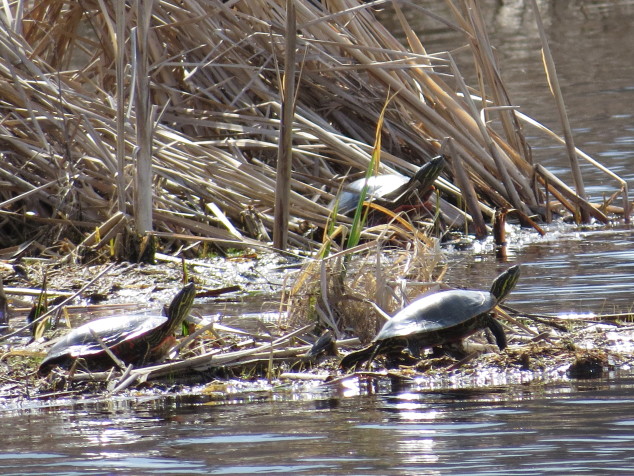
Painted turtles sunned themselves in the warm spring sunshine.
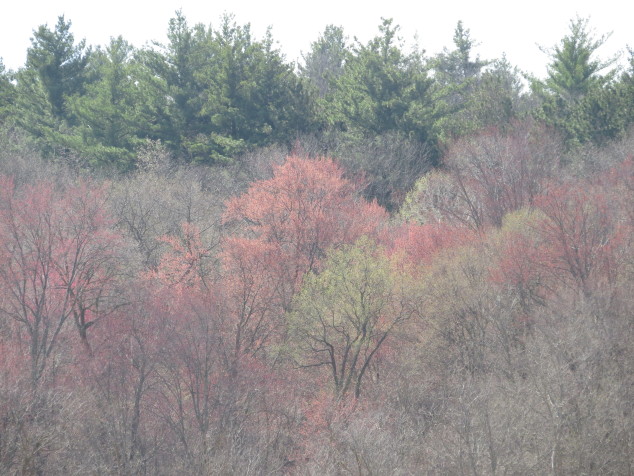
Maple trees with red and lime green blossoms contrasted with the deep green of the pines.
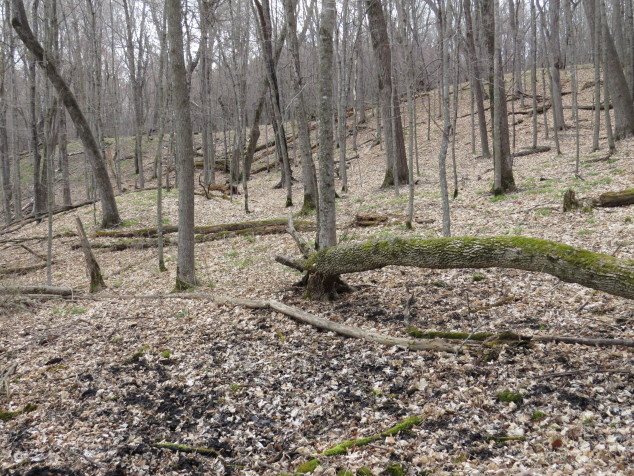
The woodland trail through the tall maples still looked like late winter…
…until we saw the Spring Ephemerals! These early blooming flowers take advantage of the small window of sunshine between snow melt and when the trees have leafed out. They grow, flower, are pollinated, and produce seeds in a short period of time and often go dormant by summer. We found Spring Beauty…
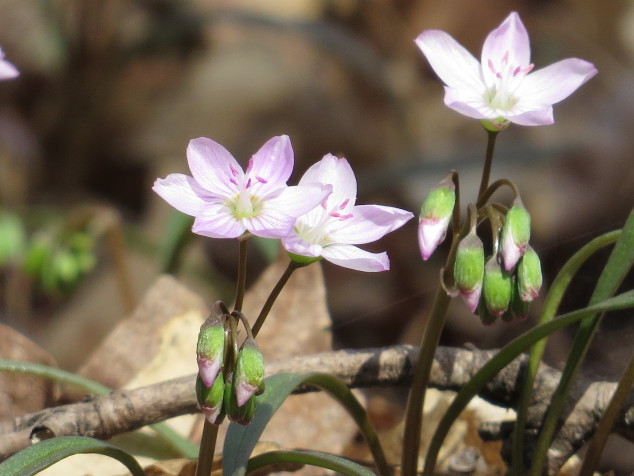
…False Rue Anemone…

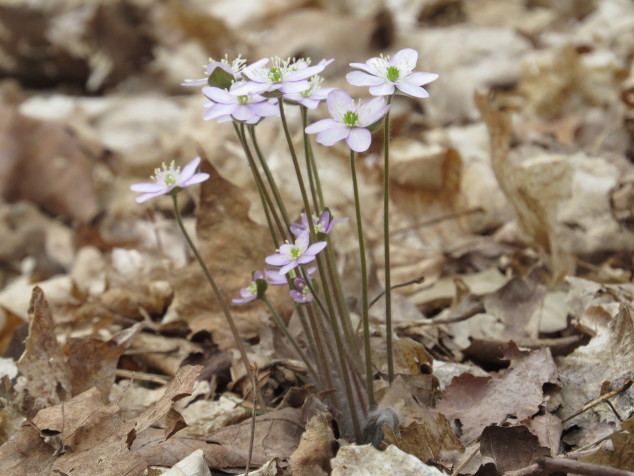
…and Hepatica bursting through the leaf cover.
Two short walks less than ten miles from one another, and we were blessed to see such an array of plant and animal life that was once again coming to life in the Minnesota Spring. In honor of all these amazing creations, I would like to urge everyone to take good care of our Spaceship Earth. We are all crew members with tasks to do and responsibilities to carry out, even if it’s only in our tiny part of this big, blue planet. Happy Earth Day!
Gleanings from March–Spring Comes Gently
In a usual year, March is snowy and blustery, and most people wish away the remains of the piled up snow and freezing weather in the hope of Spring. But this March was different–we started the month with snowless ground and accumulated only an inch or two during a couple of flurried days. In between, we had above freezing temperatures with a record high of 58 degrees in the second week of the month–too warm! So this year, Spring comes gently and early to Central Minnesota.
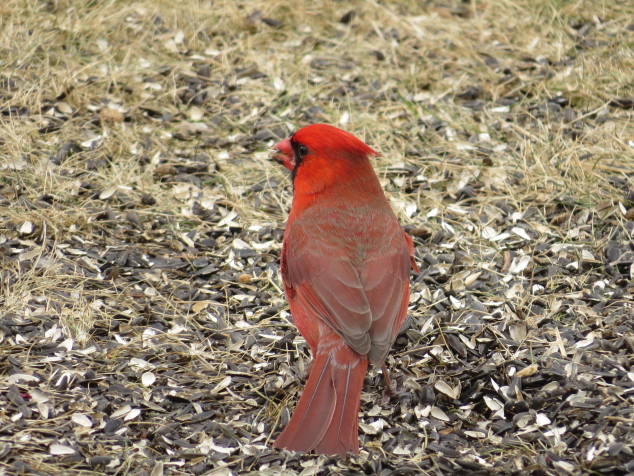
The setting sun is shifting to the northwest, but we still had some spectacular evening skies outside our living room window this month.
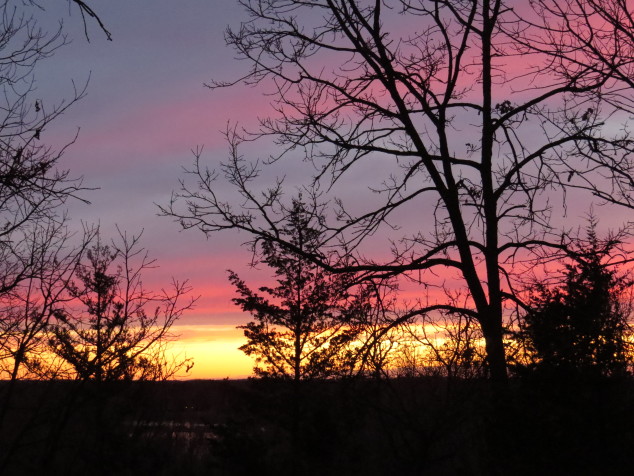
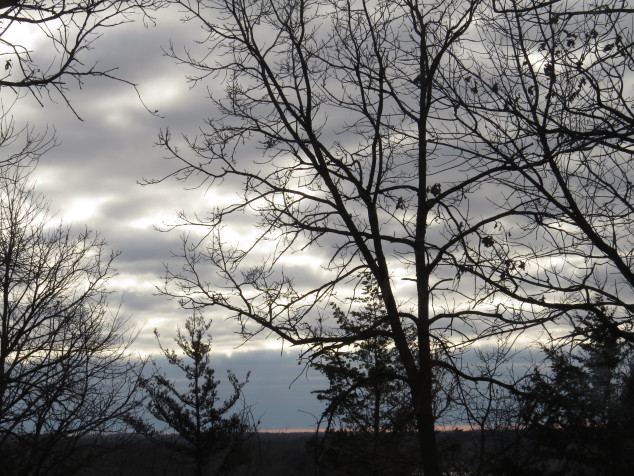
On Easter morning, we awoke to a beautiful covering of snow with frigid blue-gray skies.
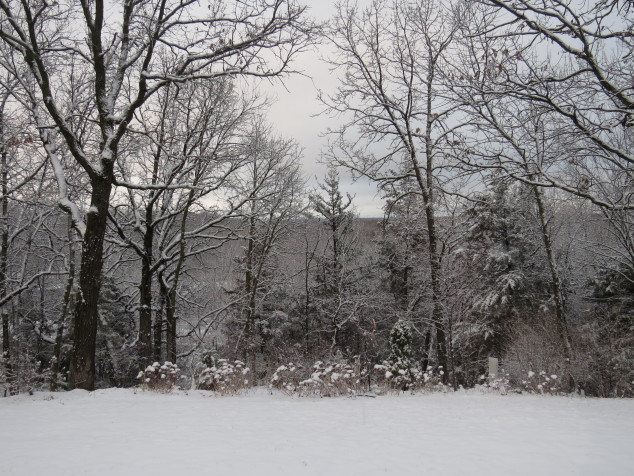
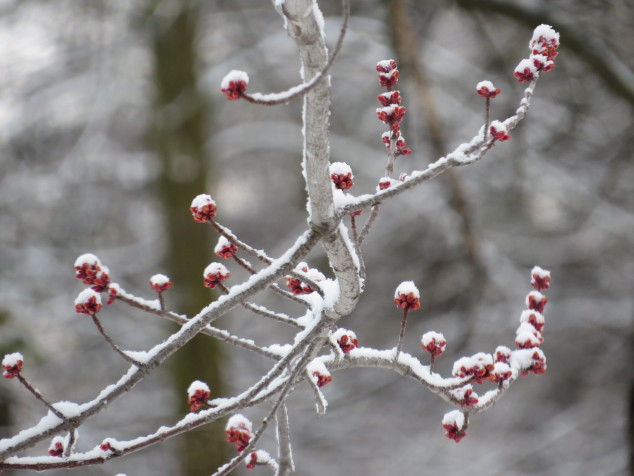
By afternoon the snow had melted, and Chris, my Mom and I hiked around the nearby County Park to check on the eagle nests.
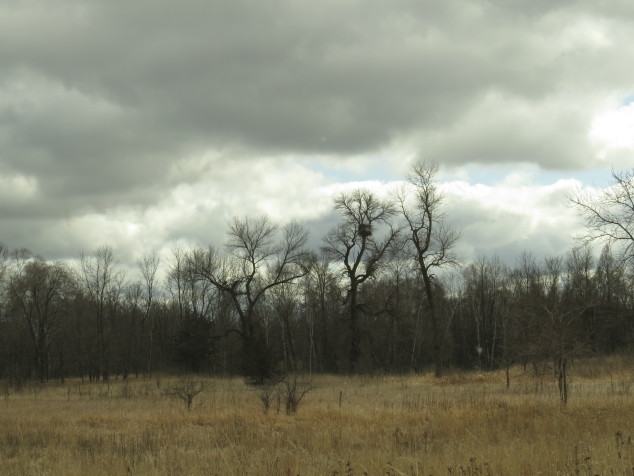
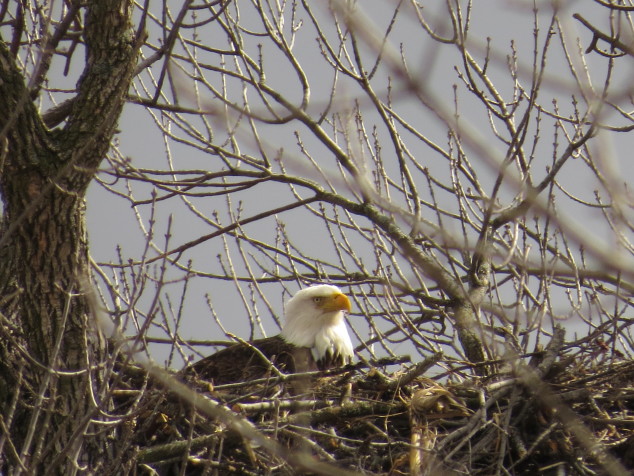
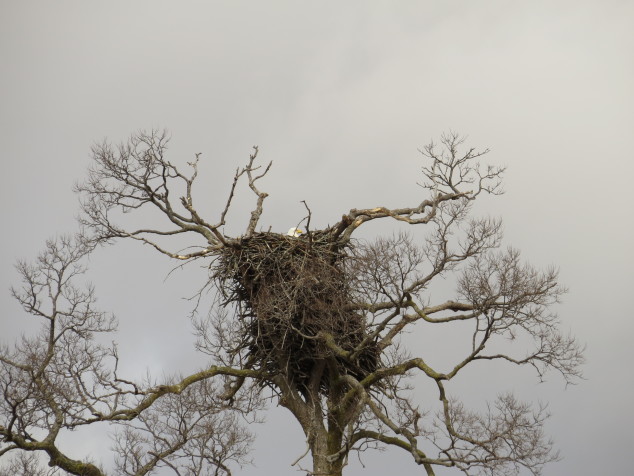
One of the pair in each nest was laying on eggs–content and calm before the storm of activity that comes with the hatching of the hungry eaglets.
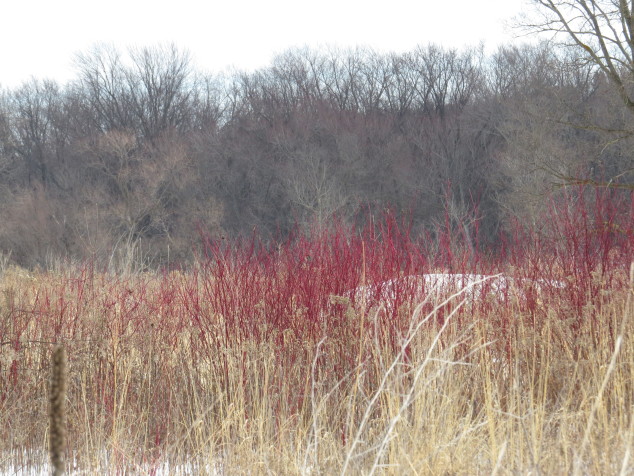
The trail around the eagle’s nest was winter bland until we saw bright red-twigged dogwood stems and fuzzy white flowers of pussy willows.
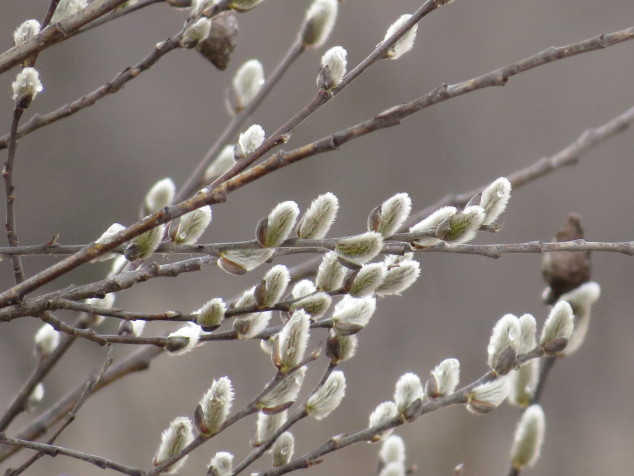
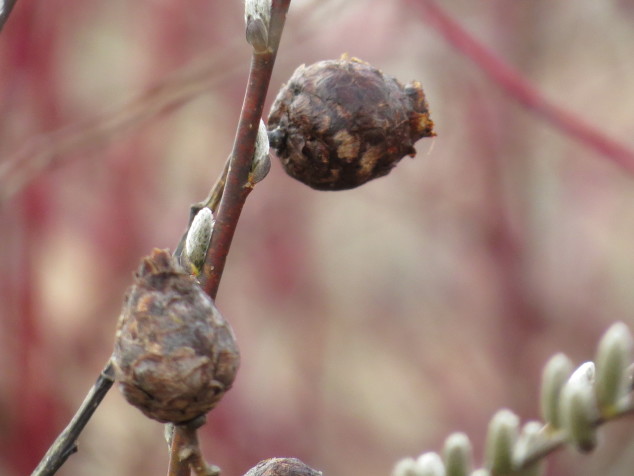
Along with the flowers of the large shrub-small tree pussy willow, there were numerous pine cone-looking objects at the end of branches. Willow Pine Cone Galls are formed when tiny fly-like gnats, called midge, lay their eggs in the swelling terminal buds. The larva secretes a substance that accelerates the growth of the would-be leaves into a mass of flattened scales that look like a pine cone. The larva produces its own anti-freeze, much like the Goldenrod Ball Gall larva, in order to survive the winter. The adult emerges from the gall in Spring.
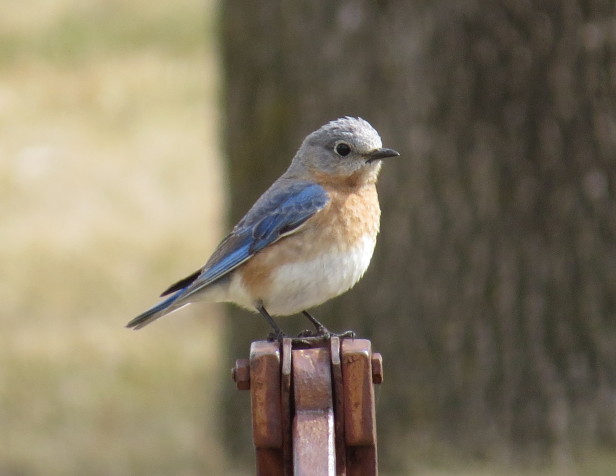
Two days after Easter, I saw the first pair of returning bluebirds–such a lovely sign of Spring!
March is always a month of contrasts moving into Spring, and this year seemed to be all the more so. Record warmth and snowy mornings, winter bland and bright colors, nondescript skies and spectacular sunsets. And yet Spring makes its way regardless–Nature’s constant, gentle revival. My life this month seemed to mirror March–wonderful visits from family and difficult news, days of strength and days of weakness, calm gratitude and stormy unrest. And Life gently moves us forward–to learn from the galls, to see hope in new life, to appreciate a beautiful day and the flash of blue wings as Spring comes gently.
Monday marked the second anniversary of North Star Nature, and I wish to extend my gratitude and thanks to those of you who read and share my blog! A particular thank you for the thoughts, prayers, and comments after the death of my Dad–I very much appreciate your kindness.
Walking Through Winter
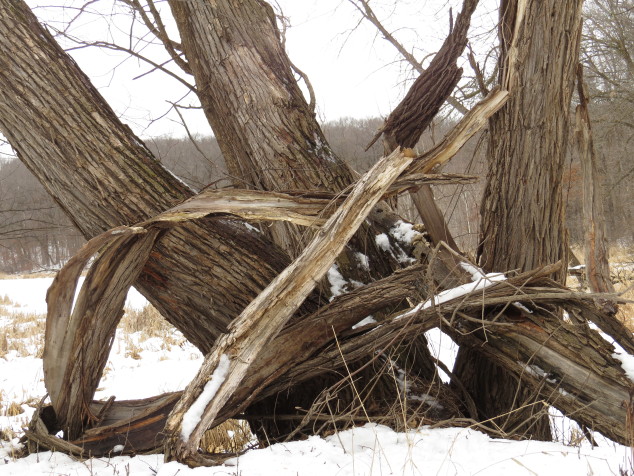
Winter can be a tough season, but like last year, this winter has had minimal snowfall and relatively mild temperatures. This has allowed us to hike the trails of nearby parks with comparative ease. A couple of weeks ago we ventured out to Wildwood County Park for a morning hike. The park has three and a half miles of cross-country ski trails, but the only other people we saw were walking their dogs. The snow was slick and wet since temperatures hovered above the freezing mark. Deer and other animal tracks made their own paths through the woods, crossing the hiking and skiing trails with frequency. The woods were mainly old growth maples and oaks with ironwood as the predominant understory tree. The vertical lines in the bark of an ironwood contrasted with the horizontal lines in an adjacent birch tree.
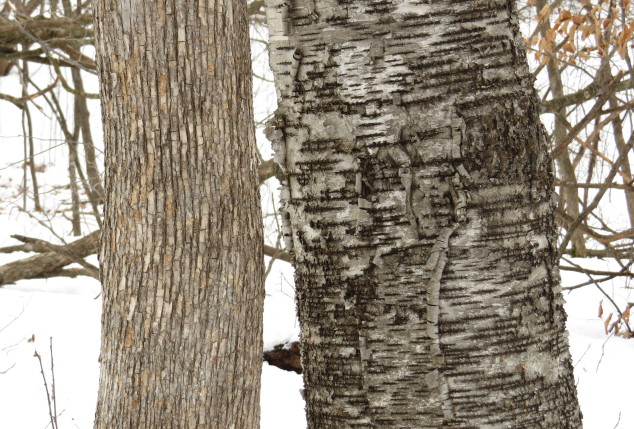
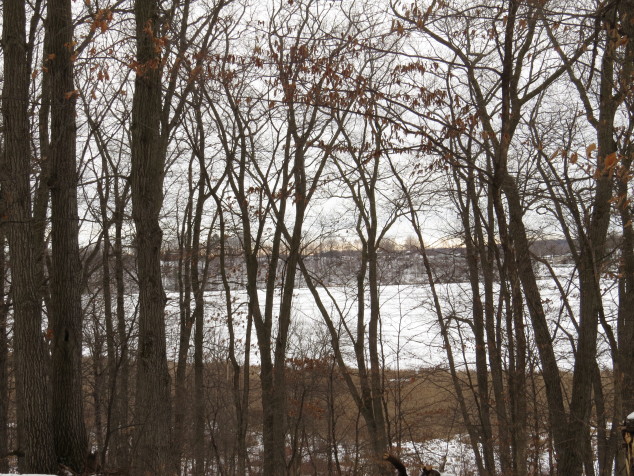
We saw the ice-covered Kraemer Lake through the trees…
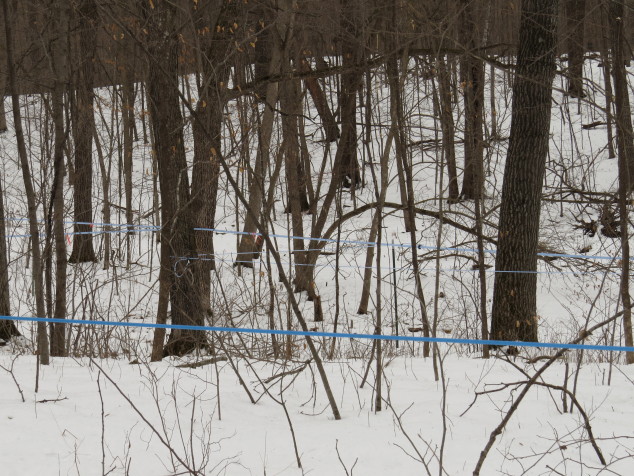
and bright blue sap lines from Wildwood Ranch that would soon be tapped into the towering maple trees to harvest the sap for making maple syrup.
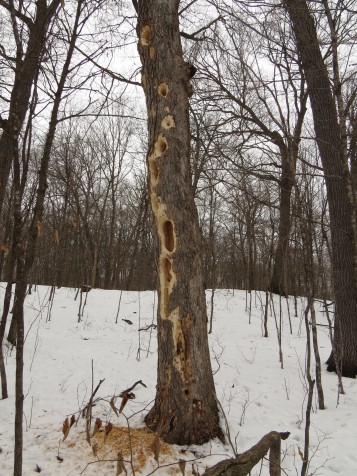
We saw evidence of a very busy woodpecker–most likely a pileated–with his recent drillings.
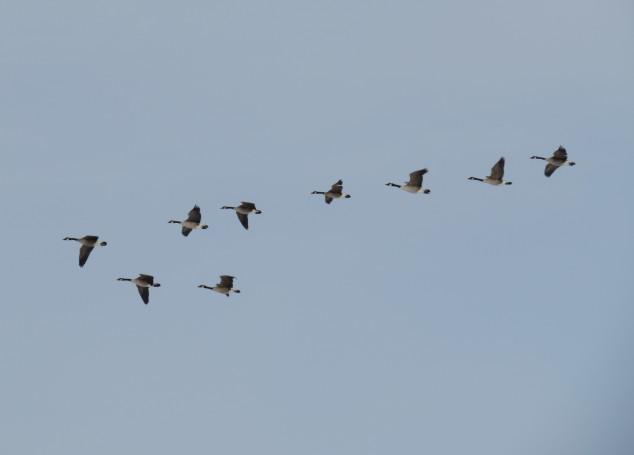
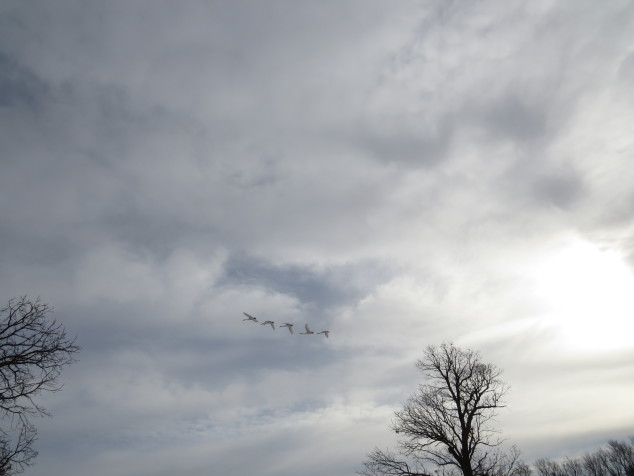
The next weekend we went to Eagle Park and Rockville County Park to hike and check on the eagles. Small flocks of Canadian geese and Trumpeter swans flew over us as we walked the trail.
Then one of the eagles flew to their nest in the center of the park. Soon the mate glided in carrying a large stick to add to the already huge nest.
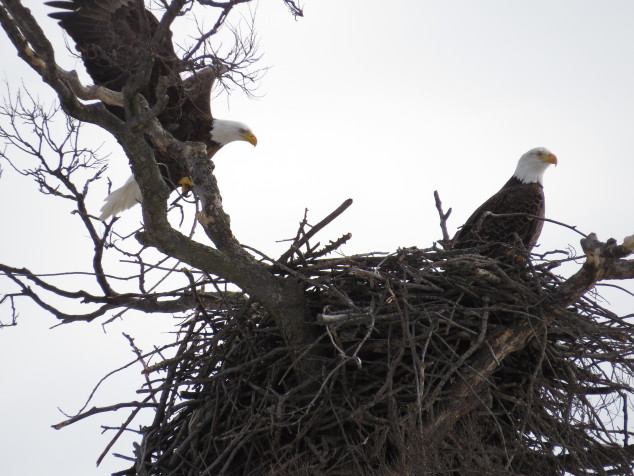
Both worked on getting the new branch in just the right place.
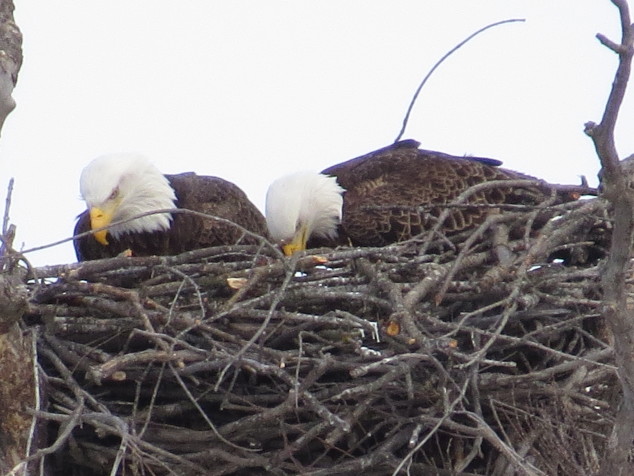
Later they hopped up to their perch above the nest and surveyed their territory. This pair didn’t raise any eaglets last year–I’m not sure if the eggs never hatched or if the young hatchlings died for some reason. But they are back this year, adding to their nest, getting ready for their next brood.
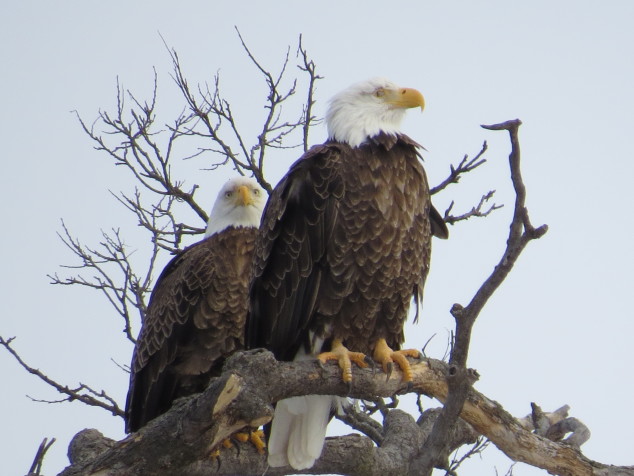
A mile or so away, the other nest of eagles who raised three eaglets last year, were also adding sticks to their nest in preparation for their next offspring.
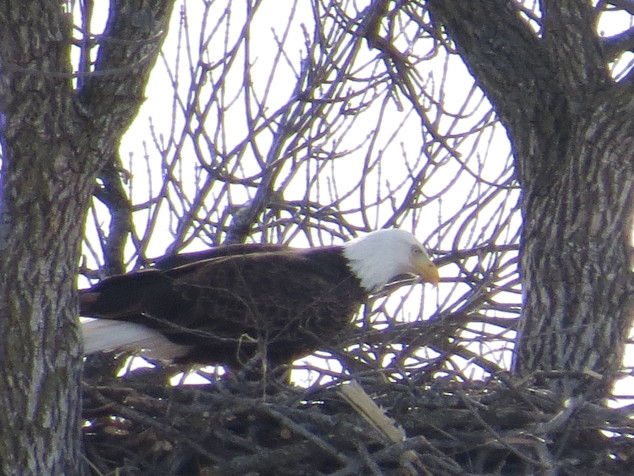
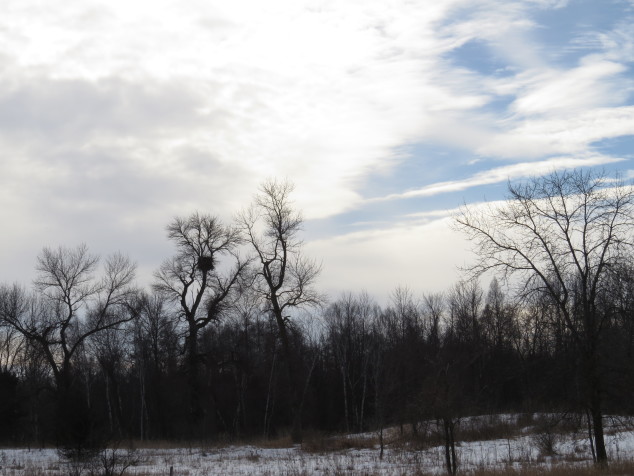
Winter can be a tough season. Weather-wise, this winter has been fairly easy, but in other ways, it has been hard on me: losing a parent to death, losing children in the ways we do as they leave the nest and make their own paths, and losing a little piece of ourselves as each of those things happen. And so, step by step, I am walking through winter, hiking through the heartache, and letting Nature and the Creator work to fill up the holes that were drilled into my heart. I will pick up another branch and add it to the already huge nest of a life I have built. I will look forward to the new creations of Spring, and soon I will be able to tap into the sweetness that life also brings to each of us.
The Prairie, the Ash Tree, and the Anthill
In late April when we drove to Rockville County Park to check on the eagles, we discovered the restored prairie had been burned. Annual burning of the prairie promotes growth and dominance of grasses while discouraging growth of woody shrubs and some trees, especially Eastern Red Cedar. Fire clears away the previous year’s plant debris, allowing sunlight to warm the ash-blackened soil. The roots and rhizomes (where new shoots are formed) of the grasses and other prairie plants are below the ground and not affected by the fire. New growth takes place shortly after the burn, and soon the black prairie is green once again.
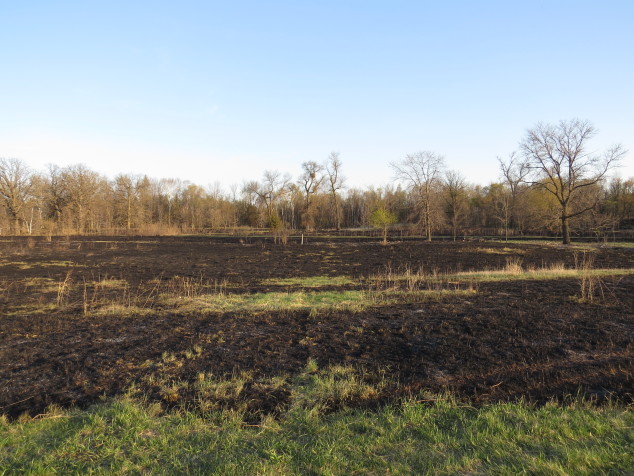
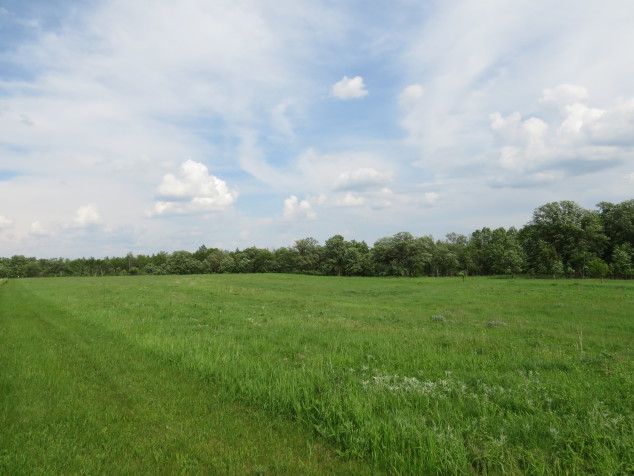
Forty days after the burn, the ‘sea of grass’ was growing, and a number of early season wildflowers were blooming.
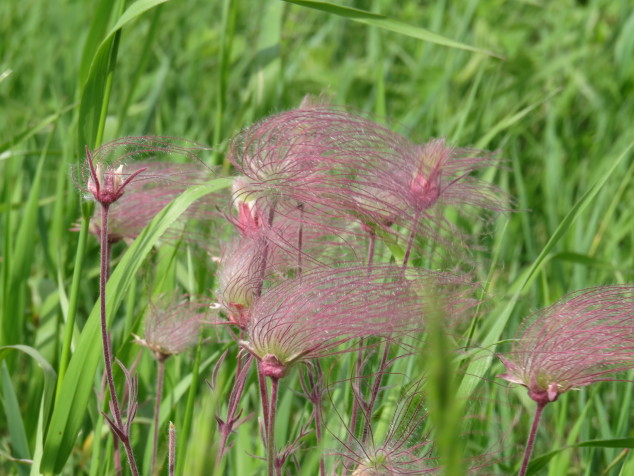
Wispy, rose-colored seedheads of Prairie Smoke drifted in the breeze.
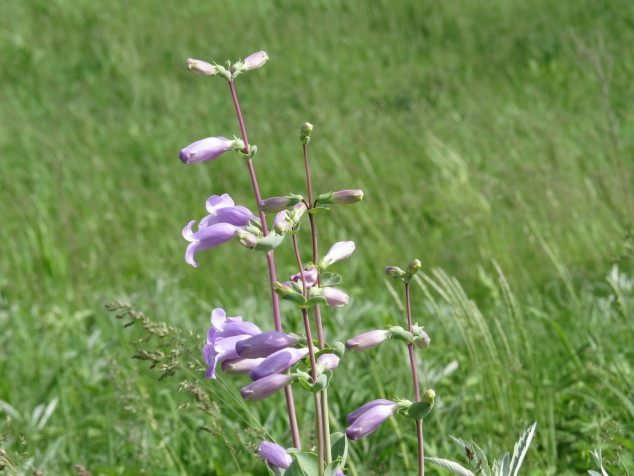
Lavender flowers on purplish-pink stems of Large Beardtongue or Shell-leaf Penstemon stood like royalty among the common grasses.
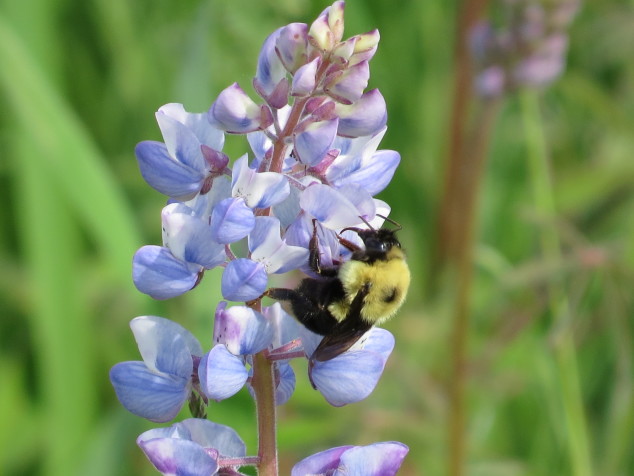
Wild Lupine is the only host plant for the Karner Blue butterfly caterpillar. Loss of prairie habitat has put the Karner Blue on the endangered species list. While I don’t know if there are Karner Blues around here, this bumblebee is enjoying the sweet Lupine nectar.
The large ash tree that houses the eagle’s nest was fully leaved out, making it more difficult to spot the nest. Luckily, there was a ‘hole’ in the foliage that allowed me to see the young eagles–and allowed them to keep an eye on me and everything else. The last time we were at the nest, the parents were there with the two eaglets, so I was surprised when I looked through the camera lens and saw three young ones!
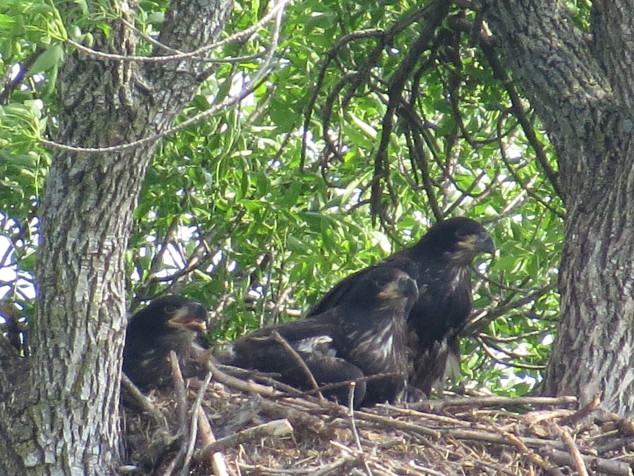
As we walked closer to the nest, one eaglet hid behind the other. Perhaps his shyness was the reason we didn’t see him the last time we visited the nest.
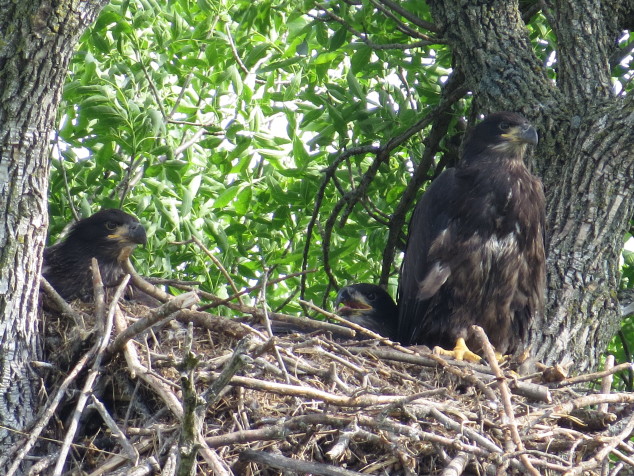
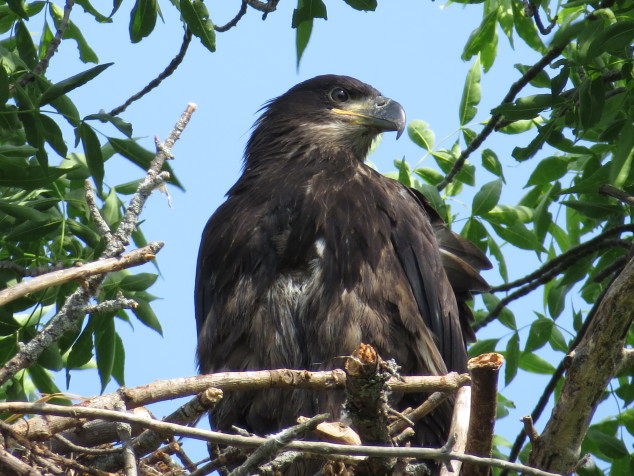
One eagle, perhaps appointed by the parents to be in charge while they hunted for their large family or maybe a self-appointed firstborn, stood guard of the nest. He perched on the edge of the nest, a sentry for his siblings, as they relaxed behind him.
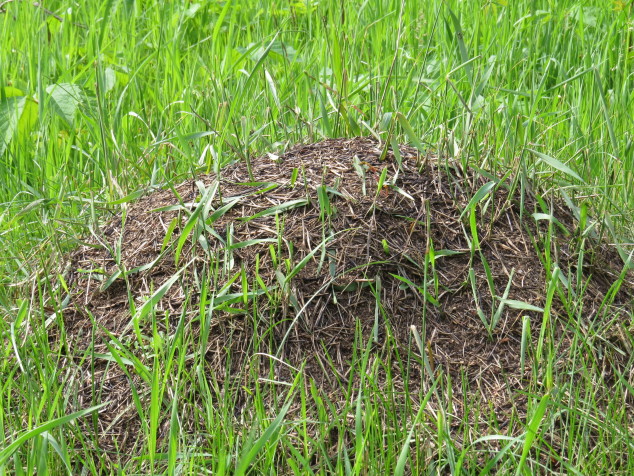
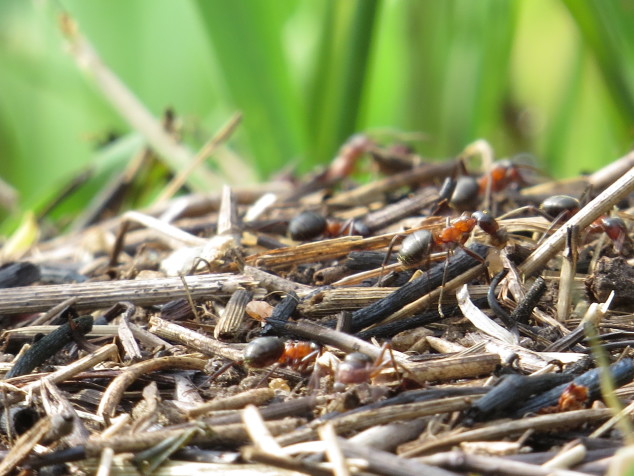
We left the eagle’s nest, walked along the trail, and found a huge anthill of Thatching ants! Their home is made up of plant material from the area–in the close-up picture you can see how some of the ‘thatch’ is black from the burned plants. Each colony of these social animals is headed by a queen ant or queens who lays thousands of eggs. The worker ants are wingless, non-reproducing females who forage for food, care for the offspring, work on the nest, and protect the community. The male ants basically mate and die. Each colony may have up to 40,000 ants, depending on the size and age of the nest.
These ants are beneficial insects. They eat nectar, seeds, fungus, and insect pests. They also scavenge on larger dead animals and are important soil builders. They do bite, so don’t get too close! The eggs and larvae of Thatching ants are a favorite food of bears who will rip apart the nest to get to the tasty morsels.
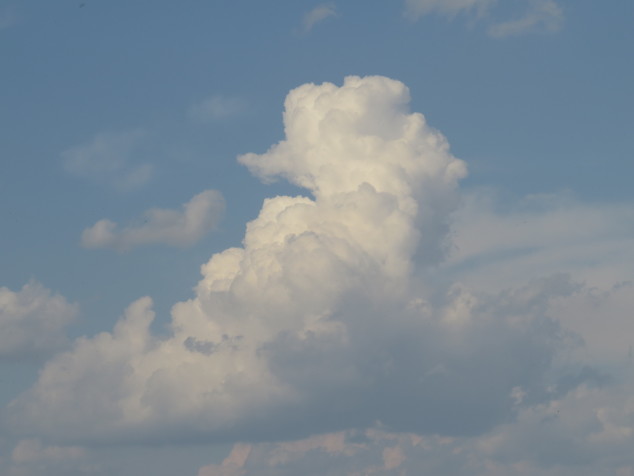
Thunderheads were building as we walked the prairie and oak savanna trail back to the car. It had been a perfect way to spend a couple hours of my birthday!
The prairie, the ash tree, and the anthill–all homes to the particular flora and fauna we saw, but also to so many more. The ‘Web of Life’ is illustrated in great beauty on this relatively small tract of land. While the fire on the prairie was a controlled burn and not one started by lightning, it demonstrates Nature’s capacity for regeneration and renewal. The anthill of Thatching ants shows how a community of workers takes care of one another and their home. The young eagles who have yet to fledge from the nest know their parents are working hard to provide for them and have begun to show their own personalities and traits. The Wild Lupine is growing and ready to provide a home for the Karner Blue if it passes this way.
What kind of homes and communities are we providing? Where do each one of us fit in the ‘Web of Life?’ How are we sustaining and extending the Beauty and Wisdom of Nature to all the living creations around us?
Gleanings from April 2015
When I was in grade school there were two boys who rode my school bus who sat at the back of the bus and talked loudly and used foul words that made me cringe. I thought they were knuckleheads. It didn’t stop me from taking my place at the back of the bus where I would verbally spar with them using words they didn’t know. In fourth or fifth grade, I got a phone call from one saying the two of them wanted to come see me on Saturday. I had absolutely no clue why they would want to come to my place, but after saying okay, I started planning our expedition. A beautiful creek wound around our place in the foothills of the Blue Mountains. It was my wilderness passage–from our long gravel driveway to the huge culvert that went under the Pennsylvania Turnpike and was large enough for us to ride our horses through. The boys arrived that Saturday morning. I stood in my rubber boots, saying we would explore the creek. The beginning of the journey was easy and benign–the babbling creek with rocks and crayfish was picturesque and navigating it went smoothly. As we ventured on, the way got more difficult–briars folded thickly over the sides of the creek. One cannot barrel through such brambles without harm–it takes patience and skill to lift the thorny branches and scramble under them. The boys started complaining and wondered why anyone would do this. And I was in my element–each passage through the creek was an exploration of Nature’s wonders. I told them all about the plants and creatures I knew about. After more than an hour of leading the expedition, we arrived at the waterfalls–my favorite place. Boulders built the four-foot high falls, and the water from the mountains cascaded over them into a deep, cold pool. This was the reward for toiling up and down muddy banks, through the briars, and over the slippery rocks! What a great morning! The boys were tired and complaining and called their mom as soon as we got back home. It was the only time they came to my place.
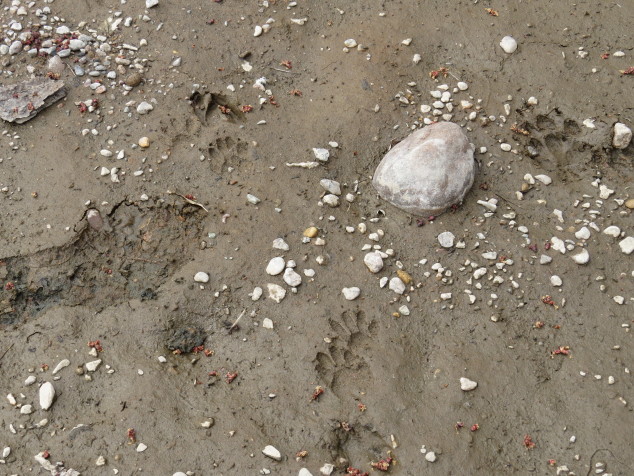
In the middle of April, my friend Ruth invited me to explore the islands in the Mississippi River below her house. With our minimal snowfall and spring rain, the River was low enough to walk across rocks to get to the islands. Our canine companion Coors was eager to investigate and happily ran ahead of us.

We discovered tracks and made tracks of our own in the mud.
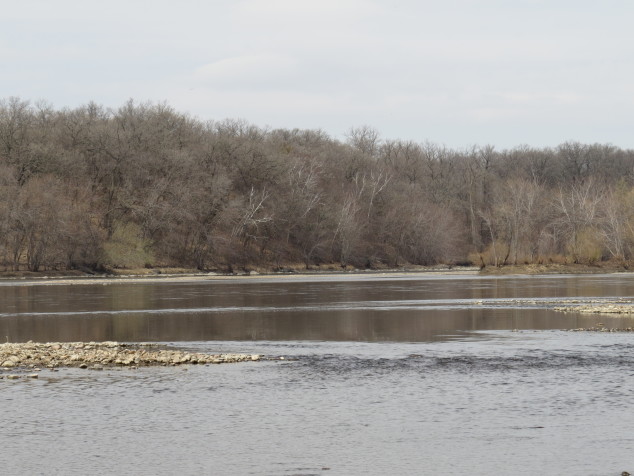
Even the main channel of the River was low, and the water swirled around the sandbars poking through.
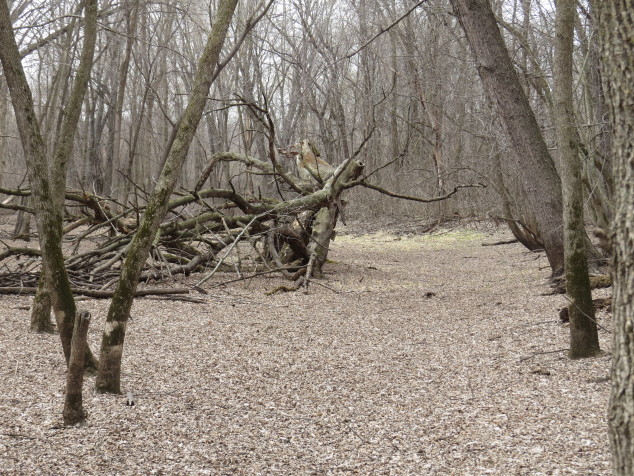
Walking the islands was like we were navigating a different world. Tall trees, both standing and marooned, inhabited the island wilderness with no regard for the homes that lined the banks of the River on either side of it.
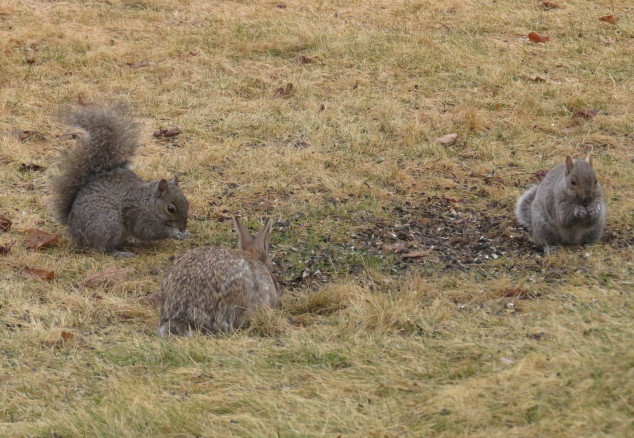
April is an exploration of Spring. New discoveries unfold with each passing day. Creatures of all kinds can be found at any given time. I was surprised to find two squirrels and a rabbit eating together beneath the bird feeder.
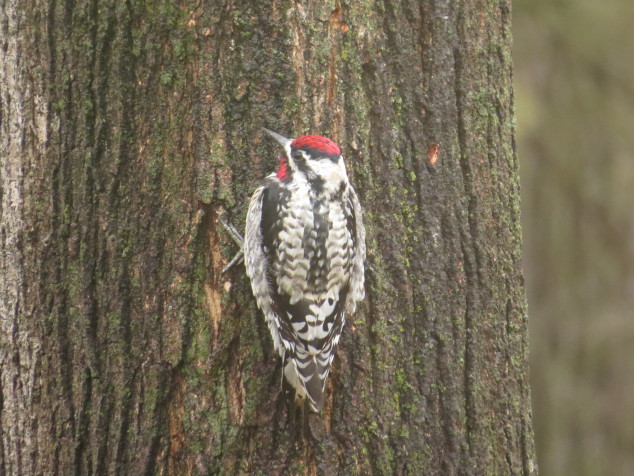
When the sap was flowing from the drilled maple tree, I noticed the yellow-bellied sapsucker spending most of his day clinging to the tree, lapping up the sweet liquid.
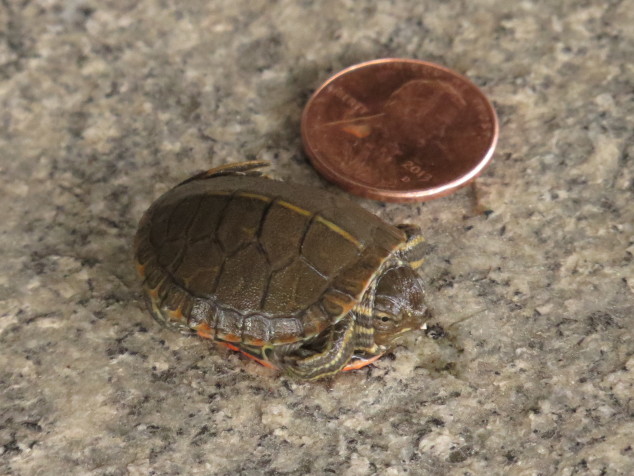
On a walk one day, we found a tiny, penny-sized turtle alongside the road.
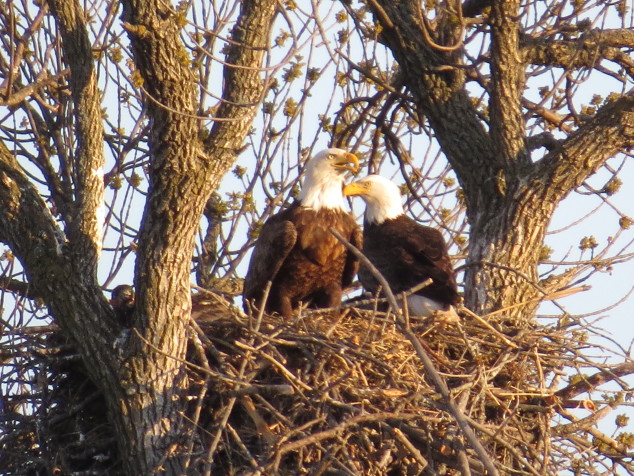
When we returned to the eagles’ nests, we discovered the first nest was empty. Perhaps the eggs never hatched or the tiny eaglets didn’t make it for one reason or another. At the second nest, we were surprised at how fast the two eaglets had grown in a month’s time! They were nearly as large as the parents! And still we spotted the papa eagle bringing food to the young ones.
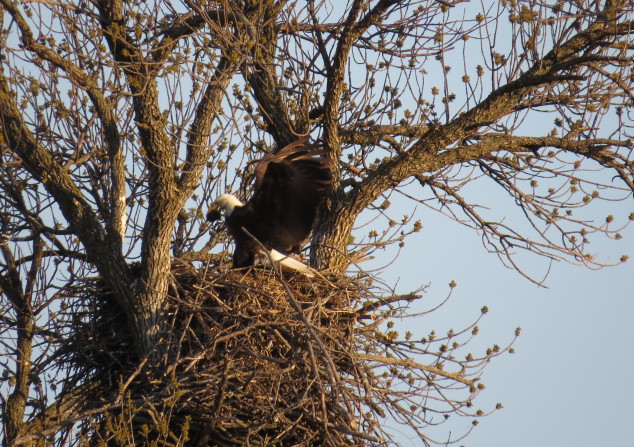
The young eaglets were standing in the nest when I first got out of the car, but the mama must have told them to lie low when she saw me. The one dark-feathered eaglet is to the left of the male with its head at the fork of the tree trunk, while the other one is behind the mama.
Early spring flowers trailblazed through April with color and magnificence–first bright forsythia, then elegant star magnolia and furry pasque flowers.
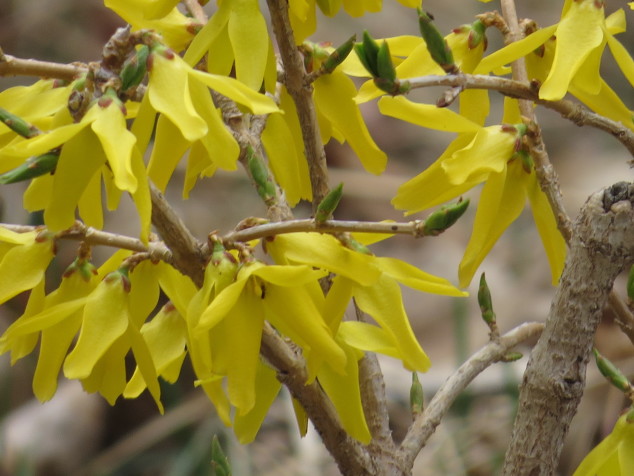
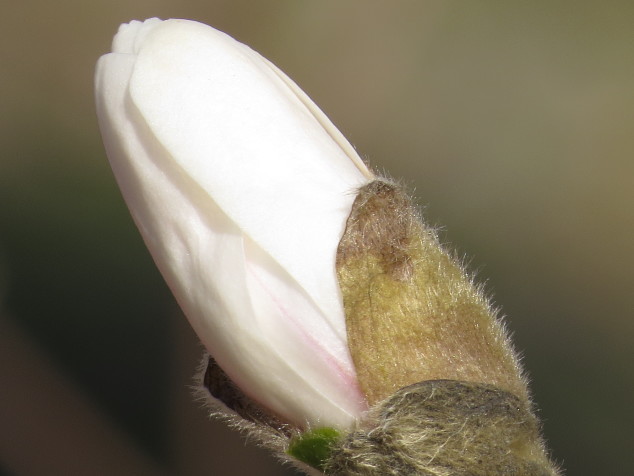
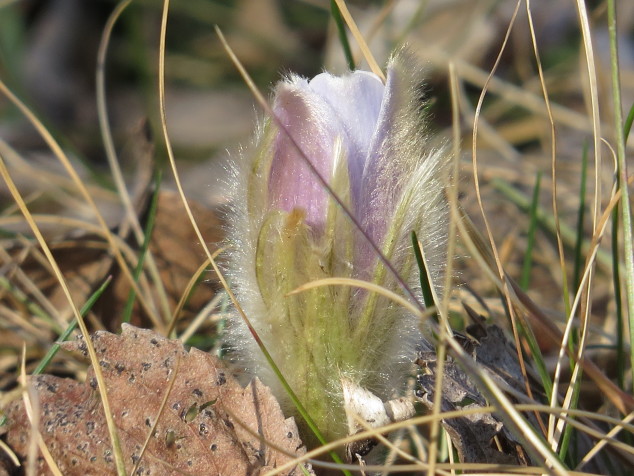
April snow and April rain unearthed Spring among days of sunshine and warmth.
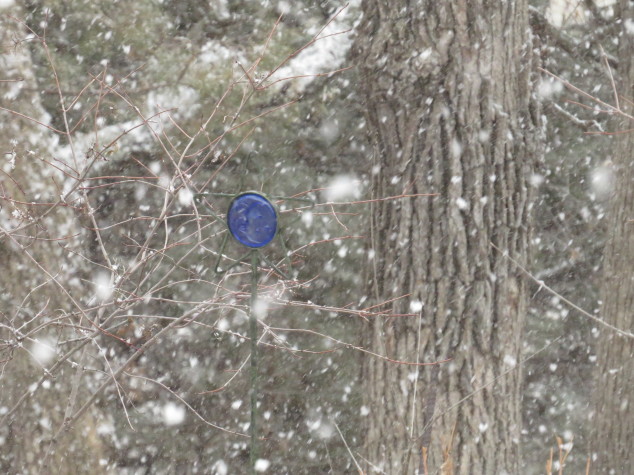
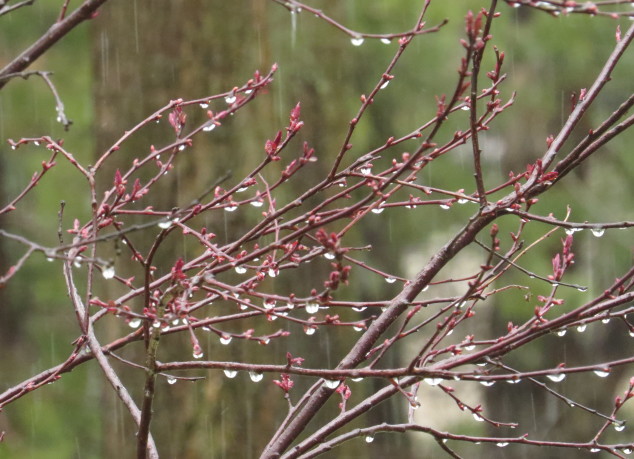
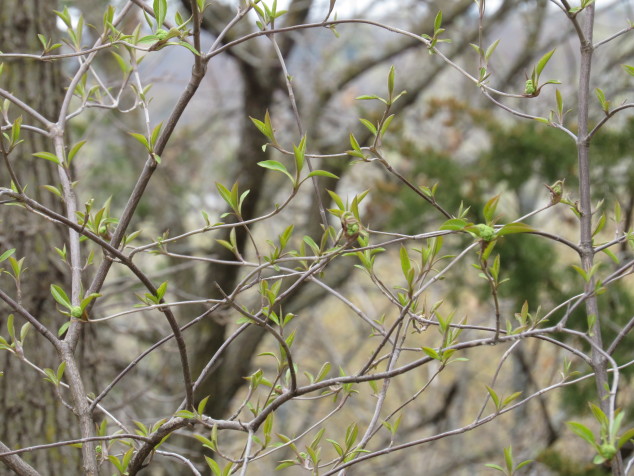
Life is like my first photograph of the Viburnum tree–the present is unfolding right in front of us, grabbing our attention and our energy. But there is so much more beyond the opening of the leaves or the expedition following the creek. I never knew why those boys came to my house–perhaps one of them liked me. We never talked about it again, but they seemed to have a new respect for me or maybe for all girls. What lies beyond or behind the present? The oak and cedar trees are an important backdrop to the viburnum–the woods are deep and wide with discoveries to be made. My expedition up the creek had little to do with those boys and much to do with my past and my future. We decide which tracks to follow and which tracks to make. We navigate life like the River and the creek, watching out for sandbars, sometimes getting stuck, sometimes finding treasures. And each year brings Renewal–often side by side with loss and pain. From our nest of protection and sustenance, we are free to explore, grow, make new friends, and drink the sweetness of life.
The Eaglets have Hatched
I returned to Minnesota after more than a week in South Dakota to find the lakes unfrozen and the buds on the honeysuckles and lilacs swelling and showing green. Spring is inching forward in spite of the large-flaked snow squall we had this morning. The day before I left for South Dakota, I checked in on the eagle nests to see if the eaglets had hatched.
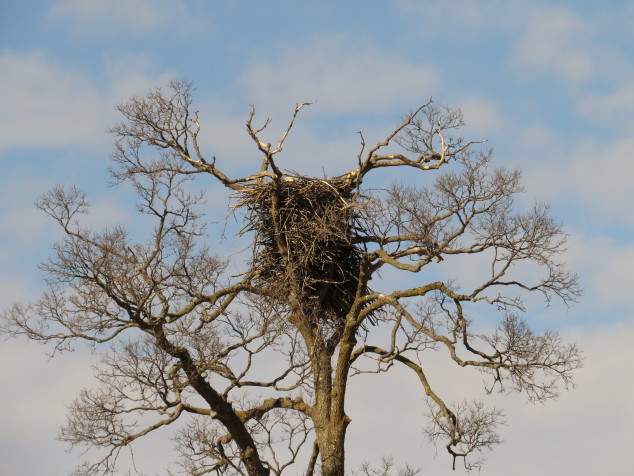
One of the parents was on the first nest, lying low with no activity. Still brooding eggs?
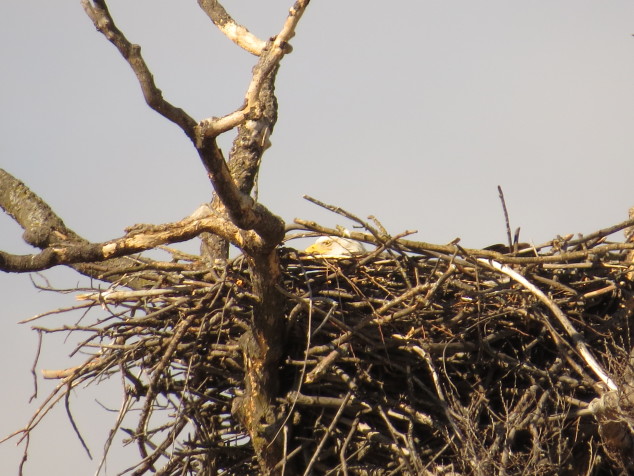
Both parents were on the second nest.
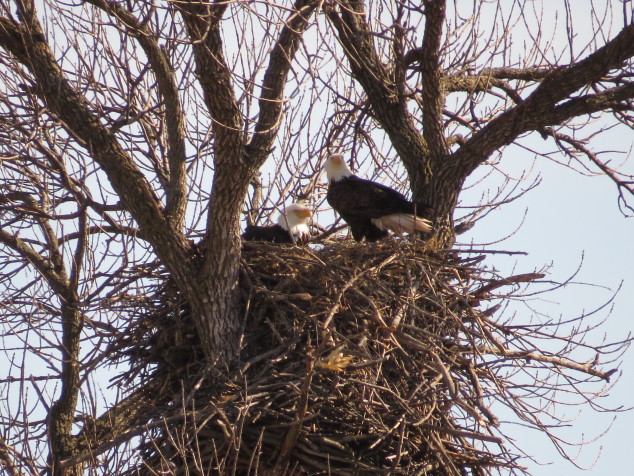
One was laying on the nest, and the other was watching me and taking bites from the carcass of some kind of animal.

The parent eagle who was laying on the nest stood up and flew away, circling the sky over the trees and river. It was only then that I saw a little gray head pop up in the nest!
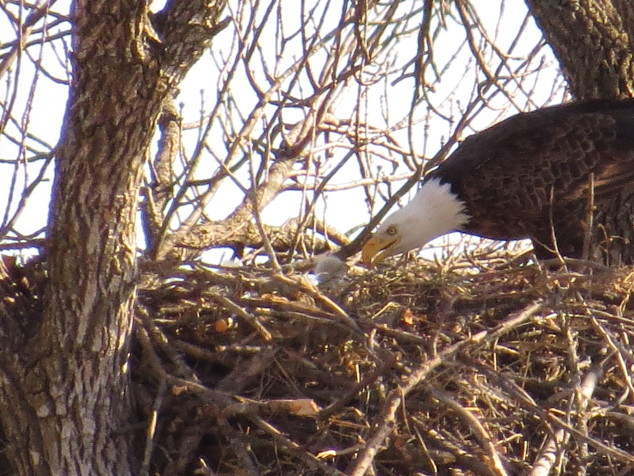
The other parent began to tear off pieces of the carcass and feed the downy eaglet.
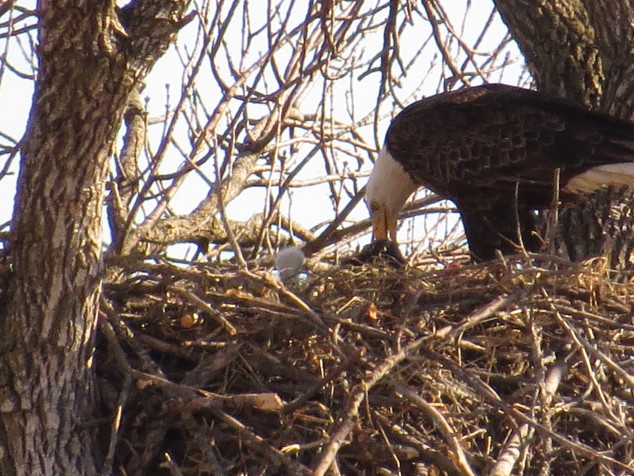
Another little gray head appeared in the nest, hungry for the food being offered.
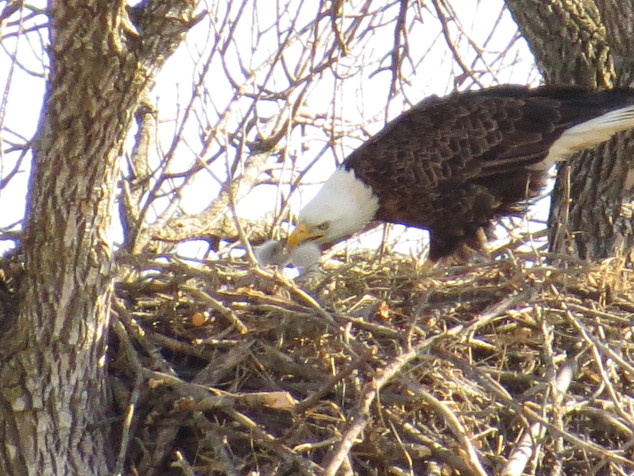
I remember those days, three times over, when our babies started eating food while still getting most of their sustenance from breast milk. We would strap them into the wooden high chair so they wouldn’t slip off the seat, propped up in the soft cover on the chair. With the long-handled, plastic coated spoon, we dipped into the creamy oat cereal. And once the initial learning curve of eating from a spoon was overcome, their tiny mouth would open as the spoon made its way from the bowl. Parent hand-baby mouth coordination. And they would eat until the satiety hormones announced their fullness, when more cereal would ooze out of their mouth than be ingested. With a full belly and a cleaned up face, they would go on to the next big thing in a baby’s life.
Watch as the parent eagle feeds the babies, bite by bite. When one piece comes off the carcass too big for the little ones, the parent steps on the piece to try to tear it into smaller bits. When the babies seem full, the parent eats the last piece, then settles down in the nest with the two eaglets. (The camera was zoomed out with no tripod in the wind, so please excuse the movement.)
One cannot overestimate the loving care a parent of any species has for their young. I have watched horses, cows, sheep, dogs, cats, ducks, and even mice protect and care for their babies. The eagle parents work as partners in the full-time job of providing food, loving attention, and care for their eaglets. What can we learn from these beautiful, powerful birds of prey? We are blessed and privileged to provide for our own children as they grow, but many times we are also called to care for aging parents, sick or disabled family members or friends, or to be the caretakers of animals. Caretaking demands that we look outside of ourselves, and we realize that service to others fills the collective coffers of the world. In our giving and our selflessness, we receive more than just the tangible benefits of a healthy child, a happy parent, a healing sister, or a hearty flock of animals. We become an integral part of the Goodness in this world, and our soul soars to a place beyond the tree tops.
Two Good Weekend Surprises
The first good surprise was a visit from my Mom. She called after lunch on Friday and asked if we had plans for the weekend. With nice weather in the forecast, she hit the road and was here by suppertime! On Saturday, we drove to Eagle Park to check on the raptors–no eagles in sight. A couple of hours later we checked again and found both sitting in the tree.

Chris walked down to the river as Mom and I started around the eagle tree trail. Soon the male flew toward the river. When Chris caught up to us, he said he had scared up a flock of pigeons from under the bridge. From his vantage point in the tree, the male probably saw the pigeons fly up and hoped to catch a meal. The female watched as we walked the trail.
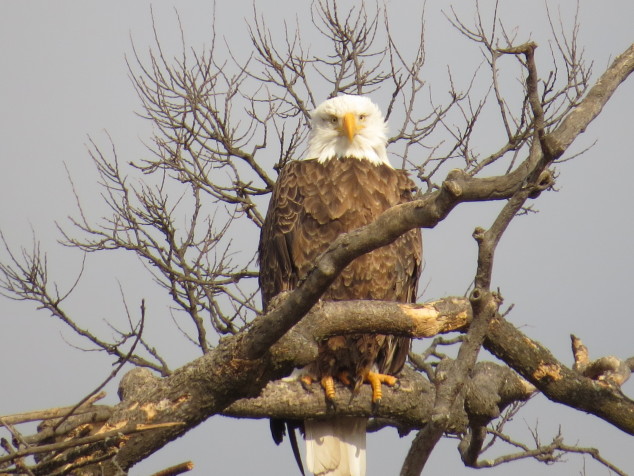
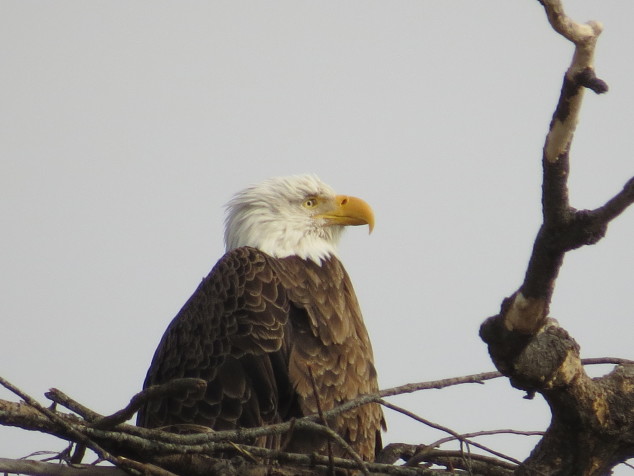
We hiked the circular path around her tree, getting a look at her from all angles.
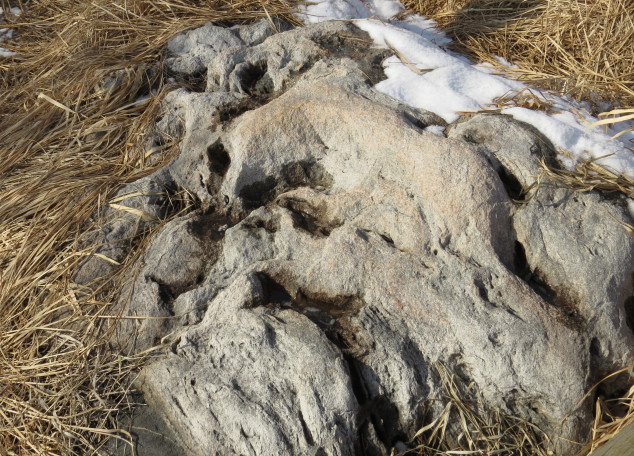
Mom was surprised by the huge granite boulders that were scattered throughout the park.
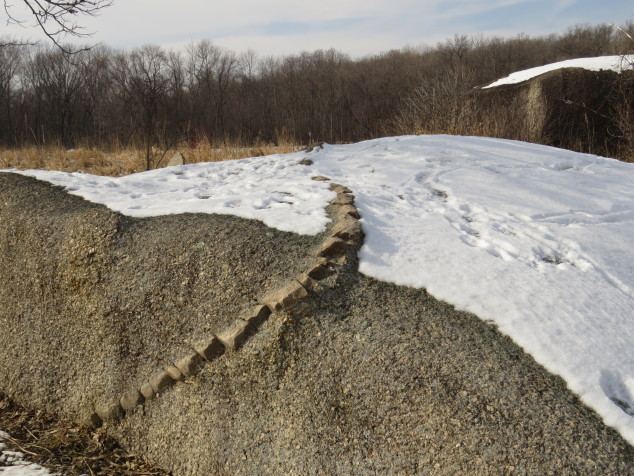
One of the rocks was called Morton Gneiss, estimated to be about 3.5 million years old–the oldest type of rock in the United States. It is normally found in southwest Minnesota, so how this rock got here was a ‘geological puzzle!’
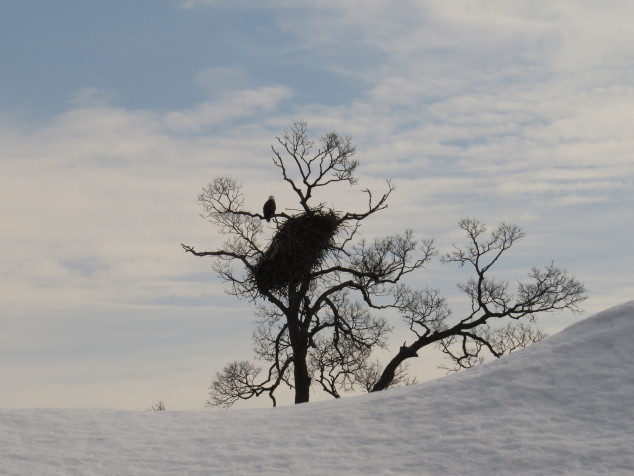
I think the eagle tree and nest are an anatomical puzzle! How does the tree hold such a huge nest? And how do the eagles engineer such a marvel?
After leaving Eagle Park, we drove along Rockville County Park road and found the second good surprise of the weekend–another eagle’s nest! It’s about a mile away from the first nest and is not as large. We had driven by it before, but with the leaves on the trees, we had not noticed it.
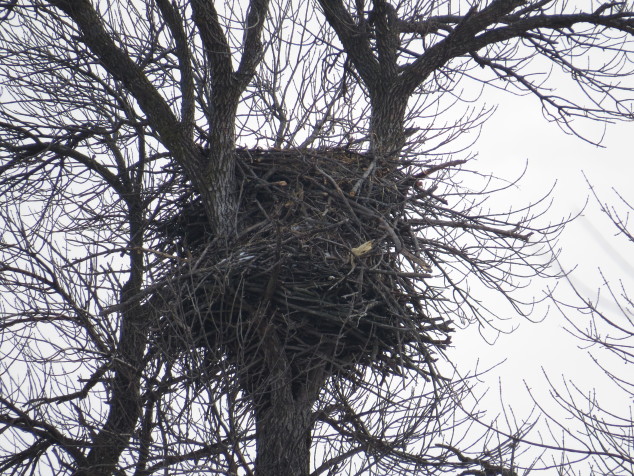
As I was trying to focus in on the nest and get a picture, an eagle flew in with a rabbit or something dangling from his talons. Chris and Mom saw it, but I missed it! We know the nest has a mated pair, and I’m really excited to watch the raising of eaglets in two different nests!
(Watch Minnesota DNR’s live webcam of an eagle’s nest in the Twin Cities area.)
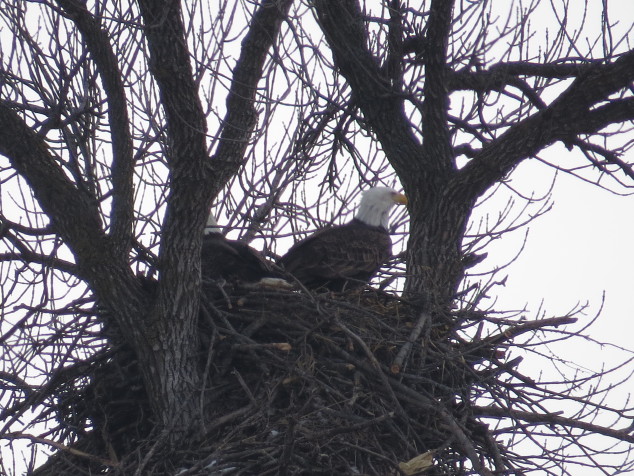
A beautiful, relatively warm weekend in the first part of February is certainly a nice surprise, but this one was made even better with a visit from my Mom. Both of us love the outdoors, and almost every visit includes some sort of walk or hike in Nature, whether she comes to Minnesota or I go to South Dakota. The unexpected in Life can affect us in a myriad of ways, depending on the event, our previous expectations, our stage in life, and the openness of our heart. My weekend was totally different from what I expected but in a good way! I’m grateful for a healthy Mom to hike with, a loving and supportive husband, the old and new in Life, and good surprises!
Gleanings from January 2015
As any parent will remember, there is a certain age when our children constantly ask questions. They are trying to piece together the world as they experience it. By age four, children have the words to ask the questions that help them learn and make sense of things.
I scrolled through all the pictures I had taken in January and was surprised when questions kept popping into my mind. Usually I get some ideas of what I want to say when I look at them, but never before have the ideas come as questions.
What’s brewing on the horizon?
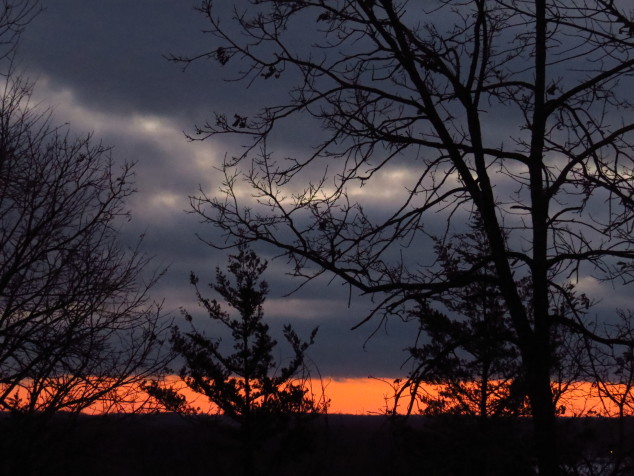
Where are we going?
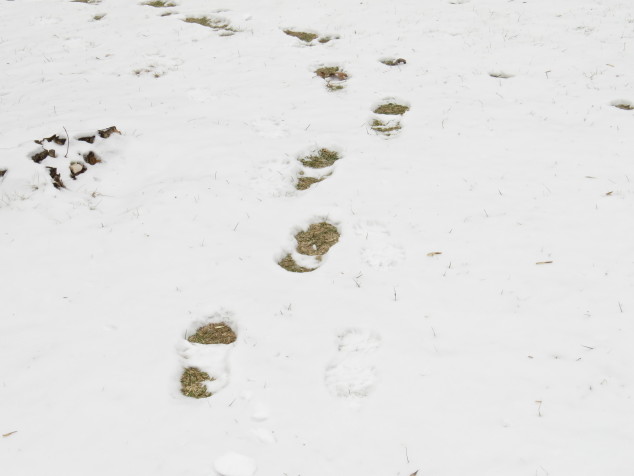
What are our hidden treasures?
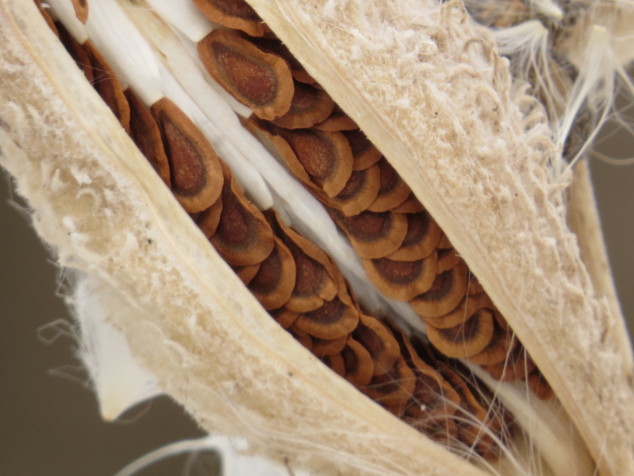
How do we get along with others?
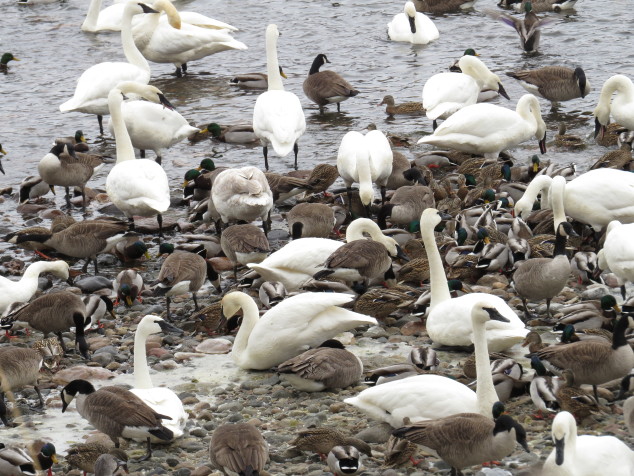
Are we gathering the wisdom of the ages?
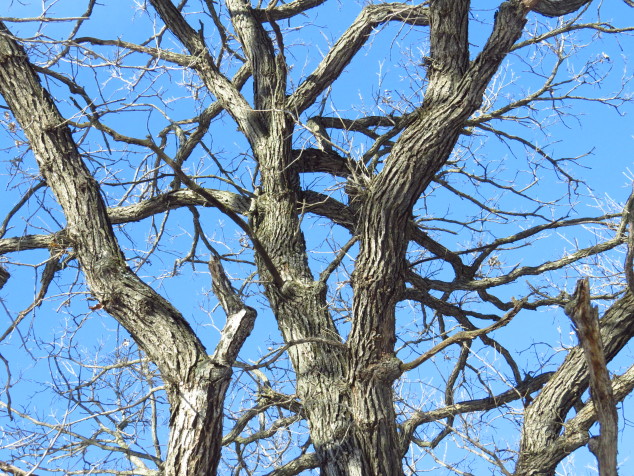 Who’s talking? Who’s listening?
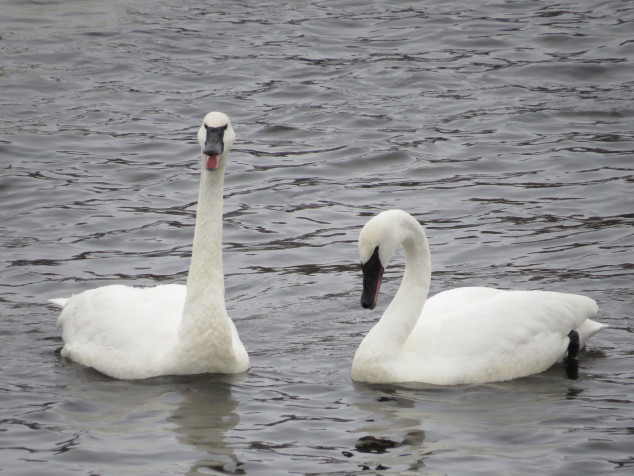
What seeds are we planting for the future?
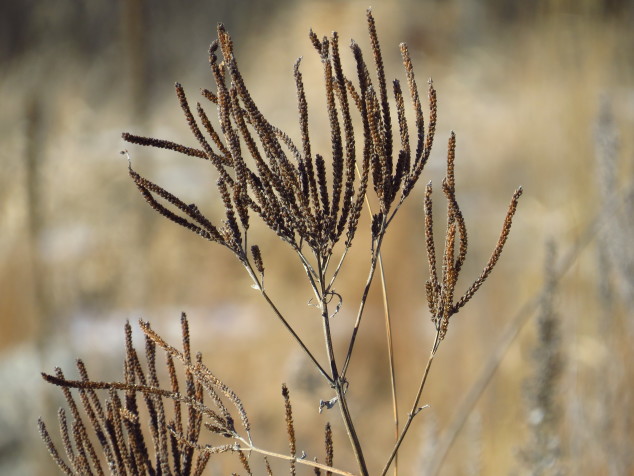
How do we handle Life’s thorns?
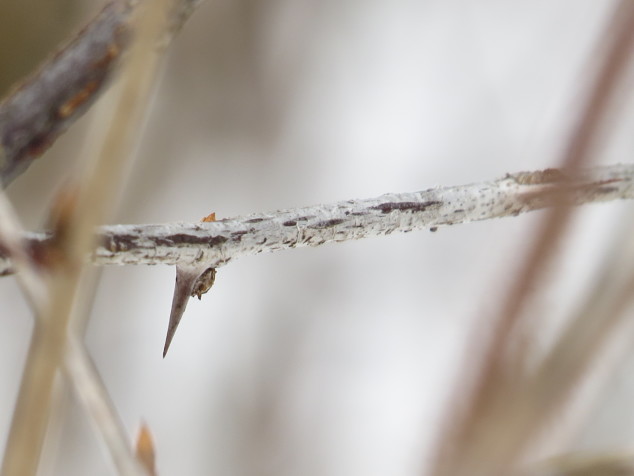
What makes us happy and want to dance?
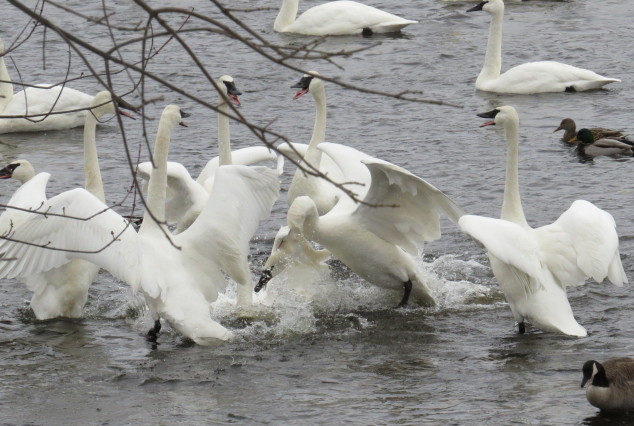
What happens when we fall down?
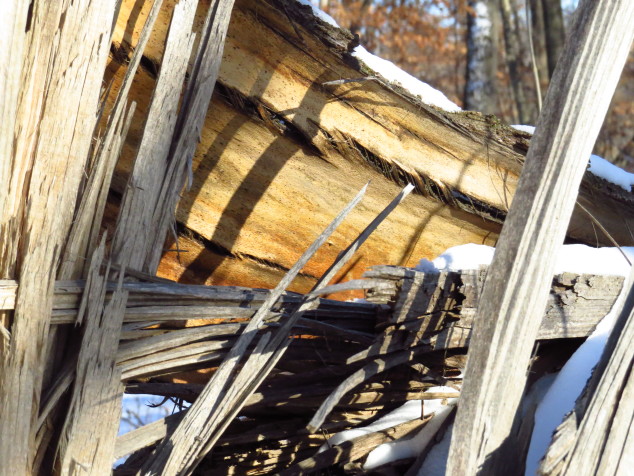
How do we see the world?
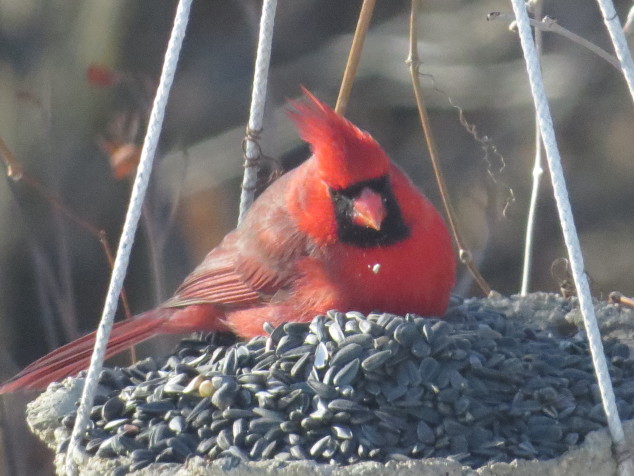
How do we handle abundance?
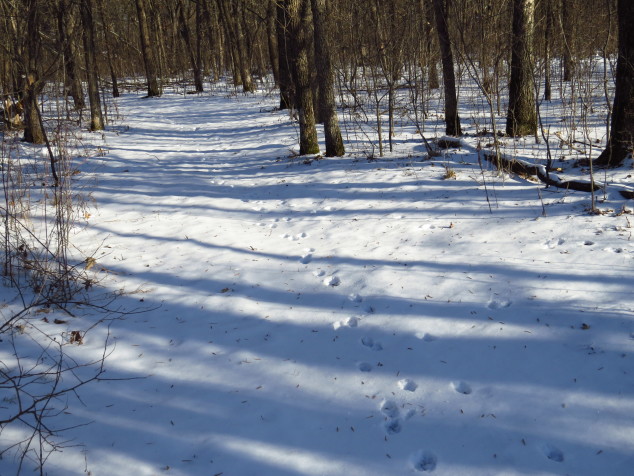
Whose tracks are we following?
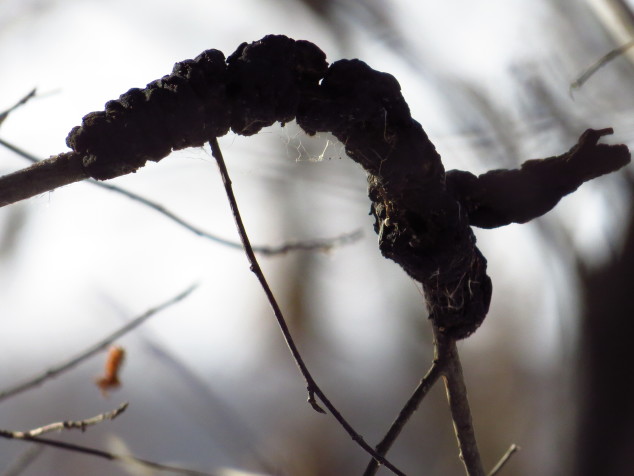
What bad stuff do we need to get rid of?
What are we hiding from?
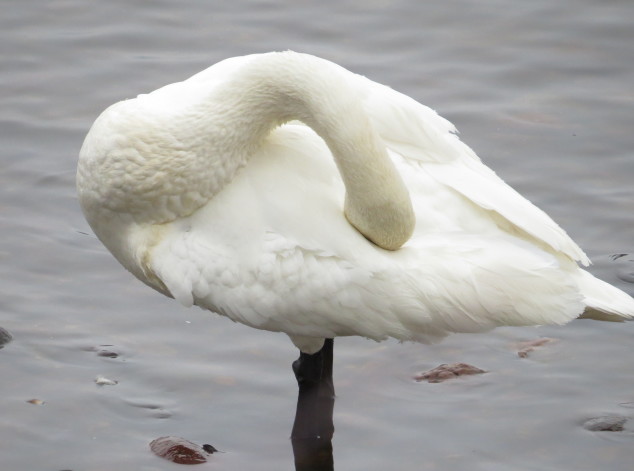
Is anything obscuring our Light?
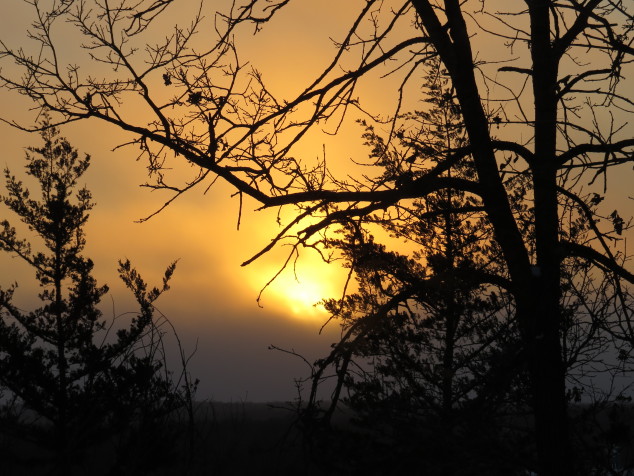
Are we heeding the warning signs?
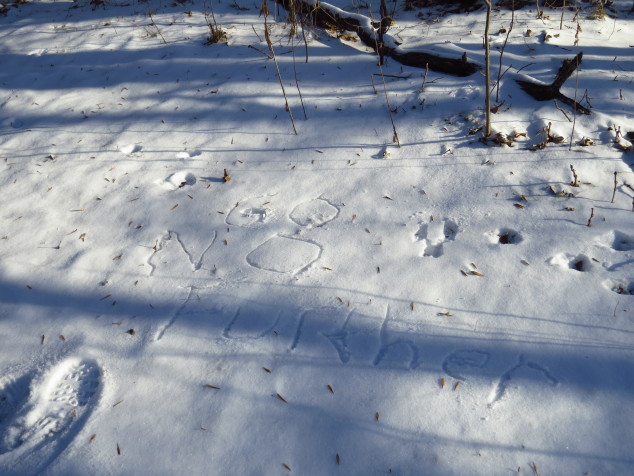
What are the bright spots in our lives?
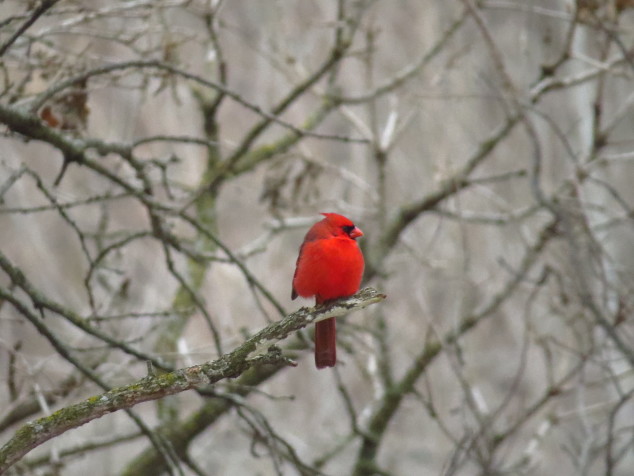
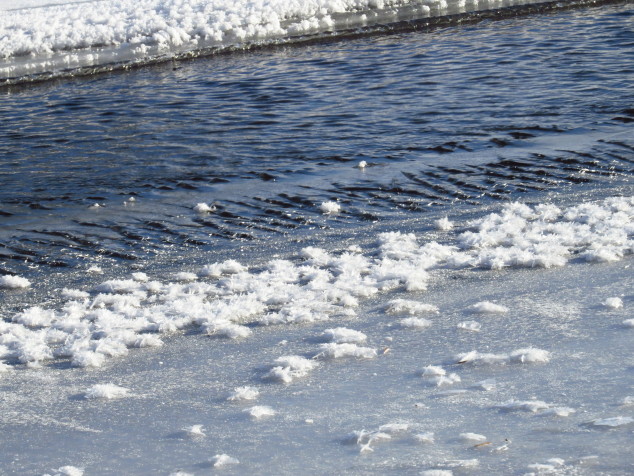
What direction are we flowing? Are we walking on thin ice?
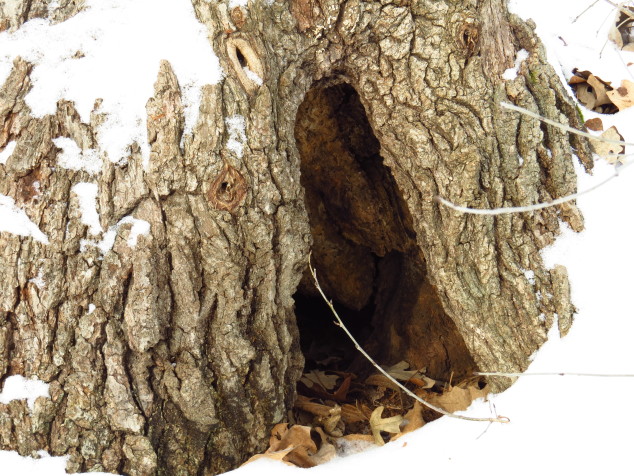
Where is our shelter from Life’s storms?
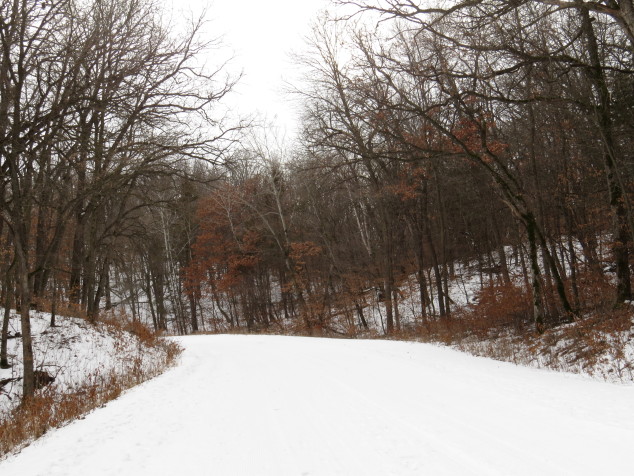
What’s around the bend? How do we want to step into the future?
Why did we stop asking questions? We have accumulated countless Life experiences that have become the picture puzzle of our lives. And many of those pieces were put together with our child’s mind and no longer fit us well. The questions now must be asked and answered by each one of us in order to learn about and make sense of our interior world. These grown-up questions are just as developmentally imperative as our four-year-old questions were in order to integrate the Life of the World Outside us with the Life Within.
I am Yours and You are Mine
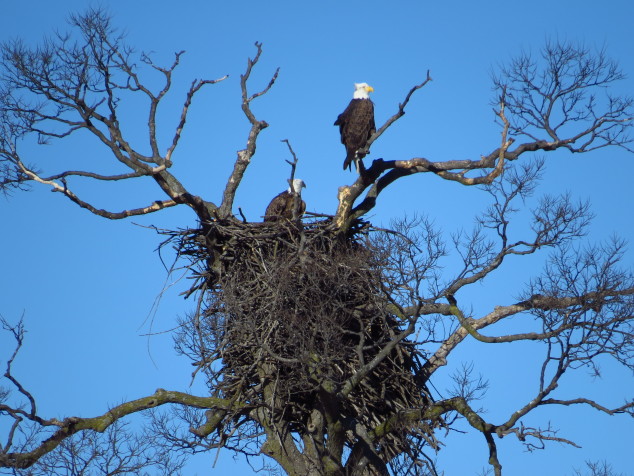
The eagles are back! Or perhaps they never left. Eagles are well equipped to live in the cold, but they migrate for food when lakes and streams are frozen over. Except for the early November snow storm, it has been a mild and open winter. Parts of the Sauk River are flowing, allowing the eagles to fish. But this is the first time we have seen the pair since late summer.
The massive nest makes the leafless Hackberry tree look top-heavy. The eagles first built this nest in 2004. Each year more sticks are added to the nest before mating and egg laying.
Both eagles were in the nest when we arrived at the park, then the female flew out to a branch. They watched us watching them.
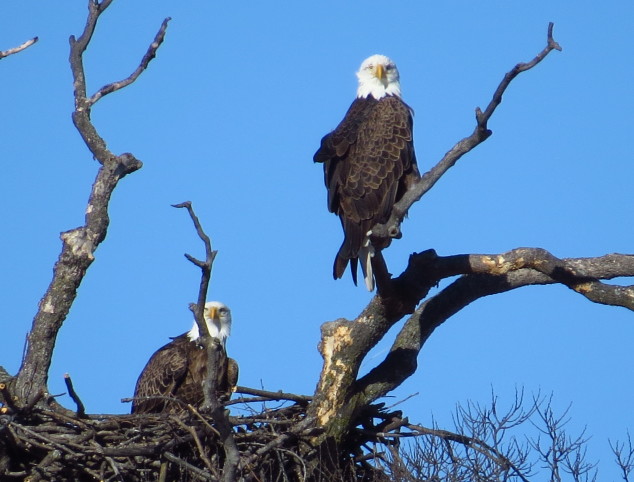
The male calmly walked out of the nest and up a branch.
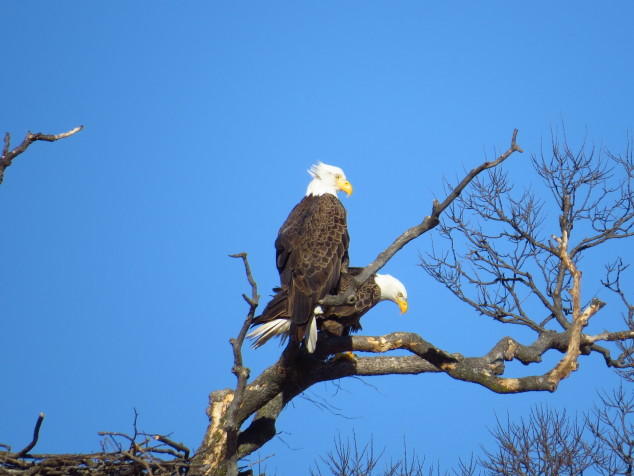
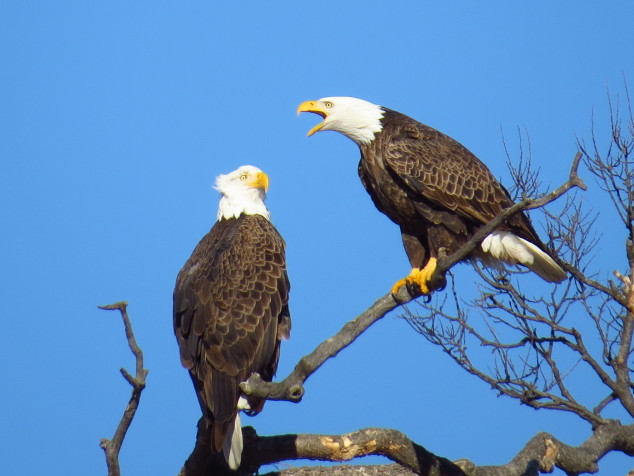
He hopped up on the branch beside his mate and shrieked. The shrill call reinforces the bond between the pair and warns other eagles or predators that this nesting territory of one to two square miles belongs to them.
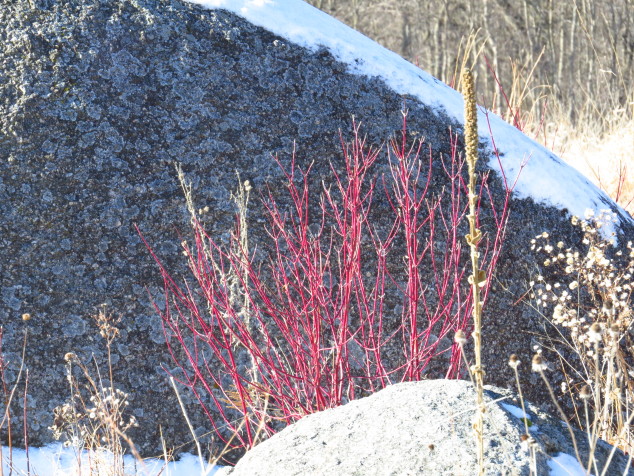
Eagle Park borders the Sauk River and the Rockville County Park and Nature Preserve we visited two weekends ago. The granite boulders, dried seedpods, and coating of snow made a beautiful winterscape.
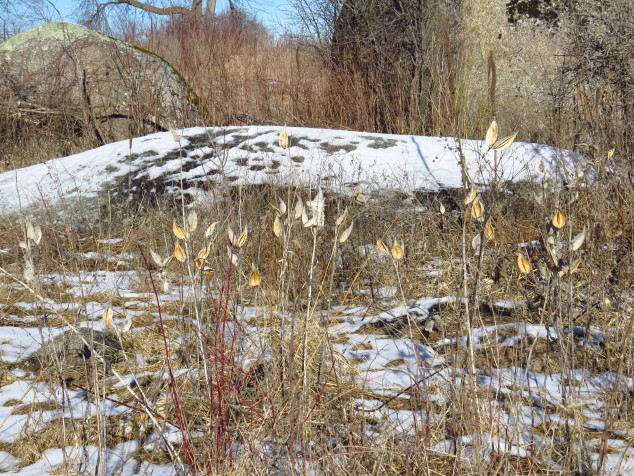
The bare stems of red-twigged dogwood were the only bright color that punctuated the winter brown and white–besides the azure blue sky.
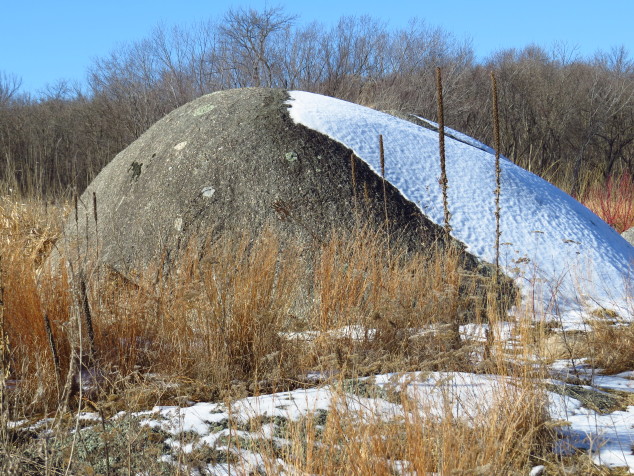
One huge boulder was half covered in snow–a yin and yang of bright snow and dark rock.
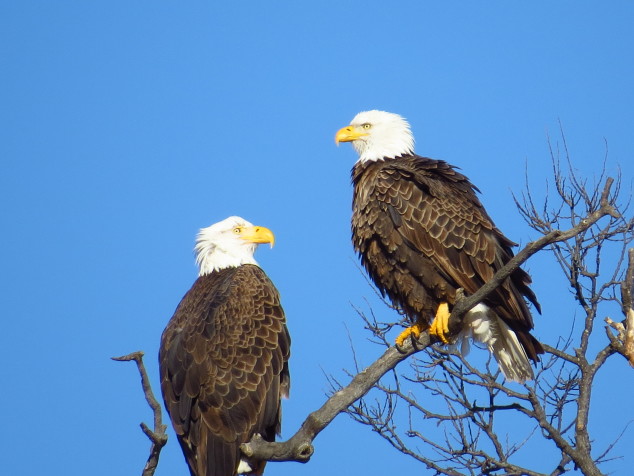
The male and female eagles have identical coloring. The female (on the left) is slightly larger in size and has a deeper beak (from top to bottom.) The male has more of a scowl, as the bone over his eye protrudes further out. We saw both of them last summer, but never together.
Mated eagles return to the same nest at generally the same time each year to resume courtship, mating, egg laying, and eaglet raising–an anniversary of sorts.
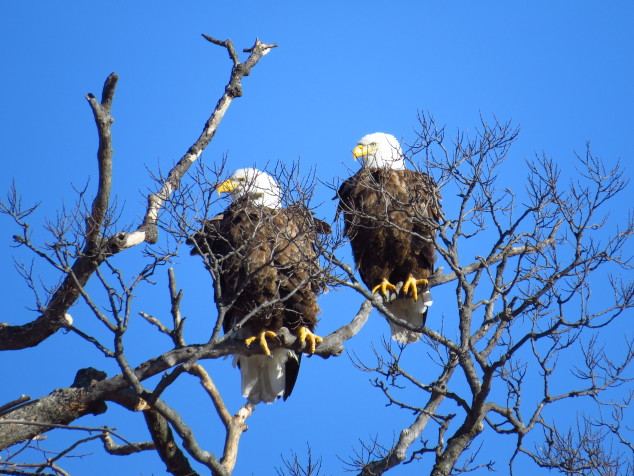
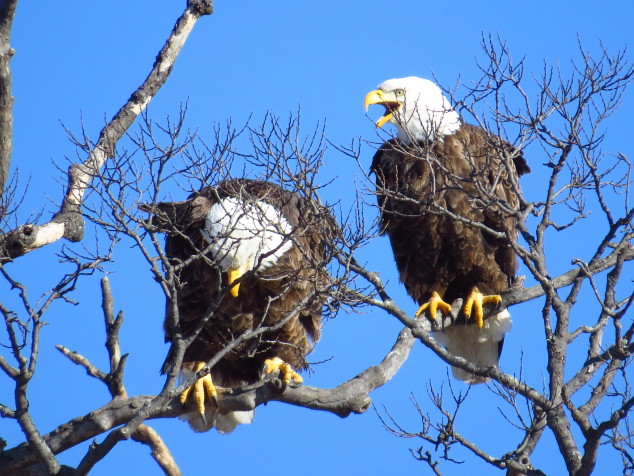
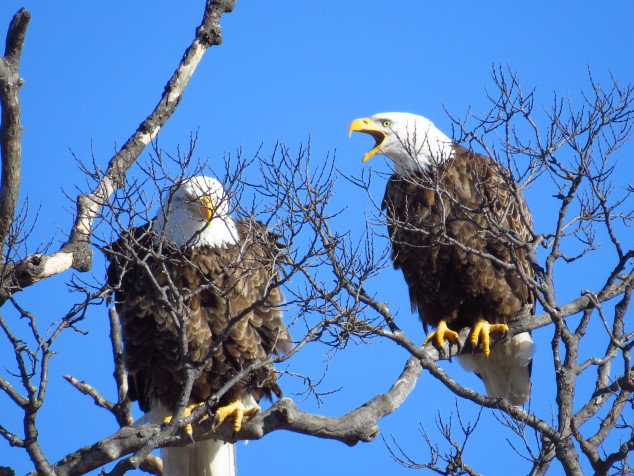
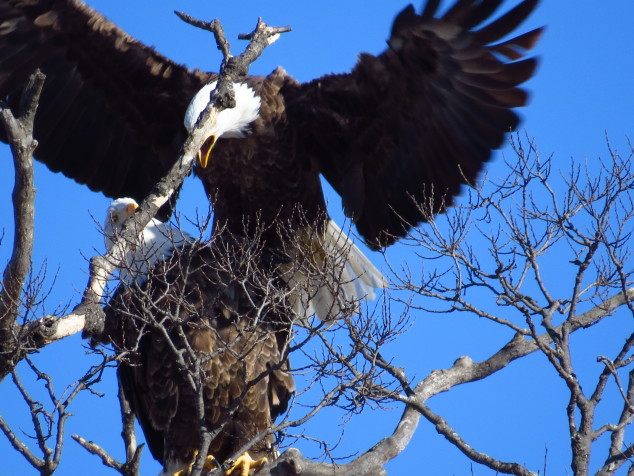
‘I am yours and you are mine.’ Together the eagles will incubate the eggs, defend the nest, hunt for food, feed the young, and raise another brood of eaglets.
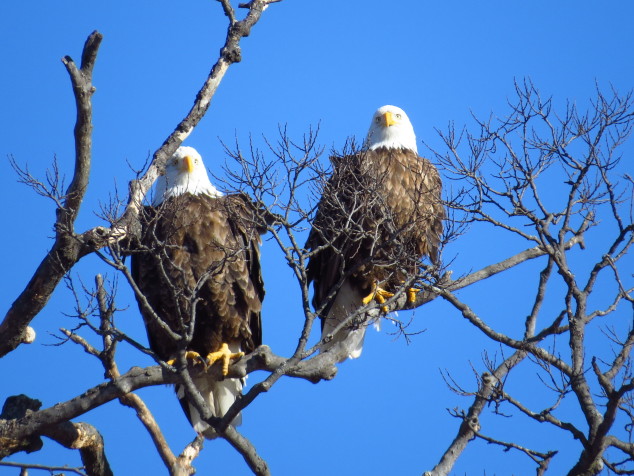
These eagles have been together for many years–the size of their nest proclaims their longevity. They seemed content to watch the Sunday afternoon visitors from their high vantage point. Side by side, they surveyed their rocky estate and the other pair of creatures. And once again they have committed themselves to one another–I am yours and you are mine! Let’s do this one more time! Happy Anniversary, Eagles!
A Change in Perspective
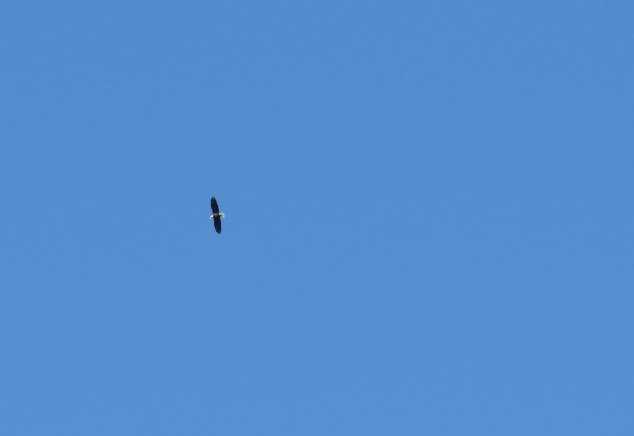
What if we saw our world from the perspective of a bald eagle soaring high above the land? We would definitely see the ‘bigger picture.’ We would also want the eagle’s excellent vision so everything wouldn’t be a blur. I saw a different perspective of our place on Sunday when I was on the roof painting the chimney. We live on a bluff of the Sauk River, though we usually can’t see the river because of the leaves and trees. But from the roof I could see the River widening into the Chain of Lakes and cloaked in Autumn finery.
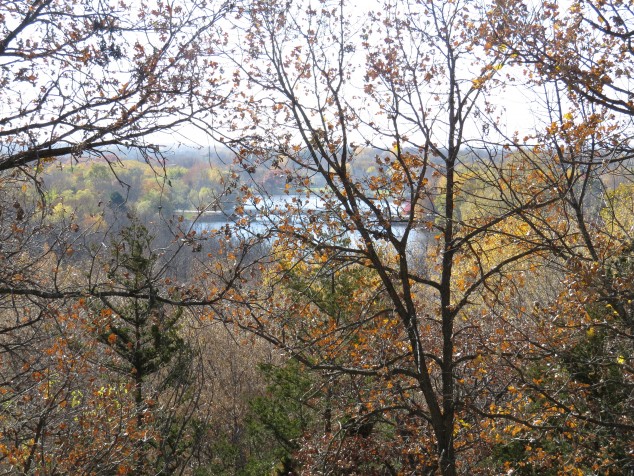
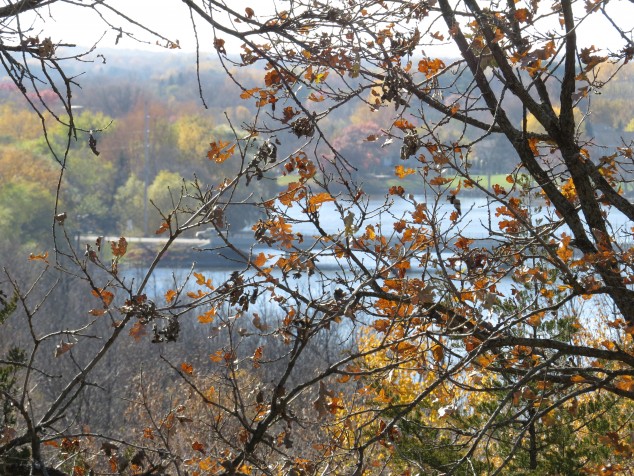
It was fun to see the woods from the one story roof of our house. The curtain of maple leaves had dropped from the nearest trees, and I could see some of the colorful, stand-out beauties that are usually lost in the forest of green. I’m glad they have a season to be seen and awed over.
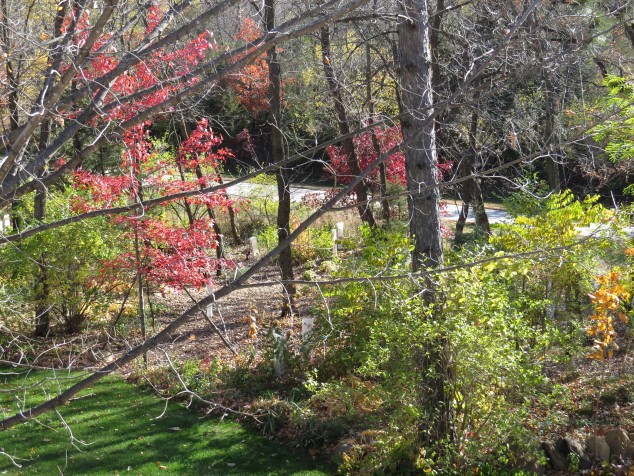
My rooftop view displayed the amazing amount of progress we have made in our war on buckthorn. What used to be a dense, homogeneous wall of green with mature oaks and cedars rising above it, is now a real woods with diverse plant life and paths to enjoy it.
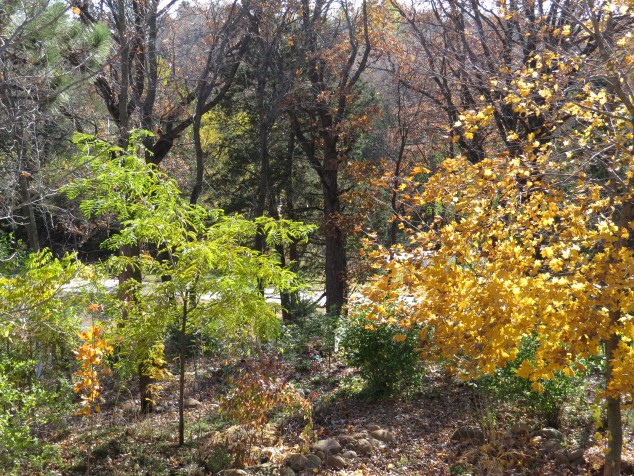
But through the boldly branched oaks, I could see a patch of bright green–an area of buckthorn seedlings that had grown to four feet tall–and I made a mental note about that being our next place to work.
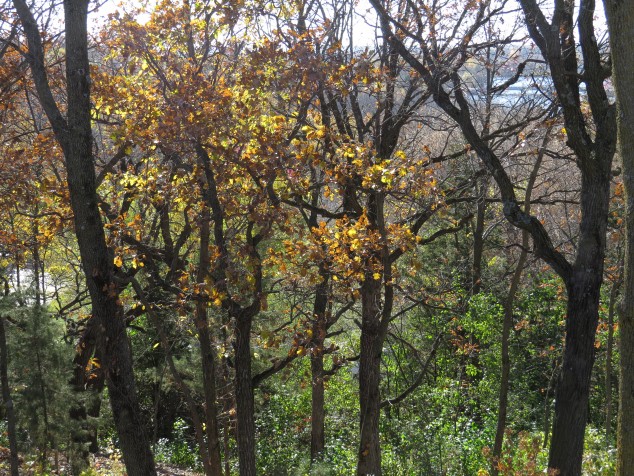
The eight foot tall Nannyberry Viburnum tree, splendid in orange and the focal point from the ground, looked small and insignificant from the rooftop. The magnificent oaks and the distant River captured my eye and attention.
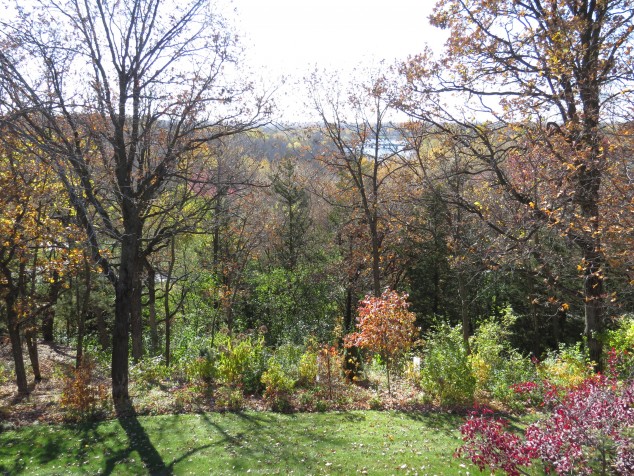
On the other side of the house, maple leaves were falling like rain. The day before, we had raked huge piles of yellow leaves and mowed and mulched to a carpet of green.
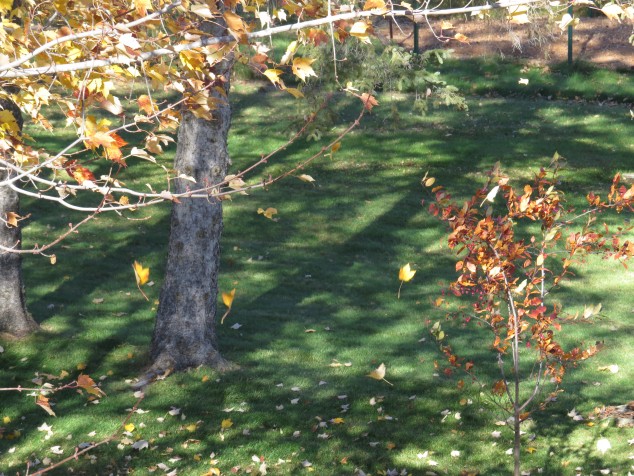
And when the last leaves drop, we will have another day of the same.
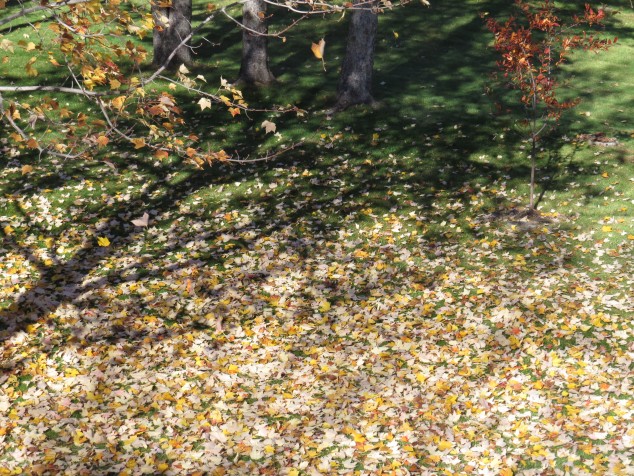
We tend to see our lives from one perspective–from our two feet on the ground, historical, corrected vision. It’s only natural. But what would it look like from an eagle’s eye? What would your life look like from the rooftop? Do you see the progress you’ve made? Do you make a note of where you need to do some work? Or are the leaves and the trees getting in the way of the beauty and potential that lies beyond sight? Is the daily, repetitive work clouding the vision of your future? You don’t have to get on the roof to see your life in a different way–just let Nature change your perspective!