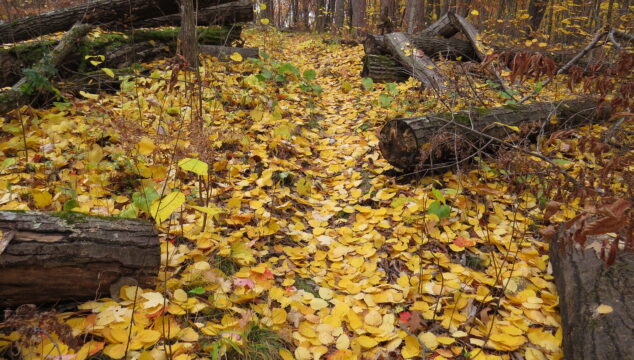
Come walk with me in the peak Autumn beauty of the Northwoods. To say that I love this time of year is an understatement. Most everyone can appreciate the colorful falling leaves---it reveals the 'true self' of a tree when its leaves are no longer producing chlorophyll. Their true colors are revealed, and there is something simple … [Read More...]
The Gift of Affection
Affection is responsible for nine-tenths of whatever solid and durable happiness there is in our lives. –C.S. Lewis
I love gardening. I love raking the flattened fall leaves off the perennial beds after a winter of snow and cold and watching the new shoots rise up out of the warming earth. I love making tiny straight troughs in newly-tilled earth and deliberately placing vegetable seeds in them, covering them, and patting down the soil. I love harvesting the abundant crops that grow from those tiny seeds, marveling each year at the miracle of it all. But gardening can be hard…and messy. Those stubborn sumac roots that creep into our vegetable garden are a pain to pull out. Mosquitoes and humidity in the depth of summer combine to drive the most tolerant gardener to abandon ship in quest of a weed-free zone. Even in the best of conditions, pulling weeds can be tedious and never-ending work.
It reminds me of Love. I believe in the power of Love to heal, comfort, and grow a person into a better human being who is capable of sharing abundant gifts with the world. I believe that pain can be contained in a trough of Love, covered over with compassion, and transformed into something miraculous. But Love can be hard…and messy. Anyone who has been in a family or a relationship knows this truth. Sleep-deprived nights and chore-filled days marked by dirty diapers, colicky crying, and minimal adult conversation can test the mettle of new parents. Years of marriage and routine and kids and jobs can strain the vows that bind us. Heartbreak and tears that seep from the depth of our souls threaten to uproot all we have worked so hard to plant.
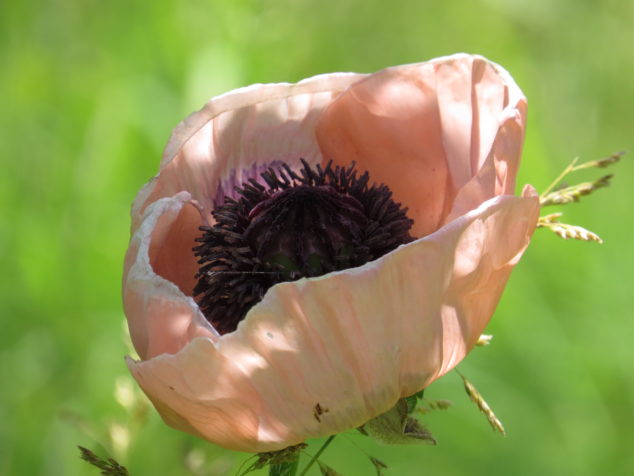
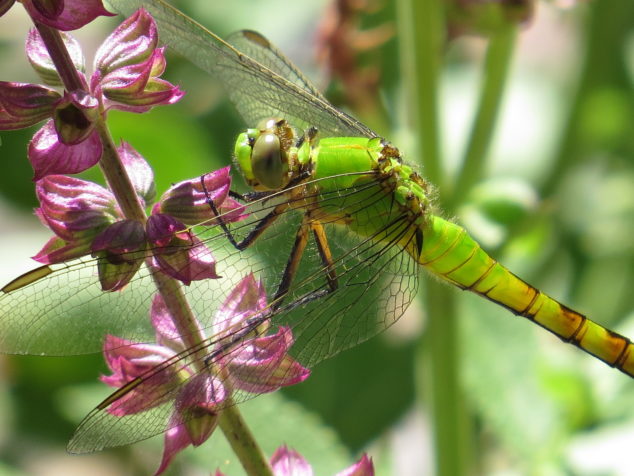
Under the large and multifaceted umbrella of Love is a quality that sustains the integrity of that Love. It is a moment, an action, an interaction, and even a look—it is Affection. Affection opens our hearts, makes us feel warm, induces a smile, relaxes our bodies. It happens when I look at a beautiful flower or find an extraordinary creature in an ordinary moment of my day. It is the delight of biting into a home-grown tomato and the peace of a fragrant pine forest. Affection is the warmth of holding someone’s hand, the gift of offering our time and energy, the tenderness of pushing back a strand of hair from a tear-stained face. Affection demonstrates our attachment to the most important things in our lives.
On this Valentine’s Day, I wish you Love in all of its glory and difficulty, but I especially wish you Affection. May you give and receive a moment, a smile, an action, a gift, a whisper of love, the extraordinary beauty of Nature, and the peace that passes all understanding.
Standing in the Middle of a Lake
Having courage does not mean we are unafraid. –Maya Angelou
Fear has been my worst friend most of my life—my friend because there has rarely been a day when it hasn’t been by my side—and worst because friends are supposed to be fun, encouraging, and loving, and fear is none of those. We know each other well, inevitable after so many decades together, but it still surprises me at times when fear takes the bit and bolts at a dead run. I’m learning how to gather the reins, loosen the bit from its teeth, and get control again.
One of the things I’m afraid of is deep water. I can swim enough to get from point A to point B if they aren’t very far apart, if one has no judgement on my ‘technique,’ and oh, if I can just about touch bottom. When canoeing I prefer to stay close to the shore, and my temporary best friend is the aptly named life jacket. Larger boats are more enjoyable—if I don’t think about how deep the water is below us. The only thing worse than deep water in the summer is the thought of falling through the ice in the middle of a lake—uncommon, but not unheard of in Minnesota. My mind had come up with this blog post title a number of weeks ago, so I knew I couldn’t write about it unless I did it. Okay. So here I am, standing in the middle of a lake…
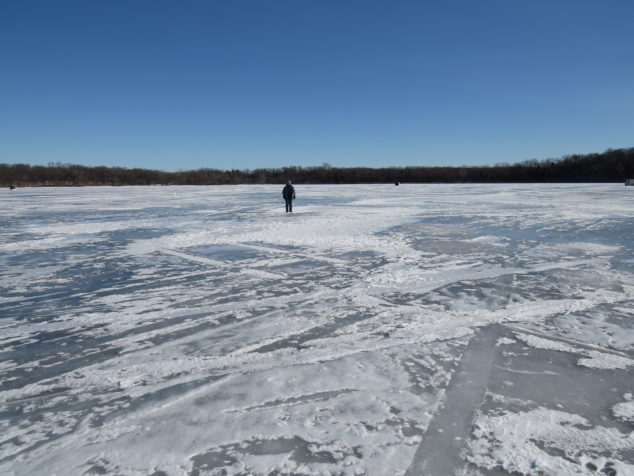
Chris and I traveled to Eden Lake, a 263 acre oval-shaped lake to the south of us. It’s 77 feet deep at the deepest point. (yikes) The temperature was a chilly twelve degrees, but the sun was bright and the sky a beautiful blue. We walked out on the lake as I reassured myself that the ice was safe—after all, there were plenty of pick-ups out there.
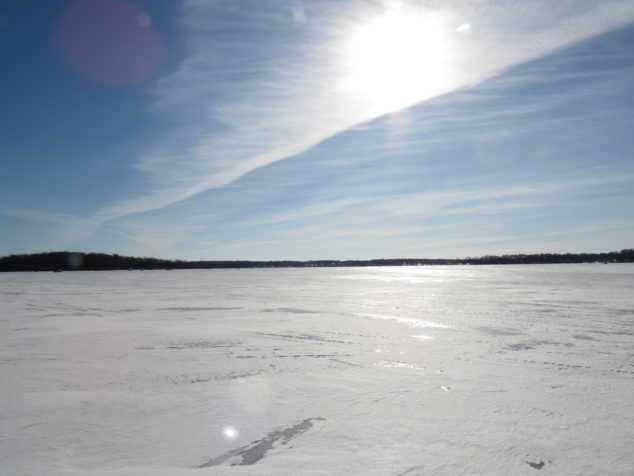
The ice was mostly snow-covered in interesting patterns crafted by the wind. It made walking easier.

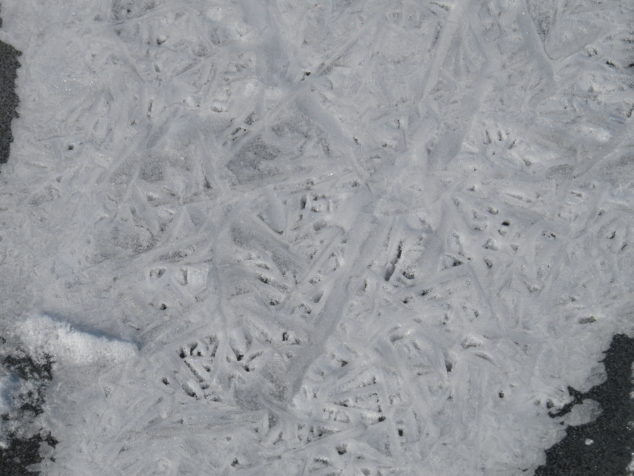
There were places where the ice was topped with a lacy white frosting that shattered like glass when we stepped on it.
Truck tracks ran in many directions, but one ‘road’ seemed to get the most traffic.
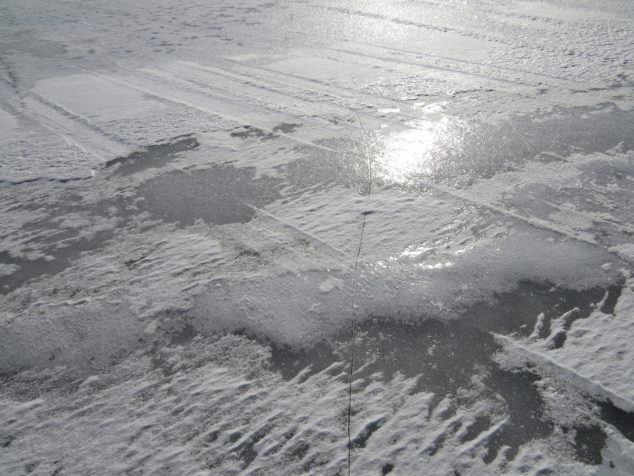
Cracks appeared in the ice, and there was evidence that melting water had seeped up from them during the January thaw but once again were frozen over and slick.
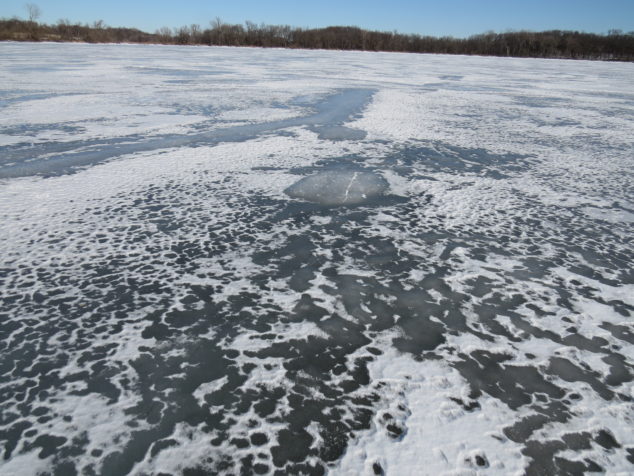
Ice chunks lifted from holes cut for spearing fish made it look like a moonscape.
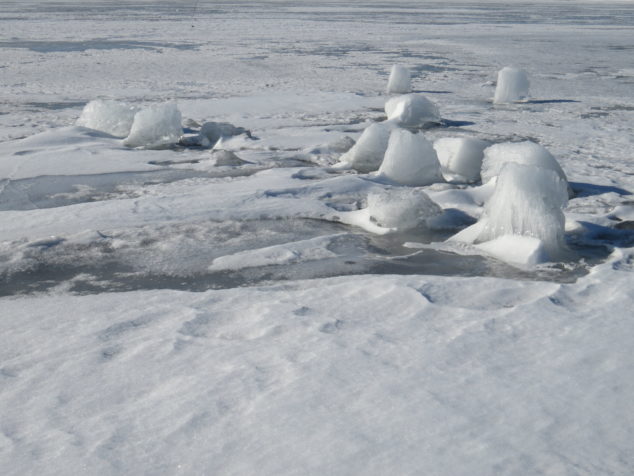
Cedar branches marked the holes that had been cut, warning drivers to stay clear.
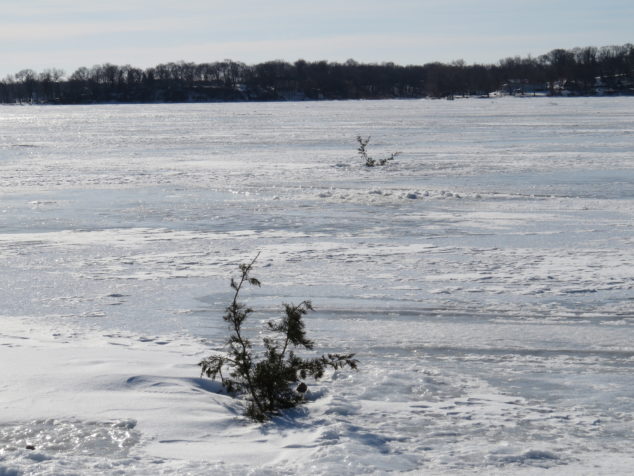
Ice houses were scattered in three different areas of the lake…
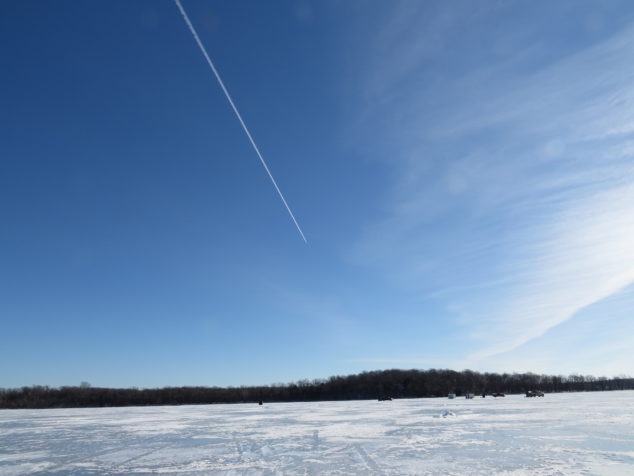
with a little village of them at the far end of the lake, at the end of the ice road.
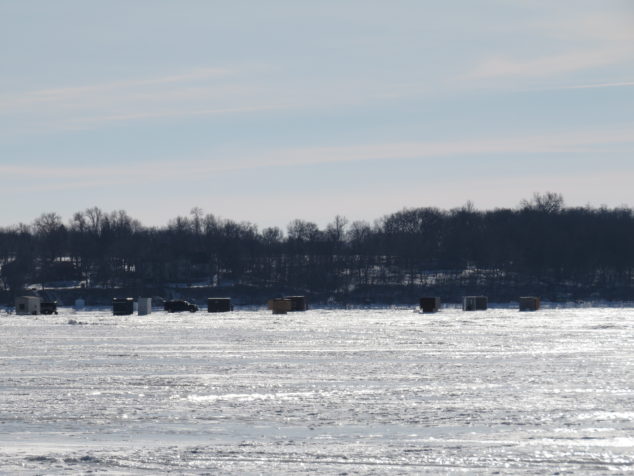
I peered down through the ice where it was clear, unable to ascertain the thickness. I wondered about the large cracks, like center-lines down a highway. The ice landscape was so unfamiliar to me, though the fishermen must know how to ‘read’ it after years of experience. Probably only the foolish end up falling through the ice—maybe the ones with no fear.
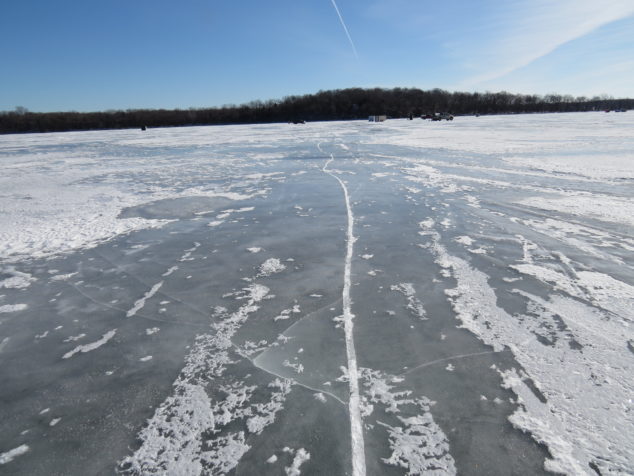
As I was leaving the lake, I stopped to ask a man how deep the ice was—he had just drilled some new holes and said the ice was about sixteen inches thick, more than enough for a pick-up truck to drive on according to the MN Department of Natural Resources. How much is recommended for safe activities on foot? Four inches! Though the DNR clearly states that ice is never 100% safe. Fear is not something I need to get rid of completely—it serves a purpose in keeping me safe in many situations. And like walking on ice, I am never 100% safe. But I really had nothing to fear standing in the middle of Eden Lake on that day. John Berryman, a poet who lived and died a tragic life, wrote, “We must travel in the direction of our fear.” Maybe my mind, by coming up with a title, was urging me towards my fear. Maybe the center-line cracks illustrate that the highway of life has perils to be navigated. We just have to make certain that fear does not completely envelop us, like it did poor John Berryman. Maybe it’s the village at the end of the road that will dissipate the fear and bring us back to safety. Maybe fear is not my worst friend, after all.
Thanks to Sterling for answers to my ice questions.
Gleanings from January—Moon Shadows on Snow
I’m being followed by a moon shadow, moon shadow, moon shadow. –Cat Stevens
January rings in another year with Auld Lang Syne—‘for old times’ sake’—by looking back at what happened during the previous year. And then we begin again. Each month and each day gives us that same opportunity. At the end of each day, we can look back at what happened, check in with ourselves, set our intentions for the next day, and with the dawn, begin again.
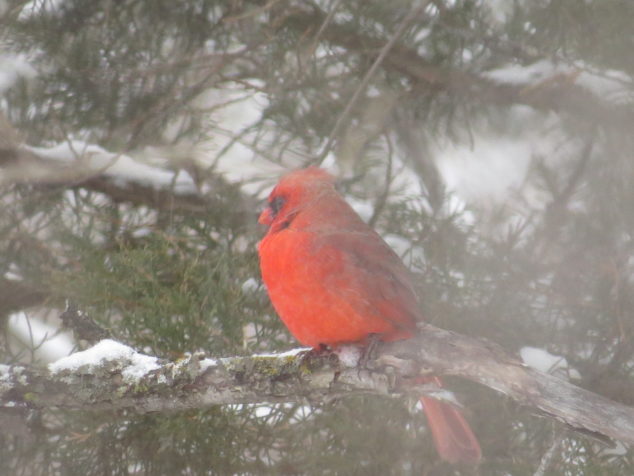
We had days of beautiful snow last month—perfect January weather. In the midst of a snowstorm, the bright cardinal gave us a glimpse of the joyous, colorful Spring to come.
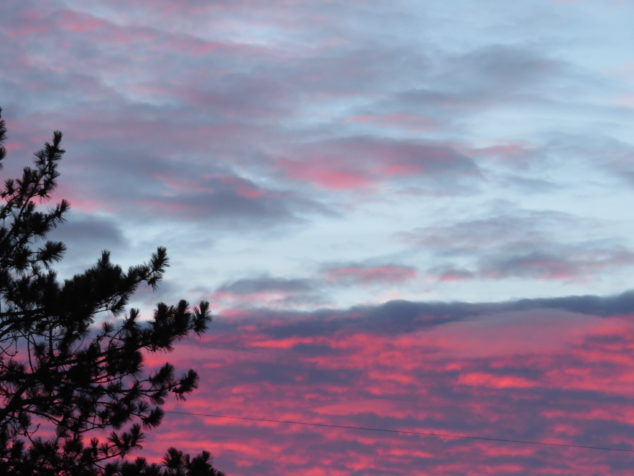
There is Beauty in Wintertide when ordinary objects become works of art.
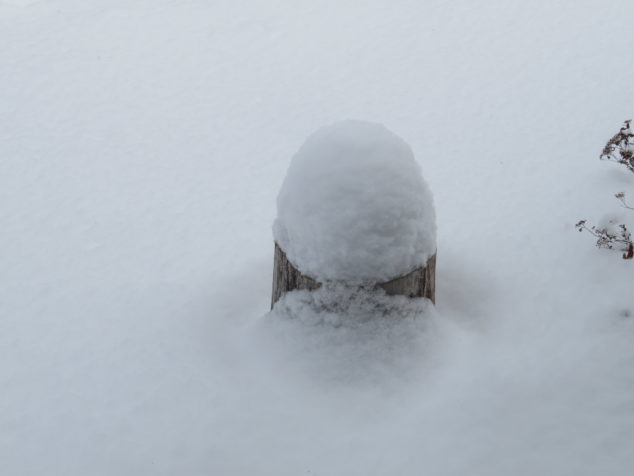
We also had days of unusual melting in January as the temperatures soared and bleakness enveloped the land.
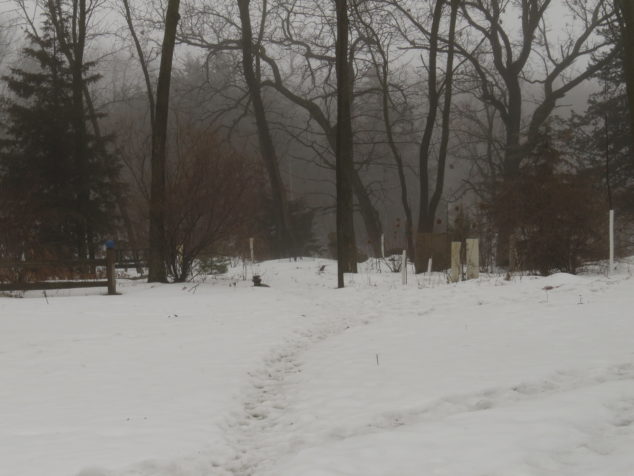
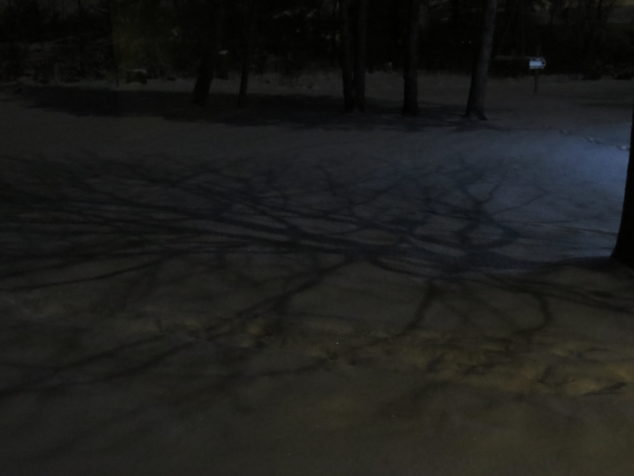
One of the lovely sights of winter nights is moon shadows on snow—a wordless poem that stirs the soul with its artistry and mystery.
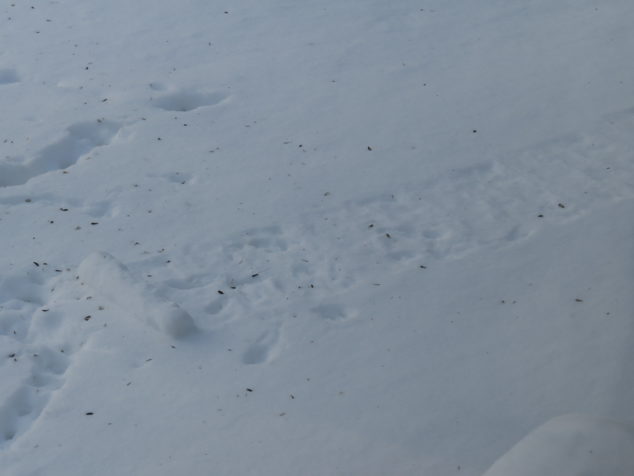
Another mystery unfurled in the daytime snow—this ‘snow roll’ and track appeared one afternoon, starting at the down spout and rolling 10-12 feet across relatively flat ground. Now how did that happen?!
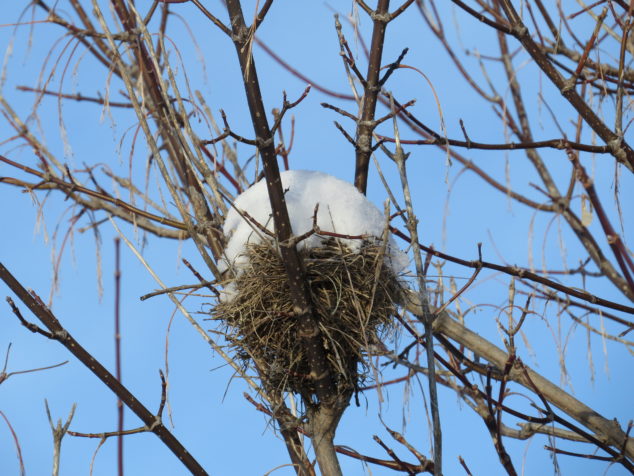
This snow-covered nest caught my eye, and I thought of how their carefully crafted and hidden home during the leaf-covered spring and summer was now exposed to the elements and for all to see.
Another month, another day is relegated to ‘old times.’
Old years, months, and days become our history—a story that covers the gamut from bleakness to beauty, from ordinary to art, from predictable to mystery. With our history comes our lessons, but only if we reflect on what happened, what our role was, and how we may have gotten some parts of it wrong. There are times in which we hide ourselves for protection and for good reason, but eventually, as we begin again, we are once more exposed to the elements. And here’s the mystery—we become stronger and more resilient for having done that shadow work in the darkness. Our lives become a wordless poem of artistry and mystery. We’ll take a cup o’ kindness yet for old times’ sake, revel in the Goodness of the present moment, and catch a glimpse of the Joy yet to come.
Be Like the Birch Tree
All change is not growth, as all movement is not forward. –Ellen Glasgow
Yesterday I went back to school! Oh my gosh, do I love school! Sitting in the dim classroom with all the other students, getting the syllabus, seeing what’s on the agenda for the day, week, or semester, and meeting the new teacher or professor—it’s one of the best feelings! Actually, this time, my school was only for a one-day conference, but it was exciting, nonetheless, and represents something that is key to my life—learning and growing.
The Birch tree right outside our front door is growing, seemingly right before our eyes. Large and small swatches of white bark are peeling off the Paper Birch in horizontal strips.
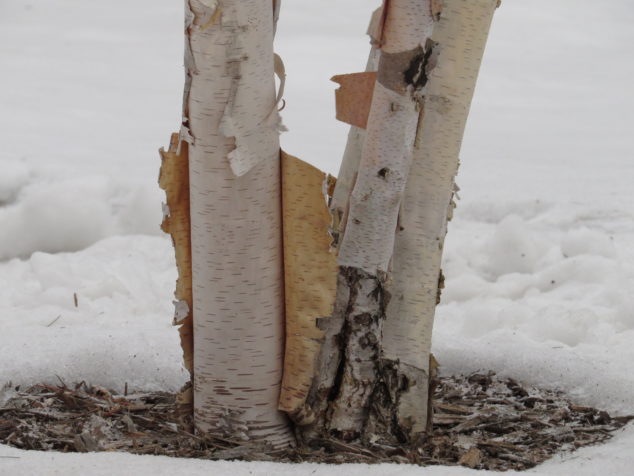
It seems to just be bursting out of its bark!
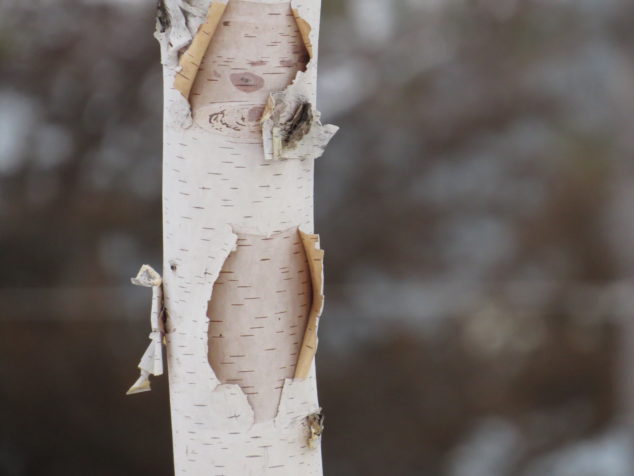
Betula papyrifera is a fairly fast growing tree that will add 13″-24″ each year and is one of a few trees that annually sheds its bark.
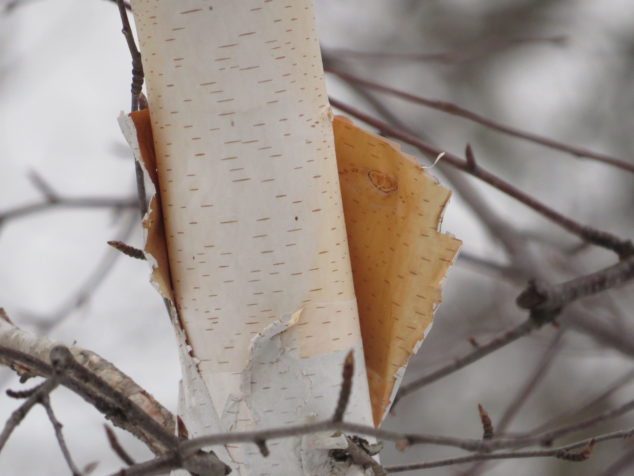
Young Paper Birch bark is darker in color and when older than five years, the white bark will appear.
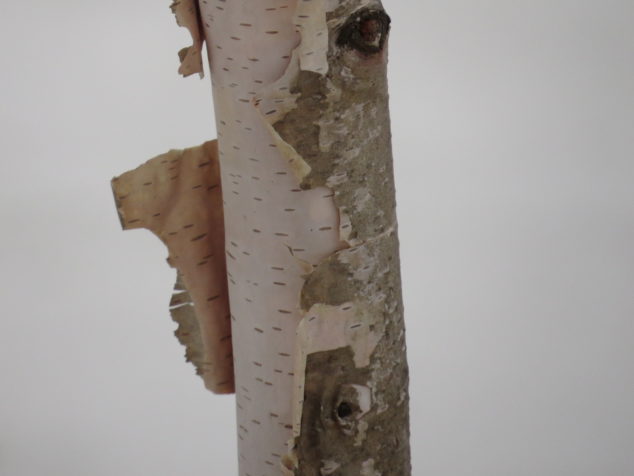
The Paper Birch is also called Canoe Birch, as the Native Americans and early fur trappers used the bark to make canoes, containers, and wigwams.
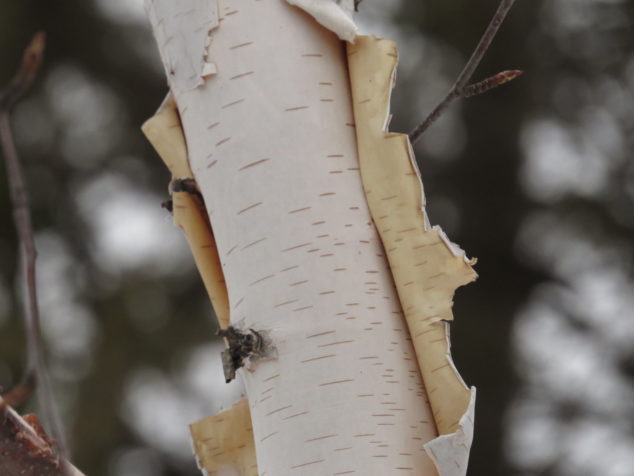
The bark has a high oil content making it an excellent fire starter even when wet and is what gives the bark its waterproof and weather resistant qualities.
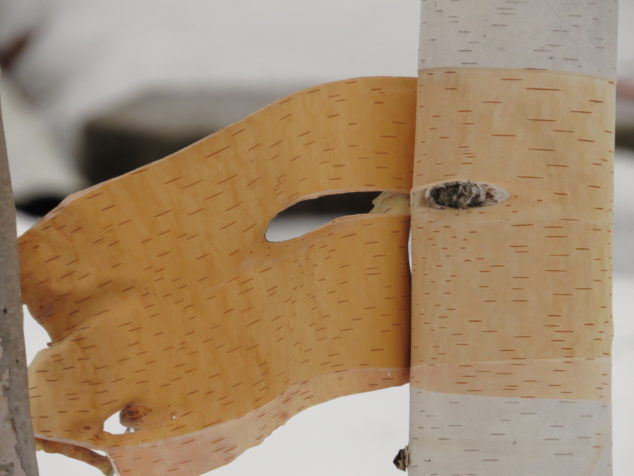
The discarded bark was also used as paper to send messages to people, and we have been the lucky recipients of a few birch bark postcards when our kids lived up in the Northwoods for the summers.
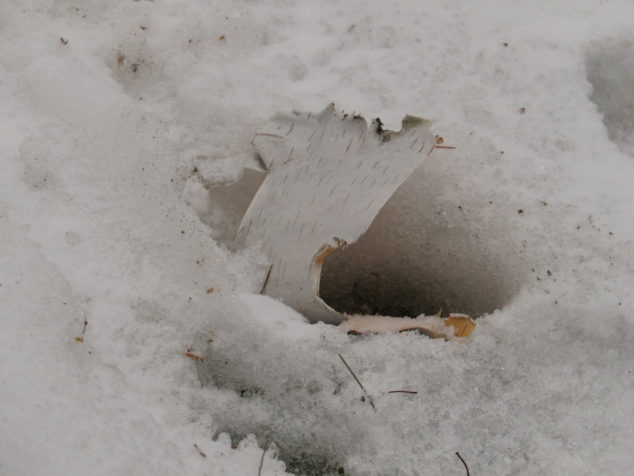
One of the three trunks of our Birch was drilled by a woodpecker last summer in neatly spaced rows. Often they drill for sap and insects it attracts, preferring soft bark and high sugar content, both of which the Birch tree has.
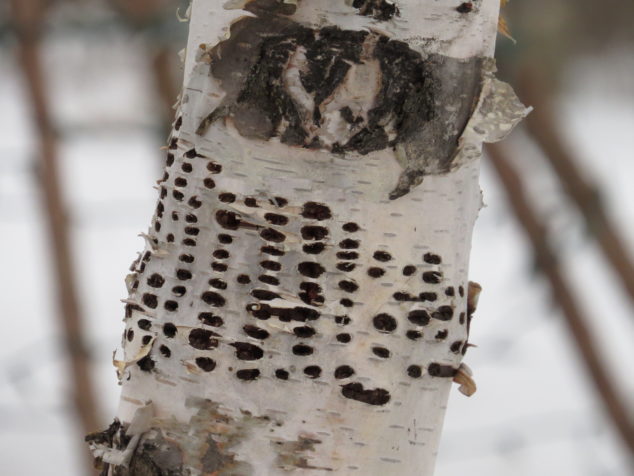
This truck’s growth is not as exuberant as the other two and is probably using its energy to combat the injury from the woodpeckers and/or insects.
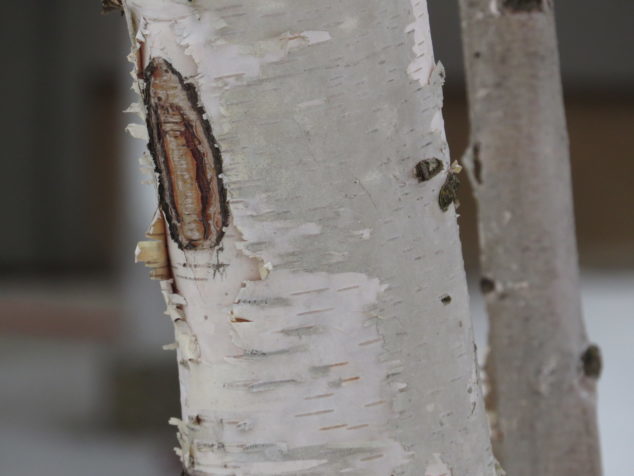
I am like the Birch tree with its burst of growth. Sometimes our growth comes when we choose it—like going back to school or taking a class to learn a new skill. Other times our growth happens from circumstances that present themselves to us—an opportunity for a new job or a trip to a different country. And then there are times of wounding—of injury or disease, of divorce or estrangement, of betrayal or abandonment—when our souls and hearts are drilled with holes, when it feels like our life-force is seeping out. It’s hard to believe that anything so devastating can lead to growth. At first, all our energy goes to stop the bleeding, to send out the immune cells that protect us from losing the battle when the first shots are fired. When stabilized, ever so slowly we begin to stitch together some new fabric, discarding the threads that no longer work and incorporating new ones that are stronger, more resilient and authentic. The winter of our discontent begins to wane in the face of the sun. Tiny shoots of new growth push up through the soil of darkness. Old beliefs peel away to reveal our smooth, authentic Self. The old bark has done its job, protecting us when we needed it, and then provides the kindling to ignite a new stage of growth. Be like the Birch tree!
January Meltdown
Many of us have experienced the meltdown of a toddler. It begins slowly, often unnoticeably, with fidgeting or quietness. We notice it when the whining starts, the unhappy whimpers, the stiff bodies refusing to conform to car seats or highchairs, the turning away of eye contact, the swatting of tiny hands at anything within reach. Full-on crying ensues that cannot be quieted or calmed, and usually the body is fully involved with kicking, hitting, arching of the back, and rolling around. A meltdown is a full-body experience.
This week, typically the coldest part of winter here in Minnesota, we are experiencing an abnormal meltdown. Daytime temperatures crept above freezing, softening the fluffy whiteness and melting the thin layer of snow on the driveway. Freezing temps at night iced the sidewalks and roads to slickness again. Precipitation during the day came as drizzle and raindrops instead of snowflakes, and fog formed with all the melting moisture. Air quality plummeted. The last three nights, the temperature stayed above freezing—normal low temperatures of mid to late April. The melting snow dripped off the roof sounding like I was in the wrong season or place. With all the bleak fog, there wasn’t a chance for sunshine. A meltdown is a full-sensory experience.
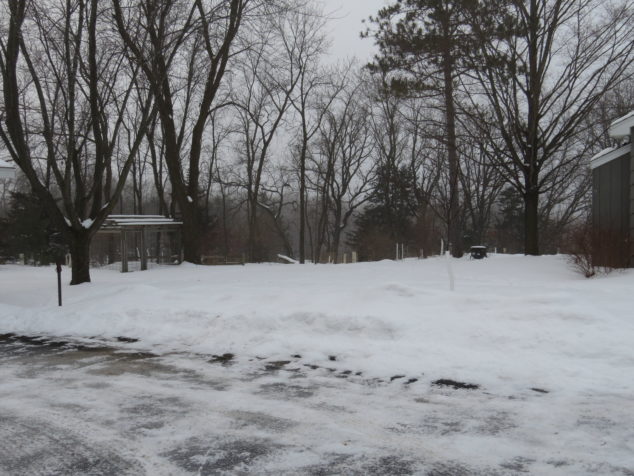
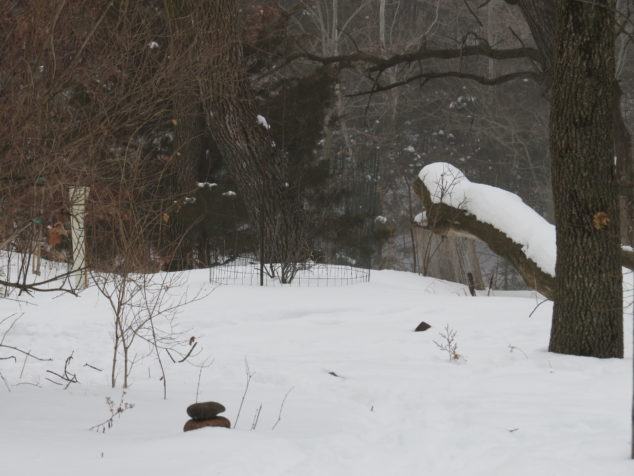
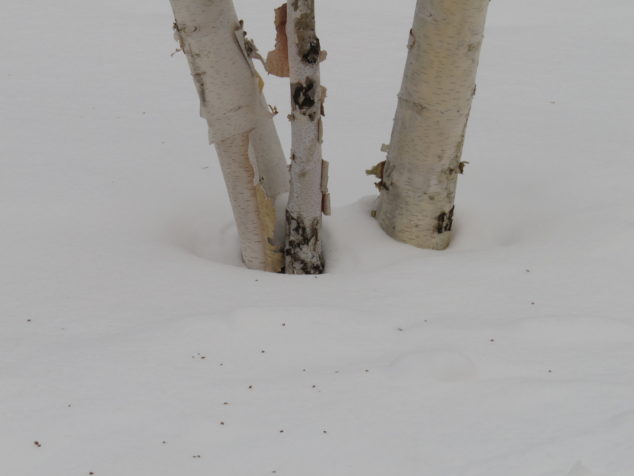
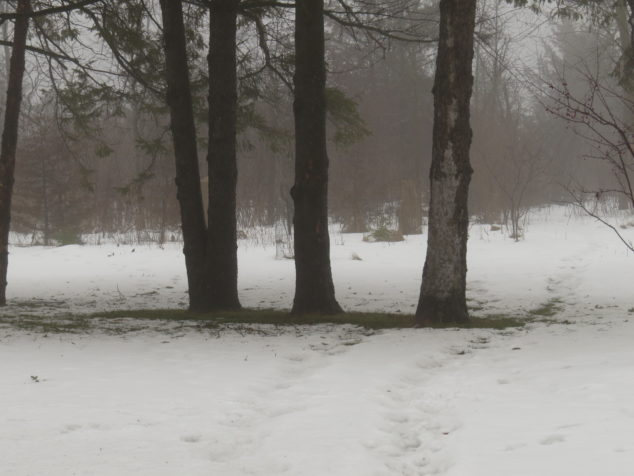
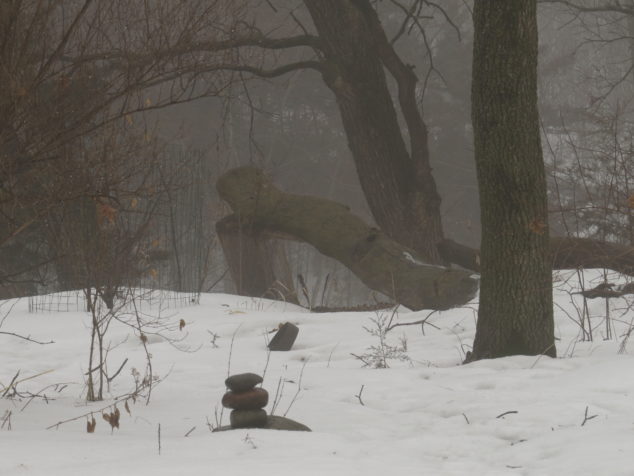
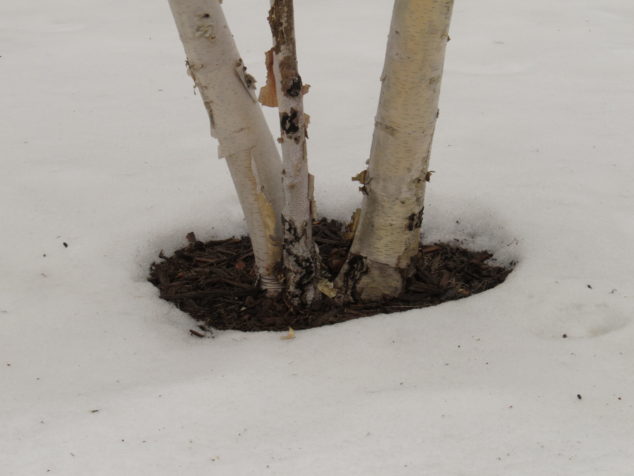
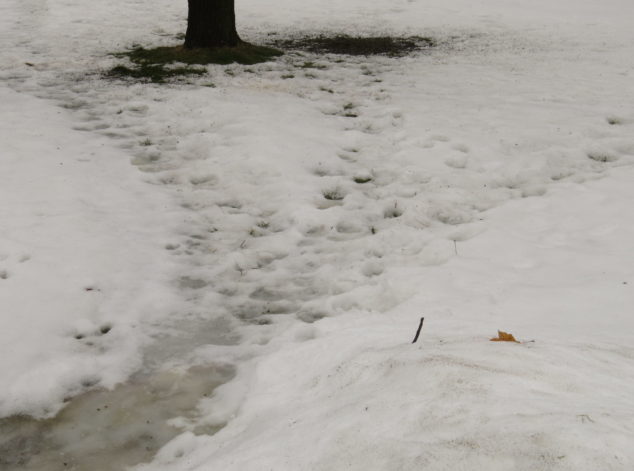
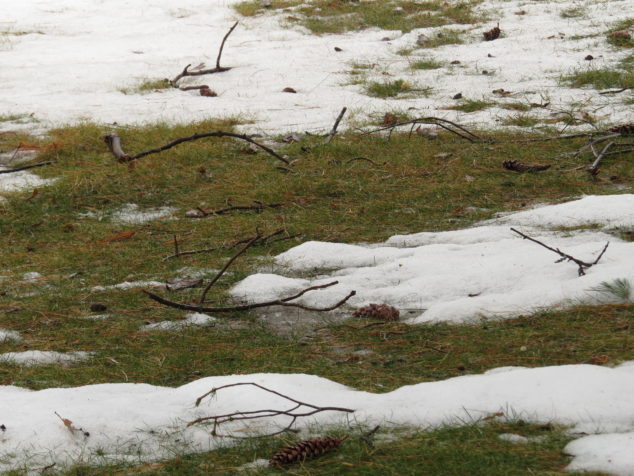
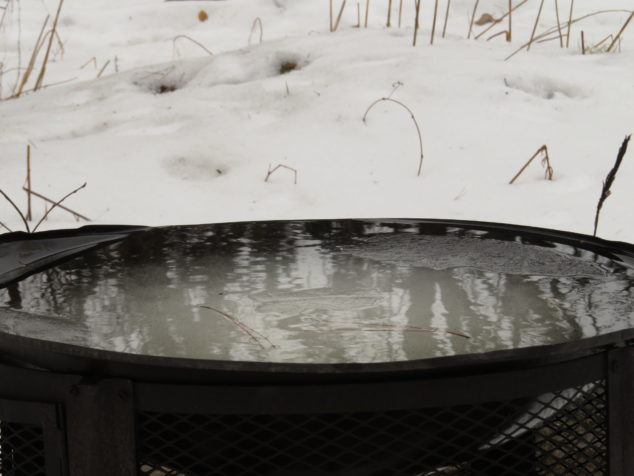
The meltdown of a toddler isn’t an aberration—it occurs within a normal developmental stage of growth when children are egocentric and often struggling with communicating their needs and wants. A meltdown is a reaction to feeling overwhelmed, and there is an underlying reason or reasons—they are tired, hungry, frustrated, bored, thirsty, and/or overstimulated, which often happens when our children are always on adult schedules. An attentive parent can anticipate problems and notice the signs that something isn’t quite right. Intervention with a snack, a nap, a change of plans, or attention can prevent a meltdown.
November was abnormally warm (Not Your Normal November), and we still had flowers blooming. This January meltdown is also out of the ordinary, with nighttime temperatures above freezing (32 degrees F) when they usually average 1-2 degrees above 0. We will have more snow and colder temperatures, but the whimpering has begun. As caretakers of this Earth, it is our responsibility to notice the signs that something isn’t quite right and intervene with positive actions. After all, we don’t want the meltdown to be a full-earth experience.
The Parable of the Flaming Sunset
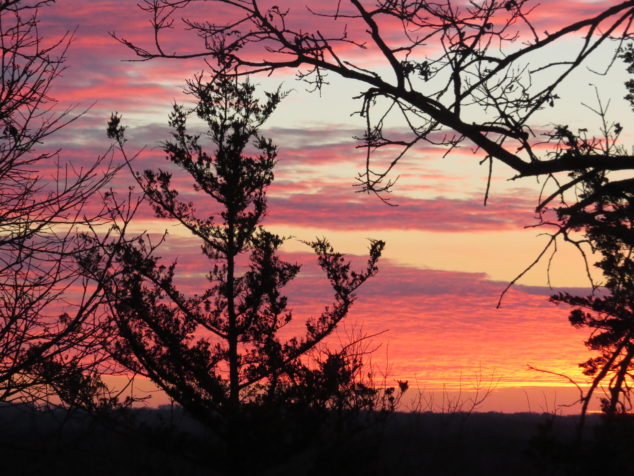
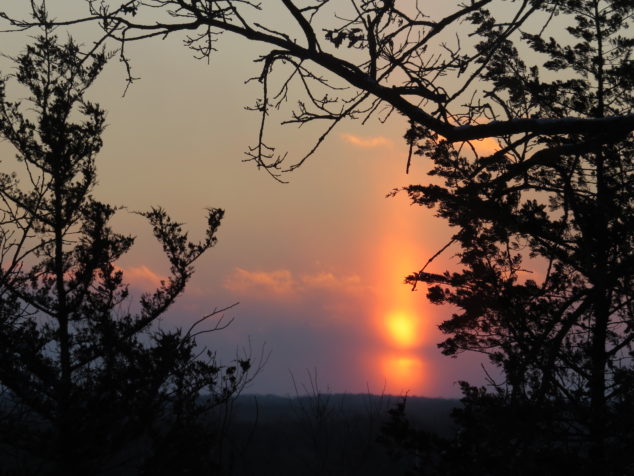
A day of snow ended with a flaming sunset that glowed warm yellow and orange in the center of the light. Cool pink and blue surrounded the flame, reflecting the cold whiteness of the January earth. The Old One knew this was no ordinary sunset—the light signified a special unfolding of time and events.
The next morning snow fell again. With it came an unusual occurrence—a large black crow flew to the tree beside the dwelling and spoke to the Old One. “Go to the top of the world where the Three Wise Guardians stand, then find the Giver of Life.”
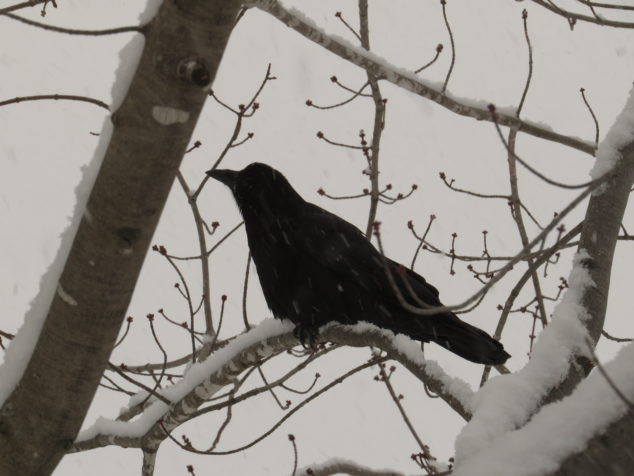
A second crow flew to the Maple tree and this time the message was for the Young One. “Make a path for the Old One, for the Old One has spent many years making a path for you.” A tiny Chickadee scribe marked the words of these extraordinary messengers.
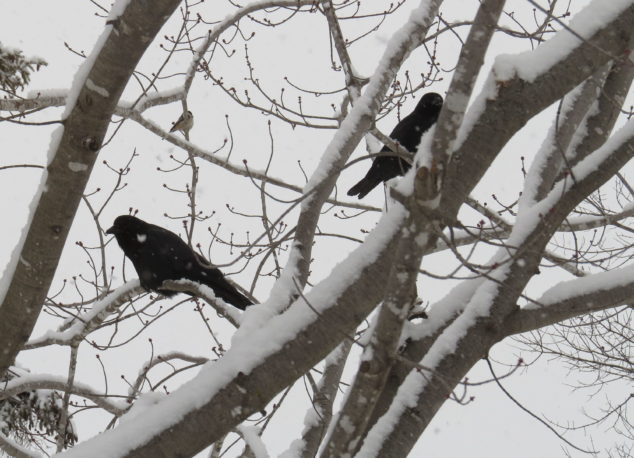
The Old One and the Young One looked at one another in dismay at the talking of the crows. Remembering the flaming sunset from the night before, the Old One prepared for the walk to the top of the world with hope and excitement. The snow stopped falling, and the sky became a brilliant blue, reflecting its tint on the snow.
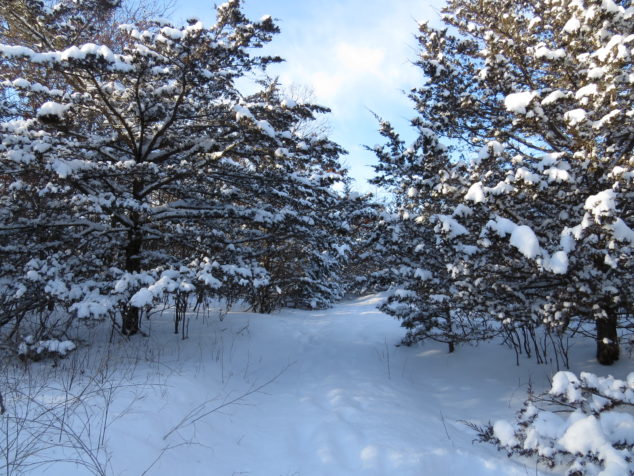
And as they walked through the snow, the Young One made a path for the Old One, just as the crow had instructed.
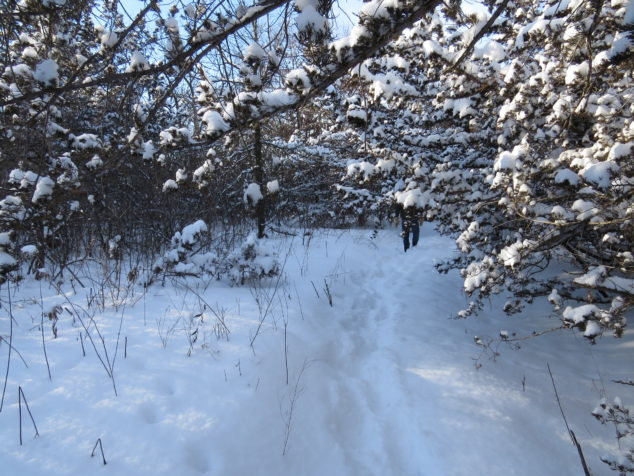
They reached the top of the world where the guardian Oaks stood strong and wind-swept.
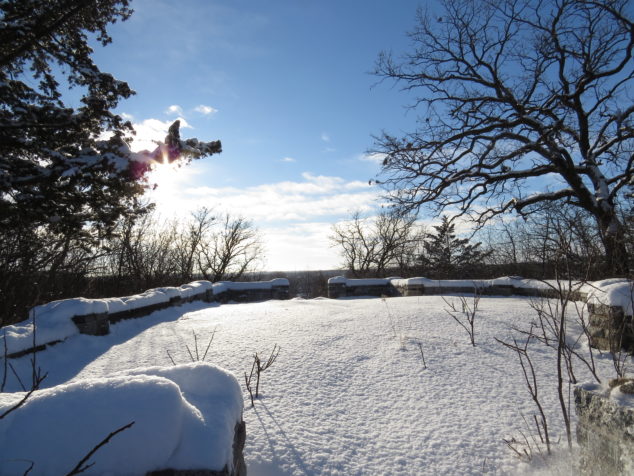
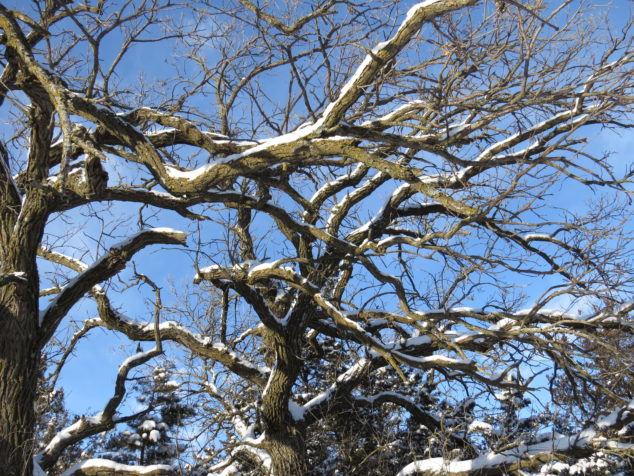
“Find the Giver of Life,” thought the Old One. So the Old One followed the Young One down the steep hill to the River, holding on to resilient saplings for support, and was glad the trail blazed by young legs made the going a little easier.
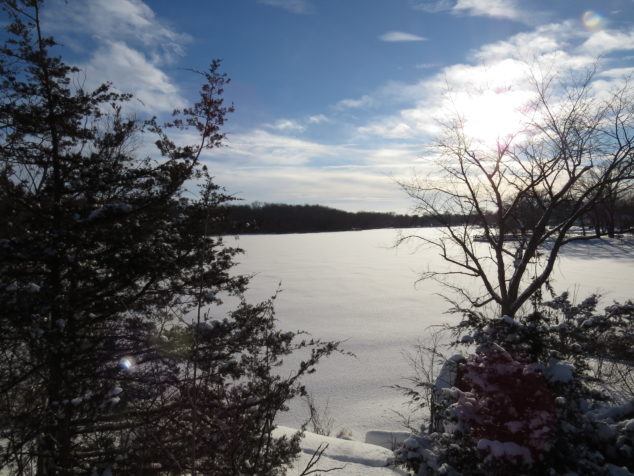
The River was covered in ice and snow. A circle of open water along the bank warned the Young One and Old One not to walk on the ice, for the flowing current underneath made the way uncertain and dangerous. So they walked between the shore and the rocky outcroppings.
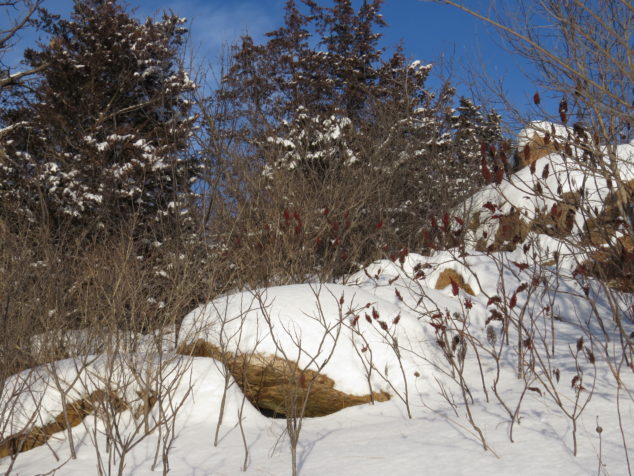
Old One stepped on something under the snow that crunched and gave away. Young One, who had walked the path before the snow, said it was trash, bags of trash. Old One was horrified that such a beautiful, life-giving place was littered with garbage. Dispirited, Old One turned to go back, wondering why the crows had sent them down to the River, the Giver of Life, only to find danger in the ice-covered river and rubbish strewn along its shores. All covered over with pure white, beautiful snow.
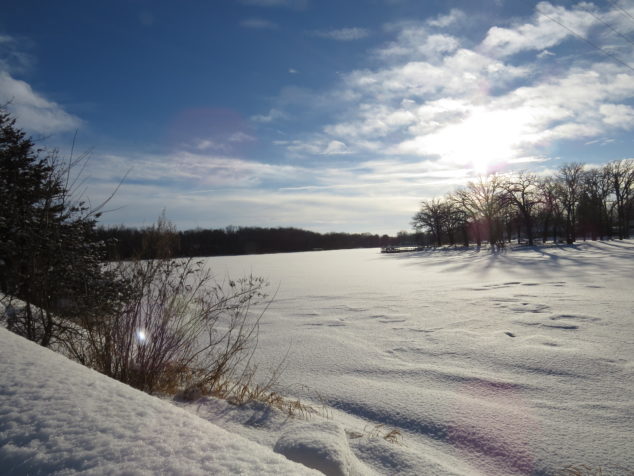
The walk back home was more difficult. The steep hill and frigid cold grabbed the air from Old One’s lungs. The trek that had started out so hopeful and inspiring had turned arduous and disheartening. What did the Three Wise Guardians at the top of the world know about the journey and what lay below their watchful eye?
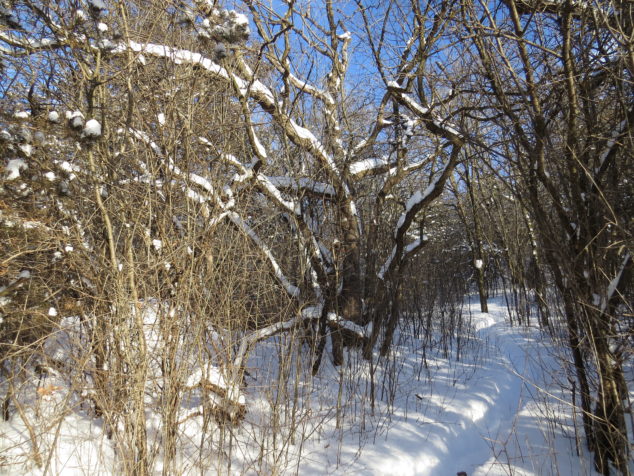
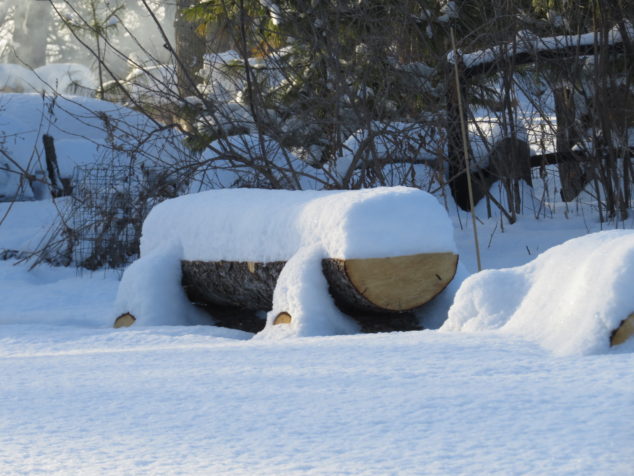
The Young One led the way with strength and silence, knowing the Old One was discouraged and slow but still determined. When almost home, the Young One pointed to a log that had been split in half. “Look. The snow has made the log whole again.”
“I will guide you. I will turn darkness into light before you and make the rough places smooth.” –Isaiah 42:16
Birds of a Feather
What if all the birds of the world looked and acted alike? How would this homogeneous population serve the earth? The winter birds bring activity, color, and beauty to the very coldest, bleakest part of our northern winters. With temperatures plunging below zero this week, our feeders filled with black oil sunflower seeds have been life-giving to the varied population of feathered and furred creatures.
I read a blog post recently that made me curious about how we perceive homogeneousness. Many are familiar with the term homogeneous from chemistry when substances are in the same phase or from geometry when angles are the same. Homogeneous is defined as ‘essentially alike.’ The writer of the blog post, in the most general definition, lives in a very homogeneous population, yet wrote with disdain about some of the people in his daily life who chose a different path from the writer. I thought, ‘Wow! If this person has disdain for people who are so ‘essentially alike’ him, it’s no wonder there is little tolerance for people who truly are different.’
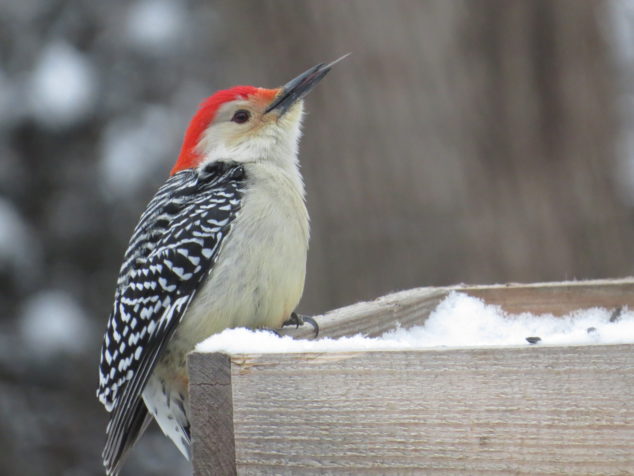
Heterogeneous means ‘different in kind; unlike.’ The different kinds of birds and creatures who come to our bird feeders in the winter showcase the diversity of Nature. The Red-bellied Woodpecker flies to the feeder and scatters all the other birds who are feeding there. His black and white barred feathers and red cap make him one of the showiest birds. His diet of mostly insects is supplemented by the seeds he collects and stores in the bark of trees.
The intelligent Blue Jay is the only bird that will challenge the Red-bellied Woodpecker as the dominant feeder bird. His loud calls and large size intimidate the smaller birds. Blue Jays love acorns and have been shown to cache 3-5,000 acorns in one autumn. It is believed that Blue Jays helped spread the growth of oak trees after the glacial period.
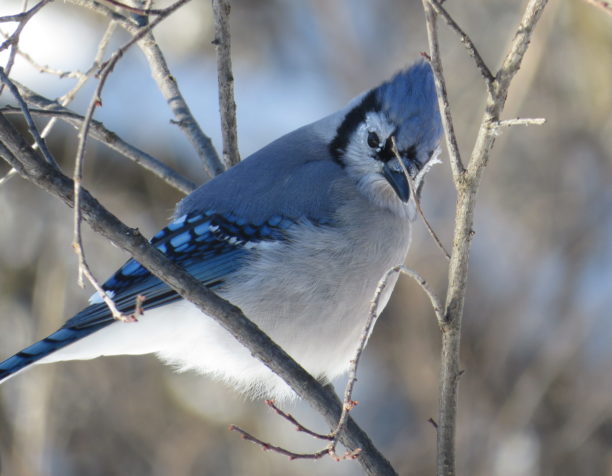
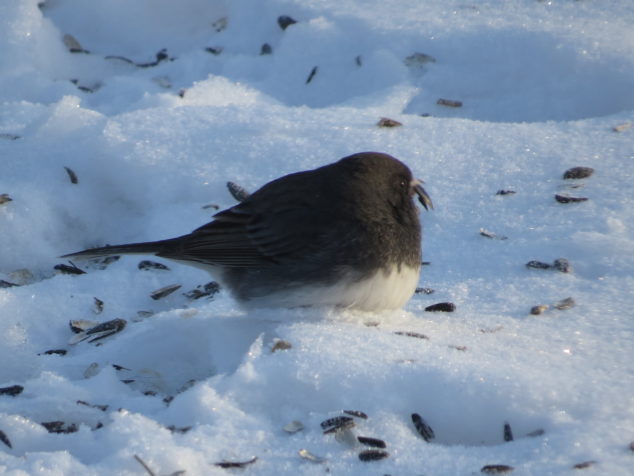
Dark-eyed Juncos are small sparrows, mainly seed eaters who hop instead of walk. They eat off the ground, scratching through leaf litter and snow to find their food. They are snowbirds who retreat north to Canada in spring and summer.
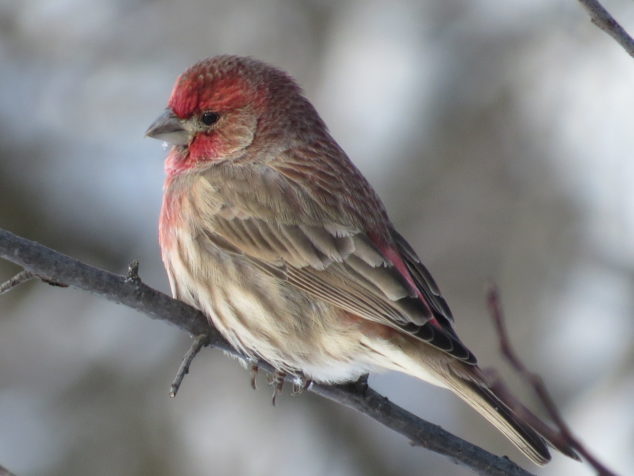
Purple Finches live near coniferous trees, eat berries, fruit, and weed seeds and love black oil sunflower seeds. The males have a rosy colored head, breast and rump patch while the females are mostly brown.
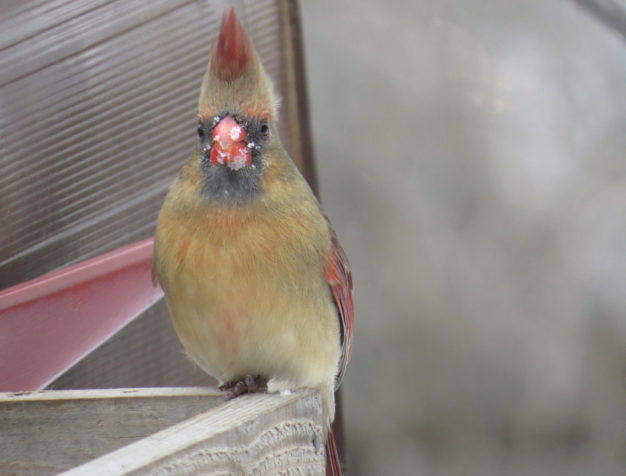
This female Cardinal was having a bad crest day one very windy morning. Usually the crests of Cardinals and Blue Jays are raised as a sign of aggression and down while feeding, but the wind had other plans. Both male and female Cardinals are obsessed with defending their territory and will attack their own reflection in windows, thinking it’s another bird.
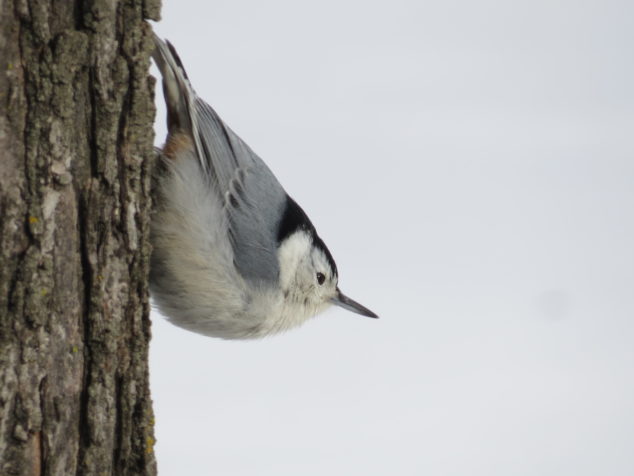
White-breasted Nuthatches eat mainly insects, but got their common name by storing large nuts and seeds in the crevices of tree bark, then whacking them with their bill to ‘hatch’ the seed out of it. They are often seen going sideways and upside down on the trunks of trees.
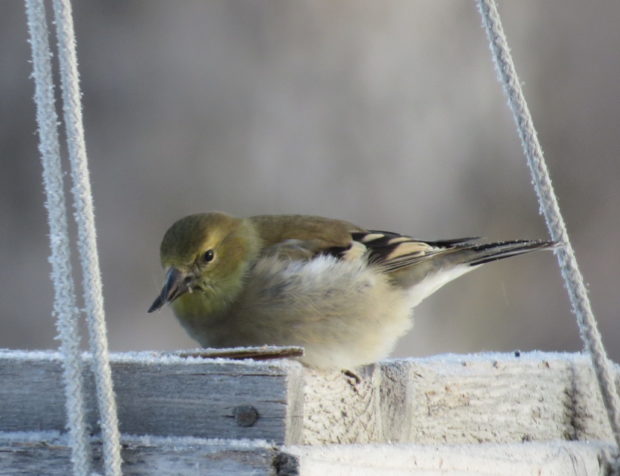
American Goldfinches are the only finch to molt twice a year, giving them a bright yellow feathered coat in the spring and summer and a dull, muted yellow coat in the fall and winter. Goldfinches are the strictest vegetarians and love thistle and aster seeds.
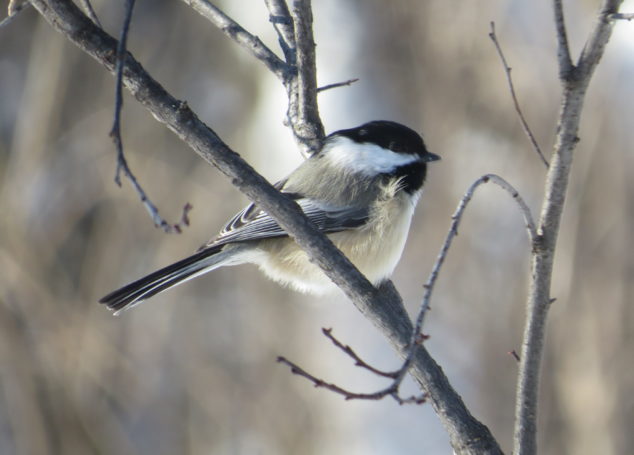
Curious and acrobatic Black-capped Chickadees flit to the feeder, grab a seed, and fly away to a branch to eat it or hide it for later. They can remember thousands of hiding places. Their namesake call of chickadee-dee-dee indicates a higher threat level with the more dee notes on the call.
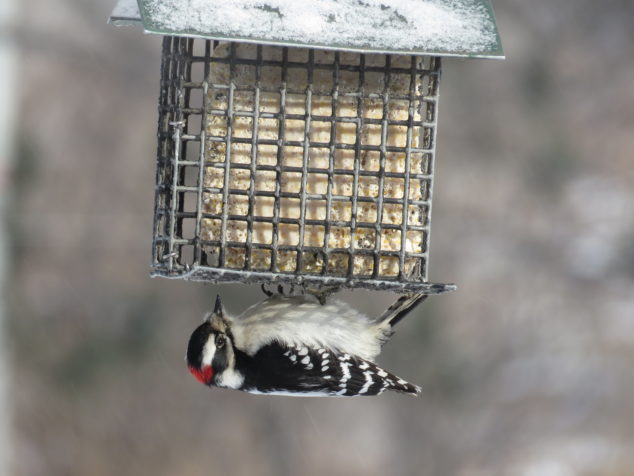
The small Downy Woodpecker eats mainly insects, including many pest insects, but likes the suet cakes in the winter. Only the male has a red patch on the back of his head. Downy Woodpeckers don’t sing songs but drum loudly on wood and metal during courtship for the same purpose.
The birds share the feeders and seeds with the squirrels…
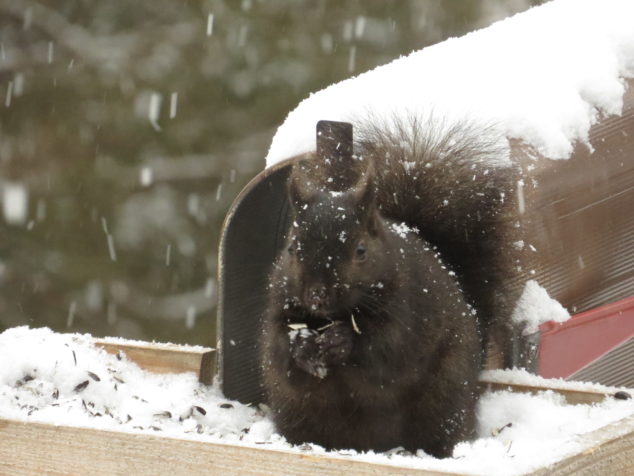
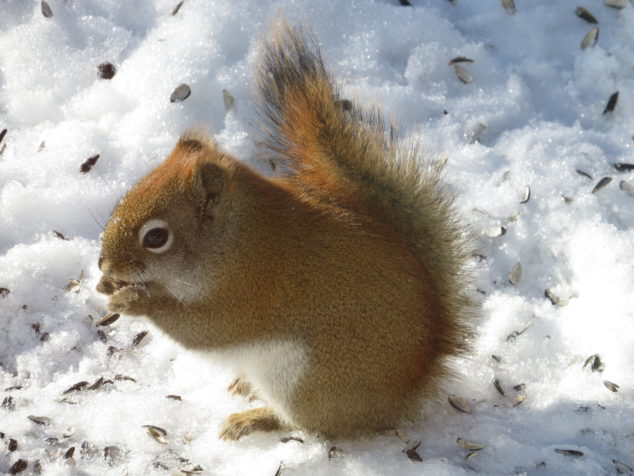
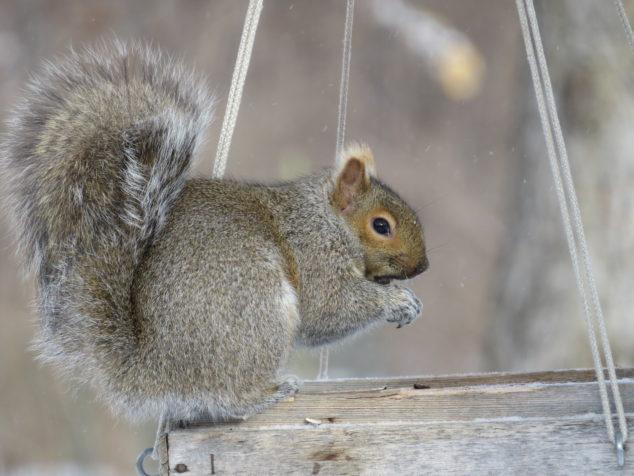
and rabbits, or maybe it is they that share with the birds.
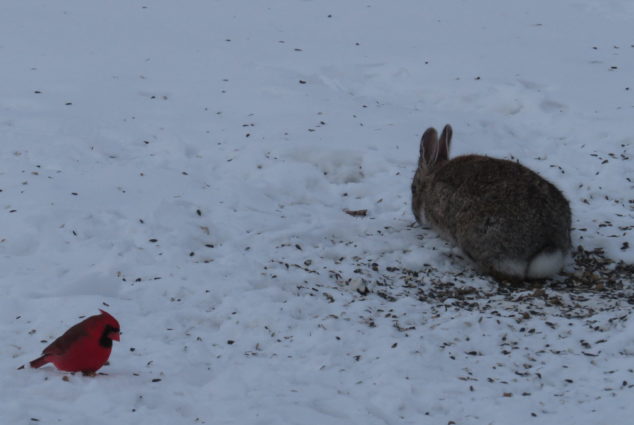
What if all the birds were alike? What if all of us humans were alike? How would these homogeneous populations serve the world? My guess is….not very well. The blog writer scorned others who were in essence very similar to himself, which gave the impression that he wanted all others to act and believe like he did in order for them to be worthy. God created a diverse world of birds, creatures, plants, trees, and humans. All have a place at the table, a role to fulfill, and a job to do in the grand scheme that is not ours, but God’s. Perhaps we need a biannual molt of ideas to show our new colors. Fighting to defend ourselves and our territory is innate and at times, necessary, but too often we end up attacking the reflection of ourselves.
Gleanings from December—Threshold of the New
Leaving the old, both worlds at once they view, That stand upon the threshold of the new. –Edmund Waller
I crossed the threshold into the white-steepled Lutheran church. The old, traditional sanctuary was simply and beautifully decorated for Christmas. In the small narthex was my Grandfather’s casket—rich, golden-hued wood, not fancy, just lovely, with a lining that had sheaves of wheat imprinted on it, and I thought to myself, “How perfect.” My father’s father was a small man, a farmer, born in a sod house in the Dakota Territory in 1884, before South Dakota became a state. I was in my second year of college, and this was the first death of someone close to me. He had lived at home until two or three days before his death, had received communion from his pastor in those twilight hours of his life, and slipped away in peace. He was 93 years old. It was a funeral of celebration, the most peaceful and almost joyful funeral I have ever attended.
Nine years and two days after his death, I gave birth to our first daughter, in a hospital decorated for Christmas.
My sweet Grandma Irene died after a lengthy stay in a nursing home at the age of 94. She was a teacher and a farmer’s wife. She cared about people more than anyone I have ever known. She was a great cook, a dedicated artist, and had a wonderful laugh. The funeral was held in the Lutheran church where Chris and I were married, and it was joyfully decorated with a large tree, wreaths, and banners.
Twenty-one years before that day, I had given birth to our second daughter, in a hospital decorated for Christmas.
My Dad died a year and five days ago. He was a cowboy, mechanic, and builder. I found out about his death as I stood in our Minnesota home amidst the smell of the fir tree, the sparking lights, the greenery, and the nativity scenes.
Twenty-three years minus two days before his death, I gave birth to our son, in a hospital decorated for Christmas.
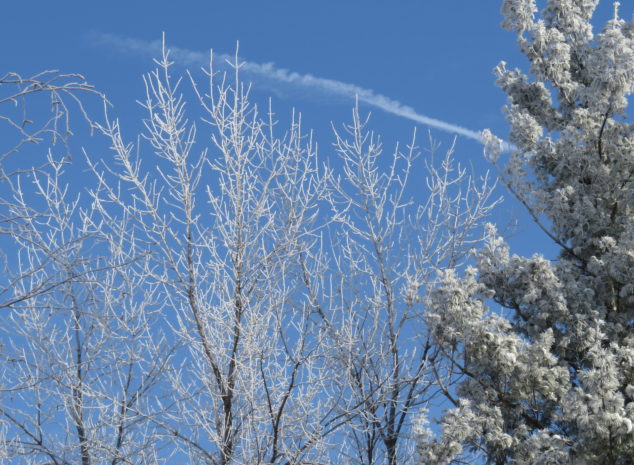
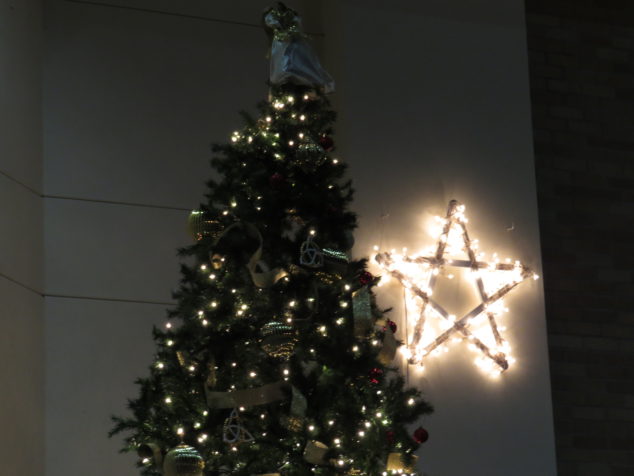
So…December. The last two weeks of December have always been beautiful, busy, bustling, and bright. As the years have passed, and the kids are gone from the nest and loved ones are gone from this earth, it has also been bittersweet. It is a time of transition, from the old year to the new—in birthday years and calendar years. December was a month of crazy weather transitions with snow, ice, rain, and bitter cold. Blue skies and frosty days painted the landscape with diamonds of ice crystals.
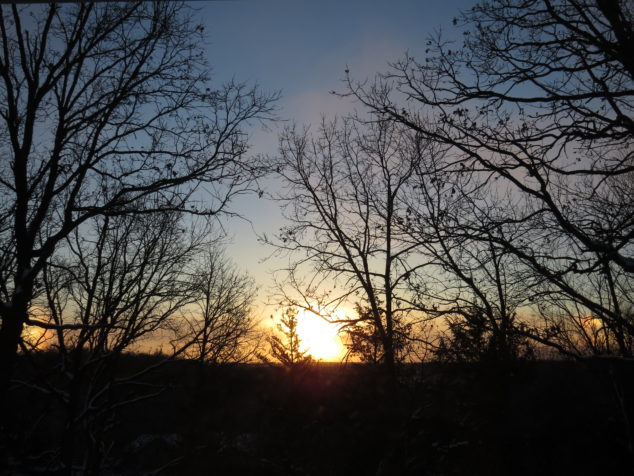
Twilight thresholds of a sundog sunset—like three suns setting…
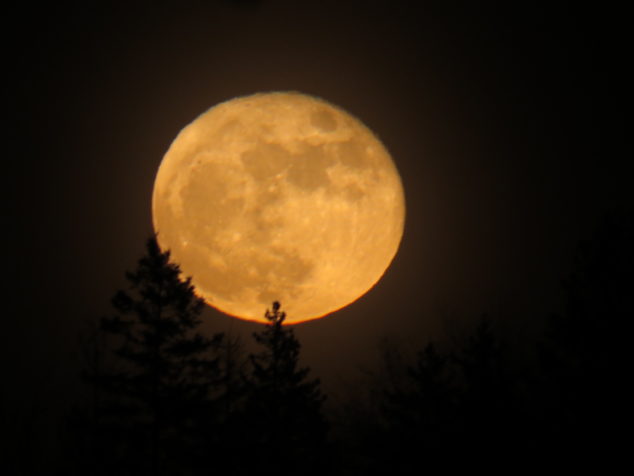
…and a full-moon rising, nestled in the pine and spruce boughs.
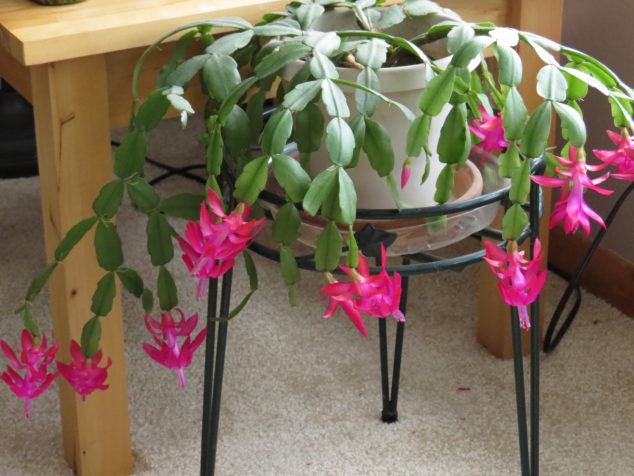
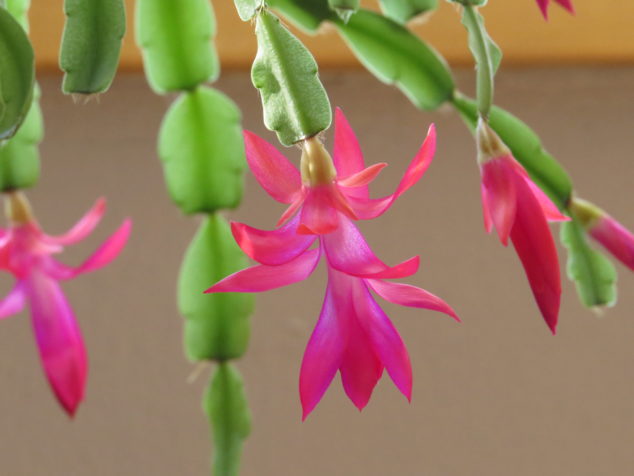
A bright spot in December was the annual blooming of the Christmas cactus. My plant is a cutting from the very large, old Christmas cactus that belonged to my great-grandma Anna on my Mom’s side of the family. It was passed down to Anna’s daughter Edith, with cuttings to my Mom and then to me.
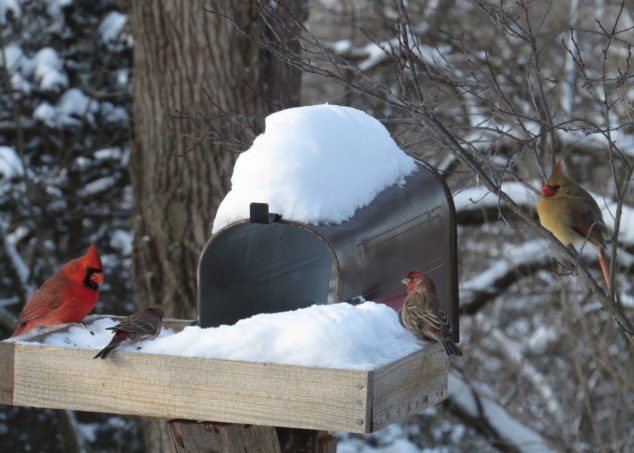
The winter birds returned to the feeders, their daily feeding times a joyous and energetic ritual—the epitome of living in the moment.
The end of a month, the end of a year, the beginning of a new month, the beginning of a new year. We’re standing on the threshold—looking back at the old in all its certainty, looking forward to the new with anticipation and wonder. Like those days of loss when the world would never be the same without our loved ones, and we looked forward with sorrow and trepidation. Like those glorious birth days, when our world turned upside down and we didn’t know what lay in store for us, but we looked forward with excitement, joy, and love. Nature offers us those threshold times every day with each twilight—the day coming to an end at dusk with the setting of the sun and a new day dawning as the sun rises. Seasons and years slowly and consistently transition, remaining steadfast as we cross the threshold marked by the calendar. The threads that tie the old with the new are many—the love of our families, the expression of our talents, the DNA that links us, and even the generations-old Christmas cactus that blooms each December. These threads give us the courage to step forward through the threshold with hope and determination. We can be like the feeding birds and show up in our present moment with joy and energy. The Latin word for threshold is ‘limen’, the root word for liminal space and liminality. David Guyor defines threshold or liminal space as ” the place or the experience where we are getting ourselves ready to move across the limits of what we were into what we are to be.” Sometimes those thresholds are thrust upon us and we are blindsided, and our recovery and action are slow and self-protecting; other times we stand at the threshold of our choosing with determination and power. Gather up the threads from the past that serve and sustain us and let them carry us across the liminal space into what we are to be. Happy New Year!
Santa Lucia–The Lightbringer
We arrived at Salem Lutheran Church before 7:00 am and took our seats in the candlelit sanctuary. The pews were filled with smiling parishioners, many of whom wore colorful Nordic print sweaters to chase away the extreme cold and to proclaim their Scandinavian pride. My 100% Scandinavian genes were feeling a little envious. After the handbell prelude, we listened while the first verse of the processional song ‘Sankta Lucia’ was sung in Swedish, then joined in for the English version: Night’s heavy footprints lie / ‘Round farm and toil / Spirits shall haunt the world / Shadows on soil / In our dark house at night / Rising with candles bright / Santa Lucia, Santa Lucia // Night’s full of black and gloom / Now hear her swing / Through all our darkened rooms / On her sweet wings / At our door clad in white / Wearing a crown of light / Santa Lucia, Santa Lucia
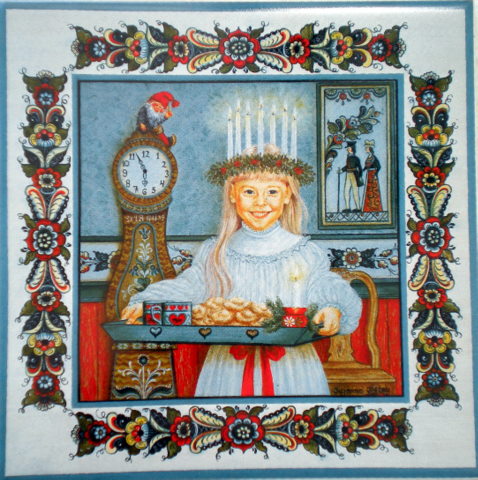
Santa Lucia (Saint Lucy) was a young Christian from Syracuse, Sicily who refused to marry her pagan husband and was martyred in 304 A.D. Many legends surround Santa Lucia—that she carried baskets of food to persecuted Christians in the catacombs with a wreath of candles on her head to light the way, and that she appeared after her death at the bow of a ship carrying food to the starving people of Varmland, Sweden. She was clothed in white with a crown of light circling her head. Her feast day is December 13th which coincided with the Winter Solstice during the Julian calendar. Santa Lucia’s Day, the 13th, marks the beginning of the Christmas season in Sweden.
Sweden and at least parts of Finland, Norway, and Denmark celebrate Lucia as the symbol of light and hope during the darkest time of the year. In villages and households, a chosen Santa Lucia carries coffee and pastries—often lussekatter, sweet saffron buns—to villagers and family members. Denmark’s first Lucia procession was held during Nazi occupation of the mid-1940’s to show peaceful resistance and offer a reminder of hope. **
At Salem Lutheran Church, Tomtars and Star Boys, Saint Knut, and Lucia with her Tarnors or handmaidens processed down the aisle with candles and bells and sat at the front of the church during the service. As we sang and prayed, daylight gradually revealed the amazing stained glass window above the alter. After the service, all were invited to the Great Hall for Scandinavian pastries, coffee, and lingonberry glogg!
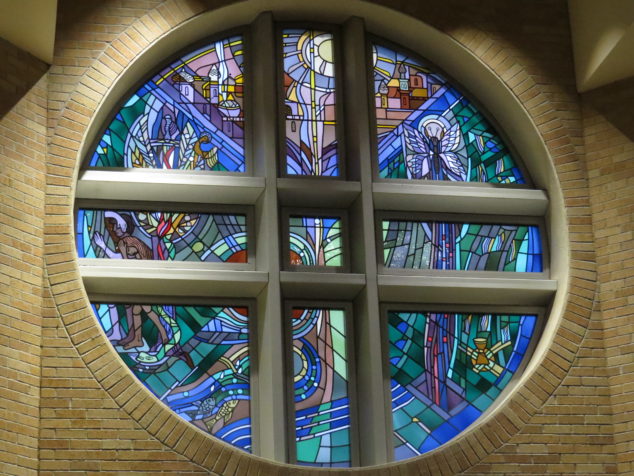
Today, on this 21st day of December, we celebrate the Winter Solstice, the first Day of Winter. We have reached the shortest day of the year, the longest night. Santa Lucia is celebrated in Sweden and other northern countries as the Lightbringer of faith, hope, and good things to come. Her light shines through the darkness as she brings food for the hungry and needy. She heralds in the Christmas season. On this longest night, I wish for all of us the Light of generosity and compassion, the Light of warm housing and abundant food, the Light of forgiveness and peace, and most of all the Light of Love. May we all be bearers of Light. God Jul!*
*Happy/Merry Christmas in Swedish
**Santa Lucia image from Google images
‘The Breath of the Buffalo in the Wintertime’
It’s been a year now since my Dad moved through his final days of life, receiving hospice care on Christmas Day and for two short days after that. I still have the notes I took each time I talked to him while he was in the hospital and rehab center. I still have his phone number under Dad in my cell phone, though no one’s there to answer. I still have the picture of him in my mind of how he looked when I saw him for the last time two months before he died. His hair and beard were white and long. The sharp pain of his passing has waned, and I find myself carrying gratitude for him, his life, and his stories.
One story he told about his childhood years was riding to the nearby town of Badger in the horse-drawn sleigh. Grandpa would harness and hitch up the horses, and then the whole family would pile into the sleigh and cover themselves with a big buffalo robe—the tanned hide of a buffalo with the hair left on it. Dad said it was the warmest blanket for traveling across the snow-covered prairie in an open sleigh.
We’ve been having a bit of a cold spell here in Minnesota over the past week or so—temperatures in the teens or single digits with wind chills up to 25 below zero, with last night’s actual temperature a frigid 25 below! January weather before the Winter Solstice. During this cold weather last Saturday, we visited a Christmas tree farm that offers horse-drawn sleigh rides (or wagon, if not enough snow) to see their buffalo. The big, black Percherons stood in front of the hitching post, patiently waiting for the next group of bundled sight-seers. We were not among the bundled, but the horses, the cold, and the buffalo reminded me of Dad’s story of winter prairie life.
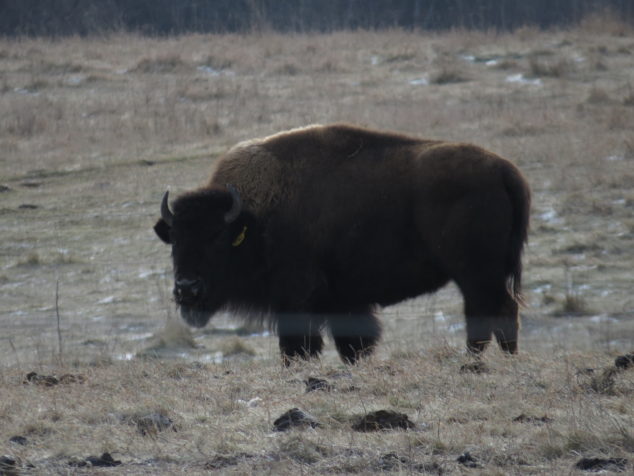
One buffalo was standing his ground while the others grazed or ate hay. His moisture-laden breath wreathed his big head and froze on his muzzle like a great white beard.
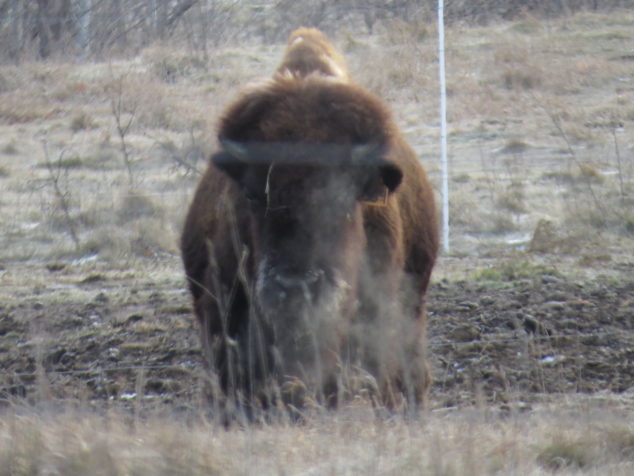
“What is life? It is the flash of a firefly in the night. It is the breath of the buffalo in the wintertime. It is the little shadow which runs across the grass and loses itself in the sunset.” –Crowfoot, Blackfoot warrior and orator
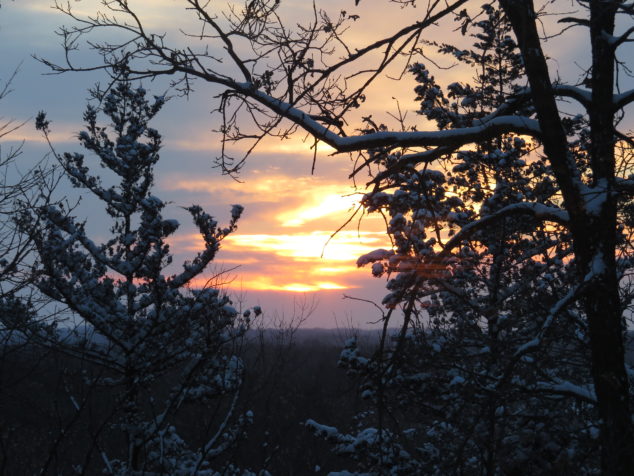
What is life? Would we even know without the pain and poignancy of death? Crowfoot reminds us that life is the little things that happen in our world—the flash of a firefly, the frozen breath of a buffalo, notes from a phone call, childhood stories, a sunset, and a hug good-bye. Christmas and other holidays feel different when our loved ones are no longer in our lives—through death or by choice. There are missing pieces that dampen the joy and celebration. And while the sharp pain subsides with time, the loss chills our hearts in small but real ways. So I cover myself with the buffalo robe of memories—it’s the warmest way for traversing this new path.
- « Previous Page
- 1
- …
- 29
- 30
- 31
- 32
- 33
- …
- 50
- Next Page »