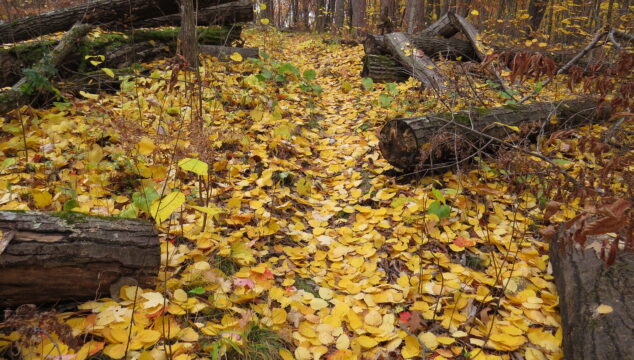
Come walk with me in the peak Autumn beauty of the Northwoods. To say that I love this time of year is an understatement. Most everyone can appreciate the colorful falling leaves---it reveals the 'true self' of a tree when its leaves are no longer producing chlorophyll. Their true colors are revealed, and there is something simple … [Read More...]
The Prairie and the Grazing Buffalo
I love the prairie, and I mourn the demise of it as more and more prairie grasslands are tilled and converted to row crop farming. The prairie ecosystem evolved with the American bison—and the buffalo became the source of life for the Native Americans of the Great Plains. The closely interwoven relationships between prairie, buffalo, and Native Americans have been severed, for the most part, for oh so many reasons. Yet there is a pull to preserve that way of life, even in the smallest of ways, because of what we can learn from the prairie, from the buffalo, and from the people whose lives intertwined with both.
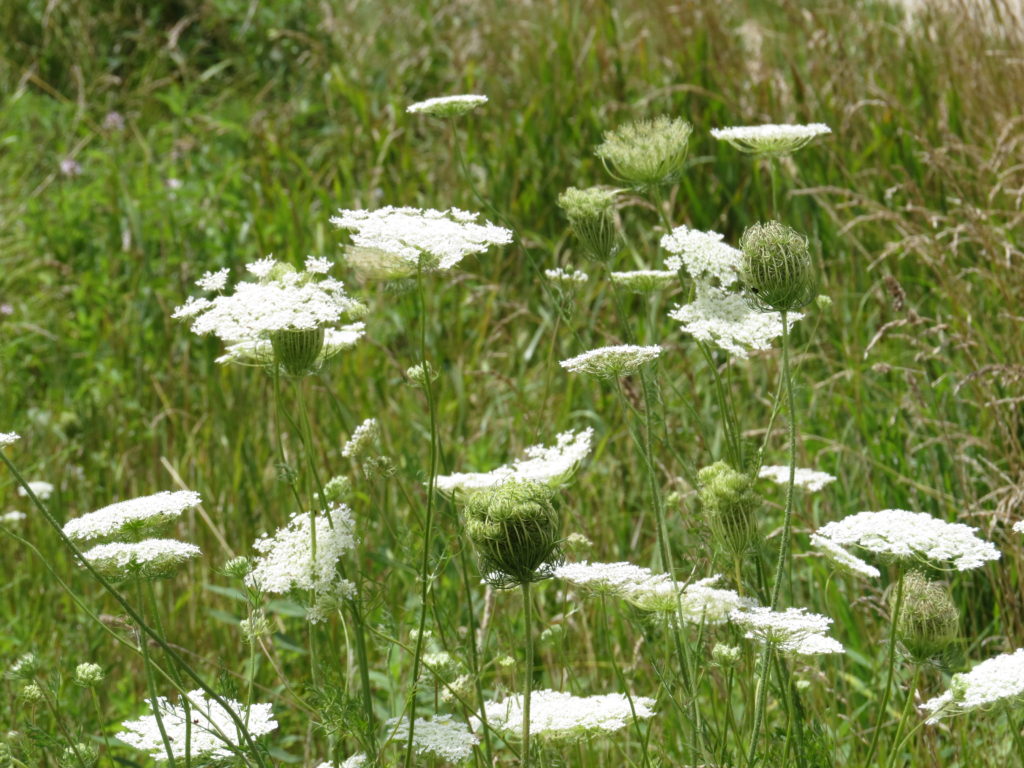
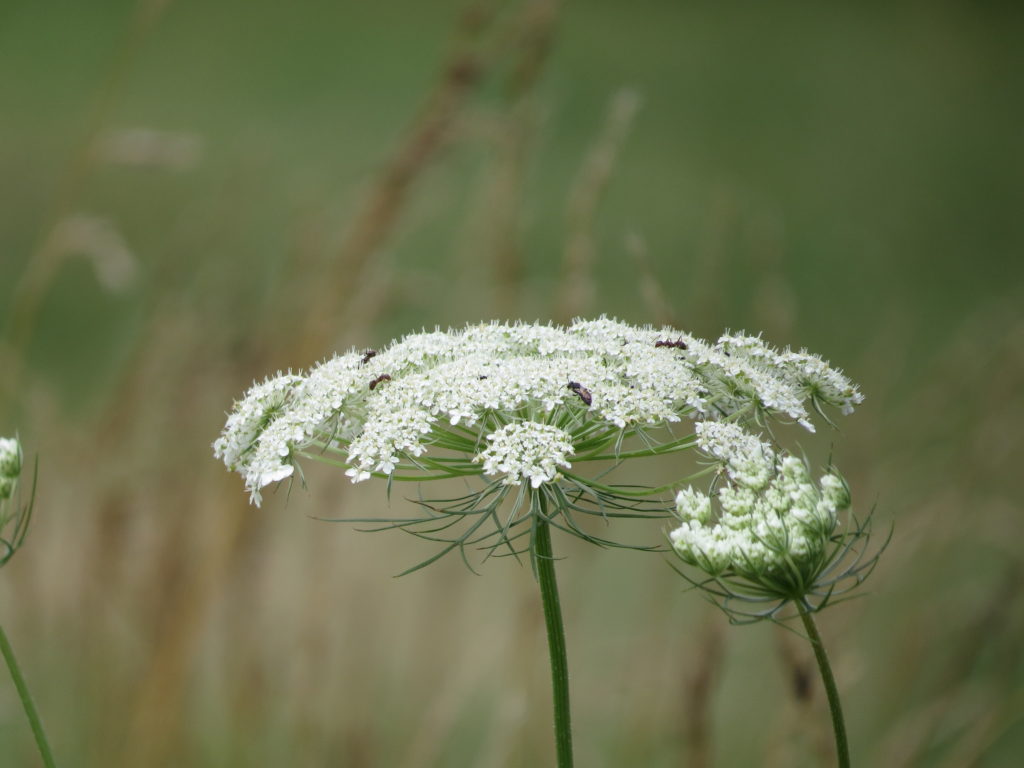
Driving along the highways in Missouri in the month of July, one notices a sweet triad of color, shape, and form—Queen Anne’s Lace, blue Chicory, and Purple Clover. Tall, willowy Queen Anne’s Lace, a member of the carrot family, is the most striking of the three with large, lacy flower heads that sway in the breeze. We stopped at the Eagleville rest area on southbound I-35, the welcome center for Missouri. A large prairie area with a mown walking path covers the hillside behind the building, and Queen Anne’s Lace grows along the periphery.
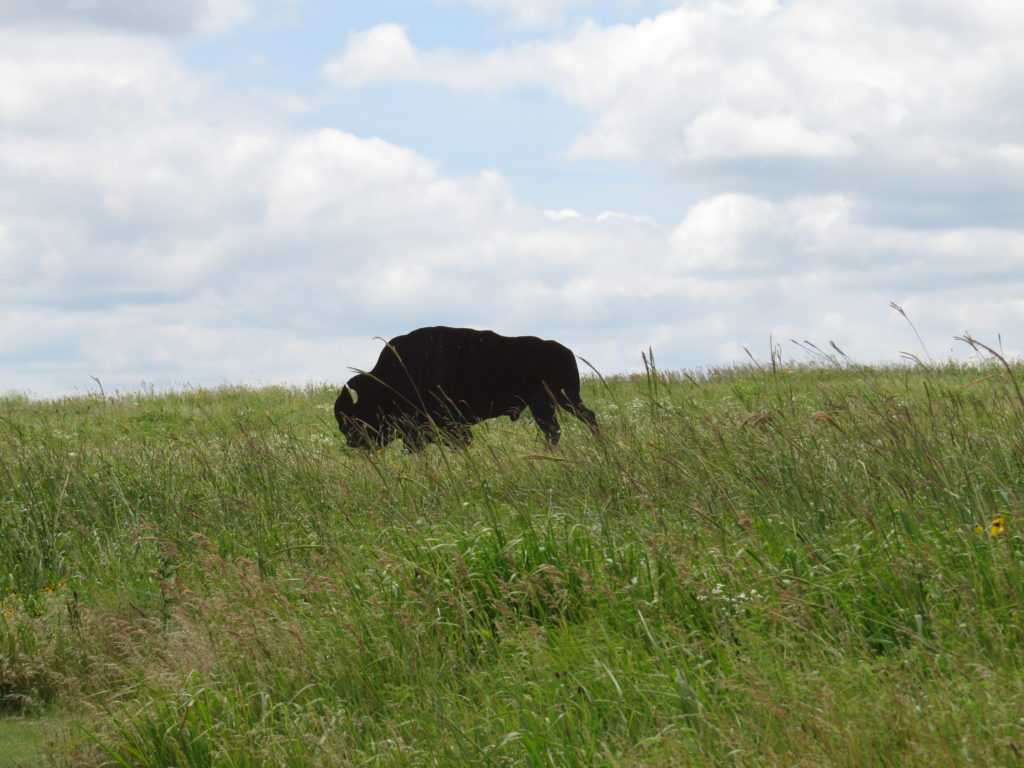
Up on the hill, a grazing buffalo dropped his large head into the tall prairie grass. Animals need to feel ‘safe enough’ to graze—if there is a threat or danger of any kind in the area, they won’t be eating. Grazing or feeding and digestion are processes that are undertaken when the body is relaxed (a parasympathetic state.)
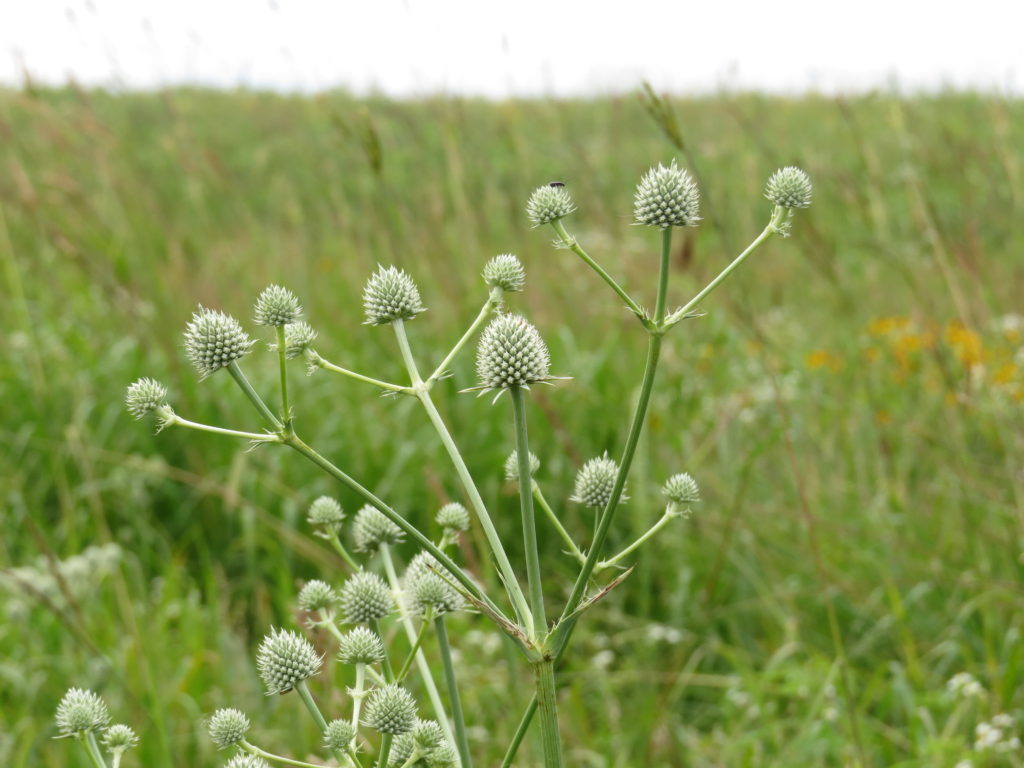
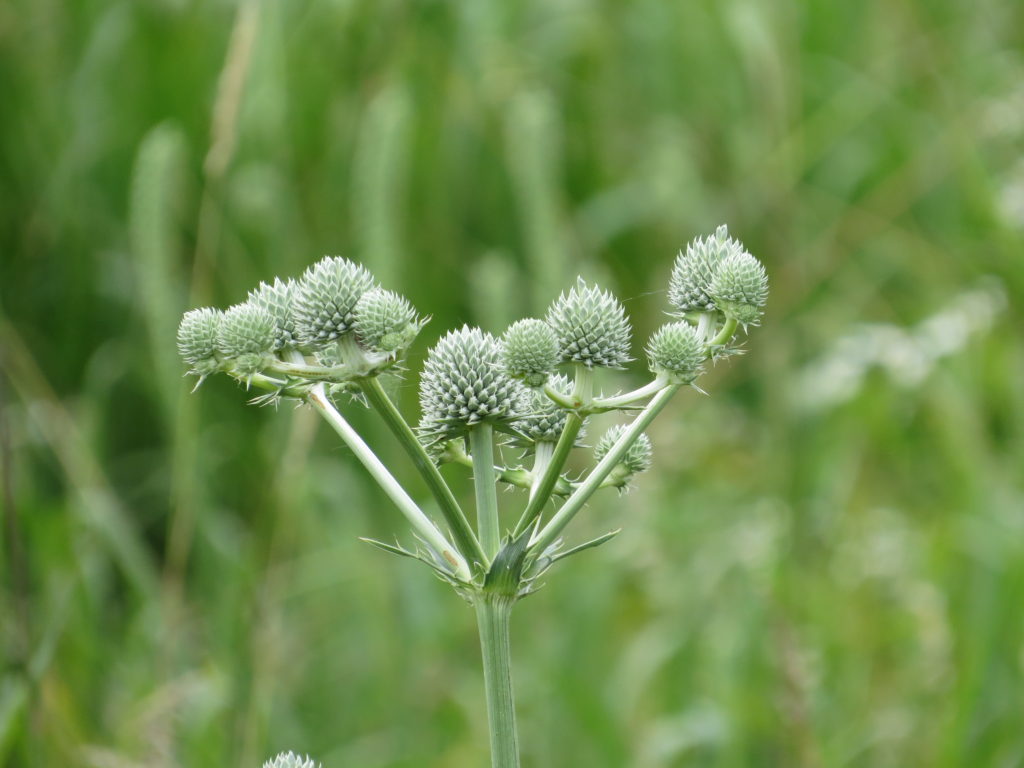
Another eye-catching and unusual plant in the tall grass prairie is Rattlesnake Master. Along with its great name, this plant is also a member of the carrot family. The gray-green seedheads hold small clusters of white flowers and were dried and used as rattles by native people.
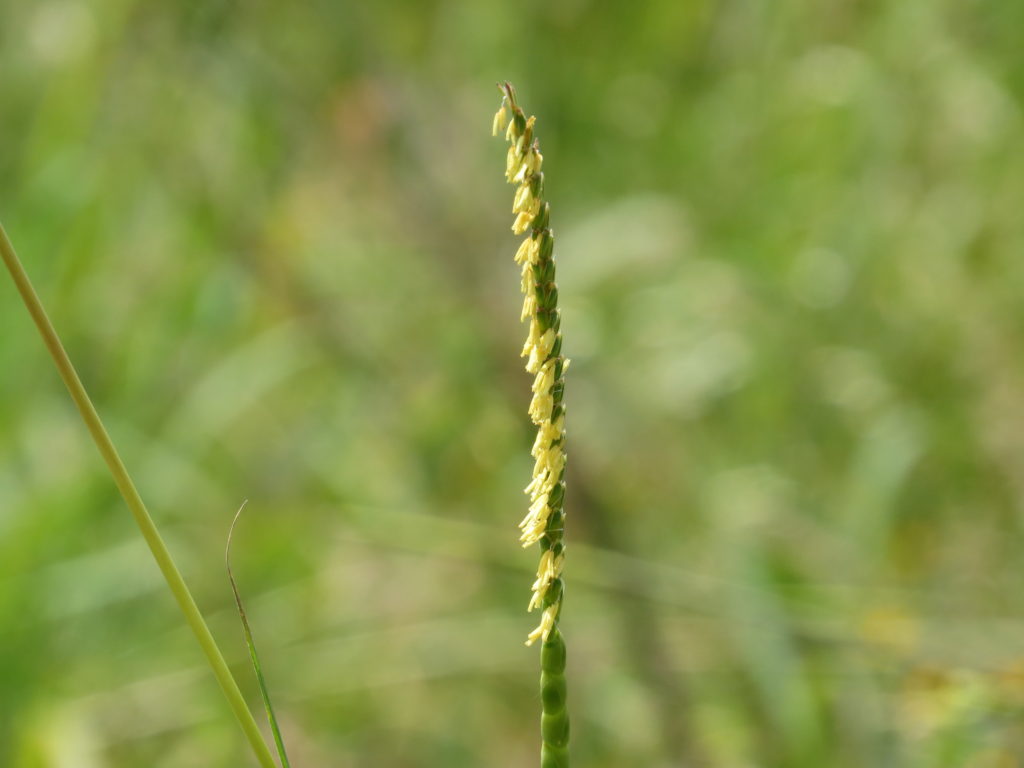
We don’t often think about grasses flowering, but every plant that produces seeds has some kind of flower, as indistinct as it may be.
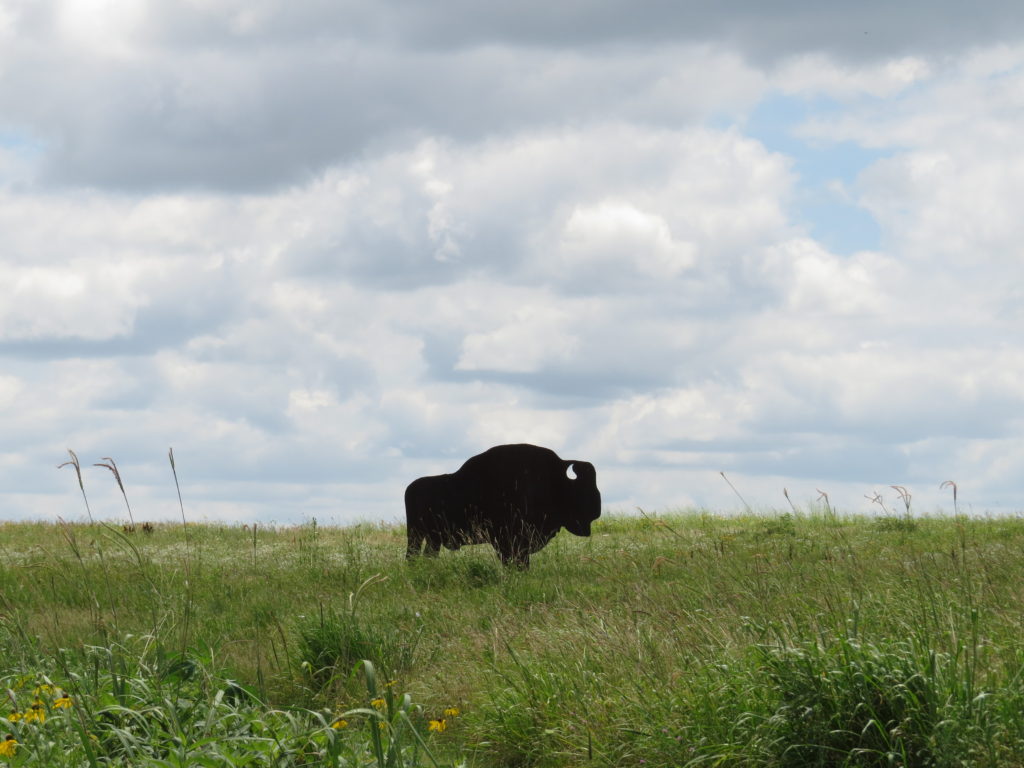
A standing buffalo on the hill was alert and watchful. Often herds of animals will have a sentry or ‘look out’ who will be aware of the surroundings and will warn others if there is some danger or predator.
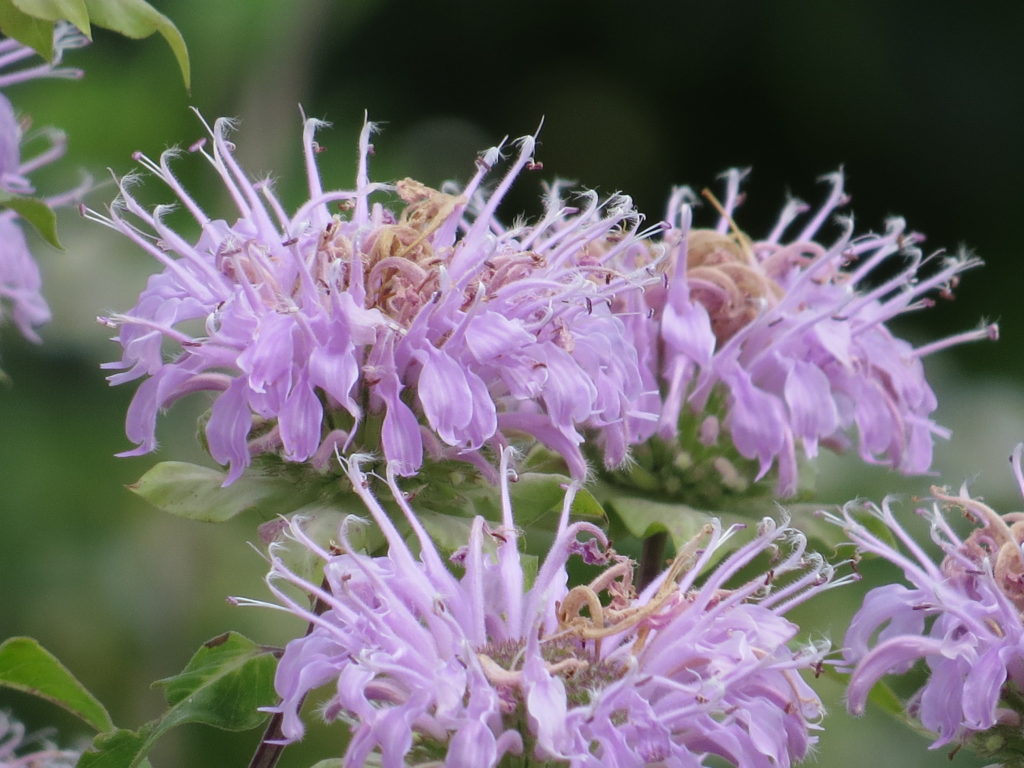
Spiky crowns of lavender flower petals top Wild Bergamot or Bee Balm. Native Americans used teas and tinctures of this minty plant to treat respiratory illness and other ailments.
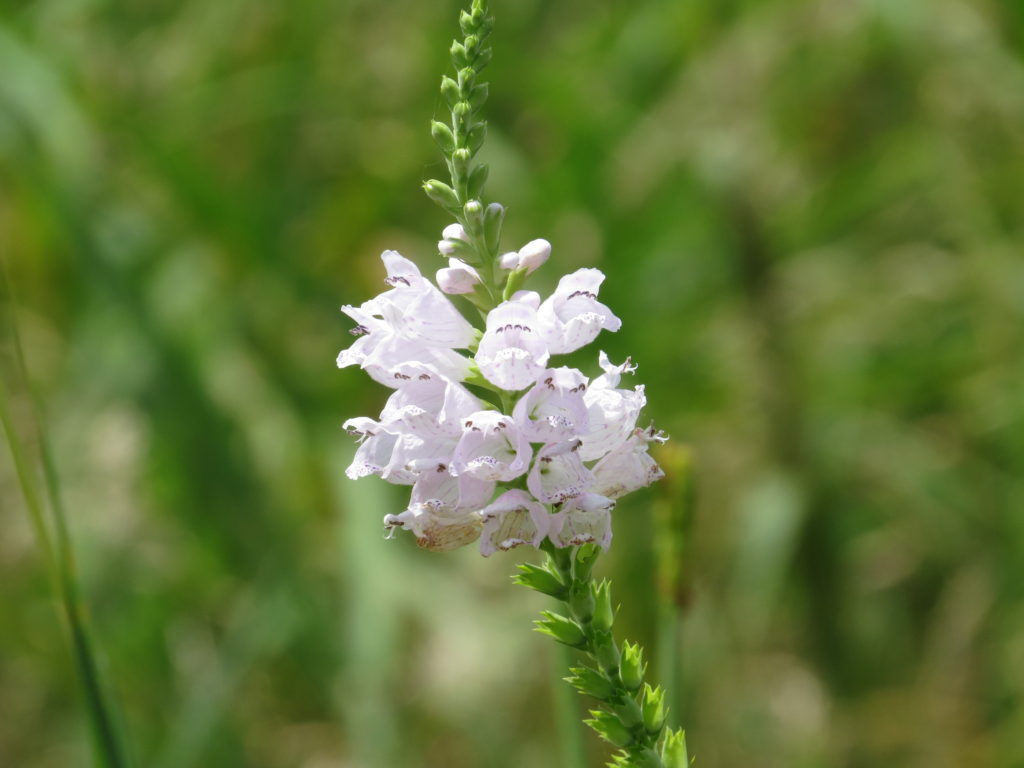
Another member of the Mint family is the Obedient Plant with snapdragon-like flowers that will stay in position after being turned in a certain way.
A charging buffalo haunched down in the prairie grass, head lowered, muscles taut, tail lifted. When danger has threatened the herd, energy is activated (sympathetic response), and the animals run or fight. (Running is the usual first line of defense. Males and closely threatened mamas will turn and fight.)

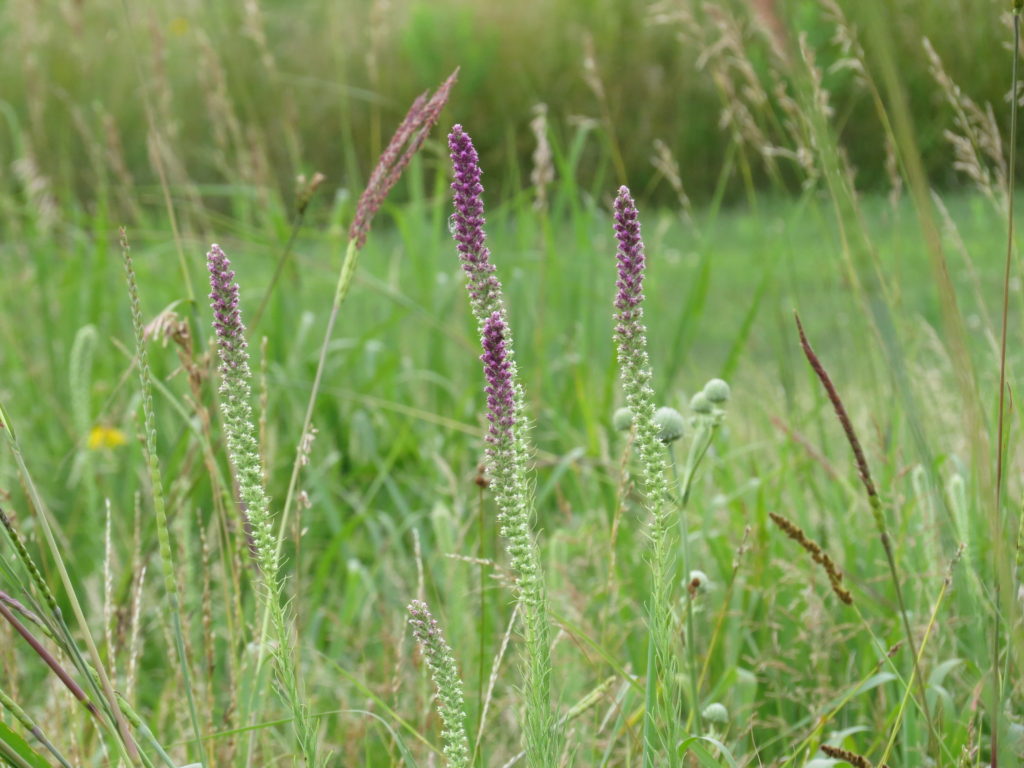
Blazing star or Liatris was just beginning to bloom from the top down on the purple-flowering spikes.
Dogbane is a toxic plant that was used by some native tribes as a fiber. The stems were rolled into strong, fine threads and twines.

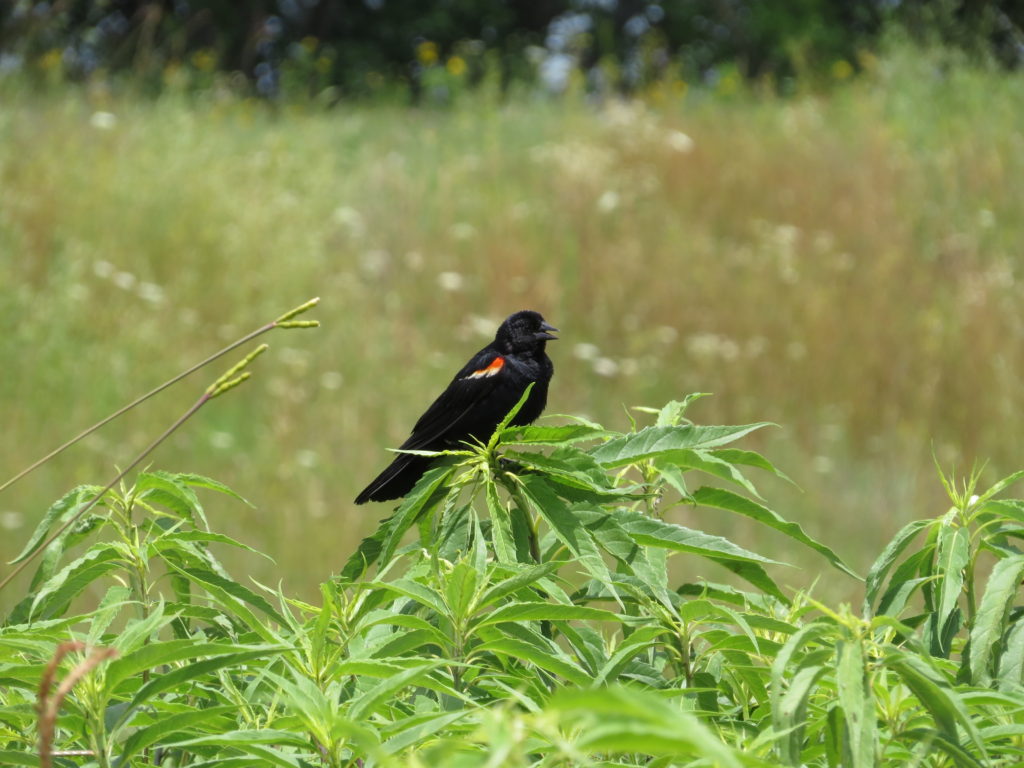
While walking the prairie, stretching my legs, and appreciating the summer grasses and wildflowers, a Red-winged Blackbird chatted and sang its summer song.
To me, walking through a prairie feels like ‘coming home.’ It is familiar, reliable, sustainable, and beautiful—like a sanctuary. It relaxes my body, calms my mind, and feeds my soul. The wide-open sky gives me perspective on how small each of us really is compared with the world at large. The prairie grasses and plants remind me that, as small as we each are, we are part of an ecosystem or community that works together to create the greater whole. We grow and bloom in our own unique and wonderful ways. The buffalo sculptures were produced by Creative Edge Master Shop in Fairfield, Iowa, a great tribute to the icons of the prairie. Their depictions of the different states of the herd animals reflect the physiology of every mammal, including humans. One state not depicted, or not seen at least, was that of the freeze state—like that of a young calf lying in the grass, hiding from danger. Freeze, fight or flight, and rest and digest are all states that we humans slide in and out of automatically, just like the buffalo. Ideally, we would spend most of our time between the alert, aware, yet calm state and the relaxed rest and digest state, and use the freeze and fight only when absolutely needed. But how often do we find ourselves immobilized by some threat or fear? How often do we feel like running away from our life and its problems? How often do we fight with sharp words, lowered heads, and win-at-all-cost ways? Feel it. Think about it. Make a strong, powerful rope out of a toxic situation. Find your place that feels like ‘coming home.’
To Fly Above the Black Swamp
Experience, which destroys innocence, also leads one back to it. –James Arthur Baldwin
I called bogus on myself when I re-read last week’s post before publishing—the last line was bothering me. Not because it wasn’t true, but because it wasn’t complete. Time and maturity do contribute to our becoming sparklers of light, but when I asked a question in a Facebook meme of what makes you happy during a rough time, one particular answer struck me. My friend Sharon answered with a picture of her young grandchildren—three sparklers of light with little age and no maturity. What they did have was innocence, the perfection of newness, pure emotions, and a drive to experience their world.
Our day of the dragonfly at Mille Lacs Kathio increased exponentially when we drove the short distance from Kathio to Father Hennepin State Park, situated on a large peninsula on the southeastern side of Mille Lacs Lake. I am in awe of this lake. Its size alone—207 square miles—is enough for one to appreciate, but it also contains clear and beautiful water along with a brag-worthy population of walleye and other fish.
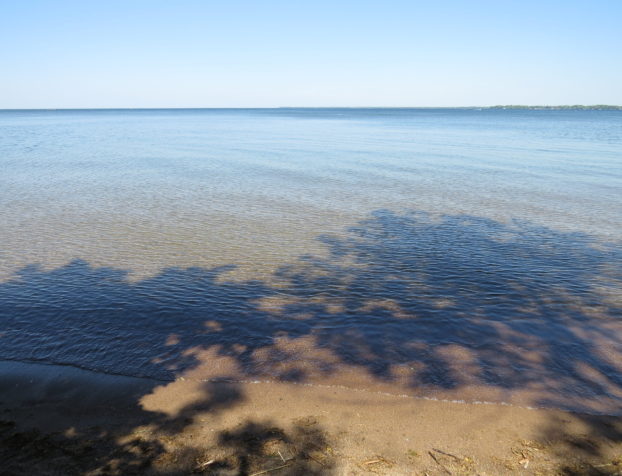
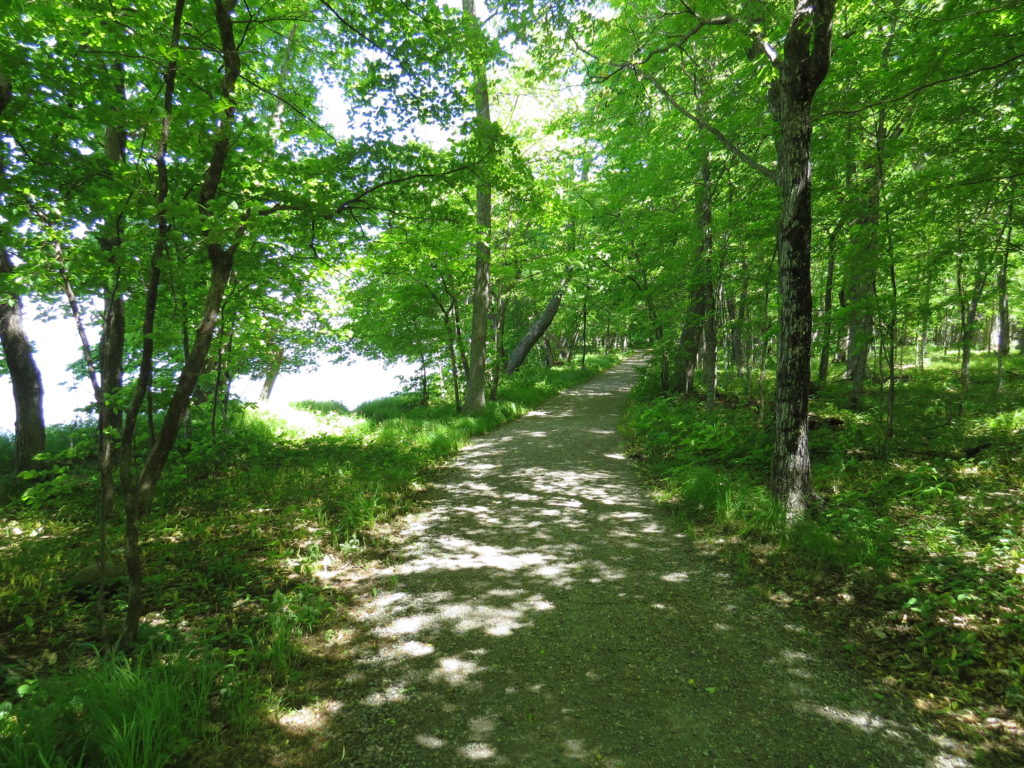
The park was named after Father Louis Hennepin, a French priest who explored the area in 1680. He wrote about the landscape around the Lake and the Mdewakanton Dakota people who lived there. Chris and I hiked the lake-hugging Pope’s Point Trail through a hardwood forest of Maples and Basswood that must be spectacular in Autumn.
We soon came to a black water swamp/lagoon that stretched along the inward side of the trail. It was a sharp contrast from the clear, blue water of the Lake. It made me think of the Bobby Bare song Marie Laveau—‘Down in Louisiana where the black trees grow, lives a voodoo lady named Marie Laveau…’
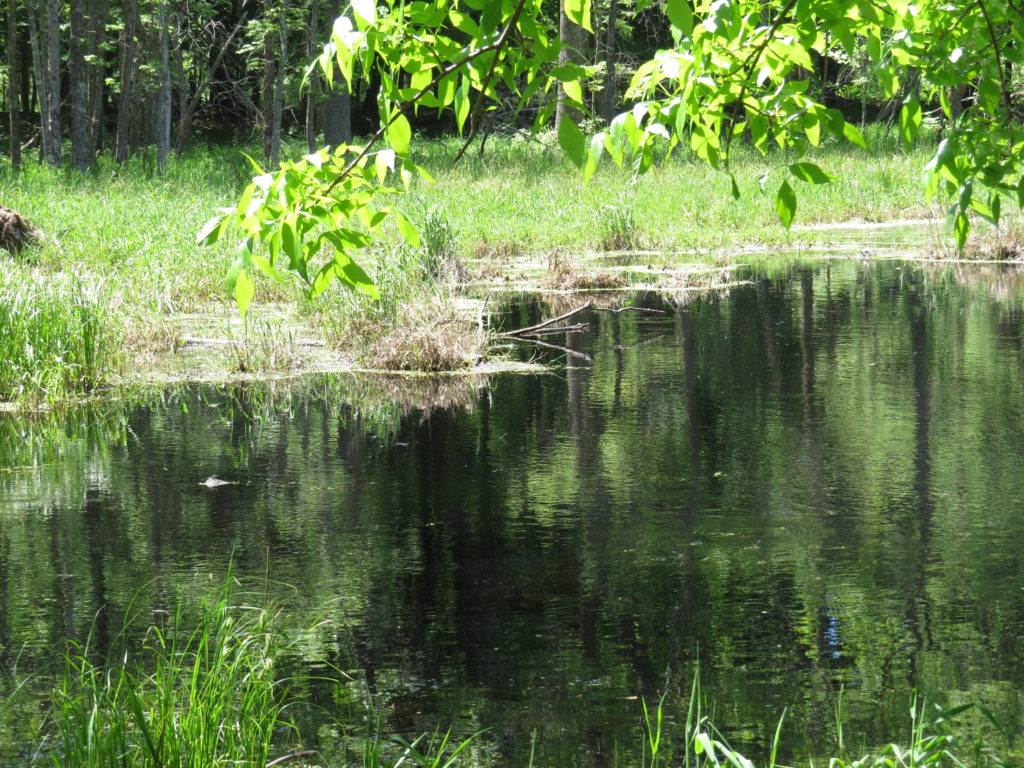
‘She lives in a swamp, in a hollow log…’ When I researched the history of the Park, I found that Father Hennepin called this area of Minnesota ‘Louisiana’ in honor of France’s King Louis XIV (and conveniently his own name), and later published a book Description of Louisiana from his extensive writings about the area.
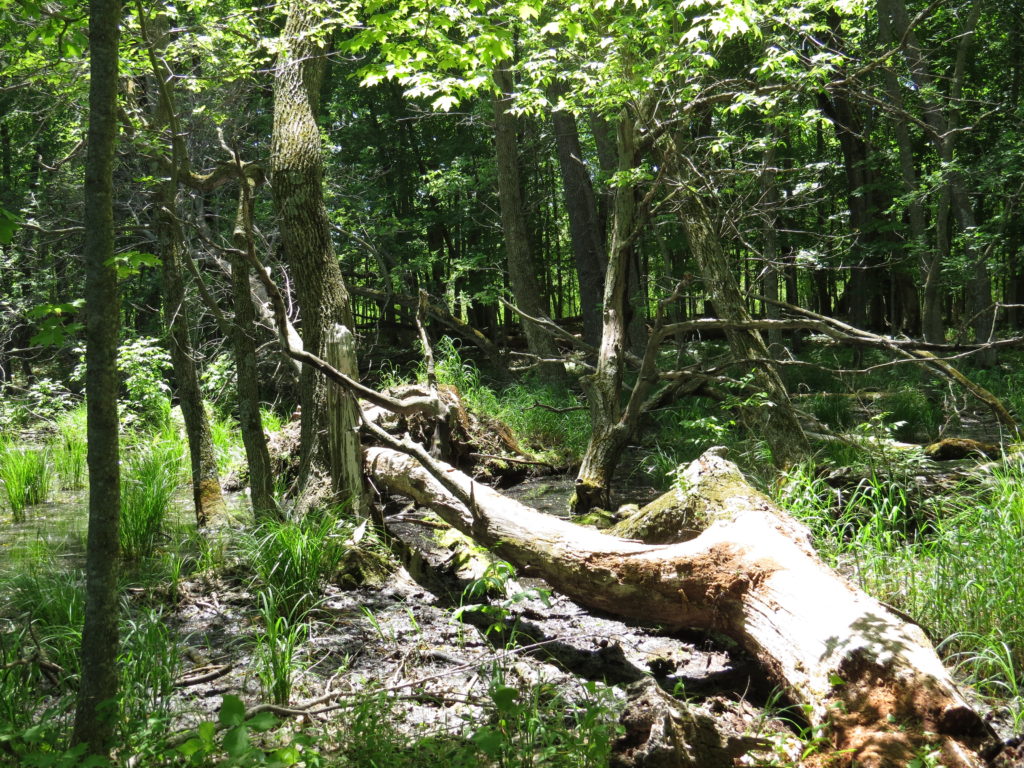
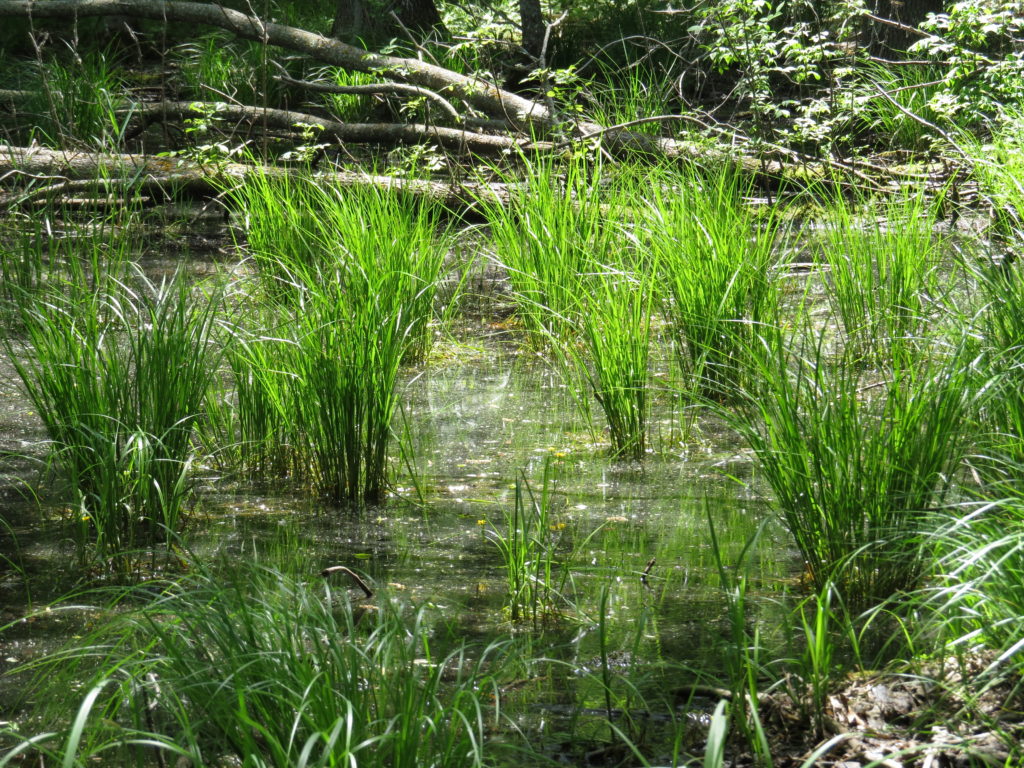
The black swamp was intriguing and messy compared to the simple, open water of the Lake. And while the swamp water itself and the muck surrounding it were so yucky looking, I marveled at the crisp green grasses growing up through it…
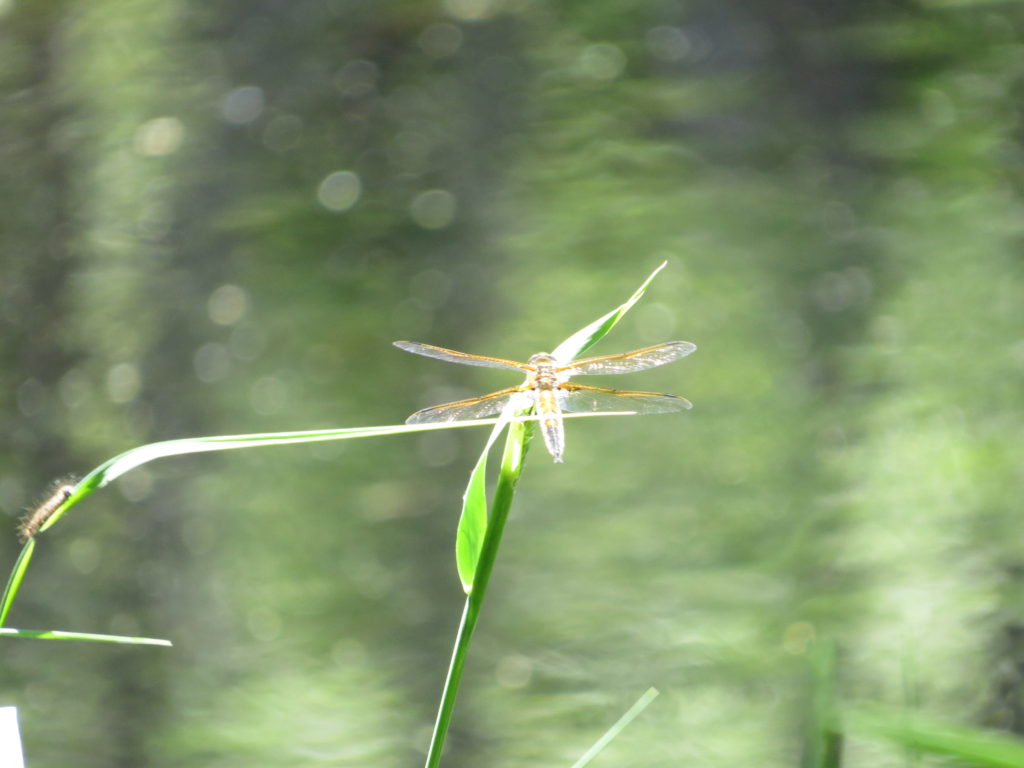
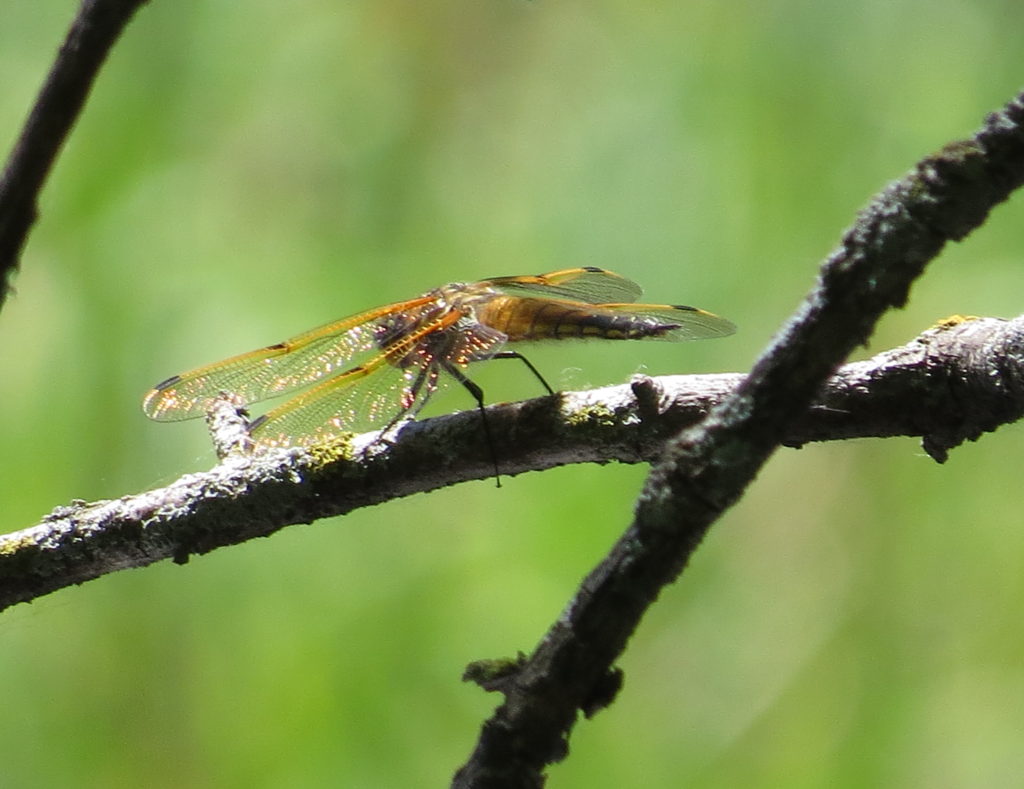
…and the many exquisite dragonflies flying and landing on grasses and branches.
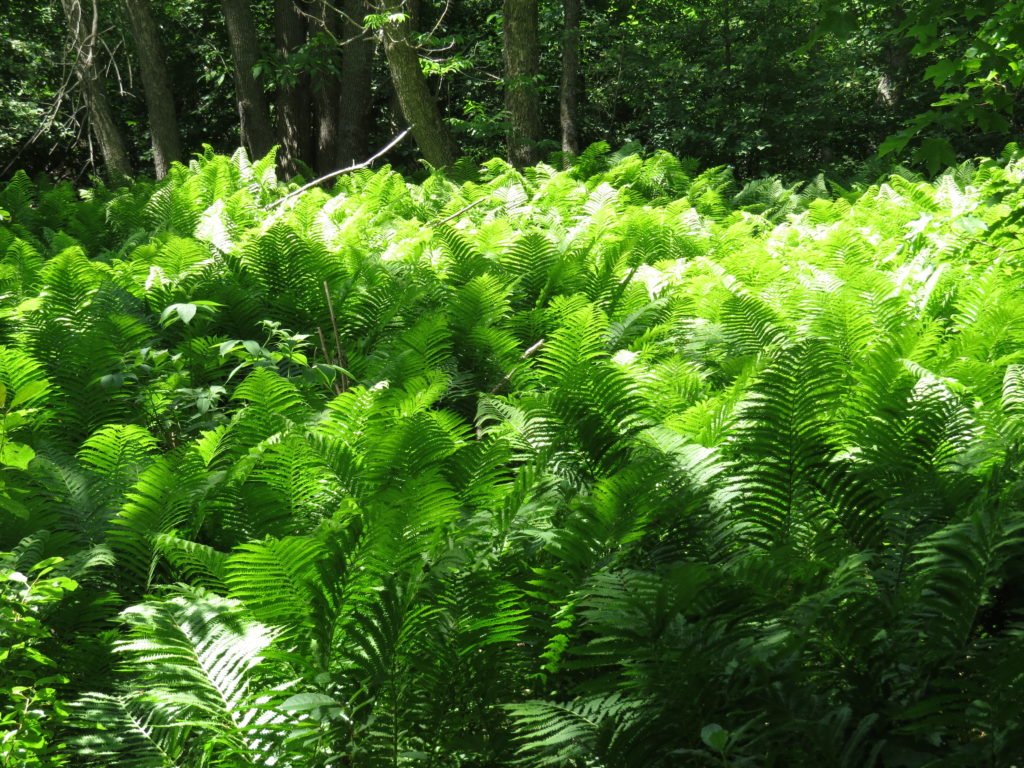
As the open swamp water ended, we came to a forest of ferns, five feet tall and glistening in the sunlight.
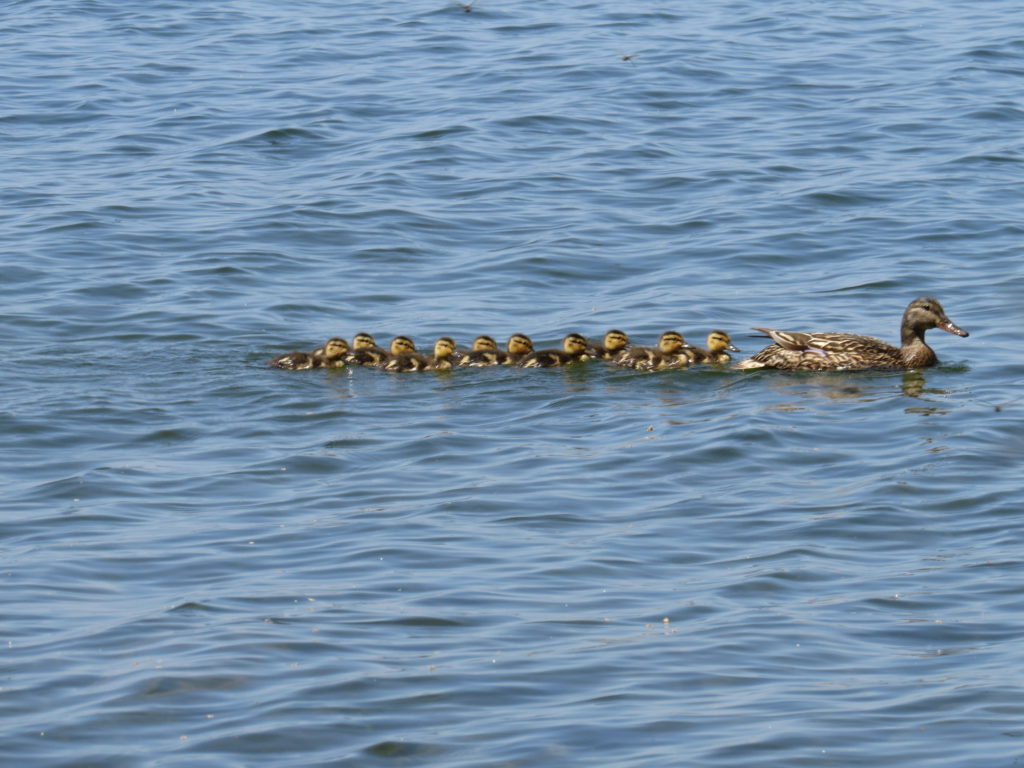
We reached Pope’s Point Overlook with water stretching before us on three sides. A mother Mallard duck with her ten babies all in a row swam close to shore.
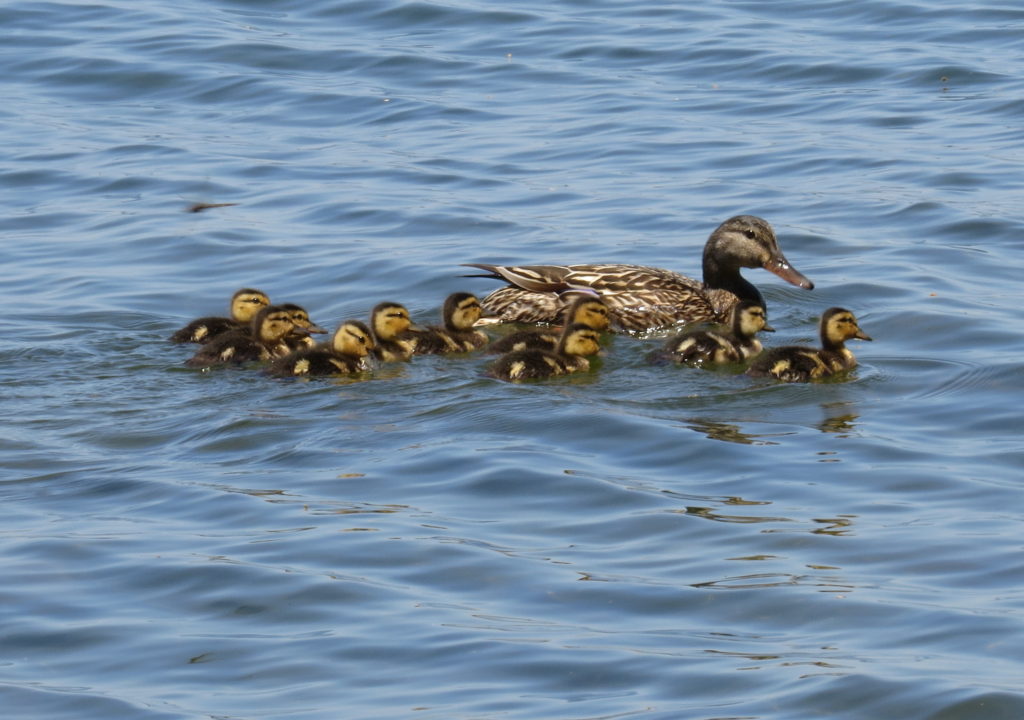
At ease, ducklings.
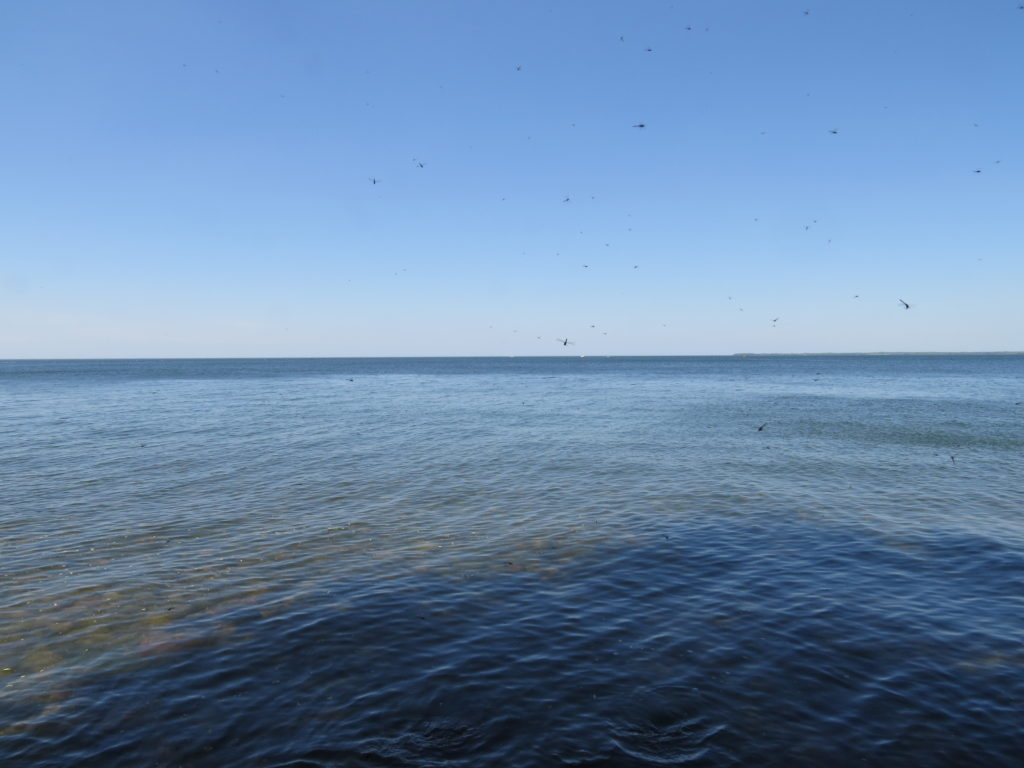
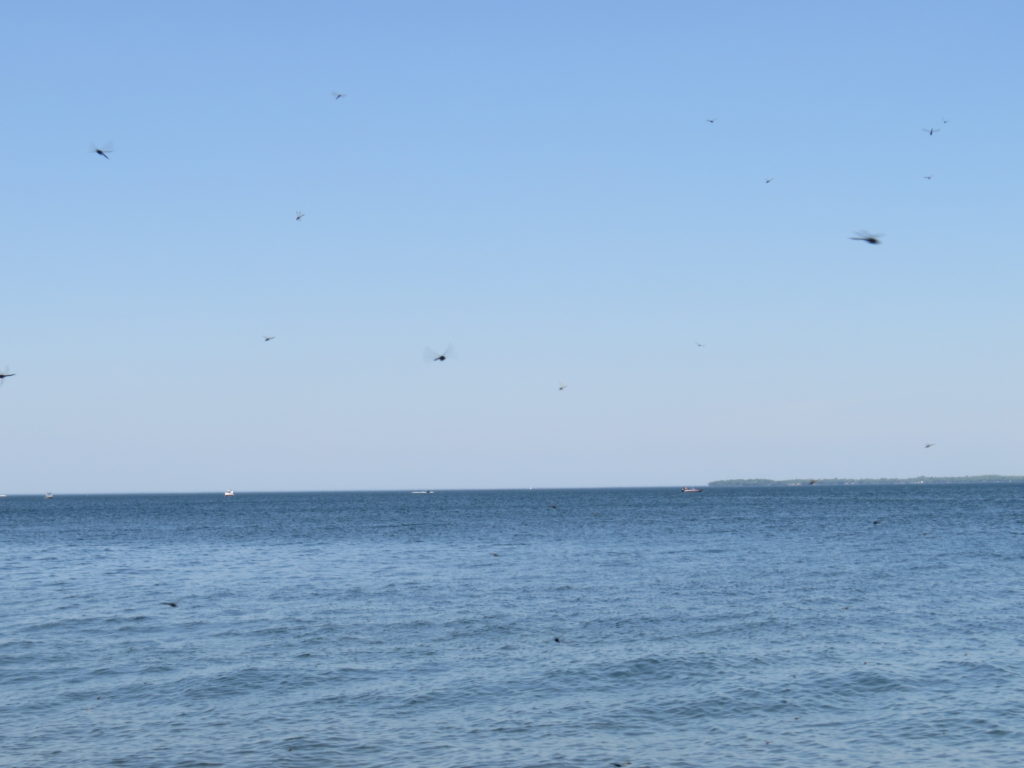
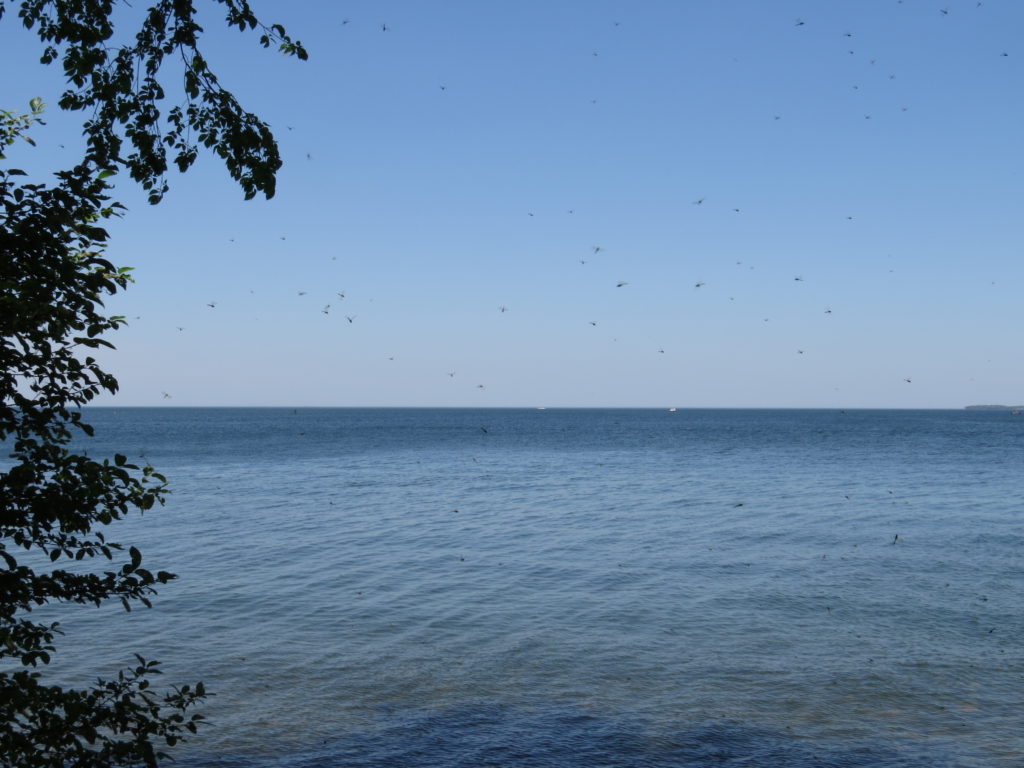
While we watched the ducklings, hundreds, if not thousands of dragonflies filled the air—dark, darting dots against the blue sky and water. Wow!
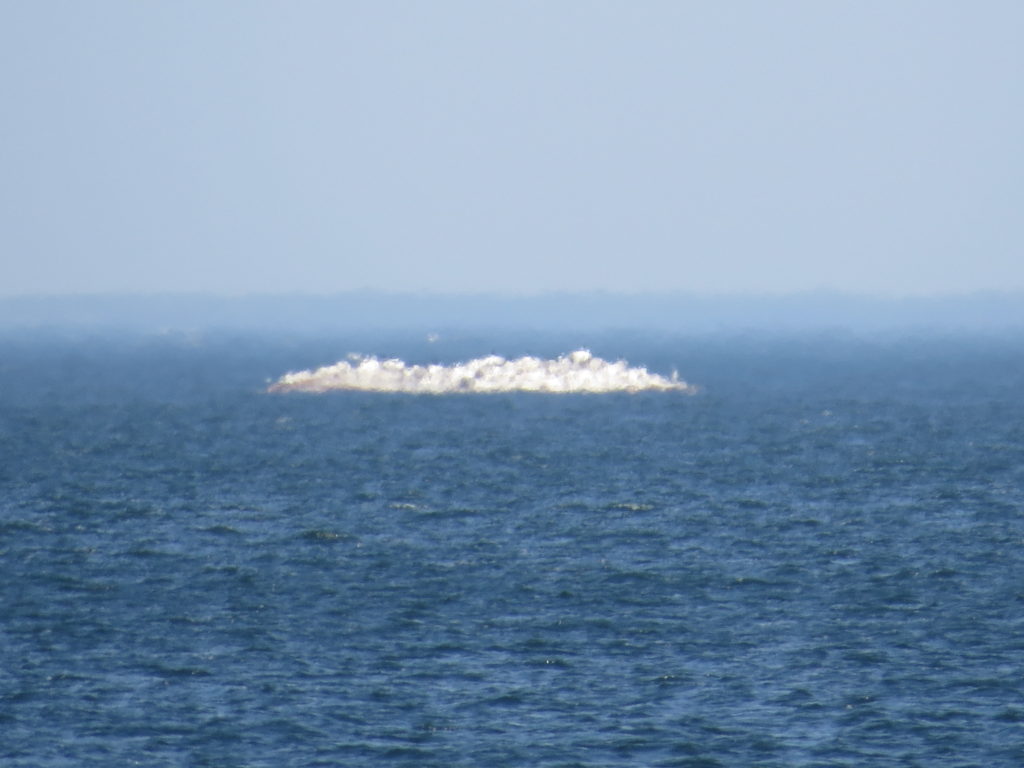
What I thought were two white boats far out on the lake were actually one white boat and one white rock island. Hennepin Island, one of two tiny islands that make up the smallest National Wildlife Refuge (less than one acre total), is home and nesting grounds for the Common Tern. Though its name implies otherwise, the Common Tern is listed as a Threatened Species due to loss of habitat. These tiny protected islands are one of the last remaining nesting areas in Minnesota for the terns.
We walked back the forest trail to the sandy beach where dogs fetched sticks from the water, children played, and adults lounged.
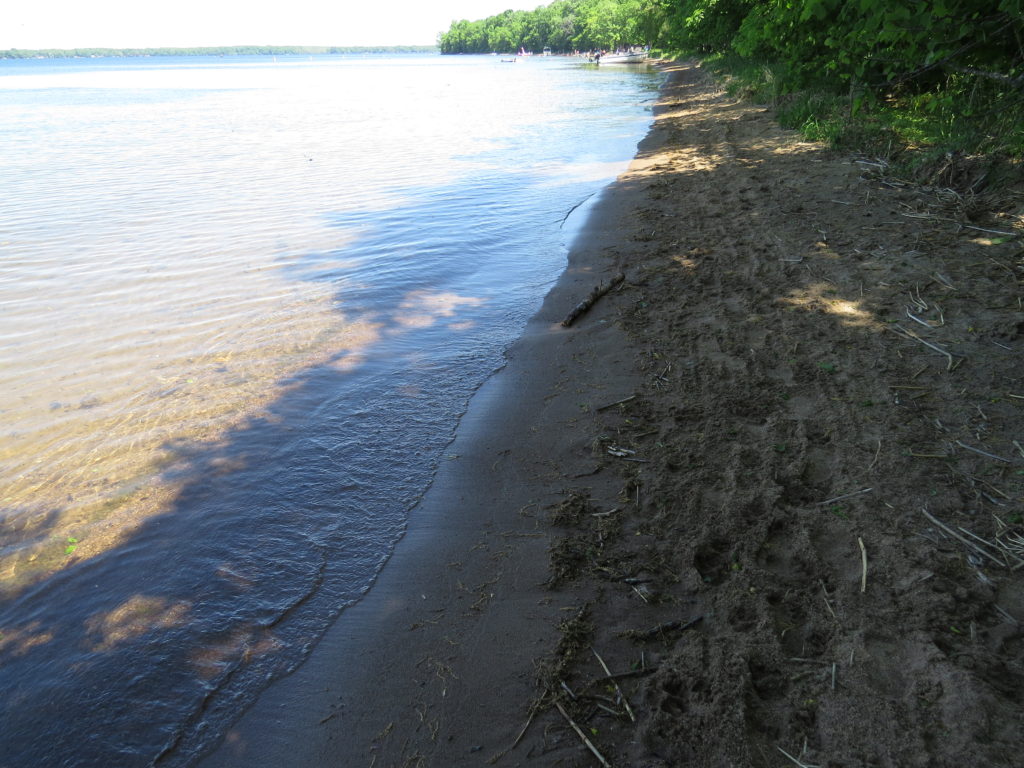
It is a beautiful, peaceful place, worthy of exploration, admiration, and reflection.
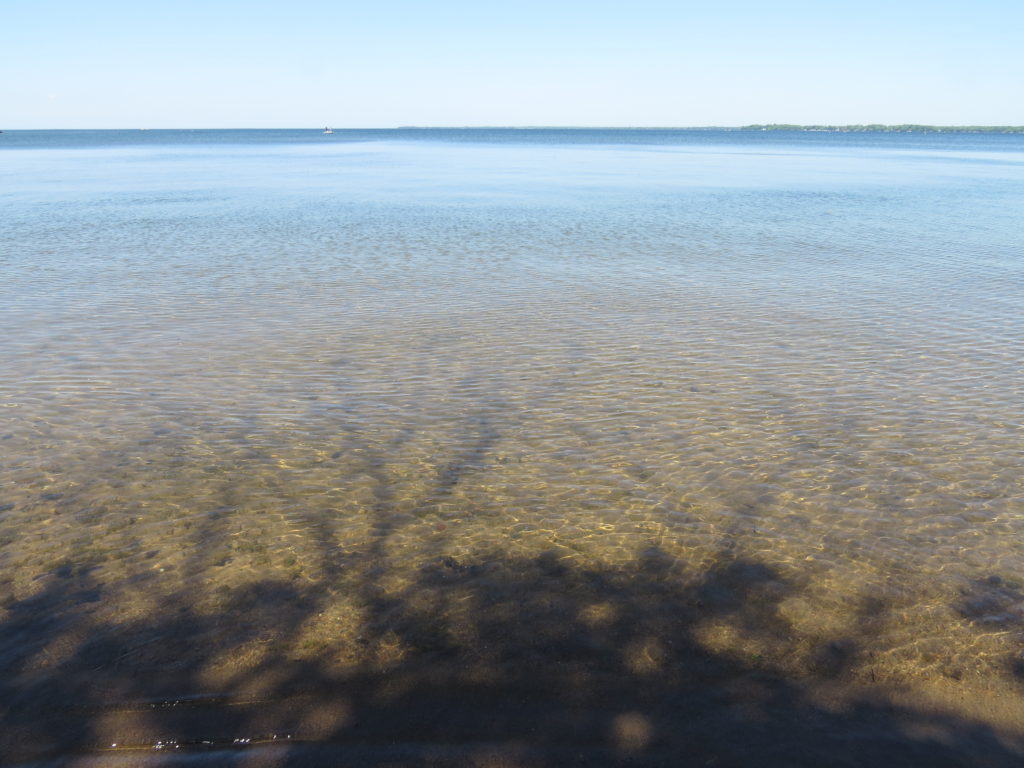
Many of my friends have experienced the newness and perfection embodied in the tiny being of a grandchild. They can experience again the innocence of childhood, the energy of pure emotions that aren’t labeled good or bad, and the innate drive we all have to learn and truly experience the world around us. Those tiny beings are sparklers of light. Somewhere in Life, we encounter the messy, yet intriguing muck of the black swamp. Where does it come from? Why is it there? How do we get from the perfect innocence of a new being to the messy muck? We can have all of our ducks in a row and try to stay clear of the black water, yet sometimes we find our feet stuck in the muck. That’s when we learn from the dragonfly, and if it takes thousands of them to lift us up, so be it. Any moment in time, any glimpse of someone’s life we see, any given situation we find ourselves in, is not the complete picture. It is true as the sky is blue at that moment, but we don’t see to the depths or know the influences. We no longer know or use the pure emotions to guide our behavior—we take refuge from them on the rocky islands of denial and ‘grown-up-ness.’ So in reality, I shouldn’t call bogus on anything. It’s just a snapshot picture of a bigger, more complete mural of the situation. Maybe our dragonfly message and moment is to use our time and maturity, our experiences in the muck, and the innate drive to learn and develop in order to be at ease, to return to our newness, and to fly above the black swamp.
Sparklers of Light
As I explained in last week’s post, I was making a bee-line for the bog when we hiked the ‘Touch the Earth’ trail at Mille Lacs Kathio State Park. It was what I was anticipating in my head and needing for my spirit. But with camera in hand, I was stopped almost immediately on the trail by the presence of a Large-flowered Trillium. Trillium literally means ‘three-parted lily’ as the three white flower petals rise from a whorl of three deeply-veined leaves. It is a spring ephemeral woodland flower that blooms while sunlight still reaches the woodland floor. It is an interesting flower, protected from picking in the state of Minnesota, but unfortunately not protected from herds of white-tailed deer that can kill a colony of the fragile plants by browsing. Ants are the major source of seed dispersal, taking the fruits to their underground homes for eating then leaving the seeds. It can be several years from seed germination to flowering for these long-lived, slow-maturing perennials.
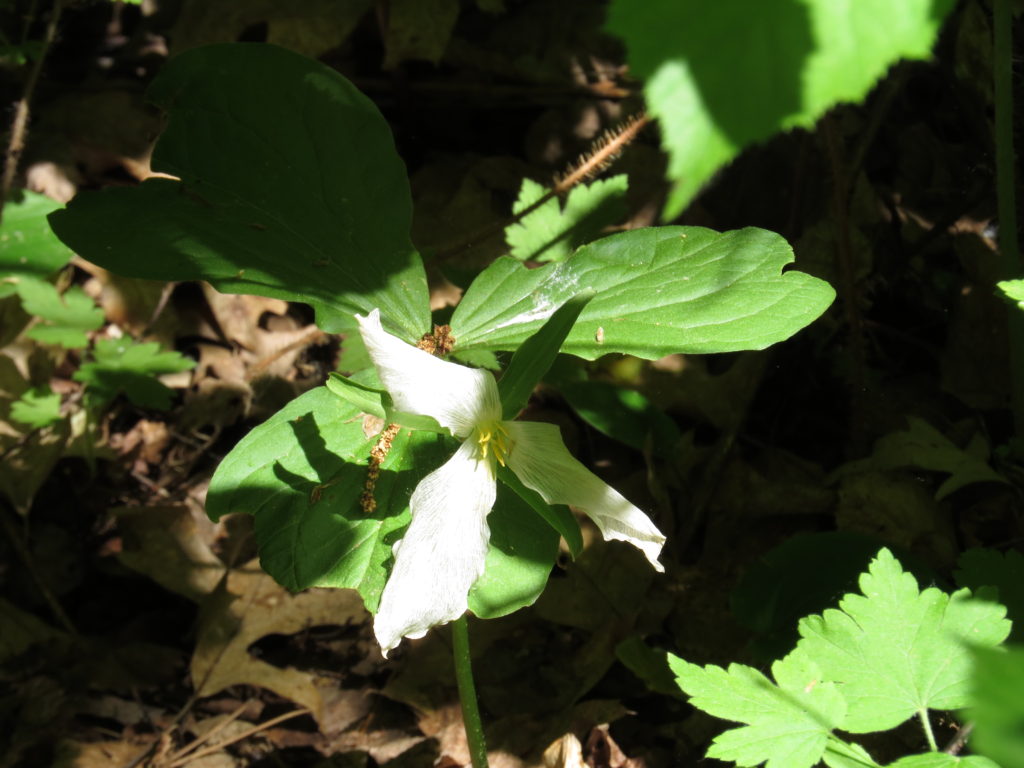
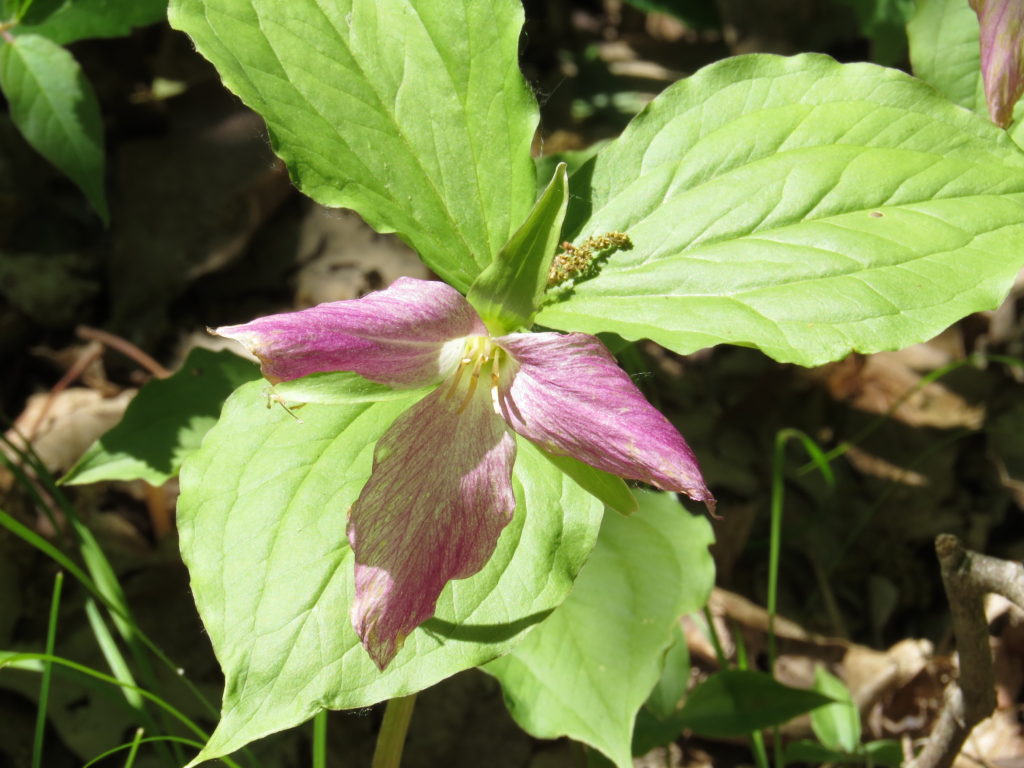
After pollination and as the flower ages, it turns a rosy pink color. Like many of the Spring Ephemerals, the foliage often dies back in the heat of summer.
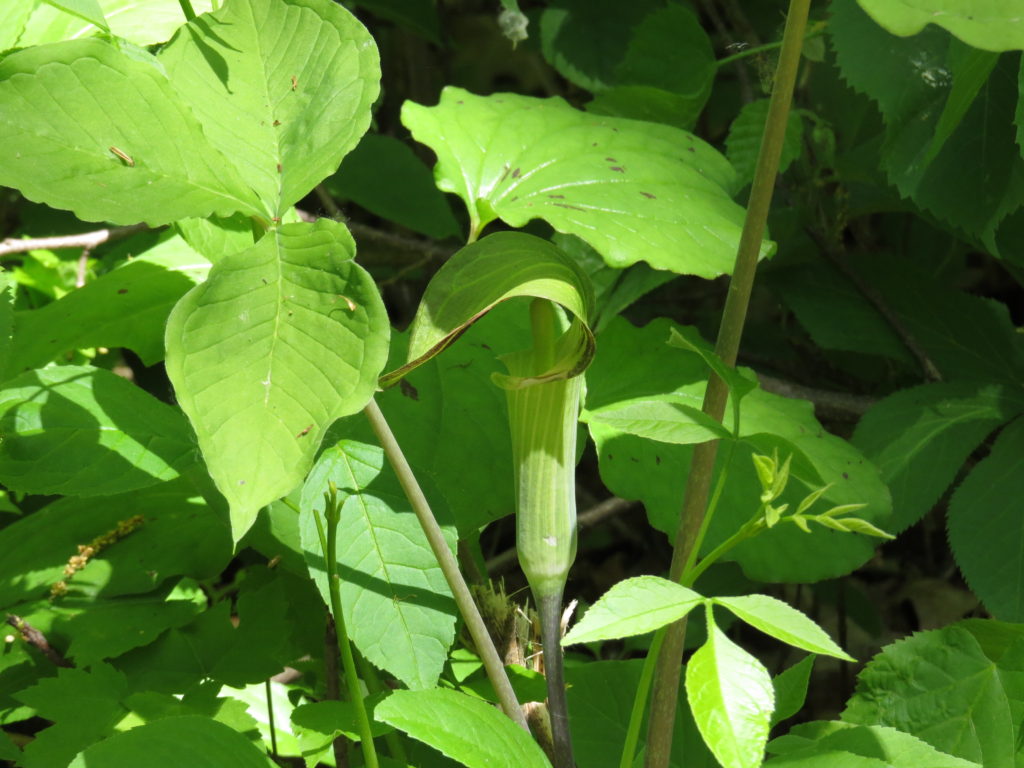
Another tri-leaved flowering plant blended in with the surrounding greenery—the unusually-flowered Jack-in-the-Pulpit.
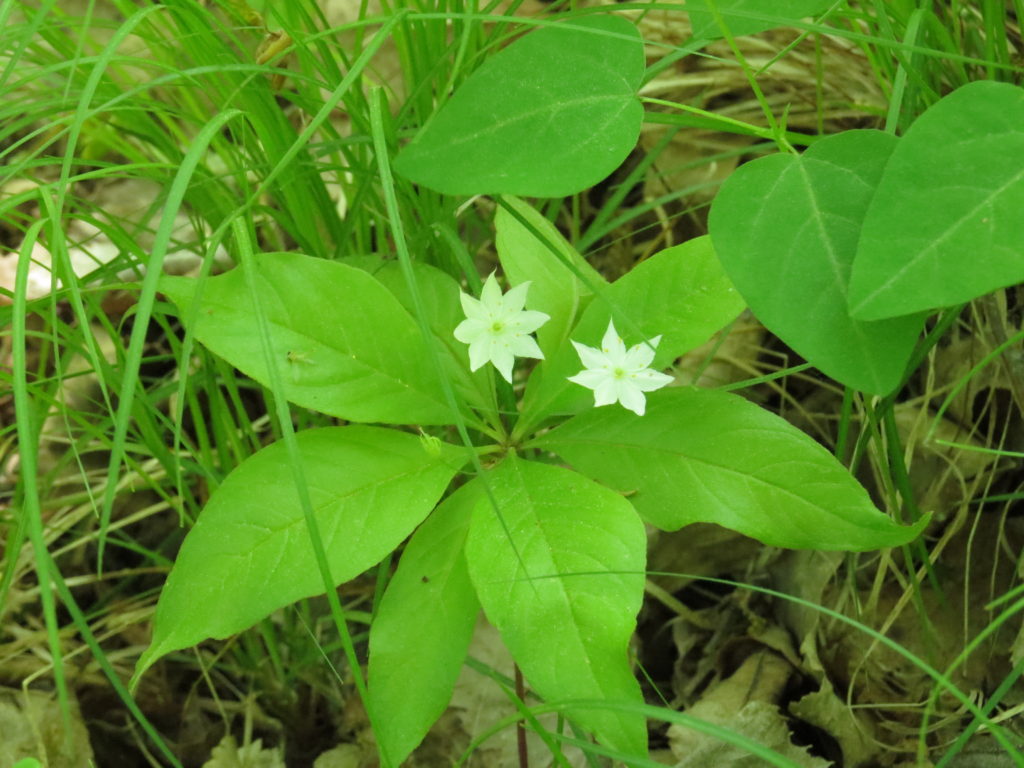
The Starflower plant has 6-8 petals and a whorl of 5-9 leaves, most commonly 7 for both.
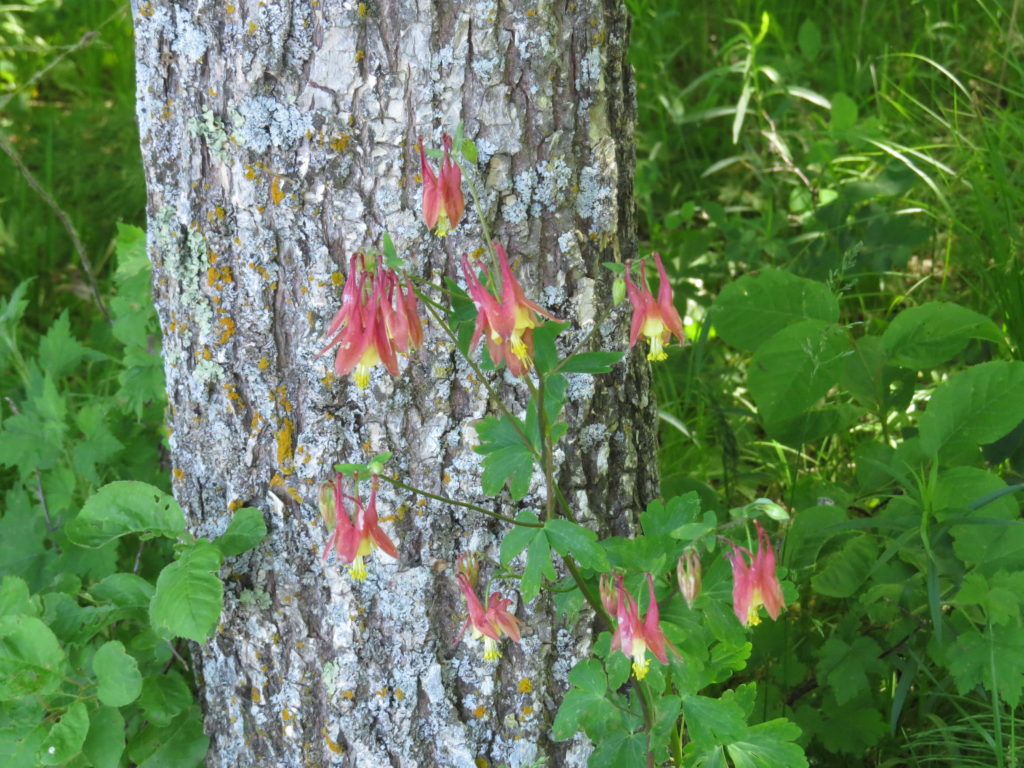
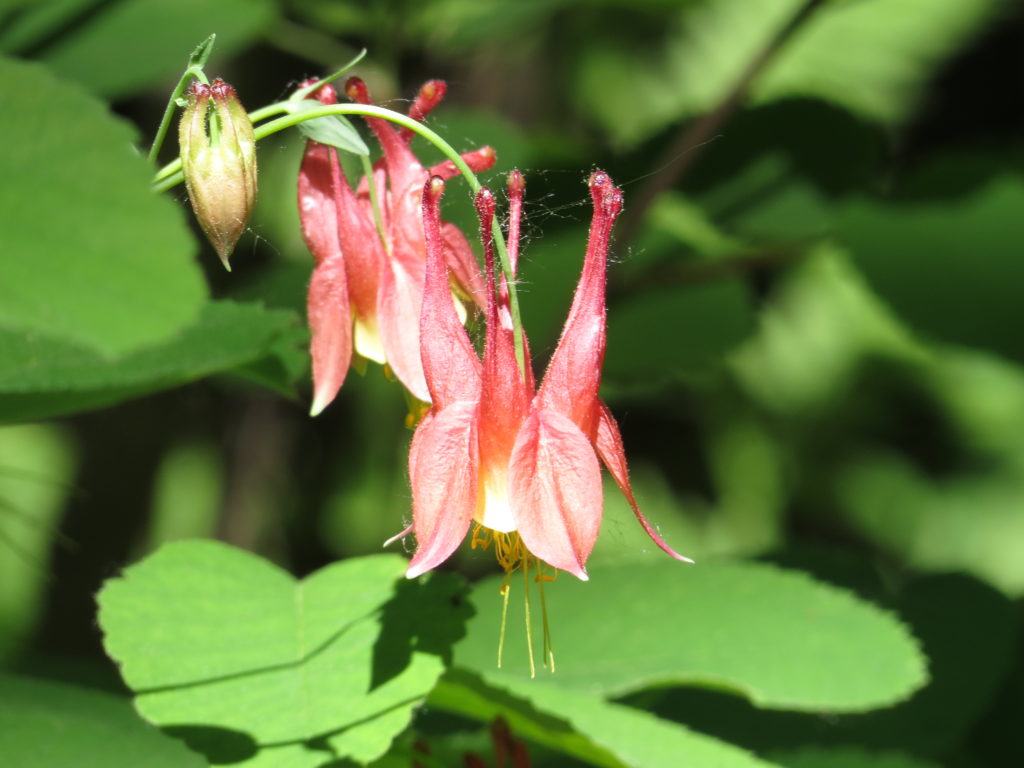
The adaptable Columbine seem extravagant and showy in color and form as the nodding flower heads brighten the trail.
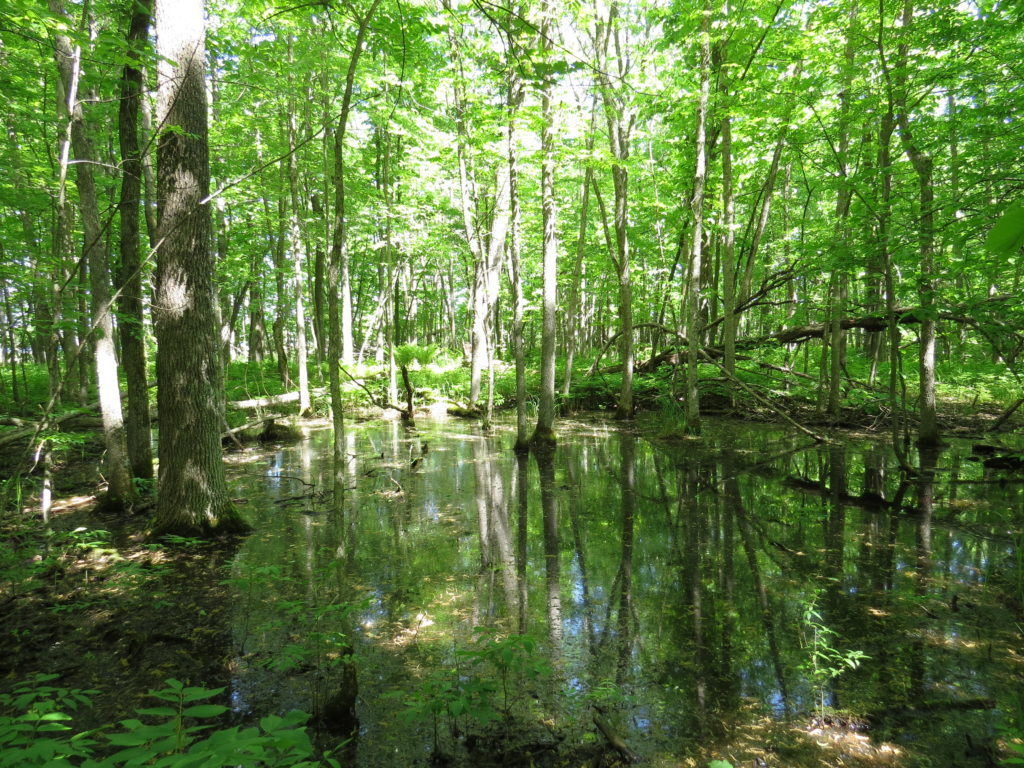
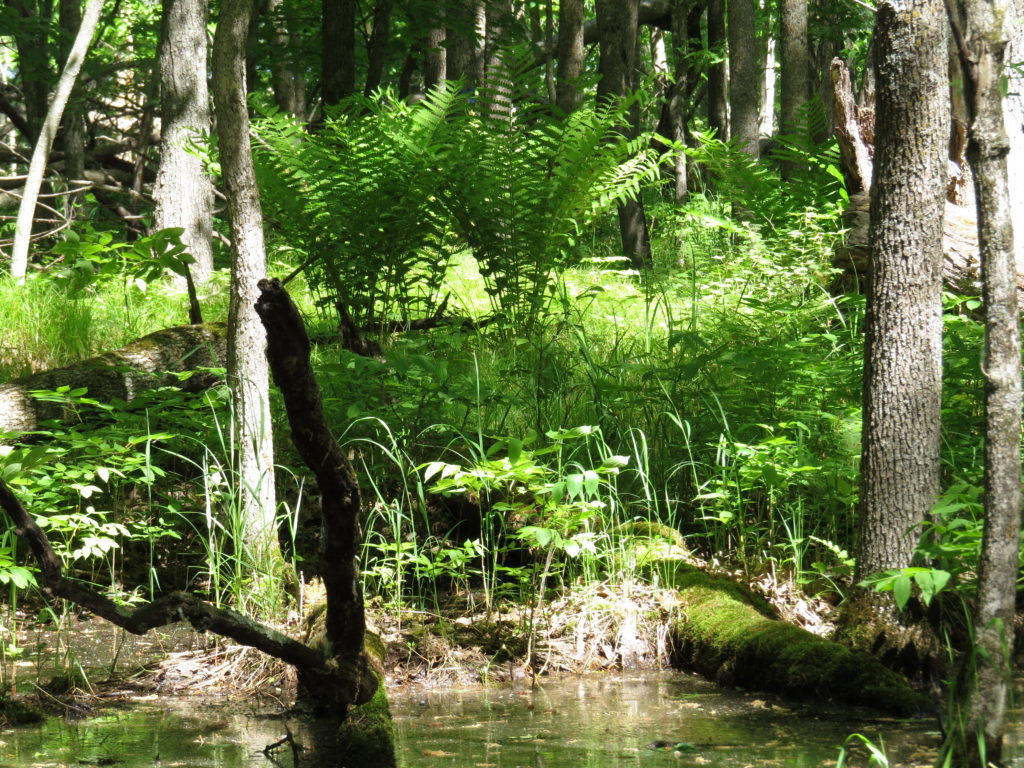
After such a rainy Spring, the bog wasn’t the only soggy place in the woods. Ferns and other plants who like wet feet were tall and vibrant with the abundant moisture.
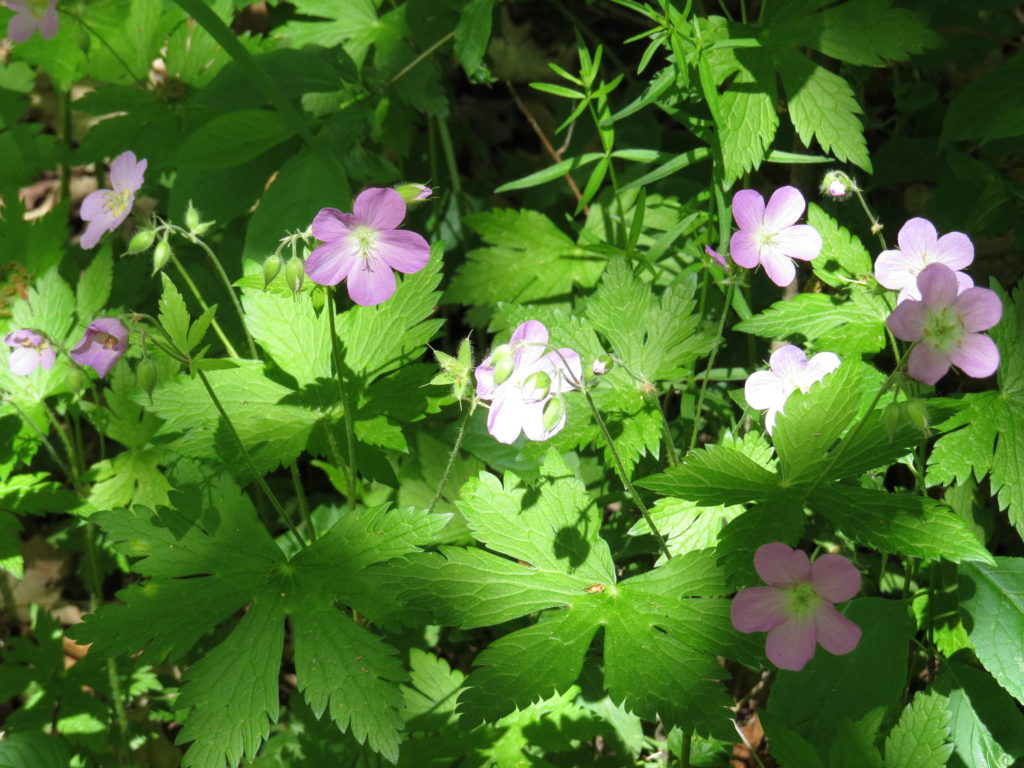
Lavender-pink Wild Geraniums spread little carpets of color along the trail and deep into the woods.
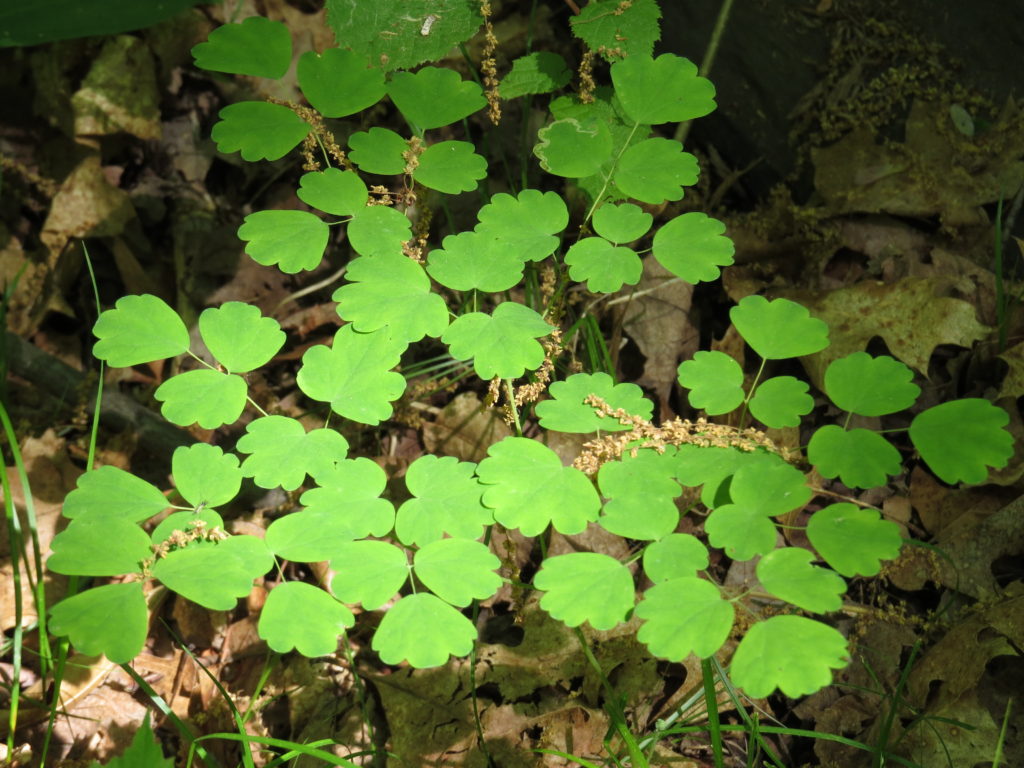
A young Meadow Rue plant caught my attention—no flowers, no bright colors or extravagant form, but a green, flat table-top of foliage in the dappled sunshine.
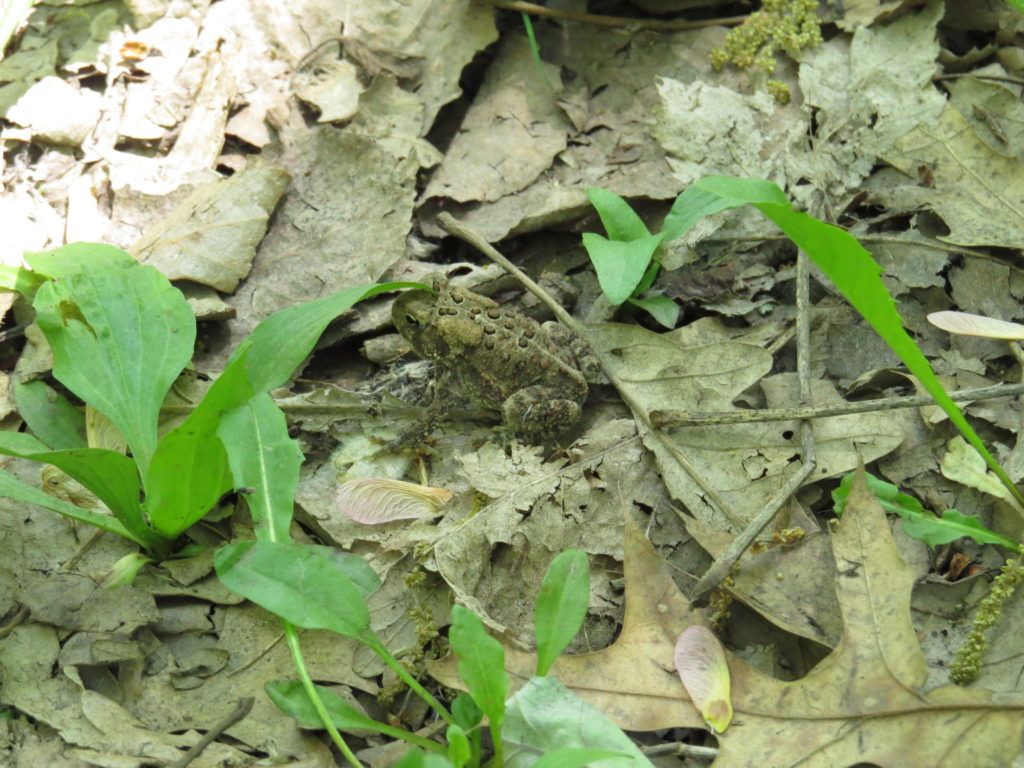
A toad, still using his camouflage coat to hide from sight, was one of the few critters we saw on our hike.
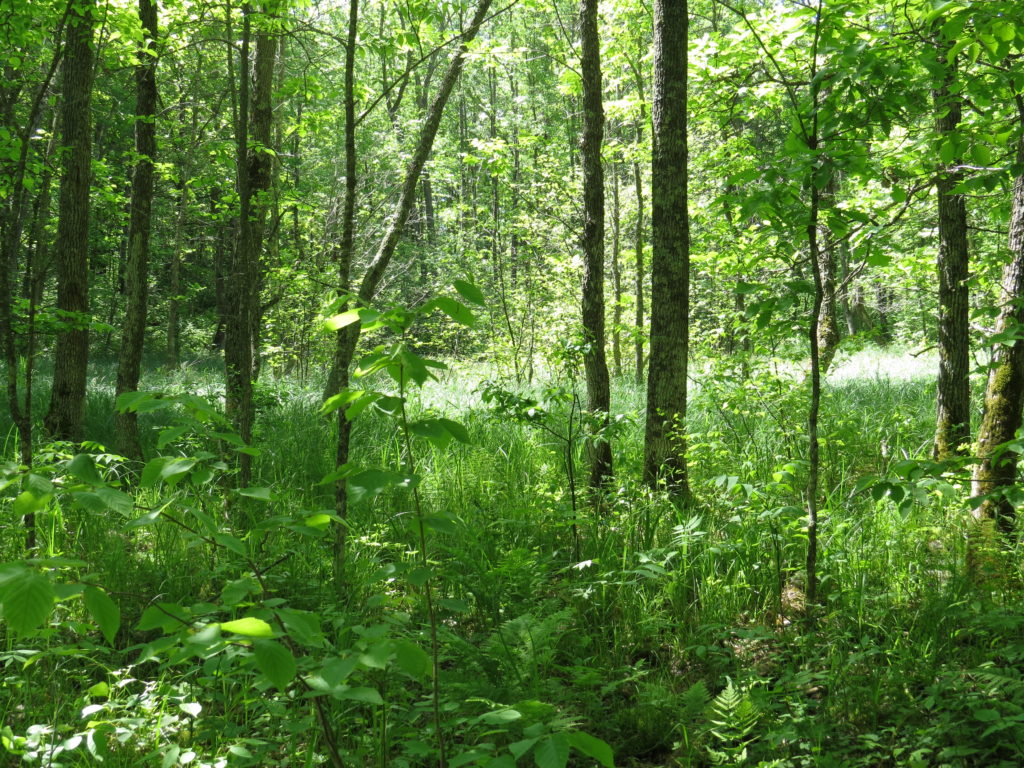
A bright, white line of light shone on a meadow of grass that had gone to seed.
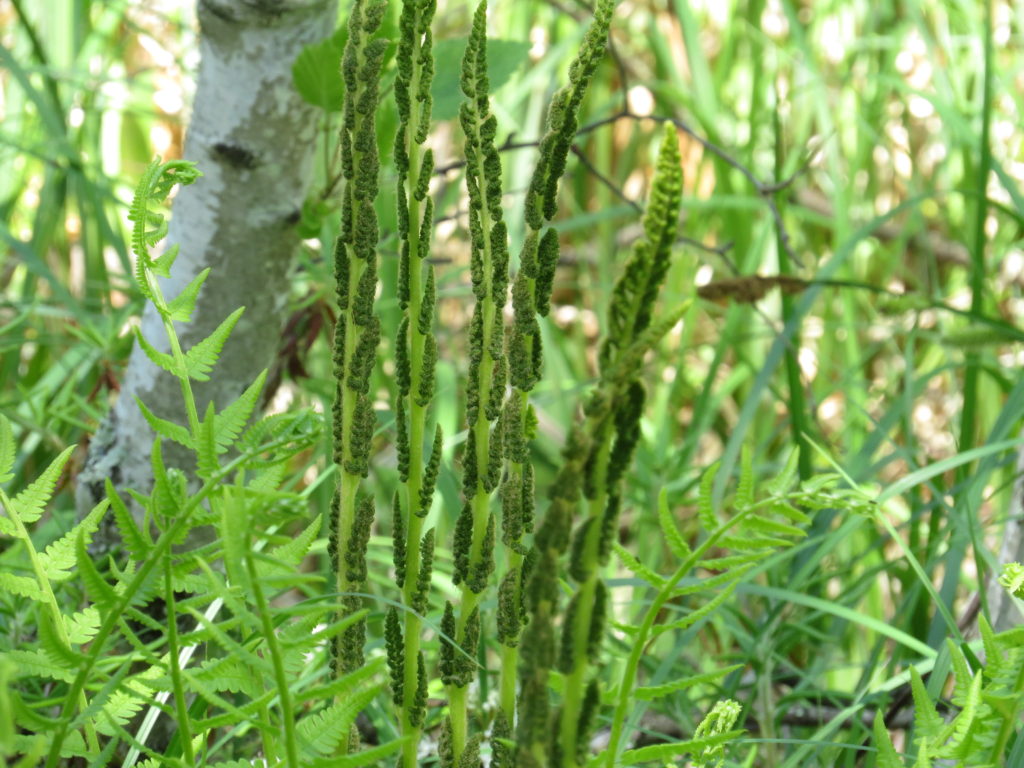
After our meander of the bog boardwalk and the treasures that presented themselves, I felt myself shift and settle down a bit. The landscape shifted some, too. One of the most interesting ferns was the Cinnamon Fern. The thick spikes of green fruit dots—the fertile fronds—will turn to a rich, cinnamon brown color as the sterile fronds surround them in a vase-like shape.
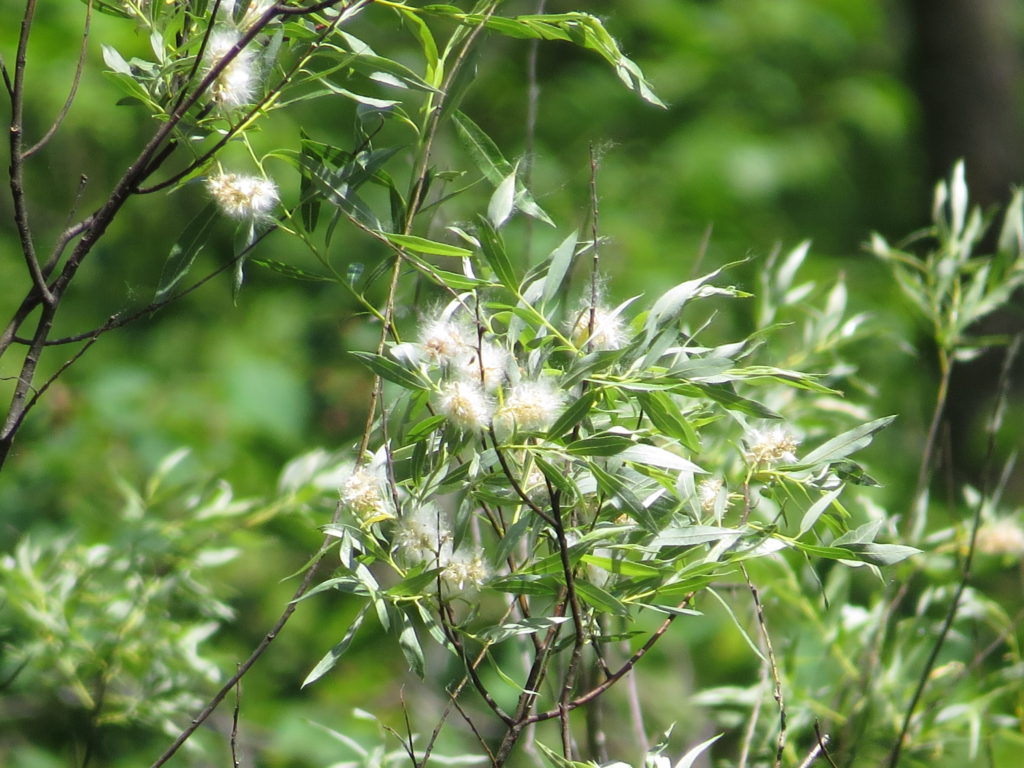
In a sunny area around the bog was a stand of Willows that had flowered and gone to seed. The cottony seedheads were like sparklers of light.
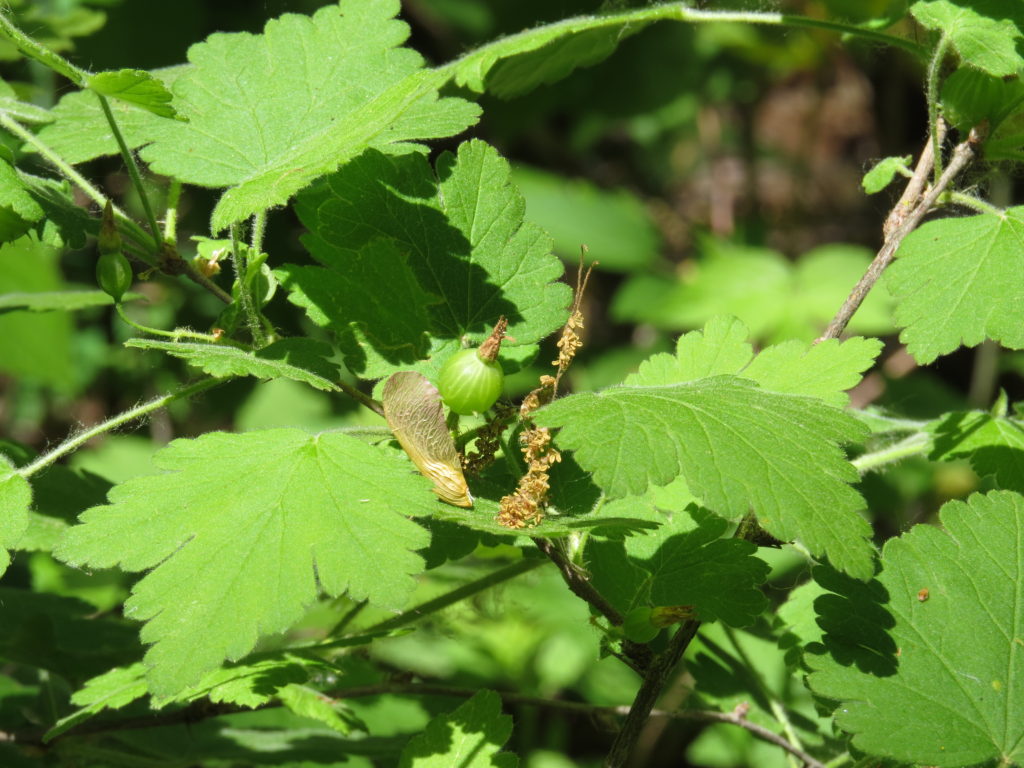
Gooseberry bushes were setting fruit—green striped berries that will ripen to reddish-purple.
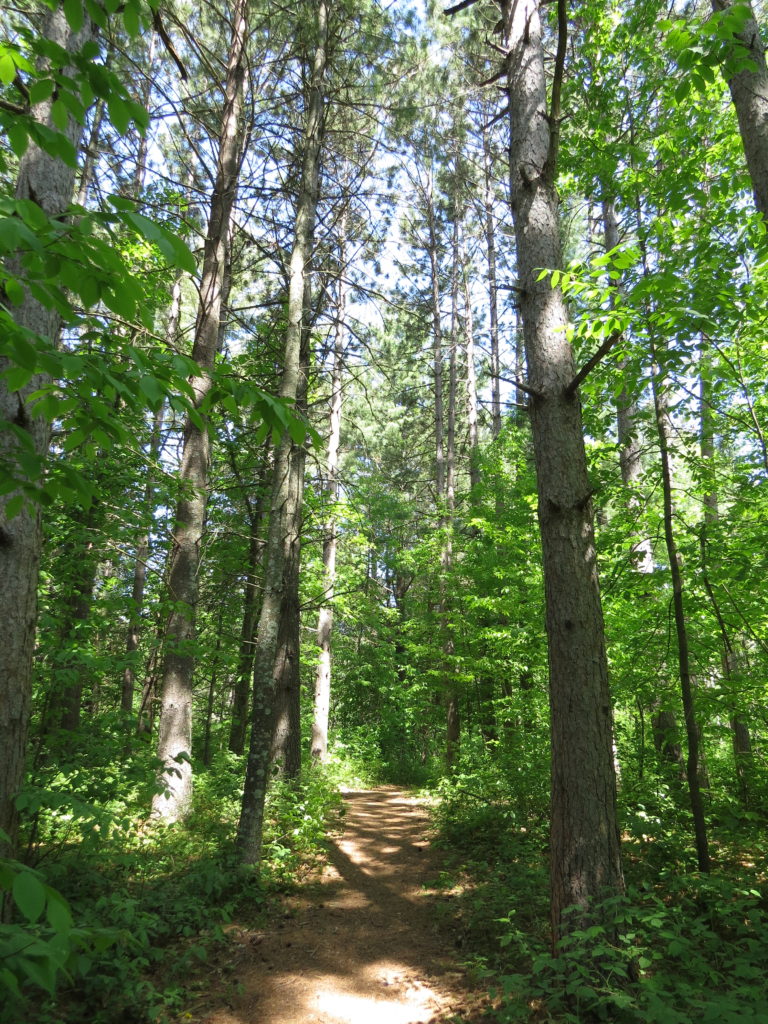
We walked through a section of soothing Pine forest where the path is covered in fragrant, brown needles. The ‘Touch the Earth’ trail offered a sampling of many types of ecosystems.
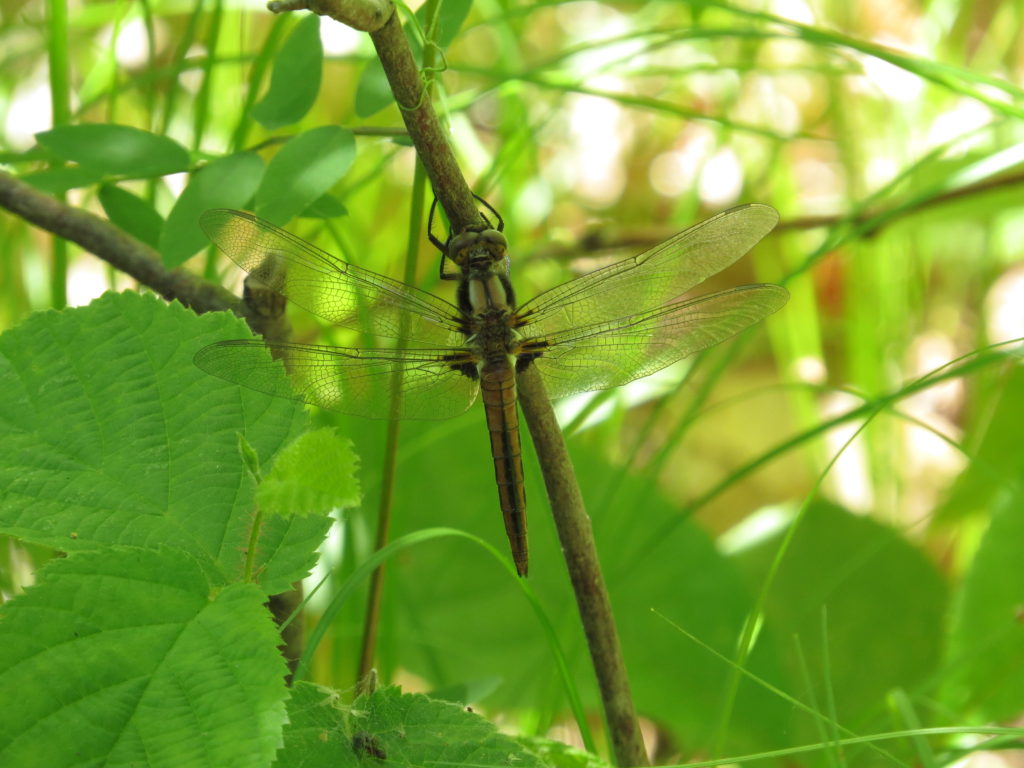
We saw many Dragonflies on the after-bog trail. They were gently, quietly flying from one branch or stem to the next. Their iridescent wings and large eyes make them look like little sprites flitting through the greenery.
There is something that happens when we have our eyes and hearts set on a certain destination, when we single-mindedly want what we want. We often are rewarded with ‘the good stuff’ that we have anticipated. But sometimes, we are not. We get to our ‘destination,’ and the thing we desire is not there for us or circumstances have changed in such a way that our original plan is now defunct. Now what?! Often we despair, get stuck, don’t know which way to go from there. One mistake we tend to make during that bee-line journey is not paying attention to the details on the pathway to our destination. We overlook plants, people, intuitions, time, warning signs, and/or experiences that potentially have meaning for us and that could have made a difference in the trajectory of our journey. We can learn from the Dragonfly.
The Dragonfly symbolizes change, adaptability, light (joy and lightness of being), transformation, and emotions. They can move in all six directions, changing their flight pattern in their search for food or rest. They spend most of their life cycle in the water, which symbolizes emotions and the unconscious. But they also transform and adapt to land and air. Their iridescent wings can display different colors depending on the angles and polarization of the light striking them. Their large eyes represent clear vision of reality, removal of self-created illusions, and wariness of deceit. All in all, they represent mental and emotional maturity—what we all need in order to make the changes to reach our full potential as human beings. In our three-parted lives of mind, body, and spirit, we have the opportunity to grow and learn to move along with the ease of a Dragonfly. It takes time and maturity, but we can become sparklers of Light!
A Blooming Bog During Rough Traveling
This post is dedicated to my brother-in-law Paul, who has met some rough and rocky travelin’ with humor, positivity, and tenacity. Much love and respect.
“It’s been rough and rocky travelin’ / But I’m finally standing upright on the ground / After taking several readings / I’m surprised to find my mind’s still fairly sound” Willie Nelson from his song Me & Paul
The last couple of months have been like the first line of Willie’s song. Not literal traveling like Willie referred to, but travelin’ through life. We all know times like that. The day of celebrating my birth was also a bust, with the exception of text and FB greetings–grateful for those. But I didn’t feel very well, didn’t go anywhere, or do anything.
In August two years ago, we discovered a trail at Mille Lacs Kathio State Park called ‘Touch the Earth.’ The name was taken from a quote by Luther Standing Bear speaking of the Dakota people and how they loved ‘all things of the earth.’ That trail led us to a beautiful and surprising ecosystem called a bog forest. Since we came in the heat of August, I vowed to return when the bog was in bloom, particularly the Labrador Tea, a type of Rhododendron. So on the day after my rough day, when I noticed that our cultivated azaelas were blooming, I rallied my energy and we headed back to the bog. The ‘Touch the Earth’ trail was lined with blooming wildflowers—which I will showcase next week. I was so excited to (hopefully) see the blooming bog azaelas, that I wanted to skip past those others and get to the good stuff! I was more excited than a person should be about a shrub…in a bog…in bloom, but really, it was quite spectacular!
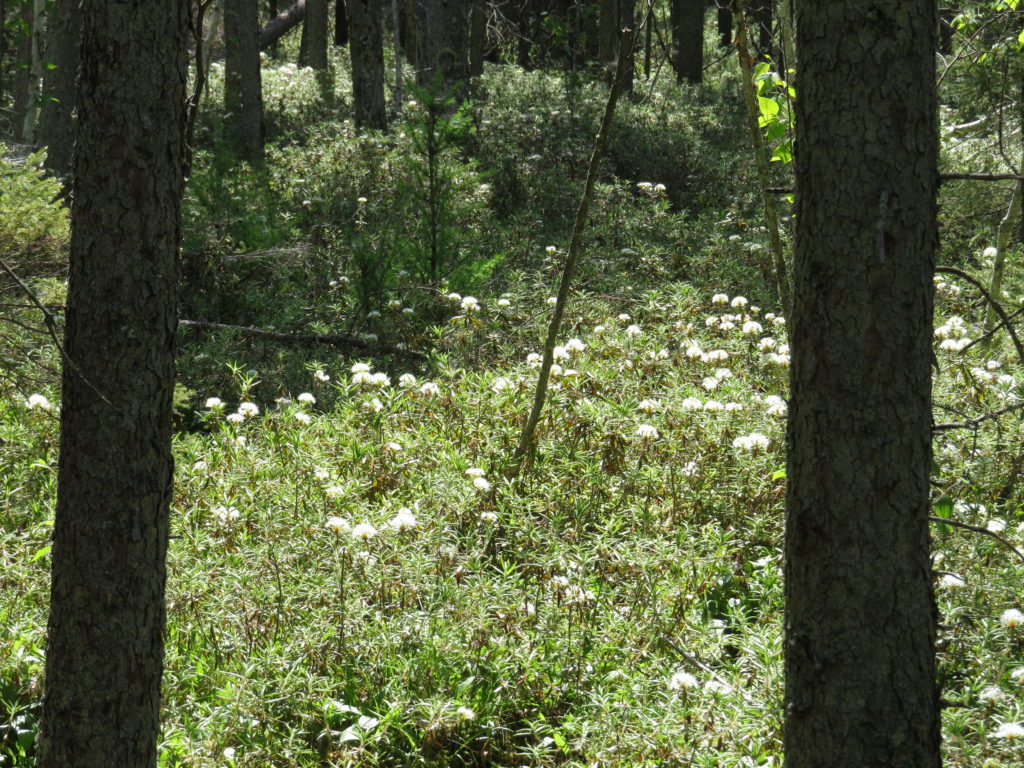
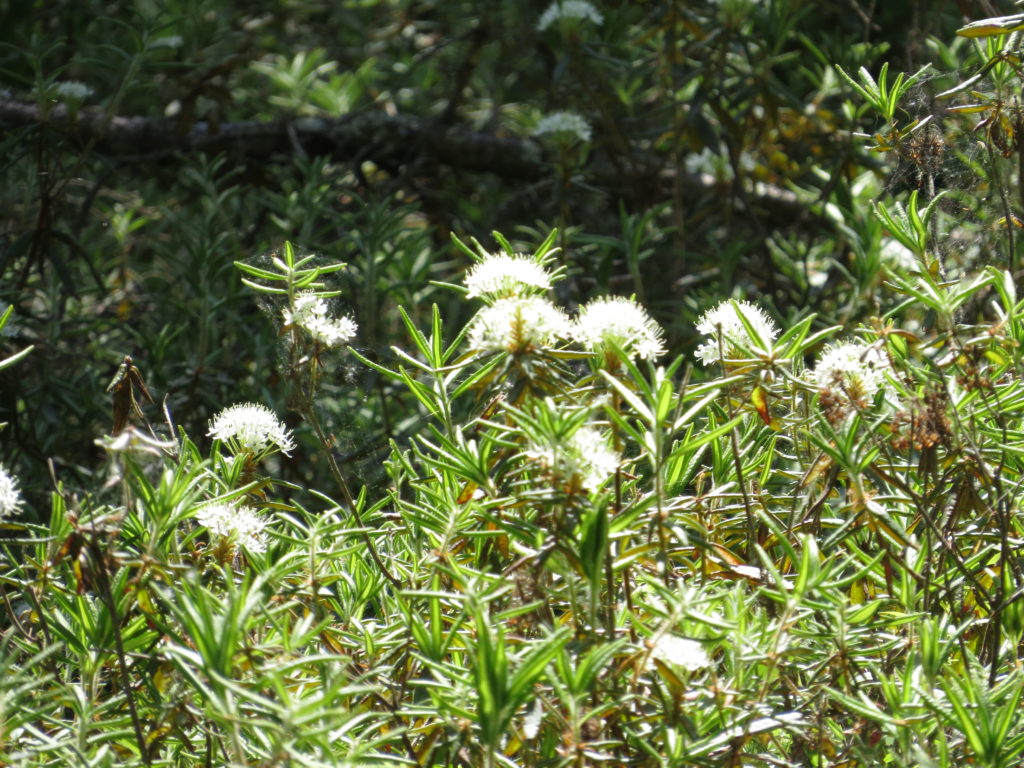
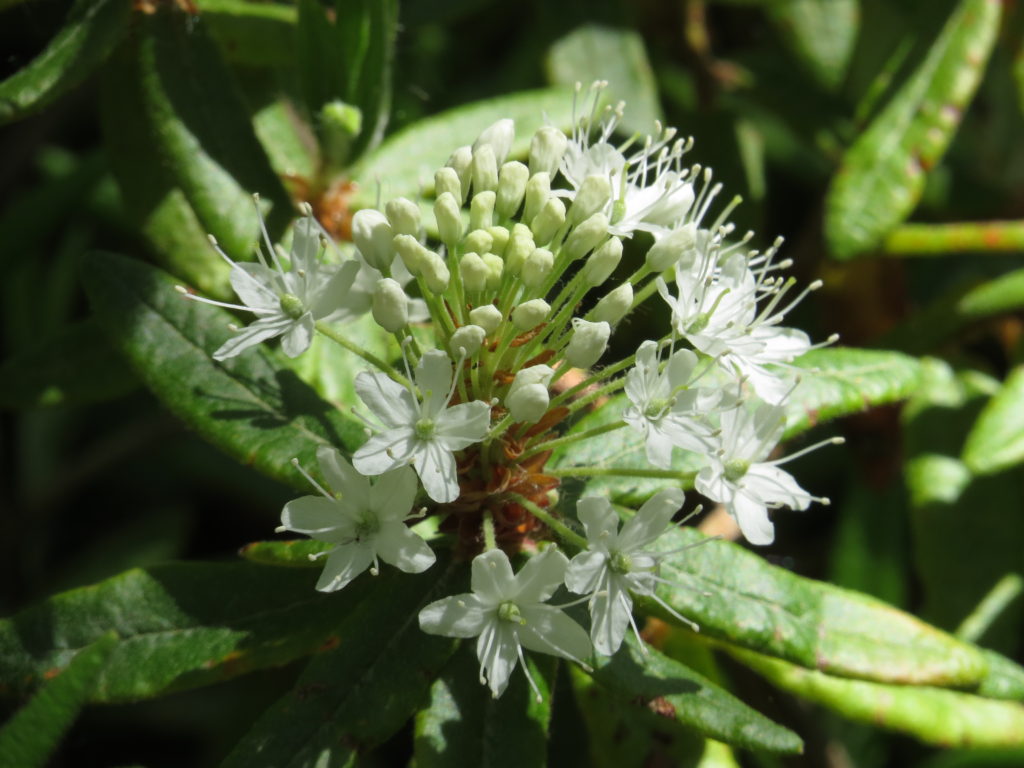
The bog has a layer of sphagnum moss over a wet area—it is a fragile environment and can even be dangerous to navigate, so there is a boardwalk that guides hikers through this beautiful and unusual ecosystem.
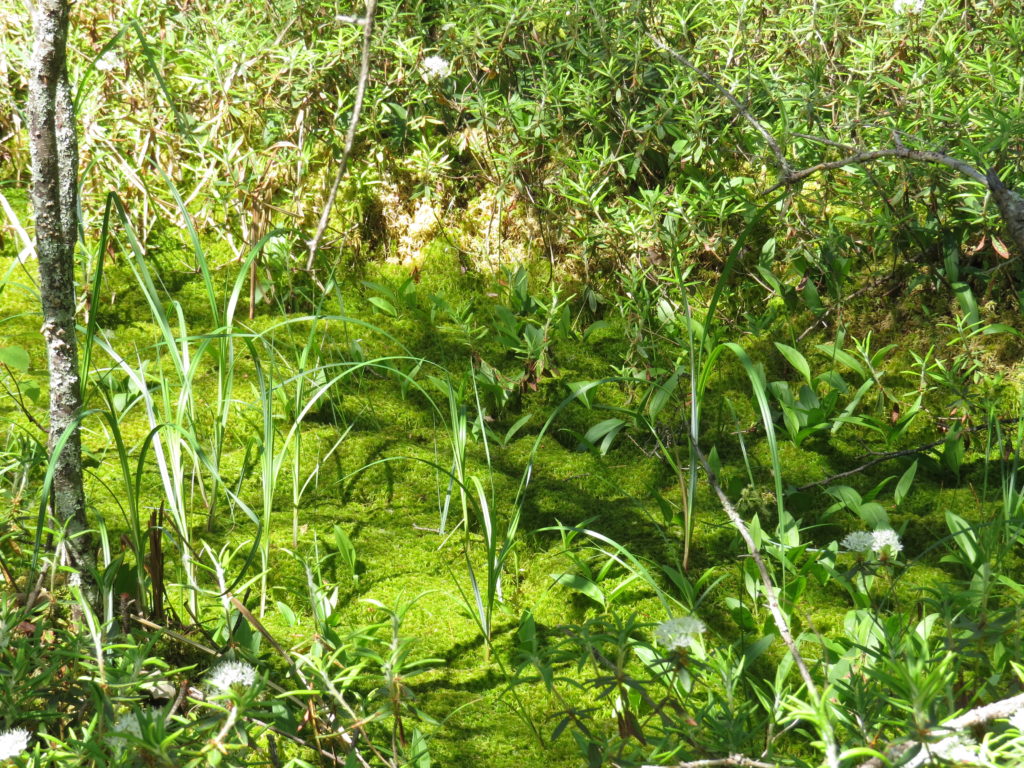
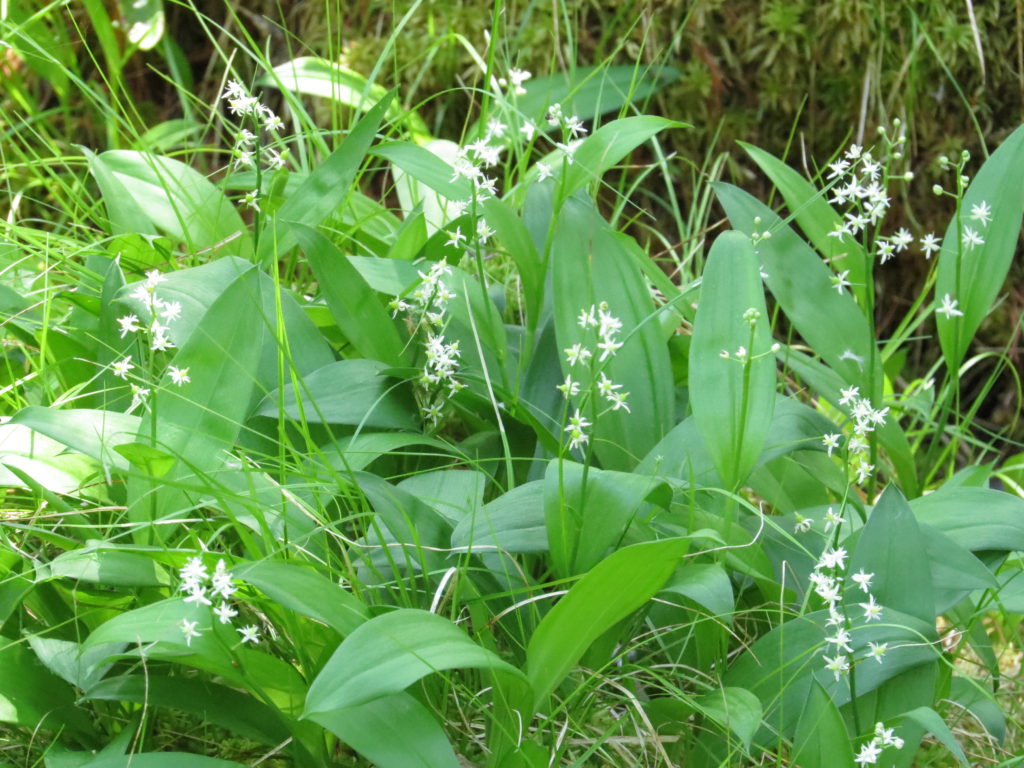
Along with the Labrador Tea, another abundant blooming plant was what I was describing as a ‘star lily.’ The stems of white star-bursts are actually called Three-leaf False Solomon’s Seal—a mouthful compared to my made-up name.
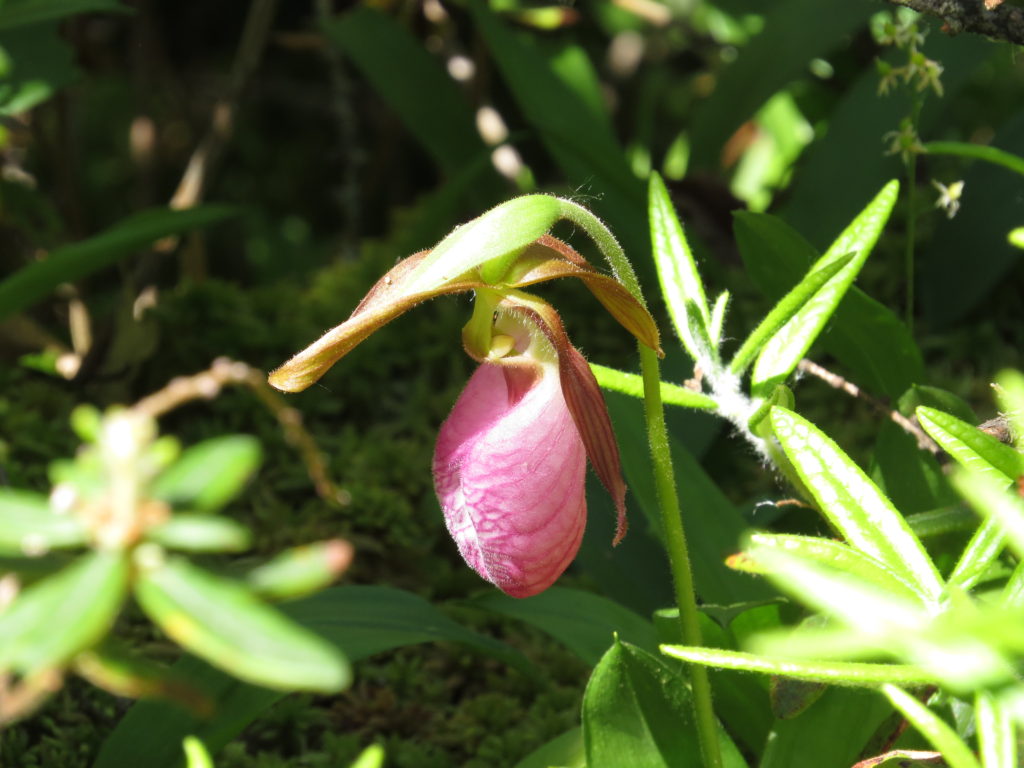
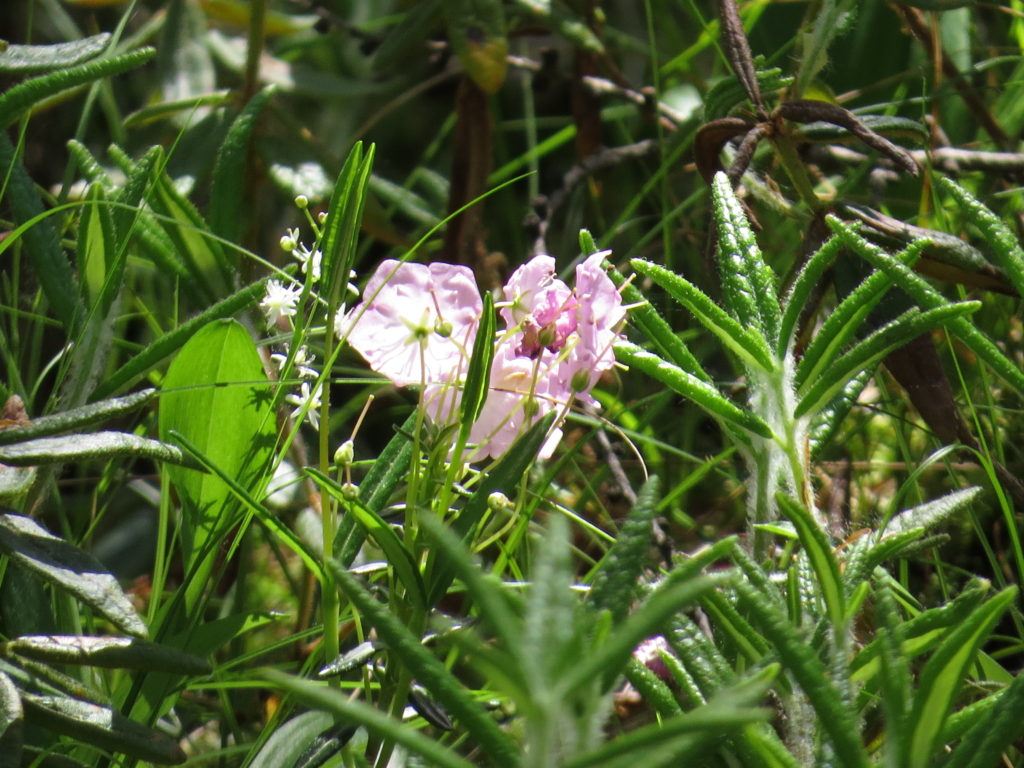
In the sea of green moss and white flowers, two pink blossoms stood out—Pink Lady’s-slipper and Bog Laurel, both delicate and scarce. I feel fortunate to see such creations.
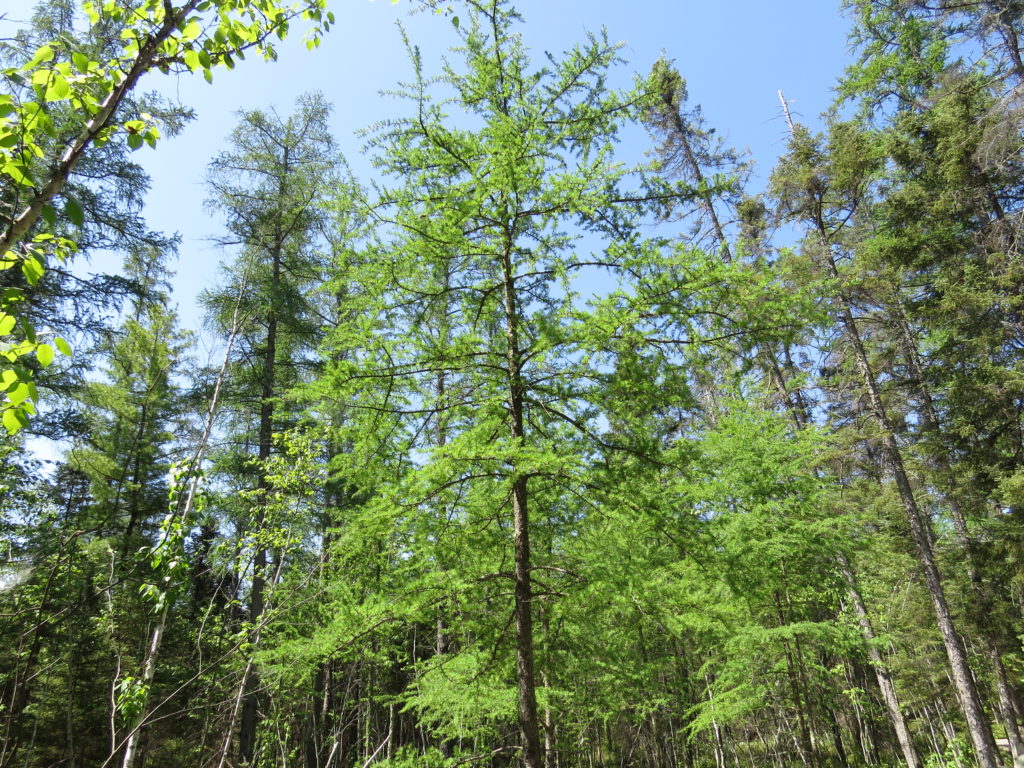
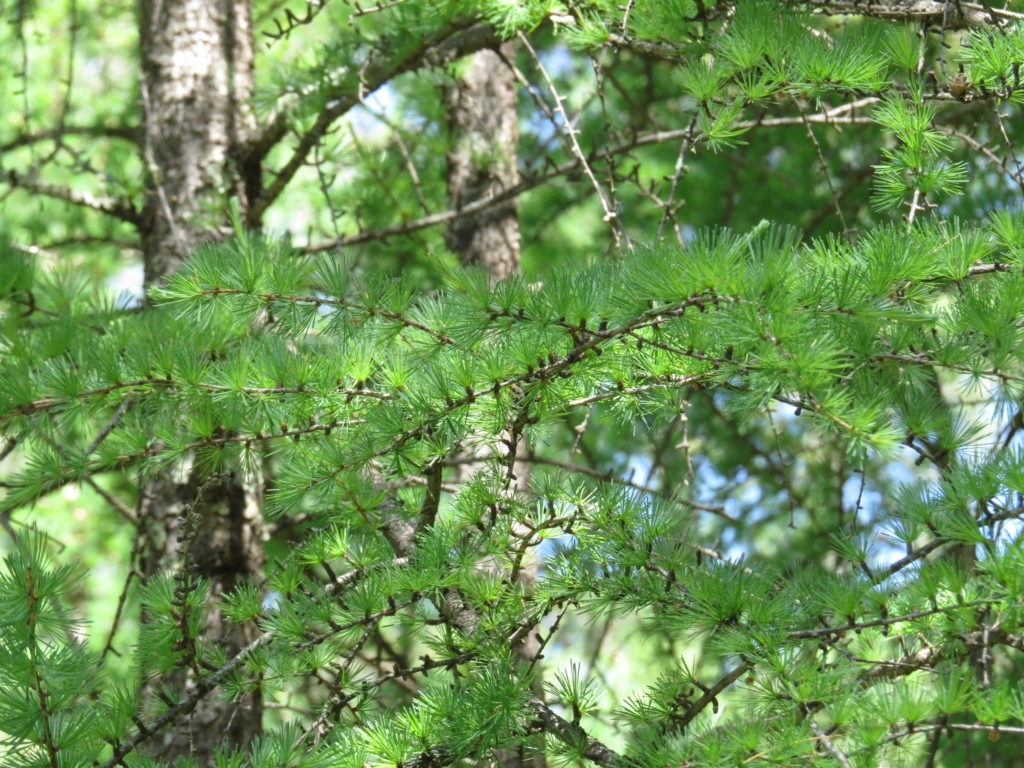
The forest part of the bog forest is made up of Tamarack (or Larch) and Black Spruce that thrive in the wet, acidic moss-soil. They have shallow, horizontal roots that keep them upright, while the Birch trees in the bog, with their vertical roots, only get to a certain size before they tip over.
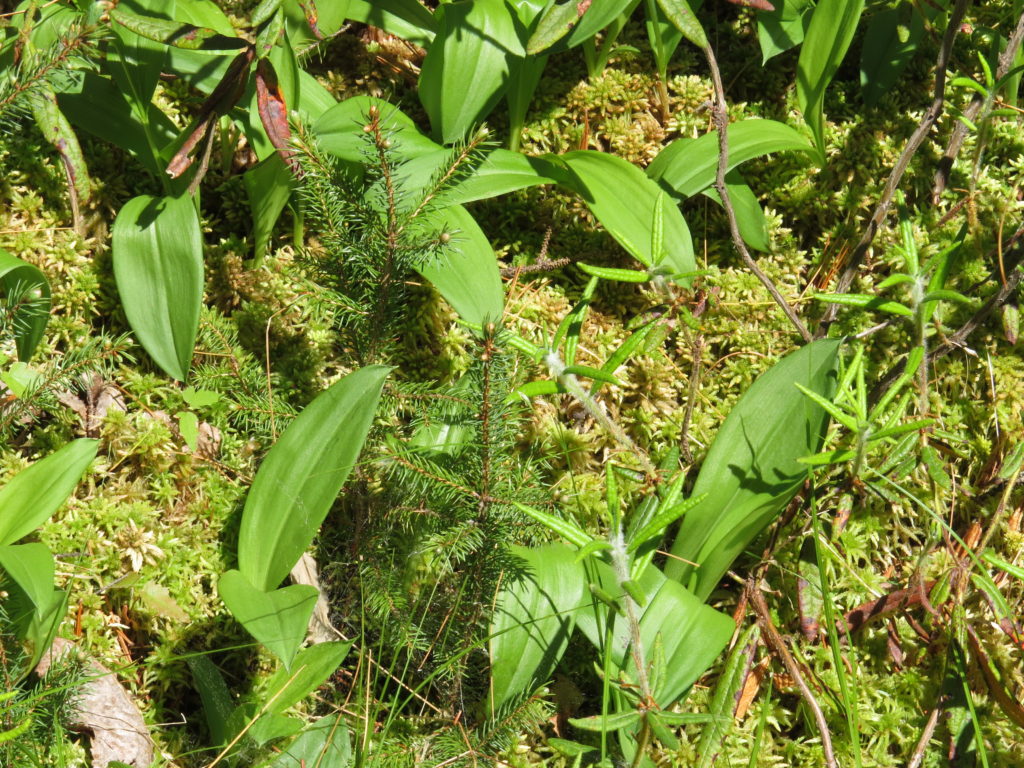

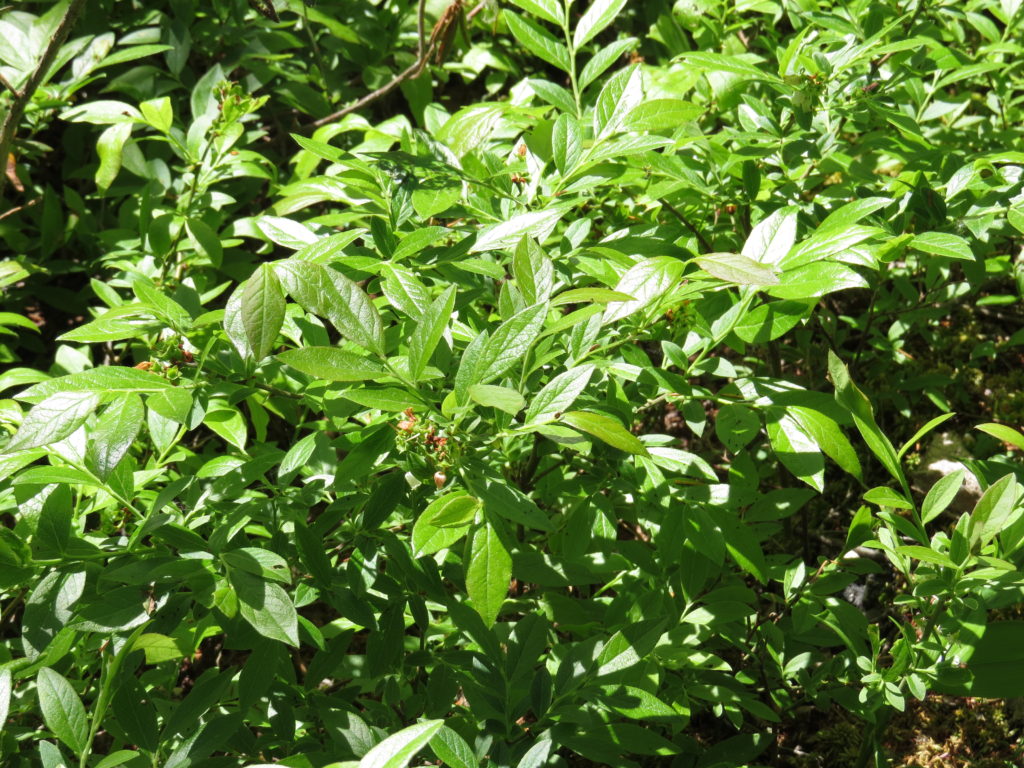
There were healthy shrubs of Wild Blueberries in certain places where sunlight was more prevalent, and the fruits were just starting to form from the spent blossoms.
Parts of the bog reminded me of a fairy’s world with dancing shadows and sunlight on mossy dales and fallen-log caverns.
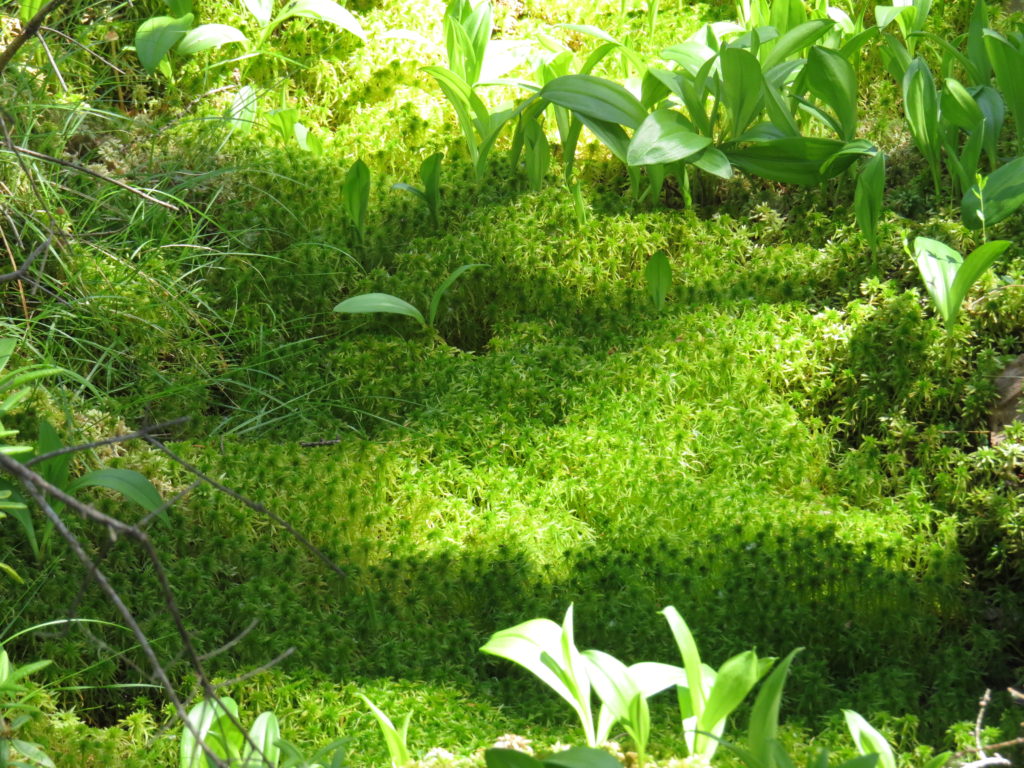

Just when I couldn’t be more pleased with the generous offerings of the June bog, Chris pointed out a spectacular plant in a bed of moss! It looked like chives with cotton blooms! It was standing upright three feet tall, and the bright white blossoms swayed in the breeze. The cotton chives are actually called Tussock Cottongrass, a sedge that grows in wet, northern areas. I had never seen anything like it—it was like a gift from the earth’s spirit keepers.
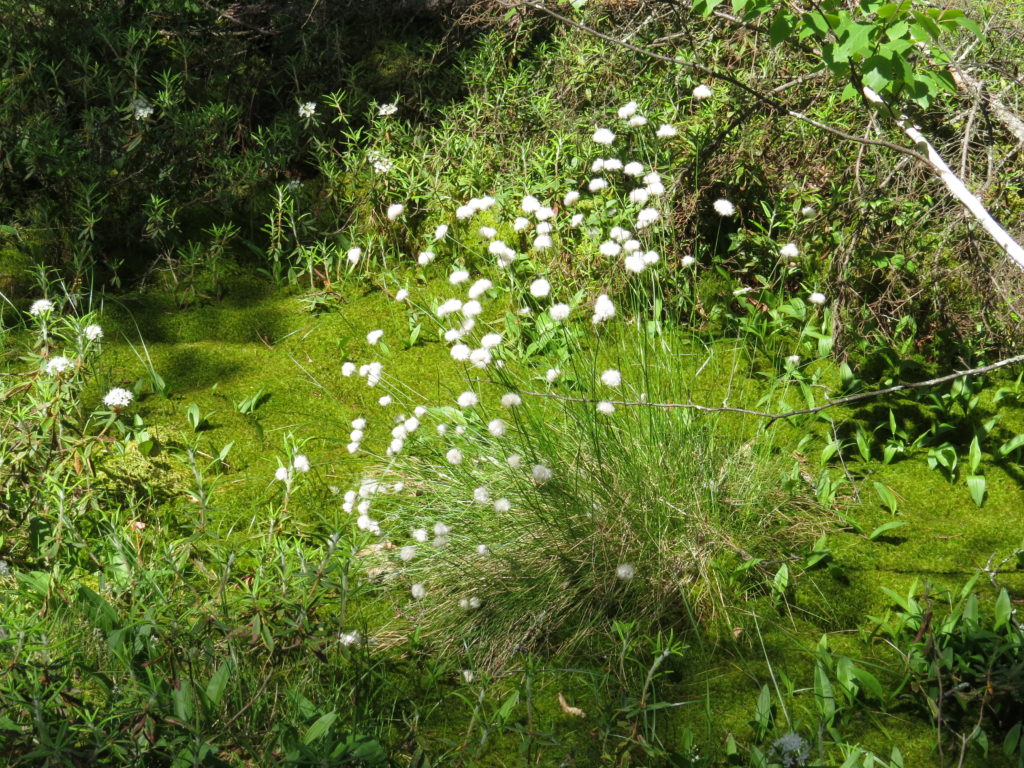
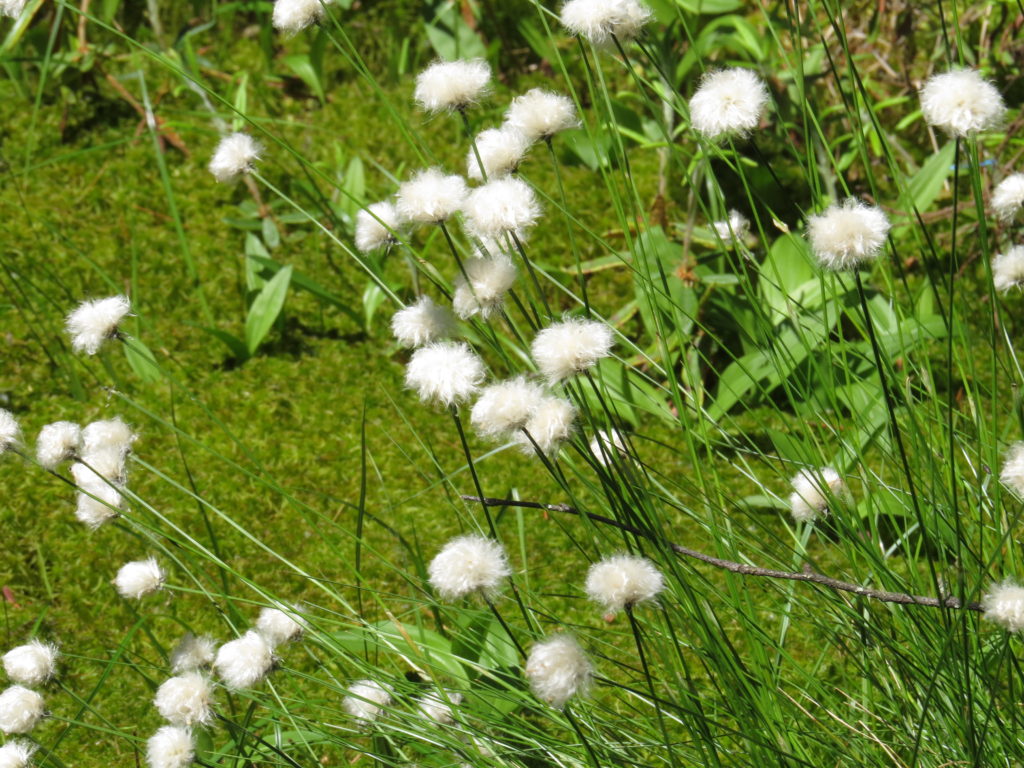
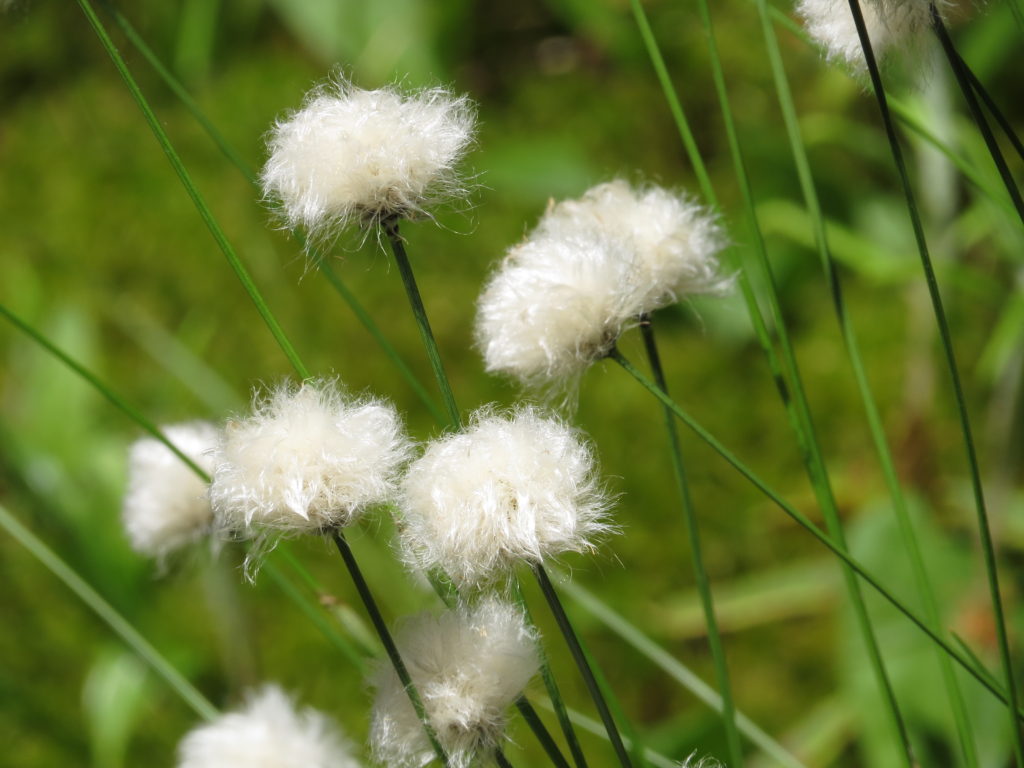
I had been anticipating a return to the bog for almost two years. Timing was an issue. My calls to the State Park to inquire about the bog azaelas were unanswered (make that robo-unanswered.) But on that day, after the rough day before, during that rocky time, I rather desperately needed to see the blooming bog—for reasons only known by my soul and my God. Once we got there, I made a bee-line for the bog, to the ‘good stuff’ I was anticipating in my head and needing for my spirit. I was so dang happy when I saw the masses of white Rhododendrons blooming, and I know it’s strange, but I’m kind of happy that a person can be so happy about a blooming bog. Nature and its beauties do that for me—it can be something different for each of us. Perhaps it’s having something to fix our gaze upon when things are not going the way we want them to, when we don’t feel like we’re standing upright on the ground, when we feel fragile. And when we see that dancing glimmer of hope in the dancing shadows of Life, we may be surprised by a spectacular specimen of Cottongrass and a mind that’s still fairly sound.
Risk and Reward
What would compel you to jump off a cliff? I mean literally jump off a cliff. Where on the risk scale are you, if 1 is ‘safety first and always’ and 10 is ‘extreme adventure is just a way of life?’ After leaving KoWaKan, Aaron asked if we wanted to stop at Thirteen Corners. That pulled me up short! I had heard the stories, even seen the take-your-breath-away video. My first thought was ‘no way do I want to see where my son and others I care for risked their lives,’ but I also knew it was a beautiful, intriguing place. So I said yes.
It is a beautiful place. Located within both Superior National Forest and Bear Island State Forest is Section 30. One hundred years ago this was a working mine for iron ore, employing 140 men. A community, also named Section 30, had been built up around the mine. There was a post office, a school with 120 children, boarding houses, private homes, a dance hall, hospital, silent movie theater, and Oppel’s General Store! All work halted in 1921 due to financial problems of the mining company after 15 years and the removal of almost 1.5 million tons of iron ore. Bust!
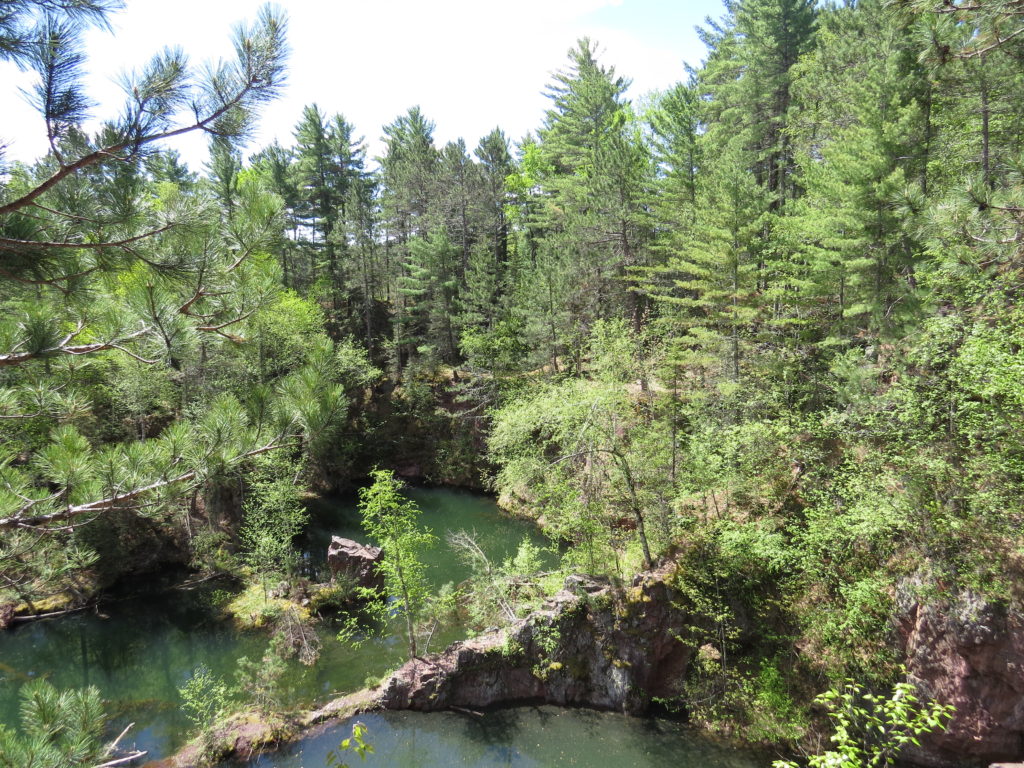
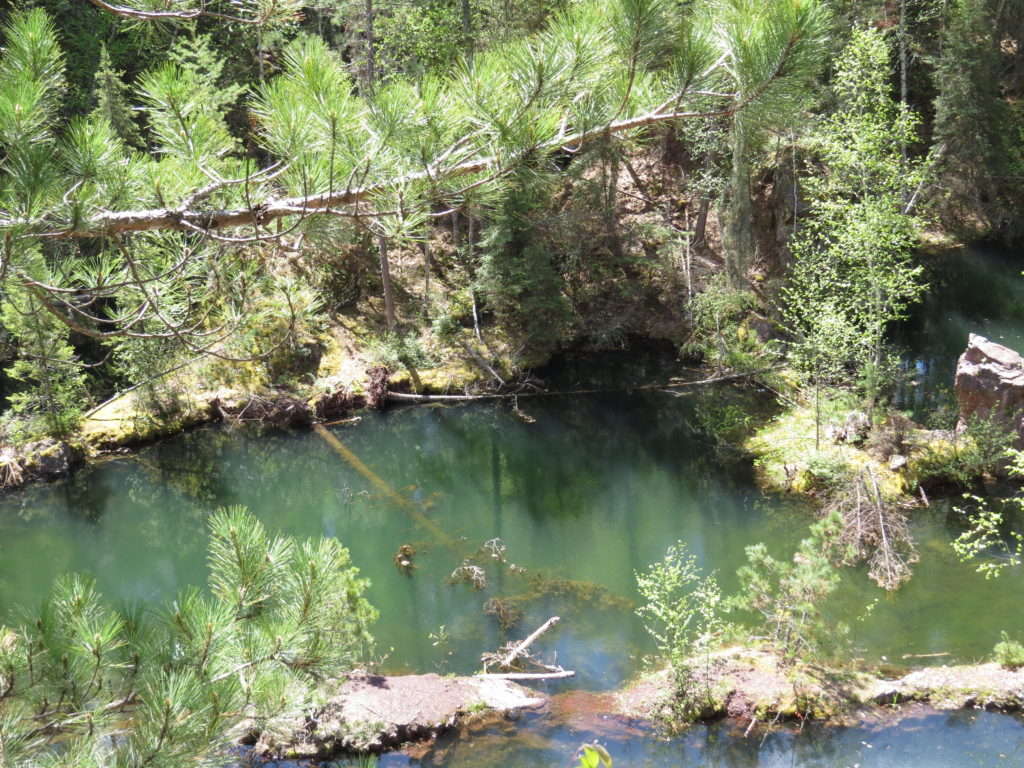
Section 30 has returned to the wilderness with a permanent scar of the water-filled open pit mine. Trees grow on the ‘spoils’ piles of unwanted rock from the mining, and we stood high on the hill and spoils above the water.
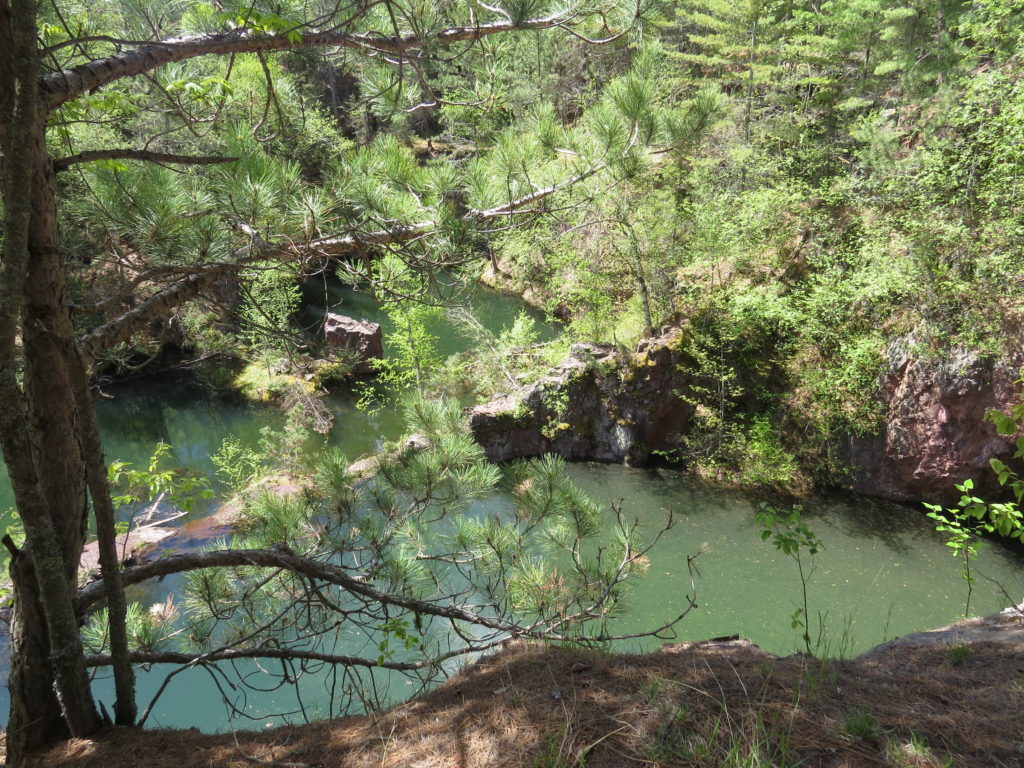
My knees were weak just watching Aaron walk to the ‘leaping point’—a jutting rock that overlay the green water sixty or seventy feet (or more?) below.
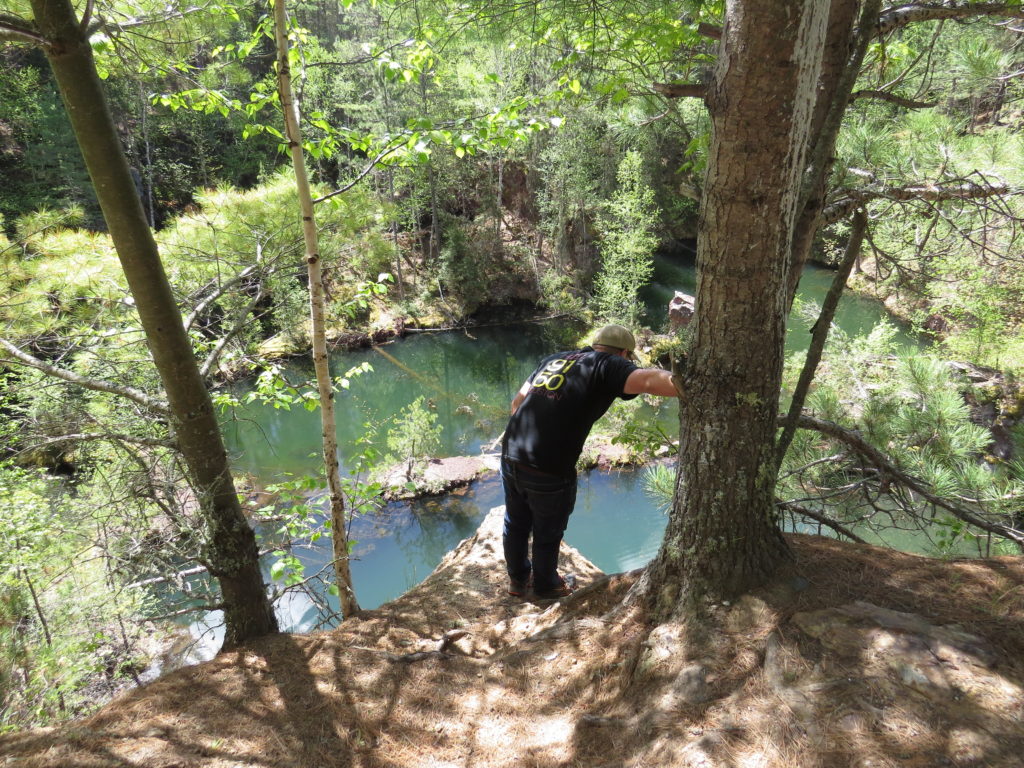
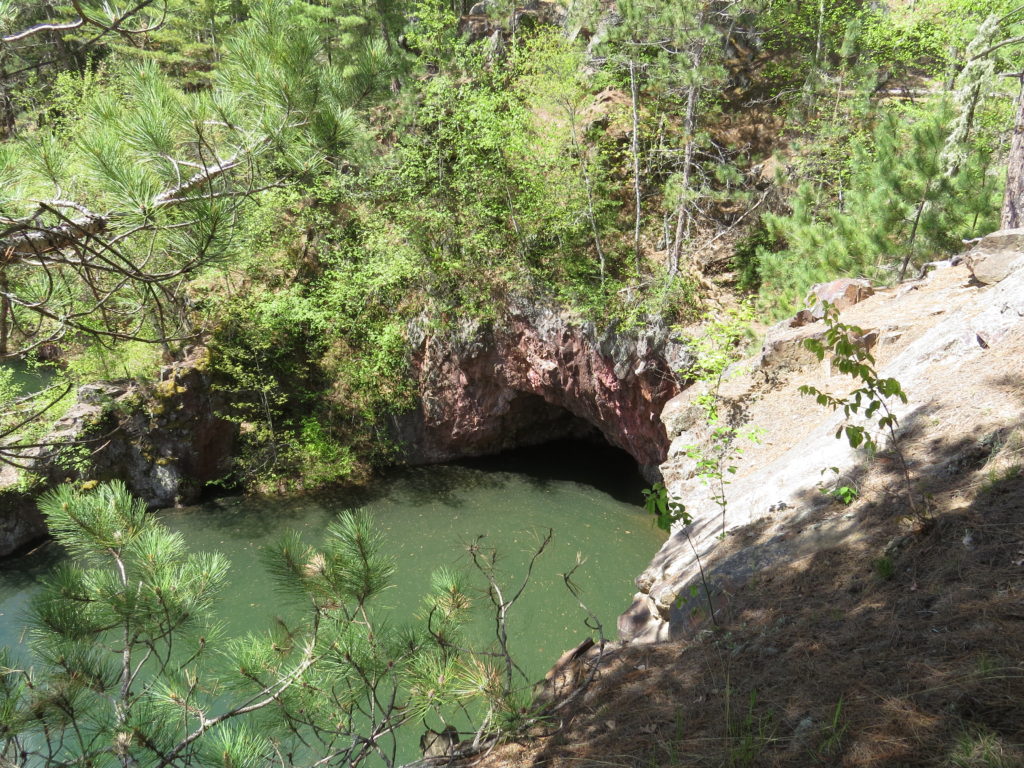
Trees have grown to the edge of the ragged rock cliffs, and Aaron pointed out the smaller cliffs on the other side—the ten or twenty footers where it was more just ‘fun’ to jump from. He told me of the tunnel under the inclined ledge—‘see that bright spot?’
It was like an optical illusion to me, that bright spot, until finally I could discern that it was sunlit ground from the other side of the tunnel.
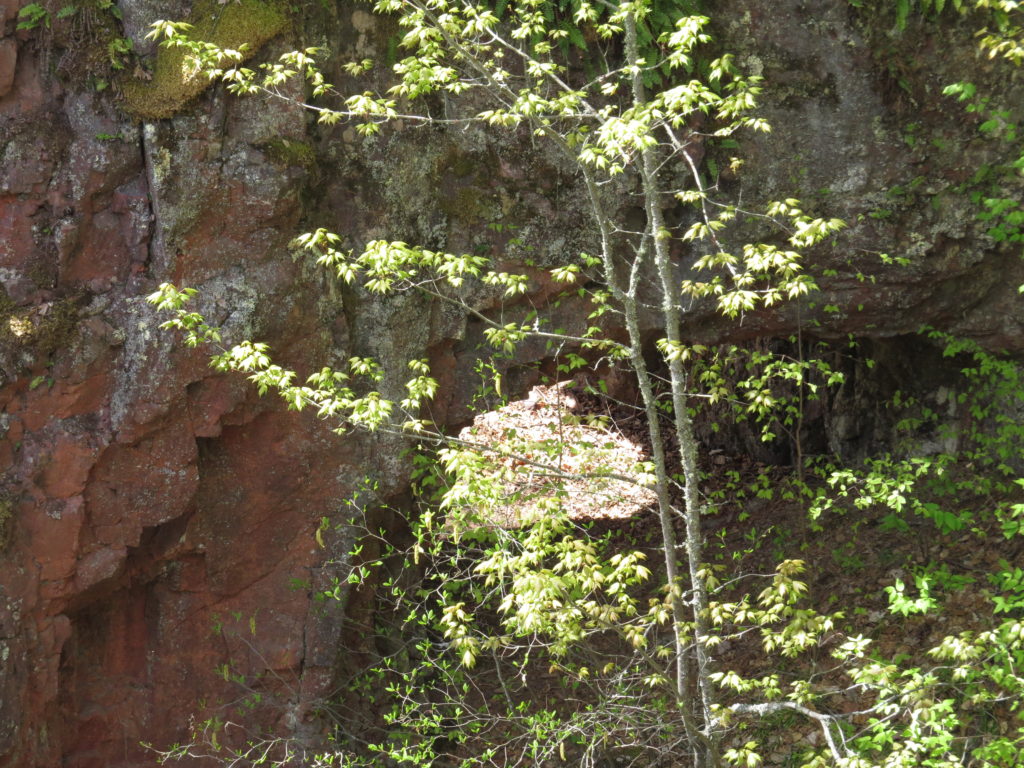
The rock is actually quite beautiful with its red, purple, orange, and rust colors. There are layers of iron ore and pockets of white quartz.
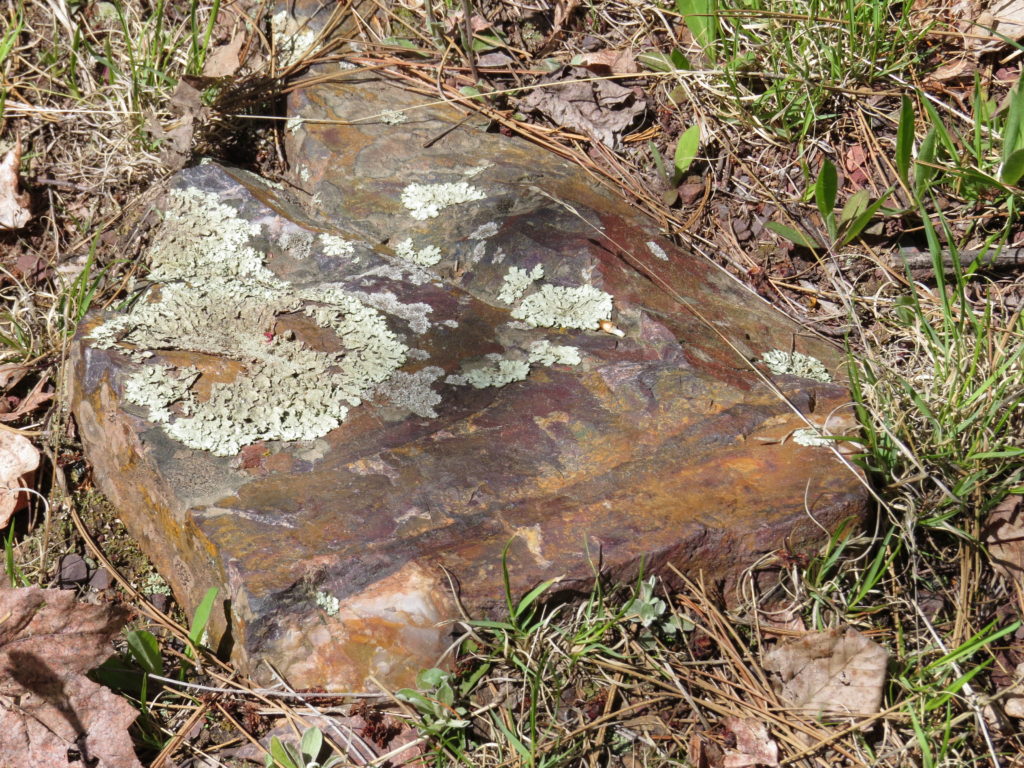
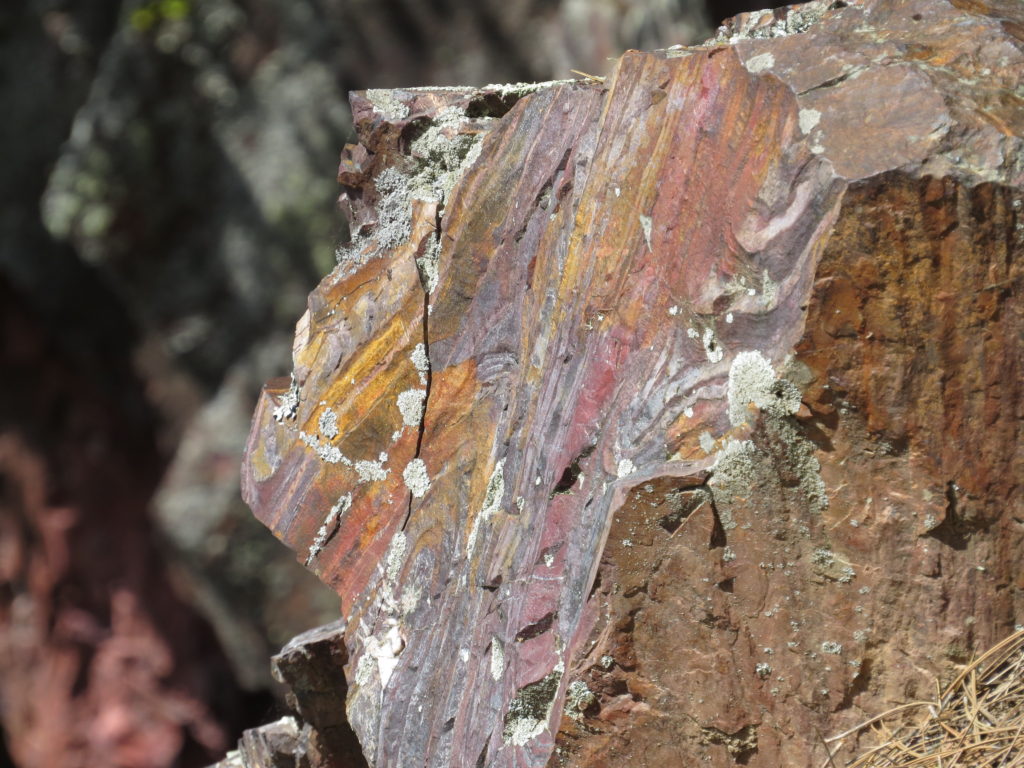
But back to jumping off a cliff—what does a person ‘need’ to take a risk like that? First, you would need some skills—swimming, how to control your body when jumping, holding your breath, etc. You wouldn’t jump off a 70 foot cliff without first jumping off smaller cliffs many times—so, practice. You would need confidence in your abilities. You would need support—many eyes and hands to help see the dangers, to navigate the correct path, and to give you encouragement or warnings. And finally, you would need courage. It would be a rare person who would be able to stand on the ‘leaping point’ with no fear or trepidation.
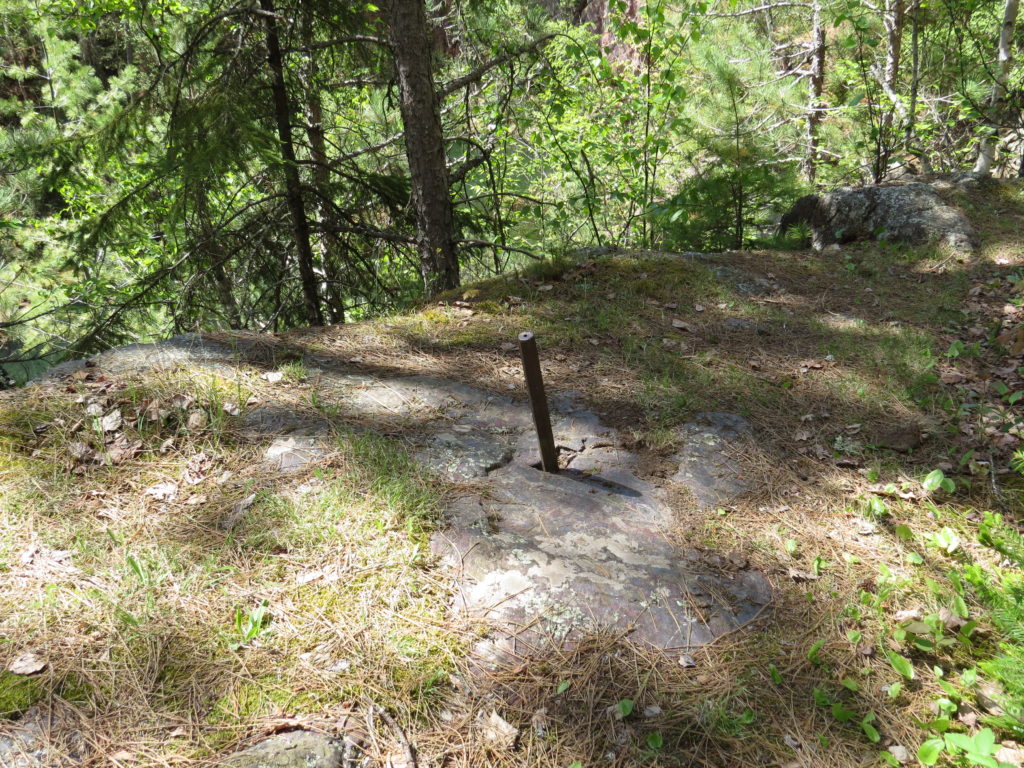
The only evidence I saw of the mine, besides the pit and the piles of overgrown spoils, was this iron spike drilled into a rock high above the water. It must have held cables that were used to hoist the rock from the bottom of the pit. It was used for support, safety, and protection for the miners. It was important. They relied on the strength and integrity of that support for their livelihood, their well-being, even their life. Safety matters, even in risky ventures.
As I looked down at the green water, the very best I could imagine myself doing was walking out on that ridge and sitting with my feet in the water. Maybe. Perhaps. I’m a one on the risk scale, if not a zero or a negative number.
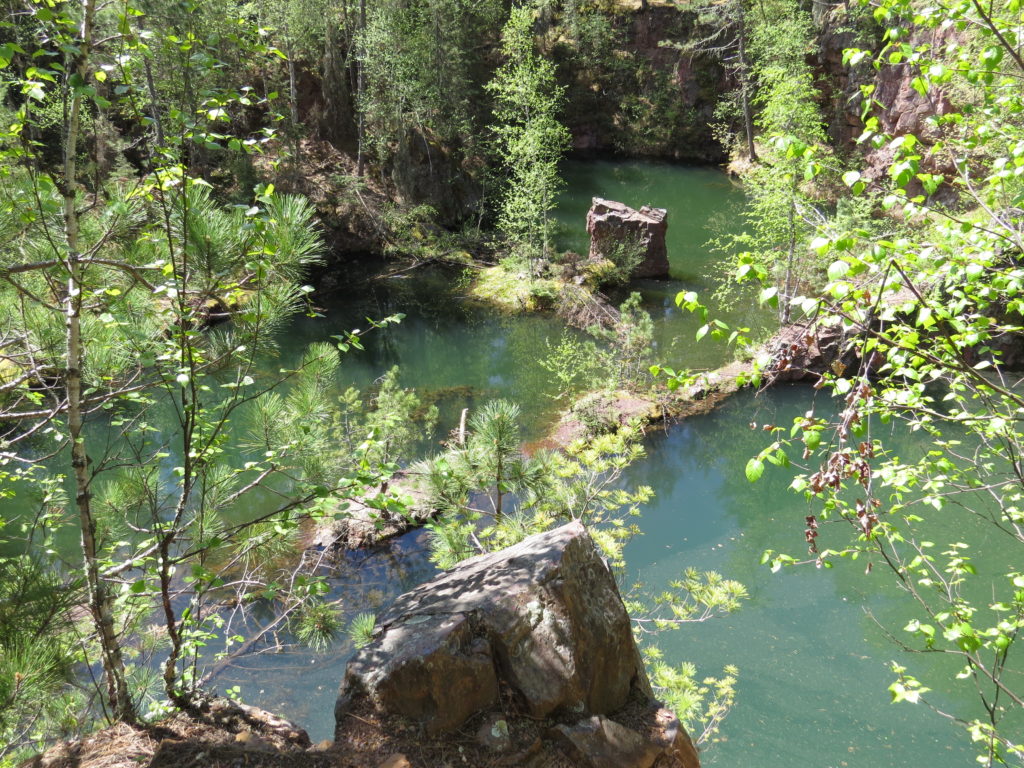
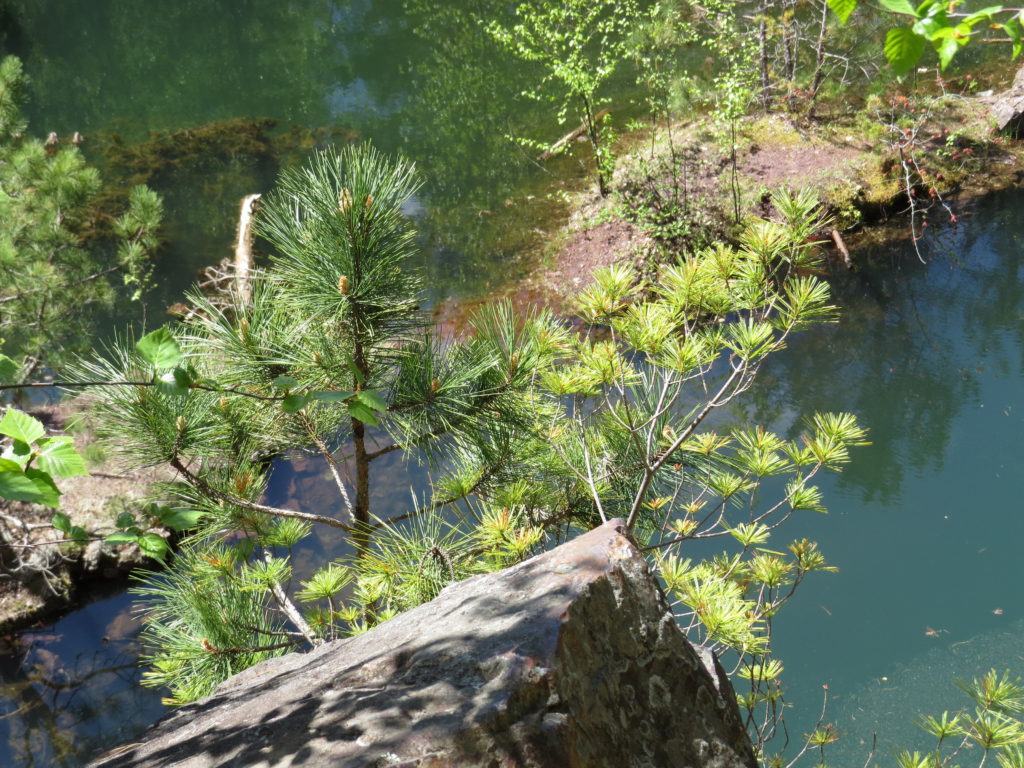
Walking through the trees, it was hard to imagine a bustling little mining town with children walking to school past the open pit where their fathers worked one hundred years ago. It was a risky job taken by Finnish immigrants in order to make a better life for their families. Those families moved on to other mining jobs and other places when Section 30 slowly dissolved after the abrupt closing of the mine. The mining company took a ‘calculated risk,’ defined as ‘a chance of failure, the probability of which is estimated before some action is undertaken.’ All businesses and all individuals at some time in their lives, take calculated risks after looking at the pros and cons, running the numbers, and having trusted people ‘weigh in’ on the issue. It is intentional; it is a choice. There are other risks people embark on from a position of vulnerability because of age, finances, health, or status—these ‘decisions’ are often a reaction of survival instead of a calculated choice. Then there is the purely physiological reality that the ‘executive function’ part of the brain, the prefrontal cortex, does not fully develop until the age of twenty-six or so. This is the rational part of the brain that is responsible for planning and impulse control. So our relationship to risk and safety changes as we mature and age.
Wherever we fall on the risk scale and for whatever reason we may or may not literally jump off a cliff or do any other kind of risky business, we can appreciate the siren call of adventure, freedom, re-birth, and fresh starts. We do, however, need to be wary of the bright spots that blind us of the risks; we need to practice discernment. We need to remember that the strength and integrity of safety matters. I thank God for the safety of the young people I know who have jumped off the cliffs—not all have fared so well, and I hope they have moved a little more towards the center of the risk scale. As for me, I need to move the needle away from my cocoon of protection and safety towards the middle ground where the unknown can bring connection, joy, and fun. Hello to Courage, and hello to “So I said yes!”
The Easy Way
A ship in the harbor is safe. But that’s not what ships are built for. –John A. Shedd
We got our tickets and were told the Taylors Falls Princess was docked in Interstate State Park, as the water was too rough and rushing over the rapids at the usual dock. Up the hill, turn left, past the park entrance, and down the hill. The Princess is a paddlewheel boat operated by Taylors Falls Scenic Boat Tours—a family owned and run business on the Saint Croix River since 1906. The upper deck was already filled with site-seers, so we took our seats at the front of the lower deck to get the best standing spots once the gate was closed. It was an easy way to explore the Saint Croix River, complete with a knowledgeable tour guide and seasoned captain.
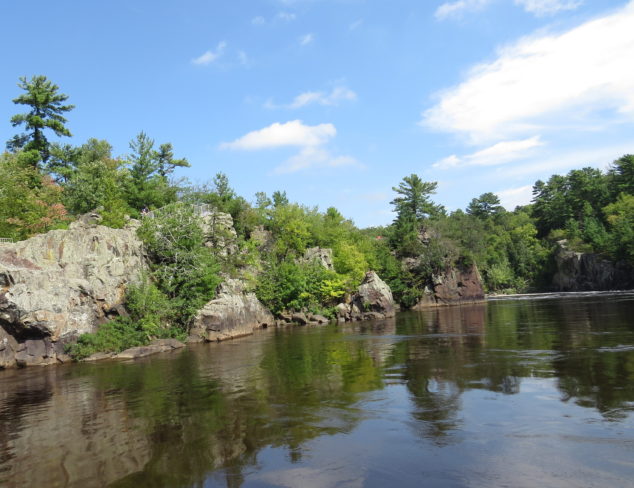
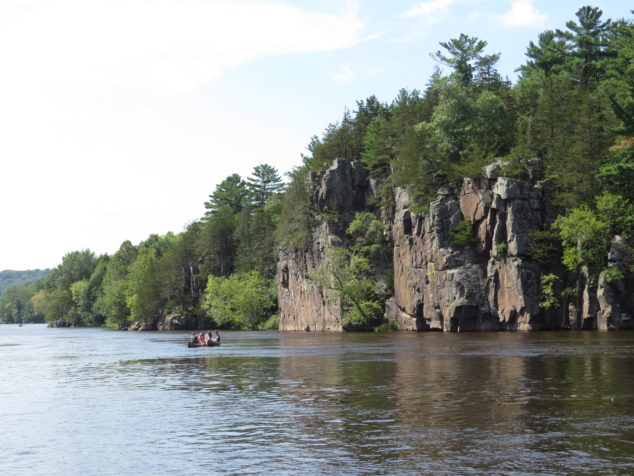
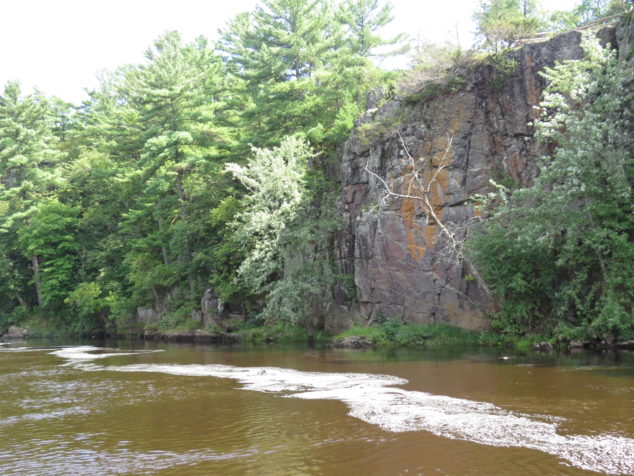
This area of the river cutting through huge rock formations is called ‘dalles,’ a French word for rapids of a river through a narrow gorge. The base rock is basalt, a dark, fine-grained volcanic rock that was later covered with a shallow sea that deposited sandstone above the basalt. When glaciers began to melt, the St. Croix River was formed. When the melting ice water intersected an old fracture in the basalt, it took the easy way, creating a sharp bend here at Angle Rock.
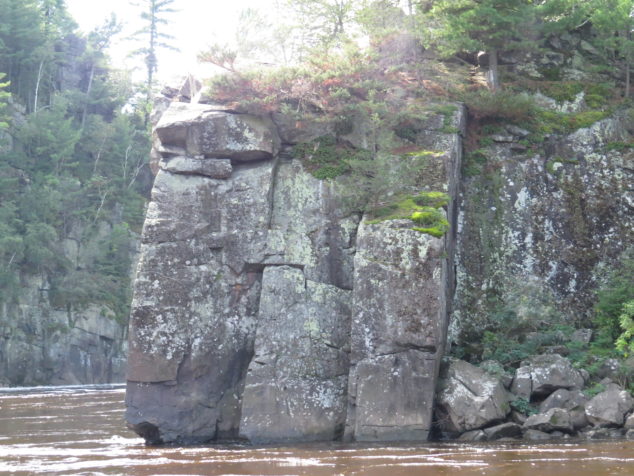
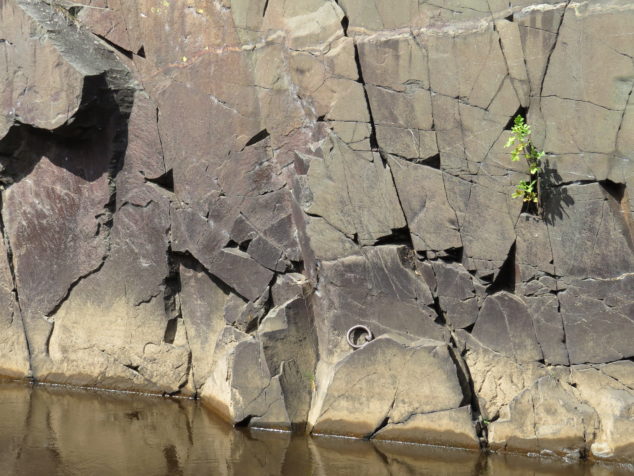
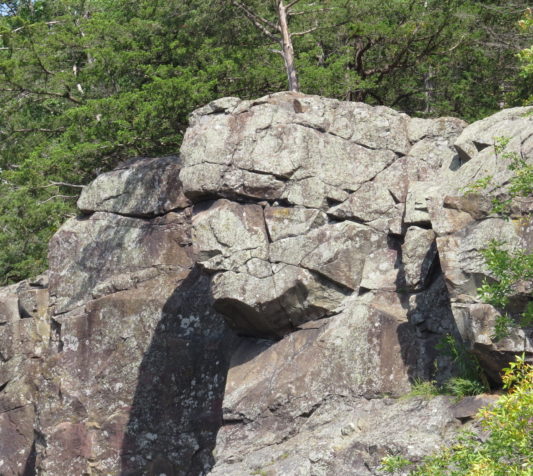
Our tour guide pointed out rock formations that looked like various things—Lion’s Head, Elephant’s Head, and the Old Man of the Dalles.
Supposedly, French fur traders of the 1600’s saw a cross in this rock face and named the river after the ‘Holy Cross,’ though the River was known by many different names before and after that time.
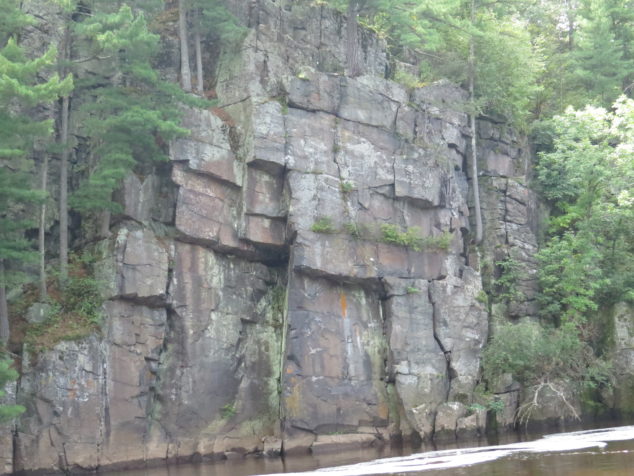
We paddled down the River on the Princess and saw many paddlers in colorful kayaks and Alumacraft canoes who weren’t taking it quite as easy as we were! The Saint Croix River is part of the National Wild and Scenic Riverways system established in 1968.
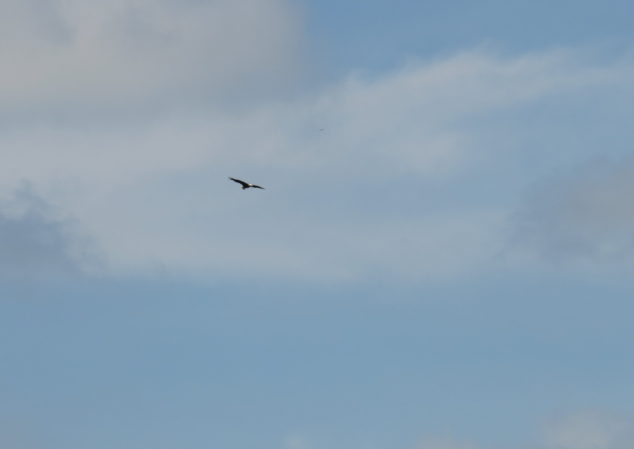
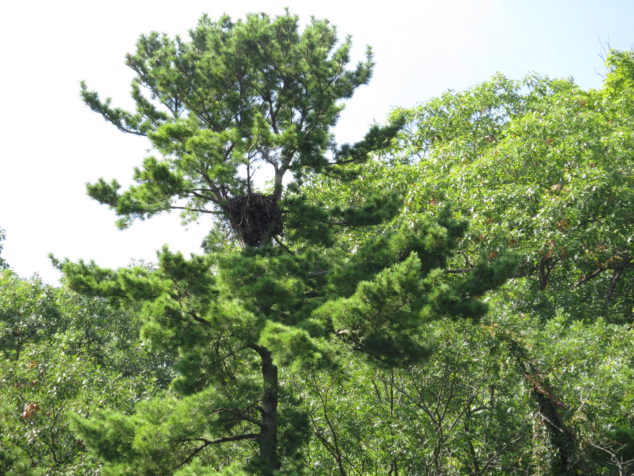
We saw an eagle and eagle’s nest…
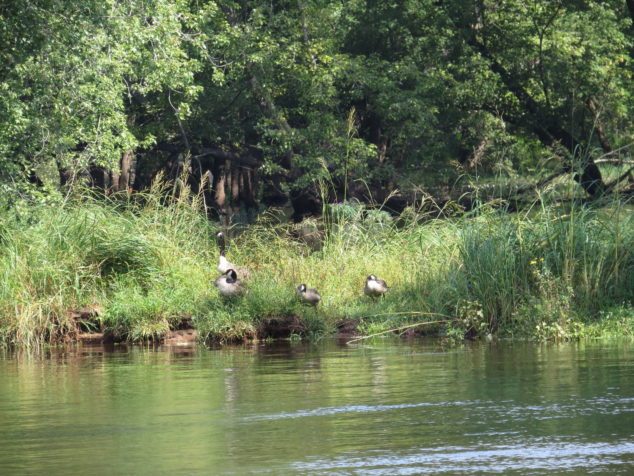
…and a gaggle of geese taking it easy on the shore.
My favorite story by the tour guide was about the island that wasn’t supposed to be there. When they were building the road on the Minnesota side of the River bluffs, the contractor told his assistant to order two tons of dynamite, and she mistakenly ordered twenty tons. He blew the bluff into the River! Is that an easy way to make an island or was the assistant an easy scapegoat to his big problem?
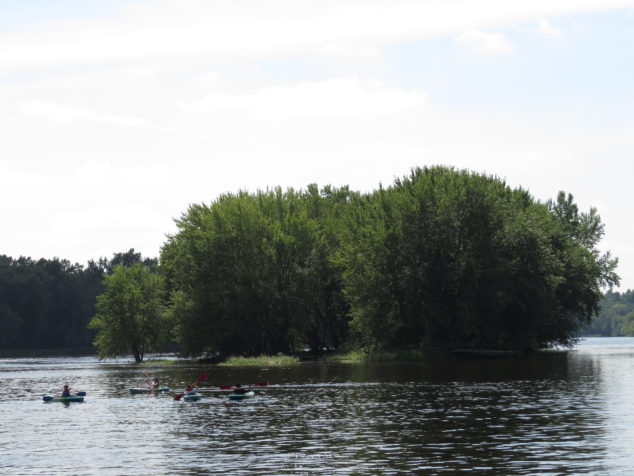
The Saint Croix River begins in Wisconsin about 20 miles south of Lake Superior, and the last 125 miles marks the border between Wisconsin and Minnesota where it then merges with the Mississippi. The Interstate State Park is on both the Wisconsin side and Minnesota side around the Dalles area.
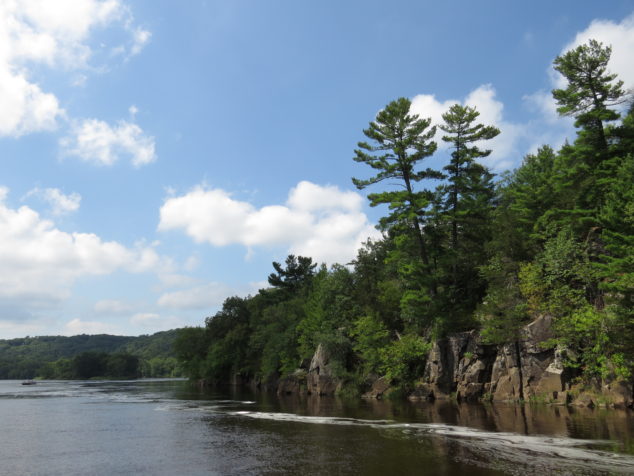
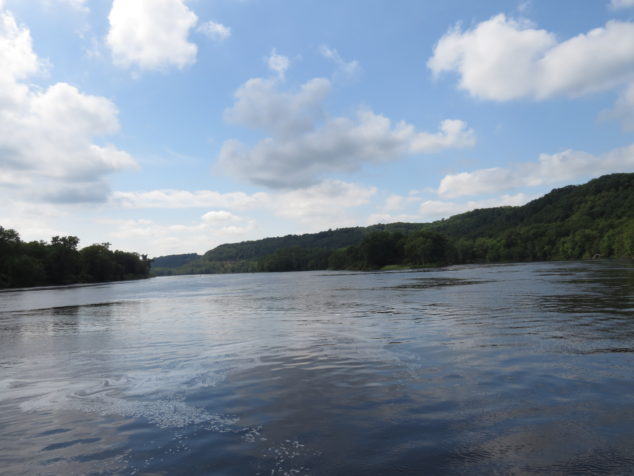
The Saint Croix has been one of the cleanest rivers in the Midwest, but like most lakes and streams in the state, it has a problem with nutrient (phosphorus) overload in the summer. The dark brownish-red color of the water is from tannins that come from decaying plant material that lines the shores of the River; tannins are not considered to be a pollutant, but we did wonder about the constant stream of white foam.
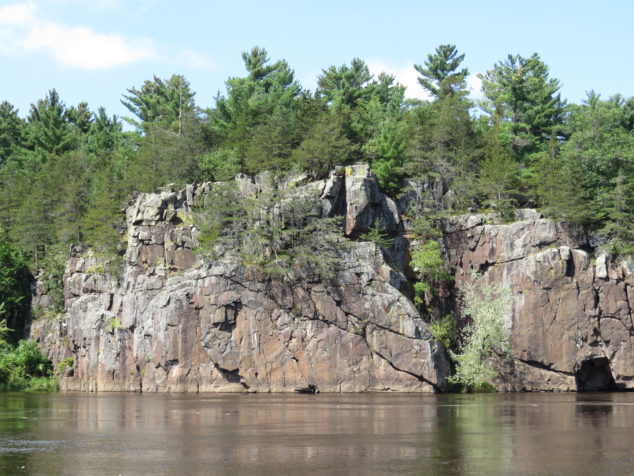
Our easy eighty-minute excursion on the paddlewheel boat seemed to go fast—the River and the rocks were beautiful. The history and stories by our tour guide were interesting and informative. Our easy way of exploring the River and bluffs cost us money in order for other people and machines to do ‘the work.’ We were safe within the rails of the boat (never in their long history have they ever had to use the life vests.) Franklin D. Roosevelt said, “A smooth sea never made a skillful sailor.” The easy way doesn’t challenge us—it may keep us safe, be the way we’ve always done things, and be the most comfortable for us. But is that what we’re built for? Is that what we’re born for? How do we build roads where once there were rocks and trees? How do we make an island? Our day at the Saint Croix River was just beginning. The easy way was over.
To be continued…
Meet Me at the Bend in the River
There are times in our lives when we are floating along—smoothly going in the direction we want to go, enjoying the scenery, life is good—when we come to a bend in the river. If we follow the flow of Life, we are swept along in a changing direction; if we resist, we flail about trying to stop or turn around and go back to where Life was easy. But it is no longer easy—we are going against the current.
Our oldest child left the 100-degree August heat of Austin, Texas to spend time with us in Minnesota. On one of those beautiful days, my Mom came over from South Dakota. We spent the afternoon at Bend in the River Regional Park north of Saint Cloud. The Park is located at an old farmstead high up on the bluffs of the Mississippi River—at the bend in the River. The old Red River Ox-cart Trail passed by a log cabin built on this site and later became the Point Douglas–Fort Ripley Military Road in 1851. In 1912, Edgar Graves bought the farm and built a barn, then a house, and subsequent other out-buildings. The house is formidable in structure, but closed to the public. I kept saying that I would live in that house!
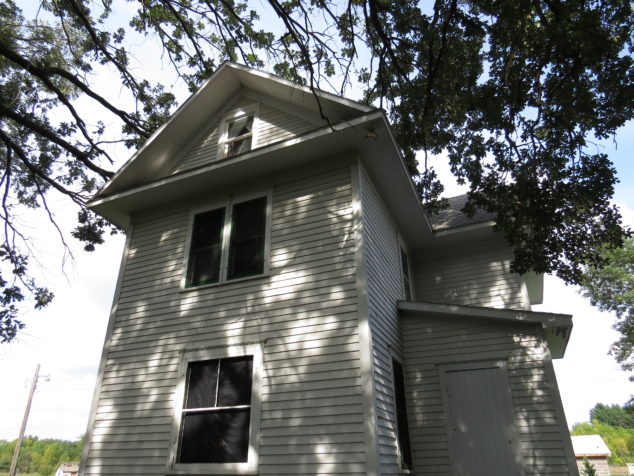
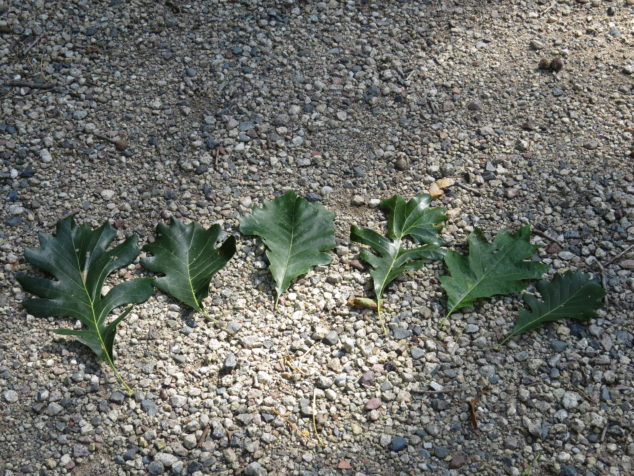
Around the house towered Bur Oak trees that were over 120 years old. While the floodplain below the bluff always had fire-protected forests, the bluff was more prairie with sparse numbers of Bur Oak that could survive drought and wildfires.
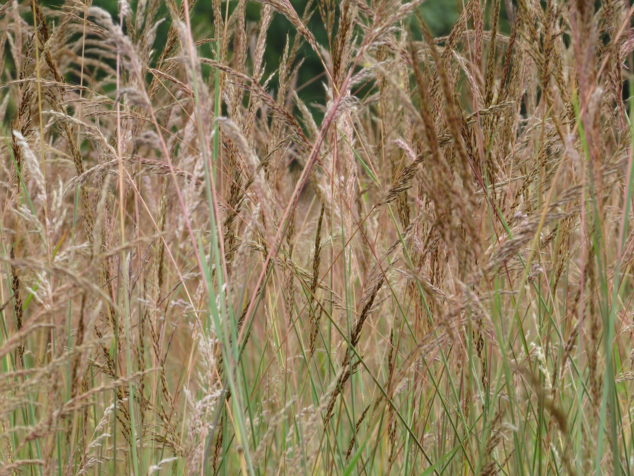
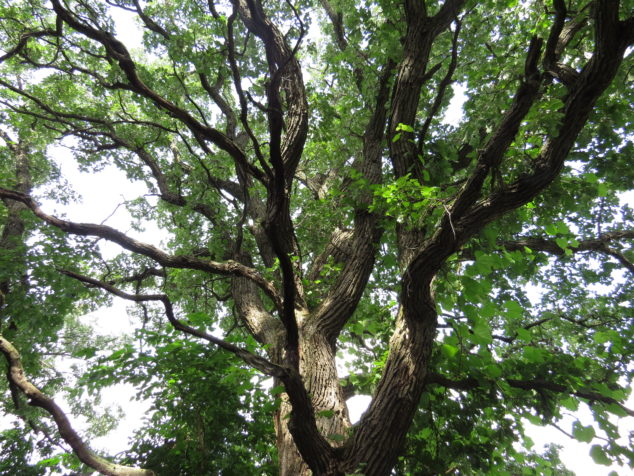
We walked the trail from the farmstead along the high bluff overlooking the River.
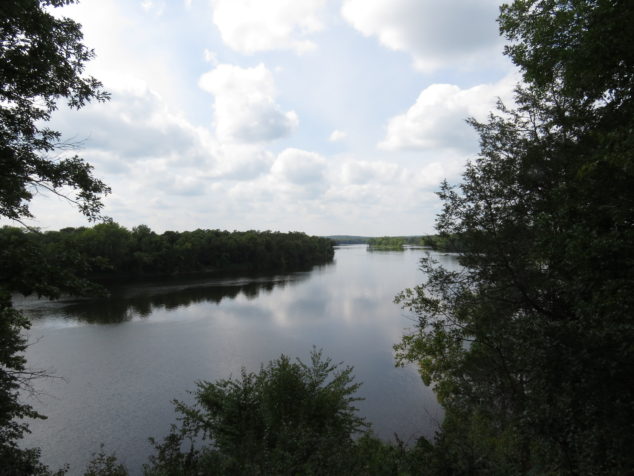
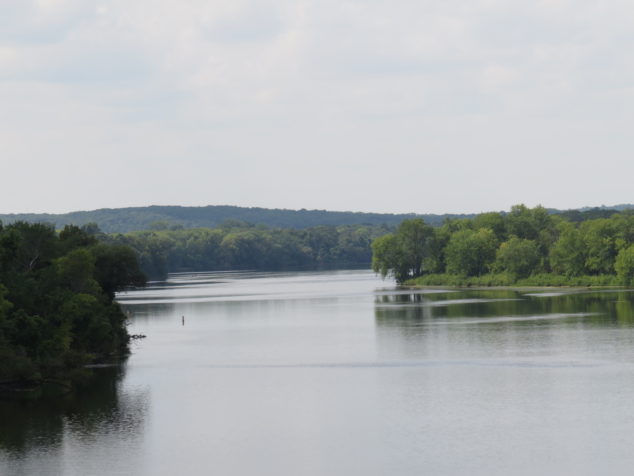
The native Ojibways called this expanse of water “Misi-ziibi” or “great river.” The French fur trappers in the 1600’s translated that to “Messipi,” which was later Anglo-cized to “Mississippi.” That great river flows on.
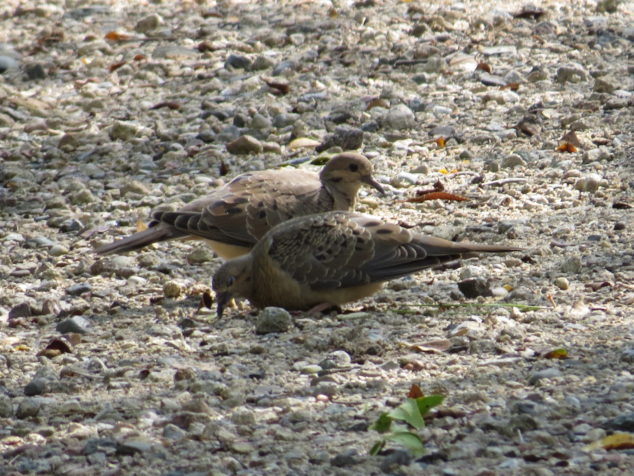
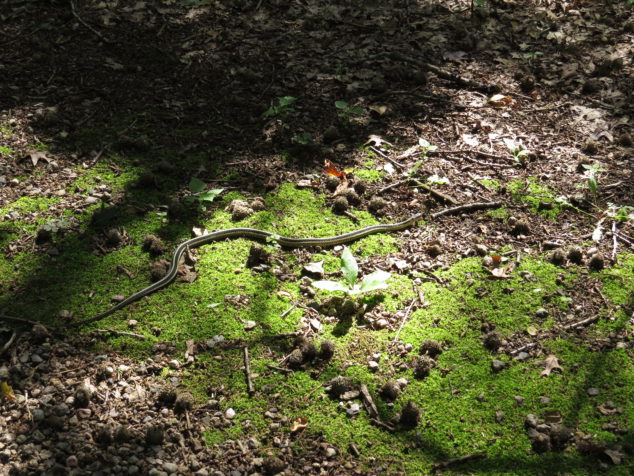
Acorns crunched under our feet—it was an abundant year for Oak seeds. A pair of Mourning Doves ignored us as they foraged the gravel trail for seeds. A Garter Snake lay sunning itself on the soft moss between acorns.
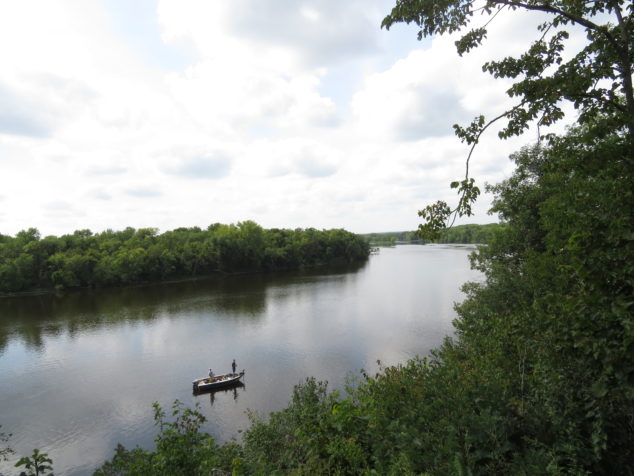
At one of the overlooks, we saw two young men fishing on the Great River. Meet me at the bend in the River—let’s catch some fish. Let’s spend some time together. Let’s slow the pace of our lives for a few hours.
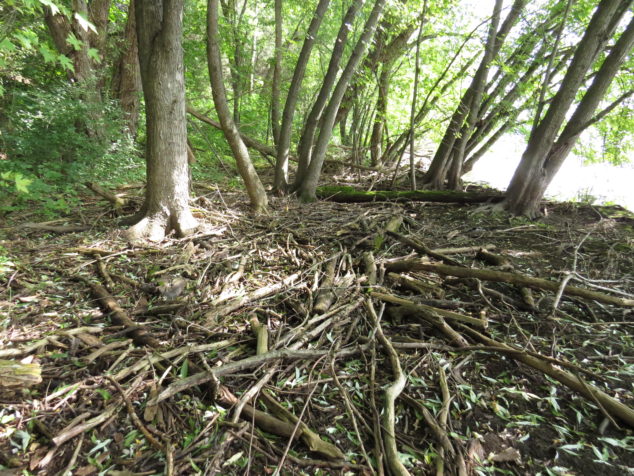
We walked down a side trail that descended the bluff to the floodplain area beside the water. The power of the water rushing around the bend in the River had pushed logs and debris up onto shore. There were rusty wheels and tires and hardened, lost shoes.
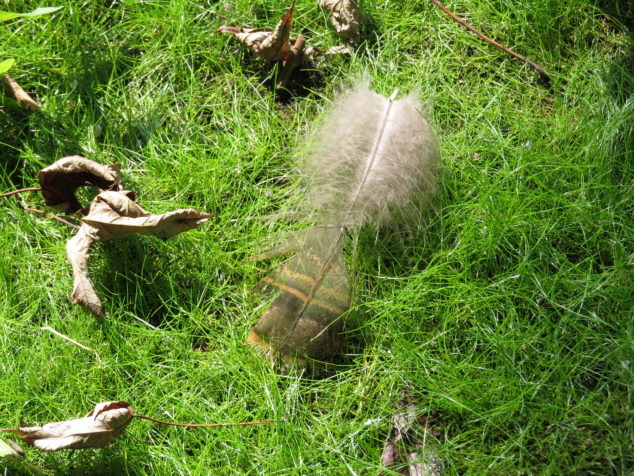
And right at the bank of the River, a fine mossy grass grew and on that lush greenness lay a turkey feather, like a dropped handkerchief—personal and universal all at the same time.
The water reflected the sky, assuredly giving the weather report for the ones gathered at the bend in the River.
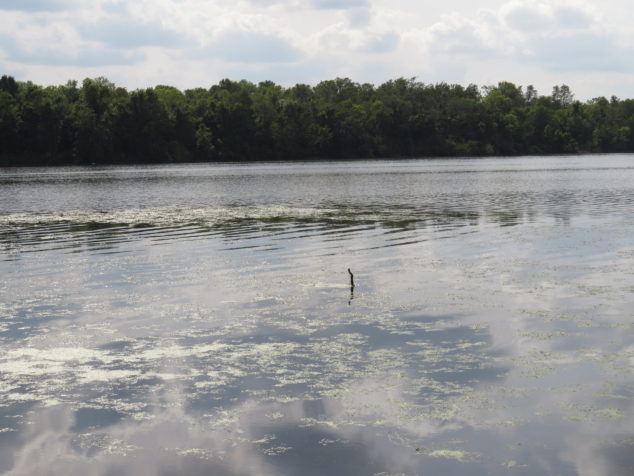
Three generations of our family met at the Bend in the River, slowing time as we walked and observed trees, animals, and the Mississippi. We learned about the history of this place, how it progressed with time from ox-cart trail to military road to potato farm. Why was I drawn to the old prairie farmhouse and the outbuildings for all the animals? Why was I thrilled that Carlton Graves ran a veterinary practice out of the basement of the house? Why was I so pleased that this place high above the bend in the River was turned into a Park for all to see and use? The flow of Life moves us forward, even as we ache for things to be as they were when we perceived that life was smooth and good. Life changes our direction for us—we need to be able to navigate the rough waters and the bends in the river. We don’t want to end up like logs and hardened souls all piled up under the trees as Life moves on. Let’s meet at the bend in the river. Let’s meet where things change direction. Let’s honor our history and slow down the pace of our lives for a few hours. Right there, on the soft, transitional terrain, let’s pick up the lost feather, the lost handkerchief. It is personal and universal, all at the same time.
Family Time
The family is one of nature’s greatest masterpieces. –George Santayana
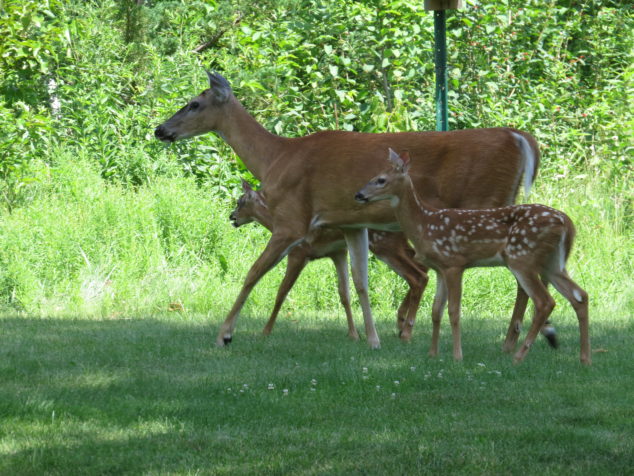
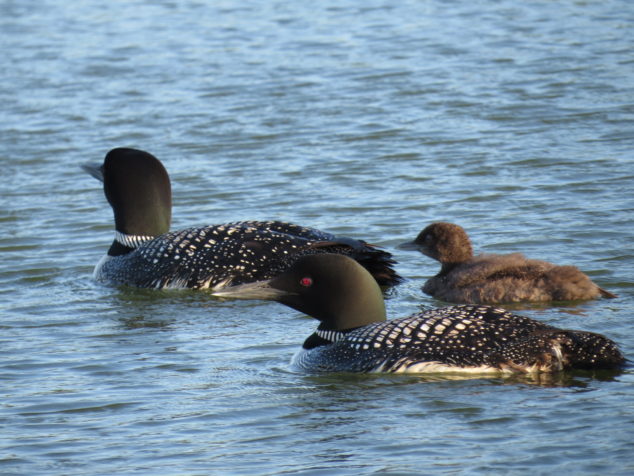
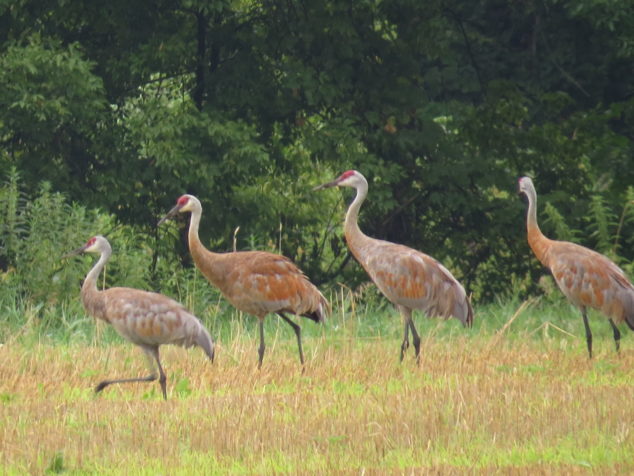
I’m happy to be spending time with family! I will be back in two weeks. Enjoy this end of summer warmth and sunshine!
Modern Day Hay Haulers
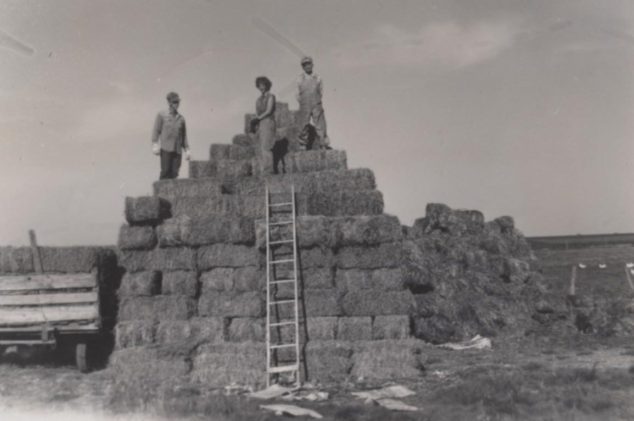
There is something to be said for hauling hay bales. Those of us who have done it may run the gamut of feelings about doing so—from ‘I hated having to haul bales’ to ‘gotta get it done’ to ‘I love being out there on the hay rack’—all are legitimate things to say. I fall towards the ‘love’ side. Some of that has to do with my love of the animals we were feeding the hay to—if you have horses, you have to put up hay, even if it’s stacking the bought hay in the hayloft. The same goes for straw bales for bedding in the stalls. It’s all part of caring for the animals we love. I also loved being outdoors—driving the tractor or bracing my legs on the hay rack as we bumped over the stubble or stacking high on the pile as we completed a load. It was usually hot, sometimes muggy, always sweaty and dirty. And it was awesome! The thing about putting up hay—small square bales and back in the day—was it was a team effort. (Not that my Dad never let the tractor run down the field by itself while he picked up and stacked by himself.) For efficiency and some peace of mind, family, friends, and young, strong helpers were recruited to help with the work that needed to be done. So we did it together.
This photo was taken in the early 60’s when I was too young yet to help with hay, but this is my Mom and Dad and Grandpa Andrew.
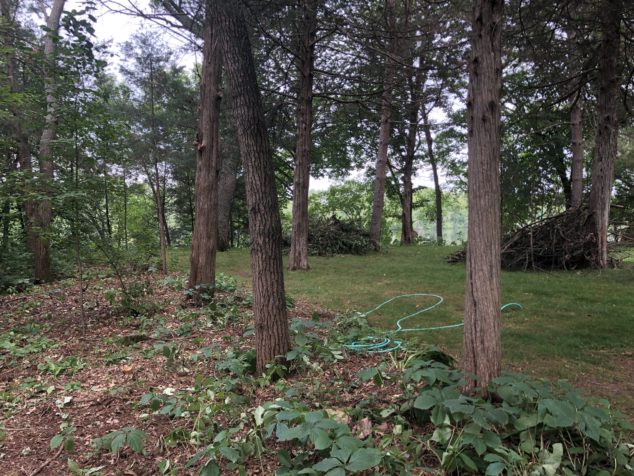
Most of the hay these days is rolled up into big round bales and hauled with tractors and trucks. But we did something this week that reminded me of the old hay-hauling days. We did some outreach in our ‘Battle of the Buckthorn.’ Most of the large buckthorn trees on our property have been removed thanks to the diligence and hard work of Chris, so we were glad to help some young friends of ours with their overgrown buckthorn problem. Armed with gloves, saws, pullers, and loppers, we went to work in the hot, slightly muggy afternoon. We sweated, got dirty, made big piles, and cleared the invasive trees from under the pines, oaks, and cedars.
While working, we also kept an eye on the kids who ran a lemonade stand for the passersby in the neighborhood. When the afternoon’s work was done, we sat down together for ‘a little lunch’ as my Grandmas used to call it. With tired bodies and a distinct feeling of satisfaction for the work we just accomplished together, we ate a sweet treat with relish and appreciation. We were like modern day hay haulers—working together to do a big, physical job and feeling the satisfaction in our bodies and souls that we could do it together.
Down the Road With Me
“An early-morning walk is a blessing for the whole day.” –Henry David Thoreau
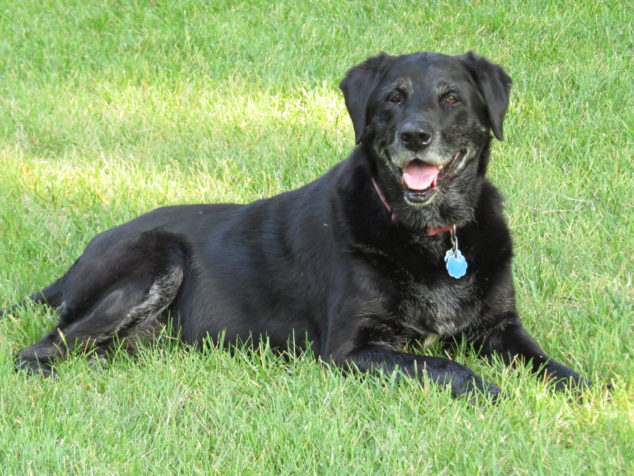
These past days have been the epitome of Summer—very warm, slightly humid, and sunny. But we are past full-on Summer; when we roll the calendar over to August, we see changes. The Ash trees have a tinge of yellow in places, Sumac and Poison Ivy leaves are turning red, Goldenrod is blooming gold, Crabgrass grows and goes to seed, and the noisy chatter of the House Wren no longer interrupts the sounds of the day. The mornings have been still—in movement and in sound. Into that stillness I walk with my pal Tamba—she limps now, groans when she lays down, has lumps and bumps, so I know that our twice-daily walks are numbered. Yet every morning she pulls herself up and eagerly heads down the road with me. I hear the low, melodic call of Mourning Doves, and instantly my mind transports me back to my Grandma and Grandpa’s farm. What amazing brains we have that we can time-travel when we hear or smell something! The stillness and humidity allow dew to form on everything during the cool night, and the morning sun freely transforms all into a treasure of shining gems.
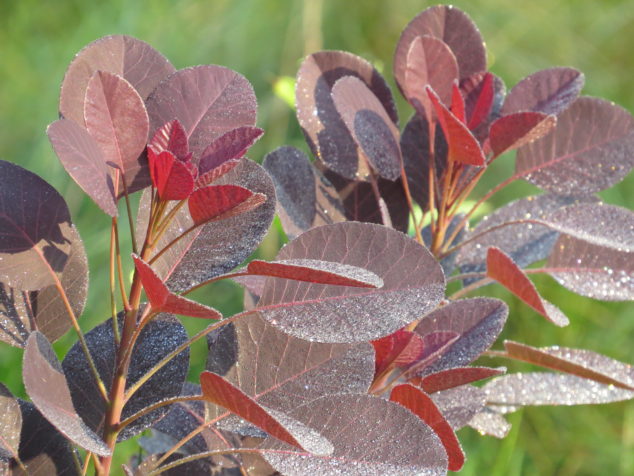
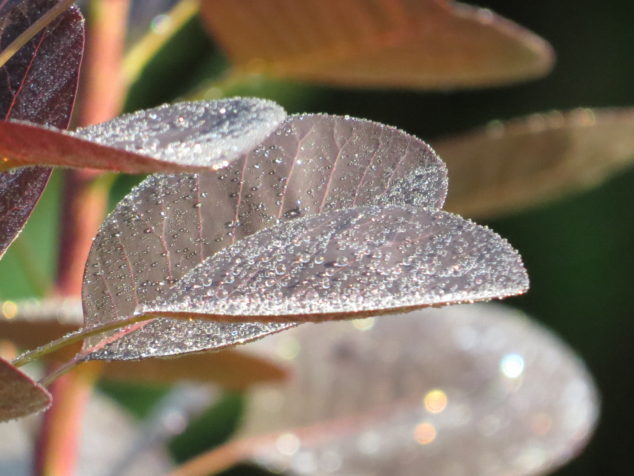
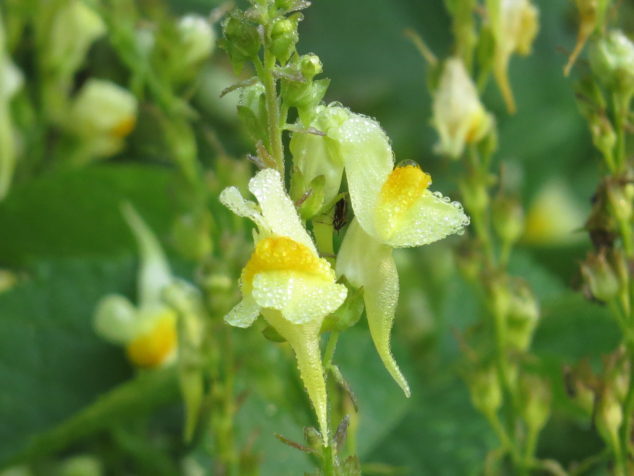
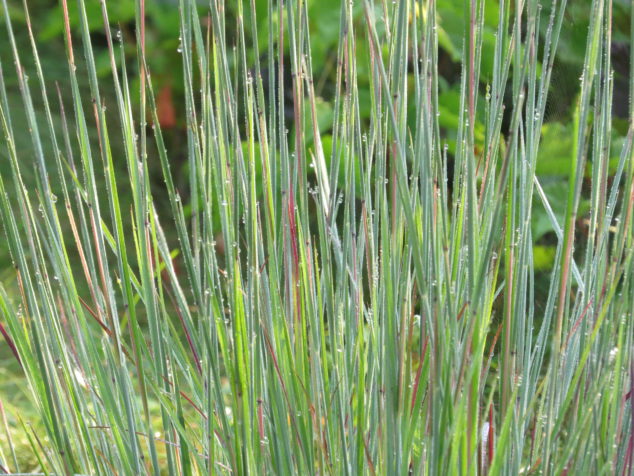
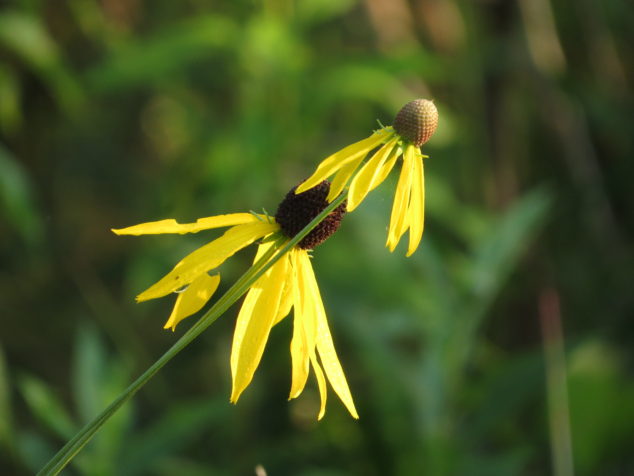
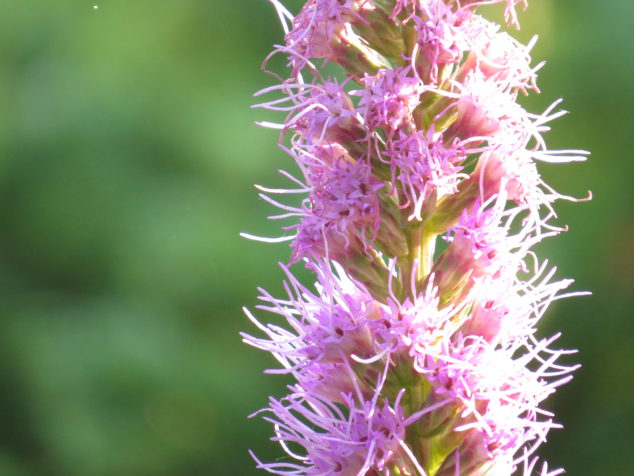
The intense sunlight soon dries the dew, but the late summer flowers—Gray-headed Coneflower, Liatris, Sunflower, Purple Coneflower, and Allium—shine on in all their glory.
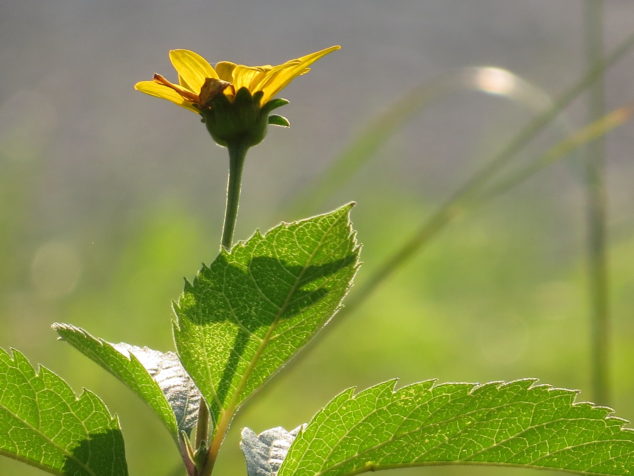
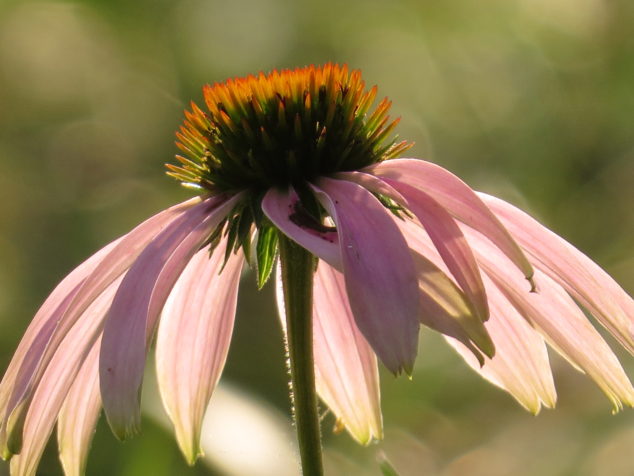
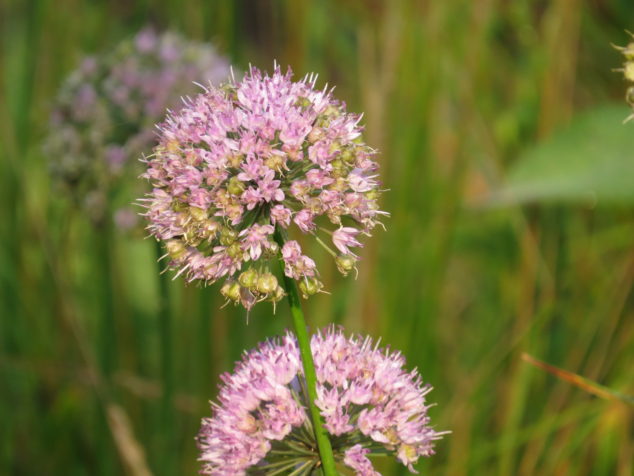
On the other end of the day, when dusk was settling around us, it was still quiet and calm. Tamba lay in the grass. We sat on the patio as the smokey sky turned the sun red. The setting sun streaked through the trees and shone on the rose-colored Joe Pye Weed and etched burning embers onto the live Oak trees.
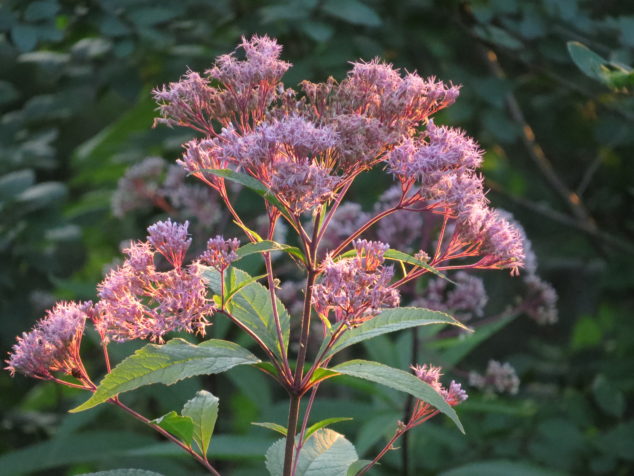
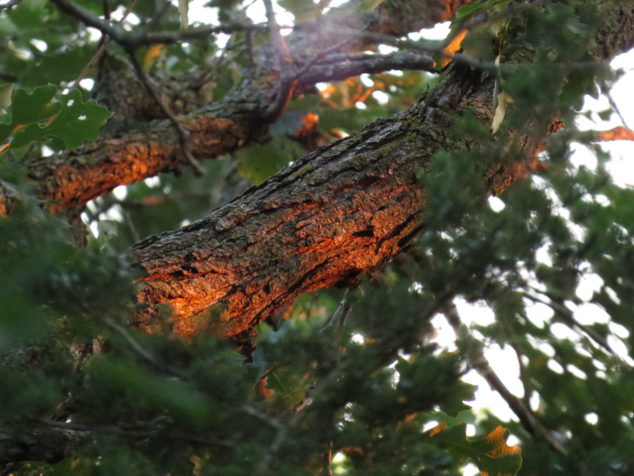
Soon we heard noises in the woods—a Blue Jay was tapping on a branch with an occasional squawk. Then bigger noises—was it squirrels? It seemed too loud for squirrels. Then I saw a big tail in an Oak tree—a big, feathered tail. It was a turkey! Two mama Wild Turkeys and their chicks were flying from tree to tree. Wild Turkeys love acorns, and we wondered if they were eating the acorns from the trees since few have fallen to the ground yet. Like chickens, Wild Turkeys have a crop for storage of food and a gizzard where grinding of nuts and seeds occurs. When the mama flew to another tree, she and the chicks would cluck and chirp to one another and soon the little ones followed. At dusk, Turkeys fly up into trees to roost for the night for protection from predators like coyotes, foxes, skunks, and raccoons. Soon the turkeys in our trees settled down for the night. At dawn, they will fly down to the ground again to begin another day.
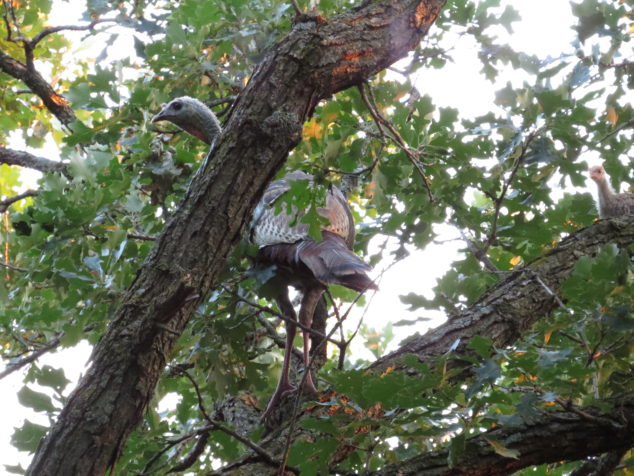
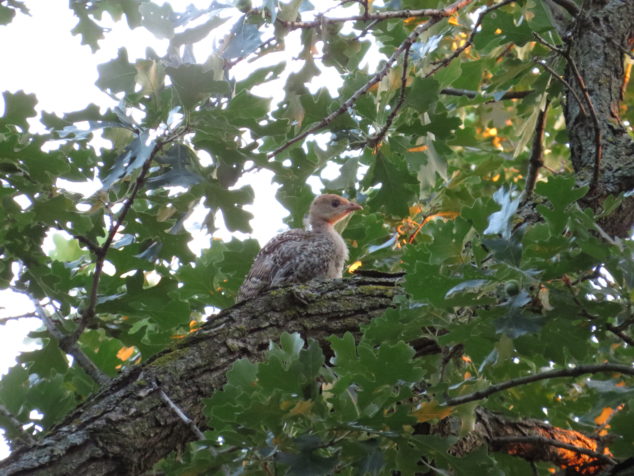
The sounds and sights of August, despite the heat and humidity, allude to the waning Summer and the upcoming Autumn. Summer in the North is indeed short and sweet. But Nature prepares us always for the transition. We are gathered up in the progression of time, seasons, and lives whether we are aware of it or not. Just as an early morning walk can tune us in to the blessings of a day, silent stillness can hone us in on those things in our lives that matter, that are important, that are the shining gems in our treasure box. One of those gems for me is a big, Black Lab dog who has walked with me for ten years now. Her transition time, our transition time, is nigh. Dusk is settling around us. And each day I am so very grateful to walk down the road with her, as we are, where we are, in all our glory.
- « Previous Page
- 1
- …
- 4
- 5
- 6
- 7
- 8
- …
- 14
- Next Page »