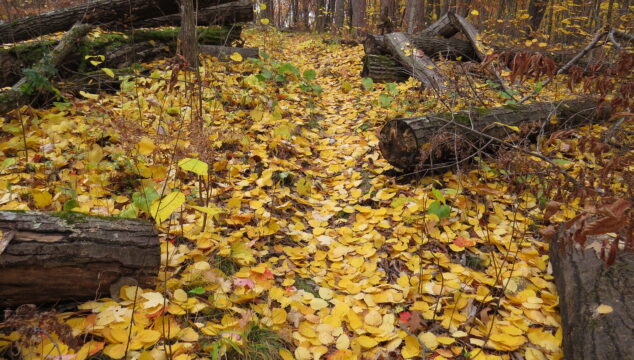
Come walk with me in the peak Autumn beauty of the Northwoods. To say that I love this time of year is an understatement. Most everyone can appreciate the colorful falling leaves---it reveals the 'true self' of a tree when its leaves are no longer producing chlorophyll. Their true colors are revealed, and there is something simple … [Read More...]
Nest Quest
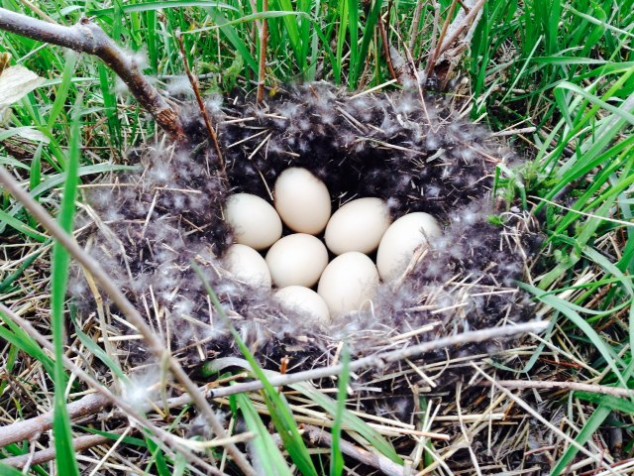
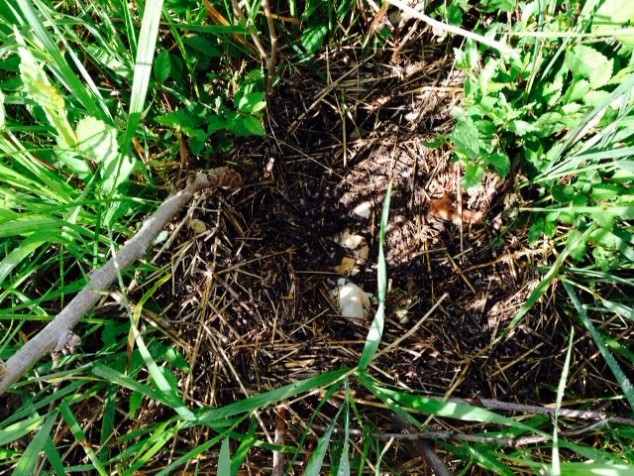
My sister found a duck nest in a willow thicket in the horse pasture. Constructed in the protection of branches with grasses growing all around for camouflage, it was a perfect place to build. The nest was lined with down that the mother duck pulled from her breast and used to cover the eggs when she left the nest to feed. Her clutch needed to stay safe from raccoons, skunks, and foxes for 23-29 days after all the eggs were laid. Baby ducks hatch alert and covered with down and are ready to follow their mama to water within 16 hours! And it appears like that’s what they did!
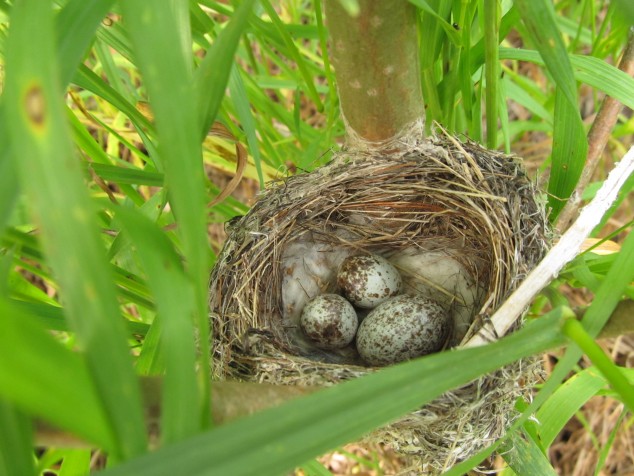
A Yellow Warbler’s nest and eggs didn’t fare as well. On my daily walk, I noticed the warbler flying from a young, four-foot high poplar whenever I got close. When I examined the tree, I found a small nest in the crook of the branches–probably only two feet off the ground. Inside the nest were three eggs, one noticeably larger than the other two.
Mama warbler nervously flitted from place to place on the other side of the quarry fence but always kept me within her sight.
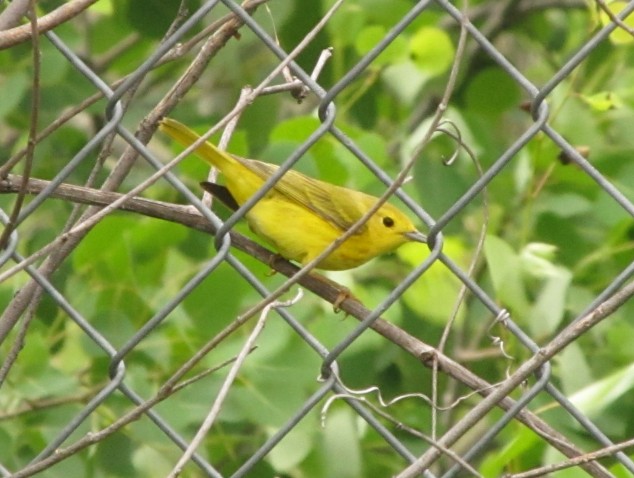
Two days after I found her nest, the ditch was mowed. The little tree was tipped slightly and most of the tall grass that had hidden the nest on one side was gone. I checked the nest a few days later–no mama bird and only one egg left in the nest. Abandoned. At first I thought it was because of the damage done by the tractor and mower–and that may have contributed to it. But with reading about Yellow Warblers, I found that Brown-headed Cowbirds often parasitize their nests, which would account for the one bigger egg. Often, then, the Warblers abandon those eggs and build another nest right on top of the old one, but since the site was compromised by the mower, she must have moved to a new place.
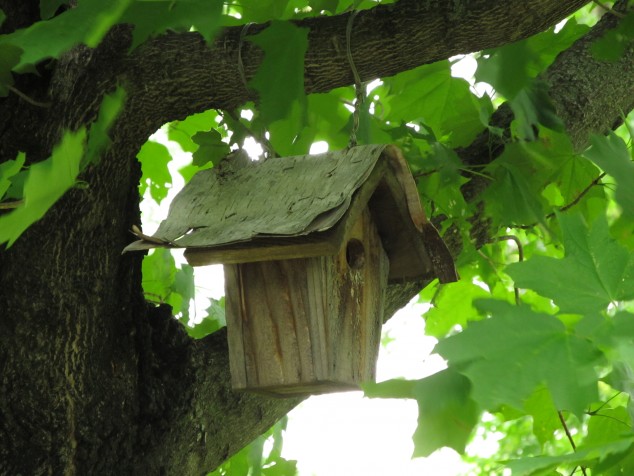
Every spring the House Wrens have occupied three cedar wood and birch bark houses we have hanging in the maple trees. But when Chris put up the new bluebird houses, these fierce little competitors took over the larger dwellings. The males build nests of twigs to entice their mates. The nests are then lined with feathers, grasses and other plant material to make it soft for the eggs and newborn chicks.
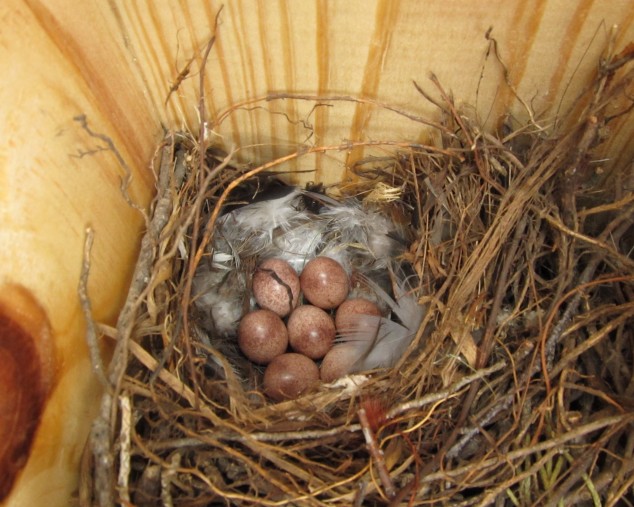
The mama wren was not happy with me looking at her nest–she flew from branch to branch and chattered loudly.
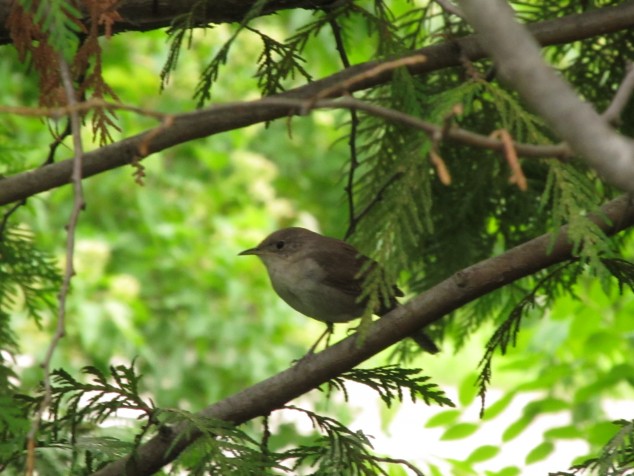
Her nest of seven eggs has hatched, and when I looked today, the chicks are almost fully feathered. They will soon be leaving the nest.
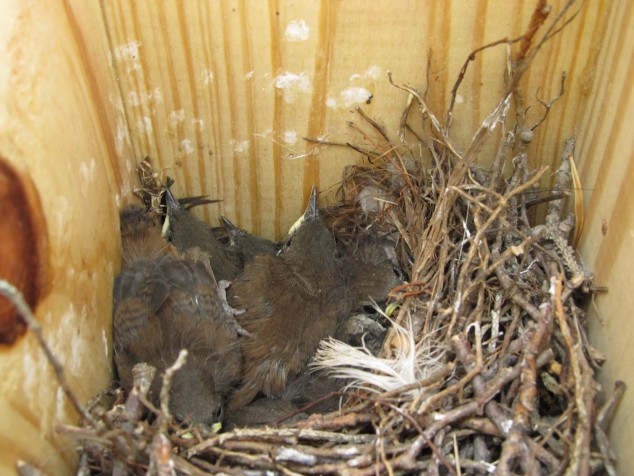
The search to find a mate and the perfect place to build a nest. The work it takes to build the home. The time needed to lay the eggs and incubate them. The energy it takes to feed the brood and keep them safe until they leave. Things that can derail the whole process. Mishaps and mistakes that change the course. Daily problems that need attention. This is the life of parents–whether warbler, wren or human.
Duck nest pictures by Dawn Gehrke
On the Wobegon Trail
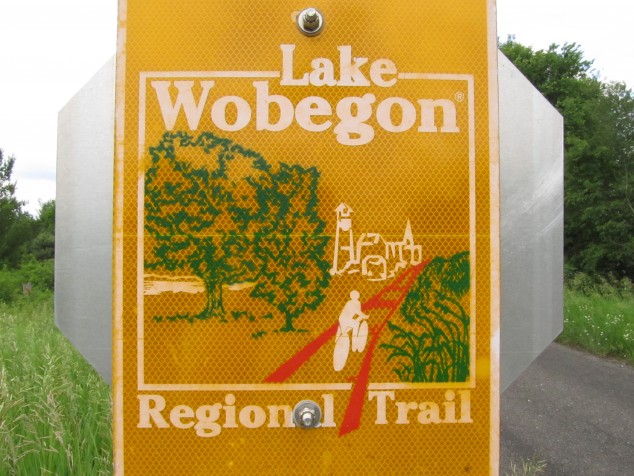
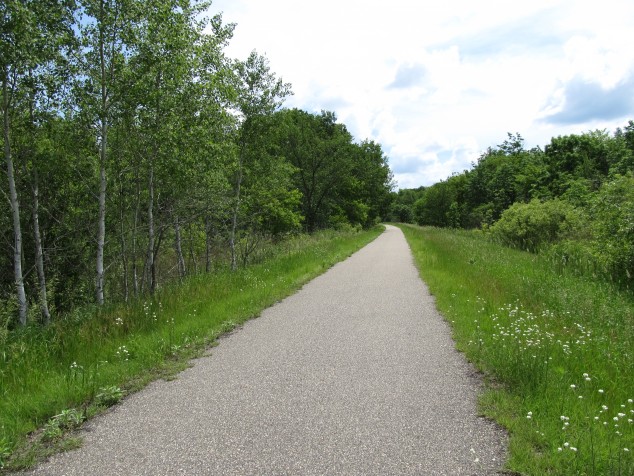
It was a beautiful day for biking–sunny with a light breeze, warm but not too hot or humid. We headed for the Lake Wobegon Regional Bike Trail, not far from our house. It is the Lake Wobegon of Garrison Keillor’s storytelling on A Prairie Home Companion radio show–where “all the women are strong, all the men are good-looking, and all the children are above average.” Even though we’re transplants, I like to think we fit in. Manned with sunscreen, water, homemade granola bars, and the camera, we set off on our journey.
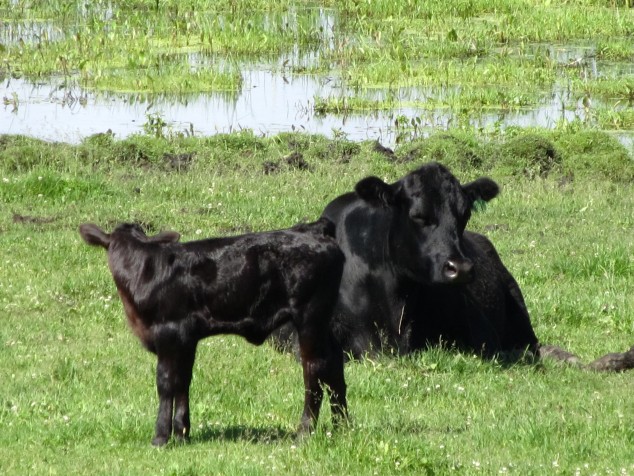
The Wobegon trail is 46 miles from St. Joseph to Osakis on an old railroad line. It winds through areas of prairie, rolling farm land, woods, small towns, and lakes. We saw sheep and cattle, including the little Black Angus calf and his mama. I tried to get him to turn my way, but he was probably looking at frogs or something much more interesting.
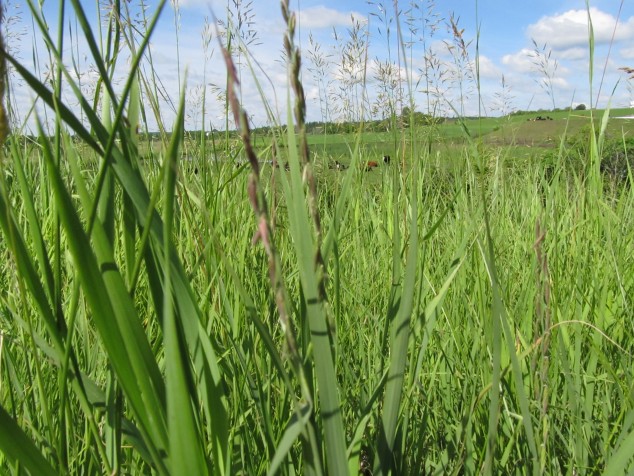
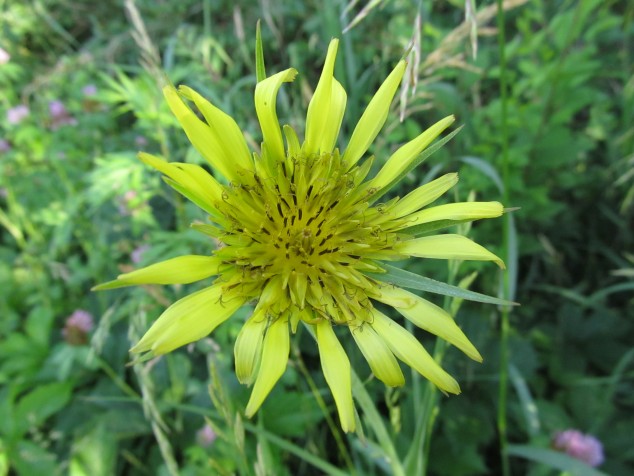
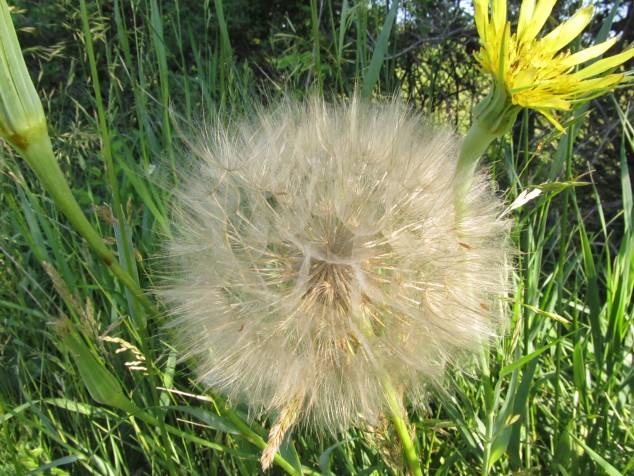
We saw prairie grasses and wildflowers including Wood Anemone, Yarrow, Wild Rose, and Prairie Phlox. Yellow Goatsbeard was abundant along the trail–some in their morning bloom of yellow, others in their dramatic dandelion-like seed heads.
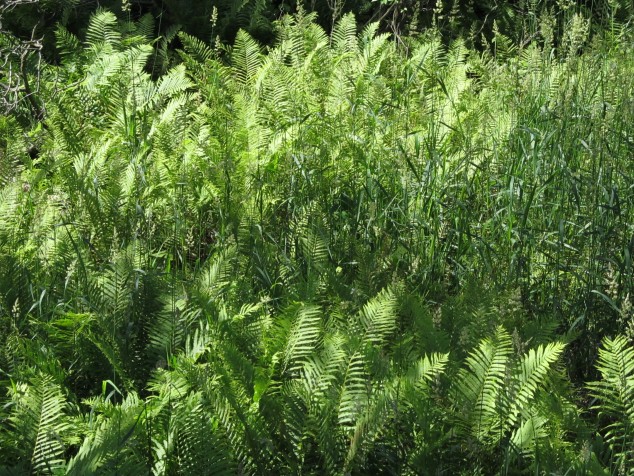
Shimmering stands of ferns carpeted the floor of a wet, wooded area.
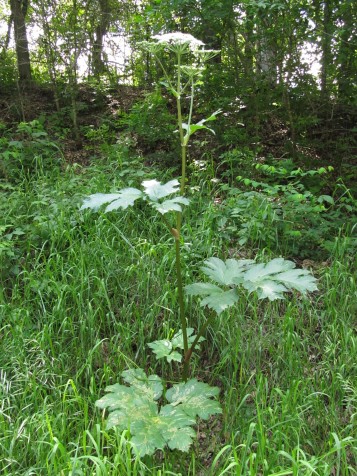
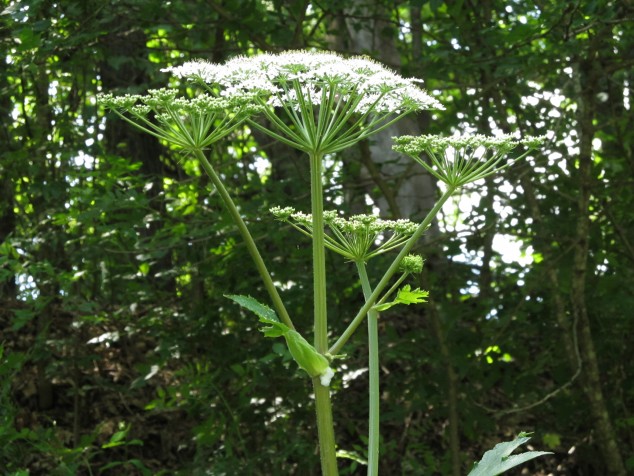
I saw a giant of a plant that stopped me in my tracks! It was six or seven feet tall with a dill-looking flower and huge leaves. I identified it as Cow Parsnip, a member of the Parsley Family.
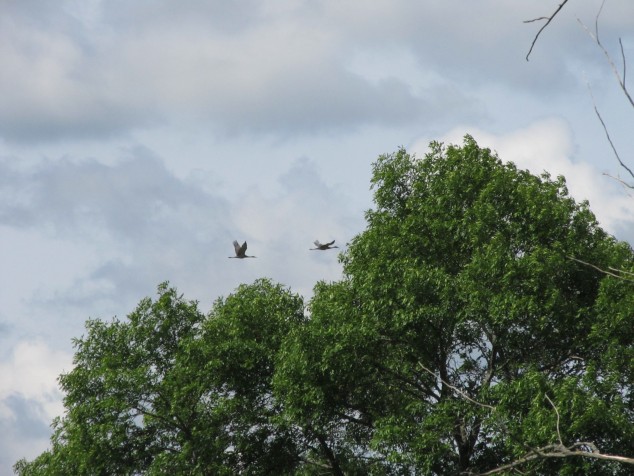
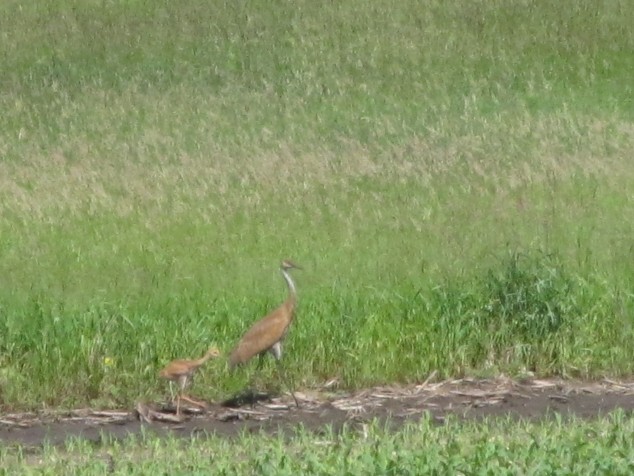
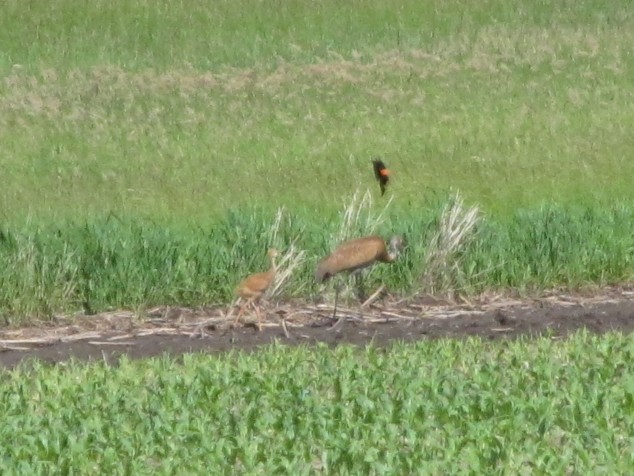
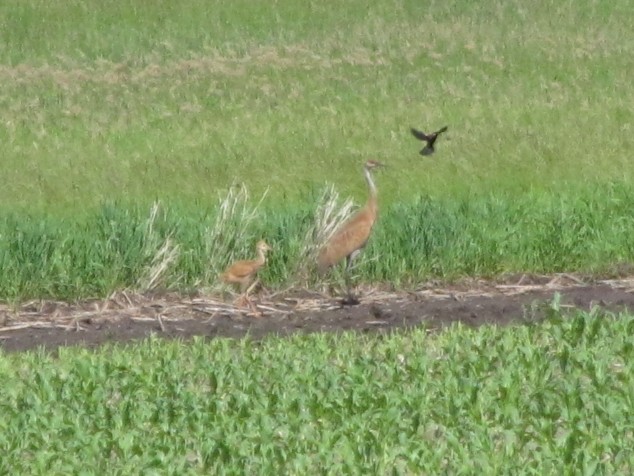
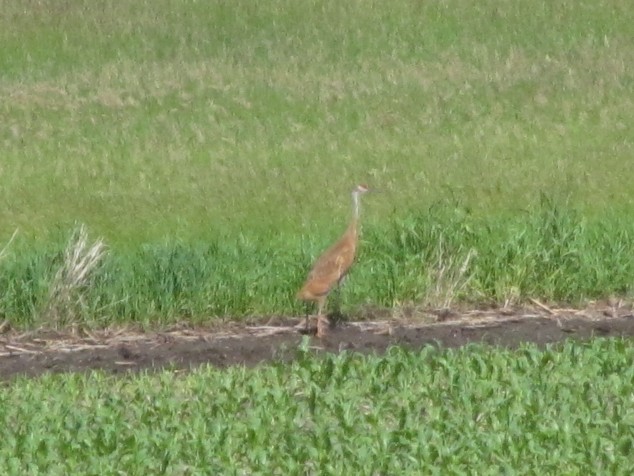
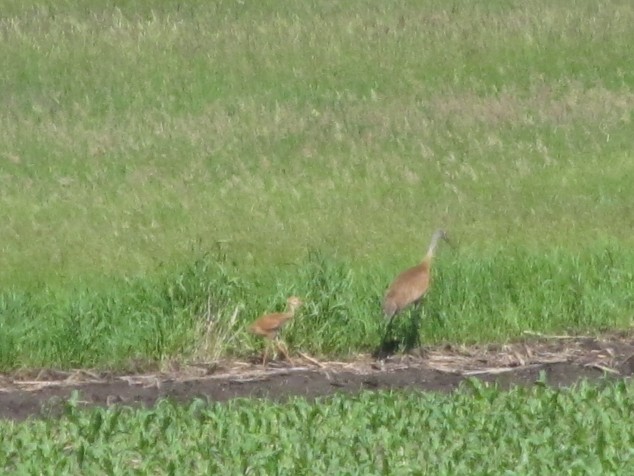
When we got to an open area again, Chris spotted the gray-brown shapes I was hoping we would see. Picking their way through a corn field was a Sandhill Crane and her chick. As I was getting pictures of these two, we heard the rolling, low bugle call of two others as they flew overhead. The mama and her chick walked between the field and a grassy area. All of a sudden they were dive-bombed by a red-winged blackbird. Mama crane ducked her head then waited for her chick to catch up to her as the blackbird flew away. Then they calmly resumed their walk.
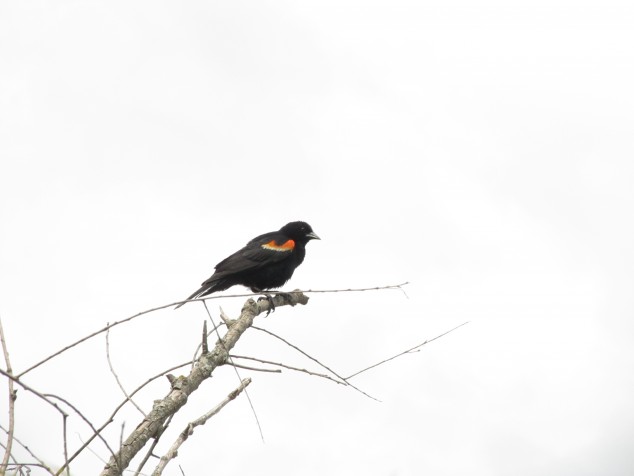
We passed a number of small lakes, streams, and wetlands, then rode between Middle and Lower Spunk lakes. Middle Spunk has a swimming beach and many homes surrounding it. Lower Spunk has a fishing dock, public water access, and more wild area. A red-winged blackbird greeted us from his perch when we walked out on the dock.
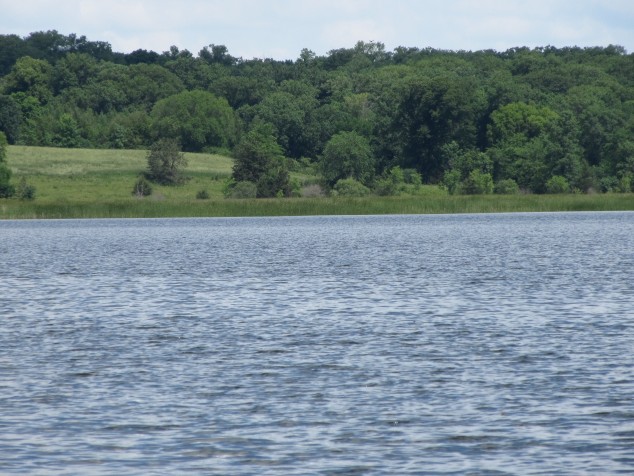
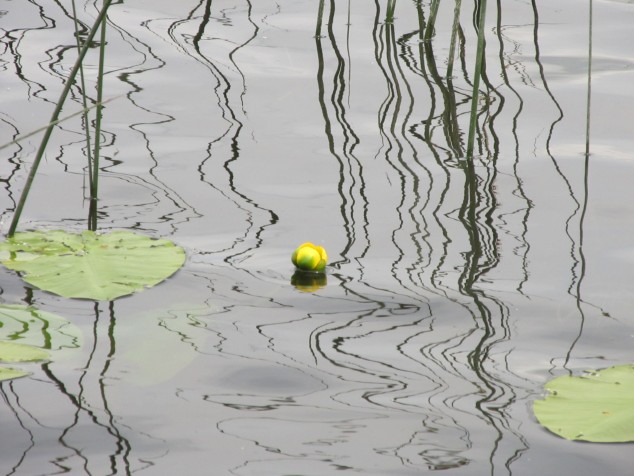
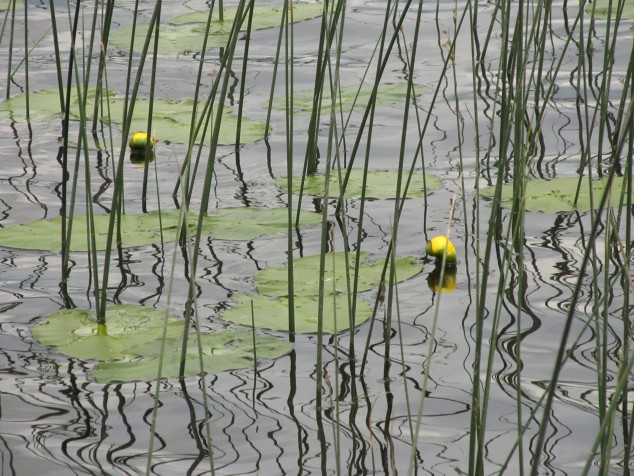
The Yellow Pond Lilies were beginning to bloom from their floating homes. The pencil-thin water weeds that grew around the lilies threw shadows that zigged and zagged darkly on the wavy water, looking like an abstract painting.
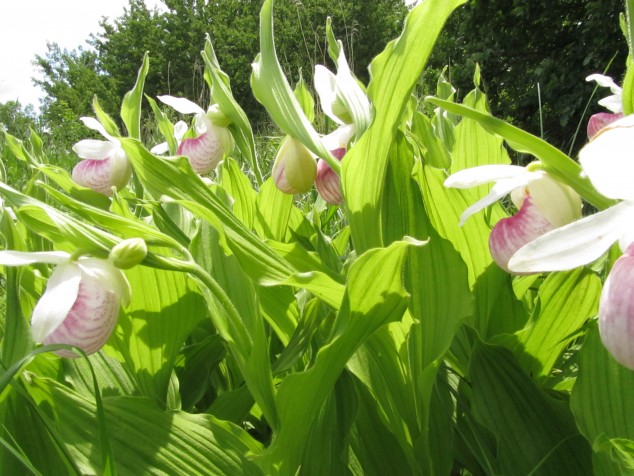
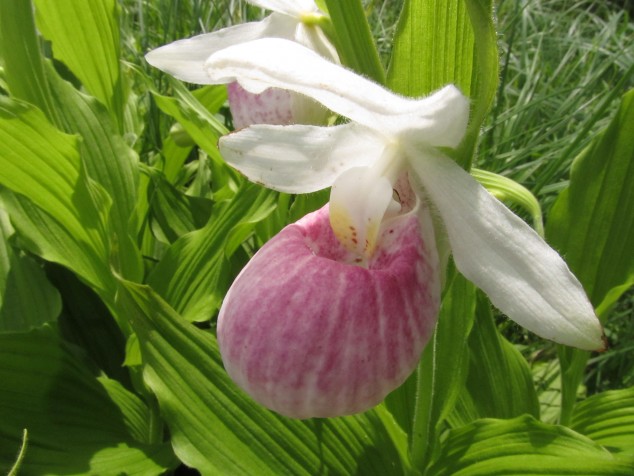
At about mile 12 or 13 of the Wobegon trail, we encountered one of the highlights of the trip–a Showy Lady’s Slipper–the State flower of Minnesota. It is a type of orchid that grows very slowly, taking up to 16 years until first flowering and is very long-lived–50 to 100 years. Lady’s Slippers have been protected in Minnesota since 1925, as they are a rare find.
After seeing the Lady’s Slipper, we turned around to head back. It was afternoon by then, and the sun was warm. The breeze of gliding along the path felt good. I don’t know if it was the weather or the air rushing through my nose, but I noticed so many scents. It was like, when biking you go through the scents, instead of the scent wafting to you. Maybe it smells stronger that way. I noticed the wild rose sweetness, the heady hay smell of alfalfa and sweet clover, the damp coolness of the woods, and a brief acrid smell of skunk. I smelled tobacco when a boy around the age of twelve?! rode by and fresh, clean soap when a tall man glided past us. The lake smelled fishy and weedy like a lake should, and the pasture like cows and manure.
And the sounds seemed amplified and sweet. Many different bird songs serenaded us–the chatter of wrens and the stark call of the pileated woodpecker. At one point I realized how quiet it was except for the birds. Then we rolled by a grove of poplars, and they loudly cheered me onward with their quivering leaf ensemble. (My leg muscles needed a little encouragement by that time.)
So what piqued our senses? Nature herself? Was it my quest to find good nature pictures to share? Or was it the opportunity to be away from the normal daily drone of tv, radio, computers, and phones? Perhaps our senses are bombarded by our man-made surroundings–and it is not what our bodies and souls need. So we can take wisdom from the Sandhill Crane–duck our heads, stop and re-group with our loved ones (and Nature), and calmly walk on.
Wild Strawberries for Breakfast
Wild strawberries are creeping their way along the edges of our woods. They make a good groundcover and are tasty tidbits for birds, turtles, chipmunks, or people.
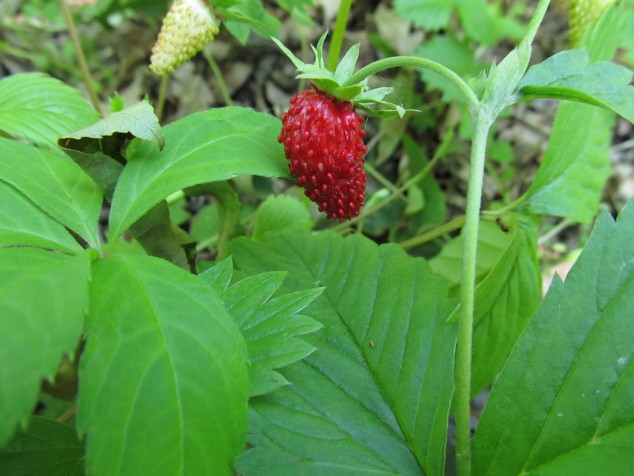
I picked a small bowl of the red little berries yesterday on the first day of summer.
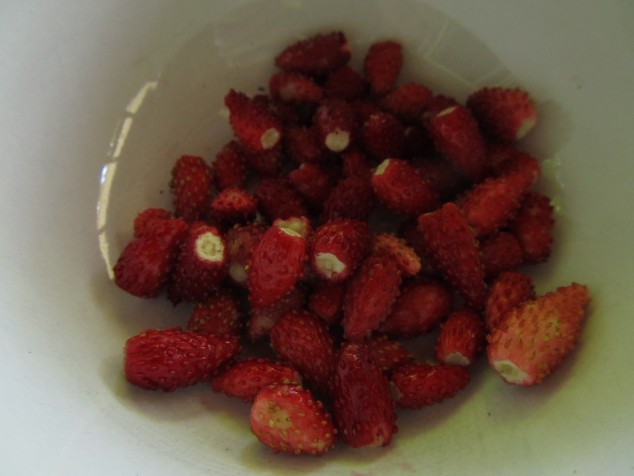
We had Sunday morning Wild Strawberry Muffins!
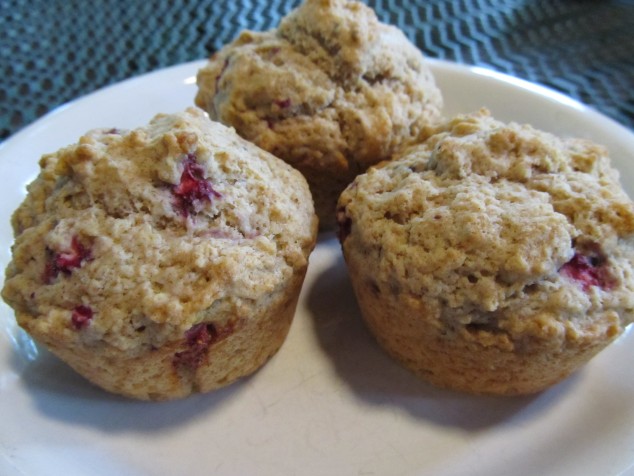
I felt like a true gatherer when picking the wild strawberries–I wandered around the perimeter of the woods, looking for the berry plants. One patch by our driveway had already been picked clean by some other creature. The other patches were dotted with the bright red berries. What looked like many on the vine didn’t fill my bowl very full! Even though the wild strawberries were not in abundance when compared to a grocery store display of very large red berries, I was able to flavor our Sunday morning muffins with the fruit that was growing in the woods right outside our door. And that’s a wonderful thing!
Happy Summer!
“And what is so rare as a day in June? Then, if ever, come perfect days…” –James Russell Lowell
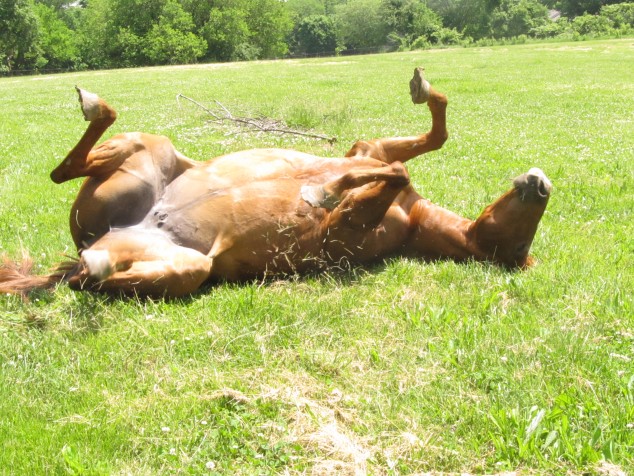
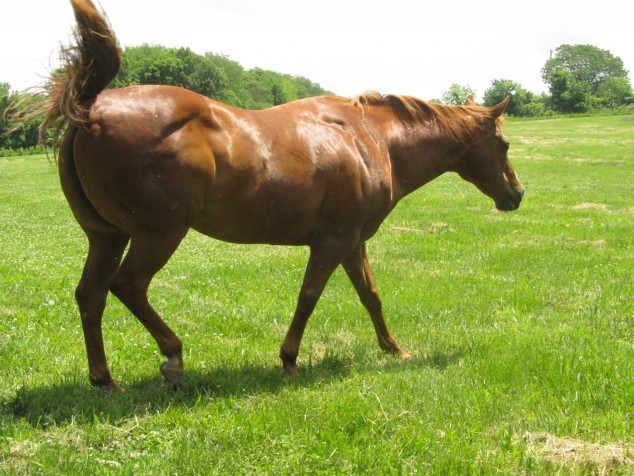
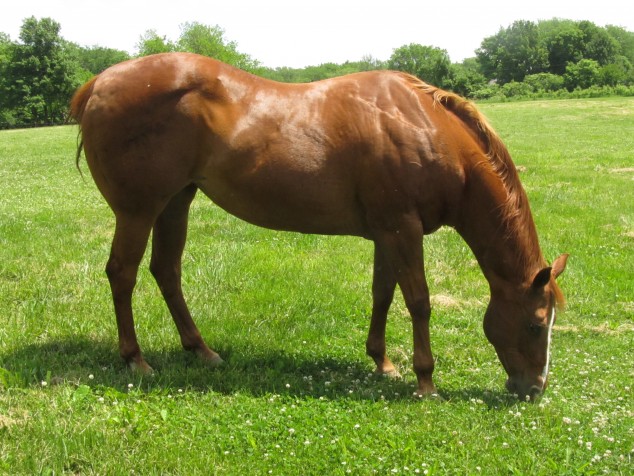
Summer’s here, and it feels so good! Roll in the grass! Take a walk! Smell the clover! Eat something out of your garden! Swim in a lake! Go fishing! Enjoy all the beauty and wisdom of Nature!
- « Previous Page
- 1
- …
- 12
- 13
- 14