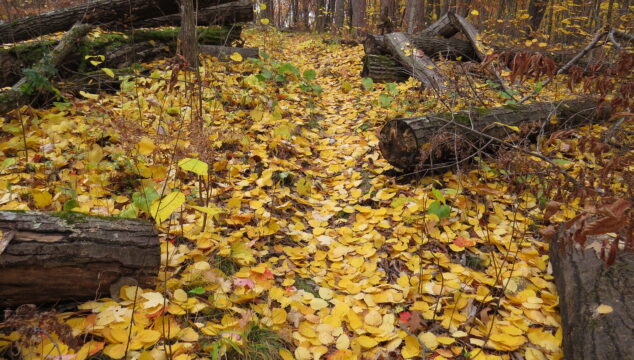
Come walk with me in the peak Autumn beauty of the Northwoods. To say that I love this time of year is an understatement. Most everyone can appreciate the colorful falling leaves---it reveals the 'true self' of a tree when its leaves are no longer producing chlorophyll. Their true colors are revealed, and there is something simple … [Read More...]
Flower to Fruit Transformation
In the ‘About Me’ section of my blog, I wrote how I loved the constancy and adaptiveness of Nature. The constancy of Nature occurs in the cyclical motion of the seasons. After a warm, beautiful summer, we know that fall will be easing in and pleasing us with her gorgeous leaf colors and bountiful harvest of pumpkins, apples, carrots, and many other delights. We also know what will be coming after that! This predictable evolution of seasons is marked with transformation, metamorphosis, and change.
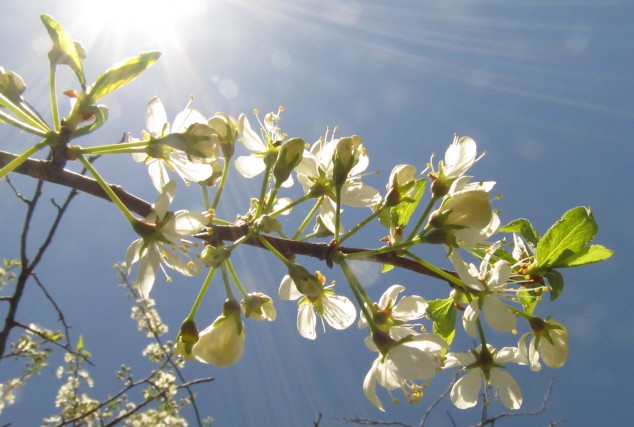
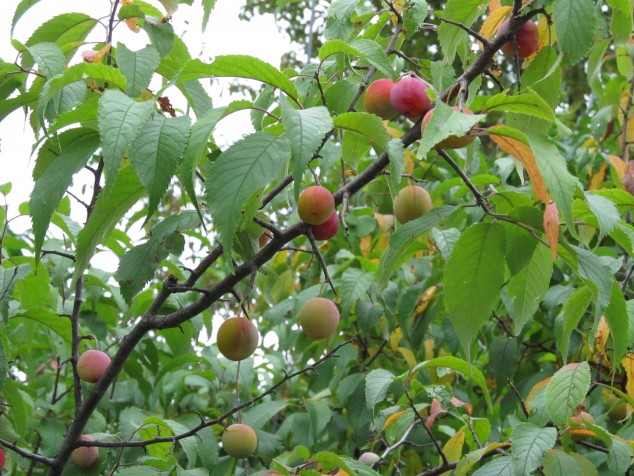
In less than three month’s time, the bright white blossoms of the wild plum tree are transformed into ripening fruit surrounded by changing leaves.
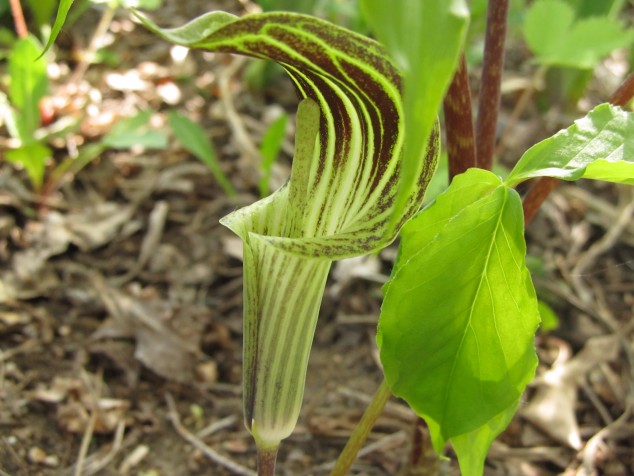
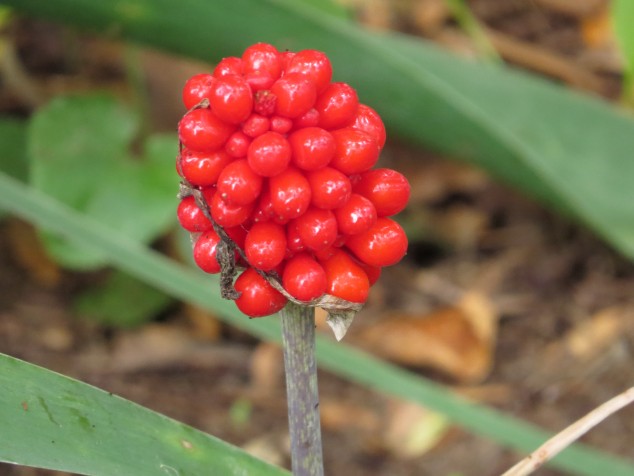
The woodland Jack in the Pulpit has become a stalk of brightly colored fruits.
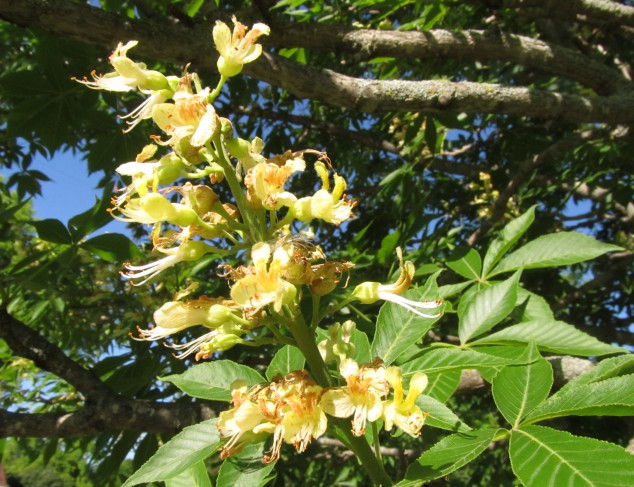
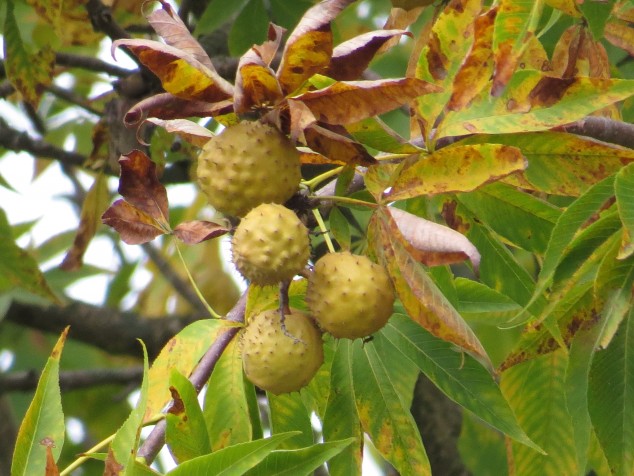
The amazing Buckeye tree with its prolific early summer blooms is now covered with fruit that contains the shiny, brown nut-like seeds.
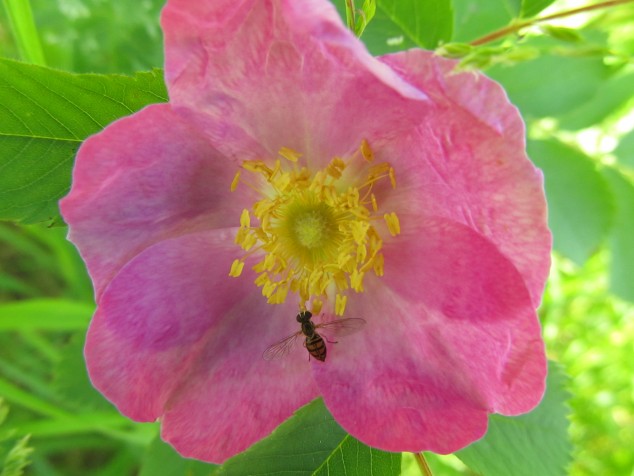
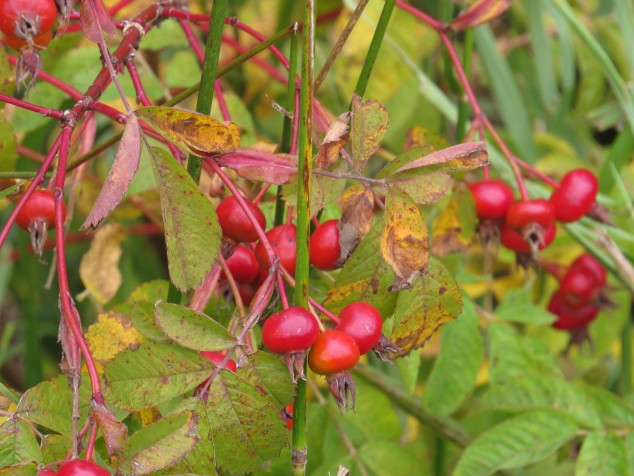
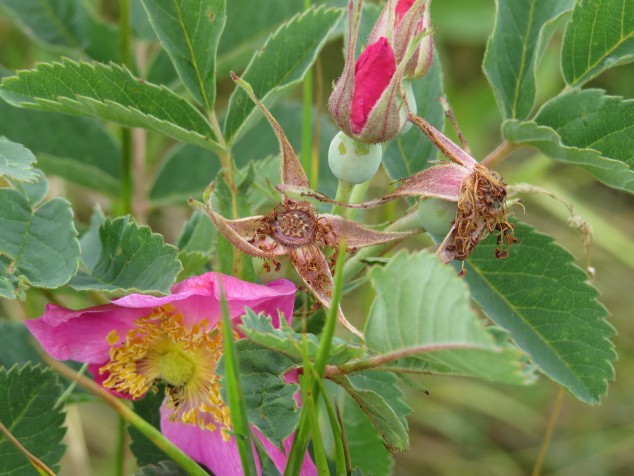
The delicate wild rose flowers have changed into sturdy rose hips that contain the seeds.
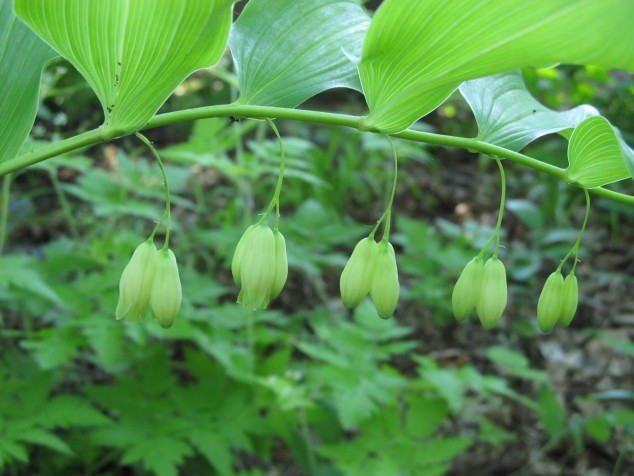
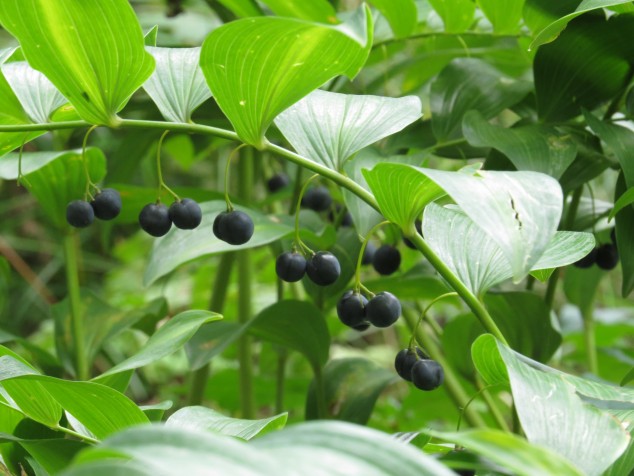
And the dangling white-green flowers of Solomon’s seal are now dark, plump pairs of fruit.
These short-term transformations are really all about Nature doing what Nature does–producing seeds for future growth. The plants adapted to a late spring, a soggy June, a dry July, and a cool August–and still got their work done! The seeds for next year’s ‘crop’ have been produced.
Perhaps I like Nature’s adaptability to change and its many stories of transformation because I’m not very good at change myself. My love of routine and of the things I like, keeps me sailing on a calm sea. If change is coming, I like to see it coming. Nature reminds us that we really aren’t as much in control as we think we are. There is a rhythm to life, a development, a change, a transformation, a metamorphosis, a conversion, a shift, a remodeling that innately runs through our lives–and then it happens again and again and again. So I will try to take my cues from Nature–to be open to change and up for the task of transformation.
Burs and Horse Tails
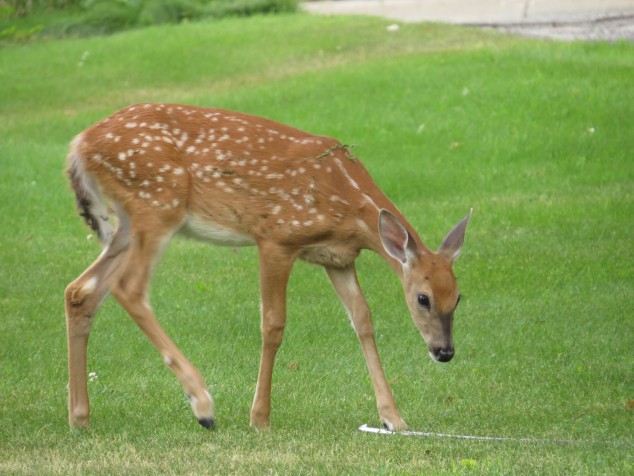
The fawn came into the yard in the middle of the day–we didn’t see her twin or the doe. We had just been outside and had the water hose dripping at the base of the crabapple tree. She checked out the hose, the flat football that was left in the yard by the dog on her last retrieve, and the round, brown flax seeds in the flower garden before she wandered back to the woods. I noticed that she was covered by sticky burs on her withers, shoulder, flank, and tail. Anybody who has spent time hiking in the woods or prairies will know what it feels like to have some uninvited guests–cleavers, tick trefoil, or spanish needles–attach themselves to your pant leg, socks, or shoelaces. It’s annoying and bothersome–both to walk with them and try to remove them. The spotted fawn with her burs reminded me of the horse I had for more than twenty years of my life.
I bought Apples when I was fourteen years old with money I made cleaning out stalls at the neighboring horse farm. He was ten years old when I brought him home–a little red roan with a beautiful head, short ears, a red tuft forelock, and a long, full tail. That tail was a cocklebur magnet! He would come up from the pasture in the fall with his tail looking like a brown plank of wood–a prickly, sticky mess. So I would catch him, tie him up, get out a hunting knife and begin the slow, tedious job of removing each bur. It would be so matted with the burs that I would ‘saw’ through the hair of his tail with the knife to loosen sections, then pull the cockleburs out in clumps or one by one. None of this could have felt good to him, but he trusted me and calmly stood there until his tail was back to its free-flowing and foot-shorter state.
My morning walks take me past an open plot that despite its yearly mowing is sort of wild. This cocklebur plant was missed by the mower and bloomed purple as the burs started forming.
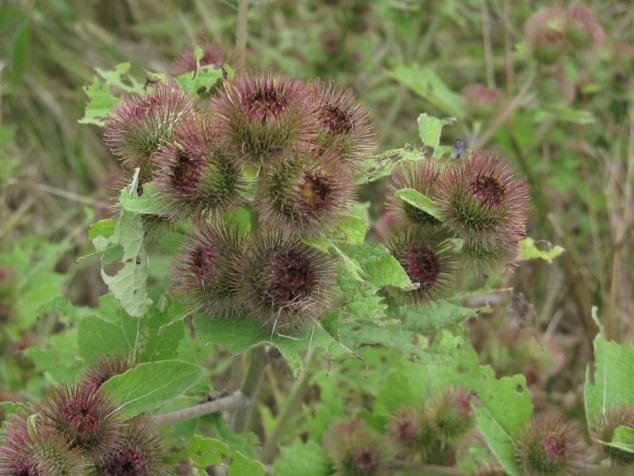
Cocklebur is a broad-leaved annual with rough triangular leaves. It can grow up to six feet tall on stout, spreading stems. The plants are toxic to pigs, cattle, sheep, horses, and fowls when at the seedling stage. Each plant can produce hundreds of burs.
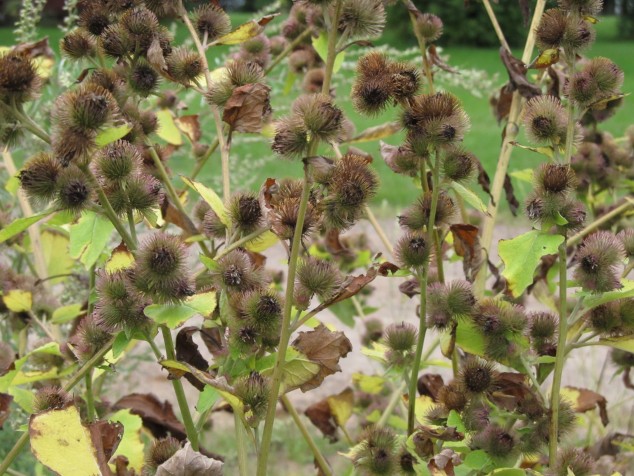
The fruit is covered by strong, hooked spines and contains two seeds.
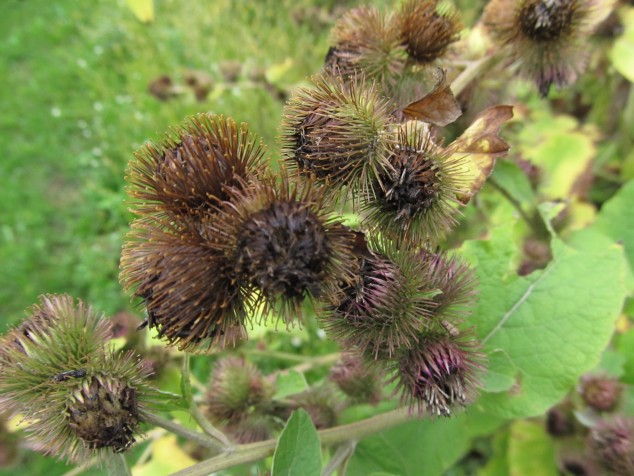 As nasty as cockleburs are, they were the inspiration for a Swiss engineer named Georges de Mestral in 1941. When he and his dog were out walking in the woods and came home with these burs on them, de Mestral looked at them under a microscope. He saw the hundreds of hooks that attached so easily to fur and fibers. Over the next years, he developed the hook and loop in nylon and called it Velcro!
Often in life we find something has ‘stuck’ on us without us being aware of how it happened. We walk around carrying it. It can be painful moving forward. We don’t know how to get rid of it. How in the world did this happen? We either learn to live with it until it falls away with time or we have a kind helper who lends a hand to untangle things. And sometimes, the very thing that clung to us and caused us pain is transformed into a new and wonderful creation.
Gleanings from August
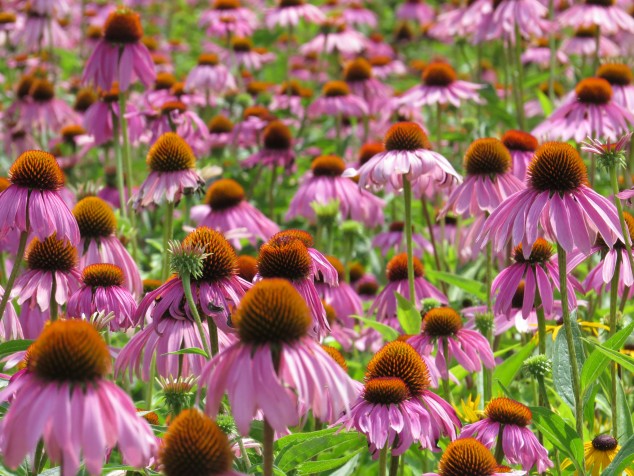
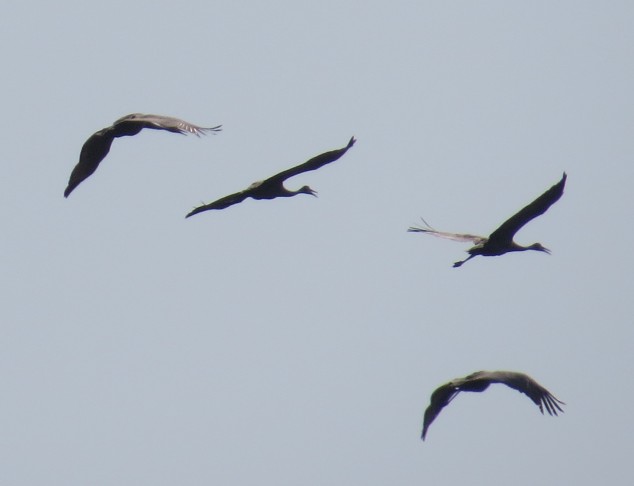
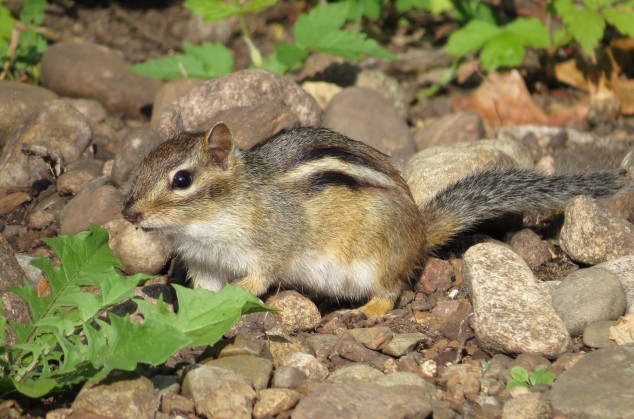
This impressive display of purple coneflowers Chris planted at the College of St. Benedict reminds me of a crowd of people at an outdoor concert–all shapes and sizes enjoying the sunshine and gathered for a common purpose. In the case of the coneflowers, their common purpose is Beauty! August and sunshine and purple coneflowers! Earlier that day while at St. John’s Arboretum, we saw flying sandhill cranes and a pudgy chipmunk who didn’t seem the least bit concerned that we were treading on his home territory.
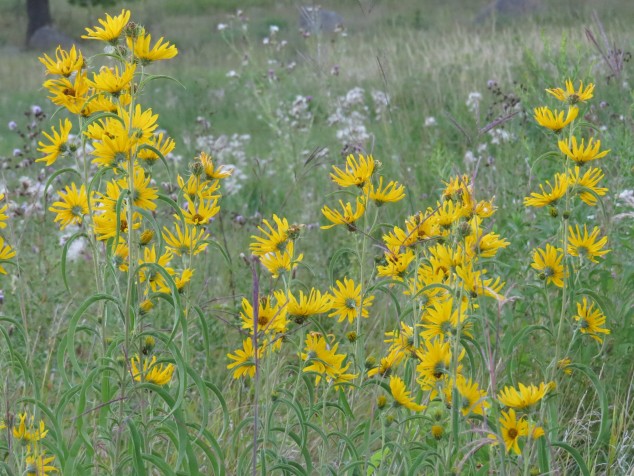
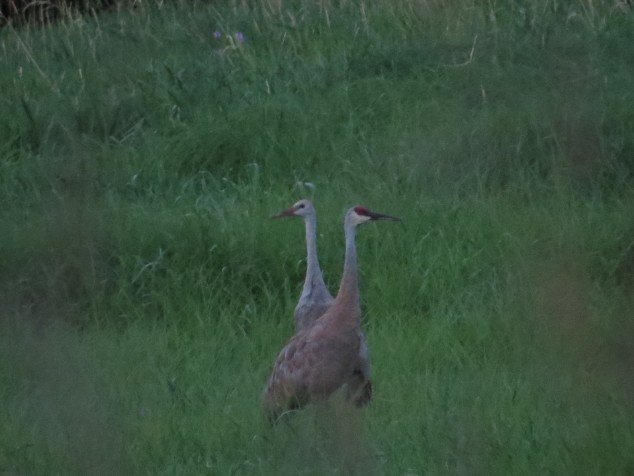
An evening August visit to Eagle Park revealed bursts of bright sunflowers amid the prairie grasses and a pair of sandhill cranes but no eagles.
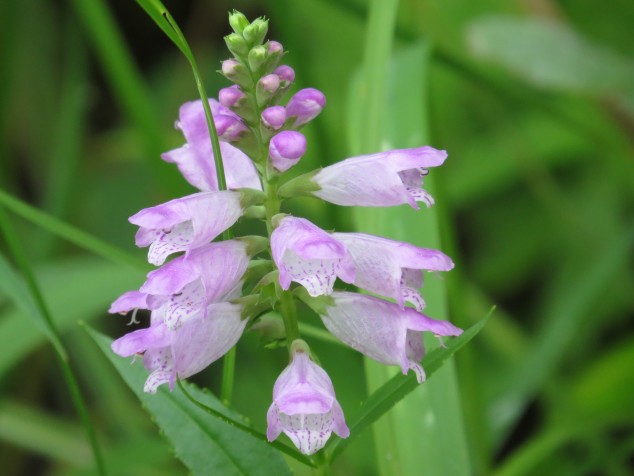
One of the most interesting flowers we saw on the banks of the Mississippi River was the Obedient Plant. It is so named because the individual flowers on the showy spikes can be moved around the stem and will stay where you put them!
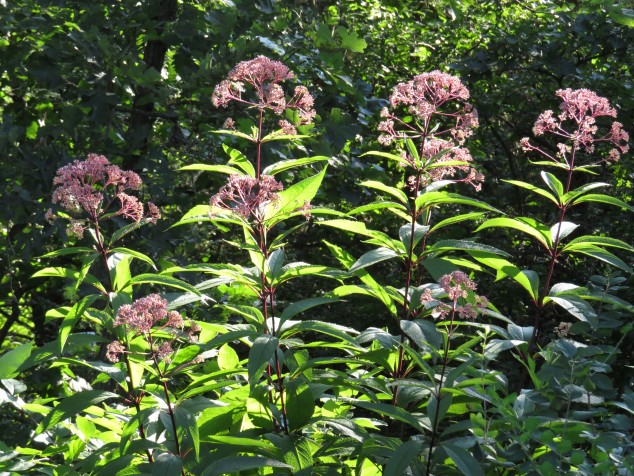
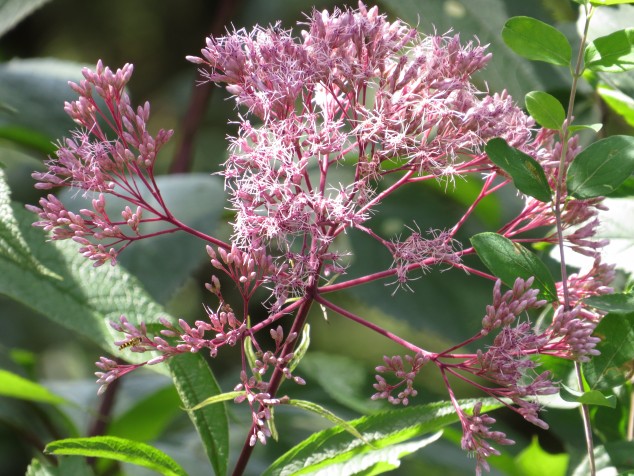
One of my favorite flowers we have at home is Joe Pye Weed. It is also a native plant to eastern and central United States, including Minnesota. It is close to six feet tall and has large pink-purple blossoms on dark red stems. We planted it in a relatively sunny clearing in the woods. And I love its common name–said to be named after a Native American healer who cured the settlers of typhus with the plant.
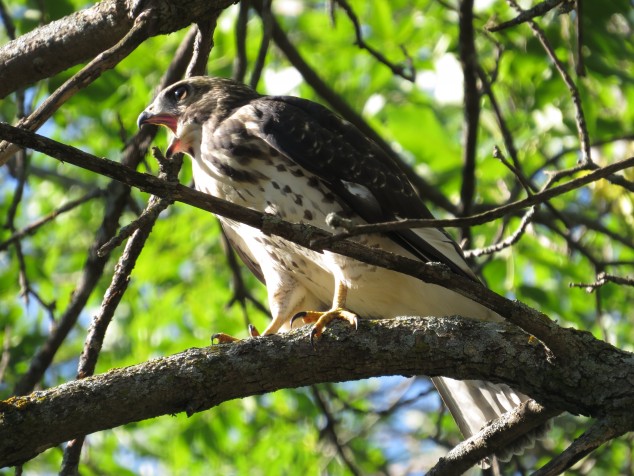
August brought many visitors to our yard–the doe and her spotted fawns, the wandering posse of turkeys, shy pileated woodpeckers, and the many wrens who hatched their young in the birdhouses. Another visitor announced his presence one morning with loud screeches. This young Cooper’s hawk was in an ash tree right outside our door.
And we are getting hints of fall–red leaves on sumac, clusters of white asters, and white berries on red stems of the gray dogwood.
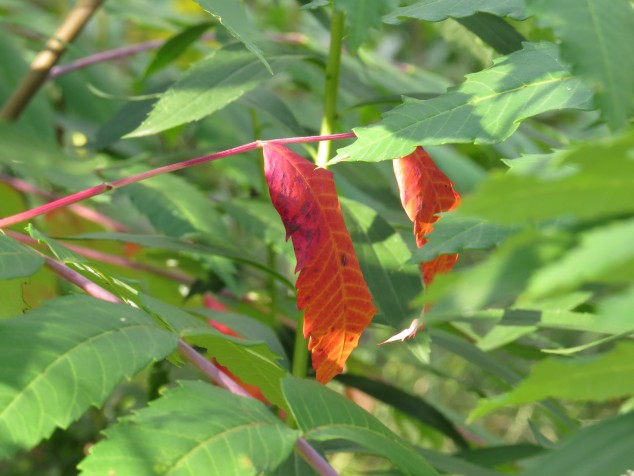
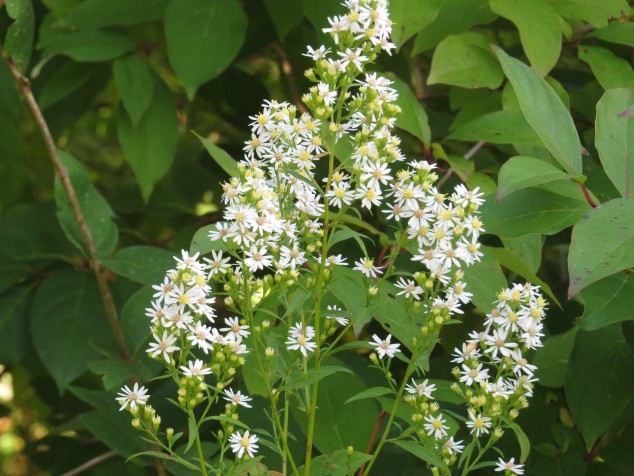
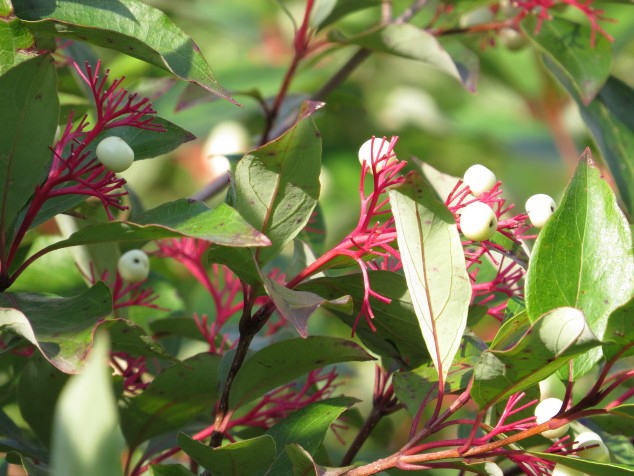
Whether we are one of many in a crowd or a solitary individual, we have a purpose at any given time. Whether we are flying through the sky or planted in a sunny spot, we are part of a larger community that needs our gifts. As summer winds down, may you find purpose, the voice to share it with your community, and time in each day for appreciating the Beauty of Nature.
Life-giving Water
As I look out at our green lawn and all the lush plant life, I am reminded of the places in our country that are suffering from drought and even those that are just naturally dry environments. Two of our kids–one who lives in Austin, Texas and one who spent the summer there–were both amazed at the greenness when they returned to Minnesota. Central Minnesota has had its share of drought years–we’ve seen the brown grass, the dying trees, and the withered crops. But life-giving water is an abundant feature in the Land of 10,000 Lakes.
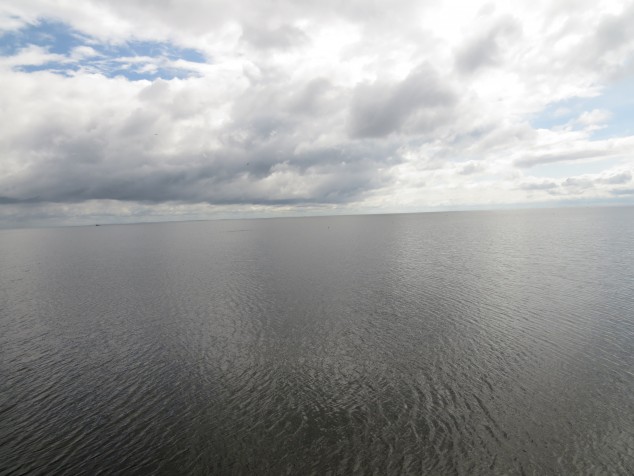
This is Mille Lacs Lake. It is the second largest lake entirely within the borders of the state, taking up 132,516 acres! According to Minnesota Fun Facts, Minnesota actually has 11,842 lakes that are larger than 10 acres. And of course the largest body of water, that we share with Wisconsin, Michigan, and Canada, is Lake Superior with a staggering 20,364,800 acres total with 962,700 acres in Minnesota.
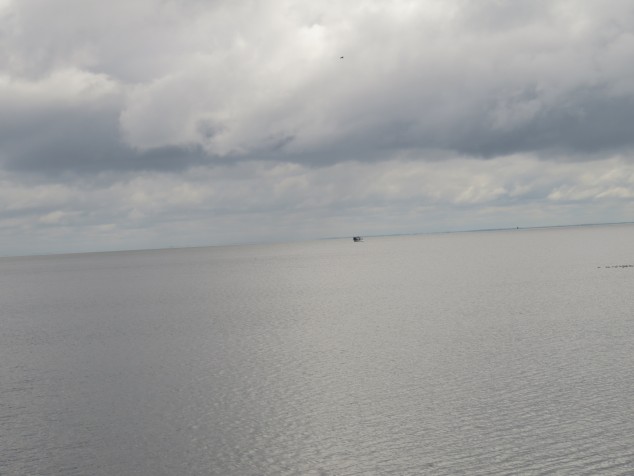
We visited Mille Lacs on our way home from our stay at Crow Wing State Park. This famous fishing lake is known as the “Walleye Capital,” but also has Smallmouth and Largemouth Bass, Northern Pike, and Muskie. We didn’t do any fishing but drove around the western side of the huge lake, stopping at Mille Lacs Indian Museum and Trading Post. We did not see many fisherman on the lake that day, but we did see a multitude of seagulls! They lined up on the long docks that stretched into the lake.
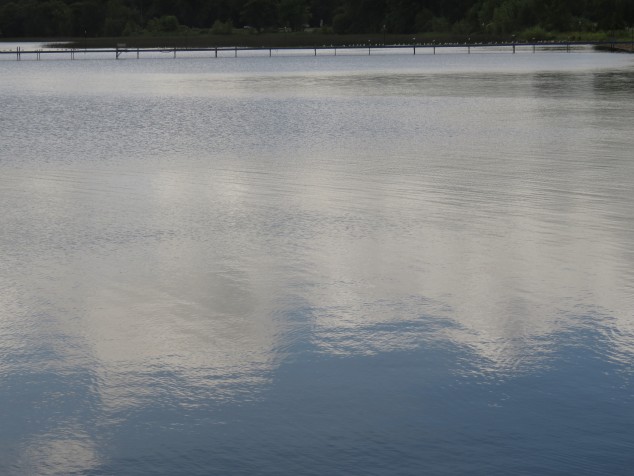
And they made quite a mess on the docks and on the rocks of the scenic overlook!
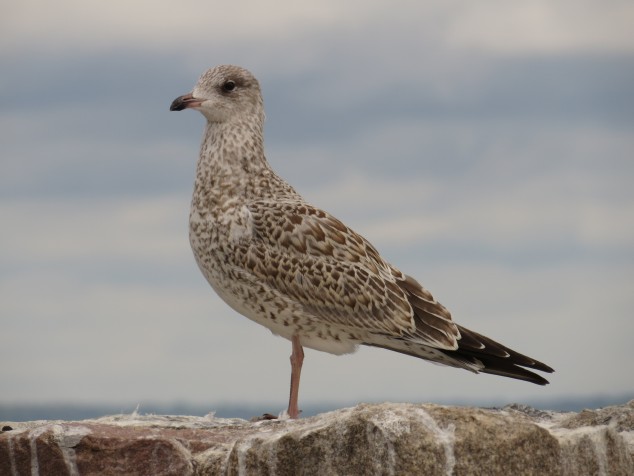
Gulls are clever birds who mate for life and are attentive parents. They have a complex communication system and live in colonies. In Native American symbolism, the seagull represents a carefree attitude, versatility, and freedom.
Water is the life-giving, life-sustaining compound that is easily taken for granted when abundant, but becomes the center of attention, the sought-after, and the fought-over when scarce. Love is like that. We must be the givers and the receivers of love, letting it flow from one source to another. And with that abundance of love, we can live a more lighthearted, resourceful, and liberated life.
Tonic for Distracted Living
Woods and water are Northern Minnesota’s tonic for the stress and strain of distracted living. Crow Wing State Park is a tranquil place on the bluffs of the Mississippi and Crow Wing Rivers. The Mississippi River here is only one hundred miles or so from its source at Lake Itasca on its 2, 350 mile journey to the Gulf of Mexico. The River is calm and serene, making it a perfect place for canoeing, eagle watching, and fishing.
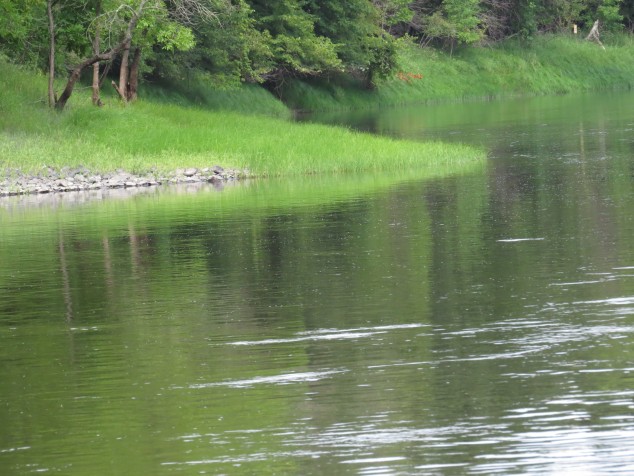
The woods above the river include stately pines and oaks. Quiet trails lead to historical sites of a long-gone trader village and mission churches and schools. It’s a step back in time, a step back to yourself.
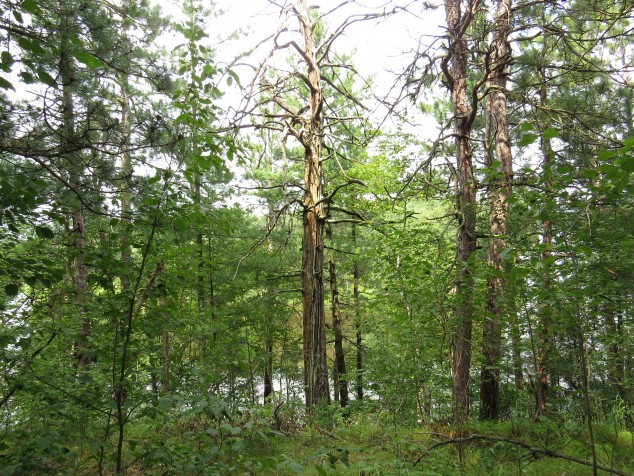
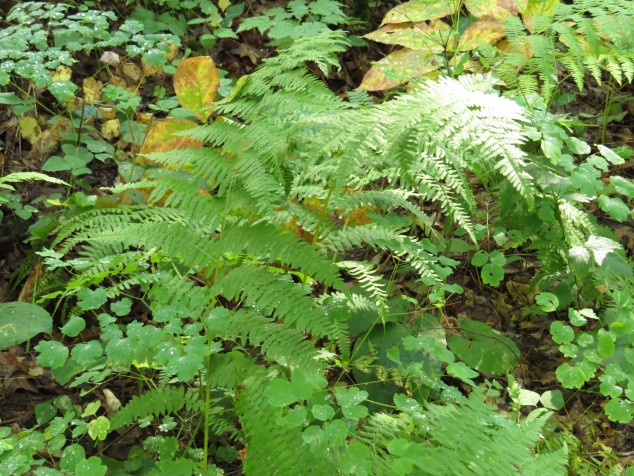
We ventured a little farther north to Star Lake Wilderness Camp, a place where all three of our kids have spent a summer working. It is one of those places that gets under your skin and into your heart–a place where you meet yourself and God. The rustic camp buildings were boarded up for the winter with only the memories of laughing campers lingering in the woods. We walked down to the beach on a sloping path through the towering trees with meadow rue and ferns brushing against our legs.
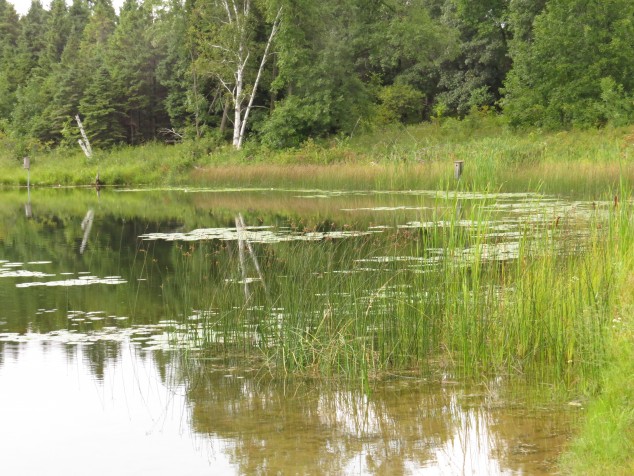
The lake was beautiful as ever but wilder in its non-summer state with no docks, no canoes, no splashing campers.
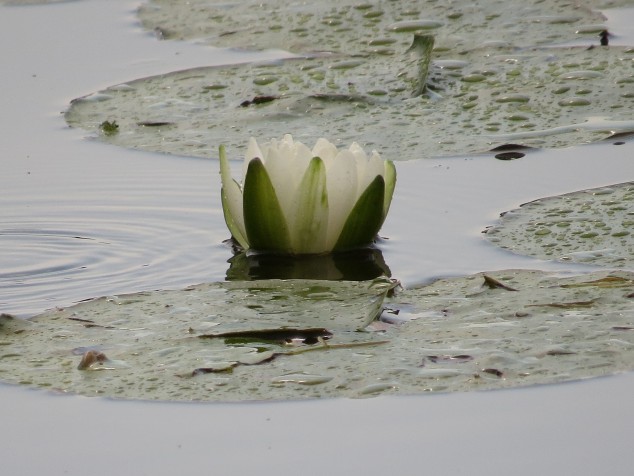
The exquisite Water Lily flower floated beside the rain-spotted leaves, not needing an audience or attention or applause in the unveiling of its loveliness.
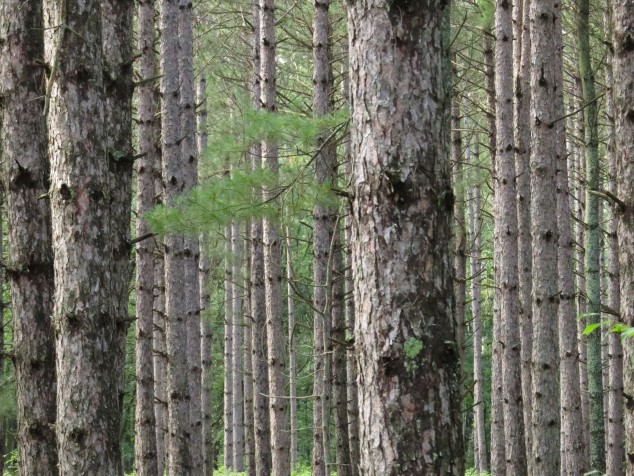
We walked through the pine forest, a wondrously still and quiet place. This community of lofty pines amid the fragrant pine needle carpet reminds us that we walk on sacred ground.
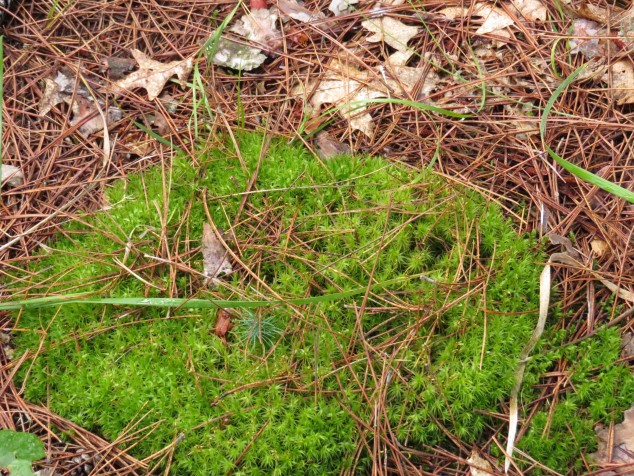
And while we see the death of a huge pine like the one above the Mississippi River, we also see the birth of one in a bed of moss and pine needles.
Our distracted living–activities, sports, phones, computers, tvs, video games, shopping, drinking, doing, working, and many more things–can pull us away from knowing who we really are. The woods and the water can bring us back to ourselves–in all our pain and glory. It lets us unveil the beauty of ourselves to ourselves, which is the essence of a good and holy life. It reminds us of death and new life and makes us question where exactly we fit with this community of people living on sacred ground.
The Beautiful Mississippi River
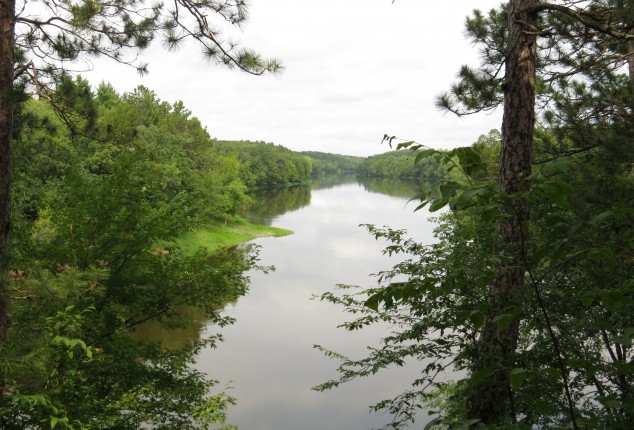
Isn’t this a beautiful view of the Mississippi River? We were at Crow Wing State Park just south of Brainerd, MN. Our oldest daughter is visiting from Austin, Texas, so I will be taking pictures and will share more with you later! Thanks to all for following NorthStarNature!
The Season of Fruit
We are entering the season of fruit. A fruit is the ‘house’ for seeds of some plants. It is nourishment for those who harvest it. This part of the reproductive cycle takes time and energy for growth and ripening, so while the fruit protects the seed during development, it is the means of seed dispersal after maturation.
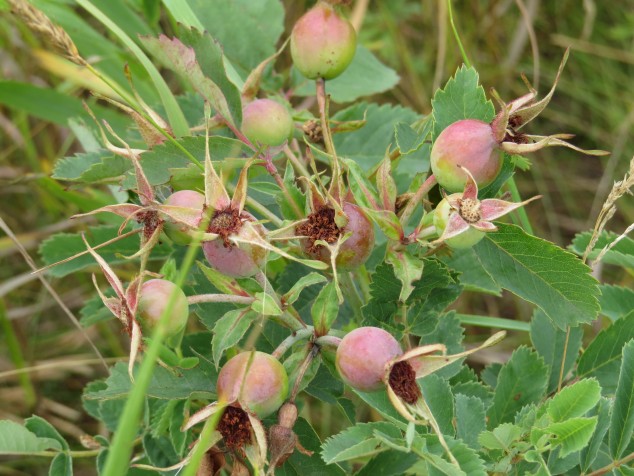
The Wild Rose is in the same family as apples and crabapples. After the flowers are successfully pollinated, the fruit begins to form at the base of the blossoms. These fruits are called rose hips and are a great source of Vitamin C. Rose hips can be made into tea, jelly, syrup, or soup, which is popular in Sweden. These hips will continue to ripen until they are bright red.
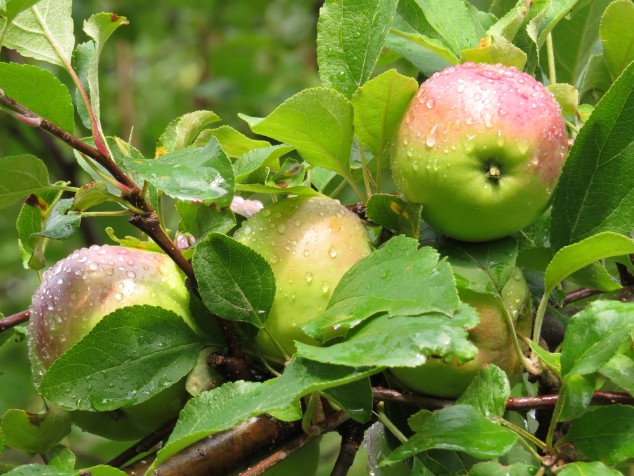
The crabapples and apples are also growing and ripening. When ripe, they are food sources for birds, deer, squirrels, and humans.
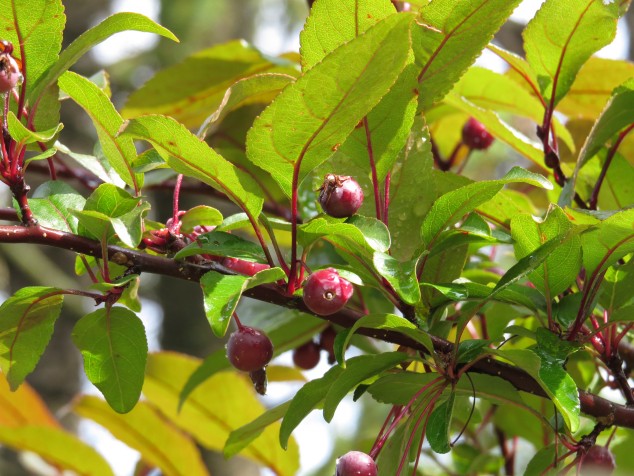
‘Prairie Fire’ crabapples
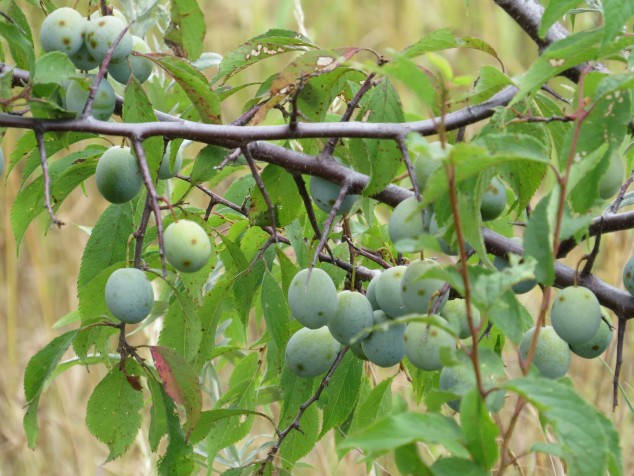
Wild plums are another fruit that provides food for wildlife and people. Turkeys, foxes, wolves, and black bears eat the fruit. Native Americans and early explorers and travelers utilized the plums for eating fresh, making sauce, or drying.
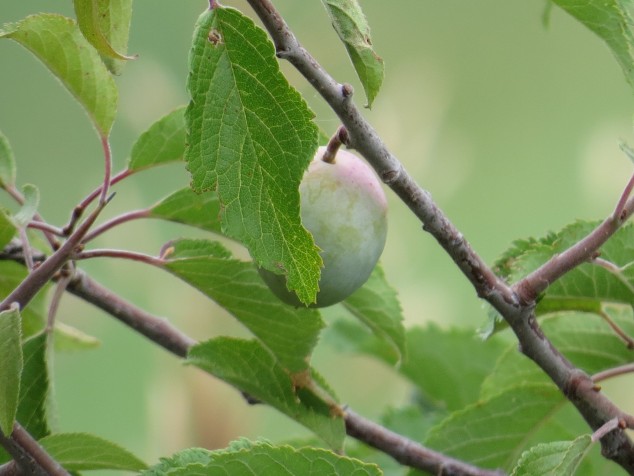
Fruits are associated with sweetness and nourishment. They contain the seeds–the essence of the plant. They take time and energy to mature and are often brilliantly colored. In this season of fruit, what fruits are you producing in your life?
Nature’s GPS
Have you ever been lost? Have you been convinced that you are going in the right direction and then something doesn’t look right or feel quite right? When Chris and I headed north to the Brainerd Lakes area to see Michaela’s camp, she had texted us directions. After 32 years of marriage, Chris and I make a pretty good team when it comes to getting somewhere–he’s a great driver, and I’m a good navigator. No GPS for us. Directions, a map, and a sense of adventure. We were headed north on 3 Highway looking for a right-hand turn onto 118. We passed a left-hand turn-off for 118, so anticipated seeing it continue to the right farther up the road–not unusual when skirting around lakes. We kept driving. I double-checked the directions. Yep, we were going the right way. More driving. There was another intersection. I checked the map again–whoops, we were too far north. We turned around, took 118 to the west, and easily found the camp.
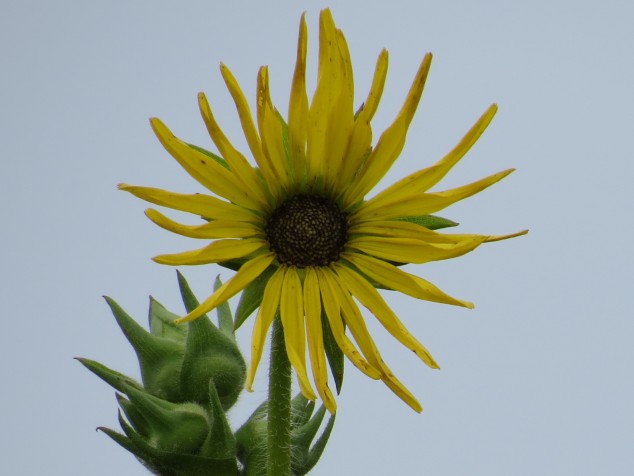
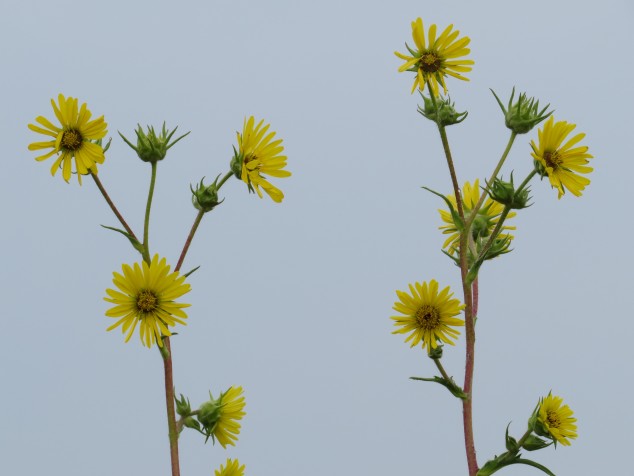
Imagine navigating across the vast prairie as the early settlers did. One native North American plant helped the travelers know they were heading in the right direction. Compass plant is a tall sunflower-looking perennial that towers above the prairie grasses in July and August.
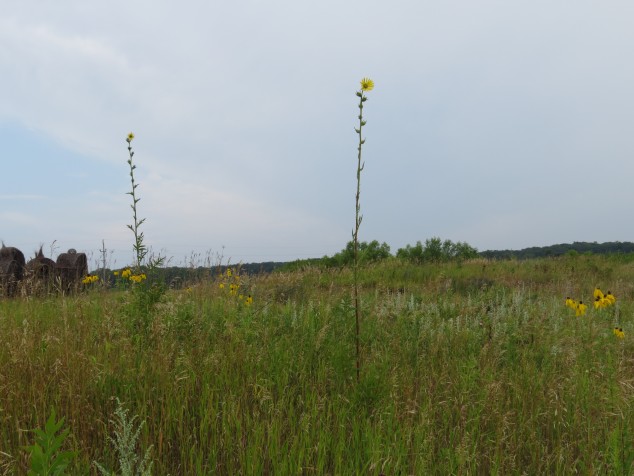
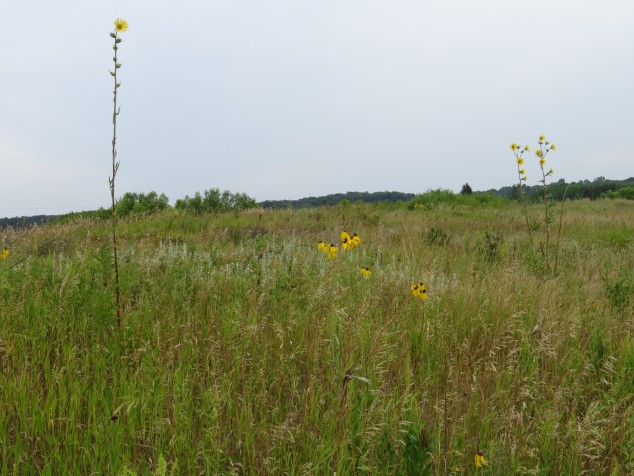
The prairie of St. John’s Arboretum has a number of compass plants rising six to nine feet into the sky. This towering plant has a deep taproot that helps maintain its tall structure. The stems contain a bitter, resinous sap the Native Americans used as chewing gum to cleanse the mouth. The leaves are deeply cut, rigid, and leathery with a rough surface. They orient themselves in a vertical position in a north-south direction. With the blades of the leaves facing the east-west direction, it reduces the amount of sun hitting the leaves, which conserves water.
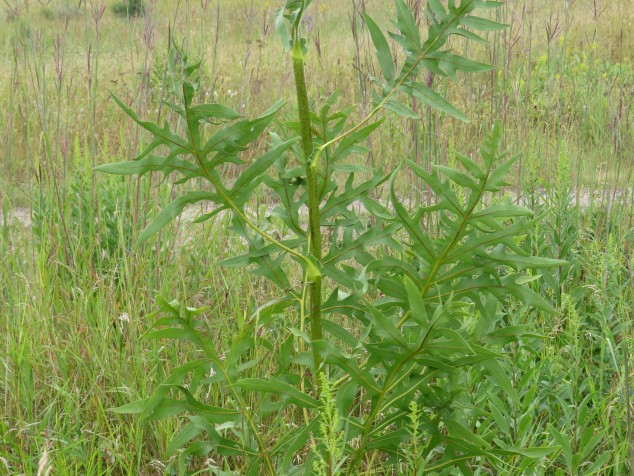
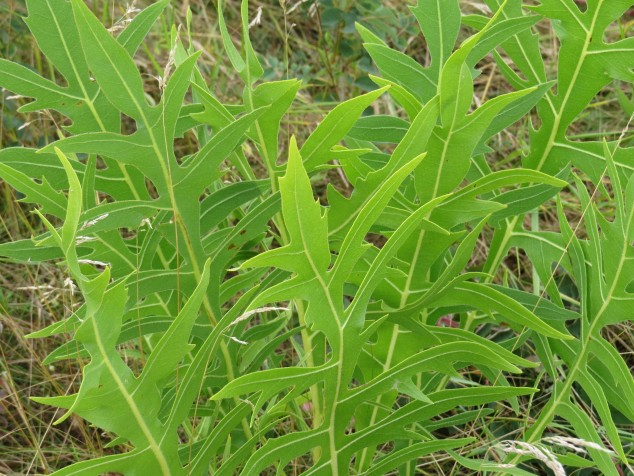
Compass plants take up to three or four years to mature and flower. The first year of growth from a seed is a single leaf, allowing the energy to produce extensive roots. The flowers bloom to the east like sunflowers.
We have all been lost at times–both physically and spiritually–even when we believe we are on the right path. Being aware of our surroundings, listening and looking for the signs around us, and having an inner sense of where we should be, help us on our journeys. We use different means to find our way–directions and maps, GPS, guidance from others and from God, a phone call, reading and writing, and even Nature’s plants.
A Good Day to Fly
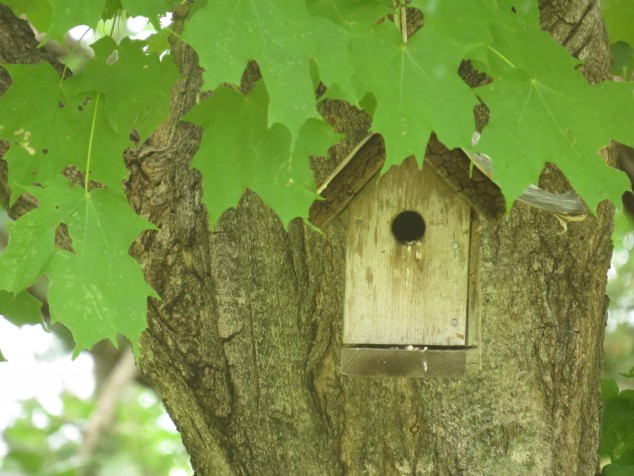
Early Tuesday morning I heard a soft thump on our open window. Even before getting out of bed to look, I knew a bird had flown into the reflective glass. It happens often. Sometimes it is the demise of the little creature; other times they can shake off the shock and fly on. A tiny fledgling wren was crumpled in the river rock by the sedum. He had just left the nest in the wren house that was hanging from a maple branch about fifteen feet from our bedroom window. In a few minutes, he scurried under the hosta plant for cover–on his own in the big world. The morning mayhem had already begun with the parent wrens working hard to feed their hungry brood–a noisy time! Except this morning was different–it was a good day to fly!
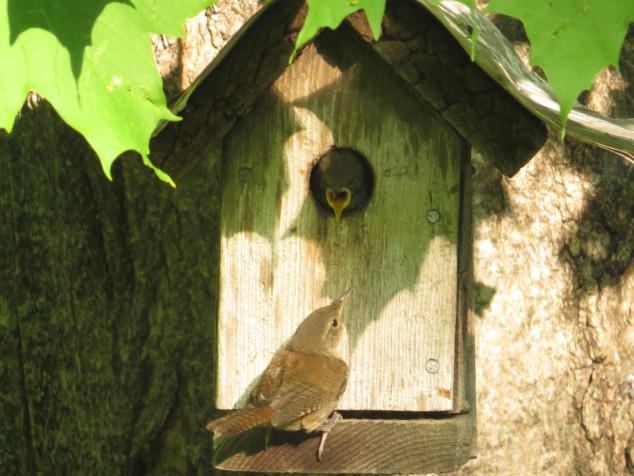
So instead of bringing food for the clamorous, hungry babies, the mama and papa wren flew to the house ‘talking’ encouragement to their young ones, then flying away again.
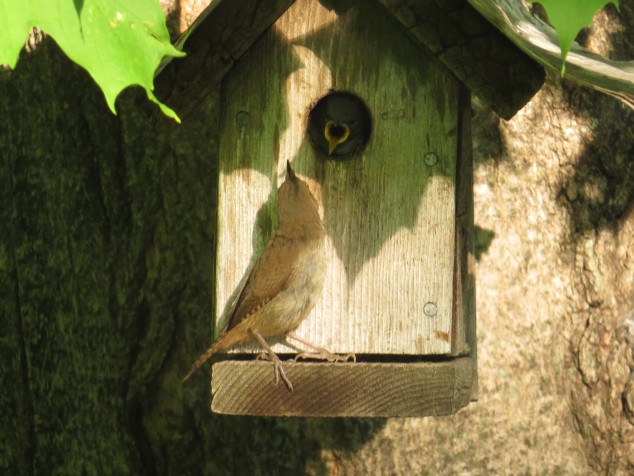
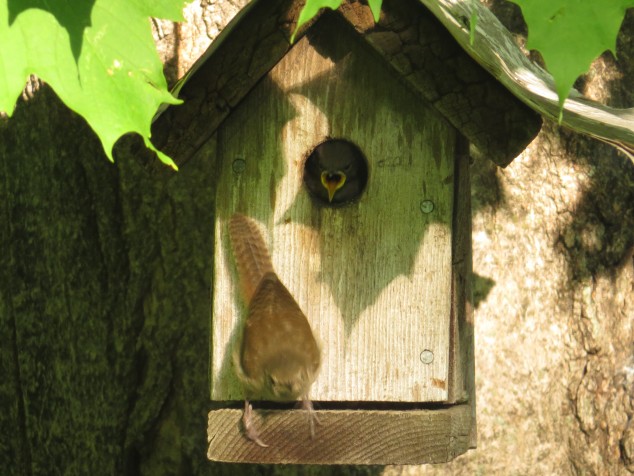
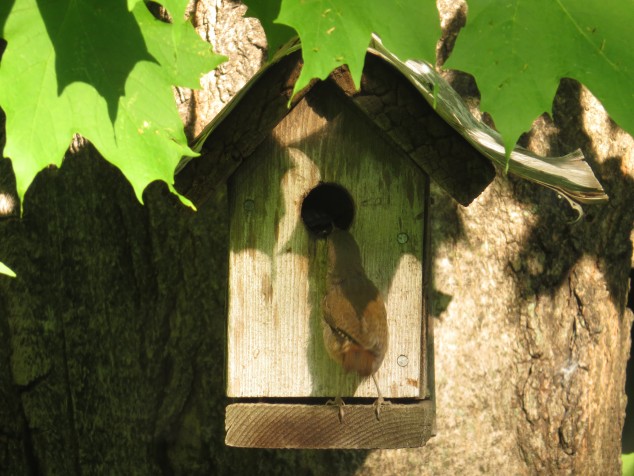
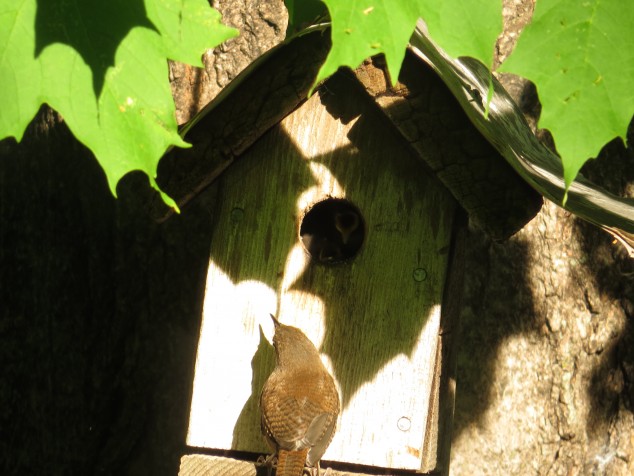
Mama wren would fly to the house, then to the roof, then to branches above the house, all the while chattering to her young ones. The baby at the opening was making just as much noise–constantly wondering why he wasn’t getting fed as usual.
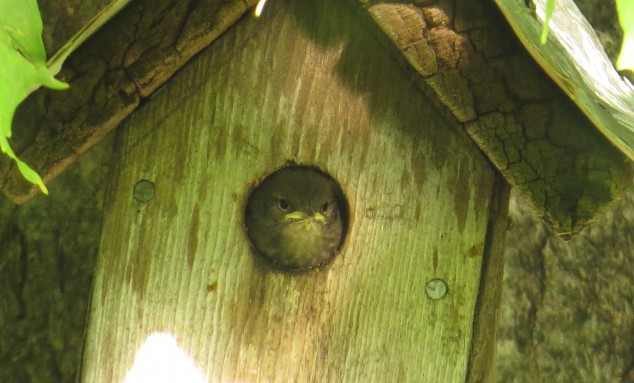
After more than two hours of this flying-day frenzy, I saw the mama bring food to the baby. Some food and rest were in store after all that hard work. They would try again another time.
At noon that day, I heard our black lab burst from inside the house onto the screened-in porch with an urgent bark–the kind that means something is out there! I looked out the back window and saw turkeys flying and running from the loud, startling threat. One adult sentry of the posse of turkeys calmly surveyed the scene, then walked into the woods, while the others looked down from their secure perches in the oak trees.
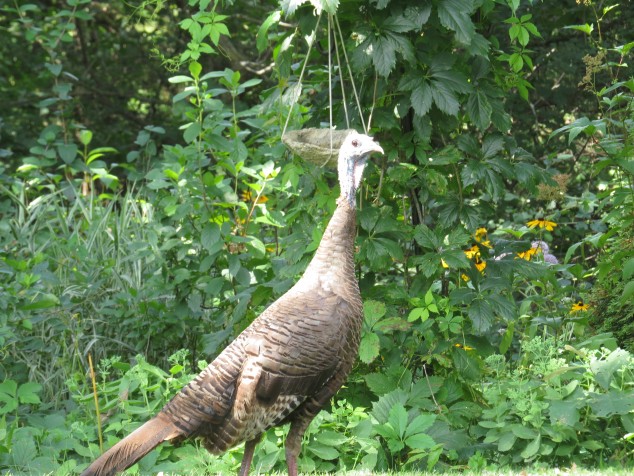
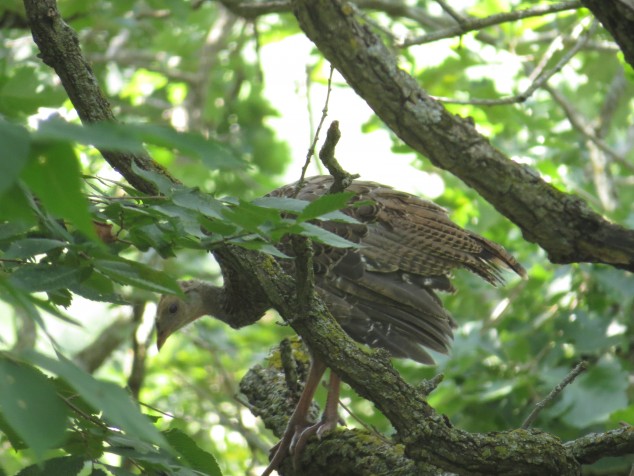
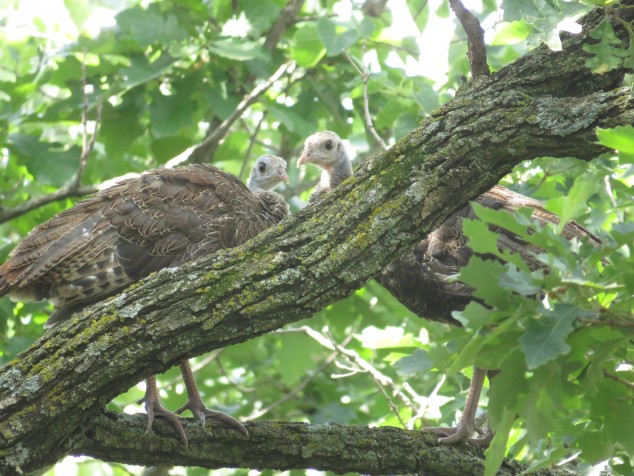 With the dog safely contained in the house and no longer barking, the turkeys cautiously left their perches, floating down to the ground like tiny brown parachutes.
Baby flyer training for the wrens began again early the next morning. The chatter was loud and nonstop. The fledgling was much more determined due to hunger or instinct or increased confidence. Though it took many tries and much prompting from mama wren, baby number two soon took the leap!
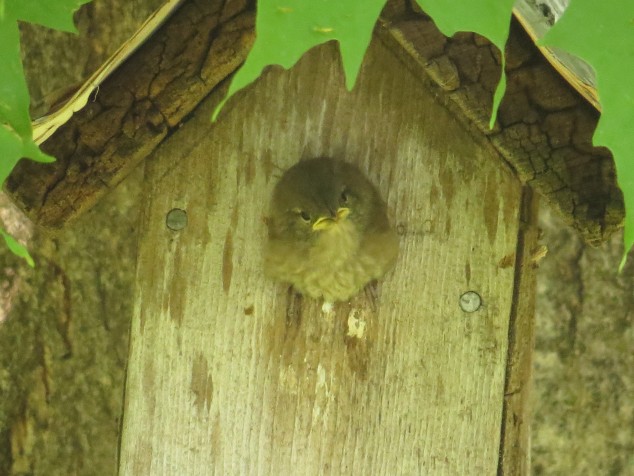
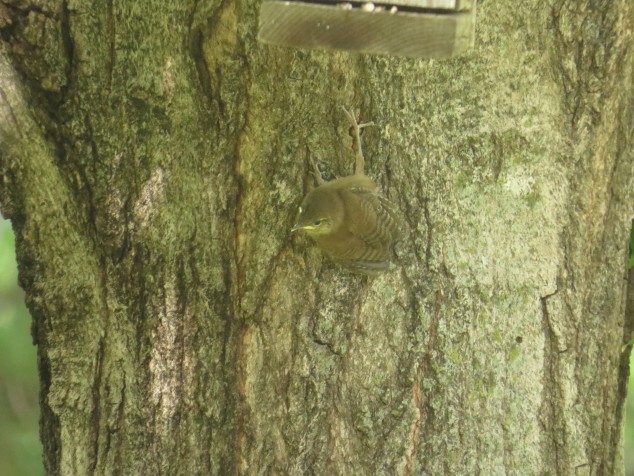
Next flyer on deck!
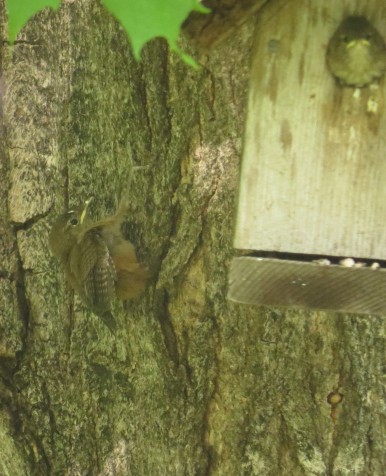
This time mama wren brought some enticement but flew away without feeding it to the baby.
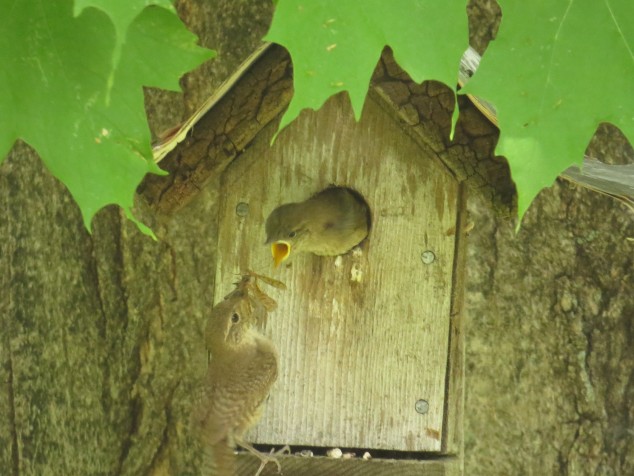
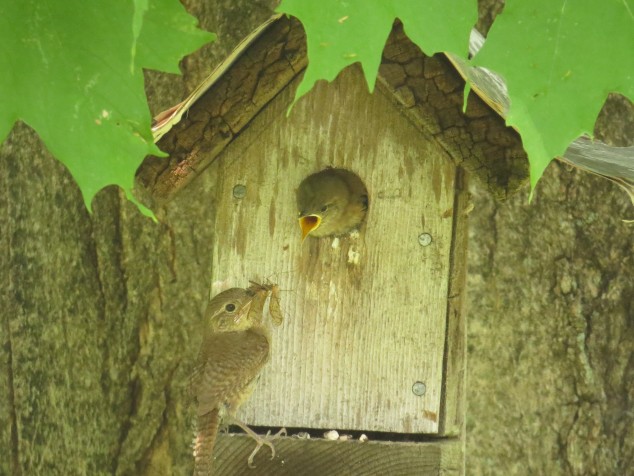
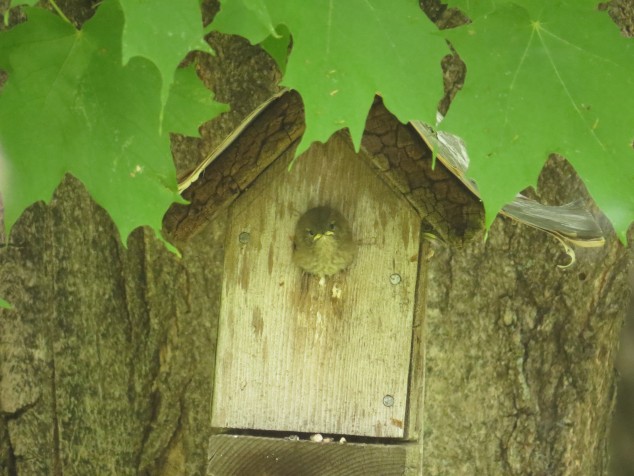
‘Dang! I guess I’ll have to get out of here to get that tasty morsel of food.’

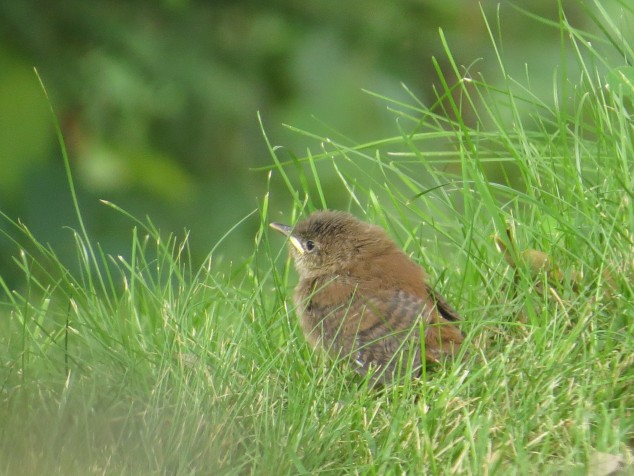
Baby wren number four followed suit and cautiously dropped to the ‘porch’ of the house.
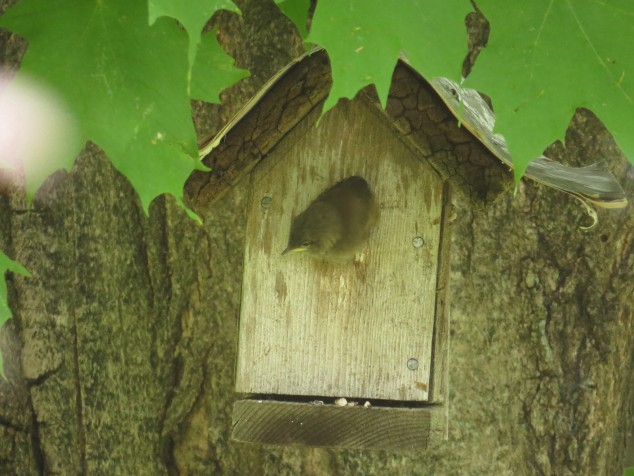
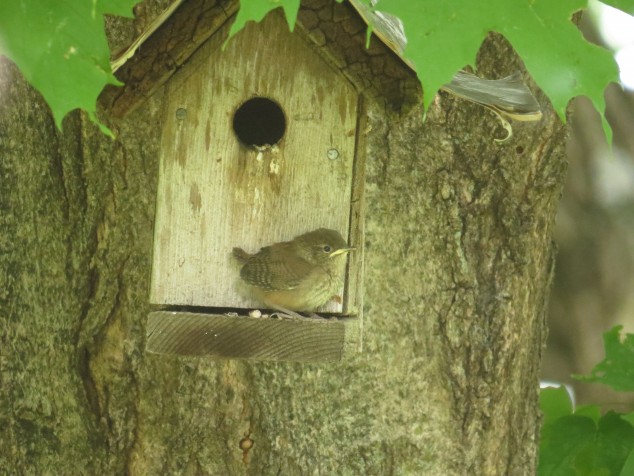
‘Your turn. If I can do it, you can do it, too!’
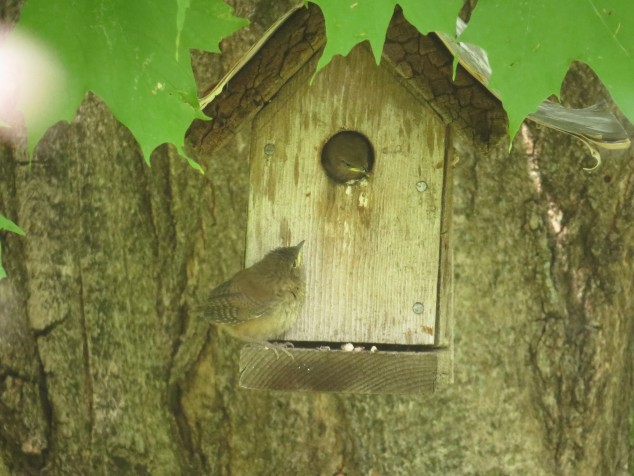
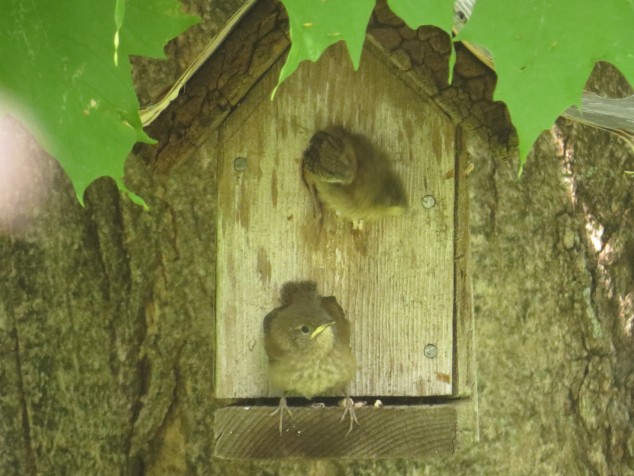
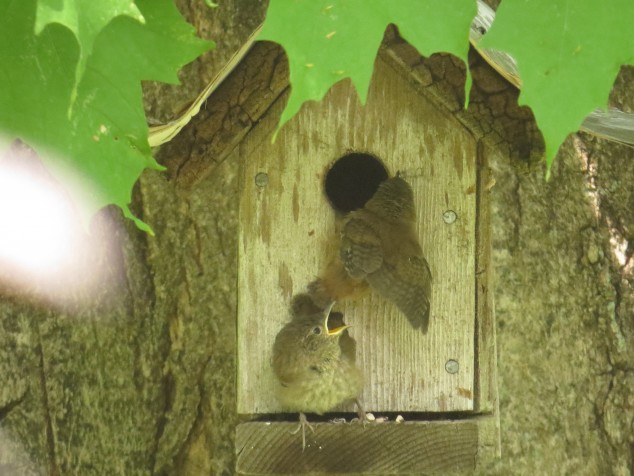
‘Where’d she go?’
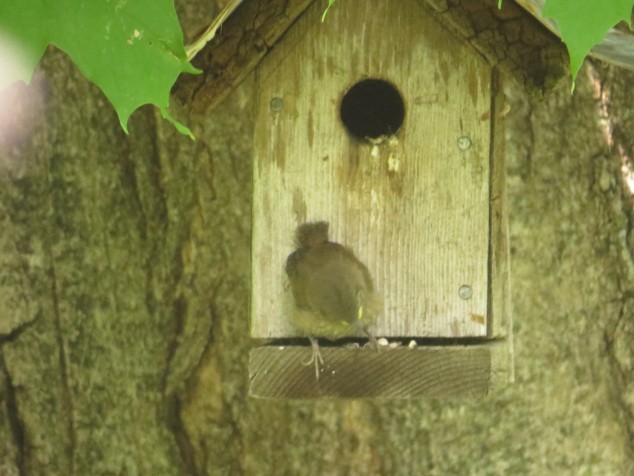
And finally, mama wren flew to the branch above the house, and the last baby followed her into the maple canopy.
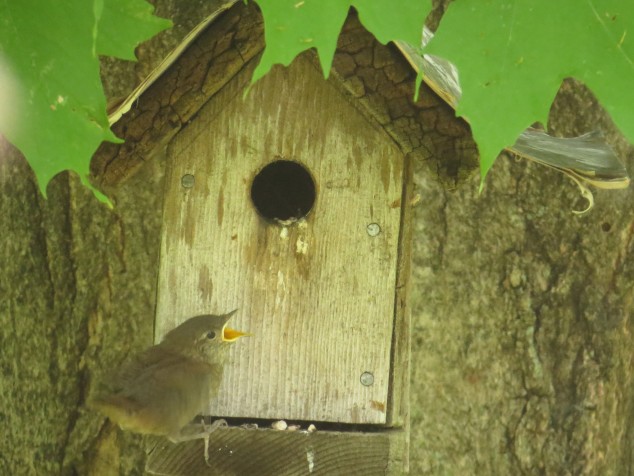
Empty nest. Empty house. Quiet.
Sometimes with all the best intentions and timing and encouragement, we try new things but don’t succeed. We rest and re-group and try again. Sometimes, like the turkeys, we are forced to fly. Scary things happen, and we fly to save our lives. Hunger for a better life, frustration with the status quo, enticements that feed our body and soul, encouragement from others who have gone before us, and the positive peer pressure that makes us take the leap combine with our innate cycle of change and development to make it a good day to fly.
Up Close and Personal
I’m not one to jump into things without thought…and contemplation…and risk assessment…and a list of pros and cons…and asking how does this fit into the Big Picture? Once I get the big picture though, I like to look at the details. When you examine things up close and personal, you can see what is not apparent from a distance. The details are intriguing–they are the puzzle pieces that fit together to make the whole what it is.
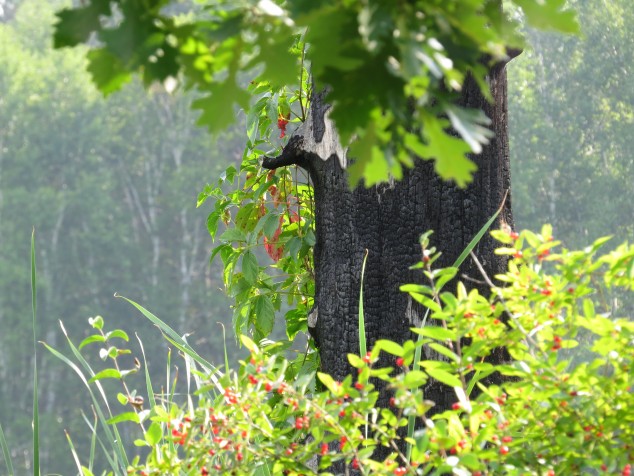
We hiked at Saint John’s Arboretum on Sunday. From a distance we could see a charred skeleton of a tree, stark and black against the summer colors. We traversed a marsh of cattails and green-black water on a winding boardwalk straight out of a Dr. Seuss book. The burnt tree stood beside two other long-dead trees where the shore of the marsh met the hill. Did high water kill them many years ago? Was the oak struck by lightning when the dead wood easily burned? Did a controlled burn get a little out of control? Virginia creeper snaked up one side of the trunk and was beginning to turn scarlet. Honeysuckle berries glowed red in the foreground while an oak branch hung down in vibrant green–all with a background of hazy gray-barked aspens. Let’s look a little closer.
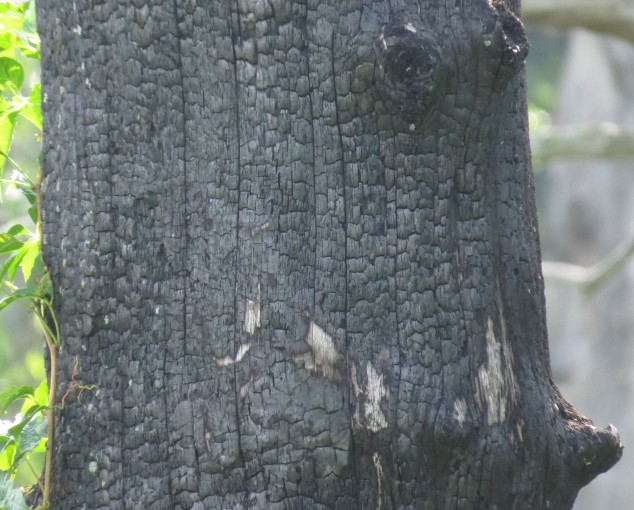
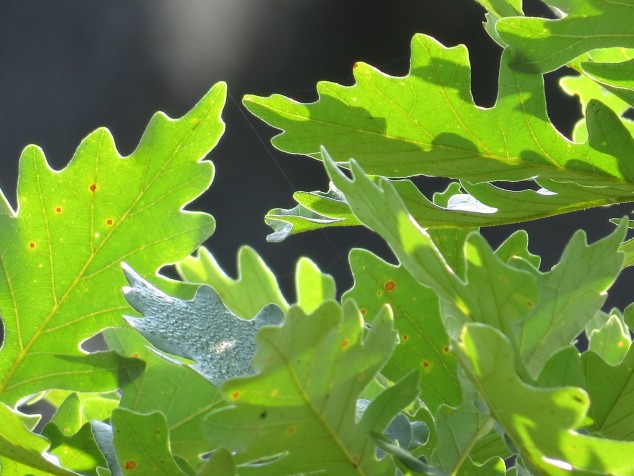
Gray places on the trunk where the fire skipped over. The tendrils of the Virginia creeper clutching to the scorched crevices. Rusty spots beside the veins on the oak. Dewdrops on the shaded leaf. A tiny black spider and a filament of web. Light and shadows.
Examine and enjoy the amazing details of plants from the arboretum and from our gardens…
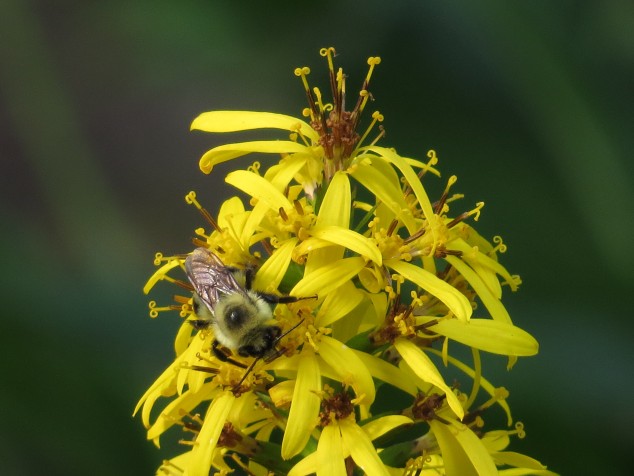
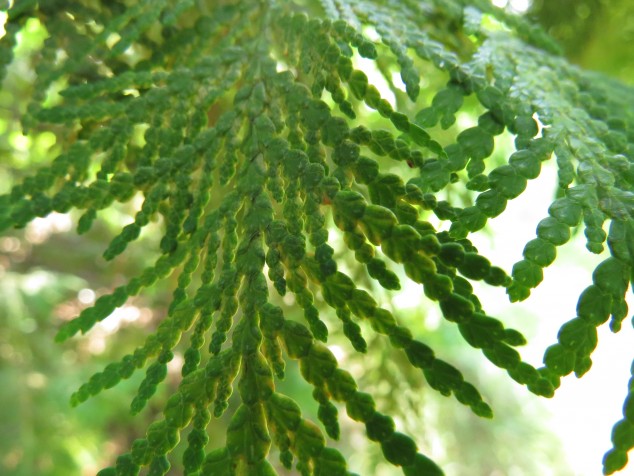
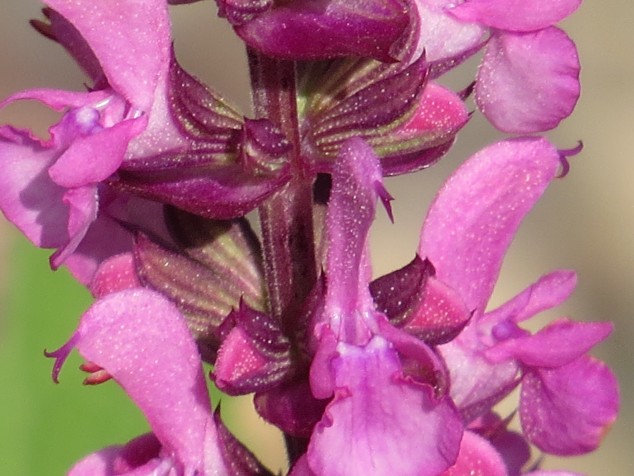
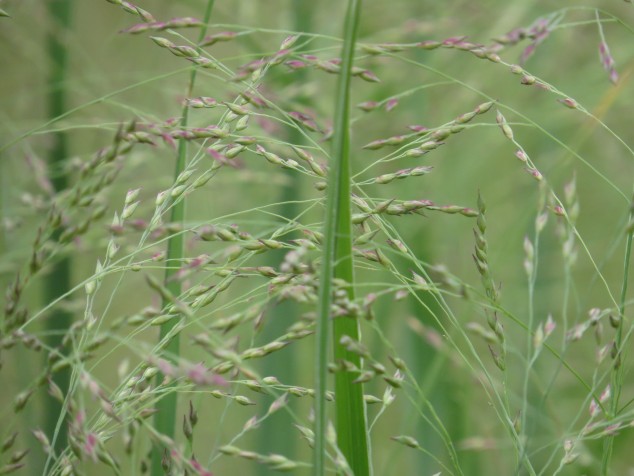
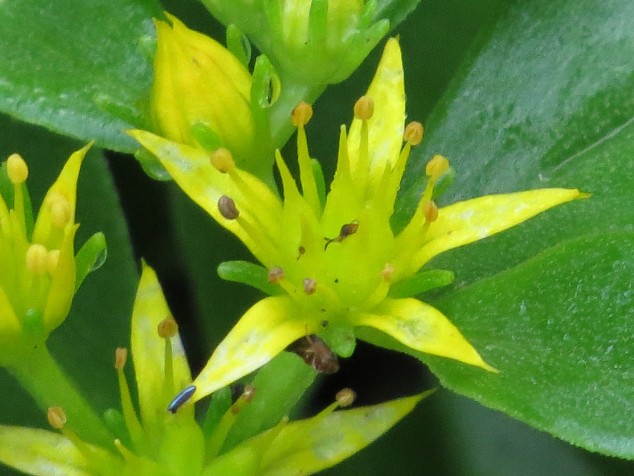
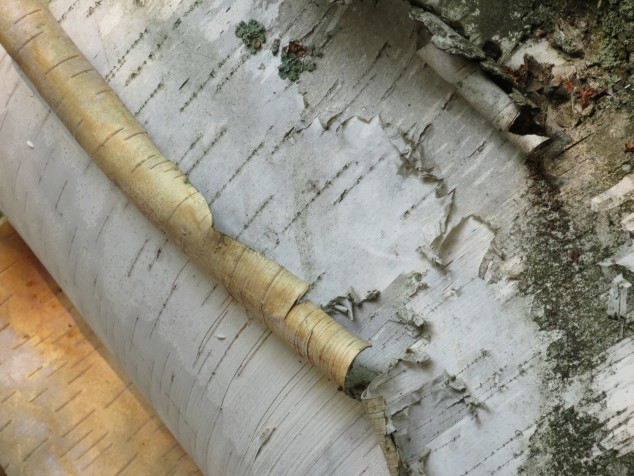
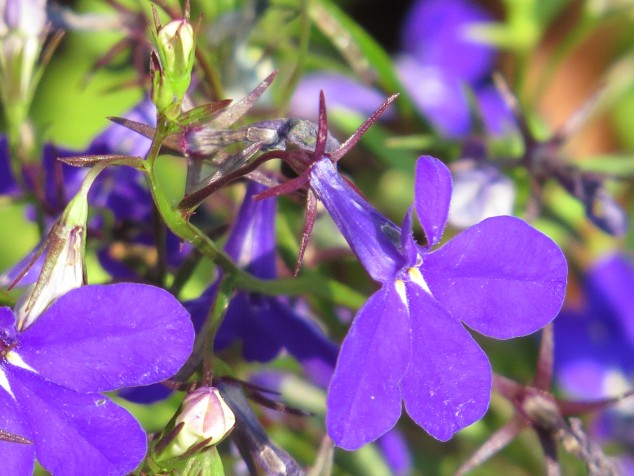
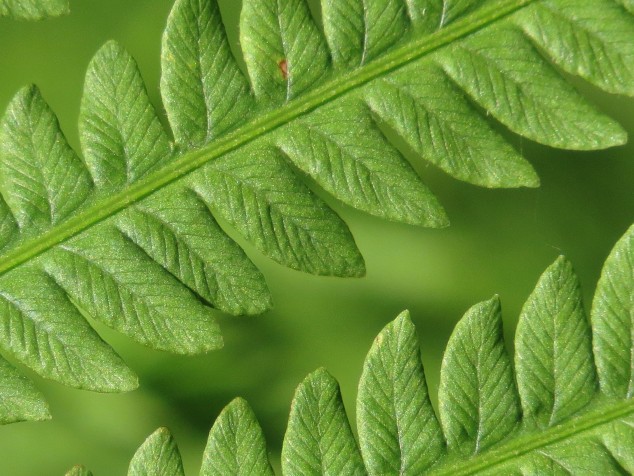
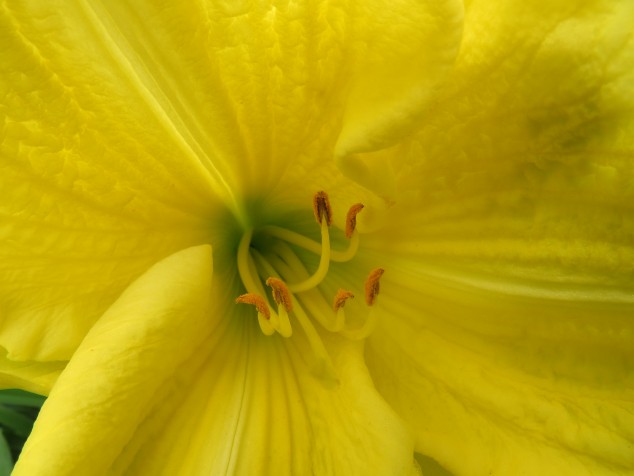
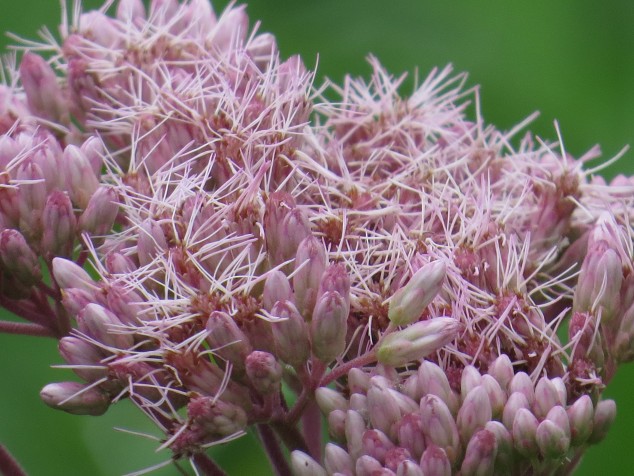
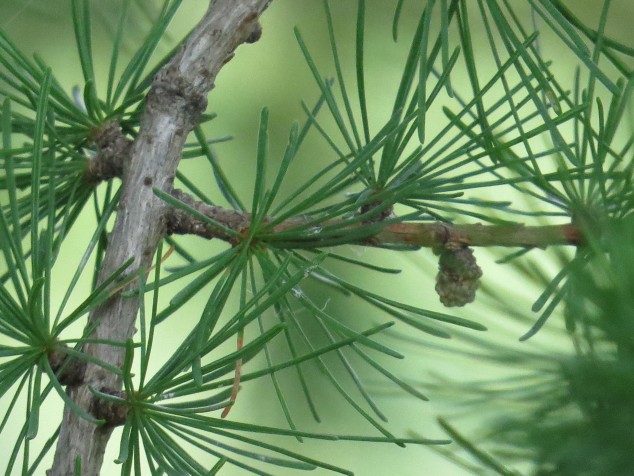
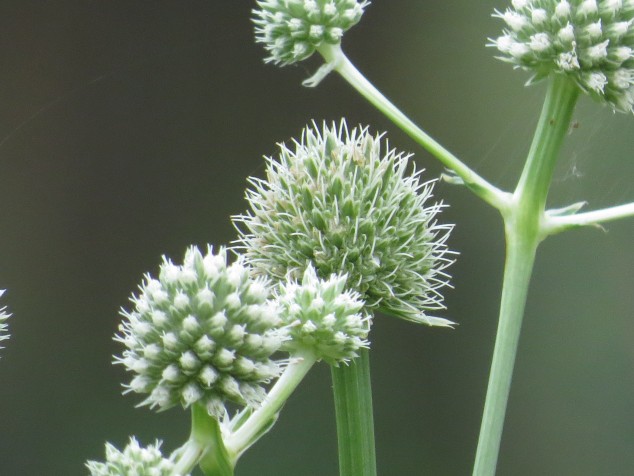
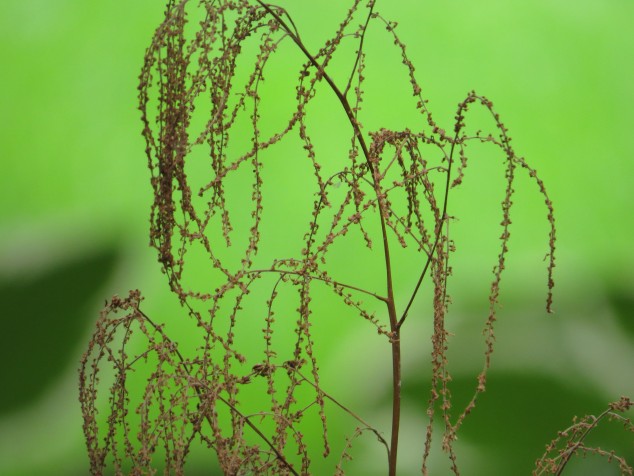
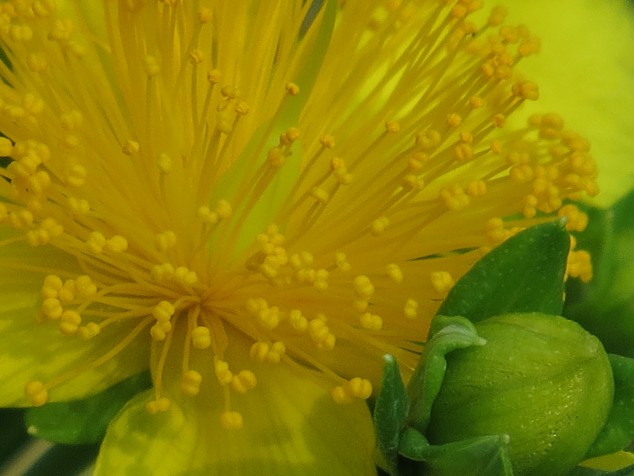
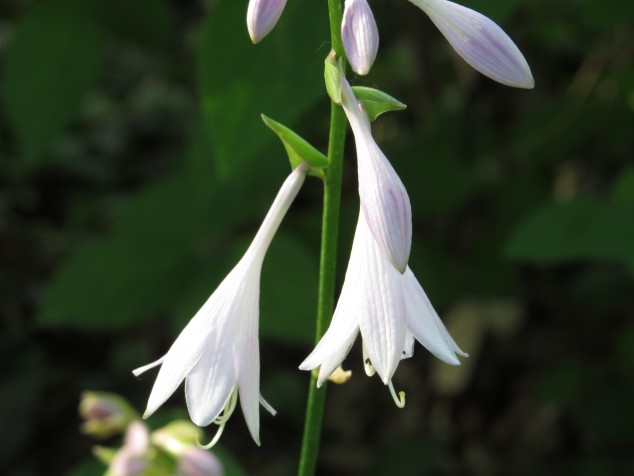
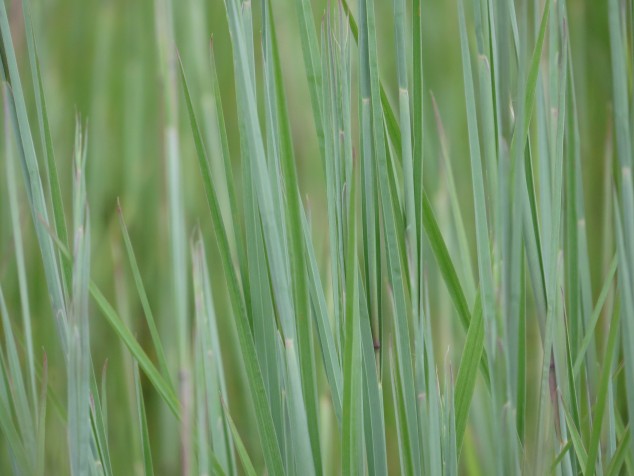
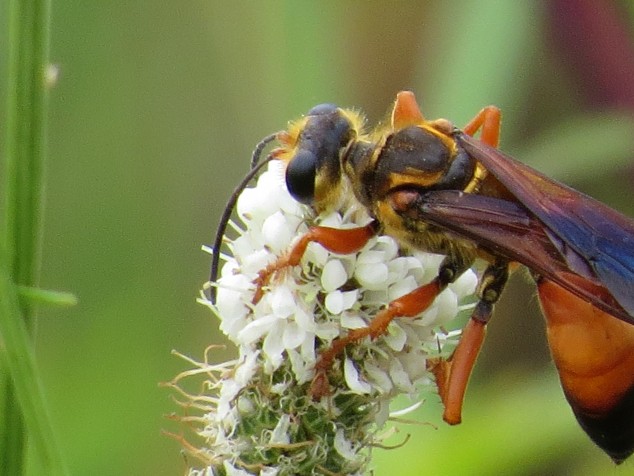
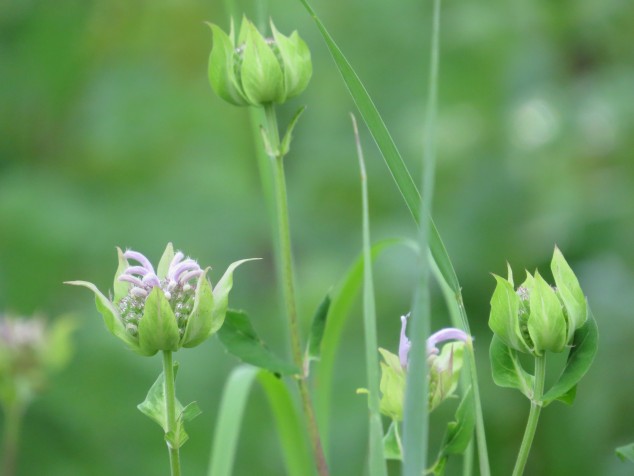
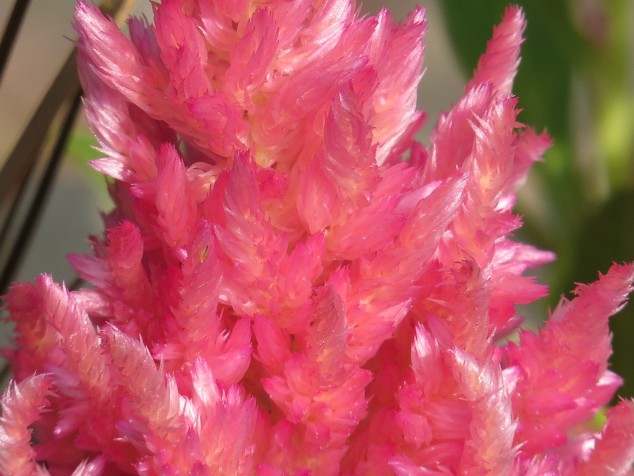
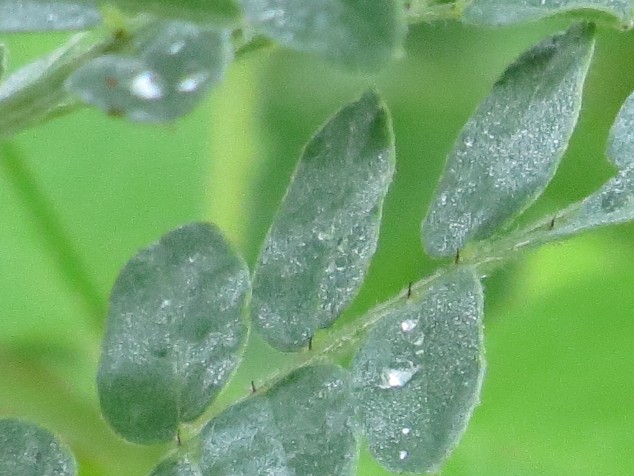
“There is a holiness to nature, in the intricacy of the system. Its secrets are open to all to learn, but it takes patience to develop the eyes and history necessary to see.”
Fr. Paul Schwietz, O.S.B., Founding Arboretum Director