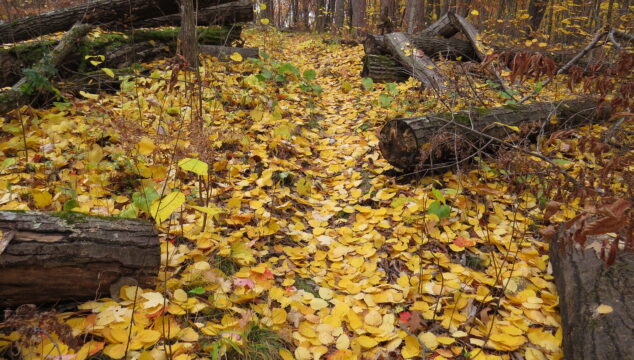
Come walk with me in the peak Autumn beauty of the Northwoods. To say that I love this time of year is an understatement. Most everyone can appreciate the colorful falling leaves---it reveals the 'true self' of a tree when its leaves are no longer producing chlorophyll. Their true colors are revealed, and there is something simple … [Read More...]
Archives for September 2023
Persistence of an Explorer
When was the last time you did something you were afraid of? When did you say ‘sign me up—I don’t know what I’m doing, I know I’m going to be uncomfortable, I’m not even sure I can do it, but I’m going to give it a try?’ That was me when our family decided to do a Boundary Waters canoe trip in 2021. I didn’t know what I was doing. I knew I would be uncomfortable, since I don’t really know how to swim and I’m afraid of deep water. And how would I even keep up with the more experienced and younger people? (Thankfully those people were my family.) But I said ‘sign me up.’ That’s the definition of courage, though I was certainly not feeling courageous at the time. According to exploreratlarge.org, courage is the cornerstone quality, along with curiosity, of being an explorer. And there is hardly anything that makes a person feel more like an explorer than packing your needed goods into a canoe and paddling through the Wilderness! But there was another explorer quality that actually got me through the very difficult first days, and that was persistence. I know about persevering through adversity—it’s a life lesson that comes with age and circumstances. In spite of how difficult it was physically and how overwhelming it was at times emotionally, I kept at it. And my son Aaron gently pointed out that there was no other choice—I was sitting in a canoe in the middle of a lake in the wilderness. I couldn’t give up.
We humans are a part of the Animal Kingdom where persistence is demonstrated daily by our animal friends. One creature that quietly carries on with persistence is the Beaver. Their whole livelihood is defined by their persistent behavior of gnawing down trees with their teeth, cutting the tree into manageable sizes, then moving those pieces from land to water in order to build a dam or build a lodge.
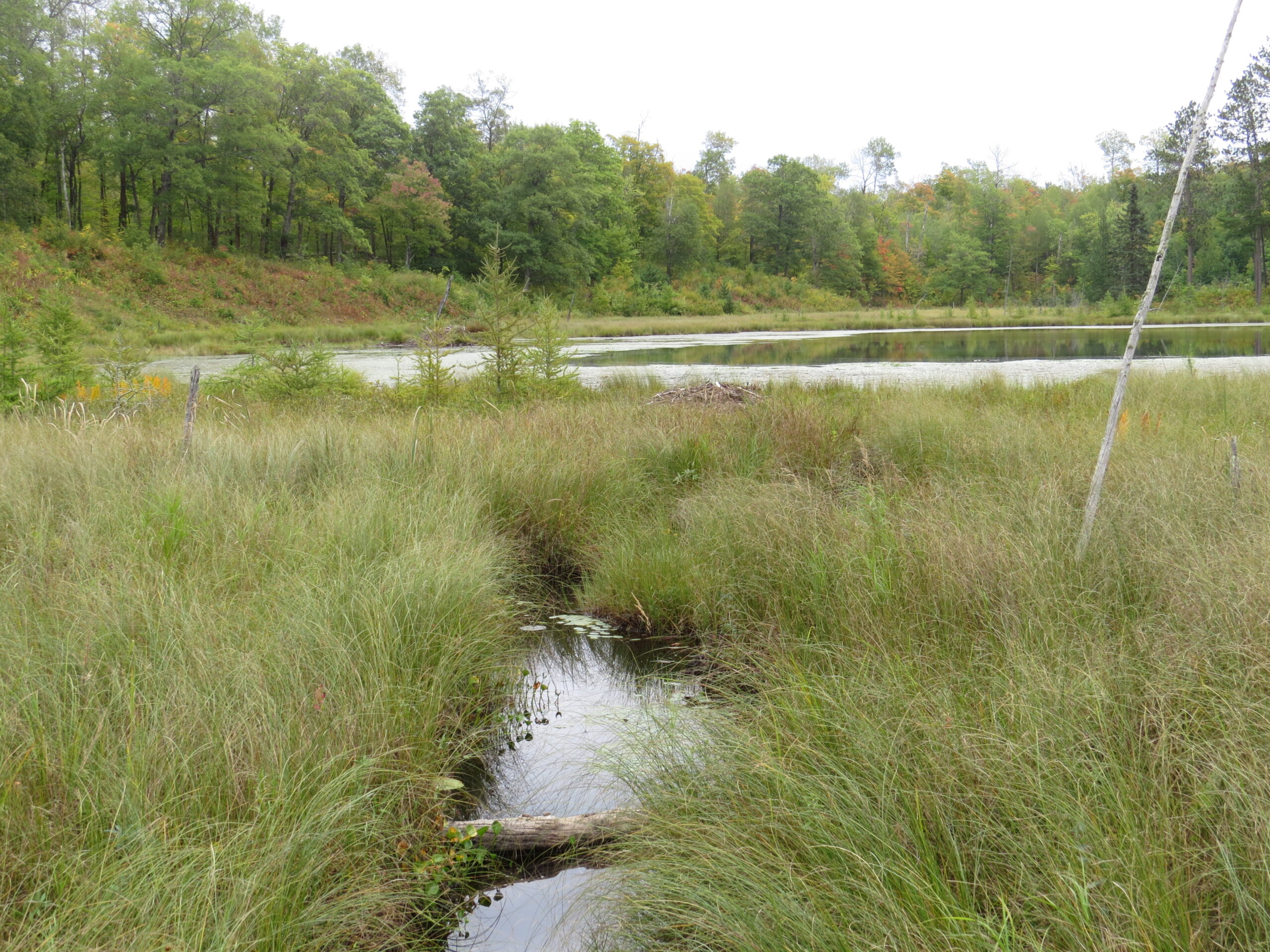
Our second hike at Savanna Portage State Park was Beaver Pond trail, a short half-mile trek around the beautiful pond that housed three beaver lodges. The pond was like the bottom of a bowl—the land curved up and around it in a protective way, so most of the time we were looking down at it. Despite our vantage point, we didn’t see any beaver activity of any kind. We saw the lodges and the pathways through the rushes where they could swim and move logs.
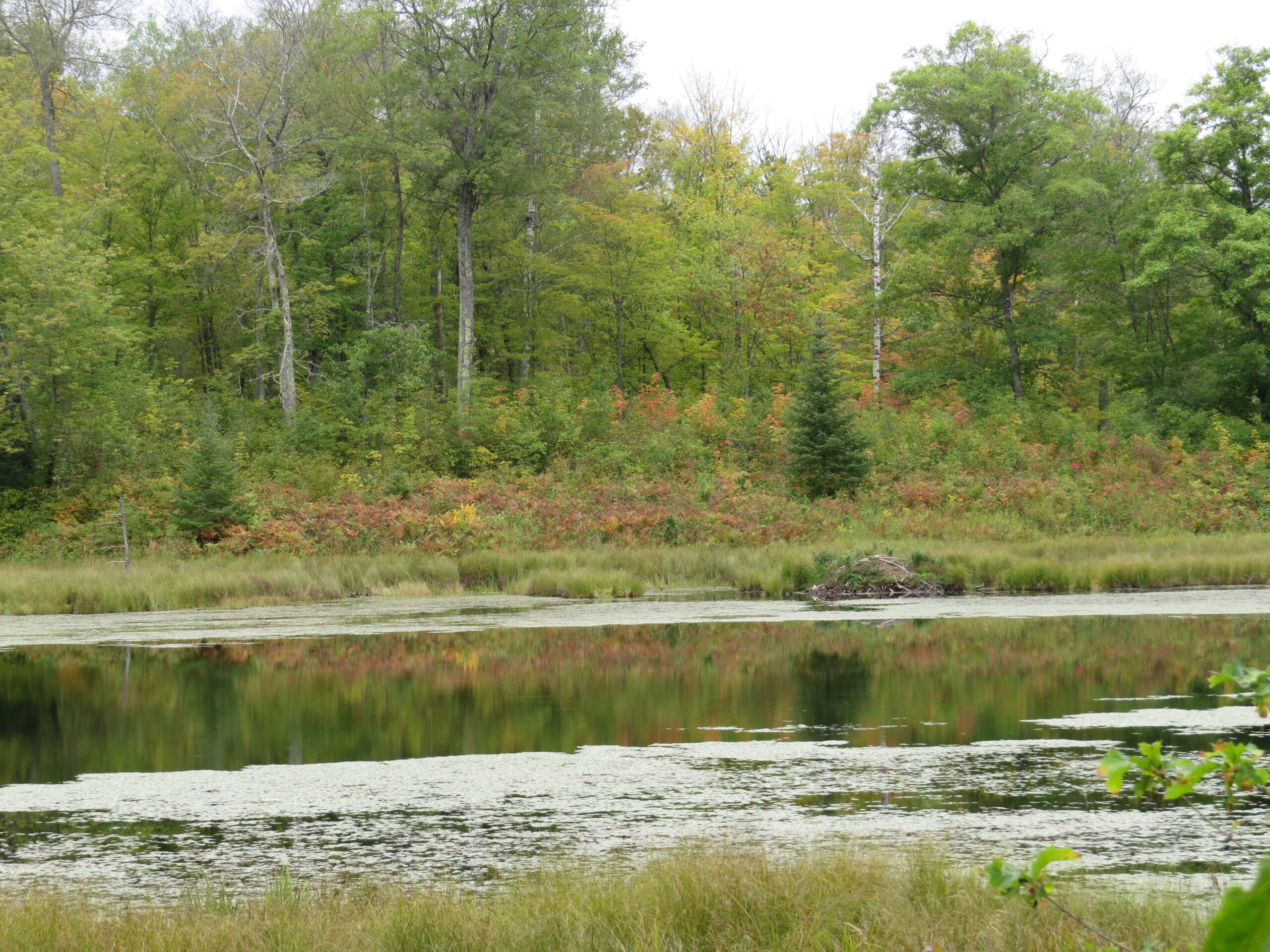
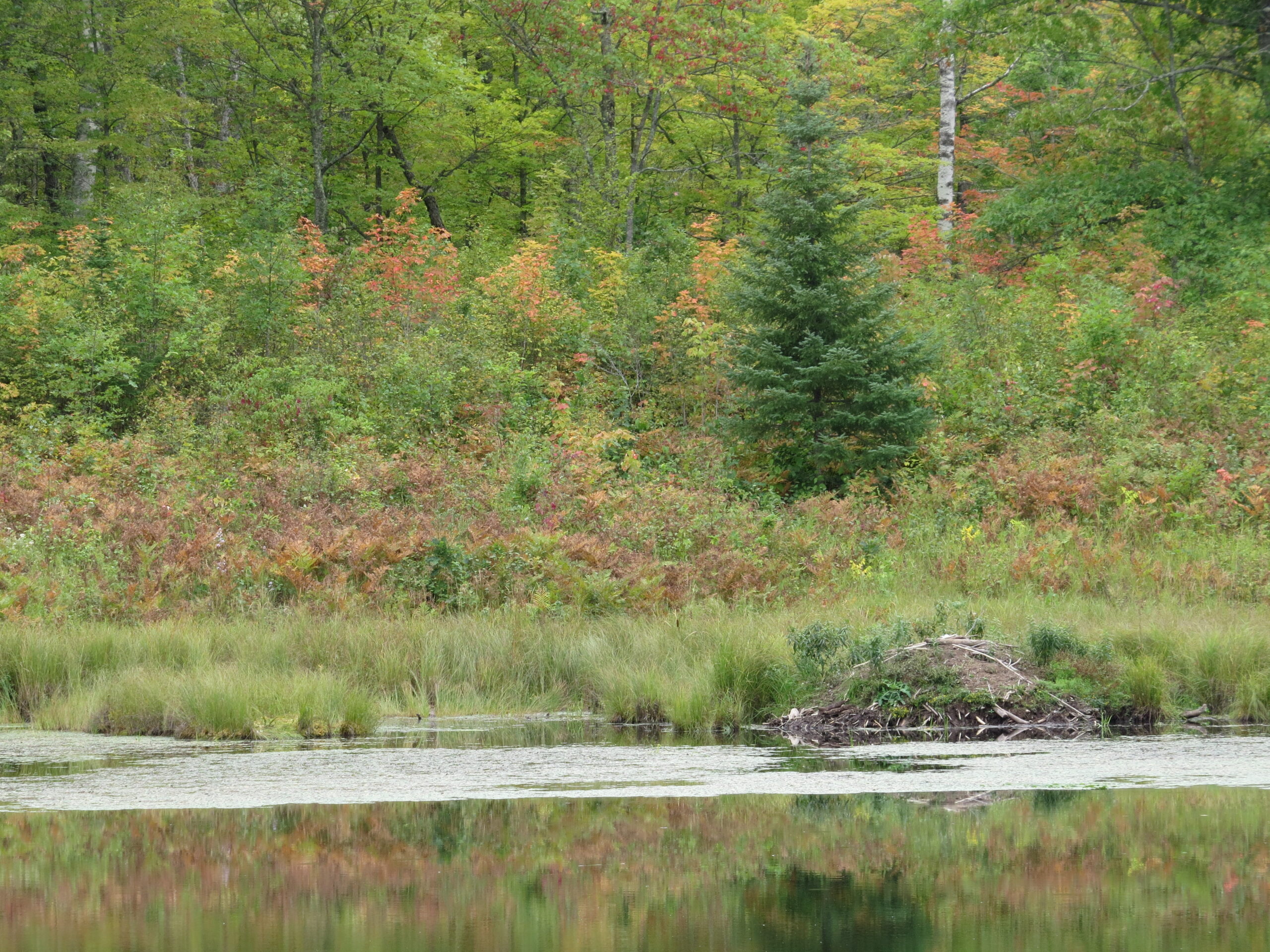
The second lodge was very large and well established, with vegetation growing on most parts of it. But there was a ‘new’ part with additions of logs—I guess a beaver’s house is never finished.
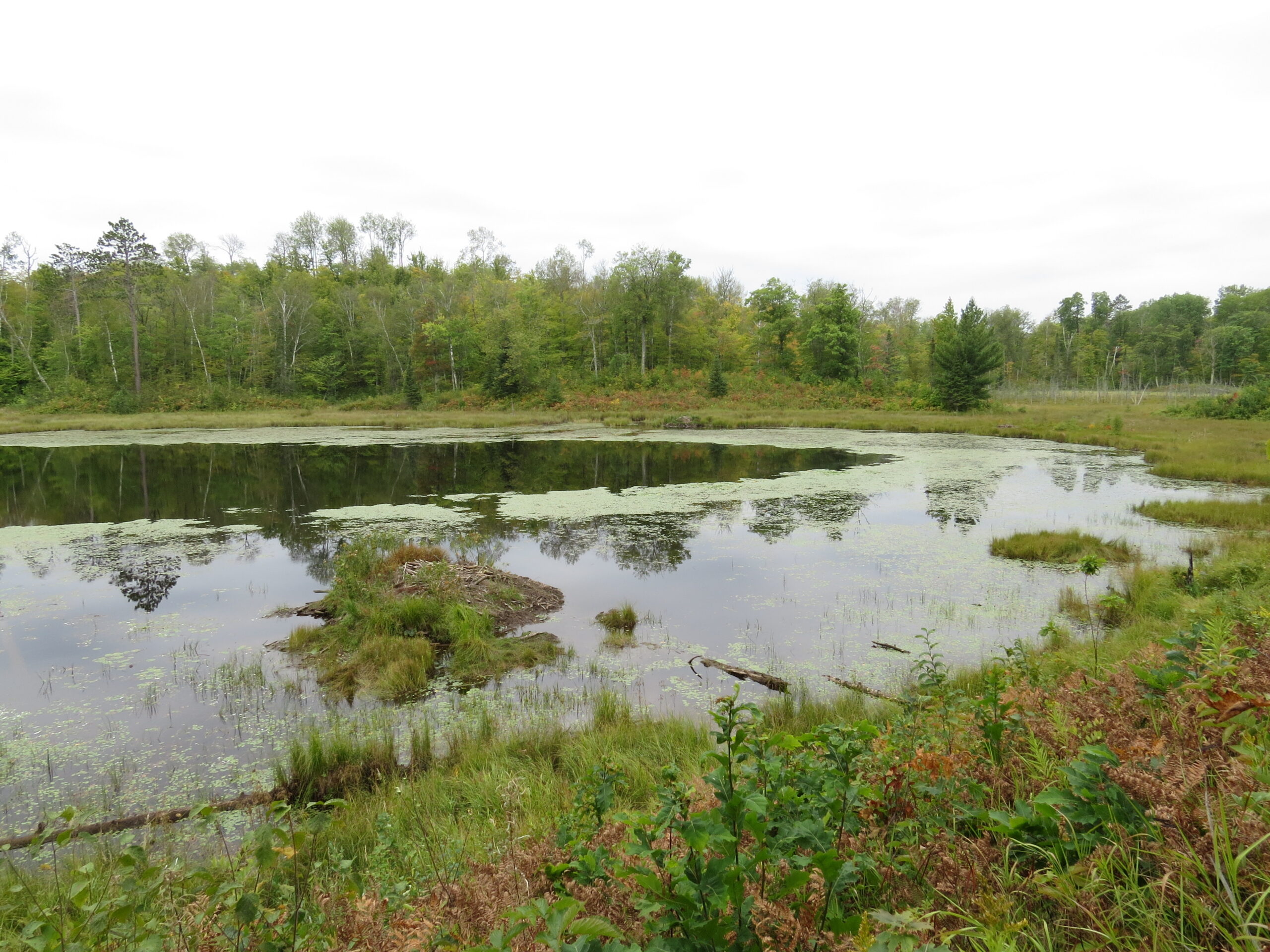
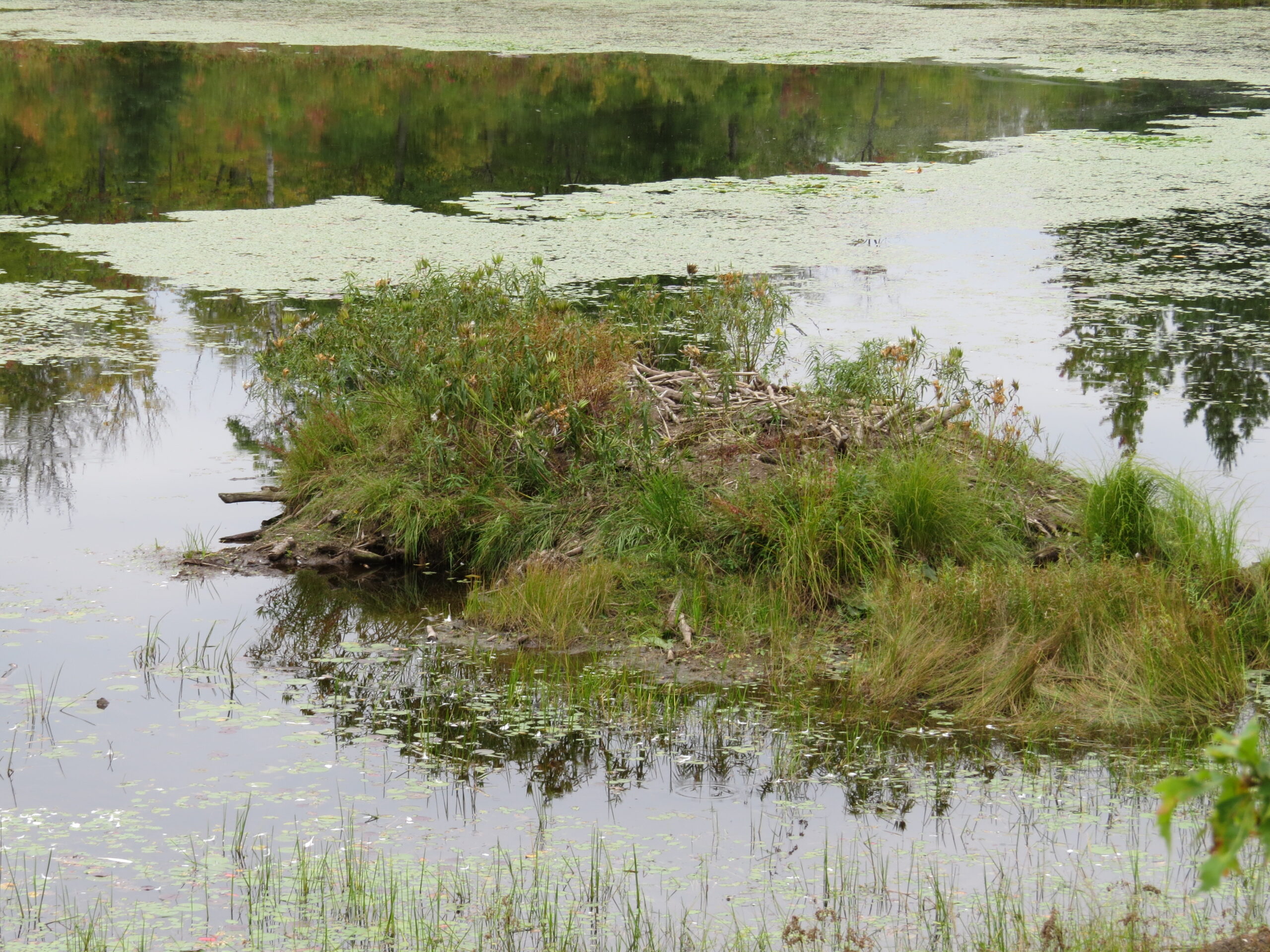
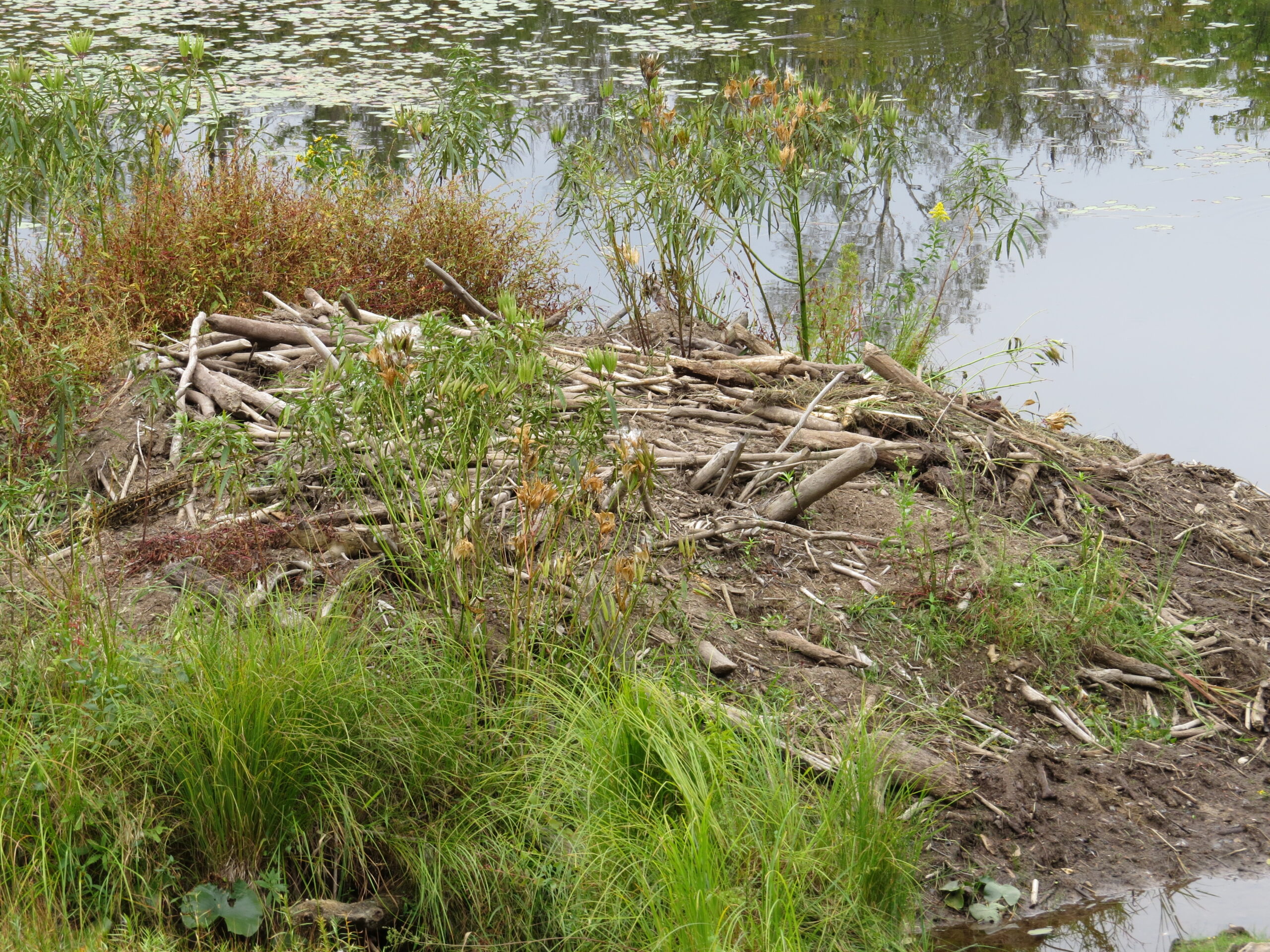
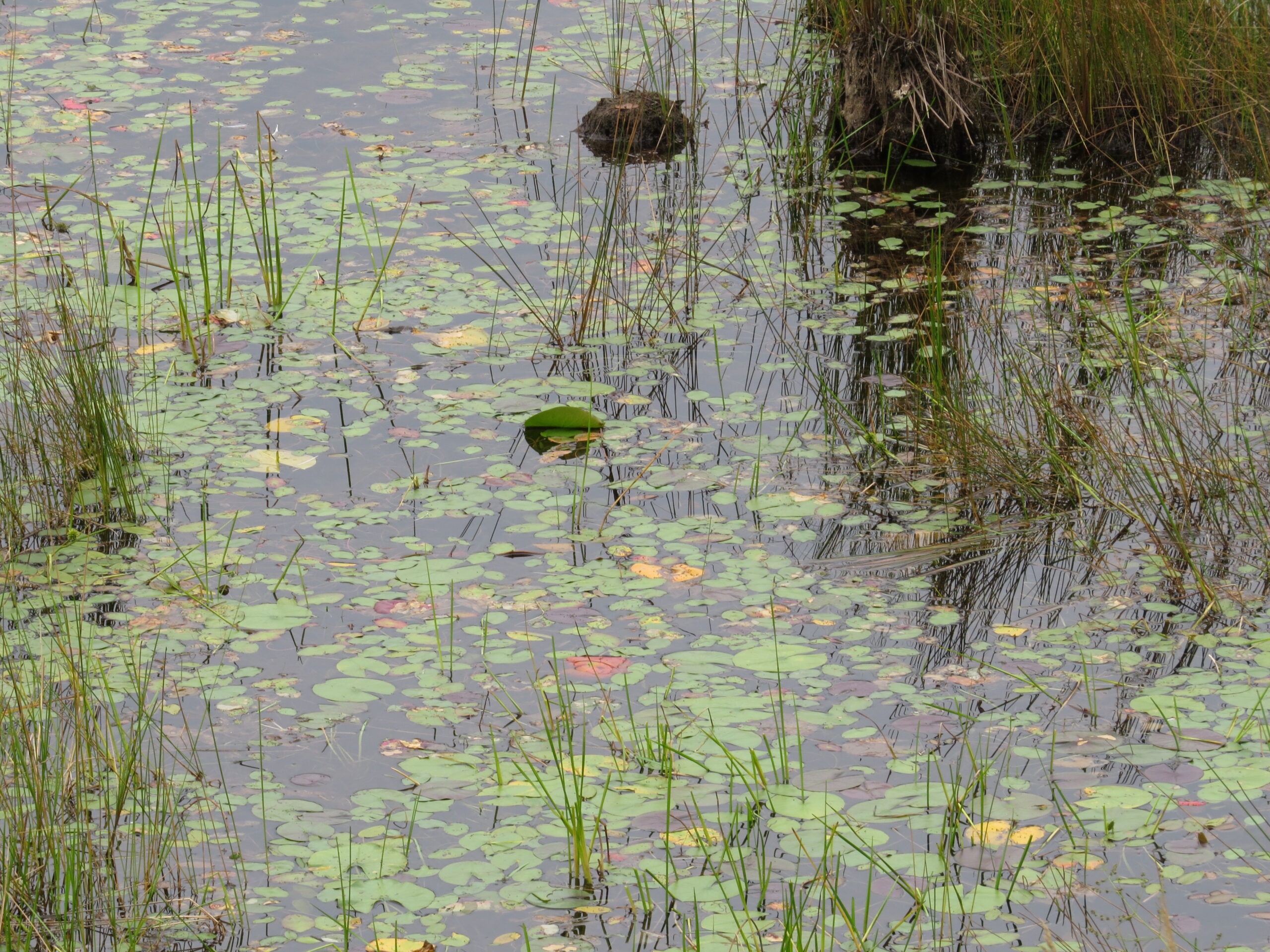
The lily pads had begun their annual color change along with the trees, shrubs, and other plants. Autumn in the pond.
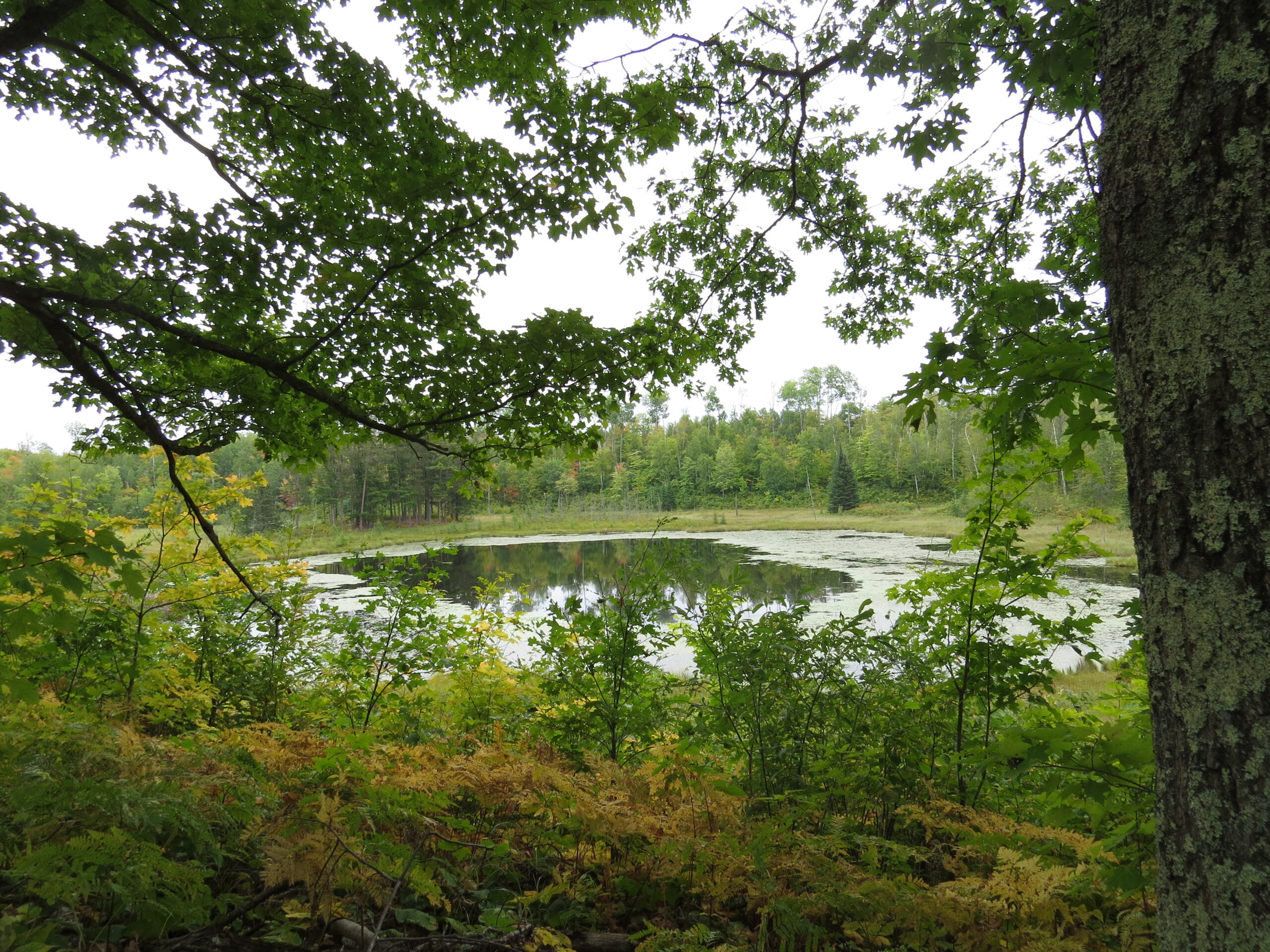
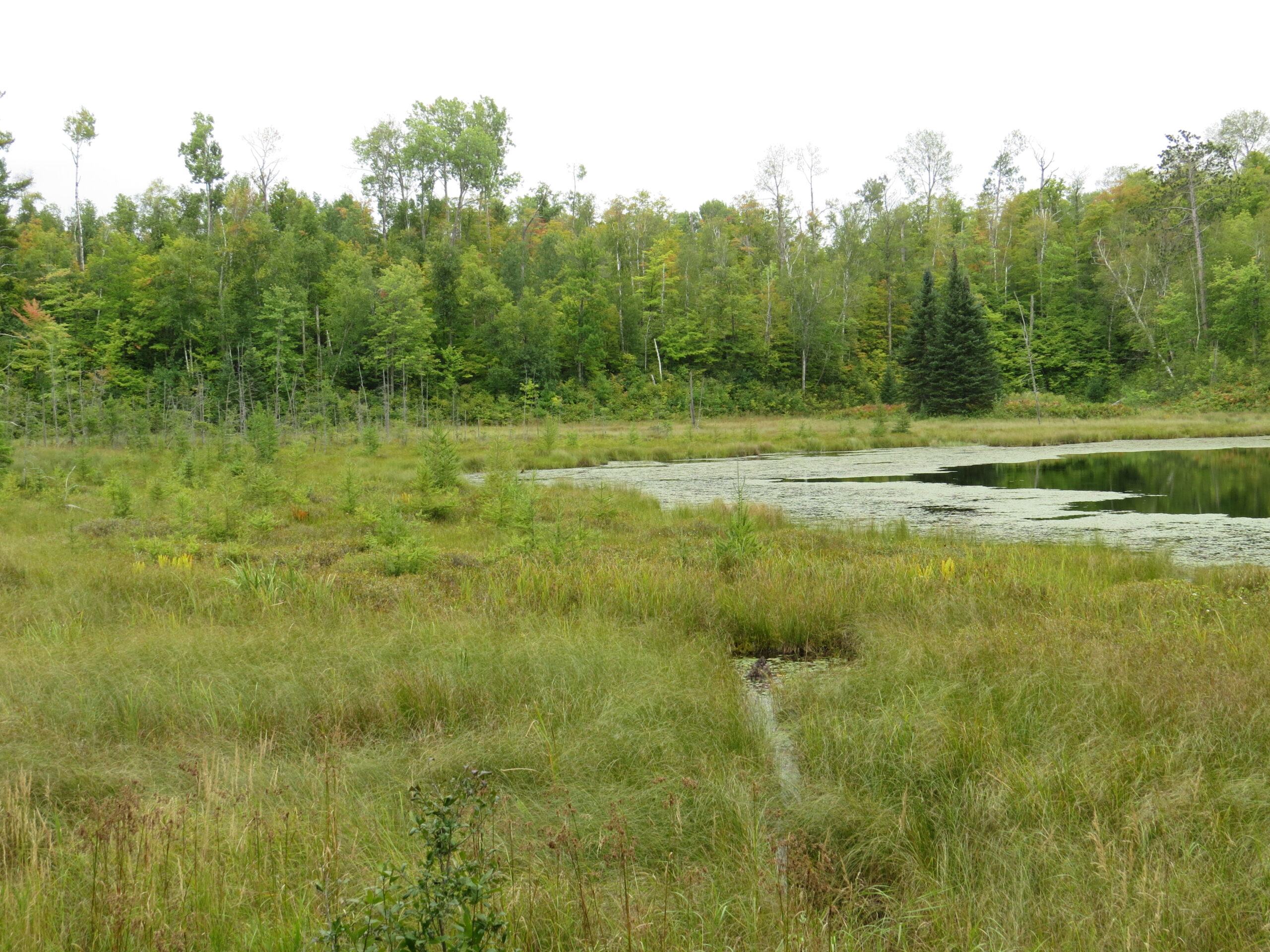
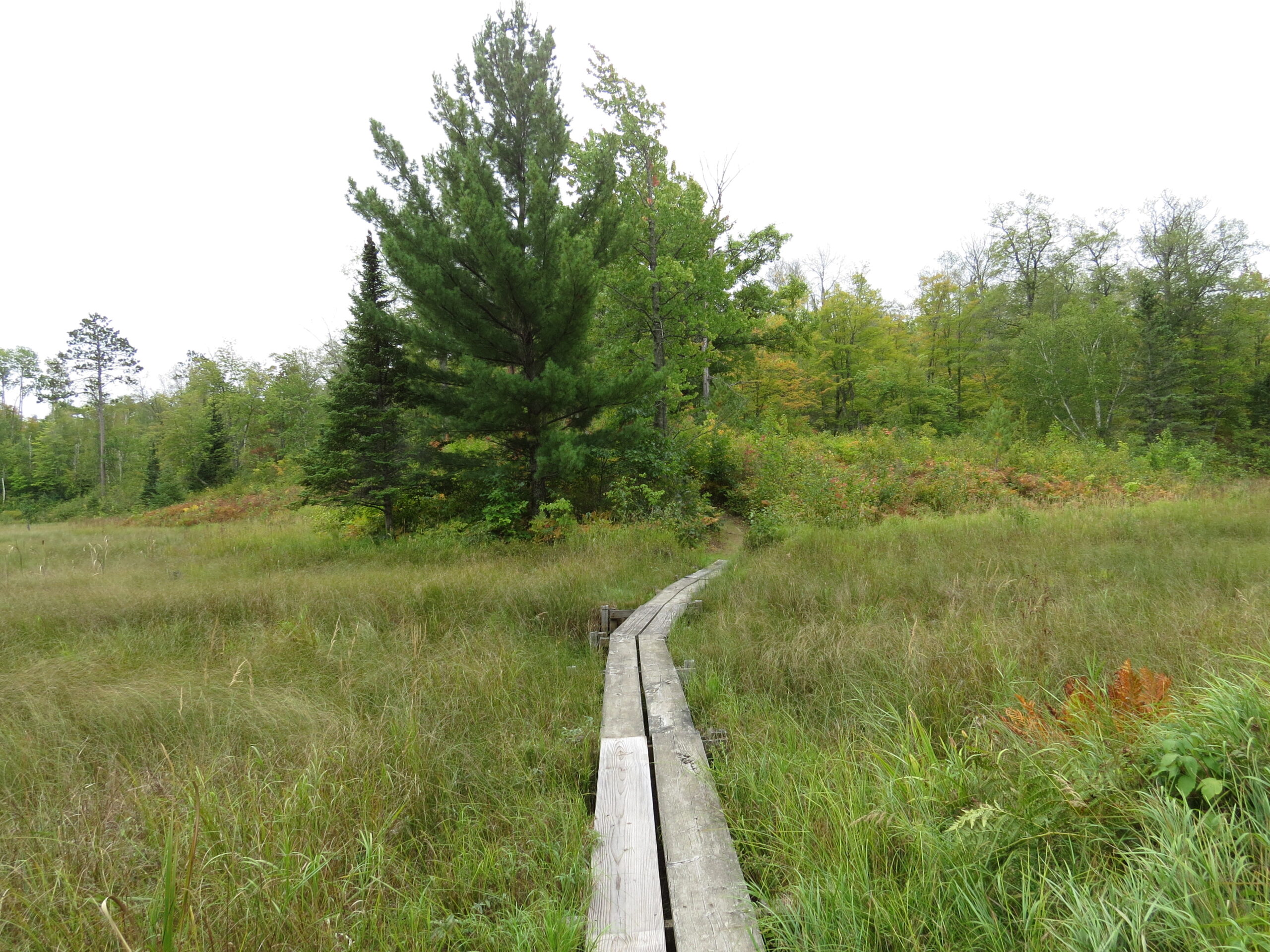
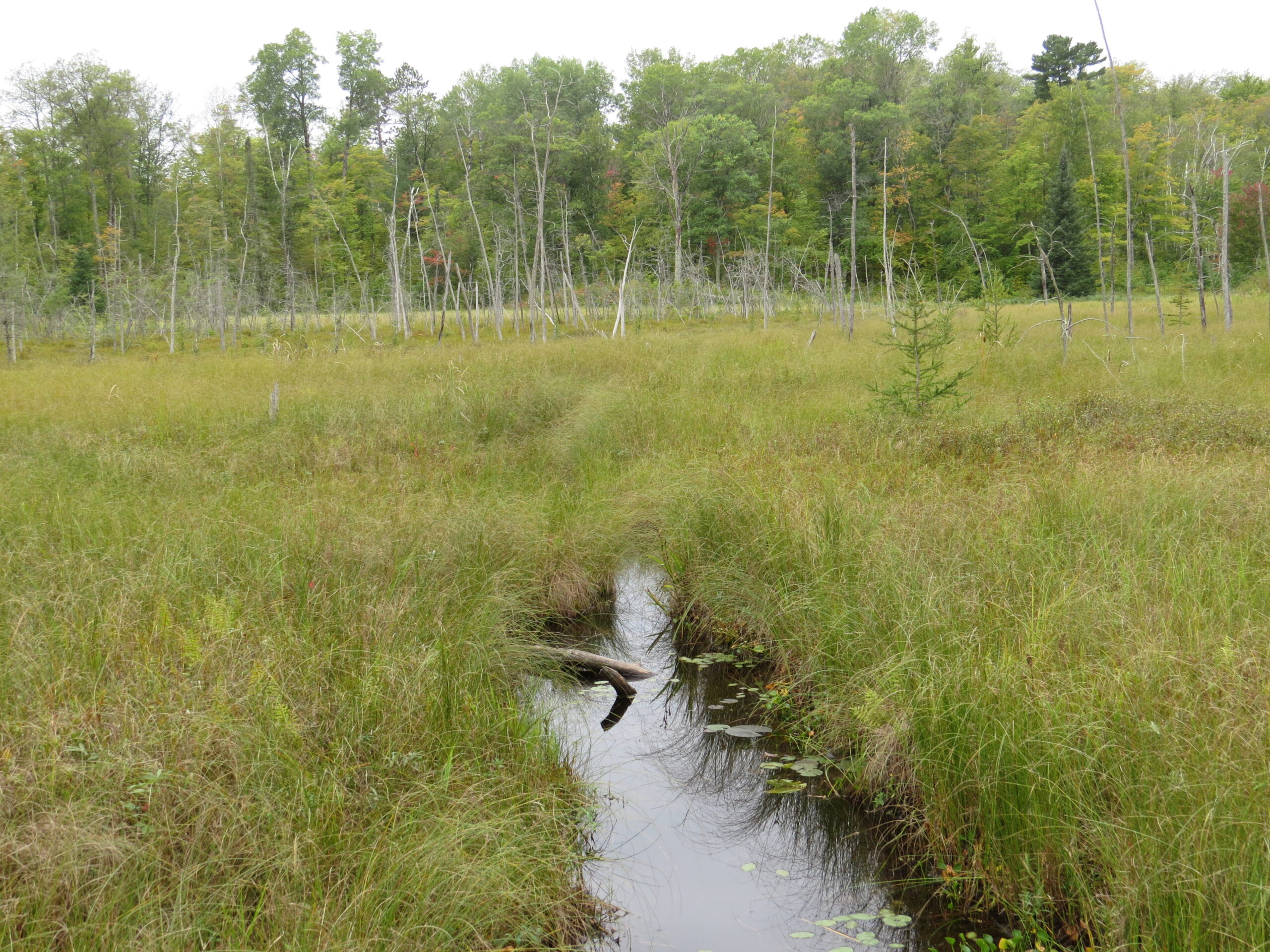
The one place where we were more on the level with Beaver Pond was a boardwalk that dissected the lowland area. A small open creek ran from the pond to an adjacent wetland where bare trunks of dead trees stood in the rushes.
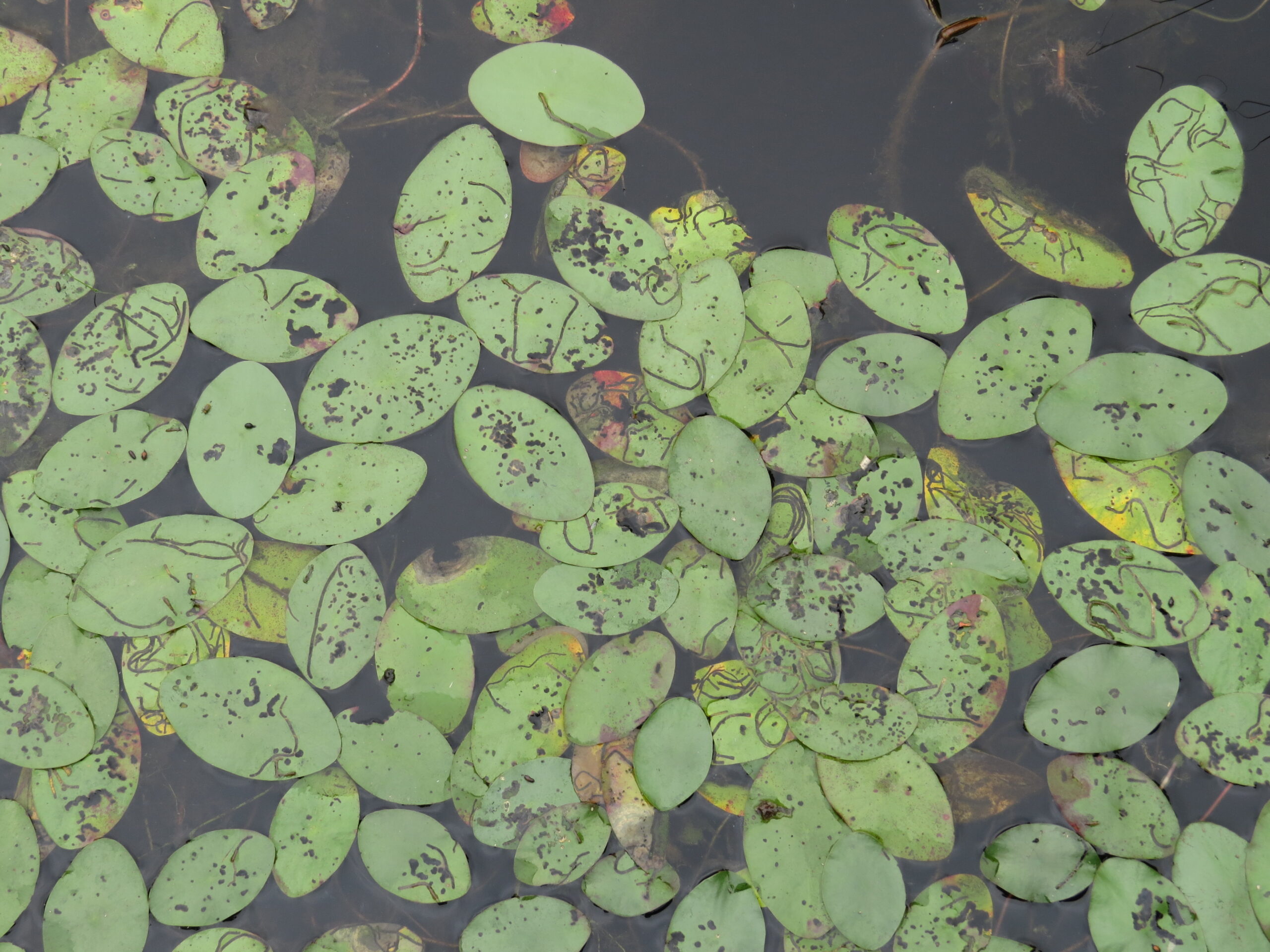
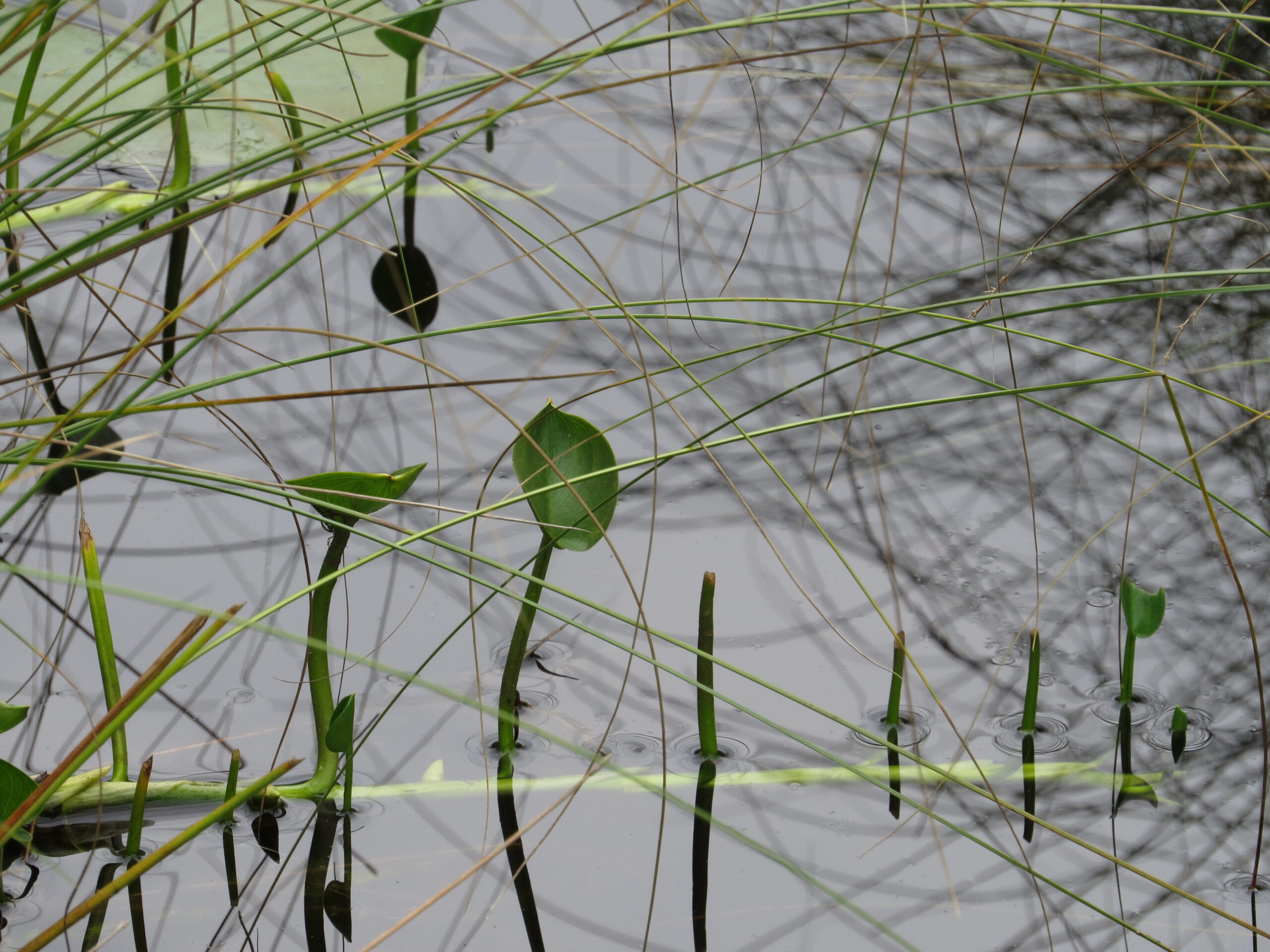
Water Shield is an aquatic plant that likes slow-moving water. They made up a puzzle of etched leaves, like little works of art.
The third beaver lodge was just barely seen when looking towards the pond. A rhizome of Wild Calla made a fence through the creek but nothing to deter the hefty beavers.
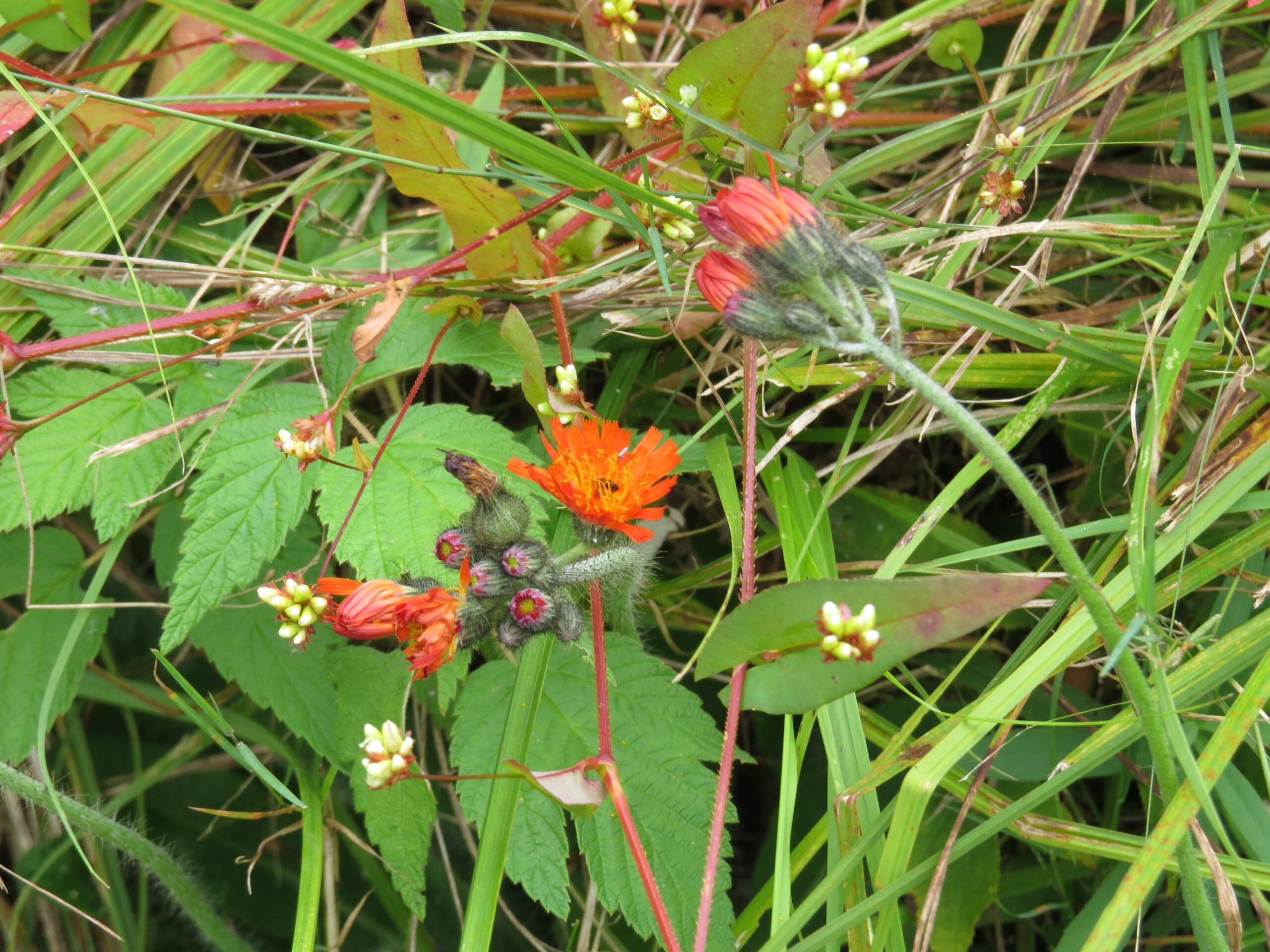
On the other side of the pond, we walked into the woods, losing sight of the water. Bright flowers of Orange Hawkweed grew along the trail. Its other name of Devil’s Paintbrush alluded to its invasive status.
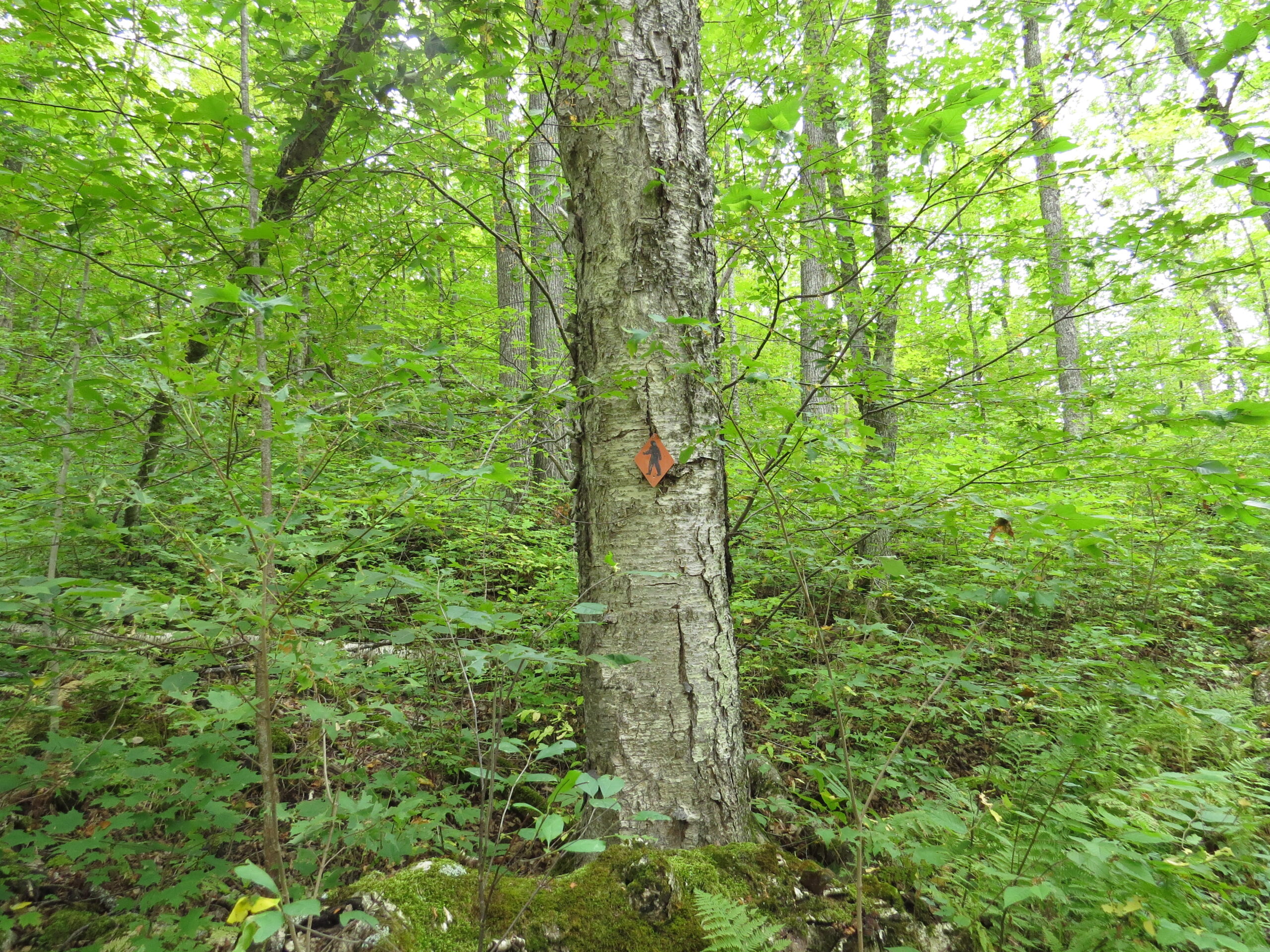
I found it amusing that the trail markers were Bigfoot signs. What happens when Beaver meets Bigfoot?
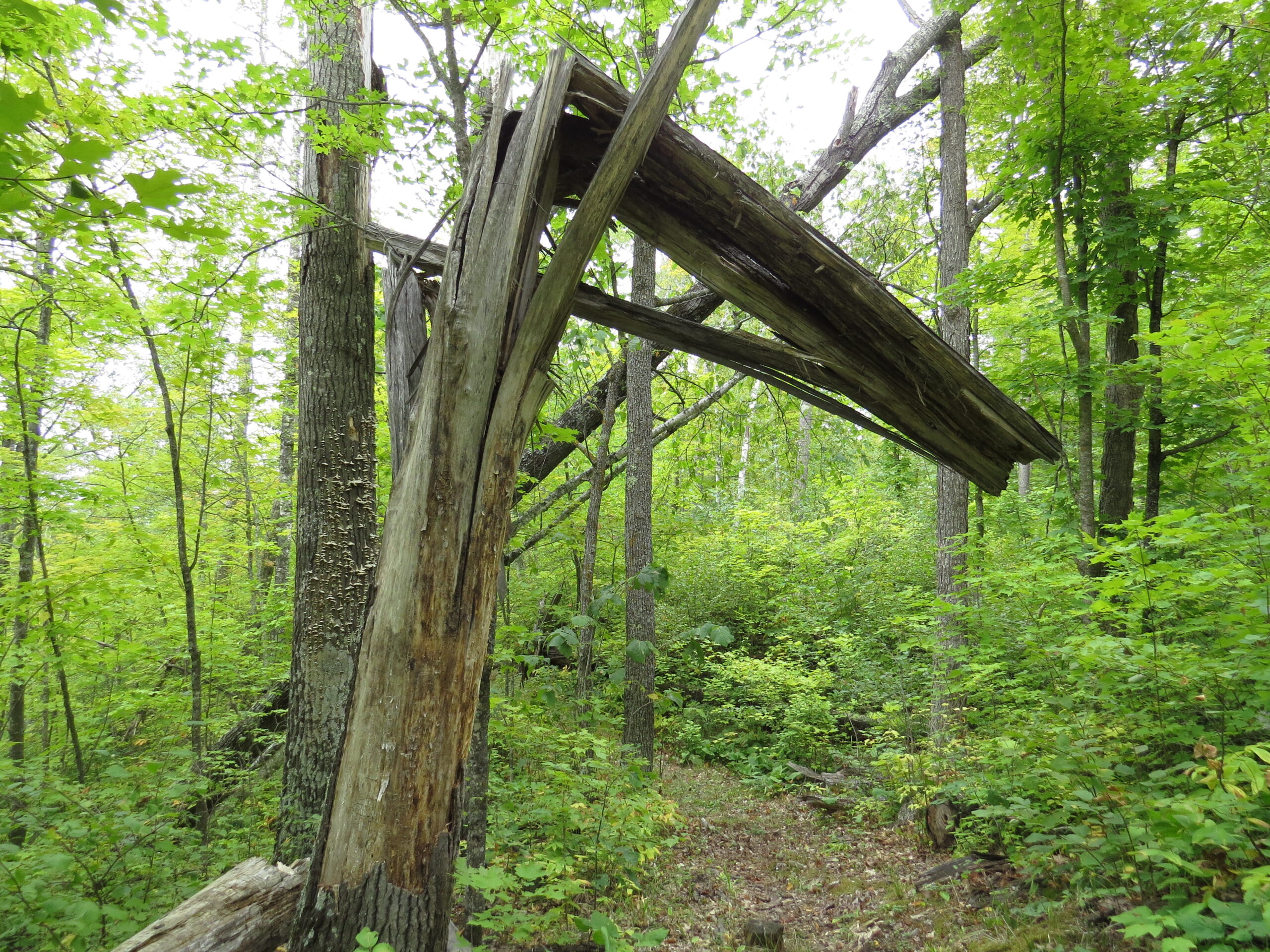
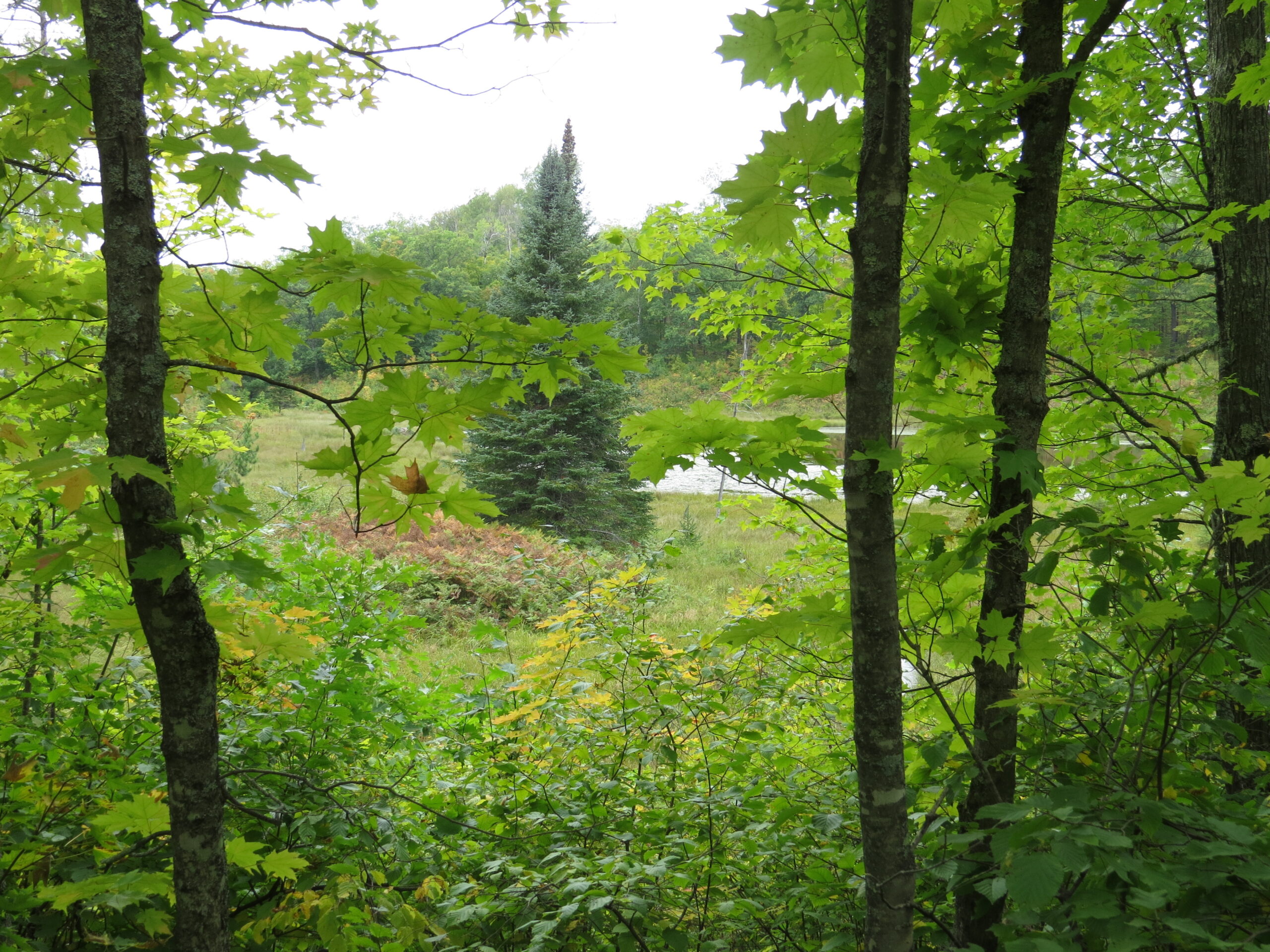
The Beavers lived in an idyllic place, a small glacial bowl surrounded by trees. They had plenty of building materials, plenty of food, and lots of neighboring animals and birds. They lived and worked with strength and tenacity, persistence and humility. Our Boundary Waters trip cultivated those characteristics in me—it was a master class in wilderness exploration, and a voyage into my own self. What’s your story of courage and persistence?
Curiosity of an Explorer
I’m a homebody in many ways—I love being home and even eschew the idea of leaving for an evening activity once supper and dishes are done. I am usually content with my routine. But I do get an explorer’s thrill when we plan to go to a new place in Nature! The Latin root for explore is ‘explorare,’ meaning to investigate or search out. We had heard that Savanna Portage State Park was a beautiful and interesting place, so Chris had gotten reservations for us weeks ago. He loves the anticipation of a planned trip even as I get a bit nervous about leaving home. But once I’m in the car with a map in hand (sorry Google Maps), I forget about leaving home and look forward to exploring and learning about a new place.
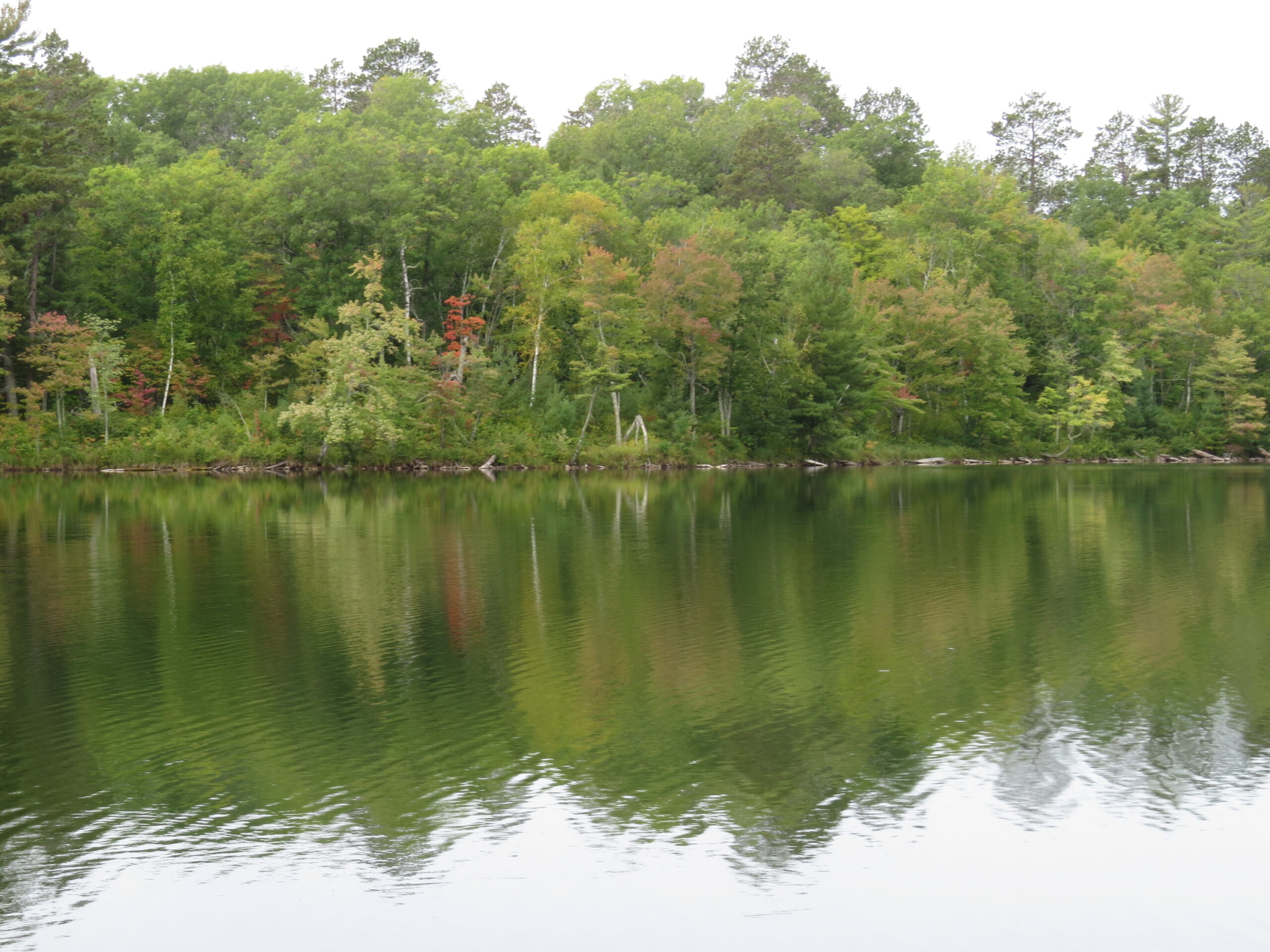
In just over two hours, we pulled in to Savanna Portage State Park, which is in the middle of the expansive Savanna State Forest. Commence our journey of exploration of the Wilderness! There are a number of characteristics according to exploreratlarge.org that define the mentality of an explorer, the first of which is curiosity. What will we see? What will we experience? I was hoping for a chance encounter with a Moose—will I see one? Our first hike was around Loon Lake trail. Loon Lake is a designated trout lake, just a mile or so in circumference, and the trail hugged the lake shore. Come explore with me!
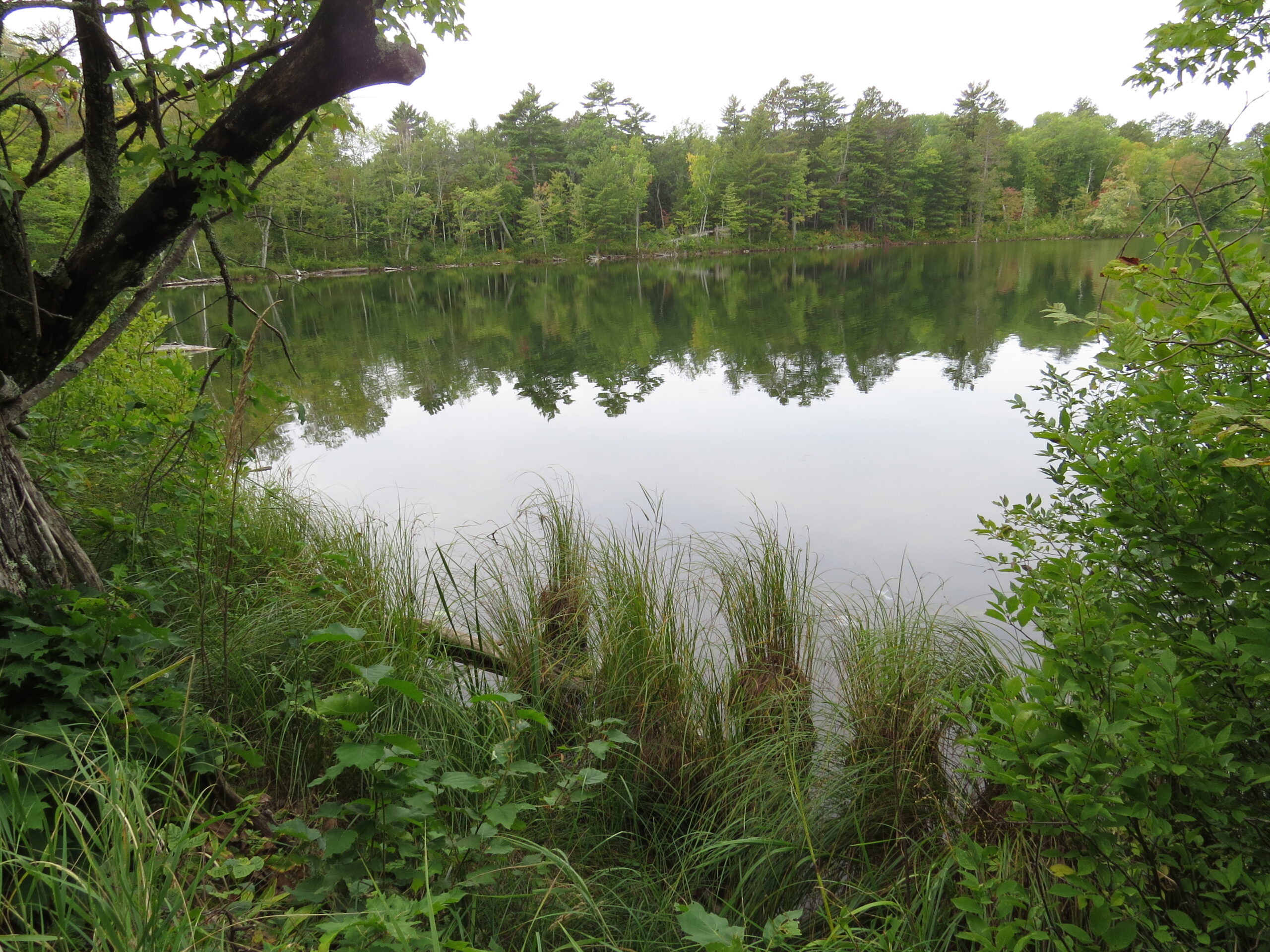
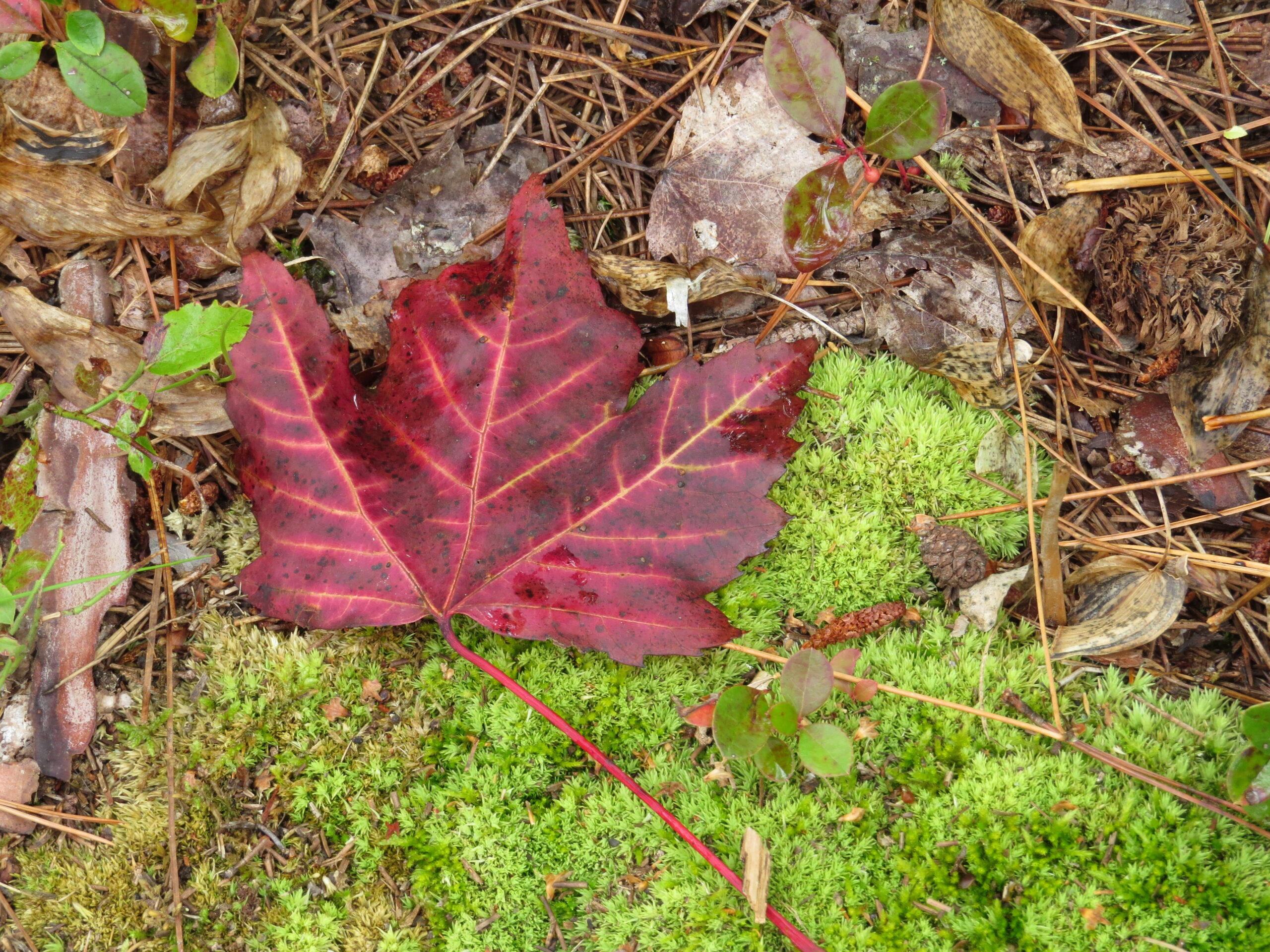
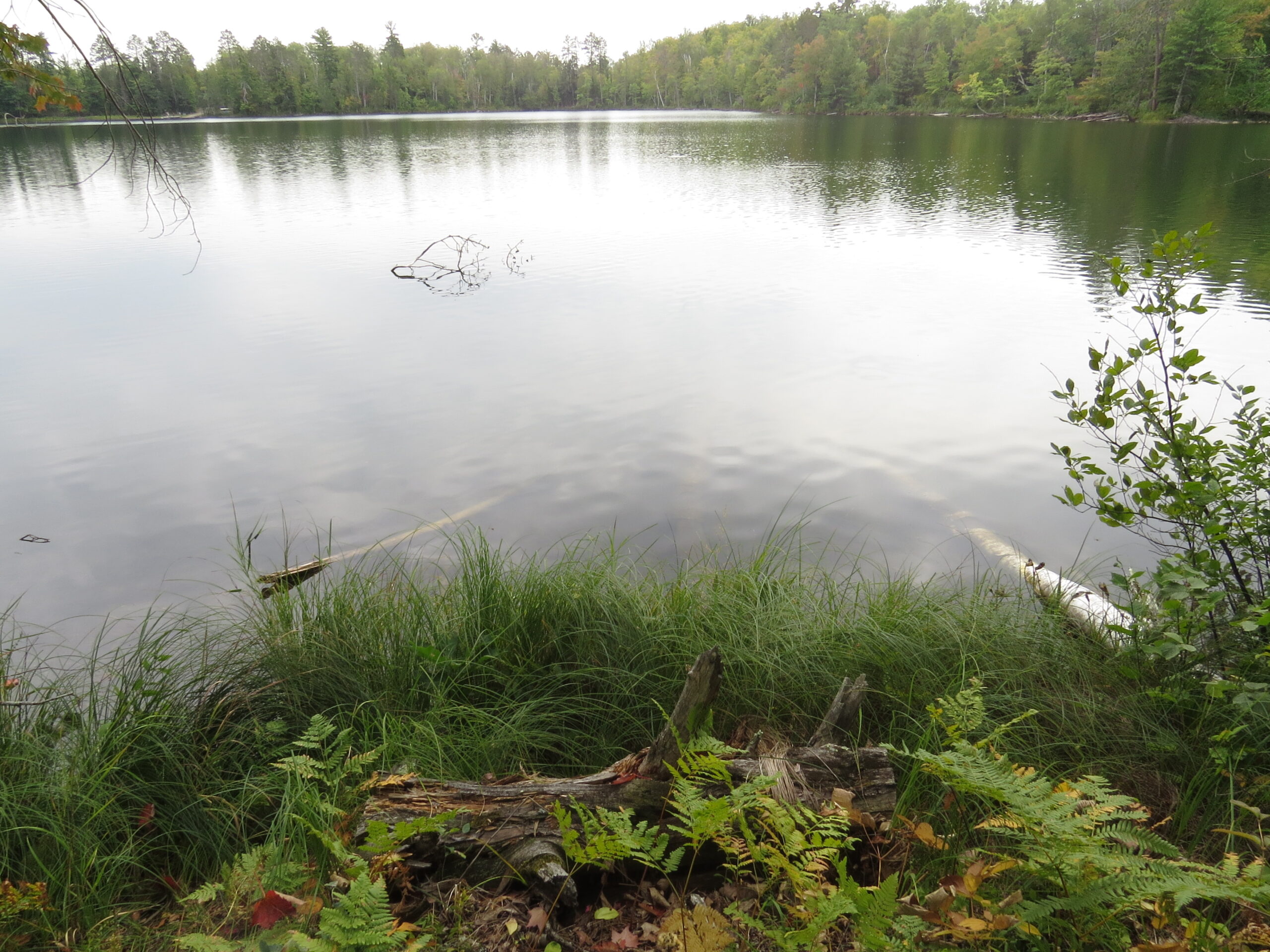
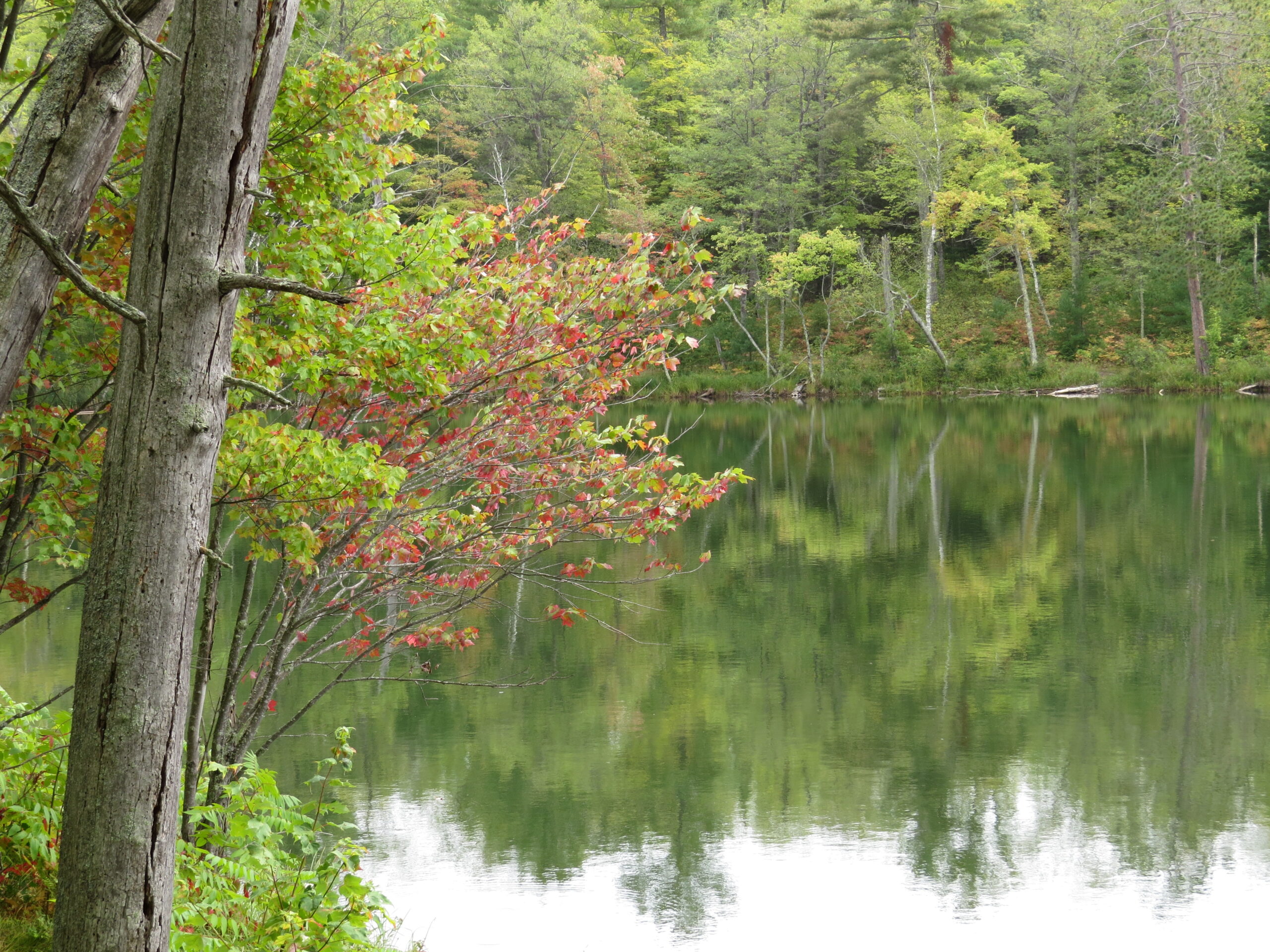
The lake was calm with the slightest breeze occasionally rippling the mirror-like water. Autumn had begun—the Maple trees were beginning to turn color, red reflected on water and leaves falling on the trail.
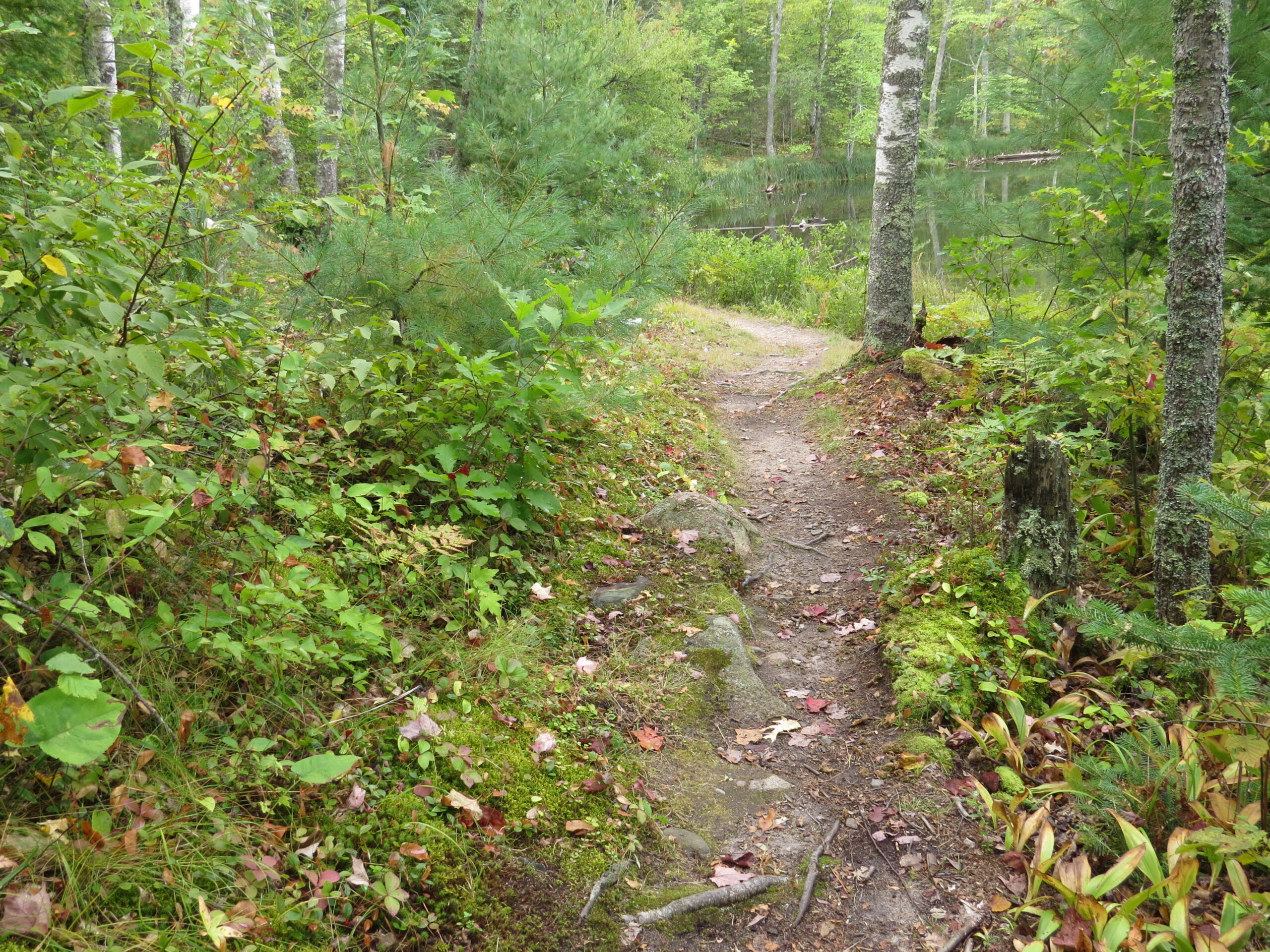
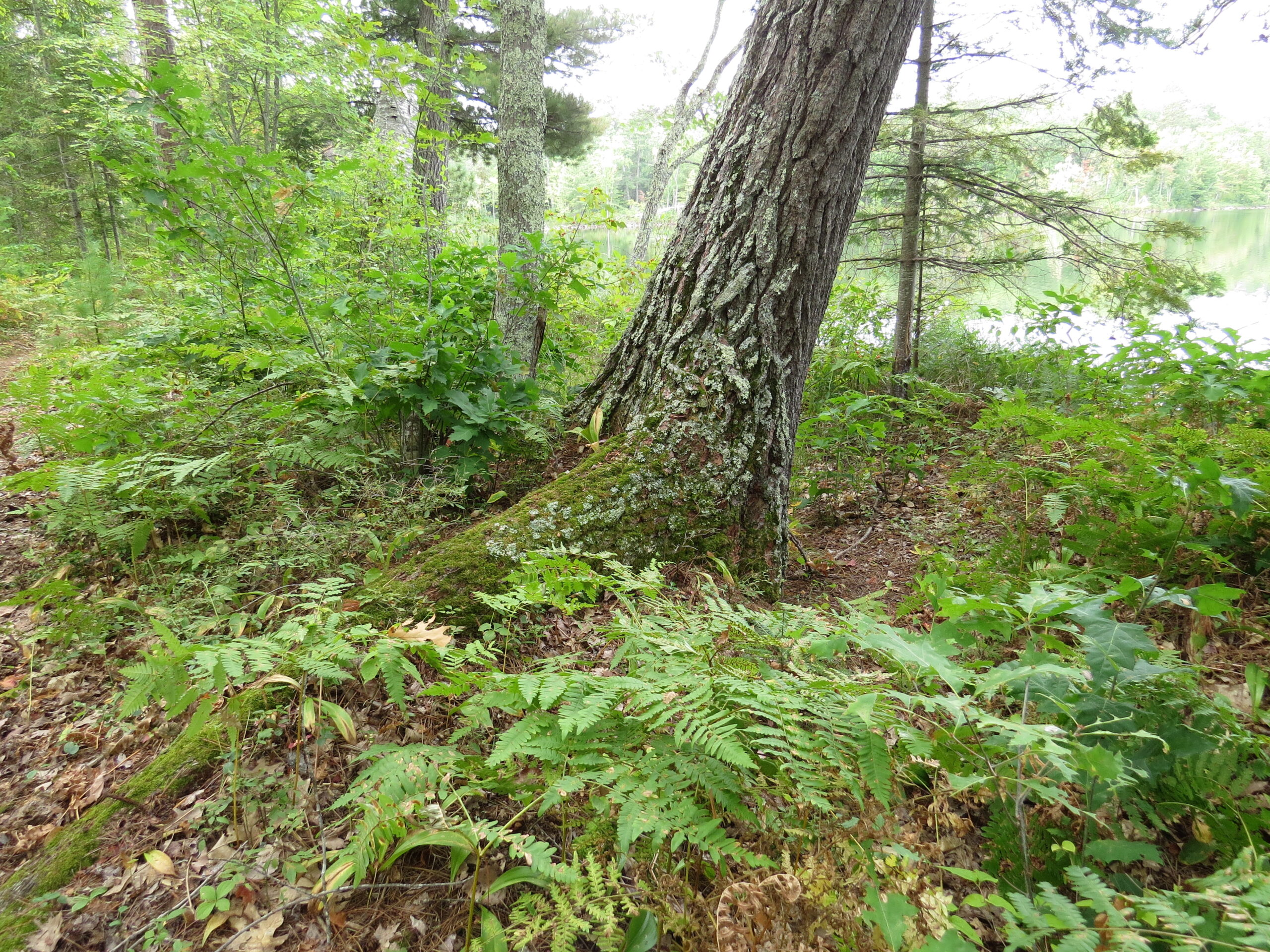
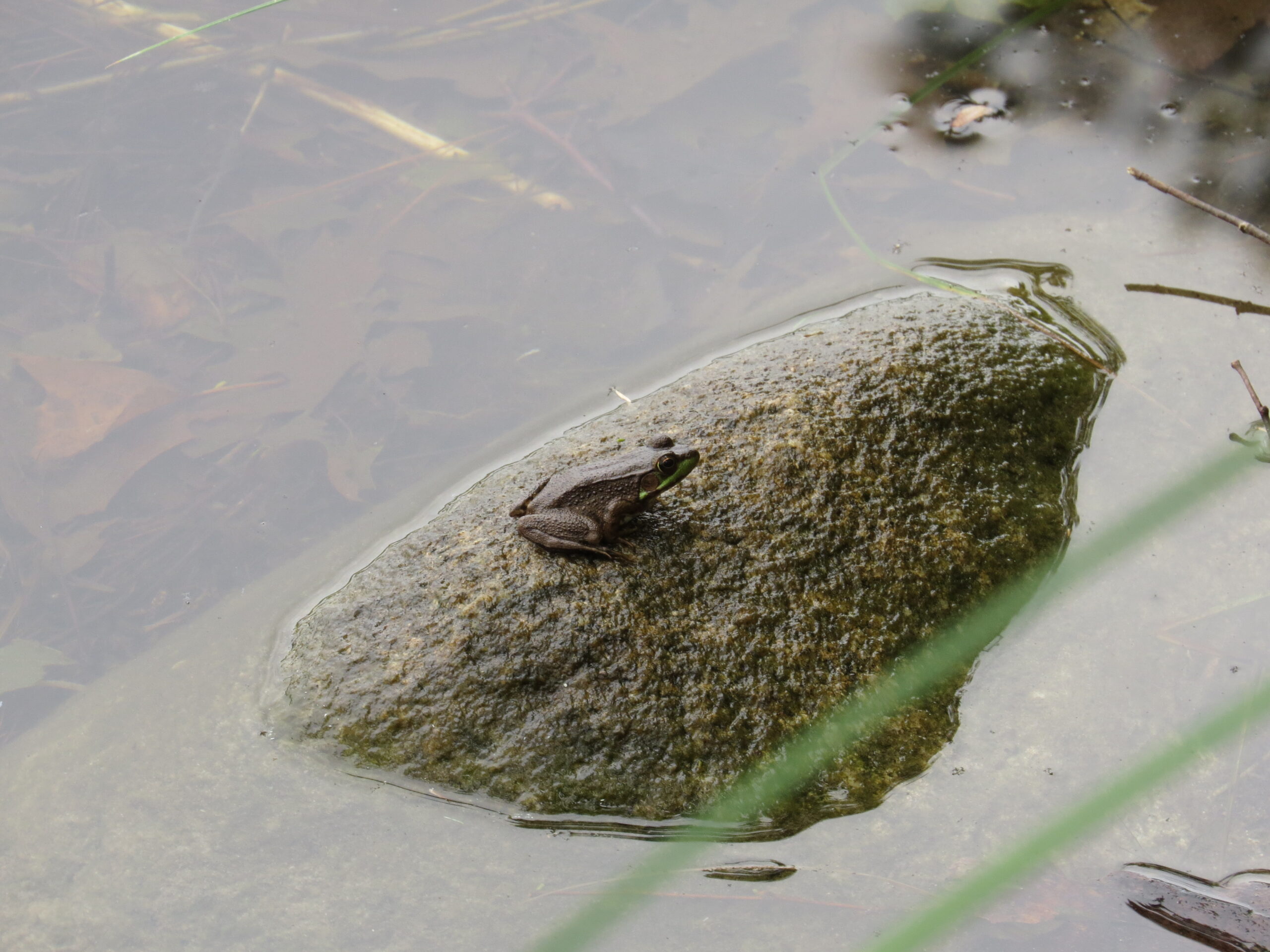
Large, old Pine trees, White and Red, gripped the ground with their massive roots. A frog was our first creature to be found.
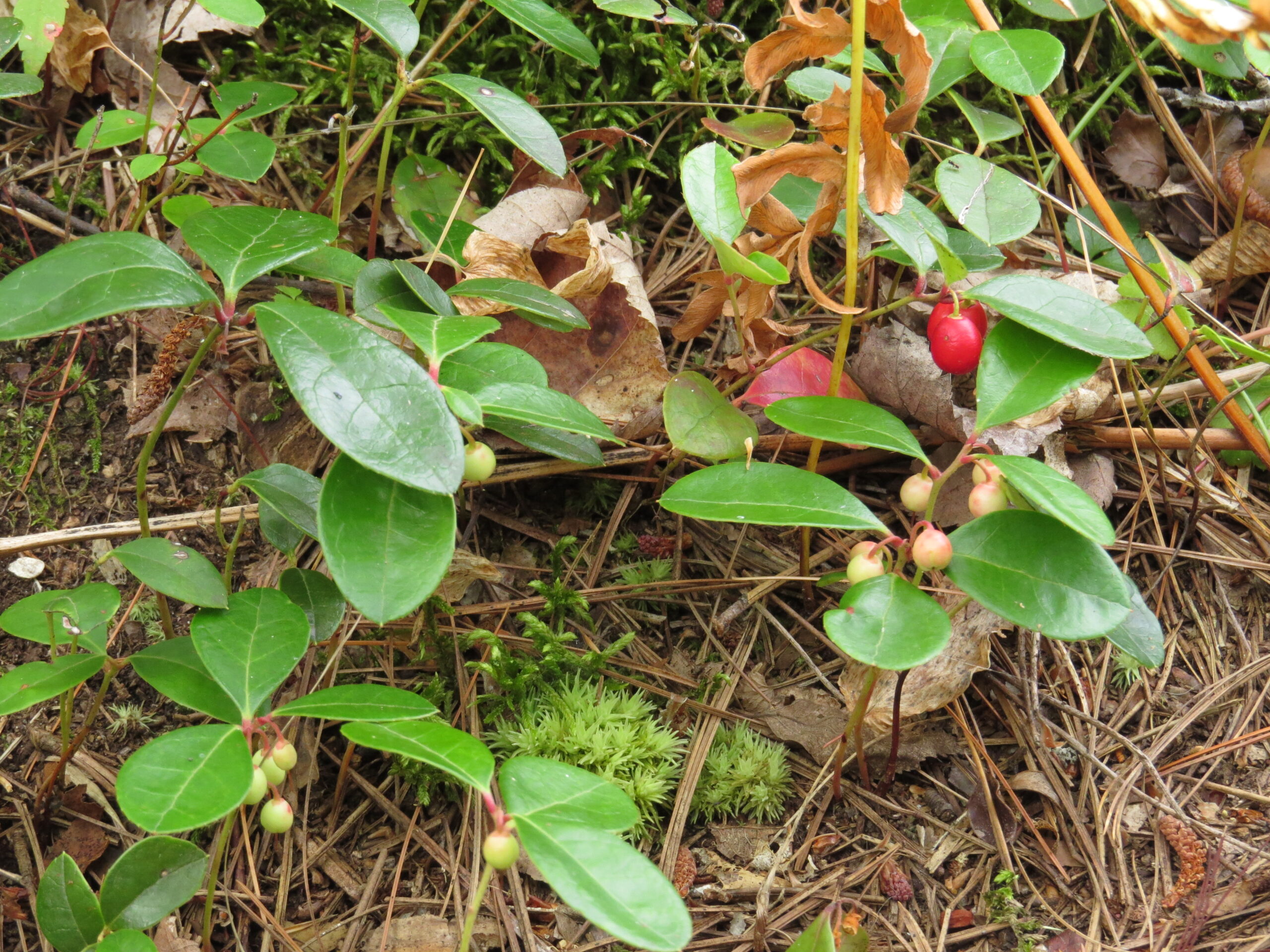
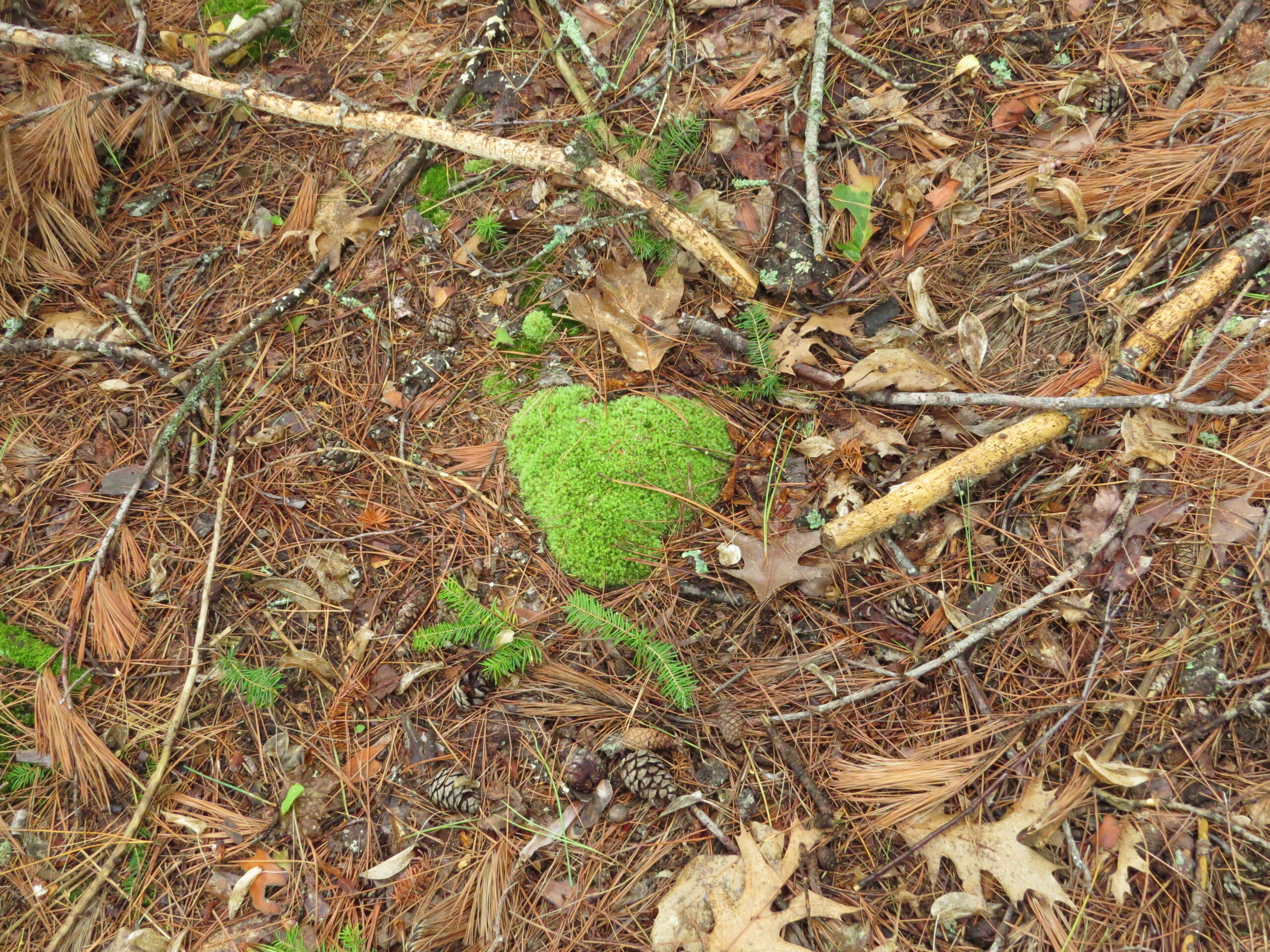
I was delighted to see Wintergreen growing beside the trail, its berries beginning to turn red, its leaves pungent with the flavor we associate with chewing gum or toothpaste. (It was the original source of that flavor which is now mostly synthetic.)
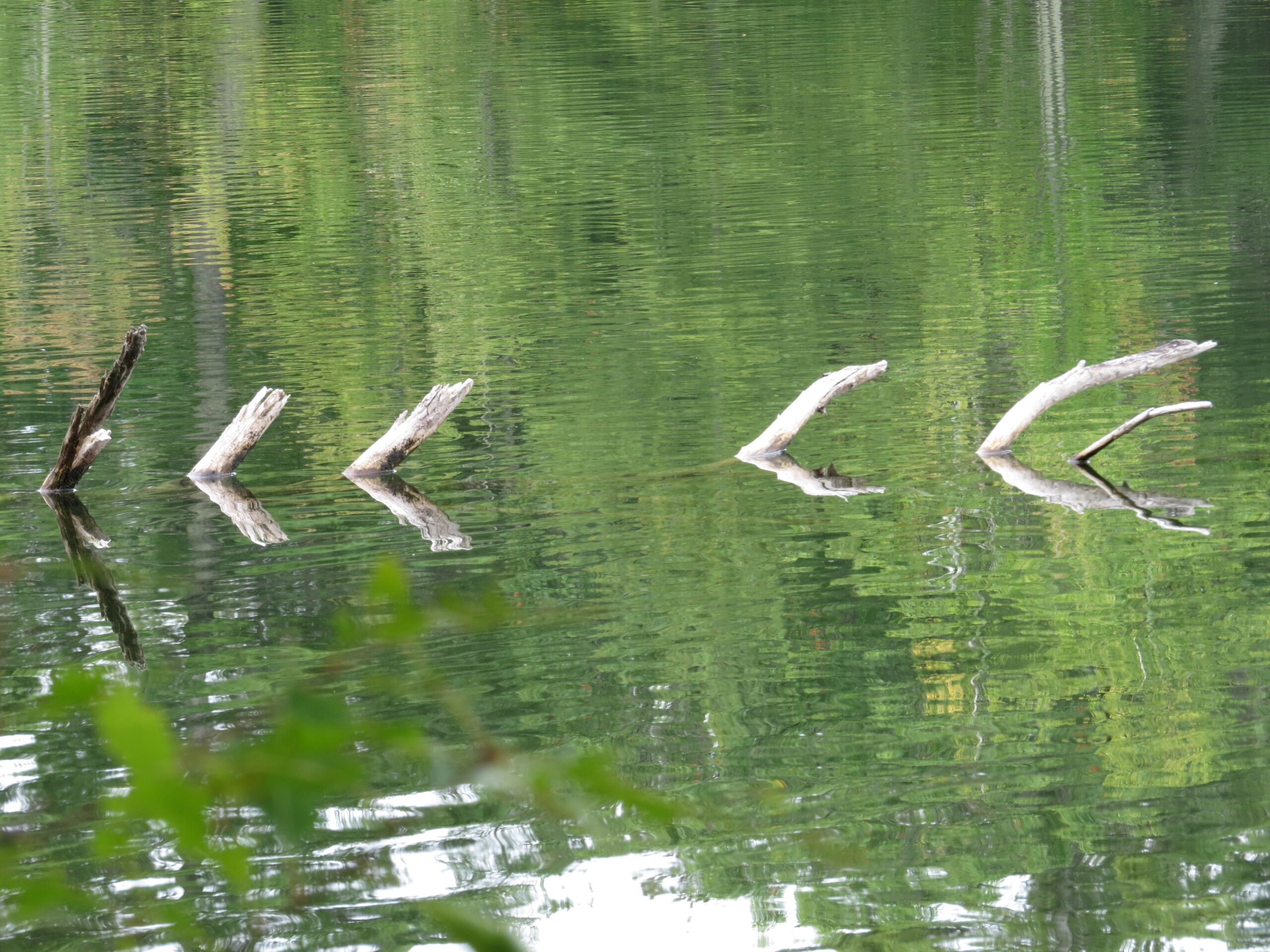
One Pine tree embedded in the lake now reflects arrows that point the way.
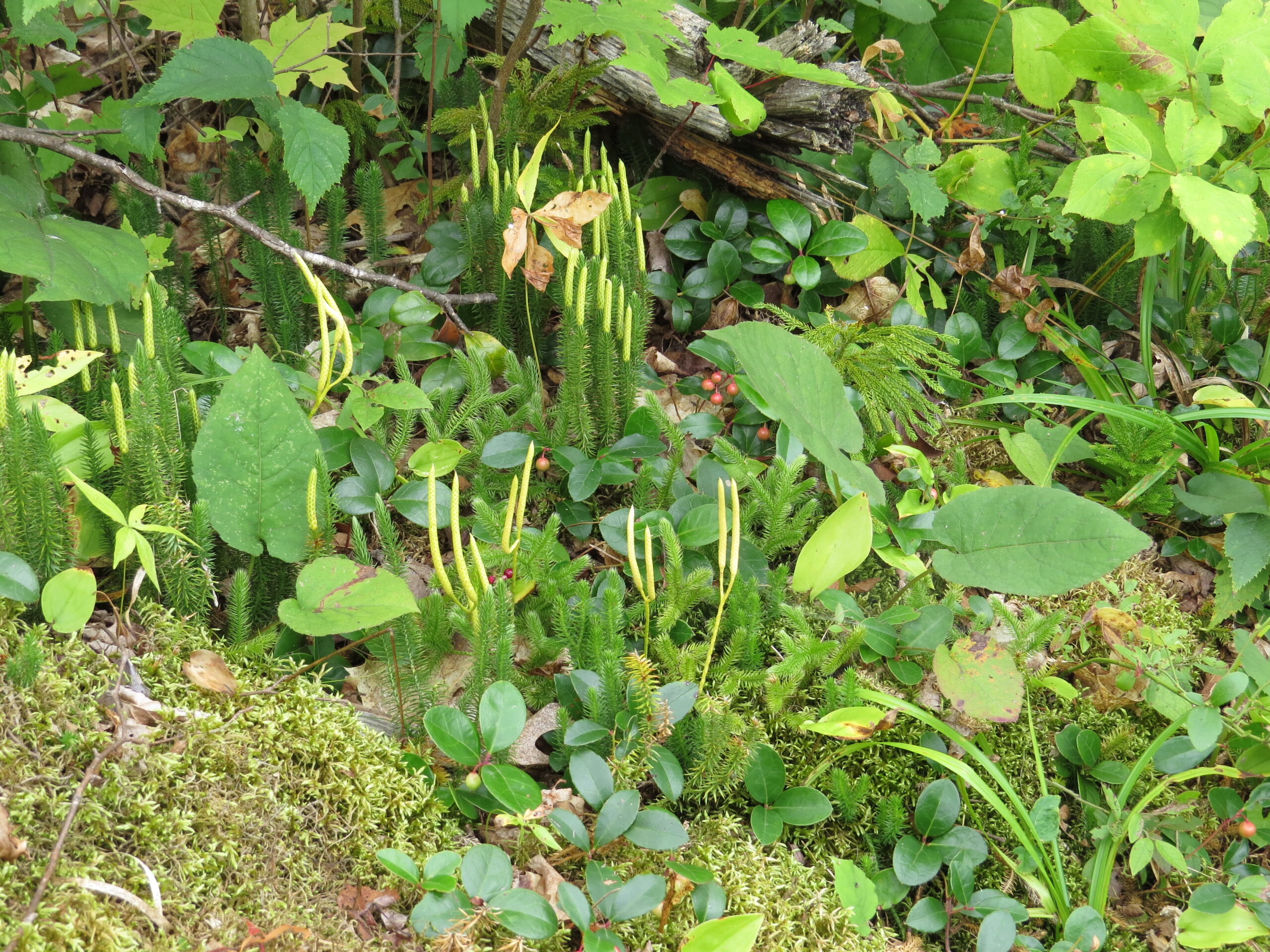
Along with the Wintergreen, a number of different species of Clubmosses grew and flowered like little evergreen trees.
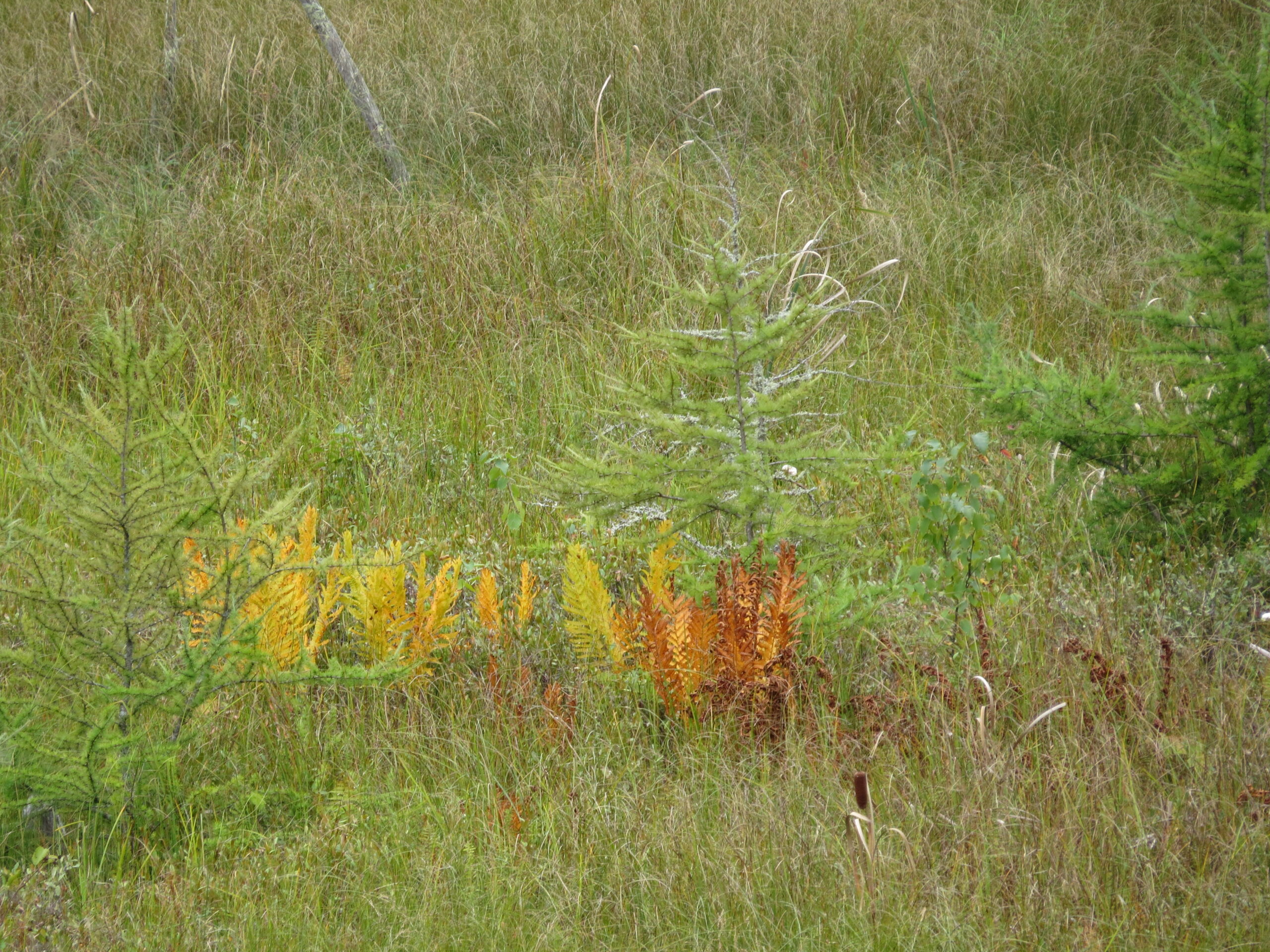
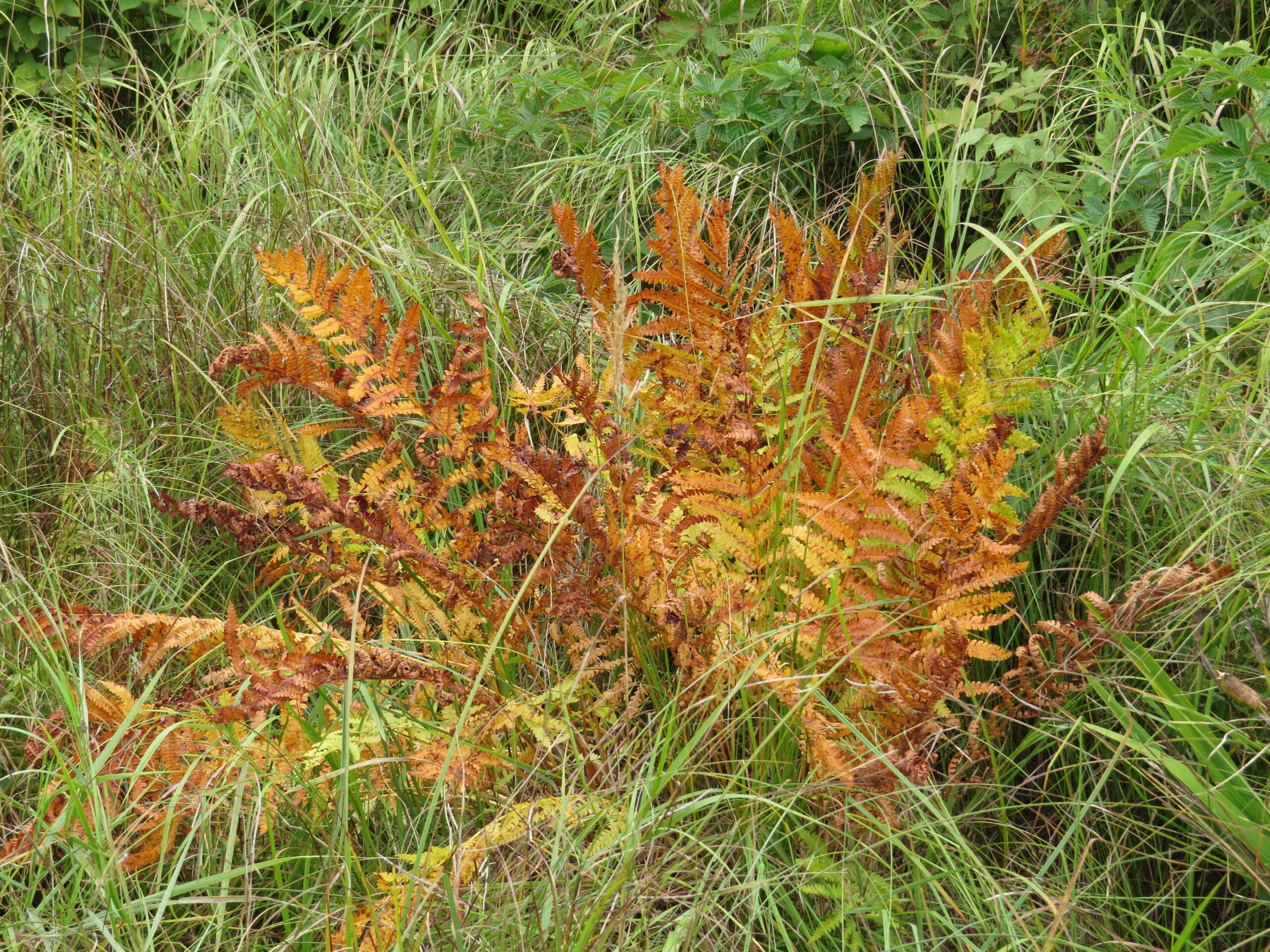
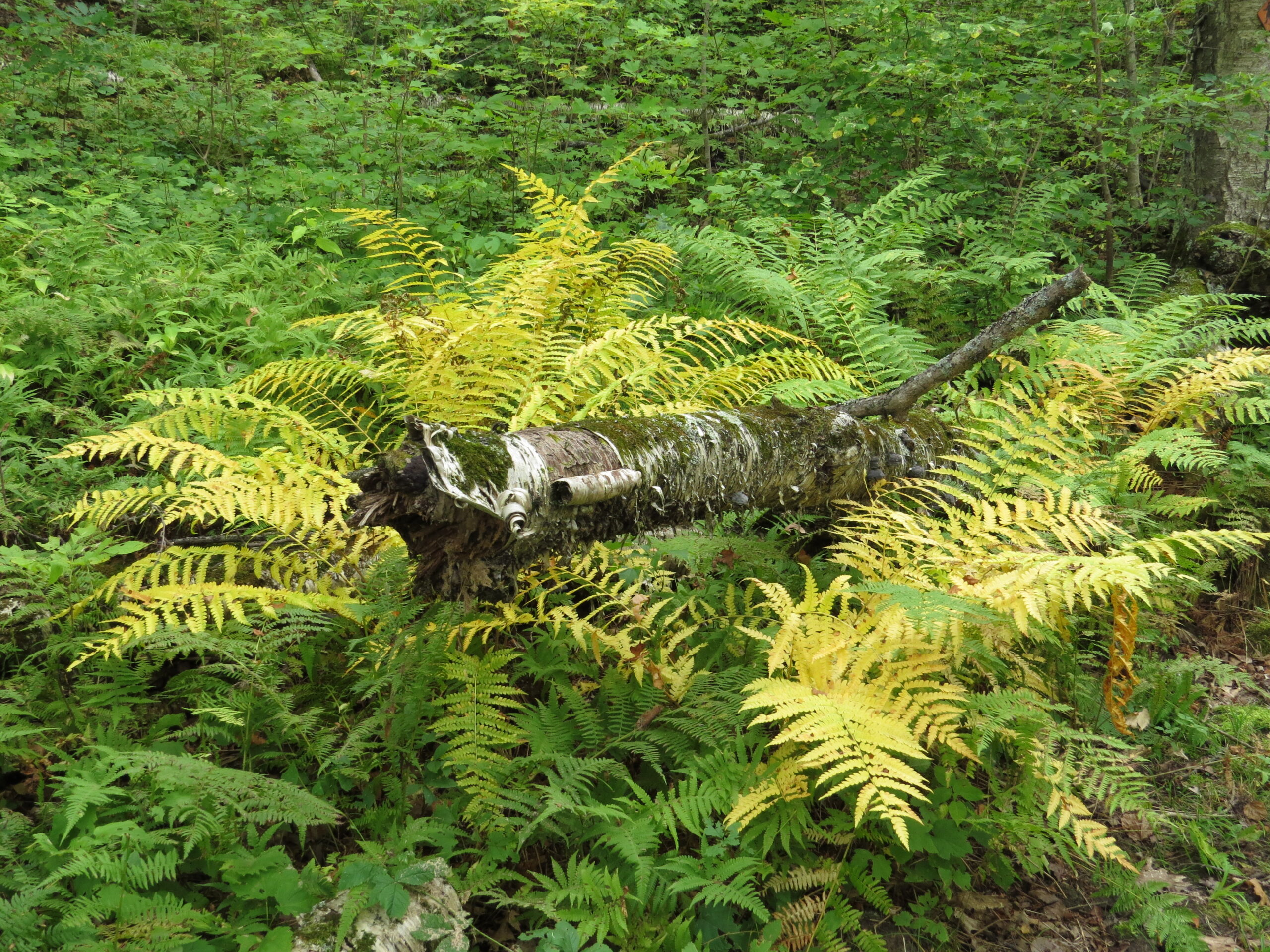
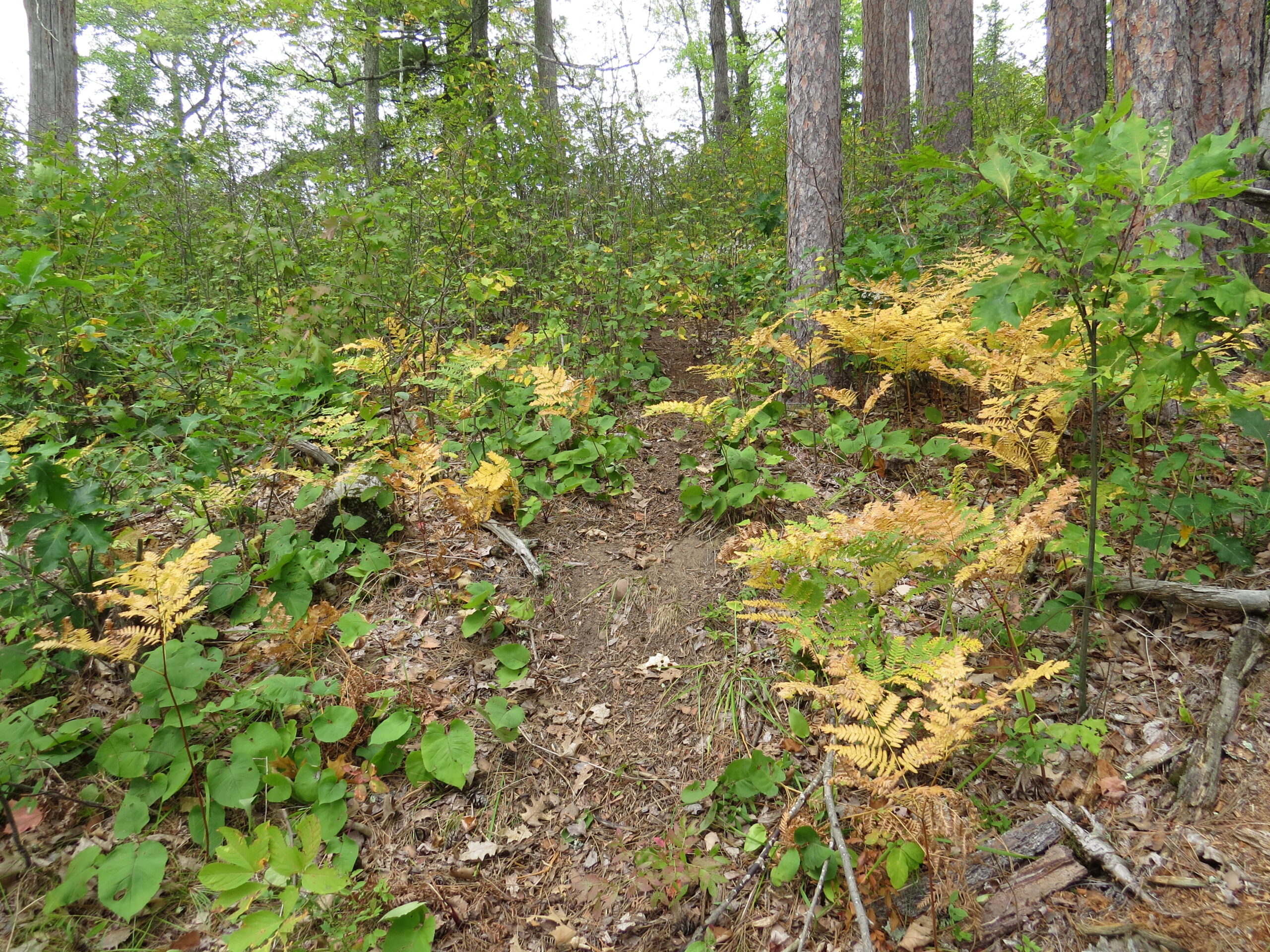
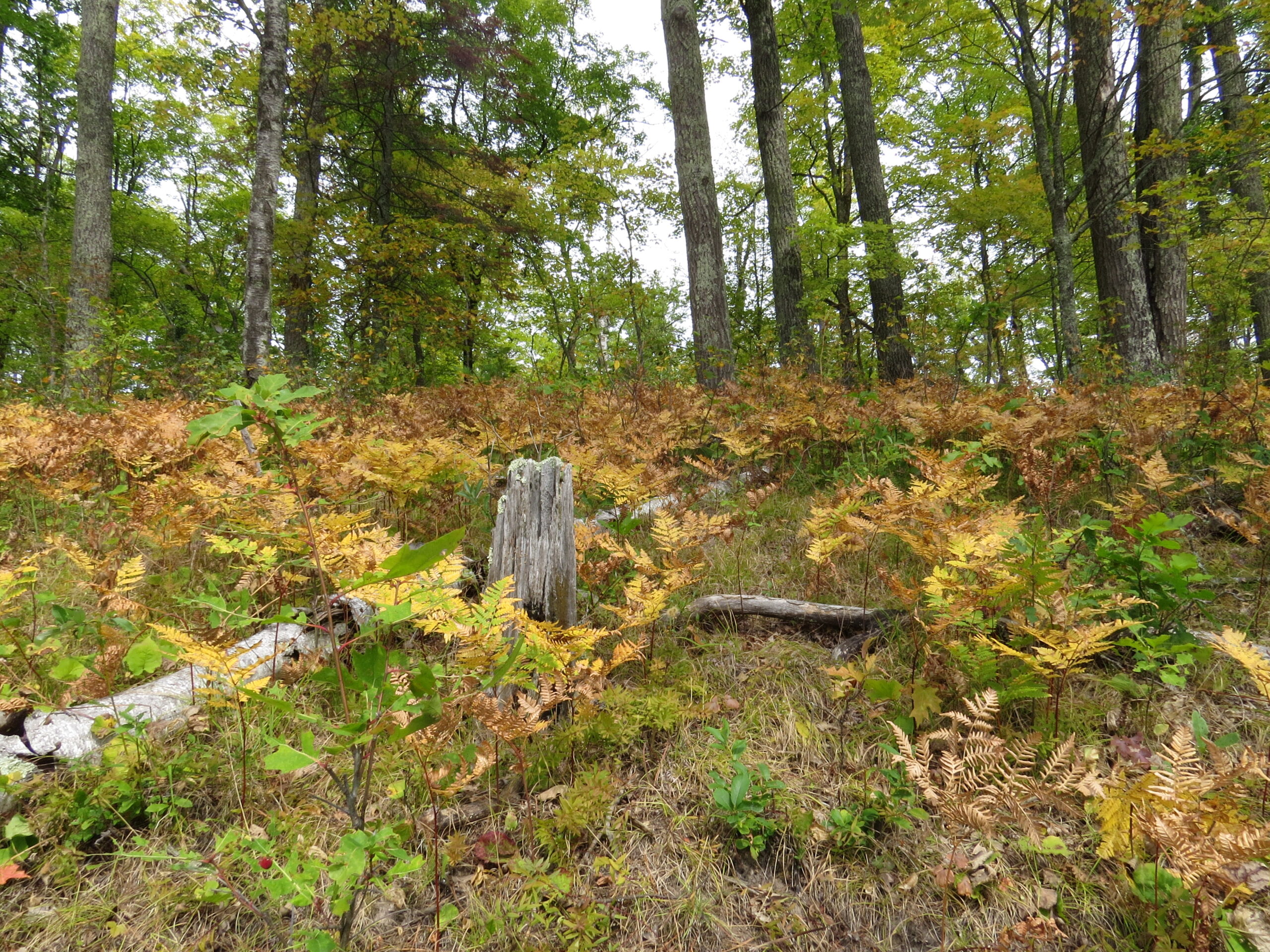
The rooted trail led us to, then past a collection of golden-morphing Ferns—so beautiful!
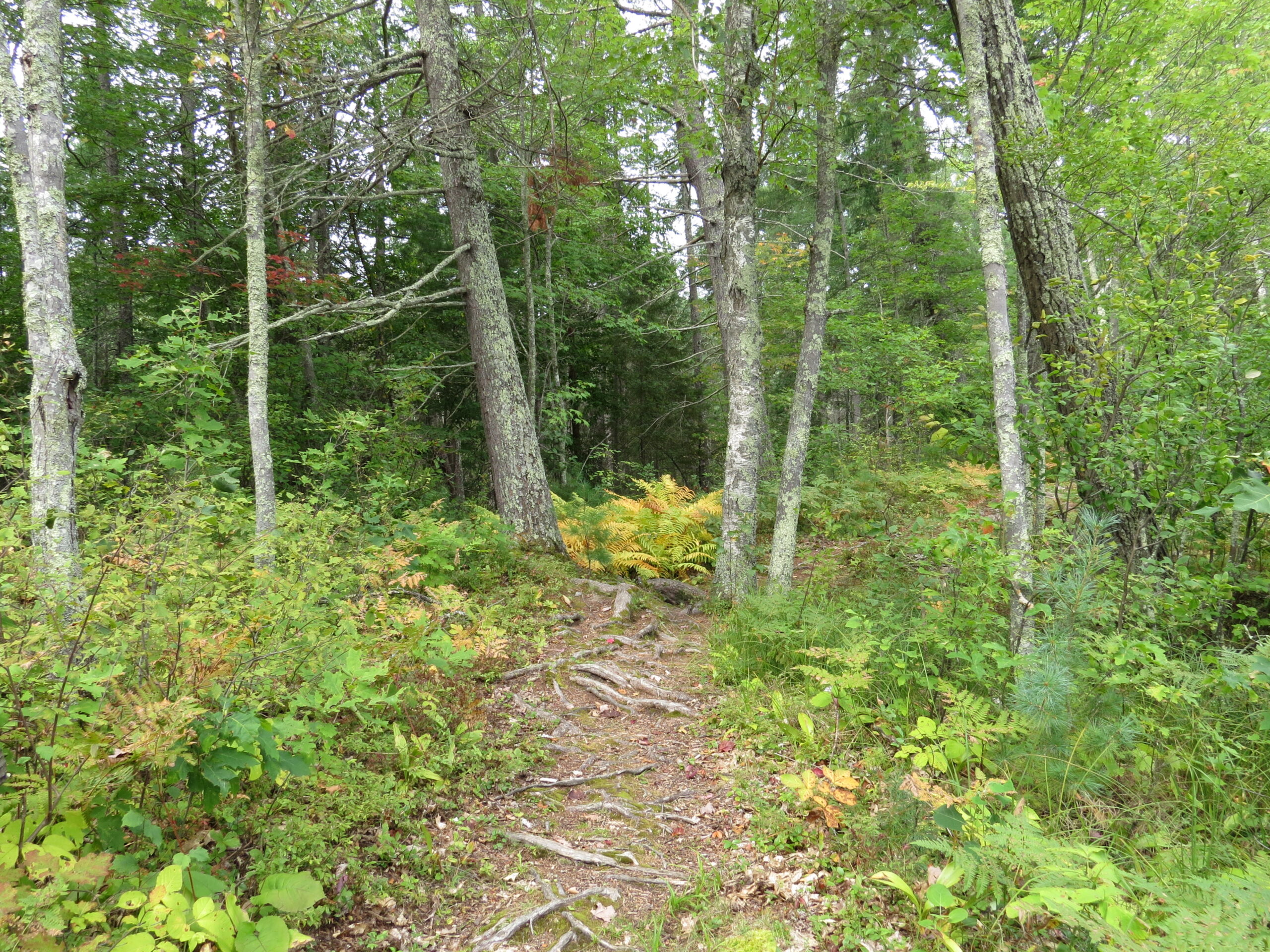
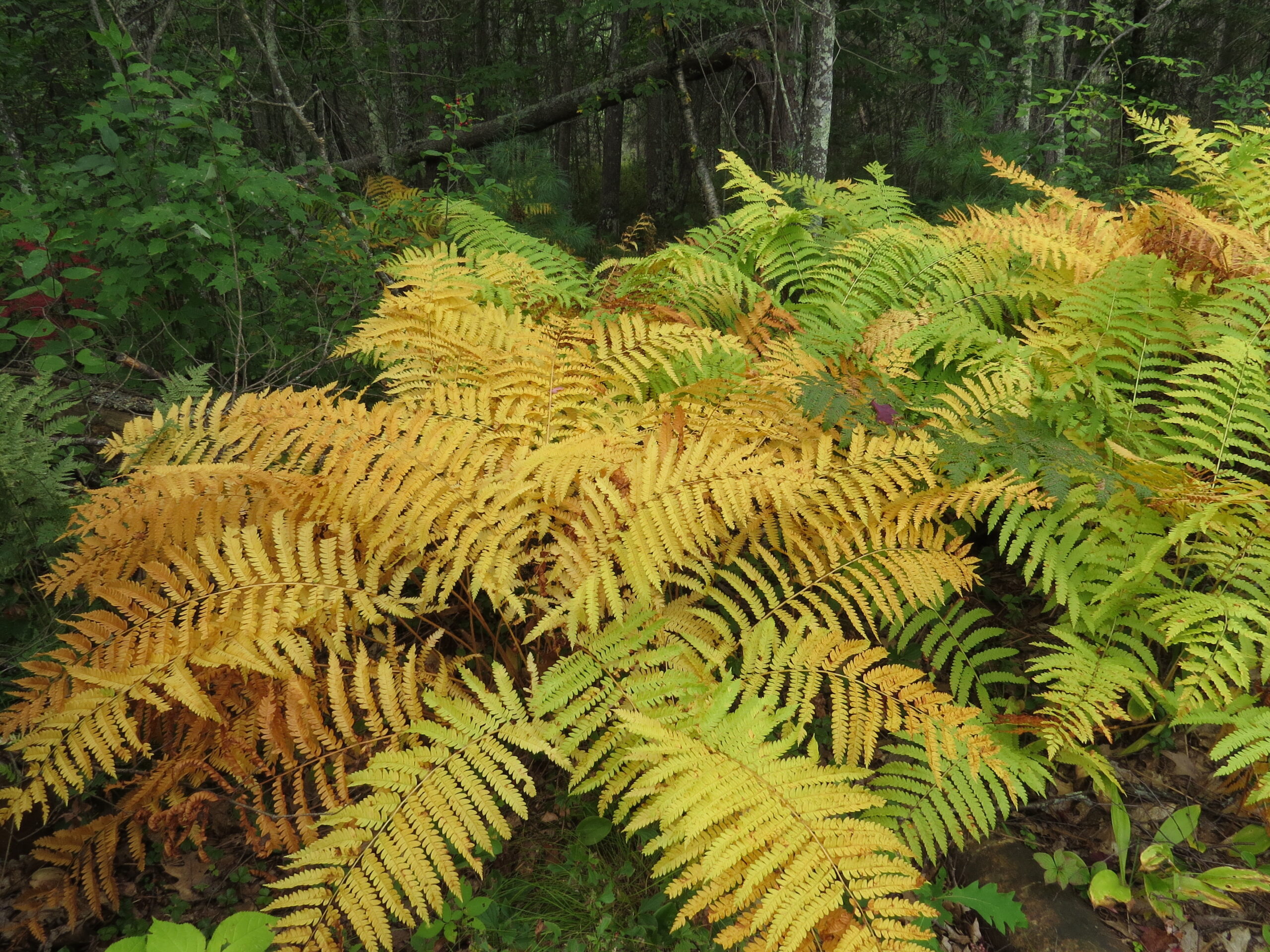
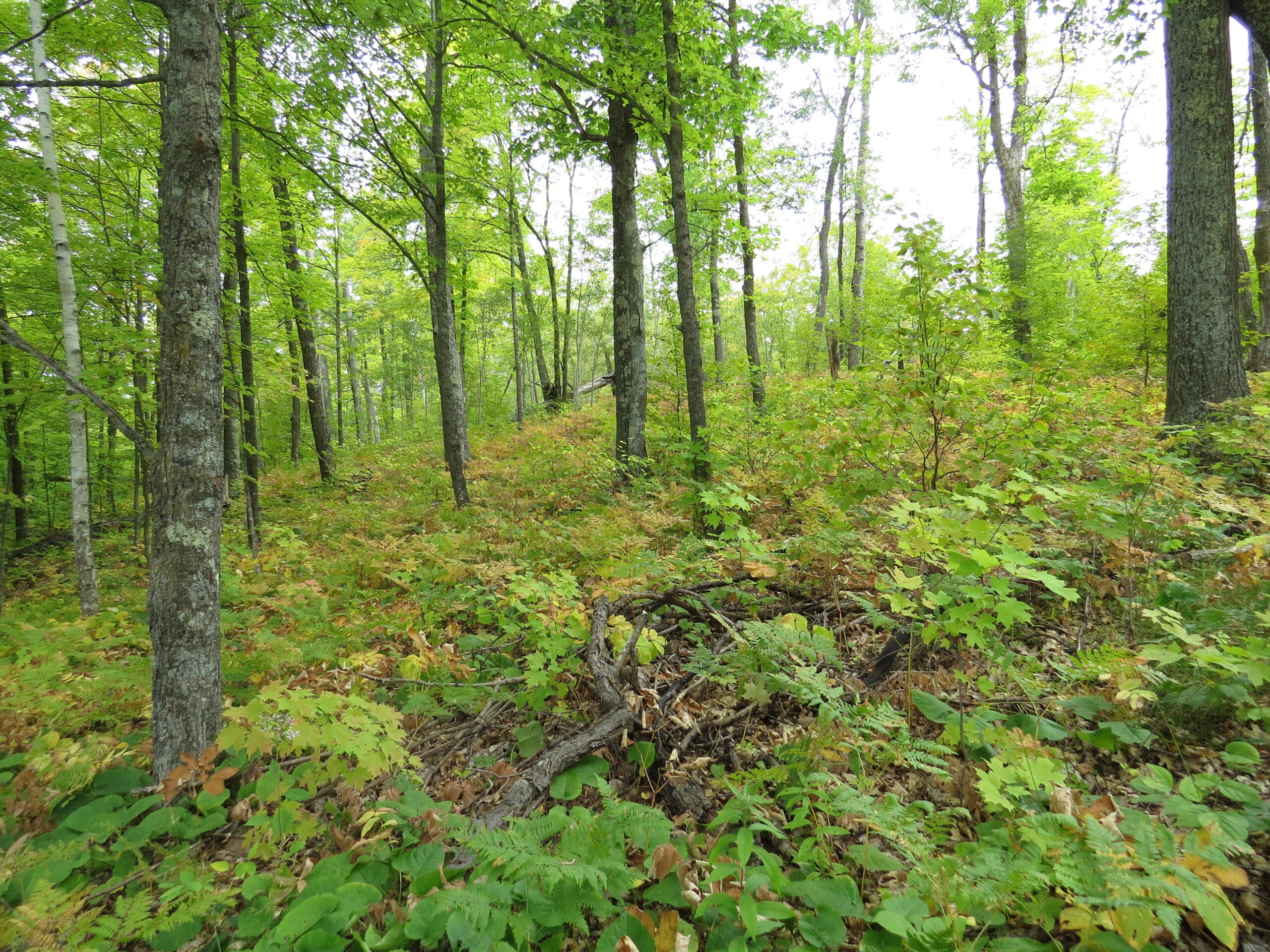
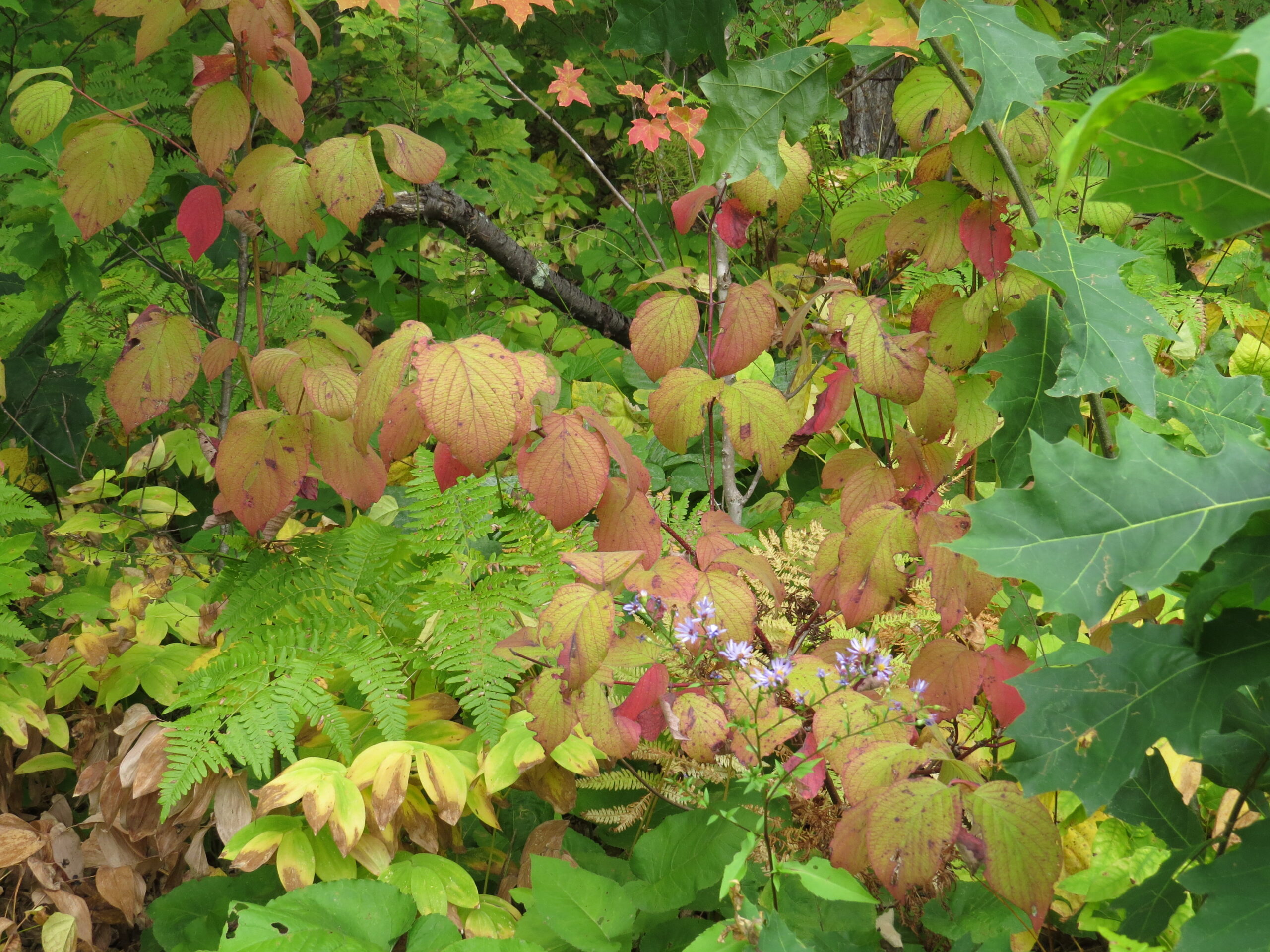
Form and shape, color and contrast, reflections and realities all help us appreciate the diverse plant life in any given environment.
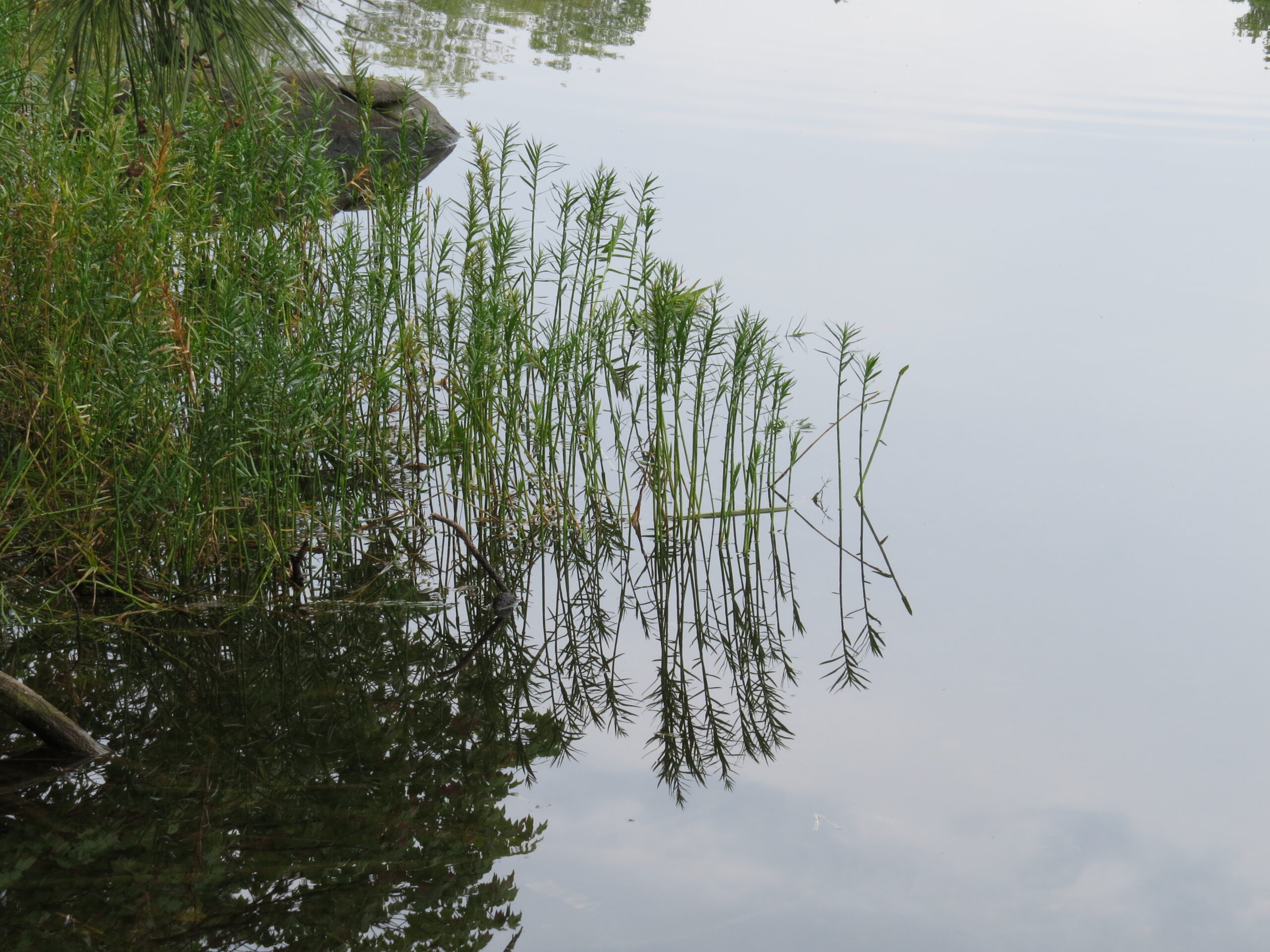
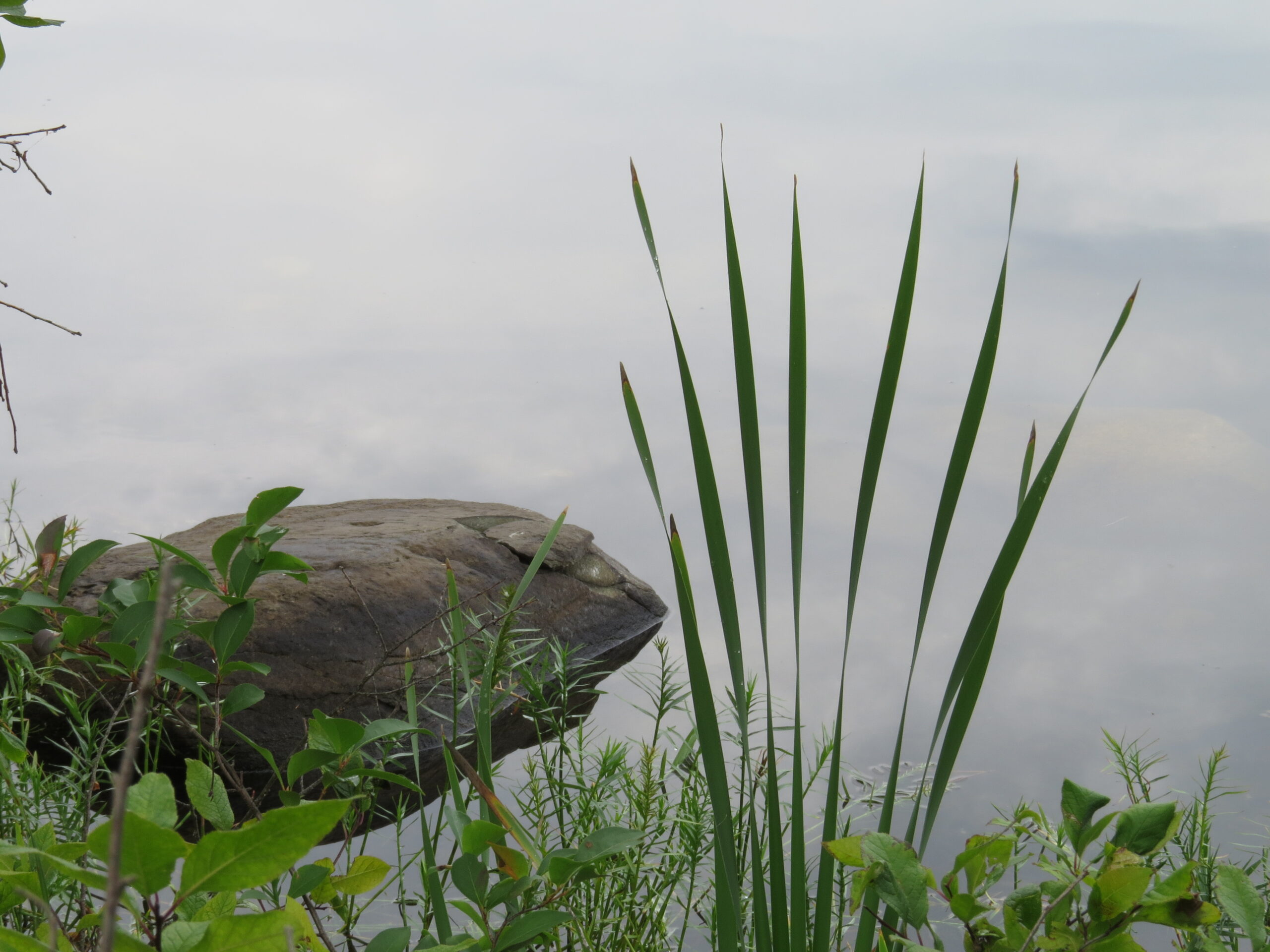
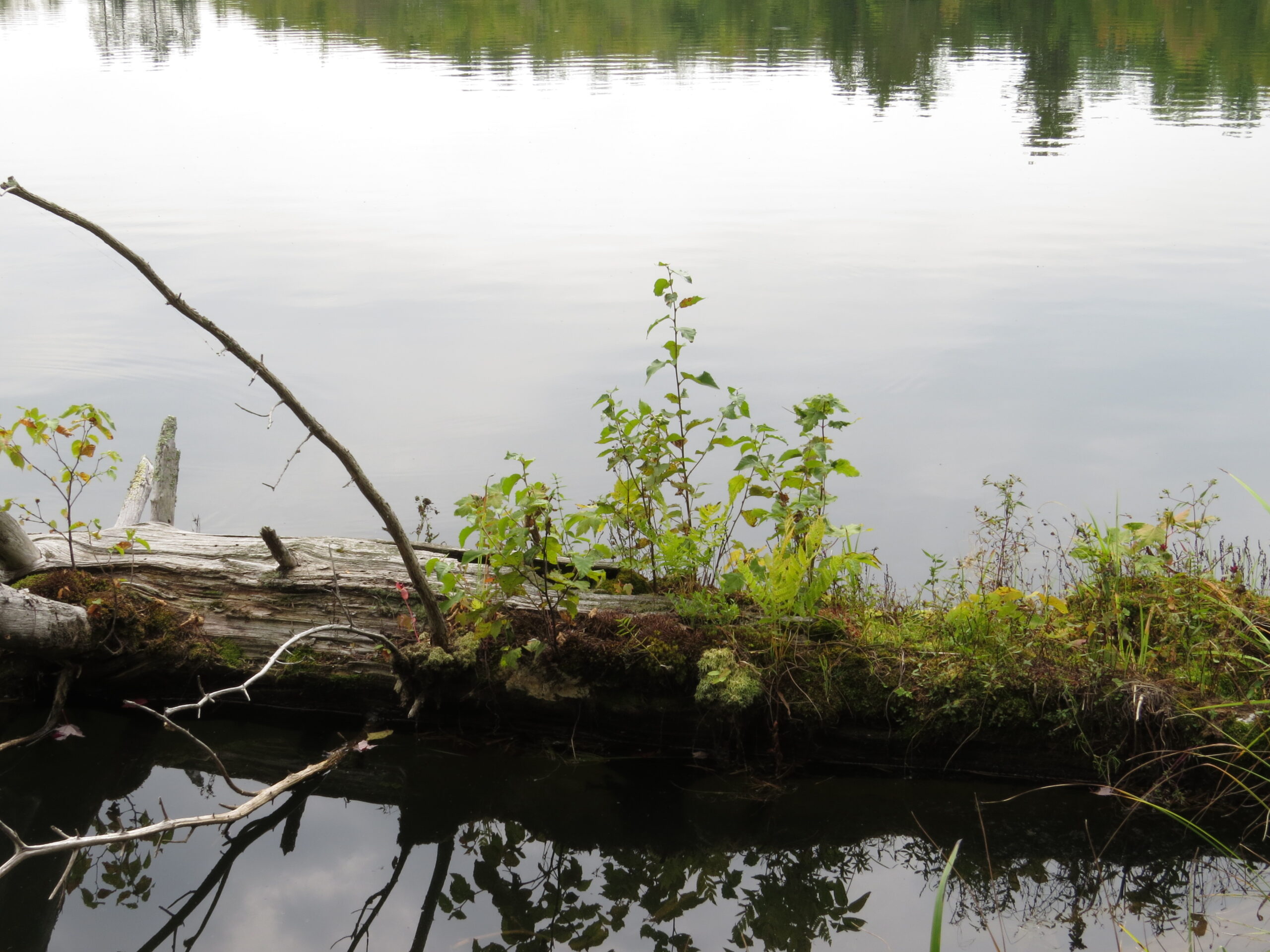
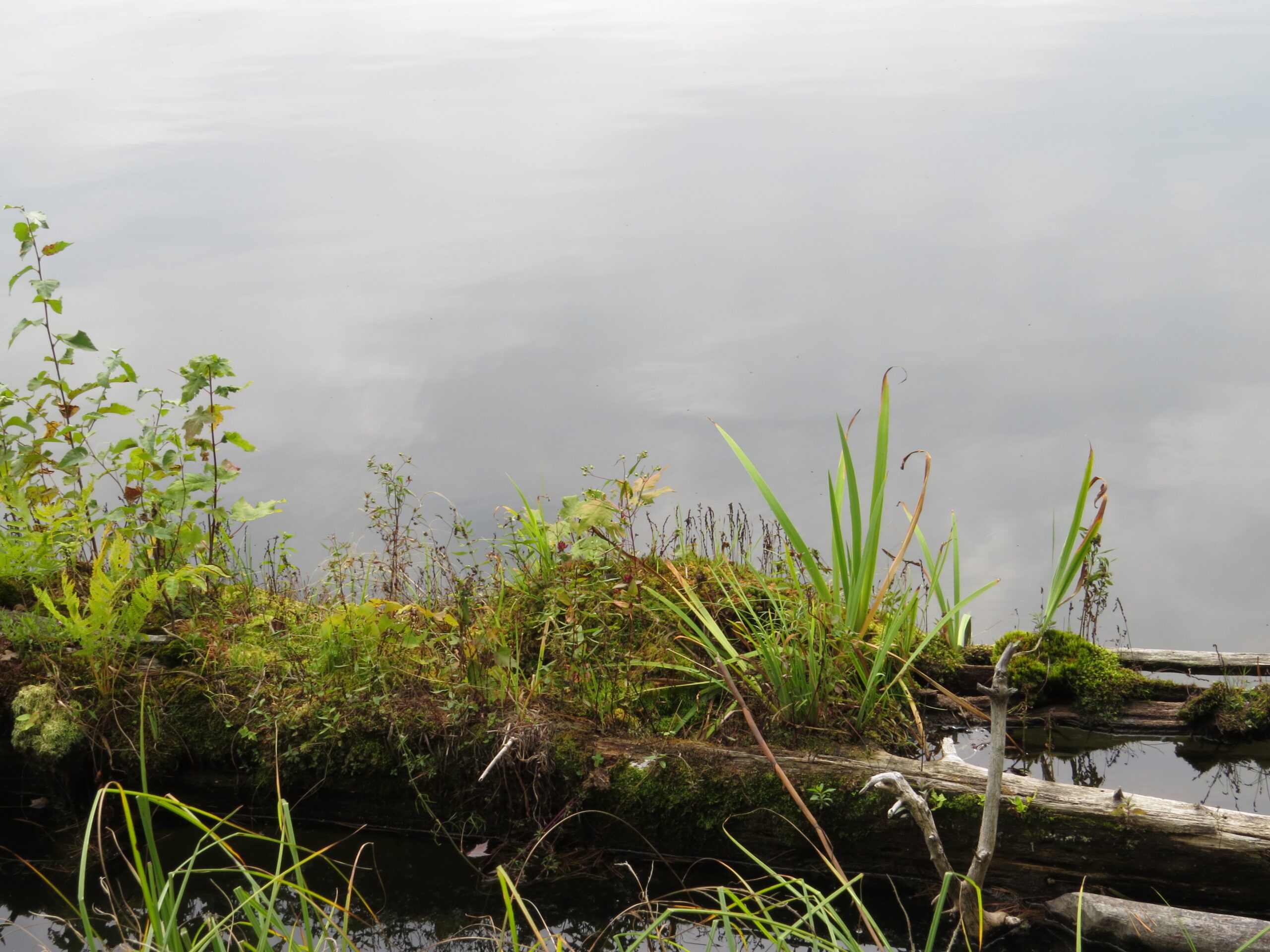
Many of the branches and trees that had fallen into the lake had become floating ‘treeariums,’ growing with mosses, ferns, shrubs, and other plants. Each created its own little environment, some used by the swimming creatures as a resting place.
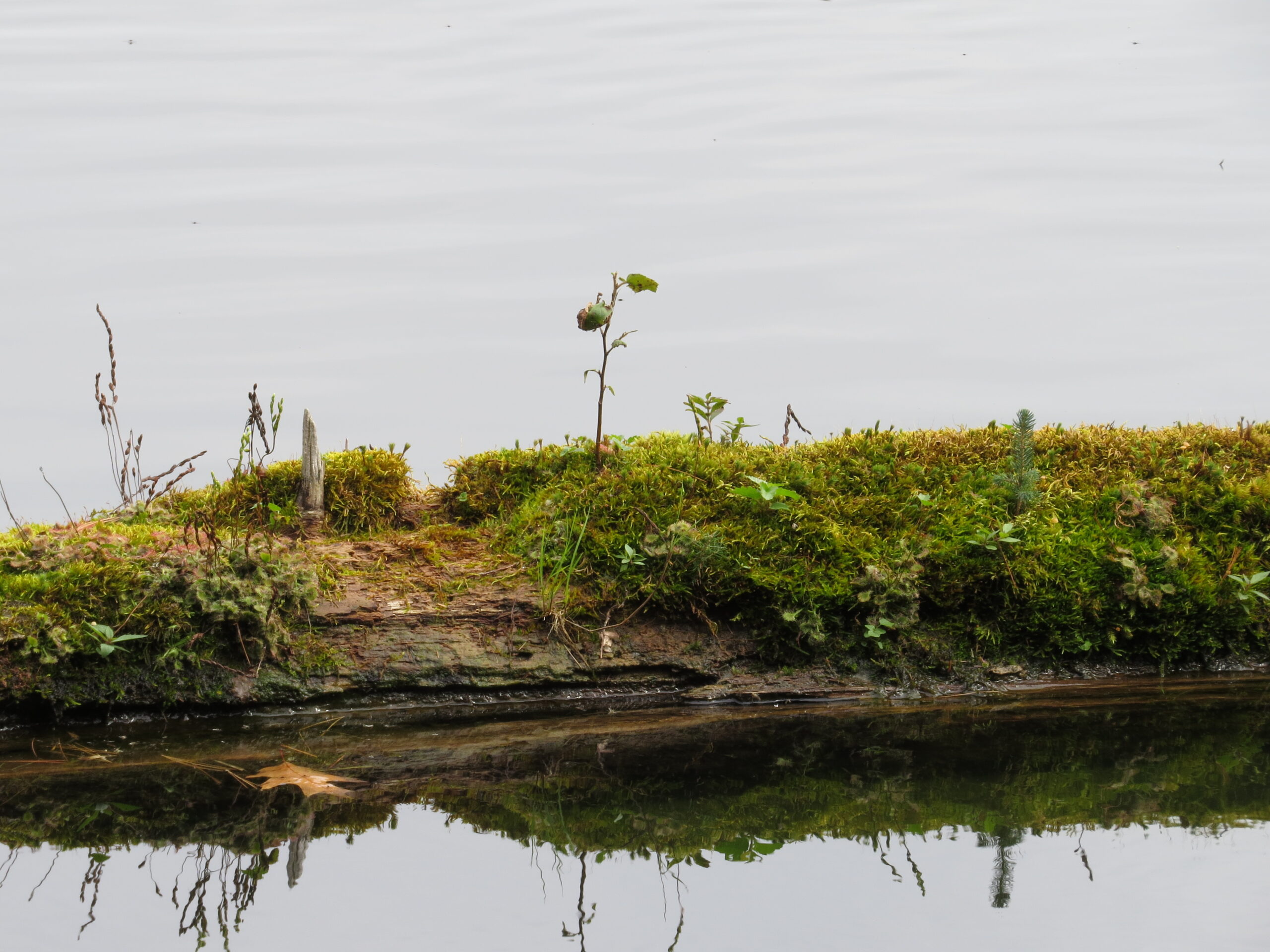
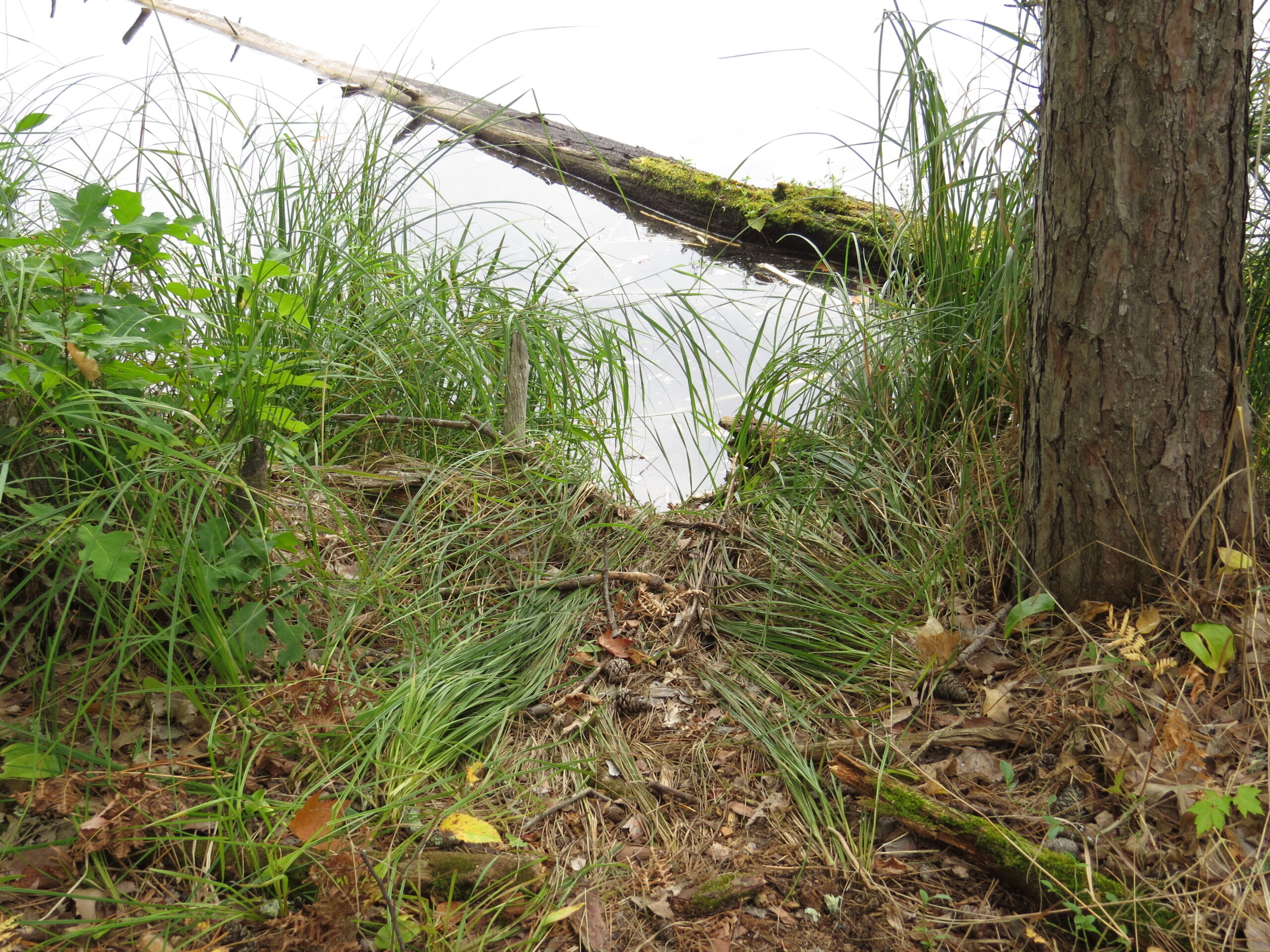
Along with curiosity, an explorer must use discernment and logic. What are these white piles of dried-up scat from? Looking more closely, the white pieces were bones and pink-tinged shells, probably from crayfish. My guess of otter scat was substantiated when we saw a grass-flattened ‘slide’ from the hillside into the lake! We saw many slides and many piles of territory-marking ‘spraints,’ as otter scat is called.
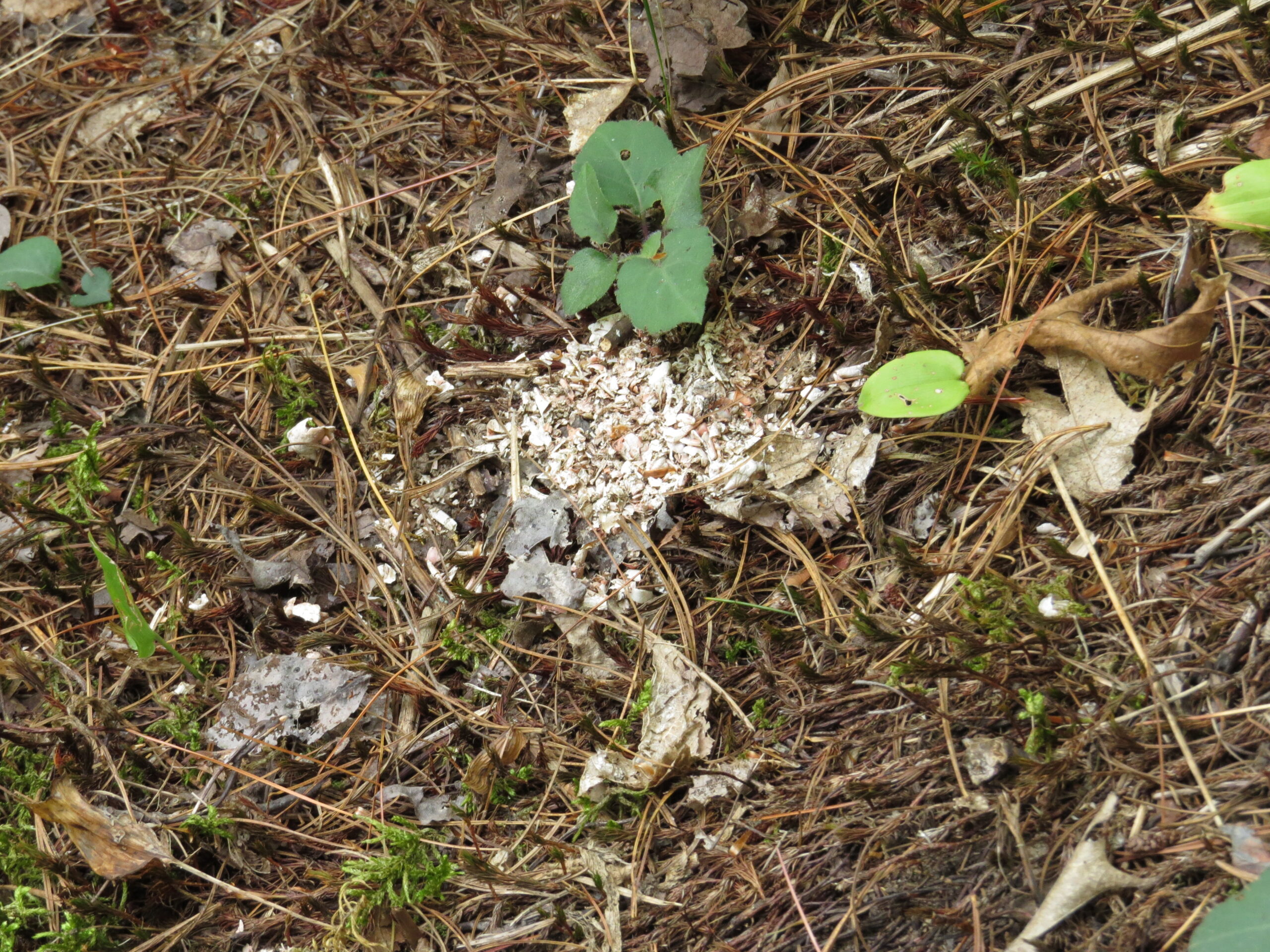
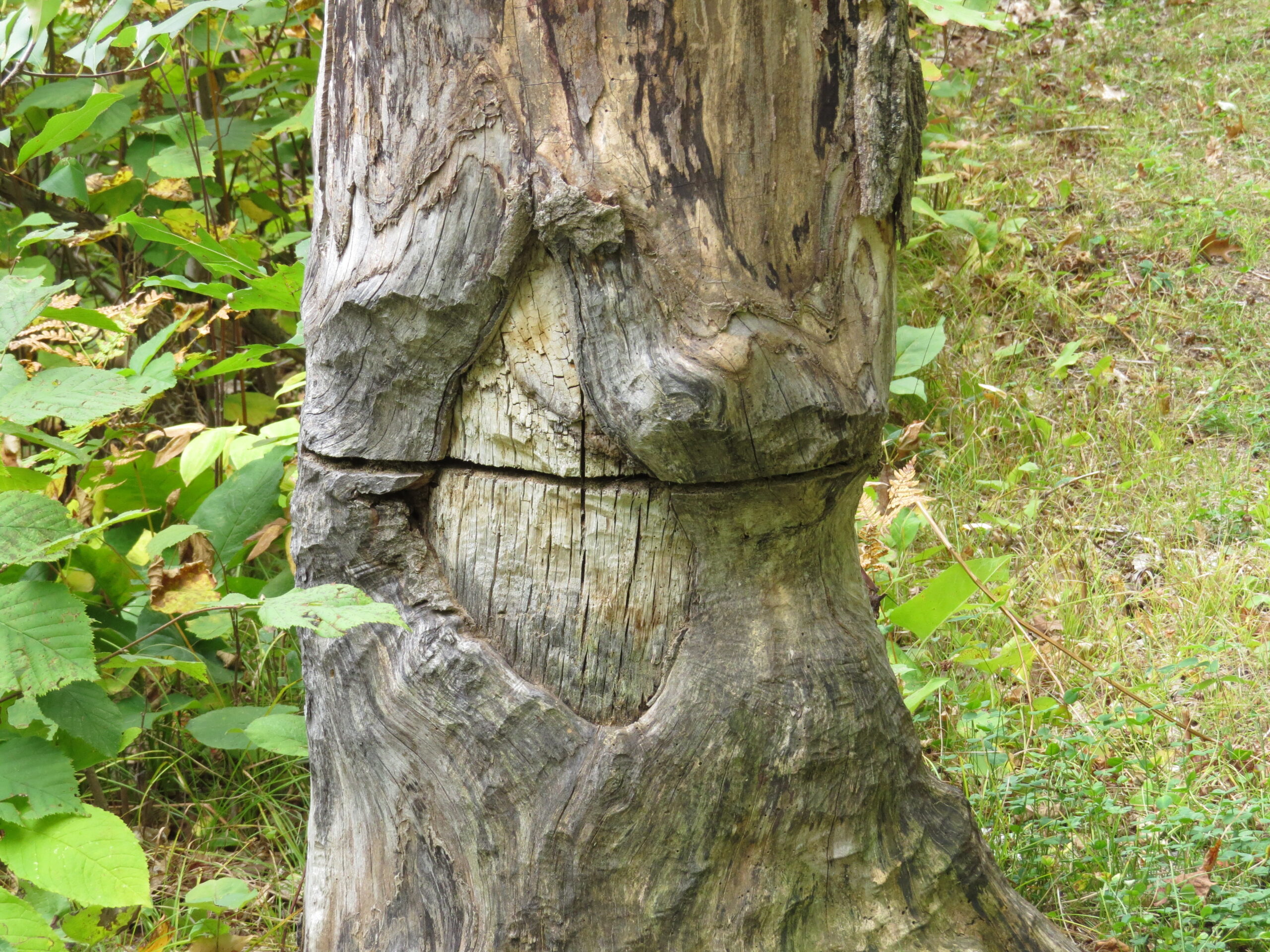
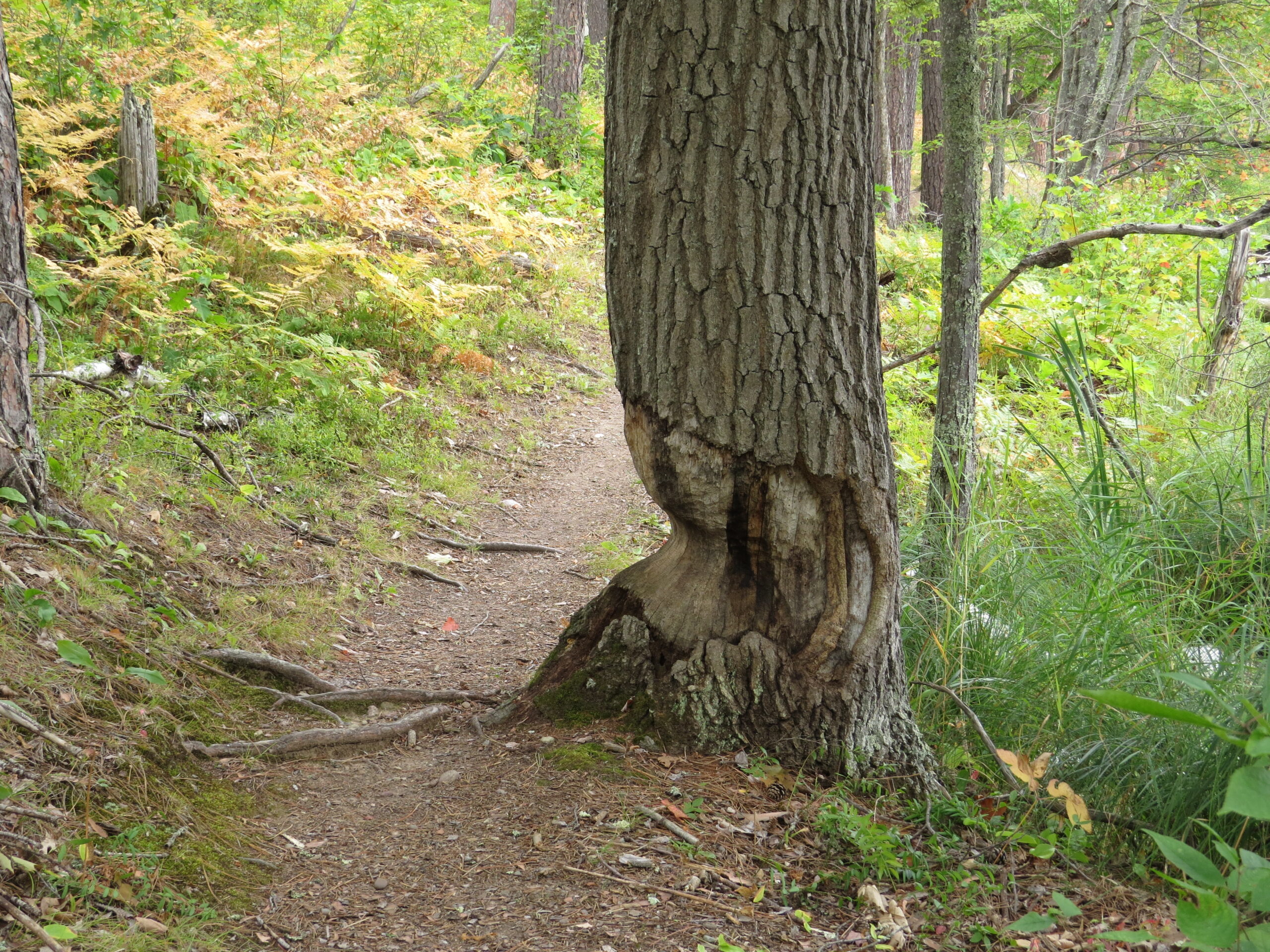
A very industrious and disillusioned Beaver lived here some time ago. The tree was working to heal that gaping beaver wound.
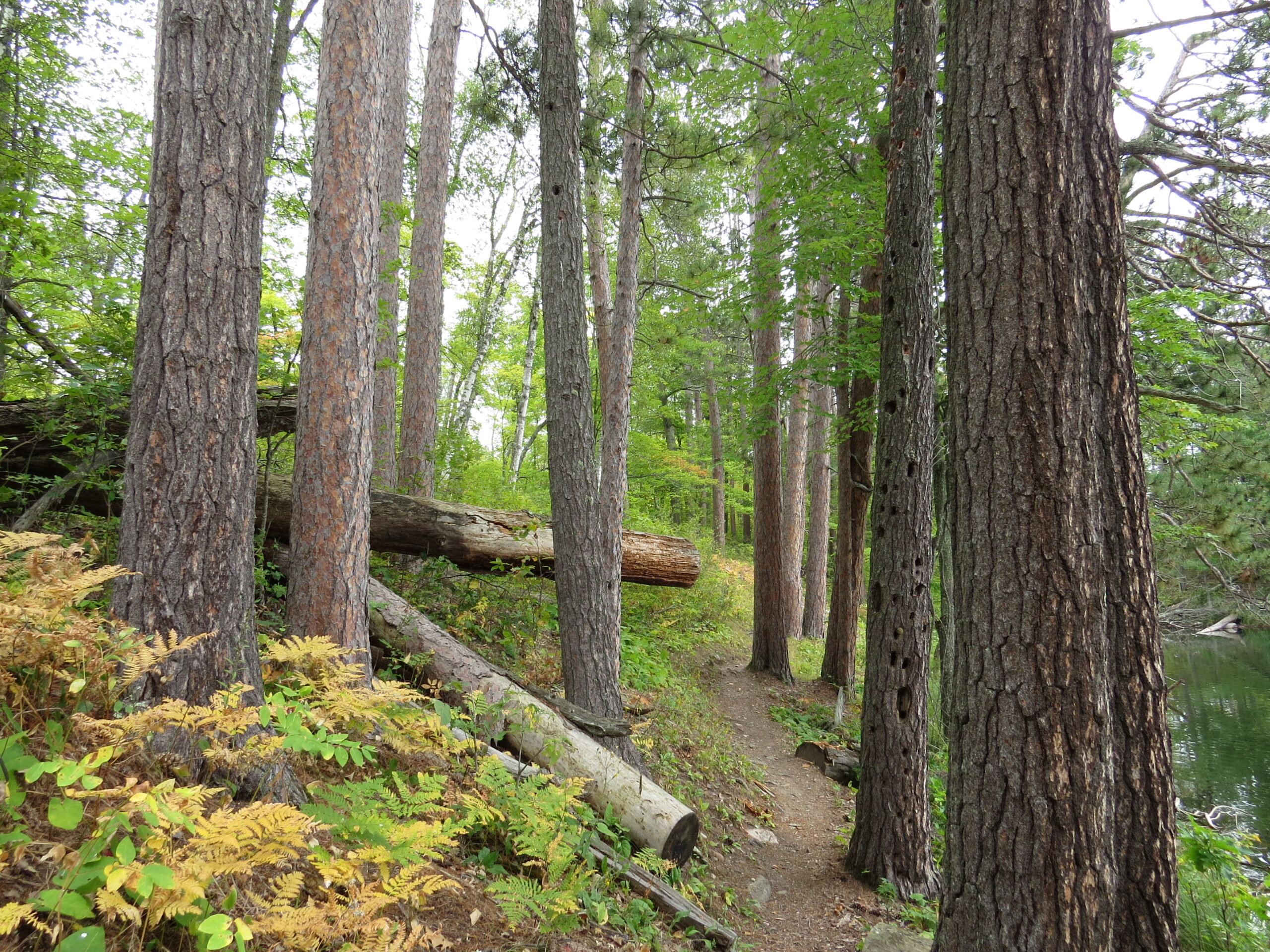
At times along the trail, a small grove of Pines bordered the lake and path. What beauty in the bark of a mature Red Pine!
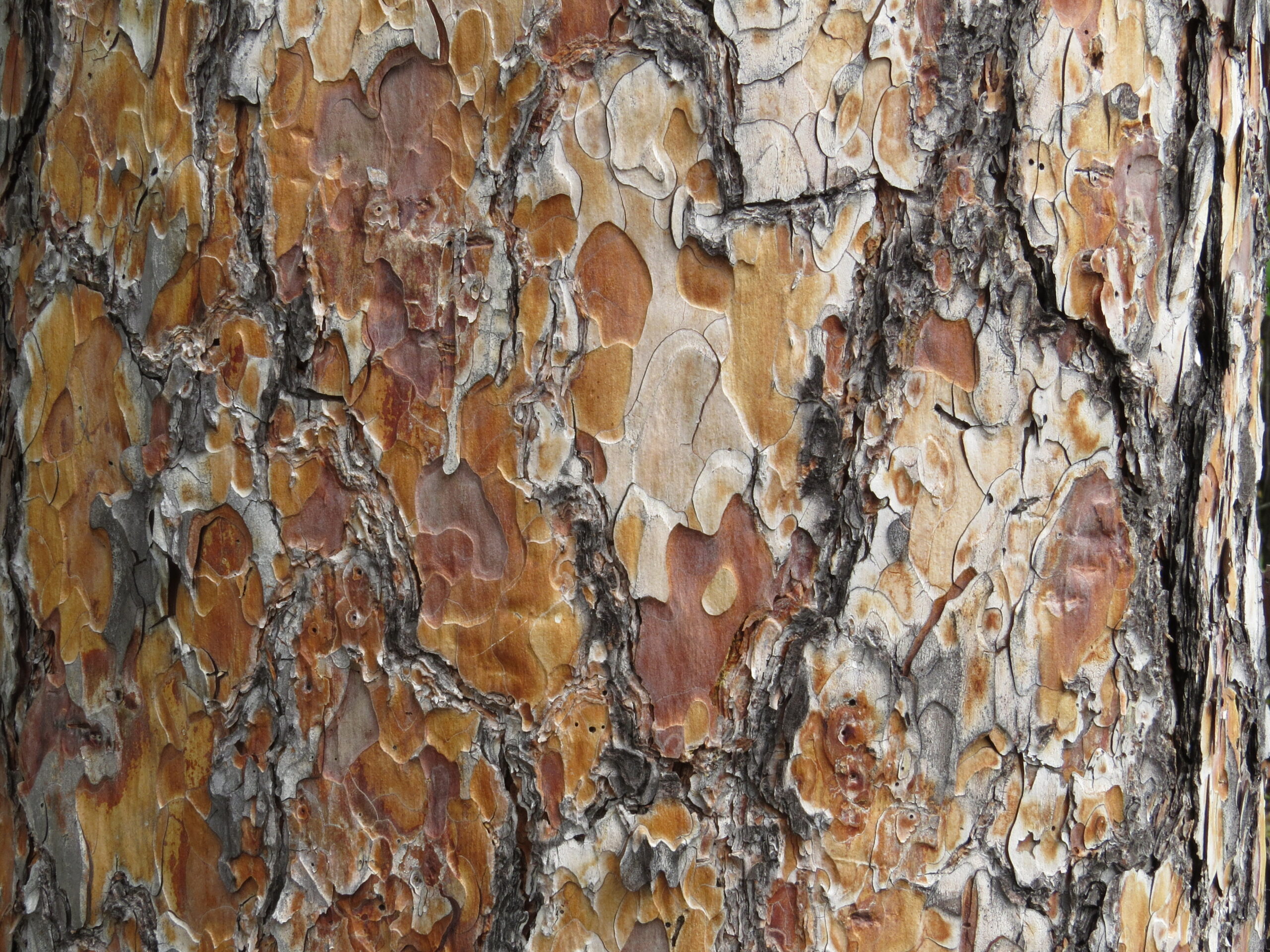
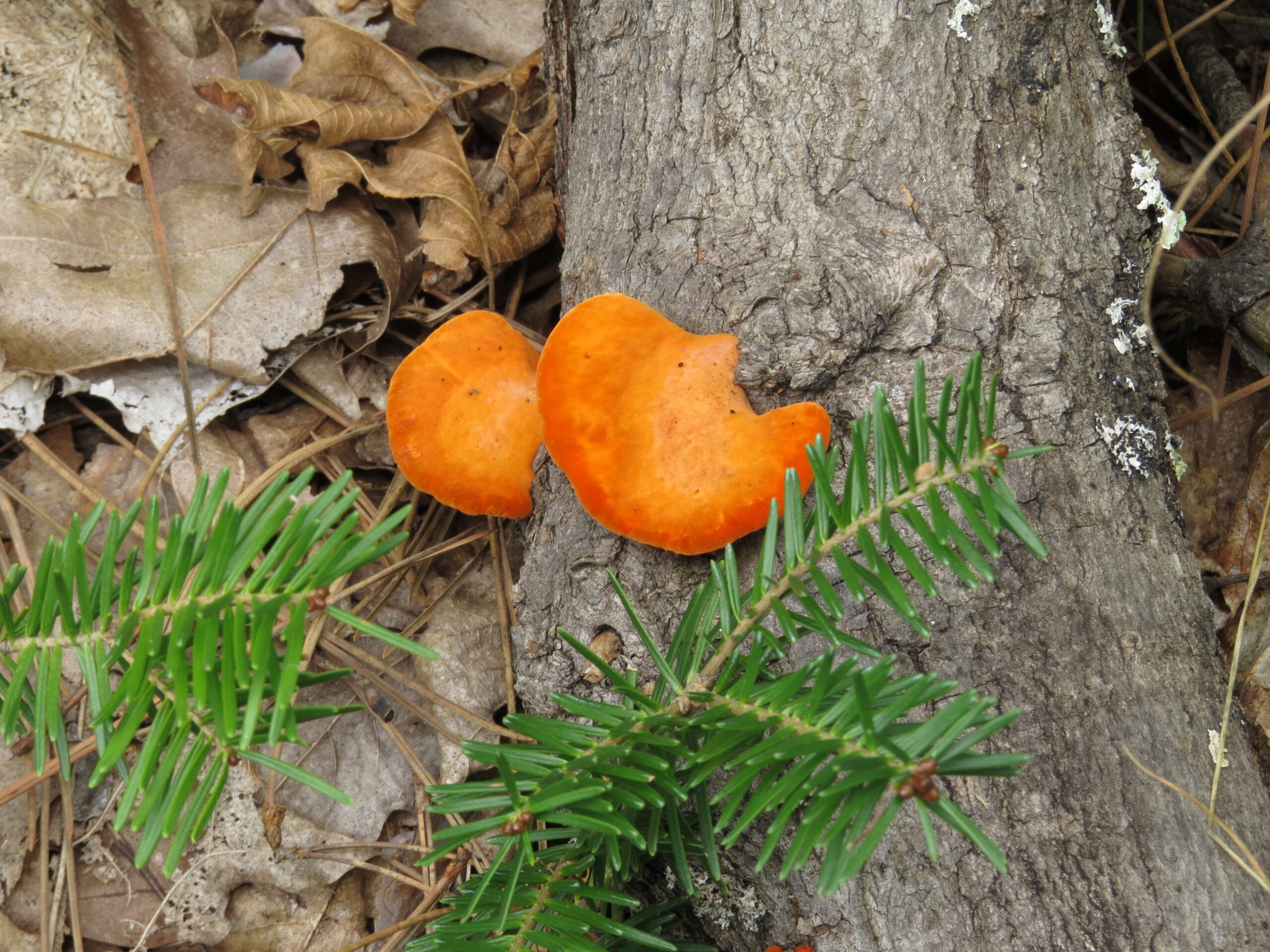
Balsam Firs were the other evergreens of the forest along with the Pines. Most were younger and content to grow in the shade of the canopy trees. An orange fungus was a colorful surprise!
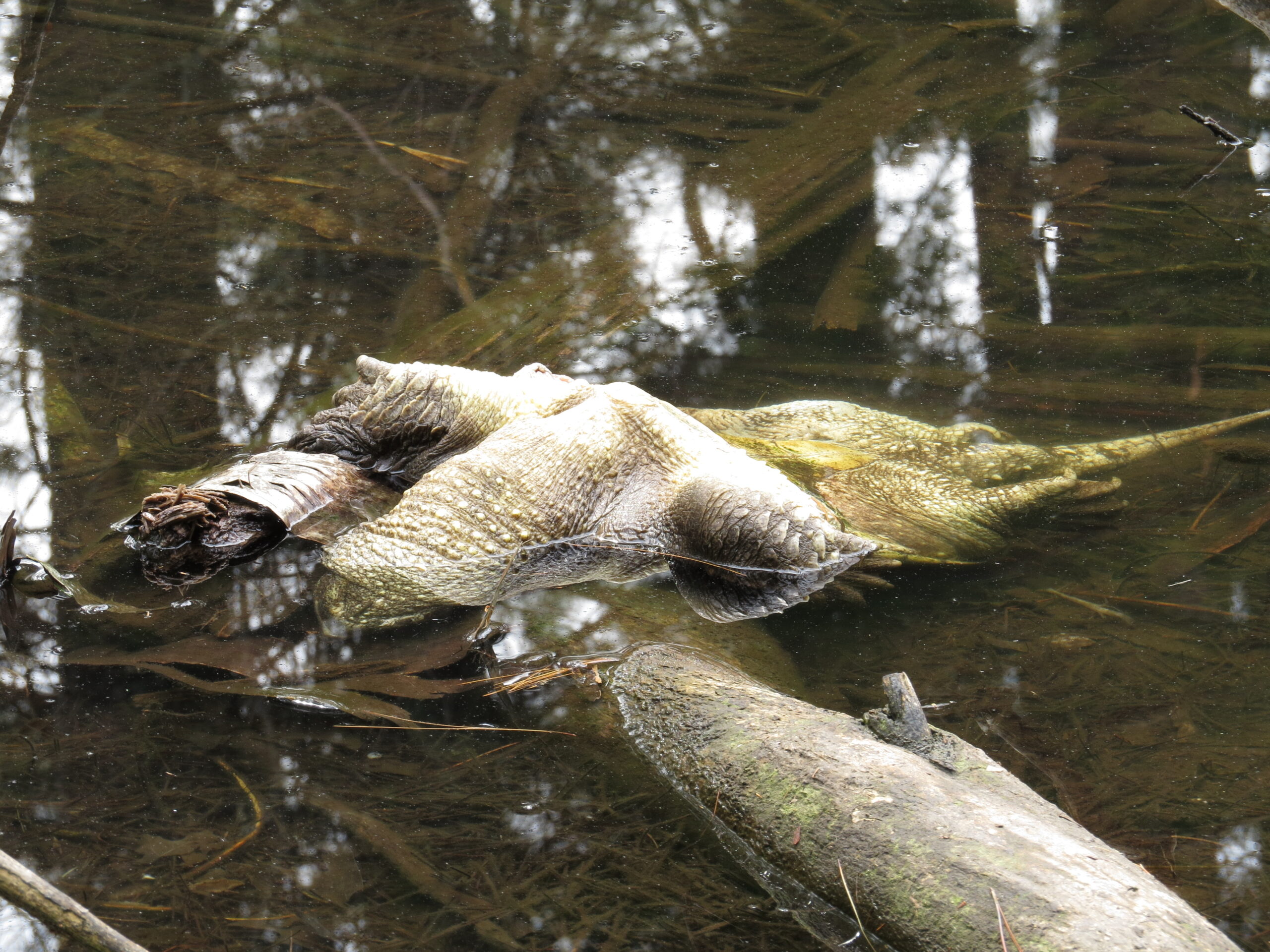
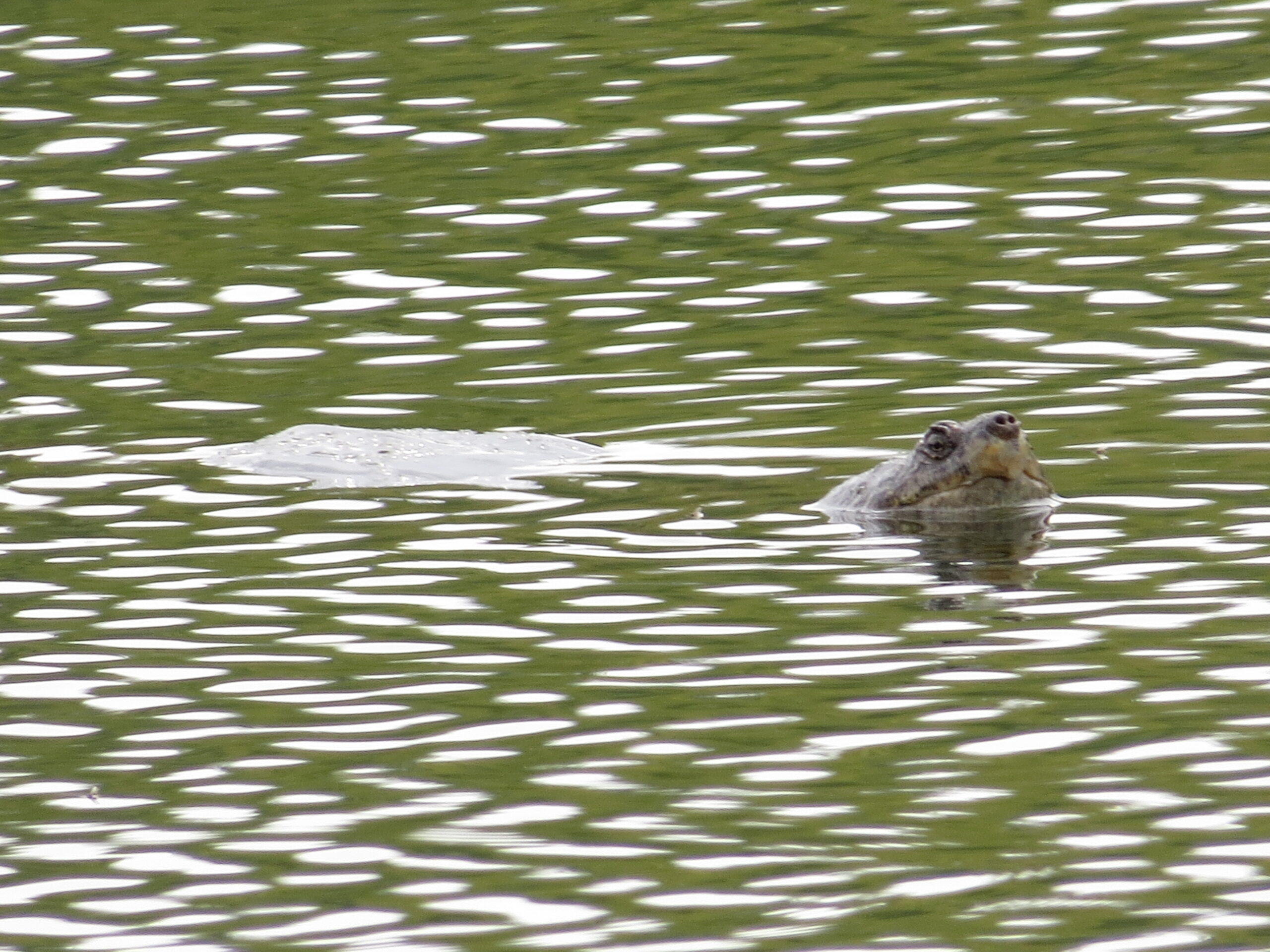
Another rather startling discovery was a dead Snapping Turtle, upside-down, over a log. I wondered how he got there. Adult Snappers are sometimes attacked by otters, bears, or coyotes, so that was definitely a possibility. But then we saw a live monster-of-a-turtle swimming in the lake and wondered if the males fight one another.
More ‘treeariums,’ golden ferns, and red leaves decorated the Loon Lake trail as we circled around it. (No Loons to be seen, but we did find a beaver lodge.)
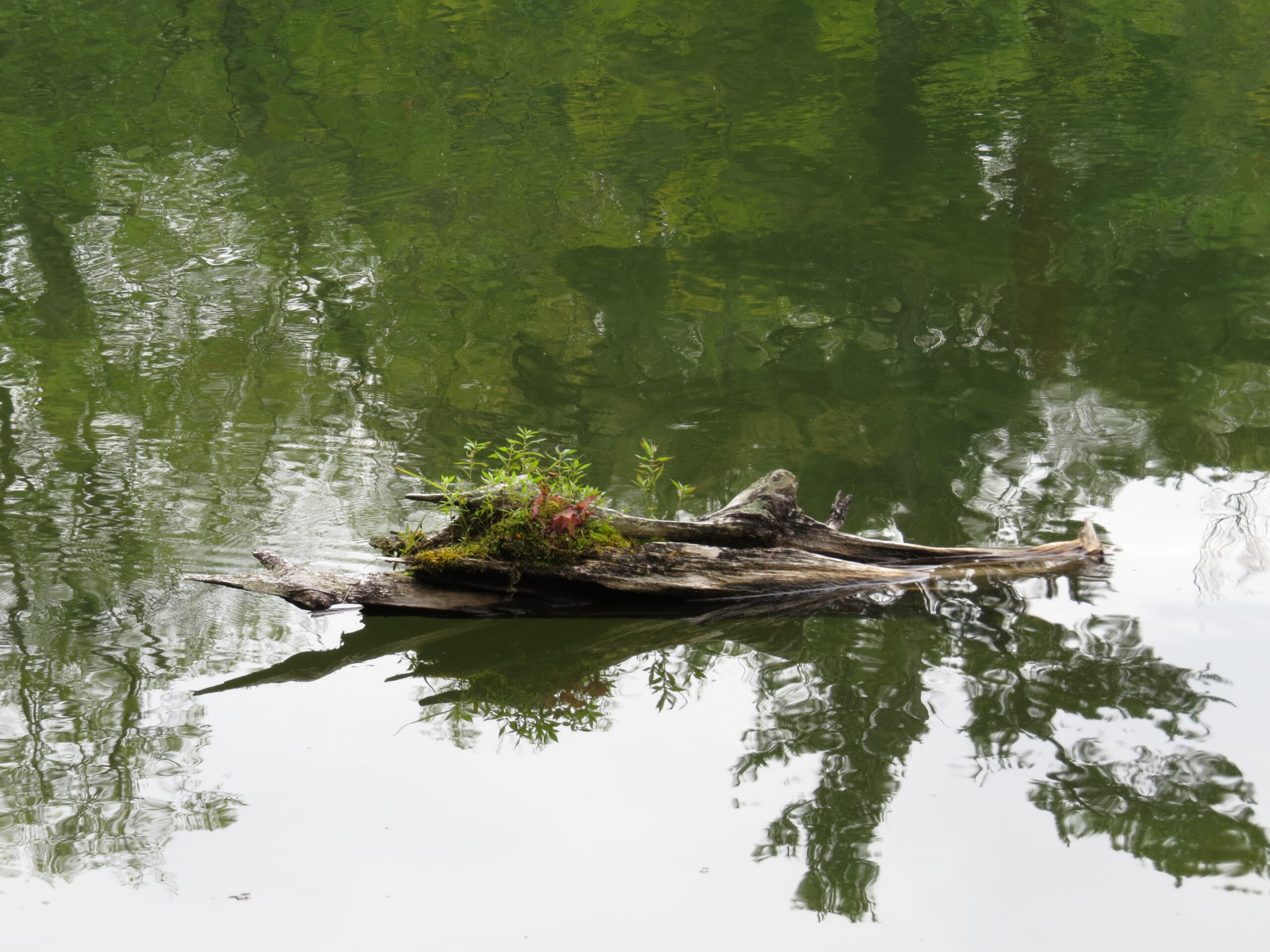
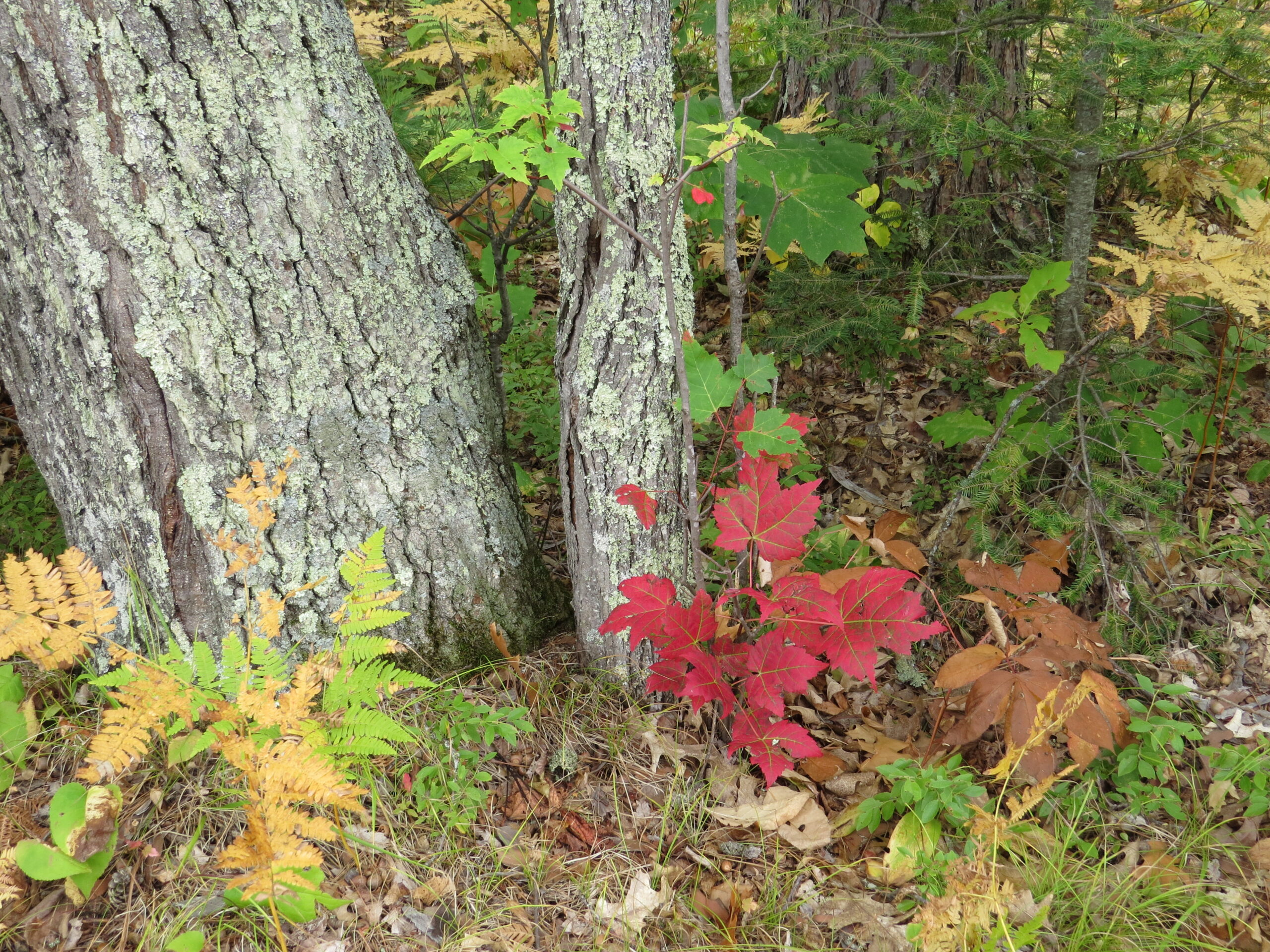
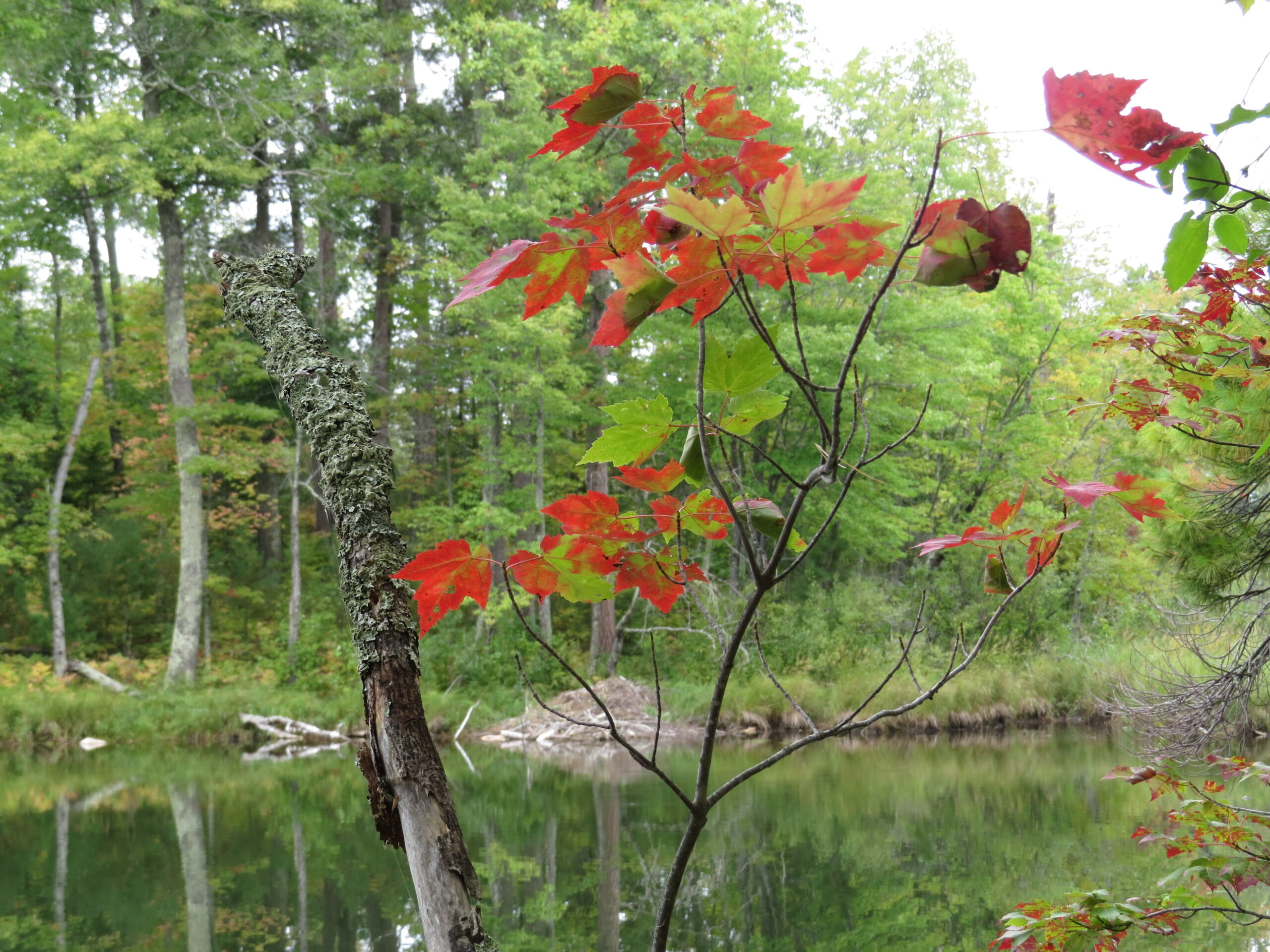
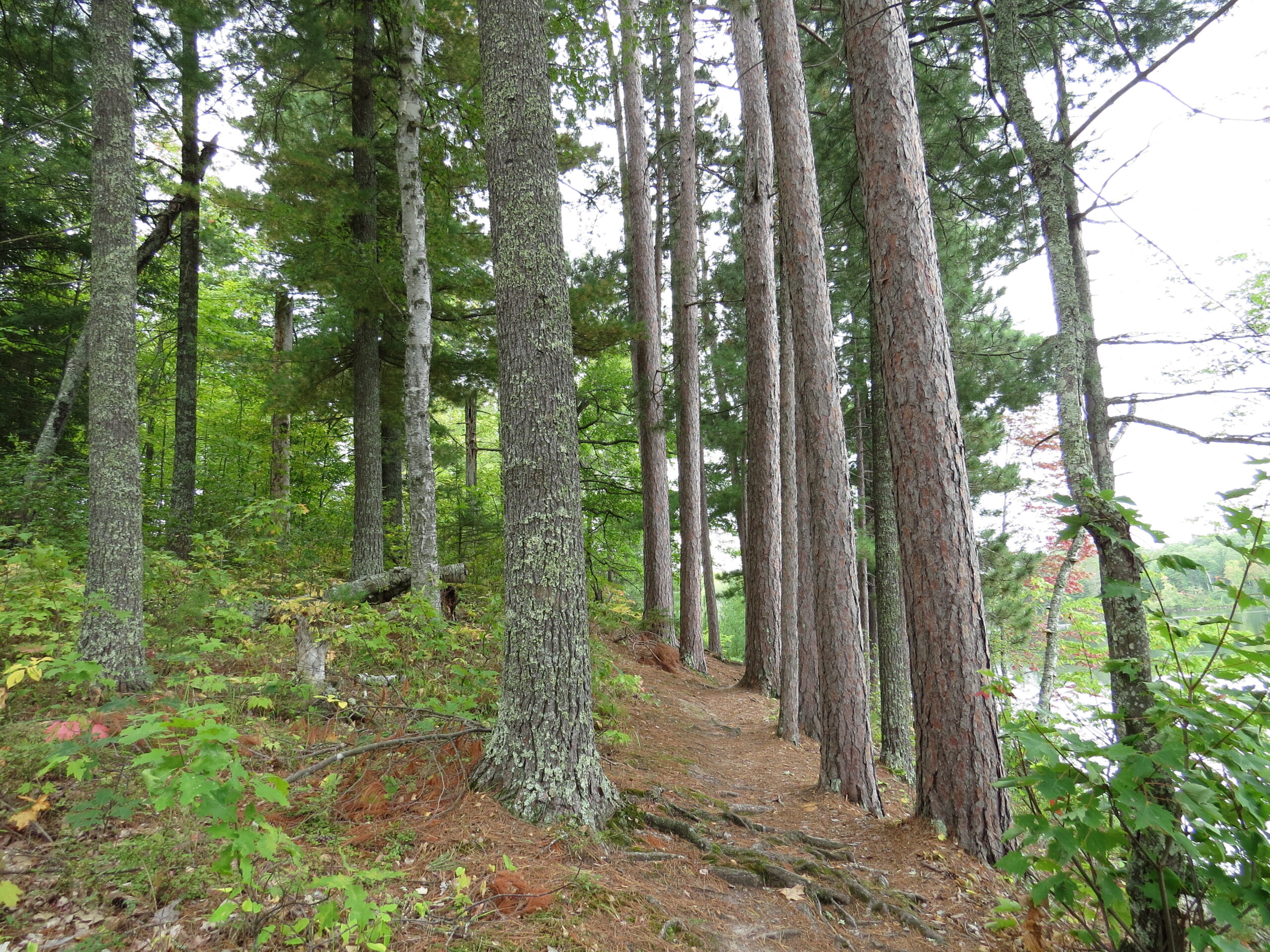
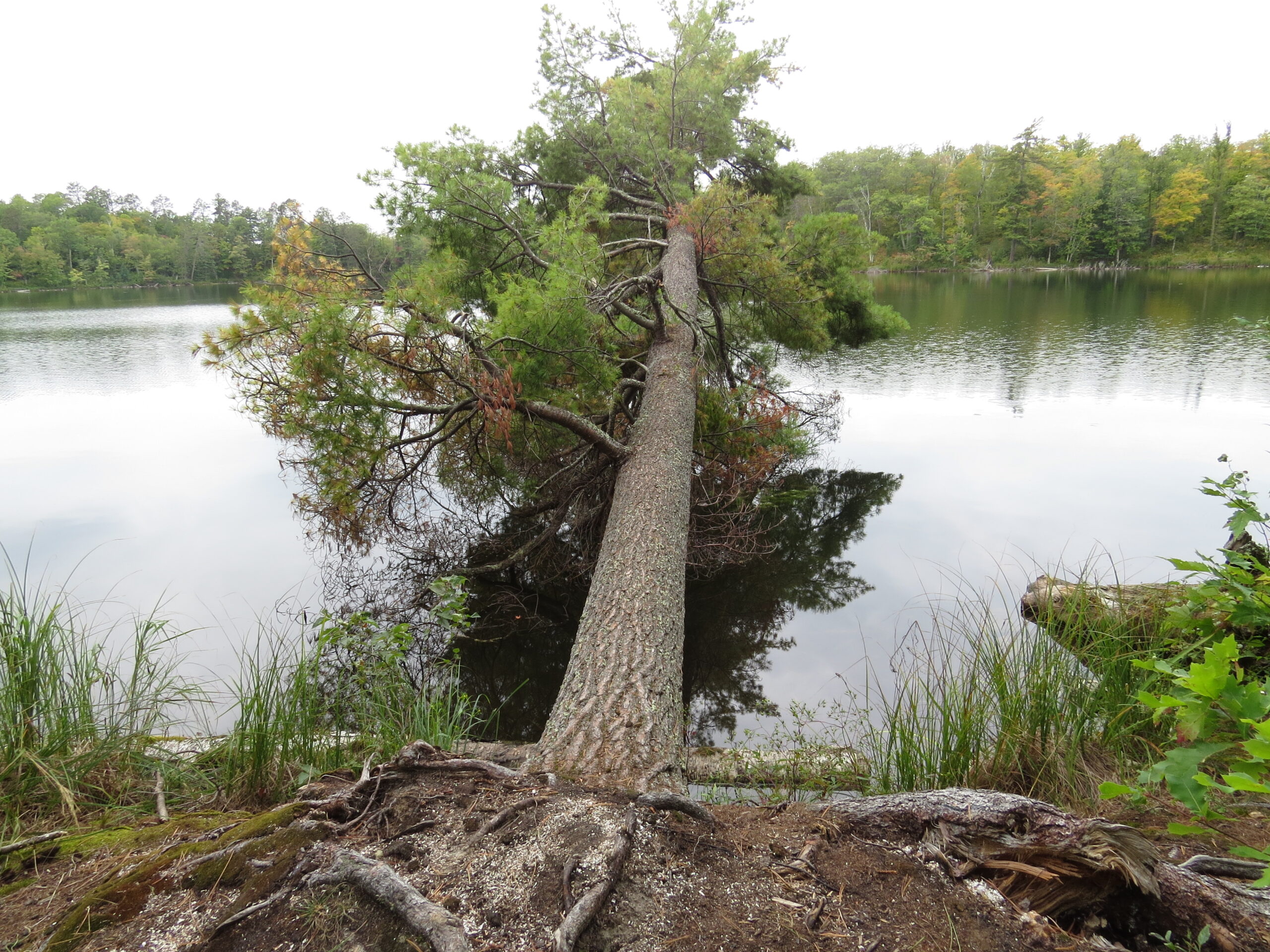
Towards the end of the trail, a large White Pine had tipped over into the water. The root ball was covered with Otter spraints, and we imagined they used the tree as a playground. Playfulness is another quality of an explorer, as expertly embodied by Otters running and sliding, swimming, rolling, and playing.
I fully embrace being a homebody and an explorer of Nature. Each of us has these seemingly opposing qualities in one way or another. Yet I have always lived my life with curiosity and wonder (another quality of an explorer). It has been the foundation of my learning, schooling, and being a scientist, as well as being an explorer. In my next posts, I will share other trails we hiked at Savanna Portage and other qualities of being an explorer. Until then, what kind of explorer are you?
River Dance
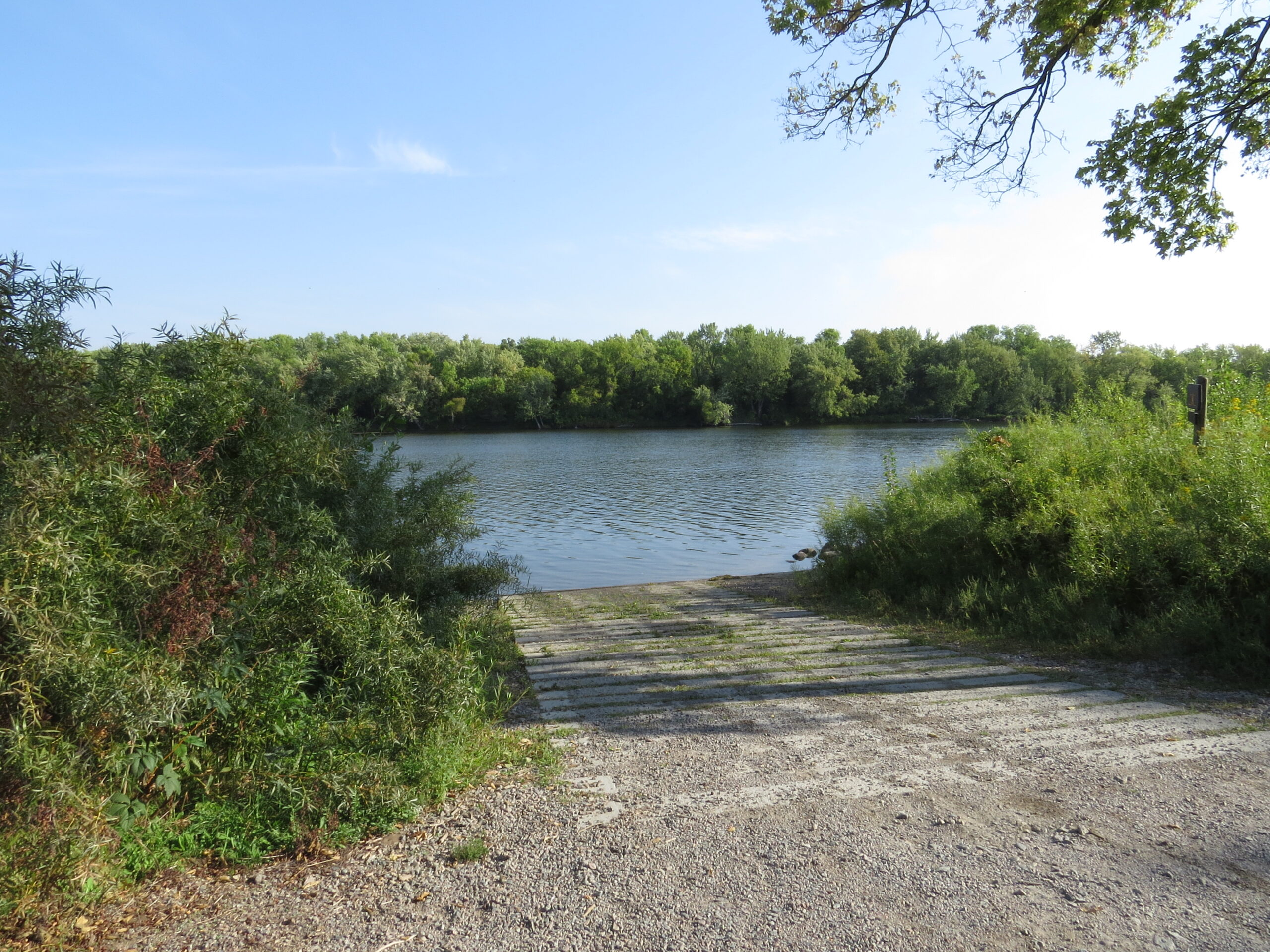
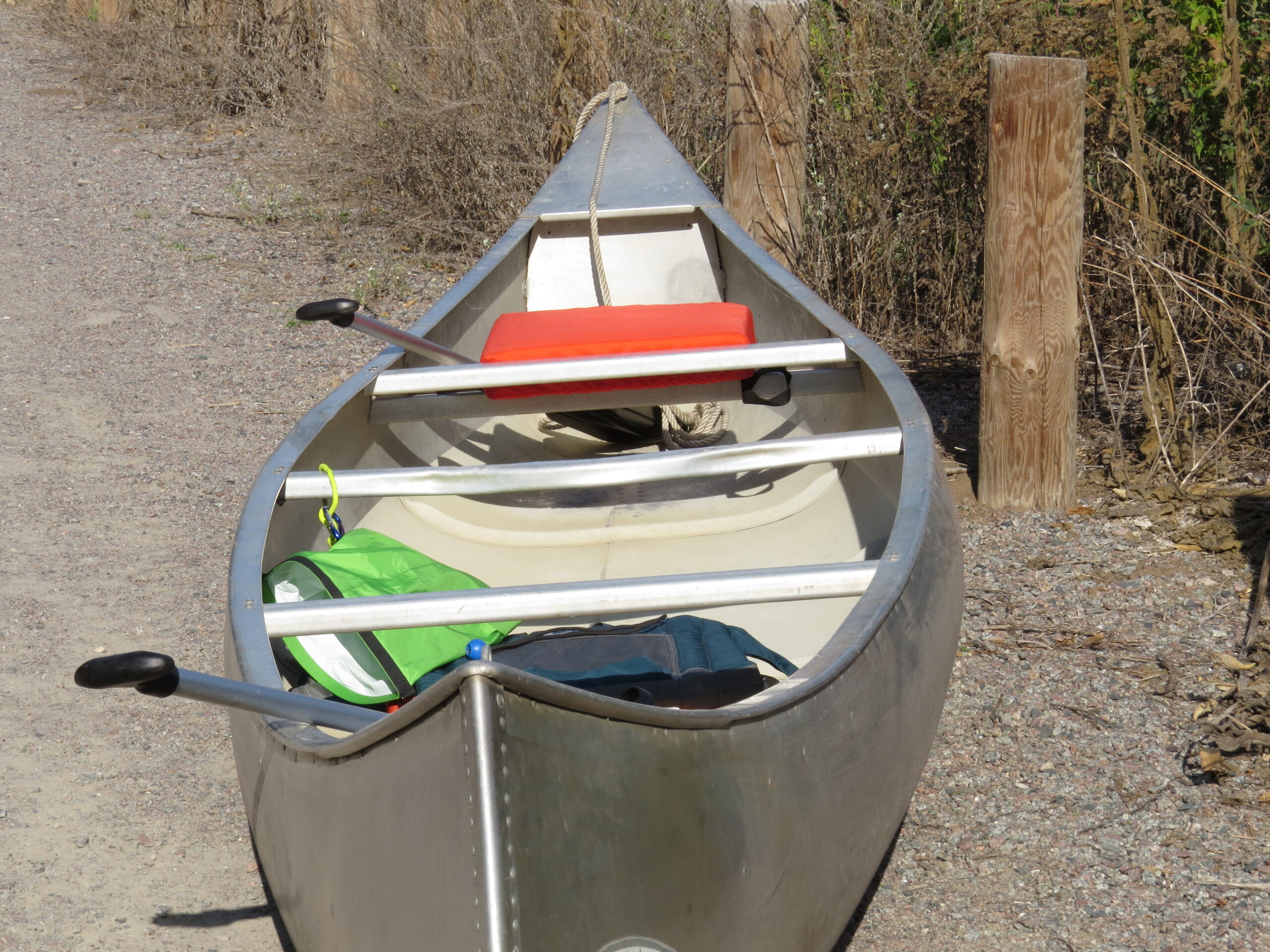
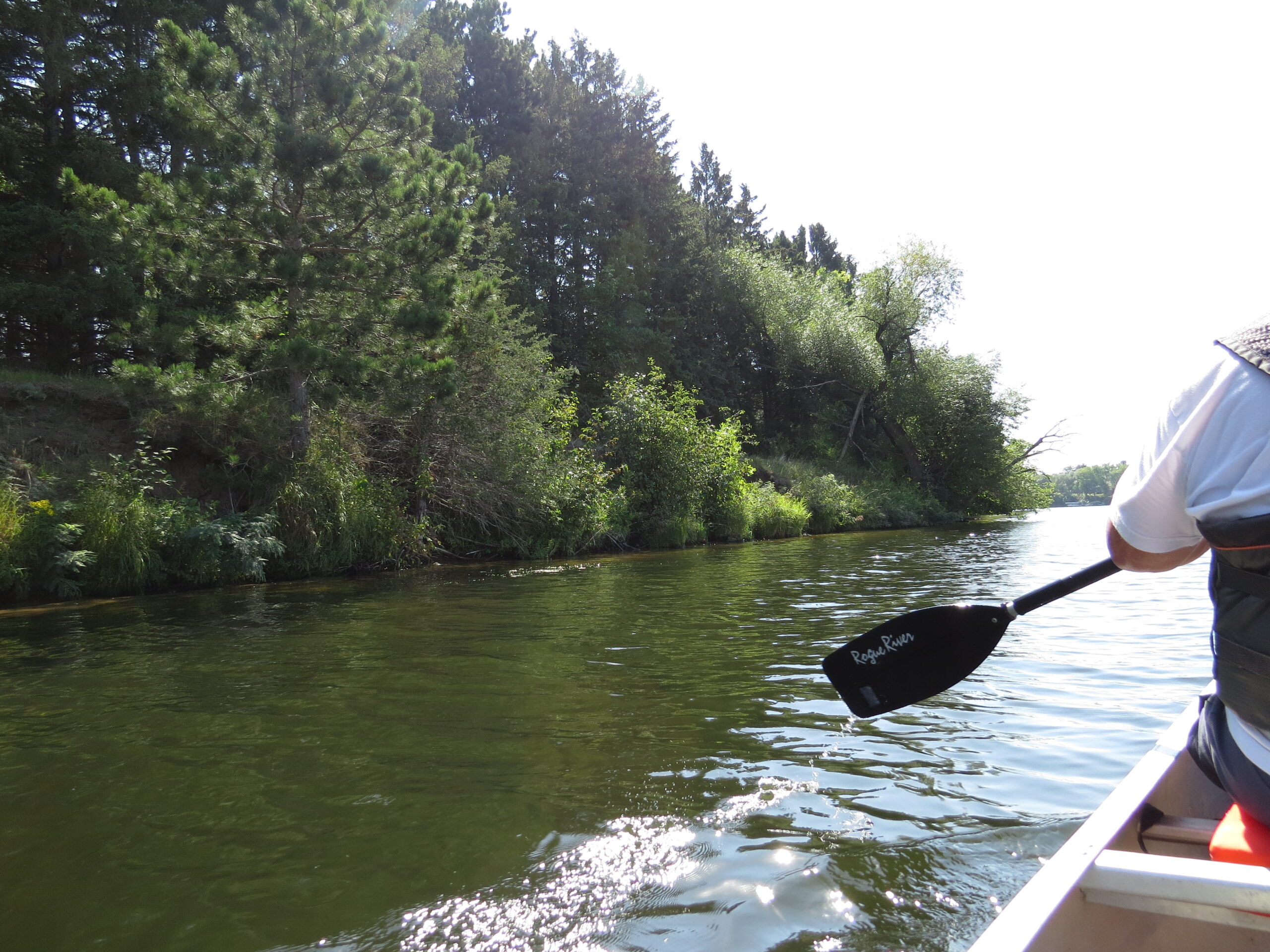
Countless times I have walked the riverside trail at Mississippi River County Park. I have seen the River’s bank and the boat launch during the ice and snow of Winter, the overflowing water of Spring, and the drought of Summer. I know where the low spots are that stay muddy and mosquito-laden, where certain flowers grow, and where the deer like to graze. I am also familiar with Bend in the River Park on the other side of the River with its canopy of Oaks on the high bluffs that overlook the Mighty Mississippi. On Saturday of Labor Day weekend, I saw the River from the River’s point of view. Chris, Emily, and I launched our trusty Alumacraft canoe into the softly-rippling water. I was the duffer—not the desirable position, especially for my sixty year old joints, but a needed one when canoeing as a trio. I sat on a floatation cushion in the middle, on the bottom of the canoe, while the more experienced paddlers took their seats.
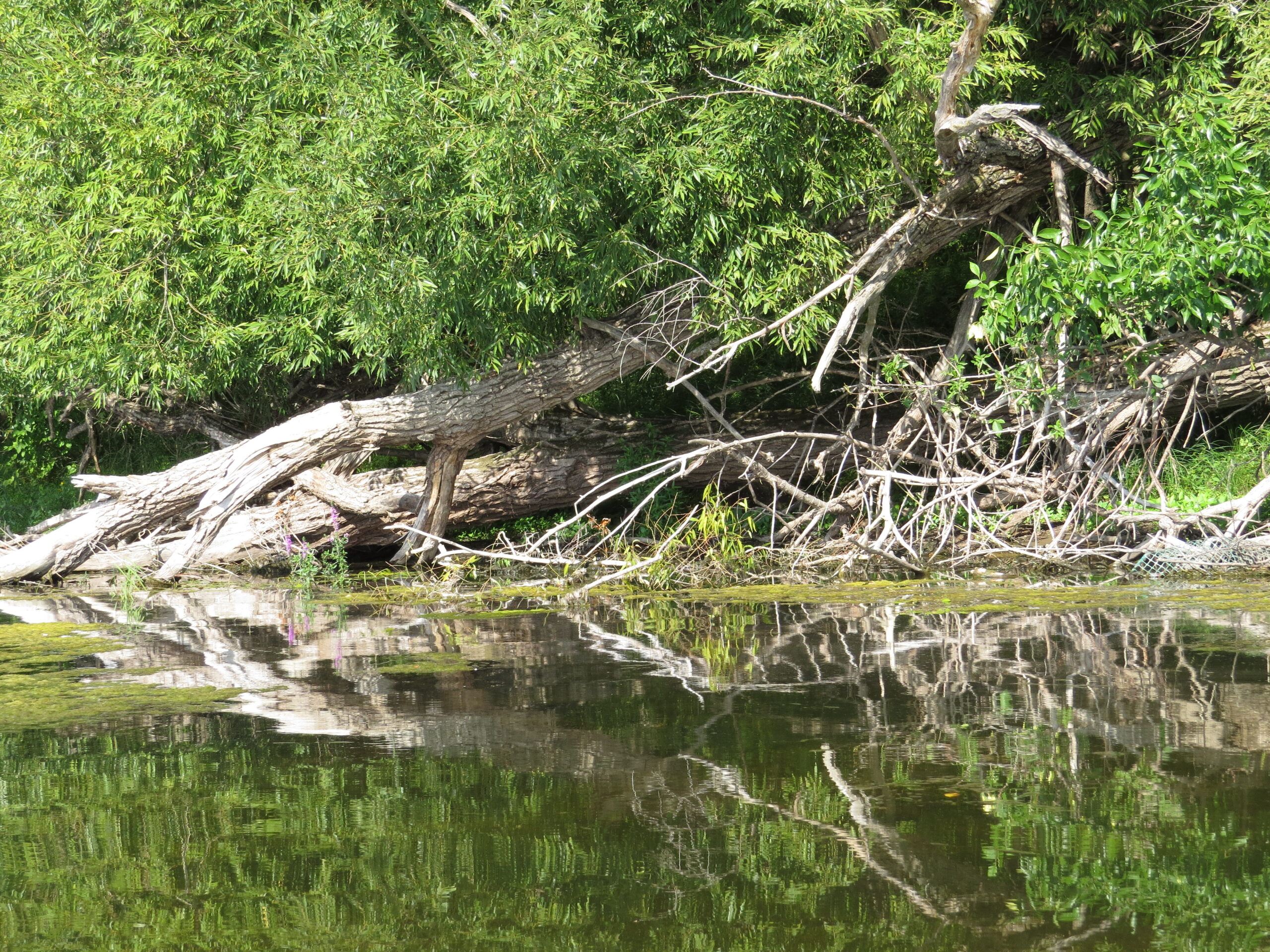
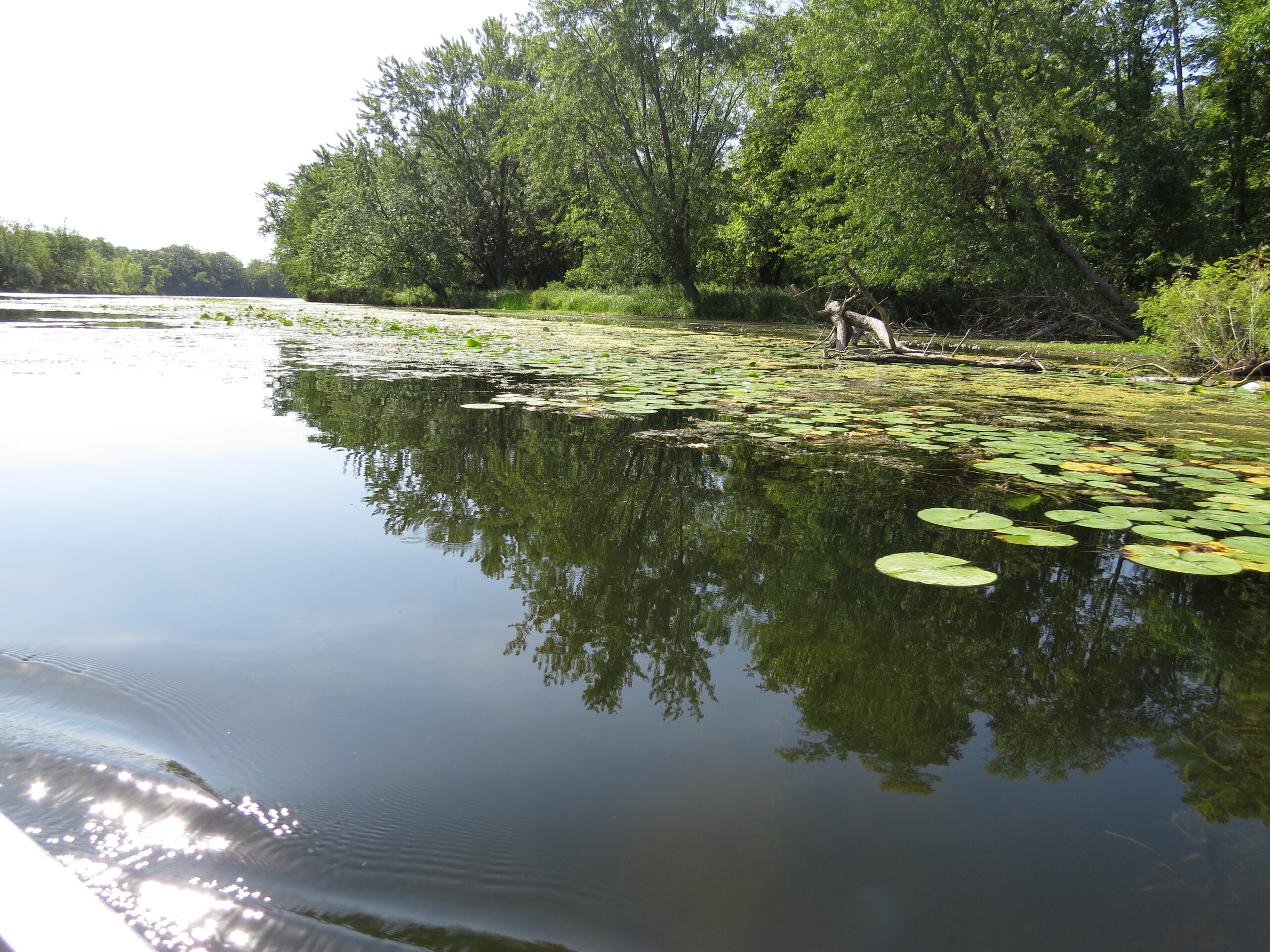
The water was low from our ongoing drought. Little beaches of sand appeared in places, many unseen from the land above them. While logs that have fallen into or floated down the River could be seen from the park trail, from the River’s view, they became an integral part of the boundary between water and land—they were much more noticeable, more usable, and more artistic.
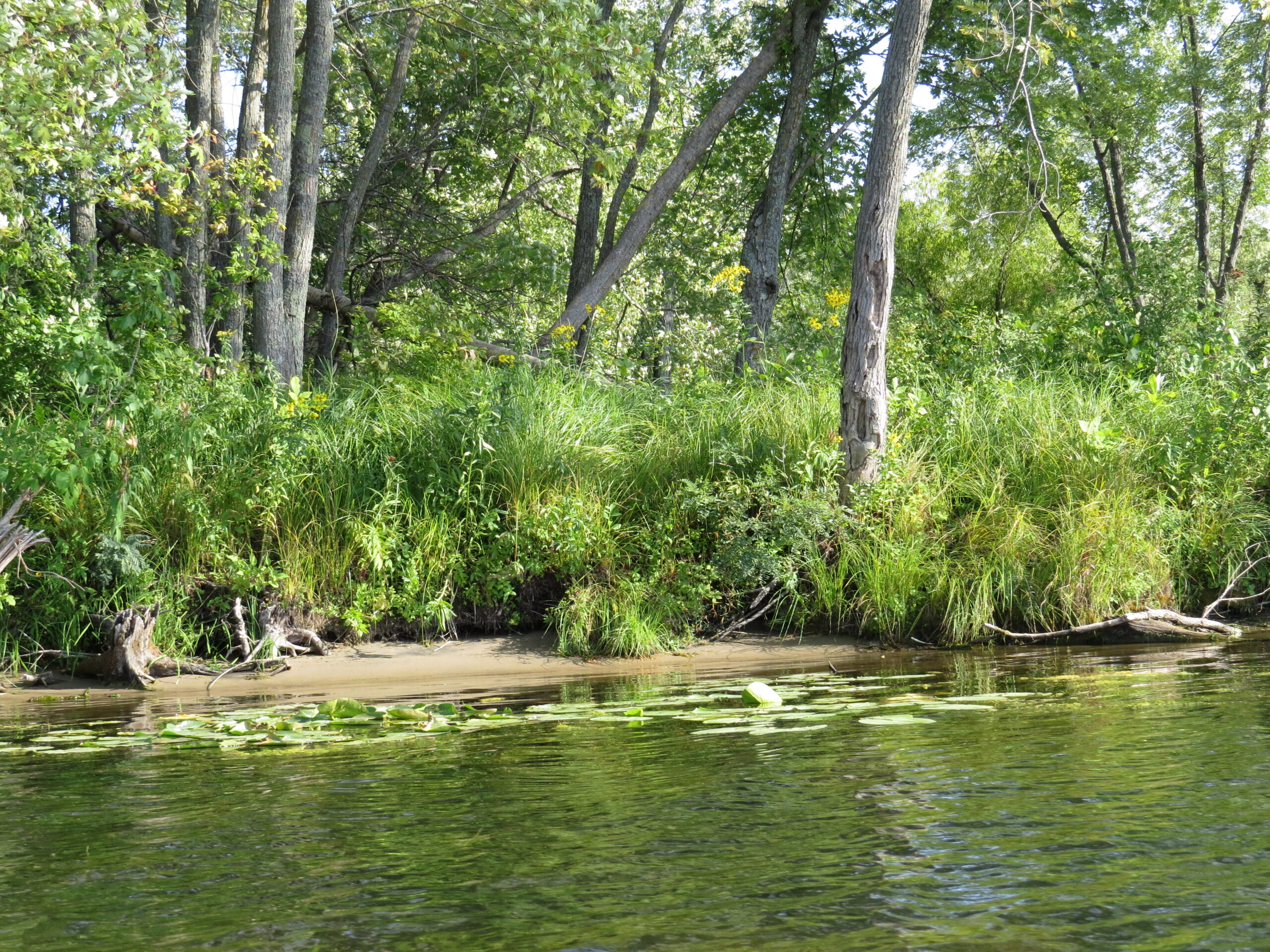
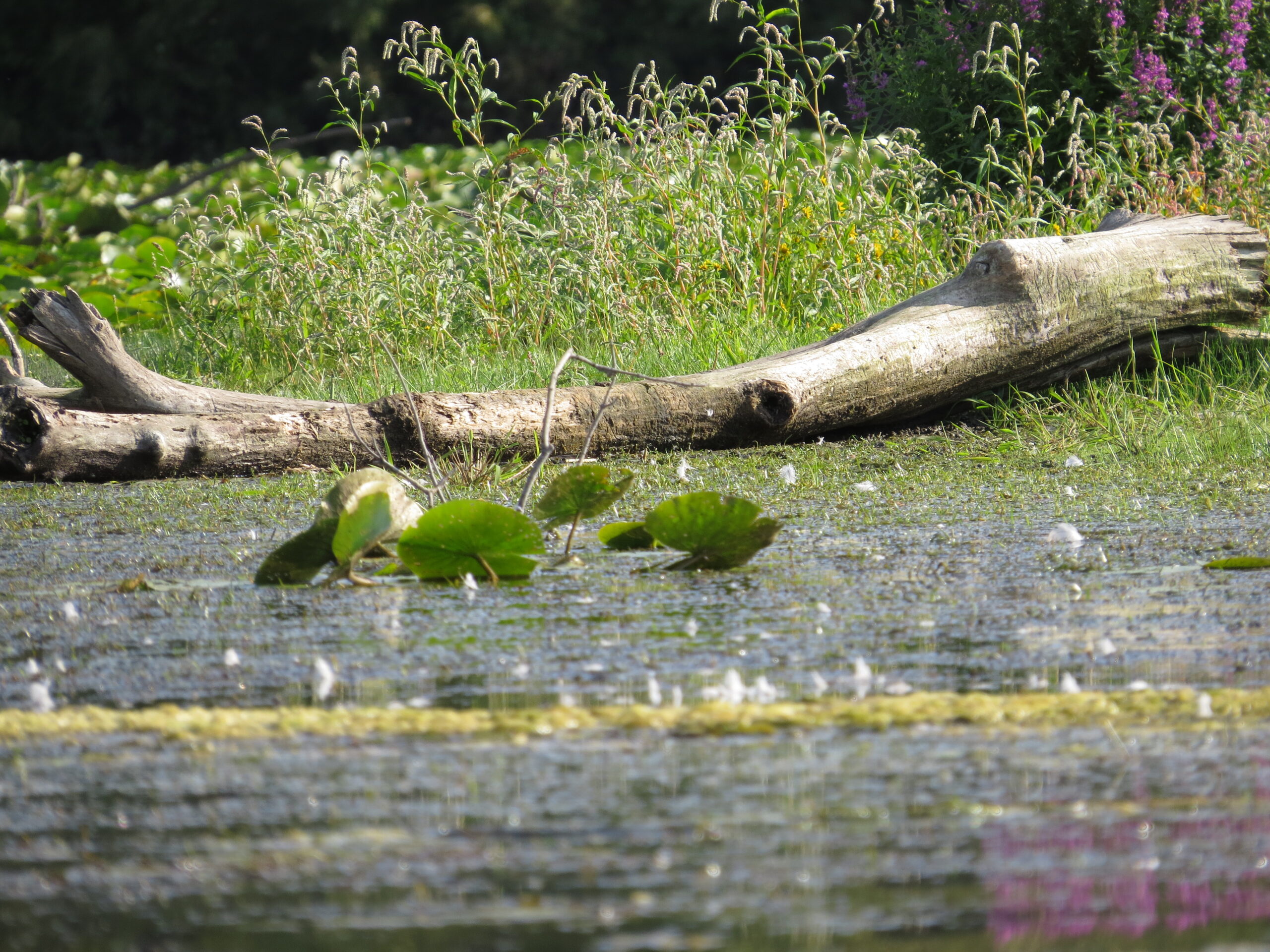
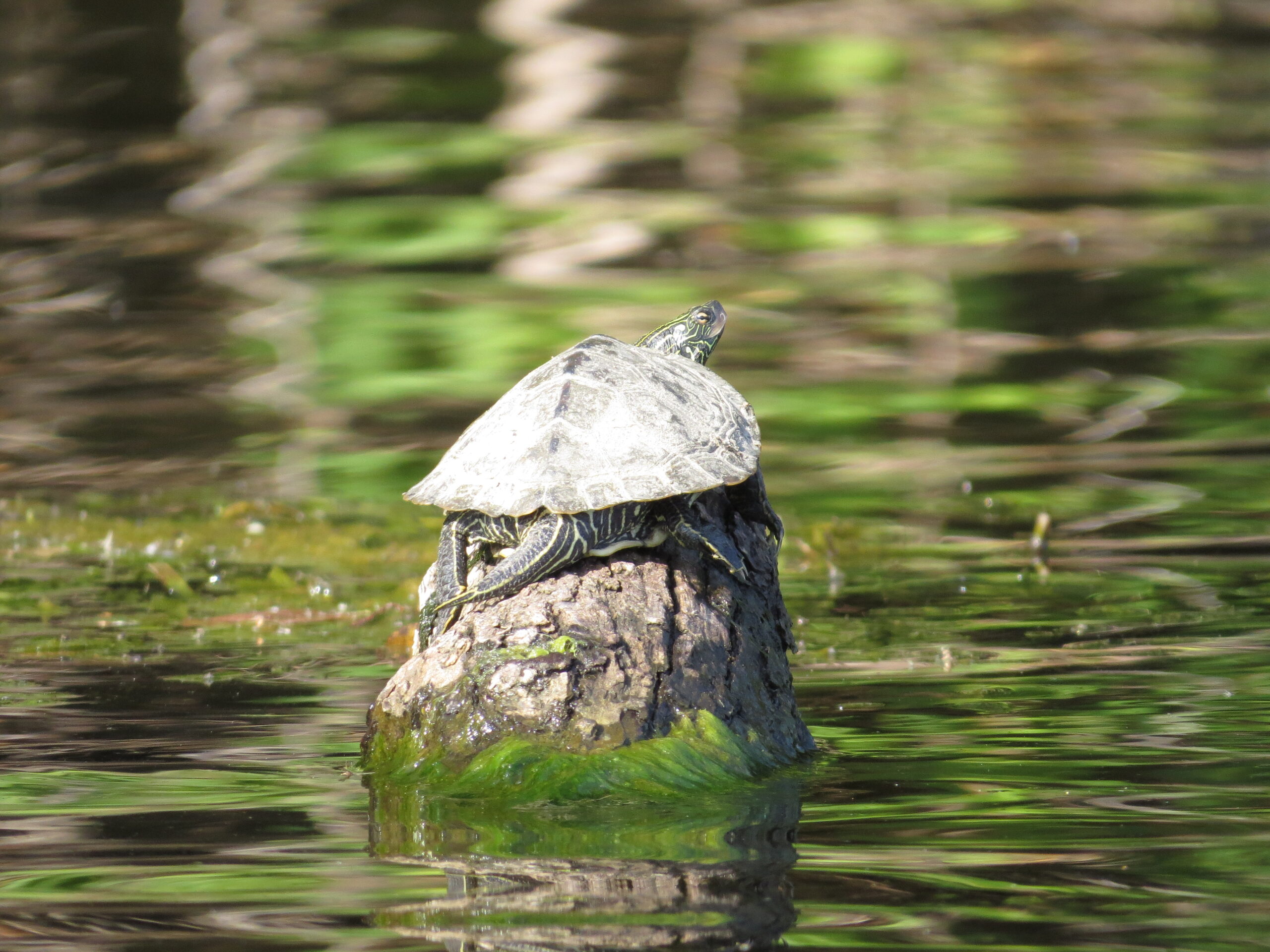
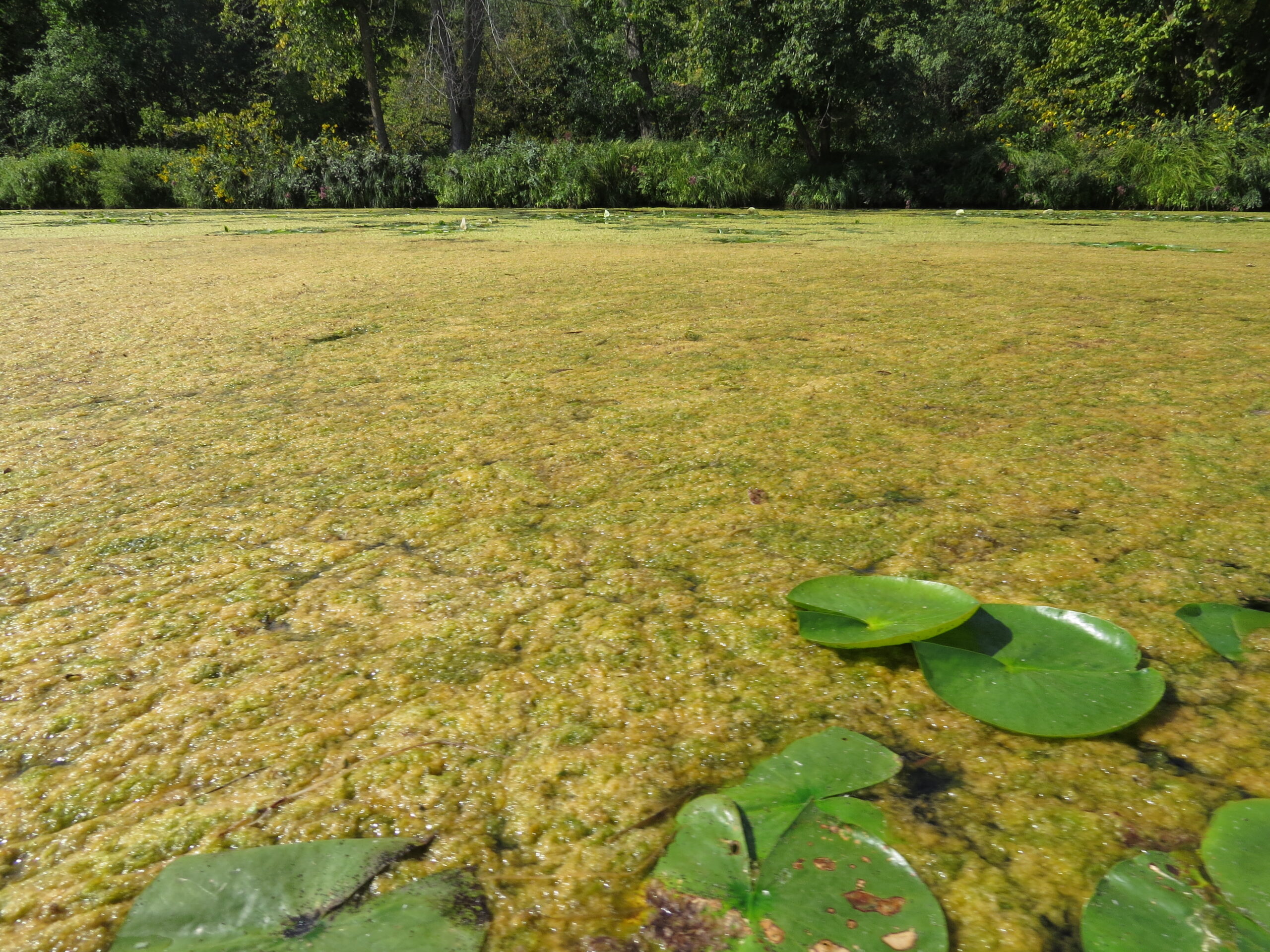
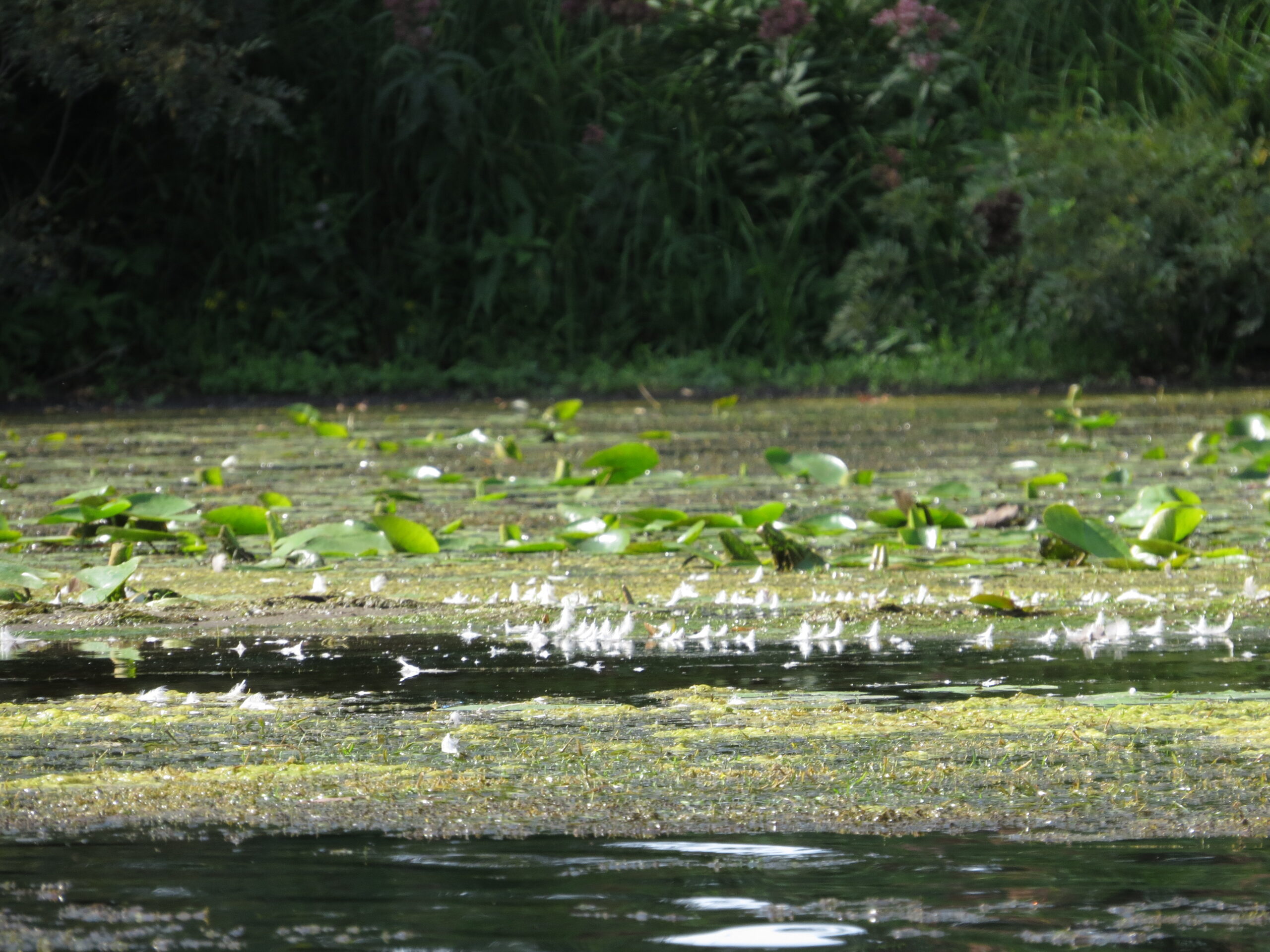
Some of the shallow parts of the River were a horizontal painting of aquatic plants and algaes that dragged the bottom of the canoe and slowed the competent paddling of Emily and Chris.
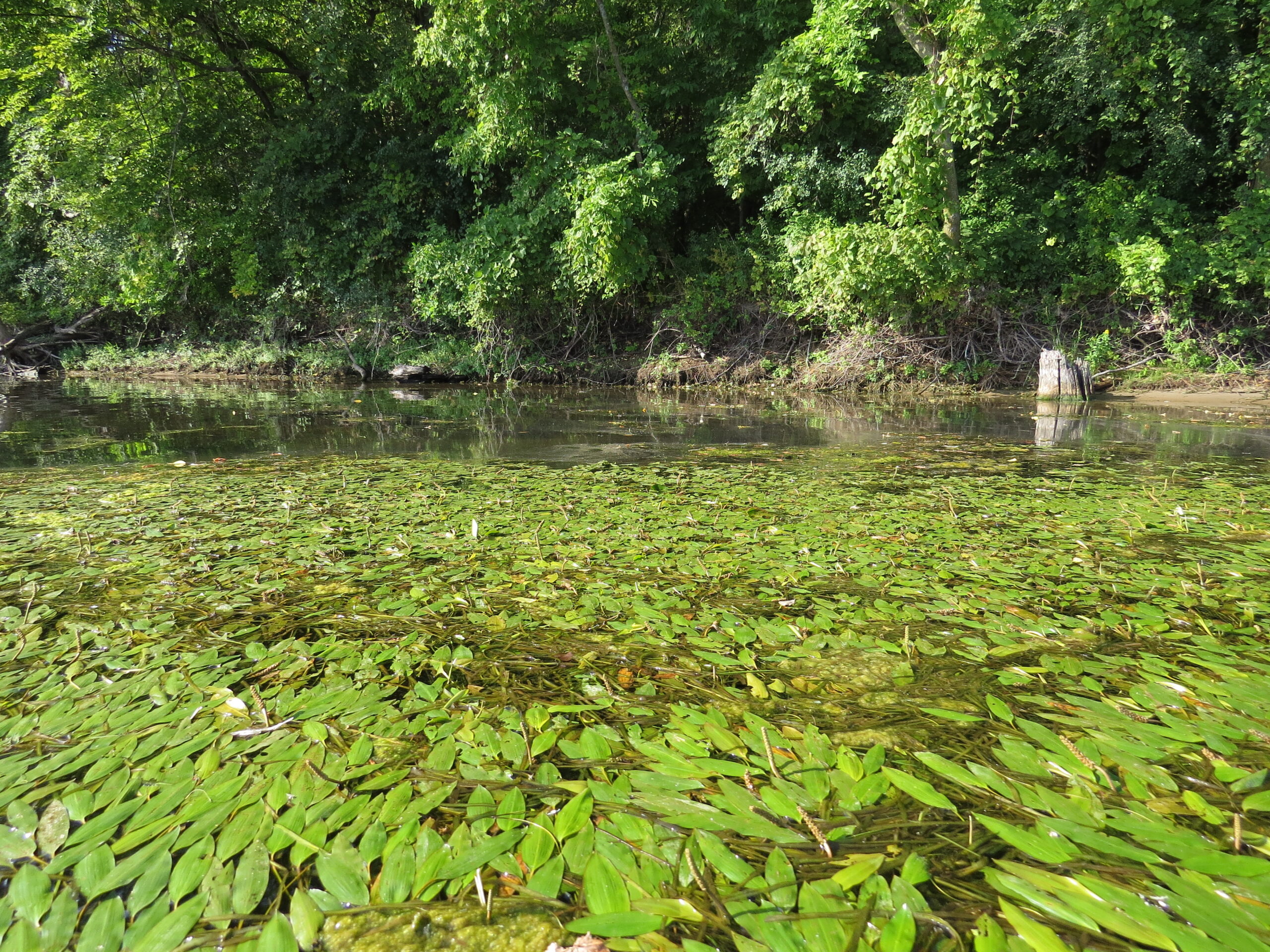
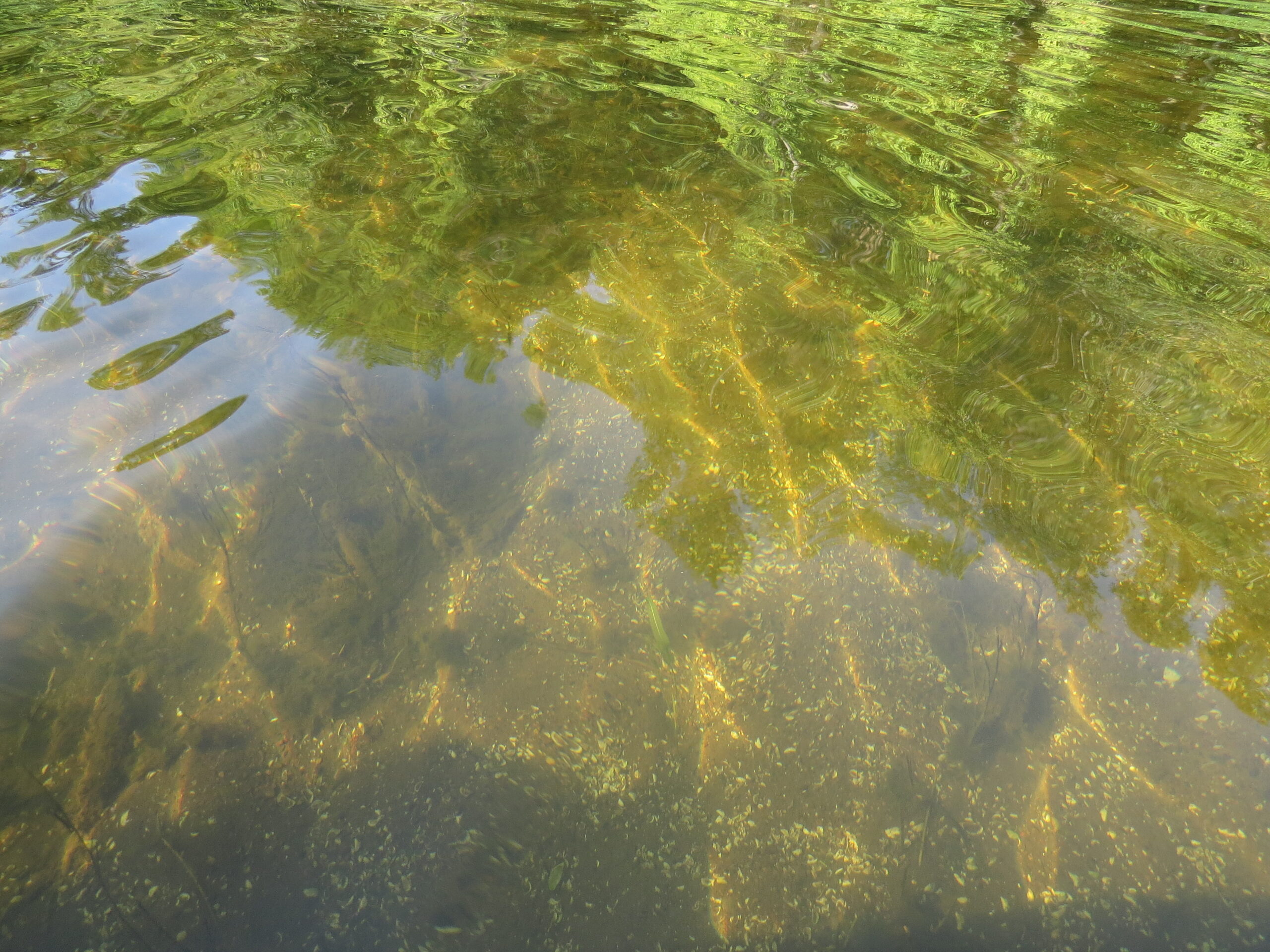
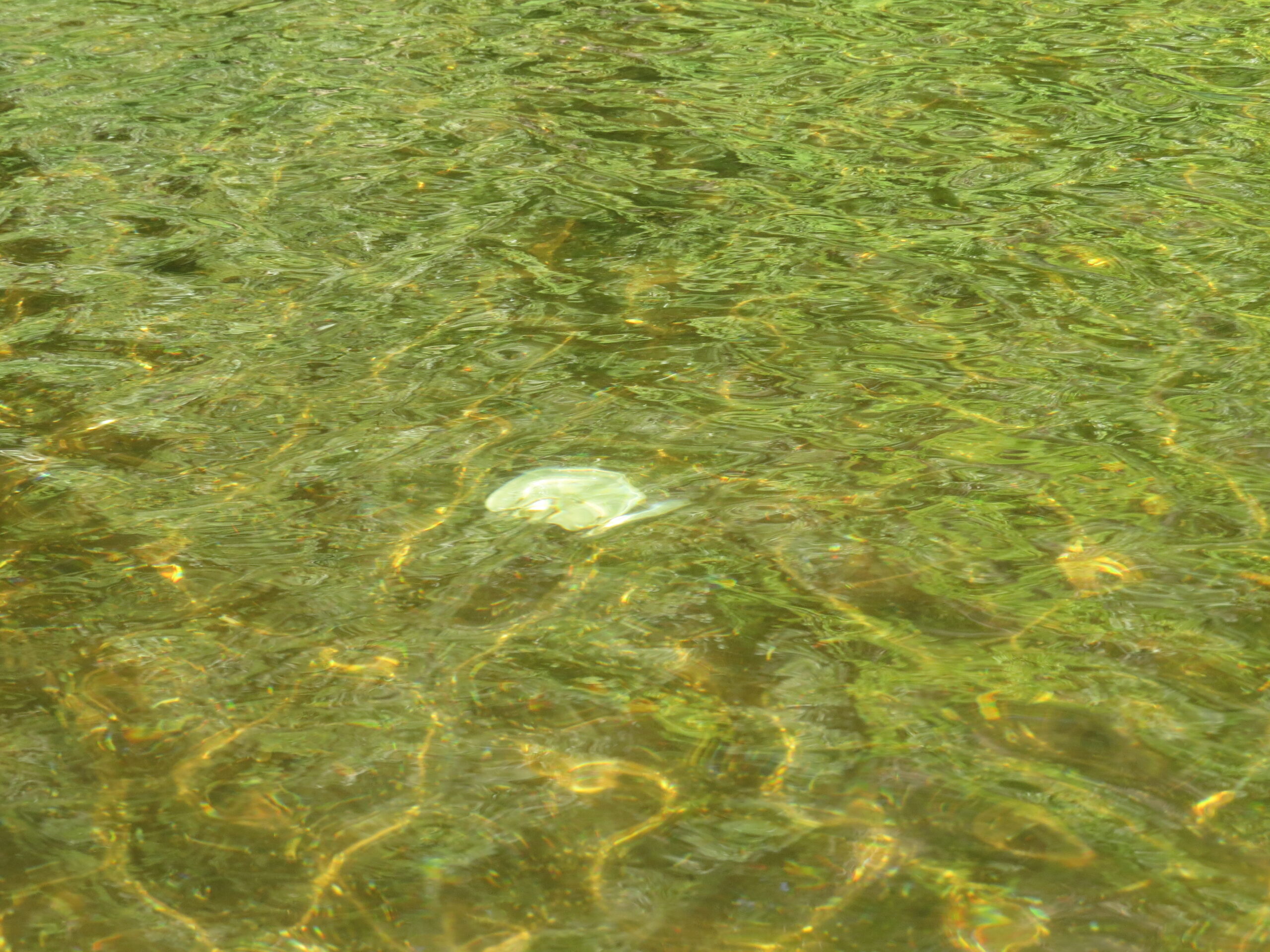
Other shallow parts were clear and glowing with golden sunlight that revealed millions of fragments of mollusk shells and often a complete bivalve pearlized shell. A whole new world of underwater life not seen from the land-side.
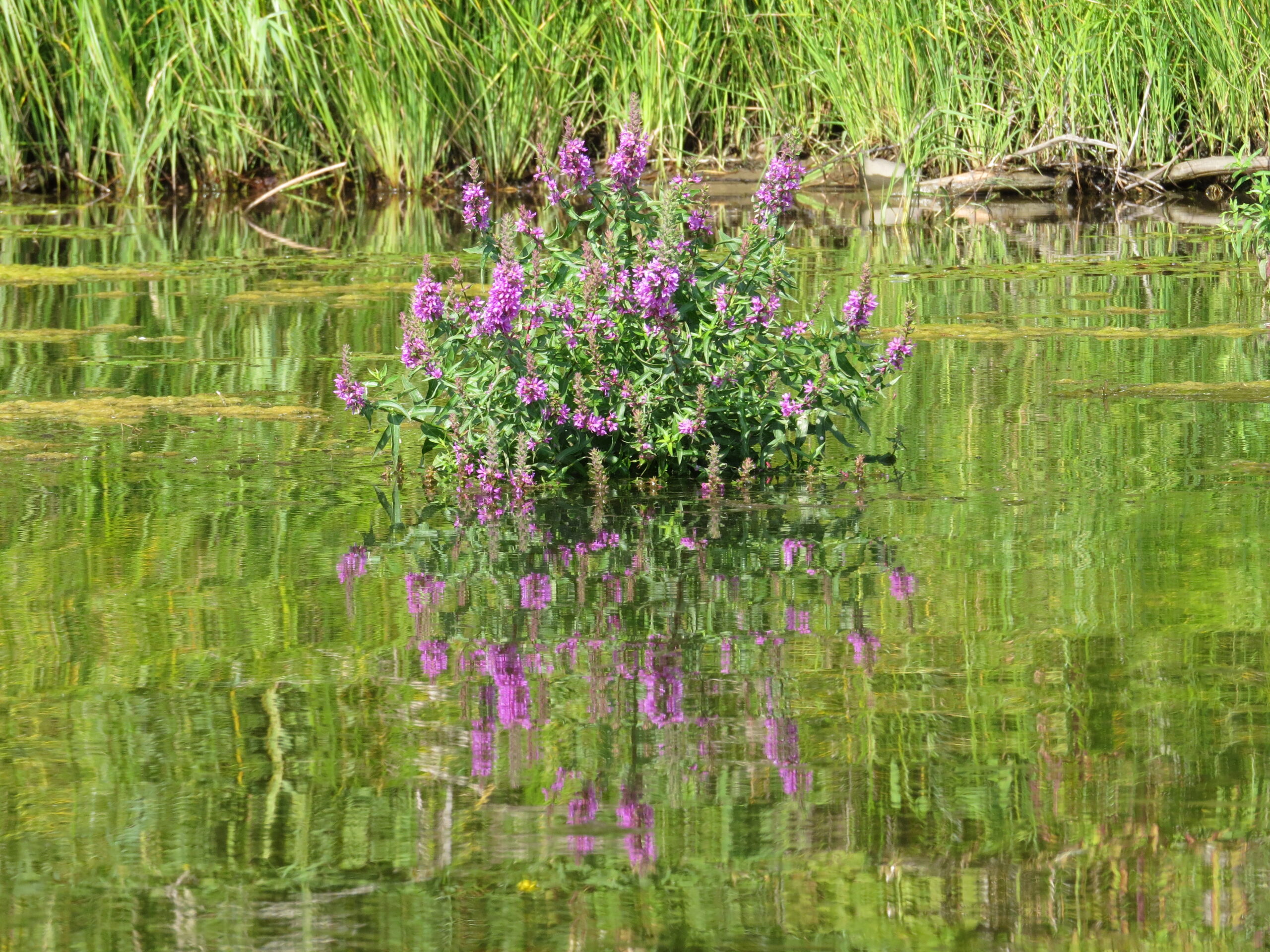
Beautiful blossoms of Purple Loosestrife populated the islands. It is not a desirable plant for wetlands, lakes, and rivers and is categorized as invasive and noxious. They have thick, woody roots that form a dense web that can block natural drainage areas and outcompete native plants.
Native Willows thrive with their feet in the water and provide shelter for many of the inhabitants that live along the River.
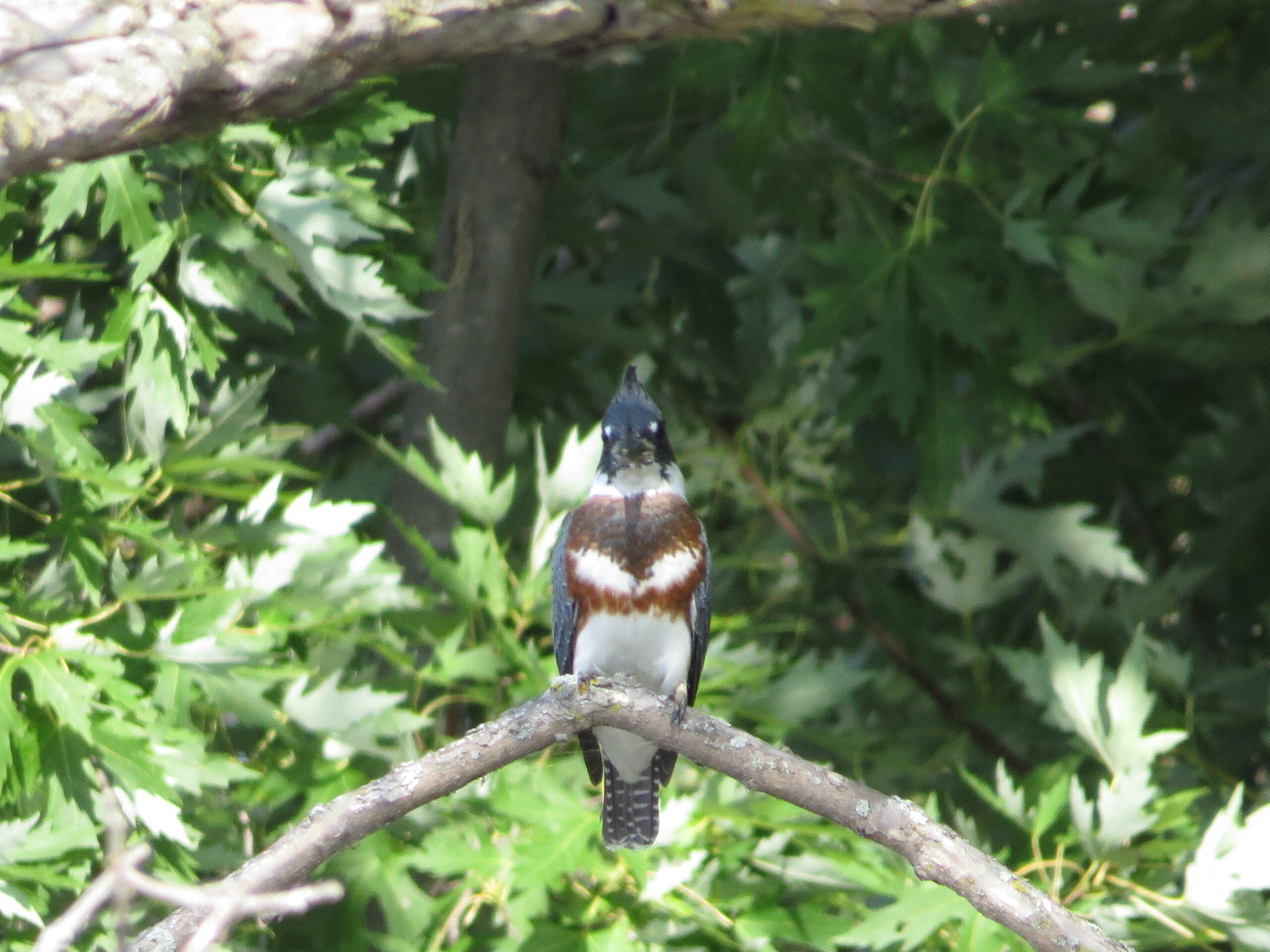
A young Belted Kingfisher flew among the branches along the bank. Her crested head and distinct breast feathers identified the small fish-eater.
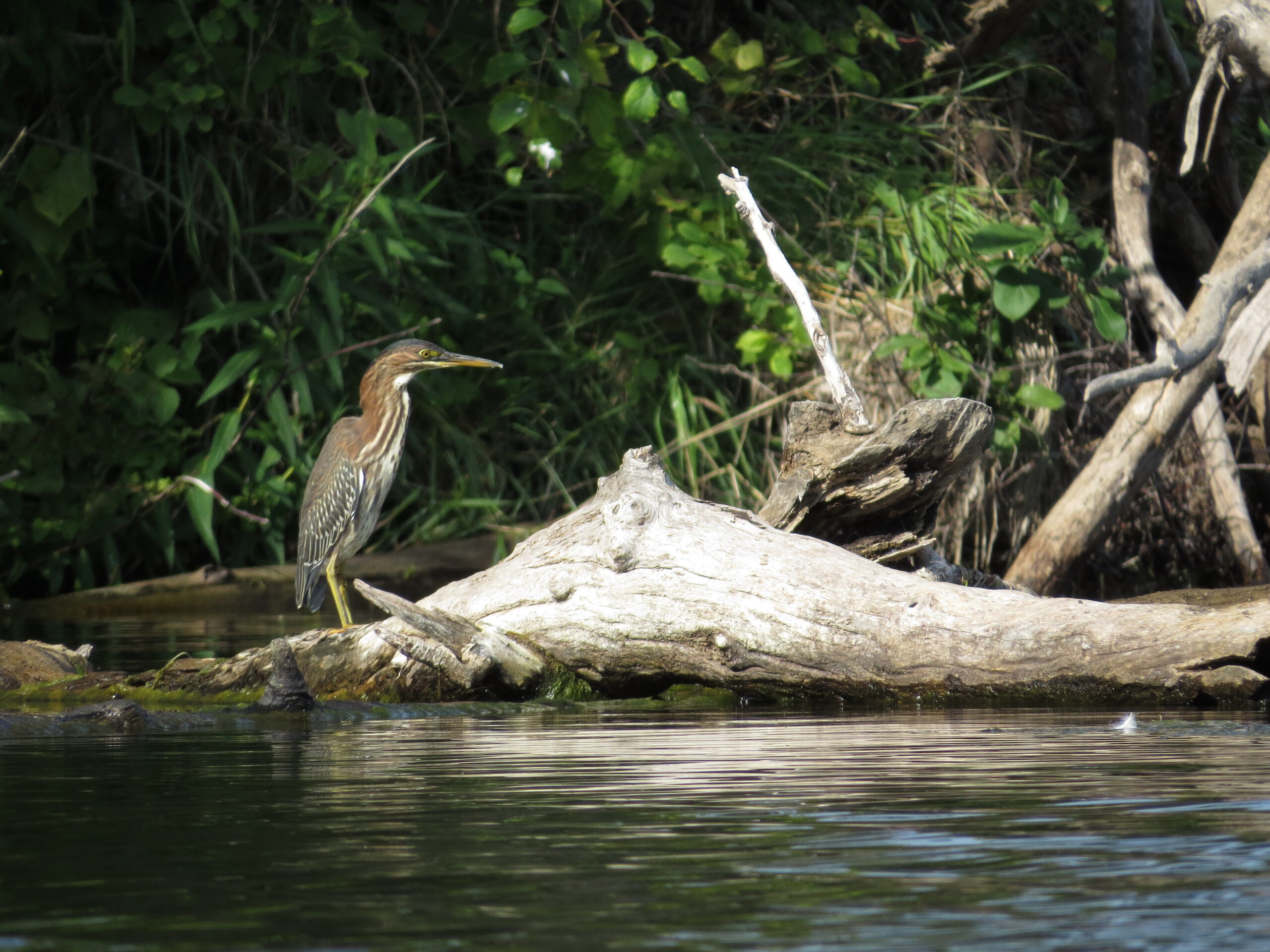
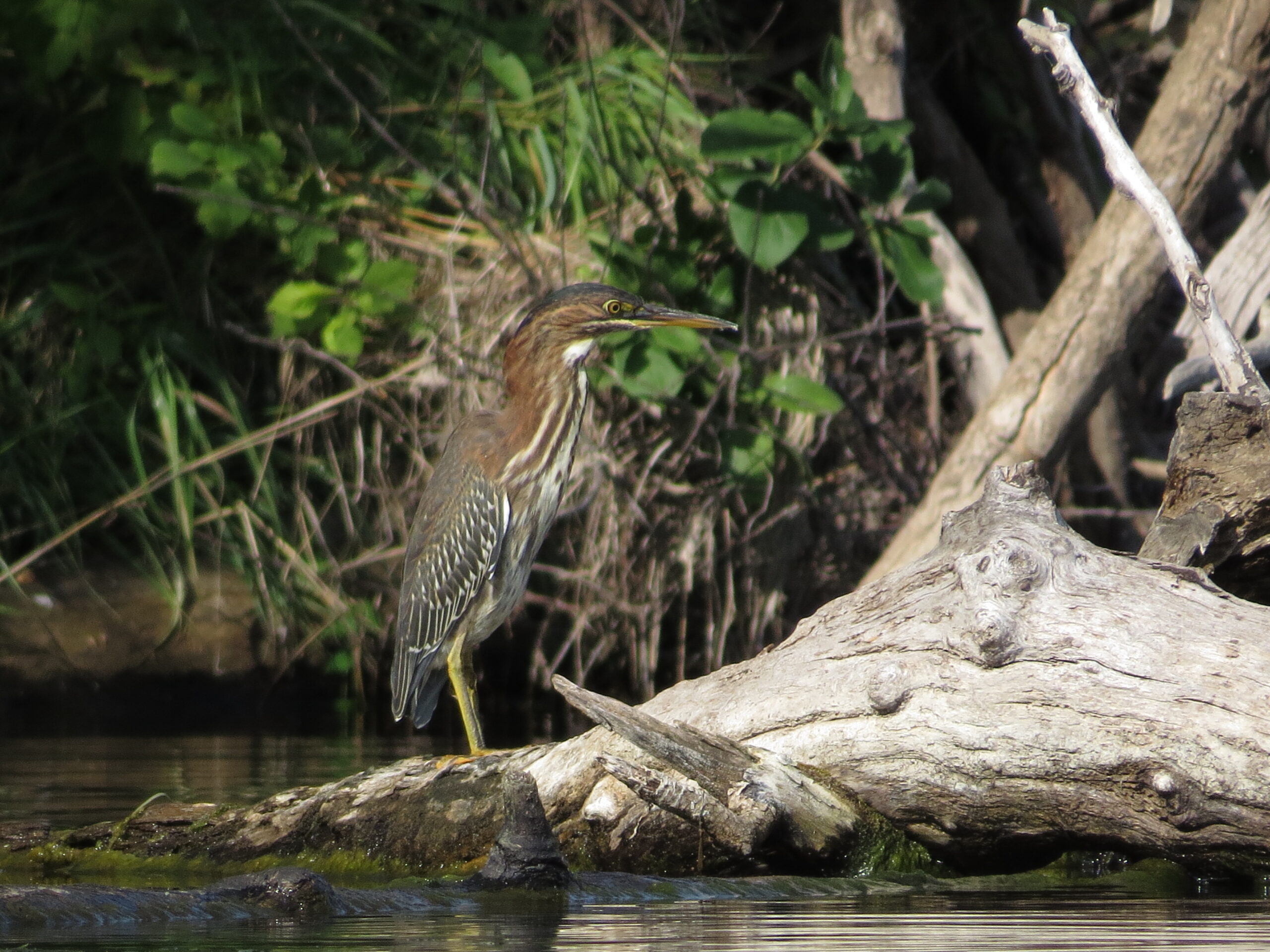
Another well-camouflaged water bird, a Green Heron, posed on a fallen log like a museum display. No movement, anonymity, and hopes of not being detected—all natural behaviors to enhance their food-finding fishing.
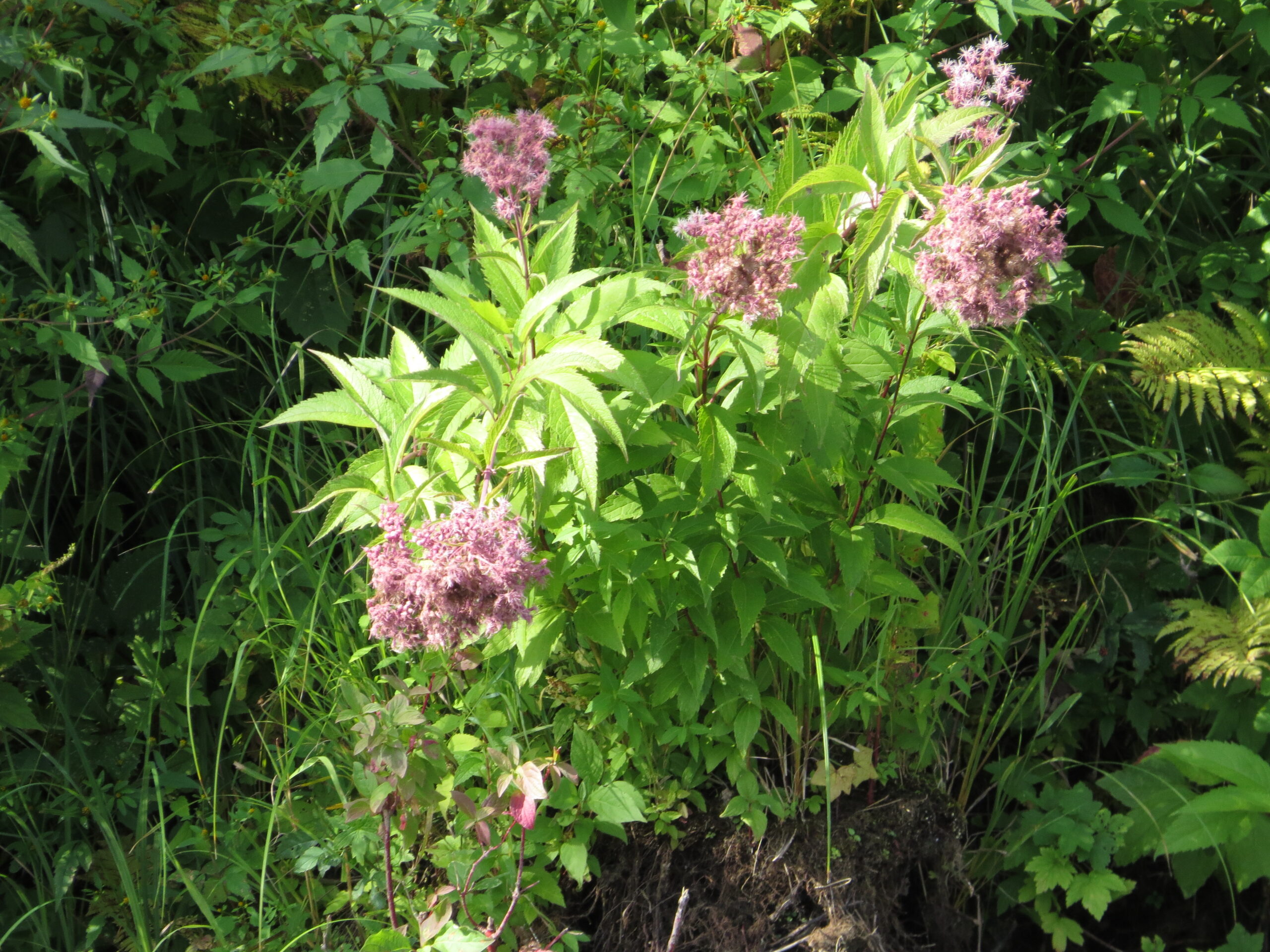
Joe-Pye Weed grew along the banks, their rosy clusters of flowers an important source of nectar for butterflies and bees at this time of year.
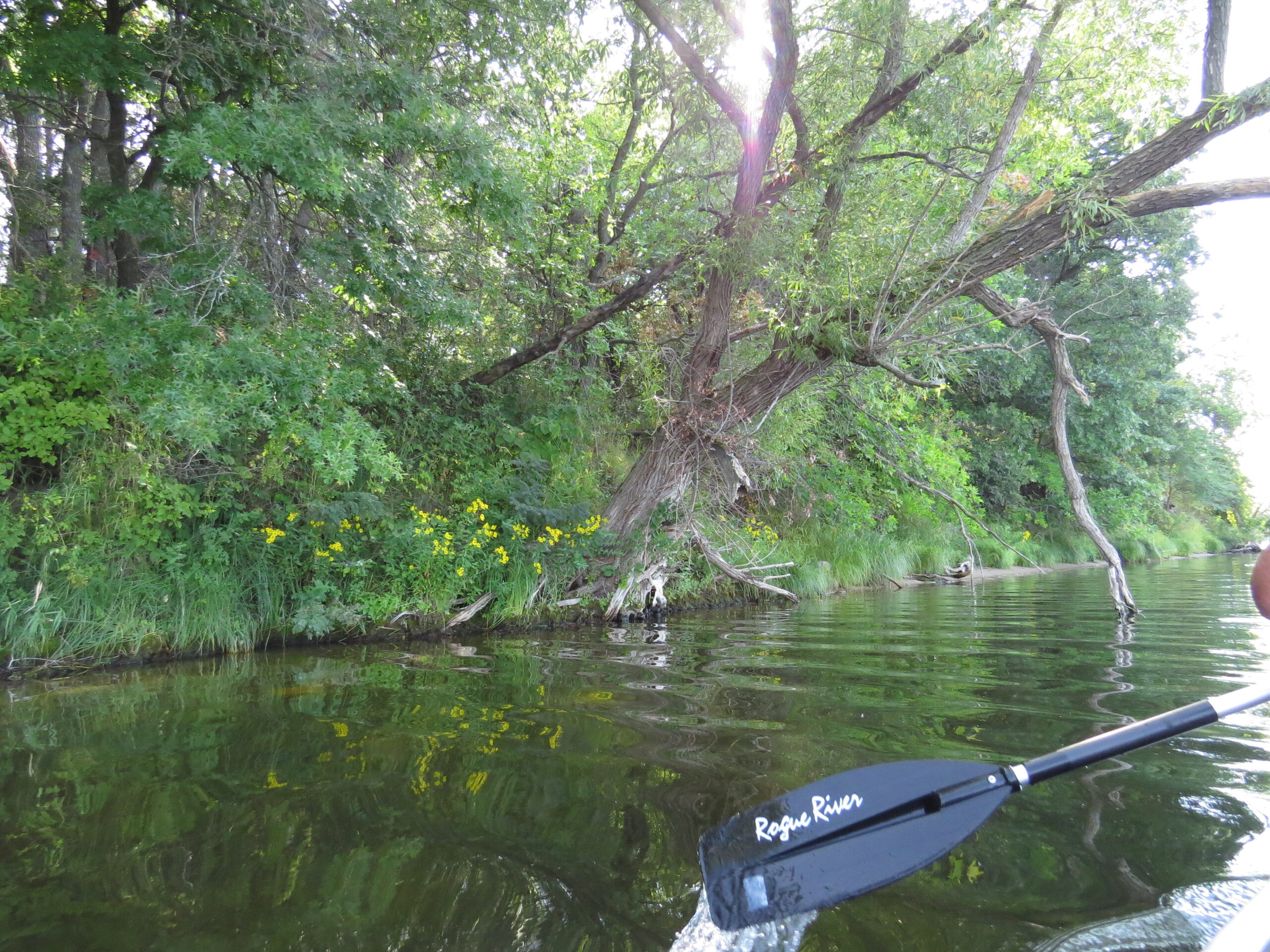
Another late summer flower to adorn the banks is Sneezeweed, a member of the Aster family. Its bright yellow petals and yellow-green ball-like centers make a cheery sight along with sunflowers in the green expanse of riverbank.
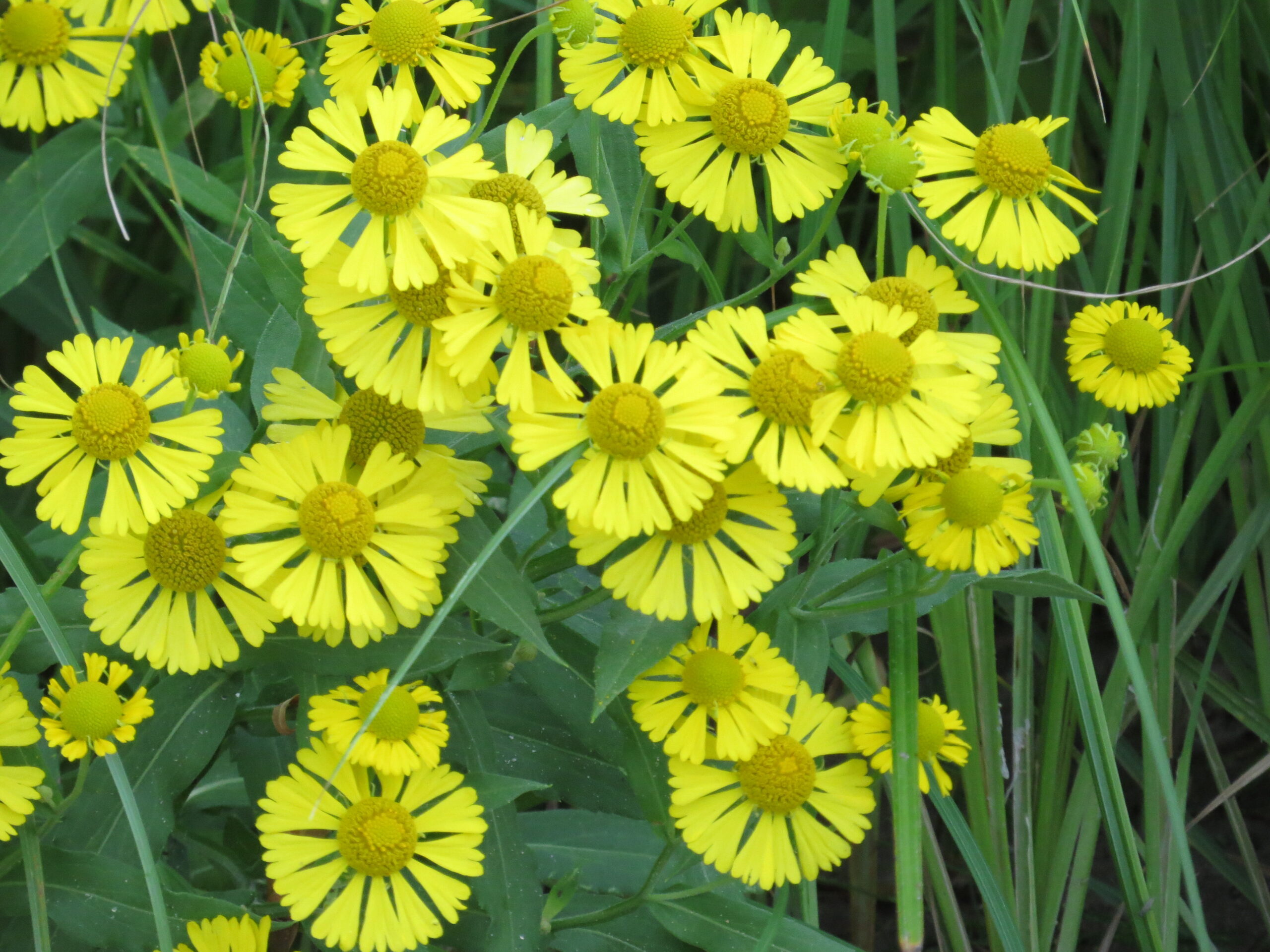
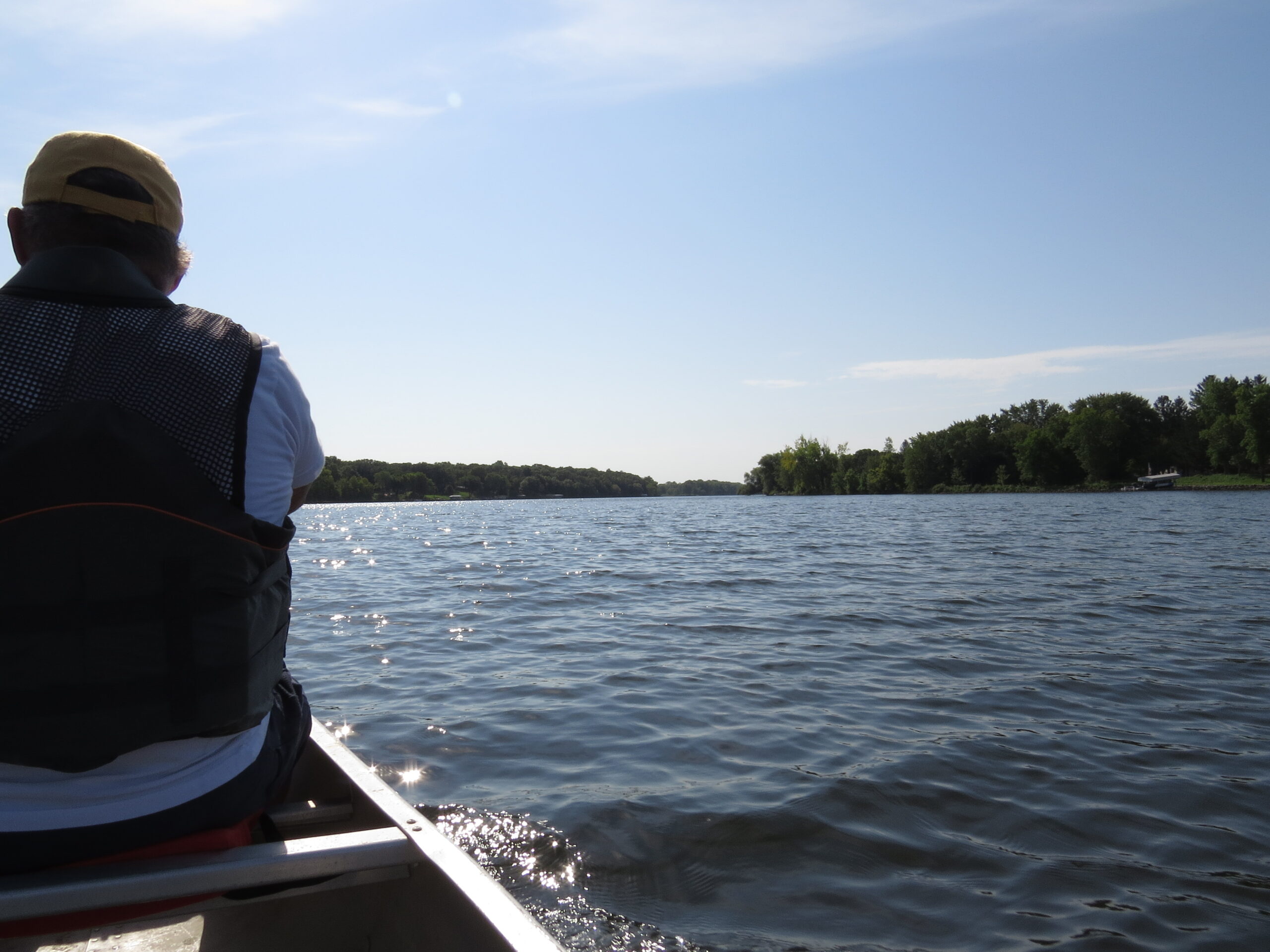
We paddled for three and a half to four miles; our goal was the dock of friends of ours who live down the road from us. The downstream current was negligible since rain had been so scarce the whole summer and the southeast wind blew the waves against us. Seeing the landscape from the River’s viewpoint in our relatively slow-moving craft was a peaceful gift in the late-summer morning.
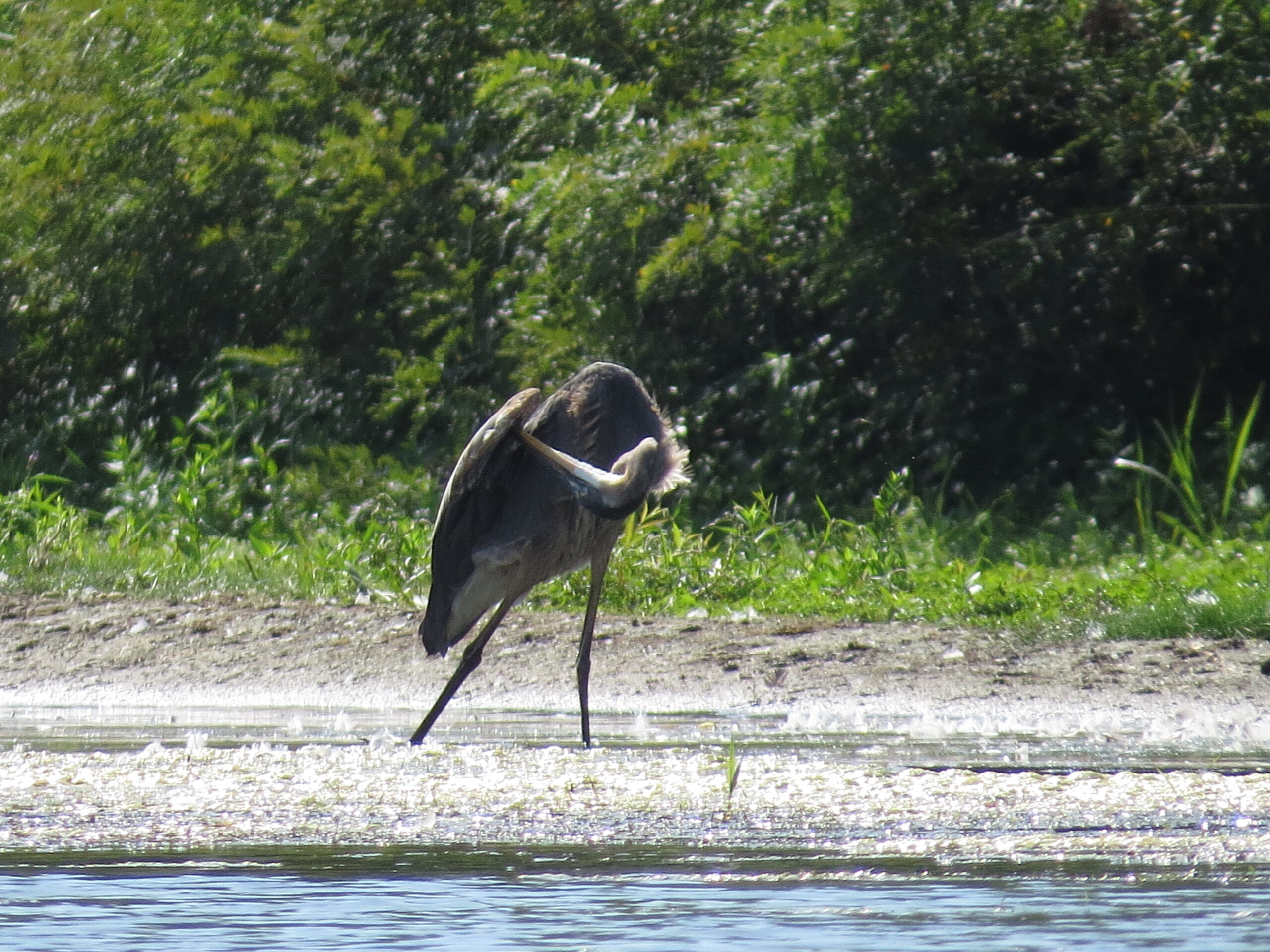
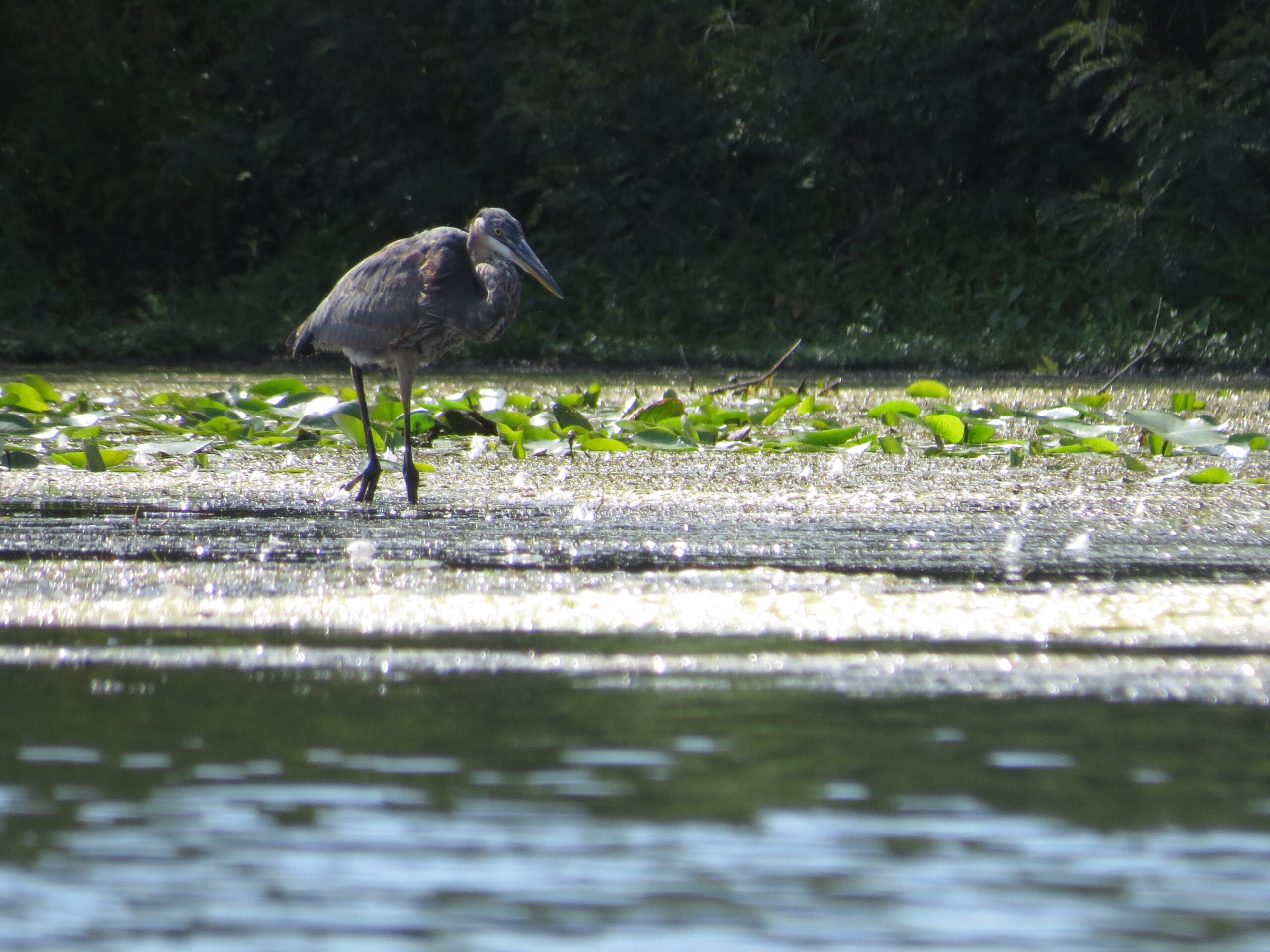
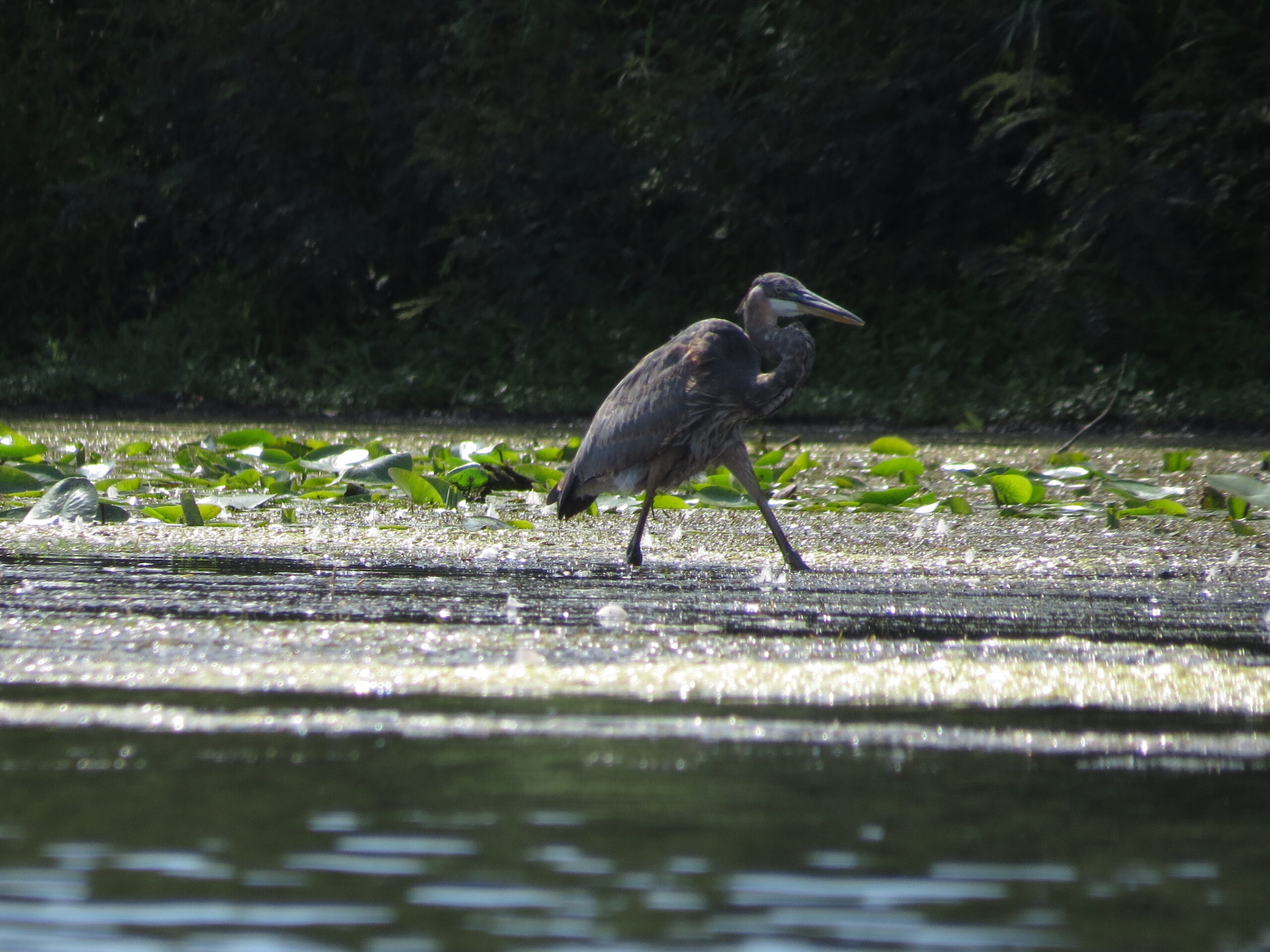
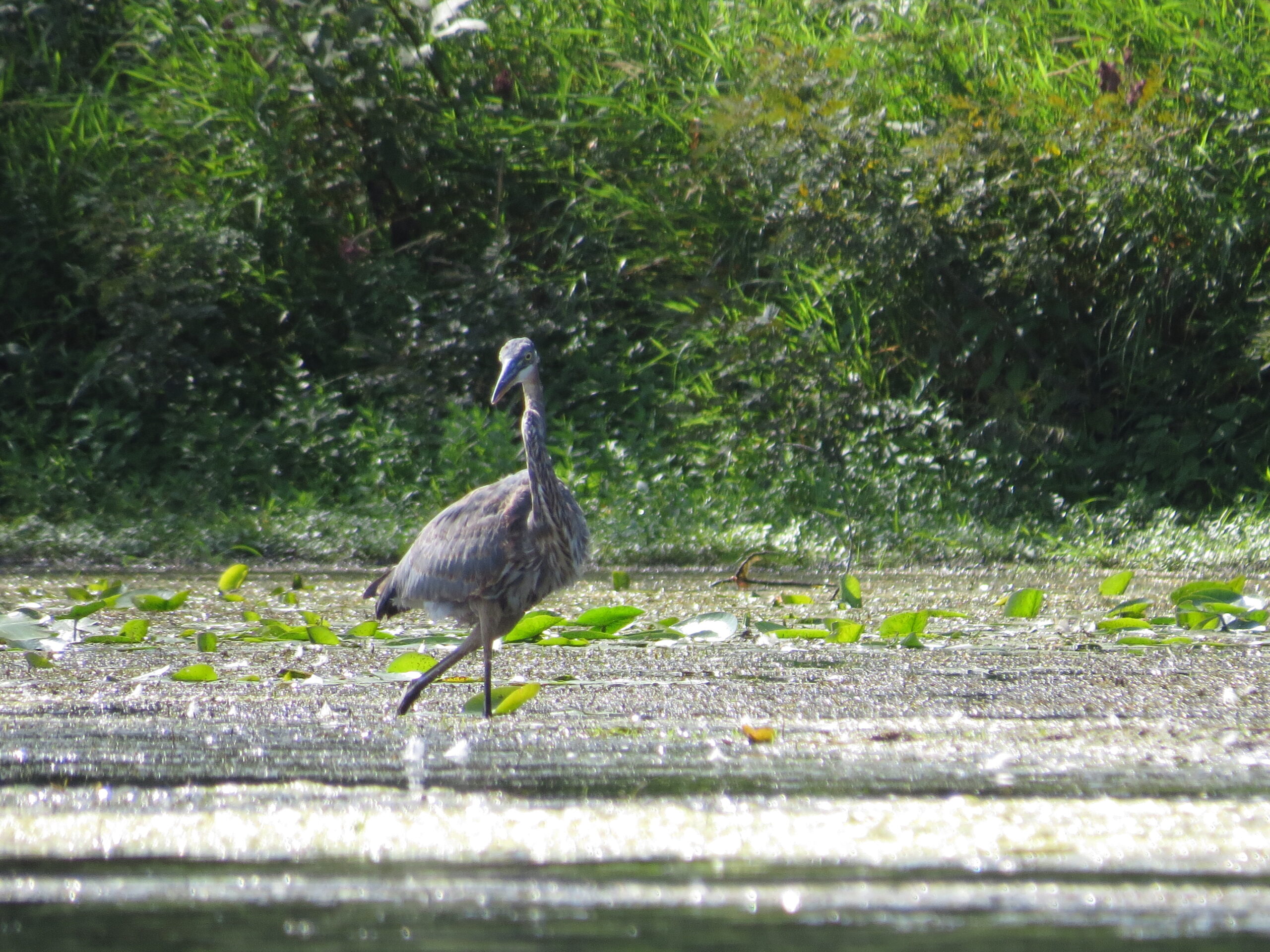
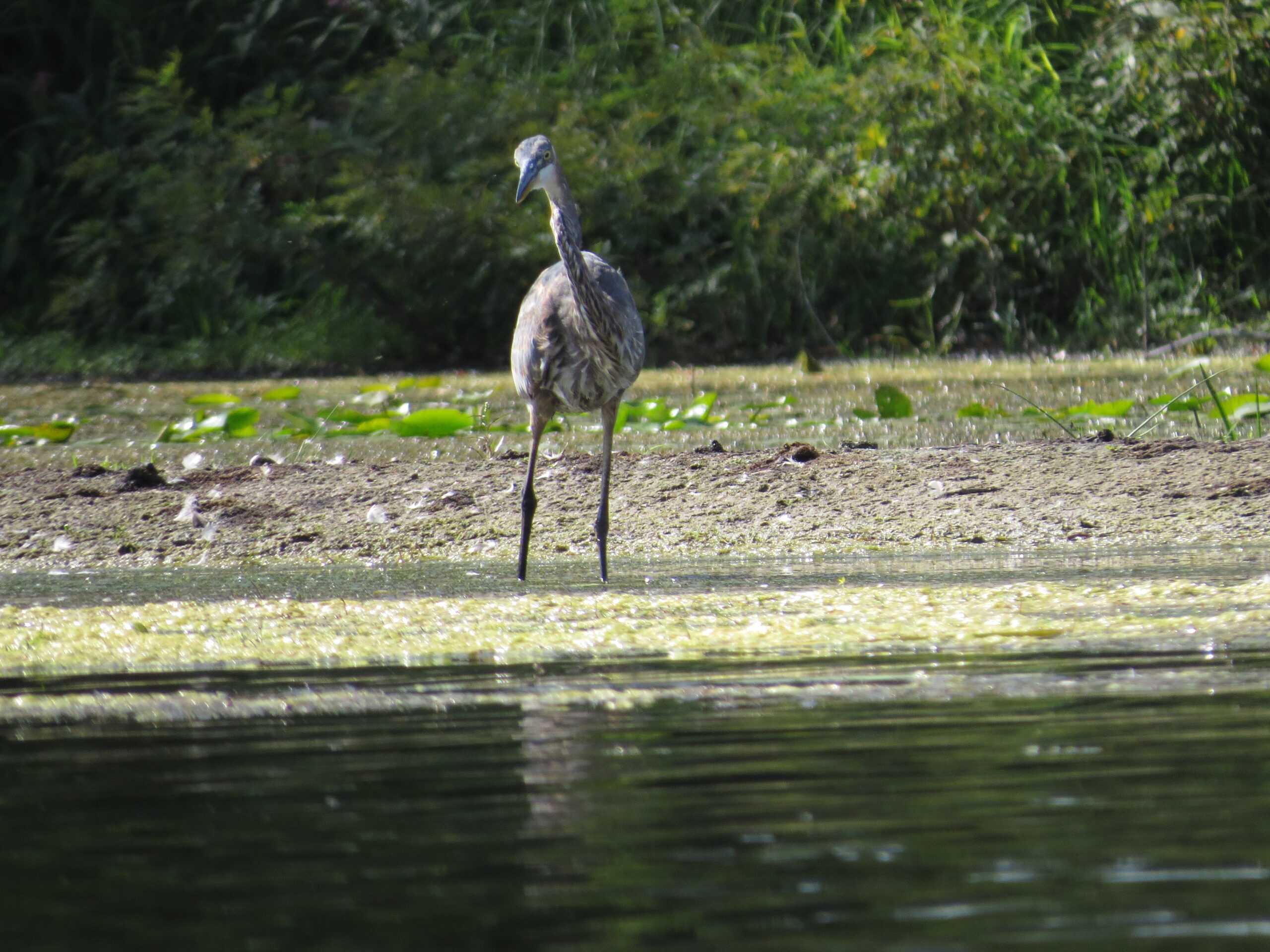
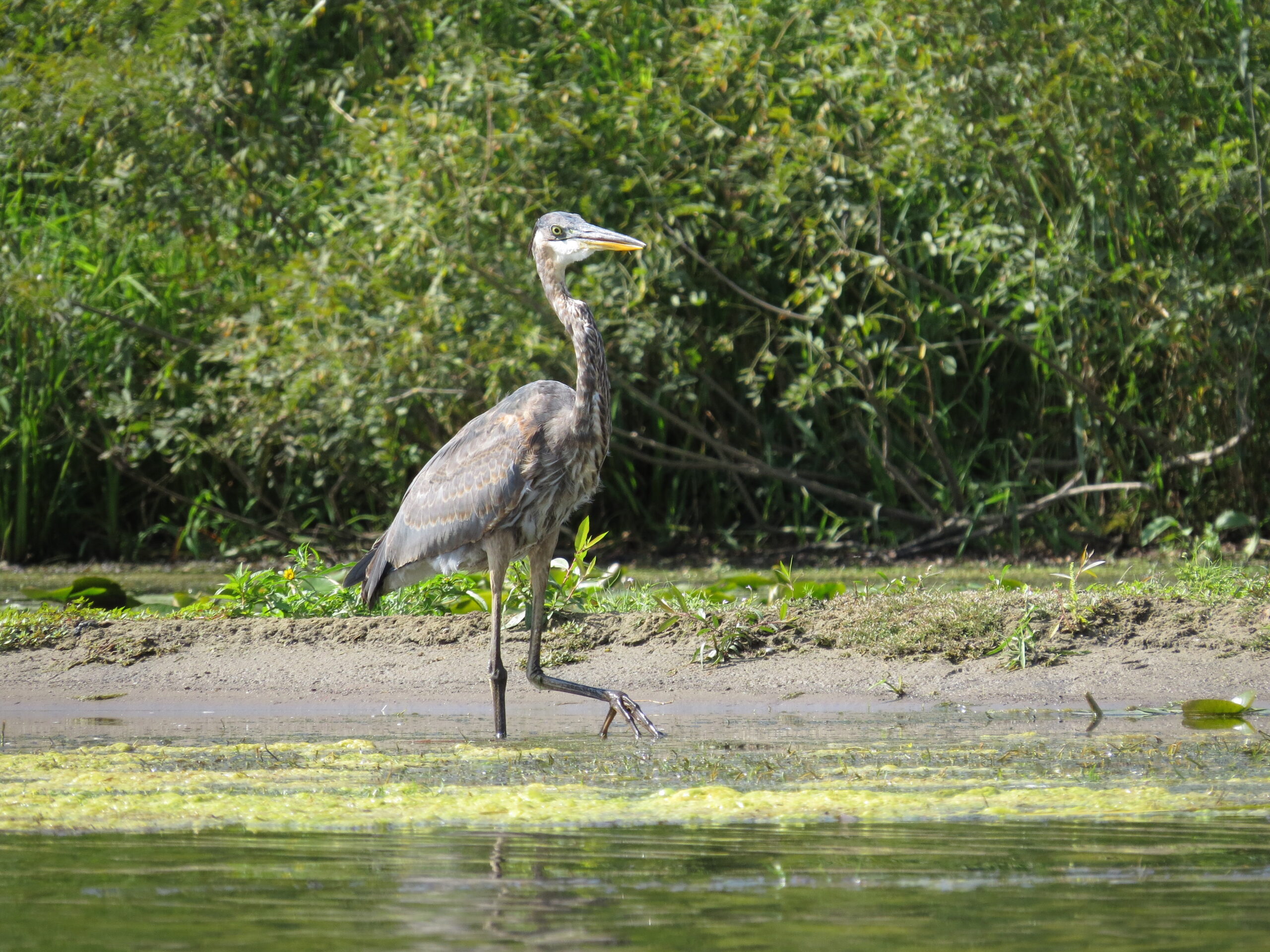
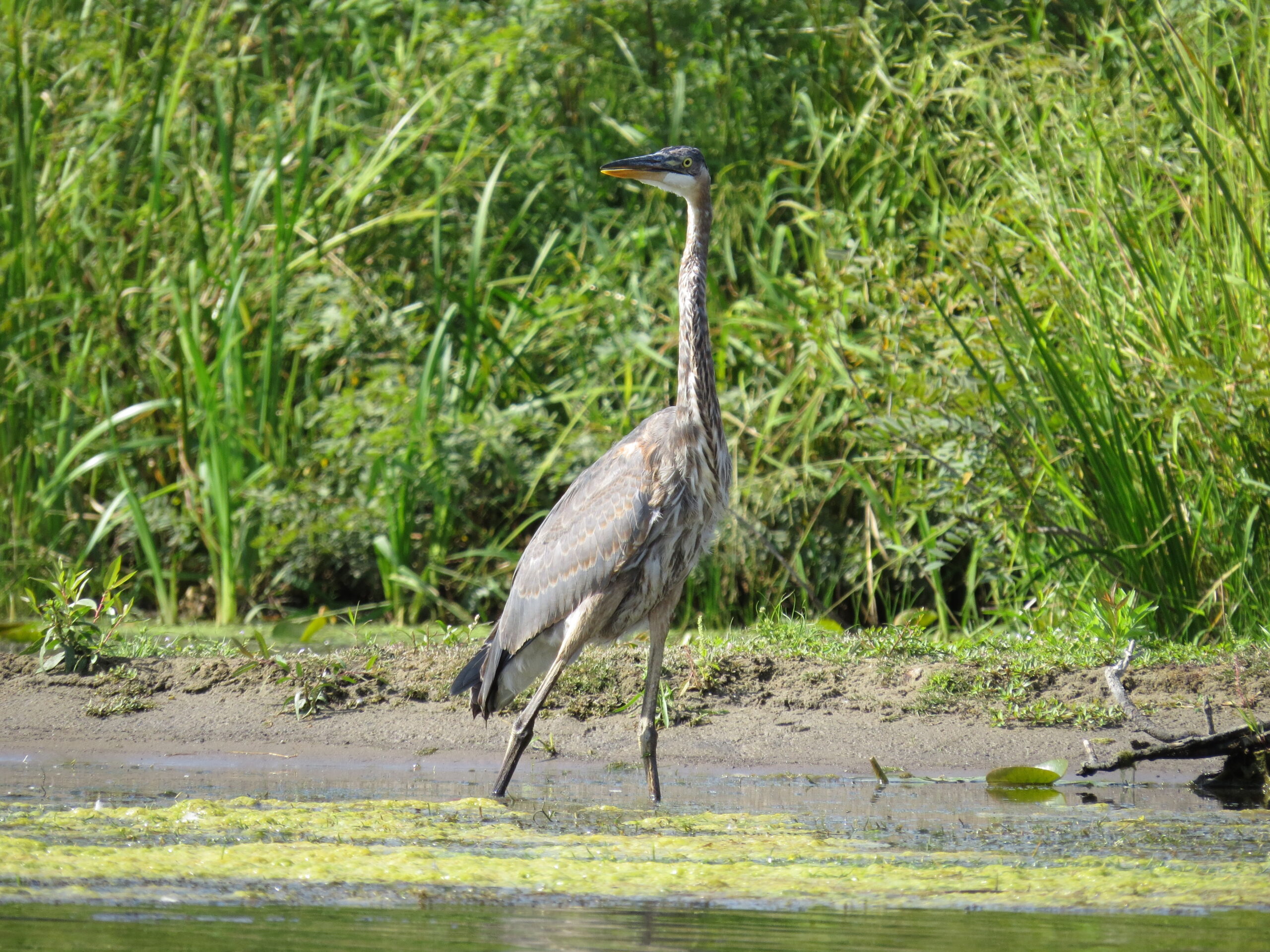
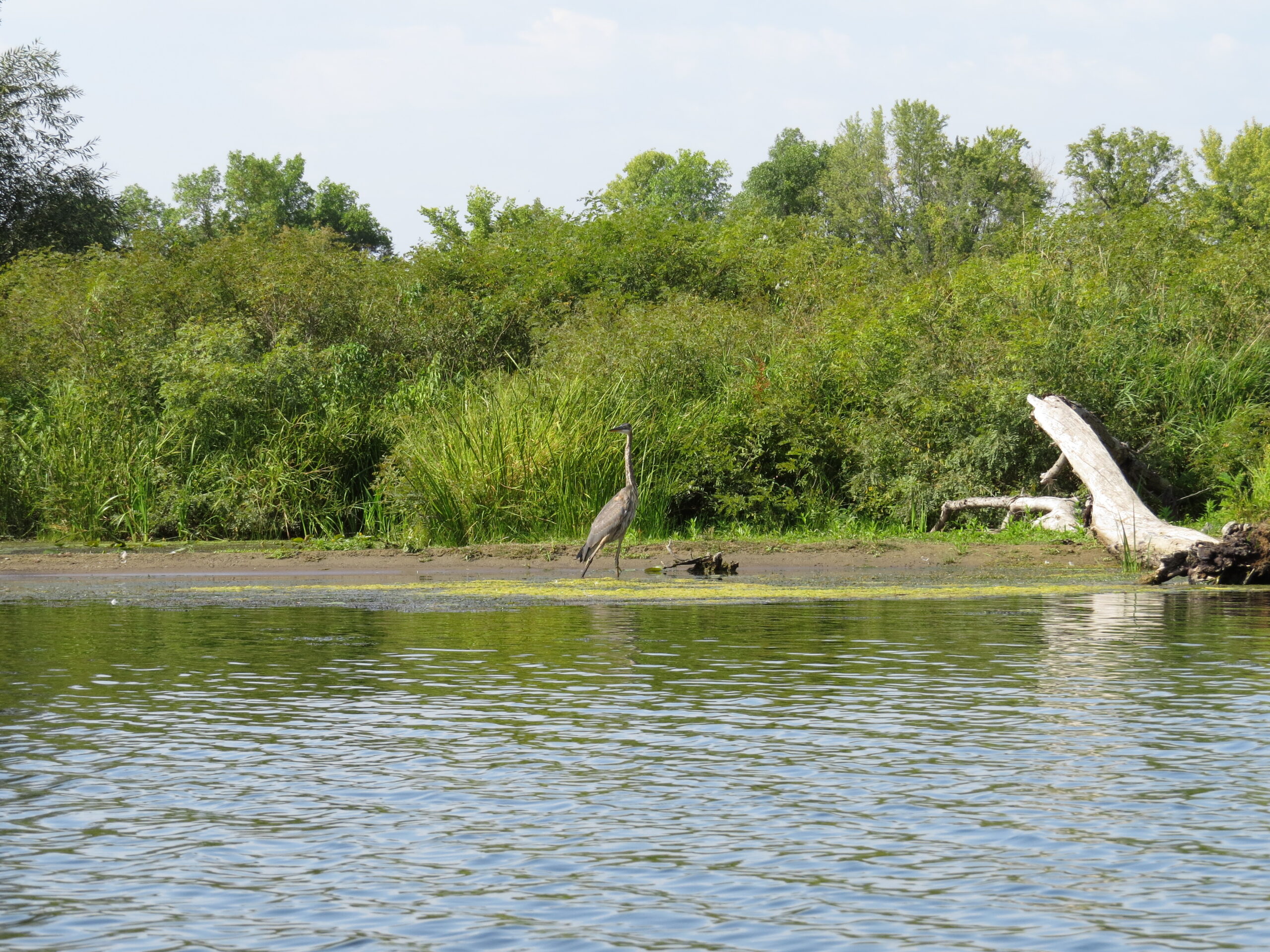
We circled around the north side of an island away from the channel where boats and jet-skis were beginning to make waves. I saw a Great Blue Heron standing in the shallow water, and we stopped paddling to watch the Great Bird on this Great River. We watched a slow-motion dance, beginning with a bow. Its long neck and long legs curved and bobbed, lifted and stretched, pranced and turned until it finished with a flair, standing tall and elegant on its home stage.
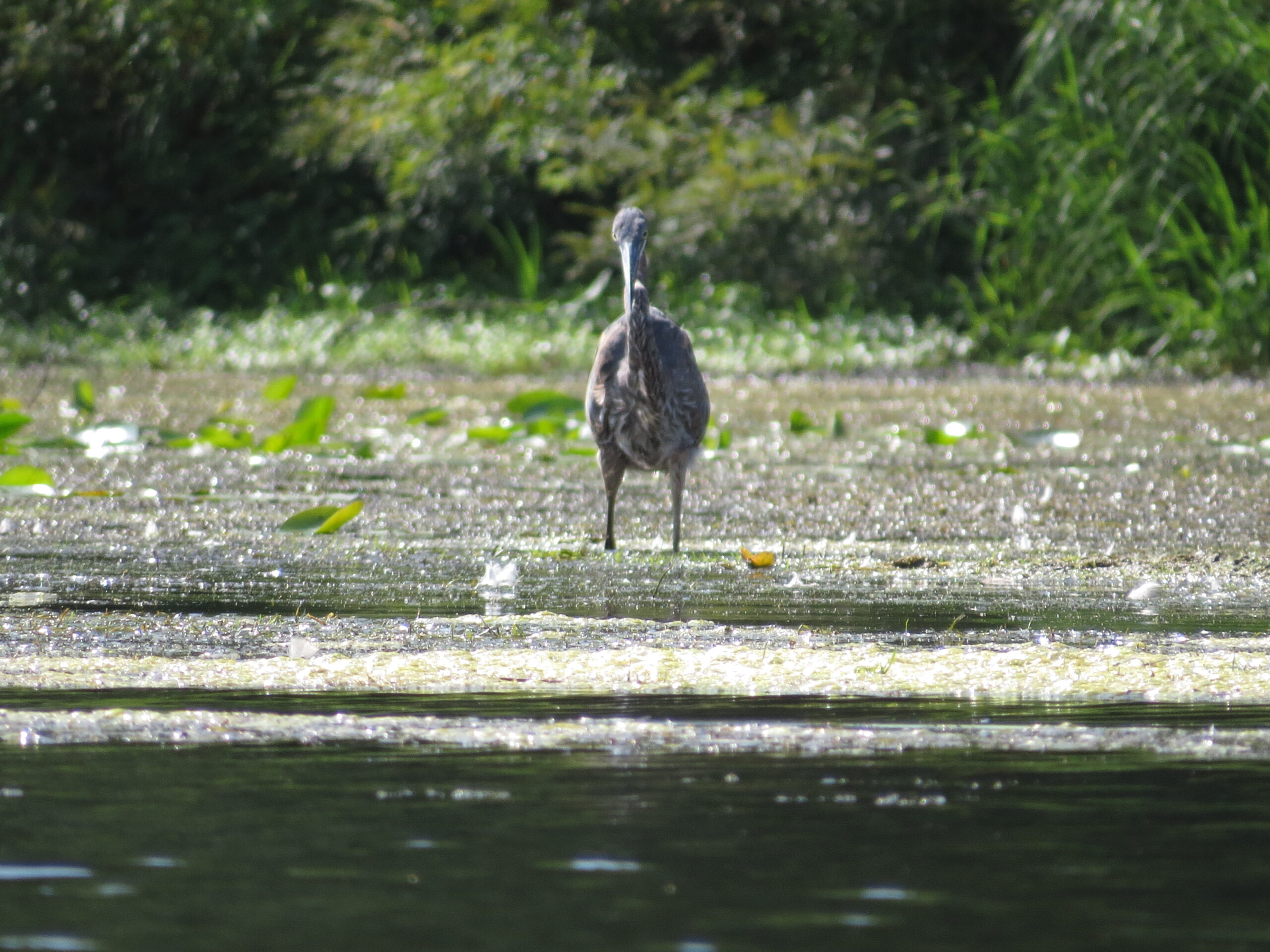
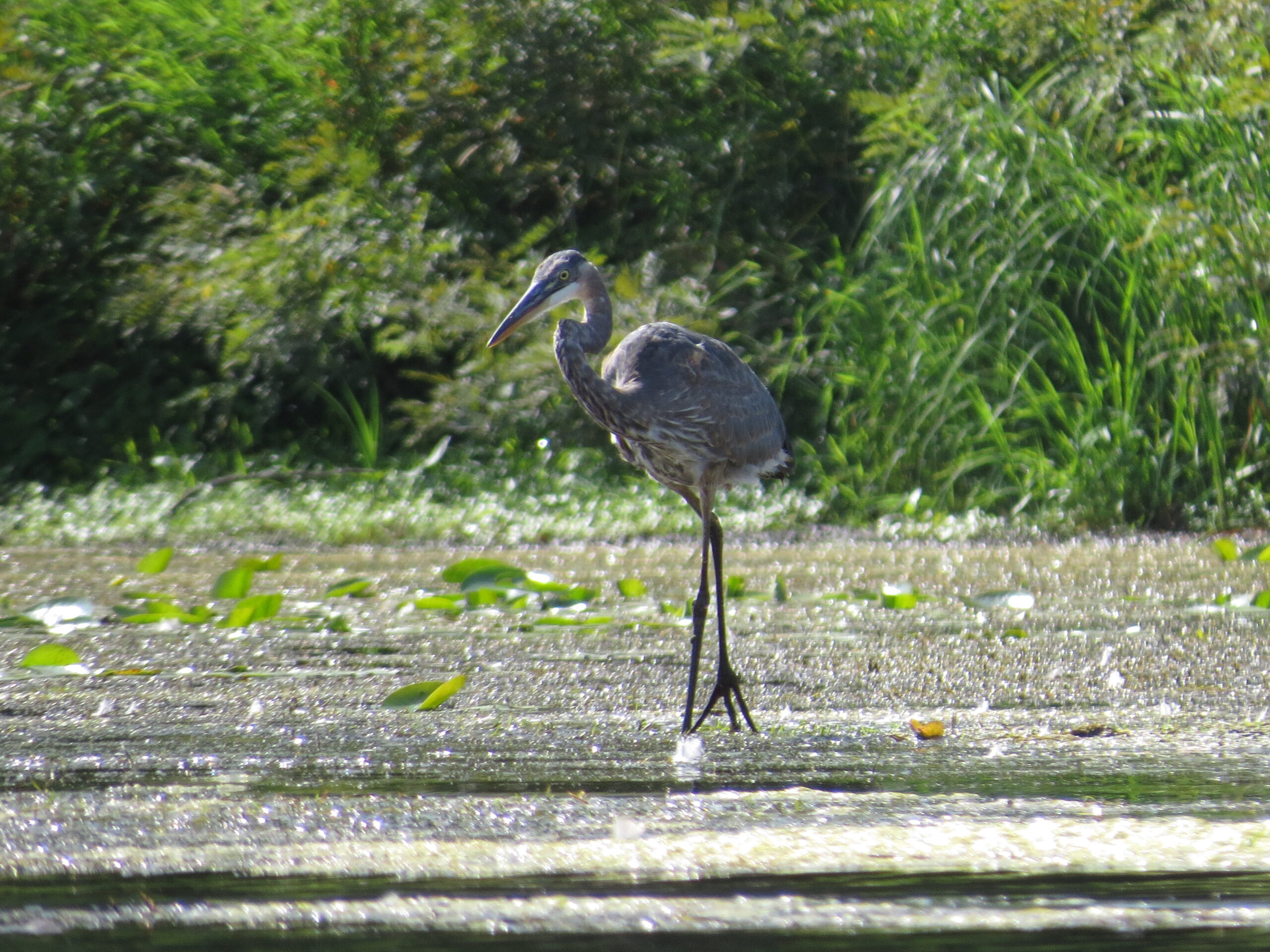
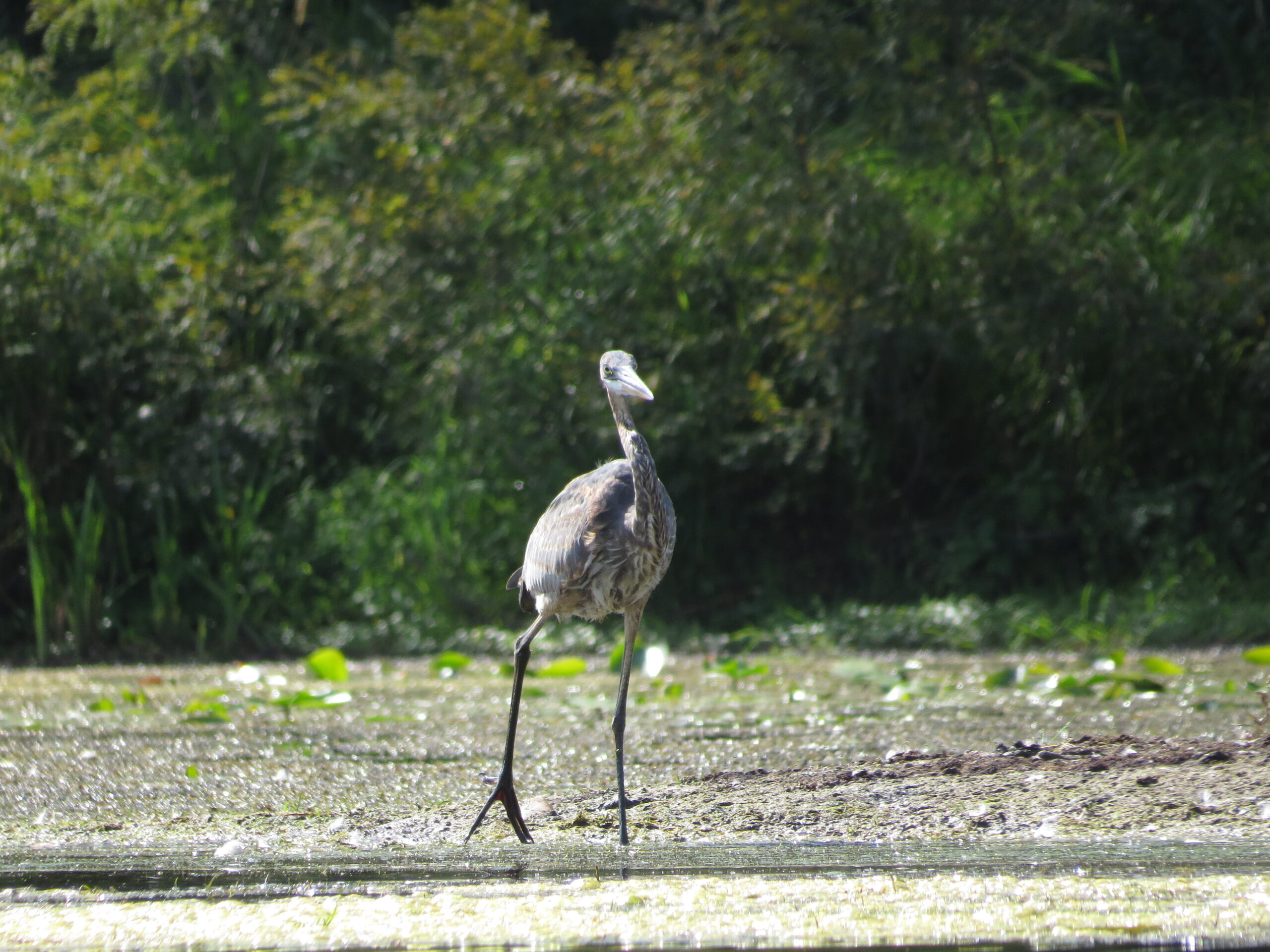
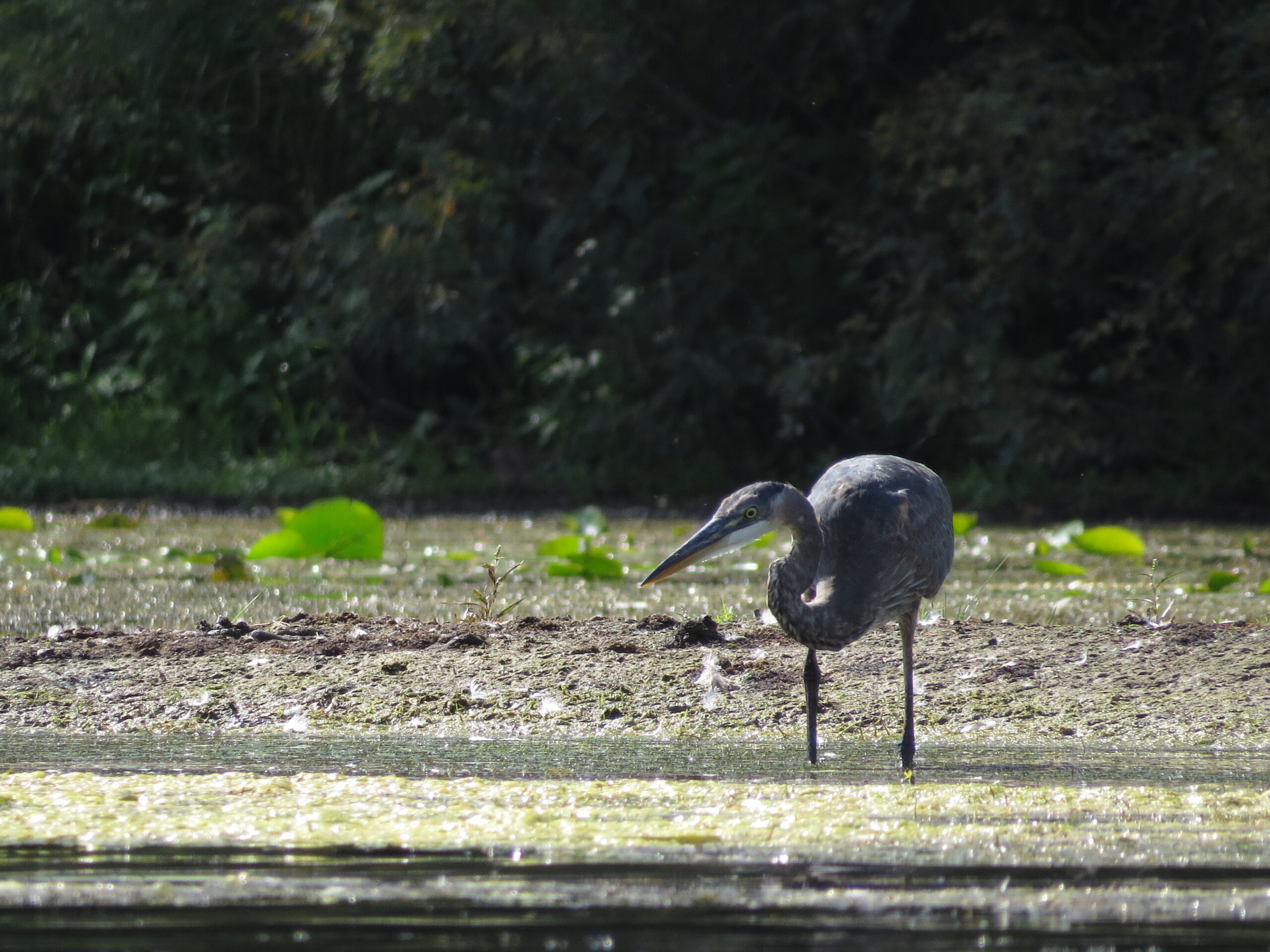
We left the island performance and concentrated on reaching our goal as the sun shone hotter, the River became busier with boats, and my legs grew stiff and tingly from inaction.
Our River trek took two and a half hours. Emily expertly landed us beside our friends’ dock. I awkwardly unfolded my legs from the bottom of the canoe and tried to move my uncooperating hips over the canoe seat while ‘staying low,’ in order to get to the ladder. Let’s just say I was not as graceful as a Great Blue Heron. But our canoe trek was the highlight of my weekend. It was wonderful to see this familiar River from ‘the other side,’ from the River’s point of view. There are so many things we miss or even dismiss when we look at some thing or some body or some issue only from the safe, familiar bank we are used to. Even the fast-boat river riders see and experience the River differently than the canoers and kayakers. It is an issue as old as time. Walk a mile in my shoes; paddle a mile (or three) in my canoe; work a day in my job; live a day in my skin. All impel us to live in empathy and understanding of people who are different from us and who experience life from a very different island of reference. I hope the River Dance reminds us all to live in empathy, peace, and grace.