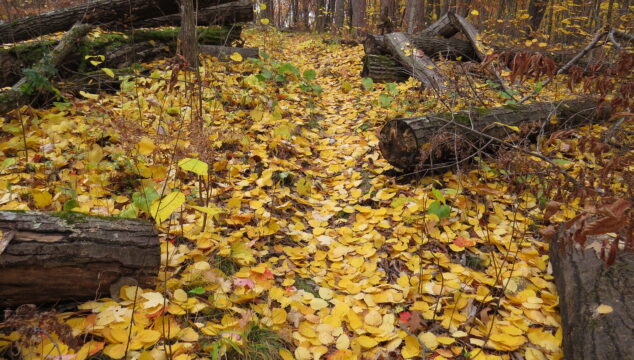
Come walk with me in the peak Autumn beauty of the Northwoods. To say that I love this time of year is an understatement. Most everyone can appreciate the colorful falling leaves---it reveals the 'true self' of a tree when its leaves are no longer producing chlorophyll. Their true colors are revealed, and there is something simple … [Read More...]
Archives for January 2022
Christmas Butterfly
It’s called the Hill of Life. It’s an entry point to the Barton Creek Greenbelt in Austin. The Greenbelt is composed of miles of trails, limestone cliffs for climbing, swimming holes (when there’s enough water), and ‘greenery’ that follows Barton Creek as it winds through southwest Austin. The Hill trail descends 300 feet in less than half a mile on a limestone boulder and gravel path surrounded by Ashe Juniper trees. (One of their many common names is Brake Cedar!) The Hill of Life is judiciously called another name—‘The Hill of Death’—by some who use the hill for the challenge of training for running or biking.
It was Christmas Eve afternoon, so there were not many people on the trail. I was experiencing a mild case of season dysphoria after leaving snow and cold in Minnesota and then hiking in temperatures in the high seventies in Austin. I do not associate Christmas with sweating.

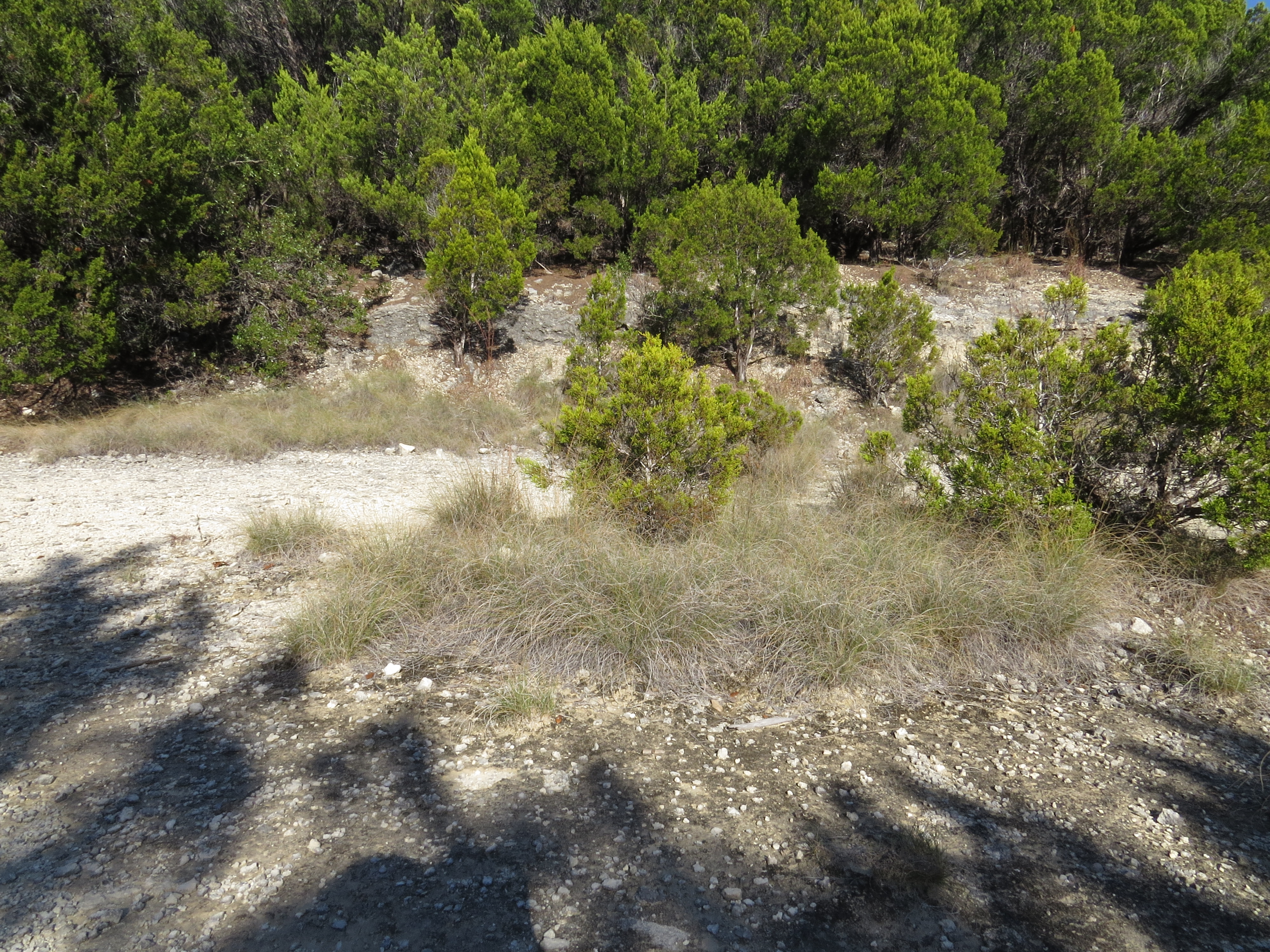
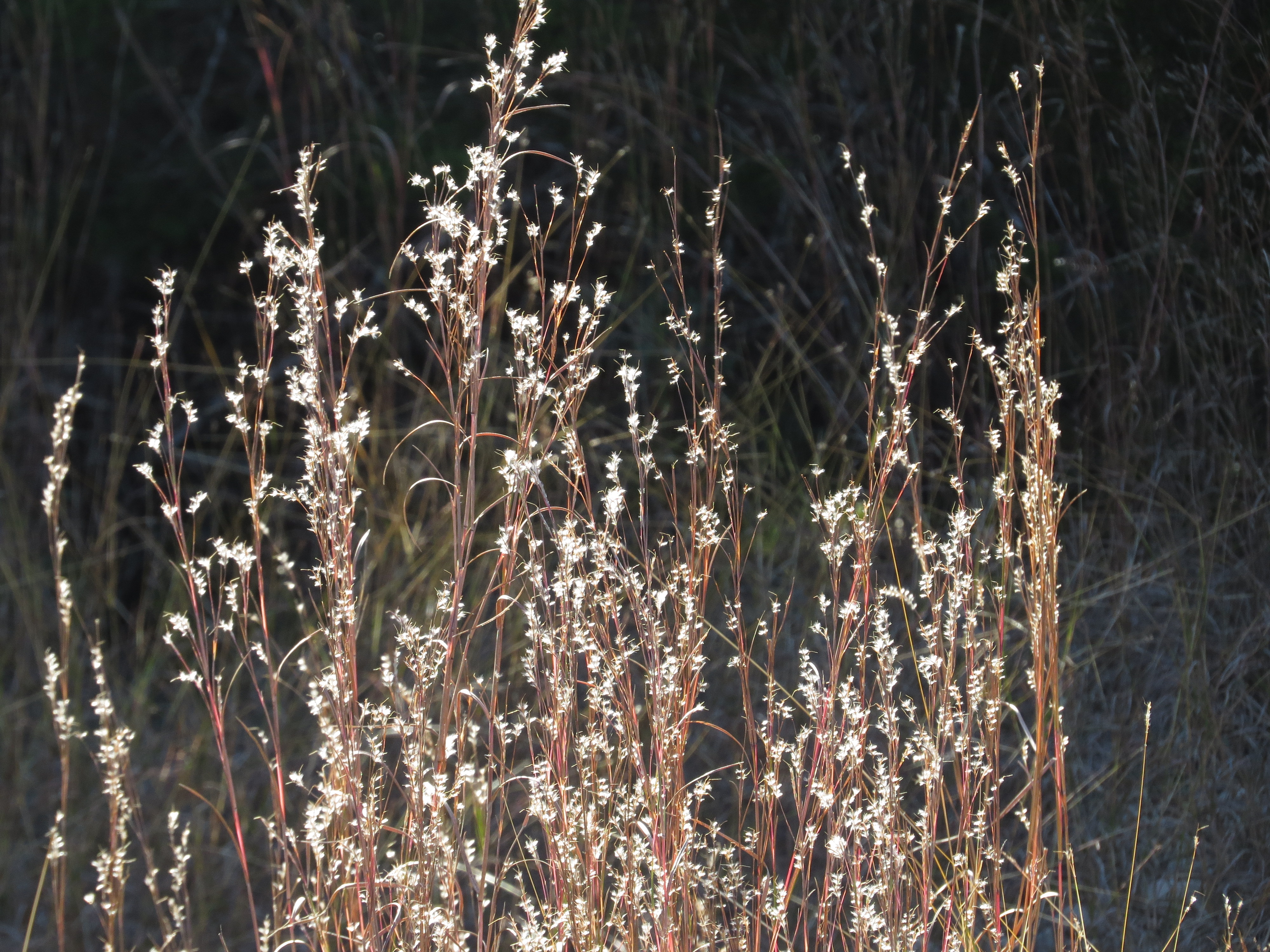
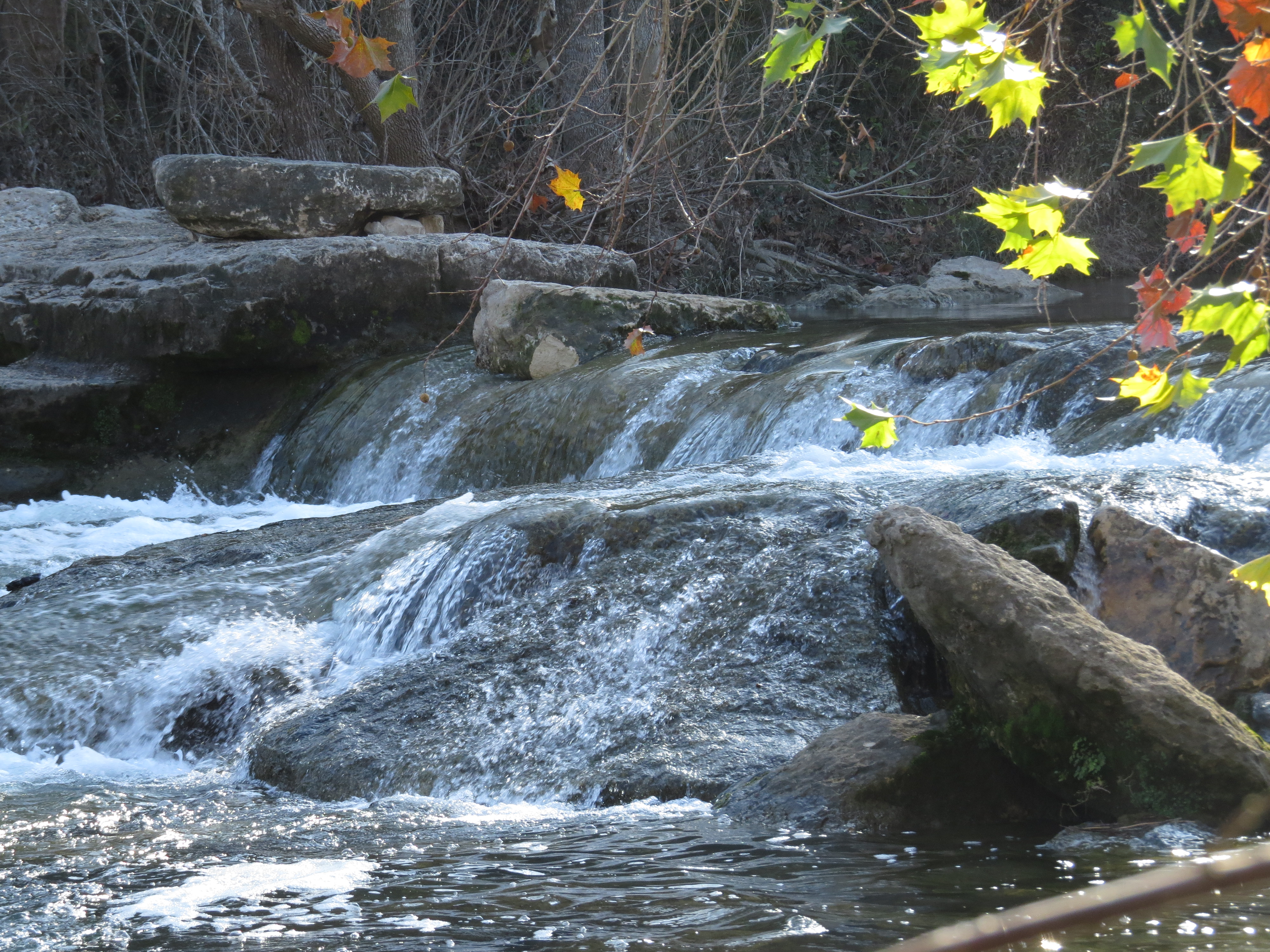
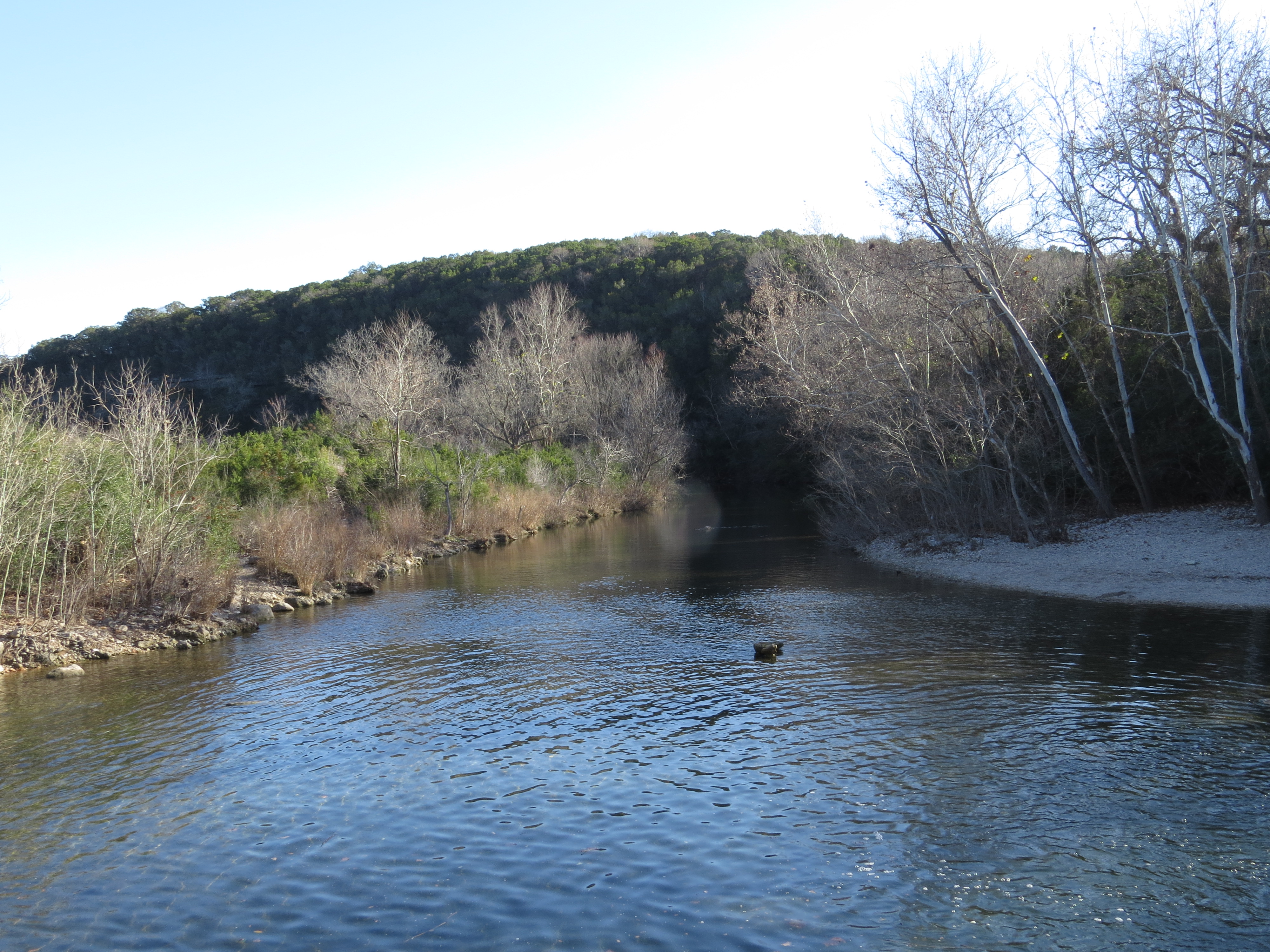
Going down was fairly easy—just watching our steps on the rocks. Once we got to the bottom of the cliff, we arrived at the clear, burbling Barton Creek. The water was warm enough for Chris to wade in (what?!) The trees in Texas are a funny combination of those that lose their leaves for ‘winter’ and those that keep them year-round, like the Live Oaks. The large Sycamore trees still had some lime-green to brown leaves clutching their branches, while others had fallen to the ground.
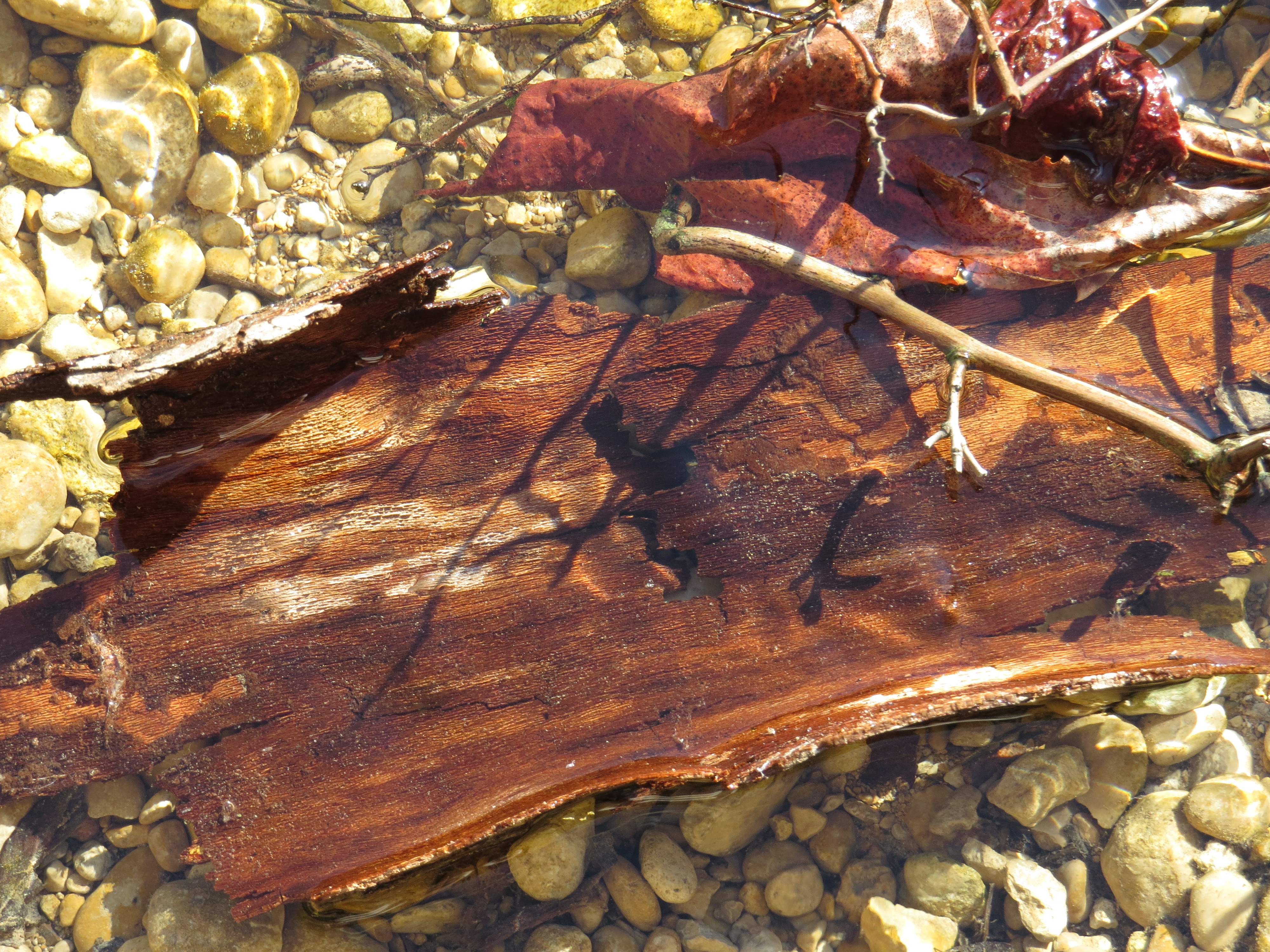
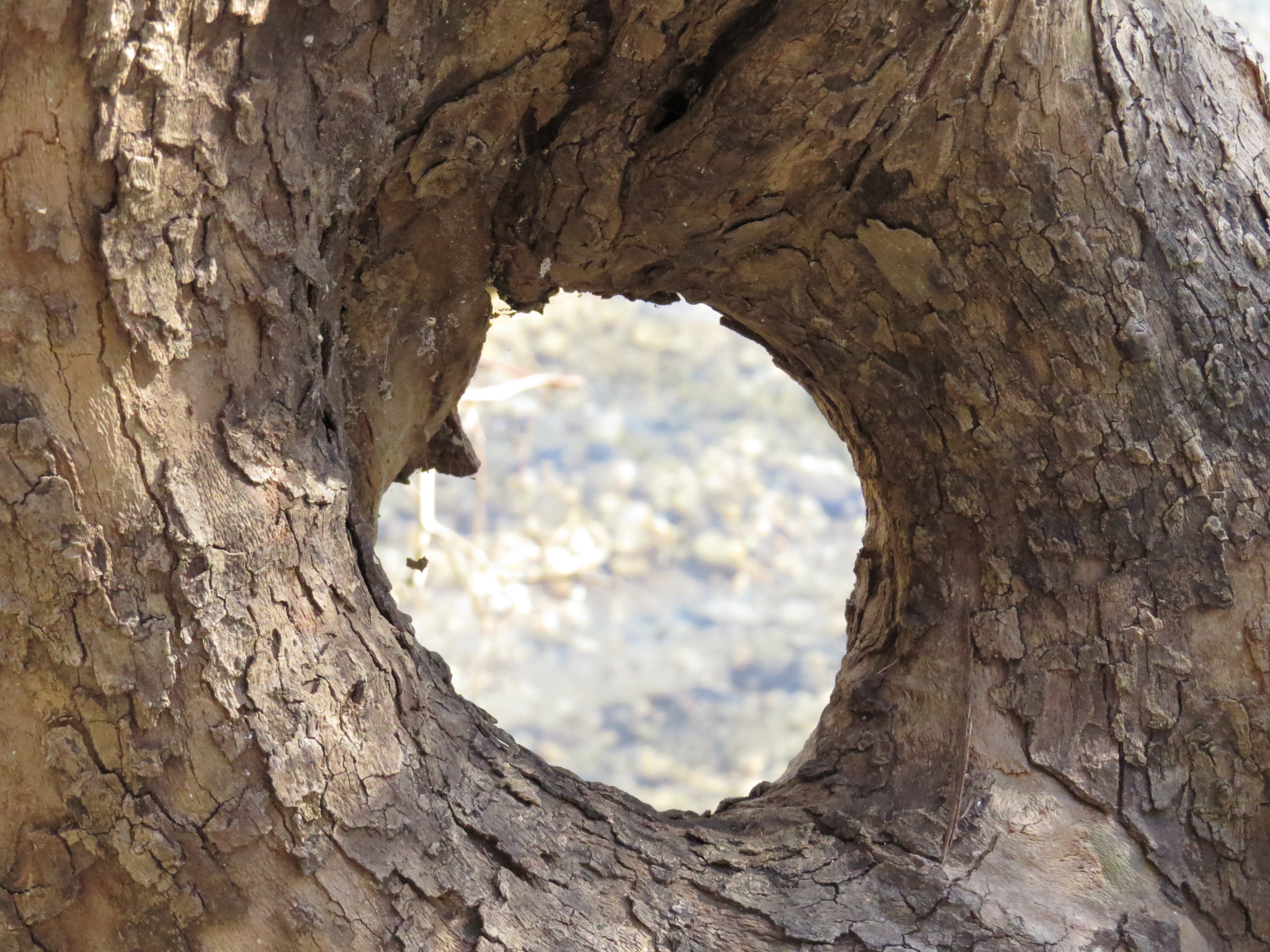
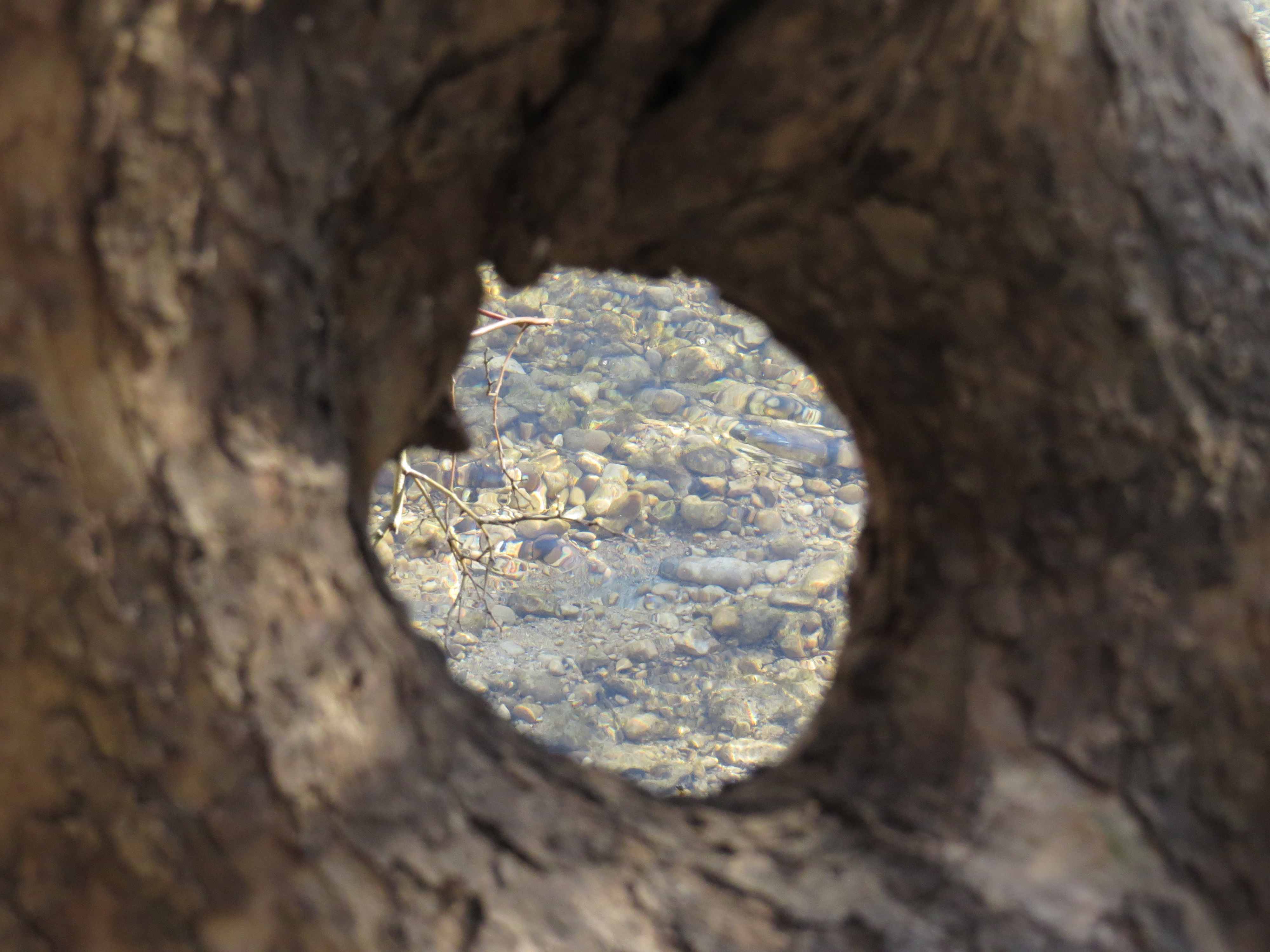
A creek-side tree had grown in a circle—an interesting, intriguing tree to look at, to focus on—but then being able to look through the hole to the creek, to the water, to the pebbles under the clear water.
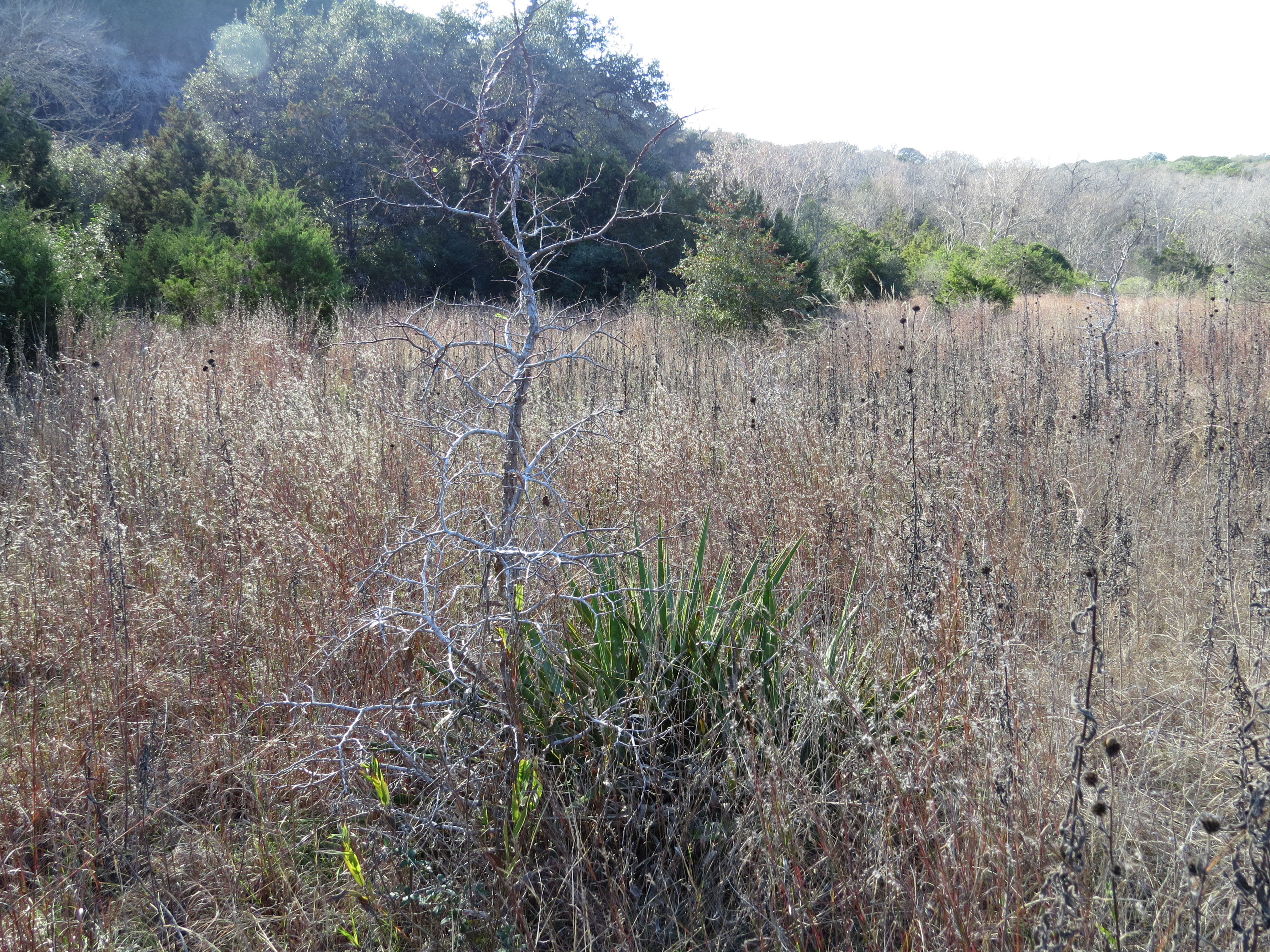
Emily knew the way to another waterfall through an open prairie meadow punctuated with spikey green Yucca plants.
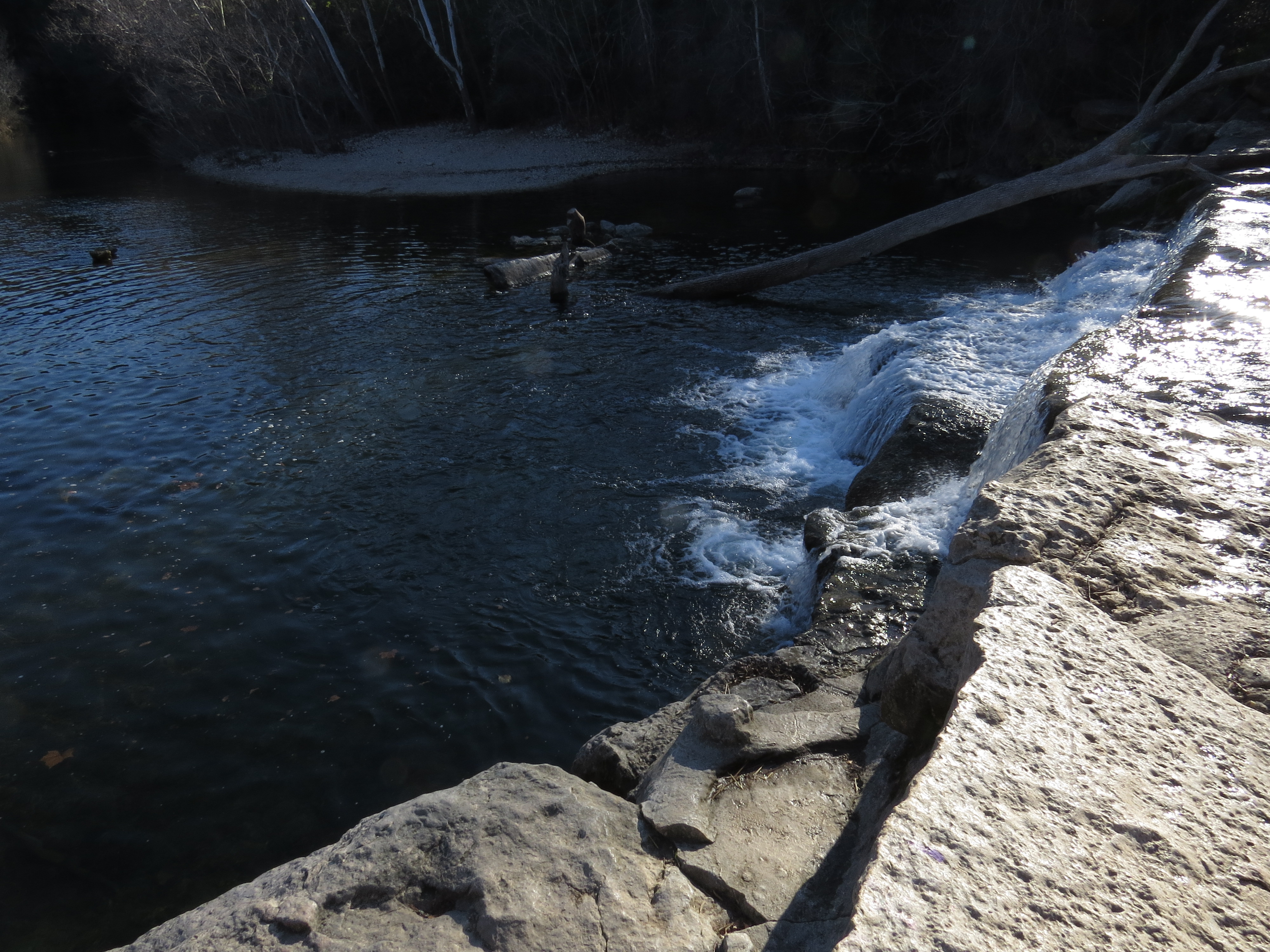
We could hear the waterfalls before seeing them, then walked to the pool beneath the falls where a ‘buddha’ stump sat calmly in the sparkling water. (I may have been the only one who thought it looked like a buddha.)
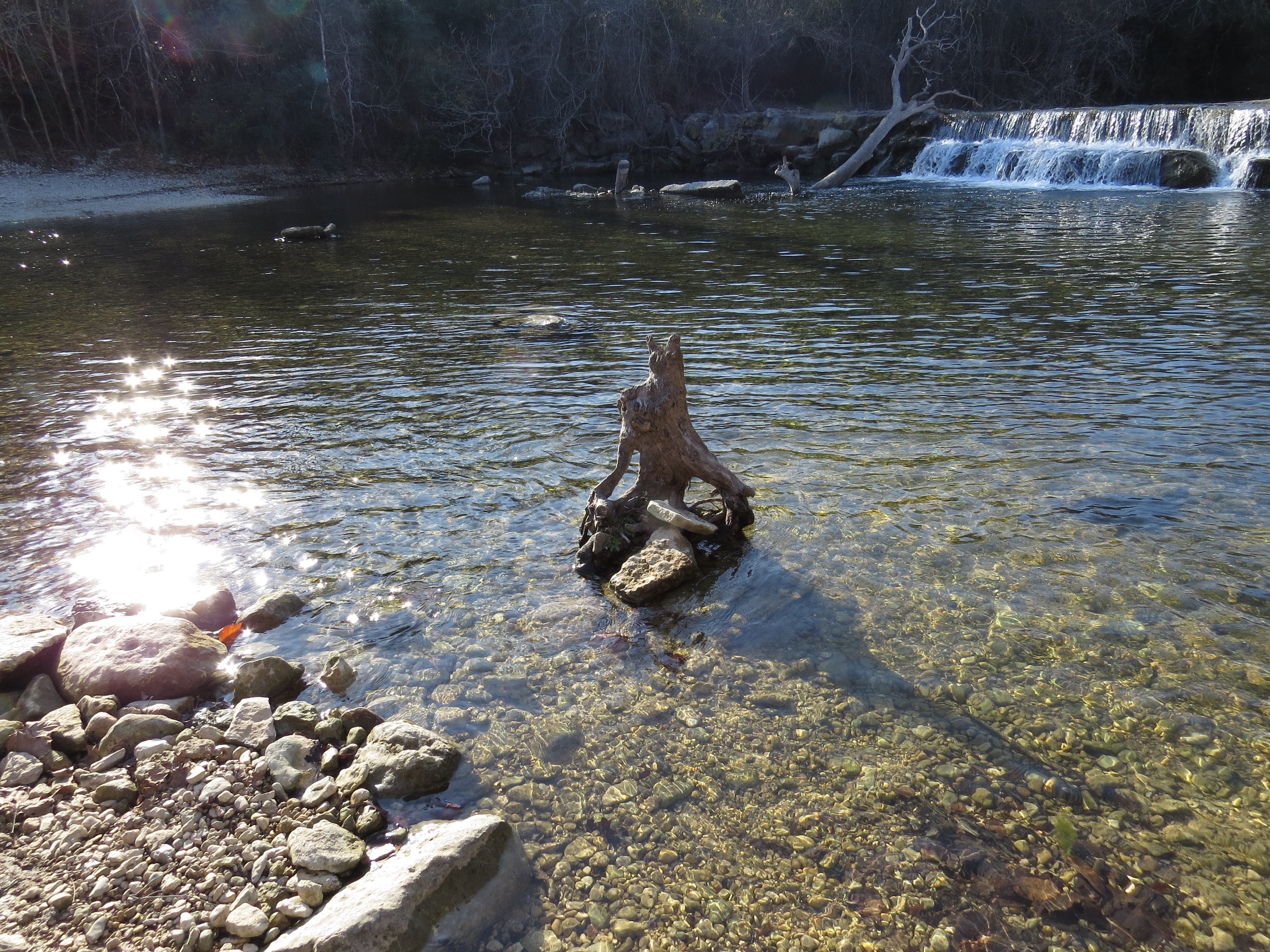
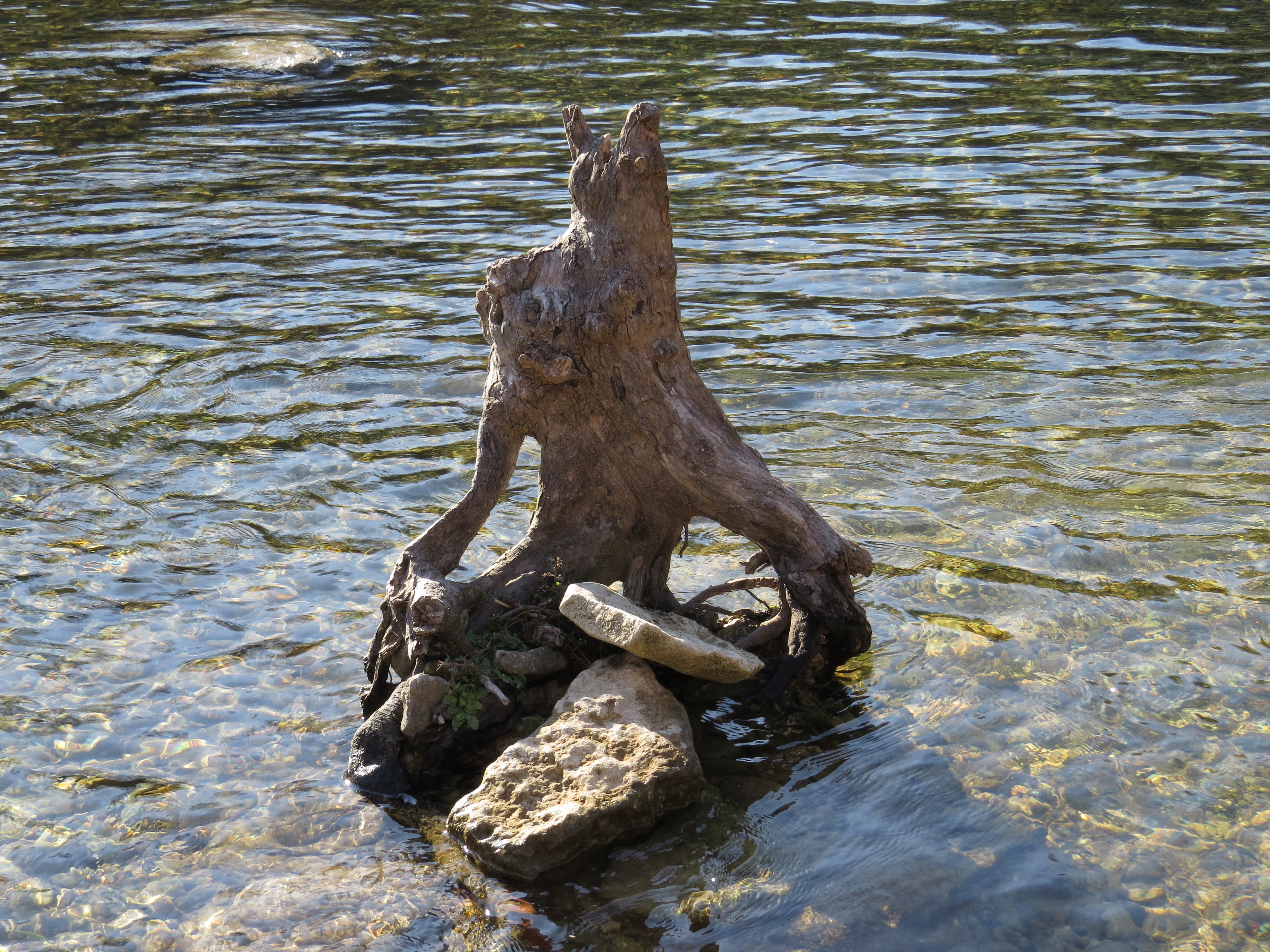
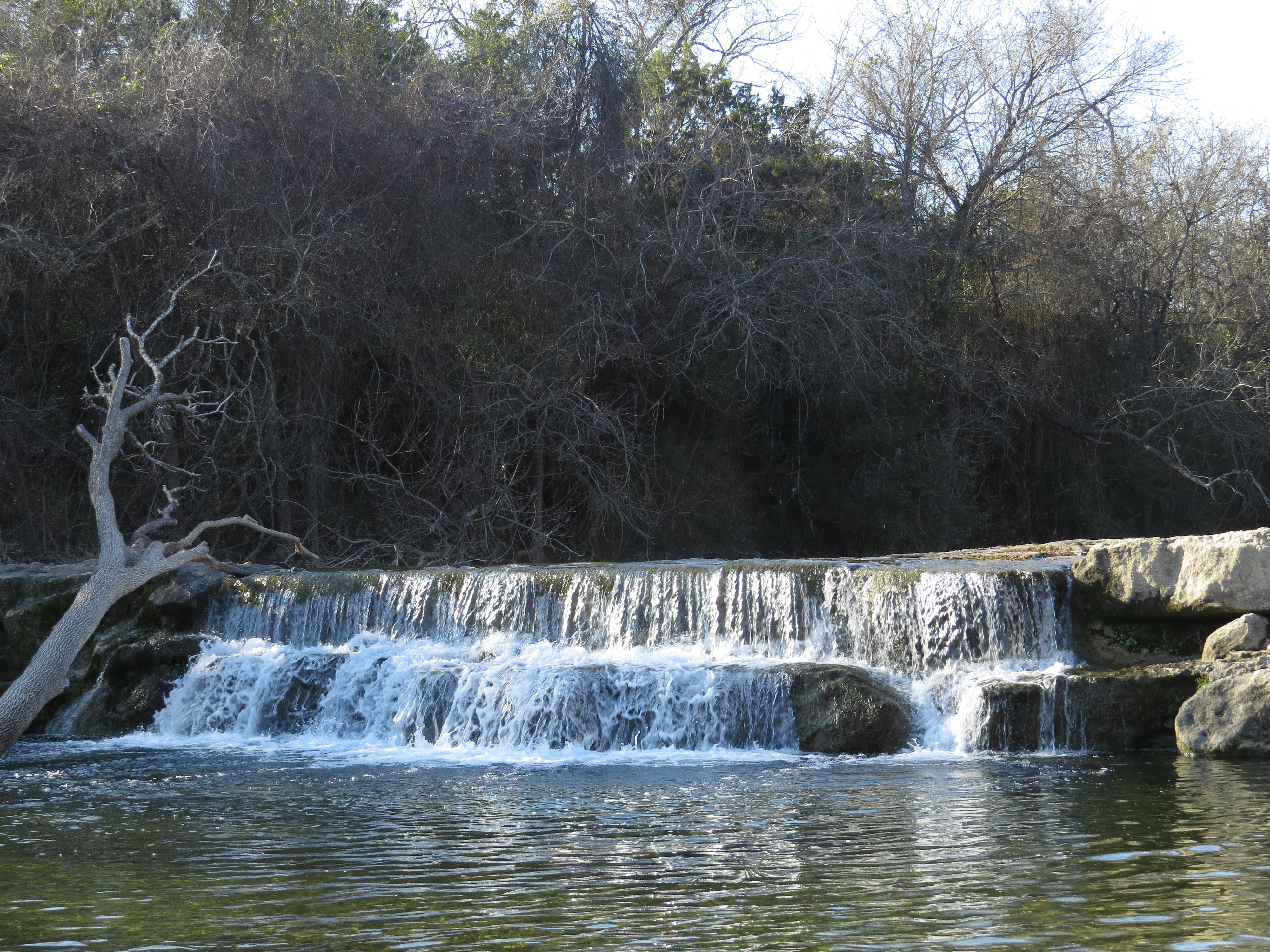
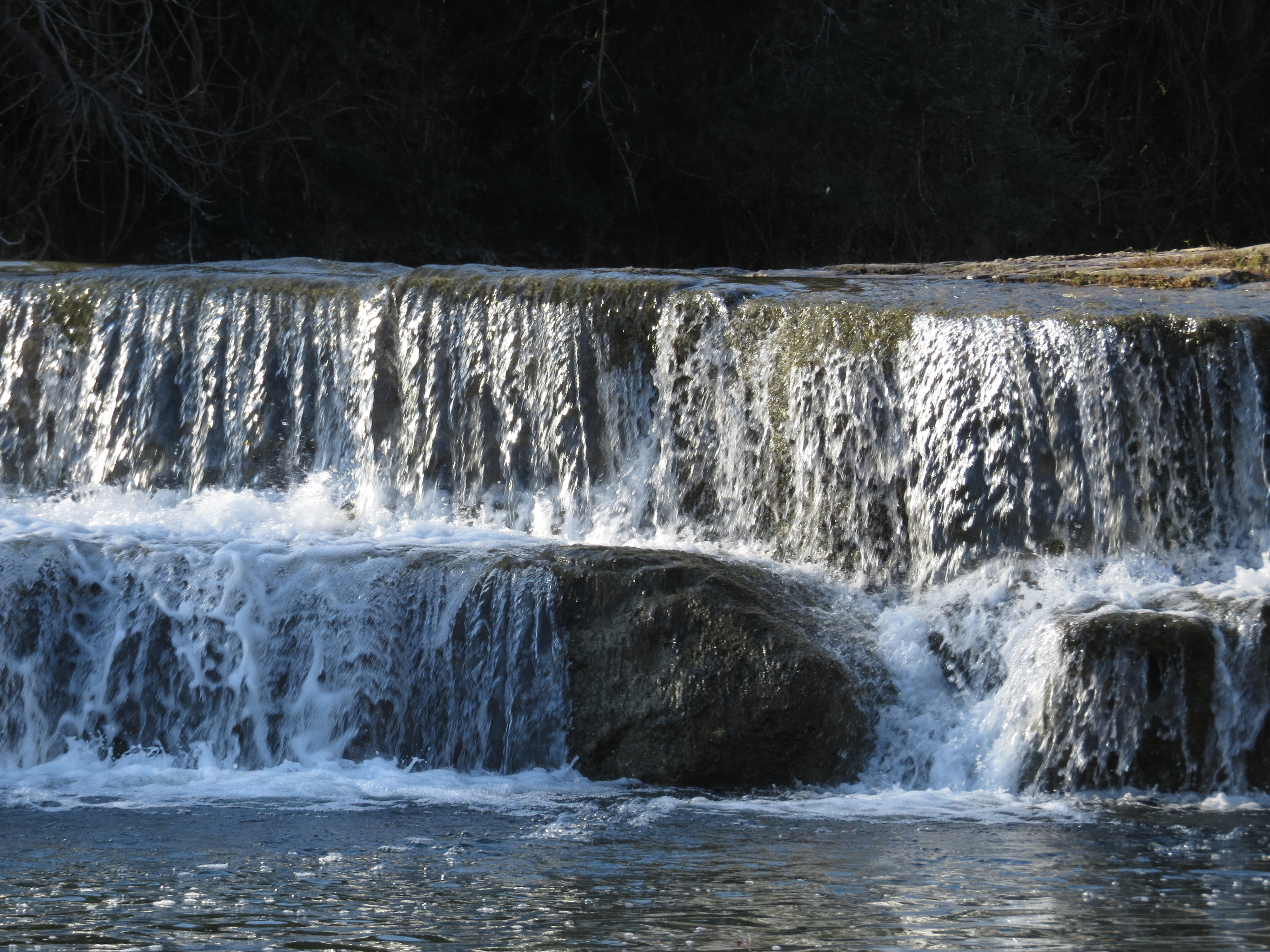
We wanted to walk out to the rocks by the falls, and from a distance we saw a bike-rider carrying his bike from the rocks to the bank. When we got to the crossing point, all I saw was a small log lodged between two trees. I turned to the biker and asked how he had walked that tightrope with a bike! He pointed to another log (maybe we should just call them branches) that was lodged in the trees above the ‘walking’ one. ” Hang on to that one,” he said. Ohh-kay, here goes…
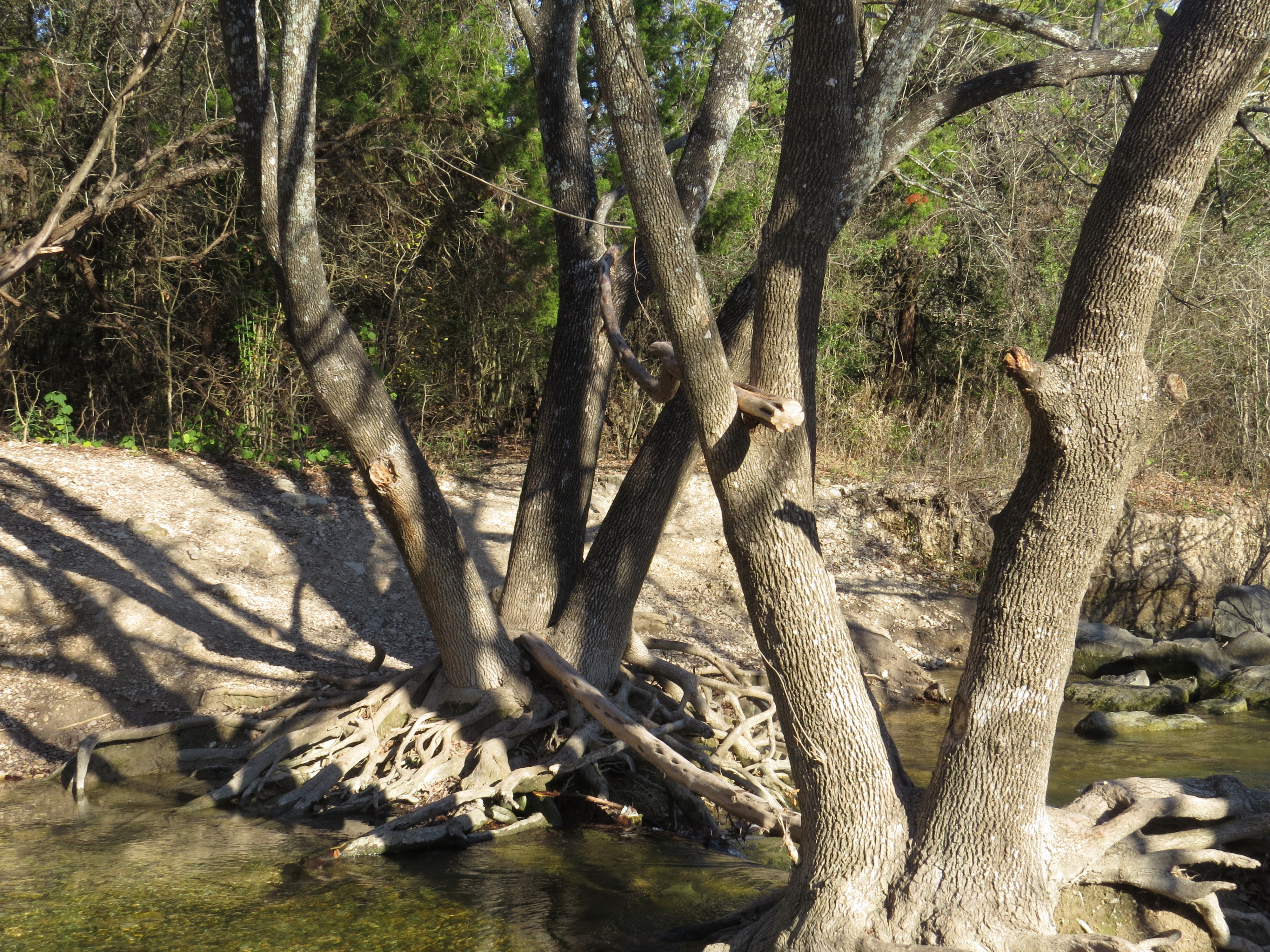
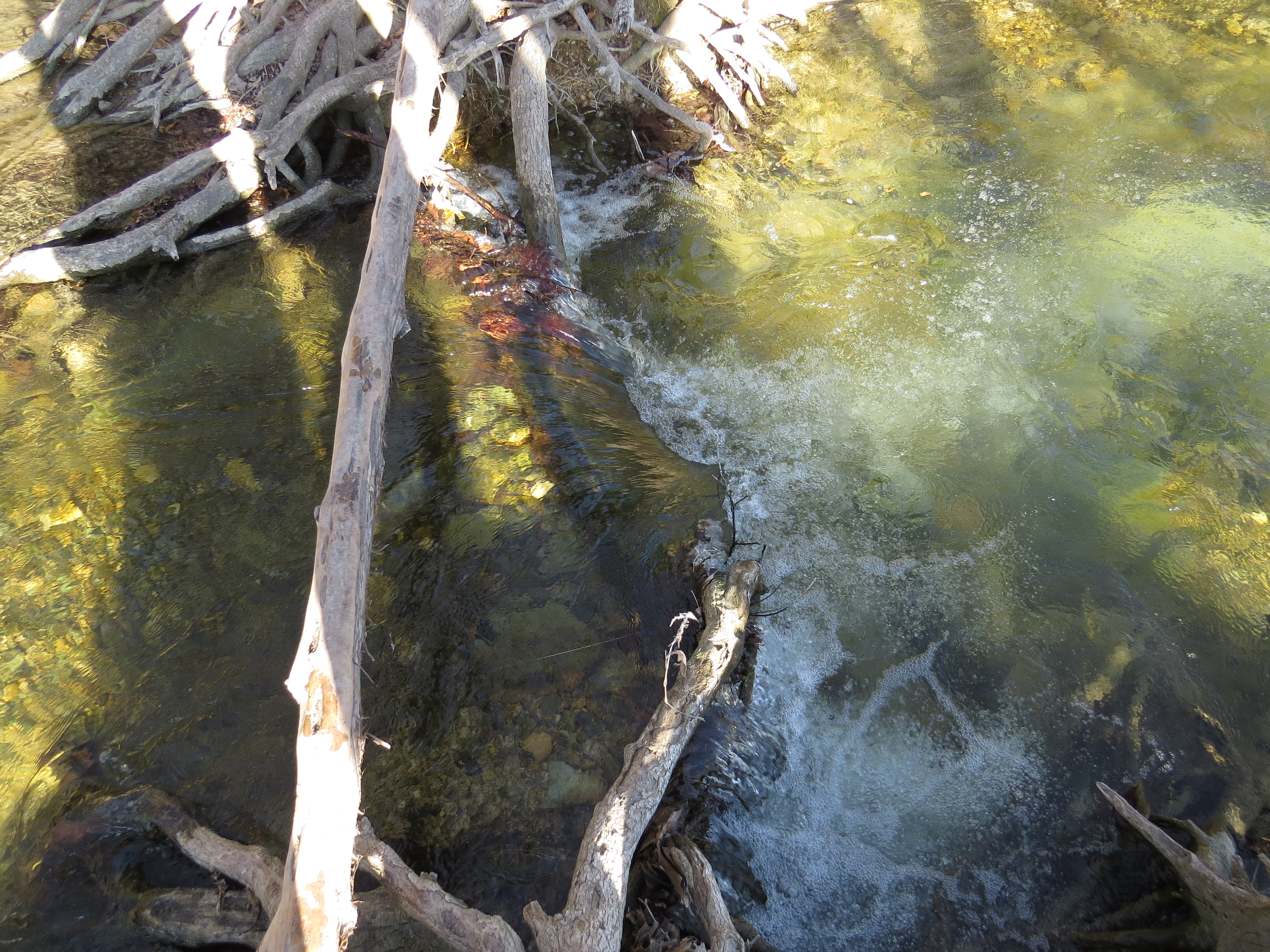
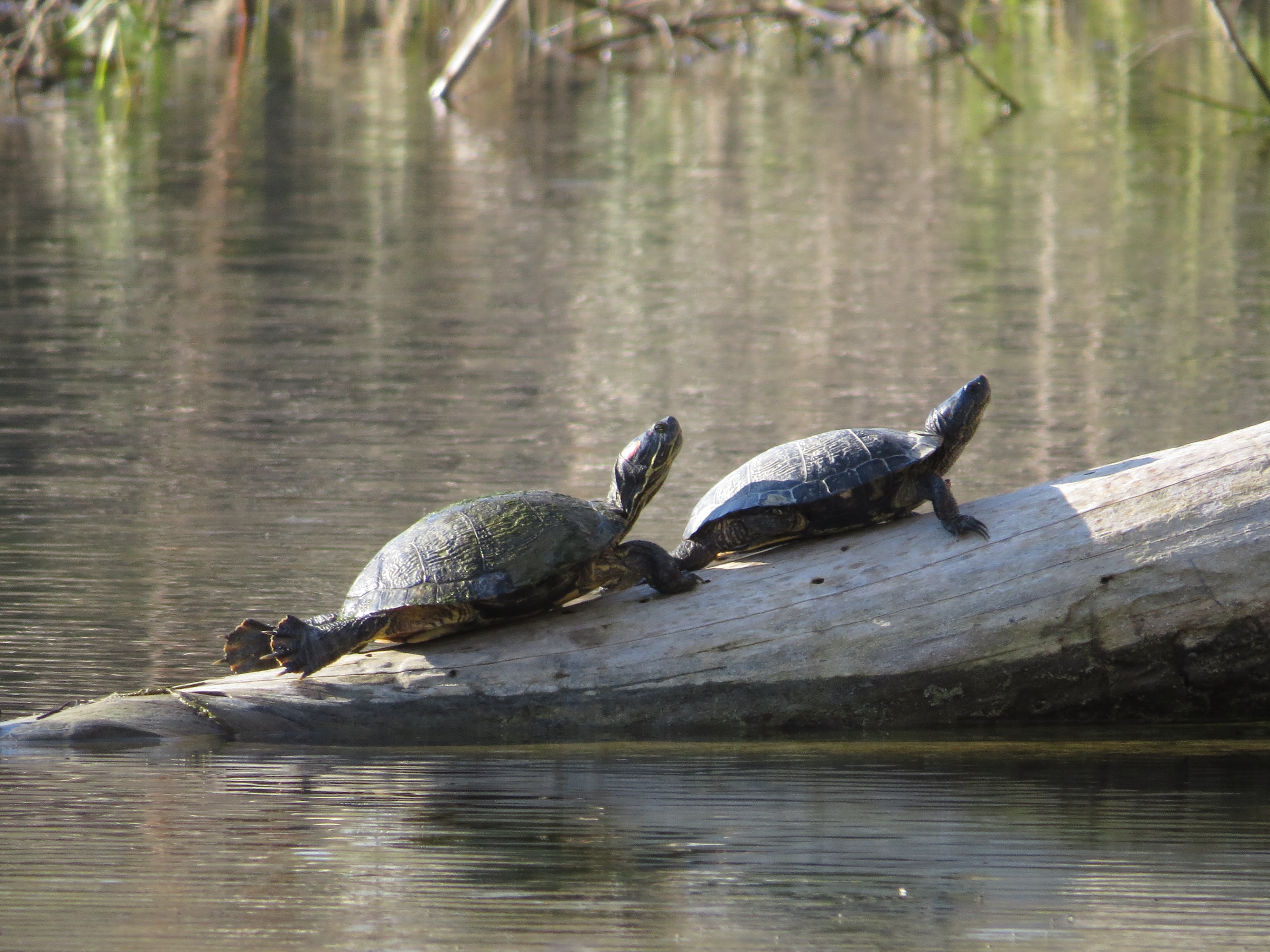
Success! When standing on a bridge or on the ice or on a rock in the middle of a stream or river, it gives a person such a different perspective from standing on the bank. I feel like I am part of the river. I look upstream to the water’s ‘past’ where it has flowed around bends, pulled soil from the banks, and swept past sun-logged turtles and other creatures.
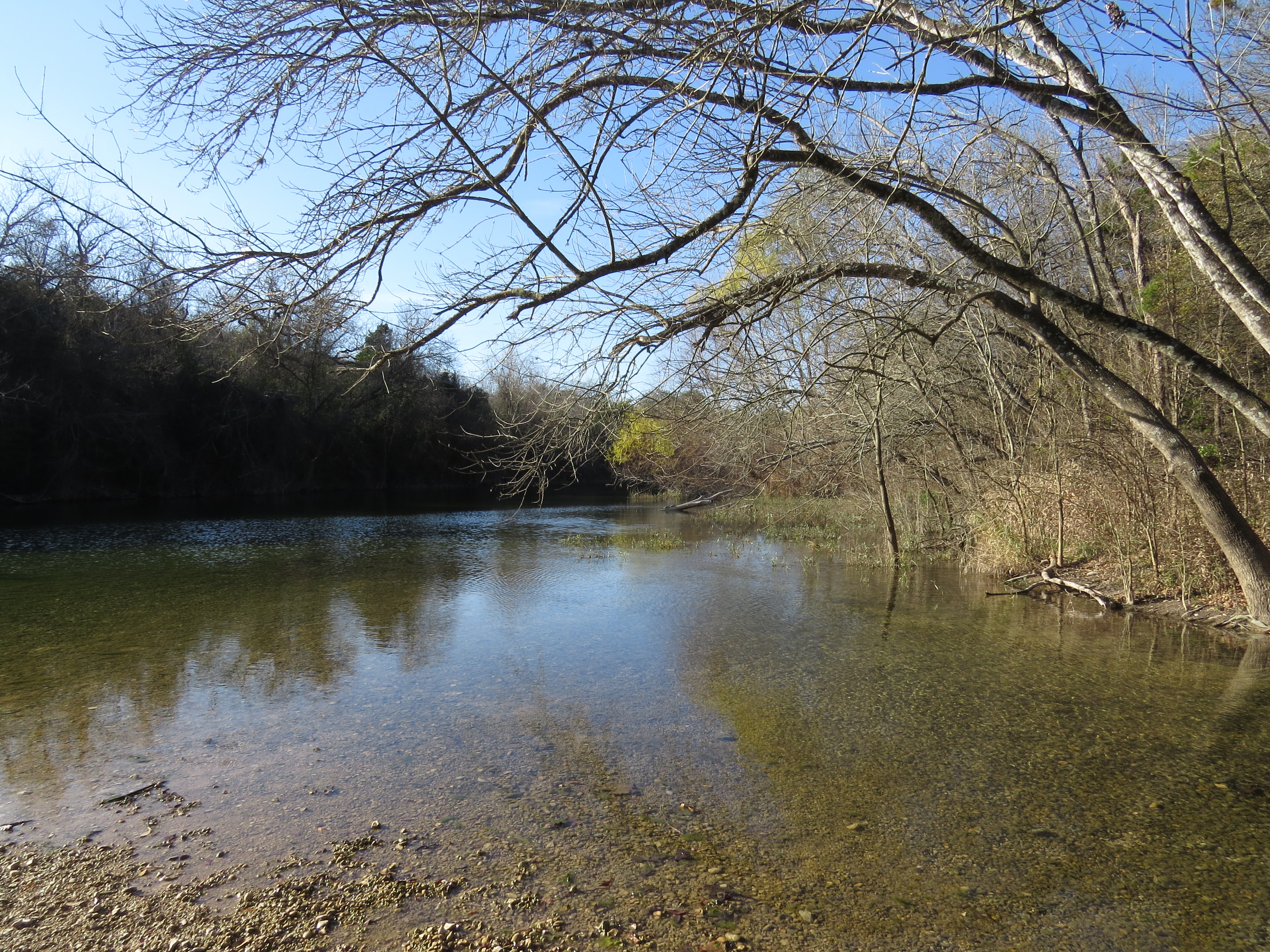
Then I look downstream to the water’s ‘future’—where it will flow in some of the same ways as its past. But there is always something new and different in its path.
Standing on the boulders that create the ‘falls’ and watching the water run and fall over the sides, doing what it is meant to do, brings me to the present moment—present, yet ever changing. And then this Northerner, on my long journey away from the cold and snow, sees a Christmas miracle…
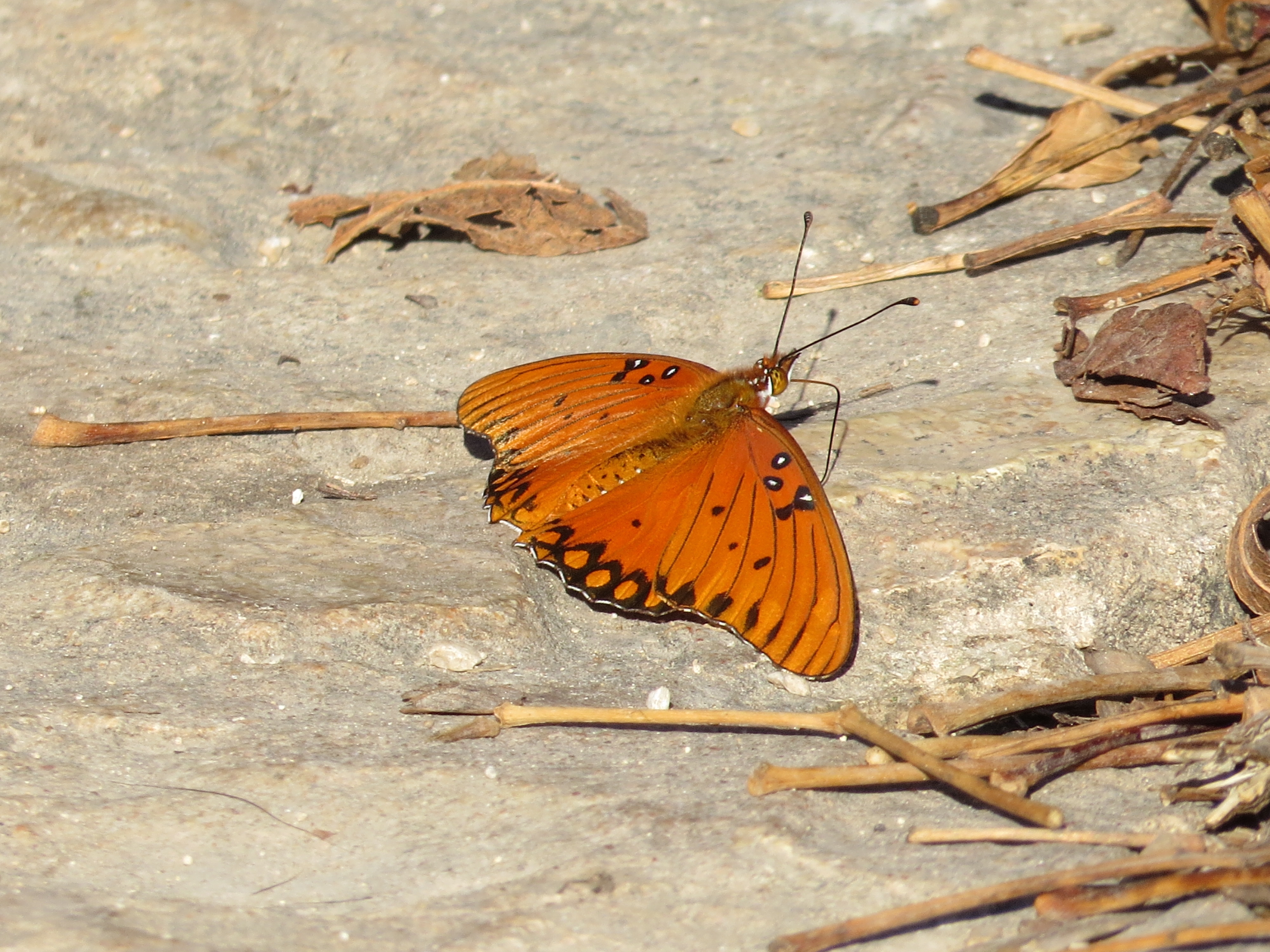
…a butterfly perched on the same rock I’m standing on! A Christmas butterfly!
With some Christmas Eve meal preparation to be done, we decided to leave the river of life to climb back up the Hill of Life. It was a different story. I was thirsty, hot, sweating, tired, and in total understanding of the alternative name—and I was just walking! (We did see a handful of people running past us. I wanted to applaud them.)
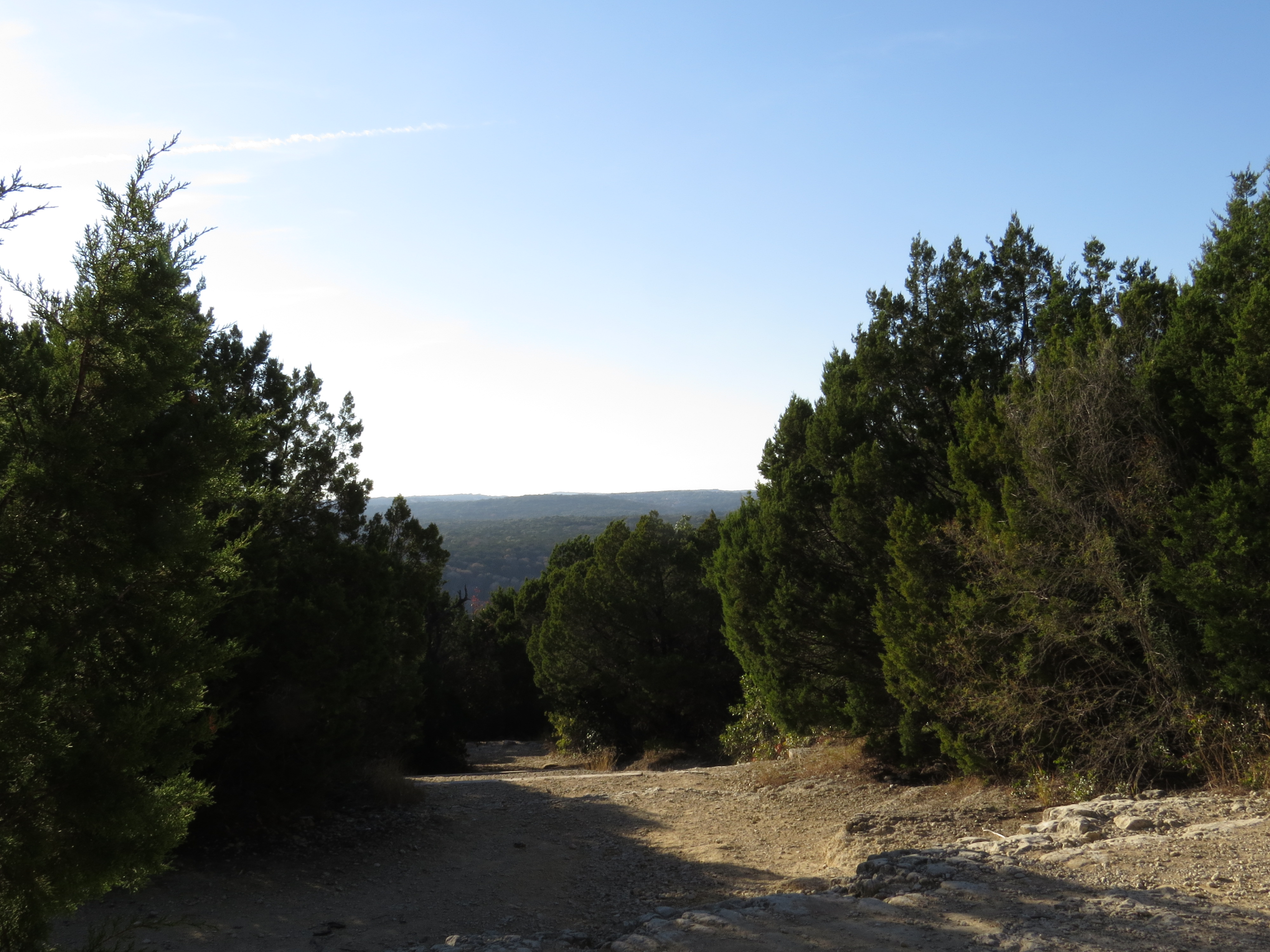
The Hill of Life and The Hill of Death are the same hill. One and the same. The circular tree and the water beyond it are bound together in the same way. The river’s past and the river’s future are both part of the present water in which we stand. It is actually mind-boggling in its simplicity and its complexity. How we name it or look at it (or through it) or think about it depends on what we experience. Going down the hill, I could affirm the Hill of Life name from a smug point of view. Coming up changed my tune. Even if I was focusing on the life-affirming qualities of walking up that steep hill, I was still out-of-breath and tired. We cannot think away some realities. Some people are always walking up the hill.
I think our challenge is to make sure we walk both ways. We experience the sweaty climb and the downhill breeze. We experience the peacefulness of the still water buddha and the risk of the tightrope over the rushing water. We look closely at the tree and beyond at the river. We carry our past deliberately and lightly and look to the future with hope and excitement and relish our lives in this present moment. Simple and complex—just like a butterfly.
Home (alone) on the Range
Nobody wants their Christmas shrouded in a pall of sadness…or their birthdays…or any other special day. Expectations about Christmas have been marketed, hyped, idealized, and Hallmark movie-ized. We even do it to ourselves—we remember the child-like wonder of Christmases past or are determined to create it if we did not experience it ourselves. But in real life, in the calendar-is-not-in-charge-of-life life, special days are just like any other—people die, get sick, get hurt, get mad, and feel sad. There were a number of years when the kids were small that I was always sick on Chris’ after-the-holidays birthday. My body just sort of crashed after the flurry; I feel that this year, too.
The loss of a loved one inhabits our bodies—beyond the broken hearts we can most readily acknowledge. We are intricately and mysteriously tied to those we love, in heart, mind, and soul, but also in body. It does us good to remember that and to honor ourselves and our aching bodies in the grieving process.
Grief also does another thing—it clears our calendars for us. Well, if not clear them, it writes its name at the top of every page, of every day. It steers the agenda whether we are aware of it…or not. So all our time we had in Kansas City and in Austin over the holidays, no matter what was on the agenda, Grief was by our side. At our ‘busy’ times, it trailed along behind us, only poking us with an occasional memory. But during quieter times, open times, the loss of Jon (along with many other significant losses that Grief lassos to the present one) took center stage.
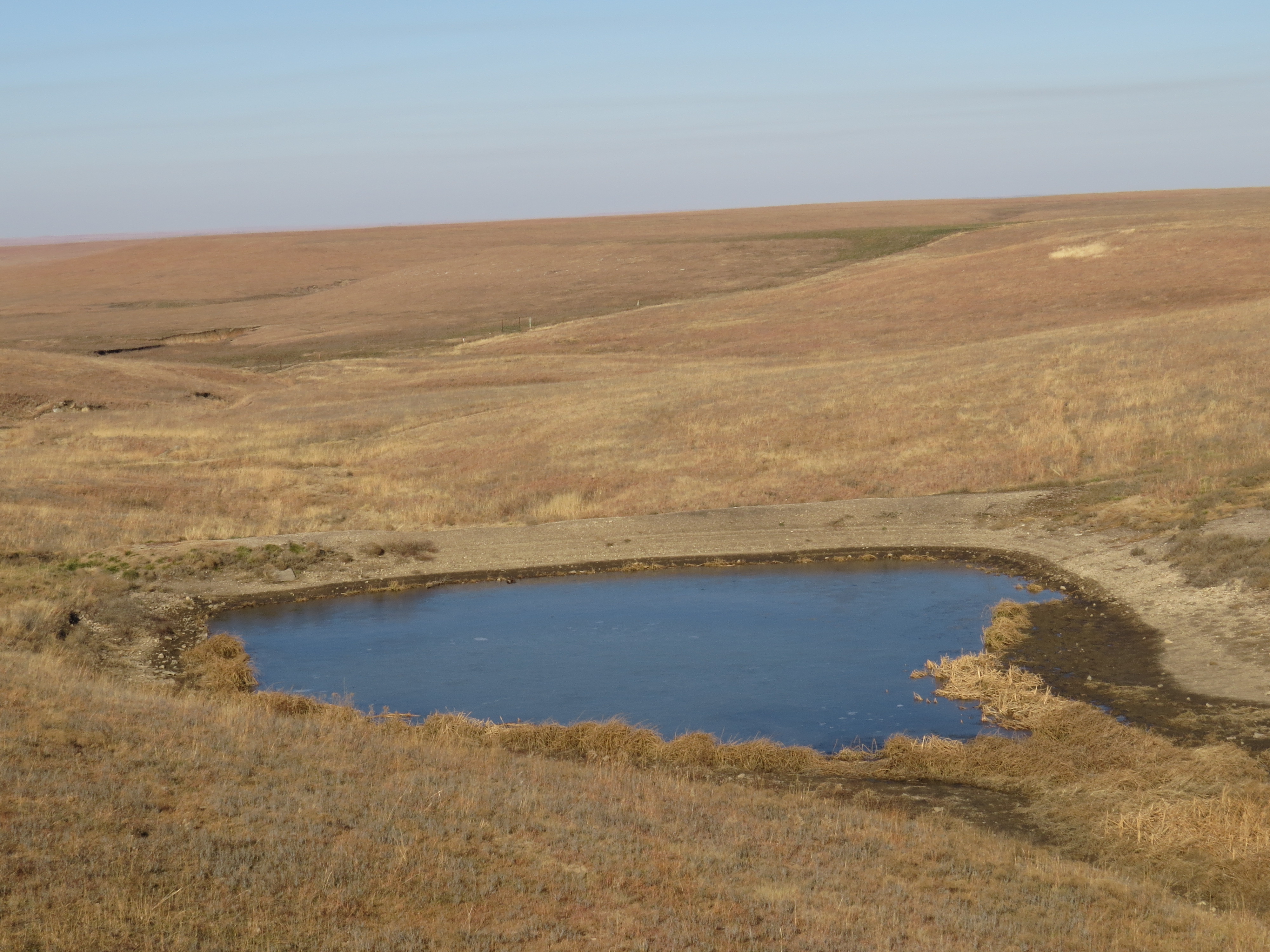
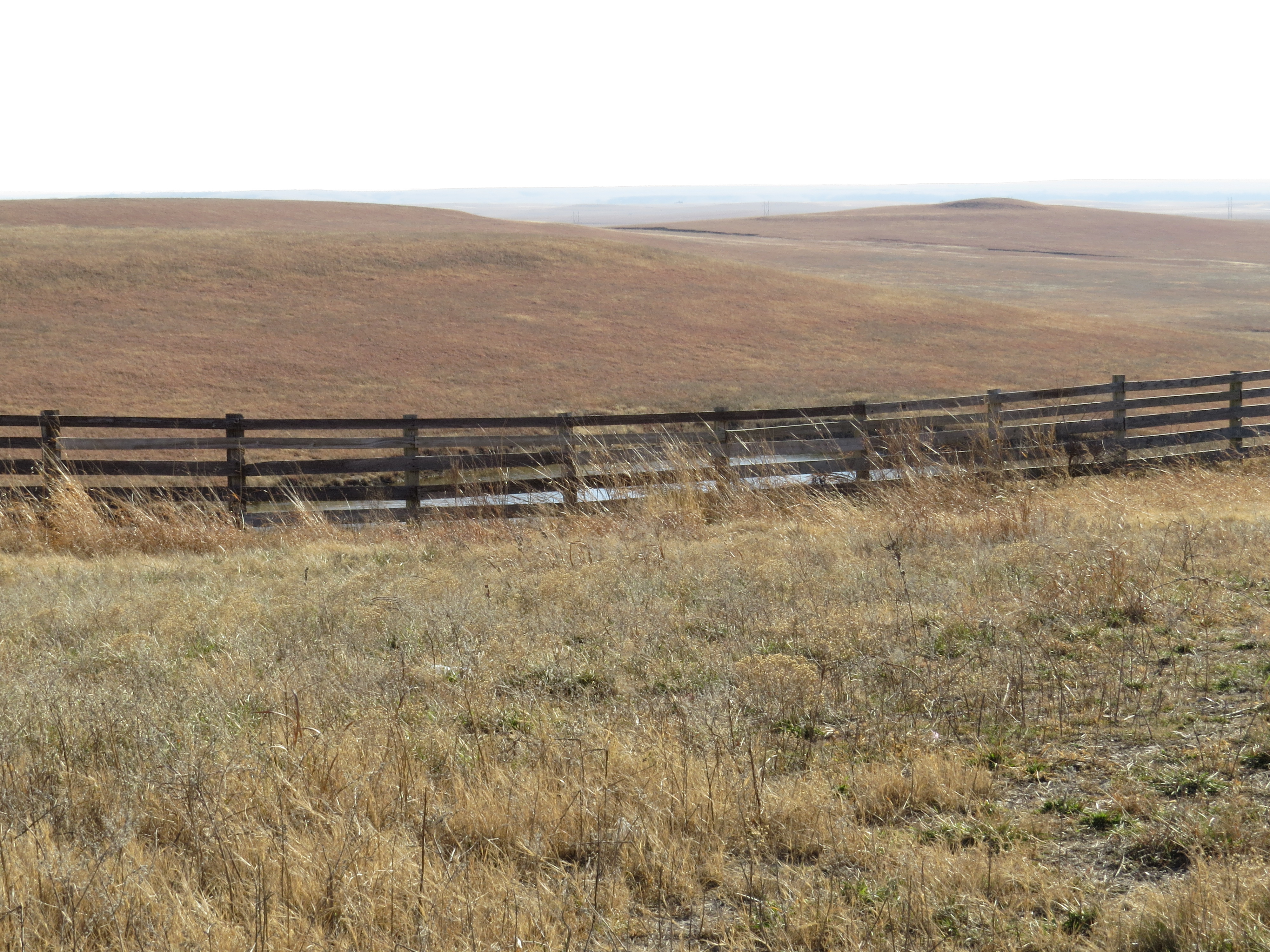
Our drive to Texas took us through Kansas and the Flint Hills Prairie. On the Kansas Turnpike there’s not much to look at besides the beautiful blue sky and the beautiful prairie grasses on the rolling hills. Beautiful even in Winter. In that emptiness, I am soothed, and it allows an array of feelings to be laid out like a crazy quilt and examined and felt. Without distractions, our hearts and minds and bodies can do the work of grief more easily, though ‘easy’ is hardly the word to use for the process.
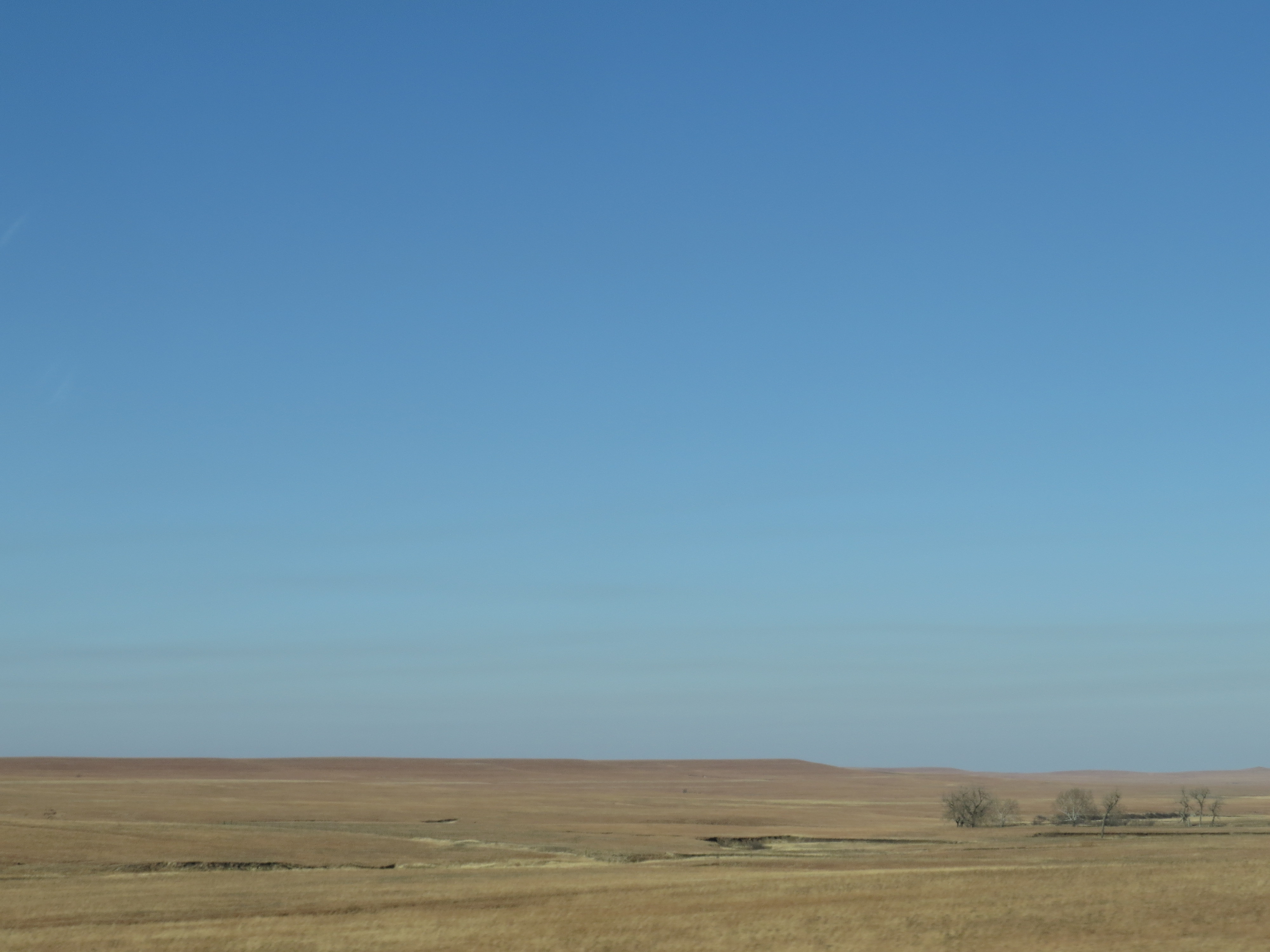
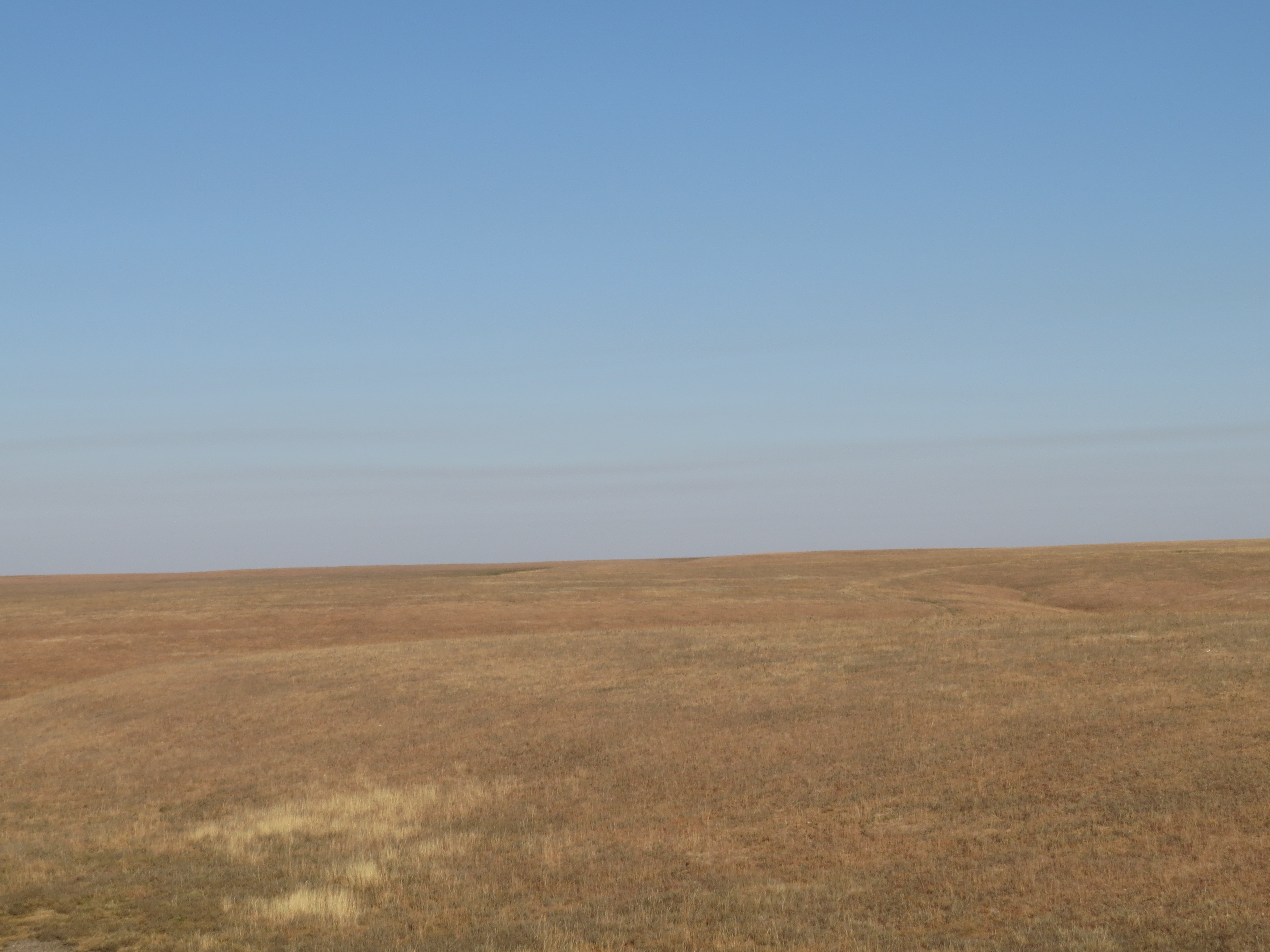
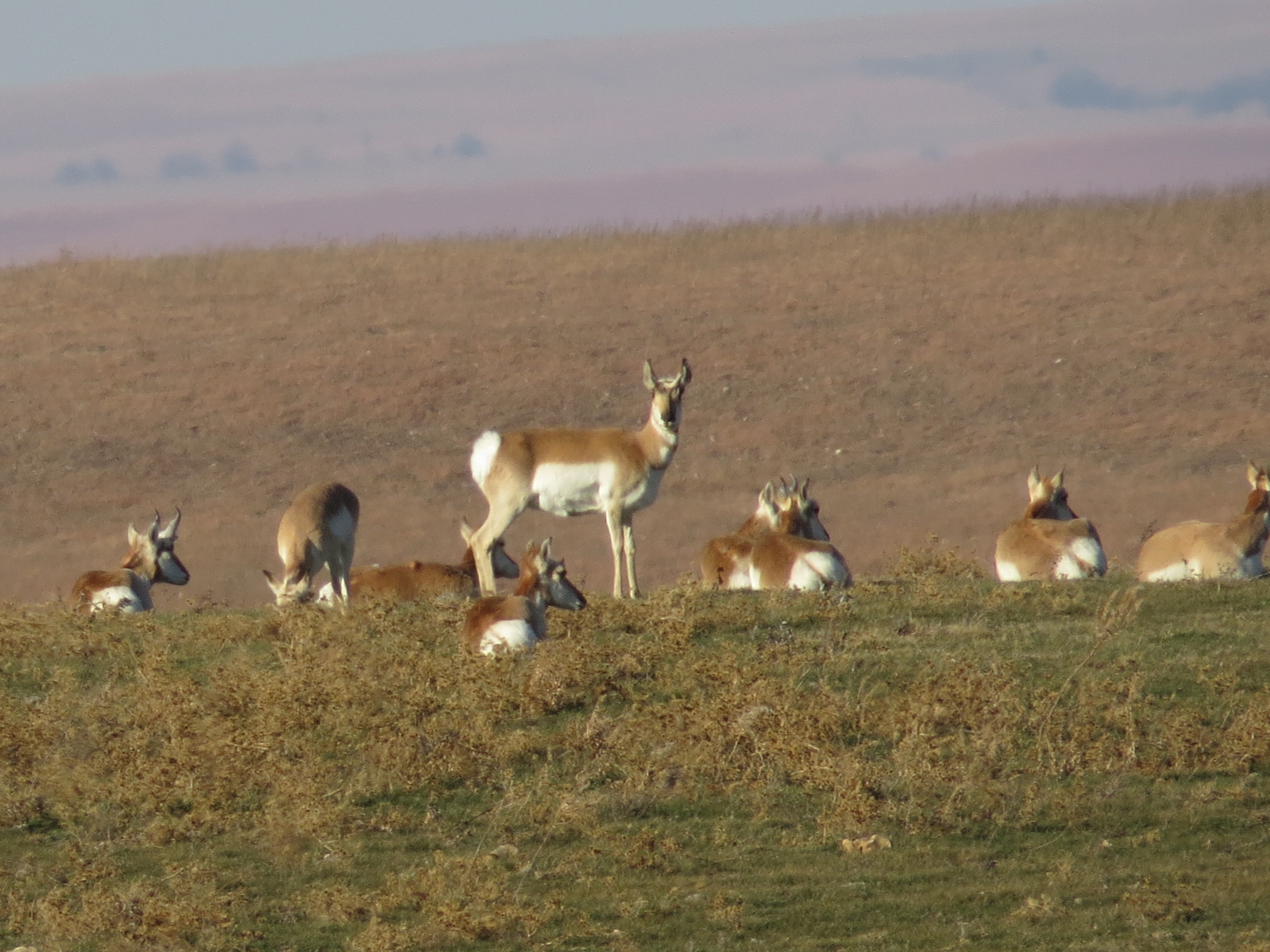
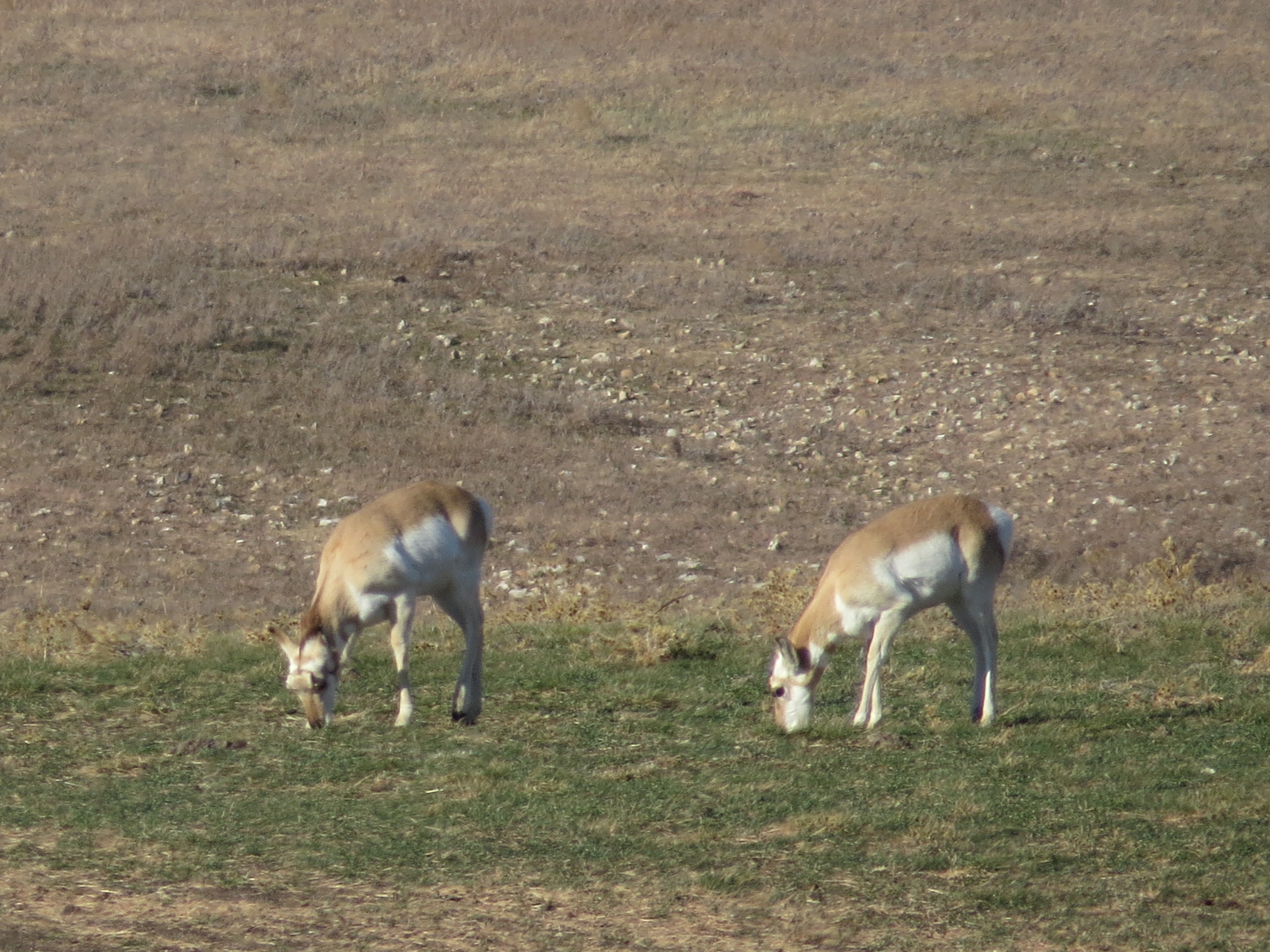
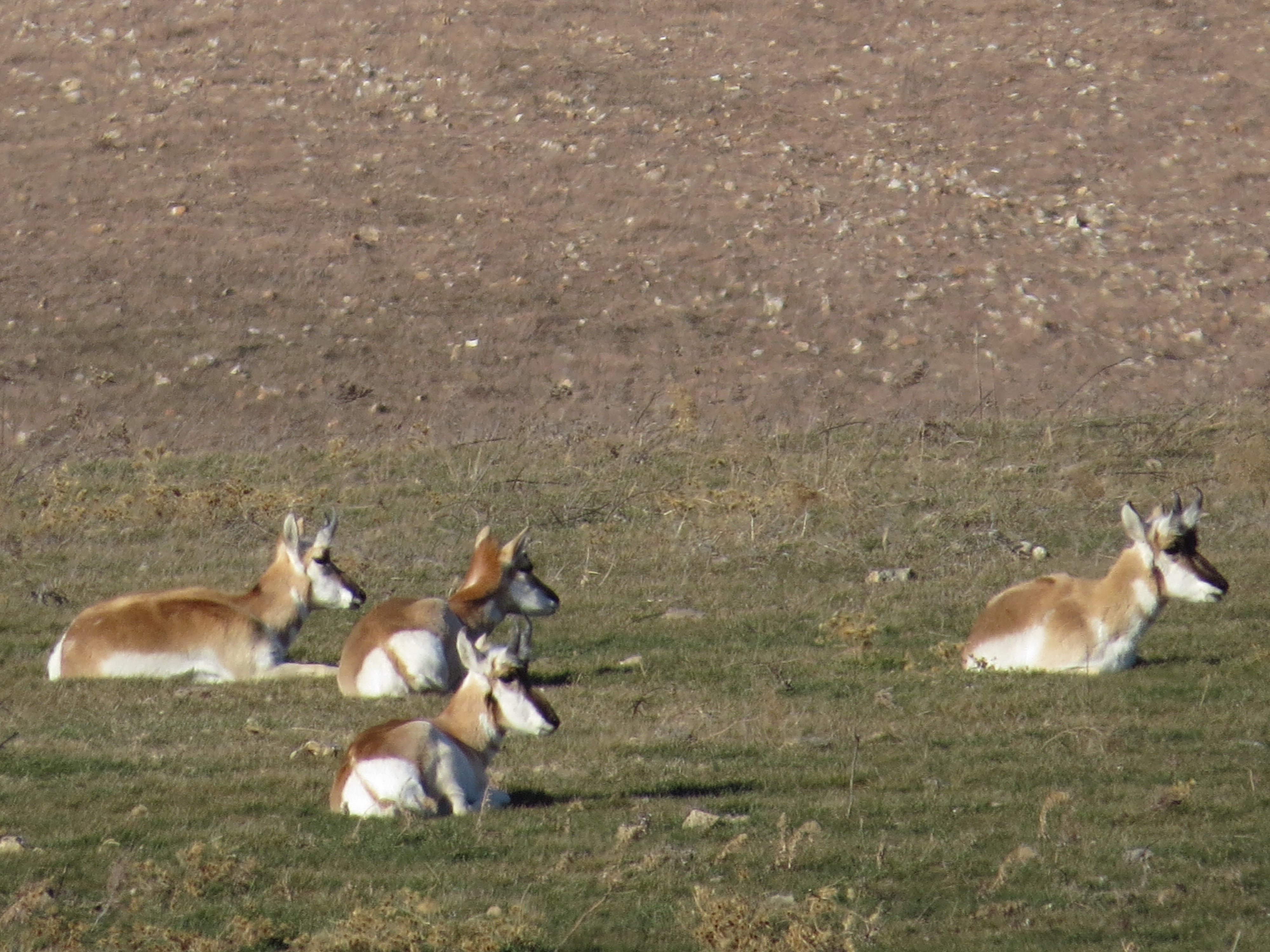
A sign alerted us to a scenic pullover to take in the splendor of the largest remaining intact tallgrass prairie in the world and to see the Bazaar Cattle Pens. We stepped out of the car into a very strong, chilly wind. We saw the herd hunkered down out of the gale—but it wasn’t a cattle herd—it was a Pronghorn Antelope herd!
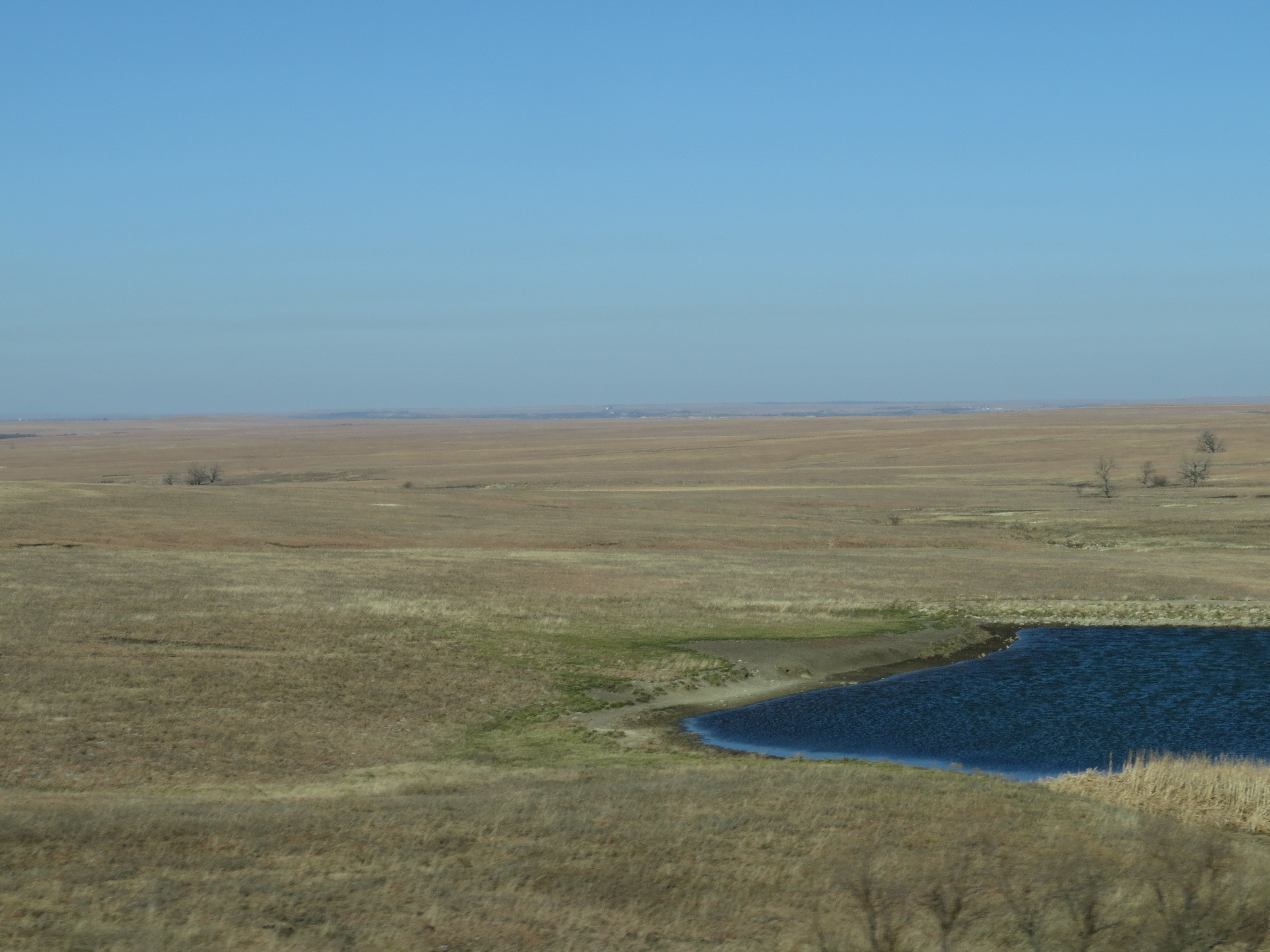
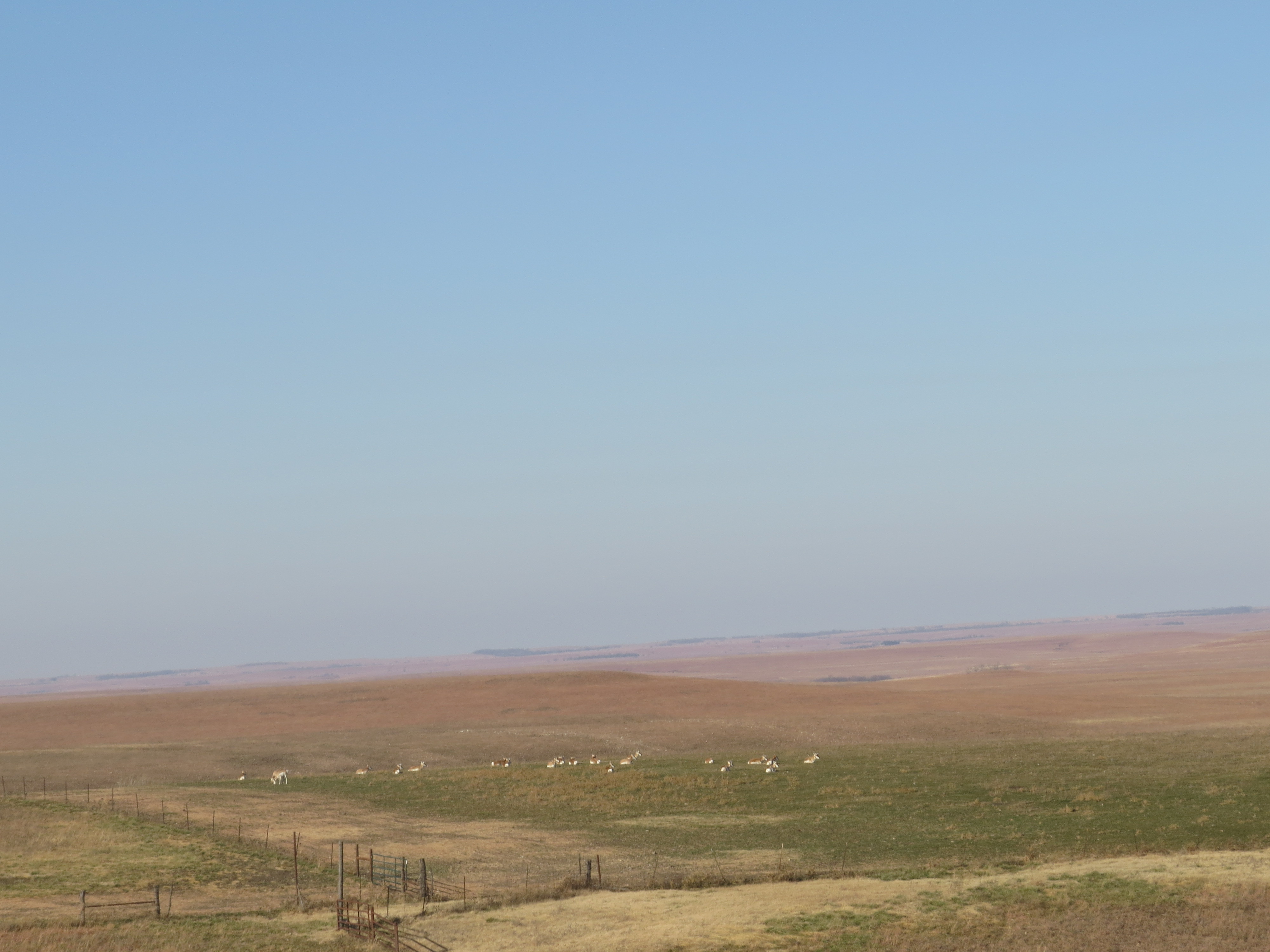
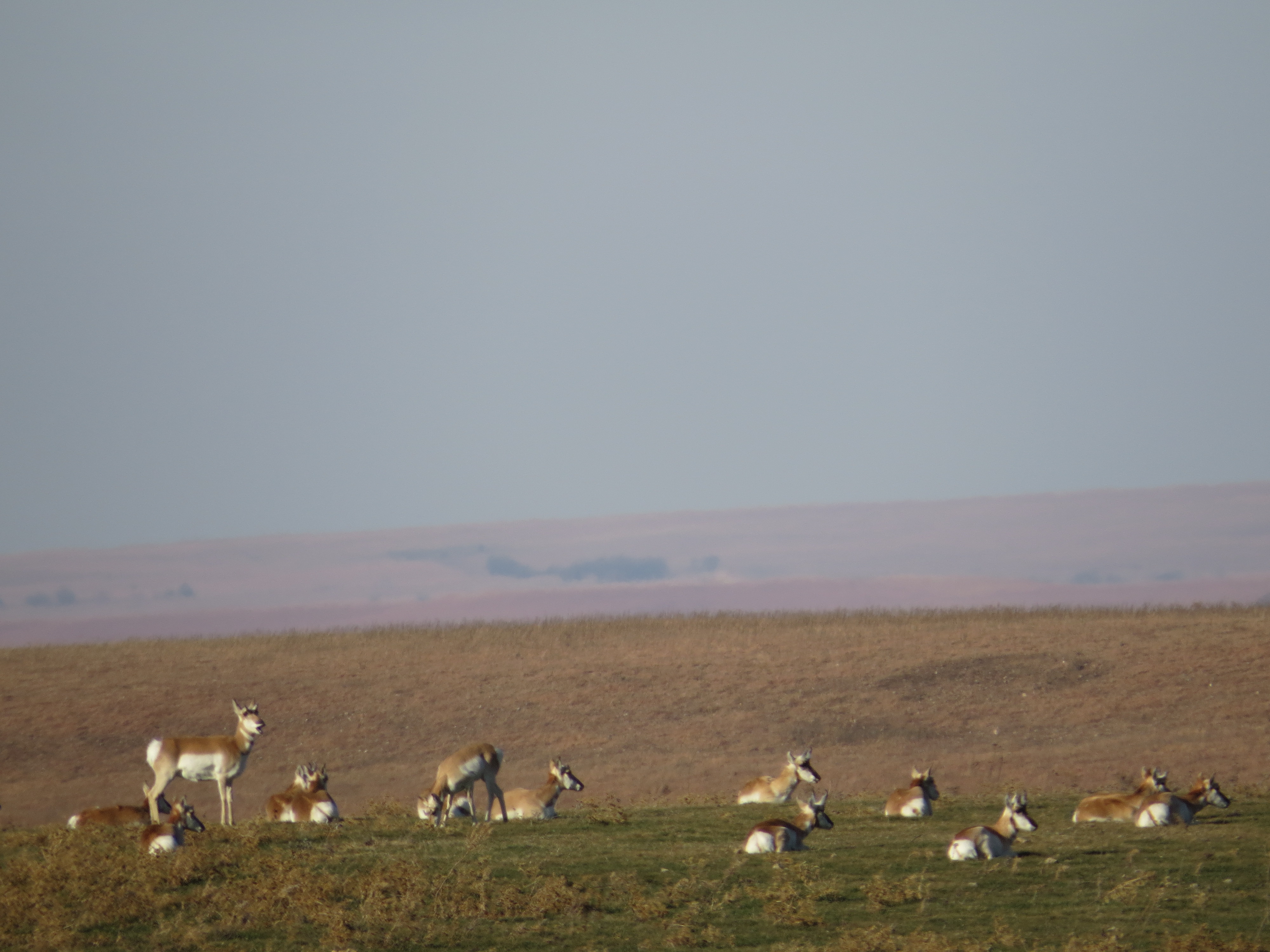
Pronghorns are the fastest land mammal in North America—living on the open prairie requires running rather than hiding in order to get away from predators. Their excellent eyesight allows them to see things up to four miles away. They are definitely home on this range.
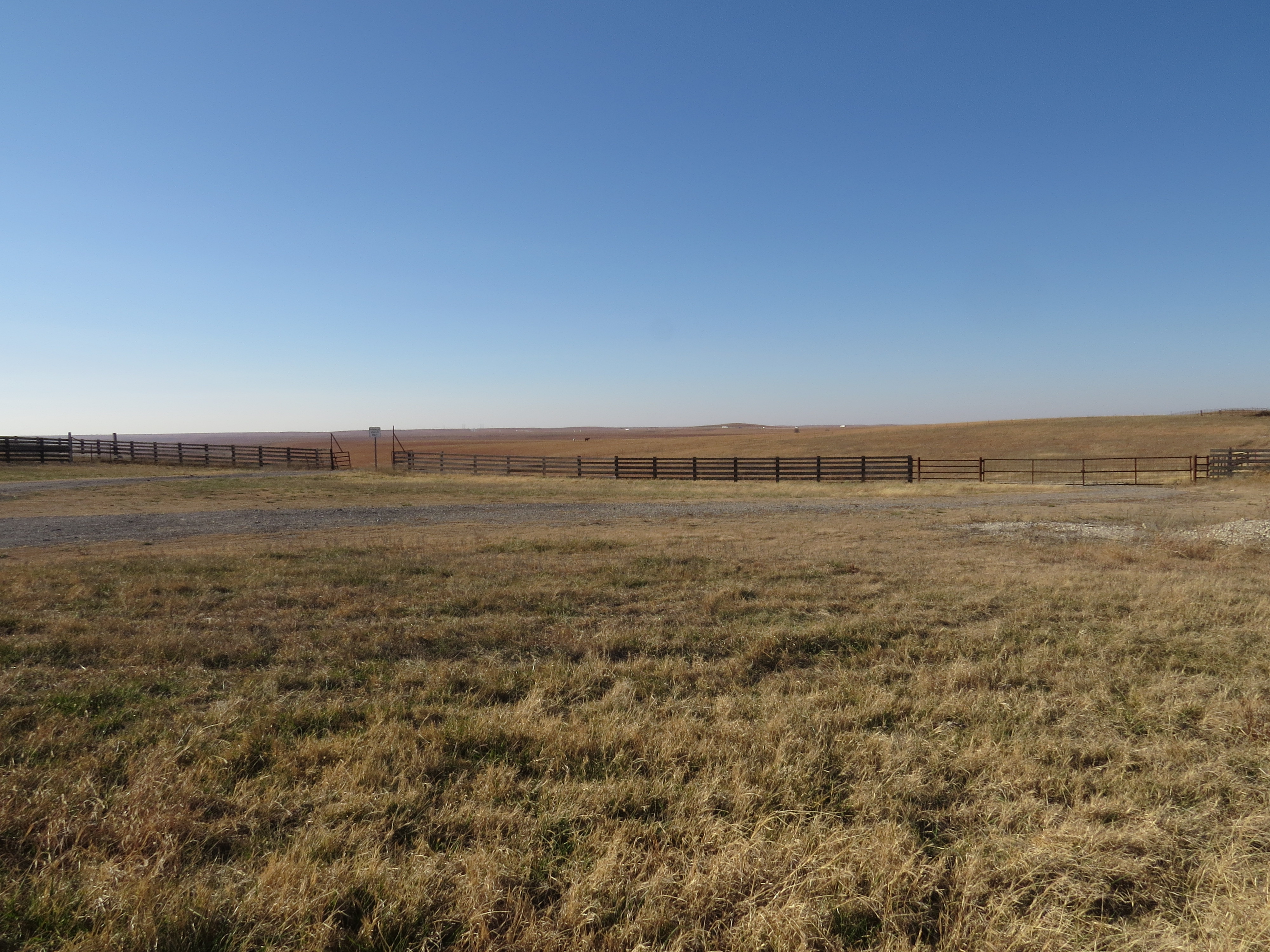
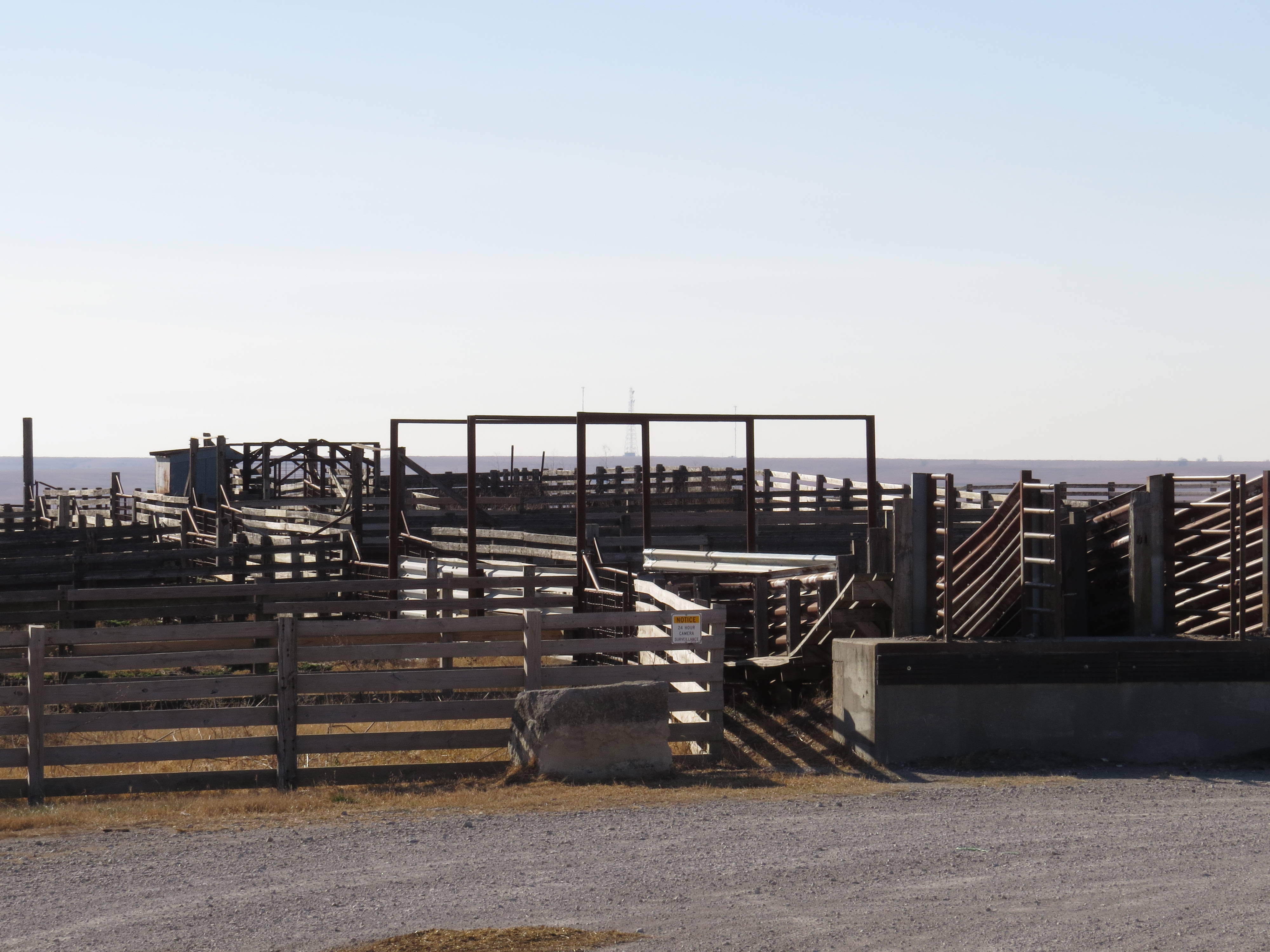
A bridge—the Bazaar Cattle crossing—allowed us to cross the interstate to go right up to the cattle pens used to sort, work, and transport cattle from the ranches.
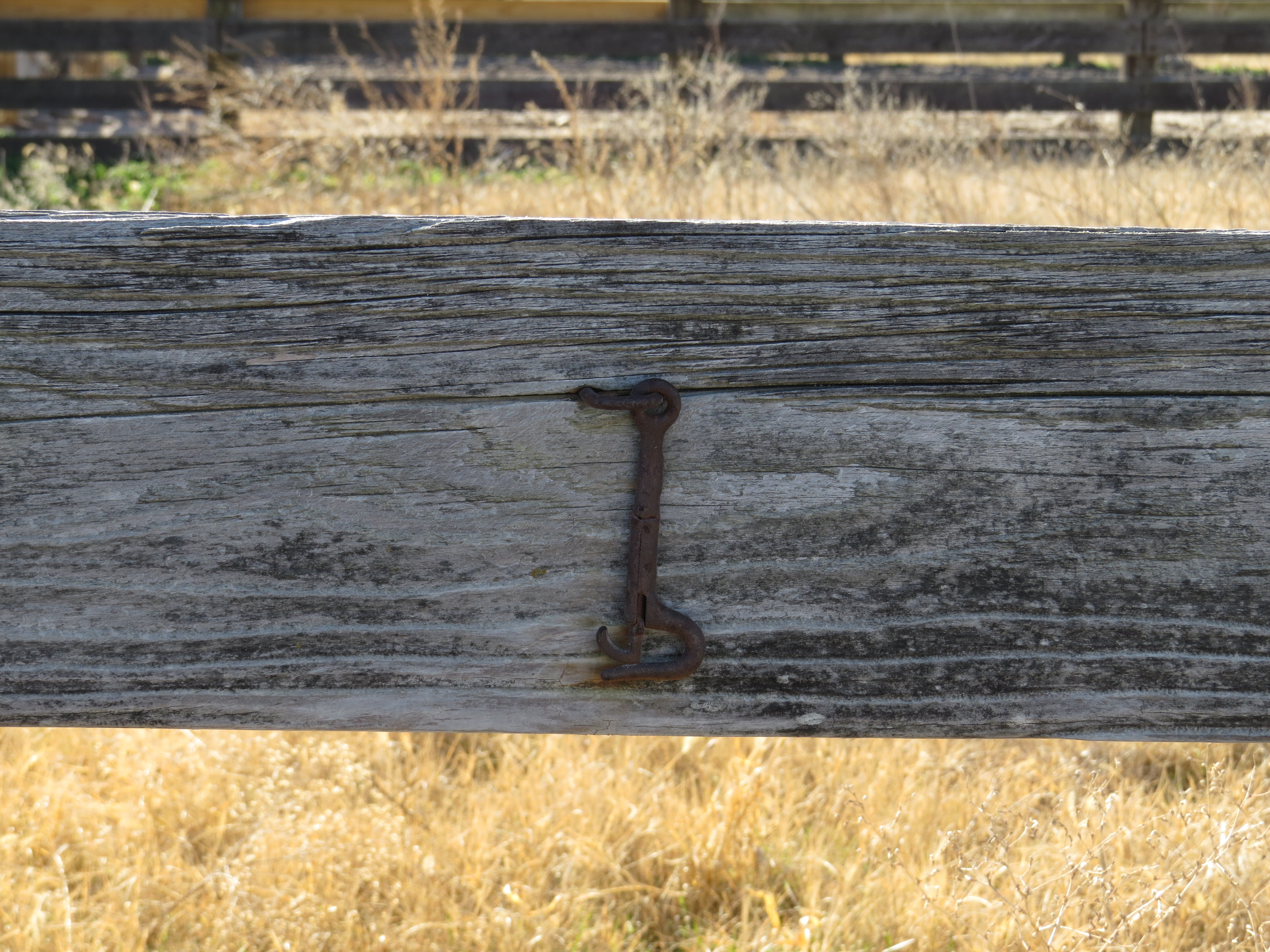
I loved this old hook latch on the outside of the pen’s weathered board. It didn’t look like it was for anything, but at one time, it held a gate open or shut, or held an integral piece of equipment for the cattle working process. I wonder how old it is…
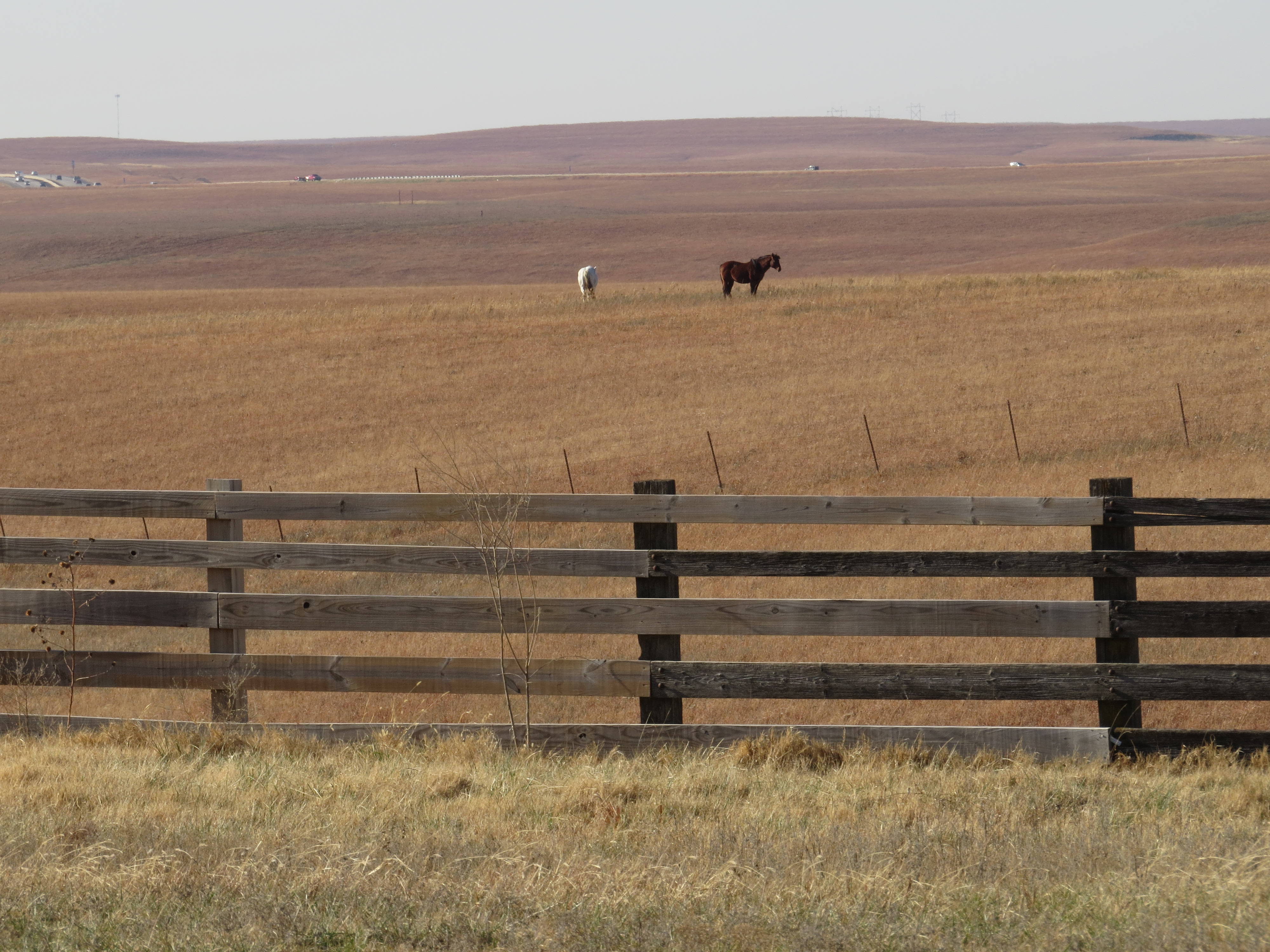
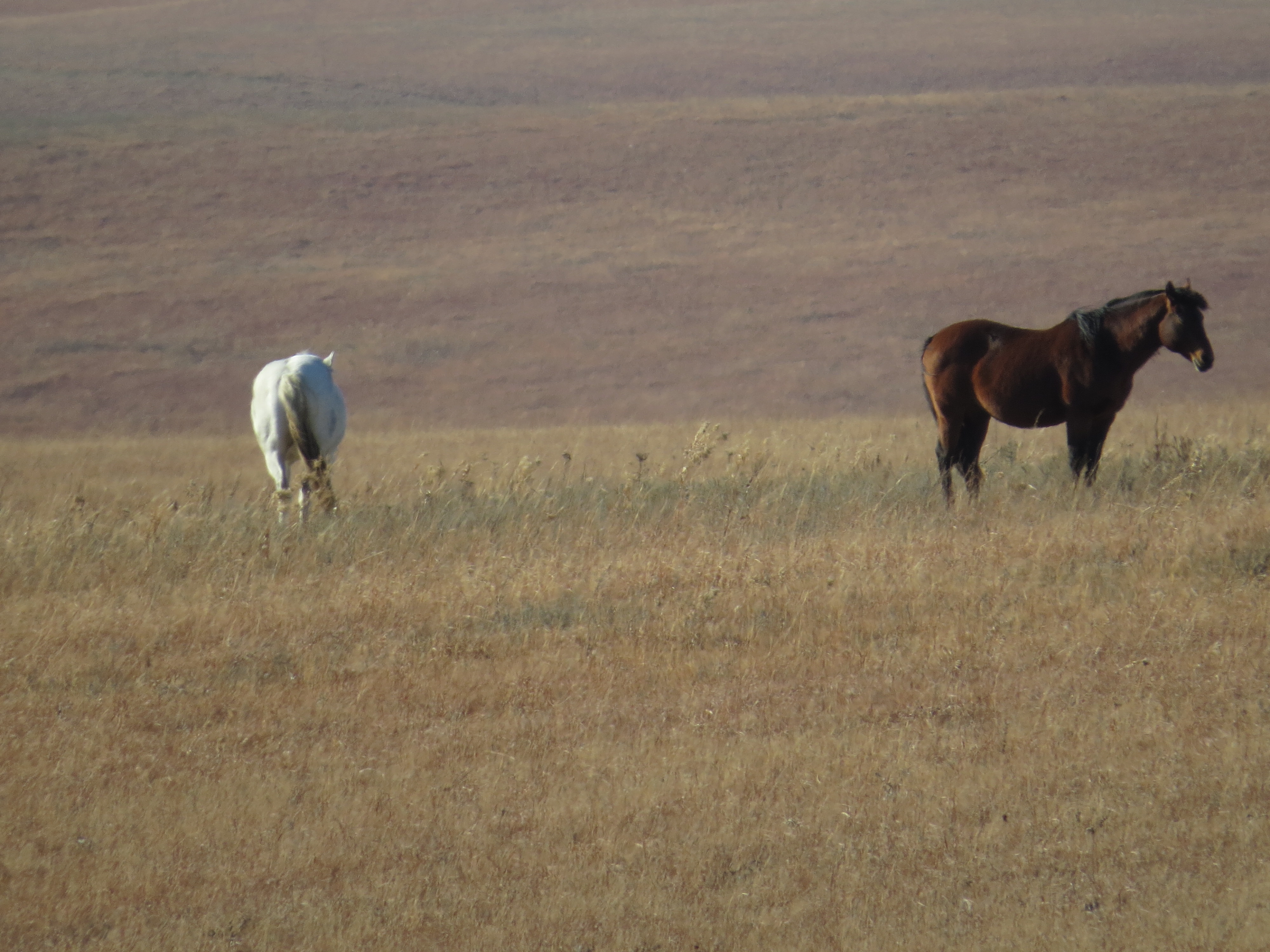
We did see two inhabitants who were ‘off work’ at the time. They and the Pronghorns have an amazing place to live!
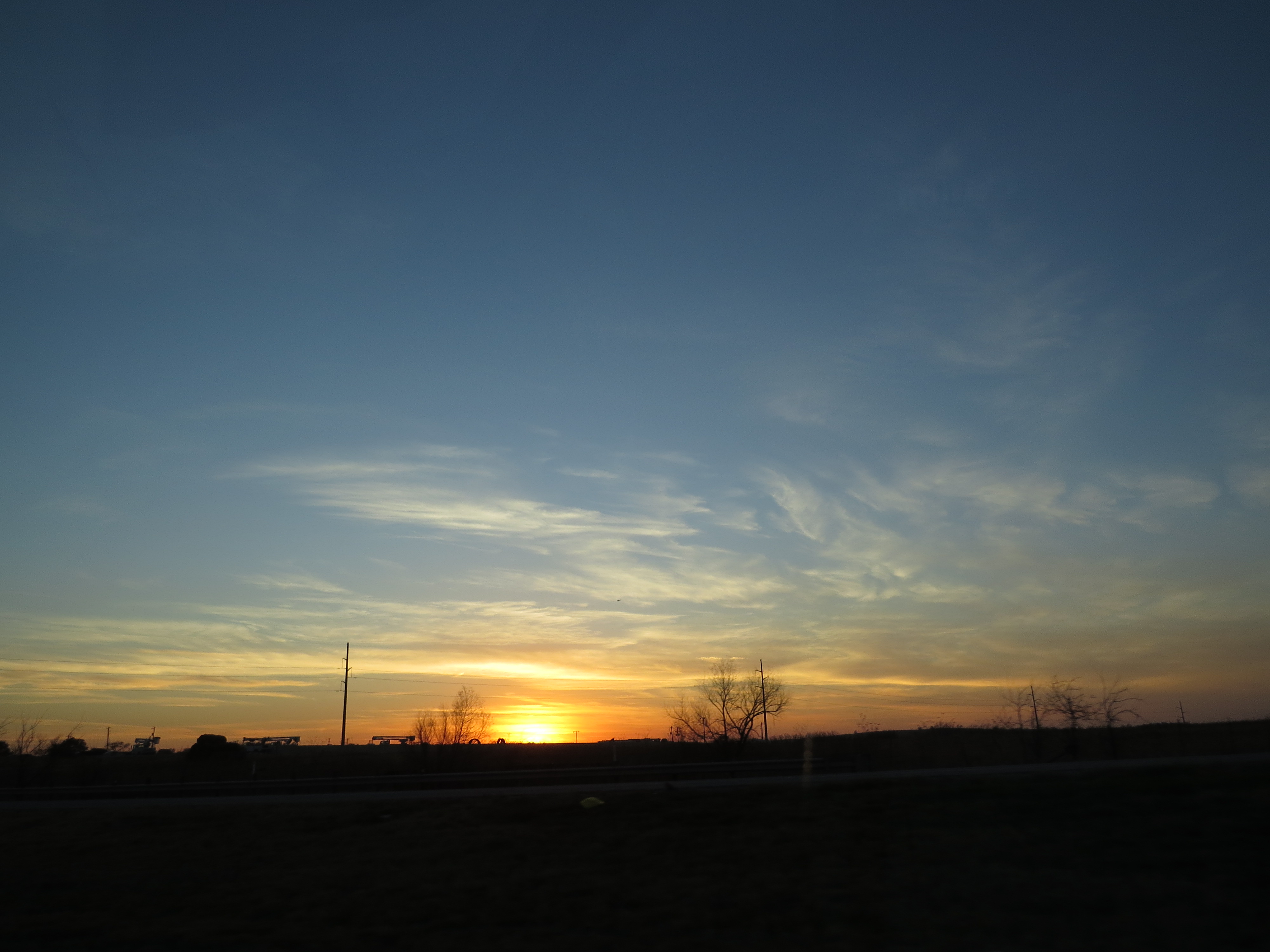
We left Bazaar, left Kansas, drove through Oklahoma into Texas for a night’s rest before our final leg to Austin.
Up to a certain point in my life, grief was dealing with the loss of someone old through death, and as a young person, that was enough. I didn’t really know grief and understand it like I do now until the years prior to my mid-century mark. And then, it knocked me off my horse, crushing the air and energy out of me. Grief also encompasses the death of long-held beliefs and losses of living people and places that were deeply loved, cared for, and cherished. Heart-breaking. Mind-numbing. Soul-crushing. Body-aching. The open prairie, an enormous Cottonwood tree, and a wise woman elder were my canvas and guide on my grief journey. The prairie has few distractions, and you are left with yourself and your pain—just where we need to be. Grief and the pain that goes with it can pile up like tumbleweeds against a fence line and overwhelm us once again. But once a person rides through the prairie of pain, it is much easier to navigate the next death or the next loss with respect and honor. You stay in the saddle and ride on.
Heartbreak and Beauty
I had joyfully baked cookies all day—the old Christmas cds I used to play while making cookies with the kids blared from the hallway as the heady smells of sugar, butter, and chocolate filled the air. We were anticipating a trip to Kansas City to celebrate with the Brake family before taking the longer drive to Texas. We would leave in four days. Then a phone call. One of Chris’ brothers was in the ICU. It didn’t look good. Tests needed to be done. Unbeknownst to us, he had been ill for over a year, seriously ill—but didn’t want us to worry. If only cookies could heal heartbreak and cancer.
He died the day before we were leaving. We packed and drove with a heaviness that insulted the season of joy around us. Or was it the other way around? It seems like the only thing we could voice was our shock and disbelief. We spent a few days with the Brakes, in sorrow instead of excitement. And yet, seeing them, the remaining two brothers and their dear wives, placed a bandage over our wounds. In essence, it stopped the bleeding. We shared meals around the same tables the Brakes had gathered around for holiday fun for decades. Beautiful memories flooded my brain and heart. Gram and Gramps and the two uncles were still there with us.
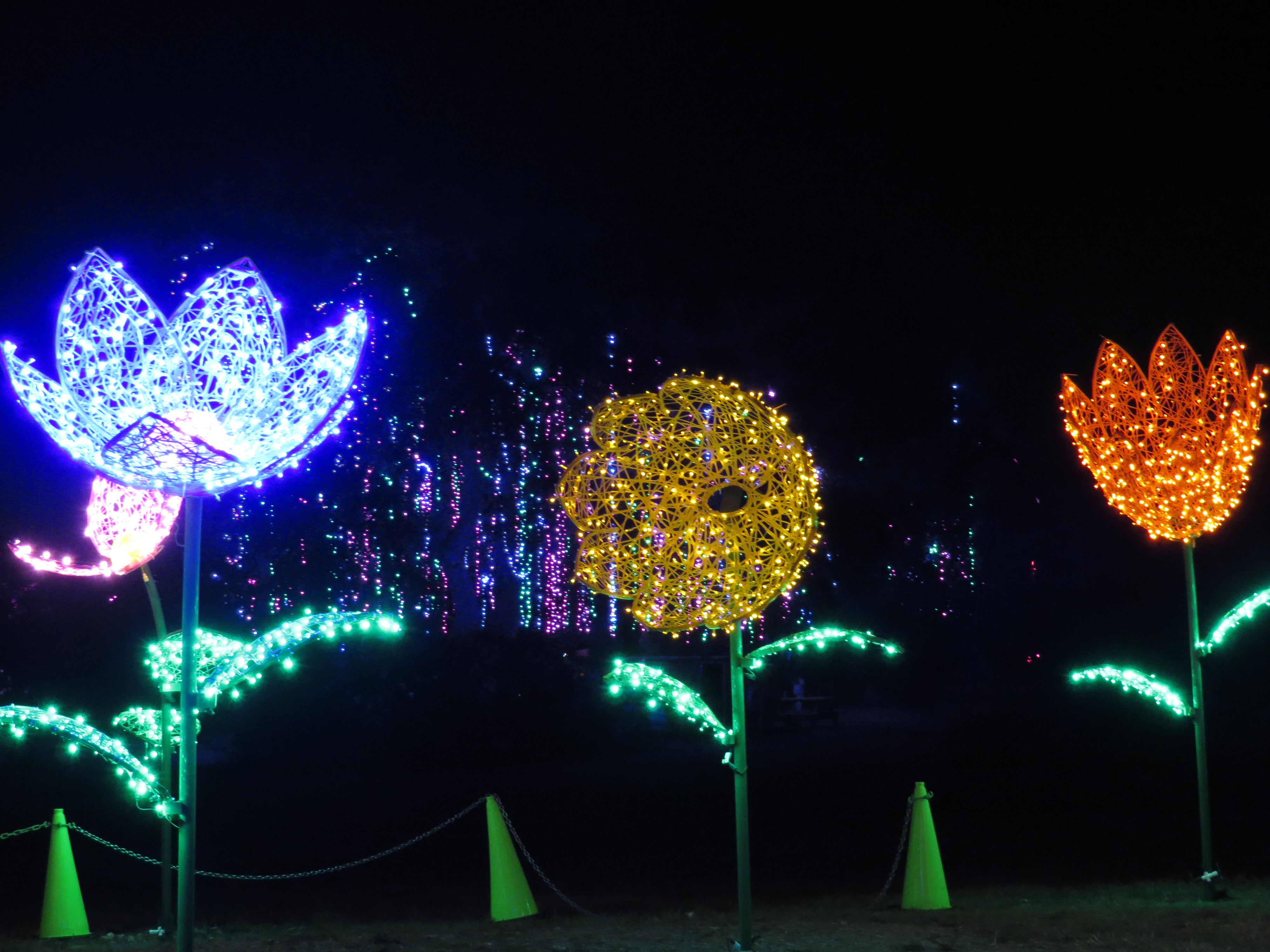
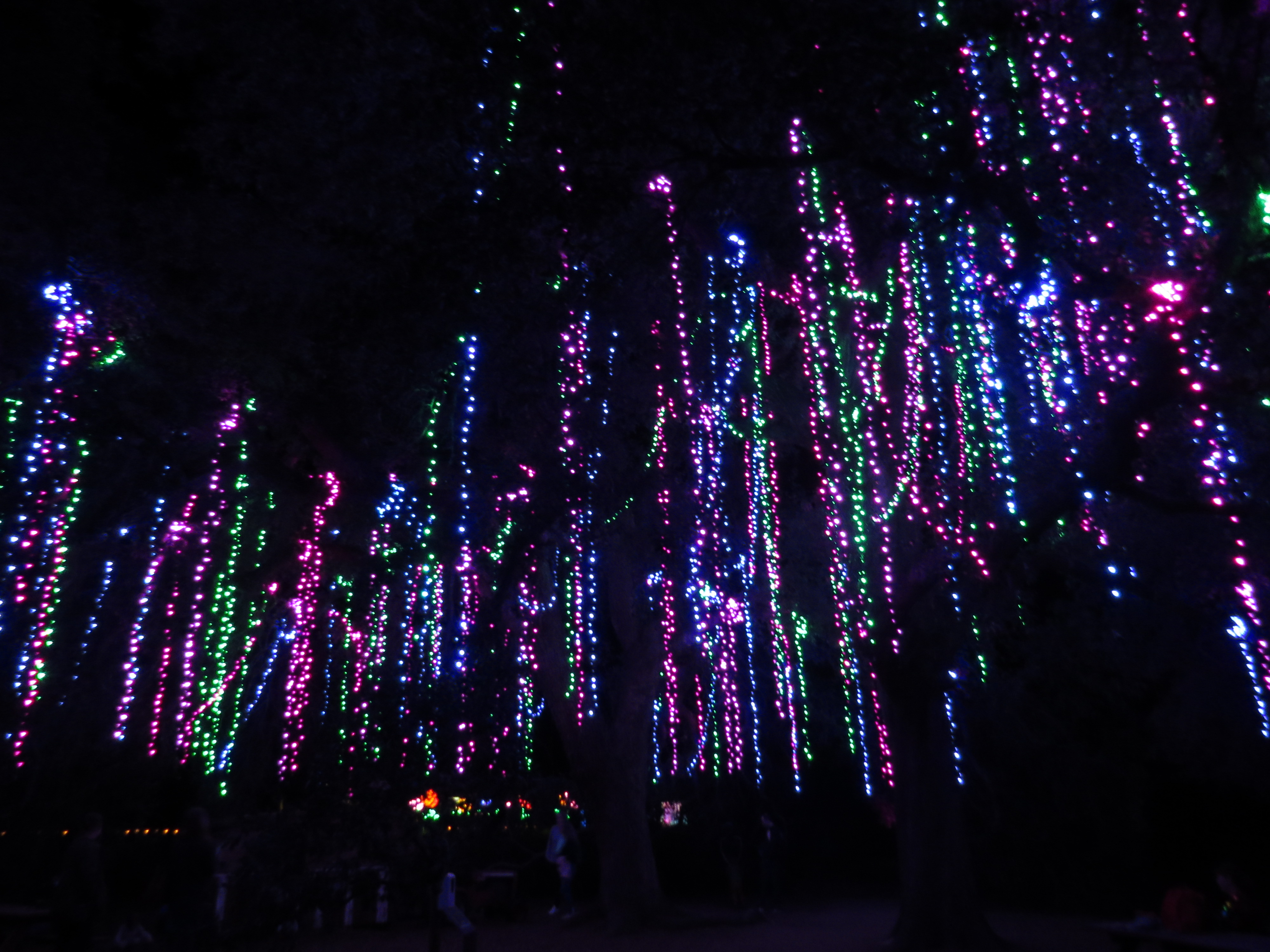
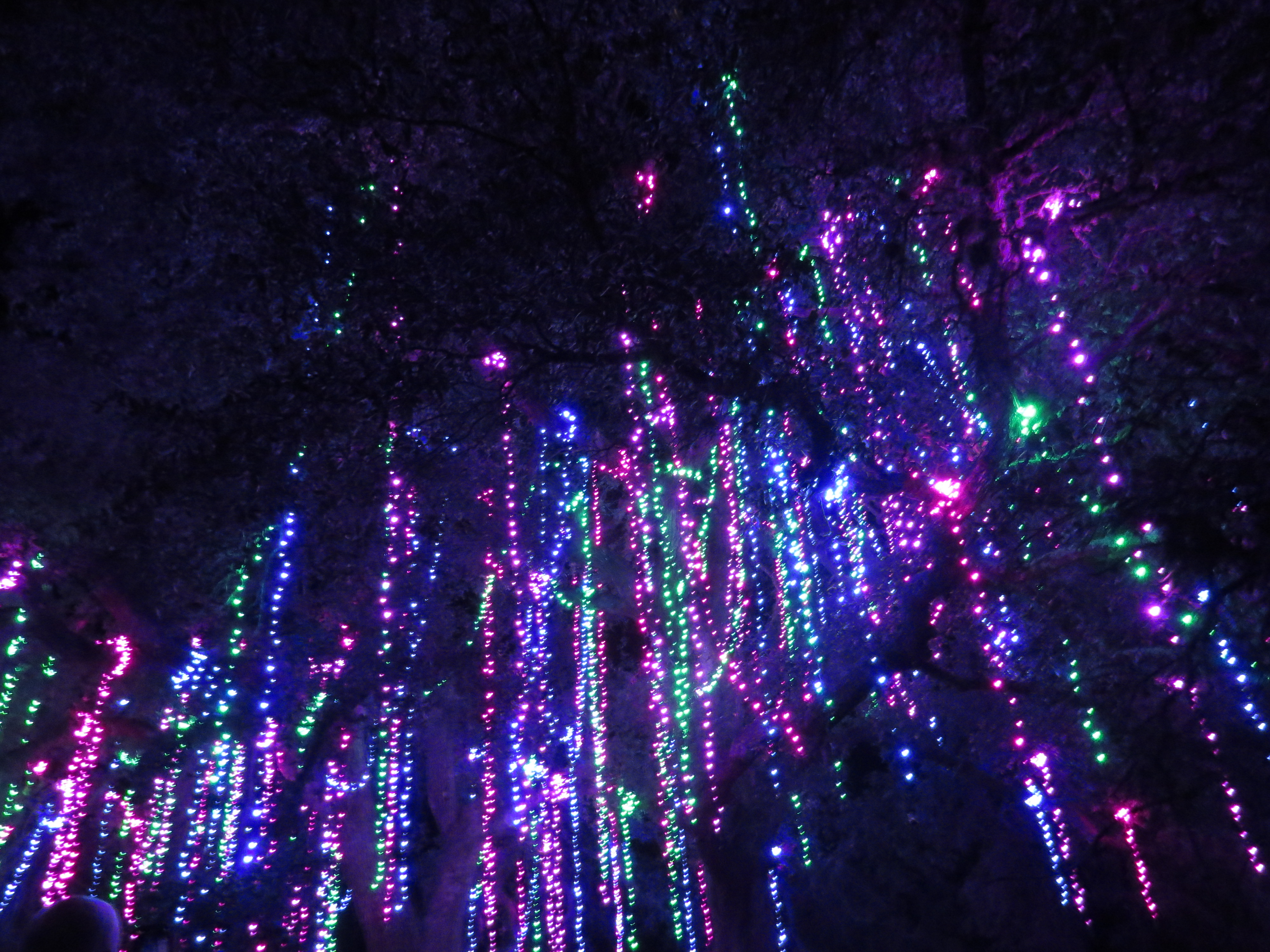
We drove to Austin, Texas to see Emily and Shawn. The long trip was tiring. A dullness of unprocessed feelings kept us quiet, and sitting for so long in sorrow stiffened our muscles. Nothing like death to make a person feel old. We spent the night in Denton before braving the constant construction on I-35. One of our anticipated events with Emily and Shawn was to go on the Luminary Walk at Lady Bird Johnson Wildflower Center. Two days before Christmas—a festive event. I gathered my energy. Through the darkness we walked with luminaries lighting our way.
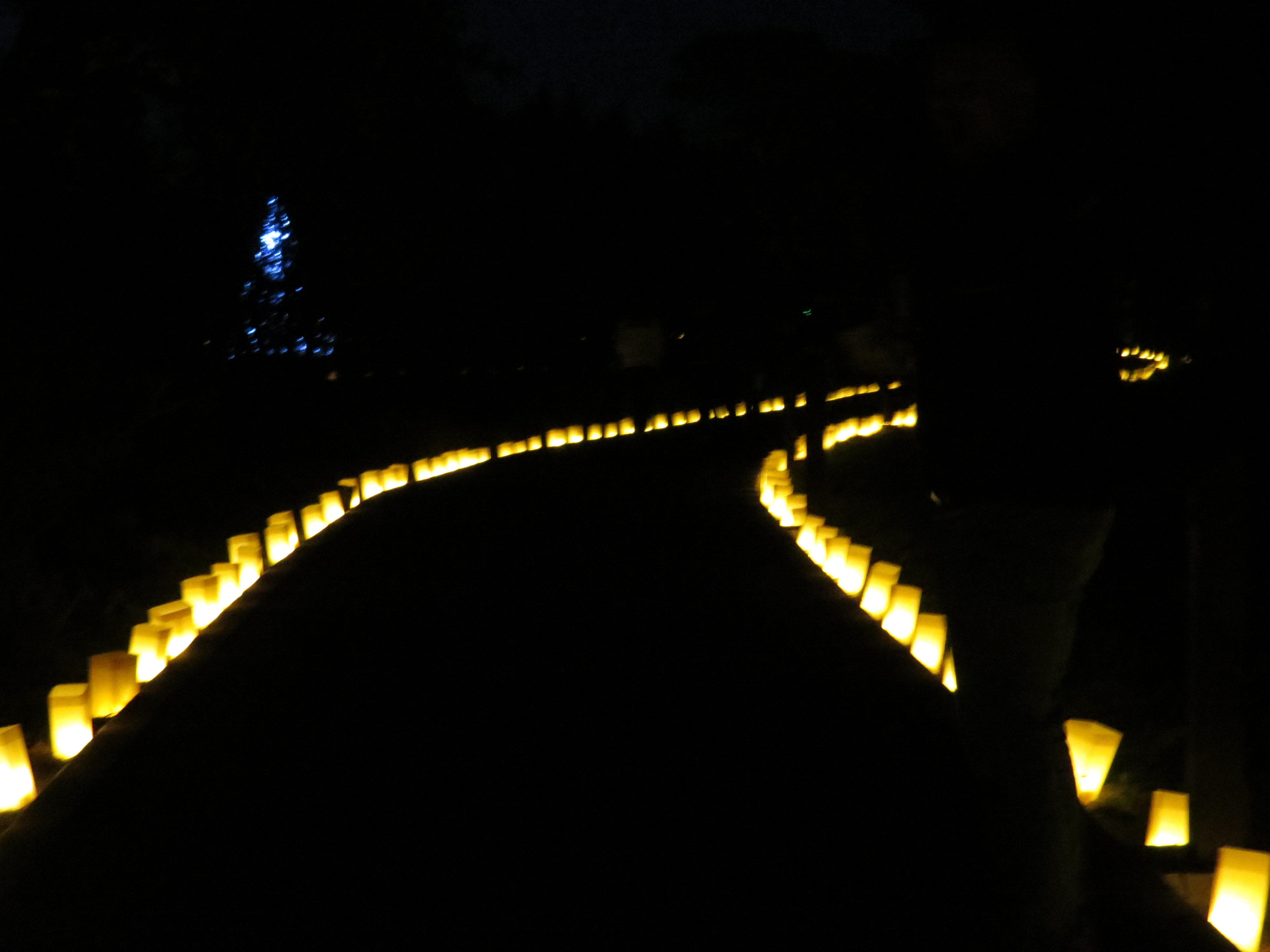

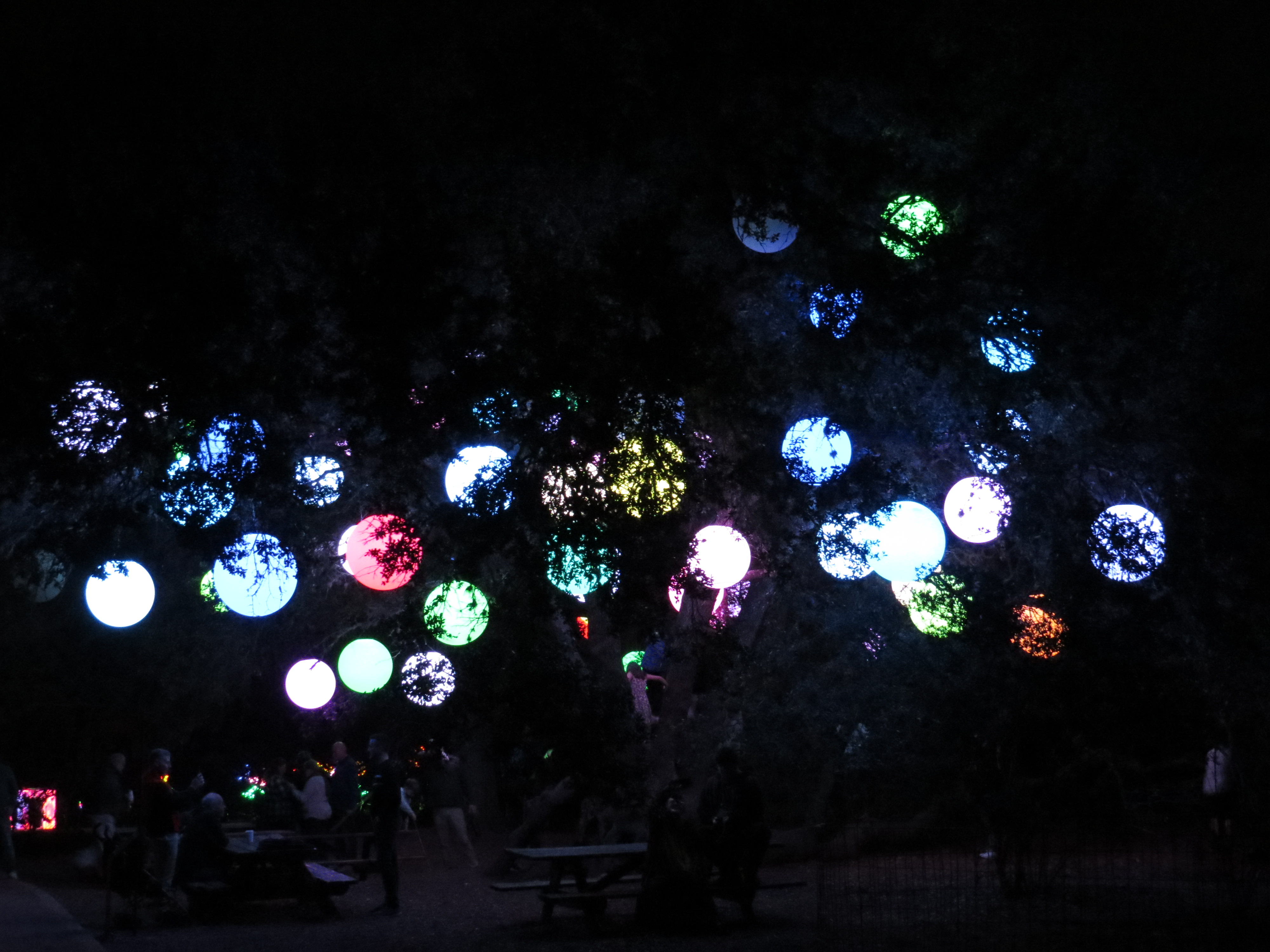
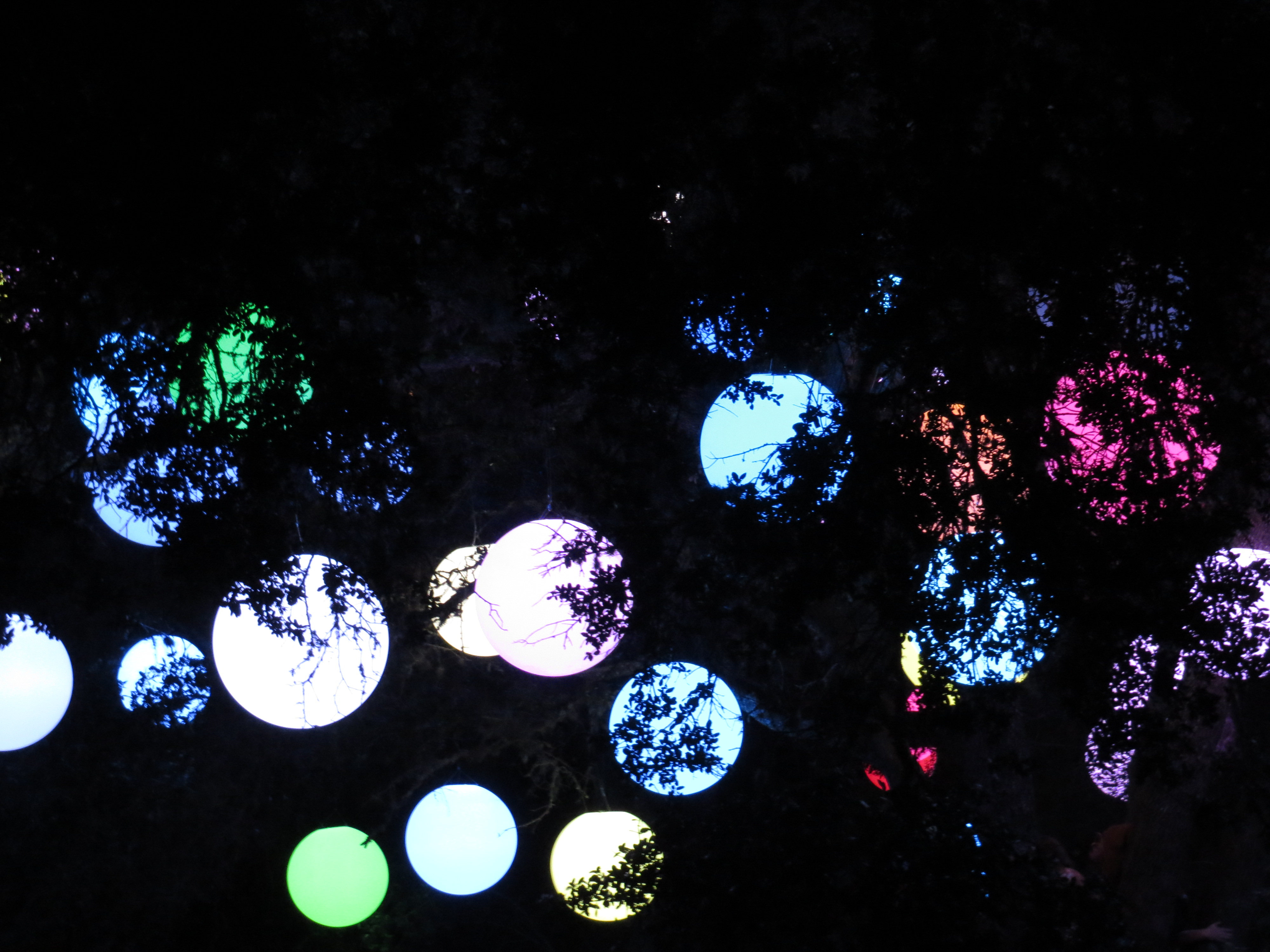
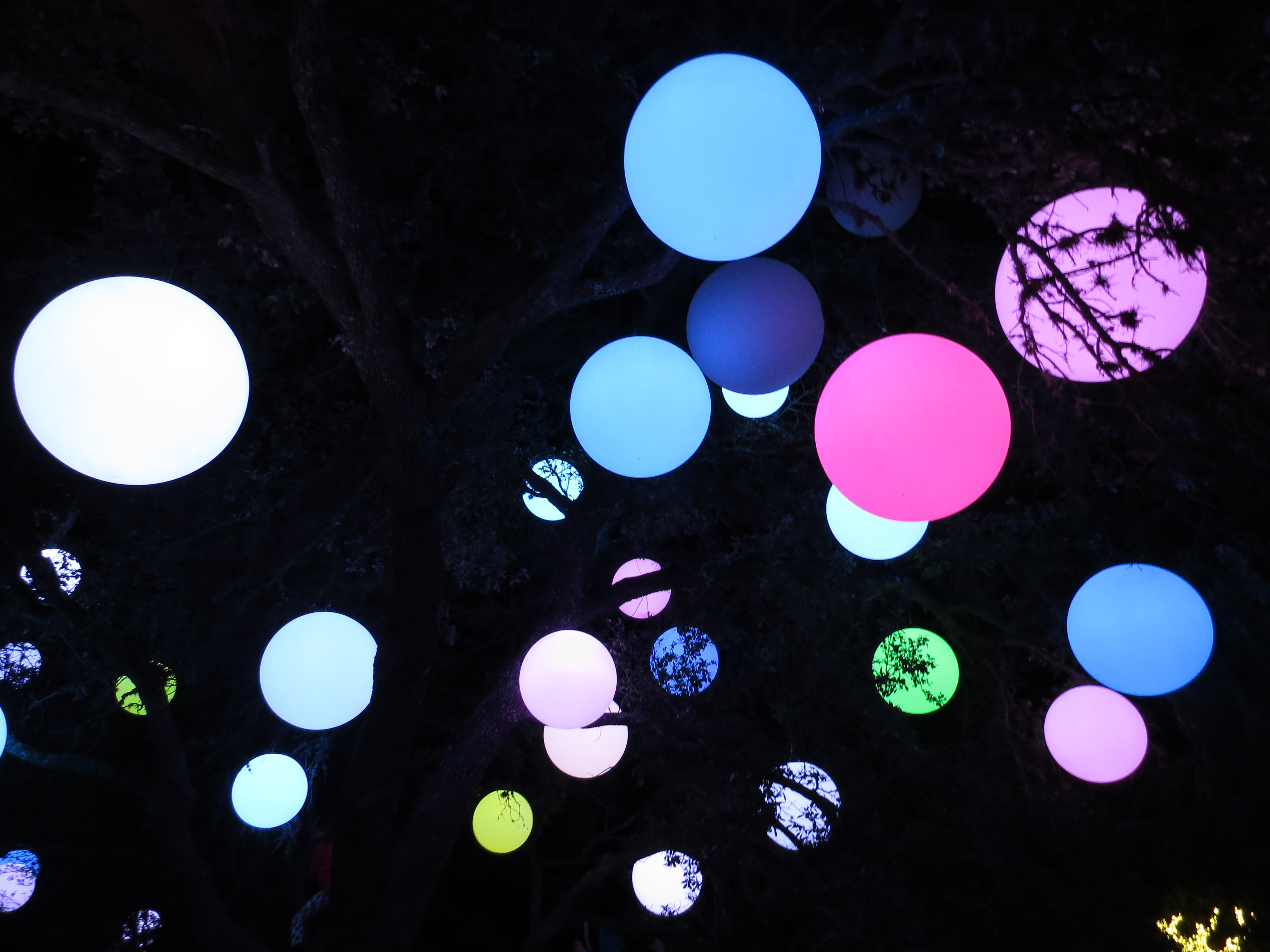
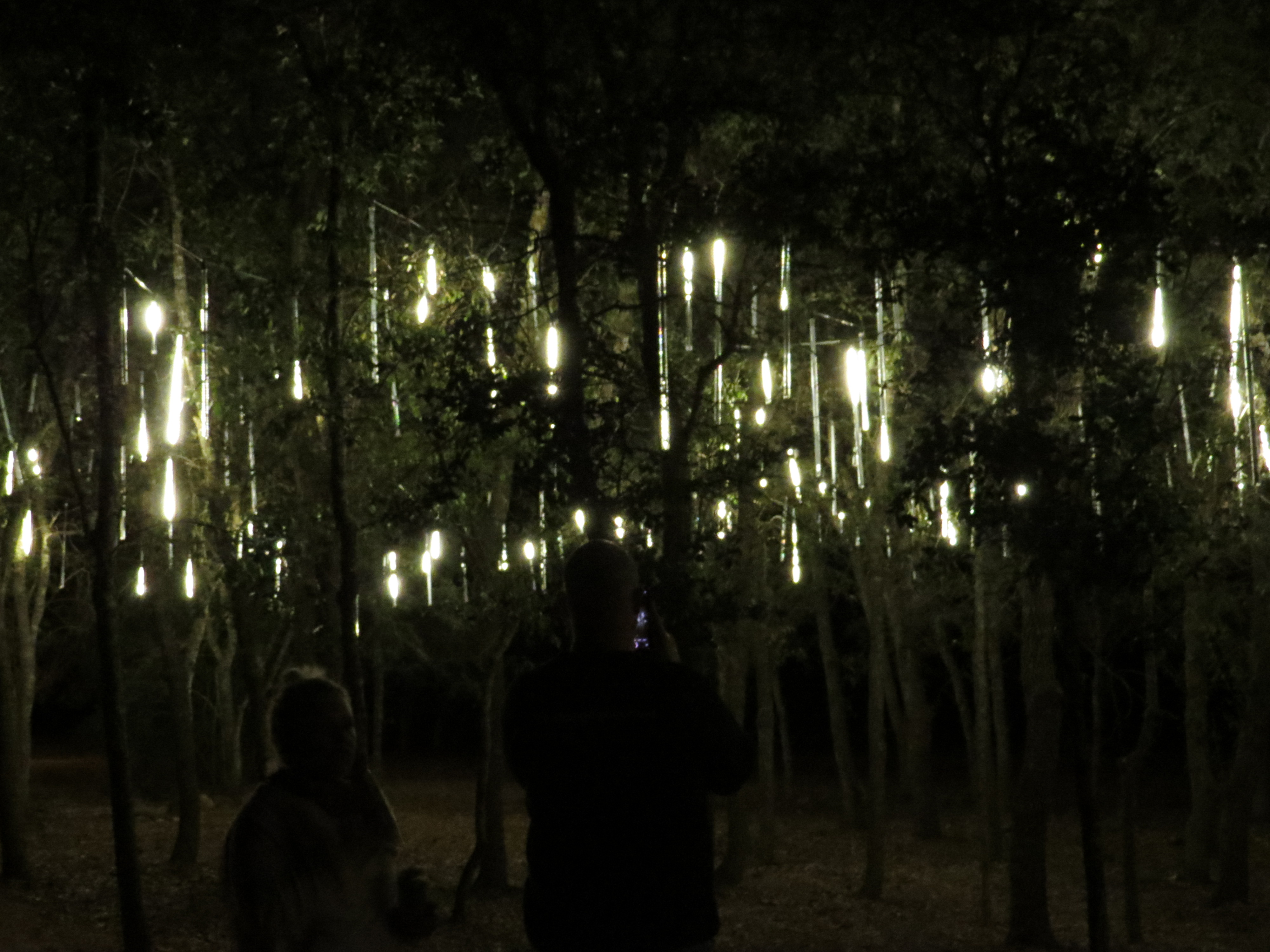
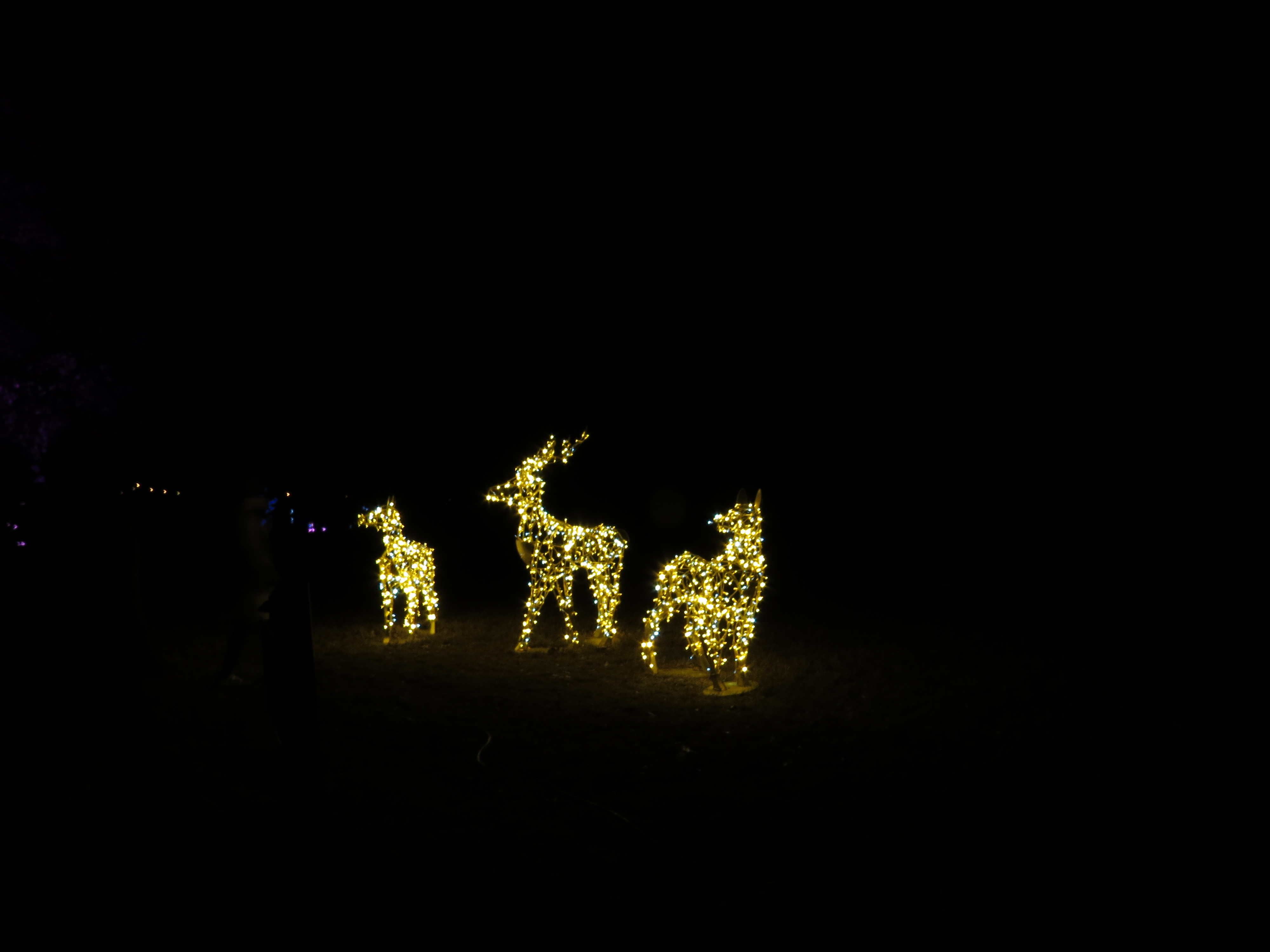
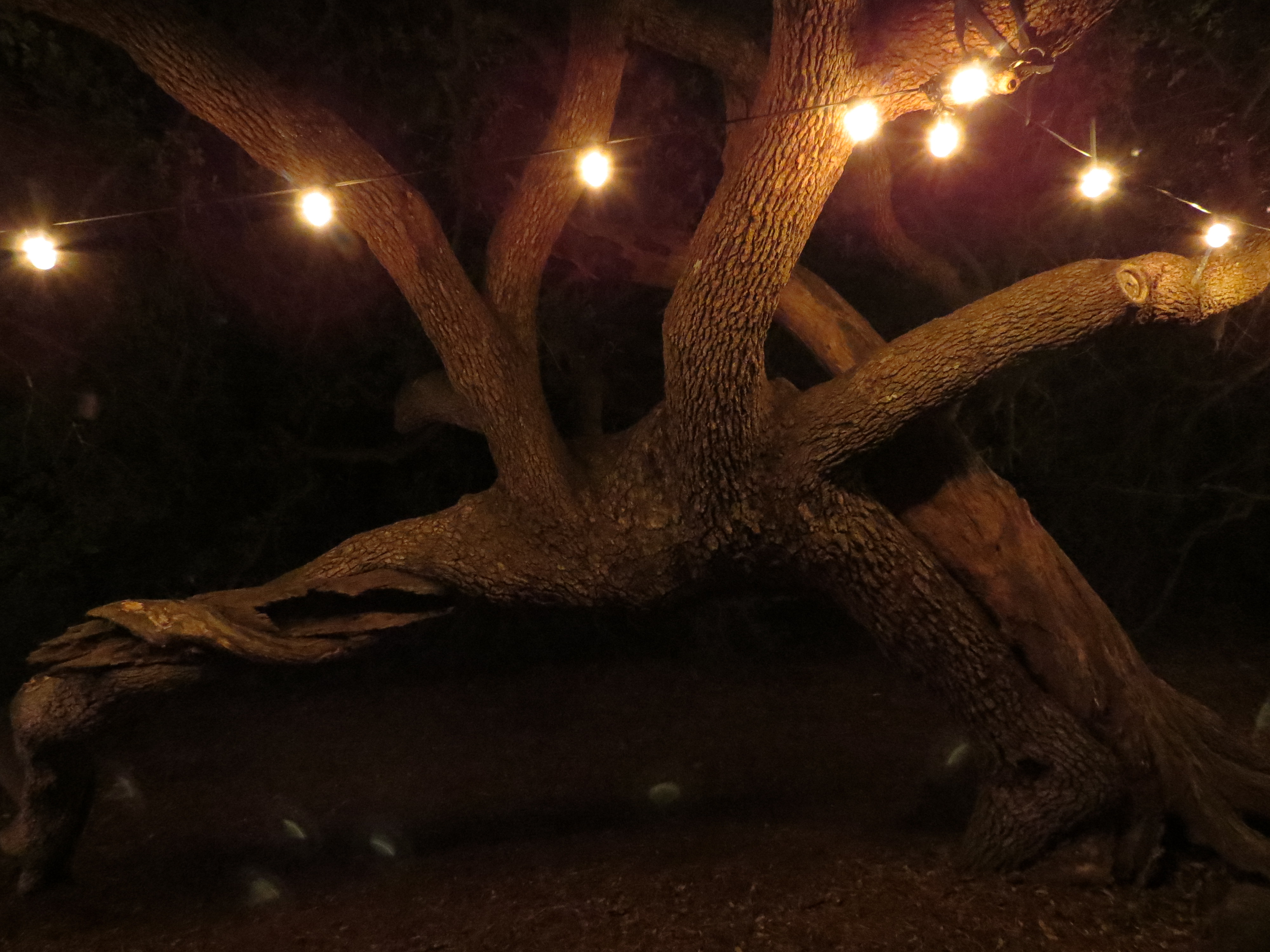
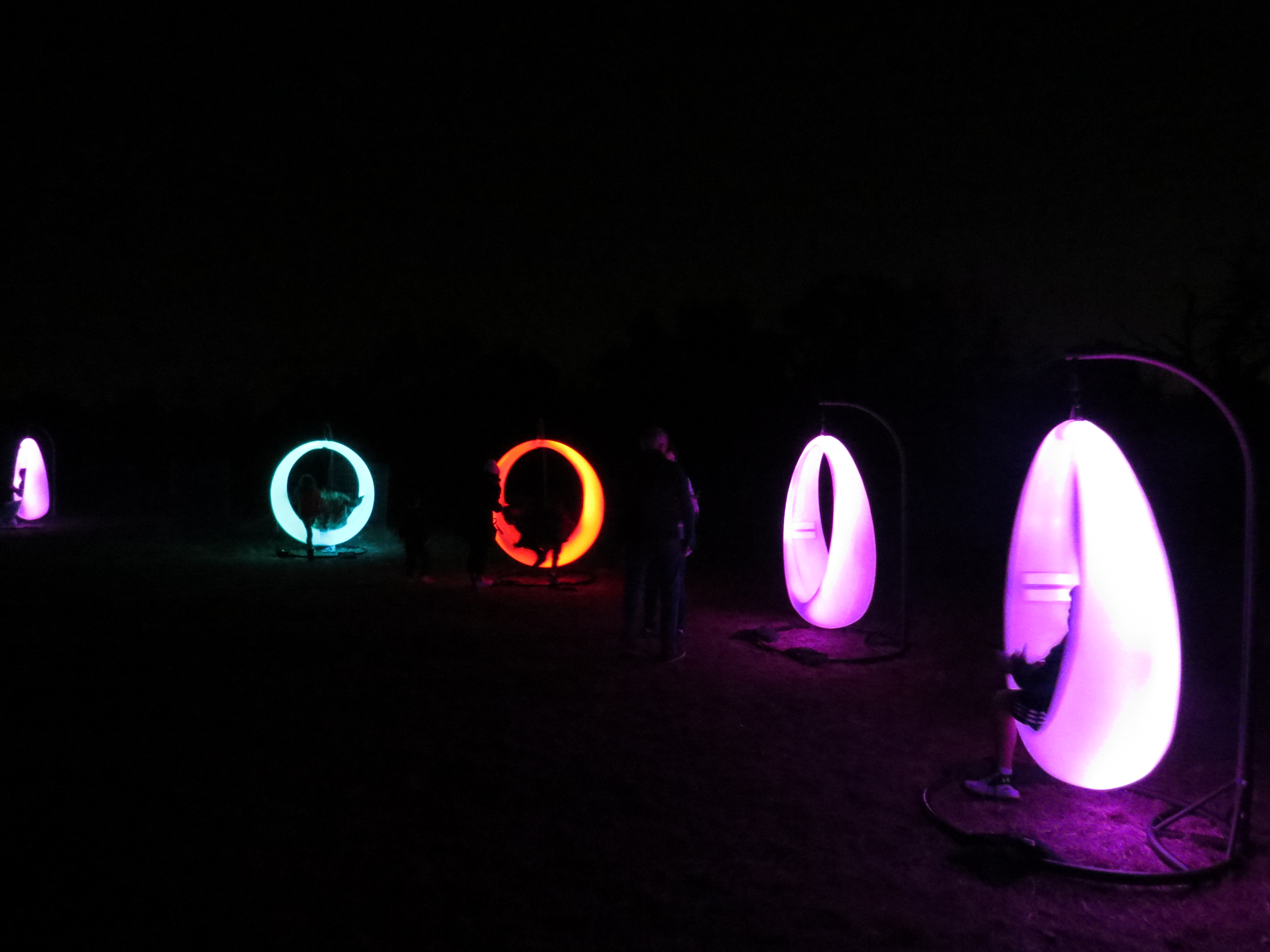
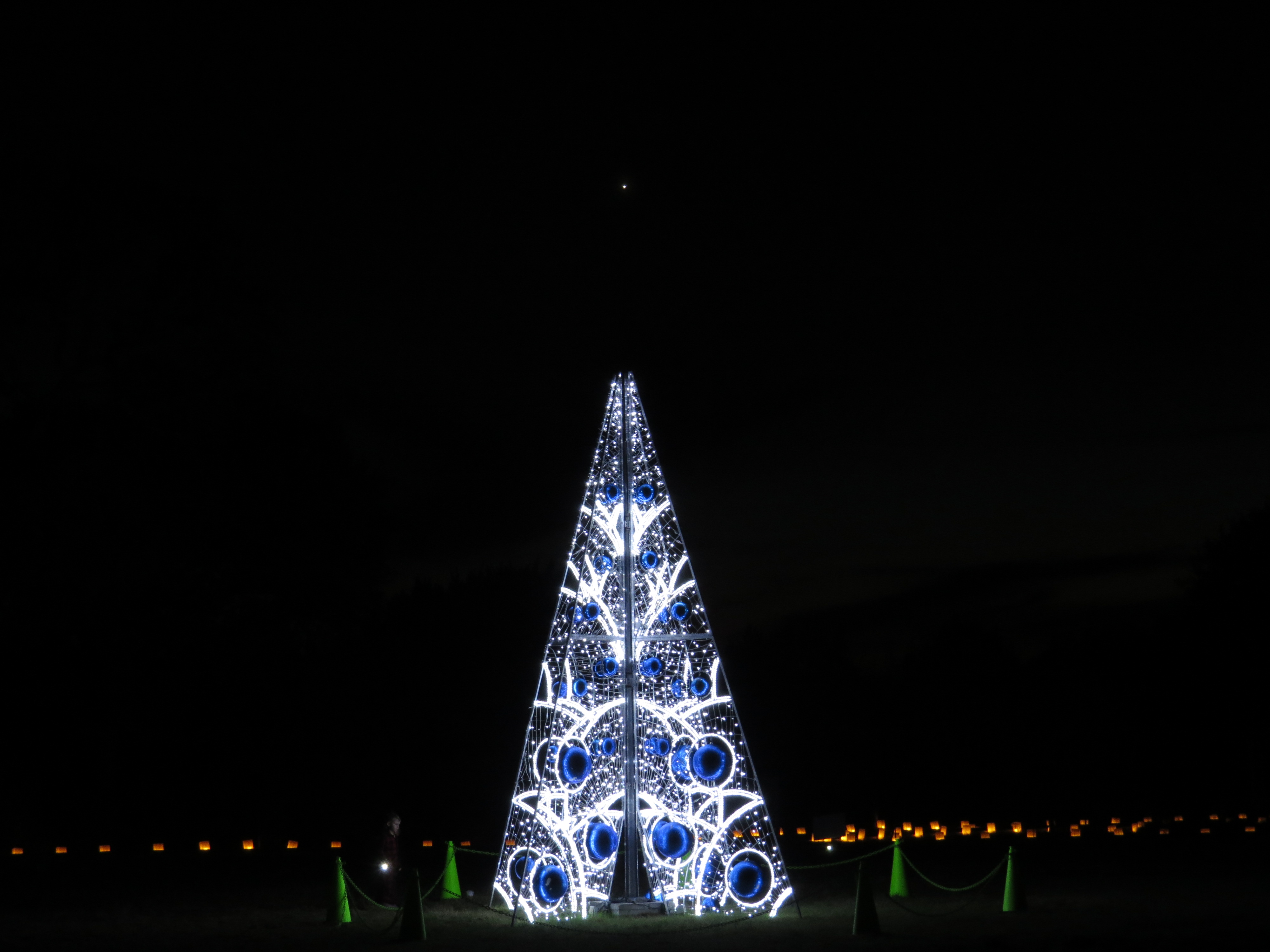
Chris noticed the real star above the lit tree. Darkness and beauty.
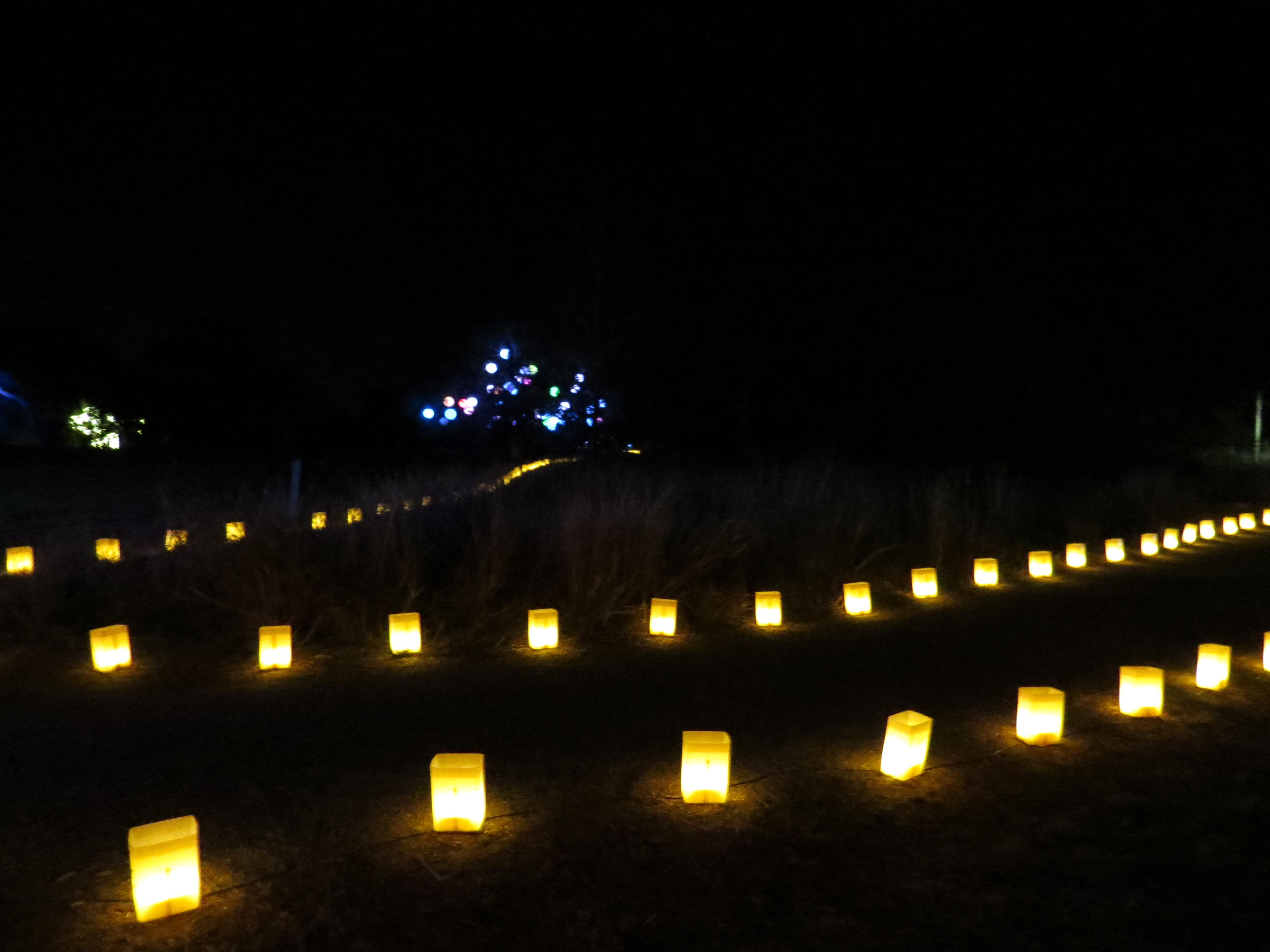
On the Luminary Walk, our eyes adjusted to the darkness. Our hearts began to adjust to the shock and sorrow. We saw kids playing on luminous swings, climbing structures, and mazes. We remembered the incredible fun and laughter Jon brought to all our lives. Lights illuminated certain trees that have lived long and endured many storms. Our memories highlighted the travails that Jon endured with strength and wit. We all walk the Luminary Walk through life. We encounter darkness—loss, heartache, hurt, confusion, and rejection—but there are luminaries all around us who can help us see through the heartbreak and darkness to find and feel the beauty once again.