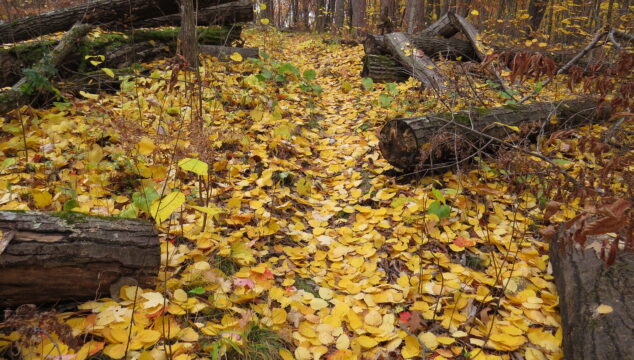
Come walk with me in the peak Autumn beauty of the Northwoods. To say that I love this time of year is an understatement. Most everyone can appreciate the colorful falling leaves---it reveals the 'true self' of a tree when its leaves are no longer producing chlorophyll. Their true colors are revealed, and there is something simple … [Read More...]
Archives for 2021
The World Beneath Our Feet
Give me the man who will surrender the whole world for a moss or a caterpillar, and impracticable visions for a simple human delight.
The man who authored this quote was Bruce Frederick Cummings, born in England in 1889. He published a book of diary entries entitled The Journal of a Disappointed Man in 1919. That was also the year he died at the age of thirty from multiple sclerosis. It was only in 1915 when he was rejected from serving in World War I that he learned of his diagnosis and prognosis. Afterwards, he wrote eloquently of his struggle from his ‘naturalist at heart’ perspective. He wrote about his impending death:
To me the honour is sufficient of belonging to the universe — such a great universe, and so grand a scheme of things. Not even Death can rob me of that honour. For nothing can alter the fact that I have lived; I have been I, if for ever so short a time. And when I am dead, the matter which composes my body is indestructible—and eternal, so that come what may to my ‘Soul,’ my dust will always be going on, each separate atom of me playing its separate part — I shall still have some sort of a finger in the pie. When I am dead, you can boil me, burn me, drown me, scatter me — but you cannot destroy me: my little atoms would merely deride such heavy vengeance. Death can do no more than kill you.
It was because of the rain the day before that the world beneath our feet burst into a lush, colorful canvas. Last weekend’s rain was the first substantial Spring shower of the season, the one to wash away the accumulated grime from Winter’s melted snow piles and the one to anoint the dormant ground with Nature’s blessing. The first to respond to that blessing is an array of mosses and lichens that have been covered with snow most of the Winter. Without traditional plant structures like roots, stems, leaves, and flowers, they absorb water and nutrients like a sponge—plumping up, greening up, and livening up.
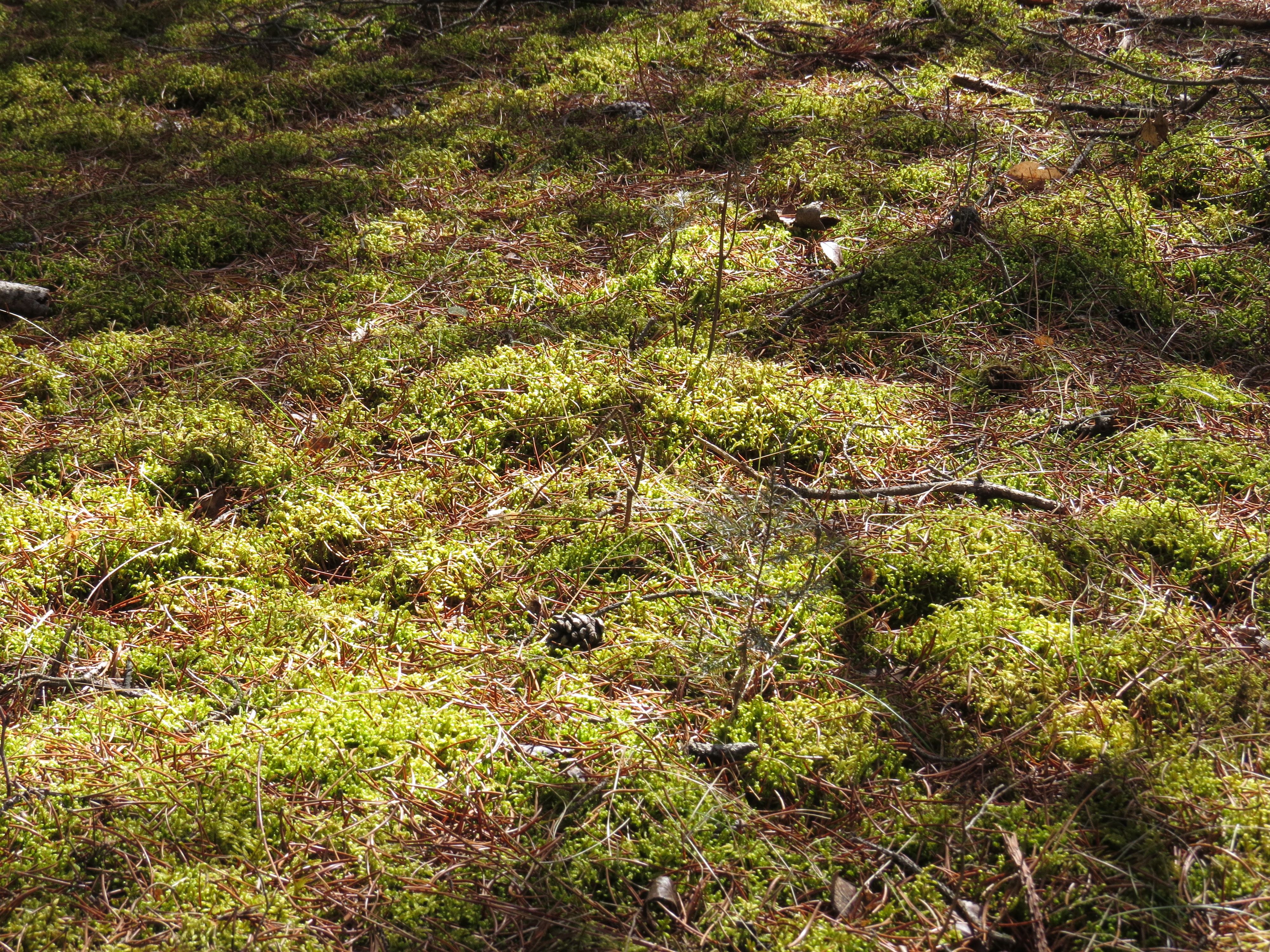
A bed of moss makes a desirable, protective seedbed for tiny new trees, helping to keep the ground moist for germination.
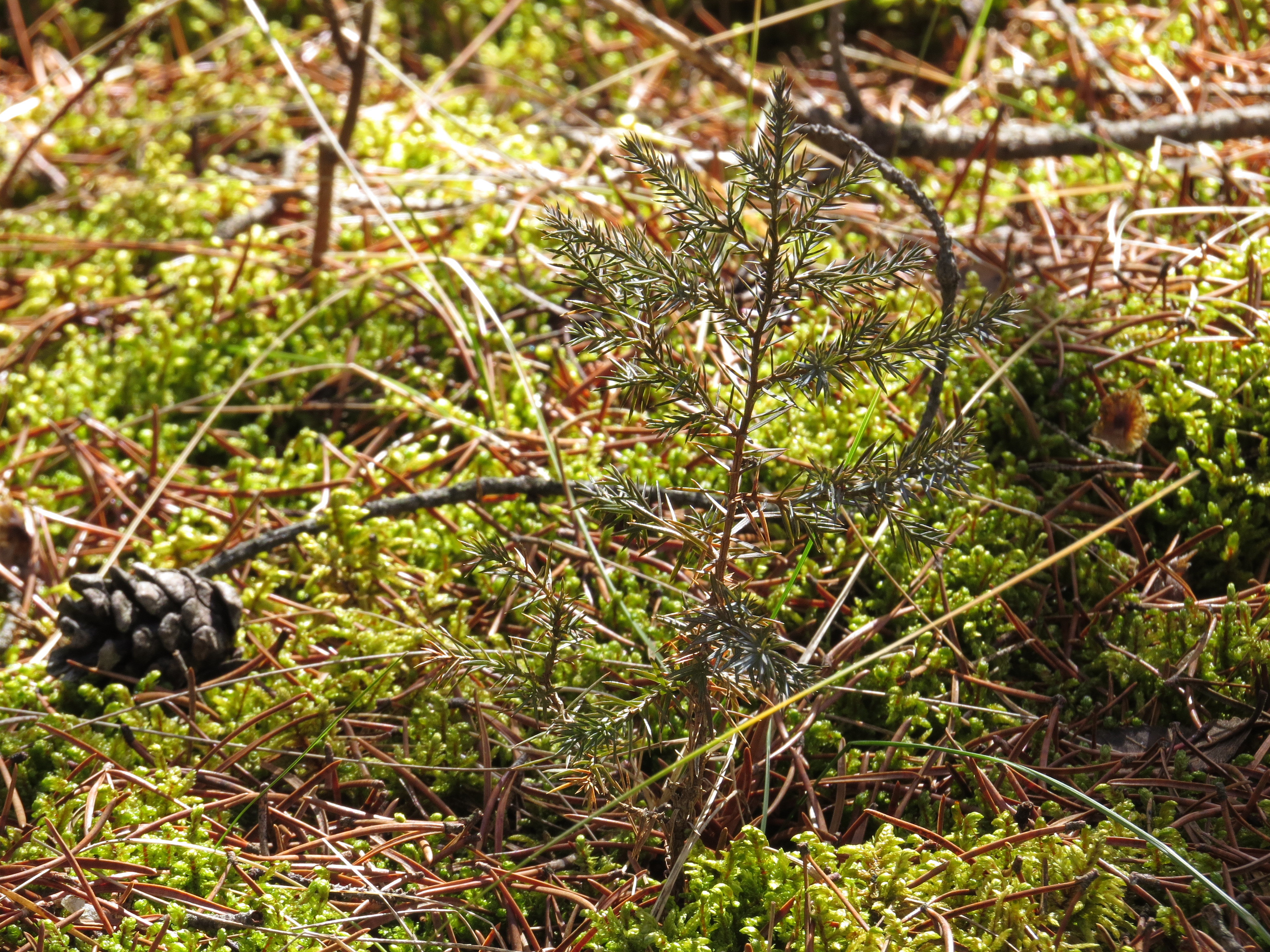
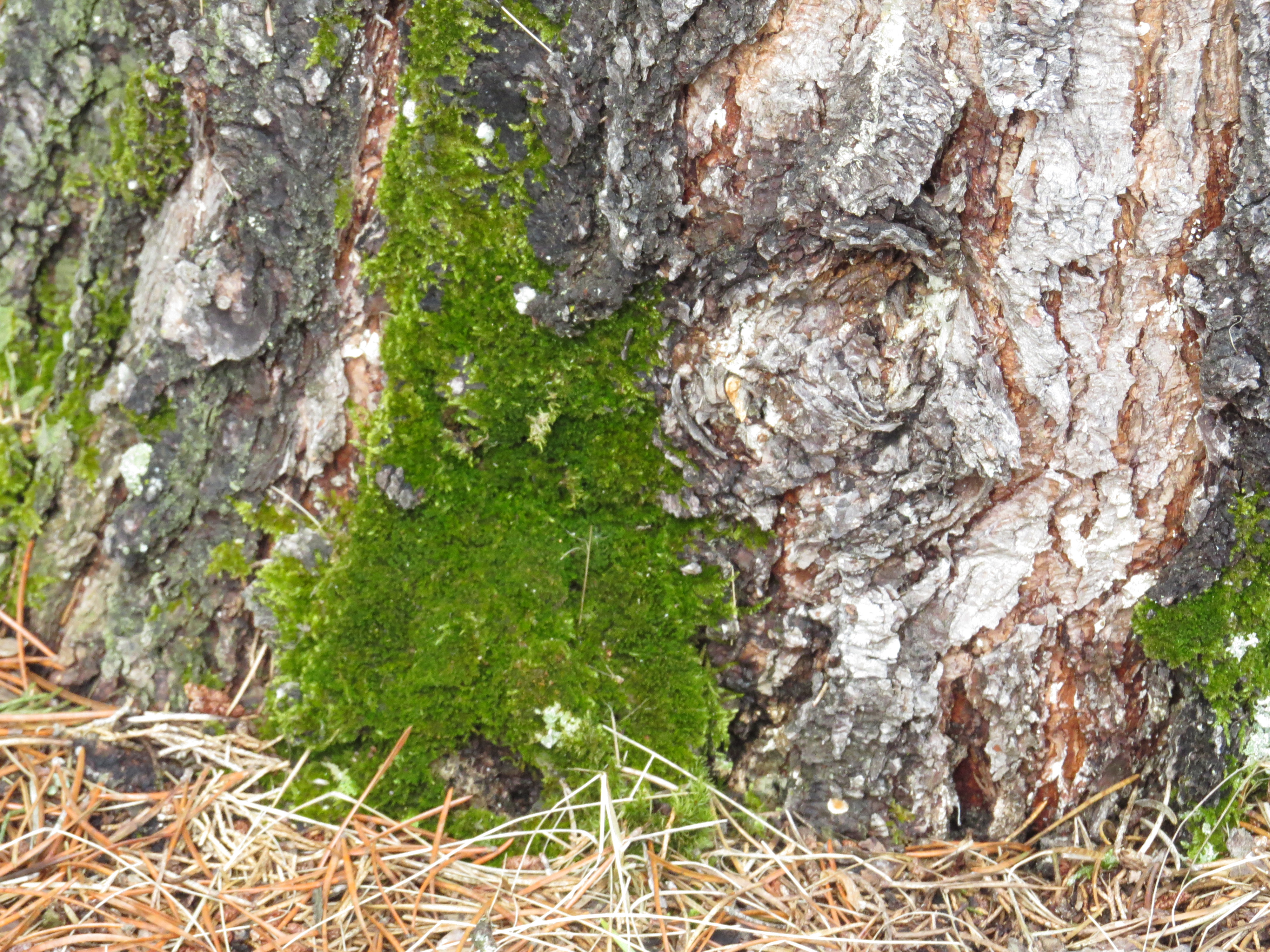
Since mosses and lichens have no roots or structures to transport water throughout their system, most grow close to the ground so as not to dry out. When a tree is ‘grounded,’ moss will soon overtake it.
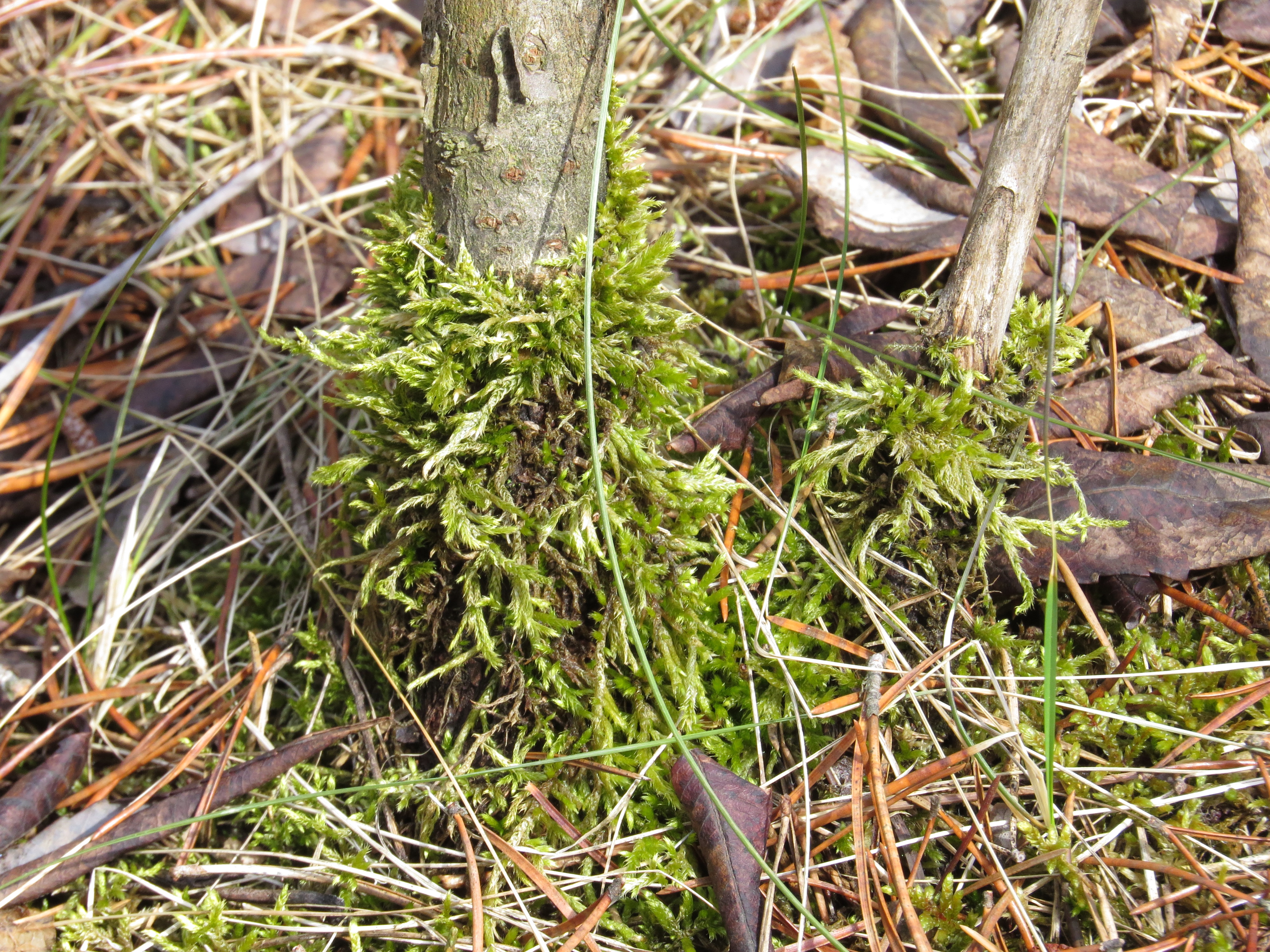
Young saplings looked like they were wearing ‘mossy pants.’
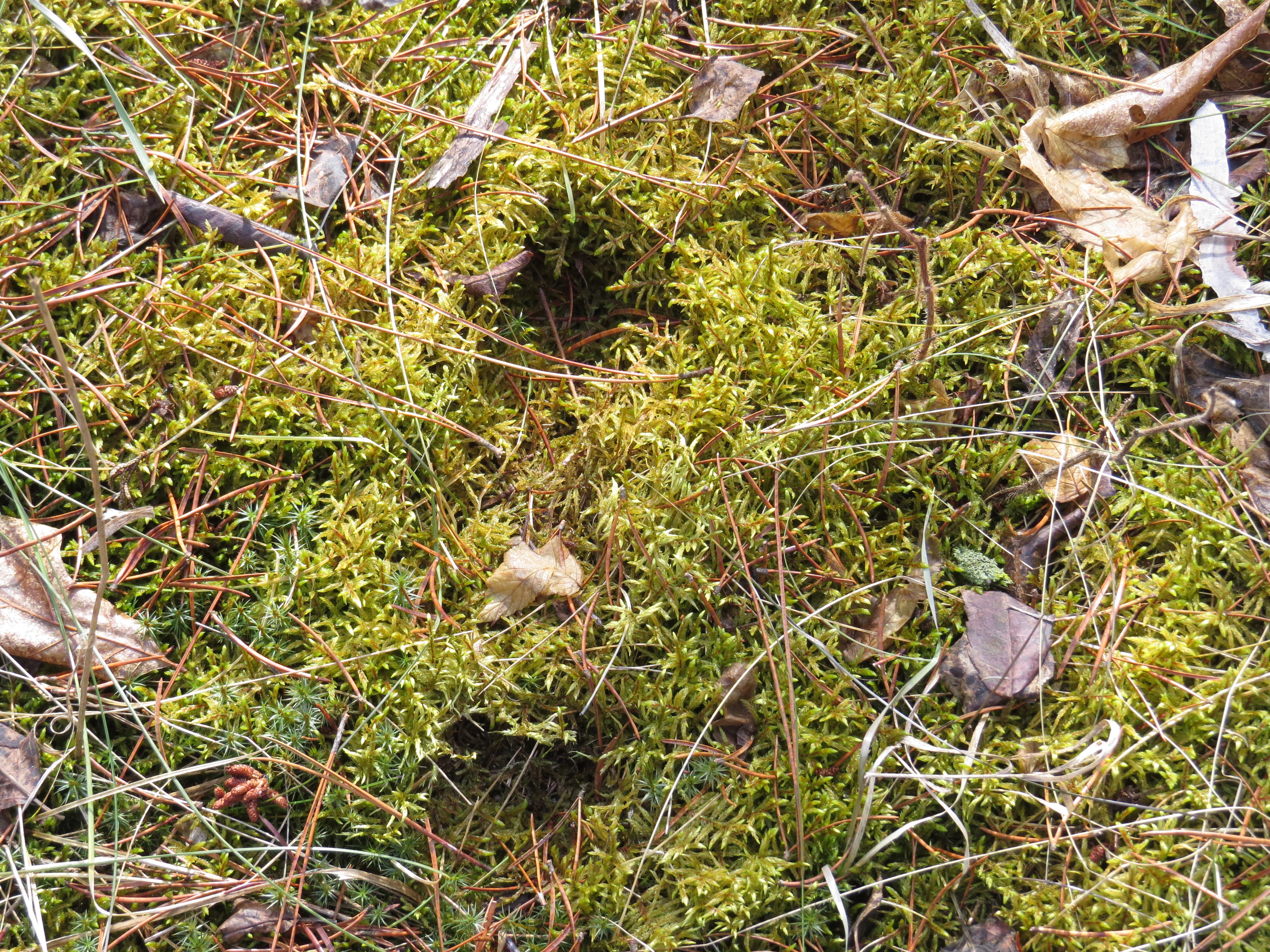
Deer tracks dug into the soft, squishy carpet of rain-drenched moss.
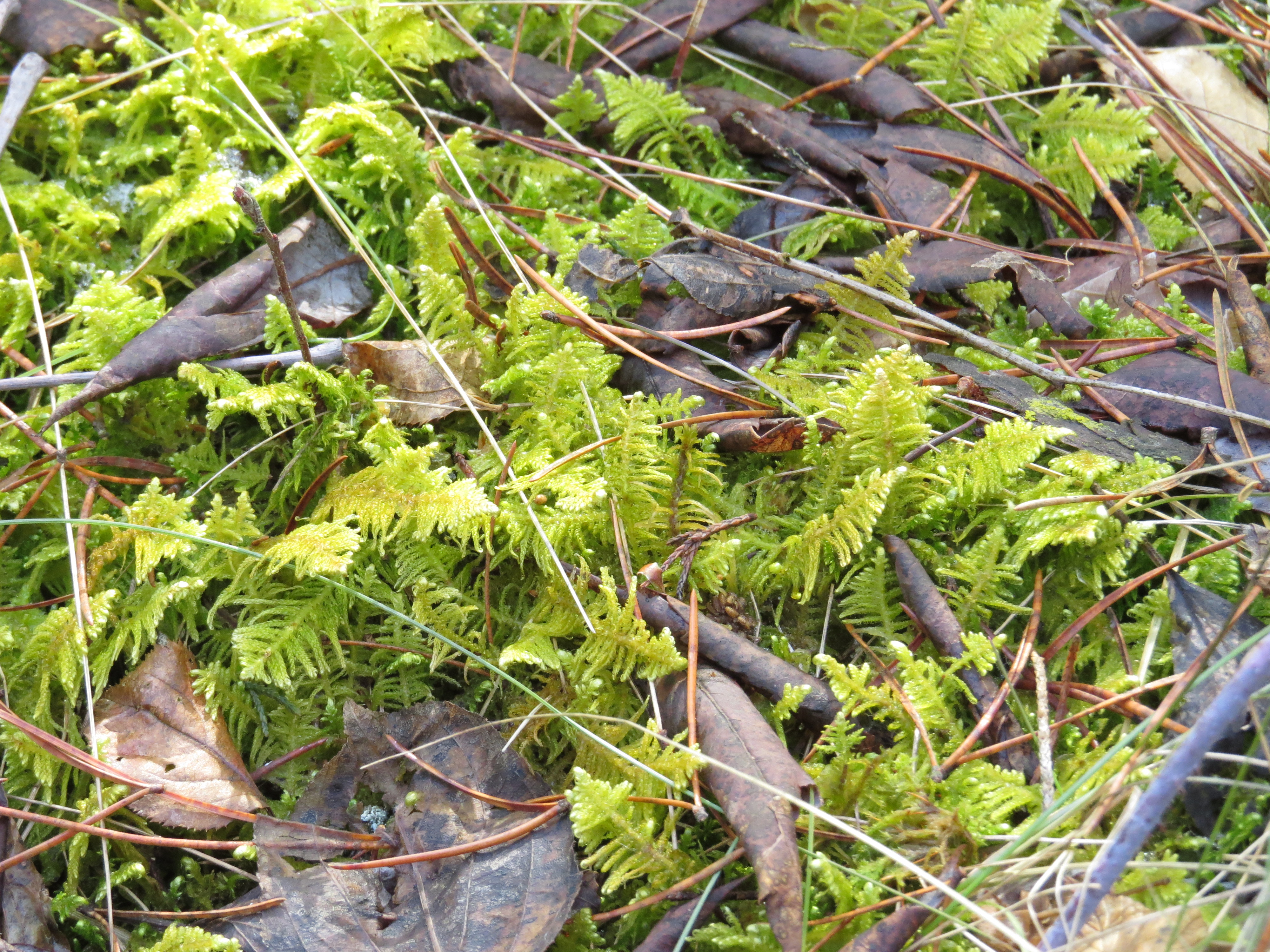
Lime green Plume moss pushed aside the dark purple, rolled leaves of late Fall.
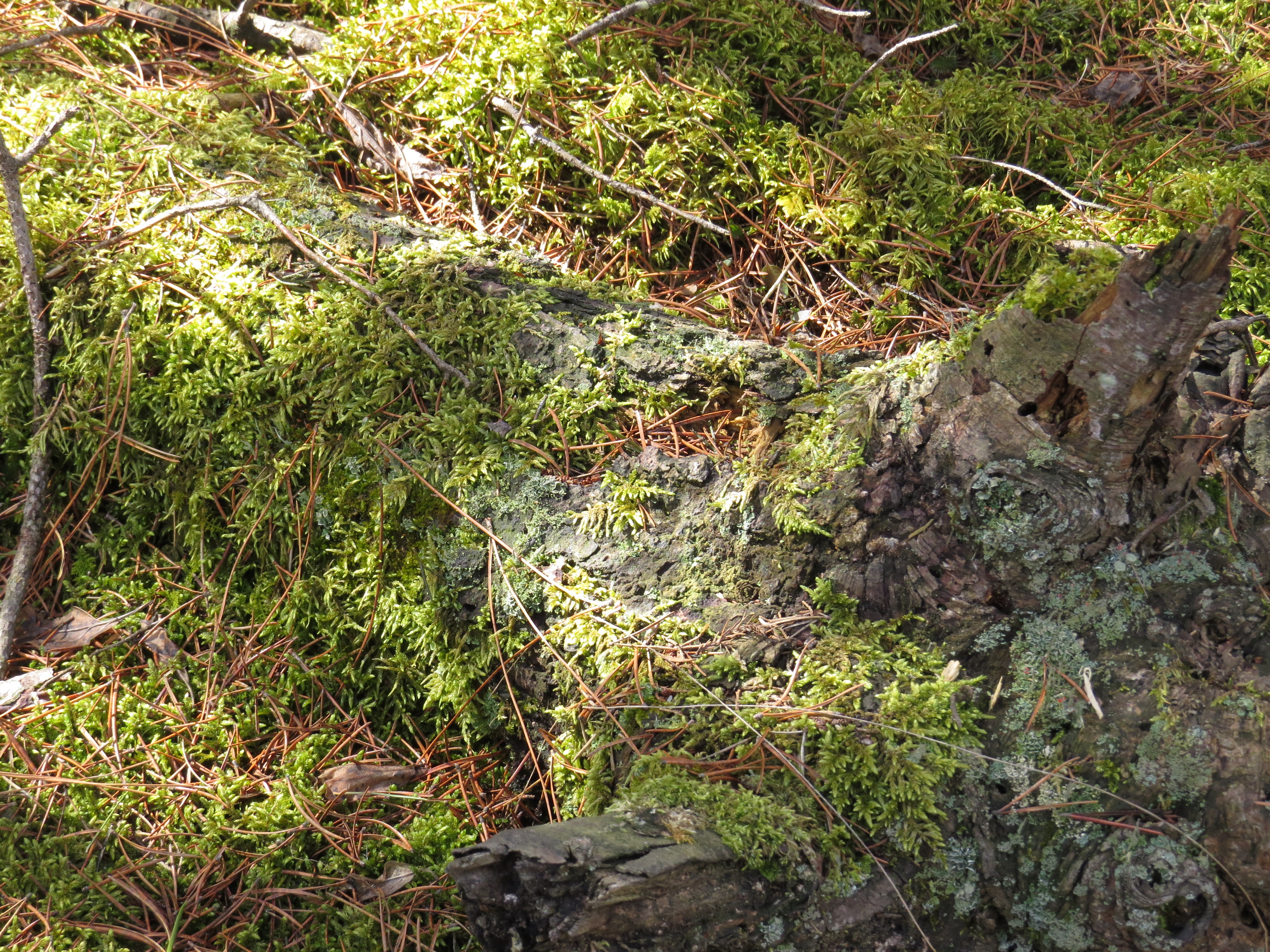
Mosses and lichens are an essential part of our ecosystem, absorbing carbon dioxide and other pollutants.
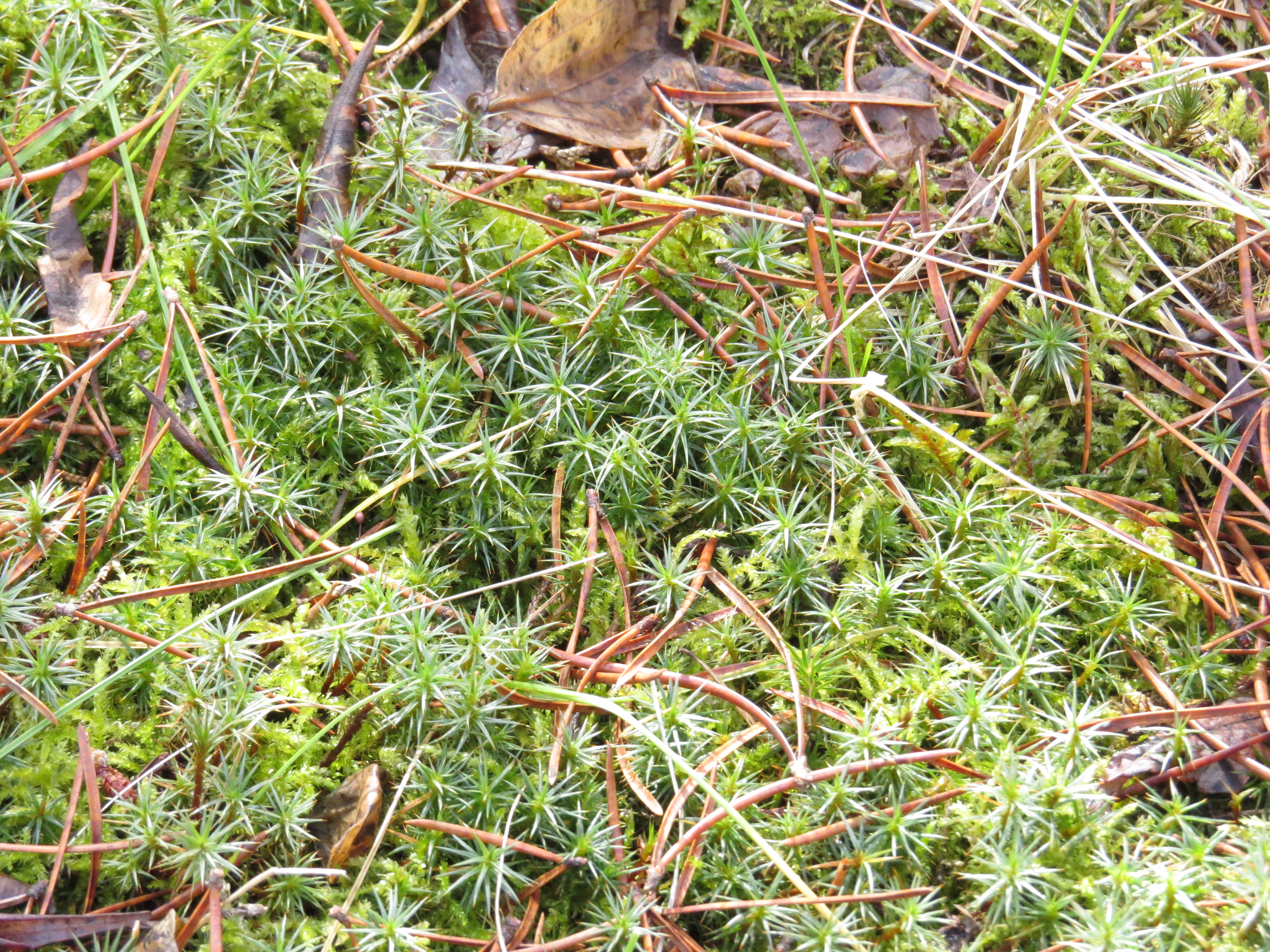
Little stars of Juniper moss twinkled among the Jack Pine needles.
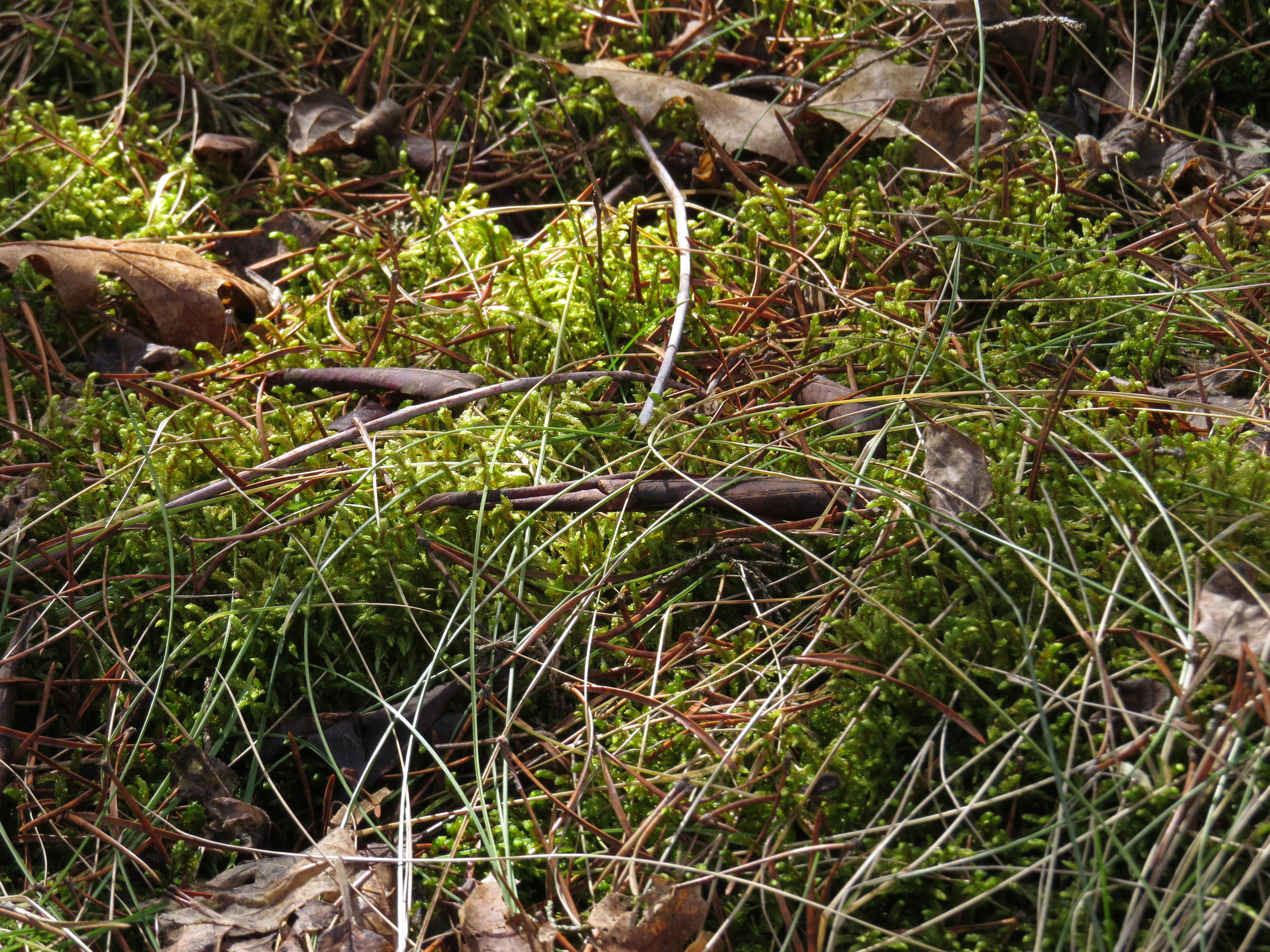
The forest floor, that world beneath our feet, is a community of sticks, leaves, grasses, insects, mosses, seeds, bacteria, lichens, fungi, and others—all living and working together in a symbiotic relationship.
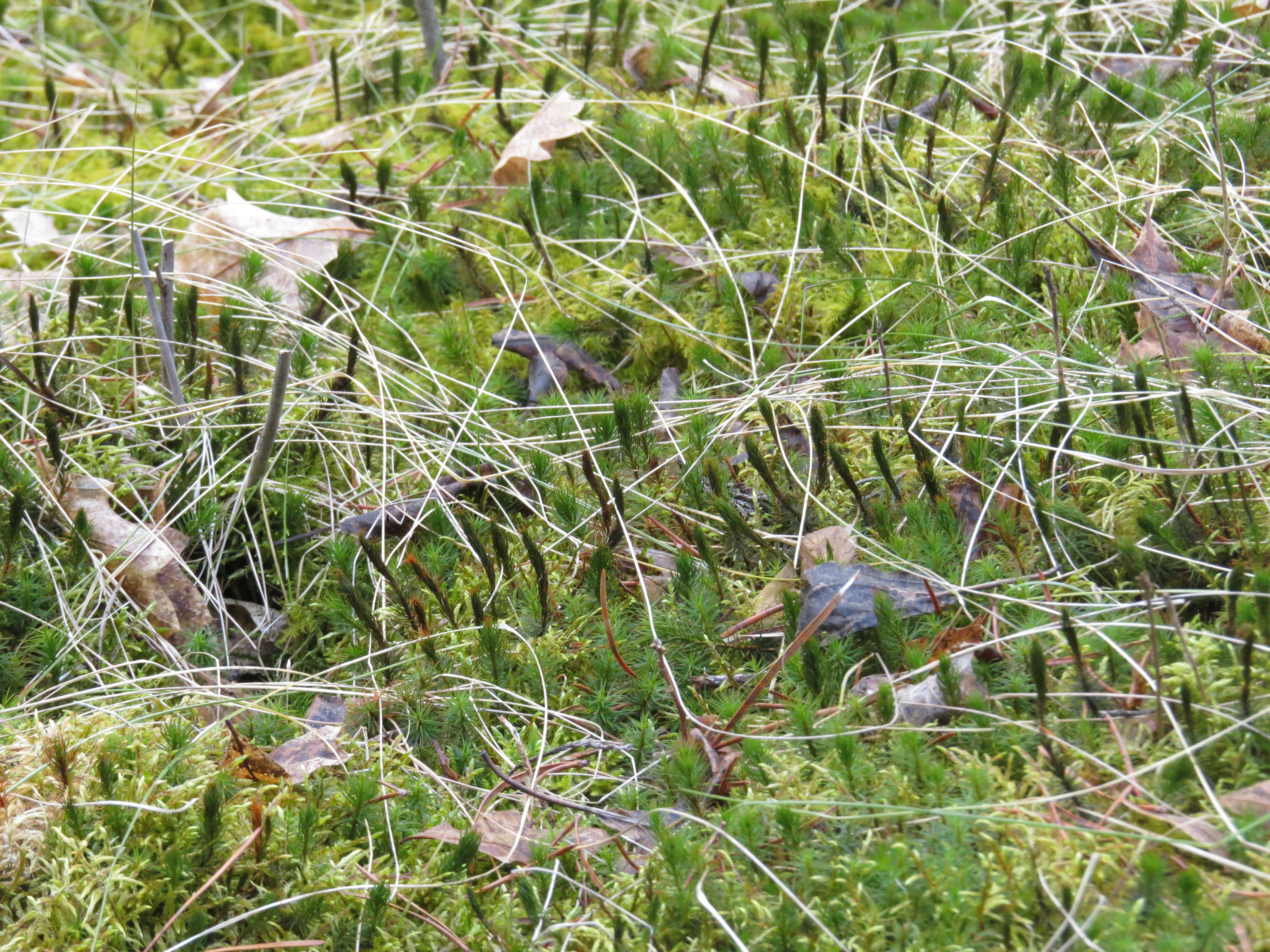
When mosses ‘bloom,’ they produce sporophyte stalks and spores—after the rain, they were already getting to the business of reproduction.
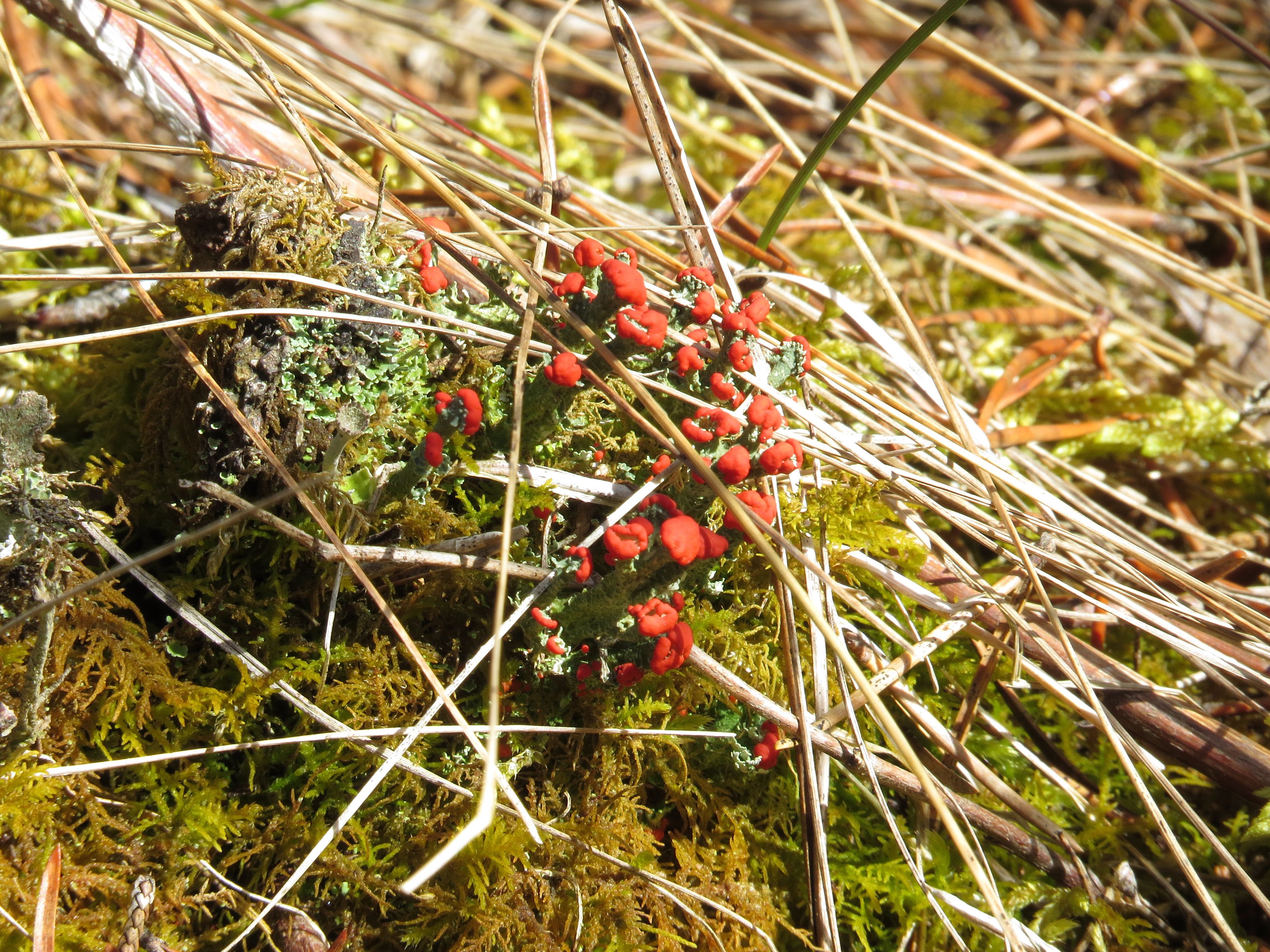
The ‘red coat’ protuberances of British Soldier lichens are eye-catching in the early Spring monochrome…
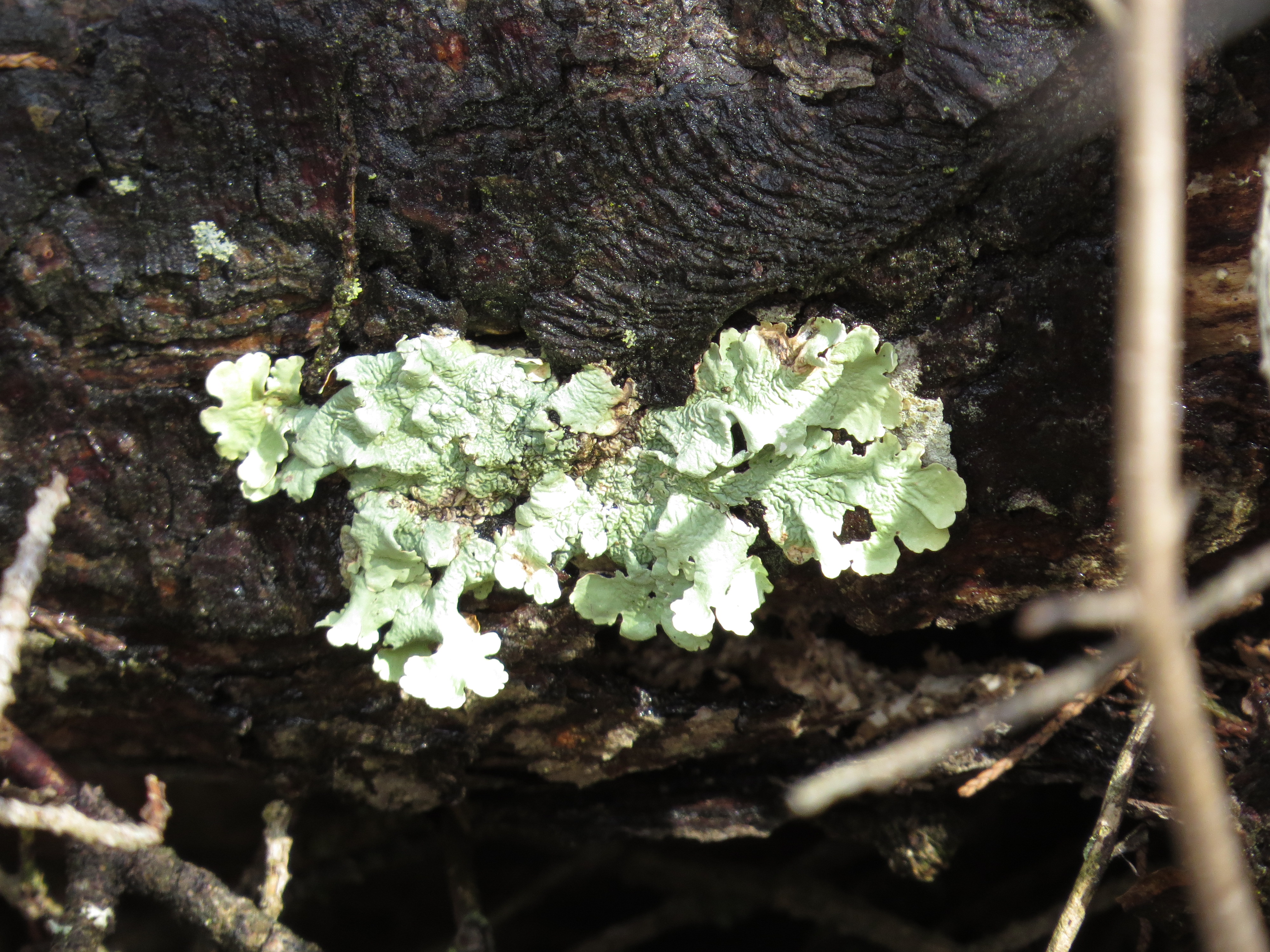
…as is this light green lichen on the dark wood of a Pine.
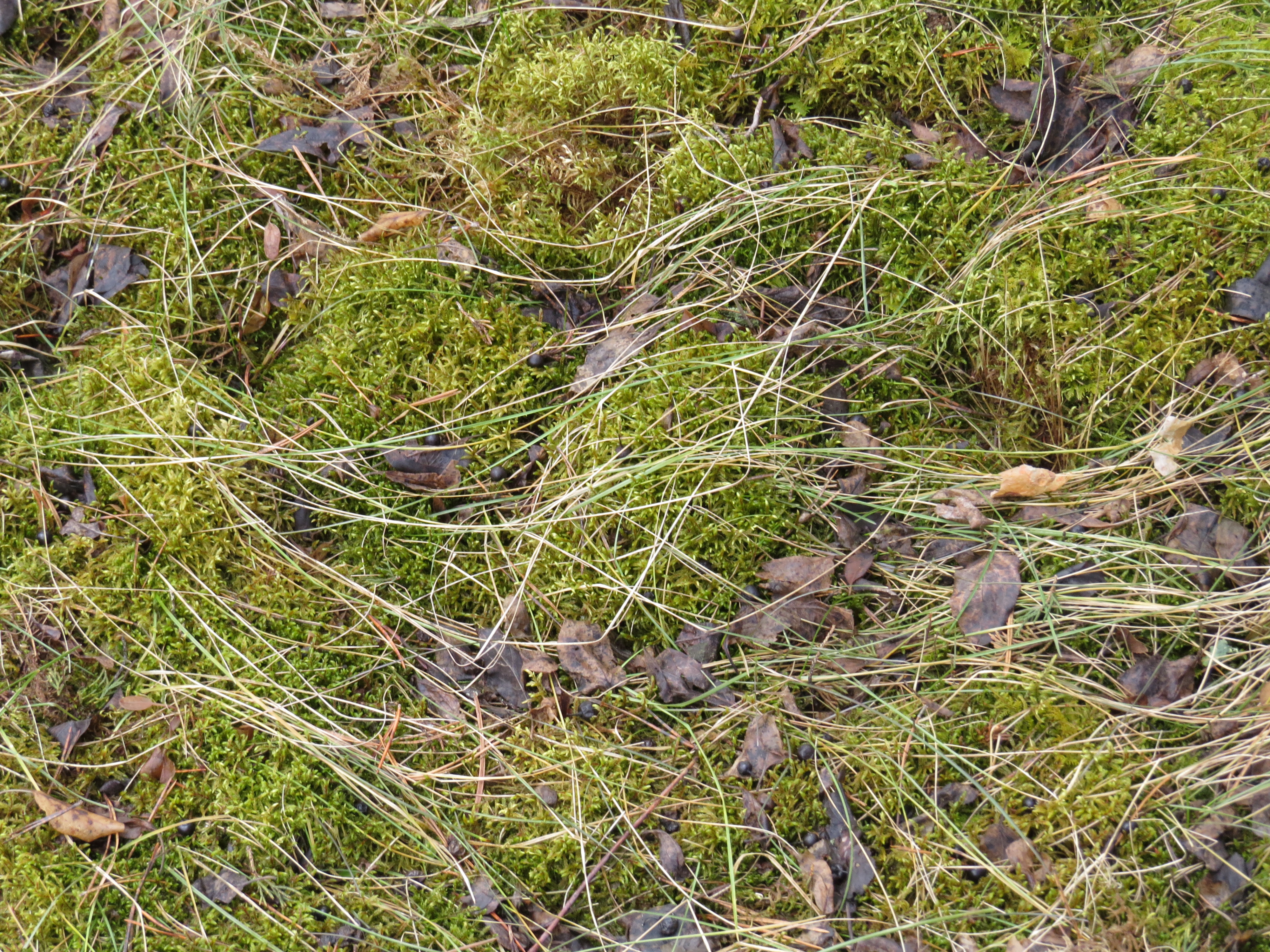
Waves of wispy grasses are matted against the moss from the weight of Winter’s snow.
But on this day after the rain, the rejuvenated moss prevails.
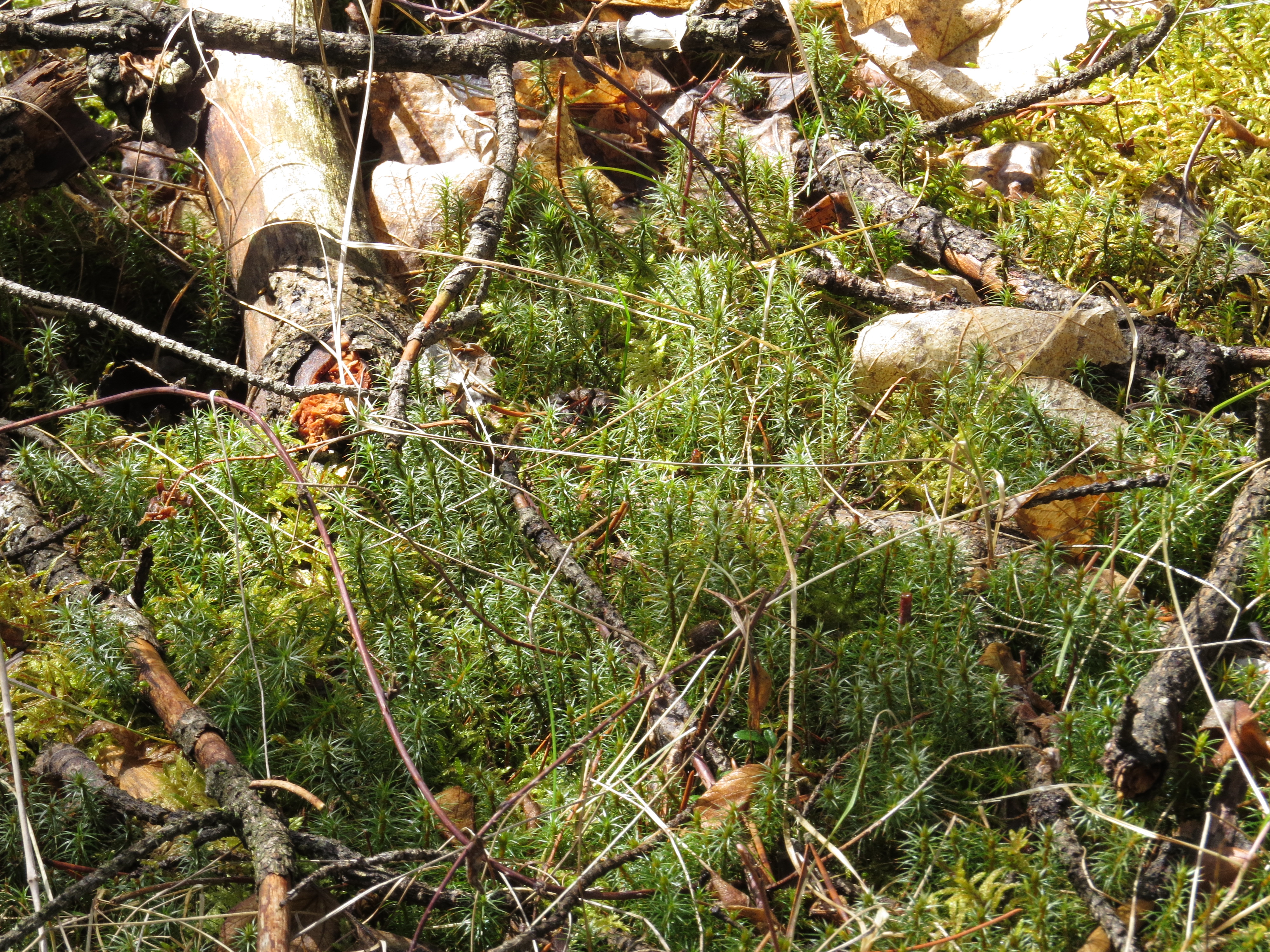
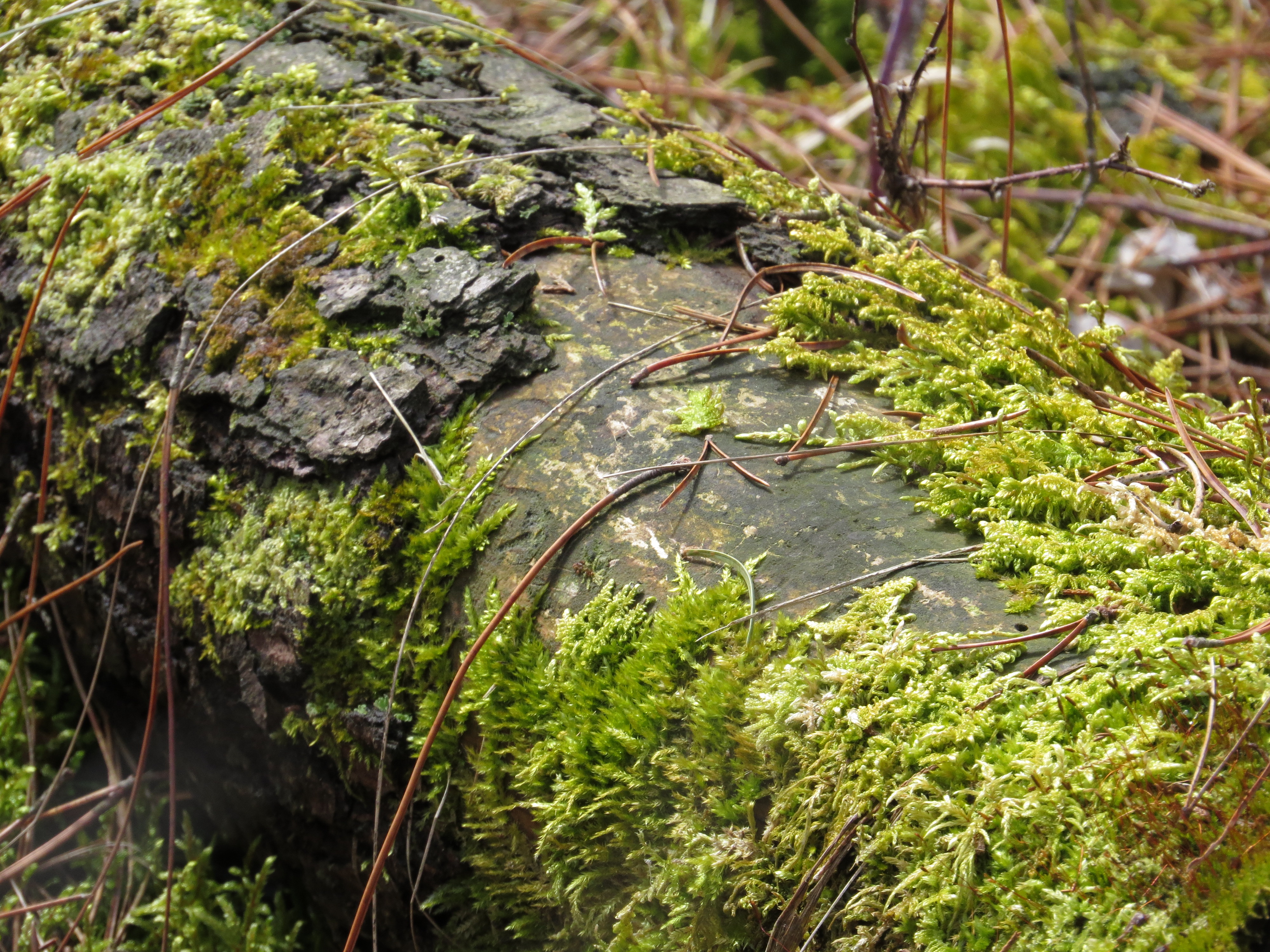
Glittering Wood moss—isn’t that the most magical name!?—crawls over a log.
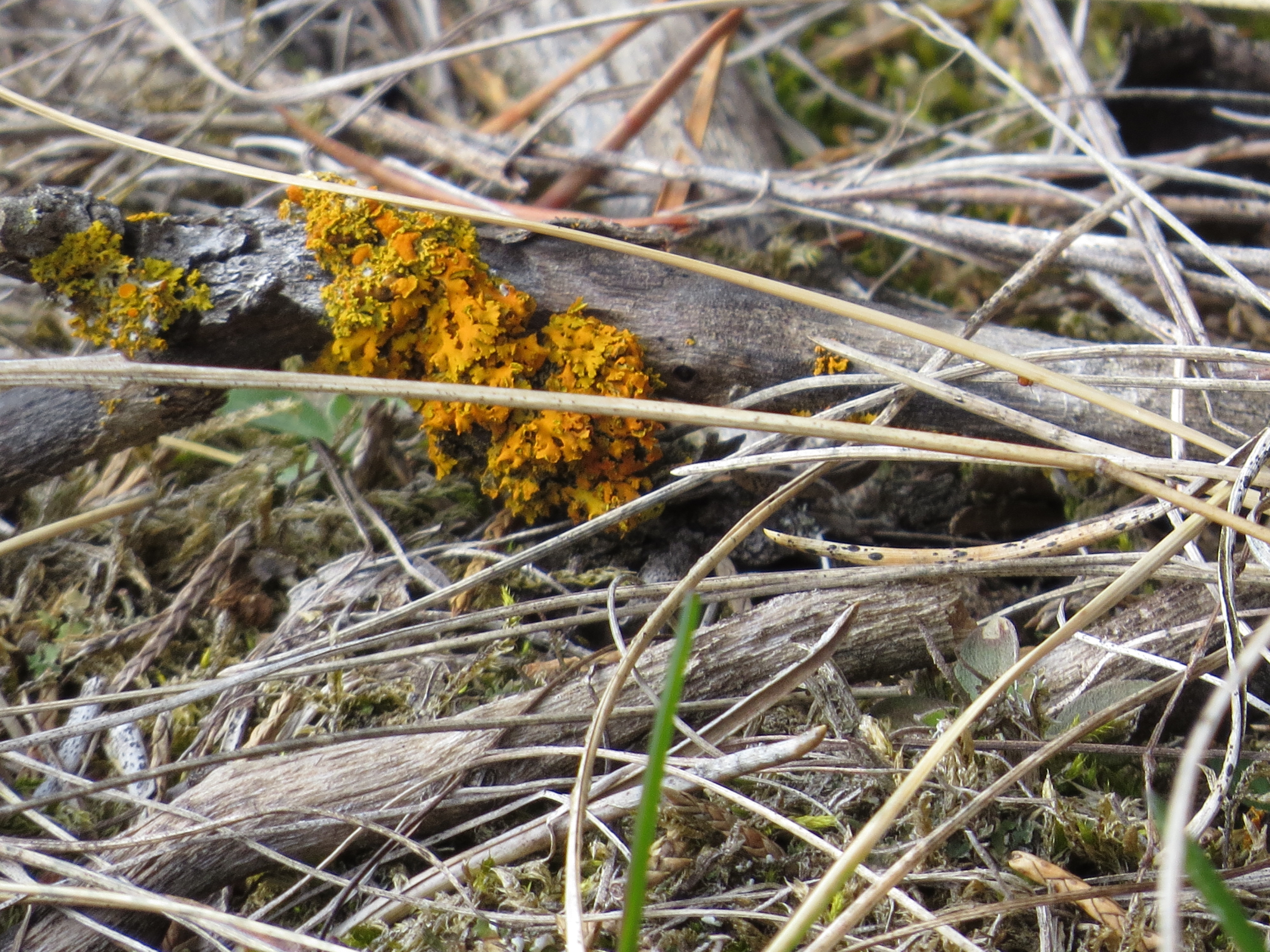
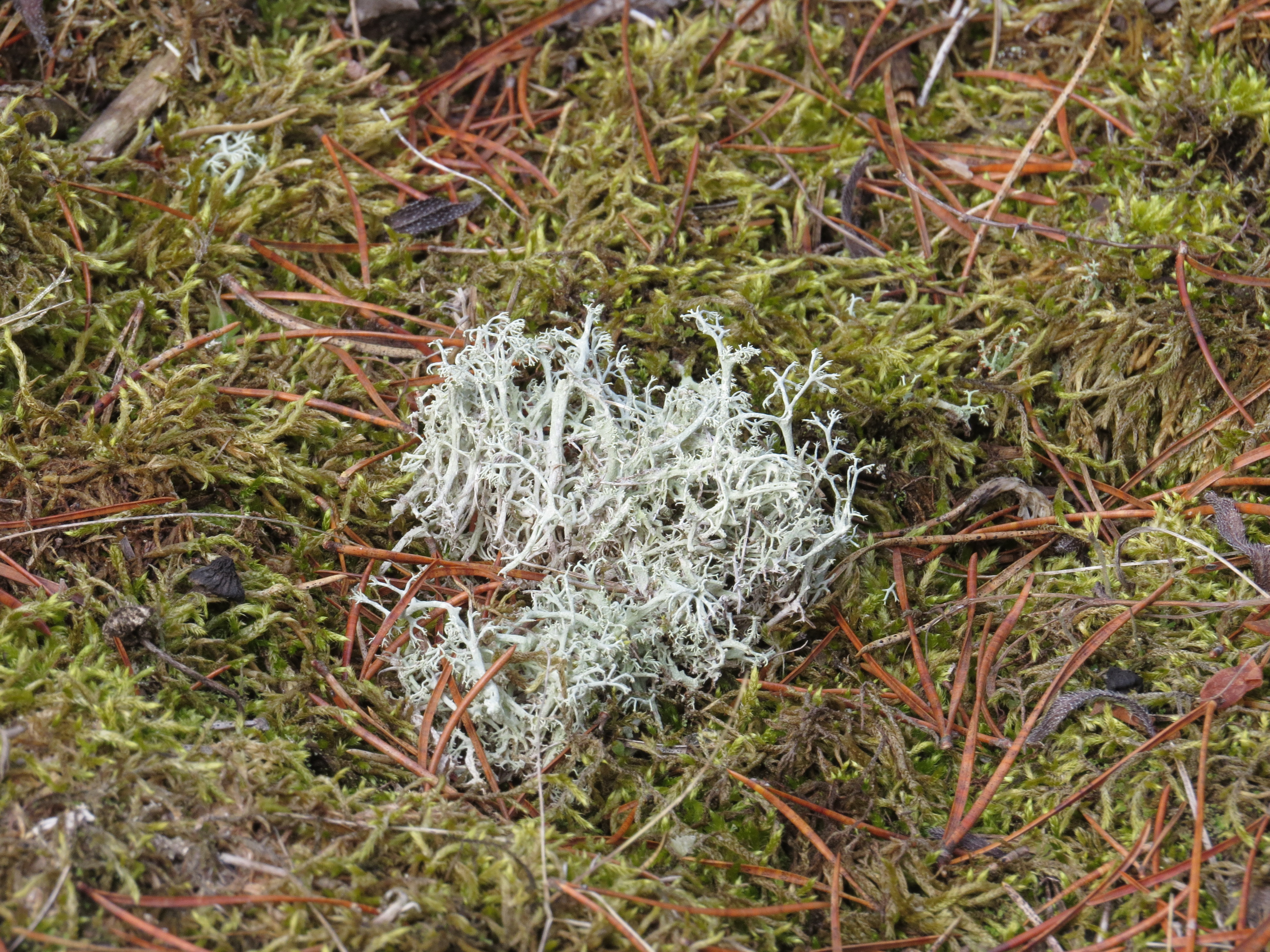
A golden lichen, Reindeer moss (which is also a lichen), and Trumpet lichen are intricate pieces of art on the forest floor.
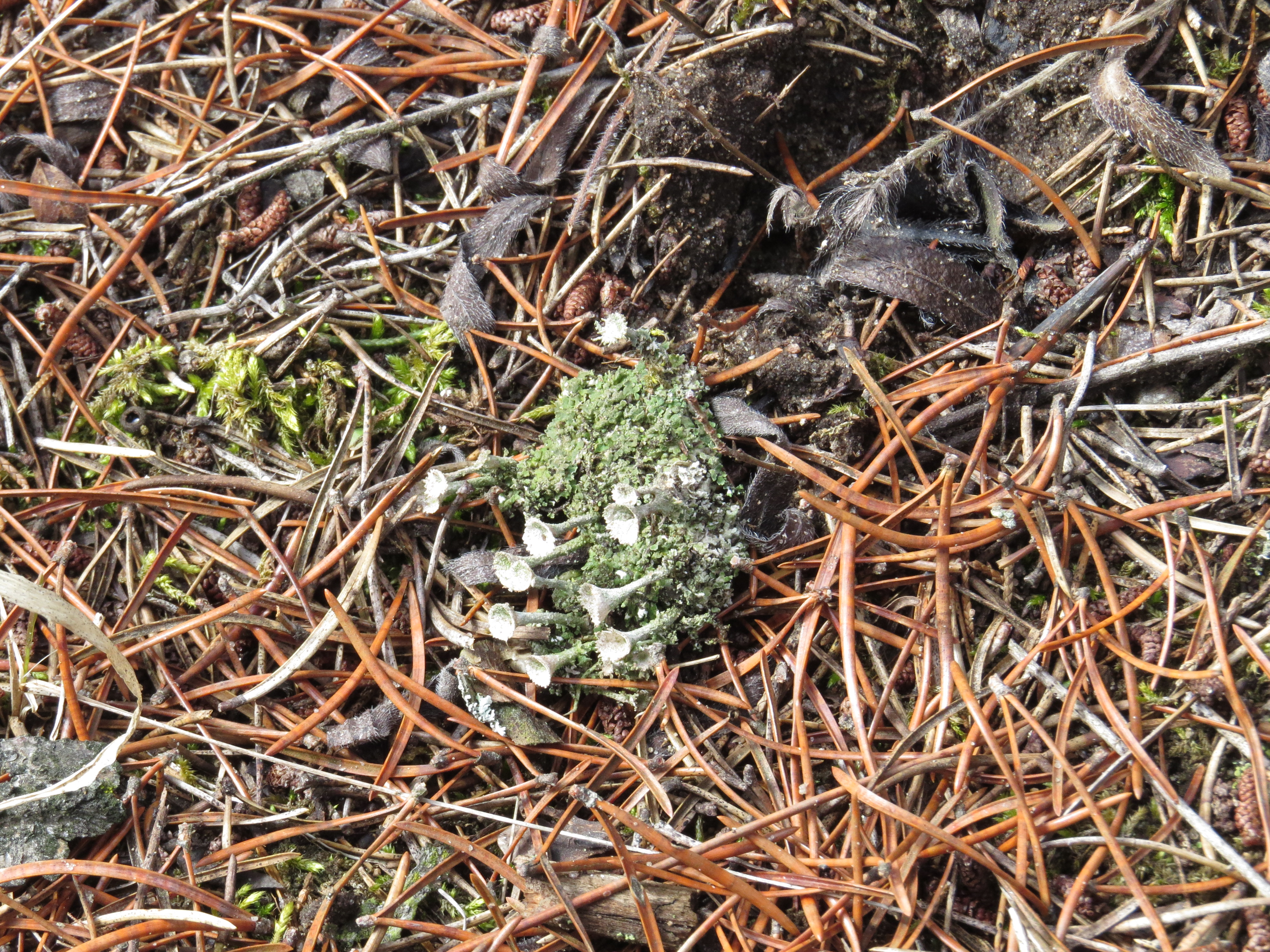
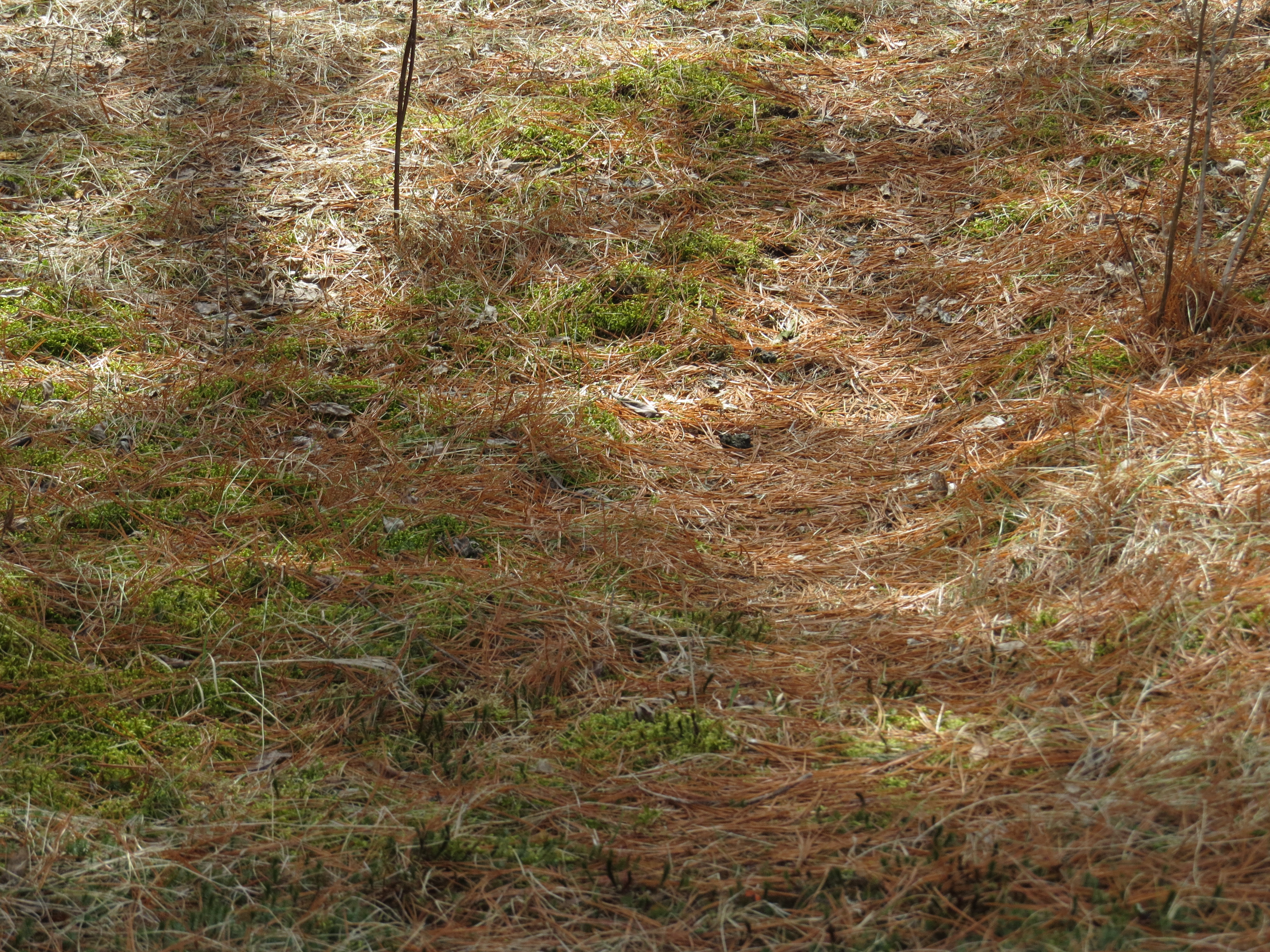
The world beneath our feet is often overlooked in the practicality of getting from one place to another and in the mundaneness of green and brown. It only takes a closer look to discover a world of infinite variety and exquisite artistry. We cannot abandon ‘impracticable visions’ or ‘the whole world’ in pursuit of a moss or a lichen, but a balancing of those extravagant, exuberant goals with a simple human delight will ground us in our humanity. What would be your pursuit if you knew your days were numbered? A year of a global pandemic and millions of lives lost and grieving should shake us to question that, just as Bruce Cummings did after learning of his prognosis. May the tiny Trumpet Lichens proclaim exultant victory over death, and may we all be anointed with Nature’s blessings. Amen.
Beavers and Burls
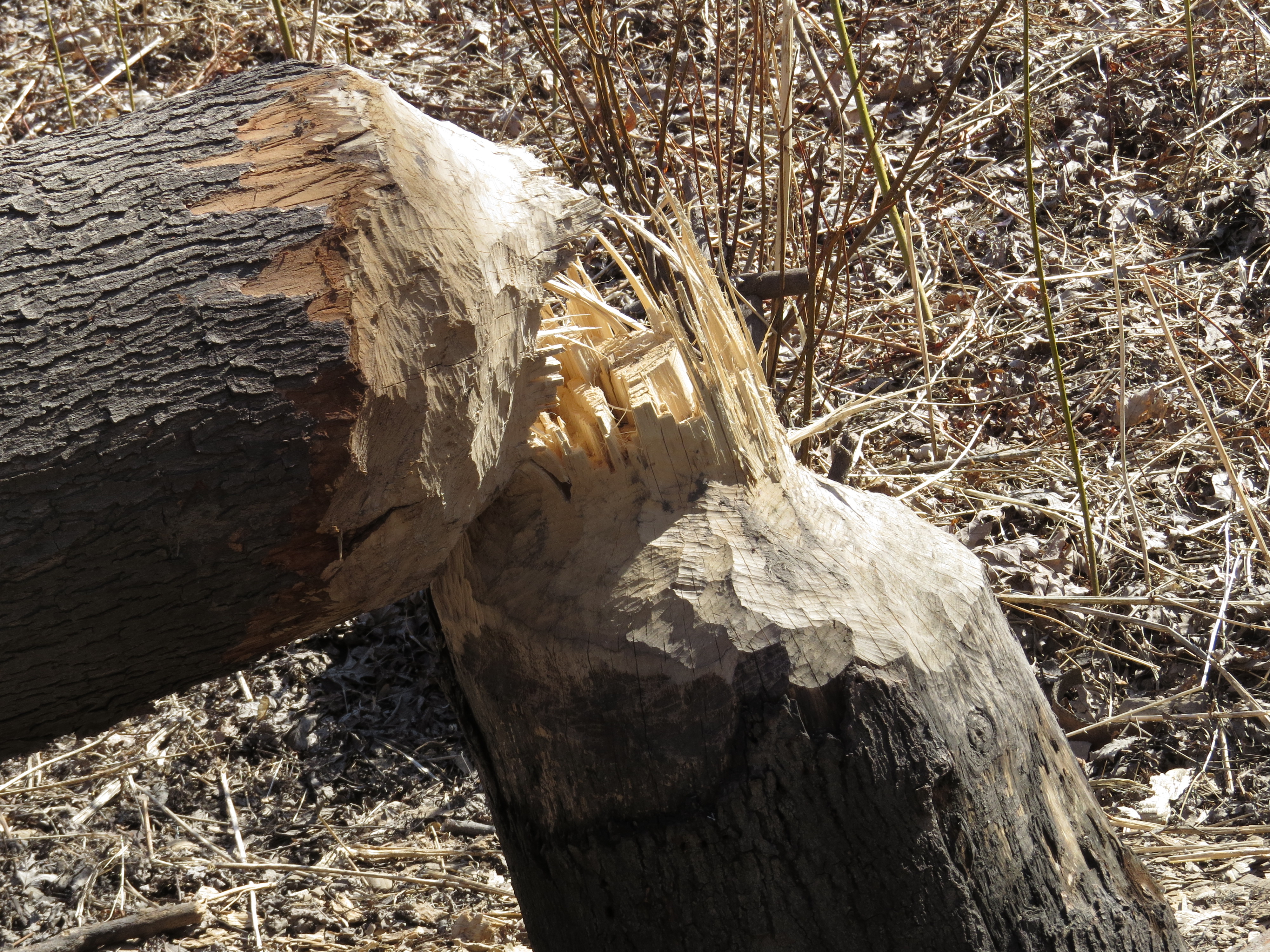
It didn’t take long into our hike before the title of my post popped into my head—beavers and burls. We were at Fort Snelling State Park in the Twin Cities for an outdoor meet-up with Aaron, Zoe, and our niece Stacey. Before we had even crossed the bridge to Pike Island, a beaver tree let us know the permanent residents of the island were busy and hard-working. Lt. Zebulon Pike chose this island for his camp site on his 1805 expedition to explore the upper Mississippi River. He met with Dakota Indian leaders whose people had lived, hunted, fished, and made maple syrup on this island for eons.
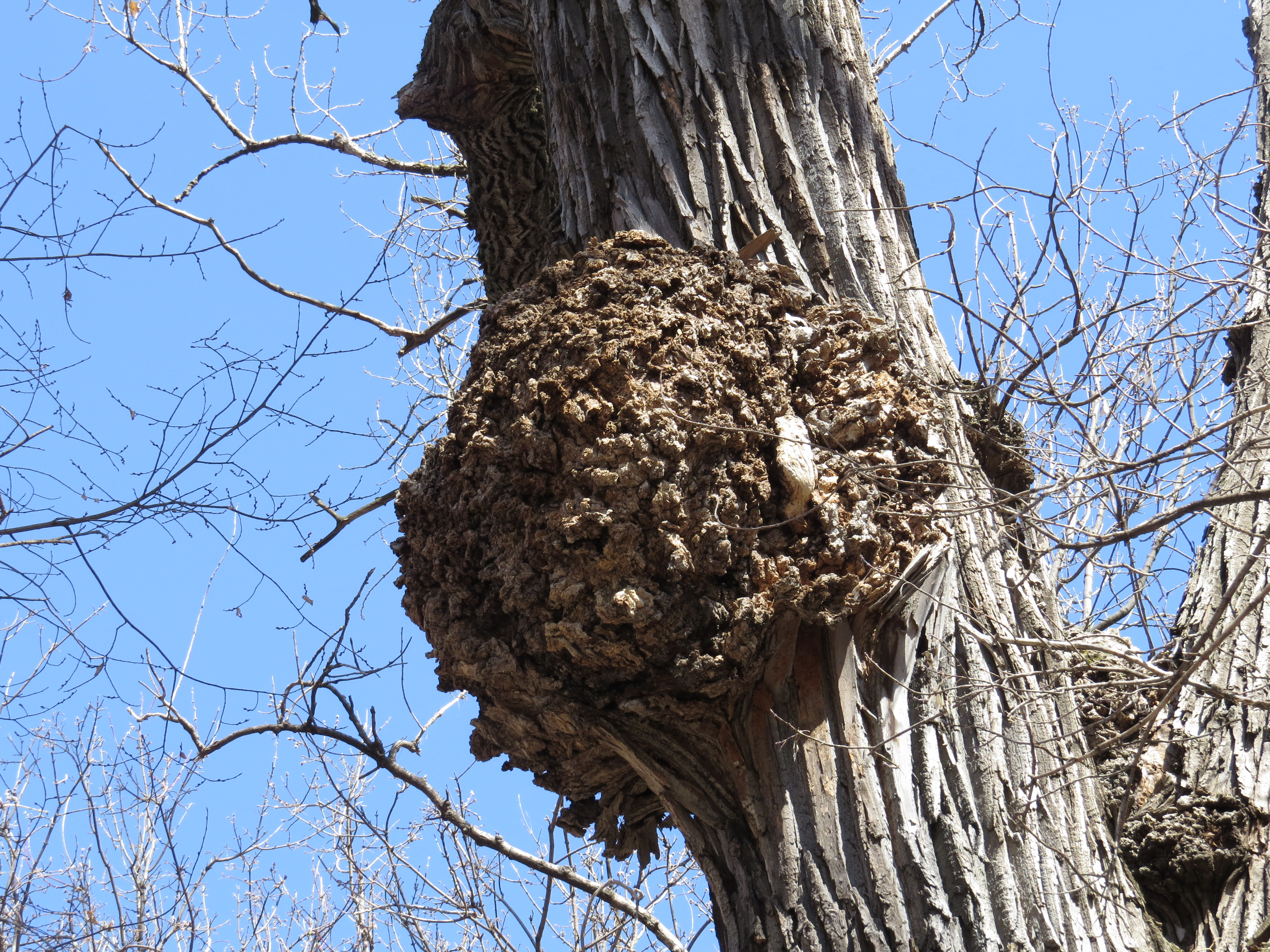
Huge Cottonwood trees, with their roots embedded close to the nourishing river shores, were like giants lining the island. And on the huge trees were huge burls. Burls are growths caused by some sort of stress—an injury, insect infestation, virus, or fungus. The abnormal growth contains a plethora of twisted, interlocking knots from dormant buds. The wood is prized for woodworking because of the unusual grain.
Hard work, hardship, building, and healing. The trees were telling us stories.
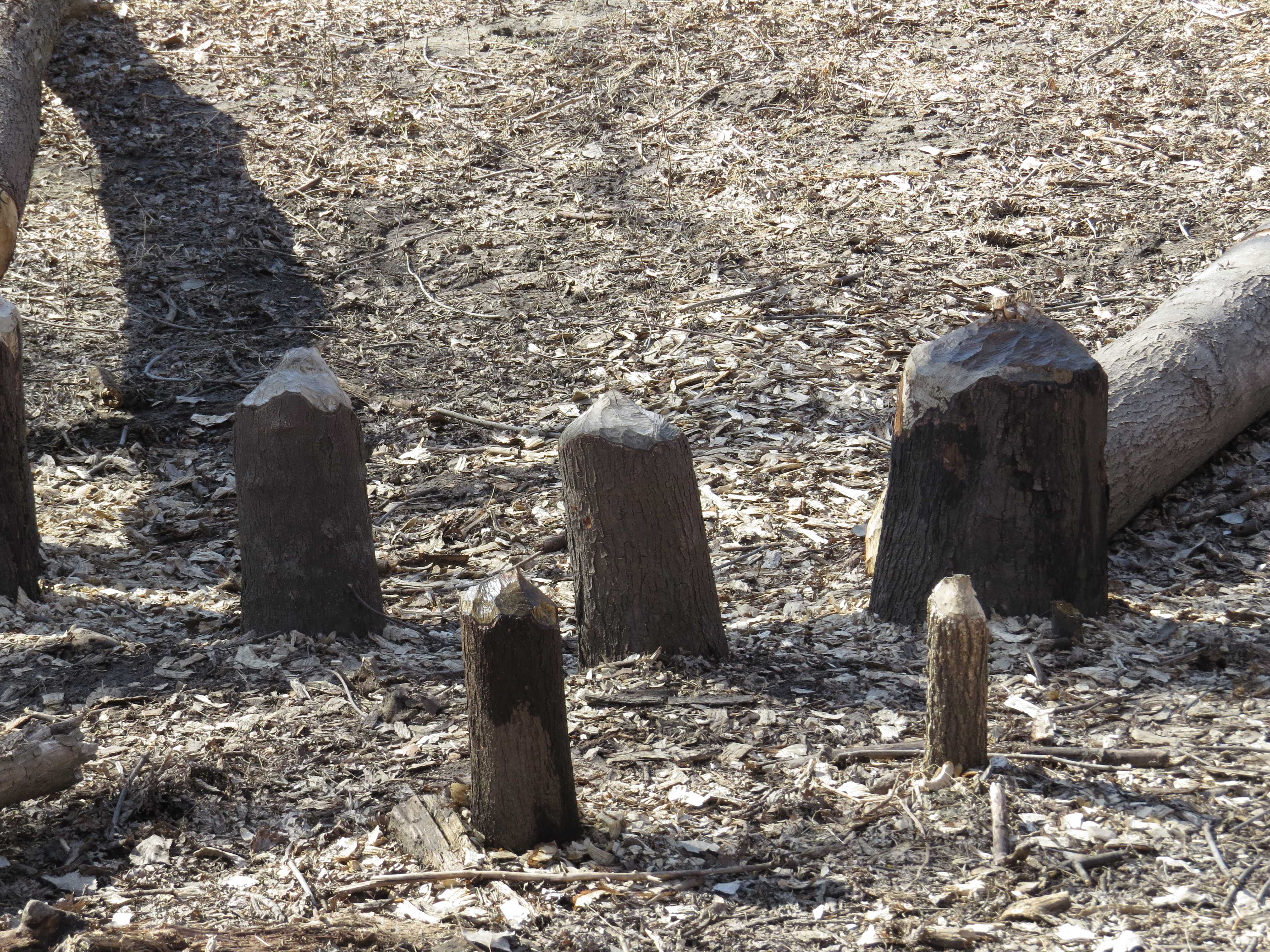
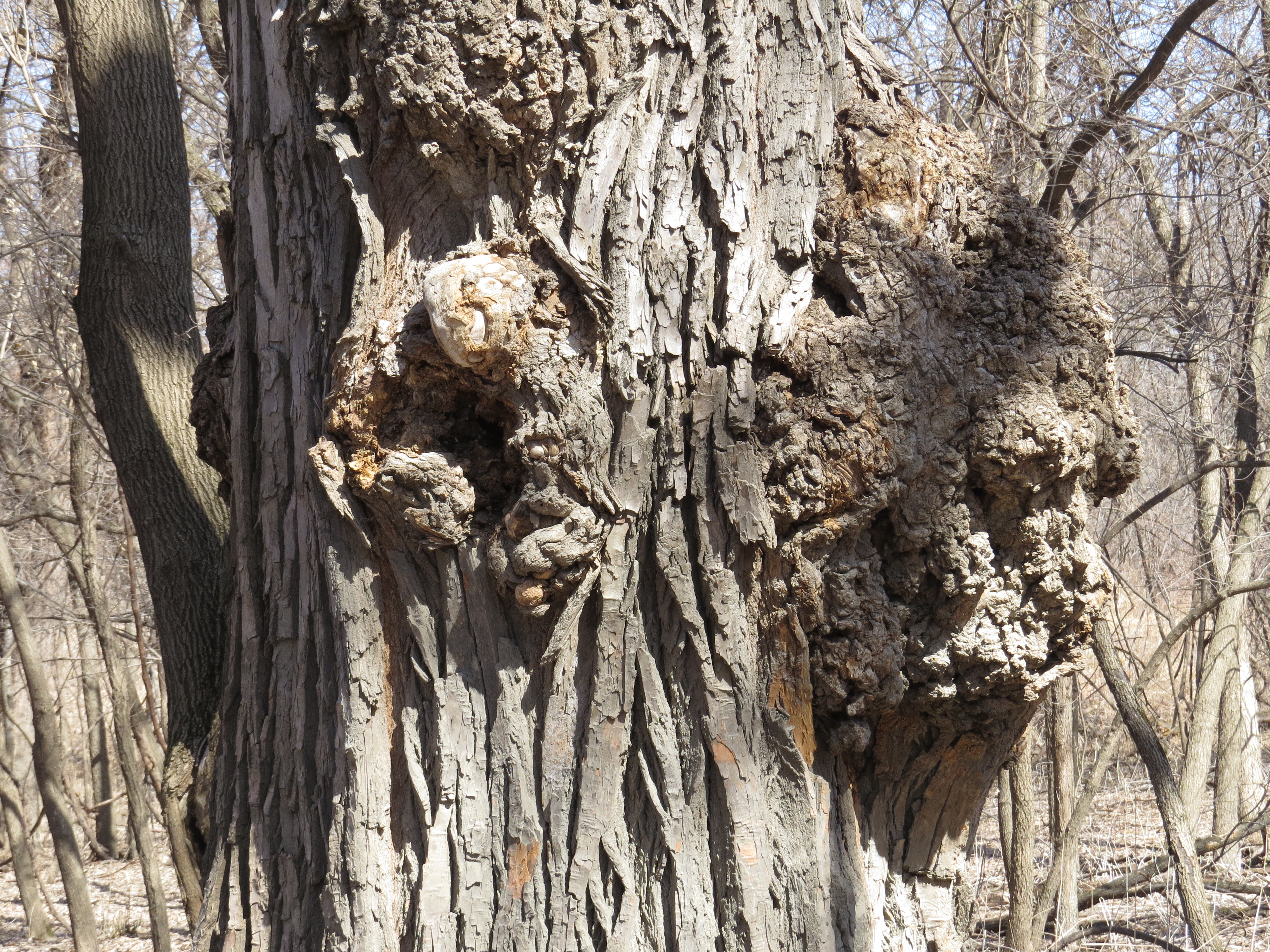
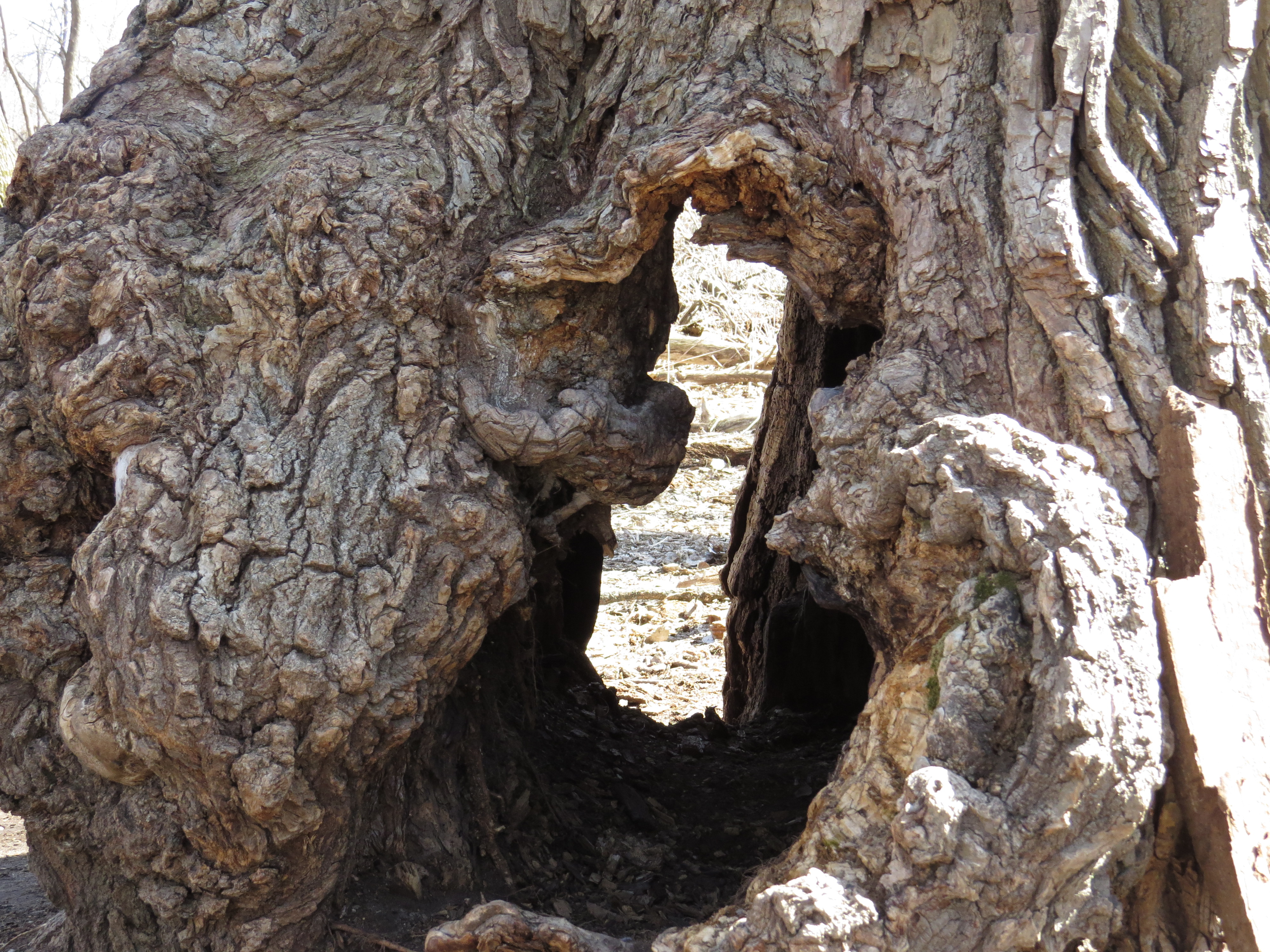
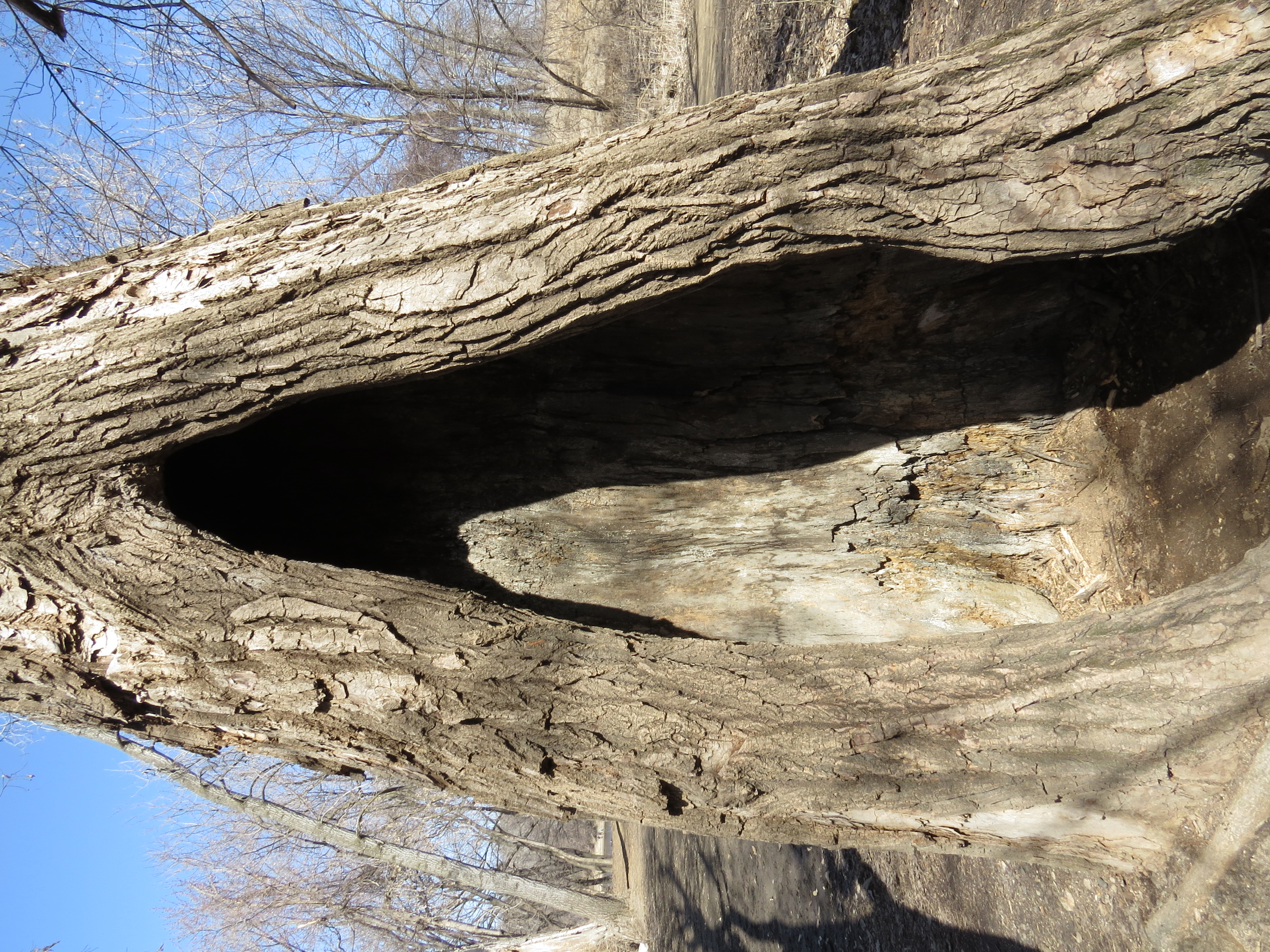
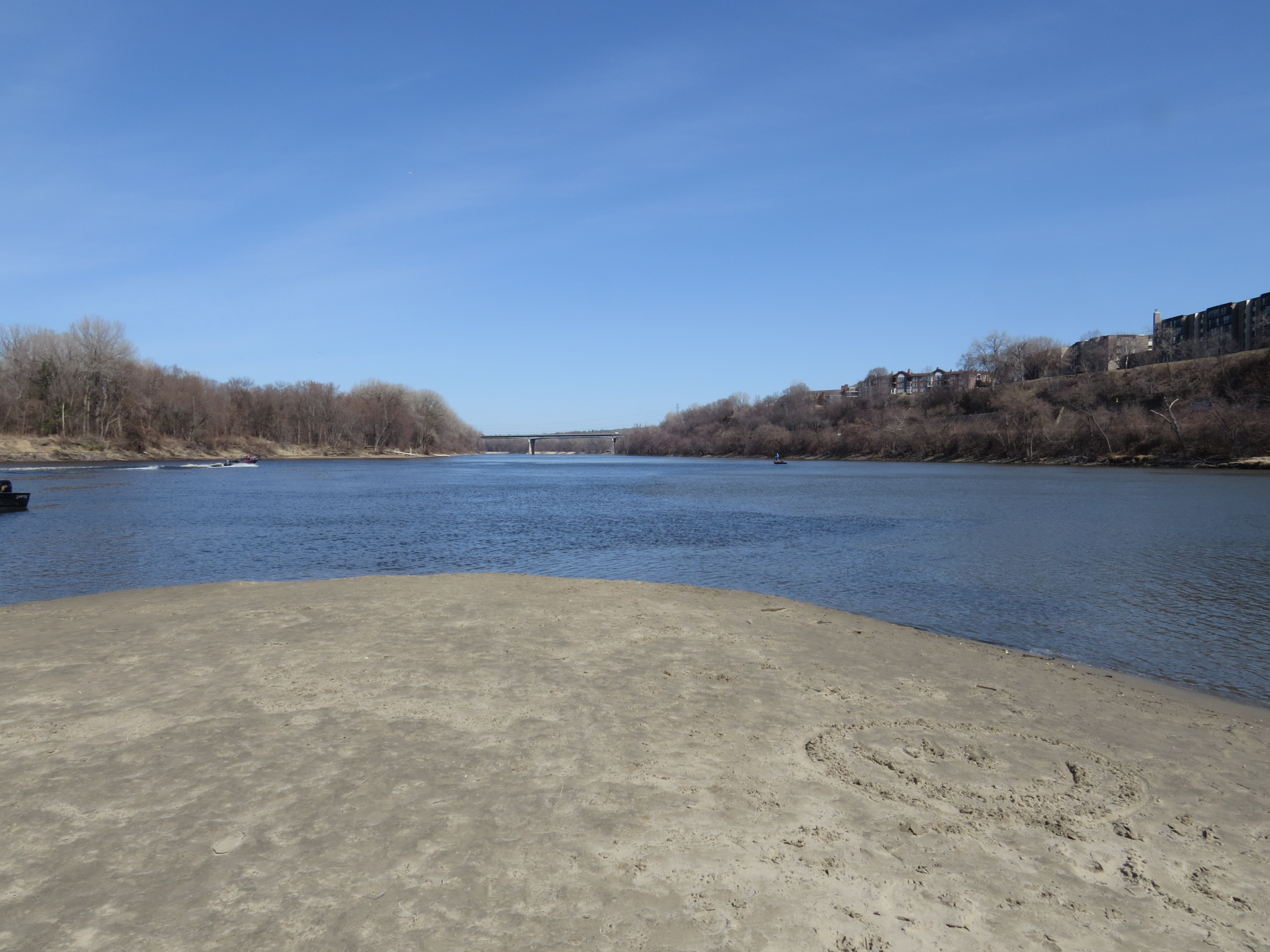
The beavers worked along a tributary of the Minnesota River that cut across and joined the outlet from Snelling Lake to flow into the Mississippi. While we saw many beaver-cut trees, we didn’t see any lodges or dams or beavers, though we knew they were there. Soon we were following the Mississippi River; the River was low from Winter’s scarce snowfall, exposing sandy beaches on both sides.
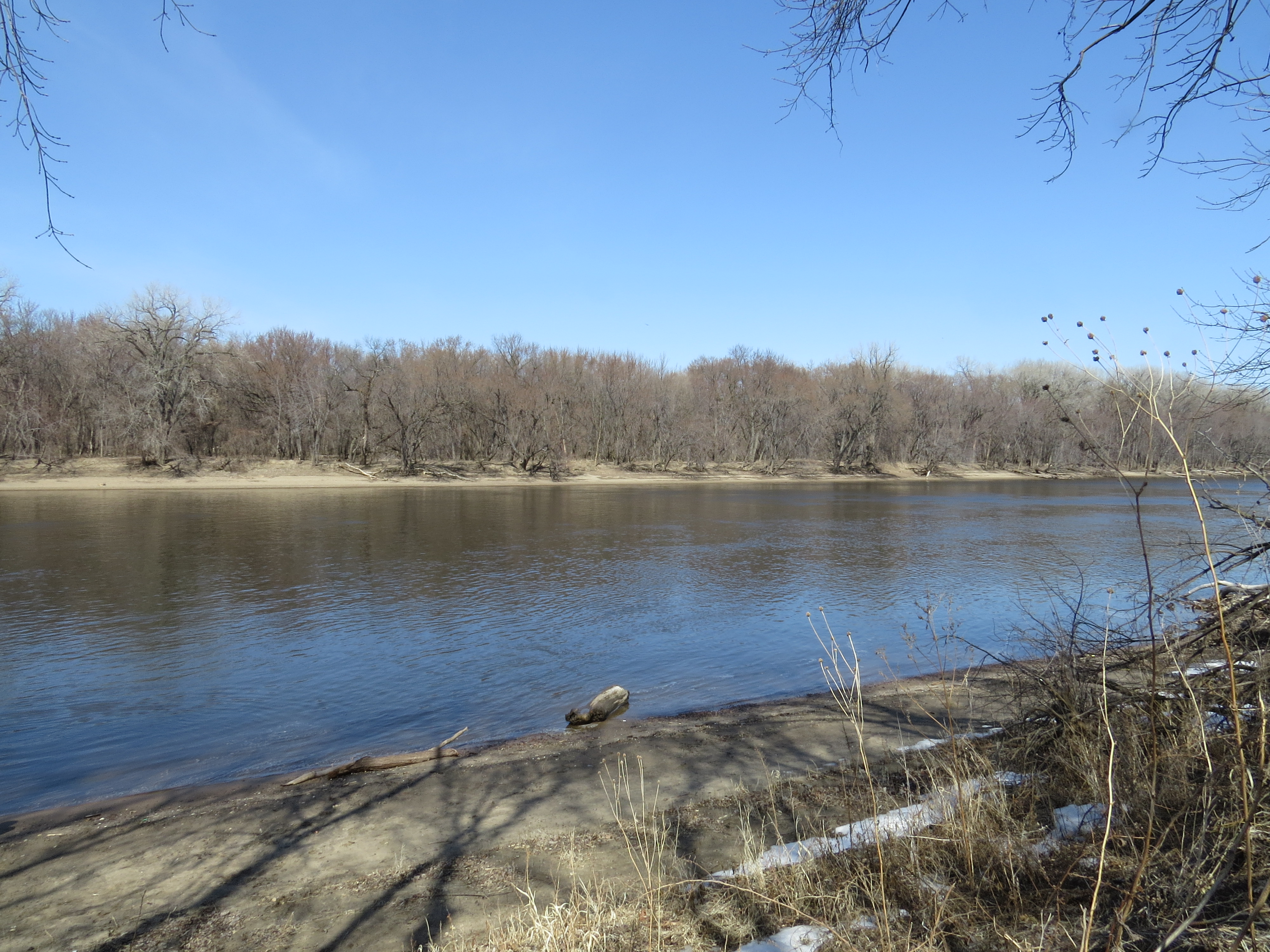
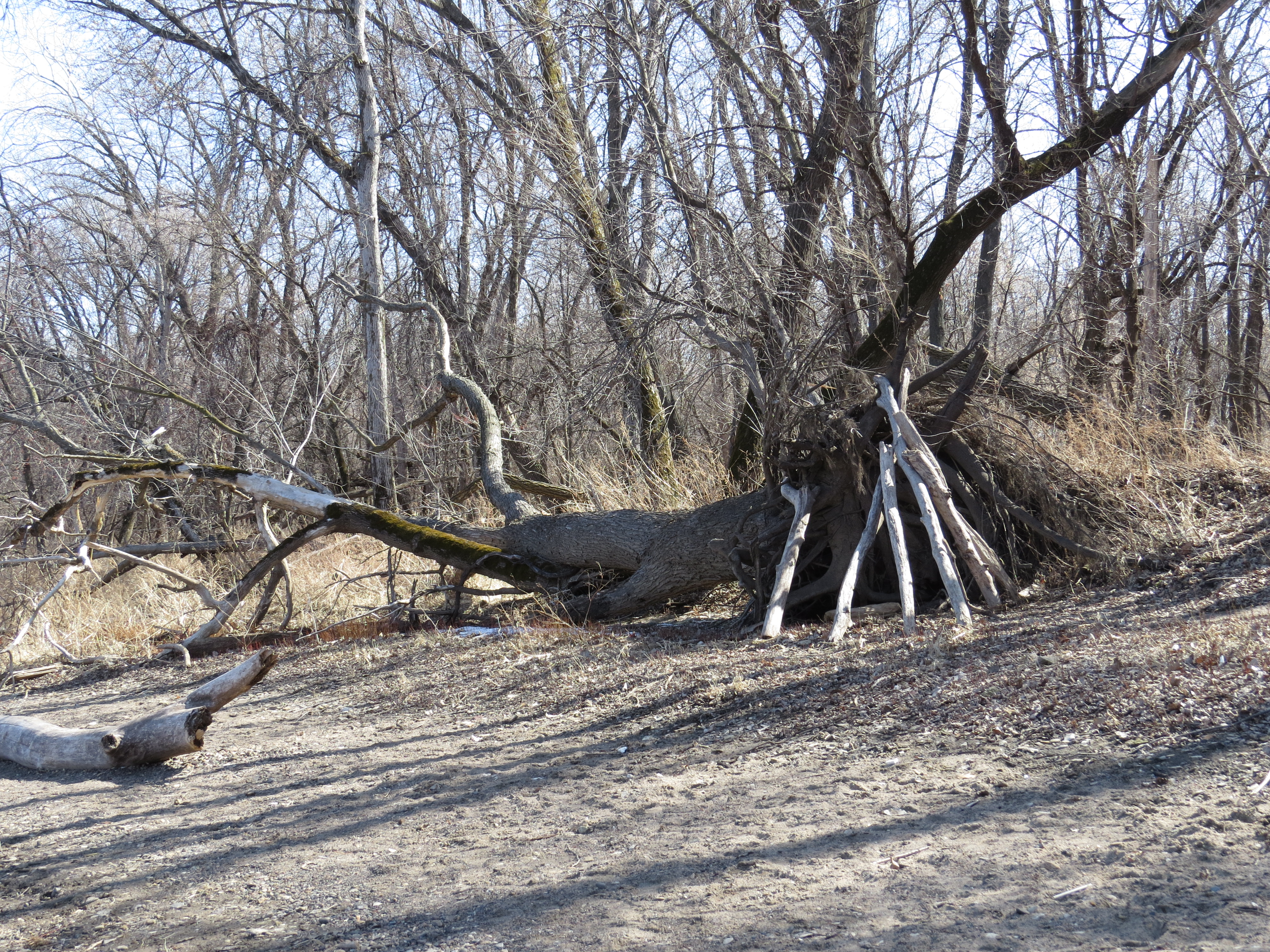
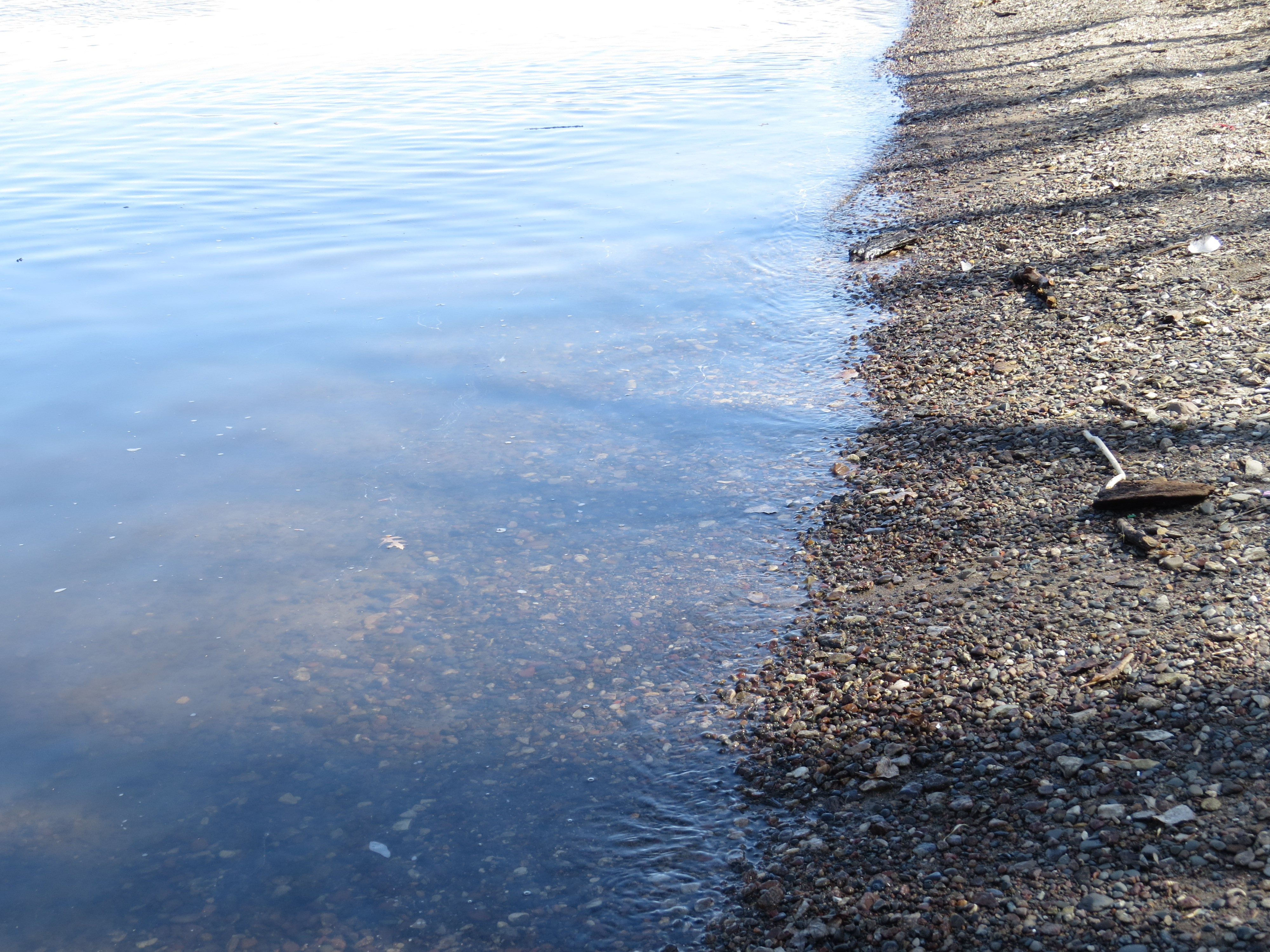
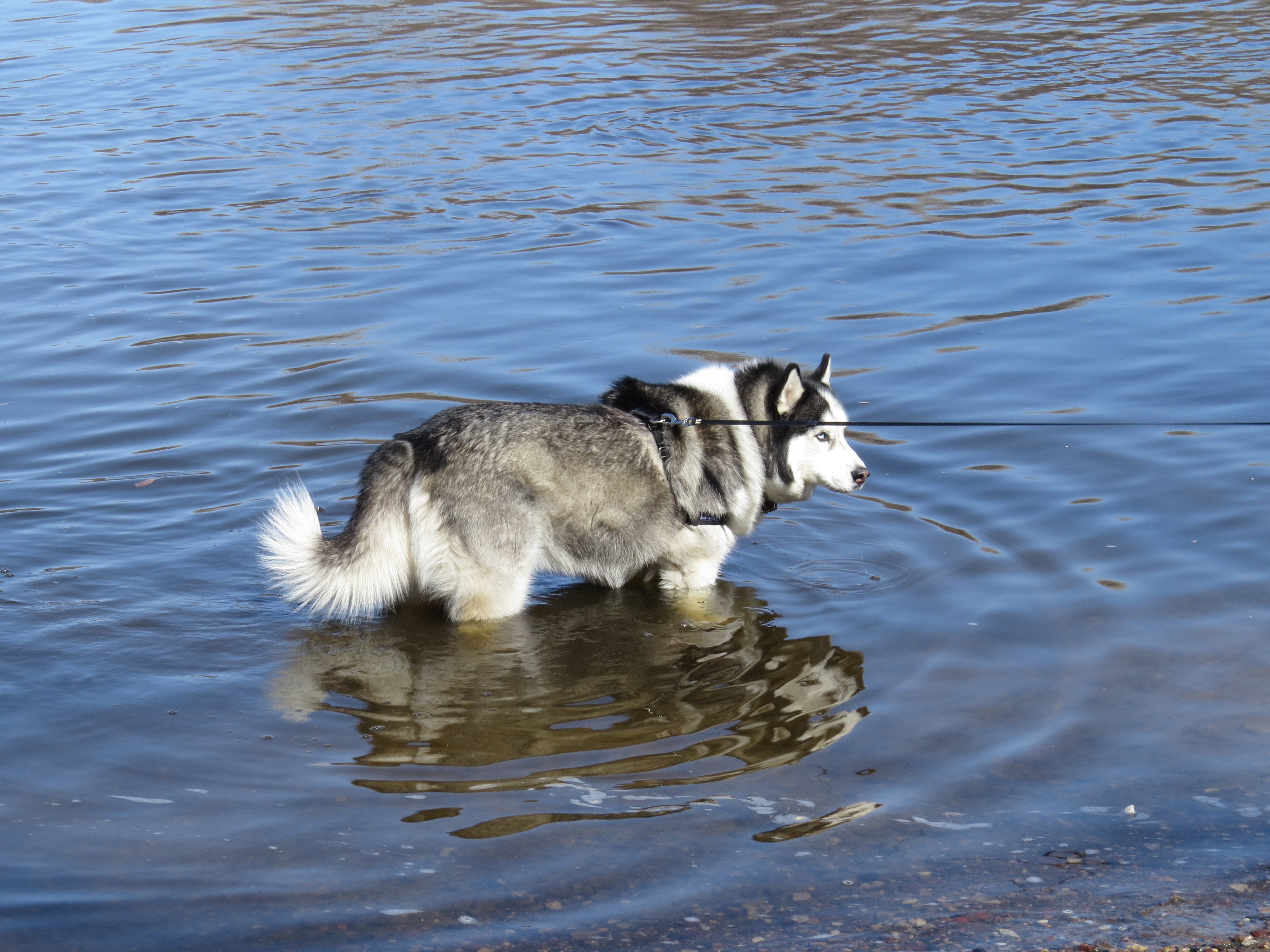
The water was clear and cold, inviting Stacey’s dog to wade and drink at various points along our four-mile trail.
The ice-clear River invited an Eagle to peer from his lofty vantage point into the transparent water for a fresh meal. A bevy of boats and fishermen were also looking for fish along this stretch.
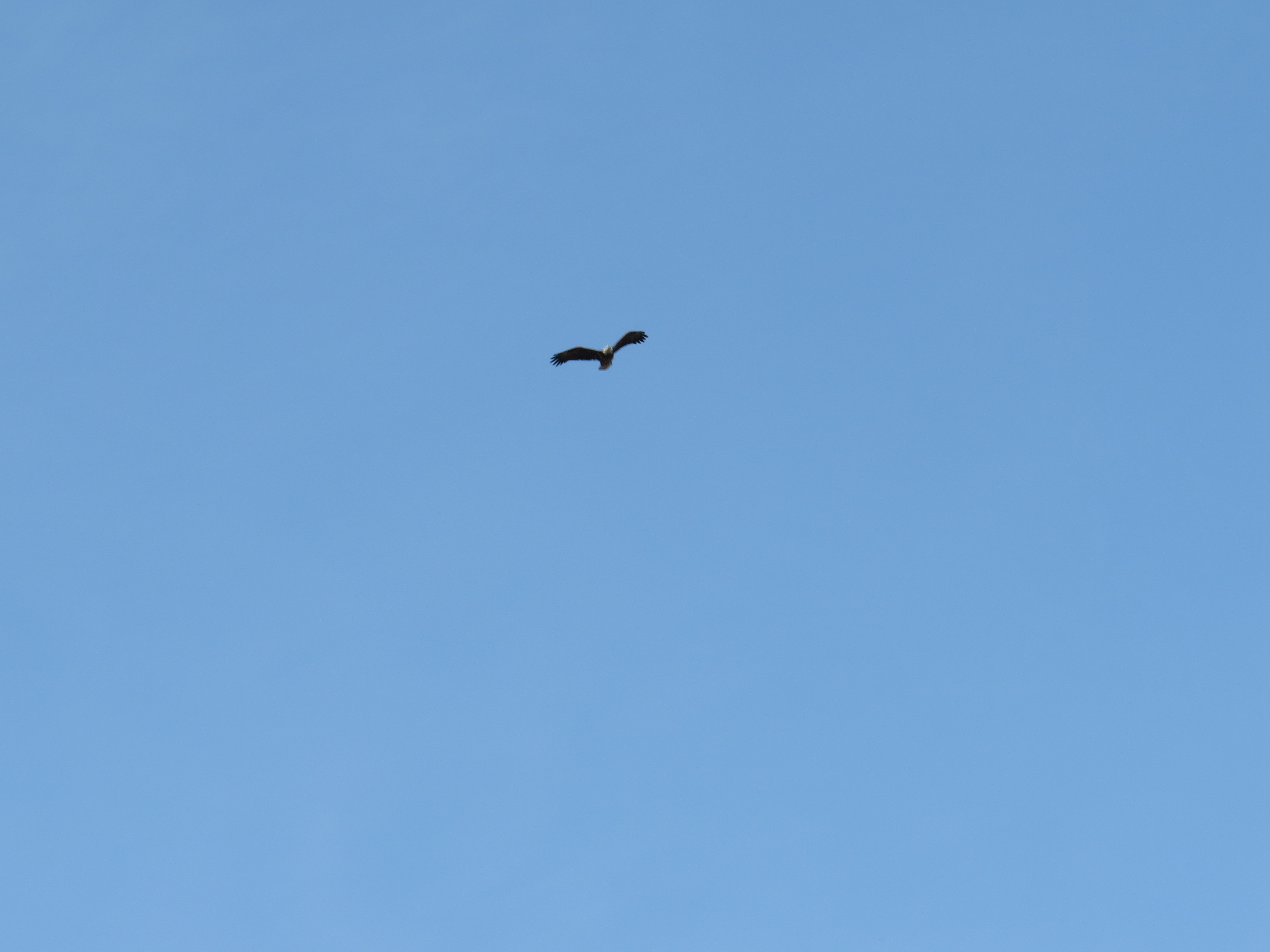
Too late for this one.
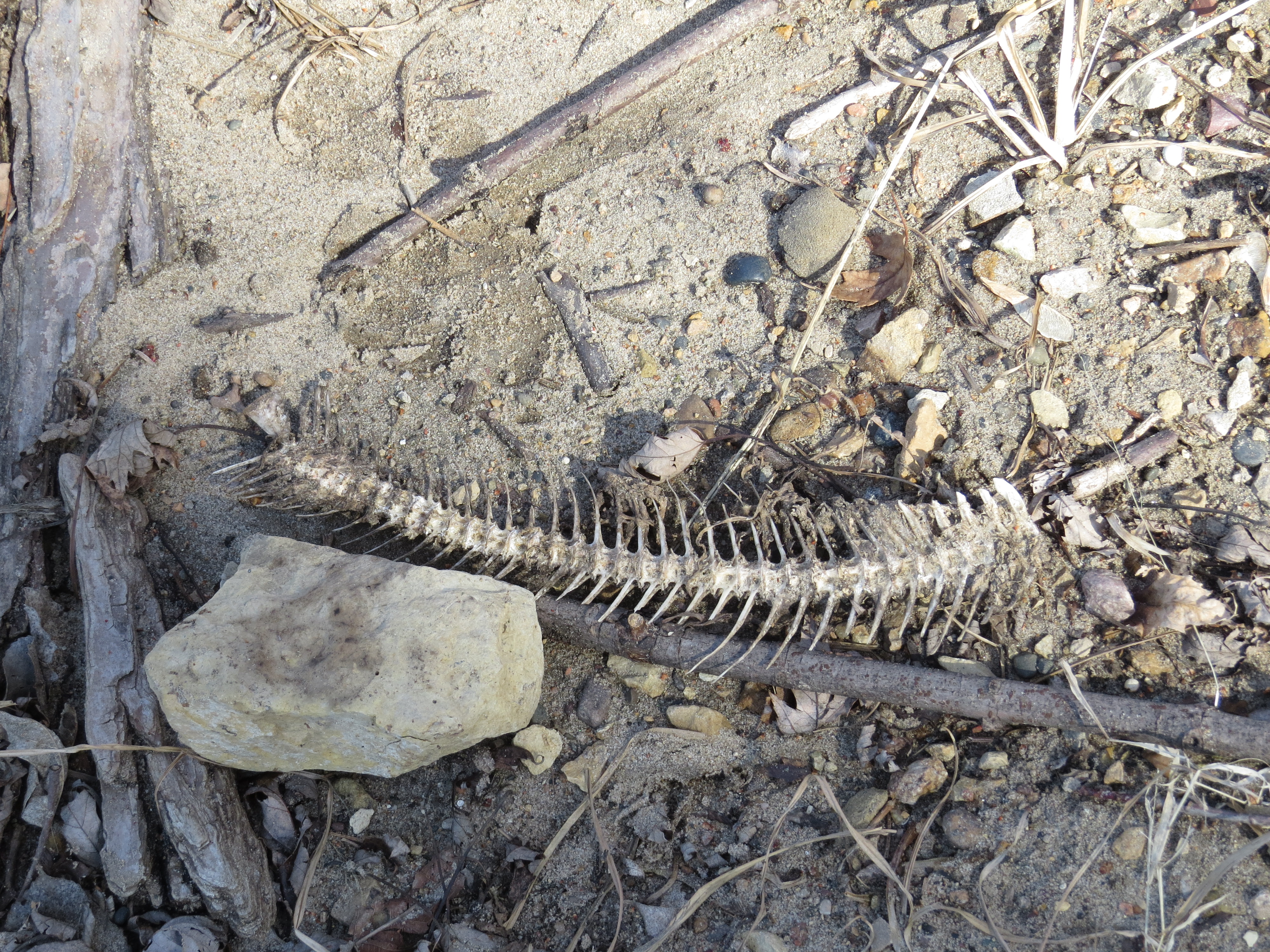
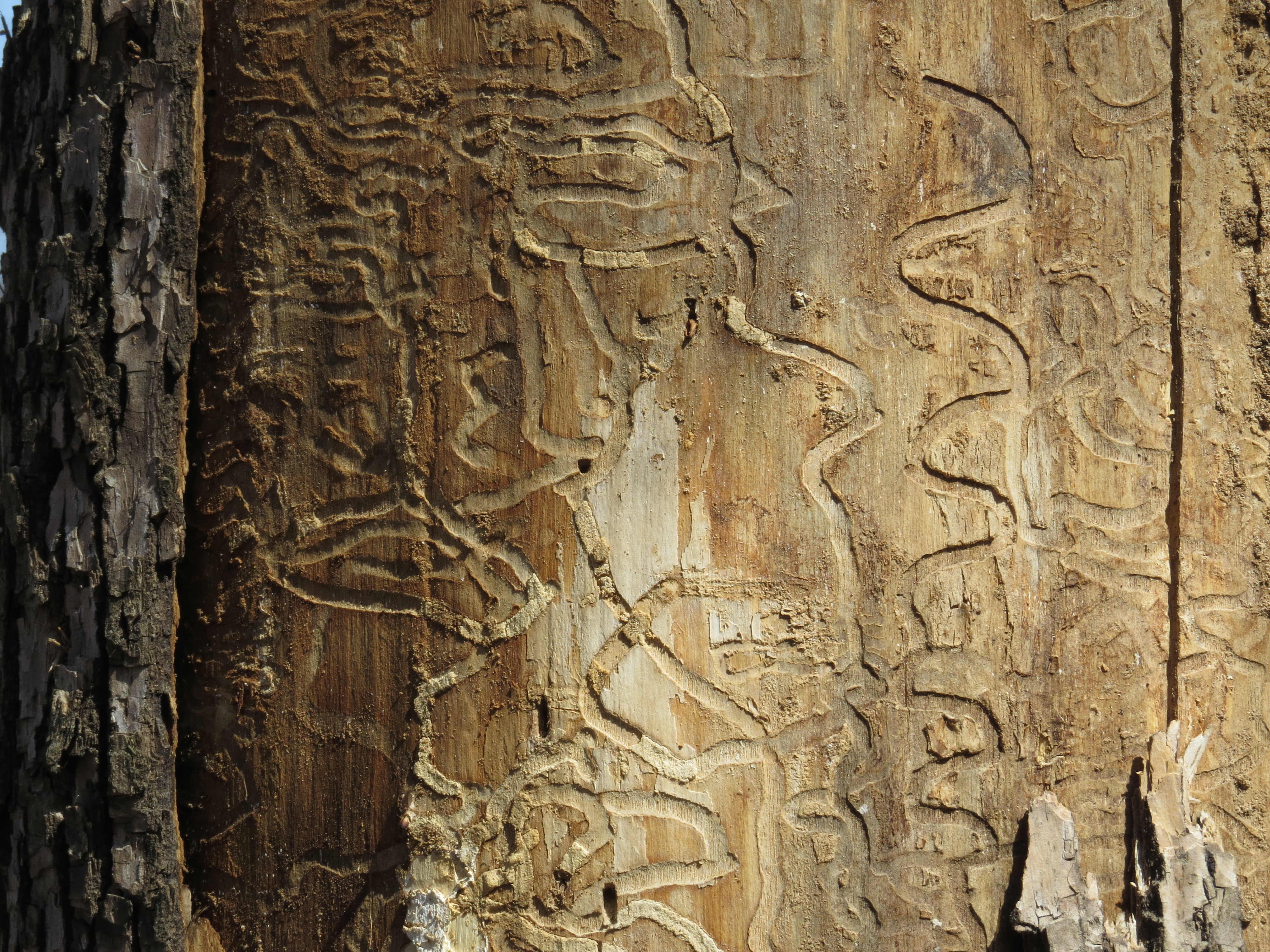
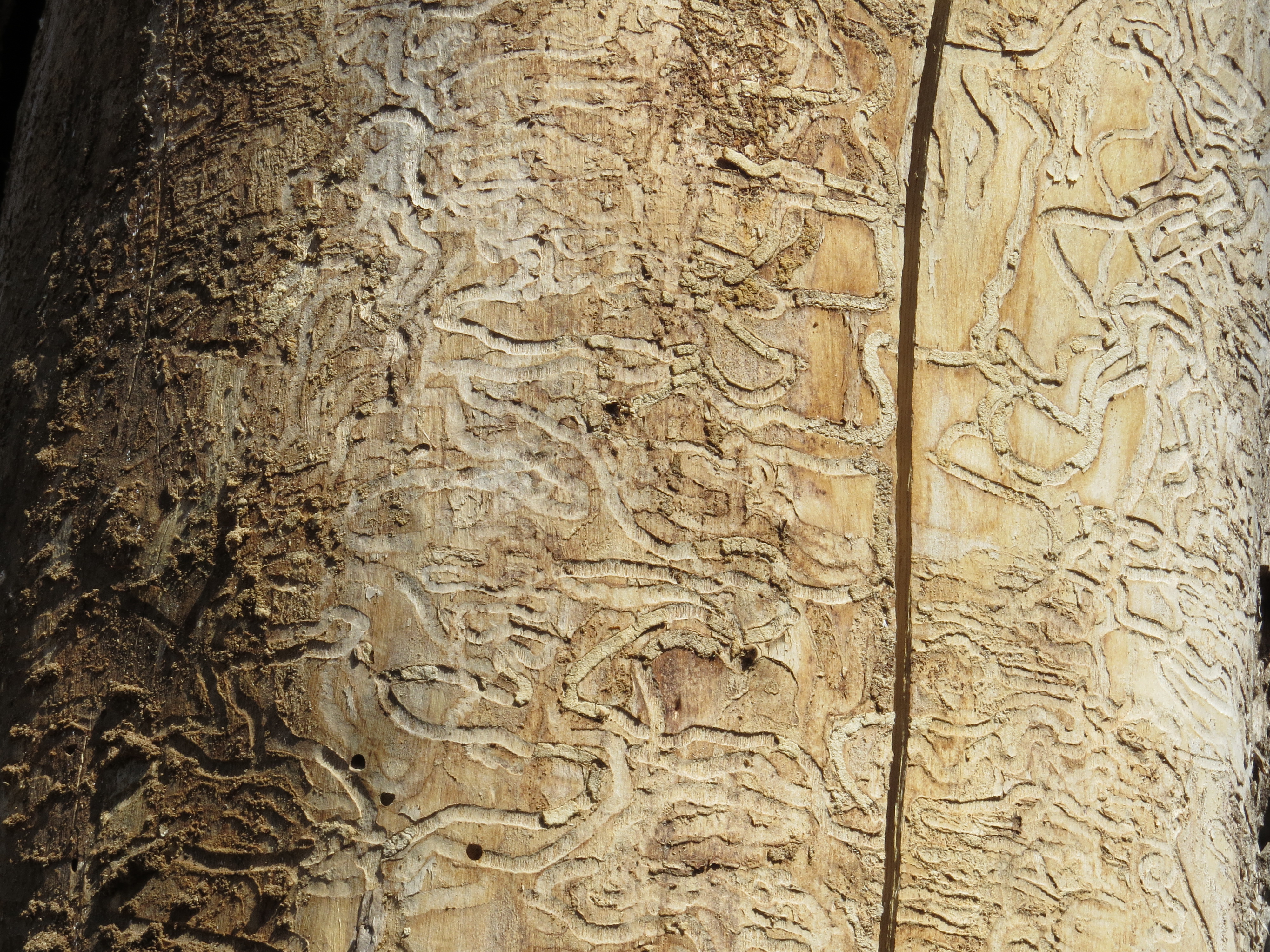
Zoe’s work for the Conservation Corps on this island is removing Ash trees infected by Emerald Ash Borer like this heavily infested tree. The insect ‘trails’ are called galleries—destructive but artful.
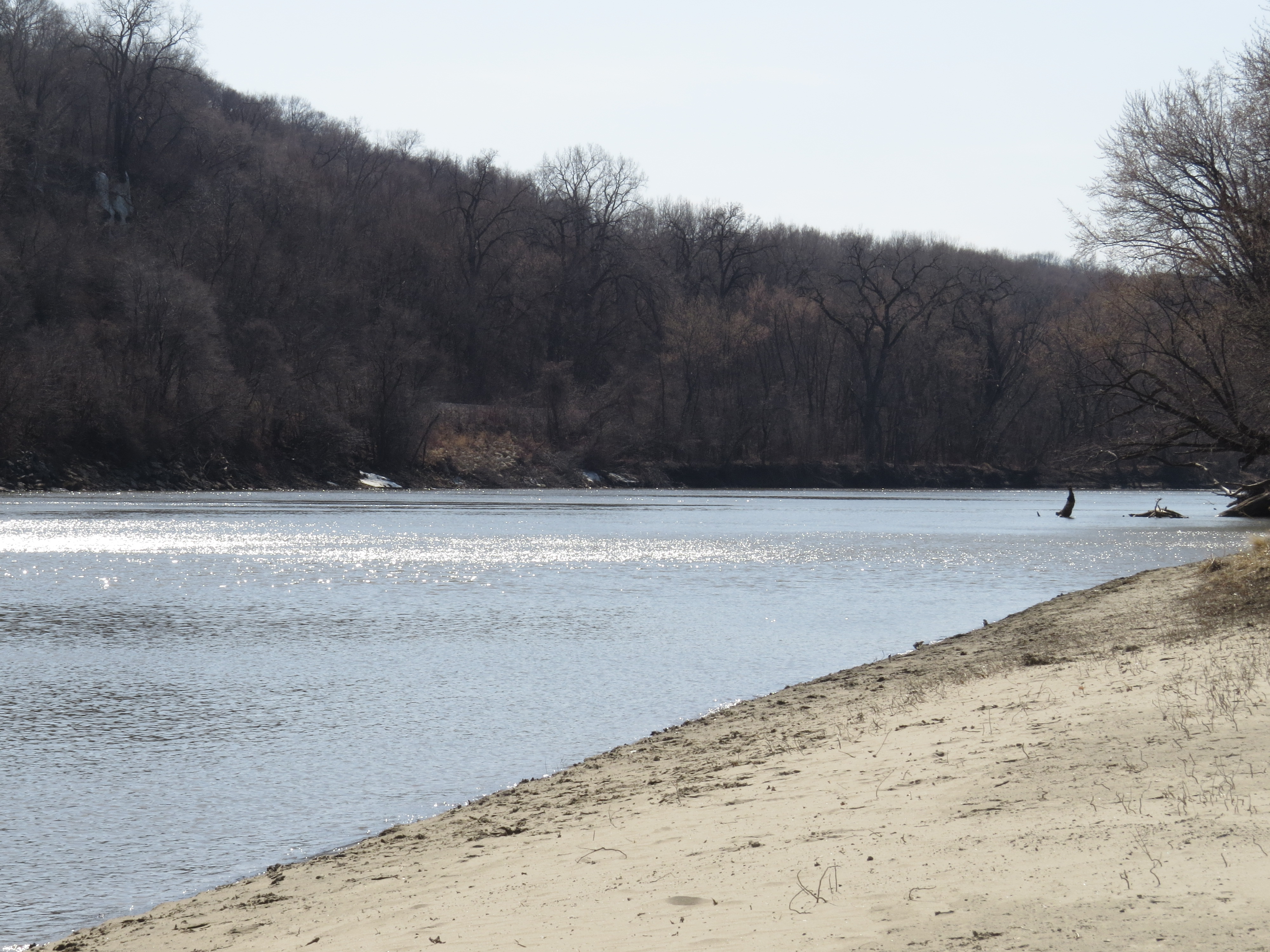
At the point of Pike Island, the Minnesota River meets the Mississippi River. The Minnesota was markedly cloudier and discolored compared to the Mississippi. The two big rivers converged to continue their southward flow.
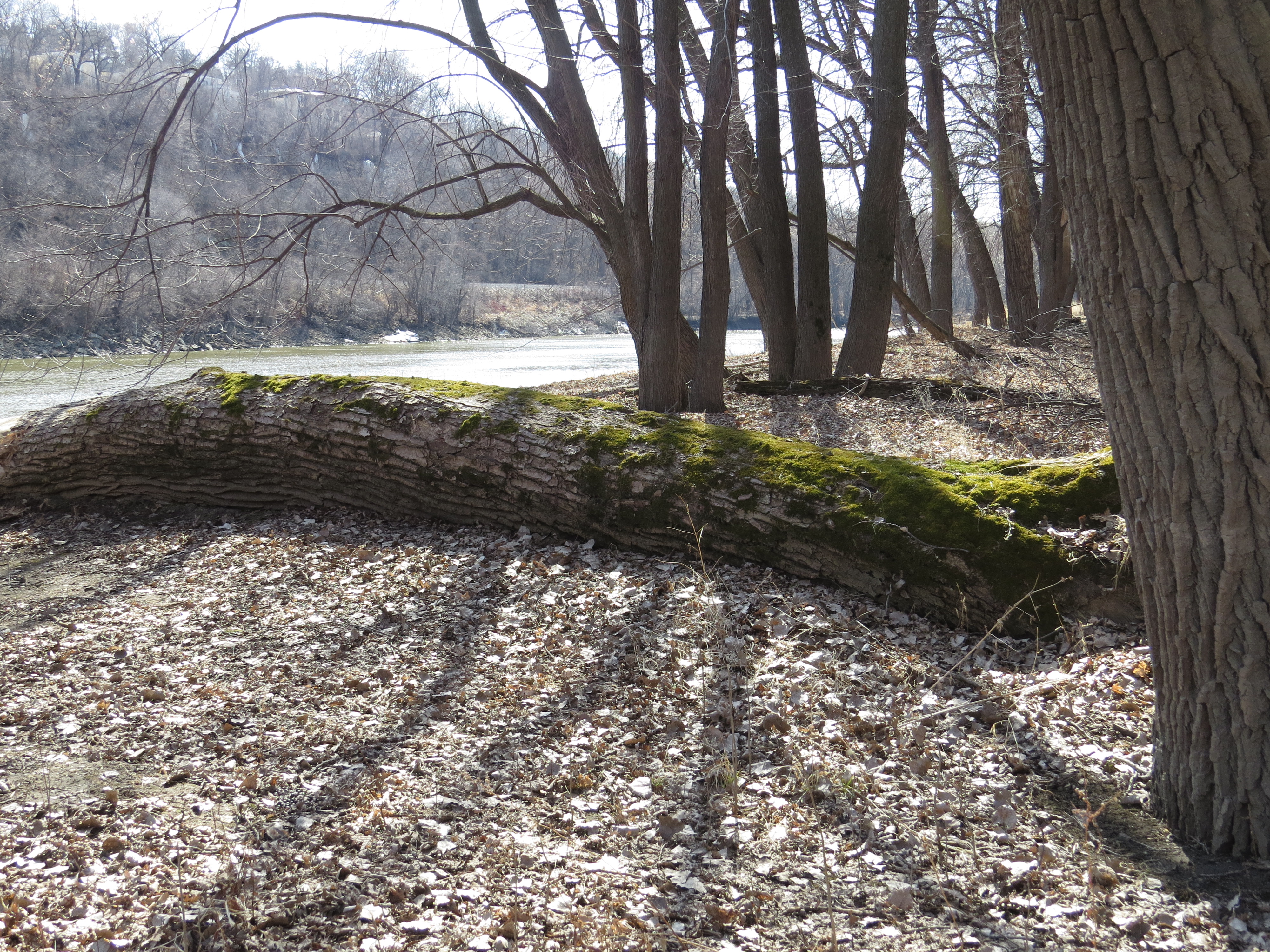
The Minnesota River side of the island was a typical flood plain of large trees and not much underbrush, but like most floodplains, I’m sure the summer vegetation is lush. The fallen trees were in various stages of wear and decay—covered in moss or stripped bare.
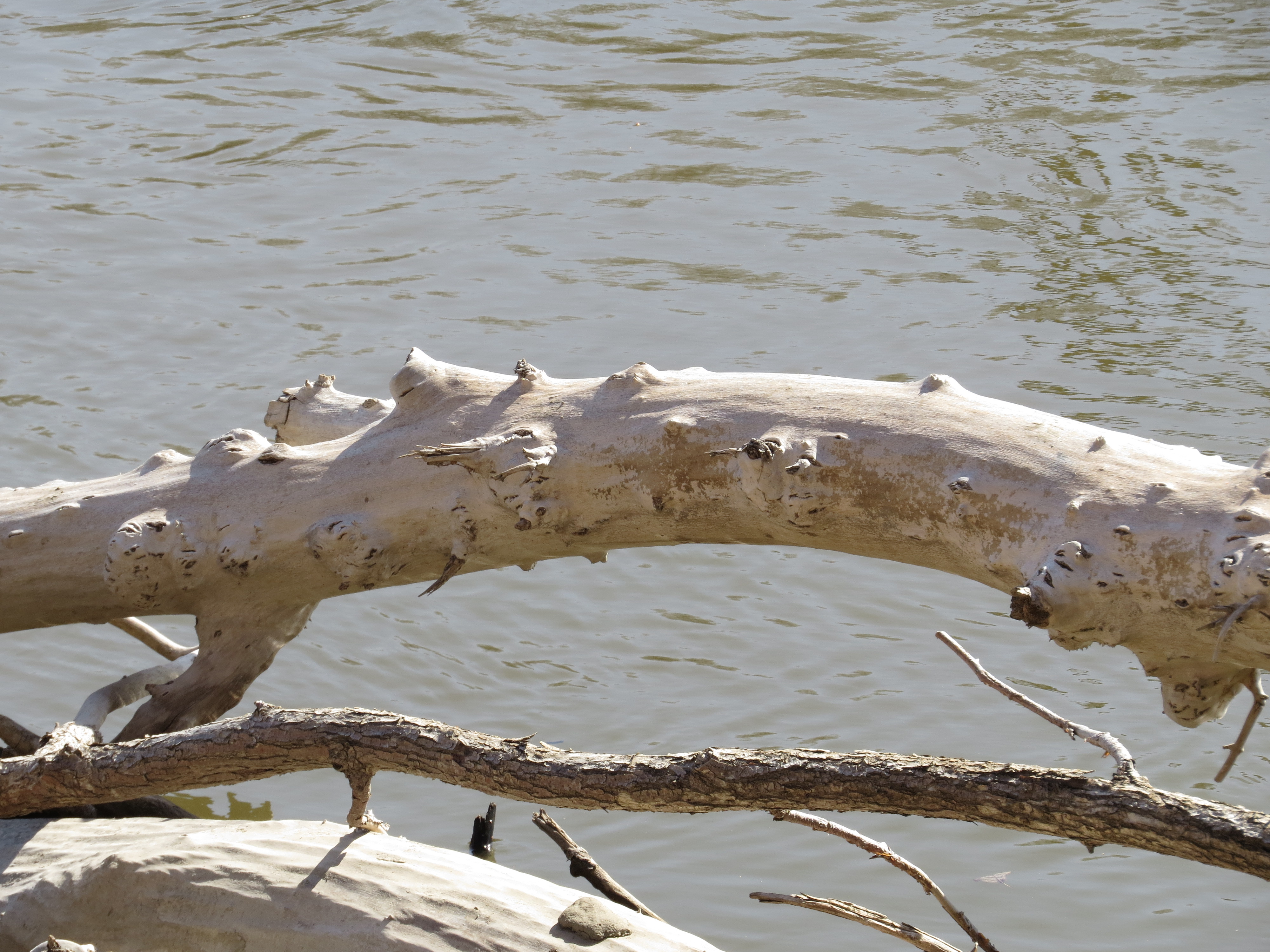
As we circled the island, we returned to the beaver and burl side where ambition and tenacity of the beavers were on full display along with hardship and healing of the Cottonwood trees.
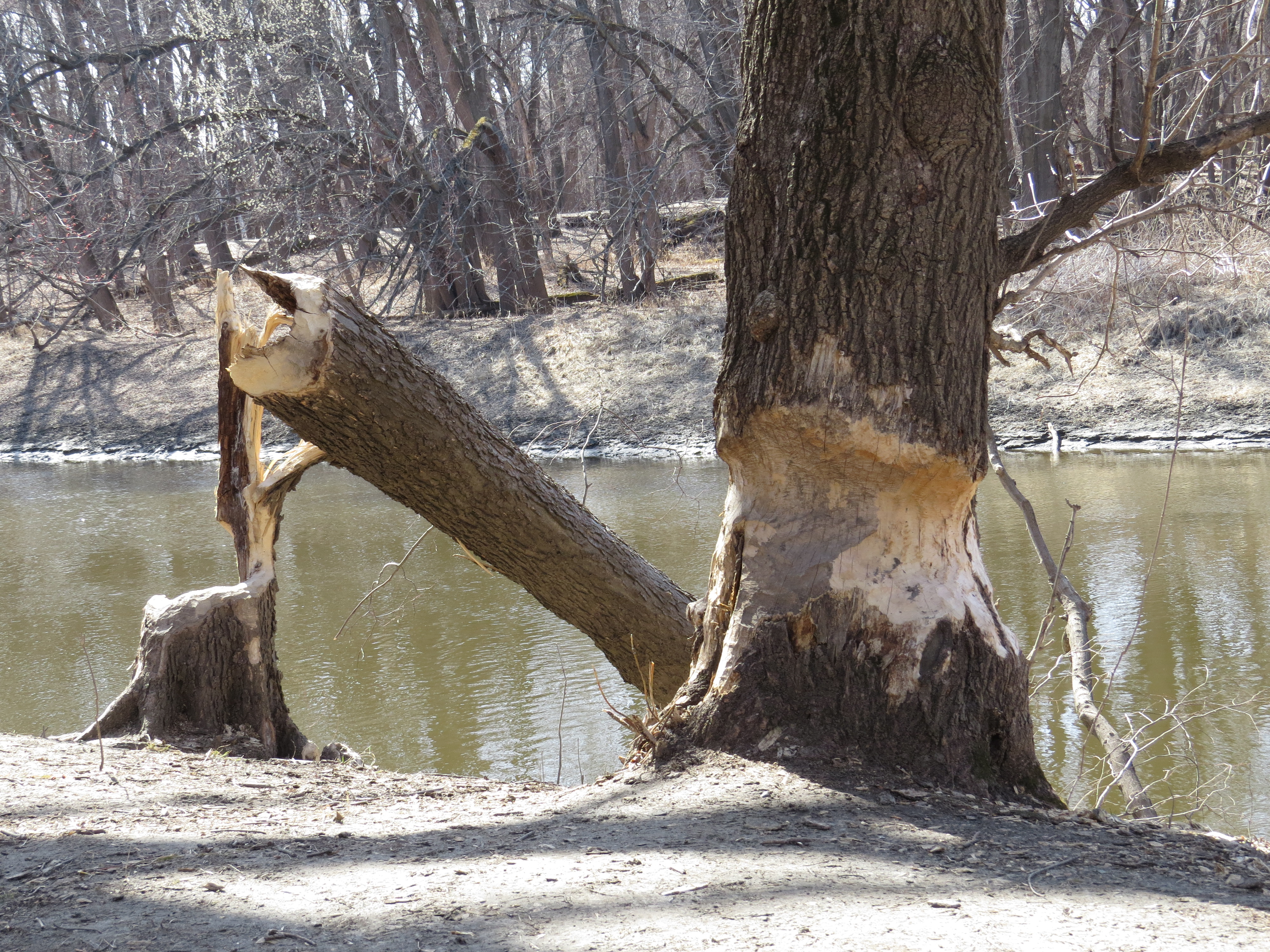
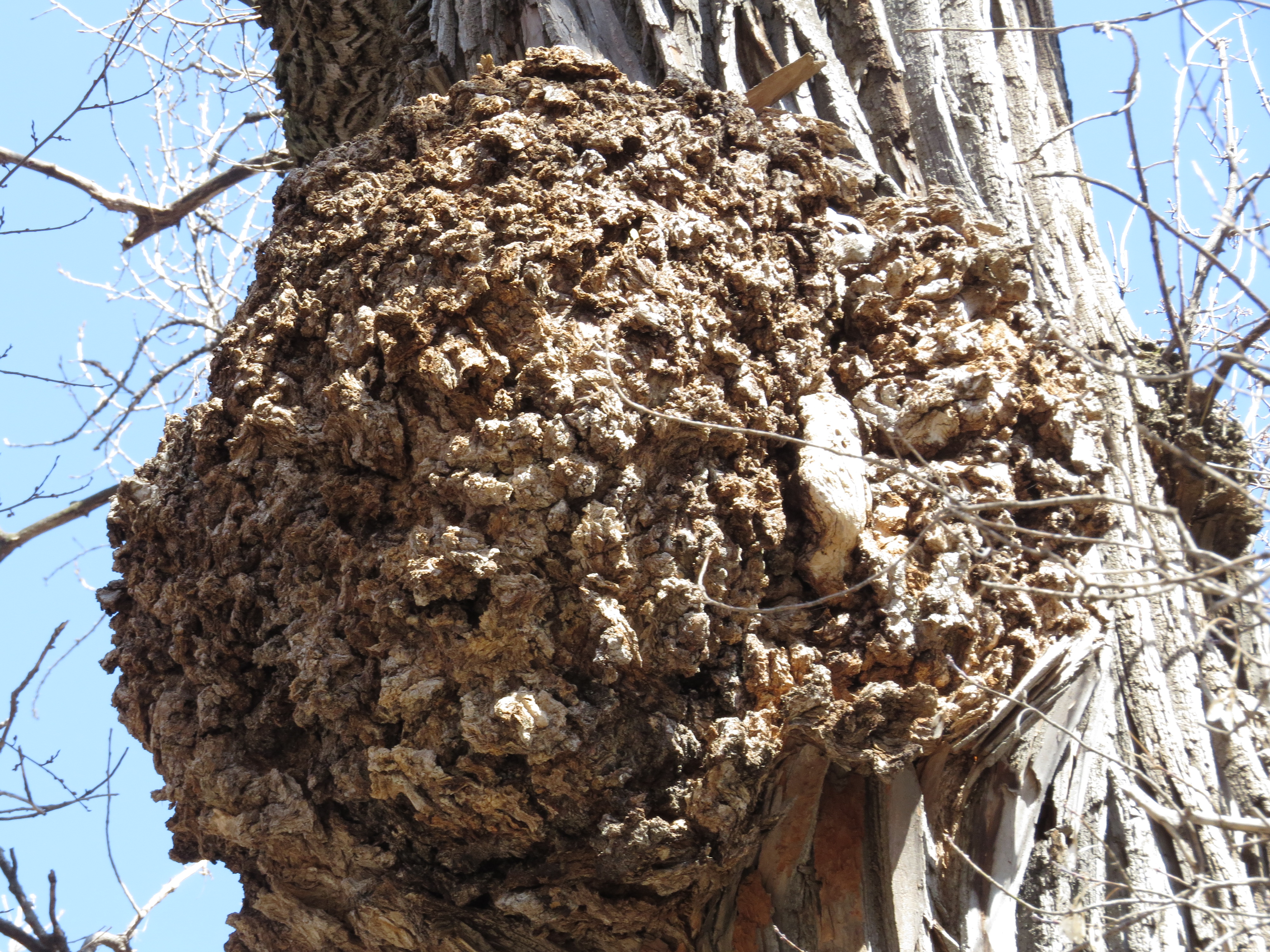
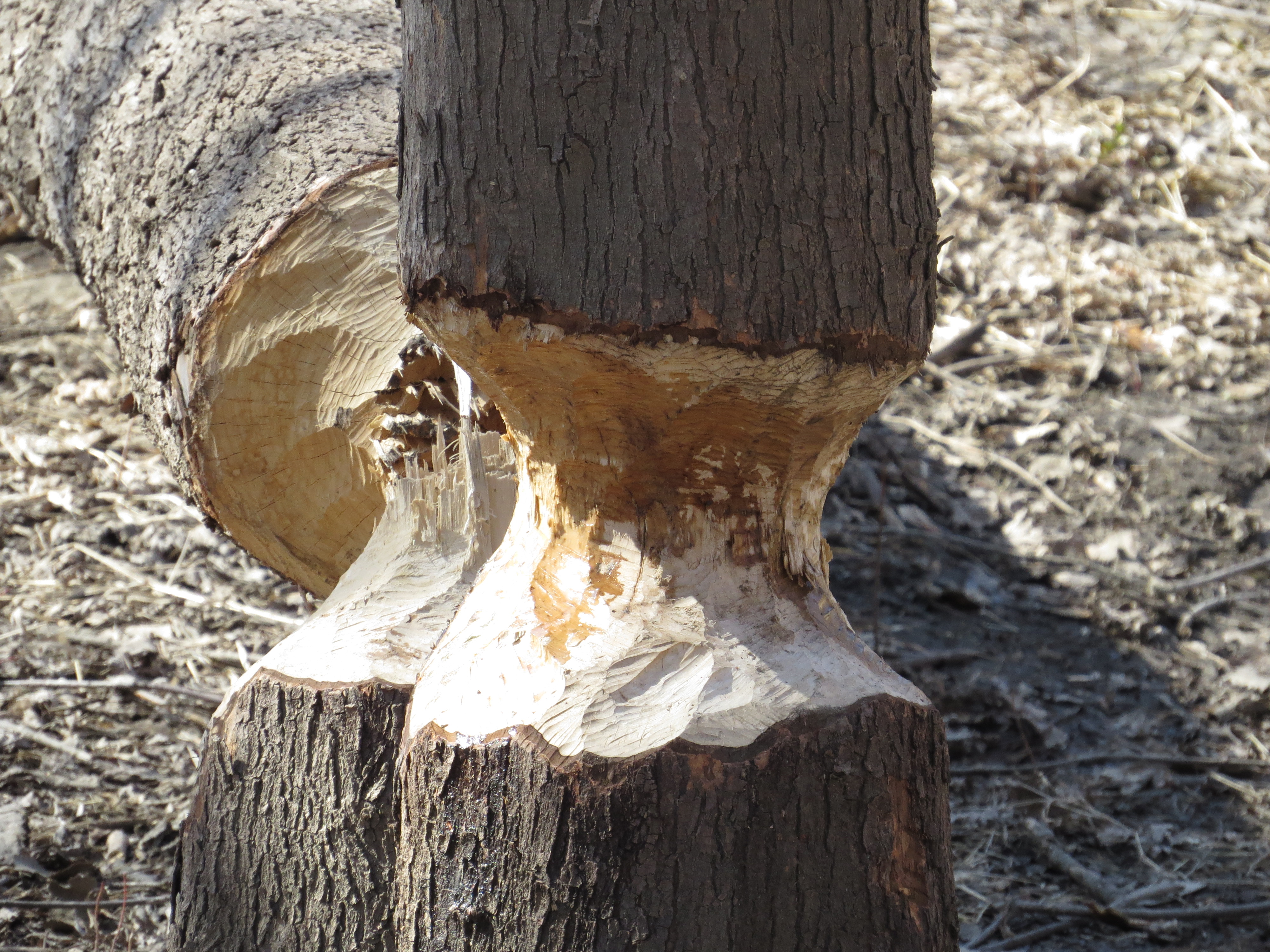
The trees were telling us stories—of ambition and hard work, of hardship and stress. The old huge ones cannot live as long as they have without the wear and tear of life showing in their boughs and in their core. And so it is with us. Accelerated growth and learning of childhood. Vigor and zeal of young adulthood. Hard work and hardship of our middle ages. Abnormal growth and artful beauty in confronting pain and grief in our lives. Occasional destruction we cannot recover from, but mostly we heal—somehow, some way. The River of Love nourishes us and sees us through another season, another year.
Seven years ago today I published my first blog post with this quote from Rachel Carson. “Those who contemplate the beauty of the earth find reserves of strength that will endure as long as life lasts. There is something infinitely healing in the repeated refrains of nature–the assurance that dawn comes after night, and spring after winter.” I have more faith and belief in this quote now than I ever have. Thank you to all the readers who have been with me these seven years and to those who have found me since. Nature holds up a mirror to show where we have strayed and gives us a path to healing. Please join me in appreciating, preserving, and protecting the global gallery of Nature’s abundant art.
Snow Chasers and Bear Bias
We left home last Saturday with a bare yard—bare of snow, that is, except for a withering pile on the north side of the trees. As Winter was slipping away, I was in search of snow. Earlier in the week we had an overnight dusting, but I saw the Brainerd area had gotten five or six inches. So we headed north, hoping the sun and temps hadn’t gotten to the snow before we did. About ten miles or so south of Brainerd we began to see snow on the ground. We saw large piles of packed wet snow that had been plowed from the roads. I was hopeful we could snowshoe once we got to Northland Arboretum. We slipped into our snowshoes and began our hike on a south-sloping hill. Hmmm.
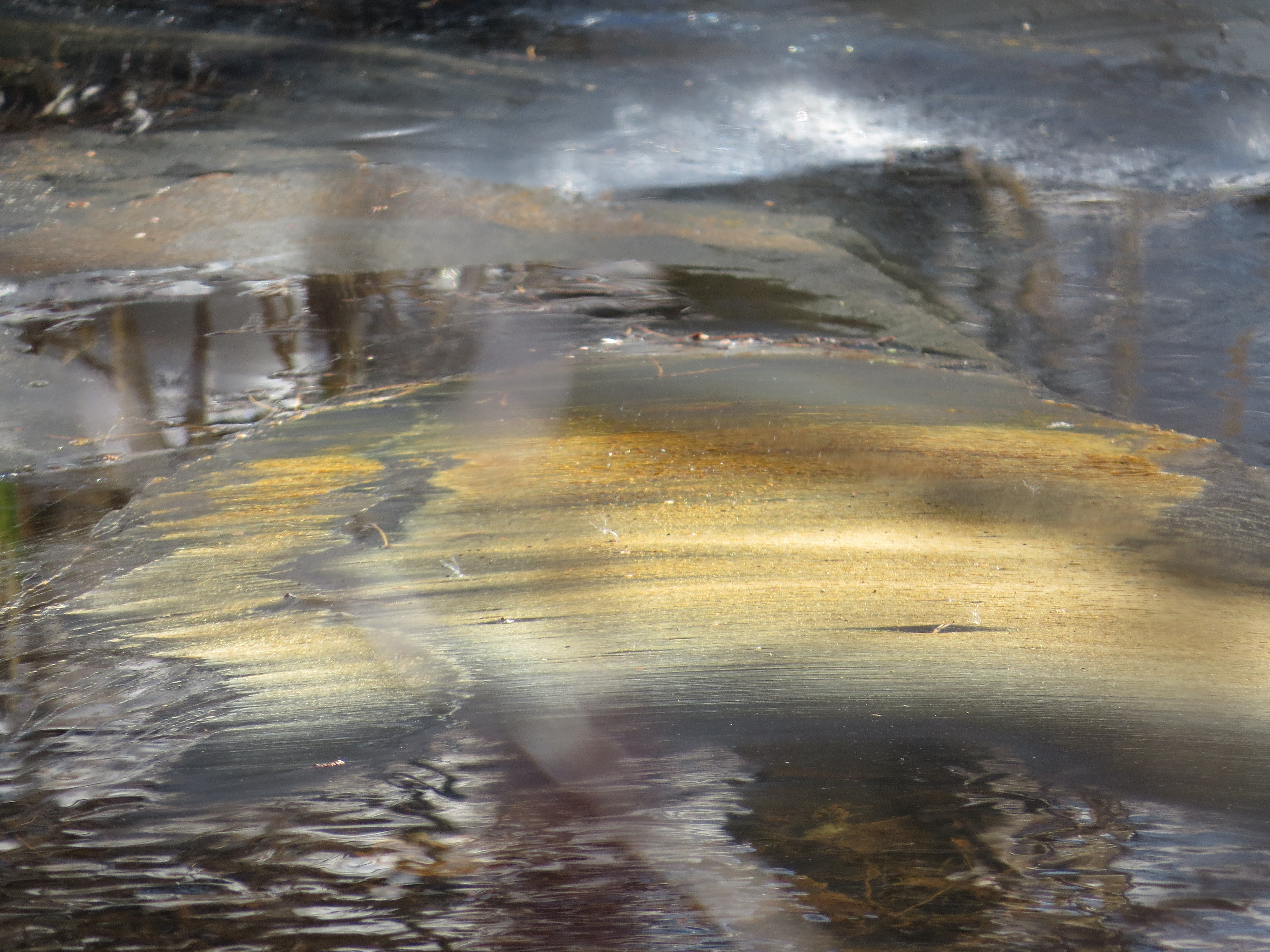
Birch tree catkins caught my eye, along with a golden patch of ice in the stream. Was it from pollen, a fungus, or sawdust?
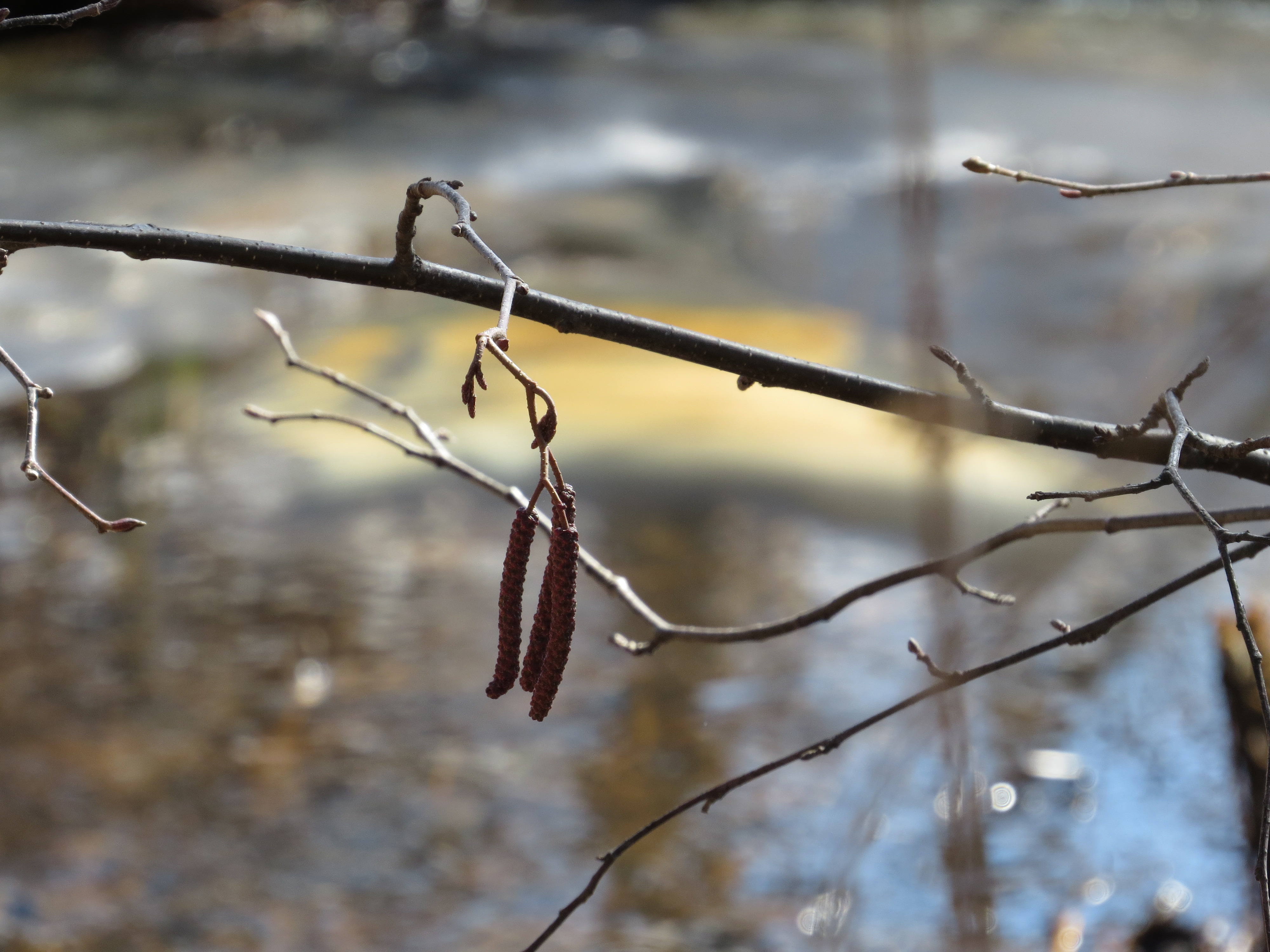
Whatever it was, it made for an interesting piece of ice art.
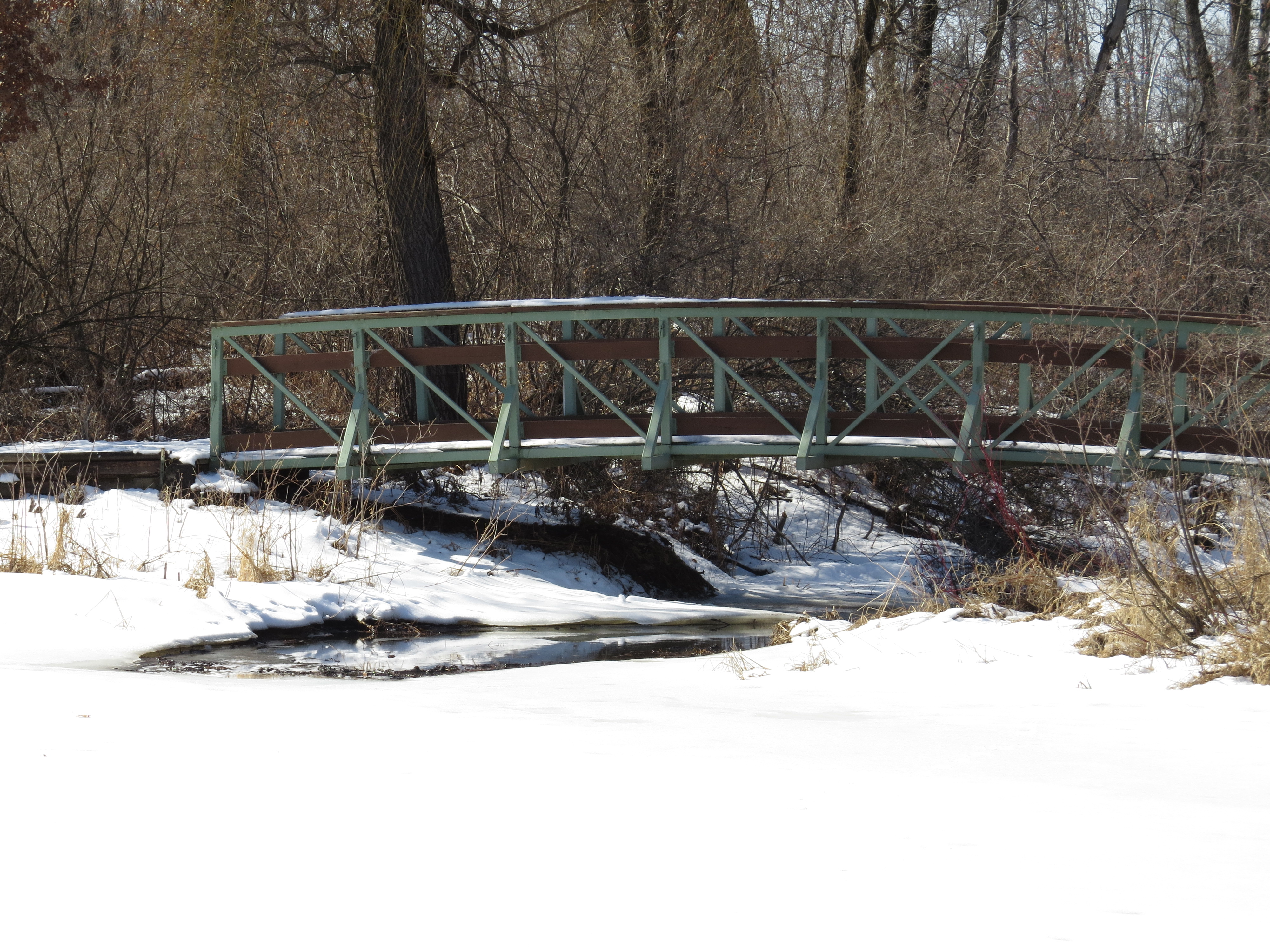
After a short stint on the snowshoes where we pecked our way around too many bare spots, we returned them to the car and resumed our hike on foot, or ‘boot’ rather. Monet’s pond and stream were just beginning to open up; the bridge was not quite as picturesque as when we saw it in the summer.
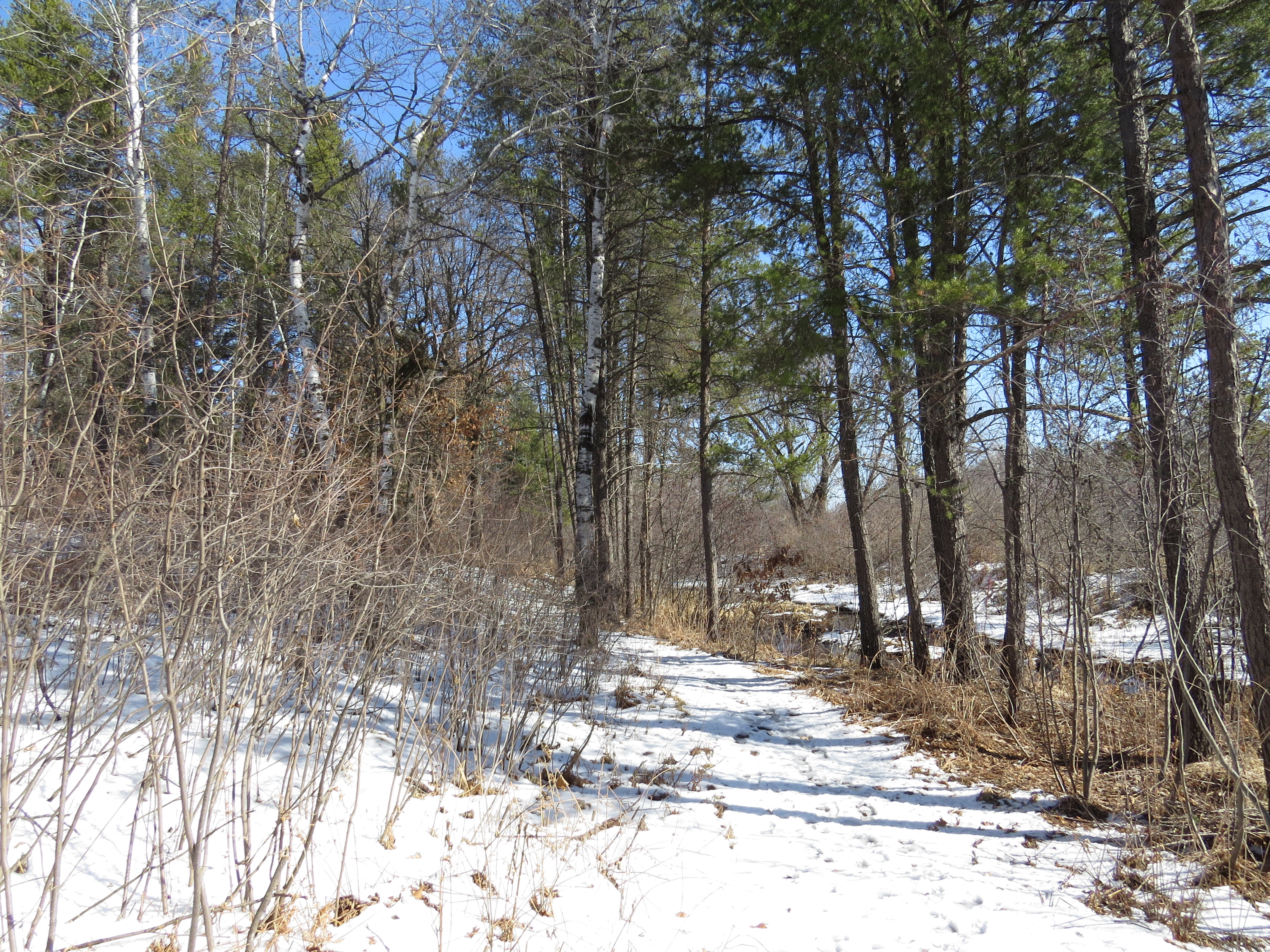
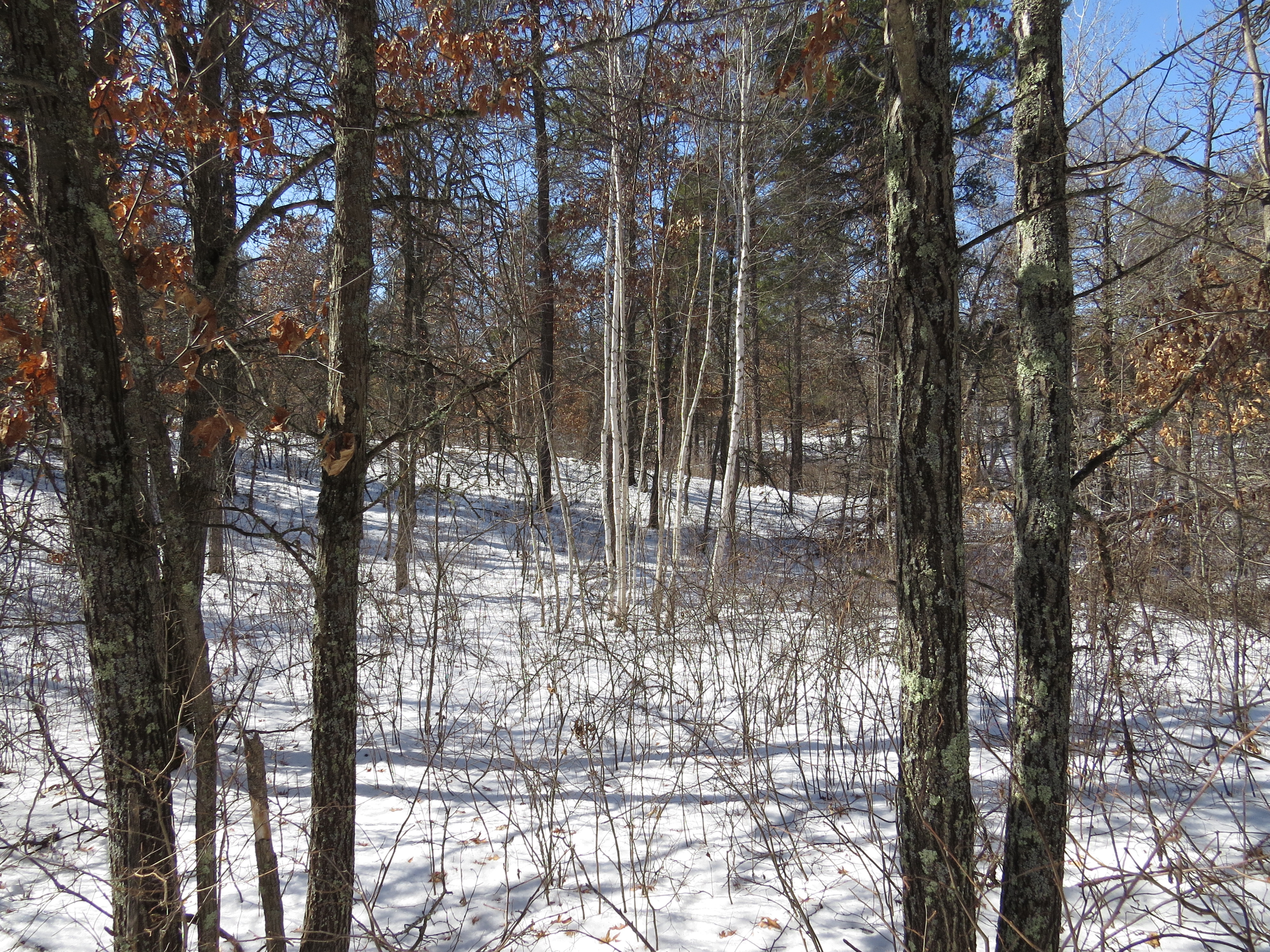
It was a beautiful blue-sky day! The pine–birch–oak woods held a beauty beyond the brilliant sky and snowy background. There was an ‘aliveness’ about them, like an anticipation of things to come.
A wandering deer was camouflaged in the brush, her slow meandering movements showed no concern for us noisy neighbors.
The Spring sun was working on the exposed places…
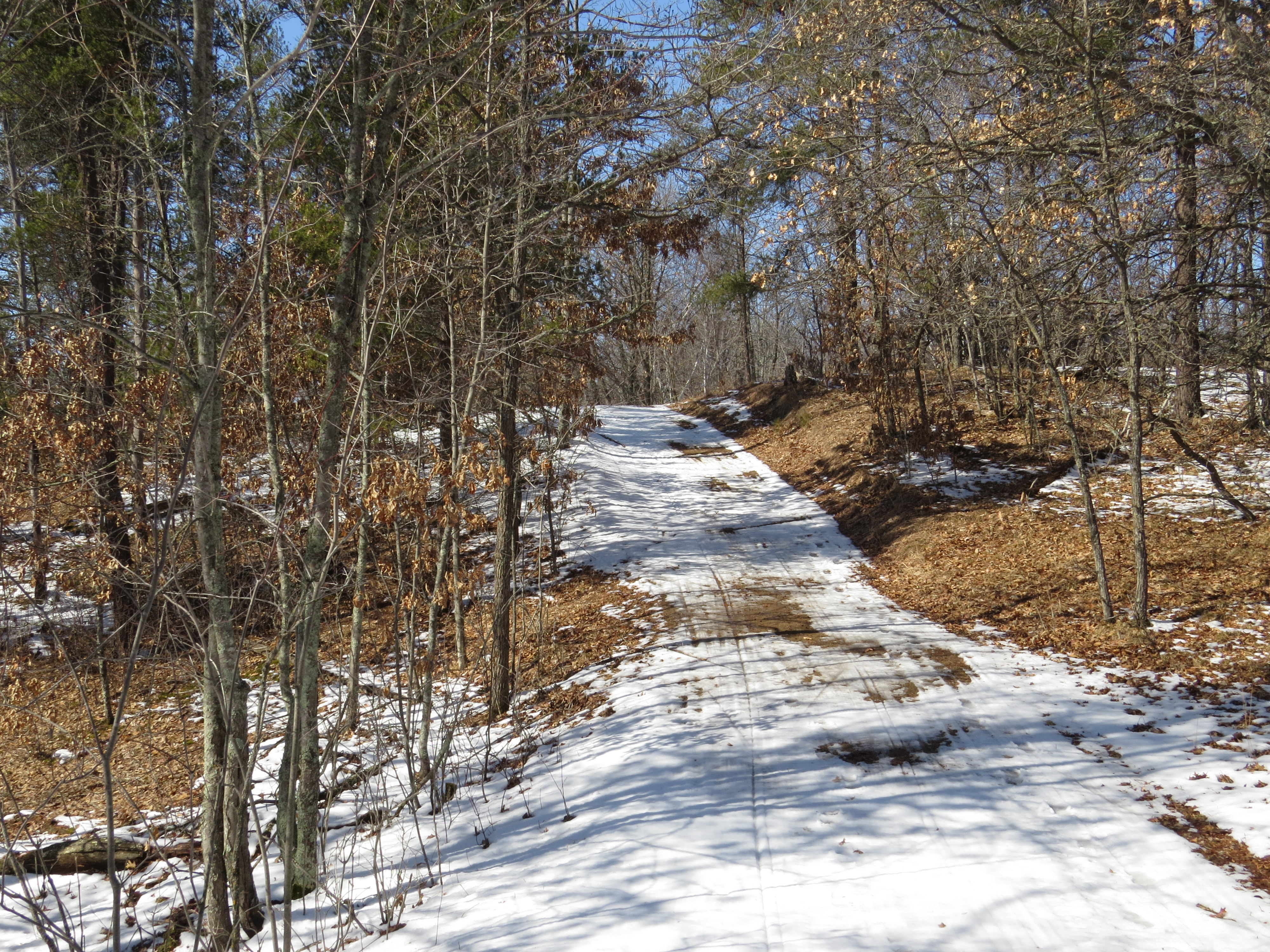
while other places in the shadows and in the hidden nooks still had inches of snow.
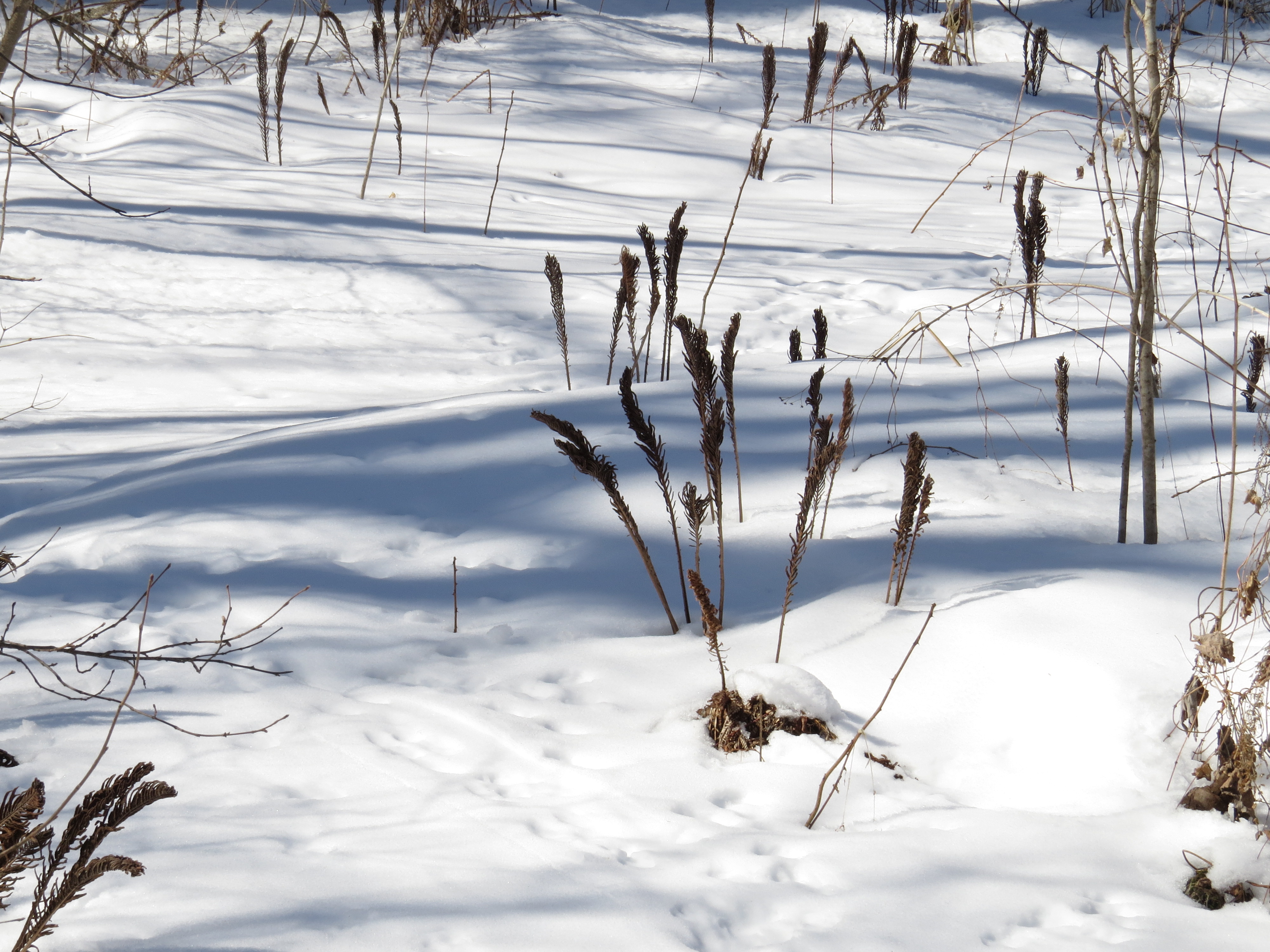
Our destination this time was to get to Beaver Pond—our last time here we were so inundated by mosquitoes when we got to this part of the trail that all we did was swat and squirm. In our misery, we turned around at the Pine Plantation. In the Winter landscape, we could see the source and homeplace of the hungry mosquitoes—a large shrub bog and wetland.
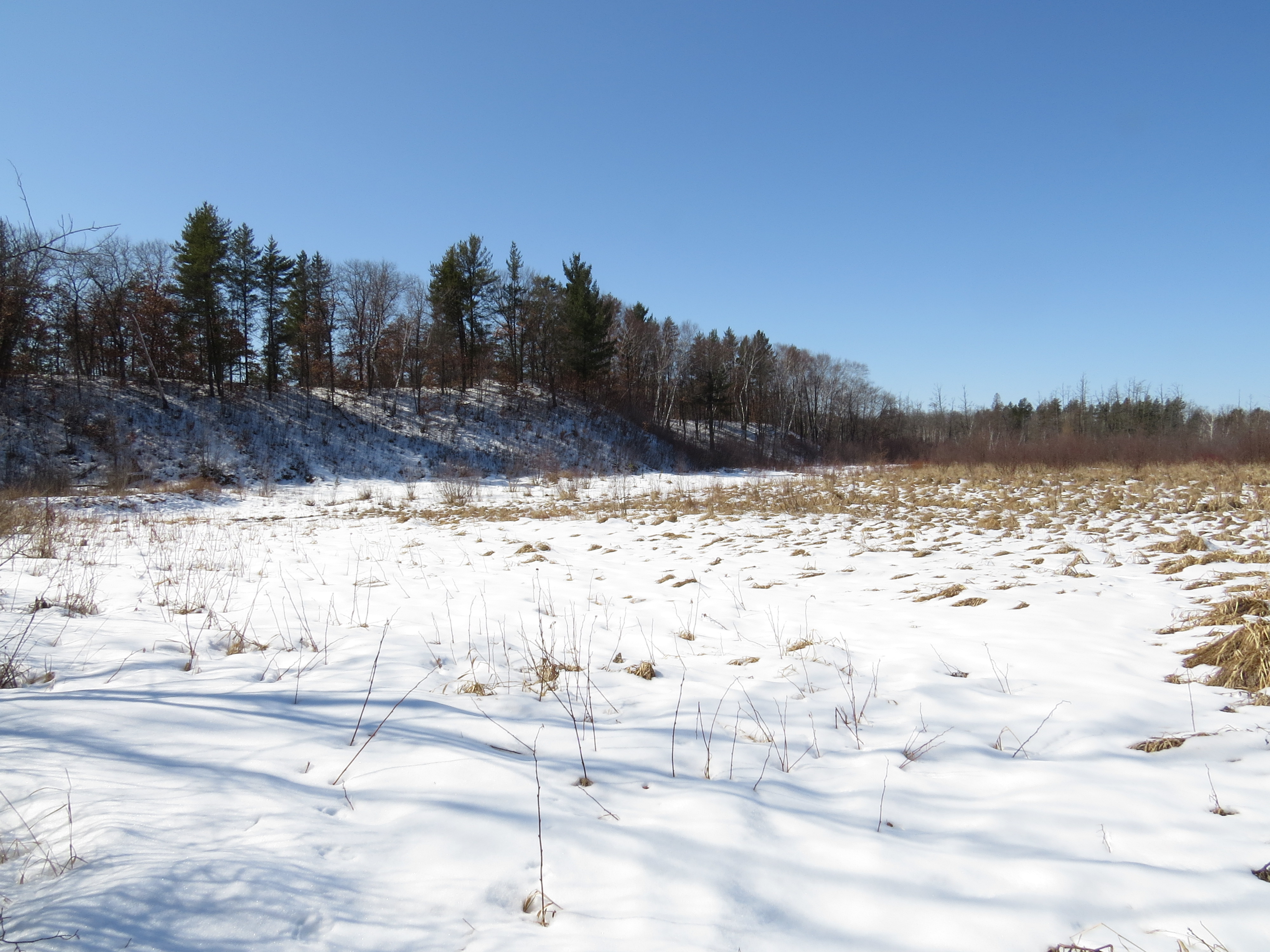
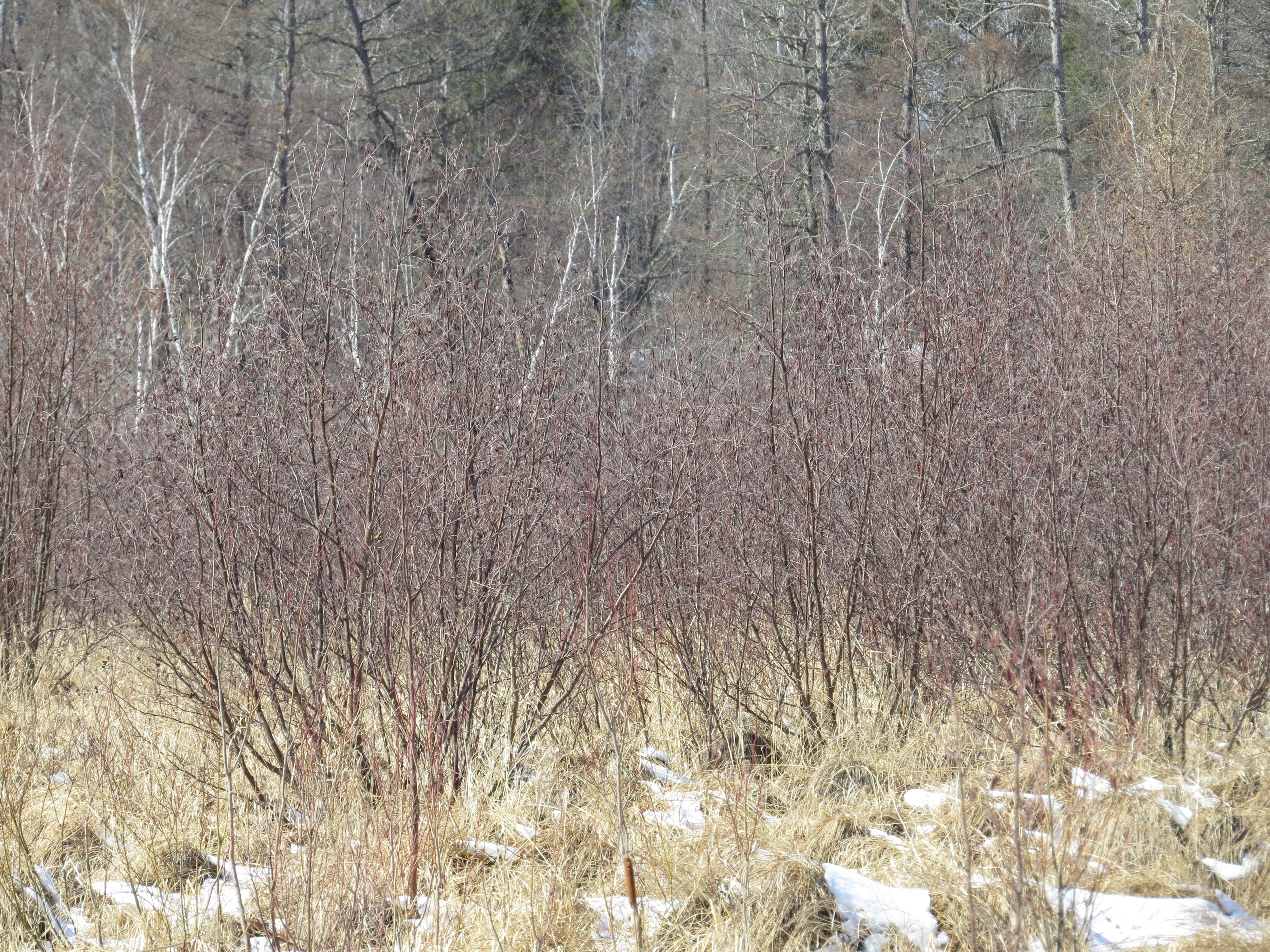
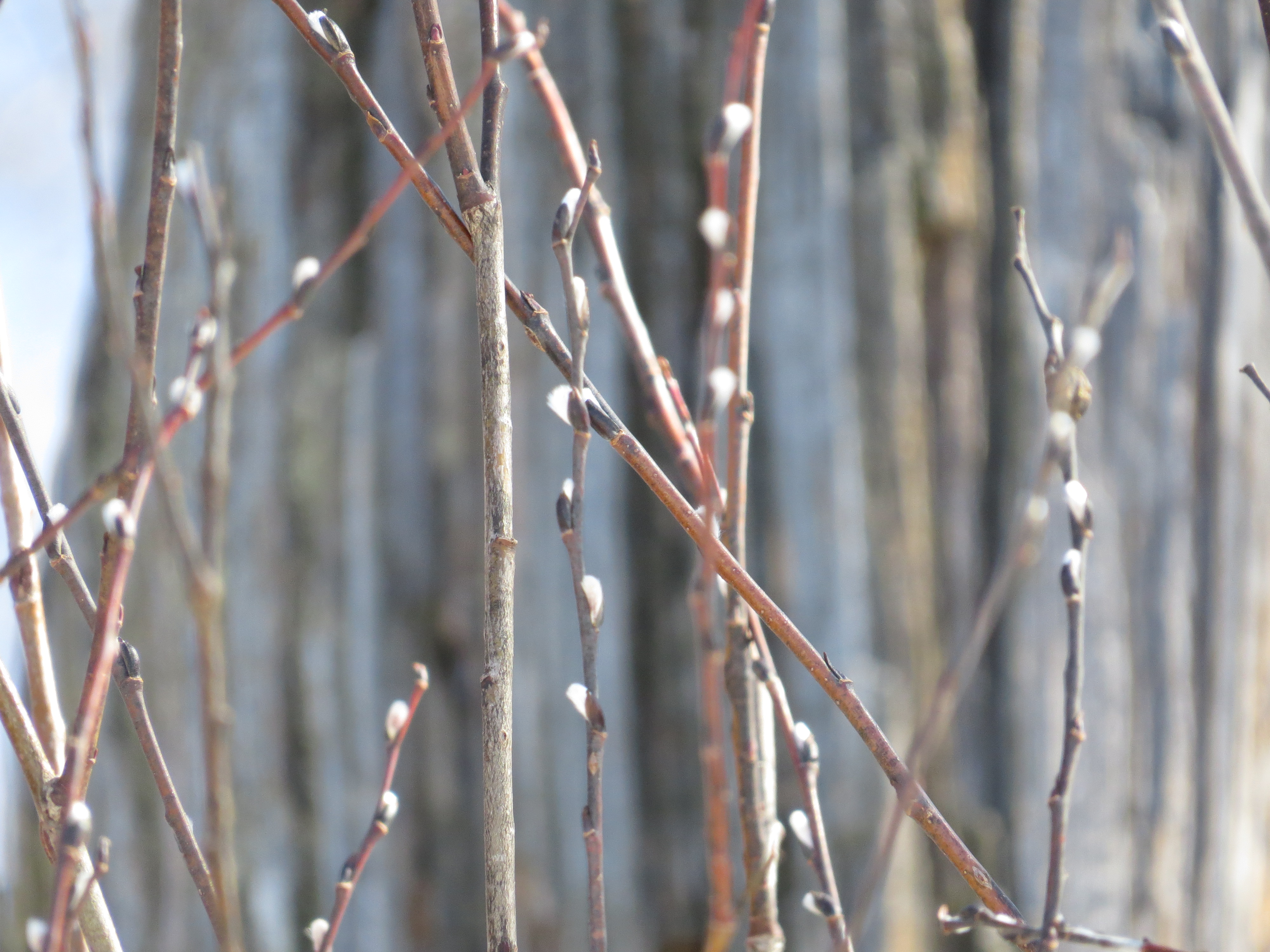
Pussy Willows were beginning to bloom in the wetland—Spring was here, ready or not.
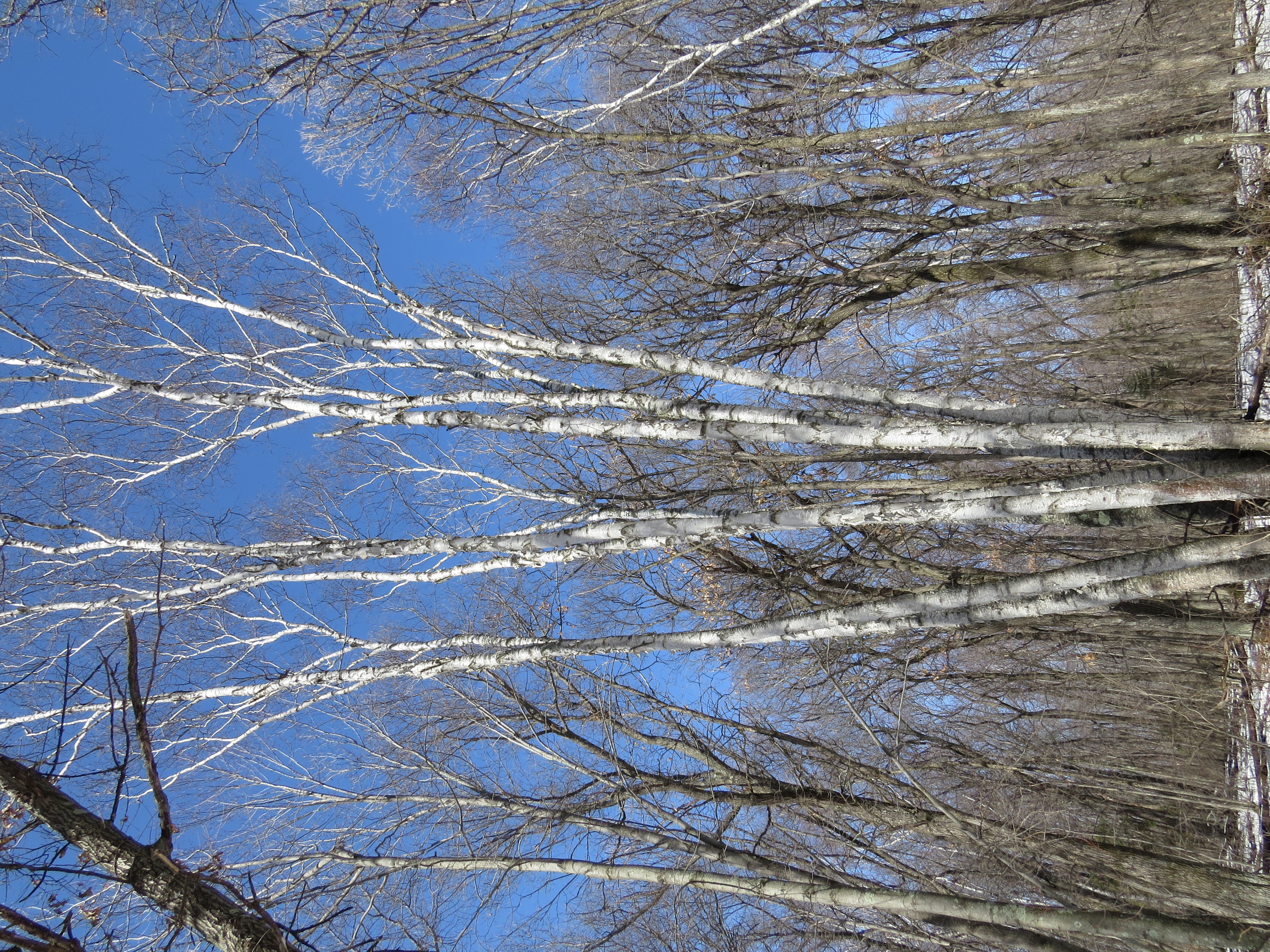
It was a day for appreciating the amazing clusters of white-bark Birches against the sapphire blue sky—something that gets lost when green foliage covers all the trees.
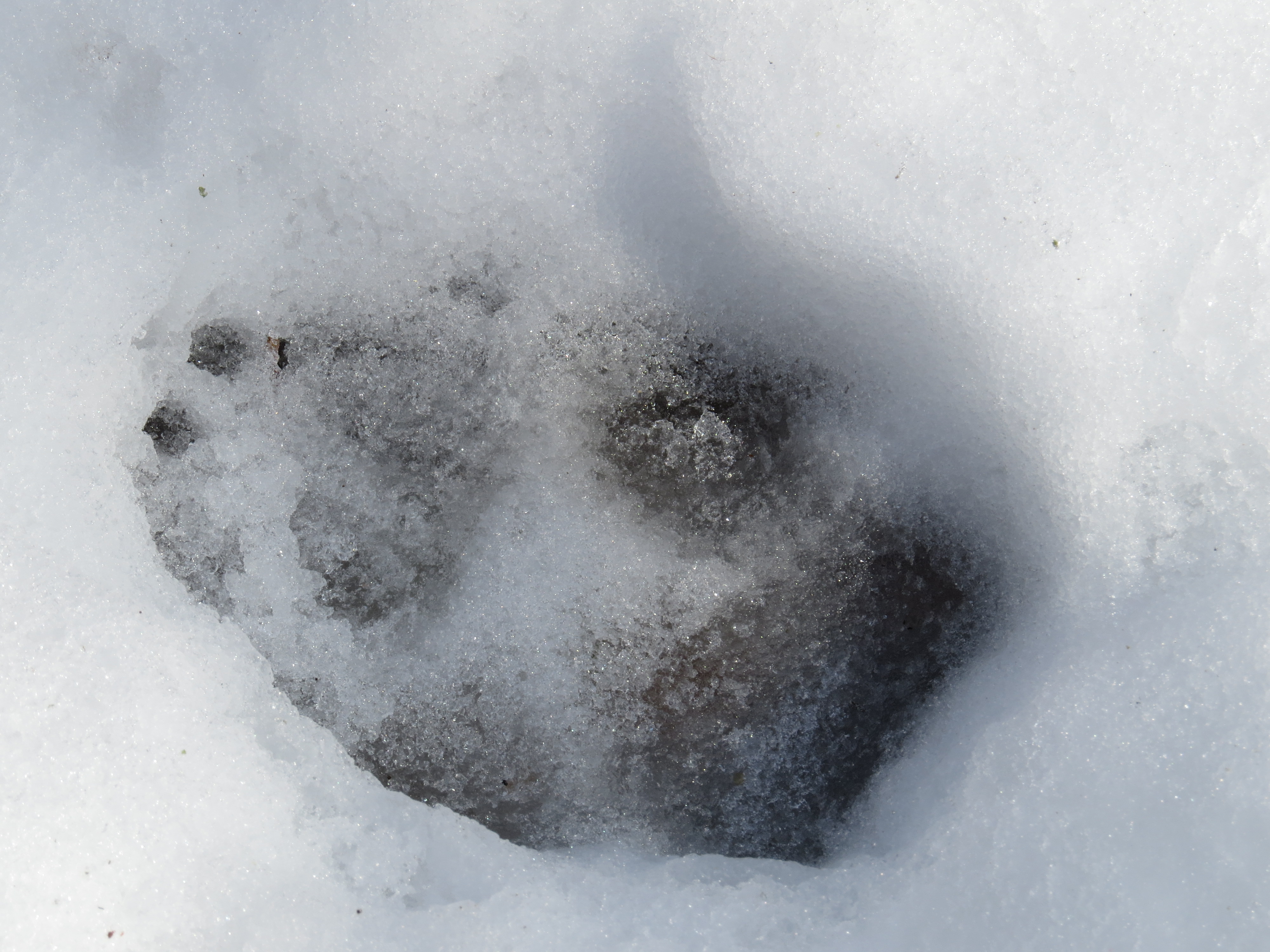
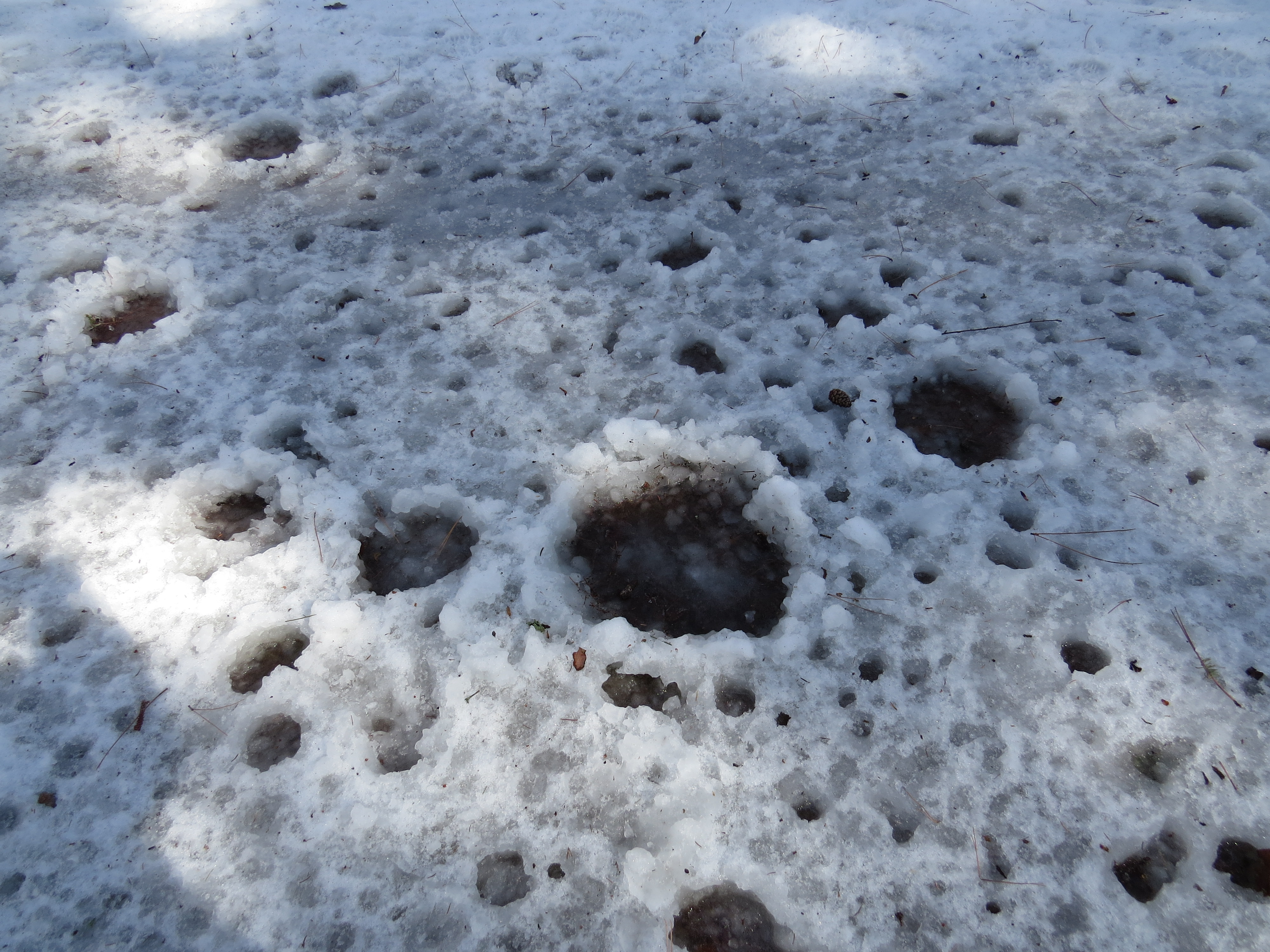
As we hiked farther north along the Johnson Plantation trail where the only human form of tracks were from cross-country skis, all of a sudden I noticed a trail of very large tracks. When we were at Northland in the summer, there had been a black bear sighting on the day we were there, and on this warm, almost-Spring day, perhaps a bear was coming out of hibernation! Bear tracks, I exclaimed! The palm of my hand fit neatly inside the tracks, a full six by four inches.
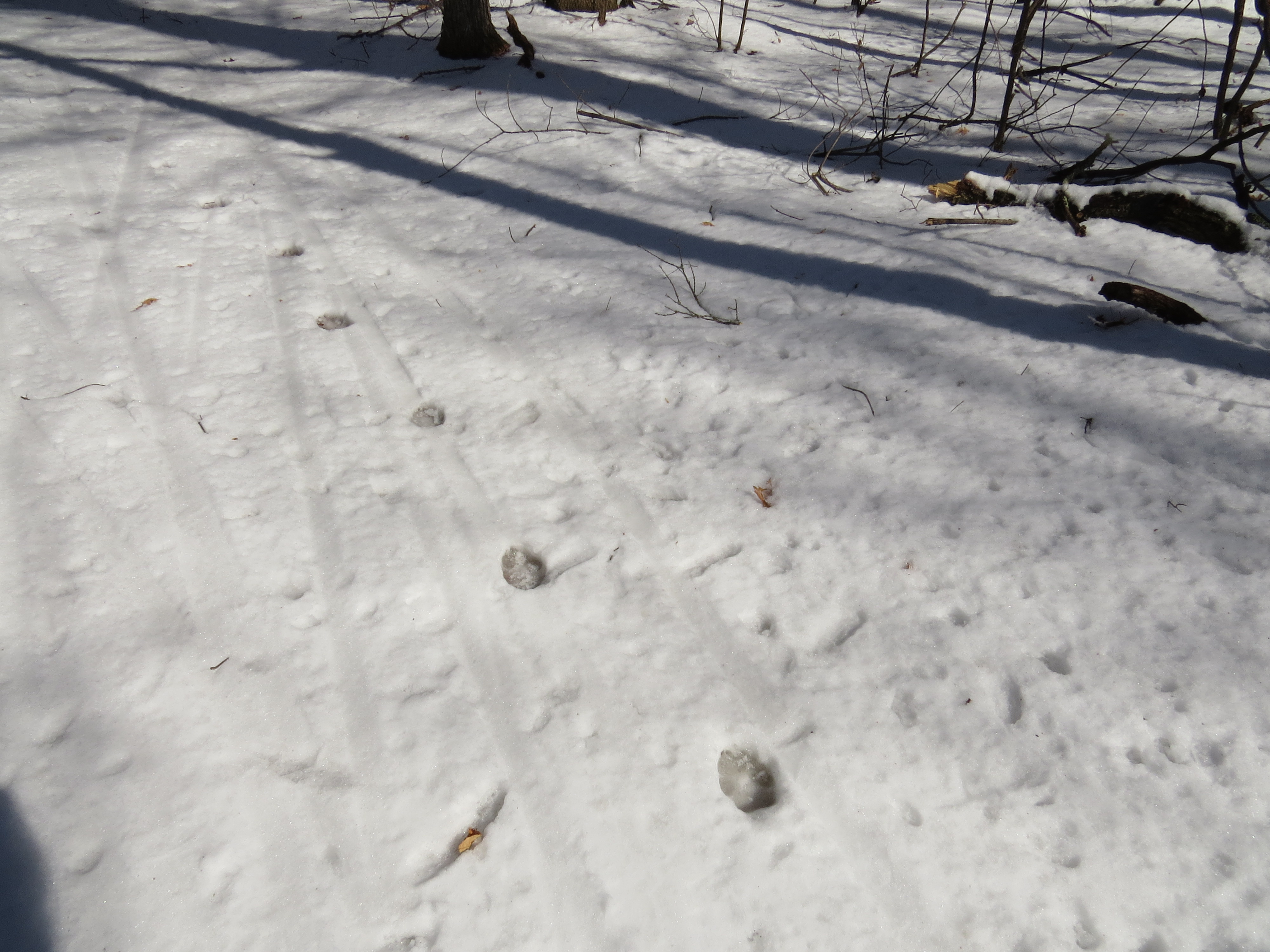
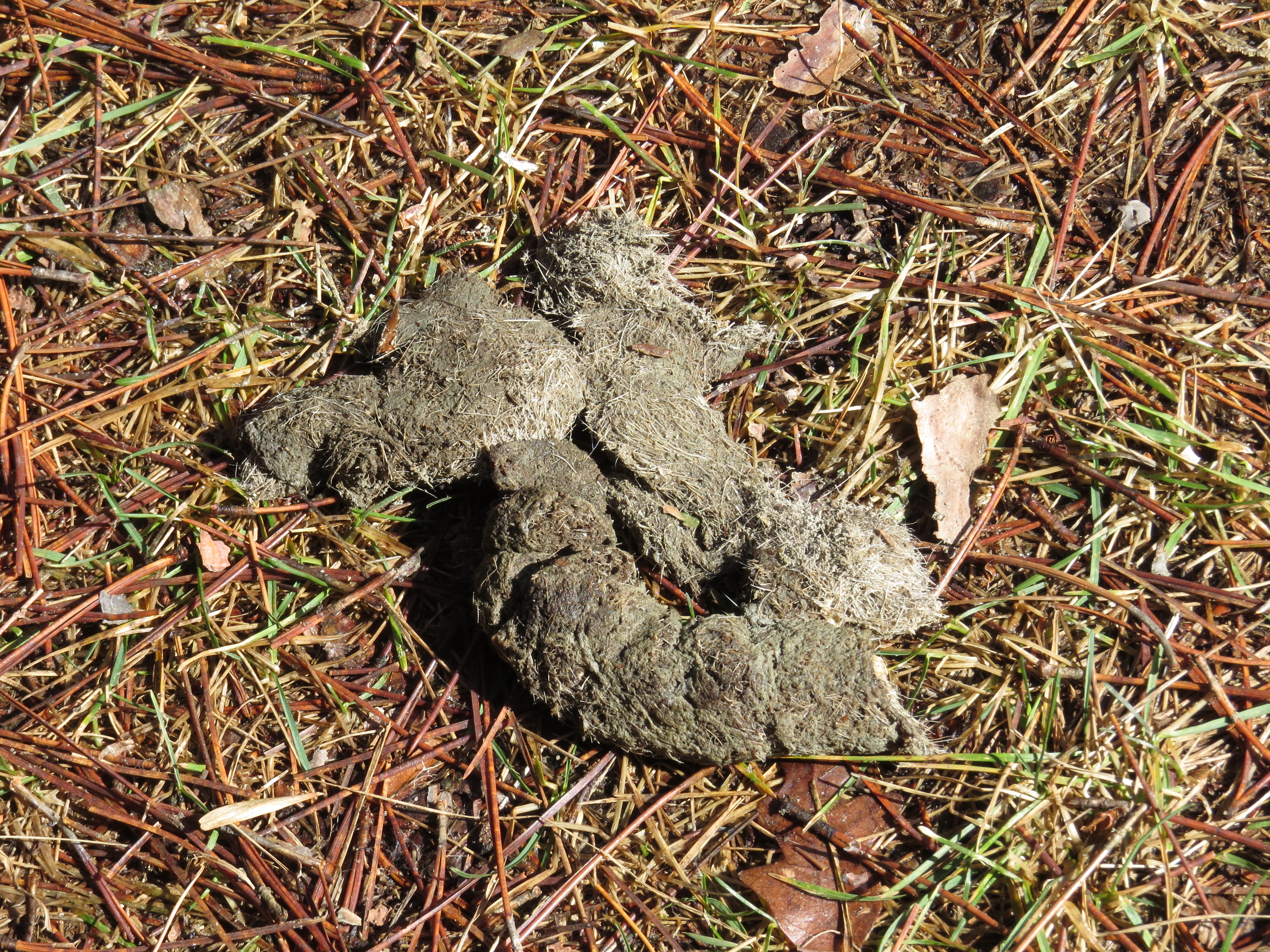
The tracks followed the trail; we followed the tracks. In one clearing where the sun had melted the snow, a large pile of fur-filled scat lay among the pine needles.
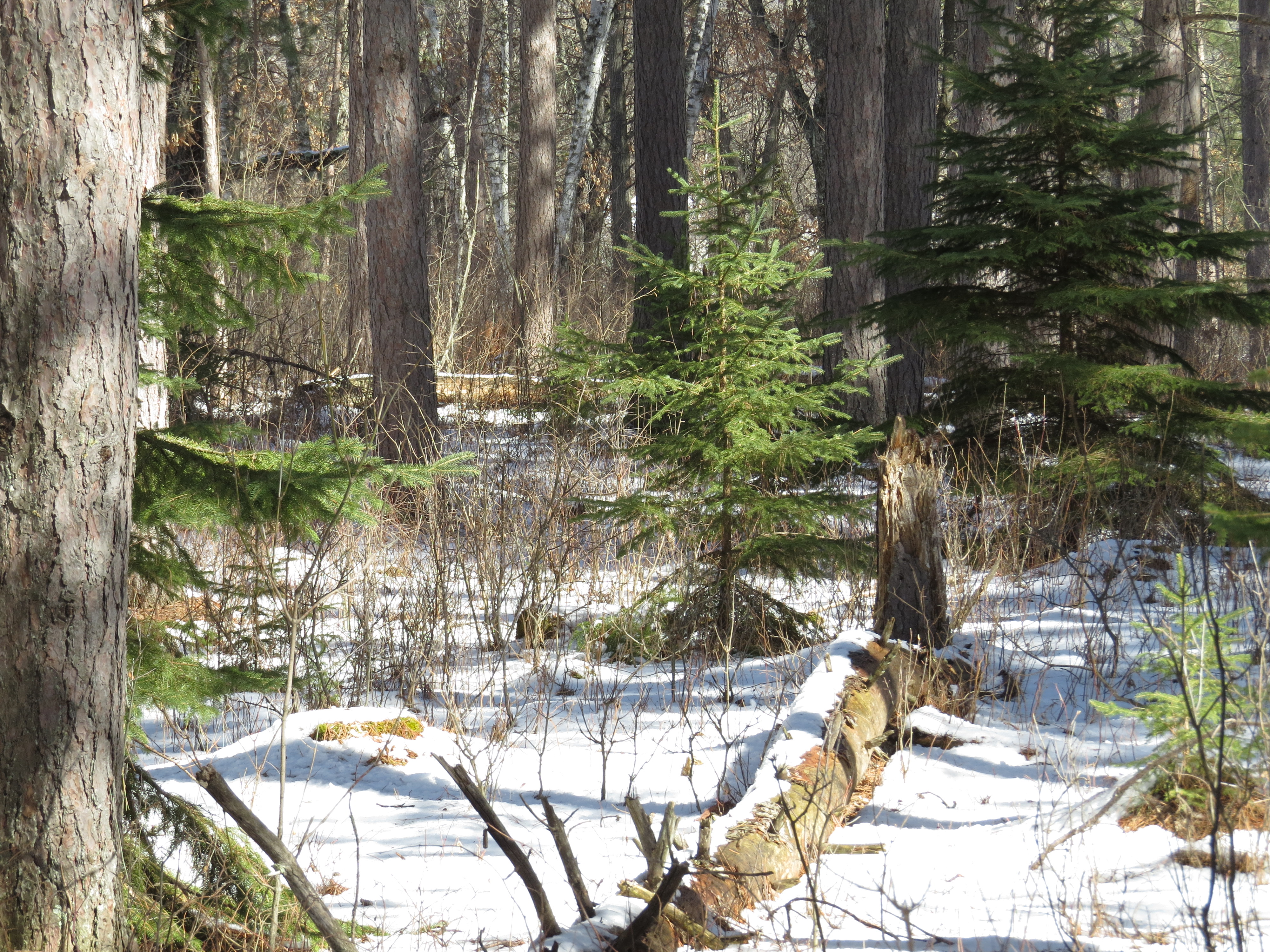
It was a perfect place for a bear to live—remote, wooded, plenty of food and shelter.
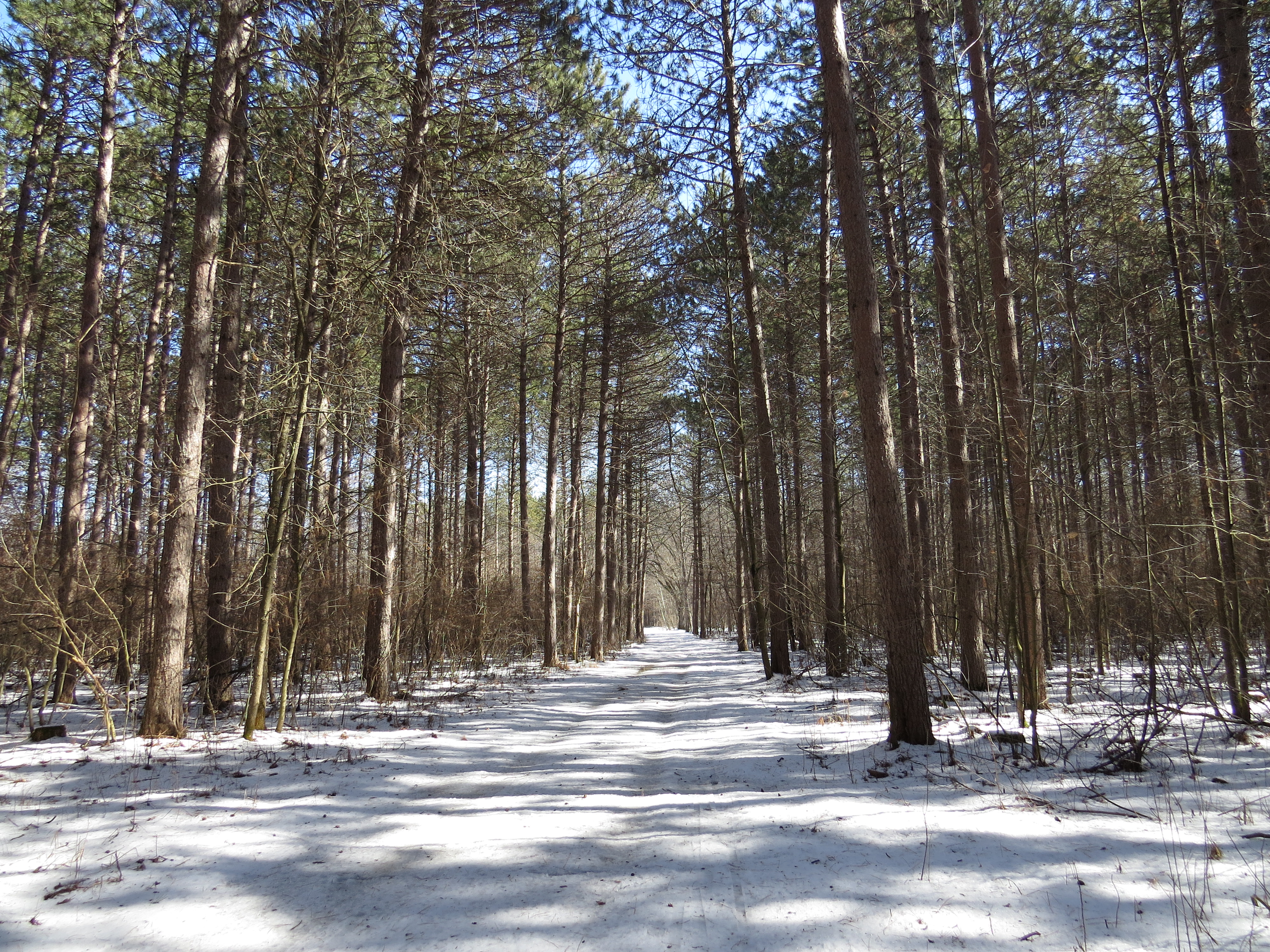
Even though the tracks looked a day old with the melting, refreezing, and melting again, we joked about giving a hungry bear the nut bars in my backpack.
I wondered aloud what had caused these moon craters in yesterday’s slush, and it wasn’t until I was further along the trail that I knew—a plop of wet snow fell on my head from high in the trees. I needed a little personal evidence to figure out my question.
Deer and Wild Turkey tracks intersected the ski trails, and soon the bear tracks left the trail and disappeared into the woods.
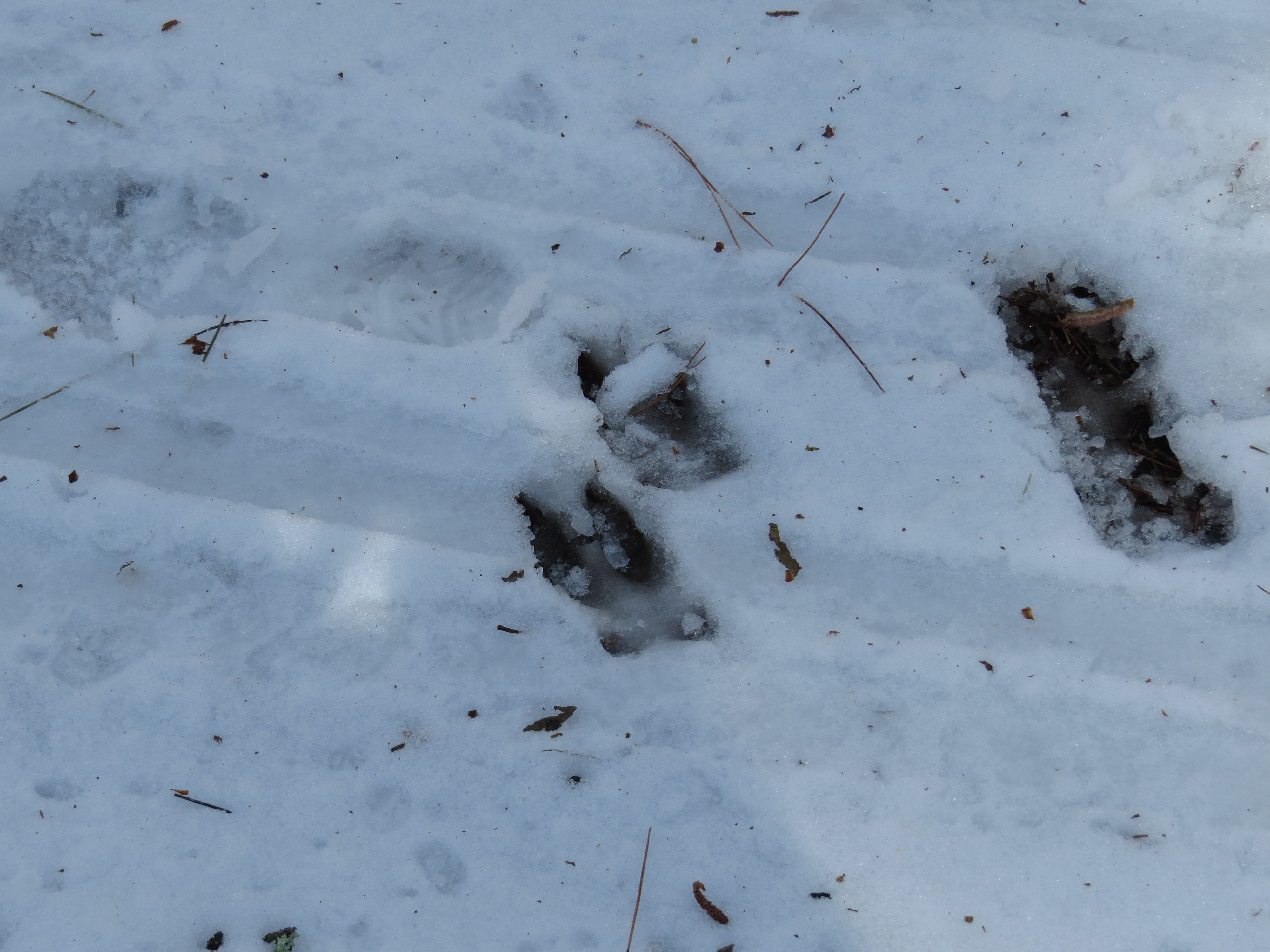
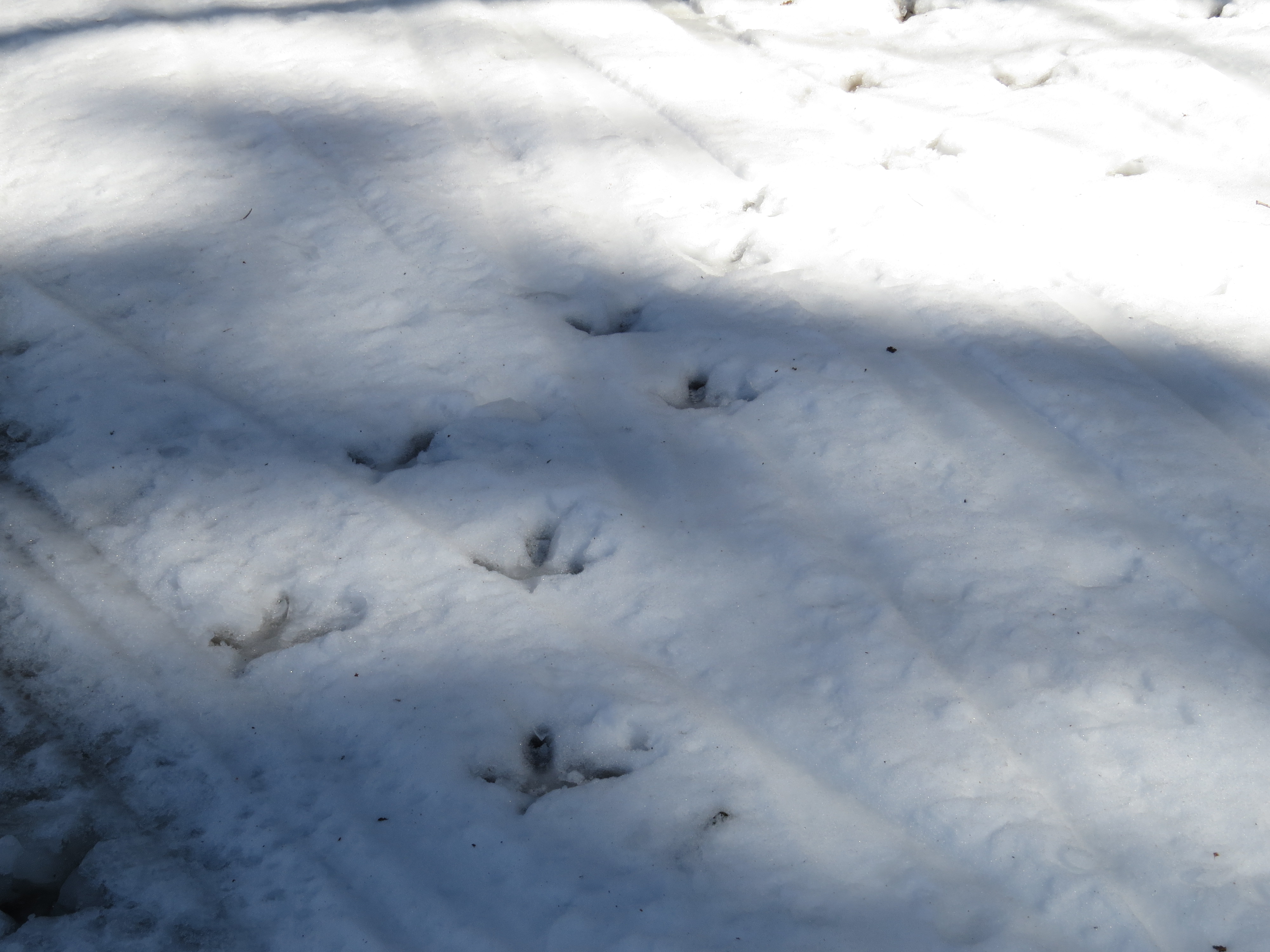
We arrived at Beaver Pond where a large lodge poked up through the ice on the far side.
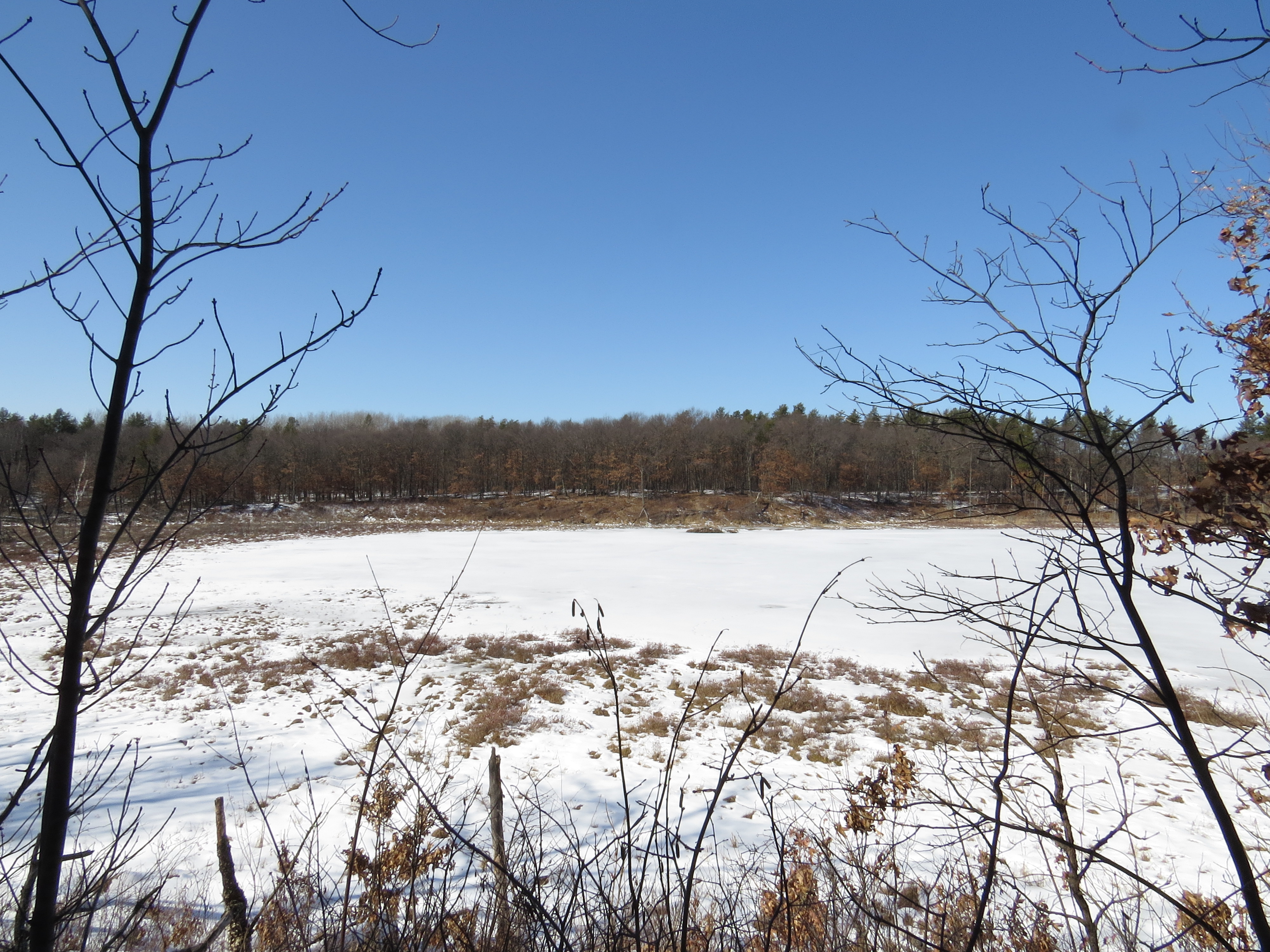
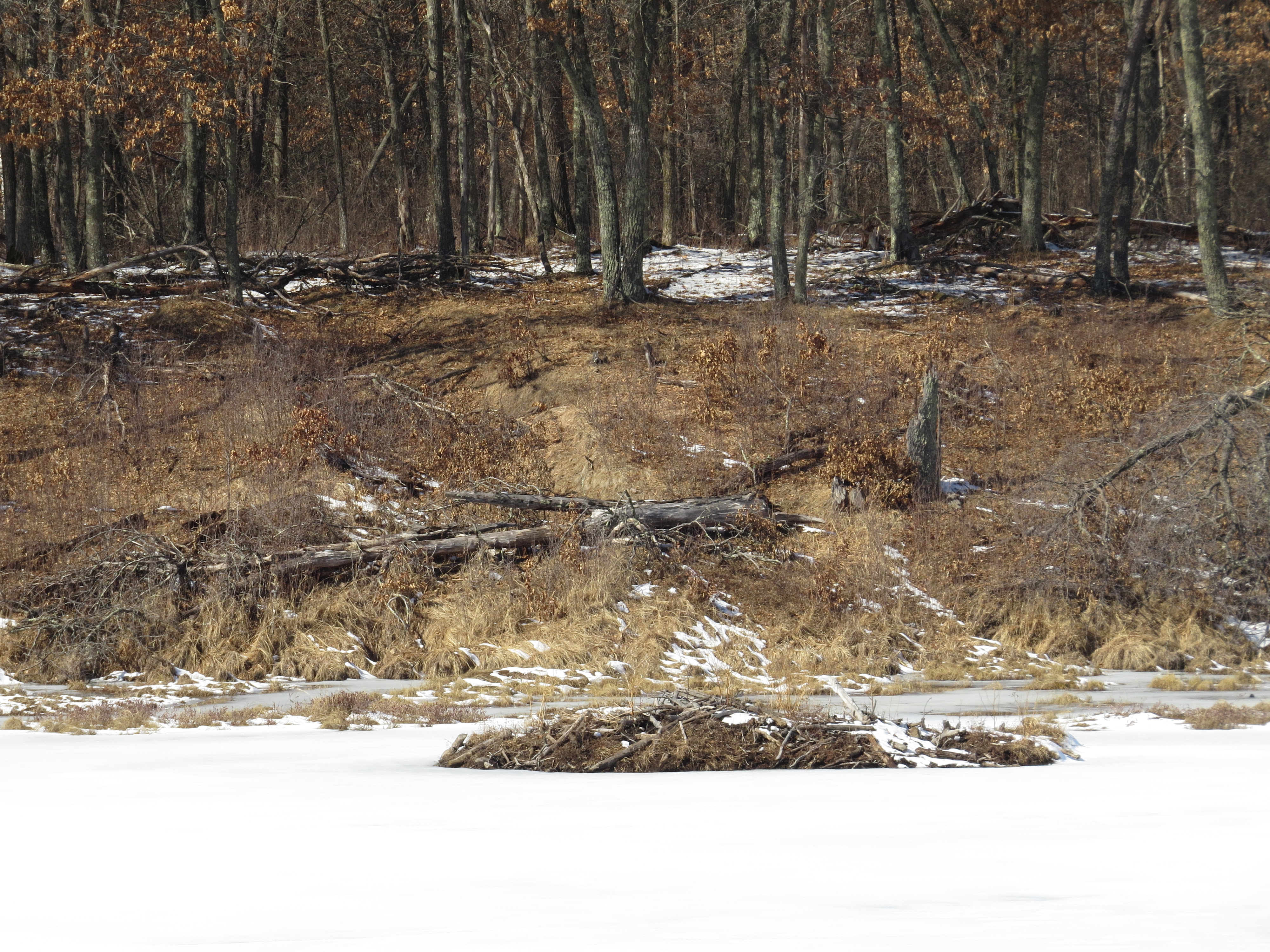
When we circled the pond, we saw an inlet the beaver used and kept free of reeds and rushes so he could swim to the shore and float fallen logs back to the lodge.
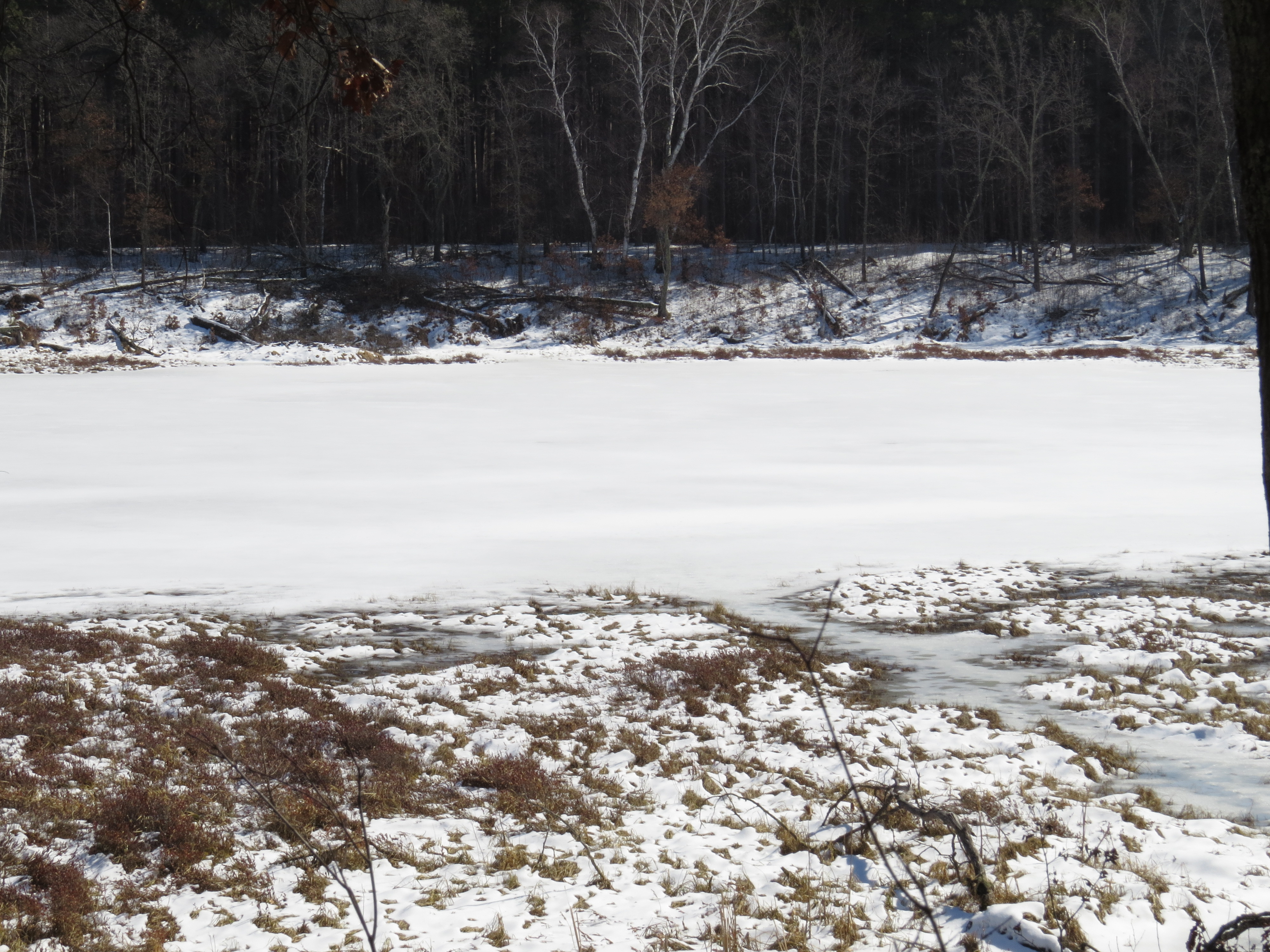
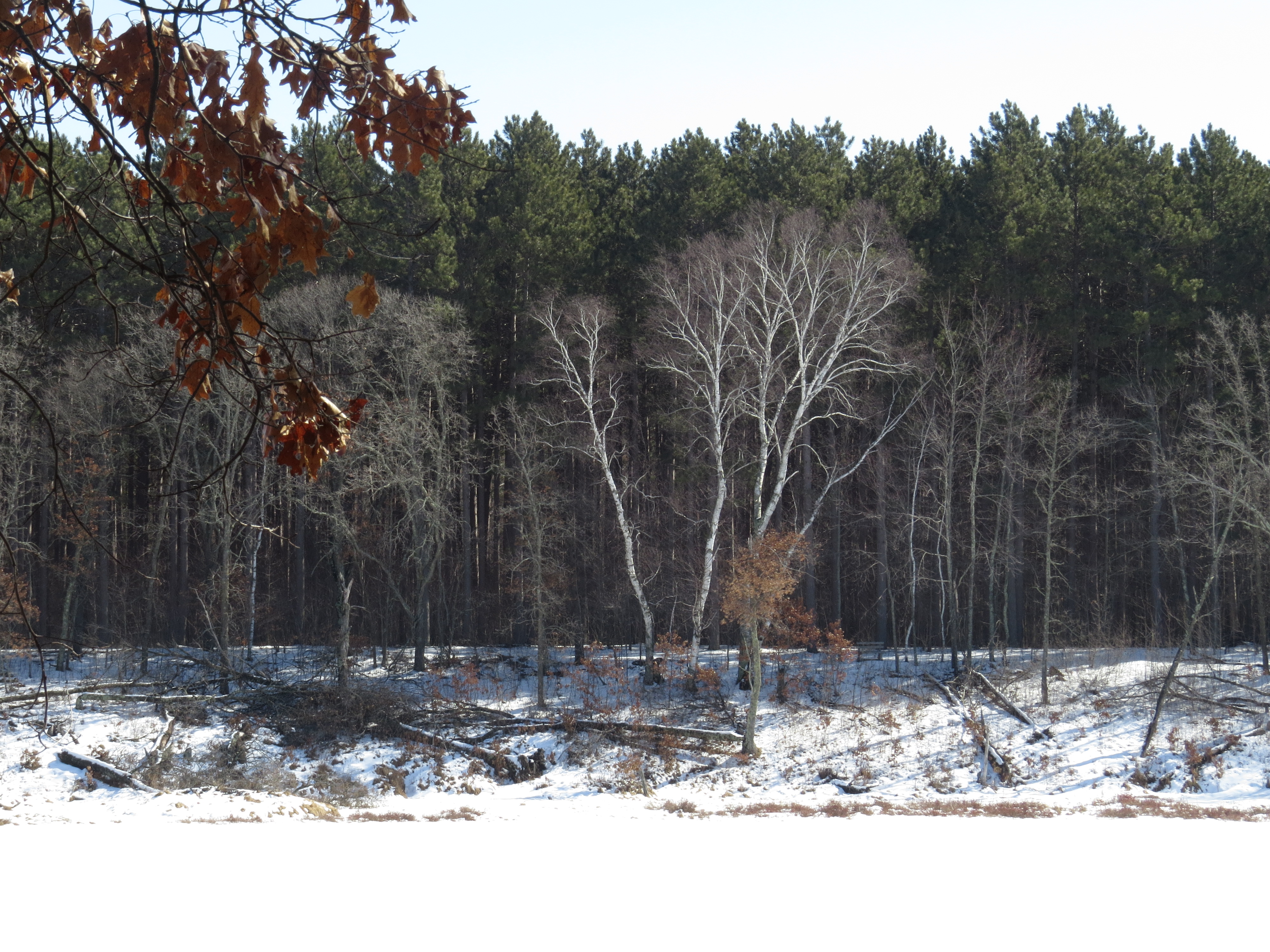
Looking back across the pond, we could see the Pine forest, not just the trees.
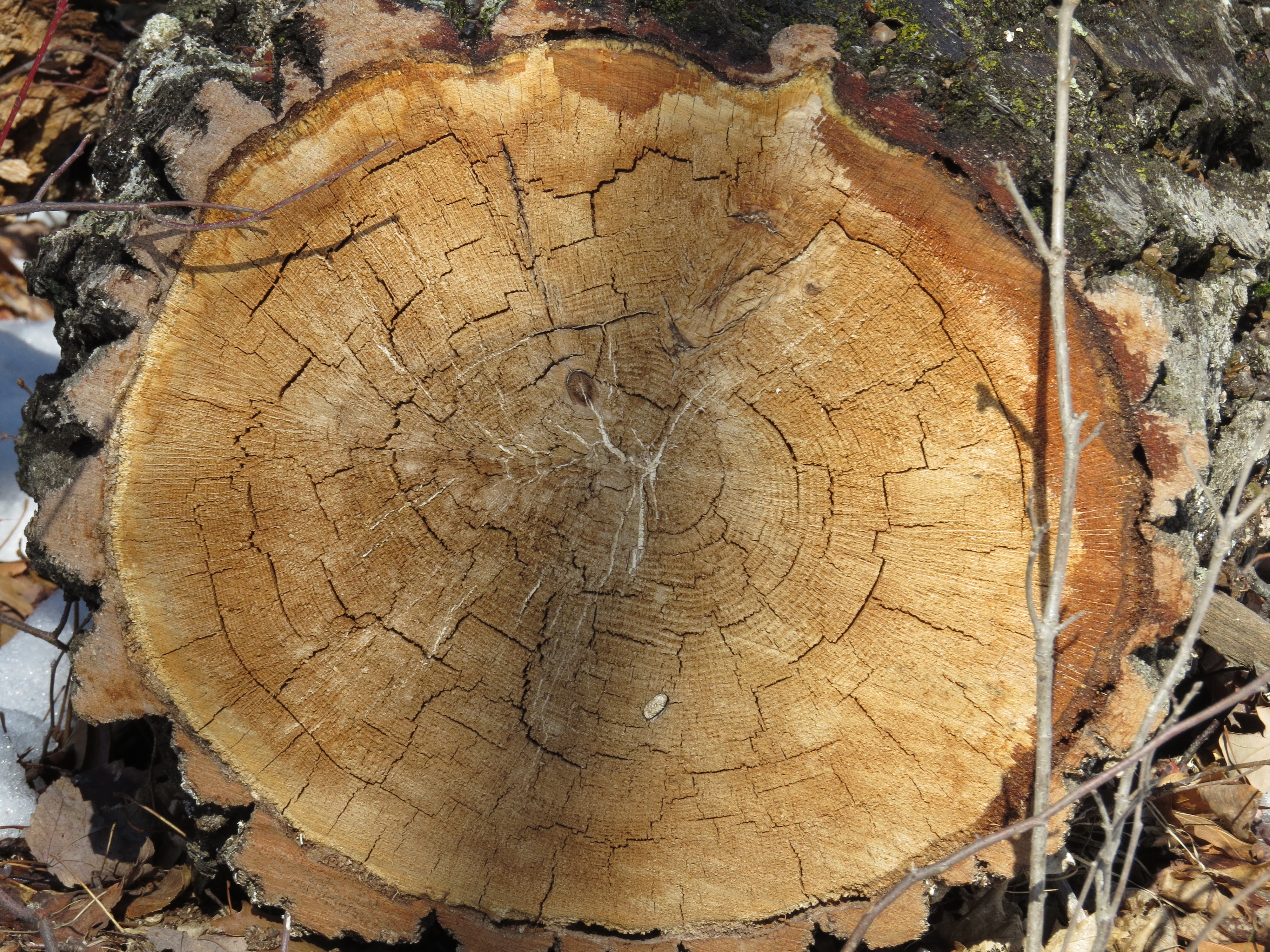
The ring details of a striking amber-hued cut Oak log revealed the slow-growing and evenly nourished life of the tree that was.
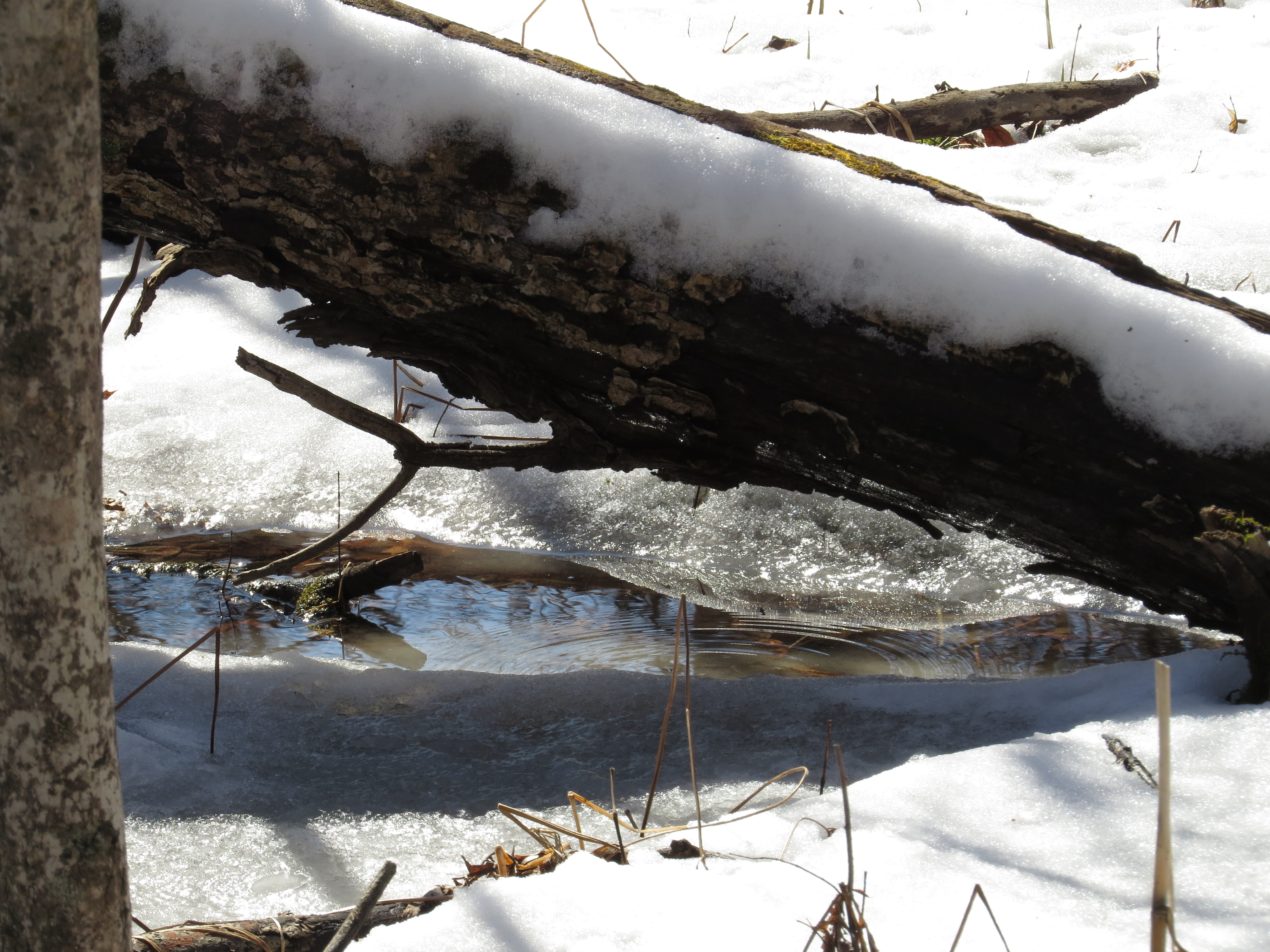
Spring was showing in small, subtle ways in the snow-ice-water where warmth had penetrated the frigid layers of Winter.
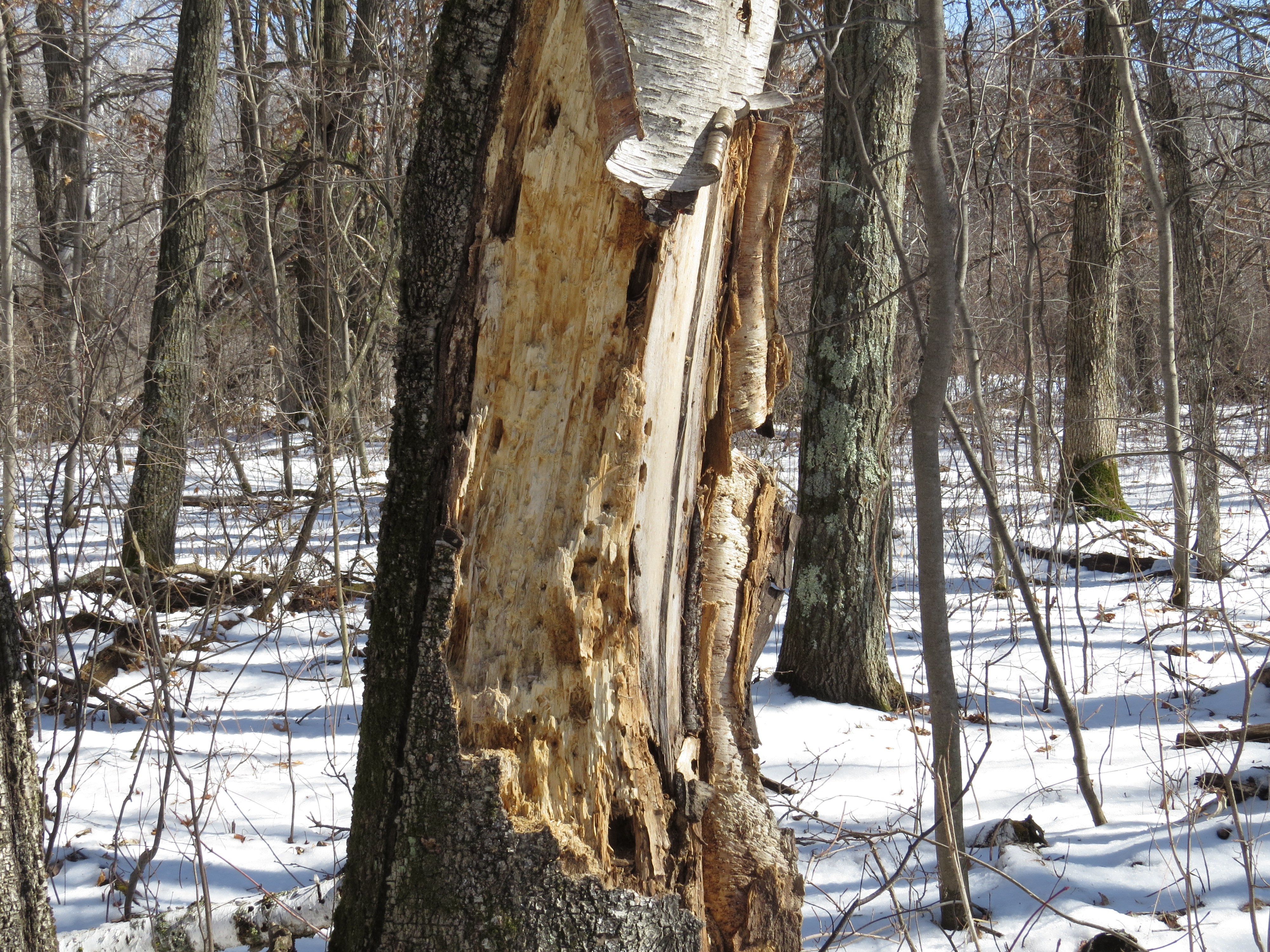
Had a bear ripped the rotting wood from a standing Birch to get at insects?
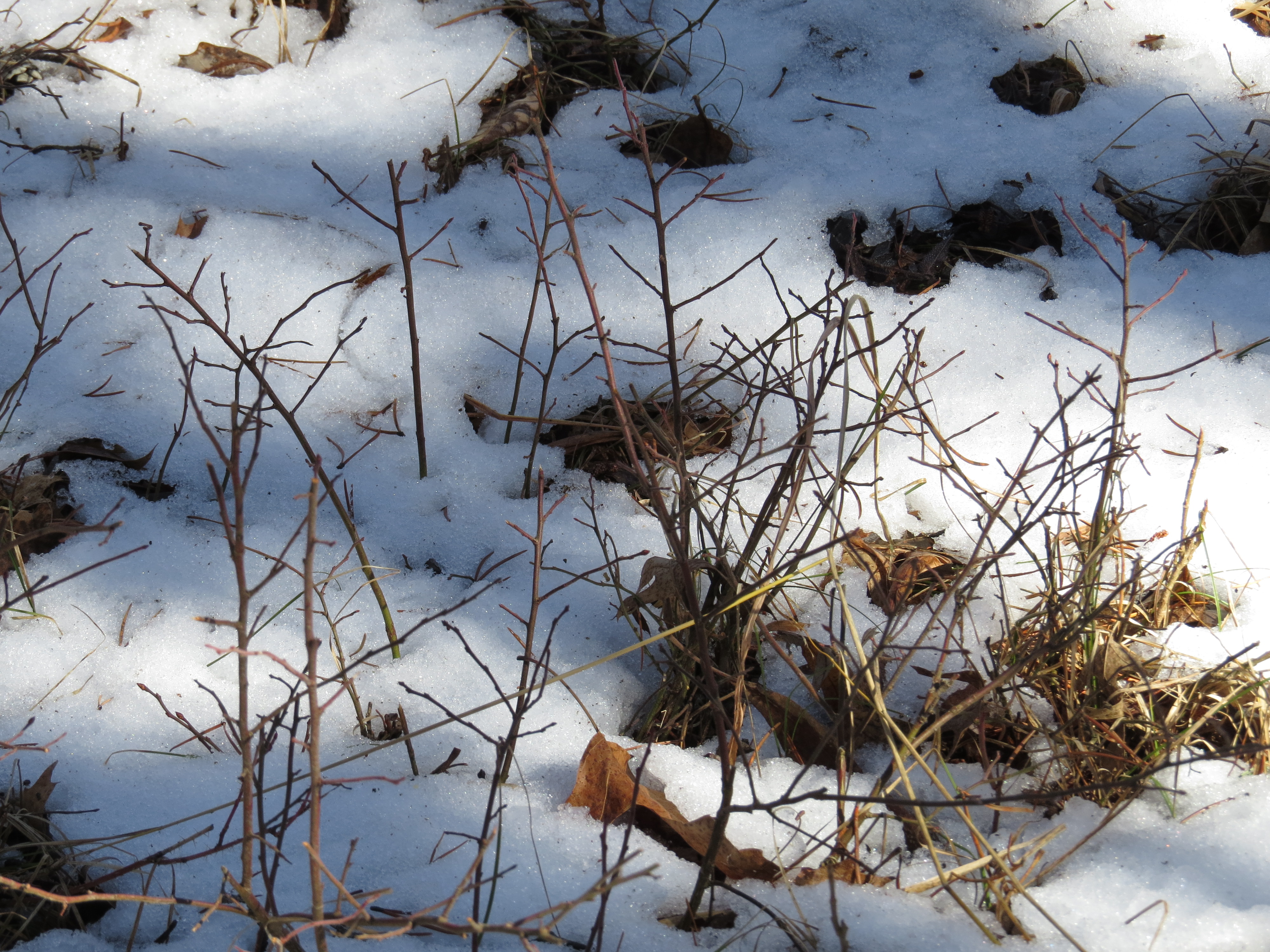
Snow was melting away from Wild Blueberry shrubs on the rocky hills—a delicious bear food for summer.
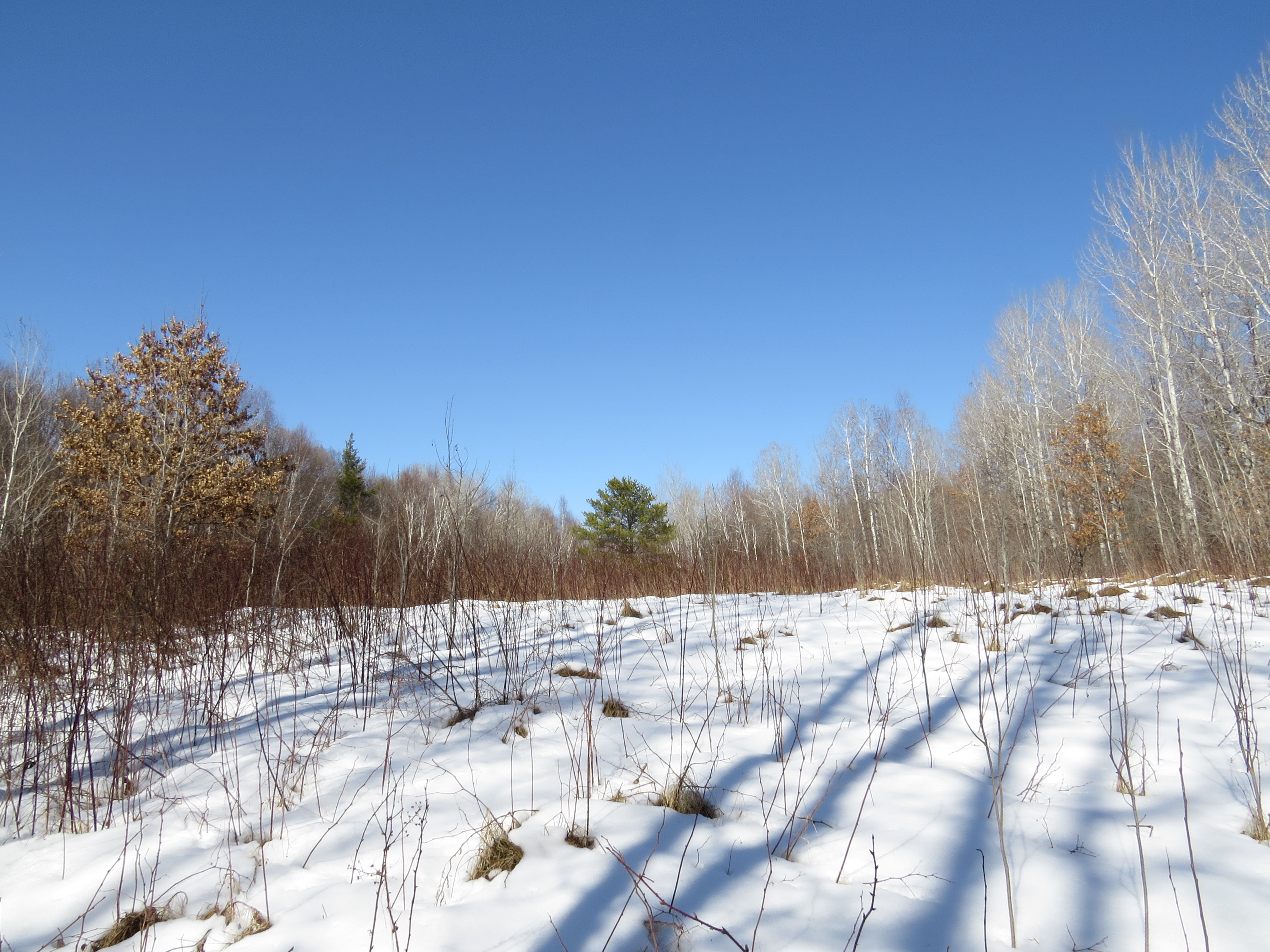
It had been a beautiful, warm, nearly-Spring day in the wilderness of Northland Arboretum. I was quite thrilled to see the large bear tracks, and had even wished for a glimpse of the critter at a distance. But…here’s the thing…
they weren’t bear tracks. When I uploaded my pictures to the computer a few days later, I looked at the tracks and thought “That’s not a bear!” I looked at pictures of bear tracks compared to mine and said “That’s not a bear.” I looked up animal tracks and animal trails and dimensions of tracks—it wasn’t a bear. My mind was so focused on the bear that was there last year, on signs of bear, on food for bears that when I saw those huge tracks, I ‘knew’ it was a bear. I was bear-biased, even when I should have known the tracks were a canine of some sort—a really large canine.
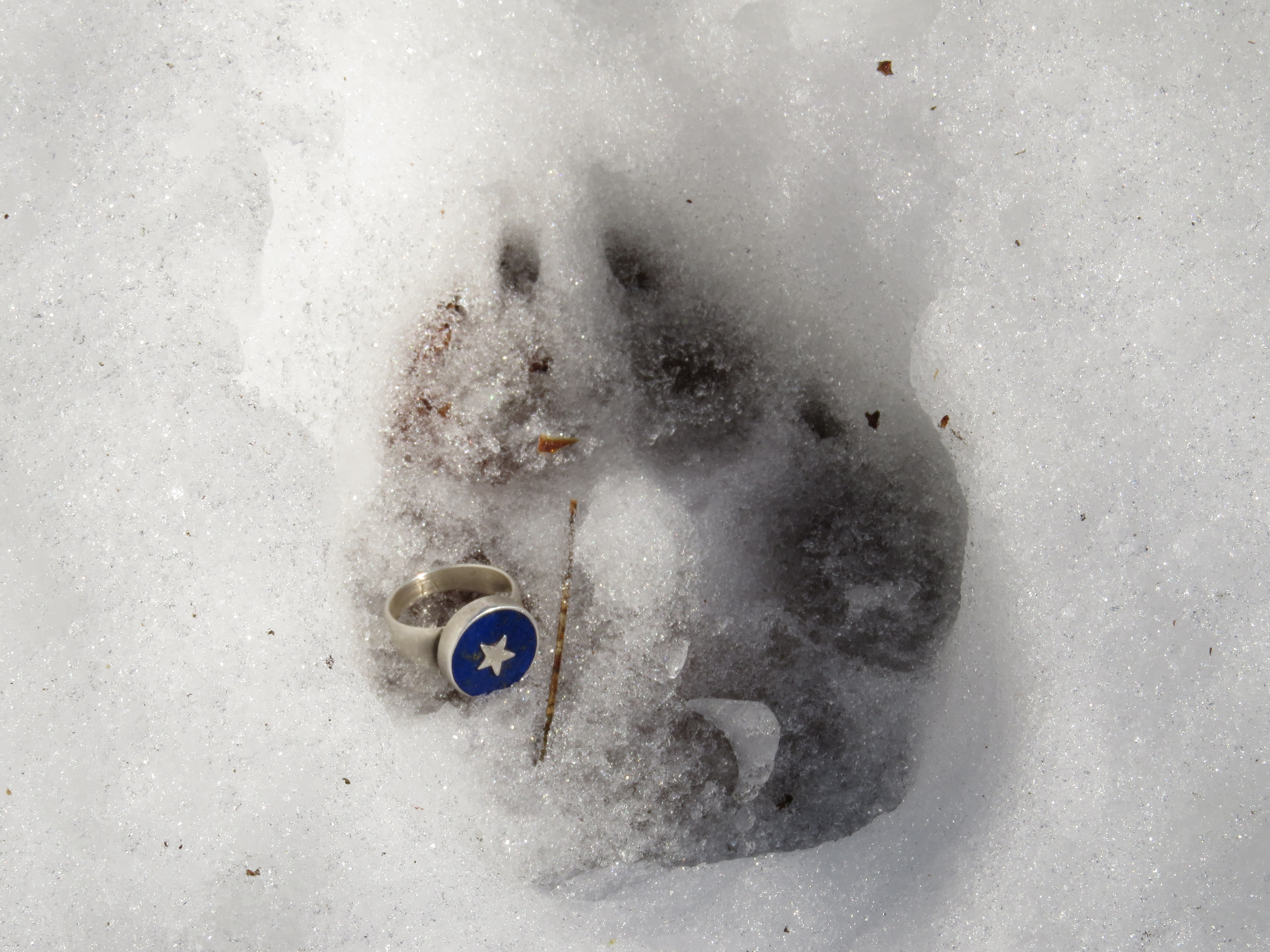
It never occurred to me that it was a wolf. I thought wolves were only in far northern Minnesota, but I looked at the DNR wolf map, and sure enough, they are in the Brainerd area. My bear was a wolf. A bias or prejudice is a strong inclination of the mind or a preconceived opinion about something. I had both—I wanted it to be a bear, and I had previous information about a bear living there. My mind even over-rode my eyes and the knowledge that I have about what a canine track looks like! And I was closed-minded about a wolf even living in this area of the state.
We have tricky minds. We see what we want to see. Even though I am a scientist and an observer, I fooled myself. The information we feed upon can make up our minds for us. The things we want to happen can obscure what is actually happening. It can make us see things that aren’t there and aren’t true. It can make us blame people who deserve no blame. It can make us hate people and things for crazy, petty, obscure reasons. So how do we not fall into the mind tricks? We slow down. We ask questions. We compare notes with others who may not think just like us. We gather information. We trust our guts, even if things on the surface look great. We look at the forest and the trees, and we watch out for what falls from the top. I asked Chris what he thought the tracks were, and in his skepticism of it being a wolf, he said “Yeti,” and he’s sticking with it.
A Mixed Bag
For our fresh air and sunshine walk last weekend we went to Mississippi River County Park. This being the messy, melting, still snowy time of year, we prepared ourselves for some slogging and sliding. Instead of slipping down the icy hill to the River, we walked around a nearly-melted open field to get to trails on the topside. The melted snow had congregated into a large pool of water around a sprawling tree—we trekked through the ankle-deep water at the edge of the woods. At first I thought my waterproof boots were no longer waterproof as a wave of cold overtook my feet—luckily I was wrong and still dry-footed. The trails were a combination of snow, ice, mud, water, and dry ground—what a mixed bag, I thought.
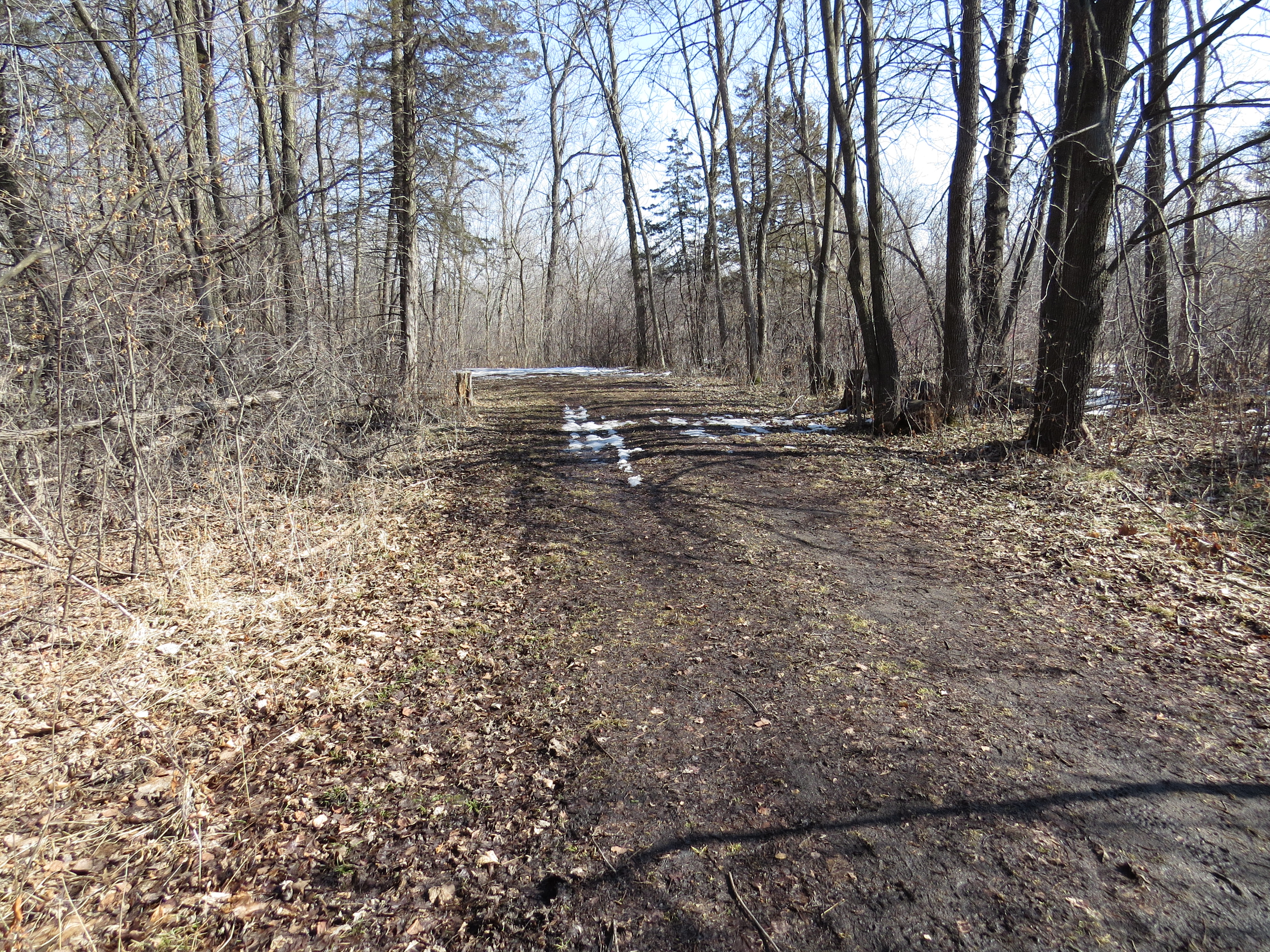
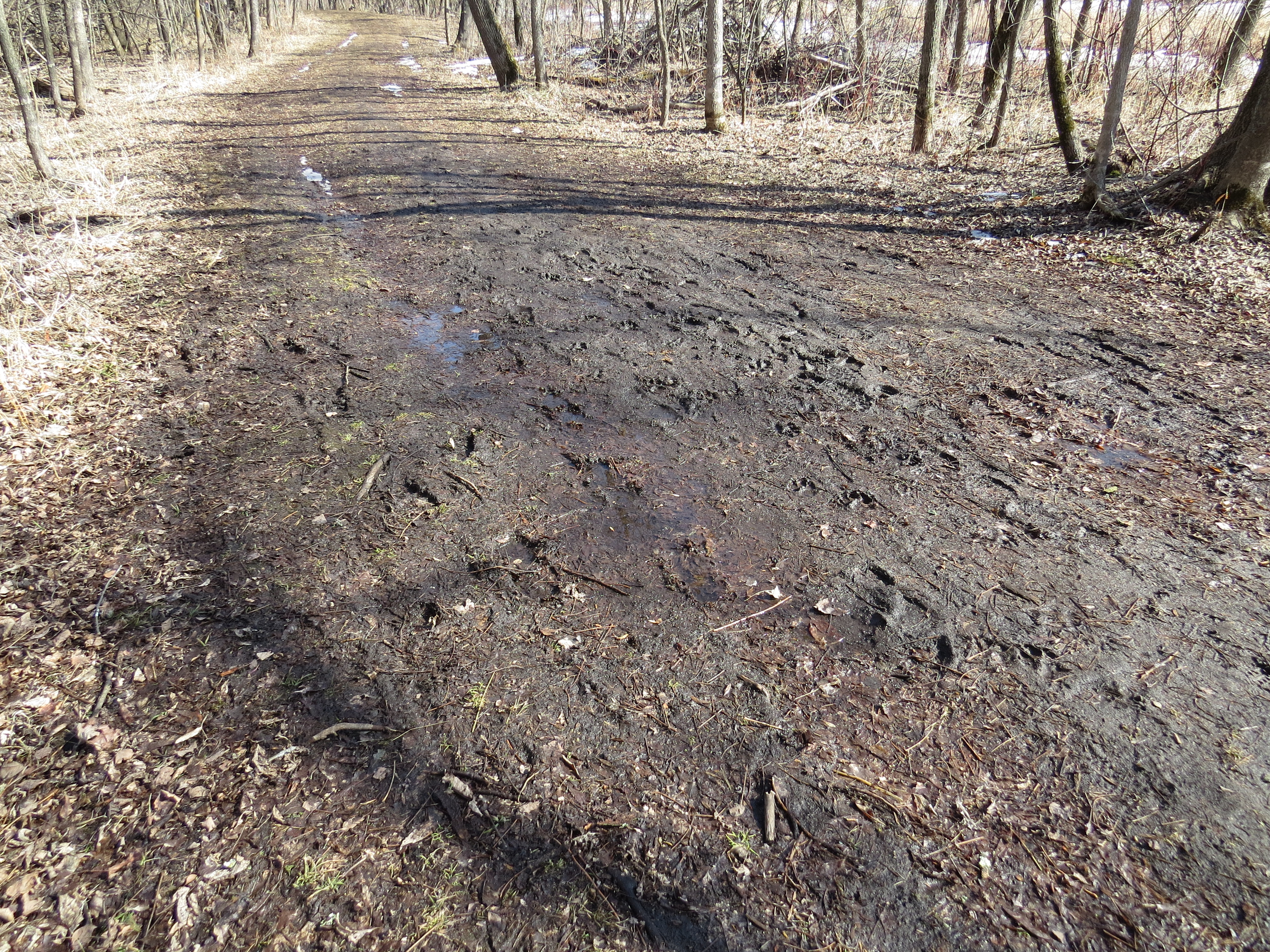
The ‘southern’ part of the trail, where sunshine could do its work, was muddy and mostly clear of snow. The warmth of the sun felt like a delicious hug, and my coat choice seemed a bit overcautious as I heated up. We passed a pond of thick ice that had a melted sheen of water glistening on its surface, the old tracks of animals crossing over it still marked in the ice.
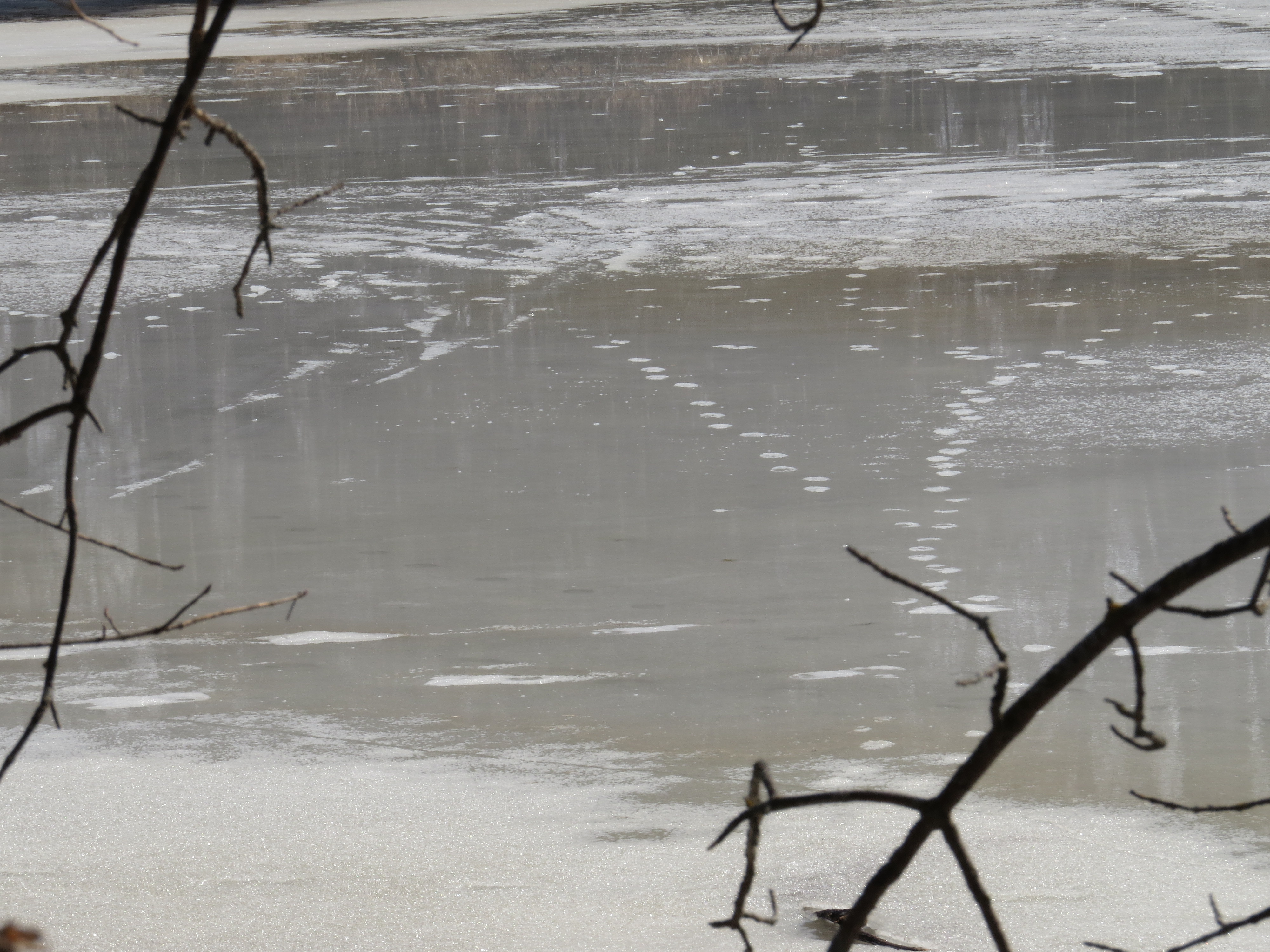
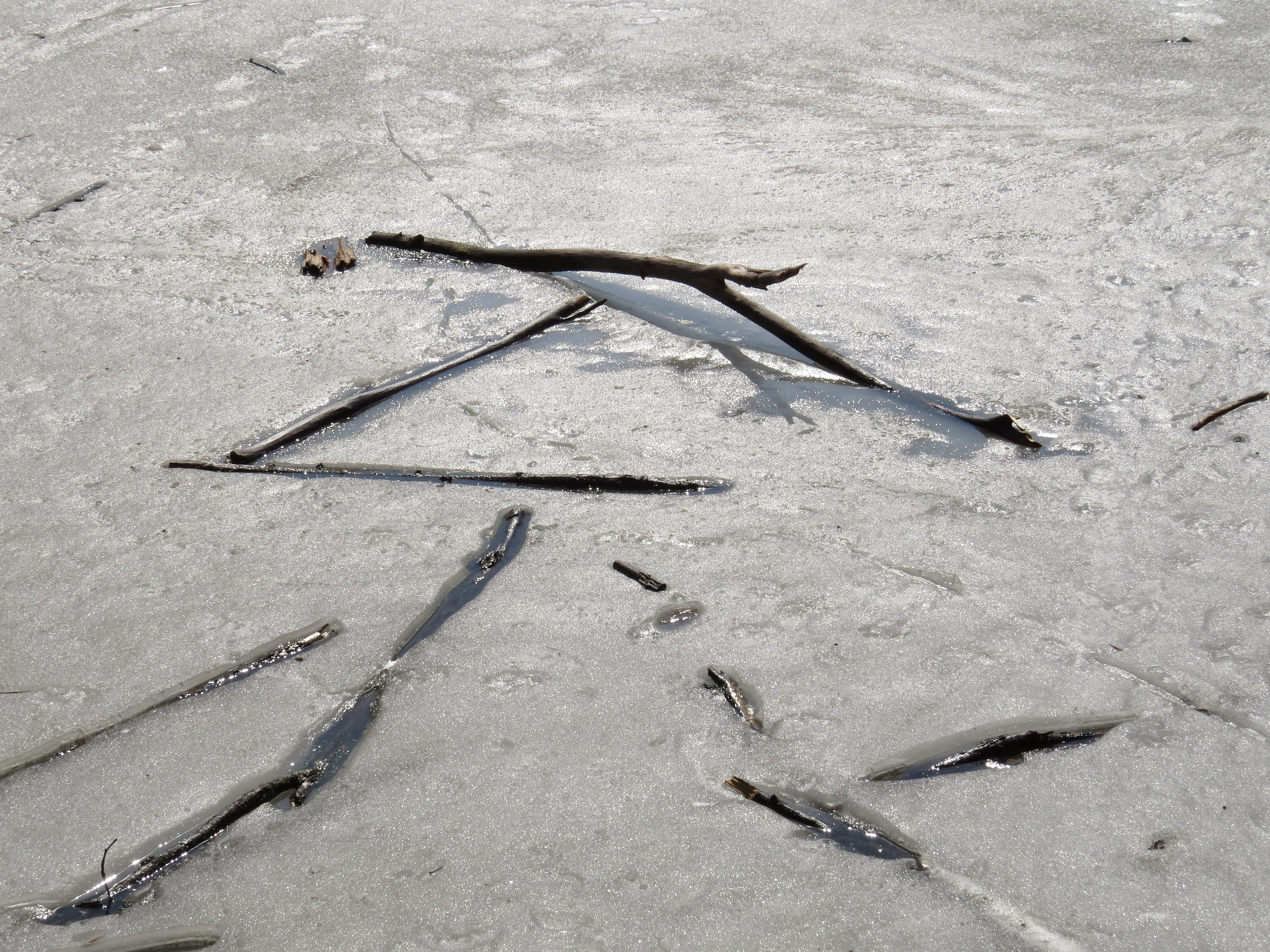
Cross-country ski trails were still prominent in the slushy snow where only a week ago, the skiers had inches of fresh snow to glide through. A warm week had made fast work of the melting.
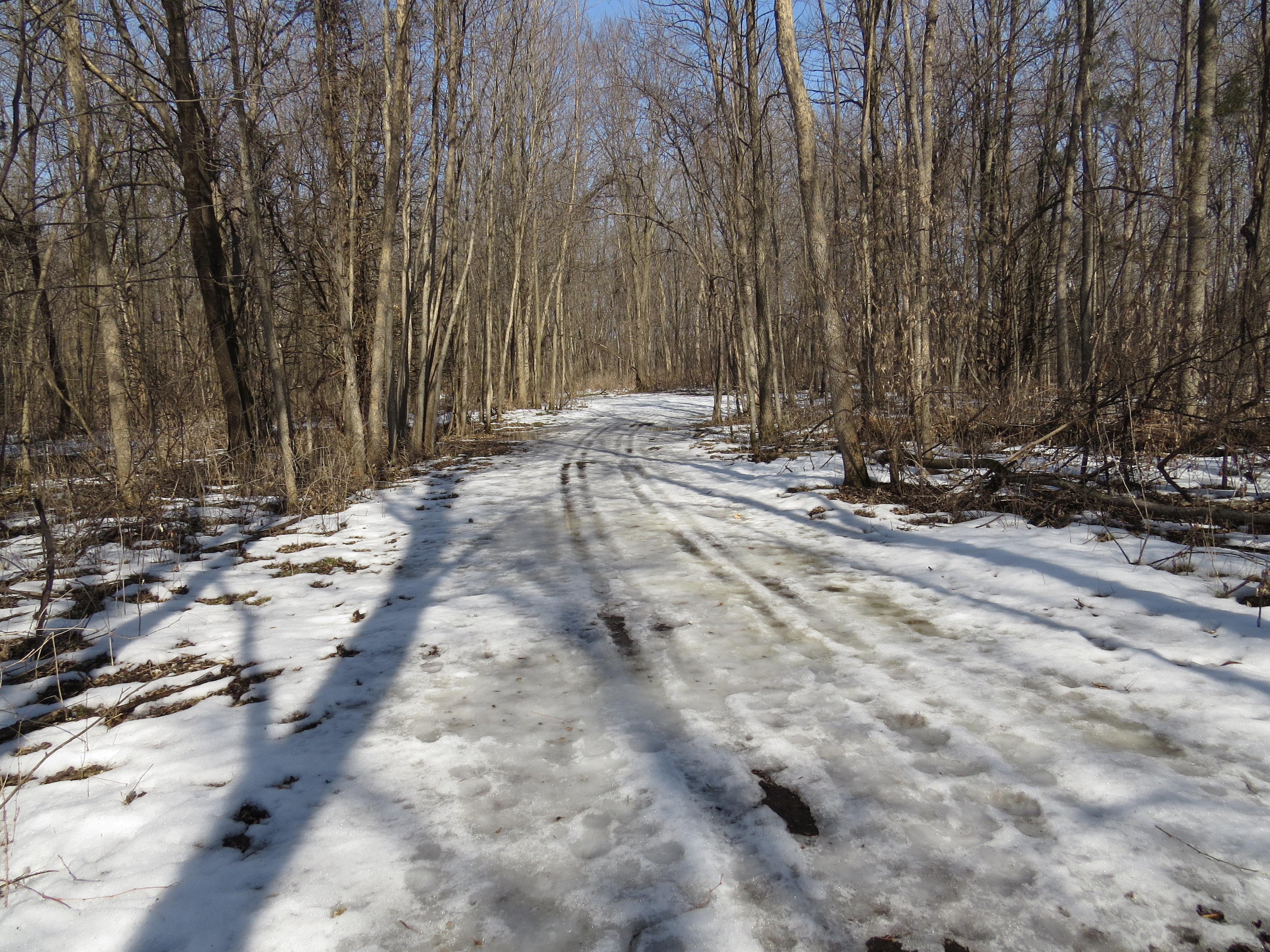
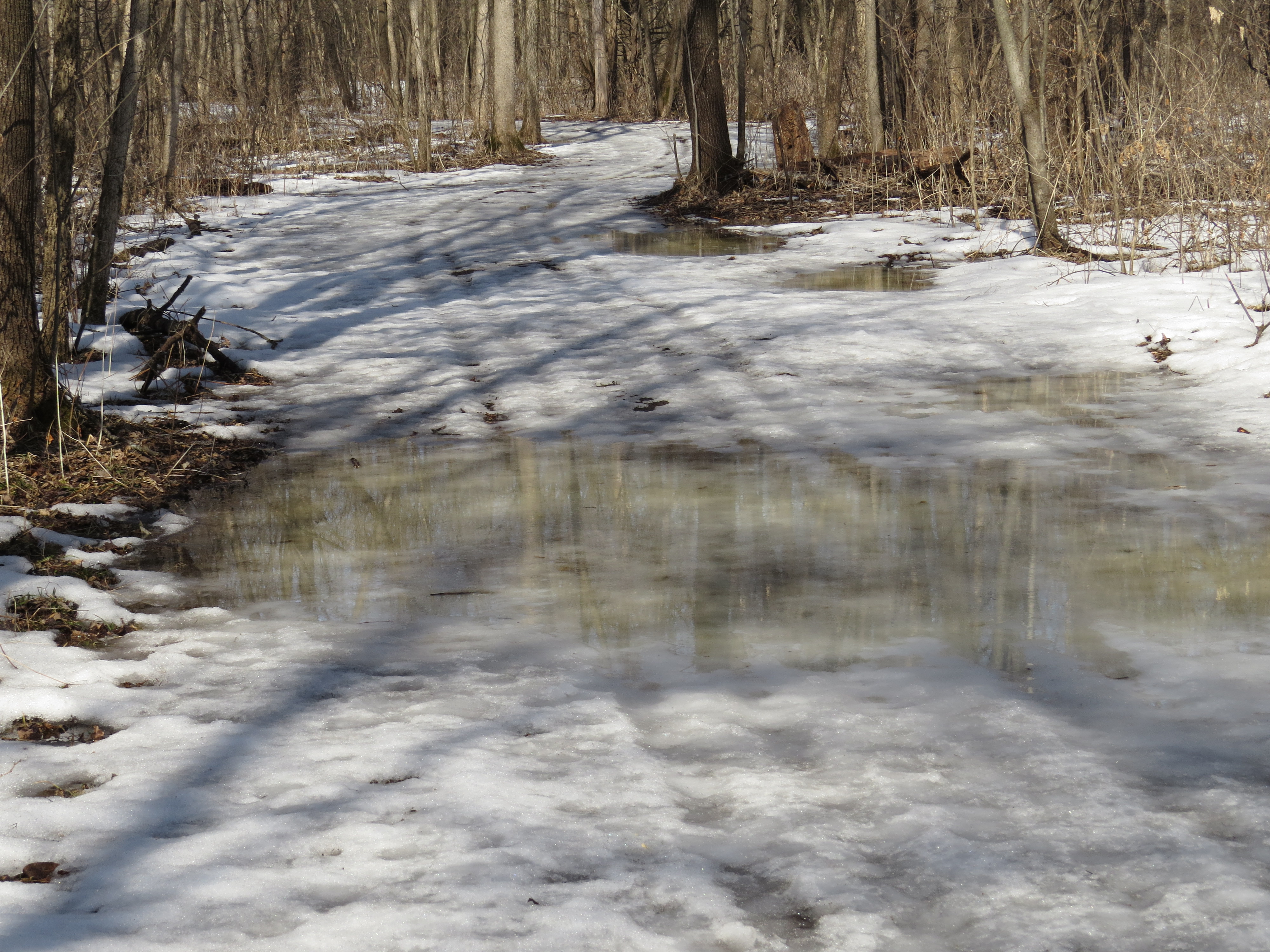
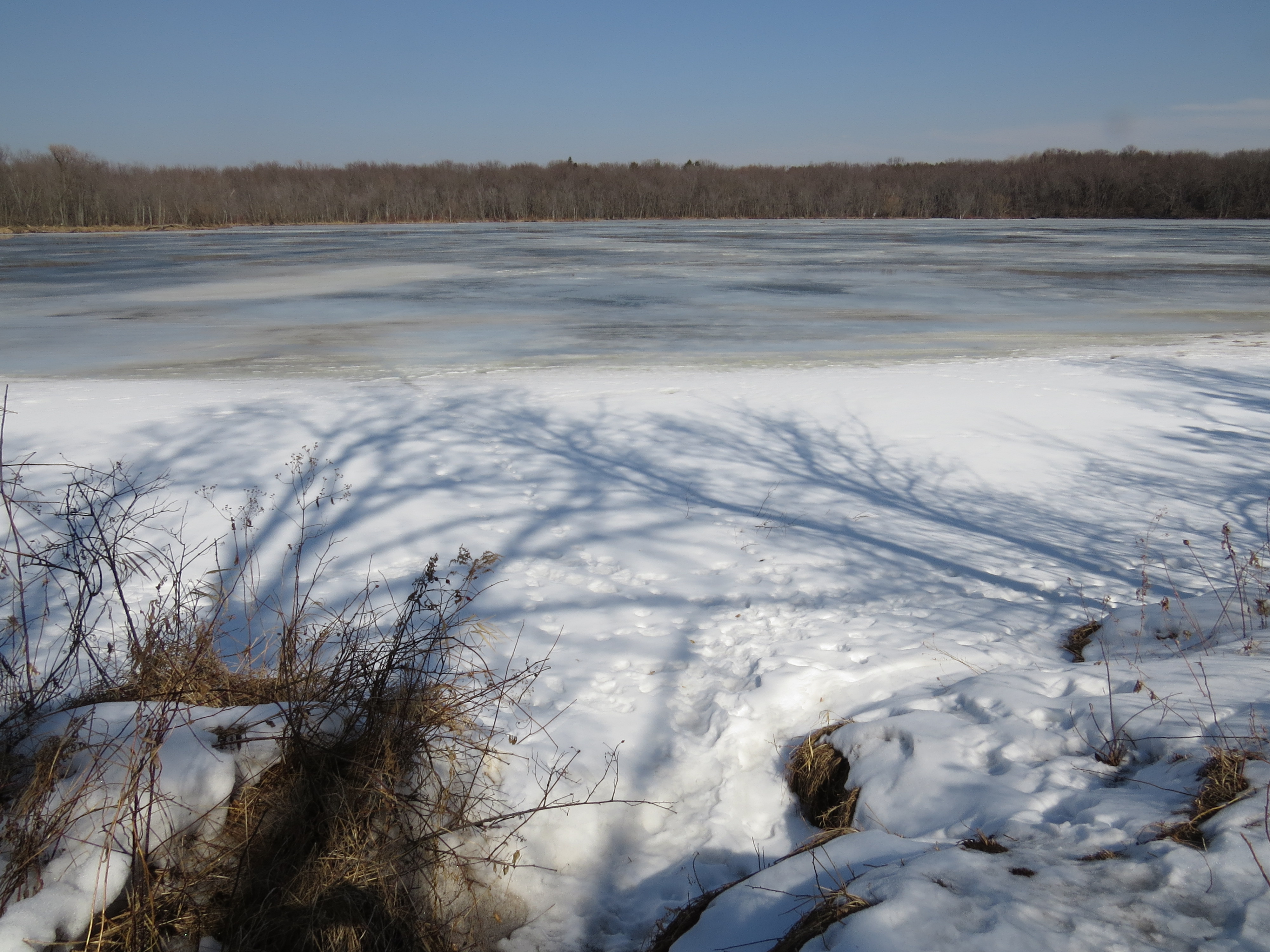
As we looped around to the north side of the park where trees met the River, there was much more snow, and in places, it even crunched under our feet. I was glad for my warmer coat on this stretch of the trail.
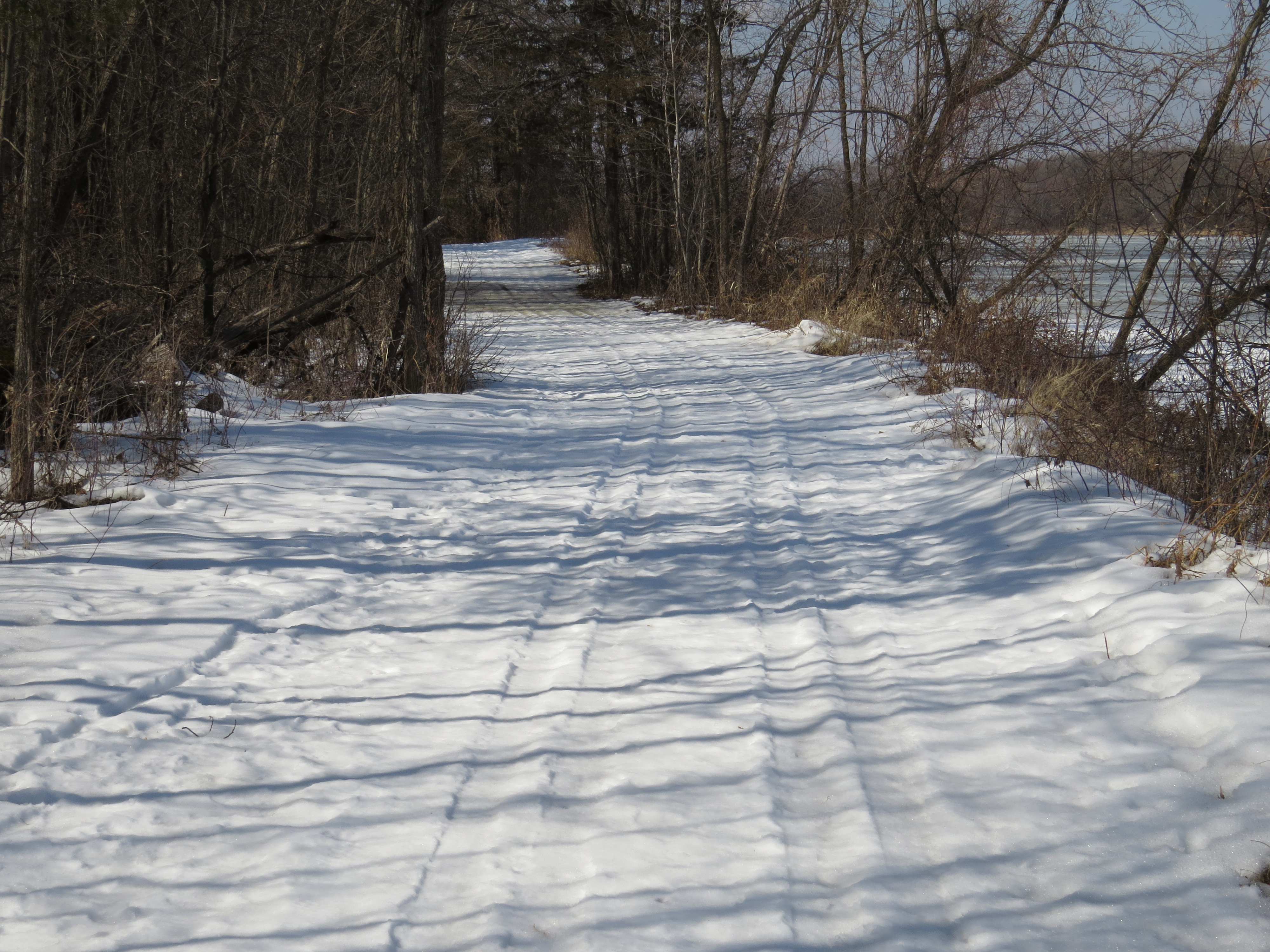
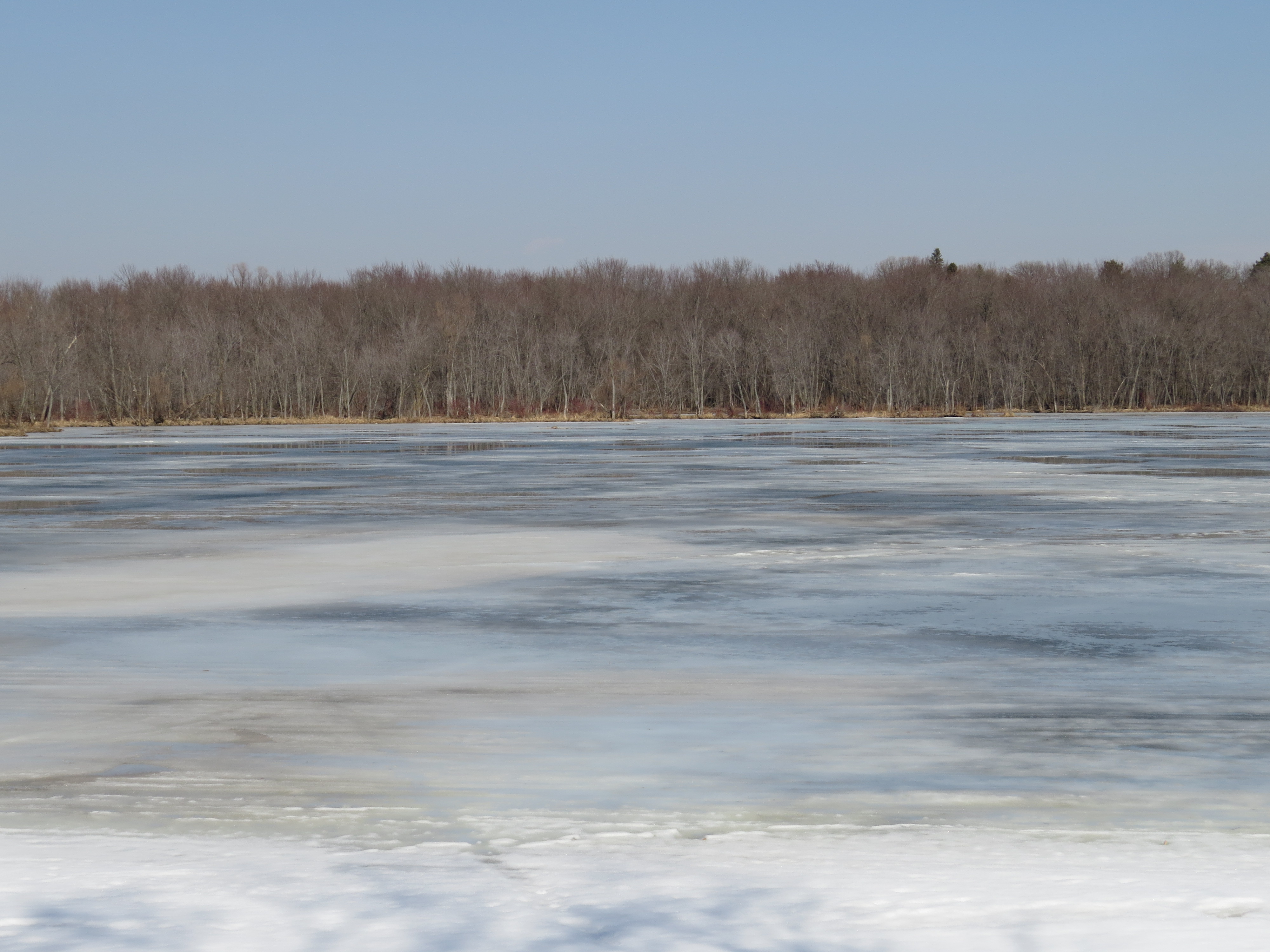
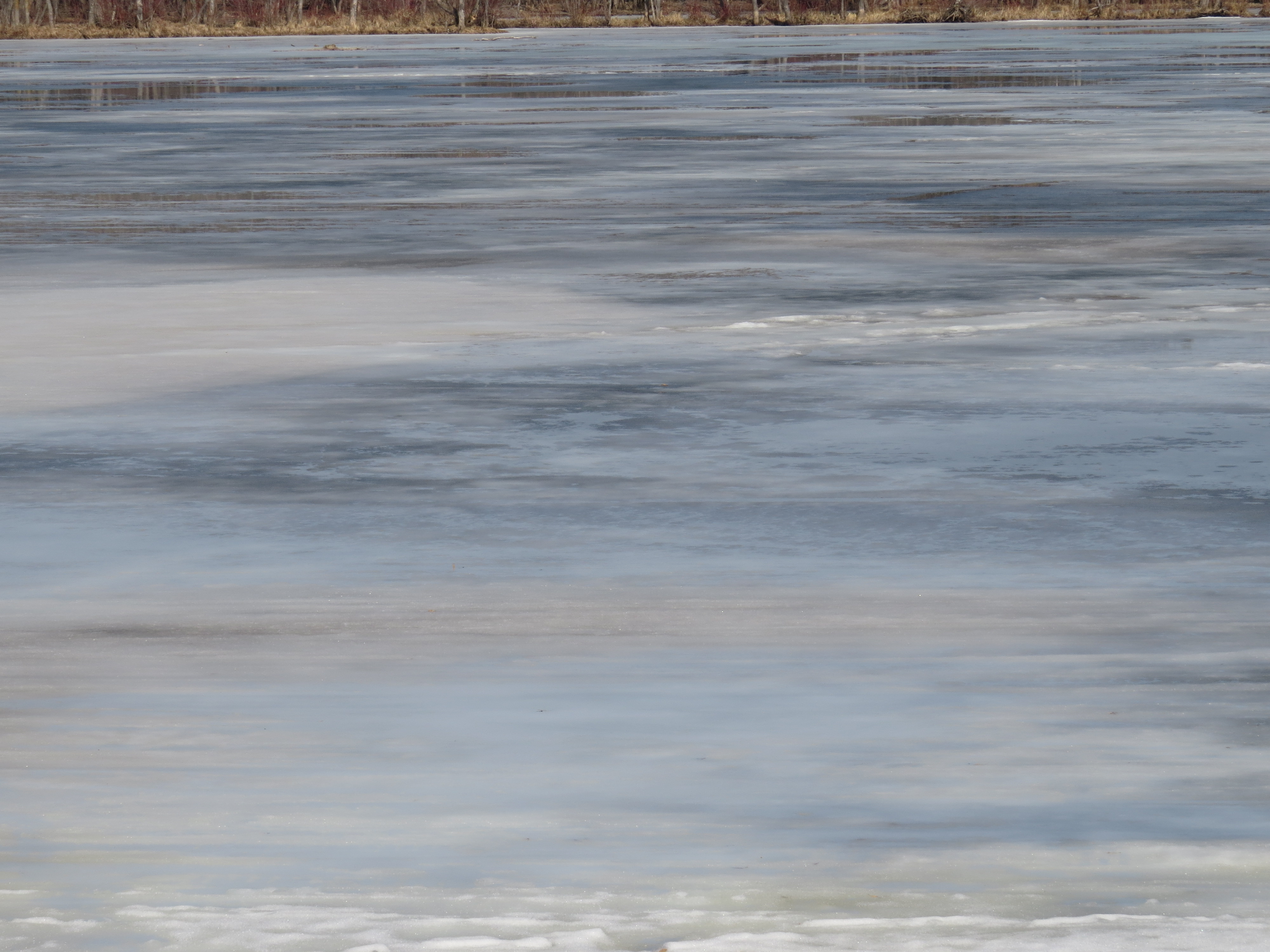
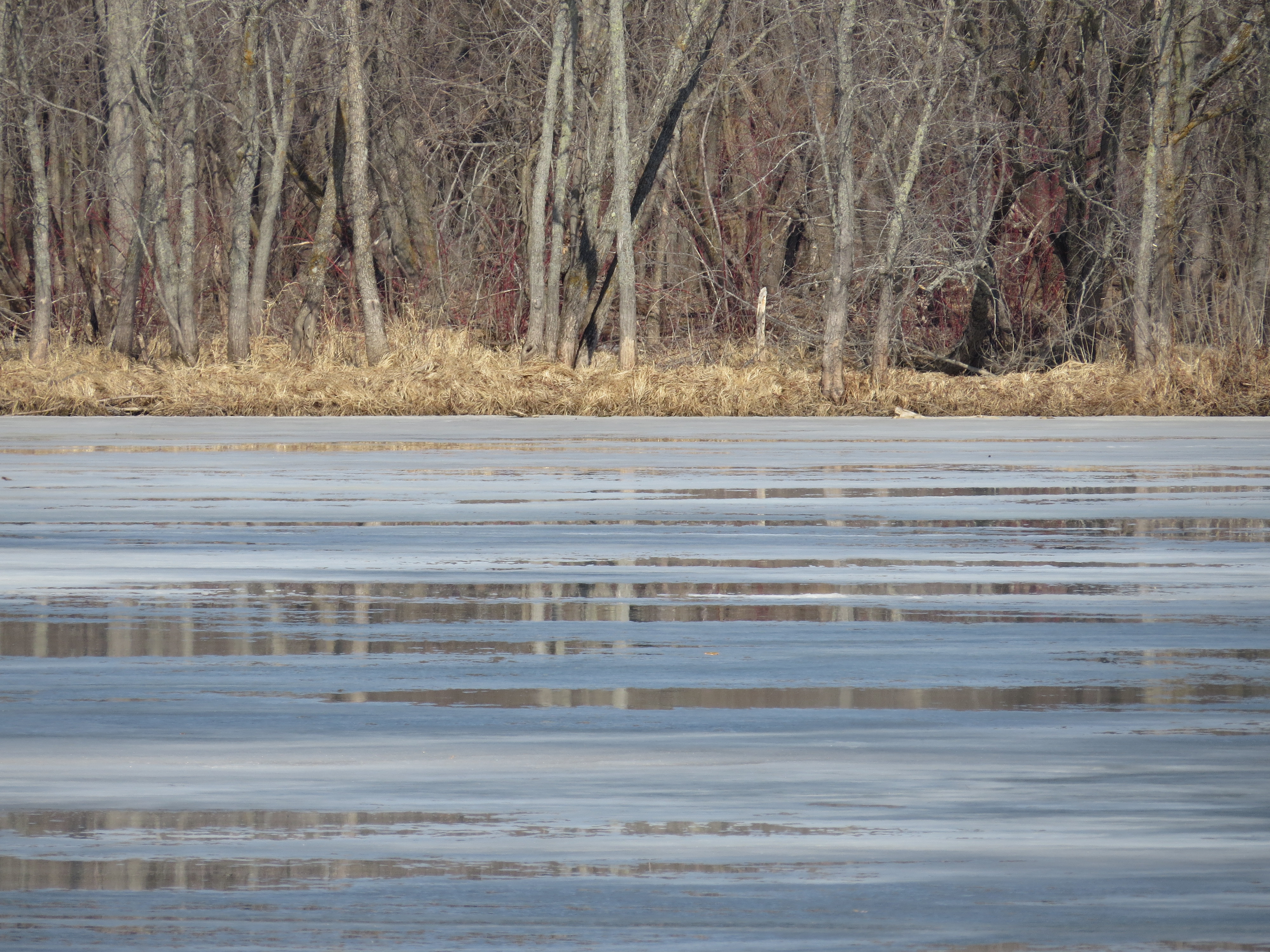
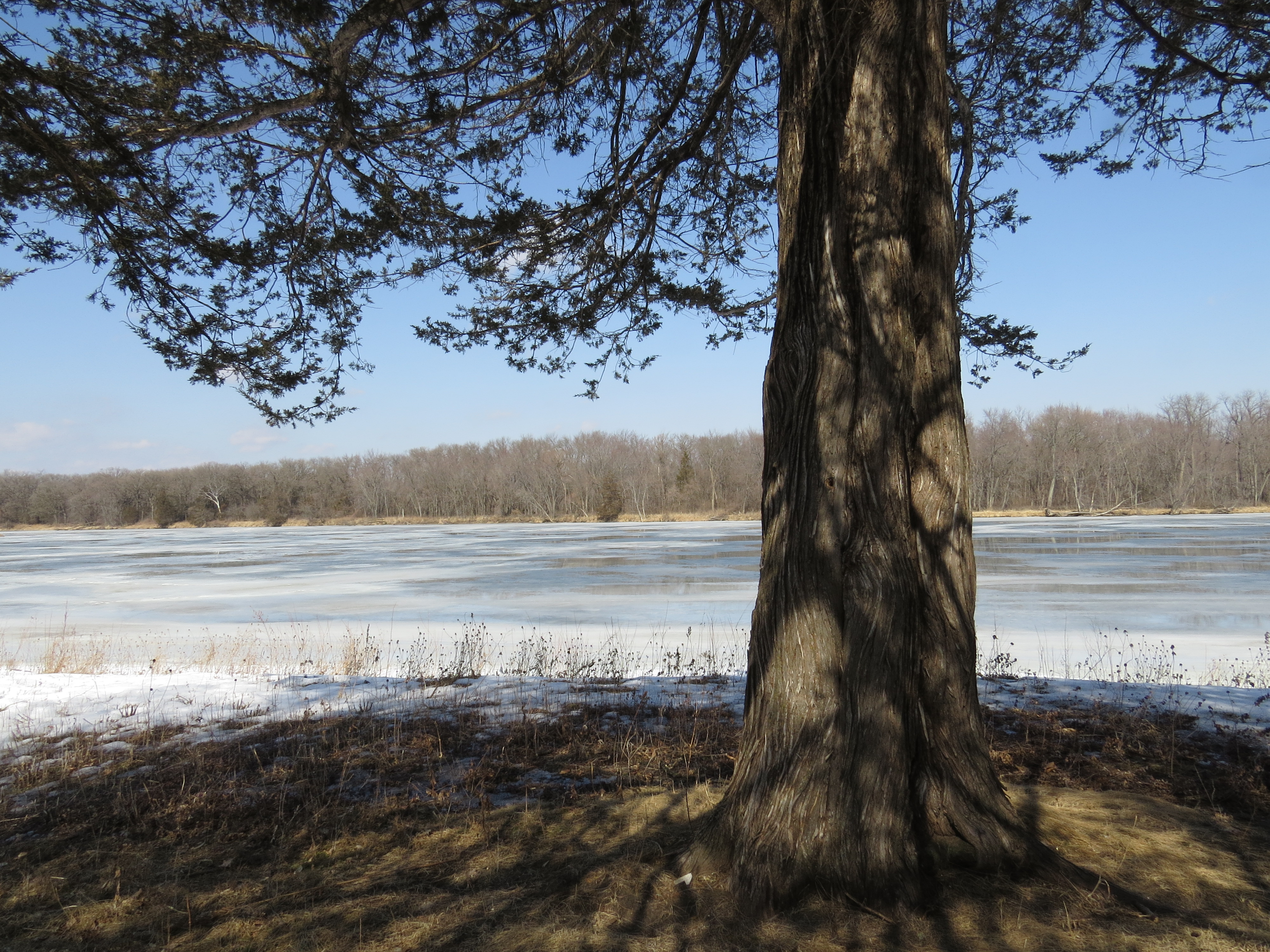
The River was also a mixed bag—a thick expanse of snow by the shore was still shaded from the sun by tree shadows. A palette of blues, whites, and grays showcased the melting River ice in all its states.
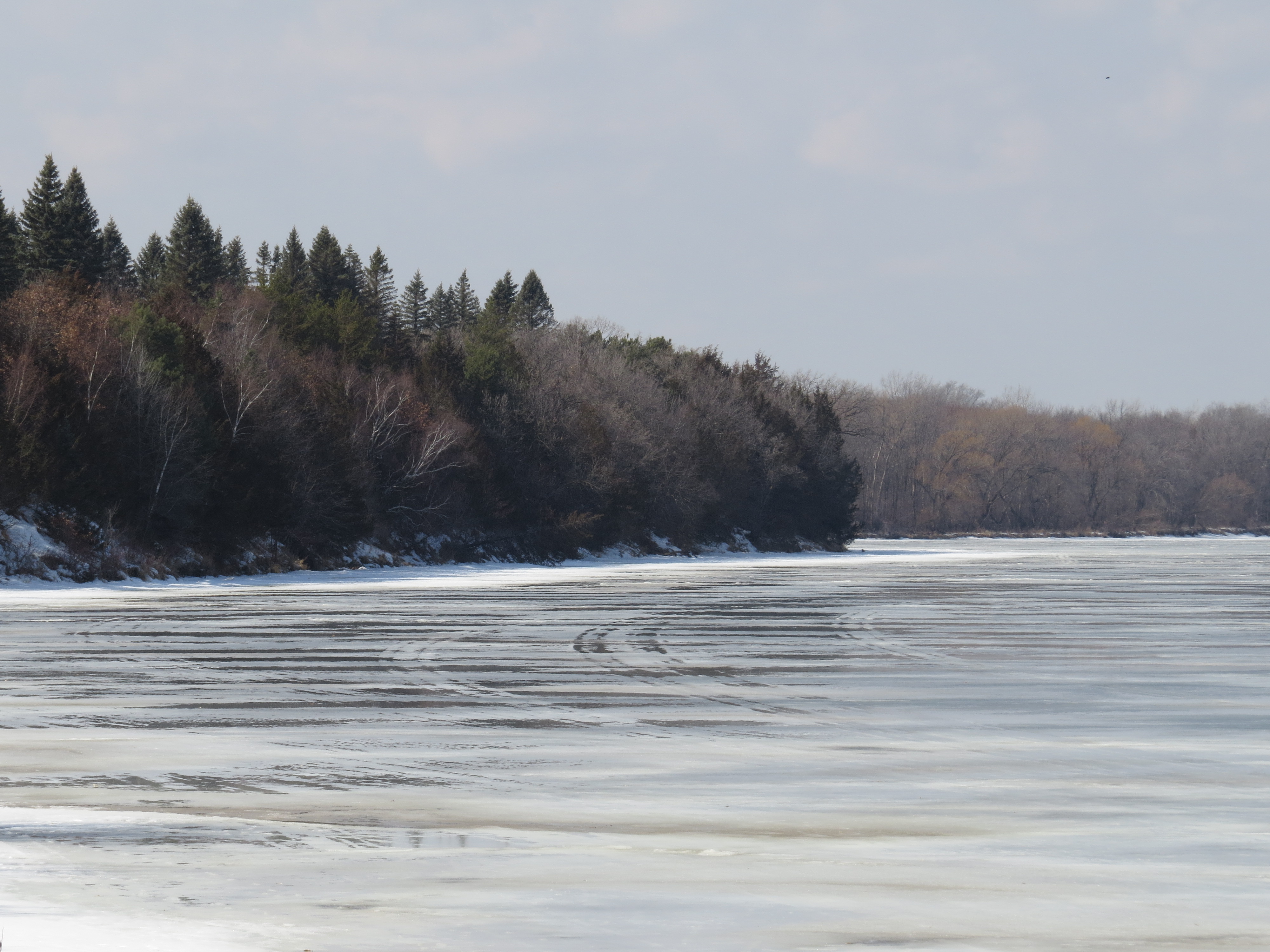
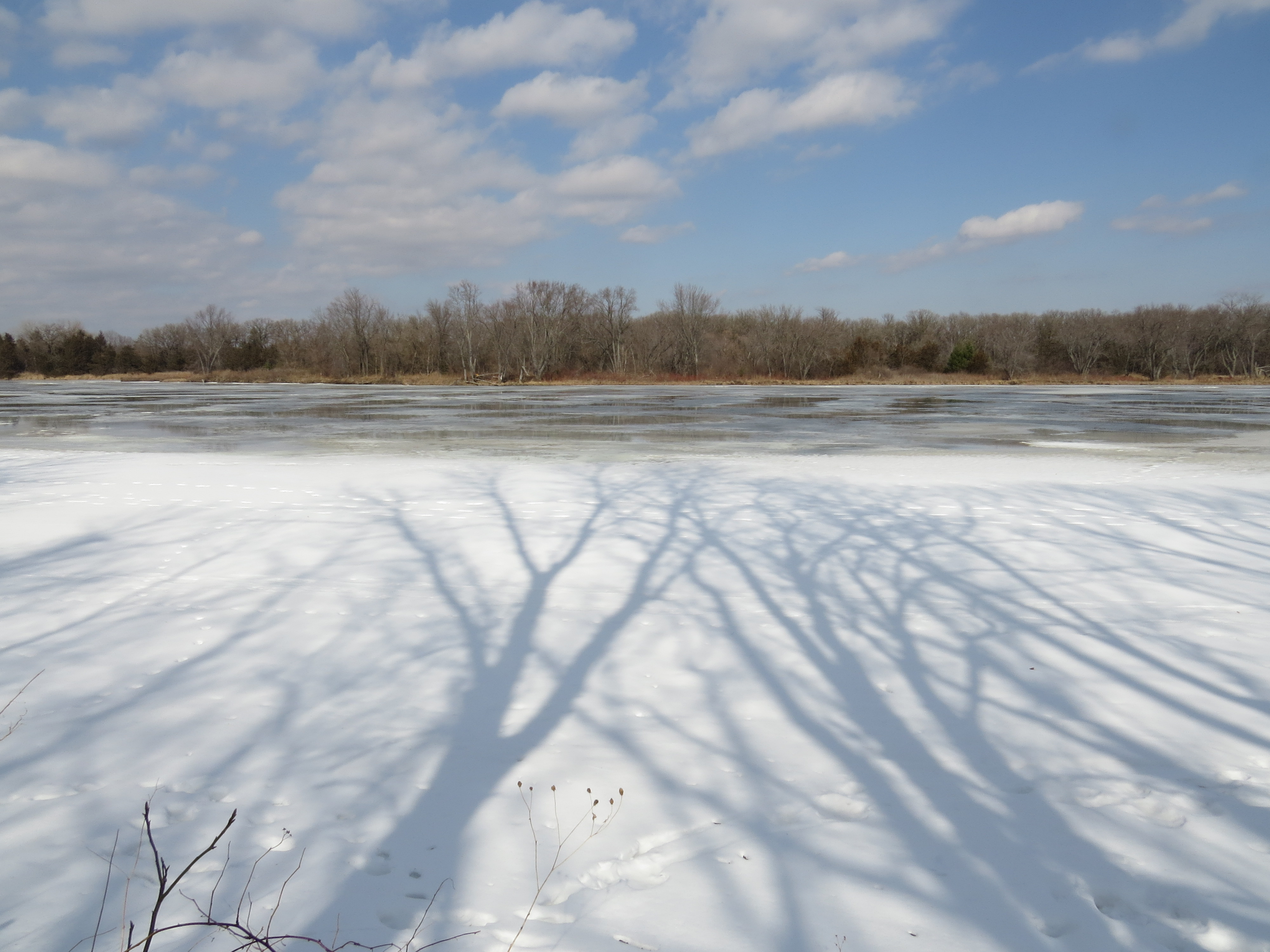
Back at the picnic shelter, after slowly making our way up the icy hill from the River, we found a message by a chalk artist: “Life can be a little crappie”…
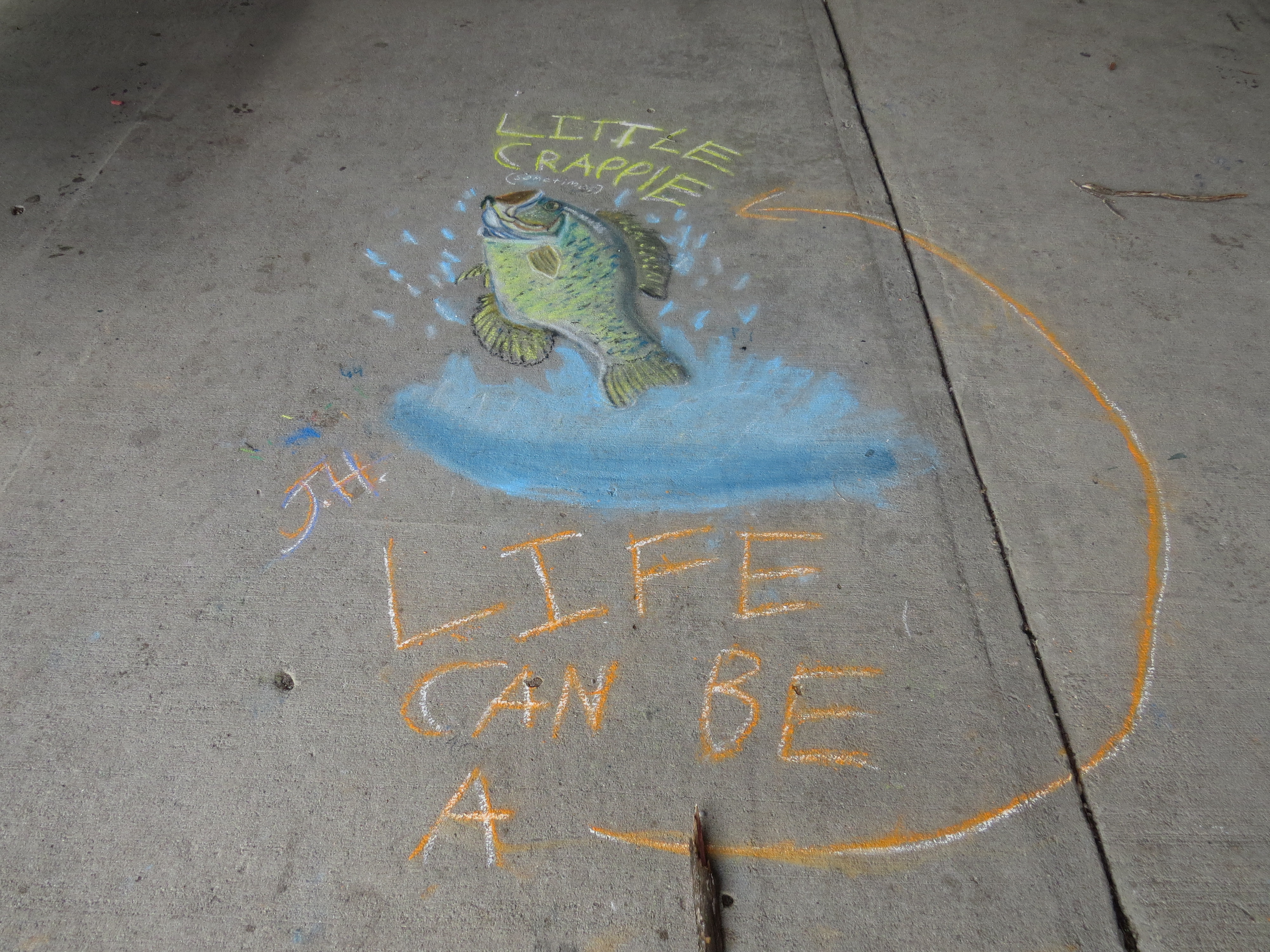
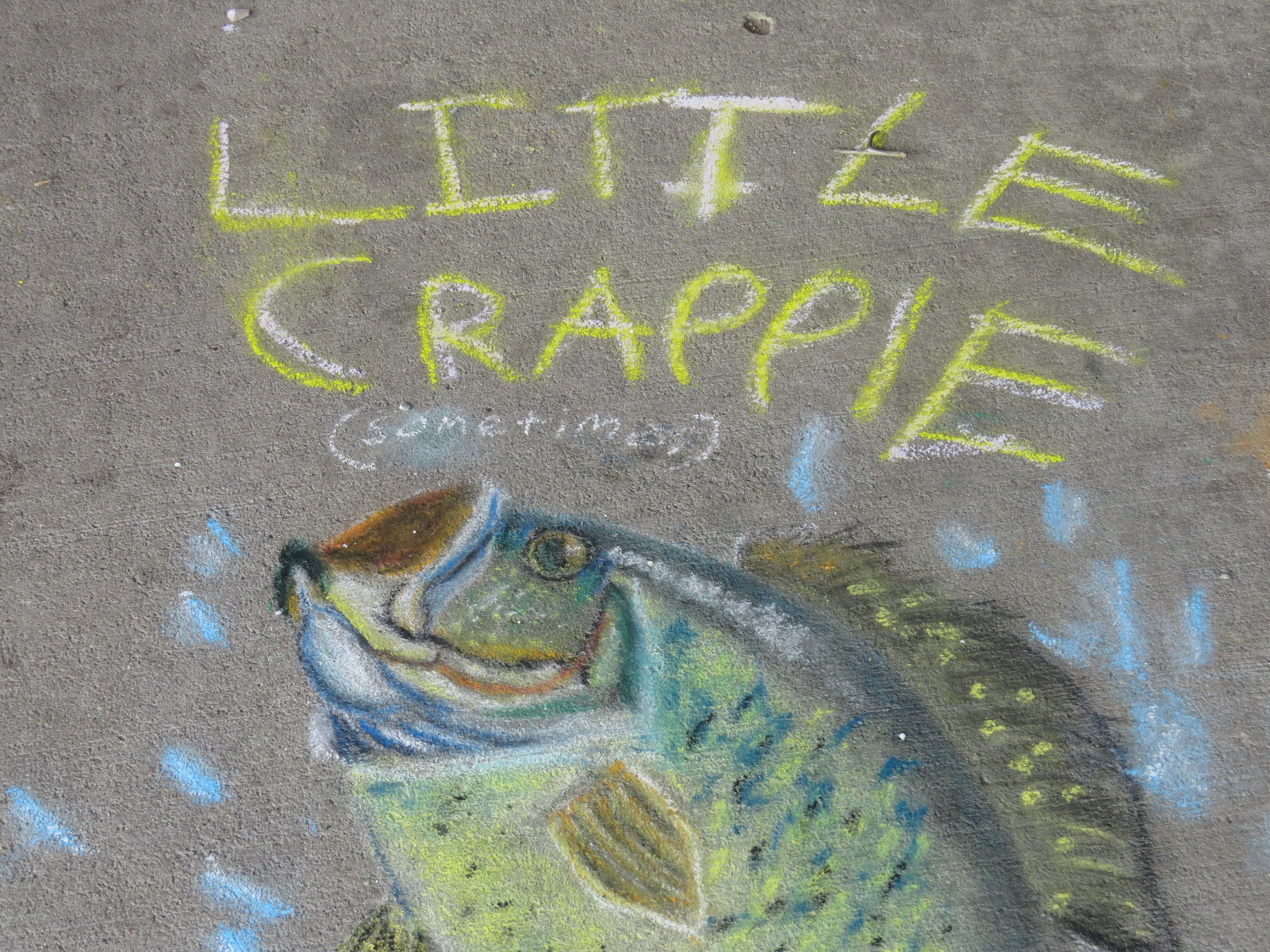
and in small letters and parentheses…”sometimes.” It’s a little fishy play-on-words—if you don’t know better, you read it as ‘crappy’ even though the fish name Crappie is pronounced ‘croppy.’ So the artist gave us something to smile about and something to admire, along with an acknowledgement that sometimes things are messy, difficult, or just a little crappy.
Three feet from the fish artwork was a green picnic table with graffiti carved into it:
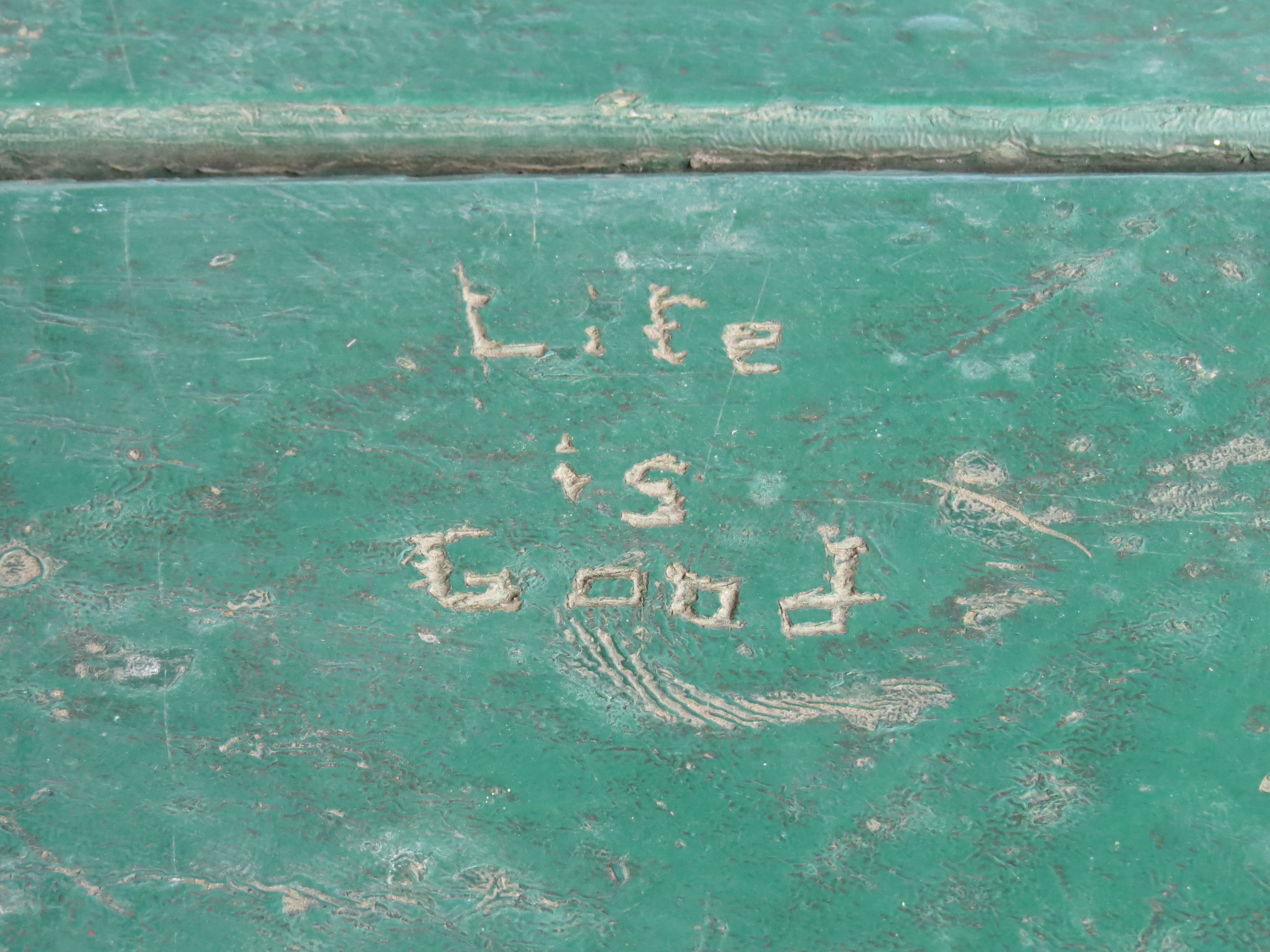
‘Mixed bag’ is an idiom from the turn of the twentieth century derived from a hunting term that refers to an assortment of birds killed in a single hunting session and put into a bag they carried for game. A mixed bag is an assortment, a mixture, a miscellaneous collection of things often having both positive and negative qualities or aspects. Our hike last week was a mixed bag of trail conditions. Our lives this past Covid year have been a mixed bag in all sorts of ways. There have been lots of crappy things about the year—and you don’t need me to reiterate them—and there have been lots of surprisingly wonderful things, too. Positive, neutral, and negative, an assortment and a mixture, sometimes life is a little ‘crappie,’ and life is good.
The Goodness Takes Over
Have you ever not wanted a day to end? A day like riding horseback with good companions in warm sunshine? Like an amazing wedding day? Like a longed-for celebration after years of endeavor? Have you ever not wanted a time in your life to end? A time like the carefree college years? Like the close, nurturing time with a baby? Like the busy, fun, crazy days of kids’ high school activities? Have you ever not wanted a season to end?
I may be in the minority, but I don’t want Winter to end—not so early and not so quickly, that is. It’s been an easy Winter. After some early October snow, November and most of December were snow-free and relatively warm. We had a mild January with a few fits of snow here and there. Granted, we had one week of biting cold temperatures in February, and truth be told, it gave me hope that Winter (as I wanted it) was finally here. But the pendulum swung to the other extreme, and the melt was upon us. Temperatures burst above freezing, then crept into the 40’s—in early February, I exclaimed?! My Winter hope was revived with a snow last weekend, just one week ago today—a good four to five inches! Beautiful! I love how the snow hugs the trees.
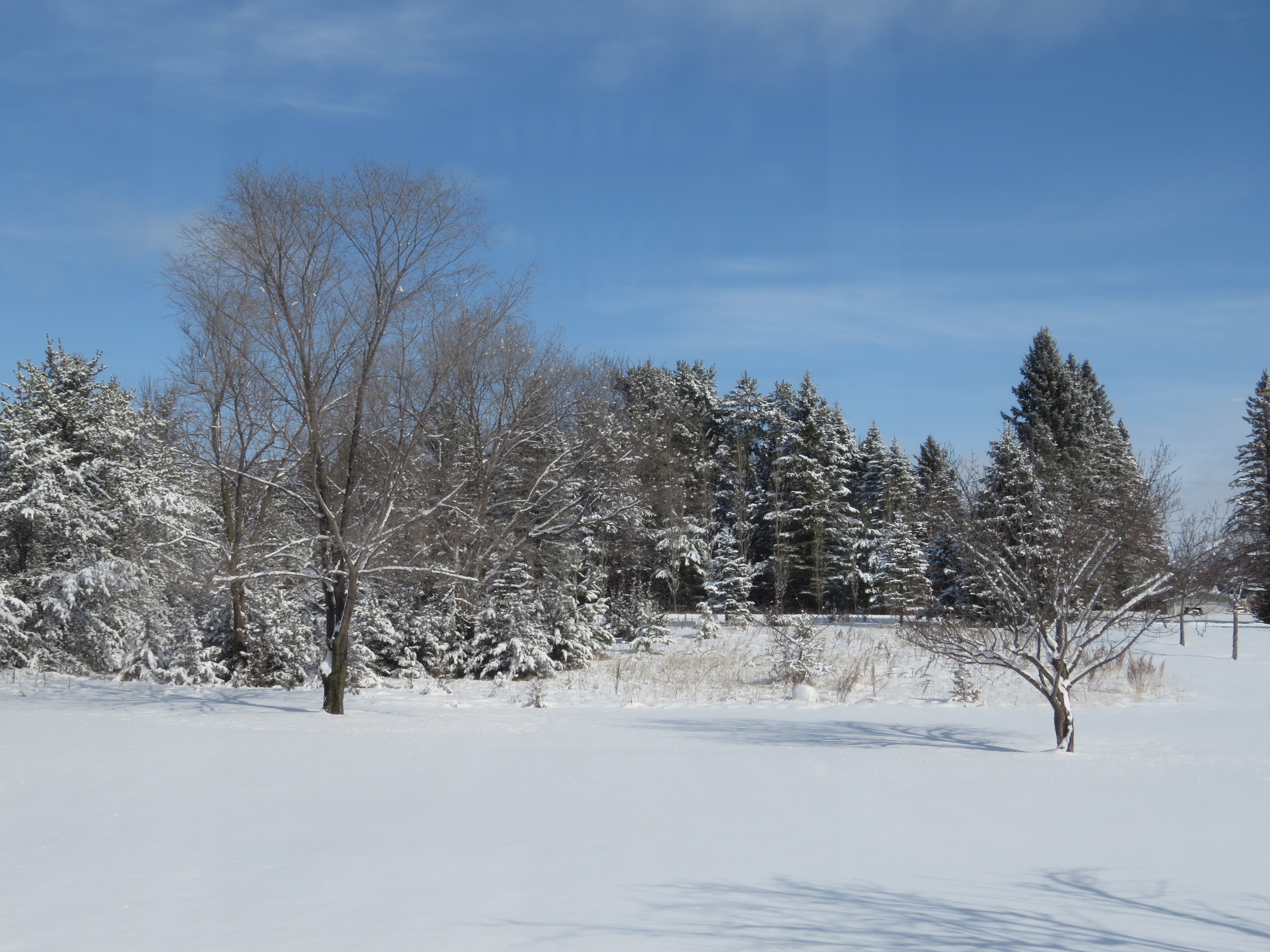
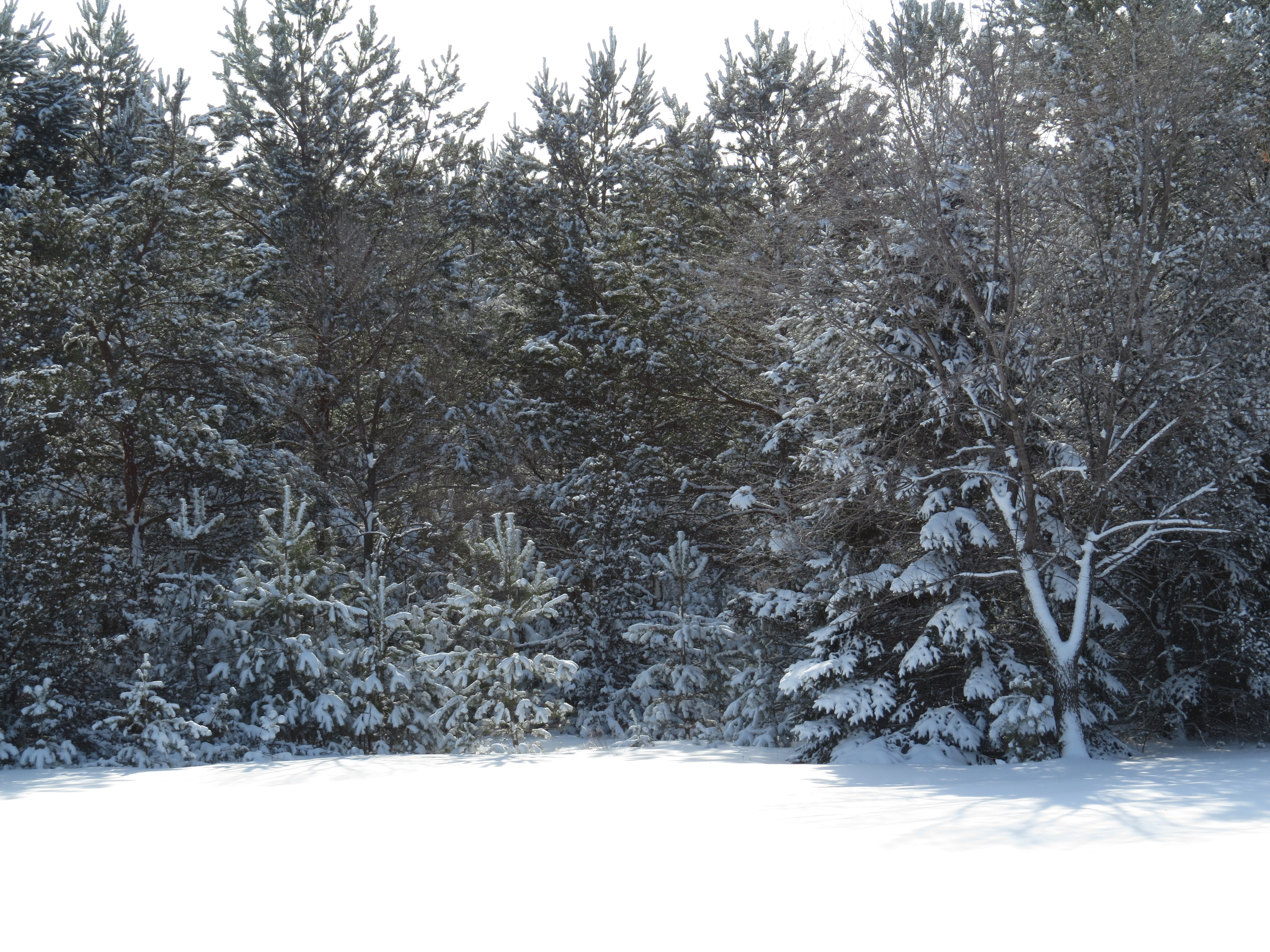
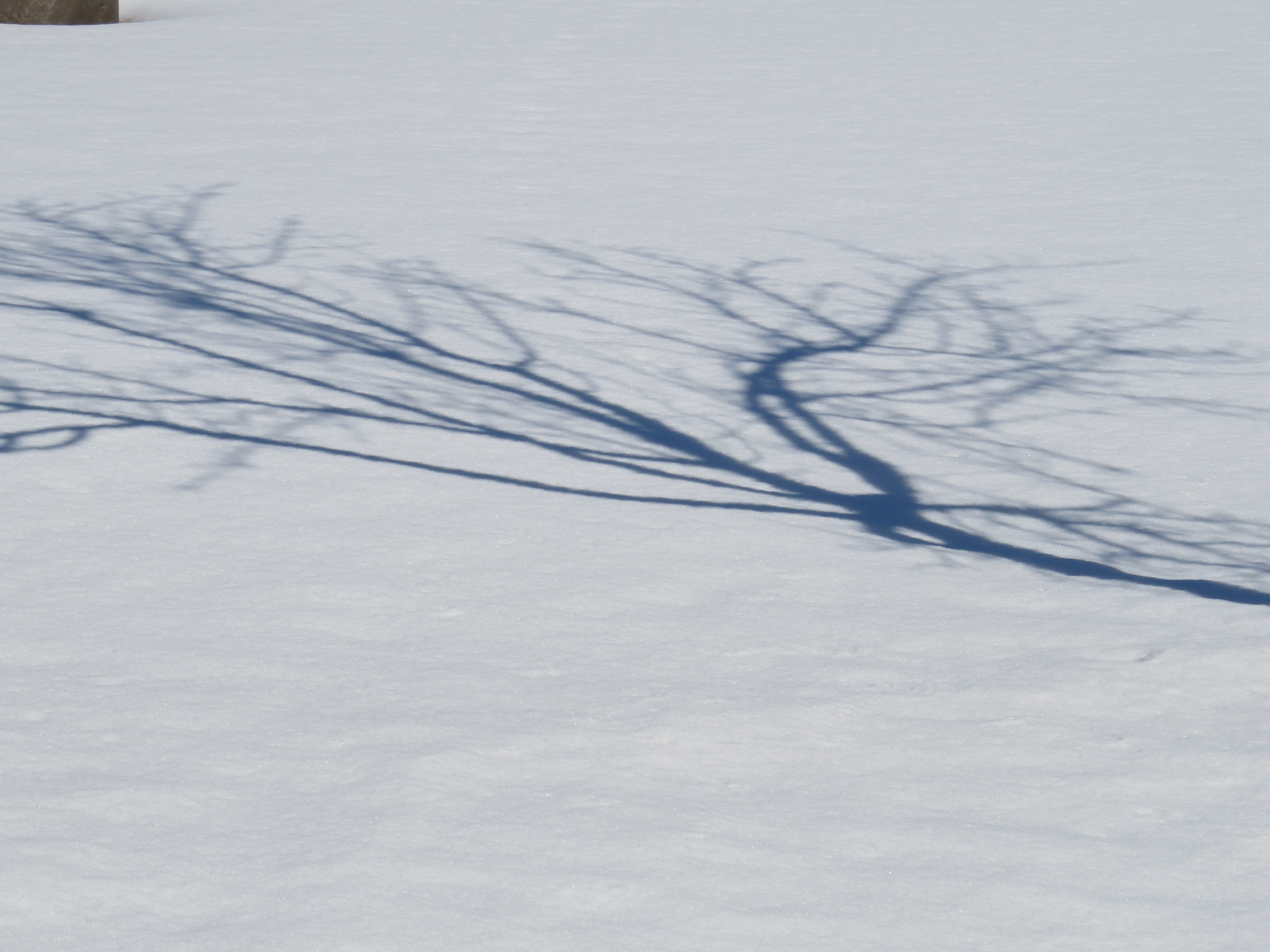
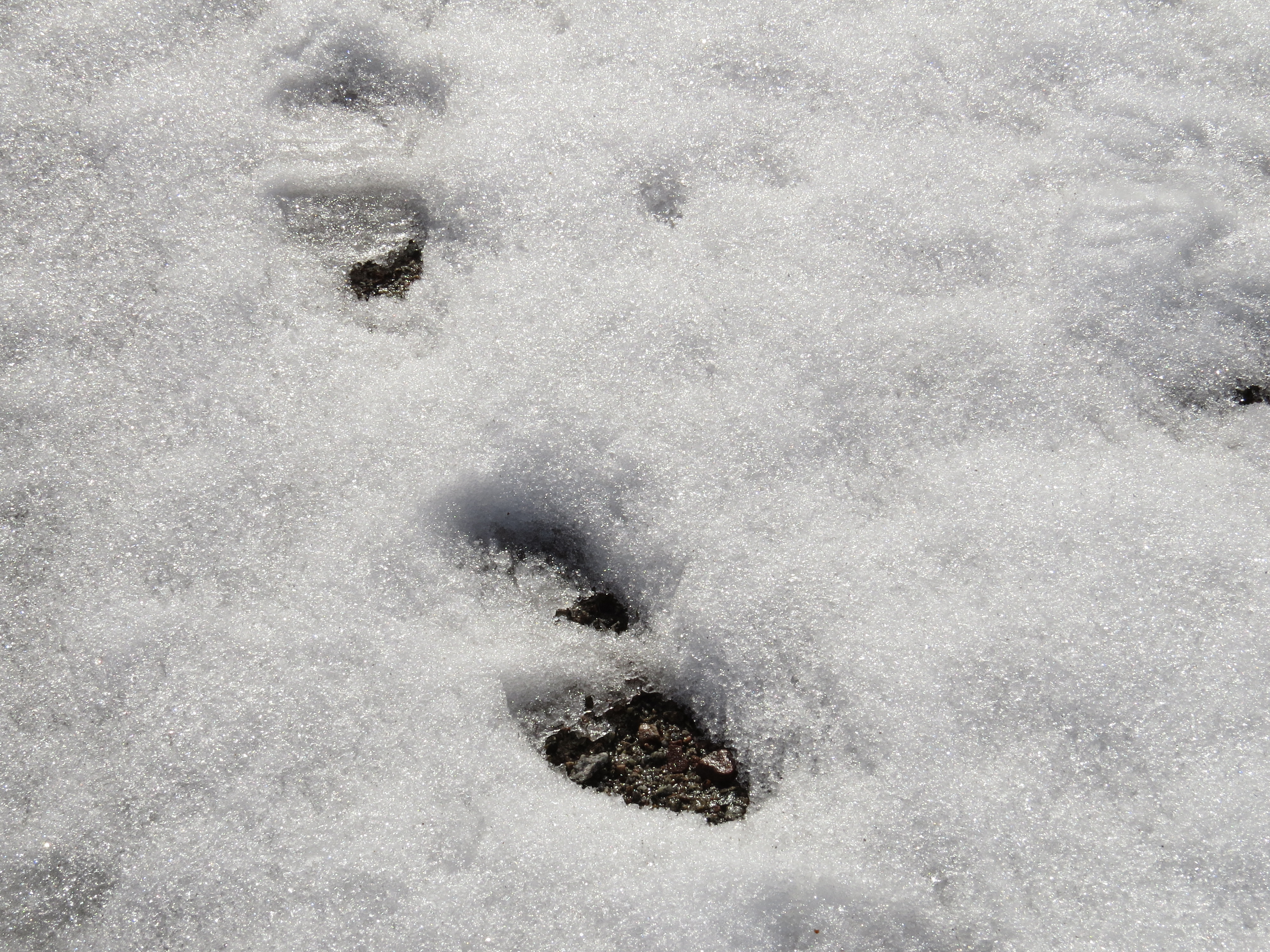
I love the blue tree shadows on snow, both sun shadows and moon shadows. I love how the cold feels on my face, how the snow crunches under my boots, and how I can ‘track’ the animals that share this world with me.
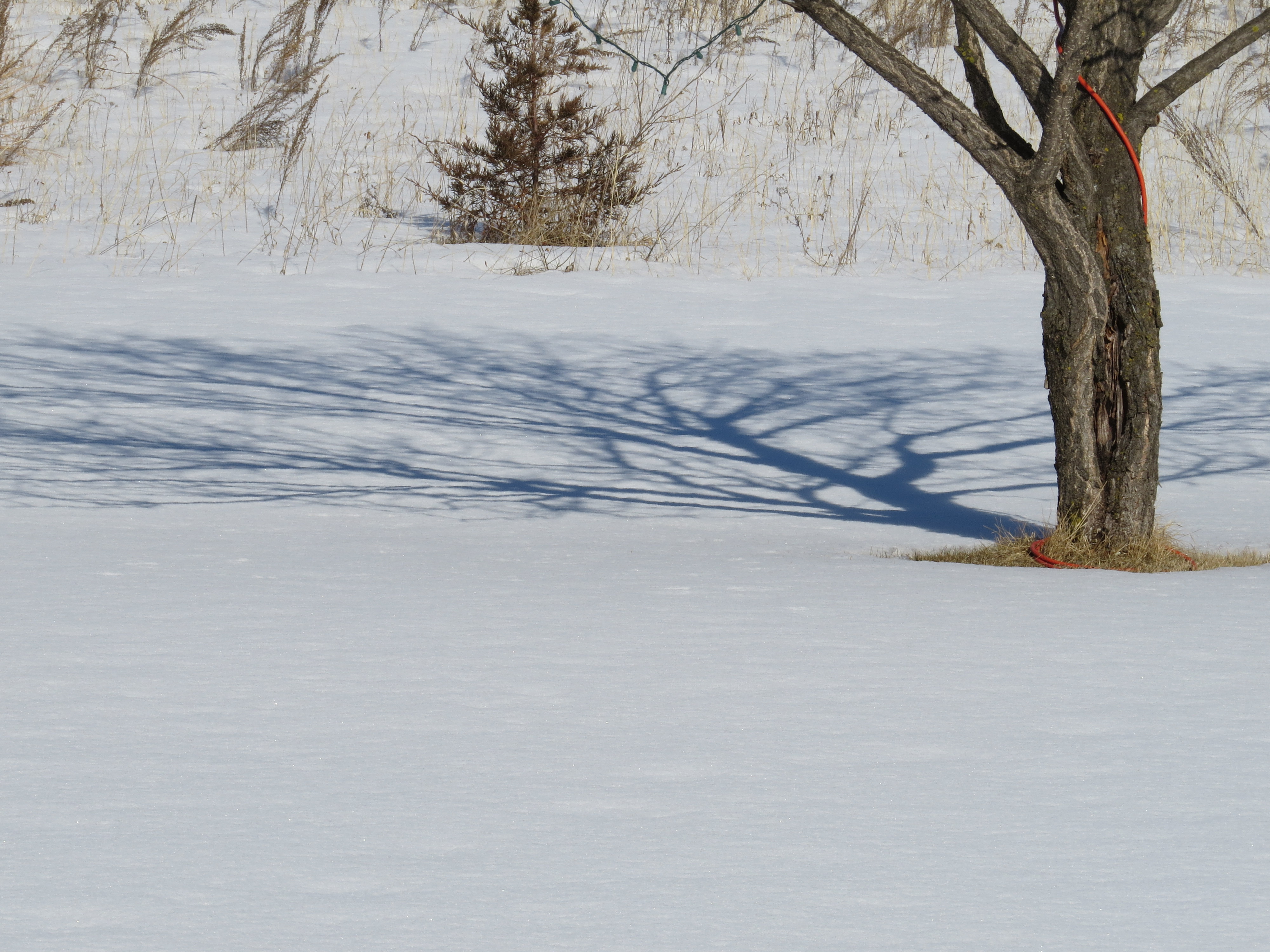
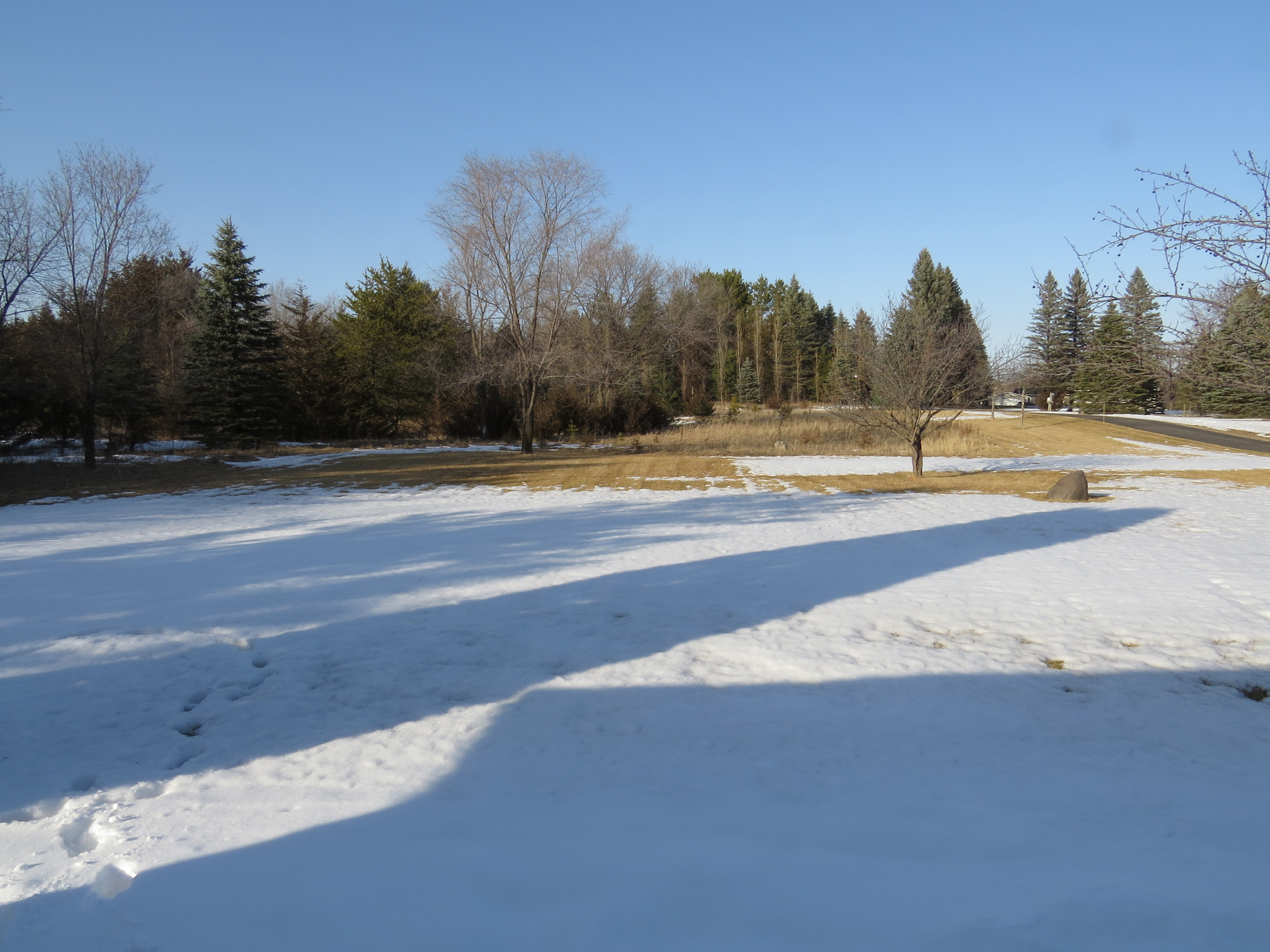
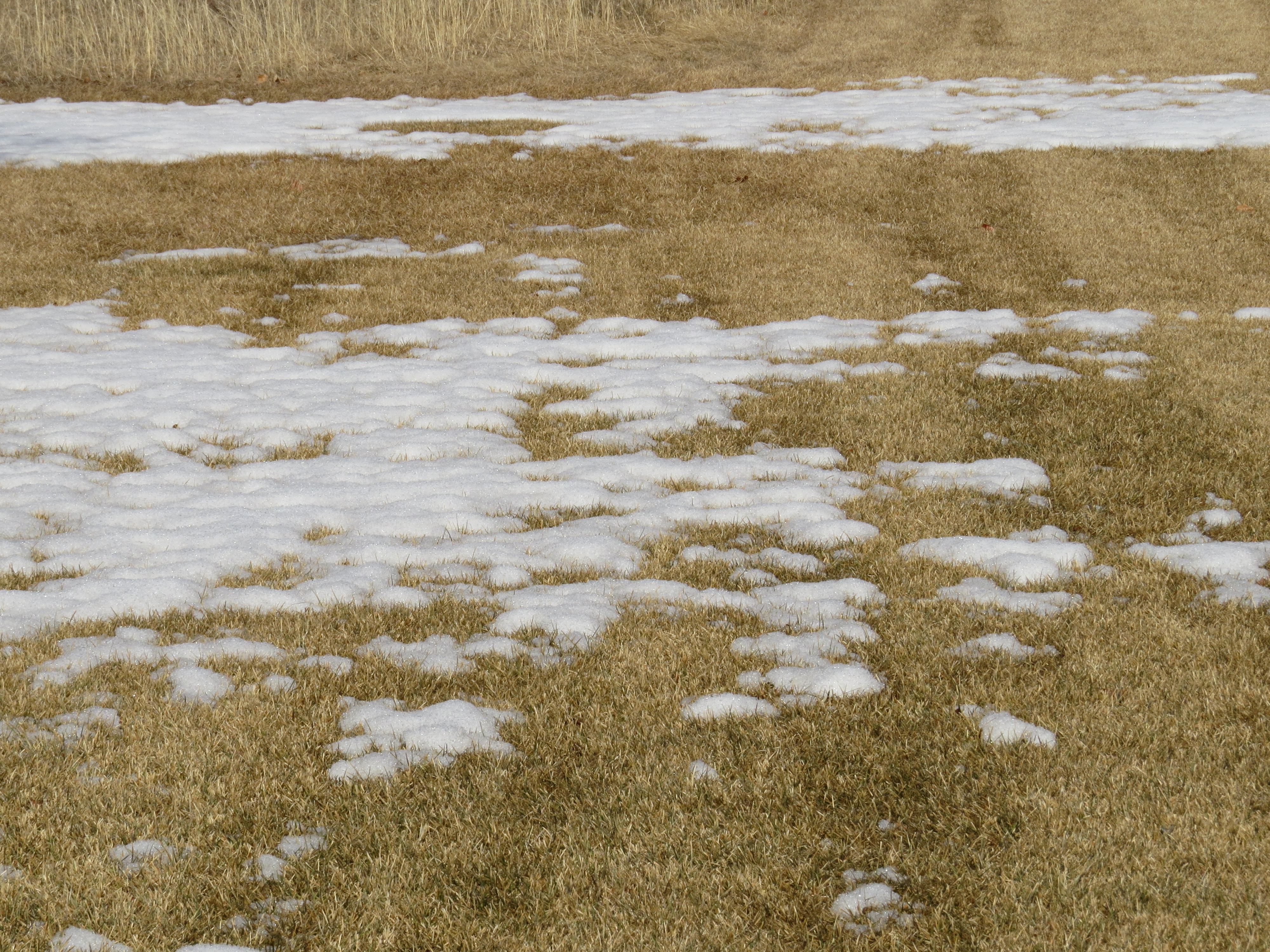
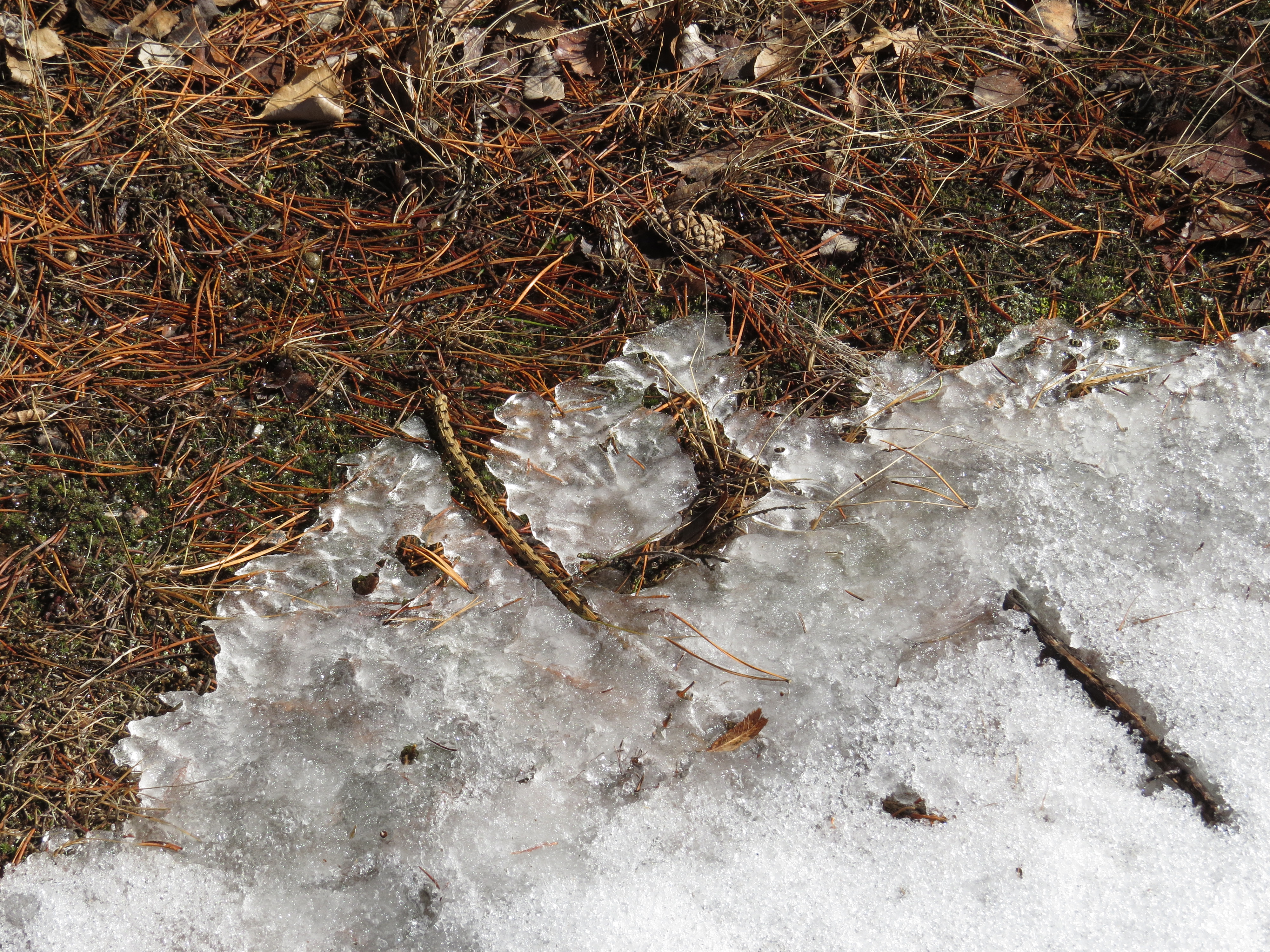
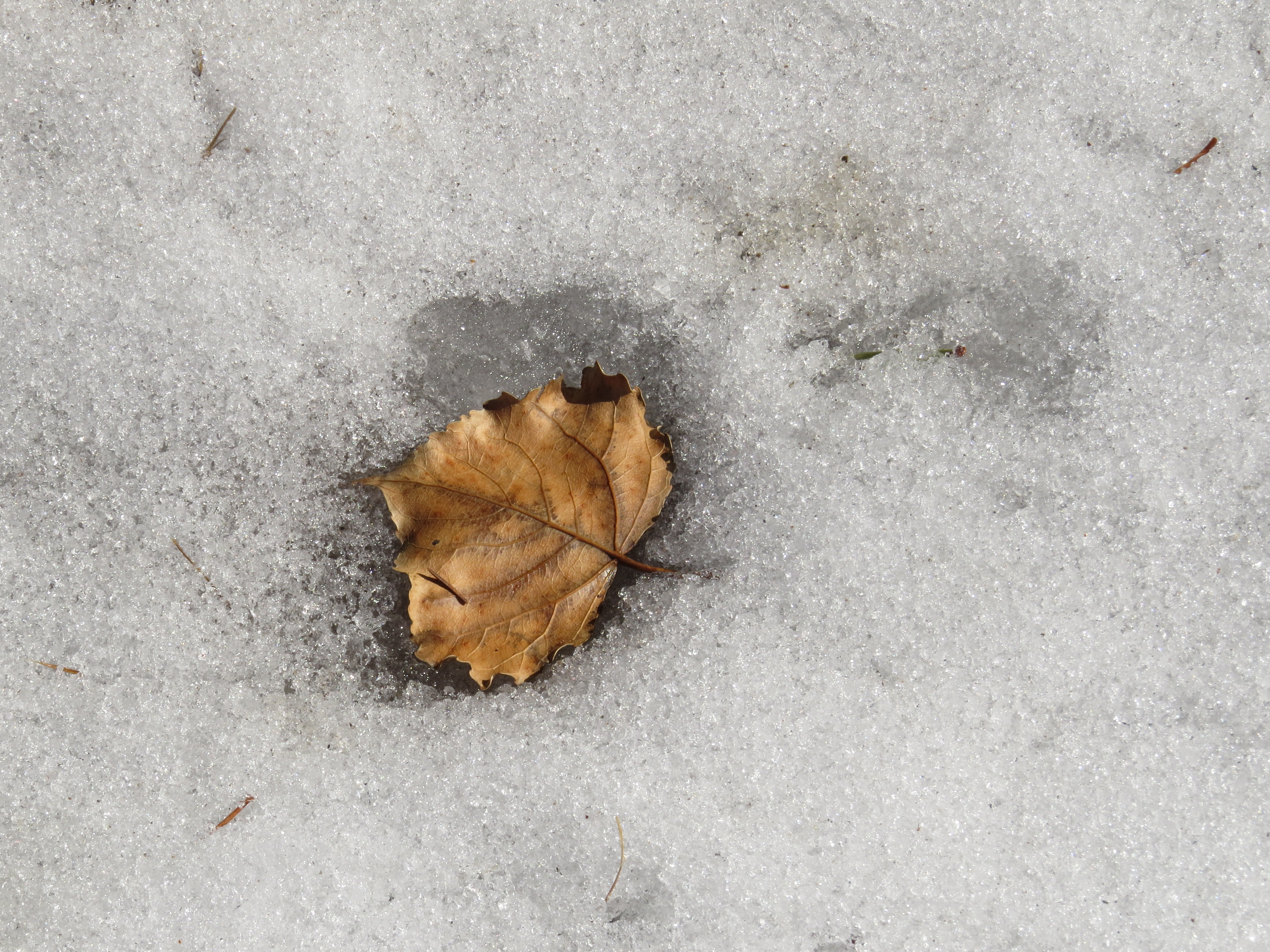
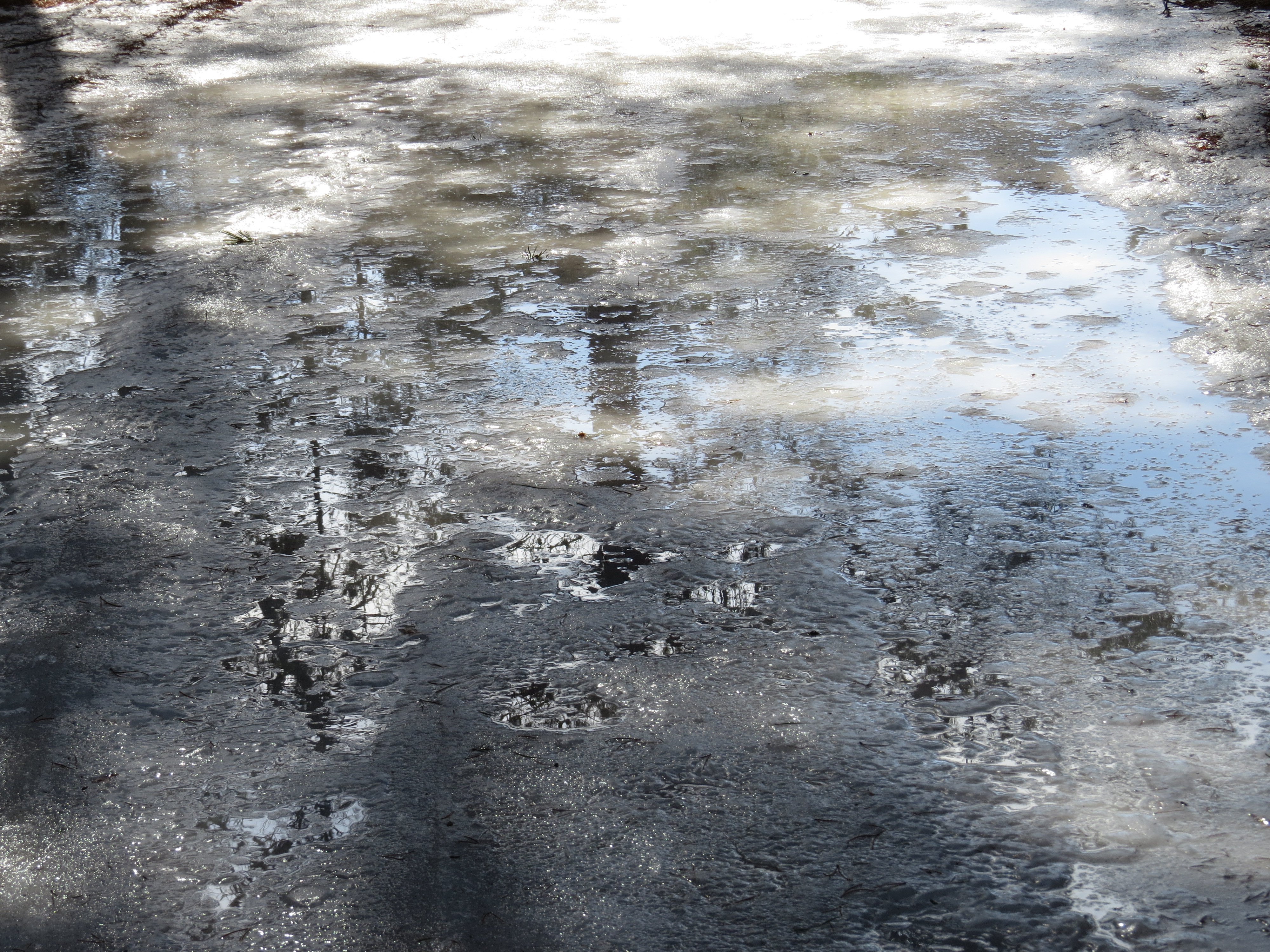
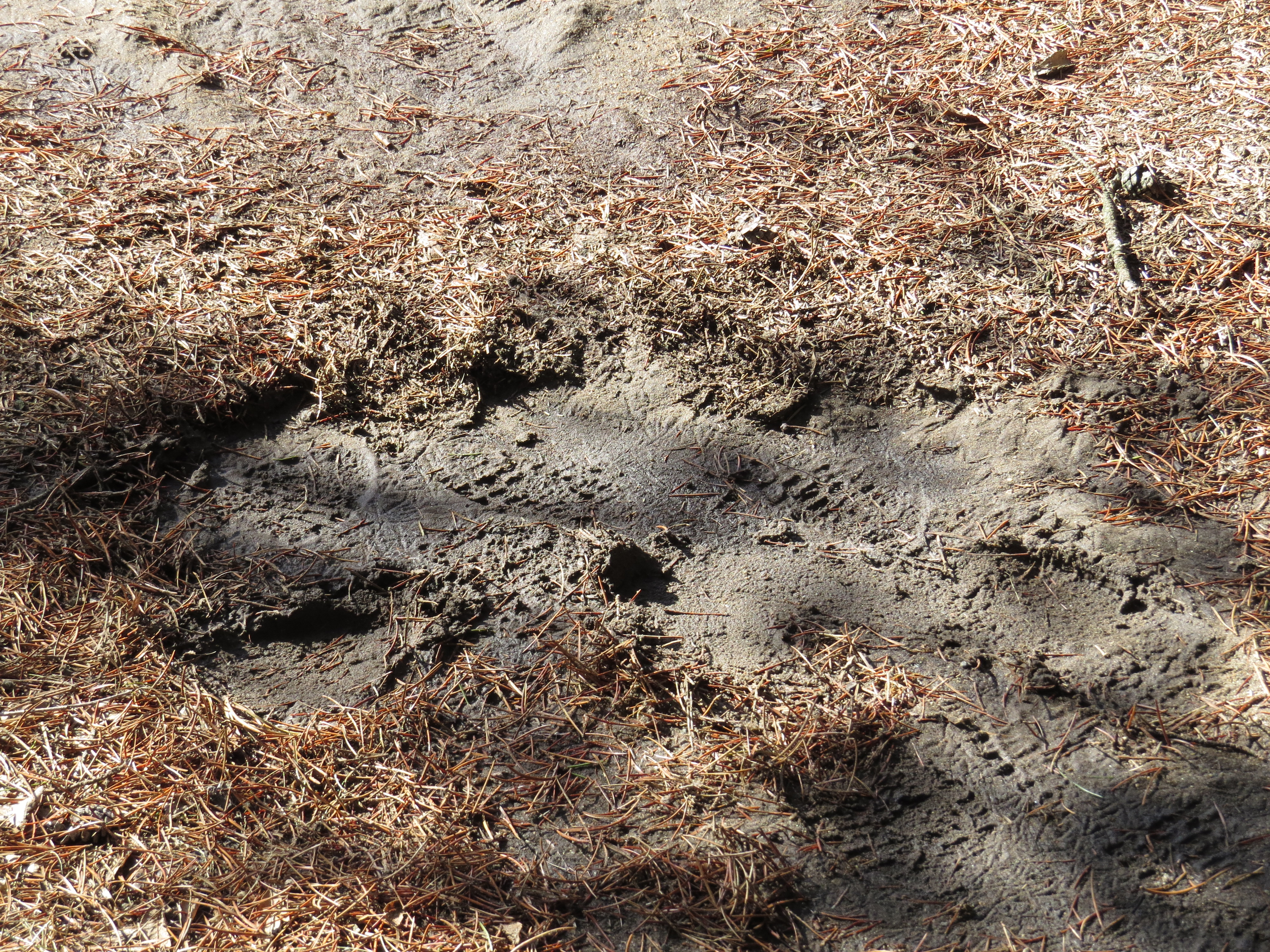
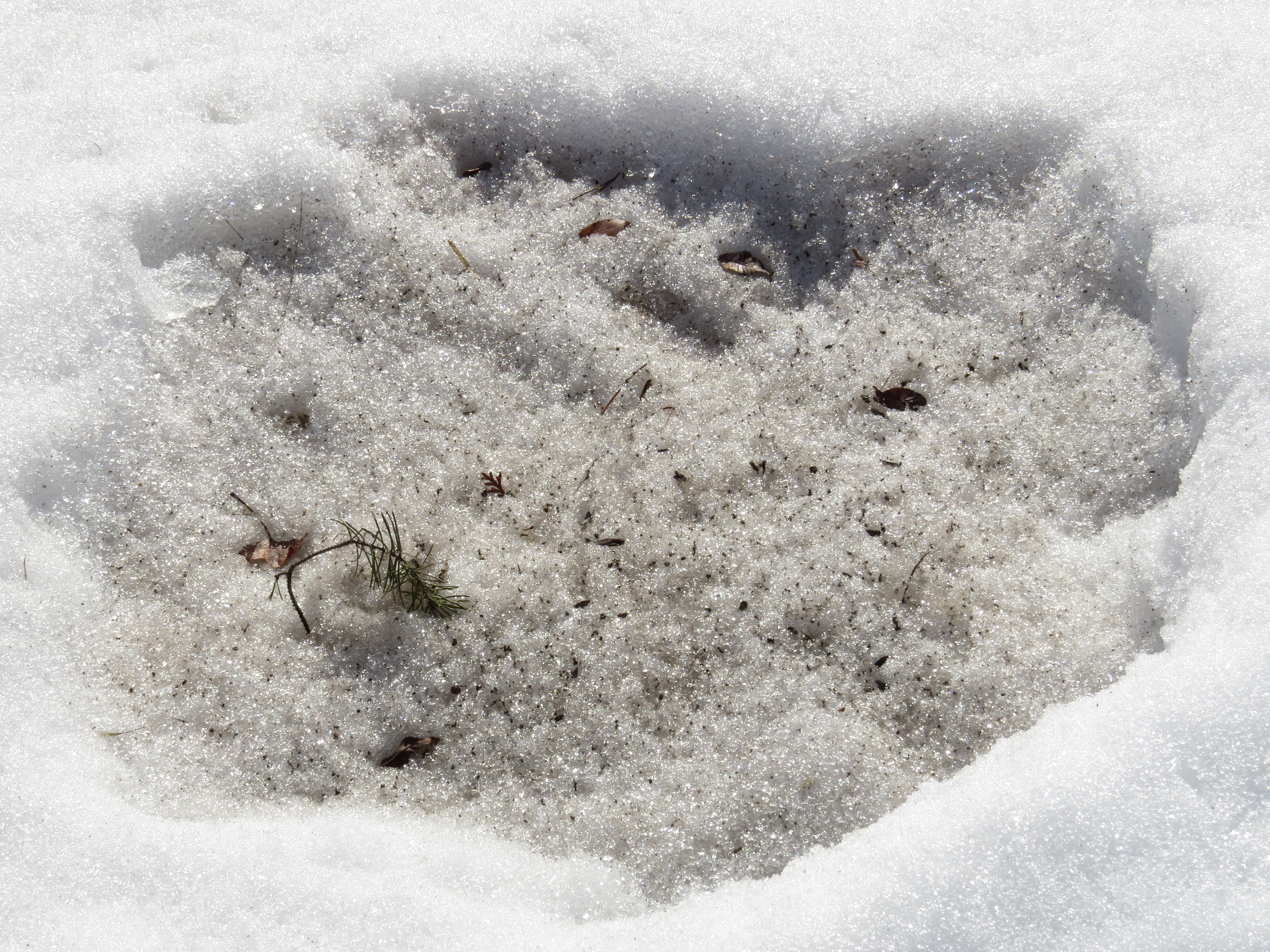
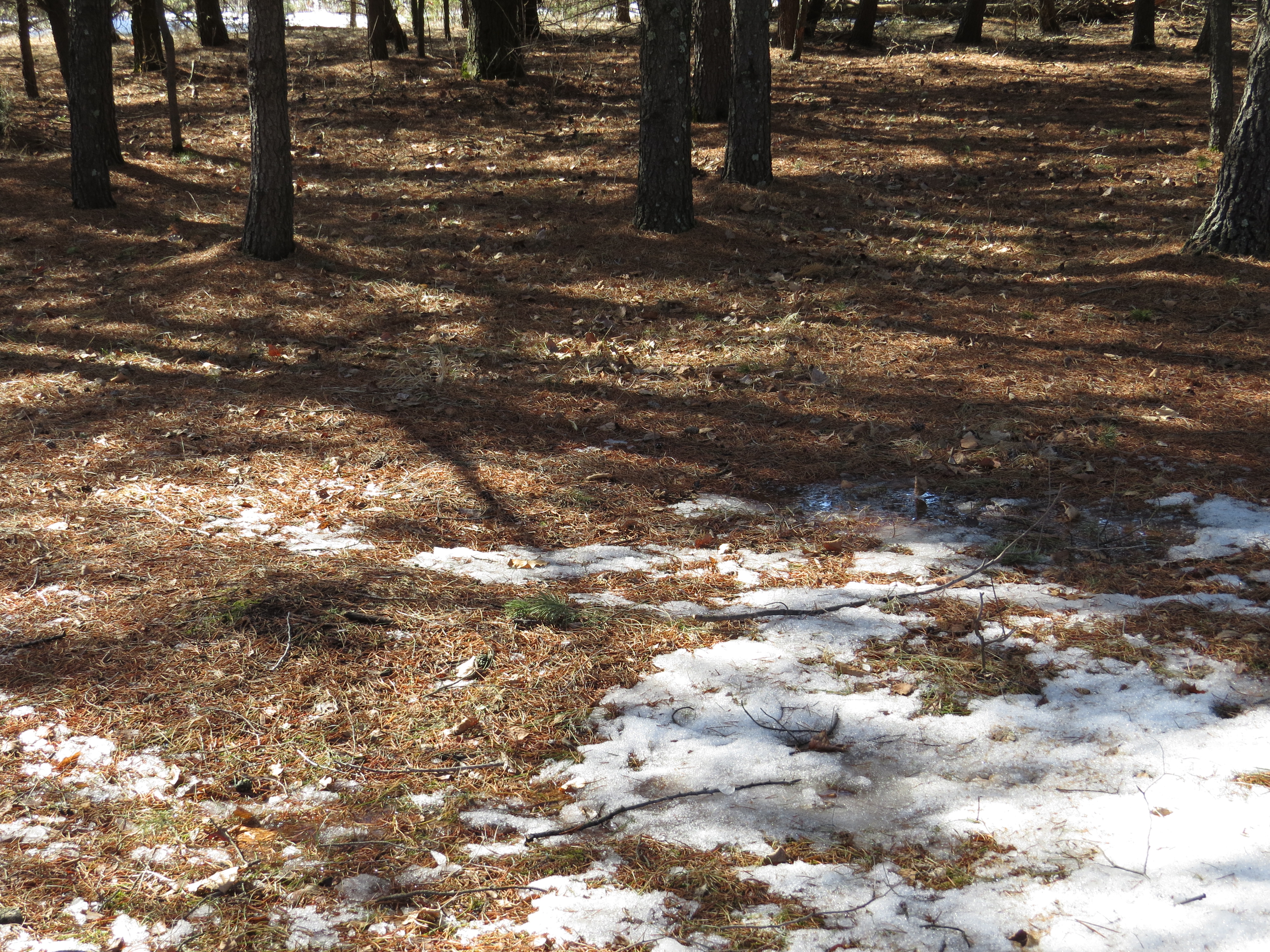
But very soon the new snow settled and melded together with sunshine and above-freezing temperatures. Each day this week got warmer and warmer. Grass started showing around trees and by the edge of the road. Large patches of grass grew as the snow melted.
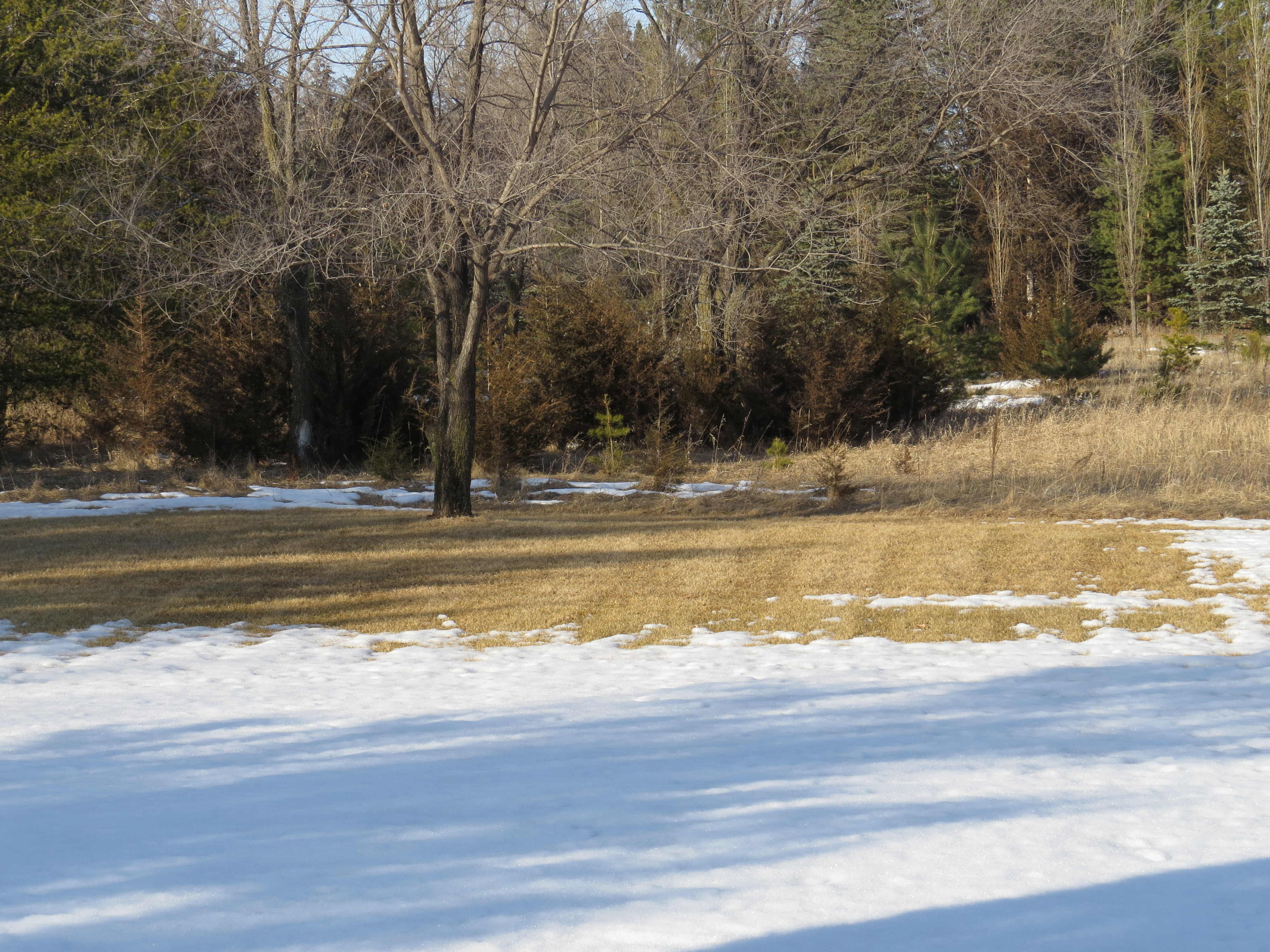
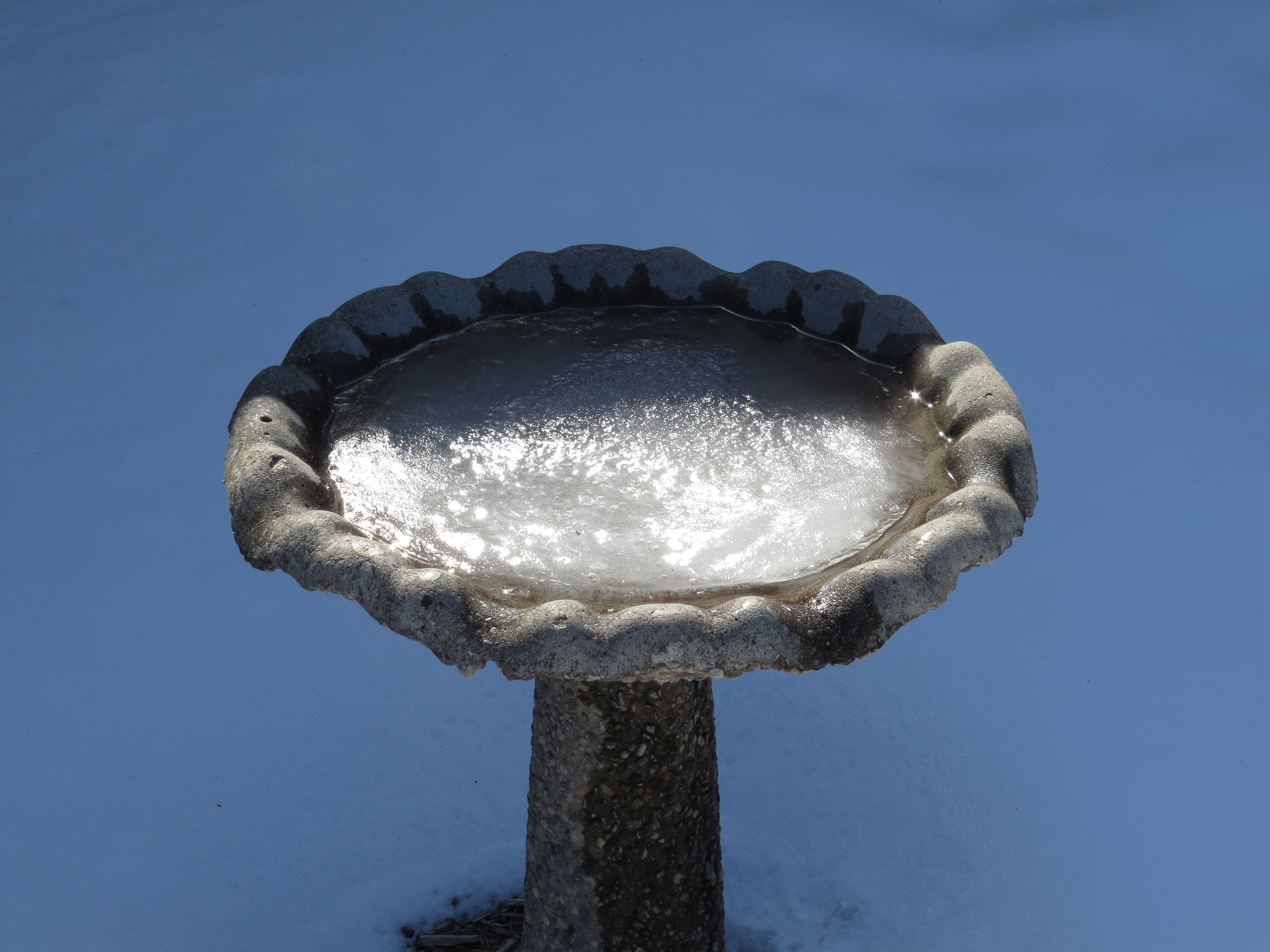
Yesterday the thermometer read 50 degrees—was I seeing things? But the evidence was there; there was no denying it.
Most people, I would guess, don’t want to let go of the hot, flip-flop days of Summer…or the blossom-laden, cool hope of Spring…or even the crisp, apple-picking days of Autumn. I meet those seasonal transitions with aplomb, so why am I so reluctant to give up Winter?
It’s like those days, those times, that we don’t want to end. Winter looks good, and more importantly, it feels good to me. There are twinges of regret that we didn’t do enough or even do the things we had planned in our heads. I had two more places where I definitely wanted to snowshoe this season! The good times slip away and often we don’t even realize it’s ending. But what is it exactly that we don’t want to let go of? I think it’s how those days and those times and those seasons make us feel alive. When we lose ourselves in the very moments we are living. When the temperature or the difficulty or the busyness is not even a thought in our head, let alone the headline of our day. When we love the people we are with and the activities we are doing. The Goodness takes over. The giddy, smiling, heart-full, satisfying Goodness that we are blessed to experience. I will feel my sadness as Winter slips away, but with Goodness are miracles. The melting snow uncovers and makes room for the miracles of Spring. Each of those days and times and seasons that we don’t want to end, fills us with Goodness for the next part of our journey towards our next heart-full day in our miraculous lives.
Trekking Through Trauma
If you have ever been through therapy, you know there is not a line drawn down the middle of your life with good things on one side and bad things on the other. And I say ‘through therapy,’ not ‘in therapy,’ as ‘in therapy’ implies that you can be ‘out of therapy.’ When I was going ‘through therapy’ after a spiritual crisis, it felt like I was going through one of those old-fashioned wringers on an old tub washer—my old life was being crushed, wrung out, flattened. I felt like the energy and purpose of what I thought life was all about was being snuffed out of me. There was no ‘in therapy’ then returning to ‘normal life’ when I left a session—it affected every aspect of my life and left me exhausted, crumpled, and changed.
Having a very strong line of demarcation between right and wrong when I was young was a coping mechanism for me to feel like the world was orderly. It helped me feel more safe, more in control. Things were easier to sort—either you’re with me or against me, it’s good or it’s bad, it’s black or it’s white. And I was the arbitrator of those judgements. My world view was narrow. That worked for a while. But as I got older, there were things that clashed with my categories. If I love this person, how can I vanquish this part of their life to the ‘bad category?’ Wait, the person I voted for did what?! That’s not acceptable. If this action helps one person and harms many others, what does that mean? Things weren’t an easy call anymore. Things were confusing. The huge gray area between black and white opened up my narrow world and threw me for a loop.
In order to process the gray area of our larger lives we must process the black, white, and gray areas of our own personal lives. The line of demarcation was strong down the middle of my own life, in my own head and heart. I rejected parts of myself. I made up stories in my head to try to make sense of my categories. I embraced the actions and people that made me feel like my point of view was the ‘right’ one. I ignored my individual desires, then projected those grievances onto others. How could they?! Not how could I not? So going through therapy exposed all of those thoughts, feelings, and actions that I grew up with. It showed me that I very smartly did those things to feel safe and to feel some control. It opened up different ways of thinking and different possibilities. My life through therapy became a giant puzzle, not a bin of good or bad. Each reaching back into my past retrieved a piece of the puzzle that clicked into place. Oh, yes, that makes sense. Holy cow—yes! Oh, no, really? Such sadness. Parts of my present life fit perfectly with the pieces that I had assembled from my past. The picture of my life was coming together—it was finally beginning to make sense. And it was my life, with all the good, bad, indifferent, compelling, benign, happy, grief-filled, hard, and satisfying parts of my life—all in the big picture of who I am.
That was almost fifteen years ago. Therapy never ends. Once you go through it, it tends to stay with you. You ask the questions to yourself. You try to figure out if any of the puzzle pieces were in the wrong place, even if they looked like they fit back then. The past year, no, make that two or more years, has kind of messed up my puzzle again. I have a ton of questions about our world, about the divide in our country—that black and white divide, about the actions of elected leaders, about people making up stories to fit the wished-for narrative in their head and heart. Believe me, I get it. But it has shaken my sense of safety and rightness. So I do what I have always done when I feel shaken or lost or scared or upset—I get outside. Mother Nature soothes me. My world becomes bigger than the mess that scares me as I immerse myself in the small details of the Life that intrinsically holds the seeds of creation. I find things that make me happy.
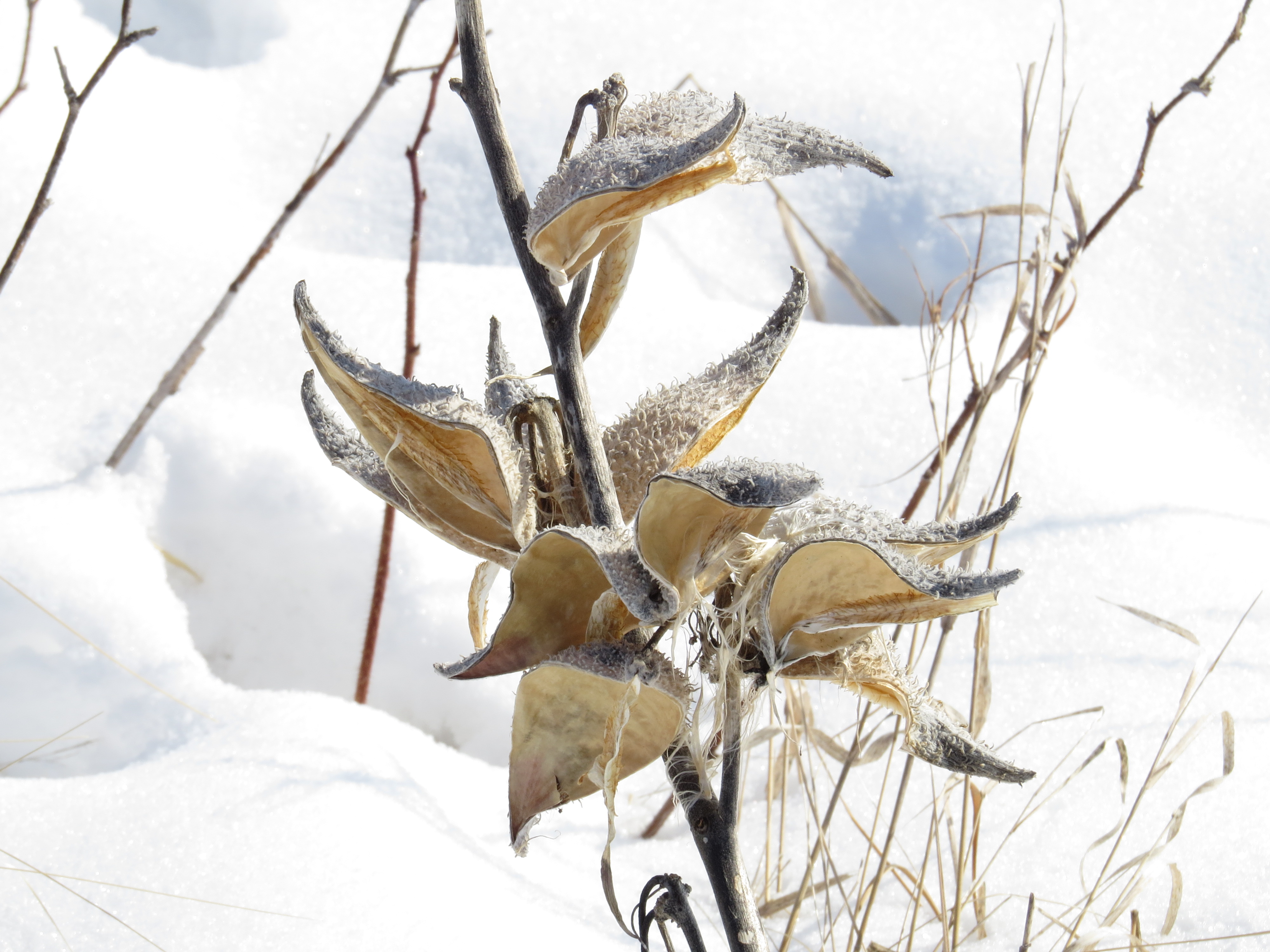
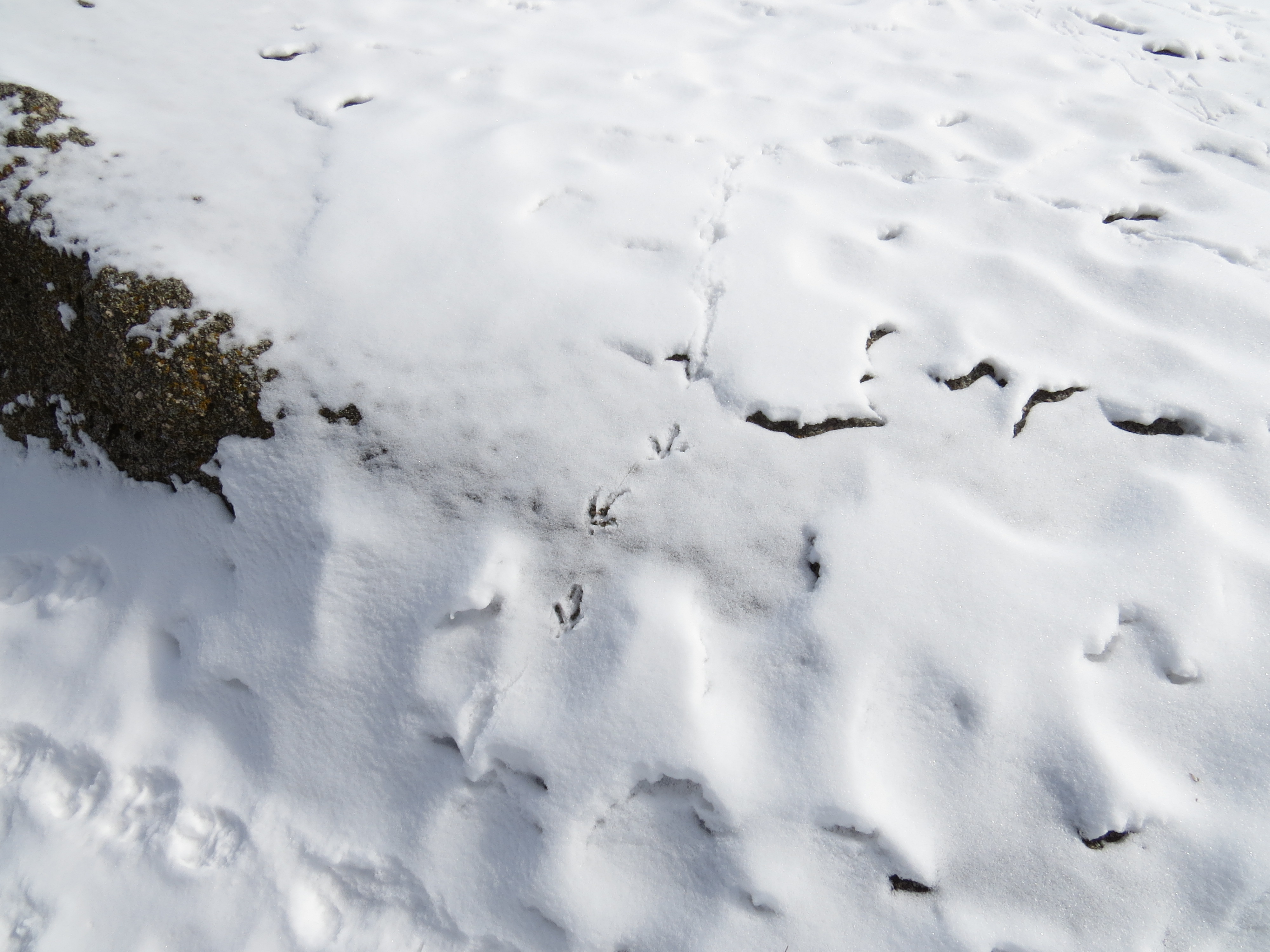
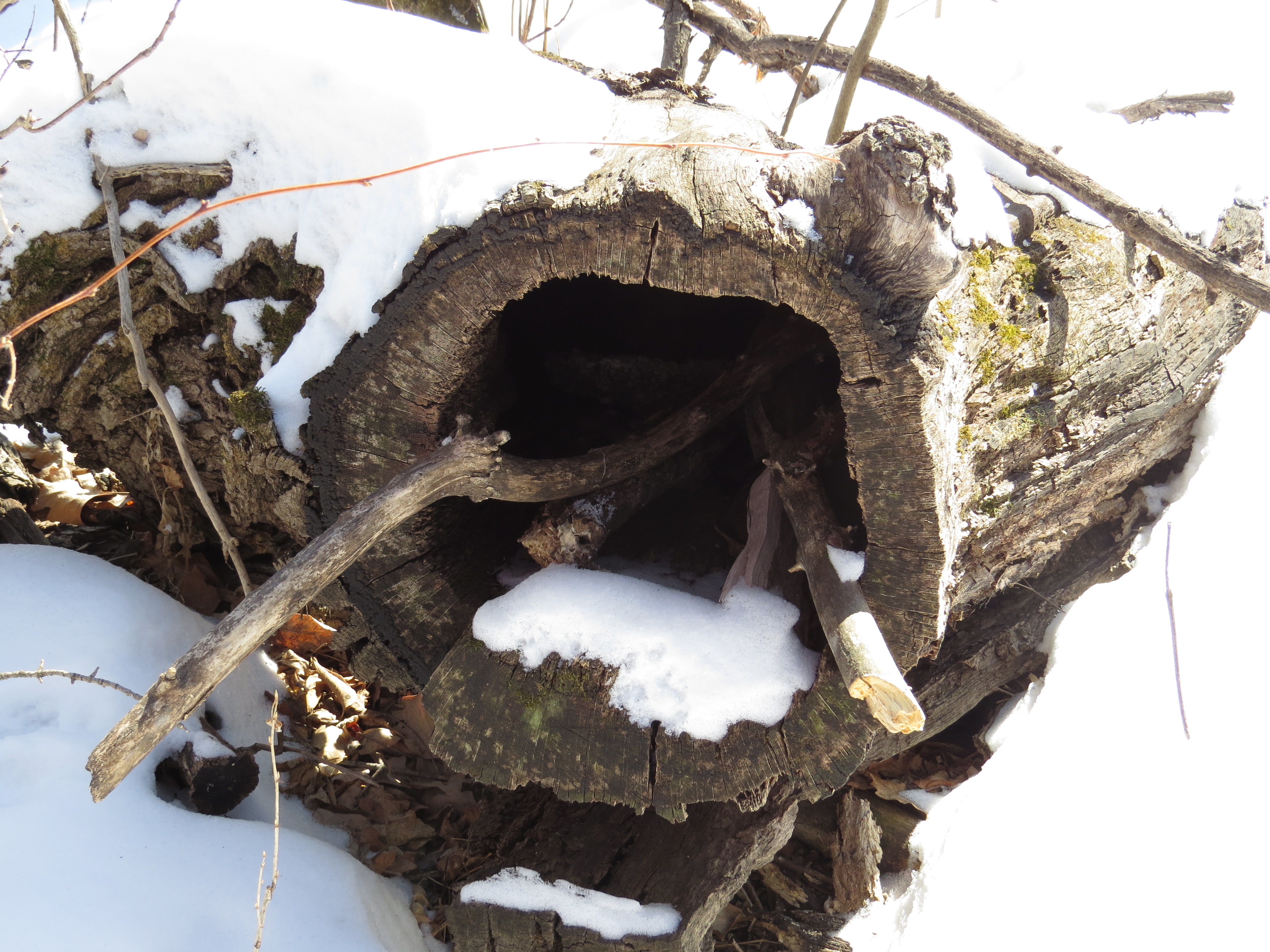
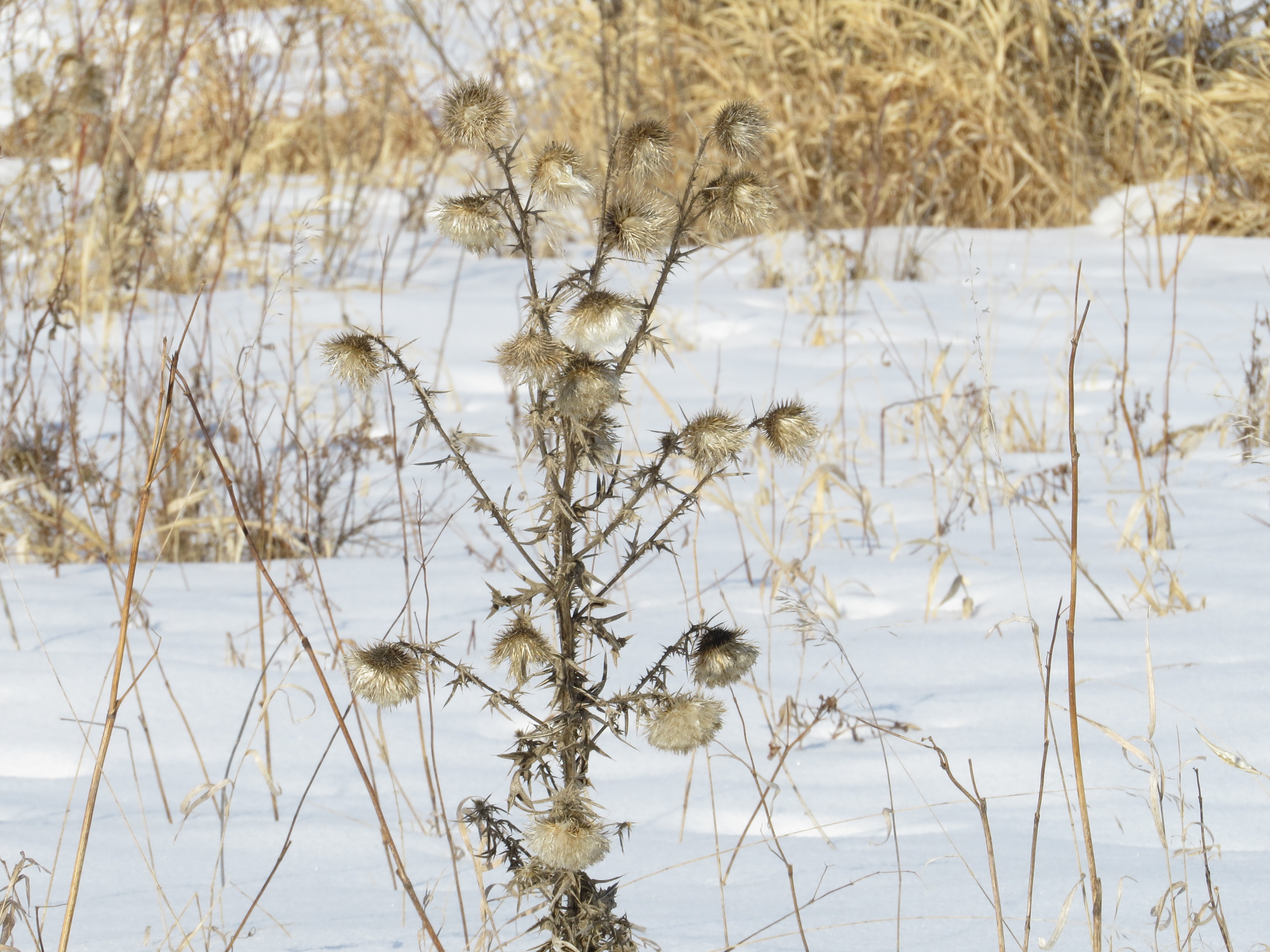
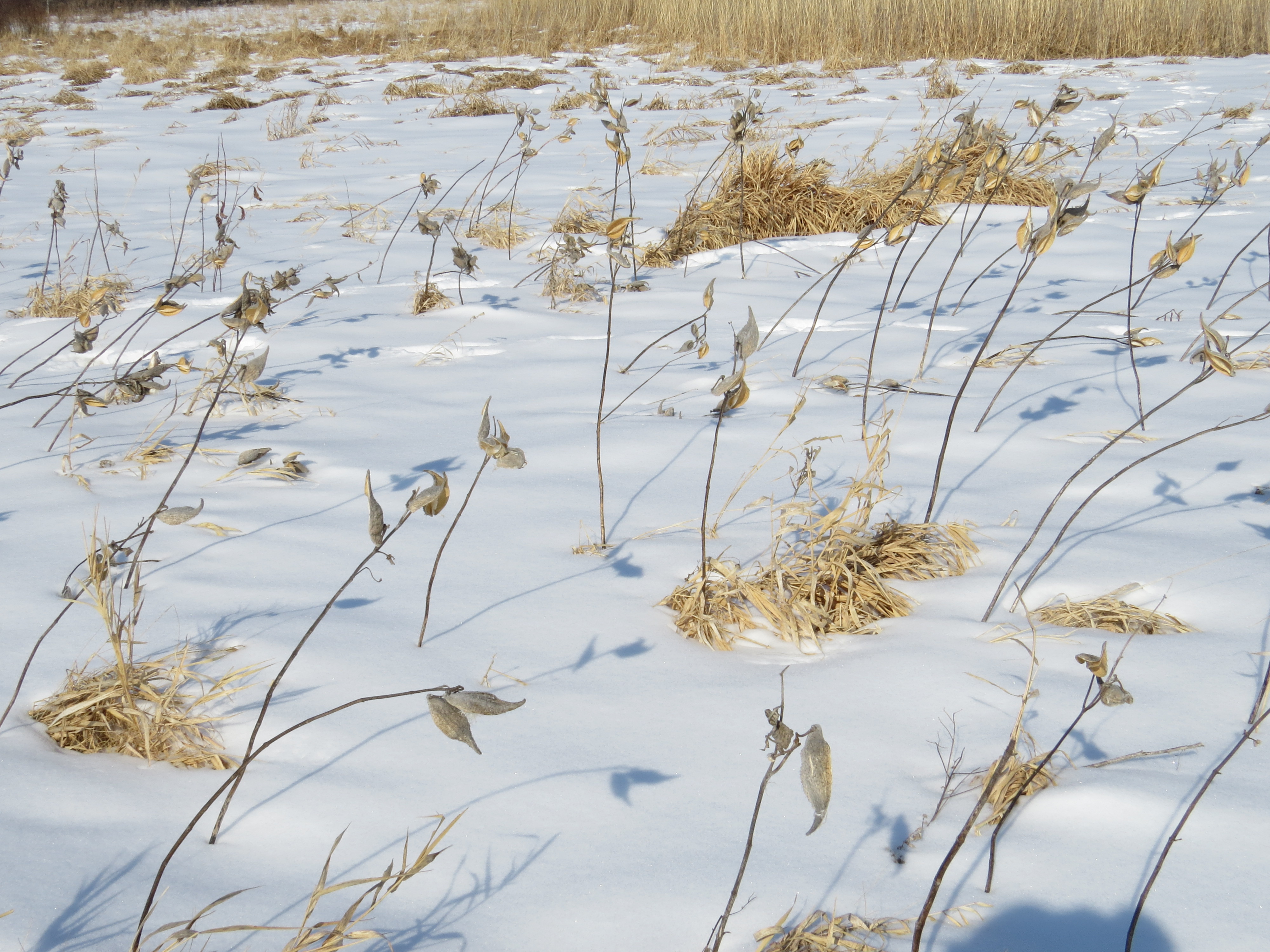
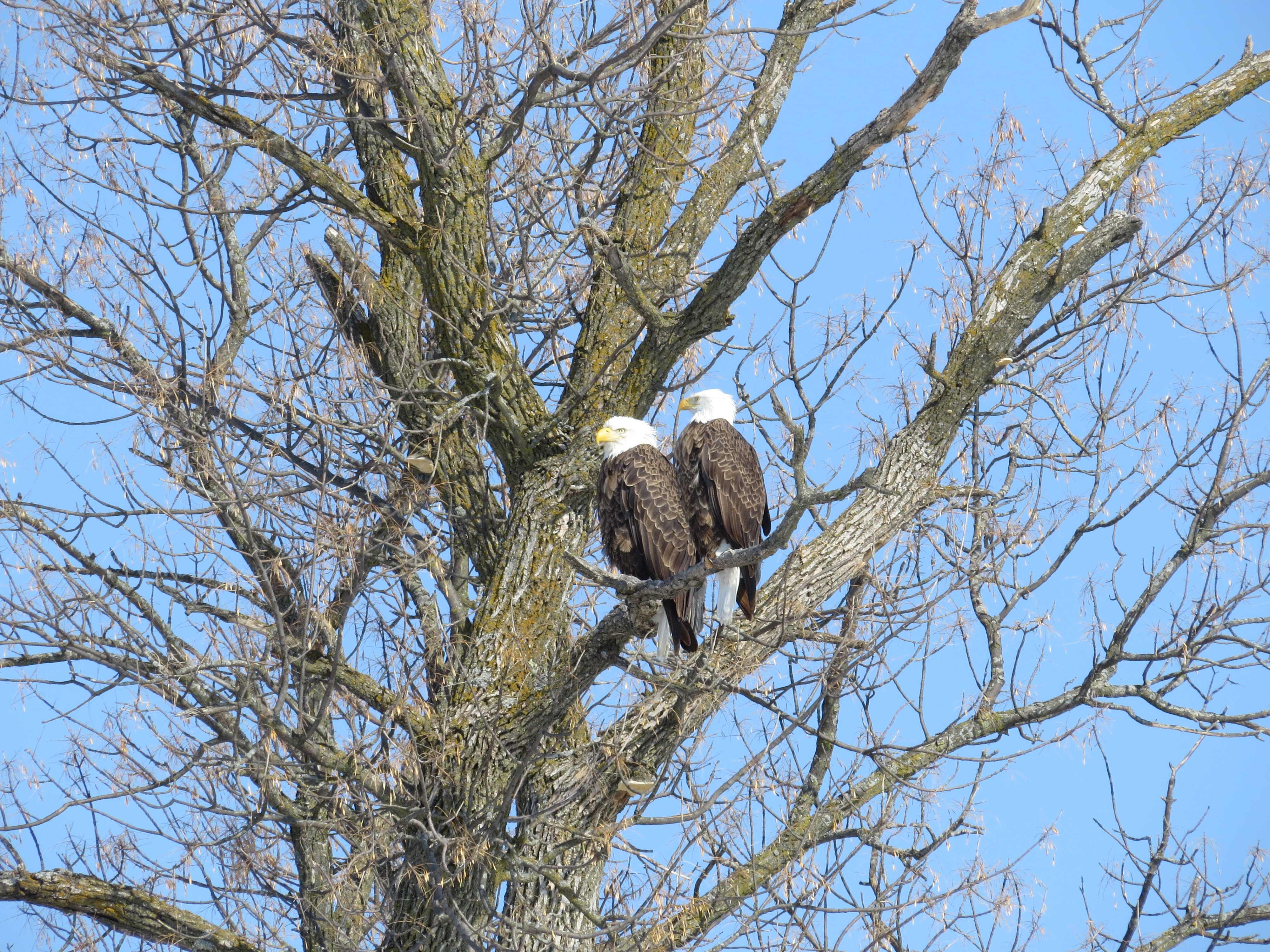
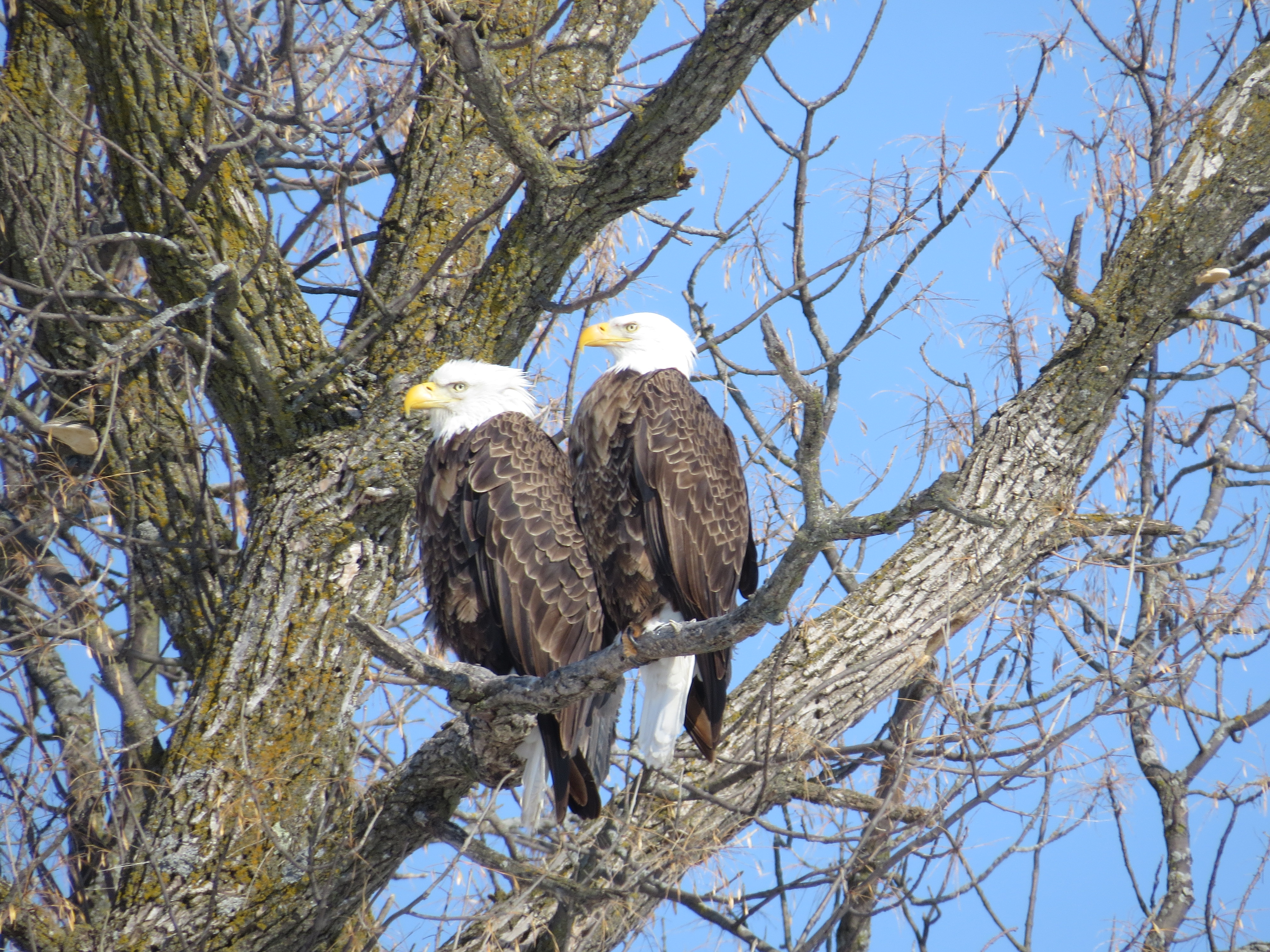
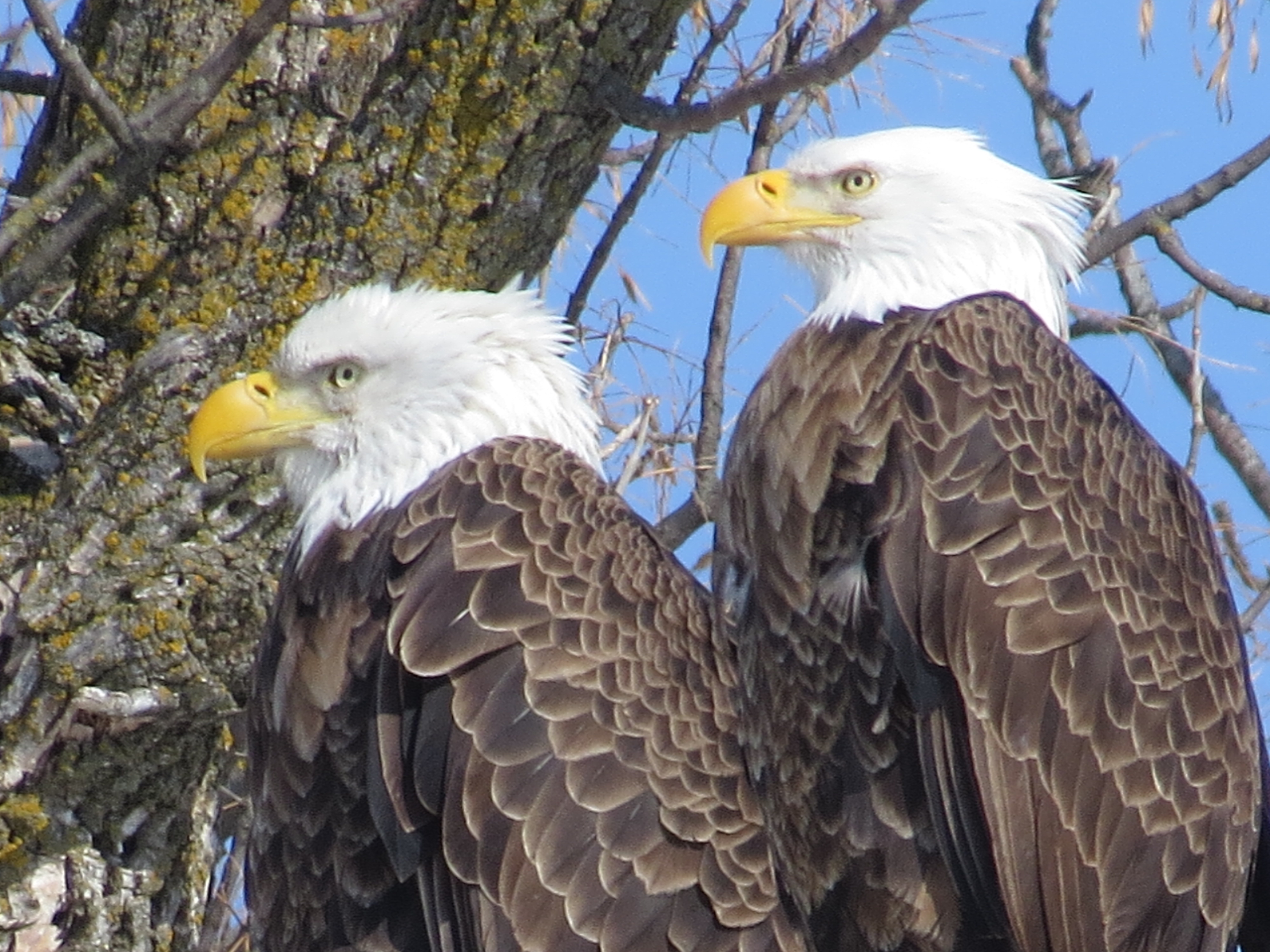
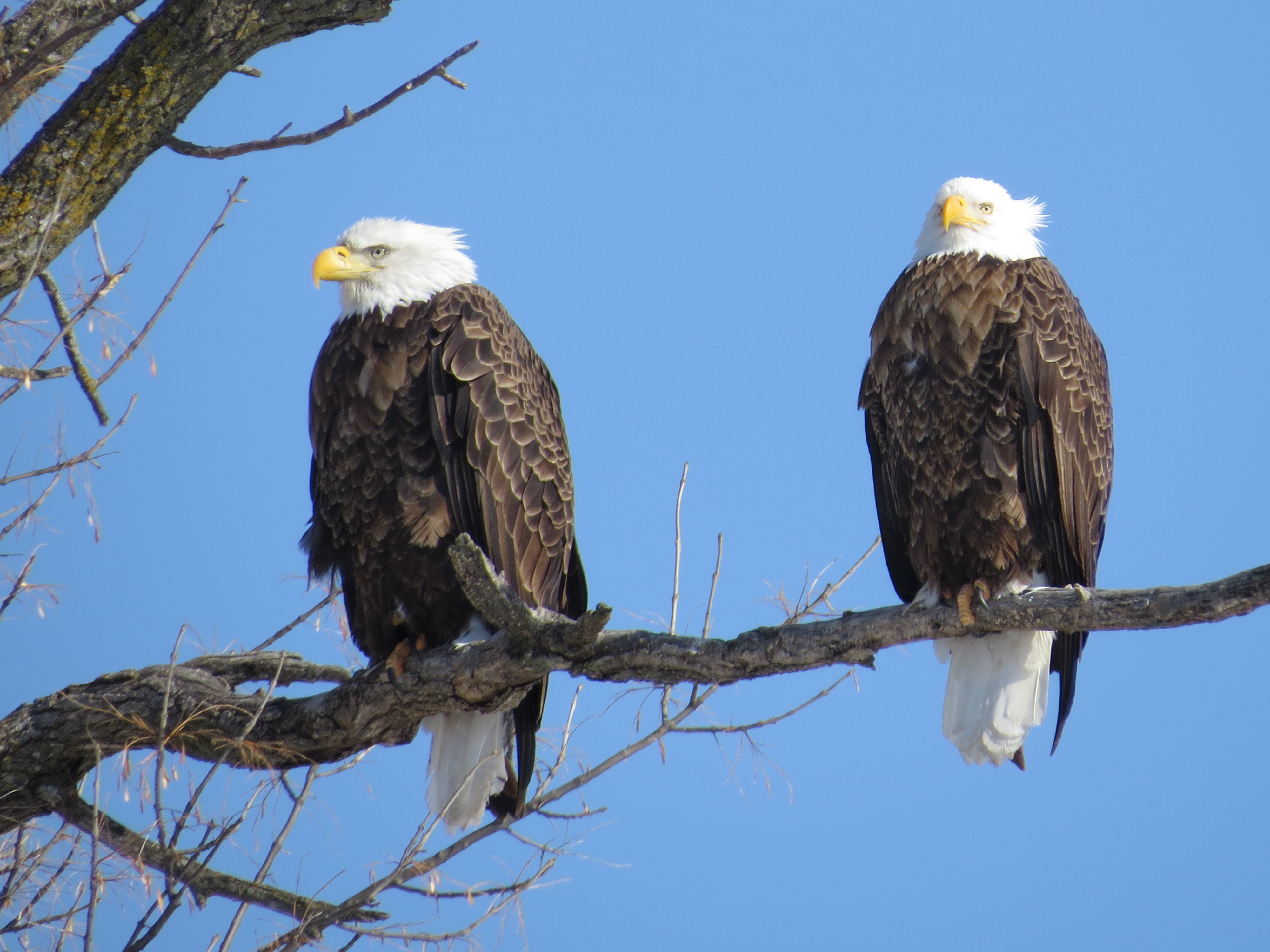
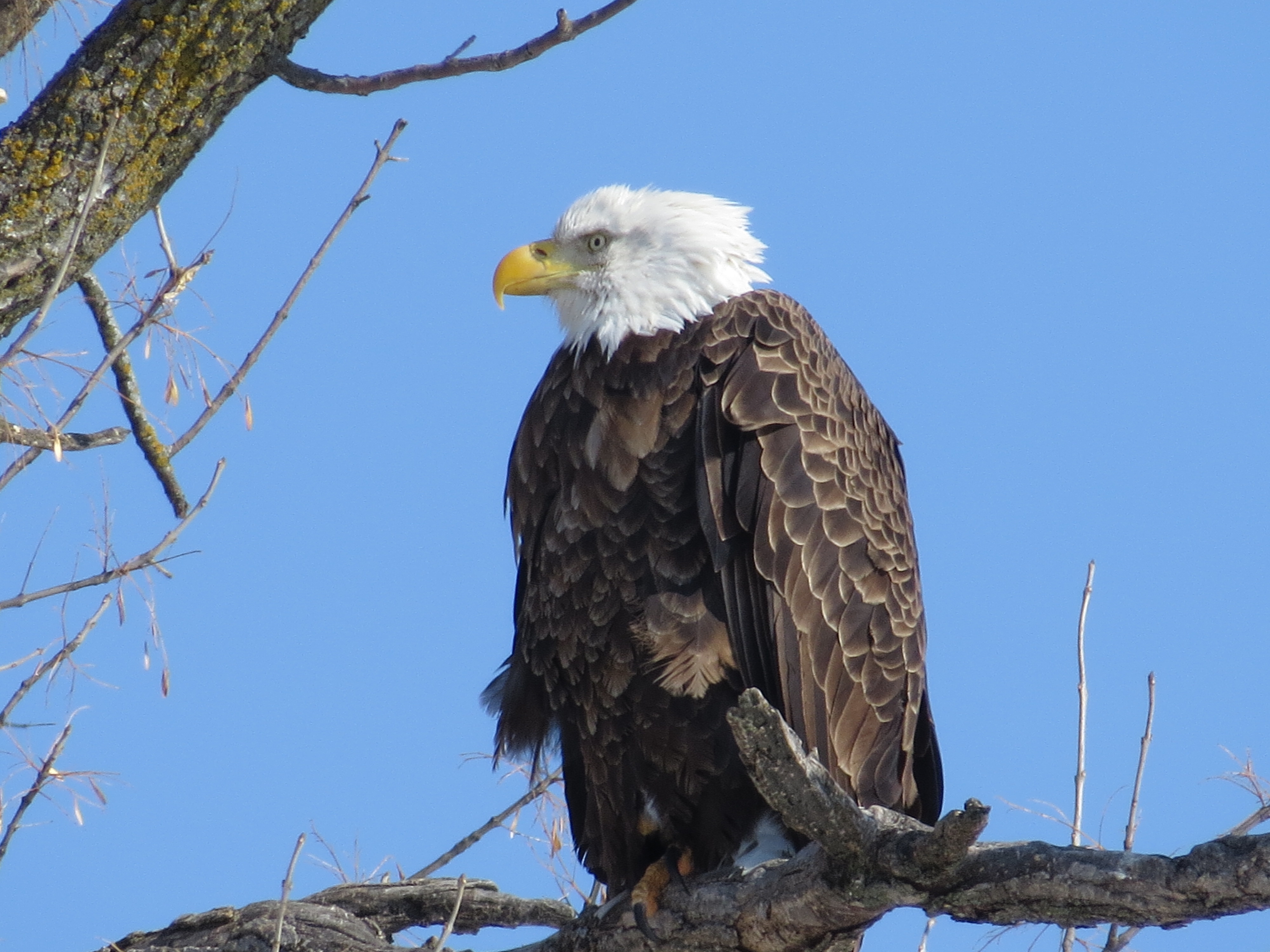
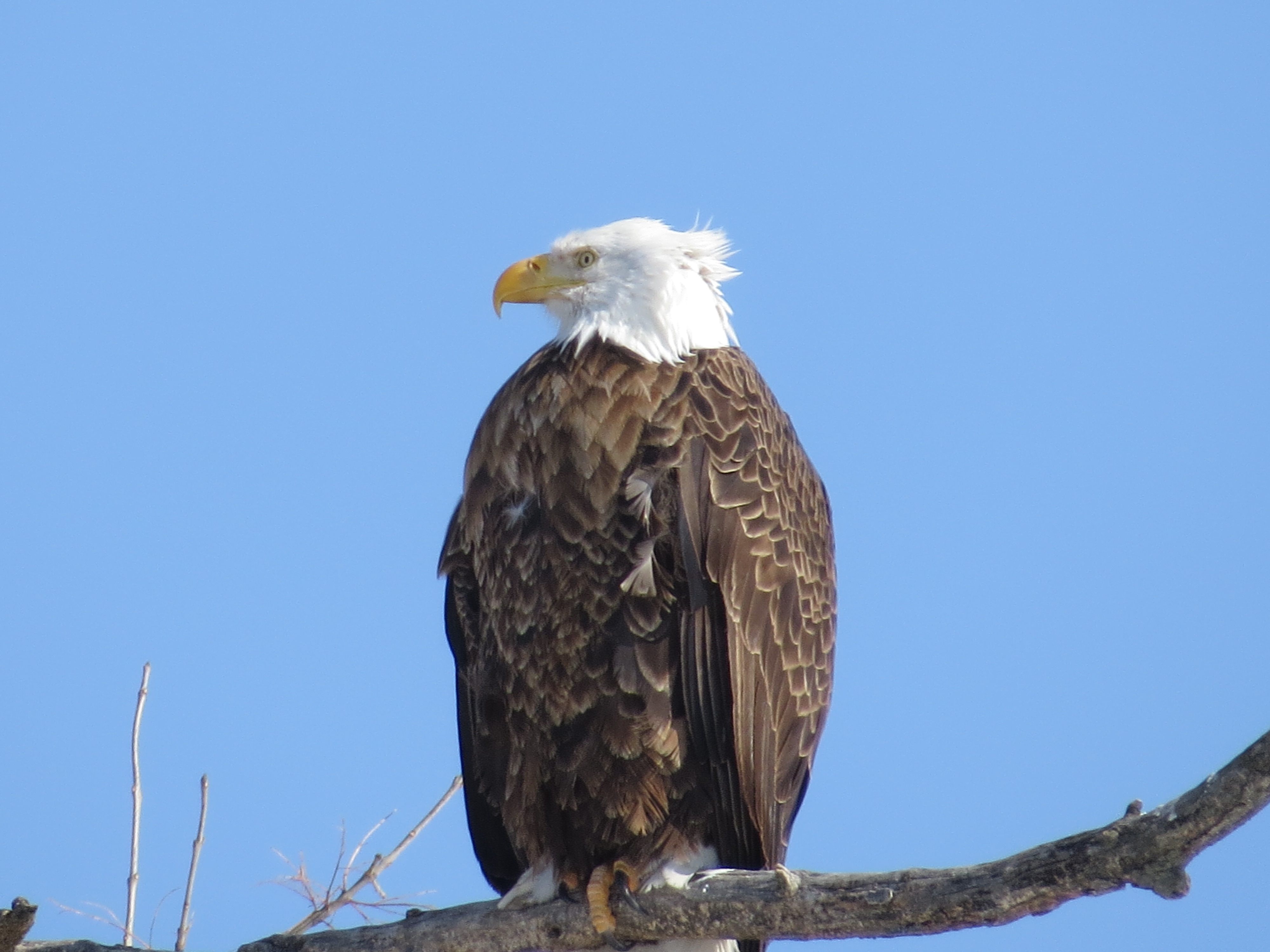
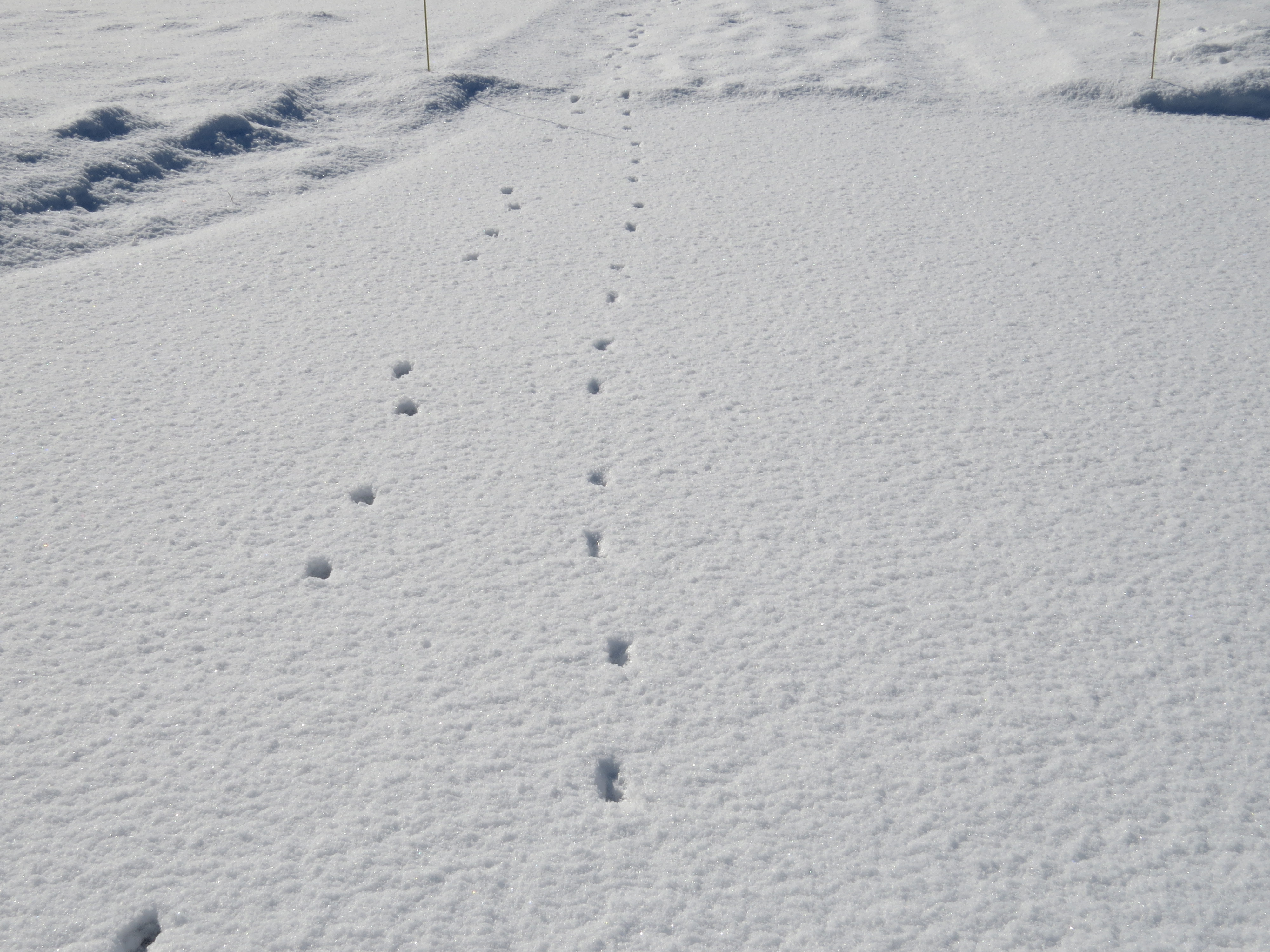
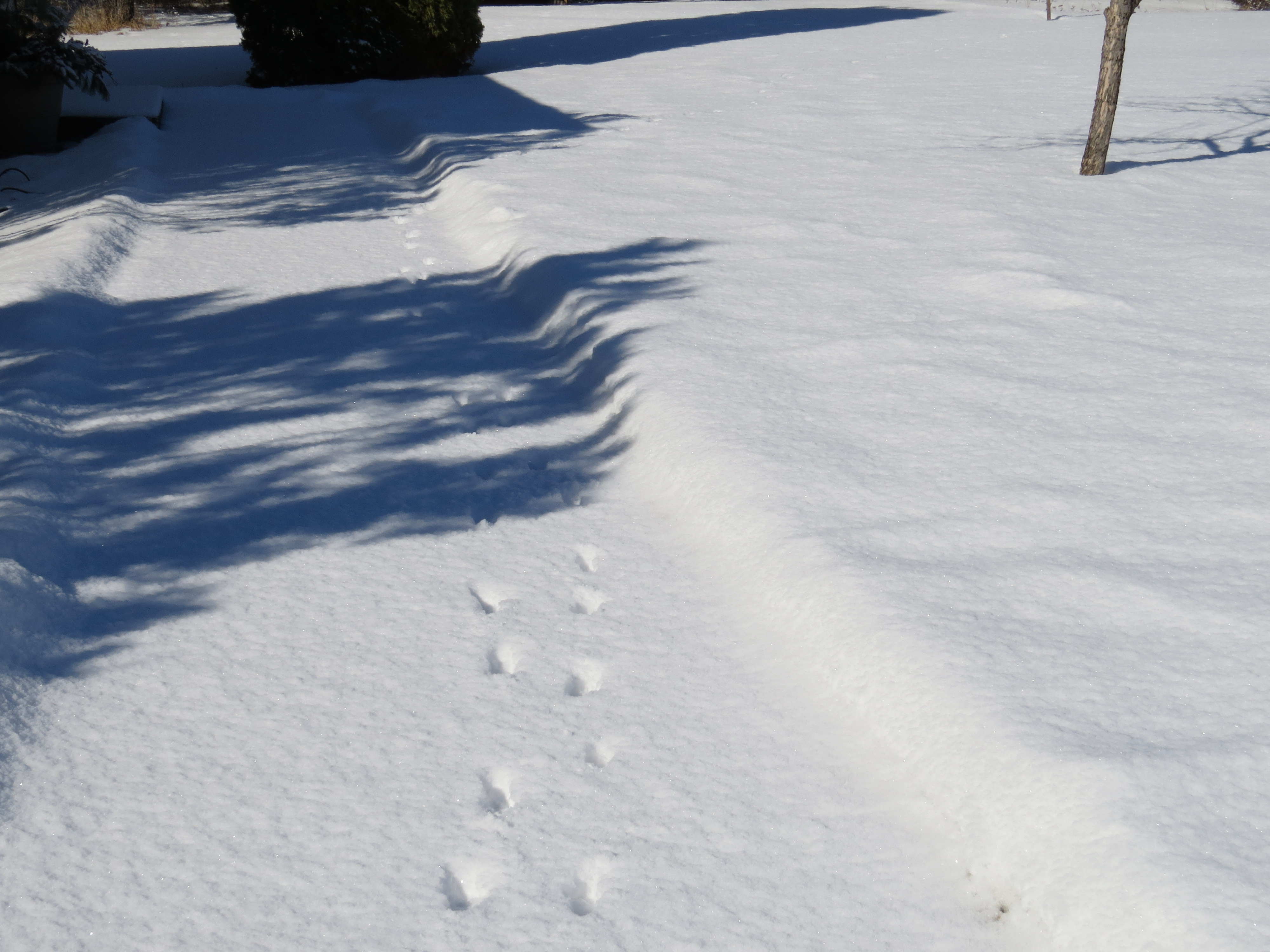
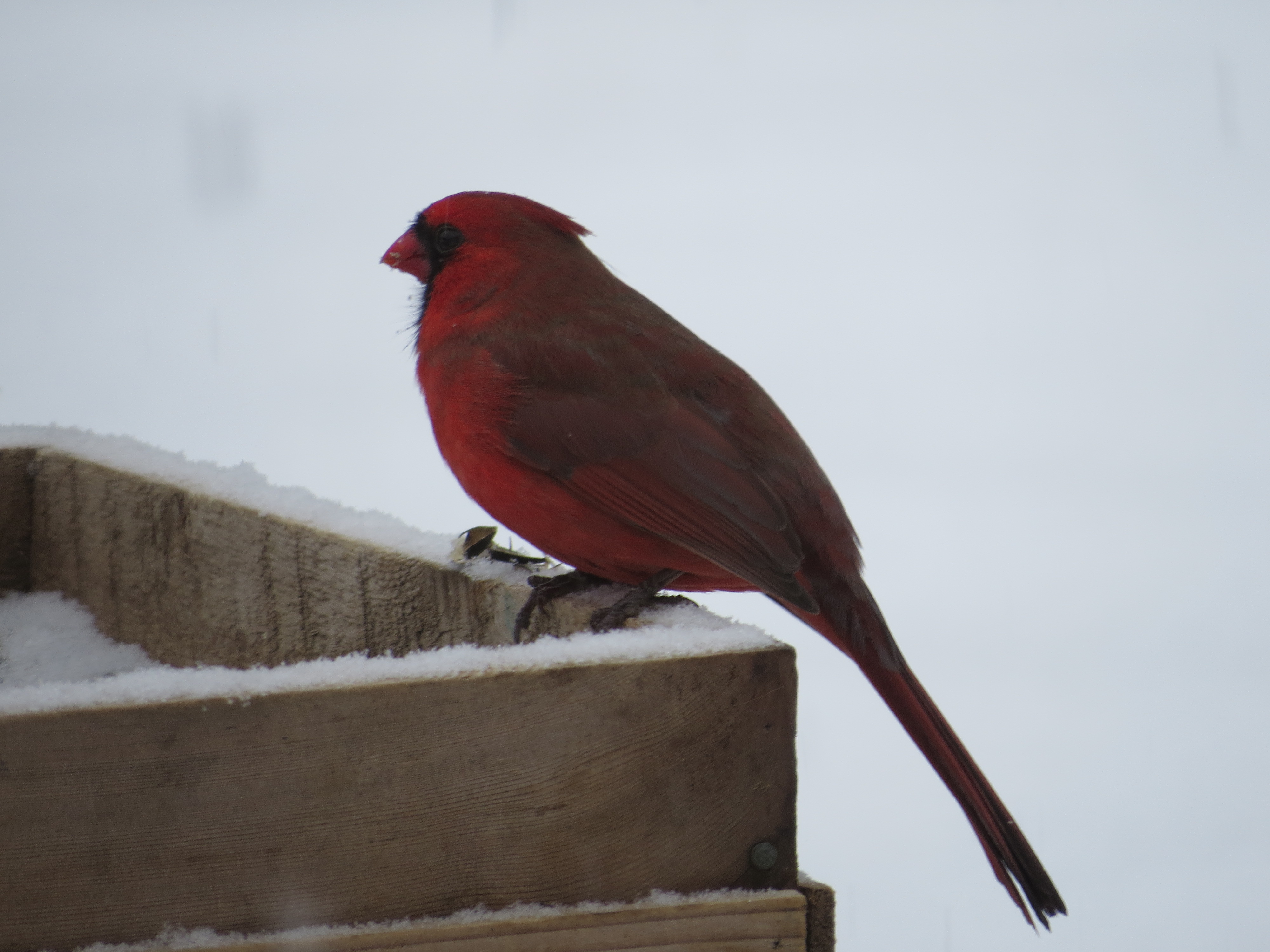
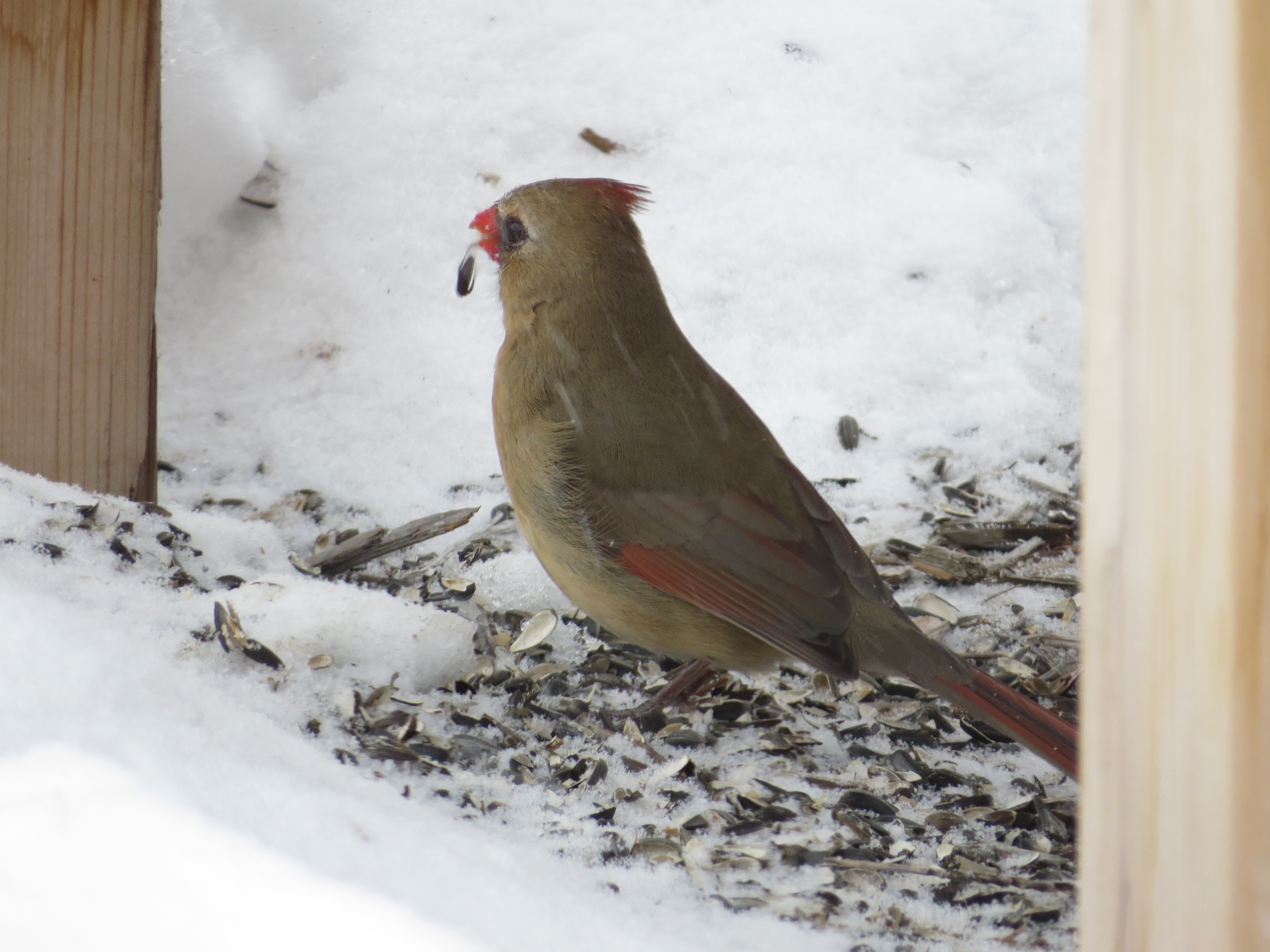
Why would anyone choose therapy that seems so hard and harrowing? Not everyone who chooses is in the midst of a crisis like I was, but at the time, I just needed some relief from the pain of the crisis. I didn’t know how hard the journey of relief was going to be. But even in the midst of the difficulty, there was relief as well as exhaustion in the artesian well of tears that flowed from my eyes. There was relief when another puzzle piece clicked together where before there was a numb emptiness. There was relief in developing an awareness of myself where before there was an outsized fear of what could happen. There was also an immense sense of holiness I felt during the process and certainly looking back at it. It was hard, holy work. God was with me then just as God was with me during my young years when fear controlled my narrative. The harrowing trek was worth it. The crisis was there for a reason. It pushed me to action, it pushed me to truth, it pushed me to awareness. I didn’t have to reject any pieces of myself or of my life anymore. The black and white sorting bins were gone. And with that reconciliation came more order, more control of my life, and more safety—all of the things I yearned for when I was young. My adversity led me towards fruition. It’s not like I have arrived—I’m still on the journey. Things can still shake me and make me want to go back to hiding in fear. But Nature helps me breathe deep relaxing breaths again. She shows me how shadows can become butterflies. How curiosity partners with knowledge and truth. How treasures can show up on our doorstep in routine life and when we least expect but need them the most. Nature shows us how Goodness is restored.
The Things We Carry
Texans are carrying a heavy load this week. Four or five inches of snow, even some ice, does not in and of itself make a crisis. The crisis comes with lack of expectation and preparation. Even warnings—empirical and/or logical—of something possibly happening are often ignored when we don’t or cannot wrap our minds around them. Our brains love the same wired routes our neurons provide for thoughts and feelings that occur over and over again. A pandemic killing half a million people in a year—no way! Mask-wearing the whole world over—are you crazy?! A rioting mob trying to stop the confirmation of a new president in our Capitol—that’s not going to happen! A deep-freeze in Texas—get real! The past year has attempted to re-wire our brains.
So our daughter Emily found herself carrying buckets full of snow into the house to dump into the bathtub. It’s what one does when no water flows from the taps. Luckily she has had experience living in the wilderness where electricity is the lightning and running water is a river. But she humorously disdained her pioneer life in urban Austin—that’s not what is expected, not what she was prepared for in that environment. Not what any of them were prepared for. It begs the question: What are we personally and we as an entity of this country willing to carry? And why?
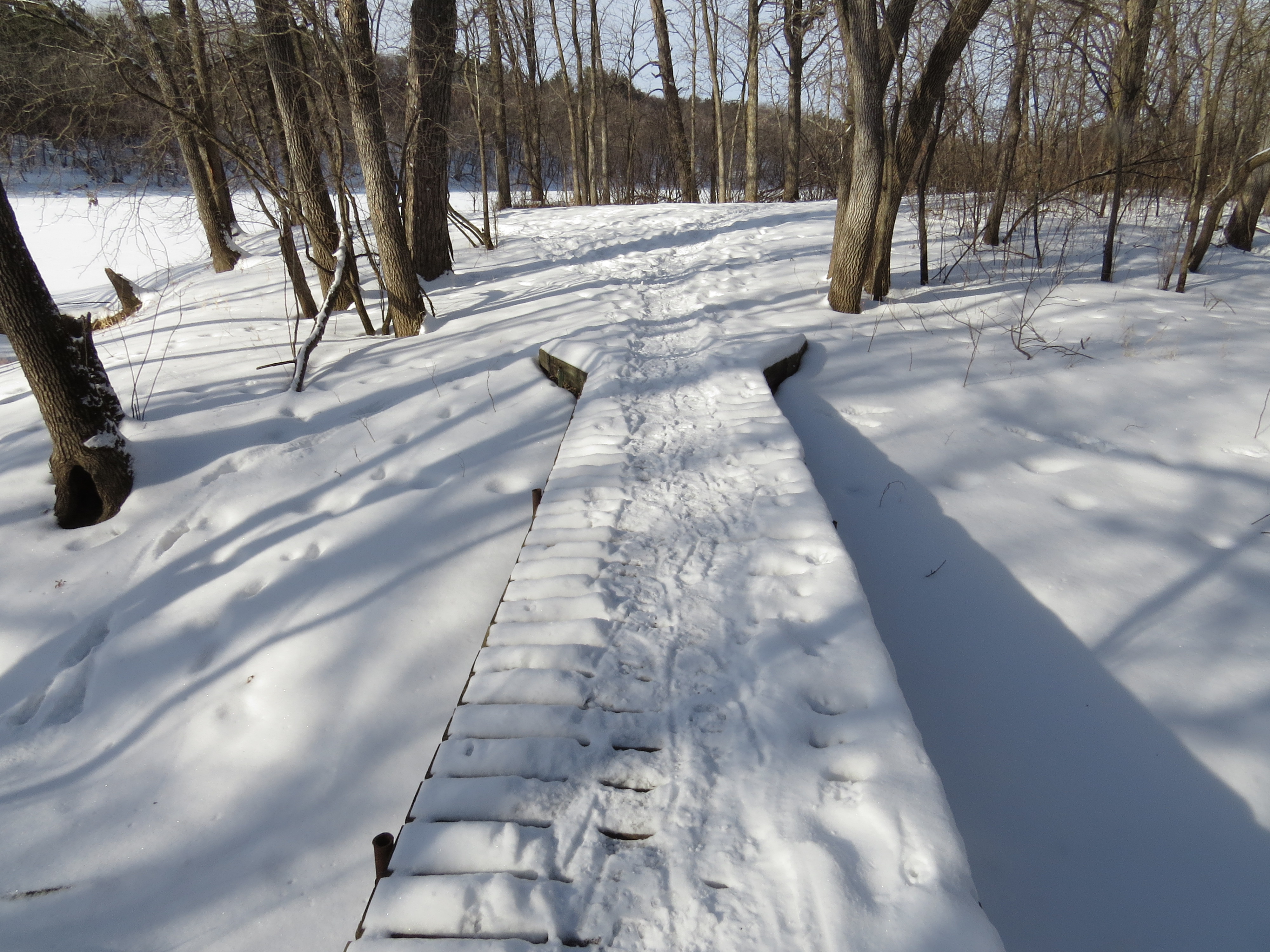
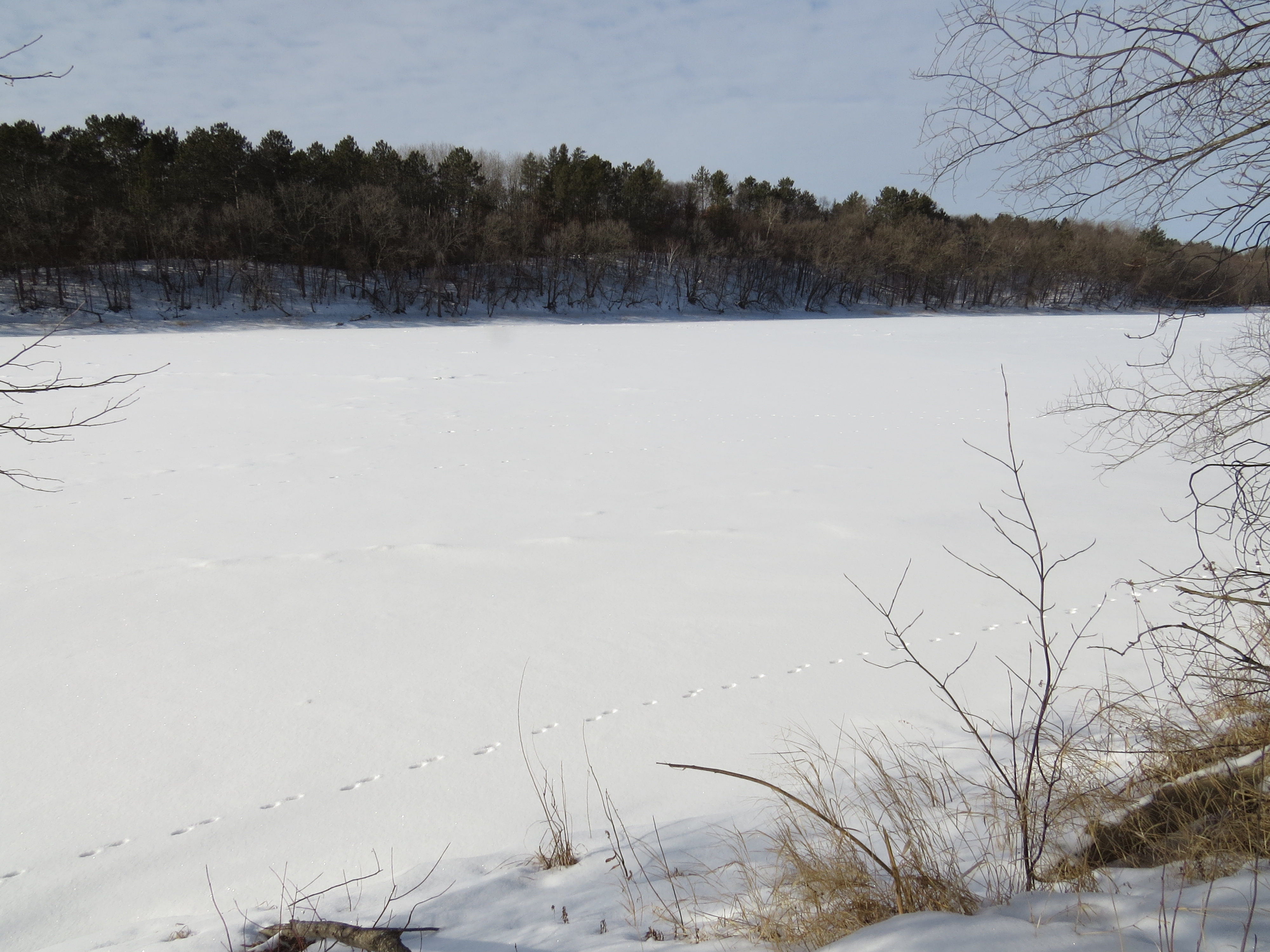
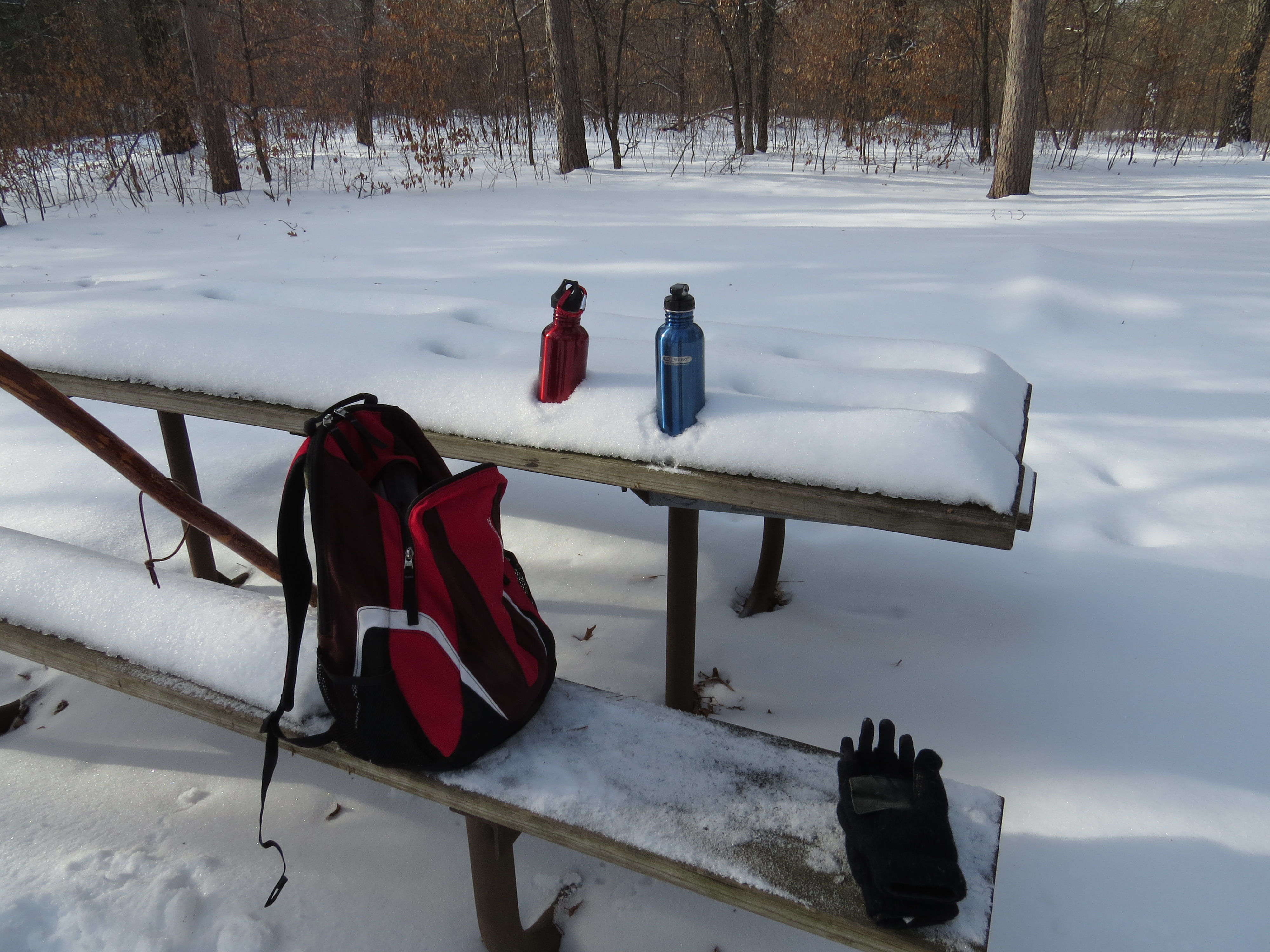
I carried a backpack on our snowshoe hike at Crow Wing State Park at the end of January. I had realized on a previous outing that I became much more dehydrated while snowshoeing than hiking, so packed some water and a snack for each of us. We also had a place to carry added or subtracted layers of clothing, depending on the weather. The road to the campground was unplowed and barricaded by a pile of snow, so we made our tracks through the flurry of white. The campground was a snow-ghost-town, returning to the forest for the season.
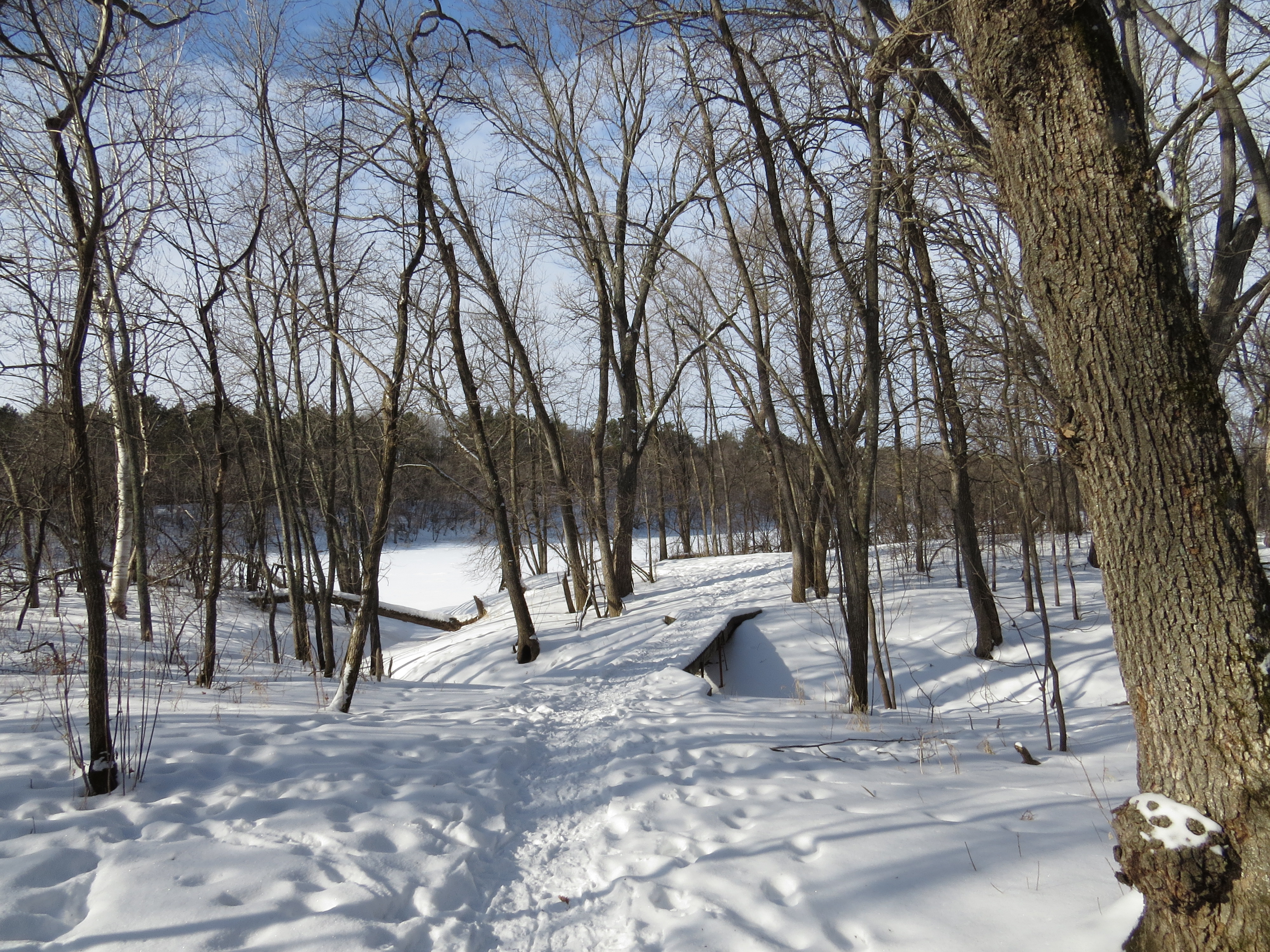
Part of the trail followed the Mississippi River, and we traipsed across a wooden bridge that spanned a ravine that led to the River. That was certainly easier than trekking down and up the ravine in our snowshoes.
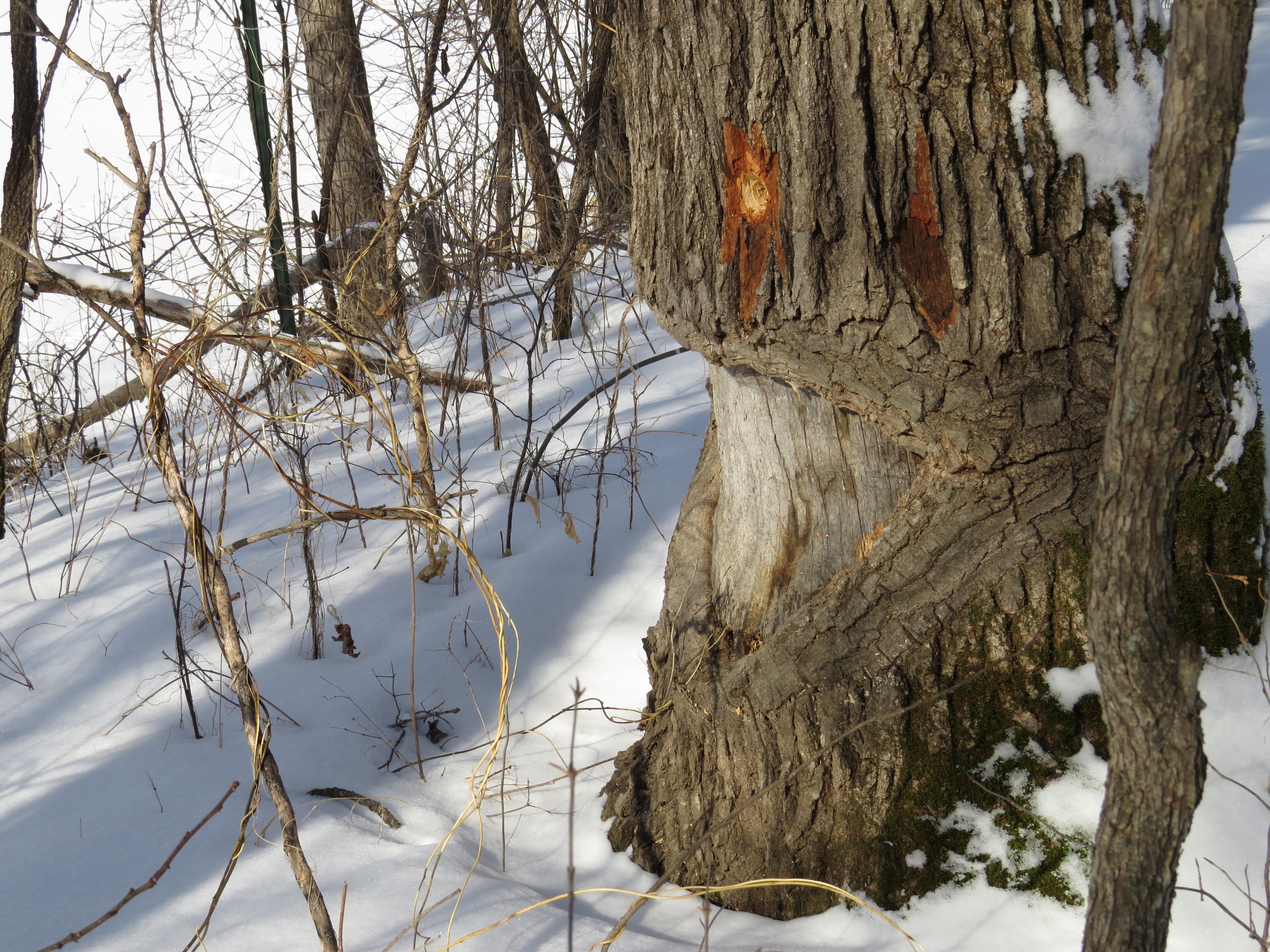
We saw a very large Oak tree by the River that had an old beaver wound on it. Other trees in the area had been taken down by beaver, but what an ambitious attempt on this Oak many years ago! Right above the old wound was a new wound made by a Pileated woodpecker. All living creations carry their hurts and their wounds.
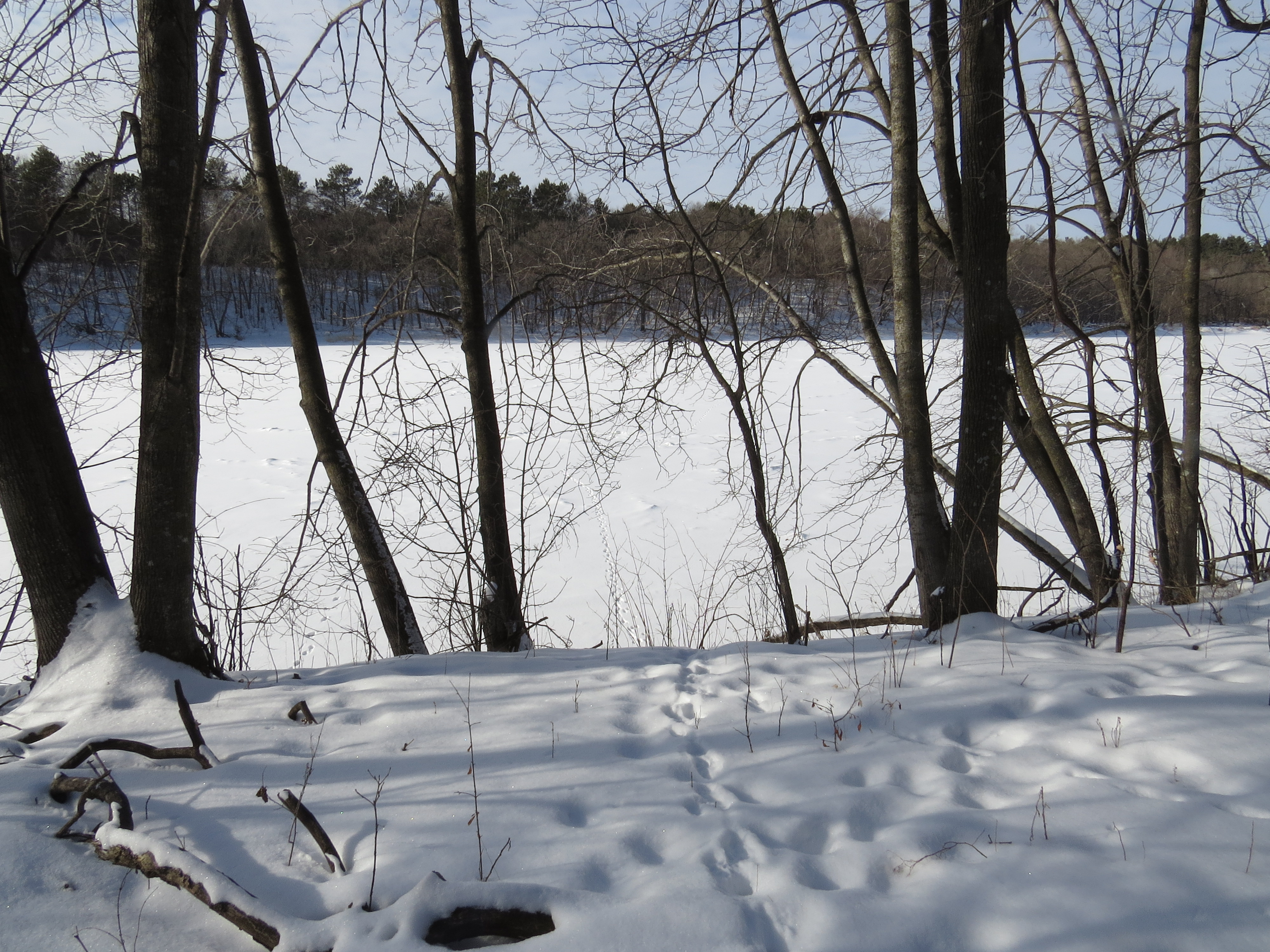
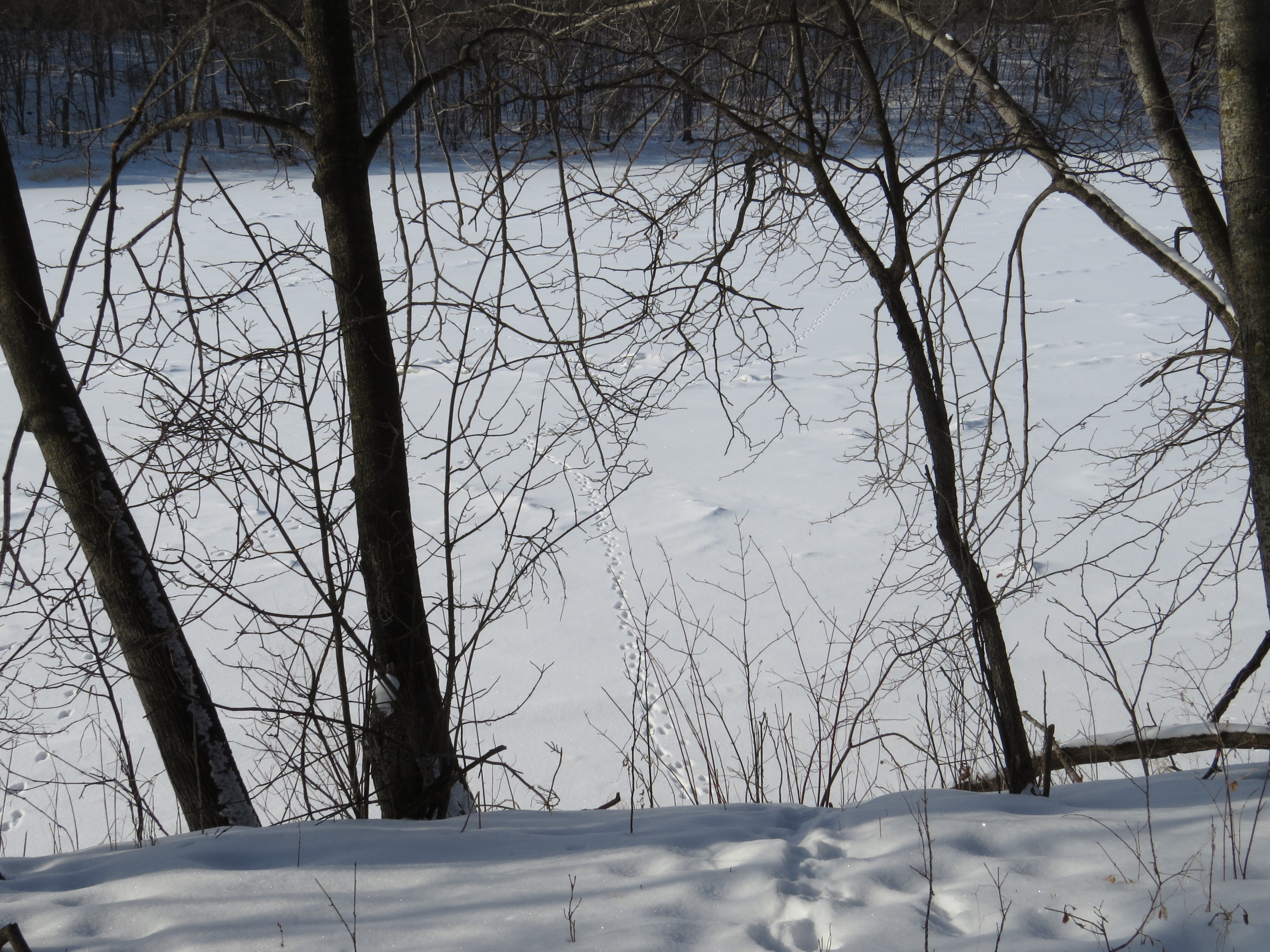
Deer tracks led to a steep precipice high above the River…and went over the edge, down the embankment, and crossed the River. I was amazed a deer would choose such a steep path, but perhaps it was being chased. We do extraordinary things when we need to.
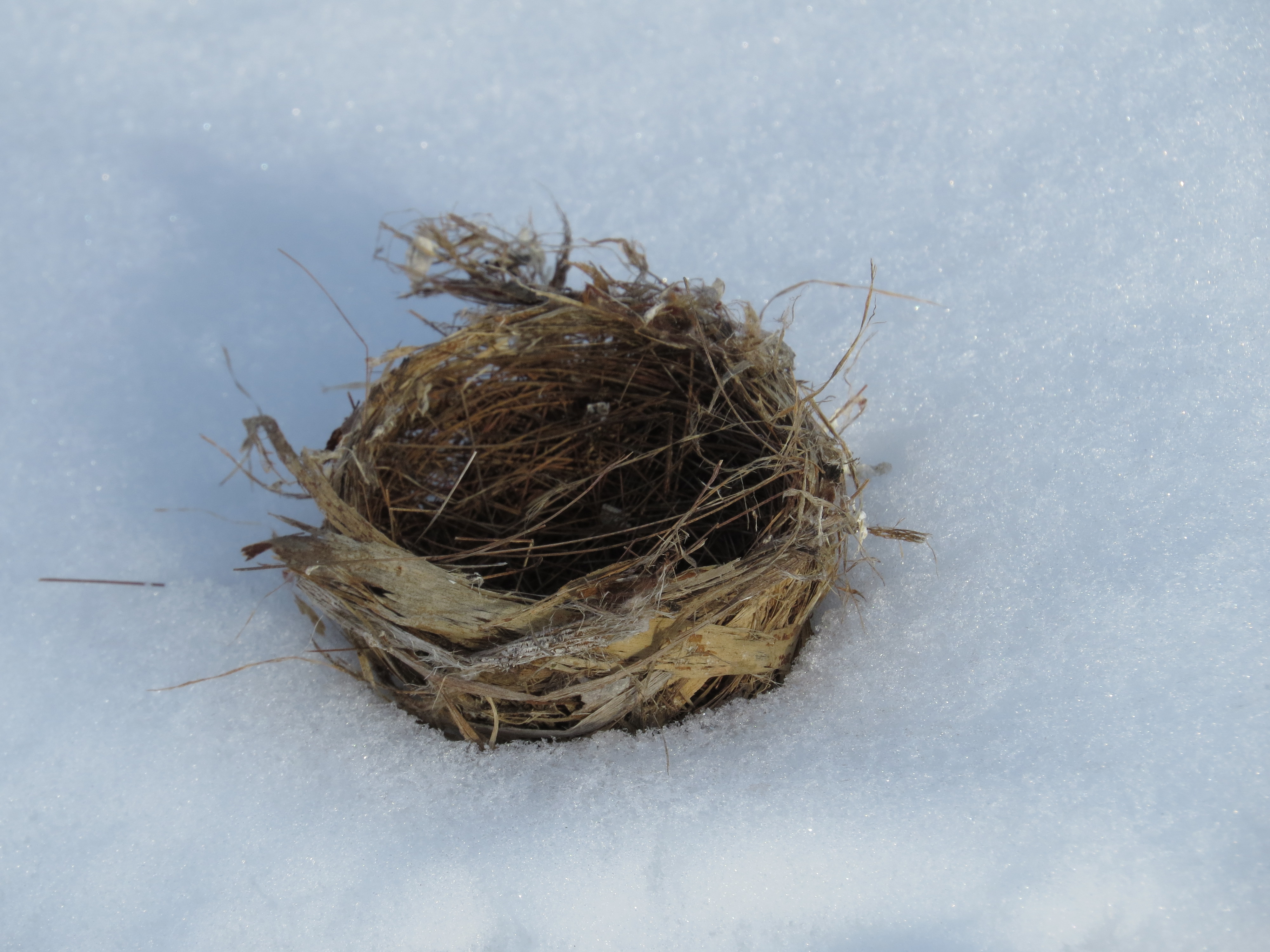
A newly fallen nest, last year’s home for some bird family, would not be seen in the brown leafy litter of Fall, but it stood out in sharp contrast to the white, sparkling snow crystals of Winter. Unseen or highly visible often depends on the background, the exposure, and the deemed value.
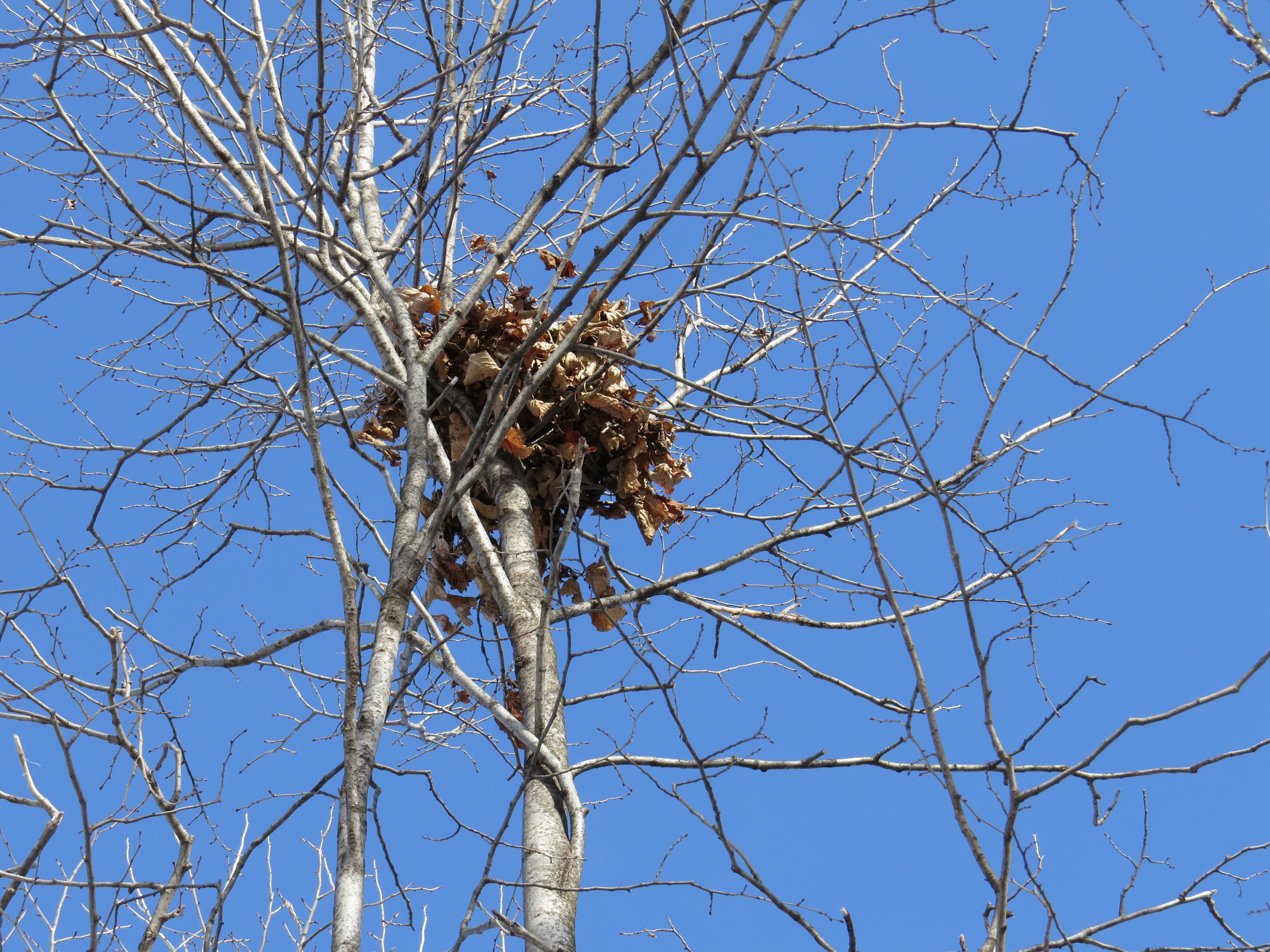
As I looked at the nest in the snow, my eyes lifted upwards to the treetops where a squirrel’s nest stood out against the sky-blue sky. The home of the sky-bird was on the ground, and the home of the ground-squirrel was in the sky. Sometimes it’s a topsy-turvy world.
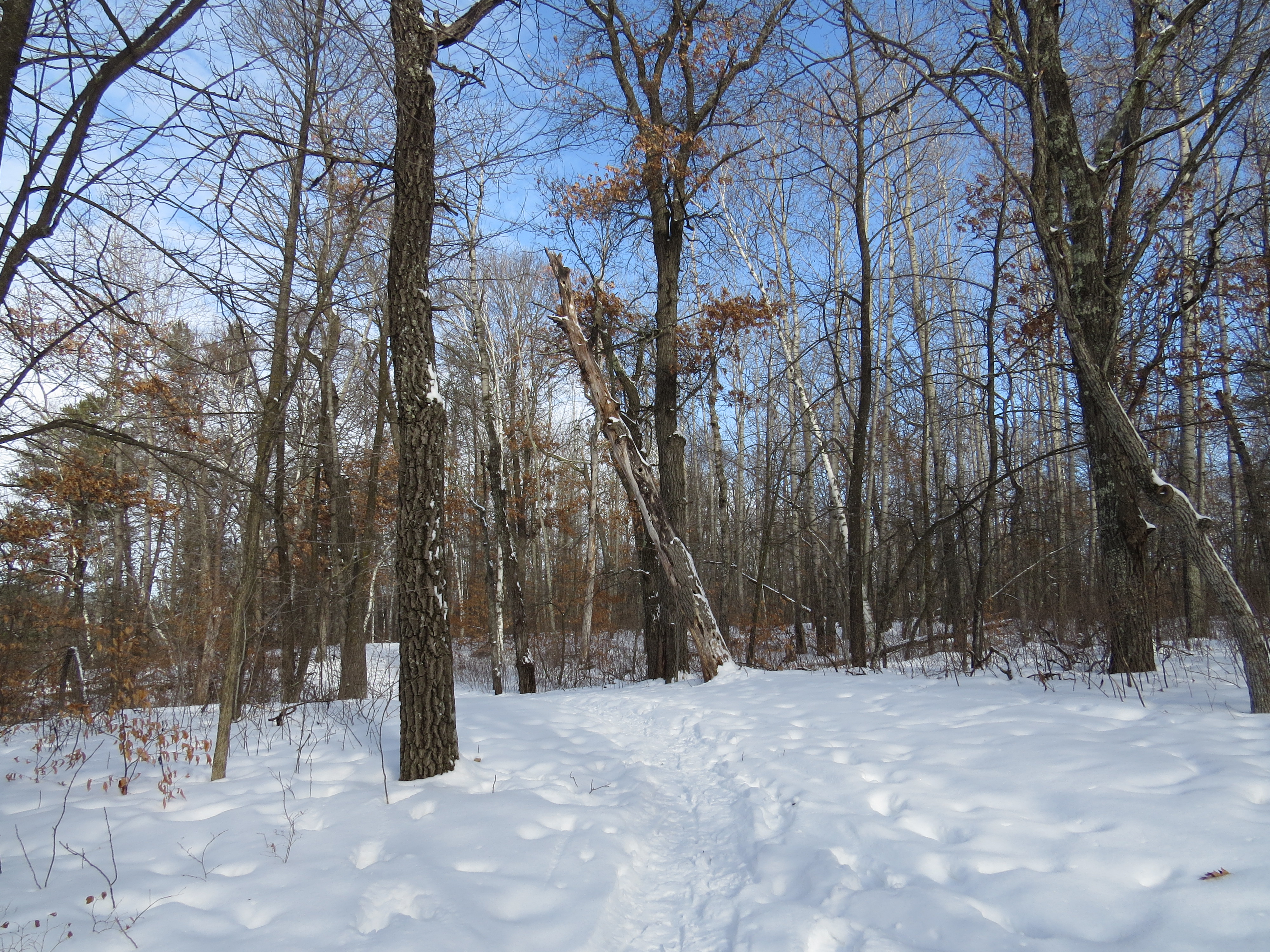
We continued along the River, heating our bodies with exertion in the teens-cold chill.
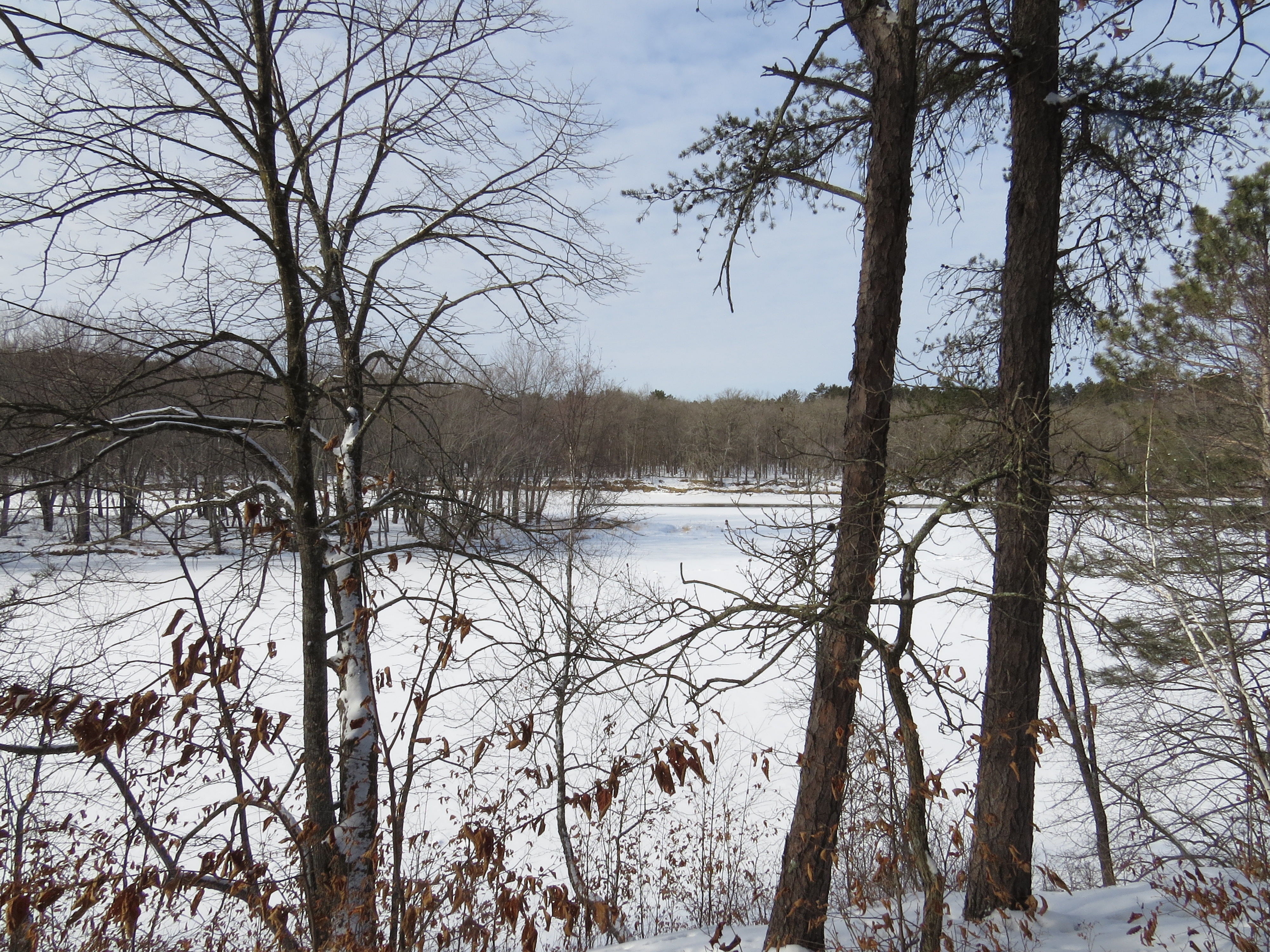
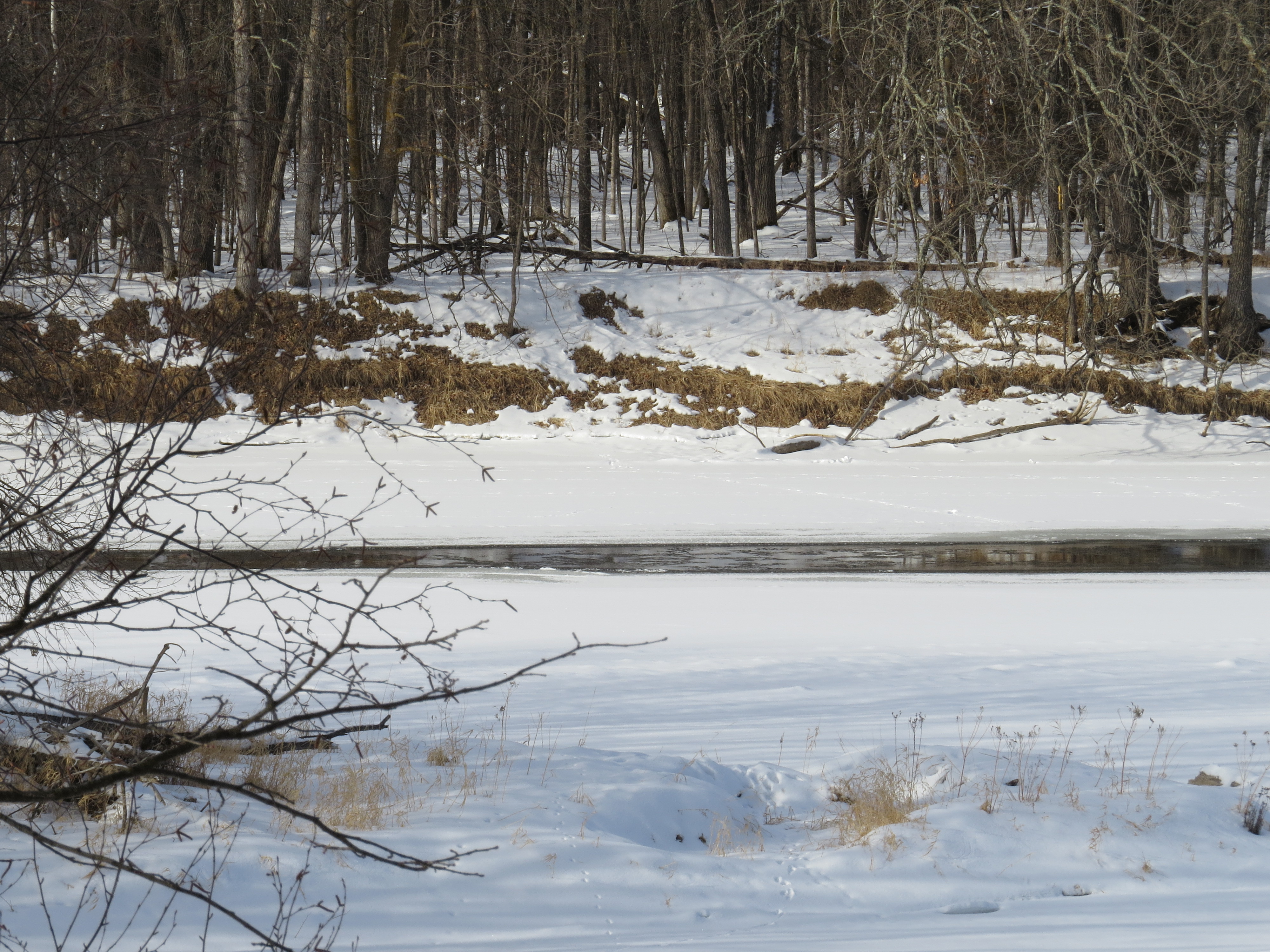
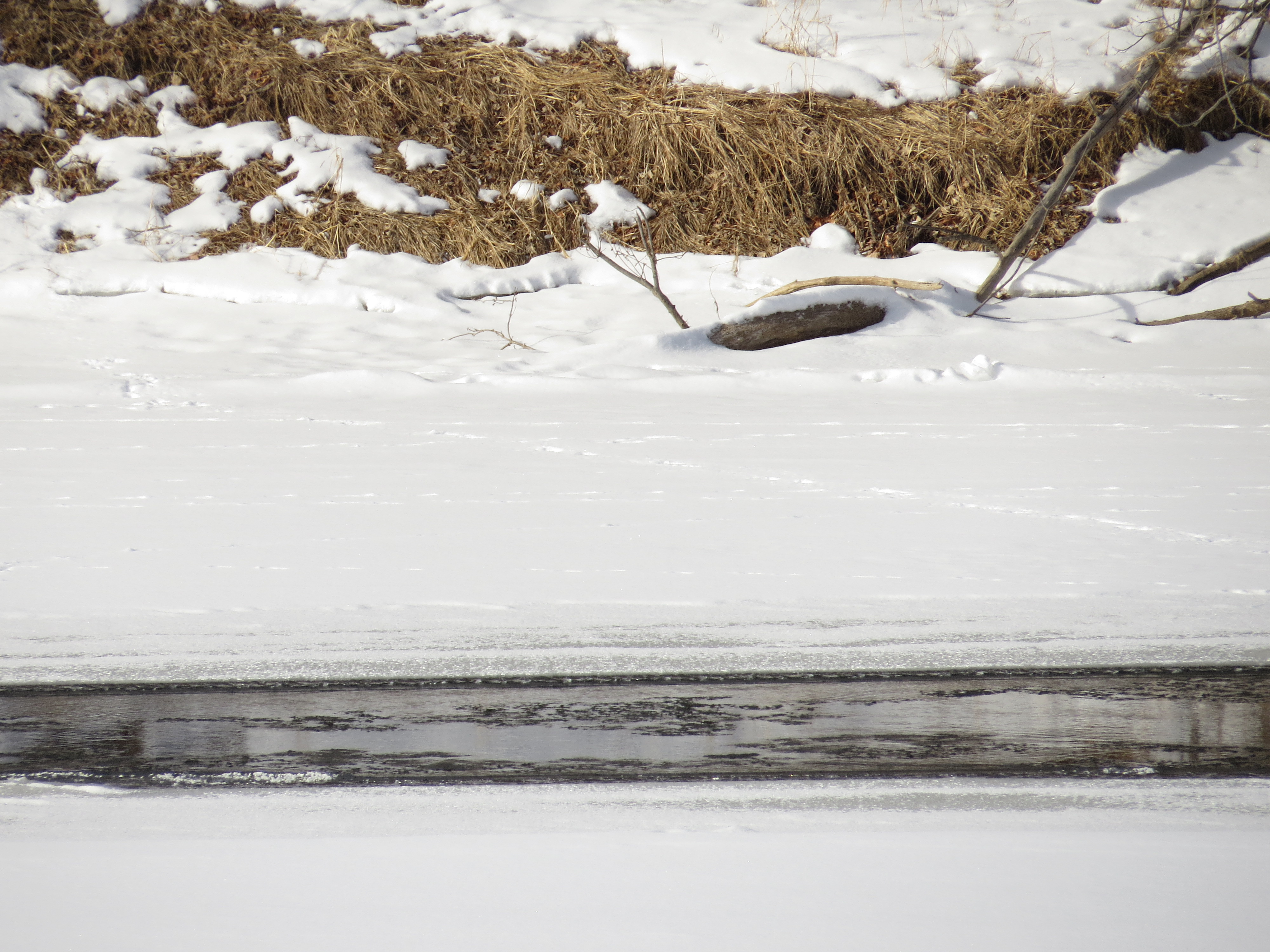
A dark stripe beyond an island revealed the River wasn’t completely frozen over despite most areas with foot-thick ice. Not expected. Dangerous. I hope the deer didn’t barrel across the ice and fall through the crack.
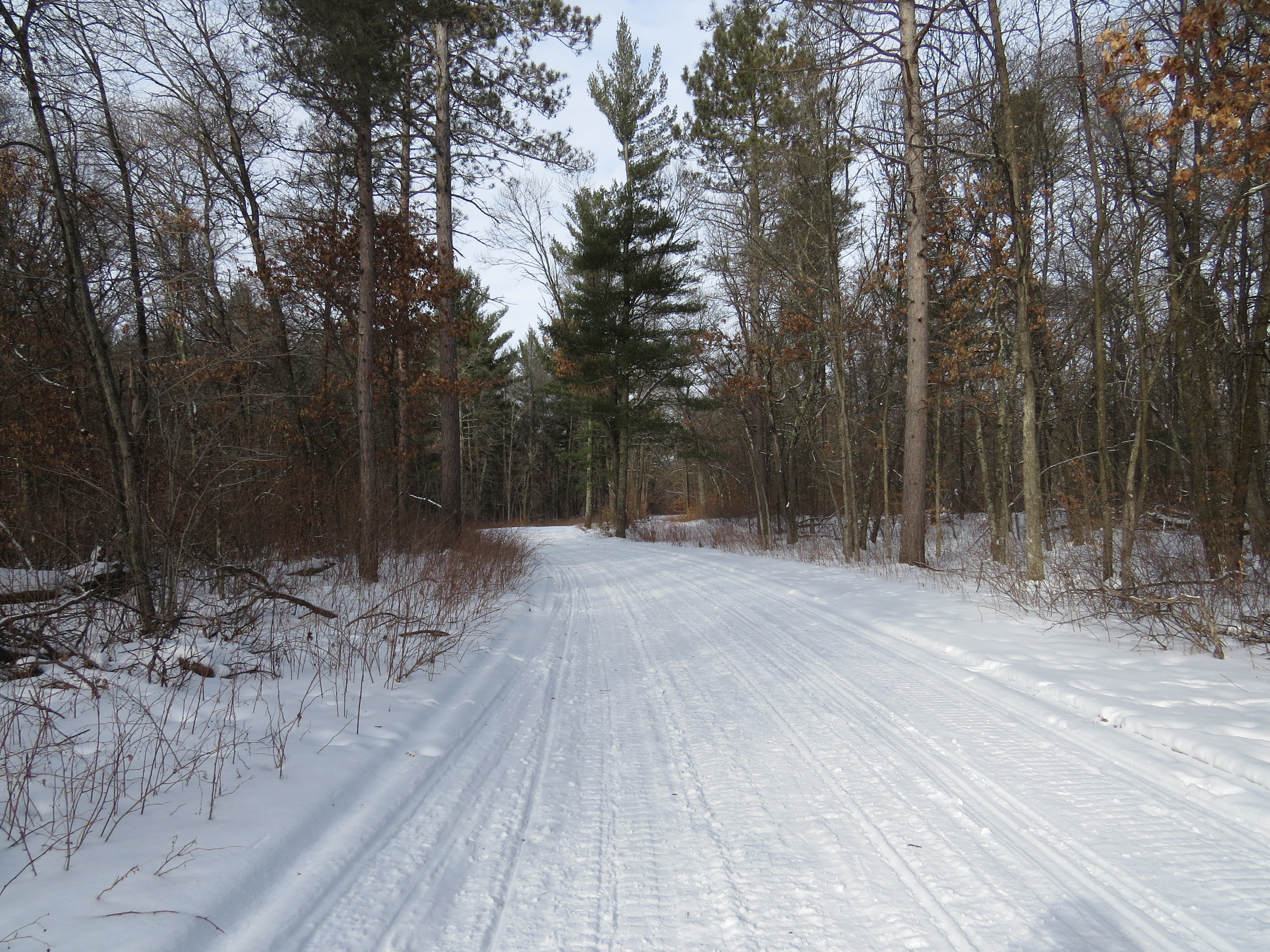
Our single-file trail opened up to a wide road used by snowmobilers. A road that can carry many people.
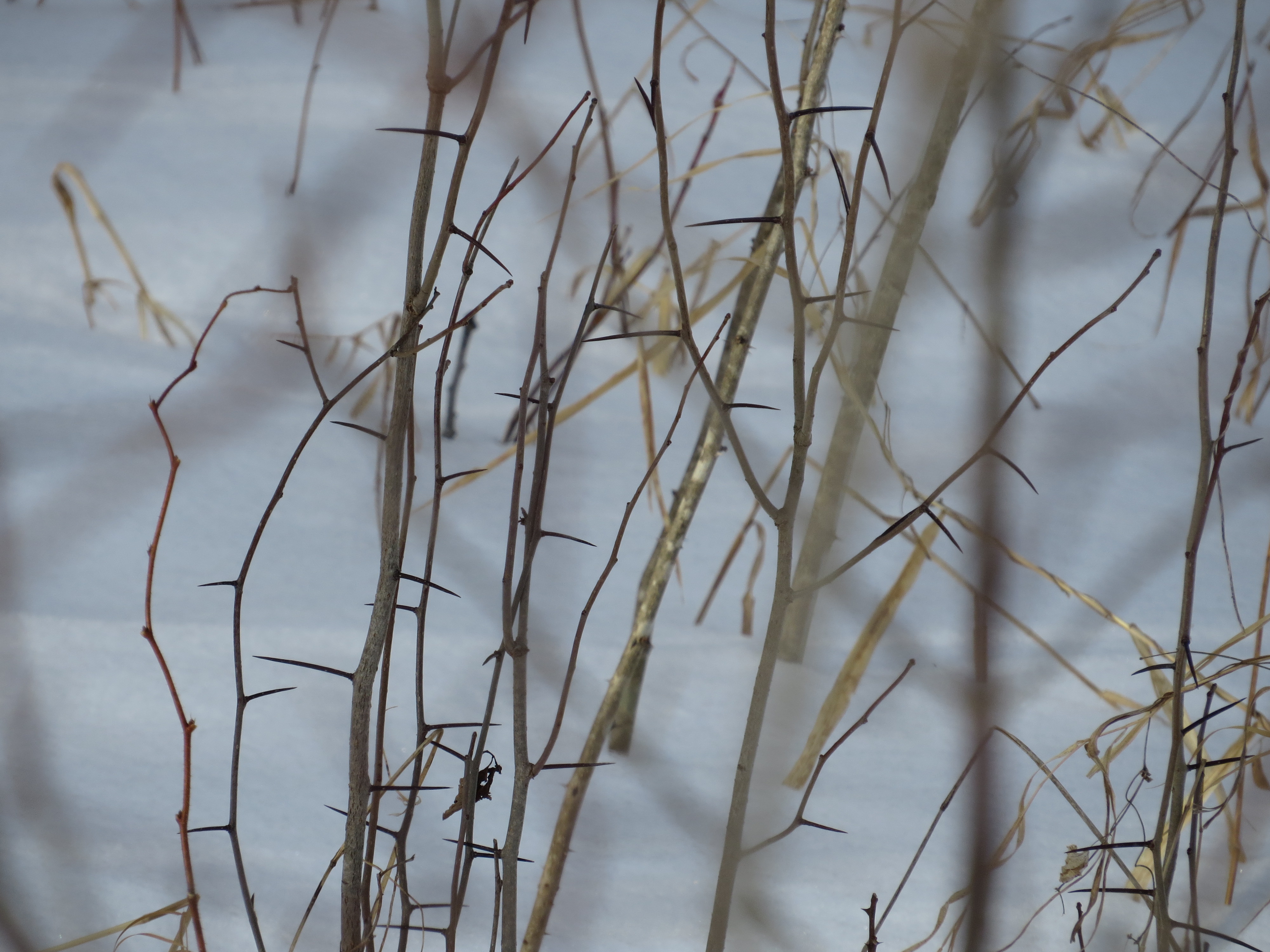
As we circled back to the campground, we passed through a low-land, a wet-land, a frozen swampy area. The leafless branches of a Hawthorn shrub exposed the sharp thorns that are usually camouflaged with foliage. Along with our wounds, we also carry barbs that we use for protection, but that can inflict harm, either consciously or unconsciously.
Back at the campground, we stopped for a water and snack break. I had felt my energy waning and my throat getting dry on the previous leg of the trail. I was glad that I had prepared for that and carried supplies with us. With water and a granola bar to renew my strength, we snowshoed back to the car.
What are we willing to carry and what makes us, compels us to do so? As parents, as mothers, we literally carry our children for many years. For most parents, whatever burden that may bring is worth it. Worth the energy, worth the time, worth the money, worth the wounds. There is an instinct we share with many creatures to protect, care for, and love our offspring. Add to that intention, education, societal norms, and creativity and child-rearing becomes an honor, an art-form, the work of our lives, and a means of growth like no other.
What are we willing to carry for others? For family members, for friends, for community members, and for strangers? What compels us to do so? Bridges make carrying burdens easier. How do we prepare and build bridges? What things that we carry are we willing to put down? Our thorns? Our wall of defense? Our prejudices?
Our brains like safety. Crises threaten that safety. Creativity and data allow us to anticipate crisis. Preparation ameliorates crisis, and intelligent and caring responses can help restore that sense of safety in a topsy-turvy world. Emily and the rest of the Texans will weather this storm, but just like the host of other crises that have plagued us this past year, we could have done better. The signs were there. The theory and the data were there. We could have been better prepared. Let’s rewire our brains.
The River Becomes a Road
There have been a number of times in my life when things are moving along quite smoothly, when all of sudden I am pulled up short. Stopped in my tracks. Now what? Now what the holy heck do I do?
I have a 1924 photo of my Grandmother dressed in trousers and a wide-brimmed hat standing in front of a large horse-drawn wagon that was loaded with all the family possessions. They were moving from North Dakota back to South Dakota. Imagine packing up your entire household into a wagon pulled by horses or oxen and traveling across the prairie! Many times when I see the Mississippi River, I think about the pioneers who traveled across the country in their covered wagons and were stopped in their tracks by the sight of the Great River. Now what do we do?
************************************************************************
I wrote the words above three weeks ago—and then, I got stopped in my tracks. The administrative side of my website was being all sorts of crazy—not saving my writing, not importing photographs, not sending messages to the web host. Now what the heck do I do?! Since I couldn’t finish my post, I did the only other thing that made sense at the moment—I made cookies! Lol! But the irony was not lost on me. My title ran through my mind again and again—the river becomes the road, the river becomes the road. Just as I was stopped in my tracks, I got a notice that it had been seven years since I had signed up for my website. Seven years. Nearly 400 posts. Was this obstacle trying to tell me something? Was this the end of the road? Was it time to settle on this side of the River and forget the crossing?
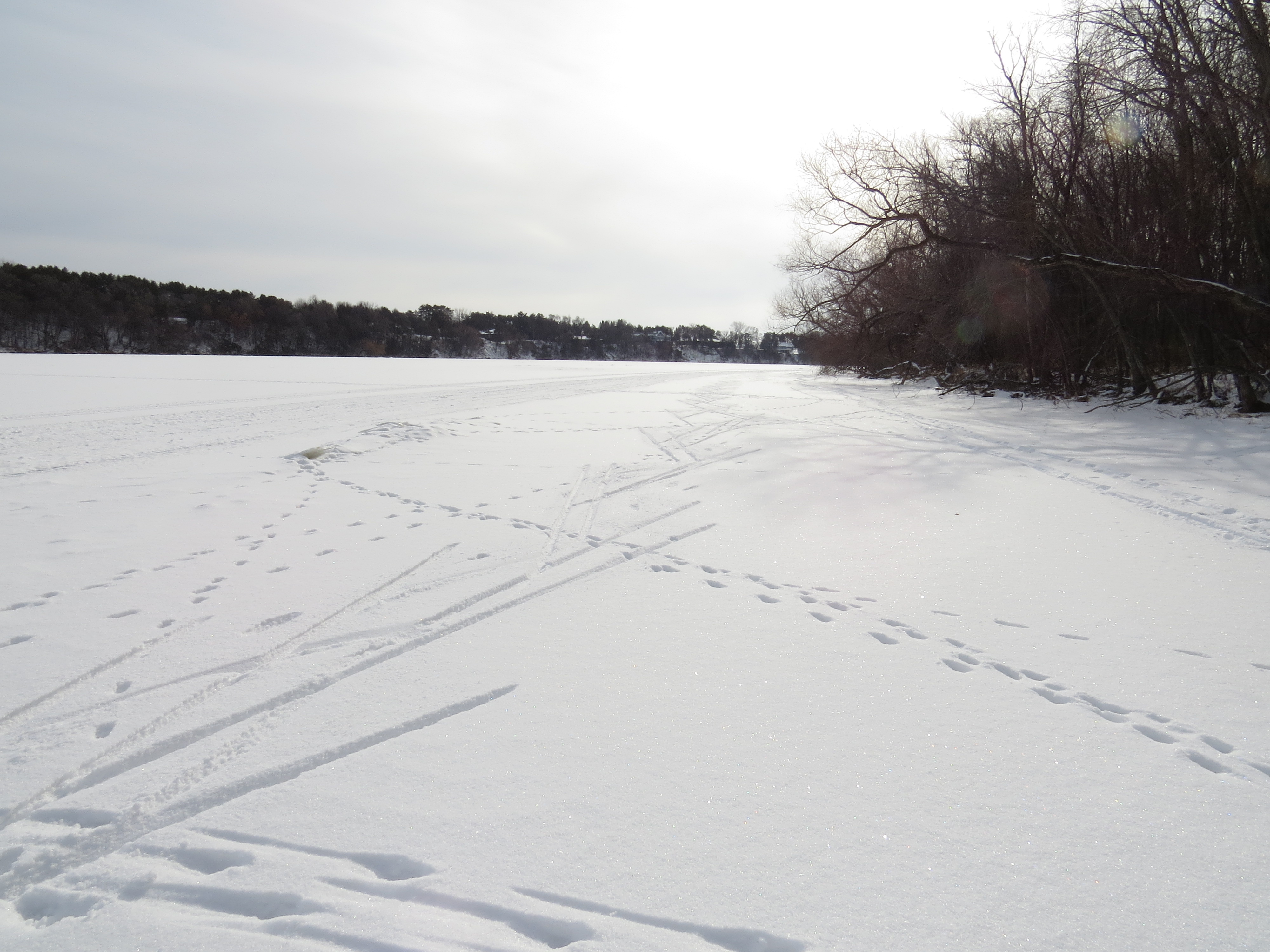
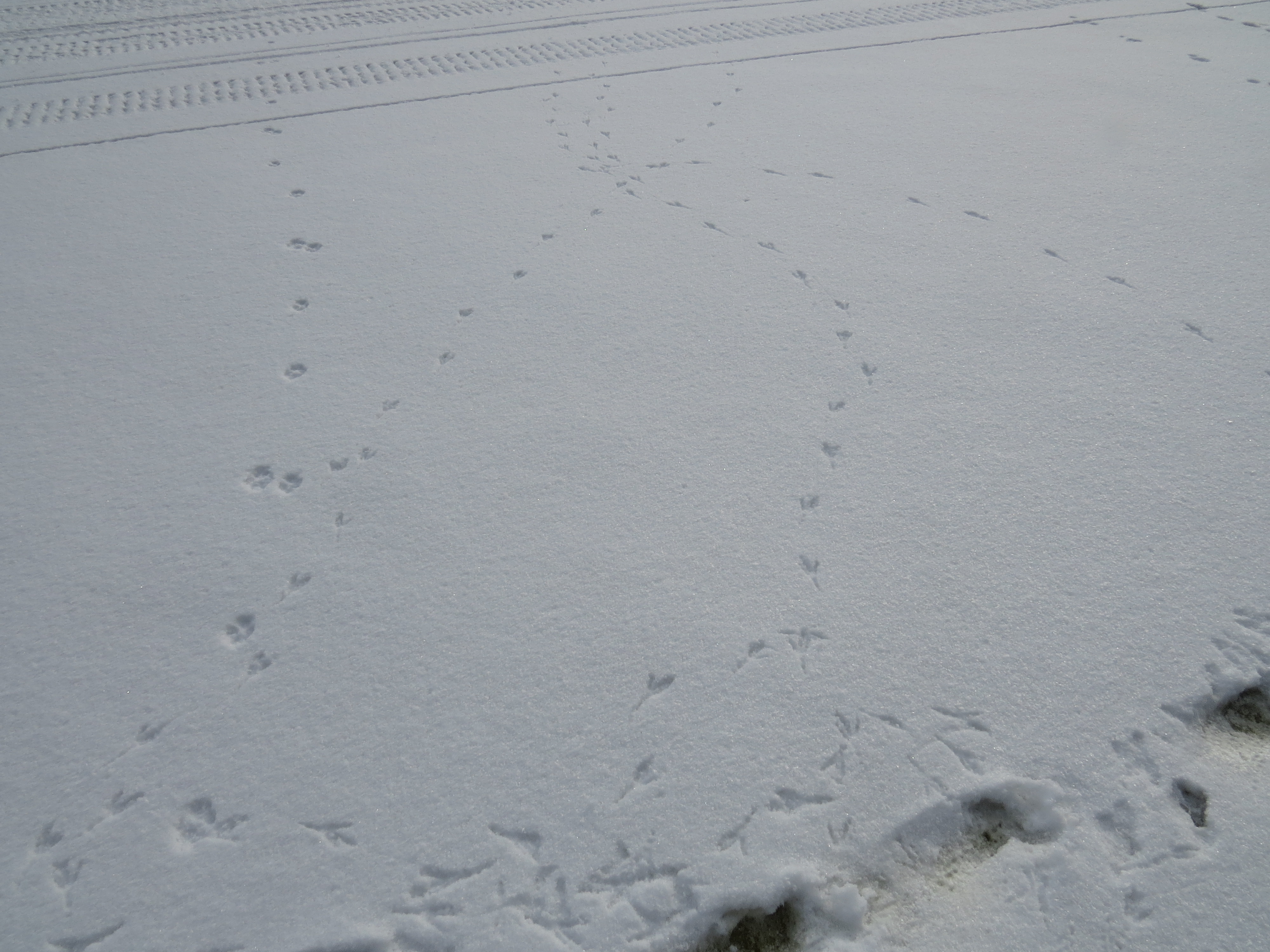
It was the frosty day we hiked at Bend in the River park, looking from the high bluff out over the River ice, that I noticed the tracks crossing the River. The deer and the fox are the first ones to venture across the ice. How do they know when it’s thick enough to hold them? How do they know when it’s safe?
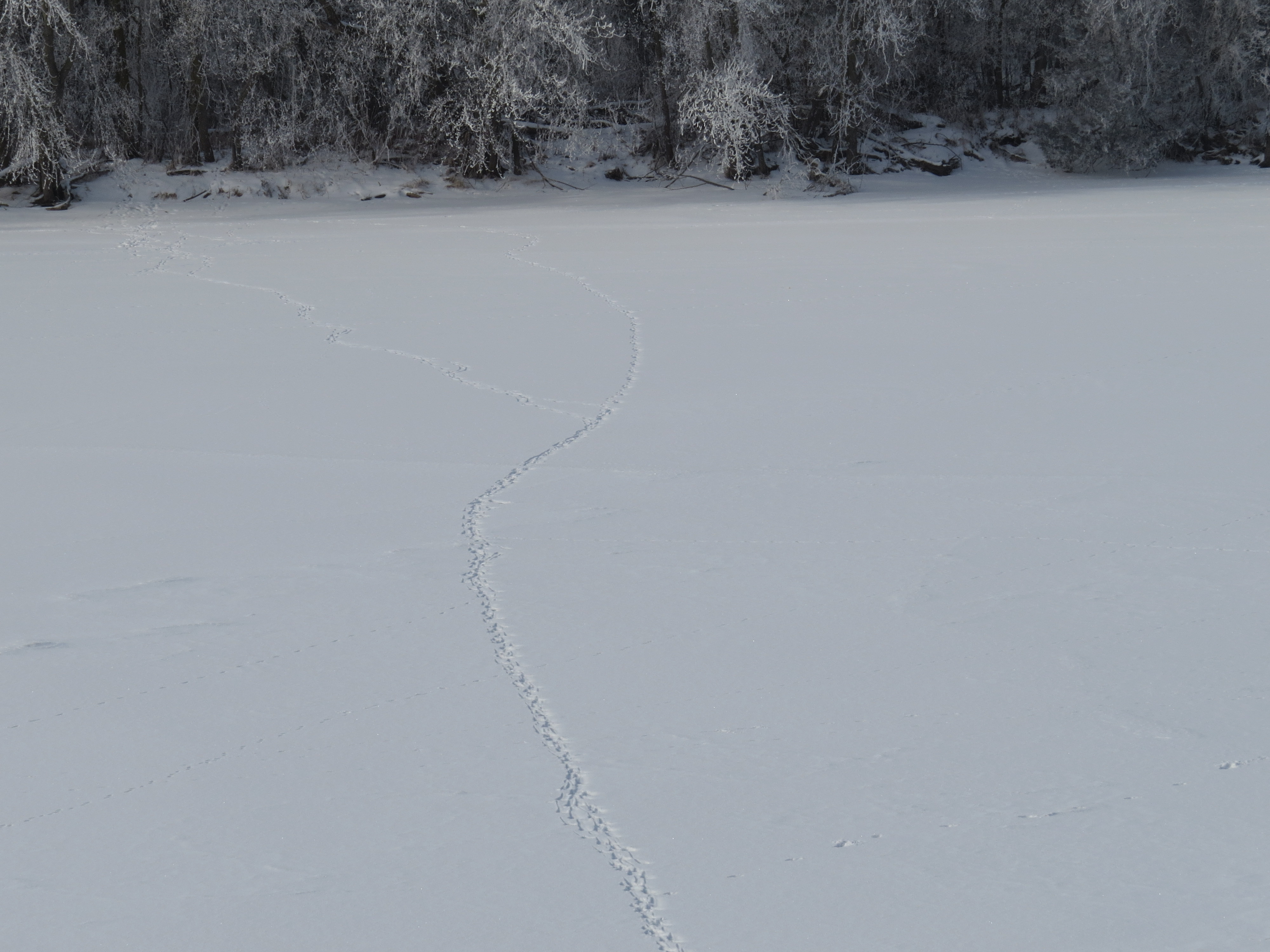
Two days later and with a tip from a neighbor who had drilled through the ice to actually check how thick it was, we decided to snowshoe on the River.
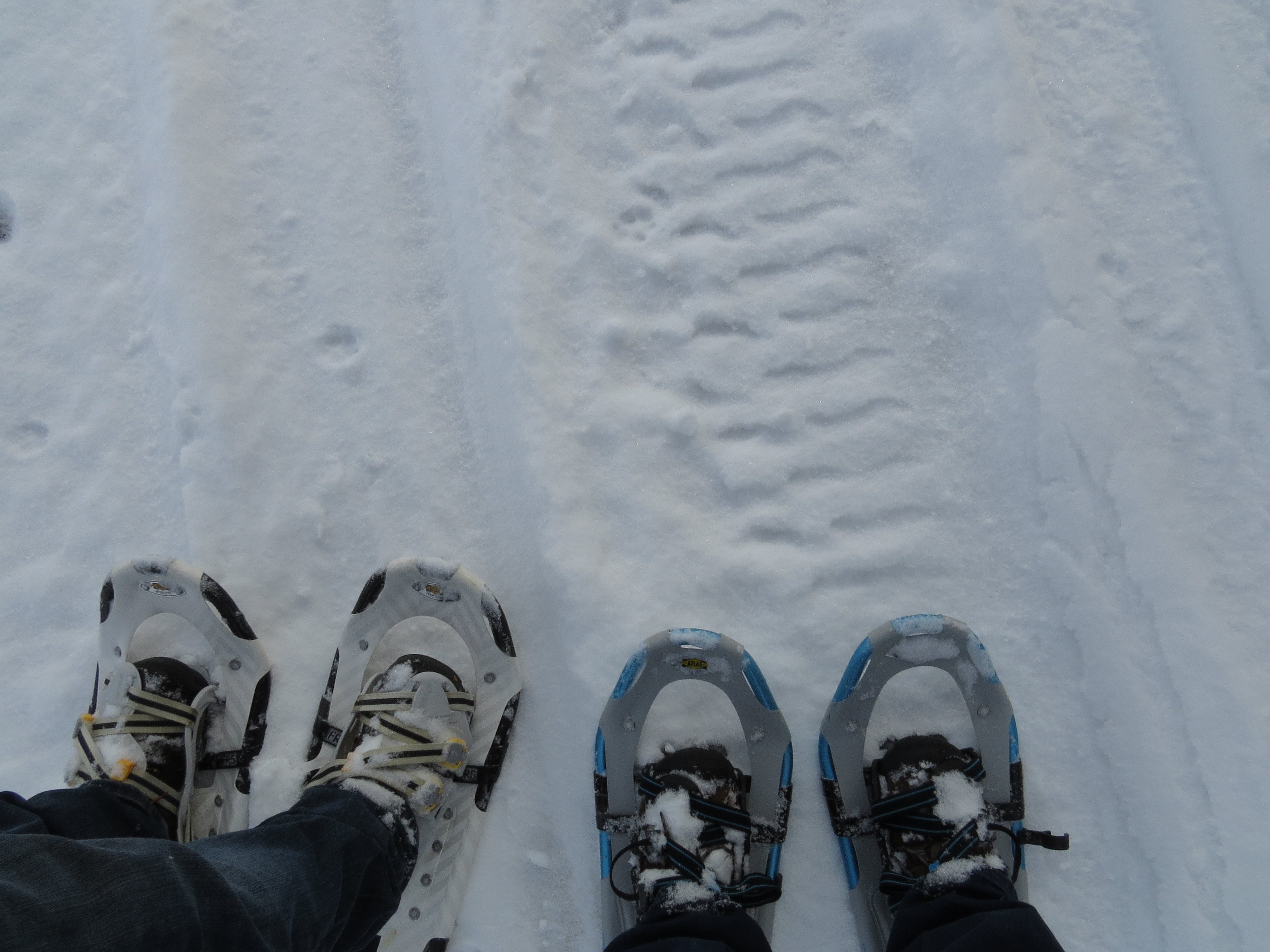
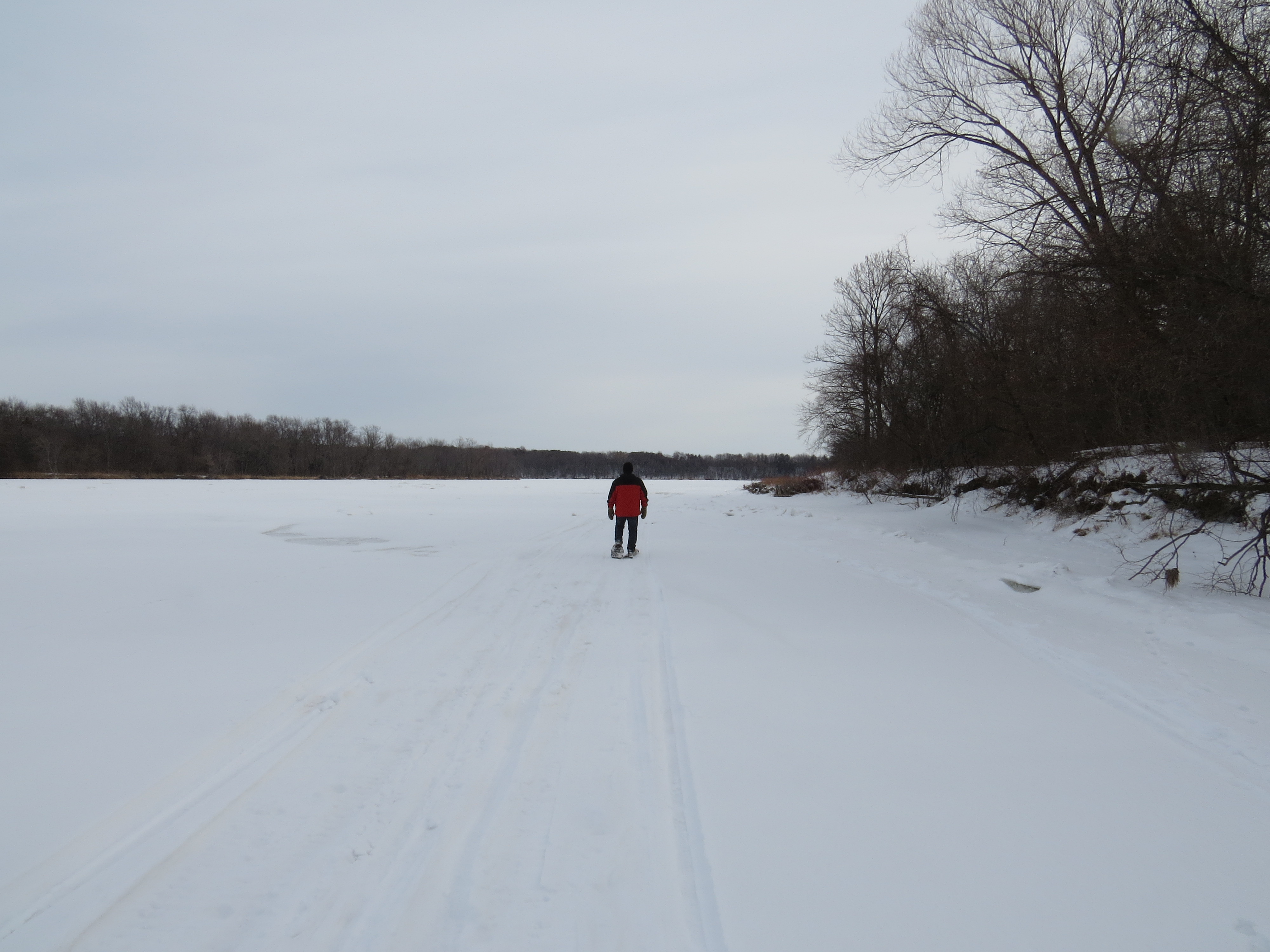
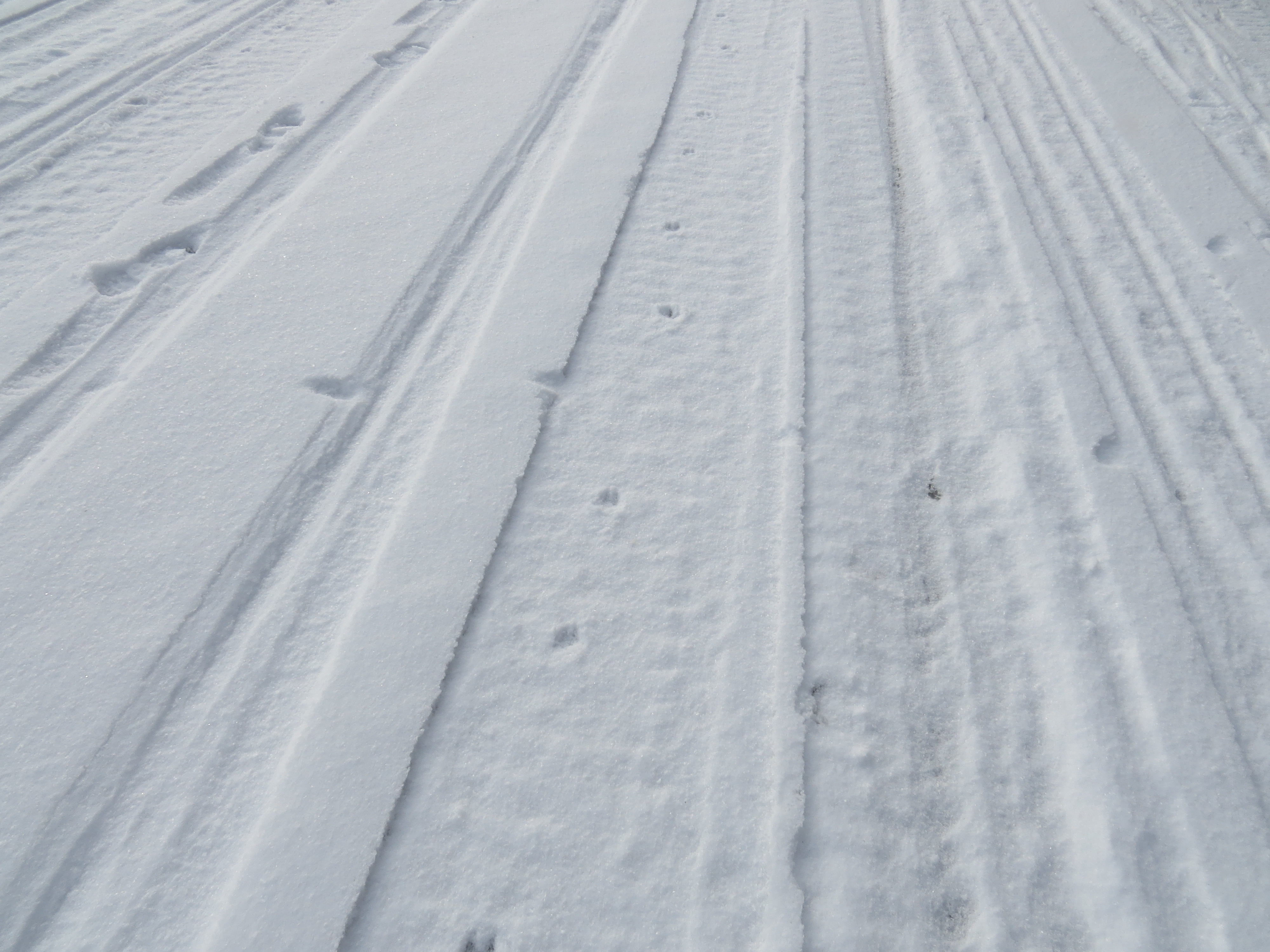
We were not the first humans to do so. Numerous snowmobile tracks ran along the shore, even through some areas that had turned to slush after flirting with the warm side of thirty-two degrees.
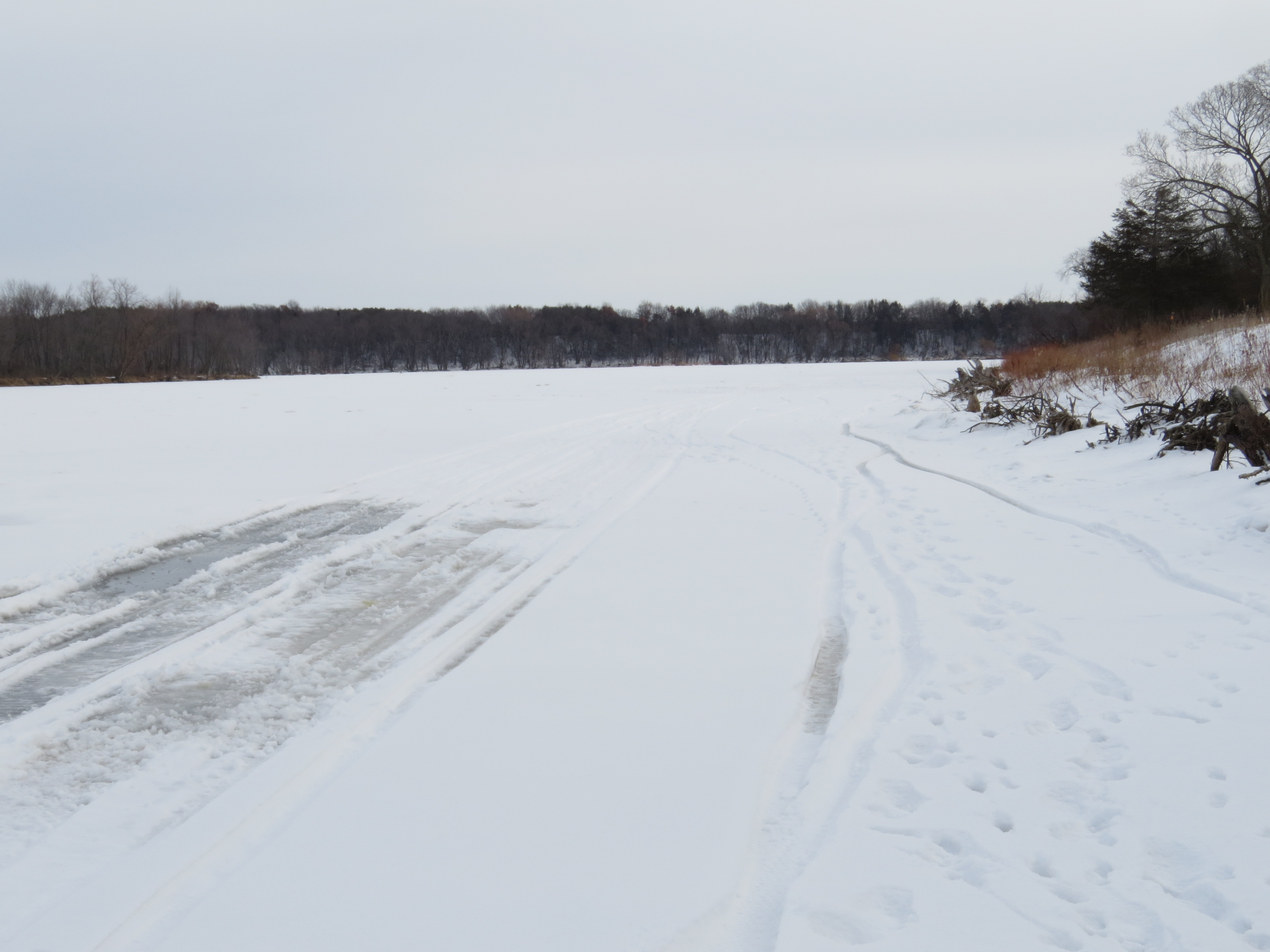
There were fat-tire bike tracks on the River road. Someone had snowshoed before us. Someone had walked with their dog.
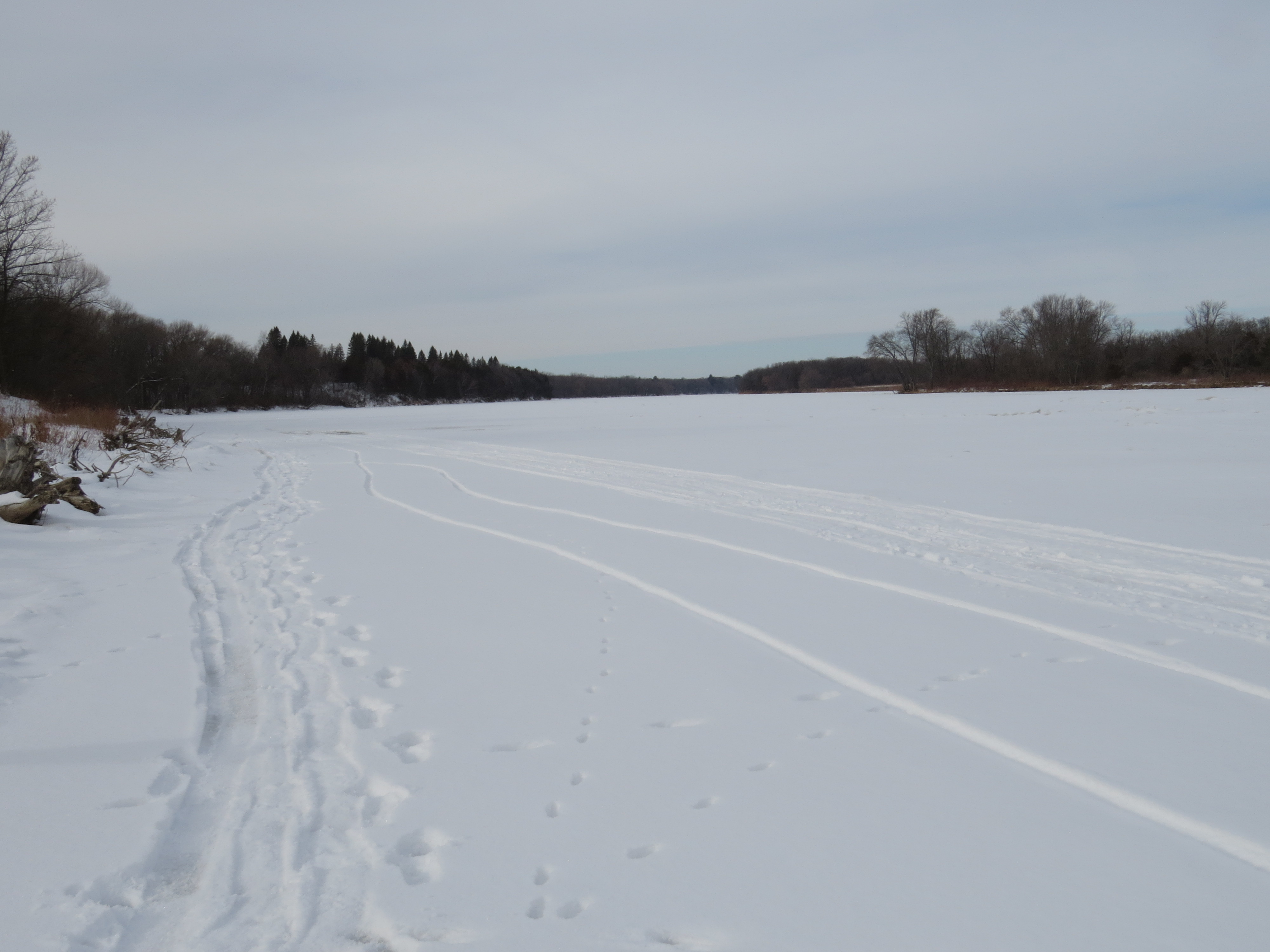
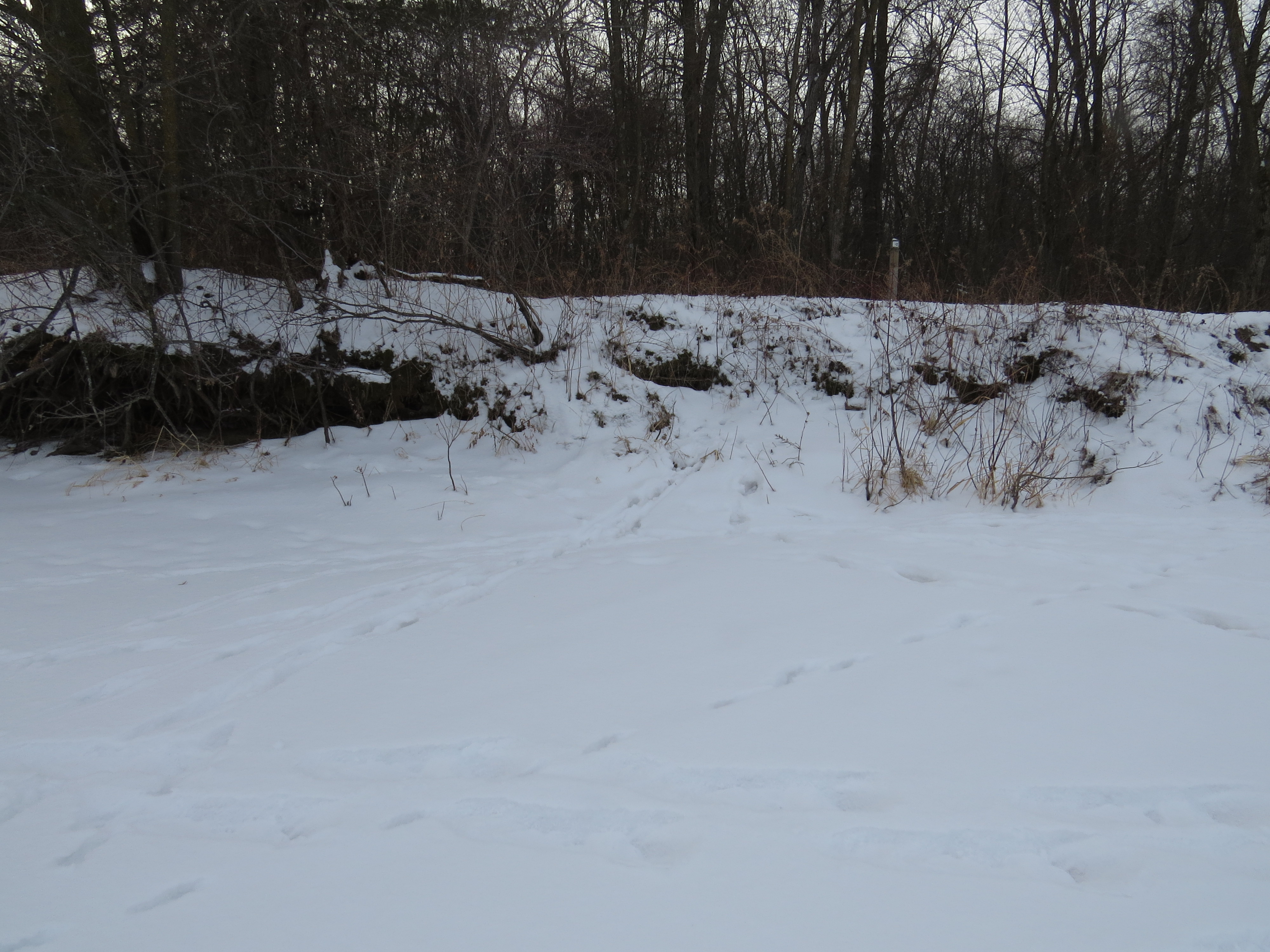
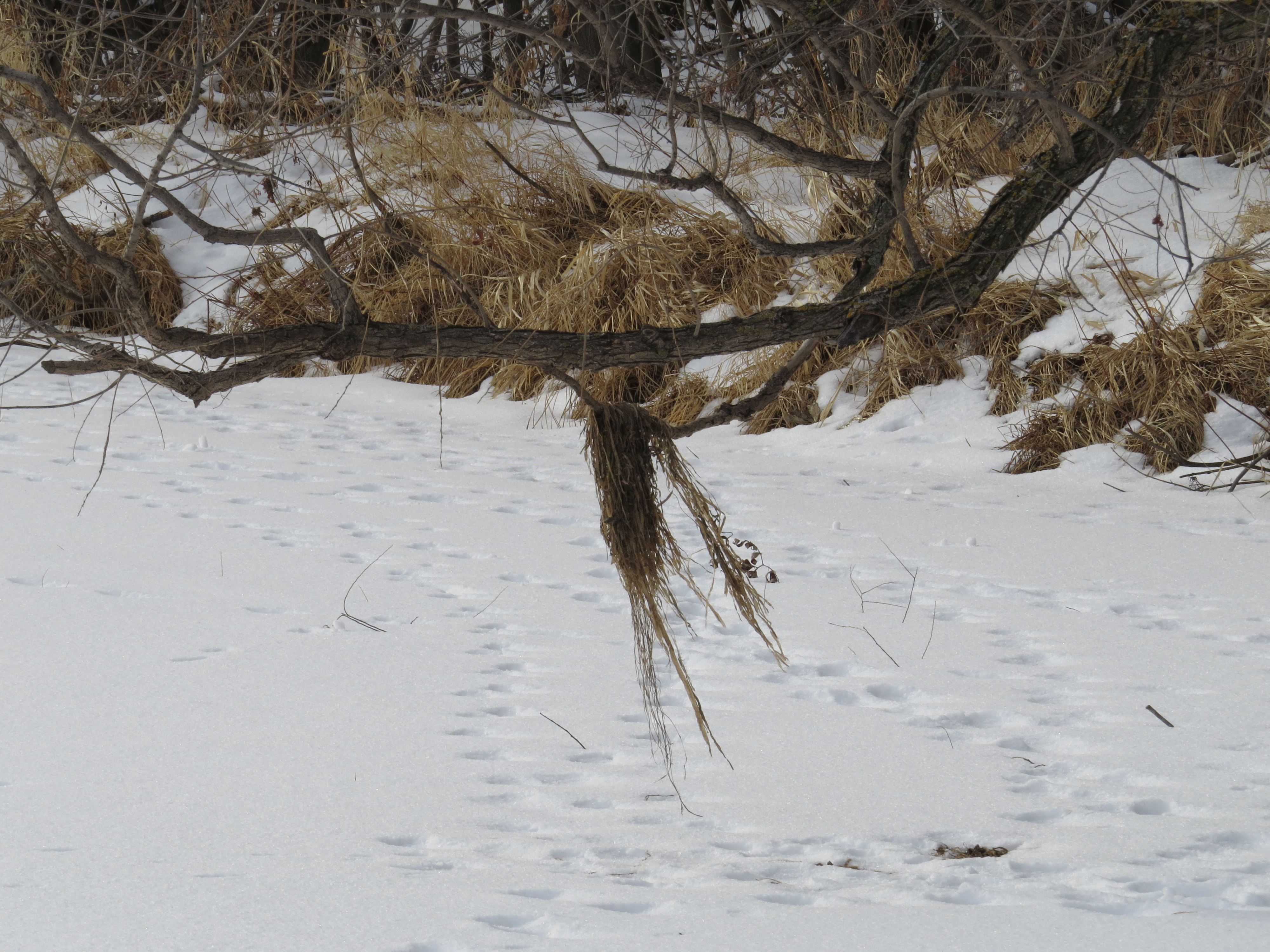
Animal tracks left the three-season safety of the Riverside trail at Mississippi River Regional park to follow the River road or cross to the other side. It was strange to see the river-side of the embankment where the constant flow of the water cuts into the bank leaving eroded soil, exposed roots, and leaning trees. A different perspective. One of more understanding.
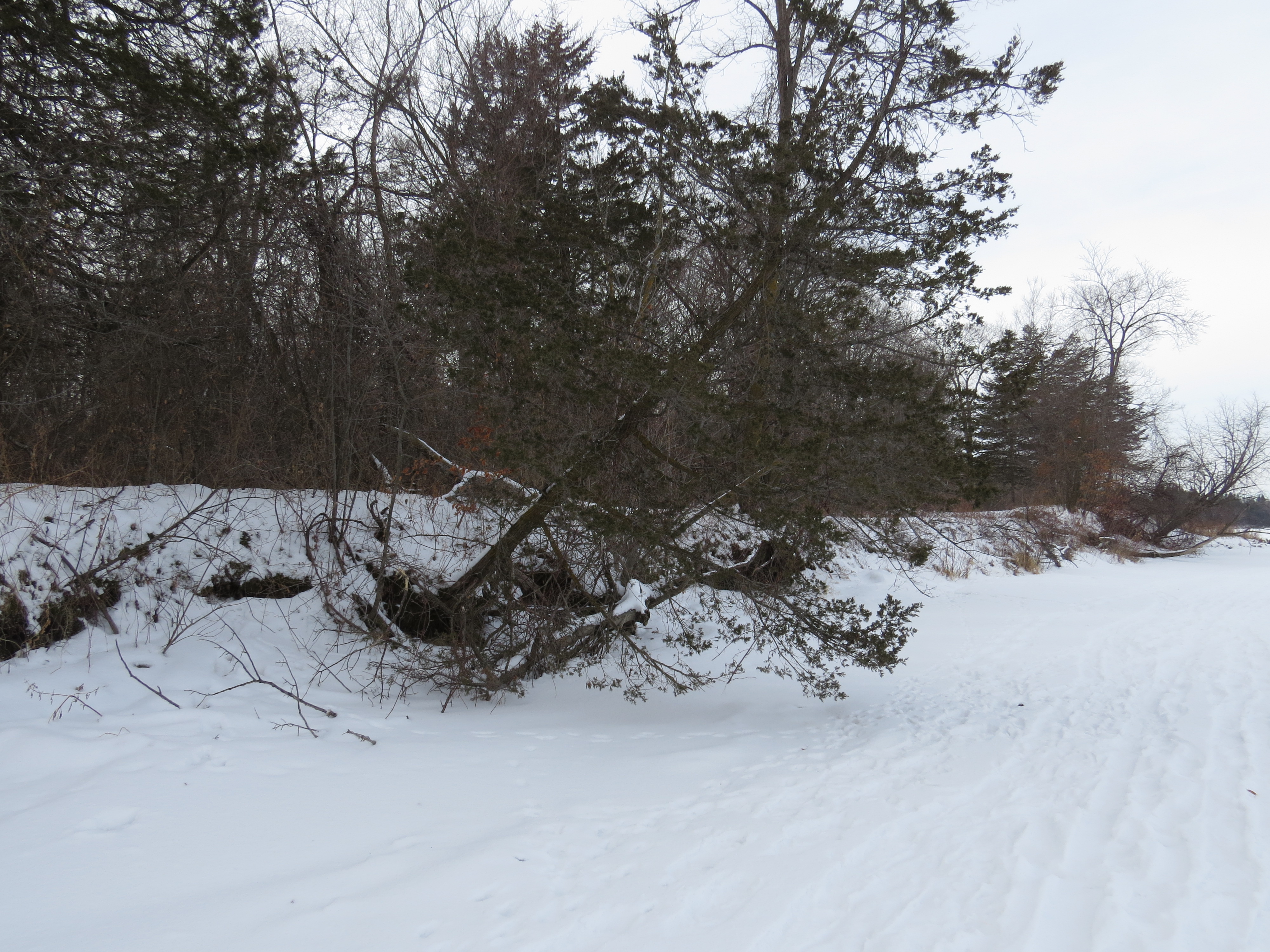
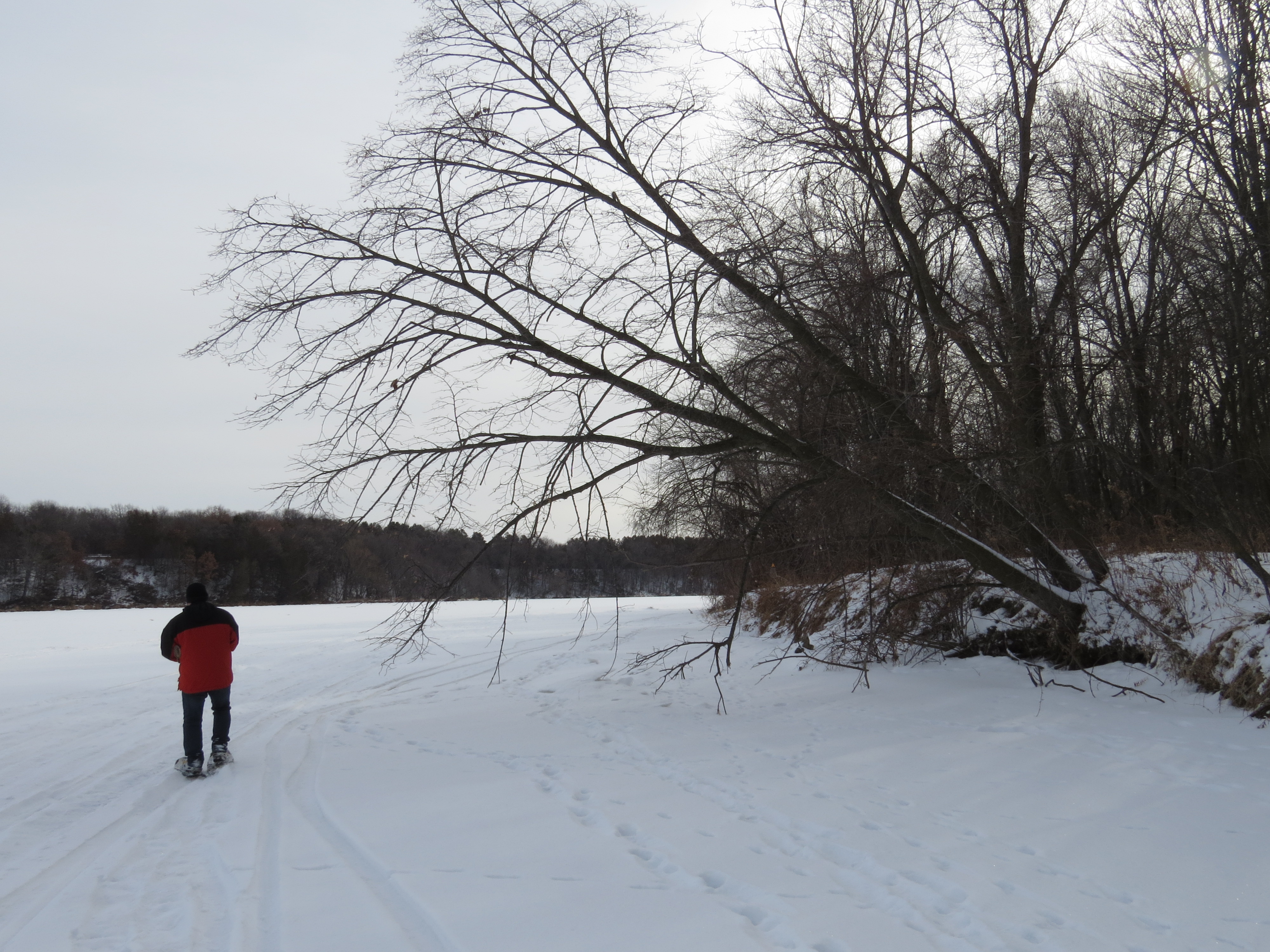
The farther we walked, the more tracks we saw! Cross-country ski tracks joined the motorized, the meandering, and the measured tracks of all the other creatures. It was a busy road of ice and snow.
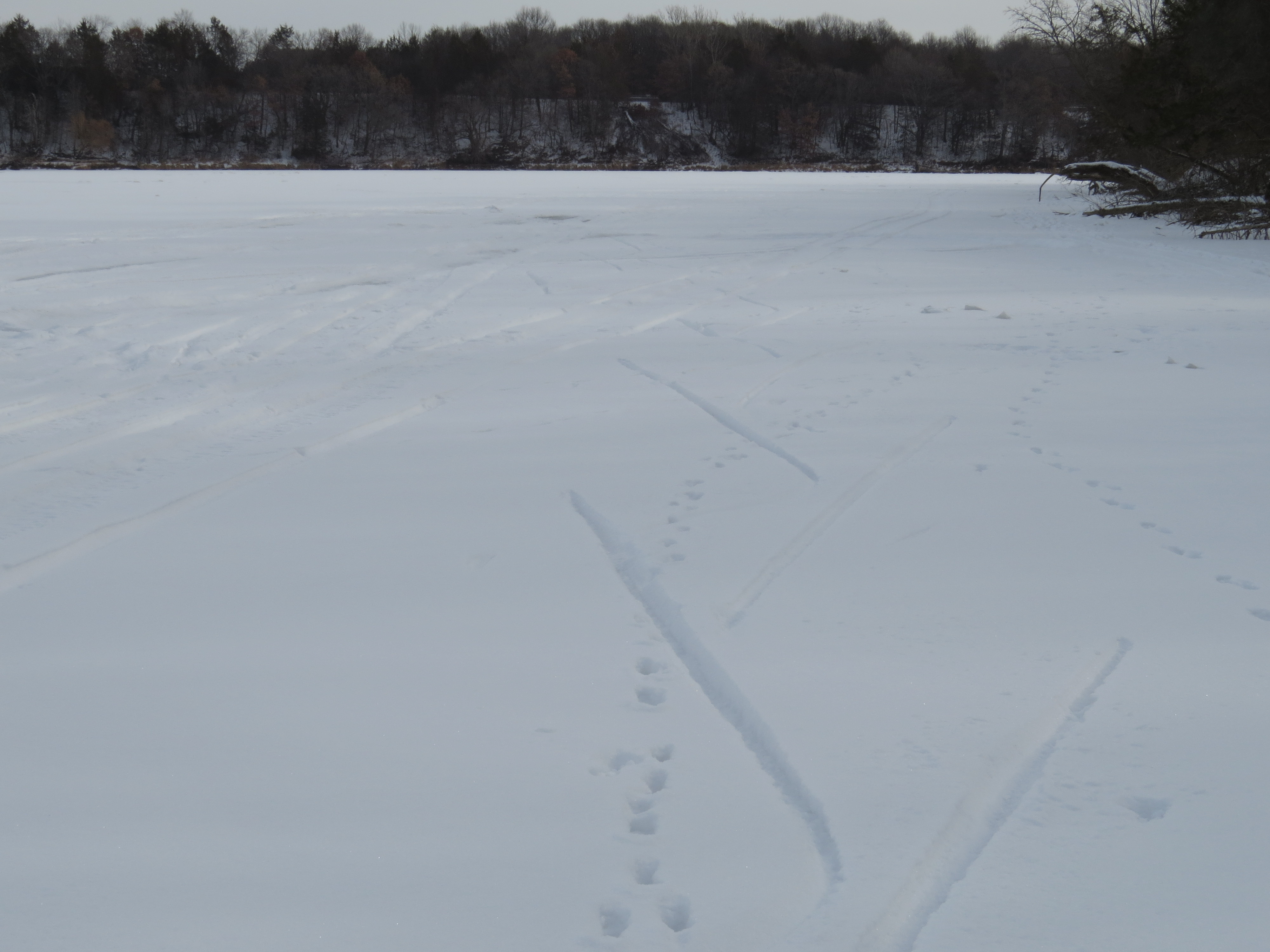
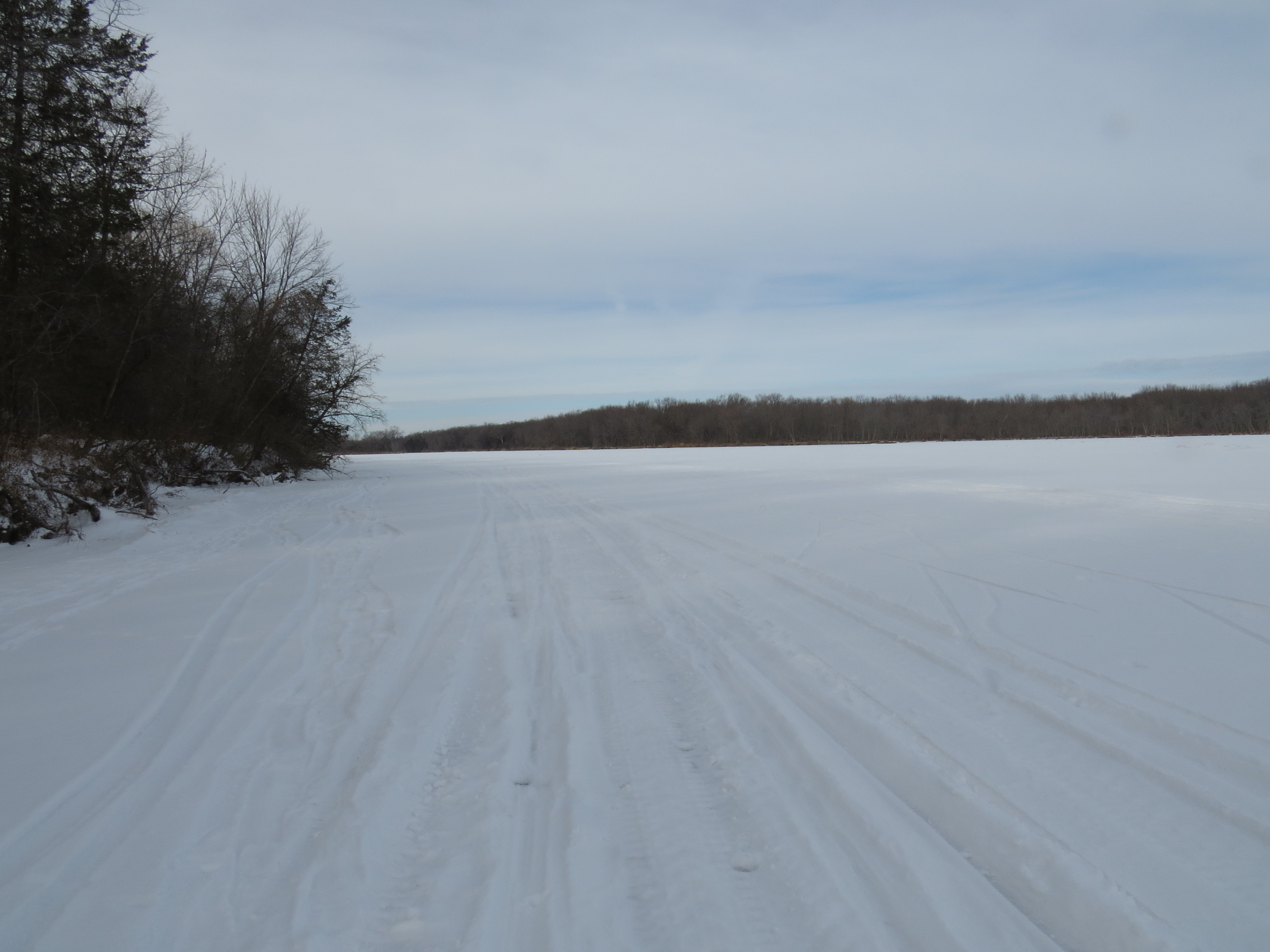
What is the allure of the other side? What entices us to re-group, plan, wait, and work to overcome obstacles when we are pulled up short and stopped in our tracks?
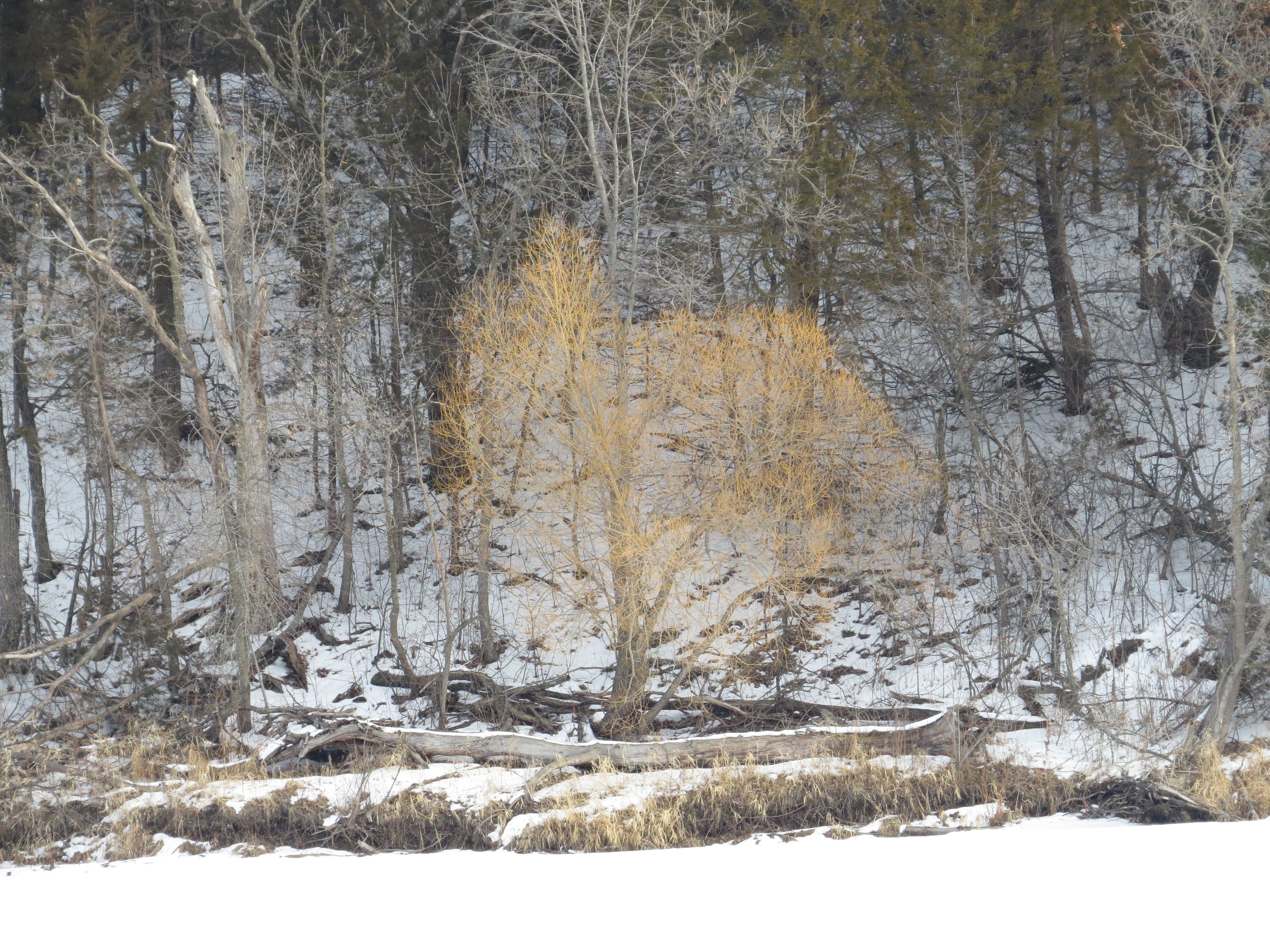
At Crow Wing State Park, forty-five miles up-river, there is a marker commemorating the Red River Oxcart Trail and the place where the fur traders crossed the Mississippi River. Perhaps it wasn’t so deep there, perhaps the River wasn’t quite as wide as it is today, perhaps they carried load after load of rocks to make an underwater road of sorts. At other places along the Mississippi River, before ferries and bridges, the settlers had to unload the wagons, take them apart, and canoe the contents and parts across the river and reassemble and reload on the other side. With obstacles, we are forced to look at things from a different perspective. And yet we ask, “How do we know it’s safe?” And yet we acknowledge, “We want to get to the other side.” Here in the North, the Winter ice can become the road. The obstacle becomes the pathway.
John C. Parish, in 1920, wrote about early traders and pioneers that “Rivers proved to be an unfailing source of trouble.” The rivers of our lives prove to be the same. Just when things are moving along quite smoothly, we are pulled up short. But there is usually a golden tree enticing us onward, despite the obstacles—hope for a better life, a different perspective for understanding, faith that what we do matters. And the very obstacle holds the key to the solution. The river becomes a road. Life is that complicated, and life is that holy.
The Heavens Were Weeping
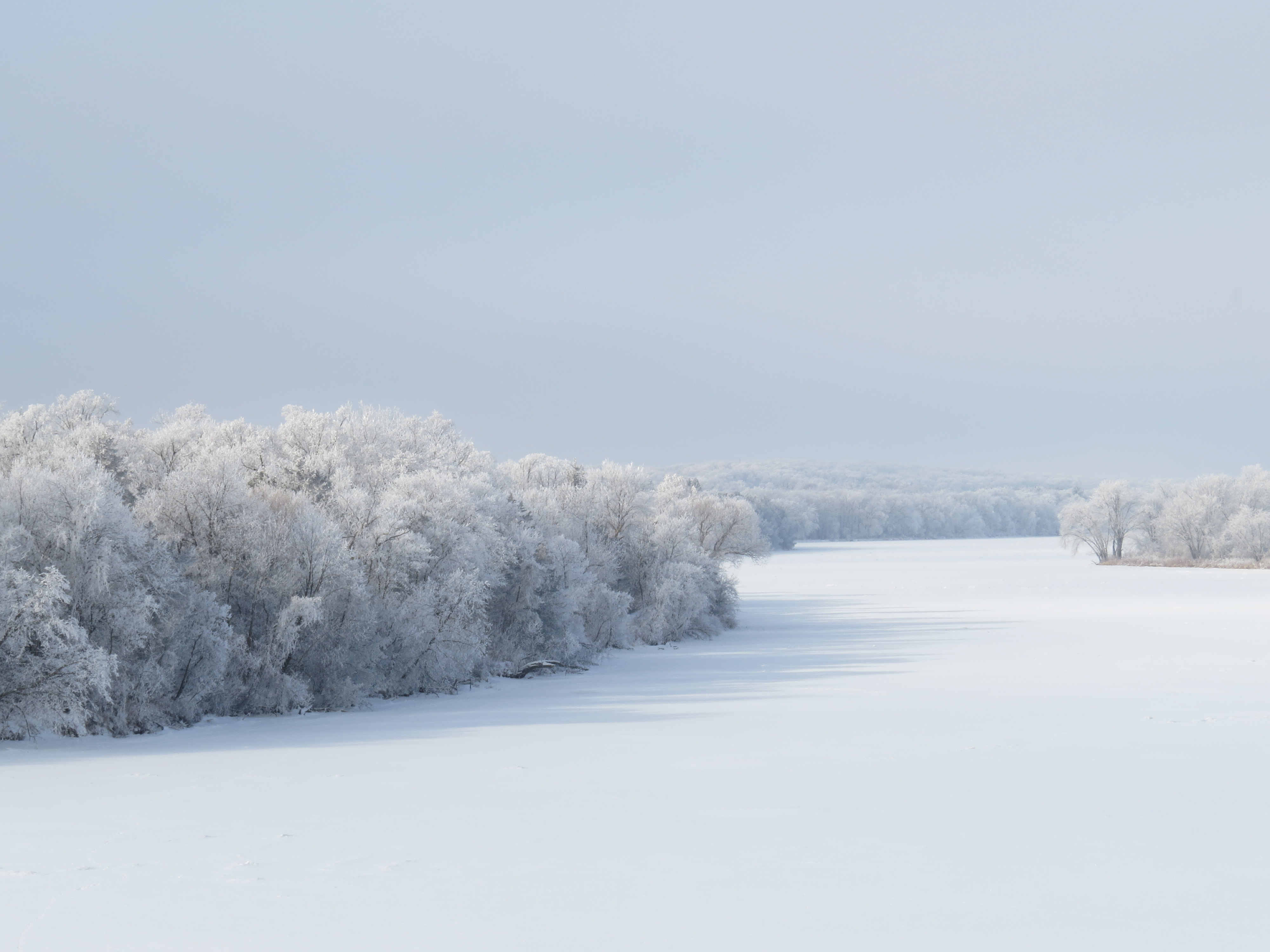
As we entered the first full week of the New Year, a fog had fallen on us. It is usually the coldest period of Winter, but normal was nowhere in sight. We were under the influence of an inversion, when cool air is trapped under a layer of warm air. Fog is often present, and with freezing temperatures and no wind, soft rime ice formed on most everything.
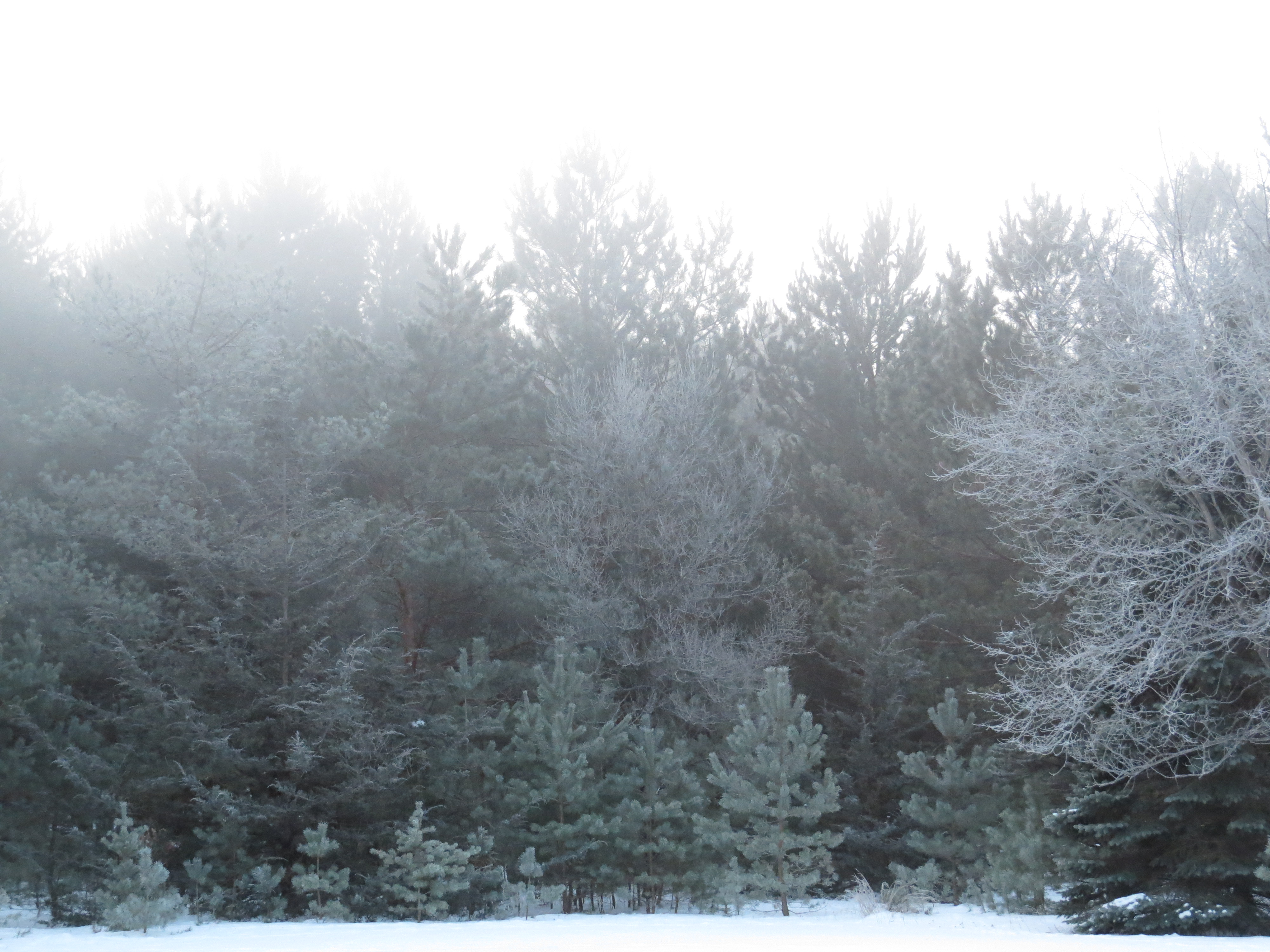
It continued for days, through the week of the horrific Capitol riots. It is an uneasy time during an inversion, defined as ‘a reversal of order and function.’ It is a time when air quality plummets, pollution increases, and health problems can be exacerbated. The fog was so pervasive that the frost stayed on the trees all day long, another unusual occurrence. Three days after the riot, we walked at Bend in the River park through a world of ice. It was as if the heavens were weeping—so many saints and souls shedding tears on us Earthly humans. It was a convergence of physical science and soul-stirring spirituality, which is to say, like most every single day of our existence. Most days we are oblivious to that physical–spiritual convergence, but this display of fog and ice in the wake of the week’s tragedies tied the two together with a binding twine and a flourished bow.
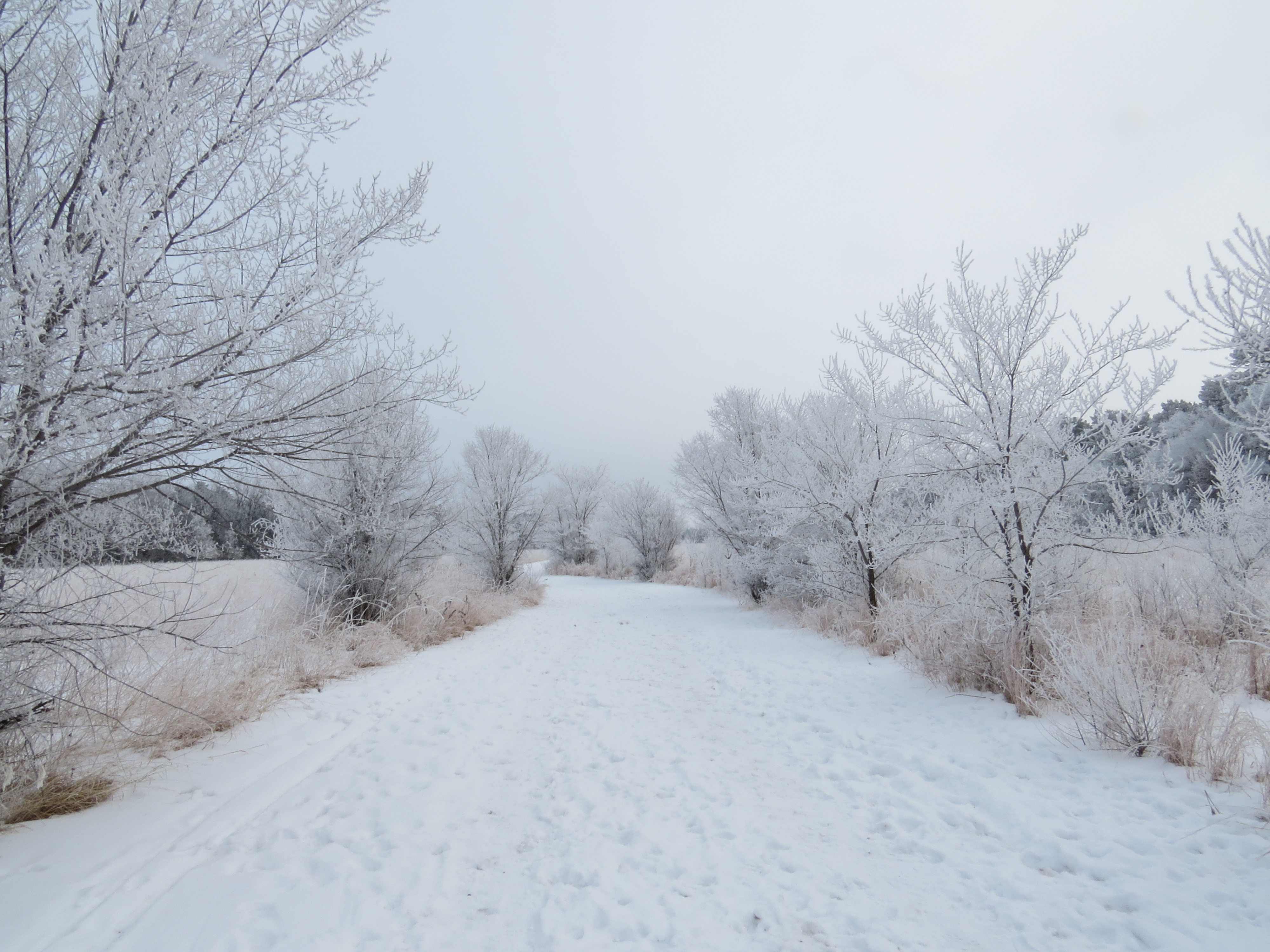
And so I accepted the incredibly beautiful ice as the weeping of those souls, those angels of heaven who have overcome evil and division, lies and distortion, hatred and violence. I embraced that beautiful ice as a balm of prayer and blessing from the souls who see all and know Truth.
It is a prayer for those who blend in with those around them…
and for those who stand out in a crowd.
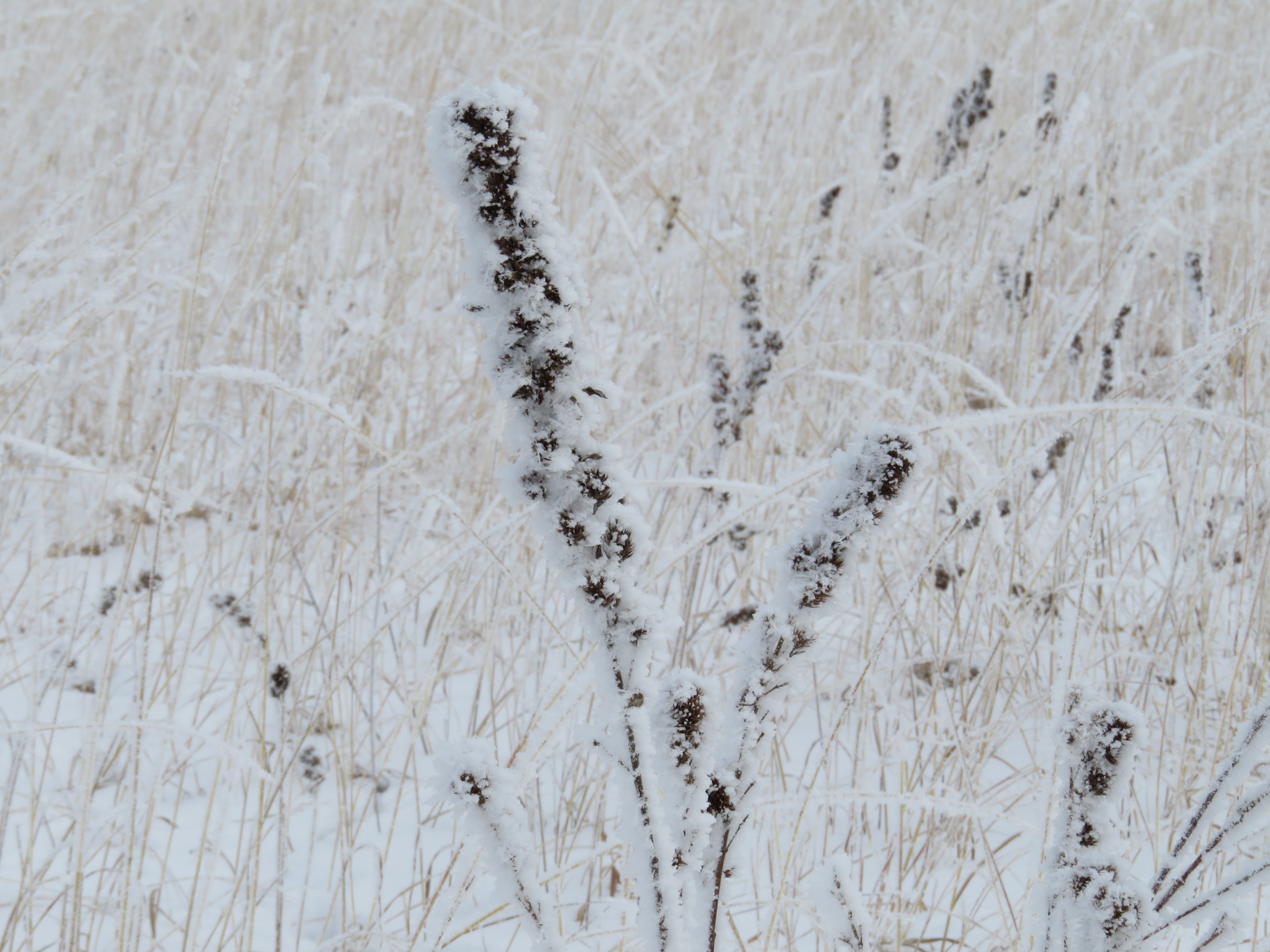
For those in the foreground, seen and awed, for those in the background, tall and unwavering, and for those in the unremarkable middle who go unnoticed.
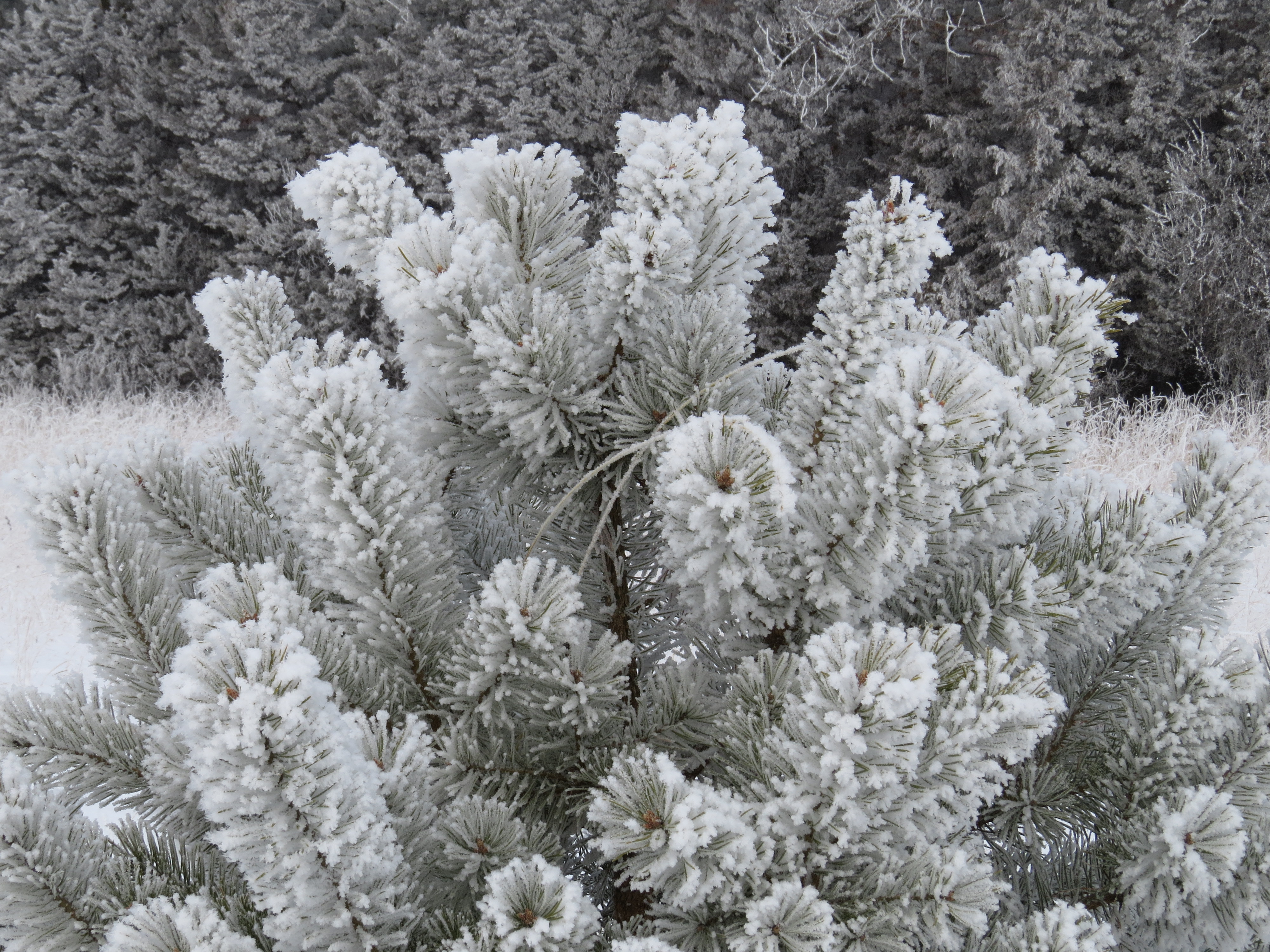
There is a blessing for busyness that can obscure the simplicity and satisfaction of ‘doing nothing.’
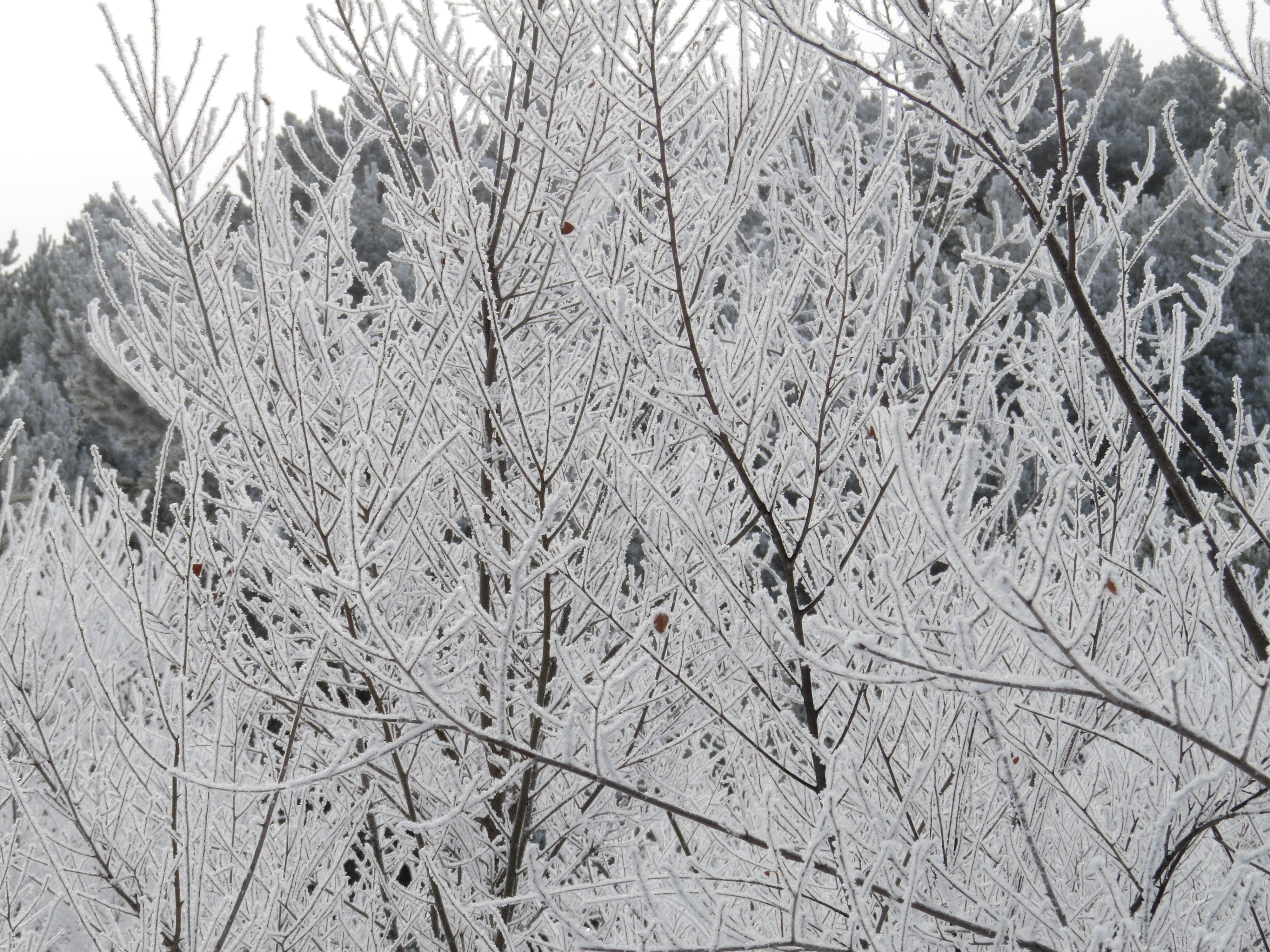
A prayer for our leaders in positions of power and stature that aged wisdom and ethics guide their decisions.
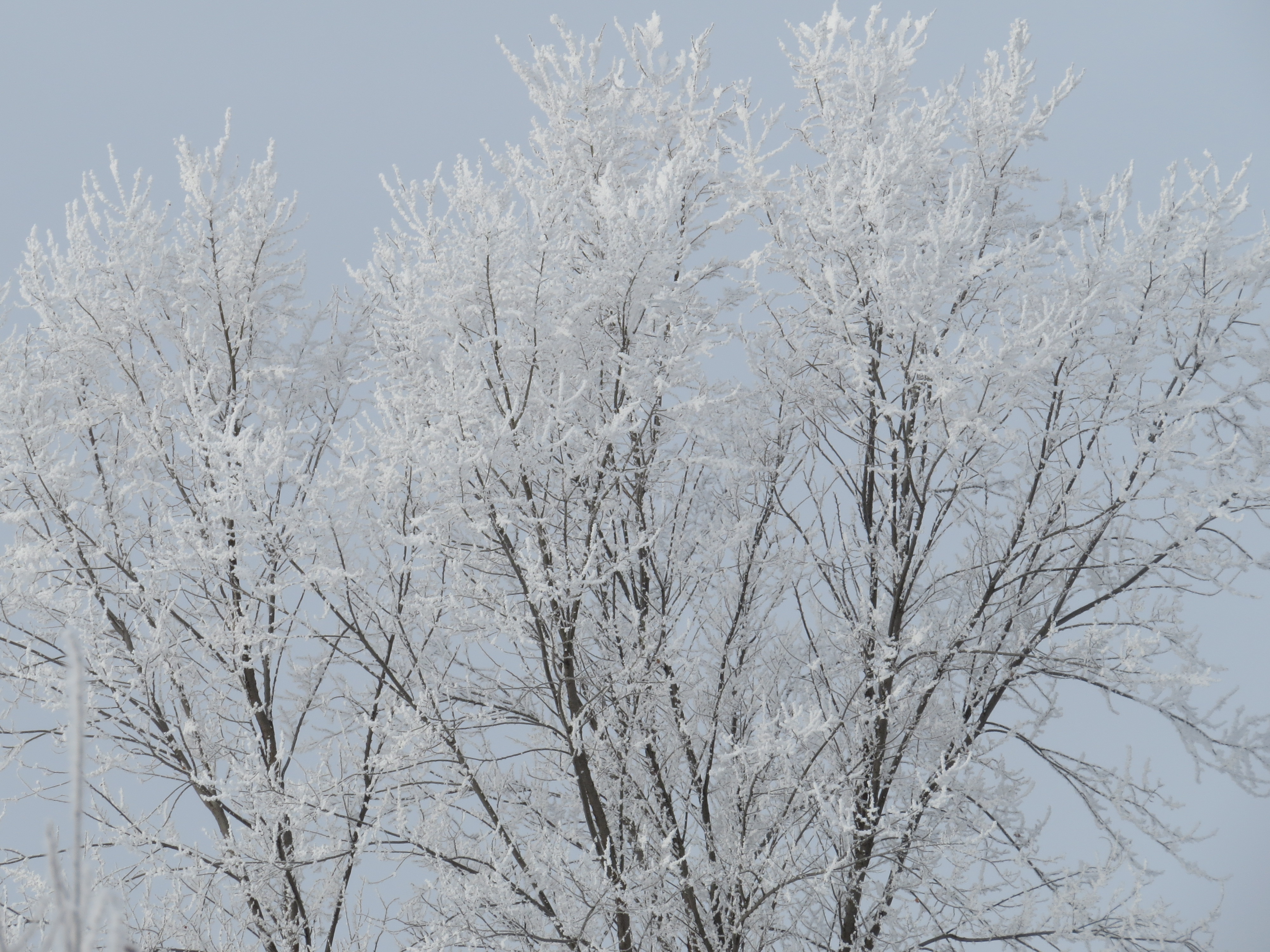
An abundance of blessings for those who work tirelessly to uphold our laws, keep us healthy and safe, teach and take care of our children.
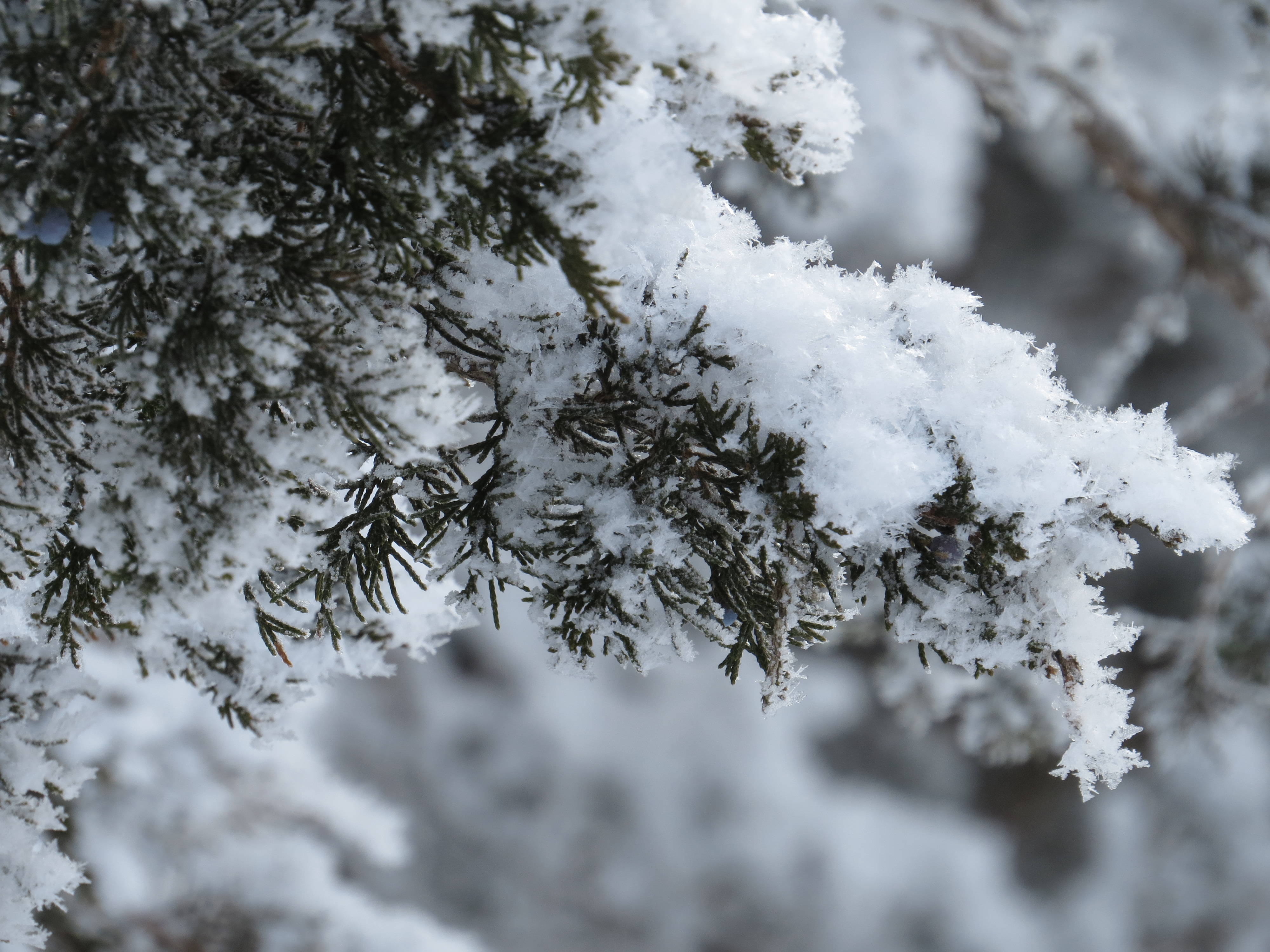
A prayer for equality, equanimity, and acceptance for all who seem different from us.
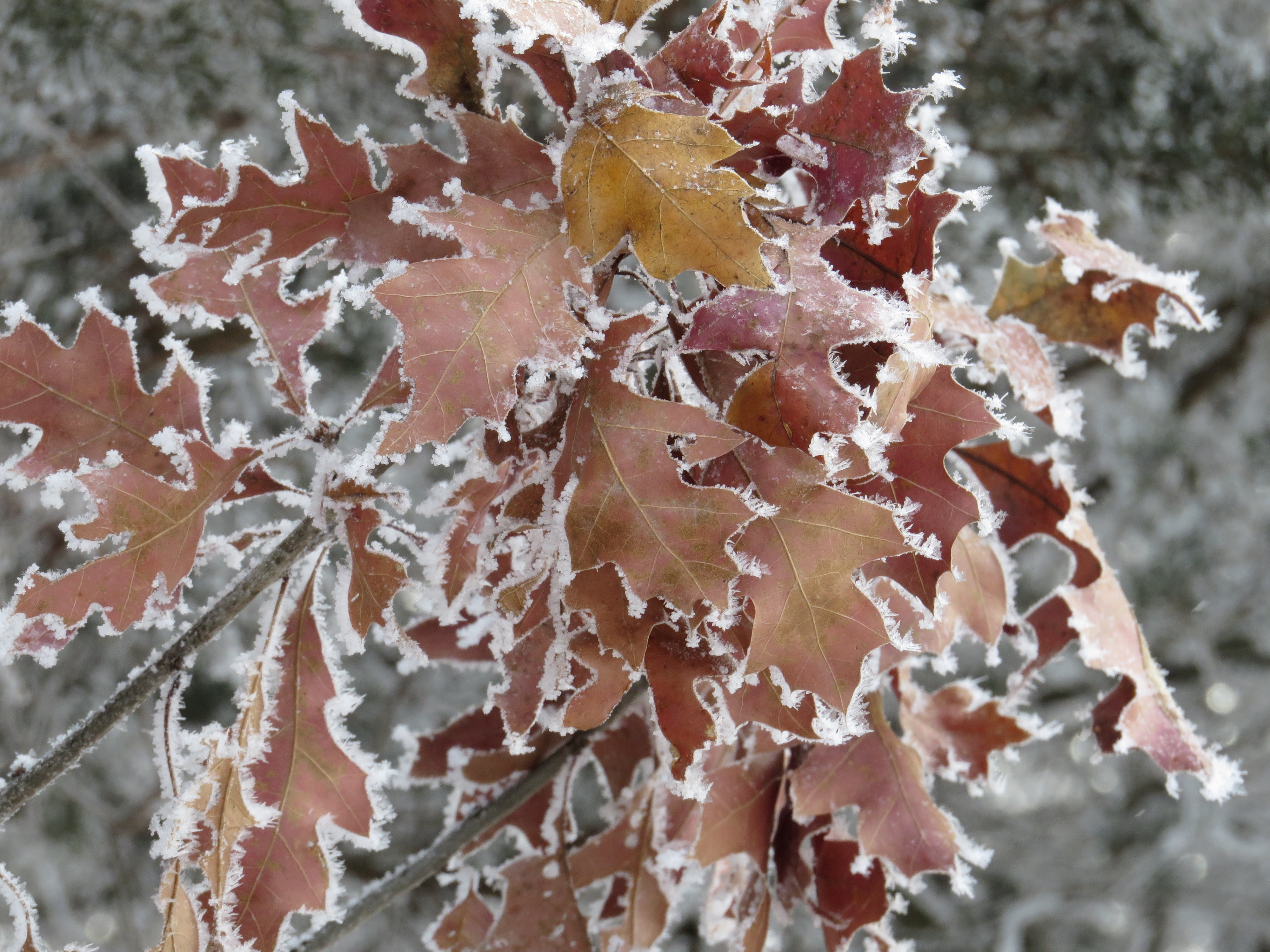
Blessings for those who walk the line and uphold the guardrails of our society…
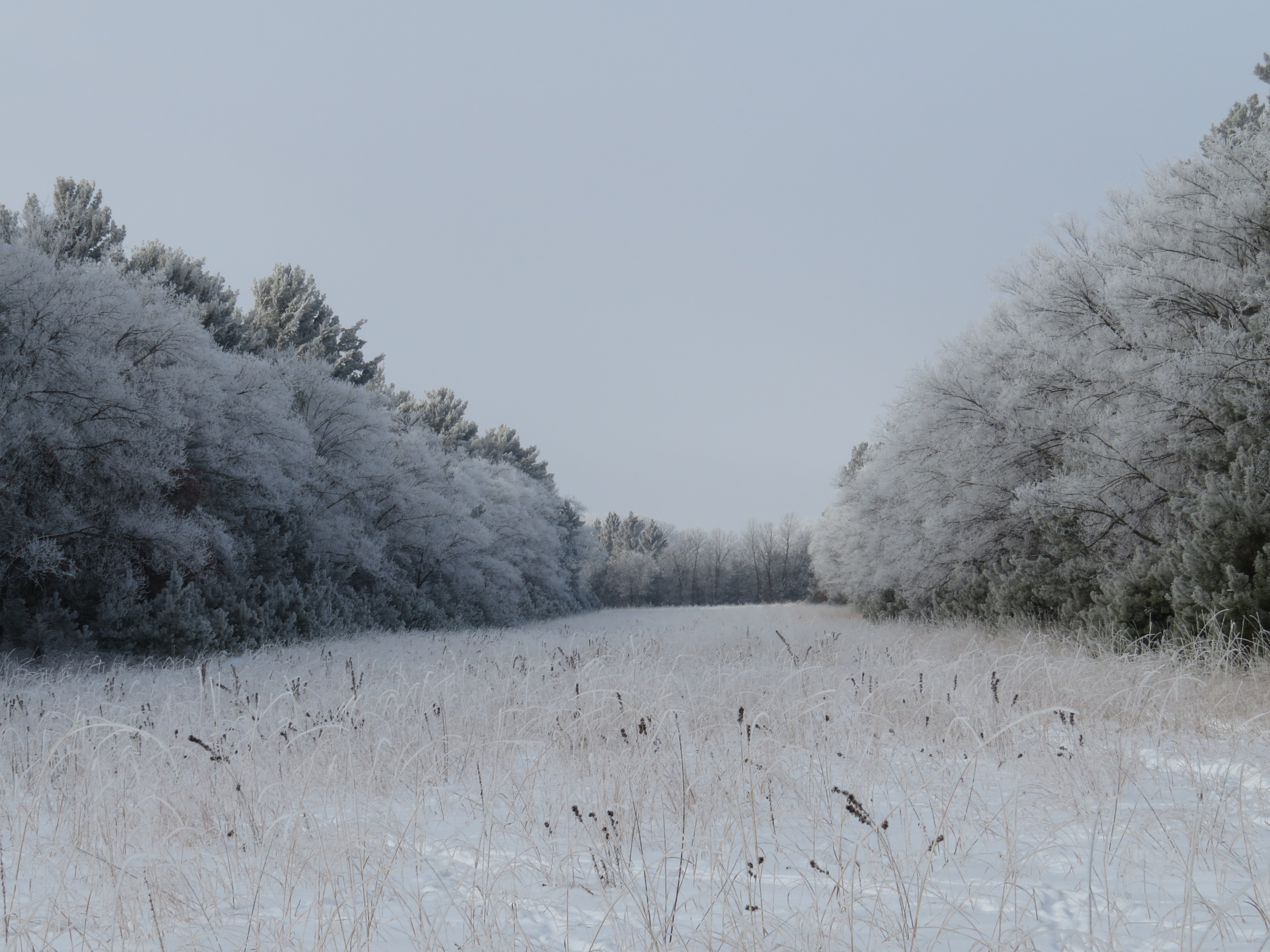
and for those whose voices bravely speak out in righteousness against power and partisan pressure.
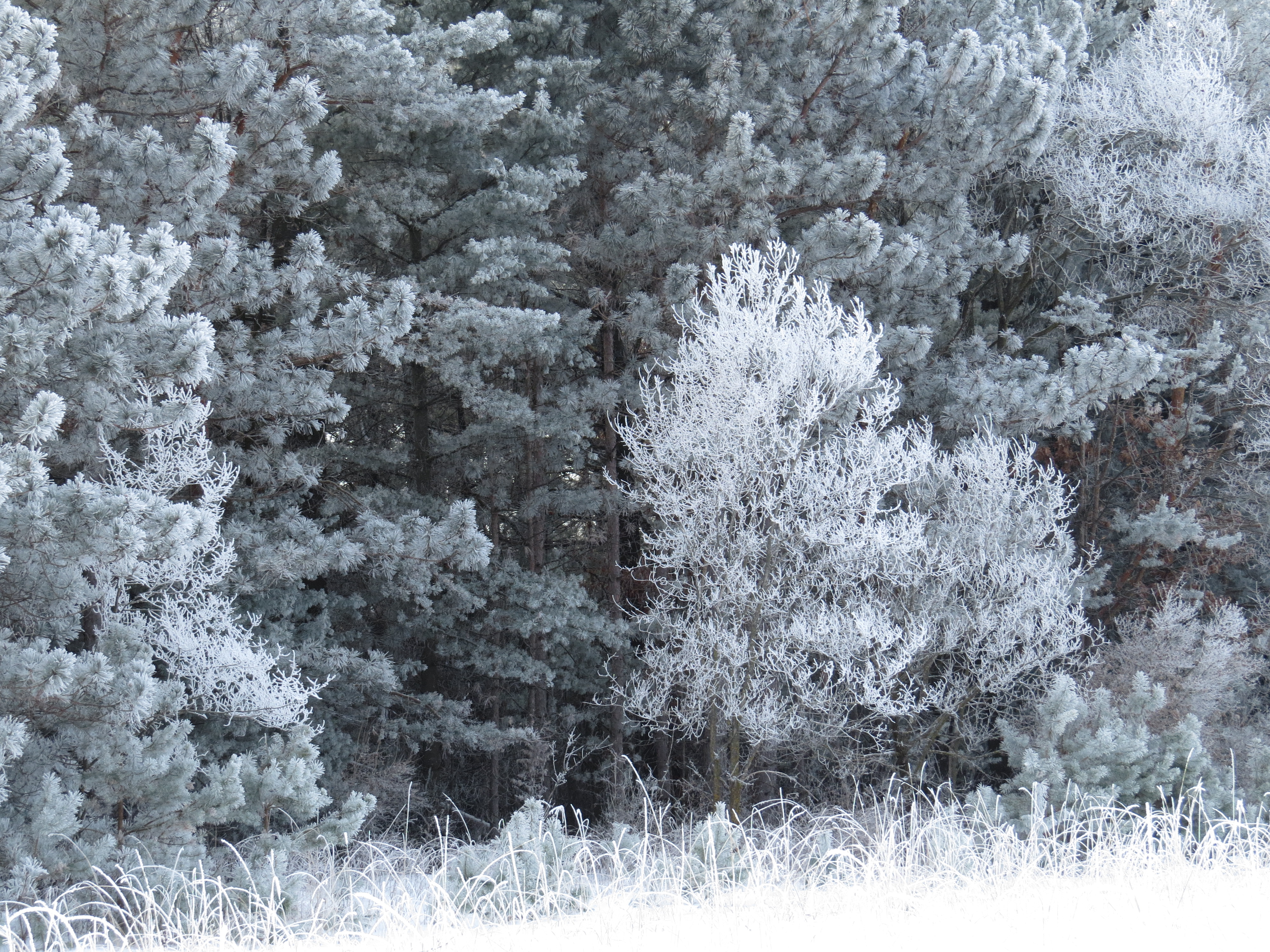
A prayer for those who stand tall in the principles of goodness and in the mysteries of spiritual life…
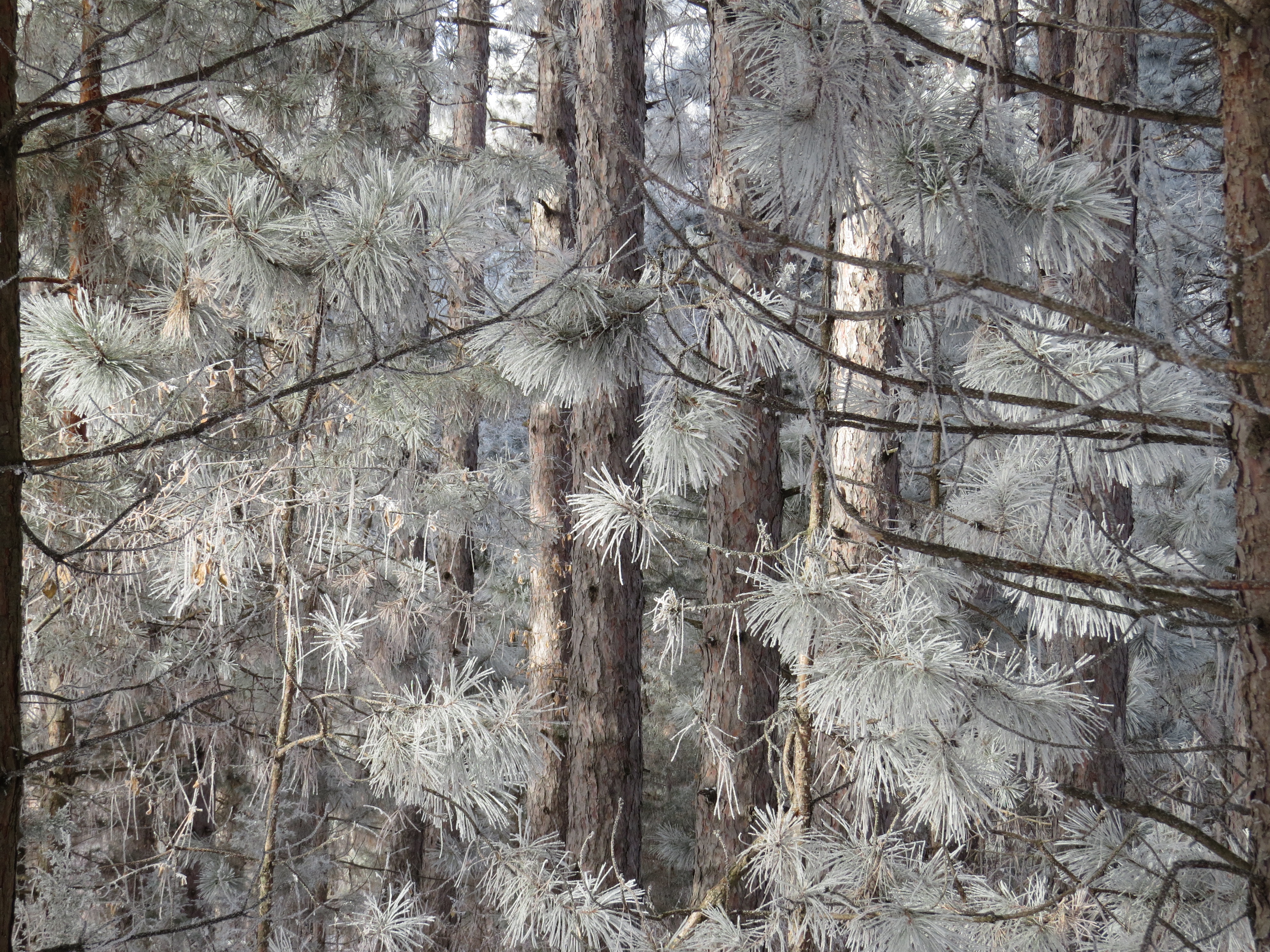
and for those who fall from those principles.
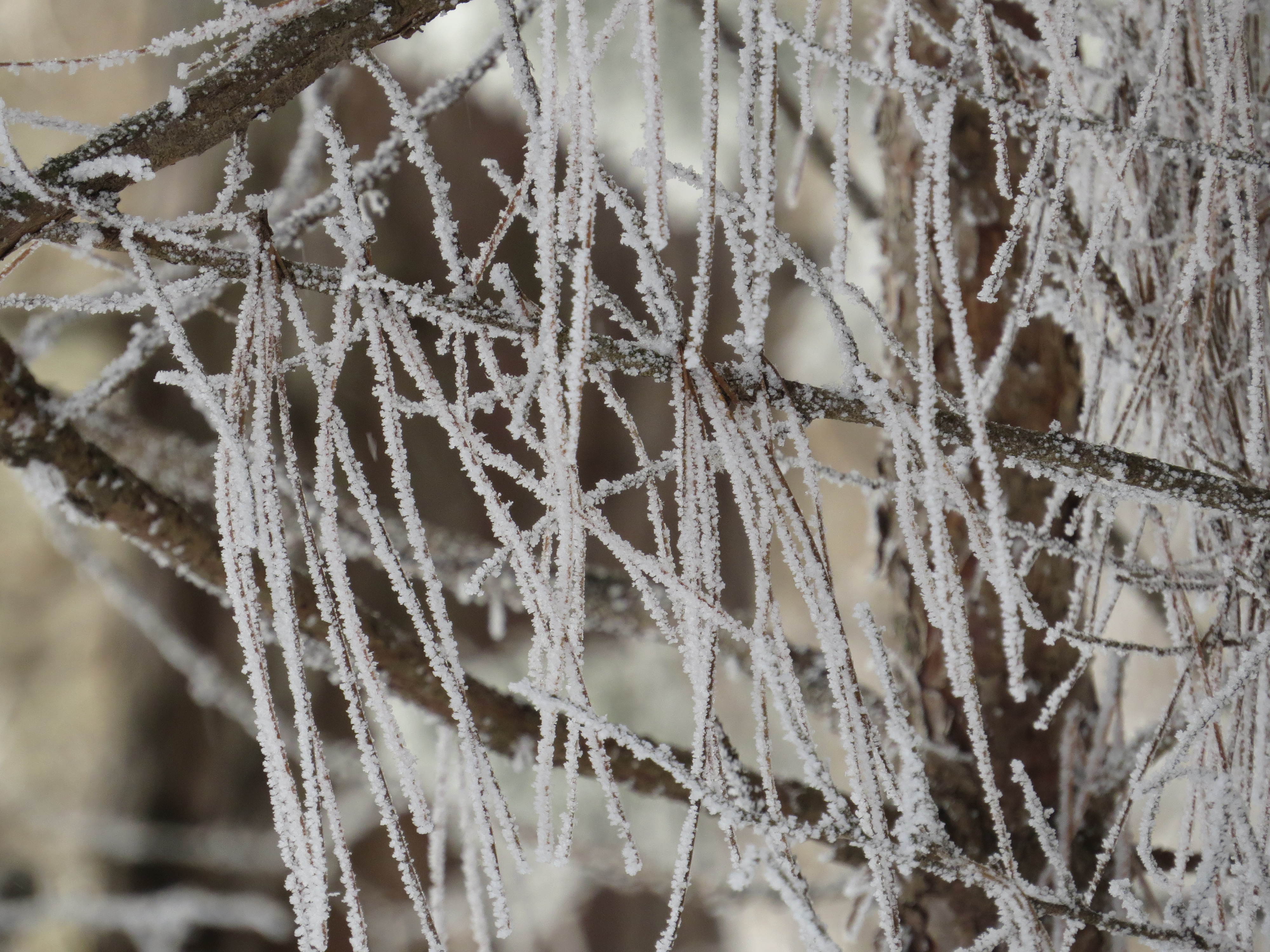
Blessings for those who forge their own trails—may they be protected.
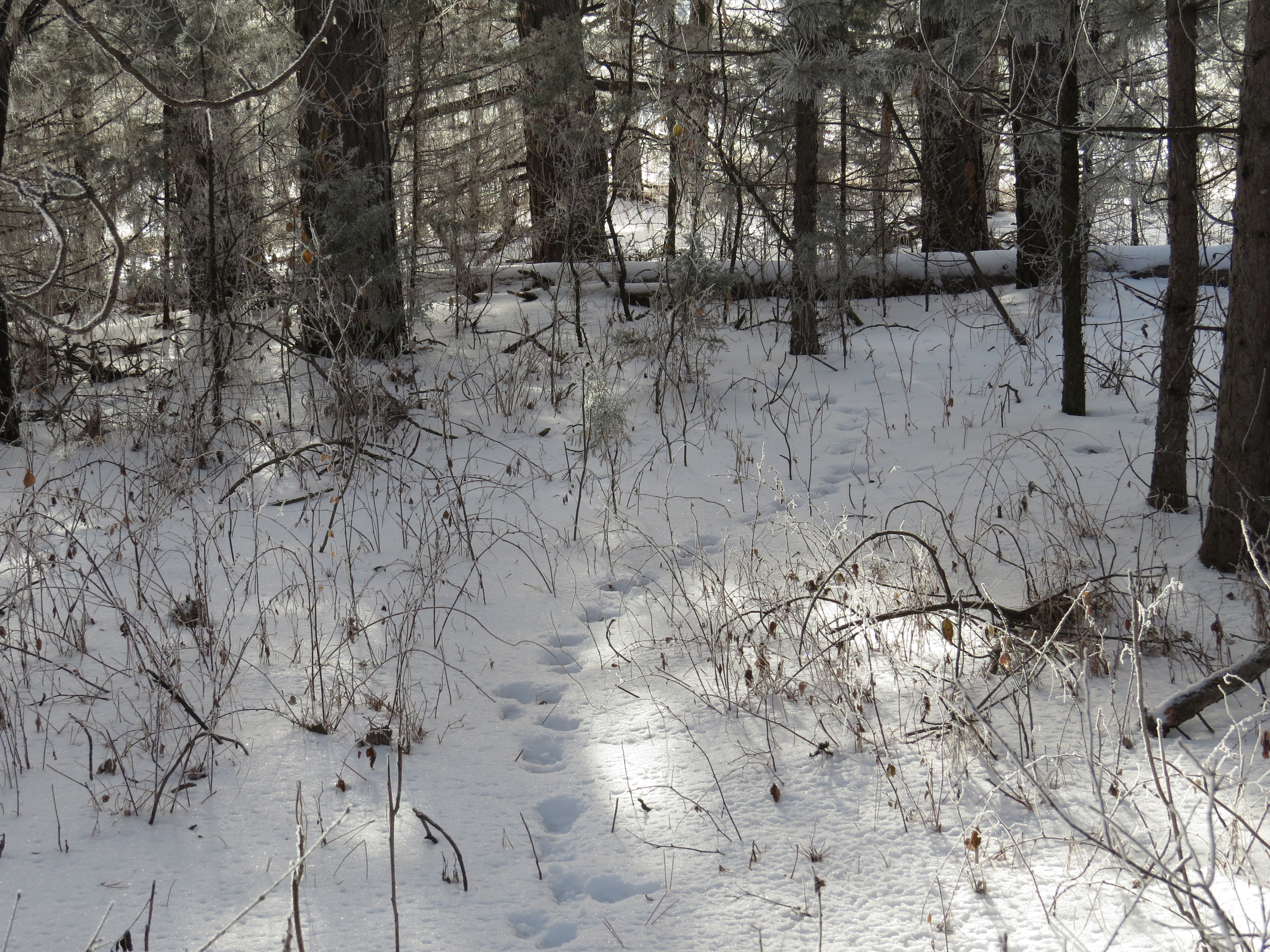
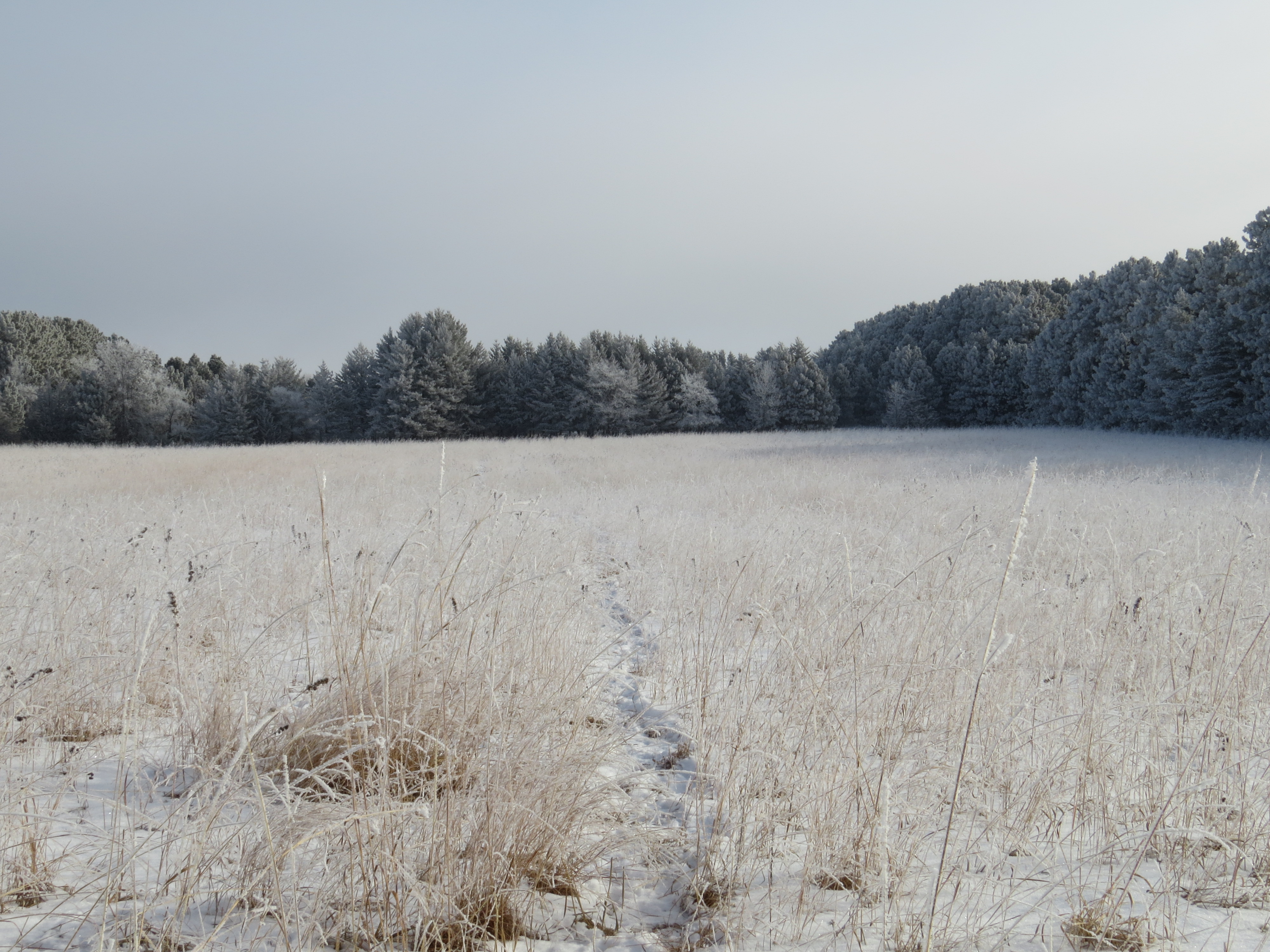
Special prayers for our representatives whose ideologies differ that they will remember their oaths, their altruistic purpose, and the concepts of community and compromise.
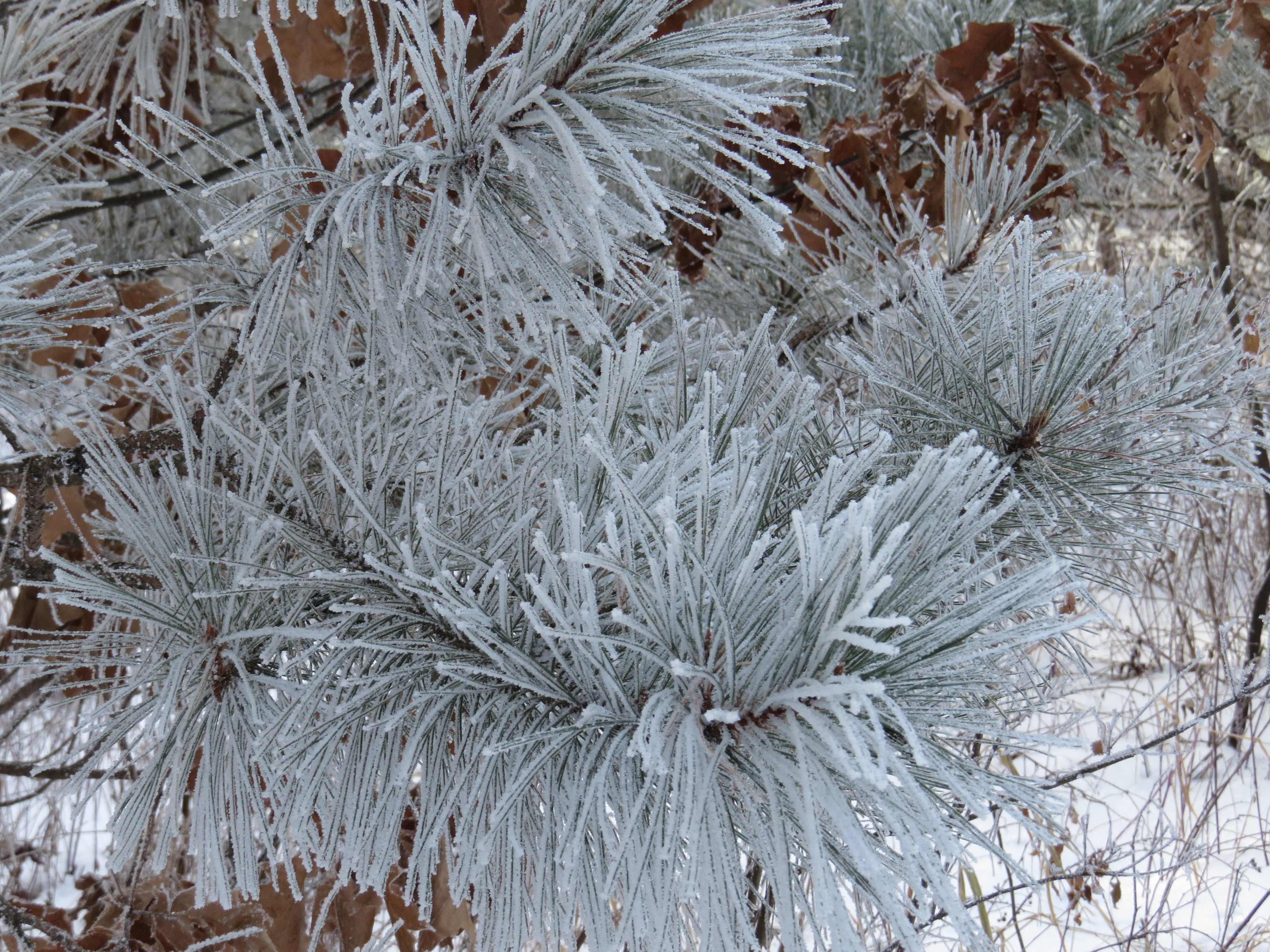
Blessings on the ecosystems of our natural world—may they be restored and protected, and may each of us be blessed stewards of God’s creation.
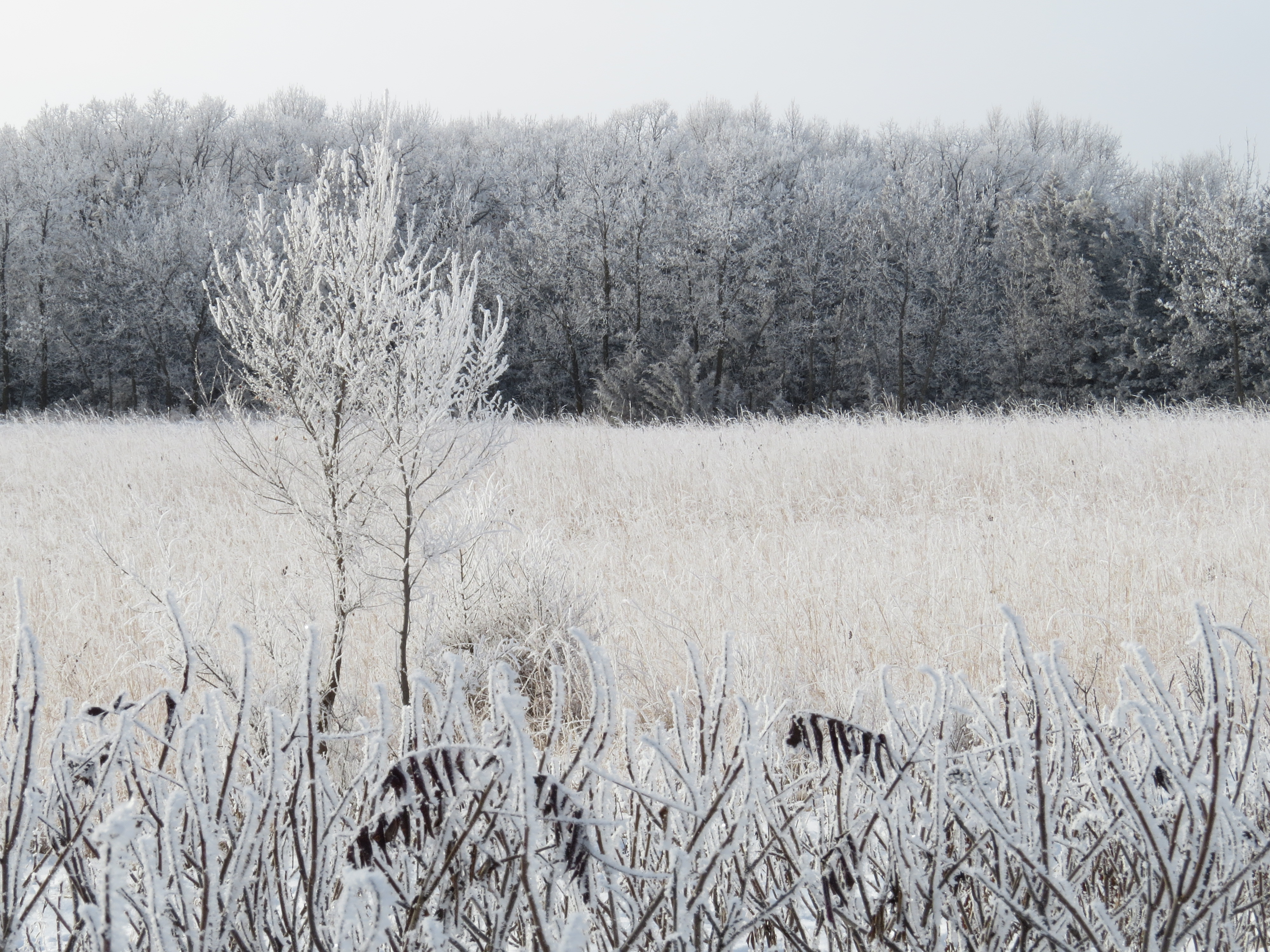
And finally, a prayer for clear-sightedness for what’s ahead.
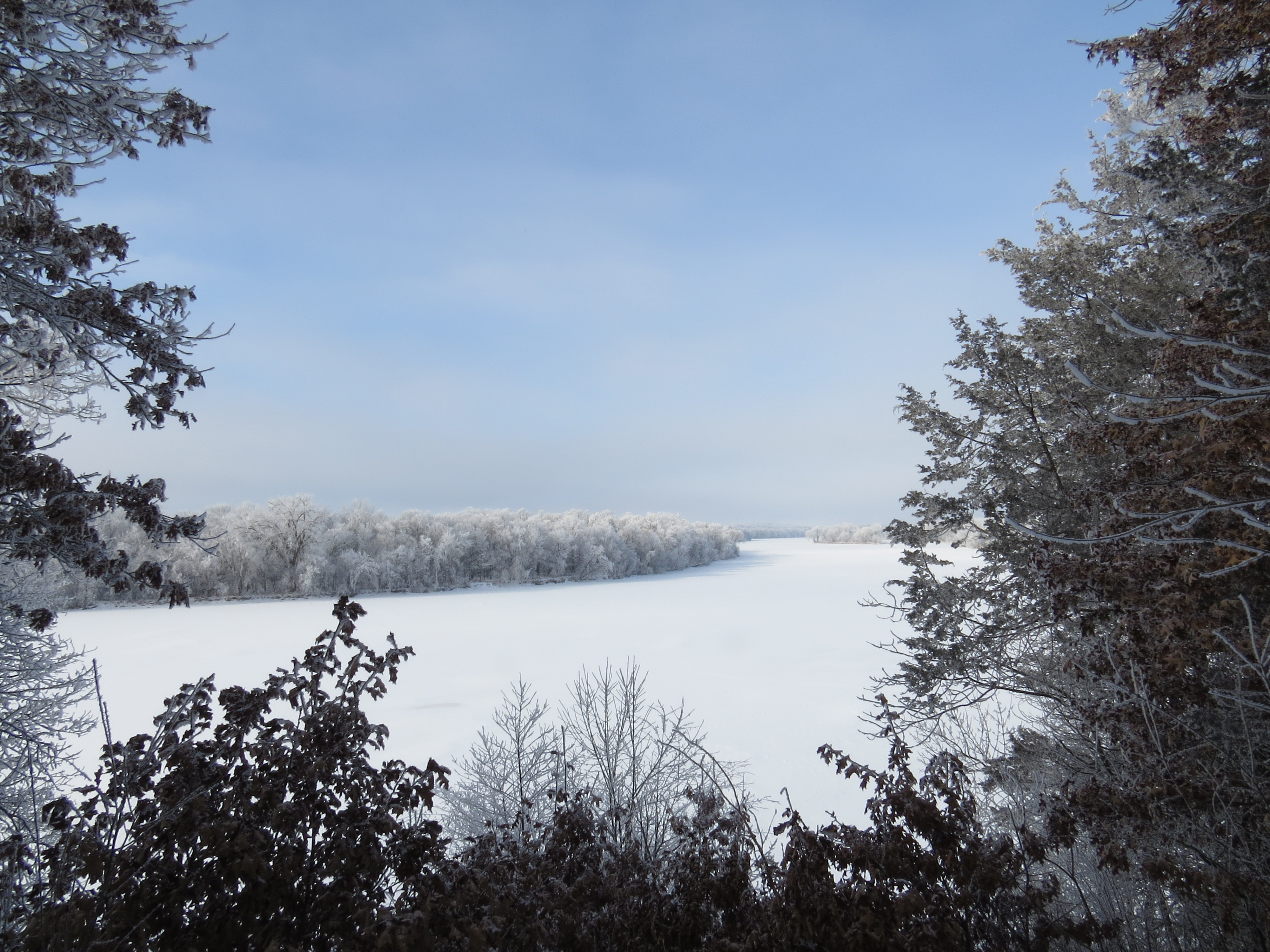
Despite the fog, the differences, and the destruction, may these blessings and bridges of ice bring us to a place of respect, responsibility, accountability, and decency. Lord, hear our prayers.
Like a Lightning Bolt
Like a lightning bolt piercing a tree, there are times in our lives when something happens that cuts right through us. It’s a shock. It’s unbelievable, even when we see it with our own eyes or hear it with our own ears. Our brains cannot catch up to what our senses are telling us and will not comprehend the unfathomable. Wednesday was one of those times.
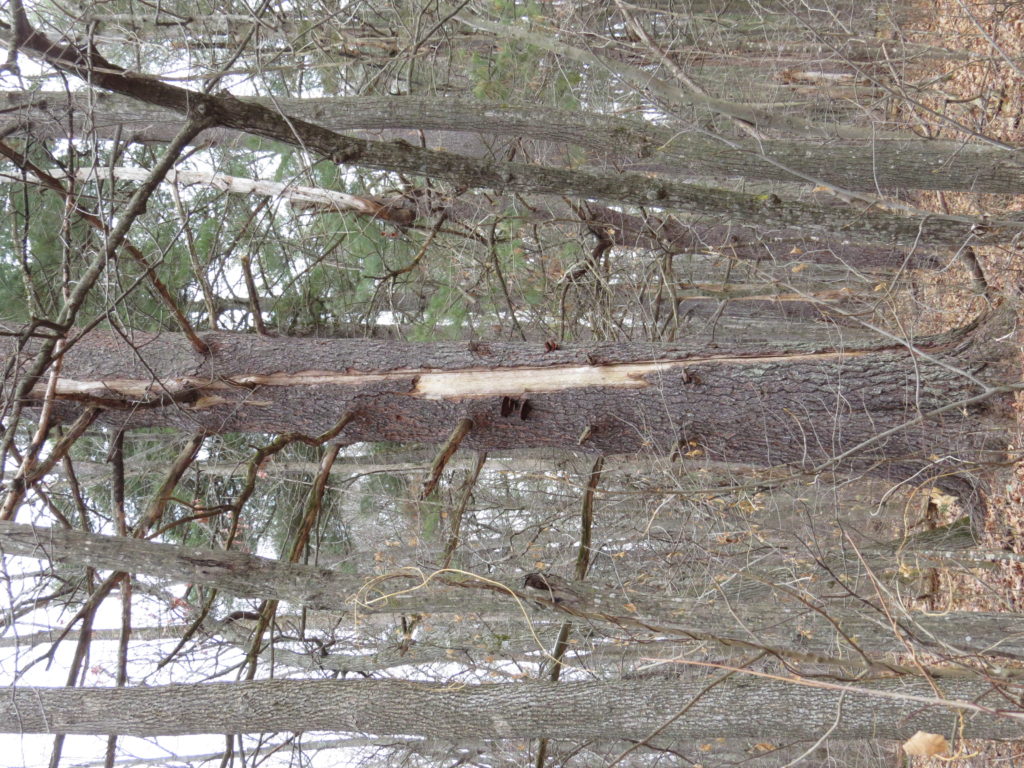
The Space Shuttle Challenger explosion was one of those times. The Oklahoma City bombing was one of those times. 9-11 was one of those times. Those moments in history that shock our very systems. Disbelief. Horror. Sadness. Anger. Questions of how could this happen? What went wrong? How could a person do this? Who is accountable for such atrocities?
When lightning strikes, the tremendous electrical energy seeks the path of least resistance. Since trees are tall and contain sap and moisture, they are better conductors than the surrounding air. Water in the cells boil and produce steam. The steam causes the cells to explode, which can crack the bark, strip the bark off the tree, or even blow the tree apart. As the energy goes into the roots and dissipates into the ground, it may injure the roots, even if the trunk of the tree looks undamaged. Some trees survive; others die. It depends on how extensive the damage is to the whole tree.
Energy. Unfathomably hot, boiling energy. Damage. Injuries. Death. We had a lightning strike on our Capitol, on our Congress men and women, and on the very workings of our democracy. How could this happen? What went wrong? Who is accountable?
Unresolved trauma has the boiling energy of lightning. It wants to strike something; it wants to dissipate the horrible energy and feelings that build up in a person who has had to live with the aftermath of trauma or the ongoing realities of it. Unresolved trauma is destructive—it runs the show, particularly when a person is in a high-stress situation. It torches the reasoning part of our brains. I have compassion for those who have been traumatized. I mourn the fact that our system does not prioritize medical and psychological care for those who need it. Our citizens are hurting, and their very real grievances are being exploited by one who has a huge hole in his heart and whose personal trauma is being played out on a nation.
The lightning energy dissipates into the ground. Earth is the healing endpoint, the ‘container’ for the colossal amount of energy discharged from a strike of lightning. There are ways to discharge lightning energy and traumatic energy without the collateral damage done to the tree or to a person, their family, or to society as a whole. Valuable or vulnerable trees can be fitted with lightning protection systems that dilute and slowly release the electrical charge into the ground. The same premise is used for traumatic energy. The excessive and destructive energy of trauma can be dissipated slowly and safely with the help of a trained professional and/or with personal practices that include deep breathing, body practices like yoga or qigong, and meditation—a slowing of the racing, reactive mind. And of course, we can practice ‘grounding’—touching or lying on the Earth, allowing our excess energy and our overwhelming feelings to dissipate into the healing container of Mother Earth.
Looking at Wednesday through a trauma-informed lens, I see many, many hurting people. Hurt people react, blame, and hurt other people. Trauma causes us to ‘lose our minds.’ It is incumbent on each person to take responsibility for their own feelings, even those buried in trauma, and for their own actions.
For more information on trauma: ACEs or Adverse Childhood Experiences are traumatizing events that can be carried into adulthood if not processed at the time they occurred. https://developingchild.harvard.edu/resources/aces-and-toxic-stress-frequently-asked-questions/
For more information on how the body releases trauma: Dr. Peter Levine is a pioneer in the study of how our bodies hold on to trauma and how it can be released. https://www.goodreads.com/book/show/8582180-in-an-unspoken-voice