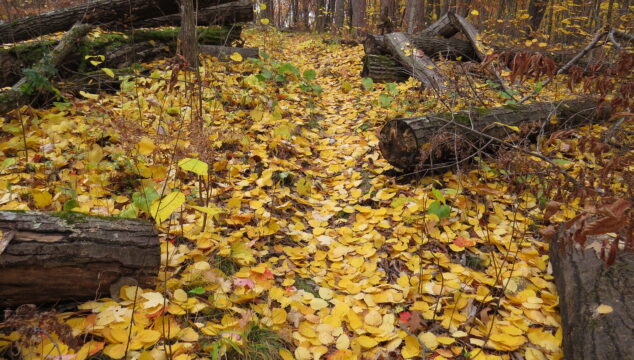
Come walk with me in the peak Autumn beauty of the Northwoods. To say that I love this time of year is an understatement. Most everyone can appreciate the colorful falling leaves---it reveals the 'true self' of a tree when its leaves are no longer producing chlorophyll. Their true colors are revealed, and there is something simple … [Read More...]
Archives for November 2021
Flour and Ice Water (+ Butter = Pie)
What do the largest flour mill on the banks of the Mississippi River, Grasshopper Chapel in Cold Spring, MN, and a state forest have in common? John Pillsbury. Pillsbury was co-founder, along with his nephew Charles, of the Pillsbury Company, which boasted the largest flour mill in the world in the early 1900’s. John Pillsbury was also the 8th governor of Minnesota (1876-1882). After years of a devastating grasshopper plague that destroyed hundreds of thousands of acres of wheat, oats, barley, and corn, Governor Pillsbury called for a day of prayer on April 26, 1877 to help end the plague. A subsequent sleet and snow storm killed many of the grasshopper eggs, which brought an end to the plague in the coming months. The little chapel in Cold Spring that was close to our previous home, was built in honor of the ‘miracle’ and nicknamed Grasshopper Chapel. Then in 1900, Minnesota’s first state forest was established when Governor Pillsbury donated 1,000 acres to the state. It is known as Pillsbury State Forest, has over 25,000 acres now, was the first state tree nursery, has managed timber harvesting, reforestation, and recreational development. It has 27 miles of trails for horseback riding, hiking, biking, and snowmobiling.
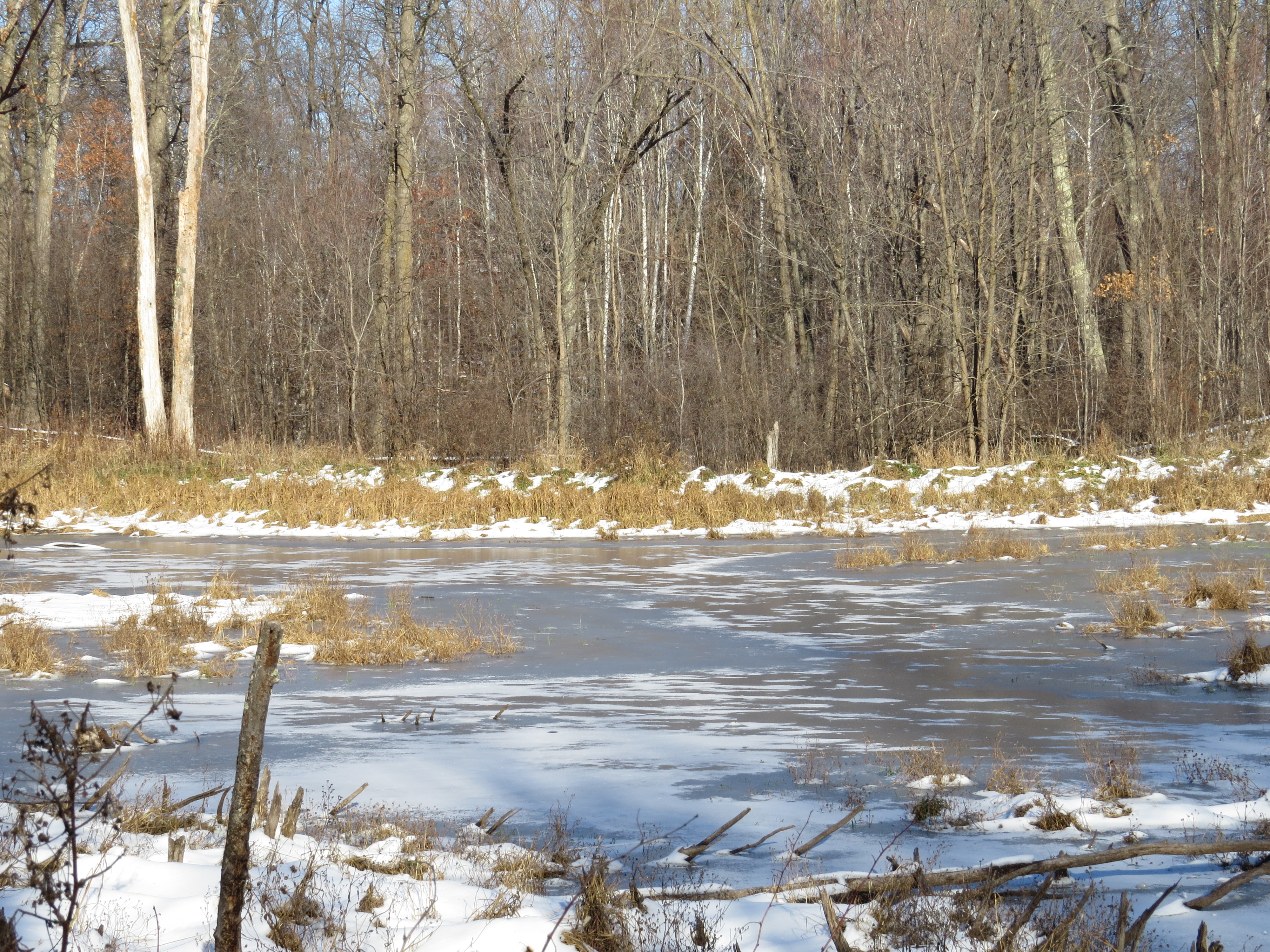
Last weekend Chris and I traveled up the west side of the Mississippi River to Pillsbury State Forest. The snow that we had had at home was mostly melted, but as we got closer to Pillsbury, there was more snow on the ground. We bundled up for a small hike around the Rock Lake campground. The Lake was ‘building’ ice but still had areas of open water.

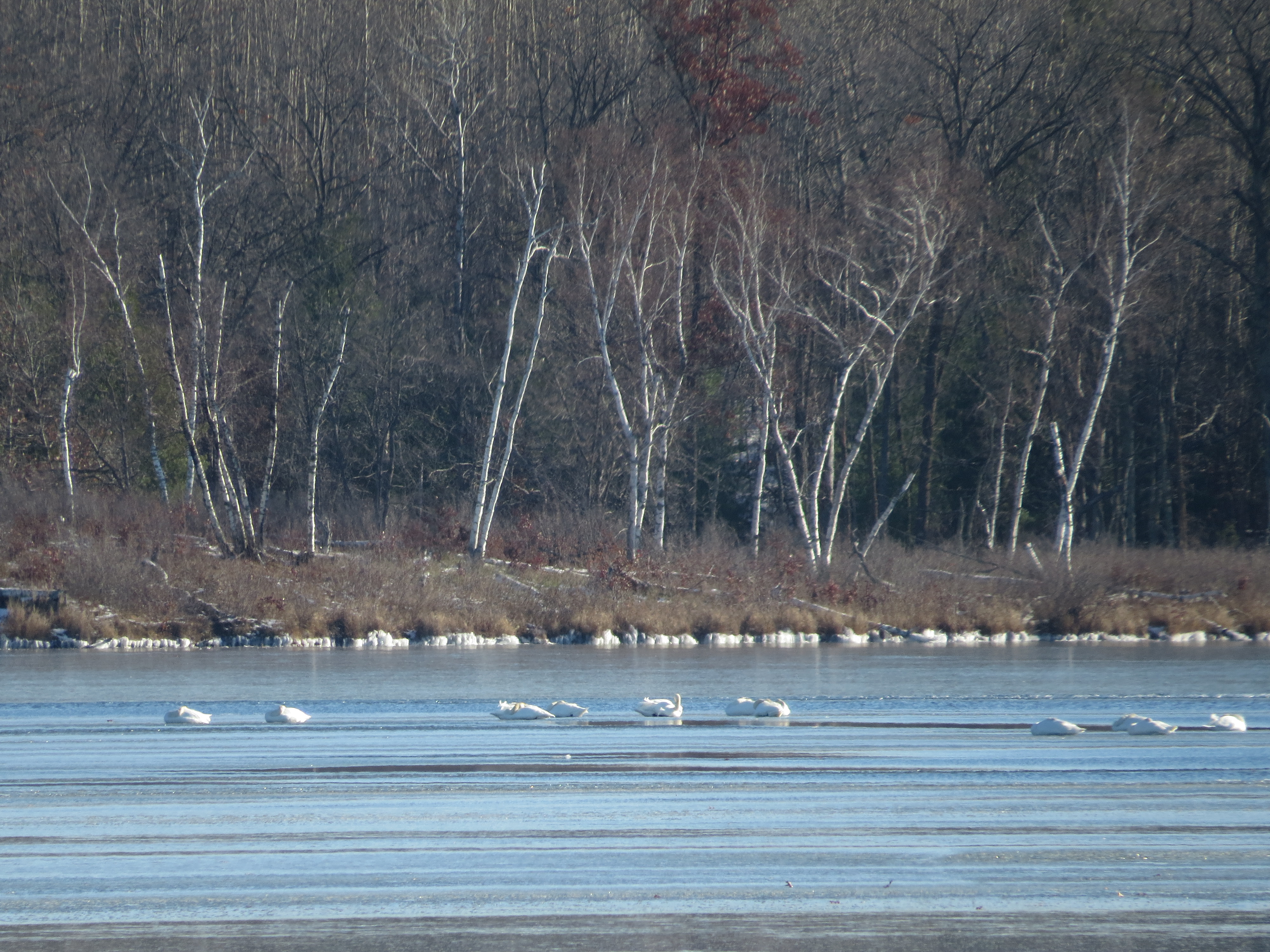
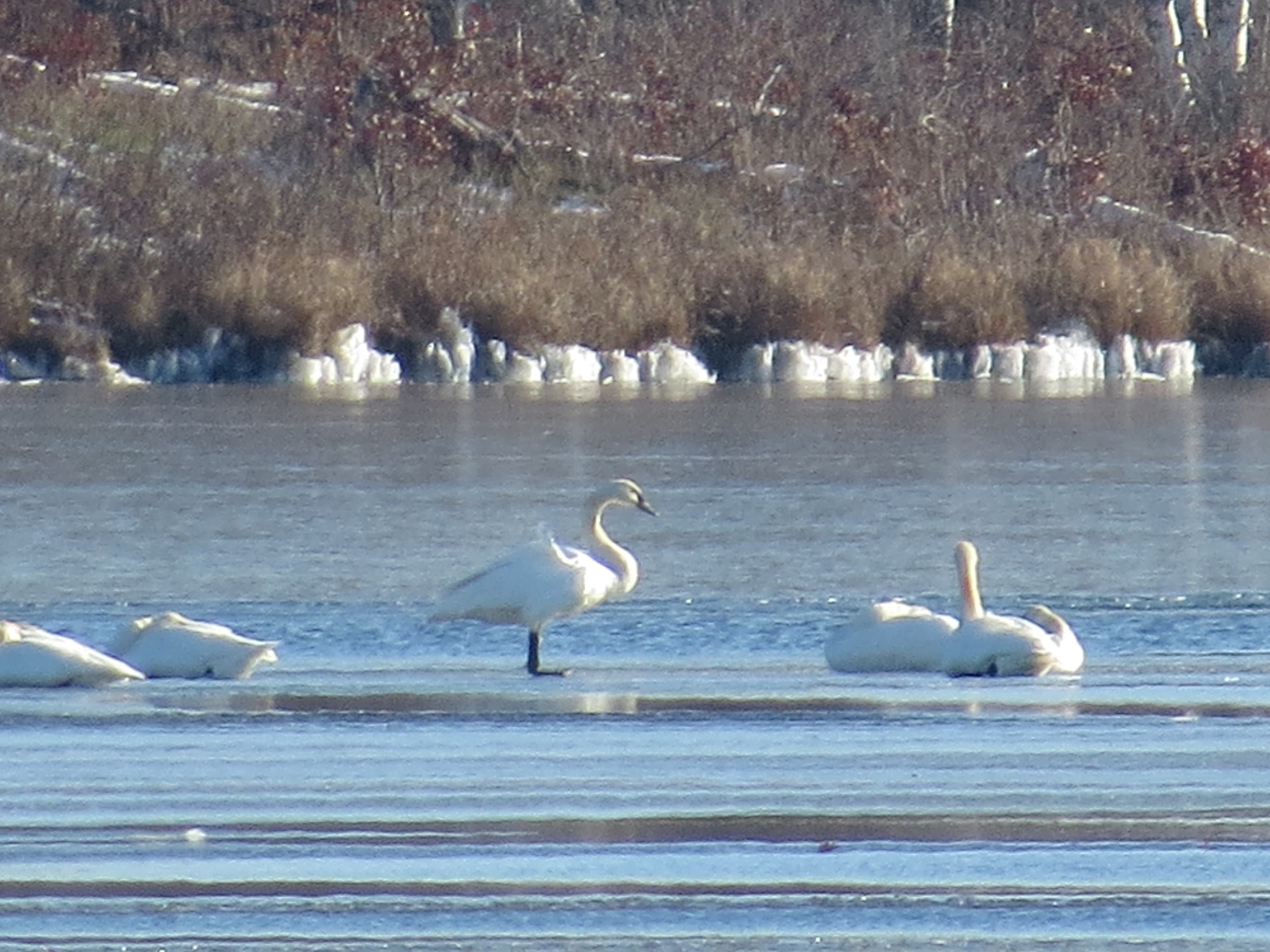
Trumpeter Swans were lying on the ice, their heads and necks folded into their feathers to protect their sleeping bodies from the chilly wind.

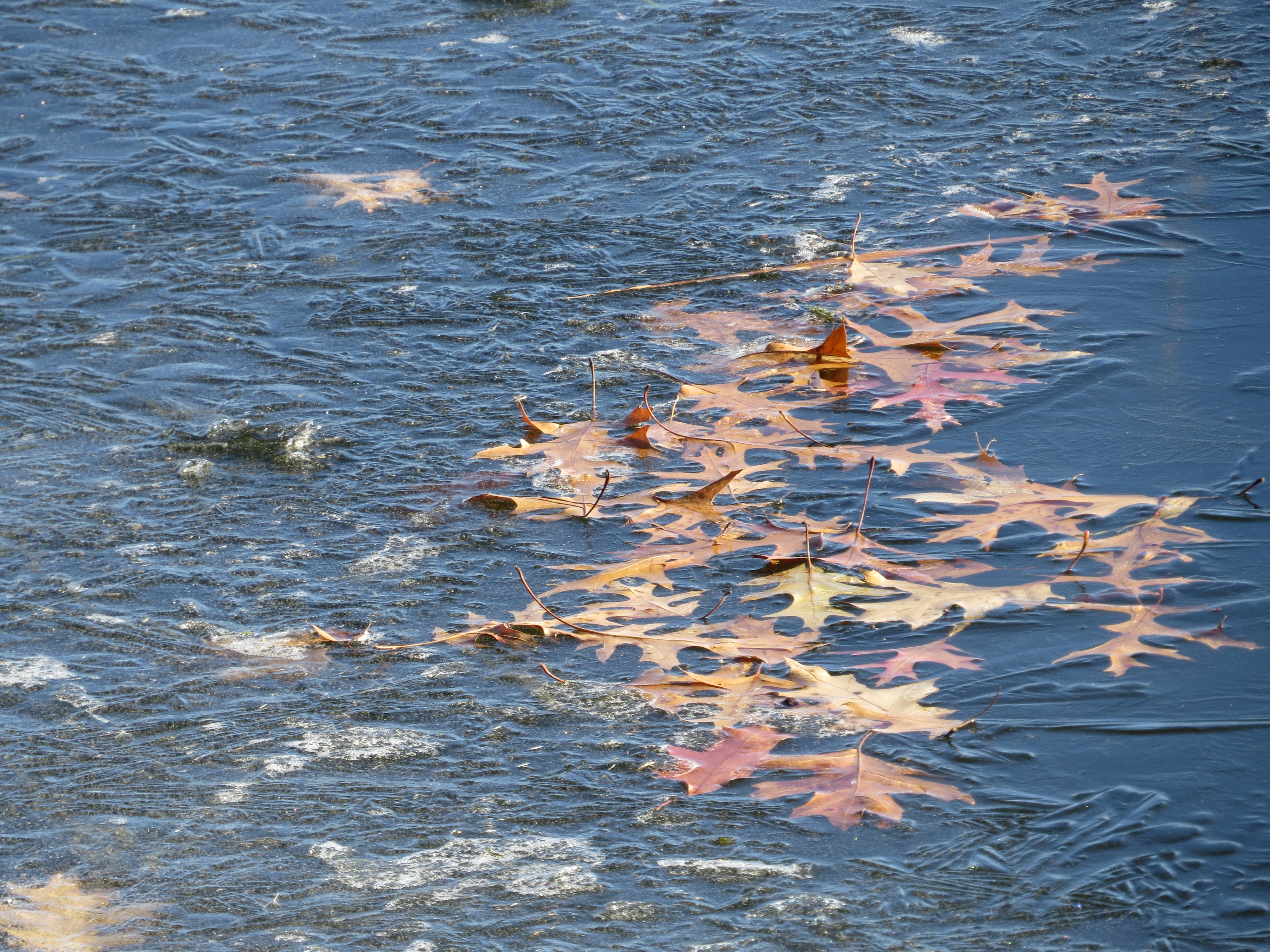
Autumn meets Winter when the beautiful rusty-brown Oak leaves floating on the water get captured by the forming ice.
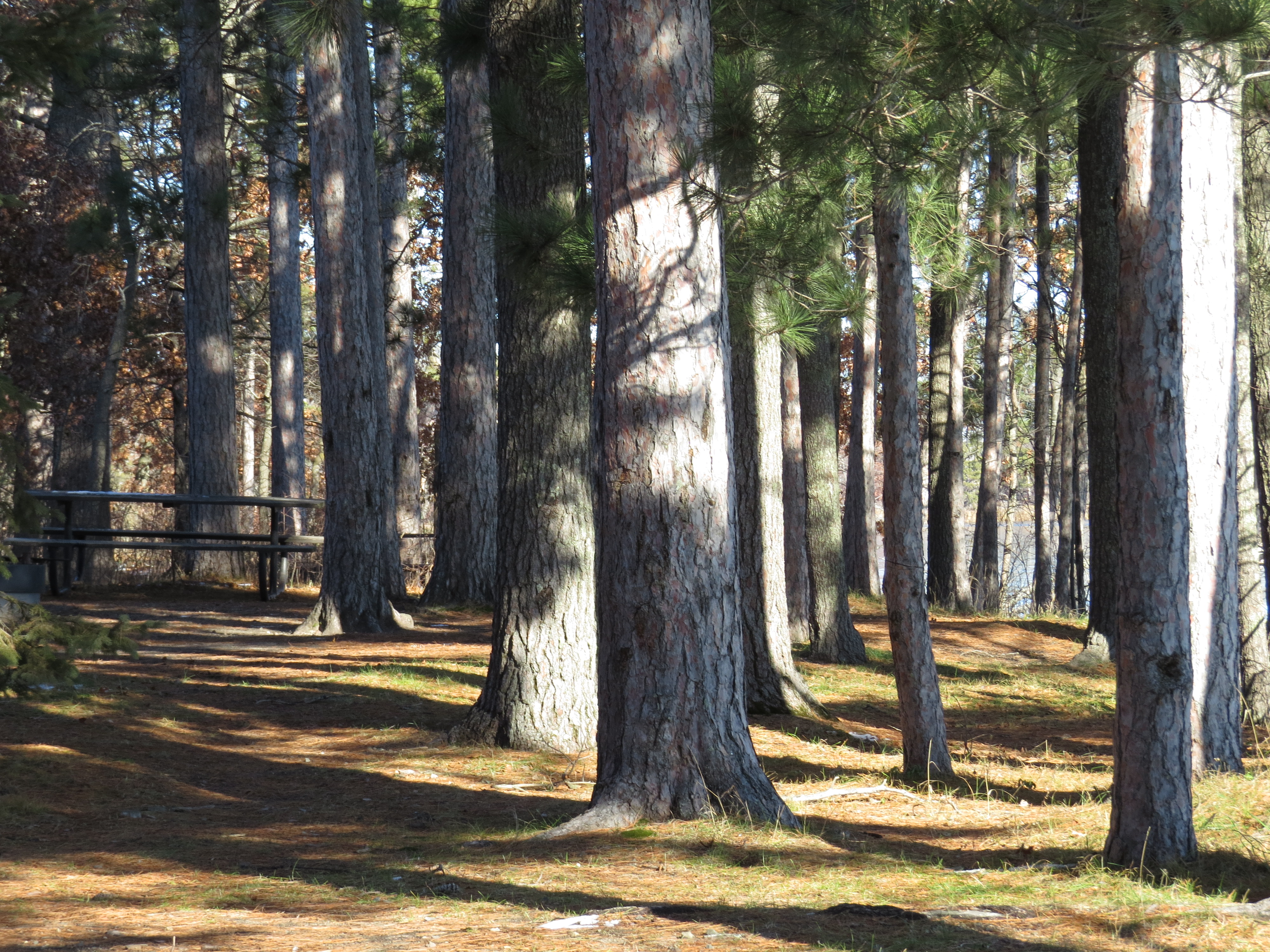
The campground is small, first come, first served, and has 18 campsites along the shore of Rock Lake under a stand of Pines.

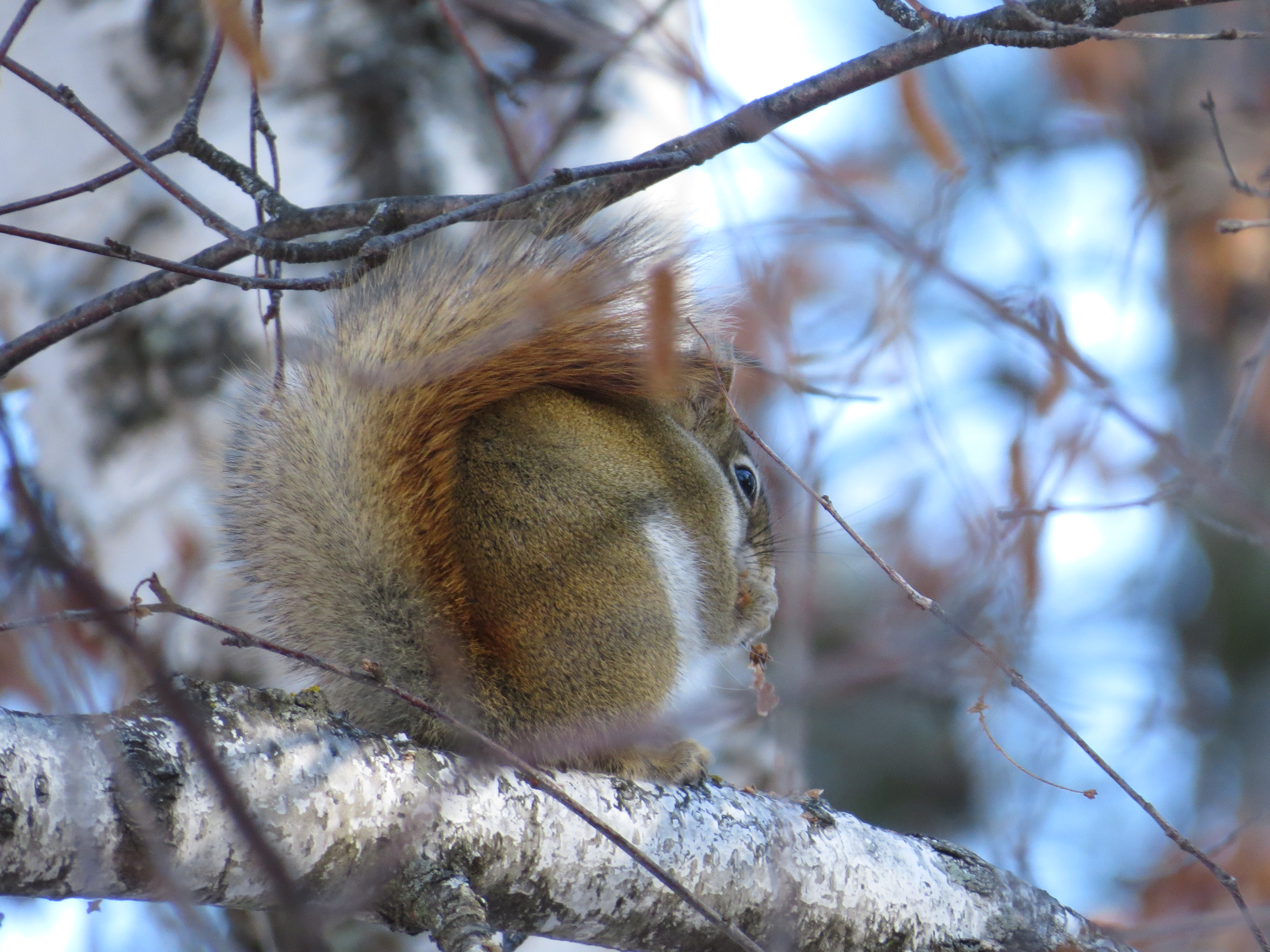
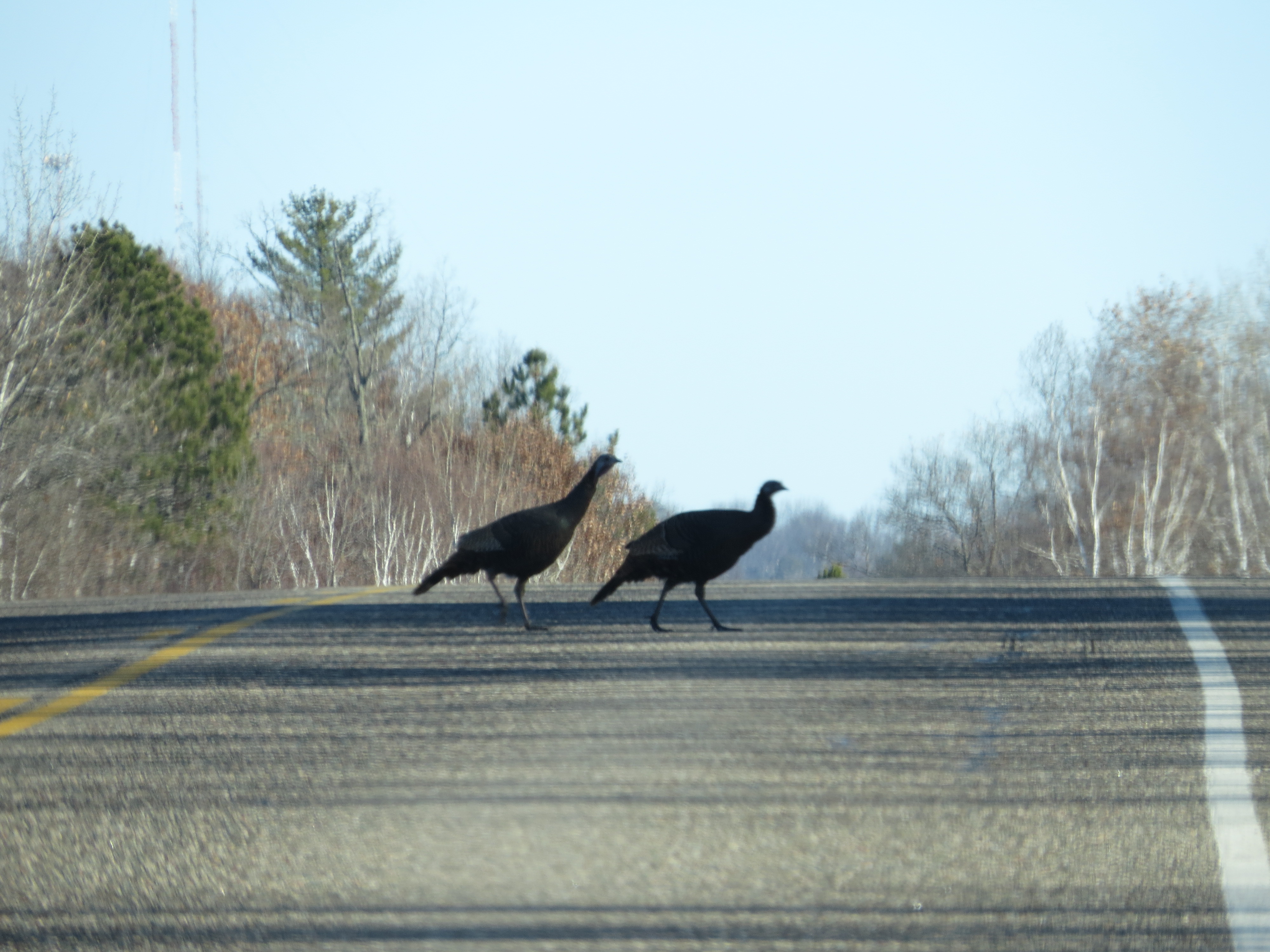
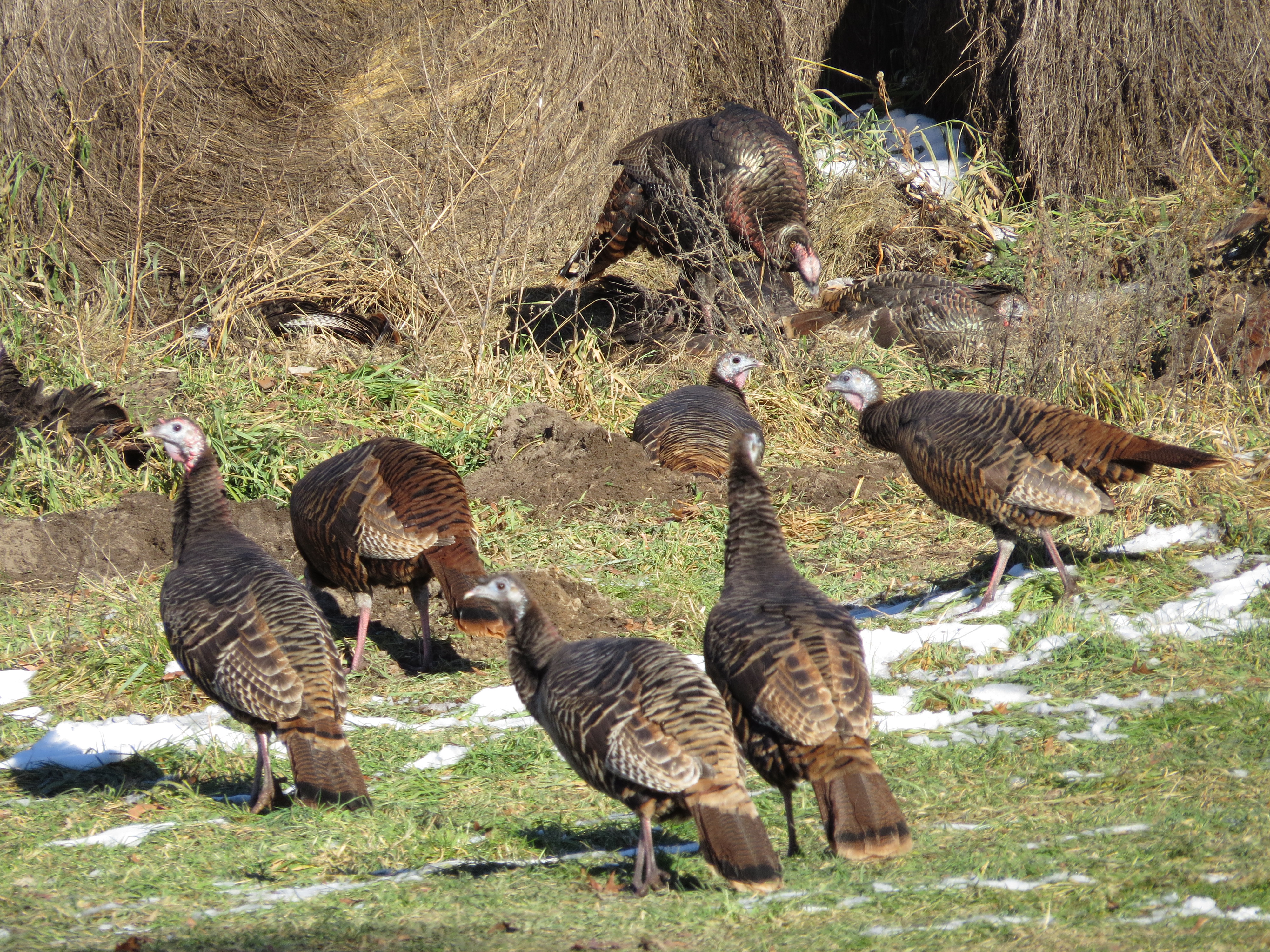
The forest ground is large and interspersed with private land. We drove from the campground to a day-use area for canoeing and horseback riding. We were slowed to a stop by Wild Turkeys crossing the road. They had a gathering place on the sunny south side of some big round bales, and a few were crossing the road to the farm place on the other side. They seemed quite confident of their place in this forest.
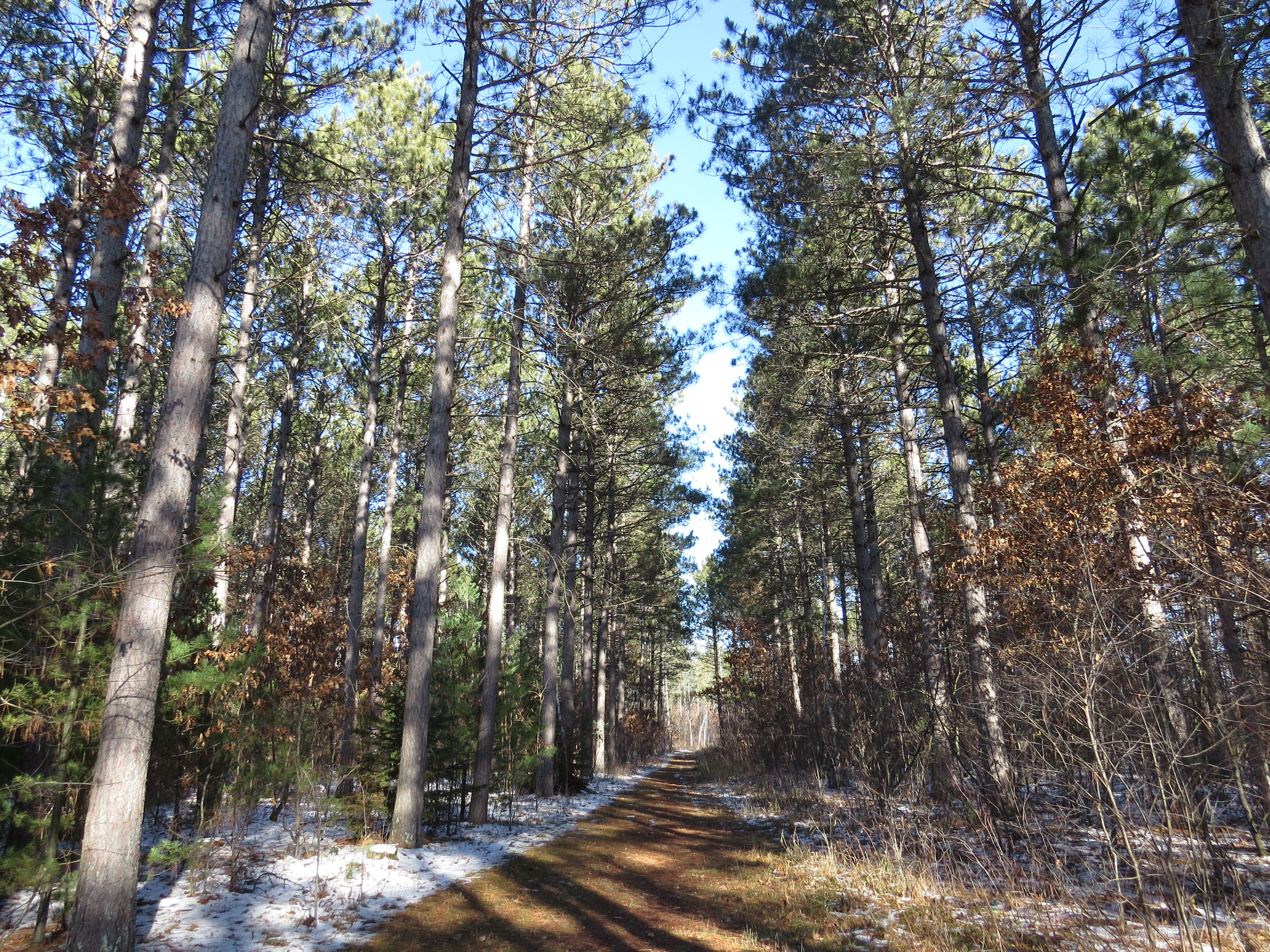
We traveled by road to another trail called Section 27 Road and ski trail. The trail was an old logging road that cut into the forest. We wondered if the whole area had been Pines at one time. Now it was mostly Aspen, Birch, and some older Oaks. The ‘ski’ trail continued when the logging road came to an end, and it became apparent that the trail had not been maintained for quite a few years. Fallen logs crossed the trail, making skiing pretty much impossible unless there was feet of snow.
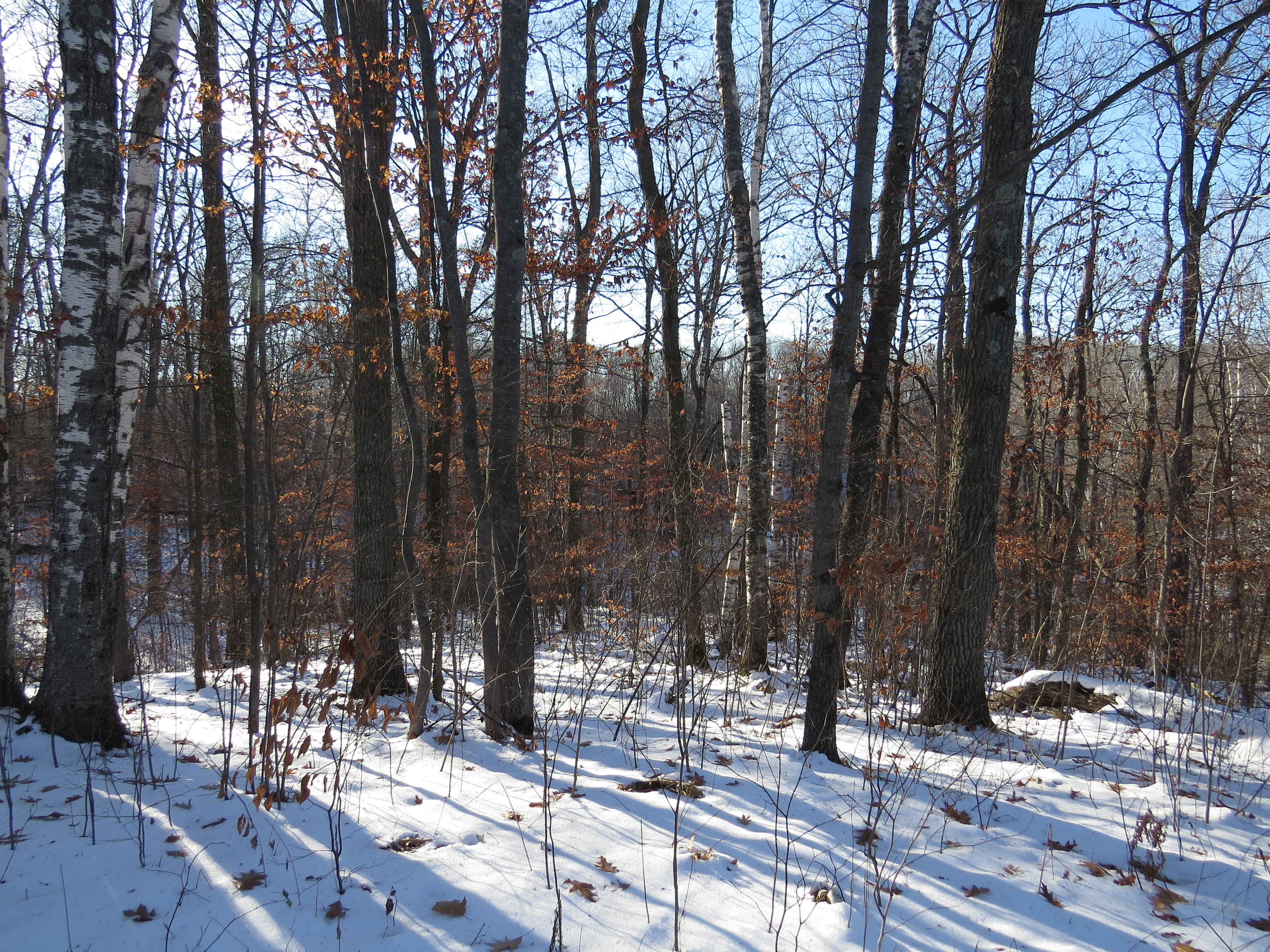
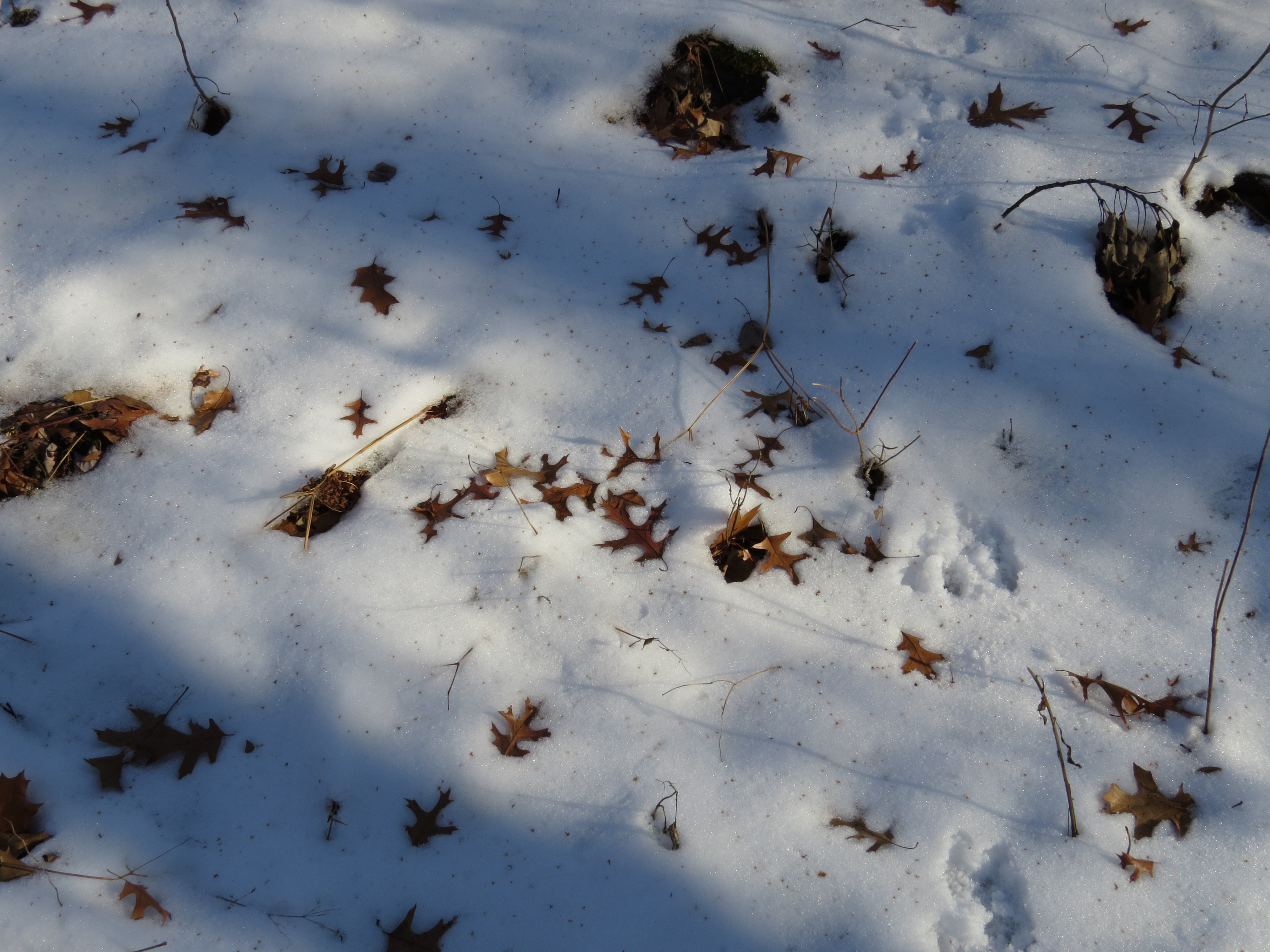
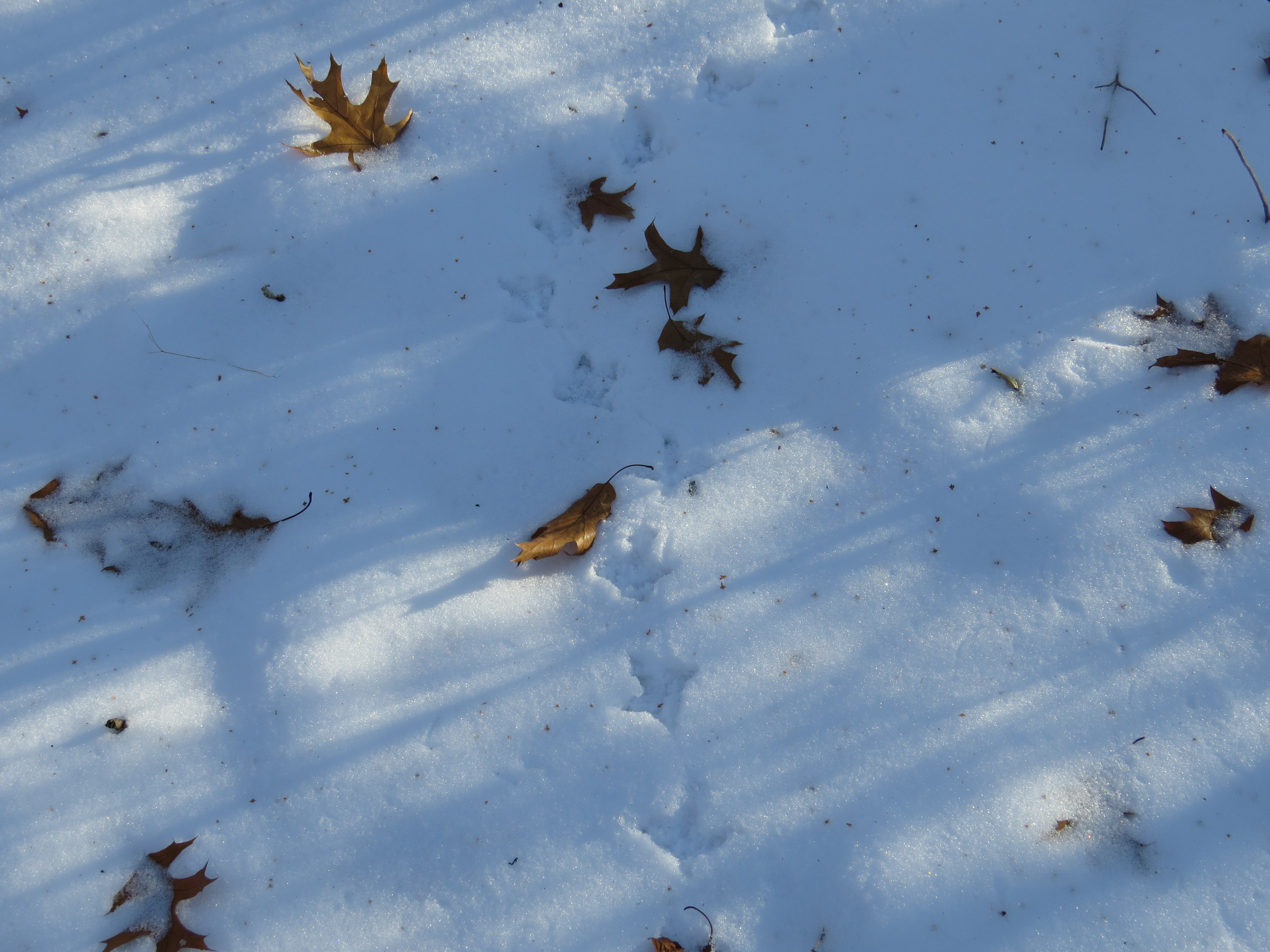
At this time of year, the sun stays low in the southern sky on its dawn-to-dusk trajectory, so there are always shadows that stretch out from the trees and from the smallest weeds. The Oak leaves make a pretty pattern on the snow, and the tracks of all the animals can be ‘read’ by passersby.
John Pillsbury made a huge impact on Minnesota with his businesses, his philanthropy to the state and to the University of Minnesota, and his political career. The state forest that bears his name offers a great place for recreation, especially the many miles of horseback riding trails. This transition time as we slip from late Fall into Winter brings a change that is difficult for some people. The very short days, the often cloudy skies, and the cold temperatures create a ‘hibernating’ quality that is accompanied by low energy and sometimes depression. I combat that with actually getting out into the cold—when one is dressed appropriately, it can be invigorating and calming at the same time—something that Nature is good at! It’s a time to pray for the end of the pandemic, to ‘build’ on our relationships, to be kind to ourselves, and to make plans for next Spring and Summer. It’s also a good time to sit by a southern-facing window, soak up some warm sun, and eat a yummy Pillsbury baked good. Enjoy!
Flirting with Winter and Warriors
I wanted to embody the archetype of the Warrior. In June, I attended a retreat/workshop hosted by friends of mine and created and facilitated by Dr. Chelsea Wakefield. By examining feminine archetypes, we were learning to live a life of self-awareness, peace, and connection. I was very familiar with the Mother archetype but didn’t think I was warrior-like in any way. All weekend, I yearned to become more of a Warrior. My idea of what it meant to be a Warrior was formed by the cultural/masculine idea—bold, strong, invincible, forceful—which was the opposite of how I felt.
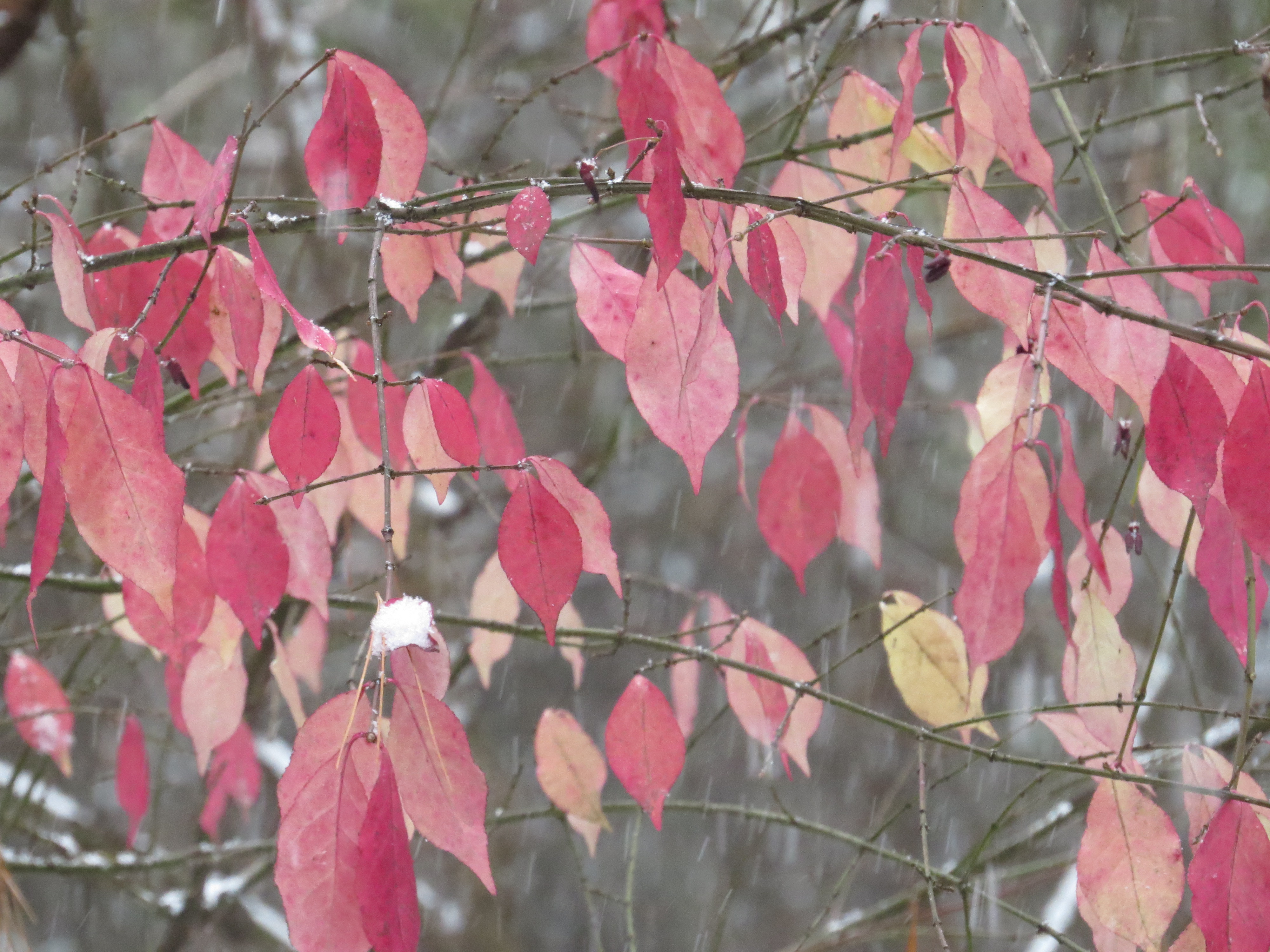
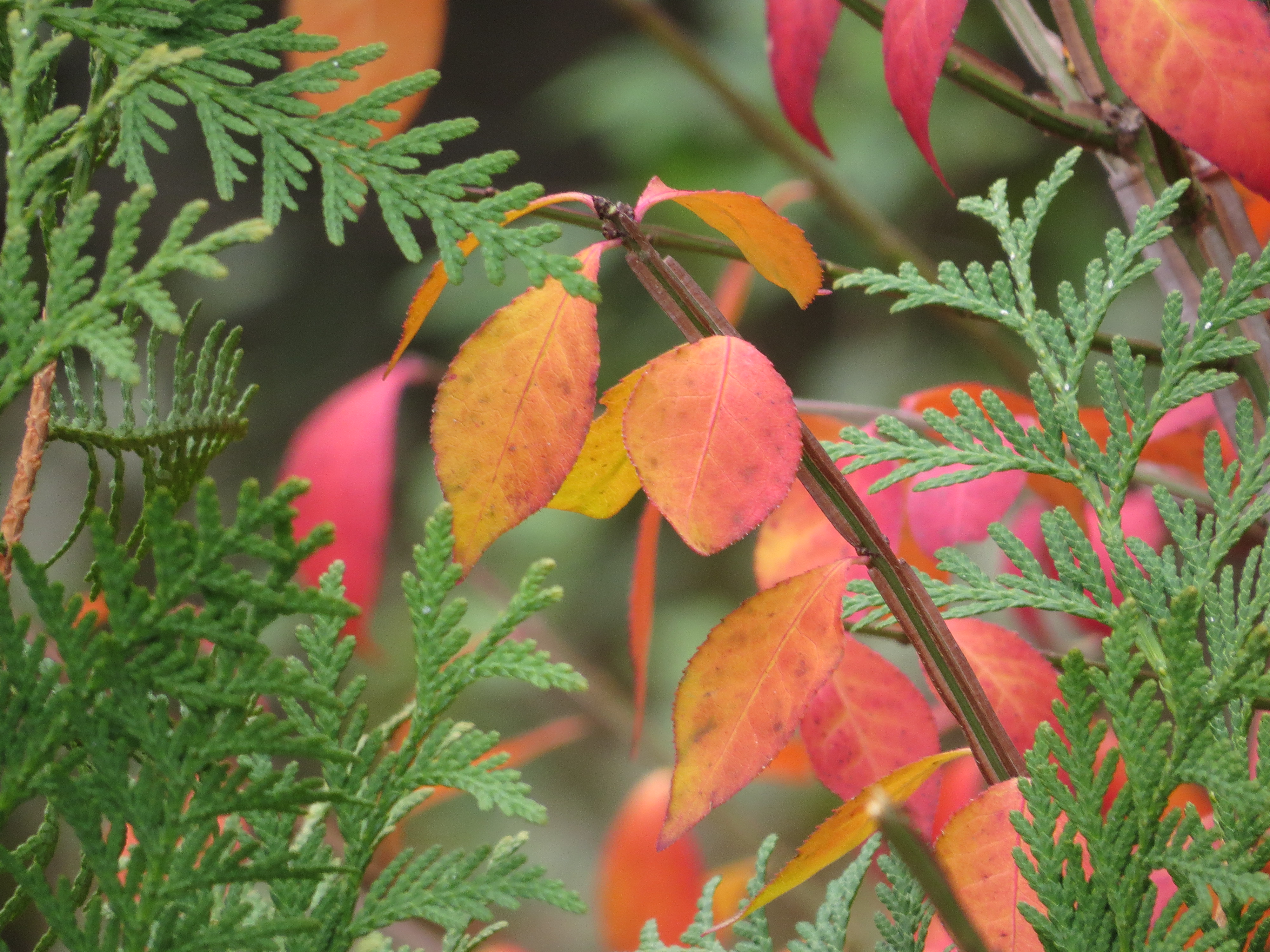
I had passed by the small tree hundreds of times without recognizing it. It was camouflaged in the woods with other deciduous and evergreen trees. But as everyone else lost their leaves, the brilliance of the little tree caught my attention, and I excitedly examined its branches to confirm my notion. “It is a Wahoo!” I exclaimed to Chris. Eastern Wahoos are captivating trees to me—they are small, unique, ethereal, beautiful, and tough. Dakota Indians gave them the name Wahoo which literally means ‘arrow wood.’ The ‘warrior spirit’ of Euonymus atropurpureus was believed to keep enemies out when planted around encampments.
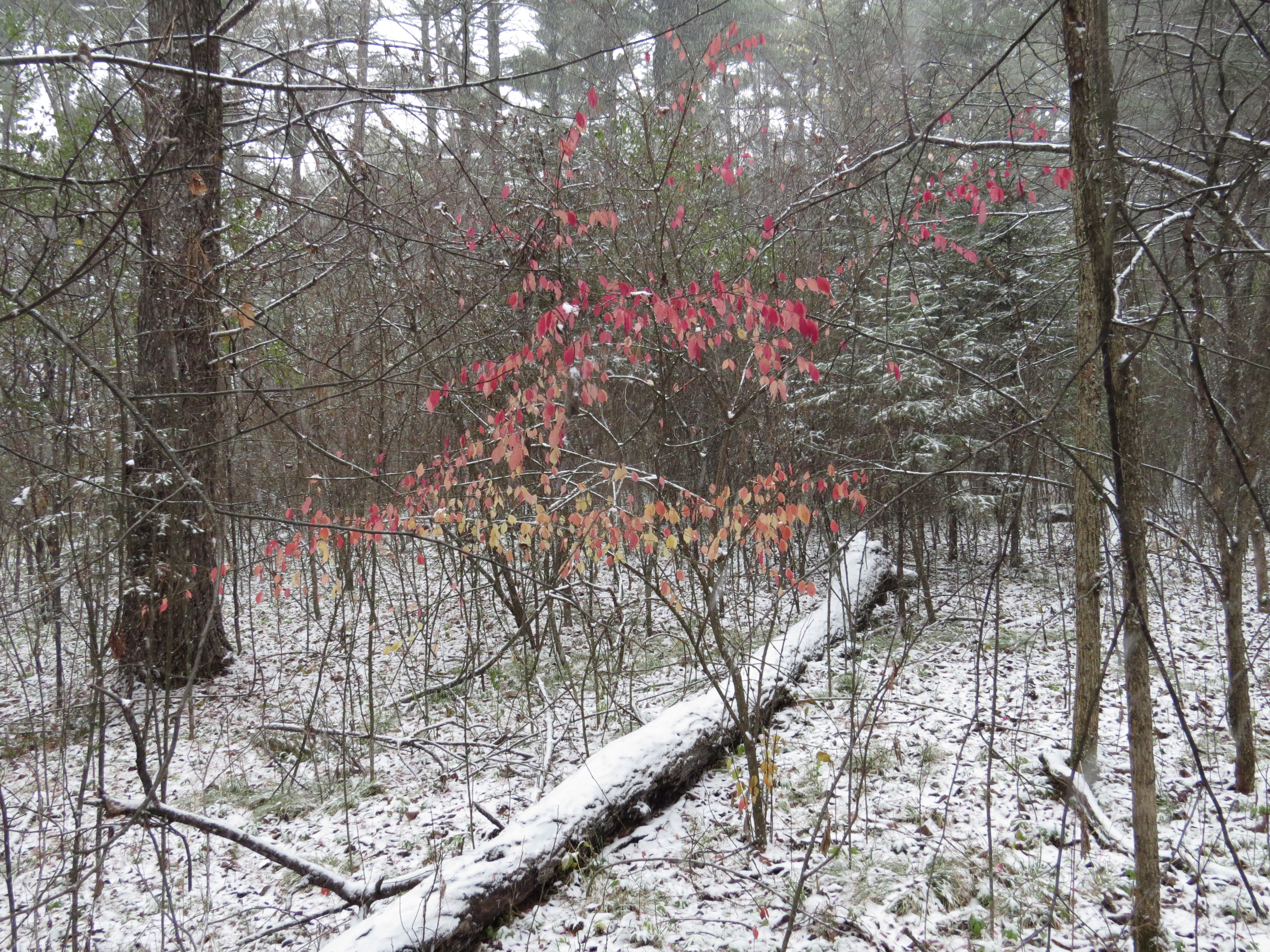
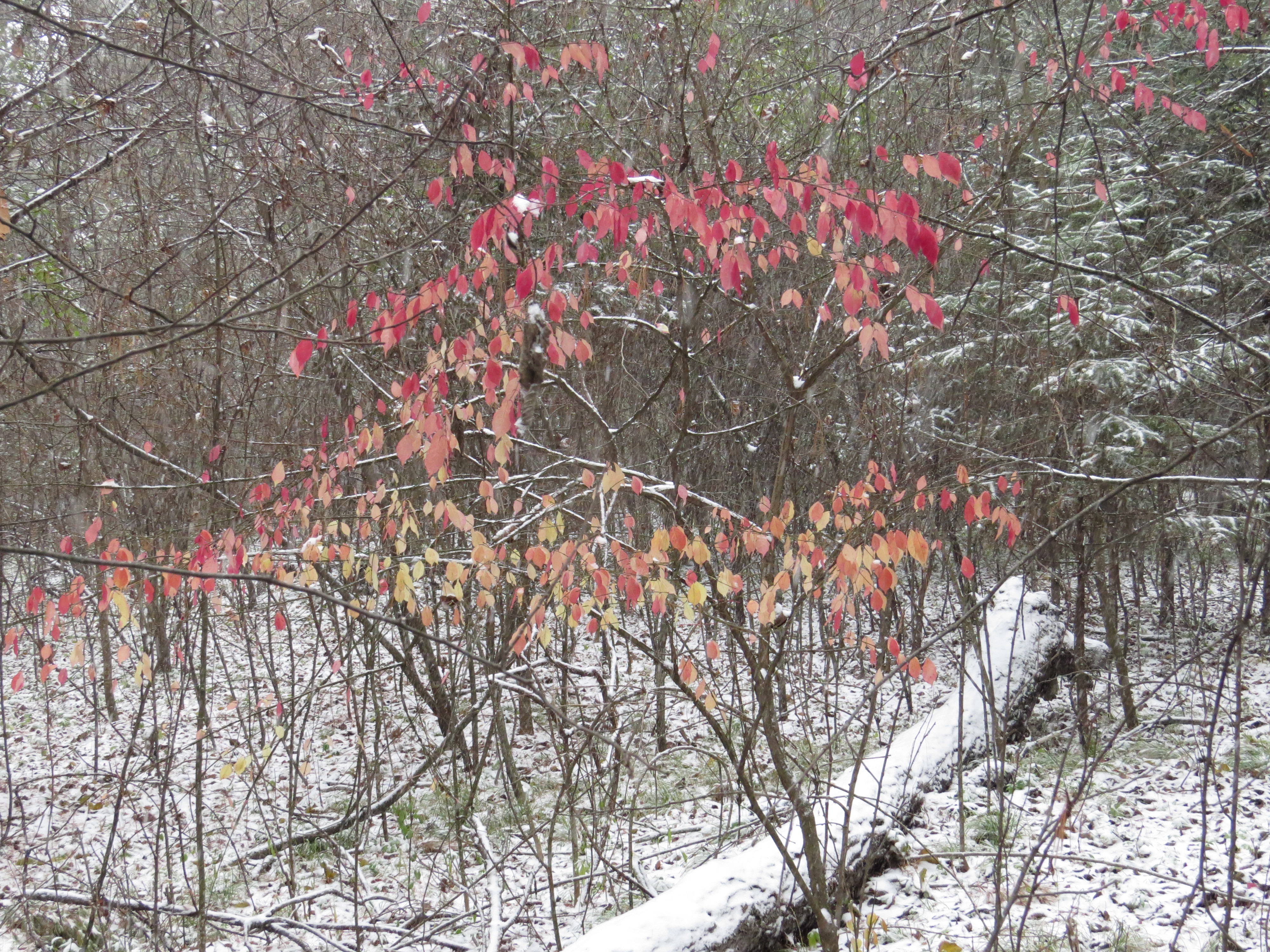
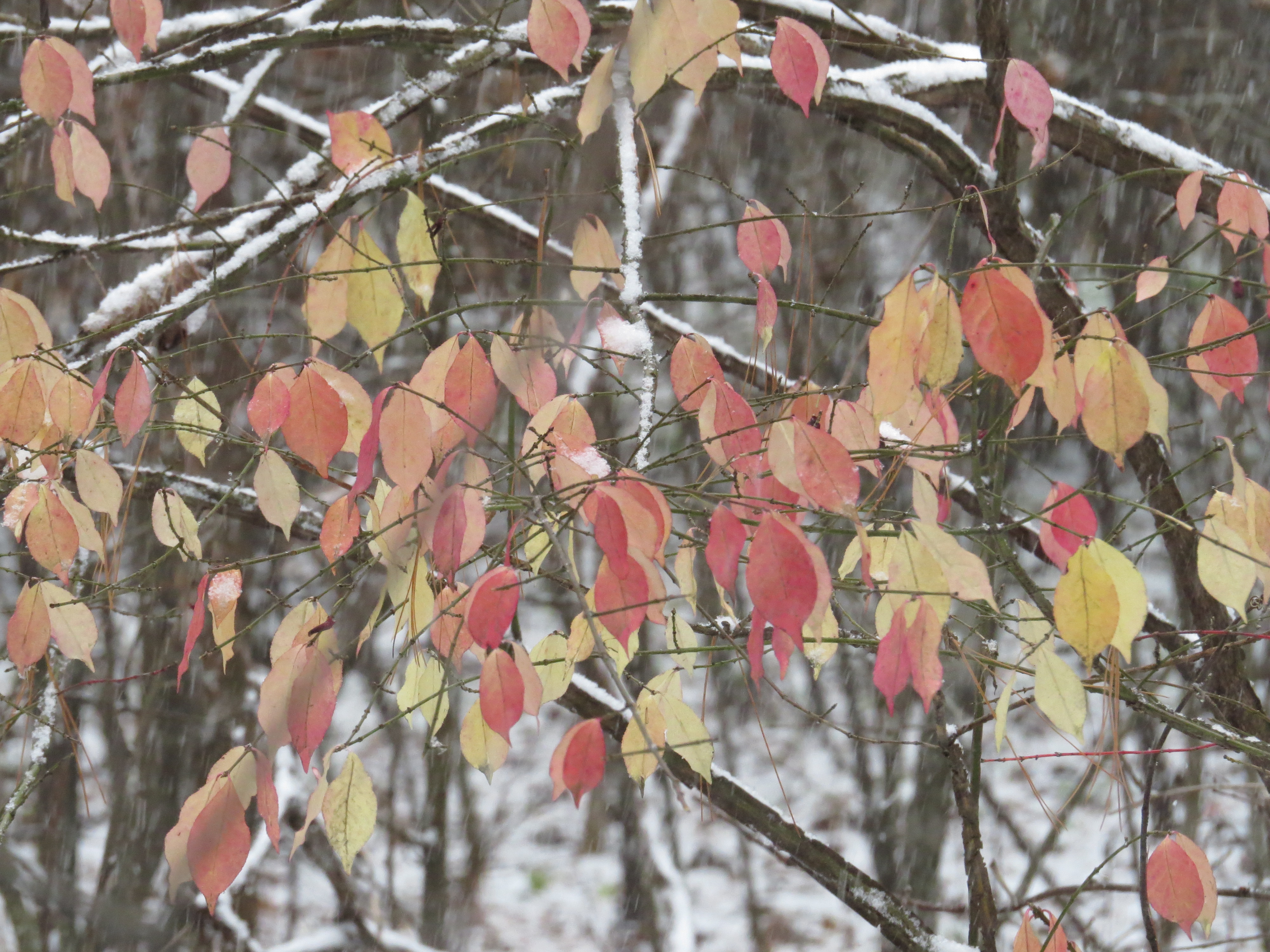
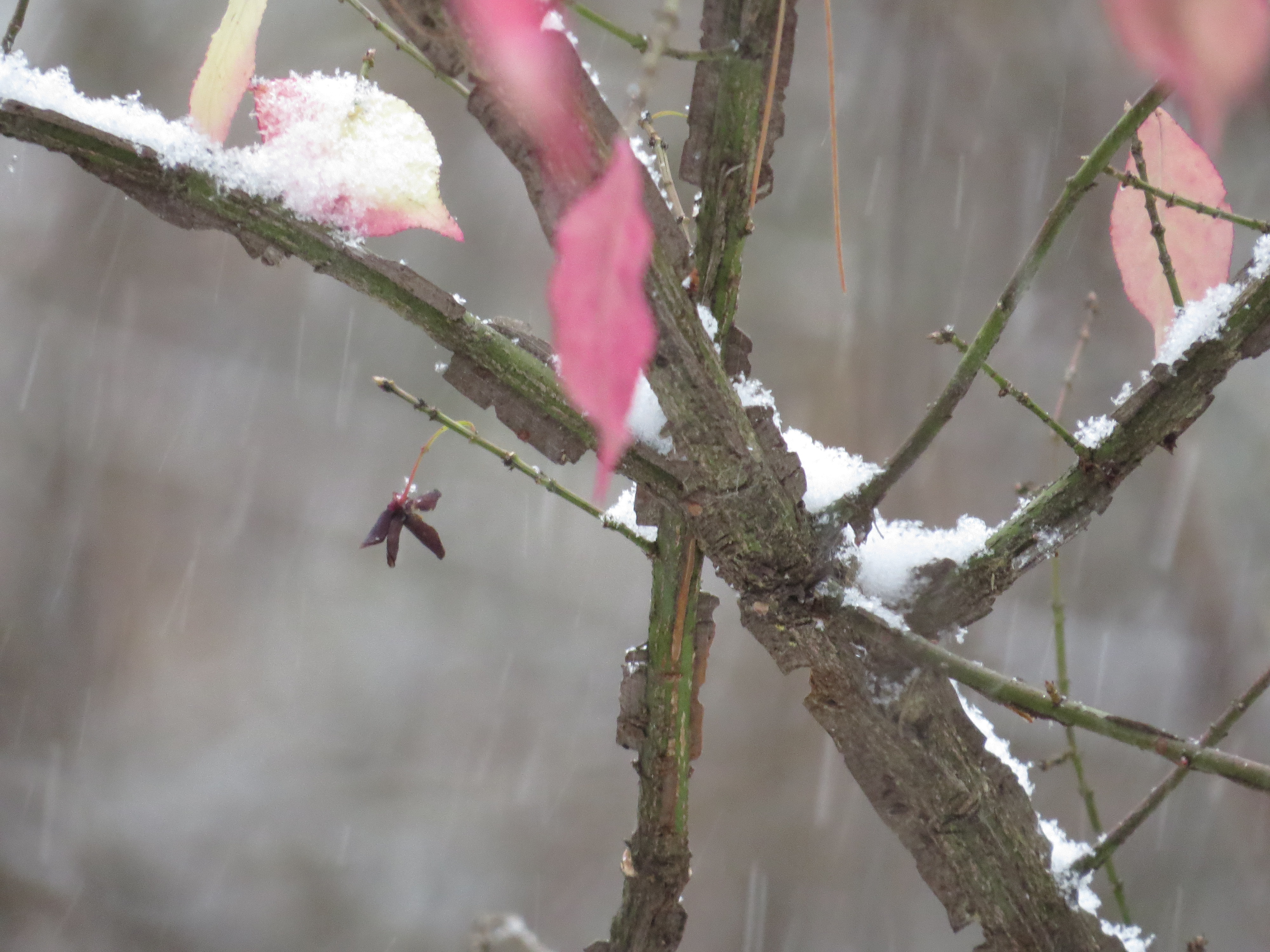
The corky, winged branches identify the Wahoo as belonging to the Genus Euonymus, the same Genus as the invasive shrub species ‘alatus’ commonly called Burning Bush.
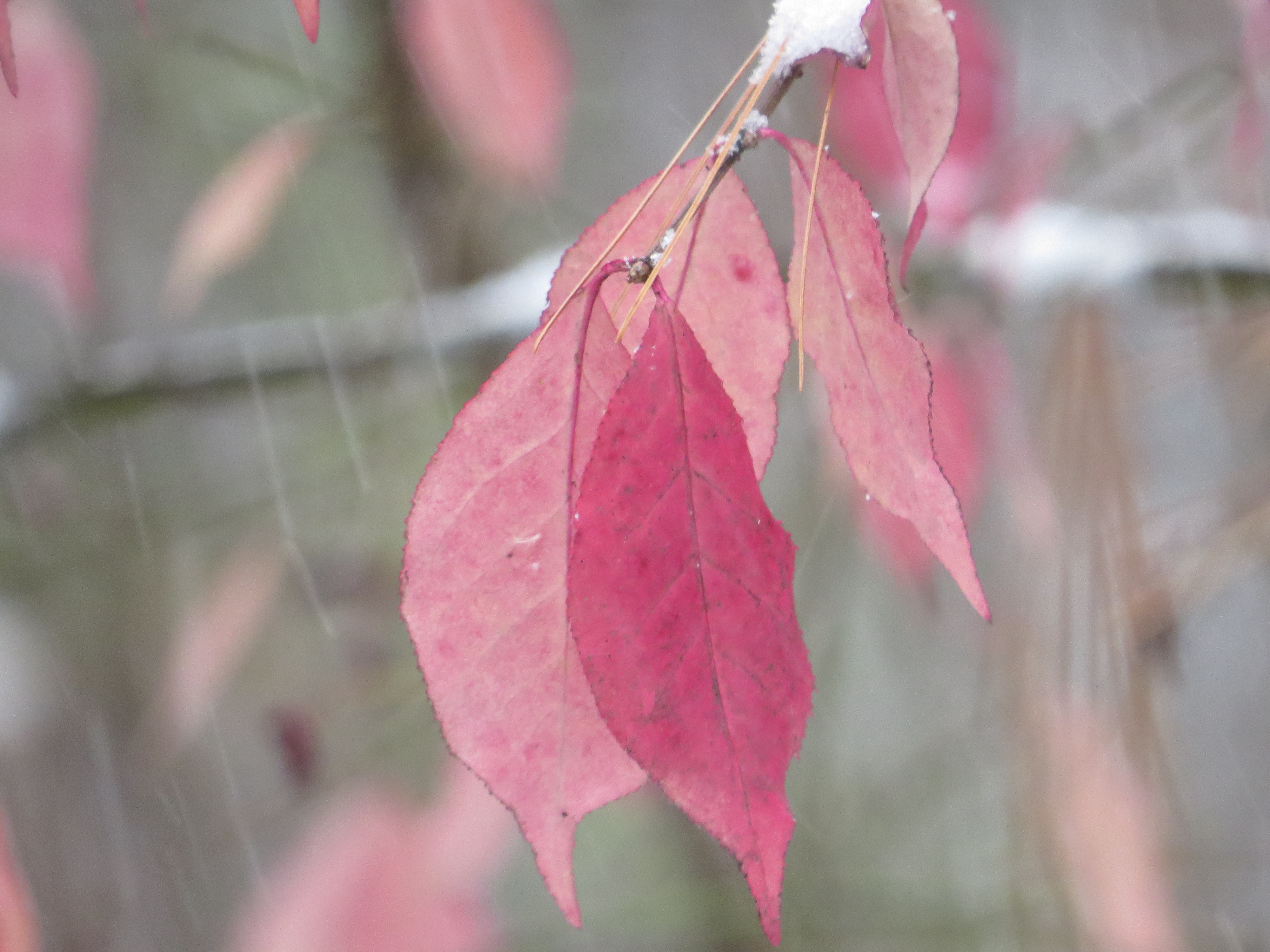
Chris has been growing Wahoo seedlings for a number of years now. Their Fall color is spectacular along with the showy, heart-shaped seedpods that burst open to display red seeds. The leaves fade to yellowish-pinkish-white.
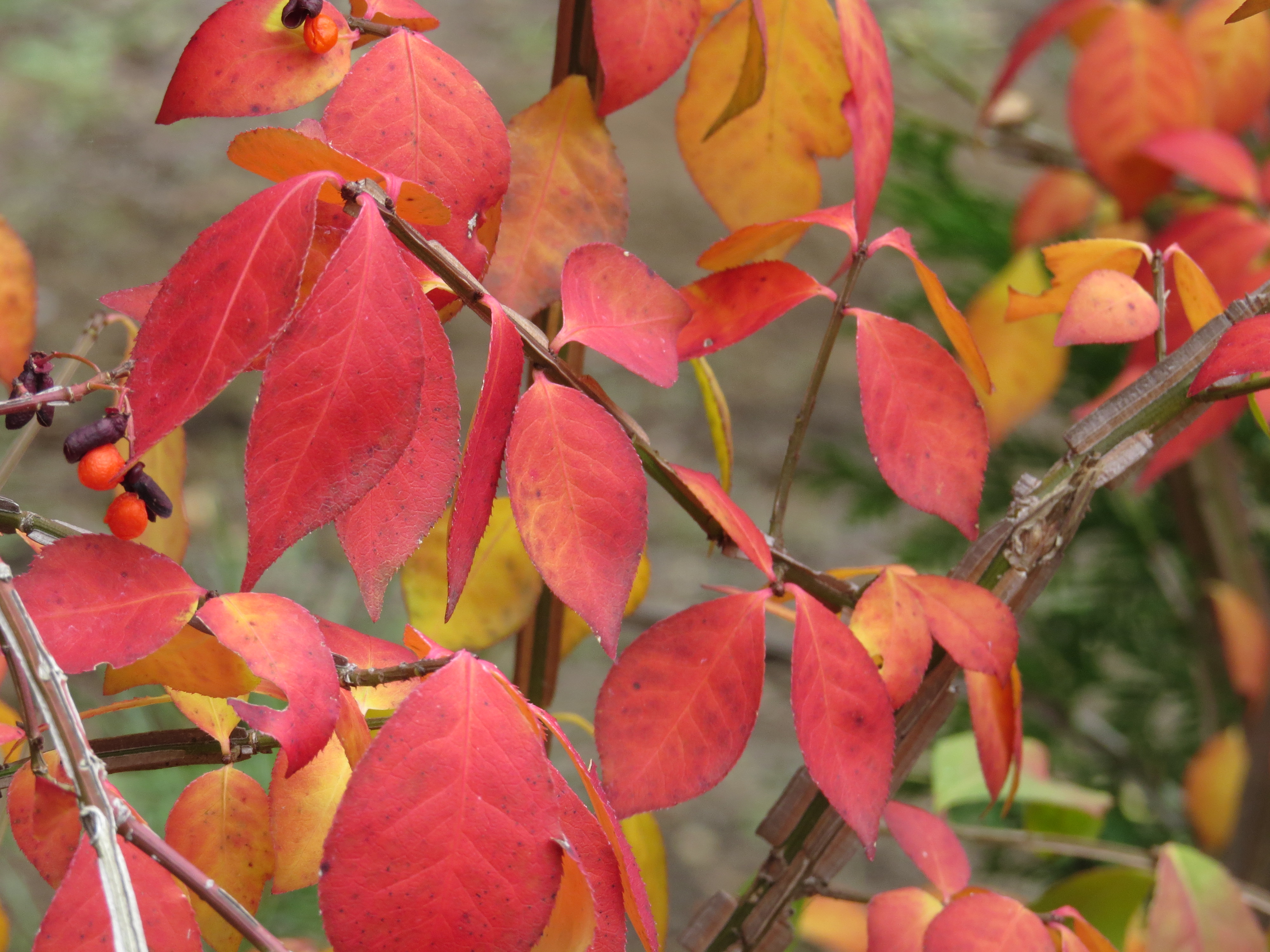
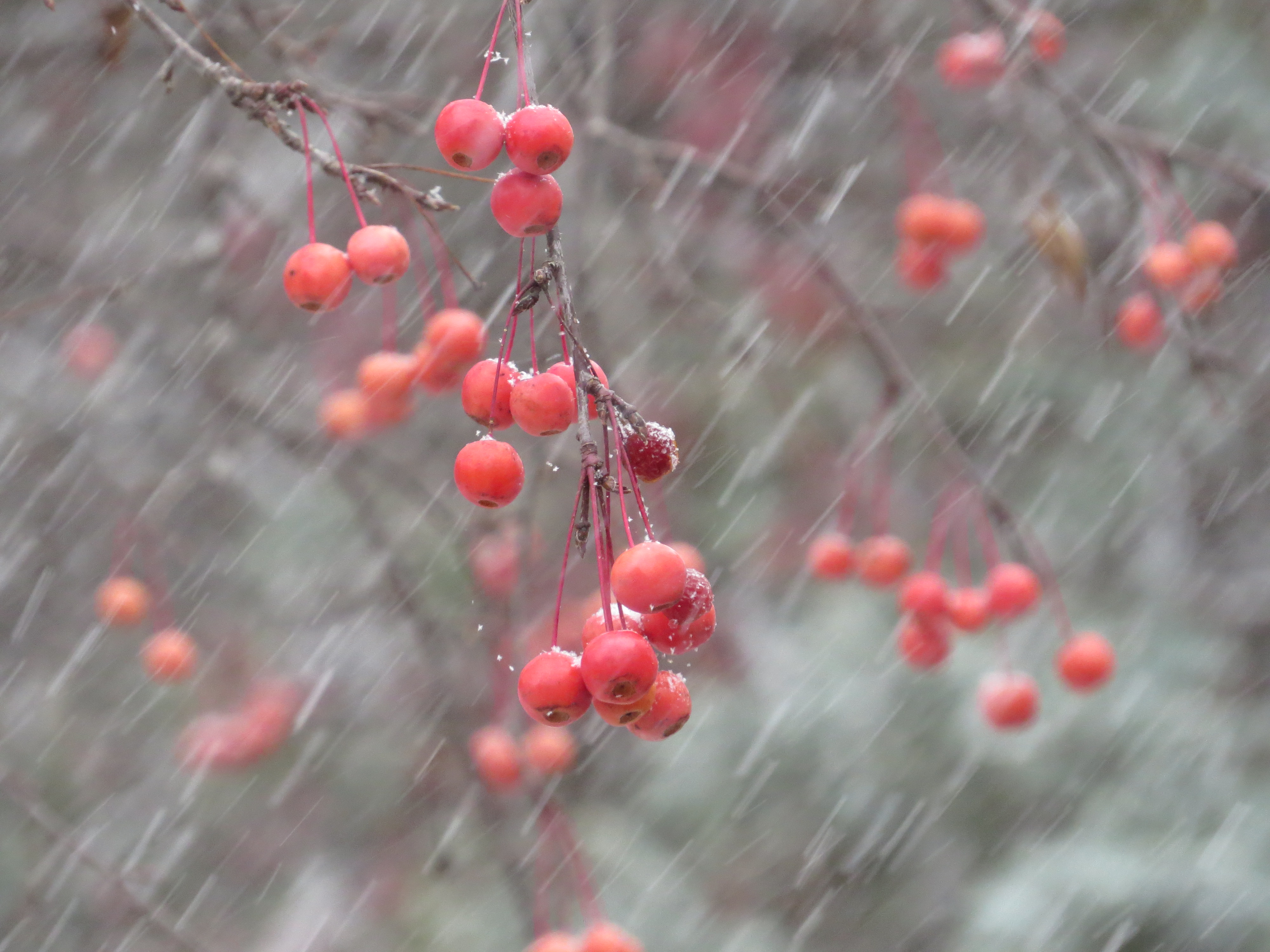
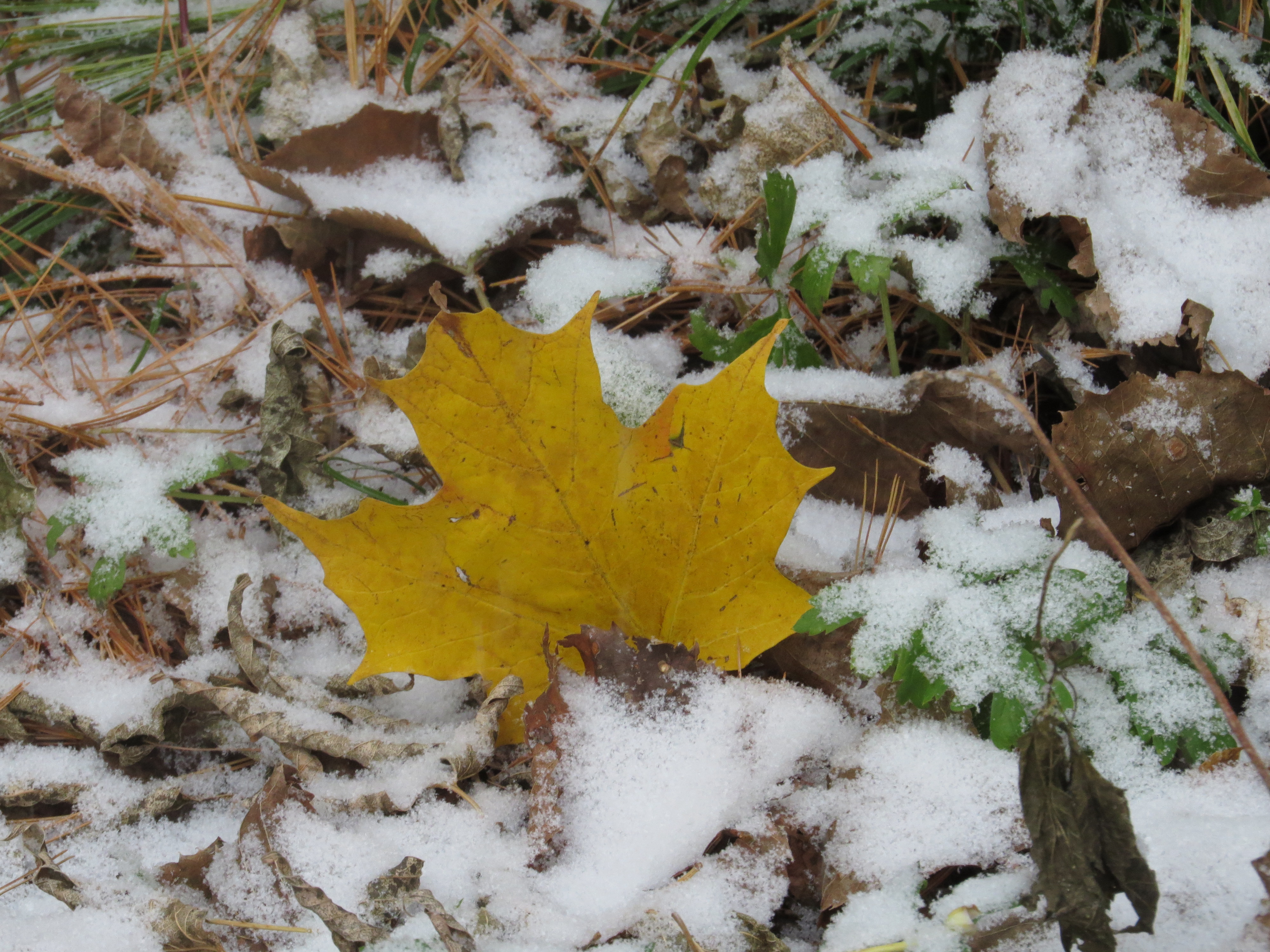
On my Fall-flirting-with-Winter walk, Crabapples hung from the bare branches gathering snow, and a yellow Maple leaf tried to remain sunny.
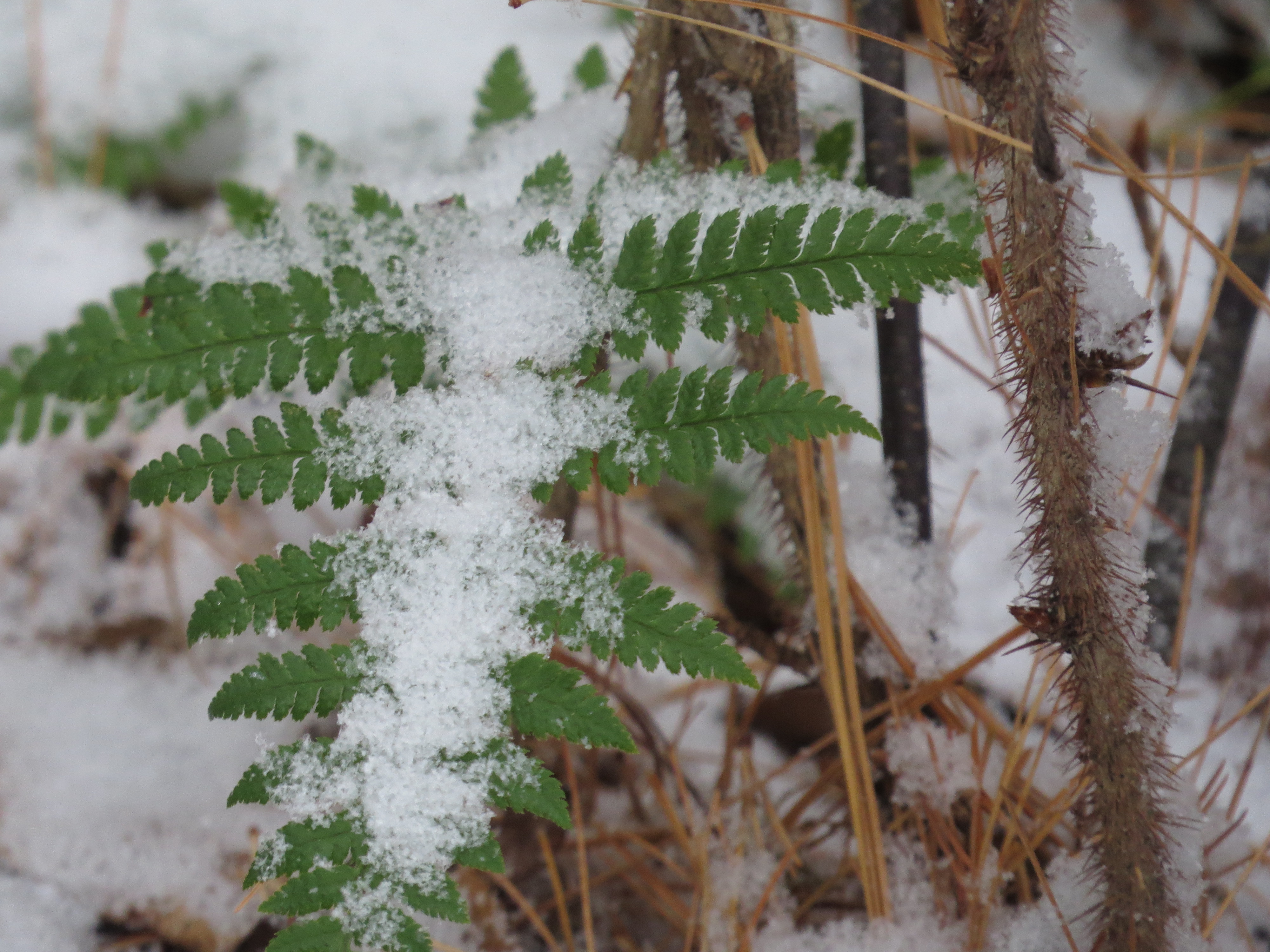
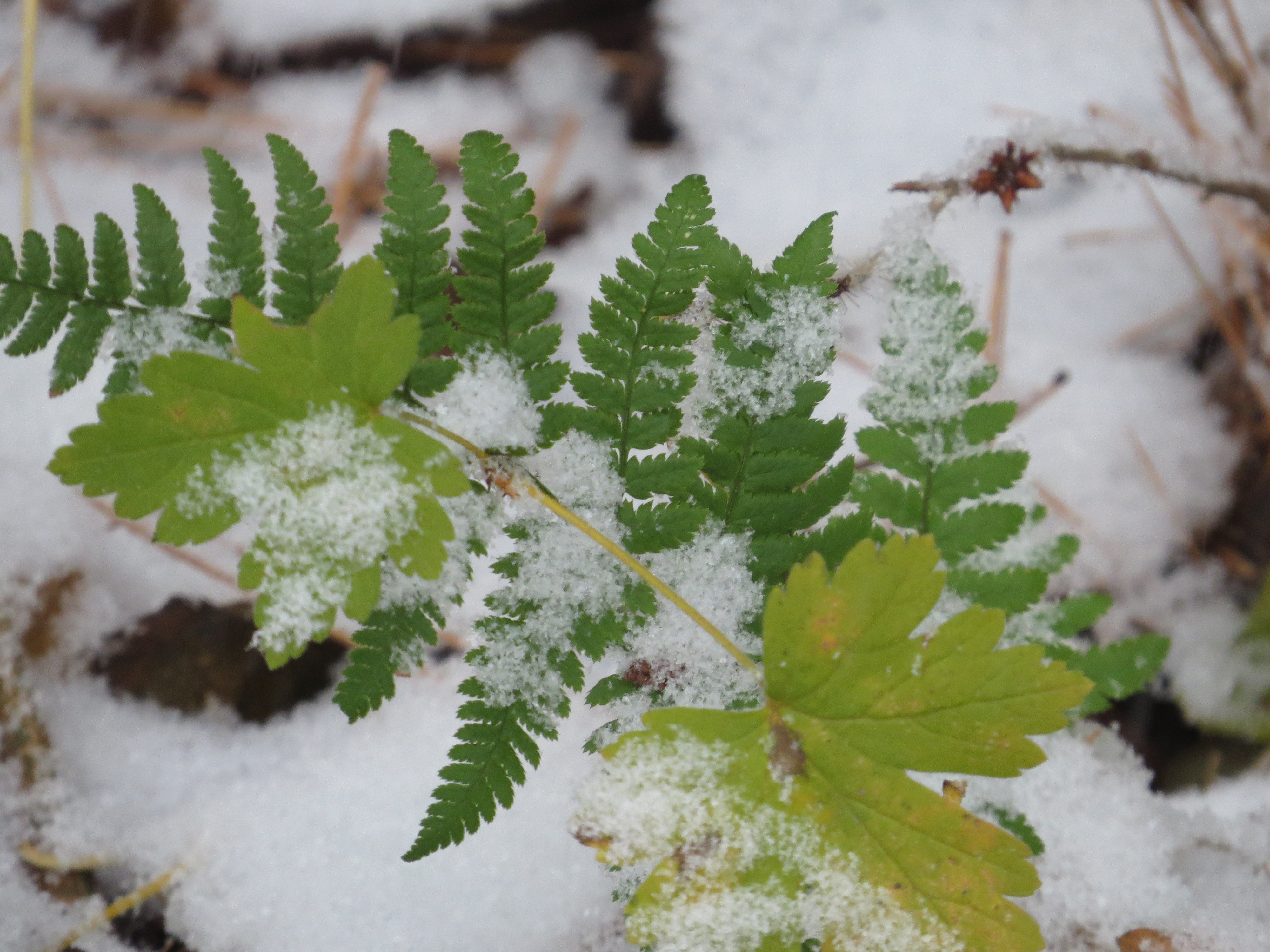
A green-as-Summer Fern leaf and the prickly stems and lime green leaves of a Gooseberry shrub wore their snow coats with courage.
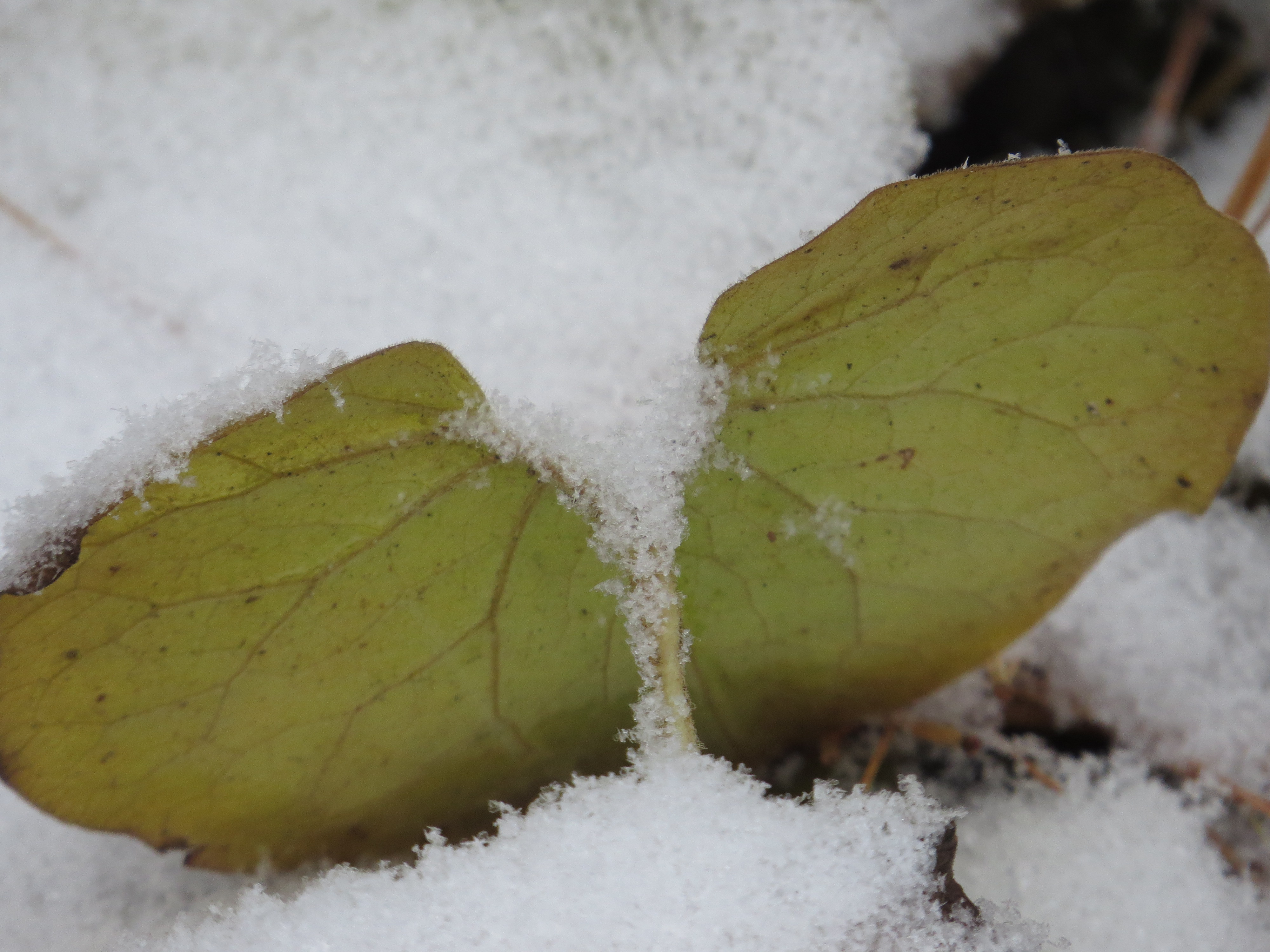
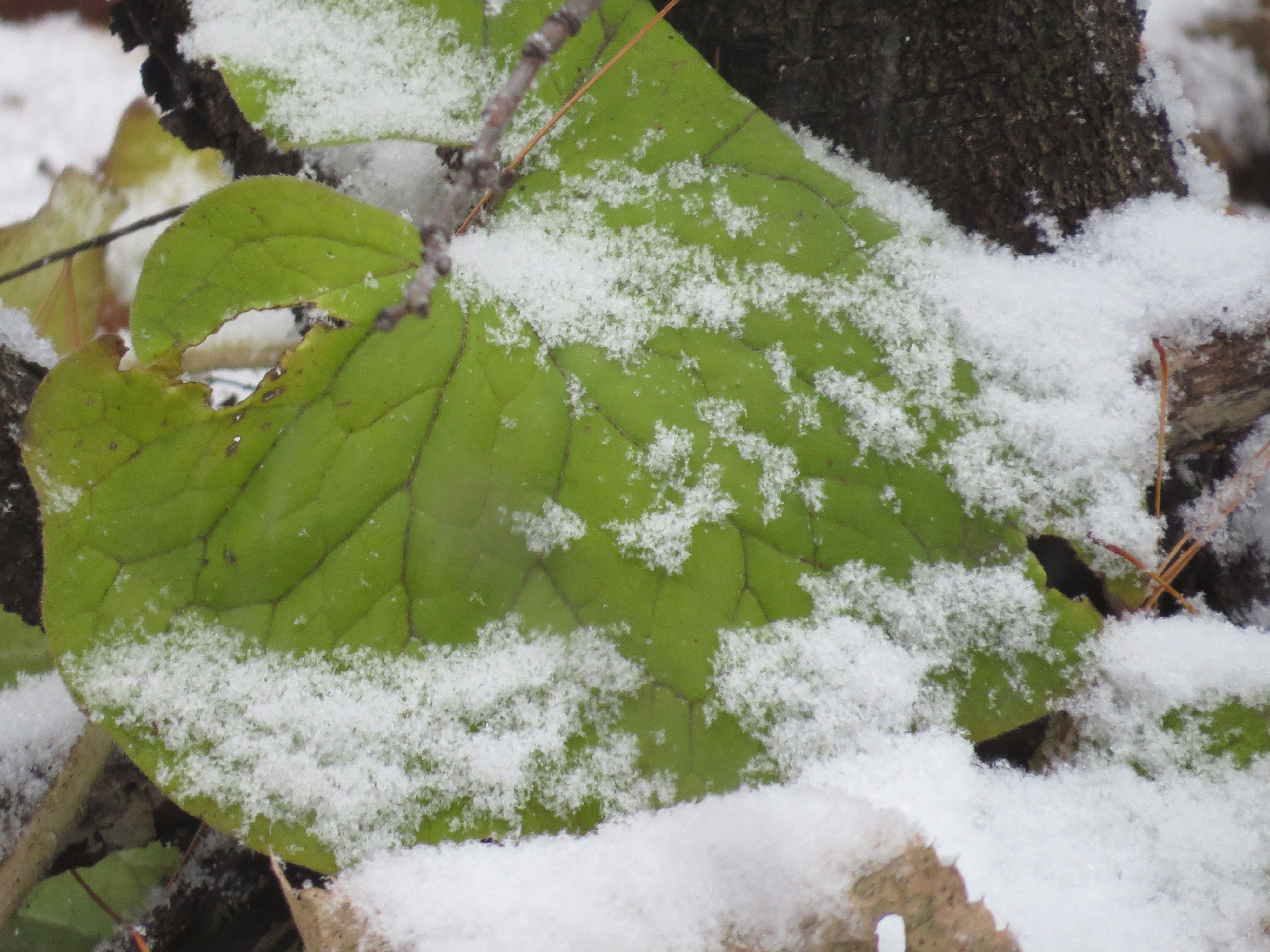
Wild Ginger leaves, one of the first to show in early Spring, had laid down to hug the Earth in late Fall. Then snow blanketed them.
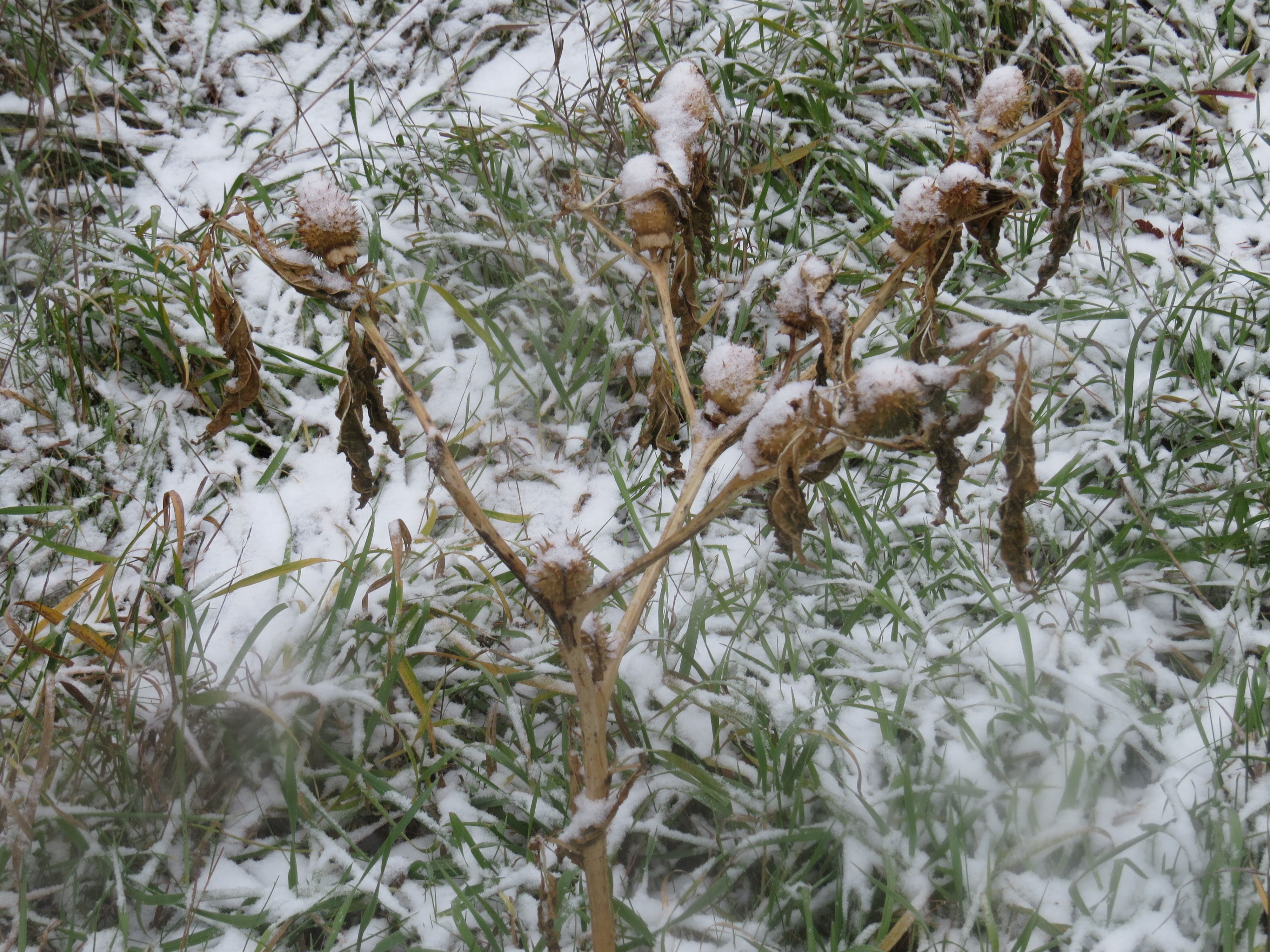
On our walks, Chris and I had been eyeing a Jimsonweed plant growing in the ditch, wondering where it came from, thinking we should ‘get rid of it.’ It is an unusual plant with pretty, trumpet-shaped flowers and burr-like seedpods. It is a member of the Nightshade family, has been used to treat various ailments in traditional medicine, and the plant is highly poisonous. Good and bad all in one.
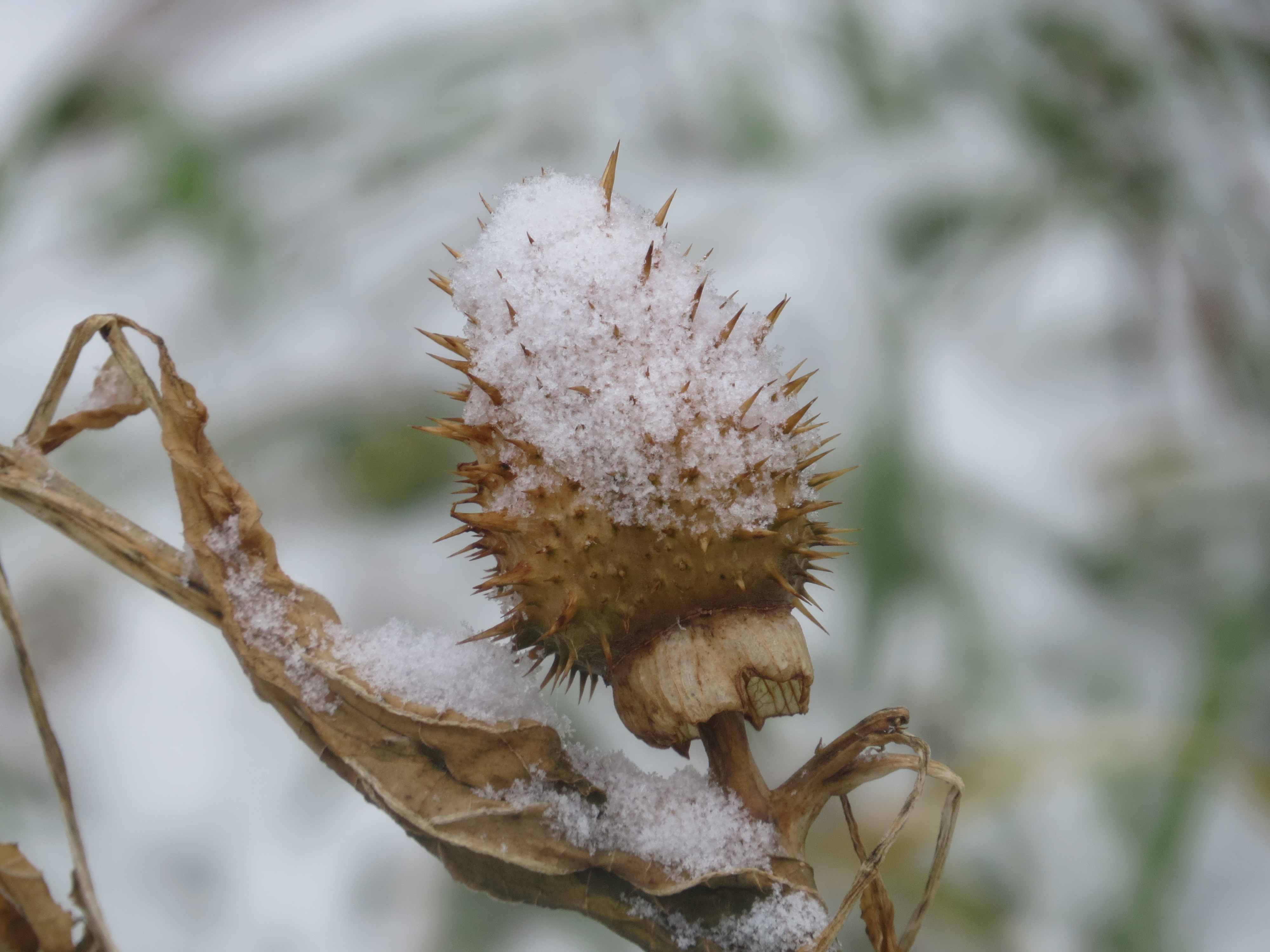
How many times have we walked past the ‘warrior spirit’ without recognizing it? How many times have we gotten the meaning of what it means to be a Warrior wrong? The beautiful Wahoo was a literal boundary and defender of Native encampments. Do not underestimate the power of the ‘warrior spirit.’ My idea of a Warrior was modified after the retreat weekend. At the closing, I had come to realize that I was much more of a Warrior than I realized! As a child, I had navigated a family tragedy before there were grief counselors; I had birthed and raised three children (which takes a good dose of Warrior along with the nurturing Mother); I had been a graduate student (as a mother of three) in departments that were predominantly male; and I have walked the woods all my life, then learned to make a website and write a blog. I am bold and strong in my own way! Each of us has the Warrior in us, but there is danger when it is wielded without wisdom and training. It is good and bad all in one. Useful and poisonous. That is true of all the archetypes, and therein lies our work. The most important work is recognizing what is happening within ourselves. We need to have courage, and we need to learn when to lay down our weapons. Another common name for the ‘warrior spirit’ Wahoo tree is ‘hearts bursting with love.’ That’s a good way to be a Warrior.
Distilling Down to Brown
If we were to distill down life into one color, what would it be? I mean literally distill down every cell of every being. No matter what color we and the trees are to begin with, I think all living beings become brown.
Brown is my second favorite color. Of course my favorite color is azure blue of a clear sky day along with most other blue hues. But brown is a close second. Most people wonder how ‘brown’ of all colors could be a favorite, and I don’t really know—it just is. It feels natural and warm and comfortable. Brown is the color of the Earth—perhaps that’s why it feels so grounding and good. It’s also the star color of late Autumn.
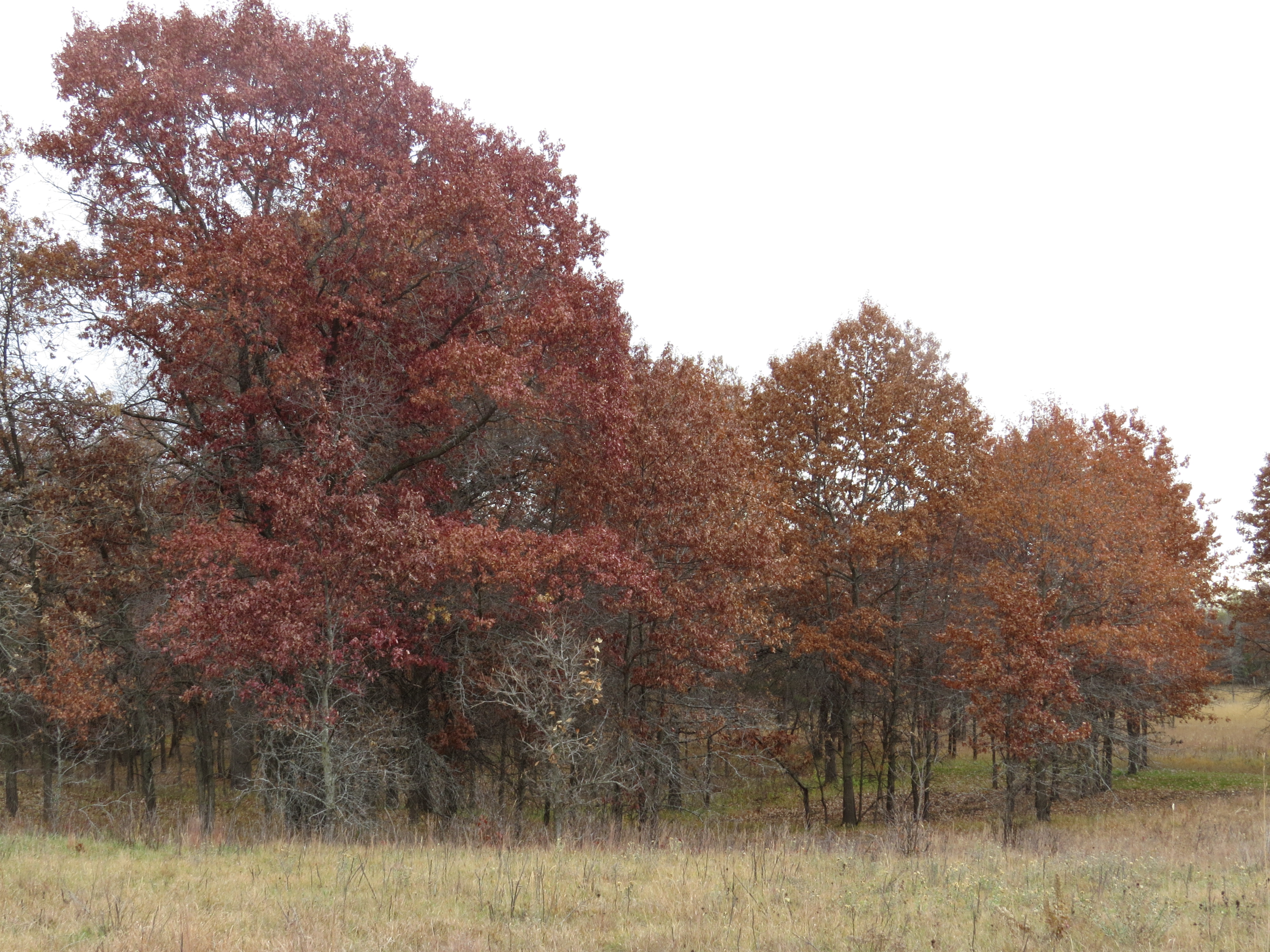
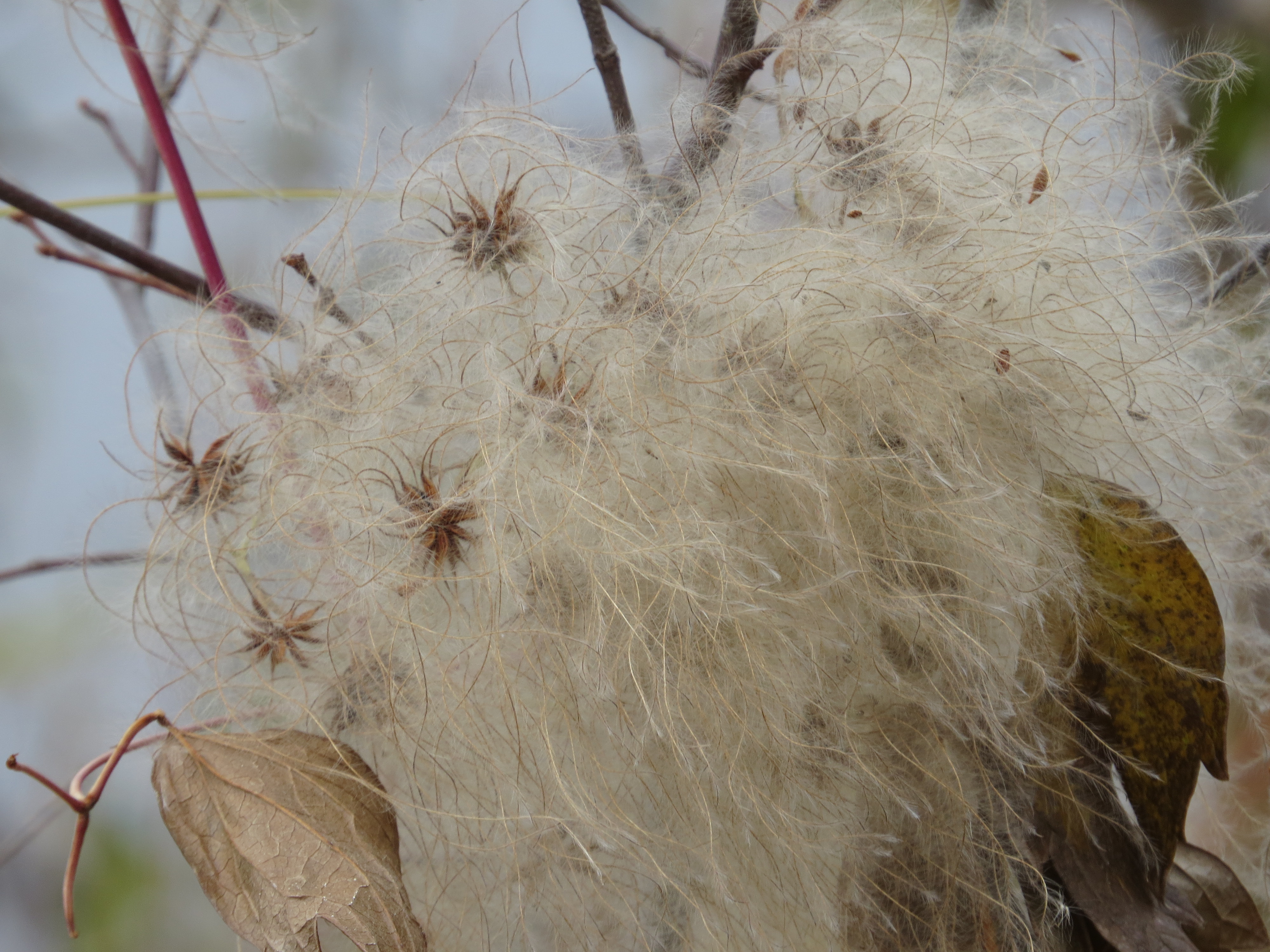
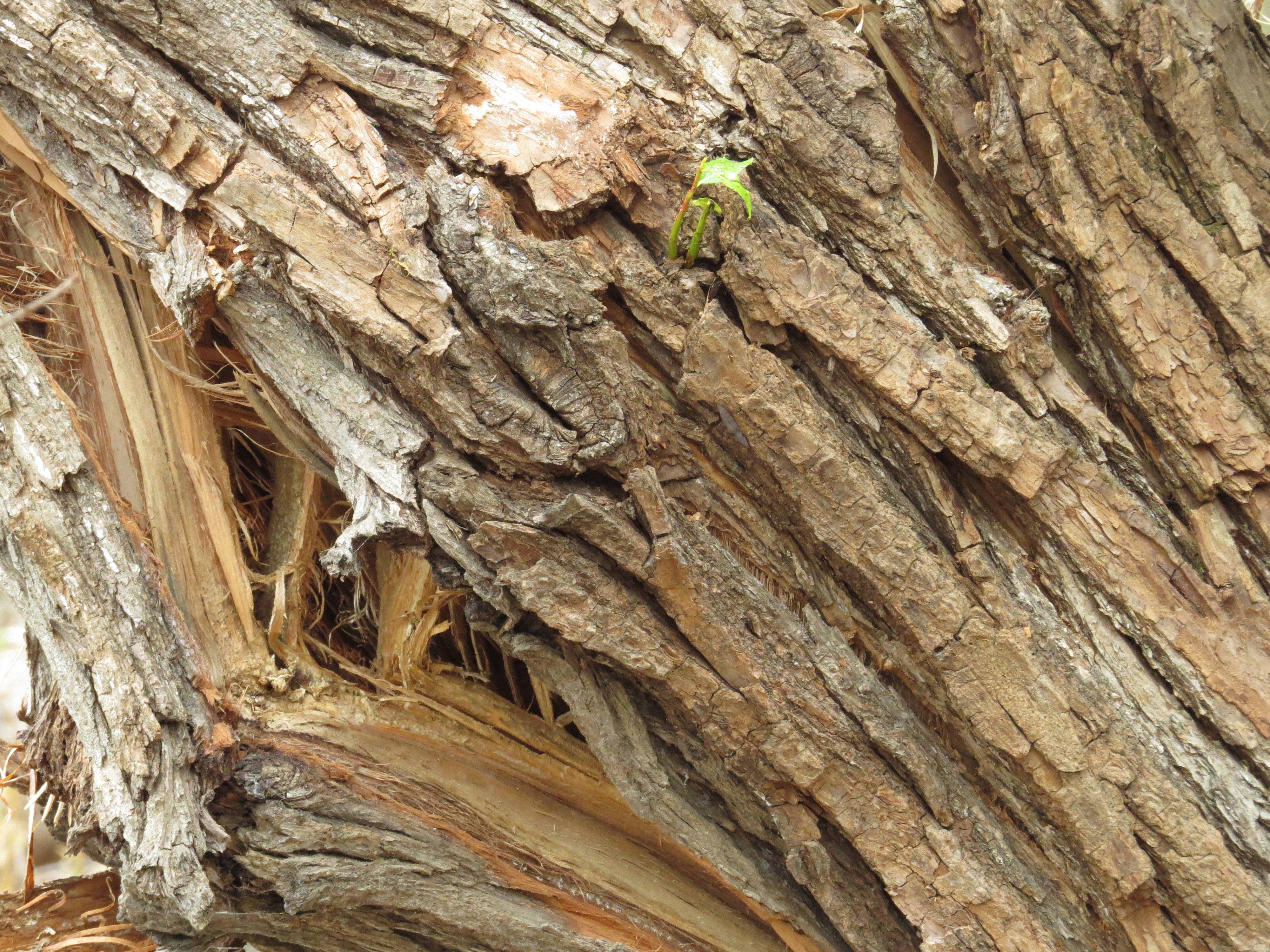
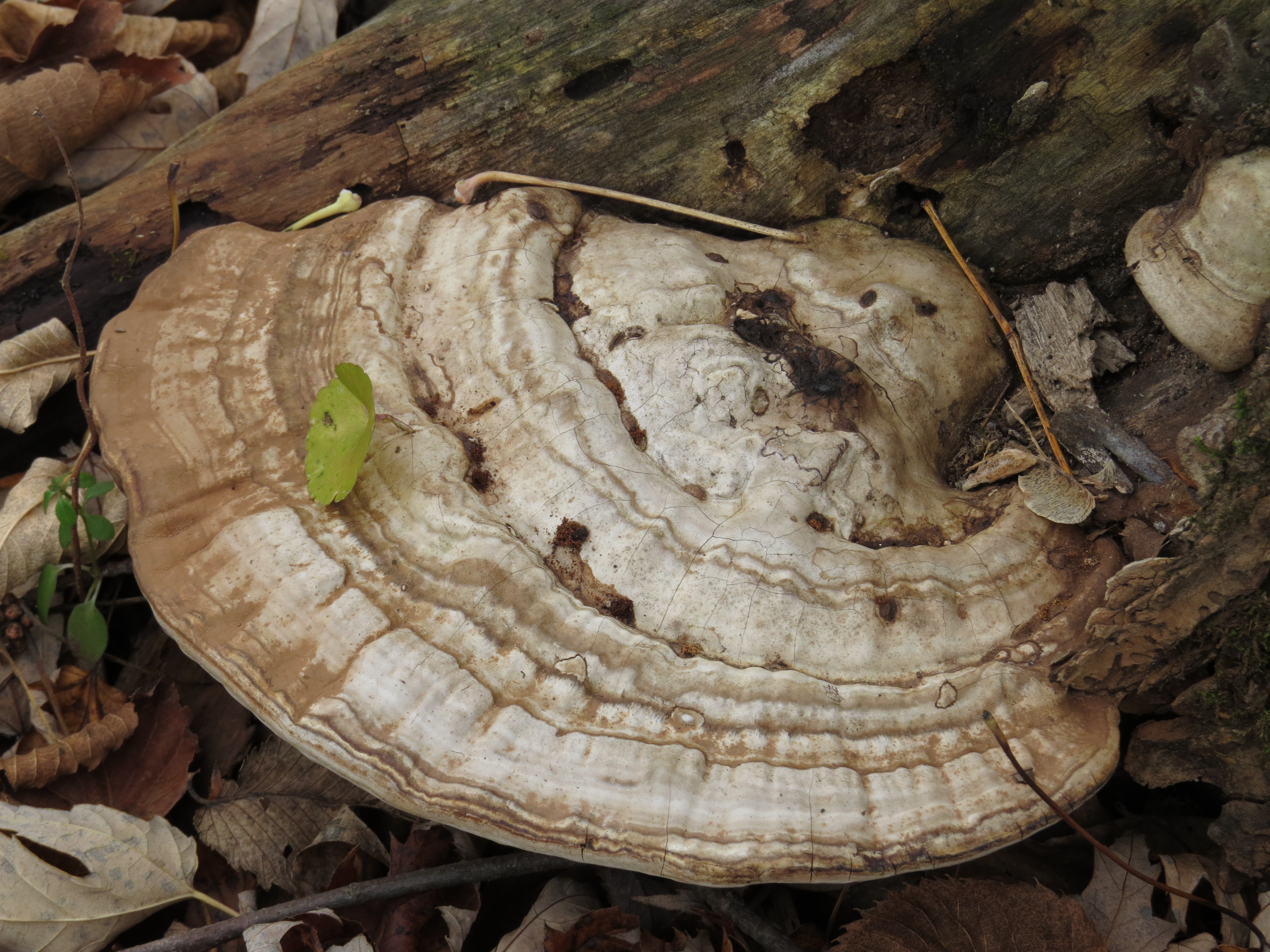
Apparently in color mixing terms, brown is a combination of red, yellow, and black and is described in categories of reddish-brown, yellowish-brown, or gray-brown. But there are more descriptive names for shades of brown: smokey topaz, burnt umber, russet, desert sand, chestnut, and taupe. (My favorite descriptive brown—taupe represents the average color of fur of the French mole—who knew?!)
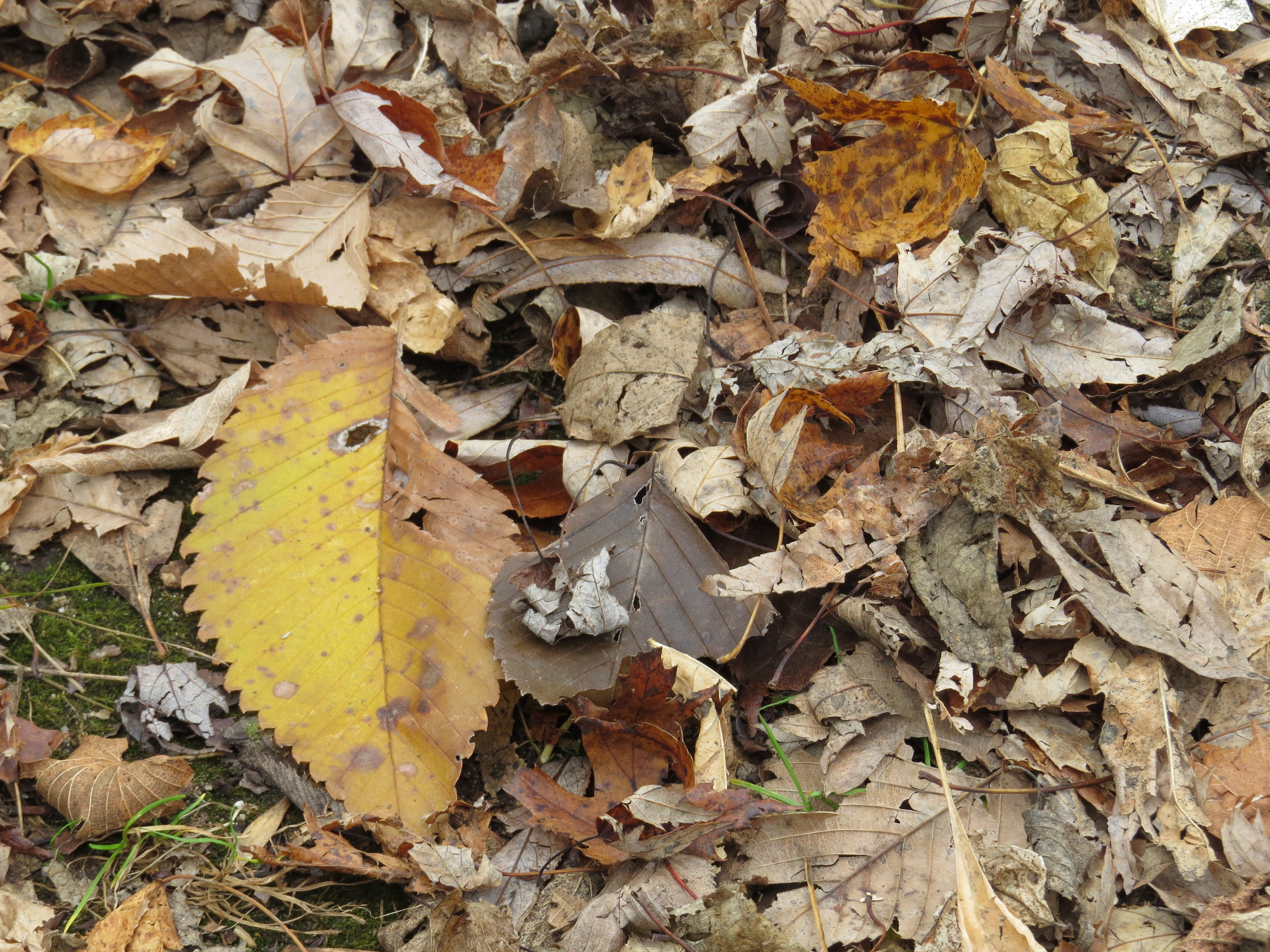
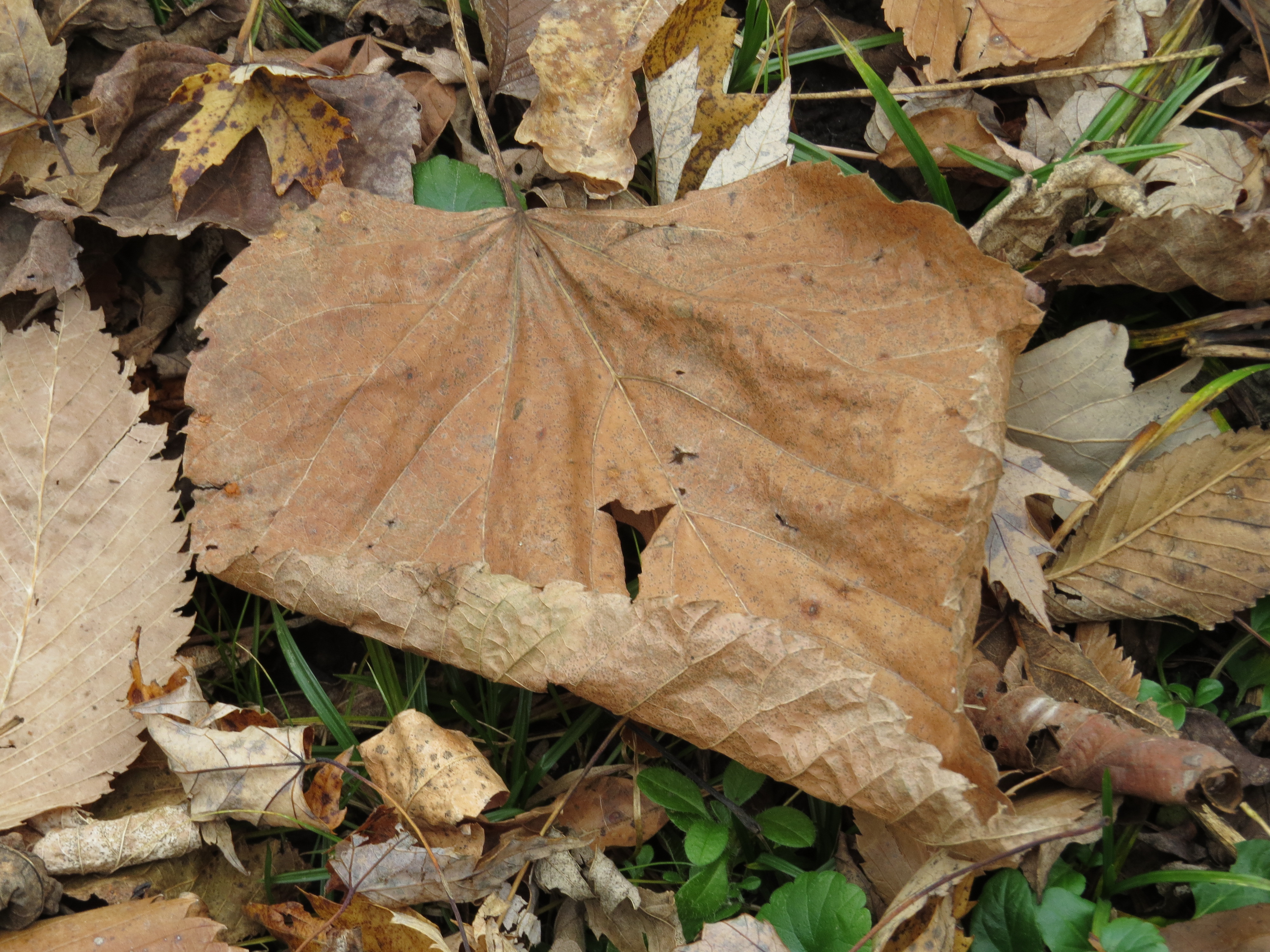
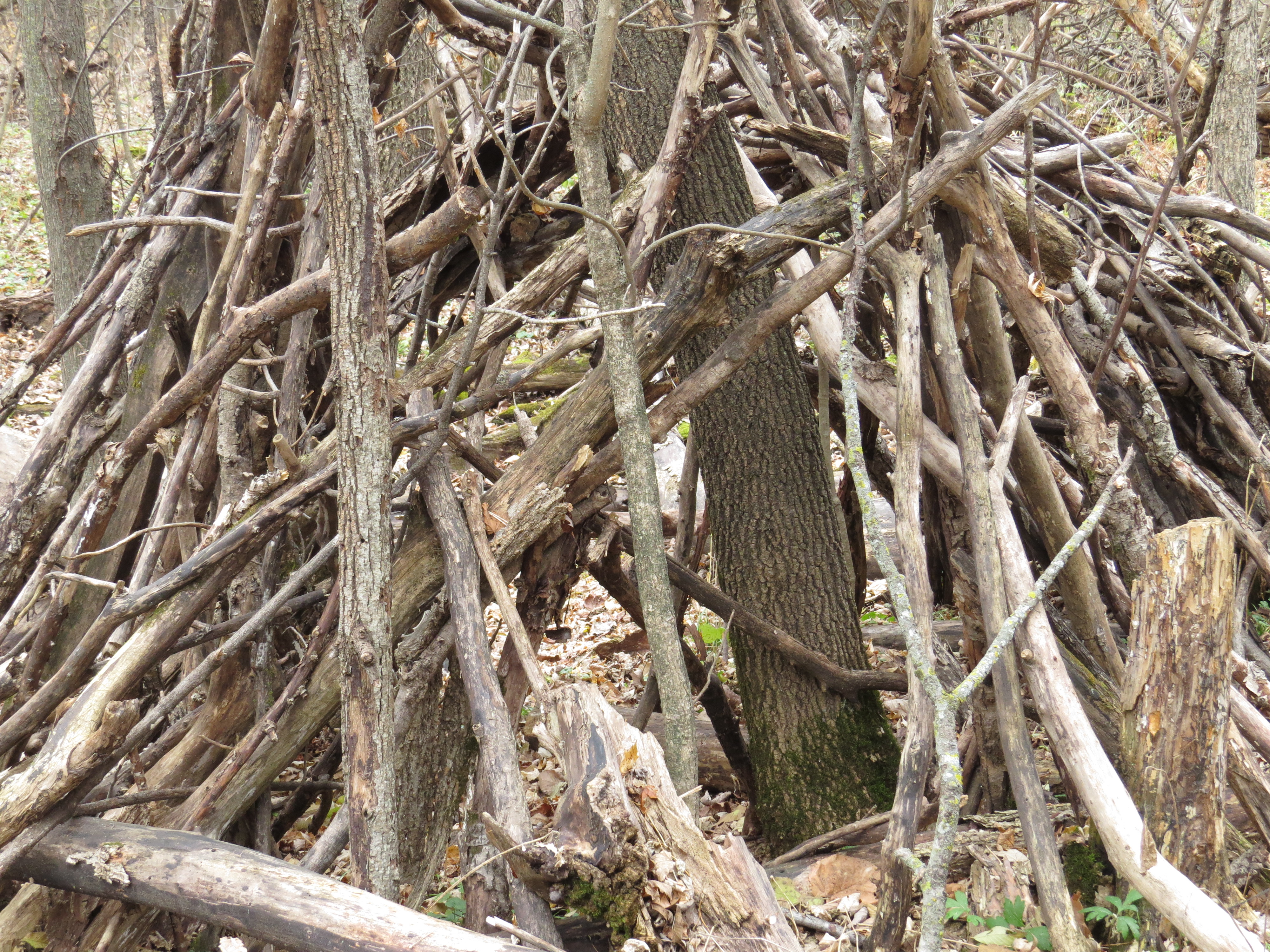
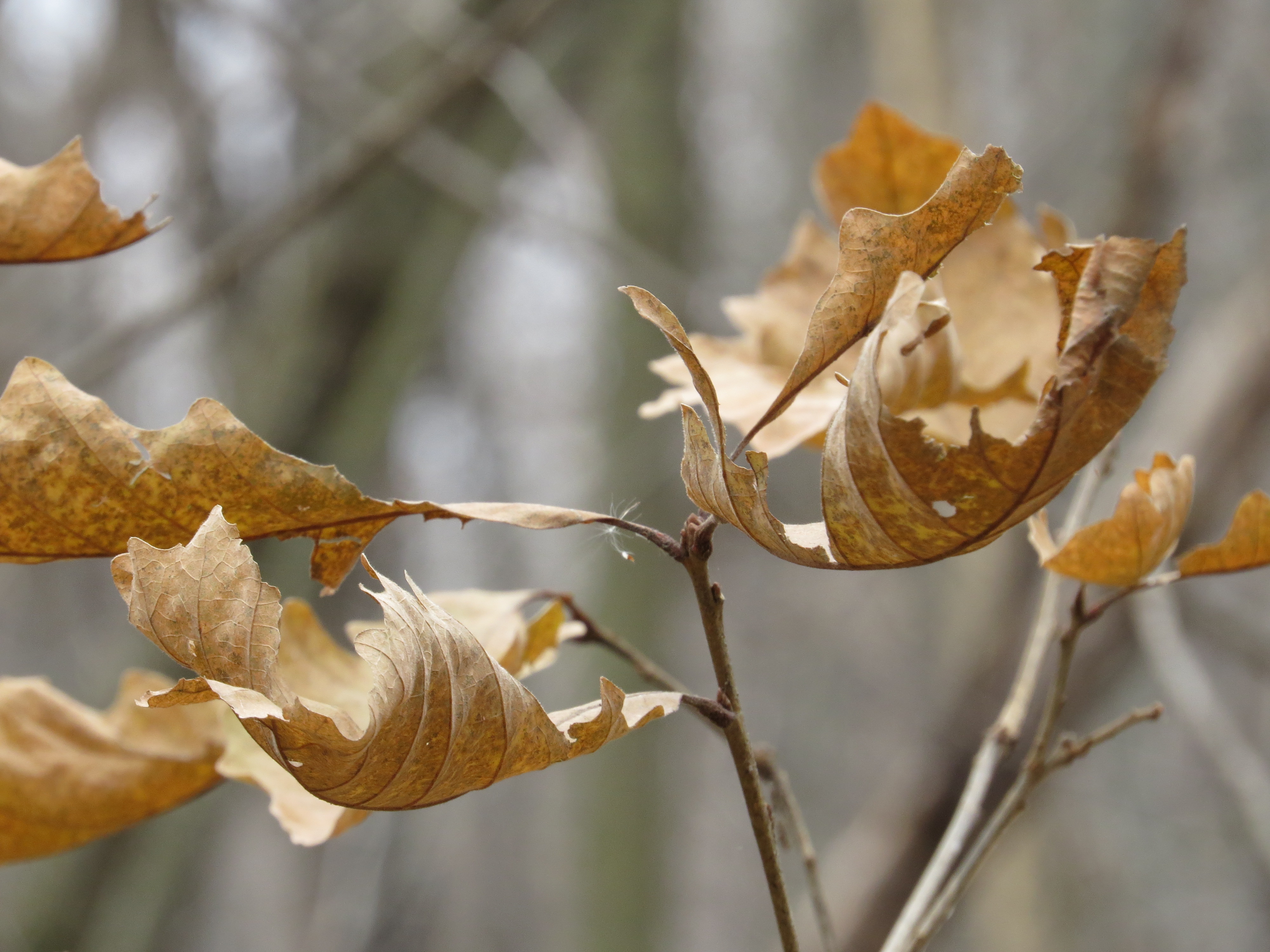
Autumn is the transition time between the vibrant productivity of Summer and the slow-moving dormancy of Winter. Those of us who have journeyed into the Autumn of our lives know that we have already lived longer than we will yet live. Our vibrant productivity has waned, and we can embrace the brown-ness of our lives. (I mean that in a good way.) There is something stabilizing in that realization and acceptance.
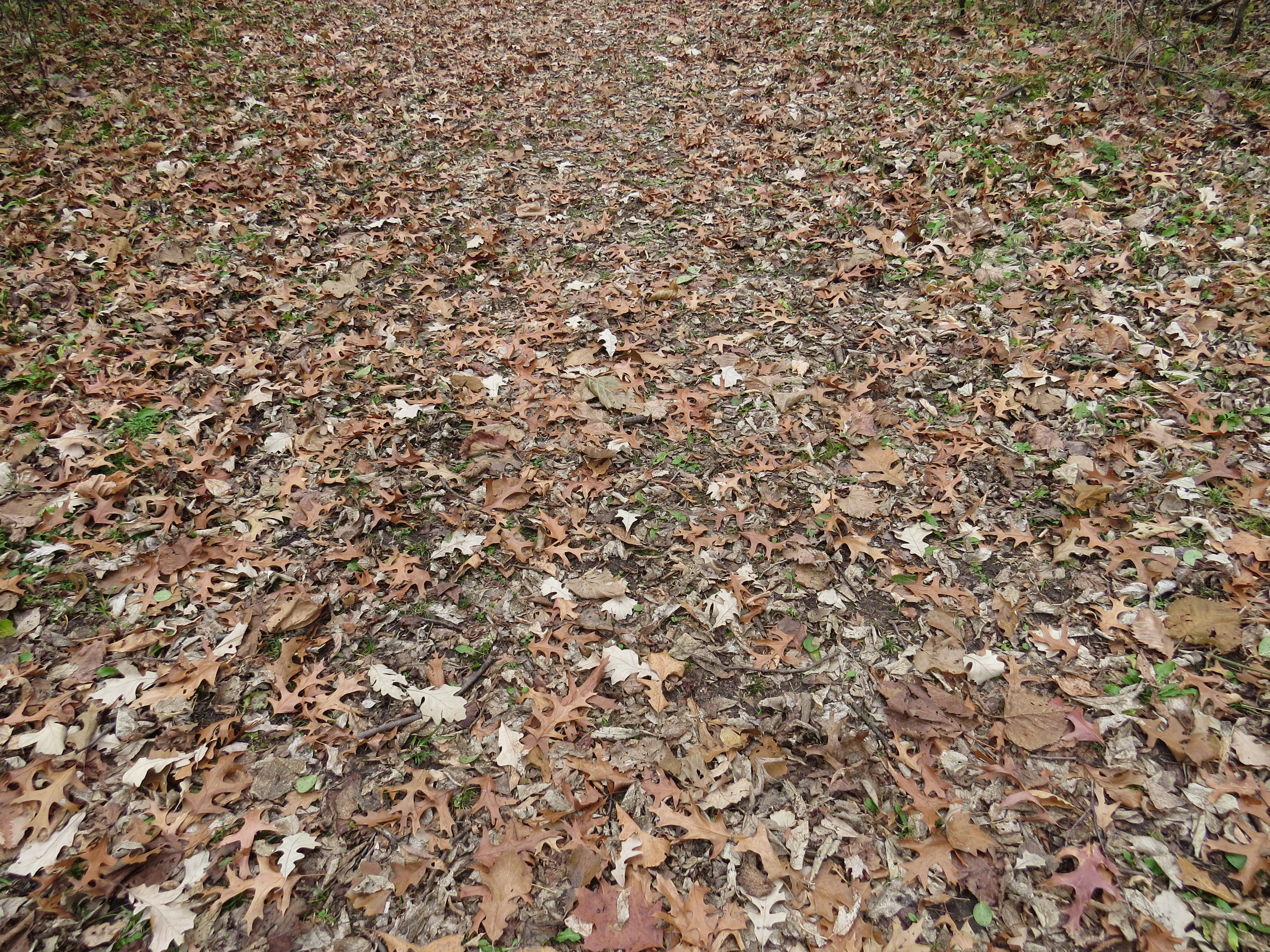
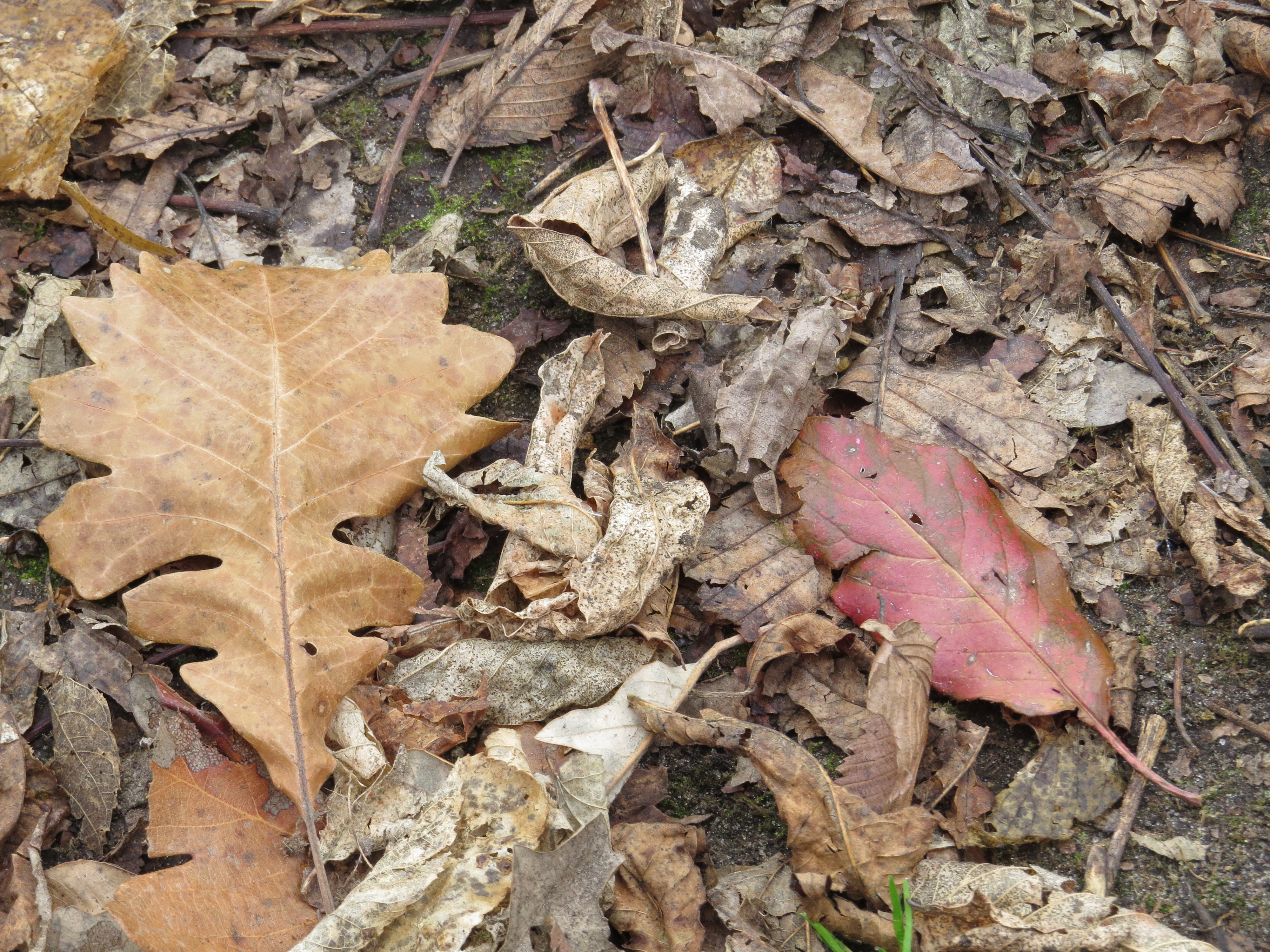
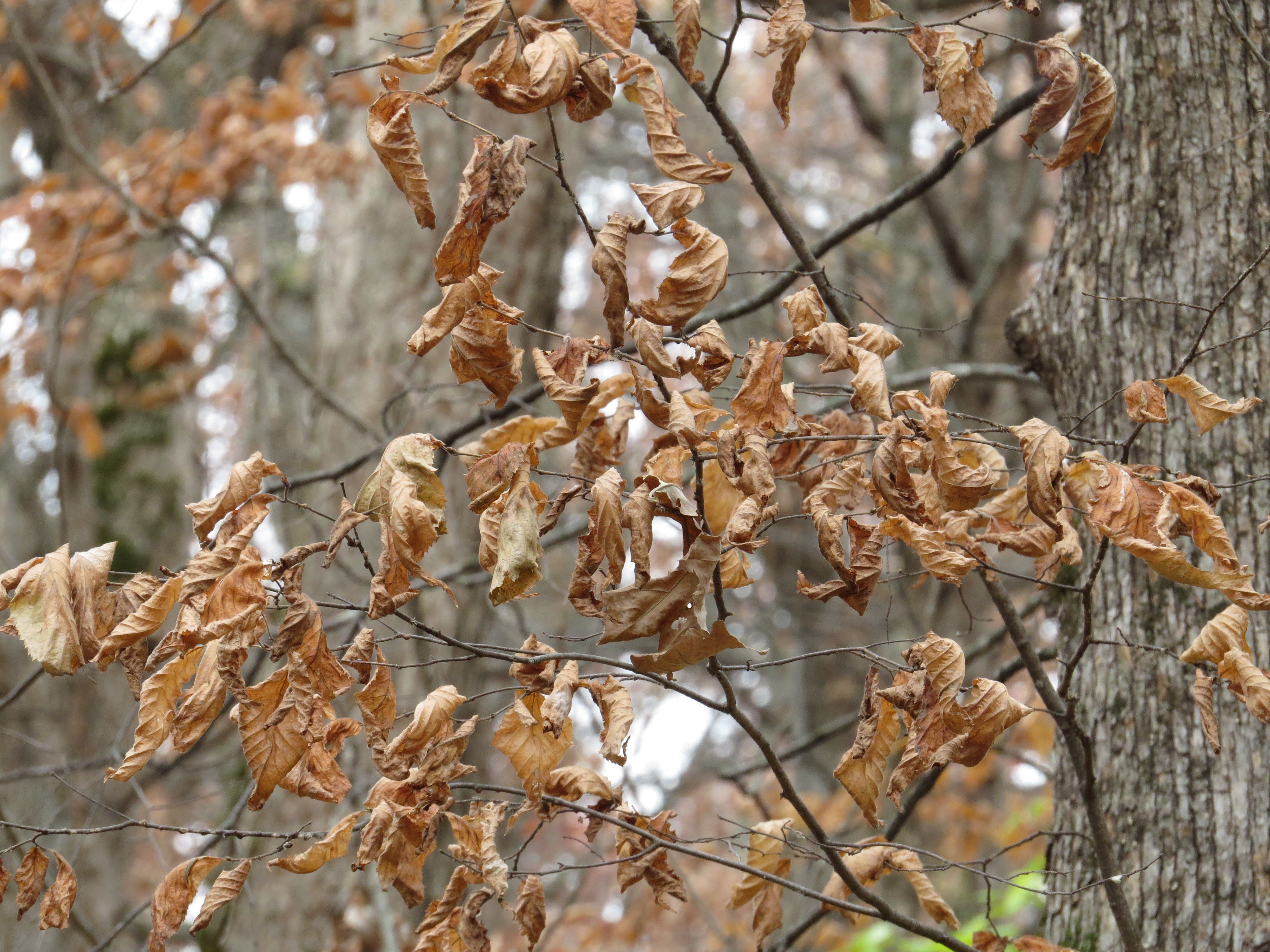
There is a richness in brown-ness, a richness in having the high productivity years of child-rearing and striving and accumulating behind us. We are no longer moving at the speed of multiple school activities. Striving has morphed into a steady maintenance and kindness for self. And we tend to want to pare down on possessions, to lighten our load. Our growth and vigor have produced rich, brown seeds.
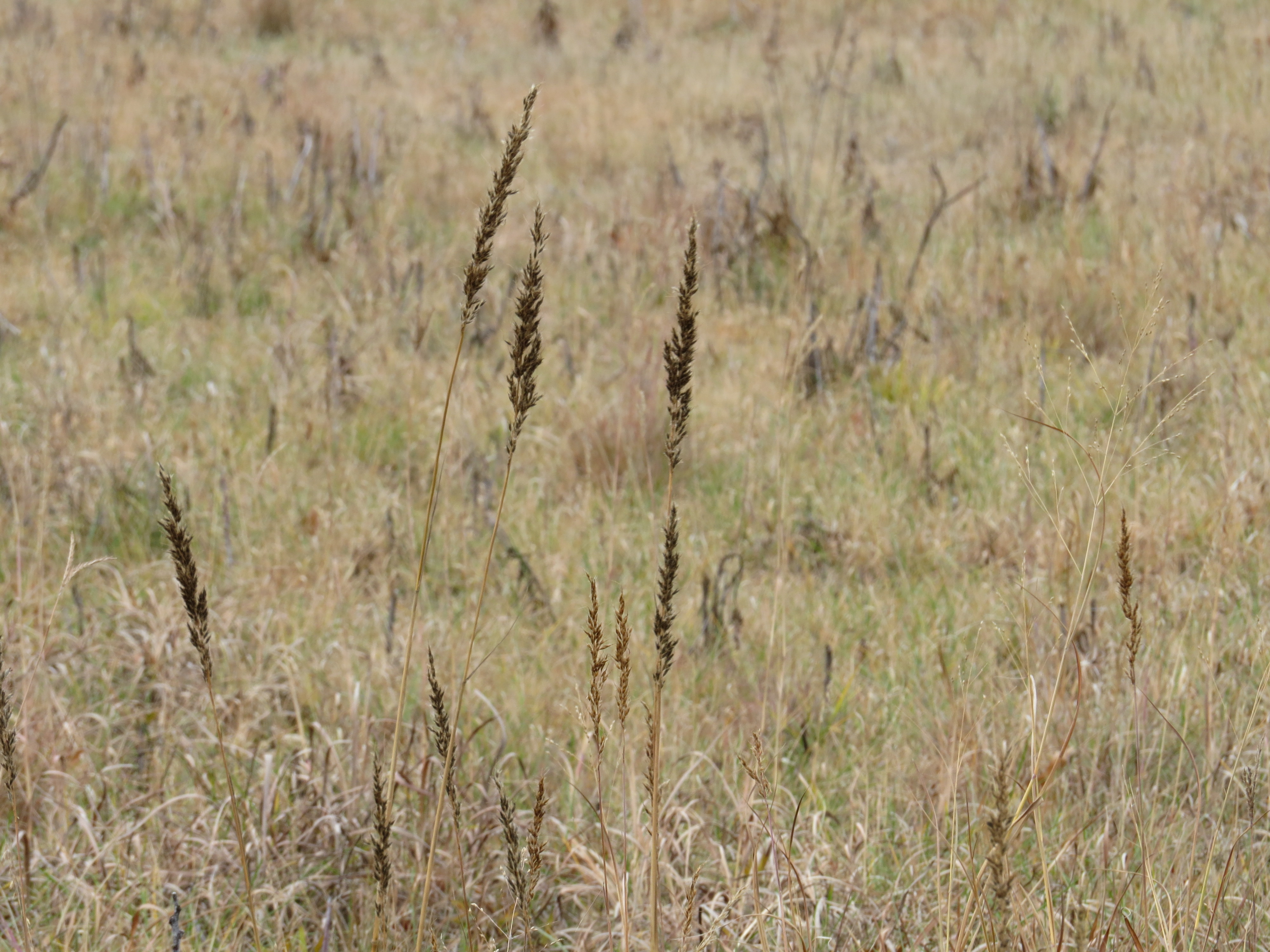
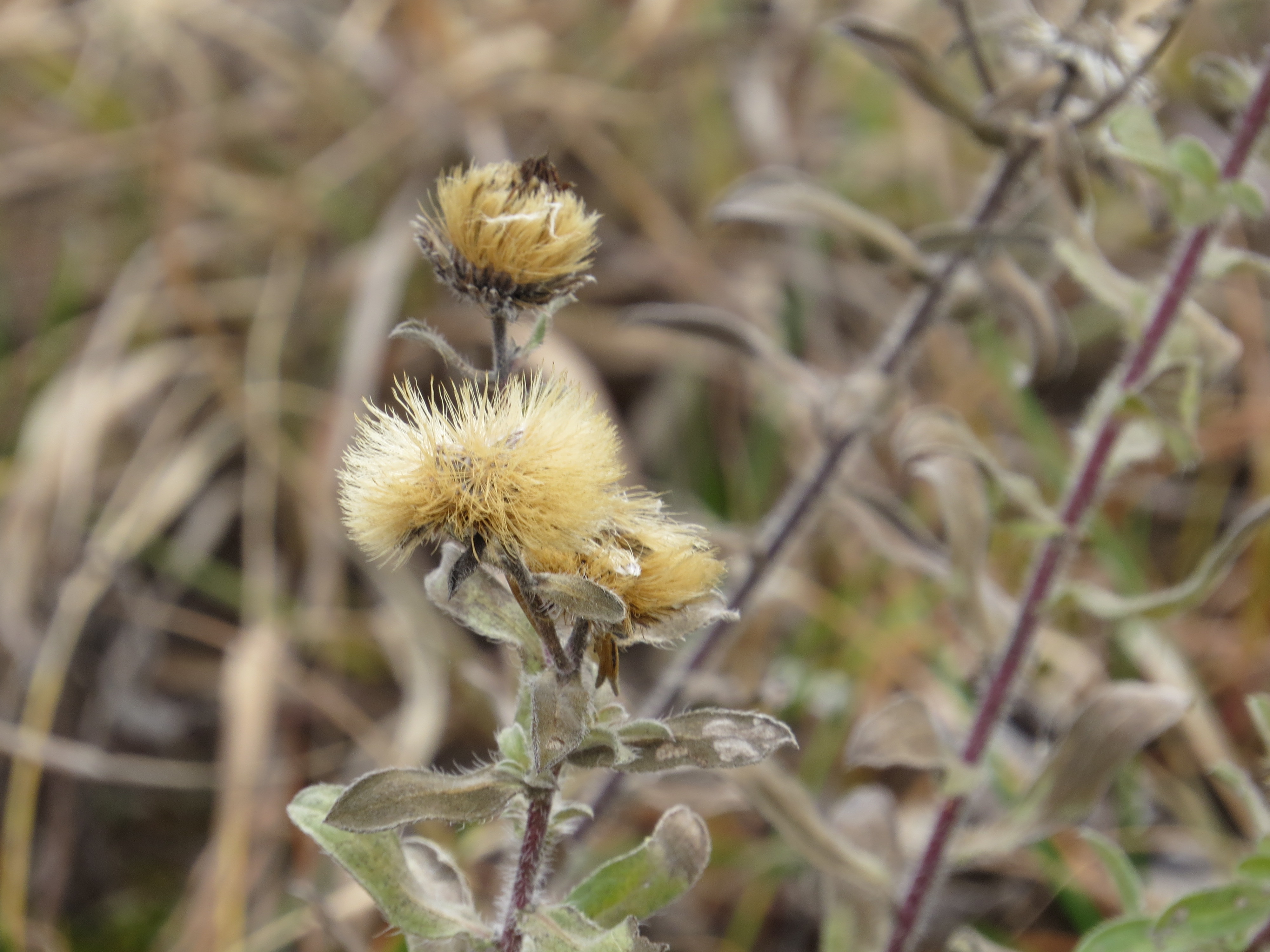
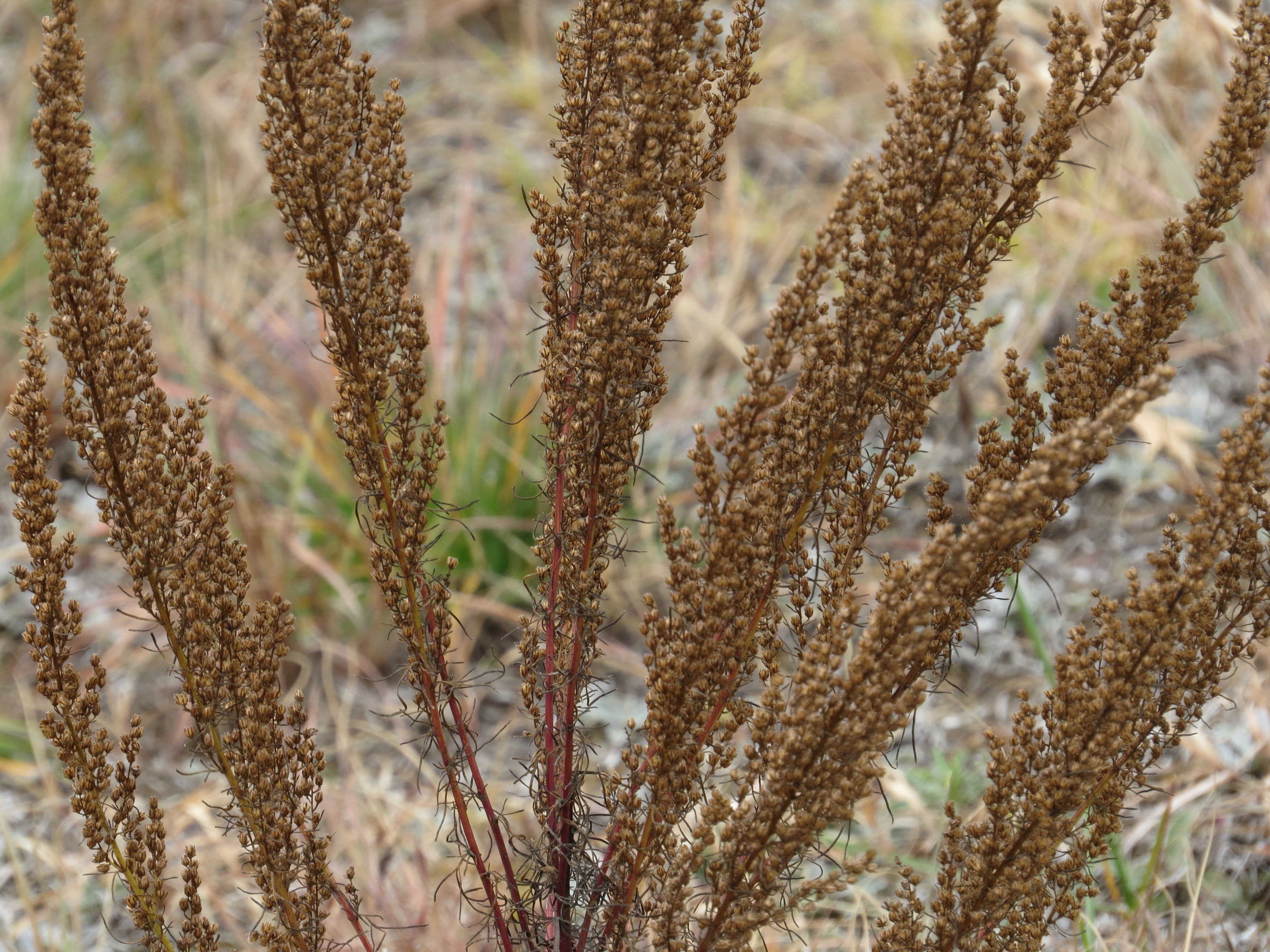
In Autumn, we can look at ourselves and appreciate the many varied colors of our being. We are so much more than we thought! Age has a way of revealing those gifts.
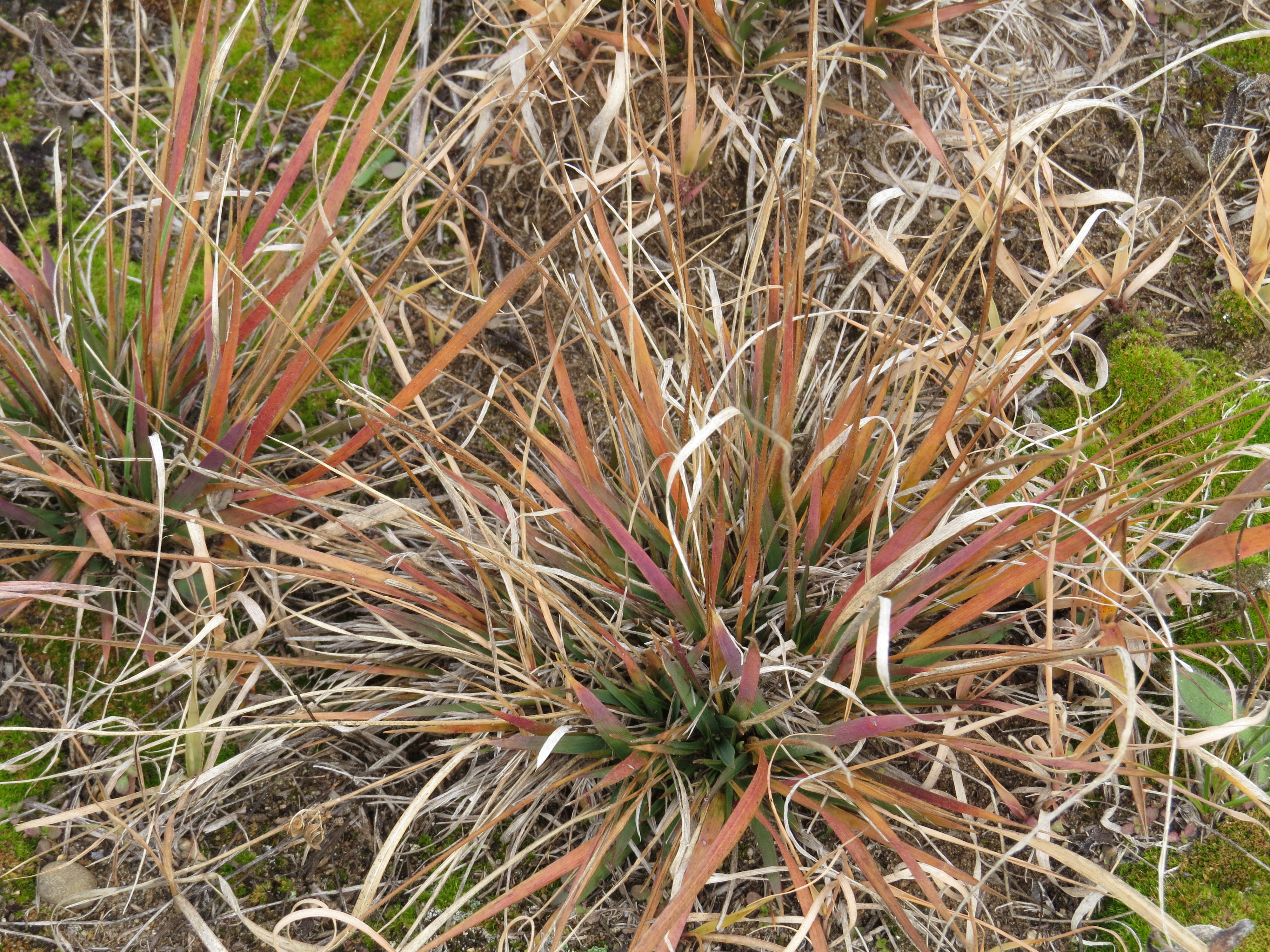
So we can discern Sumac brown…
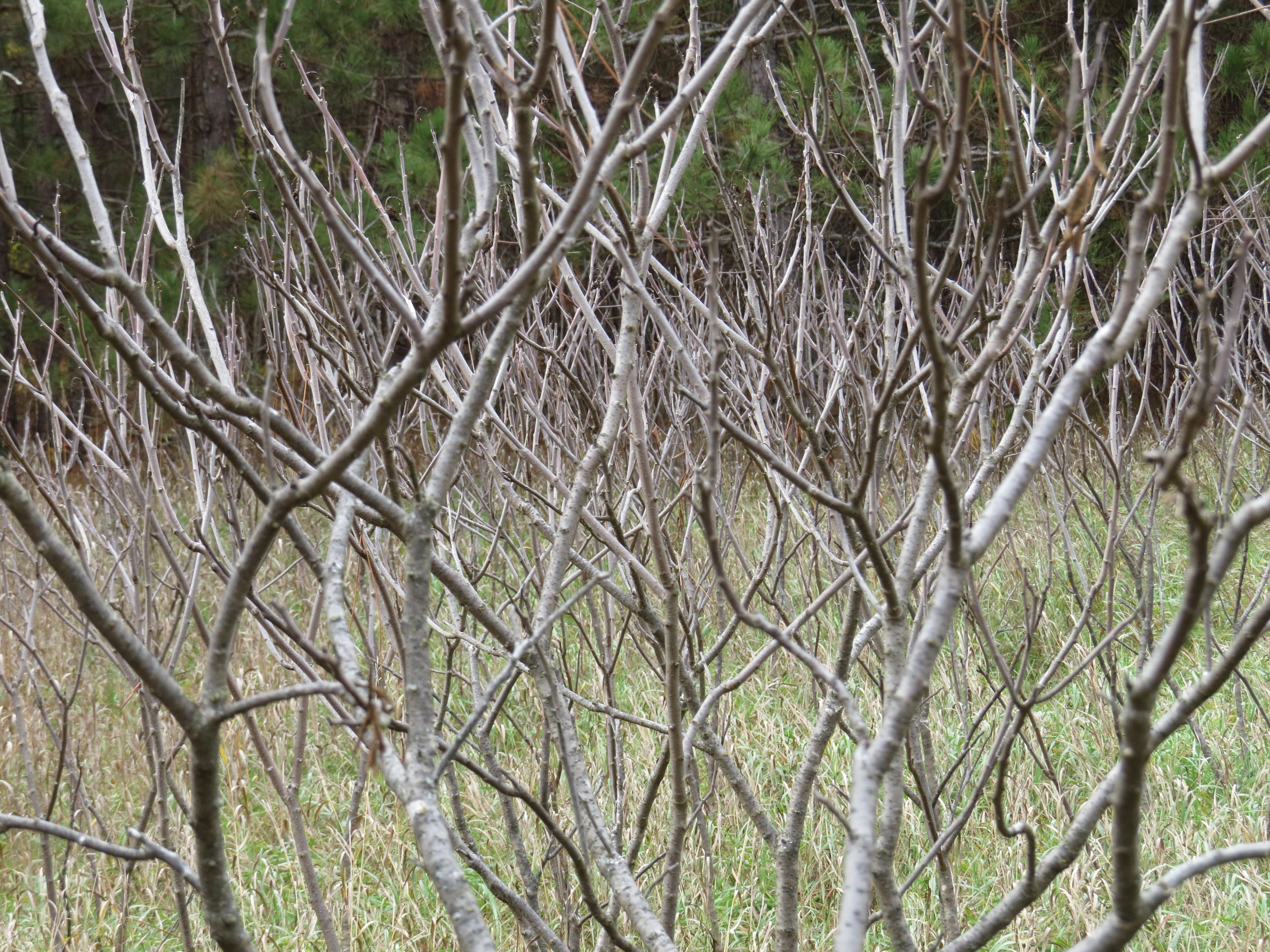
from Ash seed brown…
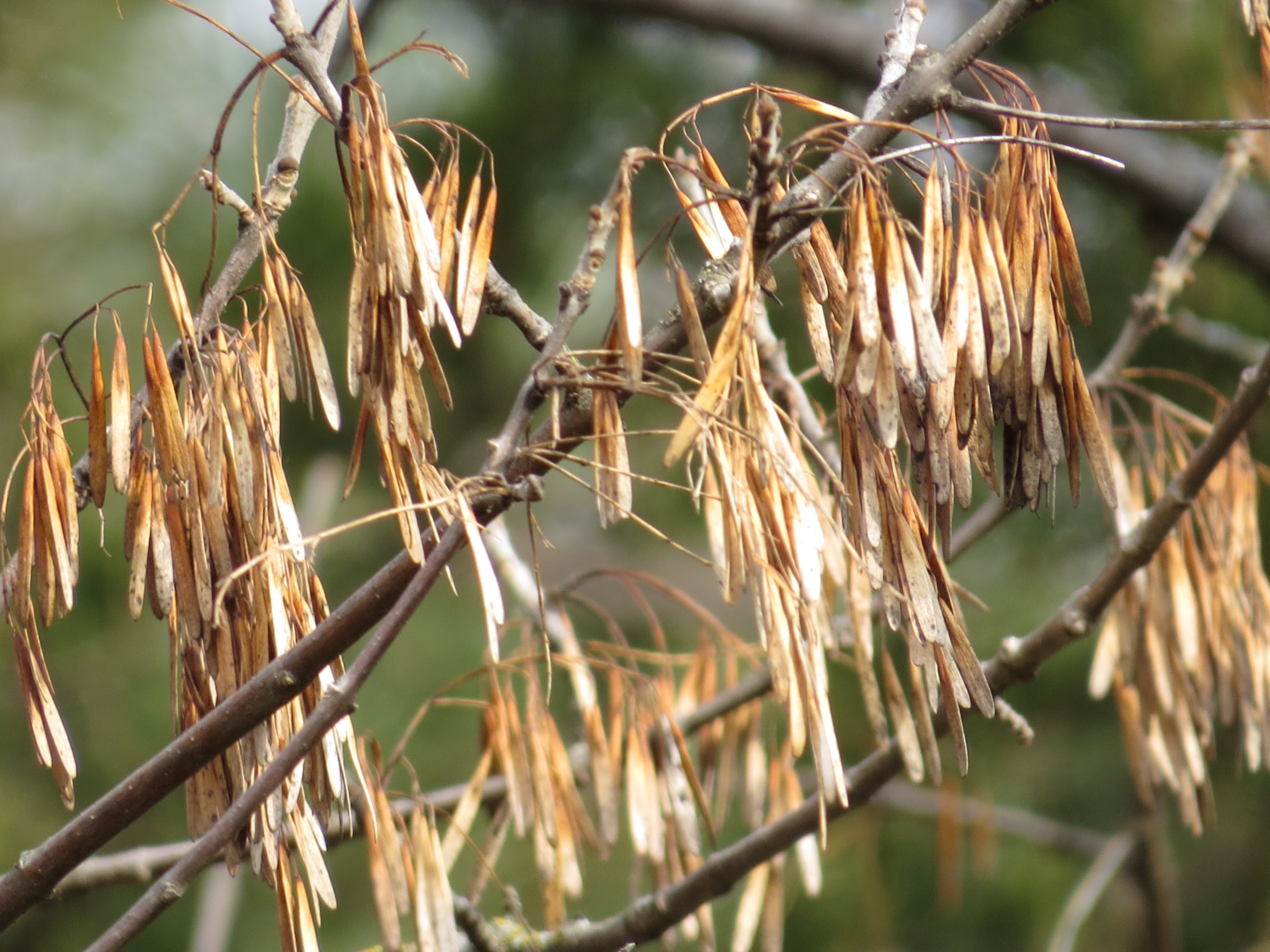
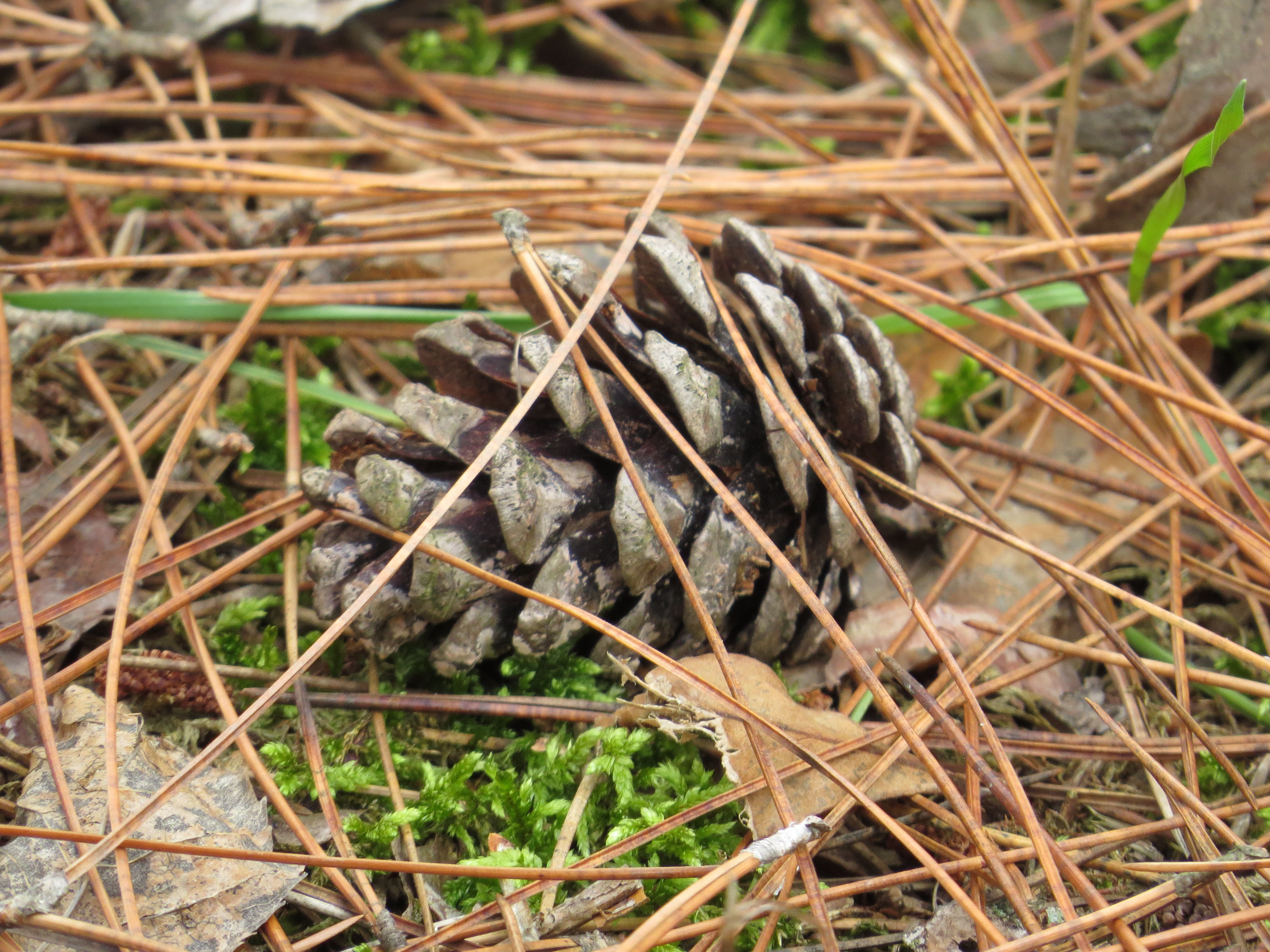
from Pine needle and Pine cone browns…
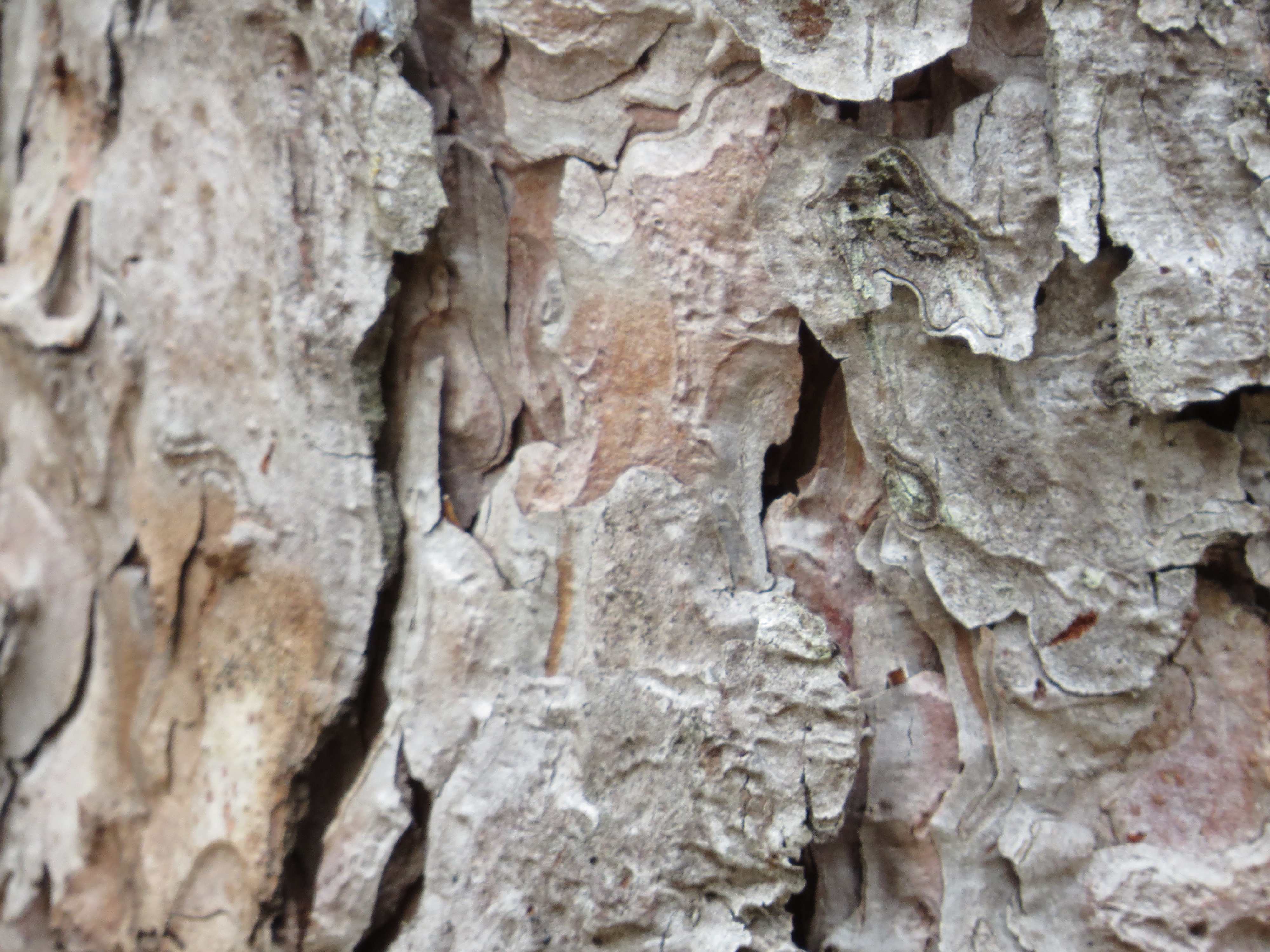
from Pine bark brown…
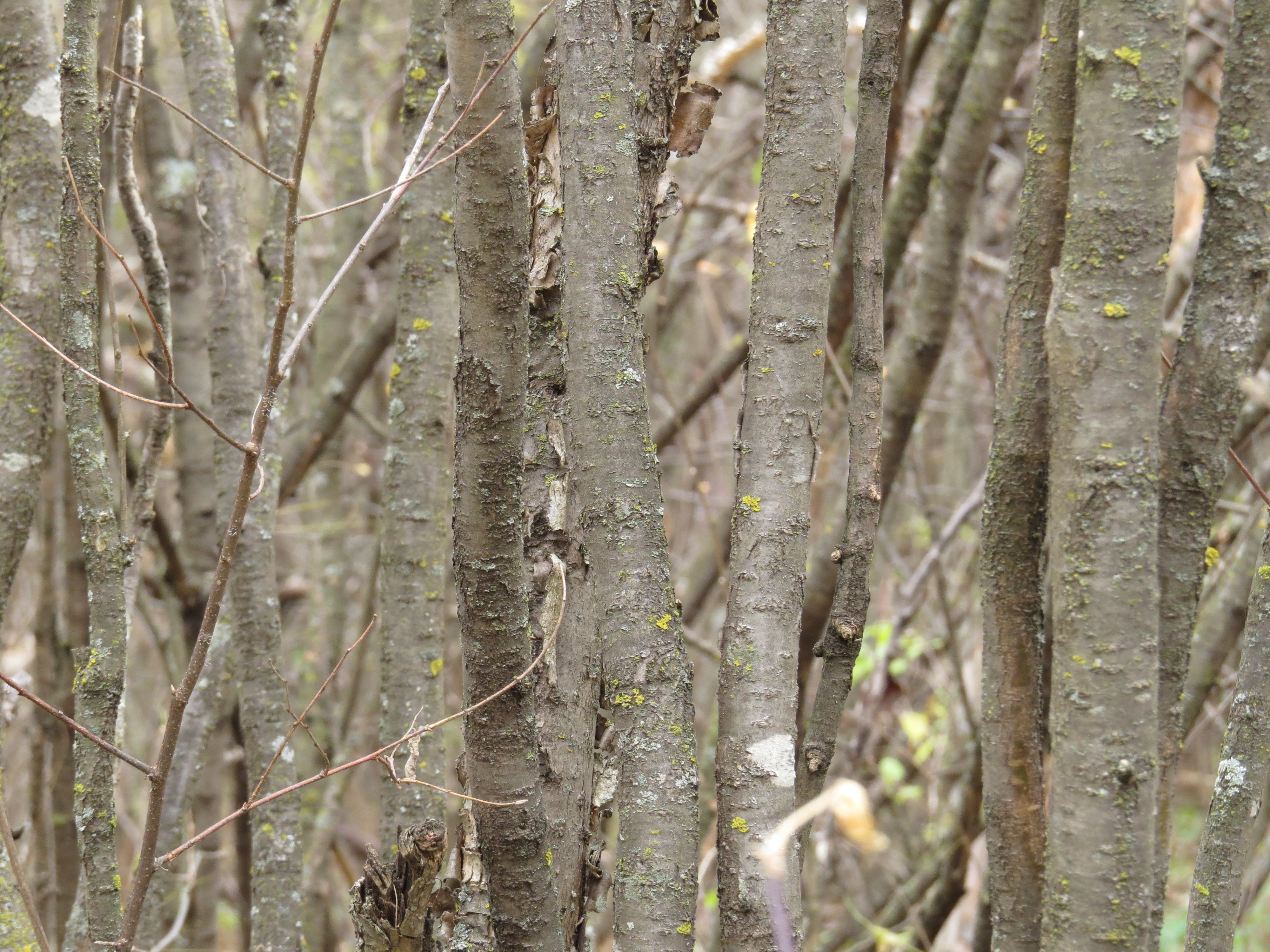
from multi-stemmed Caragana brown…
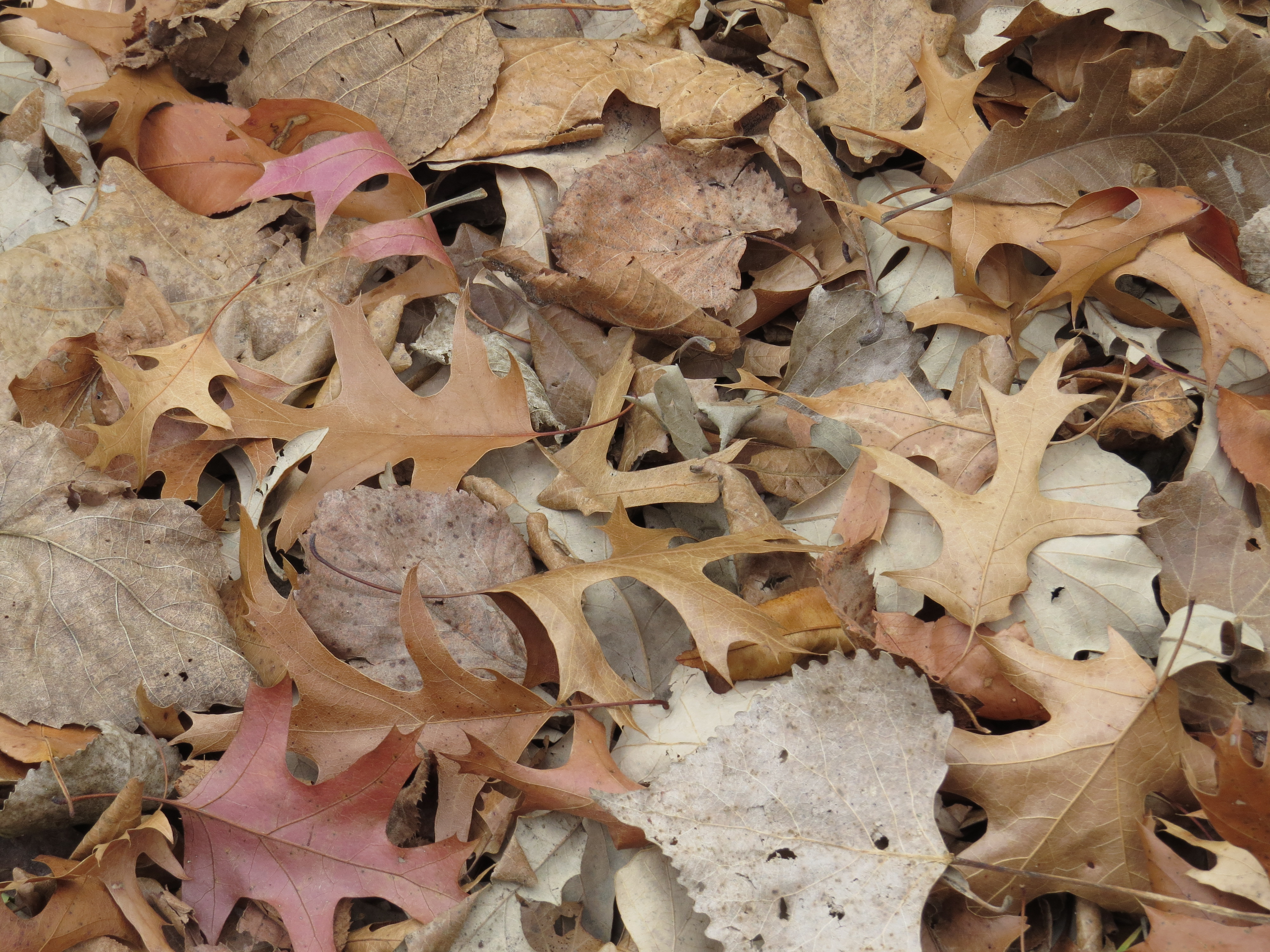
from Oak and Poplar leaf brown…
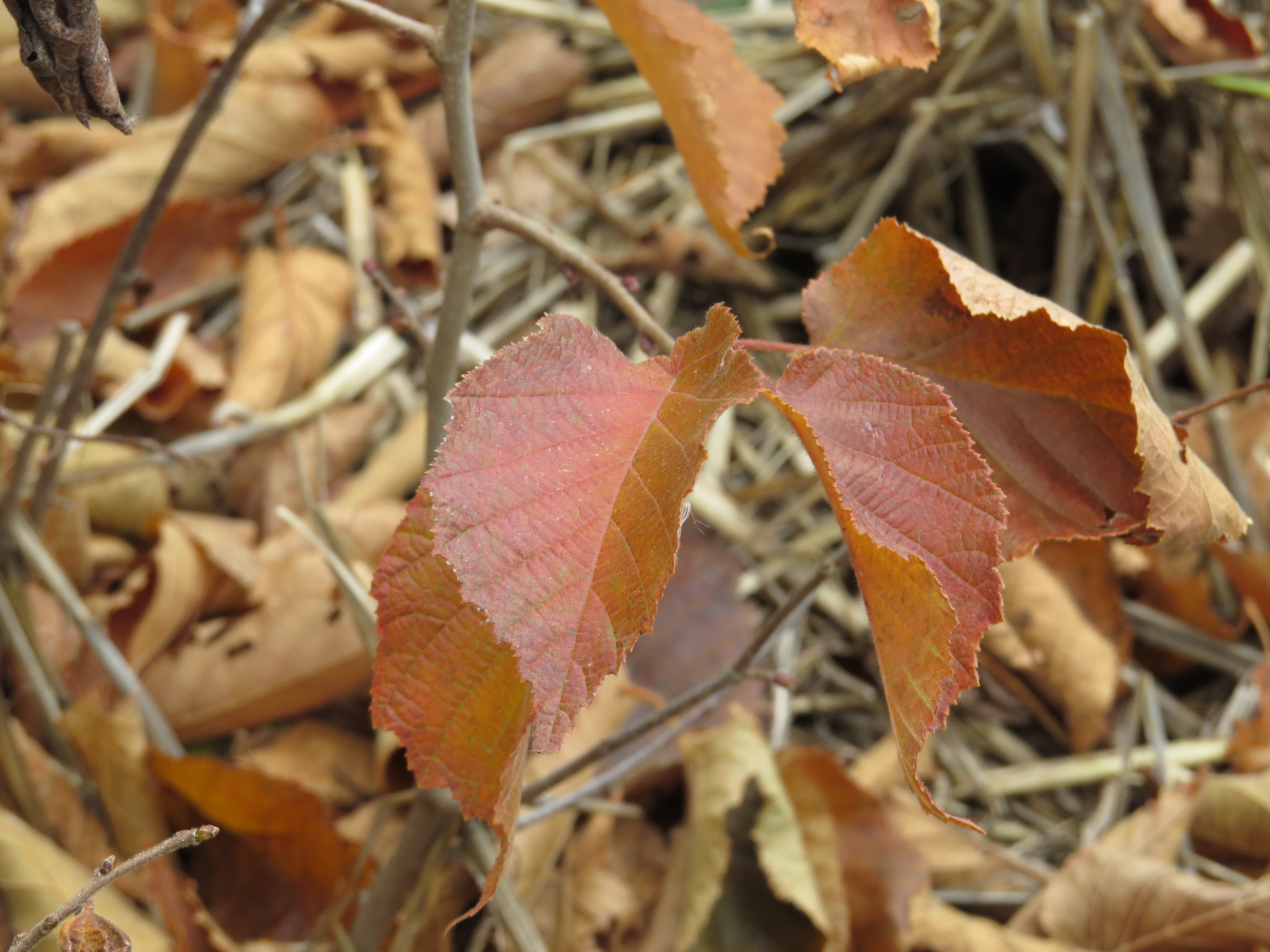
from Hazelnut brown.
Autumn is the time of life when extraneous activities, possessions, and thoughts are distilled down, pared down, settled down. The most important aspects of life are extracted. It allows a person to see more clearly, for there is a long history of hindsight. The experiences of Spring and Summer have borne fruit and seeds in order for the cycle of life to continue. It’s not the end, however; never fear—distilling produces the ‘good stuff!’ Things become more pure, whole, and stable. Settle into the brown-ness. Settle into the warmth and richness. Settle into the goodness.