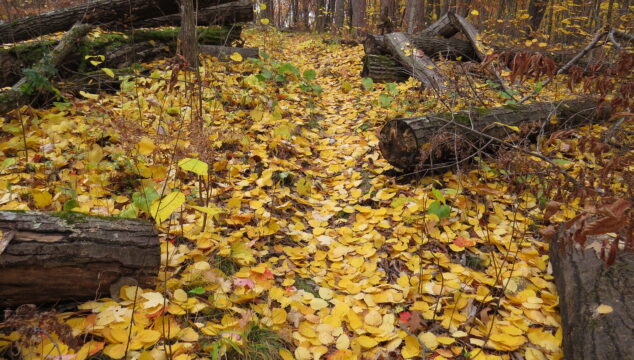
Come walk with me in the peak Autumn beauty of the Northwoods. To say that I love this time of year is an understatement. Most everyone can appreciate the colorful falling leaves---it reveals the 'true self' of a tree when its leaves are no longer producing chlorophyll. Their true colors are revealed, and there is something simple … [Read More...]
Archives for 2020
Come Hike With Me
Leave behind your worries. Don’t think about the Corona virus. Put politics and the ugliness that is election season out of your mind. Take your time. Look closely. Let’s get present. Let’s get real. Come hike with me.
Superior National Forest encompasses nearly four million acres in the ‘arrowhead’ of Minnesota. On our trip up north, we hiked the Secret/Blackstone Hiking Trail. The nighttime rain had cleared away to blue skies. The air was crisp, the sun was warm, and breakfast of fire-toasted bagels was in our bellies. We were ready to go!
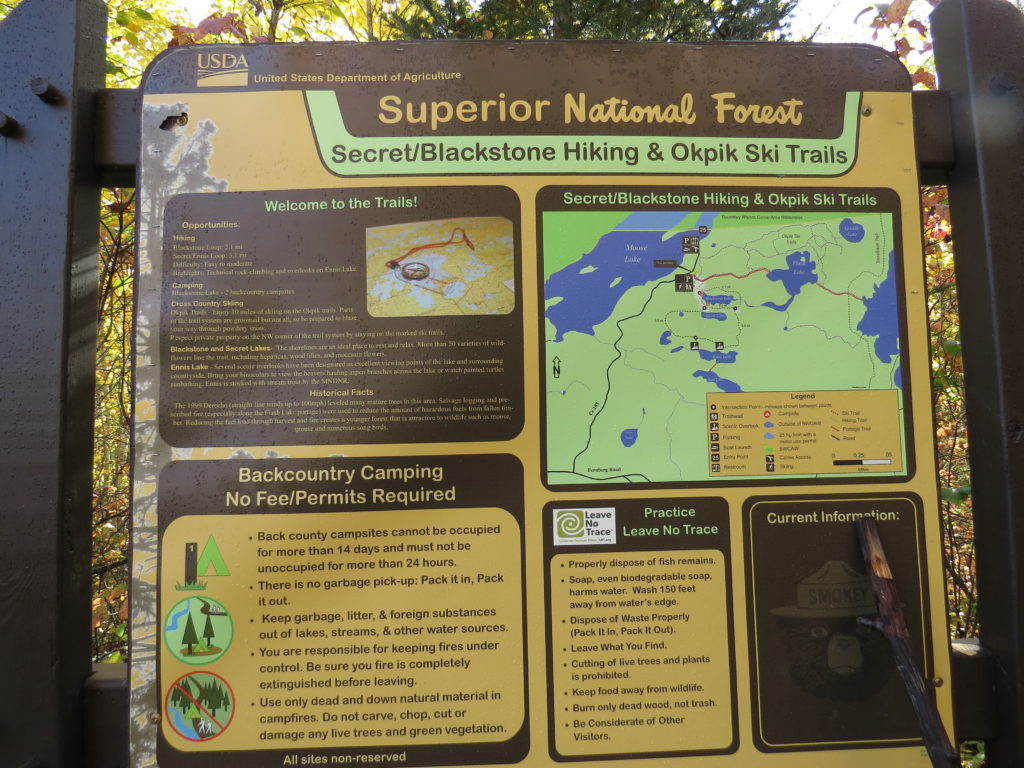
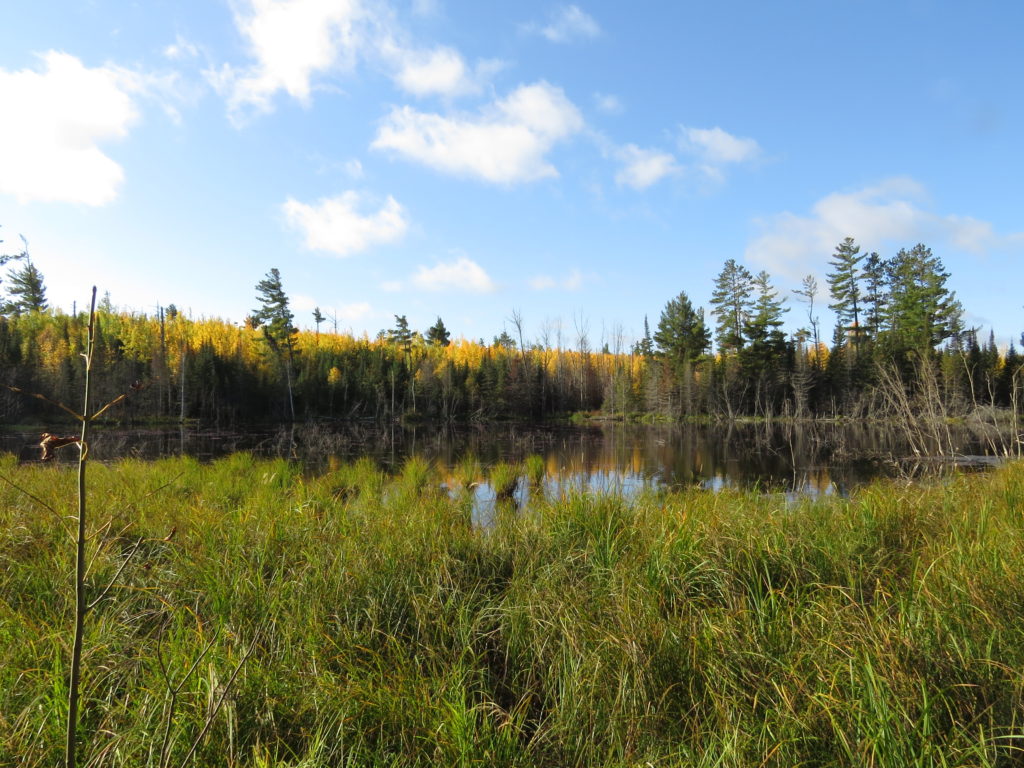
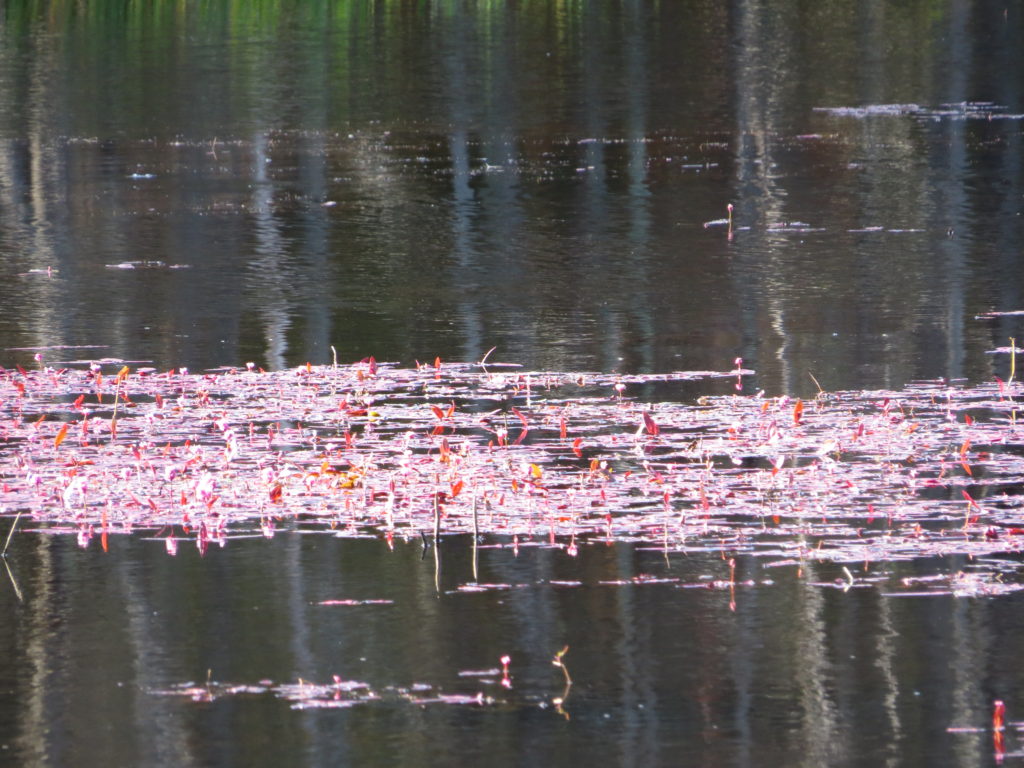
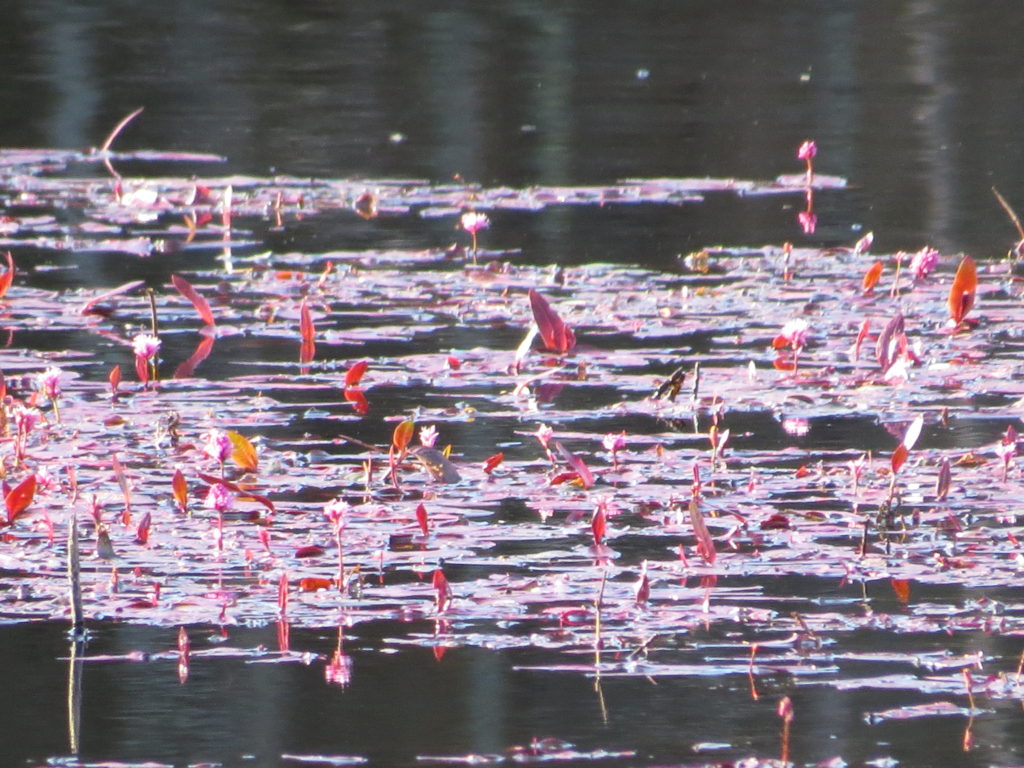
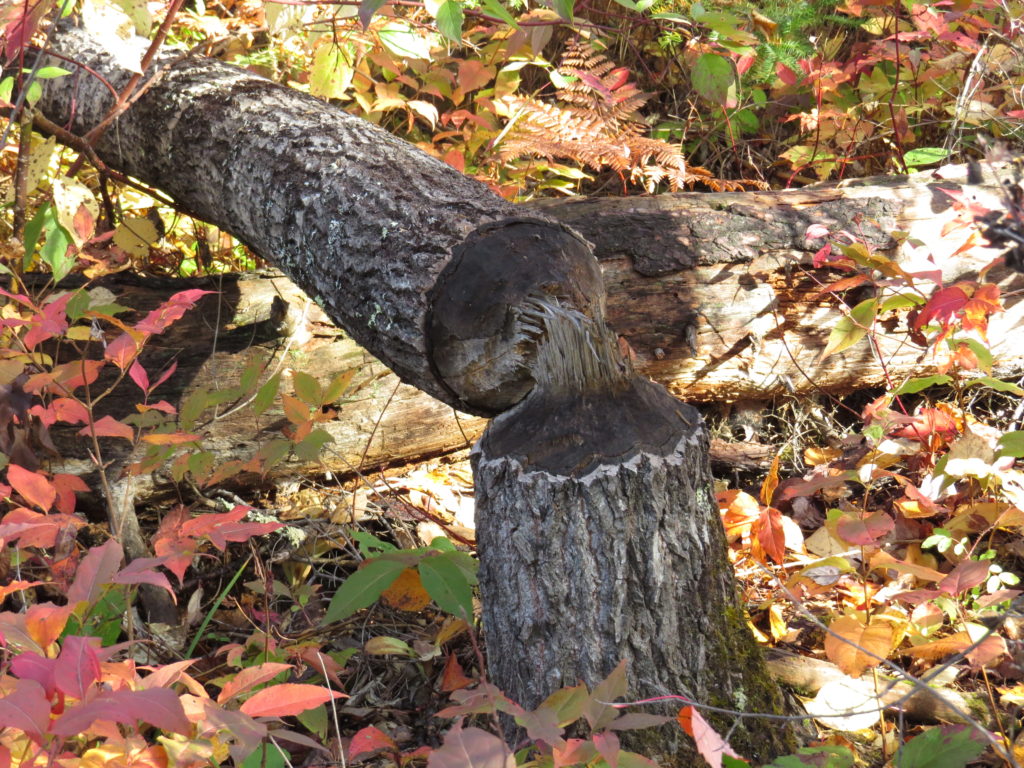
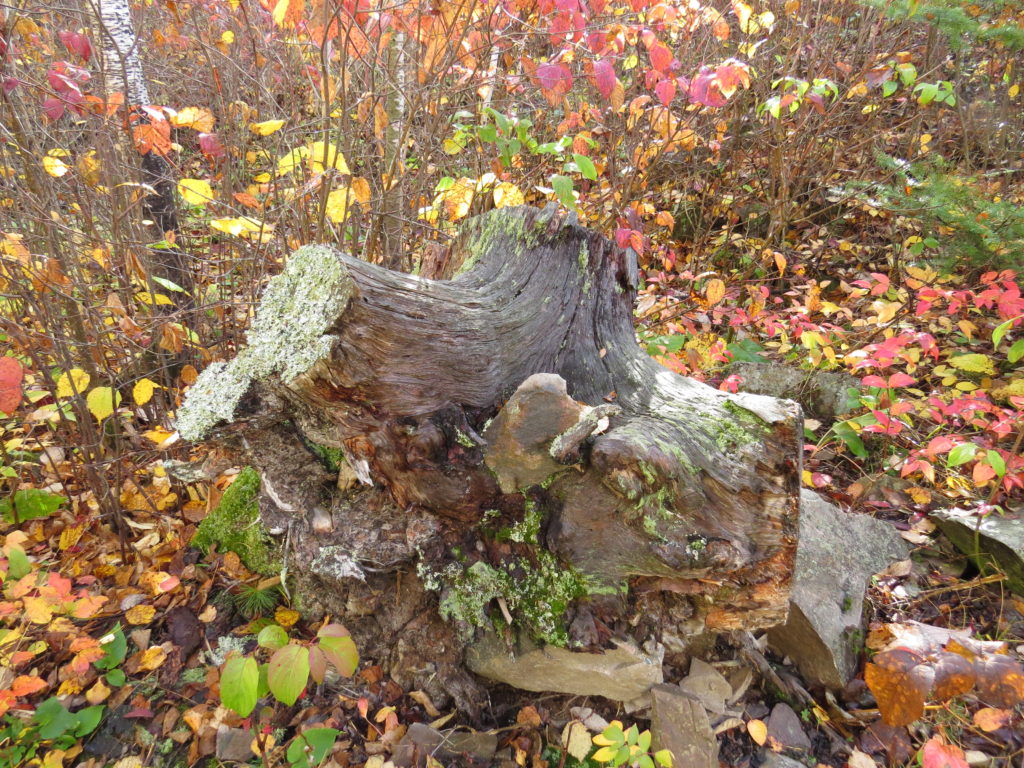
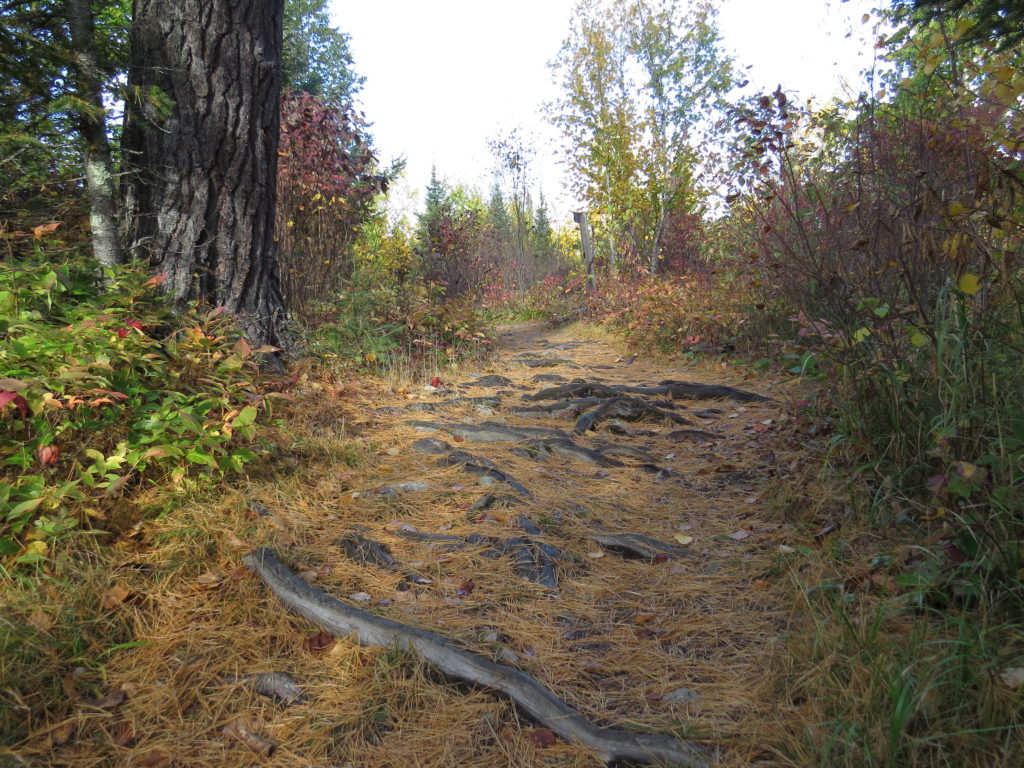
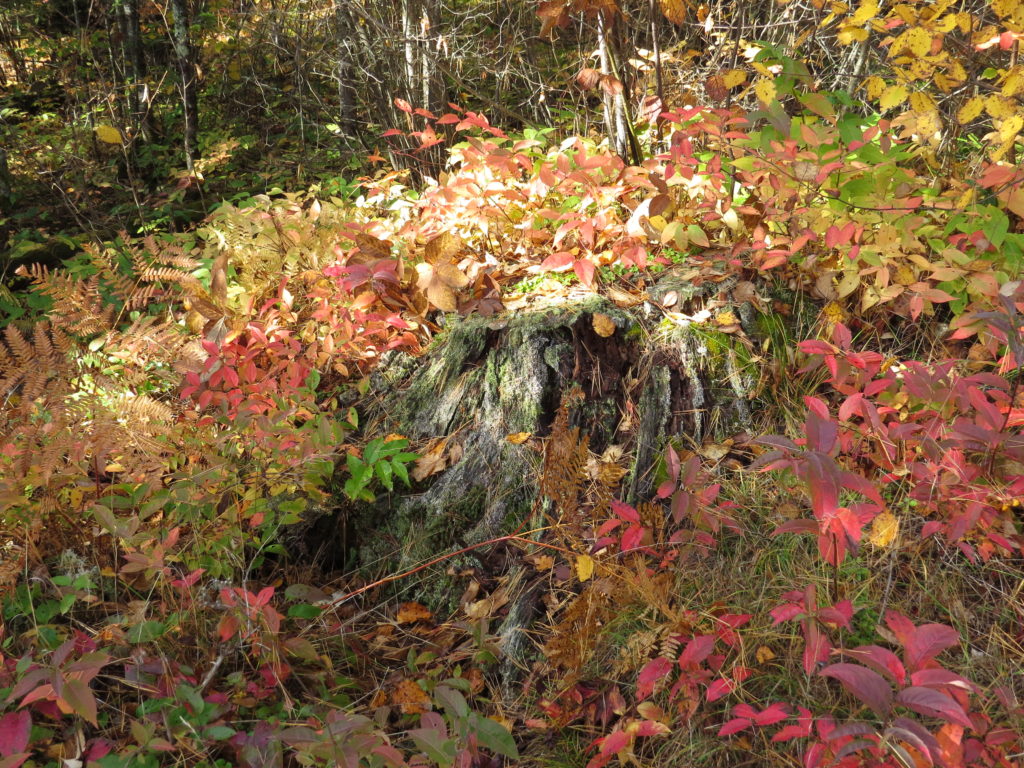
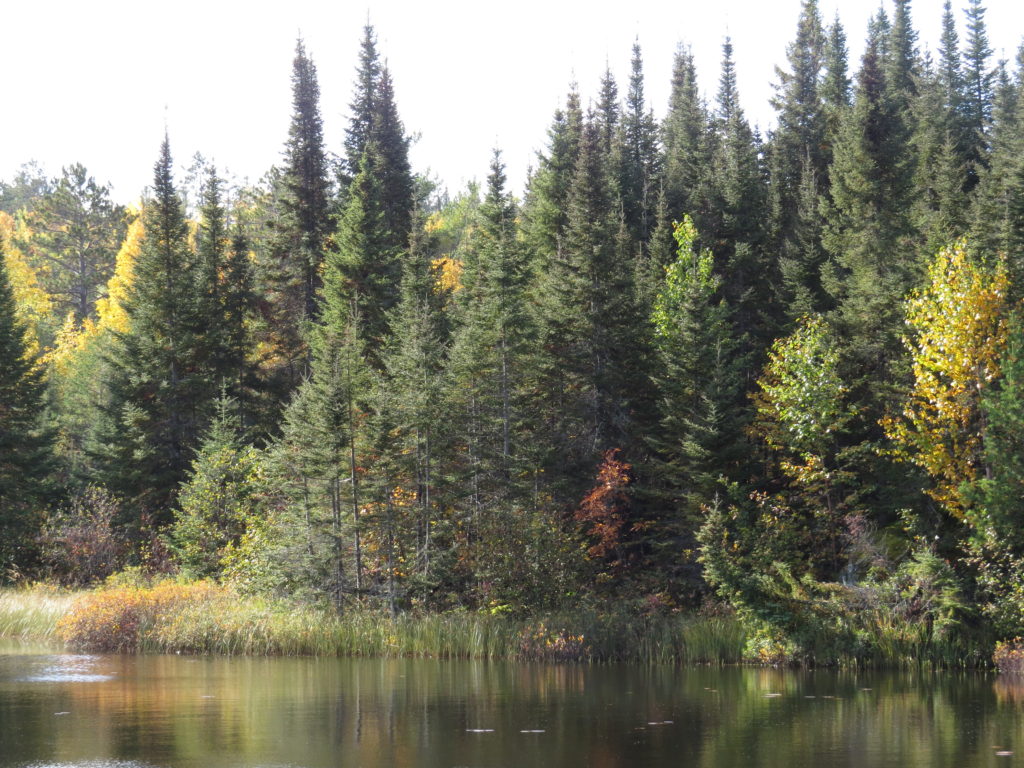
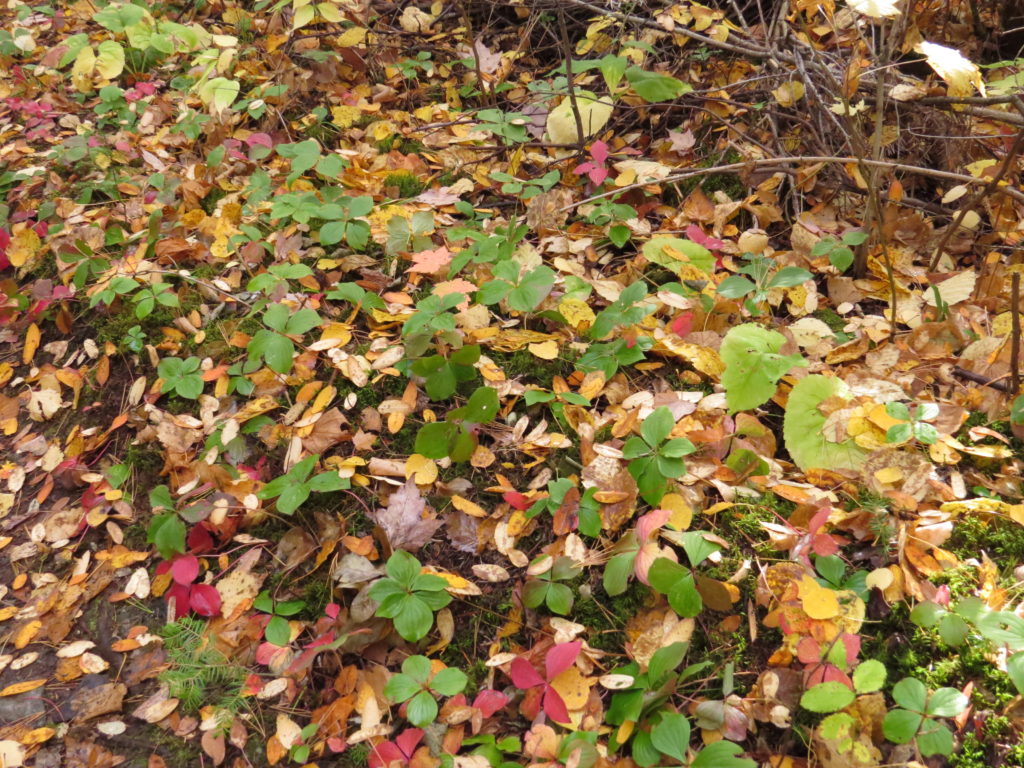
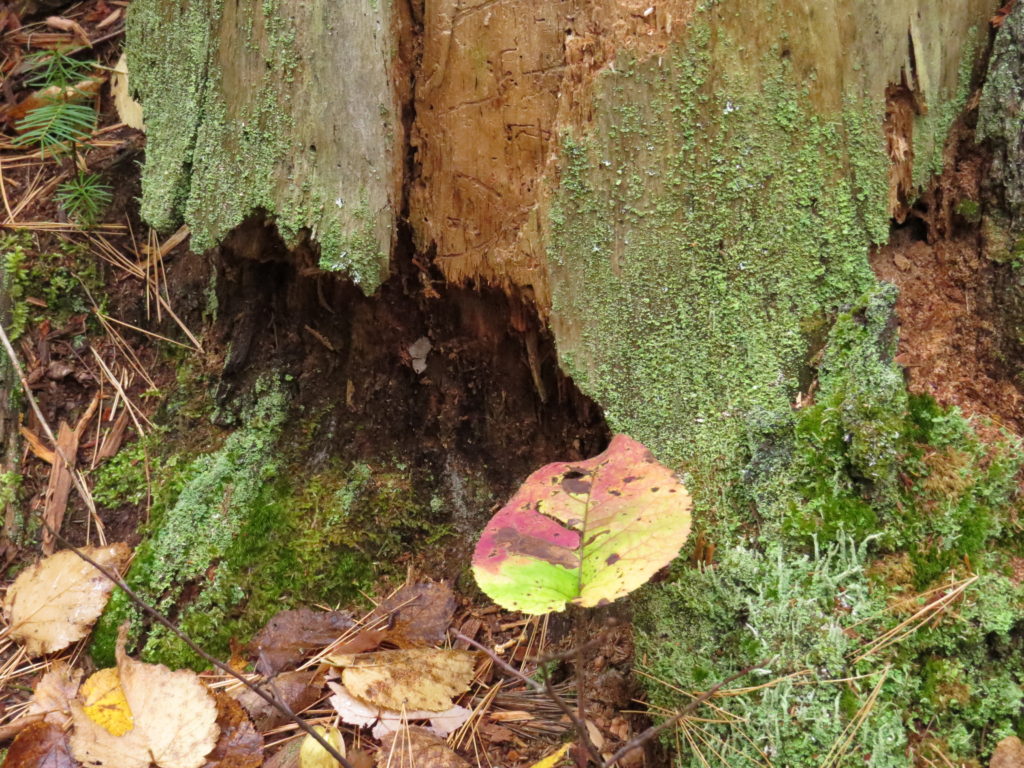
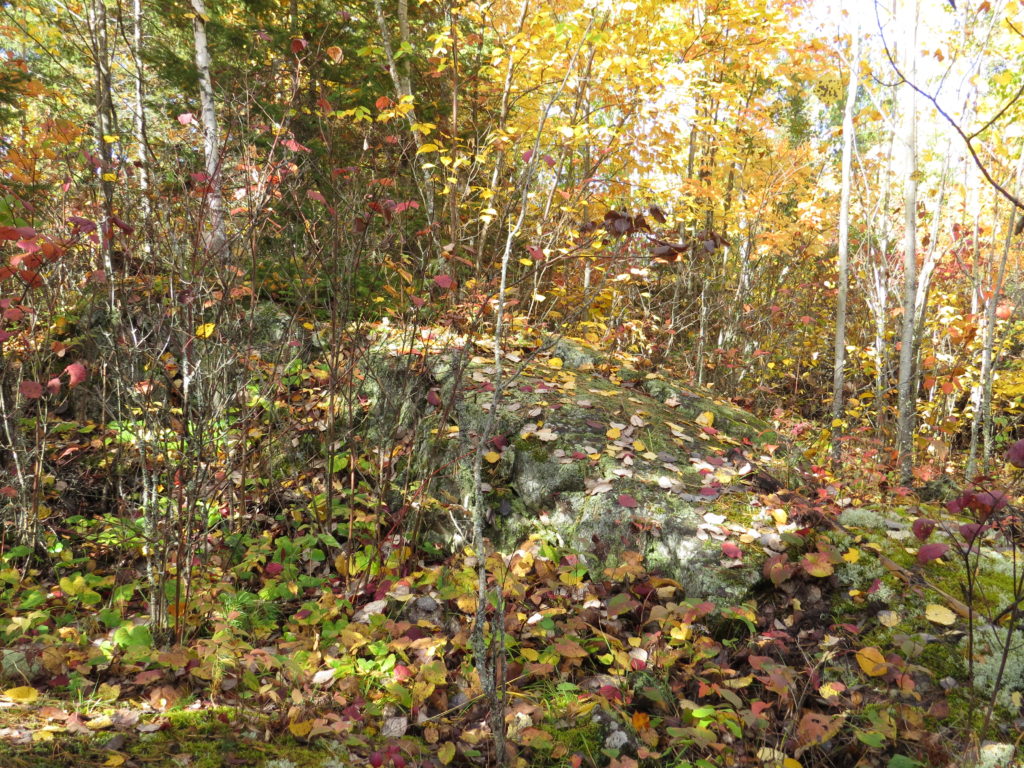
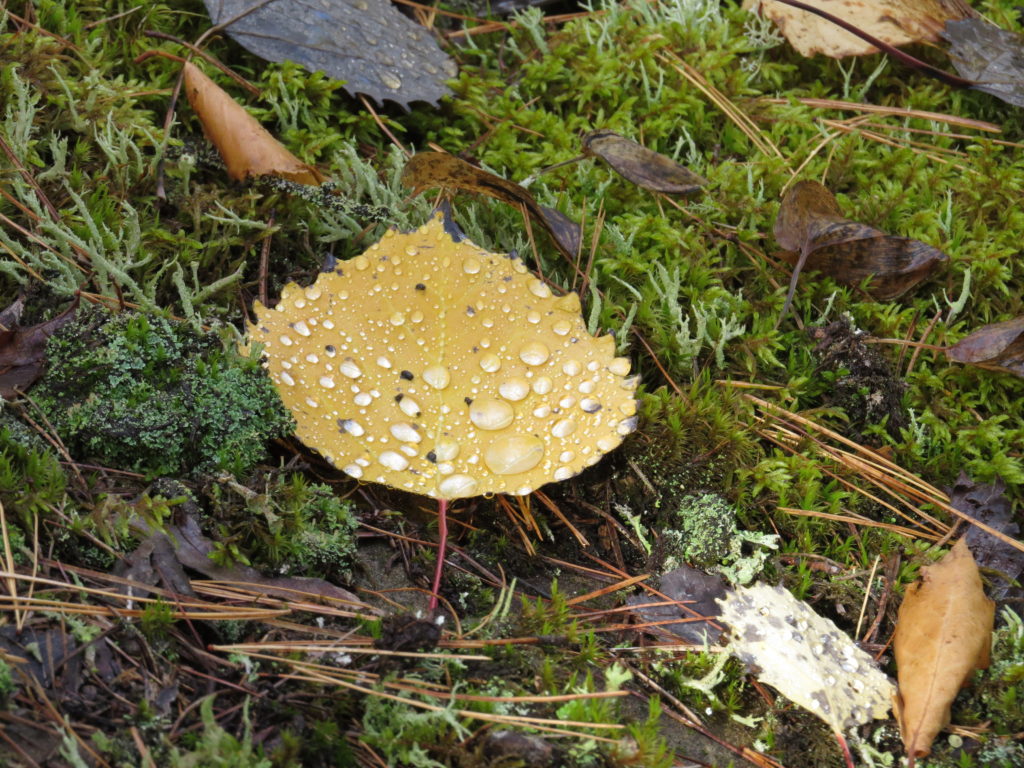
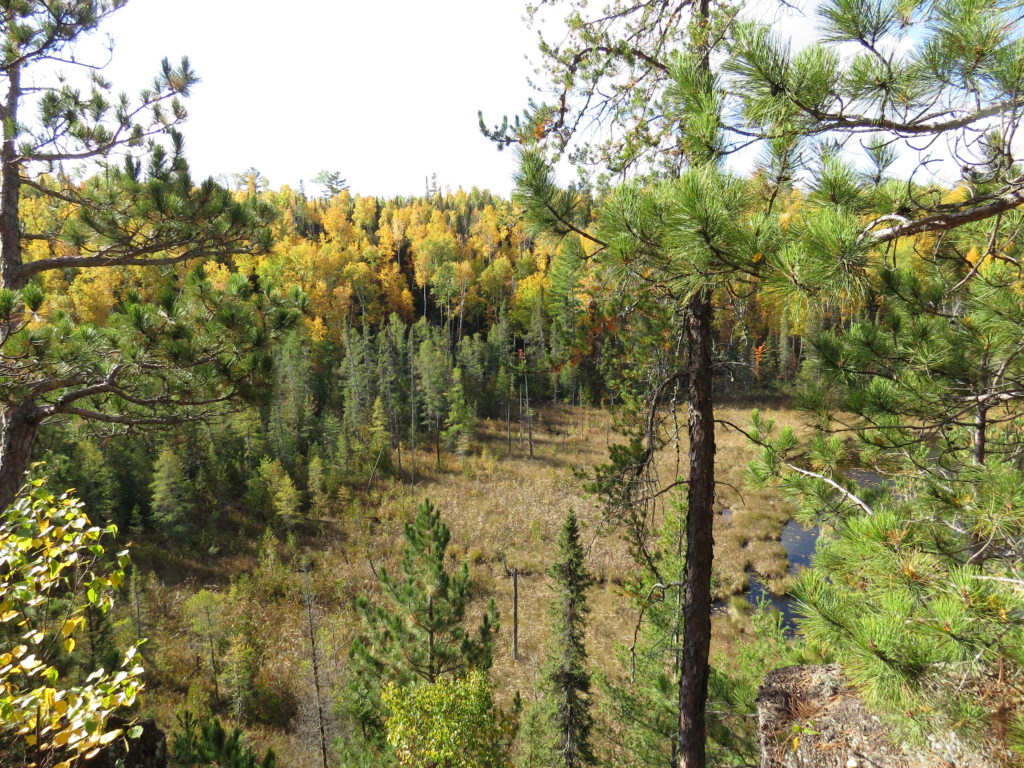
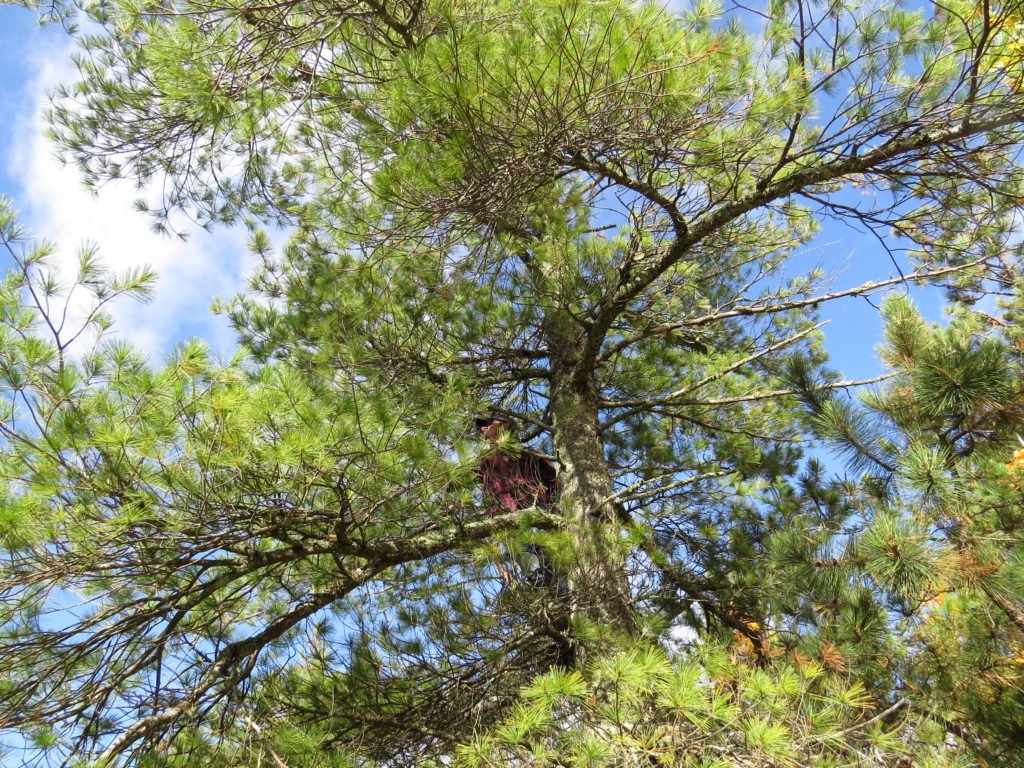
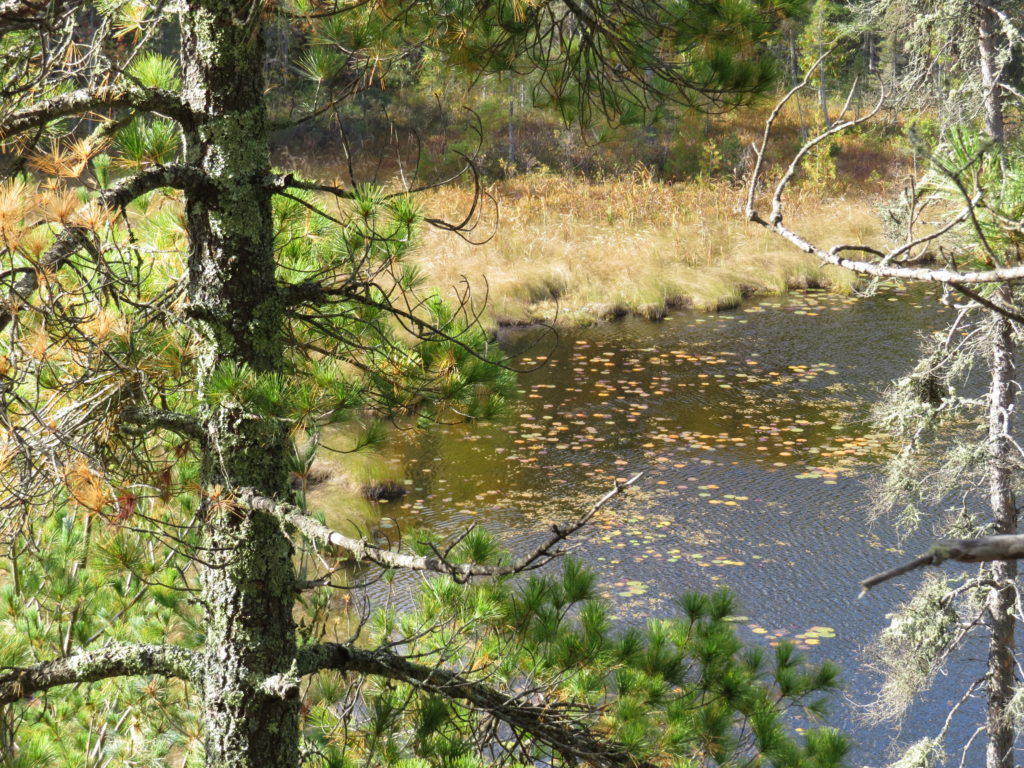
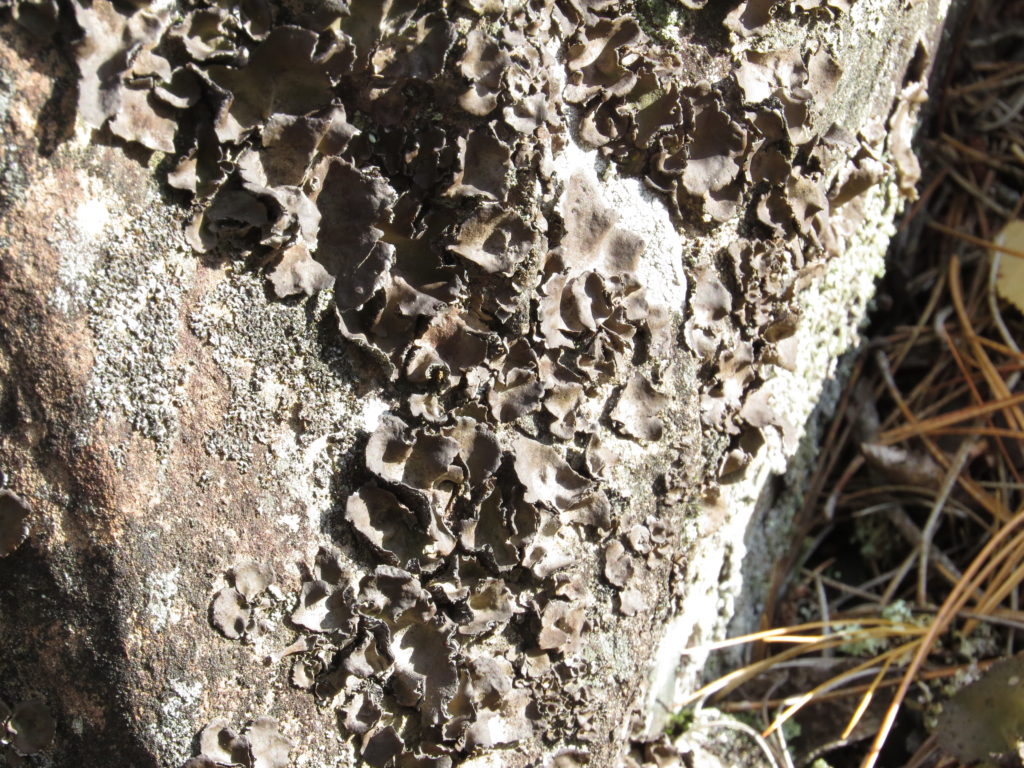
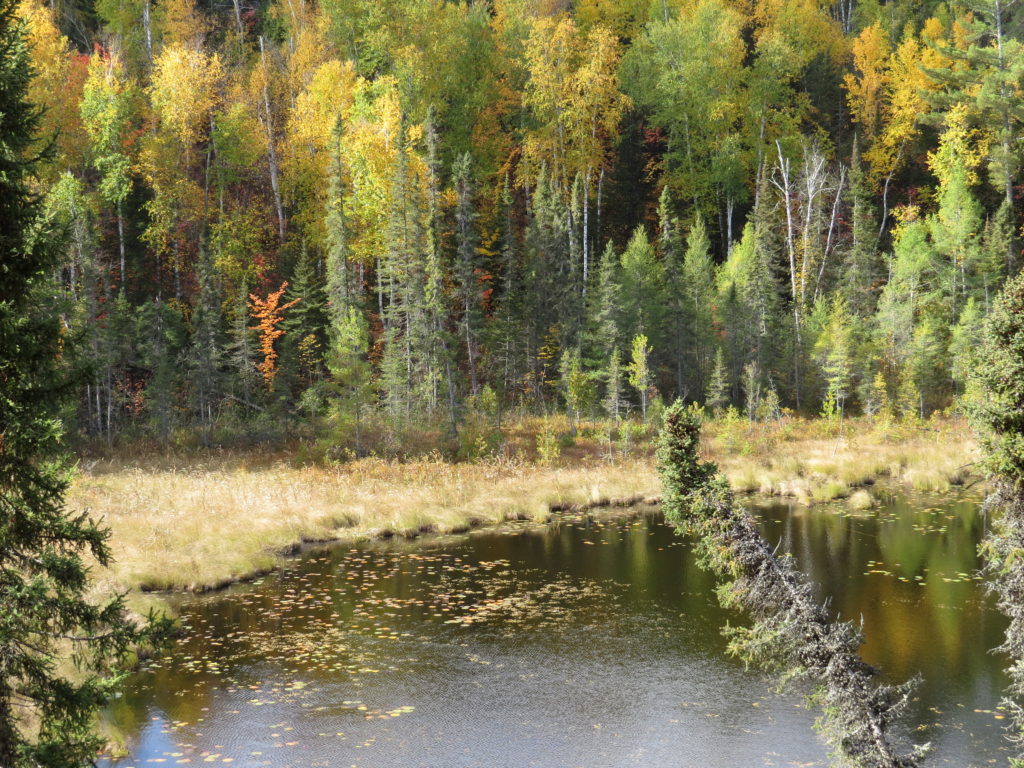
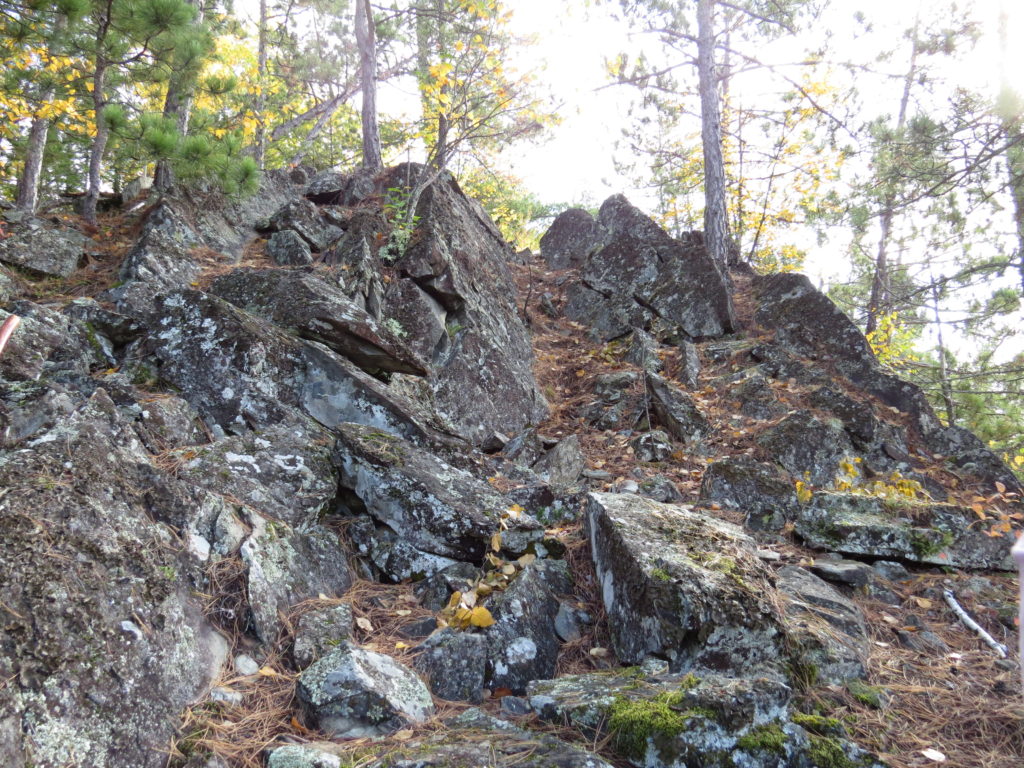
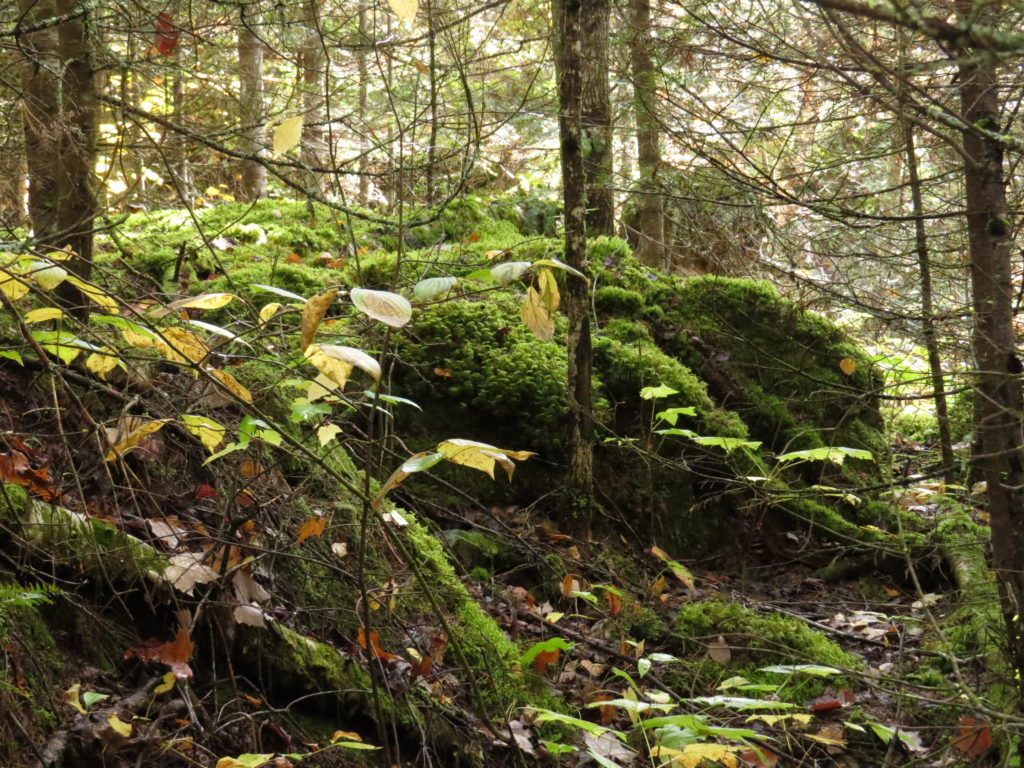
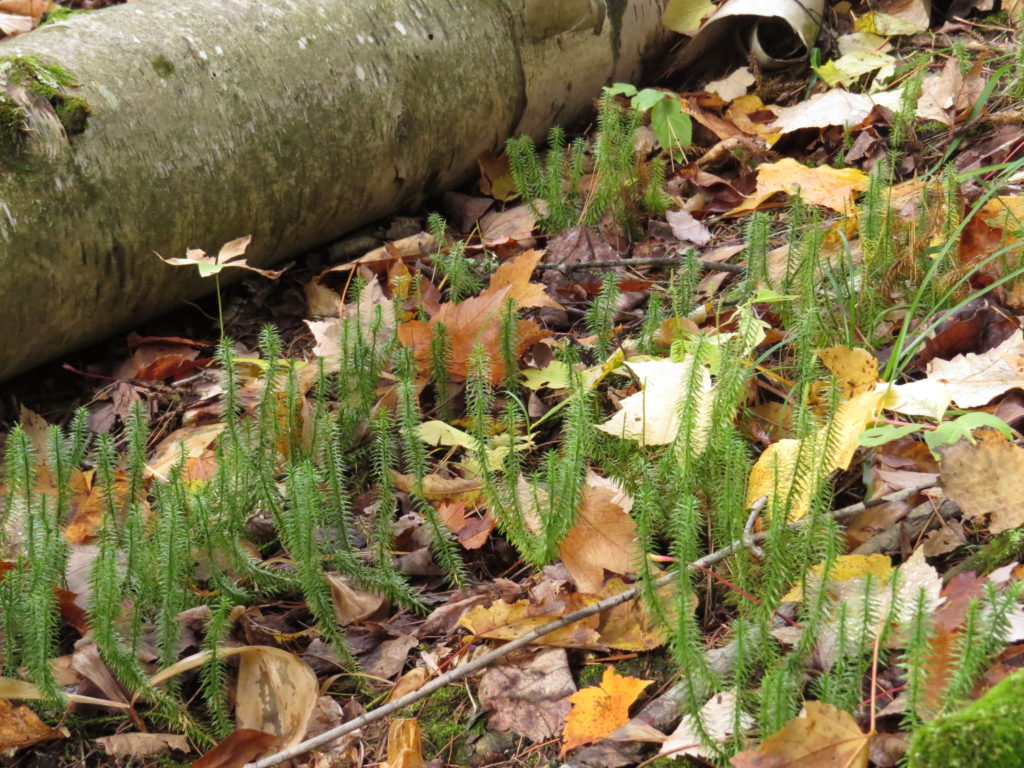
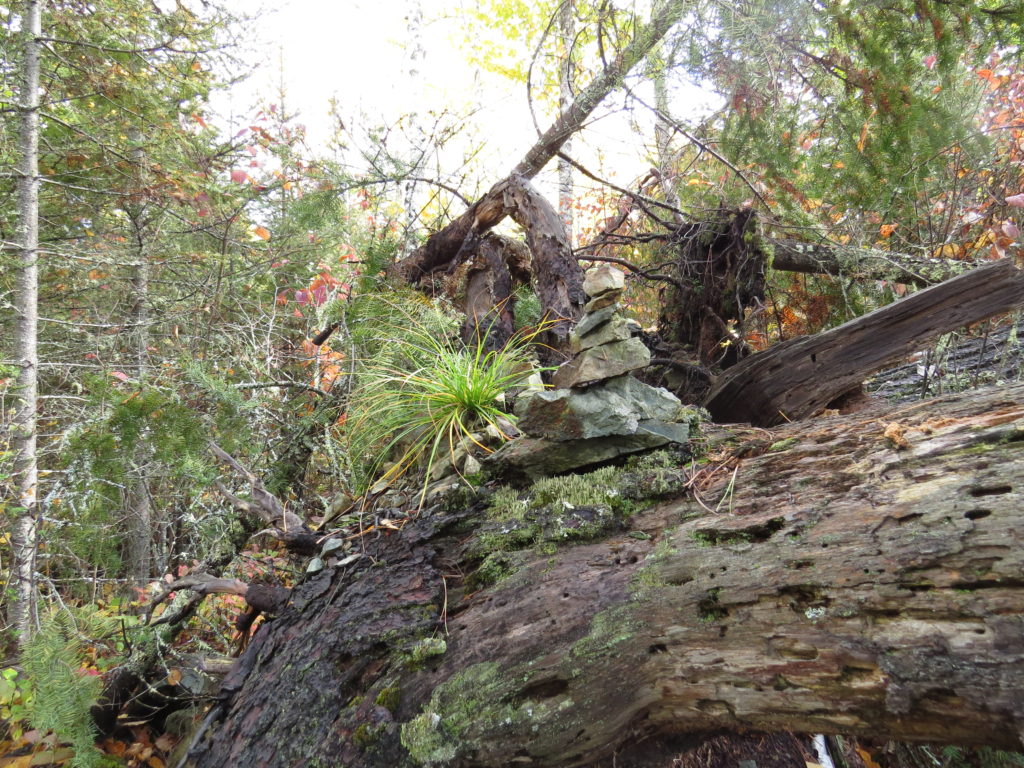
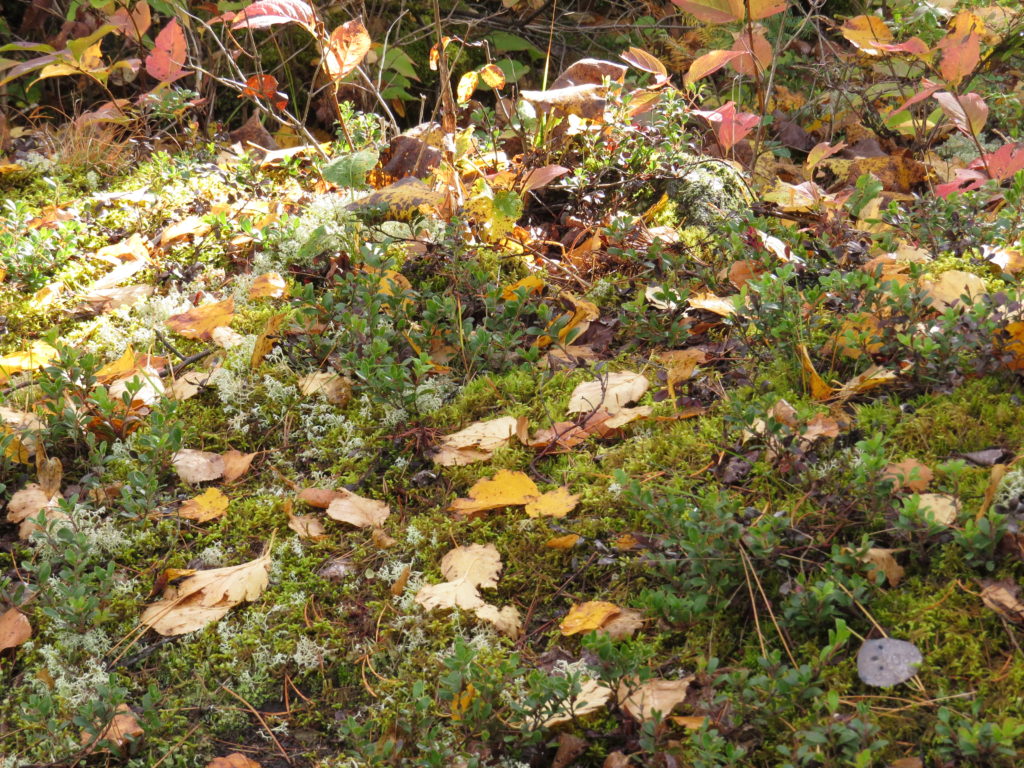
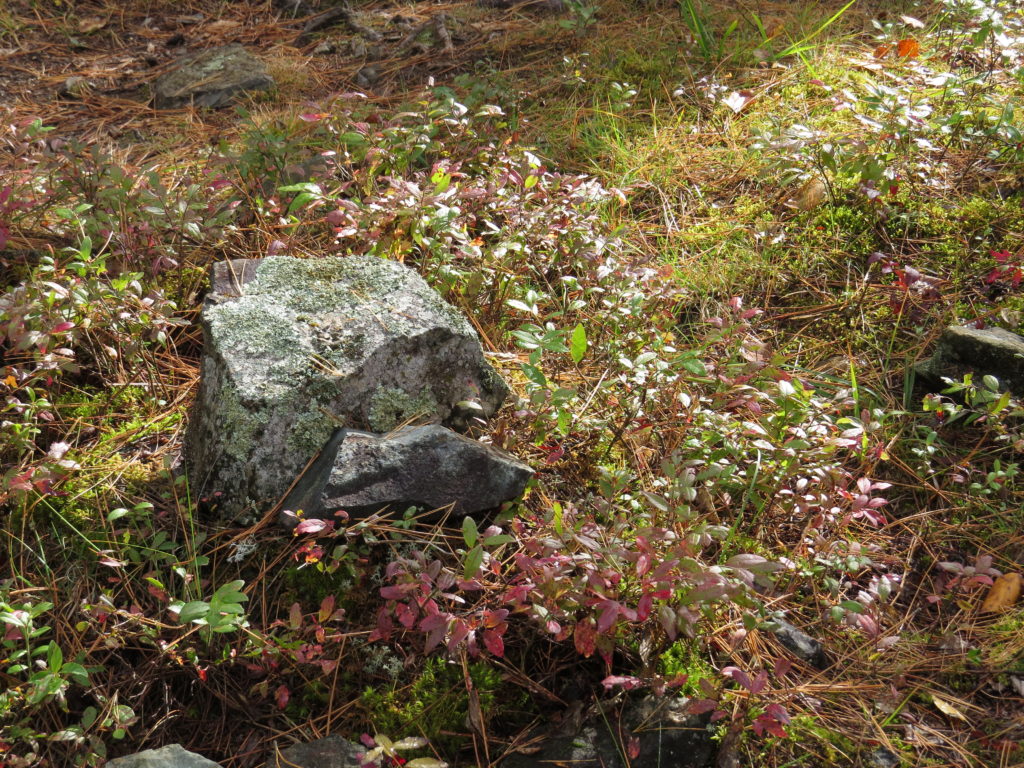
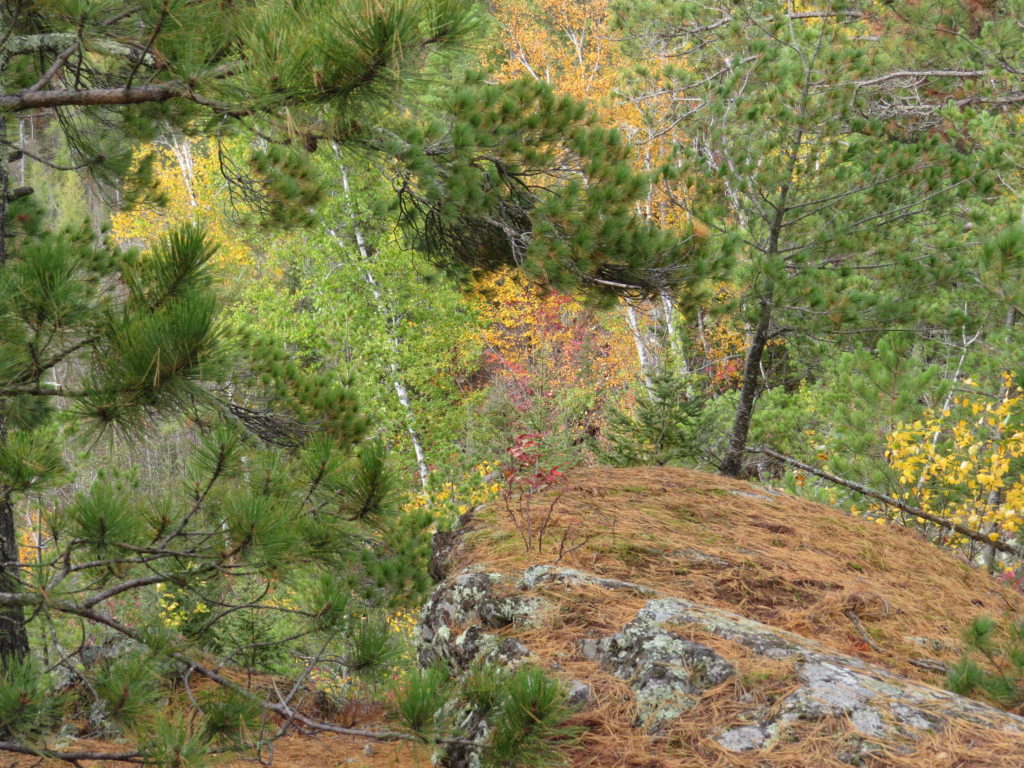
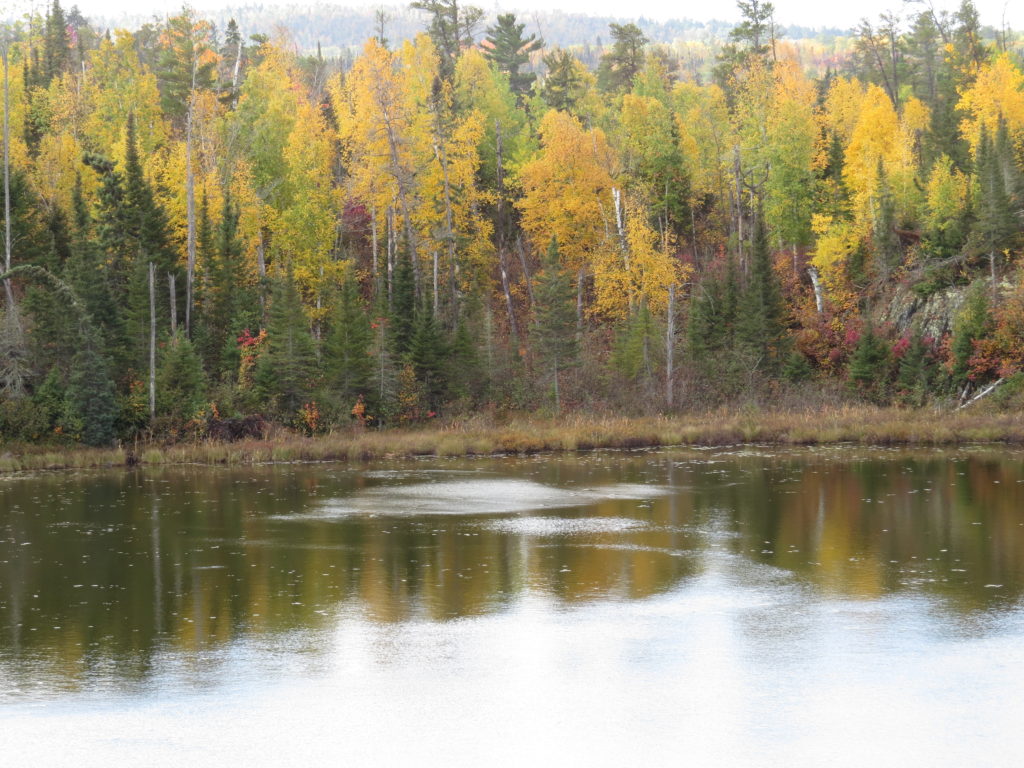
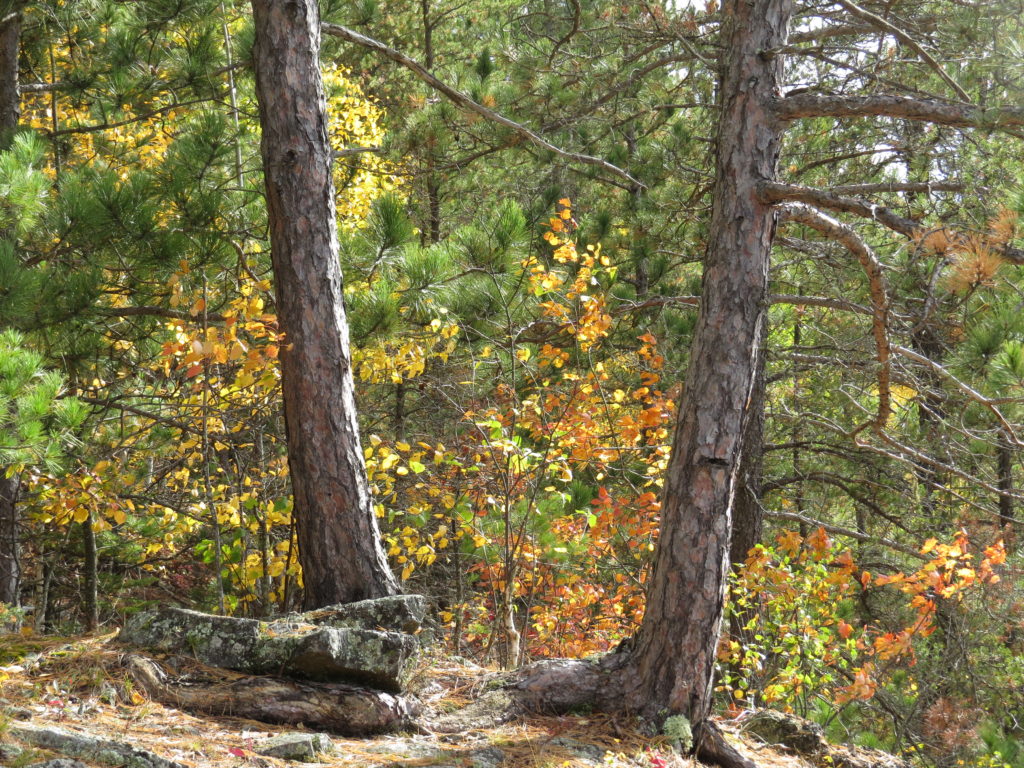
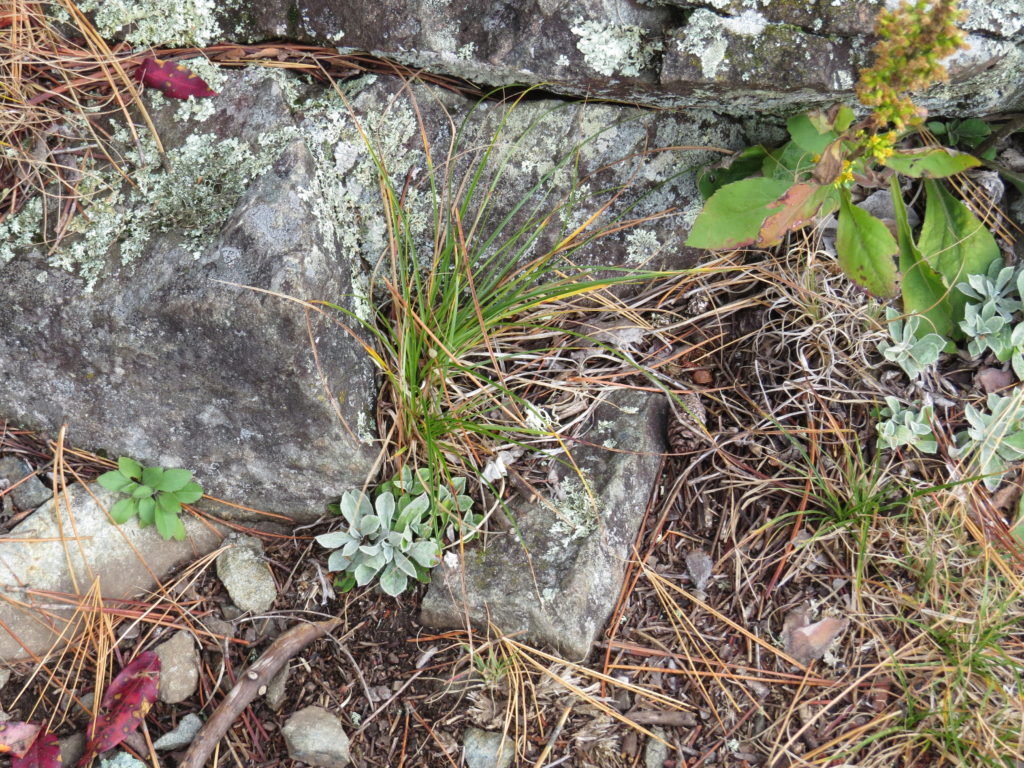
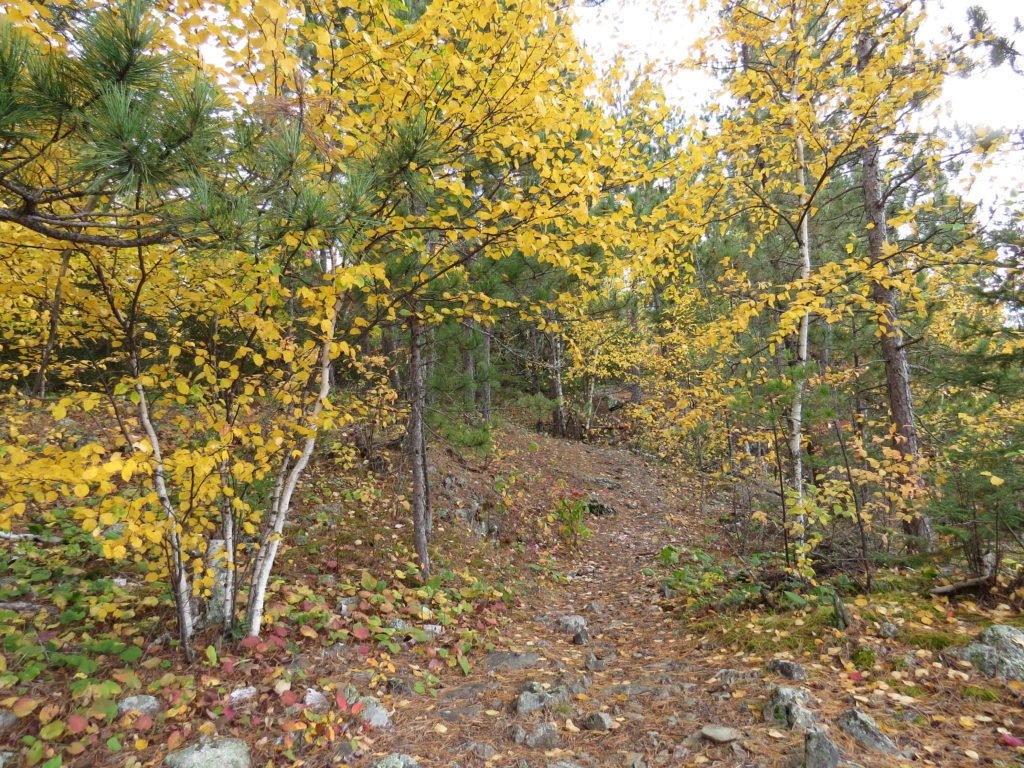
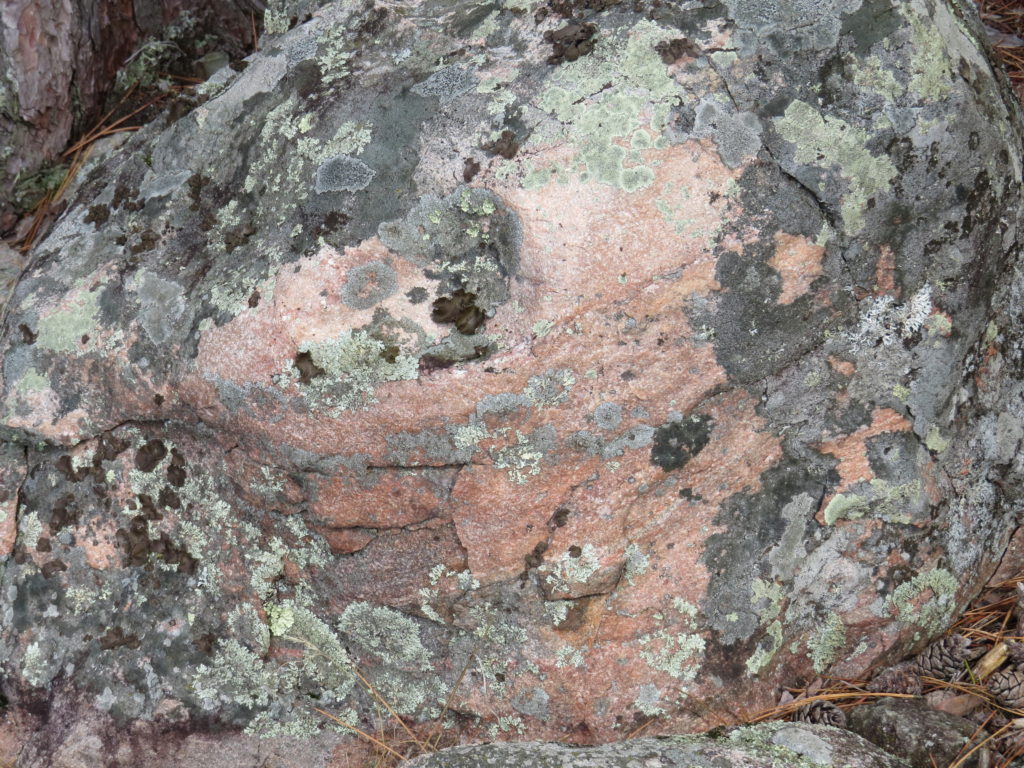
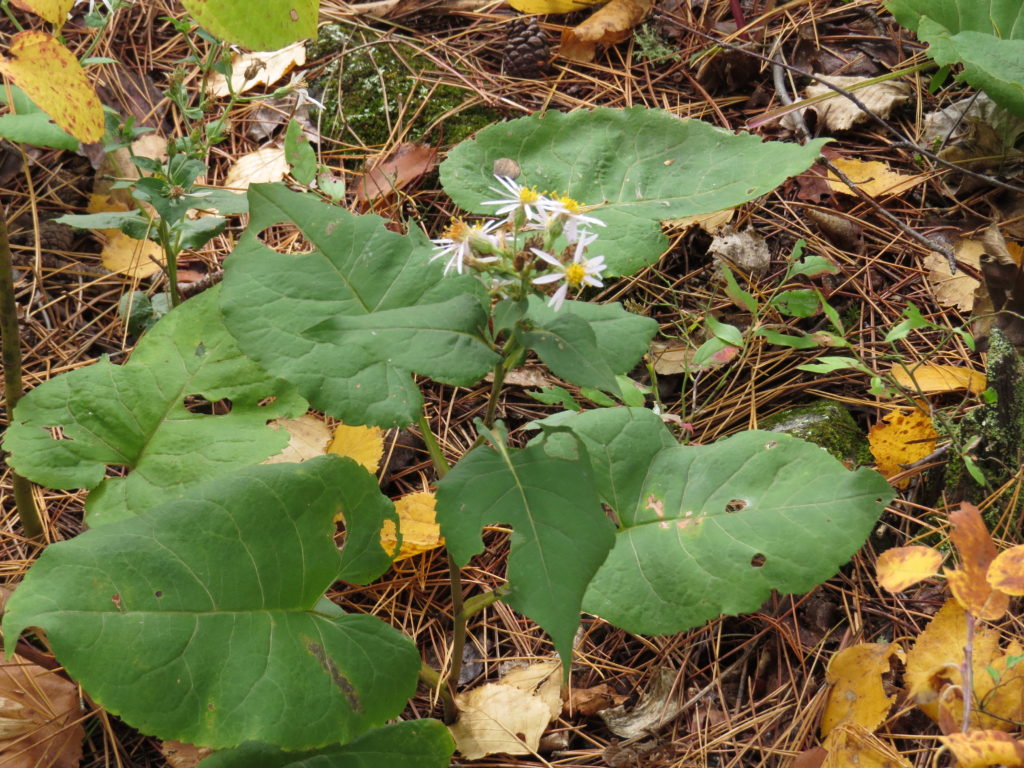
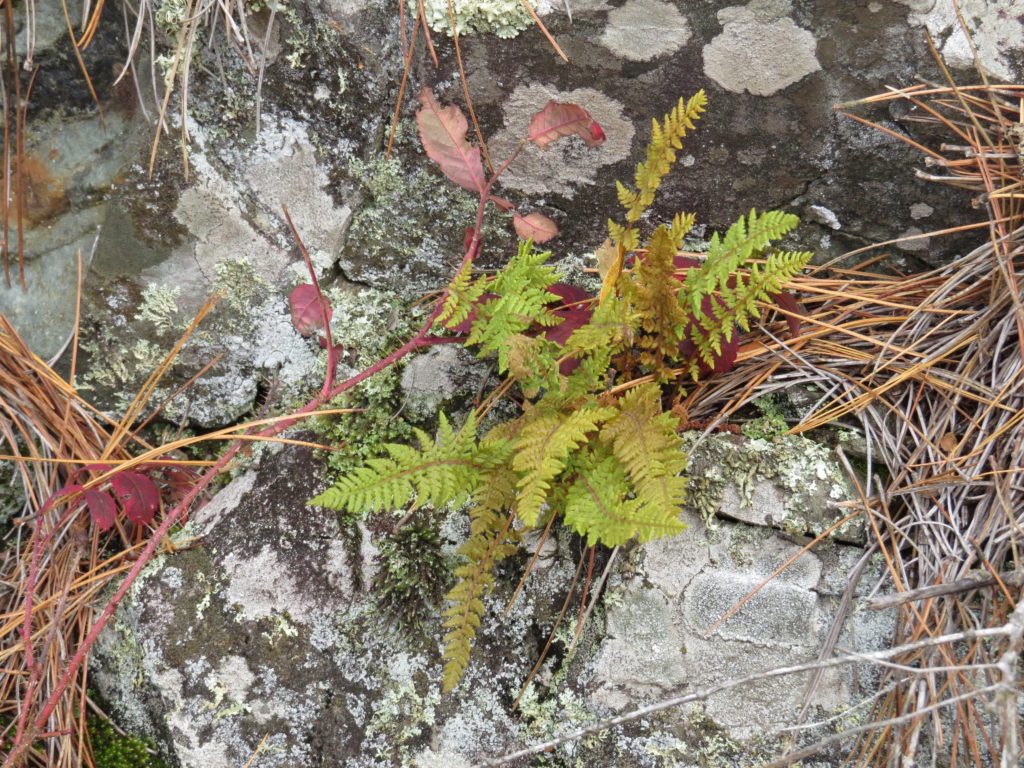
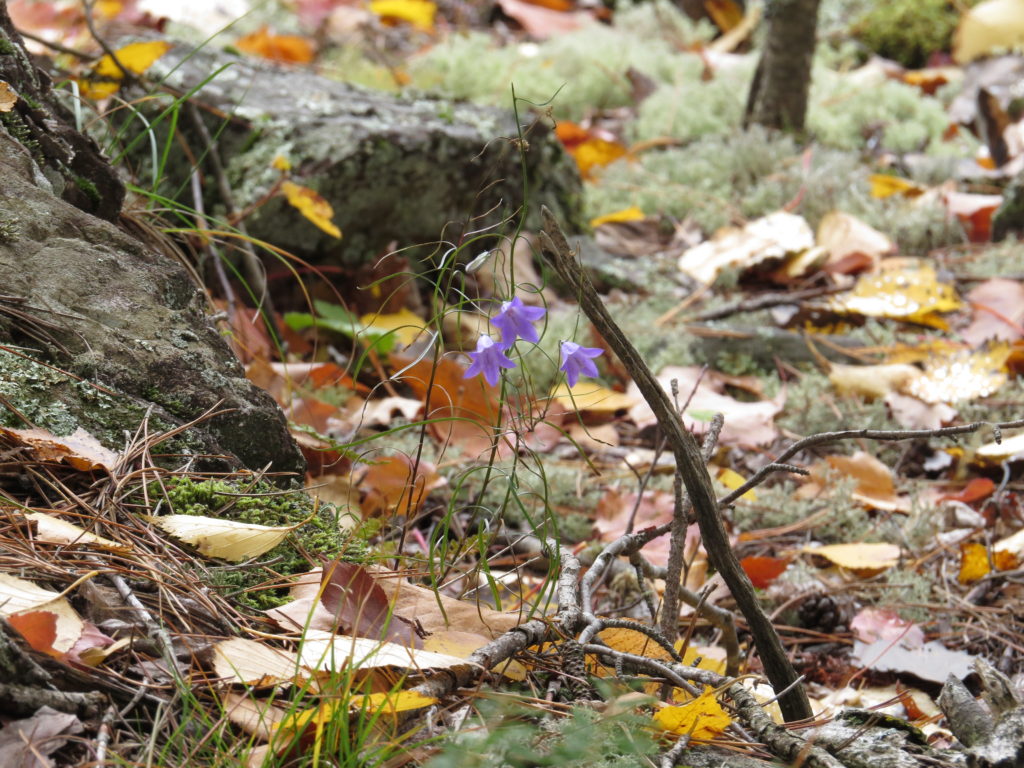
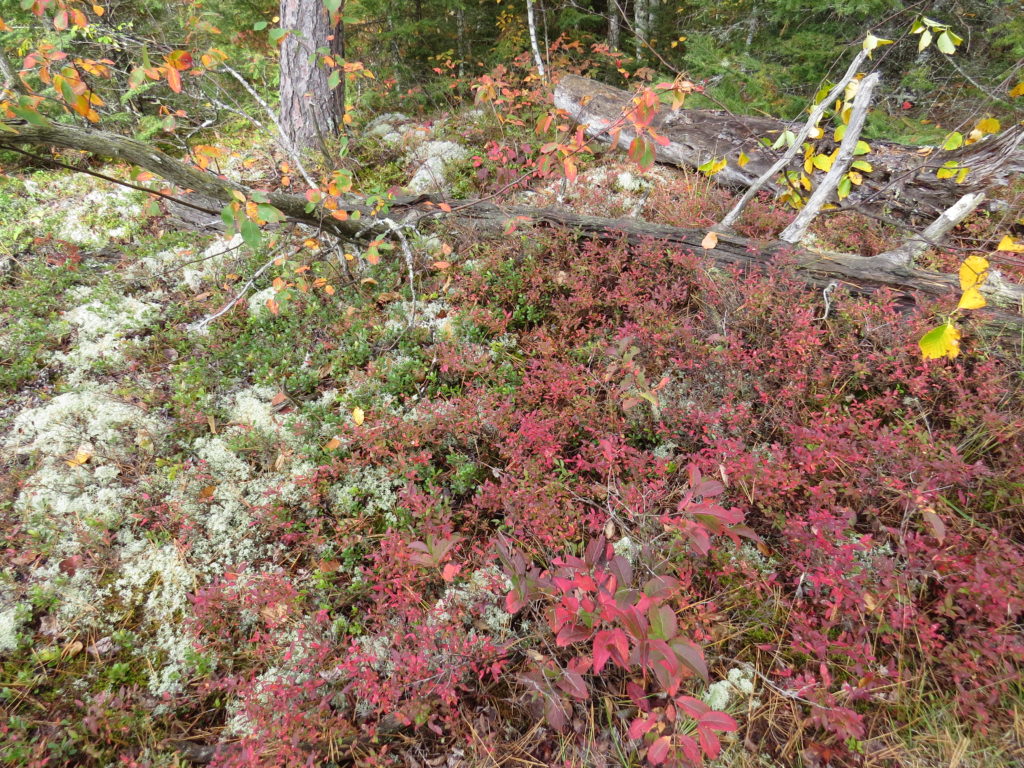
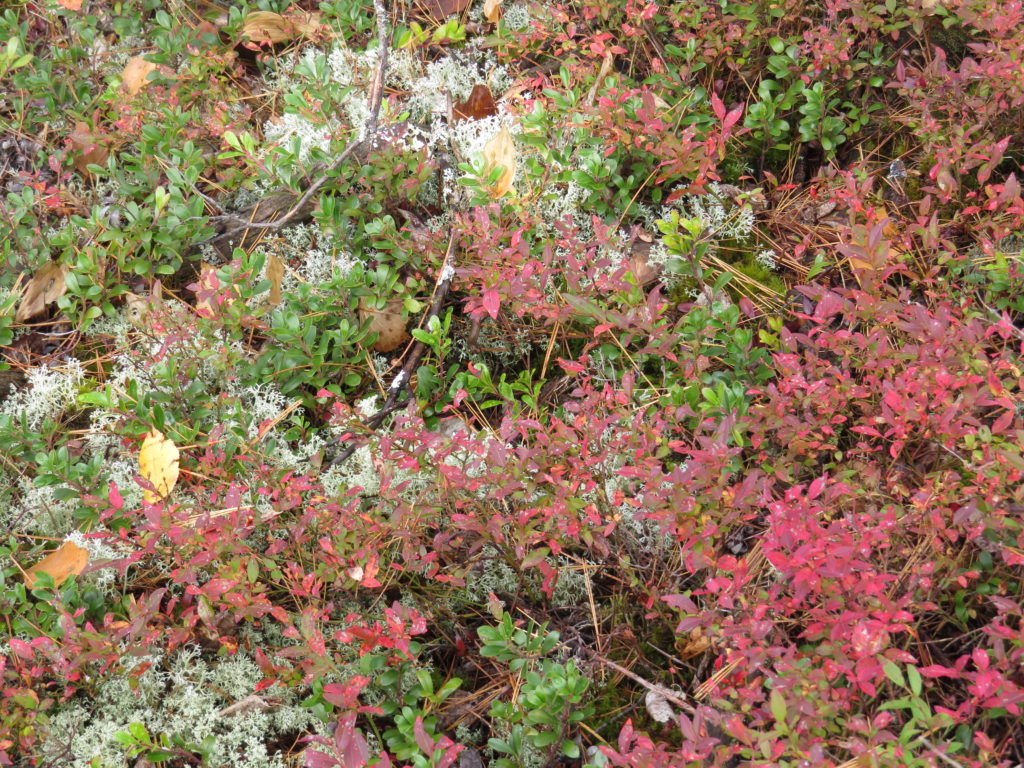
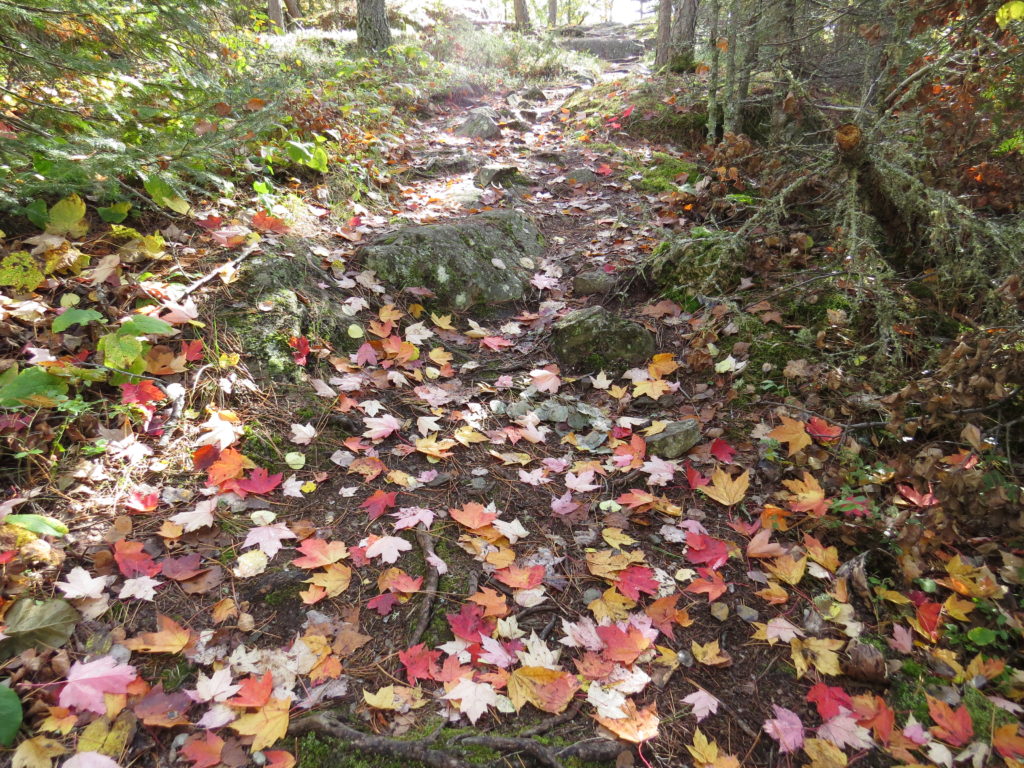
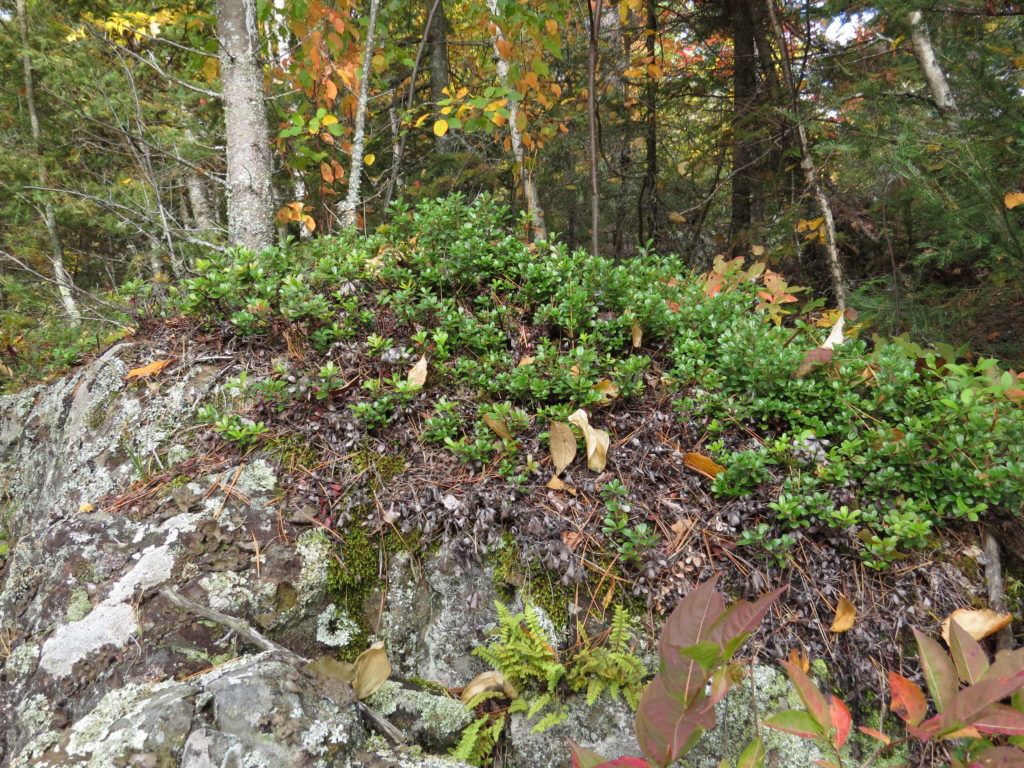
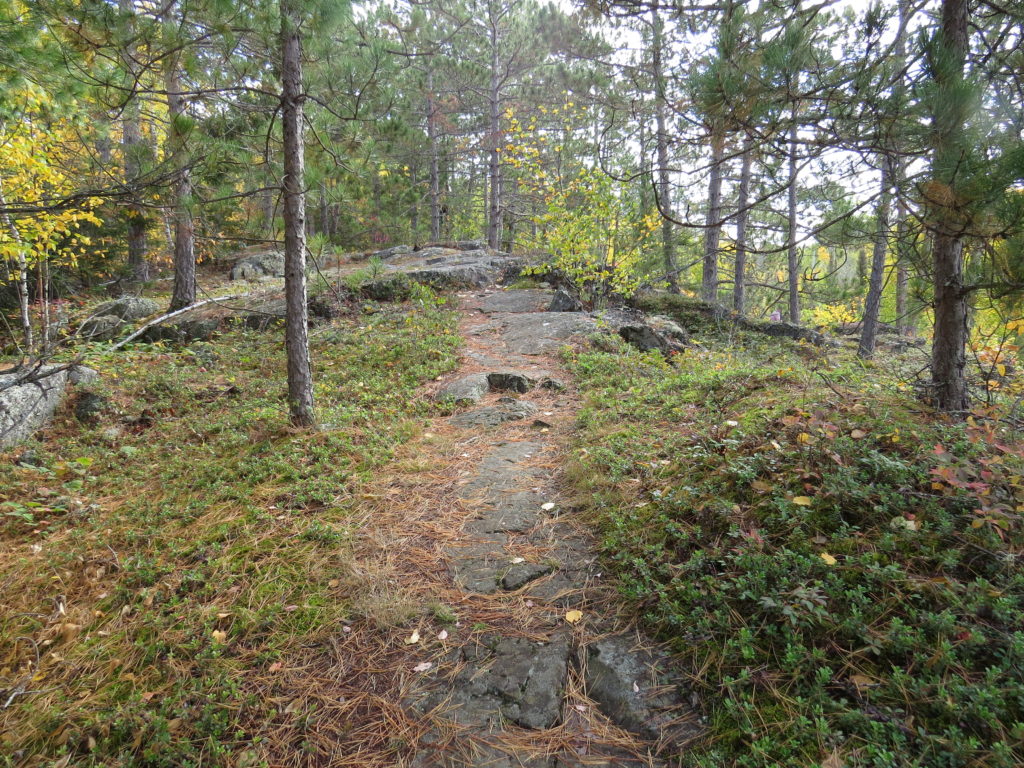
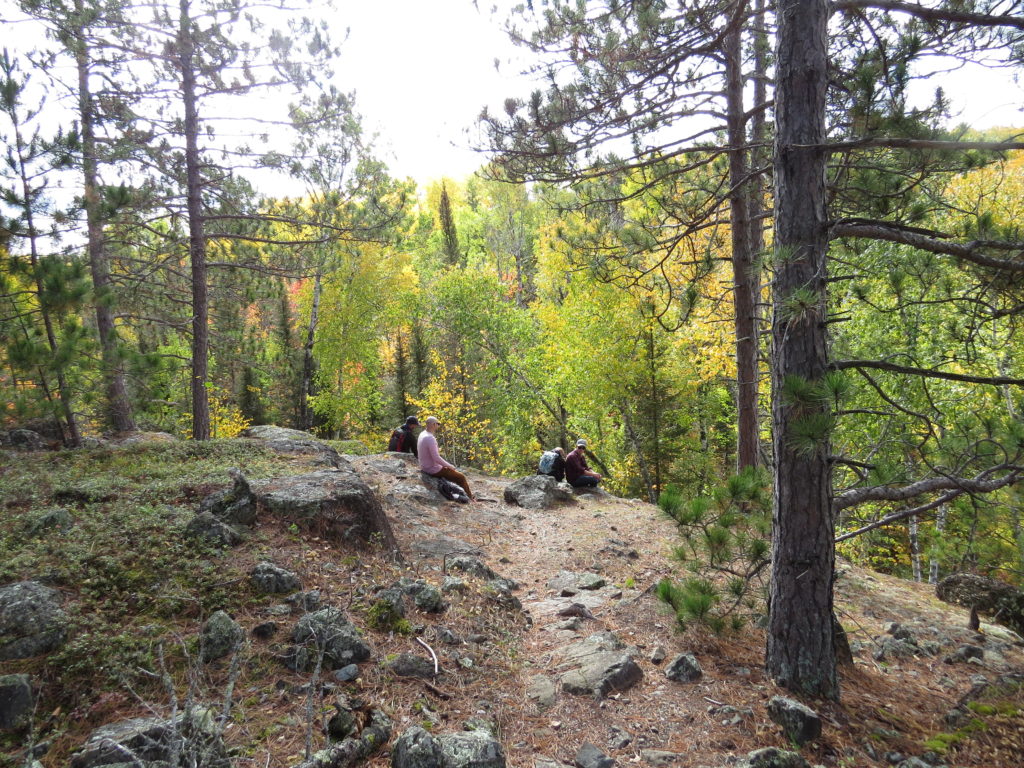
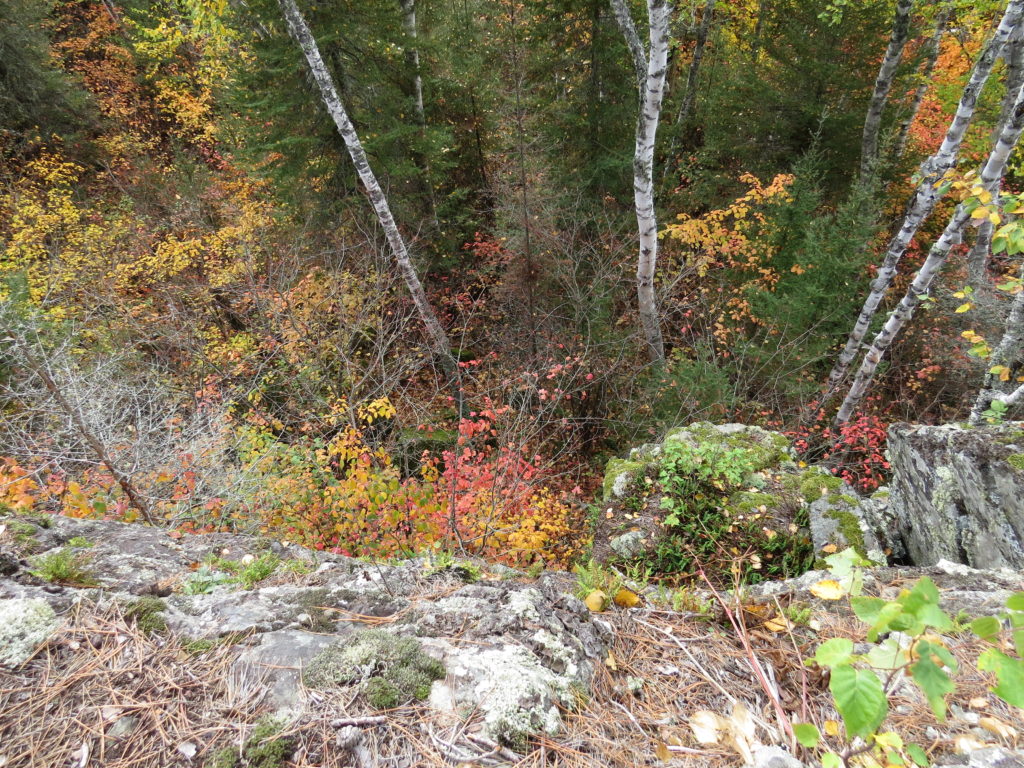
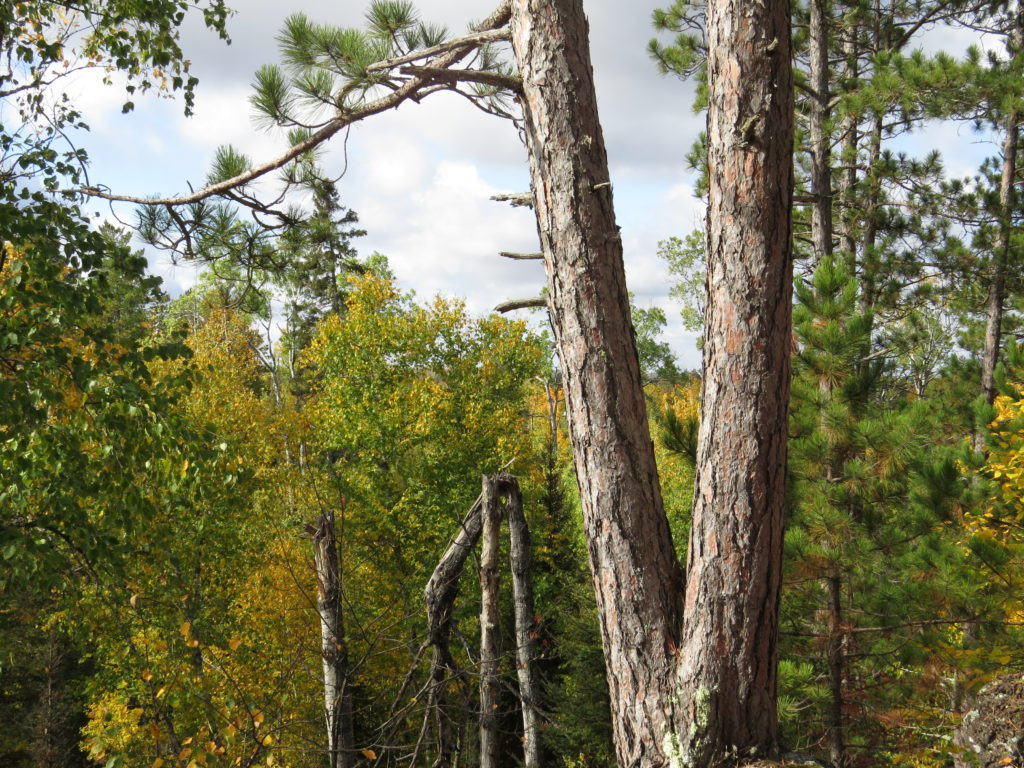
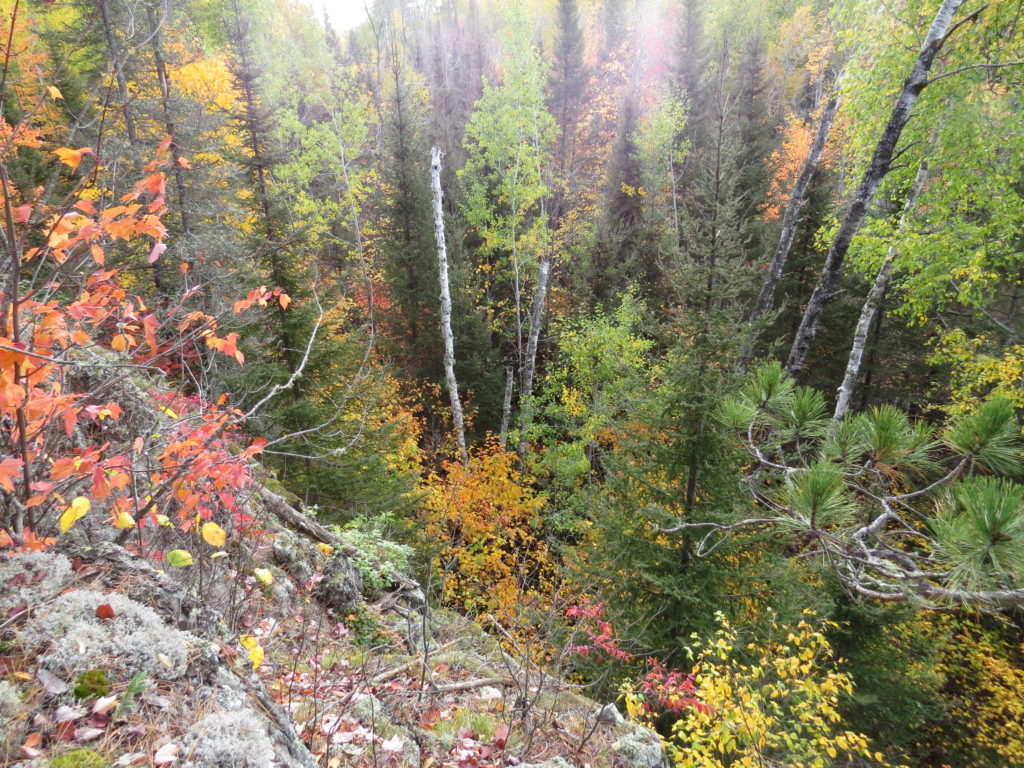
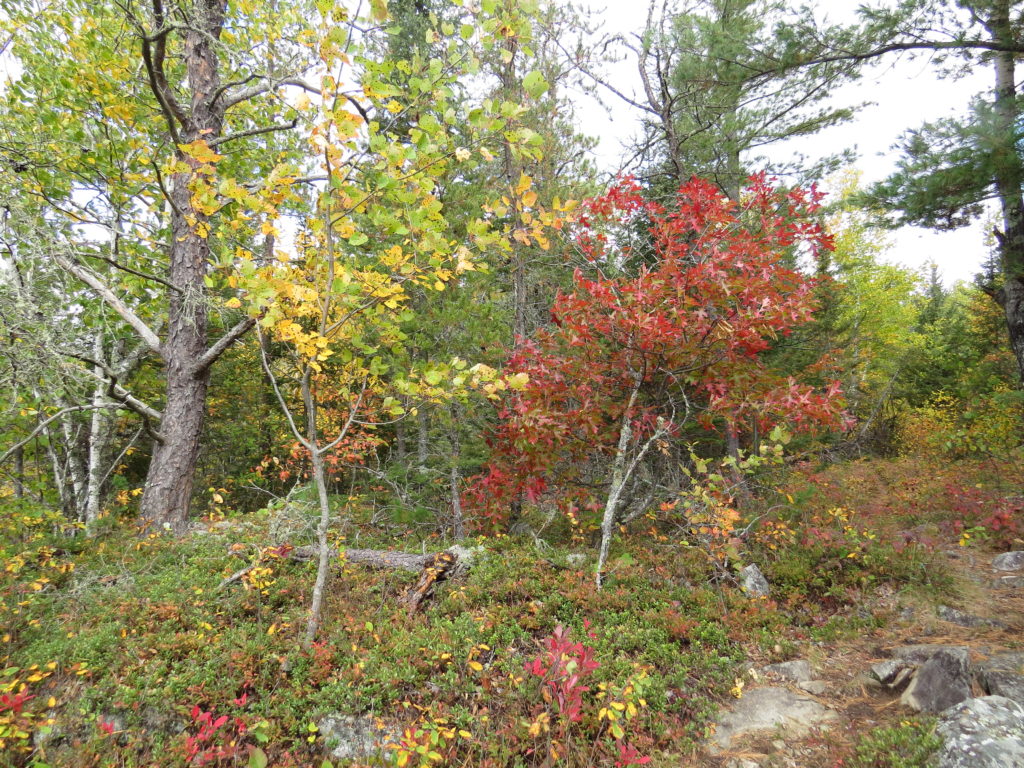
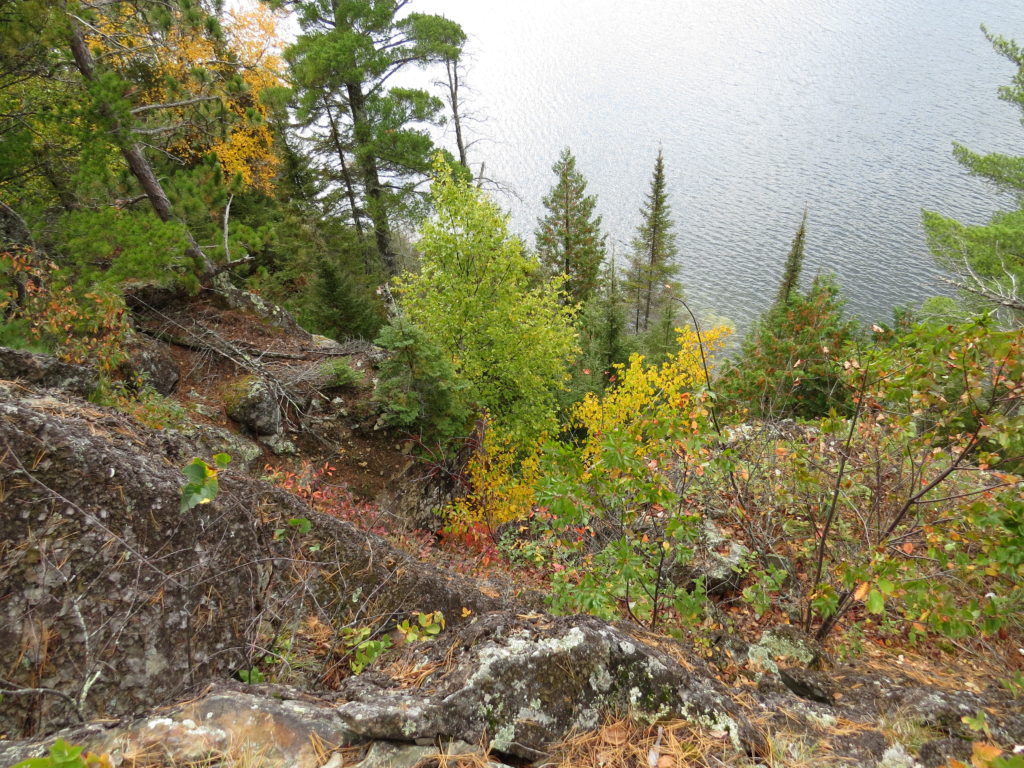
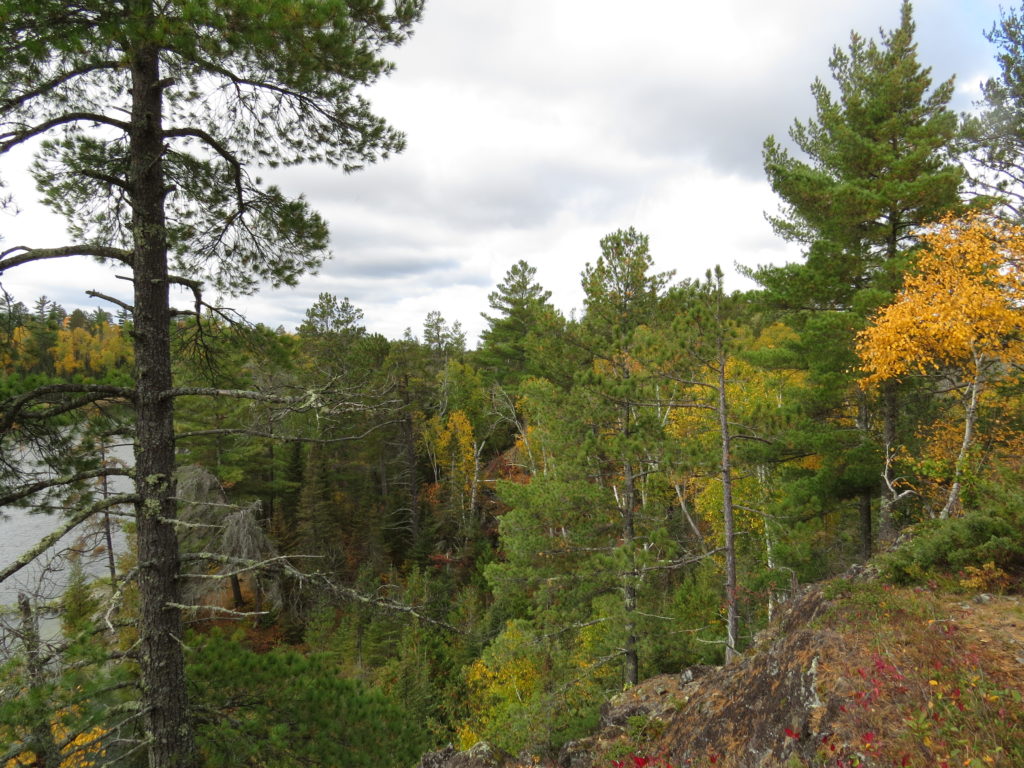
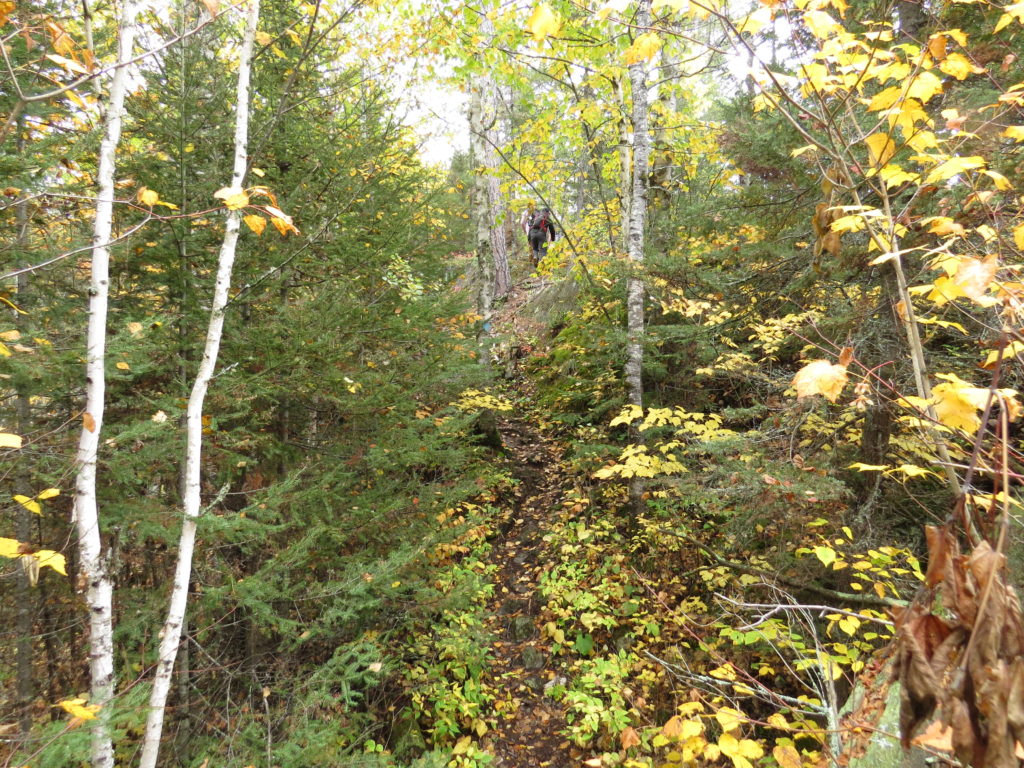
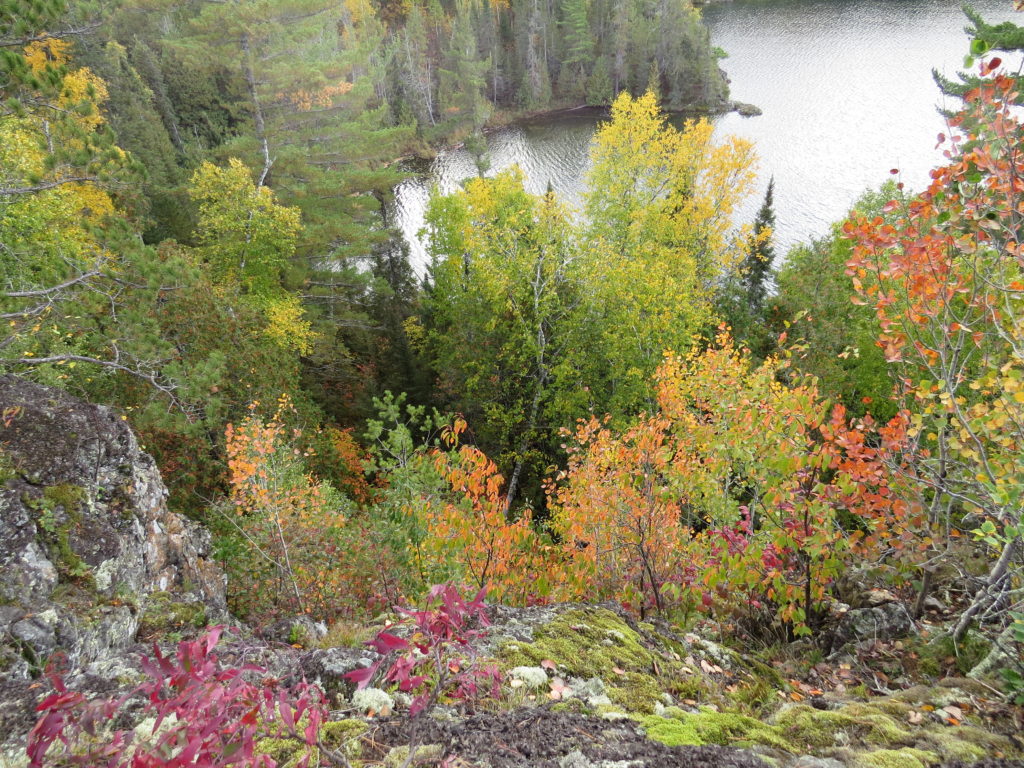
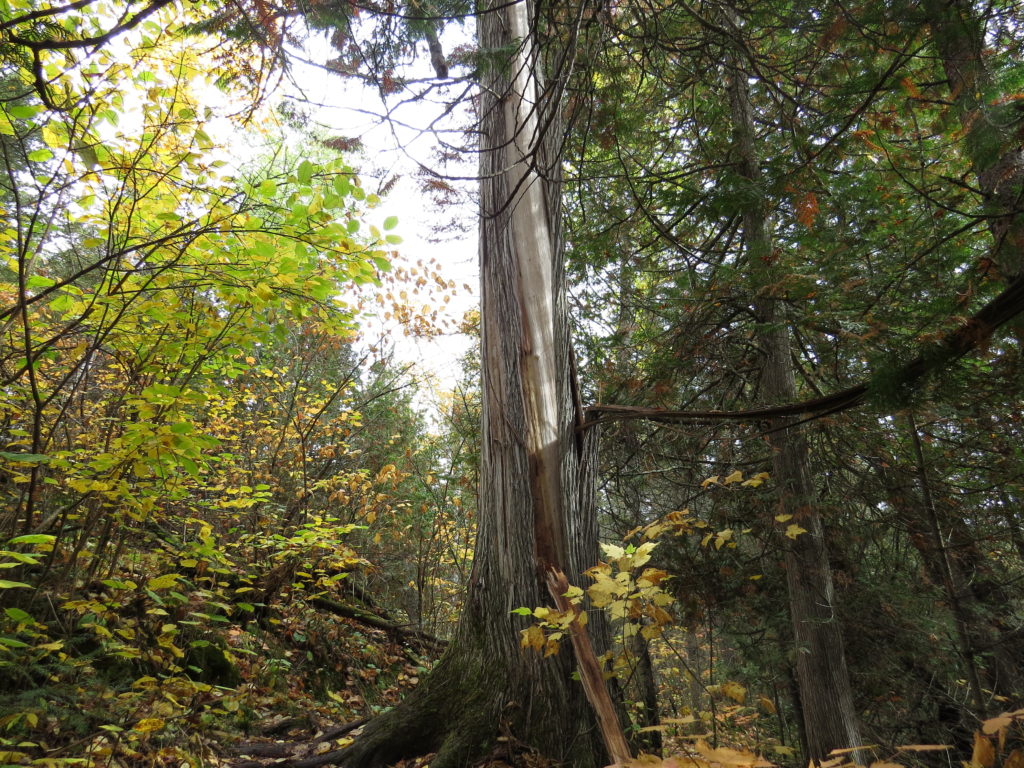
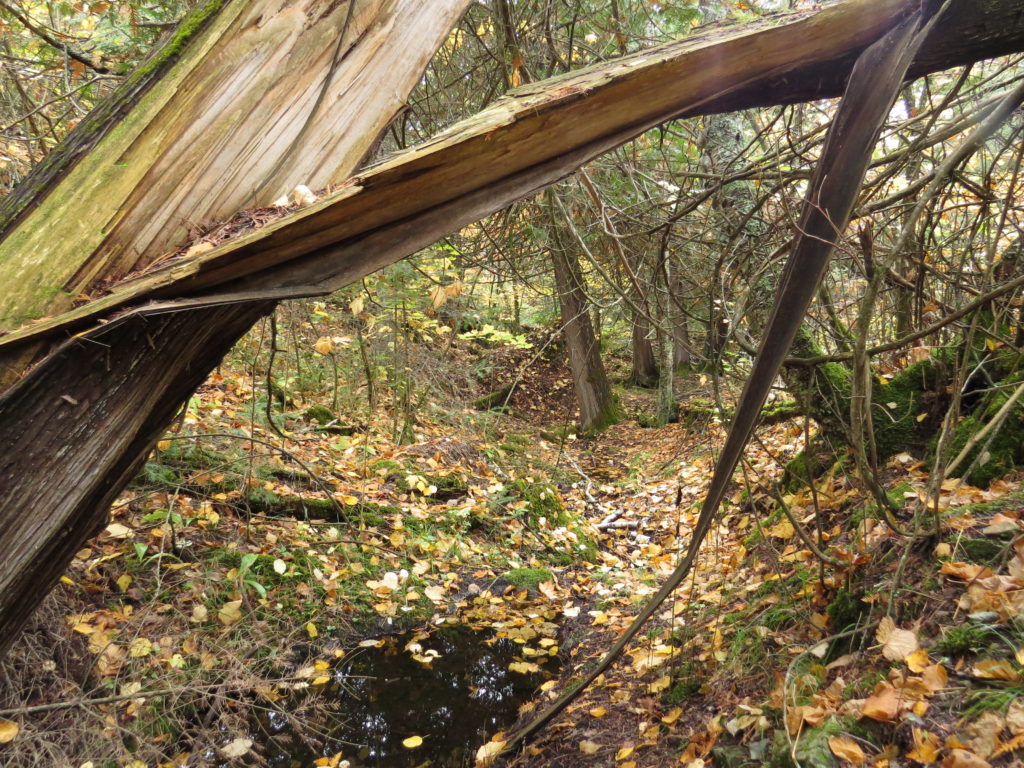
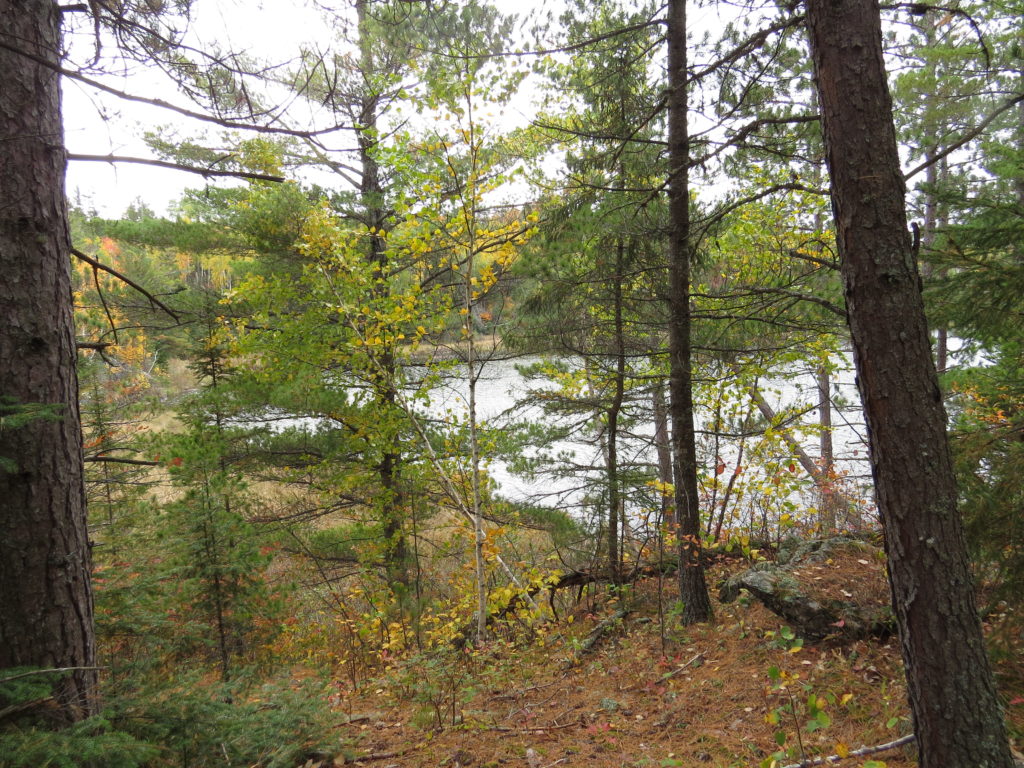
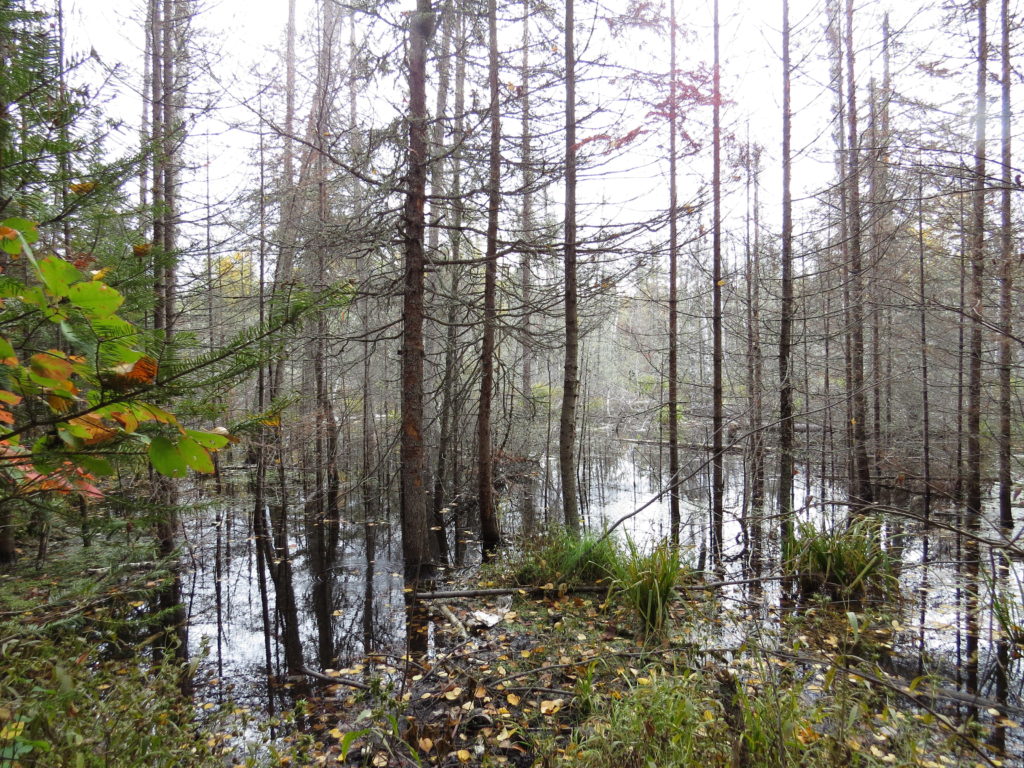
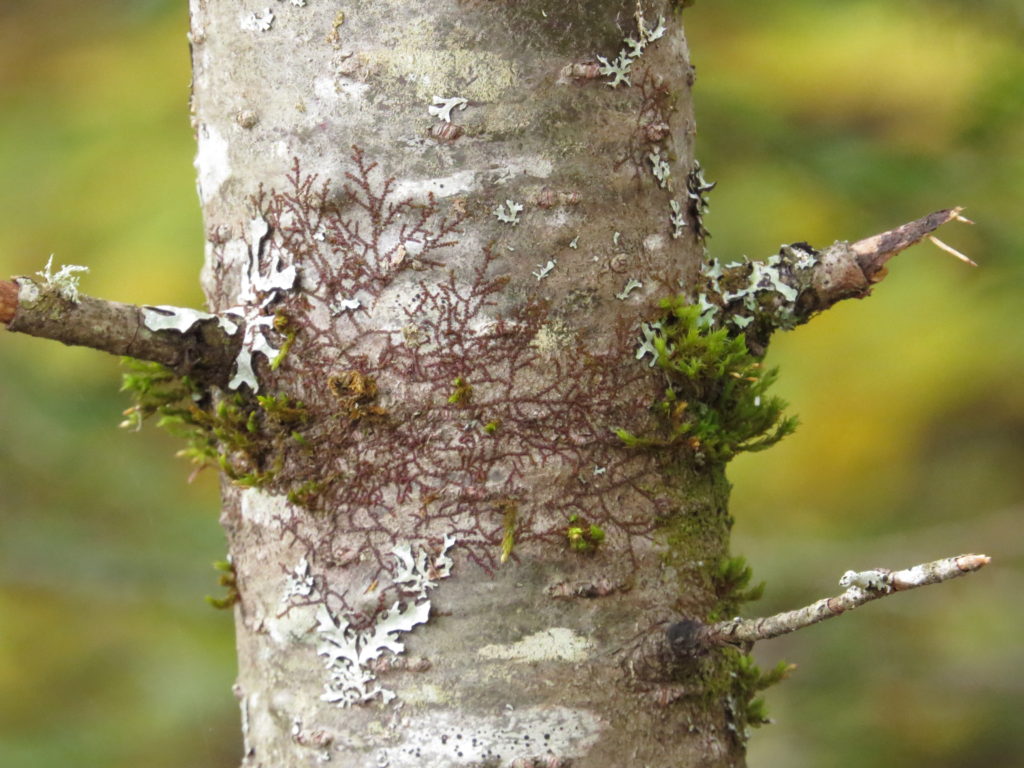
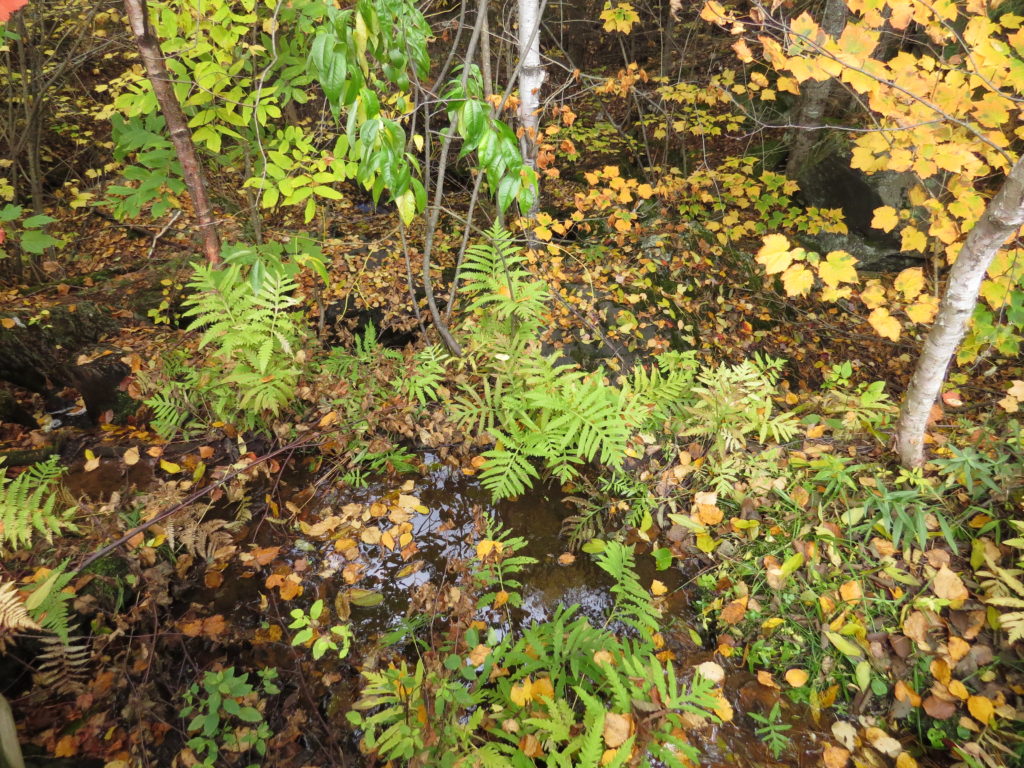
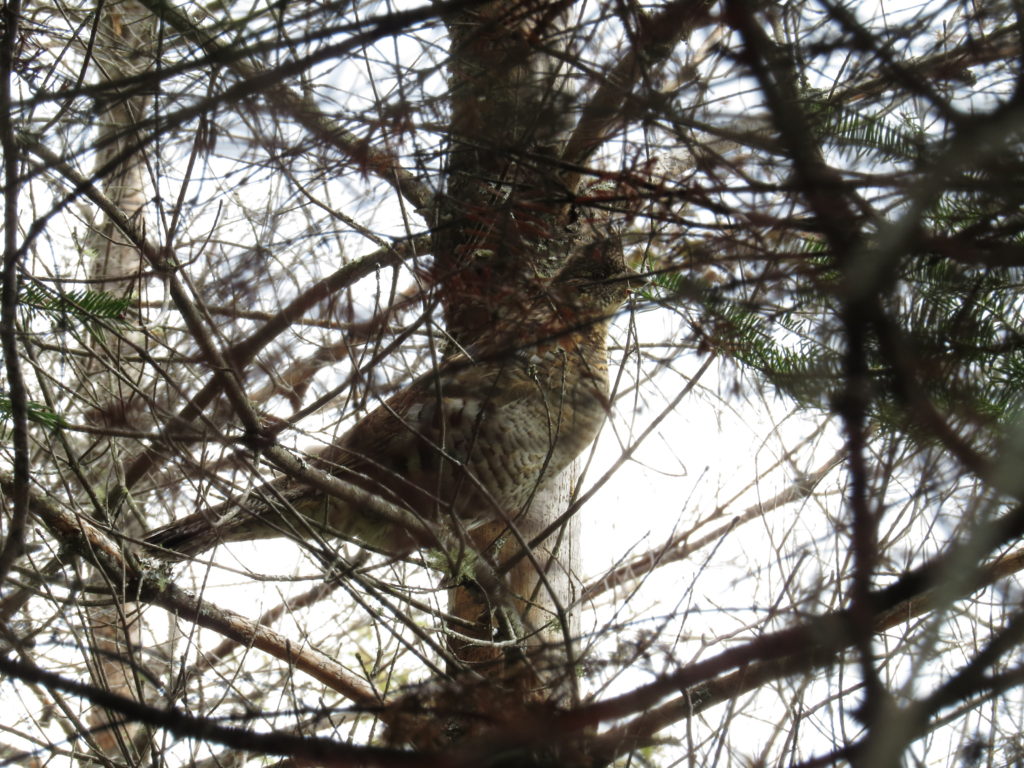
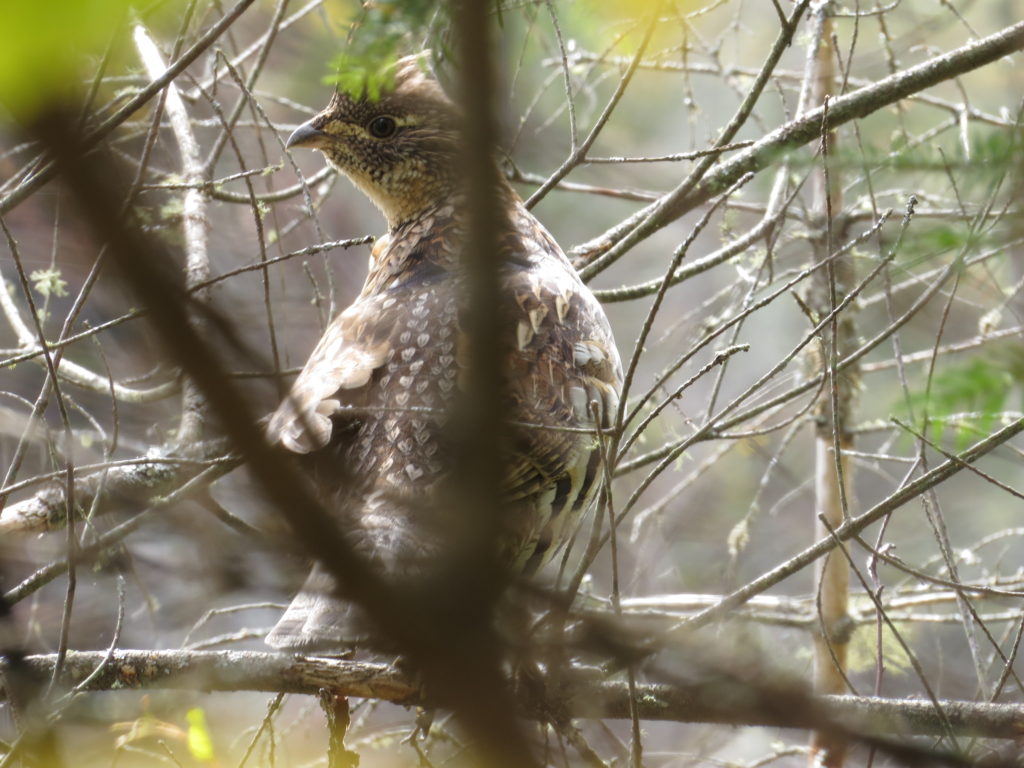
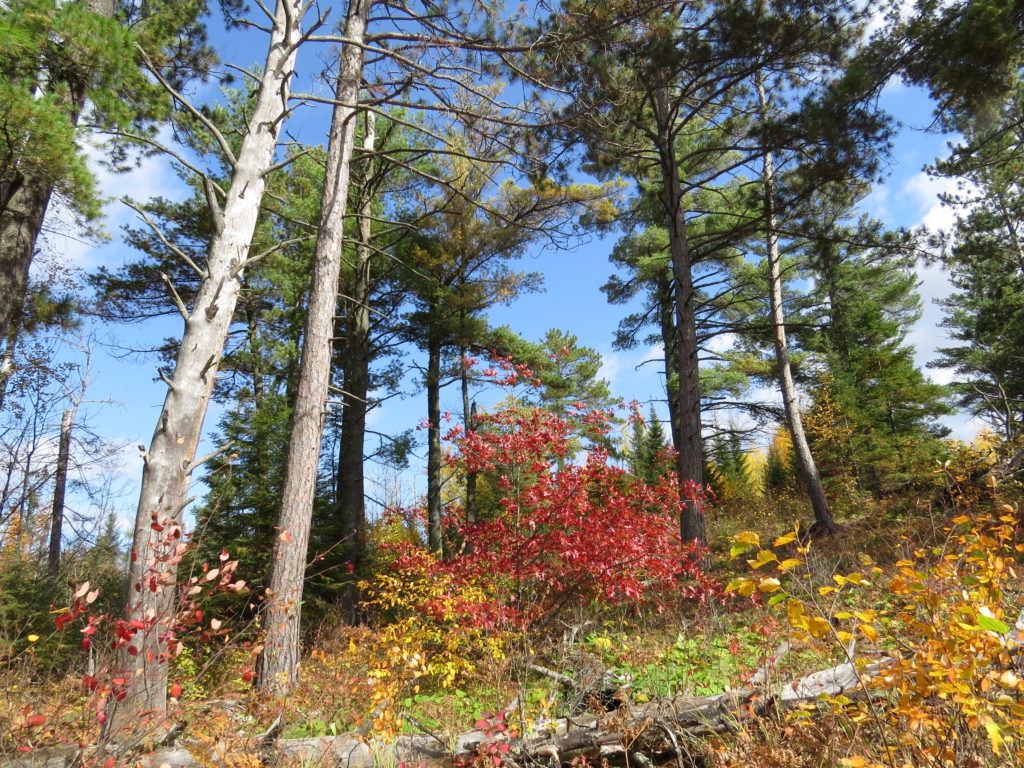
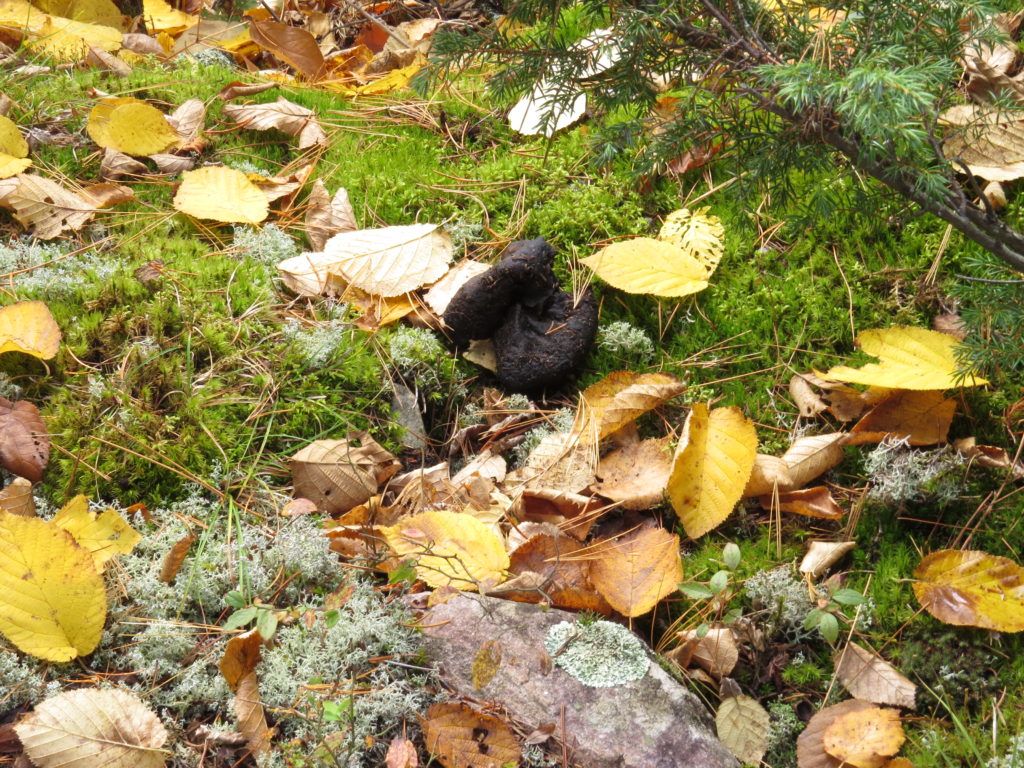
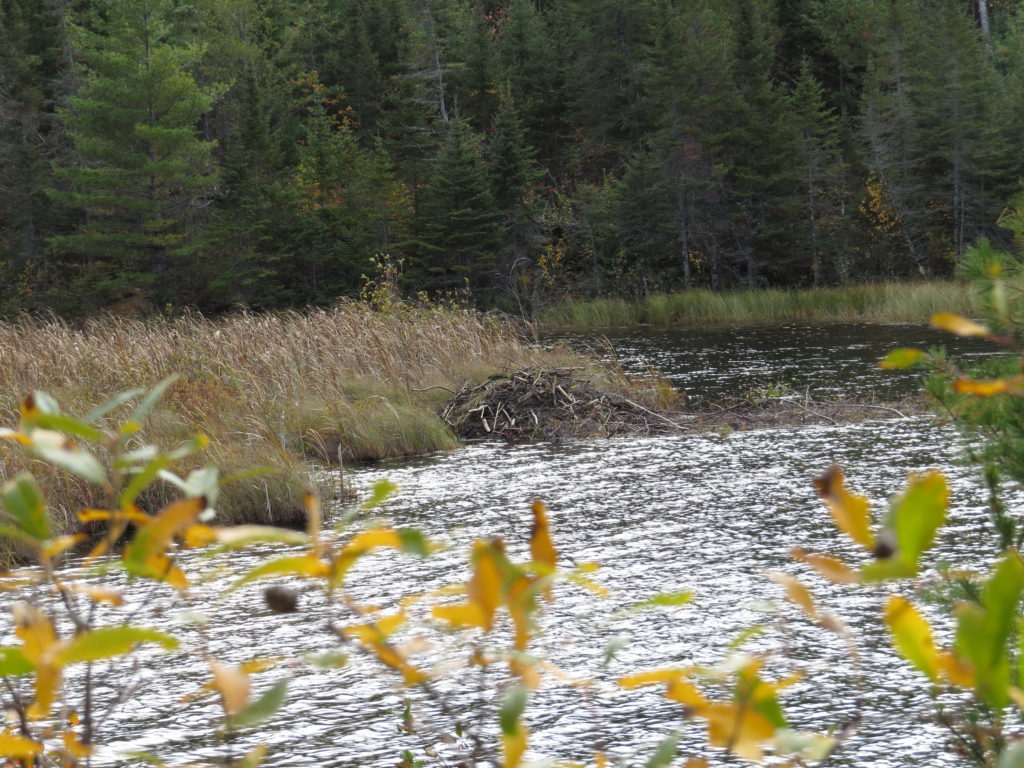
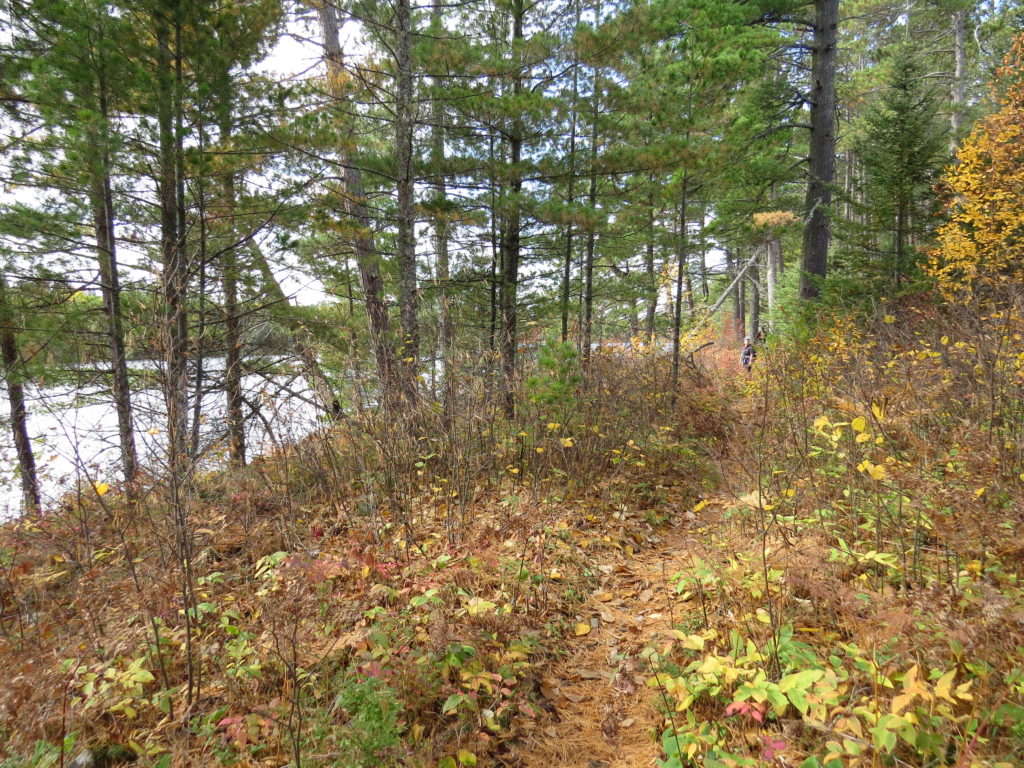
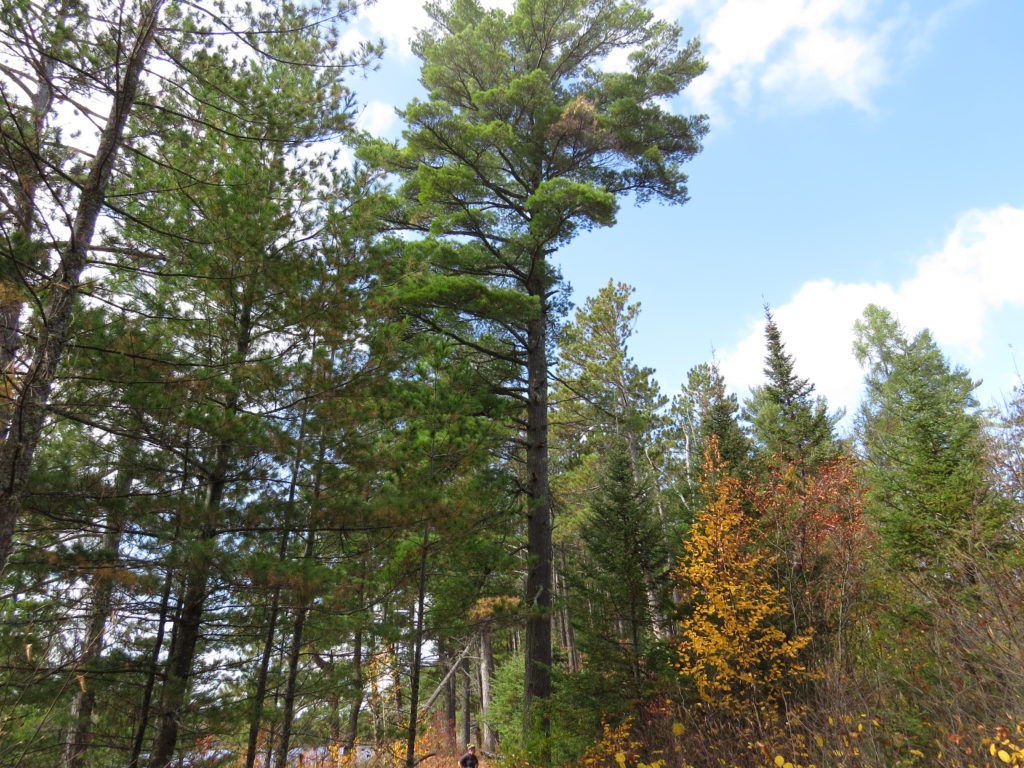
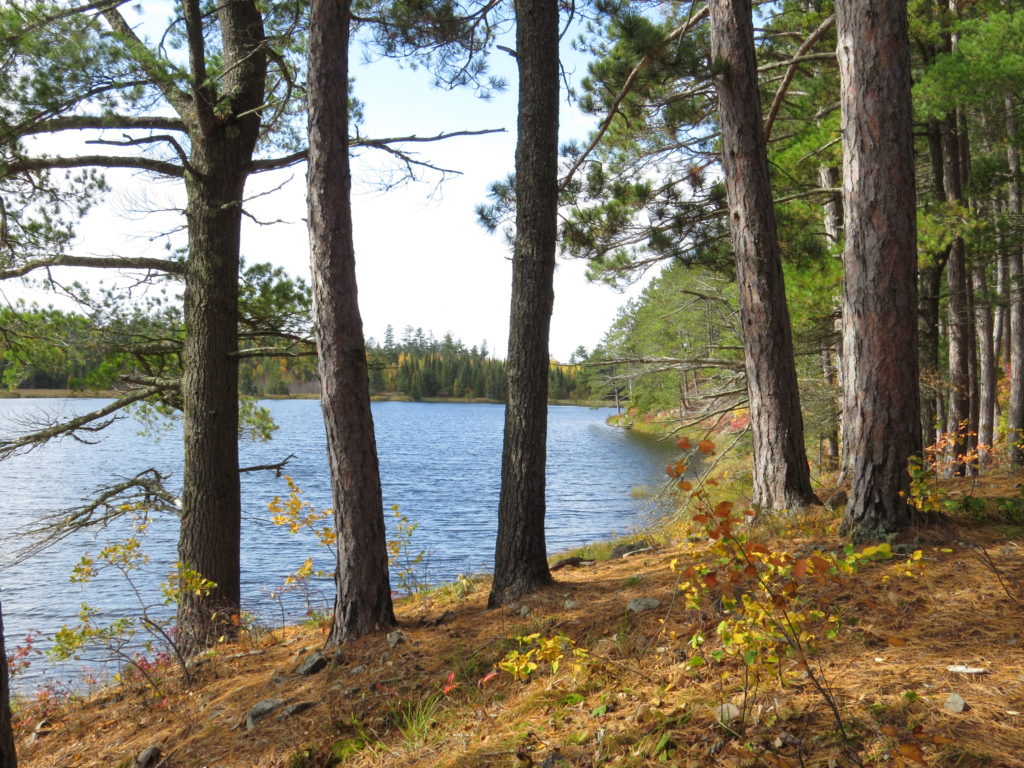
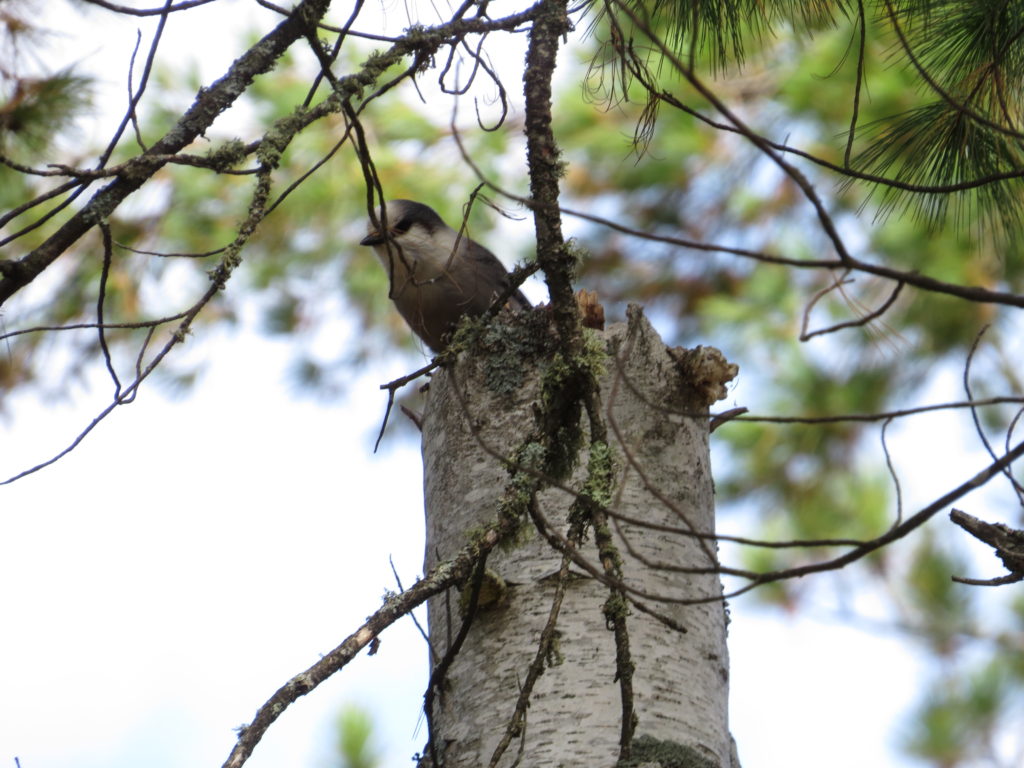
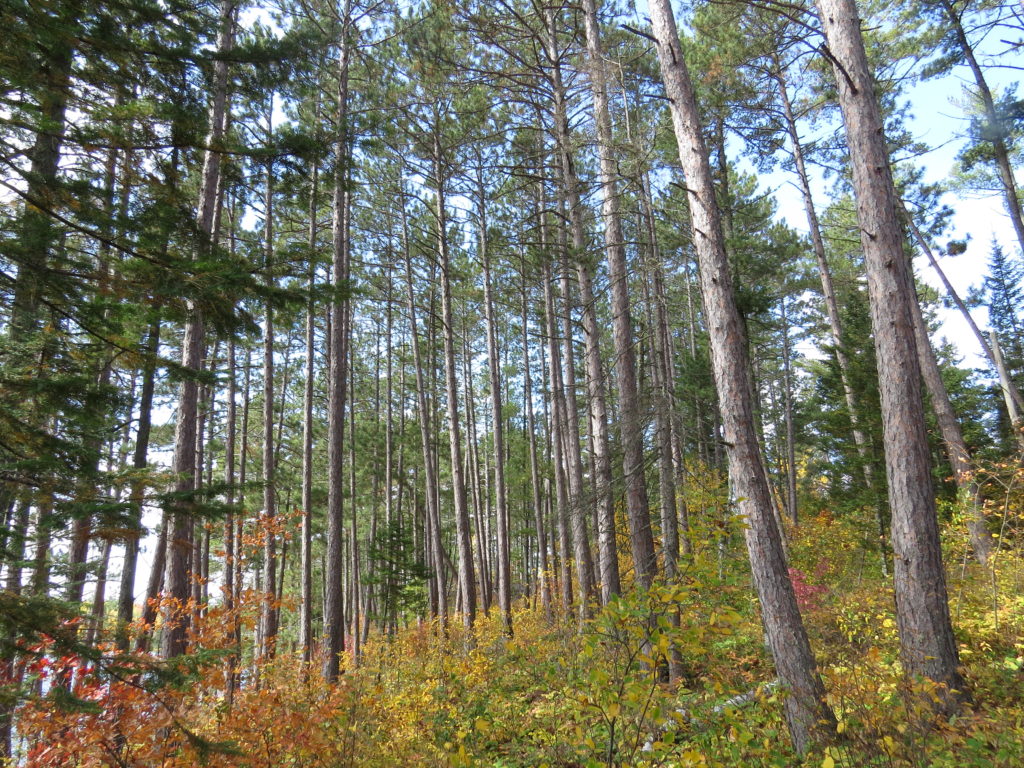
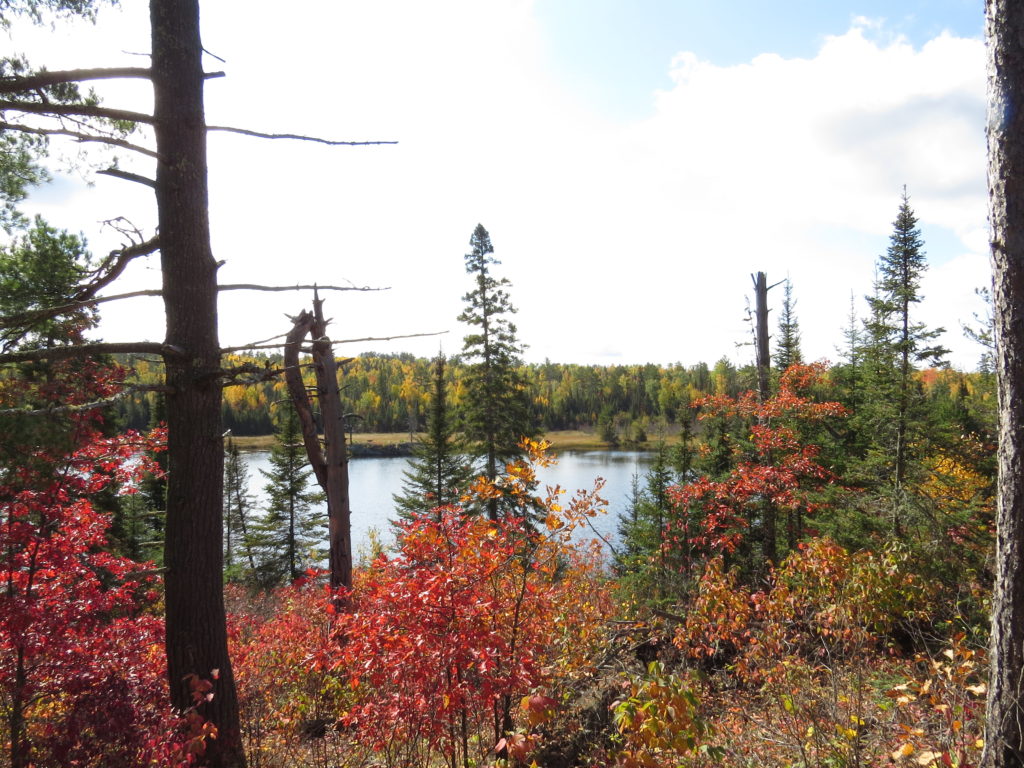
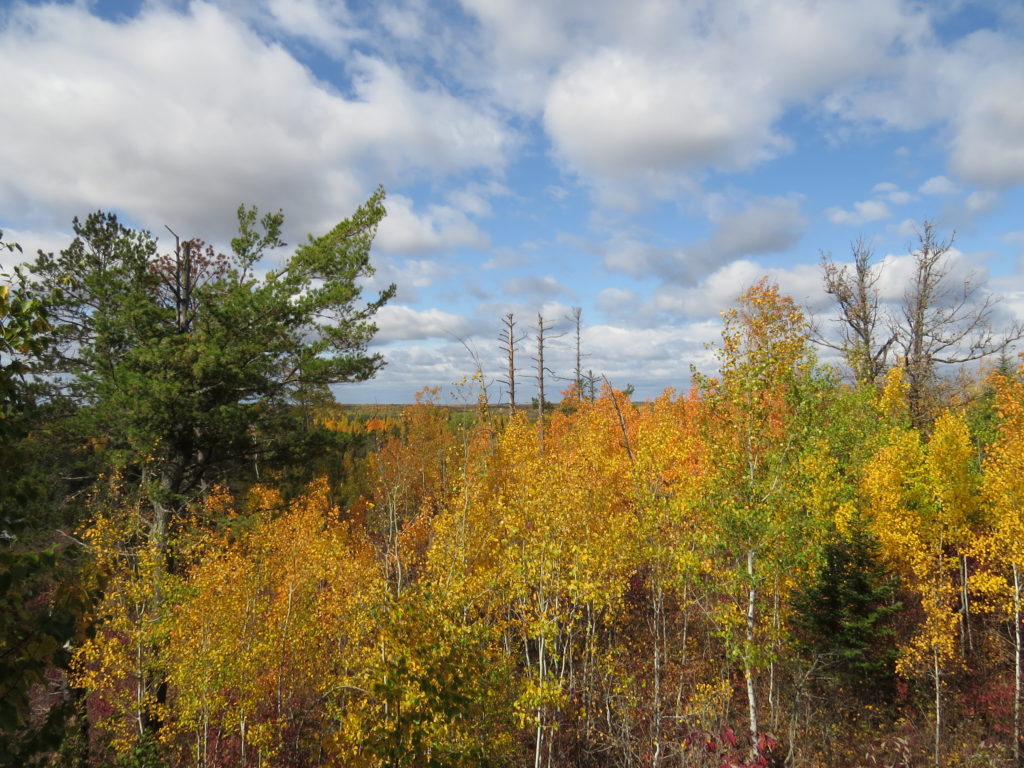
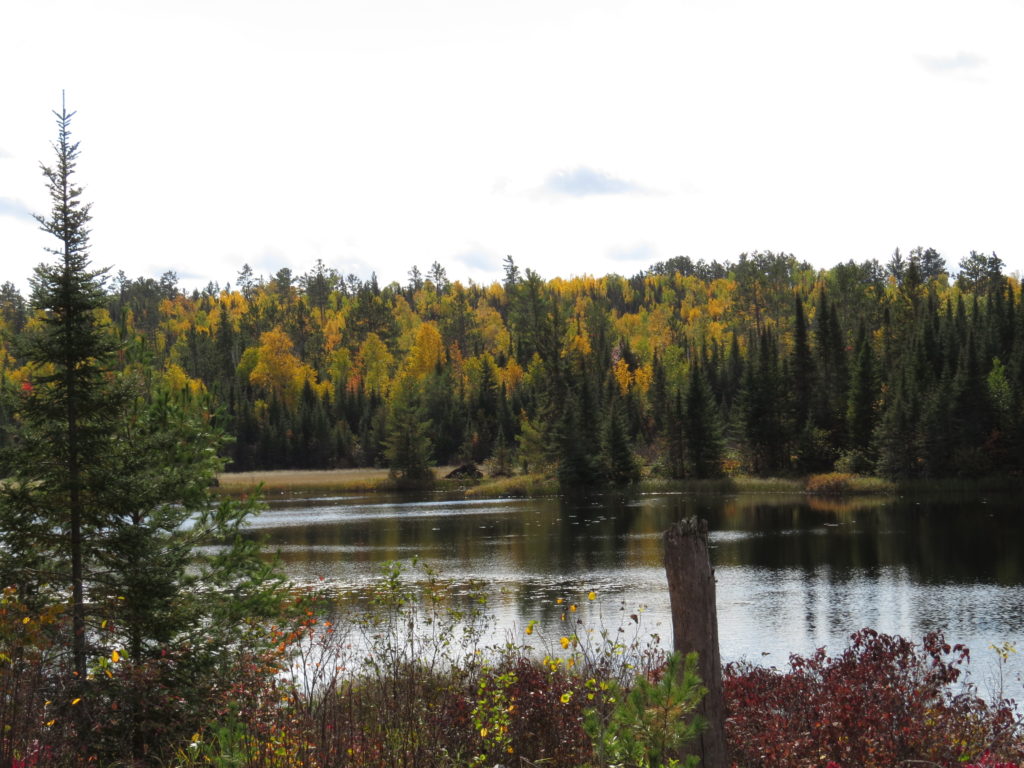
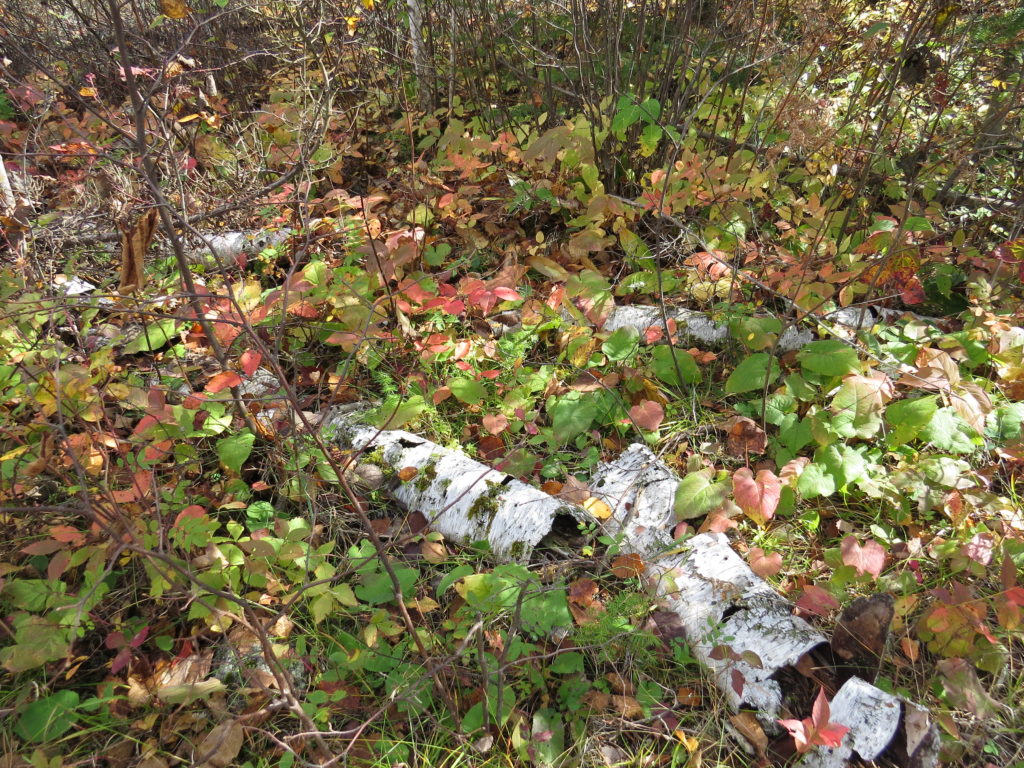
How do you feel? Three hours, more than four miles. Lots of lakes. Challenging rocky trails. Exquisite Nature! Breathe deeply. All is right with the world in this moment.
Wilderness Kaleidoscope
The Coronavirus has honed our list of needs for our lives. We all have bumped up against the brick wall of ‘what do I need in life’ versus ‘what do I want in life.’ Especially in the early days of the virus and perhaps in the winter yet to come, our narrowed vision from stay-home, work-at-home, order-from-home is a tumbling, moving, ever-changing kaleidoscope. What do we need? Toilet paper–yes, food–yes, hand sanitizer–yes–well, maybe–soap and water works, too. Do we need to eat out? No. Think of all the people who have learned or re-learned the simple pleasure of preparing daily food for loved ones!
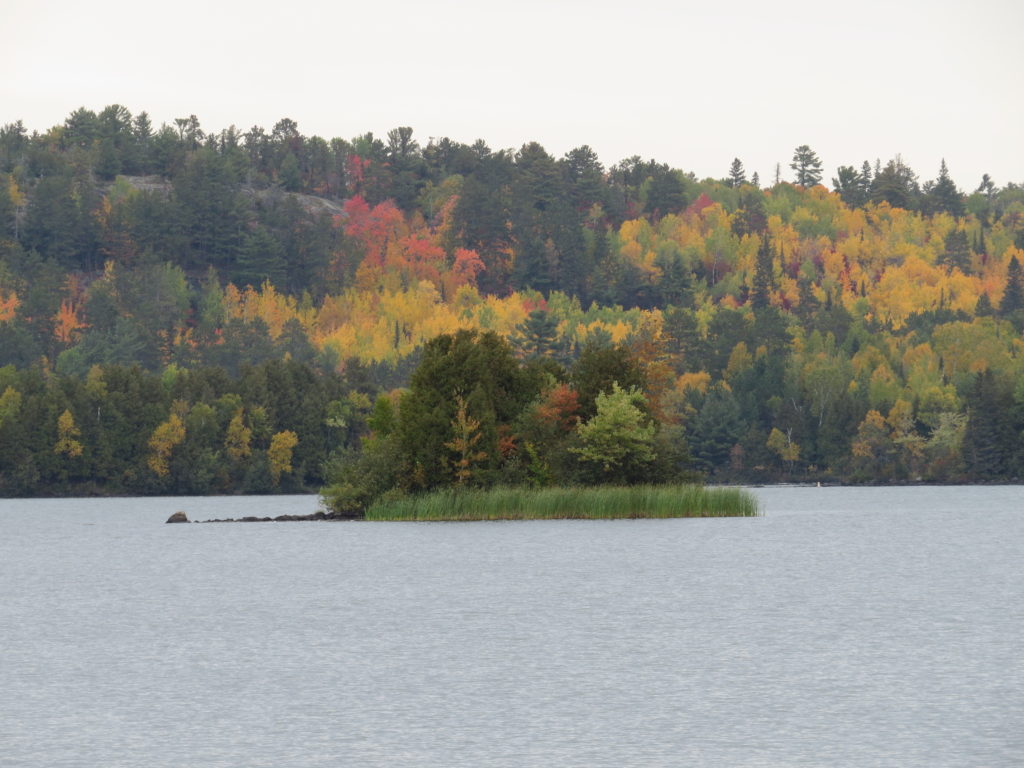
After our brief time in Ely, we headed east on the Fernberg as the clouds gathered. We pulled off the road at Rookie Pond overlook—a beautiful view at any time of the year. It was a kaleidoscope of Fall colors—not in a narrow vision like the optical toy—but a panorama that circled around us, towered above us, and displayed below us.
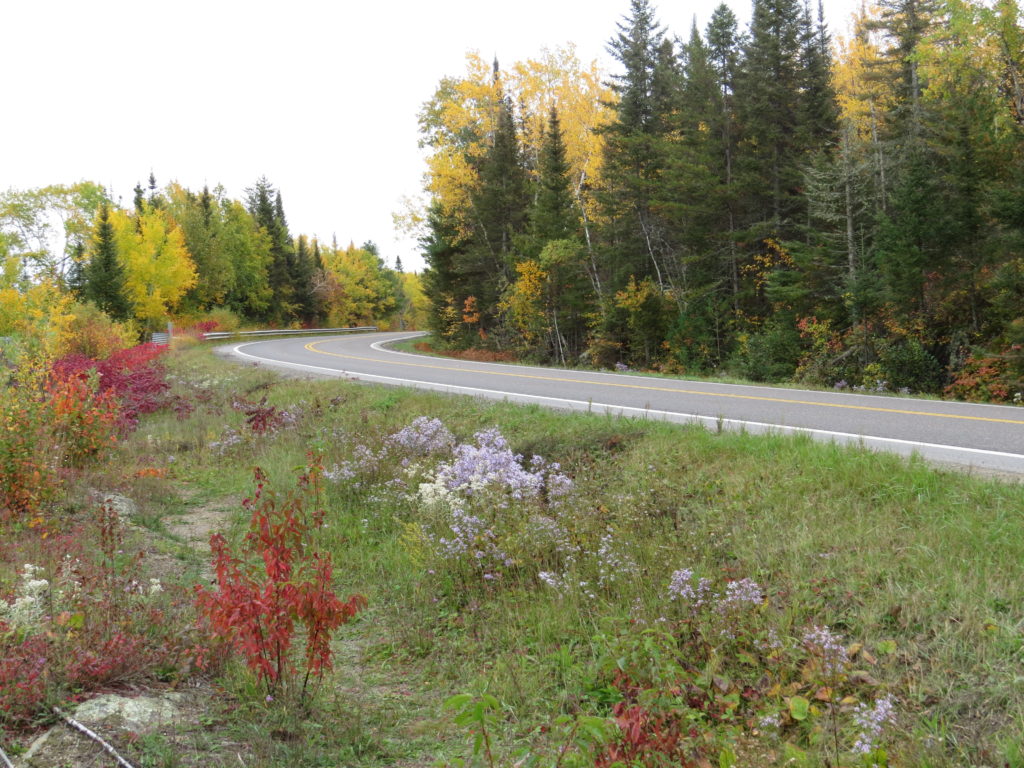
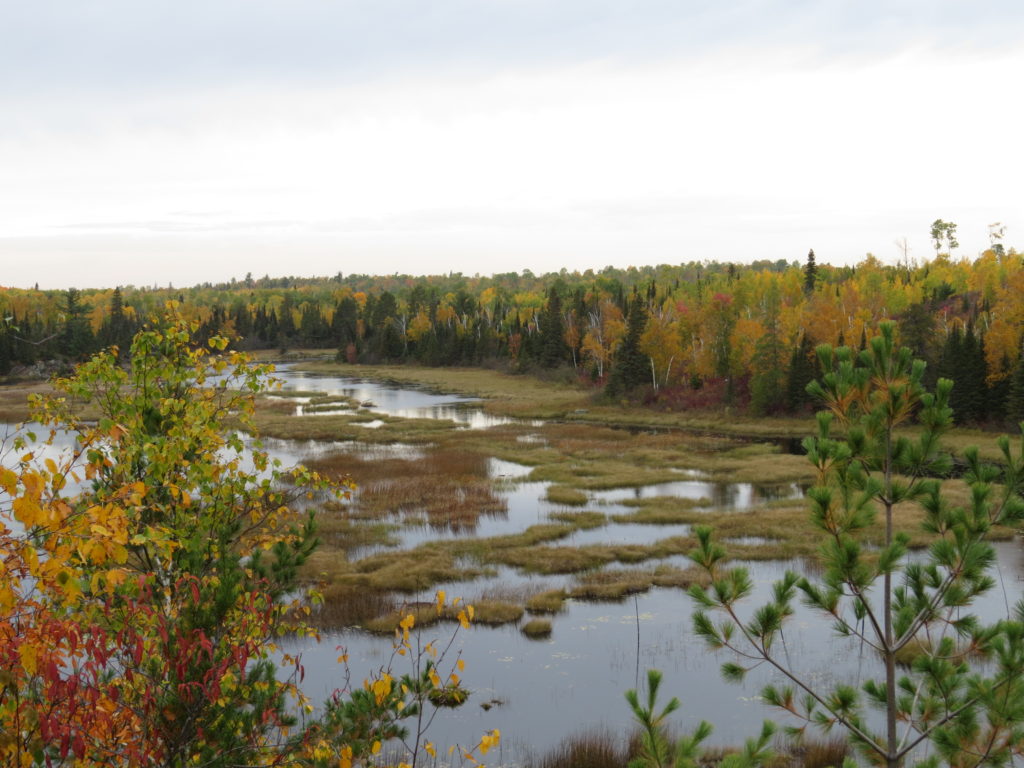
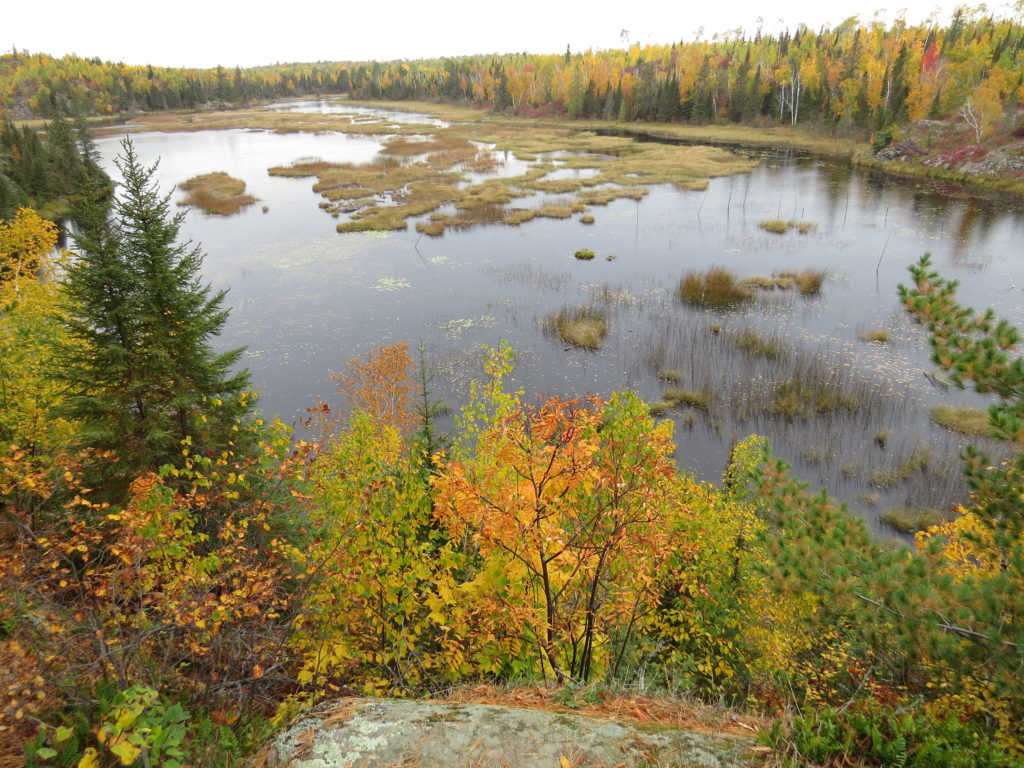
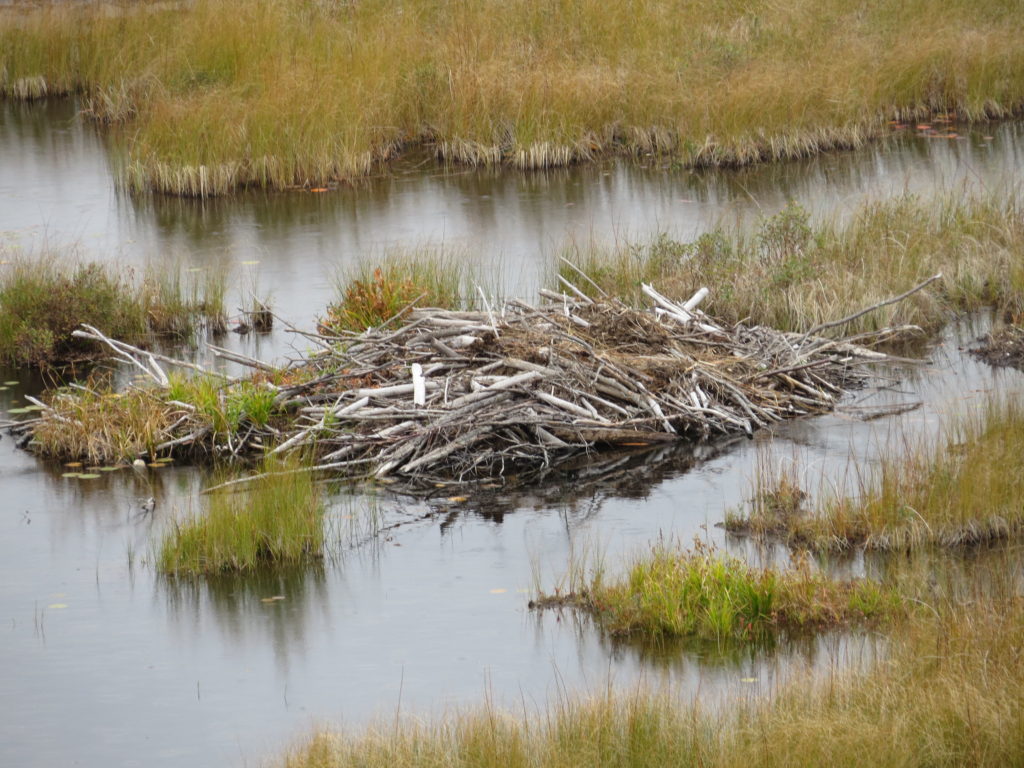
Even as we flirted with raindrops, we took pictures and looked out over the water with the excitement of being in this wonderful place again and of the anticipation of our time together. The beaver lodge, expansive in size, enduring in longevity, reminded me of the constancy of certain things in Nature—every time over our thirteen years of coming up here, the beaver lodge has been here with a topping of new birch logs.
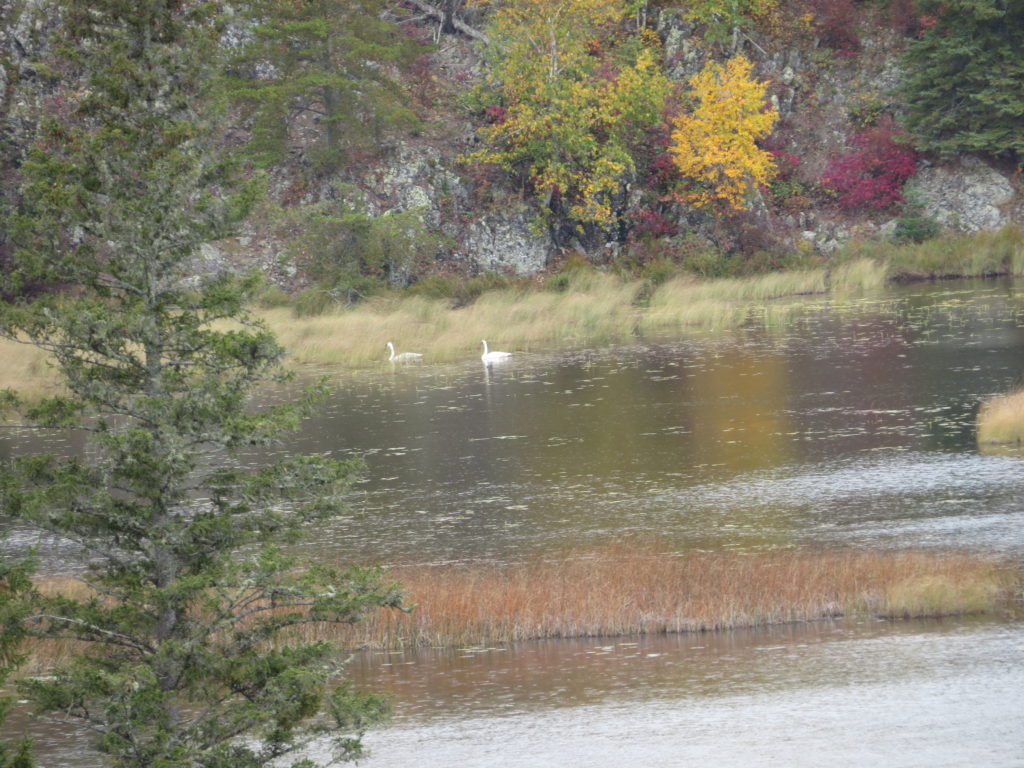
Two Trumpeter Swans swam and dipped their heads into the water in the beautiful landscape of their Rookie Pond home.
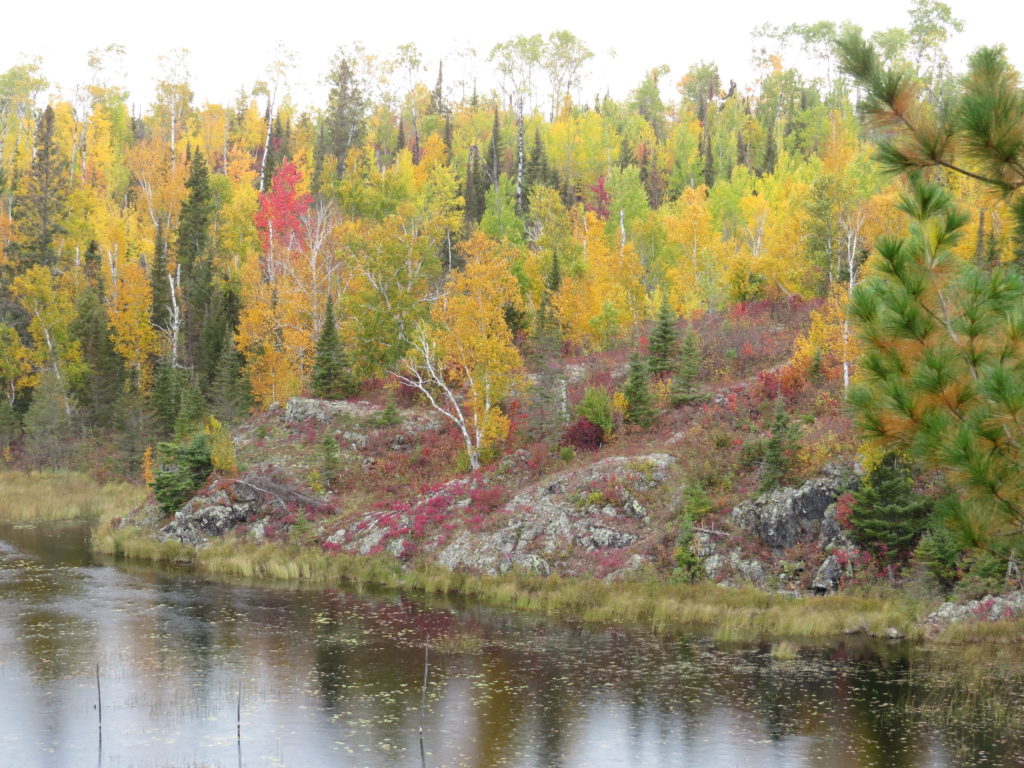
We arrived at KoWaKan, the wilderness camp of the United Methodist Conference. It had been the summer home for two of our kids over a span of six years or so. Staff, campers, and visitors have everything they need: a kitchen and dining area…
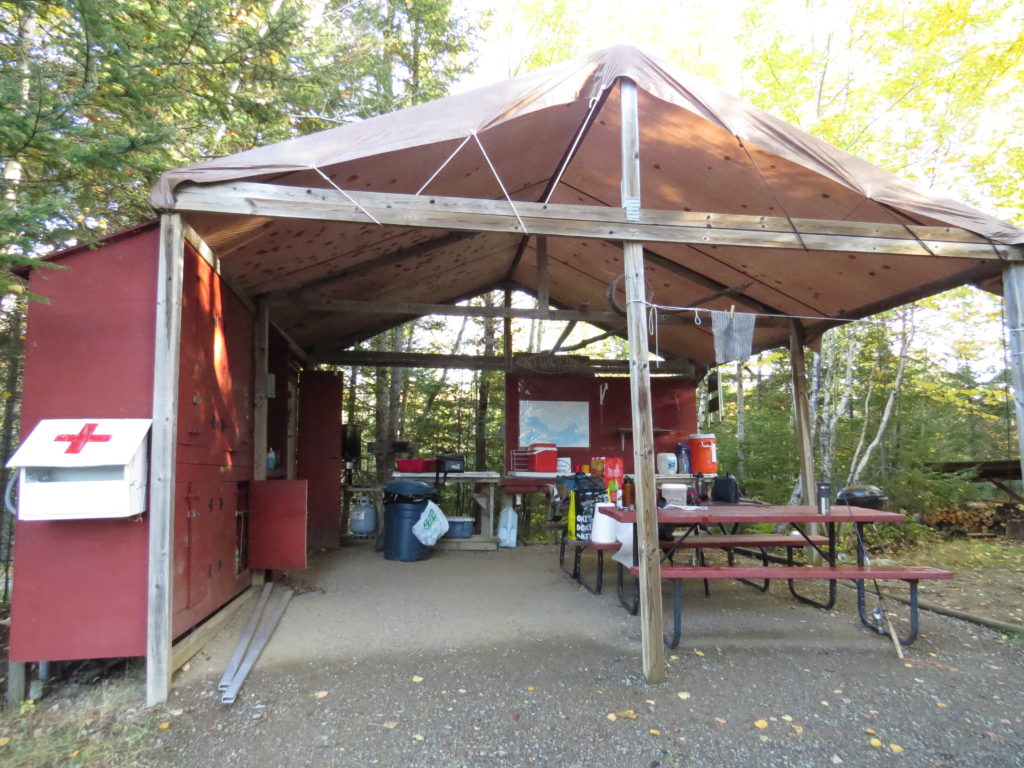
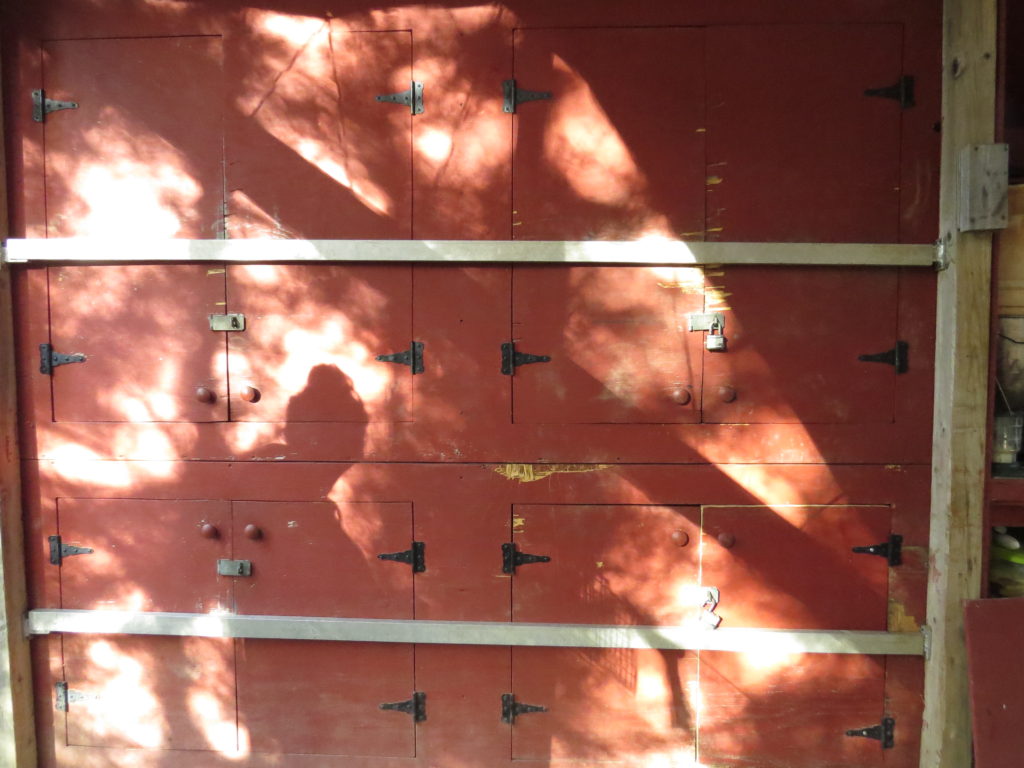
…cupboards protected with bear bars, though sometime in the last year a bear had tried to get into them, as evidenced by the torn-away wood and claw marks…
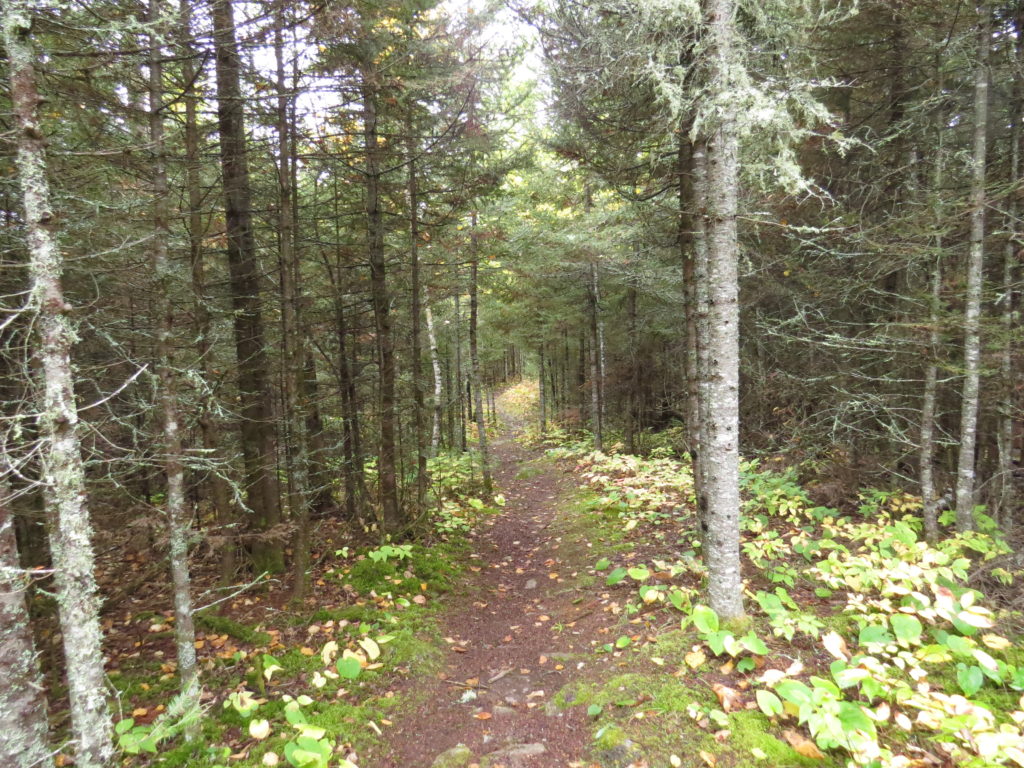
…a hallway of trees…
…to the bedrooms…
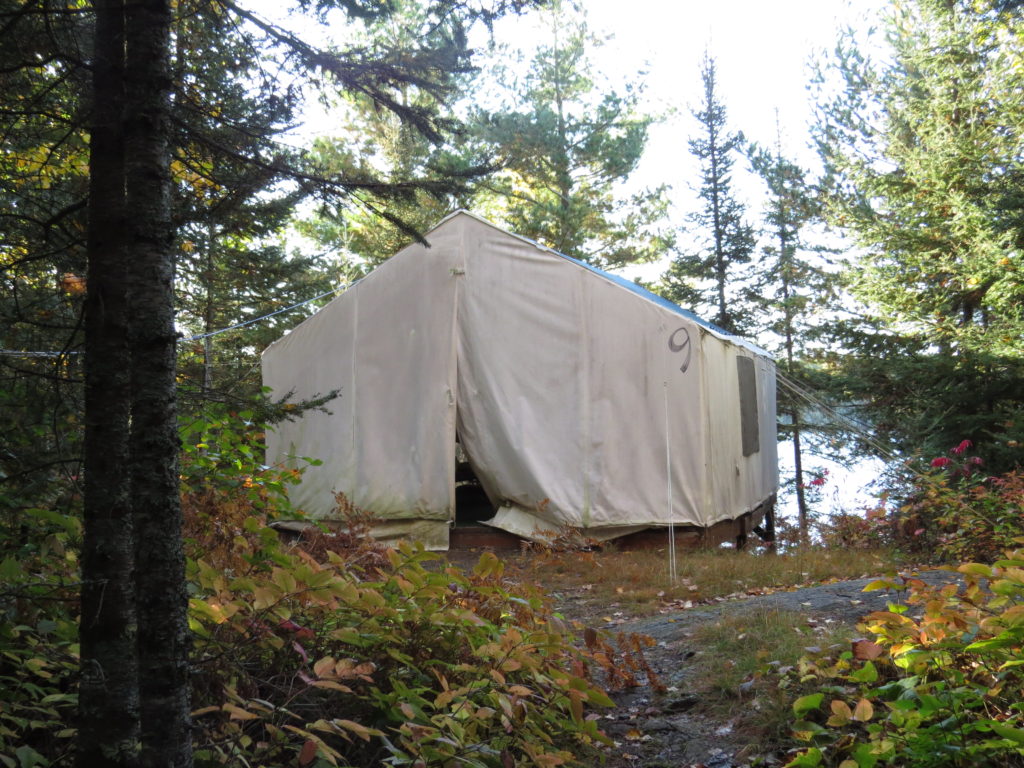
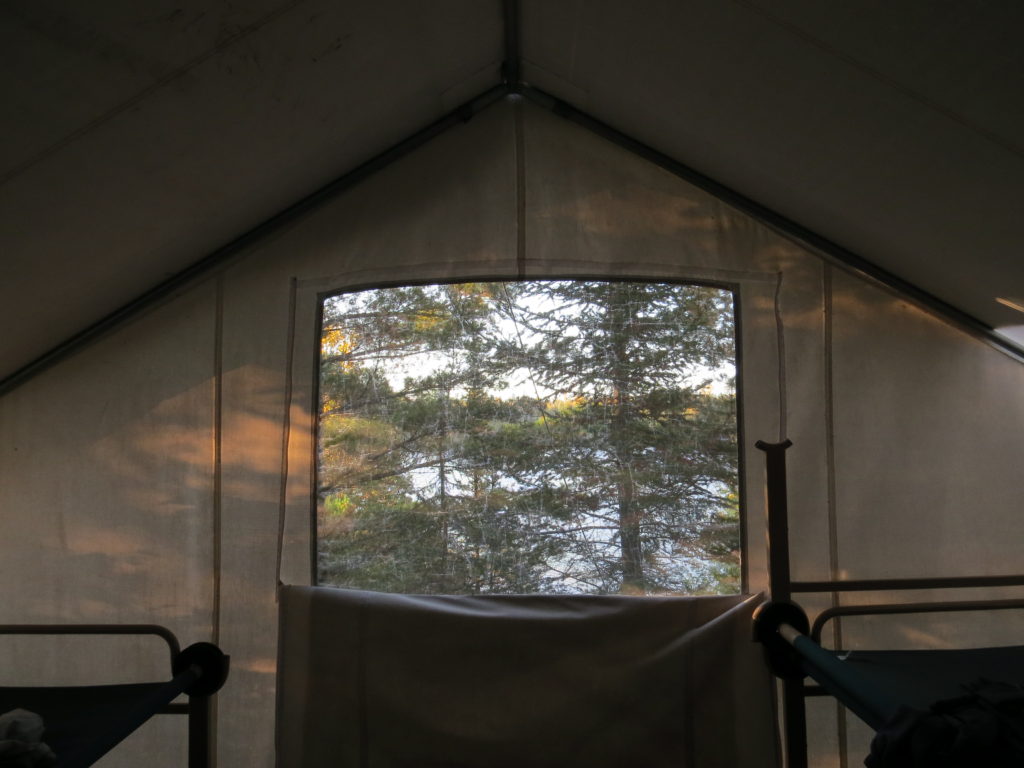
…and a short walk…
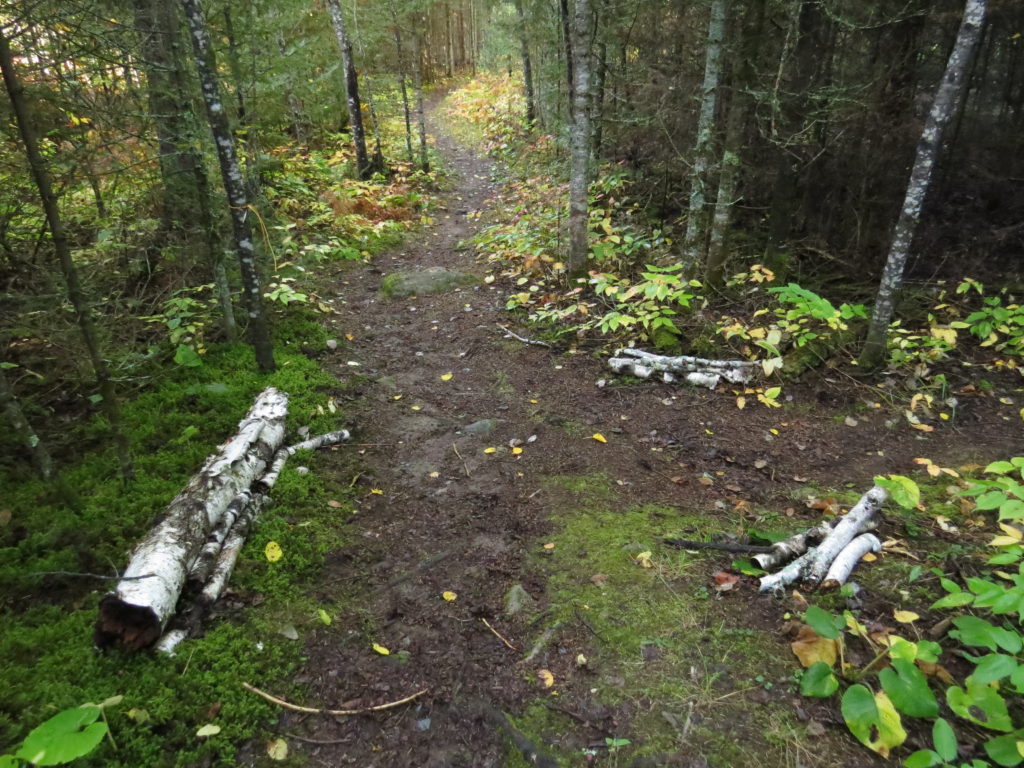
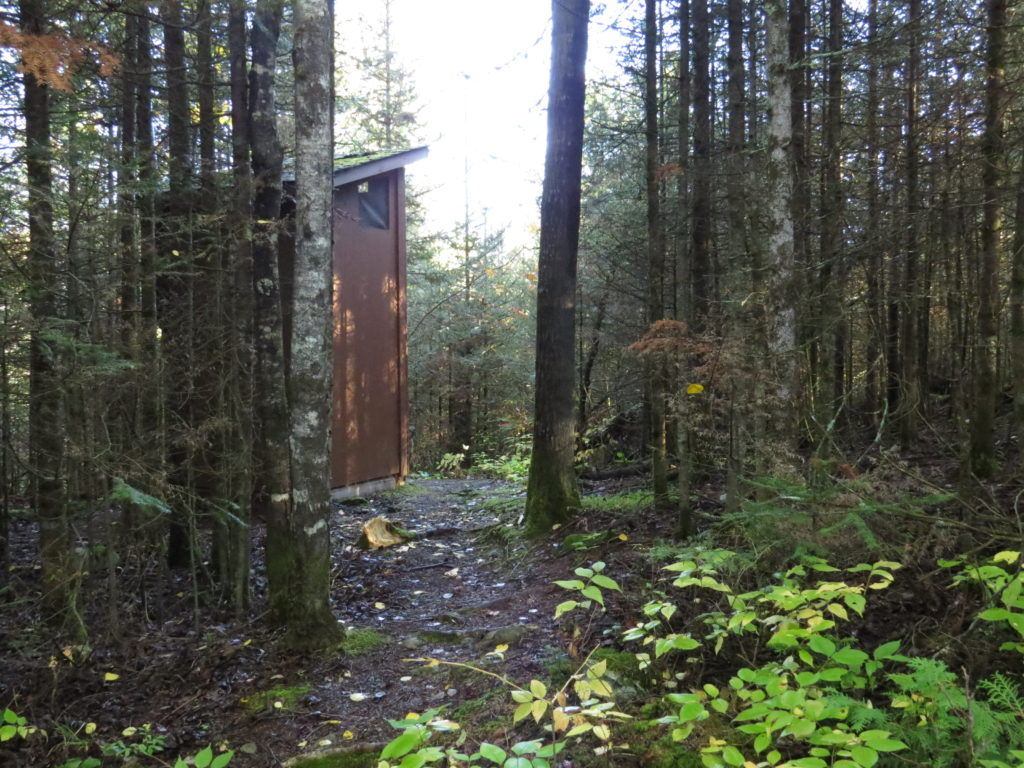
…to the bathroom.
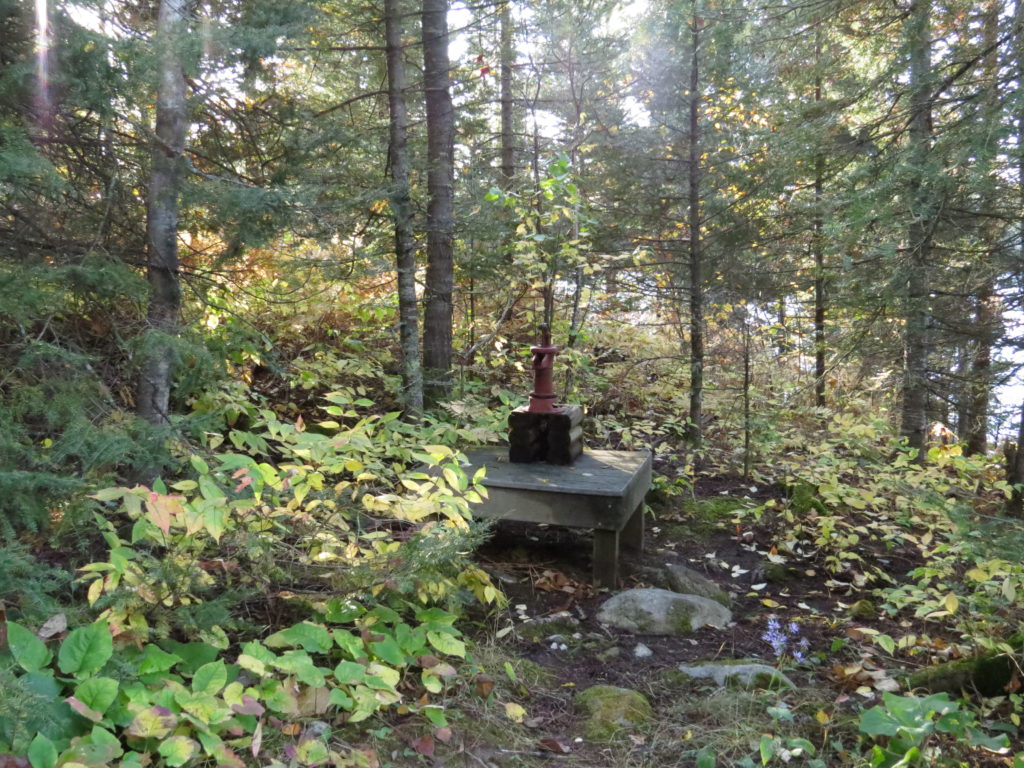
There’s water, abundant and muscle-powered…
…and a fire for warmth, companionship, and a morning cup of coffee or tea.
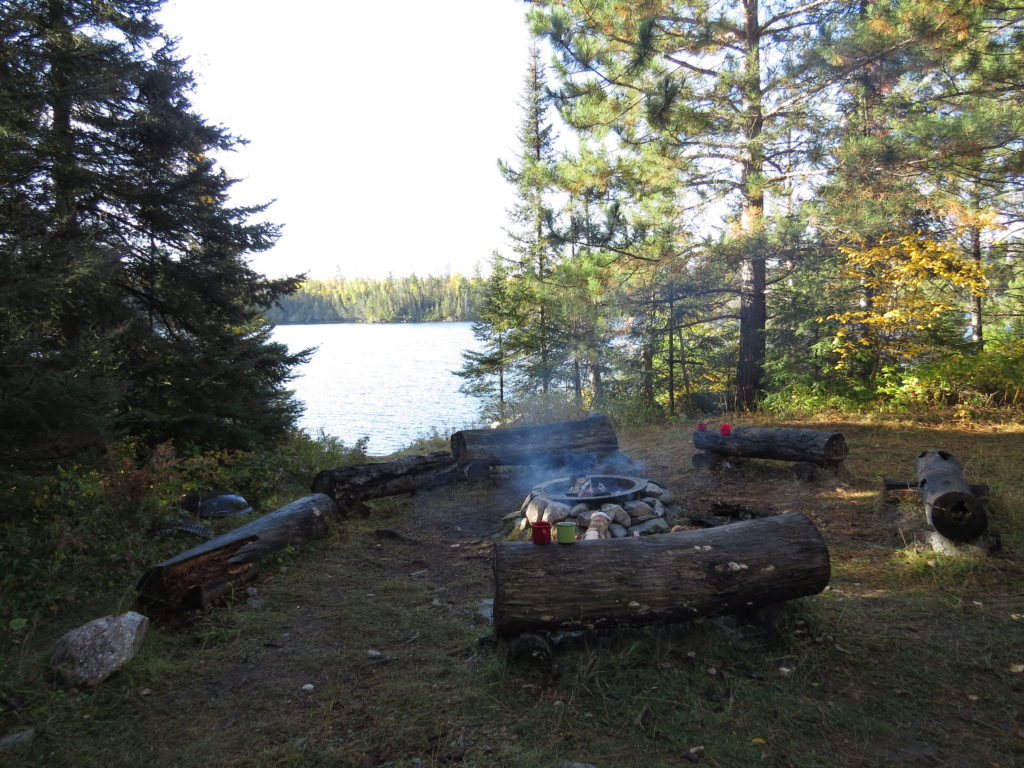
It has been eleven years since Emily has worked here or been here—she was excited to show this incredible place to her husband. Aaron knows this place like the back of his hand—both have walked the trails untold times, packed food and gear for countless trips into the Boundary Waters, and started innumerable fires, both here and on trail. For when one is ‘on trail’ in the Boundary Waters Wilderness Canoe Area, the ‘needs’ of a person are further reduced. The kitchen and dining room are around the fire, the cupboard is what one can carry in packs and bear barrels, the bedroom is a mat and sleeping bag on the floor of a tent, and the bathroom is an open-air latrine. Sometimes our list of ‘needs’ needs to be pared down for us in order to experience something out of the ordinary, something extraordinary.
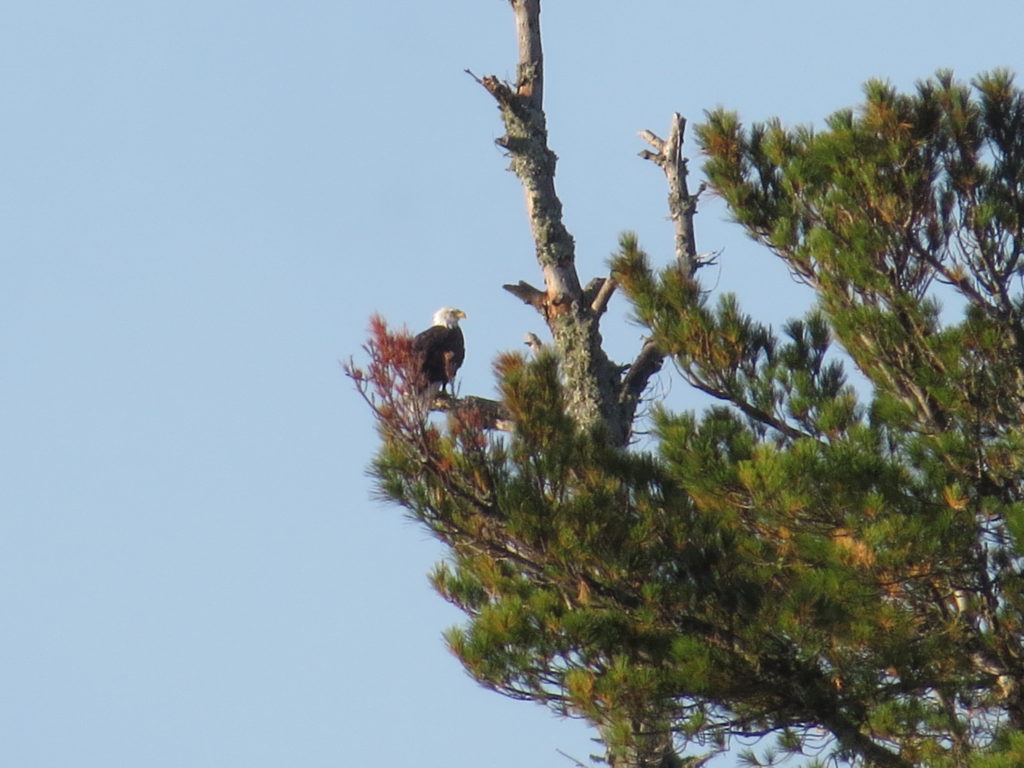
Something extraordinary like waking with the early morning light, quickly pulling on clothes in the chilly air, starting a fire and heating the water for a cup of good tea, and hearing the trilling chatter of an eagle across the lake. I think she was welcoming us to her home—she talked for a long while.
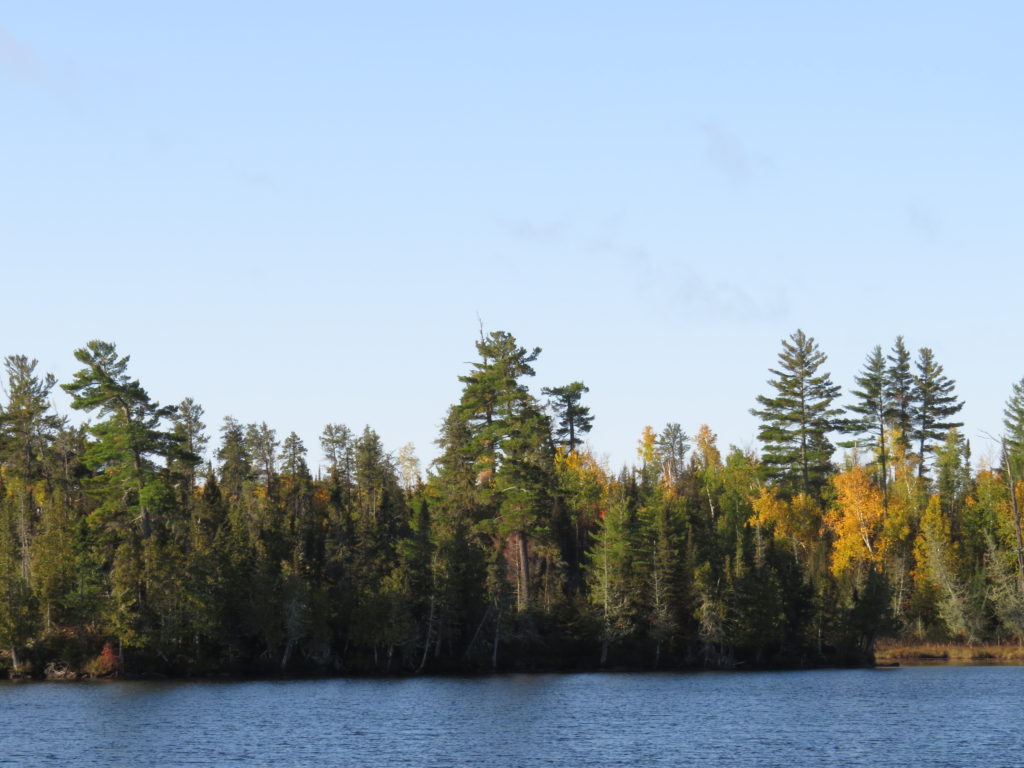
When is the last time you looked through a kaleidoscope of tumbling colors? The optical toy was created over 200 years ago by Scottish inventor David Brewster. The word ‘kaleidoscope’ is from the ancient Greek words meaning ‘observation of beautiful forms.’ The wilderness is an expanse of beautiful forms. It is infinitely enduring, constant in its cycles of life. What do we really need in life? What literally sustains us? What gives us ‘life‘—that feeling of joy, contentment, energy, and deep spiritual satisfaction? When the trappings of our lives are stripped away, we come face-to-face with ourselves. It gives us an opportunity to discern what’s truly important for our very own hearts and souls. May the wilderness of your heart be an expanse of beautiful forms.
Lichens & Leaves, Rocks & Trees
I don’t spend a lot of time in front of a screen on a daily basis—some tv, some computer, no ipad or phone. I’m not required to spend eight hours or more on a computer for work like so many other people, especially in this covid time. That is not a choice for most people—but what about the time we do have for choosing? It’s a touchy subject to say the least, just like questioning any way we choose to spend our time. I’m sure you know what I mean. Screen time is rather addictive, and we think it is serving us well—it informs us, connects us, records our activities, entertains us, relaxes us, makes us feel in control…doesn’t it? But what happens when we don’t engage with screens and social media? When was the last time you spent a whole evening without any of that, let alone a full day? It’s a study in self-awareness. Were you anxious, bored, uncertain, or crazy without it? Is ‘screen life’ your ‘real’ life?
Last weekend I spent three days with family members in the Northwoods—no screens, no phone, no news, no social media. It used to be that cell phones wouldn’t work up there at all, but that has changed with the installation of cell towers, which are an intrusion on the wilderness.
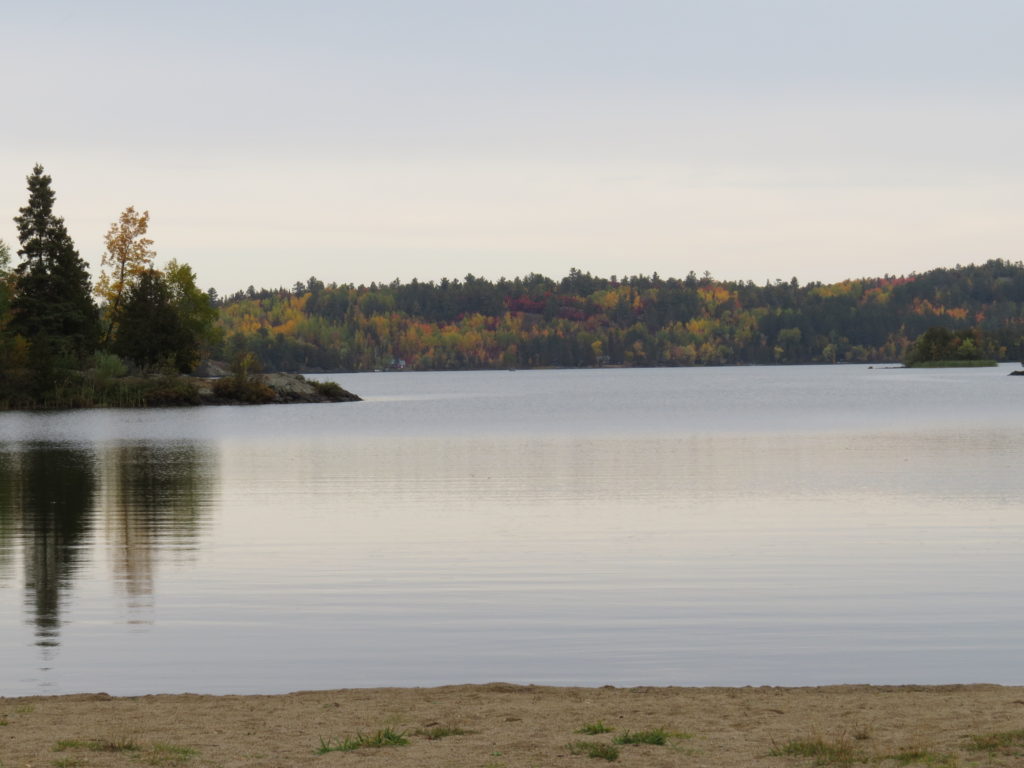
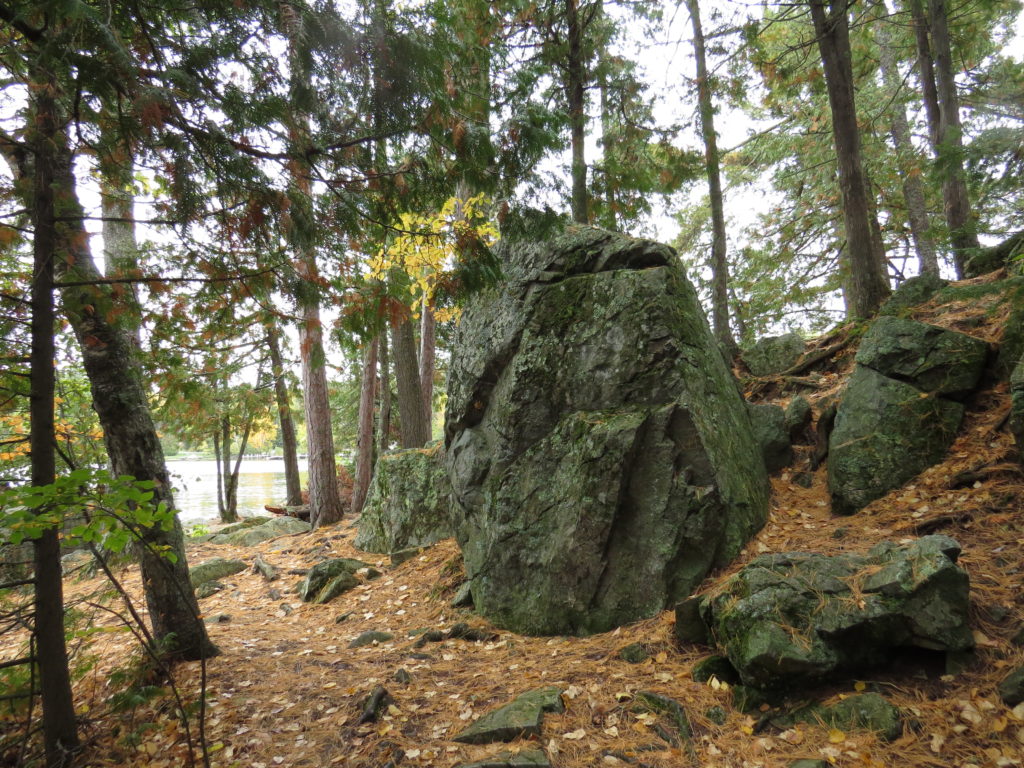
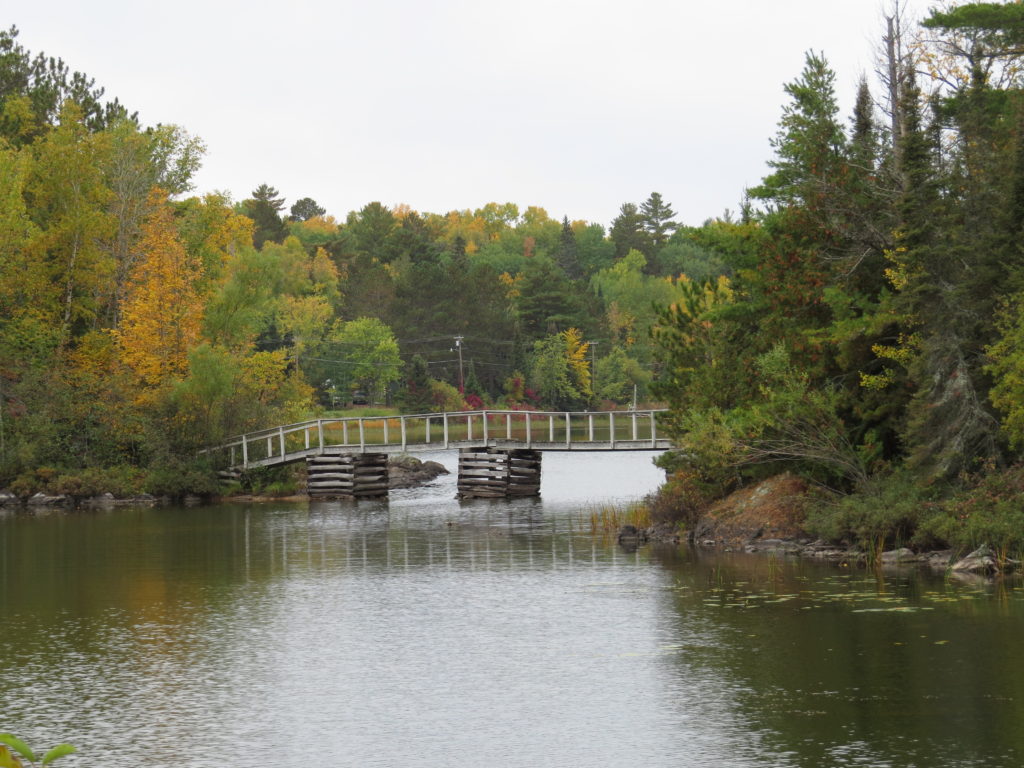
We had a beautiful drive to Ely—the Birch and Aspen trees were brilliant yellow, and Maples were all shades of yellow, orange, and red. After a few stops at our favorite places—The Front Porch for my favorite tea and Piragis Northwoods Company—we began our time in the woods and by the water. Shagawa Lake is on the north side of Ely and has a park and beach area. A hiking trail along a peninsula took us across a bridge to an island of lichens and leaves, rocks and trees.
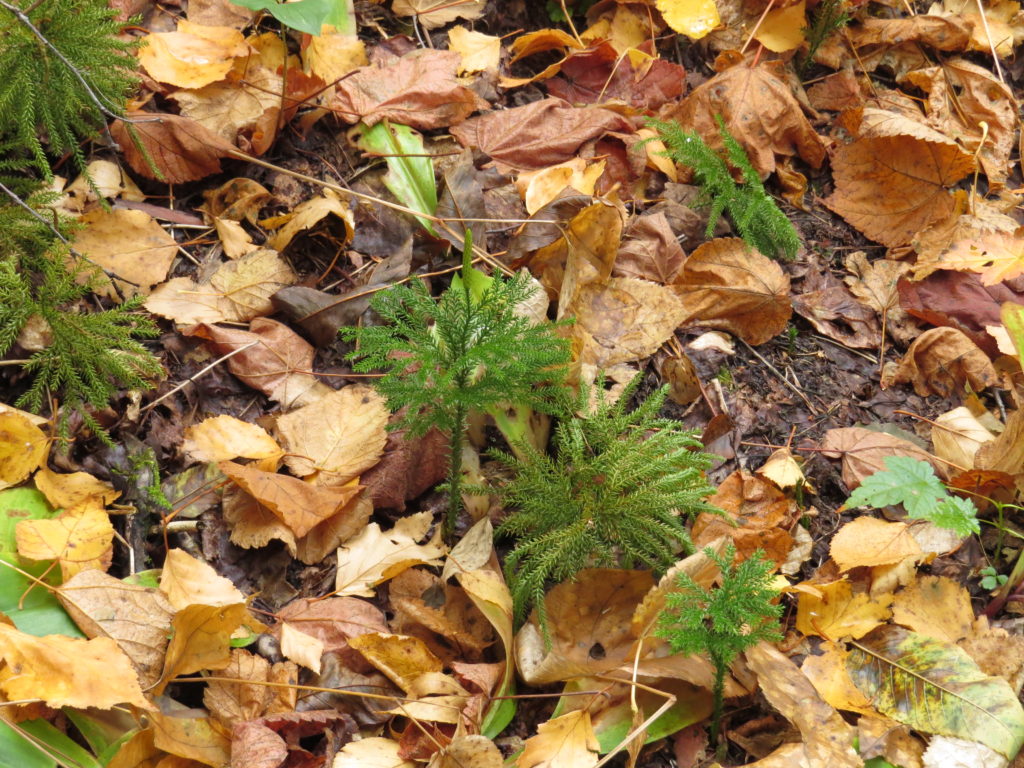
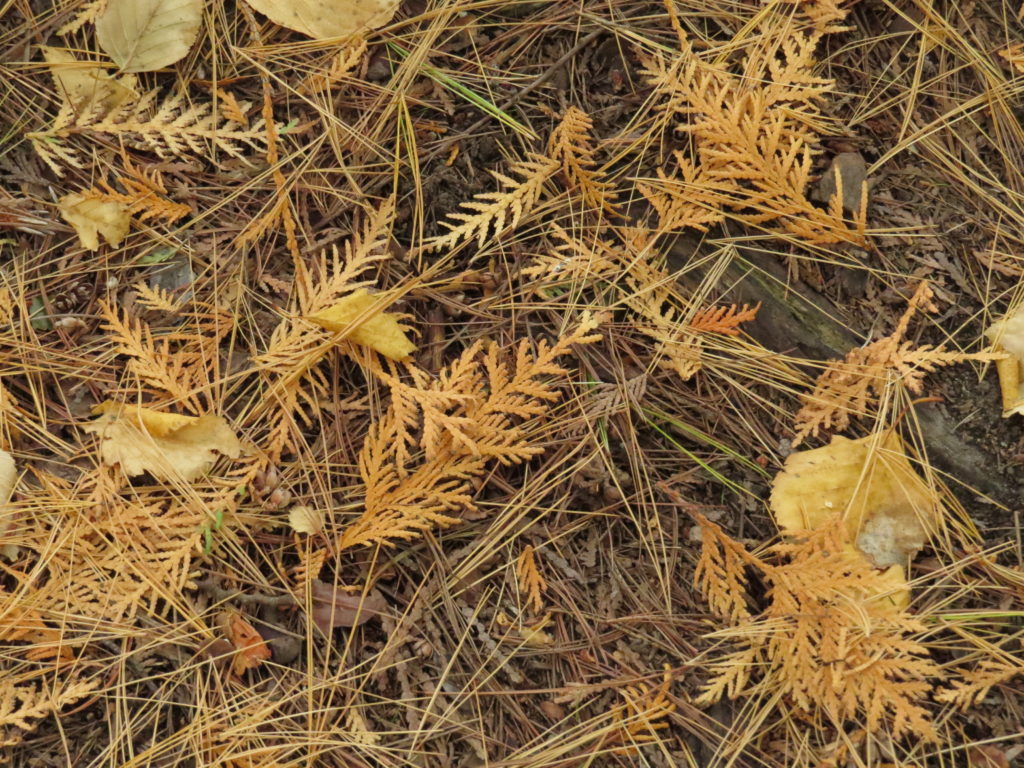
A small grove of Northern White Cedars dropped their flat, ferny leaves among the Pine needles and Birch leaves. A beautiful look of Fall.
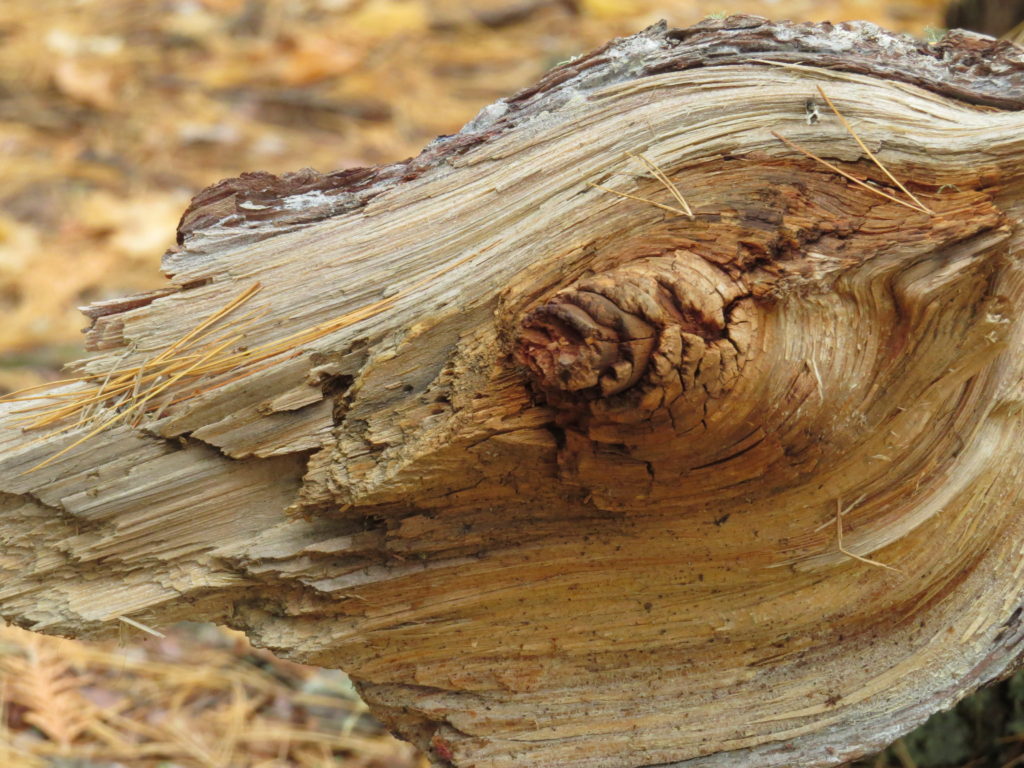
A broken Pine tree shows how a tree grows, layer upon layer, scrolling around the ‘knot’ of a branch and protected by the thick bark.
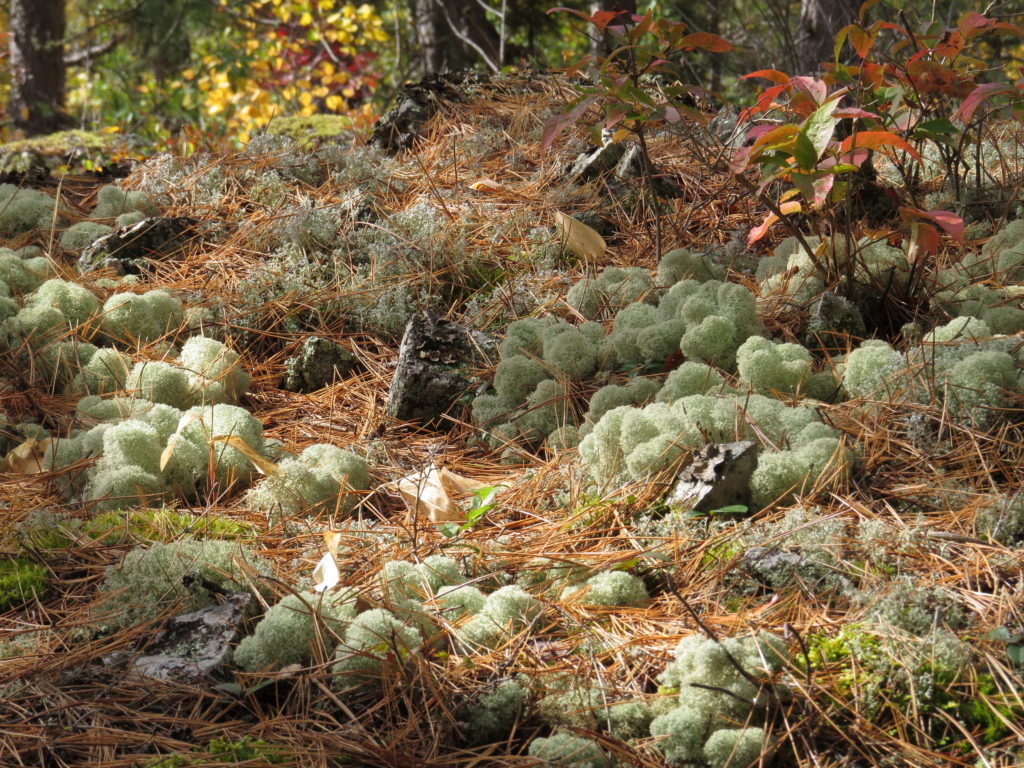
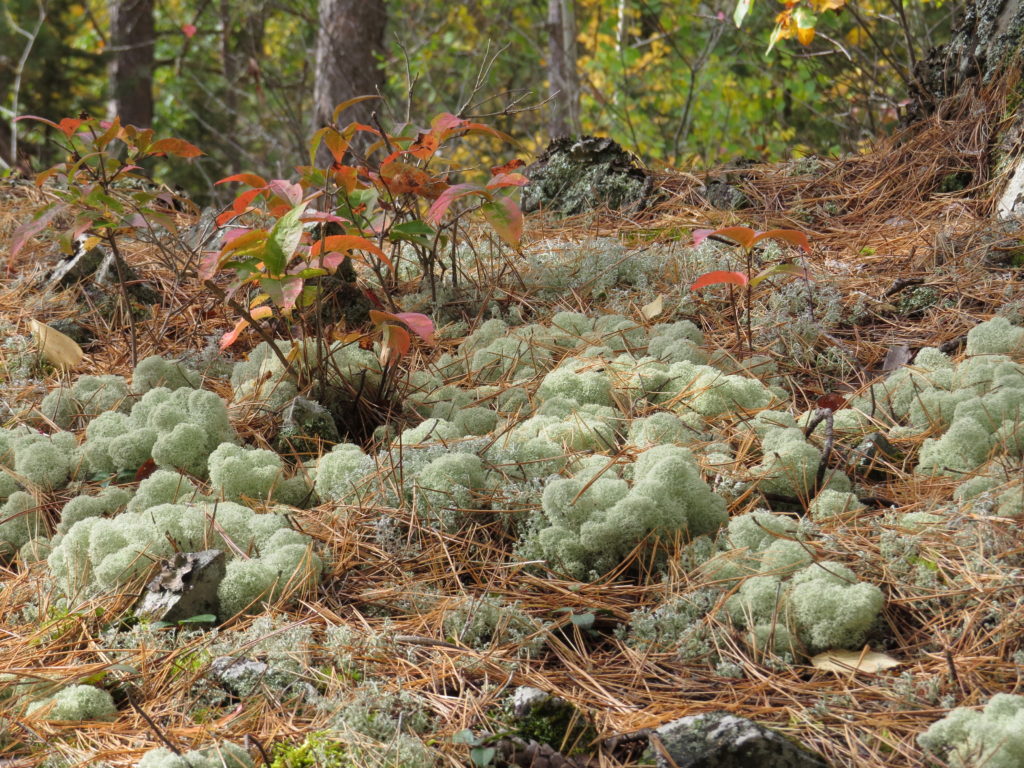
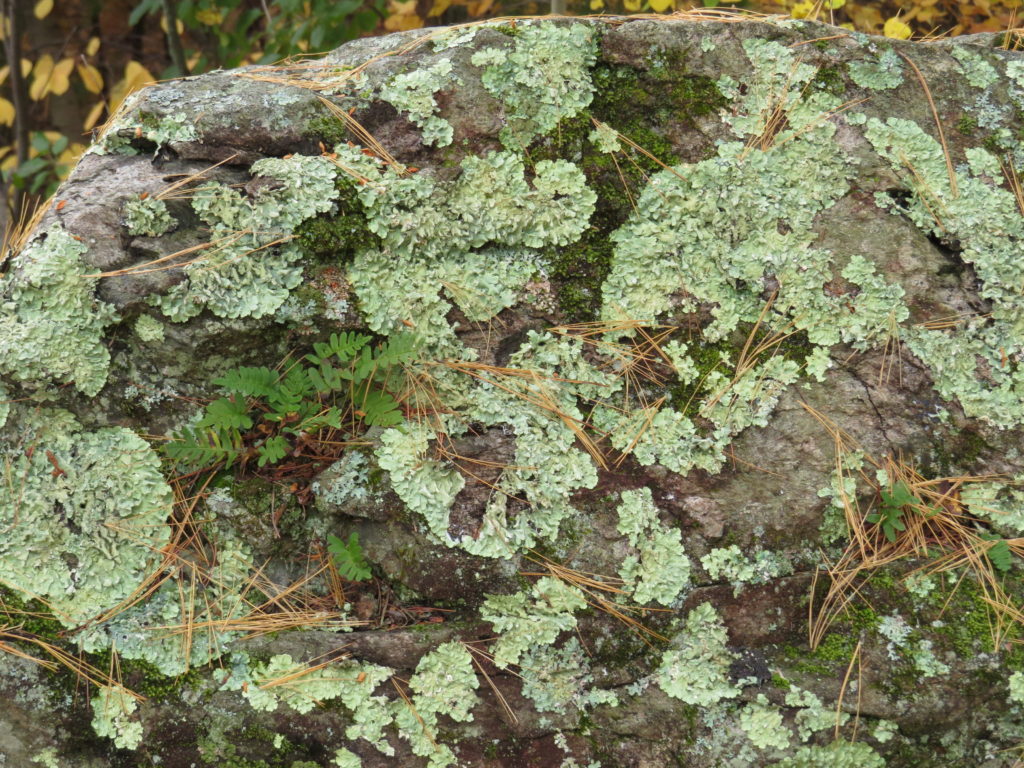
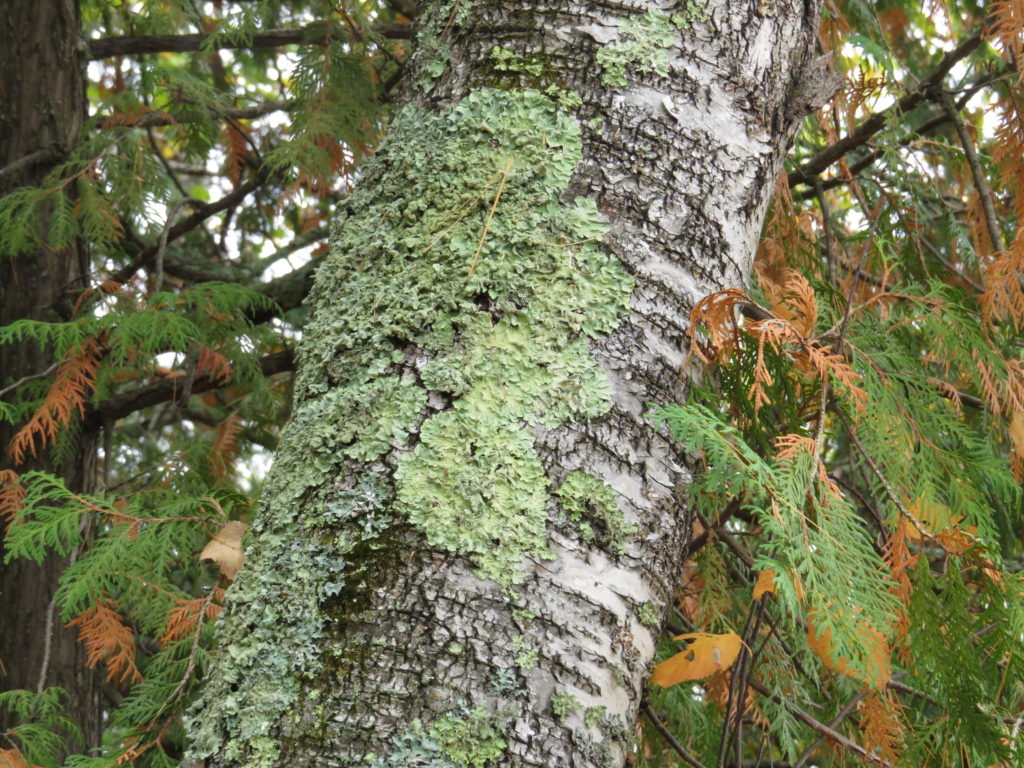
Lichens growing on rocks and trees were like works of art. Lichens are interesting creations—most are composed of a fungal filament or structure that houses green algae or a cyanobacterium. It is a mutually beneficial symbiotic relationship! They require moisture, minerals, and sunlight for photosynthesis.
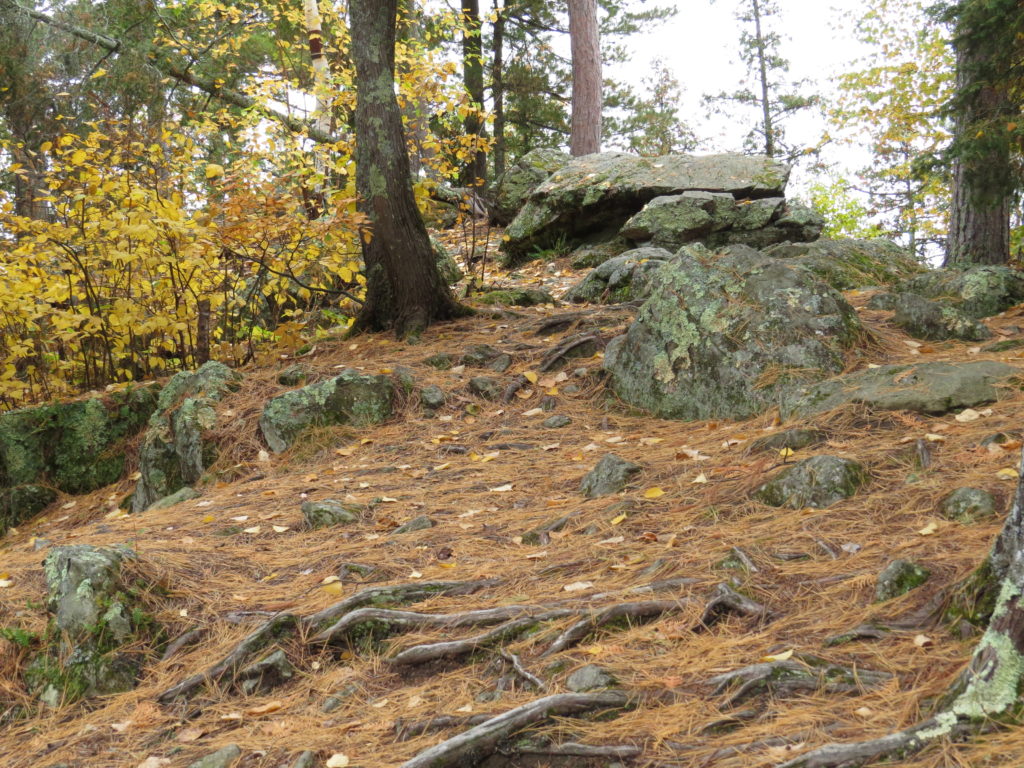
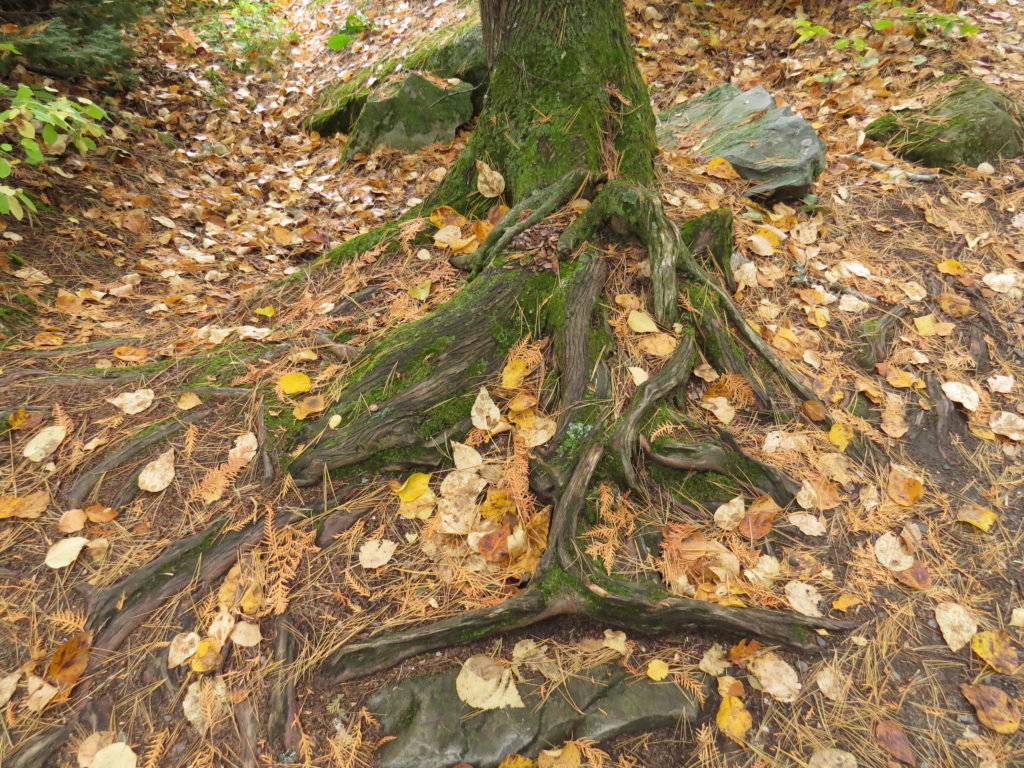
The island and much of the land in the Boundary Waters Wilderness is rocky. The soil is shallow, and yet the trees grow. But the roots are often exposed as they curl upon the rock.
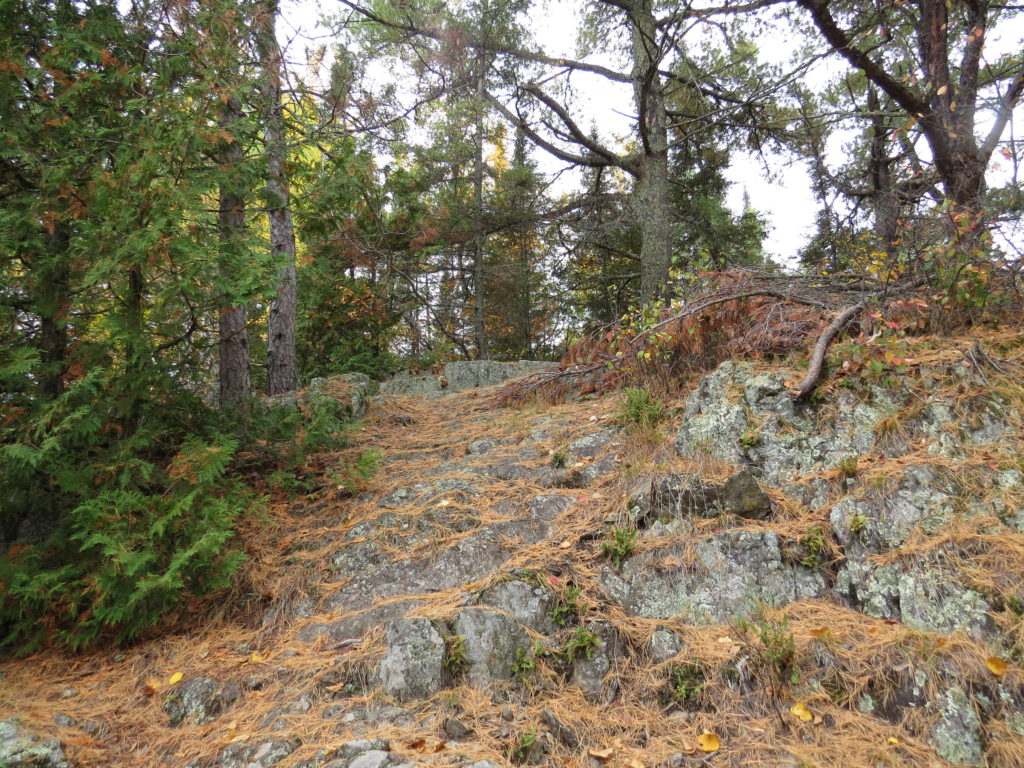
Lichens show up with different colors that are dependent on exposure to light and on availability of certain pigments.
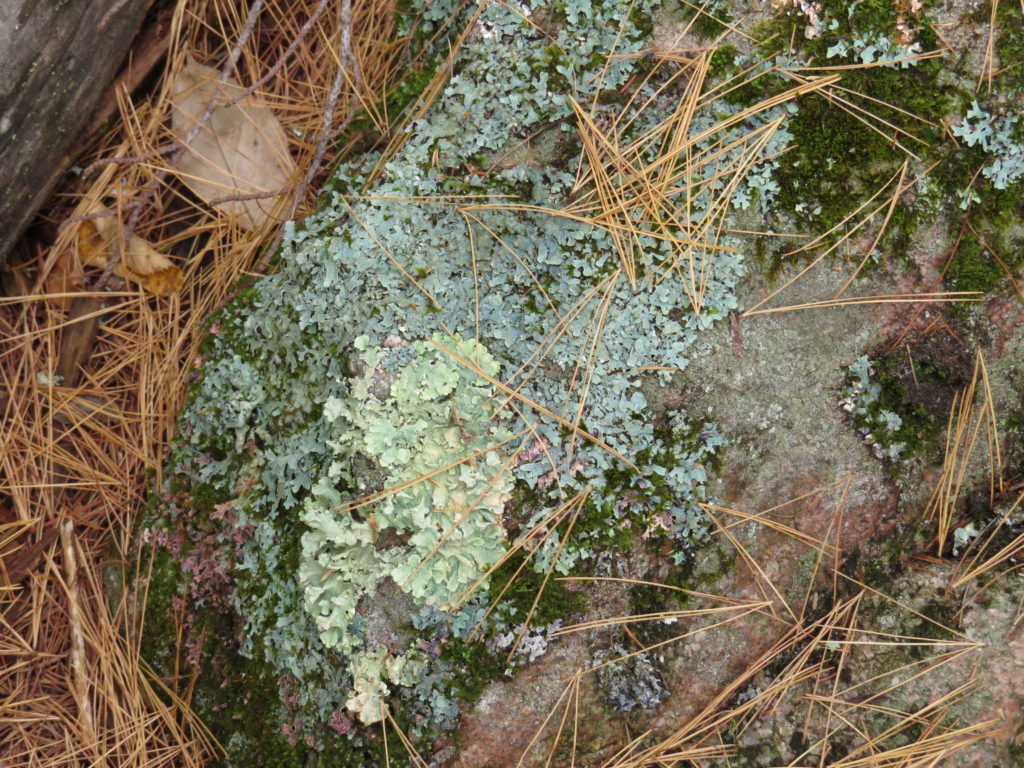
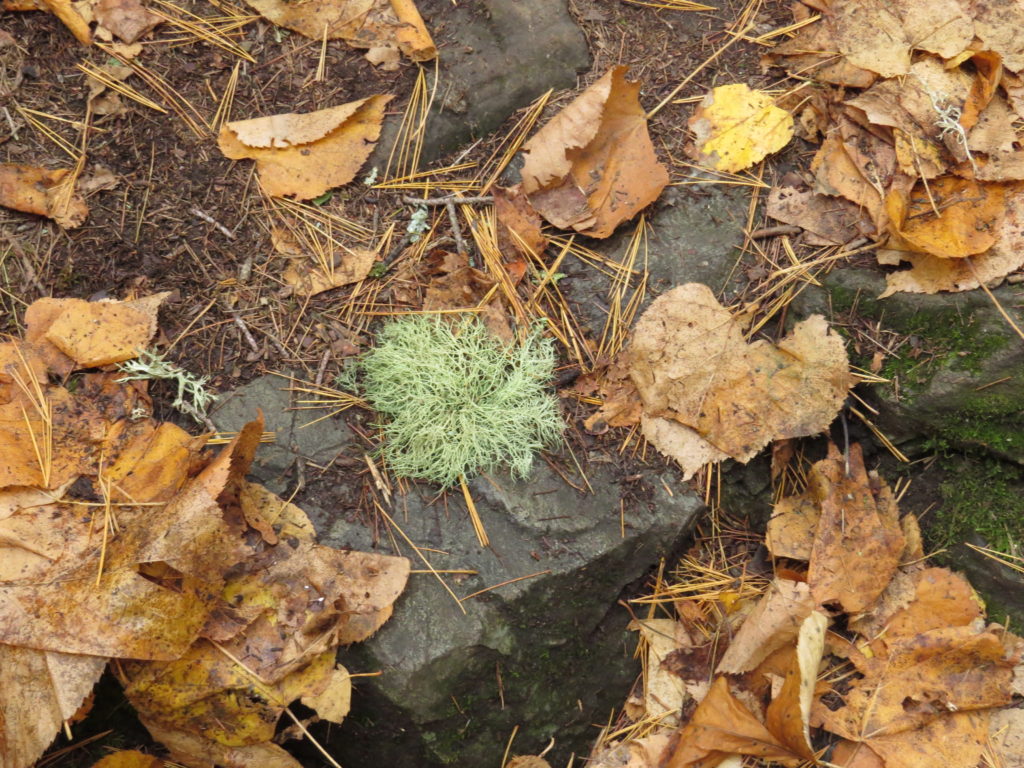
This is an example of a shrubby or Fruticose lichen. Snails, voles, squirrels, and reindeer eat lichens, though some are toxic to poisonous for humans.
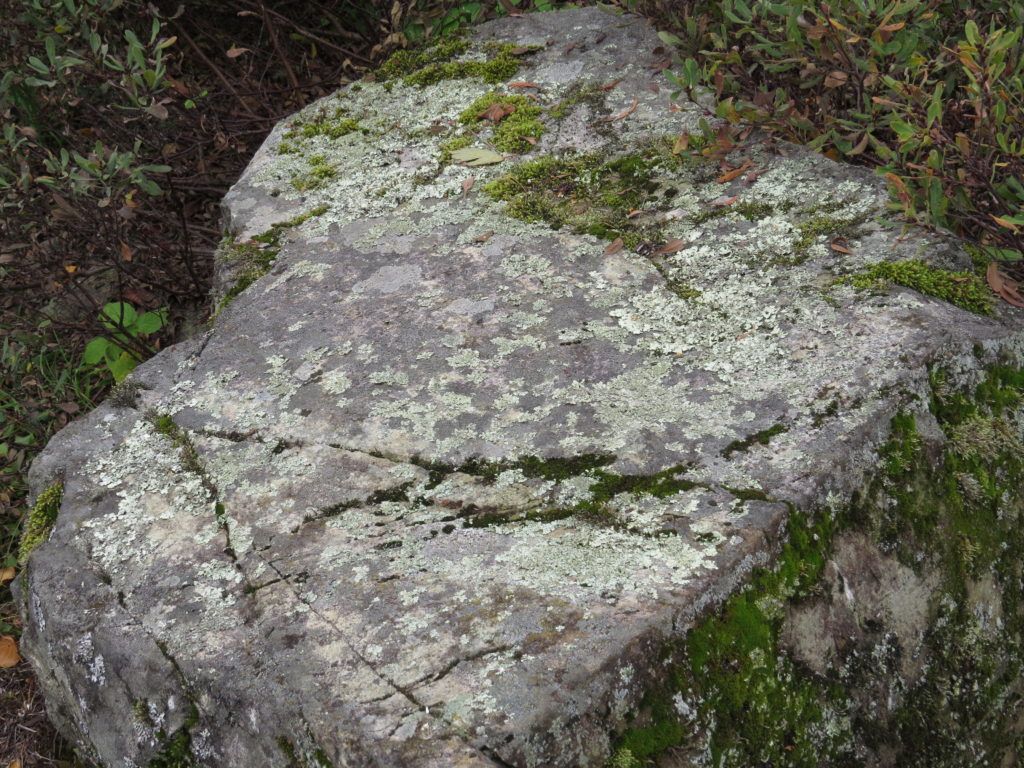
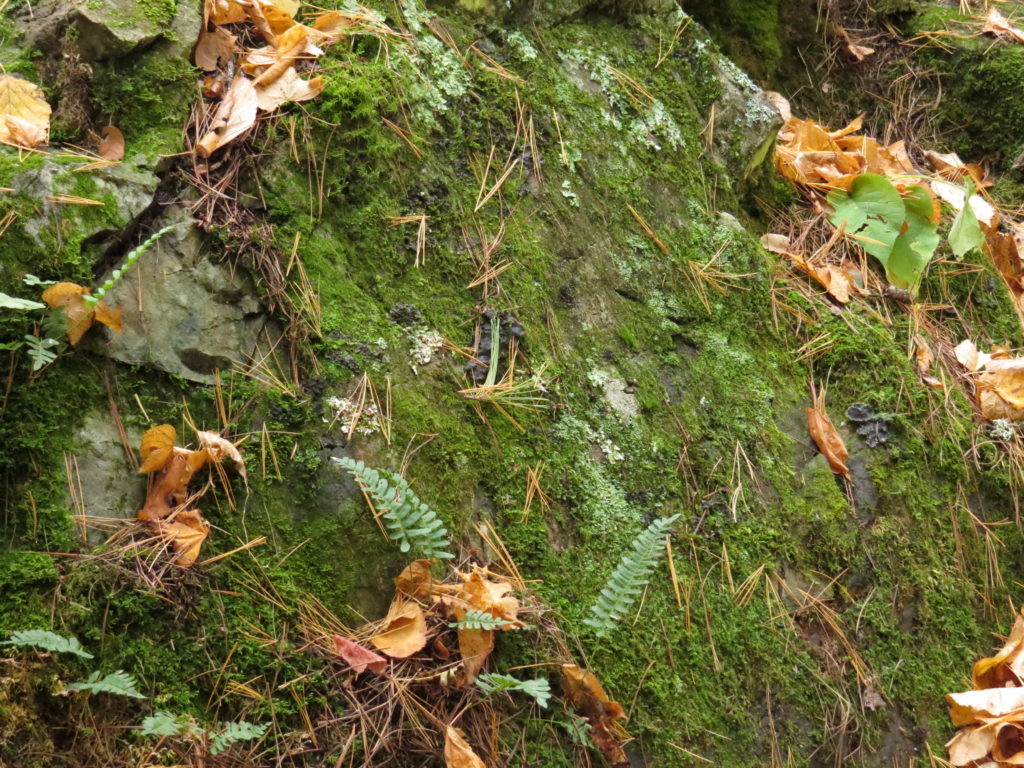
Many of the rocks had both lichens and moss growing on them. Mosses are primitive plants with a simple root-stem-and-leaf structure.
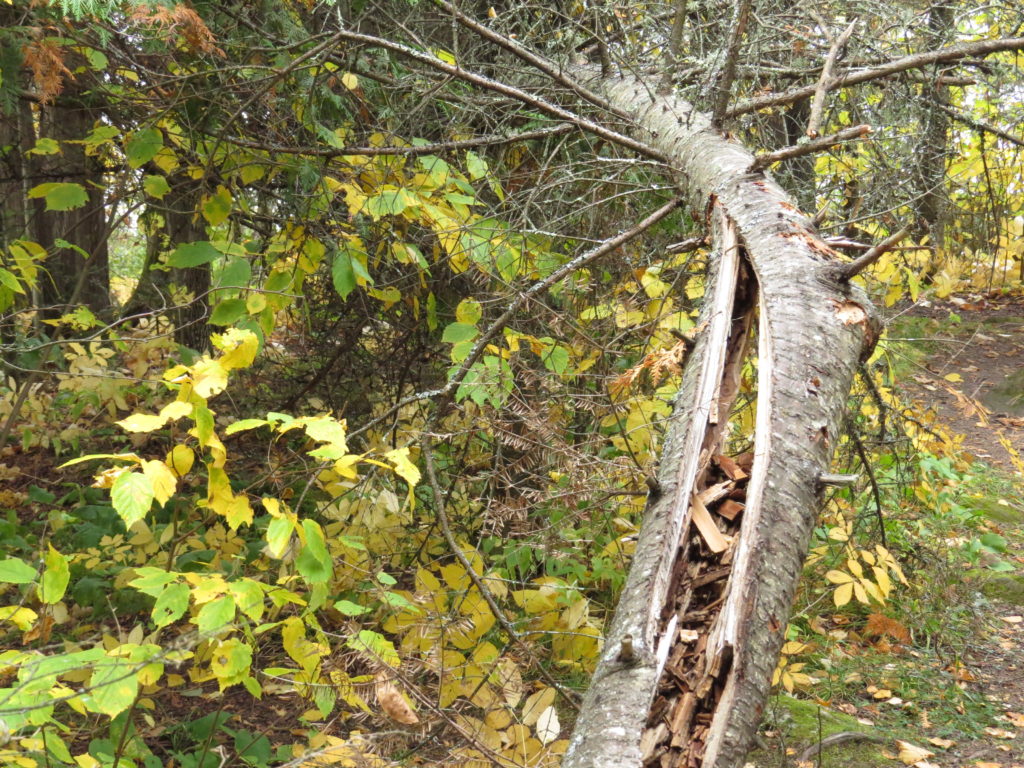
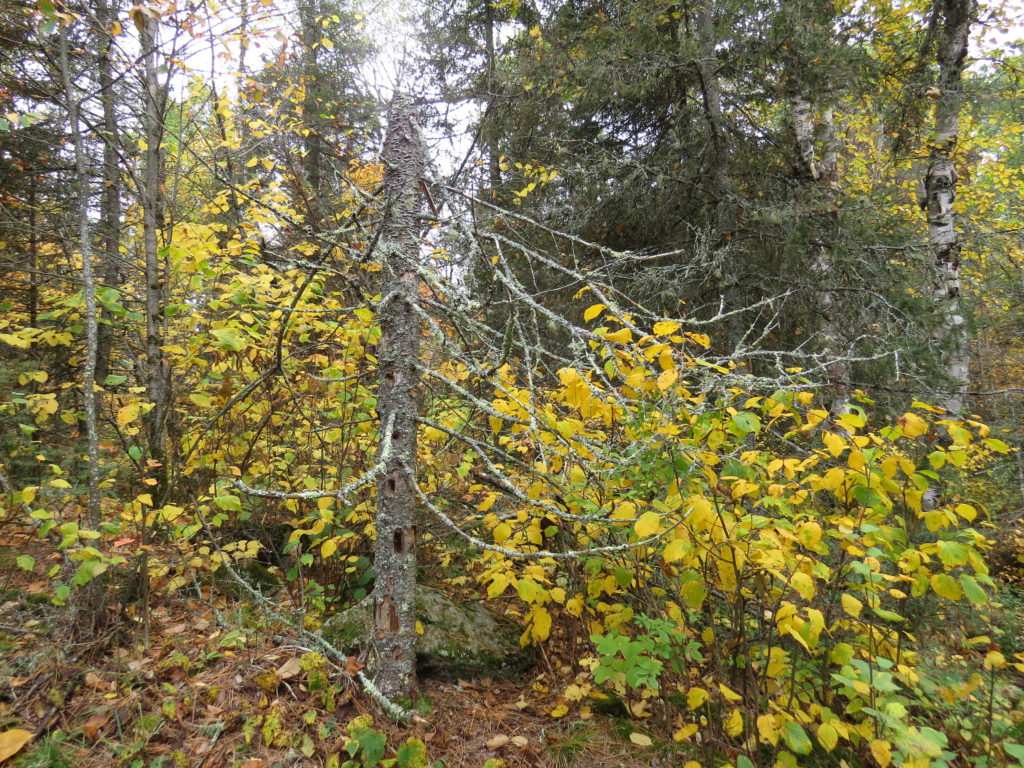
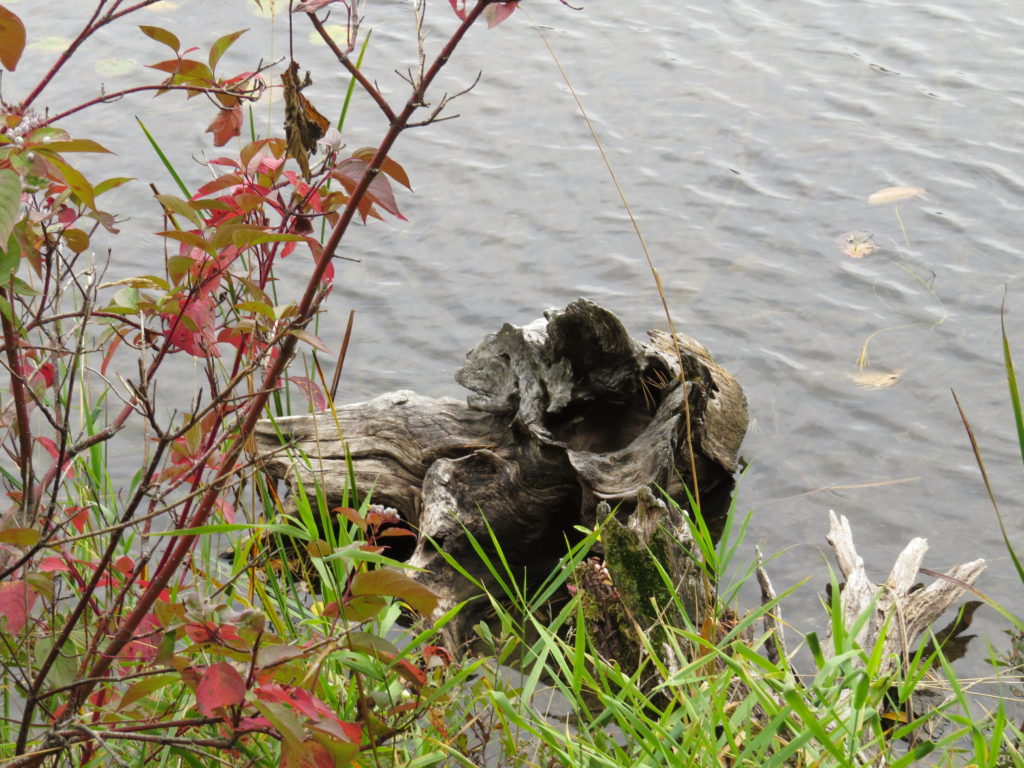
The ecosystem of the island, as in all forests, contained dead and dying trees of all forms—broken and twisted, woodpecker drilled, and water-smoothed driftwood.
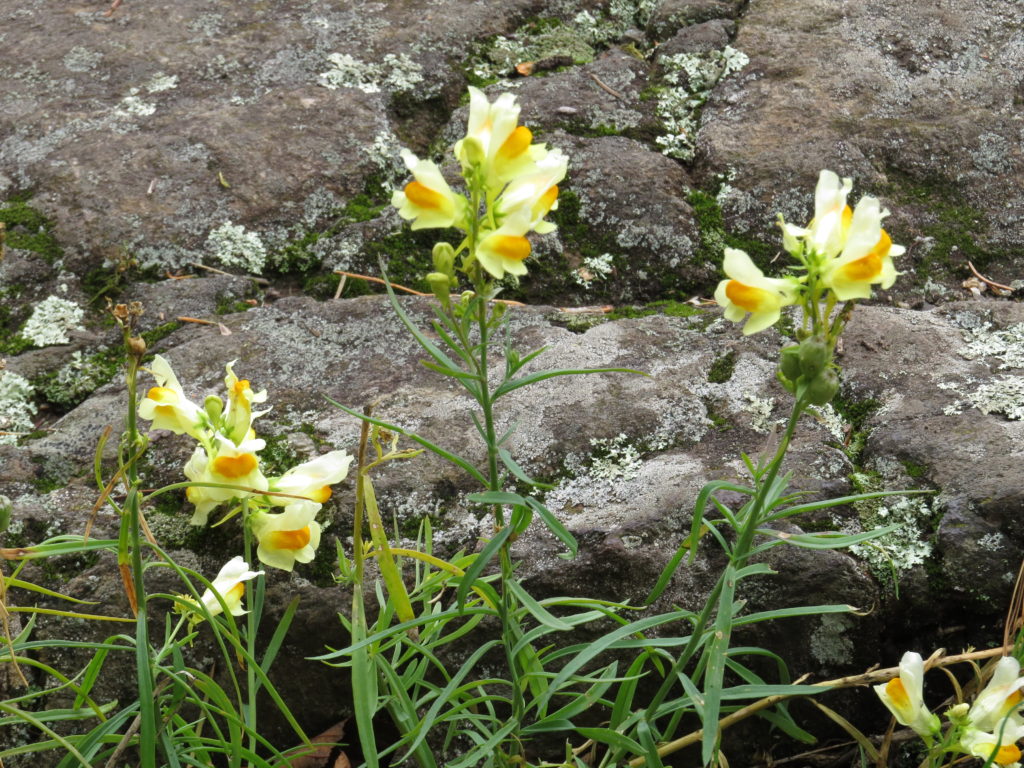
On the rocky outcropping at the end of the island, we found Butter and Egg flowers blooming. They are an invasive species that the DNR recommends eradicating, pretty as they are.
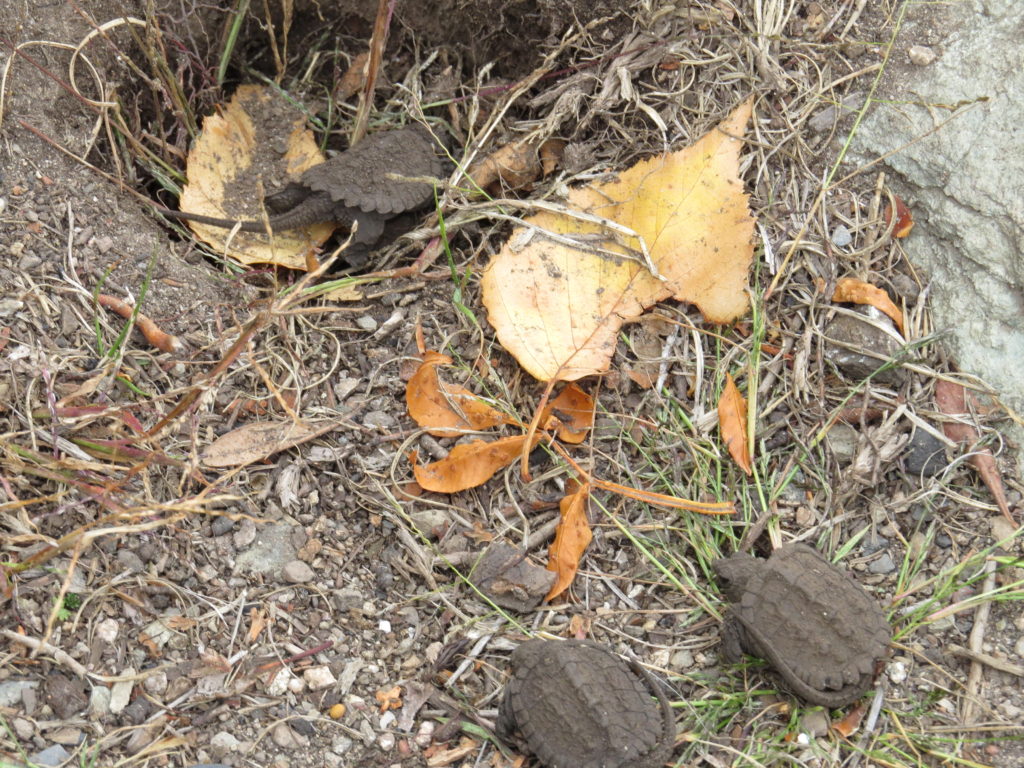
Beyond the flowers we found these tiny Snapping Turtles! They looked like rocks and were not moving until Aaron warmed them up in his hands. We figured they must have hatched recently—maybe from the hole one crawled back into once he was warm. Eggs take around 72 days to hatch, and the sex of the hatchlings is determined by the temperature of the nest!
It was a good start to our Northwoods weekend. Even though the skies were cloudy and we were expecting some rain each of the days, the temperature was fairly mild. We could not have planned a better weekend for the Autumn colors. We hiked back through the trees, over the lichen-covered rocks, through the fallen leaves and pine needles, and over the bridge in order to get to our destination and set up camp before nightfall.
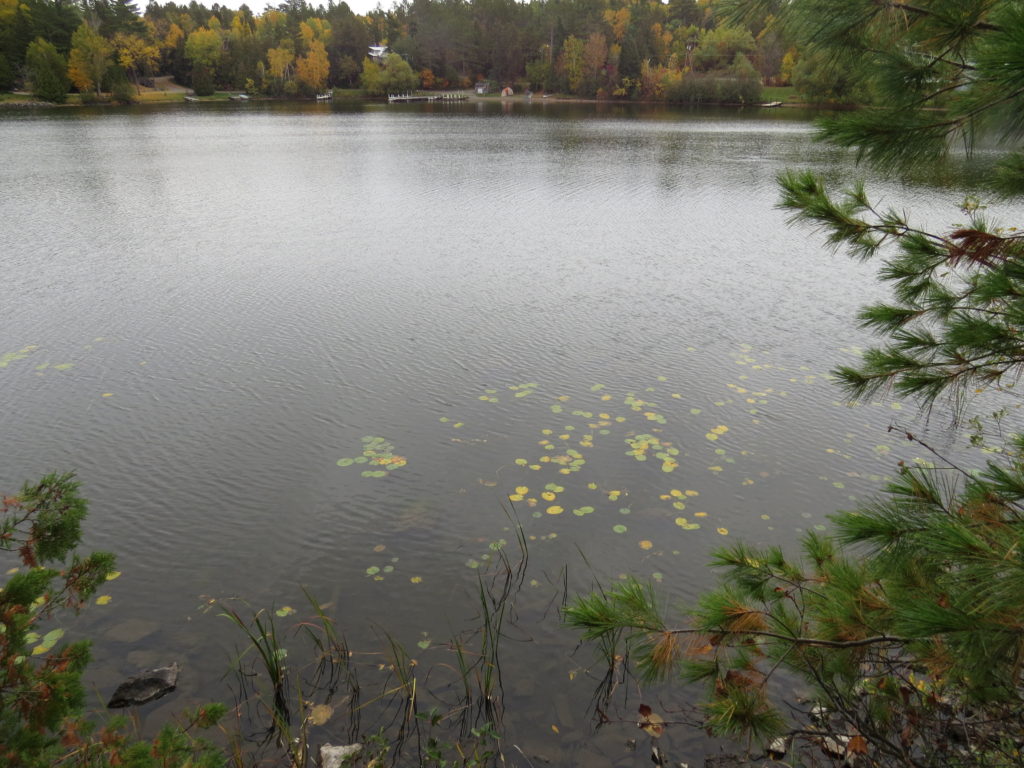
We are living in extraordinary times when computers, phones, and screens of all kinds seem to be our lifeline to work, meetings, church, friends, family, sports, and our own sanity. It is all stress-inducing but necessary nonetheless. How do you know when you’ve had too much screen time? Do you feel it in your body? Wired and tired? Can’t fall asleep? Irritable or anxious? My daughter Emily says she knows it’s too much when her brain won’t relax. It’s hard to distinguish between the stress of actually being connected to our devices and all the stress of living right now. Don’t underestimate the negative effects of electronic devices on your physiology. But this I know—an antidote for stress of any kind is Nature. Our bodies ‘know’ the natural world—it is a relief for our wired bodies to be walking on the earth, feeling the bark of trees, breathing in the natural oils produced by trees, evergreens in particular, seeing the colorful lichens, and hearing the water lapping against the shore. It reduces our stress hormones, decreases our heart rate and blood pressure, and boosts our immune systems. Nature is a powerful healer and the backbone of real life.
Seasons Within a Season
Imagine our lives as Mother Nature sees us—as a part of Nature, a part of Her. We are like the trees, moon, rivers, the prairie, elk, dragonflies, and the sweet apple. We were created as one of them. We have cycles, instincts, reflexes, and a myriad of functions that perform without our conscious will. We are physiological miracles! Our lives are on a trajectory towards death—that’s how it is generally portrayed, that is. Then we do all sorts of things to not think about that end—how do we distract ourselves, hold on to our youth, our old values, our accumulated wealth?
Imagine our life’s trajectory defined as seasons. Whether we view our lifespan as 80 or 100 years, we have completed our Spring season by our early to mid- twenties. Just when we feel we are ‘beginning’ life on our own, we are one-fourth of the way through our journey. We have budded, developed, learned, created, become. Our twenties, thirties, and into our forties are our Summer—productive, vibrant, energetic, full of growth. Summer gets things done.
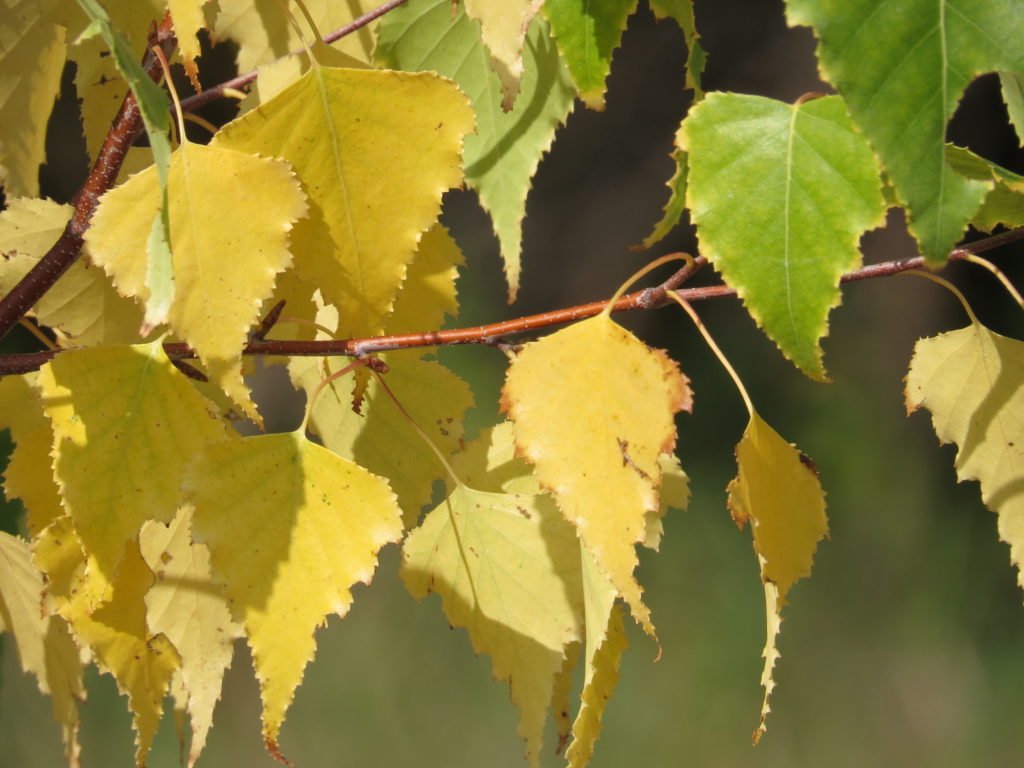
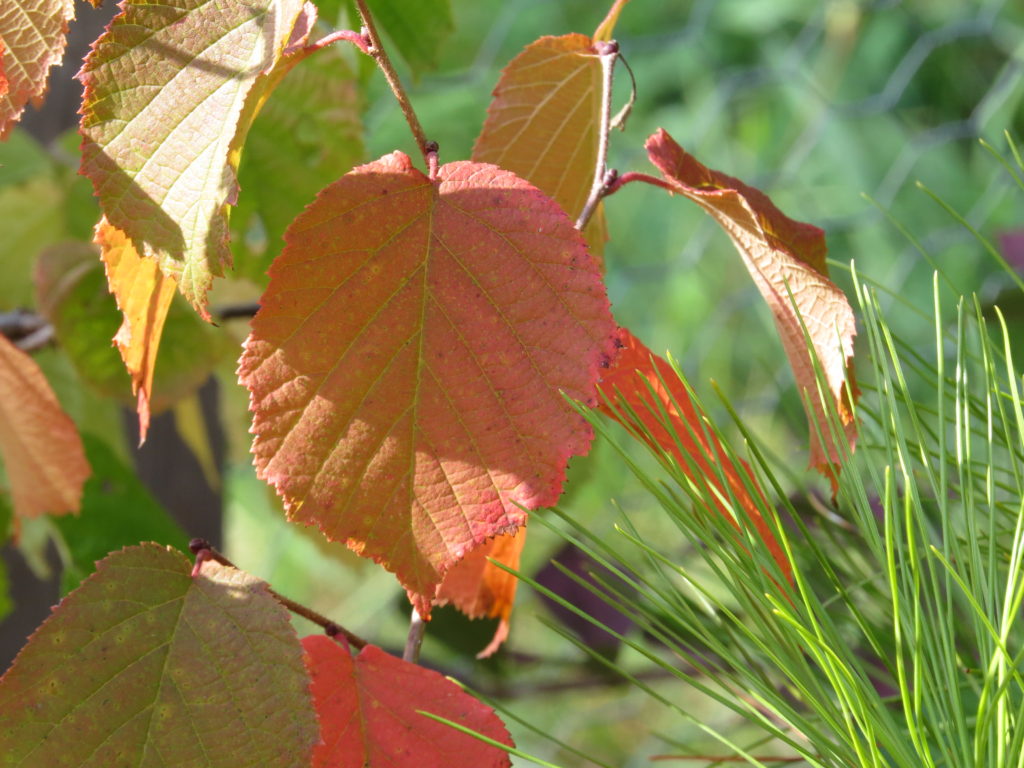
Here we are in Autumn—literally. It is a favorite season for many, a season of harvest, brilliant leaves, campfires, pumpkins, cool weather, and a turn towards the hearthside. A short walk outside my door immersed me in the transition season—it could not be denied. A Birch tree and Hazelnut shrub are showing their colors.
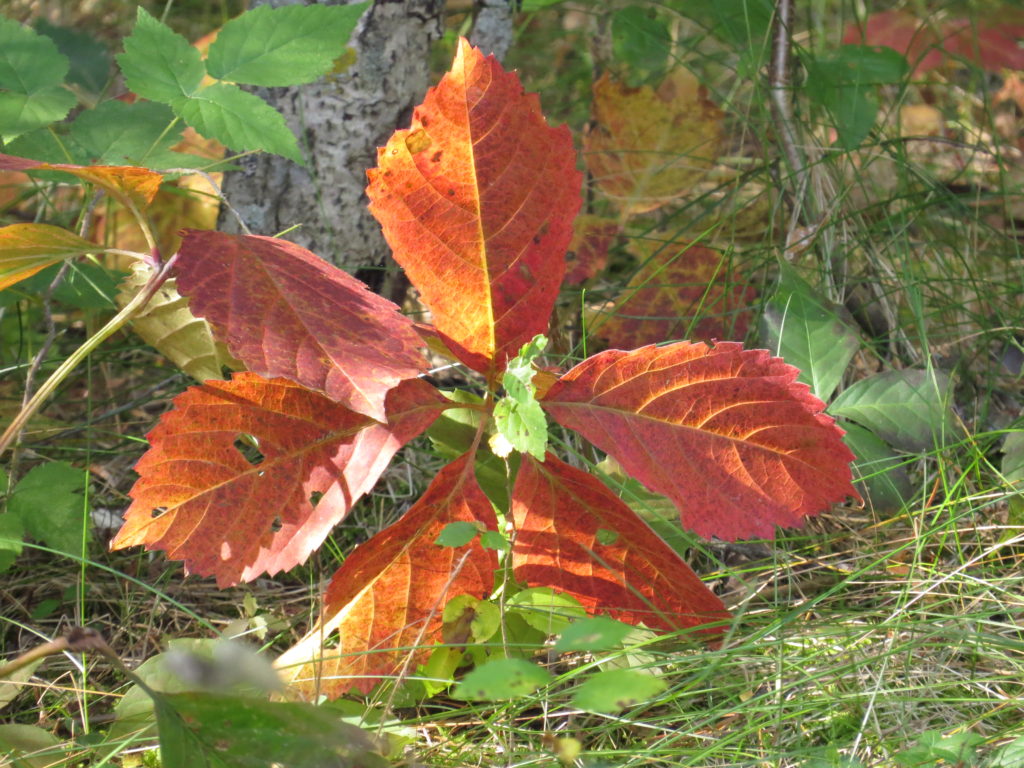
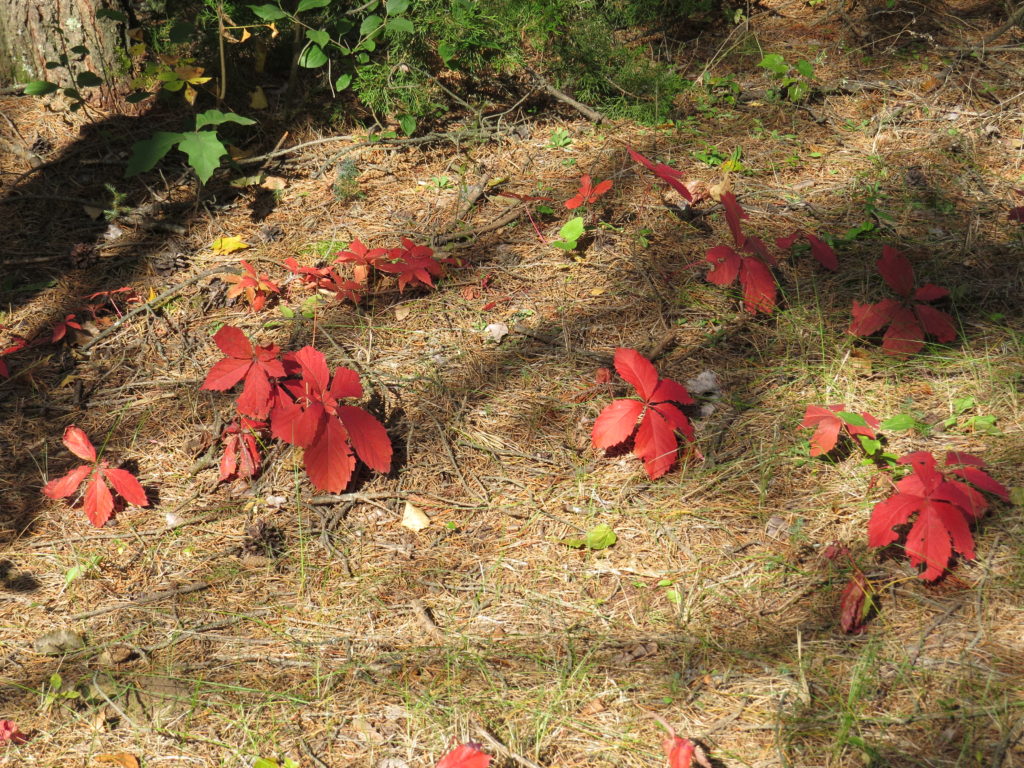
Virginia Creeper vines, once just another green-Summer thing, stand out in brilliant red, and always project a poinsettia-like image of another season to me.
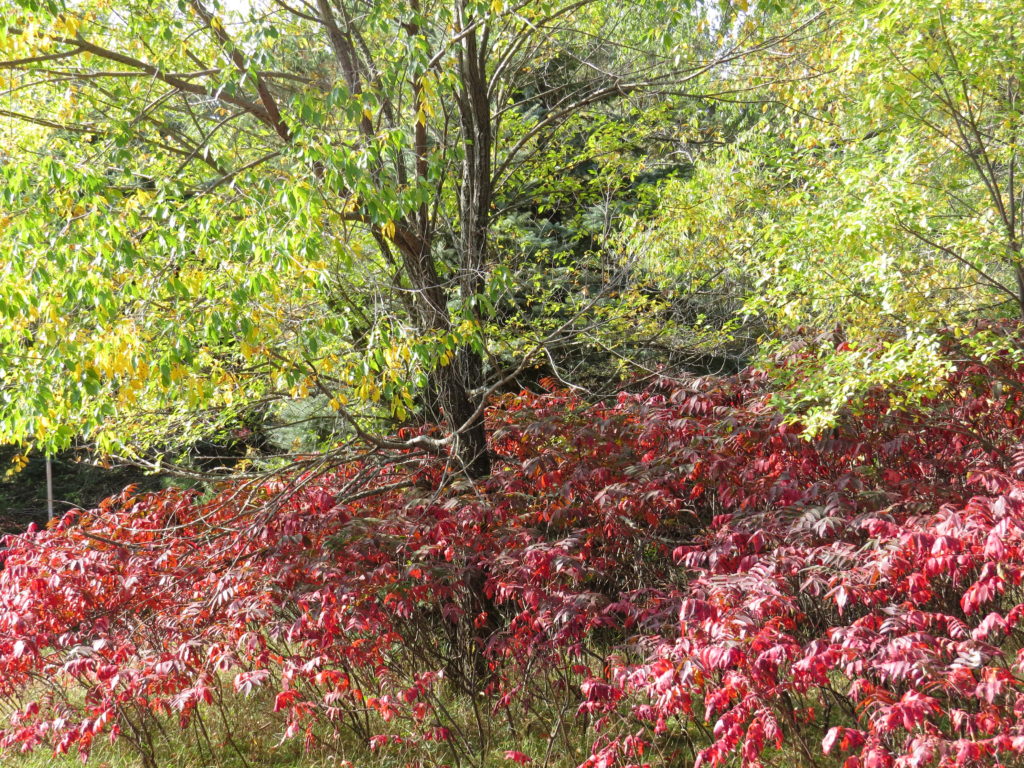
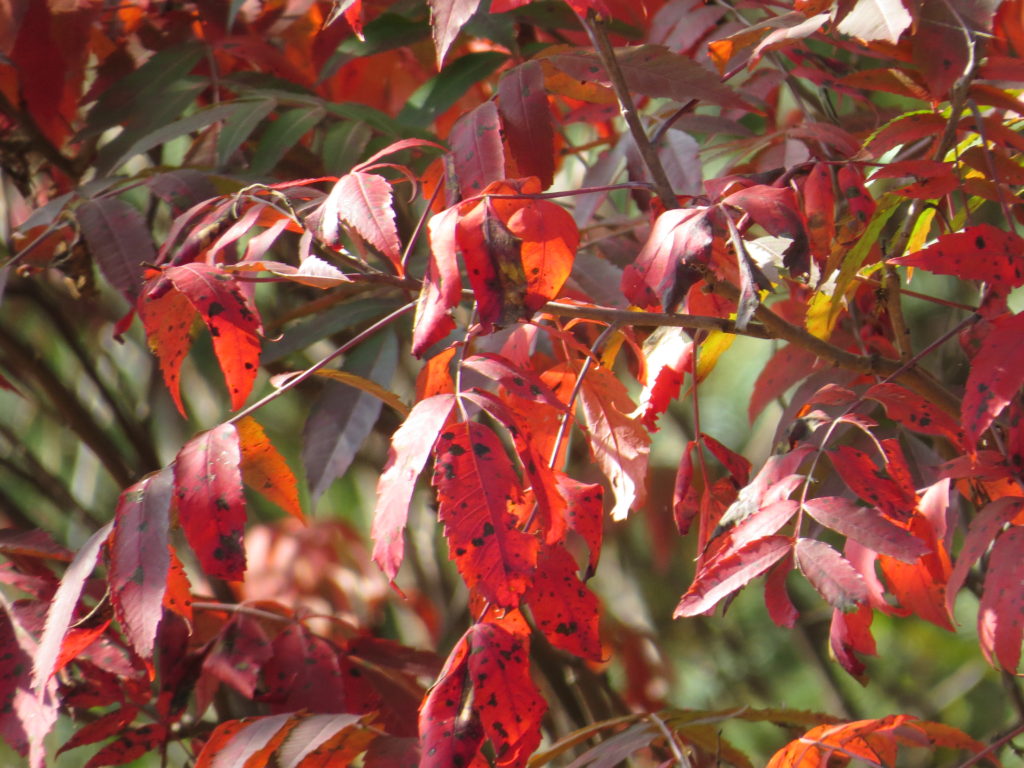
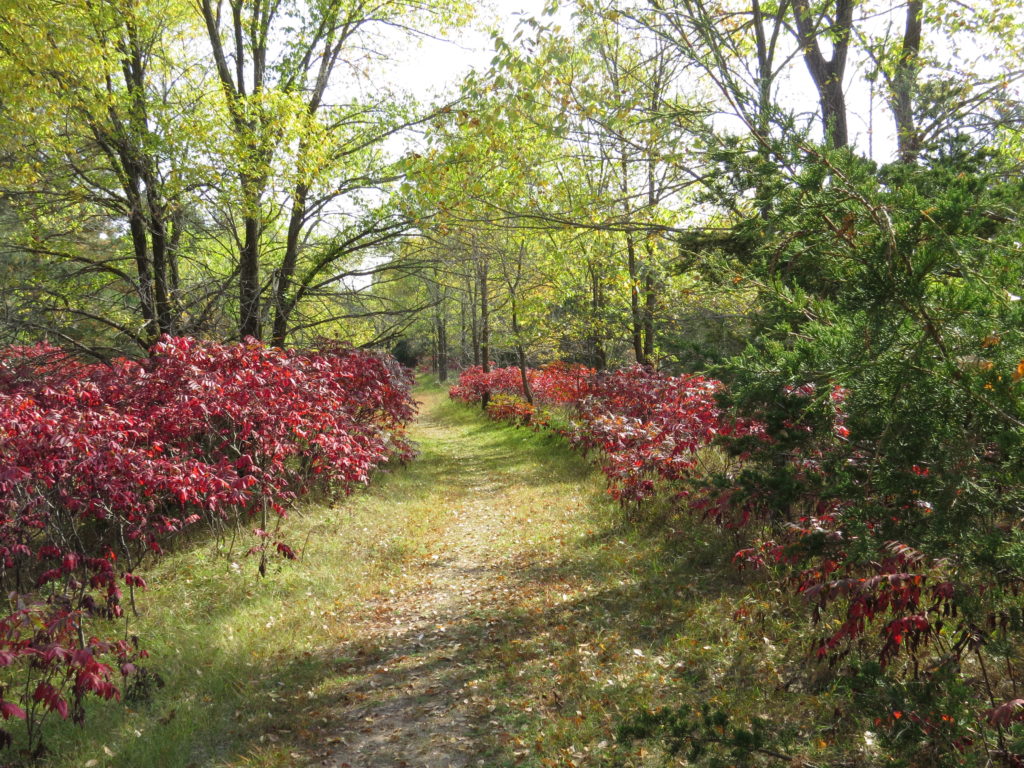
A sweep of Sumac under the yellowing Elms is showing its fiery colors and is being noticed in this Autumn season.
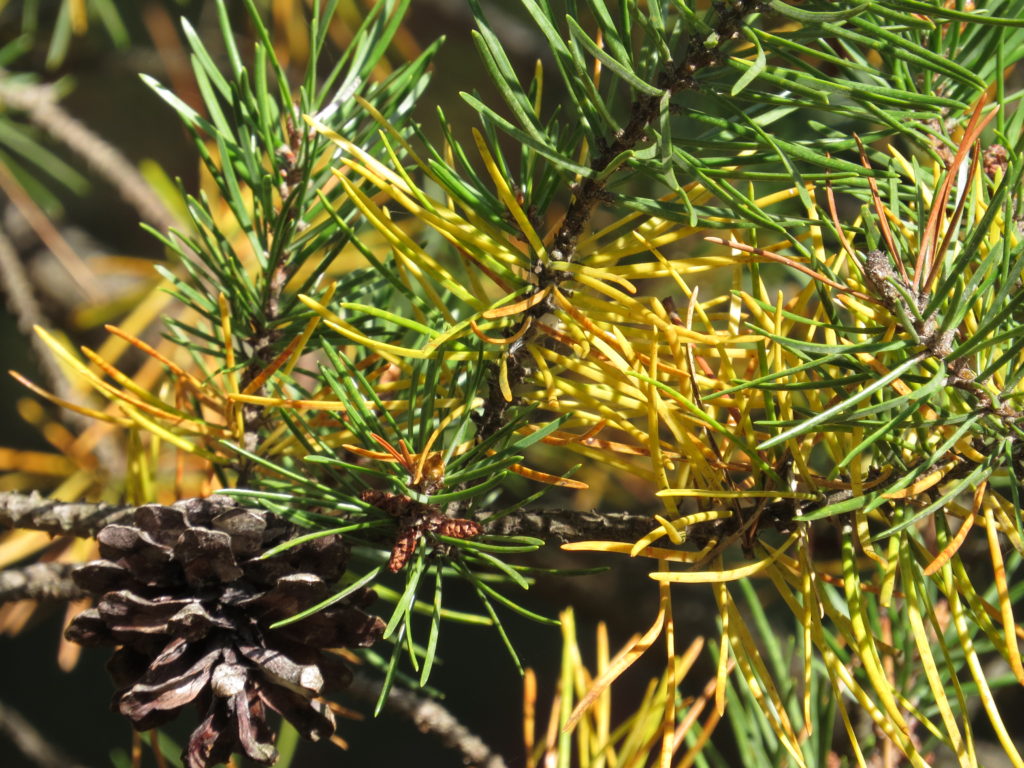
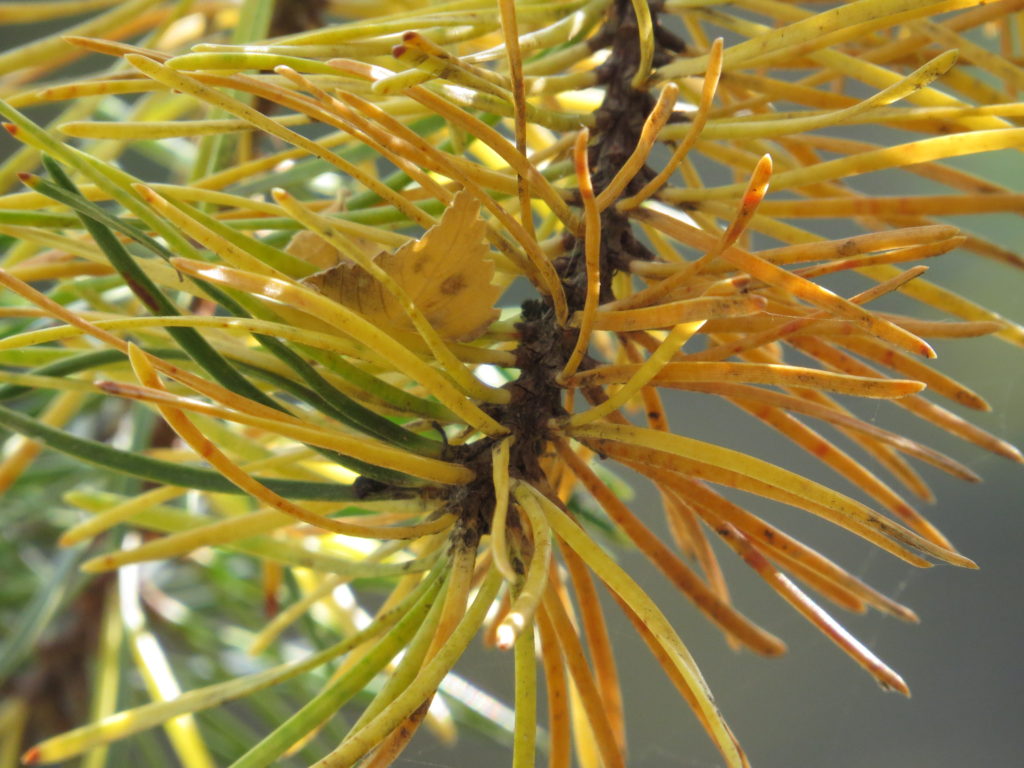
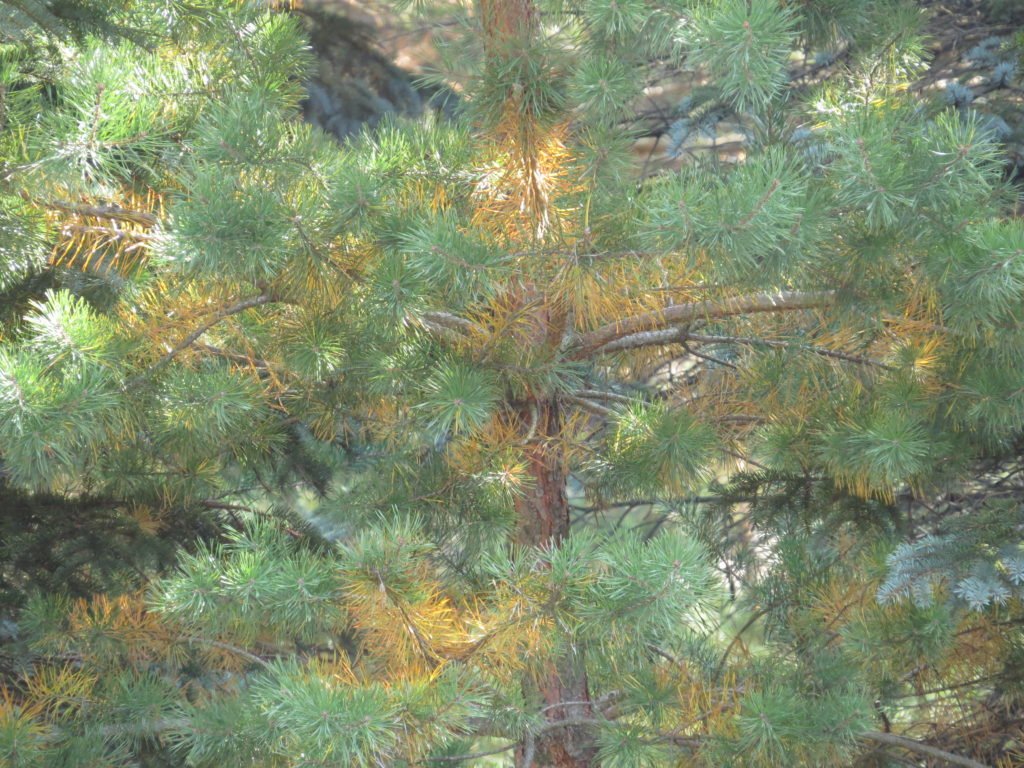
Even the ‘evergreen’ Pine trees change color and drop some of their needles in the Fall. They are culling the number of needles, downsizing in order to conserve energy during the cold winter.
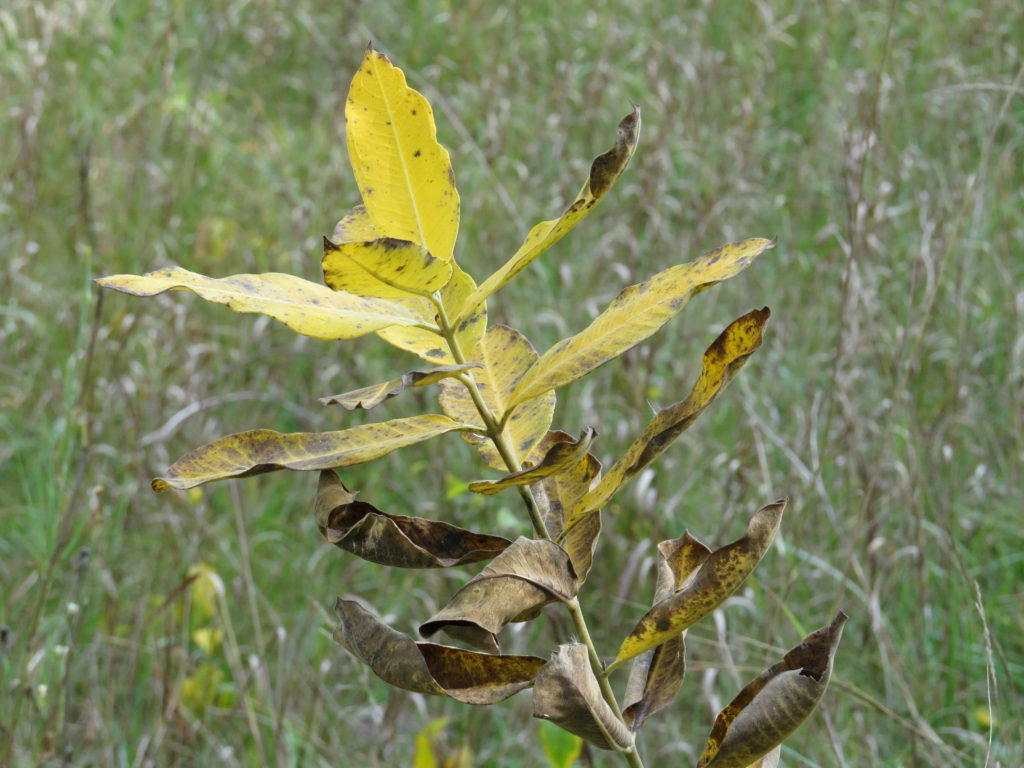
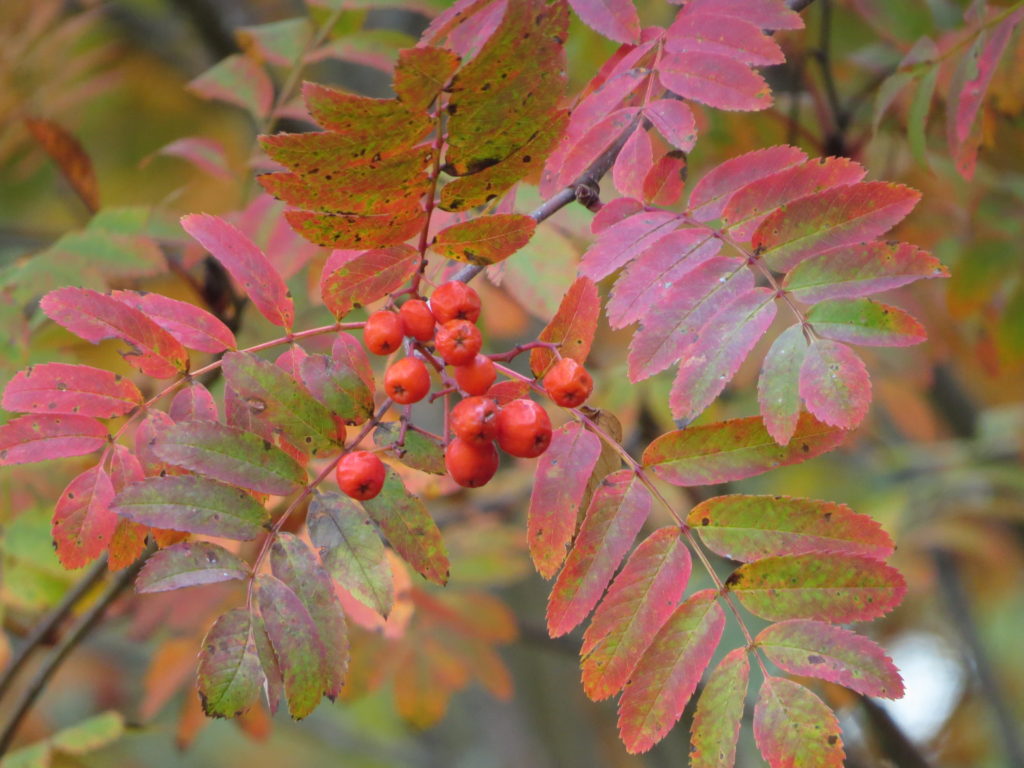
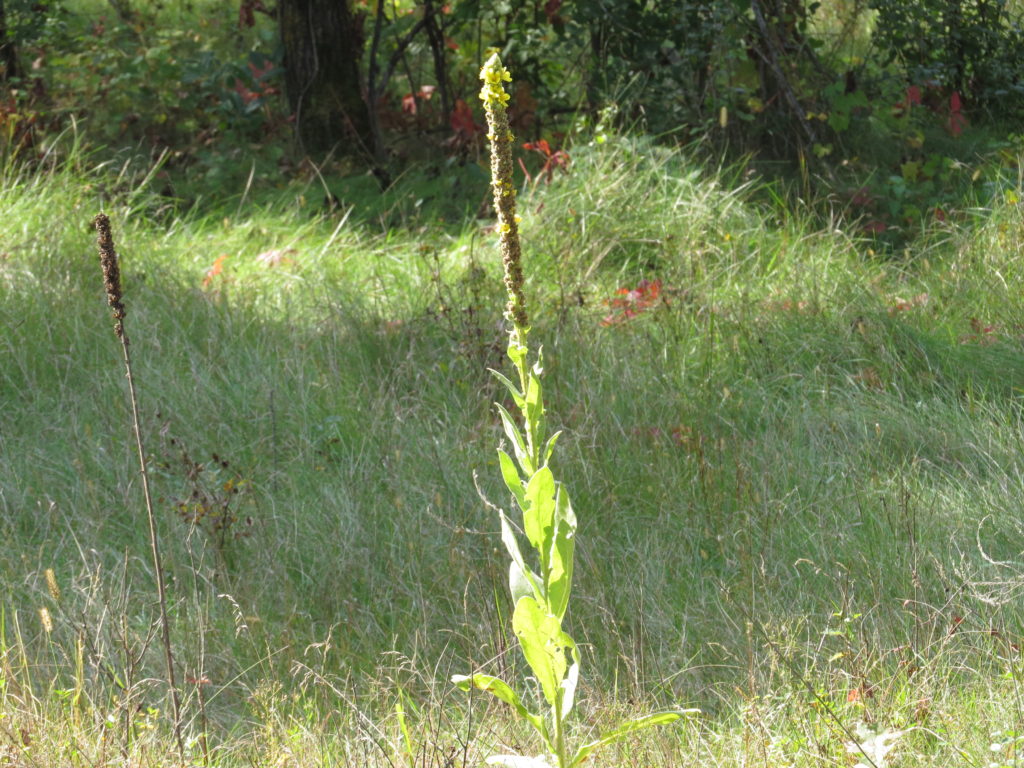
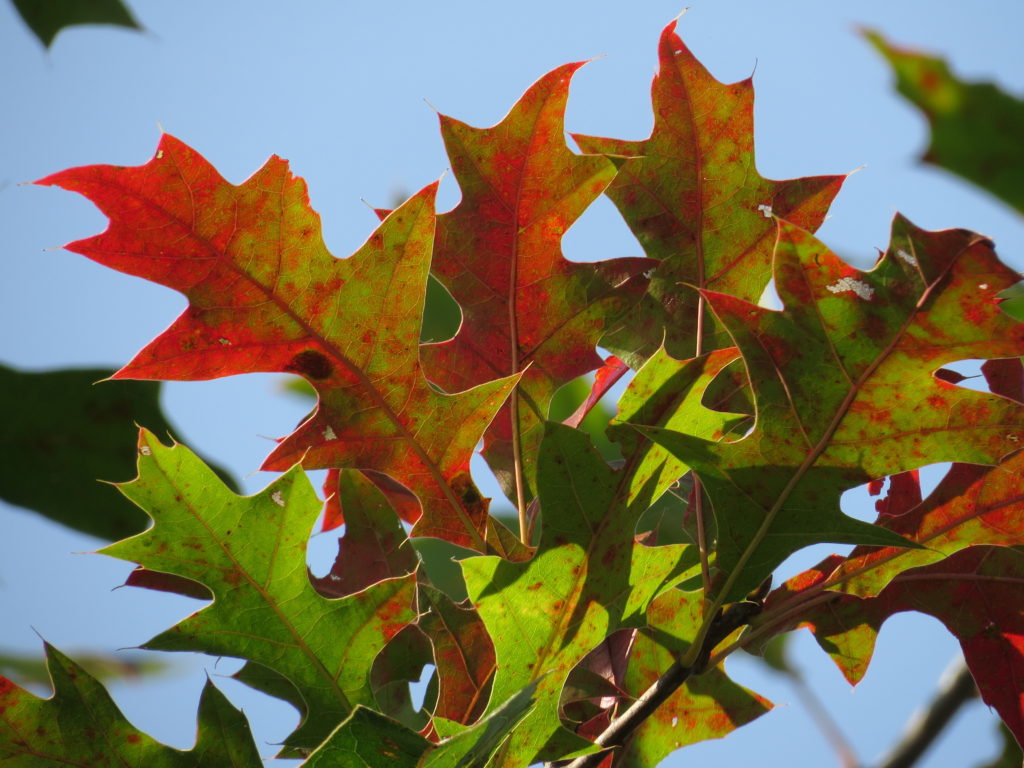
I found a couple of Wild Turkey feathers on the shared trail along with yellow Milkweeds, rosy leaves and berries of a Mountain Ash tree, a tall, fuzzy-leaved Mullein, and the mottled tips of an Oak.
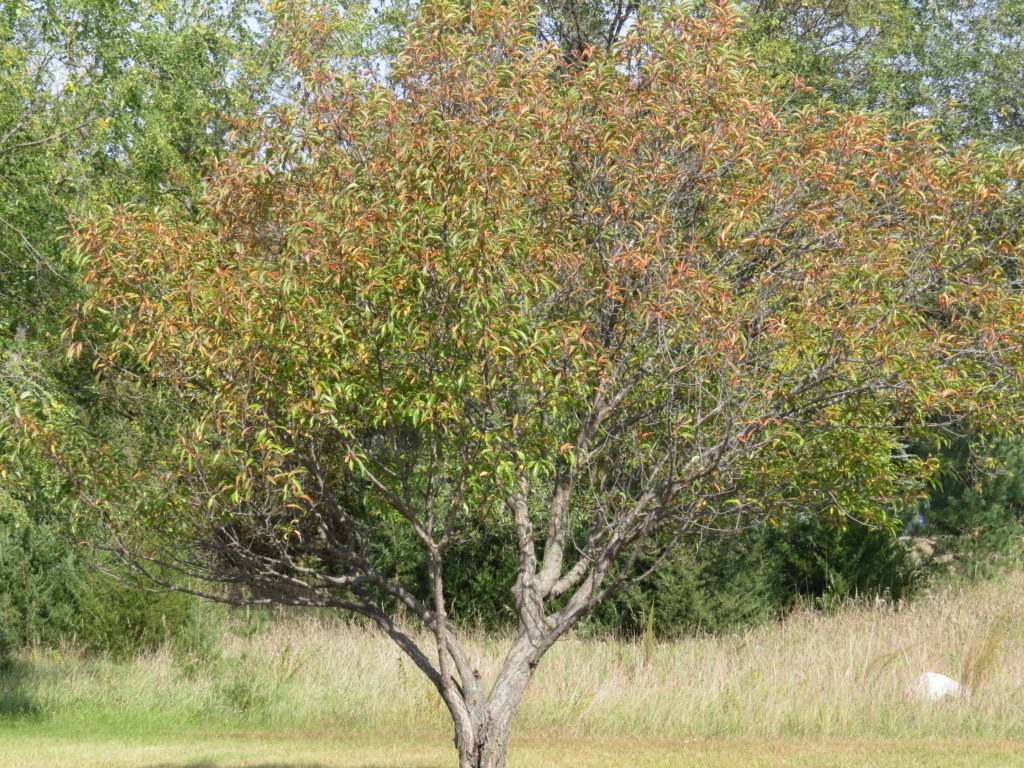
Back in the yard, a Wild Plum tree reminded me of an Autumn person—day by day there was a slight change of color, like a person gradually going gray.
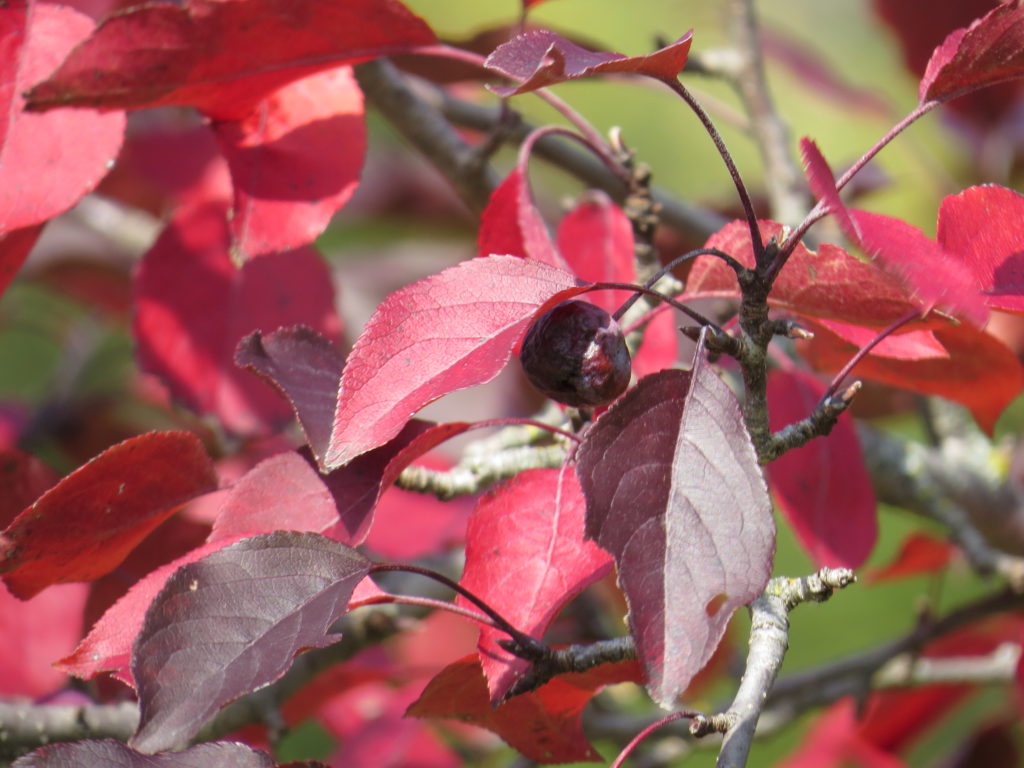
The Crabapple tree, with its dark purple Summer leaves, actually gets brighter and more beautiful in Autumn.
Looking at our lives as seasons honors the development and beauty of each part. It has a rhythm and sensibility about it. There is no ‘over the hill’ as there is on a birth-to-death time line. In each season we have ‘work’ to do, challenges to overcome, and things to experience and learn. It’s like each season of our lives has its own cycle of seasons! Seasons within a season! And yet each is unique—Autumn is the only time the leaves turn brilliant colors and drop from the trees. It is a time for culling and downsizing. The Autumn season of our lives gives us empty nests, just like the birds. We conserve energy, and as the old way leaves us, we enter a period of quiescence while looking forward to a future new thing. No need for distractions. The seasons and cycle of Nature sustain us.
Stepping Into the Clear Water
It was like stepping back into time, stepping into a life of early and mid-century wealth and privilege. The Glendalough Lodge is modest by today’s standards, built in the early 1900’s by Ezra Valentine as a summer retreat for family and friends. In 1928, F.E. Murphy, owner of the Minneapolis Tribune, bought the place, expanded the acreage, developed a game farm, and used it as a family and corporate retreat. Glendalough was transferred to the Cowles Family in 1941 with the sale of the Tribune. Dwight Eisenhower and Richard Nixon were guests at Glendalough during the 50’s. On Earth Day, 1990, the property was donated to The Nature Conservancy, and in 1992, the Department of Natural Resources obtained the land for a state park.
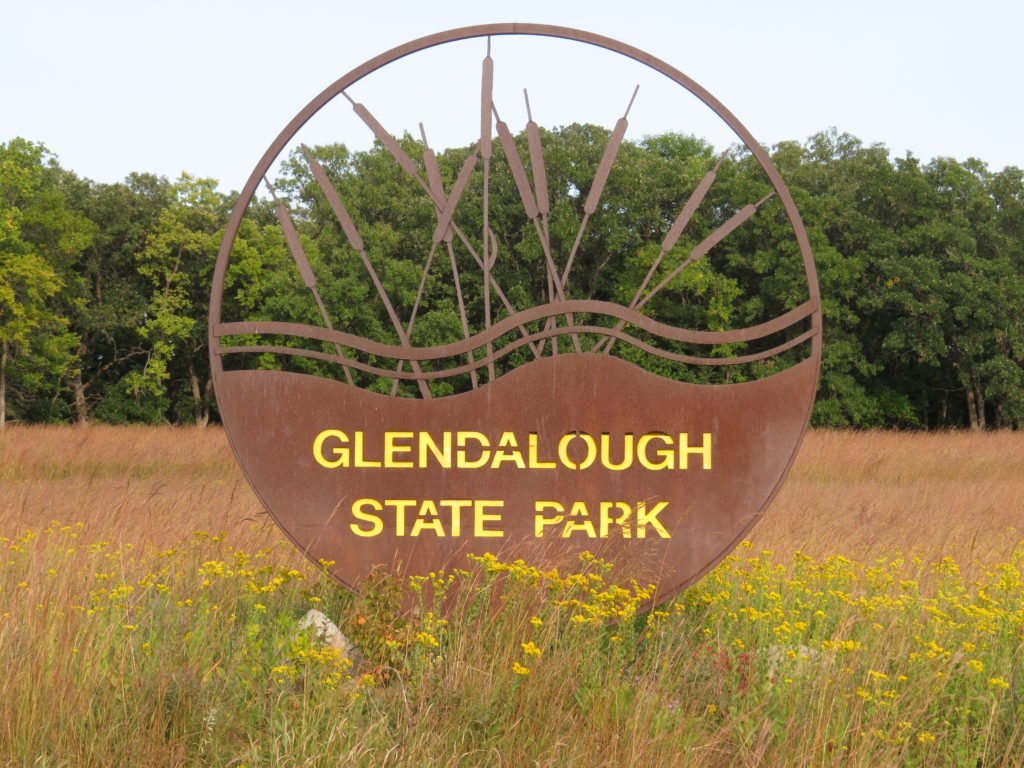
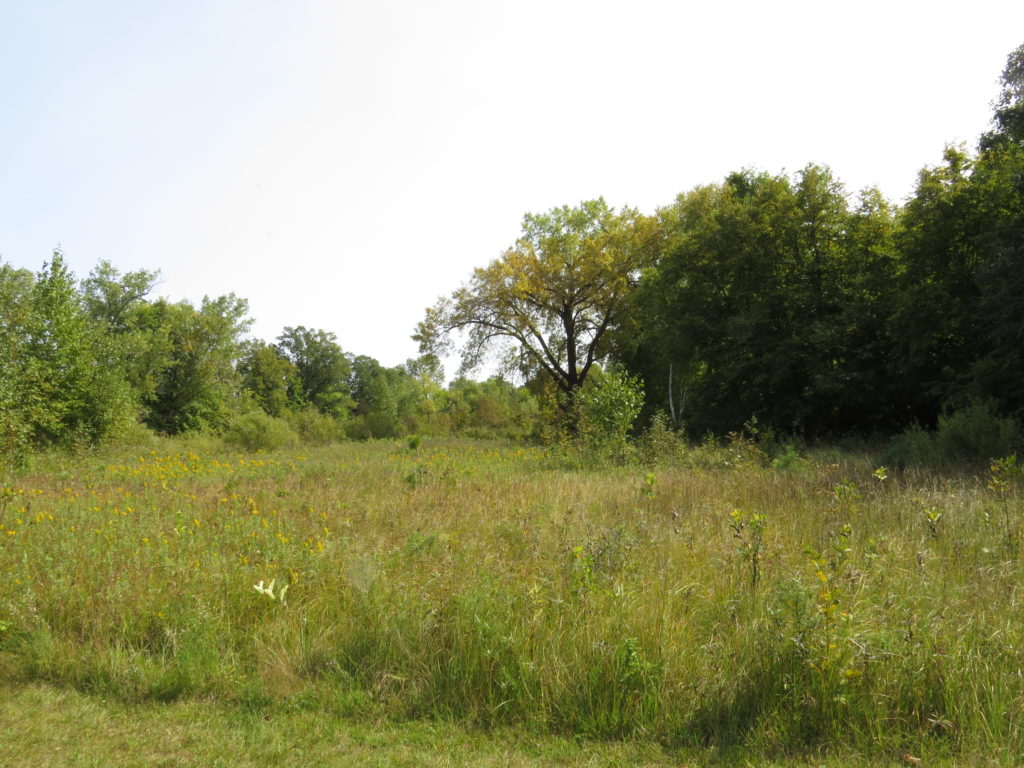
We stepped into the Autumn prairie with rich golden Indian grass and brick red Sumac.
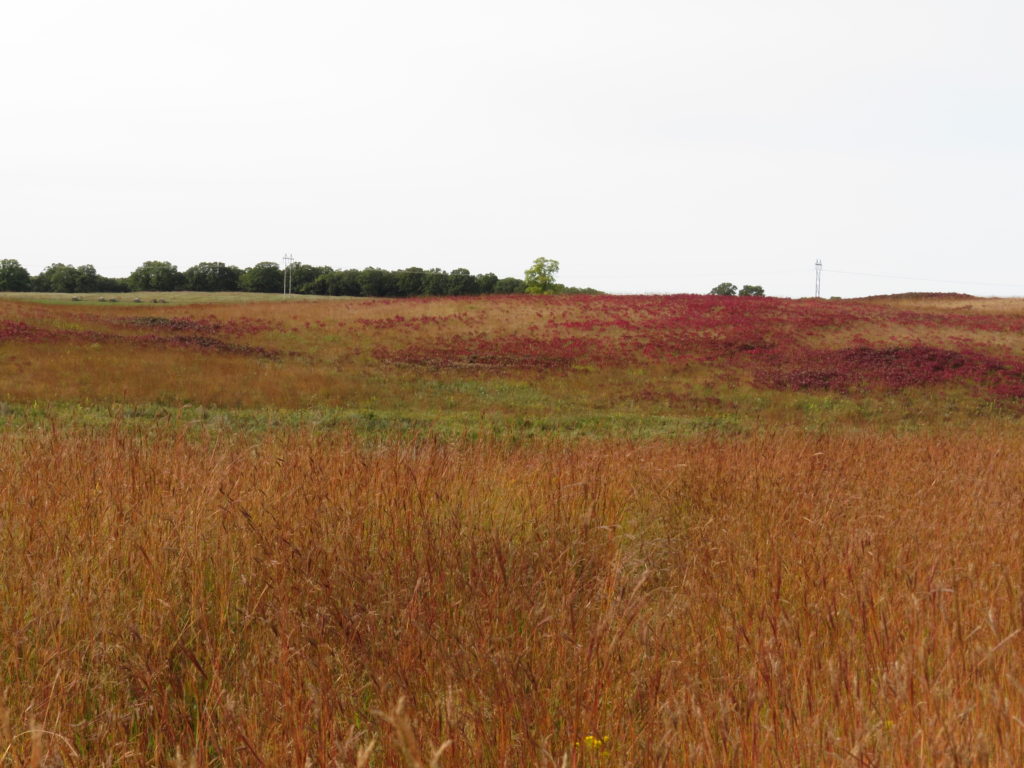
Three of the five of us donned running clothes for the virtual Red Friday Run for the World Champion Kansas City Chiefs in support for the Ronald McDonald House Charities of Kansas City. They ran through woods and prairie along the bike trail in the park.
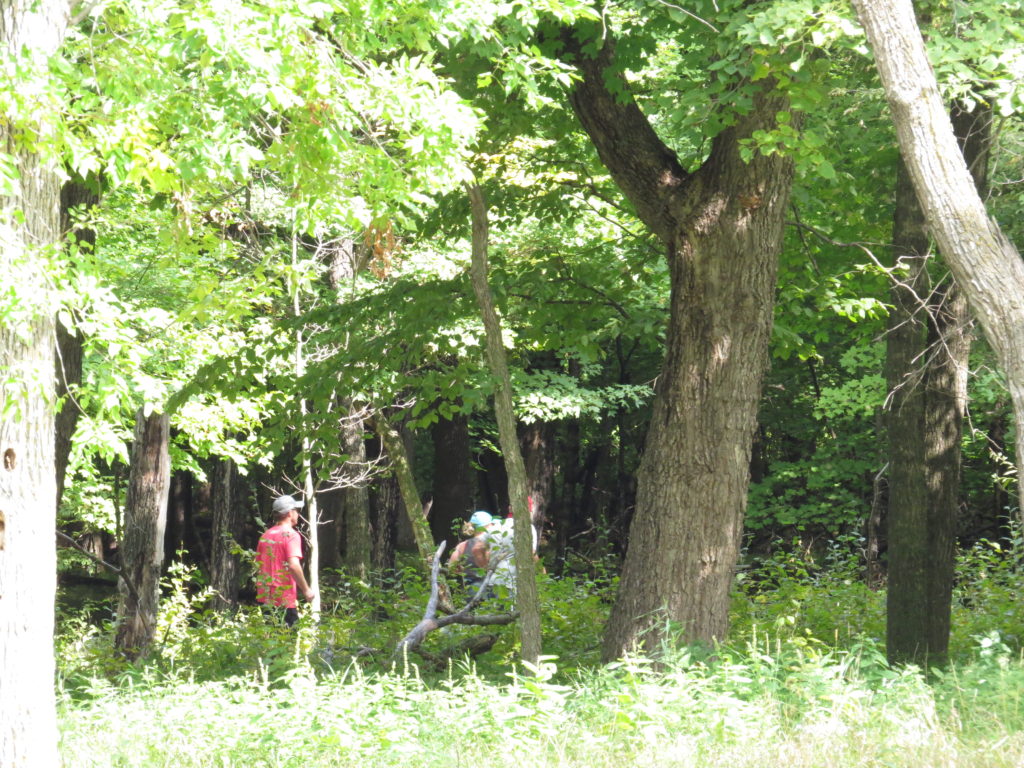
The other two of us hiked the Beaver Pond Interpretive Trail along Blanche Lake, a beautiful, crystal-clear lake lined with water-purifying bulrushes.
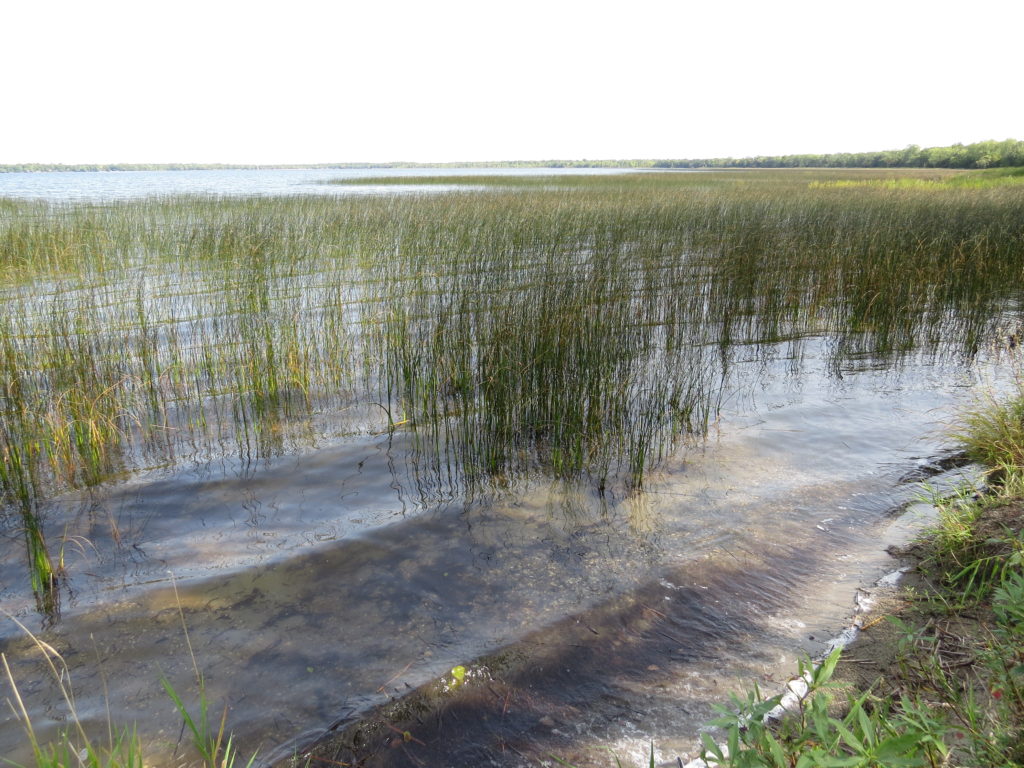
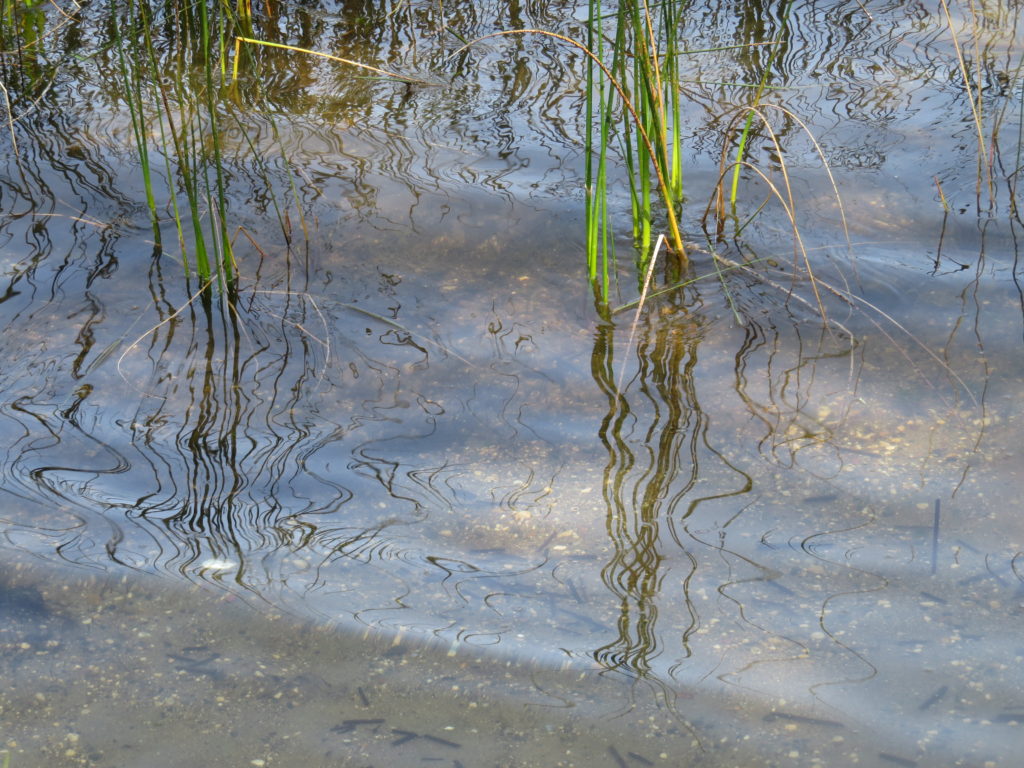
We stepped onto a hill of sand along the shore of the lake called an ice ridge. These form when ice on the lake expands and pushes sand up into an embankment. An older ridge south of the lake indicates that at one time, perhaps thousands of years ago, the lake was much larger and had a higher water level.
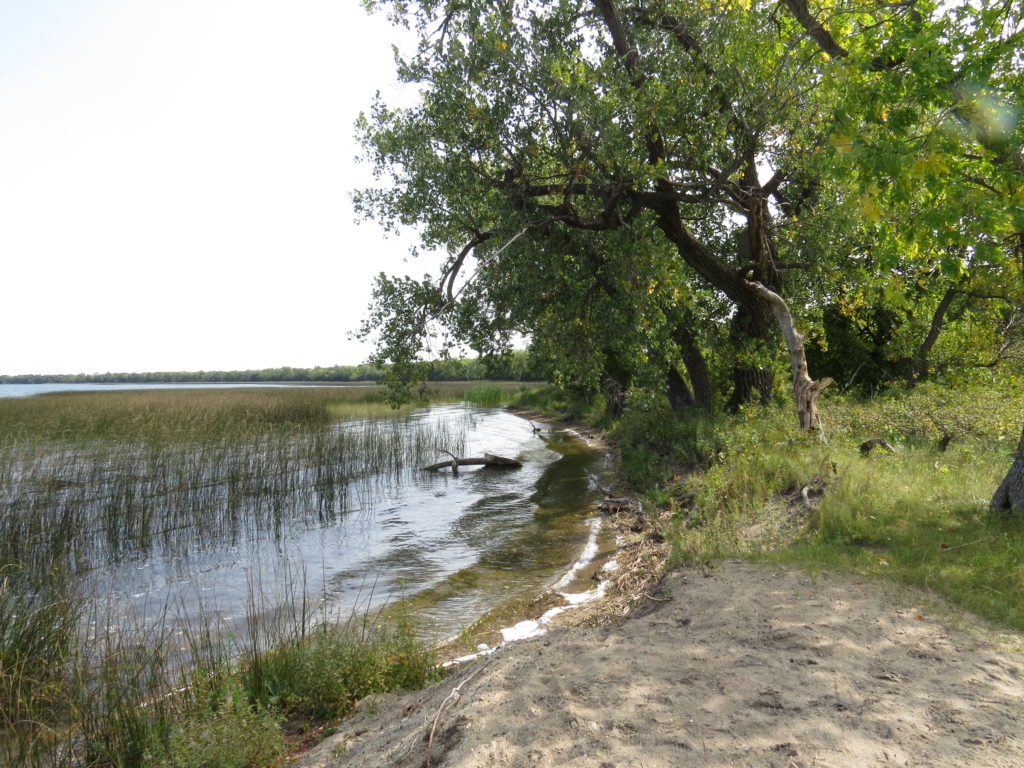
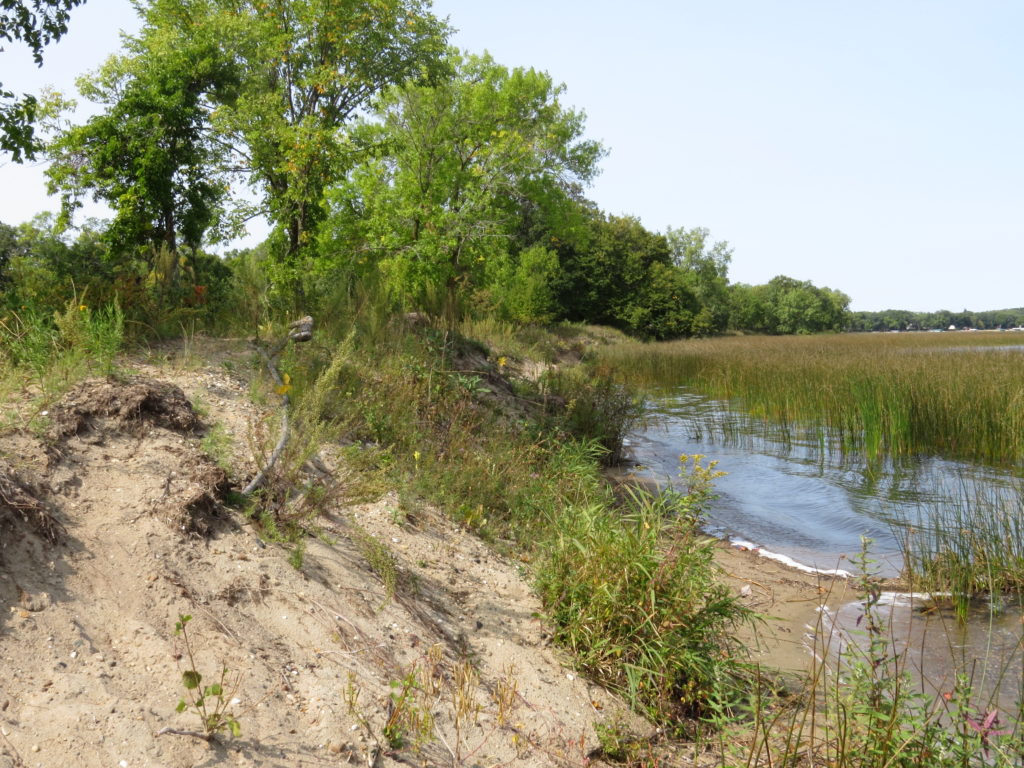
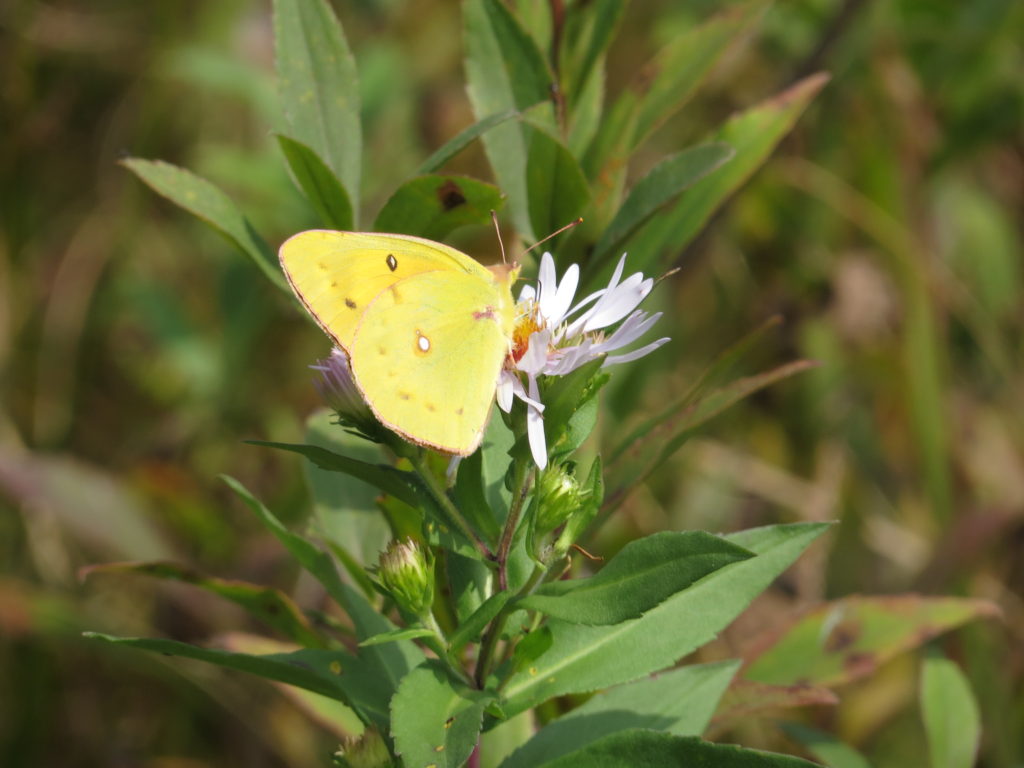
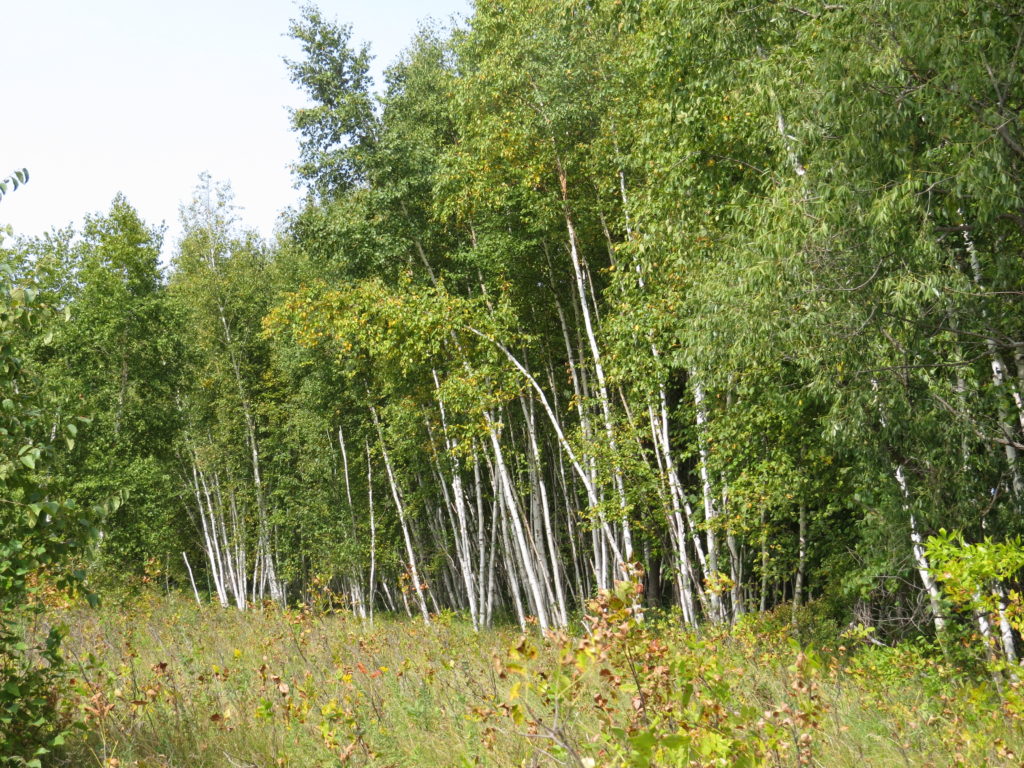
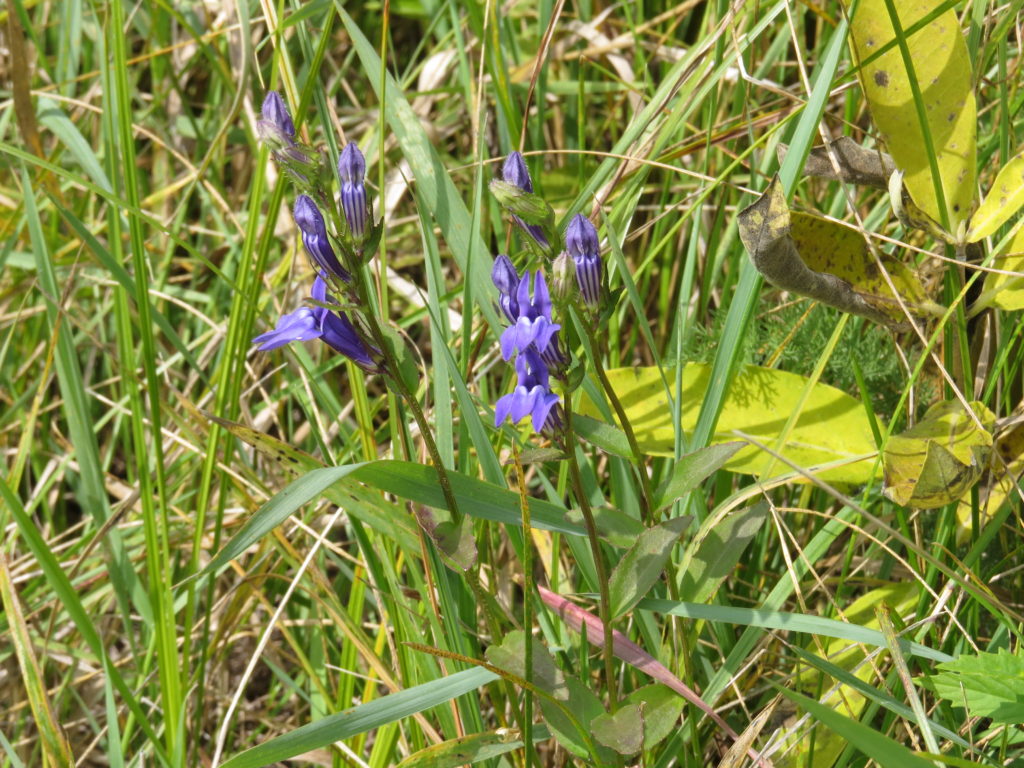
Orange Sulphur butterflies flitted from Aster to Aster in the prairie meadow surrounded by Birch trees, and we found a rare Blue Lobelia wildflower.
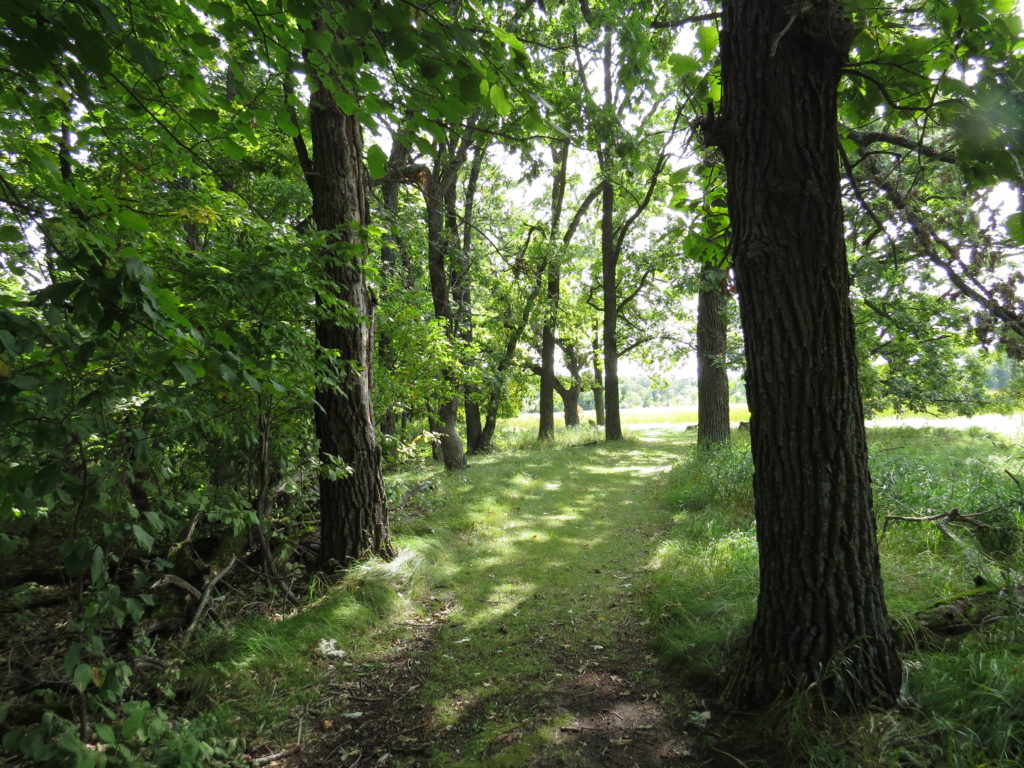
Large Oak Trees grew along parts of the trail. The fallen acorns were so abundant in areas that it felt like I was stepping on a mat of roly-poly marbles.
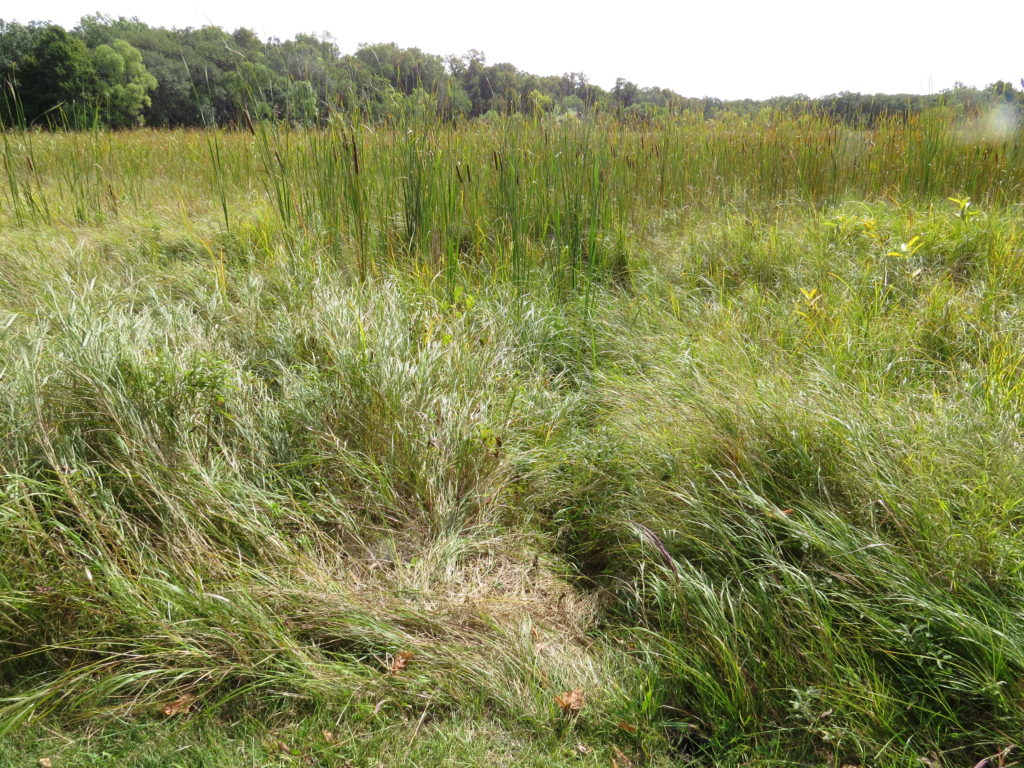
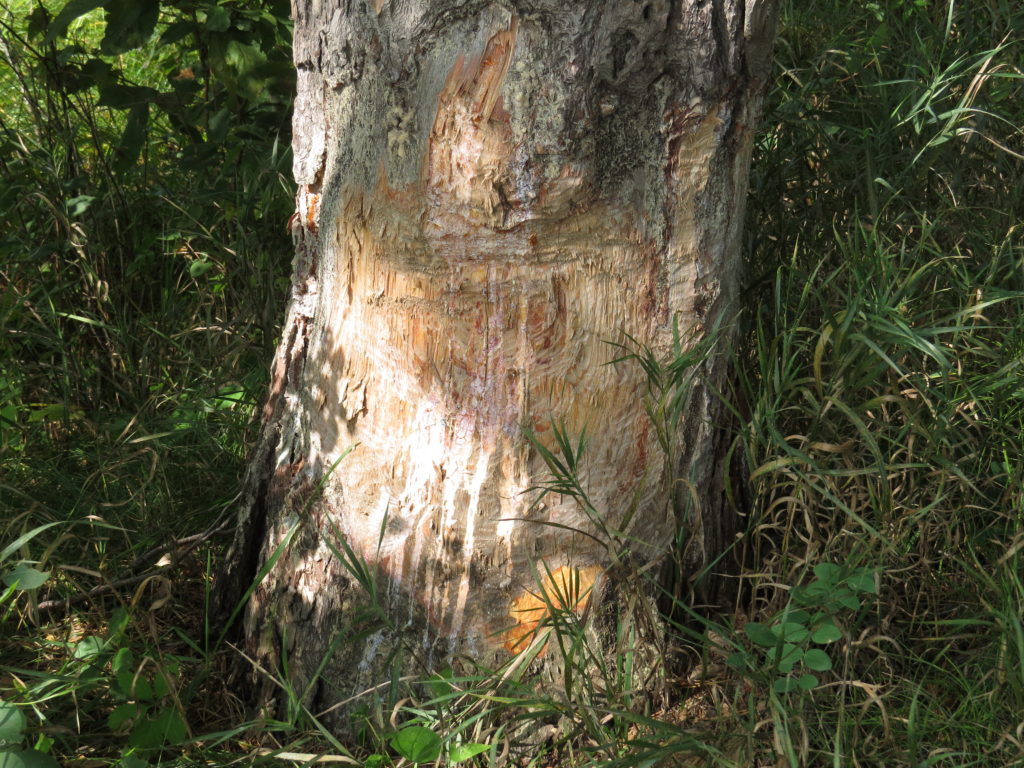
The beaver pond was full of cattails, but we did see open-water trails that beavers, muskrats, and otters had traveled through. We saw trees that had been gnawed on by sharp beaver teeth. The large Pine was a bit too big for dam-building success.
There were signs along the trail that told us of the glory of the park’s previous life—where a tea house was located beside Blanche Lake, where a horse race track once stood, and here at this open space where a golf course used to be. A dog cemetery honored the beloved hunting dogs that had lived and died at Glendalough.
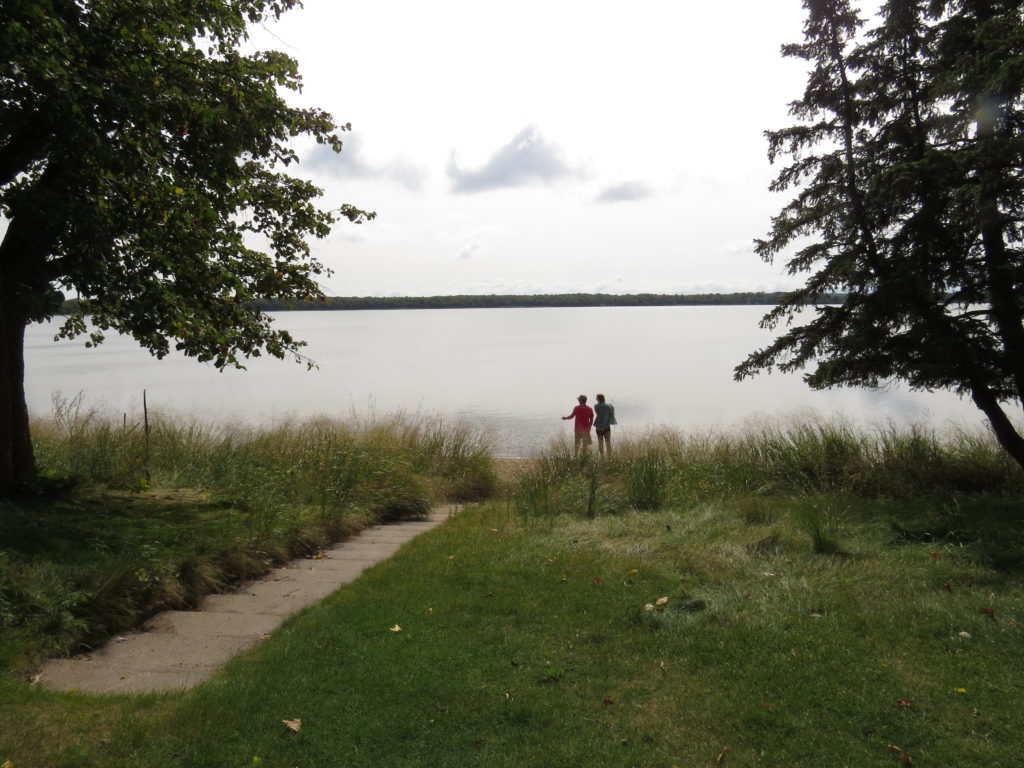
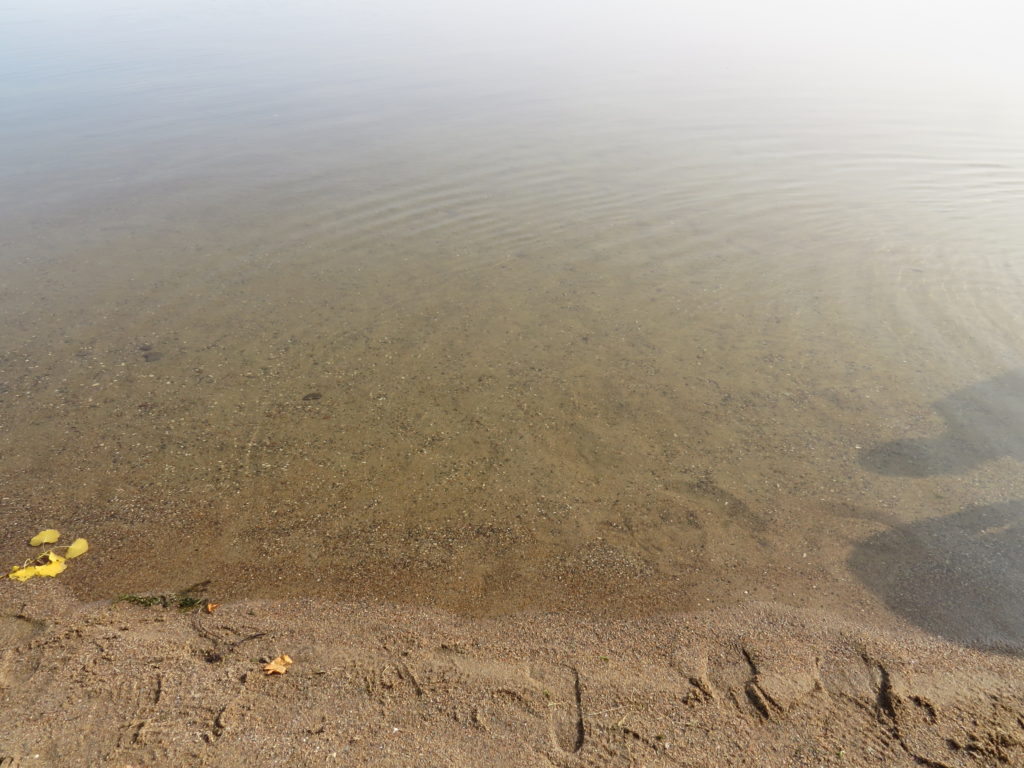
When the runners returned, we had a picnic on the shore of Annie Battle Lake, a fully natural, non-developed ‘Heritage Fishery’ lake restricted to non-motorized watercraft. It was just amazing how clear the water was in all the lakes and creeks we saw! We stepped into the sand and into the clear, cool water.
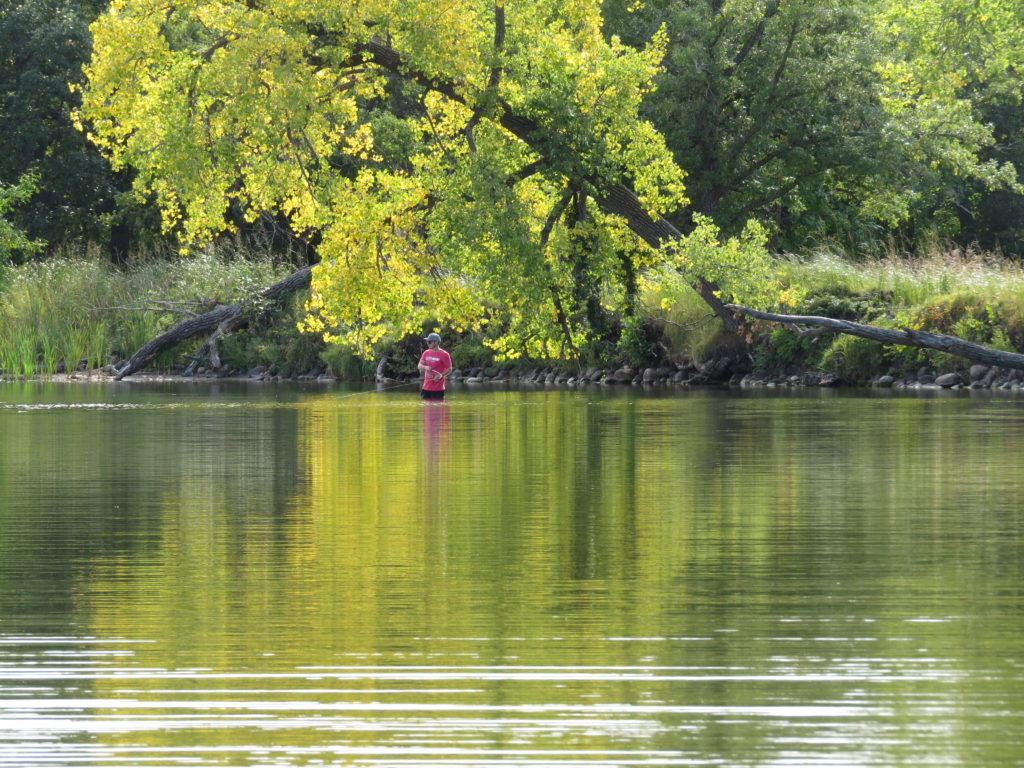
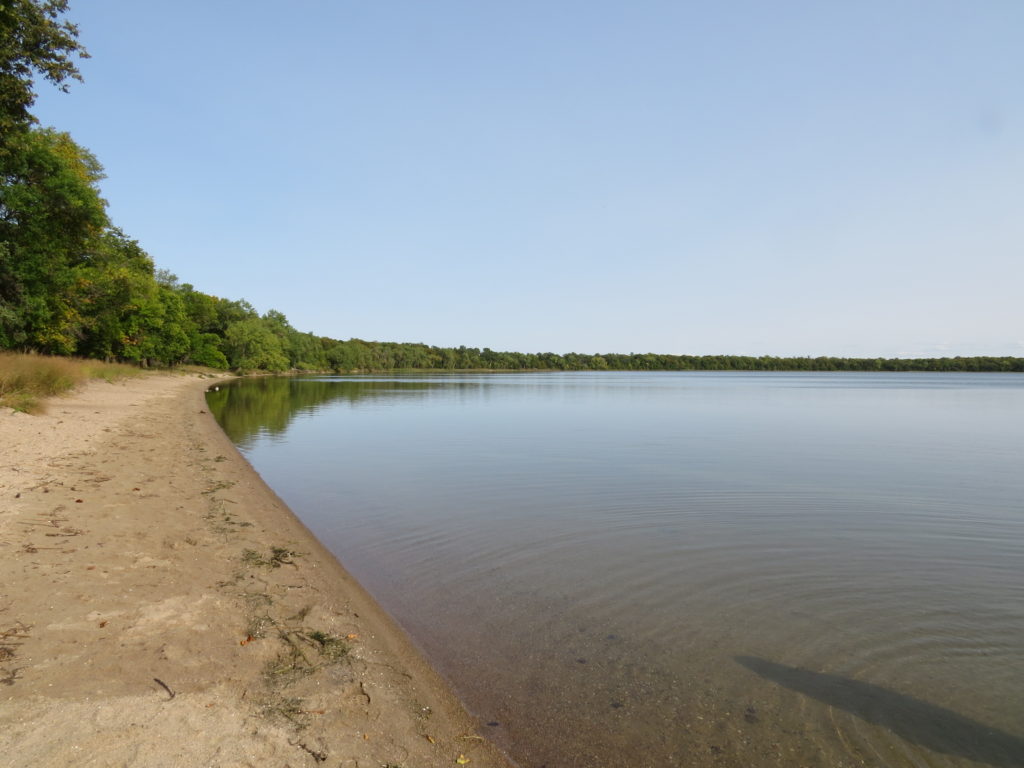
Glendalough, meaning ‘the glen between two lakes’ was named by F.E. Murphy and his wife, both of Irish descent. They created a beautiful, enchanting place that the public is privileged to access. Stepping back into the history highlighted their love of conservation, recreation, work, and friendship. When we step back into our own histories, what do we find? Where do our words come from? Where did our ancestors live, and how do their spirits live on through us? How do we step up for charity? It is endemic in the Christian religion to love God and love our neighbors with unselfish love, even when they don’t look like us. What happens when we step on something that trips us up or makes us lose our footing? It messes with our heads and our bodies. It is our responsibility to deal with the mess and the fallout of our own lives. What happens when we step on shifting sand, when we pledge our lives to false prophets? We misstep into deception, lies, division, ravenous wolves in sheep’s clothing who promise the greatest things while stealing us blind. We need to step into faith, hope, love, and action. We need to step into the clear water.
The Face of the Water
The face of the water, in time, became a wonderful book… and it was not a book to be read once and thrown aside, for it had a new story to tell every day. –Mark Twain
My face no longer has the roundness and smooth silkiness of youth. Gone is the brightness of eye and cheek that glowed in young adulthood. The perpetual optimism of my smiling lips has waned a bit, and my braces-straightened teeth have slipped back to some crookedness. The smile lines are etched into my skin, no longer disappearing with my smile, as are the worry lines between my brows. My face reveals the story of my life, unabashed by the sorrows and joys that have ravaged and lit up the cells of my countenance.
We went to Mark Twain’s river, though much farther north of his Hannibal, Missouri home, farther north than our home close to the same river, up to Crow Wing State Park. The last time we were there was mid-March, when Covid was beginning to shut things down, when snow was still piled around the picnic tables, and ice still covered the Mississippi. Now, the tannin-rich water reflected the blue of a clear summer sky, and lazy ripples formed the features of its face.
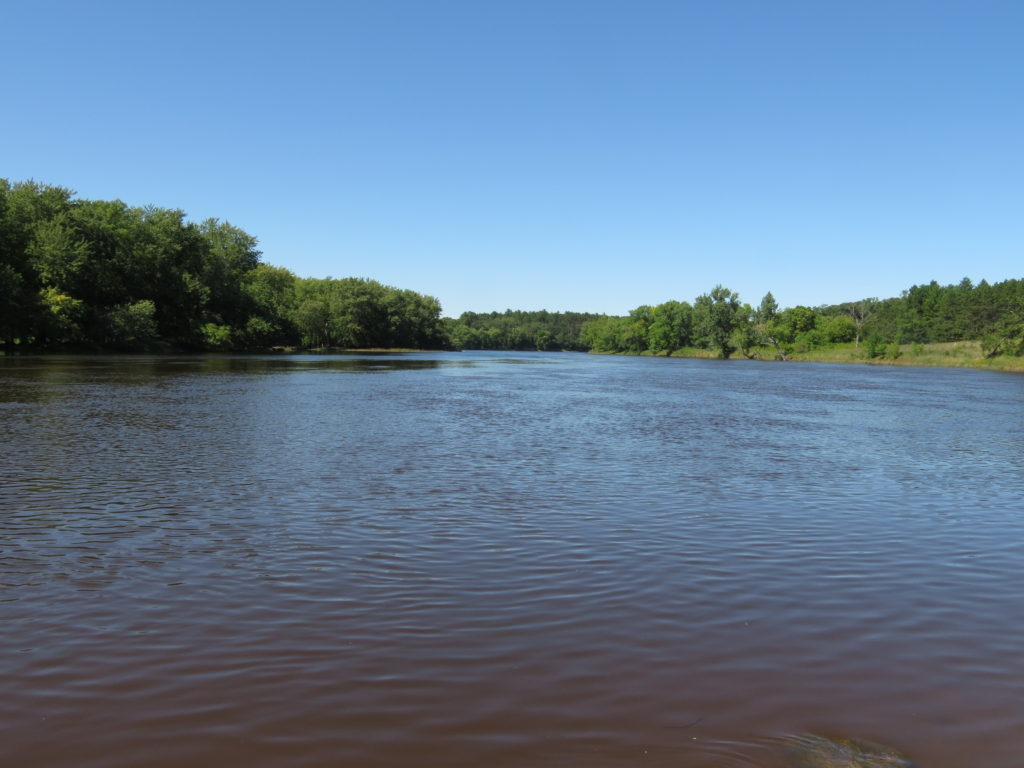
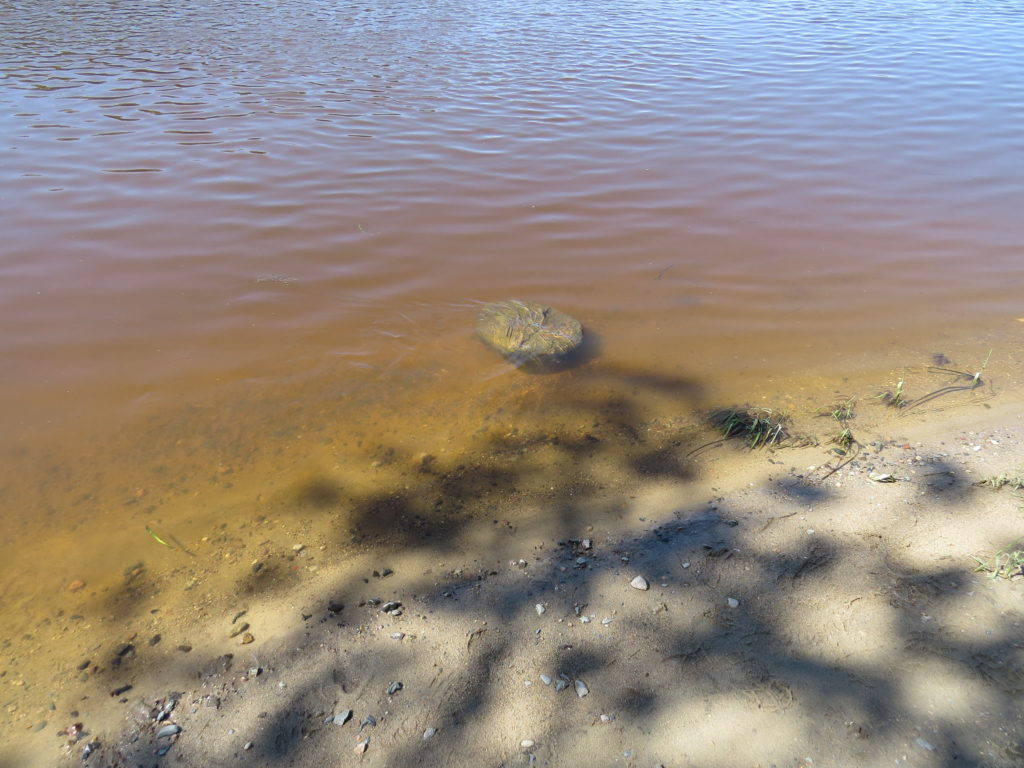
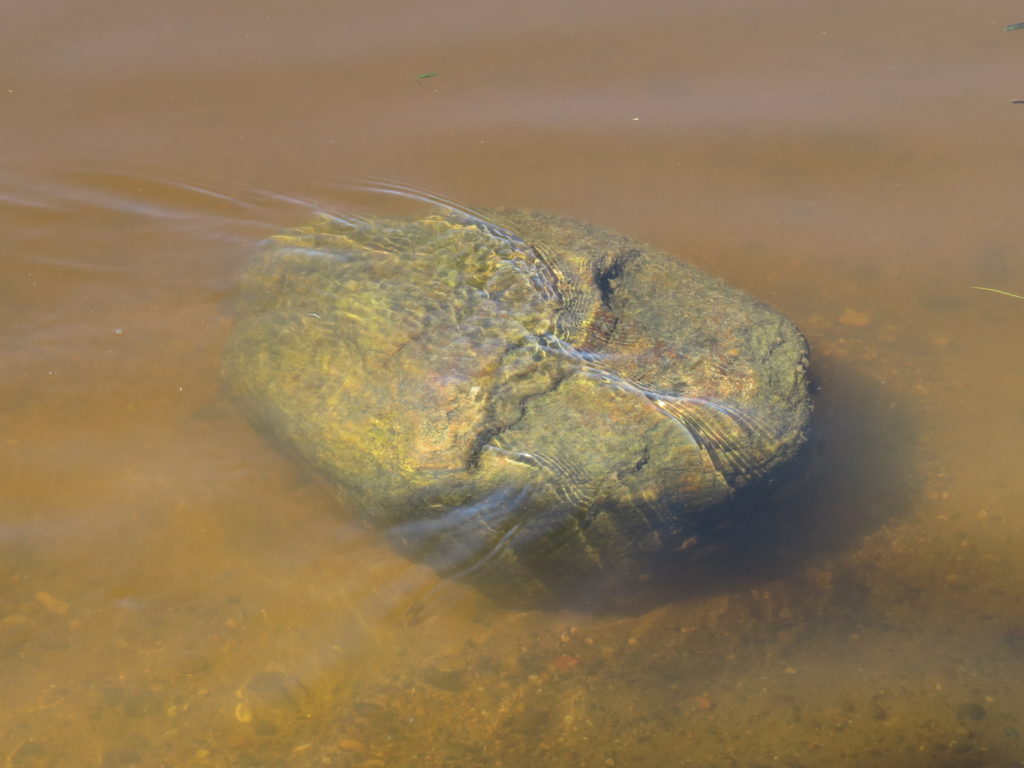
Speckled leaf-shadows lead to a rock in the River. It was just big enough to catch the river and add lines to the shore-bound water, reflecting agate-like on the face of the rock.
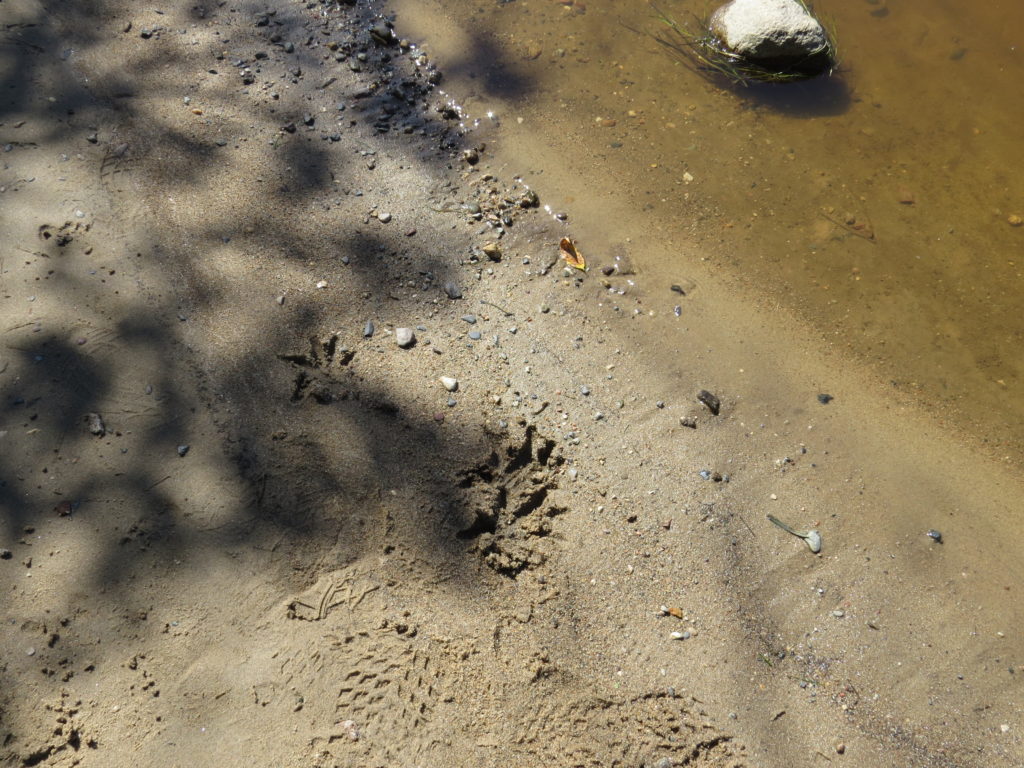
Wild Turkey tracks were dug into the wet sand alongside the human kind. What story do they tell?
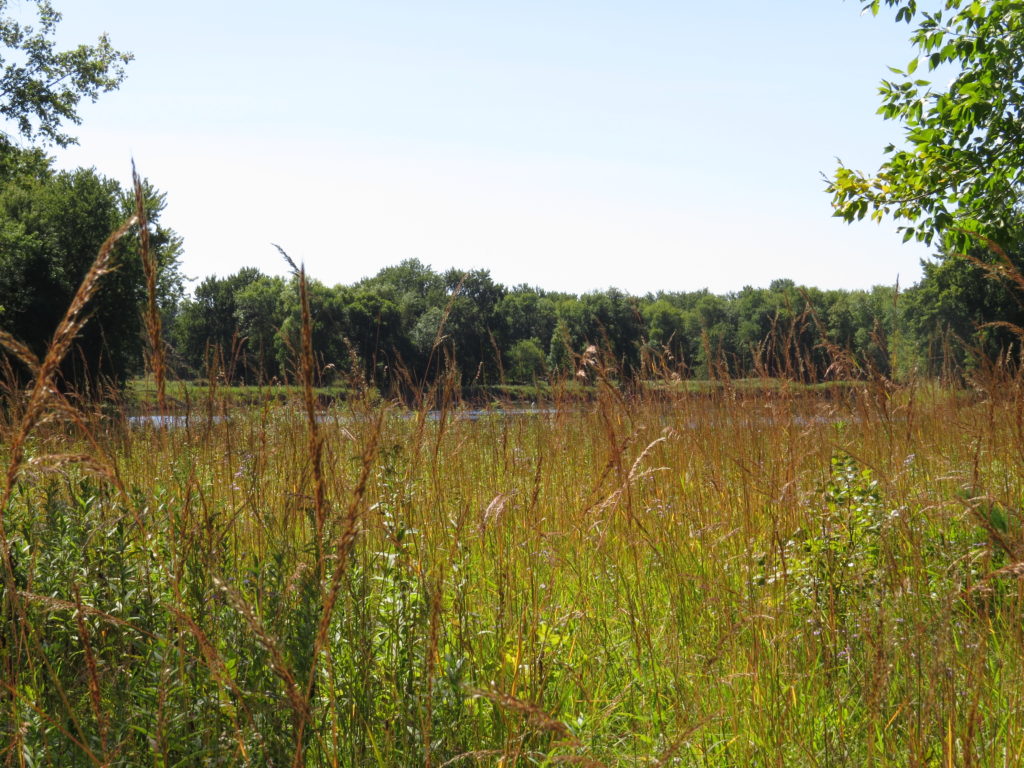
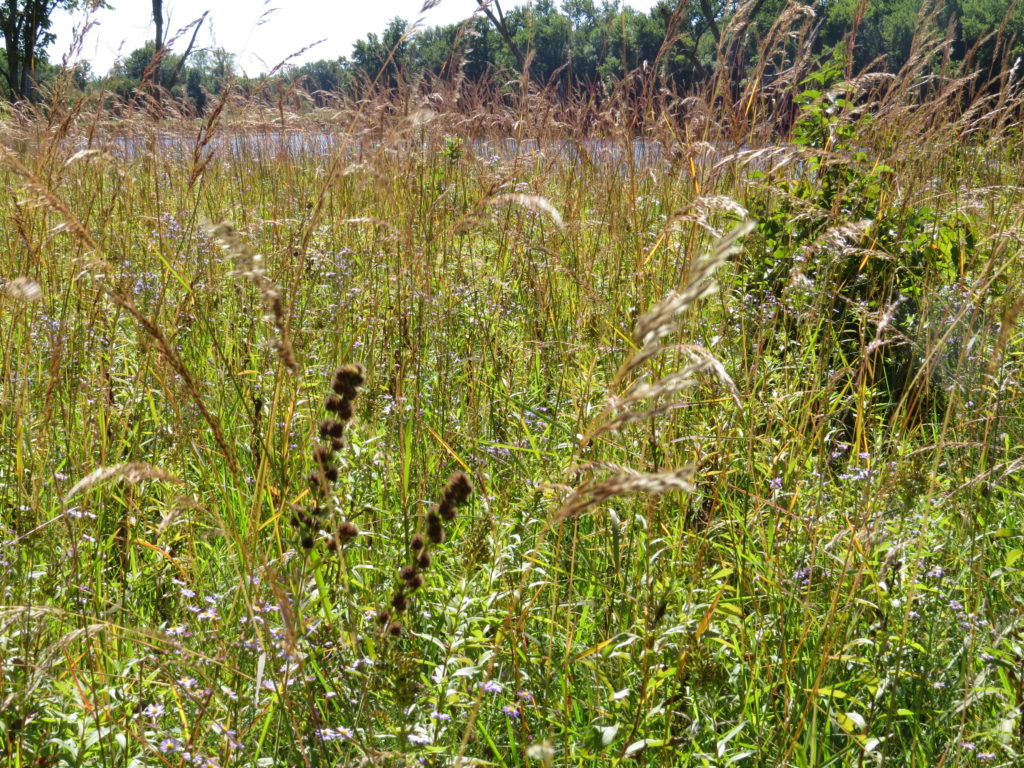
Prairie grasses and wildflowers grew tall between the trail and the River, obscuring a good look at the Mississippi. We knew it was there. Glimpses of blue came through in the background. But the Indian Grass and purple Asters grabbed our attention.
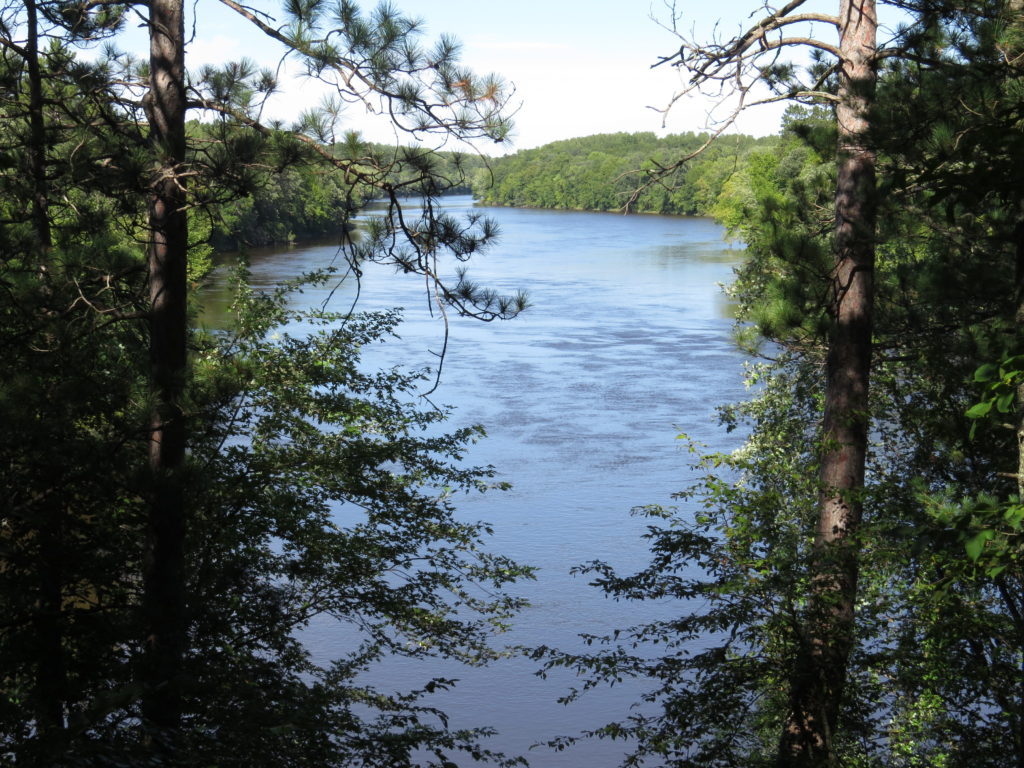
We followed the Red River Oxcart Trail along the point of land the River curved around to Chippewa Lookout. Tall Pines framed the view of the Great River—until it disappeared around the bend. What lies beyond our sight? What does the next page tell us?
The water shows us a reflection of the grasses, the trees, and the sky; though it gives us a view of the environment, it is not ‘true’ to form. Wind and rain can distort the reflections—a re-telling of the story of the surrounding flora and firmament.
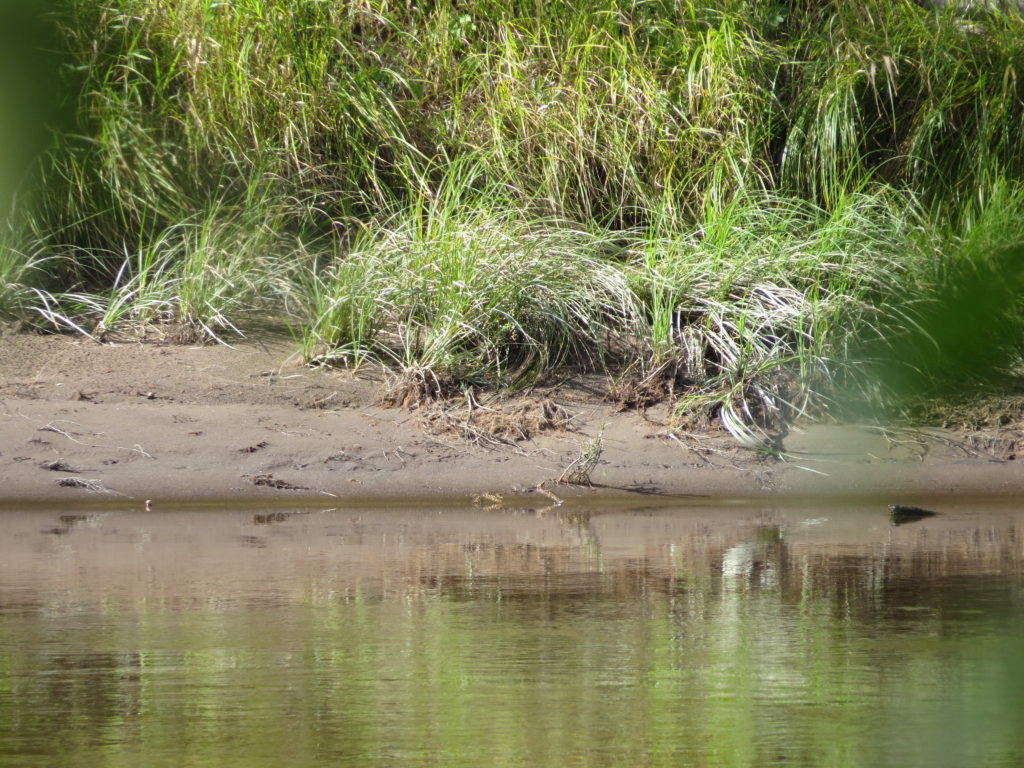
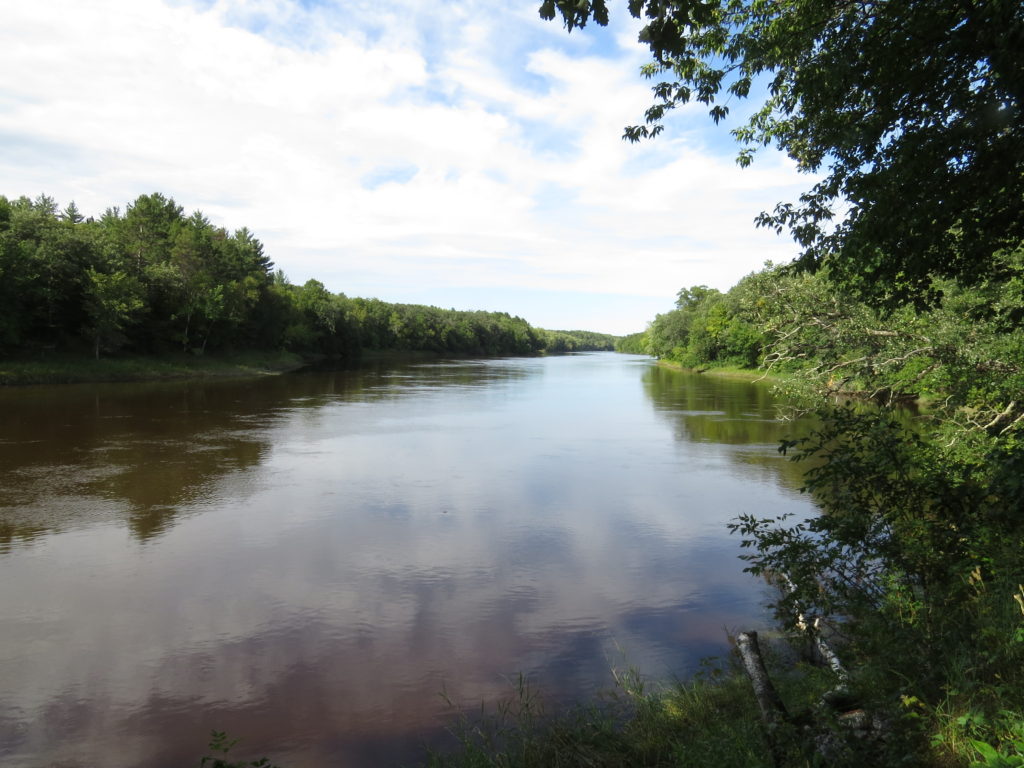
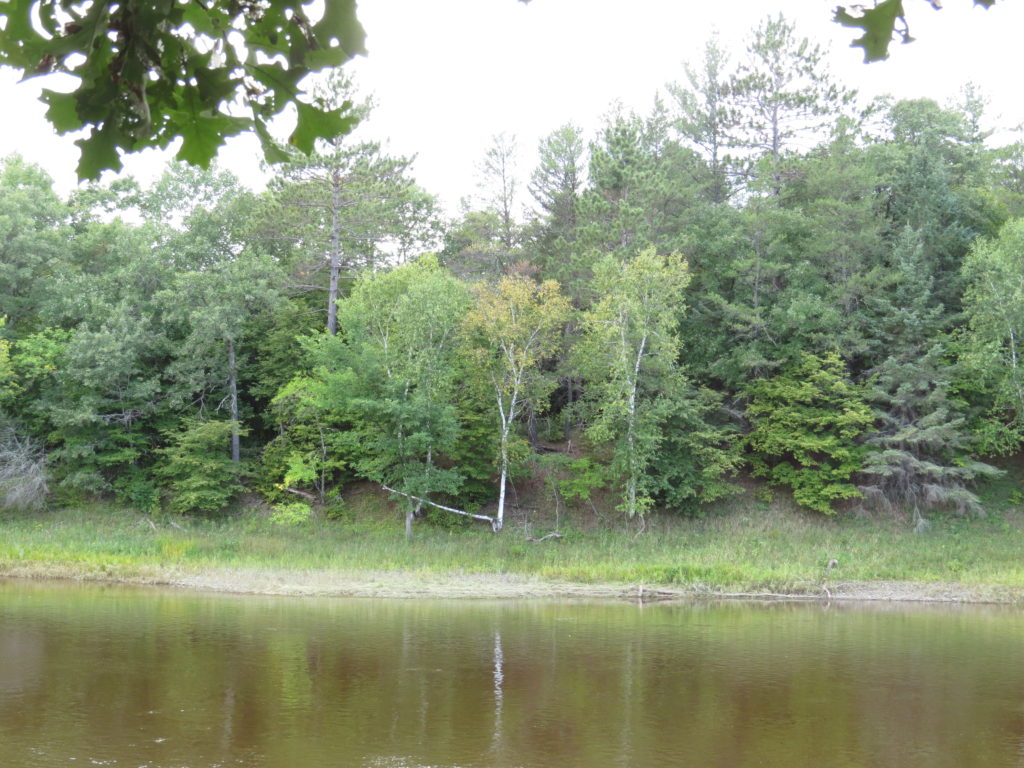
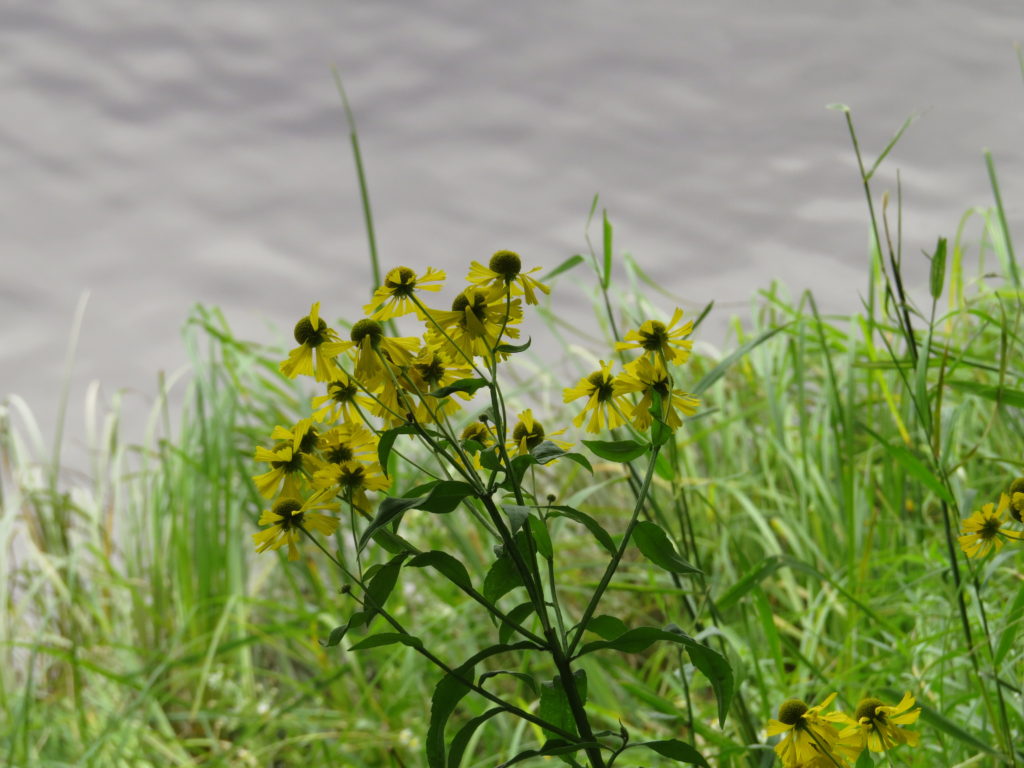
The face of the water is background to a wide array of characters, like Sneezeweed, Red Pines, Birch trees, and Ash. The characters grow and change and have stories of their own. Sneezeweed (Helenium autumnale) is an aster, a late summer- and fall-blooming plant who likes to grow in sunny swamps and beside water. The story of its common name? Its dried leaves were once used as ‘snuff’ and induced sneezing.
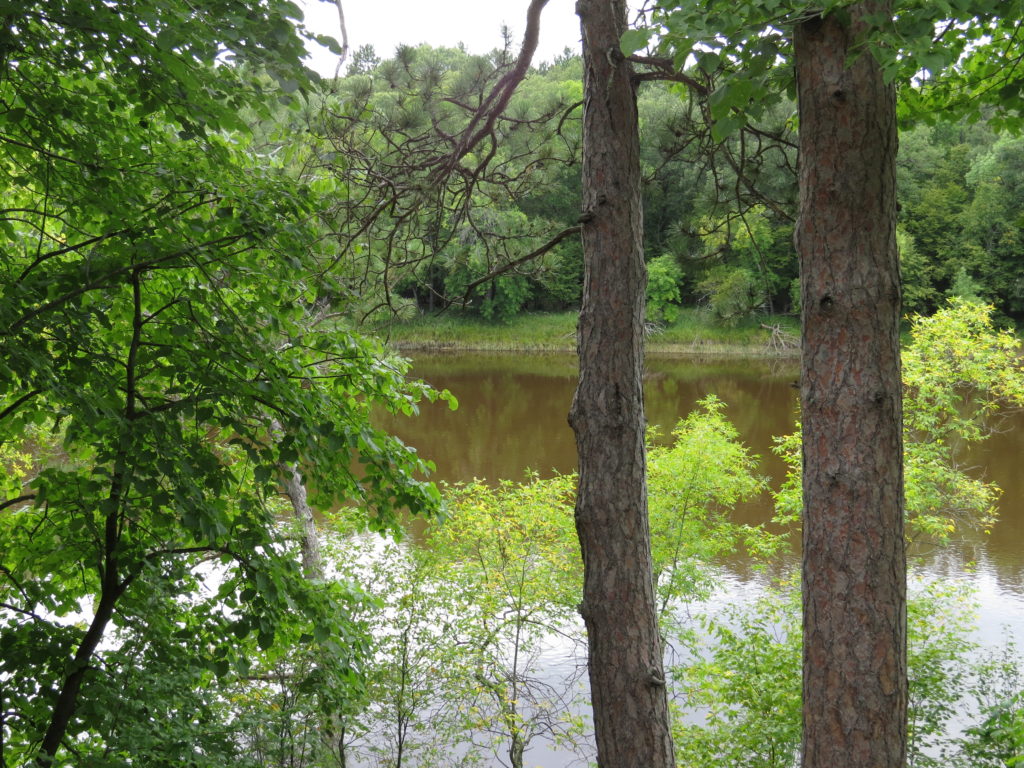
I never tire of the River—or the woods—or the prairie. Like Mark Twain said, it is not a book to be read once and tossed aside. It has a new story to tell every day, every hour even. We are the main character in our own stories. Many things distort or cover up the true chronicle of our lives; it’s hard to shake out the plot—the burdensome details and less relevant characters get in our way. Our reflections often do not show our true selves. In other words, our stories are messy. They obfuscate our purpose. And yet, isn’t that what a good book does? What if the writing, the reading, the living of the book of our lives is exactly the right thing, messes and all? What if our reflections are actually more beautiful than what we see? My face, with time, has many stories, many chapters. With time, I have accepted the lines, the less-than-perfectly-straight teeth, the worn look of my eyes. In fact, I love it now. I look at my face and appreciate the sorrows and joys that have left their marks, underlining and highlighting those impactful moments. With time, my face has become a wonderful book. I wonder what new story is on the next page?
Change is Coming
Love is the River and the Bridge
One of the satisfying aspects of growing older is looking back at the line of your life and noticing how you have changed. I don’t mean only in physical appearances, though certainly they are the most apparent changes. Gray highlights, added pounds, lines that accentuate the movement of your face over the years. How has your spiritual life changed? Your politics? Your ability to handle your emotions? How has your thinking matured? Your wants and needs? How have the things you deem ‘important’ changed from when you were younger? My guess is, that like me, the path of your life has changed and moved and morphed.
On the high prairies of Buffalo River State Park, one can see a line of trees that runs alongside the winding Buffalo River. Before reaching the river from the prairie, there is a huge drop-off, then a wide flood plain where the trees have grown. Chris and I wondered if they named the river from the fact that buffalo ran or were chased through the prairie grasses off the cliff to their death.
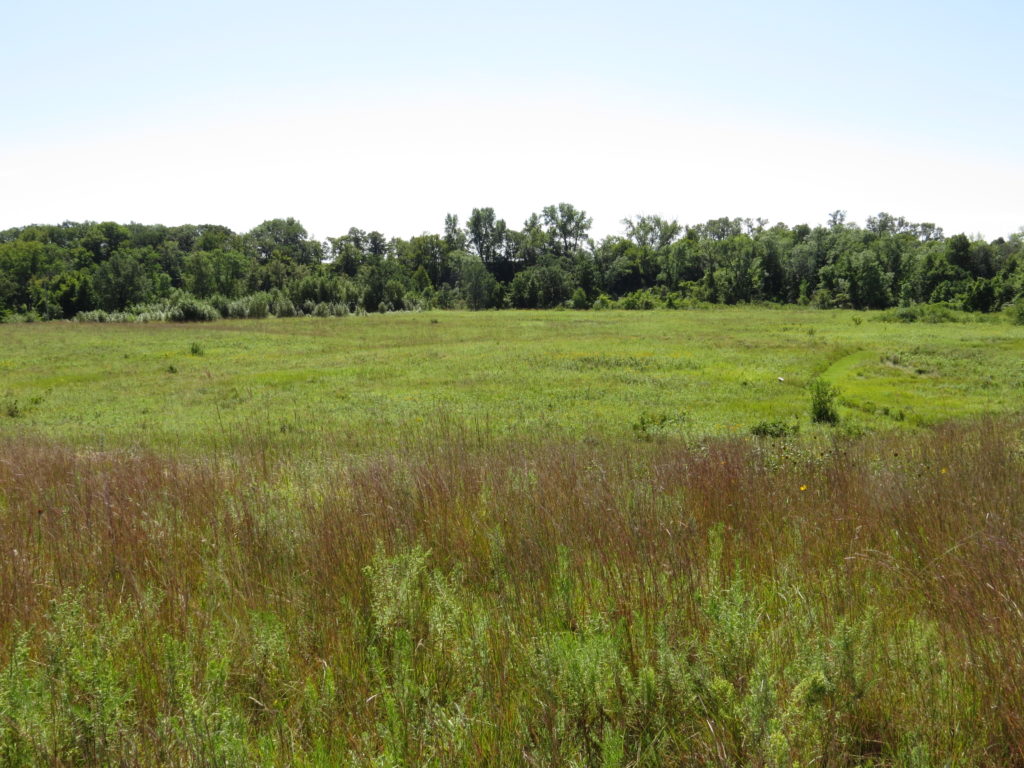
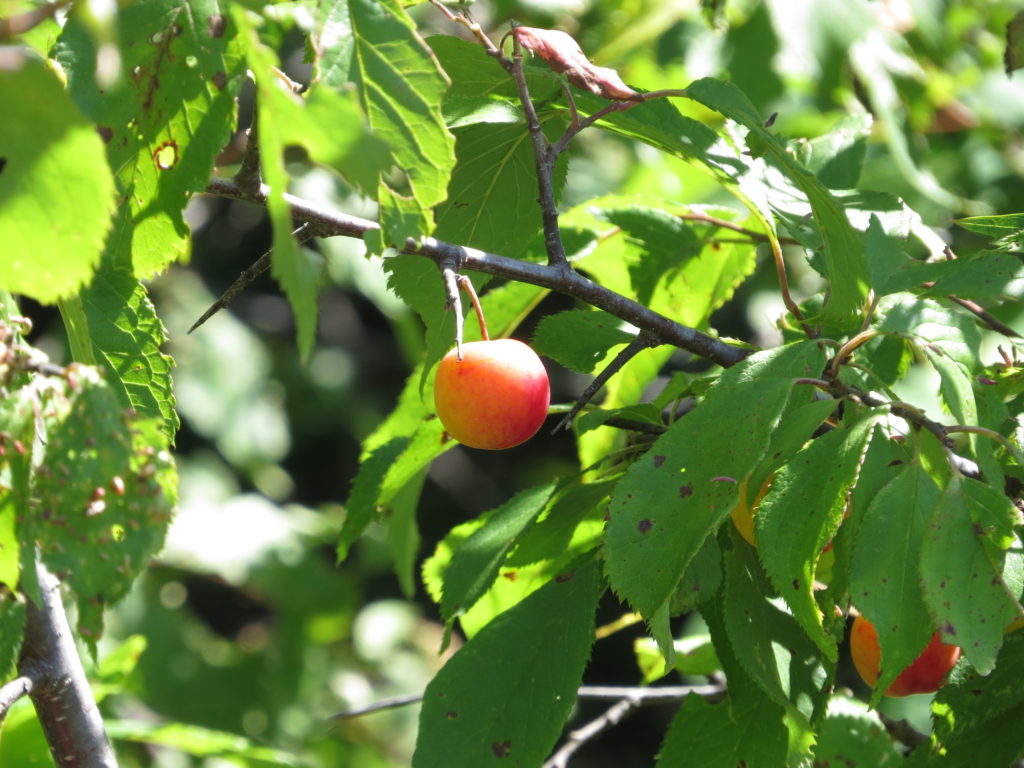
We walked from the prairie down a path by a draw that opened up to the flood plain. Shrubs were changing to fall colors, and Wild Plums were ripening.
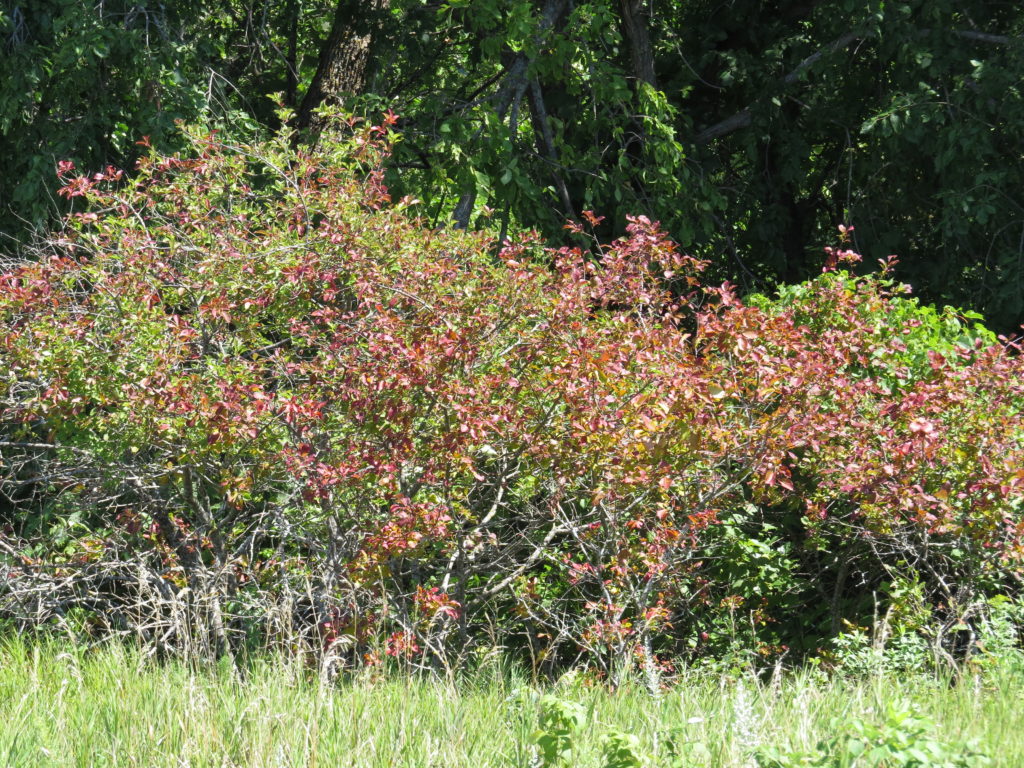
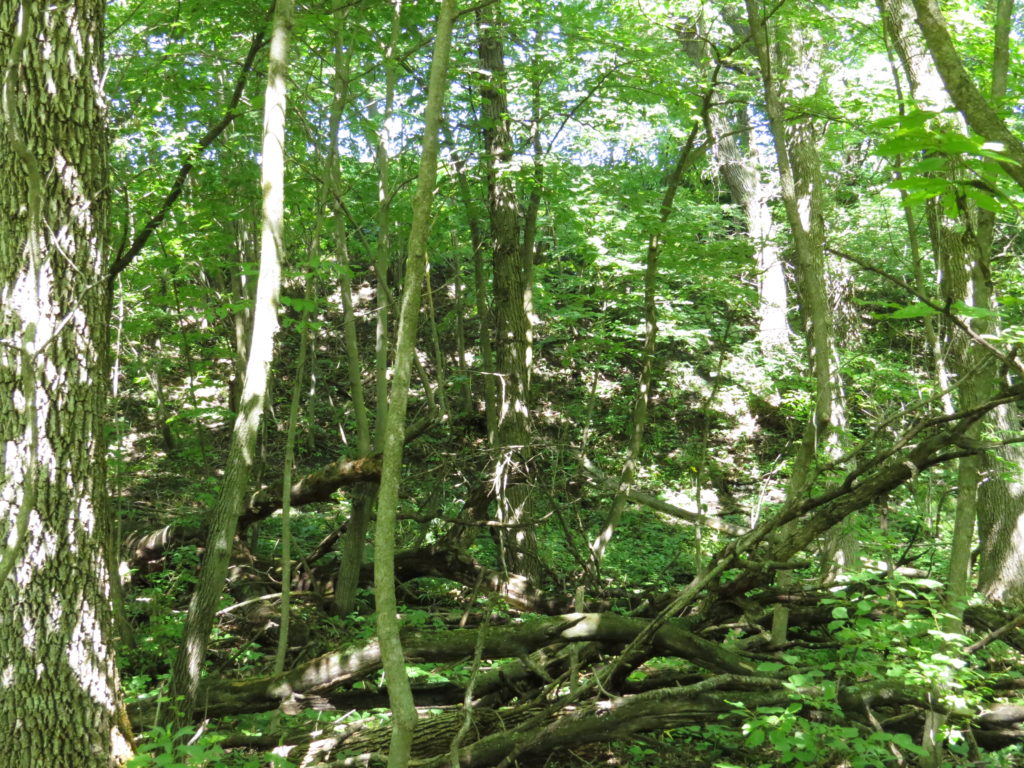
The cliff from prairie to flood plain is called a ‘cutbank,’ a steep bank where a river runs against the side of a hill, undercutting and eroding it. It produces a wide plain of underlying sediments. It also illustrates that over time, the path of the Buffalo River has changed—first cutting away from the north bank, then the south bank (or east and west depending on where the winding river is flowing.) We walked on the floodplain, looking up on the steep cutbank that has been populated by trees.
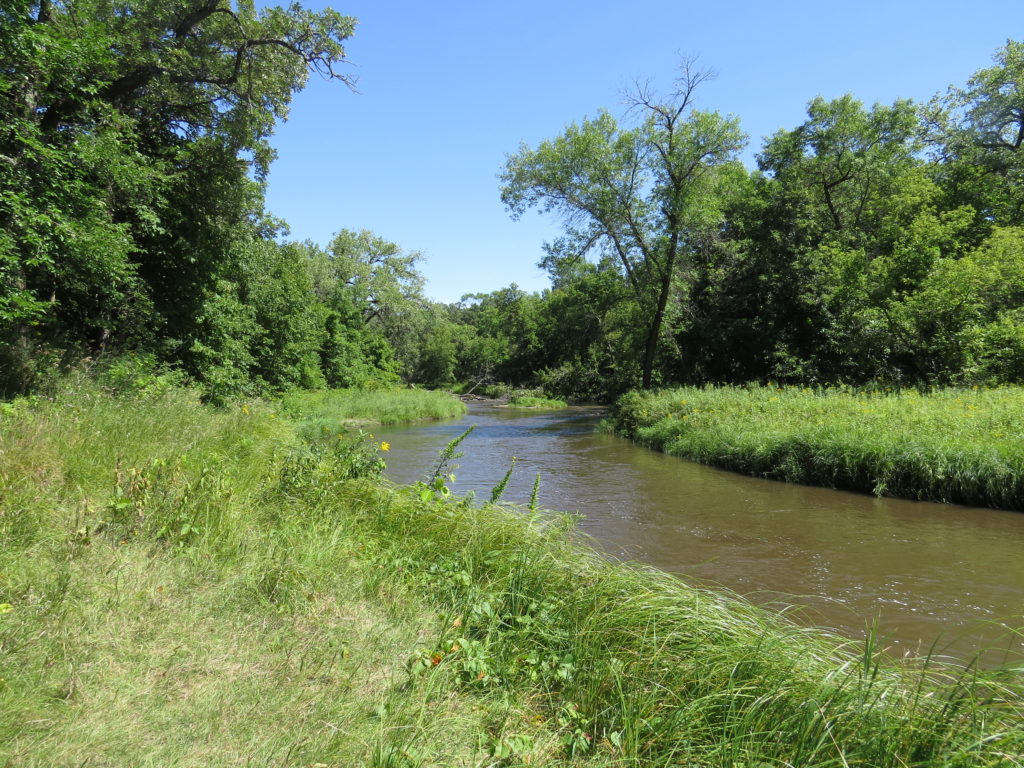
The River was high, swift, and muddy from the strong storms that had pushed through Minnesota and brought tornado warnings and those fabulous mammatus clouds to our doorstep two days before.
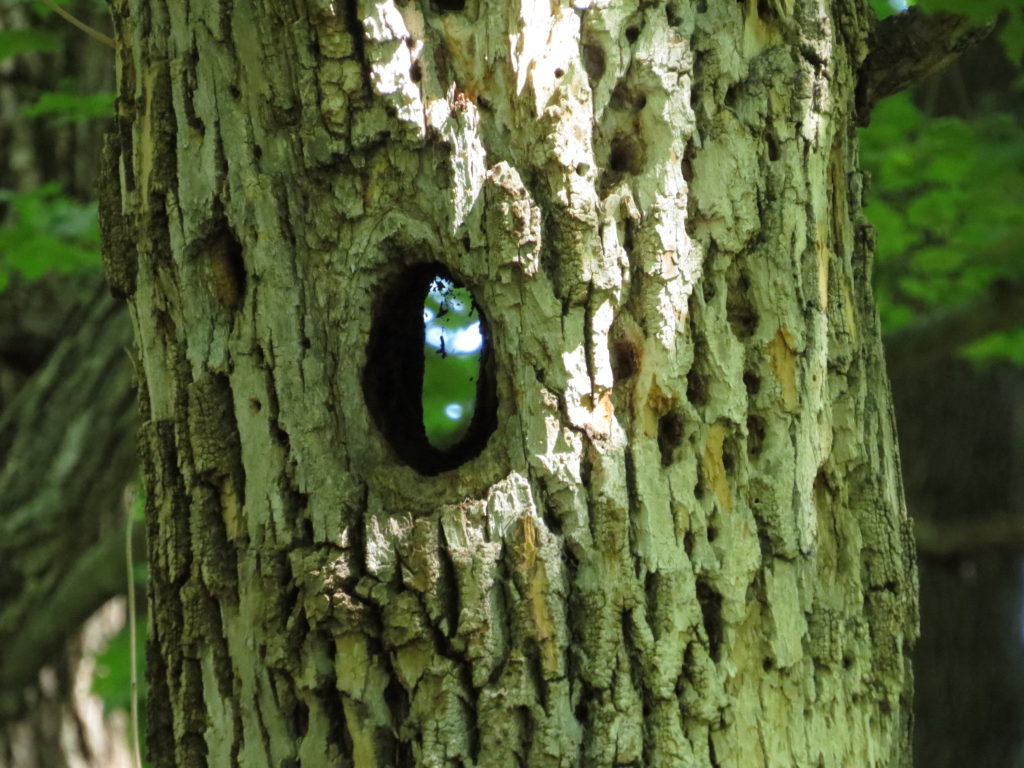
The mosquitoes we were hoping to foil on the prairie found us as we walked along the River through the trees. One particular dead tree was riddled with woodpecker holes—one even went all the way through it. We could see from one side to the other through something that normally would not allow such a thing.
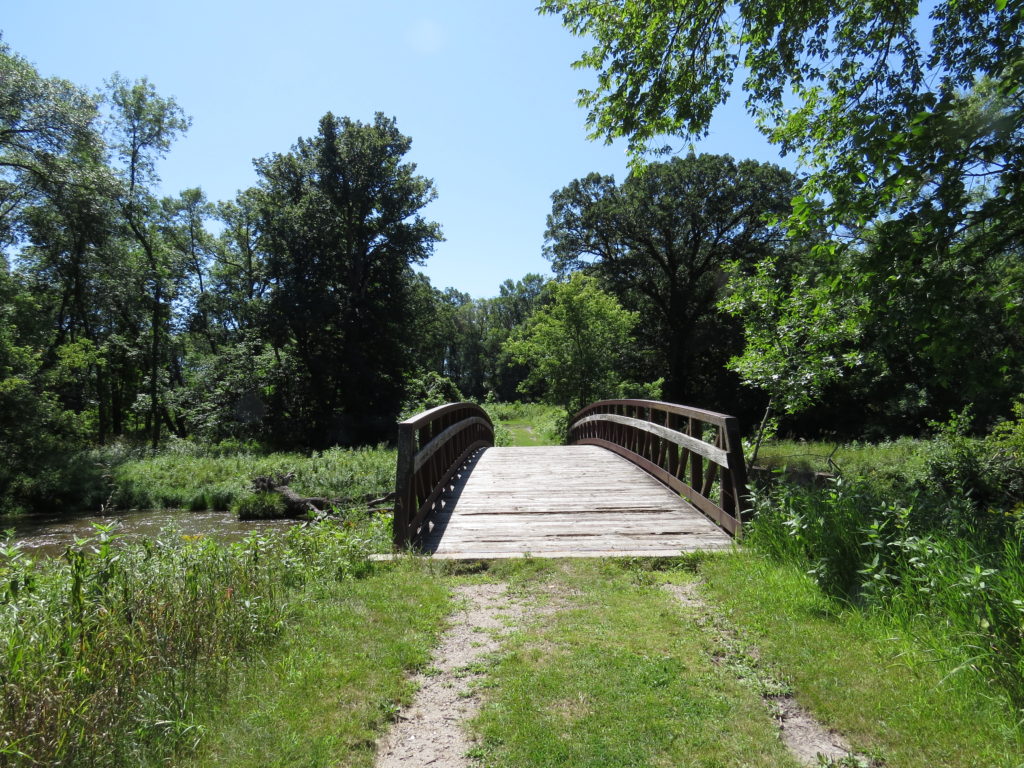
Speaking of one side to the other, eventually we came to a bridge where we could cross the River to explore the uplands of prairie on the other side.
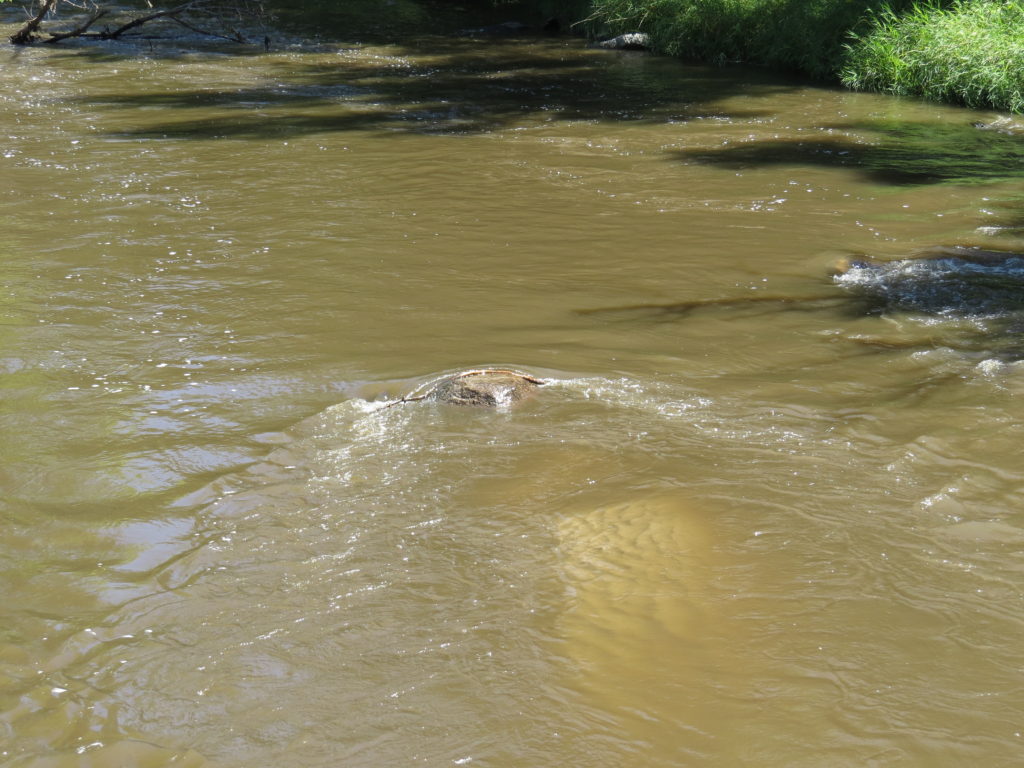
The muddy water flowed around a large rock in the middle of the River, depositing sediment in the wake of it. The resistance caused the build-up.
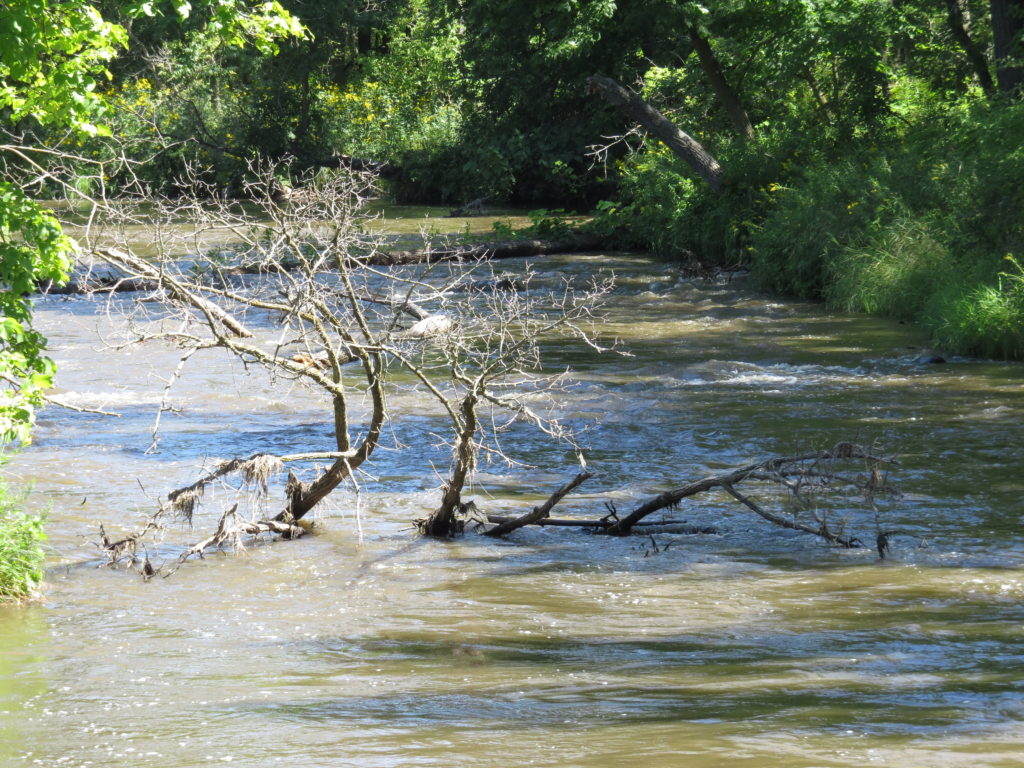
Up river, fallen trees dammed up the flow of the water, piling up debris as the River flowed on.
The prairie resumed on the other side of the River—grasses waving, flowers blooming, butterflies lighting, and seeds dispersing.
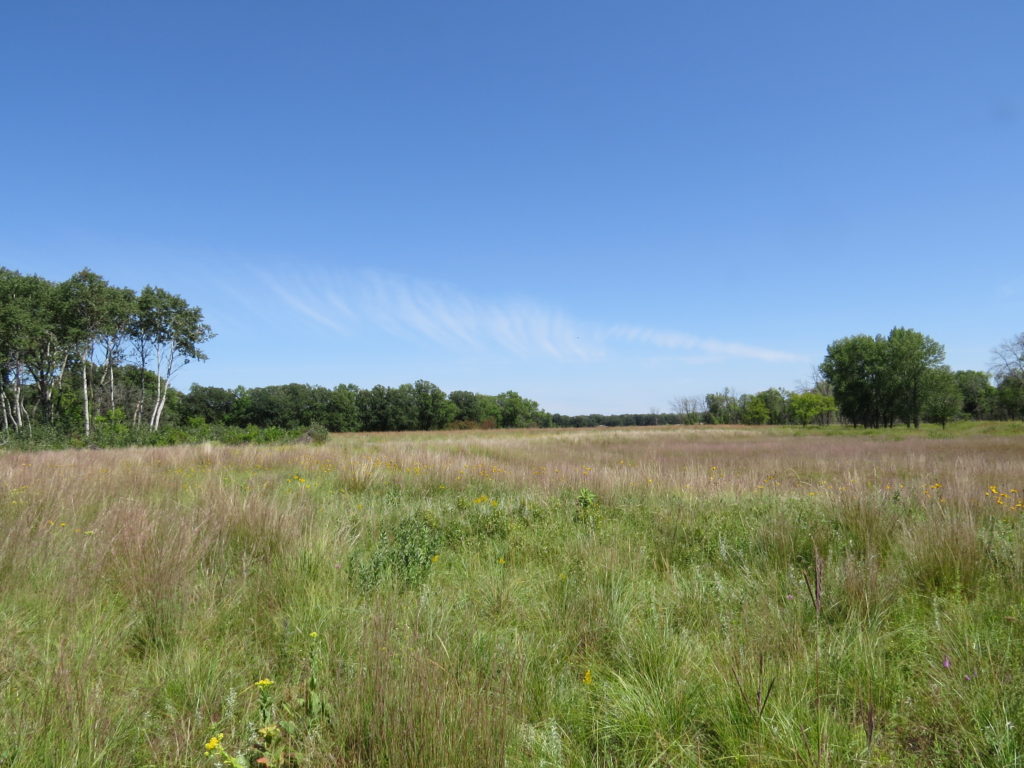
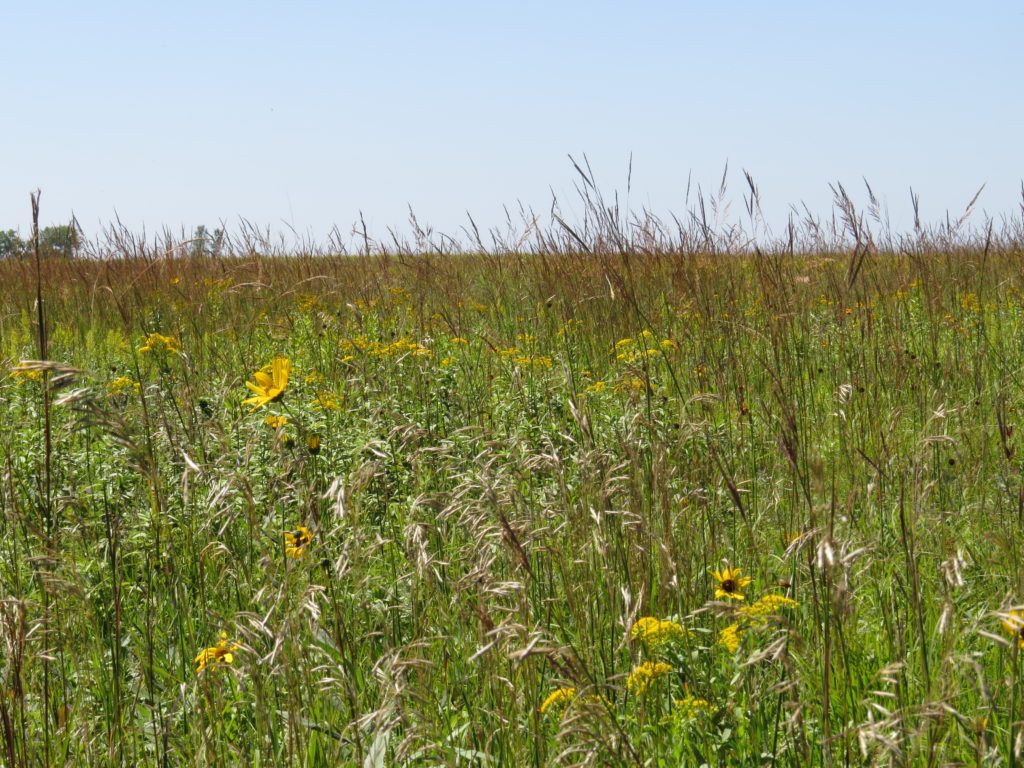
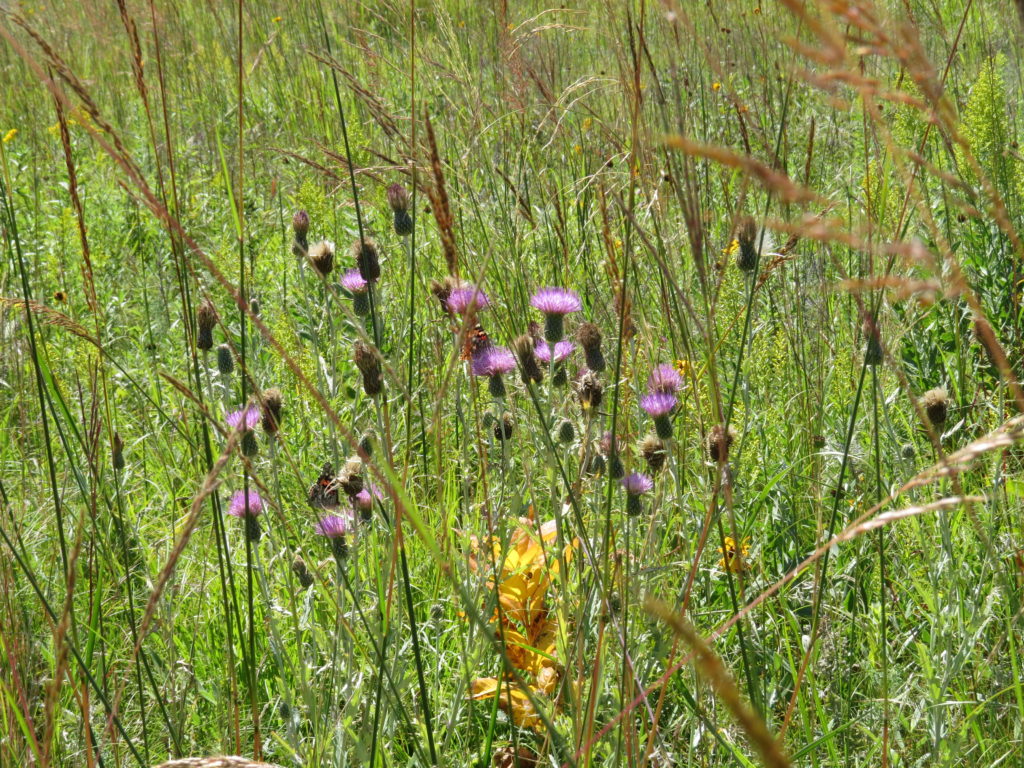

One could not distinguish one side of the prairie from the other—each has a myriad of grasses and colorful flowers. Both have cutbanks, trees, and mosquitoes. Both have butterflies, seeds, and seedlings. The Buffalo River runs through it. And the Buffalo River has moved and changed over time.
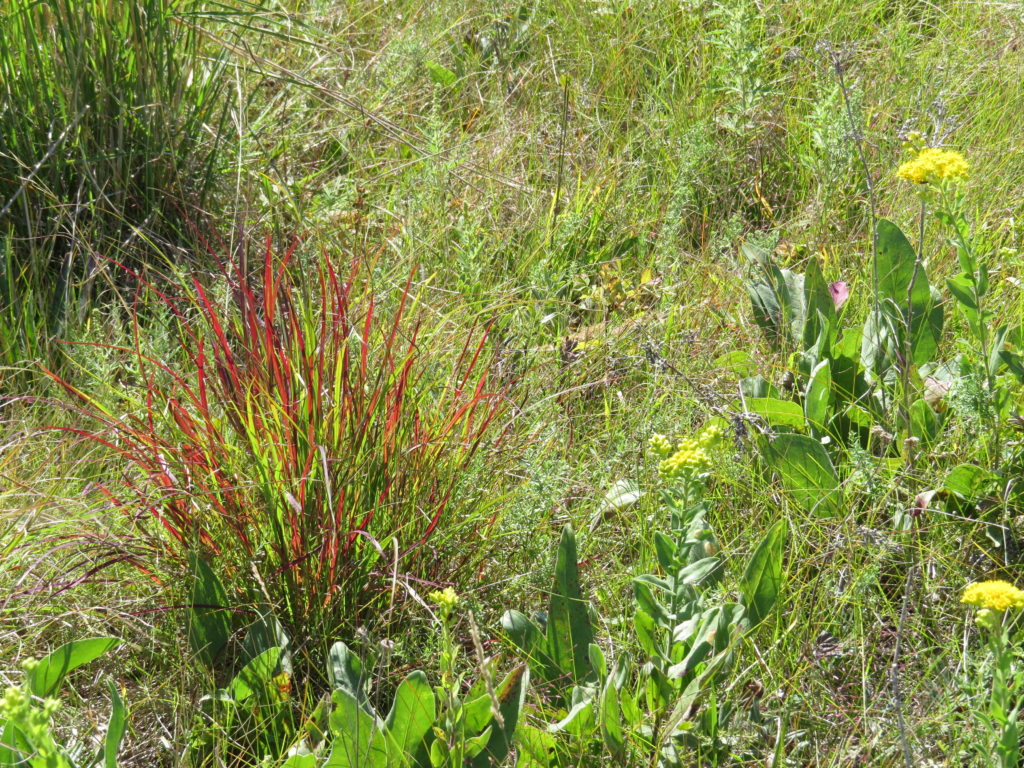
The long view of life changes and evolves. This place used to be a glacier, then a sea, then a prairie with glacier-deposited erratic boulders with a River that runs through it. Even the River has changed course in the relatively near past. We do the same. Civilizations change. Societies change, and each one of us changes in the course of our lives. So how have you changed? And more importantly, what happened to you that led to those changes? Our development from infant to elder includes changes to our physical selves imprinted in our DNA, the expression of which is influenced by our environment. Our personalities and experiences influence our thinking, our emotional responses, and our actions. The River of Life runs through us. What rocks of resistance are impeding the flow? What kind of debris is getting in the way? I think for most of us we want to be better than we once were. That desire is the cornerstone of failure and forgiveness. It is the challenge of our physical, social, political, emotional selves. What allows us to see from one side to the other? What allows us to walk to the other side? What reminds us that we are grasses and colorful flowers with seeds and seedlings that all live together in this world? Love, and I mean that with a capital L, is the river and the bridge. Let it flow through you and allow you to walk to the other side.
Here in All Their Beauty–Then Gone
Death has imbued my mind over the last week. It was the one year anniversary of Chris’ brother’s death, and I wonder how it can be so long already. It still feels unreal, like it didn’t happen, that maybe when we go back to Kansas City, he will be there. Then a dream of walking with my cousin through a garden adorned with art sculptures of cars, then realizing it was a cemetery for people who had died in car accidents. A dream of talking to my Dad at a party, and he died almost five years ago now. Then a brother of a friend of my daughter died in his mid-30’s—so, so young. And that makes me remember with a heavy heart the death of one of my greatest friends who died at the age of 34. We worked together at church camp on the prairies of South Dakota, and we took an epic horseback ride across the state from the North Dakota border to the Nebraska border. We both loved the prairie.
We come and go, but the land will always be here. Those people who love and understand it are the only ones who really own it—for a while. –Willa Cather
Last weekend Chris and I went to Buffalo River State Park, one of the largest and best of Minnesota’s prairie preserves. Our main idea was to foil the mosquitoes who have been swarming us in the woods and go to the sunny, wind-swept prairie where mosquitoes are less likely to bother us. And then there’s the thing that happens to my soul when I face an expanse of grass and sky—I am filled with goodness and calm.
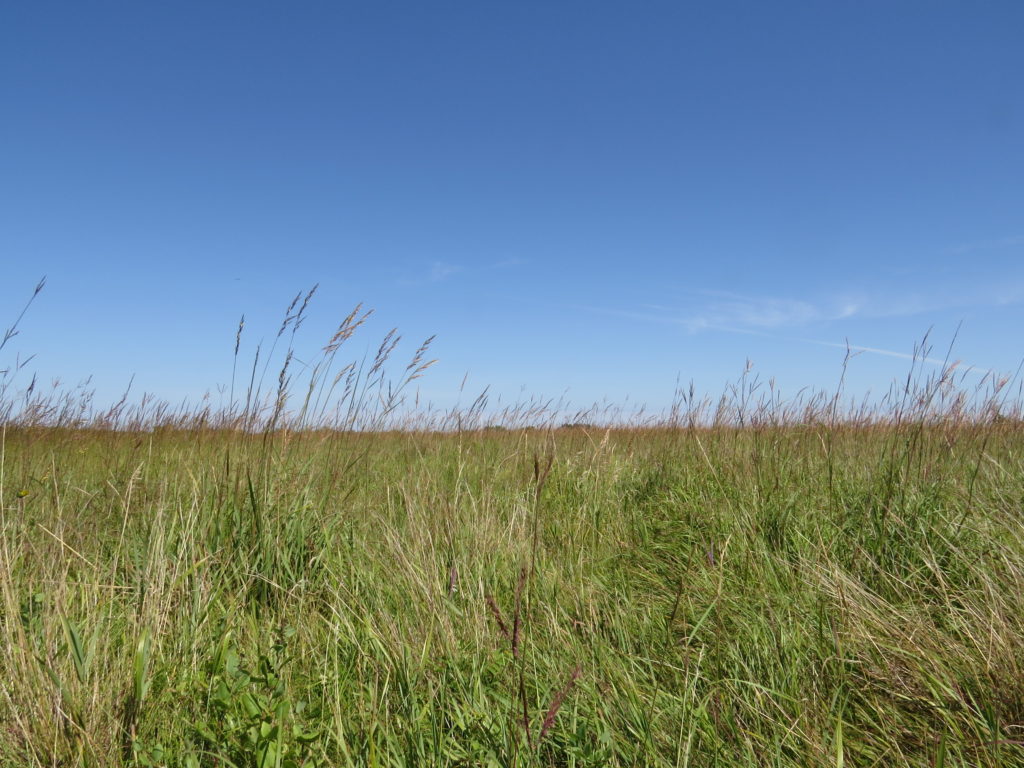
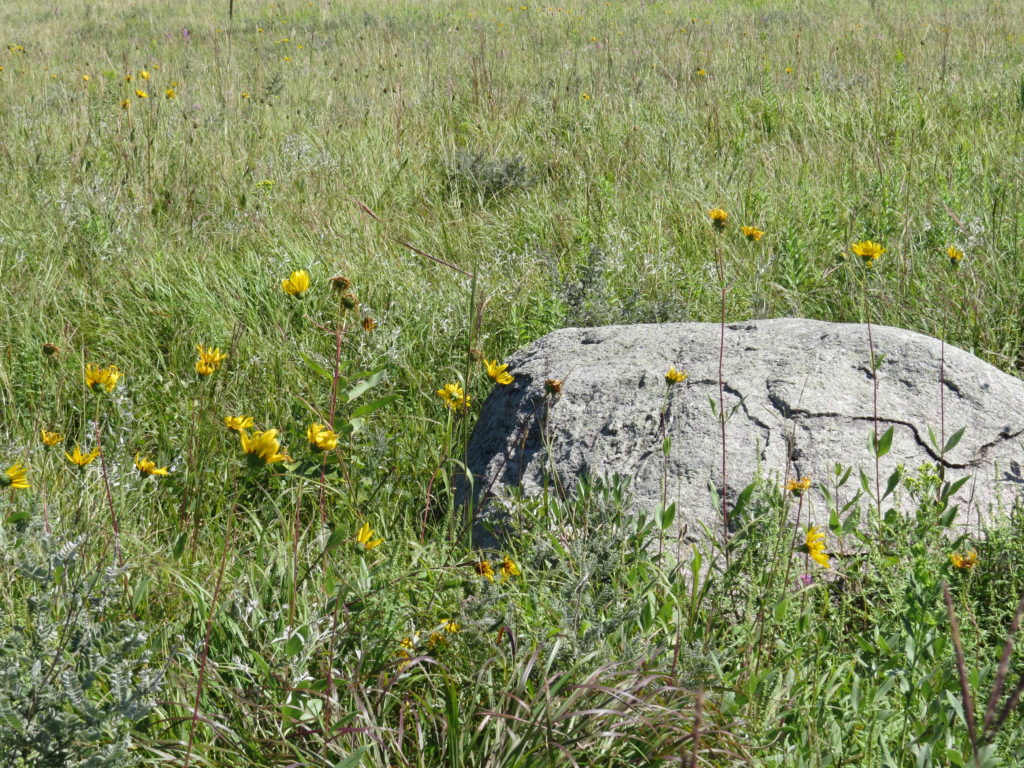
Side by side we walked the mowed path through the prairie. Occasionally there would be an erratic boulder lying amidst the grass, boulders that were deposited there by the glacier eons ago. And they are literally called ‘erratics.’
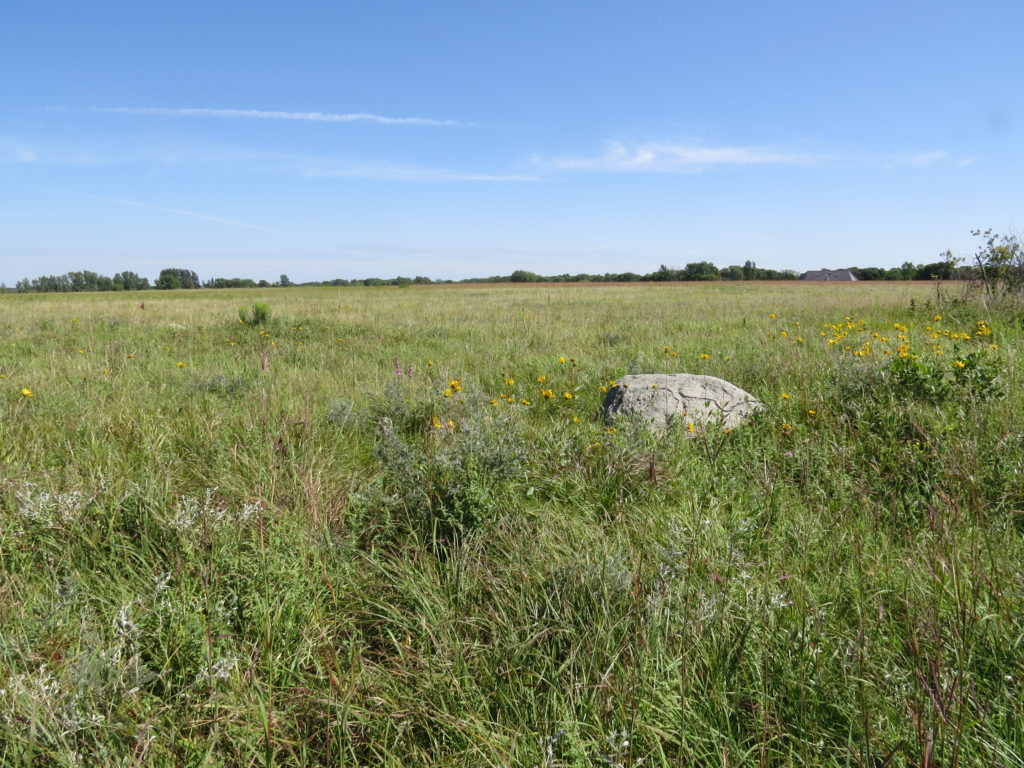
I thought it looked like a prairie gravestone.
There’s no great loss without some small gain. –Laura Ingalls Wilder
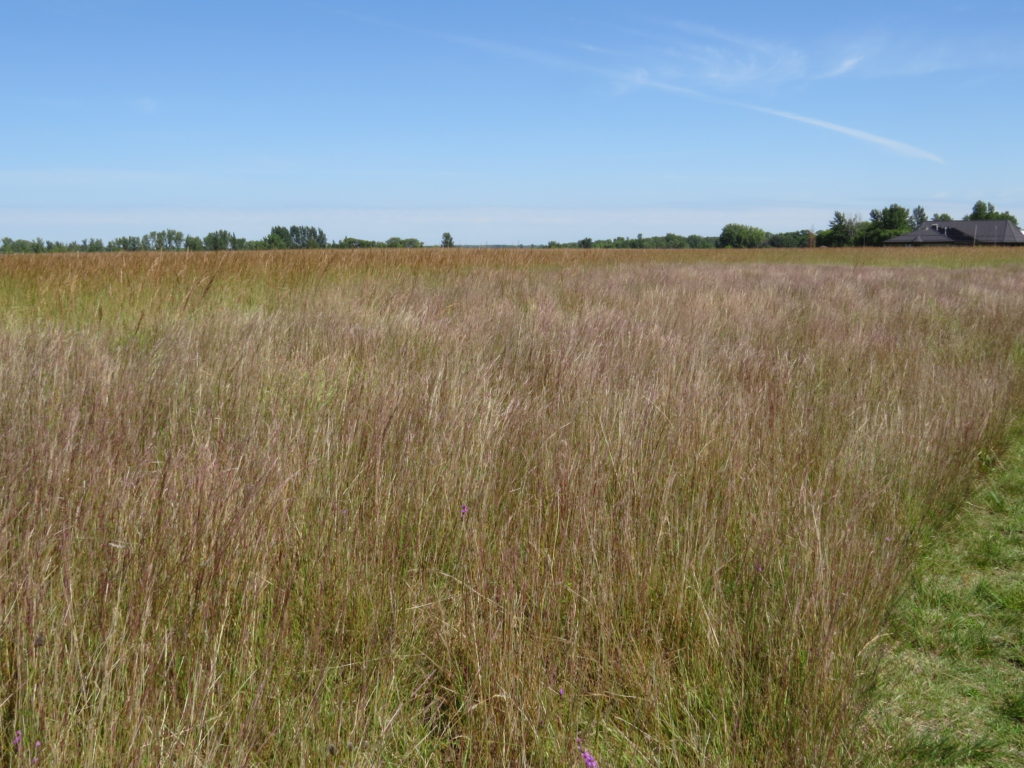
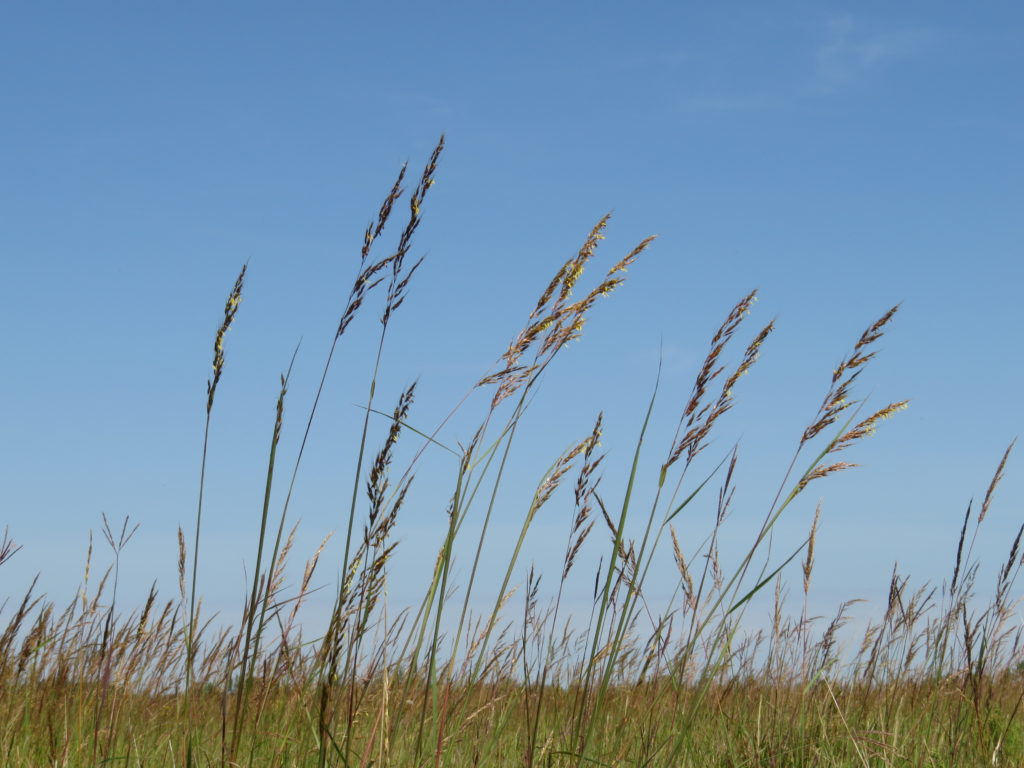
The park was actually a combination of the State Park prairie, the Bluestem Prairie Scientific and Natural Area, and Minnesota State University, Moorehead Regional Science Center Land, and through the middle of it all flowed the winding, tree-lined Buffalo River. A vast expanse of blooming Indian grass with a sweep of Little Bluestem stretched from the path to the Science Center.
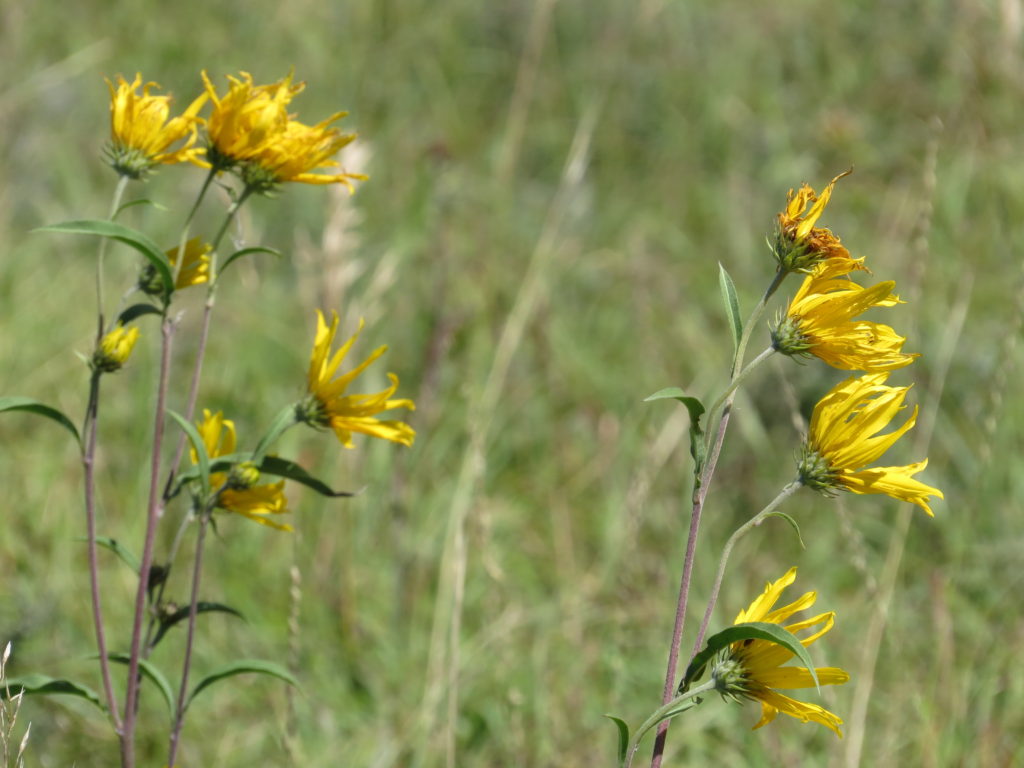
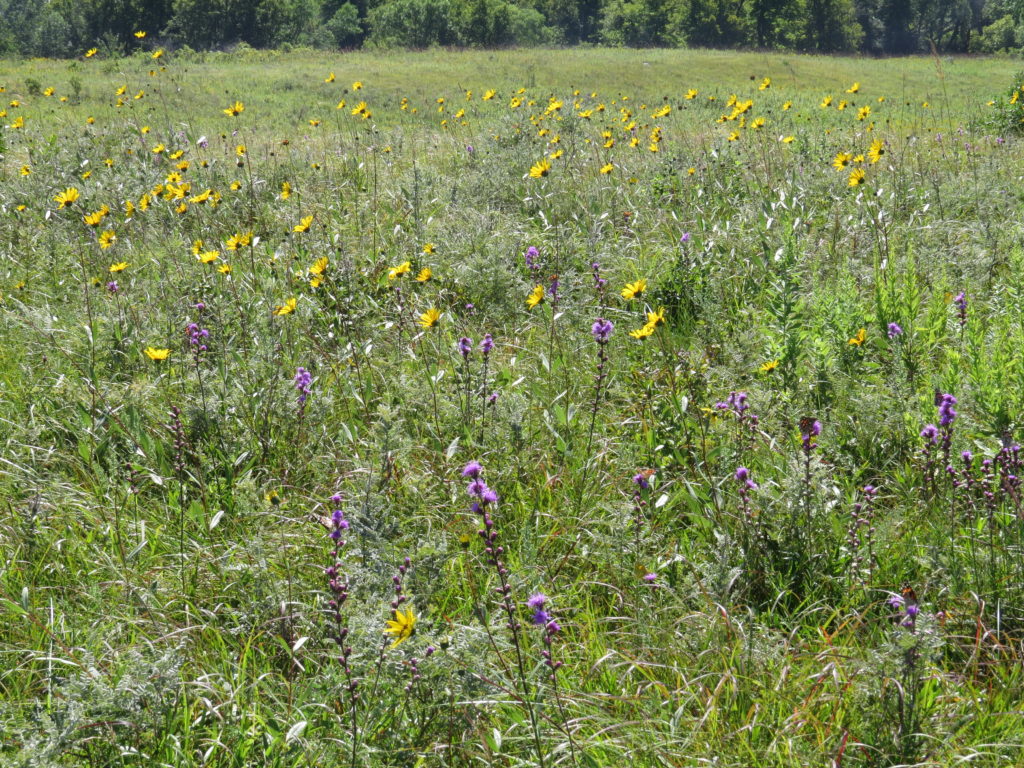
Sunflowers and Liatris sprinkled the prairie with bright summer color, and Painted Lady Butterflies were everywhere!
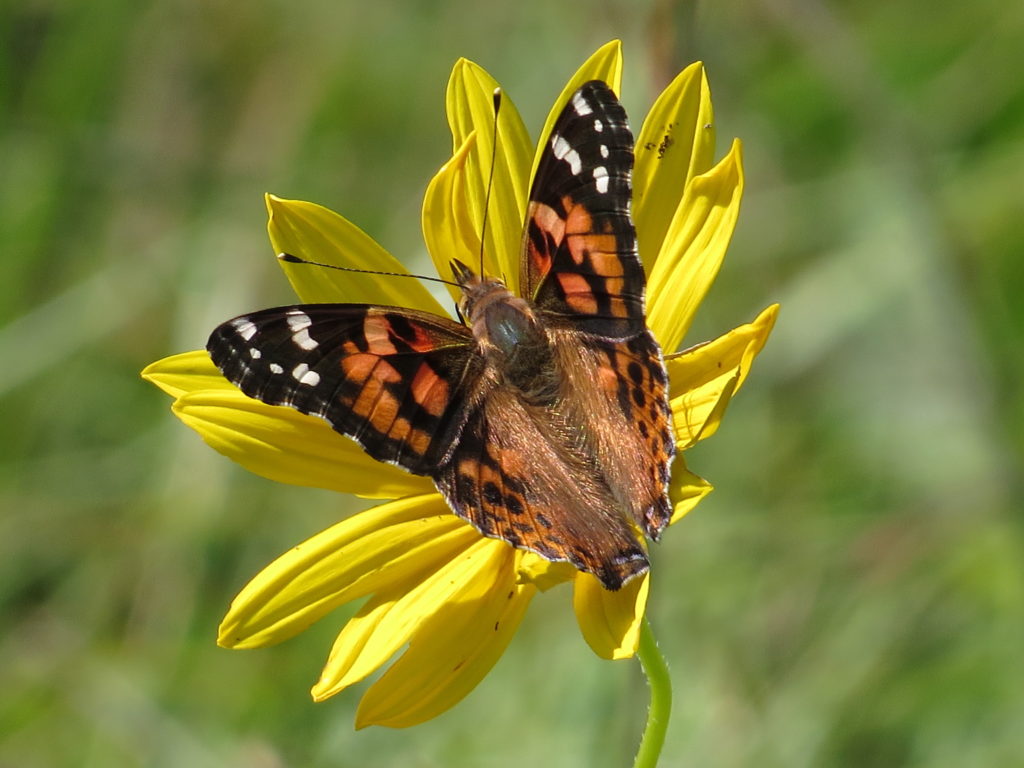
They are here in all their beauty…
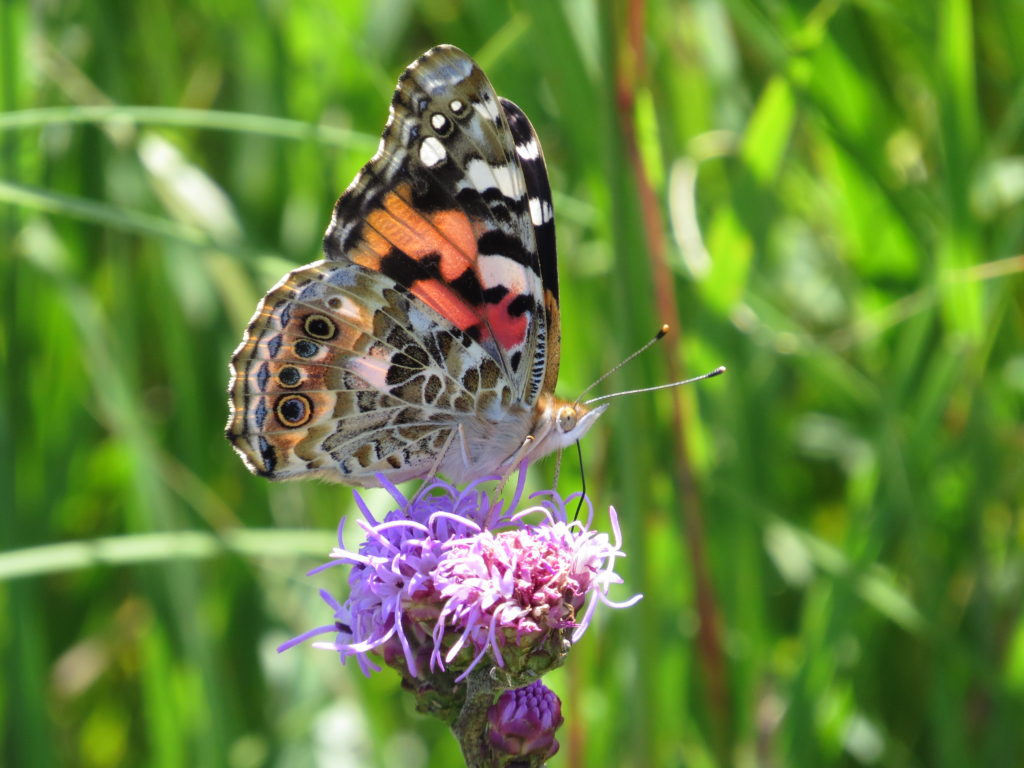
…then gone.
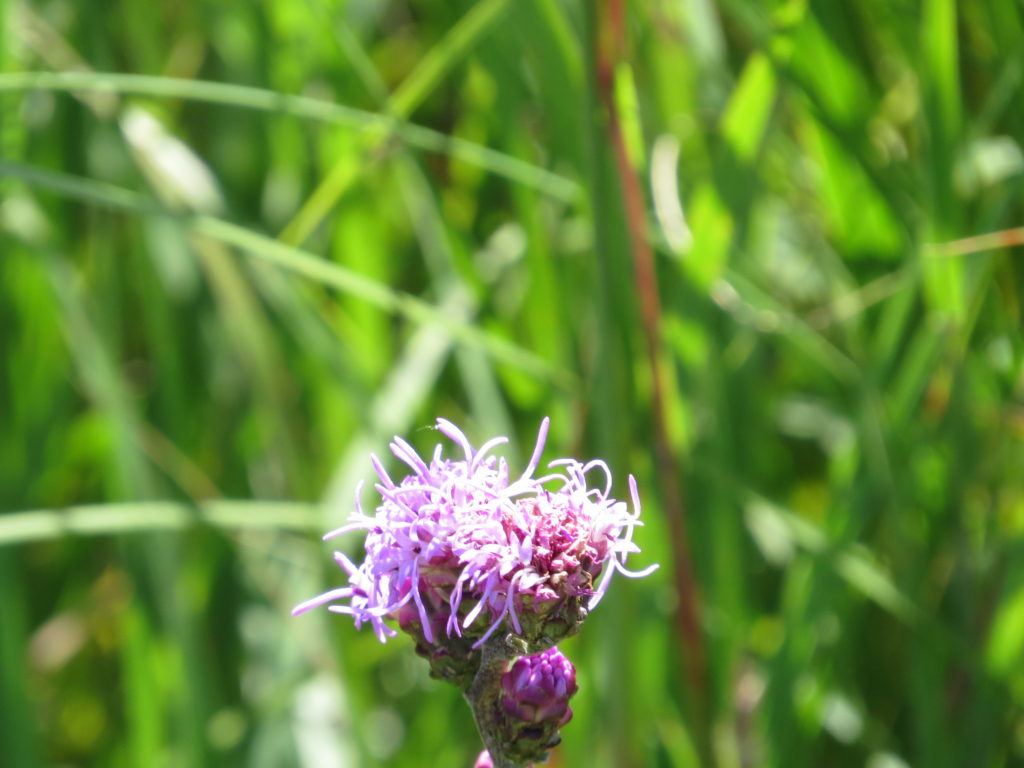
The ones we lose eventually fade into the background of our lives, yet they are with us always.
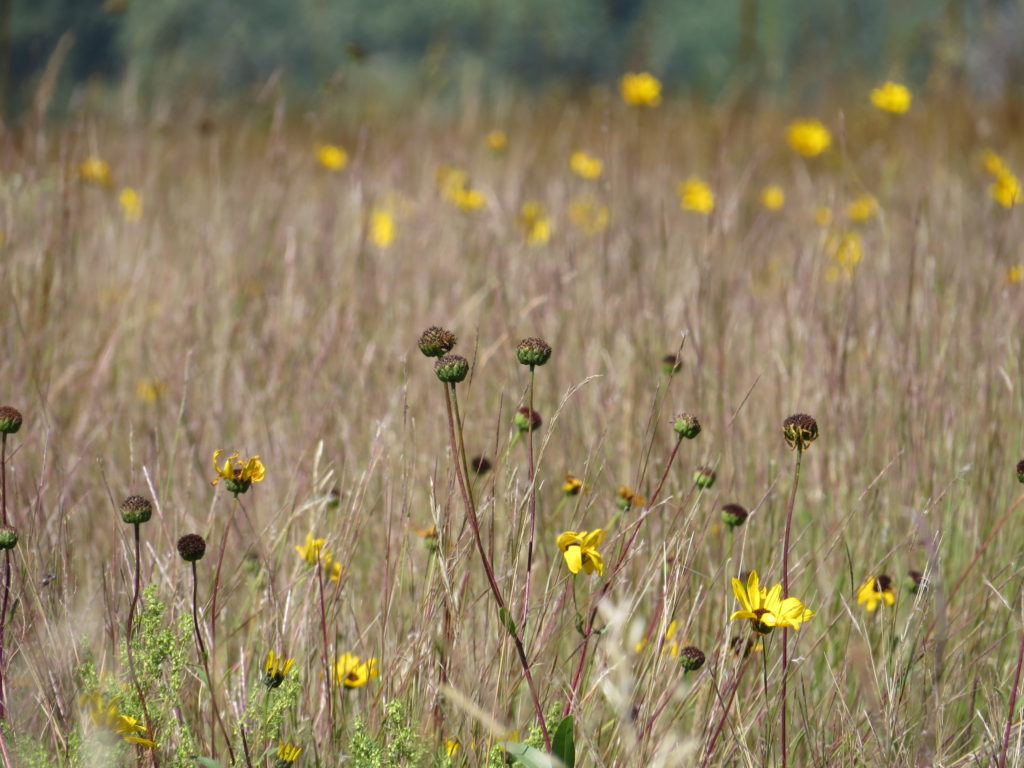
At times, with anniversaries, or dreams, or renewed memories, they feel much closer to us again—thus the nature of erratic, unpredictable grief.
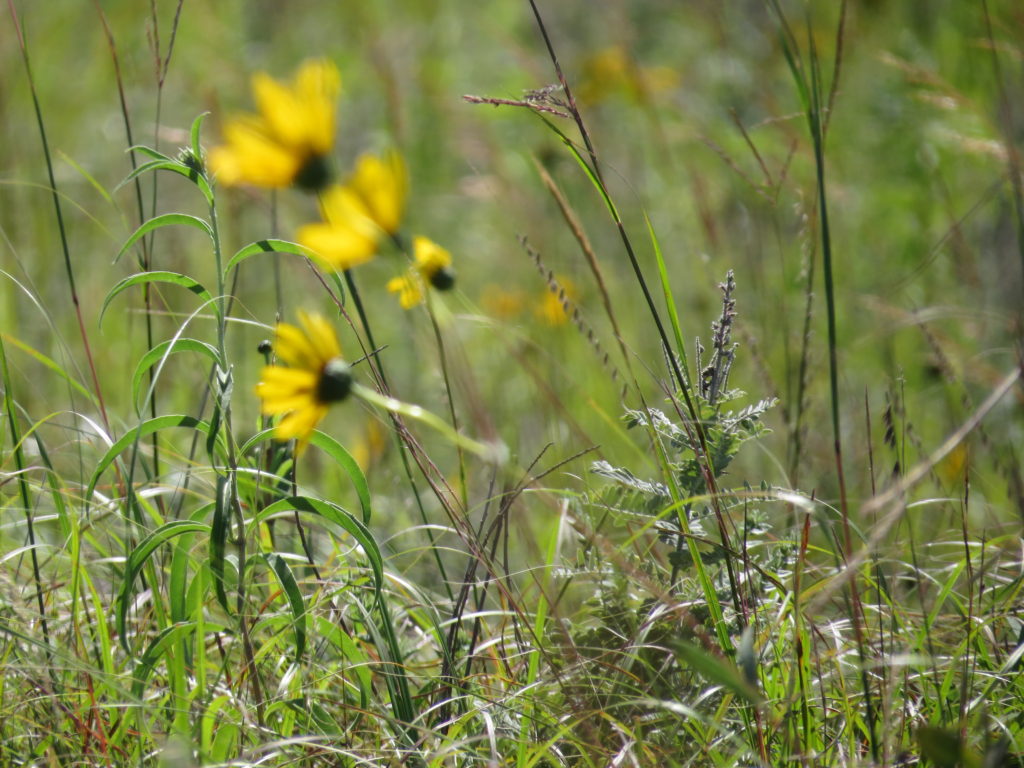
Death is not far from anybody’s mind these days as the death count from Covid-19 ticks into the hundreds of thousands—if you are not one who is personally impacted by that, thank your lucky stars and kindly say a prayer for all those who are. Please don’t quibble about the Covid count being ‘wrong.’ A beautiful person was here, and then they were gone, and many people are mourning.
We have the people, things, and land we love only for a while—until their demise, or ours. It will soon be thirty years since my friend died. Many things remind me of him—Appaloosa horses, polka-dot hats, strumming wildly on the guitar and singing silly songs, and so many more. But being on the prairie always brings him closer to me again. I have shared this poem about the prairie within the last year—what I didn’t say before was that it was my friend Joe’s favorite. The land will always be here. May it bring you goodness and calm.
The prairie, these plains….It was as if nature had taken solitude and fashioned it into something visible, carved out the silences into distances, into short grass forever flowing and curving, a vast sky forever pressing down, nothing changing, nothing but sameness, day after day after day, as far as you could see, as far as you could go. It was like the solitude of God…as awesome, and as beautiful. –Janice Holt Giles
The Storm is Blowing Down the Tent
I pass my life in preventing the storm from blowing down the tent, and I drive in the pegs as fast as they are pulled up. –Abraham Lincoln
I’m a calm-the-storm kind of person. Actually, if I can avoid it, it’s even better. Is it middle child, peacemaker personality? Is it stoicism? Is it ‘my body is nervous enough I don’t need anymore ruckus’? Probably all three. If you have been impacted by trauma, particularly in childhood, you may know what I mean by ‘my body is nervous.’ It’s the activation of the sympathetic nervous system—the fight, flight, or freeze response. I’m good at the run and hide-you-don’t-see-me method…. But there are people who react to the same sympathetic nervous system activation by fighting. Fighting with words, fighting with fists, fighting with sticks and guns, fighting with orders. If they feel threatened in any way—and that’s what the sympathetic nervous system response is for: dealing with a threat to our lives—then they will ‘punch back harder.’ Most of the time that reaction happens not when our lives are literally threatened, but when we are emotionally threatened, when the belief system we have built up for our protection is questioned or menaced. We will fight, run, or hide. The fight people run headlong into the storm or just as likely, they create the storm. Their ‘nervousness,’ the sympathetic energy, is ‘controlled’ by fighting and jabbing and blaming, just as mine is by running away from the storm or hiding from it. There is storm damage by all three kinds of coping, but the damage done by the fighters can leave a wide path of destruction and wreckage.
Friday was hot and humid. A storm in the morning dropped over three inches of rain in a short amount of time. The heat boiled up during the day, the humidity saturated the air. By late afternoon, there was unrest—the wind was snappy and full of discontent, the birds seemed nervous, and the clouds were spitting drops of rain as we rode our bikes to the end of the road and back. A bit later, the weather man interrupted the national news of gloom with a tornado warning for an area south and west of us, then another area along the long line of red radar marching across Minnesota. As he spoke, five different areas of concern for tornadic activity boxed in the towns of central Minnesota, including us. As the storm got closer, stormwatcher Chris went outside. I went outside to see when I would have to insist that it was time to go to the basement. The clouds were dark and light and all shades in between, roiling in motion—the cold front was slamming into the hot, moisture-laden air of the day—and the fight was on.
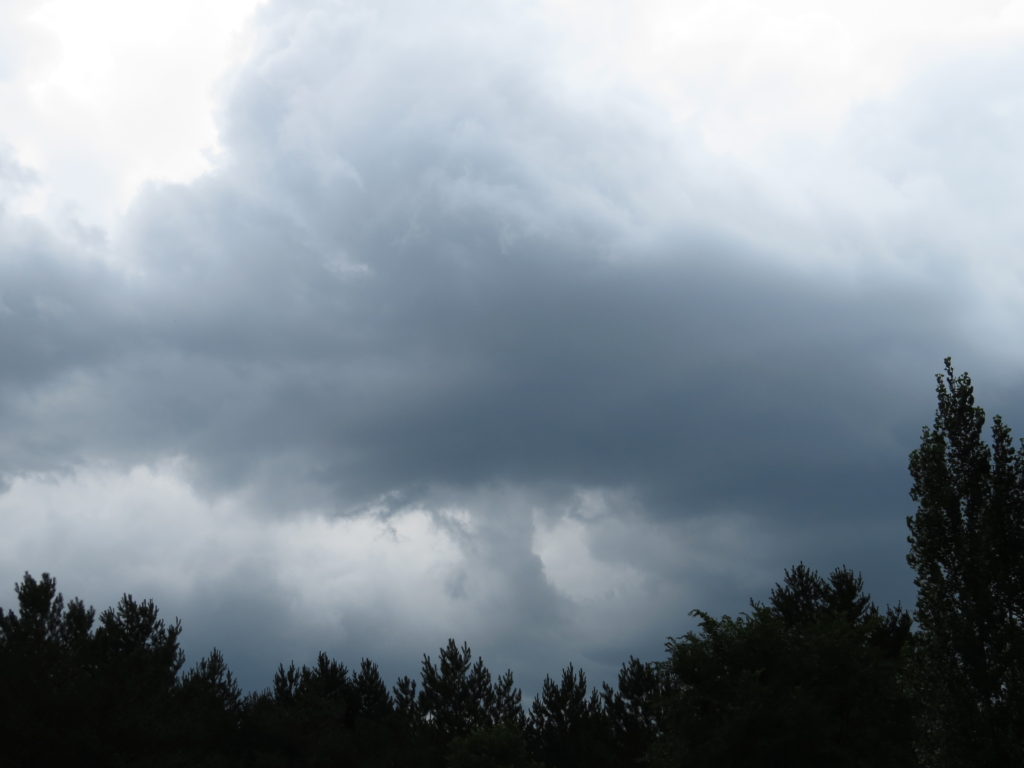
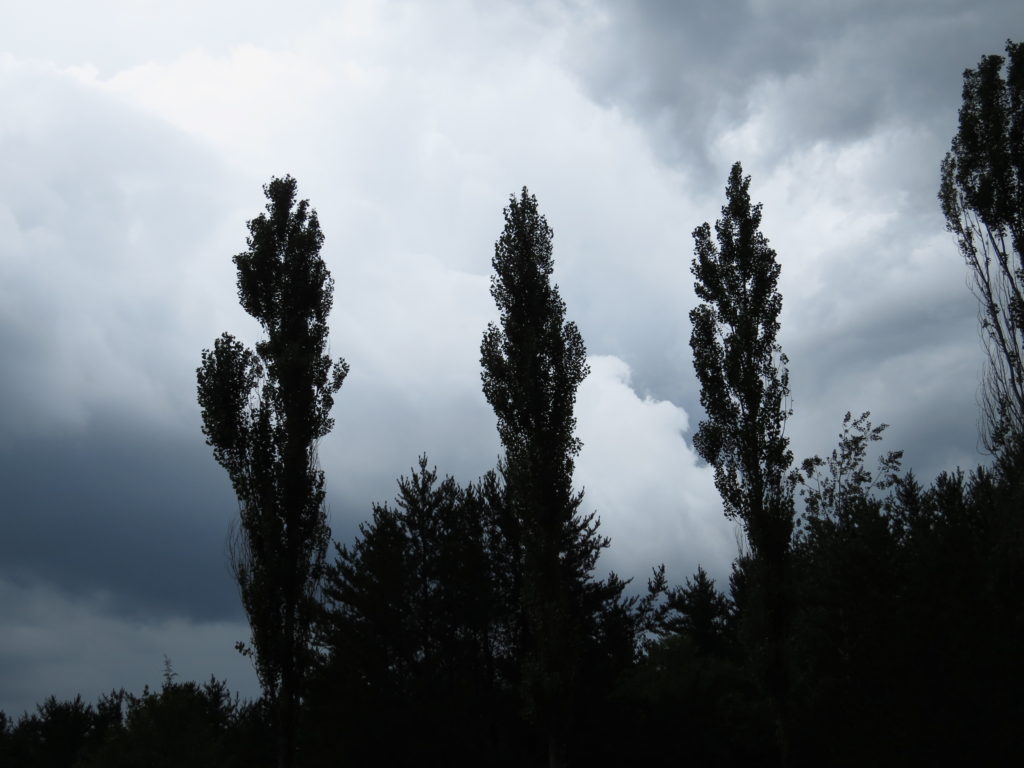
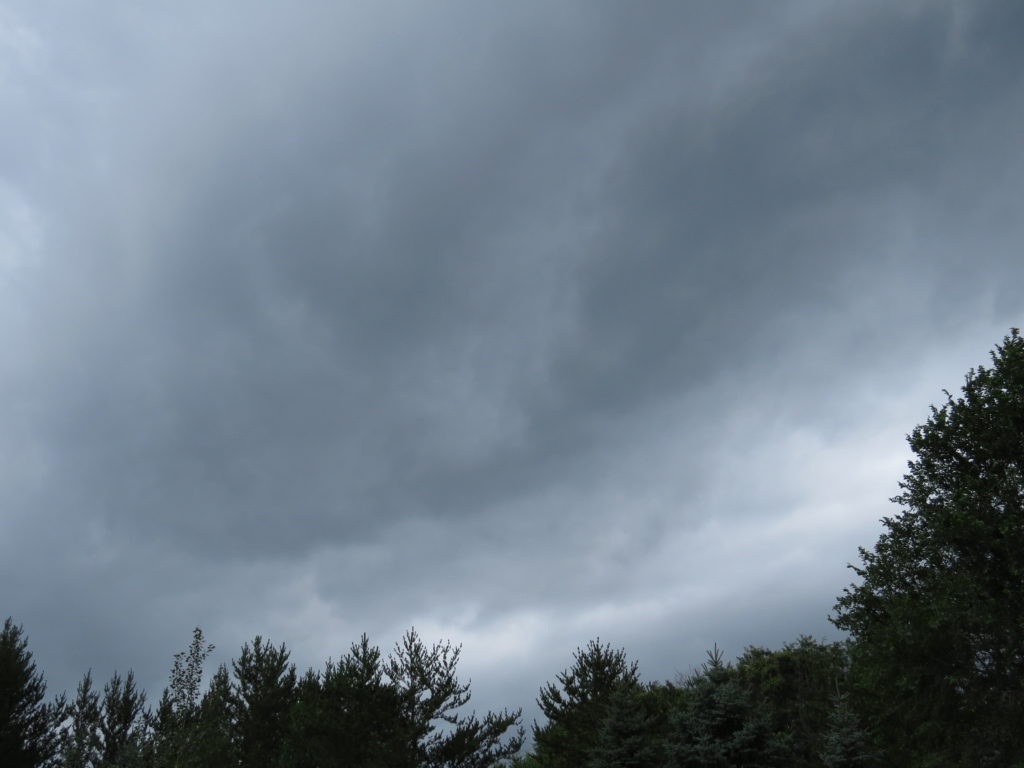
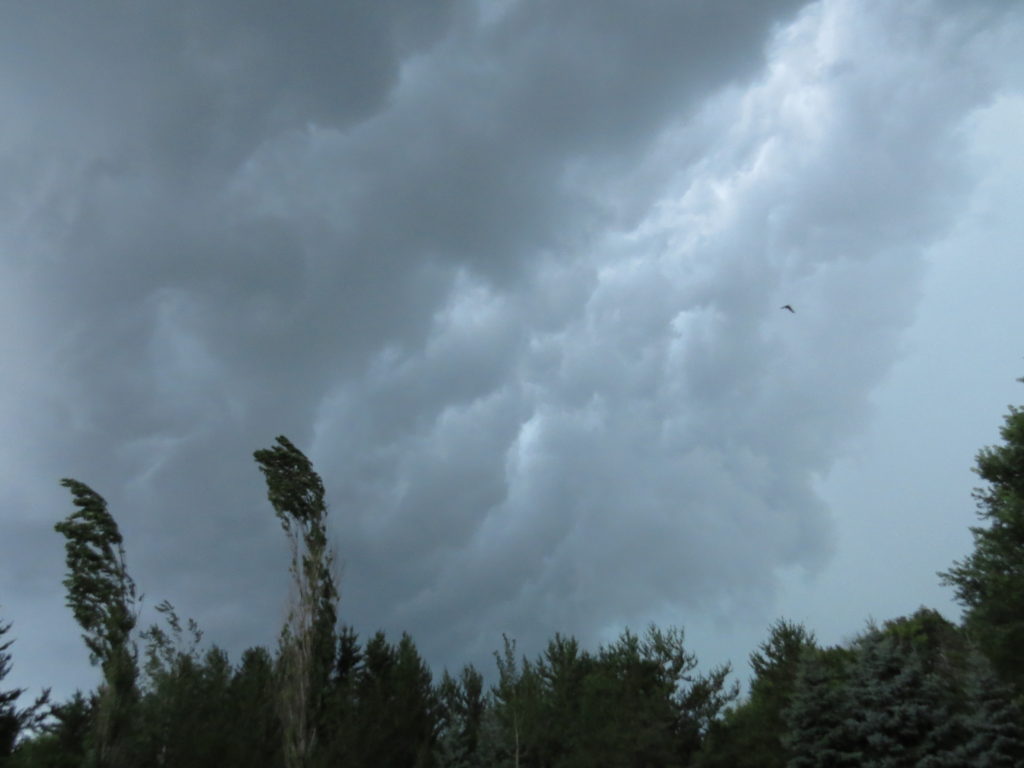
The rain started pelting us, so we gathered our things and went down the stairs to the quiet basement. Radio warnings told all listeners to take cover. The threat was real, and our bodies responded as they should. Take cover, run and hide, stay safe in the storm.
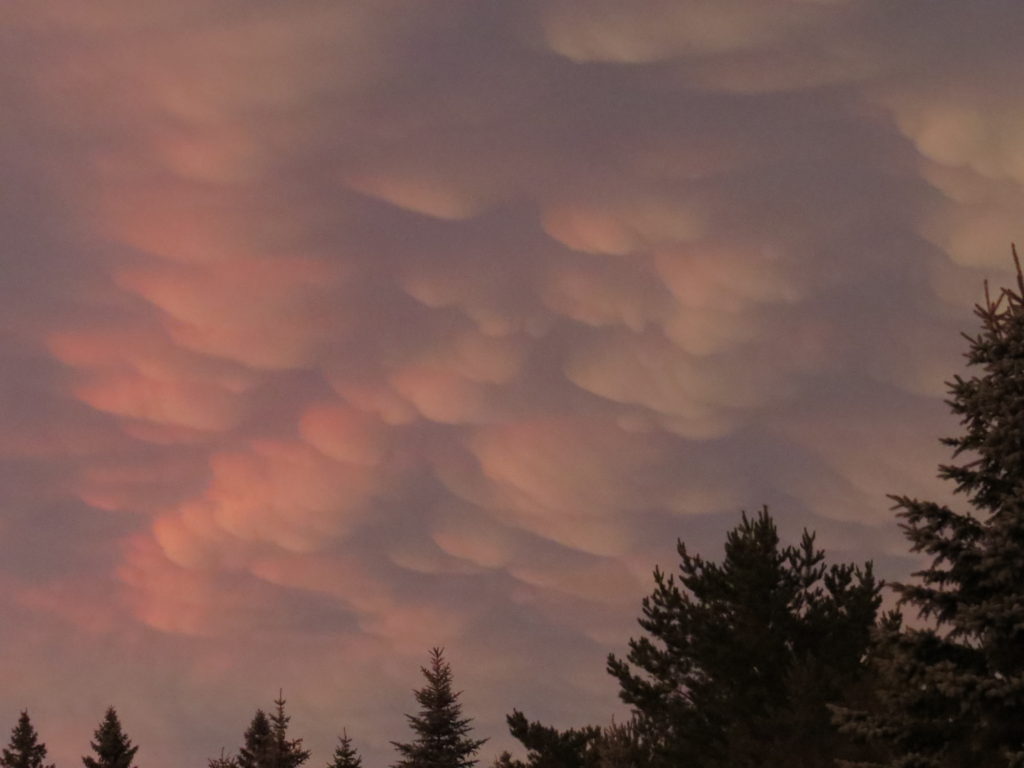
It was a fast-moving storm. Soon it was over. No storm damage for us, just a few more inches of rain. Supper and more news of the threat to other people as the storm front bullied its way across the state. Then I noticed that everything looked yellowish outside, and when I saw the sky, I was drawn outside by the unusual clouds. Cottonball pouches filled the sky with an eerie yellow-greenish-orange as the sky cleared to the west and the setting sun cast its colors on the clouds. I couldn’t take my eyes off of them.
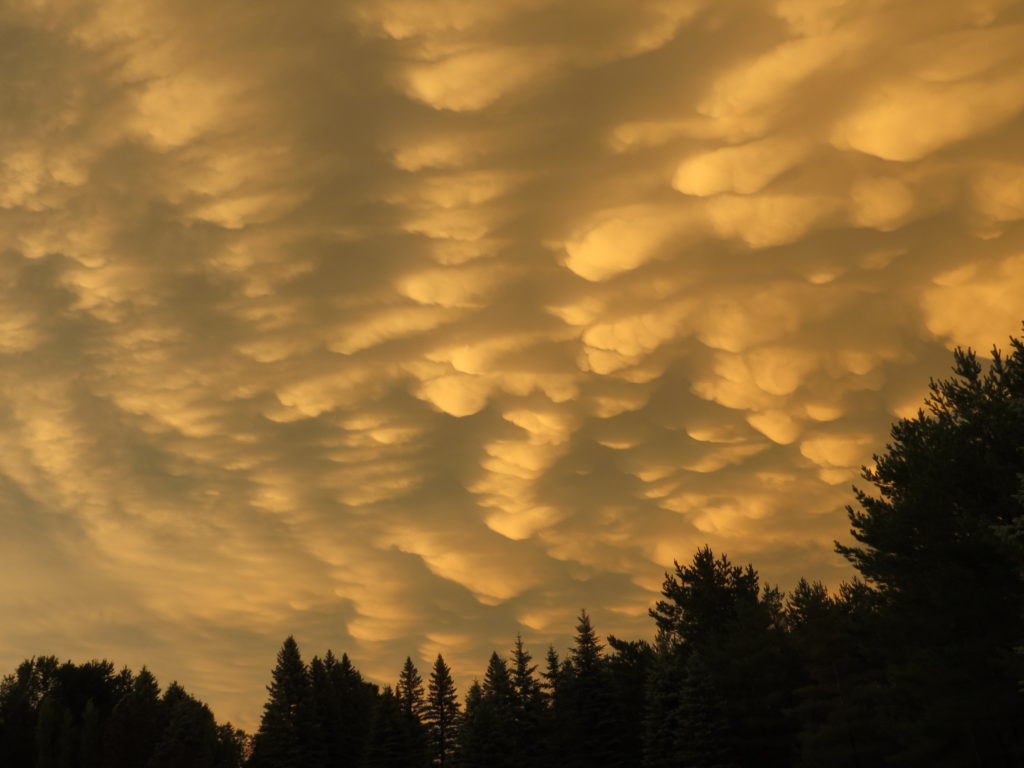
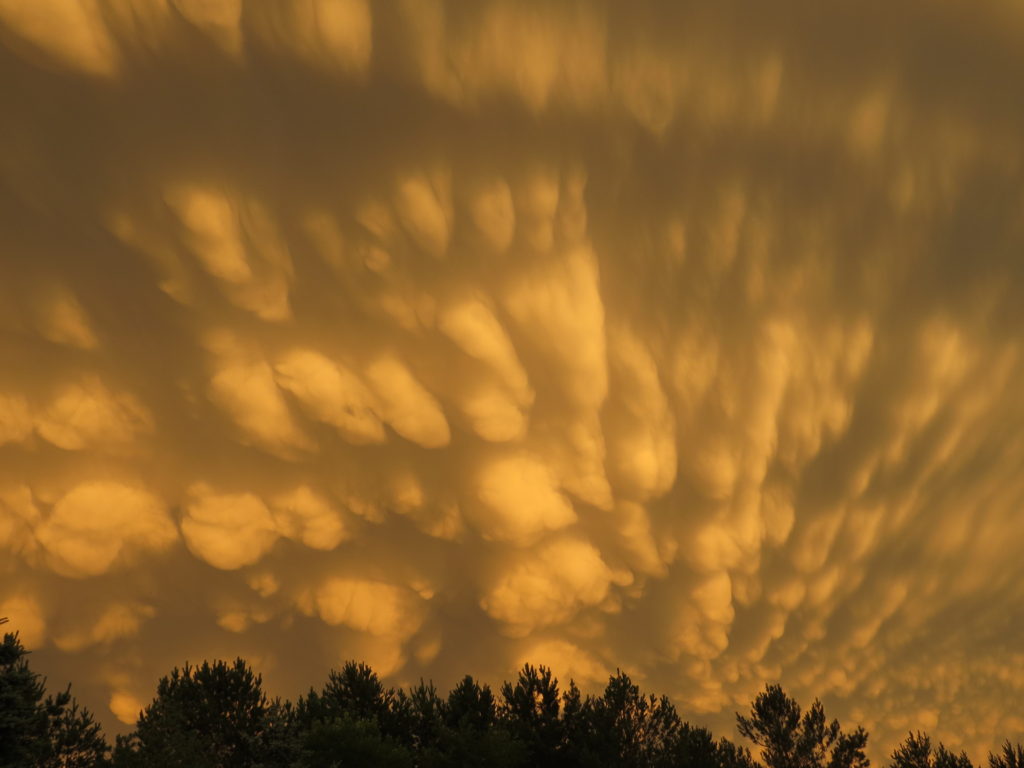
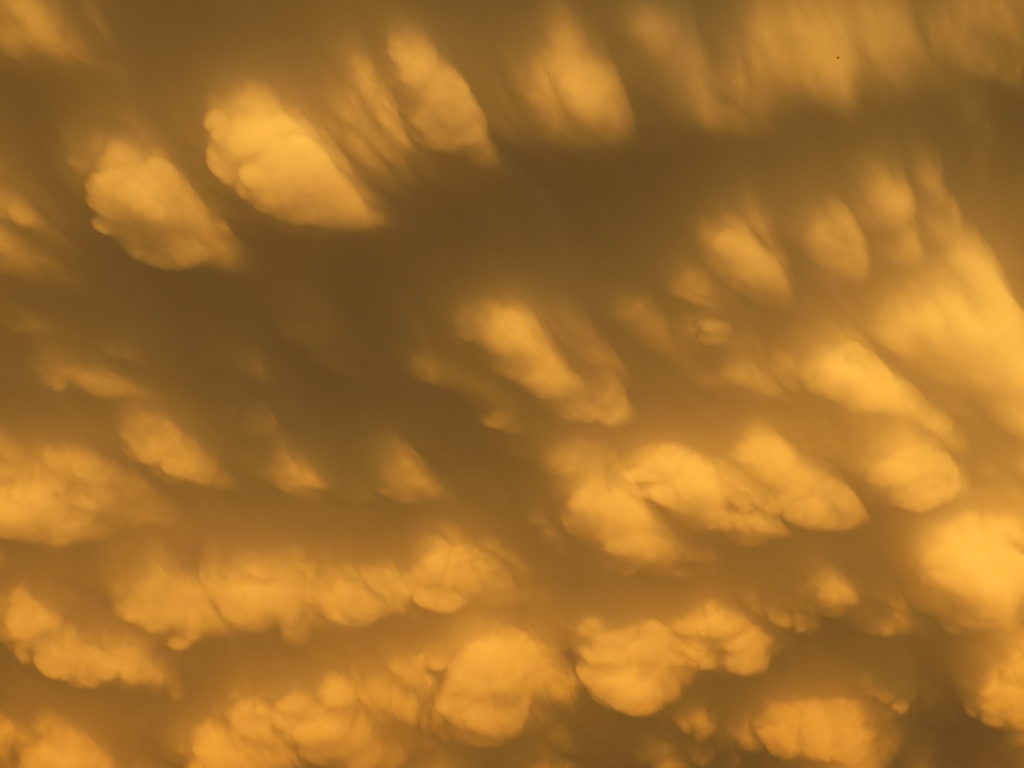
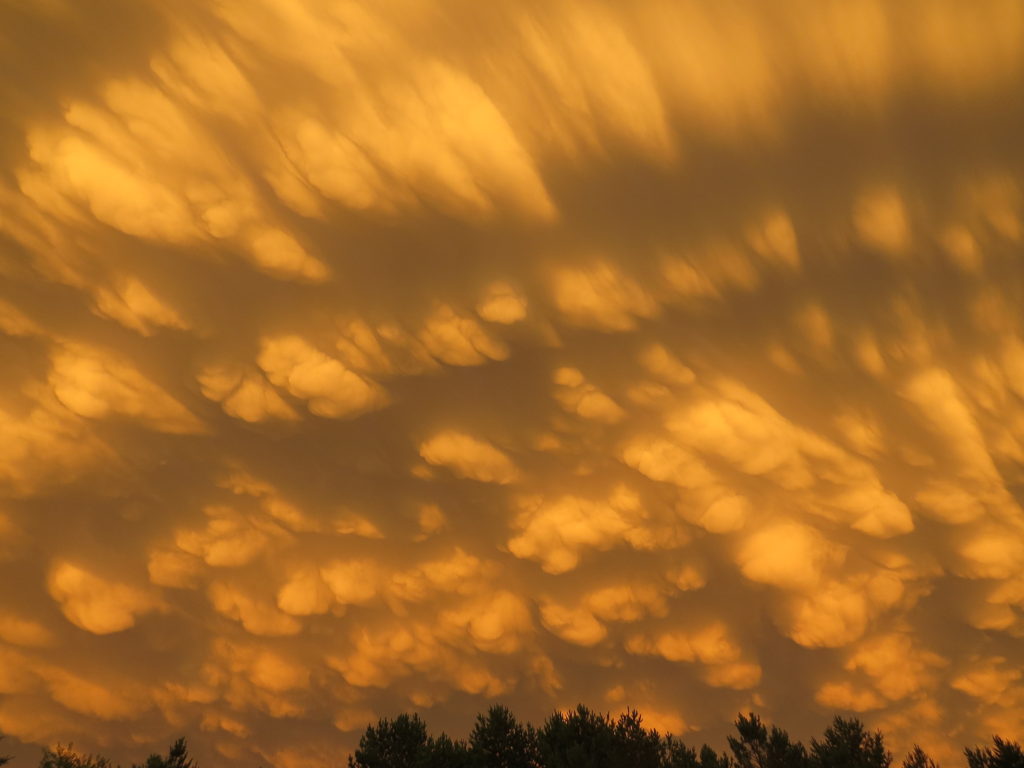
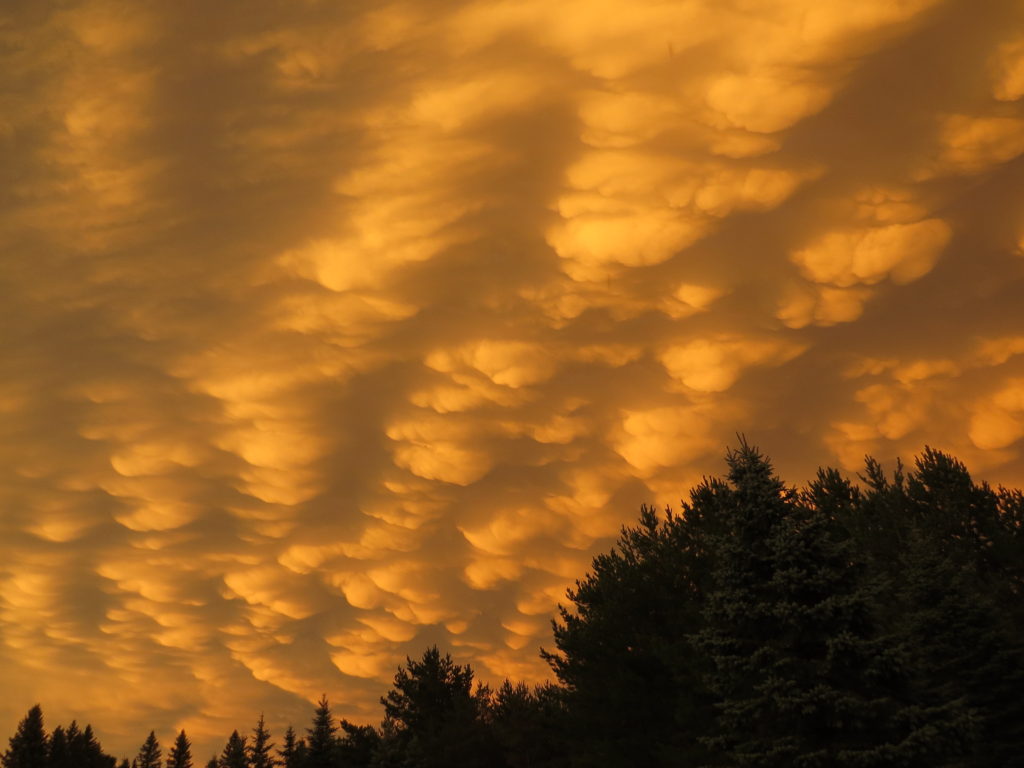
These clouds are called Mammatus clouds, from the Latin word ‘mamma’ meaning ‘udder’ or ‘breast.’ They usually indicate a particularly strong storm. They are composed mainly of ice and formed by sinking air, unlike most clouds that are formed by rising air. The dark storm clouds were Cumulonimbus, meaning ‘heaped rainstorm.’ They form along a cold front and are capable of producing lightning, hail, and tornadoes.
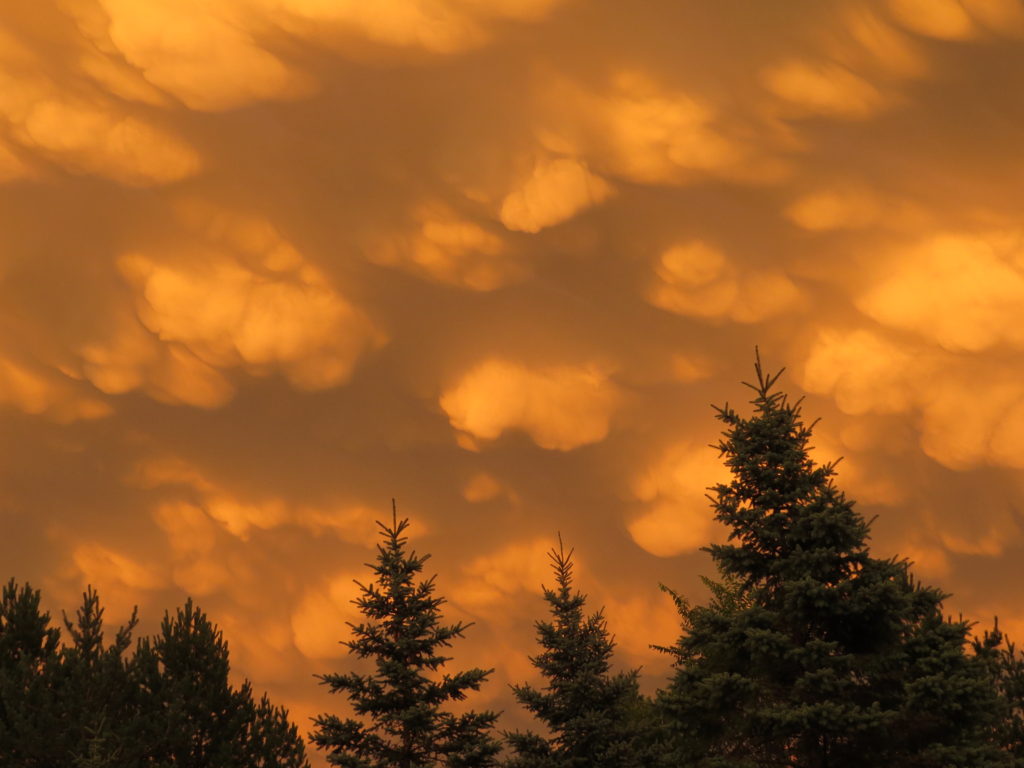
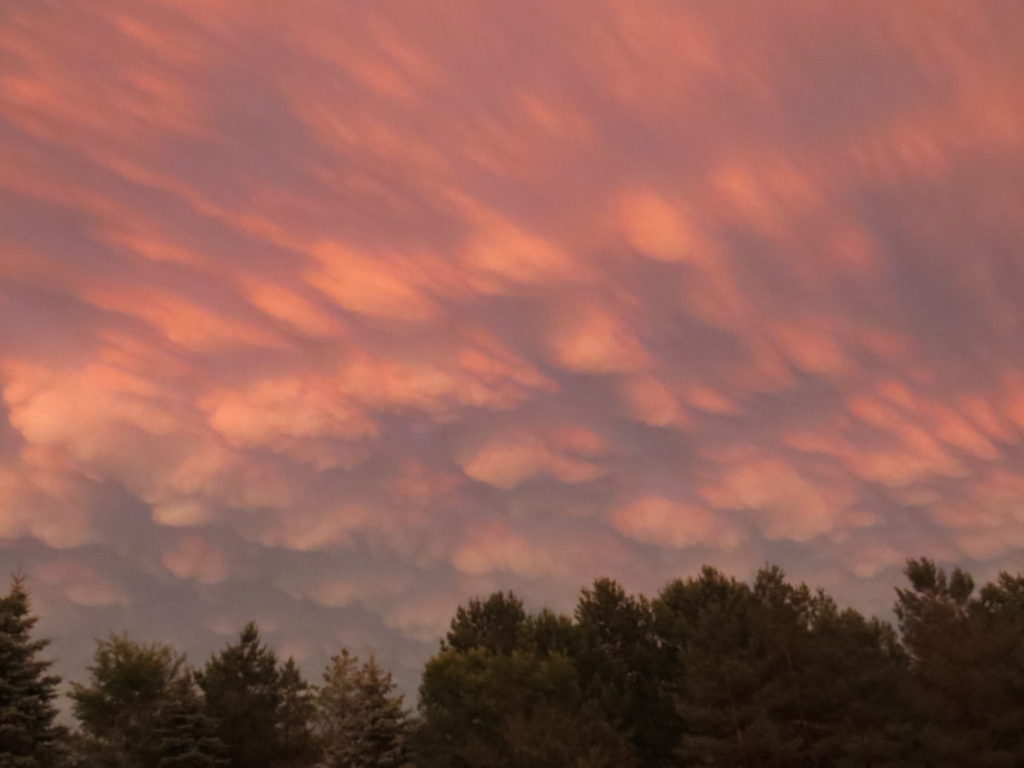
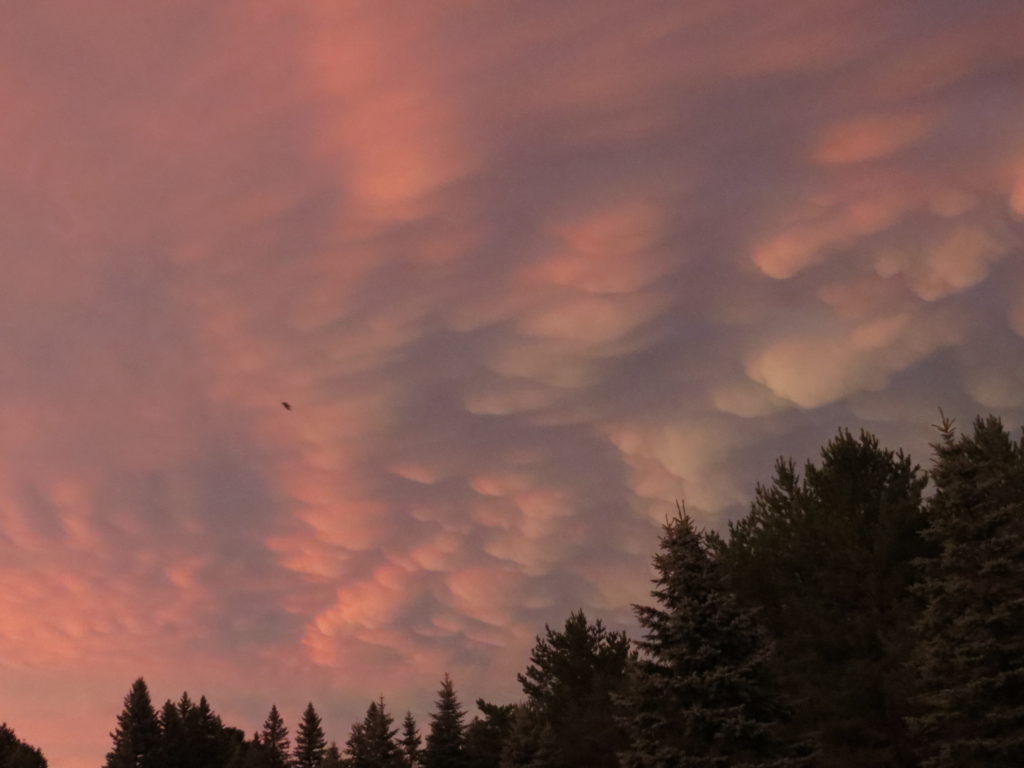
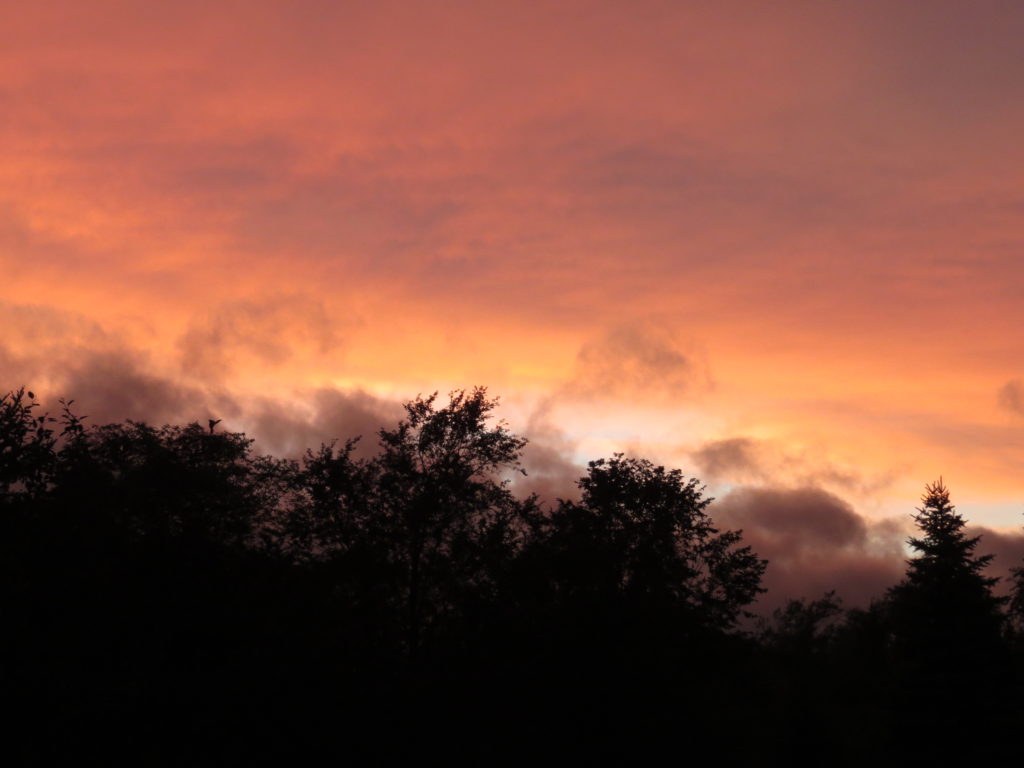
Five minutes after I went back inside, Chris called me out again to see the color change to pink and blue. For hours after the storm, our world recovered with the colorful Mammatus clouds.
To the fighters, the runners, and the hiders out there, there is a better way to deal with the emotional threats that feel life-threatening but in truth are not. Our bodies are just stuck in the response that we learned from a threat that was real. The challenge is to re-teach our bodies how to respond more appropriately. We need to activate our parasympathetic nervous system—our rest, digest, and recover system. We need to take control by learning how to relax. Meditation, yoga, qigong, and walking in nature all move our body towards activating the parasympathetic system.
We are living in a chaotic world right now—a perfect storm of the threat to our health by Covid-19, of financial uncertainty and unemployment for millions and millions of people, of racial and human justice issues, of how we are going to vote. Our democracy is in disorder. This perfect storm is trying to blow down our tent; the pegs are dislodging from the ground. Grab a peg and drive it back into the ground. Drive it with science. Drive it with reason. Drive it with compassion. With the milk of human kindness, we can recover ourselves and our world.