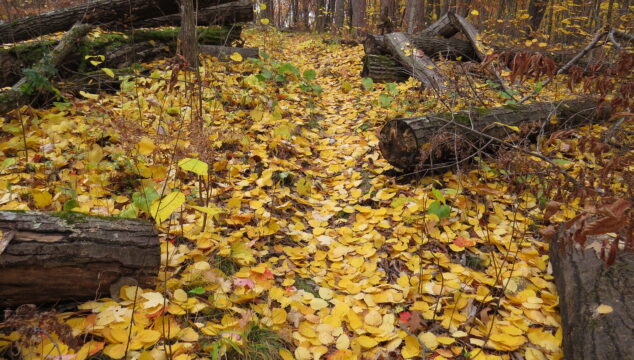
Come walk with me in the peak Autumn beauty of the Northwoods. To say that I love this time of year is an understatement. Most everyone can appreciate the colorful falling leaves---it reveals the 'true self' of a tree when its leaves are no longer producing chlorophyll. Their true colors are revealed, and there is something simple … [Read More...]
Archives for November 2018
Start by Surveying Your Territory—You May See the Dead Deer
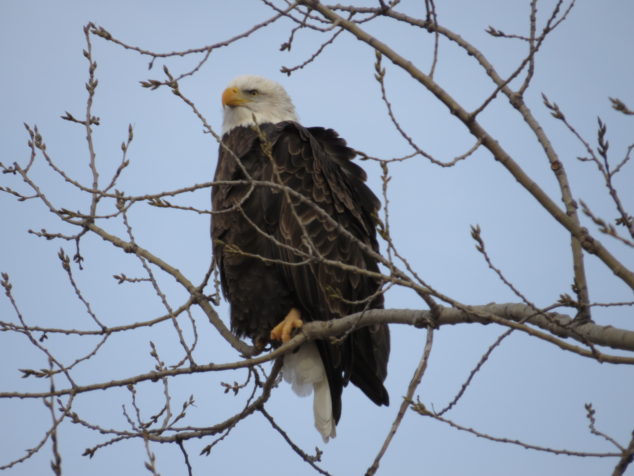
It was unusual to see an eagle just sitting in a tree along the highway. They do that beside the River in search of fish or close to their nests. It’s usually hawks that sit in trees or on posts surveying the ditches for signs of mouse movement in patient anticipation of a tasty tidbit. Once I got his photo and we drove on, I commented to Chris how unusual it was to see an eagle in a tree beside the road. While I had been staring at the eagle, Chris had been surveying the road behind us where we were pulled over and the road before us where he noticed a dead deer in the ditch. I was totally focused on the eagle and didn’t see the dead deer—and that was why he was sitting there in the tree.
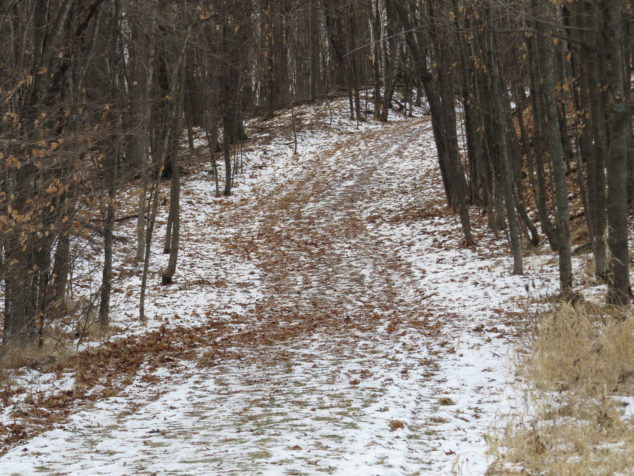
We continued to our destination—Wildwood County Park—for a chill-busting hike in the Maple and Basswood forest where some of the towering Maples are 300 years old. It is a well-managed forest; tractor tracks followed the ski trail where freshly cut logs of downed trees were piled in the scant snow, and I didn’t see any Buckthorn invading the woods.
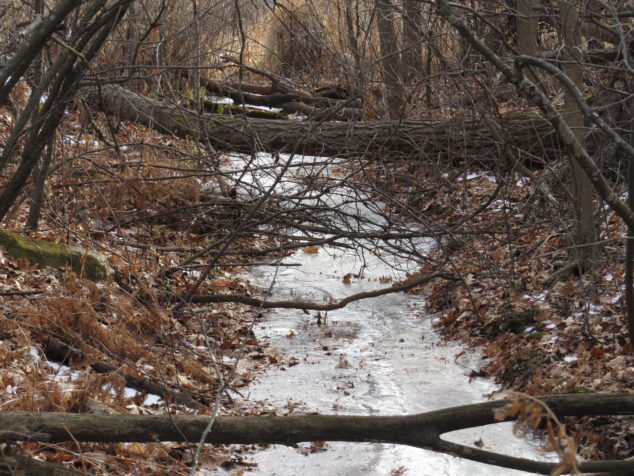
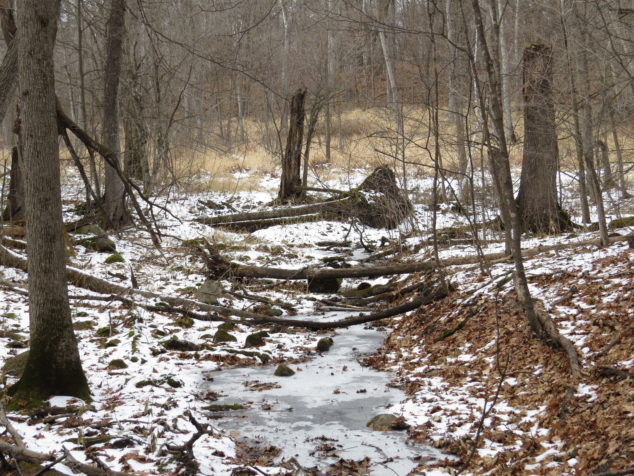
We crossed a creek flowing under a layer of ice with bridges of fallen logs—some bear-sized, some mouse-sized—connecting one side with the other.
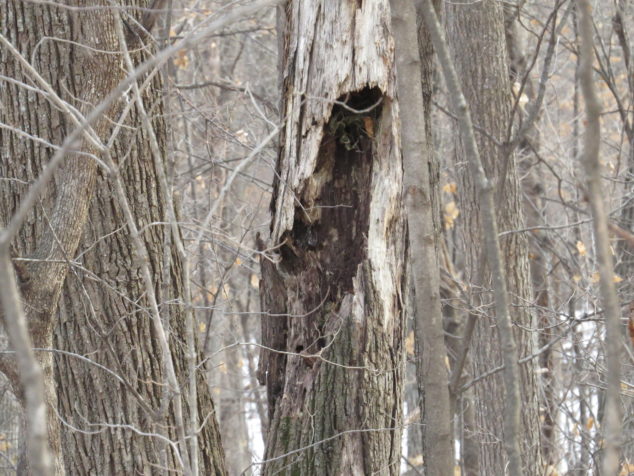
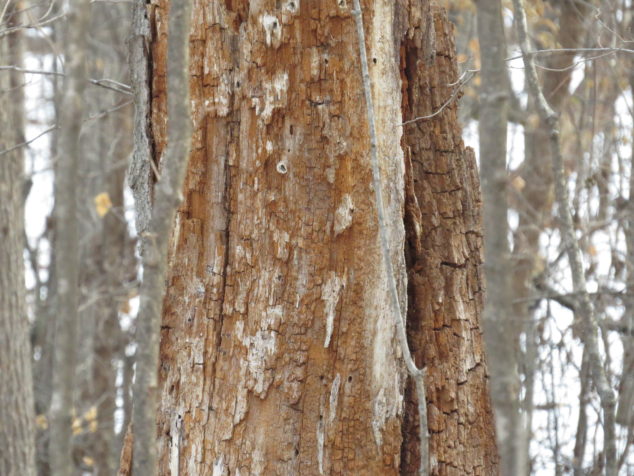
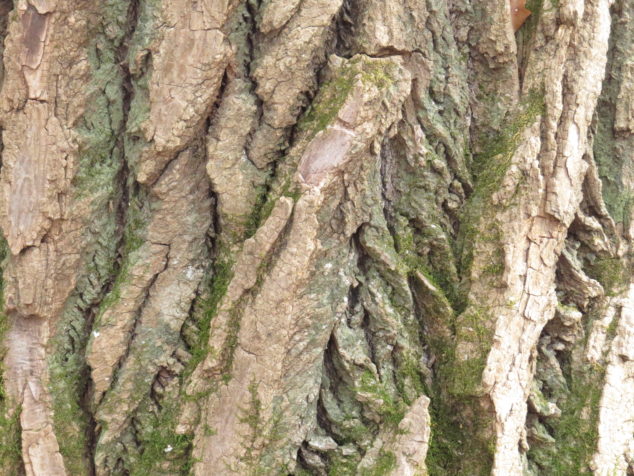
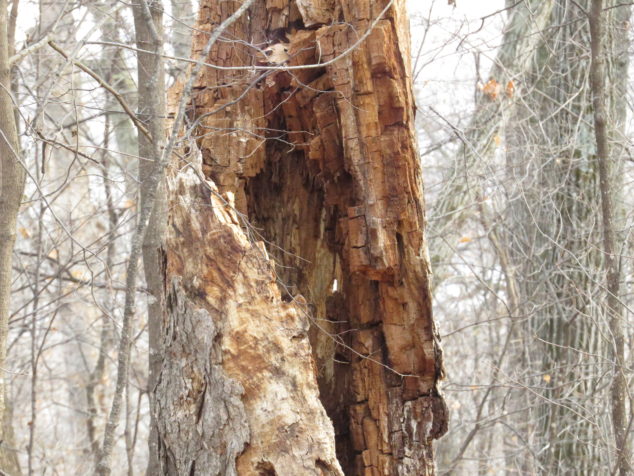
With no leaves on the trees and no ‘greenery,’ the trees themselves became the focal points—the trunks and branches, the colors and textures.
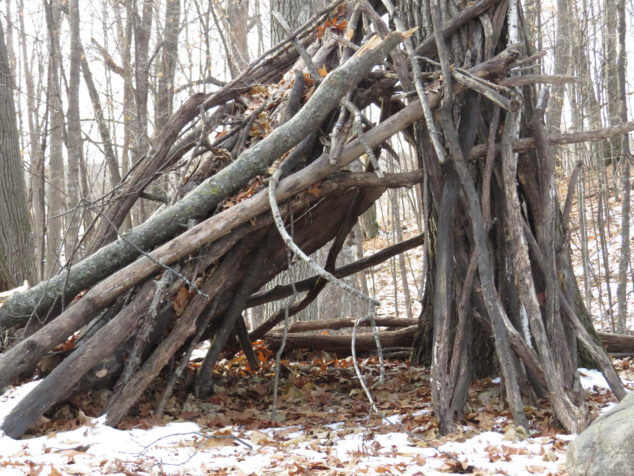
We found a ‘fort’ made of branches, a shelter from the winds on the ridge. Would you stay here?
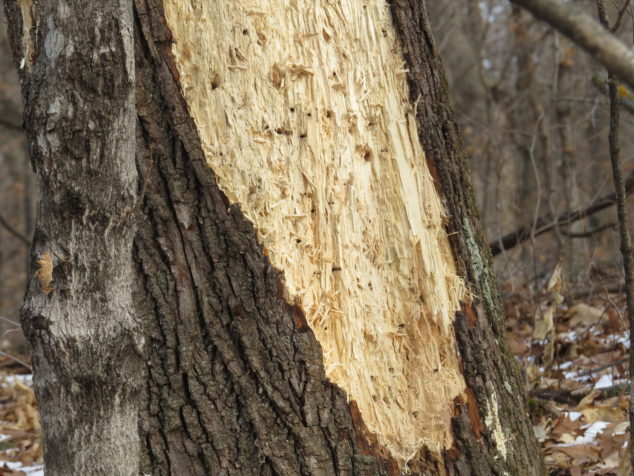
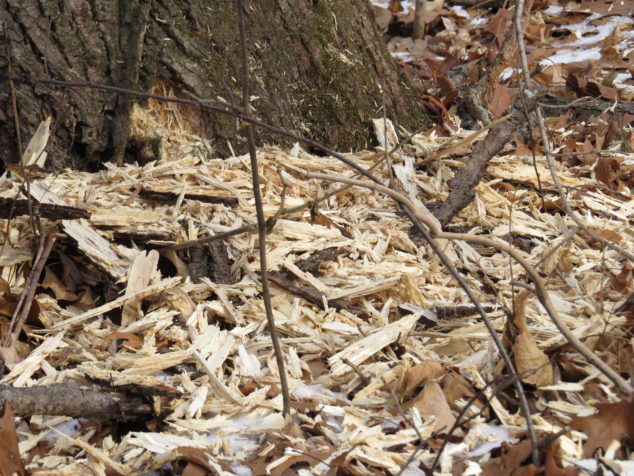
One of the dead Basswood trees was obliterated by a Pileated Woodpecker. Huge white patches of drilled wood stuck out in the gray day, and a hefty pile of shavings gathered at the foot of the tree.
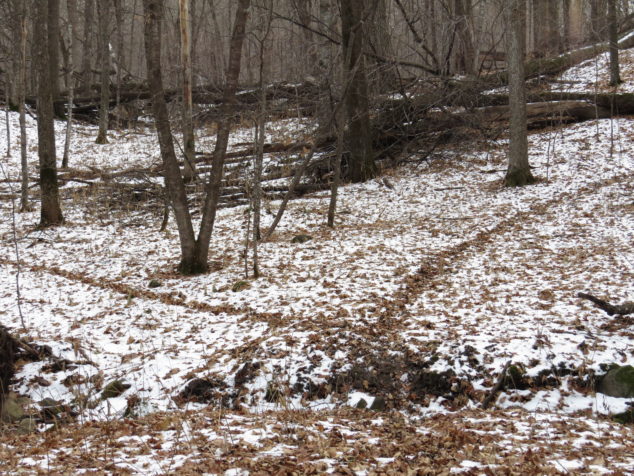
At another creek, two deer paths diverged from the creek into the woods. Which way would you go?
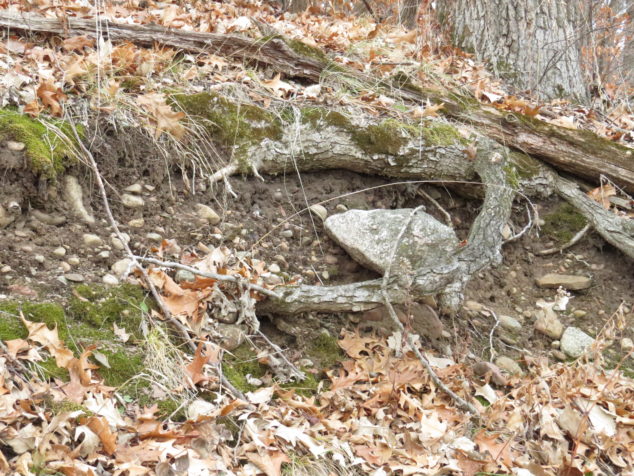
In any mature forest there are many downed trees—all a part of Nature’s recycling program. Oftentimes we forget about the extensive root systems that anchor trees and keep them nourished. An eroded bank exposed some of the roots of this oak tree, reminding me of the unseen network of support.
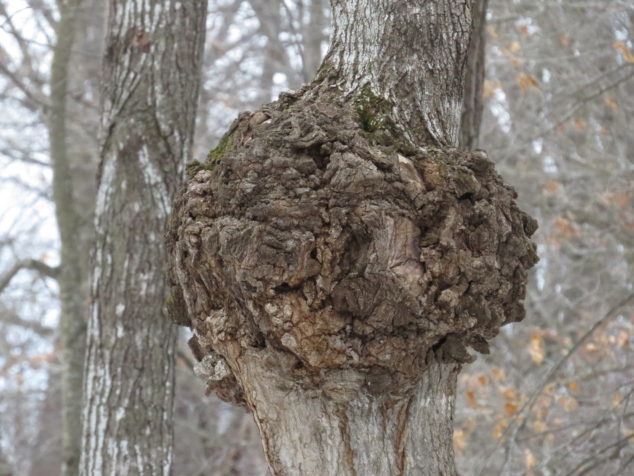
A large burl interrupted the smooth flow of a tree trunk. The dark, bumpy, tumor-like growth is caused by an injury, a genetic mutation, insects, or fungal and bacterial infections. The cells divide more rapidly than normal (like many cancers) or there is excessive cell enlargement (hypertrophy). Burls are coveted by woodworkers as the wood has unique and beautiful grain patterns due to knots from dormant buds and the swirls of the unusual growth.
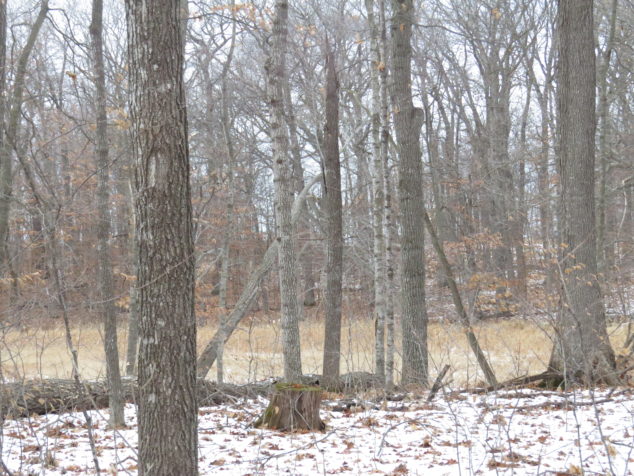
The woods of Wildwood were bare and stripped down on this cool, gray day with interesting things to see and life lessons to learn if we are so inclined.
I’m sure the eagle spotted the dead deer when he was soaring high above the ground surveying his territory—it’s what they are meant to do. The deer would provide food for many days—if the eagle could safely access it. They are not swift on the wing to get out of the way of cars, so from his perch in the tree, he could watch for an opportunity to feed on the carcass. Seeing the eagle and not the deer reminded me that we ‘see’ what we look for, what we are focused on and many times, we don’t see what else is ‘in the picture.’ That’s when it helps to have other eyes and other points of view—Chris saw the deer—the reason why the eagle was there. He kept watch for danger in passing cars as I looked only at the eagle. The Wildwood showed how bridges connect one side with another—natural things like logs, laughter, love, and lively conversation. What creates our shelters from the wrathful winds and storms of life? We must build them log by log, bit by bit. Is it prayer or yoga or daily walks? What makes each of us resilient? What do we do with the old, dead parts that no longer work? We mine them for the morsels that will continue to sustain us, then discard the rest. We choose our paths, and all the while, we remember our network of support, that we don’t make our way in this world by ourselves, by only what is seen. Who holds us up? Who sends nourishment to us? Who helps build the shelters and bridges? The burled tree reminds us that ugly things can be transformed into beautiful creations. It usually takes time, hard work, dedication, and the ability to see beyond the ugliness. When we survey our territory and see and learn the lessons the eagle and the woods have to teach us, we can see the opportunities, not be blindsided by the dangers, stay safe in our shelters with those who sustain us, and create Beauty for all to see.
Hiding in Plain Sight
I stared out the window into the brown woods and could not see the deer Chris told me was there—right there! Right behind the black pole that held a hanging bowl of sunflower seeds for the birds. Finally I saw a subtle movement. I zoomed in on the large black eyes of the hiding deer. It was the first weekend of the firearms hunting season for deer—the little resort motel beside the Sauk River just down the hill was full of cars, and early morning gunshots rang through the air. I’d be hiding, too.
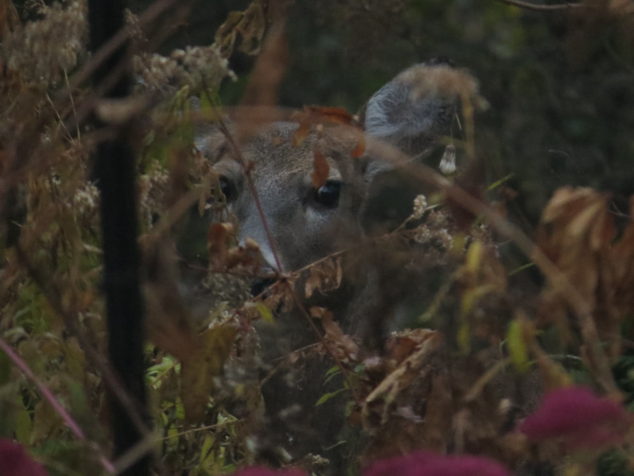
It was a classic example of crypsis, a type of camouflage, when an animal, person, or object avoids detection by blending into the surroundings. It is one of the most common and successful defenses in the animal world, and, in turn, one of the most common and successful offenses of the hunting world.
Later that week, I saw the twin fawns browsing their way through the yard and woods. Their furry winter coats had displaced the spots of their smooth summer coats as they grew into their ‘teenage’ bodies.
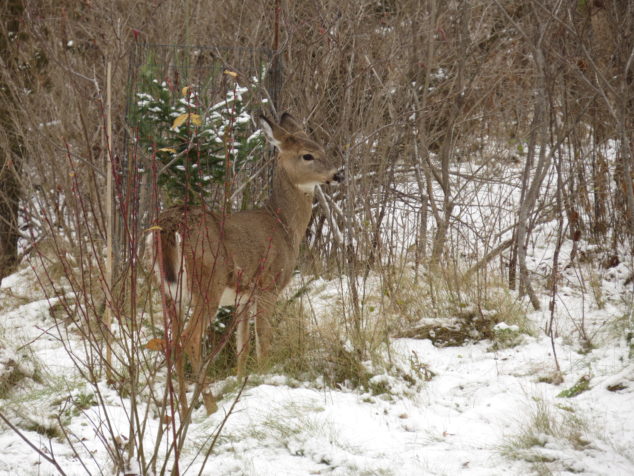
They were not afraid to be seen—maybe it was their youthful naiveté or the fact that they had been here most days of their lives or maybe it was the lure of the apples on the ground beneath the tree. I did not see their mama this time, though she was probably keeping a watchful eye from somewhere deeper in the woods.
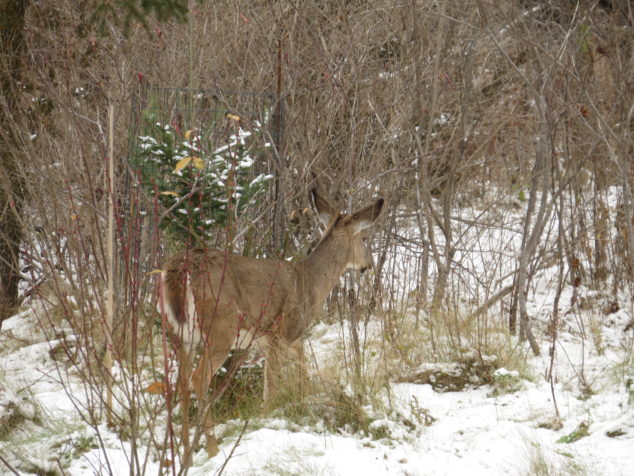
Soon the two of them wandered into the woods, into the Gray Dogwood, Sumac, and I hate to say it—Buckthorn. Right before my eyes, they disappeared by camouflage!
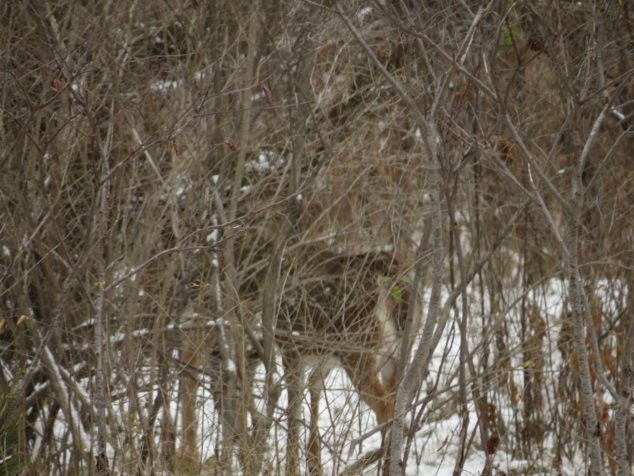
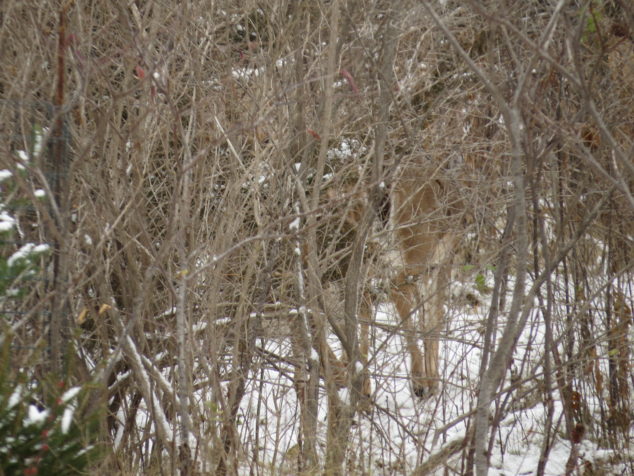
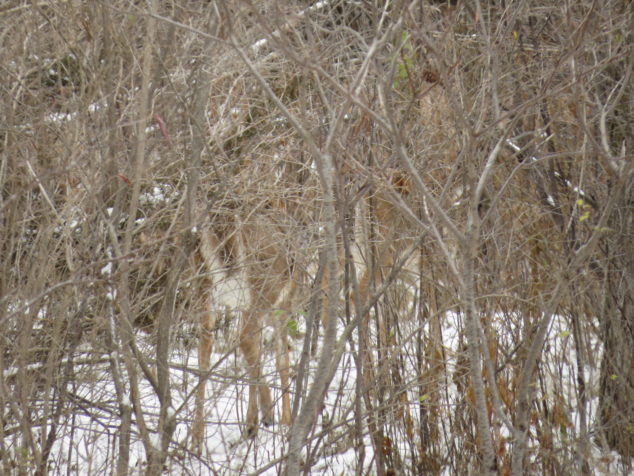
They are still there—can you see them?!
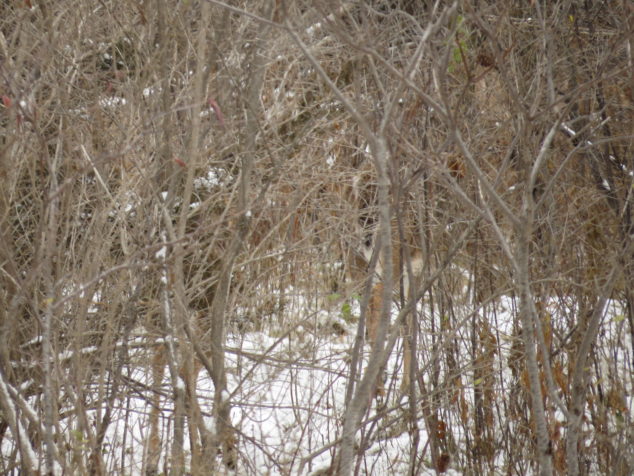
Camouflage uses a combination of coloration, materials, or illumination for hiding in plain sight. Nature knows about survival. Our mammalian brain works in much the same way—if we feel threatened, we want to run and hide. We want to protect ourselves. Our strategies are much more complex than Nature and the deer. We hide in plain sight all the time. We hide behind smiles, behind humor, behind walls of shame. We wear masks of happiness, masks of productiveness, masks of toughness. We cover up hurts with compliancy, with silence, with ‘it could be worse.’ We conceal reality and the truth of our lives behind alcohol, food, materialism, and other addictions. We carry our well-developed and effective protective mechanisms with us from childhood through adulthood until they no longer work….until we can no longer hide.
Very often, all the activity of the human mind is directed not in revealing the truth, but in hiding the truth. —Leo Tolstoy
But then what?! Then comes the hard part—the part where all the courage and brilliance of our past protective strategies morphs into the very means by which we walk out into the sunshine to be seen. Zora Neale Hurston wrote, “Love makes your soul crawl out from its hiding place.” The catalyst is Love. It’s the Love that holds us when we run and hide to be safe. It’s the Love that was always ‘right there’ but we could not see. It’s the Love that says the time has come for us to be seen. It’s the Love that helps us to finally love ourselves. “I am still here—can you see me?”
The Colors of November
Nature always wears the colors of the spirit. –Ralph Waldo Emerson
The leaves are gone. Snow covers the ground this morning—plow-able, shovel-able snow. We’ve had single digit low temperatures. The skies have been cloudy with a touch of sun. Our ‘getting-ready-for-winter work’ is not quite finished. And this is not depressing news! The trees have entered their dormancy, their hibernation of sorts. Most of the action is below ground now. Let them have their rest. The ‘flurries’ and ‘dustings’ have added up to more snow than we expected, but I have to say, looking out the window as my feet hit the floor in the morning and seeing a blanket of snow makes me smile. We will trade these cold temps for some forties later this week, which will give us time to finish our ‘getting-ready-for-winter work.’ The gray of November is not really so gray—I found a palette of color around the yard this week!
How wonderful yellow is. It stands for the sun. –Vincent Van Gogh, artist
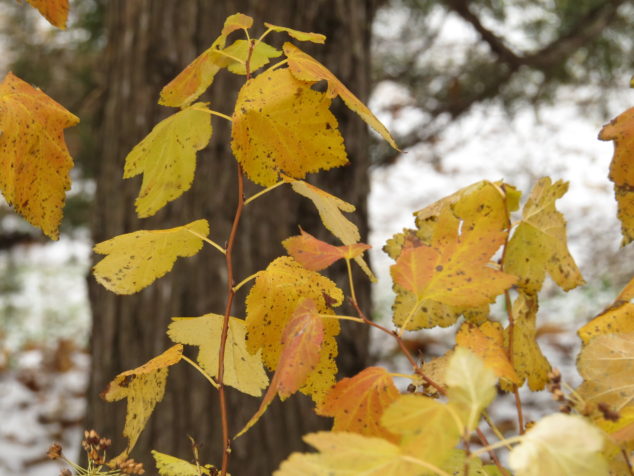
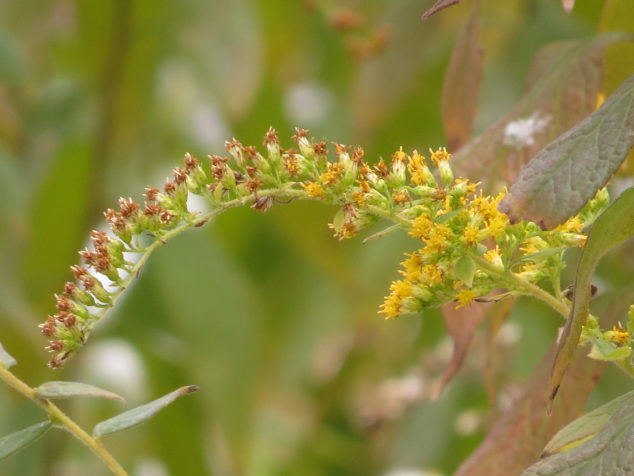
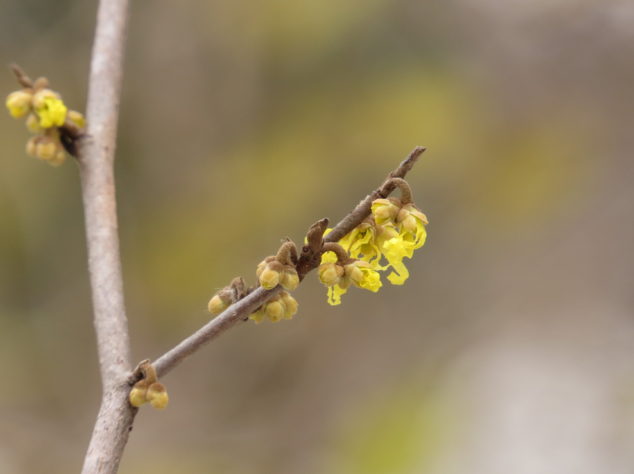
You are my sunshine! This is the time of year that Common Witch Hazel blooms! Isn’t that amazing?!
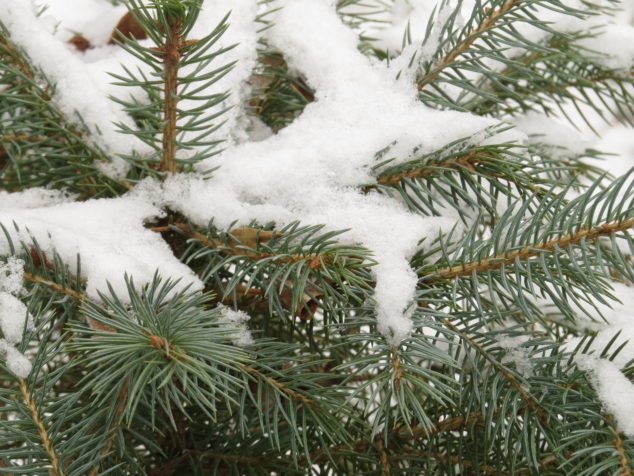
There are many languages that don’t make a distinction between green and blue and treat these as shades of one color. –Guy Deutscher, linguist
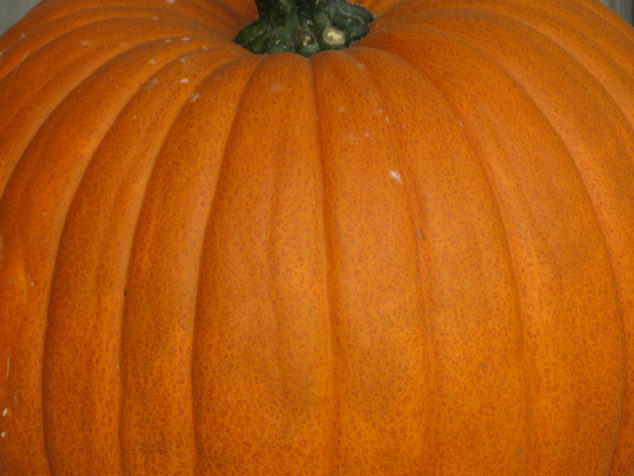
Orange is the happiest color. –Frank Sinatra, singer
The more basic the color, the more inward, the more pure. –Piet Mondrian, artist
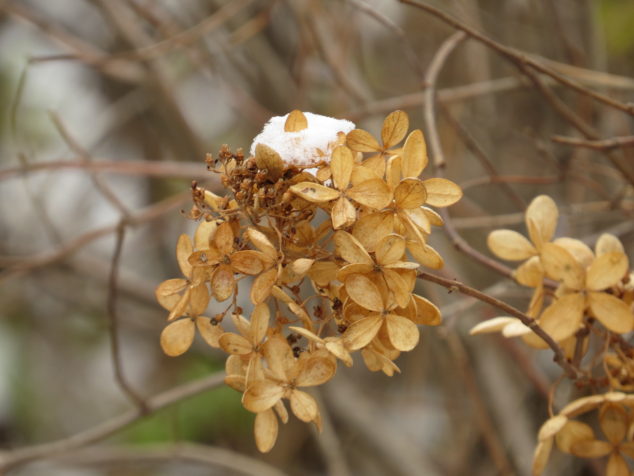
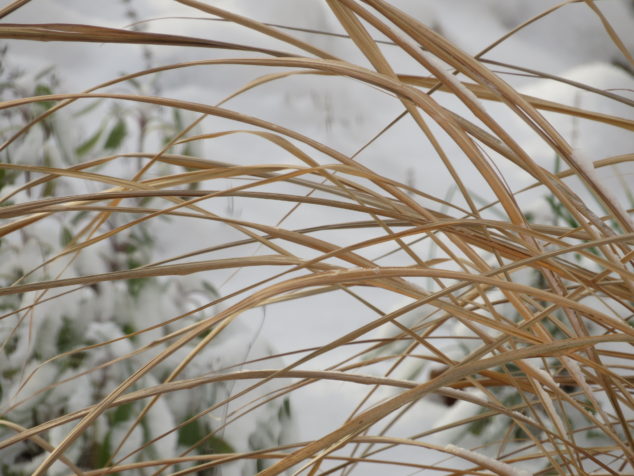
Red is the ultimate cure for sadness. –Bill Blass, fashion designer
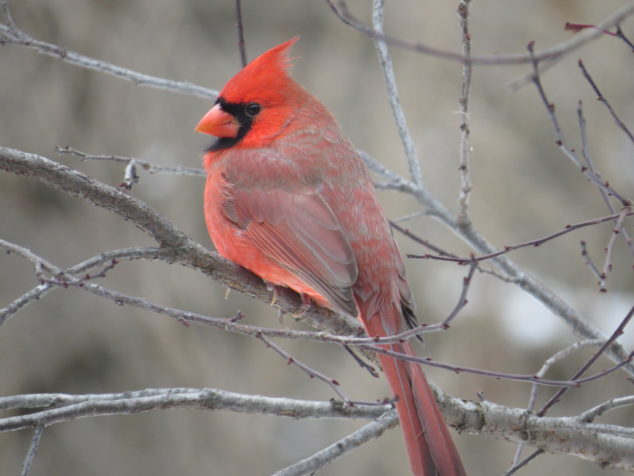
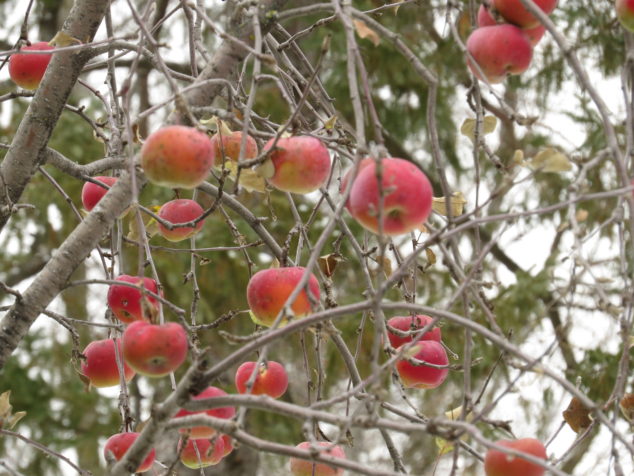
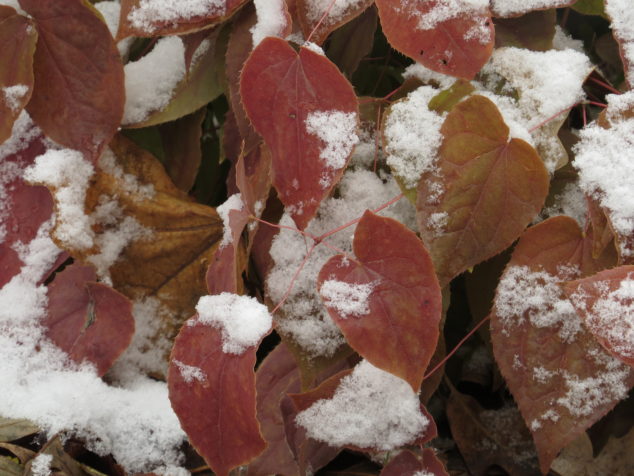
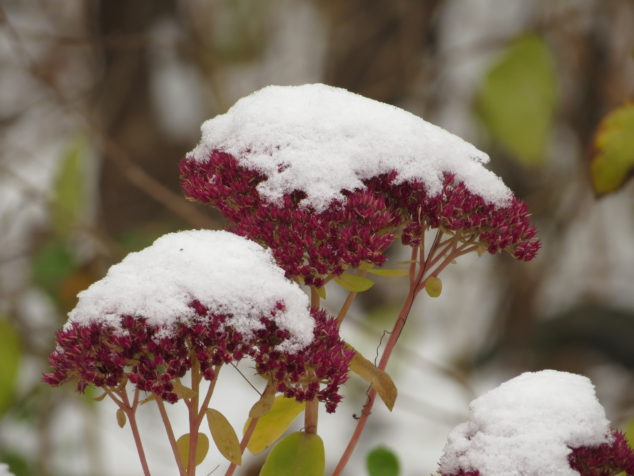
Green is the prime color of the world, and that from which its loveliness arises. –Pedro Calderon de la Barca, playwright
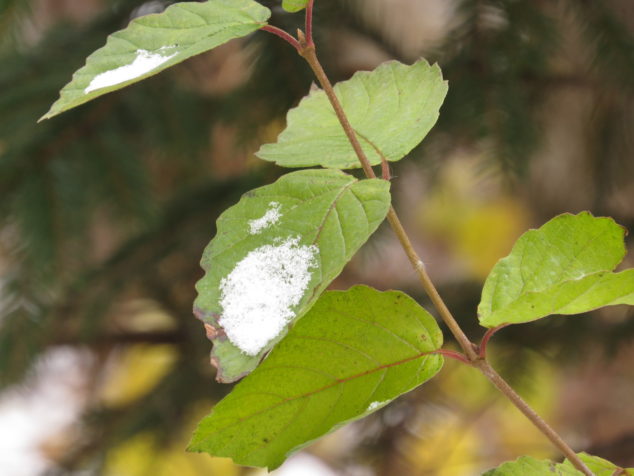
Blue color is everlastingly appointed by the deity to be a source of delight. –John Ruskin, artist and art critic
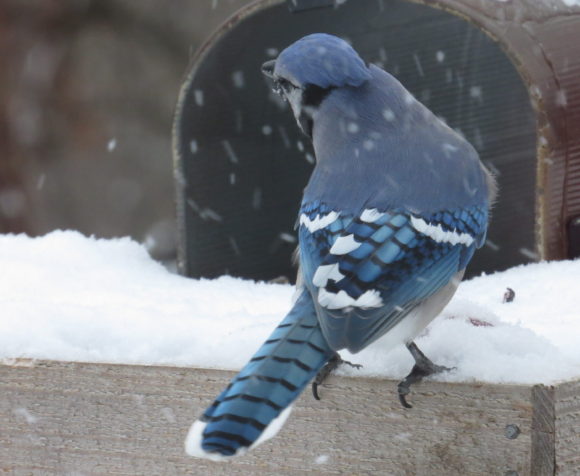
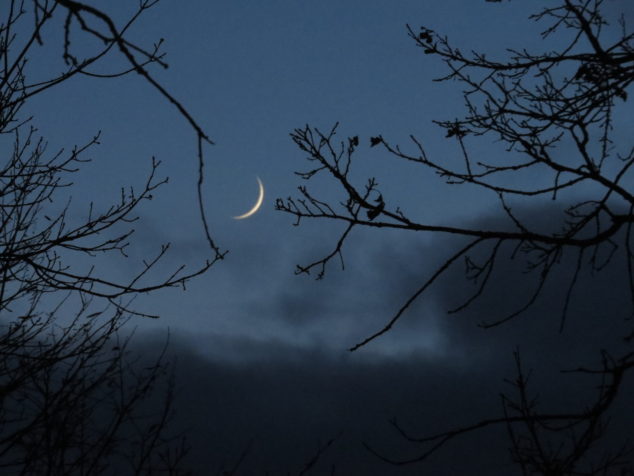
We in the North are entering our ‘hibernation’ time, so to speak, when most of the action takes place indoors. It can be a time of rest and renewal after a fervent and busy Spring, Summer, and Fall. Let yourself rest. During this rest time, there can also be an unexpected blossoming of inner work and creativity. What is your happiest color? Paint it! Wear it! What is your ultimate cure for sadness? Write about it! What makes you smile in the Winter time? Share that with someone! We are all shades of one color, the spirit of the Earth given to us by the true Spirit. Everlastingly.
In My Dream, I Am a Mother
I attended a dream workshop last week. We learned about the biblical dreamers, the history of dream study, and how brain science has confirmed the times during our sleep cycle when our unconscious sorts through our daily experiences and extends wisdom to our consciousness in the form of a dream. The most profound part of the workshop was when we experienced the practice of group dreamwork, when one person shares her dream with the others. Each of the others ‘takes the dream as their own’ for a short time, and says what their associations are “in my dream.” And thus began the outpouring of profound words by a circle of women about motherhood, the deep, intense love for our children, our instinct to protect them, the painful knowing of them leaving the nest, guilt, loss, pride, the passing on of knowledge and values, the ones who stand with us, and who we are as a person in the midst of it all. We then ‘gave the dream back’ to the dreamer, and she could make whatever meaning resonated with her. We were all deeply touched by the dream and the process.
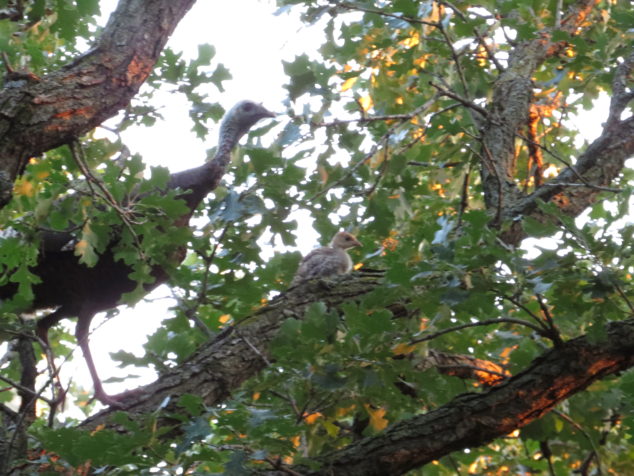
Motherhood, and all that goes with it, is not just for humans. Witnessing the mothering abilities and instincts of cats, cows, sheep, birds, deer, and even research mice has made me admire all mamas of creation. One mother we have seen frequently this year is a turkey and her young ones. At the beginning of August, she had taught her little ones to fly to the branches of an Oak tree to roost for the night.
At the beginning of September, they were following her through the woods in search of tasty insects, grasses, and seeds.
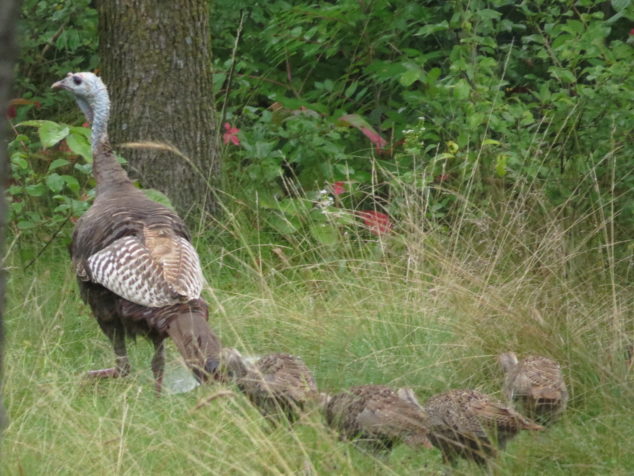
photo by Aaron Brake
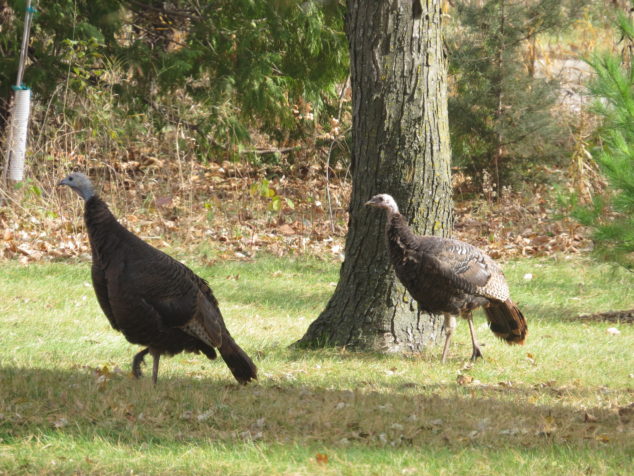
By the beginning of October, the young ones had adult-sized bodies with awkward feathers and heads, and were still roosting in the Oak trees.
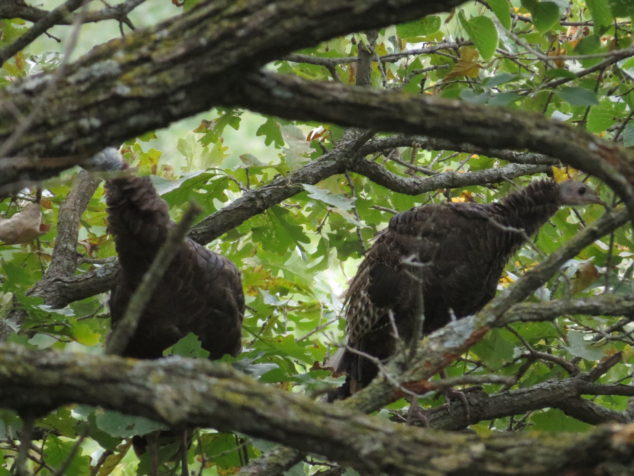
They were back this last week. The matriarch was heavy-bodied and mature in her rich, Fall feathers. She had laid the eggs over a month’s time, brooded them for another month, protected the poults before they could fly, lost a number of them before that time, joined with others into a family group, and was always watchful and protective as her young ones grew and developed.
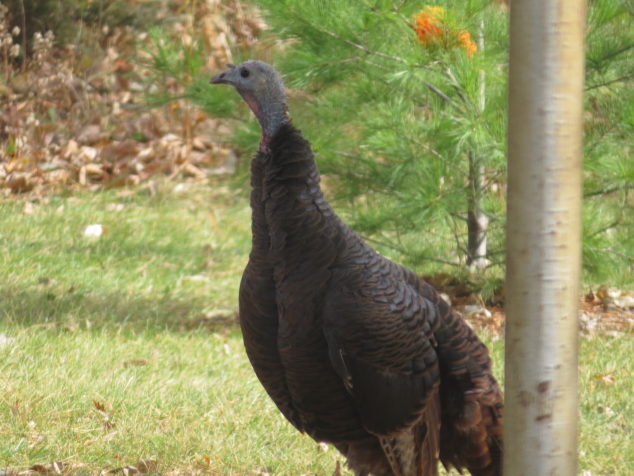
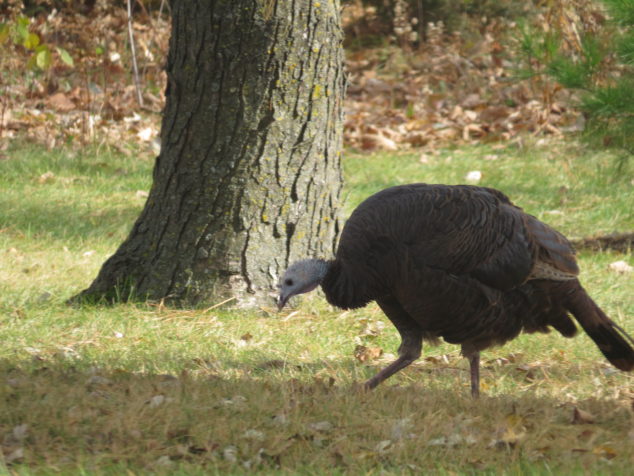
She and her young ones have walked hundreds, if not thousands, of miles in their grazing pursuits in the last six months. What dangers they must have encountered in all those miles!
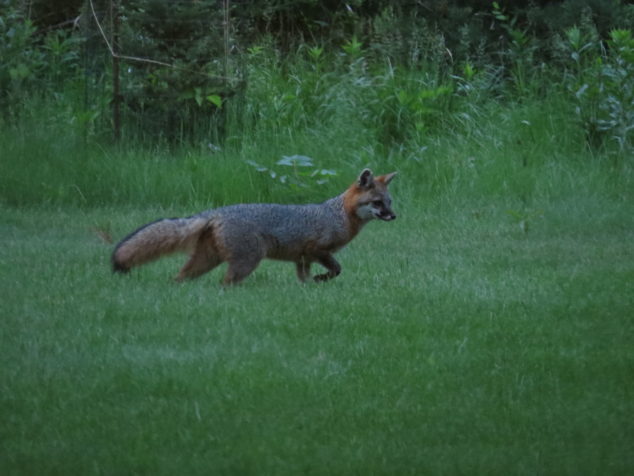
Because we know who also travels through the front yard…
The turkeys have also had many peaceful times in our yard and woods where acorns and maple seeds are plentiful.
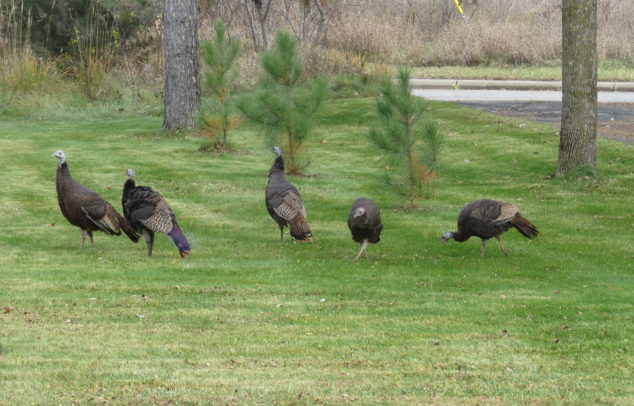
I love this picture of Mama Turkey. She looks like she has ‘come into her own.’ Her young ones are big enough to fend for themselves but will stay with her until the next mating season in Spring. She has grown and developed also, during her motherhood.
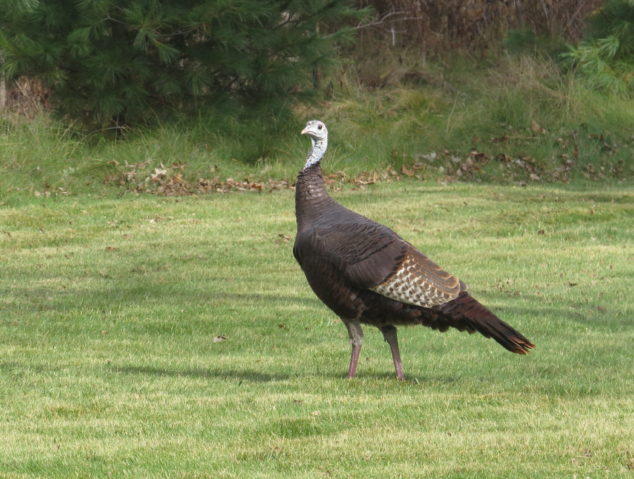
Then it’s time to move on… More miles, more foraging, more watchfulness. The roles of motherhood are deeply ingrained.
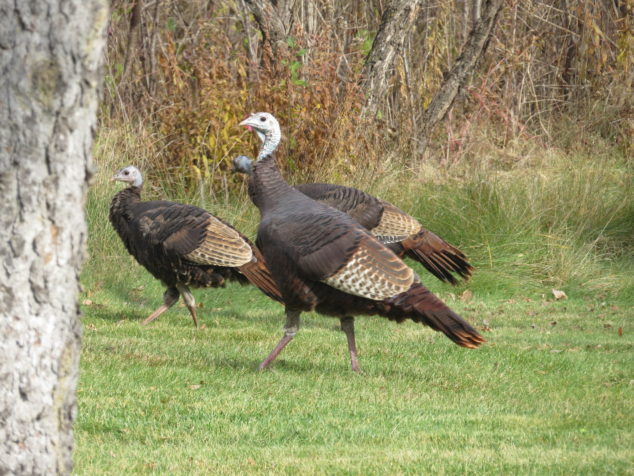
Motherhood. It encompasses the deepest of emotions, the hardiness of body, the strength of spirit, and the burnishing of our soul. Perhaps our children are like dreams—they are shared with us, and we take them as our own. In my dream, you are loved beyond measure. In my dream, you are protected from harm and have all the essentials of life. In my dream, education and spirituality are daily practices. In my dream, the ones who stand with you will help you reach your greater good. In my dream, I am always with you…. And then, we have to give them back, and they make meaning out of their own lives. In motherhood, we start out rather unconscious, and as we walk the miles and live the years, we gain consciousness and wisdom. We come into our own. We move on—more loving, more letting go, more watchfulness. What a profound dream. What a profound process.