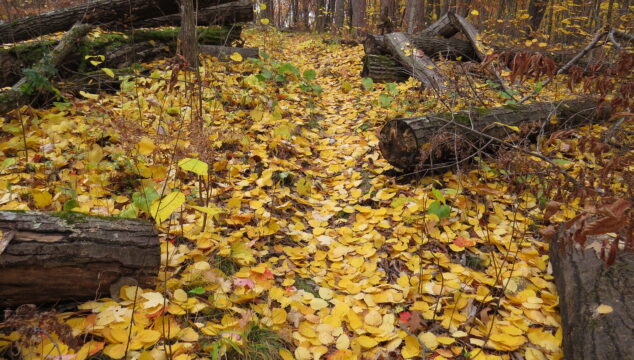
Come walk with me in the peak Autumn beauty of the Northwoods. To say that I love this time of year is an understatement. Most everyone can appreciate the colorful falling leaves---it reveals the 'true self' of a tree when its leaves are no longer producing chlorophyll. Their true colors are revealed, and there is something simple … [Read More...]
Archives for 2016
Gleanings from March–Spring Comes Gently
In a usual year, March is snowy and blustery, and most people wish away the remains of the piled up snow and freezing weather in the hope of Spring. But this March was different–we started the month with snowless ground and accumulated only an inch or two during a couple of flurried days. In between, we had above freezing temperatures with a record high of 58 degrees in the second week of the month–too warm! So this year, Spring comes gently and early to Central Minnesota.
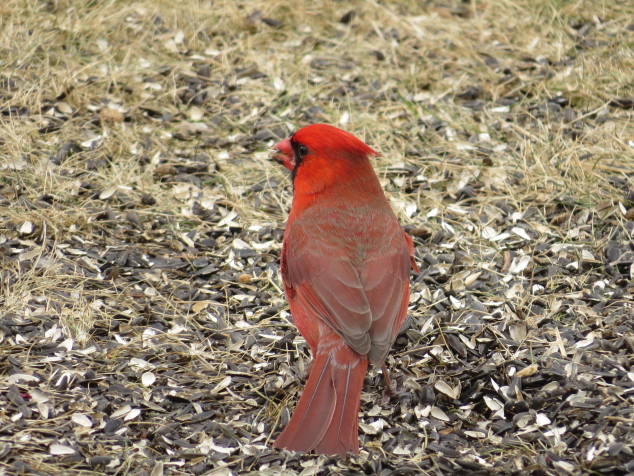
The setting sun is shifting to the northwest, but we still had some spectacular evening skies outside our living room window this month.
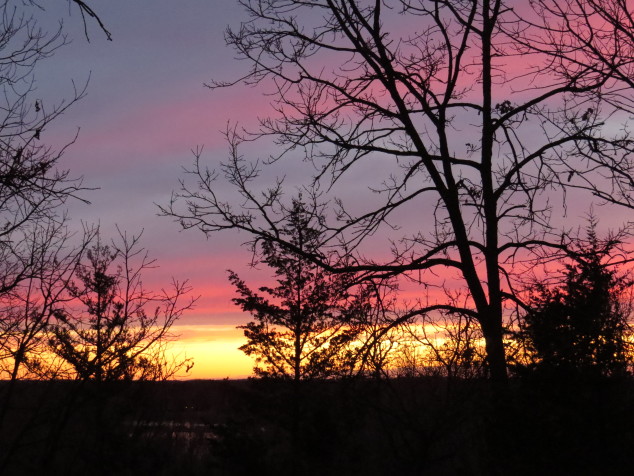
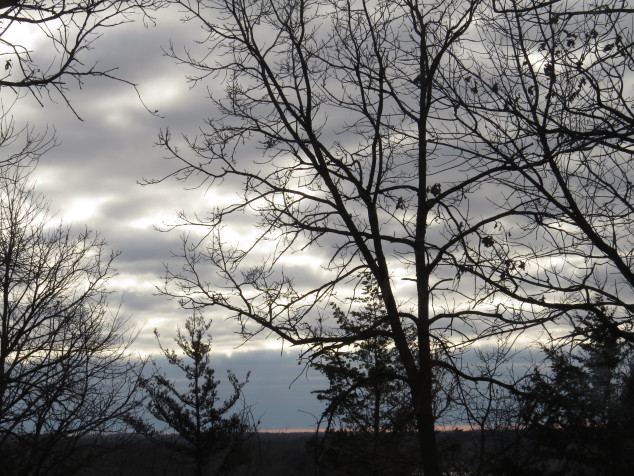
On Easter morning, we awoke to a beautiful covering of snow with frigid blue-gray skies.
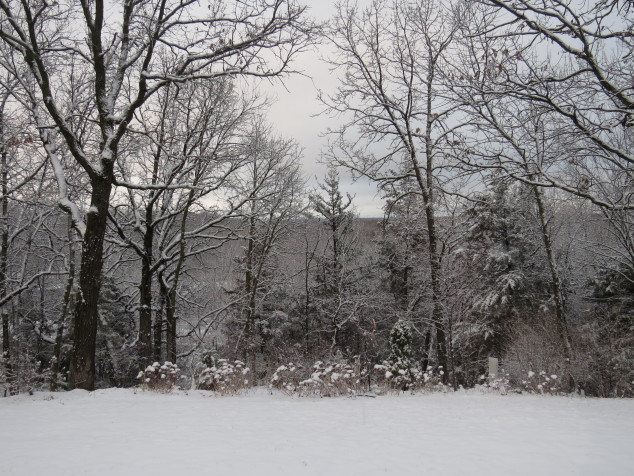
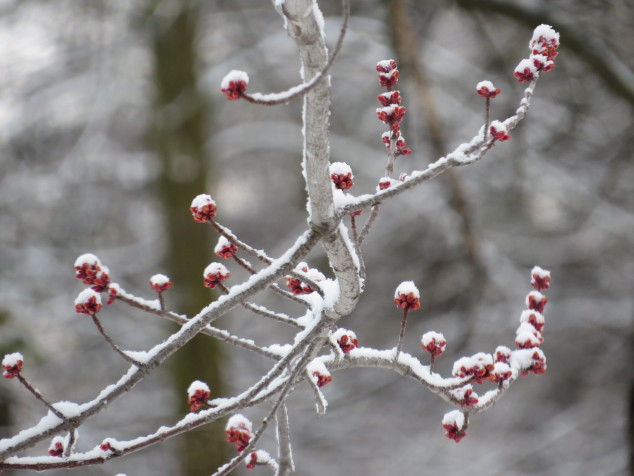
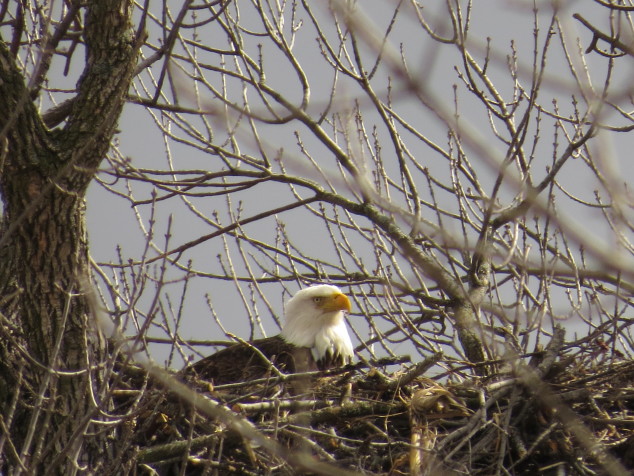
By afternoon the snow had melted, and Chris, my Mom and I hiked around the nearby County Park to check on the eagle nests.
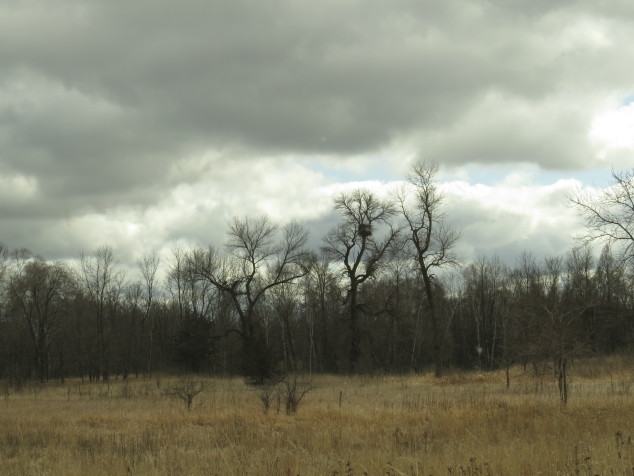
One of the pair in each nest was laying on eggs–content and calm before the storm of activity that comes with the hatching of the hungry eaglets.
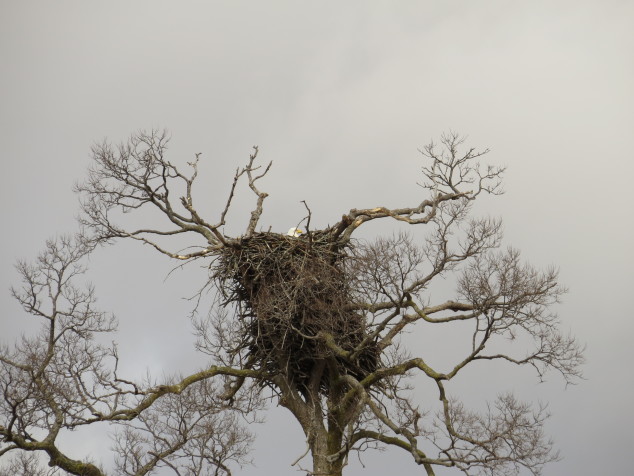
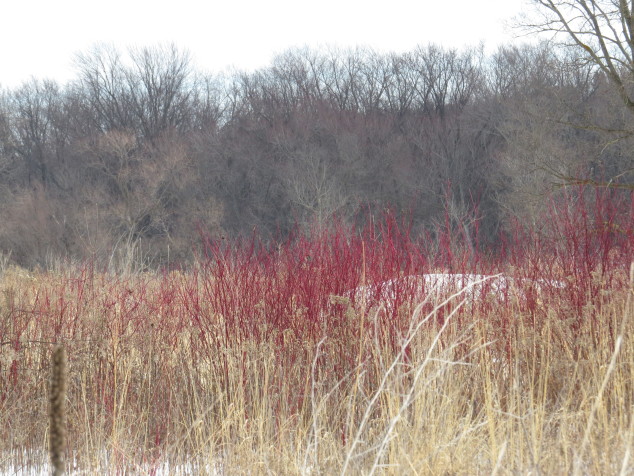
The trail around the eagle’s nest was winter bland until we saw bright red-twigged dogwood stems and fuzzy white flowers of pussy willows.
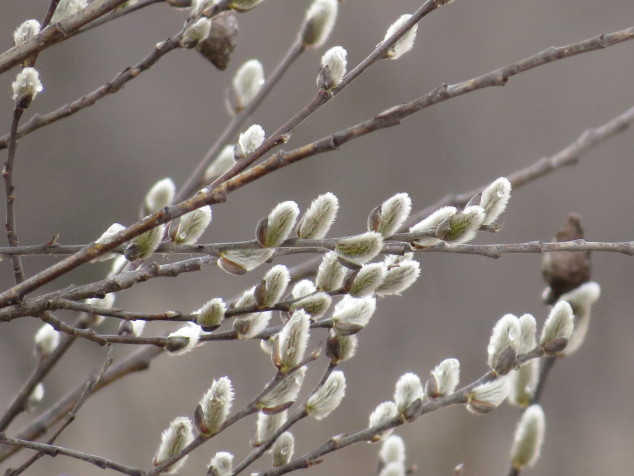
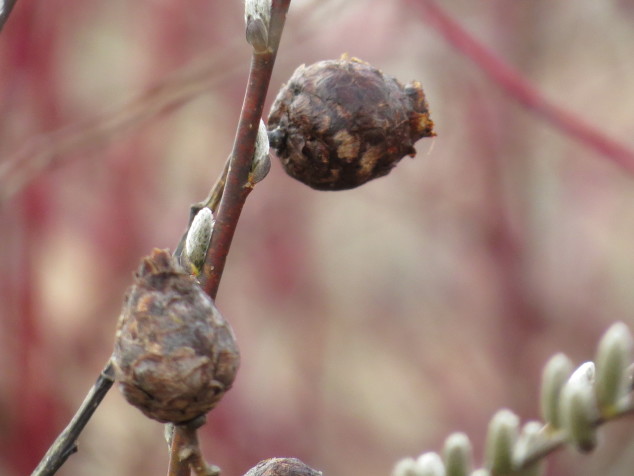
Along with the flowers of the large shrub-small tree pussy willow, there were numerous pine cone-looking objects at the end of branches. Willow Pine Cone Galls are formed when tiny fly-like gnats, called midge, lay their eggs in the swelling terminal buds. The larva secretes a substance that accelerates the growth of the would-be leaves into a mass of flattened scales that look like a pine cone. The larva produces its own anti-freeze, much like the Goldenrod Ball Gall larva, in order to survive the winter. The adult emerges from the gall in Spring.
Two days after Easter, I saw the first pair of returning bluebirds–such a lovely sign of Spring!
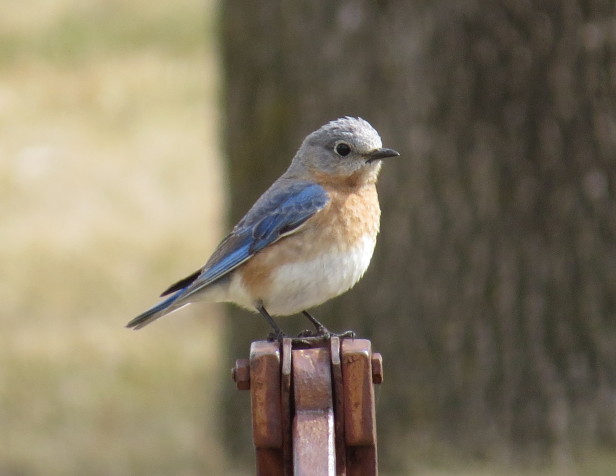
March is always a month of contrasts moving into Spring, and this year seemed to be all the more so. Record warmth and snowy mornings, winter bland and bright colors, nondescript skies and spectacular sunsets. And yet Spring makes its way regardless–Nature’s constant, gentle revival. My life this month seemed to mirror March–wonderful visits from family and difficult news, days of strength and days of weakness, calm gratitude and stormy unrest. And Life gently moves us forward–to learn from the galls, to see hope in new life, to appreciate a beautiful day and the flash of blue wings as Spring comes gently.
Monday marked the second anniversary of North Star Nature, and I wish to extend my gratitude and thanks to those of you who read and share my blog! A particular thank you for the thoughts, prayers, and comments after the death of my Dad–I very much appreciate your kindness.
Do You Believe in Miracles?
“Do you believe in MIRACLES?” was the cover and headline for the Sunday Parade magazine last weekend. It was the story of a Texas girl who had amazingly survived a 30-foot fall into a hollow cottonwood tree. Her head-first fall and subsequent hours inside the tree resulted in just some minor bumps and bruises and possible concussion. If that wasn’t amazing and relieving enough, her Mom noticed in the following days and weeks that her daughter’s serious digestive disorders, diagnosed four years earlier, had seemed to disappear! A Pew Research Center study found that 8 in 10 Americans believe in miracles, even more than half who are unaffiliated with any particular faith. Author Marianne Williamson and teacher of A Course in Miracles says, “People know there’s more going on in this life than just what the physical eyes can see.”
And yet, miracles are in front of our eyes wherever we look, if we really take the time to see.
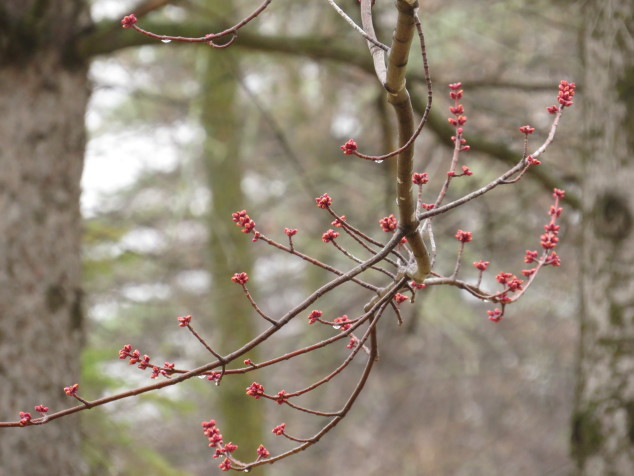
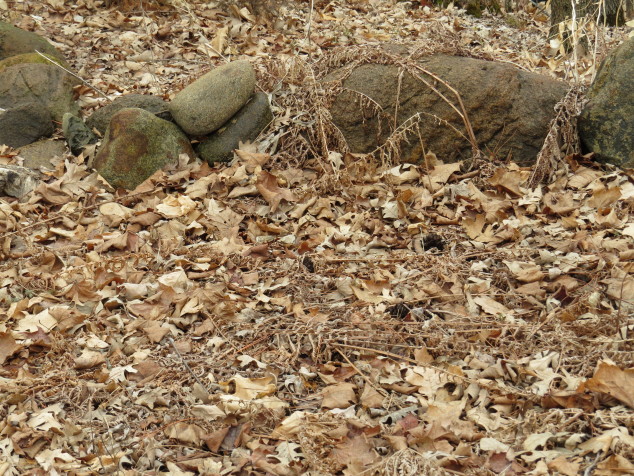
We are afforded this miracle every Spring as we leave the dormancy of Winter. In less than two months’ time, our fern garden will go from this…
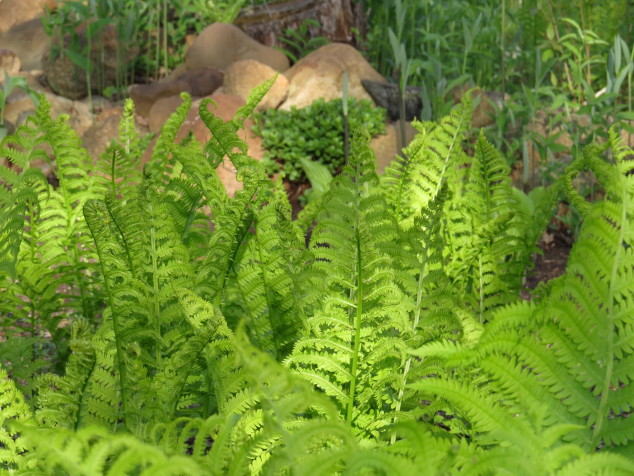
to this….
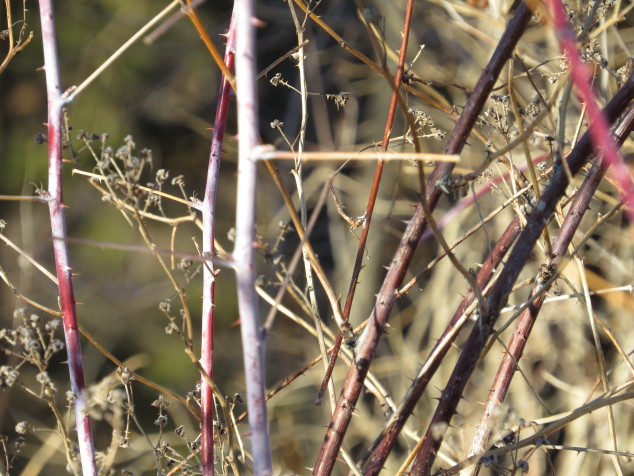
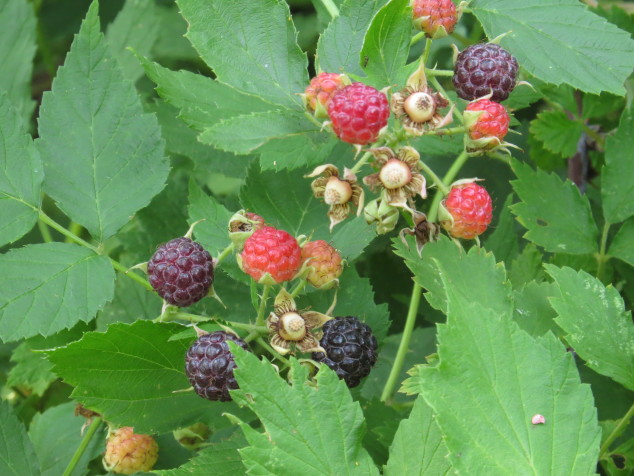
Purple raspberry canes will be producing raspberries in four months…
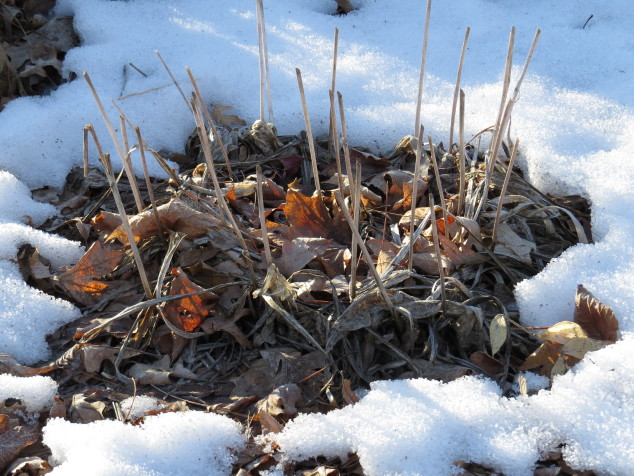
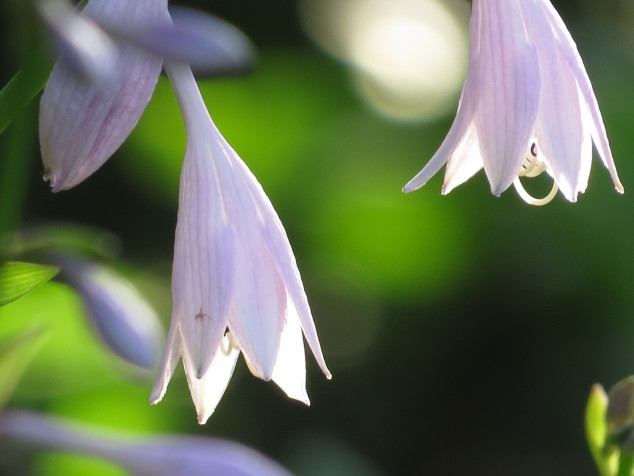
Hosta stalks in the snow will transform to huge green plants that flower at the peak of summer.
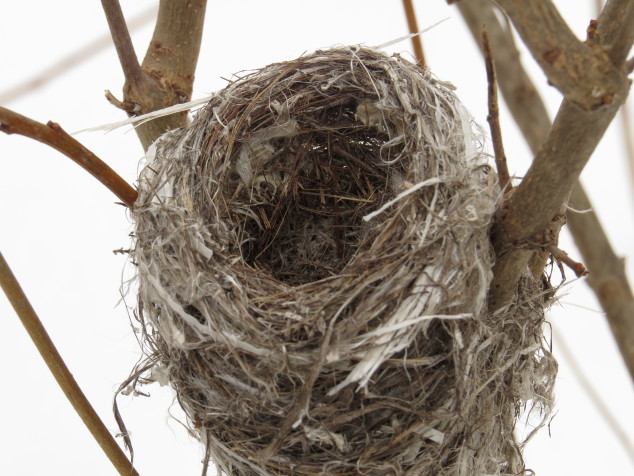
An empty nest may be re-used or re-built for a family of yellow warblers by the middle of summer…
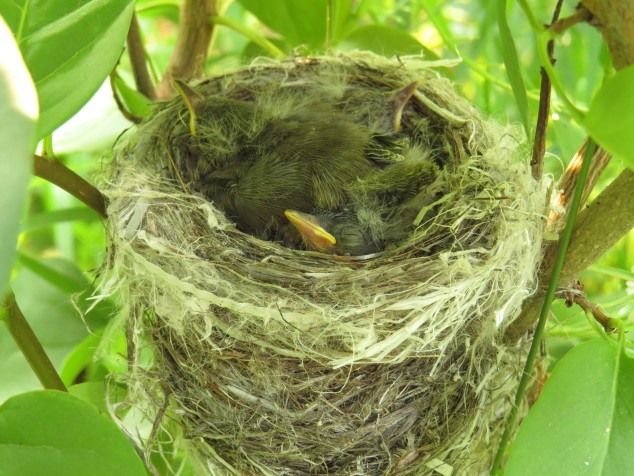
And all of this and so much more occurs without intervention of any kind!
Miracles do not, in fact, break the laws of Nature. —C. S. Lewis
Spring is a miracle! It is easy to see. Every aspect of Nature–in all seasons–is a miraculous occurrence. And in this busy, technical, seemingly money- and people-controlled world, Nature just does its own thing. It doesn’t need our help, or permission, or belief. The Texas Mom responds to naysayers who don’t believe her story, “I don’t feel like I have anything to prove. The proof is right there. We lived it.” So the question “Do you believe in miracles?” is rather a moot point. Miracles happen.
“Do you believe in Miracles?” in the March 13, 2016 Parade magazine by Katy Koontz
The Ugly Time
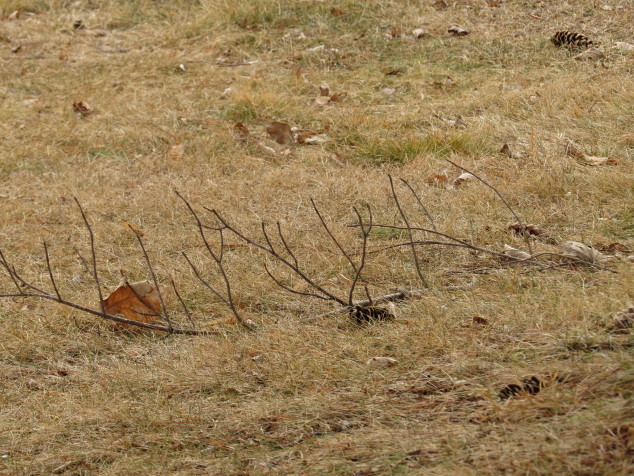
You’ve heard of the ugly duckling, the ugly cry, and ugly houses. The word itself–ugly–is, well, rather ugly. It has a formidable list of synonyms under categories of ‘unattractive,’ ‘disagreeable,’ ‘bad,’ ‘threatening,’ and ‘cross’ ranging from the rather benign ‘plain’ to the severe ‘repulsive’ and ‘grotesque.’ This time of year is what I call ‘the ugly time.’ Most of the snow has melted; what is left of the snow piles is charcoal-colored and raggly. The grass is flattened and gravely where the piles were made by shoveling the snow from the driveway or sidewalk.
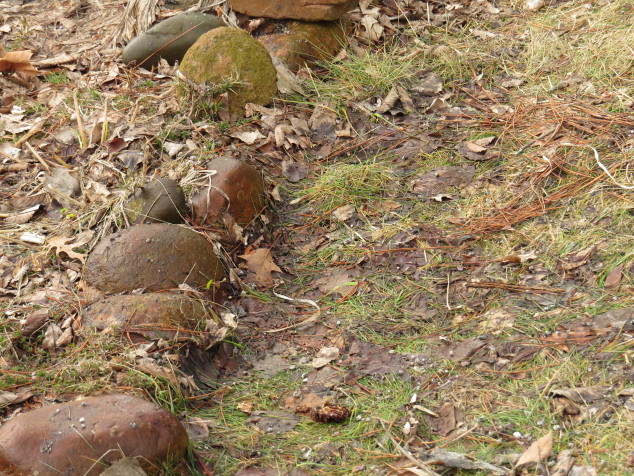
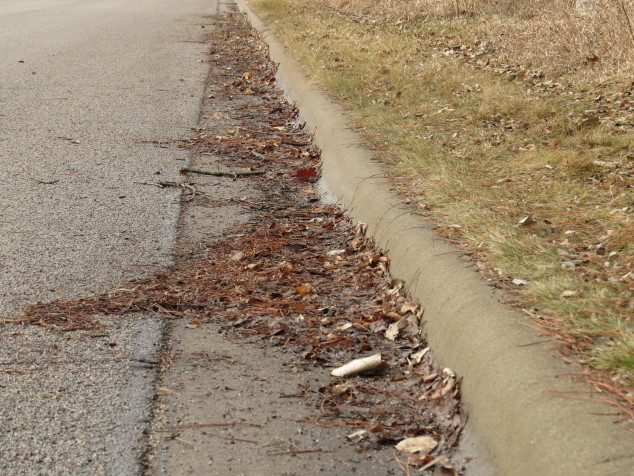
When the snow and ice melt from the road gutter, old leaves, sand, gravel, and salt remains are plastered against the curb.
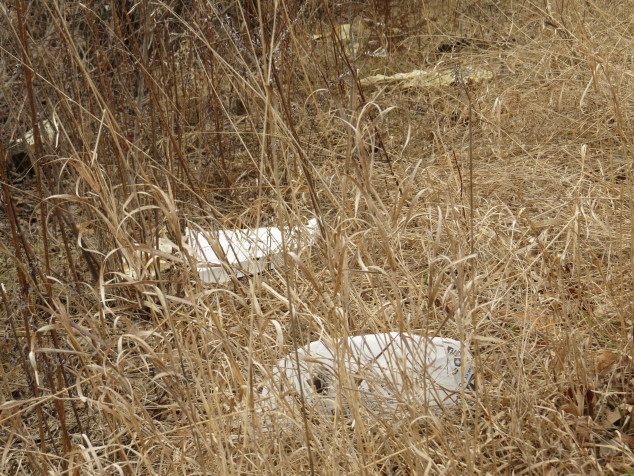
A winter’s worth of trash magically and tragically appears when the blanket of snow is pulled away by warm weather.
The fall-raked yard is littered with sticks, pinecones, and other debris that will need to be picked up before the first mowing.
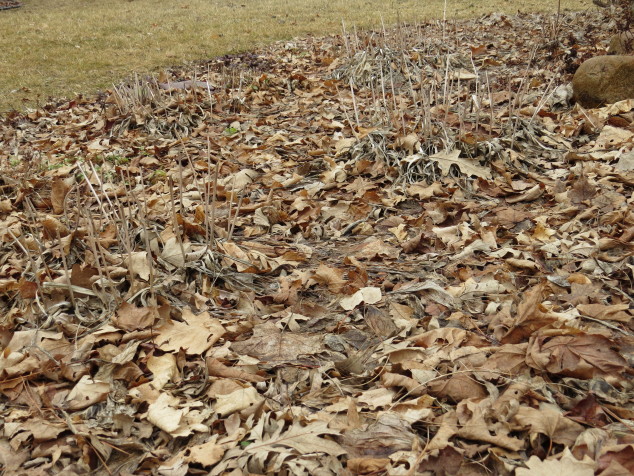
The perennial beds are leaf-covered and dormant.
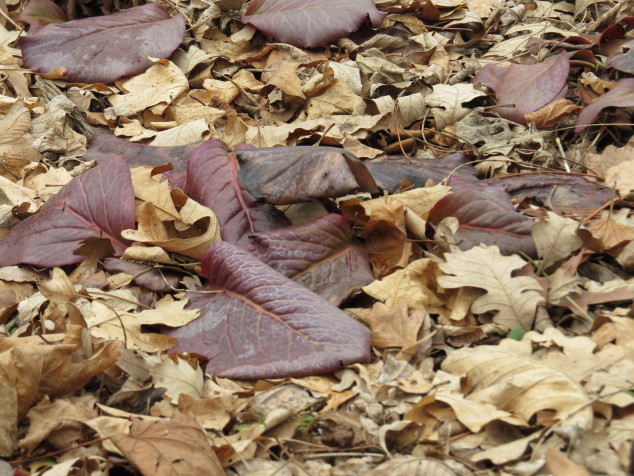
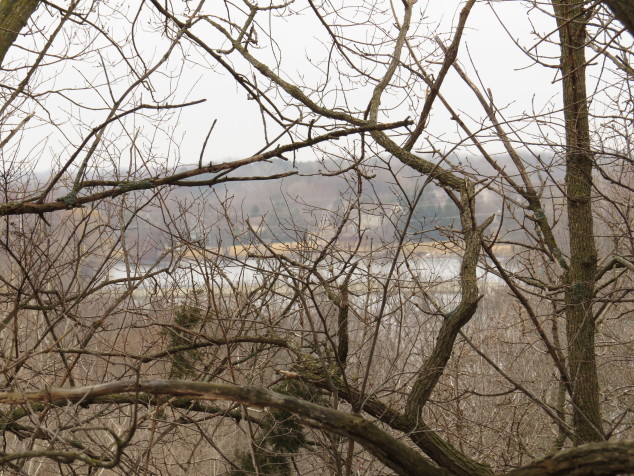
The view of the River and everywhere is gray, brown, muted, flattened, trashy, spent, and kind of ugly. It’s not the severe ugly that is hard to stomach, but it is unattractive in a dormant, neglected sort of way.
In two calendar weeks, it will be Spring. And in the midst of late Winter ugliness, the Star Magnolia already knows and displays the potential of what is to come!
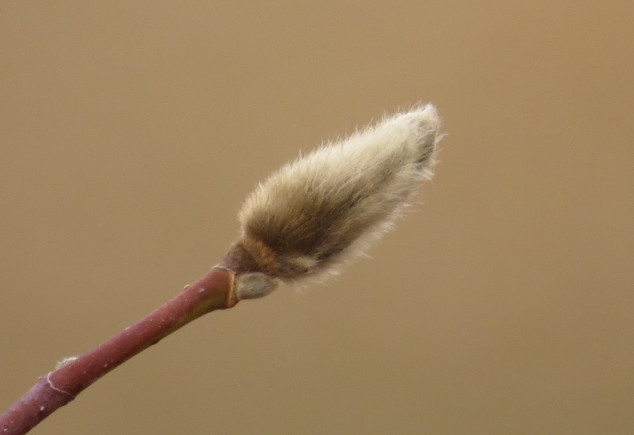
And therein lies the beauty of ugliness–a whole world of potential is encompassed by the unbecoming outward appearance. It doesn’t matter that the young, ugly duckling doesn’t look like the others–what matters is what’s going on inside. Time and maturity unveil a beautiful swan who was that beautiful swan all along. An hour of HGTV reveals the potential of an ugly fixer-upper house–the art of transformation. An ugly cry face matters not when compared to the process within–the release of emotions and stress that opens the door to a change of heart. And the ugly, gray landscape is holding a rich, astonishing, life-affirming, and incredibly beautiful world that is almost ready to be seen. Hope and potential are budding with excitement, thanks to the first glimpse of the Star.
Gleanings from February–It’s All About that Food
What do black oil sunflower seeds and a bag of Ghirardelli 60% Cacao chocolate chips have in common? They are both small, dark, and yummy (to the respective species). Now, I might be stretching it to call chocolate ‘food’, especially in the sustenance sense, but nonetheless, it has been a part of my February and January…and December. Anybody else eat chocolate in a seemingly uncontrollable way when under stress?
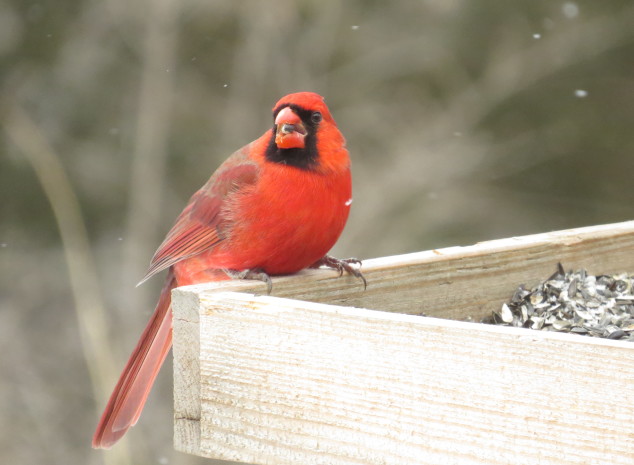
What a strange month February has been here in central Minnesota–it hasn’t been about the snow or the extremely cold temperatures this year. In fact, last Saturday was a record-breaking warm day with a high of 56 degrees! Needless to say, most of the snow has melted. But February has been all about that food for the hardy winter animals and birds who harmlessly flock to the feeders and who harmfully chow down on our trees and shrubs. The winter birds are the most beautiful to see as they come daily to the feeders for sustenance, taking a seed or two at a time.
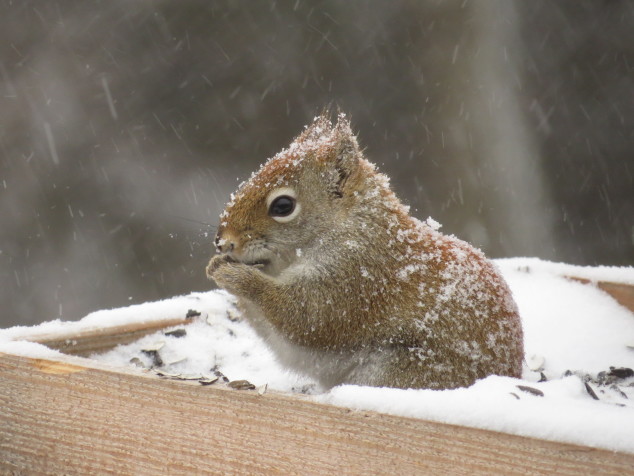
The most amusing visitors to the feeders are the squirrels who take their mealtimes very seriously! This little red squirrel will sometimes eat at the feeder, but other times will fill his cheeks with seeds and high-tail it to his den in order to keep a stash nearby.
There is an abundance of gray squirrels, a few little red squirrels, and two black squirrels–one with a long tail, the other with a shortened ‘Squirrel Nutkin’ tail. These two are feisty and protective of ‘their’ feeders.
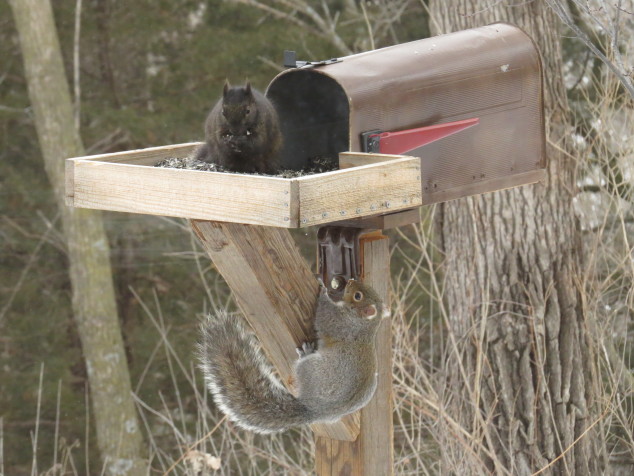
Whereas the birds are prudent with the abundance of a full feeder of black oil sunflower seeds, this guy is a little piggy, scooping up paws full of seeds and chowing down!
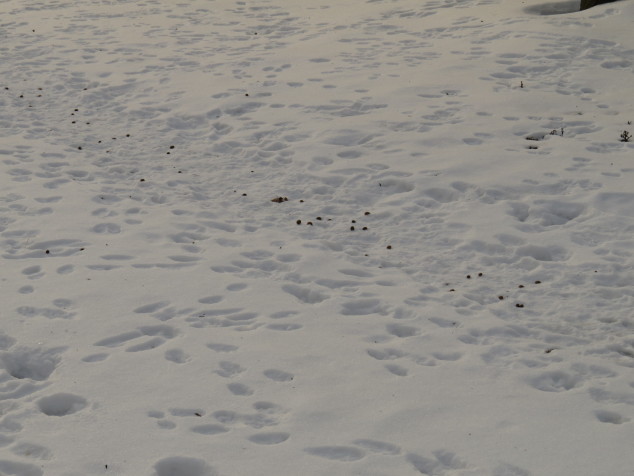
Our more nocturnal critters clean up the fallen seeds from the ground after the sun goes down–rabbits and foxes. Evidence of the rabbit’s activities can be seen in the light of day.
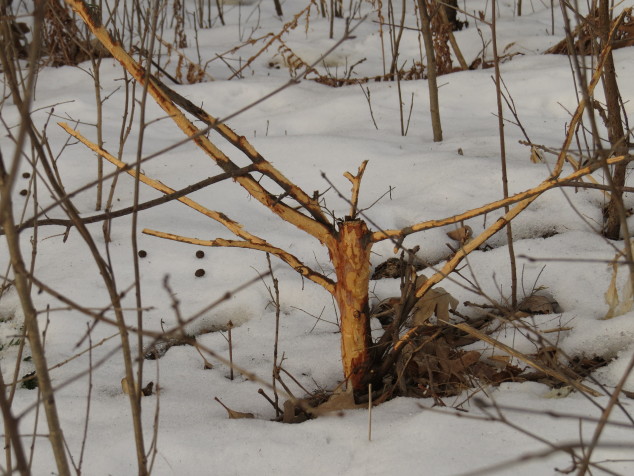
They also cause real damage to young trees and shrubs, as in the case of this young hemlock tree.
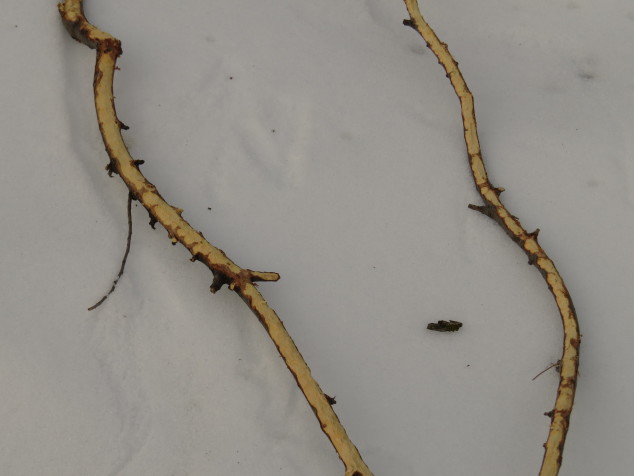
Rabbits or deer stripped the bark from some fallen branches.
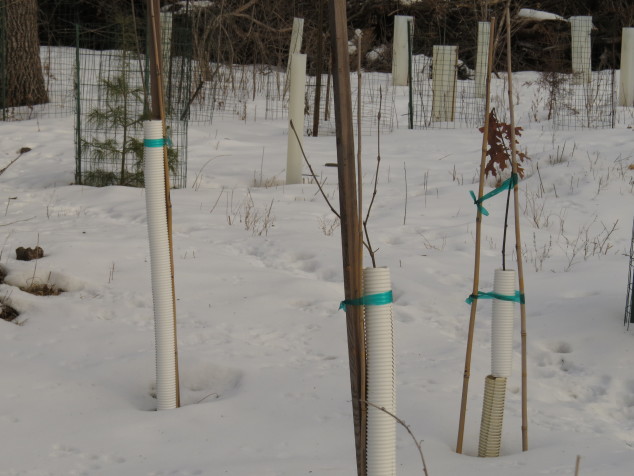
While my horticulturist husband loves planting and growing new trees and shrubs, it is a necessity to protect them from the winter grazers.
As in most food chains in Nature, the tables get turned, and a rabbit becomes a meal for the scavenger crows.
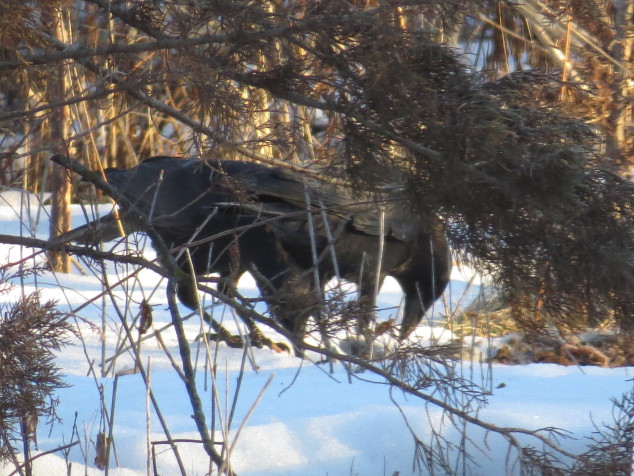
February is all about that food for the birds and animals in this northern climate. The mild temperatures and minimal snow have made it easier for the critters to find some kind of sustenance for survival this year, but they have still been hard on some of our unprotected plants.
Recovering from a death or grief of any kind can also make for strange months–times of sadness and despair, dreams that try to ‘organize’ the pain, and moments of lightness and laughter when the sun shines through the darkness. Diving into my stash of chocolate may not be the prudent way to ameliorate the pain and confusion of grief, but it may just be a necessary way to protect that part of me that doesn’t want to accept what happened. Until I do. And then, once again, I can eat chocolate like a cardinal instead of like the Squirrel Nutkin squirrel.
Walking Through Winter
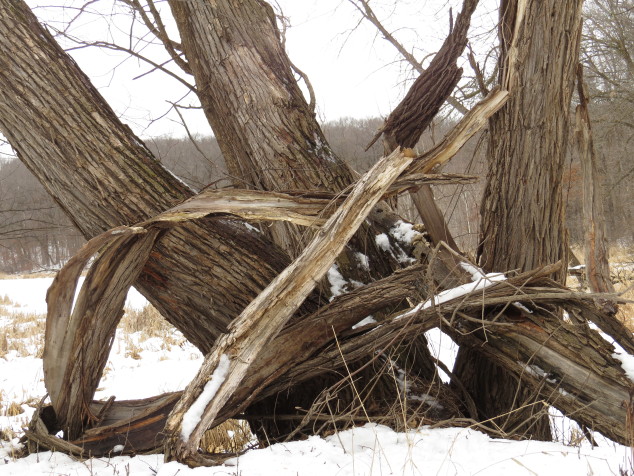
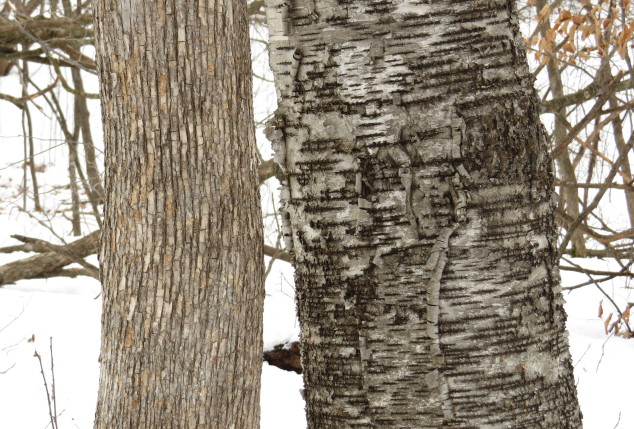
Winter can be a tough season, but like last year, this winter has had minimal snowfall and relatively mild temperatures. This has allowed us to hike the trails of nearby parks with comparative ease. A couple of weeks ago we ventured out to Wildwood County Park for a morning hike. The park has three and a half miles of cross-country ski trails, but the only other people we saw were walking their dogs. The snow was slick and wet since temperatures hovered above the freezing mark. Deer and other animal tracks made their own paths through the woods, crossing the hiking and skiing trails with frequency. The woods were mainly old growth maples and oaks with ironwood as the predominant understory tree. The vertical lines in the bark of an ironwood contrasted with the horizontal lines in an adjacent birch tree.
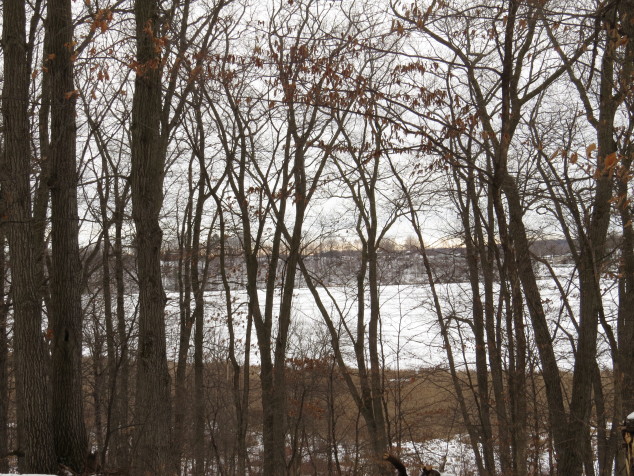
We saw the ice-covered Kraemer Lake through the trees…
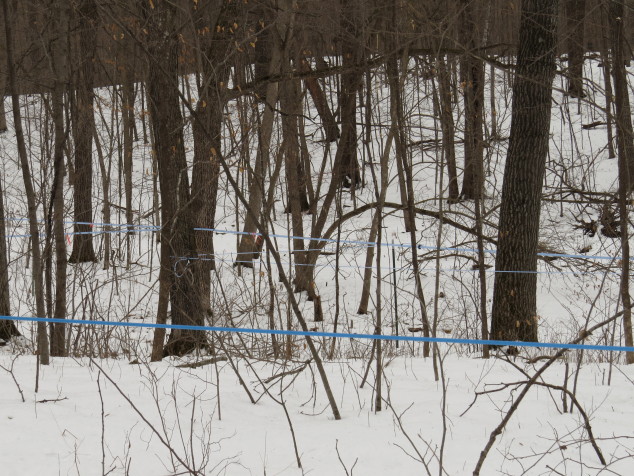
and bright blue sap lines from Wildwood Ranch that would soon be tapped into the towering maple trees to harvest the sap for making maple syrup.
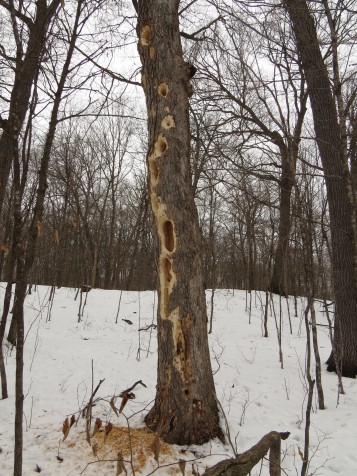
We saw evidence of a very busy woodpecker–most likely a pileated–with his recent drillings.
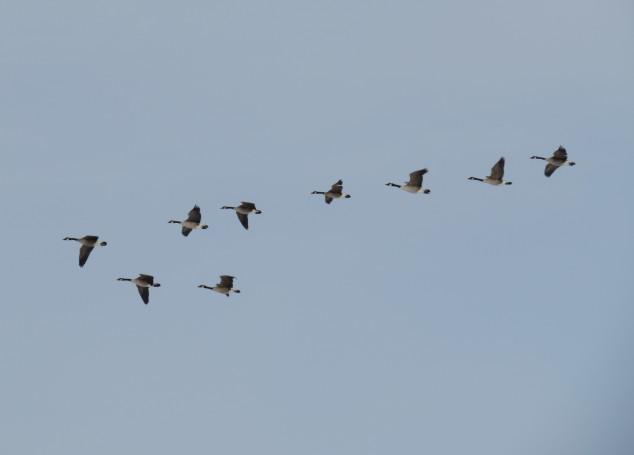
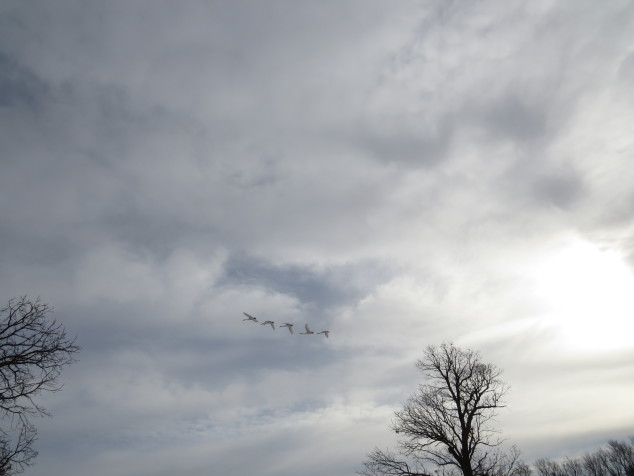
The next weekend we went to Eagle Park and Rockville County Park to hike and check on the eagles. Small flocks of Canadian geese and Trumpeter swans flew over us as we walked the trail.
Then one of the eagles flew to their nest in the center of the park. Soon the mate glided in carrying a large stick to add to the already huge nest.
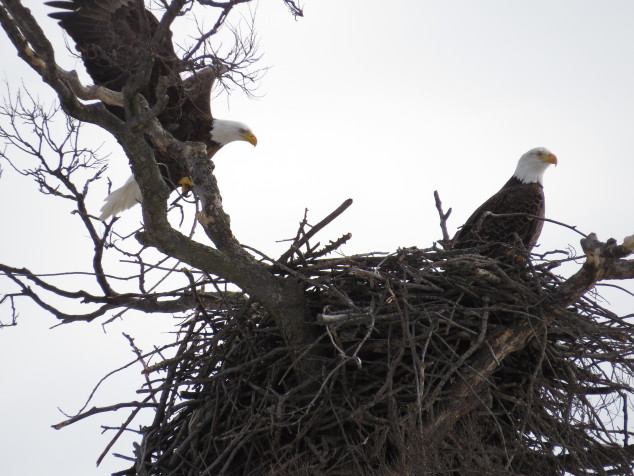
Both worked on getting the new branch in just the right place.
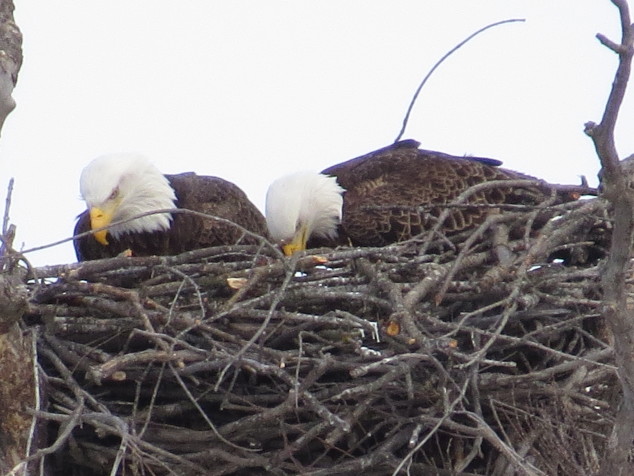
Later they hopped up to their perch above the nest and surveyed their territory. This pair didn’t raise any eaglets last year–I’m not sure if the eggs never hatched or if the young hatchlings died for some reason. But they are back this year, adding to their nest, getting ready for their next brood.
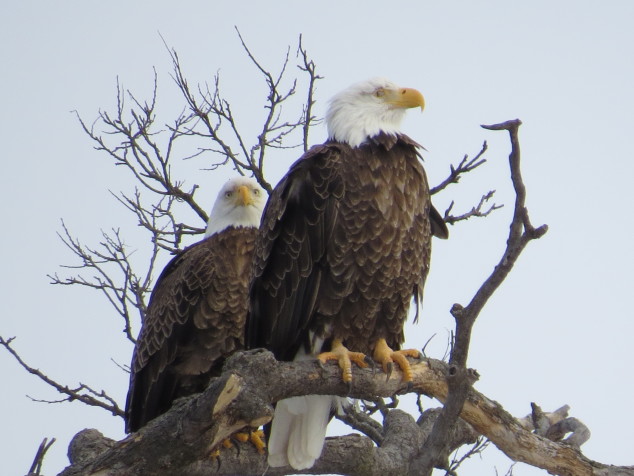
A mile or so away, the other nest of eagles who raised three eaglets last year, were also adding sticks to their nest in preparation for their next offspring.
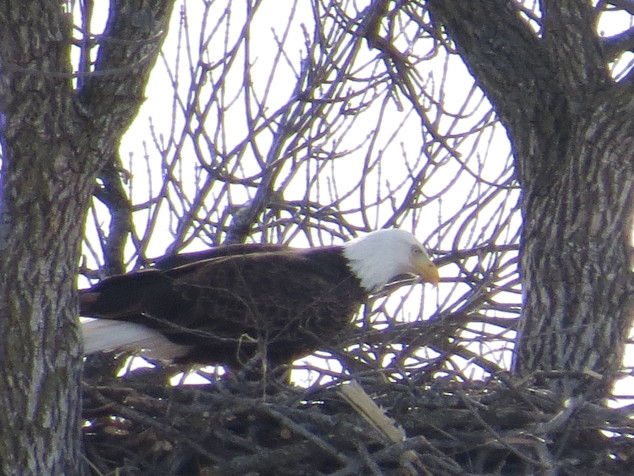
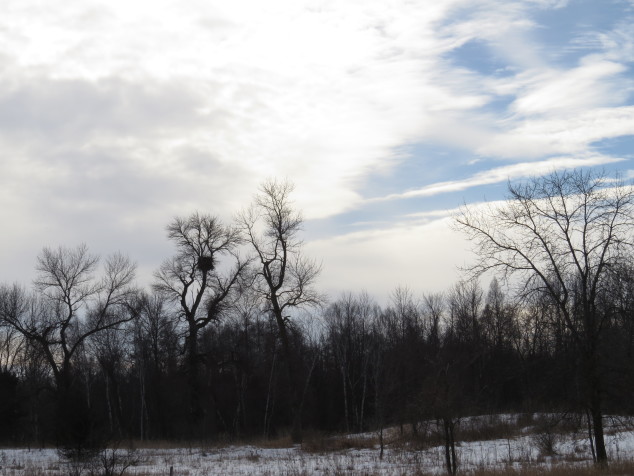
Winter can be a tough season. Weather-wise, this winter has been fairly easy, but in other ways, it has been hard on me: losing a parent to death, losing children in the ways we do as they leave the nest and make their own paths, and losing a little piece of ourselves as each of those things happen. And so, step by step, I am walking through winter, hiking through the heartache, and letting Nature and the Creator work to fill up the holes that were drilled into my heart. I will pick up another branch and add it to the already huge nest of a life I have built. I will look forward to the new creations of Spring, and soon I will be able to tap into the sweetness that life also brings to each of us.
My Love Story with Nature
“The purest, most idealistic, truthful and honest love story one can ever live without the slightest sense of regret is that of loving nature.” —unknown
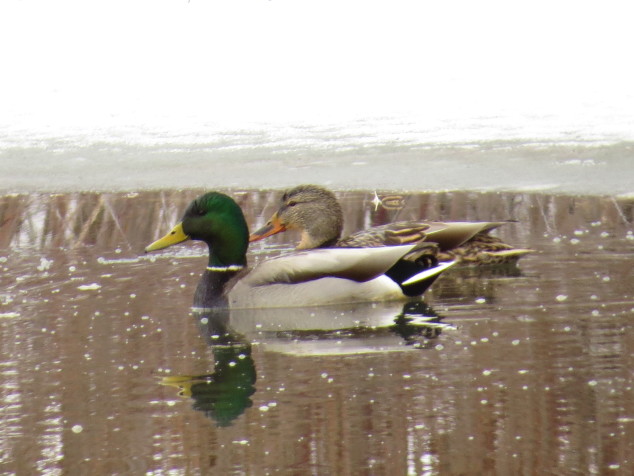
It takes time to get to know someone or something–at first things may not seem comfortable or the wrong words may be said or mistakes can be made. Doubts swim into our consciousness. But something draws us forward. And as we move forward and learn more about ourselves and the other, we begin to care–really, truly care. With time and caring, with respect and experience, with trust and observation, we begin to love.
I was very young when I first cared about nature–being outside and being around animals was an integral part of my life. I cared about the chickens and their miraculous eggs, even as I watchfully kept my distance from the scary rooster. I liked playing in the sandbox under the trees, walking under the wispy Weeping Willow branches, and sitting on the warm back of the gentle Holstein cow as my Dad milked. Later I fell in love with horses and worked hard cleaning out stalls at our neighbor’s barn so I could buy a horse of my own. I cared for that special horse for another twenty years until he died.
We care about people and things as we learn and spend time with them. Our feelings deepen and expand as we love the things we care about. And with that love comes responsibility to care for the people and things we love. Time. Caring. Love. Responsibility. Time, Caring, Love, Responsibility, and on and on it goes. I care about my family and Nature. I love my family and Nature. I care for my family and Nature, and in turn, desire to spend more time with them. On this Valentine’s Day, what kind of love story are you living?
Staying Warm
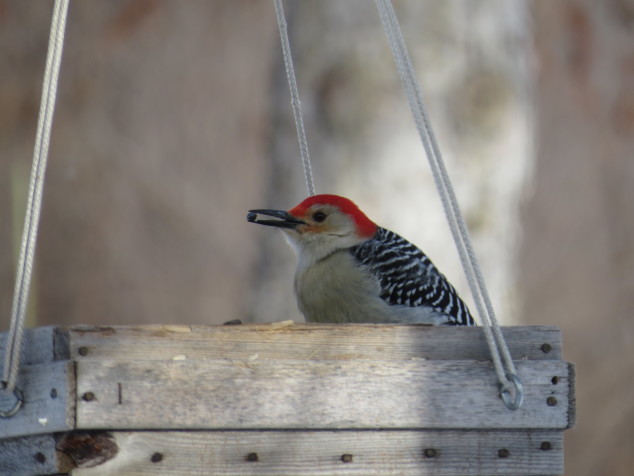
It’s a cold week in Minnesota–single digits and teens with below zero wind chills. When I go outside, I put boots on over Smart Wool socks, pull my fleece neck gaiter over my head, put on a wool stocking cap with one of those ear muff things over that to keep the wind out of my ears, pull on a double-layer Columbia coat (over a fleece pullover), and slip my hands into leather mittens with sheep wool lining–and that’s just to walk the dog! Staying warm in the biting cold is a challenge for man and beast–and birds! Our resident red-bellied woodpecker with his bright red head and barred feathers found a place out of the wind on the maple tree.
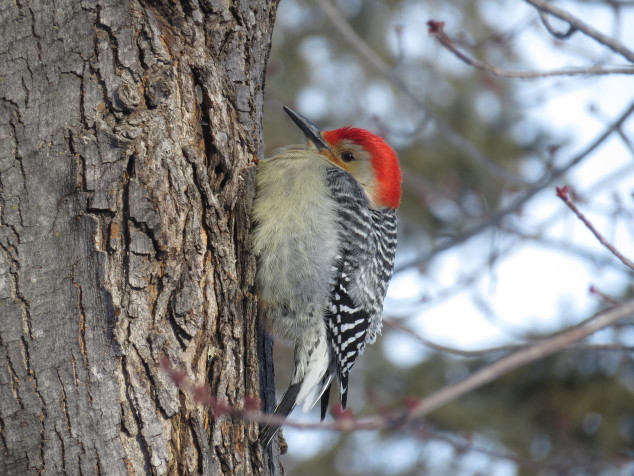
He clutched the tree with his strong feet, used his tail feathers for an anchor, and fluffed up his feathers for added insulation. As the wind whipped around the tree, he would close his eyes.
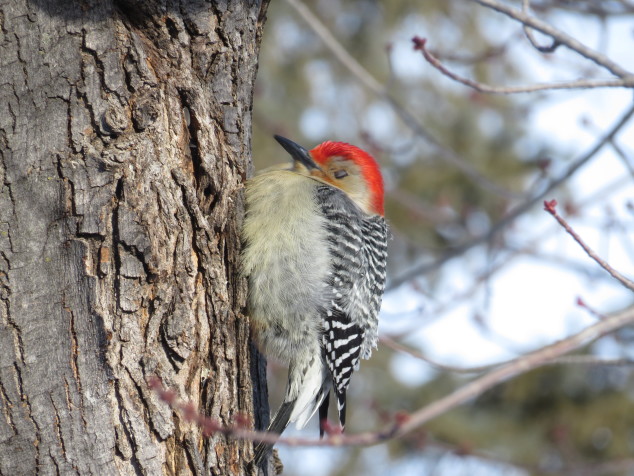
And then he hunkered down–as well as a bird can while perching on the side of a tree.
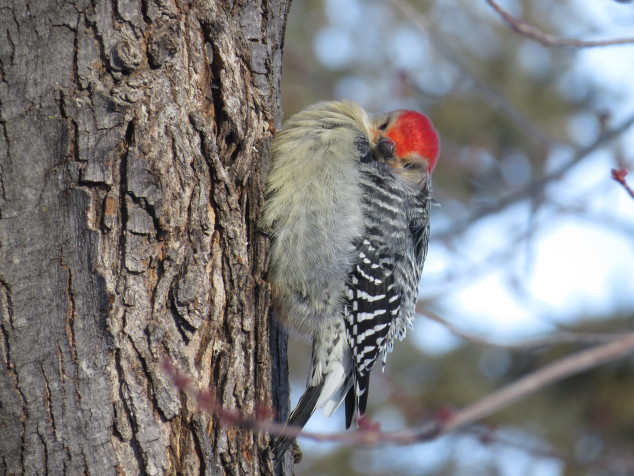
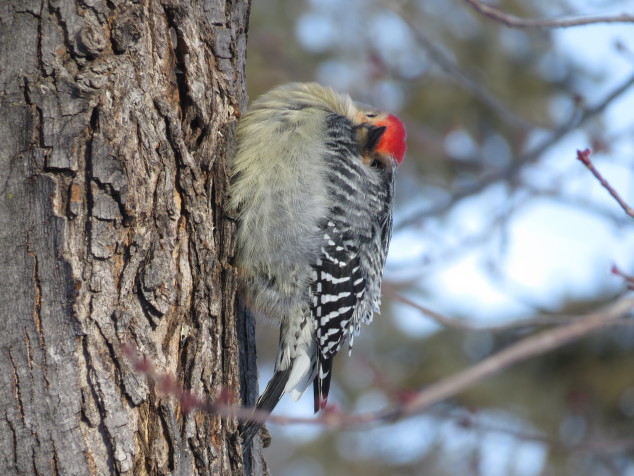
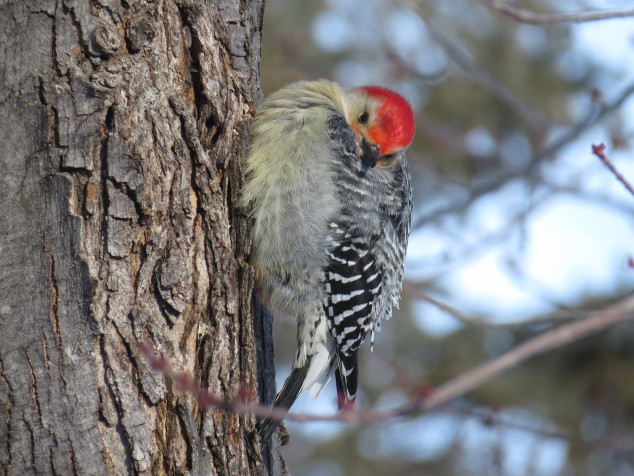
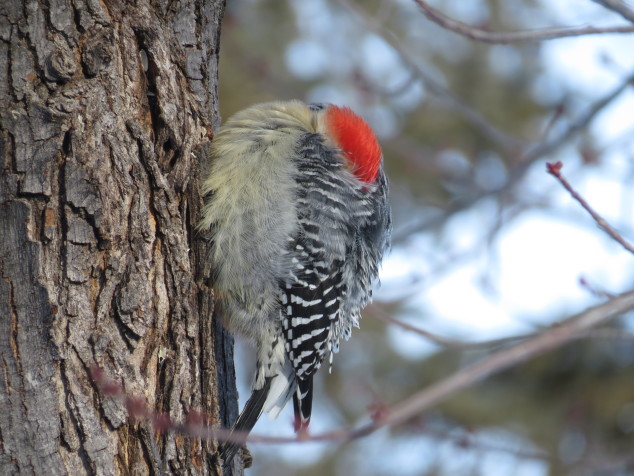
I have seen birds preen this way, but he just tucked his head into his feathers–first one way, then the other. It was the perfect way for staying warm on a frigid, windy day.
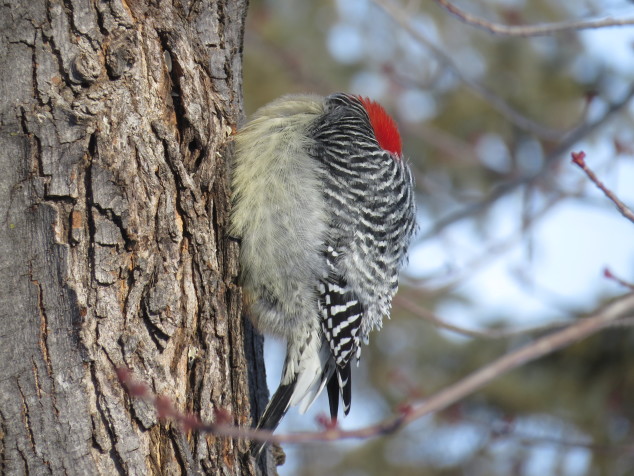
Later that afternoon, I saw him fly to the feeder, grab a sunflower seed, take it back to the windless side of the tree to eat, then return to the feeder again and again. It takes nourishment to stay warm, too, especially from the fat in the black oil sunflower seeds.
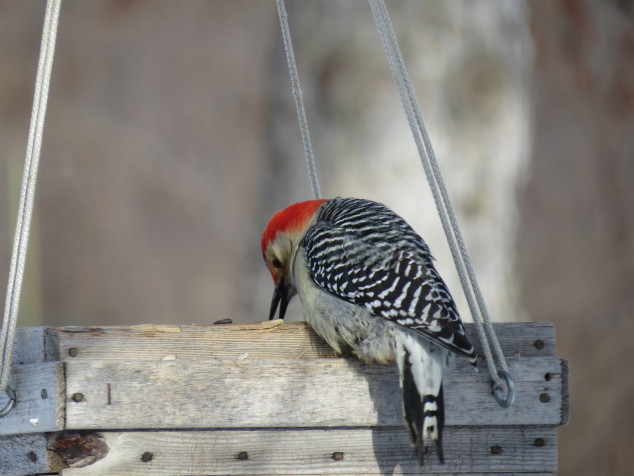
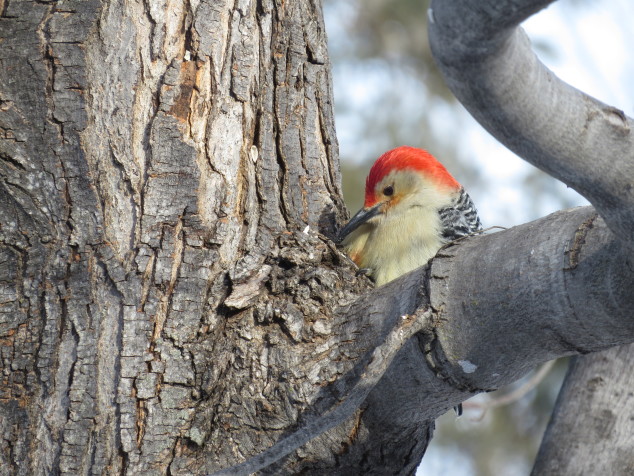
“What good is the warmth of summer, without the cold of winter to give it sweetness,” writes John Steinbeck. Our Minnesota winter has been relatively mild this year compared to most others. And yet, I always marvel when the weather warms enough to go outside without a coat and with just a pair of flip-flops on my feet! We, along with the birds and animals, have our ways for staying warm. There is sweetness in coming back into the house for a cup of hot chocolate by the fireplace after trekking through the snow and cold on an invigorating hike. There is a quiet comfort in a warm, secure home, which is not a reality for some people. There is warmth in sharing a nourishing meal of soup and bread. And there is the sometimes taken-for-granted warmth of Love from our family members and friends, without which we would truly be out in the cold. How do you stay warm?
Gleanings from December 2015 and January 2016
“All Nature speaks the voice of dissolution. The highway of history and of life is strewn with the wrecks that Time, the great despoiler, has made. We listen sorrowfully to the Autumn winds as they sigh through dismantled forests, but we know their breath will be soft and vernal in the Spring, and the dead flowers and withered foliage will blossom and bloom again. And if a man dies, shall he, too, not live again?” —Daniel Wolsey Voorhees
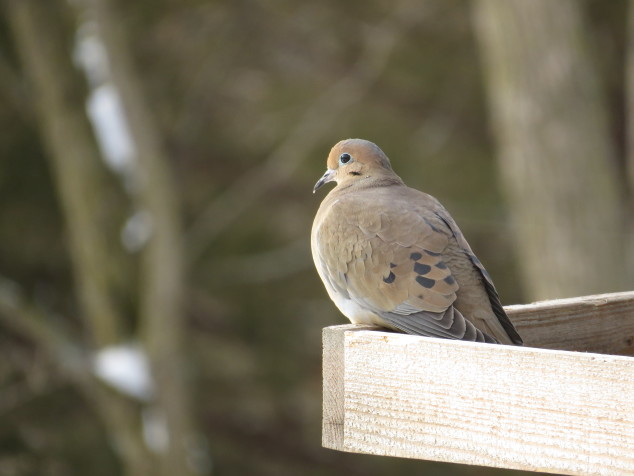
Time has been messing with my mind these last two months. With my Dad’s run at recovery after his pneumonia, the days seemed to go by quickly as we prepared and looked forward to his return home, but as things got worse again, Time slowed. With his death, it was as if Time wasn’t even recognizable anymore. Wait, was it only two days since he died?! I seemed to be in another realm where Time wasn’t numbered and predictable. Then Nature stepped in–the voice of resolution as well as dissolution, and day by day, the birds outside my window helped me settle down. I was surprised to see a mourning dove at the feeder one morning–I don’t usually see them in the middle of winter, and they most often browse on the ground for food. A mourning dove for my mourning.
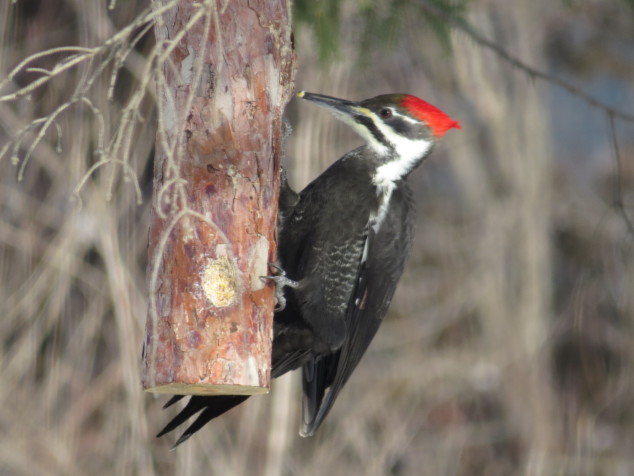
A pileated woodpecker’s long, strong beak made short work of the suet-stuffed log feeder.
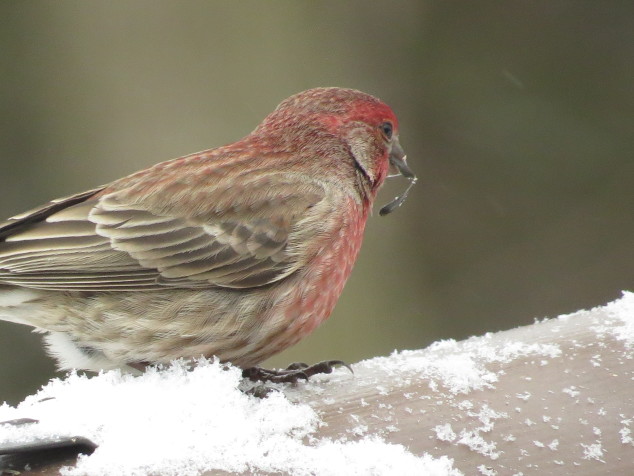
Purple finches gathered at the feeders in groups–a community of fine-feathered friends.
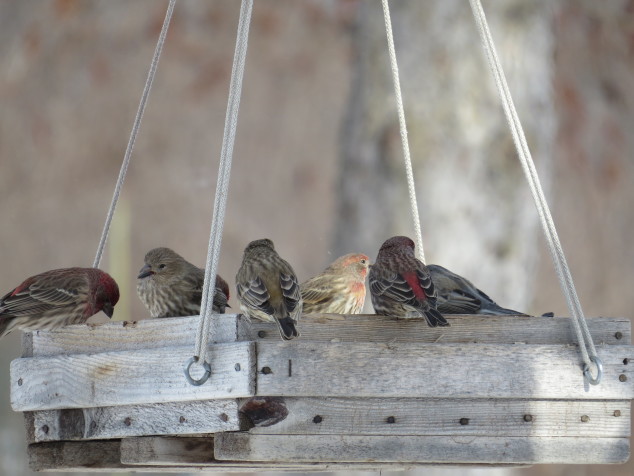
The male’s rosy-colored feathers looked like a richly tailored tweed suit.
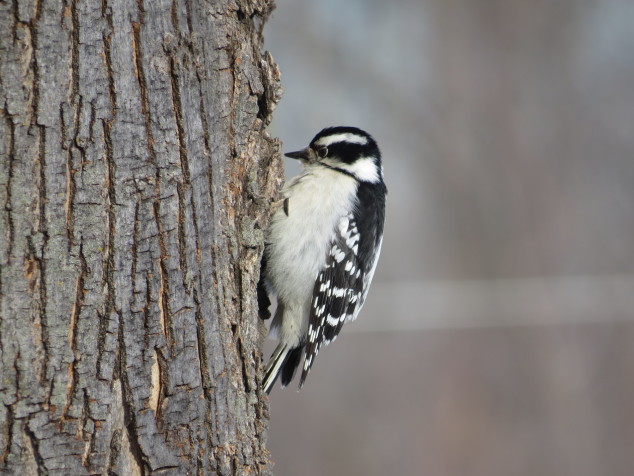
Carrying his sunflower seeds to the maple tree, a Downy woodpecker placed them in the grooves of bark to break open the hull to reach the nutritious kernel.
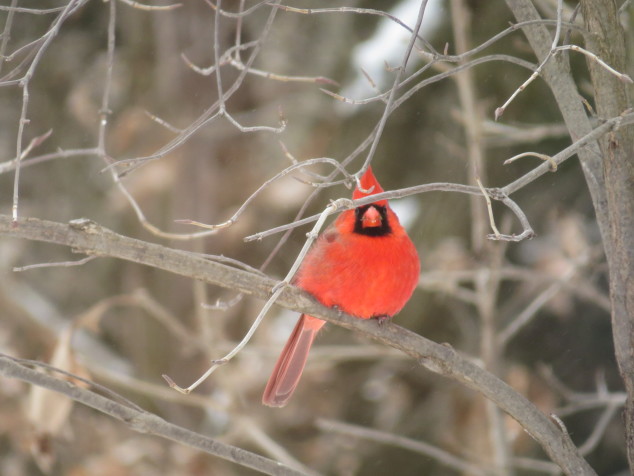
Flower-bright cardinals come to the feeder in late afternoon when the other birds are finished feeding for the day.
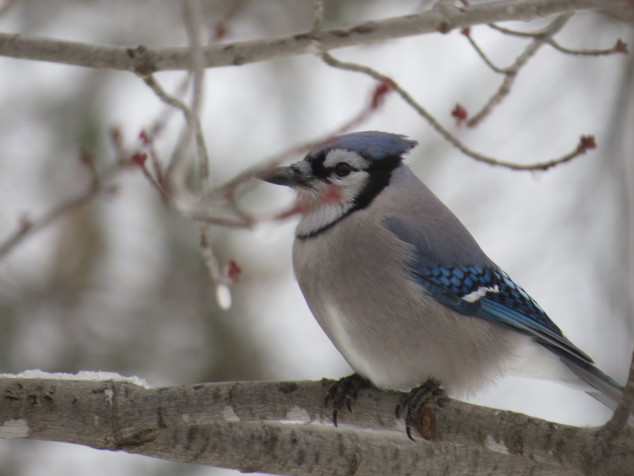
And the squawking loner bluejay feeds in the morning, scaring away black-capped chickadees and nuthatches that browse throughout the day.
Sunrise of another day, a month of days and more….
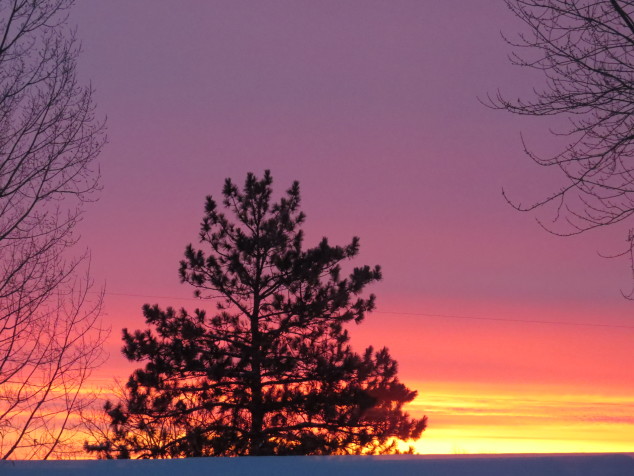
Mourning time is measured by sunrises and sunsets and by birds flying to the feeders in their tenacious purpose of nourishing themselves for another day. The dissolution of my earthly relationship with my Dad and the permanence of that takes time to integrate into my soul. Nature helps me sort out the grief, work out the pain, and measure the memories. Writer Paul Theroux declares, “Winter is a season of recovery and preparation.” I am looking forward to blooming again.
Coming Home, Going Home
Thursday we were going home to South Dakota to bury my Dad in the place he wanted to be after dying. After weeks of mourning and making plans, we traveled the snowy roads back to the house I helped Mom and Dad build. The day mirrored my mind–kind of blurry and monochromatic with loss and the grief that holds its hand.
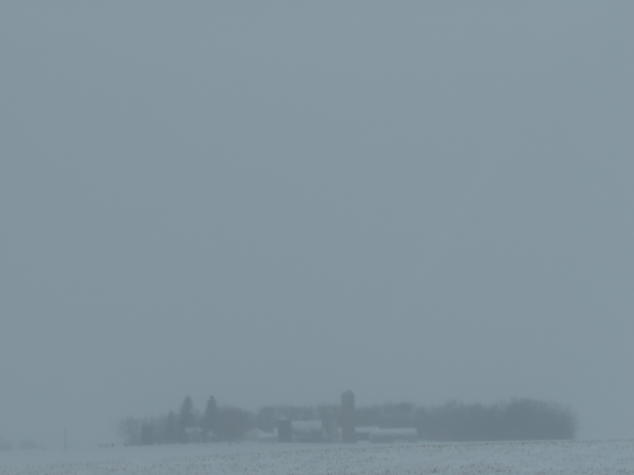
After a warm supper with my Mom, I laid in bed in the same room where I slept until noon on my college weekends, where Chris and I slept as newlyweds before our move to Missouri, where we brought all the things one travels with when three young children are coming home to visit Grandma. Memories of my childhood with Dad flitted through my mind and landed on the building of this house–how I helped put down the puzzle of underlayment, nailed up sheet rock, taped and mudded and sanded and mudded, hammered down the shingles, and stained the siding a red-brown color. Not too long after that, my Dad left and lived in places as far away from South Dakota as one can get–Florida, Texas, California.
I rose with the sun the next morning as the blue-dawned snow turned pink.
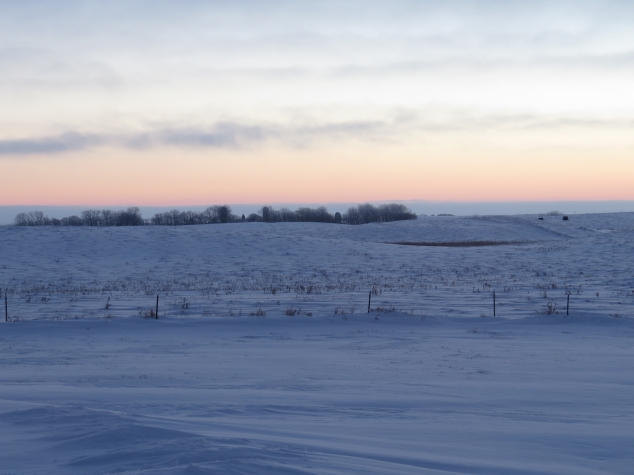
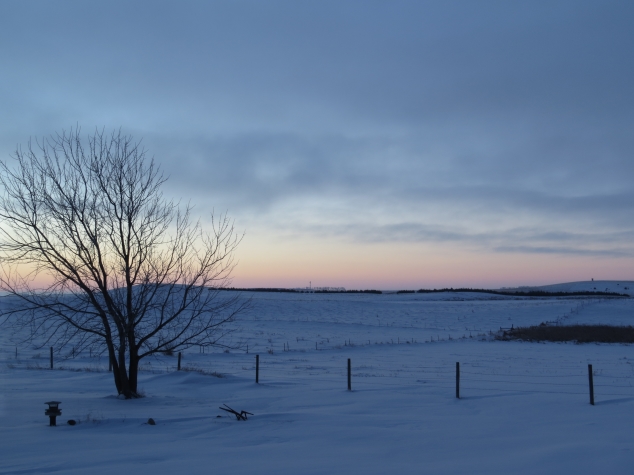
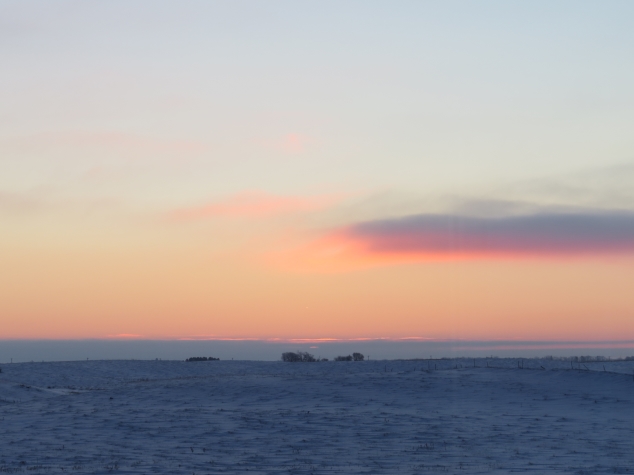
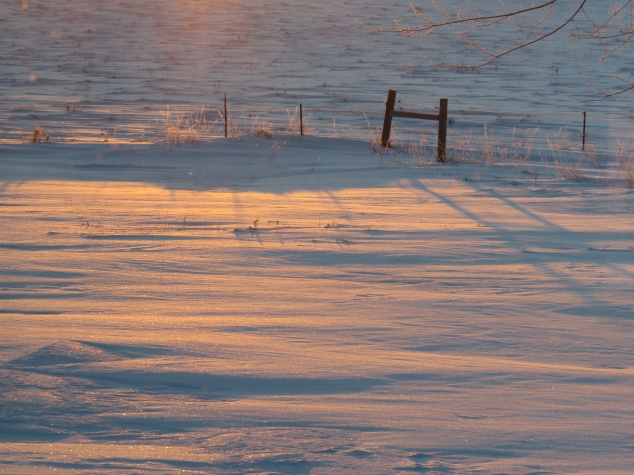
Dad’s ashes had arrived from Oklahoma in a plastic-lined plastic box–the size of which made one wonder how a person’s body could ever fit into it. So I had built him a box. I measured scraps of rough cedar board–pulling out the tape, making the pencil mark, letting the tape slowly zip back into its circle of yellow, squaring up a line, and pulling a handsaw through the line. As I sawed and nailed, I thought about how glad I was and how right it felt that Dad was coming home. I finished the cedar box by nailing a horseshoe on the front of it to honor the farrier, horseman, and father who had taught us so much about horses, building things, and hard work.
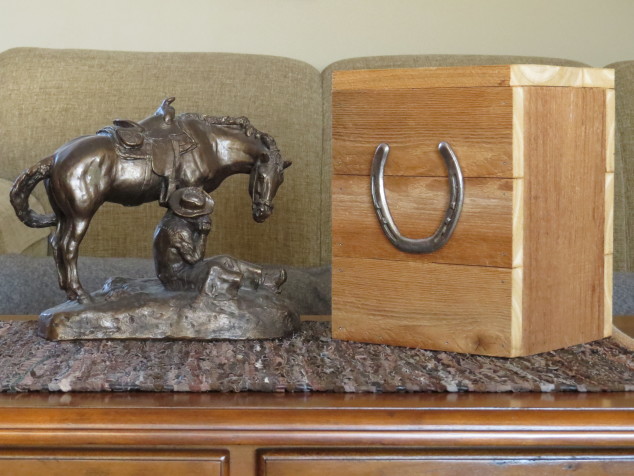
A small gathering of relatives and friends shared memories of Dad in the Fireside room of the Lutheran church. His old cowboy hat sat atop the box, his dusty cowboy boots on the floor below. I thought back to the many times growing up that I had polished his boots and with a tinge of guilt thought I should have polished them one last time. An even smaller group of us progressed to the rural Danish cemetery where Dad’s folks, sisters, and ancestors are buried. The pastor prayed in the cold, windless afternoon and consecrated Dad to this Earth and to Heaven.
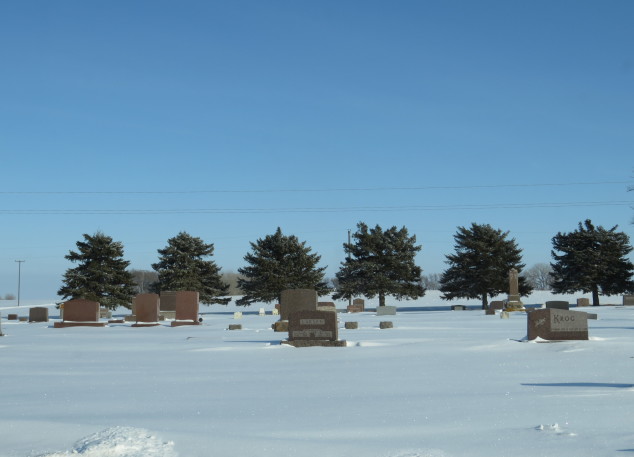
And right beyond the evergreens lining the cemetery along the road is the shelterbelt and old red barn of the homestead where my Dad was born.
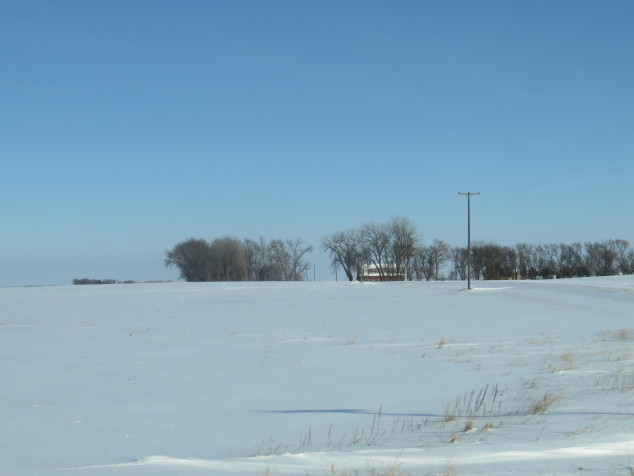
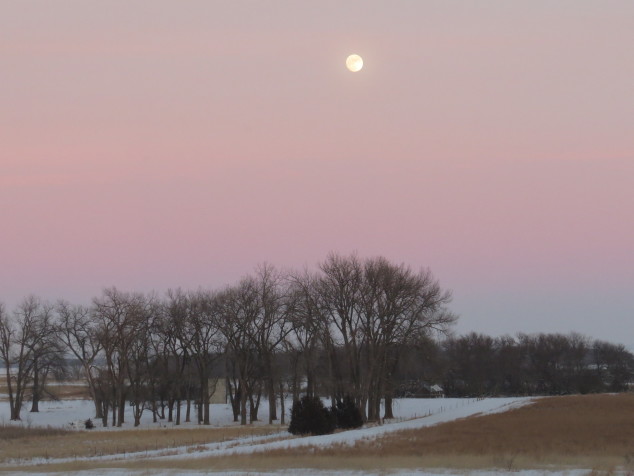
The memorial service continued at my sister Sam’s place as we ate, looked at pictures, told stories, laughed, watched the moon rise and the deer graze, and remembered our lives with Dad.
We lost our Dad for many years after he moved away, and even though we were all adults when that happened, it nonetheless affected our lives in many different ways. For me it was sad that he didn’t really know our kids or they him. He did make sure to say that he loved us and loved them when we talked on the phone, so that’s a gift we can accept with grace. So we build our lives with the gifts he has given us and sand out the rough places that don’t quite fit. There is something sacred in the process of being born, living life, learning lessons, and leaving this earth once again. It is remarkable that Dad has his resting place half a mile from the farmhouse he was born in—a true and joyous coming home for going home.
The Resurrection Tree
I still have the Christmas tree up. I am reluctant to take it down even though it is the third week in January. We got the fragrant Balsam fir tree on Saturday, December 12th after attending an early morning St. Lucia Festival of Lights service at a Swedish Lutheran church. We drove to the tree nursery with stomachs full of Swedish pastries and warm Lingonberry glogg. Even though we walked the path to the firs through mud instead of snow, our mood was light as we searched for the ‘perfect’ tree. The tree went up that afternoon, decorated with bubble lights, red berry garlands, twinkling white lights, spheres of shiny and matte red, and birch bark ornaments. As with every Christmas tree, it was beautiful!
I talked to my Dad that day–he was feeling much better after a somewhat rocky few days at the rehabilitation center he was moved to after his hospital stay. He was even cracking jokes–a miraculous recovery from the panic I heard in his voice the night before.
When he died two days after Christmas, I sat staring at the tree in all its Christmas wonder. It had not been a joyful Christmas, and now I felt a loss and sadness that I should have been prepared for, yet took me by surprise with its soulful depth. Every morning when I get up in the winter darkness, the first thing I do is turn on the bright white twinkling lights, stirring up the fragrant scent of the tree as I brush against the branches. Balsam fir takes its name from the Latin balsamum, meaning balm. The scent is said to calm the mind and restore emotional balance. I drank it in.
And then, on Epiphany, I noticed tiny, light green buds of new growth on the tips of our dead Christmas tree–a resurrection tree!
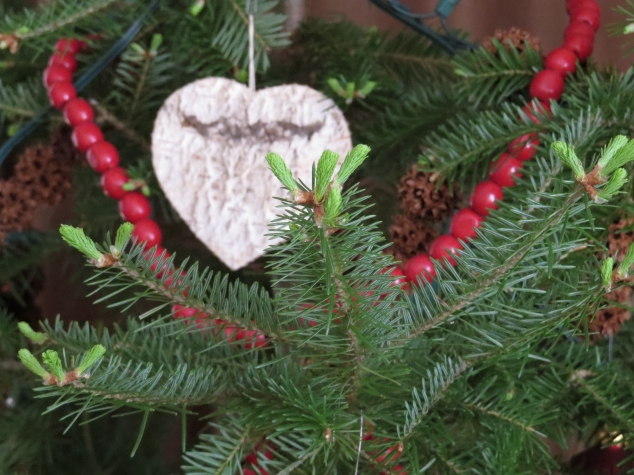
Each day since the 6th of January, the buds have grown larger–a spring of new growth in the dead of winter.
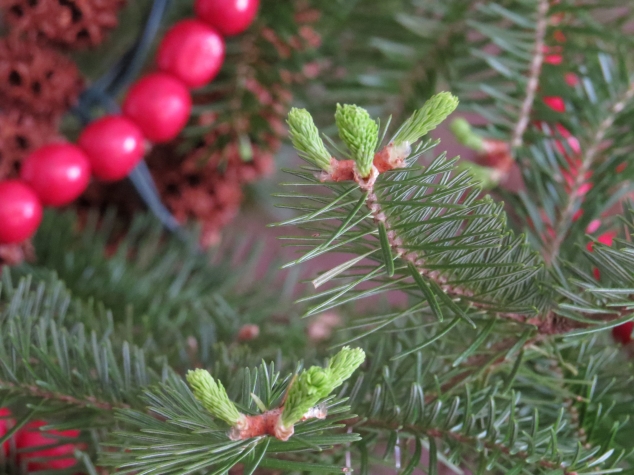
This sort of revival is relatively common in nature–often a dying tree will produce a record number of seeds in order to ‘live on.’ We all have a life force that pushes us forward and keeps us going–until we reach our physical death. And then what? The Circle of Life continues…
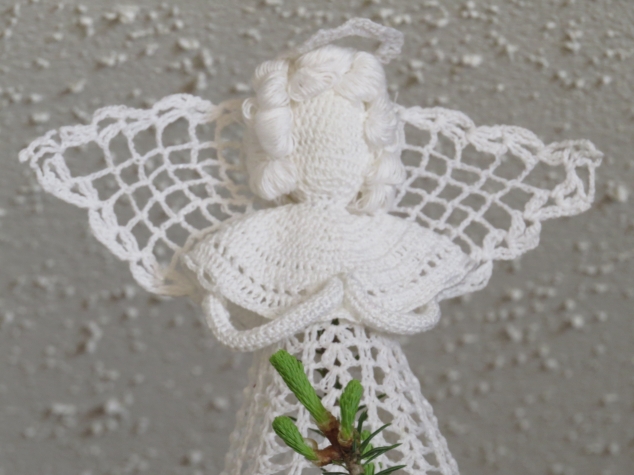
Our Christmas tree represented hope and expectations of joy, love, and peace when we decorated it on Saint Lucia Day. I was hopeful that my Dad was getting stronger and would be able to go home. I longed to spend time with my far-away children. I looked forward to some joyful get-togethers—and none of it came to be. Grief became my companion as I moved through the days–and the tree shone on. It was after my two darkest days that I noticed the new growth on the fir tree—the Life Force lived on after death. The balm of the resurrection tree soothed my pain, and as the fir grew tender green shoots of life, my heart began to heal. The tree still represents hope, love, and peace and showed me that resurrection is just as much for the living as for the one who died.
- « Previous Page
- 1
- …
- 3
- 4
- 5
- 6
- Next Page »