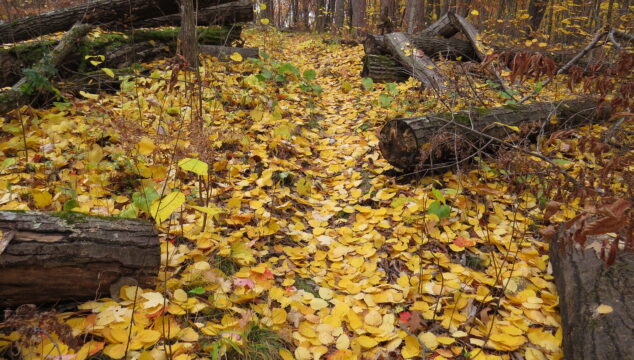
Come walk with me in the peak Autumn beauty of the Northwoods. To say that I love this time of year is an understatement. Most everyone can appreciate the colorful falling leaves---it reveals the 'true self' of a tree when its leaves are no longer producing chlorophyll. Their true colors are revealed, and there is something simple … [Read More...]
Archives for November 2016
Pregnant With Blessings
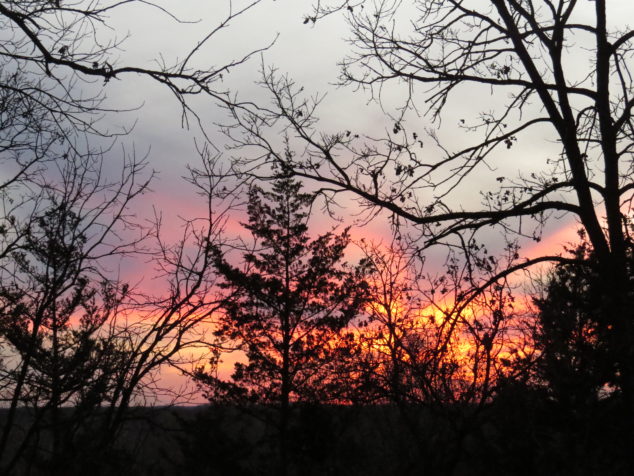
I was struck with envy on Thanksgiving Day, on this day when family, food, blessings, and laughter were supposed to be overflowing and when gratitude should have been flowing from my lips. Instead I was feeling sorry for myself. We were home—just the three of us—when we should have been at the relaxed Andersen gathering in South Dakota or at the exuberant Brake family get-together in Kansas City. I wanted to be with all my kids; I’m not sure that longing will ever go away. For they are the ones who give me joy, who I love to love, who I find to be the most beautiful and courageous of all creations. We had no Thanksgiving turkey in the house, as our last-day decision not to travel west left us with a nearly empty refrigerator. And then, a reckoning: a walk with Chris and our Tamba dog. Nature to the rescue once again. The snow was beautiful, the air fresh and good to breathe, and there was a shift inside me. Aaron, with his kind and humorous spirit, went with me to the little grocery store down the hill where we bought a few things to make our Thanksgiving meal—simple and spare compared to most, but gratifying nonetheless. We listened to Christmas music, and I reverently rolled out a crust for a pecan pie. I talked to the girls, to my Mom and sister, missing them all with a heart that aches and rejoices at the same time. I was thankful to be with Chris and Aaron in our warm home with Nature all around us.
Prayer for Nature
by Walter Rauschenbusch (1861–1918)
O God, we thank you for this universe, our home; and for its vastness and richness, the exuberance of life which fills it and of which we are part. We praise you for the vault of heaven and for the winds, pregnant with blessings, for the clouds which navigate and for the constellations, there so high. We praise you for the oceans and for the fresh streams, for the endless mountains, the trees, the grass under our feet. We praise you for our senses, to be able to see the moving splendour, to hear the songs of lovers, to smell the beautiful fragrance of the spring flowers.
Give us, we pray you, a heart that is open to all this joy and all this beauty, and free our souls of the blindness that comes from preoccupation with the things of life, and of the shadows of passions, to the point that we no longer see nor hear, not even when the bush at the roadside is afire with the glory of God. Give us a broader sense of communion with all living things, our sisters, to whom you gave this world as a home along with us.
We remember with shame that in the past we took advantage of our greater power and used it with unlimited cruelty, so much so that the voice of the earth, which should have arisen to you as a song was turned into a moan of suffering.
May we learn that living things do not live just for us, that they live for themselves and for you, and that they love the sweetness of life as much as we do, and serve you, in their place, better than we do in ours. When our end arrives and we can no longer make use of this world, and when we have to give way to others, may we leave nothing destroyed by our ambition or deformed by our ignorance, but may we pass along our common heritage more beautiful and more sweet, without having removed from it any of its fertility and joy, and so may our bodies return in peace to the womb of the great mother who nourished us and our spirits enjoy perfect life in you.
I’m so thankful for Nature. On this Thanksgiving weekend, it is fitting to pray for the Earth we call home, the Earth that provides the air we breathe, the water we drink, the soil and sun to grow our food. If God were to listen to the ‘voice of the earth’ now, one hundred years after this prayer was written, I wonder if the Creator would hear a song or a moan of suffering. As in the rest of life, it would probably be a combination of the two. I know the song is sweet and uplifting in the Boundary Waters Canoe Area Wilderness, but imagine the suffering song in the long-parched drought areas of the West. Theologian Rauschenbusch also asks God to ‘free our souls of blindness that comes from preoccupation with the things of life, and of the shadows of passion.’ Are we blinded by consumerism at this time of year? What does the darkness of our passions—greed, envy, fear, egotism, and bigotry—do to our souls and to the earth? Gratitude begins with the intimate experiences of our senses—thank you for this beautiful snow, thank you for the heart-warming smell and taste of fresh-baked goodies, thank you for the sound of laughter, thank you for the warm touch of hand on hand. With gratitude, our hearts open to joy, beauty, love, kindness, and courage, and we become the winds of goodness, pregnant with blessings.
Not Your Normal November
It’s not normal to photograph blooming flowers on November 17th in Central Minnesota. The weather has been abnormally warm the last three weeks with daily high temperatures all above normal with most of them ten to twenty degrees higher than normal. On November 5th the high was 72—27 degrees above normal. No wonder the flowers are still blooming! We had cleaned up the garden, pulled and put away the pots of annuals, and done the other fall clean-up in our usual yearly routine. But a small raised bed of spring-seeded annuals and perennials on the southwest side of the house continued to bloom in spite of a few frosts. Cosmos, coreopsis, and hollyhocks of different colors shone on in summer fashion, while most of the fall colors around them had faded to brown.
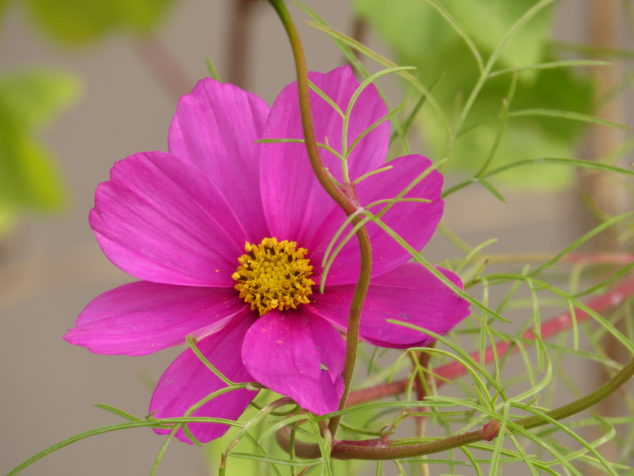
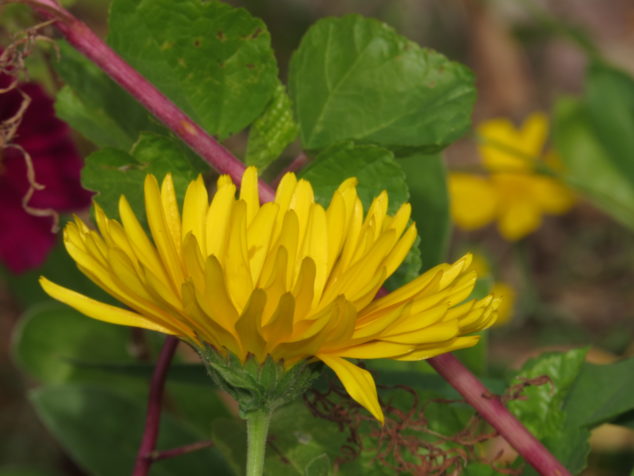
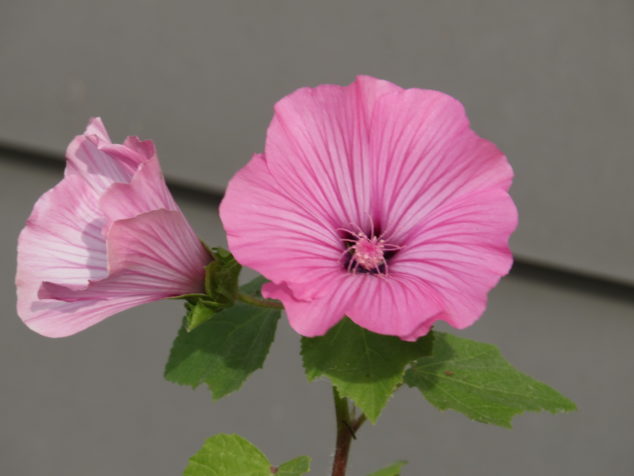
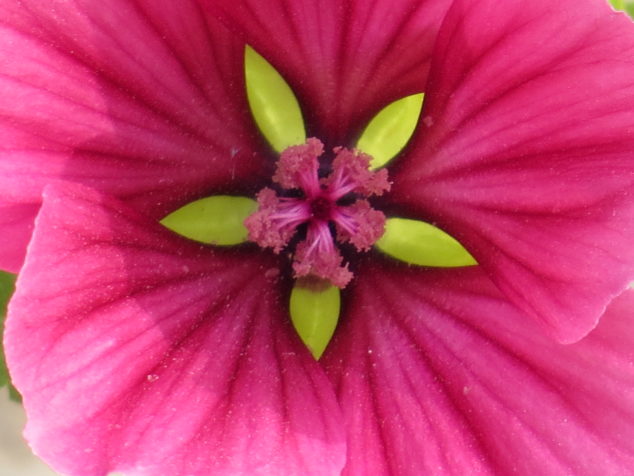
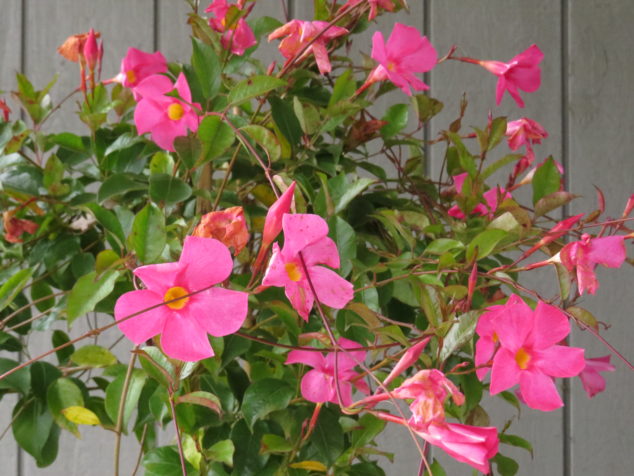
The only potted plant that was left out in the November warmth was a tropical Mandevilla vine that had produced an abundance of pink trumpet-shaped flowers all summer long. I was sure any hint of frost would have killed it, but the warmth of being beside the house must have protected it from the light frosts.
The next day—Friday morning—rain hit the windows with a strong NNE wind. Soon the rain turned to freezing rain and sleet, and the ice pellets piled up in the grass. By mid-morning, the precipitation was a heavy, wet snow.
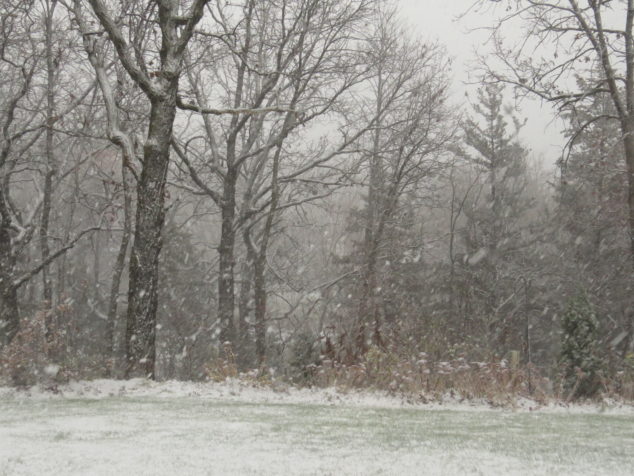
We were in a blizzard warning, and schools, events, and college classes were cancelled.
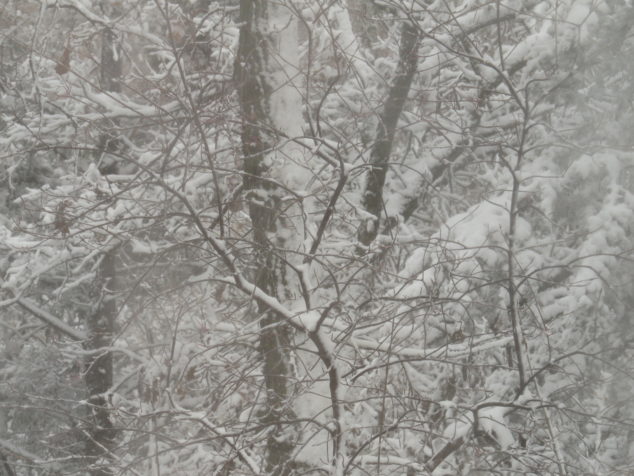
It snowed all day, the temperature fell, and the wind blew strong and relentlessly.
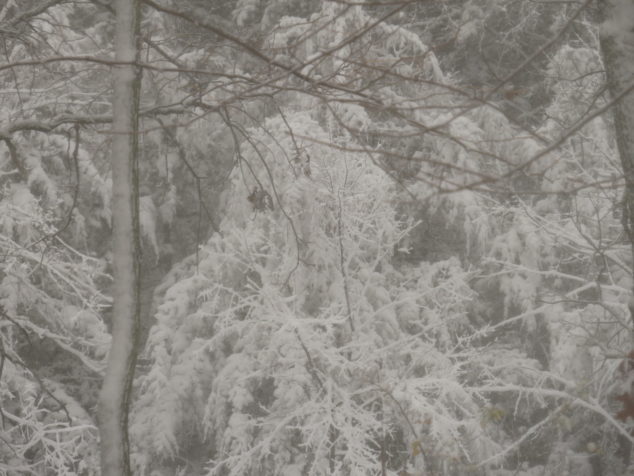
The heavy, wet snow was plastered onto the north side of the tree trunks and burdened the evergreen branches. My ‘color’ pictures showed a black and white world.
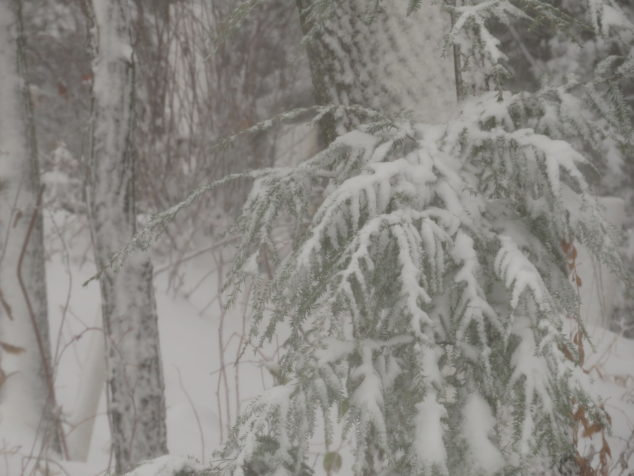
Saturday dawned clear and chilly—a normal late November day in Central Minnesota.

The brilliant blue sky ushered in the clear, Canadian air. It felt good to breathe it in.
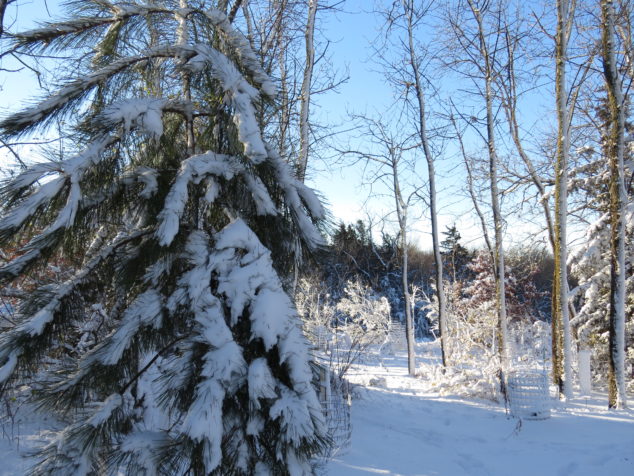
The flowers from two days ago were folded over with ice and covered with snow. A few Autumn leaves stood boldly in the winter wonderland…
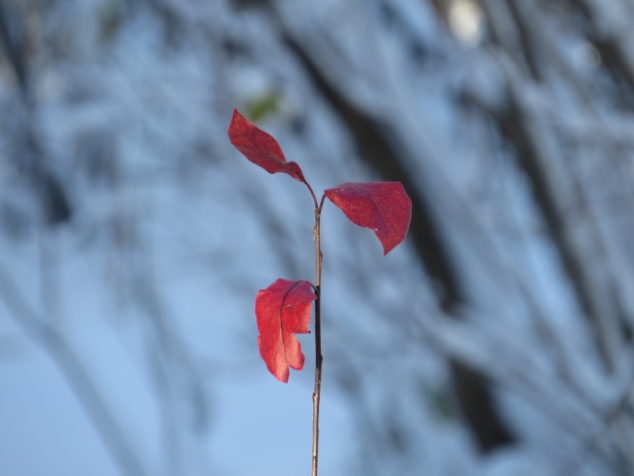
and shone like amber in the morning sun.
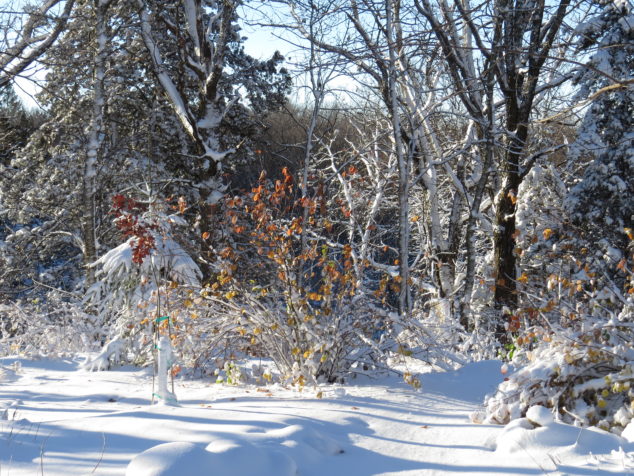
Fall, in the guise of Summer, has passed the torch to Winter. Temperatures will stay cooler now with a blanket of snow on the ground.
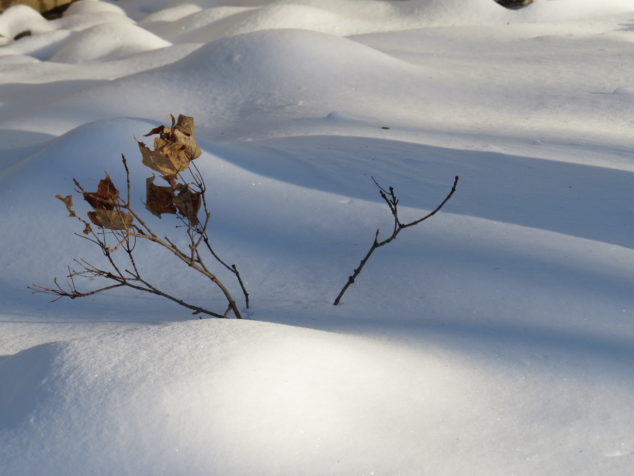
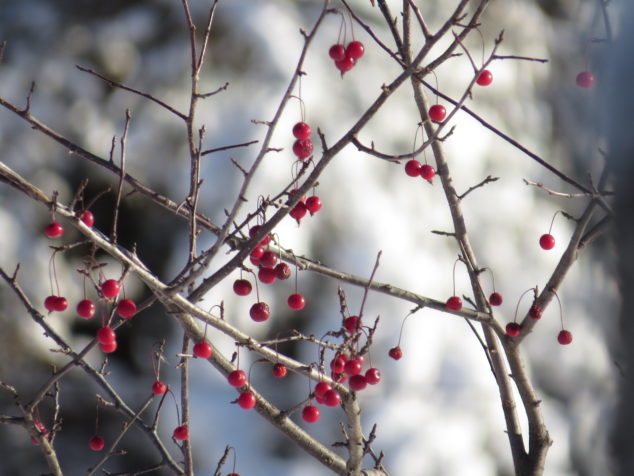
The birds will come to pick the crabapples like they normally do once snow inhibits their food gathering.
And we trek on.
Flowers blooming in 60-degree temperatures is not normal November weather here in Minnesota. Not at all. This wasn’t some rogue outlier warm-couple-of-days in the pendulum swing. This was a steady, long run of much warmer than normal temperatures that stretched the growing season of Minneapolis-St. Paul to a staggering, record-smashing 220 days. The normal growing season (consecutive days without freezing or sub-freezing temperatures) is 157 days. It’s easy to overlook the facts, because who doesn’t love blooming flowers, snow-free driving, and going outside without a coat? Climate change. Extreme weather events that are becoming commonplace—floods, drought, wildfires, earthquakes, hurricanes. Pollution. Water scarcity. It affects all of us negatively in one way or another—some much more personally than others. It’s just very hard to see on a daily basis and easy to dismiss, deny, and gloss over. I’ve worn my own blinders on various occasions—I know that denial can be a loving bedfellow that gives us what we need and want. But soon the promises of the golden eggs are unrealized, and we discover that the excited, noisy chatter coming from the coop isn’t because of golden eggs, but because there’s a weasel in the henhouse.
The Greatest of These is Love
It’s been a confusing week. Welcome to Life, right? Luckily, every day of our lives isn’t so confusing, but looking back on my decades, there were definitely weeks, months, even some years that fall into that category. And then there’s wanting and working hard for something that means the world to you….and not getting it. That’s when things get personal. After about two and a half years into my graduate schooling, my adviser decided to build his business and not have students anymore. In order to finish my PhD, I was forced to change departments and get a new adviser. I moved into a department in chaos–the offices, labs and classrooms had been moved out of their building in order for repairs to be done. When I met with the new professors, I asked if I should shadow their lab manager and other graduate student to learn the ropes of the new lab. They laughed and said of each woman, “She doesn’t know anything.” As uncomfortable as I felt at the time, I didn’t know how foreshadowing that statement was to be. I should have turned around and run the other way. We make choices, to the best of our abilities, and then feel obligated, committed, stuck, maybe, like we don’t have another choice, considering all the the circumstances. Four years later, my coursework was completed, my research was almost finished, there was a new department head, my ‘new’ adviser had left, the professor I asked to help me finish said he didn’t have the time for me, my parents-in-law had both died, two of our three kids had left for college, and I was a total wreck. Somehow, I managed to find an ally, and we tried to get that PhD to happen, but I was broken in every sense of the word. How could this be happening? This shouldn’t be happening. My sense of ‘rightness’ in the world was shattered.
Beyond the confusing political week, I also had a crazy blog week. Chris had noticed a hawk in a tree outside of our yard. I could barely get a picture of it, but a few minutes later, it flew to the top of the cut-off spruce in the yard with a red squirrel in its talons.
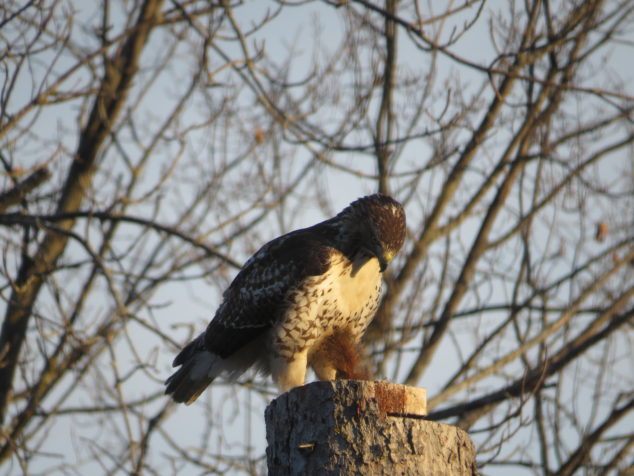
We live in a place surrounded by trees, and I assumed it was a young Cooper’s Hawk who eats mainly birds, but also hunts for chipmunks, rabbits, mice and squirrels. Cooper’s Hawks have a large head, broad shoulders, and long, rounded tails. The juveniles are brown with a streaked brown breast and yellow eyes. (The pictures of the young Cooper’s had streaking all the way up to their necks without that white bib. Oh, well, juveniles are variable.)
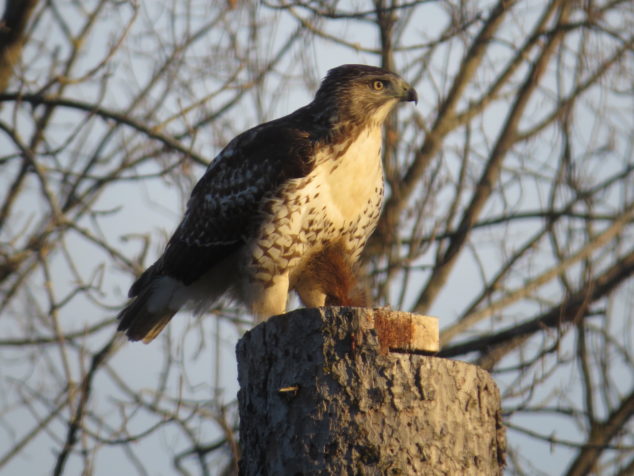
The young hawk looked down at this prey as he squeezed it to death with his strong talons.
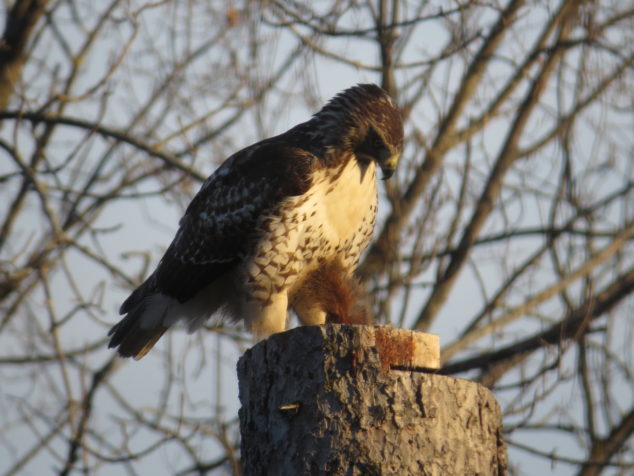
Cooper’s Hawks live and hunt in the woods and are skillful fliers with short wings and long tails. (His tail doesn’t seem as long as the other Cooper I saw.)
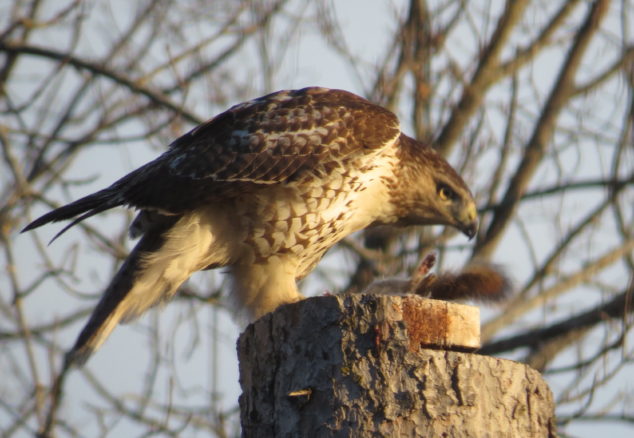
He was a beautiful hawk, and it was crazy that I got a picture of him with his prey!
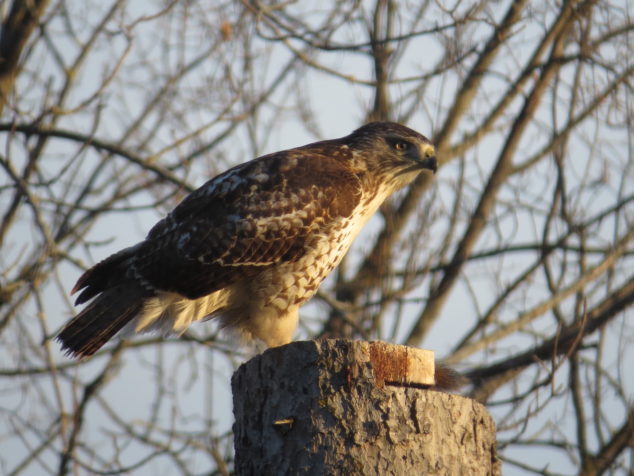
After a minute or two, he looked around, and then flew away with the squirrel.
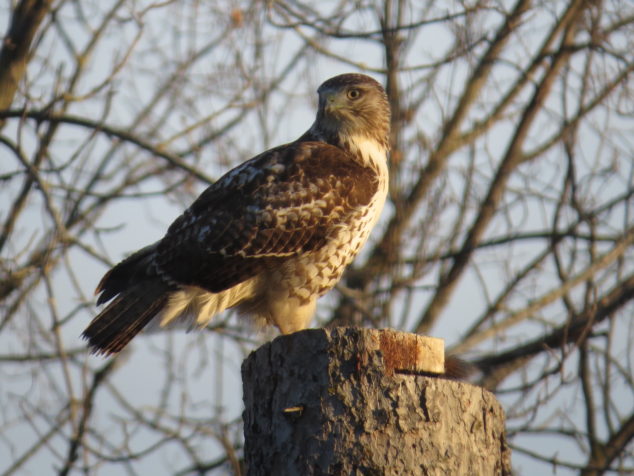
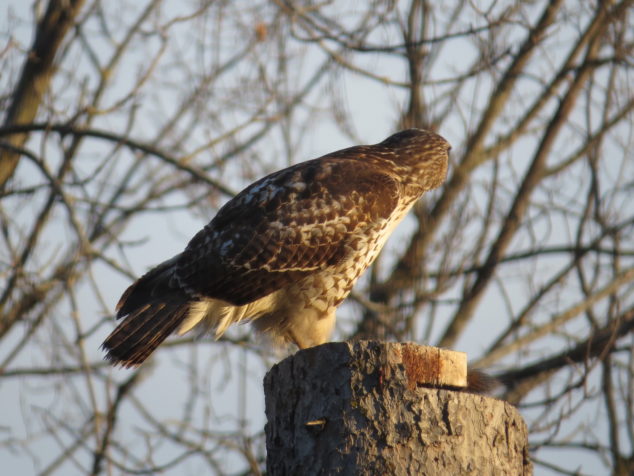
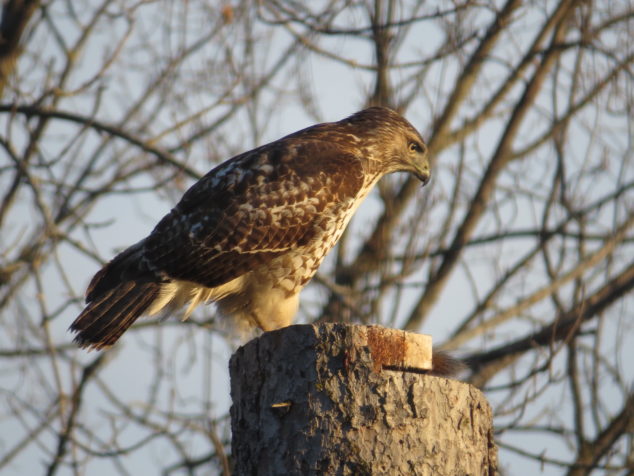
Yesterday, as I looked at the hawk websites again, I realized that my hawk was more likely a juvenile Red-tailed Hawk. But Red-tails usually hunt in open land, not in tree cover. I had assumed because of our location that it was a Cooper’s Hawk, even though his tail was shorter and he had a white bib. Confusing. What I thought to be true, what I assumed to be true, even with nagging evidence to the contrary, wasn’t true. Granted, the coloring was very similar between the two—it was not a cut-and-dried decision.
Evidence. Assumptions. Facts. Opinions. Wishes and wants. The choices we make are a large knot of all of these things. We often see and dismiss evidence of what’s to come, yet on some level, often with our gut instinct, we absolutely know the truth. But it’s not a cut-and-dried decision. And then there are the things we work hard at and hold dear–the things we will fight for, the things that sustain us, the things we build our lives upon. When those foundations are threatened, we feel attacked and justify our actions of attacking others. It’s personal. We wonder how this can be happening, we proclaim this should not be happening. My sense of ‘rightness’ in the world took another hit last week, and policy wasn’t the reason. I can certainly see both sides of the policy issues, and there is truth on both sides and lots of gray area in between. That’s what politics is all about. My hit came when the bully won, when fear and hateful language won. We teach our children not to make fun of the disabled kid, not to call others names that are different from them, not to be a bully. If we hold that standard for our children, why in heaven’s name wouldn’t we hold that basic standard for our president? I may be idealistic, but I am no longer naive. I know that sometimes the predator wins, that non-ethical things happen in unintentional and in deliberate ways, that many people don’t have the same standards as me, that some will ‘win’ at any cost and lay their head on the pillow at night and sleep soundly. Last week my gut felt sick and I had trouble sleeping. I did a lot of thinking and took in very little media. And here’s what I know: I know that words are important. I know that decency, understanding, and civility are cornerstones of our American values. I know that most of our ancestors were immigrants. I know that I love my LGBT friends and family members. I know that all women are strong and beautiful in so, so many ways. I know that Love, Faith, Hope, Mercy, and Goodness matter. And I know that the greatest of these is Love.
Camouflage and Curiosity
One of our childhood games, as with most people I would guess, was hide and seek. Living in the country with four children in the family, it was the perfect get-outside-and-run activity with just enough ‘players’ to make it fun and last for a while, at least. I remember that giddy excitement after the designated person started counting—‘Where should I hide?!’ Or being the counter at the large pear tree, which I did slowly and deliberately, and finally yelling, ‘Ready or not, here I come!’ The seeking and the hiding both had an element of anticipation and surprise and would most often end in laughter, with only occasional arguments and crying. Yet I remember one morning when hide and seek wasn’t a fun game. When I woke up, I noticed my younger sister wasn’t in her bed, which was unusual. I went downstairs, but she was not eating breakfast or watching tv. I went back upstairs to look in her room, check under the bed, and look into my other sleeping siblings’ rooms. I felt the panic rising in my body. I couldn’t find her. I don’t even remember if it was summer, a weekend, or if my mom and dad were home or at work. After much frantic searching, I found her sleeping on the floor behind the couch. I was so incredibly relieved that I had found her, and she was safe. I know I asked her why she was there, and I know she had a reason that had made perfect sense to her at the time—but I can’t remember what it was.
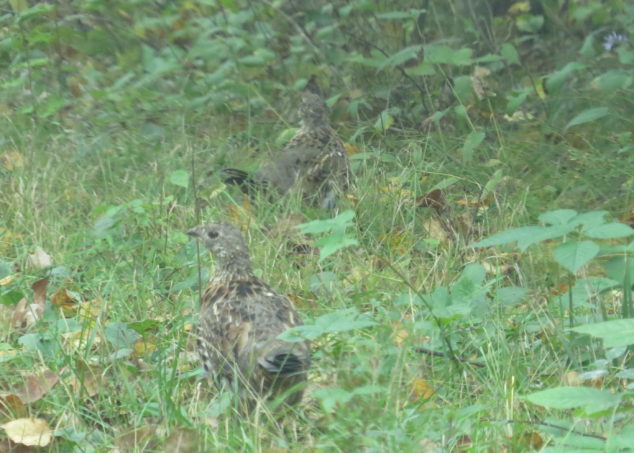
Hiding is a survival mechanism for many animals in the wild. Camouflage by color—a rattlesnake or tree frog, and by shape—a walking stick or katydid, are common ways for animals to blend in with their environment in order to hide from predators. While driving along the gravel road at St. Croix State Park last month, we saw little creatures dart across the road and disappear into the foliage. ‘What was that?!’ I asked Chris. We slowed down and once again caught sight of one by the road but lost track of it when it moved into the woods. Finally a couple of them stopped, and we stopped, and I could get a picture of the Ruffed Grouse! They were so camouflaged with the surrounding environment that the camera had a difficult time focusing on anything!
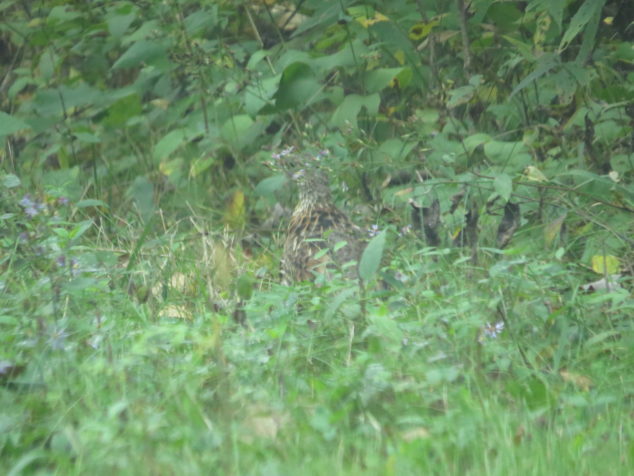
These chicken-like birds with short legs and a crest of feathers are non-migratory, live in heavily forested areas, and forage for seeds and insects on the forest floor.
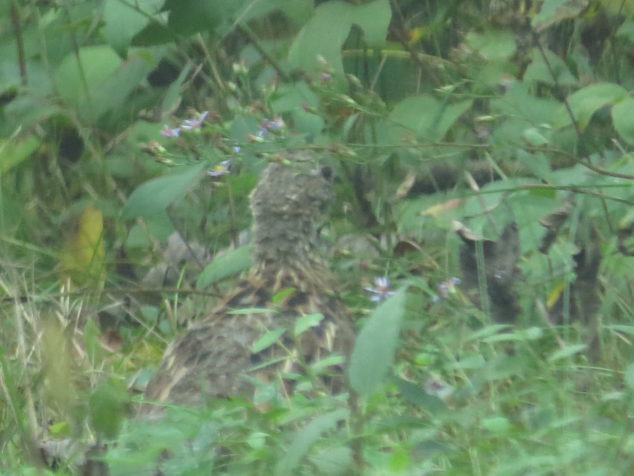
In spring, the males’ mating display includes a black ruff of neck feathers and fan-shaped tail feathers. Most notably, they stand on a log or rock and make a booming ‘drumming’ sound with the movement of their wings.
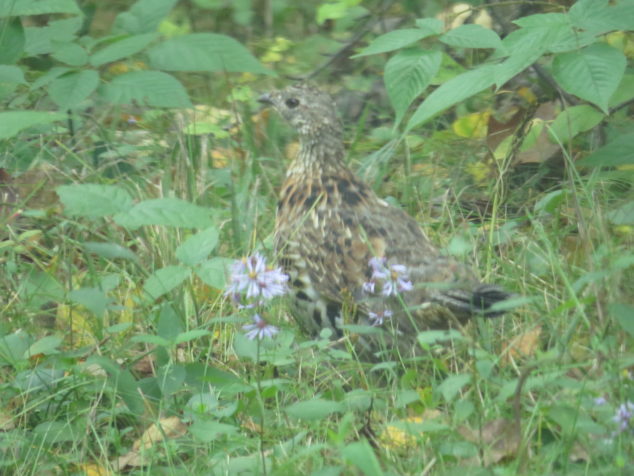
In winter, Ruffed Grouse eat buds of deciduous trees, roost in soft snowbanks for protection, and grow projections on their toes that act as snowshoes! The bird in the back of the photo has the crest of feathers up on his head.
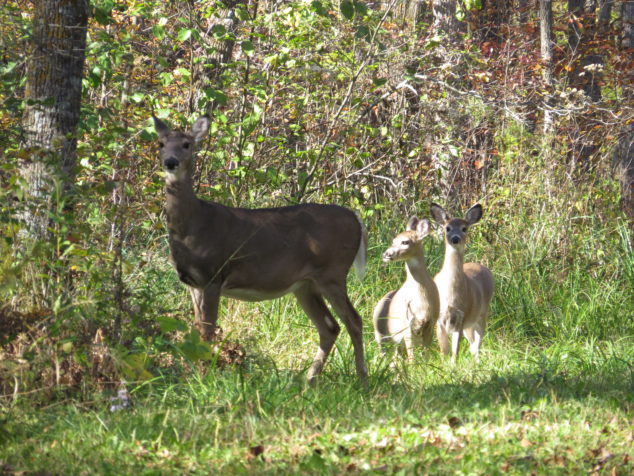
Another woodland animal that uses camouflage is the white-tailed deer. The adult coat color blends in with the surrounding environment, and very young fawns with their white spots, hide in the brush while their mothers forage for food. Another characteristic of deer is their curiosity. As we hiked along a grassy road in the forest at St. Croix State Park, I looked up to see these three looking at us!
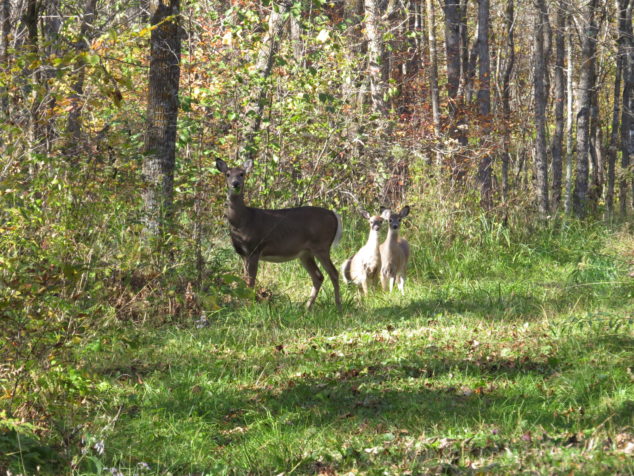
We stopped when we saw them, and I started taking pictures. The fawns were so cute and curious–it makes me smile every time I see these pictures!
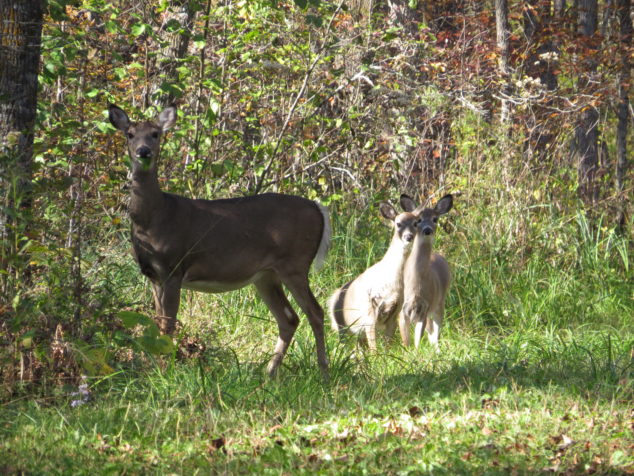
They stood looking at us with bright eyes and attentive ears as long as we stayed still.
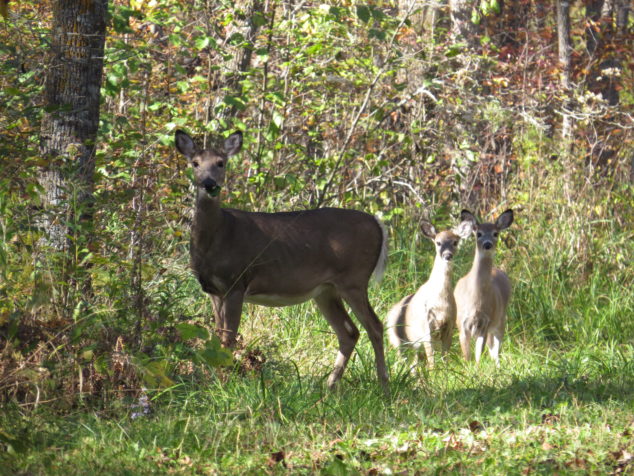
But when we began to walk slowly toward them, their ears flicked one way then another, and they looked around with wariness…
and soon scampered off into the woods.
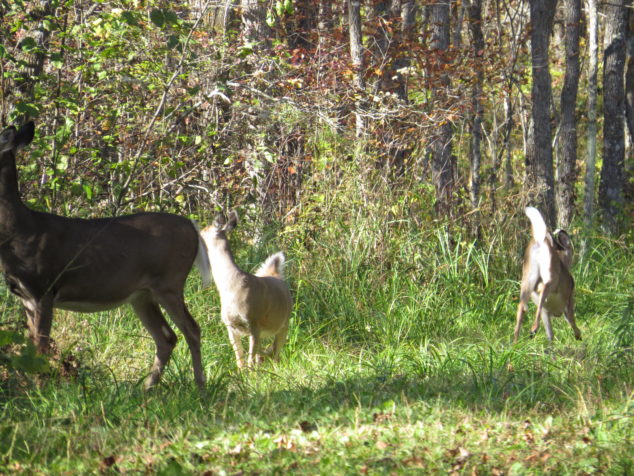
Hide and seek. Camouflage and curiosity. Our mammalian brains are wired to ensure our safety. We take in cues from the external environment, just like the deer, and decide what is important, threatening, or dangerous. Most of this is accomplished without our conscious brain ‘knowing.’ This part of our brain is also where our emotions reside, which explains why I remember certain emotionally charged things about trying to find my sister but completely can’t recall other details surrounding it. I’m sure most of us can remember times in our lives when we just wanted to blend into the environment and not be seen or times when we wanted to run and hide—that is our brains working to keep us safe. Luckily, we also have a highly developed cerebral cortex that gives us the ability to learn, attach meaning, do abstract thinking, plan, predict, imagine, and choose, all within a sense of time, context, and empathy. Our brains are amazing! Within the confines of a safe place, our innate curiosity is unleashed, and we seek to learn about ourselves and the world around us. Childhood games and play are the training grounds for our minds and bodies for learning how to cope with our daily challenges. From our safe place, with curiosity, courage, and caring, we can yell, ‘Ready or not, here I come!’ and be prepared for whatever comes around the corner.