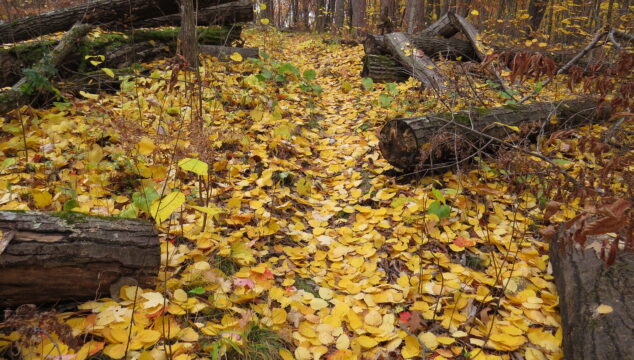
Come walk with me in the peak Autumn beauty of the Northwoods. To say that I love this time of year is an understatement. Most everyone can appreciate the colorful falling leaves---it reveals the 'true self' of a tree when its leaves are no longer producing chlorophyll. Their true colors are revealed, and there is something simple … [Read More...]
Archives for March 2016
Do You Believe in Miracles?
“Do you believe in MIRACLES?” was the cover and headline for the Sunday Parade magazine last weekend. It was the story of a Texas girl who had amazingly survived a 30-foot fall into a hollow cottonwood tree. Her head-first fall and subsequent hours inside the tree resulted in just some minor bumps and bruises and possible concussion. If that wasn’t amazing and relieving enough, her Mom noticed in the following days and weeks that her daughter’s serious digestive disorders, diagnosed four years earlier, had seemed to disappear! A Pew Research Center study found that 8 in 10 Americans believe in miracles, even more than half who are unaffiliated with any particular faith. Author Marianne Williamson and teacher of A Course in Miracles says, “People know there’s more going on in this life than just what the physical eyes can see.”
And yet, miracles are in front of our eyes wherever we look, if we really take the time to see.
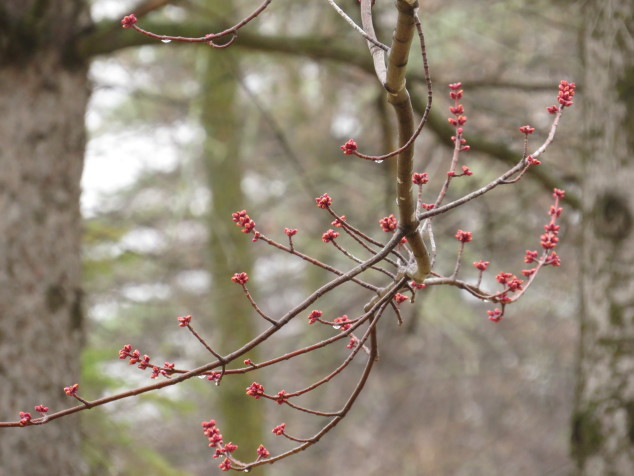
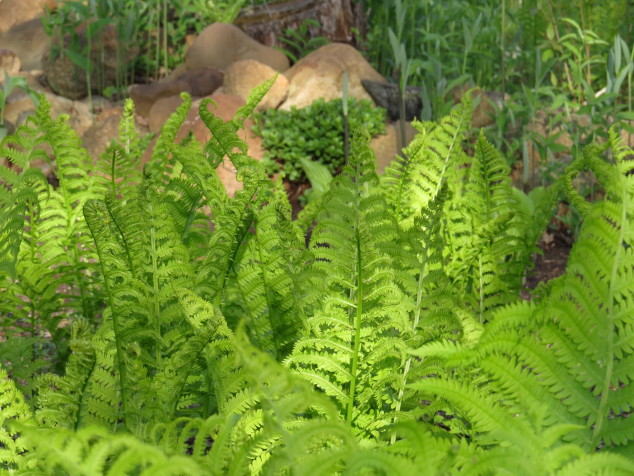
We are afforded this miracle every Spring as we leave the dormancy of Winter. In less than two months’ time, our fern garden will go from this…
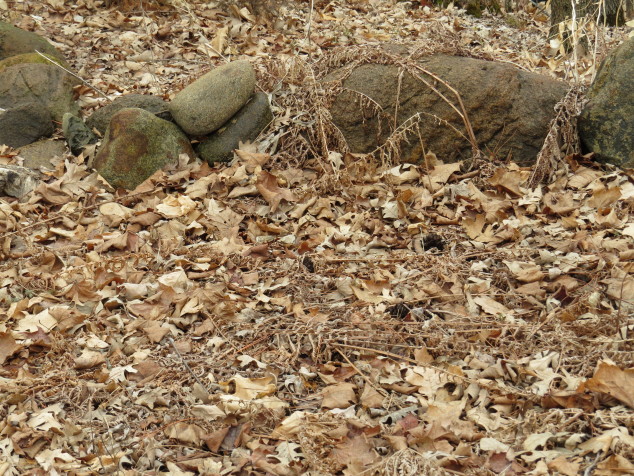
to this….
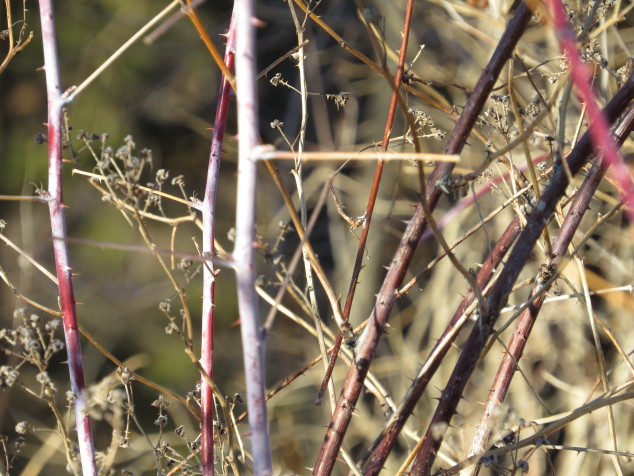
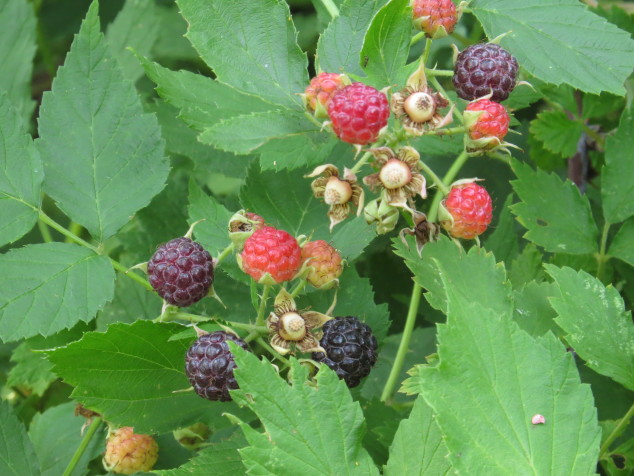
Purple raspberry canes will be producing raspberries in four months…
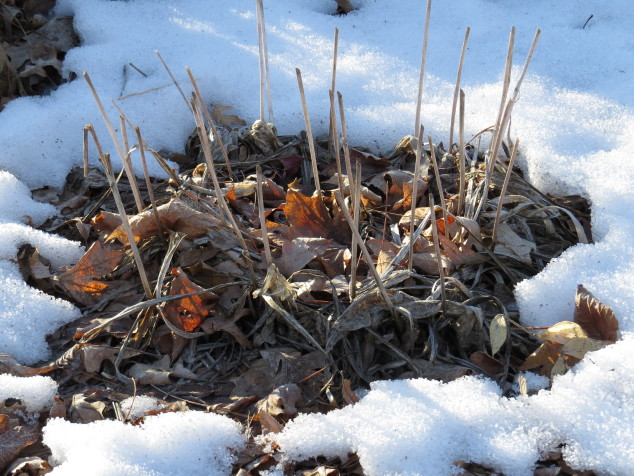
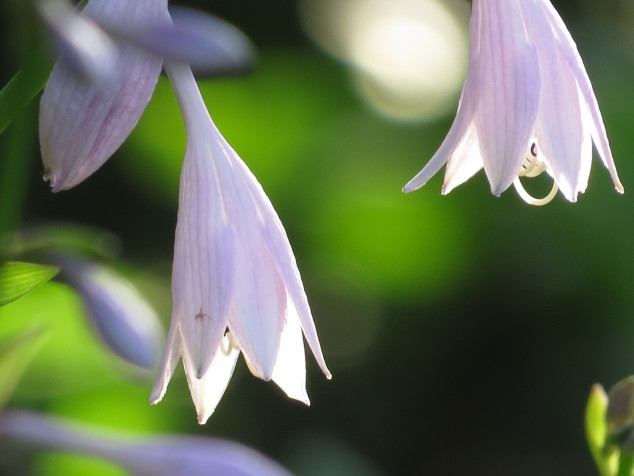
Hosta stalks in the snow will transform to huge green plants that flower at the peak of summer.
An empty nest may be re-used or re-built for a family of yellow warblers by the middle of summer…
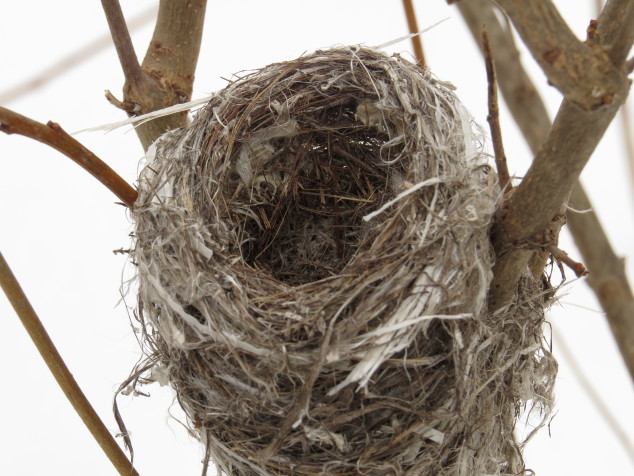
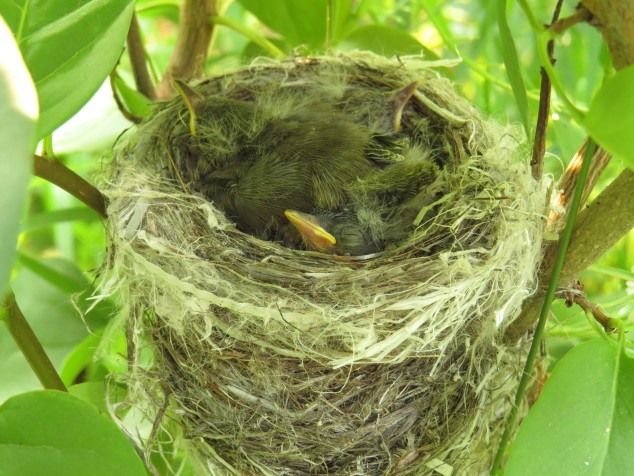
And all of this and so much more occurs without intervention of any kind!
Miracles do not, in fact, break the laws of Nature. —C. S. Lewis
Spring is a miracle! It is easy to see. Every aspect of Nature–in all seasons–is a miraculous occurrence. And in this busy, technical, seemingly money- and people-controlled world, Nature just does its own thing. It doesn’t need our help, or permission, or belief. The Texas Mom responds to naysayers who don’t believe her story, “I don’t feel like I have anything to prove. The proof is right there. We lived it.” So the question “Do you believe in miracles?” is rather a moot point. Miracles happen.
“Do you believe in Miracles?” in the March 13, 2016 Parade magazine by Katy Koontz
The Ugly Time
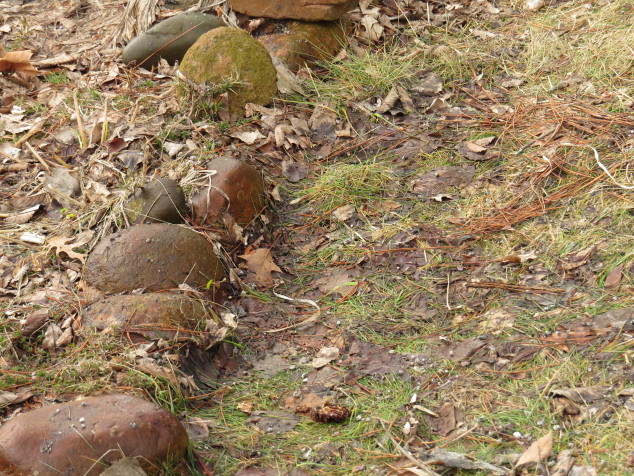
You’ve heard of the ugly duckling, the ugly cry, and ugly houses. The word itself–ugly–is, well, rather ugly. It has a formidable list of synonyms under categories of ‘unattractive,’ ‘disagreeable,’ ‘bad,’ ‘threatening,’ and ‘cross’ ranging from the rather benign ‘plain’ to the severe ‘repulsive’ and ‘grotesque.’ This time of year is what I call ‘the ugly time.’ Most of the snow has melted; what is left of the snow piles is charcoal-colored and raggly. The grass is flattened and gravely where the piles were made by shoveling the snow from the driveway or sidewalk.
When the snow and ice melt from the road gutter, old leaves, sand, gravel, and salt remains are plastered against the curb.
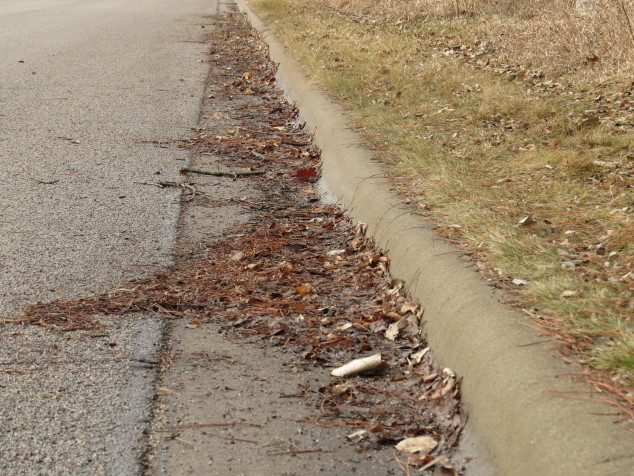
A winter’s worth of trash magically and tragically appears when the blanket of snow is pulled away by warm weather.
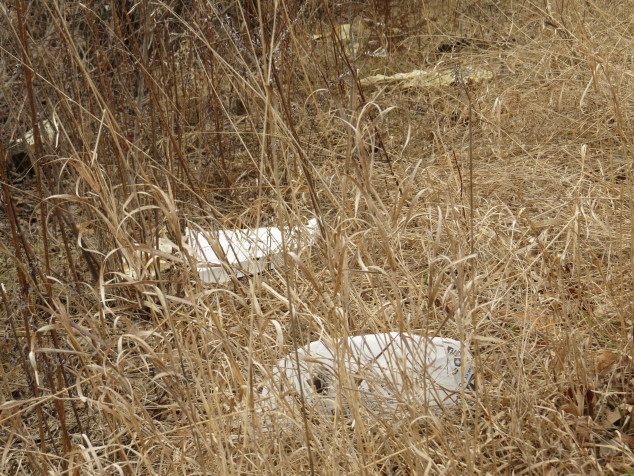
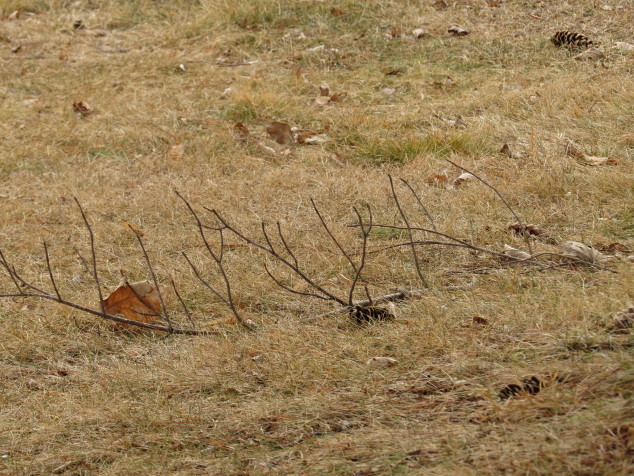
The fall-raked yard is littered with sticks, pinecones, and other debris that will need to be picked up before the first mowing.
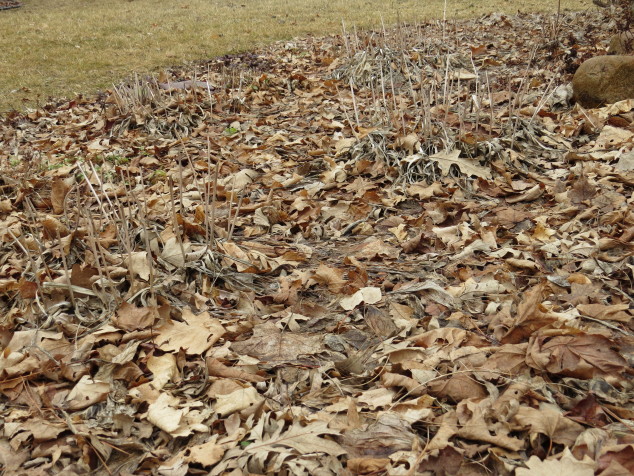
The perennial beds are leaf-covered and dormant.
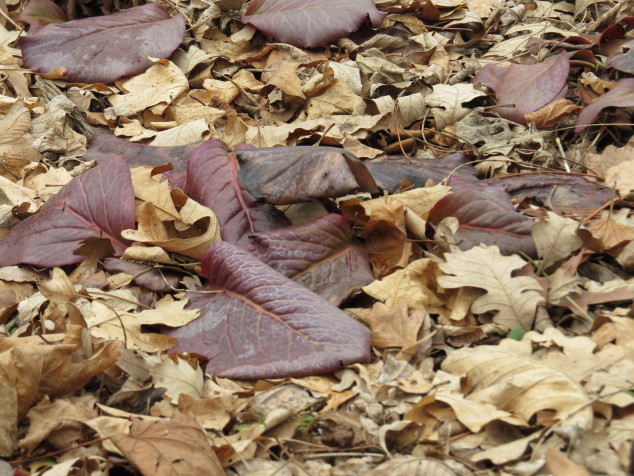
The view of the River and everywhere is gray, brown, muted, flattened, trashy, spent, and kind of ugly. It’s not the severe ugly that is hard to stomach, but it is unattractive in a dormant, neglected sort of way.
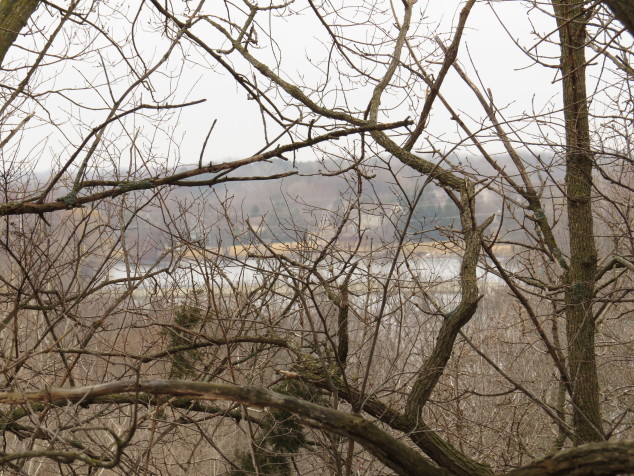
In two calendar weeks, it will be Spring. And in the midst of late Winter ugliness, the Star Magnolia already knows and displays the potential of what is to come!
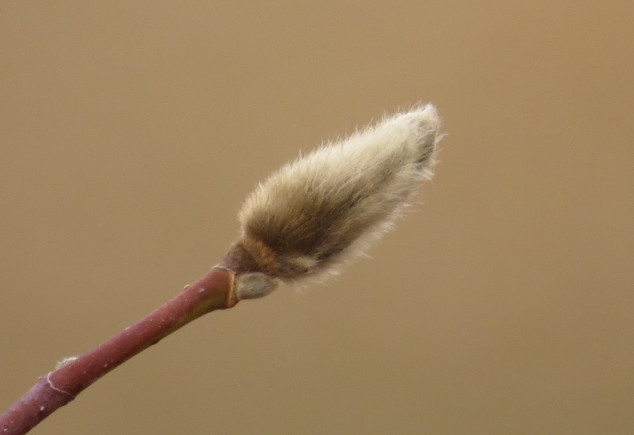
And therein lies the beauty of ugliness–a whole world of potential is encompassed by the unbecoming outward appearance. It doesn’t matter that the young, ugly duckling doesn’t look like the others–what matters is what’s going on inside. Time and maturity unveil a beautiful swan who was that beautiful swan all along. An hour of HGTV reveals the potential of an ugly fixer-upper house–the art of transformation. An ugly cry face matters not when compared to the process within–the release of emotions and stress that opens the door to a change of heart. And the ugly, gray landscape is holding a rich, astonishing, life-affirming, and incredibly beautiful world that is almost ready to be seen. Hope and potential are budding with excitement, thanks to the first glimpse of the Star.
Gleanings from February–It’s All About that Food
What do black oil sunflower seeds and a bag of Ghirardelli 60% Cacao chocolate chips have in common? They are both small, dark, and yummy (to the respective species). Now, I might be stretching it to call chocolate ‘food’, especially in the sustenance sense, but nonetheless, it has been a part of my February and January…and December. Anybody else eat chocolate in a seemingly uncontrollable way when under stress?
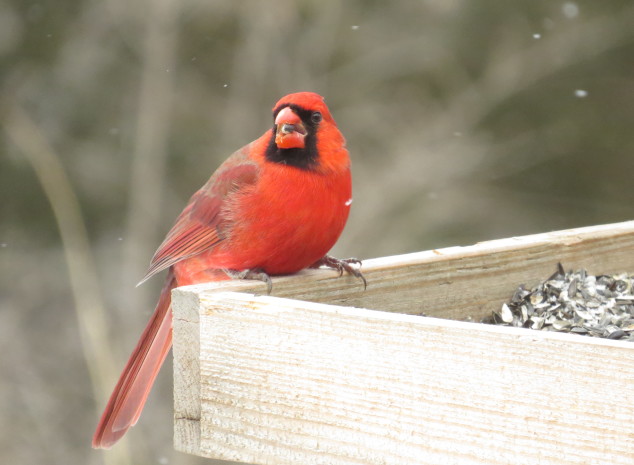
What a strange month February has been here in central Minnesota–it hasn’t been about the snow or the extremely cold temperatures this year. In fact, last Saturday was a record-breaking warm day with a high of 56 degrees! Needless to say, most of the snow has melted. But February has been all about that food for the hardy winter animals and birds who harmlessly flock to the feeders and who harmfully chow down on our trees and shrubs. The winter birds are the most beautiful to see as they come daily to the feeders for sustenance, taking a seed or two at a time.
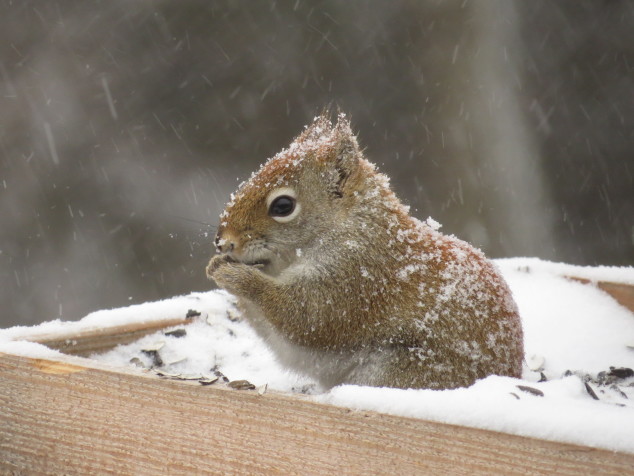
The most amusing visitors to the feeders are the squirrels who take their mealtimes very seriously! This little red squirrel will sometimes eat at the feeder, but other times will fill his cheeks with seeds and high-tail it to his den in order to keep a stash nearby.
There is an abundance of gray squirrels, a few little red squirrels, and two black squirrels–one with a long tail, the other with a shortened ‘Squirrel Nutkin’ tail. These two are feisty and protective of ‘their’ feeders.
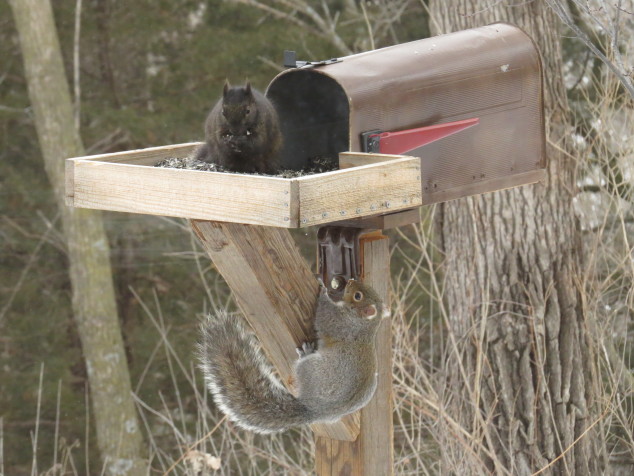
Whereas the birds are prudent with the abundance of a full feeder of black oil sunflower seeds, this guy is a little piggy, scooping up paws full of seeds and chowing down!
Our more nocturnal critters clean up the fallen seeds from the ground after the sun goes down–rabbits and foxes. Evidence of the rabbit’s activities can be seen in the light of day.
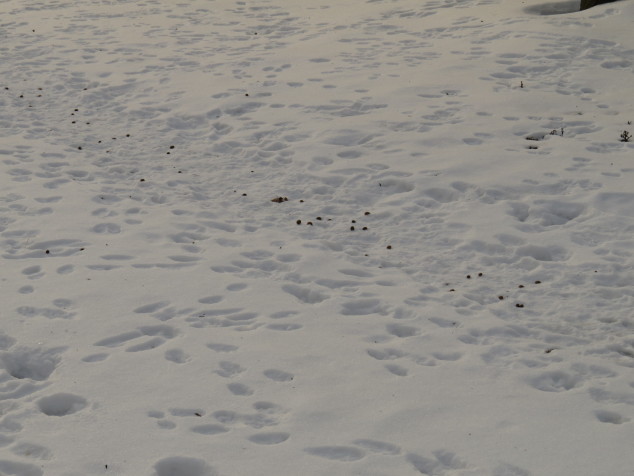
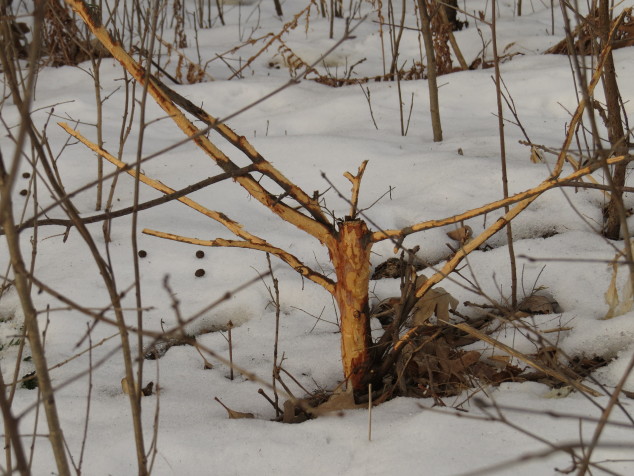
They also cause real damage to young trees and shrubs, as in the case of this young hemlock tree.
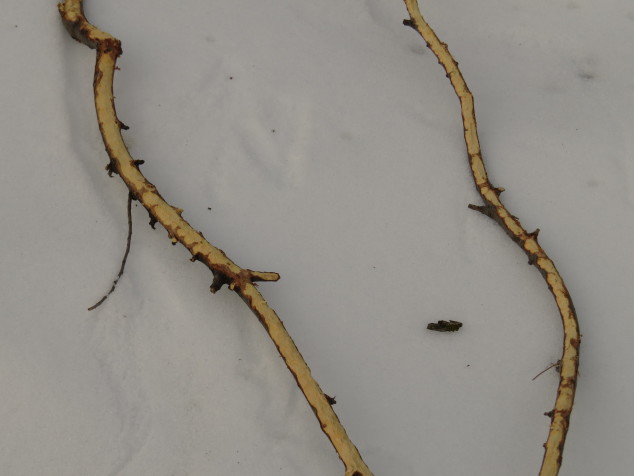
Rabbits or deer stripped the bark from some fallen branches.
While my horticulturist husband loves planting and growing new trees and shrubs, it is a necessity to protect them from the winter grazers.
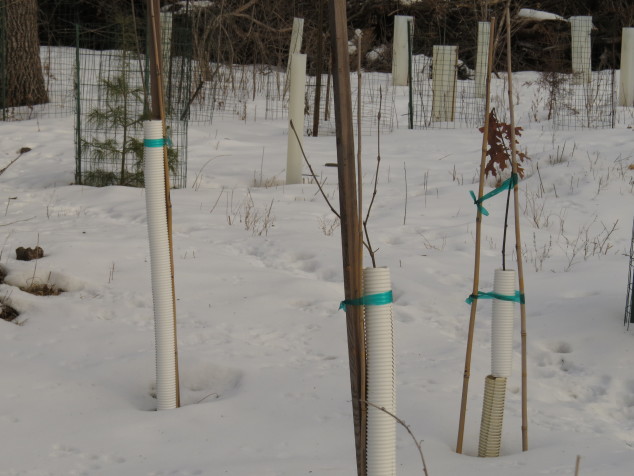
As in most food chains in Nature, the tables get turned, and a rabbit becomes a meal for the scavenger crows.
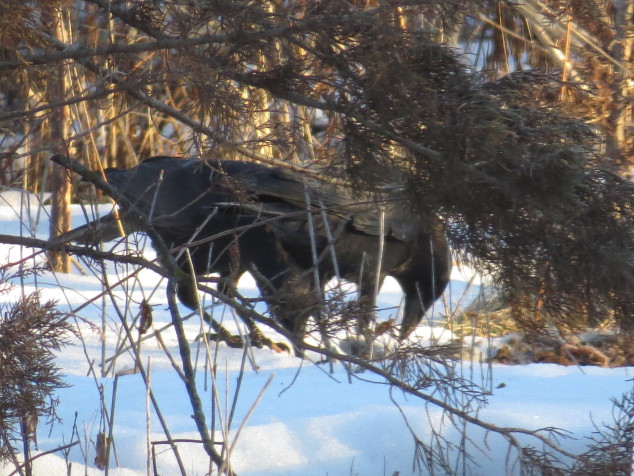
February is all about that food for the birds and animals in this northern climate. The mild temperatures and minimal snow have made it easier for the critters to find some kind of sustenance for survival this year, but they have still been hard on some of our unprotected plants.
Recovering from a death or grief of any kind can also make for strange months–times of sadness and despair, dreams that try to ‘organize’ the pain, and moments of lightness and laughter when the sun shines through the darkness. Diving into my stash of chocolate may not be the prudent way to ameliorate the pain and confusion of grief, but it may just be a necessary way to protect that part of me that doesn’t want to accept what happened. Until I do. And then, once again, I can eat chocolate like a cardinal instead of like the Squirrel Nutkin squirrel.