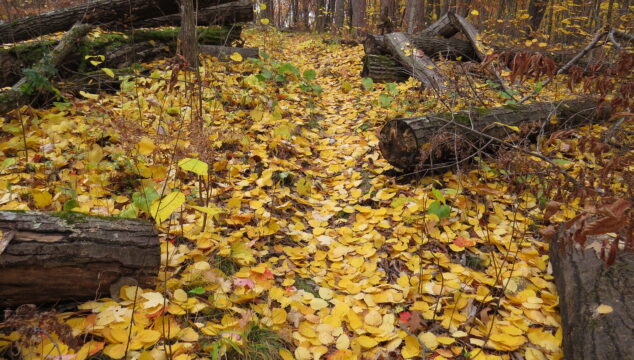
Come walk with me in the peak Autumn beauty of the Northwoods. To say that I love this time of year is an understatement. Most everyone can appreciate the colorful falling leaves---it reveals the 'true self' of a tree when its leaves are no longer producing chlorophyll. Their true colors are revealed, and there is something simple … [Read More...]
Archives for November 2014
Thanksgiving Day
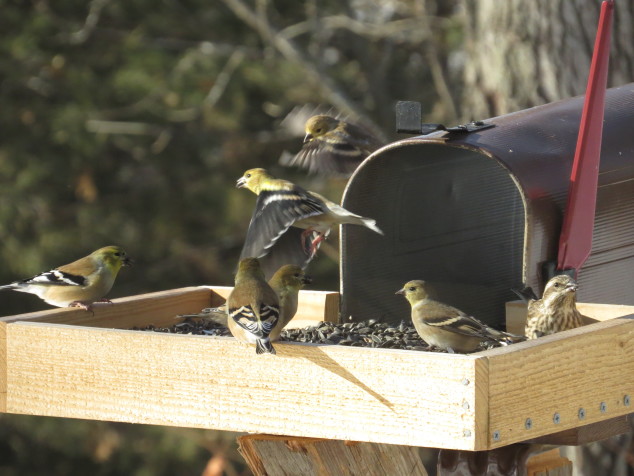
It’s Thanksgiving Day! Time to gather together and share a meal!
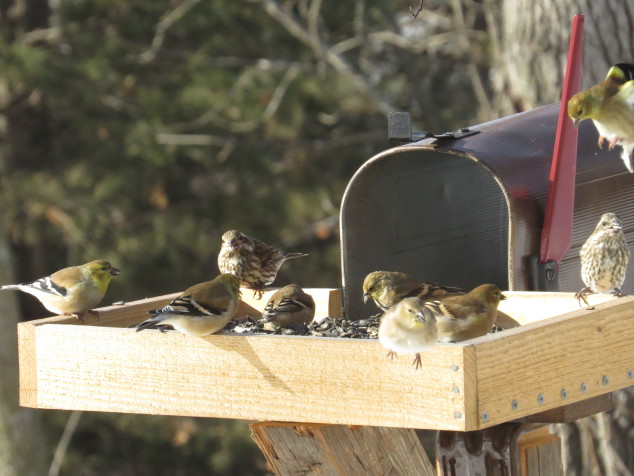
Time to think about the many blessings in our lives, both past and present.
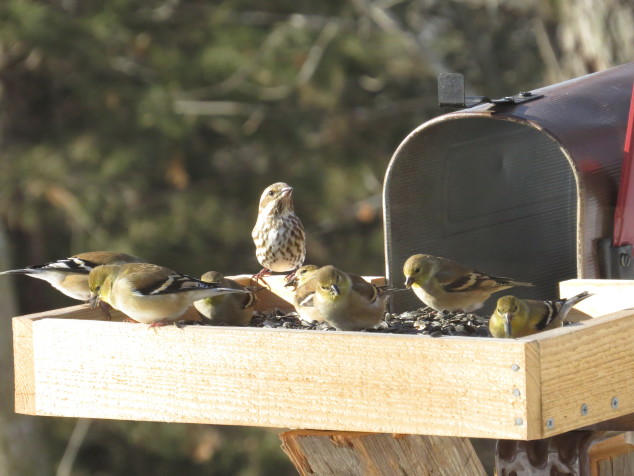
I’m thankful for all the creatures and features of our beautiful, amazing Earth that make not only my blog possible, but also all our lives and livelihoods. And I’m thankful for all of you who read and share my posts. Happy Thanksgiving to all!
Making an Evergreen Wreath
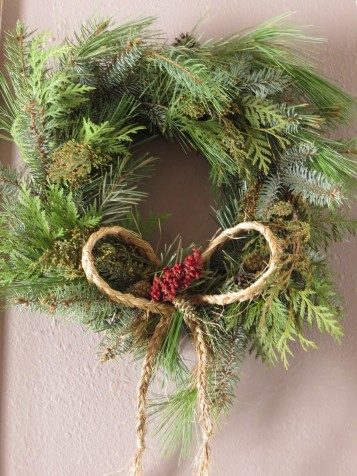
The evergreen wreath is a prominent decoration for the Christmas season. It has been used symbolically for centuries in all parts of the world. The circular shape represents eternity–no beginning and no end. Evergreens, which battle the forces of winter and remain green, symbolize growth and everlasting life.
Chris had gathered evergreen boughs before our November 10th snowstorm and made our front door arrangement in a large clay pot after the annuals were pulled from it. The weather over this past weekend had warmed above freezing, so I went to the screened-in porch to make a wreath with the left-over boughs. The snow melted and dripped, dripped, dripped from the roof. Our Black Lab circled the table while I worked, sniffing for the dog treats I placed in the middle of the materials. Garrison Keillor told and sung his stories on the radio. And all the while, the heady smell of evergreens filled my nostrils with the smell of Christmas.
I started with a circular metal base and an assortment of pine, fir, and blue spruce boughs.
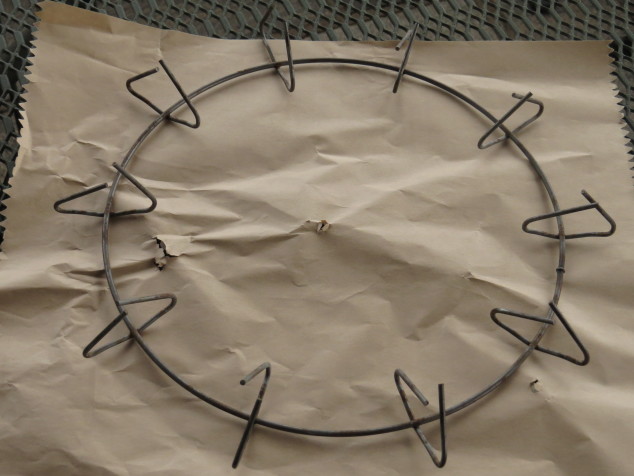
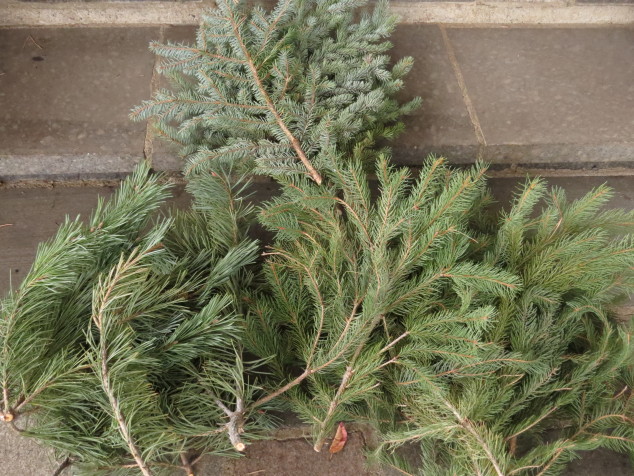
I opened up the wire clips with pliers and laid pine branches of about 10 inches around the wire circle.
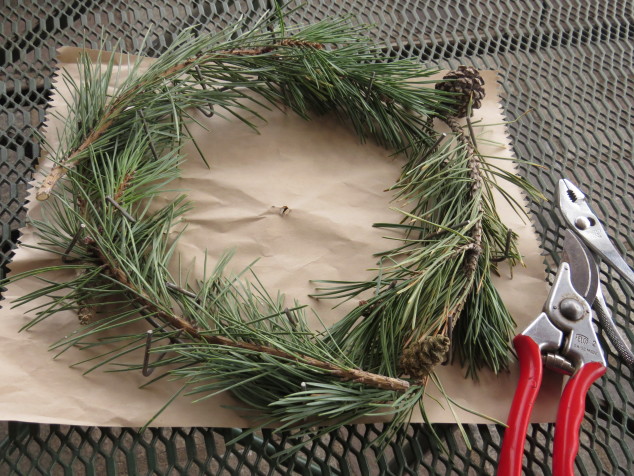
I added fir branches of the same size, making sure they stayed between the metal clips.
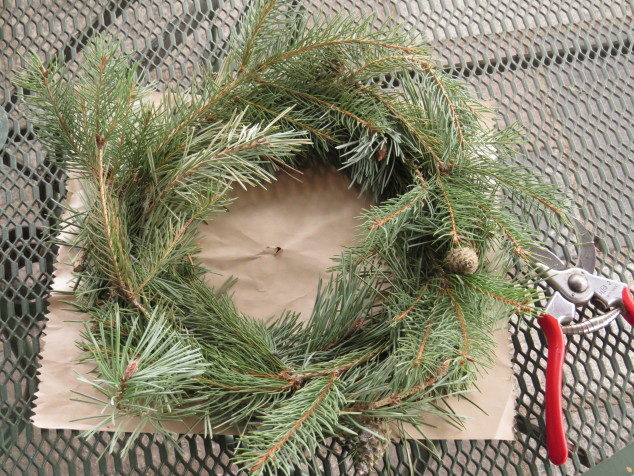
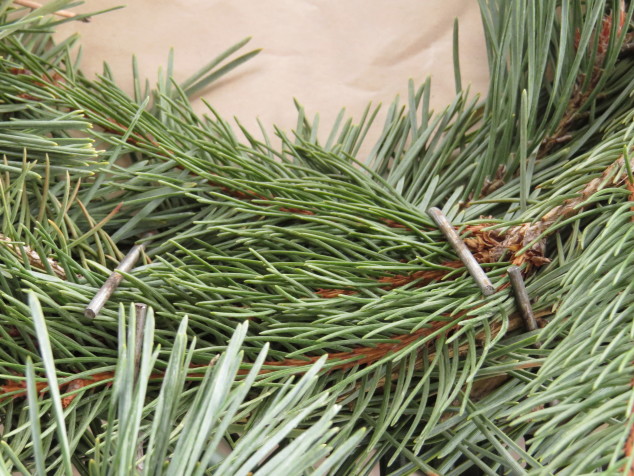
After the second layer of branches, I folded the clips over the evergreens with the pliers.
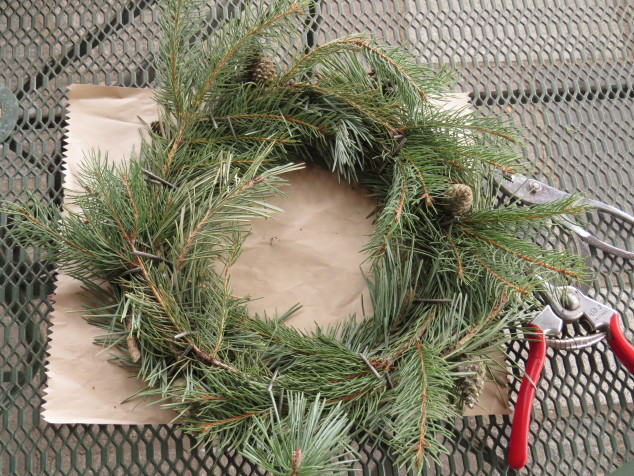
I put on my boots, hat, and coat and carried the pruners outside to gather some white pine, red cedar, and arborvitae boughs.
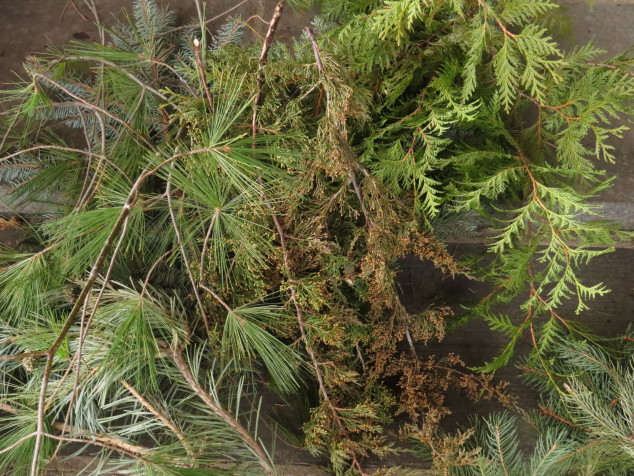
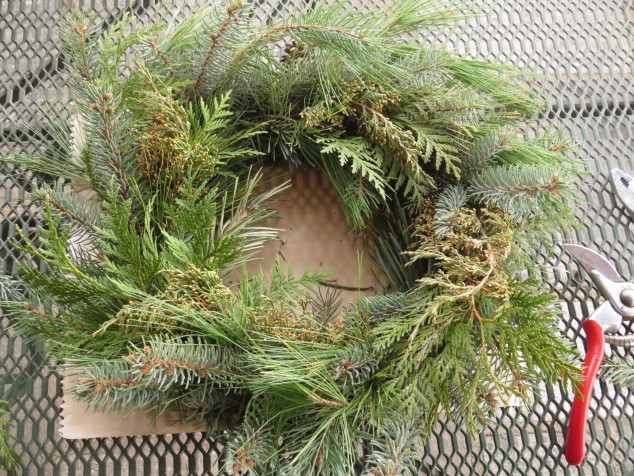
I added shorter (5-6 inches) branches of blue spruce, white pine, red cedar, and arborvitae to the wreath by pushing the end of the stem under a clip or securely under other branches, going in the same direction around the circle.
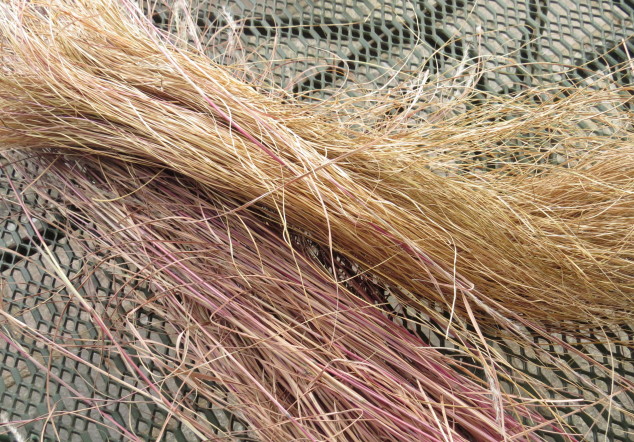
The day before the snowstorm, as we scrambled to put up plastic and put things away, I had cut a couple of handfuls of bluestem and prairie dropseed grasses from my prairie garden. The prairie dropseed has long, fine leaves that cascade outward, forming round tufts. They have beautiful fall color and are very pliable.
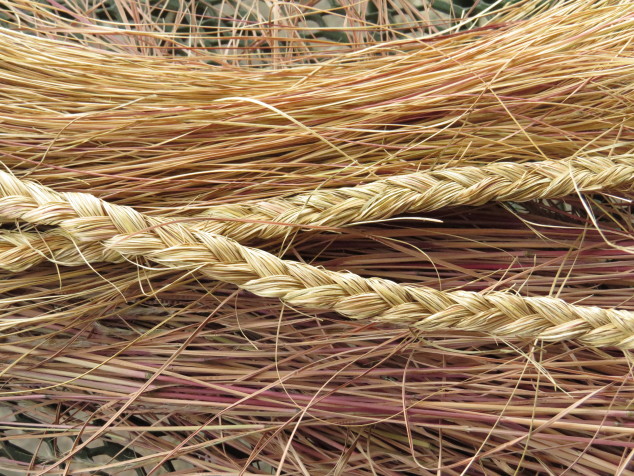
I made a ‘pony tail’ of the prairie dropseed by wrapping a twisty tie around the cut end, then braided it. At the end, I knotted it on itself to hold the braid in place.
 I tied the braids onto the wreath with green tie tape, but you could use craft wire or jute string. After looping the braids into a bow, I tied it again.
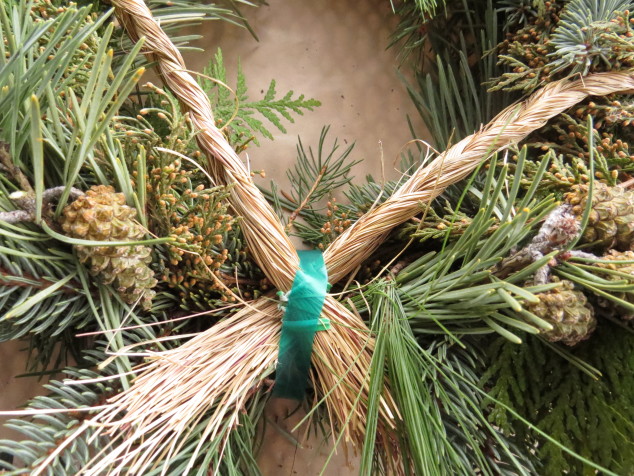
I put a small branch with two cones and a sumac seedhead into the wreath to cover the tie of the grass bow. And the wreath was finished!
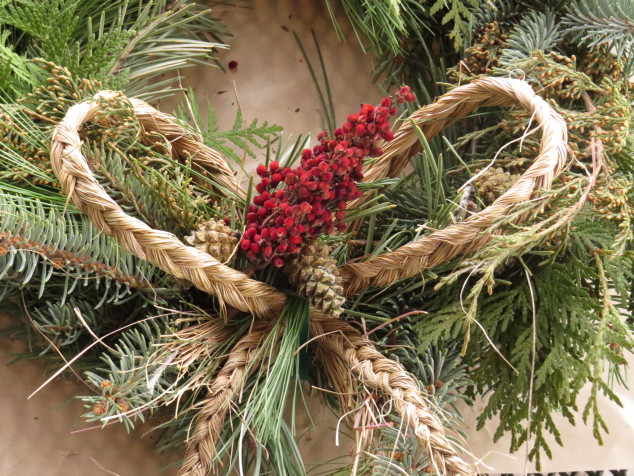
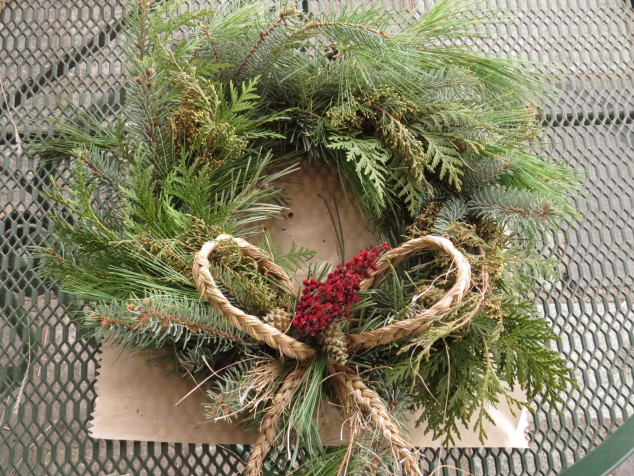
Evergreen wreaths symbolize the unending circle of life, and each of the greens represent a specific theme. Pine represents eternal life, and spruce gives us hope in adversity. Cedar stands for strength and healing, while juniper represents protection. The fir boughs symbolize a ‘lifting up.’ Cones and seedpods represent new life and resurrection. From a distance, a Christmas wreath is a sign of welcome and holiday cheer. In this season of gathering and giving, may you experience all things Evergreen.
The Community Feeder
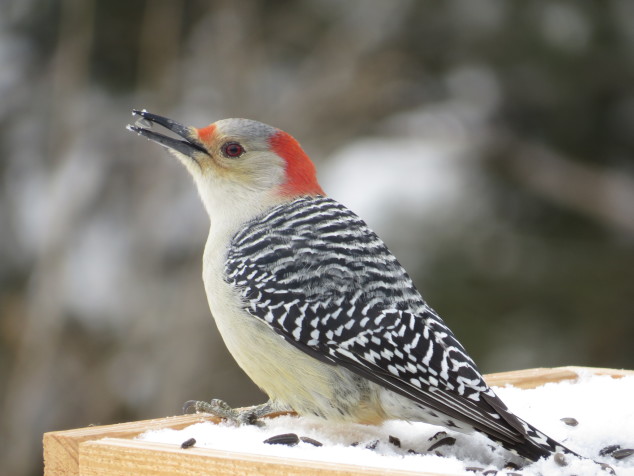
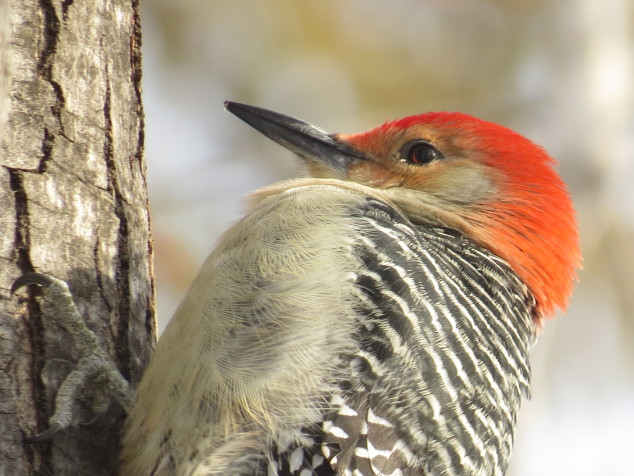
When snow covers the ground, the feeders become the community center for the birds in the area. They have feeding times when activity is high–swooping in, grabbing a seed, flying away. The black-capped chickadees flit to a nearby branch to peck open the seed covering and swallow the seed. The noisy blue jay will pick at his seed in the feeder after scaring all the other birds away. Woodpeckers, like the Red-bellied woodpecker, often carry their food away to store in the cracks and crevices of trees and fence posts for a later time. The ‘Zebraback’, with its barred black and white wings and back, has a creamy buff underside that covers the red patch on the lower abdomen. The female (above) has a red nape and patch at the base of the beak, while the male (below) has a red crown and nape.
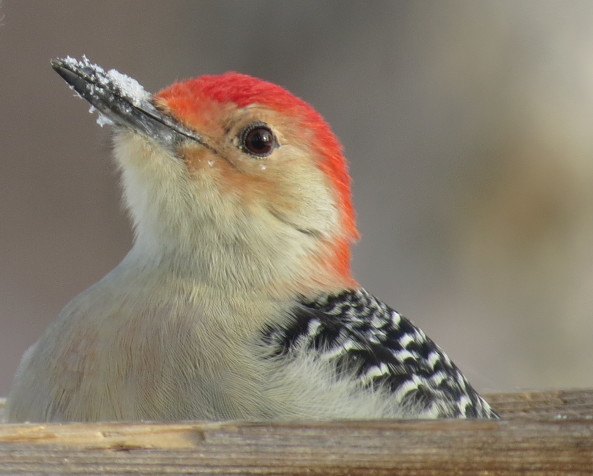
It was a bitterly cold day when the male visited the feeder. His feathers were all fluffed up, and he looked like he was wearing a fur coat!
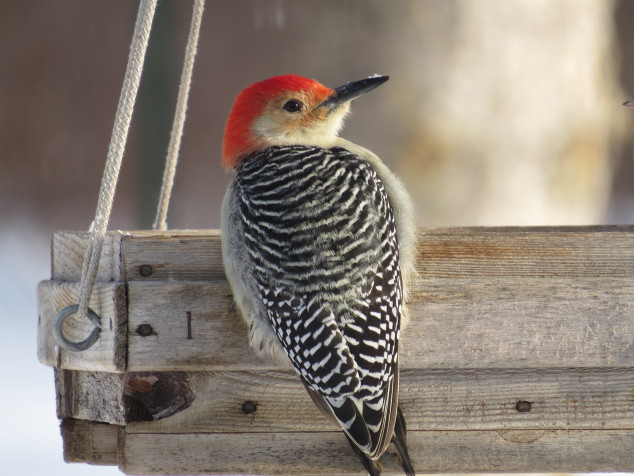
Along with seeds from annuals and perennials, the red-bellied woodpecker also eats wood-boring beetles, grasshoppers, spiders, acorns, pine nuts, and fruit. They have a barbed tongue and sticky saliva that makes it easier to catch their prey.
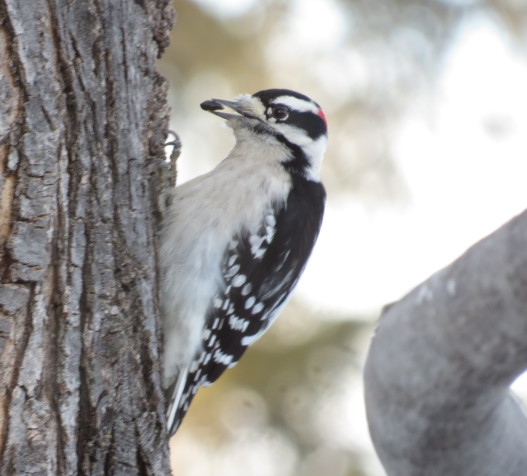
 This small Downy woodpecker is another frequent flier to the community feeder. When he flew to the tree, he may have been storing the seed in the crevice of the bark or may have placed it there to hold as he pecked it open.
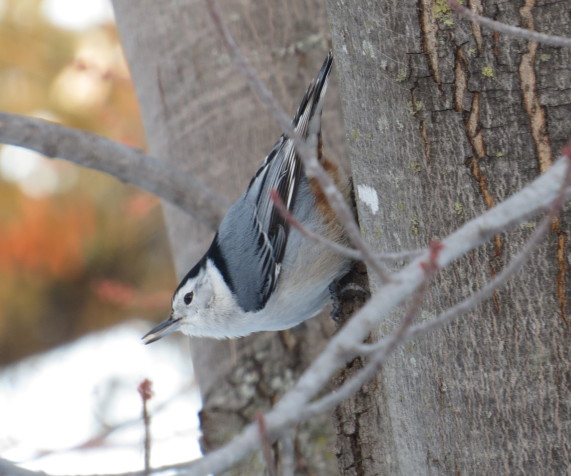
 Another tree-clinging bird is the White-breasted nuthatch. It is often seen creeping headfirst down a tree trunk, enabling it to store food in crevices and to find food that right-side up birds might miss.
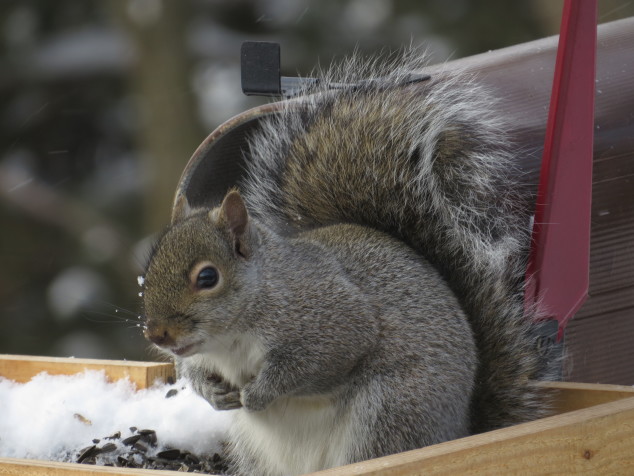
But the birds are not the only ones in the community that come to the feeders. The squirrels show off their acrobatic skills by scaling the trees and climbing or jumping to the food source. The new mailbox feeder is becoming the favorite for the little nutkins–it is closer to their oak trees, easier to climb, and has less of a chance that the big black dog will chase them away from it.
Yesterday morning we had more visitors enjoying some black oil sunflower seeds.
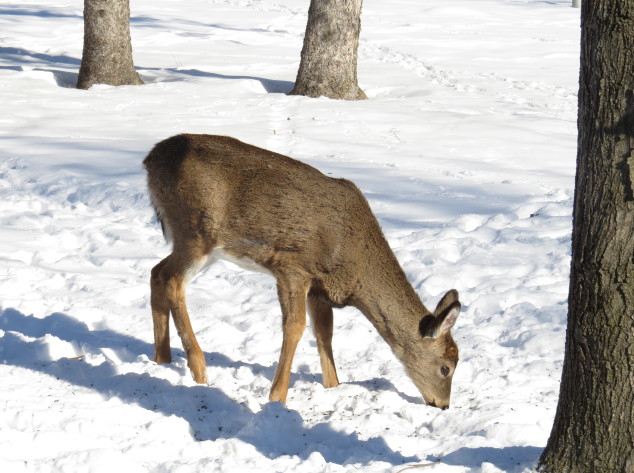
There were four in all, and they watched me through the window and got a little nervous about being so close to the house. Their winter coats gave them rounded haunches, thick necks, and jowly faces.
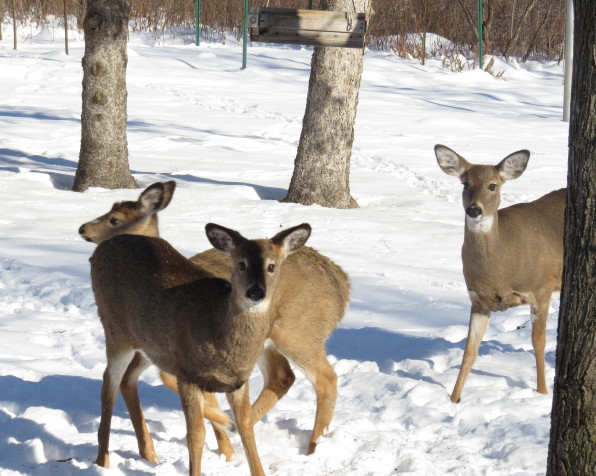
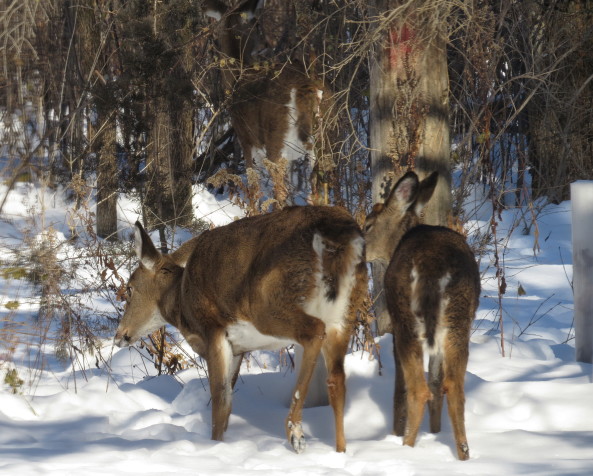
They ate some seeds, then wandered and grazed their way back to the woods
The beautifully feathered birds come to the community feeder in the winter, because it’s all about the food. Each has specialized physiology that enables them to search, find, and eat the food that is best for them. In the snow-covered months of fall and winter, it is hard for the birds and other animals to find sufficient food, so the seed-laden feeders provide an oasis for them. In this week of Thanksgiving and abundant food for most of us, please remember the ones who are having a harder time providing adequate food for their families. Let us all give thanks for our blessings and bless the givers who provide an oasis for those in need.
At the Feeder
It has been a cold, snowy week and a half of Fall-Winter. It’s hard to still call it Fall when we have over a foot of snow on the ground with high temperatures in the teens and lows in the single digits or below. Winter’s march into our lives has not been contained to the northern states–its icy presence has been felt by most of the country. Perhaps Old Man Winter is teaching us a lesson for our hubris of making the holiday season come early. Christmas decorations before Halloween? Black Friday shopping deals in early November? Forget about Thanksgiving? Then Winter it shall be!
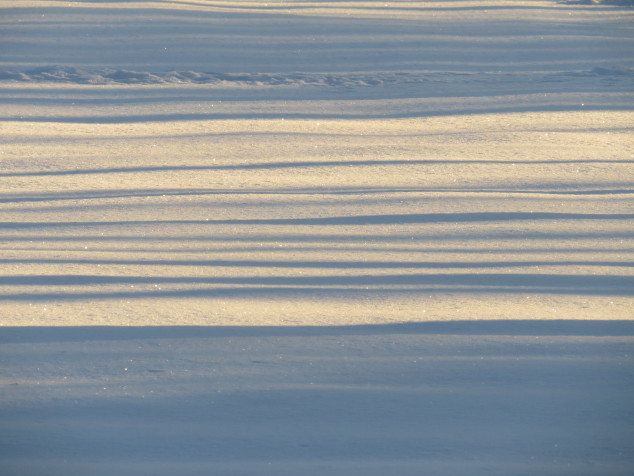
While it seems like the snow has been here for more than ten days, it is only the beginning of our long, hard winter. The icy temperatures wash the world in a cool, blue color. Early morning shadows from the rays of the brave sunlight through the trees, create a dazzling quilt of stripes and sparkles. Blue-white is the new green.
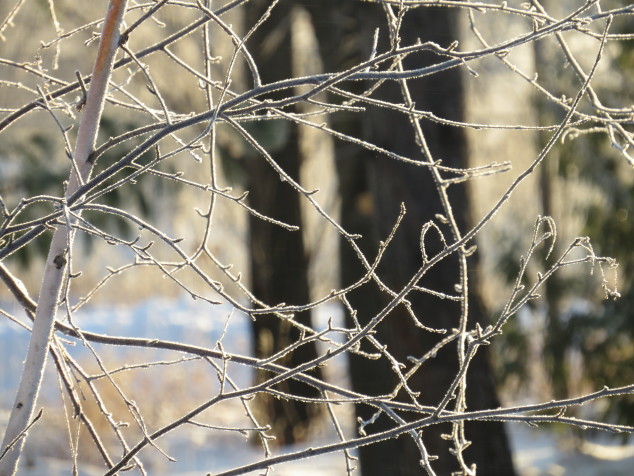
Low pressure and moisture-laden clouds overnight paint the trees with frost. The Artist doesn’t hibernate in Winter.
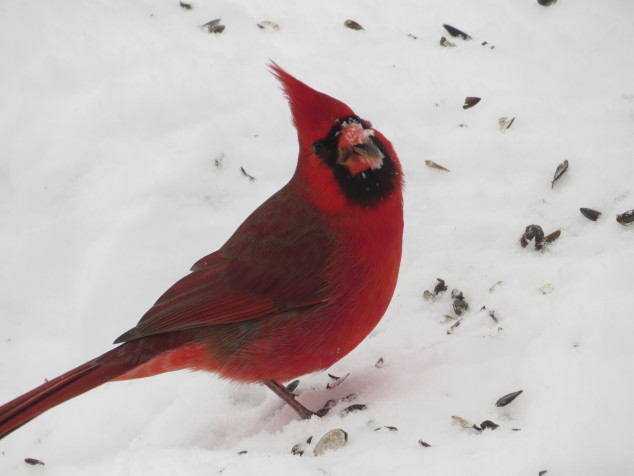
 The stars of the snowy, winter season are the birds. Our three feeders bring them close to the house. They provide great color and entertainment as they zip and dive from tree branch to feeder to snowy ground. The cardinals are seldom seen during the green season but are one of the first to arrive when the feeders are full of black oil sunflower seeds. The male is brilliant with his large crest, black face, and scarlet feathers. He knows he looks good!
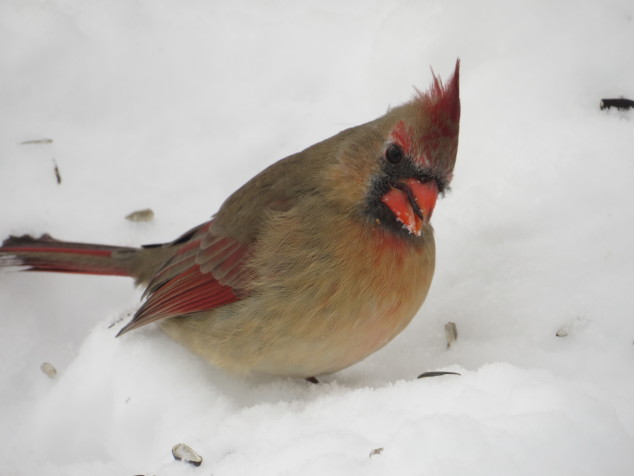
 The female cardinal, as often is the case, has a more subtle, but equally beautiful coloring. They make a handsome pair!
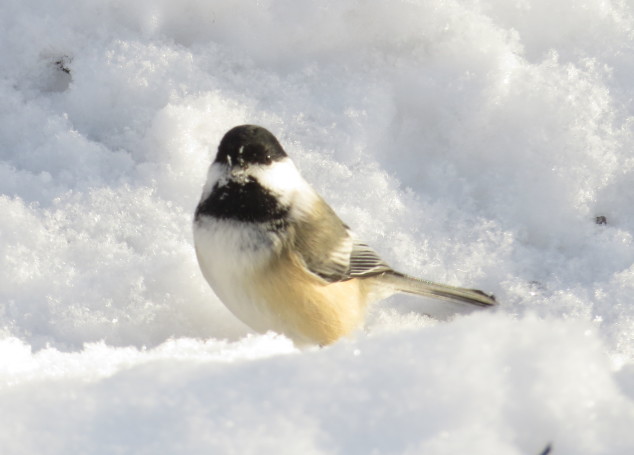
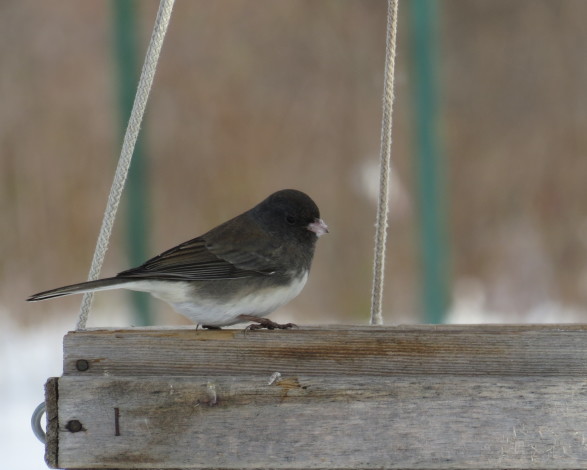
Black-capped chickadees and dark-eyed juncos are two of the most abundant birds to visit the feeders. The black-capped chickadees dart to the feeder, pick up a seed, and quickly fly away. The juncos, with their dark gray topsides and white undersides, spend much of their time on the ground cleaning up the seeds that have fallen. But when the traffic has cleared, they will linger at the source.
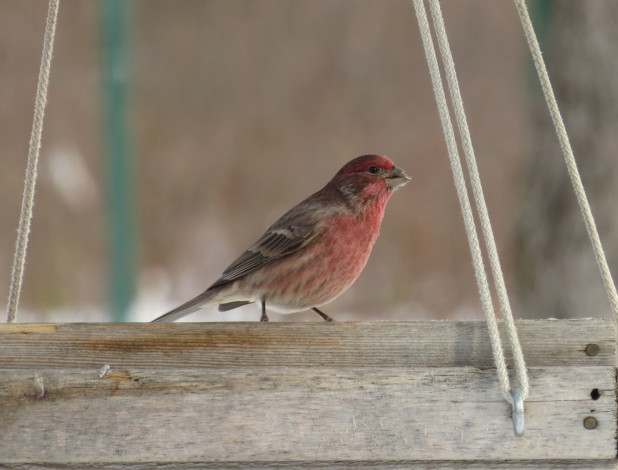
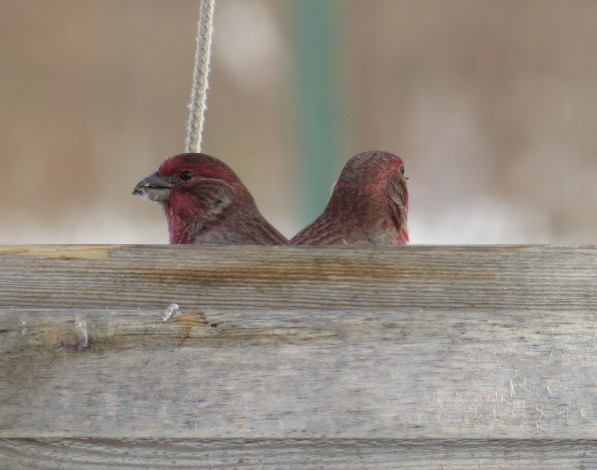
 Purple finches occasionally visit the feeder, looking more rosy-red than purple. They seem to be calm little birds who are not afraid to really get into their food.
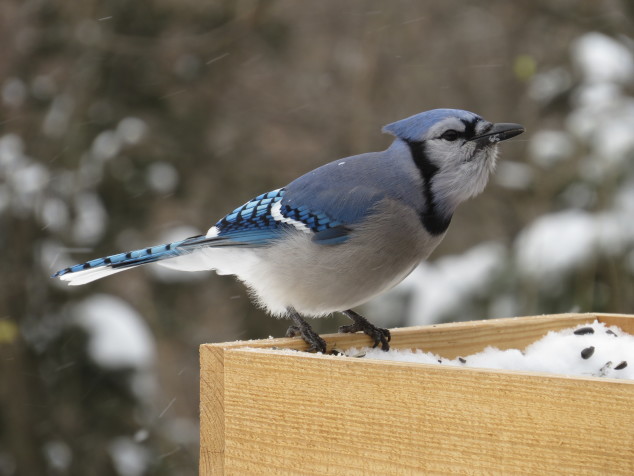
The shrill call of a blue jay demands attention. Actually, almost everything about him demands attention. He’s flashy in his blue suit with crest, black collar and necklace, and white and black spotted wings and tail. The other birds scatter when he swoops to the feeder where he will shovel the snow and seeds around with his large black beak.
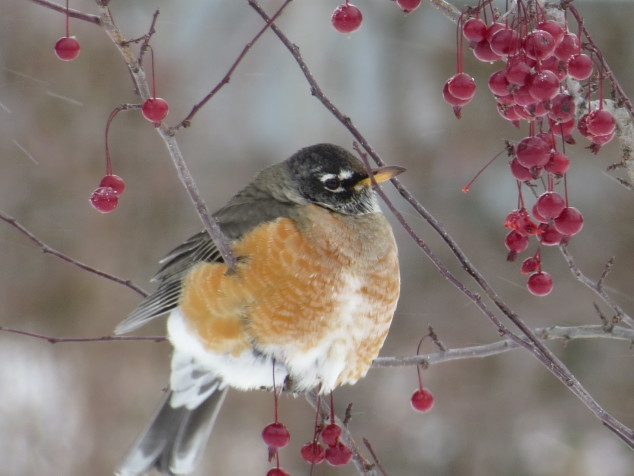
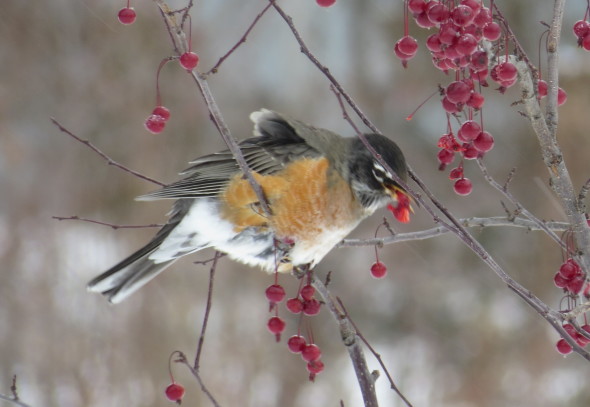
These are a few of the common winter birds in our area, but this morning I caught a glimpse of one who usually makes his way south for the winter. This little puffed-up robin doesn’t look too happy to be in Minnesota in this frigid weather. I wonder if the early snowstorm derailed the migration plan. At least he has some luscious looking crab apples to eat!
The below-freezing temperatures and thick blanket of snow came early this year and are probably here for the duration. Mother Nature humbles us and lets us know that we are not in control. Each season has its drawbacks, challenges, and hardships along with its beauty, gifts, and inspirations. The birds are one of our beautiful gifts. Their unique characteristics and personalities remind us that we’re all in this together at the feeder of Life.
The Story of the Early Snowstorm
Snow is a normal thing here in Central Minnesota. Our last spring snowstorm was in April, and now it isn’t even the mid-mark of November and we have nearly 14 inches. Many years the first substantial snowfall comes after Thanksgiving and stays the rest of the winter, blanketing the ground with white well into the spring months.
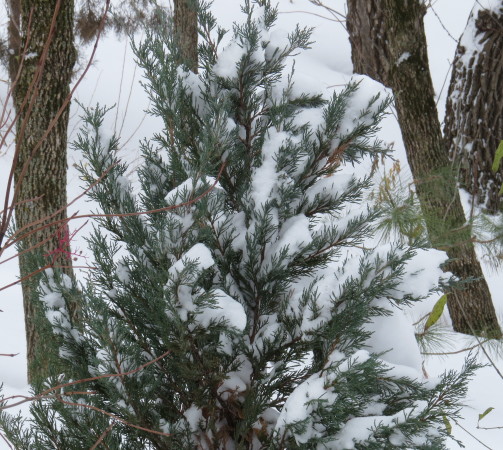
It’s normal to see snow on the hardy cedar trees scattered throughout our woods. Their branches hold the whiteness in winter-postcard splendor.
 It’s expected to see snow on the driveway and sidewalk. It is the site of the winter workout with shovels poised at the house and garage doors. On a snow-stormy day, one can choose many reps with lower weights or less reps with heavy weights. Even wielding the snowblower through the plowed windrow of snow at the end of the driveway provides its own workout.
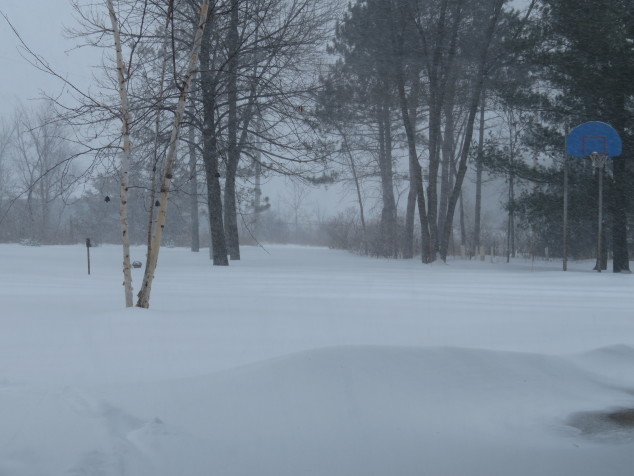
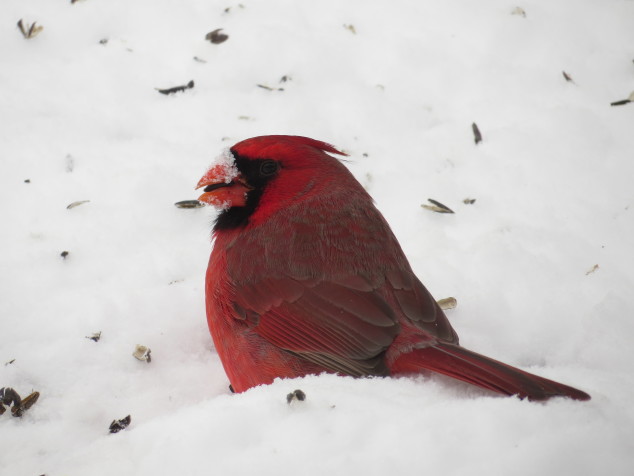
Cardinals and snow go together. As soon as the snow flies, the cardinals swoop in to the feeders looking picturesque in their scarlet plumage.
And our Black Lab loves the snow, leaping through the belly high fluff and plunging her head in for a mouthful of snow cone delight.

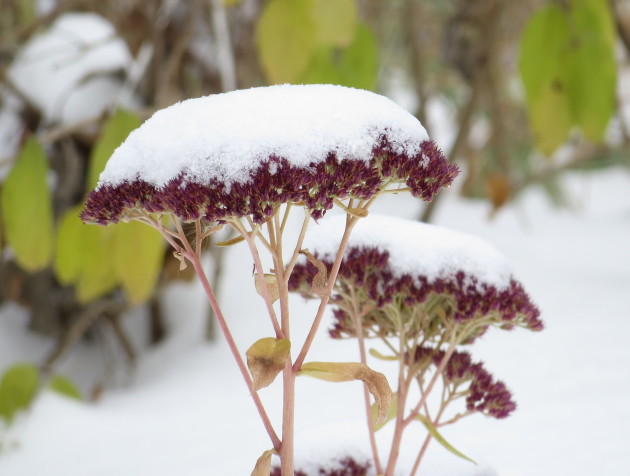
It’s a winter garden of interest when the snow lands and mounds up on spent seed heads of perennials and on the rough branches of the oak trees. Even the lingering leaves of the honeysuckle don’t look out-of-place in the snowscape.
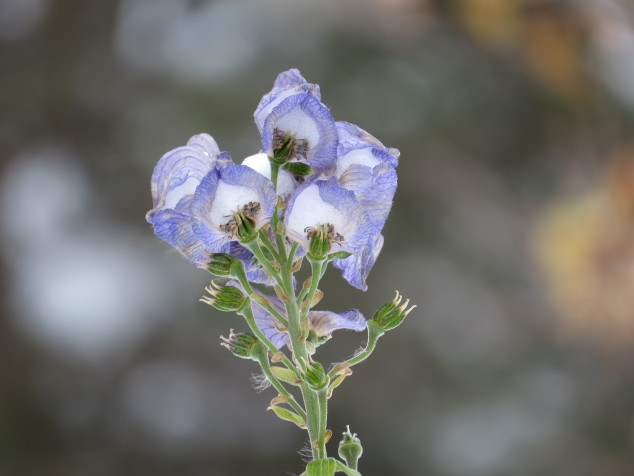
But this is the picture that has been on my mind since I took it on Tuesday. The delicate, still-blue petals of the Monkshood flower, not long past its prime, are filled with snow. This tells the story of the early snowstorm and exemplifies the unexpected.
Minnesotans know snow. We know frigid temperatures, long months of winter, being prepared, snow fun, discomfort and hard work, winter boots and hats, and snow weariness.
The snow-filled Monkshood flower reminds me of our vulnerabilities. The vibrant, late-blooming flower looks fragile in its frozen state. But there is also a haunting loveliness and a porcelain-like strength to it. No matter how prepared or how hard-working we are, there will be times when unexpected things happen. We are all vulnerable in certain ways and sometimes it takes an early snowstorm to see the beauty and strength of our own frailties.
Into the Storm
On Saturday, the extended weather forecast called for cooler temperatures and a chance of snow in southern Minnesota. Okay. We raked more leaves, mowed the lawn one last time, and put the garden hoses away. The snow blower and lawn mower traded places in the garage. Sunday was in the mid-30’s with calm winds, and the sun felt warm as we nailed lathe over plastic sheeting to cover the screened-in porch, the last of our getting-ready-for-winter chores. Oh, and the weather forecast had changed to nine inches of snow for us on Monday! Okay!
Things in life can change quickly. Chris spent a couple of hours at work getting equipment ready for snow removal at the college. I washed windows, cleaned out window wells, put out bird feed, hauled a small pile of brush, and took a few pictures. We were as ready as we could be.
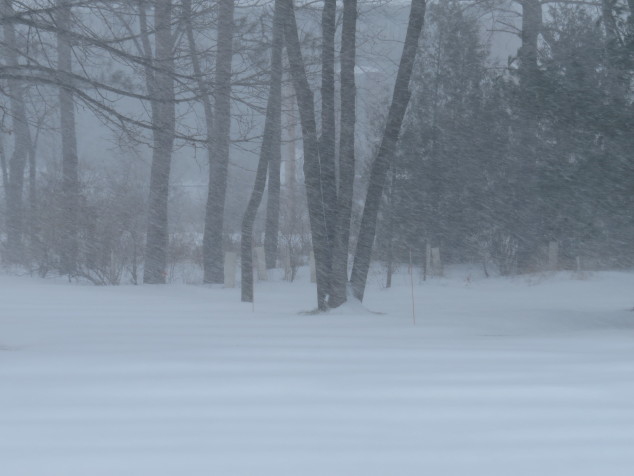
The snow began an hour or so before Chris left for work at 4:00 am. By 6:00 am the schools and colleges in the area were closed for the day. We had seven inches of snow before 10:00 am. The wind is howling, the snow is still falling, and we are in a winter storm warning until noon on Tuesday. The prediction now is 10 to 16 inches–I’m sure we have over a foot already.
I want to show you what a difference less than 24 hours can make.
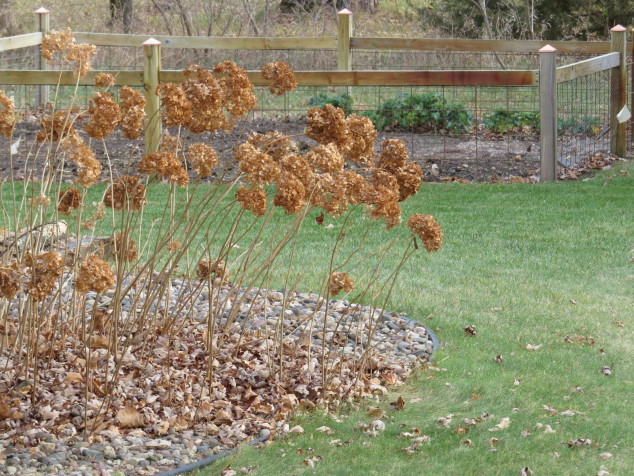
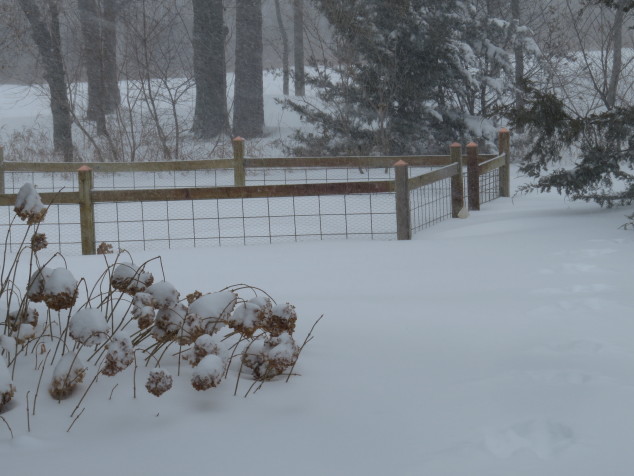
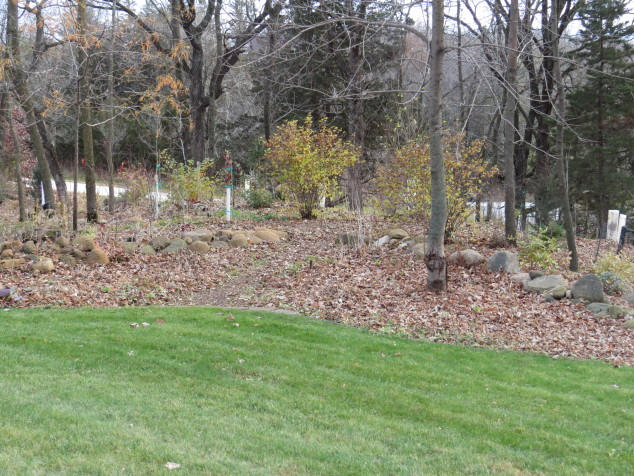
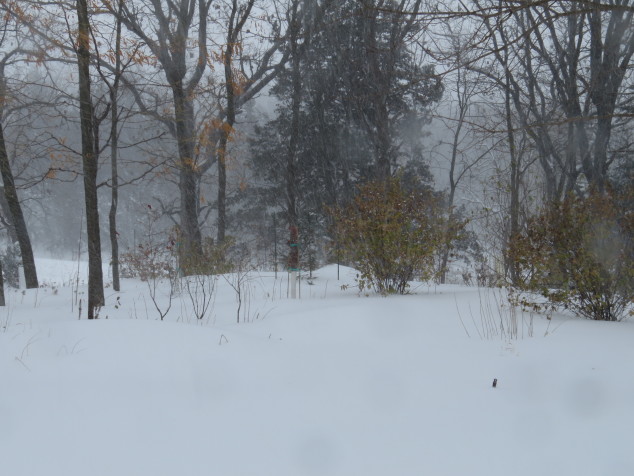
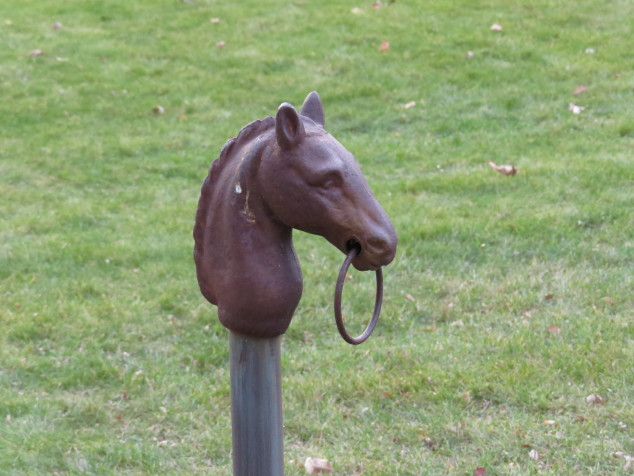
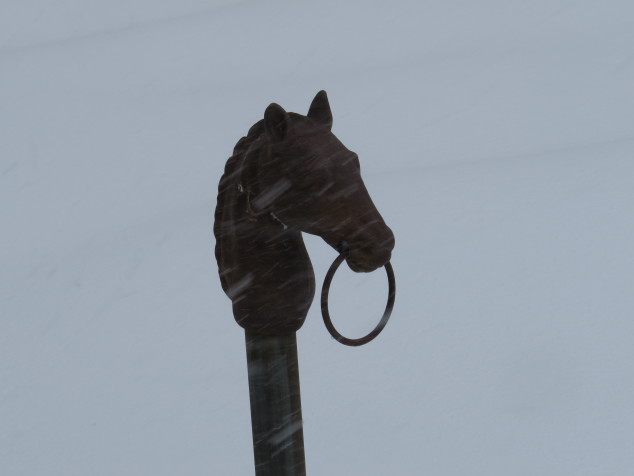
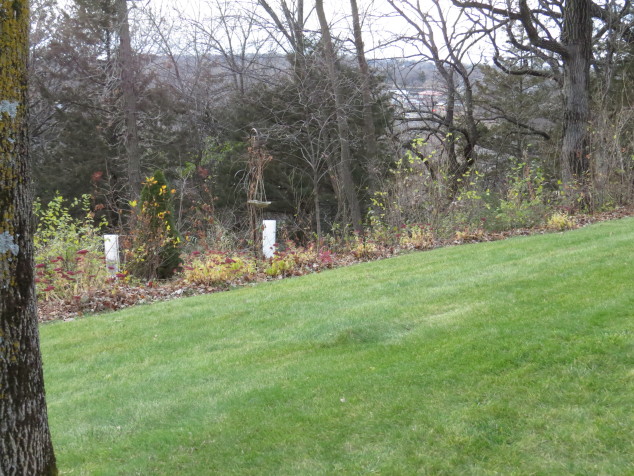
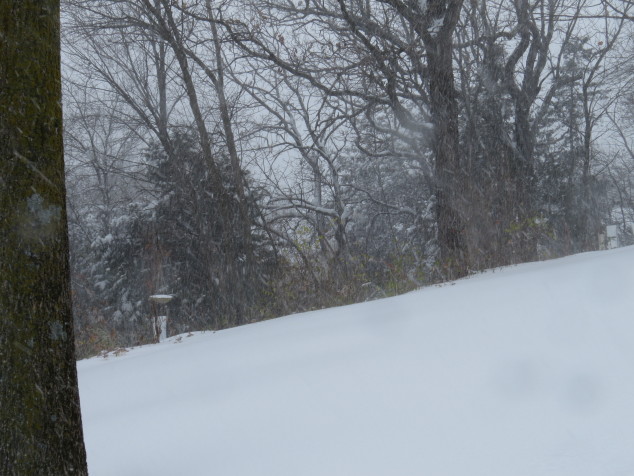
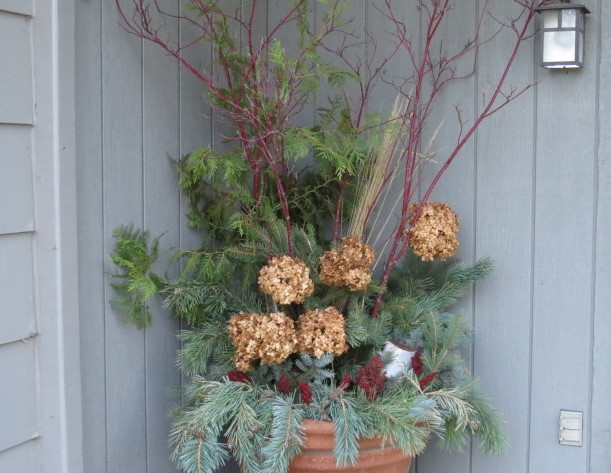

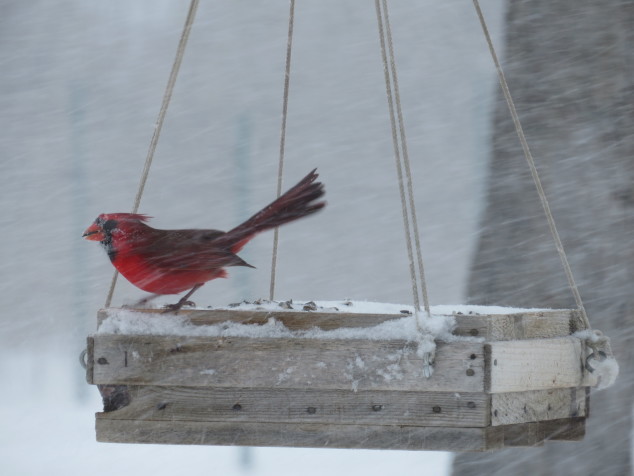
It is an early storm with a large amount of snow. By November, we are usually prepared for what’s coming–even if we only have one day’s warning. But sometimes in life, we are blindsided by a storm that we are not expecting, and our life can change dramatically in less than 24 hours. How can one be prepared for that? I believe we have to hitch ourselves to God. We need to welcome into our souls the beauty that presents itself to us. We need to offer the seeds of faith, hope, and love, and we need to partake of them. Then we can fly with strength into the storm.
This is What November Looks Like
I subscribe to a monthly magazine marketed ‘for women of style & substance,’ and while I would never claim to have the least bit of style, I would like to think my substance makes up for that! One section in the magazine has a beautiful photo of a real woman (as opposed to a model woman) and is titled, “This is What 50 Looks Like” or 62 or 45 or whatever age that particular woman of style and substance happens to be. It tells a little about her in soundbites like ‘On letting her hair go gray’ or ‘On keeping things simple.’ I like that page because the women look real–they may have wrinkles, imperfections, gray hair, or whatever, and it doesn’t matter. They look beautiful, healthy, and radiant and inspire by what they are doing to make a difference in the world.
So on this gray November day when most of the color is gone from Mother Nature’s palette, I want to show you that this is what November looks like in Central Minnesota.
ON SHOWING HER COLOR IN A GRAY LANDSCAPE
“The sumac seed heads are a colorful and enduring presence through late fall and all of winter, looking especially nice against the white of snow.”
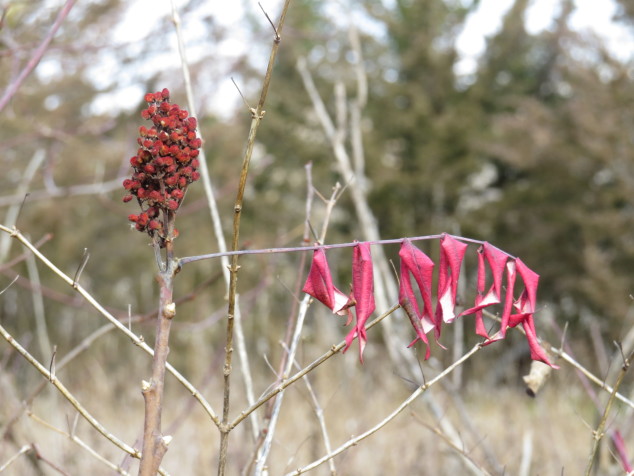
“The tiny blue berries of the Eastern Red Cedar are a delicate decoration on the large evergreen tree until the birds eat them. The cedar also provides excellent shelter and nesting space for many birds and small mammals.”
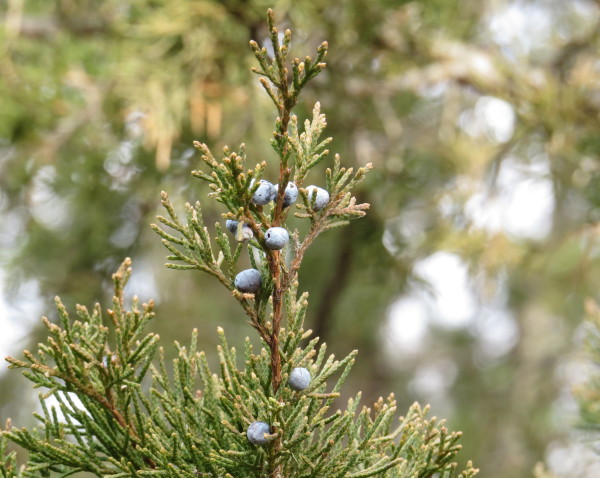
ON BEING THE INSPIRATION FOR THE MOSSY OAK EMPIRE
“It’s an honor, of course.”
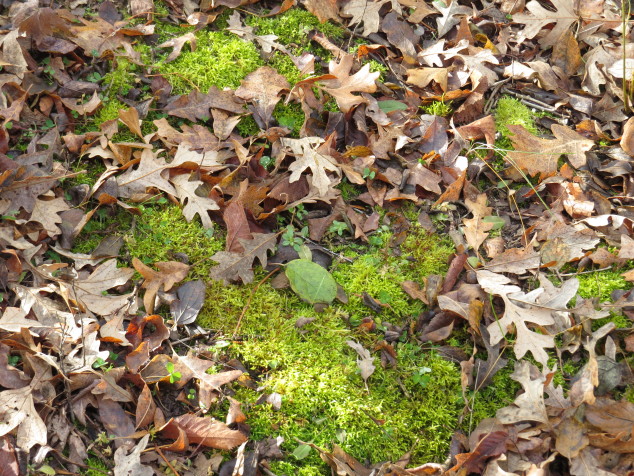
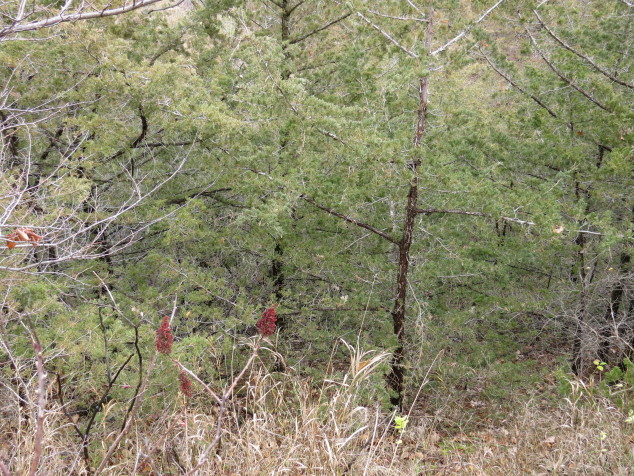
ON BEING GREEN
“We were green before going green was cool.”
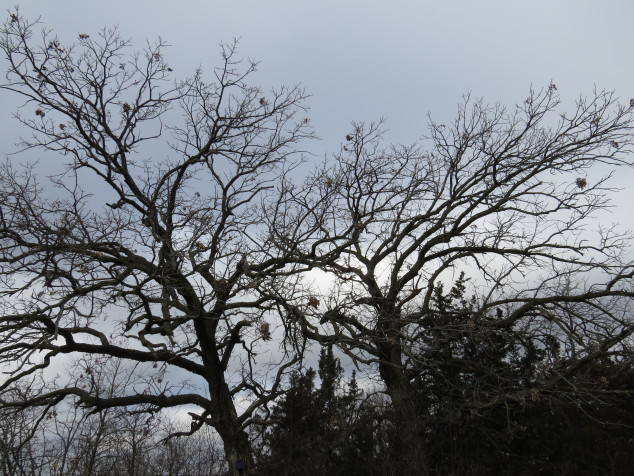
ON BEING CHOSEN AS THE BEST TREE IN THE SILHOUETTE CATEGORY
“My oaks are winners in multiple ways! They provide food and shelter for many birds and animals. They are so much more than a beautiful structure!”
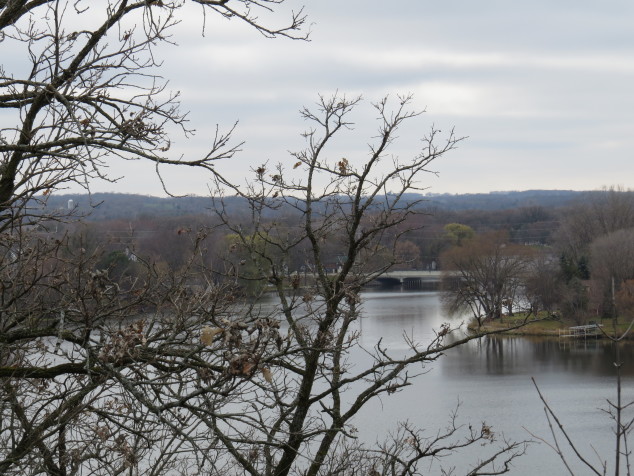
ON MINNESOTA’S TEN THOUSAND LAKES
“The lakes and rivers of Minnesota are one of the state’s greatest resources. They provide recreation and support tens of thousands of businesses. They are also home to a multitude of creatures.”
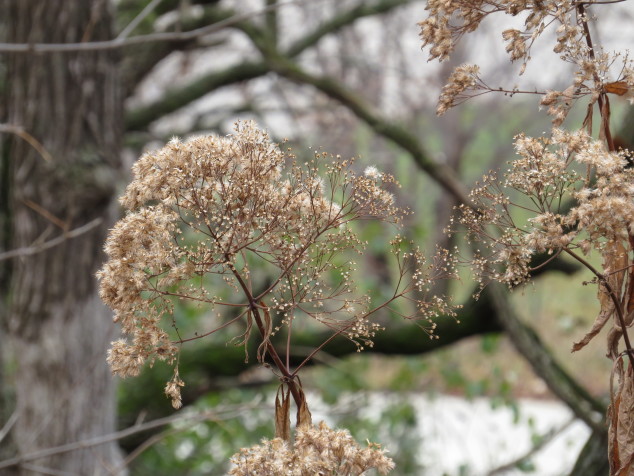
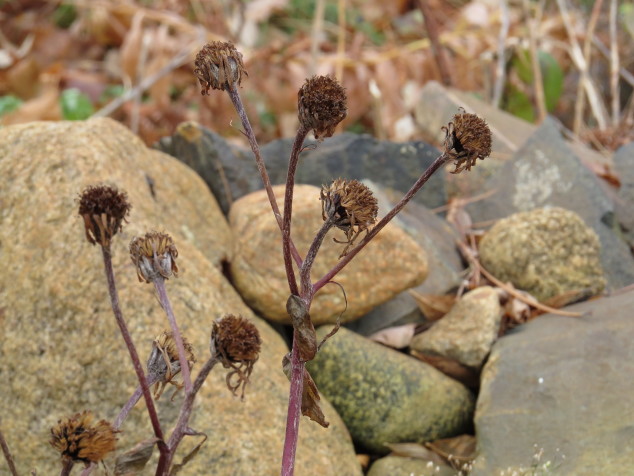
ON WINTER INTEREST
“Not only is the big, bold Joe Pye Weed great to keep for winter interest, so are perennial grasses and flowers with interesting seed heads, like the Ligularia. Of course, in Minnesota, they also have to be tall in order to be seen above the snow.”
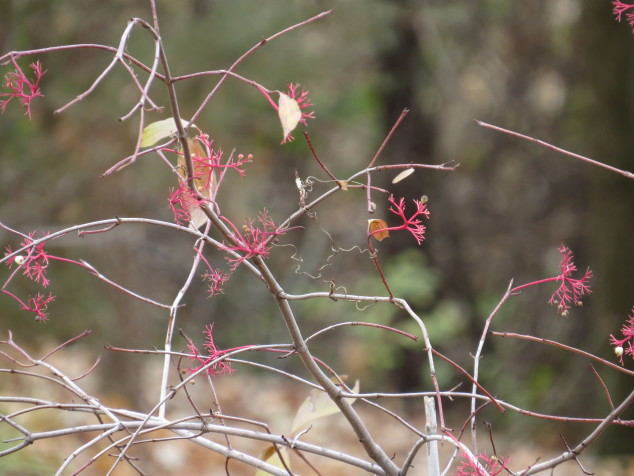
ON DISPLAYING HER SCULPTURES
“This Gray Dogwood is a free form piece with strong yet flexible lines and added interest from scarlet flower stems and curly grapevine tendrils.”
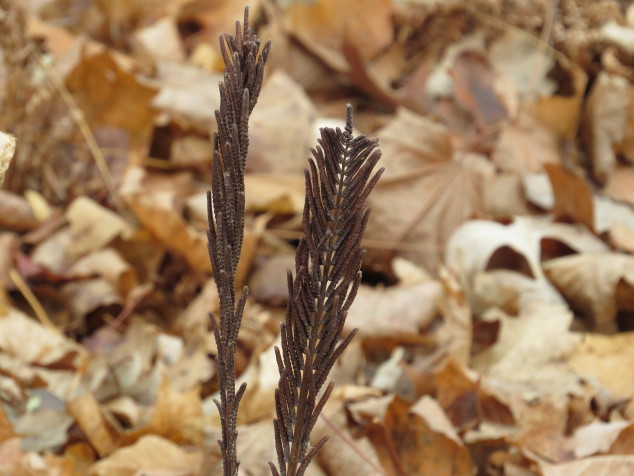
“This fern piece has a rigid upright form and sports a metallic look, contrasting nicely with the fallen leaves.”
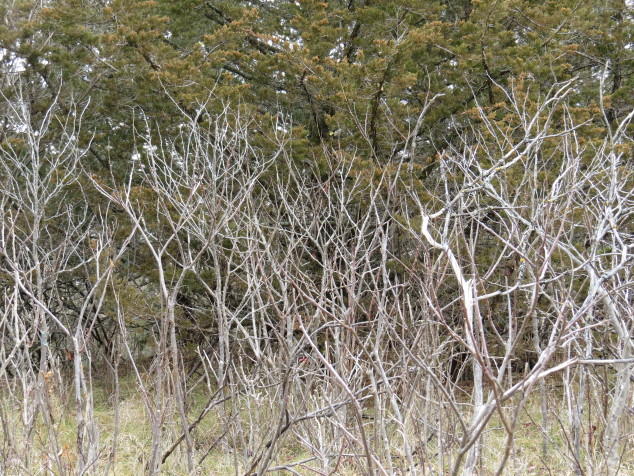
“This large, multi-piece sculpture is a study in contrasts thanks to the white branches of the sumac and the black branches of the Eastern Red Cedar tree.”
ON BRINGING NATURE INDOORS
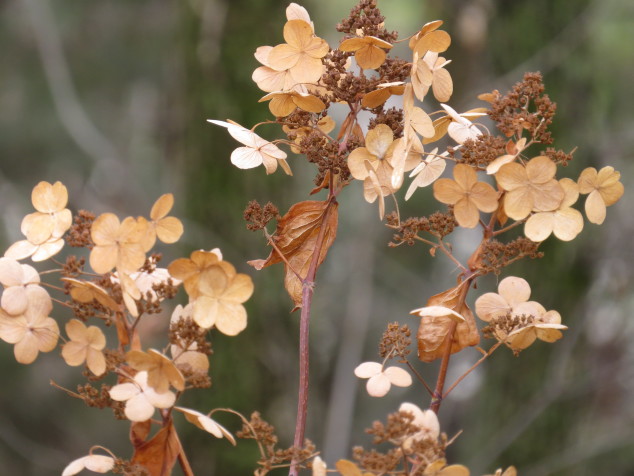
“The Quick Fire Hydrangea is the perfect dried seed head to bring indoors to decorate for the holidays. To glam them up, just spray paint with silver or gold.”
ON GOING DORMANT
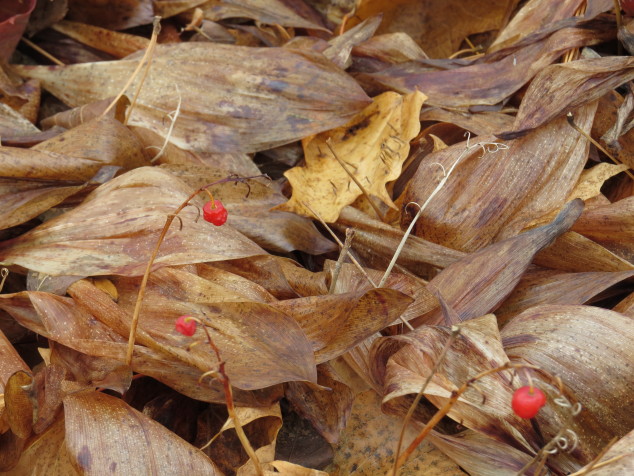
“Autumn is the season of transition to Winter. Winter is a time of dormancy, hibernation, tough conditions, and finding shelter from the storms. It is a time of introspection and internal growth after the exuberance of spring and summer growth and fruit and seed production.”
Thanks to Mother Nature for sharing the Beauty of November.
As told to Denise Brake
Great-Grandaddy Cottonwood Tree
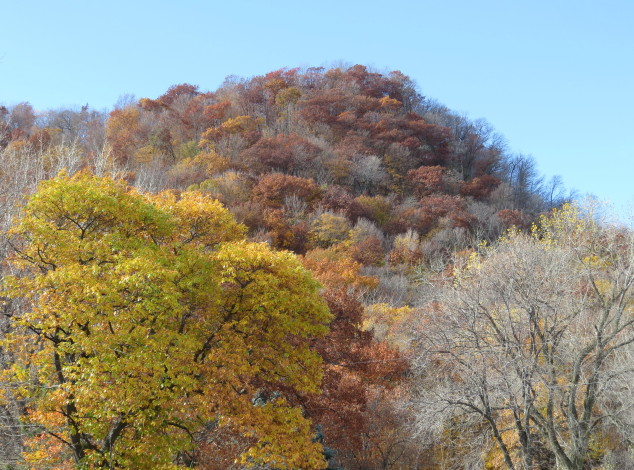
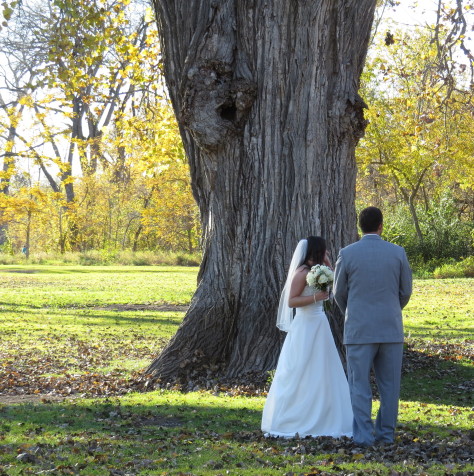
We traveled down the Great River Road from Red Wing to La Crosse, with the Mississippi on our left and the river bluffs on our right. Most of the leaves were gone from the trees, though the rusty-brown oaks still warmed the bluffs with their color. The sky was clear and blue, and the day was uncharacteristically warm for October 25th. We were on our way to a wedding–an outdoor wedding in a park beside the Great River. And the wedding was held beneath the grandeur of this great-grandaddy cottonwood tree.
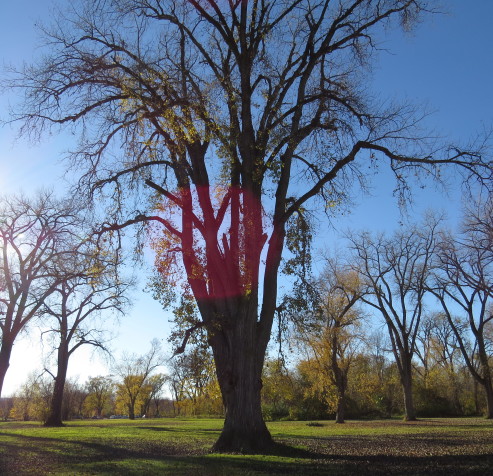
The huge old tree, with only a few of its heart-shaped leaves still glowing in the sun, was a gorgeous altar. According to The Meaning of Trees: Botany-History-Healing-Lore by Fred Hageneder, the cottonwood represents honesty, humility, and self-sacrifice. The Sioux Indians used a young cottonwood for the Sun Dance, and Kablaya, the one who first taught his people the Sun Dance, spoke to the tree, “…you, O rustling cottonwood have been chosen in a sacred manner…for you will bring that which is good to all beings and all things.” A fitting place to start a life together.
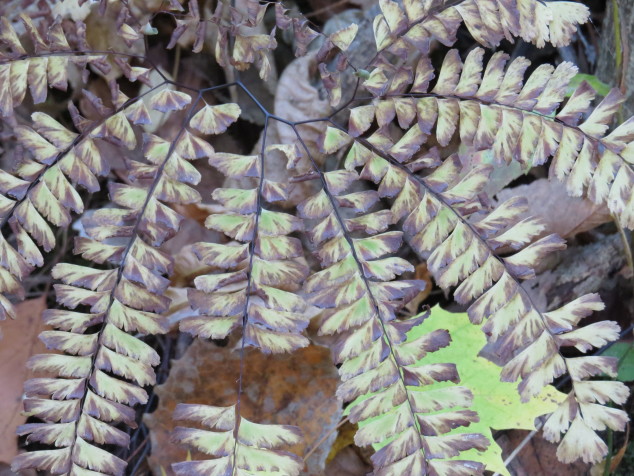
The morning after the wedding, in equally beautiful weather, we drove up Bliss Road to Grandad Bluff. As we slowly ascended the 600-foot high bluff, we saw patches of my favorite Maidenhair ferns glowing whitish-gray in their fall color.
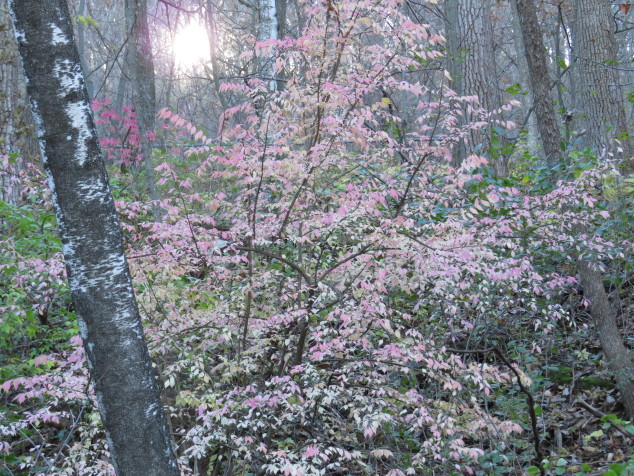
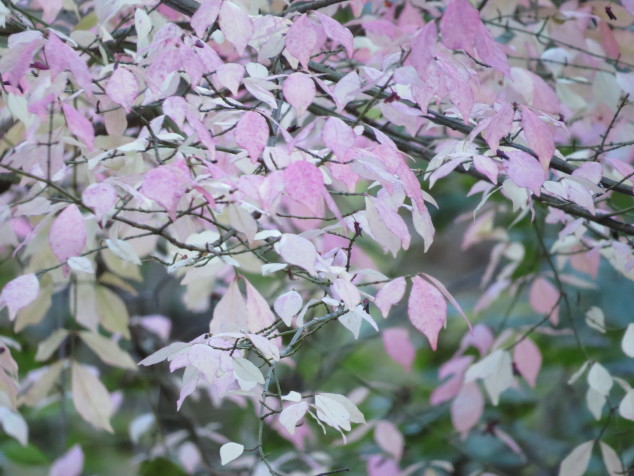
And then we saw an ethereal pinkish-white tree decorating the landscape, looking like Christmas or Easter or a Wedding Day against the ordinary gray and green of the autumn woods.
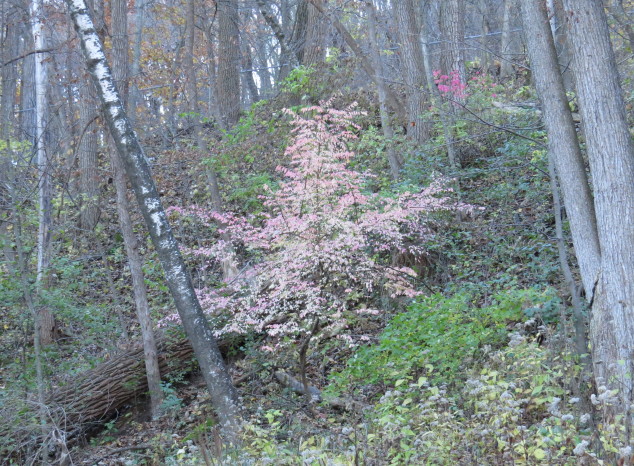
We saw only two of the small trees on our drive, and Chris excitedly identified them as Eastern Wahoo or Indian Arrow Wood. (Euonymus atropurpurea) These large shrubs or small trees are native to the eastern half of the United States and prefer light shade and moist soil. The young twigs have a square shape that is typical of the Euonymus genus. The mature stem or trunk is reddish-gray with vertical splits. Wahoo has small, dark pink flowers in spring that form bright pink seed pods that hang down in small bunches. The seed pod opens to reveal a red-covered seed. The seed pods are often still on the tree after the leaves drop, but I did not see any on either of the trees.
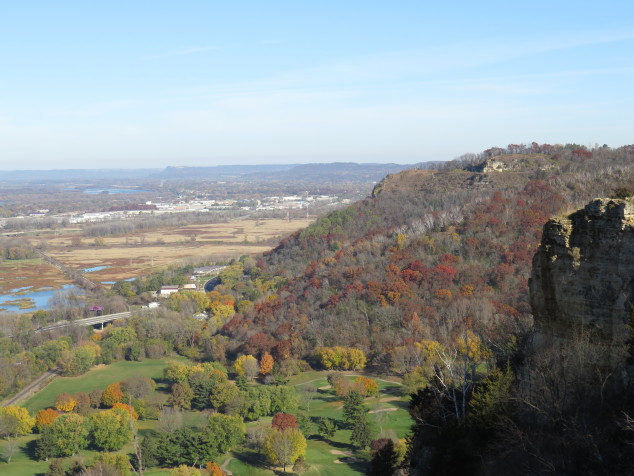
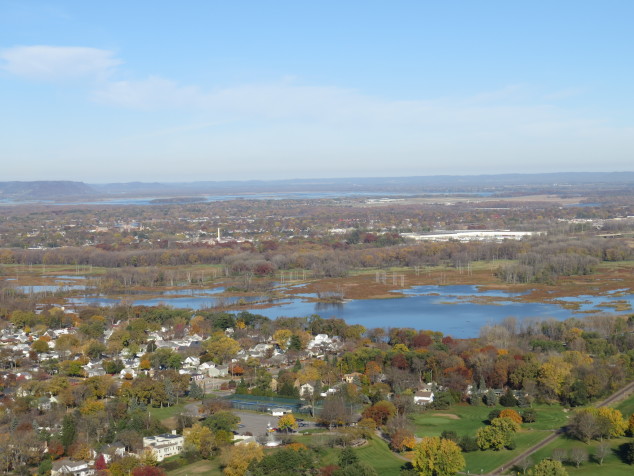
At the top of Grandad Bluff, we looked over the city of La Crosse to the Mississippi River Valley that included the three states of Wisconsin, Minnesota, and Iowa. It was a breath-taking view!
The area at the top of the bluff had been renovated a few years ago and included a beautifully restored prairie. Asters and yarrow still bloomed among the bluestem.
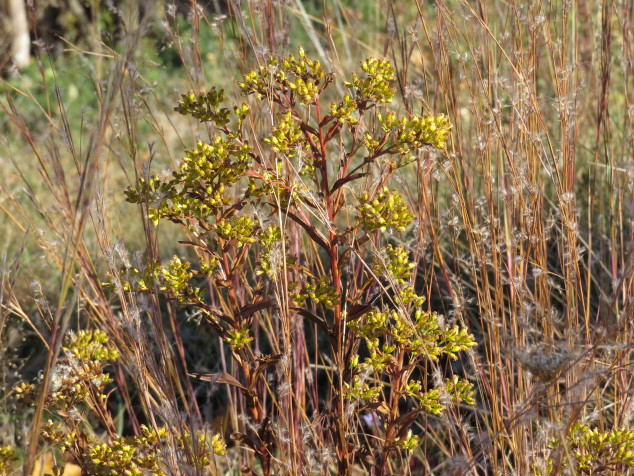
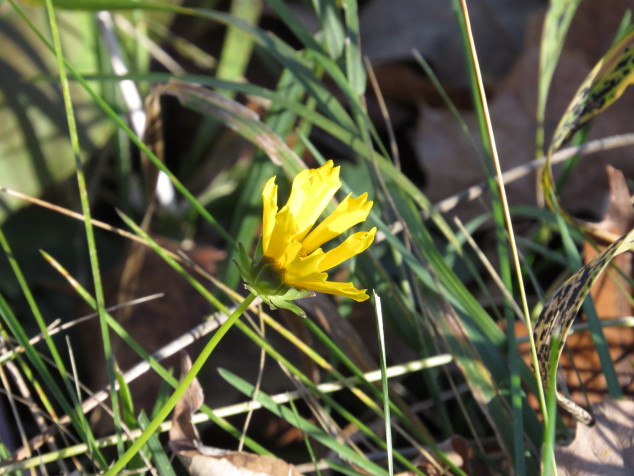
A couple sunshiny yellow prairie coreopsis flowers caught my attention.
And then I saw a plant that looked like a feather stuck in the ground! We had no idea what it was!
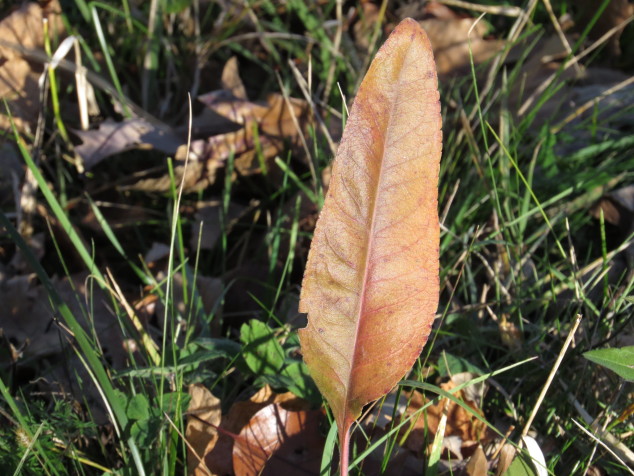
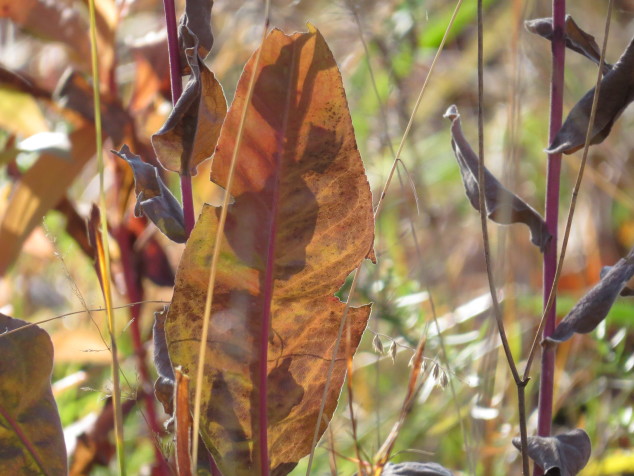
We didn’t see any flowers or seed heads coming from the unidentified plant, but the leaves were tough and sandpaper rough. They lit up in the morning sun.
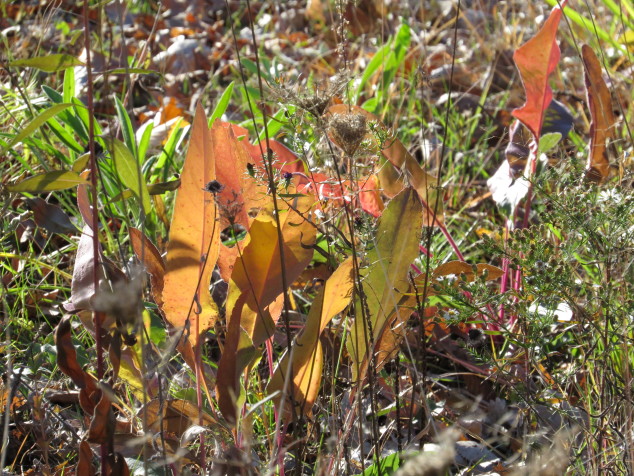
I have tried to find the name of this beautiful plant, but without a flower to help identify it, I didn’t have any luck. So the feather-leaved prairie plant remains a mystery.
We followed the Great Mississippi River to the Great-grandaddy Cottonwood tree to witness the beginning of a new life together under that ancient tree. Adam and Ashley will need the honesty, humility, and self-sacrifice the wise tree imparts to them as they navigate their married life. May they have the excitement of rare and beautiful finds among the ordinary, like the Wahoo tree. May they have breath-taking views as they climb the hills together. May they find and accept and honor the Mysteries of Life. And may the Sun shine upon them with all that is good.
Gleanings from October
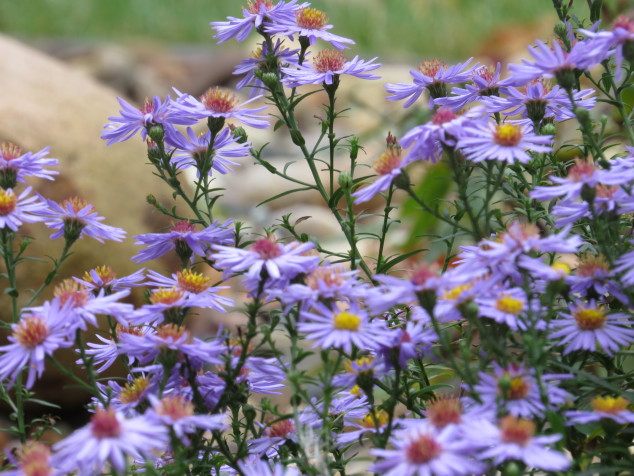
October is the month we get serious about winter. Though it starts off relatively green and warm, it ends with killing frosts and leafless trees. We had a glorious blast of color throughout the month, however; it was one of the best years in memory! Asters and mums dominated the floral landscape of this transition month.
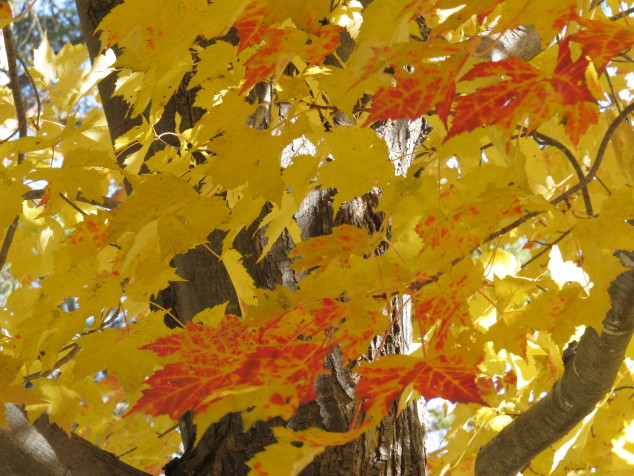
But the crown of glory goes to the deciduous trees as they stopped production of chlorophyll and let their colors shine through. The maples and oaks were spectacular this year with just the right combination of moisture, temperature, and wind to allow for a splendid show.
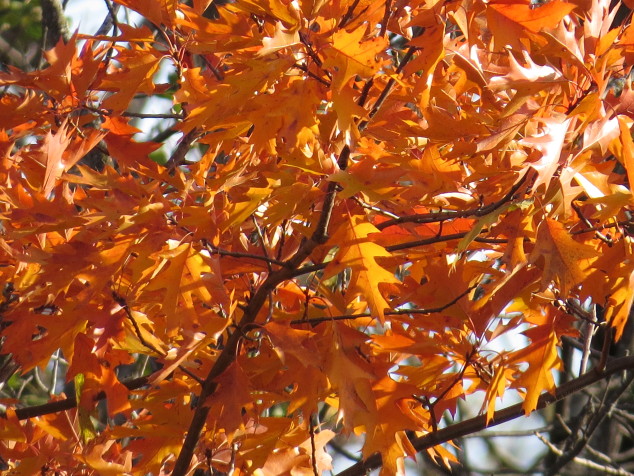
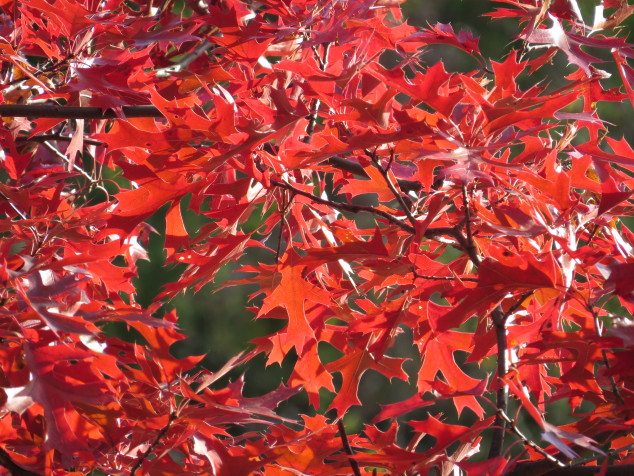
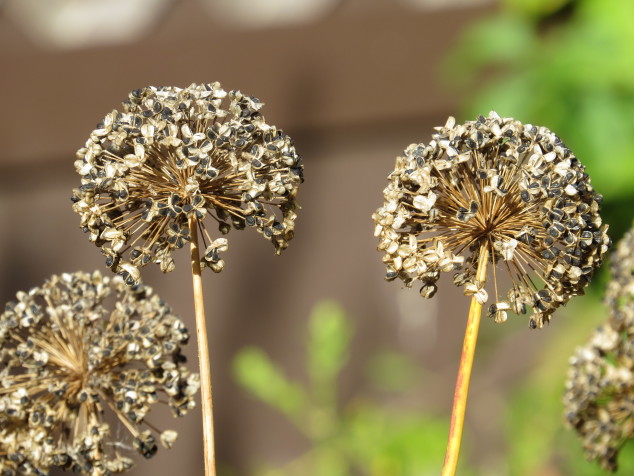
Seed production and dispersal is ongoing in its quiet and less showy manner. The lollipop balls of purple allium dry and rattle in the wind, and the tiny, black seeds dislodge and fall to the ground.
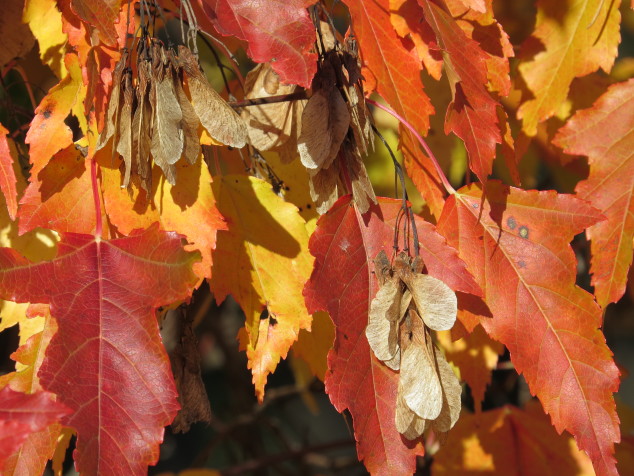
The winged seeds of the Amur maple hang clustered together among the fiery leaves and remain for a while longer after the leaves fall.
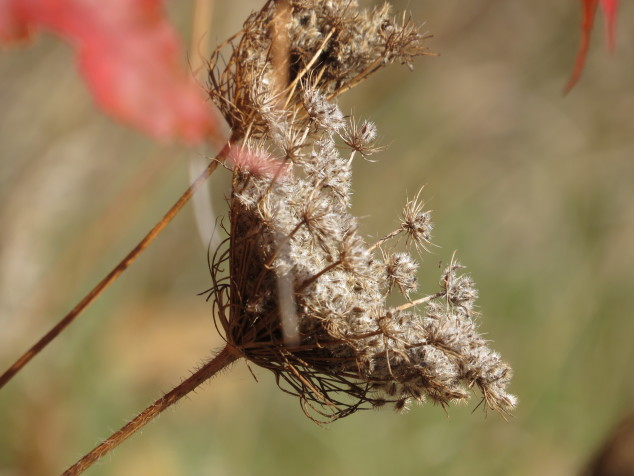
The white, delicate Queen Anne’s Lace flower closes as it dries and each seed is encased in a stickery covering, ready to hitch a ride on the fur of a passing animal.
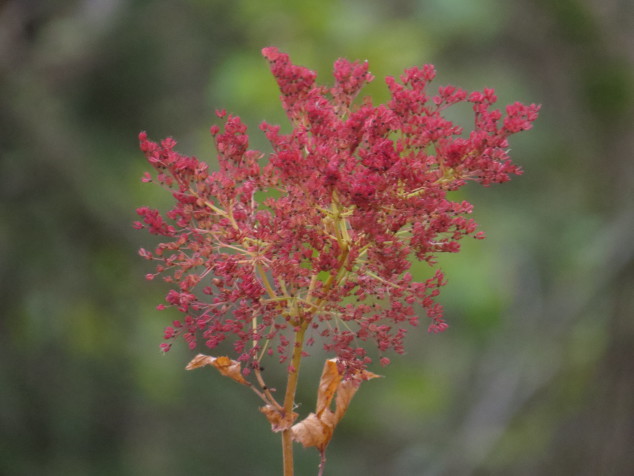
The seedhead of Queen of the Prairie turns a rosy red before drying and flaking off the paper-thin seedpods.
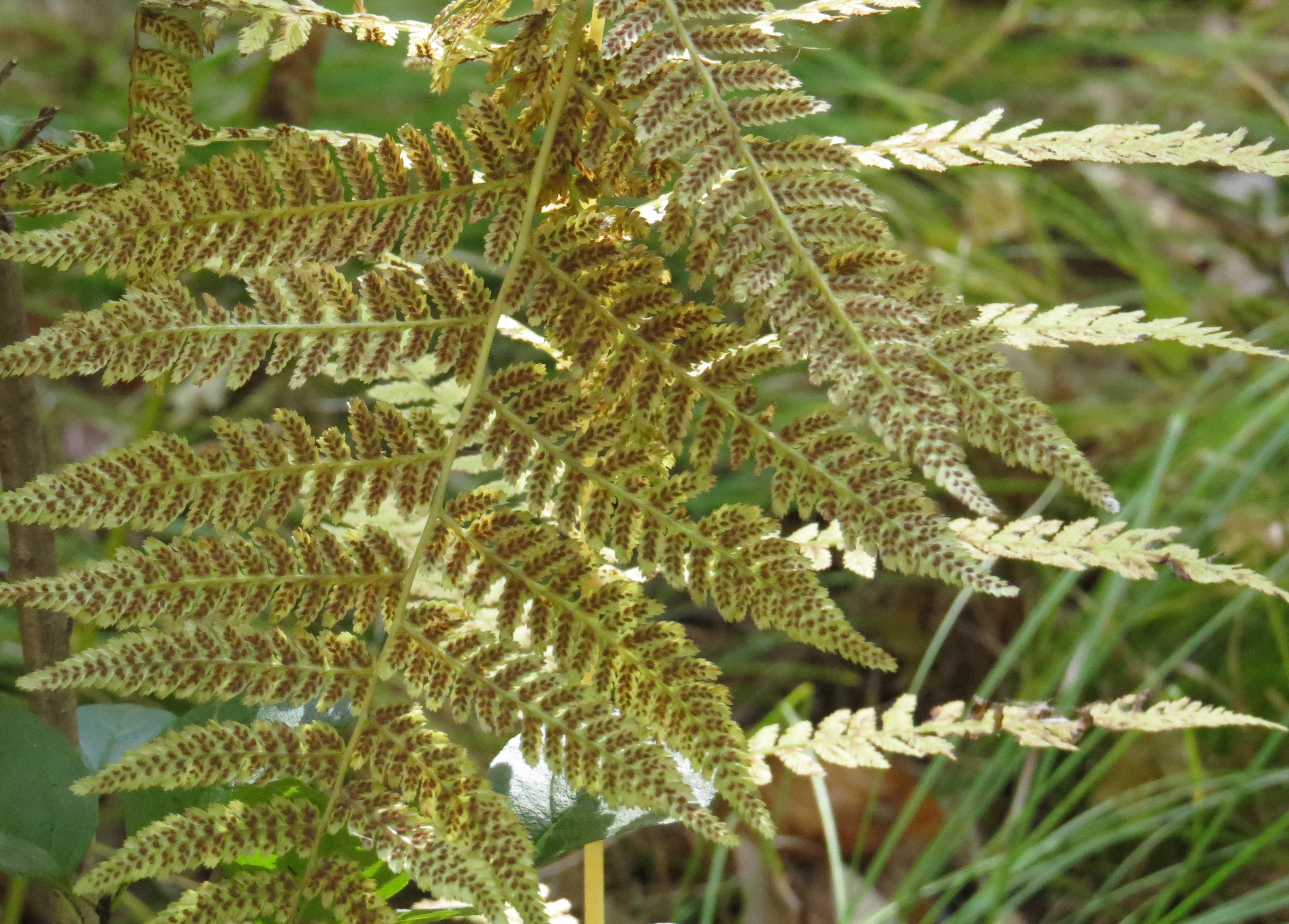
The reproductive process of the fern starts with the production of spores instead of seeds. Dotted casings full of spores can be seen on the underside of the leaf.
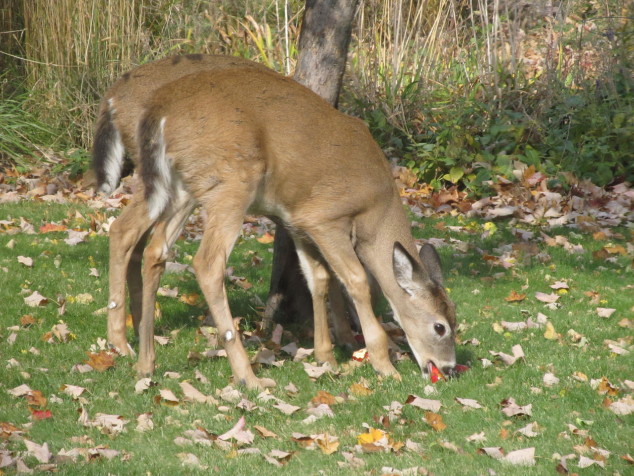
The animals also prepare for winter. This pair of spring fawns, now without their mother, filled their bellies with apples that had fallen from the tree.
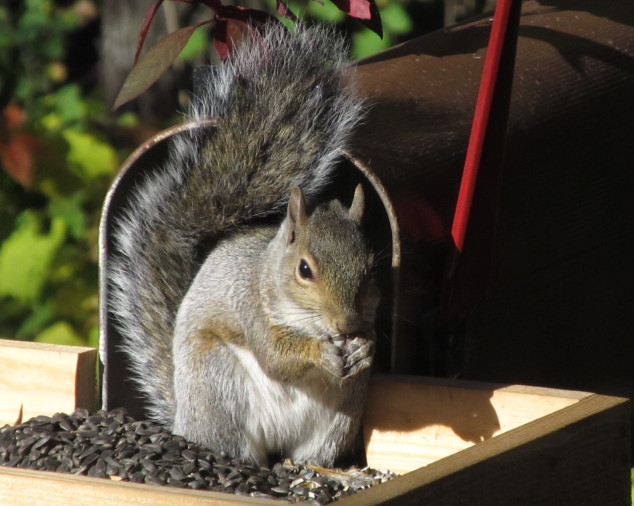
For the squirrels, it was a bad acorn year, so they are happy to try out the new bird feeder.
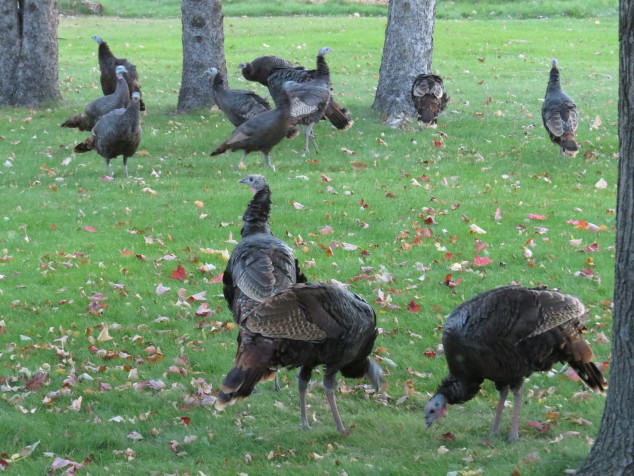
The turkeys also discovered the birdseed that had fallen from a feeder in the front yard.
October means leaf raking, tree watering, and perennial pruning. The potatoes and carrots are dug, the apples are picked and the apple butter made. Bird houses are put away and the feeders are hung up. Small evergreens are wrapped in burlap. Tree guards are put on small trunks. Clay pots of spent annuals are cleaned out and put in the shed. Pots of oak seedlings are covered with straw. There’s still more to be done.
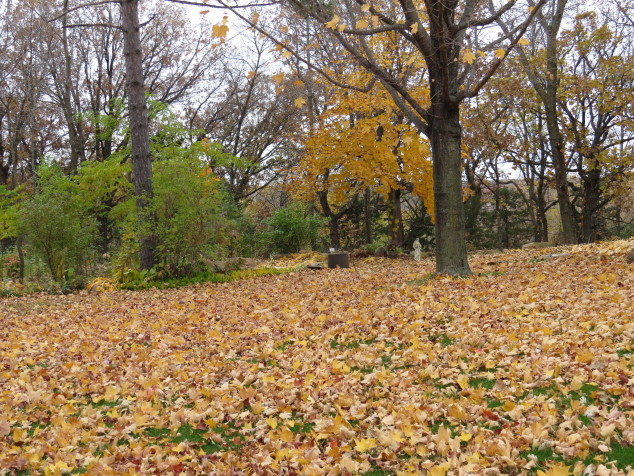
The reason we do so much work each October is two-fold. First off, you don’t mess with Old Man Winter in Central Minnesota. There are no guarantees that the extreme temperatures and drying winds won’t kill the trees and perennials that we have planted, so we help the best way we can. Ironically, the snow cover is beneficial for the plants, but makes life harder for the wild animals to find food. They need to be prepared by storing fat and having a sheltered place to live. Secondly, much of what we do is because of stewardship. We appreciate and love the natural world and believe it is our responsibility to care for our small piece of it. So as Nature has given us a spectacular show of Fall color, as the seeds for next year’s plants have been dispersed, and as the animals prepare for their cold, harsh season, we work hard to protect, prepare, and care for the creation around us. After all, it’s what we all do for the things in life we love.